FAA investiga fallas A321 de Spirit

AW | 2018 02 11 08:30 | AVIATION SAFETY / AIR INVESTIGATION

Resultado de imagen para FAALa FAA investiga dos fallas en aeronave Airbus A321 de Spirit Airlines

Las autoridades federales de aviación de Estados Unidos, Federal Aviation Administration (FAA) están investigando dos fallas mecánicas en un avión de Spirit Airlines que describen como incidentes separados y no relacionados.

La aerolínea de bajo costo tuvo que realizar un aterrizaje de un Airbus A321 después de que un ruido de motor en vuelo se detectase el 4 de Febrero 2018 lo que provocó que el piloto regresara al Aeropuerto Internacional McCarran en Las Vegas. El vuelo comenzó a temblar violentamente causando pánico entre los pasajeros y la tripulación.

La misma aeronave tuvo un incidente el 28 de Enero 2018, los tripulantes en un vuelo desde Akron, Ohio a Fort Lauderdale se enfermaron por los humos de la unidad de potencia auxiliar (APU) del Airbus A321.

El vocero de la FAA, Allen Kenitzer, dijo que los incidentes no están relacionados y que están involucrados dos sistemas completamente separados. Stephen Schuler, portavoz de la aerolínea con sede en Florida, dijo que en ambos casos, algunos miembros de la tripulación fueron evaluados por médicos pero no hospitalizados. Dijo que ningún pasajero reportó ningún problema durante el incidente del humo. El incidente más reciente, la tripulación sintió una vibración en un motor y volvió por precaución. Dijo que el motor ha sido reemplazado.

«La seguridad de nuestros huéspedes y la tripulación es nuestra principal prioridad en Spirit Airlines», dijo Schuler. El avión A321 efectuó 32 vuelos entre el incidente del 28 de enero y el problema del motor de Las Vegas el 4 de Febrero. AIRWAYS® AW-Icon TXT

Resultado de imagen para A321 Spirit Airlines wiki

FAA investigates A321 failures of Spirit Airlines

The FAA investigates two failures in Airbus A321 aircraft of Spirit Airlines

The federal aviation authorities of the United States, Federal Aviation Administration (FAA) are investigating two mechanical failures in a Spirit Airlines plane that they describe as separate and unrelated incidents.

The low-cost airline had to make an Airbus A321 landing after an in-flight engine noise was detected on February 4, 2018 which caused the pilot to return to the McCarran International Airport in Las Vegas. The flight began to shake violently causing panic among passengers and crew.

The same aircraft had an incident on January 28, 2018, the crew on a flight from Akron, Ohio to Fort Lauderdale got sick from the fumes of the auxiliary power unit (APU) of the Airbus A321.

FAA spokesman Allen Kenitzer said the incidents are unrelated and that two completely separate systems are involved. Stephen Schuler, spokesman for the Florida-based airline, said that in both cases, some crew members were evaluated by doctors but not hospitalized. He said no passenger reported any problems during the smoke incident. The most recent incident, the crew felt a vibration in an engine and returned as a precaution. He said that the engine has been replaced.

«The safety of our guests and crew is our top priority on Spirit Airlines», said Schuler. The A321 plane made 32 flights between the January 28 incident and the Las Vegas engine problem on February 4. A \ W


Ξ A I R G W A Y S Ξ
SOURCE:  Airgways.com
DBk: Faa.gov / Wikimedia.org
AW-POST: 2018021108030AR

A\W   A I R G W A Y S ®

Airbus identifica problemas en P&W GTF

Resultado de imagen para A320neo PW1100G-JM

AW | 2018 02 10 05:42 | AVIATION SAFETY / INDUSTRY

EASA emite Directiva de Aeronavegabilidad de Emergencia

Se identificó un problema en algunos motores Pratt & Whitney GTF recientemente entregados para el avión A320NEO del fabricante de aviones europeo Airbus, dijeron las dos compañías el viernes.

Pratt & Whitney dijo que el problema estaba relacionado con el sello del borde de la cuchilla en el cubo de popa del compresor de alta presión (HPC) en el motor PW1100G-JM que alimenta el A320NEO.

EASA emite directiva

Airbus lo dijo y Pratt & Whitney estaban evaluando la situación y la Agencia Europea de Seguridad Aérea (EASA) había publicado una Directiva de Aeronavegabilidad de Emergencia. La Agencia Europea de Seguridad Aérea emitió una advertencia de directiva de aeronavegabilidad (AD) de un posible «doble motor» en el avión de la familia A320NEO propulsado por Pratt & Whitney PW1100G turbofan con engranaje (GTF) motores. EASA dijo que «se han reportado varias ocurrencias de apagado en vuelo y despegue rechazado en ciertos aviones de la familia A320NEO propulsados ​​por motores GTF».

Imagen relacionada

EL MOTOR P&W PW1100G-JM DEL AIRBUS A320NEO A EXÁMEN

Hay 113 aviones de la familia A320NEO propulsados ​​por motores GTF en servicio (el motor CFM International LEAP-1A también es una opción en aviones de la familia A320NEO). Según Airbus, 43 motores GTF se ven afectados por el AD. Tanto A320NEO’s como A321NEO’s se ven afectados.

EASA dijo que las aeronaves con dos motores afectados solo pueden operar tres ciclos más. También está ordenando limitaciones de operaciones de doble motor y alcance extendido (ETOPS). Airbus ha emitido una Transmisión de Operadores de Alerta (AOT) que proporciona instrucciones «para desvincular los motores afectados y descontinuar [ETOPS] para aeronaves equipadas con motores afectados», según EASA.

EASA dijo que el lote de motores afectados comienza con el número de serie P770450, pero ni el fabricante del avión ni la agencia revelaron qué aerolíneas están operando aviones con los motores afectados.

Airbus dijo que había informado a los clientes y operadores de A320NEO afectados, y agregó que actualmente hay 113 aviones A320NEO propulsados ​​por Pratt & Whitney que vuelan con 18 clientes.

Pratt & Whitney dijo en un comunicado que el problema afectó a «una subpoblación limitada de motores», sin dar más detalles. Airbus dijo que las dos compañías estaban evaluando la situación y que la Agencia Europea de Seguridad Aérea había publicado una Directiva de Aeronavegabilidad de Emergencia. Dicha directiva se emite cuando existe una condición insegura que requiere acción inmediata por parte del propietario u operador de la aeronave.  AIRWAYS® AW-Icon TXT

Resultado de imagen para A320neo PW1100G-JM

Airbus identifies problems at Pratt & Whitney GTF

EASA issues Emergency Airworthiness Directive

A problem was identified in some Pratt & Whitney GTF engines recently delivered for the A320NEO aircraft of European aircraft manufacturer Airbus, the two companies said on Friday.

Pratt & Whitney said the problem was related to the blade edge seal on the aft hub of the high pressure compressor (HPC) on the PW1100G-JM engine that powers the A320NEO.

Resultado de imagen para a320NEO PNGEASA issues directive

Airbus said so and Pratt & Whitney were assessing the situation and the European Aviation Safety Agency (EASA)  had published an Emergency Airworthiness Directive. The European Aviation Safety Agency issued an Airworthiness Directive (AD) warning of a possible «double engine» on the A320NEO family aircraft powered by Pratt & Whitney PW1100G turbofan with gear (GTF) engines. EASA said that «several occurrences of flight shutdown and rejected takeoff have been reported in certain aircraft of the A320NEO family powered by GTF engines».

There are 113 aircraft of the A320NEO family powered by GTF engines in service (the CFM International LEAP-1A engine is also an option in aircraft of the A320NEO family). According to Airbus, 43 GTF engines are affected by the AD. Both A320NEO’s and A321NEO’s are affected.

EASA said that aircraft with two affected engines can only operate three more cycles. It is also ordering limitations of dual motor and extended range (ETOPS) operations. Airbus has issued an Alert Operator Transmission (AOT) that provides instructions «to de-link affected engines and discontinue [ETOPS] for aircraft equipped with affected engines», according to EASA.

EASA said the batch of affected engines starts with serial number P770450, but neither the aircraft manufacturer nor the agency revealed which airlines are operating aircraft with affected engines.

Airbus said it had informed affected A320NEO customers and operators, adding that there are currently 113 A320NEO aircraft powered by Pratt & Whitney that fly with 18 customers.

Pratt & Whitney said in a statement that the problem affected «a limited subpopulation of engines,» without giving further details. Airbus said the two companies were evaluating the situation and that the European Aviation Safety Agency had published an Emergency Airworthiness Directive. This directive is issued when there is an unsafe condition that requires immediate action by the owner or operator of the aircraft. A \ W


Ξ A I R G W A Y S Ξ
SOURCE:  Airgways.com
DBk: Airbus.com / Pw.utc.com
AW-POST: 2018020100542AR

A\W   A I R G W A Y S ®

Incidente vuelo Frontier incendio batería

Resultado de imagen para Frontier Airlines

AW | 2018 02 07 05:03 | AVIATION SAFETY

Un vuelo de Frontier Airlines se vio obligado a desviarse cuando la batería de litio de un pasajero se incendió, hiriendo a dos personas y esparciendo humo en cabina

El vuelo F9-1883 de Frontier Airlines partió de Orlando en Florida con destino Phoenix, Arizona, a las 20:40 hs el 3 de Febrero. Durante la escalada, se encendió la batería de un pasajero que estaba conectada a un teléfono inteligente. Otro pasajero logró recogerlo y llevarlo al baño para colocarlo en el fregadero, quemándose la mano en el proceso. La batería estaba cubierta de hielo para tratar de enfriarla.

Aumentan los temores de las aerolíneas sobre los incendios telefónicos, pero los consejos son inconsistentes. Los pilotos decidieron desviarse a Tampa, donde el Airbus A320 aterrizó de forma segura unos 40 minutos después del despegue. Los dos pasajeros heridos recibieron tratamiento por sus quemaduras.

La Administración Federal de Aviación de los EEUU (FAA) permite que se lleven baterías de iones de litio de repuesto en la cabina de la aeronave, pero no se registran en el equipaje.

En Diciembre 2107, el iPhone de un pasajero en un vuelo de United Airlines desde Barcelona a Nueva York se incendió después de que fue inadvertidamente aplastado cuando el asiento estaba reclinado. «El teléfono se incendió y luego fue recuperado y colocado en una bolsa de contención», informó la FAA.

La Autoridad de Aviación Civil del Reino Unido dice : «Las baterías de litio son muy seguras, pero debido a su alta energía, si no son tratadas con cuidado o si son maltratadas o tienen un defecto de fabricación, pueden incendiarse».

Las baterías han sido la causa de una serie de incendios a bordo de aeronaves y durante la asistencia en tierra.   AIRWAYS® AW-Icon TXT


Frontier flight incident by battery fire

A Frontier Airlines flight was forced to deviate when a passenger’s lithium battery caught fire, injuring two people and spreading smoke in the cabin

The Frontier Airlines flight F9-1883 left Orlando in Florida for Phoenix, Arizona, at 8:40 pm on February 3. During the climb, the battery of a passenger who was connected to a smartphone was turned on. Another passenger managed to pick it up and take it to the bathroom to place it in the sink, burning his hand in the process. The battery was covered with ice to try to cool it.

The fears of airlines about telephone fires rise, but the advice is inconsistent. The pilots decided to detour to Tampa, where the Airbus A320 landed safely about 40 minutes after takeoff. The two injured passengers received treatment for their burns.

The US Federal Aviation Administration (FAA) allows replacement lithium-ion batteries to be carried in the cabin of the aircraft, but they are not recorded in the baggage.

In December 2107, a passenger’s iPhone on a United Airlines flight from Barcelona to New York caught fire after it was inadvertently crushed when the seat was reclined. «The phone caught fire and then it was recovered and placed in a containment bag», the FAA reported.

The Civil Aviation Authority of the United Kingdom says: «Lithium batteries are very safe, but due to their high energy, if they are not treated with care or if they are mistreated or have a manufacturing defect, they can catch fire».

Batteries have been the cause of a series of fires on board aircraft and during groundhandling. A \ W


Ξ A I R G W A Y S Ξ
SOURCE:  Airgways.com
DBk: Airlines-inform.com
AW-POST: 201802070503AR

A\W   A I R G W A Y S ®

Las regulaciones aéreas en EEUU

original.jpg

AW | 2018 02 03 17:01 | AVIATION SAFETY

Varios incidentes ponen en entredicho las regulaciones de la FAA y la NTSB

La creciente evidencia sugiere, que las agencias de la Federal Aviation administration (FAA) ) y la National Transportation Safety Board (NTSB), deben reaccionar ante cuatro percances graves de las aerolíneas en los últimos siete meses. Los reguladores podrían «inclinarse» ante las industrias, pero es su deber supervisar la seguridad del transporte aéreo.

Los sucesos han llevado una investigación al Congreso de Estados Unidos, para profundizar los incidentes ocurridos y una presunta falta de controles de los organismos de transporte.

Casos de investigación

Un vuelo de Horizon Air el 29 de Diciembre 2017 aterrizó en una estrecha calle de rodaje en el Aeropuerto Pullman, Washington, en lugar de la pista donde debería haber estado. Los investigadores de la FAA recibieron entonces órdenes de sus superiores de no molestarse en escuchar la grabadora de voz desde el avión. La explicación contorsionada de la FAA: escuchar cintas después de un percance «podría tener un efecto escalofriante en las comunicaciones de la tripulación». Pasar por alto este tipo de análisis, podría derivar en problemas mayores. Los pilotos dejan de hablar en la cabina porque saben de antemano que cuando están a punto de cometer un gran error, alguien más tarde podría escuchar lo que dijeron.

Es un argumento tonto que solo sirve para proteger a los pilotos errantes y esconder evidencia crítica de los investigadores. Los expertos dicen que las grabaciones críticas pueden proporcionar información valiosa sobre lo que los pilotos estaban haciendo y pensar cuándo se equivocaron al aterrizar.

La NTSB no inició una investigación del incidente hasta un mes después, solo después de que se comenzara a informar sobre la indiferencia de la agencia. La NTSB ahora dice que también revisará por qué originalmente se negó a investigar el contratiempo.

Otros incidentes encendieron la alarma ante evidentes faltas de controles. Un avión de Air Canada casi aterrizó el 7 de Julio 2017 en una calle de rodaje de San Francisco (SFO) donde cuatro aviones a plena carga esperaban el despegue. Un avión de Air Canada aterrizó en SFO el 22 de octubre a pesar de las repetidas órdenes de abortar debido a la preocupación de que otro avión no despejara la pista. Un avión de Delta Air Lines casi aterrizó el 29 de Noviembre 2017 en una calle de rodaje ocupada por un avión comercial completamente cargado.

Para efectuar un proceso de investigación, las grabaciones de voces y parámetros de los primeros incidentes ni siquiera se conservaron. Peor aún, la ley federal no requería preservación porque los aviones nunca aterrizaron en una calle de rodaje o en una pista equivocada.

La ley federal debe ser enmendada para requerir preservación, pero la FAA y la NTSB no han mostrado interés en abogar por el cambio. El incidente de Horizon Air fue diferente porque el avión aterrizó en una calle de rodaje, cumpliendo el criterio legal que exige la preservación de la grabación de voz. Sin embargo, incluso entonces, la FAA no estaba interesada en escuchar lo que los pilotos decían. Y la NTSB al principio ni siquiera se molestó en investigar. Nada de esto infunde confianza en que las dos agencias responsables de la seguridad aérea realmente se preocupen por lo que sucede. AIRWAYS® AW-Icon TXT

Image result for Horizon Air Q400 png

The air regulations in the USA

Several incidents call into question the regulations of the FAA and the NTSB

Growing evidence suggests that Federal Aviation Administration (FAA) and National Transportation Safety Board (NTSB) agencies must react to four major airline mishaps in the last seven months. Regulators could «bow down» to industries, but it is their duty to monitor the safety of air transport.

The events have led an investigation to the United States Congress, to deepen the incidents that occurred and a presumed lack of controls by transportation agencies.

Research cases

A Horizon Air flight on December 29, 2017 landed on a narrow taxiway at Pullman Airport, Washington, instead of the runway where it should have been. The FAA investigators then received orders from their superiors not to bother listening to the voice recorder from the plane. The contorted explanation of the FAA: listening to tapes after a mishap «could have a chilling effect on crew communications». Overlooking this type of analysis could lead to greater problems. The pilots stop talking in the booth because they know in advance that when they are about to make a big mistake, someone later could hear what they said.

It is a silly argument that only serves to protect roving pilots and hide critical evidence from researchers. Experts say that the critical recordings can provide valuable information about what the pilots were doing and think when they made a mistake when landing.

The NTSB did not initiate an investigation of the incident until a month later, only after it began reporting the indifference of the agency. The NTSB now says it will also review why it originally refused to investigate the setback.

Other incidents ignited the alarm before evident lack of controls. An Air Canada plane almost landed on July 7, 2017 on a taxiway in San Francisco (SFO) where four fully loaded planes awaited takeoff. An Air Canada plane landed in SFO on October 22 despite repeated orders to abort due to concerns that another plane would not clear the runway. A Delta Air Lines plane almost landed on November 29, 2017 on a taxiway occupied by a fully loaded commercial aircraft.

To carry out a research process, the recordings of voices and parameters of the first incidents were not even conserved. Worse yet, the federal law did not require preservation because the planes never landed on a taxiway or on a wrong track.

Federal law must be amended to require preservation, but the FAA and the NTSB have not shown interest in advocating for change. The Horizon Air incident was different because the plane landed on a taxiway, meeting the legal criteria that requires the preservation of voice recording. However, even then, the FAA was not interested in hearing what the pilots said. And the NTSB at first did not even bother to investigate. None of this instills confidence that the two agencies responsible for aviation security really care about what happens. A \ W


Ξ A I R G W A Y S Ξ
SOURCE:  Airgways.com
DBk: Mercurynews.com / Alaskaair.com
AW-POST: 201802031701AR

A\W   A I R G W A Y S ®

E-190 Austral pierde rueda tren aterrizaje

AW | 2018 01 30 20:15 | AVIATION SAFETY

Incidente pérdida rueda Embraer E-190-100AR de Austral en Mar del Plata

Un avión Embraer E-190-100AR de Austral Líneas Aéreas perdió una rueda del tren de naríz en el momento en que se disponía a despegar en el Aeropuerto de Mar del Plata. El incidente ocurrió este lunes, en el vuelo AU2605 que debía despegar a las 15:05 hs (12:05 UTC) de la ciudad de Mar del Plata.

El incidente impidió el despegue y obligó a la empresa Austral Líneas Aéreas a reprogramar el vuelo que se debía dirigir al Aeroparque Jorge Newbery de la Ciudad de Buenos Aires.

El vuelo había salido previamente de Tucumán hacia Mar del Plata. El vuelo AU2605 de Austral sufrió la rotura en una de las cubiertas, avería que afectó el desarrollo normal de las operaciones de despegue. El avión regresó por sus propios medios a plataforma y el vuelo fue cancelado.

El incidente del vuelo AU2605 del E190-100AR tuvo consecuencias afortunadas teniendo presente que el desprendimiento de la rueda había ocurrido en el momento del rodaje sobre pista pudiendo detener la aeronave sin consecuencias y sin que se produjesen heridos. Los pasajeros fueron reubicados casi en su totalidad en el vuelo AR1611, que partió hacia Aeropaque en el mismo día.

La Junta de Investigación de Accidentes de Aviación Civil (JIAAC) inició un expediente sobre el incidente para conocer cuál fue el motivo de la pérdida del neumático del E190-100AR de Austral. AIRWAYS® AW-Icon TXT


Incidente MD-81 Austral

AW-7000067.jpg

El 20 de Febrero de 2004, el MD-81 LV-WPY de Austral Línea Aéreas despegó desde el Aeropuerto Jorge Newbery rumbo a Iguazú con 151 pasajeros a bordo, en ese momento se deprendió una de las ruedas del tren de aterrizaje principal, la que atravesó la reja perimetral del Aeropuerto Jorge Newbery, cruzó la Avenida Costanera y terminó en un campo de golf cercano. Ante este inconveniente, el comandante declaró en emergencia a la aeronave, voló durante una 1:20 hs para quemar combustible y de esta manera alivianar el peso para aterrizar. La aeronave MD-81 aterrizó en el Aeropuerto Internacional de Ezeiza, cuando tocó pista se desprendió la segunda rueda del conjunto del tren de aterrizaje donde se había perdido la primera rueda al despegar, luego de este incidente el LV-WPY permaneció varios meses fuera de servicio. A \ W


AU E190-100AR

E-190 Austral loses wheel train landing

Incident loss Embraer E-190-100AR of Austral in Mar del Plata

An Embraer E-190-100AR plane from Austral Líneas Aéreas lost a nose train at the time it was ready to take off at Mar del Plata Airport. The incident occurred on Monday, on flight AU2605 that was due to take off at 3:05 p.m. (12:05 UTC) from the city of Mar del Plata.

The incident prevented the takeoff and forced the company Austral Líneas Aéreas to reprogram the flight that was to be directed to Aeroparque Jorge Newbery of the City of Buenos Aires.

The flight had previously left Tucumán towards Mar del Plata. Austral flight AU2605 suffered a break in one of the decks, damage that affected the normal development of the takeoff operations. The plane returned by its own means to platform and the flight was canceled.

The incident of the flight AU2605 of the E190-100AR had fortunate consequences bearing in mind that the detachment of the wheel had occurred at the time of taxiing on track and could stop the aircraft without consequences and without causing injuries. The passengers were relocated almost entirely on flight AR1611, which departed for Aeropaque on the same day.

The Civil Aviation Accident Investigation Board (JIAAC) initiated a file on the incident to find out the reason for the loss of the Austral E190-100AR tire. A \ W


Incident MD-81 Austral

570808e98f46b_Plane-Maker2015-12-1303-16-53-18.png.9133039fc6825553a7991abb31f891a9.png

On February 20, 2004, the MD-81 LV-WPY of Austral Línea Aéreas took off from Jorge Newbery Airport to Iguazú with 151 passengers on board, at which point one of the wheels of the main landing gear was detonated. He crossed the perimeter fence of the Jorge Newbery Airport, crossed Costanera Avenue and ended up at a nearby golf course. Faced with this inconvenience, the commander declared the aircraft in emergency, flew for a 1:20 hs to burn fuel and thus lighten the weight to land. The MD-81 aircraft landed at the Ezeiza International Airport, when it touched the runway the second wheel of the landing gear assembly where the first wheel had been taken off took off, after this incident the LV-WPY remained for several months outside service. A \ W


Ξ A I R G W A Y S Ξ
SOURCE:  Airgways.com
DBk: Twitter.com/aeropuertotuc / Harro Ranter
AW-POST: 201801302015AR

A\W   A I R G W A Y S ®

Cancelaciones por tensión China-Taiwán

Resultado de imagen para Taiwan airport

AW | 2018 01 30 12:48 | AIR TRAFFIC / AVIATION SAFETY

Las aerolíneas chinas han cancelado más de 200 vuelos por las tensiones entre China y Taiwán

Las aerolíneas chinas han cancelado cientos de vuelos hacia y desde la Isla de Taiwán a medida que se intensifica la disputa sobre las rutas aéreas. Los movimientos rompen los planes de miles de pasajeros antes de las vacaciones del Año Nuevo Lunar, un período clave de viaje en la región.

Las aerolíneas China Eastern Airlines (CEA) y Xiamen Airlines han informado este martes que cancelaron los vuelos porque Taiwan se negó a aprobarlos. La programación de los vuelos regulares de las aerolíneas a Taiwán fueron cancelados debiendo hacer frente a la gran demanda de viajes en torno al feriado del Año Nuevo Lunar, que comienza el próximo mes. Pero Taiwan dijo que no había sido consultado sobre las rutas que las aerolíneas planeaban usar, acusando a Pekín de acciones «unilaterales».

China Eastern Airlines dijo que había cancelado 212 vuelos entre China continental y Taiwán que había planeado previamente para el período de vacaciones. Xiamen Airlines dijo que había cancelado al menos 70 de sus vuelos adicionales.

La Administración de Aviación Civil de China anunció a principios de Enero 2018 que estaba abriendo cuatro rutas para aliviar el tráfico aéreo en su espacio aéreo sobre el Estrecho de Taiwán, que separa la isla de China continental. Las aerolíneas chinas planearon usarlas para sus vuelos adicionales del Año Nuevo Lunar.

La Administración de Aeronáutica Civil de Taiwán dijo que no había sido consultada sobre las rutas. Uno de ellos, conocido como M503, provocó una disputa previa entre Taipei y Beijing en 2015. Los funcionarios de Taiwán dicen que las rutas representan un riesgo de seguridad al pasar cerca de los aeropuertos en las islas que están bajo el control de Taiwan, pero que se encuentran cerca de China continental.

El presidente de Taiwán, Tsai Ing-wen, advirtió que el tema está poniendo en peligro la frágil relación entre Taipei y Beijing. «Las recientes acciones unilaterales de #China, incluida la ruta de vuelo M503 y el aumento de los ejercicios militares, son desestabilizadores y deben evitarse», escribió en Twitter a principios de este mes. «#Taiwan continuará salvaguardando el status quo. Llamamos a todas las partes a hacer lo mismo».

China Air Transport Association, un grupo comercial afiliado al gobierno chino, expresó el martes su apoyo a las dos aerolíneas, diciendo que la ruta M503 «ha sido aprobada por la Organización de Aviación Civil Internacional después de una exhaustiva demostración de seguridad y verificación por expertos. Los problemas de seguridad son pura imaginación».

China y Taiwán se separaron en 1949 después de una sangrienta guerra civil. Beijing continúa reclamando la isla como parte de su territorio y ha amenazado con invadir si Taiwán se mueve para hacer oficial su independencia de facto. Tsai, quien fue elegido en 2016, se ha negado a respaldar el principio de «Una China», que establece que Taiwán y China continental son parte de China. Pero ella ha dicho que quiere preservar el status quo.

Ambas partes han reducido las comunicaciones desde que llegó al poder, y Beijing ha intensificado los ejercicios militares en el Estrecho de Taiwán. Taiwan ha dicho que su ejército desafiará a cualquier avión que amenace la seguridad de la isla. AIRWAYS® AW-Icon TXT

Cancellations due to tension between China and Taiwan

Chinese airlines have canceled more than 200 flights due to tensions between China and Taiwan

Chinese airlines have canceled hundreds of flights to and from the island of Taiwan as the dispute over air routes intensifies. The movements break the plans of thousands of passengers before the Lunar New Year holidays, a key period of travel in the region.

The airlines China Eastern Airlines (CEA) and Xiamen Airlines have reported on Tuesday that canceled flights because Taiwan refused to approve them. The programming of the scheduled flights of the airlines to Taiwan were canceled due to the high demand for trips around the Lunar New Year holiday, which begins next month. But Taiwan said it had not been consulted about the routes the airlines planned to use, accusing Beijing of «unilateral» actions.

China Eastern Airlines said it had canceled 212 flights between mainland China and Taiwan that it had previously planned for the holiday period. Xiamen Airlines said it had canceled at least 70 of its additional flights.

The Civil Aviation Administration of China announced in early January 2018 that it was opening four routes to alleviate air traffic in its airspace over the Taiwan Strait, which separates the island from mainland China. Chinese airlines planned to use them for their additional Lunar New Year flights.

The Civil Aviation Administration of Taiwan said it had not been consulted about the routes. One, known as M503, sparked a previous dispute between Taipei and Beijing in 2015. Taiwan officials say the routes pose a security risk by passing near airports on the islands that are under Taiwan’s control, but which are near mainland China.

Taiwanese President Tsai Ing-wen warned that the issue is endangering the fragile relationship between Taipei and Beijing. «Recent unilateral actions #China, including flight path M503 and increased military exercises, that are destabilizing and should be avoided», tweeted earlier this month. «# Taiwan will continue to safeguard the status quo, and we call on all parties to do the same».

China Air Transport Association, a trade group affiliated with the Chinese government, on Tuesday expressed support for the two airlines, saying that the M503 route «has been approved by the International Civil Aviation Organization after a thorough demonstration of safety and verification by experts The security problems are pure imagination».

China and Taiwan separated in 1949 after a bloody civil war. Beijing continues to claim the island as part of its territory and has threatened to invade if Taiwan moves to formalize its de facto independence. Tsai, who was elected in 2016, has refused to endorse the «One China» principle, which states that Taiwan and mainland China are part of China. But she has said she wants to preserve the status quo.

Both sides have reduced communications since he came to power, and Beijing has stepped up military exercises in the Taiwan Strait. Taiwan has said that its army will defy any plane that threatens the security of the island. A \ W


Ξ A I R G W A Y S Ξ
SOURCE:  Airgways.com
DBk: Caac.gov.cn /  Wikimedia.org
AW-POST: 201801301248AR

A\W   A I R G W A Y S ®

UALA denuncia a ANAC falta de controles

0002895677.jpg

AW | 2018 01 26 15:03 | AVIATION SAFETY

Resultado de imagen para UALA comunicado 2000-FO2710UALA de Argentina denuncia que Flybondi empleó nomanclatura de Austral Líneas Aéreas

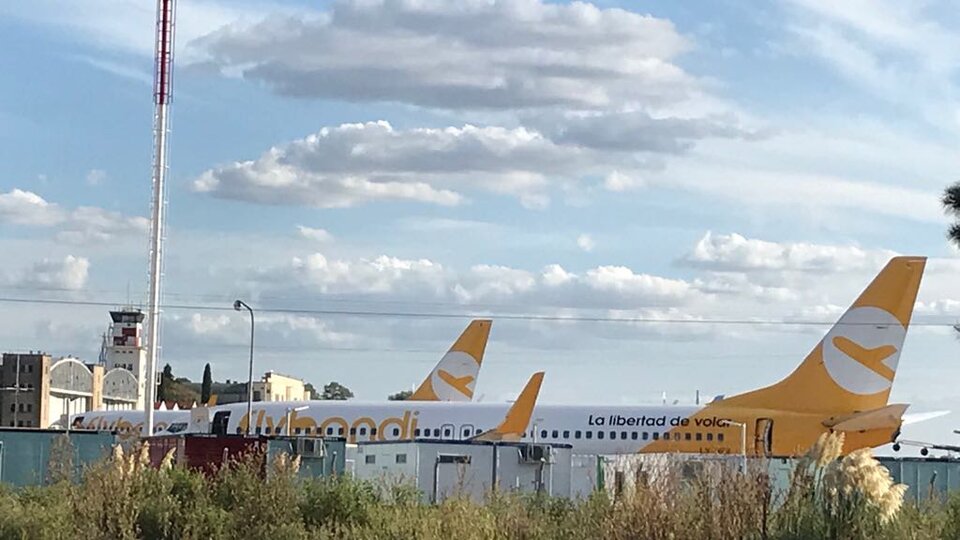
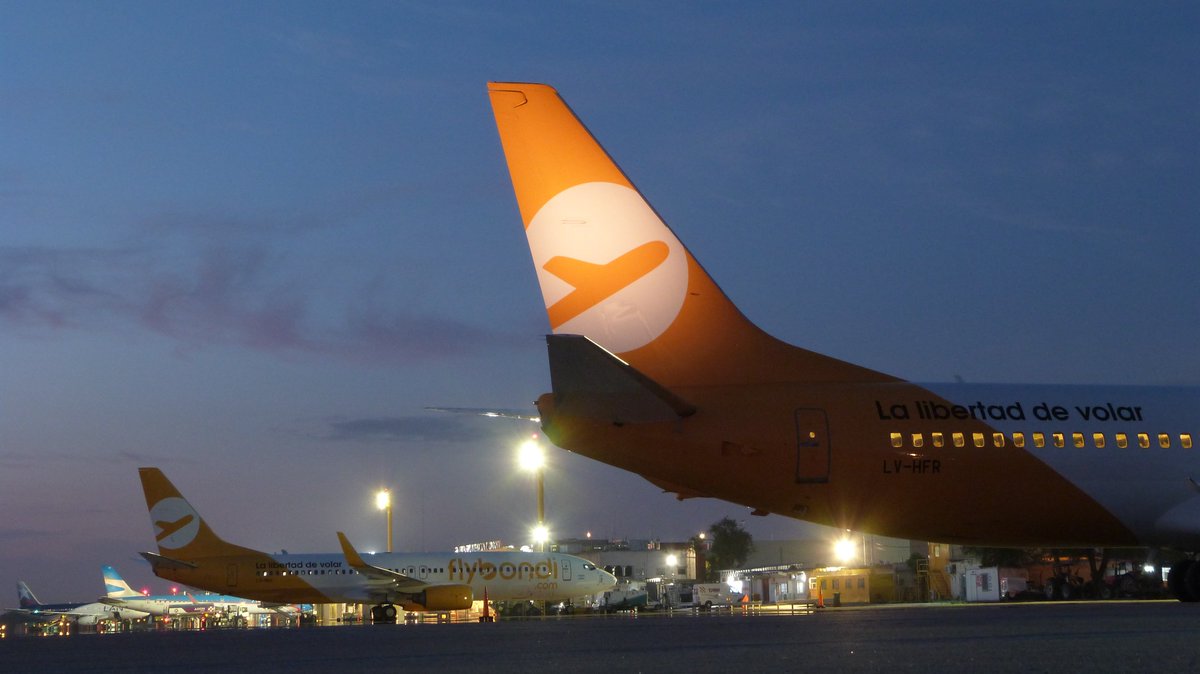
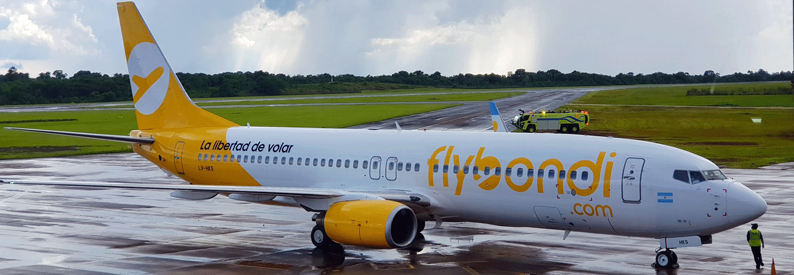
Según un comunicado emitido por la Unión de Aviadores de Líneas Aéreas (UALA), y firmado por su titular Genaro Trucco, en el vuelo promocional que FlyBondi realizó el día lunes en la provincia de Córdoba, utilizó la nomenclatura Radiotelefónica de la serie 2000-FO2710 que le corresponde a Austral Líneas Aéreas.

El incidente ocurrido con el Boeing 737-800 de Flybondi en un vuelo de de promoción ha tenido trascendidos por un percance en uno de los motores por lo que debió aterrizar. El piloto empleó la nomenclatura 2000-FO2710 asignada a Austral Líneas Aéreas, lo que ha derivado en causa de confusión con Control de Tráfico Aéreo.La nomenclatura se emplea en las aeronaves para su identificación con el Control de Tráfico Aéreo. Este código que se utiliza para identificar a cada aeronave permite brindar información e instrucciones precisas a cada aeronave.

Ante este hecho irregular, UALA ha comunicado por medio de denuncia ante el organismo regulador de la ANAC, que identifique la responsabilidad de lo ocurrido, remarcando que se ha expuesto a la inseguridad operativa de los aviones.

UALA ha denunciado a la ANAC por falta de controles: “Hemos tomado conocimiento que el vuelo de la empresa FlyBondi despegado desde el aeropuerto de la Ciudad de Córdoba, lo ha hecho con la nomenclatura Radiotelefónica cuyo numeral correspondía a la serie 2000 (FO2710), el cual es de público y notorio conocimiento que corresponde a la Empresa Austral Líneas Aéreas. Este es un hecho de tamaña gravedad, ya que la confusión en la designación en comunicaciones con el control aéreo y maxime en situaciones de emergencia como la acontecida, directamente afecta la seguridad operacional, presentando potencialmente consecuencias catastróficas. Es al menos increíblemente torpe, que el nomenclador numérico facilitado por la ANAC a la empresa FlyBondi sea de la misma serie que la asignada históricamente a Austral L.A. siendo que la torpeza no sorprende, pero debe ser abordada, es que realizamos esta formal denuncia. Solicitamos que se investigue el hecho denunciado y se intime a los controles aéreos y a las empresas a respetar las series de códigos existentes en la identificación de las operaciones aéreas”, esgrimen y le piden a la ANAC que “adopte de manera urgente las medidas necesarias para impedir violaciones y falencias en materia de seguridad, en pos de la integridad de los trabajadores y pasajeros transportados en todo el territorio de la República Argentina bajo apercibimiento de formalizar las denuncias correspondientes por incumplimiento de los de los deberes de funcionario público.”

CARTA DE UALA A LA ANAC ARGENTINA:

El pase de diapositivas requiere JavaScript.

Por parte de FlyBondi, esta mañana en conferencia de prensa, no estaban informados de lo acontecido y se enteraron por los propios periodistas presentes. “Es la primera vez que escucho sobre esta denuncia. Nosotros tenemos nuestra propia frecuencia”, explicó Julia Cook, CEO de la aerolínea. En tanto, desde ANAC aun no hubo respuestas al respecto.

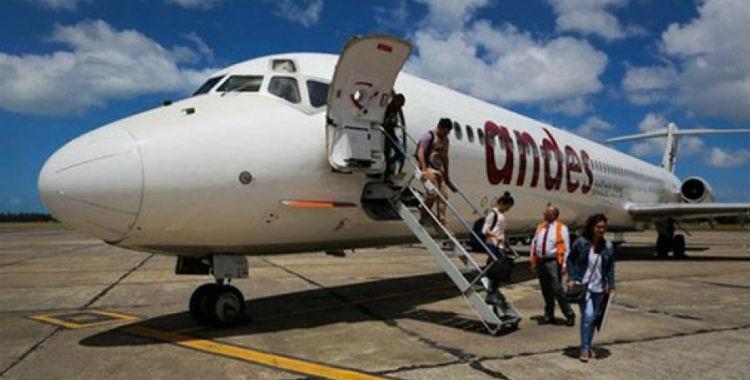
Flybondi ha solicitado a Andes Líneas Aéreas apoyo técnico para supervisar una anomalía en el velocímetro de un Boeing 737-800, según informaron fuentes cercanas al áerea técnica de Flybondi. Aunque la ANAC ha aprobado los talleres de Mantenimiento de las aeronaves para Flybondi, aún parece no contar con las herramientas pertinentes para los trabajos rutinarios elementales en una aerolínea.  AIRWAYS® AW-Icon TXT

z-flybondi-vuelo-2w-750x350.jpg

UALA denounces ANAC for lack of controls

UALA of Argentina denounces that Flybondi used nomanclatura of Austral Líneas Aéreas

Presentaci_n_Embraer_190_Austral_009-249ef.jpg

According to a statement issued by the Union of Airline Aviators (UALA), and signed by its owner Genaro Trucco, on the promotional flight that FlyBondi made on Monday in the 1477422950643.pngprovince of Cordoba, he used the Radiotelephone nomenclature of the series 2000-FO2710 that corresponds to him to Austral Líneas Aéreas.

The incident that occurred with the Boeing 737-800 of Flybondi in a promotional flight has been transcended by a mishap in one of the engines and it must have landed. The pilot used the 2000-FO2710 nomenclature assigned to Austral Líneas Aéreas, which has resulted in confusion with Air Traffic Control. The nomenclature is used in aircraft for identification with the Air Traffic Control. This code that is used to identify each aircraft allows to provide information and precise instructions to each aircraft.

In view of this irregular fact, UALA has communicated by means of a complaint to the regulatory body of the ANAC, which identifies the responsibility of what happened, noting that it has been exposed to the operational insecurity of the aircraft.

UALA has denounced the ANAC for lack of controls: «We have learned that the flight of the FlyBondi company taken off from the airport of the City of Córdoba, has done so with the Radiotelephone nomenclature whose number corresponded to the 2000 series (FO2710), which is public and notorious knowledge that corresponds to the Austral Airlines Company. This is a fact of such seriousness, since the confusion in the designation in communications with air control and maximum in emergency situations such as the one that occurred directly affects the operational safety, potentially presenting catastrophic consequences. It is at least incredibly clumsy, that the numerical nomenclator facilitated by the ANAC to the FlyBondi company is of the same series that historically assigned to Austral L.A. being that the awkwardness does not surprise, but it must be addressed, is that we make this formal complaint. We request that the denounced fact be investigated and that the air traffic controllers and companies adhere to the existing series of codes in the identification of air operations, «they say, and ask the ANAC to» urgently adopt the necessary measures to prevent violations and failures in matters of security, in pursuit of the integrity of workers and passengers transported throughout the territory of the Argentine Republic under warning of formalizing the corresponding complaints for breach of the duties of a public official».

On the part of FlyBondi, this morning at a press conference, they were not informed of what happened and they found out by the journalists present. «It’s the first time I hear about this complaint. We have our own frequency», explained Julia Cook, CEO of the airline. In as much, from ANAC still there were no answers in this respect.

Flybondi has asked Andes Líneas Aéreas for technical support to monitor an anomaly in the speedometer of a Boeing 737-800, according to sources close to the Flybondi technical area. Although the ANAC has approved the aircraft maintenance workshops for Flybondi, it still does not seem to have the relevant tools for elementary routine work in an airline. A\W


Ξ A I R G W A Y S Ξ
SOURCE:  Airgways.com
DBk: Uala.org / Airgways.com
AW-POST: 201801261503AR

A\W   A I R G W A Y S ®

Aerolíneas toman medidas por pruebas misilísticas de Corea del Norte

AW | 2018 01 26 12:14 | AVIATION SAFETY

Corea del Norte iniciará pruebas misilísticas en 2018

Las aerolíneas en toda Asia tomarán medidas tras los anuncios a la amenaza aérea por las pruebas de misiles de Corea del Norte que efectarán la seguridad de los pasajeros.

Corea del Norte lanzó 20 misiles balísticos en 2017 lo que ha supuesto una alerta internacional para cualquier aerolínea con rutas sobre o cerca de la Península de Corea y el espacio aéreo del Mar de Japón. La mayoría de las aerolíneas respondieron diseñando desvíos predeterminados que permitirán que los aviones de pasajeros eviten el peligro.

Korean Air Lines respondió diciendo que consideraría detener los vuelos desde el Aeropuerto Internacional de Incheon a Guam, por las amenazas de Corea del Norte al territorio estadounidense. Además, las rutas de la aerolínea entre el Aeropuerto Internacional de Incheon y Tokio y Sydney también podrían verse negativamente afectadas si Corea del Norte realiza otra prueba de misiles en la región. Se ha revelado que los aviones en algunas rutas de Japan Airlines han estado llevando combustible adicional para permitir el reencaminamiento si se detecta una amenaza de Corea del Norte. Singapore Airlines ha cambiado la ruta de su vuelo entre Seúl y Los Ángeles para evitar la parte norte del Mar de Japón. All Nippon Airways y Cathay Pacific, con sede en Hong Kong, han confirmado que están siguiendo de cerca la situación.

Los pilotos y pasajeros de los vuelos en la región han sido testigos de lo que parecían ser actividades relacionadas con misiles desde Corea del Norte mientras estaban en el aire. Los testigos en un vuelo con destino a Hong Kong desde San Francisco vieron partes de una prueba norcoreana de ICBM en noviembre del año pasado. Además, los destellos de luz que se sospecha fueron pruebas de misiles de Corea del Norte también se observaron en un vuelo de Japan Airlines el año pasado.  AIRWAYS® AW-Icon TXT

Airlines take measurements by missile tests

North Korea will begin missile tests in 2018

Airlines across Asia will take action after the announcements to the air threat by North Korea’s missile tests that will affect the safety of passengers.

North Korea launched 20 ballistic missiles in 2017, which has been an international alert for any airline with routes on or near the Korean Peninsula and the air space of the Sea of ​​Japan. Most airlines responded by designing predetermined detours that will allow passenger aircraft to avoid danger.

Korean Air Lines responded by saying it would consider stopping flights from the Incheon International Airport to Guam, because of North Korea’s threats to US territory. In addition, the airline’s routes between the Incheon International Airport and Tokyo and Sydney could also be adversely affected if North Korea conducts another missile test in the region. It has been revealed that planes on some Japan Airlines routes have been carrying additional fuel to allow re-routing if a threat from North Korea is detected. Singapore Airlines has changed the route of its flight between Seoul and Los Angeles to avoid the northern part of the Sea of ​​Japan. All Nippon Airways and Cathay Pacific, based in Hong Kong, have confirmed that they are monitoring the situation closely.

Pilots and passengers of flights in the region have witnessed what appeared to be missile-related activities from North Korea while they were in the air. Witnesses on a flight to Hong Kong from San Francisco saw parts of a North Korean ICBM test in November last year. In addition, the flashes of light that were suspected were missile tests from North Korea were also observed on a Japan Airlines flight last year. A \ W


Ξ A I R G W A Y S Ξ
SOURCE:  Airgways.com
DBk: Cbc.bb
AW-POST: 201801261214AR

A\W   A I R G W A Y S ®

Lecciones AF447 para búsqueda MH370

AW | 2018 01 25 17:02 | AVIATION SAFETY / AIR INVESTIGATION

El naufragio del vuelo MH370 de Malaysia Airlines, si se encuentra, podría conservarse «como una cápsula del tiempo» debido a la profundidad, la quietud y la temperatura de las aguas en el sur del océano Índico

El hombre que codirigió la búsqueda de Air France AF447, que se estrelló en el Océano Atlántico en 2009, dice que si MH370 está en el fondo del mar o cerca de él, los restos y cuerpos podrían conservarse en gran medida, y aún así darles a los investigadores pistas sobre por qué el avión desapareció tan lejos del curso.

El vuelo AF447 de Air France estuvo en el agua a casi cuatro kilómetros de profundidad durante casi dos años antes de que los buscadores finalmente lo encontraran y recuperaran la grabadora de datos de vuelo y la grabadora de voz de la cabina. Ambas grabadoras todavía estaban en condiciones suficientes para arrojar luz sobre los minutos finales del avión, a pesar de haber estado inmersas a tal profundidad durante tanto tiempo. «Incluso si entra agua, tienen formas de quitarle información. Ahora en este caso [MH370] es un poco diferente, porque el avión estuvo volando durante unas siete horas, y no sé qué tipo de información quedaría en la caja negra. Se sigue reescribiendo», dice el oceanógrafo estadounidense David Gallo.

Los oceanógrafos australianos dicen que el Océano Índico en el área de la búsqueda actual de MH370, que comenzó este lunes, incluye varios volcanes y crestas, y se reduce a unos 5 km de profundidad.

Debido a la completa ausencia de luz en ese océano profundo, los investigadores de Air France usaron señales de sonar de vehículos submarinos no tripulados para encontrar el avión y luego mapear su forma y posición. Una vez que se encontraron los restos del naufragio, usaron cámaras para crear un mosaico finamente detallado de todo el sitio del naufragio. El Dr. David Gallo dice que los casi cuatro años de búsqueda infructuosa de MH370 no significan que el avión desaparecido de Malasia no será encontrado. AIRWAYS® AW-Icon TXT

Lessons from the AF447 for the MH370 search

The wreck of Malaysia Airlines flight MH370, if found, could be conserved «as a time capsule» due to the depth, stillness and temperature of the waters in the southern Indian Ocean

The man who co-directed the search for Air France AF447, which crashed into the Atlantic Ocean in 2009, says that if MH370 is at or near the bottom of the sea, the remains and bodies could be preserved to a large extent, and still give them to the researchers clues as to why the plane disappeared so far from the course.

Air France’s AF447 flight was almost four kilometers deep in the water for almost two years before the search engines finally found it and retrieved the flight data recorder and cockpit voice recorder. Both recorders were still in sufficient condition to shed light on the final minutes of the plane, despite having been immersed at such depth for so long. «Even if water comes in, they have ways to take away information, now in this case [MH370] is a bit different, because the plane was flying for about seven hours, and I do not know what kind of information would be in the black box», says US oceanographer David Gallo.

Australian oceanographers say that the Indian Ocean in the area of ​​the current MH370 search, which began on Monday, includes several volcanoes and ridges, and is reduced to about 5 km deep.

Due to the complete absence of light in that deep ocean, Air France investigators used sonar signals from unmanned underwater vehicles to find the plane and then map its shape and position. Once the wreck was found, they used cameras to create a finely detailed mosaic of the entire wreck site. Dr. David Gallo says that the nearly four years of unsuccessful search of MH370 does not mean that the missing plane from Malaysia will not be found. A \ W


Ξ A I R G W A Y S Ξ
SOURCE:  Airgways.com
DBk: Fab.mil.br
AW-POST: 201801251702AR

A\W   A I R G W A Y S ®

Investigación American AA383

AW | 2018 01 25 15:28 | AVIATION SAFETY / AIR INVESTIGATION

Investigación del vuelo AA383 de American Airlines

El vuelo AA383 de American Airlines era un vuelo regular de pasajeros que operaba desde el Aeropuerto Chicago O’Hare hasta el Aeropuerto Internacional de Miami. El 28 de octubre de 2016, el Boeing 767-300ER que operaba el vuelo (registrado N345AN), estaba acelerando para despegar de la Rwy 28R de Chicago O’Hare, cuando el motor derecho del avión sufrió una falla no contenida que provocó un incendio severo. La tripulación logró abortar el despegue y evacuar a todos a bordo, mientras que los servicios de emergencia contra incendios lograron apagar el incendio. Veinte personas resultaron heridas, y el avión sufrió daños irreparables.

El  vuelo AA383 de American Airlines aborta despegue por principio de incendio. El Boeing 767-300 comienza a incendiarse por lo que la tripulación declara la emergencia y evacúan a la totalidad de los pasajeros por medio de los toboganes inflables y las salidas de emergencias sobre las alas.

Al menos veinte personas fueron hospitalizadas por heridas menores. El capitán de la aeronave, al abortar el despegue, ocasionó que los frenos se sometieran a la máxima exigencia, provocando un sobrecalentamiento y posterior incendio de los mismos.

La falta de visibilidad pareció ser una de las causas por la que los pasajeros efectuaron una evacuación del Boeing 767-300 en el Aeropuerto O’Hare de Chicago.

La Junta Nacional de Seguridad del Transporte determinó que existió una demora en las respuestas de evacuación del Boeing 767-300 por parte de la tripulación del vuelo AA383 en el Aeropuerto Internacional O’Hare de Chicago.

Los investigadores solicitaron entrevistas a los pilotos para corroborar si una cámara de video podría haberlos alertados, debido a que la tripulación de mando no podía ver el principio de incendio en la zona alar. La NTSB está estudiando el caso para determinar si es necesario elaborar nuevas directivas de seguridad para alertar a la tripulación ante este tipo de emergencias. AIRWAYS® AW-Icon TXT

American AA383 Research

Investigation of American Airlines flight AA383

American Airlines Flight AA383 was a regular passenger flight operating from Chicago O’Hare Airport to Miami International Airport. On October 28, 2016, the Boeing 767-300ER operating the flight (registered N345AN), was accelerating to take off from Rwy 28R of Chicago O’Hare, when the right engine of the aircraft suffered an uncontrolled fault that caused a fire severe. The crew managed to abort the takeoff and evacuate everyone on board, while the emergency fire services managed to put out the fire. Twenty people were injured, and the plane suffered irreparable damage.

The AA383 flight of American Airlines aborts take-off by fire principle. The Boeing 767-300 starts to catch fire, so the crew declares the emergency and evacuates all the passengers by means of the inflatable slides and the emergency exits on the wings.

At least twenty people were hospitalized for minor injuries. The captain of the aircraft, upon aborting the takeoff, caused the brakes to be subjected to the maximum demand, causing overheating and subsequent fire of the same.

The lack of visibility seemed to be one of the reasons why passengers evacuated the Boeing 767-300 at O’Hare Airport in Chicago.

The National Transportation Safety Board determined that there was a delay in the evacuation responses of the Boeing 767-300 by the crew of flight AA383 at O’Hare International Airport in Chicago.

The investigators requested interviews to the pilots to corroborate if a video camera could have alerted them, because the command crew could not see the beginning of fire in the wing zone. The NTSB is studying the case to determine if it is necessary to develop new safety directives to alert the crew to this type of emergency. A \ W

VIDEO > https://youtu.be/VdSEAEN5DbM

Ξ A I R G W A Y S Ξ
SOURCE:  Airgways.com
DBk:  American.com / Youtube.com
AW-POST: 201801251528AR

A\W   A I R G W A Y S ®