Alitalia, entre ultimátum vs esperanza

AW-700044406.jpg

AW | 2019 03 31 18:27 | AIRLINES / GOVERNMENT

Resultado de imagen para alitalia logoInterés de China Eastern Airlines en la aerolínea Alitalia

Mientras que la estatal empresa pública italiana de ferrocarriles italianos Ferrovie dello Stato (FS), continuaba demorándose en presentar un plan de rescate para la atribulada aerolínea Alitalia, rumores evocan el interés de la empresa estatal china China Eastern Airlines para integrar capital en la aerolínea italiana.

Ferrovie dello Stato (FS), que lidera el proceso de hacerse cargo de la empresa nacional italiana bajo una administración extraordinaria desde Mayo 2017, está buscando crear un consorcio integrado por varias empresas que administren a Alitalia. Pero el grupo ferroviario dijo en un comunicado el miércoles que necesitaba más tiempo para finalizar en detalles este rescate.

En una audiencia parlamentaria de media semana, los comisionados especiales de la Comisión italiana para administrar Alitalia dijeron que el principal riesgo para Alitalia era la posibilidad de que la aerolínea se liquidara si no se planeaba un rescate. En las próximas semanas. Una extensión de tiempo es posible, pero en proporciones muy limitadas, estiman.

Resultado de imagen para alitalia sede

La semana pasada, la aerolínea de bajo costo británica EasyJet se retiró de las conversaciones, dejando a Delta Air Lines y Ferrovie dello Stato nuevamente buscando un tercer socio, apareciendo en escena China Eastern Airlines interesada en una participación del 10% en Alitalia. Sin duda, el interés en relación con la visita del Presidente chino Xi Jinping a Roma la semana pasada y el pleno acceso de Italia al nuevo proyecto de la Ruta de la Seda de China. Recordemos que la nueva coalición en el poder después de las últimas elecciones de 2018 afirmó que la supervivencia y la estabilidad de Alitalia se encuentran entre sus objetivos más importantes. Según sus deseos, la mayoría de las compañías con déficit deben permanecer bajo el control del Estado. El Ministro de Transportes, Danilo Toninelli, dijo en Julio 2018 que el 51% de Alitalia debería permanecer en manos de los italianos pero con un fuerte inversor al lado.

Ultimatum vs esperanza

Italia es un país muy particular, donde las leyes y los gobiernos duran muy poco. Los comisarios de la quiebra han dado un ultimátum: o se toman decisiones, o se liquida la compañía. El problema ahora es el mismo que al principio: nadie quiere quedarse con una aerolínea en la que el estado mantiene una presencia fundamental.

Los interesados que pasaron por Alitalia fueron Lufthansa que no quiere saber nada alejándose del plan propuesto por el Estado de Italia. Easyjet acaba de abrirse de la nómina de interesados para inyectar capital. Sólo queda Delta Air Lines que debería ingresar al nuevo Alitalia con una participación de hasta el 15%.

En estos momentos, se cuenta con accionistas para el 30% del capital, en manos de Ferrovie dello Stato, con Delta Air Lines con el 15% ampliable al 20, y con el Ministerio de Finanzas, que también invertiría en la atribulada compañía aérea. Ayer, los comisionados extraordinarios de Alitalia enviaron a Ferrovie dello Stato un ultimátum para el cierre del acuerdo de asociación industrial. El plazo final para la toma de una decisión era este 31 Marzo 2019, pero el largo camino de recuperación de la Alitalia está casi como el primer día, por lo que los administradores han sido contundentes, si no hay decisión, que se liquide la aerolínea.AW-Icon-TXT-01

Resultado de imagen para Ministero della Finanza Italia AlitaliaAlitalia, between the ultimatum and hope

Interest of China Eastern Airlines in the airline Alitalia

While Italy’s state-owned Italian rail company Ferrovie dello Stato (FS) continued to delay in presenting a rescue plan for struggling airline Alitalia, rumors evoke the interest of Chinese state company China Eastern Airlines to integrate capital into the italian airline.

Ferrovie dello Stato (FS), which leads the process of taking over the Italian national company under an extraordinary administration since May 2017, is looking to create a consortium composed of several companies that manage Alitalia. But the rail group said in a statement Wednesday that it needed more time to finalize this rescue details.

At a midweek parliamentary hearing, the special commissioners of the Italian Commission to administer Alitalia said that the main risk to Alitalia was the possibility that the airline would be liquidated if a rescue was not planned. In the next weeks. An extension of time is possible, but in very limited proportions, they estimate.

Last week, the British low-cost airline EasyJet withdrew from the talks, leaving Delta Air Lines and Ferrovie dello Stato again looking for a third partner, appearing on the scene of China Eastern Airlines interested in a 10% stake in Alitalia. Undoubtedly, the interest in relation to the visit of the Chinese President Xi Jinping to Rome last week and the full access of Italy to the new project of the Silk Road of China. Recall that the new coalition in power after the last elections of 2018 affirmed that the survival and stability of Alitalia are among its most important objectives. According to their wishes, most companies with deficits must remain under the control of the State. The Minister of Transport, Danilo Toninelli, said in July 2018 that 51% of Alitalia should remain in the hands of the Italians but with a strong investor on the side.

Resultado de imagen para Ministero della Finanza Italia AlitaliaUltimatum vs hope

Italy is a very particular country, where laws and governments last very little. The bankruptcy commissioners have given an ultimatum: either decisions are made, or the company is liquidated. The problem is now the same as at the beginning: nobody wants to stay with an airline in which the state maintains a fundamental presence.

Those interested who went through Alitalia were Lufthansa who does not want to know anything about the plan proposed by the State of Italy. Easyjet has just been opened from the list of interested parties to inject capital. Only Delta Air Lines remains that should enter the new Alitalia with a participation of up to 15%.

Currently, there are shareholders for 30% of the capital, in the hands of Ferrovie dello Stato, with Delta AirLines with 15% extendable to 20, and with the Ministry of Finance, which would also invest in the troubled airline. Yesterday, the extraordinary commissioners of Alitalia sent Ferrovie dello Stato an ultimatum to close the industrial association agreement. The final deadline for making a decision was this 31 March 2019, but the long road to recovery of the Alitalia is almost like the first day, so the administrators have been forceful, if there is no decision, that the airline is liquidated. A \ W

AW-70008700.jpgAlitalia, tra l’ultimatum e la speranza

Interesse di China Eastern Airlines nella compagnia aerea Alitalia

Resultado de imagen para alitalia logoMentre lo stato di proprietà della società italiana di Ferrovie italiane Ferrovie dello Stato (FS), ancora persistente nel presentare un piano di salvataggio per la compagnia aerea Alitalia travagliata, le voci evocano l’interesse dei cinesi compagnia statale China Eastern Airlines per integrare il capitale nella compagnia aerea italiana.

Ferrovie dello Stato (FS), che porta il processo di presa in consegna l’azienda nazionale italiana in virtù di un amministrazione straordinaria dal Maggio 2017, sta cercando di creare un integrato da diverse aziende che riescono ad Alitalia consorzio. Ma il gruppo ferroviario ha detto in una dichiarazione mercoledì che è necessario più tempo per finalizzare questi dettagli di soccorso.

In una metà settimana audizione parlamentare, i commissari straordinari della Commissione italiana per amministrare Alitalia ha detto che il rischio principale per l’Alitalia era la possibilità che la compagnia aerea è stata liquidata se un riscatto, non è prevista. Nelle prossime settimane. Un’estensione del tempo è possibile, ma in proporzioni molto limitate, stimano.

La scorsa settimana, la compagnia aerea low-cost britannica EasyJet ha ritirato dai colloqui, lasciando Delta Air Lines e Ferrovie dello Stato ancora una volta alla ricerca di un terzo partner, Mons aparendo sul palco China Eastern Airlines interessato a una quota del 10% di Alitalia. Indubbiamente, l’interesse in relazione alla visita del presidente cinese Xi Jinping a Roma la scorsa settimana e il pieno accesso dell’Italia al nuovo progetto della Via della seta della Cina. Ricordiamo che la nuova coalizione al potere dopo le ultime elezioni del 2018 ha affermato che la sopravvivenza e la stabilità di Alitalia sono tra i suoi obiettivi più importanti. Secondo i loro desideri, la maggior parte delle aziende con deficit deve rimanere sotto il controllo dello Stato. Il ministro dei Trasporti, Danilo Toninelli, ha affermato nel luglio 2018 che il 51% di Alitalia dovrebbe rimanere nelle mani degli italiani ma con un forte investitore sul lato.

Resultado de imagen para Ministero della Finanza Italia AlitaliaUltimatum contro speranza

L’Italia è un paese molto particolare, dove le leggi e i governi durano pochissimo. I commissari fallimentari hanno dato un ultimatum: o vengono prese le decisioni, o la società viene liquidata. Il problema è ora lo stesso di prima: nessuno vuole stare con una compagnia aerea in cui lo stato mantiene una presenza fondamentale.

Gli interessati che hanno attraversato Alitalia sono stati Lufthansa che non vuole sapere nulla del piano proposto dallo Stato italiano. Easyjet è stato appena aperto dall’elenco delle parti interessate per iniettare capitali. Rimane solo Delta Air Lines che dovrebbe entrare nella nuova Alitalia con una partecipazione fino al 15%.

Allo stato attuale, non ha azionisti per il 30% del capitale nelle mani di Ferrovie dello Stato, con la Delta Airlines 15% espandibile fino a 20, e il Ministero delle Finanze, che investono anche nella compagnia aerea in difficoltà. Ieri, i commissari straordinari di Alitalia hanno inviato alle Ferrovie dello Stato un ultimatum per chiudere l’accordo di associazione industriale. Il termine ultimo per prendere una decisione è stato questo 31 Marzo 2019, ma la lunga strada della ripresa di Alitalia è quasi come il primo giorno, quindi gli amministratori sono stati forti, se non v’è alcuna decisione, la compagnia aerea è liquidata. A \ W


Ξ A I R G W A Y S Ξ
SOURCE: Airgways.com
DBk: Mef.gov.it / Alitalia.con / Reppublica.it / Partodomani.it / Ilgiornale.it
AW-POST: 201903311827AR

A\W   A I R G W A Y S ®

Fly Jamaica Airways cesa operaciones

Resultado de imagen para fly jamaica Boeing 757AW | 2019 03 31 17:47 | AIRLINES

Resultado de imagen para fly jamaica logoLa aerolínea Fly Jamaica conecta a tierra sus operaciones

La aerolínea Fly Jamaica Airways anunció hoy el cese de sus operaciones después de cinco años de servicio y el despido de un centenar de empleados a partir de este Domingo, 31 Marzo 2019 debido a los problemas económicos de la empresa. El Presidente de Fly Jamaica, Paul Ronald Reece, escribió una carta en la que lamentó la decisión, pues la aerolínea arrastraba problemas económicos debido a deuda de pago de haberes a sus empleados. Los problemas económicos de la aerolínea se acrecentaron en Noviembre 2018, cuando un avión Boeing 757-200, con destino a Toronto (Canadá), se accidentó al despegar en la pista del Aeropuerto Internacional Cheddi Jagan de Guyana, dejando a varios de los 120 pasajeros contusionados. Una anciana falleció posteriormente a causa de las lesiones. De acuerdo con los informes, el avión tuvo fallos en su sistema hidráulico en el momento del despegue.

Paul Reece agradeció a los empleados su servicio, lealtad y dedicación con la empresa. «Con mucha tristeza y arrepentimiento hemos llegado a este punto crítico. Estábamos esperanzados en obtener ganancias, pero las mismas han sido muy lentas, por lo que no encontramos otros recursos u opciones existentes», expresó el CEO de Fly Jamaica. La aerolínea hizo su viaje inaugural el 14 Febrero 2014 desde Kingston, Jamaica, hasta el Aeropuerto Internacional John F. Kennedy de Nueva York.

En una carta fechada el 29 Marzo 2019, firmada por el Presidente y Director Ejecutivo, Paul Ronald Reece, la aerolínea, que ha estado tratando de recuperarse luego de que uno de sus aviones se accidentara en el Aeropuerto Internacional Cheddi Jagan de Guyana en Noviembre 2018, dijo que quería agradecerle. Empleados por su servicio, lealtad y dedicación. «El Consejo de Administración de Fly Jamaica Airways lamenta informarle que debido a nuestra falta de aviones y al impacto que ha tenido en la posición financiera de la Compañía, no tenemos otra alternativa que hacer que todos los empleados sean despedidos a partir del 31 Marzo 2019. Con gran tristeza y remordimiento hemos llegado a este punto. Esperábamos financiamiento, pero eso ha tardado en llegar, por lo tanto, por el momento, no existen otros recursos u opciones», escribió en el comunicado Paul Reece.

Resultado de imagen para fly jamaicaVUELO OJ256 DE FLY JAMAICA ACCIDENTADO EN REPÚBLICA GUYANA EN NOVIEMBRE 2018

El Presidente de Fly Jamaica dijo a los trabajadores que, si bien la compañía aún está comprometida a cumplir con sus obligaciones financieras para el período Noviembre 2018 hasta la fecha, ha informado que concedan más tiempo para honrar las deudas.

Fly Jamaica Airways, que tenía vuelos directos entre Guyana y Jamaica, fue certificada por la Autoridad de Aviación Civil de Jamaica (JCAA) en Septiembre 2012, e hizo su vuelo inaugural de Kingston al Aeropuerto Internacional John F. Kennedy de Nueva York en los Estados Unidos el 14 Febrero 2013. Cuatro años más tarde, la aerolínea recibió el permiso del gobierno de Guyana para iniciar vuelos directos entre Guyana y Cuba. La aerolínea también tenía vuelos a Toronto, Canadá. El 9 Noviembre 2018, el vuelo 256 de Fly Jamaica Airways realizó un aterrizaje de emergencia en Guyana, 45 minutos después del despegue hacia Toronto. Durante el aterrizaje, el avión Boeing 757-200 con 118 pasajeros y ocho miembros de la tripulación, invadió la pista. El avión fue severamente dañado. Según informes, una persona murió más tarde por sus heridas.

La aerolínea Fly Jamaica sólo contaba con un avión Boeing 757-200 para sus operaciones y en temporada alta alquilaba otras aeronaves.AW-Icon-TXT-01

AW-7000987.jpgFly Jamaica Airways ceases operations

The airline Fly Jamaica connects its operations to ground

The airline Fly Jamaica Airways announced today the cessation of its operations after five years of service and the dismissal of a hundred employees as of this Sunday, March 31, 2019 due to the economic problems of the company. The President of Fly Jamaica, Paul Ronald Reece, wrote a letter in which he regretted the decision, because the airline was dragging economic problems due to debt of payment of salaries to its employees. The economic problems of the airline increased in November 2018, when a Boeing 757-200 aircraft, bound for Toronto (Canada), crashed on the runway of the Cheddi Jagan International Airport in Guyana, leaving several of the 120 passengers bruised An elderly woman later died from the injuries. According to the reports, the plane had failures in its hydraulic system at the time of takeoff.

Paul Reece thanked the employees for their service, loyalty and dedication to the company. «With great sadness and regret, we have reached this critical point, we were hoping to make a profit, but they have been very slow, so we do not find other resources or existing options», said the CEO of Fly Jamaica. The airline made its maiden voyage on February 14, 2014 from Kingston, Jamaica, to the John F. Kennedy International Airport in New York.

In a letter dated March 29, 2019, signed by the President and CEO, Paul Ronald Reece, the airline, which has been trying to recover after one of its planes crashed at the Cheddi Jagan International Airport in Guyana in November 2018 He said he wanted to thank him. Employees for their service, loyalty and dedication. «The Board of Directors of Fly Jamaica Airways regrets to inform you that due to our lack of aircraft and the impact it has had on the financial position of the Company, we have no alternative but to have all employees dismissed as of March 31, 2019 With great sadness and remorse we have reached this point, we expected funding, but that has been slow to arrive, therefore, for the time being, there are no other resources or options», Paul Reece wrote in the statement.

The President of Fly Jamaica told the workers that, while the company is still committed to meet its financial obligations for the period November 2018 to date, has informed that they allow more time to honor the debts.

Fly Jamaica Airways, which had direct flights between Guyana and Jamaica, was certified by the Civil Aviation Authority of Jamaica (JCAA) in September 2012, and made its inaugural flight from Kingston to New York’s John F. Kennedy International Airport in the United States. United on February 14, 2013. Four years later, the airline received permission from the Government of Guyana to start direct flights between Guyana and Cuba. The airline also had flights to Toronto, Canada. On November 9, 2018, Flight 256 of Fly Jamaica Airways made an emergency landing in Guyana, 45 minutes after takeoff to Toronto. During the landing, the Boeing 757-200 plane with 118 passengers and eight crew members invaded the runway. The plane was severely damaged. One person reportedly died later of his injuries.

The airline Fly Jamaica only had one Boeing 757-200 aircraft for its operations and in the high season it rented other aircraft. A \ W


Ξ A I R G W A Y S Ξ
SOURCE: Airgways.com
DBk: Expansion.com / Fly-jamaica.com / Guyanachronicle.com / Guyanatimesgy.com
AW-POST: 20190311747AR

A\W   A I R G W A Y S ®

Level non-stop Barcelona-Santiago

Resultado de imagen para level airlinesAW | 2019 03 31 17:12 | AIRLINES ROUTES

Resultado de imagen para level airlines logoLevel lanza el primer vuelo directo entre Barcelona y Santiago de Chile

Level Airlines realiza su primer vuelo sin escalas entre Barcelona y Santiago de Chile. El primer vuelo directo entre Barcelona y Santiago de Chile ha despegado este domingo de la capital catalana operado por la aerolínea de bajo coste y largo recorrido Level, la única que ofrece esta ruta sin escalas. El vuelo ha despegado a las 11:05 horas del Aeropuerto Josep Tarradellas Barcelona-El Prat y ha sido inaugurado por el Director General de la compañía, Vincent Hodder, quien ha explicado que esperan transportar alrededor de 2.000 pasajeros mensuales en esta ruta.

El directivo ha señalado que Level ofrecerá inicialmente el trayecto dos veces por semana, pero la previsión es que a finales de julio la frecuencia aumente hasta los cuatro vuelos semanales, consiguiendo así democratizar este viaje de largo radio. Hodder ha afirmado que la demanda de este vuelo es mayor en Chile que en España por la relevancia de «las raíces históricas entre ambos países, la cultura y el idioma», pero se ha mostrado convencido de que esta ruta incrementará el número de visitantes españoles al país sudamericano.

Expansión futura

La aerolínea low cost incorporará para Julio 2019 inaugurar también una nueva ruta Barcelona-Nueva York (JFK), que comenzará con tres vuelos semanales. El director ejecutivo ha garantizado además que la empresa tiene muchos más planes para enlazar Barcelona directamente con otros destinos, entre los cuales están estudiando opciones en Asia, Estados Unidos, Canadá y América Latina.

Level comenzó a operar en el Aeropuerto de El Prat en Junio 2017 y, desde entonces, ha transportado a unos 500.000 pasajeros con una flota de tres Airbus A330-200, a la que se sumará una aeronave más a lo largo de este año. Los planes de la empresa para Barcelona pasan por aumentar la frecuencia de vuelos a San Francisco, que en julio se incrementarán hasta los tres trayectos semanales, y mantener los tres vuelos por semana a Boston y los ocho a Buenos Aires.AW-Icon-TXT-01

Resultado de imagen para level airlinesLevel non-stop Barcelona-Santiago de Chile

Level launches the first direct flight between Barcelona and Santiago de Chile

Level Airlines makes its first non-stop flight between Barcelona and Santiago de Chile. The first direct flight between Barcelona and Santiago de Chile took off this Sunday from the Catalan capital operated by low-cost, long-haul airline Level, the only one offering this non-stop route. The flight took off at 11:05 hours from the Josep Tarradellas Barcelona-El Prat Airport and was inaugurated by the company’s CEO, Vincent Hodder, who explained that they expect to transport around 2,000 passengers per month on this route.

The manager has indicated that Level will initially offer the route twice a week, but the forecast is that by the end of July the frequency will increase to four weekly flights, thus democratizing this long-haul trip. Hodder has stated that the demand for this flight is greater in Chile than in Spain because of the relevance of «the historical roots between both countries, culture and language», but he has been convinced that this route will increase the number of Spanish visitors to the South American country.

Future expansion

The low cost airline will also open a new Barcelona-New York (JFK) route for July 2019, which will start with three weekly flights. The executive director has also guaranteed that the company has many more plans to link Barcelona directly with other destinations, among which are studying options in Asia, the United States, Canada and Latin America.

Level started operating at El Prat Airport in June 2017 and, since then, it has transported some 500,000 passengers with a fleet of three Airbus A330-200, which will be added one more aircraft during this year. The company’s plans for Barcelona include increasing the frequency of flights to San Francisco, which in July will increase to three weekly trips, and maintain three flights per week to Boston and eight to Buenos Aires. A \ W


Ξ A I R G W A Y S Ξ
SOURCE: Airgways.com
DBk: Flylevel.com / Airgways.com
AW-POST: 201903311712AR

A\W   A I R G W A Y S ®

Dificultades operativas en Interjet


Resultado de imagen para Interjet flotaAW | 2019 03 31 16:56 | AIRLINES

Resultado de imagen para Interjet pngLa aerolínea Interjet atraviesa dificultades operativas

La aerolínea mexicana Interjet ha cancelado diferentes vuelos por falta de personal idóneo para las operaciones aéreas. Este singular hecho ha traído reclamos de sus pasajeros aunque la aerolínea expresó están protegidos por encima de lo que establece la ley y que su compromiso es llevar a sus clientes a sus destinos lo más pronto posible.

Profeco fiscaliza

La Procuraduría Federal del Consumidor de México (Profeco) informa que existen 29 vuelos cancelados entre las fechas del 25 y 30 Marzo 2019 y que afectó a 4.722 pasajeros, de acuerdo a datos y quejas recibidas. La Procuraduría Federal del Consumidor está informado y ha enviado un requerimiento de información a la aerolínea Interjet para un requerimiento de información de lo sucedido.

Asimismo, Interjet ha comunicado que el problema se debe a que hay tripulación ausente al menos 15 personas no han ido a trabajar, lo que generó pequeñas afectaciones a la situación.AW-Icon-TXT-01

AW-708-Impacto_mx.jpegDifficulties operatives in Interjet

The Interjet airline is experiencing operational difficulties

The Mexican airline Interjet has canceled several flights due to lack of suitable personnel for air operations. This singular fact has brought claims from its passengers although the airline said they are protected above what is established by law and that their commitment is to take their clients to their destinations as soon as possible.Resultado de imagen para Interjet png

Profeco supervises

The Federal Attorney’s Office of Mexico (Profeco) reports that there are 29 flights canceled between the dates of March 25 and 30, 2019 and that it affected 4,722 passengers, according to data and complaints received. The Federal Consumer Procurator’s Office is informed and has sent an information request to the Interjet airline for a request for information on what happened.

Also, Interjet has reported that the problem is because there are absent crew at least 15 people have not gone to work, which generated small effects on the situation. A \ W


Ξ A I R G W A Y S Ξ
SOURCE: Airgways.com
DBk: Profeco.gob.mx / Interjet.com.mx
AW-POST: 201903311656AR

A\W   A I R G W A Y S ®

Aeroparque pasa a categoría Cabotaje

Resultado de imagen para Aeroparque Aerolineas ArgentinasAW | 2019 03 30 19:22 | AIRPORTS / AIR TRAFFIC

Migración de vuelos regionales a Aeropuerto Internacional Ezeiza

De acuerdo a la resolución 476-E /2017 publicada en el Boletín Oficial, a partir del 1 Abril 2019, todos los vuelos internacionales a excepción de los servicios hacia y desde Uruguay deben ser derivados al Aeropuerto Internacional Ezeiza con el objetivo de descongestionar el Aeroparque Jorge Newbery y poder brindar un servicio de mejor calidad en ambos aeropuertos.

El traslado por la migración de los vuelos regionales afectará principalmente a Aerolíneas Argentinas/Austral Líneas Aéreas que a partir del 1 Abril 2019 se hace efectivo la nueva programación desde el Aeropuerto Internacional Ezeiza. El número total de vuelos de Aerolíneas/Austral de Aeroparque a Ezeiza son 38 frecuencias diarias, como parte del proceso de desregionalización de la estación aérea Aeroparque Jorge Newbery, que implica que desde ese aeropuerto sólo operarán vuelos domésticos. Solamente Aeroparque atenderá la ruta regional hacia Uruguay.

El proceso se inició en Mayo 2018 cuando el 50% de los vuelos internacionales que operaban desde el Aeroparque Jorge Newbery, fueron trasladados a Ezeiza, completándose ahora la medida dispuesta por el Gobierno de Argentina, con el resto de los vuelos.

HUB Ezeiza

Desde Aerolíneas indicaron que con el traslado la empresa fortalecerá sus operaciones internacionales, potenciando las conexiones entre ciudades del interior y países vecinos con destinos transatlánticos. Los destinos que se trasladarán a Ezeiza son nueve frecuencias.

Con este traslado, Aerolíneas potenciará el Hub Ezeiza. La empresa mejorará así la interconexión entre los vuelos que llegan desde el interior del país y países limítrofes con los que van a Estados Unidos y Europa. Aerolíneas tendrá vuelos a Ezeiza desde Córdoba, Mendoza, Salta, Mar del Plata, Bariloche, El Calafate, Iguazú, Trelew, Rosario, Tucumán y Ushuaia, Y desde Santa Cruz de la Sierra, Asunción, Curitiba, Florianópolis, Porto Alegre, Porto Seguro, Rio de Janeiro, San Pablo y Santiago de Chile. Estos vuelos se suman a los que ya operaban desde el aeropuerto Ministro Pistarini: Bogotá, Cancún, Lima, Madrid, Miami, Nueva York, Punta Cana, Roma y San Salvador de Bahía. En forma paralela, Aerolíneas agregará un vuelo diario desde Montevideo a Ezeiza, buscando también captar pasajeros del otro lado del Río de la Plata para destinos internacionales. La compañía reprogramó los horarios de esos vuelos de manera de que, en la mayoría de los casos, haya una espera menor a 2,5 horas entre el arribo de un vuelo interno o regional y la salida del internacional. Y viceversa.

El nuevo Hub Ezeiza, permitirá desplegar un nuevo modelo de negocios pudiendo vender tarifas al destino final, con una mejor oferta horaria y, por ende, un mejor servicio al pasajero. Al mismo tiempo, permitirá a la compañía planificar y expandir su operación en Aeroparque al aliviarse el tráfico aéreo. Las obras de ampliación que se están realizando en Ezeiza potencian este tipo de operación, destacaron en la empresa de bandera nacional.AW-Icon-TXT-01

Resultado de imagen para Ezeiza Airport Aerolineas ArgentinasAeroparque passes to Cabotage category

Migration of regional flights to Ezeiza International Airport

According to resolution 476-E/2017 published in the Official Gazette, as of April 1, 2019, all international flights, except for services to and from Uruguay, must be transferred to the Ezeiza International Airport in order to decongest the Aeroparque Jorge Newbery and be able to provide a better quality service at both airports.

The transfer for the migration of the regional flights will mainly affect Aerolíneas Argentinas/Austral Líneas Aéreas that as of April 1, 2019, the new programming from the Ezeiza International Airport becomes effective. The total number of Aerolineas / Austral flights from Aeroparque to Ezeiza are 38 daily frequencies, as part of the process of deregionalization of Aeroparque Jorge Newbery air station, which implies that only domestic flights will operate from that airport. Only Aeroparque will attend the regional route to Uruguay.

The process began in May 2018 when 50% of the international flights operating from Aeroparque Jorge Newbery were transferred to Ezeiza, now completing the measure ordered by the Government of Argentina, with the rest of the flights.

HUB Ezeiza

From Aerolíneas indicated that with the transfer the company will strengthen its international operations, enhancing connections between cities in the interior and neighboring countries with transatlantic destinations. The destinations that will be transferred to Ezeiza are nine frequencies.

With this transfer, Aerolíneas will boost the Hub Ezeiza. The company will thus improve the interconnection between flights arriving from the interior of the country and countries bordering those that go to the United States and Europe. Airlines will have flights to Ezeiza from Córdoba, Mendoza, Salta, Mar del Plata, Bariloche, El Calafate, Iguazú, Trelew, Rosario, Tucumán and Ushuaia, and from Santa Cruz de la Sierra, Asunción, Curitiba, Florianópolis, Porto Alegre, Porto Seguro, Rio de Janeiro, San Pablo and Santiago de Chile. These flights are added to those already operating from the Ministro Pistarini airport: Bogotá, Cancún, Lima, Madrid, Miami, New York, Punta Cana, Rome and San Salvador de Bahía. In parallel, Airlines will add a daily flight from Montevideo to Ezeiza, also seeking passengers from across the Rio de la Plata for international destinations. The company reprogrammed the schedules of these flights so that, in most cases, there is a wait of less than 2.5 hours between the arrival of an internal or regional flight and the departure of the international. And vice versa.

The new Hub Ezeiza, will allow to deploy a new business model can sell fares to the final destination, with a better time offer and, therefore, a better service to the passenger. At the same time, it will allow the company to plan and expand its Aeroparque operation by easing air traffic. The expansion works that are being carried out in Ezeiza enhance this type of operation, highlighted in the company of national flag. A \ W


Ξ A I R G W A Y S Ξ
SOURCE: Airgways.com
DBk: Aa2000.com.ar / Aerolineas.com / Bestday.com.ar
AW-POST: 201903301922AR

A\W   A I R G W A Y S ®

Quiebra Aerolíneas ADA

Resultado de imagen para Aerolíneas ADA Dornier Do-328AW | 2019 03 30 18:58 | AIRLINES

7o4IGMPc_400x400.jpgAerolíneas de Antioquia (ADA) cierra sus operaciones

La compañía aérea Aerolíneas de Antioquía (ADA) de Colombia ha cesado sus operaciones tras el anuncio de quiebra. Debido a los altos gastos de operación y a las dificultades para renovación de su flota, se ha visto obligada a cerrar.

Con 32 años de historia, la aerolínea regional ADA anunció su cierre de operaciones debido a dificultades económicas que le impidieron afrontar con los gastos de operación. Por medio de un comunicado Aerolíneas de Antioquia (ADA) informó que en los últimos años había presentado una reducción de sus ingresos por los altos costos de la operación y las dificultades financieras para renovar la flota y prestar un óptimo servicio. “La realidad económica de la compañía desborda la intención de mantenerla en operación, por lo tanto la suspensión de operaciones es la única disición posible en concordancia con los valores corporativos de ética, disciplina, coherencia, responsabilidad, respeto y honestidad, que han guiado al actuar y las operaciones de la compañía durante 32 años de servicio al país”, señala el comunicado.

Aerolíneas ADA buscará minimizar el impacto a los usuarios y que se encuentra estudiando las decisiones y acciones que les permitan cumplir con las obligaciones con sus diferentes públicos como cliente, proveedores y colaboradores.

ADA comenzó operaciones en 1987 con vuelos charter para ejecutivos y luego en 1998, comenzó la operación de destinos regionales, conectando a Medellín con diferentes ciudades del país. Desde el centro de operaciones en el aeropuerto Olaya Herrera de Medellín, ADA conectaba con varios destinos en la Costa Caribe como Corozal, Cartagena, Barranquilla y Tolú.AW-Icon-TXT-01

Resultado de imagen para Aerolíneas ADA Dornier Do-328Bankrupt Airlines ADA

Antioquia Airlines (ADA) closes its operations

The airline Aerolíneas de Antioquía (ADA) of Colombia has postponed its operations after the announcement of bankruptcy. Due to the high operating expenses and the difficulties to renew its fleet, it has been forced to close.

With 32 years of history, the regional airline ADA announced its closure of operations due to economic difficulties that prevented it from coping with operating expenses. Through a communiqué, Aerolíneas de Antioquia (ADA) reported that in recent years it had presented a reduction in revenues due to the high costs of the operation and the financial difficulties to renew the fleet and provide an optimum service. «The economic reality of the company exceeds the intention of keeping it in operation, therefore the suspension of operations is the only possible diction in accordance with the corporate values ​​of ethics, discipline, coherence, responsibility, respect and honesty, which have guided the act and the operations of the company during 32 years of service to the country, «the statement said.

Aerolíneas ADA will seek to minimize the impact on users and is studying the decisions and actions that allow them to fulfill their obligations to their different audiences as customers, suppliers and collaborators.

ADA began operations in 1987 with charter flights for executives and then in 1998, the operation of regional destinations began, connecting Medellin with different cities in the country. From the operations center at Olaya Herrera airport in Medellin, ADA connected with several destinations on the Caribbean coast such as Corozal, Cartagena, Barranquilla and Tolú. A \ W


Ξ A I R G W A Y S Ξ
SOURCE: Airgways.com
DBk: Ada-aero.com / Hiveminer.com
AW-POST: 201903301858AR

A\W   A I R G W A Y S ®

Ciclón Joaninha azota Océano Índico

AW | 2019 03 30 18:43 | AVIATION SAFETY

Ciclón Joaninha azota la isla del océano Índico y la Isla Rodrigues

El Ciclón Joaninha de Cat-4 ha atravesado la Isla Rodrigues en el Océano Índico. La isla de Rodrigues ha sido golpeada por el ciclón tropical Joaninha. Fuertes vientos y fuertes lluvias azotaron la pequeña isla volcánica ubicada a 650 km al este de Mauricio cuando la tormenta se desvaneció. En su punto más cercano, el ojo de la tormenta estaba a unos 80 km de la isla, que alberga a unas 40 000 personas. El ciclón avanzó lentamente, solo se movió alrededor de 15 km/h, lo que aseguró que Rodrigues tuviera un ataque prolongado por el ciclón.

El Aeropuerto de Rodrigues Island Ltd. ha sido cerrado por el paso del Ciclón Joaninha. Los vientos en Port Mathurin, en la costa norte, soplaron más de 100 km/h durante más de 33 horas. La ráfaga más alta registrada fue de 161 km/h. Se reportaron casi 200 mm de lluvia del sistema, pero si el ojo de la tormenta hubiera tocado tierra, la situación hubiera sido aún peor. En el centro del ciclón, los vientos soplaban hasta 250 km/h. El daño causado por el ciclón todavía se está evaluando, pero podría llegar a ser bastante extenso.

El Ciclón Joaninha es el segundo ciclón importante en atravesar la isla este año. En Febrero 2019, Gelena, un ciclón de tamaño y fuerza similar, pasó cerca de la isla y destruyó el 90% de la red eléctrica de la isla. El daño de la tormenta de febrero se estima en alrededor de US$ 1 millón de dólares.AW-Icon-TXT-01

Resultado de imagen para rodrigues island airportCyclone Joaninha hits Indian Ocean

Ciclón Joaninha hits the island of the Indian Ocean and Rodrigues Island

Cyclone Joaninha de Cat-4 has crossed the Rodrigues Island in the Indian Ocean. The island of Rodrigues has been hit by tropical cyclone Joaninha. Strong winds and heavy rain lashed the small volcanic island 650 km east of Mauritius when the storm faded. At its closest point, the eye of the storm was about 80 km from the island, which is home to some 40,000 people. The cyclone advanced slowly, only moved around 15 km / h, which ensured that Rodrigues had a prolonged attack by the cyclone.

Rodrigues Island Airport Ltd. has been closed due to the passage of the Joaninha Cyclone. The winds at Port Mathurin, on the north coast, blew over 100 km / h for more than 33 hours. The highest recorded burst was 161 km / h. Nearly 200 mm of rain was reported from the system, but if the eye of the storm had touched the ground, the situation would have been even worse. In the center of the cyclone, the winds blew up to 250 km / h. The damage caused by the cyclone is still being evaluated, but it could be quite extensive.

Cyclone Joaninha is the second major cyclone to cross the island this year. In February 2019, Gelena, a cyclone of similar size and strength, passed close to the island and destroyed 90% of the island’s electricity grid. The damage from the February storm is estimated at around US$ 1 million. A \ W


Ξ A I R G W A Y S Ξ
SOURCE: Airgways.com
DBk: Noaa.gov / Airportofrodrigues.com
AW-POST: 201903301843AR

A\W   A I R G W A Y S ®

Mauritania Airlines recibe 1er E175

Mauritania Airlines vuela actualmente a 12 destinos en África y a Gran Canaria y París.

AW | 2019 03 30 18:04 | AIRLINES / INDUSTRY

Mauritanua Airlines Isologotype.jpgMauritania Airlines es la primer compañía aérea en recibir el Embraer E175 en África

Mauritania Airlines ha recibido el primer Embraer E175 de una orden formulada en 2018. La aerolínea de Mauritania se ha convertido en el primer operador en África del Embraer E175 con la recepción del primero de dos embraer logo.jpgejemplares. La operación fue valuada en US$ 93,8 millones. La segunda aeronave se entregará durante el segundo trimestre de este año. La configuración de estos aviones tienen 76 asientos en dos clases. La entrega de la segunda aeronave E175 está prevista para el 2Q2019.

Mauritania Airlines ha incorporado aeronaves nuevas para modernizar la flota de la compañía, tanto en reemplazo de aeronaves más antiguas como complementando al resto de su flota, formada por E145 (1), Boeing 737-500 (1), 737-700 (1), 737-800 (1), 737-8 MAX (1), este último fuera de operaciones por las restricciones impuestas por cuestiones de seguridad.

El CEO de la aerolínea, Mohamed Radhy Bennahi, dijo que “la incorporación del E175 en nuestra flota nos permitirá agregar más frecuencias y nuevos destinos, mejorando la calidad de la experiencia al pasajero y ofreciendo mayor confort con la mejor cabina de su categoría».

“Celebramos con Mauritania Airlines la entrega del primer E175 en África. Estamos seguros que la aeronave alcanzará en África el mismo nivel de éxito logrado en otros mercados alrededor del mundo en los que se la reconoce como la mejor en el segmento de 76 asientos”, comentó Raul Villaron, vicepresidente de Ventas para el Medio Oriente & África de Embraer Commercial Aviation.

La compañía se creó en Diciembre 2010 en respuesta a la desaparición de Mauritania Airways. En Abril 2018, se anunció que la aerolínea cambió su nombre de Mauritania Airlines International a Mauritania Airlines. Mauritania Airlines tiene su base principal en Nouakchott, Mauritania Airlines opera a doce destinos en el norte, oeste y centro de África, además de a las Las Palmas de Gran Canaria.AW-Icon-TXT-01

Resultado de imagen para Mauritania Airlines E175Mauritania Airlines receives 1st Embraer E175

1280px-Embraer_logo.svgMauritania Airlines is the first air company to receive the Embraer E175 in AfricaResultado de imagen para mauritania map globe

Mauritania Airlines has received the first Embraer E175 of an order formulated in 2018. The airline of Mauritania has become the first operator in Africa of the Embraer E175 with the reception of the first of two copies. The operation was valued at US$ 93.8 million. The second aircraft will be delivered during the second quarter of this year. The configuration of these aircraft has 76 seats in two classes. The delivery of the second aircraft E175 is scheduled for 2Q2019.

Mauritania Airlines has incorporated new aircraft to modernize the company’s fleet, both in replacement of older aircraft and complementing the rest of its fleet, consisting of E145 (1), Boeing 737-500 (1), 737-700 (1) , 737-800 (1), 737-8 MAX (1), the latter out of operations due to restrictions imposed by security issues.

The airline’s CEO, Mohamed Radhy Bennahi, said that «the addition of the E175 to our fleet will allow us to add more frequencies and new destinations, improving the quality of the passenger experience and offering greater comfort with the best cabin in its category».

«We celebrated with Mauritania Airlines the delivery of the first E175 in Africa. We are confident that the aircraft in Africa will achieve the same level of success achieved in other markets around the world where it is recognized as the best in the segment of 76 seats», said Raul Villaron, vice president of sales for the Middle East & Africa of Embraer Commercial Aviation.

The company was created in December 2010 in response to the disappearance of Mauritania Airways. In April 2018, it was announced that the airline changed its name from Mauritania Airlines International to Mauritania Airlines. Mauritania Airlines has its main base in Nouakchott, Mauritania Airlines operates to twelve destinations in the north, west and center of Africa, as well as Las Palmas de Gran Canaria. A \ W

Resultado de imagen para Mauritania Airlines E175

الخطوط الجوية الموريتانية تستقبل أول أمبراير E175

الخطوط الجوية الموريتانية هي أول شركة طيران تحصل على Embraer E175 في إفريقياembraer logo (1).jpg

تلقت الخطوط الجوية الموريتانية أول Embraer E175 من طلبية وضعت في عام 2018. أصبحت الخطوط الجوية الموريتانية أول مشغل في إفريقيا من Embraer E175 باستقبال أول نسختين. بلغت قيمة العملية 93.8 مليون دولار. سيتم تسليم الطائرة الثانية خلال الربع الثاني من هذا العام. تكوين هذه الطائرات لديها 76 مقعدا في فئتين. من المقرر تسليم الطائرة الثانية E175 في 2Q2019.

قامت شركة الخطوط الجوية الموريتانية بتضمين طائرة جديدة لتحديث أسطول الشركة ، وذلك بدلاً من الطائرات القديمة واستكمال أسطولها ، الذي يتكون من E145 (1) ، بوينغ 737-500 (1) ، 737-700 (1) ، 737- 800 (1) ، 737-8 MAX (1) ، هذا الأخير خارج العمليات بسبب القيود المفروضة من قبل القضايا الأمنية.

وقال الرئيس التنفيذي لشركة الطيران ، محمد راضي بنهي ، «إن إضافة طائرة E175 إلى أسطولنا سيتيح لنا إضافة المزيد من الترددات والوجهات الجديدة ، مما يحسن من جودة تجربة الركاب ويوفر راحة أكبر مع أفضل مقصورة في فئتها».

«احتفلنا مع الخطوط الجوية الموريتانية بتسليم أول طائرة E175 في إفريقيا. نحن على ثقة من أن الطائرة في إفريقيا ستحقق نفس المستوى من النجاح الذي تحقق في أسواق أخرى حول العالم حيث تم الاعتراف بها كأفضل شركة في فئة 76 مقعدًا. وقال راؤول فيلارون ، نائب رئيس قسم المبيعات في الشرق الأوسط وأفريقيا في شركة Embraer Commercial Aviation.

تأسست الشركة في ديسمبر 2010 استجابة لاختفاء الخطوط الجوية الموريتانية. في أبريل 2018 ، تم الإعلان عن تغيير اسم الشركة من خطوط طيران موريتانيا الدولية إلى خطوط طيران موريتانيا. يقع مقر شركة الخطوط الجوية الموريتانية في نواكشوط ، وتعمل الخطوط الجوية الموريتانية في اثني عشر وجهة في شمال وغرب ووسط إفريقيا ، وكذلك لاس بالماس دي جران كناريا. A \ W


Ξ A I R G W A Y S Ξ
SOURCE: Airgways.com
DBk: Mauritaniaairlines.mr / Embraer.com
AW-POST: 201903301804AR

A\W   A I R G W A Y S ®

American cancela ops en Venezuela

AW | 2019 03 30 17:34 | AIRLINES ROUTES

American Airlines cancela operaciones en República de Venezuela

American Airlines ha comunicado su decisión de cancelar sus operaciones entre Estados Unidos y Venezuela, medida que ya había adelantado de forma temporal desde el pasado 15 Marzo 2019 por motivos de seguridad. El comunicado oficial expresa: “Hemos tomado la difícil decisión de suspender indefinidamente el servicio a Venezuela. Continuaremos supervisando la situación y trabajando también con los miembros de nuestro equipo, los líderes sindicales y otras partes clave interesadas a reiniciar los servicios cuando las condiciones sean las adecuadas”, señaló la compañía, con sede en Fort Worth (Texas), y detalló que la medida se hizo efectiva de inmediato.

American Airlines, cubría la ruta Miami-Caracas y Miami-Maracaibo, argumentó que desde el pasado 15 Marzo 2019, cuando dio a conocer la suspensión temporal de operaciones hacia el país suramericano, estuvo trabajando para reestablecer el servicio.

American es una aerolínea con una amplia trayectoria en el país sudamericano con más de 30 años en Venezuela, confirma que fue una decisión difícil decisión levantar la escala. La aerolínea se encuentra trabajando para asistir al equipo y buscar otras oportunidades.

American Airlines era la única aerolínea estadounidense de gran envergadura que continuaba con operaciones a Venezuela desde Miami, después de que United Airlines y Delta Air Lines suspendiesen el servicio en 2017. El pasado 23 Enero 2019, el Gobierno de Nicolás Maduro rompió relaciones diplomáticas con Estados Unidos y dio un plazo de 72 horas para que el personal diplomático abandonara el país.

En 2014 el Gobierno de Venezuela impidió repatriar ingresos de las aerolíneas por más de 3.000 millones de dólares por el control de cambios del gobierno bolivariano. Muchas compañías desde esa fecha han cancelado operaciones comerciales de manera indefinida, entre ellas: Avianca, Delta Air Lines, United Airlines, Aerolíneas Argentinas, Aeroméxico, Latam Airlines, Lufthansa, Air Canada, Alitalia, Tame Airlines y recientemente, American Airlines. En tanto las líneas aéreas que continúan volando son: Copa Airlines, Air France, Iberia, Aruba Airlines, Caribbean Airlines, Wingo Airlines y TAP Portugal. En el grupo de aerolíneas venezolanas figuran: Avior Airlines, Estelar Airlines, entre otras con dificultades financieras.AW-Icon-TXT-01

ABC Islands 458.jpgAmerican cancels ops in Venezuela

American Airlines cancels operations in the Republic of Venezuela

American Airlines has communicated its decision to cancel its operations between the United States and Venezuela, a measure that had already been temporarily advanced since last March 15, 2019 for security reasons. The official statement states: «We have taken the difficult decision to indefinitely suspend service to Venezuela. We will continue to monitor the situation and also work with our team members, union leaders and other key stakeholders to restart services when the conditions are right», said the company, based in Fort Worth (Texas), and explained that the measure became effective immediately.

American Airlines, covering the route Miami-Caracas and Miami-Maracaibo, argued that since last March 15, 2019, when he announced the temporary suspension of operations to the South American country, he was working to reestablish the service.

American is an airline with extensive experience in the South American country with more than 30 years in Venezuela, confirming that it was a difficult decision to lift the scale. The airline is working to assist the team and look for other opportunities.

American Airlines was the only large US airline that continued operations to Venezuela from Miami, after United Airlines and Delta Air Lines suspended the service in 2017. On January 23, 2019, the Government of Nicolás Maduro broke diplomatic relations with the United States. United and gave a period of 72 hours for diplomatic staff to leave the country.

In 2014, the Government of Venezuela prevented the repatriation of revenues from the airlines for more than 3,000 million dollars for exchange control of the Bolivarian government. Many companies since that date have canceled commercial operations indefinitely, including: Avianca, Delta Air Lines, United Airlines, Aerolineas Argentinas, Aeromexico, Latam Airlines, Lufthansa, Air Canada, Alitalia, Tame Airlines and recently, American Airlines. The airlines that continue to fly are: Copa Airlines, Air France, Iberia, Aruba Airlines, Caribbean Airlines, Wingo Airlines and TAP Portugal. The group of Venezuelan airlines includes: Avior Airlines, Estelar Airlines, among others with financial difficulties. A \ W


Ξ A I R G W A Y S Ξ
SOURCE: Airgways.com
DBk: Aa.com / SVMI Spotters / Airgways.com
AW-POST: 201903301734AR

A\W   A I R G W A Y S ®

Boeing 737, la tormenta perfecta

The-Perfect-Storm-890x380.jpg

AW | 2019 03 29 20:34 | INDUSTRY / AVIATION SAFETY

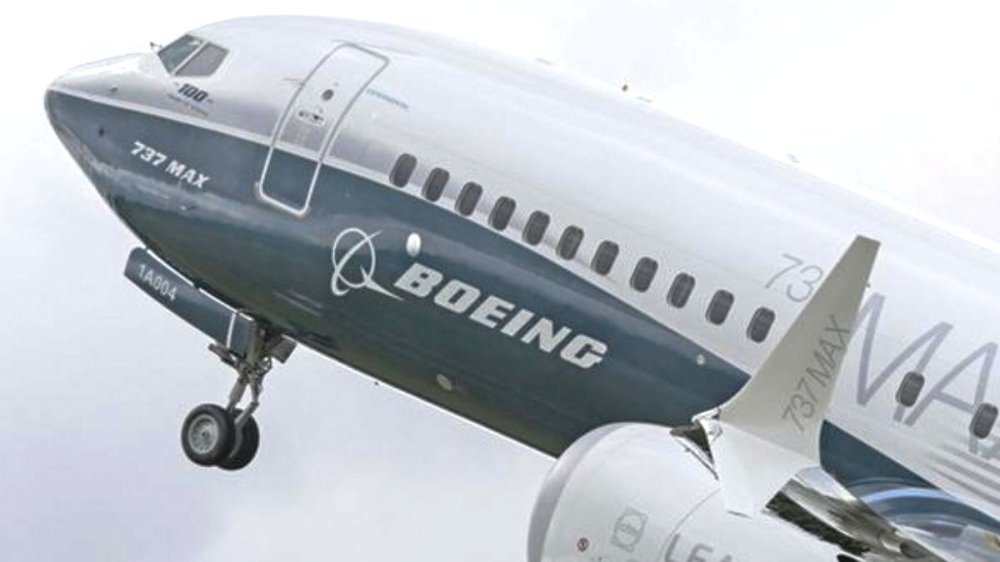
FK,4923,36,737-max-round-pinBoeing-Logo.svg.pngThe Boeing Company enfrentará costos probablemente en cientos de millones de dólares para recuperar la confianza del Boeing 737 MAX


A medida que aumentan los costos de la puesta a tierra de la flota de aviones Boeing 737 MAX, también hay dudas sobre cuándo se manejará la reintroducción del modelo 737 MAX para volver al aire. Después de que 83731-faaBoeing anunció una serie de correcciones de la Anti-Install de la MCAS bajo las inspecciones de la Federal Aviation Administration (FAA), se ha comunicado que los analistas de aviación predicen que tomará un mínimo de entre seis semanas a 12 semanas antes de que los aviones vuelva a despegar en las aerolíneas del mundo.

Escollos para volver a volar

Incluso cuando el 737 MAX consiguiera la aprobación de la FAA para volar de nuevo, sus problemas no se resolverían. China había suspendido el certificado de aeronavegabilidad del avión, lo que significa que el avión enfrentaría obstáculos adicionales antes de poder regresar a ese enorme mercado de aeronaves y de más rápido crecimiento.

Las capacidades de Boeing para resolver los problemas ocasionados en la línea 737 MAX deberían resolverse sin inconvenientes. Quizás la pregunta no debería ser cuándo el 737 MAX volverá al cielo sino si debería hacerlo.

Los problemas actuales del modelo son el resultado de una serie de decisiones que se remontan a más de medio siglo; sus limitaciones de diseño son mucho más profundas que un software mal escrito.

La historia comienza en la década de 1960, cuando Boeing estaba estableciendo las especificaciones para el 737, el avión que se convertiría en su mejor vendedor hasta la fecha. En aquel entonces, el viaje en jet estaba en su infancia, y muchos aeropuertos carecían de la infraestructura que damos por sentado hoy, como jetways. «El avión fue diseñado para sentarse cerca del suelo. Tendría un airstair integrado en la puerta, por lo que no necesitaría arreglos exteriores para sacar a los pasajeros del avión», dice el diseñador de aviones y periodista de aviación Peter Garrison.

737NGvsMAX.png

Esa decisión dio como resultado un avión que satisfacía las necesidades de la aviación de la década de 1960, pero avanzó rápidamente a principios de la década de 2010 y el mundo era un lugar radicalmente diferente. Airstairs ya no era una gran preocupación. Pero décadas de desarrollo de motores a reacción han llevado a los ingenieros a concluir que la clave para la eficiencia de los turbofanes era un gran diámetro.

En el día en que la cosa estaba diseñada, tenía pequeños motores delgados debajo de las alas, y luego, cuando empezaron a poner estos turbofans cada vez más grandes, tuvieron que lidiar con el hecho de que no había espacio debajo del ala. Finalmente, tuvieron que mover todo el motor hacia adelante y hacia arriba para mantenerlo fuera del suelo. Esto tuvo un efecto secundario indeseable. Un motor más potente, lanzado hacia adelante, tiende a hacer que un avión sea inestable dinámicamente, especialmente cuando el motor está a máxima velocidad y la nariz está hacia arriba, como durante el despegue. «Es desestabilizador en el sentido de que cuanto más nariz es, más grandes son las fuerzas que tienden a hacer que sea más nariz», dice Garrison.

AW-70737007.png

Los diseñadores de aviones comerciales generalmente buscan la estabilidad. Imagina llevar una canica en un tazón profundo. Si se tambalea de esta manera, la canica rodará, pero siempre volverá al centro. La inestabilidad es como equilibrar un taco de billar en el dedo: cuanto más se aleja de arriba a abajo, más quiere caer. En el caso de un avión, cuanto más alta es la nariz, más alto quiere ir. Si no se controla, esto podría resultar en una situación llamada pérdida aerodinámica, donde las alas pierden sustentación y el avión comienza a caer en picado.

Debido a que la FAA consideraba que el 737 MAX era demasiado inestable para ser usado como un avión de pasajeros, Boeing ideó un sistema automatizado que evitaría que la nariz subiera demasiado: el ahora infame «sistema de aumento de características de maniobra», o MCAS,«era necesario para la certificación», dice el blogger de aviación Peter Lemme.

Los problemas de inestabilidad del 737 MAX se hicieron eco de otro diseño de los años 60, el Cheyenne. En ese momento, Piper Aircraft quería construir una versión más potente de su popular avión ligero bimotor, el Navajo. Piper cambió sus motores de pistón por turbopropulsores. Al igual que el 737 MAX, el Cheyenne tenía un diseño que involucraba poner los motores más potentes más adelante en el ala.

Jack Webb fue el piloto de pruebas de ingeniería en jefe de Piper durante la mayor parte del proceso de desarrollo de Cheyenne. «A medida que avanzábamos, descubrí una especie de problema dinámico de estabilidad dinámica», dice. Era el mismo problema que tendría el 737 MAX más tarde, por la misma razón. Y como lo haría más tarde Boeing, Piper intentó solucionar el problema agregando automatización; en su caso, un dispositivo llamado Sistema de Aumento de Estabilidad (SAS) que presionaría la nariz hacia abajo si se elevaba demasiado. Webb se dio cuenta de que si el piloto no estaba debidamente capacitado, el SAS podría empeorar la inestabilidad. El problema era que el sistema podía entrar en un circuito de retroalimentación con el piloto humano. Sin entender por qué la nariz estaba empezando a bajar, el piloto subía, a lo que el SAS respondería presionando hacia abajo. Como cada uno tiene un retraso en su tiempo de respuesta, terminan persiguiéndose, lo que hace que el avión ingrese en una serie de subidas y inmersiones cada vez más empinadas.

Recientes informes de la prensa se han centrado en el hecho de que los malvados aviones Ethiopian Airlines y Lion Air estaban equipados con el MCAS, que podría confundirse si un solo sensor devolviera lecturas defectuosas. Esto provocaría que pateara y bajara la nariz, incluso cuando el avión no estaba a la altura de la nariz. El esfuerzo del piloto para luchar contra el sistema fuera de control causaría que el avión se marche. Webb cree que este tipo de movimiento hacia arriba y hacia abajo puede tener lugar incluso cuando el sistema funciona como se diseñó. Ha examinado varios accidentes relacionados con la Cheyenne, y es una imagen clásica. Parece que el avión está en una montaña rusa antes de que se estrelle. Los pilotos simplemente se ponen detrás de la entrada necesaria para estabilizar el avión. Están luchando contra eso.

El miércoles, Boeing reveló la lista de arreglos planeados para el 737 MAX. Una de ellas fue que el MCAS en adelante recibirá información de dos sensores en lugar de uno solo. Si los sensores no están de acuerdo, el sistema se desactivará.

Webb cree que, según su experiencia con el Cheyenne, estas correcciones no eliminarán la predilección del avión por la montaña rusa. Incluso si Webb está equivocado, y el 737 Max está a salvo siempre que su MCAS funcione correctamente, eso deja otro problema. Un solo sensor que funciona mal hará que el sistema se apague, lo que devolverá al avión a la condición de que la FAA considere demasiado inestable para otorgar un certificado de aeronavegabilidad.

Hay una solución sencilla para todos los problemas del 737 Max: para reducir la tendencia de inclinación del avión, Boeing podría alargar el tren de aterrizaje y mover los motores más atrás debajo del ala; y para aumentar la estabilidad, podría aumentar el tamaño de la cola. Hay una razón por la que Boeing no quiere hacer eso, «sería considerado un nuevo avión», explica Garrison.

El punto central del 737 MAX es que, a pesar de todos sus cambios y mejoras, desde la perspectiva de la FAA, sigue siendo técnicamente un 737. Desde la perspectiva del diseño, las pruebas y la certificación, es más barato actualizar un diseño antiguo que un campo de marca. uno nuevo. Le costó a Boeing un estimado de US$ 2 mil millones a US$ 3 mil millones para llevar el 737 MAX al mercado, en comparación con aproximadamente US$ 10 mil millones a US$ 12 mil millones para crear un nuevo avión. Y los aviones heredados son más atractivos para las aerolíneas porque no tienen que volver a entrenar a sus pilotos.

Sin embargo, hasta ahora solo se puede seguir actualizando un diseño venerable. Boeing lo sabe. A mediados de los años, lanzó un proyecto para considerar un reemplazo de hoja limpia para el 737 que estaría listo para volar en algún momento entre 2012 y 2015. Sin embargo, al final, desechó ese enfoque. Cuando Airbus lanzó una actualización de su propia versión del avión de cuerpo estrecho, el A320neo, en 2010, Boeing se vio obligado a responder. Su respuesta fue el artilugio de Rube Goldberg que tiene hoy.

Quizás la suerte de Boeing cambiará y el mundo se dará cuenta de que, si bien no es perfecto, el 737 MAX es lo suficientemente bueno. Tal vez Boeing vaya a completar los 5,000 pedidos que hay actualmente en los libros, y quién sabe, tal vez agregue algunos miles más en la parte superior. ¿Cuál será el resultado de este escenario rosado? Los cielos se llenaron con la mejor parte de un billón de dólares de aviones que podrían ser mejores, cuando la compañía podría haber tomado una pequeña fracción de ese tiempo y dinero y simplemente construir un avión digno del nombre de Boeing.

En el futuro, Boeing debe obtener el 737 MAX con el estándar de seguridad requerido y recuperar la confianza para mantener la acumulación al menos estable y, posiblemente, ampliarla. Todavía no creo que puedas evaluar los inconvenientes observando la flota en tierra. Para aquellos que consideran el valor de los aviones a tierra como una medida de desventaja, es importante entender que, actualmente, la acumulación de costos ha agregado presión sobre las ganancias de Boeing, pero esos costos probablemente no serán tan altos como el valor de la flota a tierra.

Creo que posicionarse para cancelaciones es prematuro, especialmente porque los atrasos no se valoran completamente en el precio de las acciones de Boeing, y no deberían. Si ahora toma en cuenta las cancelaciones en los precios de las acciones, tendrá en cuenta algo que nunca ha sido parte de la apreciación del precio de las acciones, ya que los pedidos nunca se valoran completamente en los precios de las acciones de Boeing, ni tampoco en los informes financieros de la compañía.

Negociaciones con la Boeing

Algunos clientes pueden buscar flexibilidad en los planes de entrega y pago en lugar de exigir una compensación de Boeing. Sin embargo, se espera que la conexión a tierra de los Boeing 737 MAX afecte las ganancias de Boeing y el objetivo de entrega de aviones comerciales.

Con los dos accidentes aéreos ocurrido con la línea Boeing 737-8 MAX en cuestión de meses, la conexión a tierra del Boeing 737 MAX no es una sorpresa. Las consecuencias financieras que la conexión a tierra podría tener en Boeing han arrojado estimaciones disponibles que van desde US$ 115 millones hasta varios miles de millones, ya que las entregas del Boeing 737 MAX se han detenido.

Escenarios encontrados

Las negociaciones de Boeing es otro frente de tormenta que deberán afrontar para mantener y no continuar perdiendo cuota de mercado, donde el Airbus A320NEO ya lleva una ventaja en órdenes solicitadas de 1.000 aeronaves adicionales.

En un primer escenario, la conexión a tierra se traduce en cancelaciones de vuelos, en cuyo caso Boeing tiene que pagar las tasas de arrendamiento perdidas y las ganancias licuadas de las aerolíneas, así como la depreciación. Todos los vuelos del Boeing 737 MAX se cancelan y Boeing tiene que compensar esto además de pagar a los arrendadores las tarifas de arrendamiento y la depreciación, los costos serían entre US$ 360 millones y US$ 375 millones por mes.

En el segundo escenario, Boeing paga la depreciación de los aviones a tierra, así como las mayores tasas de arrendamiento y los costos adicionales de combustible. Boeing pagaría la depreciación, los arrendamientos adicionales para llevar a cabo las operaciones de vuelo y los gastos adicionales de combustible debido al uso de aviones más antiguos y menos eficientes. El consumo adicional de combustible sería de 1,56 millones de litros por día o casi US$ 50 millones de litros por mes, lo que equivaldría a costos adicionales de US$ 24 millones por mes. En el segundo escenario, la factura sería significativamente mayor para Boeing, es decir, de US$ 590 millones a US$ 600 millones por mes. Esto incluye aproximadamente unos US$ 85 millones en costos de depreciación, US$ 485 millones para arrendamientos adicionales a corto plazo y alrededor de US$ 25 millones en gastos adicionales de combustible.

Un buen punto de partida para evaluar cualquier costo que Boeing pueda tener es mirar cuántas aeronaves están realmente conectados a tierra. Hasta Febrero 2019, Boeing entregó 376 aviones Boeing 737 MAX y otros 10 se entregaron en Marzo 2019 hasta que Boeing dejó de entregar aviones a los clientes. Estos 386 jets tienen un valor combinado de más de US$ 20 billones de dólares. Desde el segundo accidente aéreo que involucró al Boeing 737-8 MAX de Ethiopian Airlines, la capitalización de mercado de Boeing disminuyó en aproximadamente US$ 30 mil millones de dólares. El valor de los aviones a tierra como una medida de desventaja, la acumulación de costos ha agregado presión sobre las ganancias de Boeing, pero esos costos probablemente no serán tan altos como el valor de la flota a tierra. Lo que está claro es que cuanto más tiempo toma la conexión a tierra, más le costará a Boeing y esos costos se ejecutan en cientos de millones por mes.

Lecciones por aprender

En ambos accidentes aéreos, Boeing podría aprender lecciones vitales. El constructor americano podría haber diseñado un mejor sistema de estabilidad con la documentación adecuada. La FAA pudiera haber desempeñado un papel más imparcial y determinante. La tripulación de cabina podría haber sido instruida más eficientemente en el manejo de situaciones críticas y al mismo tiempo investigar adecuadamente la ejecución de los vuelos JT-610 y ET-302.

El resultado de las investigaciones criminales puede tomar bastante tiempo, pero eso es algo que podría perjudicar a la FAA, a Boeing y a las compañías operadoras del Boeing 737 MAX. Los resultados del informe preliminar de fallos deben proporcionar algún tipo de orientación sobre lo que está sucediendo con la cuarta generación de la línea Boeing 737 MAX y recuperar la confianza en el producto y el trabajo acumulado de Boeing.

Actualmente, la FAA ha observado una solución, que es una combinación de soluciones de software y hardware, pero que continúa en una fina línea en la zona segura. Boeing parece haber acelerado el trabajo en una solución, mientras que la línea de producción se ha detenido para ponerse al día con el trabajo retrasado.

En Boeing están esperanzados en devolver al Baby Boeing al lugar que siempre estaba. Aunque está atravesando una tormenta perfecta, la factoría de Seattle batallará a cualquier costo por recuperar la confianza del símbolo estrella de la The Boeing Company, el 737.AW-Icon-TXT-01

Resultado de imagen para boeing 737 max grounded

Boeing 737, the perfect storm

The Boeing Company will probably face costs in the hundreds of millions of dollars to recover the confidence of the Boeing 737 MAX

As the cost of grounding the Boeing 737 MAX aircraft fleet increases, there are also questions about when the re-introduction of the 737 MAX model will be handled to get back on the air. After Boeing announced a series of corrections to the MCAS Anti-Install under Federal Aviation Administration (FAA) inspections, it has been reported that aviation analysts predict that it will take a minimum of six weeks to 12 weeks before that planes take off again in the world’s airlines.

Escollos to fly again

Even when the 737 MAX got approval from the FAA to fly again, its problems would not be resolved. China had suspended the plane’s airworthiness certificate, which means that the plane would face additional obstacles before it could return to that huge and rapidly growing aircraft market.

The capabilities of Boeing to solve the problems caused in line 737 MAX should be solved without problems. Maybe the question should not be when the 737 MAX will return to heaven but if it should.

The current problems of the model are the result of a series of decisions that go back more than half a century; Its design limitations are much deeper than poorly written software.

The story begins in the 1960s, when Boeing was setting specifications for the 737, the plane that would become its best seller to date. Back then, jet travel was in its infancy, and many airports lacked the infrastructure that we take for granted today, such as jetways. «The plane was designed to sit close to the ground. It would have an integrated airstair on the door, so it would not need outside arrangements to get the passengers out of the plane», says aviation designer and aviation journalist Peter Garrison.

That decision resulted in an airplane that met the needs of aviation in the 1960s, but advanced rapidly in the early 2010s and the world was a radically different place. Airstairs was no longer a big concern. But decades of jet engine development have led engineers to conclude that the key to the efficiency of turbofans was a large diameter.

«On the day the thing was designed, it had small thin engines under the wings, and then, when they started putting these turbofans getting bigger, they had to deal with the fact that there was no space under the wing. They had to move the entire engine forward and up to keep it off the ground», said Garrison.

AW-70737007.png

This had an undesirable side effect. A more powerful engine, thrown forward, tends to make an airplane unstable dynamically, especially when the engine is at full speed and the nose is up, as during takeoff. «It’s destabilizing in the sense that the more nose it is, the greater the forces that tend to make it more nose», says Garrison.

Commercial aircraft designers generally seek stability. Imagine carrying a marble in a deep bowl. If you wobble in this way, the marble will roll, but it will always return to the center. Instability is like balancing a billiard cue on your finger: the further you move from top to bottom, the more you want to fall. In the case of an airplane, the higher the nose, the higher it wants to go. If left unchecked, this could result in a situation called aerodynamic loss, where the wings lose lift and the plane begins to plummet.

Because the FAA considered that the 737 MAX was too unstable to be used as a passenger plane, Boeing devised an automated system that would prevent the nose from going too high: the now infamous «Manuvening Characteristic Augmentation System, or MCAS, it was necessary for certification», says aviation blogger Peter Lemme.

The problems of instability of the 737 MAX echoed another design of the 60s, the Cheyenne. At the time, Piper Aircraft wanted to build a more powerful version of its popular twin-engine light aircraft, the Navajo. Piper changed its piston engines by turboprop. Like the 737 MAX, the Cheyenne had a design that involved putting the most powerful engines later in the wing.

Jack Webb was Piper’s chief engineering test pilot for most of Cheyenne’s development process. «As we went along, I discovered a kind of dynamic problem of dynamic stability», he says. It was the same problem that 737 MAX would have later, for the same reason. And as Boeing would later do, Piper tried to solve the problem by adding automation; in his case, a device called Stability Augmentation System (SAS) that would press the nose down if it rose too much.

Webb realized that if the pilot was not properly trained, the SAS could worsen the instability. The problem was that the system could enter a feedback loop with the human pilot. Without understanding why the nose was starting to fall, the pilot climbed, to which the SAS would respond by pressing down. As each one has a delay in their response time, they end up chasing each other, which causes the plane to enter a series of increasingly steep climbs and dives.

Recent press reports have focused on the fact that the evil Ethiopian Airlines and Lion Air aircraft were equipped with the MCAS, which could be confused if a single sensor returned faulty readings. This would cause him to kick and lower his nose, even when the plane was not up to his nose. The pilot’s effort to fight the out-of-control system would cause the plane to leave.

Webb believes that this kind of up and down movement can take place even when the system works as designed. He has examined several accidents related to the Cheyenne, and it’s a classic image, it looks like the plane is on a roller coaster before it crashes in. The pilots simply get behind the necessary entrance to stabilize the plane.

On Wednesday, Boeing revealed the list of planned arrangements for the 737 MAX. One of them was that the MCAS will receive information from two sensors instead of just one. If the sensors do not agree, the system will be deactivated.

Webb believes that, based on his experience with the Cheyenne, these corrections will not eliminate the airplane’s predilection for the roller coaster. Even if Webb is wrong, and 737 Max is safe as long as his MCAS works properly, that leaves another problem. A single sensor that malfunctions will cause the system to shut down, which will return the aircraft to the condition that the FAA considers it too unstable to grant a certificate of airworthiness.

There is a simple solution for all the problems of the 737 MAX: «to reduce the inclination tendency of the aircraft, Boeing could lengthen the landing gear and move the engines further back under the wing; and to increase the stability, it could increase the size of the tail. There is a reason why Boeing does not want to do that. «It would be considered a new plane», explains Garrison.

The central point of the 737 MAX is that, despite all its changes and improvements, from the perspective of the FAA, it is still technically a 737. From the perspective of design, testing and certification, it is cheaper to update an older design than a brand field. new one. It cost Boeing an estimated US$ 2 billion to US$ 3 billion to bring the 737 MAX to market, compared to approximately US$ 10 billion to US$ 12 billion to create a new airplane. And legacy aircraft are more attractive to airlines because they do not have to retrain their pilots.

However, until now you can only continue updating a venerable design. Boeing knows it. In the middle of the years, he launched a project to consider a clean sheet replacement for the 737 that would be ready to fly sometime between 2012 and 2015. However, in the end, he dismissed that approach. When Airbus launched an update of its own version of the narrow-body aircraft, the A320NEO, in 2010, Boeing was forced to respond. His answer was the Rube Goldberg contraption he has today.

Maybe Boeing’s luck will change and the world will realize that, while it’s not perfect, the 737 MAX is good enough. Maybe Boeing is going to complete the 5,000 orders that are currently in the books, and who knows, maybe add a few thousand more at the top. What will be the result of this pink scenario? The skies were filled with the best part of a trillion dollars of aircraft that could be better, when the company could have taken a small fraction of that time and money and simply built a plane worthy of Boeing’s name.

In the future, Boeing must obtain the 737 MAX with the required security standard and regain the confidence to keep the accumulation at least stable and possibly expand it. I still do not think you can evaluate the inconveniences by observing the fleet on land. For those who consider the value of land-based aircraft as a measure of disadvantage, it is important to understand that, currently, the accumulation of costs has added pressure on Boeing’s profits, but those costs will probably not be as high as the value of the It floats to the ground.

I believe that positioning for cancellations is premature, especially because the arrears are not fully valued in the price of Boeing shares, and they should not. If you now take into account the cancellations in the stock prices, you will consider something that has never been part of the appreciation of the stock price, since the orders are never fully valued in the Boeing stock prices, nor neither in the company’s financial reports.

Negotiations with the Boeing

Some customers may seek flexibility in delivery and payment plans instead of demanding compensation from Boeing. However, it is expected that the grounding of the Boeing 737 MAX will affect Boeing’s profits and the commercial aircraft delivery target. With the two plane crashes occurred with the Boeing 737-8 MAX line in a matter of months, the grounding of the Boeing 737 MAX is not a surprise.

The financial consequences that the ground connection could have on Boeing have yielded estimates that range from US $ 115 million to several billion, since the deliveries of the Boeing 737 MAX have stopped.

Found scenarios

The Boeing negotiations are another storm front that they will have to face in order to maintain and not continue to lose market share, where the Airbus A320NEO already has an advantage in apply for orders of 1,000 additional aircraft.

In a first scenario, grounding translates into flight cancellations, in which case Boeing has to pay for lost lease rates and airline liquefied profits, as well as depreciation. All Boeing 737 MAX flights are canceled and Boeing has to compensate for this in addition to paying landlords the lease rates and depreciation, the costs would be between US$ 360 million and US$ 375 million per month.

In the second scenario, Boeing pays the depreciation of aircraft to land, as well as higher lease rates and additional fuel costs. Boeing would pay for depreciation, additional leases to carry out flight operations and additional fuel costs due to the use of older and less efficient aircraft. The additional fuel consumption would be 1.56 million liters per day or almost US$ 50 million liters per month, which would be equivalent to additional costs of US$ 24 million per month. In the second scenario, the invoice would be significantly higher for Boeing, that is, from US$ 590 million to US$ 600 million per month. This includes approximately US$ 85 million in depreciation costs, US$ 485 million for additional short-term leases and around US$ 25 million in additional fuel costs.

A good starting point to evaluate any cost that Boeing may have is to look at how many aircraft are actually connected to the ground. Until February 2019, Boeing delivered 376 Boeing 737 MAX aircraft and another 10 were delivered in March 2019 until Boeing stopped delivering aircraft to customers. These 386 jets have a combined value of more than US$ 20 billion. Since the second plane crash involving the Boeing 737-8 MAX from Ethiopian Airlines, the market capitalization of Boeing has decreased by approximately US$ 30 billion. The value of aircraft to land as a measure of disadvantage, the accumulation of costs has added pressure on Boeing’s profits, but those costs will probably not be as high as the value of the fleet to land. What is clear is that the longer the ground connection takes, the more it will cost Boeing and those costs are executed in hundreds of millions per month.

Resultado de imagen para boeing 737 max groundedLessons to learn

In both plane crashes, Boeing could learn vital lessons. The American builder could have designed a better stability system with the proper documentation. The FAA could have played a more impartial and decisive role. The cabin crew could have been instructed more efficiently in the handling of critical situations and at the same time adequately investigate the execution of flights JT-610 and ET-302.

The result of criminal investigations can take a long time, but that could harm the FAA, Boeing and the operating companies of the Boeing 737 MAX. The results of the preliminary bug report should provide some guidance on what is happening with the fourth generation of the Boeing 737 MAX line and regain confidence in the product and the accumulated work of Boeing.

Currently, the FAA has observed a solution, which is a combination of software and hardware solutions, but which continues in a fine line in the safe zone. Boeing seems to have accelerated work on a solution, while the production line has stopped to catch up with the delayed work.

At Boeing, they are hoping to return Baby Boeing to the place it always was. Although it is going through a perfect storm, the Seattle factory will struggle at any cost to regain the confidence of the star symbol of The Boeing Company, the 737. A \ W


AW-AW.com

AW-Airgways Icon-webΞ A I R G W A Y S Ξ
SOURCE: Airgways.com
DBk: Airgways.com / Nymag.com / Faa.gov / Boeing.com / Reuters.com / Bizjournals.com
AW-POST: 201903292034AR

A\W   A I R G W A Y S ®