AW | 2022 02 17 15:20 | INDUSTRY / TRAINING / AIRLINES
Centro Formación Airbus Asia inaugura cuarto simulador vuelo A350
El Centro de Formación de Airbus Asia (AATC) ha inaugurado su cuarto simulador de vuelo completo (FFS) del A350. Esto hace que AATC ofrezca más capacidad de simulador A350 que cualquier otro centro de capacitación en el mundo. La incorporación también consolida la posición de AATC como el mayor centro de formación de tripulaciones de vuelo operado por Airbus en la red global de la compañía, con dos simuladores A320, dos A330, un A380 y cuatro A350. AATC también alberga un ATR 72-600 FFS. El enfoque en el A330, A350 y A380 refleja la popularidad de los aviones de fuselaje ancho de Airbus en la región de Asia-Pacífico, con casi 900 en servicio y alrededor de 220 pedidos actualmente para entrega futura.
AATC es una empresa conjunta propiedad en un 55% de Airbus y en un 45% de Singapore Airlines (SIA). Con casi 10.000 metros cuadrados de tamaño, el La instalación en Seletar Aerospace Park es parte de la red de entrenamiento de vuelo de Airbus y sirve a la región de Asia-Pacífico y más allá. Desde que comenzaron las operaciones en abril de 2016, AATC ha atraído con éxito a 69 aerolíneas clientes. AATC tiene la capacidad de ofrecer habilitación de tipo y cursos de formación recurrentes para hasta 10.000 alumnos al año. SIA es también el operador más grande del mundo del A350, con 58 aviones en servicio en toda su red a partir de Febrero de 2022. Además, SIA ha confirmado la compra de siete aviones de carga A350F. Junto con su socio, la creación de capacidades de capacitación de la tripulación de vuelo del A350 por parte de AATC es una respuesta a la creciente demanda de las aerolíneas clientes en la región.
“La región de Asia-Pacífico ha sido tradicionalmente el mayor mercado para los aviones de fuselaje ancho de Airbus. Esto se ha confirmado aún más con el éxito del A350 que ahora vuela con 16 aerolíneas de la región. Nuestra inversión conjunta con SIA para ofrecer servicios integrales de capacitación de tripulaciones de vuelo más cerca de las bases de operaciones de las aerolíneas en la región ha sido muy bien recibida. Nos complace continuar nuestra exitosa asociación en AATC”, dijo Valerie Manning, Vicepresidenta Senior de Servicios de Operaciones de Vuelo y Capacitación de Airbus.
“Como el operador más grande del mundo del Airbus A350, SIA ve a AATC como un centro de excelencia para la formación de pilotos de A350. Nuestra asociación estratégica continúa creciendo a medida que aumenta la demanda de viajes aéreos. El último A350 Full Flight Simulator de AATC continuará ayudando a SIA y a otros operadores a mantenerse al día con los últimos requisitos de capacitación, al tiempo que respalda la posición de Singapur como un centro de aviación líder”, dijo el Capitán Quay Chew Eng, Vicepresidente Senior de Operaciones de Vuelo de Singapore Airlines.
Airbus Center AATC A350
Airbus Asia Training Center inaugurates fourth A350 flight simulator
The Airbus Asia Training Center (AATC) has inaugurated its fourth A350 Full Flight Simulator (FFS). This makes AATC offer more A350 simulator capacity than any other training center in the world. The addition also cements AATC’s position as the largest Airbus-operated flight crew training center in the company’s global network, with two A320, two A330, one A380 and four A350 simulators. AATC is also home to an ATR 72-600 FFS. The focus on the A330, A350 and A380 reflects the popularity of Airbus’ wide-body aircraft in the Asia-Pacific region, with almost 900 in service and around 220 currently on order for future delivery.
AATC is a joint venture owned 55% by Airbus and 45% by Singapore Airlines (SIA). At nearly 10,000 square meters in size, the facility at Seletar Aerospace Park is part of the Airbus flight training network, serving the Asia-Pacific region and beyond. Since operations began in April 2016, AATC has successfully attracted 69 customer airlines. AATC has the capacity to offer type rating and recurring training courses for up to 10,000 students per year. SIA is also the world’s largest operator of the A350, with 58 aircraft in service across its network as of February 2022. In addition, SIA has confirmed the purchase of seven A350F freighters. Together with its partner, AATC’s creation of A350 flight crew training capabilities is a response to growing demand from airline customers in the region.
“The Asia-Pacific region has traditionally been the largest market for Airbus wide-body aircraft. This hasbeen further confirmed by the success of the A350 which now flies with 16 airlines in the region. Our joint investment with SIA to offer comprehensive flight crew training services closer to airline operating bases in the region has been very well received. We are pleased to continue our successful partnership at AATC”, said Valerie Manning, Senior Vice President, Flight Operations Services and Training, Airbus.
“As the world’s largest operator of the Airbus A350, SIA views AATC as a center of excellence for A350 pilot training. Our strategic partnership continues to grow as the demand for air travel increases. AATC’s latest A350 Full Flight Simulator will continue to help SIA and other operators keep up with the latest training requirements, while supporting Singapore’s position as a leading aviation hub», said Capt. Quay Chew Eng, Vice President Flight Operations Senior at Singapore Airlines.
PUBLISHER: Airgways.com DBk: Airbus.com / Singaporeair.com / Airgways.com AW-POST: 202202171520AR OWNERSHIP: Airgways Inc. A\W A I R G W A Y S ®
AW | 2022 02 17 15:07 | AVIATION ORGANISMS / AIR TRAFFIC
Paro Controladores Aéreos en plena reactivación sector aeronáutico
La Presidenta y Gerenta General de EANA S.E. Gabriela Logatto, ha expresado que la medida gremial de Controladores de Tránsito Aéreo ha sido una medida arbitraria. La Empresa Argentina de Navegación Aérea perteneciente al Ministerio de Transporte de la Nación, ha expresado su rechazo al paro anunciado por ATEPSA, gremio que nuclea a Controladores/as de tránsito aéreo, Técnicos y Operadores de información aeronáutica. “Es irresponsable decir que la Seguridad Operacional no está garantizada. El reclamo gremial viene por revisión de pauta salarial. Nosotros hemos ofrecido, con un gran esfuerzo de todo el Estado Nacional, un 55% para cerrar la paritaria 2021, eso es por encima de la inflación, garantizando los salarios en momentos muy difíciles para la industria en general. El esfuerzo lo ha hecho todo el Estado argentino, no solamente EANA que es la empresa argentina que garantiza los Servicios de Navegación Aérea, sino que todo el Ejecutivo Nacional”, afirmó Gabriela Logatto.
Además, y en relación a la argumentación sindical sobre las razones de la medida, la titular de EANA expresó: “La Seguridad Operacional está claramente garantizada. Somos parte responsable de que esa seguridad así lo esté. En la Operación siempre hay riesgos, nosotros mitigamos esos riesgos constantemente, y es una operación que está regulada internacionalmente, no solamente por lo que es la autoridad aeronáutica nacional sino por organismos internacionales. Nos regimos por la normativa internacional en la materia, estamos inmersos en auditorías, no solamente a nivel nacional sino a nivel internacional”.
Gabriela Logatto invitó a las autoridades de ATEPSA a recapacitar sobre la decisión tomada, en pos de no afectar la recuperación económica del sector aeronáutico. “El Lunes pasado terminamos la conciliación obligatoria y la conducción del sindicato siguió adelante con la medida, presentando el cronograma. Crispan el diálogo, salen a decir que el paro es por la Seguridad Operacional y hacen un cronograma de cese de actividades. ¿Eso quiere decir que la Seguridad Operacional está garantizada en un horario y en otro no? Es muy dudoso lo que dicen y poco entendible. Para nosotros no es un problema, porque estamos seguros del servicio que estamos brindando”, concluyó la directiva de EANA.
EANA questions unemployment Argentina
Strike Air Controllers in full reactivation of the aeronautical sector
The President and General Manager of EANA S.E. Gabriela Logatto, has expressed that the union measure of Air Traffic Controllers has been an arbitrary measure. The Argentine Air Navigation Company belonging to the Ministry of Transport of the Nation, has expressed its rejection of the strike announced by ATEPSA, a union that brings together air traffic controllers, technicians and aeronautical information operators. “It is irresponsible to say that Operational Safety is not guaranteed. The union claim comes for review of the salary guideline. We have offered, with a great effort from the entire National State, 55% to close the 2021 parity, that is above inflation, guaranteeing wages in very difficult times for the industry in general. The effort has been made by the entire Argentine State, not only EANA, which is the Argentine company that guarantees Air Navigation Services, but also by the entire National Executive”, said Gabriela Logatto.
In addition, and in relation to the union argumentation about the reasons for the measure, the head of EANA stated: “Operation Safety is clearly guaranteed. We are a responsible party for that security to be so. In the Operation there are always risks, we constantly mitigate those risks, and it is an operation that is regulated internationally, not only by the national aeronautical authority but also by international organizations. We are governed by international regulations on the matter, we are immersed in audits, not only at the national level but also at the international level”.
Gabriela Logatto invited ATEPSA authorities to reconsider the decision taken, in order not to affect the economic recovery of the aeronautical sector. “Last Monday we finished the mandatory conciliation and the leadership of the union went ahead with the measure, presenting the schedule. They strain the dialogue, they come out to say that the strike is for Operational Security and they make a schedule for the cessation of activities. Does that mean that Operational Safety is guaranteed at one time and not at another? It is very doubtful what they say and little understandable. For us it is not a problem, because we are sure of the service we are providing”, concluded the EANA directive.
PUBLISHER: Airgways.com DBk: Eana.com.ar / Airgways.com AW-POST: 202202171507AR OWNERSHIP: Airgways Inc. A\W A I R G W A Y S ®
Perspectivas generales inversión financiación mundial aviación
Los ejecutivos del sector de la aviación esperan mantener o aumentar la inversión en 2022, a pesar de los continuos vientos en contra causados por la crisis sanitaria mundial y las preocupaciones sobre la economía mundial. El año 2021 fue otro año turbulento para la aviación, ya que los gobiernos se apresuraron a combatir las nuevas variantes de COVID-19 con prohibiciones de viaje y cierres de fronteras. Desde el auge de la variante Delta en la primera mitad del año hasta la primera aparición de Omicron al final, 2021 fue un año en el que la disrupción acechaba en cada esquina. A pesar de esto, la demanda de pasajeros comenzó a recuperarse. Las estimaciones publicadas por IATA sugirieron que los ingresos totales de las aerolíneas comerciales globales probablemente alcanzarían los US$ 472 mil millones en 2021. Si bien esto está muy por debajo del total de ingresos de US$ 838 mil millones logrado en la víspera de la pandemia en 2019, representa un aumento de más del 26 por ciento en comparación con 2020. El número de pasajeros programados también escenificó una recuperación. Se espera que el total de pasajeros para 2021 alcance los US$ 2.270 millones, una gran mejora con respecto a 2020 (1.800 millones), pero aún muy por debajo de los US$ 4.540 millones de 2019.
47% de los encuestados espera que la inversión en el sector de la aviación mundial aumente en 2022
El tráfico de pasajeros se ha visto muy afectado por la pandemia, la carga aérea brilla como una rara historia de éxito en medio de un escenario de restricciones a los viajes. El rápido reinicio de las economías y la carrera de las empresas por obtener, junto con los cuellos de botella en el transporte marítimo, ayudaron a impulsar el transporte aéreo a nuevas alturas. El próximo año 2023 podría ser un récord con ingresos esperados de carga aérea de US$ 175 mil millones, en comparación con US$ 128.8 mil millones en 2020 y US$ 100.8 mil millones en 2019).
Índices por regiones
La encuesta de White Case encontró que los encuestados son cautelosamente optimistas. Mirando primero las expectativas para el sector de la aviación mundial en su conjunto, el 81% espera que la inversión se mantenga o aumente en 2022, y el 47% sugiere un aumento. Solo el 19% de los encuestados espera que la inversión en aviación disminuya. Asia-Pacífico se destaca como la región donde el sentimiento es más positivo, con un 60 por ciento que espera que la inversión mundial en el sector de la aviación aumente en el próximo año, la más alta de cualquier región. Desde la perspectiva de APAC, este sentimiento positivo puede no ser sorprendente: la creciente clase media de la región y la demografía favorable apoyan el crecimiento en el sector de la aviación. Un Director Gerente de un banco líder con sede en Asia-Pacific (APAC) dice: «Las inversiones aumentarán en 2022, porque hay nuevas perspectivas de crecimiento en el sector de la aviación. Las inversiones obtendrán rendimientos óptimos, porque el desarrollo se está llevando a cabo en muchos lugares. Esto estabilizará el sector y ayudará al crecimiento». Los encuestados en los mercados más maduros de Europa, Oriente Medio y África (EMEA) y América del Norte son más cautelosos, con un 50 por ciento y un 39 por ciento, respectivamente, anticipando una mayor inversión en el próximo año, algo más bajo que APAC. Dicho esto, varios encuestados en estas regiones tienen un ojo en las oportunidades emergentes, en particular las inversiones en descarbonización.
«La cartera de proyectos parece prometedora. Hay muchos fondos verdes emergentes que apoyarán estos proyectos», dice el Jefe de Inversiones y Mercados de Capital de un arrendador con sede en América del Norte. El Director Gerente de un banco con sede en EMEA que invierte entre US$ 1.000 y 5.000 millones de Dólares al año en aviación añade: «El énfasis en ESG impulsará a las audiencias de inversores de la generación más joven a invertir». ¿Cree que la inversión general en el sector de la aviación mundial aumentará, disminuirá o seguirá siendo la misma durante 2022? En cuanto a la financiación de aeronaves, los encuestados son optimistas sobre el próximo año. A nivel mundial, el 69 por ciento espera que el financiamiento de aeronaves en el sector de la aviación mundial aumente en 2022.
Mirando más de cerca a regiones específicas, los encuestados basados en EMEA tienen la perspectiva más positiva, con un 84 por ciento apuntando a un aumento en la financiación, seguido por APAC con un 80 por ciento. En particular, ninguno de los encuestados en APAC espera que la financiación de aeronaves disminuya en el próximo año. Los encuestados con sede en América del Norte son menos optimistas, ya que solo el 55 por ciento espera que la financiación de aeronaves a nivel mundial aumente en 2022.
El 69 por ciento espera que la financiación de aeronaves en el sector de la aviación mundial aumente en 2022.
Perspectivas progreso aviación
Los aumentos futuros en la financiación de las aeronaves estarán determinados, principalmente, por la medida en que se recupere el número de pasajeros. Pero tanto los datos de la encuesta como los comentarios de los encuestados sugieren que también hay dos nuevos factores en juego.
El primero de ellos es la necesidad de aumentar la eficiencia y el desempeño ambiental de las flotas de aeronaves en un contexto de crecientes imperativos ESG. Esta observación fue planteada por varios encuestados, entre ellos aerolíneas, arrendadores, bancos y proveedores de capital alternativo. «Espero que el financiamiento de aeronaves aumente porque se requieren actualizaciones de equipos», dice el socio de una firma de PE con sede en APAC. «Los aviones más antiguos tendrán que ser reemplazados porque tienen un alto nivel de consumo de combustible». Este punto es repetido por el CEO de un arrendador con sede en EMEA que espera que el gasto en el desarrollo de aviones aumente: «Después de la pandemia, el énfasis en los aviones bajos en carbono aumentará aún más».
El segundo factor es el surgimiento de nuevas fuentes de financiación. Los bancos, tradicionalmente un pilar de la financiación de la aviación, han reducido su exposición al sector desde el inicio de la pandemia. El vacío que han dejado atrás se está llenando con todo, desde bonos verdes hasta capital privado. De hecho, en los últimos dos años se ha visto un aumento en la actividad de capital privado y fondos de cobertura. Armadas con abundante polvo seco, las empresas de compra han estado a la caza de oportunidades, desde financiamientos de préstamos de deudores en posesión hasta la creación de compañías de arrendamiento de aeronaves. «Muchas firmas de capital privado han iniciado fondos colectivos para la financiación de aeronaves. Los objetivos de desarrollo sostenible en particular han sido una parte importante de su decisión de apoyar la transición baja en carbono en la industria aeronáutica», dice el Director Gerente de un banco con sede en EMEA.
La capacidad de aprovechar grupos de capital más amplios y profundos es un buen augurio para el sector de la aviación. Pero los datos de nuestra encuesta muestran que la distribución de las inversiones por parte de aerolíneas, arrendadores y fondos de capital privado ha cambiado desde el pico del ciclo, con una tendencia hacia mayores volúmenes de inversiones de menor valor, lo que refleja el cambio en el apetito por el riesgo.
Una característica interesante de este cambio es que el capital privado y otros proveedores de capital alternativo ahora están compitiendo en todo el espectro de valor: el 10 por ciento invierte actualmente en el tramo de US$ 50 a US$ 250 millones en un extremo, mientras que otro 10 por ciento está invirtiendo en el tramo de más de US$ 5 mil millones en el otro. Esta es una propagación más amplia de lo que se ha visto en el pasado. Al mismo tiempo, la proporción de arrendadores operativos que realizan inversiones de alto valor ha disminuido, con poco menos de una cuarta parte (24%) invirtiendo actualmente US$ 1 mil millones o más. En una línea similar, menos compañías aéreas invierten actualmente más de US$ 5 mil millones, por debajo de años anteriores.
La financiación de los bancos y los organismos de crédito a la exportación (ECA) también ha cambiado, y los encuestados informaron de una menor actividad en el extremo superior del espectro de valores. Por ejemplo, nuestra encuesta muestra que los ECA han dado un paso atrás en la realización de las asignaciones de mayor valor, sin que los encuestados proporcionen financiamiento en las categorías de US$ 1 a US$ 5 mil millones o más de US$ 5 mil millones. Los préstamos bancarios han tendido a ser más consistentes, y la proporción de encuestados que reportan préstamos en el tramo más alto (más de US$5 mil millones) es solo marginalmente menor que el nivel anterior a la pandemia.
Commercial aviation investments
Investment overview for global aviation financing
Aviation industry executives expect to maintain or increase investment in 2022, despite continuing headwinds caused by the global health crisis and concerns about the global economy. 2021 was another turbulent year for aviation, as governments scrambled to combat new variants of COVID-19 with travel bans and border closures. From the rise of the Delta variant in the first half of the year to the first appearance of Omicron at the end, 2021 was a year where disruption lurked around every corner. Despite this, passenger demand began to recover. Estimates released by IATA suggested total global commercial airline revenue would likely reach US$ 472 billion in 2021. While this is well below the $838 billion revenue total achieved on the eve of the pandemic in 2019, it represents an increase of more than 26 percent compared to 2020. The number of scheduled passengers also staged a recovery. Total passengers for 2021 are expected to reach US$ 2.27 billion, a big improvement over 2020 (1.8 billion), but still well below the US$ 4.54 billion of 2019.
47% of those surveyed expect the investment in the world aviation sector to increase in 2022
While passenger traffic has been hit hard by the pandemic, air cargo shines as a rare success story amid travel restrictions. The rapid restart of economies and the race for companies to obtain, along with bottlenecks in shipping, helped propel air travel to new heights. Next year 2023 could be a record with expected air cargo revenue of US$ 175 billion, compared to US$ 128.8 billion in 2020 and US$ 100.8 billion in 2019).
Indices by regions
The White Case survey found respondents to be cautiously optimistic. Looking first at expectations for the global aviation sector as a whole, 81% expect investment to remain the same or increase in 2022, with 47% suggesting an increase. Only 19% of respondents expect investment in aviation to decline. Asia-Pacific stands out as the region where sentiment is most positive, with 60 per cent expecting global investment in the aviation sector to increase in the coming year, the highest of any region. From an APAC perspective, this positive sentiment may not be surprising: the region’s growing middle class and favorable demographics support growth in the aviation sector. A Managing Director of a leading Asia-Pacific (APAC) based bank says: «Investments will increase in 2022, because there are new growth prospects in the aviation sector. Investments will get optimal returns, because development is taking place carried out in many places. This will stabilize the sector and help growth». Respondents in the more mature markets of Europe, the Middle East and Africa (EMEA) and North America are more cautious, with 50 percent and 39 percent, respectively, anticipating more investment in the coming year, somewhat lower what APAC. That said, several respondents in these regions have an eye on emerging opportunities, particularly investments in decarbonization.
«The pipeline of projects looks promising. There are a lot of emerging green funds that will support these projects», says the Head of Investments and Capital Markets at a North American-based lessor. The Managing Director of an EMEA-based bank that invests between US$ 1bn and US$5bn a year in aviation adds: «The emphasis on ESG will drive younger generation investor audiences to invest». Will the overall investment in the global aviation sector increase, decrease or remain the same during 2022? As for aircraft financing, respondents are optimistic about the coming year. Globally, 69 percent expect aircraft financing in the global aviation sector to increase in 2022.
Looking more closely at specific regions, EMEA-based respondents have the most positive outlook, with 84 percent pointing to an increase in funding, followed by APAC at 80 percent. Notably, none of the APAC respondents expect aircraft financing to decline in the coming year. North American-based respondents are less optimistic, with only 55 percent expecting global aircraft financing to increase in 2022.
69 percent expect aircraft financing in the global aviation sector to increase in 2022.
Aviation progress perspectives
Future increases in aircraft financing will be determined primarily by the extent to which passenger numbers recover. But both the survey data and the feedback from respondents suggest that there are also two new factors at play.
The first of these is the need to increase the efficiency and environmental performance of aircraft fleets in a context of growing ESG imperatives. This observation was raised by a number of respondents, including airlines, lessors, banks, and alternative capital providers. “I expect aircraft financing to increase because equipment upgrades are required”, says a partner at an APAC-based PE firm. «The older planes will have to be replaced because they have a high level of fuel consumption». This point is echoed by the CEO of an EMEA-based lessor who expects spending on aircraft development to increase: «After the pandemic, the emphasis on low-carbon aircraft will increase further».
The second factor is the emergence of new sources of financing. Banks, traditionally a mainstay of aviation finance, have reduced their exposure to the sector since the start of the pandemic. The void they have left behind is being filled by everything from green bonds to private equity. In fact, the last two years have seen an increase in private equity and hedge fund activity. Armed with plenty of dry powder, buyout companies have been on the hunt for opportunities, from debtor-in-possession loan financings to the creation of aircraft leasing companies. «Many private equity firms have started crowdfunding for aircraft financing. Sustainable development goals in particular have been an important part of their decision to support the low-carbon transition in the aviation industry», says the Managing Director of a bank based in EMEA.
The ability to tap into broader and deeper pools of capital bodes well for the aviation sector. But our survey data shows that the distribution of investments by airlines, lessors and private equity funds has changed since the peak of the cycle, with a trend toward higher volumes of lower-value investments, reflecting the change in risk appetite.
An interesting feature of this shift is that private equity and other alternative capital providers are now competing across the value spectrum: the top 10 percent currently invest in the US$ 50 million to US$ 250 million range at one end, while that another 10 percent is investing in the more than US$ 5 billion tranche in the other. This is a wider spread than has been seen in the past. At the same time, the share of operating lessors making high-value investments has declined, with just under a quarter (24%) currently investing US$ 1 billion or more. In a similar vein, fewer airlines currently invest more than US$ 5 billion, down from previous years.
Funding from banks and export credit agencies (ECAs) has also changed, with respondents reporting less activity at the higher end of the stock spectrum. For example, our survey shows that ECAs have stepped back from making the highest value allocations, with respondents not providing funding in the US$ 1 to US$ 5 billion or more than US$ 5 billion categories. millions. Bank loans have tended to be more consistent, with the proportion of respondents reporting loans in the highest tranche (over US$ 5 billion) being only marginally lower than the pre-pandemic level.
PUBLISHER: Airgways.com DBk: Whitecase.com / Fox4news.com / Shutterstock.com / Airgways.com AW-POST: 202202161455AR OWNERSHIP: Airgways Inc. A\W A I R G W A Y S ®
La aerolínea de bajo costo más nueva de Australia, Bonza, se basará en Sunshine Coast con una base de aviones auxiliares en el Aeropuerto Melbourne/MEL cuando lance vuelos a mediados de 2022 con veinte rutas no atendidas por las principales aerolíneas australianas. La startup fundada por el ex ejecutivo de Virgin Blue, Tim Jordan, la aerolínea de bajo costo renunciará a las lucrativas rutas del denominado triángulo dorado entre Sydney, Brisbane y Melbourne por lugares de ocio desatendidos con la esperanza de estimular la nueva demanda.
El mapa de ruta completo de Bonza incluye 25 viajes a 16 destinos en los estados de Queensland, New South Wales y Victoria. Alrededor del 80 por ciento de las rutas no son atendidas actualmente por ninguna aerolínea, Las rutas son principalmente desde centros regionales como Mildura y Albury a destinos turísticos clave en el norte de Queensland, volando de dos a cuatro veces por semana. Alrededor del 80 por ciento de las rutas no son servidas actualmente por ninguna aerolínea, y aún más no son servidas por una opción de bajo costo como Jetstar Air.
Tim Jordan dijo que los dos centros de origen habían ofrecido acuerdos comerciales atractivos, pero también reconocieron la misma oportunidad de mercado que vio a fines de 2021. «Quieren crecimiento, y podemos darles ese crecimiento. La respuesta ha sido realmente positiva […] La gente está ansiosa por que nos adentremos en los cielos australianos, para que puedan viajar», expresó el CEO de Bonza. La nueva aerolínea australiana de presupuesto lanzará sus rutas con aeronaves Boeing 737 MAX empleando cinco de los ocho aviones hacia finales de este año 2022, y se anunciarán más rutas para incluir destinos en Australia Central y Occidental. «No nos hemos olvidado de los otros estados», sincerándose con la esperanza de ampliarlos próximamente.
Desafiando el duopolio
Bonza representa el segundo gran rival del duopolio tradicional de los viajes aéreos en Australia desde que comenzó la pandemia, diezmando a la aviación mundial. Regional Express (REX) lanzó su asalto a las rutas normalmente dominadas por Qantas Airways y Virgin Australia Airlines en 2021. Pero se espera que la entrada de Bonza siga a una recuperación en la aviación nacional desde el 2Q2022 impulsada por la demanda reprimida. Tim Jordan dijo que Bonza estaba progresando bien hacia las aprobaciones regulatorias, aunque su fecha de lanzamiento prospectiva se había acercado a mediados de año de lo previsto originalmente. «Continuamos haciendo un buen proceso, a fines del segundo trimestre es absolutamente posible [para el lanzamiento] suponiendo que hagamos todo lo que el regulador espera de nosotros y la responsabilidad recae en nosotros para cumplir. Pero estamos haciendo un buen proceso», dijo el CEO Tim Jordan, confiando que Bonza no se lanzaría demasiado tarde para capitalizar la recuperación. «Creo que la industria ha tenido dos años repugnantes. Cuanto antes podamos recuperarnos como industria turística, mejor, pero creo que la demanda acumulada en los últimos años tardará mucho más en agotarse que un par de meses», dijo.
El inversionista clave de Bonza, la firma de inversión estadounidense 777 Partners, dijo que creía de todo corazón en la misión de Bonza de estimular la nueva demanda de los mercados desatendidos. El representante de 777 Partners y presidente ejecutivo de Bonza, Rick Howell, dijo que el avión Boeing 737 MAX era «el más joven, tecnológicamente avanzado y más eficiente» en Australia. Dijo que garantizaría que «más australianos puedan viajar a precios bajos, pero con el listón alto en la calidad de su experiencia con nosotros». Manifiestan que los viajes de bajo costo no significan viajes de baja calidad. «Estamos invirtiendo en aviones avanzados para brindar la oportunidad de tarifas bajas junto con grandes eficiencias ambientales», dijo Rick Howell.
Bonza reveals his first routes
Australian low cost airline approaches start ops
Australia’s newest low-cost carrier, Bonza, will be based on the Sunshine Coast with an auxiliary aircraft base at Melbourne/MEL Airport when it launches flights in mid-2022 with twenty routes not served by major Australian airlines. The startup founded by former Virgin Blue executive Tim Jordan, the low-cost carrier, is giving up lucrative so-called golden triangle routes between Sydney, Brisbane and Melbourne for underserved entertainment venues in the hope of spurring new demand.
Bonza’s full route map includes 25 trips to 16 destinations in the states of Queensland, New South Wales and Victoria. Around 80 per cent of routes are currently served by no airline. Routes are mainly from regional hubs such as Mildura and Albury to key tourist destinations in North Queensland, flying two to four times a week. About 80 percent of the routes are not currently served by any airline, and even more are not served by a low-cost option like Jetstar Air.
Tim Jordan said the two origin hubs had offered attractive trade deals, but also recognized the same market opportunity he saw in late 2021. «They want growth, and we can give them that growth. The response has been really positive […]. People are eager for us to get into the Australian skies, so they can travel», said Bonza’s CEO. The new Australian budget airline will launch its routes with Boeing 737 MAX aircraft using five of the eight aircraft later this year in 2022, with more routes to include destinations in Central and Western Australia to be announced. «We have not forgotten the other states», being honest with the hope of expanding them soon.
Challenging the duopoly
Bonza represents the second major rival to Australia’s traditional air travel duopoly since the pandemic began, decimating global aviation. Regional Express (REX) launched its assault on routes normally dominated by Qantas Airways and Virgin Australia Airlines in 2021. But Bonza’s entry is expected to follow a recovery in domestic aviation from 2Q2022 driven by pent-up demand. Tim Jordan said that Bonza was making good progress toward regulatory approvals, although its prospective release date had moved closer to mid-year than originally anticipated. «We continue to do a good process, at the end of the second quarter it is absolutely possible [for the launch] assuming that we do everything that the regulator expects of us and the onus is on us to comply. But we are doing a good process», he said. CEO Tim Jordan, confident that Bonza would not launch too late to capitalize on the recovery. «I think the industry has had a nasty two years. The sooner we can get back on our feet as a tourism industry, the better, but I think it’s going to take a lot longer than a couple of months for the pent-up demand over the last few years to dry up», he said.
Bonza’s key investor, US investment firm 777 Partners, said he believed wholeheartedly in Bonza’s mission to stimulate new demand from underserved markets. 777 Partners representative and Bonza CEO Rick Howell said the Boeing 737 MAX aircraft was «the youngest, most technologically advanced and most efficient» in Australia. He said he would ensure that «more Australians can travel at low prices, but with the bar set high in the quality of their experience with us». They say low-cost travel does not mean low-quality travel. «We are investing in advanced aircraft to deliver the opportunity for low rates coupled with great environmental efficiencies», said Rick Howell.
PUBLISHER: Airgways.com DBk: Flybonza.com / 777part.com / Airgways.com AW-POST: 2022021610006AR OWNERSHIP: Airgways Inc. A\W A I R G W A Y S ®
Korean Air establece fecha regreso Marzo para el Boeing 737 MAX
La aerolínea de bandera de Corea del Sur, Korean Air, ha anunciado la fecha en la que comenzará a operar vuelos de pasajeros con su avión Boeing 737-8 MAX tras la llegada del avión a Seúl, Corea del Sur, el 13 de Febrero de 2022. Al día siguiente, el 14/02 Korean Air confirmó a los medios que comenzará a operar su primer avión Boeing 737-8 MAX en Marzo de 2022. La moderna aeronave posee 2,8 años con registro HL8348, fue transportado desde su sitio de almacenamiento en el Aeropuerto Internacional de Narita (NRT) en Japón al Aeropuerto Internacional de Gimpo (GMP) en Corea del Sur.
“Pondremos todos los esfuerzos para su operación segura bajo la supervisión del Ministerio de Transporte. Nuestra oficina de seguridad y protección servirá como una torre de control integral para la operación segura del avión”, dijo un portavoz de Korean Air
Korean Air ha pedido 30 aviones Boeing 737 MAX desde Noviembre de 2015. Sin embargo, la entrega de los aviones se pospuso debido a la puesta a tierra global del avión luego de 346 muertes en dos accidentes fatales: el vuelo JT-610 de Lion Air en Octubre de 2018 y el vuelo ET-302 de Ethiopian Airlines en Marzo de 2019. La aerolínea con sede en Seúl actualmente tiene un solo avión de este tipo, pero planea expandir su flota MAX hasta 29 aviones hacia 2028.
Korean Air to return Boeing 737 MAX
Korean Air sets March return date for Boeing 737 MAX
South Korea’s flag carrier, Korean Air, has announced the date on which it will begin operating passenger flights with its Boeing 737-8 MAX aircraft following the plane’s arrival in Seoul, South Korea on February 13, 2022. The next day, on 02/14, Korean Air confirmed to the media that it will start operating its first Boeing 737-8 MAX aircraft in March 2022. The modern aircraft is 2.8 years old with registration HL8348, it was transported from its site from storage at Narita International Airport (NRT) in Japan to Gimpo International Airport (GMP) in South Korea.
“We will put all efforts for its safe operation under the supervision of the Ministry of Transportation. Our safety and security office will serve as a comprehensive control tower for the safe operation of the aircraft”, a Korean Air spokesperson said.
Korean Air has ordered 30 Boeing 737 MAX aircraft since November 2015. However, the delivery of the planes was postponed due to the global grounding of the aircraft following 346 deaths in two fatal accidents: Lion Air flight JT-610 in October 2018 and Ethiopian Airlines flight ET-302 in March 2019. The Seoul-based carrier currently has only one such aircraft but plans to expand its MAX fleet to 29 aircraft by 2028.
대한항공, 보잉 737 MAX 반환
대한항공, 보잉 737 MAX 월 귀국 예정
대한민국 대표 항공사인 대한항공은 2022년 2월 13일 대한민국 서울에 도착한 보잉 737-8 MAX 항공기 여객기 운항 개시일을 발표했다. 다음날인 2월 2일/ 대한항공은 2022년 3월 첫 보잉 737-8 MAX 항공기 운항을 시작한다고 14일 언론에 확인했다. 현대식 항공기는 등록번호 HL8348로 2.8년 된 것으로 나리타 국제공항(NRT) 창고에서 현장에서 운송됐다. ) 일본에서 한국의 김포 국제공항(GMP)까지.
“교통부 주관 하에 안전한 운행을 위해 최선을 다하겠습니다. 대한항공 관계자는 «우리 안전보안실은 항공기 안전운항을 위한 종합관제탑 역할을 할 것»이라고 말했다.
대한항공은 2015년 11월부터 보잉 737 MAX 항공기 30대를 주문했다. 그러나 2018년 10월 라이언에어 JT-610편과 에티오피아항공 두 건의 치명적인 사고로 346명이 사망한 뒤 글로벌 이항으로 항공기 인도가 연기됐다. 2019년 3월 ET-302 비행. 서울에 기반을 둔 이 항공사는 현재 그러한 항공기를 단 1대만 보유하고 있지만 2028년까지 MAX 항공기를 29대로 확장할 계획입니다.
PUBLISHER: Airgways.com DBk: Koreanair.com / Boeing.com / Woodis Aeroimages / Airgwways.com AW-POST: 202202160931AR OWNERSHIP: Airgways Inc. A\W A I R G W A Y S ®

La aopertura del Salón Aeronáutico Singapore 2022 ha quedado inaugurado este Lunes 14/02. El horario diario de exhibición de vuelo comienza este primer día a las 12:30 p.m., luego comienza a las 11:30 a.m. los días 15, 16, 17 y 18 de Febrero de 2022. La feria aeronáutica carece de público sin asistencia a esta edición del Singapore Airshow debido a la pandemia de Covid-19, se ha dispuesto poder transmitirlas en vivo. Además de ocho exhibiciones de vuelo, cuatro fuerzas aéreas junto con Boeing y Airbus están volando aviones durante los sobrevuelos de la feria.
Los aspectos más destacados de las pantallas incluyen el A350-1000 de Airbus y el 777X de Boeing, ambos haciendo su debut en Asia. Un B-52 Stratofortress de la Fuerza Aérea de los Estados Unidos participará en los sobrevuelos, y el caza furtivo de aterrizaje vertical F35B Lightning II del Cuerpo de Marines de los Estados Unidos Lockheed Martin también hará una aparición. La Fuerza Aérea de Singapur volará dos actuaciones acrobáticas en solitario con sus aviones de combate F-16C y volará una elegante combinación de helicópteros de ataque AH-64D Apache. Las otras exhibiciones acrobáticas de este año incluyen una actuación de un solo jet del diseño indígena de la Fuerza Aérea de la India, el avión de combate ligero HAL Tejas, que también hace su debut en el Salón Aeronáutico de Singapur, y los Jupiters, el equipo acrobático de Indonesia, volando seis entrenadores turbohélice monomotor KT-1B Woong Bee de Korea Aerospace Industries.
Los organizadores de la feria aérea no están aquí solo para hablar sobre el clima de negocios y cómo la pandemia está afectando a la industria aeroespacial, sino también para ayudar a las empresas a prosperar al abordar el sustento del talento. Eso significa no solo atraer nuevos participantes en el sector aeroespacial, sino también ayudar a los empleados a aprender y crecer en sus carreras. «En todos los aspectos, el nivel de optimismo es alto y el potencial de crecimiento es bueno. El Singapore Airshow es un catalizador para que la industria aeroespacial mundial se conecte, converja y converse. Es aún más importante ahora reunir a los actores de la industria, para encontrar soluciones a esta pandemia y un crecimiento sostenido más allá de la pandemia», dijo Leck Chet Lam, Director Gerente del Organizador del Singapore Airshow.
Este año 2022, los organizadores esperan más de 13.000 asistentes de 37 países y regiones. El espectáculo contará con dos foros para promover el «emparejamiento de negocios», dijo Leck Chet, incluido el Foro de CEO de Aviación el 15/02 y el Foro de Aviación Sostenible el 16, 17/02. El foro de CEOs abordará cómo la industria está avanzando, dijo, mientras la sostenibilidad se centra en algo que no podemos evitar.
Para subrayar la dedicación del espectáculo aéreo a los principios de sostenibilidad, Experia está publicando el directorio del programa en forma digital y organizando un centro de medios en línea. En el sitio de la feria, 15,000 paneles solares ayudarán a reducir las emisiones de dióxido de carbono.
«Covid cambió nuestras vidas de muchas maneras. Estamos agradecidos con Experia por presentar este espectáculo», dijo Lim Tse Yong, Vicepresidente de bienes de capital y conglomerados de la Junta de Desarrollo Económico de Singapur. Dijo que espera una recuperación completa de la industria aeroespacial en 2025 o 2026, después de que los gobiernos levanten más restricciones relacionadas con la pandemia. Pero, señaló, a pesar de la pandemia, varias compañías aeroespaciales tienen su hogar en Singapur. «Depositaron su confianza en nosotros», expresó.
Gran parte del éxito de Singapur en la retención de su actividad aeroespacial durante la pandemia fue el resultado de la colaboración temprana entre el gobierno, las asociaciones comerciales y las empresas. Todos se dieron cuenta de la importancia de retener la mano de obra calificada que la industria había pasado tantos años desarrollando, lo que llevó a 23 meses de apoyo salarial. «Singapur nunca deja que una buena crisis se desperdicie. Estamos doblando una esquina», expresó Lim Tse Yong. Desde abril de 2021, la producción de fabricación aeroespacial de Singapur ha logrado un crecimiento interanual de casi el 60 por ciento.
China Airlines y Tigerair Taiwán firman acuerdos MRO con Collins Aerospace: Collins Aerospace anunció que China Airlines y su subsidiaria de bajo costo Tigerair Taiwan han firmado contratos a largo plazo para el programa FlightSense de Collins. Según los contratos, Collins proporcionará servicios de reparación de accesorios de motor para la flota de 25 aviones A321neo de China Airlines, y reparación de accesorios de motor y soporte de repuestos para la flota de 15 aviones A320neo de Tigerair Taiwán. Las flotas están impulsadas por los motores GTF™ de Pratt & Whitney, para los que Collins suministra una serie de accesorios para motores que incluyen controles electrónicos, arrancadores, bombas, válvulas, sensores y arneses. «Si bien hemos tenido acuerdos de reparación de piezas más pequeños con China Airlines y Tigerair en el pasado, este contrato representa nuestro acuerdo MRO más grande y completo con las aerolíneas hasta la fecha», dijo Henry Brooks, presidente de Power & Controls de Collins Aerospace. «Es un testimonio de cómo nuestra relación con China Airlines ha crecido a lo largo de los años como resultado de nuestro compromiso de proporcionar mantenimiento y reparación de calidad las veinticuatro horas del día para mantener sus flotas en movimiento. Hemos tenido una asociación a largo plazo con Collins Aerospace, y esperamos llevarla al siguiente nivel con este contrato para mejorar nuestra eficiencia operativa y seguridad», dijo Jason Tsai, vicepresidente de Ingeniería y Mantenimiento de China Airlines. Dennis Lai, Director de Operaciones de Tigerair Taiwán, dijo: «Apreciamos el compromiso de Collins con el servicio al cliente y la capacidad de respuesta en la comprensión de nuestros requisitos para crear soluciones que funcionen».
Rolls-Royce y Luxaviation Group firman un acuerdo de movilidad aérea: Rolls-Royce y luxaviation Group dijeron que planean colaborar para liderar el desarrollo y despliegue de Advanced Air Mobility (AAM). Rolls-Royce proporcionará soluciones de electrificación, servicios de soporte de mantenimiento y soluciones digitales para la red planificada de vertiports de Luxaviation Group. Luxaviation ya tiene presencia en más de 120 terminales VIP en todo el mundo. Ambas compañías comparten una visión de las soluciones de movilidad aérea avanzada que incluyen despegue y aterrizaje vertical totalmente eléctrico e híbrido eléctrico, así como aviones de pasajeros de ala fija. El Memorando de Entendimiento entre Rolls-Royce Electrical, Rolls-Royce Power Systems y Luxaviation se centra en las operaciones, los vértices y la infraestructura circundante para apoyar estos nuevos y emocionantes mercados que transformarán la forma en que viajamos. La asociación estratégica examinará tres áreas principales: carga e infraestructura energética para vertiports; Provisión de mantenimiento para aeronaves eléctricas; Soluciones digitales para aplicaciones relacionadas en AAM. Rob Watson, presidente de Rolls Royce Electrical, dijo: «Rolls-Royce será el proveedor líder de sistemas de propulsión y energía totalmente eléctricos e híbridos eléctricos para la movilidad aérea avanzada. Como parte de nuestra estrategia, buscamos asegurarnos de que entendemos cómo podemos ofrecer mantenimiento y servicios para estas nuevas aeronaves aprovechando nuestras capacidades existentes de MRO y análisis. Estamos encantados de colaborar con Luxaviation, que creemos que será un jugador líder en la industria de AAM y que esta colaboración ayudará a ambos socios a estar a la vanguardia de este nuevo mercado».
Volocopter espera generar S$ 4.18 mil millones Singapurés para Singapur para 2030: La compañía de movilidad aérea urbana Volocopter, dijo que espera entregar S$ 4.18 mil millones en beneficios económicos acumulativos a Singapur para 2030. Este es solo uno de los muchos beneficios que los servicios UAM de Volocopter traerán a la ciudad-estado, según su Hoja de Ruta de Singapur publicada el 14 de Febrero. El documento también comparte detalles sobre las rutas potenciales, los casos de uso y las consideraciones operativas. «Estamos entusiasmados de haber progresado al siguiente paso de nuestro viaje de UAM en Singapur hoy, presentando una hoja de ruta que establece más detalles sobre los planes de negocios y operaciones que conducen a nuestro lanzamiento comercial en los próximos dos años. Esto solo se puede lograr a través de nuestra estrecha colaboración que hemos estado fomentando durante los últimos años con las autoridades de Singapur y otros socios locales», dice Christian Bauer, Director Comercial de Volocopter. Las ideas clave de la Hoja de Ruta de Singapur incluyen: Los estudios internos de Volocopter muestran que sus servicios UAM pueden generar un estimado de SGD 4.18 mil millones en beneficios económicos acumulativos y crear hasta 1,300 empleos locales para 2030; UAM servirá como un facilitador para lograr el Plan Verde de Singapur 2030 y actuará como un motor para el crecimiento económico en un mundo post-pandemia; El lanzamiento inicial serán vuelos turísticos sobre Marina Bay y Sentosa, luego ampliará su red para incluir vuelos transfronterizos a Indonesia y Malasia; Volocopter prevé de cuatro a seis VoloPorts en Singapur para 2030. Áreas consideradas: Marina Sur, Sentosa y Changi; El estudio de consumidores de Volocopter en Singapur mostró que el 72 por ciento de los encuestados expresaron un alto interés en volar en un VoloCity.
SIA Engineering inicia la unidad de componentes; Firma acuerdo con North American Aerospace: SIA Engineering Company anunció la formación de una división de servicios de componentes (CSD), una nueva unidad de negocios dentro de la compañía, para hacer crecer su negocio de MRO de componentes. A partir del 1 de abril de 2022, todos los servicios existentes de reparación de componentes y gestión de flotas, que incluyen servicios de gestión técnica de inventario, realizados por la empresa se consolidarán bajo CSD. Aprovechando las sólidas capacidades existentes y las relaciones de larga data con los OEM de componentes, CSD se centrará en el crecimiento a través de la adquisición y el desarrollo de nuevas capacidades, ampliando así la gama de ofertas de servicios de la compañía a los clientes de las aerolíneas y profundizando sus asociaciones con los OEM. SIA Engineering también anunció que su subsidiaria de propiedad total, SIA Engineering (Philippines) Corporation (SIAEP), ha firmado un acuerdo con North American Aerospace Industries (NAAI), un especialista en piezas de aeronaves, para proporcionar soluciones sostenibles de reciclaje de aeronaves de extremo a extremo. Según el acuerdo, SIAEP y NAAI colaborarán para proporcionar una gama de servicios que incluyen estacionamiento y almacenamiento de aeronaves, recolección de componentes y actividades de desmantelamiento en aeronaves que serán separadas y recicladas por NAAI. El programa mejorará el apoyo de SIAEC en el ecosistema del ciclo de vida de las aeronaves, centrado en una plataforma sostenible que incluye el reciclaje, el reciclaje y la capacidad de servicio usado de los materiales. Los servicios serán realizados por SIAEP en sus instalaciones en Clark, Filipinas.
ST Engineering anuncia múltiples acuerdos: ST Engineering anunció que su negocio aeroespacial comercial ha firmado un acuerdo para arrendar hasta cinco aviones Airbus A320 Passenger-to-Freighter (P2F) a Vaayu Group (Vaayu). Astral Aviation, una de las aerolíneas de carga de más rápido crecimiento del mundo con sede en Nairobi, Kenia, será el operador de lanzamiento de los primeros dos de los cinco aviones A320P2F al subarrendarlos de Vaayu. Se espera que el primer A320P2F, que está siendo convertido por ST Engineering, se ponga en arrendamiento en el 2T 2022. Este también será el primer avión A320P2F del mundo en entrar en operación. ST Engineering convertirá y arrendará los cuatro aviones de carga restantes progresivamente. El A320P2F es una de las dos variantes, la otra es el A321P2F, en el programa Airbus de fuselaje estrecho P2F de ST Engineering, Airbus y su empresa conjunta Elbe Flugzeugwerke. Los programas de conversión A320/A321P2F son los primeros en su categoría de tamaño con una facilidad de uso volumétrica fácil de operar que ofrece carga en contenedores tanto en la cubierta principal como en la cubierta inferior. ST Engineering anunció que su negocio aeroespacial comercial ha asegurado contratos de mantenimiento por hora (MBH) de componentes para apoyar a las aerolíneas bajo China Airlines Group. Bajo los nuevos contratos plurianuales, que tienen una duración de entre siete y 12 años, ST Engineering proporcionará soporte integrado de componentes a los aviones Airbus A321NEO y A330 pertenecientes a la aerolínea nacional, China Airlines, y al Airbus A320NEO perteneciente a la aerolínea de bajo costo, Tigerair Taiwán. Los nuevos contratos se suman a un programa MBH de componentes Boeing 737-800 en curso que ST Engineering tiene con China Airlines desde 2010, mientras que Tigerair Taiwán es un nuevo cliente. ST Engineering también anunció que ha asegurado la extensión de los contratos de mantenimiento por hora (MBH) de componentes de Jeju Air para apoyar a los aviones Boeing 737NG y Boeing 737Max de la aerolínea. Bajo los contratos de extensión, que entrarán en vigencia el 1 de Enero de 2025, ST Engineering continuará brindando soporte integrado de componentes a la flota de Boeing de Jeju Air hasta 2030 después de que expiren los contratos existentes.
Airbus dice que la región de Asia-Pacífico necesitará más de 17.600 nuevos aviones para 2040: En los próximos 20 años, el crecimiento del tráfico de pasajeros del 5,3 por ciento anual y el retiro acelerado de aviones más antiguos y menos eficientes en combustible harán que la región de Asia y el Pacífico requiera 17.620 nuevos aviones de pasajeros y de carga. Casi el 30 por ciento de estos reemplazarán a los modelos más antiguos y menos eficientes en el consumo de combustible. En una región que alberga al 55 por ciento de la población mundial, China, India y economías emergentes como Vietnam e Indonesia serán los principales impulsores del crecimiento en Asia-Pacífico. El PIB crecerá al 3,6 por ciento anual en comparación con el promedio mundial del 2,5 por ciento y duplicará su valor para 2040. La clase media, que es la más propensa a viajar, aumentará en 1.100 millones a 3.200 millones y la propensión a las personas a viajar casi se triplicará para 2040. De la demanda de 17.620 aviones, 13.660 están en la categoría pequeña como la familia A220 y A320. En las categorías de mediano y largo alcance, Asia-Pacífico continuará impulsando la demanda con alrededor del 42 por ciento de las necesidades globales. Esto se traduce en 2.470 aviones medianos y 1.490 de categoría grande. El tráfico de carga en Asia-Pacífico también aumentará un 3,6 por ciento anual, muy por encima del promedio mundial del 3,1 por ciento y conducirá a una duplicación de la carga aérea en la región para 2040. A nivel mundial, el flete expreso impulsado por el comercio electrónico crecerá a un ritmo aún más rápido del 4,7 por ciento anual. En general, reflejando ese fuerte crecimiento en los próximos 20 años, se necesitarán unos 2.440 cargueros, de los cuales 880 serán de nueva construcción. «Estamos viendo una recuperación global en el tráfico aéreo y, a medida que se alivien aún más las restricciones de viaje, la región de Asia y el Pacífico se convertirá en uno de sus principales impulsores nuevamente. Confiamos en un fuerte repunte en el tráfico de la región y esperamos que alcance los niveles de 2019 entre 2023 y 2025. Con un enfoque cada vez mayor en la eficiencia y la aviación sostenible en la región, nuestros productos están especialmente bien posicionados», dijo Christian Scherer, Director Comercial y jefe de Airbus International.
Singapore Air Show 2022
Opening Singapore 2022 from 14—18/02
The opening of the Singapore Air Show 2022 has been inaugurated this Monday 02/14. The daily airshow schedule begins this first day at 12:30 p.m., then starts at 11:30 a.m. on February 15, 16, 17 and 18, 2022. The air show lacks an audience without attendance at this edition of the Singapore Airshow due to the Covid-19 pandemic, it has been arranged to be able to broadcast them live. In addition to eight airshows, four air forces along with Boeing and Airbus are flying aircraft during flyovers of the fair.
Display highlights include Airbus’s A350-1000 and Boeing’s 777X, both making their Asian debuts. A US Air Force B-52 Stratofortress will participate in the flyovers, and the US Marine Corps Lockheed Martin F35B Lightning II vertical landing stealth fighter will also make an appearance. The Singapore Air Force will fly two solo aerobatic performances with its F-16C fighter jets and fly a sleek mix of AH-64D Apache attack helicopters. This year’s other aerobatic displays include a single-jet performance of the Indian Air Force’s indigenous design, the HAL Tejas light fighter aircraft, also making its debut at the Singapore Air Show, and the Jupiters, the Indonesian aerobatic team, flying six KT-1B Woong Bee single-engine turboprop trainers from Korea Aerospace Industries.
Air show organizers aren’t here just to talk about the business climate and how the pandemic is affecting the aerospace industry, but also to help companies thrive by addressing talent sustenance. That means not only attracting new entrants into the aerospace industry, but also helping employees learn and grow in their careers. «In all respects, the level of optimism is high and the growth potential is good. The Singapore Airshow is a catalyst for the global aerospace industry to connect, converge and converse. It is even more important now to bring the players of the aerospace industry together. industry, to find solutions to this pandemic and sustained growth beyond the pandemic», said Leck Chet Lam, Managing Director of the Singapore Airshow Organiser.
This year 2022, the organizers expect more than 13,000 attendees from 37 countries and regions. The show will feature two forums to promote «business matchmaking», Leck Chet said, including the Aviation CEO Forum on 02/15 and the Sustainable Aviation Forum on 02/16/17. The CEO forum will address how the industry is moving forward, he said, as sustainability focuses on something we can’t avoid.
To underscore the air show’s dedication to sustainability principles, Experia is publishing the show directory in digital form and hosting an online media hub. At the fair site, 15,000 solar panels will help reduce carbon dioxide emissions.
«Covid changed our lives in many ways. We are grateful to Experia for putting on this show», said Lim Tse Yong, Vicepresident of capital goods and conglomerates at the Singapore Economic Development Board.
Lim said he expects a full recovery of the aerospace industry in 2025 or 2026, after governments lift more pandemic-related restrictions. But, he pointed out, despite the pandemic, several aerospace companies make their home in Singapore. «They put their trust in us», he said.
Much of Singapore’s success in retaining its aerospace activity during the pandemic was the result of early collaboration between the government, trade associations and companies. Everyone realized the importance of retaining the skilled workforce that the industry had spent so many years developing, leading to 23 months of wage support.
«Singapore never lets a good crisis go to waste. We’re turning a corner», said Lim Tse Yong. Since April 2021, Singapore’s aerospace manufacturing output has achieved nearly 60 percent year-on-year growth.
China Airlines and Tigerair Taiwan Sign MRO Agreements with Collins Aerospace: Collins Aerospace announced that China Airlines and its low-cost subsidiary Tigerair Taiwan have signed long-term contracts for Collins’ FlightSense program. Under the contracts, Collins will provide engine accessory repair services for China Airlines’ fleet of 25 A321neo aircraft, and engine accessory repair and parts support for Tigerair Taiwan’s fleet of 15 A320neo aircraft. The fleets are powered by Pratt & Whitney GTF™ engines, for which Collins supplies a number of engine accessories including electronic controls, starters, pumps, valves, sensors and harnesses. “While we have had smaller parts repair deals with China Airlines and Tigerair in the past, this contract represents our largest and most comprehensive MRO deal with airlines to date. It’s a testament to how our relationship with China Airlines has grown over the years as a result of our commitment to providing round-the-clock quality maintenance and repair to keep their fleets moving», said Henry Brooks, president of Collins Power & Controls. Aerospace. Jason Tsai, China Airlines Vice President of Engineering and Maintenance, said: «We have had a long-term partnership with Collins Aerospace, and we look forward to taking it to the next level with this contract to improve our operational efficiency and safety. We appreciate Collins’ commitment to customer service and responsiveness in understanding our requirements to create solutions that work».
Rolls-Royce and Luxaviation Group Sign Air Mobility Agreement: Rolls-Royce and Luxaviation Group said they plan to collaborate to lead the development and deployment of Advanced Air Mobility (AAM). Rolls-Royce will provide electrification solutions, maintenance support services and digital solutions for Luxaviation Group’s planned network of vertiports. Luxaviation already has a presence in more than 120 VIP terminals around the world. Both companies share a vision for advanced air mobility solutions including all-electric and hybrid-electric vertical takeoff and landing, as well as fixed-wing passenger aircraft. The Memorandum of Understanding between Rolls-Royce Electrical, Rolls-Royce Power Systems and Luxaviation focuses on operations, vertices and surrounding infrastructure to support these exciting new markets that will transform the way we travel. The strategic partnership will examine three main areas: cargo and energy infrastructure for vertiports; Maintenance provision for electric aircraft; Digital solutions for related applications in AAM. Rob Watson, President of Rolls Royce Electrical, said: «Rolls-Royce will be the leading provider of all-electric and hybrid-electric power and propulsion systems for advanced air mobility. As part of our strategy, we seek to ensure we understand how we can deliver maintenance and services for these new aircraft leveraging our existing MRO and analytics capabilities We are delighted to be collaborating with Luxaviation who we believe will be a leading player in the AAM industry and that this collaboration will help both partners to be at the forefront of this new market».
Volocopter expects to generate S$4.18 billion for Singapore by 2030: Urban air mobility company Volocopter said it expects to deliver S$4.18 billion in cumulative economic benefits to Singapore by 2030. This is just one of the many benefits that services Volocopter’s UAM will bring to the city-state, according to its Singapore Roadmap published on February 14. The document also shares details about potential routes, use cases, and operational considerations. «We are excited to have progressed to the next step of our UAM journey in Singapore today, unveiling a roadmap that sets out further details on business and operations plans leading up to our commercial launch in the next two years. This can only be achievedthrough our close collaboration that we have been fostering over the past few years with the Singapore authorities and other local partners», says Christian Bauer, Commercial Director of Volocopter. Key insights from the Singapore Roadmap include: Volocopter’s internal studies show that its UAM services can generate an estimated SGD 4.18 billion in cumulative economic benefits and create up to 1,300 local jobs by 2030; UAM will serve as an enabler to achieve the Singapore Green Plan 2030 and act as an engine for economic growth in a post-pandemic world; The initial launch will be tourist flights over Marina Bay and Sentosa, then it will expand its network to include cross-border flights to Indonesia and Malaysia; Volocopter forecasts four to six VoloPorts in Singapore by 2030. Areas considered: Marina South, Sentosa and Changi; Volocopter’s consumer study in Singapore showed that 72 per cent of respondents expressed a high interest in flying in a VoloCity.
SIA Engineering starts components unit; Signs Agreement with North American Aerospace: SIA Engineering Company announced the formation of a Component Services Division (CSD), a new business unit within the company, to grow its component MRO business. As of April 1, 2022, all existing component repair and fleet management services, including technical inventory management services, performed by the company will be consolidated under CSD. Leveraging strong existing capabilities and long-standing relationships with component OEMs, CSD will focus on growth through the acquisition and development of new capabilities, thereby expanding the company’s range of service offerings to customers of airlines and deepening its partnerships with OEMs. SIA Engineering also announced that its wholly owned subsidiary, SIA Engineering (Philippines) Corporation (SIAEP), has signed an agreement with North American Aerospace Industries (NAAI), an aircraft parts specialist, to provide sustainable aircraft recycling solutions from end to end. Under the agreement, SIAEP and NAAI will collaborate to provide a range of services including aircraft parking and storage, component collection and dismantling activities on aircraft that will be separated and recycled by NAAI. The program will enhance SIAEC’s support in the aircraft lifecycle ecosystem, focused on a sustainable platform that includes recycling, upcycling and used serviceability of materials. The services will be performed by SIAEP at its facilities in Clark, Philippines.
ST Engineering Announces Multiple Agreements: ST Engineering announced that its commercial aerospace business has signed an agreement to lease up to five Airbus A320 Passenger-to-Freighter (P2F) aircraft to Vaayu Group (Vaayu). Astral Aviation, one of the world’s fastest growing cargo airlines based in Nairobi, Kenya, will be the launch operator of the first two of the five A320P2F aircraft by subletting them from Vaayu. The first A320P2F, which is being converted by ST Engineering, is expected to be leased in Q2 2022. This will also be the world’s first A320P2F aircraft to enter operation. ST Engineering will convert and lease the remaining four freighters progressively. The A320P2F is one of two variants, the other being the A321P2F, in the P2F narrow-body Airbus program by ST Engineering, Airbus and their Elbe Flugzeugwerke joint venture. The A320/A321P2F conversion programs are the first in their size category with easy-to-operate volumetric ease of use offering containerized cargo on both the main deck and lower deck. ST Engineering announced that its commercial aerospace business has secured component maintenance hourly (MBH) contracts to support airlines under China Airlines Group. Under the new multi-year contracts, which have a duration of between seven and 12 years, ST Engineering will provide integrated component support to the Airbus A321NEO and A330 aircraft belonging to the national carrier, China Airlines, and the Airbus A320NEO belonging to the low-cost carrier. cost, Tigerair Taiwan. The new contracts add to an ongoing MBH program for Boeing 737-800 components that ST Engineering has had with China Airlines since 2010, while Tigerair Taiwan is a new customer. ST Engineering also announced that it has secured the extension of Jeju Air’s component maintenance hourly (MBH) contracts to support the airline’s Boeing 737NG and Boeing 737Max aircraft. Under the extension contracts, which will take effect on January 1, 2025, ST Engineering will continue to provide integrated component support to Jeju Air’s Boeing fleet until 2030 after existing contracts expire.
Airbus says the Asia-Pacific region will need more than 17,600 new aircraft by 2040: In the next 20 years, passenger traffic growth of 5.3 percent per year and the accelerating retirement of older, less fuel-efficient aircraft will cause the Asia-Pacific region to require 17,620 new passenger and cargo aircraft. Nearly 30 percent of these will replace older, less fuel-efficient models. In a region that is home to 55 percent of the world’s population, China, India and emerging economies such as Vietnam and Indonesia will be the main drivers of growth in Asia-Pacific. GDP will grow at 3.6 per cent a year compared to the world average of 2.5 per cent and will double in value by 2040. The middle class, which is the most likely to travel, will increase by 1.1 billion to 3.2 billion and the propensity for people to travel will almost triple by 2040. Of the demand for 17,620 aircraft, 13,660 are in the small category such as the A220 and A320 family. In the medium and long range categories, Asia-Pacific will continue to drive demand with around 42 percent of global needs. This translates into 2,470 medium and 1,490 large category aircraft. Cargo traffic in Asia-Pacific will also grow 3.6 percent annually, well above the global average of 3.1 percent, and will lead to a doubling of air cargo in the region by 2040. Globally, the e-commerce-driven express freight will grow at an even faster rate of 4.7 percent annually. Overall, reflecting that strong growth over the next 20 years, some 2,440 freighters will be needed, of which 880 will be newly built. “We are seeing a global recovery in air traffic and as travel restrictions are further eased, the Asia-Pacific region will become one of its main drivers again. We are confident of a strong rebound in air traffic. the region and we expect it to reach 2019 levels between 2023 and 2025. With an increasing focus on efficiency and sustainable aviation in the region, our products are especially well positioned», said Christian Scherer, Chief Commercial Officer and Head of Airbus International.
PUBLISHER: Airgways.com DBk: Singaporeairshow.com / Airgways.com AW-POST: 202202150735AR OWNERSHIP: Airgways Inc. A\W A I R G W A Y S ®

La Organización de Aviación Civil Internacional (OACI) ha establecido mejoras en la cooperación con la Organización de las Naciones Unidas (ONU) para promover las iniciativas de lucha contra el terrorismo en la aviación civil internacional. El Secretario General de la Organización de Aviación Civil Internacional (OACI), Juan Carlos Salazar, firmó recientemente un nuevo acuerdo de cooperación con la Oficina de las Naciones Unidas contra el Terrorismo (UNOCT) para avanzar aún más en la cooperación conjunta contra el terrorismo para fortalecer la seguridad del transporte aéreo internacional, el comercio y la gestión de fronteras.
Formalizado el 12 de Febrero de 2022 con el Secretario General Adjunto de la UNOCT, Vladimir Ivanovich Voronkov, el acuerdo se basa en el papel clave de la OACI en el apoyo a la implementación de la Estrategia Global de las Naciones Unidas contra el Terrorismo (A/RES/75/291) y numerosas resoluciones del Consejo de Seguridad sobre contraterrorismo, seguridad de la aviación y facilitación (gestión de la identidad y el control fronterizo). Además, se espera que maximice los resultados conexos para los Estados Miembros en una variedad de esferas en las que se centra la OACI y la ONUDCT, incluidas las iniciativas relativas a los sistemas de aeronaves no tripuladas (drones) y la ciberseguridad. Destacando el compromiso de la OACI de continuar trabajando con la UNOCT en la implementación de la Estrategia Global de CT de las Naciones Unidas, Juan Carlos Salazar señaló la importancia particular de «los futuros esfuerzos de creación de capacidad en el marco del Programa de Modelos de Evaluación de Amenazas para apoyar a los Estados en la mejora de sus mecanismos nacionales de intercambio de información, evaluaciones de amenazas y toma de decisiones basadas en el riesgo».
«Este Acuerdo de Cooperación ejemplifica el enfoque de ‘Todas las Naciones Unidas’ para apoyar a los Estados Miembros en la implementación de proyectos críticos de lucha contra el terrorismo. Fortalece aún más el intercambio de información entre los dos socios y aprovecha la experiencia del otro para optimizar el impacto de los esfuerzos de creación de capacidad en la lucha contra los viajes terroristas y la protección de la aviación civil y la infraestructura crítica», dijo Vladimir Ivanovich Voronkov.
El acuerdo de la UNOCT fue el resultado de una serie de compromisos bilaterales que el Secretario General Juan Salazar emprendió en la Sede de las Naciones Unidas esta semana para fortalecer la cooperación y mejorar la alineación con las iniciativas antiterroristas de las Naciones Unidas. Las conversaciones conexas con el Director Ejecutivo interino de la Dirección Ejecutiva del Comité contra el Terrorismo de las Naciones Unidas, Weixiong Chen, se centraron en la protección de los objetivos blandos y la infraestructura crítica, la gestión de las fronteras y la aplicación de la ley. En particular, la OACI presta asistencia a la Dirección Ejecutiva del Comité contra el Terrorismo participando en visitas sobre el terreno para evaluar la aplicación por los Estados de la lucha contra el terrorismo en relación con las resoluciones del Consejo de Seguridad de las Naciones Unidas.
Juan Carlos Salazar destacó la enorme importancia y la influencia positiva de estas actividades, mientras que el Sr. Chen señaló la importancia crítica del apoyo y la experiencia especializada de la OACI «para determinar la eficacia de las regulaciones y políticas de los Estados, y proporcionar recomendaciones para mejorar la creación de capacidad, en particular en relación con la seguridad de la aviación y las disposiciones api y PNR».
En una reunión adicional con el Presidente del Comité contra el Terrorismo de las Naciones Unidas, embajador T.S. Tirumurti, Juan C. Salazar destacaron la importancia del inestimable apoyo del Comité contra el Terrorismo a la OACI para reafirmar el papel de liderazgo de la OACI y aumentar la comprensión de la importancia vital de la seguridad y la facilitación de la aviación entre los Estados Miembros. Si bien la OACI también ha establecido asociaciones sólidas y eficaces para responder eficazmente a las amenazas planteadas por los terroristas, llevar a cabo actividades de cooperación e intercambiar información y conocimientos especializados, el Secretario General subrayó que éstas pueden ser insuficientes sin el apoyo de los Estados Miembros. «Los países deben estar igualmente dispuestos a cooperar entre sí y compartir la información necesaria. La implementación exitosa de las Normas y Prácticas Recomendadas (SARP) relacionadas con la seguridad de la OACI depende de enfoques comunes y consistentes para hacer frente a las amenazas de los gobiernos», destacó Juan C. Salazar.
El éxito de estas reuniones se basa en varios años de estrecha cooperación entre la OACI y las organizaciones relacionadas con la lucha contra el terrorismo de las Naciones Unidas que ha evolucionado para garantizar que la OACI cumpla sus compromisos en virtud de la Carta de las Naciones Unidas, Capítulo VII: Acción con respecto a las amenazas a la paz, las violaciones de la paz y los actos de agresión, las resoluciones pertinentes del Consejo de Seguridad de las Naciones Unidas, y la mencionada Estrategia Global de las Naciones Unidas contra el Terrorismo.
ICAO-UN security cooperation
ICAO capabilities improvement fight against terrorism
The International Civil Aviation Organization (ICAO) has established enhanced cooperation with the United Nations (UN) to promote initiatives to combat terrorism in international civil aviation. The Secretary General of the International Civil Aviation Organization (ICAO), Juan Carlos Salazar, recently signed a new cooperation agreement with the United Nations Office Against Terrorism (UNOCT) to further advance joint cooperation against terrorism to strengthen the security of international air transport, trade and border management.
Formalized on February 12, 2022 with the UNOCT Deputy Secretary General, Vladimir Ivanovich Voronkov, the agreement builds on ICAO’s key role in supporting the implementation of the United Nations Global Counter-Terrorism Strategy (A /RES/75/291) and numerous Security Council resolutions on counterterrorism, aviation security and facilitation (identity management and border control). Furthermore, it is expected to maximize related results for Member States in a variety of areas on which ICAO and UNODC are focused, including initiatives related to unmanned aircraft systems (drones) and cybersecurity. Highlighting ICAO’s commitment to continue working with UNOCT on the implementation of the United Nations Global TC Strategy, Juan Carlos Salazar noted the particular importance of «future capacity-building efforts under the Model Program of Threat Assessment to support States in improving their national information-sharing mechanisms, threat assessments and risk-based decision-making».
«This Cooperation Agreement exemplifies the ‘All United Nations’ approach to supporting Member States in the implementation of critical counter-terrorism projects. It further strengthens the exchange of information between the two partners and draws on the experience of the other to optimize the impact of capacity-building efforts in the fight against terrorist travel and the protection of civil aviation and critical infrastructure», said Vladimir Ivanovich Voronkov.
The UNOCT agreement was the result of a series of bilateral engagements that Secretary-General Juan Salazar undertook at United Nations Headquarters this week to strengthen cooperation and improve alignment with United Nations Counter-terrorism initiatives. Related discussions with the Acting Executive Director of the United Nations Counter-Terrorism Committee Executive Directorate, Weixiong Chen, focused on the protection of soft targets and critical infrastructure, border management and law enforcement. In particular, ICAO assists the Counter-Terrorism Committee Executive Directorate by participating in field visits to assess States’ implementation of counter-terrorism in relation to United Nations Security Council resolutions.
Juan Carlos Salazar highlighted the enormous importance and positive influence of these activities, while Mr. Chen noted the critical importance of ICAO’s specialized expertise and support «in determining the effectiveness of State regulations and policies, and providing recommendations to improve capacity building, particularly in relation to aviation security and API and PNR provisions».
In a further meeting with the Chairman of the United Nations Counter-Terrorism Committee, Ambassador T.S. Tirumurti, Juan C. Salazar highlighted the importance of the Counter-Terrorism Committee’s invaluable support to ICAO in reaffirming ICAO’s leadership role and increasing understanding of the vital importance of aviation security and facilitation among Member States . While ICAO has also established strong and effective partnerships to effectively respond to terrorist threats, conduct cooperative activities, and share information and expertise, the Secretary General stressed that these may be insufficient without the support of States. Members. «Countries must be equally willing to cooperate with each other and share necessary information. Successful implementation of ICAO’s security-related Standards and Recommended Practices (SARPs) depends on common and consistent approaches to dealing with threats from governments», said Juan C. Salazar.
The success of these meetings builds on several years of close cooperation between ICAO and United Nations counter-terrorism related organizations that has evolved to ensure that ICAO meets its commitments under the United Nations Charter, Chapter VII: Action with respect to threats to the peace, violations of the peace and acts of aggression, the relevant United Nations Security Council resolutions, and the aforementioned United Nations Global Strategy against Terrorism.
PUBLISHER: Airgways.com DBk: Icao.int / Un.org / Airgways.com AW-POST: 202202141814AR OWNERSHIP: Airgways Inc. A\W A I R G W A Y S ®
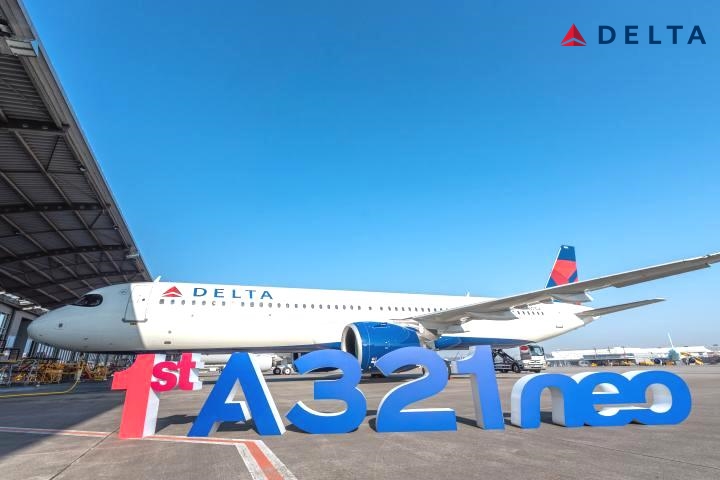
El arrendador de aviones estadounidense con sede en Newport Beach, Aviation Capital Group, ha confirmado un pedido de veinte aviones regionales Airbus A220 (20). La orden fue anunciada este Lunes 14/02 antes de la apertura de la feria aeronáutica Singapur Airshow 2022. La nueva orden no especifica la variante del modelo (200/300). Airbus Group ha aprovechado la oportunidad para confirmar otro pedido de su popular A220 de fuselaje estrecho. El avión recibió 20 pedidos firmes del Aviation Capital Group. Estos se incluyeron como un memorando de entendimiento junto con un pedido de 40 aviones de la familia A320NEO, incluidos cinco A321, en Diciembre de 2021.
El Director Comercial de Airbus, Christian Scherer, se ha pronunciado respecto a la nueva orden en firme: «Este pedido de veinte A220 del Aviation Capital Group de la compañía matriz TC Skyward Aviation U.S., Inc. refleja el potencial de la aeronave como una inversión sólida, incluso para inversores con sede en la región de Asia Pacífico. Con la eficiencia de combustible y emisiones cada vez más como una opción de inversión discriminatoria, el A220 realmente se destaca. Igualmente gratificante es la retroalimentación del mercado de que la cabina del A220 se está convirtiendo en la favorita de los pasajeros en los segmentos regionales y pequeños de pasillo único».
Protagonismo del A220
El Airbus A220 continúa aumentando rápidamente en popularidad y en órdenes en todo el mundo. A finales de Enero 2022, se habían colocado pedidos por 690, con una cartera de órdenes entregadas totales de 195 unidades desde 2009, inicialmente promocionados como CSeries. Tras la adquisición de la unidad de Bombardier CSeries en Octubre de 2017, ha aumentado la cartera de pedidos, acumulando órdenes por más de 700 aeronaves.
Perspectivas A220
La aeronave regional continuará incrementando su popularidad entre los transportadores aéreos mundiales a medida que entre en servicio con aún más aerolíneas. La compañía Airbus Group continúa evaluando una versión más grande denominada A330-500 que permitiría a los operadores más capacidades para desarrollar vuelos regionales.
Aviation Capital Group confirms 20 A220
Confirm MoU placed in December 2021
Newport Beach-based US aircraft lessor Aviation Capital Group has confirmed an order for twenty Airbus A220 (20) regional jets. The order was announced this Monday 02/14 before the opening of the Singapore Airshow 2022 air fair. The new order does not specify the model variant (200/300). Airbus Group has taken the opportunity to confirm another order for its popular narrow-body A220. The aircraft received 20 firm orders from the Aviation Capital Group. These were included as a memorandum of understanding alongside an order for 40 A320NEO family aircraft, including five A321s, in December 2021.
Airbus Commercial Director Christian Scherer commented on the new firm order: «This order for twenty A220s from the Aviation Capital Group of parent company TC Skyward Aviation US, Inc. reflects the potential of the aircraft as an investment solid, even for investors based in the Asia Pacific region With fuel efficiency and emissions increasingly becoming a discriminating investment option, the A220 really stands out Equally gratifying is the market feedback that the A220 cabin is becoming a passenger favorite in the regional and small single-aisle segments».
Prominence of the A220
The Airbus A220 continues to grow rapidly in popularity and orders around the world. By the end of January 2022, 690 orders had been placed, with a total delivered order book of 195 units since 2009, initially advertised as CSeries. After the acquisition of the Bombardier CSeries unit in October 2017, the order book has increased, accumulating orders for more than 700 aircraft.
Outlook A220
The regional aircraft will continue to grow in popularity with global air carriers as it enters service with even more airlines. The Airbus Group company continues to evaluate a larger version called the A330-500 that would allow operators more capabilities to develop regional flights.
PUBLISHER: Airgways.com DBk: Airbus.com / Aviationcapitalgroup.com / Airgways.com AW-POST: 202202141805AR OWNERSHIP: Airgways Inc. A\W A I R G W A Y S ®
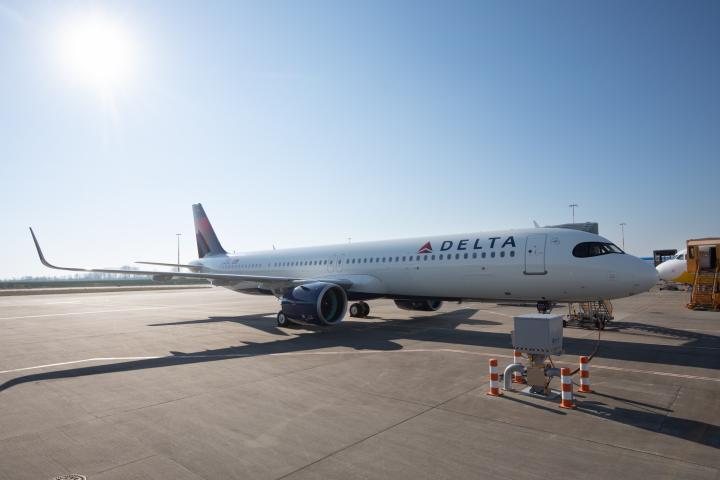
Nella Group Inc. interesada en ingresar en Argentina
El grupo de aviación brasileño Nella Inc. ha anunciado este Sábado 12 de Febrero de 2022 el interés por incorporar a la aerolínea Andes Líneas Aéreas a su grupo controlante. El anuncio ha tomado conocimiento después de que la compañía la ha dado a conocer como parte del interés por diversificarse en la región. Andes Líneas Aéreas suspendió sus operaciones en Marzo de 2020, tras la crisis sanitaria mundial, mientras que atravesaba fuertes pérdidas económicas y la inflación del país hicieron cancelar los vuelos.
Como parte de de las estrategias del grupo, el conglomerado ha puesto en el radar la adquisición de la compañía argentina como parte de la diversificación de las unidades aéreas en la región. Actualmente posee aerolíneas en Bolivia (Amaszonas Línea Aérea), Venezuela (Albatros Airlines), mientras incursiona en Paraguay (Líneas Aéreas Paraguayas) y continúa gestionando salir al mercado en Brasil (Nella Airlines). El grupo había adquirido en Julio 2021 a Albatros Airlines y en Septiembre 2021 adquirió por US$ 50 millones Dólares a Amaszonas Línea Aérea.
Nella Group
Nella Airlines Group es actualmente un conglomerado estadounidense que controla las empresas del grupo brasileño Nella Airlines. El grupo se encuentra gestionado por Falcon Vision, una de las empresas encargadas de captar recursos para el Public Investiment Fund (PIF) del Reino de Arabia Saudita. Falcon Vision es una de las empresas vinculadas al Public Investiment Fund (PIF), el mayor fondo público de inversiones del mundo, administrado por Mohammad bin Salman bin Abdulaziz Al Saud, Príncipe heredero del Reino de Arabia Saudí. Según habría comunicado con anterioridad, está prevista una inversión por US$ 350 millones de Dólares una vez que las autoridades brasileñas finalicen los procesos de autorización.
Andes residual
La compañía aérea Andes Líneas Aéreas inició sus operaciones aerocomerciales en 2005 como parte de las acciones sustentadas por el Gobierno de la Provincia de Salta, para cubrir la demanda del Noroeste, después de quebrar la antecesora Dinar Líneas Aéreas. Las rutas domésticas enlazaban Salta (SLA) y Buenos Aires/Aeroparque (AEP), Puerto Madryn (PMY). Unió otros destinos como San Salvador de Jujuy (JUJ), San Miguel de Tucumán (TUC), Puerto Iguazú (IGR), Comodoro Rivadavia (CRD), San Carlos de Bariloche (BRC), Neuquén (NQN), Córdoba (COR) y Mendoza (MDZ) y Cafayate y Orán en la Provincia de Salta. En 2018, en el marco de la apertura aerocomercial, en la Audiencia Pública N°218, solicitó un total de 199 rutas que unen 39 ciudades argentinas y regionales. Pero, tras la grave crisis económica y las dificultades operativas de la aerolínea iniciaba vuelos chárter como parte de las estrategias para sobrevivir.
La flota histórica de Andes Líneas Aéreas fueron dos Bombardier CRJ-900 (2), un Fairchild Swearingen Metro 23 (1), cuatro Boeing 737-800 (4) y la línea McDonnell Douglas MD-82 (2), MD-83 (8), MD-87 (2) y MD-88 (1). Actualmente la aerolínea salteña posee operativo dos MD 83 (LV-WGM y LV-WGN). Andes transportó más de 3.891.000 de pasajeros. La actual situación financiera posee una deuda de US$ 25 millones de Dólares en pérdidas económicas, una fuerza laboral de 250 trabajadores.
Nella looking to buy Andes
Nella Group Inc. interested in entering Argentina
The Brazilian aviation group Nella Inc. has announced this Saturday, February 12, 2022, its interest in incorporating the airline Andes Líneas Aéreas into its controlling group. The announcement has become known after the company has made it known as part of the interest in diversifying in the region. Andes Líneas Aéreas suspended its operations in March 2020, after the global health crisis, while it was experiencing heavy economic losses and the country’s inflation caused the flights to be cancelled.
As part of the group’s strategies, the conglomerate has put the acquisition of the Argentine company on the radar as part of the diversification of the air units in the region. It currently owns airlines in Bolivia (Amaszonas Línea Aérea), Venezuela (Albatros Airlines), while it ventures into Paraguay (Líneas Aéreas Paraguayas) and continues managing to enter the market in Brazil (Nella Airlines). The group had acquired Albatros Airlines in July 2021 and in September 2021 it acquired Amaszonas Línea Aérea for US$50 million.
Nella Group
Nella Airlines Group is currently an American conglomerate that controls the companies of the Brazilian group Nella Airlines. The group is managed by Falcon Vision, one of the companies in charge of raising resources for the Public Investment Fund (PIF) of the Kingdom of Saudi Arabia. Falcon Vision is one of the companies linked to the Public Investiment Fund (PIF), the largest public investment fund in the world, managed by Mohammad bin Salman bin Abdulaziz Al Saud, Crown Prince of the Kingdom of Saudi Arabia. According to what he reported previously, an investment of US$350 million is planned once the Brazilian authorities complete the authorization processes.
Residual Andes
The airline company Andes Líneas Aéreas began its commercial operations in 2005 as part of the actions supported by the Government of the Province of Salta, to cover the demand of the Northwest, after the bankruptcy of the predecessor Dinar Líneas Aéreas. Domestic routes linked Salta (SLA) and Buenos Aires/Aeroparque (AEP), Puerto Madryn (PMY). It joined other destinations such as San Salvador de Jujuy (JUJ), San Miguel de Tucumán (TUC), Puerto Iguazú (IGR), Comodoro Rivadavia (CRD), San Carlos de Bariloche (BRC), Neuquén (NQN), Córdoba (COR) and Mendoza (MDZ) and Cafayate and Orán in the Province of Salta. In 2018, within the framework of the commercial opening, in Public Hearing No. 218, it requested a total of 199 routes linking 39 Argentine and regional cities. But, after the serious economic crisis and the operational difficulties of the airline, it started charter flights as part of the strategies to survive.
The historical fleet of Andes Líneas Aéreas were two Bombardier CRJ-900 (2), a Fairchild Swearingen Metro 23 (1), four Boeing 737-800 (4) and the McDonnell Douglas MD-82 (2), MD-83 ( 8), MD-87 (2), and MD-88 (1). Currently, the airline from Salta has two MD 83 operating (LV-WGM and LV-WGN). Andes transported more than 3,891,000 passengers. The current financial situation has a debt of US $ 25 million dollars in economic losses, a workforce of 250 workers.
PUBLISHER: Airgways.com DBk: Nellaairlines.com / Airgways.com AW-POST: 202202140531AR OWNERSHIP: Airgways Inc. A\W A I R G W A Y S ®
Aviación se prepara para Salón Aeronáutico de Singapur 2022
La industria de la aviación se está preparando para reunirse en Singapur Airshow 2022 para el primer espectáculo aéreo desarrollado en este nuevo año 2022, en medio de los vaivenes de la crisis sanitaria mundial. El espectáculo aéreo comenzará el martes en medio de estrictas reglas de COVID-19. La feria aeronáutica bienal se desarrollaría en 2020, pero el impacto del Coronavirus obligó a cancelar y posponer el evento aeronáutico hacia el 2022.
El desempeño de la feria aeronáutica Singapore Airshow es más reducida que sus homólogos europeos como el París Airshow, Farnborough Airshow y Dubai Airshow, se ha caracterizado por ser un evento emergente en la poderosa industria de la aviación. La mayoría de los principales actores de la industria de la aviación mantienen una presencia en la feria como los grandes constructores Airbus Group, The Boeing Company y Embraer S.A.
Los participantes en la feria aeronáutica se harán presentes con sus nuevos productos dando énfasis en promover y participar en un mercado muy competitivo de cara a salir de la crisis sanitaria y de los viajes aéreos. Airbus traerá cuatro aviones al espectáculo aéreo, Airbus A350-900 (1) de Singapore Airlines, Airbus A330NEO (1) de Cebu Pacific Airlines, Airbus A220 (1) de Korean Air Lines, A400M de la Fuerza Aérea Alemana. Además, Singapur mostrará un avión cisterna de combustible militar A330 MRTT (1).
En cuanto a The Boeing Company estrenará su presencia en Asia con la última versión del Boeing 777X arribando a Singapur el Boeing 777-9 (1) para participar en el espectáculo aéreo a principios de esta semana. El 777X es el único avión de pasajeros que se lleva al espectáculo aéreo. La compañía debutó la próxima generación de fuselaje ancho en el Dubai Airshow 2021. Durante la feria, el avión de prueba de vuelo Boeing 777X hará su debut en Asia, demostrando maniobras aéreas que muestran su nueva ala compuesta de fibra de carbono y sus silenciosos motores GE9X, que contribuyen al rendimiento ambiental líder de la familia de aviones. Basado en el avión de doble pasillo más exitoso de la historia, el 777, y con tecnologías avanzadas de la familia 787 Dreamliner, el 777-9 será el avión bimotor más grande y eficiente del mundo, ofreciendo un 10% mejor uso de combustible, emisiones y costos operativos que la competencia.
La exhibición de Boeing en la feria también destacará el F-15, P-8 Poseidon, T-7A Advanced Pilot Training System, así como la tecnología autónoma, incluido el Boeing Airpower Teaming System, que es el primer sistema no tripulado de la compañía que se diseña y desarrolla en Australia. Diseñado para proporcionar una capacidad de transformación para los clientes de defensa global, es la mayor inversión de la compañía en un nuevo programa de aviones no tripulados fuera de los Estados Unidos. Esta aeronave especialmente diseñada para misiones para satisfacer las necesidades específicas de cada país. Se espera que el corral del Departamento de Defensa de los Estados Unidos muestre el KC-46A Pegasus, P-8A Poseidon y C-17 Globemaster III.
Además, Boeing destacará su creciente ecosistema digital de servicios, que incluye operaciones de vuelo integradas, una cadena de suministro basada en datos, comercio electrónico, mantenimiento predictivo, MRO habilitados digitalmente y capacitación basada en competencias para clientes comerciales y de defensa. Las ofertas de servicios exhibidas utilizan la innovación digital para reducir el uso de combustible y respaldar los objetivos de sostenibilidad para los clientes que utilizan todas las plataformas de aviones.
Boeing también se centrará en medidas para ofrecer un sistema de transporte aéreo más seguro, eficiente y sostenible para el futuro con énfasis en la Iniciativa de Viajes Seguros, un esfuerzo liderado por Boeing para proporcionar a los pasajeros y la tripulación una experiencia de viaje segura, saludable y eficiente y entregar esa información a los gobiernos y al público en general.
Embraer estrenará su Embraer E190-E2 con su nueva librea Tech Shark en la feria aeronáutica de Singapore Airshow 2022, permitiendo afianzarse en el mercado asiático como aeronave lider en el sector regional.
El diseño de depredador digital de Embraer, The TechShark, hizo su debut en el Singapore Airshow, que se inaugura oficialmente el 15 de febrero. El llamativo efecto en el E190-E2 de Embraer se produjo para el Singapore Airshow. El E190-E2, parte de la familia E2 de jets avanzados de Embraer, es apodado el cazador de ganancias debido a su alto rendimiento y bajo consumo de combustible. Ofrece los costos operativos más bajos y los rendimientos más altos para las aerolíneas, más comodidad para los pasajeros y espacio para sus maletas, la menor huella de ruido y menos impacto en el medio ambiente. «Desde la última vez que nos reunimos en Singapur en febrero de 2020, nuestra industria ha sido desafiada como nunca antes, y respondió con una resiliencia increíble. Este evento llega en un momento clave para nuestra industria a medida que abordamos desafíos críticos, lo que permite a las aerolíneas reposicionarse para un mejor crecimiento y el medio ambiente», dijo Arjan Meijer, presidente y CEO de Embraer Commercial Aviation.
«Pronosticamos que Asia Pacífico, incluida China, requiere más de 3.000 aviones de menos de 150 asientos en los próximos 20 años. Los aviones crossover como el E-Jets E2 y los E-Jets de primera generación desempeñan un papel esencial para permitir que las aerolíneas abran, desarrollen y hagan crecer sus redes de manera rentable. Las aerolíneas que incorporan estos aviones en su estrategia también pueden adaptarse dinámicamente a las fluctuaciones en la demanda del mercado y las necesidades de capacidad, al tiempo que protegen el resultado final», dijo Raúl Villarrón, Vicepresidente de Asia-Pacífico de Embraer Commercial Aviation.
Perspectivas Singapore 2022
Singapore Airshow 2022 comienza con un fuerte optimismo para la recuperación de la industria y un enfoque en la sostenibilidad. En línea con la agenda global sobre el cambio climático, Singapore Airshow 2022 se ha asociado con Alton Aviation Consultancy para presentar el «Foro de Aviación Sostenible» inaugural los días 16 y 17 de febrero. Expertos de los sectores público y privado discutirán los desafíos y oportunidades dentro de la aviación sostenible, incluido el tema de la sostenibilidad de la tecnología futura en áreas de movilidad aérea y operaciones de aviación. Las áreas de enfoque incluyen las funciones de los reguladores, las innovaciones en tecnología de motores, el combustible de aviación sostenible y el mantenimiento, la reparación y la revisión. La recuperación de la industria de la aviación es otro tema que ocupa un lugar central en el Airshow de este año. Los principales ejecutivos de Avolon, BOC Aviation, CFM International, Malaysia Airlines y Rex Airlines, discutirán y debatirán el ritmo de recuperación del mercado, la resiliencia empresarial y las soluciones de aviación sostenibles en el «Aviation CEO Forum». Organizada en asociación con FlightGlobal, esta plataforma presenta a los líderes de opinión la oportunidad de intercambiar puntos de vista sobre el optimismo en el crecimiento proyectado de Asia Pacífico y cómo los actores de la industria pueden unir sus brazos para construir un futuro mejor.
Singapore Airshow 2022 approach
Aviation prepares for Singapore Air Show 2022
The aviation industry is preparing to gather at Singapore Airshow 2022 for the first ever airshow developed in this new year 2022, amid the ups and downs of the global health crisis. The air show will start on Tuesday amid strict COVID-19 rules. The biennial aeronautical fair would take place in 2020, but the impact of the Coronavirus forced the cancellation and postponement of the aeronautical event to 2022.
The performance of the Singapore Airshow is smaller than its European counterparts such as the Paris Airshow, Farnborough Airshow and Dubai Airshow, it has been characterized as an emerging event in the powerful aviation industry. Most of the major players in the aviation industry maintain a presence at the fair such as the large constructors Airbus Group, The Boeing Company and Embraer S.A.
The participants in the aeronautical fair will be present with their new products, emphasizing promoting and participating in a very competitive market in order to get out of the health crisis and air travel. Airbus will bring four aircraft to the airshow, Singapore Airlines Airbus A350-900 (1), Cebu Pacific Airlines Airbus A330NEO (1), Korean Air Lines Airbus A220 (1), German Air Force A400M. In addition, Singapore will display an A330 MRTT (1) military fuel tanker.
As for The Boeing Company, it will debut its presence in Asia with the latest version of the Boeing 777X arriving in Singapore on the Boeing 777-9 (1) to participate in the air show earlier this week. The 777X is the only passenger plane brought to the air show. The company debuted the next generation widebody at Dubai Airshow 2021. During the show, the Boeing 777X flight test aircraft will make its Asia debut, demonstrating aerial maneuvers that showcase its new carbon fiber composite wing and quiet engines. GE9X, which contribute to the aircraft family’s leading environmental performance. Based on the most successful twin-aisle aircraft in history, the 777, and with advanced technologies from the 787 Dreamliner family, the 777-9 will be the largest and most efficient twin-engine aircraft in the world, offering 10% better fuel use, emissions and operating costs than the competition.
Boeing’s exhibit at the show will also highlight the F-15, P-8 Poseidon, T-7A Advanced Pilot Training System, as well as autonomous technology, including the Boeing Airpower Teaming System, which is the company’s first unmanned system which is designed and developed in Australia. Designed to provide a transformational capability for global defense customers, it is the company’s largest investment in a new unmanned aircraft program outside of the United States. This specially designed aircraft can be missionized to meet the specific needs of each country. The US Department of Defense corral is expected to display the KC-46A Pegasus, P-8A Poseidon and C-17 Globemaster III.
Additionally, Boeing will highlight its growing digital ecosystem of services, including integrated flight operations, a data-driven supply chain, e-commerce, predictive maintenance, digitally enabled MRO and competency-based training for defense and commercial customers. The service offerings on display use digital innovation to reduce fuel use and support sustainability goals for customers using all aircraft platforms.
Boeing will also focus on measures to deliver a safer, more efficient and sustainable air transportation system for the future with an emphasis on the Safe Travels Initiative, a Boeing-led effort to provide passengers and crew with a safe travel experience. healthy and efficient and deliver that information to governments and the general public.
Embraer will debut its Embraer E190-E2 with its new Tech Shark livery at the Singapore Airshow 2022 aeronautical fair, allowing it to establish itself in the Asian market as a leading aircraft in the regional sector.
Embraer’s digital predator design, The TechShark, made its debut at the Singapore Airshow, which officially opens on February 15. The striking effect on the Embraer E190-E2 was produced for the Singapore Airshow. The E190-E2, part of Embraer’s E2 family of advanced jets, is nicknamed the profit hunter due to its high performance and low fuel consumption. It offers the lowest operating costs and highest returns for airlines, more comfort for passengers and space for their bags, the smallest noise footprint and less impact on the environment. «Since we last met in Singapore in February 2020, our industry has been challenged like never before, and responded with incredible resilience. This event comes at a key time for our industry as we address critical challenges, which enables airlines to reposition themselves for better growth and the environment», said Arjan Meijer, President and CEO of Embraer Commercial Aviation.
«We forecast that Asia Pacific, including China, will require more than 3,000 aircraft of less than 150 seats in the next 20 years. Crossover aircraft such as the E-Jets E2 and first-generation E-Jets play an essential role in enabling airlines open, develop and grow their networks profitably. Airlines that incorporate these aircraft into their strategy can also dynamically adapt to fluctuations in market demand and capacity needs, while protecting the bottom line», he said. Raúl Villarrón, Vice President of Asia-Pacific of Embraer Commercial Aviation.
Outlook Singapore 2022
Singapore Airshow 2022 kicks off with strong optimism for the industry’s recovery and a focus on sustainability. In line with the global agenda on climate change, Singapore Airshow 2022 has partnered with Alton Aviation Consultancy to present the inaugural «Sustainable Aviation Forum» on February 16-17. Experts from the public and private sectors will discuss the challenges and opportunities within sustainable aviation, including the issue of sustainability of future technology in the areas of air mobility and aviation operations. Focus areas include the roles of regulators, innovations in engine technology, sustainable aviation fuel, and maintenance, repair and overhaul. The recovery of the aviation industry is another theme that takes center stage at this year’s Airshow. Top executives from Avolon, BOC Aviation, CFM International, Malaysia Airlines and Rex Airlines will discuss and debate the pace of market recovery, business resilience and sustainable aviation solutions at the «Aviation CEO Forum». Organized in association with FlightGlobal, this platform presents opinion leaders with the opportunity to exchange views on the optimism in the projected growth of Asia Pacific and how industry players can join arms to build a better future.
Our #777X just touched down in Singapore! The world’s largest and most efficient twin-engine jet will be making its first appearance in Asia at the Singapore Airshow.
PUBLISHER: Airgways.com DBk: Singaporeairshow.com / Airbus.com / Boeing.com / Embraer.com / Airgways.com AW-POST: 202202132211AR OWNERSHIP: Airgways Inc. A\W A I R G W A Y S ®