Ajustes en Aerolíneas Argentinas

aeropuertocordoba-blogspot-com-ar-jpg068

AW | 2017 01 25 14:22 | AIRLINES

Esa parece ser la señal que se esta manejando dentro de la política aerea de la empresa de bandera

Despidos, cierre de oficinas y más ajuste. El nuevo director de la aerolínea de bandera pondrá en marcha el plan diseñado desde Casa Rosada que incluye además reducción de personal.

A poco más de un mes de la salida de Isela Costantini de Aerolíneas Argentinas, el nuevo presidente de la compañía Mario Dell’Acqua puso en marcha el plan de ajuste que le solicitaron desde la Casa Rosada.

Según publicó ámbito.com, el ajuste en AR comenzará por el cierre o mudanza de sucursales en país y el exterior y el desplazamiento de cientos de trabajadores. «Bajaron línea de reducir personal», confesó un alto ejecutivo con acceso a las oficinas donde se resuelve la política comercial de la compañía. «Se viene un ajuste paulatino de personal», subrayó, tras pedir el anonimato de su identidad para evitar represalias.

Hasta mediados de 2016 Aerolíneas ostentaba una plantilla de 12.040 trabajadores en el mundo. Pero la «mesa chica» del gabinete económico que integran Marcos Peña, Mario Quintana y Gustavo Lopetegui exigió reducirla 25%. El argumento es conocido: déficit presupuestario. Este plan no es nuevo. Costantini lo recibió apenas asumió, pero resistió su implementación a fondo y se fue. La misión del ex Techint Dell’Acqua es clarísima. Desde ahora, insistirá con los retiros voluntarios y las jubilaciones anticipadas, aunque desde la aerolínea lo nieguen.

Los detalles del renovado ajuste se trasmitieron a los principales gerentes en una reunión celebrada el lunes 9 de enero en una la sala de conferencias de AA del aeropuerto Jorge Newbery. «Vamos a Aeroparque», se dicen entre gerentes cada vez que hay cónclave. Fue una presentación formal de la nueva conducción y de los lineamientos de trabajo. «Hay que achicar el número (de empleados)», proveyó el principal orador.

Durante la gestión de Costantiniunos 800 trabajadores aceptaron indemnizaciones y dejaron sus puestos. En ese lote se despidieron históricos pilotos, mecánicos, administrativos y oficiales de venta.

Las sucursales que ya no operan o dejarán de hacerlo en el país son las de Bariloche, Puerto Iguazú, San Isidro y la de Cabildo y Congreso, que desde hace unos días ya cerró sus puertas. En Europa ordenarían bajar las persianas, mudarse o vender los muebles de las oficinas de Roma y Madrid. También podrían desactivar la atención al público por mostrador en algunas de las principales ciudades de América Latina. «Generan mucho gasto en dólares», se esgrimió en la reunión, con las planillas de costos en el exterior sobre la mesa.

Otra estrategia para reducir el déficit es unificar filiales, como se prevé con la de Resistencia y la de Corrientes. «El 2016 implicó la eficientización en la optimización de recursos, que implicó una nueva organización de toda la estructuración comercial de la compañía, agrupando en siete regiones las diferentes oficinas comerciales», explicó Marcó.

«La compañía está en un proceso de eficientización, y eso implica hacer análisis para generar una optimización de recursos, que le permita lograr el déficit cero en los próximos años, que es un objetivo que se mantiene» con la nueva conducción, explicó Marcó.

Todavía es incierto el destino de las propiedades de la empresa. El objetivo sería colgarles carteles de alquila o vende, como ya se hizo con algunos pisos de la torre de AR de Perú y Rivadavia. Pero hay inmuebles de los que todavía no se puede disponer, como el de Bariloche, que por un convenio con la municipalidad fue a manos de la Secretaría de Turismo local y el Emprotur.

En Río Negro subsistirían las sedes de Viedma y General Roca, pero ya no como sucursales, con todas las variantes de operaciones. airgways-icon-aw

aw-700443

Adjustments in Aerolíneas Argentinas

That seems to be the signal that is being handled within the air policy of the flag company

Layoffs, closing of offices and more adjustment. The new director of the flag airline will launch the plan designed from Casa Rosada which also includes staff reduction.

A little more than a month after the departure of Isela Costantini from Aerolineas Argentinas, the new president of the company Mario Dell’Acqua launched the adjustment plan that they requested from the Casa Rosada.

According to published scope.com, the adjustment in AR will begin with the closing or removal of branches in country and abroad and the displacement of hundreds of workers. «They lowered the line to reduce personnel,» confessed a senior executive with access to the offices where the company’s commercial policy is resolved. «There is a gradual adjustment of personnel,» he said, after requesting the anonymity of his identity to avoid reprisals.

Until mid-2016 Airlines had a workforce of 12,040 workers in the world. But the «small table» of the economic cabinet that comprise Marcos Peña, Mario Quintana and Gustavo Lopetegui demanded to reduce it by 25%. The argument is known: budget deficit. This plan is not new. Costantini received it hardly took over, but resisted its implementation in depth and left. The mission of former Techint Dell’Acqua is very clear. From now on, he will insist on voluntary withdrawals and early retirements, even if denied by the airline.

Details of the renewed adjustment were transmitted to key managers at a meeting held on Monday, January 9 in an AA conference room at Jorge Newbery Airport. «Let’s go to Aeroparque», they say between managers whenever there is a conclave. It was a formal presentation of the new driving and working guidelines. «You have to reduce the number (of employees)», provided the main speaker.

During the management of Costantiniunos 800 workers accepted compensation and left their posts. Pilots, mechanics, administrators and sales officers were dismissed in that lot.

The branches that no longer operate or will cease to do in the country are those of Bariloche, Puerto Iguazú, San Isidro and the Cabildo and Congress, which for days has already closed its doors. In Europe they would order to lower the blinds, to move or to sell the furniture of the offices of Rome and Madrid. They could also deactivate the attention to the public by counter in some of the main cities of Latin America. «They generate a lot of spending in dollars,» he argued at the meeting, with the cost sheets abroad on the table.

Another strategy to reduce the deficit is to unify subsidiaries, as expected with Resistencia and Corrientes. «In 2016, it involved efficiency in the optimization of resources, which implied a new organization of the entire commercial structure of the company, grouping the different commercial offices into seven regions,» Marcó explained.

«The company is in a process of efficiency, and that means doing analysis to generate a optimization of resources, which will enable it to achieve zero deficit in the coming years, which is a goal that is maintained» with the new driving, Marcó explained.

The fate of the company’s properties is still uncertain. The objective would be to hang up posters for rent or sell, as was done with some floors of the tower of AR of Peru and Rivadavia. But there are properties that are not yet available, such as the one in Bariloche, which by an agreement with the municipality was at the hands of the local Tourism Secretariat and Emprotur.

In Rio Negro the headquarters of Viedma and General Roca would remain, but no longer as branches, with all the variants of operations. A\W

Ξ A I R G W A Y S Ξ
SOURCE: 24con.com
DBk: Ezeiza Sppotter
AW-POST: 201701251622AR

A\W A I R G W A Y S ®

El Consejo elimina propuesta vuelos internacionales en Long Beach

Long-Beach-Airport-Jet-Blue-planes.jpg

AW | 2017 01 25 12:10 | AIRPORTS

La consejera del quinto distrito Stacy Mungo perdió toda esperanza de vuelos internacionales en el aeropuerto de Long Beach al principio de la reunión del martes por la noche al decir que no quería seguir adelante con el proceso.

El distrito de Mungo incluye el aeropuerto y los barrios circundantes. Ella ha apoyado un estudio sobre el potencial de una instalación aduanera federal en el aeropuerto. JetBlue Airways, el principal transportista de allí, había solicitado en 2015 que la ciudad preguntara a la FAA por esa instalación.

Después de una breve presentación del director del aeropuerto Jess Romo, incluyendo una instalación más pequeña con horas limitadas, Mungo hizo preguntas sobre el posible impacto económico y los costos de una instalación de este tipo.

«He escuchado muchas preocupaciones de mucha gente», dijo Mungo. «He observado los posibles impactos económicos, y no creo que justifiquen un impacto potencial en la calidad de vida de los residentes».

Mungo entonces hizo una moción para recibir y presentar la recomendación del personal, lo que significa que la cuestión no seguiría adelante.

La concejal del distrito tercera Suzie Price secundó la moción, también citando el número de residentes que habían expresado sus preocupaciones y temor acerca de las consecuencias.

«JetBlue es un gran socio para la ciudad», dijo Price. «Esto no es una reflexión sobre JetBlue. Esta decisión es sobre los residentes en esta ciudad, no sólo un negocio «.

Price también agradeció a los tres concejales que se han opuesto constantemente al plan – el Cuarto Concejal del Distrito Daryl Supernaw, el Consejero del Séptimo Distrito Roberto Uranga y el Concejal del Distrito Octavo Al Austin. Con los votos de Mungo y Price, eso hizo que el resultado fuera una conclusión perdida.

Aún así, hubo dos horas y 15 minutos de comentarios públicos, principalmente opuestos al concepto de vuelos internacionales. Una vez que esos comentarios estaban completos, Austin dijo que era una demostración del proceso de trabajo.

«Ha sido un proceso largo y arduo», dijo Austin. «Pero eso demuestra que somos una comunidad, que somos una ciudad … Quiero saludar a mis colegas por tomar esta cuestión en serio. Creo que hemos crecido a través de este tema … Creo que estaré celebrando con mis electores esta noche «. airgways-icon-aw

https://c2.staticflickr.com/6/5071/7065757531_2df4a4fea5_b.jpg

Long Beach Council kills proposal for international flights at Airport

Fifth District Councilwoman Stacy Mungo punctured any hope of international flights at Long Beach Airport at the beginning of Tuesday night’s meeting by saying she did not want to move forward with the process.

Mungo’s district includes the airport and surrounding neighborhoods. She has supported a study about the potential for a federal customs facility at the airport. JetBlue Airways, the primary carrier there, had requested in 2015 that the city ask the FAA for that facility.

After a short presentation from airport director Jess Romo, including a smaller facility with limited hours, Mungo asked questions about the possible economic impact and costs of such a facility.

“I have heard a lot of concerns from a lot of people,” Mungo said. “I’ve looked at the potential economic impacts, and don’t believe they justify potentially impacting the residents’ quality of life.”

Mungo then made a motion to receive and file the staff recommendation, meaning that the issue would not go forward.

Third District Councilwoman Suzie Price seconded the motion, also citing the number of residents who had expressed concerns and fear about the consequences.

“JetBlue is a tremendous partner to the city,” Price said. “This is no reflection on JetBlue. This decision is about the residents in this city, not just one business.”

Price also thanked the three councilmen who have consistently opposed the plan — Fourth District Councilman Daryl Supernaw, Seventh District Councilman Roberto Uranga and Eighth District Councilman Al Austin. With Mungo and Price’s votes, that made the result a forgone conclusion.

Still, there was two hours and 15 minutes of public comment, primarily opposed to the concept of international flights. Once those comments were complete, Austin said it was a demonstration of the process working.

“It has been a long and arduous process,” Austin said. “But it shows that we are a community, that we are a city… I want to salute my colleagues for taking this issue to heart. I think we have grown through this issue… I think I will be celebrating with my constituents tonight.” A\W

Ξ A I R G W A Y S Ξ
SOURCE: Gazettes.com
DBk: Gazettes.com / Flickr.com
AW-POST: 201701251210AR

A\W   A I R G W A Y S ®

Bombardier firma acuerdo con CityJet

https://i0.wp.com/www.asiatraveltips.com/newspics/twitter/2017/BombardierCRJ900.jpg

AW | 2017 01 25 11:38 | INDUSTRY

El gigante aeroespacial Bombardier, que emplea a unas 4.000 personas en Belfast, ha ganado un acuerdo por valor de hasta 467 millones de dólares para vender 10 de sus aviones regionales a un transportista de Dublín.

CityJet ha firmado un acuerdo de compra condicional para seis aviones CRJ900, y ha tomado opciones en otros cuatro. La oferta condicional vale alrededor de 280 millones de dólares, pero si CityJet ejerce todas sus opciones, el valor del acuerdo podría aumentar a 467 millones de dólares.

Y CityJet dijo que utilizará los aviones para el contrato de vuelo con Scandinavian Airlines. El personal de Belfast trabaja en el diseño y la fabricación del fuselaje central y de las góndolas para los chorros regionales CRJ.

Ryan DeBrusk de Bombardier dijo: «CityJet se ha convertido en uno de nuestros mayores defensores de aviones europeos CRJ900 en un corto período de tiempo y estamos encantados de que sigan confiando en Bombardier y sus productos.»

«El avión CRJ900 es ideal para los mercados en crecimiento en toda Europa y está creando un valor excelente para una amplia variedad de operadores con su rendimiento superior, economía y comodidades de cabina mejoradas».

Pat Byrne, presidente ejecutivo de CityJet, dijo: «El moderno y confiable CRJ900 ofrece una gran comodidad para los pasajeros al mismo tiempo que mantiene la rentabilidad y la flexibilidad operativa, factores importantes en nuestro modelo de negocio
anuncio

«Hemos estado muy satisfechos con el rendimiento de los aviones regionales CRJ900 que han demostrado ser el avión ideal y más eficiente para nuestro contrato de vuelo con Scandinavian Airlines».

CityJet ya posee una flota de ocho aviones CRJ900, usados para el contrato de vuelo con Scandinavian Airlines. La aerolínea también recibirá cuatro nuevos aviones CRJ900 a principios de 2017 como parte de un acuerdo anunciado el año pasado, con lo que la flota propiedad de CityJet de aviones CRJ900 a 12.

CityJet tiene su sede en Swords, Dublín. La aerolínea fue establecida en 1993 para operar servicios entre Dublín y el London City Airport y actualmente opera 10 rutas de toda Europa a la ciudad de Londres, donde actualmente tiene aproximadamente el 30% de las franjas horarias del aeropuerto.

CityJet también tiene un gran contrato de vuelo de negocios – conocido como ‘wet lease’ – incluidos los servicios en nombre de Air France, así como Scandinavian Airlines, y opera una amplia gama de cartas en nombre de los grupos deportivos, la industria del entretenimiento, los operadores turísticos y empresas clientes.

En marzo del año pasado fue comprado por un grupo de inversión liderado por Pat Byrne. Bombardier dijo que su serie CRJ es «el programa de avión regional más exitoso del mundo».

Los aviones están optimizados para rutas regionales de medio recorrido y representan más del 20% de todas las salidas de aviones en América del Norte. La compañía tiene pedidos firmes para poco más de 1,900 de los aviones de la serie CRJ, que también incluye los CRJ700 y CRJ1000. El año pasado, Bombardier anunció planes para recortar 7.500 empleos en todo el mundo, incluyendo 1.000 en Irlanda del Norte. airgways-icon-aw

https://i0.wp.com/renespoints.boardingarea.com/wp-content/uploads/2016/04/cs300-and-cs100.jpg

Bombardier signs agreement with CityJet

Bombardier boost as Dublin carrier tables order for up to 10 regional jets

Aerospace giant Bombardier, which employs around 4,000 people in Belfast, has won a deal worth up to $467 million (£373m) to sell 10 of its regional jets to a Dublin carrier.

CityJet has signed a conditional purchase agreement for six CRJ900 aircraft, and has taken options on another four. The conditional offer is worth around $280m (£224m) – but if CityJet exercises all its options, the value of the deal could increase to $467m.

And CityJet said it will use the planes for contract flying with Scandinavian Airlines. Belfast staff work on the design and manufacture of the centre fuselage and nacelles for the CRJ regional jets.

Ryan DeBrusk of Bombardier said: «CityJet has become one of our largest European CRJ900 aircraft advocates in a short period of time and we are delighted that they continue to put their confidence in Bombardier and its products.»

«The CRJ900 aircraft is ideally suited to growing markets across Europe and is creating excellent value for a wide variety of operators with its superior performance, economics and enhanced cabin amenities.»

Pat Byrne, executive chairman of CityJet, said: «The reputable, modern CRJ900 aircraft offers great passenger comfort while maintaining cost effectiveness and operational flexibility – both important factors in our business model
advertisement

«We have been very satisfied with the performance of the CRJ900 regional jets which have proven themselves to be the ideal and most efficient aircraft for our contract flying with Scandinavian Airlines.»

CityJet already owns a fleet of eight CRJ900 aircraft, used for contract flying with Scandinavian Airlines. The airline will also take delivery of four new CRJ900 aircraft in early 2017 as part of a deal announced last year, bringing CityJet’s owned fleet of CRJ900 aircraft to 12.

CityJet is based in Swords, Dublin. The airline was established in 1993 to operate services between Dublin and London City Airport and today operates 10 routes from across Europe to London City, where it currently holds approximately 30% of the airport slots.

CityJet also has a large contract flying business – known as ‘wet lease’ – including services on behalf of Air France as well as Scandinavian Airlines, and operates a wide range of charters on behalf of sports groups, the entertainment industry, tour operators and corporate customers.

In March last year it was bought up by a an investment group led by Pat Byrne. Bombardier said its CRJ Series is «the world’s most successful regional jet programme».

The jets are optimised for medium-haul regional routes and account for over 20% of all jet departures in North America. The company has firm orders for just over 1,900 of the CRJ Series aircraft, which also includes the CRJ700 and CRJ1000. Last year Bombardier announced plans to cut 7,500 jobs worldwide, including 1,000 in Northern Ireland. A\W


Ξ A I R G W A Y S Ξ
SOURCE: Belfasttelegraph.co.uk
DBk: Bombardier.com
AW-POST: 201701251138AR

A\W   A I R G W A Y S ®

Dificultades para el crecimiento del Aeropuerto de Mumbai

Resultado de imagen para Mumbai Airport

AW | 2017 01 25 11:11 | AIRPORTS

Mumbai: El plan del aeropuerto se mete en problemas. La falta de inversores extranjeros en un nuevo centro de la ciudad más grande de la India destaca los problemas de la entrega de grandes proyectos

El sitio del futuro aeropuerto de Mumbai es un lío de pantano lleno de cocodrilos, la selva y el río extraño. Es un paisaje desalentador, incluso por los estándares indios, que requieren un salto de imaginación para ver un aeropuerto internacional cada vez saliendo de ella.

Pero Mumbai necesita desesperadamente un nuevo aeropuerto. El actual funciona a plena capacidad y es imposible ampliarlo más. El gobierno del estado de Maharashtra prevé que el tráfico aéreo aumentará a un escalonamiento de 100 millones de pasajeros en 2035 de 35 millones de pasajeros el año pasado. La última estimación del costo del proyecto, del ministerio de aviación civil, es Rs167bn ($ 2.5bn).

«Mumbai es el aeropuerto más restringido del mundo», dice Bhushan Gagrani, que fue nombrado director del City and Industrial Development Corp de Maharashtra el año pasado. Otro aeropuerto es un hecho.


Cuando ese día llegue está lejos de estar claro. Limpiar los cocodrilos es uno de los problemas menos importantes. Pero no hay otra opción en un radio de 50 o 60 kilómetros, la distancia al corazón hinchado de Mumbai con su población de 20m, dicen funcionarios.

«Incluso desde un simple punto de vista de la ingeniería, la construcción de una pista de aterrizaje en tierras recuperadas, mudflats y manglares – va a ser muy inestable», predice Debi Goenka, administrador ejecutivo de Conservation Action Trust, una ONG. «Comenzará a hundirse, habrá baches, y todo tipo de cosas comenzarán a suceder».

Tales preocupaciones han sido rechazadas por Cidco, que dice que eligió el sitio sólo después de una cuidadosa evaluación ambiental. Dice que el aeropuerto será crucial para el desarrollo de Navi Mumbai misma – una ciudad satélite de rápido crecimiento con más de un millón de personas – ayudando a aliviar la presión sobre la estrecha península de tierra que limita la ciudad vieja.

«En ninguna parte existe el greenfield»

La larga historia de la India de invitar al sector privado a invertir junto al gobierno en la construcción de carreteras, puertos, centrales eléctricas o aeropuertos no ha sido particularmente feliz para ninguna de las partes. Pero funcionarios dicen que han aprendido de los errores del pasado, prometiendo que Navi Mumbai será un nuevo modelo para esfuerzos conjuntos. Será una asociación público-privada donde el 74 por ciento de la participación estará a cargo del desarrollador y el 26 por ciento de Cidco.

El primer ministro Narendra Modi ha hecho de la modernización de la infraestructura de la India una prioridad. Para Mumbai, un estudio de Cidco muestra que cada 100 dólares gastados en transporte aéreo genera beneficios por 325 dólares para la economía y cada 100 empleos de transporte aéreo crean otros 600 puestos de trabajo. Sin embargo, el impulso de Navi Mumbai se ha desacelerado después de que el proceso de licitación de Cidco tuvo un comienzo inestable este mes, con sólo un licitador presentando una propuesta a tiempo para su fecha límite.

Otros desafíos se ciernen. El mayor problema para los proyectos más ambiciosos del país ha sido la adquisición de tierras. La dificultad de acumular la tierra para un nuevo aeropuerto no es exclusivo de la India, por supuesto. De hecho, ha resultado serio en países de Japón a Tailandia al Reino Unido. Japón construyó el aeropuerto que sirve el área de Kansai en una isla artificial en medio de la bahía de Osaka – y se hunde a un ritmo mucho más rápido de lo esperado por los ingenieros.

El sitio propuesto del nuevo aeropuerto en Navi Mumbai, a unos 27 kilómetros al este de la ciudad. Pero en ninguna parte el desafío parece tan intratable como la India.

«El gobierno debe tomar la delantera», dice Sanjay Reddy, hijo del fundador de GVK, la compañía de infraestructura basada en Hyderabad que tiene una participación del 50 por ciento en el aeropuerto existente de Mumbai y es la única empresa que hasta ahora ha presentado una oferta Para el nuevo. «Es su responsabilidad cambiar a la gente. ¿El gobierno dará tiempo suficiente para todo? «

La adquisición de la tierra no es de ninguna manera el único problema. También existen dificultades para estructurar acuerdos claros entre los intereses de los sectores público y privado para evitar conflictos y litigios. Asegurar que los enlaces de carreteras y ferrocarriles estén construidos para que la gente pueda llegar al nuevo aeropuerto es un reto. El costo de obtener financiación en la India es alto, lo que hace que la asequibilidad sea un problema. La obtención de un permiso ambiental puede soportar proyectos durante meses.

Que ninguna empresa extranjera optó por ofertar de forma independiente para el proyecto, a pesar de una ampliación de alcance – especialmente a la autoridad del aeropuerto de Singapur Changi – fue un golpe.

«El nuevo aeropuerto sería construido sobre manglares en Chinchpada. La tierra está inundada, sobre todo durante la temporada de monzones «

https://i0.wp.com/images2.mygola.com/category-chhatrapati-shivaji-international-airport-wikimedia-commons_6388878_l.jpg

Los grupos extranjeros han aprendido a ser recelosos, particularmente cuando se trata de adquisición de tierras. Dificultades para resolver las reclamaciones con los residentes fueron una de las principales razones Posco de Corea del Sur retirado de un proyecto de acero de $ 10bn en Odisha. Cuando una empresa de Warburg Pincus invertido en Andhra Pradesh eligió un sitio para un puerto, un estudio preliminar encontró 700 residentes, «En ningún lugar de la India existe el greenfield», dice el Sr. Gagrani de Cidco.’Solamente compran los activos terminados. «A menudo, el precio de la tierra ha subido mucho antes de que los proyectos sean anunciados mientras que los iniciados adquieren tierras en La expectativa de que podrían venderlo en el desarrollo y hacer ganancias inesperadas. «Una gran parte de la tierra para Navi Mumbai ya ha sido arrinconada», dice el jefe de un fondo de bienes raíces e infraestructura con sede en Mumbai. Agregó que «cualquier persona que haya comprado terreno alrededor de este proyecto». Goenka, del Conservation Action Trust, dice: «Lo que tiende a suceder es que estos chicos [los políticos] compran la tierra en previsión del proyecto. Los activistas de Calcuta queman una efigie del ministro de estado de Odisha durante una protesta en 2011 contra los desalojos planeados para una planta de acero en el estado algunos proyectos la tierra se hizo tan costosa que la compañía de infraestructura implicada tuvo un duro Tiempo haciendo un beneficio. «La lección que todos aprendieron en el ciclo anterior nunca tomó riesgo de desarrollo», añade el inversor inmobiliario. «Sólo la compra de activos terminados es atractiva. Una vez que se construye algo, se puede ganar una alta tasa de retorno. «El Sr. Gagrani dice:» En los aeropuertos, incluyendo Delhi y [la existente] Mumbai hubo un montón de relleno de los costos. Todo se pasó a los usuarios. Los concesionarios en algunos lugares reciben una gran cantidad de tierra y la infravaloran. «Ha habido algunos avances. A pesar de su paisaje inhóspito, el sitio de Navi Mumbai es el hogar de 10 pueblos, y Cidco ha obtenido 200 hectáreas y el consentimiento de unos 3.000 hogares. En cambio, hay un recelo de ambos lados cuando el sector público negocia con empresas privadas proyectos de infraestructura: «Las reglas cambian, el gobierno cambia, la gente cambia», dice un participante en varios proyectos de infraestructura. Aeropuerto, que ha decidido no pujar en Navi Mumbai. «Los reguladores a veces cambian retroactivamente las reglas, como lo hicieron en el aeropuerto de Hyderabad, agrega el inversor, creando problemas de flujo de efectivo para las partes interesadas.» Cuando se construye algo, con el entorno inflacionario en el que estamos, Reguladores] han sido conocidos por anular o rechazar ciertos costos, lo que ha dañado algunos aeropuertos previos [proyectos] «, dice Darshan Hiranandani, director gerente del Grupo Hiranandani. Imagen generada por computadora del nuevo aeropuerto propuesto en Navi Mumbai. La infraestructura para conectar con el aeropuerto trae sus propios problemas, complicado por el hecho de que hay tantos partidos independientes involucrados.En Navi Mumbai, la Autoridad Aeroportuaria de la India, una agencia del gobierno central, está a cargo del aeropuerto en sí. Pero al menos cinco organismos estatales también están involucrados. Entre ellos se encuentran uno responsable de los enlaces carreteros, otro de la conexión del ferrocarril, otro del enlace del metro y un cuarto de la preparación del terreno. «¿Cómo asegurarnos de que 15 millones de pasajeros [por año] puedan entrar y salir de la ciudad? De acuerdo con Hiranandani.Por otra parte, los contratos de infraestructura entre el gobierno y el sector privado a veces han sido tan mal diseñados que más tarde darán lugar a disputas legales. «Hay todo tipo de áreas grises», el inversor en otros proyectos del aeropuerto de la India dice. Hubo largas disputas en Nueva Delhi sobre si los ingresos de los negocios de venta al por menor en su nueva tercera terminal estaban bajo acuerdos de reparto de ingresos entre GMR Industries, el promotor privado y el gobierno. «En el pasado no había un único regulador», dice Gagrani . «Pero ahora hay y los desarrolladores siempre estarán en conflicto con los reguladores». «El financiamiento es un gran reto». Dado estos desafíos, muchas compañías de infraestructura buscan maneras de mitigar su riesgo. Parte de su problema es cuán alto es el costo del capital en la India – a menudo 14 o 15 por ciento – más del doble de la tasa típica en China. Esto significa que si las empresas obtienen el horario equivocado, la deuda puede convertirse en una bomba de tiempo, ya que el apalancamiento se duplica en cinco años. Ya se han establecido en Navi Mumbai. Primero fue concebido en 1997, Cidco aprobó originalmente el proyecto en agosto de 2007. El Ministerio de Defensa indio autorizó el plan en octubre de 2010, mientras que la aprobación ambiental fue seguida poco después. El plazo para las ofertas se extendió hasta hoy. El año pasado, tres grupos de licitación fueron preseleccionados como patrocinadores del proyecto para Navi Mumbai. A lo largo Con GVK, la lista incluía GMR, el constructor de los aeropuertos de Hyderabad y Delhi, y Tata, con el apoyo del aeropuerto italiano DaVinci. El proceso debía cerrarse en septiembre, pero luego Hiranandani, en asociación con la autoridad aeroportuaria de Zurich, desafió exitosamente su exclusión, llevando el número de candidatos aceptables a cuatro. Pero sólo GVK finalmente presentó una oferta a tiempo para el plazo original de 9 de enero de Cidco , Lo que obligó a ampliar el período de licitación. Sin embargo, está lejos de estar claro que más empresas se inscribirán, dada la infelicidad de los postores sobre el manejo del proceso. «Te dan un precio, diciendo que tu pista debe costar X. Pero hemos hecho las matemáticas, es Nos cuesta más «, dice el Sr. Hiranandani. «Por lo tanto, existe la posibilidad de que la autoridad pueda rechazar eso como un costo». Según una persona de GMR, el grupo fue disuadido de licitar en parte debido a la cronología de desarrollo de 41 meses «poco realista» solicitada por Cidco para que GMR Cree que tomaría siete u ocho años. Se había realizado un trabajo de pre-desarrollo insuficiente, añadió la persona. Y el GMR se asustó aún más por el hecho de que, de los 3.000 hogares que serán desplazados por el proyecto, menos de una décima ha sido rehoused hasta ahora. El sector privado está sparring con el gobierno sobre cuánto tiempo la preparación de la tierra se llevará Antes de la construcción. La «fase final», cuando el aeropuerto será capaz de manejar 450.000 pasajeros al día, está programada para 2030-31. Un pozo en una aldea en el sitio del aeropuerto propuesto de Navi Mumbai de un licitador ganador también amenaza con ser un proceso prolongado. Un problema es que GVK, que tiene el derecho de preferencia sobre el nuevo proyecto, está financieramente limitado. «La financiación es un reto enorme con la infraestructura», agrega Reddy, hablando en general. «Los bancos no quieren nuevos proyectos. Si el costo del capital era menor, los bancos tendrían más apetito por el riesgo. El gobierno debe tomar la iniciativa con respaldo y garantías «. Hoy, el gobierno del estado continúa abordando la espinosa cuestión de obtener más aprobaciones de las agencias ambientales y forestales. Maharashtra ha comenzado el trabajo de pre-desarrollo en la tierra que ha adquirido y estima que la compactación de la tierra tomará dos años y medio, un calendario que los oferentes están diciendo que es poco realista Ambicioso. En otras palabras, lo que se pretende ser un escaparate para la Nueva India no estará listo para reclamar ese título durante muchos años – en el mejor de los casos. airgways-icon-aw

Resultado de imagen para Mumbai Airport

Difficulties for the growth of Mumbai Airport

Mumbai: Airport plan flies into trouble. A lack of foreign investors in a new hub for India’s biggest city highlights the problems of delivering big projects

The site of Mumbai’s future airport is a mess of crocodile-filled swampland, jungle and the odd river. It is a daunting landscape even by Indian standards, requiring a leap of imagination to see an international airport ever rising out of it.

But Mumbai desperately needs a new airport. The current one is operating at full capacity and it is impossible to expand it any further. The Maharashtra state government forecasts air traffic will increase to a staggering 100m passengers in 2035 from 35m passengers last year. The latest estimate of the project’s cost, from the civil aviation ministry, is Rs167bn ($2.5bn).

“Mumbai is the most constrained airport in the world,” says Bhushan Gagrani, who was appointed head of the City and Industrial Development Corp of Maharashtra last year. “Another airport is a given.”

When that day will come is far from clear. Clearing out the crocodiles is among the very least of the problems. But there is no other choice in a radius of 50 or 60 kilometres, the distance to the swollen heart of Mumbai with its population of 20m, officials say.

“Even from a simple engineering point of view, building an airstrip on reclaimed land, mudflats and mangroves — it is going to be very unstable,” predicts Debi Goenka, executive trustee of the Conservation Action Trust, an NGO. “It will start sinking, there will be potholes, and all kinds of things will start happening.”

Such concerns have been dismissed by Cidco, which says it chose the site only after a careful environmental evaluation. It says the airport will be crucial to the development of Navi Mumbai itself — a fast-growing satellite town with more than 1m people — helping to ease the pressure on the narrow peninsula of land that bounds the old city.
‘Nowhere does greenfield exist’

India’s long history of inviting the private sector to invest alongside the government in building roads, ports, power plants or airports has not been a particularly happy one for either side. But officials say they have learnt from the mistakes of the past, pledging that Navi Mumbai will be a new model for joint endeavours. It will be a private-public partnership where 74 per cent of the equity will be held by the developer and 26 per cent by Cidco.

Prime minister Narendra Modi has made upgrading India’s infrastructure a priority. For Mumbai, a Cidco study shows that every $100 spent on air transport generates benefits worth $325 for the economy and every 100 air transport jobs create an additional 600 jobs. However, Navi Mumbai ’s momentum has slowed after Cidco’s bidding process got off to a shaky start this month, with only one bidder submitting a proposal in time for its deadline.

Other challenges loom. The biggest problem for the most ambitious projects in the country has been land acquisition. The difficulty of amassing the land for a new airport is not unique to India, of course. Indeed, it has proved fraught in countries from Japan to Thailand to the UK. Japan built the airport that serves the Kansai area on an artificial island in the middle of Osaka bay — and it is sinking at a much faster rate than engineers expected.


The proposed site of the new airport at Navi Mumbai, about 27 miles east of the city © Reuters

But nowhere does the challenge seem as intractable as India. “Government must take the lead,” says Sanjay Reddy, the son of the founder of GVK, the Hyderabad-based infrastructure company that has a 50 per cent stake in the existing Mumbai airport and is the only company so far to have submitted a bid for the new one. “It is their responsibility to shift the people. Will the government give enough time for everything?”

Procuring land is by no means the only problem. There are also difficulties in structuring clear agreements between public and private sector interests to avoid disputes and litigation. Making sure that the road and rail links are built so people can actually reach the new airport is challenging. The cost of obtaining finance in India is high, making affordability an issue. Securing environmental clearance can hold up projects for months.

That no foreign company chose to bid independently for the project, despite an extended outreach — especially to Singapore’s Changi airport authority — was a blow to the government.The new airport would be built over mangrove swamps in Chinchpada. The land is waterlogged, particularly during monsoon season it was hardly surprising. Foreign groups have learnt to be leery, particularly when it comes to land acquisition. Difficulties settling claims with residents were one of the principal reasons Posco of South Korea pulled out of a $10bn steel project in Odisha.When a Warburg Pincus-invested company in Andhra Pradesh chose a site for a port, a preliminary study found 700 residents but in the end the company paid compensation to thousands of claimants.“Nowhere in India does greenfield exist,” says Mr Gagrani of Cidco.‘Only buy completed assets’Often the land price has gone up well before projects are announced as insiders acquire land in the expectation that they could sell it on development and make windfall profits. “A lot of the land for Navi Mumbai has already been cornered,” says the head of one real estate and infrastructure fund based in Mumbai. He adds that “anyone who is anyone has bought land around this project”.Mr Goenka of the Conservation Action Trust says: “What tends to happen is these guys [politicians] buy the land in anticipation of the project coming through. And they make a killing.”Activists in Kolkata burn an effigy of the Odisha state minister during a protest in 2011 against planned evictions for a steel plant in the state some projects the land became so expensive that the infrastructure company involved had a hard time making a profit. “The lesson everyone learned in the previous cycle was never take development risk,” the real estate investor adds. “Only buying completed assets is attractive. Once something is built, you can earn a high rate of return.”Mr Gagrani says: “At airports including Delhi and [the existing] Mumbai there was a lot of padding of costs. Everything got passed on to the users. The concessionaires in some places get a lot of land and undervalue it.”There has been some progress. Despite its inhospitable landscape, the Navi Mumbai site is home to 10 villages, and Cidco has obtained 200 hectares and the consent of about 3,000 households. It has earmarked 300 hectares in new plots for the displaced.But there is a wariness on both sides when the public sector negotiates with private companies on infrastructure projects.“Rules change, the government changes, people change,” says a participant in several Indian airport projects, who has decided not to bid on Navi Mumbai. “There is no consistency.” Regulators will sometimes retroactively change rules, as they did at Hyderabad airport, the investor adds, creating cash flow problems for stakeholders.“When you build something, with the inflationary environment that we’re in, [the regulators] have been known to strike down or disallow certain costs, which has hurt some previous airport [projects],” says Darshan Hiranandani, managing director of the Hiranandani Group.A computer-generated image of the proposed new airport at Navi Mumbai the infrastructure to connect to the airport brings its own problems, complicated by the fact that there are so many separate parties involved.In Navi Mumbai, the Airport Authority of India, a central government agency, is in overall charge of the airport itself. But at least five state bodies are also involved. They include one responsible for highway links, another for the rail connection, a separate one for a metro link and a fourth for preparing the land.“How do we make sure that 15m passengers [a year] can get in and out of the city efficiently?” asks Mr Hiranandani.Moreover, infrastructure contracts between the government and the private sector have sometimes been so poorly drafted that they later give rise to legal disputes.“There are all kinds of grey areas,” the investor in other Indian airport projects says. There were lengthy disputes in New Delhi over whether revenues from retail businesses in its new third terminal came under revenue-sharing agreements between GMR Industries, the private developer, and the government.“In the past there was no single regulator,” says Mr Gagrani. “But now there is and developers will always conflict with regulators.”‘Funding is a huge challenge’Given these challenges, many infrastructure companies look for ways to mitigate their risk.Part of their problem is how high the cost of capital is in India — often 14 or 15 per cent — more than twice the typical rate in China. This means that if the companies get the timetable wrong, debt can become a time-bomb, since the leverage doubles in five years.Delays have already set in at Navi Mumbai. First conceived in 1997, Cidco originally approved the project in August 2007. The Indian defence ministry granted clearance to the plan in October 2010, while environmental approval followed shortly afterwards. The deadline for bids was extended until today.Last year, three bidding groups were shortlisted as project sponsors for Navi Mumbai. Along with GVK, the list included GMR, the builder of Hyderabad and Delhi airports, and Tata, with the support of Italy’s DaVinci airport. The process was supposed to close in September, but then Hiranandani, in partnership with the Zurich airport authority, successfully challenged its exclusion, bringing the number of acceptable candidates to four.But only GVK eventually submitted a bid in time for Cidco’s original January 9 deadline, forcing it to extend the bidding period. Yet it is far from clear that any more companies will sign up, given the bidders’ unhappiness about the handling of the process.“They give you a price, saying your runway should cost X. But we’ve done the maths, it is costing us more,” says Mr Hiranandani. “So there’s a chance the authority may disallow that as a cost.”According to one person at fellow bidder GMR, the group was deterred from bidding in part because of the “unrealistic” 41-month development timeline requested by Cidco for work that GMR believed would take seven or eight years. Insufficient pre-development work had been done, the person added. And GMR was further spooked by the fact that, of the 3,000 households who will be displaced by the project, fewer than a tenth have so far been rehoused.The private sector is sparring with the government on how long the preparation of the land will take before construction. The “ultimate phase”, when the airport will be capable of handling 450,000 passengers a day, is now scheduled for 2030-31. A well at a village on the site of the proposed Navi Mumbai Airport of a winning bidder also threatens to be a drawn-out process. One problem is that GVK, which has the right of first refusal on the new project, is financially constrained.“Funding is a huge challenge with infrastructure,” Mr Reddy adds, speaking generally. “Banks don’t want new projects. If the cost of capital was lower, then banks would have more risk appetite. The government must take the lead with backing and guarantees.” Today, the state government continues to tackle the thorny matter of getting further approvals from the environmental and forestry agencies. It estimates that will take 18 months.Meanwhile, Maharashtra has begun the pre-development work on the land it has acquired and estimates that compacting the land will take two-and-a-half years, a timetable that the bidders are saying is unrealistically ambitious.In other words, what was meant to be a showcase for the New India will not be ready to claim that title for many years — at best.  A\W

Ξ A I R G W A Y S Ξ
SOURCE: Ft.com
DBk: Youtube.com / Mygola.com
AW-POST: 2017010251111AR

A\W   A I R G W A Y S ®

Aumenta la producción de B737 y A320


https://i0.wp.com/www.modernairliners.com/wp-content/uploads/2015/07/boeing_737-assembly.jpg

AW | 2017 01 23 12:27 | INDUSTRY

airbus-logo1boeing-company-logoHistóricamente, las órdenes de aviones comerciales han sido bruscamente cíclicas, con tiempos de auge seguidos de grandes fracasos. En el último año o dos, la actividad de pedidos se ha desacelerado significativamente en Boeing y Airbus, lo que indica que el ciclo actual ha superado su pico.

maxresdefaultfk492336737-max-round-pinLa actividad de pedidos para el Boeing 737 se ha ralentizado en los últimos dos años. Esta ralentización de pedidos ha hecho que muchos analistas se muestren escépticos de que Boeing y Airbus podrán implementar aumentos de producción planificados para sus B737 y A320. Esta no es una preocupación muy realista. Con una cartera de pedidos de carrocería estrecha sin precedentes, Boeing y Airbus siguen bien posicionados para seguir adelante con planes para aumentar la producción de manera agresiva en los próximos años.

La actividad de la orden se ralentiza, pero los atrasos siguen siendo masivos. Entre 2011 y 2015, Airbus promedió más de 1.000 pedidos netos por año para sus populares aviones de la serie A320. Durante ese período, estaba construyendo menos de la mitad de ese número sobre una base anual. La actividad de pedidos disminuyó en 2016, pero Airbus todavía consiguió más de 600 pedidos netos para la familia A320 (incluida la nueva serie A320neo).

Como resultado, Airbus terminó 2016 con una cartera récord de 5.645 aviones de la familia A320. Eso representa más de 10 años de producción a la tasa del año pasado.

Boeing tuvo un pico de orden más breve, con más de 1.000 pedidos netos para el 737 cada año de 2012 a 2014. A continuación, agregó 588 pedidos netos en 2015 y otros 550 en 2016. Incluso con los 737 que caen detrás del A320 en la carrera de orden Últimamente, Boeing finalizó el año pasado con un impresionante remanente de 4.452 órdenes sin llenar para 737 jets de la familia. Boeing terminó 2016 con un backlog de 4.452 pedidos para el 737.

Resultado de imagen para A320 assembly line

¿Pueden Airbus y Boeing acelerar la producción?

En respuesta a la fuerte demanda, Airbus y Boeing están en medio de un drástico aumento de la producción de estrecho cuerpo. El año pasado, Airbus aumentó la tasa de producción de A320 de 42 por mes a 46 por mes. Planea continuar con este crecimiento de la producción en los próximos años, con un topping de salida a 60 por mes a mediados de 2019.

Boeing no está muy atrás. Actualmente está construyendo 42 737 mensuales, pero planea aumentar la producción en cada uno de los próximos tres años, alcanzando una tasa de producción de 57 por mes en algún momento en 2019.

Si todos estos aumentos de producción se producen como estaba previsto, Boeing y Airbus cada uno de ellos está produciendo alrededor de 675-700 inyectores de cuerpo estrecho anualmente para el final de la década. La actividad anual de pedidos ya ha caído por debajo de este nivel y podría seguir disminuyendo en 2017. Además, algunas aerolíneas están aplazando los pedidos a años posteriores. Esto no afecta el backlog, pero reduce la demanda a corto plazo.

No es sorprendente que algunos analistas vean esto como un mal momento para aumentar la producción. El fundador de AirInsight Addison Schonland declaró recientemente que no espera que Boeing y Airbus continúen con sus aumentos de producción previstos porque la cartera de pedidos ya ha alcanzado su punto máximo. Además, piensa que los bajos precios del combustible alentarán a las aerolíneas a diferir más órdenes.

No hemos visto esto antes

Durante muchos ciclos anteriores de la industria, la actividad decreciente de pedidos fue seguida relativamente rápidamente por los recortes de la producción. Sin embargo, los fabricantes de aviones rara vez tuvieron más de tres o cuatro años de producción en sus atrasos hasta hace muy poco. Además, Boeing y Airbus tienen bases de clientes más diversas hoy que hace una década. Las carteras de pedidos de aviones están en niveles sin precedentes en este momento.

En resumen, los retrasos para el Boeing 737 y Airbus A320 son realmente sin precedentes en términos de tamaño. Además, ambos fabricantes han liberado excesivamente su capacidad de producción, creando flexibilidad para acomodar los diferimientos de pedidos y las cancelaciones.

El riesgo de los bajos precios de los combustibles que impulsan los diferimientos de pedidos masivos también está exagerado. La eficiencia del combustible es una razón para reemplazar los aviones antiguos, pero no es la única razón. A medida que los aviones crecen, se vuelven más y más caros de mantener. La fiabilidad también tiende a disminuir. Esto limita la medida en que las aerolíneas pueden mantener aviones antiguos volando en lugar de ordenar nuevos aviones.

Además, las necesidades de reemplazo representan una proporción relativamente pequeña de la demanda de cuerpos estrechos en este momento. Para los próximos cinco años, Boeing espera que un promedio de aproximadamente 200 aviones de un solo pasillo por año alcance la edad estándar de jubilación de 25 años. La mayoría de los aviones bajo pedido son necesarios para el crecimiento.

Si el mundo entra en recesión, es posible que numerosas aerolíneas puedan cancelar sus planes de crecimiento, impulsando una ola de aplazamientos de pedidos y cancelaciones. Eso socavaría el argumento para aumentar la producción del Boeing 737 y del Airbus A320. Pero un entorno de orden lento por sí solo no amenaza los aumentos de producción programados en Boeing y Airbus. airgways-icon-aw
 

https://i0.wp.com/static.seattletimes.com/wp-content/uploads/2016/03/693eb31e-ebc7-11e5-bbd6-925978a04307-1560x1017.jpg

Boeing 737 and Airbus A320 production increases

Historically, commercial jet orders have been sharply cyclical, with boom times followed by big busts. In the past year or two, order activity has slowed significantly at Boeing and Airbus, indicating that the current cycle is past its peak.

Order activity for the Boeing 737 has slowed in the past two years.This order slowdown has made many analysts skeptical that Boeing and Airbus will be able to implement planned production increases for their 737 and A320 narrowbody jet families. This isn’t a very realistic concern. With unprecedented narrowbody order backlogs, Boeing and Airbus remain well positioned to go ahead with plans to raise production aggressively in the next few years.

Order activity slows, but backlogs remain massive. Between 2011 and 2015, Airbus averaged more than 1,000 net orders per year for its popular A320-series planes. During that period, it was building less than half that number on an annual basis. Order activity declined in 2016, but Airbus still managed to secure more than 600 net orders for the A320 family (including the new A320neo series).

As a result, Airbus ended 2016 with a record backlog of 5,645 A320-family jets. That represents more than 10 years of output at last year’s rate.

20160712-152037Boeing had a briefer order peak, with more than 1,000 net orders for the 737 every year from 2012 to 2014. It then added on 588 net orders in 2015 and another 550 in 2016. Even with the 737 falling behind the A320 in the order race lately, Boeing ended last year with an impressive backlog of 4,452 unfilled orders for 737-family jets. Boeing ended 2016 with a backlog of 4,452 orders for the 737.
https://i0.wp.com/static.seattletimes.com/wp-content/uploads/2015/09/da1613d6-5b56-11e5-91ef-1b38574a319f-1020x1532.jpg

B737NG AND 737MAX PARALLEL ASSEMBLY LINE

Can Airbus and Boeing ramp up production?

In response to strong demand, Airbus and Boeing are in the midst of dramatically increasing narrowbody output. Last year, Airbus increased the A320 production rate from 42 per month to 46 per month. It plans to continue this production growth in the coming years, with output topping out at 60 per month in mid-2019.

Boeing is not far behind. It is currently building 42 737s each month, but plans to boost output in each of the next three years, reaching a production rate of 57 per month sometime in 2019.

If all of these production increases occur as planned, Boeing and Airbus will each be churning out about 675-700 narrowbody jets annually by the end of the decade. Annual order activity has already fallen below this level and could decline further in 2017. Furthermore, some airlines are deferring orders to later years. This doesn’t impact the backlog, but it does reduce near-term demand.

Not surprisingly, some analysts see this as a bad time to increase production. AirInsight founder Addison Schonland recently stated that he doesn’t expect Boeing and Airbus to go ahead with their planned production increases because the order backlog has already peaked . Furthermore, he thinks that low fuel prices will encourage airlines to defer more orders.

We haven’t seen this before

During many previous industry cycles, declining order activity was followed relatively quickly by production cuts. However, aircraft manufacturers rarely had more than three or four years’ worth of production in their backlogs until very recently. Furthermore, Boeing and Airbus have more diverse customer bases today than they did even a decade ago. Aircraft order backlogs are at unprecedented levels right now.

In short, the backlogs for the Boeing 737 and Airbus A320 are truly unprecedented in terms of size. Additionally, both manufacturers have liberally overbooked their production capacity, building in flexibility to accommodate order deferrals and cancellations.

The risk of low fuel prices driving massive order deferrals is also overstated. Fuel efficiency is one reason for replacing older airplanes, but it’s not the only reason. As airplanes get older, they become more and more expensive to maintain. Reliability also tends to decrease. This limits the extent to which airlines can keep older planes flying in lieu of ordering new jets.

Furthermore, replacement needs represent a relatively small proportion of narrowbody demand right now. For the next five years, Boeing expects an average of about 200 single-aisle airplanes per year to reach the standard retirement age of 25 years. Most of the airplanes on order are needed for growth.

If the world tips into recession, it’s possible that numerous airlines could cancel their growth plans, driving a wave of order deferrals and cancellations. That would undermine the case for raising production of the Boeing 737 and Airbus A320. But a sluggish order environment alone doesn’t threaten the scheduled production increases at Boeing and Airbus. A\W

Ξ A I R G W A Y S Ξ
SOURCE: Nasdaq.com
DBk: Ainonline.com / Seattletimes.com / Modernairliners.com
AW-POST: 201701231227AR

A\W   A I R G W A Y S ®

ATR, 2016 un año difícil

Resultado de imagen para ATR 72-600

Resultado de imagen para ATR logoAW | 2017 01 23 11:27 | INDUSTRY

A pesar de un año difícil, ATR series-600 salieron adelante de todas las ventas de aviones regionales en 2016, con 36 pedidos de aviones. ATR ha entregado 80 aviones (frente al 90 esperado).

Para su 35 aniversario, ATR tenía un muy difícil 2016. El fabricante de turbohélice no ha logrado ninguno de sus objetivos esperados a principios de 2016. Ni en términos de contratos firmados, lejos, muy lejos de los cientos de pedidos esperados por el ex director general, Patrick de Castelbajac. Ni en términos de entregas, donde se entregó 90 aviones.

Sin embargo, ATR se ha reforzado aún más el año pasado en su posición número uno entre las industrias de aviones regionales, según dijo el fabricante franco-italiano en un comunicado el lunes. El ATR series-600 llegó a la parte superior de todas las ventas de aeronaves regionales del año, con 36 pedidos de aviones ATR (34 72-600s y 2 ATR 42-600s). Aproximadamente el 34% de un total de 120 aviones regionales (jets y turbohélices) que se ordenaron en 2016.

    «Por lo tanto, con una cuota de mercado superior al 35% desde 2010, ATR confirma su posición de liderazgo en el segmento de aviones de 50 a 90 asientos,» dijo el fabricante, que recientemente celebró su 35 aniversario.

En 2016, ATR ha logrado su segundo ingreso más alto en su historia ($ 1,8 mil millones, frente a 2 mil millones de dólares por 88 aviones entregados en 2015) y el tercero más alto nivel de entrega (80 aviones entregados ). el principal fabricante del mundo de turbohélice «siempre muestra el número de niveles de negocios y envíos históricos, a pesar de un mercado muy competitivo», dijo. Además, el fabricante aún tiene una gran acumulación que le asegurará unos tres años de producción. La cantidad de ATR en la cartera se situó en finales de 2016 a cerca de $ 5.6 mil millones (212 unidades). Este es el sexto año consecutivo con más de 200 aviones de la cartera ATR.

    «En 2016, ATR ha mantenido su posición número uno entre las aerolíneas regionales, a pesar de un año difícil en general para el mercado regional, confirmó el nuevo presidente ejecutivo de ATR, Christian Scherer, que decidió tener un específico mensaje de sus predecesores. Cuanto más el medio ambiente es difícil, los beneficios económicos de la ATR y la liquidez del mercado llegan a ser la base de nuestro éxito».

En 2017, el fabricante espera un año de estabilización. Por lo tanto, ATR, se propone este año entregar al menos 80 aviones y 80 nuevas órdenes. Es un book-to-bill (contratación y la relación de los envíos) 1. ATR debería empezar el año con la firma esperada contraerse de forma rápida con el aire de Irán (20 aviones).


Sólo 36 órdenes de 2016

Frente a su rival Bombardier (Q-400), que registró 24 nuevos pedidos en 2016, ATR se ha mantenido como líder en su clase. El año pasado, ATR ha firmado un importante contrato para introducir ATR 72-600 en Argentina – «un mercado muy prometedor», según ATR – con Avian Líneas Aéreas, reafirmando su papel vital en el desarrollo y la estructuración de las rutas regionales. 15 de noviembre de ATR ha firmado un contrato de 12 ATR 72-600 con Avian Líneas Aéreas, de la compañía matriz sudamericana Synergy Aerospace.

Además, los operadores mexicanos Aeromar (8 aviones) y Binter (seis), ambos operadores ATR durante casi 30 años, ha demostrado una vez más su confianza. El fabricante también ha obtenido órdenes de la línea aérea de Papua Nueva Guinea PNG Air (cinco) y Azul Líneas Aéreas de Brasil (cinco). airgways-icon-aw

https://i0.wp.com/www.aeroermo.com/wp-content/uploads/2016/02/ATR-72-600.jpg

Year 2016 difficult for the manufacturer of regional aircraft ATR


Despite a difficult year, the ATR series-600s led all regional aircraft sales in 2016, with 36 aircraft orders. ATR delivered only 80 aircraft (compared to 90 expected).
For its 35th anniversary, ATR had a very difficult year 2016. The turboprop manufacturer did not achieve any of its expected objectives in early 2016. Neither in terms of contracts signed, far, very far from the hundred orders expected by former CEO Patrick de Castelbajac. Neither in terms of deliveries where the latter targeted 90 aircraft delivered.

However, ATR further strengthened last year its position as number one with regional airlines, the French-Italian manufacturer said in a statement released on Monday. The ATR-600s led all regional aircraft sales of the year, with 36 aircraft orders (34 ATR 72-600s and 2 ATRs 42-600s). Or about 34% of a total of 120 regional aircraft (turboprops and jets) ordered in 2016. Resultado de imagen para ATR 72-600 assembly

«With a market share of more than 35% since 2010, ATR confirms its position as leader in the 50 to 90-seat segment,» said the manufacturer, which has just celebrated its 35th anniversary.

In 2016, ATR achieved its second highest turnover in history ($ 1.8 billion, compared with $ 2 billion for 88 aircraft delivered in 2015), and its third highest delivery level (80 aircraft delivered ). «The world’s leading turboprop manufacturer continues to deliver historic levels of turnover and shipments despite a highly competitive market,» he said. In addition, the manufacturer still has an important backlog that will ensure it about three years of production. ATR’s backlog at the end of 2016 was approximately $ 5.6 billion (212 aircraft). This is the sixth consecutive year with more than 200 aircraft in ATR’s backlog.


«In 2016, ATR retained its number one position with regional airlines, despite a generally difficult year for the regional market,» confirmed ATR’s new executive chairman Christian Scherer, who has decided to Communication more focused than its predecessors. «The more difficult the environment, the more the economic benefits of ATR and their liquidity in the market are the basis for our success.»

For 2017, the manufacturer expects a year of stabilization. Thus, ATR targets this year at least 80 aircraft delivered and 80 orders taken. A book-to-bill (ratio of orders and deliveries) to 1. ATR should start the year with the expected signature of the contract with Iran Air (20 aircraft).


Only 36 orders in 2016
Faced with its rival Bombardier (Q-400), which recorded 24 new orders in 2016, ATR remained the leader in its class. Last year, ATR signed an important contract to introduce ATR-600s in Argentina – «a very promising market», according to ATR – with Avian Lineas Aéreas, reaffirming its key role in developing and structuring regional routes. On November 15, ATR signed a 12 ATR 72-600 contract, with 6 options with the parent company of Avian Líneas Aéreas, the South American company Synergy Aerospace.

In addition, mexcain operators Aeromar (8 aircraft) and Binter (six), both operators of ATR for nearly 30 years, have once again expressed their confidence. The aircraft manufacturer also obtained orders from Papua New Guinea PNG Air (five) and the Brazilian company Azul Linhas Aéreas (five). A\W

Ξ A I R G W A Y S Ξ
SOURCE: Latribune.fr
DBk: Atr.com / Youtube.com / Ainonline.com
AW-POST: 201701231127AR

A\W   A I R G W A Y S ®

Fallo motor de A320NEO de Indigo

https://upload.wikimedia.org/wikipedia/commons/4/4d/IndiGo_Airbus_A320neo_F-WWDG_(to_VT-ITI)_(28915135713).jpg

AW | 2017 01 23 10:50 | SAFETY / SECURITY

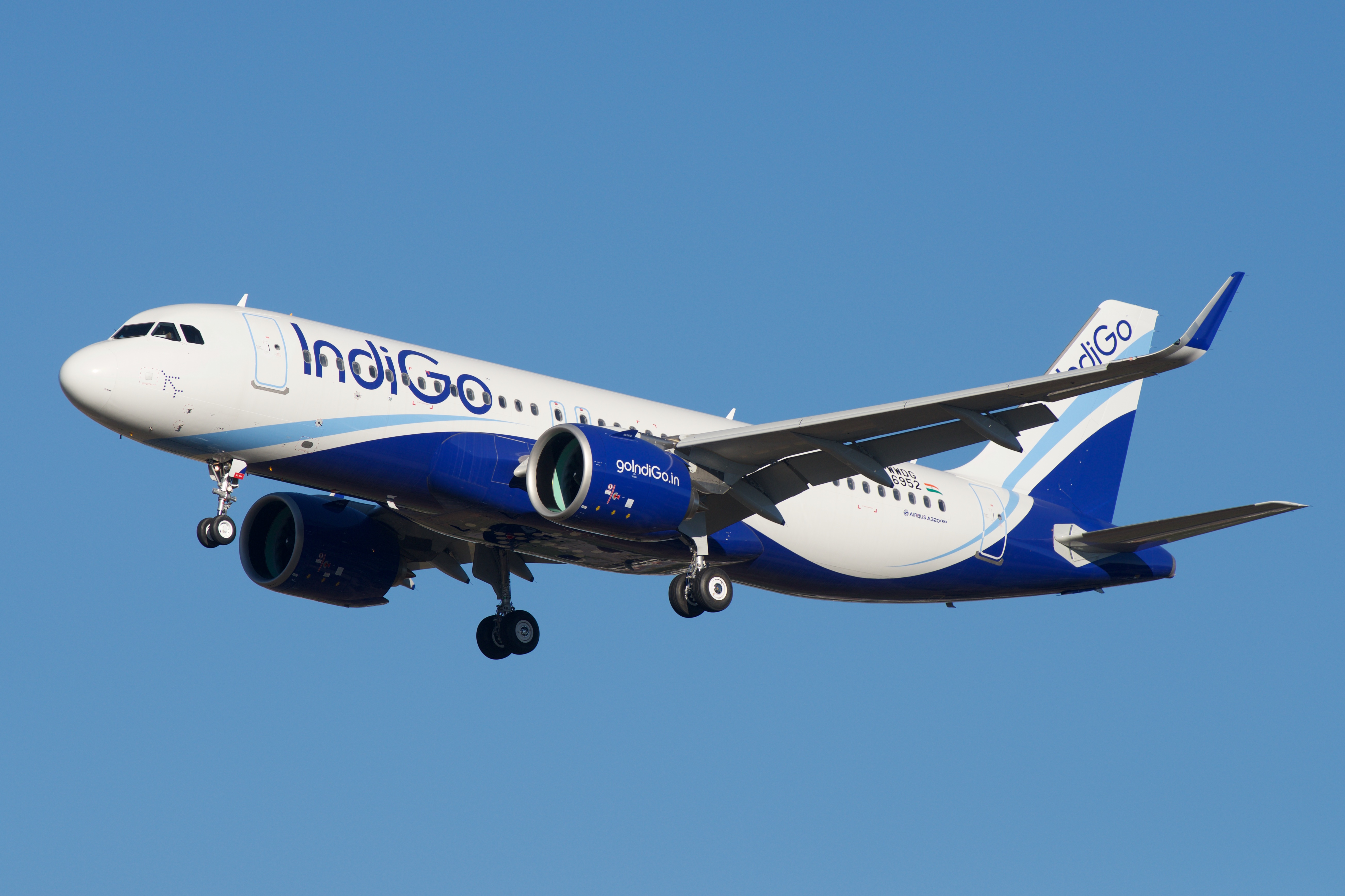
Un Airbus A320neo de IndiGo Airlines, matrícula VT-ITF, sufrió un fallo en el motor derecho (PW1127G) durante el despegue en Mumbai este sábado 21 de enero. El avión en cuestión fue entregado a la aerolínea en 30 de abril de 2016.

El vuelo 6E248 hacia Nueva Delhi con 165 pasajeros a bordo iniciaba su despegue cuando el motor emitió un fuerte ruido seguido de chispas, lo que obligó a la tripulación a abortar el despegue. Una inspección posterior reveló daños en las fan blades de dicho motor.

IndiGo informó que el problema fue identificado después de la aplicación de potencia para el despegue, a una velocidad de 70 nudos. Así, la tripulación abortó el despegue y regresó a plataforma, donde el motor defectuoso será reemplazado.

Los pasajeros afectados fueron reacomodados en otro avión, que despegó hacia Nueva Delhi con dos horas de retraso.

IndiGo es el mayor cliente de la Familia A320neo, con 416 aviones encargados, que se entregarán en los próximos años. En agosto de 2016, la aerolínea anunció que estaba considerando posponer la entrega de unidades del modelo para dar más tiempo al fabricante de motores Pratt & Whitney para corregir los problemas reportados en los motores PW1110G, cuales equiparán los 150 primeros A320neo de sus 430 encargados.

A principios del año pasado, la aerolínea también anunció que consideraba cambiar su elección de motores para la línea CFM International LEAP-1A. airgways-icon-aw

Resultado de imagen para A320neo Indigo

Indigo A320NEO engine failure


An IndiGo Airlines Airbus A320neo, VT-ITF license plate, suffered a failure in the right engine (PW1127G) during takeoff in Mumbai this Saturday 21 January. The aircraft in question was delivered to the airline on April 30, 2016.

Flight 6E248 to New Delhi with 165 passengers on board began its takeoff when the engine made a loud noise followed by sparks, forcing the crew to abort the takeoff. Further inspection revealed damage to the fan blades of the engine.

IndiGo reported that the problem was identified after the application of power for takeoff, at a speed of 70 knots. Thus, the crew aborted the takeoff and returned to platform, where the defective engine will be replaced.

The affected passengers were rearranged in another plane, which took off towards New Delhi with two hours of delay.

IndiGo is the largest customer of the A320neo Family, with 416 aircraft in charge, which will be delivered in the coming years. In August 2016, the airline announced that it was considering postponing the delivery of model units to give engine manufacturer Pratt & Whitney more time to correct the problems reported in the PW1110G engines, which will equip the first 150 A320neo of its 430 orderlies.

At the beginning of last year, the airline also announced that it considered changing its engine choice for the CFM International LEAP-1A line. A\W

Ξ A I R G W A Y S Ξ
SOURCE: Transponder1200.com
DBk: Wikipedia.org / Youtube.com
AW-POST: 201701231050AR

A\W   A I R G W A Y S ®

Problema informático obliga a United cancelar vuelos domésticos

https://i0.wp.com/airchive.com/blog/wp-content/uploads/2014/02/IMG_64631.jpg

AW | 2017 01 23 10:32 | AIRLINES

Un problema informático obligó a United Airlines a suspender vuelos domésticos durante una hora

Un problema informático obligó a la aerolínea United Airlines a suspender sus vuelos en Estados Unidos durante algo más de una hora la noche del domingo.

Poco después de las 20:00 horas, local, la aerolínea anunciaba el problema en su cuenta oficial de Twitter.

La suspensión se levantó una hora después y la aerolínea informaba de retrasos en sus vuelos. Los vuelos ya fueron reanudados.

La falla afectó al sistema de comunicación que utilizan los aviones para enviar información a las operaciones United

«Hemos emitido una parada de planta para todos los vuelos domésticos de la línea principal debido a un problema de TI», dijo la portavoz Maddie King. «Estamos trabajando lo más rápido posible para resolver este problema y llevar a nuestros clientes a sus destinos finales. Disculpen las molestias».

Fuentes con conocimiento del incidente dijeron que los vuelos fueron suspendidos debido a un problema con el sistema de comunicación que utilizan los aviones para enviar información a las operaciones United, incluyendo los horarios de salida, así como el peso y el equilibrio, que se utiliza para calcular la velocidad de despegue.

La interrupción del sistema afectó a los aviones que tenían que salir, ya que los pilotos necesitan esta información para despegar con seguridad. Los aviones que ya estaban en el aire no estaban en peligro, dijeron las fuentes. El problema no afecta a las comunicaciones entre los aviones ni con el control del tráfico aéreo. airgways-icon-aw

https://skift.com/wp-content/uploads/2016/06/United-Airlines-cleveland.jpg

Computer problem forced United to cancel domestic flights

A computer problem forced United Airlines to suspend domestic flights for one hour


A computer problem forced United Airlines to suspend flights in the United States for just over an hour late on Sunday.

Shortly after 20:00 local time, the airline announced the problem on its official Twitter account.

The suspension was lifted an hour later and the airline reported delays in its flights. The flights have already been resumed.

The failure affected the communication system used by aircraft to send information to United operations

«We have issued a plant shutdown for all domestic mainline flights because of an IT problem,» spokeswoman Maddie King said. «We are working as quickly as possible to resolve this problem and bring our customers to their final destinations. Sorry for the inconvenience.»

Sources aware of the incident said flights were suspended due to a problem with the communication system used by aircraft to send information to United operations, including departure times, as well as weight and balance, which is used to Calculate the take-off speed.

The interruption of the system affected the planes that had to leave, since the pilots need this information to take off safely. Airplanes already in the air were not in danger, sources said. The problem does not affect communications between airplanes or air traffic control. A\W


Ξ A I R G W A Y S Ξ
SOURCE: Cnn.com
DBk: Keyword-suggestions.com / Skift.com
AW-POST: 201701231032AR

A\W   A I R G W A Y S ®

Air Tahiti Nui codeshare con American

https://i0.wp.com/www.hotelmanagement.com.au/wp-content/uploads/2012/08/Air-Tahiti-Nui-Airbus-A340-over-Bora-Bora.jpg

AW | 2017 01 22 12:04 | AIRLINES

Los códigos de Air Tahiti Nui con American Airlines, balance positivo en 2016


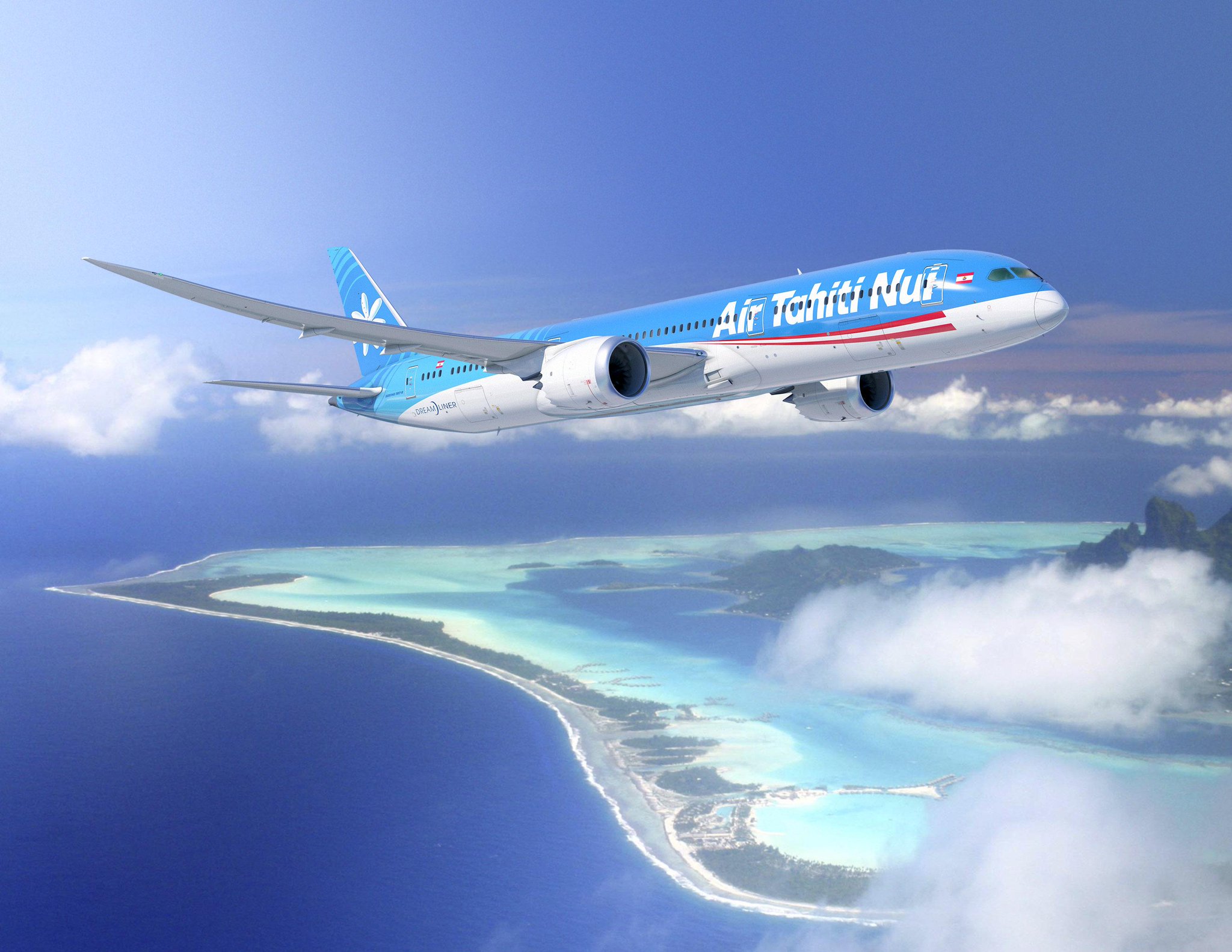
Air Tahiti Nui ha anunciado código compartido con American Airlines, que le permite ofrecer hasta 22 destinos en América del Norte.

Ahora, Air Tahiti Nui TN pone su código en todos los vuelos de American Airlines de Los Ángeles a San Francisco, San Diego, Las Vegas, Charlotte, Portland, Filadelfia, Seattle, Portland, Toronto, etc. A cambio, American Airlines pone su código AA en los vuelos transatlánticos de Air Tahiti Nui entre París-CDG y Los Ángeles. «Estos avances nos permitirán penetrar mejor en el mercado de Estados Unidos para desarrollar el tráfico de turistas a la Polinesia. También nos ayudan a reforzar nuestra posición en la ruta transatlántica entre París y Los Ángeles «, dijo Michel Monvoisin, director general de Air Tahití Nui.

Este fortalecimiento de código compartido también permite que el especialista en compañía francesa en la Polinesia para ampliar su oferta a nivel internacional en diferentes continentes. Ella ya tiene un acuerdo con Air France y Air New Zealand a Nueva Zelanda con Japan Airlines a Japón y Corea del aire a Corea del Sur. Y está negociando una asociación con el fin de ofrecer LATAM destinos futuros en América del Sur.

Otro motivo de satisfacción para Air Tahití Nui, se llevó 490.000 pasajeros en 2016, un incremento del 3 al 4%, con un aumento del volumen de negocios de 1%. «Incluso si las cuentas no están todavía totalmente rizado, estamos muy contentos de anunciar que Air Tahiti Nui es beneficiario en el año 2016, con un margen EBITDA del 10%», dijo Mathieu Béchonnet, CEO Air Tahiti Nui.

https://pbs.twimg.com/media/CD3u_NaUEAEL5KV.jpg:large

La aerolínea espera la llegada de cuatro Boeing 787-9 Dreamliner para sustituir su largo recorrido Airbus A340-300. Ella optó por alquilar dos, que llegará en noviembre y diciembre de 2018, y adquirir otros dos, entregados en mayo y junio de 2019. Se introducirá su nueva Premium Economy Class Dreamliner. airgways-icon-aw

https://res.cloudinary.com/loungebuddy/image/upload/w_1400,h_1400,c_limit,q_90/v1457386756/blog/wp-content-uploads-2015-06-AA06.jpg

Air Tahiti Nui codeshare with American

Air Tahiti Nui: reinforcement of codes with American Airlines, positive balance in 2016


Air Tahiti Nui has announced a strengthening of codesharing with American Airlines, allowing it to offer up to 22 North American destinations.

Air Tahiti Nui now has its TN code on all American Airlines flights from Los Angeles to San Francisco, San Diego, Las Vegas, Charlotte, Portland, Philadelphia, Seattle, Portland and Toronto. In return, American Airlines puts its AA code on transatlantic Air Tahiti Nui flights between Paris-CDG and Los Angeles. «These developments will allow us to better penetrate the US market to develop tourist traffic to Polynesia. They will also help us consolidate our position on the transatlantic route between Paris and Los Angeles,» said Michel Monvoisin, CEO of Air Tahiti Nui.

This reinforcement of codesharing also allows the French company specializing in Polynesia to extend its offer internationally to different continents. It already has a partnership with Air France and Air New Zealand to New Zealand, Japan Airlines to Japan and Korean Air to South Korea. And it is currently negotiating a partnership with LATAM to eventually offer destinations in South America.

Another reason for satisfaction for Air Tahiti Nui, it carried 490,000 passengers in 2016, an increase of 3 to 4%, with a 1% increase in turnover. «Even though the accounts are not yet complete, we are very pleased to announce that Air Tahiti Nui is a beneficiary in 2016, with a 10% operating margin,» said Mathieu Bechonnet, Managing Director Of Air Tahiti Nui.

The airline is looking forward to the arrival of four Boeing 787-9 Dreamliners to replace its long-haul Airbus A340-300. She chose to rent two of them, which will arrive in November and December 2018, and to acquire two others, delivered in May and June 2019. She will introduce on her Dreamliner a new Economy Premium class. A\W


Ξ A I R G W A Y S Ξ
SOURCE: Air-journal.fr
DBk: Pbs.twimg.com / Air Tahiti Nui / Cloudinary.com
AW-POST: 201701221204AR

A\W   A I R G W A Y S ®

En sector de la aviación de Nigeria golpea la turbulencia

https://i0.wp.com/venturesafrica.com/wp-content/uploads/2012/06/Air-nigeria-2.jpg

AW | 2017 01 22 11:48 | AIRLINES MARKET


Las aerolíneas en Nigeria tienen generalmente una vida corta: en 35 años más de 40 operadores han ido el busto, incluyendo Nigeria Airways


Lagos: Nigeria puede considerarse un centro regional de la aviación, pero años de mala administración y ahora la recesión ha arruinado las operaciones de las líneas aéreas nacionales, haciendo que los retrasos y las cancelaciones sean la norma.

Los expertos de la industria dicen que el sector necesita una revisión fundamental, señalando prácticas opacas de gestión, corrupción desenfrenada y riesgos para los pasajeros de la seguridad y la infraestructura deteriorada.

Arik Air, que tiene un 60 por ciento de los vuelos nacionales y es la mayor compañía privada del país, se ha encontrado cada vez más en la línea de fuego de los pasajeros descontentos.

A principios de este mes, pasajeros furiosos golpearon a uno de sus ejecutivos en el aeropuerto internacional de Lagos después de la tercera cancelación consecutiva de su vuelo a Johannesburgo.

En diciembre, las operaciones de Arik se basaron en una huelga de 24 horas de los empleados que exigían el pago de siete meses de atraso en el salario. No hubo respuesta de Arik cuando se le pidió que comentara la situación de la AFP.

Otros operadores nacionales están luchando. Aero Contractors, la segunda mayor aerolínea, suspendió los servicios durante cuatro meses a fines del año pasado debido a «graves dificultades financieras».

Para John Ojikutu, un consultor de seguridad de la aviación, la mayoría de las aerolíneas nigerianas manejan sus negocios como una tienda de abarrotes. «Sólo quieren obtener ganancias».

El resultado es que las aerolíneas en Nigeria generalmente tienen una vida útil corta: en 35 años más de 40 operadores han ido a la quiebra, incluyendo Nigeria Airways, que se derrumbó en 2003.

Ojikutu dijo que las aerolíneas están muy endeudadas y «aprovechando» el país. «La gente está operando sin pagar a los vendedores de combustible, sin pagar a su personal, sin pagar por los servicios que les dan (seguro, mantenimiento)», dijo. «Si no están haciendo ganancias, la pregunta es ¿qué hacen realmente con todo este dinero? … Están vendiendo boletos todos los días.» «Mientras no tengamos una agencia reguladora fuerte, creíble e independiente, no podemos tener una industria de aviación viable en este país».

En su defensa, las compañías aéreas culpan a la falta de moneda extranjera que les ha dejado incapaces de pagar los proveedores de combustible o, en algunos casos, las tasas de aterrizaje en los aeropuertos fuera de Nigeria.

Nigeria es uno de los principales productores de petróleo de África, pero se ve obligado a exportar crudo ya importar productos derivados del petróleo debido a la falta de capacidad nacional de refinación.

La caída del precio del crudo en los mercados internacionales ha provocado que la moneda naira pierda valor frente al dólar y los bancos nigerianos ya no tengan suficiente liquidez. Aerolíneas extranjeras como United e Iberia han dejado los vuelos a Nigeria debido a las dificultades para repatriar los beneficios en dólares.

En septiembre del año pasado, los miembros de la Cámara de Representantes pidieron al gobierno que declarara un estado de emergencia en el sector de la aviación, diciendo que 160.000 puestos de trabajo estaban en riesgo.

Los legisladores también pidieron una investigación sobre la presunta apropiación indebida de 120.000 millones de naira (357 millones de euros) de fondos públicos en 2012 destinados a modernizar el sector.

Hace dos años, el estado nigeriano consiguió en el tablero de varias líneas aéreas, incluyendo Arik y Aero, a través de su Corporación de Gestión de Activos de Nigeria. Sin embargo, según Ojikutu, no se ha llevado a cabo una auditoría seria para evaluar la situación financiera real de las empresas.

«Los fondos y los bancos pueden haber sido demasiado indulgentes en otorgar crédito a las aerolíneas nigerianas por excesiva expansión sobre la base de que de alguna manera el gobierno (o AMCON) intervendrá para proteger a los bancos de fallar debido a los préstamos morosos a las aerolíneas», agregó Joachim Vermooten, Un experto en economía de transporte en la Universidad de Johannesburgo.

Otro desafío importante es la modernización de la infraestructura de envejecimiento que no puede manejar los millones de pasajeros que ahora viajan todos los días a través de los aeropuertos nigerianos.

A partir de principios de marzo, por ejemplo, el aeropuerto de Abuja se cerrará durante seis semanas para realizar importantes trabajos de renovación en la única pista que sirve a la capital federal. La pista, que fue construida en 1982 con una vida útil de 20 años, está ahora «completamente eliminada» y «insegura para la operación», según el ministro de aviación Hadi Sirika. «Toda la estructura de la pista ha fracasado», ha dicho.

Los pasajeros de Abuja tendrán que aterrizar en Kaduna, a unos 200 kilómetros al norte, y transitar a la capital en autobús por un camino conocido por frecuentes secuestros. El cierre del aeropuerto es el discurso de Abuja, subrayando no sólo la dependencia de Nigeria en el transporte aéreo sino la falta de una alternativa viable. airgways-icon-aw


Nigeria’s aviation sector hits turbulence

Airlines in Nigeria generally have a short lifespan: in 35 years more than 40 operators have gone bust, including Nigeria Airways

Lagos: Nigeria may consider itself a regional aviation hub but years of mismanagement and now recession have blighted domestic airline operations, making delays and cancellations the norm.

Industry experts say the sector needs a fundamental overhaul, pointing to opaque management practices, rampant corruption and risks for passengers from security and dilapidated infrastructure.

Arik Air, which has a 60 per cent share of domestic flights and is the country’s biggest private carrier, has found itself increasingly in the firing line of disgruntled passengers.

Earlier this month, irate passengers beat up one of its executives at Lagos international airport after the third consecutive cancellation of their flight to Johannesburg.

In December, Arik operations were grounded by a 24-hour strike by employees demanding the payment of seven months arrears in salary. There was no response from Arik when asked to comment on the situation of the AFP.

Other domestic operators are struggling. Aero Contractors, the second biggest carrier, stopped services for four months at the end of last year because of “serious financial difficulties”.

For John Ojikutu, an aviation security consultant, most Nigerian airlines run their businesses like a grocery store. “They just want to make profit”.

The result is airlines in Nigeria generally have a short lifespan: in 35 years more than 40 operators have gone bust, including Nigeria Airways, which collapsed in 2003.

Ojikutu said the airlines are heavily in debt and “taking advantage” of the country. “People are … operating without paying the fuel marketers, without paying their staff, without paying for the services they’re given (insurance, maintenance),” he said. “If they are not making profit, the question is what do they really do with all this money?» … They are selling tickets every day. “As long as we don’t have a strong, credible, independent regulatory agency we cannot have a viable aviation industry in this country.”

In their defence, the airlines blame a lack of foreign currency that has left them unable to pay fuel suppliers or, in some cases, landing charges at airports outside Nigeria.

Nigeria is one of Africa’s main oil producers but is forced to export crude and import petroleum products because of a lack of domestic refining capacity.

The fall in the price of crude on international markets has seen the naira currency lose value against the dollar and Nigerian banks no longer have enough liquidity. Foreign airlines such as United and Iberia have stopped flights to Nigeria because of difficulties in repatriating profits in dollars.

In September last year, members of the House of Representatives asked the government to declare a state of emergency in the aviation sector, saying 160,000 jobs were at risk.

Lawmakers also called for an investigation into the alleged misappropriation of 120 billion naira (357 million euros) of public funds in 2012 meant to modernise the sector.

Two years ago, the Nigerian state got on the board of several airlines, including Arik and Aero, through its Asset Management Corporation of Nigeria. But according to Ojikutu, no serious audit has been carried out to evaluate the real financial situation of the companies.

“Funders and banks may have been too lenient in granting credit to Nigerian airlines for excessive expansion on the basis that somehow government (or AMCON) will step in to protect banks from failing due to non-performing loans to airlines,” added Joachim Vermooten, an expert in transport economics at the University Johannesburg.

Another major challenge is upgrading ageing infrastructure which cannot handle the millions of passengers who now travel every day through Nigerian airports.

From early March for example, the airport in Abuja will close for six weeks for major resurfacing work on the only runway serving the federal capital. The runway, which was built in 1982 with a lifespan of 20 years, is now “completely gone” and “unsafe for operation”, according to the aviation minister Hadi Sirika. “The entire structure of the runway has failed,” he has said.

Passengers for Abuja will have to land at Kaduna, some 200 kilometres to the north, and transit to the capital by bus on a road known for frequent kidnappings. The airport closure is the talk of Abuja, underlining not just Nigeria’s reliance on air transport but the lack of a viable alternative. A\W


Ξ A I R G W A Y S Ξ
SOURCE: Gulfnews.com
DBk: Ventureafrica.com
AW-POST: 201701221148AR

A\W   A I R G W A Y S ®