Salvan bebé a bordo de un vuelo de Aerolíneas

AW | 2017 01 15 12:51 | AIRLINES

El avión iba de Salta a Buenos Aires, pero hizo un aterrizaje de emergencia en Córdoba. El testimonio de la tripulación y de un pasajero

Un avión de Aerolíneas Argentinas que iba de Salta a Buenos Aires se desvió de su ruta y aterrizó de emergencia en Córdoba para salvar a un bebé que se descompuso en pleno vuelo. La rápida respuesta de la tripulación y la colaboración del resto de los pasajeros permitieron que el niño recibiera atención médica y se salvara, como reveló el informe Los ángeles del aire, que se emitió en Telenoche.

«Recibí dos llamadas de pasajeros y casi inmediatamente escuché gritos», relató Florencia, tripulante del vuelo. Cuando llegó al asiento vio al bebé muy quieto, con los ojos abiertos y respirando con dificultad. Aparentemente se había atragando mientras su madre lo amamantaba. La azafata avisó a la cabina de comando que había un problema con un bebé y pidió un médico. Una mujer que viajaba en la fila 8 acudió en ayuda. Luego de revisarlo, sugirió que el avión descendiera para que pudiera recibir una mejor atención.

«Los pasajeros reaccionaron increíblemente bien, con un grado de solidaridad maravilloso», agregó Florencia. Mateo estaba entre ellos y experimentó la tensión del momento. «Ayuda, ayuda gritaban todos. Mi hermano, que viajaba conmigo, pensó que algo se había prendido fuego y yo que se trataba de un ataque terrorista», comentó.

El vuelo terminó aterrizando en Buenos Aires con 70 minutos de demora. Y el bebé se encuentra hoy en perfecto estado. airgways-icon-aw

Save baby on board flight from Aerolíneas

The plane went from Salta to Buenos Aires, but made an emergency landing in Cordoba. The testimony of the crew and a passenger

An airplane of Aerolíneas Argentinas that went of Salta to Buenos Aires deviated from its route and landed of emergency in Cordova to save to a baby that decomposed in the middle of flight. The rapid response of the crew and the collaboration of the rest of the passengers allowed the child to receive medical attention and be saved, as revealed in the report Los angeles del aire, which was broadcast in Telenoche.

«I received two calls from passengers and almost immediately I heard screams,» said Florence, a flight crew member. When he reached the seat he saw the baby very still, with his eyes open and breathing hard. Apparently he had been choking while his mother breastfeed him. The flight attendant advised the cockpit that there was a problem with a baby and asked for a doctor. A woman traveling in line 8 came to the rescue. After reviewing it, he suggested that the plane be lowered so that it could receive better attention.

«The passengers reacted incredibly well, with a wonderful degree of solidarity,» added Florence. Matthew was among them and experienced the tension of the moment. My brother, who was traveling with me, thought that something had been set on fire and that it was a terrorist attack,» he said.

The flight ended up landing in Buenos Aires with 70 minutes of delay. And the baby is in perfect condition today. A\W


Ξ A I R G W A Y S Ξ
SOURCE: Tn.com.ar
DBk: Tn.com.ar
AW-POST: 201701151251AR

A\W   A I R G W A Y S ®

La actividad volcánica y la aviación


https://hvo.wr.usgs.gov/volcanowatch/uploads/image1-472.jpg

AW | 2017 01 15 12:40 | SAFETY / SECURITY

INFORME ESPECIAL

Como parte del Mes de la Concientización del Volcán, nuestros artículos de Vigilancia del Volcán de Enero están explorando los observatorios de los volcanes de la US Geological Survey y sus conexiones con Hawai. Continuamos esta semana con una visita a Alaska.

Hawai podría ser el estado más volcánicamente activo, pero en términos de gran número de volcanes, Alaska es el ganador en manos de los EE.UU. De los 169 volcanes activos de la nación, 90 se encuentran en Alaska. Las erupciones son comunes, y algunos volcanes están en un estado semi-constante de actividad de bajo nivel.

La erupción del volcán Augustine de 1986 en Cook Inlet (cerca de Anchorage) enfatizó la necesidad de monitoreo e investigación de volcanes en Alaska. También impulsó el establecimiento del observatorio del volcán de Alaska, que fue fundado en 1988.

AVO es una asociación entre tres organizaciones: el Servicio Geológico de los Estados Unidos, el Instituto Geofísico de la Universidad de Alaska Fairbanks y la División de Encuestas Geológicas y Geofísicas de Alaska. Estos tres grupos contribuyen a las operaciones de observación, aunque las notificaciones de peligros son emitidas por el USGS, que tiene la responsabilidad federal de tales declaraciones.

AVO no tuvo que esperar mucho tiempo después de su establecimiento para su primera «prueba».

El 14 de diciembre de 1989, volcán Redoubt, también en Cook Inlet, entró en erupción. Al día siguiente, el vuelo 867 de KLM, que transportaba 231 pasajeros desde Ámsterdam a Tokio con una parada en Anchorage, voló a través de un penacho de ceniza Redujo, causando el fallo de los cuatro motores. El avión cayó más de 3 km (2 mi) de altitud dentro de cinco minutos antes de que la tripulación de vuelo lograra reiniciar los motores y aterrizar el avión con seguridad en Anchorage. Los cuatro motores de la aeronave tuvieron que ser reemplazados, con daños por un total de unos 80 millones de dólares. La erupción del reducto continuó a principios de junio de 1990.

El incidente del Vuelo 867 de KLM enfatizó que los peligros de volcanes remotos incluso pueden afectar a un creciente número de aviones a reacción vulnerables, una lección que previamente fue demostrada por encuentros de aeronaves similares en todo el mundo.

Estos encuentros representan una diferencia significativa en el énfasis entre AVO y el Observatorio del Volcán Hawaiano.

En Hawai, nos concentramos principalmente en los peligros volcánicos terrestres, como los flujos de lava, mientras que Alaska tiene preocupaciones terrestres y aéreas. El área de responsabilidad de AVO también es mucho más amplia que la del HVO, extendiéndose desde el sureste de Alaska hasta Anchorage, a lo largo de la Península de Alaska y luego hacia afuera de la cadena de islas Aleutianas hacia la península de Kamchatka de Rusia, a una distancia de más de 3.000 km.

Sin embargo, AVO utiliza métodos de monitoreo de volcanes similares a los empleados por el HVO, incluyendo webcams, estaciones sísmicas y GPS, y mapas geológicos. El monitoreo basado en tierra y el trabajo de campo de investigación son desafíos considerables debido al ambiente duro de Alaska ya la lejanía de tantos volcanes, por lo que los datos de satélite se usan ampliamente.

Los informes de pilotos de aeronaves también son fuentes importantes de información sobre los volcanes de Alaska. De hecho, fueron los informes de los pilotos, confirmados por datos de satélite, que documentaron la no anunciada erupción de Bogoslof -una minúscula isla sin monitoreo de volcán terrestre- que envió una pluma de cenizas a una altitud de más de 10 Km (6 millas).

Desde su fundación, AVO ha hecho enormes progresos en el mapeo de los volcanes en gran medida desconocidos de Alaska para comprender mejor sus historias eruptivas y potencial eruptivo futuro. Incluso algunos de los remotos volcanes de las islas Aleutianas occidentales han sido instrumentados para detectar disturbios y detectar erupciones que podrían ser peligrosas para las aeronaves.

AVO también desarrolló herramientas de vanguardia para ver la abundancia de observaciones satelitales disponibles que pueden detectar penachos de ceniza y anomalías térmicas. Algunas de estas herramientas fueron exportadas a Hawai, donde los científicos del HVO las usan para mejorar su monitoreo de los volcanes Kilauea y Mauna Loa.

Los científicos de AVO están investigando los volcanes de Alaska para contribuir a una mejor comprensión de cómo funcionan los volcanes en general. De particular importancia son las investigaciones de AVO sobre la dinámica de las erupciones explosivas y sus depósitos, las relaciones entre la energía sísmica y los penachos de cenizas y los peligros hidrológicos debidos a las erupciones en los volcanes cubiertos de nieve y hielo.

La próxima semana, visitaremos el estado más poblado de los Estados Unidos, que también alberga 19 volcanes activos – California.

Mientras tanto, esperamos verlos en nuestros próximos programas de Volcano Awareness Month en la Isla Grande. El calendario completo, incluyendo descripciones de las conversaciones, se encuentra en el sitio web de HVO en hvo.wr.usgs.gov.

Actualizaciones de la actividad Volcano

Kilauea continúa estallando en su cumbre y la zona de la grieta del este.

La semana pasada, el nivel del lago de lava de la cumbre varió entre unos 16,5 y 33,5 m (54 y 110 pies) por debajo del borde del respiradero. El flujo de 61g seguía activo, con lava entrando en el océano cerca de Kamokuna y desprendimientos de la superficie cerca de Pu’u’Oo.

El flujo de 61 g no representa una amenaza inmediata para las comunidades cercanas.

Mauna Loa no está en erupción. Durante la semana pasada, terremotos de pequeña magnitud continúa principalmente en la parte superior de la zona de la grieta del suroeste y caldera de la cumbre a profundidades de menos de 5 km.

Las mediciones GPS continúan mostrando deformación relacionada con la inflación de un depósito de magma debajo de la cumbre y la zona superior del Rift del Sudoeste. Se han desacelerado durante el mes pasado. Dos terremotos recientemente se reportaron en Hawaii. A las 2:20 pm del 9 de enero, un terremoto de magnitud 3,1 ocurrió 62 km al suroeste de Lanai City, Lanai, a una profundidad de 10 km (6,2 mi).

A las 10:24 am del 7 de enero, un terremoto de magnitud-3,5 ocurrió 16 km (9,9 millas) al norte de Pahala a una profundidad de 9,4 km (5,8 mi) .Visite el sitio web del HVO (http: //hvo.wr.usgs. Gov) para los artículos pasados del reloj del volcán, actualizaciones diarias de la erupción de Kilauea, actualizaciones semanales de Mauna Loa, fotos del volcán, información reciente de los terremotos, y más;

Llame para actualizaciones de resumen al 808-967-8862 (Kilauea) o 808-967-8866 (Mauna Loa); Correo electrónico preguntas a askHVO@usgs.gov.Volcano Watch (http://hvo.wr.usgs.gov/volcanowatch/) es un artículo semanal y una actualización de la actividad escrita por los científicos y colegas del Observatorio del Volcán Hawaiano de los Estados Unidos. airgways-icon-aw

Volcanic activity and aviation


SPECIAL REPORT

As part of Volcano Awareness Month, our January Volcano Watch articles are exploring the U.S. Geological Survey’s volcano observatories and their connections to Hawaii. We continue this week with a visit to Alaska.

Hawaii might be the most volcanically active state, but in terms of sheer numbers of volcanoes, Alaska is the hands-down winner in the U.S. Of the nation’s 169 active volcanoes, 90 are located in Alaska. Eruptions there are common, and some volcanoes are in a semi-constant state of low-level activity.

The 1986 eruption of Augustine Volcano in Cook Inlet (near Anchorage) emphasized the need for volcano monitoring and research in Alaska. It also prompted the establishment of the Alaska Volcano Observatory, which was founded in 1988.

AVO is a partnership between three organizations: the U.S. Geological Survey, the Geophysical Institute of the University of Alaska Fairbanks, and the Alaska Division of Geological and Geophysical Surveys. These three groups contribute observatory operations, although hazards notifications are issued by the USGS, which has federal responsibility for such declarations.

AVO did not have to wait long after its establishment for its first “test.”

On Dec. 14, 1989, Redoubt Volcano, also in Cook Inlet, erupted. The next day, KLM Flight 867, carrying 231 passengers from Amsterdam to Tokyo with a stop in Anchorage, flew through a Redoubt ash plume, causing all four engines to fail. The aircraft dropped more than 3 km (2 mi) in altitude within five minutes before the flight crew managed to restart the engines and land the plane safely in Anchorage. All four engines on the aircraft had to be replaced, with damages totaling about $80 million. The Redoubt eruption continued through early June 1990.

The KLM Flight 867 incident reemphasized that hazards from even remote volcanoes can impact an increasing number of vulnerable jet aircraft ­— a lesson that previously was demonstrated by similar ash-aircraft encounters around the world.

These encounters represent a significant difference in emphasis between AVO and the Hawaiian Volcano Observatory.

In Hawaii, we focus primarily on ground-based volcanic hazards such as lava flows, whereas Alaska has ground and airborne concerns. AVO’s area of responsibility also is much broader than that of HVO, extending from southeast Alaska to Anchorage, along the Alaska Peninsula and then out the chain of Aleutian Islands toward Russia’s Kamchatka Peninsula — a distance of more than 3,000 km (2,000 mi).

Resultado de imagen para volcano eruption Hawaii

Hawaiian Volcano Observatory – U.S. Geological Survey (USGS)

Nevertheless, AVO uses volcano monitoring methods similar to those employed by HVO, including webcams, seismic and GPS stations, and geological mapping. Ground-based monitoring and research field work are considerable challenges owing to Alaska’s harsh environment and the remoteness of so many volcanoes, so satellite data are used extensively.

Aircraft pilot reports also are important sources of information about Alaskan volcanoes. In fact, it was pilot reports, confirmed by satellite data, that documented the unheralded Dec. 20, 2016, eruption of Bogoslof — a tiny island with no ground-based volcano monitoring — which sent an ash plume to an altitude of more than 10 km (6 mi).

Since its founding, AVO has made tremendous strides in mapping the largely unknown volcanoes of Alaska to better understand their eruptive histories and future eruptive potential. Even some of the remote volcanoes of the western Aleutian Islands have been instrumented to track unrest and detect eruptions that might be hazardous to aircraft.

AVO also developed state-of-the-art tools for viewing the abundance of available satellite observations that can detect ash plumes and thermal anomalies. Some of these tools were exported to Hawaii, where HVO scientists use them to enhance their monitoring of Kilauea and Mauna Loa volcanoes.

Scientists at AVO are researching Alaskan volcanoes to contribute to a better understanding of how volcanoes work in general. Of particular importance are AVO’s investigations into the dynamics of explosive eruptions and their deposits, relations between seismic energy and ash plumes and hydrologic hazards due to eruptions at snow- and ice-covered volcanoes.

Next week, we’ll visit the most populous state in the U.S., which is also home to 19 active volcanoes — California.

In the meantime, we hope to see you at our upcoming Volcano Awareness Month programs on the Big Island. The complete schedule, including descriptions of the talks, is posted on HVO’s website at hvo.wr.usgs.gov.

Volcano activity updates

Kilauea continues to erupt at its summit and East Rift Zone.

This past week, the summit lava lake level varied between about 16.5 and 33.5 m (54 and 110 ft) below the vent rim. The 61g flow was still active, with lava entering the ocean near Kamokuna and surface breakouts near Pu‘u ‘O‘o.

The 61g flow does not pose an immediate threat to nearby communities.

Mauna Loa is not erupting. During the past week, small-magnitude earthquakes continued, primarily beneath the upper Southwest Rift Zone and summit caldera at depths of less than 5 km (3 miles).

GPS measurements continue to show deformation related to inflation of a magma reservoir beneath the summit and upper Southwest Rift Zone, although rates appear to have slowed during the past month.

Two earthquakes recently were reported felt in Hawaii.

At 2:20 p.m. Jan. 9, a magnitude-3.1 earthquake occurred 62 km (38.5 mi) southwest of Lanai City, Lanai, at a depth of 10 km (6.2 mi). At 10:24 a.m. Jan. 7, a magnitude-3.5 earthquake occurred 16 km (9.9 mi) north of Pahala at a depth of 9.4 km (5.8 mi).

Visit the HVO website (http://hvo.wr.usgs.gov) for past Volcano Watch articles, Kilauea daily eruption updates, Mauna Loa weekly updates, volcano photos, recent earthquakes info, and more; call for summary updates at 808-967-8862 (Kilauea) or 808-967-8866 (Mauna Loa); email questions to askHVO@usgs.gov.

Volcano Watch (http://hvo.wr.usgs.gov/volcanowatch/) is a weekly article and activity update written by U.S. Geological Survey Hawaiian Volcano Observatory scientists and colleagues. A\W


Ξ A I R G W A Y S Ξ
SOURCE: Hawaiitribune-herald.com
DBk: Hvo.wr.usgs.gov
AW-POST: 201701151240AR

A\W   A I R G W A Y S ®

Amenaza de bomba en A330 Eurowings


https://i0.wp.com/hoy.com.do/wp-content/uploads/2017/01/eurowings-724x450.jpg

AW | 2017 01 15 12:20 | SAFETY / SECURITY

El vuelo de la aerolínea Eurowings se dirige a casa después de hacer un aterrizaje de emergencia en Kuwait después de una amenaza de bomba


Un vuelo de Oman a Alemania operado por la unidad Eurowings de Lufthansa se dirigirá a casa después de obtener el todo claro por las autoridades en Kuwait donde hizo un aterrizaje de emergencia sobre una amenaza de bomba, dejeron portavoces de las aerolíneas.

Un portavoz de Lufthansa confirmó que el avión, que volaba de Salalah en el sur de Omán a Colonia, Alemania, había hecho un aterrizaje de emergencia en Kuwait para que las autoridades de aviación realizaran investigaciones. Tenía 287 pasajeros y 10 tripulantes a bordo. No se encontraron evidencias de explosivos en el avión, dijo.

Una declaración de la Dirección General de Aviación Civil (DGCA) de Kuwait, publicada en la agencia estatal de noticias KUNA, confirmó que no se encontraron explosivos a bordo.

Un portavoz de Eurowings dijo que los pasajeros volarían a Alemania desde Kuwait en el mismo avión, un avión A330. El piloto y las autoridades pertinentes habían decidido un aterrizaje de emergencia como una medida preventiva, dijo, pero se negó a dar más detalles sobre el incidente.

Los pasajeros habían dejado el avión y estaban siendo atendidos en un hotel mientras esperaban detalles para continuar el vuelo a casa, dijeron. Debido a que la tripulación de vuelo había excedido su horario de trabajo máximo, la salida estaba programada para las 2200 GMT del 15 de enero. airgways-icon-aw

Resultado de imagen para Eurowings A330 Kuwait

German Eurowings flight to head home from Kuwait after bomb scare

A flight from Oman to Germany operated by Lufthansa’s budget unit Eurowings will head home after getting the all clear by authorities in Kuwait where it made an emergency landing over a bomb scare, spokespeople for the airlines said.

A Lufthansa spokesman confirmed that the plane, which was flying from Salalah in southern Oman to Cologne, had made an emergency landing in Kuwait for aviation authorities to carry out investigations. It had 287 passengers and 10 crew on board. No evidence of explosives was found on the plane, he said.

A statement from the Directorate General of Civil Aviation (DGCA) of Kuwait, published on state news agency KUNA, confirmed no explosives were found on board.

A Eurowings spokesman said passengers would be flown back to Germany from Kuwait on the same plane, an A330 jet. The pilot and relevant authorities had decided on an emergency landing as a preventive measure, he said, but declined to give further details of the incident.

Passengers had left the plane and were being looked after in a hotel while awaiting details for continuing flight home, he said. Because the flight crew had exceeded its maximum working hours, the departure was scheduled for 2200 GMT on Jan. 15. A\W


Ξ A I R G W A Y S Ξ
SOURCE: Reuters.com
DBk: Rt.com / Hoy.com.do
AW-POST: 201701151220AR

A\W   A I R G W A Y S ®

Boeing redefine al Boeing 737-10 MAX

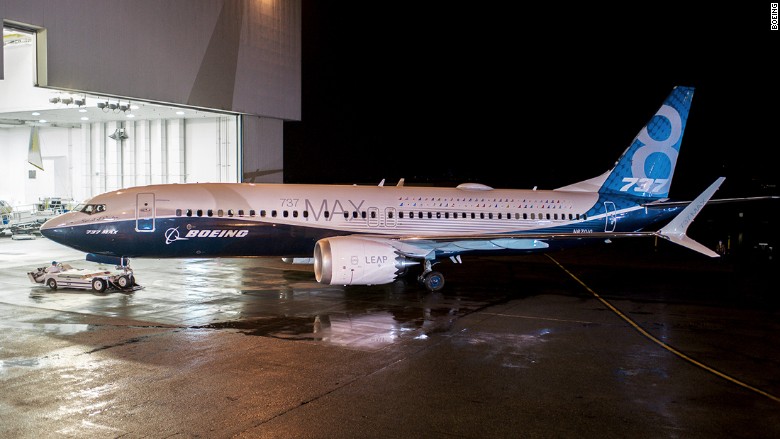
boeing-737-max-full-780x439

AW | 2017 01 14 18:15 | INDUSTRY

boeing-company-logoBoeing está tratando de reunir un grupo de aerolíneas dispuestas afk492336737-max-round-pin comprar una nueva versión del avión Boeing 737-10 MAX


El nuevo modelo, apodado el 737 Max 10X, sería más largo que el lento 737 Max 9 de venta, actualmente la versión más grande del avión de pasillo de un solo pasillo.

El Max 10X, si se lanza, sería el tercer modelo 737 nuevo o mejorado en entrar en producción de la serie MAX, y el quinto en la alineación de Boeing. El primer modelo Max entrega este año y el Max 9 sigue en 2018.
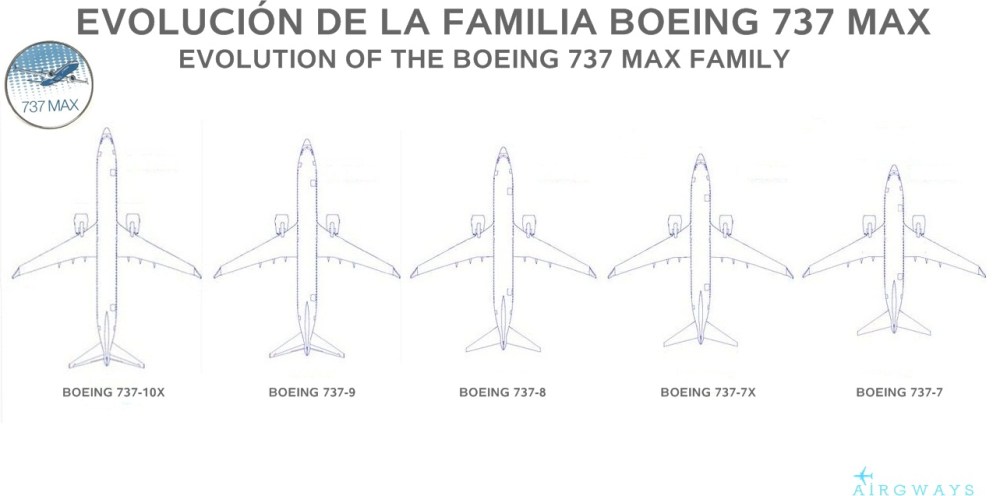
Boeing 737-7 737-7.5 737-7x stretch MAX - copia.jpg

En la figura anterior mostramos como ha evolucionado la familia del Boeing 737 MAX, pero cada uno de los integrantes se han comportado de manera diferentes al ofrecerce en el mercado. En el caso del Boeing 737-7 no ha despertado mucho interés en las compañías del mundo; la Boeing lo ha rediseñado en un nuevo Boeing 737-7X ampliando el número de asientos. El Boeing 737-8 MAX es un éxito en ventas, aún así el Boeing 737-9 MAX ha demostrado poco interés en las líneas aéreas tradicionales y low-cost. Boeing ha recurrido a «ampliar» su Boeing 737 MAX al mercado el Boeing 737-10 MAX ofreciendo ventajas comparativas frente al desafío de la Airbus con su nuevo modelo A321NEO.

Boeing obtuvo la aprobación de su junta directiva a finales de 2016 para salir a negociar el avión con las aerolíneas. Si Boeing gana suficientes compromisos de aerolíneas, el Max 10X se lanzará oficialmente como un nuevo avión de Boeing. Boeing quiere que el avión esté listo para el uso de la línea aérea a mediados de 2020, dijeron las personas.

El último diseño de los fabricantes de aviones de Estados Unidos es un movimiento defensivo para evitar que las aerolíneas compren Airbus y le den más tiempo para cultivar planes para un nuevo avión que volaría de 200 a 275 pasajeros hasta 5.000 millas náuticas, según funcionarios de la industria.

Los planes son la última jugada en el juego de ajedrez de una de las rivalidades corporales más feroces del mundo. Un líder de la industria llamó el concepto de Boeing «una ayuda de la venda para tomar algunos puntos de porcentaje de la cuota de mercado de Airbus.»

Las aerolíneas United Airlines, Delta Air Lines y Alaska Airlines, además de Air Canada (ACDVF), la aerolínea indonesia de bajo coste Lion Air y las aerolíneas más importantes de Boeing, indicaron. Muchos operan el modelo 737 más grande que actualmente vuela a lo largo de aviones laterales de Airbus o han pedido el nuevo 737 Max 9.

El Max 9 ha estado perdiendo ventas a su rival Airbus A321neo

Boeing está trabajando con los clientes para «trabajar con el caso de negocio» para el Max 10X, dijo la compañía, y «una vez que este proceso se complete con éxito estaremos en una posición para compartir más detalles».

United, Delta y Alaska se negaron a comentar. Air Canada no respondió inmediatamente a una solicitud de comentario.

Los nuevos aviones del mundo en 2017

Boeing y Airbus han tratado de llenar un vacío dejado por 757 discontinuados por Boeing. Ni Boeing ni Airbus han igualado sus asientos o rango hasta hace poco. En 2018, el A321neo de Airbus podrá transportar hasta 240 pasajeros (239 en el 757), o en 2019, volar alrededor de 160 a 180 en el Atlántico, según las estimaciones de analistas.

Las aerolíneas han pedido 1.400 A321neos, en comparación con alrededor de 425 para los modelos de Boeing, según Flightglobal Ascend. Ese éxito ha dado a Airbus una ventaja de casi 1.500 pedidos sobre Boeing en sus caballos de batalla más nuevos.

El fabricante de aeronaves quiere acabar con una serie de defecciones. Korean Air y Norwegian Air Shuttle, tradicionalmente Boeing de un solo pasillo de los compradores de aviones, dividir los últimos acuerdos con Boeing y Airbus (EADSF) en favor de la A321neo.

Las ventas de Boeing disminuyen a pesar de las últimas compras

Para mantener los costos bajos en el Max 10X, Boeing está utilizando los mismos motores de los modelos más pequeños de Max y sólo añadiendo cinco pies y medio a la longitud del fuselaje y hacer cambios en el tren de aterrizaje para mejorar el despegue y el aterrizaje. La semana de la aviación el miércoles informó por primera vez algunas especificaciones técnicas de la Max 10X.

El Max 10X no superará al A321neo en la gama o el asiento, pero está diseñado para hacer que los leales clientes de Boeing piensen dos veces antes de comprar Airbus en contra de su reclamación de los menores costos operativos de Max 10. El Max 10X se sentaría alrededor de 190 en dos clases o hasta 230 en todo-economía, 10 a 15 más que su compañero de establo más pequeño, dijo Boeing.

Singapore Airlines compra el avión más largo del mundo

Boeing está apuntando el jet a las aerolíneas que priorizan el asiento sobre la gama del cruce del Océano Atlántico. Las aerolíneas con clases primeras y económicas podrían volar alrededor de 3.000 millas náuticas, lo suficiente para vuelos transcontinentales estadounidenses, según una persona informada sobre el rendimiento del avión.

La estrategia de Boeing no es nueva. A finales de los años noventa, Boeing lanzó un modelo de mayor y mayor capacidad de su corredor doble 767. Sólo Delta y Continental Airlines compró, manteniendo a ambas aerolíneas en el campamento de Boeing. Boeing lanzó el nuevo 787 Dreamliner, su reemplazo, en 2003. airgways-icon-aw

boeing-737max-10-vs-max9


Boeing is redefining the B737-10 MAX

Boeing is trying to assemble a group of airlines willing to buy a new version of the 737-10 MAX jetliner

The new model, dubbed the 737 Max 10X, would be longer than the slow selling 737 Max 9, currently the biggest version of the single-aisle airliner.

The Max 10X, if launched, would be the third new or revamped 737 model in as many years and the fifth in Boeing’s lineup. The first Max model delivers this year and the Max 9 follows in 2018.

Boeing 737-7 737-7.5 737-7x stretch MAX - copia.jpg

In the previous figure we show how the family of the Boeing 737 MAX has evolved, but each one of the members have behaved differently to offer on the market. In the case of the Boeing 737-7 has not aroused much interest in the world’s companies; The Boeing has redesigned it in a new Boeing 737-7X extending the number of seats. The Boeing 737-8 MAX is a success in sales, yet the Boeing 737-9 MAX has shown little interest in traditional and low-cost airlines. Boeing has resorted to «expanding» its Boeing 737 MAX to market the Boeing 737-10 MAX offering comparative advantages against the challenge of Airbus with its new model A321NEO.

Boeing won approval from its board of directors in late 2016 to go out and make deals for the jet with airlines, three people said. If Boeing wins enough airline commitments, the Max 10X would be officially launched as a new Boeing airliner. Boeing wants the jet to be ready for airline use by mid-2020, the people said.

The U.S. plane maker’s latest design is a defensive move to keep airlines from buying Airbus and giving it more time to cultivate plans for an all-new airliner that would fly 200 to 275 passengers as far as 5,000 nautical miles, according to industry officials.

The plans are the latest move in the chess game of one of the world’s fiercest corporate rivalries. One industry leader called the Boeing concept «a band aid to take a few percentage points off Airbus market share.»

United Airlines (UAL), Delta Air Lines (DAL) and Alaska Airlines (ALK), as well as Air Canada (ACDVF), Indonesian low-cost carrier Lion Air and airlines in China top Boeing’s customer wish list, the people said. Many operate the largest 737 model currently flying along side Airbus jets or have ordered the new 737 Max 9.
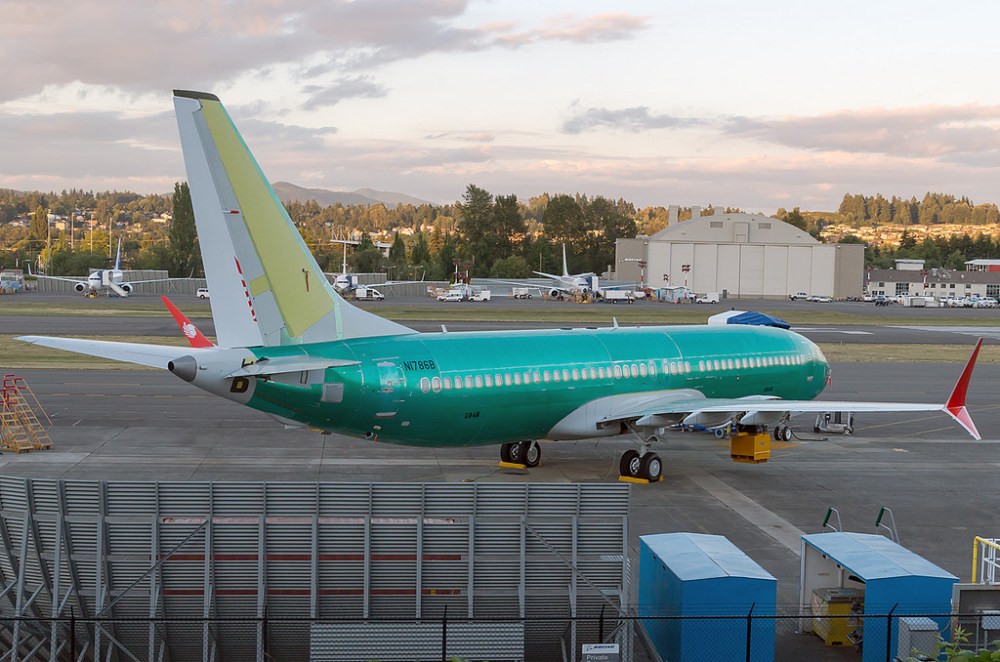
b737-8max-staticflickr-com

VIEW OF A BOEING 737-8 MAX FOR AIR COMPANY LION AIR

The Max 9 has been losing sales to its rival Airbus’s A321neo

Boeing is working with customers «to work through the business case» for the Max 10X, the company said, and «once this process is successfully completed we will be in a position to share more details.»

United, Delta and Alaska declined to comment. Air Canada did not immediately respond to a request for comment.

The world’s new planes in 2017

Boeing and Airbus have tried to fill a void left by Boeing’s discontinued 757. Neither Boeing nor Airbus have matched its seating or range until recently. By 2018, Airbus’ A321neo will be able to carry up to 240 passengers (239 on the 757), or by 2019, fly around 160 to 180 across the Atlantic, according to analyst estimates.

Airlines have ordered 1,400 A321neos, compared to around 425 for Boeing’s competing models, according to Flightglobal Ascend. That success has given Airbus a nearly 1,500 order lead over Boeing on its newest workhorses.

The plane maker wants to end a spate of defections. Korean Air and Norwegian Air Shuttle, traditionally Boeing single-aisle jet buyers, split recent deals with both Boeing and Airbus (EADSF) in favor of the A321neo.

Boeing sales decline despite late buying spree

To keep costs down on the Max 10X, Boeing is using the same engines from the smaller Max models and only adding five and a half feet to the fuselage length and making changes to the landing gear to improve takeoff and landing performance, the company said. Aviation Week on Wednesday first reported some technical specifications of the Max 10X.

The Max 10X won’t beat the A321neo on range or seating, but is designed to make Boeing’s loyal customers think twice about buying Airbus against its claim of Max 10’s lower operating costs. The Max 10X would seat around 190 in two classes or up to 230 in all-economy, 10 to 15 more than its smaller stablemate, said Boeing.

Singapore Airlines shops for world’s longest jet

Boeing is aiming the jet at airlines prioritizing seating over Atlantic Ocean-crossing range. Airlines with first and economy classes could fly around 3,000 nautical miles, enough for U.S. transcontinental flying, according to one person briefed on the jet’s performance.

Boeing’s strategy isn’t new. In the late 1990s, Boeing launched a longer and higher capacity model of its twin-aisle 767. Only Delta and Continental Airlines bought, keeping both airlines in Boeing’s camp. Boeing launched the all-new 787 Dreamliner, its replacement, in 2003. A\W

Ξ A I R G W A Y S Ξ
SOURCE: Boeing.com / Cnn.com
DBk: Boeing.com / AIRGWAYS
AW-POST: 201701141815AR

A\W   A I R G W A Y S ®

SpiceJet ordena 100 Boeing 737 MAX

https://i0.wp.com/www.bangaloreaviation.com/wp-content/uploads/2014/03/SpiceJet_737MAX8_K66053.jpg

AW | 2017 01 14 17:00 | AIRLINES


https://i0.wp.com/www.boeing.com/resources/boeingdotcom/commercial/customers/spicejet/assets/images/360/737max/rotate30.pngEl portavoz de SpiceJet dijo el viernes que había acordado comprar 100 nuevos aviones 737 MAX de Boeing, con una opción por 50 más, como parte de sus planes de expansión en el mercado de aviación más rápido del mundo, el indú.


El acuerdo es una bienvenida al impulso para Boeing en India, donde SpiceJet es el único cliente importante de la compañía estadounidense entre las compañías de presupuesto que ahora dominan la industria aérea del país.

«Como parte de esta transacción, Boeing no sólo ha tenido la amabilidad de darnos buenos términos comerciales, sino que ha trabajado duro para reducir el costo de mantenimiento de la flota en el futuro», dijo Ajay Singh, presidente de SpiceJet, en una conferencia de prensa en New Delhi.

Las aerolíneas asiáticas están impulsando gran parte del crecimiento en los grandes libros de pedidos de planificadores, y los analistas esperan que el mercado de la India crezca sustancialmente en la próxima década a medida que millones vuelan por primera vez cada año.

Las aerolíneas indias como la más grande, la IndiGo de InterGlobe Aviation, así como GoAir han pedido colectivamente cientos de nuevos aviones de Airbus.

SpiceJet dijo que había firmado un acuerdo para comprar hasta 205 aviones de Boeing-valor hasta $ 22 mil millones a precios de lista, pero el anuncio incluye 55 aviones ya anunciados en un acuerdo de 2014 y el posible seguimiento de 50 más.

Una fuente dijo a Reuters el jueves que SpiceJet estaba programado para anunciar una orden de hasta 100 nuevos aviones.

No estaba claro si la orden se suma a la cuenta anunciada anteriormente por Boeing. Sin embargo, la compañía había publicado previamente una orden para 100 aviones 737 MAX de un cliente no identificado que contó como parte de su cuenta de 2016.

https://i0.wp.com/www.boeing.com/resources/boeingdotcom/commercial/customers/spicejet/spicejet-announces-order-for-42-737-max-8s/assets/images/gallery/gallery-large-01.jpg

¿De bajo costo a largo plazo?

SpiceJet, que tiene una flota actual de alrededor de 40 aviones, comenzará a recibir el primero de sus nuevos aviones en el tercer trimestre de 2018, dijo a periodistas Dinesh Keskar, vicepresidente senior de Asia Pacífico y las ventas de la India en Boeing.

Se espera que el transportista haya obtenido un fuerte descuento de los precios de la lista de aeronaves, como es común con las grandes órdenes.

Singh, de SpiceJet, dijo que estaba ponderando varias opciones para financiar la nueva compra, incluyendo venta y arrendamiento, pero descartó emitir más deuda para pagar los aviones.

Dijo que los derechos de compra adicionales también incluyen una opción para comprar aviones de cuerpo ancho para viajes de larga distancia ya que la aerolínea considera lanzar vuelos de larga distancia de bajo costo.

SpiceJet, que fue forzado brevemente a aterrizar su flota a finales de 2014 cuando se quedó sin efectivo, tiene alrededor del 13% del mercado de pasajeros aéreo de la India. Eso está detrás del líder del mercado IndiGo, Jet Airways y la estatal Air India.

La mayoría de las aerolíneas indias han vuelto a la rentabilidad en los últimos años, gracias en parte a los menores costos de combustible, pero los desafíos siguen siendo los transportistas luchar para traducir la creciente demanda en beneficios sostenibles debido a la competencia y los altos costos de funcionamiento. airgways-icon-aw

https://airgways.com/wp-content/uploads/2017/01/a3e95-737max.png

SpiceJet orders 100 Boeing 737 MAX

Indian budget carrier SpiceJet said on Friday it had agreed to buy 100 new MAX 737 aircraft from Boeing, with an option for 50 more, as part of its expansion plans in the world’s fastest growing aviation market, the indu.

The deal is a welcome boost for Boeing in India, where SpiceJet is the U.S. company’s only major customer among the budget carriers now dominating the country’s air industry.

«As part of this transaction they (Boeing) have not only been kind enough to give us good commercial terms but have worked hard to reduce the maintenance cost of the fleet going forward,» Ajay Singh, SpiceJet’s chairman, told a news conference in New Delhi.

Asian airlines are driving much of the growth in big planemaker order books, and analysts expect India’s market to grow substantially over the next decade as millions fly for the first time each year.

Indian airlines such as the biggest, InterGlobe Aviation’s IndiGo, as well as GoAir have collectively ordered hundreds of new planes from Airbus.

SpiceJet said it had signed a deal for buying up to 205 planes from Boeing—worth up to $22 billion at list prices—but the announcement includes 55 jets already announced in a 2014 deal and the possible follow-on order of 50 more.

A source told Reuters on Thursday that SpiceJet was set to announce an order for as many as 100 new planes.

It was not immediately clear if the order adds to Boeing’s previously announced tally. However, the company previously posted an order for 100 737 MAX jets from an unidentified customer that counted as part of its 2016 tally.

Low-Cost Long Haul?

SpiceJet, which has a current fleet of around 40 planes, will start getting the first of its new jets in the third quarter of 2018, Dinesh Keskar, senior vice president of Asia Pacific & India Sales at Boeing, told reporters.

The carrier is expected to have secured a hefty discount from the aircraft list prices, as is common with large orders.

SpiceJet’s Singh said he was weighing up various options for financing the new purchase, including sale and leaseback, but he ruled out issuing more debt to pay for the planes.

He said the additional purchase rights also include an option to buy wide-body aircraft for long haul journeys as the airline considers launching low-cost long distance flights.

SpiceJet, which was briefly forced to ground its fleet in late 2014 when it ran out of cash, has about 13% of the Indian air passenger market. That is behind market leader IndiGo, Jet Airways and state-run Air India.

Most Indian airlines have returned to profitability in recent years, thanks in part to lower fuel costs, but challenges remain as carriers struggle to translate surging demand into sustainable profits because of cut-throat competition and high running costs. A\W


Ξ A I R G W A Y S Ξ
SOURCE: Fortune.com
DBk: Boeing.com
AW-POST: 2017010141700AR

A\W   A I R G W A Y S ®

Aerolíneas Argentinas ya tiene nueva conducción y hay polémica por el vicepresidente

Resultado de imagen para aerolineas argentinas

AW | 2017 01 12 05:27 | AIRLINES

Tras la salida de Isela Costantini, la asamblea designó presidente y CEO a Mario Dell ‘Acqua; el vice será el abogado Siro Astolfi

Después de la tempestad, llega la calma. A tres semanas de la abrupta salida de Isela Costantini de la conducción de Aerolíneas Argentinas, la empresa terminó de formar su nuevo cuerpo directivo. Se formalizó la asamblea de accionistas en la que se aceptó la renuncia de la ex CEO de General Motors y finalmente se nombró a Mario Dell ‘Acqua como gerente general y presidente del directorio de la empresa.

Desde el 21 de diciembre pasado, el ex número uno de Intercargo estaba a cargo en forma interina, mientras Costantini aún estaba de vacaciones. Pero fue en la asamblea en la que se le dio forma legal a la continuidad.

La otra novedad es la vicepresidencia del Directorio. El cargo quedó en manos de Siro Astolfi, un abogado que se recibió en la Universidad Católica Argentina y que hasta ahora se desempeñaba como socio de Bruchou, Fernández Madero & Lombardi (BFM&L), uno de los estudios jurídicos más importantes de la Argentina.

Astolfi no tendrá funciones ejecutivas ya que el cargo solamente le da tareas dentro del órgano directivo de la empresa. Será el sucesor de Manuel Álvarez Trongé, uno de los ejecutivos a los que el ministro de Transporte, Guillermo Dietrich, apartó tras la salida de Costantini.

La llegada del abogado despertó polémica ya que el socio principal de BFM&L, Enrique Bruchou, fue uno de los que salieron en aquellas recordadas fotos de 2008 cuando el Estado se hizo cargo de la gestión de Aerolíneas Argentinas, entonces en mano del Grupo Marsans. Todavía se hablaba de una recompra de acciones por un determinado precio y una administración en la que tuvieran participación todas las partes. En ese momento Bruchou representaba a un banco que tenía interés en la operación. De hecho, en la foto que se publicó del acto en el que se comunicó el acuerdo había tres personas sentadas en la mesa: el entonces secretario de Transporte, Ricardo Jaime; Eduardo Aranda, hombre de confianza de los dueños de Marsans, y el propio Bruchou. Sin embargo, a poco de andar aquella administración, la compañía se estatizó y el estudio de abogados, se retiró. Desde ayer, uno de sus socios es vicepresidente y la polémica revivió.

En la asamblea también se confirmó la continuidad de Gustavo Di Cio como director, un consultor del mercado aerocomercial dueño de la empresa Abiax Air. El ejecutivo fue nombrado hace dos meses y el su momento cuando Dietrich lo apadrinó al cargo, también fue un motivo de una pequeña discusión entre el ministro y Costantini.
mundoideas

En los pasillos de la empresa todos están en el período de «adaptación». La conducción de Dell ‘Acqua poco tiene que ver con la de su antecesora. Cuentan que tiene una toma de decisiones rápida y concreta. Costantini era cultora de la consulta antes de decidir.

Otro de los cambios tuvo que ver con la gerencia de Recursos Humanos. La salida del también ex Latam Daniel Maggi del cargo fue una de las medidas que tomó Dietrich cuando inició el proceso de cambios. No estaba de acuerdo con la gestión que había llevado adelante en las paritarias de 2016. En su reemplazo asumió Juan Uribe, un hombre que estaba a cargo de ese área en el Ministerio de Transporte. Llegó, claro está, con la venia ministerial.

La negociación paritaria ya cerró pero aún tiene un gremio pendiente. Se trata de uno de los que agrupa a los mecánicos de Austral. De ahí que en medio de la temporada fuerte de vuelos se puede apreciar en las pizarras el cartel de demorado en algún vuelo de Austral. Se trata de quites de colaboración en la jornada laboral que se dan en medio de la negociación abierta y que generan retrasos en la disponibilidad de los aviones.  airgways-icon-aw

Aerolíneas Argentinas already has new leadership and there is controversy by the vice president


After the departure of Isela Costantini, the assembly appointed president and CEO Mario Dell ‘Acqua; The deputy will be the lawyer Siro Astolfi


After the storm, calm comes. Three weeks after the abrupt departure of Isela Costantini from Aerolíneas Argentinas, the company finished forming its new management. The shareholders ‘meeting was formalized in which the resignation of the former CEO of General Motors was accepted and Mario Dell’ Acqua was finally named as general manager and chairman of the company’s board of directors.

Since last December 21, the former number one Intercargo was in charge interim, while Costantini was still on vacation. But it was in the assembly that legal form was given to continuity.

The other novelty is the vice-presidency of the Board. The position was in the hands of Siro Astolfi, a lawyer who was received at the Universidad Católica Argentina and who until now served as partner of Bruchou, Fernández Madero & Lombardi (BFM & L), one of the most important legal studies in Argentina.

Astolfi will not have executive functions since the position only gives him tasks within the governing body of the company. It will be the successor of Manuel Álvarez Trongé, one of the executives to whom the Minister of Transport, Guillermo Dietrich, left after the departure of Costantini.

The arrival of the lawyer aroused controversy as BFM & L’s main partner, Enrique Bruchou, was one of those who left in those remembered photos of 2008 when the State took over the management of Aerolineas Argentinas, then in the hands of the Marsans Group. There was still talk of a repurchase of shares for a certain price and an administration in which all parties were involved. At that moment Bruchou represented a bank that had interest in the operation. In fact, in the photo that was published of the act in which the agreement was communicated there were three people sitting at the table: the then Secretary of Transportation, Ricardo Jaime; Eduardo Aranda, man of confidence of the owners of Marsans, and Bruchou himself. However, shortly after that administration, the company was nationalized and the law firm, retired. Since yesterday, one of its partners is vice president and the controversy revived.

The assembly also confirmed the continuity of Gustavo Di Cio as director, a consultant of the aerial commercial market owner of the company Abiax Air. The executive was named two months ago and the time when Dietrich sponsored him was also a reason for a little discussion between the minister and Costantini.
World countries

In the hallways of the company all are in the period of «adaptation.» The driving of Dell ‘Acqua has little to do with that of its predecessor. They say that you have a quick and concrete decision-making. Costantini was a consultant before deciding.

Another change had to do with human resources management. The departure of the ex-former Latam Daniel Maggi from the position was one of the measures taken by Dietrich when he initiated the process of changes. He did not agree with the management that had carried out in the joint of 2016. In his replacement Juan Uribe, a man who was in charge of that area in the Ministry of Transportation assumed. It came, of course, with ministerial favor.

The peer negotiation has already closed but it still has a guild pending. It is one of those that groups Austral mechanics. Hence, in the middle of the strong season of flights can be seen on the blackboards the delayed sign on some Austral flight. It is a matter of collaboration in the workday that occur in the middle of the open negotiation and that generate delays in the availability of the airplanes.A\W


Ξ A I R G W A Y S Ξ
SOURCE: lanacion.com.ar
DBk: TripAdvisor.com
AW-POST: 201701120527AR

A\W   A I R G W A Y S ®


La industria aérea cierra con más tráfico y rentabilidad

AW  | 2017 01 10 13:28 | AIR TRAFFIC

Informe de la OACI: El tráfico en vuelos regulares alcanzó los 3.700 M de pasajeros en 2016

Las cifras preliminares publicadas por la Organización de Aviación Civil Internacional (OACI) indican que el tráfico mundial de pasajeros en vuelos regulares alcanzó en 2016 los 3.700 millones de viajeros, un 6% más que en 2015. Más de la mitad de los turistas del mundo que atraviesan fronteras internacionales cada año se transportaron por vía aérea. Gracias a la considerable disminución del precio del combustible, se prevé que la industria aérea haya finalizado 2016 con otro beneficio de explotación récord de unos 60.000 millones de dólares (56.850 M €) y un margen de explotación del 8%.
El número de salidas aumentó a unos 35 millones a nivel mundial y el tránsito mundial expresado en total de pasajeros-kilómetros volados (RPK) en vuelos regulares, registró un incremento del 6,3 % a 7.015 millones de RPK. Este crecimiento marca, sin embargo, una desaceleración respecto del 7,1% alcanzado en 2015.

El transporte aéreo distribuye un 35% del valor del comercio mundial. Más del 90 % del comercio de la empresa al consumidor (B2C) transfronterizo se transportó por vía aérea.

Tarifas menores

De acuerdo con el informe de la OACI, se prevé que el crecimiento pronosticado del producto interno bruto (PIB) real a nivel mundial para 2016 sea de un 2,4%, lo que representa una reducción respecto de la proyección del 2,9% estimada a comienzos del año. Explica que el valor revisado se debe al crecimiento lento de las economías avanzadas, los precios sumamente bajos de los productos básicos, el bajo nivel del comercio mundial y la reducción del flujo de capitales. Pese a las condiciones económicas deficientes, el tránsito mundial de pasajeros siguió creciendo impulsado por el descenso de las tarifas aéreas a causa de la caída del precio del petróleo.

Crecimiento del tráfico

En 2016, el tráfico internacional regular de pasajeros creció un 6,3%, medido en RPK, un incremento menor que el 7% registrado en 2015. Todas las regiones, excepto África y el Oriente Medio, registraron un crecimiento más lento que el año anterior.

Europa obtuvo el mayor porcentaje de los RPK internacionales, del 36%, y alcanzó un incremento del 4,3%. Asia Pacífico obtuvo el segundo mayor porcentaje, un 29%, y creció un 8%. La región de Oriente Medio operó un 15% de los RPK y registró un crecimiento de 11,2% respecto 2015. Norteamérica, con un 13%, fue la región que experimentó el crecimiento más lento, de un 3,5%. Las aerolíneas de Latinoamérica y Caribe gestionaron el 4% de los RPK internacionales a nivel mundial y registraron un crecimiento del 6,5%. África, con un 3%, superó el crecimiento del 2,3% que reportó en 2015, que se elevó a 5,7% en 2016.

En cuanto a los vuelos regulares domésticos, el total de los mercados creció un 6,2% en 2016, lo que representa un descenso frente al crecimiento del 7,3% alcanzado en 2015. Norteamérica, el mercado interior más grande del mundo, con el 43% del tráfico regular interior mundial, creció un 4,9% en 2016. Debido a la gran demanda en India y China, la región de Asia-Pacífico alcanzó un significativo crecimiento en 2016 del 10%, y representó el 40% del tráfico doméstico regular mundial.

La actividad low cost

Las aerolíneas low cost representaron un 28% del total mundial de pasajeros de vuelos regulares en 2016, y el total de pasajeros transportados superó la marca de 1.000 millones en el año. En Europa, compañías de bajo coste alcanzaron el 32% del total de pasajeros transportados por ese segmento, y Asia-Pacífico y Norteamérica ocuparon los siguientes puestos con el 31 y el 25%, respectivamente. La presencia cada vez mayor de aerolíneas de bajo coste, en particular, en las economías emergentes, contribuyó al crecimiento general del tráfico de pasajeros.

Caída de la ocupación

La capacidad total ofrecida por las líneas aéreas del mundo, expresada en asientos-kilómetros disponibles, aumentó en un 6,4 % a nivel mundial. Ello derivó en que el coeficiente de ocupación general sufrió una leve reducción de 80,4, en 2015, a 80,3 este año. El coeficiente de ocupación varía por región y oscila entre 68%, para África, y 83,3 %, para Norteamérica. El coeficiente de ocupación del Oriente Medio está descendiendo, ya que la gran expansión constante de la capacidad es más acelerada que el crecimiento del tránsito. Se prevé que el coeficiente de ocupación de la región se reduzca en 2016 de 76,3 %, valor registrado en 2015, a 74,7 %.

Resultados financieros

El combustible representó casi un quinto de los gastos de explotación en 2016, mientras que en 2015 representaba un tercio. La considerable reducción de los costes de combustible contribuyó a que las líneas aéreas mantuviesen su beneficio de explotación en el mismo nivel que el año anterior: se prevé que la industria aérea haya finalizado 2016 con otro beneficio de explotación récord de unos 60.000 millones de dólares (56.850 M €) y un margen de explotación del 8%. Esos valores se registraron tras un beneficio de explotación de 58.000 millones de dólares (54.952 M €) y un margen de explotación del 8% alcanzados en 2015. Por otro año consecutivo, se prevé que más de un tercio de los beneficios provengan de las aerolíneas norteamericanas, cuyo mercado interior representa el 66% de sus operaciones totales.

Con el mejoramiento de las condiciones económicas pronosticado por el Banco Mundial, se prevé que el crecimiento del tráfico aéreo y la rentabilidad de las aerolíneas conserven su impulso en 2017.  airgways-icon-aw

The airline industry closes with more traffic and profitability

ICAO Report: Traffic on scheduled flights reached 3,700 M passengers in 2016

Preliminary figures released by the International Civil Aviation Organization (ICAO) indicate that global passenger traffic on scheduled flights reached 3,700 million travelers in 2016, 6% more than in 2015. More than half of the world’s tourists Which cross international borders each year were transported by air. Thanks to the significant decrease in fuel prices, the airline industry is expected to have finished 2016 with another record operating profit of some $ 60 billion (56,850 M €) and an operating margin of 8%.
The number of departures increased to around 35 million worldwide and global traffic expressed in total passenger-kilometers flown (RPK) on scheduled flights, increased by 6.3% to 7.015 billion RPK. This growth, however, marks a slowdown from the 7.1% achieved in 2015.

Air transport distributes 35% of the value of world trade. More than 90% of cross-border business-to-consumer (B2C) trade was transported by air.

Minor rates

According to the ICAO report, the projected growth in world real gross domestic product (GDP) for 2016 is expected to be 2.4%, which is a reduction from the projection of 2.9% Estimated at the beginning of the year. He explains that the revised value is due to the slow growth of advanced economies, extremely low commodity prices, the low level of world trade and the reduction of the flow of capital. Despite poor economic conditions, global passenger traffic continued to grow driven by falling air fares due to falling oil prices.

Traffic growth

In 2016, regular international passenger traffic grew by 6.3%, measured in RPK, a rise of less than 7% in 2015. All regions except Africa and the Middle East recorded slower growth than the year previous.

Europe had the highest percentage of international RPKs, at 36%, and increased by 4.3%. Asia Pacific gained the second highest percentage, 29%, and grew 8%. The Middle East region operated 15% of the RPK and recorded a growth of 11.2% over 2015. North America, with 13%, was the region that experienced the slowest growth of 3.5%. The airlines of Latin America and the Caribbean managed 4% of the international RPKs worldwide and registered a growth of 6.5%. Africa, with 3%, exceeded the 2.3% growth it reported in 2015, which rose to 5.7% in 2016.

As for regular domestic flights, total markets grew by 6.2% in 2016, down from 7.3% in 2015. North America, the largest single market in the world, with 43 per cent of global domestic scheduled traffic, grew by 4.9 per cent in 2016. Due to strong demand in India and China, the Asia-Pacific region achieved a significant growth in 2016 of 10 per cent and accounted for 40 per cent World domestic traffic.

The low cost activity

The low-cost airlines accounted for 28% of the world’s scheduled passenger numbers in 2016, and the number of passengers transported exceeded the 1 billion mark for the year. In Europe, low-cost carriers reached 32% of the total number of passengers transported by this segment, and Asia-Pacific and North America occupied 31% and 25% respectively. The growing presence of low-cost airlines, particularly in emerging economies, contributed to overall passenger traffic growth.

Fall of the occupation

The total capacity offered by the world’s airlines, expressed in available seats-kilometers, increased by 6.4% worldwide. This led to a slight reduction of 80.4, in 2015, to 80.3 this year. The occupation coefficient varies by region and ranges from 68% for Africa to 83.3% for North America. The occupation coefficient in the Middle East is declining, since the great constant expansion of capacity is more accelerated than the growth of the transit. The occupation coefficient of the region is expected to be reduced in 2016 from 76.3%, in 2015 to 74.7%.

Financial results

Fuel accounted for almost one-fifth of operating costs in 2016, while in 2015 it accounted for one-third. The significant reduction in fuel costs contributed to the airlines maintaining their operating profit at the same level as the previous year: the airline industry is expected to have finished 2016 with another record operating profit of some $ 60 billion ( 56,850 M €) and an operating margin of 8%. These values were recorded after operating profit of $ 58 billion (€ 54,952 million) and operating profit of 8% in 2015. For another consecutive year, more than a third of the profits are expected to come from airlines American companies, whose domestic market represents 66% of their total operations.

With the improvement in economic conditions forecast by the World Bank, air traffic growth and airline profitability are expected to continue their momentum in 2017. A\W


Ξ A I R G W A Y S Ξ
SOURCE: Hosteltur.com
DBk: Yoyoman.net / Oaci.org
AW-POST: 201701101328AR

A\W A I R G W A Y S ®

Aeropuerto Schiphol limita a KLM

AW | 2017 01 10 13:05 | AIRPORTS / AIRLINES

El jefe de KLM rechaza a Schiphol por obstaculizar el crecimiento de la aerolínea

El Aeropuerto Schiphol de Amsterdam ha hecho demasiado para atraer aerolíneas de bajo coste y esto está dañando tanto a KLM como a la economía holandesa, dijo el director ejecutivo de KLM, Pieter Elbers, en la AD. KLM ha aceptado hasta ahora el número máximo de movimientos de aeronaves acordado en 2008, pero ese total se ha alcanzado casi.

El acuerdo dice que hasta 500.000 movimientos de aeronaves al año son aceptables pero el año pasado el aeropuerto procesó 479.000 despegues y aterrizajes. «Si Schiphol no puede crecer más, tendremos un problema», dijo Elbers. «Estamos invirtiendo en nuevos vuelos y destinos, pero nos enfrentamos a ser exprimidos.» KLM transportó un 6% más pasajeros el año pasado, pero un crecimiento similar será imposible en 2017 sin romper el máximo acordado. «La accesibilidad es crucial. Los Países Bajos se benefician de empresas como KLM «, dijo Elbers.

Reglas Un portavoz de Schiphol dijo a la AD que el aeropuerto está sujeto a las normas de la UE cuando se trata de determinar qué líneas aéreas pueden utilizar sus instalaciones. «Hay un mercado libre dentro de la UE», dijo. Y los derechos de aterrizaje de compañías aéreas no comunitarias son negociados por el gobierno, no por Schiphol, dijo.

Elbers acusó a Schiphol de ser demasiado generoso con bonificaciones y descuentos para atraer nuevas aerolíneas como Easyjet, Ryanair y compañías estatales del Golfo. Ahora quiere nuevas discusiones con los lugareños y el gobierno sobre permitir más vuelos en Schiphol. La ministra de transporte de los ministros Sharon Dijksma ya dijo que el techo actual no es «sacrosanto», dijo la AD. airgways-icon-aw

Schiphol Airport limits to KLM

KLM boss slams Schiphol for hampering the airline’s growth

Amsterdam’s Schiphol Airport has done too much to attract budget airlines and this is damaging both KLM and the Dutch economy, KLM chief executive Pieter Elbers says in the AD. KLM has until now accepted the maximum number of aircraft movements agreed in 2008 but that total has been almost reached.

The deal says that up to 500,000 aircraft movements a year are acceptable but last year the airport processed 479,000 take-offs and landings. ‘If Schiphol cannot grow further, we will have a problem,’ Elbers said. ‘We are investing in new flights and destinations but we face being squeezed.’ KLM carried 6% more passengers last year but similar growth will be impossible in 2017 without breaking the agreed maximum. ‘Accessibility is crucial. The Netherlands benefits from companies like KLM,’ Elbers said.

Rules A spokesman for Schiphol told the AD that the airport is subject to EU rules when it comes to determining which airlines can use its facilities. ‘There is a free market within the EU,’ he said. And landing rights for non-EU airlines are traded by the government, not Schiphol, he said.

Elbers accused Schiphol of being too generous with bonuses and discounts to attract new airlines such as Easyjet, Ryanair and Gulf state companies. He now wants new discussions with locals and the government about allowing more flights at Schiphol. Junior transport minister Sharon Dijksma has already said the current ceiling is ‘not sacrosanct,’ the AD said. A\W

Ξ A I R G W A Y S Ξ
SOURCE: Dutchnews.nl
DBk: Aircrewlifestyle.es / Wikipedia.org
AW-POST: 201701101305AR

A\W A I R G W A Y S ®

Iberia, la aerolínea más puntual del mundo

AW | 2017 01 10 12:27 | AIRLINES / AWARDS

La aerolínea española triunfa en la octava edición de los premios de FlightStats a las aerolíneas más puntuales

FlightStats, Inc., la empresa de información de vuelos líder en el mundo, ha hecho públicos los premios en los que se reconoce el indudable mérito de la puntualidad (Annual Airline On-Time Performance Service Awards). Los premios -que llegan a su octava edición- reconocen a las «mejores de las mejores» (the Best of the Best) aerolíneas que demuestran un alto rendimiento y cumplen su promesa de llevar a los pasajeros a sus destinos en la hora anunciada.

Este año, FlightStats ha ampliado sus premios para reconocer la mejor aerolínea mundial y la mejor red de aerolíneas en cada una de las regiones (denominan así a los vuelos que son comercializados por una aerolínea principal pero operados por una marca separada). La mayoría de las grandes aerolíneas tienen este tipo de asociaciones regionales.

En 2016 Iberia no solo ha sido la aerolínea internacional más puntual del mundo (Major Global Airline), también la aerolínea más puntual de Europa (European Major Airline) y la más puntual de Europa también como aerolínea de red contabilizando sus datos junto a los de su franquiciada Iberia Regional Air Nostrum (European Major Airline Network).

En los últimos cuatro años, Iberia ha ido mejorando su situación en el ranking de puntualidad hasta situarse en lo más alto. Fue la cuarta más puntual del mundo en 2013, tercera en 2014, segunda en 2015 y la primera en 2016.

Además, Iberia Express ha sido la aerolínea de bajo coste más puntual del mundo, puesto que ocupa por tercera vez consecutiva.

Las aerolíneas más puntuales han sido estas:

-Aerolínea internacional: Iberia.

-Aerolínea internacional de red: KLM.

-Mejor alianza internacional: oneworld.

-Aerolínea de Norteamérica: Alaska Airlines.

-Aerolínea de red de Norteamérica: Alaska Airlines.

-Aerolínea europea: Iberia.

-Aerolínea de red en Europa: Iberia.

-Aerolínea de Asia-Pacífico: JAL (Japan Airlines).

-Aerolínea de red de Asia-Pacífico: JAL.

-Aerolínea de Oriente Medio y África: Qatar Airways.

-Aerolínea de red de Oriente Medio y África: Qatar Airways.

-Aerolínea Latinoamericana: Copa Airlines, la aerolínea internacional de Panamá.

-Aerolínea Latinoamericana: Copa Airlines.

-Low-Cost: Iberia Express. airgways-icon-aw

Iberia, the most punctual airline in the world

The Spanish airline triumphs in the eighth edition of FlightStats awards to the most specific airlines

FlightStats, Inc., the world’s leading flight information company, has announced awards recognizing the undeniable merit of punctuality (Annual Airline On-Time Performance Service Awards). The awards – which go to their eighth edition – recognize the «best of the best» airlines that demonstrate a high performance and fulfill their promise to take passengers to their destinations at the time announced.

This year, FlightStats has extended its awards to recognize the best airline in the world and the best airline in each of the regions (they refer to flights that are marketed by a major airline but operated by a separate brand). Most large airlines have such regional associations.

In 2016 Iberia has not only been the most punctual international airline in the world (Major Global Airline), also the most punctual airline in Europe (European Major Airline) and the most punctual in Europe also as a network airline accounting its data together with those of Its franchisee Iberia Regional Air Nostrum (European Major Airline Network).

In the last four years, Iberia has been improving its situation in the ranking of punctuality to be placed in the highest. It was the fourth most punctual in the world in 2013, third in 2014, second in 2015 and the first in 2016.

In addition, Iberia Express has been the most punctual low-cost airline in the world, since it occupies for the third consecutive time.

The most specific airlines have been:

-Air international line: Iberia.

-International network airline: KLM.

– Best international alliance: oneworld.

-Airline from North America: Alaska Airlines.

-Airline North America Network: Alaska Airlines.

-European airline: Iberia.

-Airline network in Europe: Iberia.

-Asia-Pacific Airline: JAL (Japan Airlines).

-Asia Network Pacific Network: JAL.

– Middle East and Africa Airline: Qatar Airways.

-Airport Network Middle East and Africa: Qatar Airways.

-Aerolínea Latinoamericana: Copa Airlines, the international airline of Panama.

-Aerolínea Latinoamericana: Copa Airlines.

-Low-Cost: Iberia Express.

A\W

Ξ A I R G W A Y S Ξ
SOURCE: Abc.es
DBk: Tripadvisor.com / Thedesignair.com
AW-POST: 201701101227AR

A\W A I R G W A Y S ®


Premios AirlineRatings

AW | 2017 11 11:57 | AIRLINES MARKET / AWARDS

Resultado de imagen para AirlineRatingsAirlineRatings.com studied data on 425 airlines from all around the world, including fatal accidents and incidents, as well as audits from government bodies and international organisations governing aviation safety. A total 128 of the 425 airlines analysed were awarded the maximum seven-star safety rating. Only 14 carriers were given just one star. These were airlines from Afghanistan, Nepal, Indonesia and Surinam.

Qantas crowned world’s safest airline for fourth consecutive year

The Australian airline comes top of the class for safety for the fourth year running, named world’s safest airline by AirlineRatings.com, a website compiling information about all global airlines.

AirlineRatings.com world’s top 20 safest airlines

Air New Zealand, Alaska Airlines, All Nippon Airways, British Airways, Cathay Pacific Airways, Delta Air Lines, Etihad Airways, EVA Air, Finnair, Hawaiian Airlines, Japan Airlines, KLM, Lufthansa, Qantas, Scandinavian Airline System, Singapore Airlines, Swiss, United Airlines, Virgin Atlantic, Virgin Australia.

AirlineRatings.com world’s top 10 safest low-cost carriers

Aer Lingus, Flybe, HK Express, Jetblue, Jetstar Australia, Jetstar Asia, Thomas Cook, Virgin America, Vueling, Westjet.  airgways-icon-aw

AirlineRatings Awards

AirlineRatings.com studied data on 425 airlines from all around the world, including fatal accidents and incidents, as well as audits of government bodies and international organizations governing aviation safety. A total of 128 of the 425 airlines analyzed were awarded the maximum seven-star safety rating. Only 14 carriers were given just one star. These were airlines from Afghanistan, Nepal, Indonesia and Suriname.

Qantas crowned world’s safest airline for fourth consecutive year

The Australian airline comes top of the class for safety for the fourth year running, named world’s safest airline by AirlineRatings.com, a website compiling information about all global airlines.

AirlineRatings.com world’s top 20 safest airlines

Air New Zealand, Alaska Airlines, All Nippon Airways, British Airways, Cathay Pacific Airways, Delta Air Lines, Etihad Airways, EVA Air, Finnair, Hawaiian Airlines, KLM, Lufthansa, Qantas, Scandinavian Airlines , United Airlines, Virgin Atlantic, Virgin Australia.

AirlineRatings.com world’s top 10 safest low-cost carriers

Aer Lingus, Flybe, HK Express, Jetblue, Jetstar Australia, Jetstar Asia, Thomas Cook, Virgin America, Vueling, Westjet. A\W

Ξ A I R G W A Y S Ξ
SOURCE: Themalaymailonline.com
DBk: Airlineratings.com / Qantas.com
AW-POST: 201701101157AR

A\W A I R G W A Y S ®