Virgin Australia la más puntual en 2016

AW | 2017 03 02 14:25 | AIRLINES MARKET

VIRGIN Australia ha vuelto a tomar el título de ser la compañía aérea más puntual de Australia. Las cifras publicadas por el gobierno federal revelan que Virgin obtuvo las cifras más altas de tiempo para llegadas (86,7 por ciento) y salidas (88,4 por ciento) en 2016.

Siguiendo el patrón de los resultados de 2015, Qantas llegó en un segundo muy cercano con 86.4 por ciento de sus llegadas que aterrizan en tiempo y 88 por ciento para salidas.

«Entendemos la importancia que tienen nuestros clientes de llegar a su destino a tiempo y contamos con muchos equipos en todo el negocio, incluyendo nuestro personal de vuelo y cabina, equipo de operaciones de red y tripulación de tierra, trabajando duro todos los días para ayudar a entregar este fuerte resultado, Y les damos las gracias por su dedicación a esta tarea «, dice John Thomas de Virgin Australia Airlines.

«Como parte de nuestro continuo impulso para mejorar el desempeño a tiempo, hemos puesto un gran énfasis en asegurar que nuestros primeros vuelos del día salen a tiempo que nos ayuda a manejar mejor las circunstancias que surgen durante el día que están fuera de nuestro Control, como los eventos meteorológicos «.

Virgin Australia is the most punctual airline again. Picture: AAP
Virgin Australia es la aerolínea más puntual. Imagen: AAP

Mientras que Tigerair Australia ocupaba el tercer lugar detrás de Virgin y Qantas (81,6 por ciento y 83,1 por ciento para llegadas y salidas, respectivamente), la aerolínea presupuestaria afirmó que tendría la tasa de cancelación más baja (0,9 por ciento) de todas las principales aerolíneas nacionales en 2016.

Esto también significa que superó a su rival de bajo costo, Jetstar, que era la aerolínea con más probabilidades de llegar tarde, con un 76,2 por ciento de llegadas a tiempo y un 73,3 por ciento para las salidas a tiempo.

Un portavoz de Jetstar dijo: «Operamos más de 1800 vuelos nacionales a través de Australia cada semana, y la gran mayoría llegaron a tiempo el año pasado».

«Sabemos lo importante que esto es para nuestros clientes, y estamos trabajando duro detrás de las escenas para asegurarnos de que nuestros vuelos salgan sistemáticamente y lleguen a tiempo».

La Oficina de Infraestructura, Transporte y Economía Regional (BITRE) define una llegada o partida como «puntual» si se encuentra dentro de los 15 minutos del horario del transportista.

Un vuelo se considera cancelado cuando se retira del servicio dentro de los 7 días de la salida programada.

Sólo un pequeño margen separaba a las aerolíneas regionales, que se clasificaron Regional Express en el 87,5 por ciento, seguido de Virgin Australia Regional Airlines con 86,8 por ciento y QantasLink con 85,7 por ciento.

Jetstar ha sido clasificado como el último de los principales proveedores de rendimiento a tiempo.

QantasLink tuvo el porcentaje más alto de cancelaciones (2.5 por ciento) durante 2016. Para la ruta de vuelo más probable que se ejecute en el horario, sin embargo, usted querrá estar volando de Melbourne a Hamilton Island, o Townsville a Cairns con 94,1 por ciento de Llegadas consideradas puntuales. Para las salidas, Adelaide a Alice Springs encabezó la tabla en 95.2 por ciento.

La ruta con el peor desempeño puntual en 2016 fue el puerto de Macquarie a Sydney con sólo 70,5 por ciento de los vuelos de aterrizaje a tiempo.

Sunshine Coast a Melbourne clasificó la peor ruta para salidas a tiempo al 67.8 por ciento.

El mejor aeropuerto para la puntualidad es Mount Isa, con un alto 93,9 por ciento para llegadas a tiempo, mientras que el peor aeropuerto del país fue la Sunshine Coast con sólo 68,7 por ciento de los vuelos que salen a tiempo.

En general, sin embargo, en el informe BITRE se observó que las cifras de puntualidad para 2016 estaban muy por encima del rendimiento promedio a largo plazo para todas las rutas.  airgways-icon-aw

Virgin Australia rated the most on-time airline in 2016 and Jetstar rated the worst

VIRGIN Australia has once again nabbed the title of being the most punctual domestic carrier in Australia. Figures released by the federal government reveal that Virgin achieved the highest on-time figures for both arrivals (86.7 per cent) and departures (88.4 per cent) in 2016.

Following the pattern of the 2015 results, Qantas came in a very close second with 86.4 per cent of its arrivals landing on time and 88 per cent for departures.

“We understand the importance our guests place on getting to their destination on time and we have many teams across the business, including our flight and cabin crew, network operations team, and ground crew, working hard every day to help deliver this strong result, and we thank them for their dedication to this task,” says John Thomas from Virgin Australia Airlines.

“As part of our ongoing push to improve on-time performance we have placed a heavy emphasis on ensuring our first flights of the day depart on-time which helps us better manage circumstances that arise during the course of the day that are out of our control, such as weather events».

While Tigerair Australia came in third behind Virgin and Qantas (at 81.6 per cent and 83.1 per cent for arrivals and departures respectively), the budget carrier laid claim to having the lowest cancellation rate (0.9 per cent) of all major domestic airlines in 2016.

This also means it beat its low-cost rival, Jetstar, which was the airline most likely to run late at 76.2 per cent of arrivals running on time and 73.3 per cent for on-time departures.

A Jetstar spokesperson said: “We operate more than 1800 domestic flights across Australia each week, and the vast majority were on time last year.»

“We know how important this is for our customers, and we’re working hard behind the scenes to make sure our flights consistently depart and arrive on time.”

The Bureau of Infrastructure, Transport and Regional Economics (BITRE) defines an arrival or departure as being “on-time” if it’s within 15 minutes of the carrier’s schedule.

A flight is considered cancelled when it’s removed from service within 7 days of scheduled departure.

Only a small margin separated the regional airlines, which were ranked Regional Express at 87.5 per cent, followed by Virgin Australia Regional Airlines at 86.8 per cent and QantasLink at 85.7 per cent.

Jetstar has been ranked last of the major carriers for on-time performance.
Jetstar has been ranked last of the major carriers for on-time performance.Source:Supplied

QantasLink had the highest percentage of cancellations (2.5 per cent) during 2016. For the flight route most likely to run on schedule, however, you’ll want to be flying from Melbourne to Hamilton Island, or Townsville to Cairns with 94.1 per cent of arrivals considered on-time. For departures, Adelaide to Alice Springs topped the chart at 95.2 per cent.

The route with the worst on-time performance in 2016 was the Port Macquarie to Sydney run with just 70.5 per cent of flights landing on time.

Sunshine Coast to Melbourne rated the worst route for on-time departures at 67.8 per cent.

The best airport for punctuality is Mount Isa, scoring a high 93.9 per cent for on-time arrivals, while the worst airport in the country was the Sunshine Coast with just 68.7 per cent of flights leaving on time.

Overall, however, the BITRE report noted that the on-time figures for 2016 were well above the long-term average performance for all routes. A\W

Ξ A I R G W A Y S Ξ
SOURCE: News.com.au
DBk: News.com.au / AAP
AW-POST: 2017030021425AR

A\W   A I R G W A Y S ®

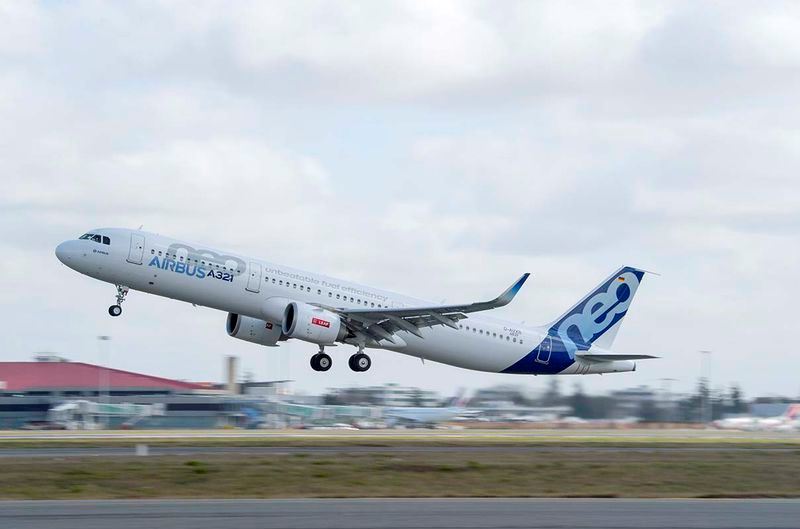
Certificación A321NEO con CFM LEAP-1A

a321neo-airbus

AW | 2017 03 02 14:10 | INDUSTRY

logo_airbus_2014-svgLa Agencia Europea de Seguridad Aérea (EASA) y la Administración Federal de Aviación (FAA) han entregado hoy a Airbus sus certificados de aeronavegabilidad para el A321NEO equipado con los motores CFM LEAP-1A.

La aeronave, equipada con motores LEAP-1A de la CFM International, recibió la certificación de tipo da Agencia Europea de Seguridad Aérea (EASA) y de la Administración Federal de Aviación (FAA) de los Estados Unidos. En deciembre del año pasado el modelo ya había sido homologado por las mismas instituciones con el motor Pratt & Whitney PW1100G.

El certificado tipo de EASA está firmado por el director de Certificación de la Agencia, Trevor Woods, mientras que el de la FAA lo ha hecho Michael J. Kaszycki, director en funciones de la Dirección de Transporte Aéreo – Servicio de Certificación de Aeronaves. Ambos certificados fueron entregados al vicepresidente senior del Programa Familia A320 de Airbus, Klaus Roewe, y al ingeniero jefe del programa Pierre-Henri Brousse.

Fabrice Brégier, presidente de Airbus Commercial Aircraft ha manifestado: “El A321NEO ofrece a los operadores el perfecto equilibrio entre eficiencia de consumo, confort y comportamiento medioambiental. Es el claro líder del mercado en la categoría de aviones de más de 200 plazas. La certificación de hoy es un merecido tributo a todos los equipos que han sido decisivos para alcanzar este hito imprescindible”.

Para lograr estos certificados, Airbus ha efectuado más de 400 horas en más de 160 vuelos de certificación. Antes de la versión con estos motores CFM LEAP-1A ya había sido certificada la variante con los Pratt & Whitney PW1100G-JM.

El principal atractivo de la nueva serie “NEO” (New Option Engine) del A320 es el bajo consumo de combustible, que es inferior a un 20% con respecto a los modelos de igual porte pero de anterior generación. Otro recurso que colabora con el aumento de la eficiencia son los “Sharklets” nen los estremos de las alas, dispositivos que reducen el arrastre aerodinámico de la aeronave.

Airbus también está desarrollando el A319NEO, que será el modelo más pequeño de la nueva serie, a la vez que todabía no existen planes para el reemplazo del A318. La versión renovada del A319 está programada para llegar al mercado a partir de 2020.

El A320NEO debutó en enero de 2016, con la compañía aérea alemana Lufthansa. La cartera de pedidos ha ascendido a 3.380 órdenes al 24 de enero de 2017.  airgways-icon-aw

https://i0.wp.com/www.safran-nacelles.com/sites/aircelle/files/thumbnails/image/2-10-2016-a321neo_maiden_flight_0.jpg

Airbus A321NEO certification with CFM LEAP-1A engines

airbus-logo1The European Aviation Safety Agency (EASA) and the Federal Aviation Administration (FAA) today delivered to Airbus their airworthiness certificates for the A321NEO equipped with CFM LEAP-1A engines.

The aircraft, equipped with LEAP-1A engines from CFM International, received the type certification from the European Aviation Safety Agency (EASA) and the Federal Aviation Administration (FAA) of the United States. In December of last year the model had already been homologated by the same institutions with the engine Pratt & Whitney PW1100G.

The EASA type certificate is signed by the Certification Director of the Agency, Trevor Woods, while the FAA has done so by Michael J. Kaszycki, acting director of the Air Transport Directorate – Aircraft Certification Service. Both certificates were delivered to the senior vice president of the Airbus A320 Family Program, Klaus Roewe, and the chief engineer of the Pierre-Henri Brousse program.

Fabrice Brégier, president of Airbus Commercial Aircraft said: «The A321NEO offers operators the perfect balance between fuel efficiency, comfort and environmental performance. It is the clear market leader in the category of aircraft with more than 200 seats. The certification of today is a well-deserved tribute to all the teams that have been decisive to reach this essential milestone «.

To achieve these certificates, Airbus has performed more than 400 hours on more than 160 certification flights. Before the version with these motors CFM LEAP-1A had already been certified the variant with the Pratt & Whitney PW1100G-JM.

The main attraction of the new «NEO» series (New Option Engine) of the A320 is the low fuel consumption, which is less than 20% compared to the same-sized but older models. Another resource that contributes to the increase in efficiency is the «Sharklets» in the wings of the wings, devices that reduce the aerodynamic drag of the aircraft.

Airbus is also developing the A319NEO, which will be the smallest model of the new series, while there are still no plans for the replacement of the A318. The revamped version of the A319 is scheduled to hit the market in 2020.

The A320NEO debuted in January 2016, with the German airline Lufthansa. The order book has amounted to 3,380 orders as of January 24, 2017. A\W

Ξ A I R G W A Y S Ξ
SOURCE: A I R G W A Y S
DBk: Airbus.com / Safran-nacelles.com
AW-POST: 201703021410AR

A\W   A I R G W A Y S ®

Boeing prepara lanzamiento del B737-9

https://c2.staticflickr.com/8/7408/12688044084_26b1b5c23b_b.jpg

AW | 2017 03 02 00:52 |  INDUSTRY

The Boeing Co. está realizando los últimos preparativos para presentar oficialmente el nuevo miembro de su familia 737, el Boeing 737-9 MAX

La compañía emitió el miércoles unas fotos de la aeronave en busca de pintura nueva y añadió que el lanzamiento oficial del avión está programado para la próxima semana.

A partir de ahí, el avión entrará en pruebas de vuelo, ya que empuja hacia una entrada de servicio prevista en 2018. Spirit AeroSystems Inc. en Wichita construye alrededor del 70 por ciento de cada 737 para Boeing.

https://i0.wp.com/www.ainonline.com/sites/default/files/styles/ain30_fullwidth_large_2x/public/uploads/2017/02/max9-2_web.jpg

El primer fuselaje para la variante Dash 9 llegó de Spirit a finales del año pasado. Spirit tiene trabajo en todos los programas comerciales de Boeing, pero el 737 -incluyendo las variantes MAX- impulsa la mayor parte del trabajo para él y su base de suministro local en la Capital Aérea.

Se espera que la variante MAX más pequeña, el Dash 8, entre en servicio a mediados de este año. Boeing tiene más de 3.600 pedidos para el avión 737 MAX en sus libros, lo que lo convierte en el avión más vendido en la historia de la compañía. airgways-icon-aw

Resultado de imagen para ROLLOUT Boeing 737 max 9

The Boeing Co. readies for rollout of its Boeing 737-9 MAX

The Boeing Co. is making final preparations to officially unveil the newest member of its 737 family of aircraft, the 737 MAX 9

The company on Wednesday tweeted photos of the aircraft getting some new paint and added that the official rollout of the plane is slated for next week.

From there, the plane will enter flight testing as it pushes toward a planned service entry in 2018. Spirit AeroSystems Inc. in Wichita builds about 70 percent of every 737 for Boeing.

Resultado de imagen para Boeing 737 max 9

ASSEMBLY OF THE FIRST BOEING 737-9 MAX

The first fuselage for the Dash 9 variant arrived from Spirit late last year. Spirit has work on all Boeing commercial programs, but the 737 — including the MAX variants — drive the majority of work for it and its local supply base in the Air Capital.

The smaller MAX variant, the Dash 8, is expected to enter service by the middle of this year. Boeing has more than 3,600 orders for the 737 MAX aircraft on its books, making it the fastest-selling aircraft in the company’s history. A\W

Ξ A I R G W A Y S Ξ
SOURCE:  Bizjournals.com
DBk: Ainonline.com / Seattletimes.com
AW-POST: 201703020052AR

A\W   A I R G W A Y S ®

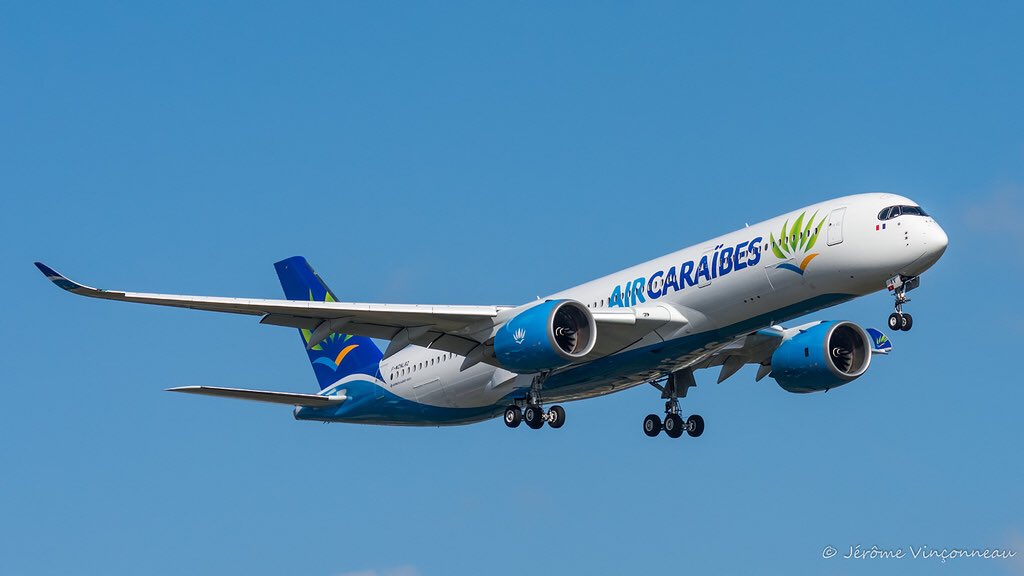
Air Carïbes recibe su primer A350-900

https://i.ytimg.com/vi/M4aYIivMG1Y/maxresdefault.jpg

AW | 2017 03 02 00:27 | AIRLINES

Air Carïbes recibe su primer A350-900, que volará al Caribe francés a partir hoy 2 de marzo

Air Caraïbes volará destinos como Pointe-à-Pitre y Fort-de-France, en el Caribe francés, a partir de hoy, 2 de marzo, con aeronaves A350-900, según ha informado la compañía en un comunicado.

Air Caraïbes se convierte en la primera aerolínea francesa en operar el A350-900. El avión fue entregado durante una ceremonia celebrada en el centro de entrega de Airbus en Toulouse el 28 de febrero. La línea aérea planea operar su A350-900, que cuenta con capacidad para 389 pasajeros, junto con el A330, que ya tiene en servicio, en sus rutas desde París al Caribe francés.

Air Caraïbes enlazará vuelo directo desde el Aeropuerto París Orly a Pointe-à-Pitre, en la Isla de Guadalupe, y Fort-de-France, en el departamento de ultramar de la Isla Martinica.

Hasta la fecha, Airbus ha vendido 821 aeronaves del modelo A350-900 a 44 clientes, lo que asciende a unos ingresos de 255.495,2 millones de dólares (241.135,5 millones de euros) a precios de catálogo de 2017. airgways-icon-aw

https://pbs.twimg.com/media/C5wmazvXQAAsDiK.jpg

Air Carïbes receives its first A350-900


Air Carïbes receives its first A350-900, which will fly to the French Caribbean starting today March 2


Air Caraïbes will fly destinations such as Pointe-à-Pitre and Fort-de-France in the French Caribbean, starting today, March 2, with A350-900 aircraft, the company said in a statement.

Air Caraïbes becomes the first French airline to operate the A350-900. The plane was delivered during a ceremony held at the Airbus delivery center in Toulouse on 28 February. The airline plans to operate its A350-900, which has a capacity for 389 passengers, along with the A330, which already has in service, on its routes from Paris to the French Caribbean.

Air Caraïbes will link direct flight from Paris Orly Airport to Pointe-à-Pitre on the Island of Guadalupe and Fort-de-France in the overseas department of Martinique Island.

To date, Airbus has sold 821 A350-900 aircraft to 44 customers, amounting to $ 255,495.2 million (241,135.5 million euros) at catalog prices for 2017. A\W

Ξ A I R G W A Y S Ξ
SOURCE: A I R G W A Y S
DBk: Ytimg.com / Jérôme Vinçonneau
AW-POST: 201703020027AR

A\W   A I R G W A Y S ®

Alas del Sur con alas para despegar

a320_family_takeoff

AW | 2017 03 02 00:05 | AIRLINES

Son argentinos, crearon una aerolínea y quieren unir Córdoba con China

Alas del Sur quiere hacer base en la provincia argentina y solicitó rutas para volar al país oriental, donde busca inversores que se sumen al proyecto. Prevé contar con 17 aviones y facturar casi US$ 600 millones en 2022.

Córdoba-Barcelona-Shangai-Fuzhou es una de las rutas que se puede leer en el business plan que Juan Carlos Vásquez, representante legal de Alas del Sur, presentó en la audiencia pública del 27 de diciembre de 2016 ante las principales empresas y gremios del sector aeronáutico. De empezar a operar, la aerolínea pretende ser la primera del país en llegar a la capital de Fujian, China, ciudad de la que proviene la mayor cantidad de los inmigrantes que residen en la Argentina. “Tenemos una comunidad china muy fuerte, económicamente sólida y que suele viajar. La vinculación económica es importante. Por eso, el pedido”, justifica Damián Toscano, presidente de Alas del Sur. La ruta de Fujian no fue aprobada pero existen otras donde la aerolínea sí recibió la aprobación para operar. Su plan Argentina-China está en marca.

La compañía, que se registró como sociedad anónima en 2015, intenta manejarse con bajo perfil. “Había un contexto adverso, pero al mismo tiempo una posibilidad de cambio. Las exigencias del mercado hacen que tenga que haber competidores. Que la única oferta fueran Aerolíneas y Latam no era sostenible en el tiempo”, resalta Toscano.

El plan de Alas del Sur consiste en instalar su base operativa en el aeropuerto Pajas Blancas, de Córdoba, por contar con capacidad técnica, infraestructura y un importante flujo de pasajeros, explica el ejecutivo, quien rescata el apoyo del Gobierno provincial y la ayuda recibida de parte de la Agencia de Promoción de Inversiones. Igual, aclara que primero se eligió el lugar para concentrar las operaciones y después se contactó a las autoridades en cada nivel.

Los dueños detrás de Alas de Sur son, por ahora, un misterio. “Los medios locales hablan de una nueva aerolínea con capitales chinos detrás. ¡Que me pasen el teléfono!”, bromea el ejecutivo respecto de los trascendidos, pero aclara: “Hay interesados, conversaciones. A algunos de ellos los fuimos a buscar y otros nos buscaron a nosotros. Hace seis meses que estamos hablando. Existen interesados chinos, y de Taiwán, pero vamos a nombrarlos con el resultado de la audiencia en la mano”. La aceleración de los tiempos para llegar con un plan definido a la audiencia pública, agrega, hizo que los plazos naturales de negociación con esos inversores se precipitaran.

Toscano forma parte de Alas del Sur desde el minuto cero, aunque nunca antes había trabajado en el sector aerocomercial. Detrás de él, asegura, hay un equipo de ex integrantes de Aerolíneas Argentinas que manejan el sector y se conocen entre sí. “Hay gente que tiene 40 años de experiencia. En un negocio tan particular y técnico como éste, más que el dinero, vale la experiencia, y esa es la ventaja que tenemos nosotros”, asevera.

A corto y mediano plazo, el plan comenzará con seis destinos nacionales desde Córdoba, que la compañía proyecta convertir en 25 para 2022, y tres destinos regionales que pasarán a ser 12 en total. En paralelo, se abrirán tres rutas internacionales: Córdoba-Barcelona-Shanghai, otra que llega a Fuzhou y Córdoba-Miami. La facturación prevista para este año es de US$ 73 millones y trepa a los US$ 594 millones para 2022. La inversión inicial para empezar a operar rondará los US$ 11,2 millones, detalla el ejecutivo.

Desde Alas del Sur se muestran confiados y aseguran que no bien se obtengan las rutas ya tienen todo preparado para empezar a trabajar desde el día uno de los 180 que se les da para la implementación. El plazo empieza a correr desde la adjudicación de las rutas por parte del Ministerio de Transporte. “Tenemos seis ejecutivos que están listos y saben lo que tenemos que hacer. En una semana se empieza a poner en funcionamiento todo y a las dos ya tendremos los pilotos, las azafatas, los técnicos, la gente que hace los manuales de seguridad, porque ya están los contactos establecidos y ahí se va a poner en funcionamiento todo”, aclara Toscano y responde sin titubear cuando se le pregunta cómo reacciona ante los que no confían en la implementación de este tipo de proyectos: “Si en el proceso que va desde que hay un dictamen favorable hasta que se vencen los 180 días no se pudo conseguir la inversión y los aviones, se cae el proyecto, se cae la concesión y se acabó”.

La flota
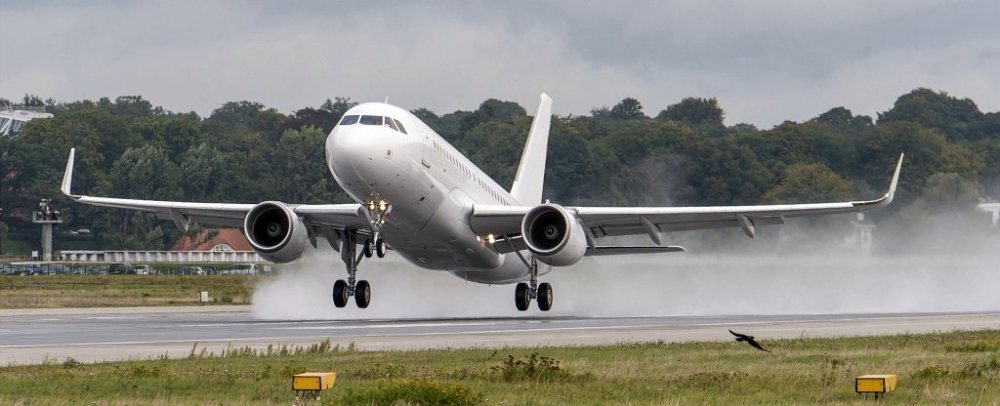
Para el primer año la compañía contará con tres Airbus 320 para los destinos de cabotaje y regionales –en el expediente presentado figura un precontrato de leasing– y tres Boeing 777 para los internacionales. Según el plan de negocios, esos aviones pasarán a ser 12 y cinco en 2022, respectivamente. Alas del Sur iniciará su actividad con 547 empleados en 2017 –102 pilotos, 210 auxiliares, 80 para tareas de mantenimiento y 155 para personal de tierra– y alcanzará las 1460 personas en cuatro años. Por cada empleo se generarán cinco indirectos, calcula.

Toscano explica que, aunque podrían haber empezado a operar como una chartera o una operadora de vuelos sanitarios para después entrar en el mercado de vuelos regulares, prefirieron ir por el camino más largo. “Empezamos hace dos años cuando ni se pensaba que podía haber un proyecto aeronáutico. Entramos en la audiencia casi inadvertidamente, sin mucho ruido pero haciendo lo que tenemos que hacer y cumpliendo con los que tenemos que cumplir”, asegura.

El plan de negocios de la compañía detalla que se espera un incremento del tráfico aéreo latinoamericano de entre un 4 por ciento –según proyecciones de Airbus– y un 6 por ciento, si se toman los cálculos de Boeing, por lo que a nivel mundial se espera que sean las aerolíneas de la región las que tomen mayor impulso en los próximos años. En este contexto se inserta el caso de la Argentina, explica Toscano, que tiene el peor índice en materia de participación en el mercado aéreo y, por lo tanto, altas posibilidades para el desarrollo de nuevos jugadores, confía.

Para 2022, Alas del Sur prevé ofrecer más de 4 millones de asientos para los destinos nacionales, 622.000 para los regionales y 461.000 en sus rutas internacionales. “Por esto es que no debería haber muchas dudas sobre la necesidad, utilidad y conveniencia de la apertura del mercado”, insiste. A esta variable adhiere las intenciones del Gobierno con su proyecto de infraestructura de Transporte, en el que tiene proyectadas inversiones por US$ 1800 millones destinadas a la readecuación de 26 aeropuertos en todo el país. “Están dadas todas las condiciones como para empezar a desarrollar el sector. Ahora depende de los factores políticos y económicos. Esa es la realidad”, aclara.

Respecto de la dificultad para conseguir pilotos, Toscano asegura que de los currículums recibidos en los últimos seis meses, más de 1000 corresponden a comandantes argentinos radicados en el exterior que quieren volver a la Argentina a volar. “Es mentira que no hay”, insiste. Aunque en principio consideró que debía juntarse con los gremios aeronáuticos, luego, se retractó. “Cuando te dan la admisión al club se puede empezar a opinar. Antes, no tiene sentido, hay que hablar en la operación real y ponernos de acuerdo”, declara.

Al igual que casi todas las aspirantes a ingresar al mercado de cabotaje, Alas del Sur se presenta como una nueva aerolínea, pero no utiliza el mote de low cost como carta de presentación. En principio, porque entiende que el contexto local todavía pone condiciones, más bien, de lo contrario: high cost. Toscano prefiere no hablar de tarifas bajas cuando aún no se eliminó el piso mínimo.

“Cuando lo hagan nos sentamos. Es lo que deberían hacer pero, al mismo tiempo, también tendrían que avanzar con el transporte terrestre para generar un replanteo de la estructura a nivel nacional”, desarrolla. Y ejemplifica. “Nosotros ni nadie va a volar a Trenque Lauquen, alguien tiene que ir, pero en vez de ir en micros que hacen trayectos de 20 horas hay que concretar la conexión entre el micro y el avión”.

Para Toscano, más allá del tema tarifario, el modelo comercial de una low cost es algo que ya se implementó en distintas latitudes y hasta fue probado por las líneas aéreas tradicionales: “El modelo de negocio ya cambió, las que no cambiaron todavía fueron las empresas acá”, enfatiza. Al respecto, no le parece extraordinario plantear una operación en la que se cobre el equipaje aparte o se incentiven herramientas como la venta online. “La propia gente de Google nos explicó que las compañías locales tienen una explotación baja de sus aplicaciones para vender pasajes”, señala. Y remata que los cambios en el sector no van a provocar una pérdida de empleo: “Nadie va a desaparecer. Al contrario: habrá más vuelos y se va a necesitar que los aeropuertos estén habilitados durante más horas. Eso es más trabajo”. airgways-icon-aw


Alas del Sur with wings to take off

They are Argentines, they created an airline and they want to unite Cordova with China


Alas del Sur wants to base in the Argentine province and requested routes to fly to the eastern country, where it seeks investors who join the project. It expects to have 17 aircraft and bill almost US $ 600 million in 2022.

Córdoba-Barcelona-Shanghai-Fuzhou is one of the routes that can be read in the business plan that Juan Carlos Vásquez, legal representative of Alas del Sur, presented at the public hearing of December 27, 2016 before the main companies and guilds of the Aeronautic sector. Starting to operate, the airline intends to be the first in the country to reach the capital of Fujian, China, city from which comes the largest number of immigrants residing in Argentina. «We have a very strong, economically strong Chinese community that usually travels. Economic linkage is important. Therefore, the order «, justifies Damian Toscano, president of Alas del Sur. The Fujian route was not approved but there are others where the airline did receive approval to operate. Its Argentina-China plan is in the mark.

The company, which registered as a joint stock company in 2015, tries to manage itself with low profile. «There was an adverse context, but at the same time a possibility of change. The demands of the market make it necessary to have competitors. That the only offer was Airlines and Latam was not sustainable over time,» says Toscano.

Alas del Sur’s plan is to set up its operating base at Córdoba’s Pajas Blancas airport, with technical capacity, infrastructure and a significant flow of passengers, explains the executive, who rescues the support of the provincial government and the assistance received On behalf of the Investment Promotion Agency. Equally, he clarifies that the place was first chosen to concentrate operations and then the authorities were contacted at each level.

The owners behind Alas de Sur are, for now, a mystery. «Local media talk about a new airline with Chinese capitals behind. Let the phone pass me!», Jokes the executive regarding the transcended, but clarifies: «There are interested, conversations. Some of them went to look for them and others looked for us. We’ve been talking for six months. There are Chinese and Taiwanese interested, but we will name them with the result of the audience in hand.» The acceleration of the times to arrive with a defined plan to the public hearing, he adds, caused that the natural terms of negotiation with those investors precipitate.

Toscano is part of Alas del Sur from minute zero, although he had never worked in the aerial commercial sector before. Behind him, he says, there is a team of former members of Aerolineas Argentinas who manage the sector and know each other. «There are people who have 40 years of experience. In a business as private and technical as this one, more than money, it is worth the experience, and that is the advantage that we have, » he says.

In the short and medium term, the plan will start with six national destinations from Córdoba, which the company plans to convert to 25 by 2022, and three regional destinations that will become 12 in total. In parallel, three international routes will be opened: Cordoba-Barcelona-Shanghai, another that reaches Fuzhou and Córdoba-Miami. The expected turnover for this year is US $ 73 million and climbs to US $ 594 million by 2022. The initial investment to start operations will be around US $ 11.2 million, the executive said.

From Alas del Sur they are confident and ensure that as soon as the routes are obtained they have everything ready to start working from day one of the 180 that are given for implementation. The period begins to run from the adjudication of the routes by the Ministry of Transport. «We have six executives who are ready and know what we have to do. In a week begins to put everything into operation and both of us will already have the pilots, the hostesses, the technicians, the people who make the safety manuals, because the contacts are already established and there is going to put into operation everything», Toscano clarifies and responds without hesitation when asked how he reacts to those who do not trust the implementation of this type of projects: «If in the process that goes from there is a favorable opinion until the 180 days expired could not be achieved the investment and the planes, the project falls, the concession falls and it is over.»

The fleet
For the first year the company will have three Airbus 320 for cabotage and regional destinations – in the file presented a pre-contract of leasing – and three Boeing 777 for the international ones. According to the business plan, those aircraft will become 12 and five in 2022, respectively. Alas del Sur will begin operations with 547 employees in 2017 -102 pilots, 210 auxiliaries, 80 for maintenance and 155 for ground personnel-and will reach 1460 people in four years. For each job will be generated five indirect, calculates.

Toscano explains that, although they could have started operating as a charter or a sanitary flight operator to later enter the regular flight market, they preferred to go the long way. «We started two years ago when we did not even think there could be an aviation project. We enter the audience almost inadvertently, without much noise but doing what we have to do and complying with those we have to meet,» he says.

The company’s business plan details an increase in Latin American air traffic of between 4 percent – according to Airbus projections – and 6 percent, if Boeing’s calculations are taken, so that at global level Expects that the airlines of the region will take the greatest momentum in the coming years. In this context the case of Argentina is inserted, explains Toscano, who has the worst rate in terms of participation in the air market and, therefore, high possibilities for the development of new players, he trusts.

By 2022, Alas del Sur plans to offer more than 4 million seats for domestic destinations, 622,000 for regional and 461,000 on international routes. «This is why there should not be many doubts about the need, utility and convenience of opening the market,» he insists. This variable adheres to the Government’s intentions with its Transport infrastructure project, in which it has projected investments of US $ 1800 million for the readjustment of 26 airports throughout the country. «All conditions are given to start developing the sector. Now it depends on political and economic factors. That is the reality «, clarifies.

Regarding the difficulty of getting pilots, Toscano says that of the résumés received in the last six months, more than 1000 correspond to Argentine commanders living abroad who want to return to Argentina to fly. «It’s a lie that there is not,» he insists. Although in principle considered that it had to join with the aeronautical guilds, soon, it retractó. «When you get the admission to the club you can start to give an opinion. Before, it does not make sense, we have to speak in the real operation and agree, » he says.

Like most aspirants to enter the coastal market, Alas del Sur is presented as a new airline, but does not use the low-cost motto as a cover letter. In principle, because it understands that the local context still puts conditions, rather, otherwise: high cost. Toscano prefers not to talk about low rates when the minimum floor has not yet been removed.

«When we do, we sit down. This is what they should do but, at the same time, they would also have to move forward with land transport to generate a rethinking of the structure at the national level,» he says. And exemplifies. «We will not fly to Trenque Lauquen, someone has to go, but instead of going to a 20-hour-a-day bus, you have to make the connection between the microphone and the plane.»

For Toscano, beyond the tariff topic, the commercial model of a low cost is something that has already been implemented in different latitudes and was even tested by traditional airlines: «The business model has already changed, the ones that did not change were still the Companies here, » he emphasizes. In this respect, it does not seem extraordinary to raise an operation in which the baggage is collected separately or incentives are encouraged such as online sales. «The Google people themselves explained that local companies have a low exploitation of their applications to sell tickets,» he says. And he concludes that the changes in the sector will not cause a loss of employment: «No one is going to disappear. On the contrary: there will be more flights and airports will need to be enabled for longer hours. That’s more work.» A\W

Ξ A I R G W A Y S Ξ
SOURCE: Apertura.com
DBk: Airbus.com
AW-POST: 201703020005AR

A\W   A I R G W A Y S ®

TAP retorna a beneficios en 2016

Resultado de imagen para TAP Portugal

AW | 2017 03 01 13:32 | AIRLINES

 La compañía aérea portuguesa TAP vuelve a beneficios en 2016 al ganar 34 millones

La aerolínea portuguesa TAP Portugal obtuvo un beneficio de 34 millones de euros en 2016 frente a las pérdidas de un año antes, un logro basado en la fuerte inversión de sus nuevos accionistas, la expansión del mercado norteamericano y la apertura del puente aéreo Lisboa-Oporto.

El ejercicio pasado supone, por tanto, el «regreso de la compañía a los beneficios», como destacó la propia empresa en un comunicado, después de cerrar 2015 con pérdidas de 99 millones de euros (un 115 %) por la retención de ventas en Venezuela.

La recuperación fue posible pese a la caída de los ingresos, que ascendieron a 2.242 millones de euros, 156 menos que lo obtenido un año antes.

Sin embargo, esta reducción fue «fuertemente compensada», sostiene TAP, «por una reducción aún más expresiva de los costes operacionales, que quedaron en 2.042 millones de euros», 227 millones menos que en 2015.

La empresa destacó la inyección de capital de los nuevos accionistas, el consorcio privado Gateway, que permitió realizar «fuertes inversiones» como la renovación total de la flota regional o el arranque del puente aéreo Lisboa-Oporto.

Asimismo, durante el año pasado la aerolínea lanzó una nueva estructura tarifaria para competir con las compañías de bajo coste, «lo que permitió a la compañía recuperar su cuota de mercado», y por otro lado comenzó un plan de expansión en Norteamérica.

Se trata de las nuevas rutas a Boston y al aeropuerto JKF de Nueva York, a las que se suman el aumento de los vuelos ya existentes con Newark, en Nueva Jersey, y Miami.

Todos estos cambios provocaron un reajuste de la oferta de la aerolínea durante el primer semestre que se tradujo en una «fuerte recuperación» en la segunda mitad del año, obteniendo «sucesivos récords históricos en el número de pasajeros transportados» en los tres últimos meses de 2016.

En total, apunta TAP, el año pasado transportó «un número récord de pasajeros, 11,7 millones, 400.000 más que en 2015», pese a que en 2016 la compañía «redujo en un 3 % su oferta de plazas».

En la actualidad, el Estado portugués posee el 50 % de TAP, en tanto que el consorcio Gateway, integrado por el empresario portugués Humberto Pedrosa (una de las mayores fortunas del país) y el brasileño-estadounidense David Neeleman (dueño de la aerolínea Azul), tiene una participación del 45 %. Mientras, el 5 % restante está reservado para los trabajadores del grupo. airgways-icon-aw

https://oretornodaasia.files.wordpress.com/2013/03/tapportugal1.jpg

TAP returns to profits in 2016


Portuguese airline TAP returns to profits in 2016 by winning 34 million


Portuguese airline TAP posted a profit of 34 million euros in 2016 compared to losses a year earlier, an achievement based on the strong investment of its new shareholders, the expansion of the North American market and the opening of the Lisbon-Oporto air bridge.

The past year is therefore the «return of the company to profits», as the company itself said in a statement, after closing 2015 with losses of 99 million euros (115%) due to the retention of sales in Venezuela.

The recovery was possible despite the fall in revenues, which amounted to 2,242 million euros, 156 less than a year earlier.

However, this reduction was «heavily compensated,» TAP says, «for an even more significant reduction in operating costs, which stood at € 2,042 million,» 227 million less than in 2015.

The company highlighted the capital injection of the new shareholders, the private consortium Gateway, which allowed for «heavy investments» such as the complete renovation of the regional fleet or the start of the Lisbon-Oporto air bridge.

Last year, the airline launched a new pricing structure to compete with low-cost airlines, «which allowed the company to regain market share,» and on the other hand began an expansion plan in North America.

These are new routes to Boston and New York’s JKF airport, plus the increase in existing flights with Newark, New Jersey, and Miami.

All these changes led to a readjustment of the airline’s offer during the first half of the year, which translated into a «strong recovery» in the second half of the year, obtaining «successive historical records on the number of passengers transported» in the last three months of 2016.

In all, says TAP, last year it transported «a record number of passengers, 11.7 million, 400,000 more than in 2015», although in 2016 the company «reduced by 3% its supply of seats.»

Currently, the Portuguese state owns 50% of TAP, while the Gateway consortium, made up of Portuguese entrepreneur Humberto Pedrosa (one of the country’s biggest fortunes) and Brazilian-American David Neeleman (owner of the airline Azul ), Has a 45% stake. Meanwhile, the remaining 5% is reserved for group workers. A\W

Ξ A I R G W A Y S Ξ
SOURCE: Finanzas.com
DBk: Oretornodaasia.wordpress.com / Flytap.com
AW-POST: 20170301332AR

A\W   A I R G W A Y S ®

Justicia investiga irregularidades en Avianca Argentina

https://i0.wp.com/lu17.com/wp-content/uploads/2017/01/avianca-argentina.jpeg

AW | 2017 03 01 13:18 | AIRLINES

Fiscal pide investigar a Macri por adjudicación de rutas aéreas a Avianca

Un fiscal argentino solicitó investigar al presidente Mauricio Macri, a su padre, a funcionarios del Gobierno, a miembros de la línea aérea Avianca y a empresarios del sector aeronáutico por posibles delitos en la adjudicación de rutas aéreas, informaron fuentes judiciales.

El titular de la Fiscalía Criminal y Correccional Federal número 1, Jorge Di Lello, impulsó la acción penal “por la posible comisión de los delitos de asociación ilícita, negociaciones incompatibles, defraudación contra la administración pública y tráfico de influencias en el marco de presuntas irregularidades vinculadas a la explotación del espacio aéreo argentino”.

Según informó el Ministerio Público Fiscal argentino en su página web, las supuestas irregularidades se habrían cometido en las contrataciones del Estado con la compañía colombiana después de que esta comprara en 2016 la aerolínea “Macair Jet”, propiedad del conglomerado económico liderado por el padre del presidente, el empresario Franco Macri.

El fiscal pide al juez federal Sergio Torres aclarar si desde el Gobierno se buscó beneficiar a Avianca a través del otorgamiento de rutas en el marco del proceso de apertura del mercado aéreo que inició el Ejecutivo a finales del año pasado.

“El pasado lunes 13, la A.N.A.C. (Administración Nacional de Aviación Civil, oficializó la entrega de rutas aéreas a ‘Avian Líneas Aéreas’, a través de los dictámenes de la Junta Asesora del Transporte Aéreo de la Audiencia Pública número 218, autorizando la concesión por 15 años de todas las rutas solicitadas, en las que actualmente opera Aerolíneas Argentinas”, recoge el texto.

El expediente, que se inició a raíz de una denuncia de los legisladores kirchneristas Rodolfo Tailhade y Juan Cabandié, alcanza también al secretario general de la Presidencia de la Nación Fernando De Andreis y al ministro de Transporte, Guillermo Dietrich, entre otros.

Por parte de Avianca, Di Lello pide investigar al propietario del grupo de empresas que conforma la línea aérea, Germán Efromovich, al director ejecutivo de Avian Líneas Aéreas (matriz de Avianca), Carlos Benjamín Colunga López, y al titular de Unidos Air S.A., Diego Martín Colunga López.

En la denuncia, los demandantes señalaron como otra conducta a investigar “que el Gobierno nacional dejó de utilizar la flota de aviones presidenciales -que lleva los viajes del presidente y funcionarios de primera línea por ‘servicios de empresas privadas’ ”, según detalló la Fiscalía.

Resultado de imagen para Avianca Argentina

Justice investigates irregularities in Avianca Argentina


Prosecutor asks Macri to investigate for award of air routes to Avianca


An Argentine prosecutor has sought to investigate President Mauricio Macri, his father, government officials, members of the Avianca airline and businessmen from the aeronautical sector for possible crimes in the adjudication of air routes, judicial sources said.

The head of the Federal Criminal and Correctional Prosecutor’s Office No. 1, Jorge Di Lello, prosecuted the criminal action «for possible commission of crimes of illicit association, incompatible negotiations, fraud against public administration and influence peddling in the framework of alleged irregularities Linked to the exploitation of Argentine airspace «.

According to the Argentine Public Prosecutor’s Office, the alleged irregularities were alleged to have been committed in the State’s contracting with the Colombian company after it acquired in 2016 the airline «Macair Jet», owned by the economic conglomerate led by the father of the President, businessman Franco Macri.

The prosecutor asks federal judge Sergio Torres to clarify whether the government sought to benefit Avianca through the granting of routes within the framework of the process of opening the air market initiated by the Executive at the end of last year.

«On Monday 13, the A.N.A.C. (National Civil Aviation Administration, officialized the delivery of air routes to ‘Avian Líneas Aéreas’, through the opinions of the Advisory Board of Air Transport Public Hearing number 218, authorizing the concession for 15 years of all routes requested , In which Aerolineas Argentinas currently operates, «reads the text.

The file, which began after a denunciation of Kirchner legislators Rodolfo Tailhade and Juan Cabandié, also reaches the secretary general of the Presidency of the Nation Fernando De Andreis and the Minister of Transport, Guillermo Dietrich, among others.

On behalf of Avianca, Di Lello asks to investigate the owner of the group of companies that make up the airline, Germán Efromovich, the executive director of Avian Líneas Aéreas (Avianca parent), Carlos Benjamín Colunga López, and the holder of Unidos Air SA, Diego Martín Colunga López.

In the complaint, the plaintiffs pointed out as another conduct to investigate «that the national government stopped using the fleet of presidential aircraft – which carries the president’s travels and first line officials  for services of private companies», as detailed by the Office of the Prosecutor. A\W

Ξ A I R G W A Y S Ξ
SOURCE: Rcnradio.com
DBk: Avianca.com.ar / Lu17.com
AW-POST: 201703011318AR

A\W   A I R G W A Y S ®

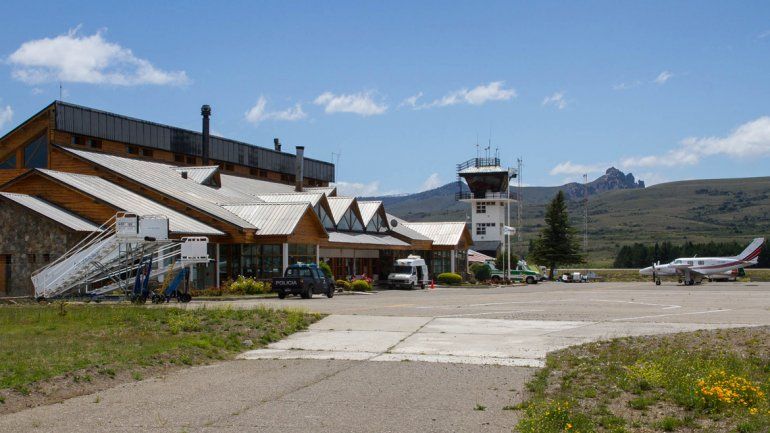
Aeropuerto Chapelco cerrado

El aeropuerto de Chapelco cierra desde mañana hasta el 16 de abril por obras

AW | 2017 03 01 13:05 | AIRLINES

Aeropuerto de Chapelco cierra desde mañana hasta el 16 de abril por obras. Todos los vuelos con destino a San Martín de los Andes serán derivados a Bariloche

Desde mañana y hasta el 16 de abril, el aeropuerto de Chapelco, en San Martín de los Andes, permanecerá cerrado por reformas y mejoras. Durante los días que duren los trabajos en la pista los vuelos de Aerolineas Argentinas y Austral serán reprogramados al Aeropuerto de Bariloche.

Según informó el Ministerio de Transporte de Nación, mañana se dará inicio a los trabajos sobre la pista, por lo que el aeropuerto permanecerá cerrado hasta el 16 de abril.

La inversión, con aportes del Gobierno Nacional, es de más de 148 millones de pesos e incluye la repavimentación total de la pista, la ampliación de la plataforma comercial, la incorporación de un nuevo sistema de tecnología de balizamiento y mejoras en las calles de rodaje beneficiando a los 65.000 pasajeros que lo utilizan anualmente.

En conjunto, las obras generarán 80 puestos nuevos de trabajo y, una vez finalizadas, ampliarán la capacidad de la terminal para recibir más vuelos, con la finalidad de potenciar el turismo en la región, industria estratégica para el desarrollo económico de los argentinos.

El Ministerio de Transporte delineó un plan en conjunto con todos los actores involucrados: gobiernos locales, las aerolíneas que allí operan, Aeropuertos 2000 y los organismos dependientes del Ministerio a cargo de la ejecución de las obras y de la regulación y operación de los aeropuertos. Durante los días que duren los trabajos en la pista los vuelos de Aerolineas Argentinas y Austral serán reprogramados al Aeropuerto de Bariloche.

“Empezamos a transformar el sector aerocomercial argentino para revertir la tendencia de estancamiento que tuvo en los últimos diez años, a partir de nuevas obras de infraestructura como la que estamos encarando en Chapelco y de nuevas medidas que apuntan a desarrollar el sector y a que cada vez más gente viaje en avión. Una de nuestras prioridades de gobierno es duplicar la cantidad de pasajeros en el mercado de cabotaje para mejorar la conectividad de nuestras provincias para fomentar el turismo y el desarrollo de las economías regionales”, explicó Guillermo Dietrich, Ministro de Transporte de la Nación. airgways-icon-aw

Closed Chapelco Airport


Chapelco Airport closes from tomorrow until April 16 by works. All flights to San Martin de los Andes will be transferred to Bariloche


From tomorrow until April 16, Chapelco airport, in San Martin de los Andes, will be closed for renovations and improvements. During the days that the work on the track lasts, the flights of Aerolineas Argentinas and Austral will be reprogrammed to the Airport of Bariloche.

According to the Ministry of Transport of the Nation, work will begin on the track tomorrow, so the airport will remain closed until April 16.

The investment, with contributions from the National Government, is more than 148 million pesos and includes the total resurfacing of the runway, expansion of the commercial platform, the incorporation of a new beacon technology system and improvements in taxiways Benefiting the 65,000 passengers who use it annually.

Altogether, the works will generate 80 new jobs and, once completed, will expand the terminal’s capacity to receive more flights, with the aim of boosting tourism in the region, a strategic industry for the economic development of Argentines.

The Ministry of Transport outlined a plan together with all the actors involved: local governments, the airlines that operate there, Airports 2000 and the dependents of the Ministry in charge of the execution of the works and the regulation and operation of the airports. During the days that the work on the track lasts, the flights of Aerolineas Argentinas and Austral will be reprogrammed to the Airport of Bariloche.

«We began to transform the Argentine commercial sector to reverse the trend of stagnation that it had in the last ten years, from new infrastructure works like the one that we are facing in Chapelco and of new measures that aim to develop the sector since each time More people travel by plane. One of our government priorities is to double the number of passengers in the cabotage market to improve the connectivity of our provinces to promote tourism and the development of regional economies,» said Guillermo Dietrich, Minister of Transport of the Nation. A\W


Ξ A I R G W A Y S Ξ
SOURCE: Lmneuquen.com
DBk: Lmneuquen.com
AW-POST: 201703011305AR

A\W   A I R G W A Y S ®

Efromovich, presidente de Avianca es demandado por Kingsland Holding

Resultado de imagen para Avianca sede

AW | 2017 03 01 12:53 | AIRLINES MARKET

El recién anunciado acuerdo entre Avianca y United Airlines deberá enfrentar su primer problema. Kingsland Holdings, el segundo accionista mayoritario de Avianca, interpuso una demanda por considerarlo lesivo para los intereses de la aerolínea colombiana.

La referida empresa, presidida por Roberto Kriete, y que posee el 21.9 % de las acciones con derecho a voto de la aerolínea sudamericana, recurrió el acuerdo este martes ante la Suprema Corte del Estado de Nueva York. En la demanda acusó a Synergy, que posee el 78.1 % de las acciones y es controlada por German Efromovich, de favorecerse secretamente con préstamos de parte de United que ascienden a $800 millones, de los cuales solo una cuarta parte ingresaría a las arcas de Avianca.

El acuerdo entre ambas aerolíneas había sido anunciado el pasado 2 de enero. De acuerdo con el conglomerado demandante, en ese marco, Sinergy se habría comprometido a inyectar $200 millones de capital a la compañía latinoamericana, mientras que $600 millones restantes serían destinados a solventar otras necesidades de dicho accionista.

Así, para la firma, la alianza anunciada sería solo un «último intento de Efromovich de remediar su difícil situación financiera». Para ejemplificarlo, en el recurso legal, citó las pérdidas de más de $200 millones que supuestamente tuvo entre 2012 y 2016 la compañía brasileña OceanAir, controlada por José Efromovich, hermano de Germán.

Kingsland argumentó también que este último ha comprometido el 97 % de su participación accionaria en Avianca en forma de instrumentos colaterales por créditos recibidos de terceras partes, incluyendo del fondo de inversiones Elliott.

Para la parte acusadora, el acuerdo entre ambas aerolíneas no solo no llena las necesidades de liquidez de Avianca, las cuales se estiman en $500 millones, sino que vino a interponerse en un proceso estratégico de recapitalización que había emprendido el consejo directivo de Avianca.

Aparte de eso, la referida alianza estaría en contra de una serie de compromisos firmados, en 2010, por Synergy y Kingsland, que terminaron con la fusión del grupo Taca (propiedad de Kingsland) con Avianca.

Dichos compromisos incluían el derecho de veto de cualquier transacción de Avianca y protegía al accionista minoritario en caso de cualquier decisión de envergadura que afectara al plan de negocio y la capitalización de la compañía.https://i0.wp.com/www.elcolombiano.com/documents/10157/0/2000x1835/0c0/0d0/none/11101/MEAI/image_content_27954813_20170201223738.jpgPor todo ello, Kingsland pidió a la Justicia de Nueva York que evite cualquier transacción entre Avianca y United e invalide cualquier transferencia de acciones que haya hecho Synergy y que esté en violación con los compromisos firmados con Kingsland.

Por su parte, la aerolínea colombiana se limitó a decir que de momento, no ha sido notificada oficialmente del recurso presentado y por lo tanto «no tiene información con relación a los hechos mencionados».

Parecida reacción tuvo, según Bloomsberg, la estadounidense United Airlines. De acuerdo con el portal, su portavoz, Erin Benson, indicó que la empresa está analizando la demanda y evaluando si dará una respuesta. airgways-icon-aw

https://i0.wp.com/www.cerodosbe.com/uploads/s1/25/48/71/2016-06-03T180354Z_1340489759_S1AETHUZUOAA_RTRMADP_3_AVIANCA-M-A.JPG

Kingsland sues Efromovich, president of Avianca


The recently announced agreement between Avianca and United Airlines will face its first problem. Kingsland Holdings, the second-largest shareholder in Avianca, filed a lawsuit claiming it was detrimental to the interests of the Colombian airline.

The company, headed by Roberto Kriete, who owns 21.9% of the voting shares of the South American airline, appealed to the Supreme Court of the State of New York on Tuesday. In the suit, Synergy, which owns 78.1% of the shares and is controlled by German Efromovich, secretly favored with loans from United which amounted to $ 800 million, of which only a quarter would enter the Avianca coffers .

The agreement between the two airlines had been announced on 2 January. According to the applicant conglomerate, in that context, Sinergy would have committed to inject $ 200 million of capital to the Latin American company, while $ 600 million would be allocated to meet other needs of that shareholder.

Thus, for the firm, the alliance announced would be only «Efromovich’s last attempt to remedy his difficult financial situation.» To illustrate this, in the legal appeal, cited the losses of more than $ 200 million allegedly had between 2012 and 2016 the Brazilian company OceanAir, controlled by José Efromovich, Germán’s brother.

Kingsland also argued that the latter has committed 97% of its shareholding in Avianca in the form of collateral instruments for credit received from third parties, including Elliott investment fund.

For the accusing party, the agreement between the two airlines not only does not meet Avianca’s liquidity needs, which are estimated at $ 500 million, but came to stand in a strategic process of recapitalization that had been undertaken by the board of directors of Avianca.

Apart from that, the aforementioned alliance would be against a series of commitments signed in 2010 by Synergy and Kingsland, which ended with the merger of the group Taca (owned by Kingsland) with Avianca.

These commitments included the right to veto any Avianca transaction and protected the minority shareholder in the event of any major decision affecting the business plan and capitalization of the company.

Therefore, Kingsland asked the New York Justice to avoid any transaction between Avianca and United and invalidate any transfer of shares that Synergy has made and that is in violation of the commitments signed with Kingsland.

For its part, the Colombian airline simply said that at the moment, it has not been officially notified of the appeal filed and therefore «has no information regarding the facts mentioned.»

A similar reaction had, according to Bloomsberg, the United Airlines. According to the portal, its spokesperson, Erin Benson, said the company is analyzing the demand and evaluating whether it will respond. A\W

Ξ A I R G W A Y S Ξ
SOURCE: Eleconomista.net
DBk: Cerodosbe.com / Elcolombiano.com
AW-POST: 201703011253AR

A\W   A I R G W A Y S ®