CyberMonday un modelo que tiene réplicas en otros países
Este Lunes 02/11 se inició una nueva edición del CyberMonday, el evento de compras organizado por la Cámara Argentina de Comercio Electrónico (CACE). El evento de grandes ofertas y bonificaciones está habilitado desde el 2 al 4 de Noviembre de 2020. Con el anuncio de la extensión del Plan PreViaje hasta el 15/11y los tres días de descuentos, el sector turístico ve una oportunidad de levantar las ventas. El Travel Sale, un evento similar dedicado íntegramente a la categoría turismo y viajes había sido suspendido por la crisis sanitaria, CyberMonday retoma su arribo para estimular las economías y tirar un pequeño salvavidas a las atribuladas economías de las aerolíneas y el turismo. El CyberMonday 2020 se inicia con récord de marcas ofreciendo en esta modalidad vía internet descuentos, ofertas y cuotas.
Desde las 00.00 horas del 2 al 4 de Noviembre 2020, a través la web www.cybermonday.com.ar se podrá accederse a la lista de beneficios de las empresas adheridas al evento de ofertas económicas para desarrollar las economías del país. Durante el proceso de pandemia el Hot Sale, en Julio 2020, permitió ventas récord en Aerolíneas Argentinas con cerca de 200.000 tickets, superando la marca de 2018, con un 48% más de transacciones realizadas. CyberMonday, organizado por la CACE donde participan más de 800 empresas, entre ellas se encuentran agencias de turismo, aerolíneas y una poluralidad de empresas que activarán sus economías gracias a la ventana que ofrece CyberMonday.
Aerolíneas Argentina participará del evento ofreciendo 12 cuotas sin interés, acceso al programa Pre-viaje y una serie de beneficios que revelarán durante los tres días. Los viajeros podrán acceder a través del sitio web oficial, e incluyen tanto para viajes de cabotaje como internacionales.
Por su parte, las agencias de viajes, en esta oportunidad, apuntan más al turismo interno con el incentivo del plan lanzado por el gobierno. Sin embargo, con la lenta apertura de las fronteras, también ofrecen paquetes y vuelos al extranjero, con la posibilidad de fechas flexibles y las cuotas en pesos.
Assist Card aseguraron que los argentinos se inclinan principalmente por los destinos nacionales cuyas búsquedas en septiembre tuvieron un aumento intermensual del 63%. Entre los beneficios para esta edición, los viajeros argentinos podrán acceder hasta un 50% de descuento en la contratación de sus asistencias en viajes nacionales e internacionales, con opciones según modalidad: diaria o múltiples viajes anuales. Adicionalmente, dispondrán de hasta un 20% de descuento en la contratación de bloques de días, para aquellos que aún no tengan la certeza de su próximo viaje y prioricen la flexibilidad. Alexia Keglevich, CEO Global de Assist Card, afirmó: “Desde la compañía nos unimos al Cyber Monday con el objetivo de apoyar la reactivación de la industria y seguir cuidando de nuestros viajeros. Ya sea en destinos internacionales, donde contar con una asistencia es un requisito obligatorio en más de 40 países, como en destinos nacionales, donde ofrecemos mayores prestaciones que cualquier plan de salud local”.
Argentina launches CiberMonday
CyberMonday a model that has replicas in other countries
This Monday 02/11 began a new edition of CyberMonday, the shopping event organized by the Argentine Chamber of Electronic Commerce (CACE). The event of great offers and bonuses is enabled from November 2 to 4, 2020. With the announcement of the extension of the Pre-Trip Plan until 11/15 and the three days of discounts, the tourism sector sees an opportunity to raise sales. The Travel Sale, a similar event dedicated entirely to the tourism and travel category that had been suspended due to the health crisis, CyberMonday resumes its arrival to stimulate economies and throw a small lifeline to the troubled economies of airlines and tourism. CyberMonday 2020 begins with a record of brands offering discounts, offers and fees in this mode via the internet.
From 00.00 hours from 2 to 4 November 2020, through the website www.cybermonday.com.ar you can access the list of benefits of the companies adhering to the event of economic offers to develop the economies of the country. During the pandemic process, the Hot Sale, in July 2020, allowed record sales in Aerolíneas Argentinas with nearly 200,000 tickets, surpassing the 2018 mark, with 48% more transactions carried out. CyberMonday, organized by the CACE where more than 800 companies participate, among them are tourism agencies, airlines and a multitude of companies that will activate their economies thanks to the window offered by CyberMonday.
Aerolineas Argentina will participate in the event offering 12 interest-free installments, access to the Pre-trip program and a series of benefits that they will reveal during the three days. Travelers can access through the official website, and include both for domestic and international trips.
For their part, travel agencies, this time, are targeting more domestic tourism with the incentive of the plan launched by the government. However, with the slow opening of the borders, they also offer packages and flights abroad, with the possibility of flexible dates and quotas in pesos.
Assist Card assured that Argentines are mainly inclined towards national destinations whose searches in September had a month-on-month increase of 63%. Among the benefits for this edition, Argentine travelers will be able to access up to a 50% discount on hiring their assistance on national and international trips, with options depending on the modality: daily or multiple annual trips. Additionally, they will have up to a 20% discount on the hiring of blocks of days, for those who still do not have the certainty of their next trip and prioritize flexibility. Alexia Keglevich, Global CEO of Assist Card, stated: “From the company we join Cyber Monday with the aim of supporting the reactivation of the industry and continuing to take care of our travelers. Either in international destinations, where having assistance is a mandatory requirement in more than 40 countries, or in national destinations, where we offer greater benefits than any local health plan”.
El McDonnell Douglas Corporation ha pasado a la historia como una de las compañías fabricantes de aeronaves líder del mercado de narrowbodies en el mundo tras consolidarse con la variante mejorada de su antecesor el Douglas DC-9. El MD-80 había nacido como una variante mejorada y de mayores dimensiones para competir preferentemente en el mercado con la familia de aeronaves Boeing 737 Classics, incrementando años tras año una fuerte demanda de MD-80 en muchas aerolíneas del mundo entero.
Douglas Aircraft desarrolló el DC-9 en la década de 1960 como un compañero de corto alcance para su DC-8 más grande. El DC-9 era un diseño totalmente nuevo, utilizando dos motores turboventiladores montados en el fuselaje trasero, y una cola en T. El DC-9 tiene un diseño de fuselaje de cuerpo estrecho con asientos de cinco, y tiene capacidad para 80 a 135 pasajeros dependiendo de la disposición de los asientos y la versión de la aeronave.
MD-80, todo un nombre
El MD-80 es una serie de aviones de pasillo único desarrollados por McDonnell Douglas a partir del DC-9, incorporando importantes mejoras. Incursionó en el mercado despertando admiración en el mundo entero como el DC-9 Super 80/DC-9-80. Luego la compañía introdujo algunos cambios de denominación para pasar a denominarlo [M]c[D]onnell [D]ouglas MD-80. Posteriormente, la compañía pasaría a denominar a la primera variante como MD-81, reservando la denominación MD-80 sólamente para designar al modelo.
El nuevo avión derivado había sido estirado, con mayores pesos operativos, y con motores Pratt & Whitney JT8D-200 de mayor bypass, el DC-9 Series 80 fue lanzado en Octubre de 1977. Hizo su primer vuelo el 18 de Octubre de 1979 y fue certificado el 25 de Agosto de 1980. Fue entregado por primera vez con el cliente de lanzamiento Swissair el 13 de Septiembre de 1980, que lo introdujo en el servicio comercial el 10 de Octubre de 1980. El MD-80 continuaba conservando una disposición de asientos cross-section de 3X2. Las variantes más largas se estiran por 4,3 m del DC-9-50 y tienen un ala 28% más grande. Las variantes largas MD-81/82/83/88 son de 48 pies (45,1 m) de largo para acomodar a 155 pasajeros en autocar y, con diferentes pesos, pueden cubrir hasta 2.550 nmi (4.720 km). El MD-88 posterior tiene una cabina moderna con pantallas EFIS. El MD-87 es 17 pies (5,3 m) más corto para 130 pasajeros en clase turista y tiene un alcance de hasta 2.900 nmi (5.400 km). Compitió con el Boeing 737 Classic y el Airbus A320. Introducido en 1995, el MD-90 es un nuevo tramo impulsado por turboventiladores de alto bypass IAE V2500, mientras que el MD-95 más corto, el Boeing 717 posterior, fue propulsado por motores Rolls-Royce BR715. La familia DC-9 fue producida en 2441 unidades: 976 DC-9, 1191 MD-80, 116 MD-90 y 155 Boeing 717. La producción de MD-80 terminó en 1999 después de que se construyera 1.191.
Serie MD-80
El desarrollo de la serie MD-80 comenzó en la década de 1970 como una versión alargada y de crecimiento del DC-9-50, con un mayor peso máximo de despegue (MTOW) y una mayor capacidad de combustible. La disponibilidad de las versiones más recientes del motor Pratt & Whitney JT8D con mayores relaciones de derivación impulsaron estudios tempranos, incluyendo diseños conocidos como Series 55, Series 50 (refanned Super Stretch) y Series 60. El esfuerzo de diseño se centró en la Serie 55 en agosto de 1977. Con la entrada en servicio proyectada en 1980, el diseño fue comercializado como el «DC-9 Series 80». Swissair lanzó la Serie 80 en Octubre de 1977 con un pedido de 15 más una opción para cinco.
El MD-80 es un avión de pasajeros de tamaño mediano y medio. La serie presentaba un fuselaje de 14 pies 3 pulgadas (4,34 m) más largo que el DC-9-50. El diseño del ala del DC-9 se amplió añadiendo secciones en la raíz del ala y la punta para un ala 28% más grande. Fue la segunda generación del DC-9, originalmente llamado DC-9-80 y DC-9 Super 80. Tiene dos motores turboventiladores montados en fuselaje traseros, alas pequeñas y altamente eficientes, y una cola en T. El avión tiene cinco asientos al día en la clase de autocar. La serie de aviones fue diseñada para vuelos frecuentes de corta distancia para 130 a 172 pasajeros dependiendo de la versión del avión y la disposición de los asientos.
Las versiones MD-80 tienen cabina, aviónica y mejoras aerodinámicas junto con los motores más potentes, más eficientes y más silenciosos de la serie JT8D-200, que son una actualización significativa sobre las series más pequeñas de JT8D-15, -17, -11 y -9. Los aviones de la serie MD-80 también tienen fuselajes más largos que sus homólogos anteriores dc-9, así como de mayor alcance. Algunos clientes, como American Airlines, todavía se refieren a los aviones en la documentación de la flota como «Super 80». Los aviones comparables a la serie MD-80 incluyen los Boeing 737-400 y Airbus A320.
Pruebas y certificación
El primer MD-80, DC-9 número de línea 909, hizo su primer vuelo el 18 de octubre de 1979. Aunque dos aviones resultaron sustancialmente dañados en accidentes, el vuelo de prueba se completó el 25 de agosto de 1980, cuando la primera variante del MD-80, el JT8D-209-powered MD-81 (o DC-9-81), fue certificado bajo una enmienda al certificado de tipo FAA para el DC-9. Las pruebas de vuelo previas a la certificación habían implicado que tres aeronaves acumularan un total de 1.085 horas de vuelo en 795 vuelos. La primera entrega, que lanzó el cliente Swissair tuvo lugar el 13 de Septiembre de 1980.
Dado que el MD-80 no era en realidad un nuevo avión, sigue siendo operado bajo una enmienda al certificado original de tipo de aeronave DC-9 FAA (un caso similar al posterior MD-90 y Boeing 717). El certificado de tipo expedido al fabricante de aeronaves lleva las designaciones del modelo de aeronave exactamente como aparece en la solicitud del fabricante, incluido el uso de guiones o puntos decimales, y debe coincidir con lo que está estampado en los datos o placas de identificación de la aeronave. Lo que el fabricante opta por llamar a una aeronave con fines de comercialización o promocionales es irrelevante para las autoridades de aeronavegabilidad. La primera enmienda al certificado de tipo DC-9 para el nuevo avión MD-80 se aplicó como DC-9-81, que aprobó el 26 de agosto de 1980. Todos los modelos MD-80 han sido aprobados bajo modificaciones adicionales al certificado de tipo DC-9. En 1983, McDonnell Douglas decidió que el DC-9-80 (Super 80) sería designado MD-80. En lugar de utilizar simplemente el prefijo MD- como símbolo de marketing, se hizo una solicitud para modificar de nuevo el certificado de tipo para incluir el MD-81, MD-82 y MD-83. Este cambio estaba fechado el 10 de marzo de 1986, y el certificado de tipo declaraba que aunque el designador MD podría utilizarse entre paréntesis, debe ir acompañado de la designación oficial, por ejemplo: DC-9-81 (MD-81). Todos los aviones de Long Beach de la serie MD-80 a partir de entonces tenían MD-81, MD-82 o MD-83 estampados en la placa de identificación de la aeronave.
Aunque no estaba certificado hasta el 21 de Octubre de 1987, McDonnell Douglas ya había solicitado los modelos DC-9-87 y DC-9-87F el 14 de Febrero de 1985. La tercera derivada fue designada oficialmente DC-9-87 (MD-87), aunque no se estampó ninguna placa de identificación DC-9-87. Para el MD-88, se presentó una solicitud de modificación del modelo de certificado de tipo después de los cambios anteriores, por lo que no había un DC-9-88, que fue certificado el 8 de diciembre de 1987. La base de datos de registro de aeronaves en línea de la FAA muestra las designaciones DC-9-88 y DC-9-80 en existencia pero no utilizadas.
Línea producción
La segunda generación, más tarde denominada MD-80, se produjo en una línea común con la primera generación de DC-9, con los que comparte su secuencia de números de línea. Después de la entrega de 976 DC-9 y 108 MD-80, McDonnell Douglas detuvo la producción de DC-9. Por lo tanto, comenzando con la entrega 1,085 DE DC-9/MD-80, un MD-82 para VIASA en diciembre de 1982, todos los DC-9 producidos fueron Series 80s/MD-80.
En 1985, McDonnell Douglas, después de años de negociación atribuido a Gareth C.C. Chang, Presidente de una subsidiaria de McDonnell Douglas, firmó un acuerdo para la producción conjunta de MD-80 y MD-90 en la República Popular de China. El acuerdo era para 26 aviones, de los cuales 20 fueron finalmente producidos junto con dos aviones MD-90.
Durante 1991, la producción de MD-80 había alcanzado un pico de 12 por mes, habiendo estado funcionando a aproximadamente 10 por mes desde 1987 y se esperaba que continuara a este ritmo en el corto plazo, 140 MD-80 fueron entregados en 1991. Como resultado de la disminución del tráfico aéreo y de la lenta respuesta del mercado al MD-90, se redujo la producción de MD-80 y 84 aviones fueron entregados en 1992. Una nueva reducción de la tasa de producción dio lugar a 42 MD-80 entregados durante 1993 (3,5 por mes) y 22 aviones fueron entregados. La producción de MD-80 terminó en 1999, con el MD-80 final, un MD-83 registrado como N984TW, siendo entregado a TWA.
Diseños derivados
El MD-90 fue desarrollado a partir de la serie MD-80 y es una versión actualizada de 5 pies (1,5 m), del MD-88 con un sistema de instrumento de vuelo electrónico similar (EFIS/cabina de cristal), y motores turboventiladores mejorados y más silenciosos de alto bypass IAE V2500. El programa MD-90 comenzó en 1989, voló por primera vez en 1993, y entró en servicio comercial en 1995.
Varias otras variantes propuestas nunca entraron en producción. Una propuesta fue el MD-94X, que estaba equipado con motores turboventiladores de ventilador sin inducir. Anteriormente, un MD-81 se utilizaba como banco de pruebas para motores de ventiladores no usados, como el General Electric GE36 y el Pratt & Whitney/Allison 578-DX.
El MD-95 fue desarrollado para reemplazar los primeros modelos DC-9, que se acercaban a los 30 años de edad. El proyecto revisó por completo el DC-9 original en un avión de pasajeros moderno. Es ligeramente más largo que el DC-9-30 y está alimentado por nuevos motores Rolls-Royce BR715. El MD-95 fue renombrado Boeing 717 después de la fusión McDonnell-Douglas-Boeing en 1997.
Conversiones
En Febrero de 2010, Aeronautical Engineers Inc. (AEI) con sede en Miami, Florida anunció que estaba comenzando un programa de conversión de cargueros para la serie MD-80. [13] Los aviones convertidos utilizan la designación «MD-80SF». AEI fue la primera empresa en recibir un certificado de tipo suplementario para la familia MD-80 de la FAA en Febrero de 2013. La primera conversión se llevó a cabo en un avión ex-American Airlines MD-82, que fue utilizado como banco de pruebas para el tipo suplementario. El MD-80SF hizo su vuelo inaugural el 28 de Septiembre de 2012. AEI está certificado para realizar conversiones en aviones MD-81, MD-82, MD-83 y MD-88. El cliente de lanzamiento para el servicio de conversión es Everts Air Cargo. En Octubre de 2015, el MD-80SF fue aprobado por la EASA. El primer MD-80SF fue entregado a Everts Air Cargo en Febrero de 2013.
Historial operativo
La serie MD-80 ha sido utilizada por aerolíneas de todo el mundo. Entre los principales clientes se encuentran Aerolíneas Argentinas, Aeroméxico, Aeropostal Aerorepublica, Alaska Airlines, Alitalia, Allegiant Air, American Airlines, Aserca, Austral Líneas Aéreas, Austrian Airlines, Avianca, China Eastern Airlines, China Northern Airlines, Delta Air Lines, Finnair, Iberia, Insel Air, Japan Air System (JAS), Korean Air, Lion Air, Martinair Holland, Pacific Southwest Airlines (PSA), Reno Air, Scandinavian Airlines System (SAS), Spanair, Spirit Airlines, Swissair, Trans World Airlines (TWA) y Meridiana.
American Airlines fue la primera aerolínea importante estadounidense en pedir el MD-80 cuando arrendó veinte aviones de 142 asientos a McDonnell Douglas en Octubre de 1982 para reemplazar su Boeing 727-100. Se comprometió con 67 pedidos en firme más 100 opciones en Marzo de 1984, y en 2002 su flota alcanzó un máximo de más de 360 aviones, el 30 % de los 1.191 producidos. Anunció que eliminaría todos sus MD-80 para 2019, reemplazándolos por 737-800. La aerolínea voló sus últimos vuelos de ingresos MD-80 el 3 y 4 de Septiembre de 2019 antes de retirar sus 26 aviones restantes. El último vuelo MD-80 el 4 de Septiembre de 2019 voló de Dallas/Fort Worth a Chicago-O’Hare.
Debido al uso de los motores JT8D envejecidos, el MD-80 no es eficiente en combustible en comparación con los modelos A320 o 737 más recientes; quema 1.050 usantes (4.000 l) de combustible para aviones por hora en un vuelo típico, mientras que el Boeing 737-800 más grande quema 850 usantes (3.200 l) por hora (19% de reducción). A partir de la década de 2000, muchas aerolíneas comenzaron a retirar el tipo. El punto de inflexión de Alaska Airlines en el uso del 737-800 fue el precio de US$ 4 por galón de combustible para aviones que la aerolínea estaba pagando para el verano de 2008; la aerolínea declaró que un vuelo típico de Los Angeles-Seattle costaría US$ 2.000 menos, usando un Boeing 737-800, que el mismo vuelo usando un MD-80.
Midwest Airlines anunció el 14 de Julio de 2008, que retiraría los 12 de sus MD-80, utilizados principalmente en rutas a la costa oeste, para el otoño. Los costos de mantenimiento comparativamente más bajos del JT8D debido a un diseño más simple ayudan a reducir la brecha de costos de combustible.
Variantes
El MD-80T, desarrollado para los chinos, difiere en que las unidades principales están equipadas con un tren de aterrizaje de doble rueda de cuatro ruedas para reducir la carga del pavimento.
A partir de mediados de 1987, se introdujeron nuevos conos denominada en la jerga coloquial como cola de castor o cola de pato. Estas incorporaciones en el mejoramiento aerodinámico de bajo arrastre al estilo MD-87, aplicadas en todas las series de MD-80, reduciría la resistencia al avance y mejoraría la quema de combustible. Algunos operadores han estado modificando los antiguos conos de estilo DC-9 en MD-80 de compilación anterior al nuevo estilo de bajo arrastre. Scandinavian Airlines System ha hecho esto, citando la mejora de la economía y los cosméticos de la modificación.
Variantes no desarrolladas
McDonnell Douglas reveló a finales de 1990 que estaría desarrollando un paquete de mejoras para el MD-80 con la intención de ofrecer a principios de 1991 para su entrega desde mediados de 1993. El avión se hizo conocido como el MD-80 Advanced. La principal mejora fue la instalación de motores Pratt & Whitney JT8D-290 con un ventilador de 1,5 de mayor diámetro y, se esperaba, permitiría una reducción de 6 dB en el ruido exterior.
Debido a la falta de interés en el mercado, McDonnell Douglas retiró sus planes de ofrecer el MD-80 Advanced durante 1991. Luego, en 1993, una versión «mark 2» MD-80 Advanced reapareció con los motores JT8D-290 modificados como se había propuesto anteriormente. La compañía también evaluó la adición de winglets en el MD-80. A finales de 1993, Pratt & Whitney lanzó una versión modificada de la serie JT8D-200, el -218B, que se ofrecía para el programa de re-engining DC-9X, y también estaba evaluando la posibilidad de desarrollar un nuevo JT8D para una posible adaptación en el MD-80. El motor también estaría disponible en los nuevos MD-80 de la nueva construcción. La versión del motor de empuje de 18.000 lbf (80 kN) a 19.000 lbf (85 kN) comparte una similitud del 98% con el motor existente, con cambios diseñados para reducir el NOx, mejorar la durabilidad y reducir los niveles de ruido en 3 dB. El 218B podría certificarse a principios y mediados de 1996. El nuevo motor, apodado el «8000», iba a contar con un nuevo ventilador de mayor diámetro (en 1,7 pulgadas), cono de escape extendido, un compresor de LP más grande, un nuevo quemador anular y una nueva turbina y mezclador de LP. La potencia inicial de empuje sería de alrededor de 21.700 lbf (97 kN). Una decisión de lanzamiento sobre el nuevo motor se esperaba para mediados de 1994, pero nunca ocurrió. El MD-80 Advanced también debía ofrecer un nuevo paquete de instrumentación de cubierta de vuelo y un diseño de compartimiento de pasajeros completamente nuevo. Estos cambios estarían disponibles mediante la adaptación a los MD-80 existentes, y se preveía que entraría en servicio en julio de 1993.
El MD-80 Advanced iba a incorporar la cubierta de vuelo avanzada del MD-88, incluyendo una selección de sistemas de referencia, con un sistema de referencia inercial como accesorio estándar y equipo de rumbo opcional. Iba a estar equipado con un sistema electrónico de instrumentos de vuelo (EFIS), un sistema opcional de gestión de segundo vuelo (FMS) y pantallas electrónicas de motor y sistema de matriz de puntos de diodo emisor de luz (LED). También se incluirían un ordenador Honeywell y un sistema opcional de alerta de tráfico y prevención de colisiones (TCAS). Un nuevo interior tendría un aumento del 12% en el espacio de equipaje superior y las luces del compartimento de almacenamiento que se encienden cuando se abren las puertas, así como un nuevo sistema de video con monitores LCD desplegables arriba. La falta de interés en el mercado para el MD-80 Advanced durante 1991 llevó a McDonnell Douglas a abandonar sus planes para el desarrollo.
MD-89 En 1984-1985, McDonnell Douglas propuso un tramo de 173 pasajeros y 152 pulgadas (390 cm; 12,7 pies; 3,9 m) del MD-80 llamado MD-89, que utilizaría el motor International Aero Engines V2500 en lugar de los motores regulares de la serie JT8D-200. [35] El MD-89 estaba destinado a tener dos enchufes de fuselaje de 57 pulgadas (40 cm; 4,8 pies; 1,4 m) delante del ala y un tapón de fuselaje de 38 pulgadas (97 cm; 3,2 pies; 0,97 m) de la popa del ala. [36] IAE y McDonnell Douglas anunciaron un acuerdo para comercializar conjuntamente este derivado de 160 pies 6 en derivados (48,9 m) el 1 de Febrero de 1985, pero el concepto fue posteriormente desprioritizado en favor de los derivados MD-91 y MD-92 propuestos usando motores de propventia de derivación ultra alta (UHB). En 1989, sin embargo, la falta de órdenes aéreas para los derivados UHB hizo que McDonnell Douglas regresara a los motores IAE V2500 para lanzar su avión de la serie MD-90.
MD-90X A partir de finales de 1986, McDonnell Douglas comenzó a ofrecer el MD-90X, un tramo de 25 pies (7,6 m) del MD-80. A diferencia de los derivados MD-91 y MD-92 y la propuesta MD-94X de hoja limpia, el MD-90X seguiría utilizando motores turboventiladores. El MD-90X transportaría 180 pasajeros. Impulsado por el empuje de 26.500 lbf (118 kN) CFM56-5 o V2500,el MD-90X reemplazó al MD-89 como la nueva oferta de turboventiladores propuesta por McDonnell Douglas, y fue diseñado para competir con el Boeing 757.
P-9D Cuando la Armada de los Estados Unidos quiso reemplazar su 125 aviones Lockheed P-3 Orion antisubmares (ASW), McDonnell Douglas ofreció el P-9D, que sería una versión propulsada por propventilesdel MD-87 o MD-91. El motor de empuje de 25.000 lbf (110 kN) sería el General Electric GE36 o el Pratt & Whitney/Allison 578-DX. Lockheed ganó la competencia con su derivado P-3, el Lockheed P-7,pero el programa de reemplazo fue cancelado más tarde.
Derivados El MD-90-30 es una variante estirada con dos motores V2500 más potentes. También se ofreció la versión de rango extendido MD-90ER. El MD-95 fue desarrollado como un reemplazo para el DC-9-30 anterior. Después de que McDonnell Douglas y Boeing se fusionaron fue renombrado y producido como el Boeing 717.
Fusión Boeing-McDonnell Douglas
A mitad del 1997, dos de los jugadores más críticos de la aviación global se convirtieron en una gran empresa aeronáutica. The Boeing Company, una de las empresas más grandes e importantes de Estados Unidos, adquirió su antiguo rival de fabricantes de aviones McDonnell Douglas, en lo que entonces era la décima fusión más grande del país. El gigante resultante conservó el nombre de Boeing, en realidad, en la práctica, se trataba más de una adquisición que de una fusión en si misma. Más inesperadamente, tomó su cultura y estrategia de McDonnell Douglas, incluso su departamento de aviación comercial estaba luchando para retener clientes.
Tras estudios y análisis de mercado, Boeing comenzaría a dar de baja las líneas de producción de las aeronaves comerciales porque el mercado era débil para la línea de la «Mac» y al mismo tiempo, porque entraban en competencia con algunos productos de Boeing. Pronto, la nueva compañía anunciaba la finalización de la línea MD-11/MD-11F, posteriormente le tocó el turno al MD-90 y finalmente la variante que había sobrevivido del desarrollo del McDonnell Douglas MD-95, que fue renombrado y adaptado para el mercado de la Boeing cono el 717. Tras tener poco interés por parte de las aerolíneas, el programa fue cancelado. El único sobreviviente de la línea McDonnell Douglas continuó siendo el C-17 Globemaster, una aeronave para misiones estratégicas en el ámbito militar.
La afamada línea McDonnell Douglas terminaba tristemente su época dorada de su aviación comercial, donde la historia es la encargada de continuar reivindicando aquella famosa línea MD que aún hoy continúan volando en algunos lugares del mundo.
Ξ 40th Anniversaries MD-80 service Ξ
MD-80 celebrates 40 commercial air service entry anniversaries
The McDonnell Douglas Corporation has gone down in history as one of the leading aircraft manufacturers in the narrowbodies market in the world after consolidating with the improved variant of its predecessor the Douglas DC-9. The MD-80 was born as an improved and larger variant to preferably compete in the market with the Boeing 737 Classics family of aircraft, increasing year after year a strong demand for MD-80 in many airlines around the world.
Douglas Aircraft developed the DC-9 in the 1960s as a short-range companion to its larger DC-8. The DC-9 was an entirely new design, using two rear-fuselage-mounted turbofan engines, and a T-tail. The DC-9 has a narrow-body fuselage design with five-open seats, and can accommodate 80 to 135 passengers depending on the seating arrangement and the version of the aircraft.
MD-80, quite a name
The MD-80 is a series of single-aisle aircraft developed by McDonnell Douglas from the DC-9, incorporating significant improvements. It entered the market, arousing worldwide admiration as the DC-9 Super 80/DC-9-80. The company then introduced some name changes to rename it [M] c [D] onnell [D] ouglas MD-80. Later, the company would go on to name the first variant as MD-81, reserving the name MD-80 only to designate the model.
The new derivative aircraft had been stretched, with higher operating weights, and with higher bypass Pratt & Whitney JT8D-200 engines, the DC-9 Series 80 was launched in October 1977. It made its maiden flight on October 18, 1979 and was certified on August 25, 1980. It was first delivered with the launch client Swissair on September 13, 1980, which brought it into commercial service on October 10, 1980. The MD-80 continued to retain a 3X2 cross-section seats. The longest variants stretch by 4.3m of the DC-9-50 and have a 28% larger wing. The long MD-81/82/83/88 variants are 48 feet (45.1 m) long to accommodate 155 coach passengers and, with varying weights, can cover up to 2,550 nmi (4,720 km). The rear MD-88 has a modern cockpit with EFIS displays. The MD-87 is 17 feet (5.3 m) shorter for 130 economy class passengers and has a range of up to 2,900 nm (5,400 km). It competed with the Boeing 737 Classic and the Airbus A320. Introduced in 1995, the MD-90 is a new stretch powered by IAE V2500 high-bypass turbofans, while the shorter MD-95, the later Boeing 717, was powered by Rolls-Royce BR715 engines. The DC-9 family was produced in 2,441 units: 976 DC-9, 1,191 MD-80, 116 MD-90 and 155 Boeing 717. Production of MD-80 ended in 1999 after 1,191 was built.
MD-80 series
Development of the MD-80 series began in the 1970s as a long, growing version of the DC-9-50, with a higher maximum take-off weight (MTOW) and increased fuel capacity. The availability of the newer versions of the Pratt & Whitney JT8D engine with higher bypass ratios prompted early studies, including designs known as the Series 55, Series 50 (refanned Super Stretch) and Series 60. The design effort focused on the Series 55 in August 1977. With projected entry into service in 1980, the design was marketed as the «DC-9 Series 80». Swissair launched the Series 80 in October 1977 with an order of 15 plus an option for five.
The MD-80 is a medium and medium size passenger aircraft. The series featured a 14 ft 3 in (4.34 m) longer fuselage than the DC-9-50. The DC-9 wing design was expanded by adding sections at the wing root and tip for a 28% larger wing. It was the second generation of the DC-9, originally called the DC-9-80 and DC-9 Super 80. It has two rear fuselage-mounted turbofan engines, small, highly efficient wings, and a T-tail. The aircraft has five seats at the rear. day in coach class. The aircraft series was designed for frequent short-haul flights for 130 to 172 passengers depending on the version of the aircraft and the seating arrangement.
The MD-80 versions have cockpit, avionics and aerodynamic improvements along with the more powerful, more efficient and quieter engines of the JT8D-200 series, which are a significant upgrade over the smaller series of JT8D-15, -17, -11 and -9. The MD-80 series aircraft also have longer fuselages than their previous DC-9 counterparts, as well as longer ranges. Some customers, such as American Airlines, still refer to aircraft in their fleet documentation as «Super 80». Airplanes comparable to the MD-80 series include the Boeing 737-400 and Airbus A320.
Testing and certification
The first MD-80, DC-9 line number 909, made its maiden flight on October 18, 1979. Although two aircraft were substantially damaged in accidents, the test flight was completed on August 25, 1980, when the first A variant of the MD-80, the JT8D-209-powered MD-81 (or DC-9-81), was certified under an amendment to the FAA type certificate for the DC-9. Flight tests prior to certification had involved three aircraft accumulating a total of 1,085 flight hours on 795 flights. The first delivery, which was launched by the client Swissair, took place on September 13, 1980.
Since the MD-80 was not actually a new aircraft, it continues to be operated under an amendment to the original DC-9 FAA aircraft type certificate (a similar case to the later MD-90 and Boeing 717). The type certificate issued to the aircraft manufacturer bears the aircraft model designations exactly as they appear on the manufacturer’s application, including the use of hyphens or decimal points, and must match what is stamped on the aircraft’s data or identification plates. The aircraft. What the manufacturer chooses to call an aircraft for marketing or promotional purposes is irrelevant to airworthiness authorities. The first amendment to the DC-9 type certificate for the new MD-80 aircraft was applied as DC-9-81, which passed on August 26, 1980. All MD-80 models have been approved under additional modifications to the aircraft certificate. type DC-9. In 1983, McDonnell Douglas decided that the DC-9-80 (Super 80) would be designated the MD-80. Instead of simply using the prefix MD- as a marketing symbol, a request was made to modify the type certificate again to include the MD-81, MD-82 and MD-83. This change was dated March 10, 1986, and the type certificate stated that although the MD designator could be used in parentheses, it must be accompanied by the official designation, for example: DC-9-81 (MD-81). All Long Beach MD-80 series aircraft thereafter had MD-81, MD-82 or MD-83 stamped on the aircraft’s nameplate.
Although it was not certified until October 21, 1987, McDonnell Douglas had already ordered the DC-9-87 and DC-9-87F models on February 14, 1985. The third derivative was officially designated DC-9-87 (MD -87), although no DC-9-87 nameplate was stamped. For the MD-88, a request for modification of the model type certificate was submitted after the above changes, so there was no DC-9-88, which was certified on December 8, 1987. The database The FAA’s online aircraft registry shows the designations DC-9-88 and DC-9-80 in existence but not used.
ONLINE PRODUCTION OF THE McDONNELL DOUGLAS MD-80 FAMILY AT THE LONG BEACH FACTORY, STATE OF CALIFORNIA
Production line
The second generation, later named the MD-80, was produced on a common line with the first generation DC-9, with which it shared its sequence of line numbers. After the delivery of 976 DC-9 and108 MD-80, McDonnell Douglas stopped production of DC-9. Therefore, beginning with the delivery of 1,085 DE DC-9/MD-80, an MD-82 for VIASA in December 1982, all DC-9s produced were Series 80s/MD-80s.
In 1985, McDonnell Douglas, after years of negotiation attributed to Gareth C.C. Chang, Chairman of a McDonnell Douglas subsidiary, signed an agreement for the joint production of MD-80 and MD-90 in the People’s Republic of China. The deal was for 26 aircraft, of which 20 were eventually produced along with two MD-90 aircraft.
During 1991 MD-80 production had reached a peak of 12 per month, having been running at approximately 10 per month since 1987 and was expected to continue at this rate in the short term, 140 MD-80s were delivered in 1991. As a result of the decrease in air traffic and the slow market response to the MD-90, the production of MD-80 was reduced and 84 aircraft were delivered in 1992. A further reduction in the production rate resulted in 42 MD- 80 delivered during 1993 (3.5 per month) and 22 aircraft were delivered. Production of the MD-80 ended in 1999, with the final MD-80, an MD-83 registered as N984TW, being delivered to TWA.
Derived designs
The MD-90 was developed from the MD-80 series and is an updated 5 ft (1.5 m) version of the MD-88 with a similar electronic flight instrument system (EFIS/glass cockpit), and improved and quieter IAE V2500 high-bypass turbofan engines. The MD-90 program began in 1989, first flew in 1993, and entered commercial service in 1995.
Several other proposed variants never went into production. One proposal was the MD-94X, which was equipped with uninduced fan turbofan engines. Previously, an MD-81 was used as a test bed for unused fan motors such as the General Electric GE36 and the Pratt & Whitney/Allison 578-DX.
The MD-95 was developed to replace the first DC-9 models, which were approaching 30 years of age. The project completely revised the original DC-9 into a modern airliner. It is slightly longer than the DC-9-30 and is powered by new Rolls-Royce BR715 engines. The MD-95 was renamed the Boeing 717 after the McDonnell-Douglas-Boeing merger in 1997.
Conversions
In February 2010, Miami, Florida-based Aeronautical Engineers Inc. (AEI) announced that it was beginning a freighter conversion program for the MD-80 series. Converted aircraft use the «MD-80SF» designation. AEI was the first company to receive a supplemental type certificate for the MD-80 family from the FAA in February 2013. The first conversion was carried out on an ex-American Airlines MD-82 aircraft, which was used as a bank of tests for the supplementary type. The MD-80SF made its maiden flight on September 28, 2012. AEI is certified to perform conversions on MD-81, MD-82, MD-83 and MD-88 aircraft. The launch customer for the conversion service is Everts Air Cargo. In October 2015, the MD-80SF was approved by EASA. The first MD-80SF was delivered to Everts Air Cargo in February 2013.
Operating history
The MD-80 series has been used by airlines around the world. Among the main clients are Aerolíneas Argentinas, Aeroméxico, Aeropostal Aerorepublica, Alaska Airlines, Alitalia, Allegiant Air, American Airlines, Aserca, Austral Líneas Aéreas, Austrian Airlines, Avianca, China Eastern Airlines, China Northern Airlines, Delta Air Lines, Finnair, Iberia, Insel Air, Japan Air System (JAS), Korean Air, Lion Air, Martinair Holland, Pacific Southwest Airlines (PSA), Reno Air, Scandinavian Airlines System (SAS), Spanair, Spirit Airlines, Swissair, Trans World Airlines (TWA) and Meridiana.
American Airlines was the first major American airline to order the MD-80 when it leased twenty 142-seat aircraft from McDonnell Douglas in October 1982 to replace its Boeing 727-100. It committed to 67 firm orders plus 100 options in March 1984, and in 2002 its fleet peaked at more than 360 aircraft, 30% of the 1,191 produced. It announced that it would remove all of its MD-80s for 2019, replacing them with 737-800. The airline flew its last MD-80 revenue flights on September 3-4, 2019 before retiring its remaining 26 aircraft. The last MD-80 flight on September 4, 2019 flew from Dallas/ Fort Worth to Chicago-O’Hare.
Due to the use of aging JT8D engines, the MD-80 is not fuel efficient compared to the newer A320 or 737 models; burns 1,050 users (4,000 l) of jet fuel per hour on a typical flight, while the larger Boeing 737-800 burns 850 users (3,200 l) per hour (19% reduction). Starting in the 2000s, many airlines began to withdraw the type. Alaska Airlines’ turning point in using the 737-800 was the US$ 4 price per gallon of jet fuel the airline was paying for the summer of 2008; the airline stated that a typical Los Angeles-Seattle flight would cost US$ 2,000 less, using a Boeing 737-800, than the same flight using an MD-80.
Midwest Airlines announced on July 14, 2008, that it would recall 12 of its MD-80s, used primarily on routes to the West Coast, by the fall. The JT8D’s comparatively lower maintenance costs due to a simpler design help reduce the fuel cost gap.
Variants
The MD-80T, developed for the Chinese, differs in that the main units are equipped with a four-wheel dual-wheel undercarriage to reduce pavement load.
Starting in mid-1987, new cones were introduced, referred to in colloquial jargon as beaver’s tail or duck’s tail. These additions to the MD-87-style low-drag aerodynamic upgrade, applied across all MD-80 series, would reduce drag and improve fuel burn. Some operators have been modifying the old DC-9 style cones in the older build MD-80 to the new low-drag style. Scandinavian Airlines System has done this, citing improving the economy and modifying cosmetics.
Undeveloped variants
McDonnell Douglas revealed in the late 1990s that it would be developing an upgrade package for the MD-80 with the intention of offering in early 1991 for delivery from mid-1993. The aircraft became known as the MD-80 Advanced. The main improvement was the installation of Pratt & Whitney JT8D-290 engines with a 1.5 larger diameter fan and, it was hoped, would allow a 6 dB reduction in outside noise.
Due to a lack of interest in the market, McDonnell Douglas withdrew its plans to offer the MD-80 Advanced during 1991. Then, in 1993, a «mark 2» version of the MD-80 Advanced reappeared with modified JT8D-290 engines as described. had previously proposed. The company also evaluated adding winglets to the MD-80. In late 1993, Pratt & Whitney released a modified version of the JT8D-200 series, the -218B, which was offered for the DC-9X re-engining program, and was also evaluating the possibility of developing a new JT8D for a possible adaptation in the MD-80. The engine would also be available in the new MD-80s of the new build. The 18,000 lbf (80 kN) to 19,000 lbf (85 kN) version of the push motor shares a 98% similarity to the existing engine, with changes designed to reduce NOx, improve durability, and reduce noise levels by 3 dB. The 218B could be certified in early and mid-1996. The new engine, dubbed the «8000», was to feature a new larger diameter fan (by 1.7 inches), extended exhaust cone, a larger LP compressor , a new ring burner and a new LP turbine and mixer. The initial thrust power would be around 21,700 lbf (97 kN). A launch decision on the new engine was expected in mid-1994, but never happened. The MD-80 Advanced was also to offer a new flight deck instrumentation package and an entirely new passenger compartment design. These changes would be available through retrofitting to the existing MD-80s, and it was expected to enter service in July 1993.
The MD-80 Advanced was to incorporate the advanced flight deck of the MD-88, including a selection of reference systems, with an inertial reference system as a standard accessory and optional heading equipment. It was to be equipped with an Electronic Flight Instrument System (EFIS), an optional Second Flight Management System (FMS) and electronic engine displays and light-emitting diode (LED) dot matrix system. A Honeywell wind cut-off computer and an optional Traffic Alert and Collision Avoidance System (TCAS) would also be included. A new interior would have a 12% increase in overhead luggage space and storage compartment lights that come on when the doors are opened, as well as a new video system with fold-out LCD monitors above. The lack of market interest for the MD-80 Advanced during 1991 led McDonnell Douglas to abandon his plans for development.
MD-89 In 1984-1985, McDonnell Douglas proposed a 173-passenger, 152-inch (390 cm, 12.7 ft, 3.9 m) stretch of the MD-80 called the MD-89, which would use the International Aero Engines V2500 engine instead of the regular JT8D-200 series engines. [35] The MD-89 was intended to have two 57-inch (40 cm, 4.8 ft, 1.4 m) fuselage plugs in front of the wing and one 38-inch (97 cm, 3.2 ft; 0.97 m) from the stern of the wing. [36] IAE and McDonnell Douglas announced an agreement to jointly market this 160 ft 6 derivative in derivatives (48.9 m) on February 1, 1985, but the concept was subsequently deprioritized in favor of the MD-91 and MD derivatives. -92 proposed using Ultra High Bypass (UHB) propventia motors. In 1989, however, the lack of air orders for UHB derivatives prompted McDonnell Douglas to return to IAE V2500 engines to launch its MD-90 series aircraft.
MD-90X Beginning in late 1986, McDonnell Douglas began offering the MD-90X, a 25-foot (7.6 m) stretch of the MD-80. Unlike the MD-91 and MD-92 derivatives and the proposed clean-blade MD-94X, the MD-90X would still use turbofan engines. The MD-90X would carry 180 passengers. Powered by the 26,500 lbf (118 kN) CFM56-5 or V2500 thrust, the MD-90X replaced the MD-89 as McDonnell Douglas’ proposed new turbofan offering, and was designed to compete with the Boeing 757.
P-9D When the United States Navy wanted to replace its 125 Lockheed P-3 Orion antisubsea (ASW) aircraft, McDonnell Douglas offered the P-9D, which would be a propventile-powered version of the MD-87 or MD-91. The 25,000 lbf (110 kN) thrust engine would be the General Electric GE36 or the Pratt & Whitney/Allison 578-DX. Lockheed won the competition with its P-3 derivative, the Lockheed P-7, but the replacement program was later canceled.
Derivatives The MD-90-30 is a stretched variant with two more powerful V2500 engines. The MD-90ER extended range version was also offered. The MD-95 was developed as a replacement for the previous DC-9-30. After McDonnell Douglas and Boeing merged it was renamed and produced as the Boeing 717.
Boeing-McDonnell Douglas merger
In mid-1997, two of the most critical players in global aviation became a major aeronautical company. The Boeing Company, one of the largest and most important companies in the United States, acquired its long-time rival from aircraft manufacturers McDonnell Douglas, in what was then the 10th largest merger in the country. The resulting giant retained the Boeing name, in fact, in practice, it was more of an acquisition than a merger itself. More unexpectedly, it took its culture and strategy from McDonnell Douglas even its commercial aviation department was struggling to retain customers.
After studies and market analysis, Boeing would begin to decommission the commercial aircraft production lines because the market was weak for the «Mac» line and at the same time, because they were in competition with some Boeing products. Soon, the new company announced the completion of the MD-11/MD-11F line, later it was the turn of the MD-90 and finally the variant that had survived the development of the McDonnell Douglas MD-95, which was renamed and adapted for the Boeing market with the 717. After little interest from the airlines, the program was canceled. The only survivor of the McDonnel Douglas line continued to be the C-17 Globemaster, an aircraft for strategic missions in the military field.
The famous McDonnell Douglas line sadly ended its golden age of its commercial aviation, where history is in charge of continuing to claim that famous Lima MD that still continues to fly in some parts of the world today.
El reciente anuncio de The Boeing Company del movimiento de la línea 787 Dreamliner fuera de Everett, consolidando las operaciones en el Estado de Carolina del Sur es una indicación del clima de negocios en quiebra de Washington. Desafortunadamente, este no es el primer negocio para mudarse, y no será el último. Los legisladores y las ciudades deben reconocer que los impuestos y otras políticas están alejando a las empresas y los puestos de trabajo. La decisión de Boeing sigue a la reubicación de su sede corporativa en Chicago en 2001 que buscaba un punto equidistante de los centros de negocios mundiales.
Migraciones post-pandemia
El reciente traslado de Amazon con sede en Seattle para trasladar a más de sus empleados fuera de Seattle a otras ciudades del Estado. Afortunadamente, en el caso de Amazon, el traslado está justo al otro lado del lago a Bellevue, pero el gigante de los trabajos también decidió poner su segunda sede fuera del estado, a Crystal City, Virginia. No son sólo las empresas conocidas las que se van. Smead Capital, una firma de inversión multimillonaria, se está mudando de Seattle a Phoenix, Arizona. The Seattle Downtown Association informa que algunos 100 negocios han cerrado justo en el área del centro de la ciudad, citando altos impuestos y una falta de seguridad pública. Todas estas deslocalizaciones son el resultado de negocios que escapan de un entorno que es hostil a operar en el estado de Washington.
Después de varios años de amenazar con imponer un impuesto a la cabeza de un empleado y luchar con Amazon, el Ayuntamiento de Seattle finalmente impuso un nuevo impuesto principal a principios de 2020. Casi sin protestar, Amazon comenzó a buscar en silencio fuera de Seattle para localizar su próxima expansión comercial. Resulta que Virginia es la ganadora en las peleas políticas de Seattle. Muchos en el Gobierno no entienden este concepto. Si usted empuja un negocio a un punto donde ya no puede hacer negocios en su municipio o estado, simplemente se moverá a otro lugar.
Es poco probable que este nuevo impuesto sobre la nómina en Seattle cause una pérdida significativa a corto plazo en los ingresos tributarios de la ciudad. De hecho, este impuesto traerá nuevos ingresos, pero no por mucho tiempo. A medida que las empresas buscan expandirse o ubicarse en Seattle, el nuevo impuesto a la cabeza será un elemento disuasorio para abrir una nueva oficina o instalación dentro de los límites de la ciudad. Se crearán nuevos puestos de trabajo fuera de los límites de la ciudad y muchos de los puestos de trabajo existentes se reubicarán con el tiempo. Imagínese como un propietario de negocio en busca de una ubicación para la expansión. El lado de la calle que decide mudarse puede literalmente costar miles de dólares en impuestos adicionales. Los líderes de Seattle probablemente se arrepentirán el día en que crearon el impuesto a la cabeza, que es efectivamente un impuesto al empleo. El mismo principio se aplica al Estado en su conjunto. Cuando se enfrenta a una elección entre un estado que ofrece impuestos bajos y regulaciones más justas y un estado que penaliza un negocio sólo por operar dentro de sus fronteras, el propietario del negocio sin duda elegirá el estado más amigable.
La Legislatura debe tener cuidado con el aumento continuo de los impuestos sobre las empresas, los impuestos sobre el seguro de desempleo, los impuestos sobre la nómina, las tasas adicionales y la aprobación de la legislación contra los derechos de los trabajadores que hacen de Washington un lugar menos competitivo para ubicar una empresa. Otros estados están dispuestos a tomar decisiones políticas inteligentes que ganen esos puestos de trabajo. Las propuestas recientes de la legislatura, incluyendo la instauración de un impuesto sobre la renta sobre las ganancias de capital alentarán a menos empresas a ubicarse en Washington e inducirán a más empresas a irse. Todavía pudiera existir tiempo para que los líderes de Washington solucionen el creciente éxodo empresarial revirtiendo los impuestos punitivos y las regulaciones innecesarias y gravosas, pero esa ventana de oportunidad se está cerrando rápidamente.
El movimiento de parte de las unidades de negocios de The Boeing Company ha encendido las luces respecto a la migración de las empresas hacia otra plaza que represente beneficios significativos para sus negocios. Boeing, tras el proceso d e fusión con McDonnell Douglas en 1997, ha mudado su sede histórica en Seattle en 2001hacia el centro financiero en el Midwest de Estados Unidos, Chicago para tener más influencia en las decisiones corporativas mundiales. El movimiento actual de la compañía aeroespacial representa una migración de las economías y las capacidades que sin dudas generará grandes cambios en los Estados Unidos.
Boeing post-pandemic industrial exodus
Washington state faces migration companies
The recent announcement by The Boeing Company of the move of the 787 Dreamliner line out of Everett, consolidating operations in the State of South Carolina is an indication of Washington’s bankrupt business climate. Unfortunately, this is not the first business to move into, and it will not be the last. Lawmakers and cities must recognize that taxes and other policies are driving businesses and jobs away. Boeing’s decision follows the relocation of its corporate headquarters to Chicago in 2001 that sought an equidistant point from the world’s business centers.
Post-pandemic migrations
The recent relocation of Seattle-based Amazon to move more of its employees out of Seattle to other cities in the state. Fortunately, in Amazon’s case, the move is just across the lake to Bellevue, but the jobs giant also decided to put its second out-of-state headquarters in Crystal City, Virginia. It’s not just well-known companies that are leaving. Smead Capital, a multi-million dollar investment firm, is moving from Seattle to Phoenix, Arizona. The Seattle Downtown Association reports that some 100 businesses have closed right in the downtown area, citing high taxes and a lack of public safety. All of these relocations are the result of businesses escaping from an environment that is hostile to operating in Washington state.
After several years of threatening to impose a tax on an employee’s head and fighting with Amazon, the Seattle City Council finally imposed a new main tax in early 2020. Almost without protest, Amazon began quietly searching outside of Seattle for locate your next business expansion. It turns out that Virginia is the winner in Seattle’s political fights. Many in government do not understand this concept. If you push a business to a point where you can no longer do business in your municipality or state, you will simply move elsewhere.
This new Seattle payroll tax is unlikely to cause a significant short-term loss in city tax revenue. In fact, this tax will bring in new revenue, but not for long. As businesses look to expand or locate in Seattle, the new head tax will be a deterrent to opening a new office or facility within city limits. New jobs will be created outside of the city limits and many of the existing jobs will be relocated over time. Imagine yourself as a business owner looking for a location for expansion. The side of the street that decides to move can literally cost thousands of dollars in additional taxes. Seattle leaders will likely regret the day they created the head tax, which is effectively an employment tax. The same principle applies to the state as a whole. When faced with a choice between a state that offers low taxes and fairer regulations and a state that penalizes a business just for operating within its borders, the business owner will certainly choose the friendlier state.
The Legislature must be wary of continued increases in business taxes, unemployment insurance taxes, payroll taxes, additional fees, and the passage of anti-worker rights legislation that make Washington a least competitive place to locate a business. Other states are willing to make smart political decisions that win those jobs. Recent proposals from the legislature, including the introduction of an income tax on capital gains will encourage fewer companies to locate in Washington and induce more companies to leave. There may still be time for Washington leaders to fix the growing business exodus by reversing punitive taxes and unnecessary and burdensome regulations, but that window of opportunity is closing fast.
The movement of part of the business units of The Boeing Company has turned on the lights regarding the migration of companies to another place that represents significant benefits for their businesses. Boeing, after the merger process with McDonnell Douglas in 1997, has moved its historic headquarters in Seattle in 2001 to the financial center in the Midwest of the United States, Chicago to have more influence on global corporate decisions. The current movement of the aerospace company represents a migration of economies and capabilities that will undoubtedly generate great changes in the United States.
Informe de los Demócratas de la Cámara del Senado de Estados Unidos plantea dudas sobre la toma de decisiones del Jefe de seguridad de la Federal Aviation Administration (FAA) de EE.UU. El informe del Comité de Transporte e Infraestructura del Senado revela que la FAA se mostró reacia a la puesta a tierra de los aviones Boeing 737 MAX después del primer accidente. La decisión de The Boeing Company de usar un solo sensor en lugar de dos también plantea preguntas sobre la aprobación de la FAA del diseño del avión.
El informe de los Demócratas de la Cámara de Estados Unidos sobre los acontecimientos que llevaron a dos accidentes del modelo del 737 MAX han cuestionado el papel de Ali Bahrami como Jefe de Seguridad de la FAA. Demócratas de la Cámara del Comité de Transporte e Infraestructura ha dicho en su informe que no está contento con las conclusiones generales y la toma de decisiones por parte de la FAA de los Estados Unidos en el accidente aéreo del vuelo JT-610 de Lion Air en el Mar de Java en la República de Indonesia. El informe revela que Ali Bahrami no pudo recordar detalles sobre la evaluación después del primer accidente de avión 737-8 MAX el 29 de Octubre de 2018. Según los informes, el Jefe de Seguridad de la FAA tampoco pudo recordar detalles relativos a la retención de la formación mínima de pilotos para los aviones de cuarta generación de la línea 737 y detalles sobre la aprobación de su cambio de diseño. La decisión aprobada de la FAA de utilizar un solo sensor en lugar de dos ha planteado preguntas sobre el proceso de toma de decisiones del regulador. En particular, el avión 737 MAX rediseñado ahora tiene dos sensores.
El Comité del Senado en su informe ha revelado que la FAA era reacia a la puesta a tierra de las aeronaves Boeing 737 MAX después del primer accidente. Los investigadores dijeron que uno de los altos funcionarios de seguridad de Boeing informó a Ali Bahrami el 13 de Marzo de 2019, que los datos satelitales de Etiopía habían revelado similitudes con el accidente en el Mar de Java que ocurrió meses antes. La decisión final de prohibir los aviones se tomó sólo después de eso. Todos estos detalles han empañado la imagen de la FAA y han causado miles de millones de Dólares en ingresos a la compañía Boeing a medida que las aerolíneas de todo el mundo comenzaron a cancelar pedidos de aviones. Boeing sigue trabajando con reguladores estadounidenses y extranjeros para despejar el 737 MAX para el regreso al vuelo después de dos accidentes mortales.
Funcionarios en los Estados Unidos se mantuvieron al tanto, diciendo que necesitaban pruebas contundentes que vincularan los dos desastres a una causa común antes de poner a tierra el avión más vendido de Boeing. Al tercer día, esa evidencia llegó del propio Boeing. Uno de los altos funcionarios de seguridad del fabricante llamó al jefe de seguridad de la Administración Federal de Aviación de Estados Unidos, Ali Bahrami, en la mañana del 13 de Marzo de 2019, según documentos publicados por los investigadores de la Cámara de Representantes del Senado de Estados Unidos que revelan detalles no divulgados sobre la puesta a tierra del jet comercial Boeing 737 MAX.
Los datos satelitales del accidente en Etiopía habían sido decodificados la noche anterior y mostraban similitudes con un accidente de un Boeing 737-8 MAX en el Mar de Java meses antes, dijo Ali Bahrami. Ese día de 2019, Ali Bahrami terminó abruptamente el llamado con Elizabeth Pasztor, la entonces Vicepresidenta de Seguridad de The Boeing Company en su división Boeing Commercial Aircraft, y corrió a la oficina del entonces administrador interino de la FAA, Daniel Elwell. Ali Bahrami dijo que recomendó detener todos los vuelos de la línea 737 MAX y Daniel Elwell estuvo de acuerdo. «Entonces inmediatamente llamé a Boeing y les hice saber: ‘Vamos a poner a tierra la flota'», dijo Ali Bahrami.
La orden envió a las aerolíneas estadounidenses luchando para encontrar alternativas a la puesta a tierra de la flota 737 MAX entonces en servicio y finalmente condujo a un cierre temporal de la fábrica de Renton, Washington, que estaba haciendo docenas de ellos al mes y llevó a las aerolíneas a comenzar a cancelar los pedidos las nuevas aeronaves Ali Bahrami ha sido un pararrayos en controversia durante la larga saga 737 MAX. Un informe de los Demócratas de la Cámara de Transporte e Infraestructura del Senado de Estados Unidos sobre los pasos en falso que condujó a los accidentes lo desentalla para las críticas. Por su parte, Ali Bahrami ha permanecido en gran medida fuera del foco público durante los tumultuosos 20 meses desde que el jet fue abandonado. La agencia se ha negado a ponerlo a disposición para una entrevista, diciendo que su testimonio habla por sí mismo. Pero una transcripción de una entrevista a veces polémica de seis horas que dio a los investigadores en la Cámara del Senado, publicada el mes pasado con el informe, arroja nueva luz sobre las decisiones de la agencia de la FAA sobre el 737 MAX, sobre el papel del Jefe de Seguridad Ali Bahrami y sobre las interacciones entre bastidores de la investigación en el Senado y la FAA.
Ali Bahrami casi no ha representado ningún papel en certificar el Boeing 737 MAX, de alguna manera lo que lo convierte en una extraña elección como el foco de las investigaciones después de los accidentes. Nacido en Irán, Ali Bahrami llegó a los Estados Unidos a mediados de la década de 1970 para estudiar ingeniería. Comenzó a trabajar en la FAA en 1989, trasladándose a la agencia después de comenzar su carrera en McDonnell Douglas Corp., un famoso fabricante de aviones que más tarde se fusionó con Boeing. Se convirtió en jefe de equipo de la FAA en seguridad en Seattle que supervisó a la compañía Boeing. Dejó la agencia en 2013 durante las primeras etapas del desarrollo del 737 MAX para trabajar en el grupo comercial de la Asociación de Industrias Aeroespaciales. Regresó a la FAA en 2017, a regañadientes, dijo a los investigadores, justo antes de los accidentes que han criticado a la agencia federal de seguridad aeronáutica, y fue el administrador asociado para la seguridad de la aviación cuando se tomaron decisiones críticas para advertir a los pilotos sobre el primer accidente y para poner a tierra el avión después del segundo accidente.
Citación Cámara del Senado
Ali Bahrami fue interrogado el 5 de Diciembre de 2019, el funcionario de más alto rango de la FAA sujeto a una entrevista formal de los Demócratas de la Cámara del Senado del Comité de Transporte e Infraestructura. Ninguna de las partes en la entrevista estaban satisfecha con el resultado. El informe de los Demócratas del Comité llevó a Ali Bahrami a la tarea después de que dijo que no estaba al tanto de los detalles de algunas acciones de la agencia. Dijo repetidamente que no podía recordar detalles sobre una evaluación de la FAA de los riesgos del 737 MAX llevado a cabo después del primer accidente en Octubre 2018, si había hablado con un funcionario de Boeing sobre cómo retener la formación mínima de pilotos para el avión y detalles sobre una decisión de aprobar un cambio de diseño en el Boeing 787. Pero la FAA vio la entrevista como una emboscada, diciendo de antemano que tal vez no pueda ayudar con detalles específicos porque el comité no le había proporcionado preguntas por adelantado para que pudiera consultar registros para refrescar su memoria. «Puede haber situaciones en las que el conocimiento personal del Sr. Bahrami o el recuerdo de los documentos o cuestiones que usted plantea sea limitado y su capacidad para responder algunas preguntas está igualmente limitada», dijo William McKenna, un abogado del Departamento de Transporte que estaba con Ali Bahrami al comienzo de la entrevista.
Un intercambio que más tarde provocó críticas a Ali Bahrami en el informe ilustra el abismo entre las dos partes. Doug Pasternak, el investigador principal del Comité de Transporte e Infraestructura en la s investigaciones sobre el 737 MAX, le preguntó a Ali Bahrami sobre la decisión de Boeing, aprobada por la FAA de usar un solo sensor de Ángulo de Ataque (AOA) para activar un controvertido Sistema de Control de Vuelo denominado Maneuvering Characteristics Augmentation System (MCAS) que provocaron los dos accidentes aéreos. El rediseño de la línea 737 MAX ahora utiliza dos sensores para establecer mejoras en las lecturas de vuelo.
La entrevista, partes de las cuales se llevaron a cabo con preguntas del personal Republicano más amigable, también incluye detalles que nunca han sido publicados sobre el agitado período de tres días después de que un avión de Ethiopian Airlines se estrelló cerca de Addis Abeba el 10 de Marzo de 2019. El segundo accidente de un Boeing 737-8 MAX ha llevado a las naciones como China a detener casi inmediatamente los vuelos del nuevo modelo. Ali Bahrami citó accidentes anteriores, como el vuelo TWA800 de Trans World Airways (TWA) donde fallecidos todas las 230 personas a bordo en 1996 y reveló problemas de seguridad sistémica en miles de aviones, pero no provocó una conexión a tierra. Dijo que estaba esperando alguna indicación sobre lo que llevó al 737 MAX a incursionar a tierra. El impacto de alta velocidad había pulverizado el jet etíope y sus dos grabadoras de caja negra aún no habían sido descargadas. La mayor parte de la ruta previa al accidente del avión era desconocida. Tras el segundo accidente aéreo se encendieron las alarmas a nivel internacional acerca de lo que realmente podría estar sucediendo. País tras país comenzaron a detener los vuelos del 737 MAX junto con las llamadas imperativas de los organismos de seguridad homólogos hicieron eco en las oficinas de Ali Bahrami desde todo el mundo expresando las preocupaciones serias respecto al modelo 737 MAX. Las declaraciones ante el Comité respecto a las derivaciones fueron: «Ali, lo siento mucho, el Ministro nos pidió que se ponga en tierra la flota, y tenemos que hacerlo. Y pregunto: ¿Qué datos? ¿Qué información? No se nos presentó nada. Así que cuando me preguntaron cuál es mi recomendación, dije: ‘No puedo tomar la decisión de poner a tierra la flota porque no tengo datos'».
Datos satelitales
Un día después del accidente, el 11 de Marzo de 2019, la FAA había obtenido los datos de rastreo de satélites que finalmente condujeron a la puesta a tierra, pero estaba en un formato que la agencia no podía leer, dijo Ali Bahrami. La FAA la entregó a la Junta Nacional de Seguridad del Transporte (NTSB) de Estados Unidos, que estaba ayudando en la investigación del accidente aéreo del vuelo ET-302 de Ethiopian Airlines. La NTSB y Boeing pudieron descifrarlo al día siguiente. Ali Bahrami dijo que luego se le habló de sus hallazgos a primera hora de la mañana siguiente, tres días después del accidente, durante la llamada con Elizabeth Pasztor, la funcionaria de seguridad de la compañía Boeing. Un portavoz de Boeing declinó hacer comentarios sobre la transcripción y dijo que la Jefa de Seguridad de la compañía no haría ningún comentario.
Elizabeth Pasztor le dio a Ali Bahrami y a su equipo un acceso a un gráfico que superó los datos de vuelo de un accidente frente a la costa de Indonesia menos de cinco meses antes, el 29 de Octubre de 2018, y el vuelo de Ethiopian Airlines, mostrando sus similitudes. También reveló por primera vez oficialmente la evidencia física encontrada en la escena del accidente que ayudó a tomar la decisión. Se encontró un dispositivo en las alas conocido como Actuador de Flap en la posición retraída. El sistema MCAS estimuló a provocar ambos bloqueos sólo puede funcionar si las aletas se retraen.
En su camino a la oficina del Jefe de Seguridad de la FAA, Daniel Elwell, Ali Bahrami se encontró con el entonces Diputado de la FAA, Carl Burleson, y le informó sobre la situación. Ambos les explicaron al Jefe de la FAA y accedió a detener los vuelos. Ali Bahrami regresó a su oficina para informar a Boeing y coordinar la puesta a tierra. «Fue una gran interrupción, porque obviamente cualquier avión en la puerta [de embarque] no iba a ir a ninguna parte. La gente tenía que ser desplanificada y todo eso. Así que todo eso sucedió muy, muy rápido», expresó Ali Bahrami. Más tarde ese día, el Presidente de Estados Unidos, Donald Trump, anunció la puesta en tierra del Boeing 737 MAX desde la Casa Blanca.
La familia de aviones 737 MAX quedaron en tierra en todo el mundo luego del desastre del vuelo ET-302 de Ethiopian Airlines, que se produjo cinco meses después de un Boeing 737-8 MAX similar sufriera un accidente en el vuelo JT-610 de la aerolínea indonesia Lion Air en el Mar de Java, Indonesia, falleciendo todas las 189 personas en 29 de Octubre de 2018. El segundo accidente aéreo del vuelo ET-302 de Ethiopian Airlines ocurrido el 10 de Marzo de 2019 de territorio de Etiopía, sesgó la vida de todas las 157 personas.
Alrededor de casi 400 aviones 737 MAX estaban operativos cuando la flota fue puesta en tierra en todo el mundo en Marzo de 2019 después de que el segundo accidente aéreo impactó en el mundo. El 737 MAX era el avión más vendido de la compañía americana. Ahora el fabricante de aviones, después de hacer varios cambios en el 737 MAX por mandato de la FAA, tiene la esperanza de que podría obtener la aprobación reglamentaria para reanudar el vuelo hacia finales de 2020. «Por primera vez en un año y medio puedo decir que hay un final a la vista para trabajar en el MAX», dijo Patrick Ky, Director Ejecutivo de la Agencia de Seguridad Aérea de la Unión Europea (EASA).
Report of the Democrats of the United States Senate House raises questions about the decision-making of the Chief of security of the US Federal Aviation Administration (FAA) The report of the Committee of Transportation and Infrastructure of the Senate reveals that the FAA was reluctant to ground Boeing 737 MAX aircraft after the first accident. The Boeing Company‘s decision to use a single sensor instead of two also raises questions about the FAA’s approval of the plane’s design.
The report of the United States House Democrats on the events that led to two accidents of the 737 MAX model have called into question Ali Bahrami’s role as FAA Chief of Security. House Democrats from the Transportation and Infrastructure Committee have said in their report that they are unhappy with the overall findings and decision-making by the United States FAA in the Lion Air flight JT-610 plane crash in the Java Sea in the Republic of Indonesia. The report reveals that Ali Bahrami was unable to recall details about the assessment after the first 737-8 MAX plane crash on October 29, 2018. According to reports, the FAA Chief of Security was also unable to recall details regarding the retention of the minimum pilot training for the fourth generation aircraft of the 737 line and details on the approval of its design change. The FAA’s approved decision to use a single sensor instead of two has raised questions about the regulator’s decision-making process. In particular, the redesigned 737 MAX aircraft now has two sensors.
The Senate Committee in its report has revealed that the FAA was reluctant to ground Boeing 737 MAX aircraft after the first accident. Investigators said that one of Boeing’s senior safety officials informed Ali Bahrami on March 13, 2019, that Ethiopia’s satellite data had revealed similarities to the accident in the Java Sea that occurred months earlier. The final decision to ban the planes was made only after that. All of these details have tarnished the FAA’s image and caused the Boeing company billions of Dollars in revenue as airlines around the world began canceling aircraft orders. Boeing continues to work with US and foreign regulators to clear the 737 MAX for return to flight after two fatal accidents.
Officials in the United States kept up, saying they needed hard evidence linking the two disasters to common cause before grounding Boeing’s best-selling jet. On the third day, that evidence came from Boeing itself. One of the manufacturer’s top security officials called the U.S. Federal Aviation Administration security chief Ali Bahrami on the morning of March 13, 2019, according to documents released by Senate House of Representatives investigators. United States revealing undisclosed details about the grounding of the Boeing 737 MAX commercial jet.
Satellite data from the crash in Ethiopia had been decoded the night before and showed similarities to a Boeing 737-8 MAX crash in the Java Sea months earlier, Ali Bahrami said. On that day in 2019, Ali Bahrami abruptly ended the call with Elizabeth Pasztor, the then Vice President of Safety for The Boeing Company in its Boeing Commercial Aircraft division, and ran to the office of then-Acting FAA Administrator Daniel Elwell. Ali Bahrami said he recommended stopping all 737 MAX flights and Daniel Elwell agreed. «So I immediately called Boeing and let them know: ‘We are going to ground the fleet'», Ali Bahrami said.
The order sent US airlines scrambling to find alternatives to grounding the 737 MAX fleet then in service and ultimately led to a temporary closure of the Renton, Wash. Factory, which was making dozens of them a month and led to airlines to begin canceling orders for new aircraft Ali Bahrami has been a controversial lightning rod during the long 737 MAX saga. A report from the Democrats of the US Senate Chamber of Transportation and Infrastructure on the missteps that led to the accidents unveils him for criticism. For his part, Ali Bahrami has remained largely out of the public spotlight during the tumultuous 20 months since the jet was abandoned. The agency has declined to make him available for an interview, saying his testimony speaks for itself. But a transcript of a sometimes controversial six-hour interview he gave investigators in the Senate House, released last month with the report, sheds new light on the FAA agency’s decisions on the 737 MAX, on the role of Security Chief Ali Bahrami and on behind-the-scenes interactions of the investigation in the Senate and FAA.
Ali Bahrami has played almost no role in certifying the Boeing 737 MAX, somehow making it an odd choice as the focus of post-crash investigations. Born in Iran, Ali Bahrami came to the United States in the mid-1970s to study engineering. He began working with the FAA in 1989, moving to the agency after beginning his career at McDonnell Douglas Corp., a famous aircraft manufacturer that later merged with Boeing. He became the FAA safety team leader in Seattle who oversaw the Boeing company. He left the agency in 2013 during the early stages of 737 MAX development to work in the trade group of the Aerospace Industries Association. He returned to the FAA in 2017, reluctantly, he told investigators, just before the accidents that have criticized the federal aviation safety agency, and was the associate administrator for aviation safety when critical decisions were made to warn the pilots about the first accident and to ground the plane after the second accident.
Senate Chamber summons
Ali Bahrami was questioned on December 5, 2019, the highest-ranking FAA official subject to a formal interview from the Senate House Democrats of the Transportation and Infrastructure Committee. Neither party in the interview was satisfied with the result. The Committee Democrats’ report brought Ali Bahrami to task after he said he was not aware of the details of some actions by the agency. He repeatedly said that he could not recall details about an FAA risk assessment of the 737 MAX carried out after the first accident in October 2018, if he had spoken with a Boeing official about how to retain minimum pilot training for the plane and details on a decision to approve a design change on the Boeing 787. But the FAA viewed the interview as ambush, saying in advance that it may not be able to help with specific details because the committee had not provided it with questions in advance so that it could consult logs to refresh your memory. «There may be situations where Mr. Bahrami’s personal knowledge or recollection of the documents or issues you raise is limited and his ability to answer some questions is equally limited», said William McKenna, a Department of Transportation attorney who he was with Ali Bahrami at the beginning of the interview.
An exchange that later drew criticism of Ali Bahrami in the report illustrates the gulf between the two sides. Doug Pasternak, the Transportation and Infrastructure Committee’s principal investigator on the 737 MAX investigations, asked Ali Bahrami about Boeing’s FAA-approved decision to use a single Angle of Attack (AOA) sensor to trigger a controversial Flight Control System called the Maneuvering Characteristics Augmentation System (MCAS) that caused the two plane crashes. The redesign of the 737 MAX line now uses two sensors to establish improvements in flight readings.
The interview, parts of which were conducted with questions from friendlier Republican staff, also includes details that have never been released about the hectic three-day period after an Ethiopian Airlines plane crashed near Addis Ababa on 10. March 2019. The second accident of a Boeing 737-8 MAX has led nations such as China to almost immediately stop the flights of the new model. Ali Bahrami cited previous accidents, such as the Trans World Airways (TWA) flight TWA800 where all 230 people on board were killed in 1996 and revealed systemic safety issues on thousands of planes, but did not cause a ground connection. He said he was waiting for some indication as to what led the 737 MAX to land. The high-speed impact had pulverized the Ethiopian jet and its two black box recorders had not yet been discharged. Most of the pre-crash route of the plane was unknown. After the second plane crash, international alarms were raised about what could really be happening. Country after country began to halt 737 MAX flights along with imperative calls from counterpart security agencies echoed in Ali Bahrami’s offices from around the world expressing serious concerns regarding the 737 MAX. The statements before the Committee regarding the referrals were: «Ali, I am very sorry, the Minister asked us to land the fleet, and we have to. And I ask: What data? What information? We were not presented Nothing. So when they asked me what my recommendation is, I said, ‘I can’t make the decision to ground the fleet because I don’t have data'».
Satellite data
One day after the accident, on March 11, 2019, the FAA had obtained the satellite tracking data that ultimately led to grounding, but it was in a format the agency could not read, Ali Bahrami said. The FAA turned it over to the US National Transportation Safety Board (NTSB), which was assisting in the investigation of the Ethiopian Airlines flight ET-302 plane crash. The NTSB and Boeing were able to figure it out the next day. Ali Bahrami said he was then told about his findings early the next morning, three days after the accident, during the call with Elizabeth Pasztor, the Boeing company safety official. A Boeing spokesperson declined to comment on the transcript, saying the company’s Chief of Security would not comment.
Elizabeth Pasztor gave Ali Bahrami and his team access to a graph that surpassed flight data for an accident off the coast of Indonesia less than five months earlier, on October 29, 2018, and the Ethiopian Airlines flight, showing their similarities. He also officially revealed for the first time the physical evidence found at the scene of the accident that helped make the decision. A device was found in the wings known as a Flap Actuator in the retracted position. The MCAS system stimulated to cause both locks can only work if the flaps are retracted.
On his way to the office of FAA Chief of Security Daniel Elwell, Ali Bahrami ran into then-FAA Deputy Carl Burleson and briefed him on the situation. Both explained to the Chief of the FAA and he agreed to stop the flights. Ali Bahrami returned to his office to report to Boeing and coordinate the grounding. «It was a huge disruption, because obviously any plane at the [gate] was not going anywhere. People had to be de-planned and all that. So all of that happened very, very fast», Ali Bahrami said. Later that day, US President Donald Trump announced the grounding of the Boeing 737 MAX from the White House.
The 737 MAX family of aircraft were grounded around the world following the Ethiopian Airlines flight ET-302 disaster, which came five months after a similar Boeing 737-8 MAX was crashed on the JT-610 flight. Indonesian airline Lion Air in the Java Sea, Indonesia, all 189 people died on October 29, 2018. The second air accident of Ethiopian Airlines flight ET-302 occurred on March 10, 2019 from Ethiopia territory, skewed the life of all 157 people.
Around 400 737 MAX aircraft were operational when the fleet was grounded around the world in March 2019 after the second plane crash hit the world. The 737 MAX was the best-selling aircraft of the American company. Now the aircraft manufacturer, after making several changes to the 737 MAX as mandated by the FAA, is hopeful that it could gain regulatory approval to resume flight by the end of 2020. «For the first time in a year and a half I can to say there is an end in sight to working on the MAX», said Patrick Ky, Executive Director of the European Union Aviation Safety Agency (EASA).
AIRGWAYS CONTACT
Airgways ® es una publicación de la industria de la aviación comercial, turismo y afines con el objetivo de fortalecer los lazos de los pueblos con el conocimiento, las habilidades, las capacidades para el desarrollo y progreso de la fascinante vida de la aviación. Nuestro compromiso basado en sólidos conceptos de ética de la información y valores son los pilares para lograr cumplir con los objetivos de continuar volando junto a usted.
El equipo de Airgways estará muy complacido por entrar en contacto con usted. Deseamos poder recibir sus consultas, sugerencias, elogios o más información sobre cualquier aspecto de nuestro website. El Departamento de Relaciones Públicas de Airgways favorece la comunicación y el diálogo constructivo con la finalidad de engrandecer la aviación mundial. Póngase en comunicación con nuestra redacción. Airgways® estimula a nuestros entusiastas lectores a continuar participando con sus comentarios. Estamos complacidos por continuar volando junto a nosotros. ¡Bienvenidos a bordo, siempre!
AIRGWAYS CONTACT
Airgways ® is a publication of the commercial aviation, tourism and related industries with the objective of strengthening the ties of peoples with the knowledge, skills, capacities for the development and progress of the fascinating life of aviation. Our commitment based on solid concepts of information ethics and values are the pillars to achieve the objectives of continuing to fly with you.
The Airgways team will be very pleased to get in touch with you. We want to be able to receive your questions, suggestions, compliments or more information about any aspect of our website. The Airgways Public Relations Department fosters communication and constructive dialogue in order to enhance global aviation. Get in touch with our newsroom. Airgways® encourages our enthusiastic readers to continue to participate with their feedback. We are pleased to continue flying alongside us. Welcome aboard, always!
Embraer lanzaría programa turboprop híbridos eléctricos
La compañía Embraer S.A. había anunciado al mundo este Viernes 30/10 el nuevo Programa E3 turboprop de la compañía brasileña. Altos directivos de Embraer han desvelado más detalles de sus nuevos proyectos en los que trabajan y que incluyen varios aviones híbridos eléctricos. El Presidente/CEO de Embraer, Francisco Gomes Neto, presidente y Rodrigo Silva e Souza, Vicepresidente de Marketing de Embraer han hablado de la situación de los nuevos aviones en los que trabajan desde hace meses.
El nuevo Programa E3 del turbohélice, Embraer ha hecho públicas dos imágenes. Anteriormente Boeing-Embraer continuaban en el desarrollo de un avión de transporte regional de tercer nivel entre 80 y 100 pasajeros que se anunció con pocas luces antes del divorcio entre Boeing y Embraer. Antes de la pelea con Boeing, el E3 estaría compuesto de una familia con dos o tres versiones del modelo presentando diferenciación de capacidades de pasaje y pesos operativos, con una proyección de entrada en servicio entre 2025 y 2026. Tras la reapertura independiente de Embraer el diseño ha ido evolucionado para desarrollar una aeronave para transportar alrededor de unos 70 pasajeros. Según los directivos de Embraer, el E3 como lo denominaban, ya que lo veían como una evolución de los EJets E2 con los que compartiría fuselaje, y por tanto aspectos como la comodidad, tendría el ala baja de acuerdo a las nuevas regulaciones para supervivencia en caso de un accidente, con una entrada en servicio hacia el 2027. Para este avión, Embraer está ya buscando activamente socios para su desarrollo y fabricación. No quieren solo suministradores, sino además socios a riesgo.
El desarrollo de este nuevo turbohélice comenzó en 2019. La sección final del fuselaje y la cola son diferentes. De hecho la cola recuerda mucho a la usada en los aviones ejecutivos Embraer Phenom. La unión ala fuselaje en la parte inferior del mismo también difiere de forma importante. Teniendo en cuenta que, en el Brasilia, el tren de aterrizaje principal se alberga en la parte inferior de las barquillas de los motores, todo parece indicar que en el nuevo modelo el tren de aterrizaje será tipo convencional, alojado debajo de las alas para recogerse en la sección ventral de la aeronave.
Embraer E3 hybrid-electric
Embraer to launch hybrid electric turboprop program
The company Embraer S.A. announced to the world this Friday 10/30 the new E3 Program turboprop of the Brazilian company. Senior Embraer executives have revealed more details of their new projects they are working on, which include various hybrid electric aircraft. The President/ CEO of Embraer, Francisco Gomes Neto, president and Rodrigo Silva e Souza, Vice President of Marketing of Embraer have spoken about the situation of the new aircraft they have been working on for months.
The new E3 Turboprop Program, Embraer has released two images. Previously, Boeing-Embraer continued to develop a third-tier regional airliner for 80-100 passengers that was dimly announced before the Boeing-Embraer divorce. Before the fight with Boeing, the E3 would be composed of a family with two or three versions of the model presenting differentiation of passenger capacities and operating weights, with a projection of entry into service between 2025 and 2026. After the independent reopening of Embraer the design has evolved to develop an aircraft to carry around 70 passengers. According to Embraer executives, the E3 as they called it, since they saw it as an evolution of the EJets E2 with which it would share the fuselage, and therefore aspects such as comfort, it would have a low wing according to the new regulations for survival in in the event of an accident, with entry into service around 2027. For this aircraft, Embraer is already actively seeking partners for its development and manufacture. They do not want only suppliers, but also partners at risk.
Development of this new turboprop started in 2019. The final section of the fuselage and the tail are different. In fact, the tail is very reminiscent of that used on Embraer Phenom business jets. The attachment to the fuselage at the bottom of the fuselage also differs significantly. Taking into account that, in the Brasilia, the main landing gear is housed in the lower part of the engine nacelles, everything seems to indicate that in the new model the landing gear will be conventional type, housed under the wings to collect in the ventral section of the aircraft.
Embraer E3 híbrido-elétrico
Embraer lança programa turboélice elétrico híbrido
A empresa Embraer S.A. anunciou ao mundo nesta sexta-feira 30/10 o novo Programa E3 turboélice da empresa brasileira. Executivos da Embraer revelaram mais detalhes de seus novos projetos em que estão trabalhando, que incluem várias aeronaves elétricas híbridas. O Presidente/CEO da Embraer, Francisco Gomes Neto, Presidente e Rodrigo Silva e Souza, Vice-Presidente de Marketing da Embraer falaram sobre a situação das novas aeronaves em que trabalham há meses.
No novo Programa Turboélice E3, a Embraer divulgou duas imagens. Anteriormente, a Boeing-Embraer continuou a desenvolver um avião regional de terceiro nível para 80-100 passageiros que foi vagamente anunciado antes do divórcio Boeing-Embraer. Antes da briga com a Boeing, o E3 seria composto por uma família com duas ou três versões do modelo apresentando diferenciação de capacidades de passageiros e pesos operacionais, com projeção de entrada em serviço entre 2025 e 2026. Após a reabertura independente da Embraer o o design evoluiu para desenvolver uma aeronave para transportar cerca de 70 passageiros. Segundo executivos da Embraer, o E3 como o chamavam, pois o viam como uma evolução dos EJets E2 com os quais dividiria a fuselagem e, portanto, aspectos como conforto, teria asa baixa de acordo com as novas normas de sobrevivência em em caso de acidente, com entrada em serviço por volta de 2027. Para essa aeronave, a Embraer já busca ativamente parceiros para seu desenvolvimento e fabricação. Eles não querem apenas fornecedores, mas também parceiros em risco.
O desenvolvimento deste novo turboélice começou em 2019. A seção final da fuselagem e a cauda são diferentes. Na verdade, a cauda lembra muito a usada nos jatos executivos Phenom da Embraer. O anexo à fuselagem na parte inferior da fuselagem também difere significativamente. Levando em consideração que, em Brasília, o trem de pouso principal está alojado na parte inferior das nacelas do motor, tudo parece indicar que no novo modelo o trem de pouso será do tipo convencional, alojado sob as asas para coleta na seção ventral da aeronave.
El retiro programado de la flota de Airbus A380 de Emirates Airline con una unidad puesta en tierra esta semana ha insinuado la desprogramación de la línea del gigante aéreo de la aerolínea árabe, marcando una tendencia hacia la finalización de los mega-transportes. Sin embargo, la aerolínea se está preparando para recibir otra unidad nueva hacia Noviembre 2020.
Persiguiendo el viento en contra, Emirate Airline parece haber notado un cambio en el mercado mundial. El Director de Operaciones de la aerolínea, Adel Al Redha, afirma que la eliminación gradual de uno de los A380 este mes es sólo parte del plan programado. El proceso de los pedidos formales de aeronaves de la aerolínea continúan vigentes. El Director de Operaciones destaca que hay unidades que se entregarán, incluyendo un superjumbo en 11/2020. Este A380 arribará a la aerolínea a mediados de Noviembre 2020, como parte de una actualización de la flota de amplio radio de acción, manteniendo el compromiso asumido. Actualmente, la aerolínea está trabajando estrechamente con su compañía partnership flydubai compuesta con una flota de Boeing 737.
Emirates Airline opera la flota A380 más grande del mundo. A pesar de todo, está desplegando el A380 en sus rutas internacionales a pesar de las condiciones de restricciones en el transporte aéreo, pero que esperará que la reactivación mejore en el corto plazo, permitiendo conservar algunas rutas para este gigante del aire, dándole una nueva oportunidad para continuar volando en este nuevo escenario de la aviación mundial.
Emirates to receive new A380 in 11/2020
Emirates to introduce new A380 Superjumbo
The scheduled retirement of Emirates Airline‘ Airbus A380 fleet with one unit grounded this week has hinted at the de-scheduling of the airline giant’s line from the Arab airline’s fleet, marking a trend towards the completion of mega-transports. However, the airline is preparing to receive another new unit around November 2020.
Chasing the headwind, Emirate Airlines seems to have noticed a change in the world market. The airline’s Chief Operating Officer Adel Al Redha says that the phase-out of one of the A380s this month is just part of the scheduled plan. The airline’s formal aircraft order process continues. The Director of Operations highlights that there are units to be delivered, including a super jumbo on 11/2020. This A380 will arrive at the airline in mid-November 2020, as part of an update of the fleet with a wide range of action, maintaining the commitment assumed. Currently, the airline is working closely with its partnership company flydubai composed of a fleet of Boeing 737s.
Emirates Airline operates the world’s largest A380 fleet. Despite everything, is deploying the A380 on its international routes despite the conditions of restrictions in air transport, but it will expect the reactivation to improve in the short term, allowing to preserve some routes for this air giant, giving it a new opportunity to continue flying in this new scenario of world aviation.
طيران الإمارات تستقبل طائرة A380 جديدة في 11/2020
طيران الإمارات تطرح طائرة A380 سوبر جامبو الجديدة
ألمح التقاعد المقرر لأسطول طيران الإماراتA380 بوحدة واحدة هذا الأسبوع إلى إلغاء جدولة خط شركة الطيران العملاقة من أسطول الخطوط الجوية العربية ، مما يمثل اتجاهاً نحو استكمال عمليات النقل الضخمة. ومع ذلك ، تستعد شركة الطيران لاستقبال وحدة جديدة أخرى في حوالي نوفمبر 2020.
مطاردة الرياح المعاكسة ، يبدو أن طيران الإمارات قد لاحظت تغييراً في السوق العالمية. يقول عادل الرضا ، الرئيس التنفيذي للعمليات في شركة الطيران ، إن التخلص التدريجي من إحدى طائرات A380 هذا الشهر هو مجرد جزء من الخطة المقررة. تستمر عملية طلب الطائرات الرسمية لشركة الطيران. يسلط مدير العمليات الضوء على أن هناك وحدات سيتم تسليمها ، بما في ذلك سوبر جامبو في 11/2020. ستصل طائرة A380 هذه إلى شركة الطيران في منتصف نوفمبر 2020 ، كجزء من تحديث للأسطول مع مجموعة واسعة من الإجراءات ، والحفاظ على الالتزام المفترض. حاليًا ، تعمل شركة الطيران بشكل وثيق مع شركة الشراكة فلاي دبي المكونة من أسطول من طائرات بوينج 737.
تشغل طيران الإمارات أكبر أسطول من طائرات A380 في العالم. على الرغم من كل شيء ، تقوم طيران الإمارات بنشر طائرة A380 على خطوطها الدولية على الرغم من شروط القيود المفروضة على النقل الجوي ، لكنها تتوقع أن تتحسن إعادة التنشيط على المدى القصير ، مما يسمح بالحفاظ على بعض المسارات لهذه العملاقة الجوية ، مما يمنحها ميزة. فرصة جديدة لمواصلة الطيران في سيناريو الطيران الجديد هذا.
Corsair ha incorporado su primer Airbus A330-900NEO
La compañía aérea francesa de viajes vacacionales Corsair ha recibido su primer Airbus A330-900NEO el 30 de Octubre de 2020, en las instalaciones de Airbus en Toulouse, Francia. El transportista francés finalmente tomará la entrega de cinco A330-900, y el primer vuelo de su primera entrega media podría estar a la vuelta de la esquina.
La aeronave con número de registro de fábrica MSN1975 y matrícula F-WWYQ ha sido observado por primera vez ensamblado a finales de Julio 2020, completado sus moteres RR Trent 7000-72 hacia Octubre 2020 para completar la entrea a la aerolínea francesa con la matrícula definitiva F-HRNB correspondiente para la aeronave A330-900NEO de Corsair.
Modernización de flota
Corsair inició el proceso de desprogramación de sus Boeing 747-400 en Diciembre 2020, estableciendo un cronograma para retirar sus últimos dos 747 en Mayo de 2021, pero la actual pandemia ha acelerado el proceso de puesta en tierra de toda la flota Jumbo. La compañía ha almacenado y retirado de su programación de vuelos a los Boeing 747-400 de su flota centrándose en la línea A330-200 (1) y A330-300 (4) y una actualización de tecnología con la nueva incorporación del A330NEO.
La jubilación anticipada de los 747serán finalmente reemplazados por cinco A330-900. Corsair tenía programado la adquisición de tres unidades en 08/2020, 02/2021 y 04/2021, sin embargo, los aplazamientos ocurridos por los efectos de la crisis sanitaria ha obligado a recibir el primer A330-900 hacia finales de 10/2020.
Perspectivas Corsair
La aerolínea vacacional está proyectando hacia la nueva temporada de primavera boreal en el hemisferio norte en 2021 componer una flota compuesta por cinco A330-900NEO (5) y A330CEO (5).
La activación de la nueva aeronave A330-900 estará disponible para mediados de Diciembre 2020, sin embargo, el actual rebrote de pandemia podría alterar los planes en la programación establecida. La aerolínea ha anunciado hacia el 2021 la programación vigente de sus rutas internacionales: París/Orly–Mauricio 28/03/2021 (3Frq/S), incrementando a 4Frq/S desde el 08/04/2021. Paris/Orly–Pointe-a-Pitre desde el 14 de Diciembre de 2020, con un servicio diario (1Frq/D). París Orly–St. Denis de la Reunión desde el 14/12/2020 con dos frecuencias semanales hasta el 31/12/2020, modificándose las frecuencias a partir del 2021. París Orly–St. Denis de la Reunión–Mauricio, un servicio de triangulación a partir del 13 Mayo 2021 se realizará dos veces por semana. Para los servicios transatlánticos con la nueva aeronave A330-900, Corsair volaría París Orly–Nueva York/JFK prevista para el 10 de Septiembre de 2021.
Corsair receives 1st A330-900NEO
Corsair has incorporated its first Airbus A330-900NEO
The French holiday travel airline Corsair has received its first Airbus A330-900NEO on October 30, 2020, at the Airbus facilities in Toulouse, France. The French carrier will finally take delivery of five A330-900s, and the first flight of its first medium delivery could be right around the corner.
The aircraft with factory registration number MSN1975 and registration F-WWYQ has been observed for the first time assembled at the end of July 2020, completed its RR Trent 7000-72 motorcycles by October 2020 to complete the entry to the French airline with the definitive registration Corsair F-HRNB for Corsair’s A330-900NEO aircraft.
Fleet modernization
Corsair began the process of deprogramming its Boeing 747-400s in December 2020, establishing a schedule to retire its last two 747s in May 2021, but the current pandemic has accelerated the grounding process of the entire Jumbo fleet. The company has stored and withdrawn from its flight schedule the Boeing 747-400s in its fleet, focusing on the A330-200 (1) and A330-300 (4) lines and a technology update with the new addition of the A330NEO.
The early retirement of the 747s will eventually be replaced by five A330-900s. Corsair had scheduled the acquisition of three units on 08/2020, 02/2021 and 04/2021, however, the postponements due to the effects of the health crisis have forced it to receive the first A330-900 towards the end of 10/2020.
Corsair perspectives
The vacation airline is planning towards the new northern spring season in the northern hemisphere in 2021 to compose a fleet consisting of five A330-900NEO (5) and A330CEO (5).
The activation of the new A330-900 aircraft will be available by mid-December 2020, however, the current outbreak of the pandemic could alter the plans in the established schedule. The airline has announced the current schedule of its international routes by 2021: Paris/Orly–Mauritius 03/28/2021 (3Frq/S), increasing to 4Frq/S from 04/08/2021. Paris/Orly– Pointe-a-Pitre from December 14, 2020, with a daily service (1Frq/D). Paris Orly–St. Denis de la Reunion from 12/14/2020 with two weekly frequencies until 12/31/2020, modifying the frequencies as of 2021. Paris Orly–St. Denis de la Reunion–Mauricio, a triangulation service from May 13, 2021 will be held twice a week. For transatlantic services with the new A330-900 aircraft, Corsair would fly Paris Orly–New York/JFK scheduled for September 10, 2021.
Corsair reçoit le 1er A330-900NEO
Corsair a incorporé son premier Airbus A330-900NEO
La compagnie aérienne française de voyages vacances Corsair a reçu son premier Airbus A330-900NEO le 30 octobre 2020 dans les installations d’Airbus à Toulouse, en France. Le transporteur français prendra enfin livraison de cinq A330-900, et le premier vol de sa première livraison moyenne pourrait être imminent.
L’avion avec le numéro d’immatriculation d’usine MSN1975 et l’immatriculation F-WWYQ a été observé pour la première fois assemblé fin juillet 2020, a terminé ses motos RR Trent 7000-72 d’ici octobre 2020 pour compléter l’entrée à la compagnie aérienne française avec l’immatriculation définitive Corsair F-HRNB pour l’avion A330-900NEO de Corsair.
Modernisation de la flotte
Corsair a commencé le processus de déprogrammation de ses Boeing 747-400 en décembre 2020, établissant un calendrier de retrait de ses deux derniers 747 en mai 2021, mais la pandémie actuelle a accéléré le processus de mise à la terre de toute la flotte Jumbo. La société a stocké et retiré de son horaire de vol les Boeing 747-400 de sa flotte, en se concentrant sur les lignes A330-200 (1) et A330-300 (4) et une mise à jour technologique avec le nouvel ajout de l’A330NEO.
Les 747 en retraite anticipée seront à terme remplacés par cinq A330-900. Corsair avait prévu l’acquisition de trois unités les 08/2020, 02/2021 et 04/2021, cependant, les reports dus aux effets de la crise sanitaire l’ont contraint à recevoir le premier A330-900 vers la fin du 10/2020.
Perspectives Corsair
La compagnie aérienne de vacances prévoit la nouvelle saison de printemps nord dans l’hémisphère nord en 2021 pour composer une flotte composée de cinq A330-900NEO (5) et A330CEO (5).
L’activation du nouvel avion A330-900 sera disponible d’ici la mi-Décembre 2020, mais l’éclosion actuelle de la pandémie pourrait modifier les plans du calendrier établi. La compagnie aérienne a annoncé le calendrier actuel de ses liaisons internationales d’ici 2021: Paris/Orly-Maurice 28/03/2021 (3Frq/ S), passant à 4Frq/S à partir du 04/08/2021. Paris/Orly-Pointe-à-Pitre à partir du 14 Décembre 2020, avec un service quotidien (1Frq/Q). Paris Orly-St. Denis de la Reunion du 14/12/2020 avec deux fréquences hebdomadaires jusqu’au 31/12/2020, en modifiant les fréquences à partir de 2021. Paris Orly -St. Denis de la Reunion-Mauricio, un service de triangulation du 13 mai 2021 aura lieu deux fois par semaine. Pour les liaisons transatlantiques avec le nouvel A330-900, Corsair assurera le vol Paris Orly-New York/JFK prévu le 10 septembre 2021.
Southwest Airlines podría activar avisos WARN Act a sus empleados
Southwest Airlines y los sindicatos aeronáuticos que representan la mayor parte de los empleados de la aerolínea nunca han sido sometidos a negociaciones como esta. La aerolínea low cost estadounidense está pidiendo a los empleados que tomen recortes salariales del 10 por ciento, expresando que estos recortes de sueldo son necesarios para evitar los permisos y despidos hasta 2021. Sin embargo, algunos de los sindicatos más grandes que representan a los empleados de Southwest están diciendo que no están interesados en concesiones contractuales, de acuerdo con múltiples comunicaciones entre la dirección del sindicato y los miembros de la compañía. Actualmente, Southwest emplea a aproximadamente 10.000 personas en el norte de Texas.
Un sindicato dijo recientemente a los miembros que los avisos de la Ley WARN podrían ser inminentes. «Su equipo de negociación cree que la empresa continuará a través del proceso de emisión de avisos de posibles furloughs según lo requerido por la Ley WARN, incluso si esos avisos no son seguidos por furloughs», dijo el Sindicato Transport Workers Union of America (TWU) Local 556 a los miembros después de una sesión de negociación del 27 de Octubre de 2020 con la aerolínea. El sindicato representa a unas 17.000 azafatas de Southwest Airlines.
La Ley de Notificación de Ajuste y Reentrenamiento de los Trabajadores (WARN) está destinada a dar aviso previo de los cierres de fábricas o despidos masivos. El hecho de que una empresa emita avisos de la Ley WARN no significa que los furloughs estén garantizados o que todos los empleados que reciban un aviso serán desprendidos.
El Portavoz de Southwest Airlines, Brian Parrish, se negó a responder a una pregunta sobre los avisos de la Ley WARN, diciendo que la compañía no comenta las comunicaciones entre los líderes sindicales y los miembros. «Las conversaciones con los representantes sindicales de Southwest están en curso. Southwest agradece a los representantes sindicales por participar en estas discusiones y ayudar a la aerolínea a pensar creativamente sobre posibles soluciones para ahorrar costos», dijo el portavoz.
Las negociaciones se llevaron a cabo durante la mayor parte de Octubre 2020 entre la empresa y el sindicato. La oferta de Southwest de recortes salariales del 10 por ciento a cambio de un compromiso sin permisos o despidos hasta 2021 «llegó hueca cuando fue inmediatamente calificada con, ‘salvo circunstancias imprevistas o incontrolables'», dijo el liderazgo de la Aircraft Mechanics Fraternal Association (AMFA), que representa alrededor de 2.700 mecánicos de Southwest, dijo a los miembros a principios de este mes en una nota.
La Southwest Airlines Pilots Association (SWAPA), que nuclea a los pilotos, también expresó su preocupación por la provisión de fuerza mayor. «Ese lenguaje es totalmente innecesario, ya que los pilotos de SWAPA trabajarán en colaboración en soluciones que sean favorables para ambas partes, tal como siempre lo hemos hecho en Southwest Airlines, debería surgir ‘circunstancias imprevistas o incontrolables'», dijo el liderazgo de SWAPA, que representa a unos 10.000 pilotos de Southwest Airlines, en un mensaje del 21 de Octubre de 2020 a los pilotos.
Southwest nunca ha llevado a cabo un furlough o despido involuntario en sus casi 50 años de vuelo. El liderazgo de la compañía a menudo se jacta de este hecho, y el Presidente/CEO de Southwest, Gary Kelly, lo ha llamado su «mayor fuente de orgullo». Debido a que Southwest recibió más de US$ 2.300 millones en subvenciones del Gobierno Federal en 2Q2020 como parte de la Ley CARES y casi 17.000 empleados tomaron paquetes de compra o licencia a largo plazo, la compañía se comprometió a no tener permisos hasta 2020. Pero a medida que el calendario se acerca a 2021, el tráfico todavía no está en niveles lo suficientemente altos como para soportar suficiente trabajo para los aproximadamente 60.000 empleados de Southwest. «En este momento, en números muy crudos, estamos aproximadamente un 20 por ciento de personal excesivo», dijo Gary Kelly en la lista de ganancias del tercer trimestre de la compañía, el 22 de Octubre de 2020.
Unions warn WARN in Southwest
Southwest Airlines could activate WARN Act notices to its employees
Southwest Airlines and the aeronautical unions that represent the majority of the airline’s employees have never been subjected to negotiations like this. The US low-cost airline is asking employees to take 10 percent pay cuts, stating that these pay cuts are necessary to avoid leave and layoffs until 2021. However, some of the larger unions that represent employees Southwest’s are saying they are not interested in contract concessions, according to multiple communications between union management and company members. Southwest currently employs approximately 10,000 people in North Texas.
A union recently told members that the WARN Act notices could be imminent. «Its bargaining team believes that the company will continue through the process of issuing notices of potential furloughs as required by the WARN Act, even if those notices are not followed by furloughs», said the Transport Workers Union of America (TWU ) Local 556 to members after a negotiation session on October 27, 2020 with the airline. The union represents some 17,000 Southwest Airlines flight attendants.
The Worker Adjustment and Retraining Notification Act (WARN) is intended to give advance notice of factory closings or mass layoffs. Just because a company issues WARN Act notices does not mean that furloughs are guaranteed or that all employees who receive a notice will be laid off.
Southwest Airlines Spokesperson Brian Parrish declined to respond to a question about the WARN Act notices, saying the company does not comment on communications between union leaders and members. «Discussions with Southwest union representatives are ongoing. Southwest thanks the union representatives for participating in these discussions and helping the airline think creatively about possible cost-saving solutions», the spokesperson said.
Negotiations took place for most of October 2020 between the company and the union. Southwest’s offer of 10 percent pay cuts in exchange for a no-leave or layoff commitment through 2021 «came hollow when it was immediately branded as, ‘barring unforeseen or uncontrollable circumstances'», said the leadership of the Aircraft Mechanics Fraternal Association ( AMFA), which represents about 2,700 Southwest mechanics, told members earlier this month in a note.
The Southwest Airlines Pilots Association (SWAPA), which brings together pilots, also expressed concern about the provision of force majeure. «That language is totally unnecessary, as SWAPA pilots will work collaboratively on mutually beneficial solutions, just as we have always done at Southwest Airlines, should ‘unforeseen or uncontrollable circumstances’ arise», said SWAPA leadership, representing some 10,000 Southwest Airlines pilots, in an October 21, 2020 message to pilots.
Southwest has never carried out a furlough or involuntary layoff in its nearly 50 years of flight. The company’s leadership often boasts of this fact, and Southwest President/CEO Gary Kelly has called it their «greatest source of pride». Because Southwest received more than US$ 2.3 billion in grants from the Federal Government in 2Q2020 as part of the CARES Act and nearly 17,000 employees took long-term license or purchase packages, the company pledged not to have permits until 2020. But As the calendar approaches 2021, traffic is still not high enough to support enough work for Southwest’s roughly 60,000 employees. «Right now, in very raw numbers, we are roughly 20 percent overstaffed», Gary Kelly said on the company’s third-quarter earnings list on October 22, 2020.







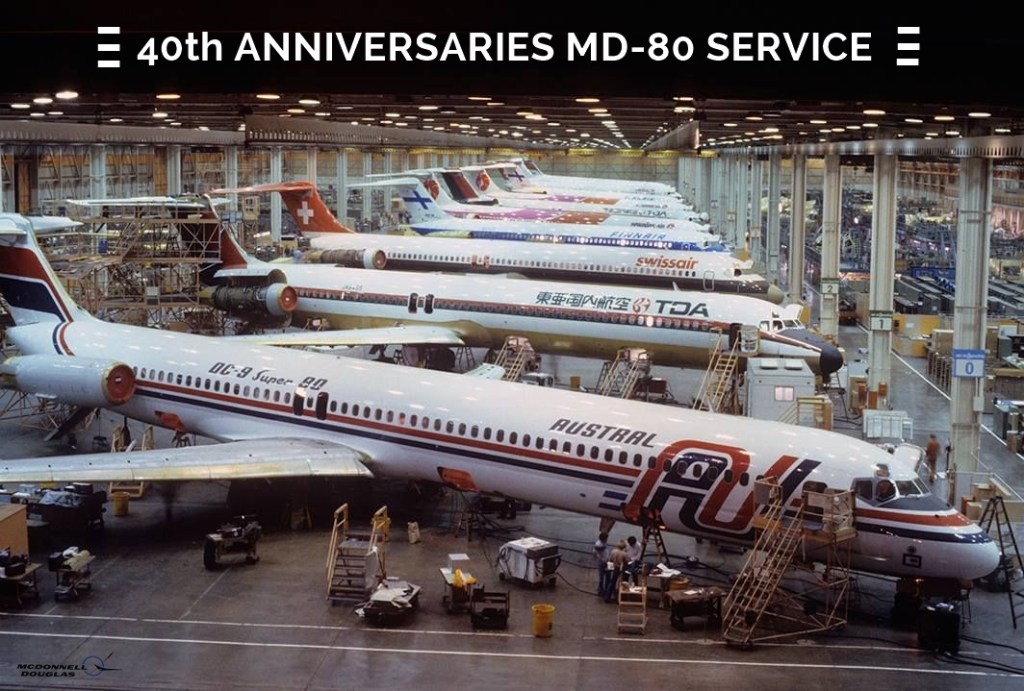

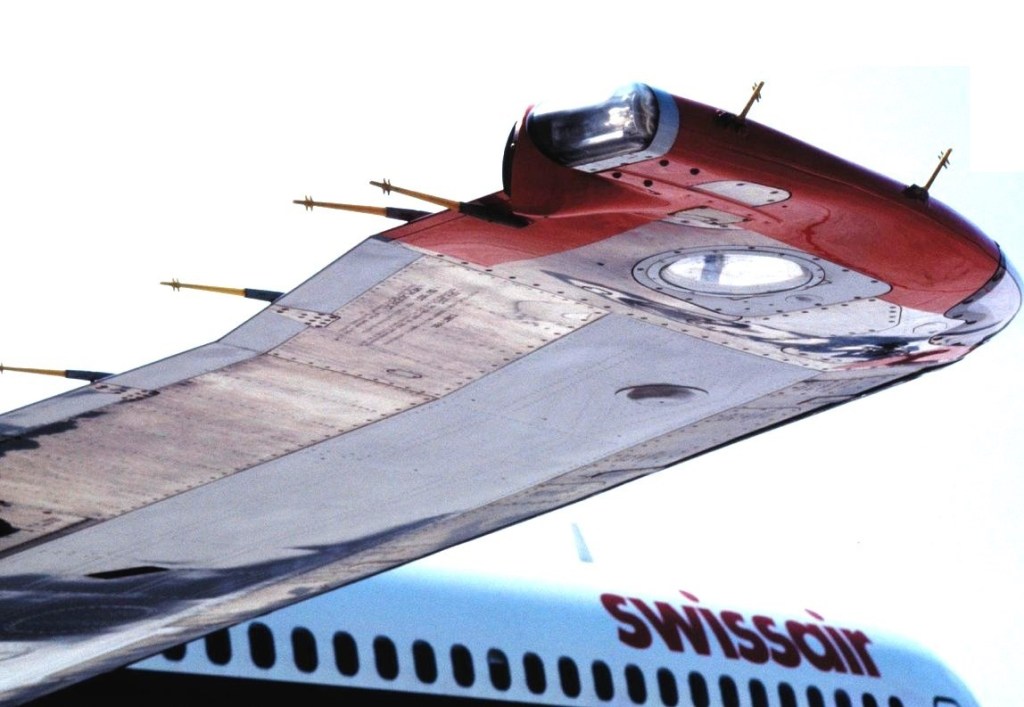
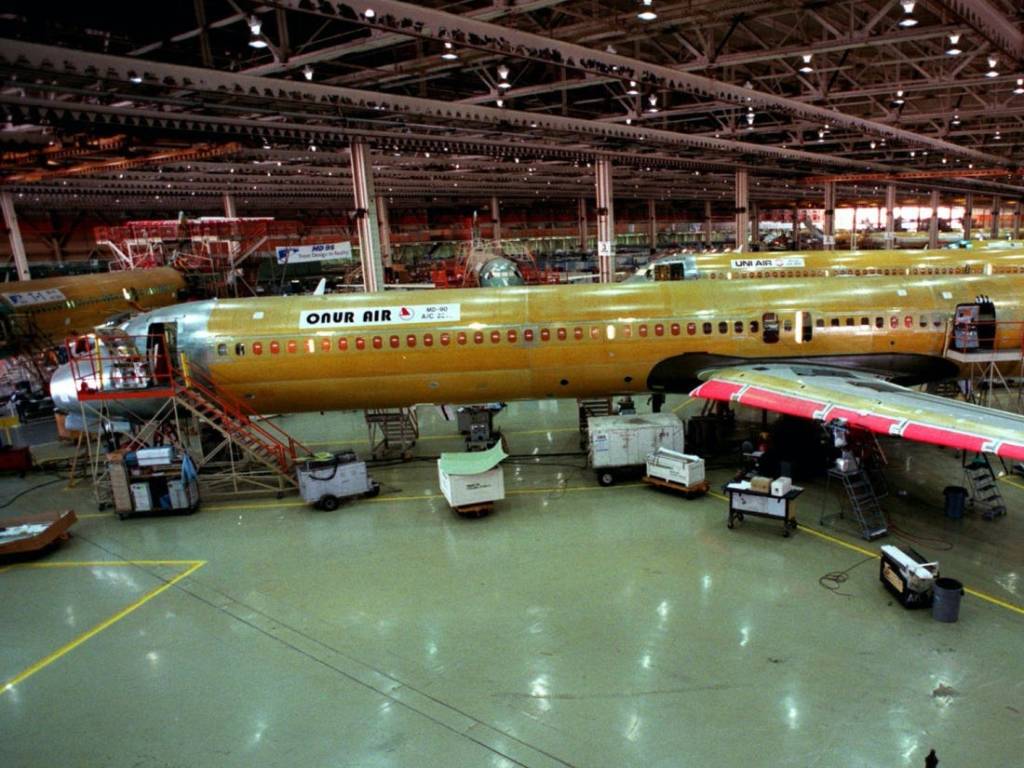
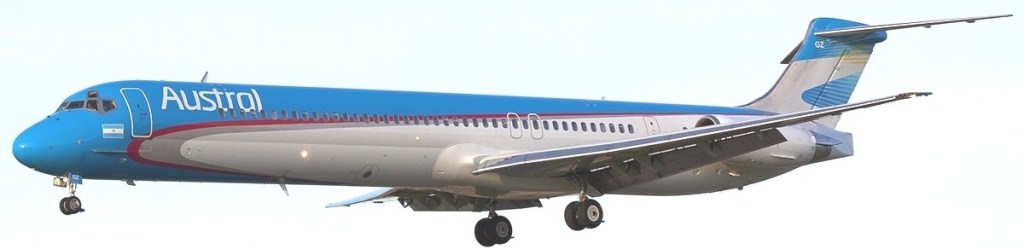
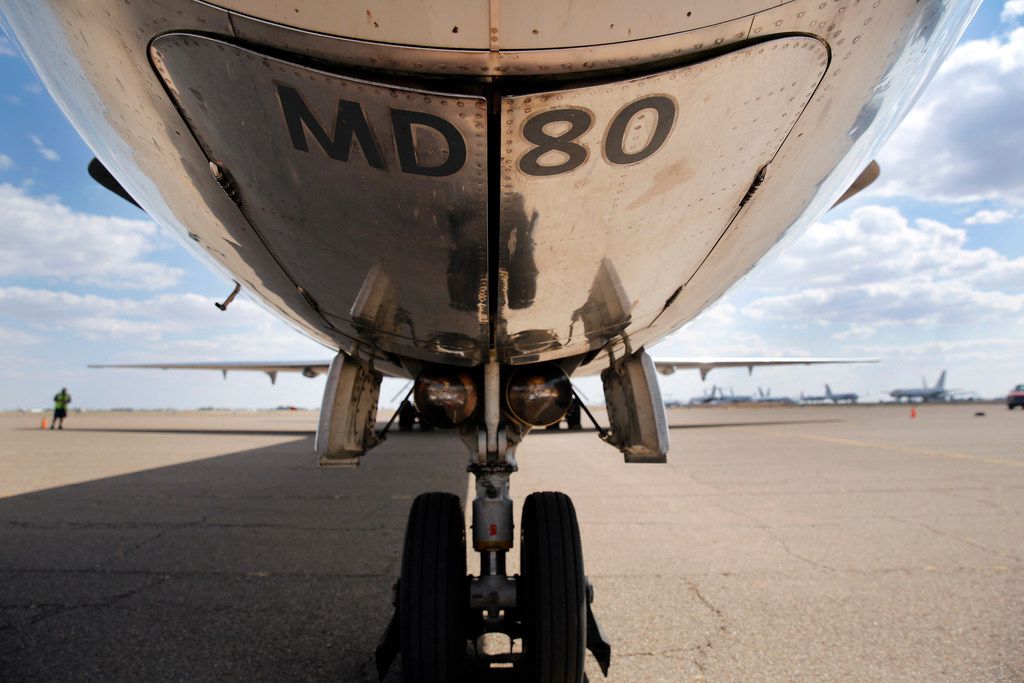

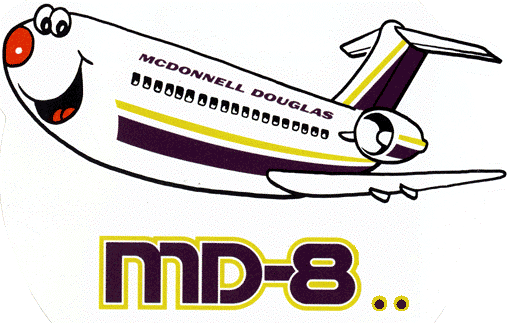
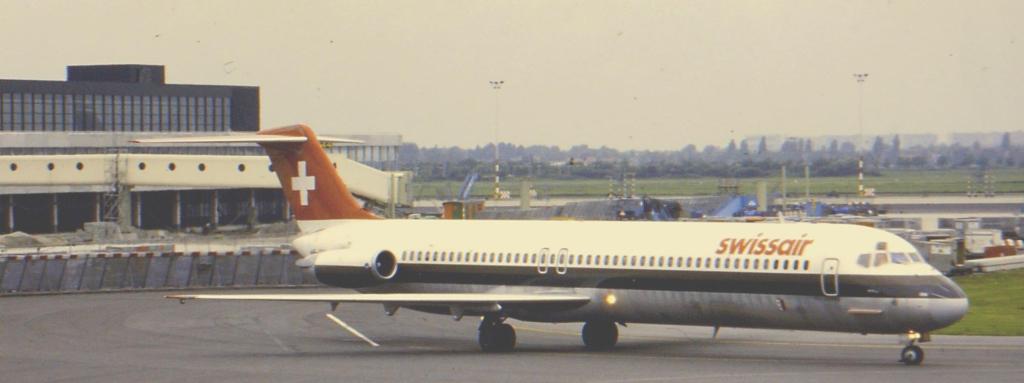
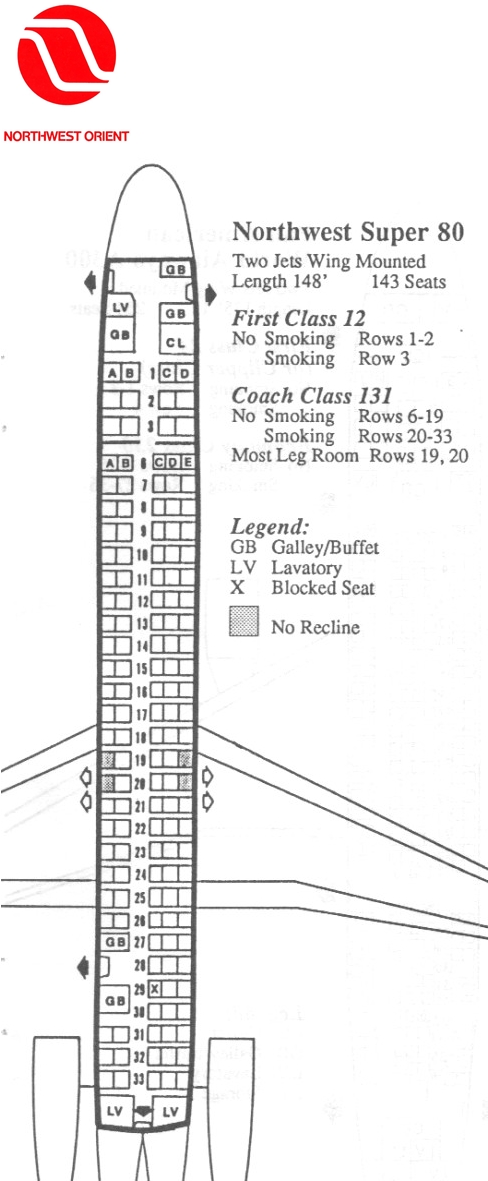



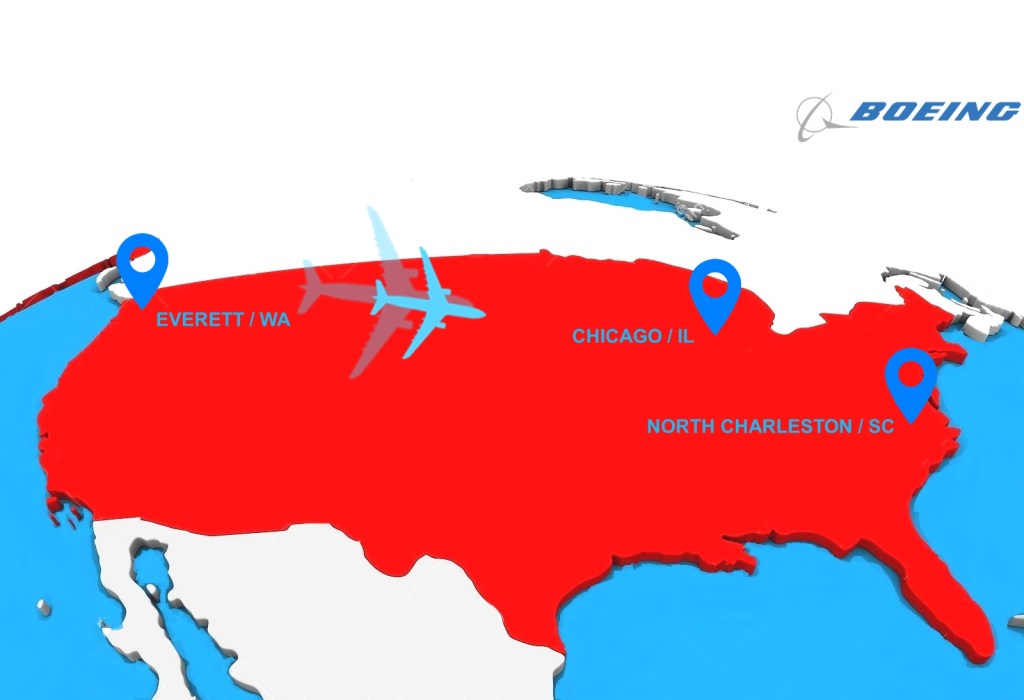



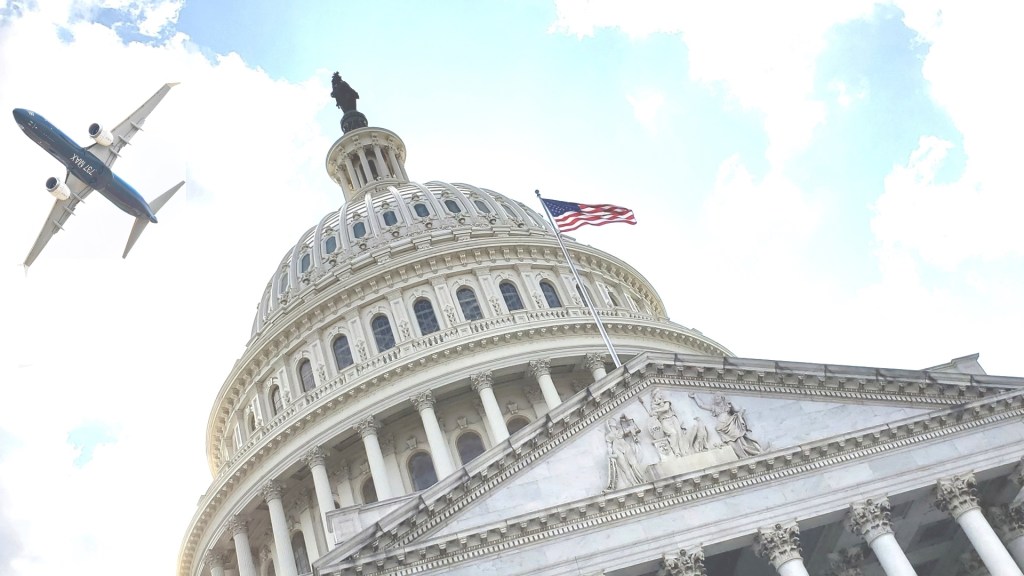

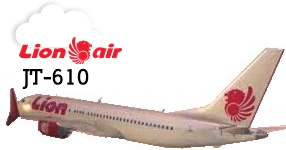
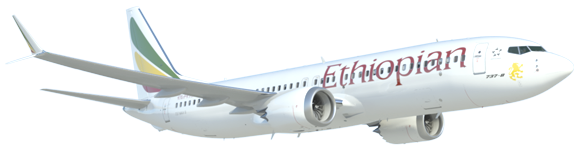
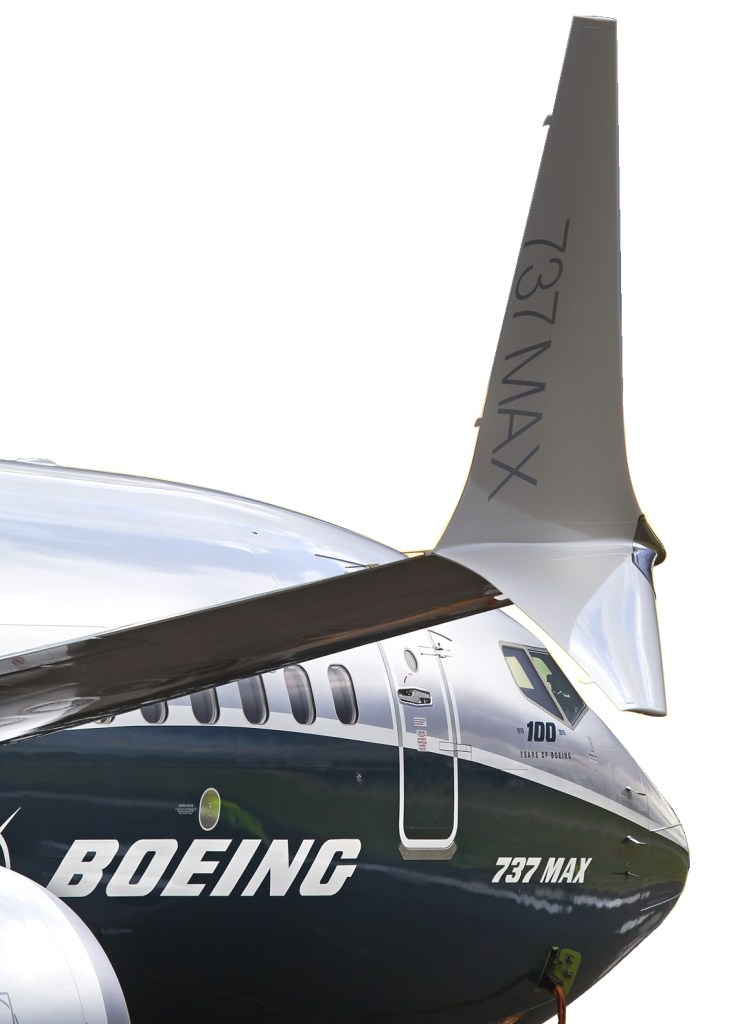
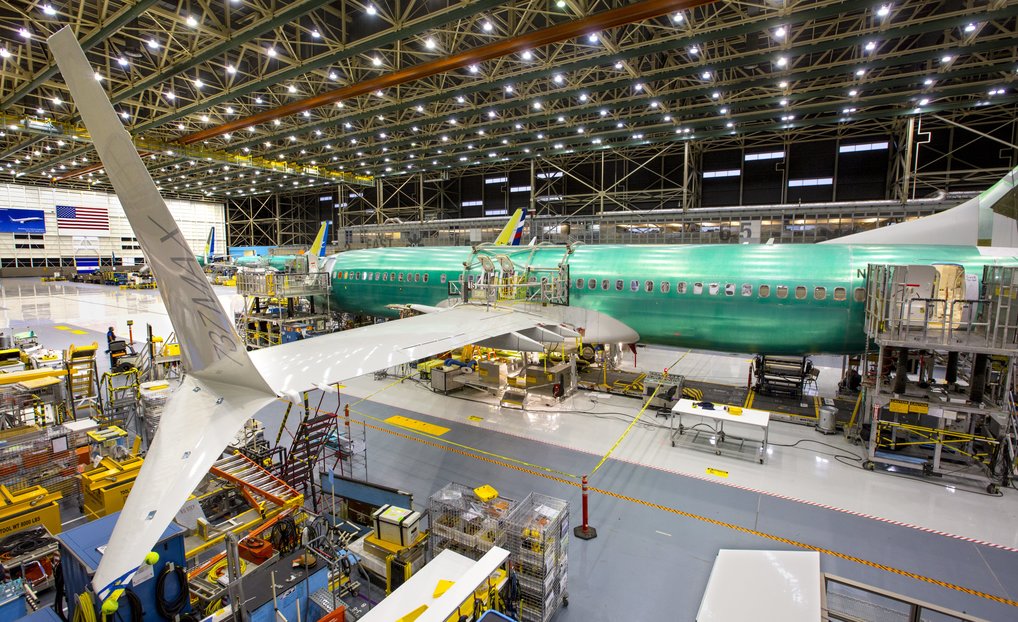
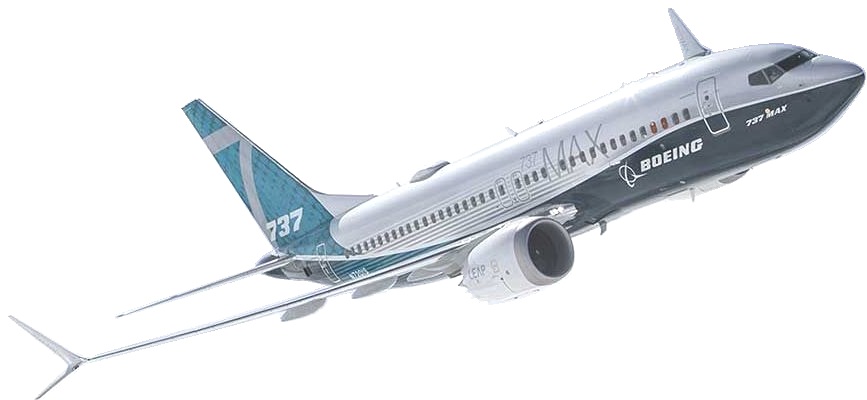

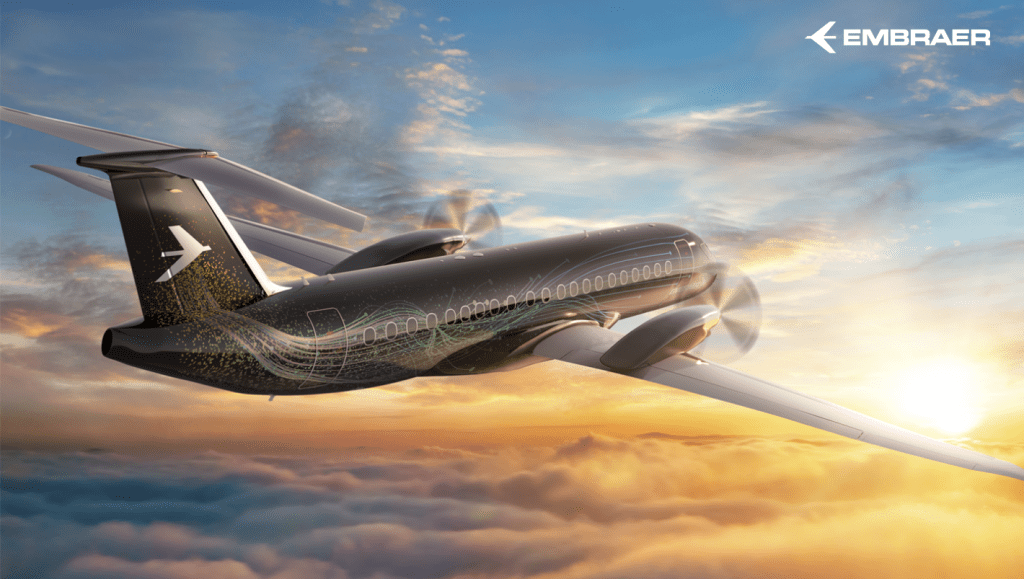



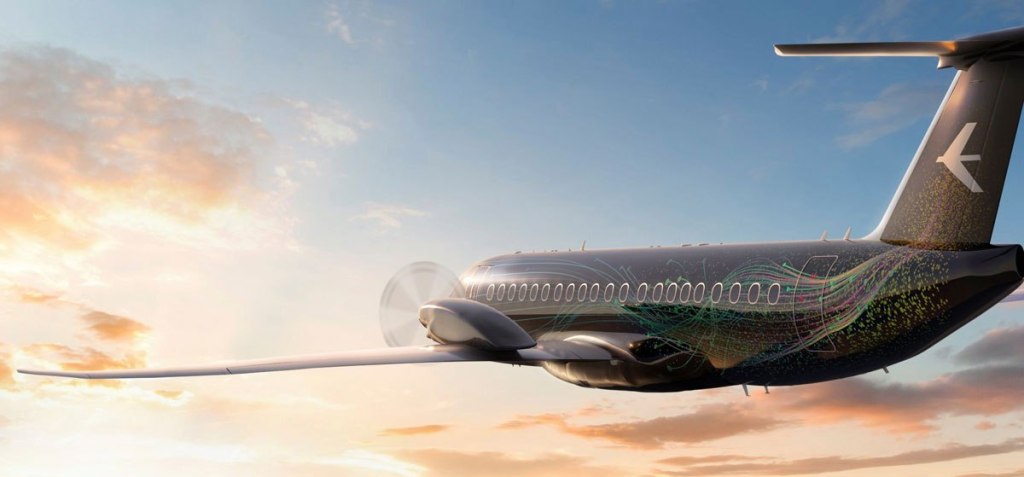



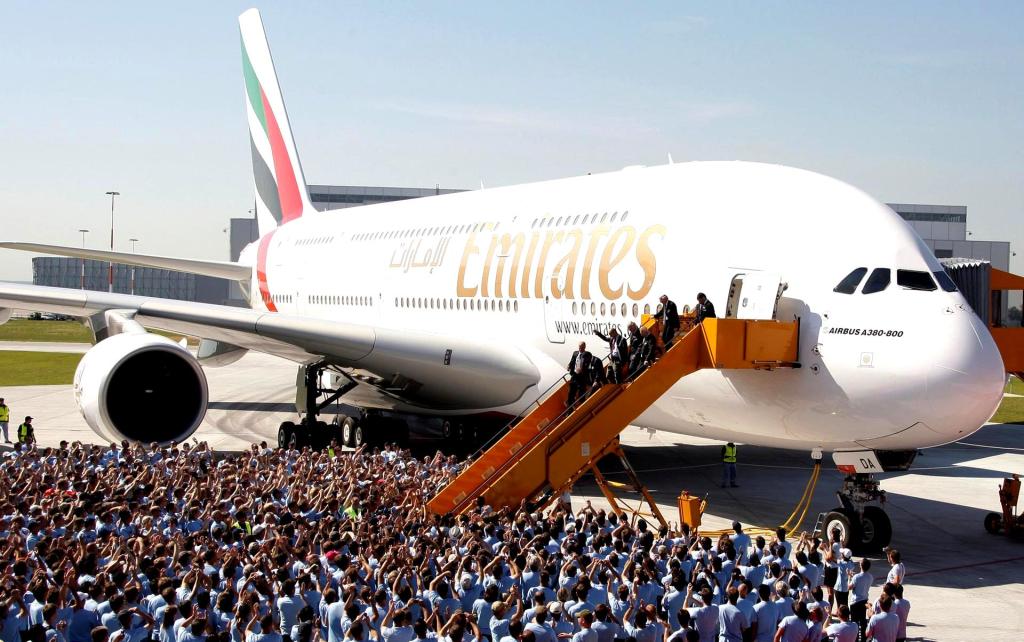

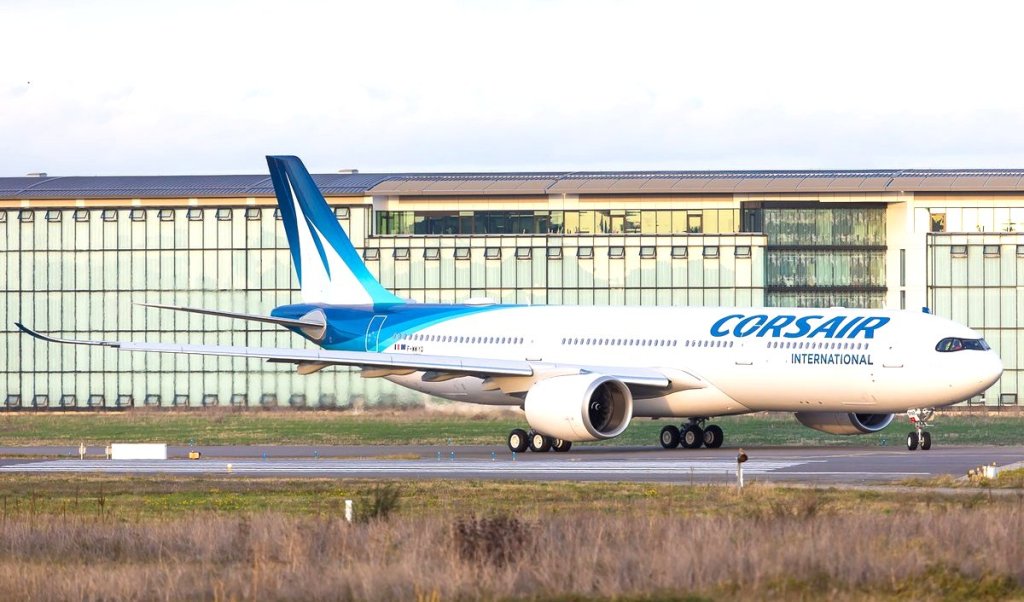

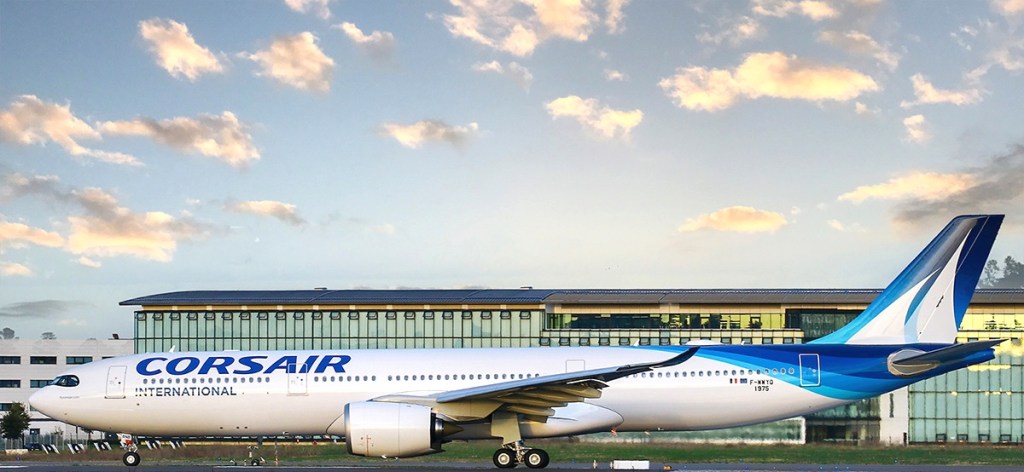
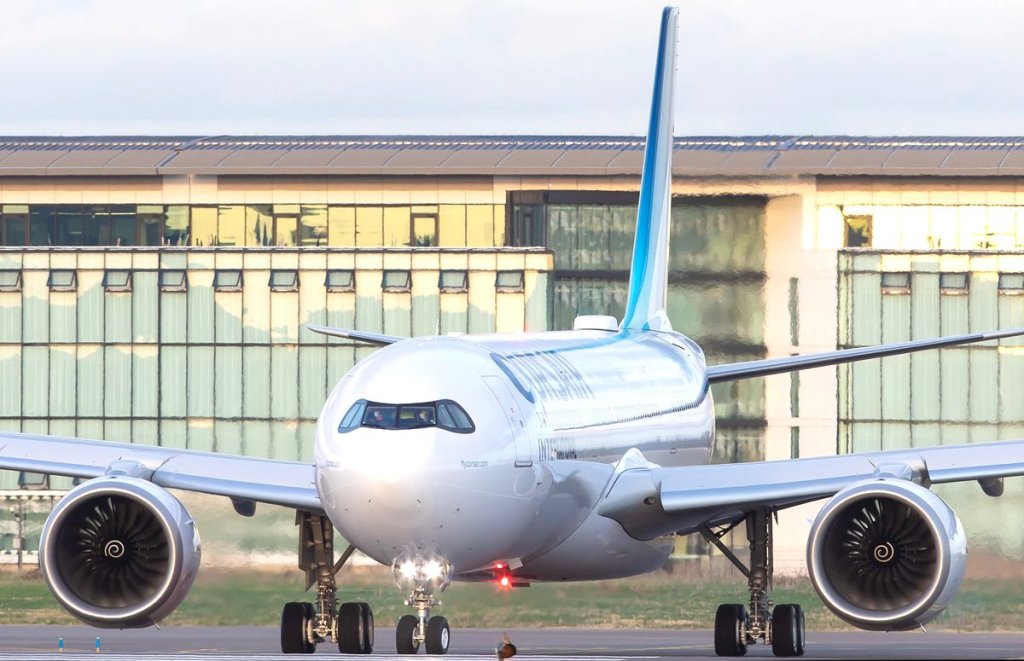

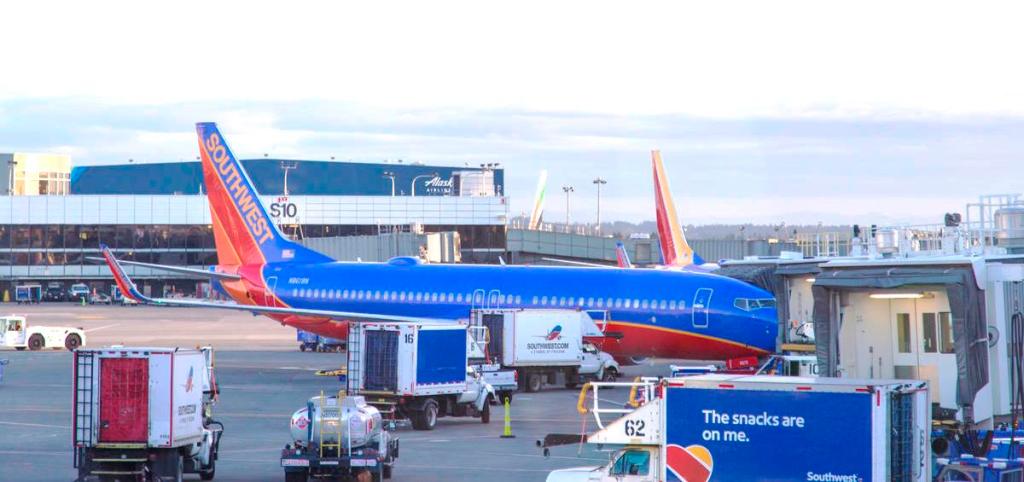

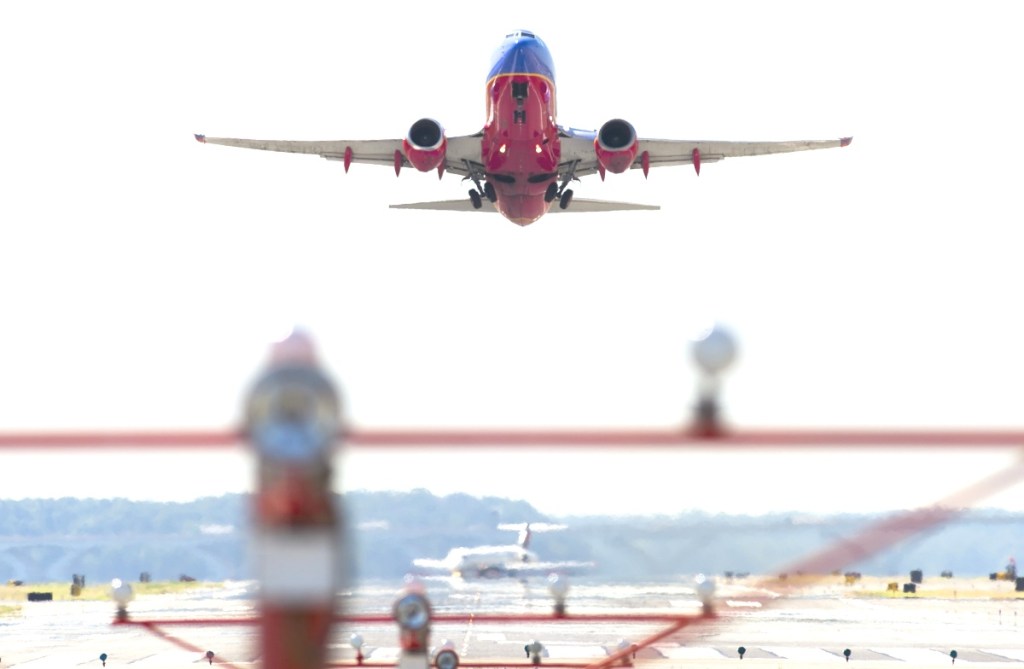
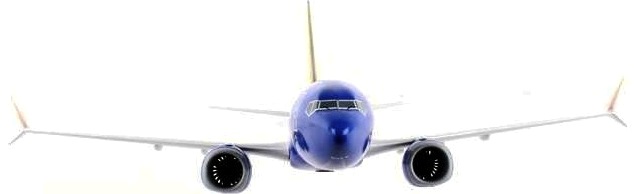
 airgways.com