Reino Unido congela activos de aerolíneas rusas Impiden venta de franjas horarias de aterrizaje
Gran Bretaña congeló el Jueves 19/05 los activos de tres aerolíneas rusas, impidiéndoles vender espacios de aterrizaje en aeropuertos del Reino Unido que valen hasta £ 50 millones de Libras Esterlinas/US$ 62 millones de Dólares. Las últimas sanciones por la guerra de Rusia en Ucrania impiden que la empresa estatal Aeroflot Russian Airlines, la aerolínea más grande de Rusia, Rossiya Airlines y Ural Airlines, transfieran los valiosos derechos de aterrizaje, que no se utilizan debido a una prohibición anterior de que los aviones rusos vuelen al Reino Unido.
Las amplias sanciones internacionales destinadas a presionar al Presidente Vladimir Putin para que retire sus tropas de Ucrania ya están teniendo un impacto significativo en Rusia, dijo el Ministerio de Relaciones Exteriores del Reino Unido. Las exportaciones de petróleo ruso, una fuente clave de ingresos para el Gobierno de Vladimir Putin, cayeron un 30% en Abril 2022, y se pronostica que la economía de la nación se contraerá hasta un 15% este año.
«Mientras Putin continúe su bárbaro asalto a Ucrania, continuaremos apuntando a la economía rusa. Ya hemos cerrado nuestro espacio aéreo a las aerolíneas rusas. Hoy, nos estamos asegurando de que no puedan cobrar sus lucrativos espacios de aterrizaje en nuestros aeropuertos», dijo la Secretaria de Relaciones Exteriores, Liz Truss, en un comunicado.
UK freezes Russian assets
UK freezes assets of Russian airlines They prevent the sale of landing slots
Britain froze the assets of three Russian airlines on Thursday 05/19, preventing them from selling landing spaces at UK airports worth up to £50 million/US$62 million. The latest sanctions over Russia’s war in Ukraine prevent state-owned Aeroflot Russian Airlines, Russia’s largest airline, Rossiya Airlines and Ural Airlines, from transferring valuable landing rights, which go unused due to an earlier ban on Russian planes fly to the UK.
Broad international sanctions aimed at pressuring President Vladimir Putin to withdraw his troops from Ukraine are already having a significant impact on Russia, the UK Foreign Office said. Russian oil exports, a key source of revenue for Vladimir Putin’s government, fell 30% in April 2022, and the nation’s economy is forecast to contract as much as 15% this year.
«As Putin continues his barbaric assault on Ukraine, we will continue to target the Russian economy. We have already closed our airspace to Russian airlines. Today, we are making sure they cannot cash in on their lucrative landing slots at our airports», the statement said. Foreign Secretary Liz Truss in a statement.
PUBLISHER: Airgways.com DBk: Gov.uk / Airgways.com AW-POST: 202205200733AR OWNERSHIP: Airgways Inc. A\W A I R G W A Y S ®
Fokker finalización primer conversión avión fuselaje ancho
Fokker Techniek, con sede en los Países Bajos, llegó a EBACE en medio de su primer proyecto de finalización VIP de fuselaje ancho, un Airbus ACJ330-300 para la compañía alemana de gestión de chárter K5 Aviation, ahora en marcha en su sede del Aeropuerto Woensdrecht/Aviolanda Aerospace. Esto sigue a la finalización y reentrega de Fokker en 2020 para K5 del primer ACJ319NEO en entrar en servicio.
El CO-CEO de Fokker, Roland van Dijk, dijo que la compañía holandesa está «extremadamente emocionada de mostrar al mercado que Fokker Techniek puede manejar conversiones de fuselaje ancho». Con su segmento de terminaciones y conversiones en expansión, la compañía «pronto implementará más cambios para mantenerse al día con el crecimiento continuo. Nuestra cartera de pedidos exige mano de obra adicional y un aumento de las actividades internas».
K5 Aviation eligió a Fokker para la finalización de fuselaje ancho después de «acostumbrarse a sus habilidades en proyectos anteriores. Fokker está enfocado en ofrecer un gran resultado final», dijo Erik Scheidt, Director General y piloto de la compañía con sede en Munich.
Este será el primer A330-300 configurado por VIP. Construido en 2018 con un interior configurado por la aerolínea, el twinjet se almacenó durante tres años hasta que fue comprado en junio pasado por un comprador privado y entregado a K5 en diciembre. Airbus anunció la venta en febrero. La entrega a K5 está programada para 2024, dijo Robert Koolen de Fokker Techniek.
Con varias conversiones VIP del mercado de accesorios del modelo A330-200 Prestige volando, el fuselaje ya ha establecido su idoneidad para el mercado privado. El fuselaje más largo del -300 (208 pies frente a los 193 pies del Prestige), ofrece más de 2,600 pies cuadrados de espacio interior y se convertirá en el lienzo de lo que K5 llama un diseño moderno y elegante. Disponible para chárter, el rango de 8.650 nm del twinjet puede unir Europa y Australia sin escalas.
Con el proyecto ACJ330 en su hangar, la compañía está haciendo tres proyectos en paralelo, contando una renovación de Boeing Business Jet (BBJ) y una finalización de misiones especiales también en marcha. Esto atestigua el sólido crecimiento de Fokker Techniek en capacidades desde su primera finalización en 2005, dijo Koolen. También lo hace la finalización realizada bajo contrato con Boeing para el BBJ del gobierno holandés, PH-GOV, reentregado en Junio de 2019, justo después de la última feria de la EBACE.
Con el BBJ juzgado como el mejor reemplazo para la línea de aviones Fokker F27, F28, F70 que durante mucho tiempo transportó a la Familia Real Holandesa y funcionarios del Gobierno, Boeing y Fokker se unieron en la propuesta conjunta y ganadora para la finalización. Para este proyecto, Robin Dunlop, socio fundador de Altea, proporcionó el diseño estético y Fokker se encargó de la ingeniería de diseño, la adquisición, la integración y la certificación del interior de 26 pasajeros de la aeronave. La cabina moderna y funcional presenta un aspecto profesional de negocios con acentos de inspiración holandesa, que incluyen las costuras aplicadas en los asientos y los paneles de revestimiento interior, una paleta interior de azul del gobierno holandés con acentos naranjas y azules de Delft, y cajones y armarios cubiertos de ultragamuza naranja. Detrás de escena, los modernos sistemas de comunicación, entretenimiento, gestión de cabina y medio ambiente, junto con un exclusivo sistema de audio de altavoces integrado desarrollado con la Universidad de Twente, garantizan la comodidad y la productividad en ruta. Además, la insonorización ligera y los materiales interiores proporcionan una reducción significativa del ruido de la cabina a un peso interior muy por debajo de los objetivos de diseño. Los tanques de combustible de largo alcance permiten vuelos sin escalas a territorios extranjeros de los Países Bajos, y una ducha de gran capacidad en el baño permite a los pasajeros llegar refrescados. Para una mayor seguridad interior, un sistema de cámara desarrollado por Fokker permite a los miembros de la tripulación monitorear la cabina mientras están sentados durante el taxi, el despegue y el aterrizaje.
Fokker configures A330 VIP
Fokker completion of first wide-body aircraft conversion
Netherlands-based Fokker Techniek has arrived at EBACE in the midst of its first wide-body VIP completion project, an Airbus ACJ330-300 for German charter management company K5 Aviation, now underway at its Airport headquarters. Woensdrecht/Aviolanda Aerospace. This follows Fokker’s 2020 completion and redelivery for K5 of the first ACJ319NEO to enter service.
Fokker CO-CEO Roland van Dijk said the Dutch company is «extremely excited to show the market that Fokker Techniek can handle widebody conversions». With its completions and conversions segment expanding, the company «will soon implement more changes to keep up with continued growth. Our order book requires additional manpower and increased internal activities».
K5 Aviation chose Fokker for wide-body completion after «getting used to their skills on previous projects. Fokker is focused on delivering a great end result», said Erik Scheidt, the Munich-based company’s CEO and pilot.
This will be the first VIP-configured A330-300. Built in 2018 with an airline-configured interior, the twinjet sat in storage for three years until it was purchased last June by a private buyer and delivered to K5 in December. Airbus announced the sale in February. Delivery to K5 is scheduled for 2024, said Robert Koolen of Fokker Techniek.
With several aftermarket VIP conversions of the A330-200 Prestige flying, the airframe has already established its suitability for the private market. The 300’s longer fuselage (208 feet vs. the Prestige’s 193 feet), offers more than 2,600 square feet of interior space and will become the canvas for what K5 calls sleek, modern design. Available for charter, the twinjet’s 8,650nm range can link Europe and Australia non-stop.
With the ACJ330 project in its hangar, the company is doing three projects in parallel, with a Boeing Business Jet (BBJ) revamp and special mission completion also underway. This testifies to Fokker Techniek’s strong growth in capabilities since its first completion in 2005, Koolen said. So does the completion under contract to Boeing for the Dutch government’s BBJ, PH-GOV, redelivered in June 2019, just after the last EBACE show.
With the BBJ judged to be the best replacement for the Fokker F27, F28, F70 line of aircraft that long transported the Dutch Royal Family and government officials, Boeing and Fokker came together on the winning joint proposal for completion. For this project, Altea founding partner Robin Dunlop provided the aesthetic design and Fokker handled the design engineering, procurement, integration and certification of the aircraft’s 26-passenger interior. The modern and functional cabin features a professional business look with Dutch-inspired accents, including applied stitching on the seats and interior trim panels, an interior palette of Dutch Government Blue with orange and Delft blue accents, and drawers and cabinets covered in orange ultrasuede. Behind the scenes, state-of-the-art communication, entertainment, cabin management and environmental systems, along with a unique integrated loudspeaker audio system developed with the University of Twente, ensure comfort and productivity on the road. Additionally, lightweight soundproofing and interior materials provide significant cabin noise reduction at an interior weight well below design targets. Long-range fuel tanks allow for nonstop flights to foreign territories of the Netherlands, and a large-capacity shower in the bathroom allows passengers to arrive refreshed. For added interior security, a Fokker-developed camera system allows crew members to monitor the cabin while seated during taxi, takeoff and landing.
Fokker configureert A330 VIP
Fokker voltooit eerste conversie van widebody-vliegtuigen
Het in Nederland gevestigde Fokker Techniek is naar EBACE gekomen in het midden van zijn eerste wide-body VIP-voltooiingsproject, een Airbus ACJ330-300 voor het Duitse chartermanagementbedrijf K5 Aviation, dat nu aan de gang is op het hoofdkantoor van de luchthaven Woensdrecht/Aviolanda Aerospace. Dit volgt op de voltooiing en herlevering van Fokker in 2020 voor K5 van de eerste ACJ319NEO die in gebruik wordt genomen.
Fokker CO-CEO Roland van Dijk zei dat het Nederlandse bedrijf «extreem enthousiast is om de markt te laten zien dat Fokker Techniek widebody-conversies aankan». Nu het segment van voltooiingen en conversies zich uitbreidt, zal het bedrijf «binnenkort meer veranderingen doorvoeren om de aanhoudende groei bij te houden. Ons orderboek vereist extra mankracht en meer interne activiteiten».
K5 Aviation koos voor Fokker voor wide-body-afwerking nadat ze «was gewend aan hun vaardigheden bij eerdere projecten. Fokker is gericht op het leveren van een geweldig eindresultaat», zegt Erik Scheidt, de CEO en piloot van het in München gevestigde bedrijf.
Dit wordt de eerste VIP-geconfigureerde A330-300. Gebouwd in 2018 met een door de luchtvaartmaatschappij geconfigureerd interieur, heeft de twinjet drie jaar in opslag gestaan totdat hij afgelopen juni door een particuliere koper werd gekocht en in december aan K5 werd afgeleverd. Airbus kondigde de verkoop in februari aan. De levering aan K5 staat gepland voor 2024, aldus Robert Koolen van Fokker Techniek.
Met verschillende aftermarket VIP-conversies van de A330-200 Prestige die vliegt, heeft het casco zijn geschiktheid voor de particuliere markt al bewezen. De langere romp van de 300 (208 voet versus de 193 voet van de Prestige), biedt meer dan 2.600 vierkante voet binnenruimte en zal het canvas worden voor wat K5 een strak, modern ontwerp noemt. Het bereik van 8650 nm van de twinjet, dat beschikbaar is voor charter, kan Europa en Australië non-stop met elkaar verbinden.
Met het ACJ330-project in zijn hangar, voert het bedrijf drie parallelle projecten uit, met een vernieuwing van Boeing Business Jet (BBJ) en de voltooiing van een speciale missie. Dit getuigt van de sterke groei van Fokker Techniek in capaciteiten sinds de eerste oplevering in 2005, aldus Koolen. Zo ook de oplevering in opdracht van Boeing voor de BBJ, PH-GOV van de Nederlandse overheid, die in juni 2019, net na de laatste EBACE-show, opnieuw is opgeleverd.
Toen de BBJ werd beoordeeld als de beste vervanging voor de Fokker F27-, F28- en F70-lijn van vliegtuigen die de Nederlandse koninklijke familie en overheidsfunctionarissen al lang hadden vervoerd, kwamen Boeing en Fokker samen op het winnende gezamenlijke voorstel voor voltooiing. Voor dit project verzorgde Altea’s founding partner Robin Dunlop het esthetische ontwerp en Fokker verzorgde de design engineering, inkoop, integratie en certificering van het 26-passagiersinterieur van het vliegtuig. De moderne en functionele cabine heeft een professionele zakelijke uitstraling met Nederlands geïnspireerde accenten, waaronder aangebrachte stiksels op de stoelen en interieurpanelen, een interieurpalet van Dutch Government Blue met oranje en Delfts blauwe accenten, en laden en kasten bedekt met oranje ultrasuede. Achter de schermen zorgen ultramoderne communicatie-, entertainment-, cabinebeheer- en omgevingssystemen, samen met een uniek geïntegreerd luidspreker-audiosysteem ontwikkeld met de Universiteit Twente, voor comfort en productiviteit op de weg. Bovendien zorgen lichtgewicht geluidsisolatie en interieurmaterialen voor een aanzienlijke vermindering van het interieurgeluid bij een interieurgewicht dat ver onder de ontwerpdoelen ligt. Langeafstandsbrandstoftanks maken non-stopvluchten naar buitenlandse gebieden van Nederland mogelijk, en een grote douche in de badkamer zorgt ervoor dat passagiers verfrist aankomen. Voor extra veiligheid in het interieur kunnen bemanningsleden met een door Fokker ontwikkeld camerasysteem de cabine tijdens het taxiën, opstijgen en landen in de gaten houden.
PUBLISHER: Airgways.com DBk: Fokker-techniek.com / Airgways.com AW-POST: 202205200707AR OWNERSHIP: Airgways Inc. A\W A I R G W A Y S ®
Avanzan desarrollo ventana panorámica para el Business Jet
The Boeing Company y Fokker Techniek se asociaron previamente para desarrollar la ventana panorámica Skyview para el BBJ, que a 4.5 pies por 1.5 pies sería el tamaño equivalente de tres ventanas 737 existentes juntas, ofreciendo «una perspectiva incomparable del mundo», en palabras de los socios. Los planes requerían la certificación de la ventana panorámica en todos los modelos BBJ MAX y como adaptaciones para los aviones BBJ y BBJ2. Aunque el desarrollo terminó antes de la fecha de debut planificada de la ventana panorámica en 2018, el concepto sigue vivo. «Es algo que a los mercados realmente les gustaría tener», dijo Robert Koolen.
La ventana panorámica estaría situada a popa del ala con múltiples ubicaciones potenciales disponibles según el modelo. «Técnicamente, todavía tiene algunos desafíos y algunas inversiones en estudios y pruebas necesarias. Eso está en nuestra lista de innovaciones que necesitamos desarrollar», expresó Robert Koolen.
Fokker también llegó a Ginebra bajo una nueva propiedad, con la compañía de inversión holandesa Panta Holdings adquiriendo Fokker Techniek, y la compañía hermana Fokker Services, de Fokker Technologies/GKN Aerospace en Abril 2021. La cartera aeroespacial de Panta incluye una participación mayoritaria en las piezas de componentes de fuselaje que cotizan en Canadá y el servicio de reparación Avcorp Industries y Netherlands Aircraft, un desarrollador emergente de un avión regional Fokker 100.
Boeing-Fokker development Skyview BBJ
Panoramic window development for the Business Jet advances
The Boeing Company and Fokker Techniek previously partnered to develop the Skyview panoramic window for the BBJ, which at 4.5 feet by 1.5 feet would be the equivalent size of three existing 737 windows put together, offering «an unparalleled perspective on the world», in the partners’ words. Plans called for bay window certification on all BBJ MAX models and as retrofits for BBJ and BBJ2 aircraft. Although development ended before the panoramic window’s planned debut date in 2018, the concept lives on. «It’s something the markets would really like to have», said Robert Koolen.
The bay window would be located aft of the wing with multiple potential locations available depending on model. «Technically, it still has some challenges and some investments in studies and tests needed. That’s on our list of innovations that we need to develop», said Robert Koolen.
Fokker also came to Geneva under new ownership, with Dutch investment company Panta Holdings acquiring Fokker Techniek, and sister company Fokker Services, from Fokker Technologies/GKN Aerospace in April 2021. Panta’s aerospace portfolio includes a majority stake in the Canadian-listed airframe component parts and repair service Avcorp Industries and Netherlands Aircraft, an emerging developer of a Fokker 100 regional jet.
Boeing-Fokker ontwikkeling Skyview BBJ
Panoramische raamontwikkeling voor de ontwikkelingen van Business Jet
The Boeing Company en Fokker Techniek werkte eerder samen om het Skyview-panoramavenster voor de BBJ te ontwikkelen, dat met een hoogte van 4,5 voet bij 1,5 voet de equivalente grootte zou zijn van drie bestaande 737-vensters bij elkaar, en «een ongeëvenaard perspectief op de wereld» bieden, in de woorden van de partners. Plannen riepen op tot erkercertificering op alle BBJ MAX-modellen en als retrofits voor BBJ- en BBJ2-vliegtuigen. Hoewel de ontwikkeling eindigde vóór de geplande debuutdatum van het panoramische raam in 2018, leeft het concept voort. «Het is iets wat de markten heel graag zouden willen hebben», zegt Robert Koolen.
De erker zou achter de vleugel worden geplaatst met meerdere mogelijke locaties, afhankelijk van het model. «Technisch gezien heeft het nog wat uitdagingen en zijn er wat investeringen in studies en tests nodig. Dat staat op onze lijst met innovaties die we moeten ontwikkelen», aldus Robert Koolen.
Fokker kwam ook naar Genève onder een nieuwe eigenaar, waarbij de Nederlandse investeringsmaatschappij Panta Holdings Fokker Techniek overnam, en zusterbedrijf Fokker Services, van Fokker Technologies/GKN Aerospace in april 2021. Panta’s lucht- en ruimtevaartportfolio omvat een meerderheidsbelang in de in Canada genoteerde onderdelen van cascocomponenten en reparatieservice Avcorp Industries en Netherlands Aircraft, een opkomende ontwikkelaar van een Fokker 100 regionaal jet.
PUBLISHER: Airgways.com DBk: Boeing.com / Fokkertechniek.com / Airgways.com AW-POST: 202205191655AR OWNERSHIP: Airgways Inc. A\W A I R G W A Y S ®
Superjet prepara test vuelo inaugural remotorizado
United Engine Corporation (ODK) de la Federación Rusia ha completado las pruebas en tierra del turboventilador PD-8 y ha comenzado a prepararlo para las pruebas de vuelo en el banco de pruebas en Ilyushin-76LL a finales de este año 2022. La fabricación de dos motores experimentales ha comenzado para su instalación en un Sukhoi Superjet 100/SSJ100NEW a finales de año. Si las pruebas de vuelo van según lo planeado, la aeronave regional rusa remotorizada y recableada obtendrá un certificado de tipo suplementario a fines de 2023 y entrará en servicio comercial en 2024.
El trabajo en el nuevo motor para el SSJ100 de 100 plazas y el anfibio Beriev Be-200 comenzó en 2020 en la oficina de diseño Saturn de ODK en Rybinsk. La compañía había desarrollado previamente la sección fría para el PowerJet SAM.146 que alimenta el SSJ100 original. Para reducir el tiempo y los costos de desarrollo, ODK decidió combinar la sección fría existente con un nuevo generador de gas que sería una copia a escala de uno en el Aviadvigatel PD-14 que alimenta el avión de fuselaje estrecho Irkut MC-21-310. El nuevo núcleo reemplaza al DEM.21 de Snecma, actualmente Safran Aircraft Engines, que la compañía francesa contribuyó en 2008 para su programa conjunto con los rusos.
Saturn exhibió el primer generador de gas para el PD-8 en el salón aeronáutico MAKS 2021 de Julio pasado en las afueras de Moscú, ensambló el segundo en Septiembre de 2021 y los probó hasta fin de año. Luego produjo un motor completo para una serie de pruebas de banquillo que comenzaron a principios de 2022 e involucraron stands cerrados/abiertos y una cámara de altitud.
Instrumentado con 500 sensores, el motor experimental permitió la recopilación de datos sobre campos de temperatura, rigidez y niveles de vibración, así como el ajuste de Fadec para estabilizar el consumo de combustible en todos los modos, desde el ralentí hasta la potencia máxima de despegue. Los ingenieros realizaron comprobaciones para el correcto funcionamiento de los sistemas de combustible y lubricación. Según una declaración de ODK emitida el 11 de Mayo de 2022, el PD-8 está «en pleno funcionamiento y sus parámetros principales cumplen con la especificación». Según los datos de ODK, el PD-8 tiene un peso en seco de 1.690 kg (3.726 libras) o 18 kg menos que el del SAM.146-1S18, mientras que genera el mismo empuje máximo de 7.900 kN (17.416 libras). Las especificaciones muestran una mejora del 3 por ciento en el consumo de combustible durante el vuelo de crucero.
La compañía planea producir el PD-8 en varias versiones con un empuje de hasta 10,000 kN, por encima de las cifras respectivas para el SAM.146. El nuevo generador de gas presenta una relación de presión un 20 por ciento más alta y un aumento en la temperatura del gas de 100º C. Un aumento en la potencia permite un mayor peso máximo al despegue, actualmente en 49.450 kg para el SSJ-100LR introducido en 2012, lo que aumenta la posibilidad de una versión estirada que aumentaría el número de asientos a más del límite superior actual de 108.
La planta de aviación en Komsomolsk-upon-Amur puede producir hasta 40 Superjets al año, pero ha estado funcionando a menos de la mitad de esa capacidad debido en parte a la escasez de artículos de proveedores, incluidos los motores SAM.146. El CEO de United Aircraft Corporation (UAC), Yuri Slyusar, explicó que la escasez fue el resultado de las restricciones occidentales a los envíos de alta tecnología a Rusia mucho antes de que el ejército ruso invadiera Ucrania en Febrero de 2022.
Para eliminar la dependencia de los proveedores extranjeros, el Kremlin asignó US$ 1.83 mil millones para el desarrollo de un Superjet completamente indígena, denominado SSJ100NEW. Aproximadamente la mitad de esa suma se destina al PD-8, incluidos los preparativos de producción. Para reducir los costos unitarios, ODK planea expandir el uso de la tecnología de impresión 3D. Si los proveedores locales logran producir suficientes componentes, UAC planea aumentar la tasa de producción de Superjet de 20 en 2022 a 30 en 2024-2025 y luego a más de 40. Debido a que Occidente ahora se niega a vender aviones a las aerolíneas rusas, solo pueden comprar a la industria local. UAC estima la demanda interna de SSJ100 en 150 aviones.
Preparation Superjet SSJ-100NEW
Superjet prepares maiden repowered test flight
United Engine Corporation (ODK) of the Russian Federation has completed ground tests of the PD-8 turbofan and has started preparing it for flight tests on the Ilyushin-76LL test bed by the end of this year 2022. The manufacture of two experimental engines has started for installation in a Sukhoi Superjet 100/SSJ100NEW by the end of the year. If flight tests go as planned, the repowered and rewired Russian regional aircraft will obtain a supplemental type certificate in late 2023 and enter commercial service in 2024.
Work on the new engine for the 100-seat SSJ100 and Beriev Be-200 amphibian began in 2020 at ODK’s Saturn design bureau in Rybinsk. The company had previously developed the cold section for the PowerJet SAM.146 that powers the original SSJ100. To reduce development time and costs, ODK decided to combine the existing cold section with a new gas generator that would be a scale copy of one on the Aviadvigatel PD-14 that powers the Irkut MC-21-310 narrow-body aircraft. The new core replaces the DEM.21 from Snecma, currently Safran Aircraft Engines, which the French company contributed in 2008 for its joint program with the Russians.
Saturn displayed the first gas generator for the PD-8 at last July’s MAKS 2021 airshow outside Moscow, assembled the second in September 2021 and tested them through the end of the year. It then produced a complete engine for a series of bench tests beginning in early 2022 involving closed/open stands and an altitude camera.
Instrumented with 500 sensors, the experimental engine enabled the collection of data on temperature fields, stiffness and vibration levels, as well as Fadec tuning/tuning to stabilize fuel consumption in all modes, from idle to full power. take off The engineers carried out checks for the correct operation of the fuel and lubrication systems. According to an ODK statement issued on May 11, 2022, the PD-8 is «fully operational and its main parameters are within specification». According to ODK data, the PD-8 has a dry weight of 1,690 kg (3,726 lb) or 18 kg less than that of the SAM.146-1S18, while generating the same maximum thrust of 7,900 kN (17,416 lb). Specifications show a 3 percent improvement in fuel consumption during cruise flight.
The company plans to produce the PD-8 in various versions with a thrust of up to 10,000 kN, above the respective figures for the SAM.146. The new gas generator features a 20 percent higher pressure ratio and an increase in gas temperature of 100 degrees C. An increase in power allows for a higher maximum takeoff weight, currently at 49,450 kg for the SSJ- 100LR introduced in 2012, raising the possibility of a stretched version that would increase the number of seats to more than the current upper limit of 108.
The aviation plant in Komsomolsk-upon-Amur can produce up to 40 Superjets a year, but has been running at less than half that capacity due in part to shortages of supplier items, including SAM.146 engines. United Aircraft Corporation (UAC) CEO Yuri Slyusar explained that the shortage was the result of Western restrictions on high-tech shipments to Russia long before the Russian military invaded Ukraine in February 2022.
To eliminate dependency on foreign suppliers, the Kremlin allocated US$ 1.83 billion for the development of an entirely indigenous Superjet, dubbed the SSJ100NEW. About half of that sum goes to the PD-8, including production preparations. To reduce unit costs, ODK plans to expand the use of 3D printing technology. If local suppliers manage to produce enough components, UAC plans to increase the Superjet production rate from 20 in 2022 to 30 in 2024-2025 and then to more than 40. Because the West now refuses to sell planes to Russian airlines, they can only buy from the local industry. UAC estimates domestic demand for the SSJ100 at 150 aircraft.
Подготовка Superjet SSJ-100NEW
Superjet готовит удаленный испытательный полет
Объединенная двигателестроительная корпорация (ОДК) Российской Федерации завершила наземные испытания ТРДД-8 и приступила к его подготовке к летным испытаниям на стенде Ил-76ЛЛ к концу 2022 года. к концу года приступили к установке на Sukhoi Superjet 100/SSJ100NEW. Если летные испытания пройдут по плану, модернизированный российский региональный самолет получит дополнительный сертификат типа в конце 2023 года и поступит в коммерческую эксплуатацию в 2024 году.
Работа над новым двигателем для 100-местного SSJ100 и самолета-амфибии Бериева Бе-200 началась в 2020 году в рыбинском конструкторском бюро ОДК Сатурн. Ранее компания разработала холодную секцию для PowerJet SAM.146, которым оснащен оригинальный SSJ100. Для сокращения сроков и затрат на разработку в ОДК было принято решение скомбинировать существующую холодную секцию с новым газогенератором, который будет масштабной копией такового на ПД-14 Авиадвигателя, которым оснащен узкофюзеляжный самолет Иркут МС-21-310. Новое ядро заменяет ядро DEM.21 от Snecma, в настоящее время Safran Aircraft Engines, которое французская компания предоставила в 2008 году для своей совместной с Россией программы.
Первый газогенератор для ПД-8 компания Сатурн представила на прошедшем в июле прошлого года подмосковном авиасалоне МАКС-2021, в сентябре 2021 года собрала второй и до конца года испытывала его. Затем он произвел полный двигатель для серии стендовых испытаний, начавшихся в начале 2022 года, с участием закрытых / открытых стендов и камеры высоты.
Оснащенный 500 датчиками экспериментальный двигатель позволил собирать данные о температурных полях, уровнях жесткости и вибрации, а также осуществлять настройку/регулировку Fadec для стабилизации расхода топлива во всех режимах, от холостого хода до полной мощности. Инженеры провели проверку исправности топливной и смазочной систем. Согласно заявлению ОДК от 11 мая 2022 года, ПД-8 «полностью исправен, основные параметры соответствуют техническим требованиям». По данным ОДК, ПД-8 имеет сухую массу 1690 кг (3726 фунтов), что на 18 кг меньше, чем у ЗУР.146-1С18, при такой же максимальной тяге 7900 кН (17 416 фунтов). Спецификации показывают 3-процентное улучшение расхода топлива во время крейсерского полета.
Компания планирует выпускать ПД-8 в различных модификациях с тягой до 10 000 кН, что выше соответствующих показателей SAM.146. Новый газогенератор отличается увеличенной на 20 процентов степенью сжатия и повышением температуры газа на 100 градусов C. Увеличение мощности позволяет увеличить максимальную взлетную массу, которая в настоящее время составляет 49 450 кг для SSJ-100LR, представленного в 2012 году, что повышает вероятность расширенной версии, которая увеличила бы количество мест больше, чем текущий верхний предел в 108.
Авиазавод в Комсомольске-на-Амуре может выпускать до 40 самолетов «Суперджеты» в год, но работает менее чем наполовину из-за нехватки деталей поставщиков, в том числе двигателей SAM.146. Генеральный директор Объединенной авиастроительной корпорации (ОАК) Юрий Слюсарь объяснил, что дефицит стал результатом западных ограничений на поставки высокотехнологичных товаров в Россию задолго до того, как российские военные вторглись в Украину в феврале 2022 года.
Чтобы устранить зависимость от иностранных поставщиков, Кремль выделил 1,83 миллиарда долларов США на разработку полностью местного Superjet, получившего название SSJ100NEW. Около половины этой суммы идет на ПД-8, включая подготовку производства. Чтобы снизить удельные затраты, ODK планирует расширить использование технологии 3D-печати. Если местным поставщикам удастся произвести достаточно комплектующих, ОАК планирует увеличить выпуск «Суперджетов» с 20 в 2022 году до 30 в 2024-2025 годах, а затем и более чем до 40. Поскольку Запад сейчас отказывается продавать самолеты российским авиакомпаниям, они могут только покупать из местной промышленности. ОАК оценивает внутренний спрос на SSJ100 в 150 самолетов.
PUBLISHER: Airgways.com DBk: Uecrus.com / Sukhoi.ru / Airgways.com AW-POST: 202205191603AR OWNERSHIP: Airgways Inc. A\W A I R G W A Y S ®
International Airlines Group finaliza acuerdo por 150 737 MAX
· La compra incluye pedidos en firme y opciones para aviones 737-8-200 y 737-10 · IAG selecciona el 737 MAX más grande y alta capacidad y desempeño ambiental · Familia aviones de bajo consumo de combustible promoverá objetivos sostenibilidad de IAG
The Boeing Company e International Airlines Group (IAG) anunciaron el Jueves 19/05 un pedido para un total combinado de Boeing 737 MAX de cincuenta Boeing 737-8-200 MAX (50) y opciones por cien Boeing 737-10 MAX, (100). «La incorporación de nuevos Boeing 737 es una parte importante de la renovación de la flota de corta distancia de IAG. Estos aviones de última generación son más eficientes en el consumo de combustible que los que reemplazarán y están en línea con nuestro compromiso de lograr cero emisiones netas de carbono para 2050», dijo Luis Gallego, Consejero Delegado de IAG Group.
El 737-8-200 permitirá a IAG configurar el avión con hasta 200 asientos, aumentando el potencial de ingresos y reduciendo el consumo de combustible. El modelo más grande de la familia, el 737-10 tiene capacidad para 230 pasajeros en una configuración de una sola clase y puede volar hasta 3.300 millas. El avión de bajo consumo de combustible puede cubrir el 99% de las rutas de pasillo único, incluidas las rutas servidas por los 757. «Con la selección del 737-8-200 y el 737-10 más grande, IAG ha invertido en un futuro sostenible y rentable, ya que ambas variantes reducirán significativamente los costos operativos y las emisiones de CO2. El acuerdo de hoy para hasta 150 aviones, incluidas 100 opciones, es una adición bienvenida del 737 a las flotas de corta distancia de IAG y refleja nuestro compromiso de apoyar la recuperación continua de la red del Grupo y el crecimiento futuro con la inigualable familia de aviones de Boeing», dijo Stan Deal, Presidente y CEO de Boeing Commercial Airplanes.
El 737 incorpora los motores CFM International LEAP-1B de última tecnología, winglets de tecnología avanzada y otras mejoras para ofrecer la mayor eficiencia, confiabilidad y comodidad para los pasajeros en el mercado de pasillo único. La familia de aviones 737 es, en promedio, un 14% más eficiente en el consumo de combustible que los 737 de próxima generación más eficientes de la actualidad y un 20% más eficiente que los 737 de próxima generación originales cuando entraron en servicio. El anuncio de este día finaliza un compromiso asumido por IAG para el 737 en el Salón Aeronáutico de París 2019 y está sujeto a la aprobación de los accionistas de IAG.
IAG agrees 150 Boeing 737 MAX
International Airlines Group finalizes agreement for 150 737 MAX
Purchase includes firm orders and options for 737-8-200 and 737-10 aircraft IAG selects largest, highest-capacity 737 MAX and environmental performance Family of fuel-efficient aircraft will further IAG’s sustainability goals
The Boeing Company and International Airlines Group (IAG) announced on Thursday 05/19 an order for a combined total of fifty Boeing 737-8-200 MAX (50) and options for one hundred Boeing 737-10 MAX, (100). «The addition of new Boeing 737s is an important part of IAG’s short-haul fleet renewal. These next-generation aircraft are more fuel efficient than the ones they will replace and are in line with our commitment to achieving zero net carbon emissions by 2050», said Luis Gallego, CEO of IAG Group.
The 737-8-200 will allow IAG to configure the aircraft with up to 200 seats, increasing revenue potential and reducing fuel consumption. The largest model in the family, the 737-10 seats 230 passengers in a single-class configuration and can fly up to 3,300 miles. The fuel-efficient aircraft can cover 99% of single-aisle routes, including routes served by 757s. «With the selection of the 737-8-200 and the larger 737-10, IAG has invested in a sustainable and profitable future, as both variants will significantly reduce operating costs and CO2 emissions. Today’s deal for up to 150 aircraft, including 100 options, is a welcome addition of the 737 to IAG’s short-haul fleets and reflects our commitment to support the continued recovery of the Group’s network and future growth with Boeing’s unrivaled family of airplanes», said Stan Deal, president and CEO of Boeing Commercial Airplanes.
The 737 incorporates the latest CFM International LEAP-1B engines, advanced technology winglets and other enhancements to deliver the highest efficiency, reliability and passenger comfort in the single-aisle market. The 737 family of aircraft is, on average, 14% more fuel efficient than today’s most efficient Next-Generation 737s and 20% more efficient than the original Next-Generation 737s when they entered service. Today’s announcement finalizes a commitment made by IAG for the 737 at the 2019 Paris Air Show and is subject to IAG shareholder approval.
PUBLISHER: Airgways.com DBk: Boeing.com / Iairgroup.com / Airgways.com AW-POST: 202205191535AR OWNERSHIP: Airgways Inc. A\W A I R G W A Y S ®
El Jueves 19/05, la compañía aeroespacial Boeing realizará un vuelo de prueba crítico de su nueva nave espacial de pasajeros, el CST-100 Starliner, una misión que lanzará la cápsula en forma de gota de goma a la Estación Espacial Internacional sin personas a bordo. Es un vuelo que Boeing necesita desesperadamente para ir bien después de un largo viaje a la plataforma de lanzamiento que ha estado marcado por numerosos fallos, falsos inicios y largos retrasos.
Starliner es, en esencia, un taxi espacial. Diseñada para transportar hasta siete pasajeros, la cápsula está destinada a orbitar en la parte superior de un cohete Atlas V, acoplarse automáticamente con la Estación Espacial Internacional o ISS, y luego eventualmente aterrizar de nuevo en la Tierra bajo un conjunto de paracaídas. Una vez que se considere operativo, Starliner transportará principalmente astronautas de la NASA hacia y desde la estación para ayudar a mantener a la ISS continuamente dotada de personal. Pero antes de que la NASA se sienta cómoda poniendo personas a bordo, la agencia quiere que Starliner demuestre que puede realizar de manera segura todos los hitos principales de una misión de vuelo espacial humano. Demostrar eso ha resultado ser una lucha para Boeing en los últimos tres años. De hecho, este próximo lanzamiento de Starliner es un do-over de un do-over. Boeing intentó por primera vez lanzar un Starliner sin tripulación en 2019, pero la nave espacial nunca llegó a la estación espacial como se pretendía. A instancias de la NASA, la compañía acordó darle otra oportunidad al vuelo de prueba, con un lanzamiento de rehacer planeado para tener lugar en el verano del año pasado. Pero después de lanzar Starliner a la plataforma de lanzamiento, Boeing terminó llevando la nave espacial de regreso a la fábrica para arreglar algunas válvulas que no se comportaban correctamente. Ha pasado casi un año desde que se produjo esa reversión, y los retrasos acumulados le han costado a Boeing US$ 595 millones adicionales.
Ahora, Boeing está listo para intentarlo de nuevo, y la compañía espera que la tercera vez sea el encanto. «El equipo de Boeing está preparado y listo», dijo Mark Nappi, Gerente de Programa de Boeing para el Programa de Tripulación Comercial, durante una conferencia de prensa antes del vuelo. La asociación NASA-Boeing es realmente fuerte, y es un reflejo de todo el arduo trabajo que se ha hecho. La realidad es que los lazos de Boeing con la NASA se han erosionado lentamente durante el desarrollo de Starliner, y fallar en esta prueba de vuelo podría poner esa asociación en mayor peligro. Además, si Boeing no tiene éxito, la NASA podría quedarse con un solo proveedor de lanzamiento, SpaceX, para llevar a los humanos hacia y desde la ISS.
PRIMER INTENTO
Boeing ha estado trabajando en Starliner desde 2014, cuando la NASA seleccionó a la compañía, junto con SpaceX, para desarrollar cápsulas espaciales que pudieran transportar astronautas hacia y desde la estación espacial. Las dos compañías fueron las finalistas en el Programa de Tripulación Comercial de la NASA, que tenía como objetivo poner a las empresas privadas, no al gobierno, a cargo del transporte de personas a la órbita baja de la Tierra. En ese momento, Boeing recibió un contrato de desarrollo inicial por valor de US$ 4.2 mil millones, mientras que SpaceX recibió un contrato por valor de US$ 2.6 mil millones.
Esas adjudicaciones de contratos provocaron una competencia entre SpaceX y Boeing para ver qué compañía podría lanzar primero humanos a la ISS. A lo largo del proceso de desarrollo, tanto SpaceX como Boeing parecían estar a la par, con Boeing proyectado para estar ligeramente por delante. La compañía había sido favorecida desde el principio, ya que ha sido un contratista de larga data para la agencia espacial. Boeing es el contratista principal de la Estación Espacial Internacional, y actualmente está construyendo el cohete de próxima generación de la NASA, el Sistema de Lanzamiento Espacial.
Pero para Boeing, el Programa de Tripulación Comercial era una nueva forma de hacer negocios con la NASA. Boeing a menudo ha trabajado con la agencia espacial a través de contratos de costo más: acuerdos en los que la compañía recibe fondos de la agencia para cubrir todos los costos de desarrollo. Una vez que termina el desarrollo, la NASA es propietaria del vehículo. Con Commercial Crew, los contratos eran de precio fijo. La NASA les dio a las compañías una suma global, y las compañías tuvieron que cubrir cualquier costo de desarrollo que superara el precio inicial. En el camino, Boeing tuvo problemas para cumplir con sus hitos, y una auditoría reveló que la NASA acordó pagar a la compañía US$ 287 millones adicionales para abordar estos deslices de programación y garantizar que la compañía continuara como un segundo proveedor de tripulación comercial.
Cuando finalmente llegó el momento de volar Starliner, Boeing no experimentó más que inconvenientes. Como parte de su acuerdo de tripulación comercial con la NASA, se supone que Boeing lanzará una versión no tripulada de la cápsula y la pondrá a prueba antes de que los humanos viajen en el vehículo. Boeing intentó hacer esto por primera vez en diciembre de 2019 con una misión llamada OFT, o Prueba de Vuelo Orbital. Si bien Starliner se lanzó con éxito al espacio sobre su cohete Atlas V, una falla de software provocó que la cápsula disparara sus propulsores incorrectamente y se puso en la órbita equivocada. Los controladores de la misión no pudieron solucionar el problema durante el fallo de encendido debido a un apagón de comunicaciones. En última instancia, Starliner no pudo llegar a la Estación Espacial Internacional, y Boeing se vio obligado a llevar la cápsula a casa temprano después de solo dos días en el espacio.
Más tarde, Boeing y la NASA revelaron que los ingenieros en realidad habían solucionado un segundo problema de software en pleno vuelo, uno que podría haber causado una «falla catastrófica de la nave espacial» durante el aterrizaje si no se hubiera remediado, según un panel de seguridad de la NASA. Después de eso, la NASA y Boeing lanzaron una investigación completa sobre los problemas de OFT y la cultura de seguridad de Boeing, presentando 80 recomendaciones que Boeing debería abordar antes de volar nuevamente, como realizar más simulaciones y pruebas de software integradas. Boeing también optó por hacer una rehacer oft, una nueva misión llamada OFT-2. Mientras Boeing trabajaba para prepararse para su renovación, SpaceX lanzó con éxito su primera tripulación humana en mayo de 2020 y ha realizado cinco misiones tripuladas para la NASA desde entonces.
SEGUNDO INTENTO
Se suponía que el segundo intento de Boeing de lanzar Starliner ocurriría en agosto pasado, un año y medio después de la fallida misión OFT. Después de afirmar haber implementado todos los cambios que la NASA pidió, la compañía lanzó Starliner a su plataforma de lanzamiento en Florida, lista para el lanzamiento. Pero horas antes de que la cápsula fuera programada para el despegue, Boeing detuvo la cuenta regresiva.
La compañía descubrió que 13 de las 24 válvulas de Starliner, utilizadas para transportar el propelente oxidante de la cápsula, estaban atascadas en la posición incorrecta. Si bien Boeing pudo liberar algunas de las válvulas antes de la hora de despegue programada, algunas aún no se movieron, y la compañía optó por hacer rodar la cápsula de regreso a la fábrica para una inspección adicional. El diagnóstico del problema tomó meses e incluyó tomografías computarizadas de las válvulas. La compañía cree que parte del oxidante en las válvulas escapó, mezclándose con la humedad del aire húmedo de Florida, creando corrosión que impidió que las válvulas se abrieran correctamente.
Boeing dice que ha solucionado el problema y está listo para volar de nuevo. Las válvulas de este Starliner han sido reemplazadas, y Boeing ha incluido algunas correcciones adicionales para garantizar que la corrosión no vuelva a ocurrir. Se ha agregado un sellador para evitar que la humedad ingrese a las válvulas, y Boeing ha realizado una purga en seco para obtener humedad adicional del sistema.
Originalmente, Boeing indicó que las válvulas seguirían siendo del mismo diseño. «No hemos rediseñado la válvula en este momento. Estas son las mismas válvulas», dijo Michelle Parker, Vicepresidenta y Subgerente General de Espacio y Lanzamiento de Boeing, durante una conferencia de prensa. Sin embargo, después de que un informe en Reuters detallara la fricción entre Boeing y Aerojet Rocketdyne, el fabricante de las válvulas, sobre la causa de la adherencia, Boeing admitió que la compañía está considerando un rediseño de la válvula. «La solución a corto plazo ha sido no tener una válvula rediseñada. Ese siempre ha sido el caso. Y la solución a largo plazo, hemos estado buscando opciones durante al menos un mes, si no más, y ha incluido un rediseño de la válvula como opción», dijo Mark Nappi del Programa de Tripulación Comercial, durante una conferencia de prensa de seguimiento.
EL FUTURO
A partir de ahora, las cosas parecen estar en camino para el lanzamiento del Jueves 19/05. «Hicimos un último ciclo de todas las válvulas [el Lunes] y todas funcionaron nominalmente, así que estamos en buena forma», dijo Mark Nappi. Si Boeing puede poner Starliner en la órbita adecuada esta vez, lo principal que la compañía necesita demostrar es la capacidad de Starliner para acoplarse automáticamente con la Estación Espacial Internacional. Esa es una tarea crítica que la cápsula tendrá que realizar en sus misiones de vuelo espacial humano. «Puedes hacer tanto en tierra, puedes hacer tanto análisis y luego, en algún momento, está realmente listo para volar y probar esos sistemas», dijo Steve Stich, Gerente de Programa del Programa de Tripulación Comercial de la NASA, durante una conferencia de prensa. Si el lanzamiento es un éxito, Starliner intentará atracar con la Estación Espacial Internacional el viernes por la tarde, y su escotilla se abrirá el sábado por la mañana. La cápsula permanecerá unida a la ISS durante unos cuatro o cinco días antes de desacoplarse y regresar a la Tierra, aterrizando en White Sands Missile Range en Nuevo México, Dugway Proving Ground en Utah, Edwards Air Force Base en California o Willcox Playa en Arizona.
Perspectivas espaciales
Boeing realmente necesita que esta misión salga bien. Aunque la compañía sigue siendo uno de los mayores socios de la NASA, su futuro con la agencia espacial es un poco dudoso. El trabajo de Boeing en el cohete de próxima generación de la NASA, el Sistema de Lanzamiento Espacial, continúa sufriendo retraso tras retraso, y sus costos de desarrollo se han disparado en la última década. Boeing también perdió una importante oferta multimillonaria para construir el nuevo módulo de aterrizaje humano de la NASA para poner a la gente en la Luna. Después de una serie de reveses en todos los ámbitos, Boeing podría usar una victoria de Starliner. Después de que termine el lanzamiento, es hora de prepararse para poner a la gente a bordo del Starliner, y eso podría llevar algún tiempo, especialmente si Boeing decide hacer un rediseño de válvulas. Un panel de seguridad de la NASA también señaló que hay una tremenda cantidad de trabajo por lograr entre un vuelo exitoso de OFT-2 y un vuelo de prueba con personas a bordo. «El panel está complacido de que, según todos los indicios, no haya sentido de necesidad de apresurarse», dijo Dave West, miembro del Panel Asesor de Seguridad Aeroespacial de la NASA, durante una reunión la semana pasada. Pero, en última instancia, cualquier contratiempo importante de Starliner también puso a la NASA en un pequeño aprieto. Si bien SpaceX ha demostrado ser muy capaz de poner tripulaciones en órbita para la agencia espacial, a la NASA le gusta tener redundancia. Durante la última década, la NASA solo tuvo el cohete ruso Soyuz para llevar a sus astronautas a la órbita, lo que resultó ser una situación complicada cuando una Soyuz falló durante un lanzamiento, lo que provocó temores de que la NASA no tuviera forma de llevar astronautas al espacio. Si bien la NASA todavía está trabajando para volar a los futuros astronautas en las cápsulas rusas Soyuz, las tensiones entre los Estados Unidos y Rusia hacen que ese acuerdo sea algo tenue. Tener el Starliner de Boeing en juego le daría a la NASA aún más opciones, algo que a la agencia siempre le gusta tener. “Esta misión es un paso importante para Boeing y la NASA, ya que habilitamos… un proveedor de tripulación adicional para la Estación Espacial Internacional. Y consideramos que este es un vuelo histórico”, dijo Joel Montalbano, Gerente de Programa de la Estación Espacial Internacional en la NASA, durante una conferencia de prensa.
CST-100 Starliner Launch
Third attempt to launch Starliner into space
On Thursday 05/19, the aerospace company The Boeing Company will carry out a critical test flight of its new passenger spacecraft, the CST-100 Starliner, a mission that will launch the capsule in the form of a rubber drop to the International Space Station without people board. It’s a flight Boeing desperately needs to go well after a long journey to the launch pad that has been marked by numerous glitches, false starts and long delays.
Starliner is, in essence, a space taxi. Designed to carry up to seven passengers, the capsule is intended to orbit on top of an Atlas V rocket, automatically dock with the International Space Station, or ISS, and then eventually land back on Earth under a set of parachutes. Once deemed operational, Starliner will primarily transport NASA astronauts to and from the station to help keep the ISS continuously staffed. But before NASA feels comfortable putting people on board, the agency wants Starliner to prove it can safely perform all the major milestones of a human spaceflight mission. Proving that has proven to be a struggle for Boeing over the past three years. In fact, this upcoming Starliner release is a do-over of a do-over. Boeing first tried to launch an uncrewed Starliner in 2019, but the spacecraft never made it to the space station as intended. At NASA’s urging, the company agreed to give the test flight another go, with a redo launch planned to take place in the summer of last year. But after launching Starliner onto the launch pad, Boeing ended up taking the spacecraft back to the factory to fix some malfunctioning valves. Nearly a year has passed since that reversal occurred, and the backlog has cost Boeing an additional US$ 595 million.
Now Boeing is ready to try again, and the company hopes the third time will be the charm. «The Boeing team is primed and ready», said Mark Nappi, Boeing Program Manager for the Commercial Crew Program, during a preflight news conference. «The NASA-Boeing partnership is really strong, and it’s a reflection of all the hard work that’s been done». The reality is that Boeing’s ties to NASA have slowly eroded during Starliner’s development, and failing this flight test could put that partnership in further jeopardy. Also, if Boeing is unsuccessful, NASA could stick with a single launch provider, SpaceX, to fly humans to and from the ISS.
FIRST ATTEMPT
Boeing has been working on Starliner since 2014, when NASA selected the company, along with SpaceX, to develop space capsules that could transport astronauts to and from the space station. The two companies were finalists in NASA’s Commercial Crew Program, which aimed to put private companies, not the government, in charge of transporting people to low Earth orbit. At the time, Boeing received an initial development contract worth US$ 4.2 billion, while SpaceX received a contract worth US$ 2.6 billion.
Those contract awards sparked a competition between SpaceX and Boeing to see which company could launch humans to the ISS first. Throughout the development process, both SpaceX and Boeing seemed to be on par, with Boeing projected to be slightly ahead. The company had been favored from the start as it has been a long-standing contractor for the space agency. Boeing is the prime contractor for the International Space Station, and is currently building NASA’s next-generation rocket, the Space Launch System.
But for Boeing, the Commercial Crew Program was a new way of doing business with NASA. Boeing has often worked with the space agency through cost-plus contracts: deals in which the company receives funding from the agency to cover all development costs. Once development ends, NASA owns the vehicle. With Commercial Crew, the contracts were fixed price. NASA gave the companies a lump sum, and the companies had to cover any development costs above the initial price. Along the way, Boeing struggled to meet its milestones, with an audit revealing that NASA agreed to pay the company an additional US$ 287 million to address these scheduling slipups and ensure the company continued as a second commercial crew provider.
When the time finally came to fly the Starliner, Boeing experienced nothing but snags. As part of its commercial crew deal with NASA, Boeing is supposed to launch an unmanned version of the capsule and put it through its paces before humans travel in the vehicle. Boeing first tried to do this in December 2019 with a mission called OFT, or Orbital Flight Test. While Starliner successfully launched into space on its Atlas V rocket, a software glitch caused the capsule to fire its thrusters incorrectly and go into the wrong orbit. Mission controllers were unable to fix the problem during the power failure due to a communications blackout. Ultimately, Starliner was unable to reach the International Space Station, and Boeing was forced to bring the capsule home early after only two days in space.
Boeing and NASA later revealed that engineers had actually fixed a second software problem mid-flight, one that could have caused «catastrophic spacecraft failure» during landing if not remedied, according to a panel. NASA security. Following that, NASA and Boeing launched a comprehensive investigation into OFT issues and Boeing’s safety culture, laying out 80 recommendations Boeing should address before flying again, such as conducting more simulations and integrated software testing. Boeing also chose to do a redo oft, a new mission called OFT-2. As Boeing worked to prepare for its revamp, SpaceX successfully launched its first human crew in May 2020 and has flown five manned missions for NASA since then.
SECOND TRY
Boeing’s second attempt to launch Starliner was supposed to happen last August, a year and a half after the failed OFT mission. After claiming to have implemented all the changes NASA asked for, the company launched Starliner to its launch pad in Florida, ready for launch. But hours before the capsule was scheduled to take off, Boeing stopped the countdown.
The company found that 13 of Starliner’s 24 valves, used to transport the capsule’s oxidizing propellant, were stuck in the wrong position. While Boeing was able to release some of the valves before the scheduled takeoff time, some still haven’t moved, and the company opted to roll the capsule back to the factory for further inspection. Diagnosis of the problem took months and included CT scans of the valves. The company believes some of the oxidizer in the valves escaped, mixing with moisture from humid Florida air, creating corrosion that prevented the valves from opening properly.
Boeing says it has fixed the problem and is ready to fly again. The valves on this Starliner have been replaced, and Boeing has included some additional fixes to ensure corrosion doesn’t happen again. A sealant has been added to prevent moisture from entering the valves, and Boeing has performed a dry purge to get additional moisture out of the system.
Originally, Boeing indicated that the valves would remain the same design. «We haven’t redesigned the valve at this time. These are the same valves», said Michelle Parker, Boeing’s vice president and assistant general manager of Space and Launch, during a news conference. However, after a report in Reuters detailed friction between Boeing and Aerojet Rocketdyne, the maker of the valves, over the cause of the sticking, Boeing admitted the company is considering a redesign of the valve. «The short-term solution has been to not have a redesigned valve. That has always been the case. And the long-term solution, we’ve been looking at options for at least a month, if not longer, and it has included a valve redesign as an option», said Mark Nappi of the Commercial Crew Program, during a follow-up press conference.
THE FUTURE
As of now, things seem to be on track for the Thursday 5/19 release. «We did one last cycle of all the valves [Monday] and they were all nominal, so we’re in good shape», said Mark Nappi. If Boeing can get Starliner into the proper orbit this time, the main thing the company needs to demonstrate is Starliner’s ability to automatically dock with the International Space Station. That’s a critical task the capsule will have to perform on its human spaceflight missions. «You can do so much on the ground, you can do so much analysis, and then at some point it’s really ready to fly and test those systems», said Steve Stich, Program Manager for NASA’s Commercial Crew Program, during a news conference. If the launch is successful, Starliner will attempt to dock with the International Space Station on Friday afternoon, with its hatch opening on Saturday morning. The capsule will remain attached to the ISS for about four to five days before undocking and returning to Earth, landing at White Sands Missile Range in New Mexico, Dugway Proving Ground in Utah, Edwards Air Force Base in California or Willcox Beach in Arizona.
Spatial perspectives
Boeing really needs this mission to go well. Although the company remains one of NASA’s biggest partners, its future with the space agency is a bit iffy. Boeing’s work on NASA’s next-generation rocket, the Space Launch System, continues to suffer from delay after delay, and its development costs have skyrocketed over the past decade. Boeing also lost out on a major multimillion-dollar bid to build NASA’s new human lander to put people on the Moon. After a series of setbacks across the board, Boeing could use a Starliner win. After the launch is over, it’s time to get ready to get people on board the Starliner, and that could take some time, especially if Boeing decides to do a valve redesign. A NASA safety panel also noted that there is a tremendous amount of work to be accomplished between a successful OFT-2 flight and a test flight with people on board. «The panel is pleased that from all indications there has been no sense of a need to rush», Dave West, a member of NASA’s Aerospace Safety Advisory Panel, said during a meeting last week. But ultimately, any major Starliner mishaps also put NASA in a bit of a bind. While SpaceX has proven very capable of putting crews into orbit for the space agency, NASA likes to have redundancy. For the last decade, NASA only had the Russian Soyuz rocket to carry its astronauts into orbit, which turned out to be a sticky situation when one Soyuz failed during a launch, sparking fears that NASA had no way to carry astronauts into space. While NASA is still working to fly future astronauts in Russian Soyuz capsules, tensions between the United States and Russia make that deal somewhat tenuous. Having Boeing’s Starliner in play would give NASA even more options, something the agency always likes to have. “This mission is an important step for Boeing and NASA as we enable…an additional crew provider for the International Space Station. And we consider this to be a historic flight”, said Joel Montalbano, Program Manager for the International Space Station at NASA, during a press conference.
PUBLISHER: Airgways.com DBk: Boeing.com / Nasa.gov / Theverge.com / Airgways.com AW-POST: 202205191515AR OWNERSHIP: Airgways Inc. A\W A I R G W A Y S ®
El Aeropuerto Internacional de San Antonio/SAT de Estados Unidos, ha presentado un Programa de Desarrollo de Terminales valorado en US$ 2.5 mil millones, tras el anuncio del Miércoles 18/05 en la reunión del Concejo Municipal. Jesús Sáenz, Director de Aeropuertos, presentó el programa que incluye una tercera terminal, así como un centro de transporte terrestre, un estacionamiento y una realineación vial de la terminal. Jesús Sáenz dice que este nuevo proyecto podrá manejar el crecimiento de pasajeros en los próximos veinte años. La Ciudad de San Antonio (TX) está trabajando en la entrega de estos nuevos proyectos para 2028.
El aeropuerto realizará la ampliación del punto de control de seguridad en la Terminal B, el aumento de más opciones de casas de comida, como Whataburger, Beercode y Adina’s Market. «Vamos a ser el aeropuerto del futuro. Estamos en camino de dar a los viajeros todo lo que necesitan, y algo más. Este va a ser el aeropuerto del que toda la comunidad de San Antonio estará orgullosa», dijo Jesús H. Sáenz Jr., Director de Aeropuertos, Sistema Aeroportuario de San Antonio.
San Antonio airport of the future
San Antonio plans to create the airport of the future
The San Antonio International Airport//SAT in the United States has presented a Terminal Development Program valued at US$ 2.5 billion, after the announcement on Wednesday 05/18 at the Municipal Council meeting. Jesús Sáenz, Director of Airports, presented the program that includes a third terminal, as well as a ground transportation center, a parking lot and a road realignment of the terminal. Jesús Sáenz says that this new project will be able to handle the growth of passengers in the next twenty years. The City of San Antonio (TX) is working on delivering these new projects by 2028.
The airport will expand the security checkpoint in Terminal B, adding more food outlet options, such as Whataburger, Beercode and Adina’s Market. «We are going to be the airport of the future. We are on our way to giving travelers everything they need, and then some. This is going to be the airport that the entire San Antonio community will be proud of», said Jesús H. Sáenz Jr. ., Director of Airports, San Antonio Airport System.
PUBLISHER: Airgways.com DBk: San-antonio-airport.com / Airgways.com AW-POST: 202205190712AR OWNERSHIP: Airgways Inc. A\W A I R G W A Y S ®
ATR propulsión híbrida-eléctrica para nuevo turbohélice
El fabricante de aviones franco-italiano ATR Aircraft ha asegurado el respaldo de su Junta Directiva y accionistas para analizar la viabilidad de un turbohélice de próxima generación que apunta a un 20 por ciento de combustible y CO2, la reducción de emisiones y los costos de operación y mantenimiento de dos dígitos reducen los costos de operación y mantenimiento en comparación con los ATR de la generación actual. La nueva variante, denominada ATR EVO, abreviatura de Evolution, abarcará toda la familia ATR, que consiste en el ATR 42, ATR 72-600, ATR 72F y el ATR 42S de despegue y aterrizaje corto, ahora en desarrollo.
Como su nombre lo indica, el ATR EVO se basa en la estrategia incremental del OEM para el desarrollo de su familia de turbohélices. El EVO seguirá siendo un turbohélice bimotor capaz de volar con Combustible de Aviación Sostenible (SAF) en un 100 por ciento. Incorporará una nueva planta motriz con capacidad híbrida, así como un diseño ecológico que incluye hélices actualizadas y cabina y sistemas mejorados. «Nuestra próxima generación de aviones será un paso adelante en el vuelo responsable. Cuando entre en el mercado, el ATR Evo allanará el camino hacia un futuro descarbonizado para la aviación. Una mejora general del combustible del 20 por ciento significa que la aeronave emitirá más del 50 por ciento menos de CO2 que un avión regional cuando funciona con queroseno. Cuando se usa 100 por ciento SAF, sus emisiones serán cercanas a cero», comentó el CEO de ATR, Stefano Bortoli.
ATR espera lanzar el programa el próximo año 2023 con un objetivo de entrada en servicio de 2030. El OEM con sede en Toulouse ha emitido una solicitud de información a los principales fabricantes de motores para el desarrollo de «una planta motriz optimizada que tenga en cuenta una hibridación con un motor eléctrico y un sistema de baterías. La idea es optimizar el motor termodinámico [convencional] con una segunda fuente de energía, a saber, una eléctrica», dijo el Vicepresidente Senior de Ingeniería de ATR, Stéphane Viala. Debido a que el motor eléctrico aumentaría la potencia durante el despegue y el ascenso, la aeronave generará un rendimiento optimizado y una mejor eficiencia de combustible en las diferentes fases del vuelo. Los ATR actuales emplean motores turbohélice Pratt & Whitney PW127M.
El plan para el nuevo motor es independiente del movimiento de ATR para equipar sus aviones con nuevos turbohélices PW127XT a partir de la segunda mitad de este año. El PW127XT, para un tiempo prolongado en el ala, permite una reducción del 20 por ciento en los costos de mantenimiento y una reducción del 3 por ciento en el consumo de combustible en comparación con PW127M, según ATR, que ha reconocido que el motor eléctrico y el sistema de batería agregarán algo de peso a los aviones turbohélice regionales de ATR, pero señaló que los ingenieros esperan compensar reduciendo el peso en otro lugar o aumentando ligeramente el peso máximo de despegue de la aeronave. «En cualquier caso, mantendremos la carga útil o incluso la aumentaremos un poco. Esta es una característica clave que estamos investigando», dijo Stéphane Viala.
ATR ha señalado en 2021 que comenzó a explorar opciones de propulsión no convencionales, incluido el hidrógeno, para mejorar el rendimiento ambiental y económico de sus turbohélices. Los ejecutivos en ese momento advirtieron que los aviones que queman hidrógeno podrían presentar la solución correcta o factible para muchos operadores de ATR, insistiendo en que la compañía solo integraría CO.2 tecnología de reducción de emisiones que está disponible y asequible. El OEM está manteniendo ese razonamiento, a pesar del aumento de las iniciativas de terceros que involucran la propulsión basada en celdas de combustible de hidrógeno para aviones regionales. Muchos operadores de ATR como Air Nostrum de España, ASL Aviation Holdings de Irlanda, Icelandair Group y Ravn Alaska se han comprometido a instalar kits de conversión de propulsión de hidrógeno en sus flotas de aviones turbohélice existentes o futuras.
ATR decidió lo que Stéphane Viala describe como un «nivel leve de hibridación» porque considera que el hidrógeno es una opción a más largo plazo que requerirá muchas modificaciones de producción e infraestructura. La propulsión híbrida-eléctrica garantiza un progreso significativo en el desempeño ambiental y económico de la familia de aviones ATR, sostuvo el vicepresidente comercial senior de la compañía, Fabrice Vautier.
“Este estudio de factibilidad analiza las soluciones técnicas basadas en un nuevo motor, pero también es una revisión global de nuestro potencial de mercado con este nuevo avión. Estamos evaluando cómo podemos capturar más participación de mercado y hacer que nuestro producto sea más inclusivo para que podamos servir a más comunidades regionales”, expresó Fabrice Vautier. Con ahorros de costos operativos de dos dígitos logrados a través de una reducción del 20 % en el consumo de combustible y una reducción del 20 % en los costos generales de mantenimiento, las aerolíneas pueden servir rutas estrechas de manera más rentable y las comunidades pueden beneficiarse de más conectividad, más servicios esenciales y más desarrollo económico, agregó.
La compañía busca responder a la necesidad de una aviación más sostenible desde el punto de vista ambiental y viajes más asequibles, según Fabrice Vautier. “Necesitamos no solo lograr un cambio drástico en la sostenibilidad ambiental, sino también continuar reduciendo los costos operativos. En muchos de nuestros mercados, el tema de la sustentabilidad no resuena de la misma manera que en Europa. Si bien la sostenibilidad ambiental es un tema clave en mercados maduros como Europa, América del Norte, Australia y Nueva Zelanda, el costo por asiento es el factor clave en los mercados emergentes”, dijo Fabrice Vautier.
El plan para el ATR Evo cuenta con el total apoyo de los dos accionistas de la compañía, Airbus y Leonardo, afirmó. El desarrollo de la variante de próxima generación coincide con una recuperación constante del fuselaje. ATR entregó 31 aviones nuevos en 2021 frente a 10 en 2020 y planea enviar cerca de 40 aviones nuevos este año, entre 40 y 50 en 2023, y más de 50 unidades en 2024. “Estamos en modo de aceleración. Nos estamos acercando a donde estábamos antes de la crisis”, señaló Fabrice Vautier.
Si bien el nuevo motor híbrido-eléctrico ocupa un lugar central, el Evo incorporará muchas otras innovaciones para impulsar el rendimiento, la economía y la sostenibilidad de la aeronave. Incluyen nuevas hélices y posiblemente un cambio de seis a ocho palas, un mayor uso de materiales de origen biológico más livianos para la cabina y un mayor enfoque en la reciclabilidad y reutilización de materiales como la fibra de carbono.
ATR EVO turboprop project
ATR hybrid-electric propulsion for new turboprop
Franco-Italian aircraft manufacturer ATR Aircraft has secured the backing of its Board of Directors and shareholders to analyze the feasibility of a next-generation turboprop targeting 20 percent fuel and CO2 reduction, emissions reduction and operating costs. and double-digit maintenance reduce O&M costs compared to current-generation ATRs. The new variant, named ATR EVO, short for Evolution, will encompass the entire ATR family, consisting of the ATR 42, ATR 72-600, ATR 72F and the short take-off and landing ATR 42S, now in development.
As its name implies, the ATR EVO builds on the OEM’s incremental strategy for the development of its family of turboprops. The EVO will remain a twin-engine turboprop capable of flying on 100 percent Sustainable Aviation Fuel (SAF). It will incorporate a new hybrid-capable powerplant, as well as an eco-friendly design that includes updated propellers and upgraded cabin and systems. «Our next generation of aircraft will be a step forward in responsible flight. When it enters the market, the ATR Evo will pave the way to a decarbonized future for aviation. An overall fuel improvement of 20 percent means the aircraft will emit more 50 percent less CO2 than a regional airliner when running on kerosene. When using 100 percent SAF, its emissions will be close to zero», said ATR CEO Stefano Bortoli.
ATR expects to launch the program next year 2023 with a target entry into service of 2030. The Toulouse-based OEM has issued a request for information to major engine manufacturers for the development of «an optimized power plant that takes into account a hybridization with an electric motor and a battery system. The idea is to optimize the [conventional] thermodynamic motor with a second source of energy, namely an electric one», said ATR Senior Vice President of Engineering, Stéphane Viala. Because the electric motor would increase power during takeoff and climb, the aircraft will generate optimized performance and better fuel efficiency in the different phases of flight. Current ATRs use Pratt & Whitney PW127M turboprop engines.
The plan for the new engine is separate from ATR’s move to equip its aircraft with new PW127XT turboprops starting in the second half of this year. The PW127XT, for extended time on the wing, enables a 20 percent reduction in maintenance costs and a 3 percent reduction in fuel consumption compared to PW127M, according to ATR, which has acknowledged that the electric motor and battery system will add some weight to ATR’s regional turboprop aircraft, but he noted that engineers hope to compensate by reducing weight elsewhere or slightly increasing the aircraft’s maximum takeoff weight. «In any case, we will keep the payload or even increase it a bit. This is a key feature that we are investigating», said Stéphane Viala.
ATR has signaled in 2021 that it has begun exploring unconventional propulsion options, including hydrogen, to improve the environmental and economic performance of its turboprops. Executives at the time warned that hydrogen-burning aircraft could present the right or feasible solution for many ATR operators, insisting that the company would only integrate CO.2 emissions-reduction technology that is available and affordable. The OEM is holding to that reasoning, despite the rise of third-party initiatives involving hydrogen fuel cell-based propulsion for regional jets. Many ATR operators such as Spain’s Air Nostrum, Ireland’s ASL Aviation Holdings, Icelandair Group and Ravn Alaska have committed to installing hydrogen propulsion conversion kits on their existing or future turboprop aircraft fleets.
ATR decided on what Viala describes as a «mild level of hybridization» because it sees hydrogen as a longer-term option that will require many production and infrastructure modifications. The hybrid-electric propulsion ensures significant progress in the environmental and economic performance of the ATR aircraft family, said the company’s Senior Commercial Vice-president, Fabrice Vautier.
“This feasibility study looks at technical solutions based on a new engine, but it is also a global review of our market potential with this new aircraft. We are evaluating how we can capture more market share and make our product more inclusive so we can serve more regional communities”, said Stéphane Vautier. With double-digit operating cost savings achieved through a 20% reduction in fuel consumption and a 20% reduction in overall maintenance costs, airlines can serve narrow routes more profitably and communities can benefit of more connectivity, more essential services and more economic development, he added.
The company seeks to respond to the need for more environmentally sustainable aviation and more affordable travel, according to Fabrice Vautier. “We need to not only make a drastic change in environmental sustainability, but also continue to reduce operating costs. In many of our markets, the topic of sustainability does not resonate in the same way as in Europe. While environmental sustainability is a key issue in mature markets like Europe, North America, Australia and New Zealand, cost per seat is the key factor in emerging markets”, said Fabrice Vautier.
The plan for the ATR Evo has the «full support» of the company’s two shareholders, Airbus and Leonardo, he said. The development of the next-generation variant coincides with a steady recovery of the airframe, Fabrice Vautier added. ATR delivered 31 new aircraft in 2021 versus 10 in 2020 and plans to ship close to 40 new aircraft this year, between 40 and 50 in 2023, and more than 50 units in 2024. “We are in acceleration mode. We are getting closer to where we were before the crisis”, Fabrice Vautier has expressed.
While the new hybrid-electric powertrain takes center stage, the Evo will incorporate many other innovations to boost the aircraft’s performance, economy and sustainability, Viala revealed. They include new propellers (and possibly a change from six to eight blades), increased use of lighter bio-sourced materials for the cabin, and a greater focus on the recyclability and reuse of materials such as carbon fiber.
PUBLISHER: Airgways.com DBk: Atraircraft.com / Airgways.com AW-POST: 202205182022AR OWNERSHIP: Airgways Inc. A\W A I R G W A Y S ®
El accidente del vuelo MU5735 de China Eastern Airlines puede haber sido una caída intencional en picado, según muestran los datos de los registros de las cajas negras de la aeronave Boeing 737-800. Las indicaciones de que alguien en la cabina estrelló intencionalmente un avión de China Eastern Airlines en Marzo 2022 sugieren que la tragedia puede unirse a un raro grupo de desastres aéreos causados deliberadamente por un piloto o pasajero.
Los datos del Cockpit Voice Recorder (CVR) del Boeing 737-800 de China Eastern muestran a alguien a bordo de los controles de entrada que enviaron al avión a su inmersión fatal, citando a personas familiarizadas con la evaluación preliminar del incidente de los funcionarios estadounidenses de la agencia de investigación NTSB. El avión había estado navegando a unos 29.000 pies/8.840 metros antes de entrar repentinamente en una inmersión casi vertical que alcanzó cerca de la velocidad del sonido antes de estrellarse contra una ladera remota. Las dos grabadoras Flight Data Recorder (FDR) y Cockpit Voice Recorder (CVR) fueron enviadas a los Estados Unidos para recuperar los datos.
Si la causa del accidente del vuelo MU5735 ha sido intencionalmente por un piloto, el accidente de China Eastern Airlines sería el tercer gran desastre en menos de una década que se atribuye a supuesto suicidio del piloto, según la Red de Seguridad de la Aviación. Eso incluye el vuelo de Germanwings en 2015 que fue llevado a una montaña francesa por su copiloto, matándose a sí mismo y a 149 pasajeros y tripulantes. El copiloto, Andreas Lubitz, había sido diagnosticado con depresión psicótica y fue recomendado para tratamiento hospitalario psiquiátrico semanas antes del vuelo condenado. A raíz del desastre, los reguladores estadounidenses aumentaron la capacitación de los médicos que examinan a los pilotos de aerolíneas para que puedan detectar mejor los problemas de salud mental. En el incidente más mortífero, un vuelo de EgyptAir de Estados Unidos a El Cairo se hundió en el Océano Atlántico, matando a los 217 pasajeros y la tripulación. En ese caso, un copiloto de relevo estaba solo en la cabina cuando desconectó el piloto automático, movió los aceleradores al ralentí y señaló la nariz del avión hacia abajo, dijo la Junta Nacional de Seguridad del Transporte en un informe final. Esas conclusiones fueron impugnadas por la Autoridad de Aviación Civil de Egipto.
Desde 1950, ha habido veinticuatro incidentes/accidentes de este tipo de suicidio de pilotos o pasajeros, incluidos los ataques del 11 de Septiembre de 2001 en los Estados Unidos, aunque muchos involucraron aviones pequeños que mataron solo al piloto. Algunos choques condujeron a nuevos requisitos de seguridad, como tener más de un piloto en la cabina o hacer que las puertas sean más resistentes a la intrusión de la cabina. Un accidente de China Northern Airlines en 2002 que mató a 112 personas fue atribuido a un pasajero que compró un seguro de vida por valor de US$ 170.000 antes de abordar el vuelo. Luego tomó botellas de agua llenas de gasolina a bordo y las encendió en el avión, según la Red de Seguridad de la Aviación.
China Eastern Airlines endureció los protocolos de seguridad de la cabina después del accidente de marzo. La aerolínea introdujo un requisito para que las tripulaciones de vuelo estén compuestas por dos capitanes senior con un copiloto senior, o de dos instructores de vuelo con un Copiloto Senior.
El regulador de aviación Civil Aviation Administration of China (CAAC) dice que los funcionarios estadounidenses que participaron en la investigación del accidente del vuelo MU5735 les dijeron que no divulgaron ninguna información sobre la investigación a ninguna organización de medios.
The crash of China Eastern Airlines flight MU5735 may have been an intentional nose-dive, data from Boeing 737-800 black box records show. Indications that someone in the cockpit intentionally crashed a China Eastern Airlines plane in March 2022 suggest the tragedy may join a rare group of air disasters deliberately caused by a pilot or passenger.
Data from China Eastern’s Boeing 737-800 Cockpit Voice Recorder (CVR) shows someone on board the entry controls sending the plane into its fatal dive, citing people familiar with US officials’ preliminary assessment of the incident. from the NTSB investigative agency. The aircraft had been cruising at about 29,000 feet/8,840 meters before suddenly entering a near-vertical dive that reached near the speed of sound before crashing into a remote hillside. The two recorders Flight Data Recorder (FDR) and Cockpit Voice Recorder (CVR) were sent to the United States to retrieve the data.
If the cause of the crash of flight MU5735 was intentionally caused by a pilot, the China Eastern Airlines crash would be the third major disaster in less than a decade to be attributed to alleged pilot suicide, according to the Aviation Safety Network. That includes the Germanwings flight in 2015 that was taken into a French mountain by his co-pilot, killing himself and 149 passengers and crew. The co-pilot, Andreas Lubitz, had been diagnosed with psychotic depression and was recommended for psychiatric hospital treatment weeks before the doomed flight. In the aftermath of the disaster, US regulators increased training for doctors who examine airline pilots so they can better detect mental health problems. In the deadliest incident, an EgyptAir flight from the United States to Cairo plunged into the Atlantic Ocean, killing all 217 passengers and crew. In that case, a relief co-pilot was alone in the cockpit when he disengaged the autopilot, moved the throttles to idle and pointed the plane’s nose down, the National Transportation Safety Board said in a final report. Those conclusions were contested by the Egyptian Civil Aviation Authority.
Since 1950, there have been 24 incidents/accidents of this type of pilot or passenger suicide, including the September 11, 2001, attacks on the United States, although many involved small aircraft that killed only the pilot. Some crashes led to new safety requirements, such as having more than one pilot in the cockpit or making doors more resistant to cockpit intrusion. A China Northern Airlines crash in 2002 that killed 112 people was blamed on a passenger who bought $170,000 worth of life insurance before boarding the flight. He then took gasoline-filled water bottles on board and lit them on the plane, according to the Aviation Safety Network.
China Eastern Airlines tightened cabin safety protocols after the March crash. The airline introduced a requirement for flight crews to be composed of two senior captains with a senior co-pilot, or two flight instructors with a senior co-pilot.
Aviation regulator Civil Aviation Administration of China (CAAC) says they were told by US officials involved in the investigation of the crash of flight MU5735 that they did not disclose any information about the investigation to any media organization.
PUBLISHER: Airgways.com DBk: Caac.gov.cn / Ntsb.gov / Xinhua.net / Airgways.com AW-POST: 202205181251AR OWNERSHIP: Airgways Inc. A\W A I R G W A Y S ®
Aerolínea retoma rutas a Brasil a partir Noviembre 2022
GOL Linhas Aéreas ha anunciado el retorno de las operaciones a Córdoba y Rosario, Argentina. La aerolínea low cost brasileña restablecerá a partir del 21 de Noviembre de 2022 el destino mediterráneo argentino. Este Martes 17/05, la compañía brasileña inició las ventas de vuelos directos entre los aeropuertos Rio de Janeiro/Galeão/GIG y São Paulo/Guarulhos/GRU a las ciudades de Córdoba (Córdoba) y Rosario (Santa Fe). La programación de los vuelos serán de tres frecuencias por semana (3Frq/S). La ruta Córdoba/COR—Galeão/GIG se harán los días Lunes, Miércoles y Viernes. La ruta Córdoba/COR—Guarulhos/GRU será a partir del Martes 22/11 y seguirán los Jueves y Domingos. A partir del 28 de Noviembre de 2022, GOL iniciará vuelos entre Sao Paulo y Rosario. Río de Janeiro/GIG—Rosario/ROS con tres frecuencias semanales (3Frq/S). El vuelo Rosario/ROS—São Paulo/GRU restablece sus servicios el 29/11. La aerolínea brasileña operó vuelos que conectan Rosario con São Paulo entre Noviembre de 2013 y Abril de 2016. Estos fueron reemplazados por Río de Janeiro a mediados de Abril de 2016.
A raíz de la pandemia, GOL Linhas Aéreas hizo su último vuelo desde Córdoba el 22 de Marzo de 2020. Hacia Octubre 2020 anunció su regreso a Argentina, pero los vuelos recién se retomaron en Diciembre de 2021 con operaciones desde Buenos Aires/AEP, en la Ciudad de Buenos Aires.
La compañía era una de las principales operadoras de vuelos entre Argentina y Brasil, con conexiones a los principales destinos del gigante del Mercosur y conexiones con Buenos Aires, Córdoba, Rosario, Mendoza y Bariloche en temporada invernal.
GOL Linhas Aéreas informó que las rutas serán operadas con aviones Boeing 737-800, con capacidad para 176 pasajeros. Los vuelos serán operados en código compartido con Aerolíneas Argentinas, lo que fortalecerá el hub aéreo en ambas ciudades del interior del país.
GOL returns to Córdoba/Rosario
Airline resumes routes to Brazil from November 2022
GOL Linhas Aéreas has announced the return of operations to Córdoba and Rosario, Argentina. The Brazilian low cost airline will restore the Argentine Mediterranean destination as of November 21, 2022. This Tuesday 05/17, the Brazilian company started selling direct flights between the Rio de Janeiro/Galeão/GIG and São Paulo/Guarulhos/GRU airports to the cities of Córdoba (Córdoba) and Rosario (Santa Fe). The flight schedule will be three frequencies per week (3Frq/S). The Córdoba/COR—Galeão/GIG route will take place on Monday, Wednesday and Friday. The Córdoba/COR—Guarulhos/GRU route will start on Tuesday 11/22 and will continue on Thursdays and Sundays. As of November 28, 2022, GOL will start flights between Sao Paulo and Rosario. Rio de Janeiro/GIG—Rosario/ROS with three weekly frequencies (3Frq/S). The Rosario/ROS—São Paulo/GRU flight reestablishes its services on 11/29. The Brazilian airline operated flights connecting Rosario with São Paulo between November 2013 and April 2016. These were replaced by Rio de Janeiro in mid-April 2016.
As a result of the pandemic, GOL Linhas Aéreas made its last flight from Córdoba on March 22, 2020. Around October 2020 it announced its return to Argentina, but flights only resumed in December 2021 with operations from Buenos Aires/AEP, in The city of Buenos Aires.
The company was one of the main operators of flights between Argentina and Brazil, with connections to the main destinations of the Mercosur giant and connections to Buenos Aires, Córdoba, Rosario, Mendoza and Bariloche in the winter season.
GOL Linhas Aéreas reported that the routes will be operated with Boeing 737-800 aircraft, with capacity for 176 passengers. The flights will be operated in shared code with Aerolineas Argentinas, which will strengthen the air hub in both cities in the interior of the country.
GOL volta a Córdoba/Rosario
GOL retoma rotas para o Brasil a partir de Novembro de 2022
A GOL Linhas Aéreas anunciou o retorno das operações para Córdoba e Rosario, na Argentina. A companhia aérea brasileira de baixo custo restaurará o destino argentino do Mediterrâneo a partir de 21 de Novembro de 2022. Nesta Terça-feira 17/05, a empresa brasileira começou a vender vôos diretos entre os aeroportos Rio de Janeiro/Galeão/GIG e São Paulo/Guarulhos/GRU para as cidades de Córdoba (Córdoba) e Rosario (Santa Fe). O horário de vôo será de três frequências por semana (3Frq/S). A rota Córdoba/COR—Galeão/GIG acontecerá na Segunda, Quarta e Sexta-feira. A rota Córdoba/COR—Guarulhos/GRU terá início na Terça-feira 22/11 e continuará nas Quintas e Domingos. A partir de 28 de Novembro de 2022, a GOL iniciará voos entre São Paulo e Rosário. Rio de Janeiro/GIG—Rosário/ROS com três frequências semanais (3Frq/S). O voo Rosário/ROS—São Paulo/GRU restabelece seus serviços no dia 29/11. A companhia aérea brasileira operou vôos conectando Rosário a São Paulo entre Novembro de 2013 e Abril de 2016. Estes foram substituídos pelo Rio de Janeiro em meados de Abril de 2016.
Em decorrência da pandemia, a GOL Linhas Aéreas fez seu último voo de Córdoba em 22 de Março de 2020. Por volta de Outubro de 2020 anunciou seu retorno à Argentina, mas os vôos só foram retomados em Dezembro de 2021 com operações de Buenos Aires/AEP, na cidade de Buenos Aires.
A empresa foi uma das principais operadoras de vôos entre Argentina e Brasil, com conexões para os principais destinos do gigante do Mercosul e conexões para Buenos Aires, Córdoba, Rosario, Mendoza e Bariloche na temporada de inverno.
A GOL Linhas Aéreas informou que as rotas serão operadas com aeronaves Boeing 737-800, com capacidade para 176 passageiros. Os vôos serão operados em código compartilhado com a Aerolíneas Argentinas, o que fortalecerá o hub aéreo nas duas cidades do interior do país.
PUBLISHER: Airgways.com DBk: Voegol.com.br / Airgways.com AW-POST: 202205181218AR OWNERSHIP: Airgways Inc. A\W A I R G W A Y S ®
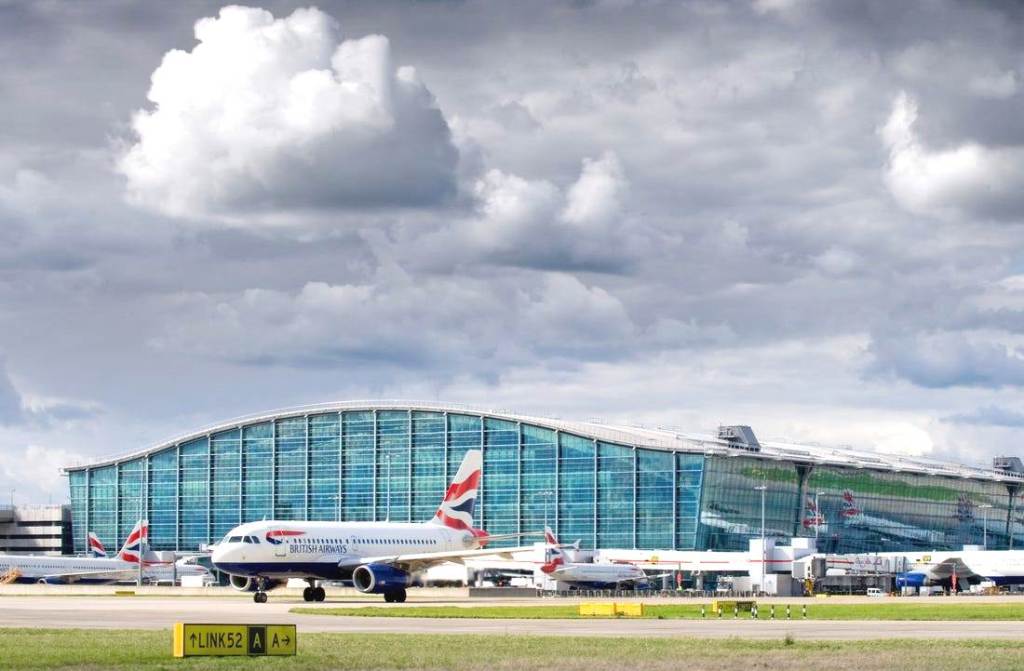


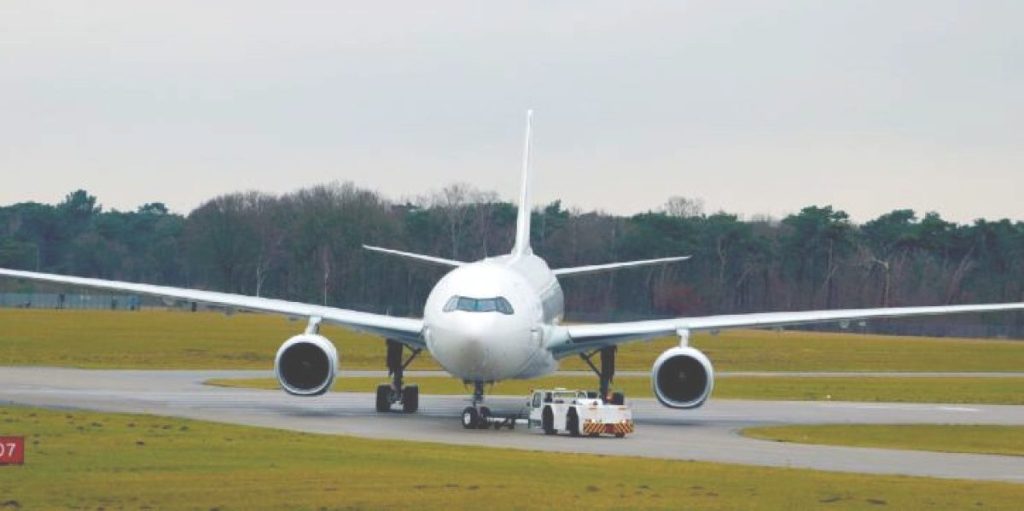



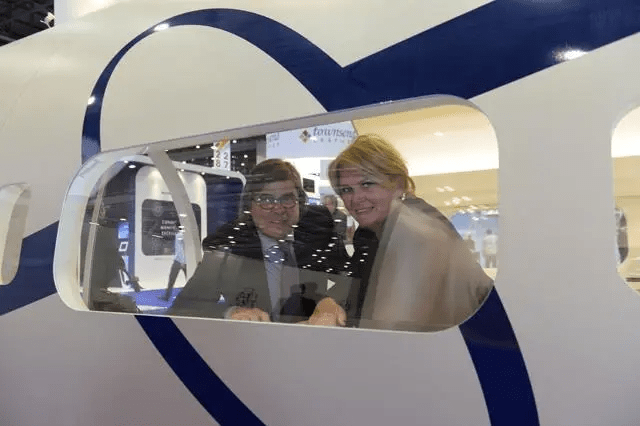
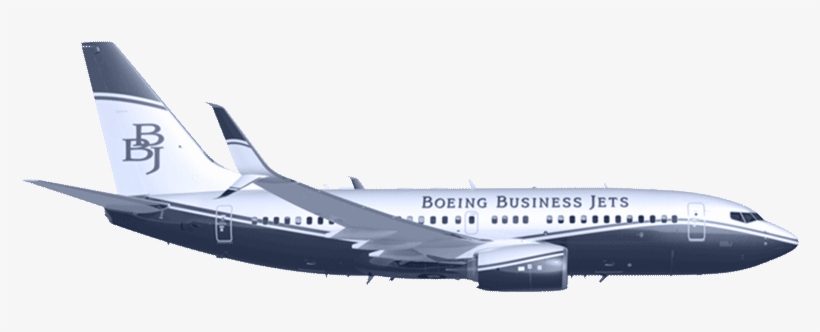



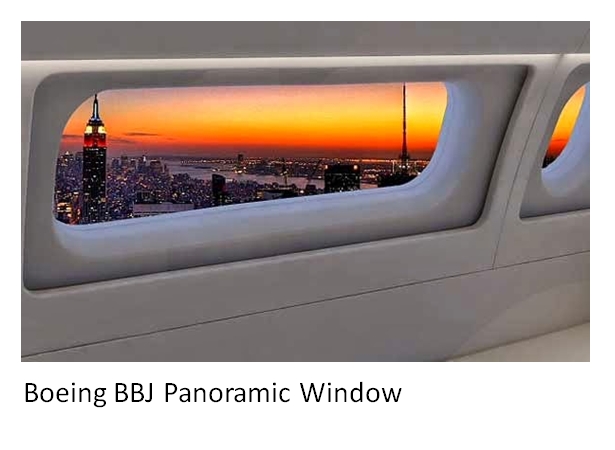
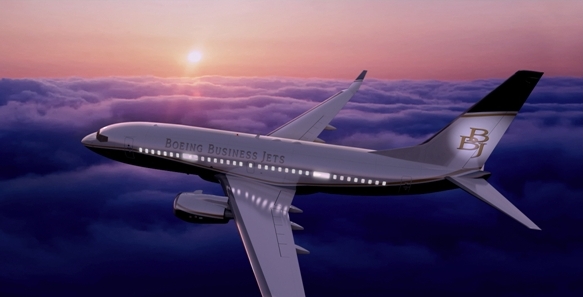
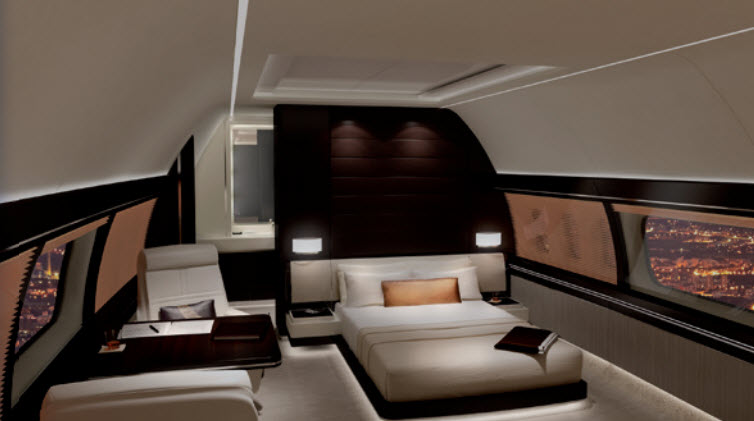
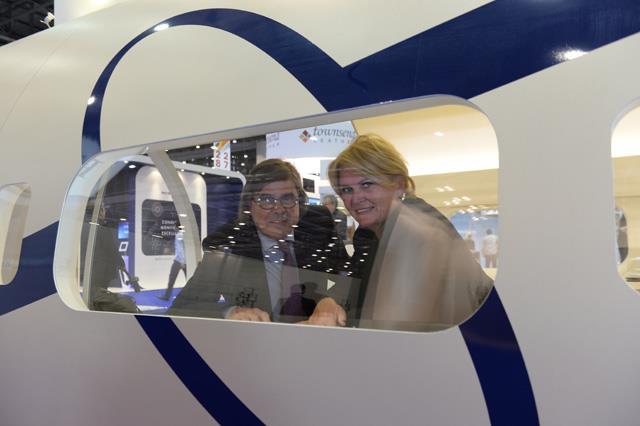

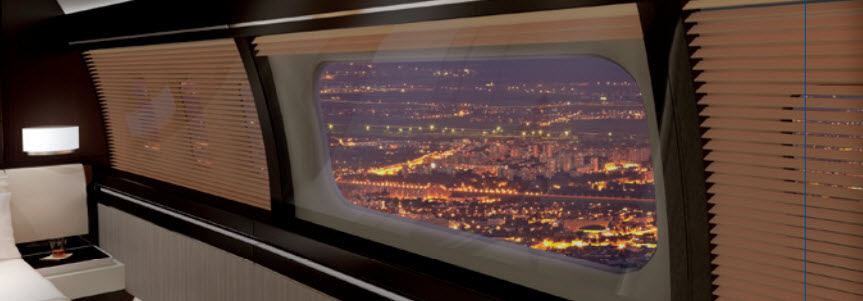

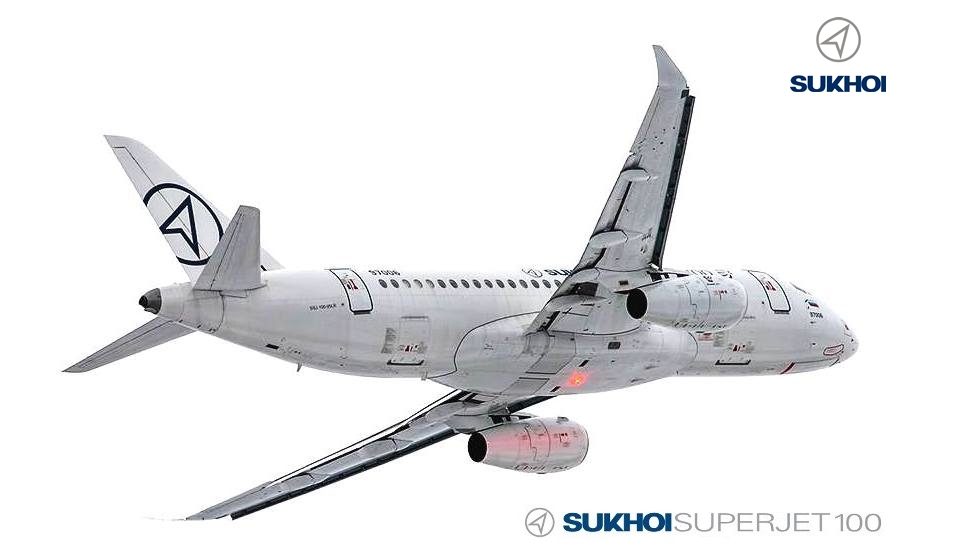

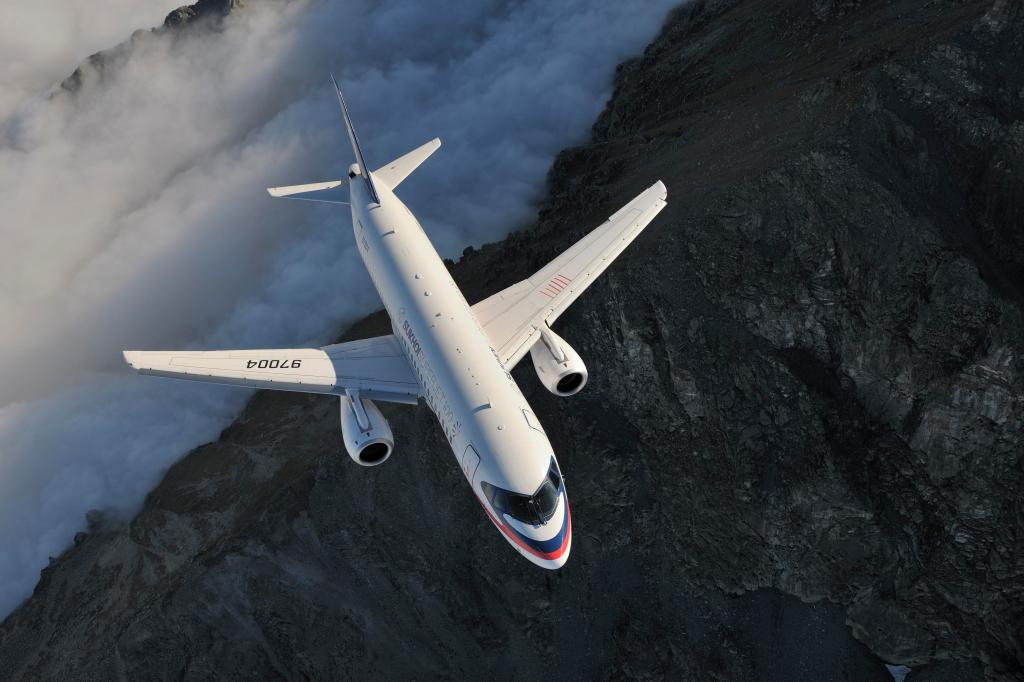

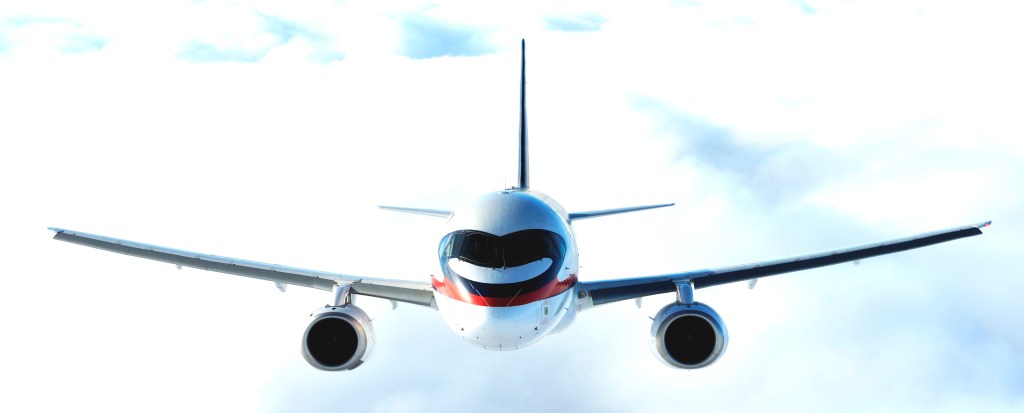

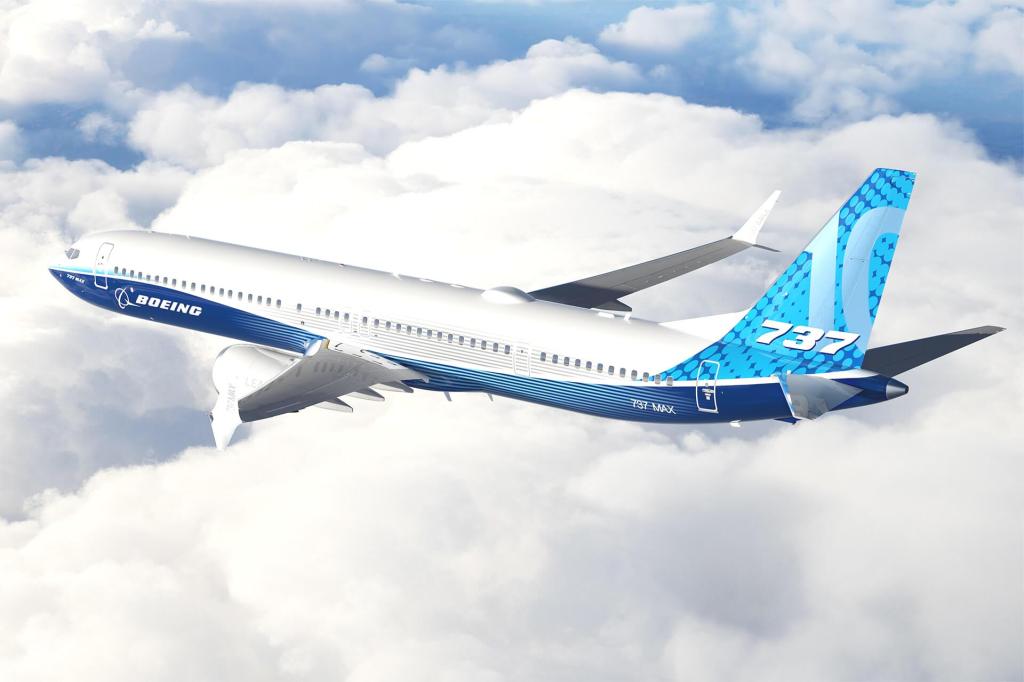

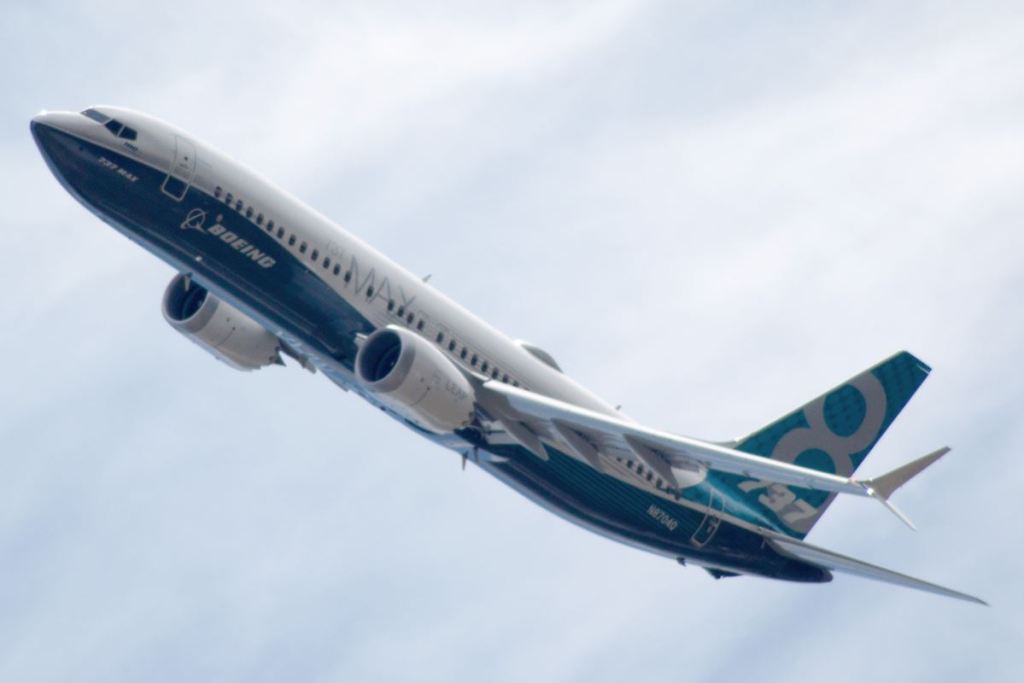
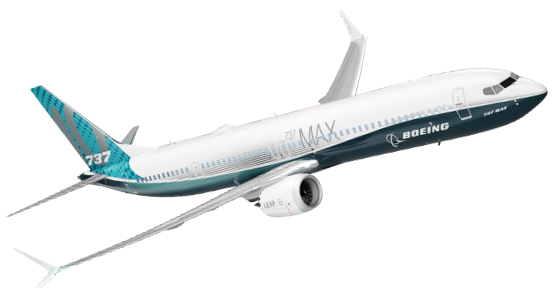




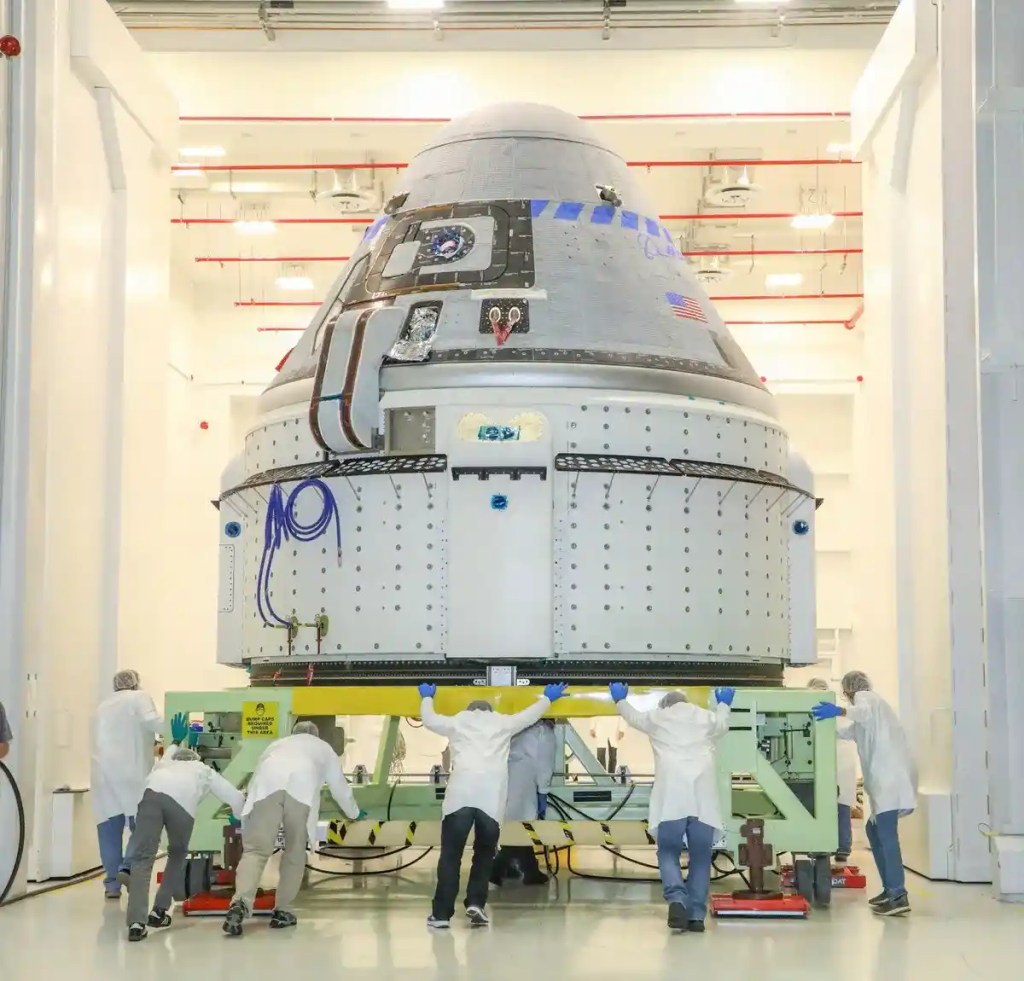
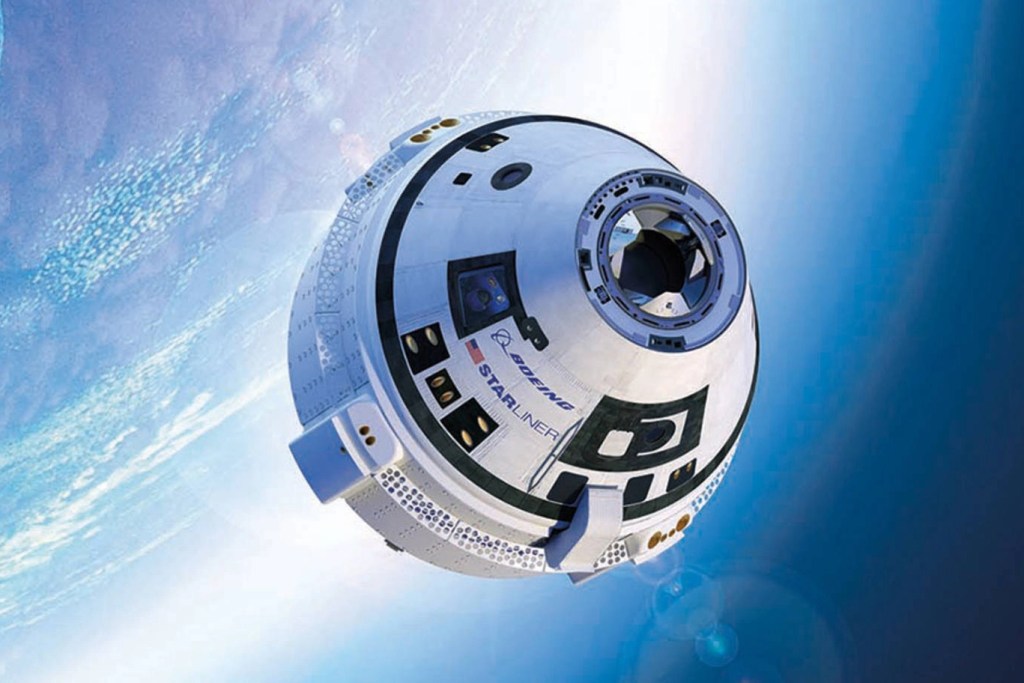

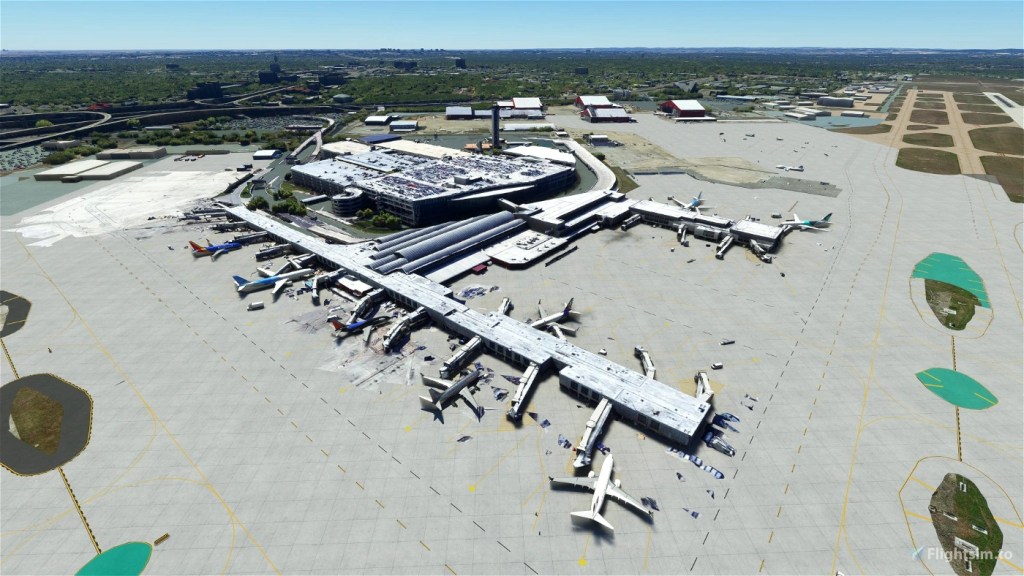





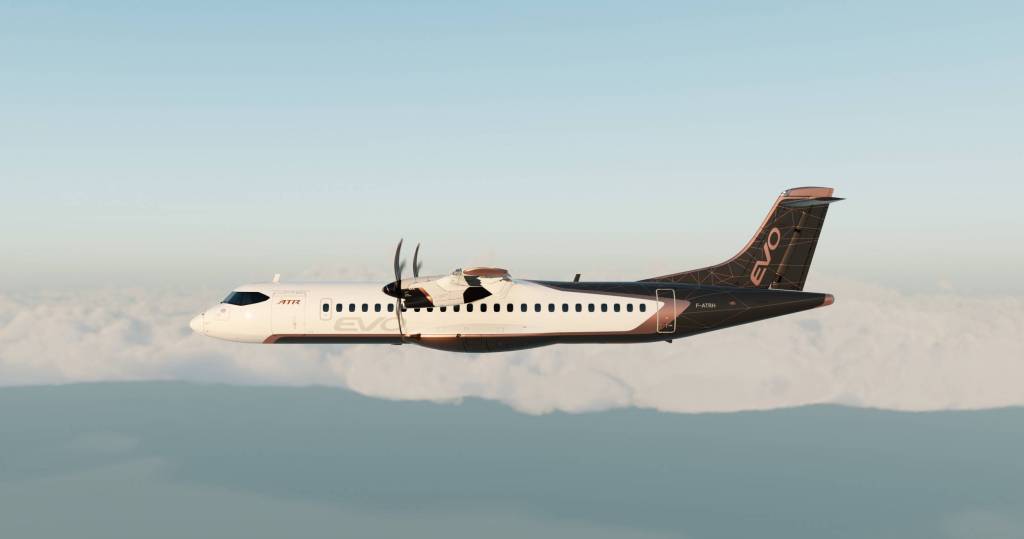
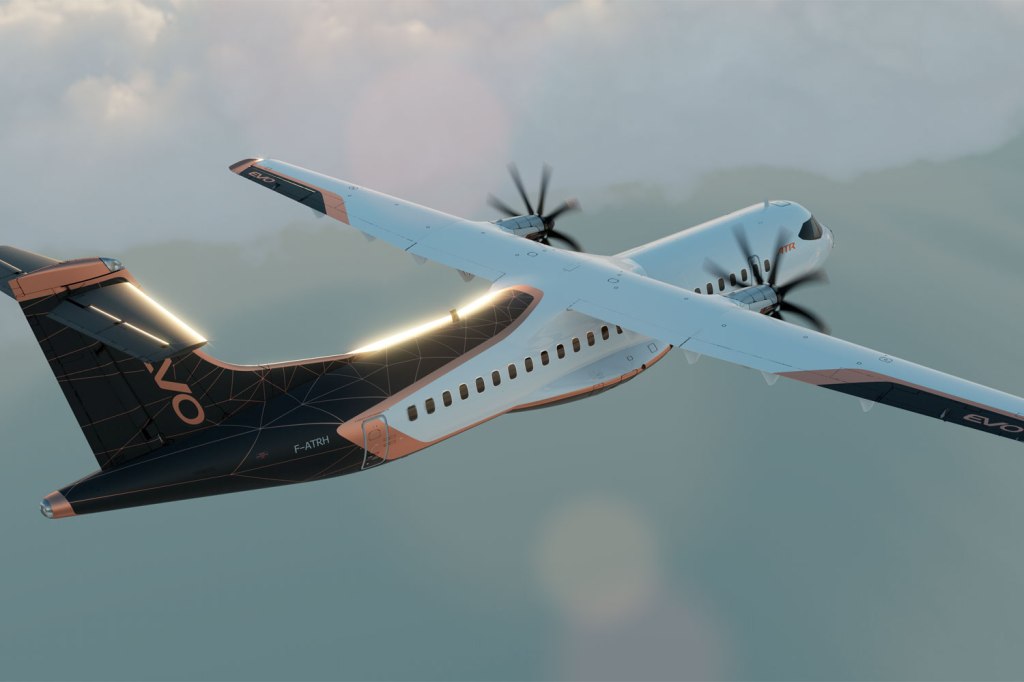
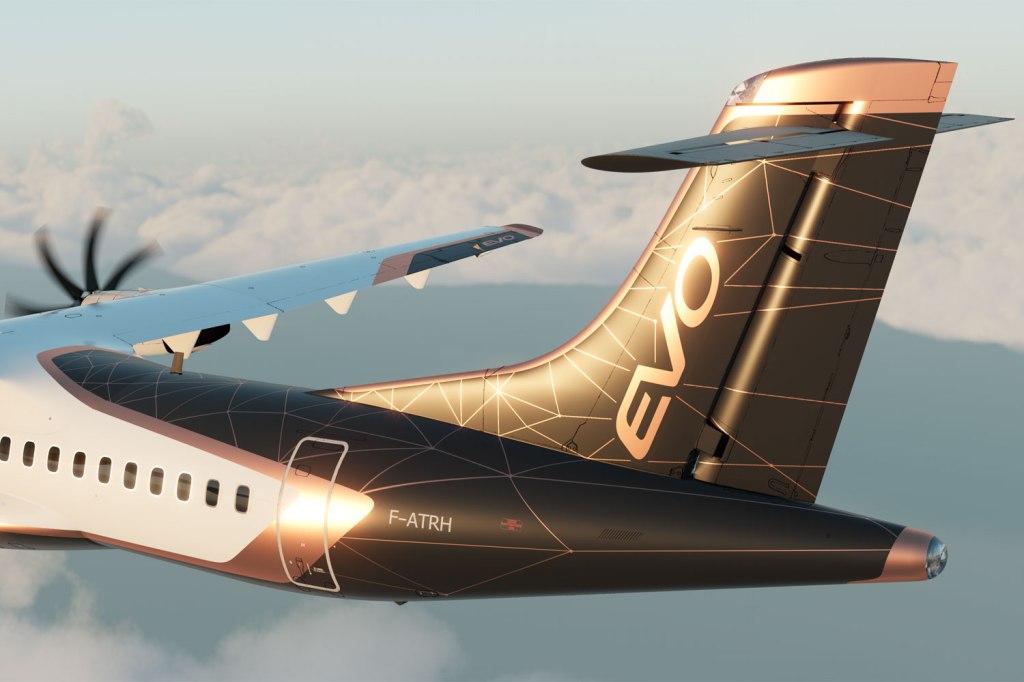
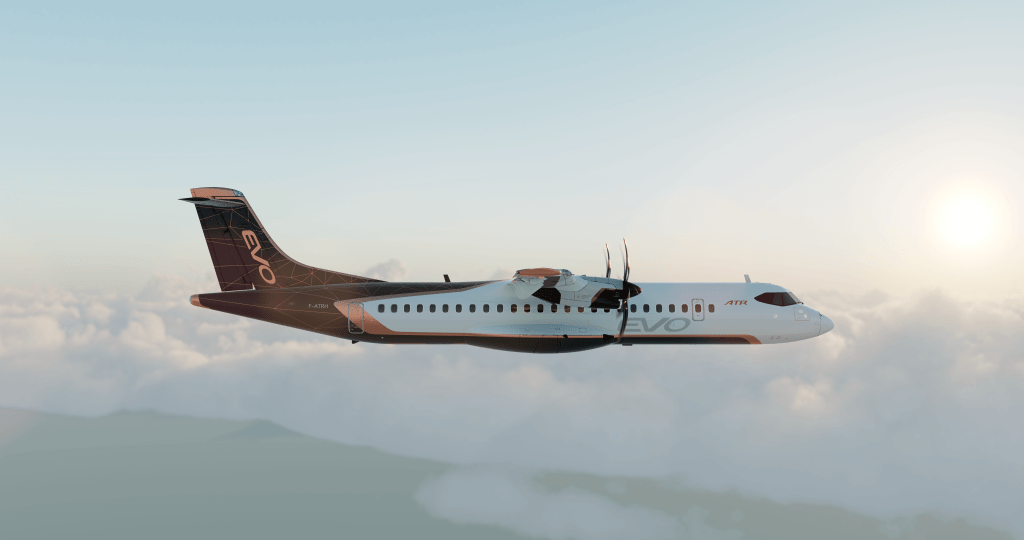

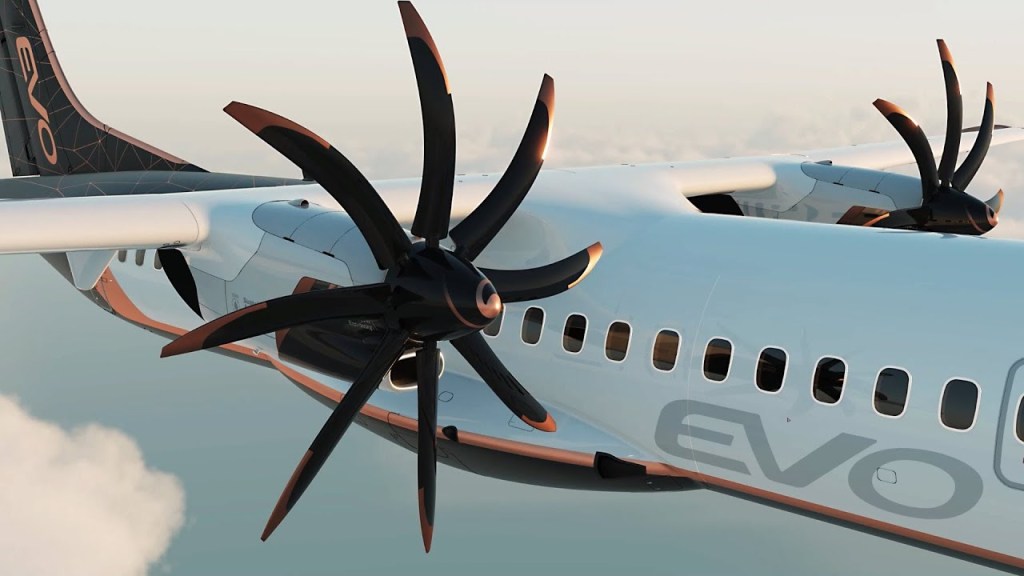
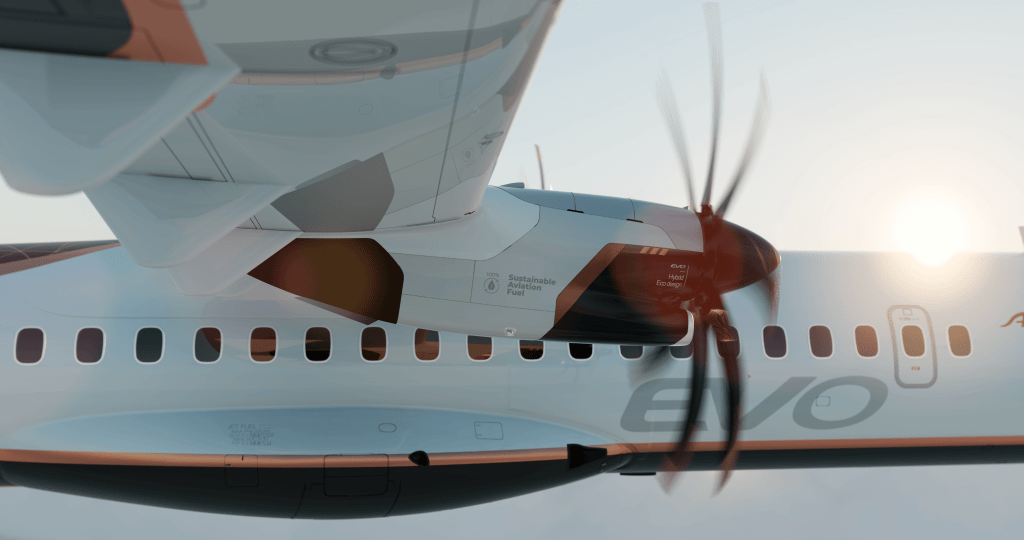






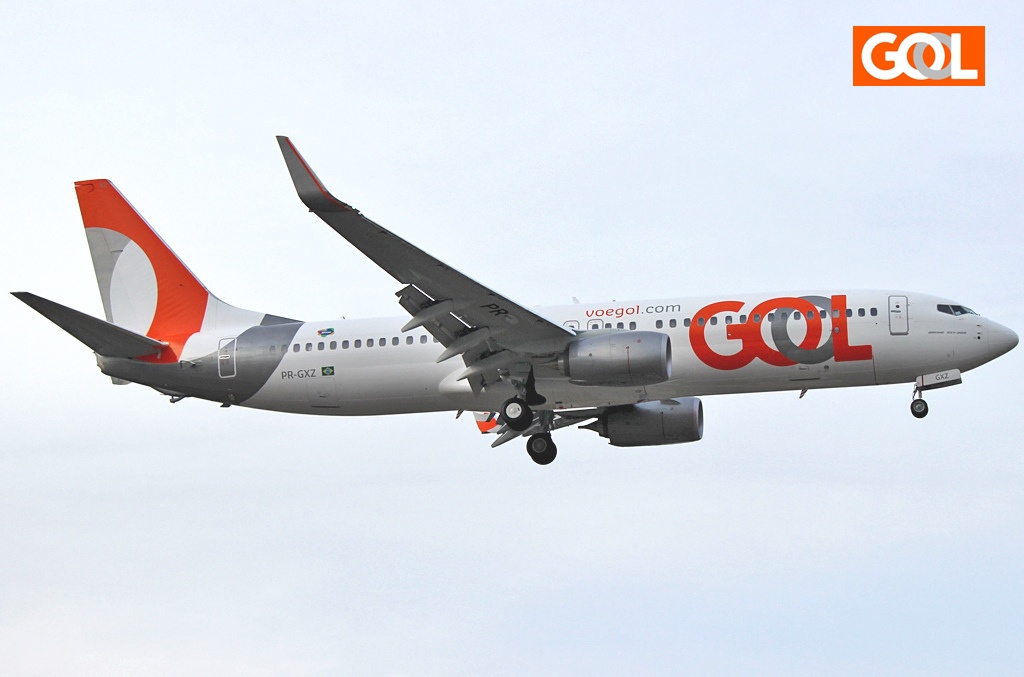



 airgways.com