Países Bajos revela implicados accidente MH17 de Malaysia Airlines

Resultado de imagen para Boeing 777 MH17

AW | 2018 01 02 08:31 | AIR INVESTIGATION

El Reino de los Países Bajos ha revela los nombres de los implicados en el accidente del vuelo MH-17 de Malaysia Airlines

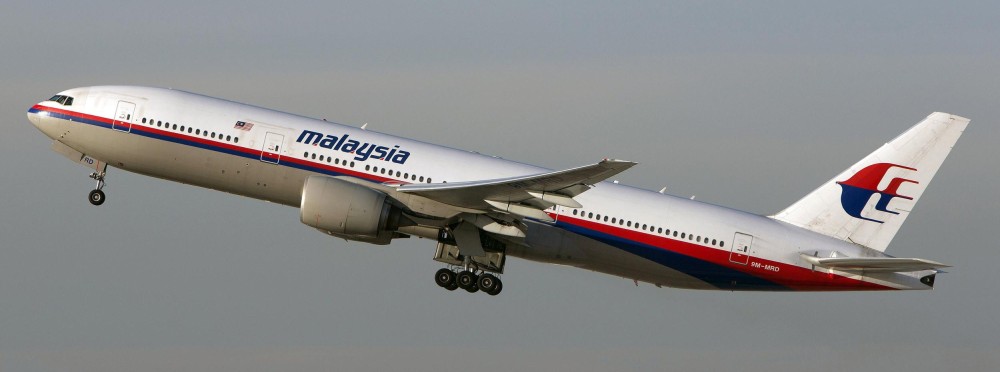
Hoy martes 2 de Enero 2018, la Junta de Investigación de los Países Bajos revelan los nombres de los implicados en del atentado del derribo del Boeing 777-200ER de Malaysia Airlines en el Donbas, este de Ucrania.

El vuelo MH-017 de Malaysia Airlines, que volaba desde Amsterdam a Kuala Lumpur, fue derribado el 17 de Julio de 2014 en la región de Donetsk. El total de las 298 personas no sobrevivieron. Los pasajeros del vuelo eran ciudadanos de 10 nacionalidades, con 196 personas de nacionalidad holandesa.

«La investigación estableció los nombres de 120 personas involucradas en la organización y ejecución del ataque terrorista contra los tripulantes y pasajeros de este vuelo», dijo el informe.

La investigación reveló que el Boeing 777-200ER fue derribado por un cohete 9M38, que se usa en el sistema de misiles antiaéreos Buk. La instalación fue entregada desde Rusia y lanzada desde el territorio, que en ese momento controlaba a los militantes del «DNR». Las pruebas de los fragmentos del cohete «Buk» se revelaron durante lael exámen de los cuerpos de los miembros de la tripulación y en una de las de las ventanas de la cabina del avión.  AIRWAYS® AW-Icon TXT

The Netherlands reveals involved MH17 accident

The Kingdom of the Netherlands has revealed the names of those involved in the crash of Malaysia Airlines flight MH-17

Today, Tuesday, January 2, 2018, the Investigation Board of the Netherlands reveals the names of those involved in the attack of the Boeing 777-200ER of Malaysia Airlines in Donbas, eastern Ukraine.

Malaysia Airlines flight MH-017, which was flying from Amsterdam to Kuala Lumpur, was shot down on July 17, 2014 in the Donetsk region. The total of the 298 people did not survive. The passengers on the flight were citizens of 10 nationalities, with 196 people of Dutch nationality.

«The investigation established the names of 120 people involved in the organization and execution of the terrorist attack against the crew and passengers of this flight», the report said.

The investigation revealed that the Boeing 777-200ER was shot down by a 9M38 rocket, which is used in the Buk anti-aircraft missile system. The installation was delivered from Russia and launched from the territory, which at that time controlled the «DNR» militants. The tests of the «Buk» rocket fragments were revealed during the examination of the bodies of the crew members and in one of the windows of the aircraft cabin. A \ W


Ξ A I R G W A Y S Ξ
SOURCE:  Airgways.com
DBk: Onderzoeksraad.nl / Stalkerzone.org
AW-POST: 201801020831AR

A\W   A I R G W A Y S ®

British Airways desarrolla London City

AW | 2018 01 02 07:57 | AIRLINES / AIRPORTS

Resultado de imagen para British Airways logoBritish Airways continúa su expansión en el London City

British Airways (BA) sigue ampliando su negocio en el aeropuerto doméstico London City con tres nuevas rutas, incremento de frecuencias, con dos aviones adicionales y 40 empleos nuevos. La aerolínea mantener su posición de liderazgo en este singular aeropuerto de Londres.

Imagen relacionadaLa aerolínea británica está marcando posición en el London City. Tan solo una semana después de que la aerolínea anunciara planes para aumentar los vuelos desde Manchester, Birmingham y Bristol en el verano de 2018, hoy planea duplicar los vuelos semanales entre London City y Milan Linate y agregue un nuevo servicio semanal a Frankfurt a partir de este mes de enero.

Los vuelos adicionales son posibles gracias a la llegada en Enero y Abril de 2018 de dos nuevos Embraer 190 con 98 asientos, lo que lleva el número total de la flota a 22 aviones. Luke Hayhoe, Director General Comercial de British Airways, confirma la buena salud de la empresa: «Este año, hemos casi duplicado el número de líneas que operamos en comparación con el año pasado y la temporada de invierno trae cinco nuevas líneas, desde London City a París Orly, Praga y Reykjavik».  AIRWAYS® AW-Icon TXT

British Airways develops London City

British Airways continues its expansion in the city of London

British Airways (BA) continues to expand its business at the London City Airport with three new routes, increased frequencies, additional two aircraft and 40 new jobs. The airline maintains its leading position in this unique airport in London.

The British airline is marking position in London City. Just a week after the airline announced the plans to increase flights from Manchester, Birmingham and Bristol in the summer of 2018, today plans to double the weekly flights between the city of London and Milan. Linate and add a new weekly service in Frankfurt starting this January.

Additional flights are possible thanks to the arrival in January and April 2018 of two new Embraer 190 with 98 seats, which brings the total number of the fleet to 22 years. Luke Hayhoe, Commercial General Manager of British Airways, confirms the good health of the company: «This year, we have doubled the number of lines we operate compared to last year and the winter season brings five new lines, from the city of London a Paris Orly, Prague and Reykjavik». A \ W


Ξ A I R G W A Y S Ξ
SOURCE:  Airgways.com
DBk: Ba.com / Forbes.com
AW-POST: 201801020757AR

A\W   A I R G W A Y S ®

El ocaso de los gigantes de los cielos

AW-700747380.jpg

AW | 2018 01 01 15:47 | INDUSTRY

Logo_Airbus_2014.svg430b0f4e9ce460acd627d934aeb97a94--aeroplanes-stamp-collectingLos colosos del aire, el Boeing 747 apodado «Jumbo» o «Reina de los Cielos» junto con el Airbus A380 «Superjumbo» podrían cesar su fabricación

Boeing-Logo.svg

El fin de la era de los colosos del aire parece llegar a su fin, debido a la baja cartera de pedidos que están recibiendo tanto Airbus como Boeing, a pesar de las mejoras y avances tecnológicos.

El Boeing 747 «Jumbo»

Resultado de imagen para Boeing 747 pngTras casi 50 años después de su primer vuelo, el Boeing 747 parece decir adiós. El afamado B747 de la The Boeing Co., también conocido como Jumbo, se retira de los vuelos comerciales estadounidenses, donde ha sido el rey durante décadas. Uno de los aviones de pasajeros más recordados de la historia se retira para dejar paso a aeronaves mucho más eficientes y modernas.

El mundo de la aviación ha quedado fascinado con este símbolo de una época marcando innumerables hitos en las aerolíneas del mundo entero. Realizó más de 1.500 entregas de cuatrimotor en sus diferentes configuraciones.

El último vuelo, realizado por Delta Air Lines entre Dallas y Seattle. British Airways lo seguirá utilizando para sus vuelos a Estados Unidos. United Airlines finalmente también ha retirado el afamado Jumbo después de casi 40 años en servicio para la aerolínea. El Presidente de Estados Unidos seguirá confiando en el Air Force One (Boeing 747-400) al menos hasta 2024.

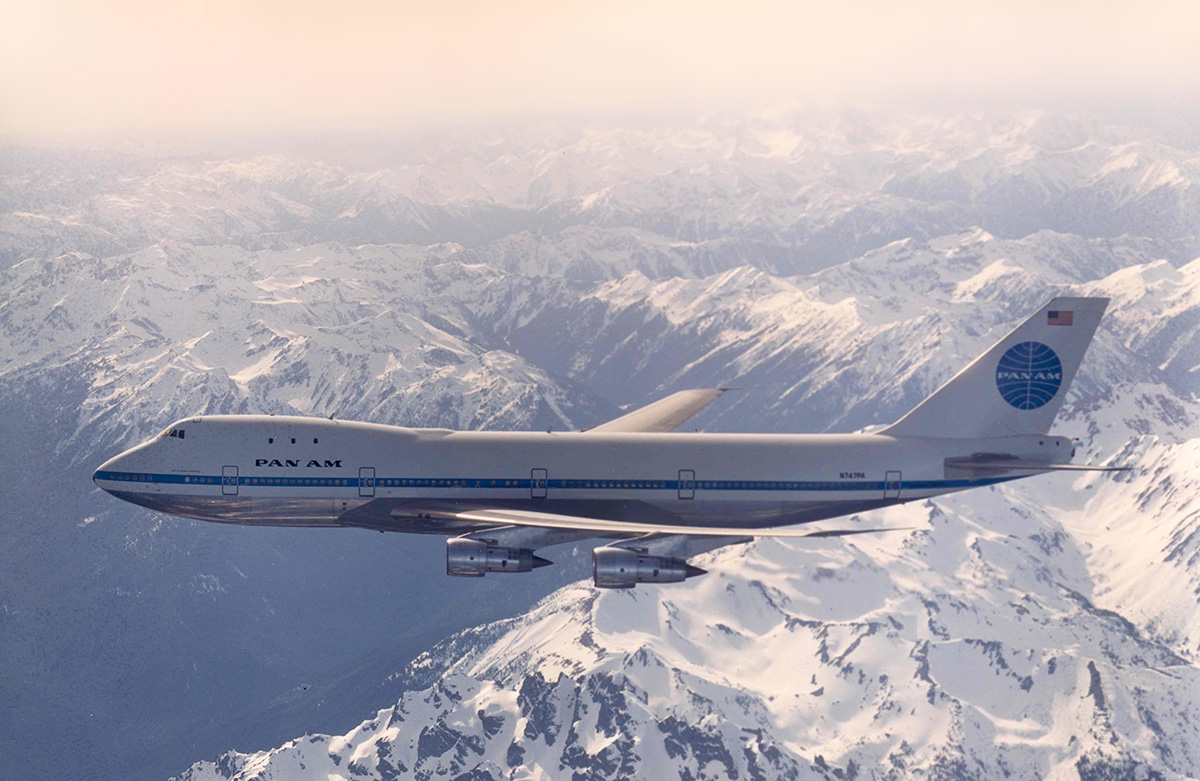
La Reina de los Cielos cambió el mundo para siempre desde su primer vuelo en 1969. Su configuración con capacidad para alrededor de 500 pasajeros, mucho más que cualquier otro avión de pasajeros para esa época, abarató los viajes en avión e hizo posible el turismo masivo. Su versión de carga nos trajo la era de Amazon y transportó de todo, desde jefes de Estado hasta telescopios gigantes y el transbordador espacial. Desde que entró en servicio con PanAm en 1970, Boeing ha construido más de 1,500 aviones 747 en una amplia gama de modelos estándar y especiales.

Desde el nacimiento del Boeing 747, ningún avión comercial había despertado mayor curiosodad, admiración y respeto por una máquina colosal que podría surcar los cielos del mundo. El glorioso perfil curvilíneo lo convirtió en el avión de pasajeros más reconocible de la historia. El puente superior sigue siendo el mejor lugar para viajar por Aerolínea, Avión, B-747, Plano De Los Aviones, Alaavión, un entorno sin ruido e íntimo. Si tienes la oportunidad de viajar cerca de la nariz, zona por lo general reservada para primera clase, casi parece que estás en tu propia casa en los cielos. Incluso la clase económica era cómoda debido al techo elevado y la cabina ancha.

Delta Airlines es la última aerolínea estadounidense que retiró el Boeing 747-400. En la actualidad el Boeing 747 seguirá volando en EEUU en las vesiones de cargo. Aerolíneas como British Airways, Virgin Atlantic, Thai Airways, KLM, Qantas y Lufthansa, seguirán usando sus Boeing 747-400 hasta por lo menos el 2020.

EL BOEING 747-100 ENTRÓ EN SERVICIO CON PAN AM EN 1970

Desafortunadamente, las perspectivas de la última versión del 747 no son muy halagadoras. Aunque Boeing todavía construye el 747-8 Intercontinental, las ventas menores de lo esperado han llevado a la empresa a informar que pudiera cerrar la línea de producción completamente. Así que si desean experimentar un vuelo en el Boeing 747-8, podrás comprar un boleto en Lufthansa, Air China o Korean Air.

El «Superjumbo» declina sus ventas

Airbus, a punto de dejar de fabricar el A380 por falta de ventas. Airbus estaría dispuesta a cerrar la línea de producción, apenas 10 años después de que el primer avión de este modelo comenzara a volar.

Airbus, el consorcio europeo fabricante de aviones, está considerando el cierre definitivo de la línea de producción del A380, el avión de pasajeros más grande del mundo, cuyas ventas prácticamente se han paralizado. La decisión, según los medios mejor informados, se ha venido posponiendo porque aún existía una cierta posibilidad de que Emirates, la aerolínea que más aviones ha comprado de este modelo, hiciera un pedido adicional de otros 36 aviones. Como este pedido no llega, Airbus estaría dispuesta a cerrar la línea de producción, apenas 10 años después de que el primer avión de este modelo comenzara a volar.

Imagen relacionada

DESPEGUE DE UN AIRBUS A380-800 DE LA AEROLÍNEA SINGAPORE AIRLINES

Estamos hablando de la historia de un fracaso. De hecho, desde hace ya cuatro años nadie compra estos aviones salvo Emirates, que hoy está volando más de cien y que tiene aún unos 30 aviones comprometidos y no entregados. Las demás aerolíneas apenas tienen este modelo, muy complicado de operar porque sólo puede operar en líneas con mucha demanda.

Los rivales no paran de cuestionar la oportunidad de este avión, pero Airbus oficialmente se ha mantenido en que ha sido un acierto. De hecho, Airbus cree que este modelo, con gran capacidad, tiene futuro en la medida en que pronto serán necesarios menos aviones de más capacidad en las rutas aéreas más saturadas del mundo. Pero, la teoría es una cosa y las ventas son otras. Mientras los A330 y A350 se venden estupendamente, el A380 no tiene más que un cliente.

Con Emirates Airlines ha habido una disputa que dura ya meses. En la última feria aérea de Dubai se estuvo a punto de firmar un acuerdo para la compra de más aviones. Emirates sigue interesada en ellos. Primero exigió una remodelación del avión para hacerlo más económico, pero Airbus no tiene mucha disposición a ello porque no hay clientes y la inversión sería muy elevada; después Emirates exigió un compromiso por parte de Airbus de no cerrar la línea de producción. Cuando un avión se deja de fabricar, rápidamente pierde valor en el mercado, lo cual no interesa a Emirates. Por todo esto, en Dubai no hubo acuerdo. Pero han pasado cuatro meses y sigue sin haber acuerdo.

Mientras, el legendario «Jumbo» se va retirando de las flotas aéreas estadounidenses y mundiales, el «Superjumbo» parece tener el mismo destino, el final de la producción en serie. Los dos colosos del aire parecen que irán desactivándose de las aerolíneas mundiales para formar parte de una selecta flota de aviones convertidos a cargueros, o morir definitivamente en algún cementerio de aviones.  AIRWAYS® AW-Icon TXT

The sunset of the giants of the heavens

Resultado de imagen para A380 PNGThe giants of the air, the Boeing 747 nicknamed «Jumbo» or «Queen of the Skies» along with the Airbus A380 «Superjumbo» could cease its manufacture

The end of the era of the colossus of the air seems to come to an end, due to the low order backlog that both Airbus and Boeing are receiving, despite the improvements and technological advances.

The Boeing 747 «Jumbo»

Resultado de imagen para Boeing 747  stampAfter almost 50 years after its first flight, the Boeing 747 seems to say goodbye. The famed B747 of The Boeing Co., also known as Jumbo, retires from American commercial flights, where it has been king for decades. One of the most memorable passenger planes in history is removed to make way for much more efficient and modern aircraft.

The world of aviation has been fascinated by this symbol of an era marking innumerable milestones in airlines around the world. He made more than 1,500 deliveries of four-engine in its different configurations.

airliner-2545346_960_720.png

The last flight, made by Delta Air Lines between Dallas and Seattle. British Airways will continue to use it for its flights to the United States. United Airlines has also finally withdrawn the famed Jumbo after almost 40 years in service for the airline. The President of the United States will continue to rely on Air Force One (Boeing 747-400) at least until 2024.

The Queen of the Heavens changed the world forever from its first flight in 1969. Its configuration with capacity for around 500 passengers, much more than any other passenger plane for that time, cheapened air travel and made mass tourism possible. Its cargo version brought us the era of Amazon and transported everything from heads of state to giant telescopes and the space shuttle. Since entering service with Pan Am in 1970, Boeing has built more than 1,500 747 aircraft in a wide range of standard and special models.

4513437

THE BOEING 747-100 CAME INTO SERVICE WITH PAN AM IN 1970

Since the birth of the Boeing 747, no commercial aircraft had aroused greater curiosity, admiration and respect for a colossal machine that could sail the skies of the world. The glorious curvilinear profile made it the most recognizable passenger plane in history. The upper bridge is still the best place to travel by plane, a quiet and intimate environment. If you have the opportunity to travel close to your nose, an area usually reserved for first class, it almost seems that you are in your own home in the heavens. Even the economy class was comfortable due to the high ceiling and the wide cabin.

Delta Airlines is the last US airline that withdrew the Boeing 747-400. At present, the Boeing 747 will continue flying in the USA in cargo versions. Airlines such as British Airways, Virgin Atlantic, Thai Airways, KLM, Qantas and Lufthansa will continue using their Boeing 747-400 until at least 2020.

Resultado de imagen para Boeing 747 png

BOEING 747-8I

Unfortunately, the prospects for the latest version of the 747 are not very flattering. Although Boeing still builds the 747-8 Intercontinental, lower than expected sales have led the company to report that it could close the production line completely. So if you want to experience a flight on the Boeing 747-8, you can buy a ticket at Lufthansa, Air China or Korean Air.

The «Superjumbo» declines its sales

Airbus, about to stop manufacturing the A380 due to lack of sales. Airbus would be willing to close the production line, just 10 years after the first airplane of this model began to fly.

Airbus, the European aircraft manufacturer consortium, is considering the final closure of the A380 production line, the world’s largest passenger aircraft, whose sales have virtually come to a standstill. The decision, according to the best informed media, has been postponed because there was still a certain possibility that Emirates, the airline that has bought the most aircraft of this model, placed an additional order for another 36 aircraft. As this order does not arrive, Airbus would be willing to close the production line, just 10 years after the first airplane of this model began to fly.

Resultado de imagen para A380

LANDING OF AN A380 OF EMIRATES AIRLINES

We are talking about the history of a failure. In fact, for four years nobody has bought these planes except for Emirates, which today is flying more than a hundred and still has about 30 committed and undelivered airplanes. The other airlines hardly have this model, which is very complicated to operate because it can only operate on lines with high demand.

The rivals do not stop questioning the opportunity of this plane, but Airbus has officially maintained that it has been a success. In fact, Airbus believes that this model, with great capacity, has a future to the extent that soon more aircraft with more capacity will be needed in the most saturated air routes in the world. But, the theory is one thing and sales are different. While the A330 and A350 sell superbly, the A380 has only one customer.

With Emirates Airlines there has been a dispute that lasts for months. At the last air show in Dubai was about to sign an agreement for the purchase of more aircraft. Emirates remains interested in them. First he demanded a remodeling of the plane to make it cheaper, but Airbus does not have much disposition to do so because there are no customers and the investment would be very high; then Emirates demanded a commitment from Airbus not to close the production line. When an airplane stops manufacturing, it quickly loses market value, which is of no interest to Emirates. For all this, in Dubai there was no agreement. But four months have passed and there is still no agreement.

Meanwhile, the legendary «Jumbo» is retiring from the US and global air fleets, the «Superjumbo» seems to have the same destiny, the end of serial production. The two giants of the air seem to be deactivating the world airlines to be part of a select fleet of airplanes converted to freighters, or to finally die in an aircraft cemetery. A \ W


AW-Airgways.com-Jet

AW-Airgways Icon-webΞ A I R G W A Y S Ξ
SOURCE:  Airgways.com
DBk: Boeing.com / Airbus.com / Airgways.com / Worksthatwork.com / Kent Rose / Thisdayinaviation.com
AW-POST: 201801011547AR

A\W   A I R G W A Y S ®

Austrian despide al Fokker

AW | 2018 01 01 14:06 | AIRLINES ROUTES

Austrian Airlines desprograma la flota de Fokker

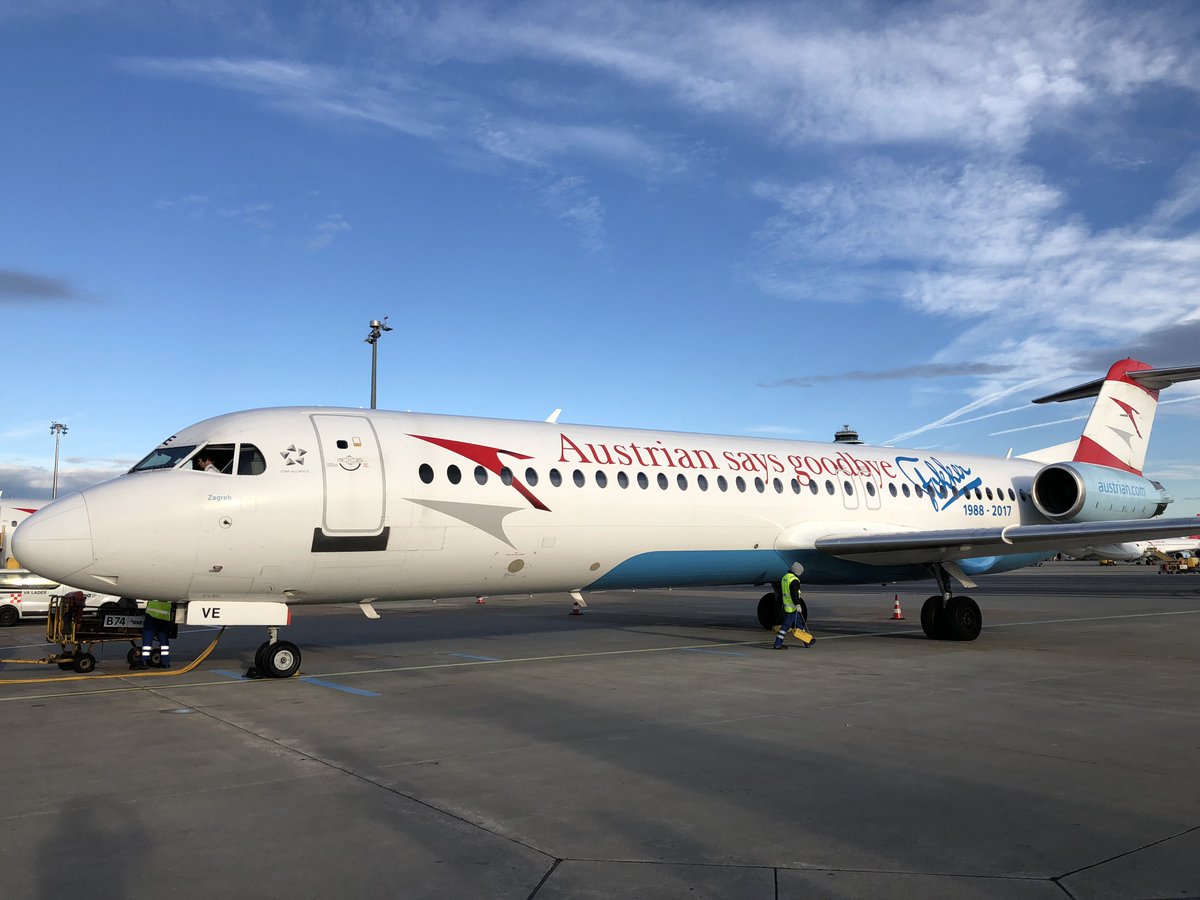
Resultado de imagen para tyrolean airlines logoFokker.svg.pngAustrian Airlines pone fin a la era Fokker. Su última unidad, un Fokker 100, entró en servicio una última vez al término del 2017 efectuando la ruta Viena—Pristina, Kosovo.

El primer Fokker 50 fue autorizado para operar el 15 de marzo de 1988 bajo el Certificado de Operador Aéreo (AOC) de Austrian Airlines. En 1995 se agregaron dos jets adicionales Fokker 70. En ese momento, se consideró que este tipo de avión pertenecía a la próxima generación de aviones. Entre las ventajas se encuentran los bajos niveles de generación de ruido y las emisiones de gases de efecto invernadero, combinados con la mayor velocidad y rango en comparación con otros modelos de aviones. En el contexto de su estrategia Focus East, Austrian Airlines adquirió aviones Fokker adicionales en 2004, incluidos aviones Fokker 100. En 2015, la compañía de bandera austríaca decidió reemplazar toda su flota Fokker envejecida, que consta de 21 jets, con 17 aviones Embraer modernos. En agosto de 2017, Austrian Airlines concluyó con éxito la integración de este nuevo tipo de aeronaves en su flota.

Los aviones Embraer consumen aproximadamente un 18% menos de combustible por asiento de avión que el Fokker, y por lo tanto son mucho más compatibles con el medio ambiente. Los pasajeros disfrutan de una mayor comodidad de viaje como resultado del reemplazo del avión Fokker: la cabina equipada con dos filas de asientos es particularmente espaciosa debido a su diseño ergonómico, ofreciendo así a los 120 pasajeros la sensación de tener más espacio.

El primer Fokker 70 de Austrian Airlines (Austrian Arrows) ingresó a su servicio en la competencia. En mayo de 1995, Tyrolean Airways se hizo su primer Fokker 70. Con el cambio a Embraer 190, la época de los Fokkers llegaron a su fin. Mientras tanto, la flota de Embraer se ha completado y toda la flota de Fokker se ha vendido a la Australian Alliance Airlines. Sin embargo, Austria permanece en el negocio de enfoque a través de su Ingeniería Austriaca Bratislava (ATB); así los ‘australianos’ continuarán siendo atendidos allí.

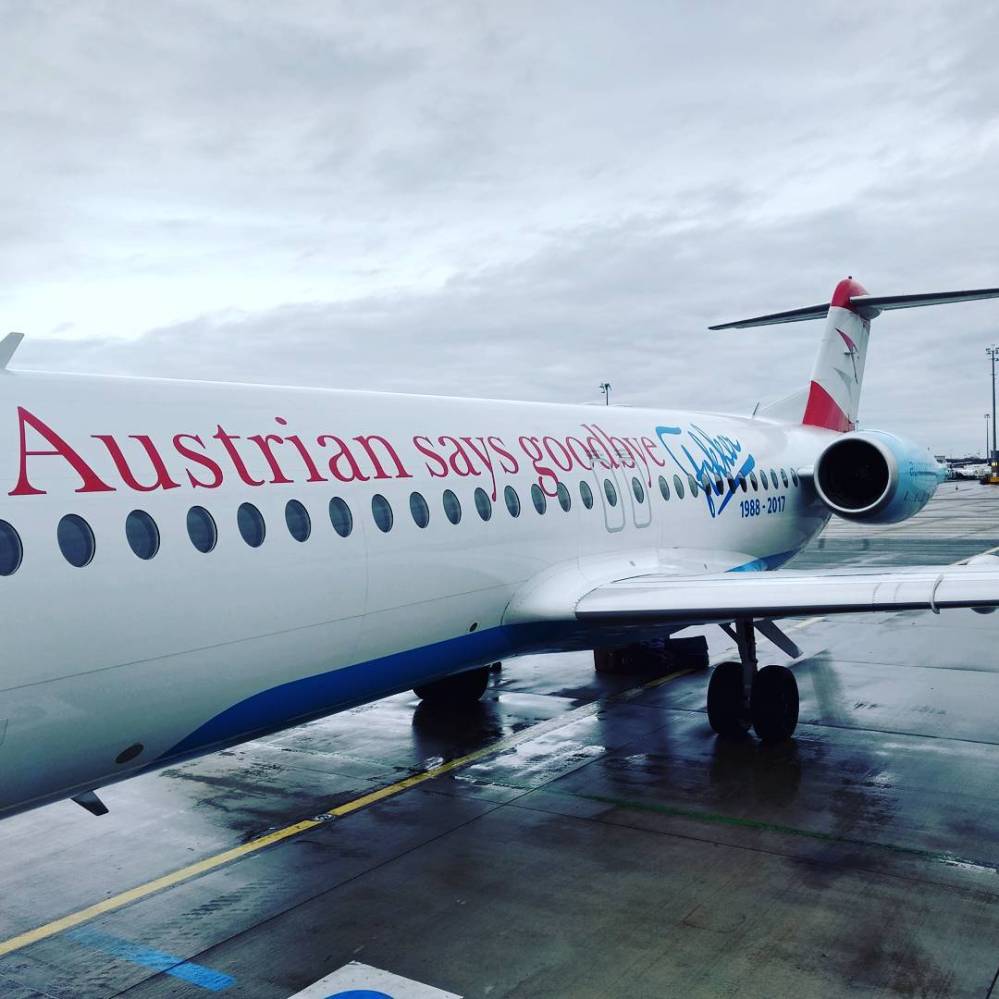
Oficialmente Austrian Airlines se despidió de sus «Fokkers» en Noviembre 2017, con un vuelo especial. En sus más de dos décadas de servicio con el Fokker brindó los fieles servicios. AIRWAYS® AW-Icon TXT

Austrian dismisses the Fokker

Austrian Airlines deprograms the Fokker fleet

Austrian airlines ends the Fokker era. His last unit, a Fokker 100, entered service one last time at the end of 2017 carrying out the route Vienna-Pristina, Kosovo.

The first Fokker 50 was authorized to operate on March 15, 1988 under the Austrian Airlines Air Operator Certificate (AOC). In 1995 two additional Fokker 70 jets were added. At that time, it was considered that this type of aircraft belonged to the next generation of aircraft. Among the advantages are the low levels of noise generation and greenhouse gas emissions, combined with the higher speed and range compared to other aircraft models. In the context of its Focus East strategy, Austrian Airlines acquired additional Fokker aircraft in 2004, including Fokker 100 aircraft. In 2015, the Austrian flag company decided to replace its entire aging Fokker fleet, consisting of 21 jets, with 17 modern Embraer aircraft . In August 2017, Austrian Airlines successfully completed the integration of this new type of aircraft into its fleet.

Embraer aircraft consume approximately 18% less fuel per aircraft seat than the Fokker, and therefore are much more compatible with the environment. Passengers enjoy greater travel comfort as a result of replacing the Fokker aircraft: the cab equipped with two rows of seats is particularly spacious due to its ergonomic design, thus offering 120 passengers the feeling of having more space.

The first Fokker 70 of Austrian Airlines (Austrian Arrows) entered its service in the competition. In May of 1995, Tyrolean Airways became its first Fokker 70. With the change to Embraer 190, the era of the Fokkers came to an end. Meanwhile, the Embraer fleet has been completed and the entire Fokker fleet has been sold to the Australian Alliance Airlines. However, Austria remains in the focus business through its Austrian Engineering Bratislava (ATB); thus the ‘Australians’ will continue to be served there.

Officially Austrian Airlines said goodbye to its «Fokkers» in November 2017, with a special flight. In his more than two decades of service with the Fokker he provided the faithful services. A \ W


Ξ A I R G W A Y S Ξ
SOURCE:  Airgways.com
DBk: Austrianairlines.ag
AW-POST: 201801011406AR

A\W   A I R G W A Y S ®

Bombardier anunció orden por 12 CRJ900

AW | 2018 01 01 13:27 | INDUSTRY

Bombardier_old.svgBombardier Aerospace anunció la venta de doce CRJ-900 a cliente no especificado

El fabricante canadiense Bombardier, ha anunciado el 29 de Diciembre de 2017 que un cliente no declarado ha realizado un pedido en firme de seis jets regionales CRJ900 con opciones por otros seis adicionales. El valor de la orden en firme ascendería alrededor de U$D 290 millones de dólares estadounidenses. El monto total por las órdenes en firme más las opciones sería de aproximadamente U$D 580 millones.

«En los últimos cinco años, más de 25 nuevas aerolíneas se han unido a las filas de los operadores de aeronaves CRJ. Esto es un testimonio del valor excepcional que este avión puede ofrecer gracias a su rendimiento y rentabilidad inigualables», dijo Fred Cromer, Presidente de Bombardier Commercial Aircraft. «La demanda de vuelos regionales está creciendo, y nos complace que las aerolíneas sigan eligiendo el avión regional CRJ900 para aumentar el número de sus pasajeros y sus ingresos», agrega en un comunicado.

Los aviones regionales CRJ de Bombardier son la columna vertebral de los mercados regionales de aviación en todo el mundo, incluyendo esta última orden, hasta ahora han recibido pedidos en firme para aviones 1918 aviones, que son operados por más de 120 propietarios y operadores en más de 90 países. La flota mundial de CRJ ha acumulado más de 50 millones de horas de vuelo.

Cada 10 segundos despega un jet regional de la serie CRJ en algún lugar del mundo. La familia de aviones de la serie CRJ ha transportado a más de 2 mil millones de pasajeros y es el programa de jet regional más exitoso del mundo, vinculando a personas y comunidades como ningún otro. Los jets regionales de la serie CRJ han revolucionado la aviación con su probada eficiencia, confiabilidad y rentabilidad. AIRWAYS® AW-Icon TXT

Bombardier announced order for twelve CRJ900

Bombardier-logo-7447580EF7-seeklogo.comBombardier Aerospace announced the sale of twelve CRJ-900 to unspecified customercrj-900.png

The Canadian manufacturer Bombardier, announced on December 29, 2017 that an undeclared customer has placed a firm order for six CRJ900 regional jets with options for an additional six. The value of the firm order would amount to about US $ 290 million. The total amount for firm orders plus options would be approximately US $ 580 million.

«Over the last five years, more than 25 new airlines have joined the ranks of CRJ aircraft operators, which is a testament to the exceptional value that this aircraft can offer thanks to its unparalleled performance and profitability», said Fred Cromer, President of Bombardier Commercial Aircraft. «The demand for regional flights is growing, and we are pleased that the airlines continue to choose the CRJ900 regional aircraft to increase the number of passengers and their revenues», he added in an unofficial statement.

Bombardier’s regional CRJ aircraft are the backbone of regional aviation markets around the world, including the latter order, so far they have received firm orders for 1918 aircraft, which are operated by more than 120 owners and operators in more from 90 countries. CRJ’s global fleet has accumulated more than 50 million flight hours.

Every 10 seconds a regional CRJ jet takes off somewhere in the world. The CRJ family of aircraft has transported more than 2 billion passengers and is the most successful regional jet program in the world, linking people and communities like no other. The regional jets of the CRJ series have revolutionized aviation with its proven efficiency, reliability and profitability. A \ W


Ξ A I R G W A Y S Ξ
SOURCE:  Airgways.com
DBk: Bombardier.com
AW-POST: 2018010115327AR

A\W   A I R G W A Y S ®

Vuelo HA446 Hawaiian Airlines despega en 2018 y aterriza en 2017

Hawaiian-New-Liver-Airbus-A330-1024x799

AW | 2018 01 01 12:20 | AIRLINES ROUTES

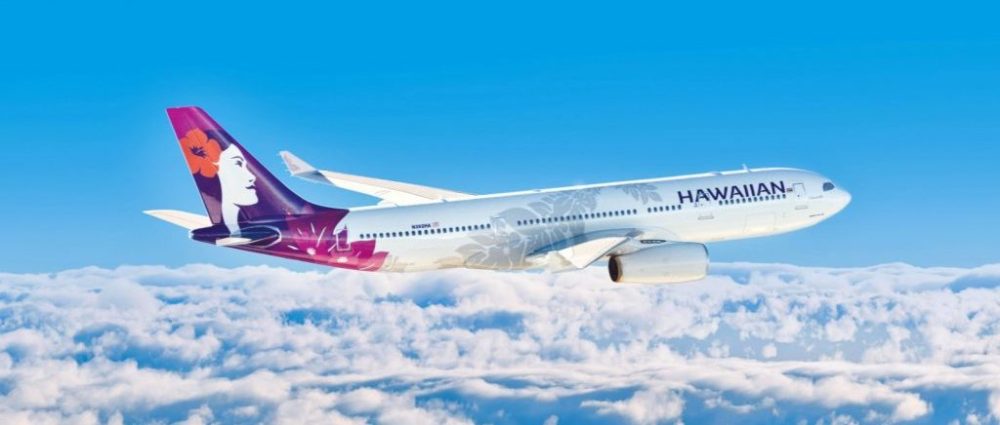
Resultado de imagen para A330-200 Hawaiian pngViaje regresivo en el tiempo del vuelo NA446 de Hawaiian Airlines despega en el año 2018 aterriza en el 2017

Resultado de imagen para A330-200 Hawaiian pngEl vuelo HA446 de Hawaiian Airlines, partió desde Auckland, en Nueva Zelanda el 1 de Enero 2018, y llegó hasta Honolulu, en Hawái el 31 de Diciembre 2017.

Los pasajeros del vuelo HA446 de Hawaiian Airlines fueron los protagonistas de un insólito acontecimiento, despegaron en el año 2018 y llegaron a las Islas de Hawaii en el año 2017. Despegaron el 1 de enero desde Auckland, en Australia, y arribaron el 31 de Diciembre 2017 a Honolulu, Hawaii, tras ocho horas de vuelo. Así, la aeronave logró «atravesar» la línea temporal y convertirse en protagonista de este peculiar caso debido a la diferencia horaria que existe entre ambos países.

El vuelo HA446 Hawaiian Airlines que partió de Nueva Zelanda en el primer día de 2018 aterrizó en las Islas Hawaii, el 31 de Diciembre de 2017 gracias a un ligero retraso de salida, según la información del portal Flight Radar.

El Airbus A330-243 que efectuaba el vuelo HA446 de Auckland a Honolulu debió haber despegado a las 23:55 del 31 de diciembre, pero salió diez minutos más tarde, a las 0:05 del lunes, 1 de enero 2018. Cuando llegó a su destino, eran las 10:13 del domingo 31 de Diciembre 2017 debido a una diferencia de 23 horas entre los dos aeropuertos. Auckland está 13 horas por delante del tiempo universal coordinado (UTC) mientras que Honolulu está 10 horas detrás.

Otros casos
Cabe destacar que otros seis vuelos vivieron situaciones similares. El caso de las aeronaves que despegaron desde Taipei (Taiwán) y regresaron en el tiempo al pisar suelo de Estados Unidos, en los Aeropuertos de Los Ángeles, Seattle y San Francisco.  AIRWAYS® AW-Icon TXT

No hay texto alternativo automático disponible.

Hawaiian flight takes off in 2018 and lands in 2017

Resultado de imagen para A330-200 Hawaiian pngTravel regressive in the time of the flight NA446 of Hawaiian Airlines takes off in the year 2018 lands in 2017

Hawaiian Airlines HA446 flight departed from Auckland, New Zealand on January 1, 2018, and arrived in Honolulu, Hawaii on December 31, 2017.

Hawaiian Airlines passengers HA446 were the protagonists of an unusual event, took off in 2018 and arrived in the Islands of Hawaii in 2017. They took off on January 1 from Auckland, Australia, and arrived on December 31 2017 to Honolulu, Hawaii, after eight hours of flight. Thus, the aircraft managed to «cross» the timeline and become the protagonist of this peculiar case due to the time difference between the two countries.

The HA446 Hawaiian Airlines flight departing from New Zealand on the first day of 2018 landed in the Hawaii Islands on December 31, 2017 thanks to a slight delay of departure, according to the information from the Flight Radar portal.

The Airbus A330-243 that made flight HA446 from Auckland to Honolulu should have taken off at 23:55 on December 31, but it left ten minutes later, at 0:05 on Monday, January 1, 2018. When it arrived at his destination, was 10:13 on Sunday 31 December 2017 due to a difference of 23 hours between the two airports. Auckland is 13 hours ahead of coordinated universal time (UTC) while Honolulu is 10 hours behind.

Other cases
It should be noted that six other flights experienced similar situations. The case of aircraft that took off from Taipei (Taiwan) and returned in time to step on US soil at the airports of Los Angeles, Seattle and San Francisco. A \ W


Ξ A I R G W A Y S Ξ
SOURCE:  Airgways.com
DBk: Flightradar.com / Airwaysmag.com
AW-POST: 201801011220AR

A\W   A I R G W A Y S ®

La seguridad aviación comercial en 2017

AW | 2018 01 01 11:55 | AVIATION SAFETY

Resultado de imagen para To70El 2017 ha sido un año en el que más personas volaron a más lugares que nunca, fue el año más seguro registrado para los pasajeros de aerolíneas en varios años

La consultora de aviación con sede en los Países Bajos, To70, lanzó su Revisión de Seguridad de la Aviación Civil para 2017. Reporta solo dos accidentes mortales, ambos con pequeños aviones turbohélice, con un total de 13 vidas perdidas. Ningún avión se estrelló en el servicio de pasajeros en ninguna parte del mundo.

Los dos accidentes que ocurrieron en la víspera de Año Nuevo  un hidroavión en Sydney que mató a seis, y una Cessna Caravan que se estrelló en Costa Rica , matando a los 12 a bordo no están incluidos en el recuento, ya que ambos aviones pesaban menos del umbral de 5.700 kg para el informe.

El primer accidente mortal incluido en el informe fue en Octubre: un Embraer Brasilia que operaba como ambulancia aérea en Angola. Los pilotos perdieron el control después de sufrir una falla en el motor, siete personas murieron, incluido el paciente. En Noviembre, un Let 410 de construcción checa perteneciente a Khabarovsk Avia se estrelló al aterrizar en Nelkan en el Lejano Oriente ruso con la pérdida de seis vidas. Una niña de cuatro años fue la única superviviente. Un número de muertos mucho mayor ocurrió en Bishkek, la capital de Kirguistán, cuando un carguero Boeing 747 turco perteneciente a ACT AIrlines traspasó la pista y terminó en una aldea cercana al aeropuerto, matando a 35 personas en el suelo y cuatro tripulantes. Además, la explosión de un jet mató a un turista parado cerca de la pista de aterrizaje en la isla caribeña de St Maarten.

Las posibilidades de que un avión se vea involucrado en un accidente fatal ahora son de una en 16 millones, según el investigador principal, Adrian Young. Pero el Sr. Young, consultor de aviación senior para To70, comentó: «Es poco probable que se mantenga este mínimo histórico; en parte, estas figuras muy positivas descansan en la buena fortuna. Sin embargo, el nivel de seguridad que ha logrado la aviación civil es notable. Los riesgos para la aviación civil siguen siendo altos, como lo demuestra la gravedad de algunos de los accidentes no mortales. La espectacular pérdida del ventilador de entrada y el capó de un motor en un Air France A380 sobre el espacio aéreo deGroenlandia en Septiembre habla a las claras de la confiabilidad en la aviación».

Desafíos por delante
El informe advierte que los dispositivos electrónicos en los bolsos facturados representan un creciente peligro potencial: «El creciente uso de baterías de iones de litio en la electrónica crea un riesgo de incendio en los aviones, ya que estas baterías son difíciles de extinguir si se incendian. Las aerolíneas de todo el mundo están entrenando a sus equipos para combatir cualquier incendio en la cabina; el desafío es mantener esas baterías fuera del equipaje de los pasajeros.

En 2016, 271 personas perdieron la vida en siete eventos fatales. Incluyeron el trágico accidente del vuelo MS804 de Egyptair en la ruta París—El Cairo que mató a 66 pax, y un avión British Aerospace BAe 146-200 de LaMia Airlines que transportaba al equipo de fútbol brasileño Chapecoense, que se quedó sin combustible en Colombia y se estrelló con la pérdida de 71 vidas.

El número de muertos en los dos años anteriores (2014—2015) fue significativamente mayor. En 2014, 864 personas murieron en cinco accidentes, incluidas las pérdidas de dos Malaysia Airlines 777: MH370, cuyo destino aún se desconoce y el vuelo MH17, derribado por un misil en el este de Ucrania. En 2015, 471 personas murieron en cuatro accidentes; incluyeron un vuelo de Metrojet de Sharm el Sheikh a San Petersburgo, Rusia, que mató a 224, y un Germanwings Airbus A320 de Barcelona a Dusseldorf cuyo primer oficial, Andreas Lubitz, mató a 150 a bordo al estrellarse deliberadamente contra los Alpes franceses,

El Reino Unido tiene el mejor registro de seguridad aérea de cualquier país importante. No han ocurrido accidentes fatales con una aerolínea británica desde la década de 1980. El último fue el 10 de enero de 1989; 47 personas murieron cuando un British Midland Boeing 737 se estrelló en Kegworth en Leicestershire.

Por el contrario, África subsahariana tiene una tasa de accidentes 44% peor que el promedio mundial, según la Asociación Internacional de Transporte Aéreo (IATA). En Noviembre, Alexandre de Juniac, director general de IATA, dijo: «La seguridad en África ha mejorado, pero hay una brecha por cerrar».  AIRWAYS® AW-Icon TXT

Security in commercial aviation in 2017

Resultado de imagen para To702017 has been a year in which more people flew to more places than ever, it was the safest year registered for airline passengers in several years

The aviation consultancy based in the Netherlands, To70, launched its Civil Aviation Safety Review for 2017. It reports only two fatal accidents, both with small turboprop aircraft, with a total of 13 lives lost. No plane crashed in passenger service anywhere in the world.

Aviation ConsultantsThe two accidents that occurred on New Year’s Eve – a seaplane in Sydney that killed six, and a Cessna Caravan that crashed in Costa Rica, killing all 12 on board are not included in the count, as both aircraft weighed less than the 5,700 kg threshold for the report.

The first fatal accident included in the report was in October: an Embraer Brasilia that operated as an air ambulance in Angola. The pilots lost control after suffering a failure in the engine, seven people died, including the patient. In November, a Let 410 of Czech construction belonging to Khabarovsk Avia crashed when landing in Nelkan in the Russian Far East with the loss of six lives. A four-year-old girl was the only survivor. A much larger death toll occurred in Bishkek, the capital of Kyrgyzstan, when a Turkish Boeing 747 freighter belonging to ACT AIrlines crossed the runway and ended up in a village near the airport, killing 35 people on the ground and four crew. In addition, the explosion of a jet killed a tourist standing near the airstrip on the Caribbean island of St Maarten.

The chances of an aircraft being involved in a fatal accident are now one in 16 million, according to the principal investigator, Adrian Young. But Mr. Young, a senior aviation consultant for To70, commented: «It is unlikely that this historic minimum will be maintained – in part, these very positive figures rest on good fortune, however, the level of safety that the Civil aviation is notable The risks to civil aviation remain high, as evidenced by the severity of some of the non-fatal accidents The spectacular loss of the inlet fan and the hood of an engine in an Air France A380 over airspace deGroenlandia in September speaks clearly about reliability in aviation».

Challenges ahead
The report warns that electronic devices in billed bags represent a growing potential danger: «The increasing use of lithium-ion batteries in electronics creates a fire risk in aircraft, since these batteries are difficult to extinguish if they catch fire. Airlines around the world are training their equipment to fight any fire in the cabin, the challenge is to keep those batteries out of passengers’ luggage.

In 2016, 271 people lost their lives in seven fatal events. They included the tragic accident of Egyptair’s MS804 flight on the Paris-Cairo route that killed 66 people, and a British Aerospace BAe 146-200 plane from LaMia Airlines carrying the Brazilian soccer team Chapecoense, which ran out of fuel in Colombia and it crashed with the loss of 71 lives.

The number of deaths in the two previous years (2014-2015) was significantly higher. In 2014, 864 people died in five accidents, including the losses of two Malaysia Airlines 777: MH370, whose fate is still unknown and flight MH17, shot down by a missile in eastern Ukraine. In 2015, 471 people died in four accidents; they included a Metrojet flight from Sharm el Sheikh to Saint Petersburg, Russia, which killed 224, and a Germanwings Airbus A320 from Barcelona to Dusseldorf whose first officer, Andreas Lubitz, killed 150 on board when deliberately crashed into the French Alps,

The United Kingdom has the best air safety record of any major country. There have been no fatal accidents with a British airline since the 1980s. The last was on January 10, 1989; 47 people died when a British Midland Boeing 737 crashed at Kegworth in Leicestershire.

In contrast, sub-Saharan Africa has an accident rate 44% worse than the global average, according to the International Air Transport Association (IATA). In November, Alexandre de Juniac, general director of IATA, said: «Security in Africa has improved, but there is a gap to close». A \ W


Ξ A I R G W A Y S Ξ
SOURCE:  Airgways.com
DBk: To70.com / Airgways.com
AW-POST: 201801011155AR

A\W   A I R G W A Y S ®

Estandarización Grupo Aerolíneas

AW-70089771.png

AW | 2017 12 31 21:10 | AIRLINES

AA-AU Isologotype.pngAerolíneas Argentinas está en medio de un proceso de modernización y estandarización de su flota

Las aerolíneas de Argentina, Aerolíneas Argentinas/Austral Líneas aéreas, están realizando procesos de homogeneización, estandarización y modernización de las flotas actuales.

AW7700007378

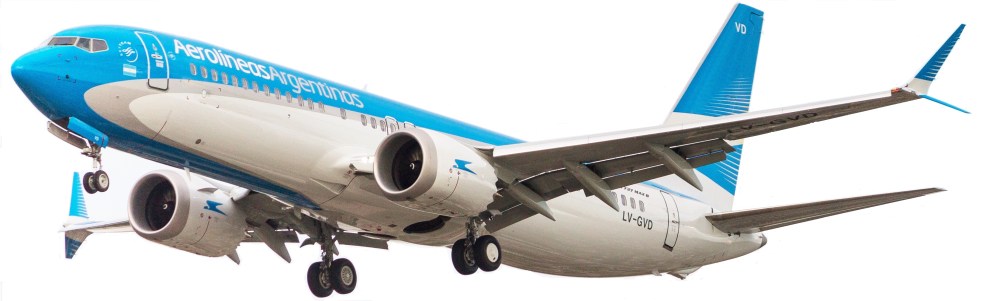
Aerolíneas Argentinas por su parte ha incorporado recientemente el primer Boeing 737-8 MAX convirtiéndose en el primer operador de Latinoamérica y de Argentina.

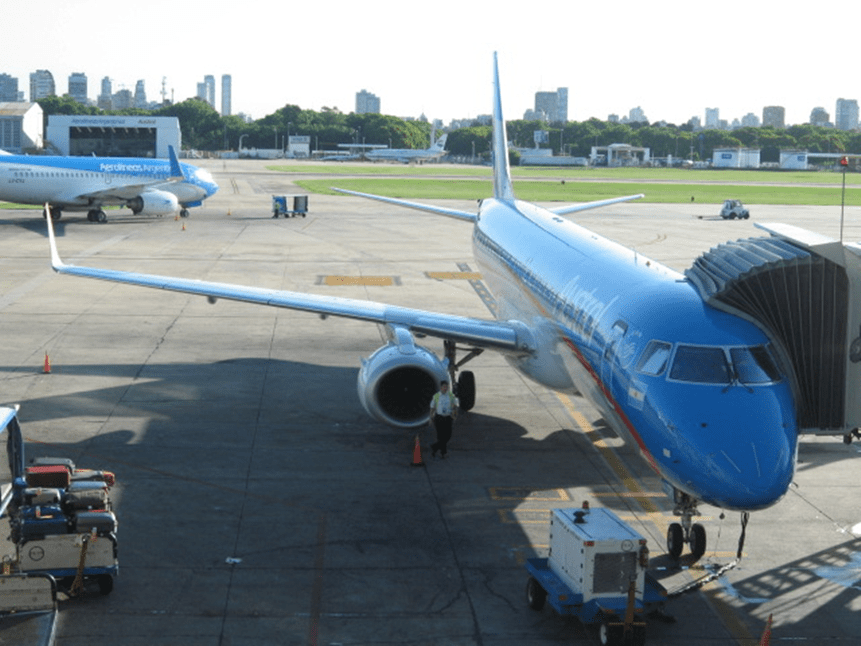
Aerolíneas comenzó a desprogramar la flota de Airbus A340. s-l300Actualmente ha dado de baja A340-200 (4) A340-300 (5) en reemplazo de Airbus A330-200 (10) que se utilizará como aeronave principal para vuelos internacionales. Próximamente Aerolíneas Argentinas deberá definir en 2018 cuál será su nuevo jet intercontinental. Las opciones estudiadas son el Boeing 787 y Boeing 777 y el Airbus A350.

En cuanto a la actual flota de aeronaves de mediano porte, los Boeing 737 Next Generation incluyen Boeing 737-700 (8), Boeing 737-800 (31) y Boeing 737-8 MAX (1). Para mejorar la flota de corto y mediano alcance se cambiaron Boeing 737-700 por Boeing 737-800 nuevos de fábrica. La tendencia es seguir incorporando más Boeing 737-8 MAX. En el corriente años se incorporarán otros cinco MAX 8 a la flota de Aerolíneas Argentinas.

En cuanto a la flota de Austral Líneas Aéreas está en un proceso de reemplazo total de los 26 Embraer E190-100AR por aeeronaves de mayor prestaciones en cuanto a capacidades operativas como de pasajeros. La decisión para el cambio de flota está considerada para el 2018.  AIRWAYS® AW-Icon TXT


avion-aerolineas-argentinas

Process standardization Group Airlines

22475a194fc915b9f48b03f910246ce886560490_70e1436dd4a30331efb2080a79c1ad868905b5a8Aerolíneas Argentinas is in the middle of a process of modernization and standardization of its fleet

The airlines of Argentina, Aerolíneas Argentinas / Austral Líneas Aéreas, are carrying out processes of homogenization, standardization and modernization of the current fleets.AW-70007378MAX.png

Aerolíneas Argentinas has recently incorporated the first Boeing 737-8 MAX, becoming the first operator in Latin America and Argentina.

Aerolíneas began to deprogram the Airbus A340 fleet. It has currently written off A340-200 (4) A340-300 (5) to replace Airbus A330-200 (10), which will be used as the main aircraft for international flights. Aerolíneas Argentinas will soon have to define in 2018 what will be its new intercontinental jet. The options studied are the Boeing 787 and Boeing 777 and the Airbus A350.

00015092.jpg

As for the current fleet of medium-sized aircraft, the Boeing 737 Next Generation include Boeing 737-700 (8), Boeing 737-800 (31) and Boeing 737-8 MAX (1). To improve the fleet of short and medium range Boeing 737-700 were changed by Boeing 737-800 new factory. The trend is to continue incorporating more Boeing 737-8 MAX. In the current years, E190 Australanother five MAX 8 will be added to the Aerolíneas Argentinas fleet.

As for the fleet of Austral Líneas Aéreas, it is in a process of total replacement of the 26 Embraer E190-100AR by aircraft with higher performance in terms of operational and passenger capacities. The decision to change the fleet is considered for 2018. A \ W


Ξ A I R G W A Y S Ξ
SOURCE:  Airgways.com
DBk: Aerolineas.com / Airgways.com / Matías Rivero
AW-POST: 201712312110AR

A\W   A I R G W A Y S ®

Austral desactivará Embraer E190

104482 (3).jpg

AW | 2017 12 31 20:33 | AIRLINES

2000px-Austral_Líneas_Aéreas.svg (3).pngE190 Austral.pngLa aerolínea argentina Austral Líneas Aéreas comenzará a desactivar la flota de Embraer E-190

El Presidente de Aerolíneas Argentinas, Mario Dell`Acqua, anunció en rueda de prensa el jueves, 28 de Diciembre 2017, en Buenos Aires, que a partir de Enero 2018 iniciará el proceso de sustitución de las aeronaves 26 Embraer 190-100AR, con capacidad para 90 pax, que integran la flota de Austral Líneas Aéreas.

La flota de 26 Embraer E190-100AR de Austral Líneas Aéreas se desactivarán en Enero 2018 por lo que el fabricante brasileño Embraer perderá un cliente importante en América del Sur. La filial de Aerolíneas Argentinas, Austral comenzará a reemplazar sus 26 Embraer E190-100AR por aeronaves de mayor porte, Boeing 737-700 y Boeing 737-800.

Arribo del Embraer E190 a Austral

El 20 de septiembre de 2010 llegan al país las primeras dos aeronaves Embraer 190 para Austral Líneas Aéreas de un total de viente aeronaves encargadas al fabricante brasileño Embraer en mayo de 2009 y que llegaran a razón de dos aeronaves nuevas por mes para completar la compra de las 20 aeronaves a mediados del año que viene, las características de esta orden la convierte en la compra de aeronaves más grande de toda la historia aerocomercial civil de la República Argentina.

Recambio de flota regional

Boeing-Logo.svgLa actual flota de Austral Líneas Aéreas está compuesta totalmente por aviones Embraer E190. Después de siete años de operaciones en Argentina y la región el Grupo Aerolíneas comenzará a desactivar todos los aviones Embraer E190 por otros aviones de porte regional, aunque información trascendida podría ser por la misma flota de Aerolíneas Argentinas, a línea Boeing.

Boeing 737NG-AR004

Una de las razones de la baja de los 26 Embraer E190-100AR en reemplazo por los supuestos Boeing 737-800 es que tienen un incremento de un 60% más de capacidad de pasajeros. Debido al auge y la expansión del mercado aéreo en Argentina, la flota de Austral se ha visto limitada en sus capacidades por lo que la demanda de más asientos ha aumentado considerablemente. Otra razón es que con este nuevo escenario, es más económico utilizar aeronaves Boeing 737 que Embraer E190 en las rutas existentes. Aunque los Boeing 737 son aeronaves más grandes y por lo tanto tienen un costo de operación un 25% mayor que las aeronaves Embraer; la capacidad operativa se compensa con el 60% de incremento de pasajeros transportados.

Por otro lado la opción más fuerte es la incorporación de aviones regionales de la misma categoría que los Embraer E-190. Teniendo presente las argumentaciones anteriores de la expanción de mercado, es de esperar que estos nuevos aviones sean tecnológicamente superiores, sino además posean un notable incremento de las capacidades operativas de mercado, justificando el cambio de flota.

El actual mercado de aeronaves regionales está servida por Bombardier, Embraer que son las opciones más claras para la adquisición por tipo de contrato y por las garantías operativas. Otras opciones son el constructor de China, COMAC, Sukhoi Aerospace deFederación Rusia y el Mitsubishi MRJ-90 de Japón.

1280px-Embraer_logo.svgLa primera opción es el fabricante brasileño Embraer. Austral Líneas Aéreas tendría como única opción de incorporar las aeronaves de mayor prestaciones y capacidades de Embraer, el Embraer E-190-E2 (114 pax) o el E-195-E2 (144 pax), siendo la opción más natural y de costos de adquicisión y operativos hacia el paso de una variante mejorada.

embraer logo (1)La Familia Embraer E-Jet E2 es una familia de tres reactores bimotor de fuselaje estrecho: E175-E2, E190-E2 y E195-E2, de medio alcance desarrollado por la compañía aeroespacial brasileña Embraer, reemplazando a sus antecesores de la familia Embraer E-jet. Las tres variantes comparten las secciones de fuselaje con diferentes longitudes y tres nuevos tipos de alas, motores de turbina Pratt & Whitney PW1000G en dos tamaños distintos, controles fly-by-wire con nueva aviónica, y una actualización de cabina con bandejas portaequipajes un 40% más grandes. Las mejoras anunciadas por asiento son una reducción de entre 16–24% en consumo de combustible y un 15–25% en costes de mantenimiento.

104536947-Imagem1.1910x1000

La cartera de pedidos son: E170-E2 (100), E190-E2 (68) y E195-E2 (65). Esta opción aunque la más viables no estarán disponibles para la flota de las aerolíneas, sino a partir del 3-4Q2018 en adelante. El E190-E2 tiene prevista su entrada en servicio en la primera mitad de 2018. El E195-E2, estando prevista su entrada en servicio en la primera mitad de 2019. El integrante más pequeño el E175-E2 su primera entrega estaba programada para 2020 pero su entrada en servicio se ha visto retrasada hasta 2021 ya que supera el límite de peso de muchas de las clausulas de protección de las aerolíneas al contrario de lo que ocurría con el actual E175 en Estados unidos.
web1_L-Bombardier-CSeries-EDH-170610.jpg
Bombardier_logo[1]

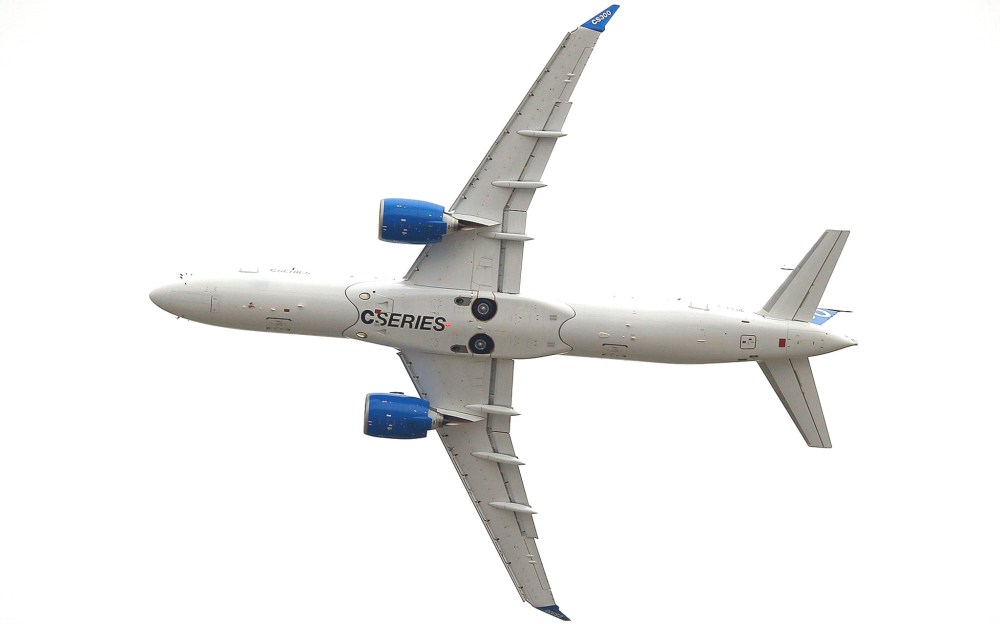
Bombardier_Aerospace-200x (2)La segunda opción es el nuevo Bombardier CSeries del fabricante canadiense Bombardier Inc. Los nuevos CSeries CS-100 y CS-300 son aviones con un tamaño un poco más grande que el Embraer E190 / 195-E2. Los Cseries son una familia de aviones bimotores de fuselaje estrecho pertenecientes a los reactores de rango medio del fabricante canadiense Bombardier Aerospace. El CS100 (108-133 pax) realizó su primer vuelo el 16 de septiembre de 2013, recibió el certificado de tipo inicial por parte del Departamento de Transporte de Canadá el 18 de diciembre de 2015 y entró en servicio el 15 de julio de 2016 con Swiss Global Air Lines. El SC300 (130-160 pax) que realizó su primer vuelo el 27 de febrero de 2015 recibió el certificado de tipo inicial el 11 de julio de 2016 y el primer servicio ingresado con el cliente de lanzamiento, airBaltic, el 14 de diciembre de 2016.

El libro de pedidos y las entregas son muy alentadores para Bombardier. El CS-100 tiene pedidos para 125 pedidos y entregas de 5 unidades. El CS-300 ha recibido pedidos de 237 aviones y 2 entregas. Después de la asociación de Bombardier y Airbus Group, el grupo canadiense marcaría una mejor posición de mercado frente a sus competidores directos.

arj21_vector_by_boeingboeing2-d6xmpzt.png

COMAC_logoLa tercera opción, menos alcanzable, es la incorporación del nuevo ARJ21.SVGavión regional COMAC ARJ-21-700, un avión «derivado» del legendario fabricante estadounidense McDonnel Douglas rocío línea DC-9/MD-80. El ARJ-21-700 es un avión con tecnología avanzada del Este-Oeste. Puede acomodar a 90 pasajeros en una sola clase, el mismo que el Embraer E190-100AR actual de Austral. La opción del ARJ-21 del constructor COMAC de la República de China no representaría una opción viable, ya que aún deben contar con las aprobaciones de la FAA (EEUU) y la JAA (Europa) respectivas para su homologación.

15338404_133953493760533_561845734509379584_n.jpg

suhoy_logoLa cuarta opción es la Sukhoi SSJ-100-95/95LR del fabricante ruso Sukhoi Aerospace. Estas aeronaves tienen una capacidad entre 98-108 pasajeros dependiendo de la configuración estándar o de alta densidad. El constructor ha logrado penetrar en el mercado occidental llegando a Europa y América.

mitac_logotypeEn cuanto a la quinta opción, el Mitsubishi MRJ-90, el constructor Mitsubishi Corporation se encuentra aún en una fase de construcción, pruebas y homologación con los organismos regutorios mundiales, siendo descartado definitivamente como una opción a corto plazo para el reemplazo de la flota Austral en 2018.

Las ofertas de mercado para aviones regionales están lideradas por Bombardier y Embraer como las opciones más occidentales. La desactivación de la flota Embraer E190-100AR comenzará en Enero de 2018 con doce unidades inicialmente de baja. El estado de la flota que posee Austral son 24 aeronaves bajo propiedad y 2 bajo régimen de alquiler. Tendremos que esperar cuál será el curso de las negociaciones que se tomen sobre la mesa tanto por Embraer como de Bombardier o quizás de la Boeing. AIRWAYS® AW-Icon TXT

AW-7008567.png

Austral will deactivate Embraer E190

2000px-Austral_Líneas_Aéreas.svg (2).pngThe Argentine airline Austral Líneas Aéreas will begin to deactivate Embraer’s fleet E-190

The President of Aerolíneas Argentinas, Mario Dell`Acqua, announced at a press conference on Thursday, December 28, 2017, in Buenos Aires, that as of January 2018, the process of replacing the aircraft 26 Embraer 190-100AR, with capacity, will begin for 90 pax, which make up the Austral Líneas Aéreas fleet.

The fleet of 26 Embraer E190-100AR of Austral Líneas Aéreas will be deactivated in January 2018, so the Brazilian manufacturer Embraer will lose an important client in South America. The subsidiary of Aerolineas Argentinas, Austral will begin to replace its 26 Embraer E190-100AR with larger aircraft, Boeing 737-700 and Boeing 737-800.

Arrival of the Embraer E190 to Austral

On September 20, 2010, the first two Embraer 190 aircraft for Austral Líneas Aéreas arrived in the country from a total of twenty aircraft ordered from the Brazilian manufacturer Embraer in May 2009, arriving at a rate of two new aircraft per month to complete the purchase of the 20 aircraft in the middle of next year, the characteristics of this order makes it the largest purchase of aircrafts in the history of civil aviation in the Argentine Republic.

Replacement of regional fleet

Boeing 737NG-AR002The current fleet of Austral Líneas Aéreas is composed entirely of Embraer E190 aircraft. After seven years of operations in Argentina and the region, the Aerolíneas Group will begin to deactivate all Embraer E190 aircraft by other regional aircraft, although transcended information could be for the same fleet of Aerolíneas Argentinas, on the Boeing line.

One of the reasons for the decline of the 26 Embraer E190-100AR in replacement for the alleged Boeing 737-800 is that they have an increase of 60% more passenger capacity. Due to the boom and expansion of the air market in Argentina, the Austral fleet has been limited in its capabilities so the demand for more seats has increased considerably. Another reason is that with this new scenario, it is cheaper to use Boeing 737 aircraft than Embraer E190 on existing routes. Although the Boeing 737 are larger aircraft and therefore have an operating cost 25% higher than Embraer aircraft; Operational capacity is compensated with 60% increase in passengers transported.

On the other hand, the strongest option is the incorporation of regional aircraft of the same category as the Embraer E-190. Bearing in mind the previous arguments of market expansion, it is expected that these new aircraft are technologically superior, but also have a significant increase in market operational capabilities, justifying the change of fleet.

The current regional aircraft market is served by Bombardier, Embraer, which are the clearest options for acquisition by type of contract and for operational guarantees. Another option is the Chinese manufacturer, COMAC.

The first option is the Brazilian manufacturer Embraer. Austral Líneas Aéreas would have as its only option to incorporate the aircraft with the highest performance and capacities of Embraer, the Embraer E-190-E2 (114 pax) or the E-195-E2 (144 pax), being the most natural and cost-effective option of acquisitions and operatives towards the passage of an improved variant.

high_190e2-001.png

The Embraer E-Jet E2 family is a family of three twin-engine narrow-body reactors: E175-E2, E190-E2 and E195-E2, medium-range developed by the Brazilian aerospace company Embraer, replacing its predecessors of the Embraer E family. -jet. The three variants share the fuselage sections with different lengths and three new wing types, Pratt & Whitney PW1000G turbine engines in two different sizes, fly-by-wire controls with new avionics, and a cabin upgrade with luggage rack 40 % bigger. The improvements announced by seat are a reduction of between 16-24% in fuel consumption and 15-25% in maintenance costs.

e-jets-e2_001

The order book is: E170-E2 (100), E190-E2 (68) and E195-E2 (65). This option although the most viable will not be available for the airline fleet, but from 3-4Q2018 onwards. The E190-E2 is scheduled to enter service in the first half of 2018. The E195-E2, scheduled for entry into service in the first half of 2019. The smallest member the E175-E2 its first delivery was scheduled for 2020 but its entry into service has been delayed until 2021 as it exceeds the weight limit of many of the airline protection clauses, contrary to what happened with the current E175 in the United States.

AW-7000300The second option is the new Bombardier CSeries from the Canadian manufacturer Bombardier Inc. The new CSeries CS-100 and CS-300 aircraft are aircraft with a size somewhat larger than the Embraer E190 / 195-E2. The Cseries are a family of twin-engine narrow-body jet aircraft belonging to the medium-range reactors of the Canadian manufacturer Bombardier Aerospace. The CS100 (108-133 pax) made its first flight on September 16, 2013, received the initial type certificate by the Department of Transportation of Canada on December 18, 2015 and entered into service on July 15, 2016 with Swiss Global Air Lines. The SC300 (130-160 pax) that made its first flight on February 27, 2015, received the initial type certificate on July 11, 2016 and the first entered service with the launch customer, airBaltic, on December 14, 2016. 2016

The order book and deliveries are very encouraging for Bombardier. The CS-100 has orders for 125 orders and deliveries of 5 units. The CS-300 has taken orders for 237 aircraft and 2 deliveries. After the association of Bombardier and Airbus Group the Canadian group would mark a better market position in front of its direct competitors.

s-l300 (1)The third option, less achievable, is the incorporation of the new regional aircraft COMAC ARJ-21-700, an aircraft «derived» from the legendary American manufacturer McDonnel Douglas dew line DC-9/MD-80. The ARJ-21-700 is an aircraft with advanced Eastern-Western technology. It can accommodate 90 passengers in a single class, the same as the current Embraer E190-100AR from Austral. The option of the ARJ-21 of the COMAC constructor of the Republic of China would not represent a viable option, since they still need to have the approvals of the FAA (USA) and JAA (Europe) respective for their homologation.

The fourth option is the Sukhoi SSJ-100-95/95LR from the Russian manufacturer Sukhoi Aerospace. These aircraft have a capacity between 98-108 passengers depending on the standard configuration or high density. The builder has managed to penetrate the western market reaching Europe and America.

mrj (3).jpg

Regarding the fifth option, the Mitsubishi MRJ-90, the constructor Mitsubishi Corporation is still in a phase of construction, testing and homologation with the world regultory bodies, being definitively dismissed as a short-term option for the replacement of the Austral fleet in 2018

Market offers for regional aircraft are led by Bombardier and Embraer as the most western options. The deactivation of the Embraer E190-100AR fleet will begin in January 2018 with twelve units initially low. The status of the fleet that Austral owns are 24 aircraft under ownership and 2 under rental regime. We will have to wait for the course to take the negotiations on the table both from Embraer and from Bombardier or maybe from the Boeing. A \ W


Ξ A I R G W A Y S Ξ
SOURCE:  Airgways.com
DBk: Wikimedia.org / Aerolineas.com / Boeing.com / Embraer.com / Bombardier.com / Flymrj-90.com / Sukhoi.org / Comac.cc
AW-POST: 2017120312033AR

A\W   A I R G W A Y S ®
 

Certificación EU Aeropuerto Perugia

AW | 2017 12 31 17:28 | AIRPORTS

El Aeropuerto de Perugia ha obtenido la certificación europea de la ENAC

El proceso para la emisión del reconocimiento de la UE por parte de ENAC, de conformidad con el Reglamento Europeo 139/2014, ha concluido con éxito.

El documento, dado a conocer en la sociedad gestora del Aeropuerto Sase Spa., da fe de la conversión de la certificación de aeropuertos para los estándares nacionales de la UE, certifica los altos estándares operacionales del Aeropuerto de Perugia y la infraestructura de cumplimiento y organización aeropuerto y el funcionamiento de la gerente a los requisitos requeridos por las regulaciones europeas.

Con la entrada en vigor del Reglamento de la UE, en 2014, ENAC ha iniciado el proceso de conversión de los certificados de los principales aeropuertos italianos, asegurando el pleno cumplimiento de la infraestructura y la organización frente a los requisitos establecidos en la nueva normativa.  AIRWAYS® AW-Icon TXT

European certification for the Perugia Airport

The Perugia Airport has obtained the European certification of the ENAC

The process for the issuance of EU recognition by ENAC, in accordance with European Regulation 139/2014, has been successfully concluded.

The document, made public in the management company of Sase Spa Airport, attests to the conversion of airport certification to EU national standards, certifies the high operational standards of Perugia Airport and the compliance and organization infrastructure. airport and the operation of the manager to the requirements required by European regulations.

With the entry into force of the EU Regulation, in 2014, ENAC has begun the process of converting the certificates of the main Italian airports, ensuring full compliance of the infrastructure and the organization against the requirements established in the new regulations. A \ W


Certificazione europea per l’aeroporto di Perugia

Imagen relacionadaL’aeroporto di Perugia ha ottenuto la certificazione europea dell’ENAC

La procedura per il rilascio del riconoscimento UE da parte dell’ENAC, in conformità con il Regolamento Europeo 139/2014, è stata conclusa con successo.

Il documento, reso pubblico nella società di gestione di Sase Spa Airport, attesta la conversione della certificazione aeroportuale in standard nazionali UE, certifica gli elevati standard operativi dell’Aeroporto di Perugia e la conformità e l’infrastruttura organizzativa. aeroporto e il funzionamento del gestore ai requisiti richiesti dalle normative europee.

Con l’entrata in vigore del Regolamento UE, ENAC ha avviato nel 2014 il processo di conversione dei certificati dei principali aeroporti italiani, garantendo la piena conformità dell’infrastruttura e dell’organizzazione rispetto ai requisiti stabiliti nei nuovi regolamenti. A \ W


Ξ A I R G W A Y S Ξ
SOURCE:  Airgways.com
DBk: Enac.fr / Airport.umbria.it / Wikimedia.org / Tuttoggi.info
AW-POST: 201712311728AR

A\W   A I R G W A Y S ®