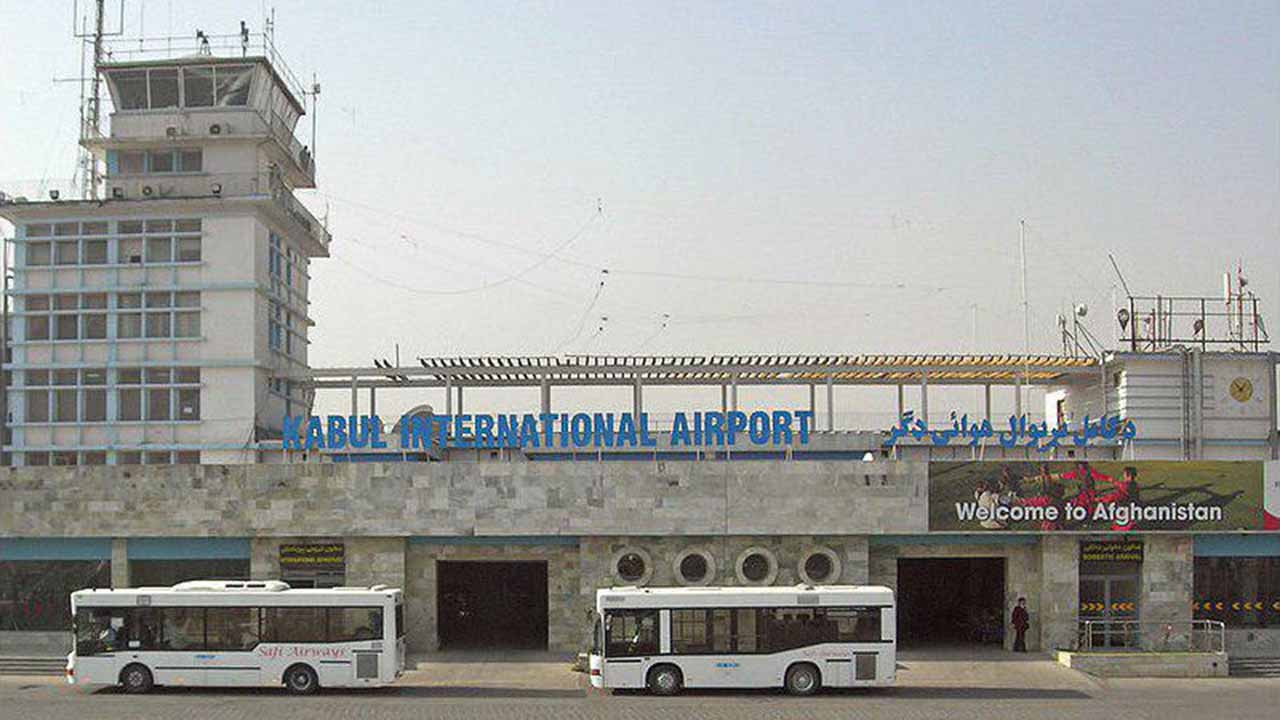
Misiles israelíes impactan cerca del Aeropuerto de Damasco

Resultado de imagen para Damascus International Airport

AW | 2018 06 26 14:23 | AVIATION SAFETY / AIRPORTS

El Aeropuerto Internacional Damasco ha sufrido la cancelación de vuelos por ataques de misiles israelíes en el área

La agencia de noticias estatal siria SANA dijo que dos misiles israelíes impactaron en las cercanías del Aeropuerto Internacional de Damasco, hoy Martes, 26 Junio 2018 por la mañana.

El Observatorio Sirio de Derechos Humanos dijo que los sistemas de defensa aérea sirios no interceptaron los misiles. El monitor de guerra con sede en Gran Bretaña dijo que una explosión que se escuchó a la 01:00 hs. cerca del Aeropuerto de Damasco fue causada por misiles disparados por aviones israelíes desde la dirección de los Altos del Golán. Tenía como objetivo depósitos de armas y almacenes pertenecientes a milicias no sirias leales al régimen sirio.

Irán es un aliado clave del presidente sirio Bashar al-Assad y respalda a una serie de milicias, incluida Hezbolá de Líbano, que lucha en apoyo de Assad. Israel, preocupado de que la creciente presencia de Irán en Siria sea una amenaza para su seguridad, ha atacado docenas de posiciones respaldadas por Irán e Irán en Siria durante el transcurso del conflicto de siete años.

El Aeropuerto internacional de Damasco no ha sufrido daño alguno por el impacto de los misiles en la zona. Las operaciones del aeropuerto se han normalizados, pero cautelosas a nuevas amenazas.  AIRWAYS® AW-Icon TXT

Resultado de imagen para Damascus International Airport

Israeli missiles impact Damascus airport

The Damascus International Airport has suffered cancellation of flights due to missile attacks in the area

Syria’s state news agency SANA said that two Israeli missiles hit near Damascus International Airport, today Tuesday, June 26, 2018 in the morning.

The Syrian Observatory for Human Rights said that Syrian air defense systems did not intercept the missiles. The war monitor based in Britain said that an explosion was heard at 01:00 hs. near Damascus Airport was caused by missiles fired by Israeli planes from the direction of the Golan Heights. Its objective was the storage of weapons and stores belonging to non-Syrian militias loyal to the Syrian regime.

Iran is a key ally of Syrian President Bashar al-Assad and supports a number of militias, including Lebanon’s Hezbollah, which fights in support of Assad. Israel, concerned that Iran’s growing presence in Syria is a threat to its security, has attacked dozens of positions backed by Iran and Iran in Syria during the course of the seven-year conflict.

The Damascus International Airport has not suffered any damage due to the impact of the missiles in the area. The operations of the airport have been normalized, but cautious to new threats. A \ W


Ξ A I R G W A Y S Ξ
SOURCE:  Airgways.com
DBk: Sana.sy / Hangthebankers.com
AW-POST: 201806261423AR

A\W   A I R G W A Y S ®

DGAC informa irregularidades en LAW

Resultado de imagen para LAW Airlines

AW | 2018 06 25 21:42 | AVIATION SAFETY / AVIATION ORGANISMS

Resultado de la imagen para dgac chileLa DGAC revela que gravísimas irregularidades en la aerolínea chilena LAW Airlines

El informe divulgado recientemente por parte de la Dirección General de Aeronáutica Civil (DGAC), organismo que fiscaliza a las aerolíneas en Chile, informa sobre las irregularidades en el incumplimiento de las normas de aviación de la aerolínea LAW, Latin American Wings Airlines. El pasado 16 Mayo 2018, la Dirección Nacional de Aeronáutica Civil (DGAC) canceló definitivamente la licencia de la aerolínea LAW para operaciones nacionales e internacionales.

Auditoría en LAW

Resultado de imagen para LAW AirlinesEl informe expuesto por parte del organismo regulador de la aviación en Chile, a más de un mes de la resolución de cancelación de las explotaciones aerocomerciales de LAW, se dieron a conocer los resultados de un informe, elaborado por el mismo organismo, donde se detallan las irregularidades cometidas por LAW Airlines, tras una auditoría realizada entre el 20 y 29 Mayo 2018.

En la auditoría efectuada a la compañía aérea LAW Airlines ha arrojado informes reveladores y serias anormalidades a las normas operativas. La DGAC ha divulgado que la aerolínea no tenía seguros (o estarían vencidos) para la explotación de las rutas asignadas, existiendo fallas en las capacitaciones a la tripulación. Según el documento revelado, LAW Airlines no operaba con seguros para los aviones, entre ellos la falta de seguros de responsabilidad civil por daños a terceros, pasajeros y tripulantes. Esto significa que la empresa estaba expuesta a gravísimas faltas, fallas a la seguridad e irregularidades a las contravenciones a las normas de vuelo vigente en Chile. Otra falla de la aerolínea es la falta de capacitación de sus tripulantes para enfrentar actos ilícitos o ataques terroristas. Además, se registró el caso de un piloto que no contaba con las habilitaciones tipo vigentes para las aeronaves Boeing 737-300. Según detalla el documento, la compañía designó un vuelo del 1 Marzo 2018 a un piloto, sin cerciorarse del vencimiento de sus autorizaciones. La aerolínea LAW Airlines no había realizado los pagos de tasas aeronáuticas, no pudo acreditar el desembolso de estos valores que le permiten hacer uso del aeropuerto y de los servicios de navegación aérea en sus operaciones. El informe también reveló deudas en los sueldos en los meses entre Enero a Marzo 2018, y la falta de incumplimientos de los reportes de los estados financieros de la aerolínea. Otro requisito no cumplido es contar con un Centro de Mantenimiento Aeronáutico (CMA). Estos establecimientos están acondicionados para hacer las mantenciones a las aeronaves, y según detalla el informe: “el operador aéreo no dispone de un CMA propio e independiente aprobado o reconocido por la DGAC”.

Cancelación de la AOC

La medida de la DGAC de Chile ha permitido dejar en tierra a cinco aeronaves Boeing 737-300. La autoridad revocó definitivamente el Certificado de Operador Aéreo (AOC), dado los incumplimientos a la normativa técnica que arrojó la auditoría realizada entre el 20 y 29 Marzo 2018. A juicio de la DGAC, la falta de cumplimiento de dichos requisitos afectaban la seguridad de las operaciones aéreas.

El documento emitido por la DGAC de Chile de 60 páginas, evidencia las serias irregularidades que afectaban a una aerolínea y por otro lado la falta de fiscalización por parte de todos los organismos de la aviación implicados, desnudando las gravísimas faltas en ambos sectores.

El caso del vuelo DMJ-792 de Global Air ponen al descubierto las faltas graves al incumplimiento de las normativas de seguridad. Las operaciones de la aerolínea mexicana Global Air que prestaba servicios en calidad de wetlease a Cubana de Aviación, fueron suspendidas para que las autoridades aeronáuticas mexicanas puedan realizar inspecciones de los aviones que alquila tras la tragedia en Cuba.

El reciente informe de la DGAC de Chile demuestra a las claras la falta recurrente de los organismos a fiscalizar a las aerolíneas exponiendo seriamente a los usuarios a atentar contra la seguridad. El caso del LAW Airlines con leves consecuencias; el caso de Global Air, un desenlace fatal. AIRWAYS® AW-Icon TXT

Resultado de imagen para LAW Airlines

DGAC reports irregularities in LAW

The DGAC reveals that very serious irregularities in the Chilean airline LAW Airlines

The report recently released by the Directorate General of Civil Aeronautics (DGAC), the body that oversees the airlines in Chile, reports on the irregularities in the breach of the aviation regulations of the airline LAW, Latin American Wings Airlines. On May 16, 2018, the National Directorate of Civil Aeronautics (DGAC) definitively canceled the license of the airline LAW for national and international operations.

Audit at LAW

The report presented by the regulatory agency of aviation in Chile, more than a month after the cancellation resolution of LAW’s aero commercial operations, the results of a report prepared by the same agency, where detailed the irregularities committed by LAW Airlines, after an audit conducted between May 20 and 29, 2018.

In the audit carried out to the airline LAW Airlines, it has revealed revealing reports and serious abnormalities to the operative norms. The DGAC has disclosed that the airline did not have insurance (or would be due) for the operation of the assigned routes, and there are faults in the training of the crew. According to the document revealed, LAW Airlines did not operate insurance for the planes, among them the lack of third-party liability insurance for passengers, passengers and crew. This means that the company was exposed to very serious faults, security failures and irregularities to the contraventions to the current flight rules in Chile. Another failure of the airline is the lack of training of its crew to face illegal acts or terrorist attacks. In addition, the case of a pilot who did not have the current type ratings for Boeing 737-300 aircraft was recorded. As detailed in the document, the company designated a flight from 1 March 2018 to a pilot, without ascertaining the expiration of its authorizations. The airline LAW Airlines had not made the aeronautical rate payments, could not prove the disbursement of these values ​​that allow it to use the airport and the air navigation services in its operations. The report also revealed debts in salaries in the months between January to March 2018, and the lack of non-compliance with the reports of the airline’s financial statements. Another requirement not met is having an Aeronautical Maintenance Center (CMA). These establishments are equipped to make the maintenance of the aircraft, and as detailed in the report: «the air operator does not have its own and independent CMA approved or recognized by the DGAC».

Cancellation of the AOC

The measure of the Chilean DGAC has allowed five Boeing 737-300 aircraft to be left on the ground. The authority definitively revoked the Air Operator Certificate (AOC), given the breaches of technical regulations issued by the audit carried out between 20 and 29 March 2018. In the opinion of the DGAC, the lack of compliance with these requirements affected the safety of air operations.

The document issued by the 60-page DGAC of Chile, evidences the serious irregularities that affected an airline and, on the other hand, the lack of control by all the aviation organizations involved, exposing the very serious faults in both sectors.

The case of the flight DMJ-792 of Global Air exposes the serious faults to the breach of the security regulations. The operations of the Mexican airline Global Air, which provided services as a wet-lease to Cubana de Aviación, were suspended so that the Mexican aeronautical authorities could carry out inspections of the planes it rents after the tragedy in Cuba.

The recent report of the DGAC of Chile clearly demonstrates the recurrent lack of agencies to monitor airlines seriously exposing users to attack security. The case of LAW Airlines with slight consequences; the case of Global Air, a fatal descendant. A \ W


Ξ A I R G W A Y S Ξ
SOURCE:  Airgways.com
DBk: Dgac.gob.cl / Airgways.com
AW-POST: 201806252142AR

A\W   A I R G W A Y S ®

Emergencia ATR-72 de UTAir

Resultado de imagen para UTAir ATR 72

AW | 2018 06 23 12:40 | AVIATION SAFETY

Un ATR-72 de la aerolínea rusa UTAir sufre fallos técnicos en motor, aterriza sin problemas en Rusia

La pericia de dos pilotos rusos permitió que un avión ATR-72-212A de UTair, que sufrió un problema técnico de una de sus turbinas en pleno vuelo entre ciudades de Ekaterimburgo y Tiumén este viernes, pudiera realizar un aterrizaje sin complicaciones en el aeropuerto de esta última urbe.

Según ha dicho Rosaviatsia (Agencia federal rusa de transporte aéreo), durante el aterrizaje se registró un fallo en el funcionamiento de uno de los motores. «Como resultado, en la cabina de pasajeros a través del sistema de aire acondicionado entró humo del aceite sobrecalentado» que pronto fue sustituido con aire limpio, manifestaron desde Rosaviatsia.

Ninguno de los motores se incendió

Rosaviatsia ha hecho hincapié en que ninguno de los motores de la aeronave se incendió y la situación estaba bajo absoluto control de la tripulación, que está capacitada para llevar a cabo un aterrizaje con un solo motor en funcionamiento.

Por su parte la compañía aérea UTair también ha comentado el incidente, al subrayar que la información sobre un incendio a bordo de dicho avión es falsa. «La tripulación actuó según las instrucciones y aterrizó la aeronave en modo normal. El avión se dirigió de forma independiente al estacionamiento, los pasajeros salieron de la nave por la escalera, sin el uso de dispositivos de emergencia», precisaron desde la aerolínea. Además, han indicado que junto con las autoridades de aviación rusas se realiza una investigación para revisar si un objeto ajeno entró en el motor durante el aterrizaje.

A bordo del aparato había cerca de 70 aficionados peruanos, quienes junto con el resto de ocupantes llegaron sanos y salvos a su destino. Los aficionados habían estado en Ekaterimburgo apoyando a su selección en el partido que este jueves terminó para ellos con derrota ante Francia. Volaron a Tiumén para realizar un trasbordo y seguir hacia Moscú.  AIRWAYS® AW-Icon TXT

Resultado de imagen para UTAir ATR 72

UTAir ATR-72 Emergency

An ATR-72 of the Russian airline UTAir suffers technical failures in engine, lands without problems in Russia

The expertise of two Russian pilots allowed a ATR-72-212A UTair plane, which suffered a technical problem of one of its turbines in full flight between cities of Yekaterinburg and Tyumen on Friday, could make a smooth landing in the airport of the latter city.

According to Rosaviatsia (Russian Federal Agency of air transport), during the landing there was a failure in the operation of one of the engines. «As a result, smoke from the superheated oil entered the passenger cabin through the air conditioning system,» which was soon replaced with clean air», said Rosaviatsia.

None of the engines caught fire

Rosaviatsia has stressed that none of the engines of the aircraft caught fire and the situation was under the absolute control of the crew, which is able to carry out a landing with a single engine running.

For its part, the airline UTair has also commented on the incident, underlining that the information about a fire on board said plane is false. «The crew acted according to the instructions and landed the aircraft in normal mode, the aircraft went independently to the parking lot, passengers left the ship by the stairs, without the use of emergency devices», they said from the airline. In addition, they have indicated that together with the Russian aviation authorities an investigation is being carried out to check whether an alien object entered the engine during the landing.

On board the apparatus there were about 70 Peruvian fans, who along with the rest of the occupants arrived safely at their destination. The fans had been in Yekaterinburg supporting their national team in the match that ended on Thursday for them with defeat against France. They flew to Tyumen to make a transfer and continue towards Moscow. A \ W


Ξ A I R G W A Y S Ξ
SOURCE:  Airgways.com
DBk: Rt.com / Wikimedia.org
AW-POST: 201806231240AR

A\W   A I R G W A Y S ®

30 aniversario accidente Austral AU-046

1470752.jpg

AW | 2018 06 22 18:00 | AVIATION SAFETY

2000px-Austral_Líneas_Aéreas.svg (3).png30 aniversario accidente aéreo MD-81 Austral Líneas aéreas

El Vuelo AU046 de Austral Líneas Aéreas fue un vuelo de cabotaje en Argentina programado desde el Aeropuerto Jorge Newbery Buenos Aires hacia el Aeropuerto Internacional Libertador General José de San Martín de Posadas, con una escala previa en la ciudad de Resistencia. La aeronave un McDonnell Douglas MD-81, con matrícula N1003G, bajo arriendo a leasor estadounidense, se accidentó cerca de la pista del Aeropuerto de Posadas el 12 Junio 1988 debido a condiciones de poca visibilidad. Todos los 16 pasajeros y 6 tripulantes a bordo murieron en el accidente aéreo.

AW-70000035.jpg

MD-81 de Austral

La aeronave McDonnell Douglas MD-81 con MSN48050LN:989 y registro N1003G, corresponde a la serie DC-9-81, propulsados por dos motores Pratt & Whitney JT8D-209. El avión fue entregado a Austral líneas Aéreas el 16 Abril 1981, siendo su único operador desde la salida de fábrica en Long Beach, California, Estados Unidos.

Cronología accidente AU046

El vuelo AU046, despegó del Aeroparque Jorge Newbery de Buenos Aires hacia el Aeropuerto Internacional de Resistencia a las 07:04 hs (hora local), tocando escala, y despegó de Resistencia a Posadas a las 08:40 hs después de 20 minutos en esta aeroestación. A las 09:09 hs, la tripulación del vuelo AU046 hace contacto por radio con el controlador aéreo de Posadas, y siete minutos después, el avión se preparó para una aproximación a la pista 01. Poco después, la aeronave golpeó la parte superior de un bosque de eucaliptos que se encuentra localizado a unos 3 kilómetros fuera de la pista, provocando un incendio.

AW-8442333.jpgIMPACTO CONTRA TERRENO DEL McDONNELL DOUGLAS MD-81 DE AUSTRAL EN AEROPUERTO POSADAS

El vuelo del MD-81 de Austral partió de Buenos Aires-Aeroparque Jorge Newbery a las 07:04 horas, hora local, en un vuelo nacional hacia Resistencia y Posadas, Argentina. La primera etapa del vuelo transcurrió sin incidentes y el avión DC-9-81 partió de Resistencia a las 08:40 hs después de una escala de 26 minutos. A las 09:09 hs, la tripulación estableció contacto por radio con el controlador de la torre Posadas, informando en FL 090, VMC, a 30 NM del aeropuerto. Unos 7 minutos después, el controlador despejó el vuelo para un acercamiento de la pista 01 VOR / DME, solicitando a la tripulación que informara sobre el VOR, y despejó el vuelo para descender a 4.000 pies. El clima en ese momento era muy cerrado por niebla, con aproximadamente 100 m de visibilidad. A las 09:20 hs, el avión golpeó la parte superior de un bosque de eucaliptos, a 3.022 m (1,63 NM) del umbral de la pista 01. El choque contra el bosque originó la desestabilización de la aeronave y el impacto posterior contra el terreno.

Conclusiones accidente AU046

La investigación sobre el desastre del vuelo AU046 llegó a la conclusión de que el principal factor en el accidente fue que la tripulación llevó a cabo una aproximación por instrumentos sin respetar los procedimientos indicados para el Aeropuerto de Posadas. Impacto contra una arboleda y posterior incendio, debido a una aproximación por instrumentos, El impacto contra el bosque y posterior incendio, debido a la realización de un enfoque instrumental, sin respetar los mínimos meteorológicos indicados para el Aeropuerto de Posadas.  AIRWAYS® AW-Icon TXT

0179923.jpg

30 years Austral accident AU-046

Austral1981.jpg30th anniversary plane crash MD-81 Austral Líneas Aéreas

Flight AU046 of Austral Líneas Aéreas was a cabotage flight in Argentina programmed from the Jorge Newbery Buenos Aires Airport to the Libertador General José de Posadas International Airport, with a previous stopover in the city of Resistencia. The aircraft McDonnell Douglas MD-81, with license plate N1003G, under lease to US leasor, crashed near the runway of Posadas Airport on June 12, 1988 due to poor visibility conditions. All 16 passengers and 6 crew on board died in the plane crash.

Austral MD-81

The aircraft McDonnell Douglas MD-81 with MSN48050, LN: 989 and registration N1003G, corresponds to the DC-9-81 series, propelled by two Pratt & Whitney JT8D-209 engines. The plane was delivered to Austral Líneas Aéreas on April 16, 1981, being its only operator since leaving the factory in Long Beach, California, United States.

Flight timeline AU046

Flight AU046, took off from Aeroparque Jorge Newbery of Buenos Aires to Resistencia International Airport at 07:04 hrs (local time), touching scale, and took off from Resistencia to Posadas at 08:40 hs after 20 minutes in this aerospace At 09:09, the crew of flight AU046 made radio contact with Posadas air traffic controller, and seven minutes later, the plane prepared for an approach to runway 01. Soon after, the aircraft hit the upper part of the aircraft. a forest of eucalyptus that is located about 3 kilometers away from the track, causing a fire.

The flight of Austral’s MD-81 departed from Buenos Aires-Aeroparque Jorge Newbery at 07:04 local time, on a domestic flight to Resistencia and Posadas, Argentina. The first stage of the flight was uneventful and the DC-9-81 aircraft left Resistencia at 08:40 a.m. after a 26-minute stop. At 09:09 hours, the crew established radio contact with the Posadas tower controller, reporting on FL 090, VMC, 30 NM from the airport. About 7 minutes later, the controller cleared the flight for an approach of runway 01 VOR / DME, requesting the crew to report on the VOR, and cleared the flight to descend to 4,000 feet. The climate at that time was very closed by fog, with approximately 100 m visibility. At 09:20, the aircraft hit the top of a eucalyptus forest, 3,022 m (1,63 NM) from the threshold of runway 01. The crash into the forest caused the destabilization of the aircraft and the subsequent impact against the ground.

Conclusions accident AU046

The investigation into the disaster of flight AU046 concluded that the main factor in the accident was that the crew carried out an instrument approach without respecting the procedures indicated for the Posadas Airport. Impact against a grove and subsequent fire, due to an instrument approach, the impact against the forest and subsequent fire, due to the realization of an instrumental approach, without respecting the meteorological minimum indicated for the Posadas Airport. A \ W


Ξ A I R G W A Y S Ξ
SOURCE:  Airgways.com
DBk: Aviation-safety.net / Wikimedia.org / Juan Bianchi / Carlos Ay / Airgways.com / Jorge Albanese / Sebastián Acosta
AW-POST: 201806221800AR

A\W   A I R G W A Y S ®

Pax SW1380 demandan a Southwest

Resultado de imagen para SW1380 Southwest

AW | 2018 06 22 07:30 | AVIATION SAFETY

Southwest Airlines será demandada por aterrizaje de emergencia vuelo SW1380

Un grupo de pasajeros a bordo del vuelo SW1380 de Southwest Airlines está demandando a la aerolínea por el aterrizaje de emergencia que siguió a una explosión fatal del motor del Boeing 737-700.

El vuelo SW1380 de Southwest aterrizó en Filadelfia, Pensilvania, el 17 Abril 2018 después de que un motor explotó unos 20 minutos en el vuelo a una altura de 32.500 pies, causando que la pasajera Jennifer Riordan casi fuera parcialmente succionada del avión, muriera a causa del impacto de objetos de metal a causa de la explosión del motor CFM 56-7.

Nueve pasajeros presentaron una demanda en la Corte Suprema del Estado de Manhattan por nueve de sus pasajeros el martes. Los demandantes afirman que se enfrentaron a su mayor temor, el abrumador horror de estar atrapados en un avión a punto de estrellarse. La familia de Riordan no es parte de la demanda. Uno de los demandantes, Joe Arenas, es el esposo de otra pasajera, Cindy Arenas, alega en la demanda que «sufrió la pérdida del consorcio de su esposa, la demandante Cindy Arenas, debido al devastador impacto en su relación matrimonial». La demanda alega negligencia y nombra a los siguientes acusados: Southwest, Boeing y tres compañías involucradas en la construcción del motor del avión.

«Southwest Airlines negligentemente falló en su deber de proporcionar el más alto grado de cuidado para sus pasajeros cuyas vidas estaban en riesgo. Southwest Airlines negligentemente omitió monitorear, inspeccionar, probar el servicio, mantener y reparar razonablemente el avión y el motor», según la demanda.  AIRWAYS® AW-Icon TXT

Pax SW1380 sue Southwest

Southwest Airlines will be sued for emergency landing flight SW1380

A group of passengers aboard Southwest Airlines flight SW1380 is suing the airline for the emergency landing that followed a fatal explosion of the Boeing 737-700 engine. Southwest’s SW1380 flight landed in Philadelphia, Pennsylvania, on April 17, 2018 after an engine blew up about 20 minutes on the flight at an altitude of 32,500 feet, causing passenger Jennifer Riordan to be partially sucked out of the plane, killed of the impact of metal objects due to the explosion of the CFM 56-7 engine.

Nine passengers filed a lawsuit in the Manhattan State Supreme Court for nine of their passengers on Tuesday. The plaintiffs claim that they faced their greatest fear, the overwhelming horror of being trapped in a plane about to crash. Riordan’s family is not part of the lawsuit. One of the plaintiffs, Joe Arenas, is the husband of another passenger, Cindy Arenas, alleges in the lawsuit that «he suffered the loss of the consortium of his wife, plaintiff Cindy Arenas, due to the devastating impact on their marital relationship». The lawsuit alleges negligence and names the following defendants: Southwest, Boeing and three companies involved in the construction of the aircraft engine.

«Southwest Airlines negligently failed in its duty to provide the highest degree of care for its passengers whose lives were at risk,» Southwest Airlines negligently neglected to monitor, inspect, test the service, maintain and reasonably repair the aircraft and engine», demand. A \ W


Ξ A I R G W A Y S Ξ
SOURCE:  Airgways.com
DBk: Abcnews.go.com  / Thedailybeast.com
AW-POST: 201806220730AR

A\W   A I R G W A Y S ®

Informe BA2276 B777-200 British Airways

Resultado de imagen para BA2276

AW | 2018 06 21 11:12 | AVIATION SAFETY / AIR INVESTIGATION

El vuelo BA2276 de un Boeing 777 estalló en llamas en el Aeropuerto McCarran International en Septiembre 2015.

En un nuevo informe, los investigadores dicen que una grieta en el motor fue la causa del incendio. Una grieta en un motor provocó que el vuelo BA2276 de un avión Boeing 777-200 de British Airways estallara en llamas en el aeropuerto de Las Vegas, mientras que el capitán, aclamado como un héroe en ese momento, fue el culpable de una evacuación caótica, dijeron los investigadores federales.

El crack del motor provocó el incendio en el Aeropuerto de Las Vegas y el capitán fue el culpable de la caótica evacuación, dicen los investigadores federales. Informe también criticó al capitán por tomar 22 segundos para cerrar la válvula de combustible. También se encontró que tomó 43 segundos para apagar otro motor que ralentizó la evacuación. Un asistente de vuelo resultó gravemente herido después de que el fuego estalló en el motor de la aeronave en McCarran International en septiembre de 2015. Todos los 157 pasajeros y 13 tripulantes a bordo del avión Boeing 777-236ER, con destino a Londres, pudieron evacuar, pero el avión fue dañado sustancialmente por el fuego. Los pasajeros evacuan después de que el motor del avión de British Airways estalló en llamas en el Aeropuerto Internacional McCarran en Las Vegas en septiembre de 2015.

Informe de la NTSB

La Junta Nacional de Seguridad en el Transporte (NTSB) publicó su informe sobre el incidente, en el cual culpó a una grieta de fatiga en el compresor del motor izquierdo por el incendio. Los investigadores federales han culpado al Capitán Chris Henkey por una «evacuación caótica» del avión.

La NTSB dijo que el capitán Chris Henkey, de Reading, Berkshire, abortó el despegue apenas dos segundos después de que el motor izquierdo falló y detuvo el avión en 13 segundos. Henkey efectuó una incorrecta evaluación por la caótica evacuación que siguió. Después de que sonara una alarma de incendio, el capitán pidió una lista de control de incendios del motor, pero le tomó 22 segundos seguir la orden de la lista de verificación para cerrar una válvula que apaga el combustible del motor. Durante ese tiempo, Boeing estimó que 97 galones de combustible se derramaron en la pista, lo que ayudó a alimentar el fuego.

El informe también encontró que el capitán pidió una evacuación antes de completar una lista de verificación de evacuación. La lista de verificación habría requerido que apagara ambos motores. Pero en cambio, el motor derecho permaneció encendido, lo que dificultó la evacuación porque soplaba en los toboganes de salida. El informe estimó que el motor derecho permaneció encendido durante 43 segundos después de que el capitán pidiera una evacuación: un piloto de alivio lo notó y le dijo al capitán que lo apagara. El avión estaba lleno solo en un 55% y la evacuación duró dos minutos y 32 segundos. El incendio fue extinguido por vehículos de emergencia a los cinco minutos de la falla del motor izquierdo, según el informe. La NTSB también notó que algunos pasajeros evacuados con equipaje de mano, lo que podría retrasar la evacuación. Esa es una preocupación constante para la NTSB, que solicitó a la Administración Federal de Aviación a principios de este año que estudiara los efectos del equipaje de mano en los tiempos de desembarco. La NTSB señaló que en el incidente de British Airways, los asistentes de vuelo dijeron que muchos pasajeros tomaron sus maletas entre la falla del motor y la orden de evacuación, por lo que la salida no se ralentizó por la recuperación de equipaje.

AW-AP4400755.jpg


La falla del motor

El informe agregó que los investigadores no pudieron determinar la causa del crack del motor o cuándo ocurrió. Dijo que la grieta en uno de los discos del compresor probablemente fue visible durante dos procedimientos de mantenimiento por separado en 2008 y 2014, pero no fue detectada porque no se requería inspeccionar los discos.

El fabricante del motor, General Electric Co., desde entonces ha establecido procedimientos diseñados para detectar grietas en la red del disco. El incidente fue una de varias fallas de motor recientes de alto perfil.

A principios de este año, la metralla de un motor en explosión mató a un pasajero en un Boeing 737 de Southwest Airlines. Una falla similar del motor y una explosión dañaron el ala de un avión de Southwest Airlines en 2016.

BA dijo en un comunicado: «Respaldamos totalmente la investigación de NTSB que no identificó ninguna recomendación de seguridad para British Airways. La seguridad de nuestros clientes y tripulación es siempre nuestra primera prioridad. Nuestra tripulación respondió de manera rápida y decisiva, paralizando rápidamente el avión, evaluando la situación y evacuando con seguridad el avión».  AIRWAYS® AW-Icon TXT

Resultado de imagen para BA2276

Report BA2276 B777-200 British Airways

Flight BA2276 of a Boeing 777 burst into flames at McCarran International Airport in September 2015.

In a new report, researchers say a crack in the engine was the cause of the fire. A crack in an engine caused BA2276 flight of a British Airways Boeing 777-200 aircraft to burst into flames at the Las Vegas airport, while the captain, acclaimed as a hero at the time, was the culprit of a chaotic evacuation , federal investigators said.

The crash of the engine caused the fire in the Airport of the Fertile valleys and the captain was the culprit of the chaotic evacuation, say the federal investigators. Report also criticized the captain for taking 22 seconds to close the fuel valve. It was also found that it took 43 seconds to turn off another engine that slowed the evacuation. A flight attendant was seriously injured after fire broke out in the aircraft engine at McCarran International in September 2015. All 157 passengers and 13 crew aboard the Boeing 777-236ER plane, bound for London, were able to evacuate , but the plane was substantially damaged by fire. Passengers evacuate after the engine of the British Airways plane burst into flames at the McCarran International Airport in Las Vegas in September 2015.

Report of the NTSB

The National Transportation Safety Board (NTSB) published its report on the incident, in which it blamed a fatigue crack in the left engine compressor for the fire. Federal investigators have blamed Captain Chris Henkey for a «chaotic evacuation» of the plane

The NTSB said captain Chris Henkey of Reading, Berkshire, aborted the takeoff just two seconds after the left engine failed and stopped the plane in 13 seconds. Henkey made an incorrect assessment for the chaotic evacuation that followed. After a fire alarm sounded, the captain requested a list of engine fire control, but it took 22 seconds to follow the order of the checklist to close a valve that turns off the engine fuel. During that time, Boeing estimated that 97 gallons of fuel spilled on the runway, which helped fuel the fire.

The report also found that the captain requested an evacuation before completing an evacuation checklist. The checklist would have required that both engines be turned off. But instead, the right engine remained on, which made evacuation difficult because it blew on the exit slides. The report estimated that the right engine remained on for 43 seconds after the captain requested an evacuation: a relief pilot noticed it and told the captain to turn it off. The plane was only 55% full and the evacuation lasted two minutes and 32 seconds. The fire was extinguished by emergency vehicles five minutes after the left engine failure, according to the report. The NTSB also noticed that some passengers evacuated with carry-on luggage, which could delay the evacuation. That is a constant concern for the NTSB, which requested the Federal Aviation Administration earlier this year to study the effects of carry-on baggage at disembarkation times. The NTSB noted that in the British Airways incident, flight attendants said that many passengers took their bags between the engine failure and the evacuation order, so the departure was not slowed down by the recovery of luggage.

The engine failure

The report added that investigators could not determine the cause of the engine’s crash or when it occurred. He said that the crack in one of the compressor discs was probably visible during two separate maintenance procedures in 2008 and 2014, but it was not detected because the discs were not required to be inspected.

The engine manufacturer, General Electric Co., has since established procedures designed to detect cracks in the disk network. The incident was one of several recent high profile engine failures.

Earlier this year, shrapnel from an exploding engine killed a passenger on a Southwest Airlines Boeing 737. A similar engine failure and an explosion damaged the wing of a Southwest Airlines aircraft in 2016.

BA said in a statement: «We fully support the NTSB investigation that did not identify any safety recommendations for British Airways. The safety of our customers and crew is always our first priority. Our crew responded quickly and decisively, quickly paralyzing the plane, assessing the situation and safely evacuating the plane». A \ W


Ξ A I R G W A Y S Ξ
SOURCE:  Airgways.com
DBk: Dailymail.co.uk / Baaa-acro.com / Ap.org
AW-POST: 201806211112AR

A\W   A I R G W A Y S ®

Revisión Reglas de Aviación Civil Nigeria

AW-788233334.jpg

AW | 2018 06 19 13:38 | AVIATION SAFETY

La Autoridad de Aviación Civil de Nigeria (NCAA) ha atribuido a reducir tasa de accidentes aéreos por regulaciones mejoradas en aviación civil

La Autoridad de Aviación Civil de Nigeria (NCAA) puede solicitar el compromiso de las partes interesadas para una revisión de los Reglamentos de Aviación Civil de 2015 (Nig CAR), Daily Trust puede informar.

De particular importancia fue la parte que estipula el número de aeronaves que presentarán los posibles operadores que soliciten el Certificado de operador aéreo (AOC).

En los últimos tiempos, se han hecho llamamientos para que se revisen al alza los requisitos de las dos aeronaves tras las limitaciones de capacidad de los operadores. Parte 9.1.1.6 del Nig. El CAR estipula que un operador puede ser denegado AOC si «el solicitante no tiene tres aeronaves aeronavegables registradas nigerianas, al menos dos aeronaves aeronavegables capaces de dar servicio a su cronograma aprobado si ya está en operación, y para operación no programada, una nigeriana registrada aeronave».

La Autoridad de Aviación Civil de Nigeria (NCAA) ha atribuido la reducción de la tasa de accidentes aéreos a regulaciones mejoradas de aviación civil, equipos mejorados de navegación aérea en aeropuertos y airside y el desarrollo de estrategias globales para la seguridad en el transporte.

Su Director General, el Capitán Mukthar Usman, en una entrevista en Lagos, dijo que Nigeria había sido testigo de cero accidentes en vuelos de pasajeros y carga en los últimos tres años. Esto, dijo, significaba que Nigeria se estaba alineando con la tendencia mundial donde las tasas de accidentes han disminuido marcadamente en los últimos años.

Usman dijo que la NCAA continuará buscando estrategias y programas globales que mejorarán las regulaciones de la aviación civil ya que afectan sus procesos regulatorios, procedimientos, sistemas y personal.

Actualmente hay siete aerolíneas que operan vuelos regulares con todas juntas con menos de 40 aviones. Las aerolíneas son Arik Air, Air Peace, Med-View, Aero Contractors, Dana Air, Azman Air y Overland. El AOC de First Nation fue suspendido recientemente por operar con un avión. El Jefe de la NCAA dijo que la autoridad ha intensificado su juego en la regulación del personal y la renovación de licencias para pilotos y otro personal técnico como parte de los esfuerzos para mejorar la seguridad aérea.

A medida que la seguridad de la aviación mundial continúa aumentando, ha habido una fuerte caída en la tasa de accidentes en África y la región del Océano Índico. Entre 2015 y 2016, ha disminuido del 7,3% al 1,2% aproximadamente.  AIRWAYS® AW-Icon TXT

Resultado de imagen para ncaa nigeria aviation

Review Civil Aviation Rules Nigeria

The Civil Aviation Authority of Nigeria (NCAA) has attributed to reduce air crash rate by improved regulations in civil aviation

The Civil Aviation Authority of Nigeria (NCAA) can request the commitment of interested parties for a review of the Civil Aviation Regulations of 2015 (Nig CAR), Daily Trust can inform.

Of particular importance was the part that stipulates the number of aircraft that will be presented by the possible operators that request the Air Operator Certificate (AOC).

In recent times, calls have been made for the requirements of the two aircraft to be revised upwards due to capacity limitations of the operators. Part 9.1.1.6 of Nig. The CAR stipulates that an operator may be denied AOC if «the applicant does not have three Nigerian registered airworthy aircraft, at least two airworthy aircraft capable of servicing its approved schedule if it is already in operation, and for unscheduled operation, a registered Nigerian aircraft».

The Civil Aviation Authority of Nigeria (NCAA) has attributed the reduction of the air accident rate to improved civil aviation regulations, improved air navigation equipment at airports and airside and the development of global strategies for transport safety.

Its Director General, Captain Mukthar Usman, in an interview in Lagos, said that Nigeria had witnessed zero accidents in passenger and cargo flights in the last three years. This, he said, meant that Nigeria was aligning itself with the global trend where accident rates have declined markedly in recent years.

Usman said the NCAA will continue to look for global strategies and programs that will improve civil aviation regulations as they affect their regulatory processes, procedures, systems and personnel.

Currently there are seven airlines that operate regular flights with all of them together with less than 40 aircraft. The airlines are Arik Air, Air Peace, Med-View, Aero Contractors, Dana Air, Azman Air and Overland. The First Nation AOC was recently suspended for operating with an airplane. The NCAA Chief said the authority has stepped up its game in the regulation of personnel and the renewal of licenses for pilots and other technical personnel as part of efforts to improve aviation safety.

As the safety of global aviation continues to increase, there has been a sharp drop in the accident rate in Africa and the Indian Ocean region. Between 2015 and 2016, it has decreased from 7.3% to approximately 1.2%. A \ W


Ξ A I R G W A Y S Ξ
SOURCE:  Airgways.com
DBk: Ncaa.gov.ng / Guardian.ng / Footprint2africa.com
AW-POST: 201806191338AR

A\W   A I R G W A Y S ®

LADE baja SAAB 340B por mantenimiento

Resultado de imagen para LADE SAAB 340B

AW | 2018 06 19 11:48 | AIRLINES / AVIATION SAFETY

Resultado de imagen para LADE LOGOLADE dejaría de volar por falta de mantenimiento en sus aviones Saab S340B. Grave contravención a las normas de seguridad

La Fuerza Aérea Argentina a cargo de LADE Líneas Aéreas, ha decidido dar de baja la actual flota de aviones SAAB 340B hasta nuevo aviso. Las aeronaves excedieron por dos años el plazo de la revisión de seguridad establecida por el fabricante sueco.

El titular de la Fuerza Aérea Argentina brigadier general Enrique Amrein ordenó suspender todos los vuelos de los aviones SAAB 340 de Líneas Aéreas del Estado, LADE. Se trata de dos SAAB 340B que durante 2016 debían ser sometidos a tareas de mantenimiento en el tren de aterrizaje y volaron sin esa revisación durante dos años. Por esa decisión de la Fuerza Aérea ha tomado la decisión de cancelar los vuelos de la flota de SAAB 340B.

El plan de mantenimiento, documentación que también vendió en 466.560 dólares la contratista Fairbrook, ganadora de la licitación, incluía el Boletín de Servicios con el detalle de que en 2016 (cumplidos los 10 años de la última inspección) debían iniciarse tareas de overhaul al tren de aterrizaje de las 4 aeronaves. Esa inspección es vital involucra un sistema crítico, comprende la sustitución de todas las piezas que indiquen los estándares de seguridad, aunque al momento de la revisión se encuentren en buen estado.

AW-708754433.jpgSAAB S340B DE LADE LÍNEAS AÉREAS

El Grupo Técnico de la IX Brigada Aérea con asiento en Comodoro Rivadavia, que en aquel tiempo estaba al mando del comodoro Mario Molina, no dio cumplimiento al Boletín de Servicios acerca de las inspecciones internas de la aerolínea. Los aparatos continuaron en vuelo excediendo dos años el plazo de la revisión de seguridad establecida por el fabricante. «Dios es piloto» dijeron fuentes técnicas de la brigada que descubrieron semanas atrás el grave olvido en el plan de mantenimiento de los SAAB. A los apurones Amrein ordenó una gestión oficial ante el grupo sueco SAAB con el propósito de lograr que el fabricante extienda un poco más el plazo para la inspección de vida útil que ya venció.

La grave omisión en el plan de mantenimiento de los aviones SAAB S340B hace un llamado de atención a la seguridad de los vuelos de la compañía LADE, Líneas Aéreas Del Estado, trayendo a recuerdo el accidente del vuelo 8R5428 de Sol Líneas Aéreas en la Patagonia con un SAAB 340A. La falta de mantenimiento de dos SAAB 340B de la empresa LADE produjo que la Fuerza Aérea cancelara las operaciones de la compañía.

Los únicos aviones en uso de los cuatro que controlaba LADE quedarán en la base Comodoro Rivadavia, luego de que no se cumplió con la inspección C-Check que establece el fabricante para el conjunto del tren de aterrizaje. El conjunto de aviones SAAB S340B deberían hacer sido revisados y sometidos a mantenimiento en 2016, cuando se cumplieron los diez años de la última inspección. Sin embargo, eso no ocurrió y ahora fueron dados d ebaja comercial.

Fuentes del sector empresario aeronáutico consultadas dudan que SAAB pueda vulnerar un plazo que a todas luces está más que superado, máxime tratándose de un mecanismo vital para la seguridad de la aeronave, tripulación y pasaje. Hacerlo implicaría que asume responsabilidades ante cualquier incidente que pudiera producirse por fallas en el tren de aterrizaje. La alternativa que se estudia es que la inspección de vida útil se lleve a cabo en el Área Material Río Cuarto, el taller de la institución que se ocupa de mantener aeronaves. Previo debería contarse con la habilitación y certificación que otorga el fabricante SAAB, trámite que también implica desembolso de dinero y tiempo para la capacitación de técnicos.

Los SAAB 340B fueron adquiridos en 2008 durante la gestión en Defensa de Nilda Garré, tuvieron un costo de US$ 30 millones de dólares, y en la actualidad unían Comodoro Rivadavia, Río Gallegos y Río Grande. Por la decisión de la Fuerza Aérea, el intendente de Río Grande, Gustavo Melella, realizó un reclamo formal, solicitando que la compañía revea la decisión de cancelar los vuelos a esa ciudad. Pero al no obtener una respuesta oficial, decidió entrevistarse ayer con las autoridades del Ministerio de Defensa.

Lo llamativo es que mientras se produjo el vencimiento del plazo para realizar el mantenimiento, LADE, a mediados de 2016, anunció en forma paralela un Programa de Reactivación de Rutas para atender destinos en la Patagonia y el norte del país. El objetivo consistía “en vincular las localidades entre sí para que Buenos Aires no deba ser necesariamente el pivot o nodo vinculador y potenciarlas para su desarrollo individual”. La reactivación de las rutas patagónicas tradicionales contemplaba unir ciudades de las provincias de Buenos Aires, Chubut, Neuquén, Río Negro, Santa Cruz y Tierra del Fuego, con la Ciudad de Buenos Aires. Todo parece haber quedado en las buenas intenciones. AIRWAYS® AW-Icon TXT

Resultado de imagen para LADE SAAB 340B

LADE low SAAB 340B due to lack of maintenance

Resultado de imagen para LADE LOGOLADE would stop flying due to lack of maintenance on its Saab S340B aircraft. Serious violation of safety regulations

The Argentine Air Force, run by LADE Líneas Aéreas, has decided to divest the current fleet of SAAB 340B aircraft until further notice. The aircraft exceeded for two years the term of the safety check established by the Swedish manufacturer.

The head of the Argentine Air Force Brigadier General Enrique Amrein ordered the suspension of all flights of SAAB 340 airplanes of the State, LADE. This is two SAAB 340B that during 2016 had to be subjected to maintenance tasks in the landing gear and flew without that revision for two years. For that decision of the Air Force has taken the decision to cancel the flights of the SAAB 340B fleet.

The maintenance plan, documentation that also sold at AR$ 466,560 the Fairbrook contractor, winner of the tender, included the Service Bulletin with the detail that in 2016 (10 years after the last inspection) should begin tasks of overhaul the train of landing of the 4 aircraft. This inspection is vital, it involves a critical system, it includes the replacement of all the pieces that indicate the safety standards, although at the time of the revision they are in good condition.

The Technical Group of the IX Air Brigade with a seat in Comodoro Rivadavia, which at that time was commanded by Commodore Mario Molina, did not comply with the Service Bulletin regarding the internal inspections of the airline. The devices continued in flight exceeding two years the term of the safety check established by the manufacturer. «God is a pilot» said technical sources of the brigade who discovered weeks ago the serious oversight in the maintenance plan of the SAAB. To the apurones Amrein ordered an official management before the Swedish group SAAB with the purpose of obtaining that the manufacturer extends a little more the term for the inspection of useful life that already won.

Resultado de imagen para LADE SAAB 340 pngLADE LÍNEAS AÉREAS HAVE CENTERED OPERATIONS IN THE PATAGONIAN REGION OF ARGENTINA

The serious omission in the SAAB S340B aircraft maintenance plan calls attention to the safety of the flights of the LADE company, Líneas Aéreas Del Estado, bringing to mind the accident of flight 8R5428 of Sol Líneas Aéreas in Patagonia with a SAAB 340A. The lack of maintenance of two SAAB 340B of the LADE company caused the Air Force to cancel the company’s operations.

The only aircraft in use of the four that controlled LADE will be at the Comodoro Rivadavia base, after the C-Check inspection established by the manufacturer for the landing gear assembly was not met. The set of SAAB S340B airplanes should have been revised and subjected to maintenance in 2016, when the tenth anniversary of the last inspection was completed. However, that did not happen and now they were given commercial d ebaja.

Sources of the aeronautical business sector consulted doubt that SAAB could violate a term that is clearly more than exceeded, especially in the case of a vital mechanism for the safety of the aircraft, crew and passengers. Doing so would imply that he assumes responsibility for any incident that could occur due to landing gear failures. The alternative that is studied is that the inspection of useful life takes place in the Material Area Río Cuarto, the workshop of the institution that deals with maintaining aircraft. The SAAB manufacturer must be authorized and certified beforehand, which also involves the payment of money and time for the training of technicians.

The SAAB 340B were acquired in 2008 during the defense of Nilda Garré, had a cost of US$ 30 million, and currently linked Comodoro Rivadavia, Río Gallegos and Río Grande. By the decision of the Air Force, the mayor of Rio Grande, Gustavo Melella, made a formal complaint, requesting that the company reconsider the decision to cancel flights to that city. But not getting an official response, decided to meet yesterday with the authorities of the Ministry of Defense.

The striking thing is that while the deadline for maintenance was due, LADE, in mid-2016, announced in parallel a Program for the Reactivation of Routes to serve destinations in Patagonia and the north of the country. The objective was «to link the localities together so that Buenos Aires should not necessarily be the pivot or linking node and empower them for their individual development». The reactivation of the traditional Patagonian routes contemplated uniting cities of the provinces of Buenos Aires, Chubut, Neuquén, Rio Negro, Santa Cruz and Tierra del Fuego, with the City of Buenos Aires. Everything seems to have been in good intentions. A \ W


Ξ A I R G W A Y S Ξ
SOURCE:  Airgways.com
DBk: Lade.com.ar / Eldiariodelfindelmundo.com / Elpatagonico.com
AW-POST: 201806191148AR

A\W   A I R G W A Y S ®

Irán admite ayuda Al Qaeda Ataques-11S

Resultado de imagen para 11S

AW | 2018 06 18 14:41 | AVIATION SAFETY / GOVERNMENT

Alto funcionario de la Administración iraní admiten involucración en los atentados del 11S en Estados Unidos

Resultado de imagen para 11S attack pngUn alto funcionario de la administración iraní ha admitido por primera vez que su país estuvo involucrado en los atentados suicidas del 11 de septiembre de 2001 (11S) en los Estados Unidos que comenzaron en las Torres Gemelas del World Trade Center en la ciudad de Nueva York.

En una entrevista transmitida por la televisión iraní hace dos semanas y distribuida recientemente en redes sociales, Mohammad Jawad Larijani, un alto funcionario del Ministerio de Justicia que encabeza el Consejo de Derechos Humanos de Irán, dijo que Irán había ayudado a los terroristas de Al Qaeda que llevaron a cabo los ataques al permitirles pasaje, así como refugio para algunos de ellos.

Larijani, cuyo hermano Ali es portavoz del parlamento iraní, dijo que los servicios de inteligencia de Teherán realizaron una operación secreta en la que brindaron asistencia a los terroristas que utilizaron Irán como estación de tránsito y confirmaron algunas de las sospechas planteadas por la investigación estadounidense de los ataques.

«El pueblo de al-Qaeda se movía constantemente entre países como Arabia Saudita, Afganistán e Irán. Cada vez que ingresaban a Irán por tierra o por aire, nos pedían que no sellemos sus pasaportes. Cambiaron de avión y estuvieron en Teherán durante una hora o dos, luego se marcharon sin estar registrados. Nuestro gobierno estuvo de acuerdo con esto y estuvieron bajo la supervisión de la inteligencia iraní todo el tiempo», dijo Mohammad Jawad Larijani.

En un caso, Larijani dijo que uno de los pilotos que llevaron a cabo el ataque el 11 de Septiembre comentó que estaba sentado junto a un alto líder de Hezbollah durante un vuelo que tuvo lugar en Irán. Según el funcionario iraní, la asistencia que su país ha brindado a los terroristas fue diseñada para ayudarlos a evitar la vigilancia de gobiernos extranjeros y cubrir las huellas de su movimiento. También confirmó que los funcionarios de al-Qaeda estaban en contacto constante con los agentes de inteligencia iraníes.

Esto se suma a los testimonios anteriores recogidos por los Estados Unidos, que indican claramente una relación continua entre el líder fallecido de al-Qaeda, Osama bin Laden, y los funcionarios iraníes. Algunos de los documentos incautados en el ataque que condujo al asesinato de bin Laden hace siete años en Pakistán indican que agentes de al-Qaeda fueron entrenados en los campos de Hezbollah en Líbano, y que Irán estaba dispuesto a ayudar a la organización terrorista con fondos y armas en intercambio por ataques contra blancos estadounidenses en Medio Oriente.

Entre los documentos revelados posteriormente en la letra de Bin Laden había cartas que describían cómo se deberían conducir las negociaciones con Teherán. El propio Bin Laden admitió que Irán jugó un papel importante en el movimiento de la organización en todo Medio Oriente y escribió que estaba prohibido abrir un frente contra el país debido a la fuerte relación de la organización con los ayatolás. Los iraníes también ayudaron a los agentes de al-Qaeda que estaban en una misión operativa para obtener visas y documentos de tránsito, y proporcionaron refugio a algunos de ellos.

El mes pasado, un Tribunal de Nueva York dictaminó que Irán debe pagar $ 6 mil millones en compensación a las familias de las víctimas del 11 de Septiembre 2001. Los jueces dictaminaron en su veredicto que había pruebas concluyentes de que funcionarios oficiales iraníes participaron en la preparación del ataque y brindó asistencia material a al-Qaeda. «La República Islámica, el Cuerpo de la Guardia Revolucionaria y el banco central iraní fueron todos responsables de los ataques terroristas que se cobraron la vida de miles de estadounidenses», escribió el juez George Daniels. Incluso el informe oficial sobre las investigaciones del gobierno de EEUU sobre incidentes terroristas indicó que los funcionarios de Al Qaeda que participaron en la planificación y coordinación de ataques se encontraron con terroristas en suelo europeo patrocinados por Irán. Por ejemplo, la embajada iraní en Berlín emitió una visa a Ramzi Bin al-Shibh, un alto funcionario de Al Qaeda que se reunió en Amsterdam con Muhammad Atta, secuestradores del vuelo 11 de American Airlines que golpeó las Torres Gemelas. Desde allí, al-Shibh fue a Irán y luego a Afganistán para entregar un informe a bin Laden y sus ayudantes sobre los preparativos para el ataque. Los documentos también revelaron cómo Saif al-Adal, uno de los colaboradores más cercanos de la organización a bin Laden y quien ordenó los ataques en Riad en 2003, fue entrenado en los campos de Hezbollah en Líbano y más tarde en Irán.  AIRWAYS® AW-Icon TXT

Resultado de imagen para 11S

Iran admits aid to Al Qaeda Attacks-11S

High official of the Iranian Administration admit involvement in the 9/11 attacks in the United States

A senior official of the Iranian administration has admitted for the first time that his country was involved in the suicide attacks of September 11, 2001 (11S) in the United States that began in the Twin Towers of the World Trade Center in New York City.

In an interview broadcast on Iranian television two weeks ago and recently distributed on social media, Mohammad Jawad Larijani, a senior Justice Ministry official who heads Iran’s Human Rights Council, said Iran had helped al Qaeda terrorists who carried out the attacks by allowing them passage, as well as shelter for some of them.

Larijani, whose brother Ali is a spokesman for the Iranian parliament, said Tehran’s intelligence services conducted a secret operation in which they provided assistance to terrorists who used Iran as a transit station and confirmed some of the suspicions raised by the US investigation. The attacks.

«The people of al-Qaeda were constantly moving between countries like Saudi Arabia, Afghanistan and Iran, and every time they entered Iran by land or by air, they asked us not to stamp their passports, they changed planes and stayed in Tehran for one hour. or two, then they left without being registered, our government agreed to this and they were under the supervision of Iranian intelligence all the time», said Mohammad Jawad Larijani.

In one case, Larijani said one of the pilots who carried out the attack on September 11 commented that he was sitting next to a senior Hezbollah leader during a flight that took place in Iran. According to the Iranian official, the assistance that his country has given to terrorists was designed to help them avoid the surveillance of foreign governments and cover the traces of their movement. He also confirmed that al-Qaeda officials were in constant contact with Iranian intelligence agents.

This is in addition to previous testimonies collected by the United States, which clearly indicate a continuing relationship between the deceased leader of al-Qaeda, Osama bin Laden, and Iranian officials. Some of the documents seized in the attack that led to the killing of bin Laden seven years ago in Pakistan indicate that al-Qaeda operatives were trained in the Hezbollah camps in Lebanon, and that Iran was willing to help the terrorist organization with funds. and weapons in exchange for attacks on US targets in the Middle East.

Among the documents revealed later in Bin Laden’s hand were letters describing how the negotiations with Tehran should be conducted. Bin Laden himself admitted that Iran played an important role in the movement of the organization throughout the Middle East and wrote that it was forbidden to open a front against the country due to the strong relationship of the organization with the ayatollahs. The Iranians also helped al-Qaeda operatives who were on an operational mission to obtain visas and transit documents, and provided refuge for some of them.

Last month, a New York court ruled that Iran must pay $ 6 billion in compensation to the families of the victims of September 11, 2001. The judges ruled in their verdict that there was conclusive evidence that official Iranian officials participated in the preparation of the attack and provided material assistance to al-Qaeda. «The Islamic Republic, the Revolutionary Guards Corps and the Iranian central bank were all responsible for the terrorist attacks that claimed the lives of thousands of Americans», wrote Judge George Daniels. Even the official report on US government investigations into terrorist incidents indicated that Al Qaeda officials who participated in the planning and coordination of attacks encountered terrorists on European soil sponsored by Iran. For example, the Iranian embassy in Berlin issued a visa to Ramzi Bin al-Shibh, a senior Al Qaeda official who met in Amsterdam with Muhammad Atta, hijackers of American Airlines flight 11 that hit the Twin Towers. From there, al-Shibh went to Iran and then to Afghanistan to deliver a report to bin Laden and his aides on the preparations for the attack. The documents also revealed how Saif al-Adal, one of the organization’s closest collaborators to bin Laden and who ordered the attacks in Riyadh in 2003, was trained in the Hezbollah camps in Lebanon and later in Iran. A \ W


Ξ A I R G W A Y S Ξ
SOURCE:  Airgways.com
DBk: 9-11commission.gov / Jewishpress.com / As.com
AW-POST: 201806181441AR

A\W   A I R G W A Y S ®

Nueva política Pet Safety trae cambios

Resultado de imagen para United Airlines PetSafe

AW | 2018 06 18 11:55 | AIRLINES / AVIATION SAFETY

Resultado de imagen para United Airlines logoLa compañía United Airlines está introduciendo grandes cambios en su política de transportes de animales

En Marzo 2018, United Airlines comenzó una revisión exhaustiva del transporte de animales, anunciando en Mayo que trabajará con American Humane, la primera organización nacional humanitaria de animales del país, para mejorar el bienestar de todas las mascotas que viajan en United.

A partir del 18 Junio 2018, United implementará varias políticas nuevas y los requisitos del cliente para el transporte aéreo de mascotas para mejorar la seguridad de la experiencia de viaje. Durante el resto del año, United and American Humane continuará realizando mejoras según sea necesario para mejorar aún más la seguridad y el cuidado del transporte de animales.

Entre los cambios, United Airlines ya no permitirá mascotas en el área de carga del avión donde se guarda el equipaje. Otros cambios incluyen: Los gatos y los perros son las únicas mascotas que se les permitirá viajar. Ciertos gatos y perros con narices cortas y razas de perro de mandíbula fuerte no podrán viajar en aviones por razones de salud. Ciertos aeropuertos en lugares de clima cálido no permitirán que las mascotas viajen durante los meses de verano. La nueva política de PetSafe es un intento de garantizar un mejor servicio. Los cambios solo afectarán a los animales no acompañados; aquellos que viajen con personas en la cabina del avión seguirán estando autorizados. AIRWAYS® AW-Icon TXT

Resultado de imagen para United Airlines PetSafe

New Pet Safety policy brings changes

Imagen relacionadaThe company United Airlines is introducing major changes in its policy of transporting animals

In March 2018, United Airlines began a comprehensive review of animal transportation, announcing in May that it will work with American Humane, the first national animal-welfare organization in the country, to improve the welfare of all pets traveling on United.

As of June 18, 2018, United will implement several new policies and customer requirements for pet air transportation to enhance the safety of the travel experience. During the rest of the year, United and American Humane will continue to make improvements as necessary to further improve the safety and care of animal transportation.

Among the changes, United Airlines will no longer allow pets in the cargo area of ​​the plane where the luggage is stored. Other changes include: Cats and dogs are the only pets that will be allowed to travel. Certain cats and dogs with short noses and strong jaw dog breeds will not be able to travel on airplanes for health reasons. Certain airports in hot weather locations will not allow pets to travel during the summer months. The new PetSafe policy is an attempt to guarantee a better service. Changes will only affect unaccompanied animals; those who travel with people in the cabin of the airplane will remain authorized. A \ W


Ξ A I R G W A Y S Ξ
SOURCE:  Airgways.com
DBk: United.com
AW-POST: 201806181155AR

A\W   A I R G W A Y S ®