El vertiginoso vuelo del Boeing 737 MAX

AW-7000980.jpgAW | 2019 06 09 00:50 | AVIATION SAFETY / AIR INVESTIGATION

Boeing-Company-LogoDesastre detrás de la cabina de los accidentes aéreos del Boeing 737 MAX

FK,4923,36,737-max-round-pin

El Boeing 737 MAX fue el modelo de Boeing para competir con su rival Airbus, que se había adelantado en el mercado de los aviones de mediano alcance. Detrás de los accidentes aéreos de los Boeing 737 MAX ¿qué ocurrió dentro de la cabina de los aviones que se accidentaron en Etiopía e Indonesia?

Mientras las alarmas sonaban dentro de la cabina, el capitán y el primer oficial del vuelo ET-602 de Ethiopian Airlines luchaban por recuperar el control de la aeronave. Estaban demasiado cerca del suelo y necesitaban, con urgencia, ganar altura nuevamente. Pero cuando el capitán Yared Getachew intentaba orientar la trompa del Boeing 737-8 MAX hacia arriba, el sistema electrónico del avión la forzaba hacia abajo. Una falla catastrófica que rápidamente abrumó a la tripulación dejó un saldo de 157 muertos. Quedaba claro que empujar de nuevo los controles no sería suficiente. Entonces hundió un botón para ajustar el balance aerodinámico de la aeronave y, de esa manera, obligarla a que subiera. Pero solo unos segundos después, esos ajustes se revirtieron automáticamente. Los intentos no terminaron allí: probaron los controles manuales, luego otra vez revirtieron a los sistemas de vuelo automático, mientras sonaba una alarma a intervalos cada vez más cortos para señalar que la velocidad se incrementaba peligrosamente.

Tanto Yared Getachew al mando de la aeronave (Cap) como el primer oficial (FO) Ahmednur Mohammed Omar lo intentaron todo. Pero finalmente el vuelo ET-302 de Ethiopian Airlines, que se dirigía el pasado 10 de marzo desde la capital etíope Addis Ababa hacia Nairobi, Kenia, se estrelló contra el suelo a 500 kilómetros por hora. Solo seis minutos después de despegar y con 157 personas a bordo. En un avión nuevo y con buena visibilidad, un cielo despejado y libre de vientos siniestros.

Las investigaciones preliminares señalaron que tanto el accidente de Ethiopian Airlines como el de Lion Air tenían serias similitudes. Entre las víctimas había ciudadanos de 35 países. Entre ellos, el vicedirector de comunicaciones de UNESCO y el exdiplomático nigeriano Abiodun Bashua, además de tres generaciones de una misma familia canadiense. Los pilotos del avión de Ethiopian Airlines accidentado siguieron «repetidamente» las recomendaciones de Boeing, pero no funcionaron.

Cinco meses antes, en un avión casi idéntico operado por la aerolínea indonesia Lion Air, ocurrió un episodio trágicamente similar: pocos minutos después de despegar, los pilotos del vuelo JT-610 tuvieron una seguidilla de problemas para controlar la aeronave. El vuelo, que iba a durar poco más de una hora, había salido del aeropuerto internacional de Jakarta y se dirigía a la ciudad de Pangkal Pinang, en el oeste de Indonesia. Cada vez que intentaban levantar la trompa, los esfuerzos de los pilotos se revertían segundos más tarde, ya que los sistemas automáticos forzaban nuevamente a la nave hacia abajo. Después de una veintena de intentos por estabilizar el Boeing 737-8 MAX sin éxito, estrellándose en el Mar de Java, con un saldo de 189 personas fallecidas.

Dos accidentes fatales muy similares, con solo cinco meses de diferencia, con aeronaves de la misma marca y del mismo nuevo diseño. Pocos días después del accidente de Ethiopian Airlines, los investigadores notaron «similitudes claras» entre ambos siniestros. Entonces, ¿hay una causa común a los dos accidentes?

Los sistemas equivocados

Cuando un avión se accidenta, de inmediato se lanza una investigación para determinar las causas teniendo varios objetivos: uno, los familiares quieren respuestas. Dos, tanto las aerolíneas como los fabricantes de aviones necesitan saber si el incidente puede repetirse. En este sentido, lo que más ansían los investigadores es acceder a la información contenida en la llamada caja negra. Varios analistas acusan a la FAA de no haber hecho los controles necesarios a Boeing en el proceso de certificación del 737 MAX.

En el caso del vuelo de Lion Air, el artefacto fue recuperado del fondo del mar a los pocos días y efectivamente otorgó información vital sobre los últimos minutos del vuelo. De allí surgieron los primeros indicios sobre lo que había salido mal: los investigadores se enfocaron en el software que controla el vuelo y que está diseñado para operar en segundo plano, sin que siquiera el piloto sepa que está en funcionamiento. Boeing ideó este programa para resolver la tendencia de la nariz del Boeing 737 MAX a elevarse más de lo necesario, especialmente cuando está en un ángulo pronunciado.

Pero aparentemente, se activó en el momento equivocado. Así, forzó a la trompa a tirar hacia abajo, en el preciso momento en que debería haber ido hacia arriba, durante el despegue. Asimismo, los estabilizadores de cola fueron colocados en una posición errónea por el computador del avión. Y cuando los pilotos trataron de corregirlo, el software anuló esa orden y los llevó otra vez a la posición inicial. Aunque Boeing insistió en que su avión era seguro, emitió un boletín a las aerolíneas para informarles del caso e instruirlas sobre qué hacer en esos casos.

Tablas de verificación

En su día a día, los pilotos confían mucho en sus tablas de verificación, las cuales establecen paso a paso cómo deben ejecutarse las operaciones para volar un avión. Cuando una falla ocurre en pleno vuelo, esas tablas de verificación ayudan a diagnosticar la causa de la emergencia y a resolver una amplia gama de problemas. En este caso, los pilotos siguieron una serie de pasos que debían memorizar, establecidos para enfrentar anomalías que afecten a los estabilizadores. La lista de pasos incluía apagar el sistema automático de control. De esa manera podrían controlar los estabilizadores de forma manual, utilizando una manivela en la cabina. ¿Está fallando el entrenamiento de los pilotos? Boeing confiaba en que, si los pilotos seguían esas instrucciones, el avión podría volar de forma segura. Pero la empresa estaba trabajando en eso cuando ocurrió el accidente del vuelo ET-302 de Ethiopian Airlines.

Reservando problemas

Es muy probable que la causa de los accidentes aéreos de ambos aviones sea la misma. Según un informe preliminar de la investigación, los pilotos de Ethiopian Airlines reaccionaron a la emergencia tal y como lo había señalado Boeing, pero eso no sirvió para salvar sus vidas ni las de los pasajeros. Ahora la empresa estadounidense enfrenta serios cuestionamientos sobre la seguridad de sus aeronaves y sobre si debió haber sido más radical a la hora de presentar soluciones tras el accidente de Lion Air.

Al momento, los accidentes han tenido dos consecuencias más amplias. Primero, se puso bajo la lupa la estrecha relación que existe entre el gigante Boeing y el organismo que se supone es independiente y se encarga de regular la industria de la aviación, la Administración Federal de Aviación de los Estados Unidos (FAA). Luego, comenzó a revisarse cómo se entrena a los pilotos alrededor del mundo para volar aeronaves equipadas con sistemas de software cada vez más avanzados y complejos.

Cuarta generación

Cuando Boeing presentó el Boeing 737 MAX en Diciembre 2015, lo hizo con bombos y platillos. Los análisis previos al lanzamiento señalaban que se convertiría en el modelo más vendido en el plazo más corto en la historia de la aviación. Aunque el 737 MAX era un diseño nuevo, era realmente una generación más avanzada silenciosa, eficiente, amigable con el medioambiente del 737 que comenzó a surcar los cielos en 1967.

AW-73223400.png

Boeing perseguía éxitos

Cuatro años antes del arribo del 737 MAX, Boeing estaba en serios problemas. Airbus, el principal rival de la empresa estadounidense, desarrollaba una nueva versión de su A320, una competencia directa en el segmento del 737.

La rivalidad entre ambas empresas siempre ha sido intensa. Por años, los A320 y los 737 característicos para vuelos de corta-media distancias dominaron de manera compartida los mercados locales alrededor del mundo. Ambos se convirtieron en fuentes de ganancia para sus respectivos fabricantes. Pero la nueva versión del A320 amenazaba con pulverizar a su rival, gracias a un diseño más moderno pero sobre todo por los motores que permitían una eficiencia y un ahorro de combustible de alrededor del 15%. Airbus comenzó a recibir pedidos para el avión en desarrollo. El único camino que le quedaba a Boeing era responder con algo.

Boeing 787

La empresa estadounidense llevaba años intentando tener listo otro producto que prometía revolucionar el mercado: el 787 Dreamliner. Esa era su prioridad. Así que no había mucho ánimo para asignar presupuesto al diseño de un avión desde cero y la alternativa era rediseñar un modelo existente con mejores motores.

Diseños aeronáuticos

A pesar de que el A320 y el 737 parecen aviones similares, lo cierto es que los desafíos de ingeniería que plantean a sus fabricantes son muy distintos. El A320 es fundamentalmente un avión mucho más moderno, que comenzó a volar a finales de los años 80. Es más alto que el 737, que basa su fuselaje en un diseño de la década de 1960.

Uno de los problemas que debieron sortear los ingenieros de Boeing al principio fue la ubicación del motor. Para Boeing, eso significaba que instalar los nuevos motores no sería nada fácil. Había que encontrar una solución. Pero el camino escogido tuvo unas consecuencias impensadas.

Falla en el sistema

El diseño original del 737, presentado en los años 60, buscaba ser más bien bajo para facilitar la carga del equipaje y el acceso de los pasajeros a la cabina mediante escaleras, que con frecuencia son la única opción disponible en los aeropuertos regionales y pequeños a los que este modelo iba a servir. Pero con el paso de los años, la baja altura se convirtió en un problema. Para su flamante 737 MAX, Boeing quiso usar los motores más eficientes del mercado, llamados CFM International LEAP. Airbus también había elegido una variante de los mismos para su A320. «Una vez Airbus eligió estos motores, que ahorran mucho combustible, Boeing tenía que hacer lo mismo. De lo contrario hubiera sido un suicidio comercial», explica Brady. Pero los motores LEAP eran muy grandes para la altura del 737 y no entraban bajo del extremo del ala del 737. Entonces, la decisión fue correrlo más hacia adelante del ala y elevándolo un poco. Eso solucionó el problema. Pero creó otro, en esencia, la nueva aeronave comenzó a tender a levantar la trompa más de lo aconsejable, en momentos en que estaba buscando lo que se llama ángulo de ataque (AOA).

Antes del accidente de Lion Air, el sistema MCAS no era evidente para los pilotos. En aviación, el ángulo de ataque es determinado por la diferencia del ángulo de las alas y la dirección en la que el avión vuela. Si el ángulo es muy pronunciado, especialmente durante el despegue o el aterrizaje, la aerodinámica del avión puede verse seriamente afectada. Para controlar ese efecto que había resultado de la instalación de los nuevos motores en el 737 MAX, los ingenieros de Boeing desarrollaron un sistema que aumentaba las capacidades de maniobra de la aeronave (MCAS). Buscaban así que los pilotos sintieran familiar al nuevo modelo, similar a las generaciones previas de 737 Next Generation.

Lo que haría el software sería, en esencia, bajar la trompa de manera automática, bajo circunstancias especiales, sin la intervención del piloto. Aunque la investigación todavía está en marcha, los dedos acusadores tras los reportes preliminares señalan precisamente al MCAS como el responsable de los siniestros en Etiopía e Indonesia.

Un software en la mira

Pero, ¿qué hace el MCAS en el avión? De acuerdo con varios expertos, el sistema hace que los estabilizadores horizontales a ambos lados de la cola, que se utilizan simplemente para mantener la altura de vuelo obliguen a la trompa del avión a inclinarse hacia abajo. La idea principal detrás de su diseño era la de reducir el riesgo de que la nariz se levantara demasiado y afectara la aerodinámica del avión.

La importancia de este número identifica que los pilotos de todo el mundo se preocupan por la seguridad de la industria. «Los comentarios recibidos de estos pilotos han identificado aún más la preocupación por la trayectoria de a dónde va esta industria», expresa Karlene Pattit.

Otra área que le preocupa es el aumento de la automatización del vuelo. Ella teme que a medida que los pilotos se vuelven más dependientes de los sistemas computarizados, están perdiendo las habilidades para volar ellos mismos y responder cuando las cosas van mal. Dai Whittingham tiene una opinión similar. «Vuelo físico, práctico: los pilotos ahora lo hacen menos, porque la computadora es más eficiente. Los pilotos cometen errores y eso cuesta dinero», dice. Esta no es una nueva teoría. En 1997, en una famosa conferencia en la Academia de Vuelo de American Airlines, el capitán Warren Vandeburgh advirtió que los pilotos se estaban convirtiendo en «hijos del magenta», o sea, que confiaban demasiado en las líneas de este color que había en las pantallas de cabina. Vandeburgh identificó la cultura entre los pilotos de volverse demasiado dependientes de los sistemas automatizados, lo que socavaba su capacidad para reaccionar ante situaciones de emergencia. Boeing dice ahora que todos los pilotos que tengan la intención de volar el 737 MAX cuando se haya recertificado tendrán que emprender un nuevo programa de entrenamiento.AW-Icon-TXT-01


AW-70070007.jpg

The vertiginous flight of the Boeing 737 MAX

Boeing-Logo.svgDisaster behind the cabin of the plane crashes of the Boeing 737 MAX562

The Boeing 737 MAX was the model of Boeing to compete with its rival Airbus, which had advanced in the market of medium-range aircraft. Behind the plane crashes of the Boeing 737 MAX, what happened inside the cockpit of the planes that crashed in Ethiopia and Indonesia?

While alarms sounded inside the cockpit, the captain and the first officer of Ethiopian Airlines flight ET-602 struggled to regain control of the aircraft. They were too close to the ground and needed, urgently, to gain height again. But when Captain Yared Getachew tried to steer the Boeing 737-8 MAX’s nose upwards, the aircraft’s electronic system forced it down. A catastrophic failure that quickly overwhelmed the crew left 157 people dead. It was clear that pushing the controls again would not be enough. Then he sank a button to adjust the aerodynamic balance of the aircraft and, in that way, force it to go up. But only a few seconds later, those adjustments were automatically reversed. The attempts did not end there: they tested the manual controls, then again reverted to the automatic flight systems, while an alarm sounded at shorter and shorter intervals to indicate that the speed increased dangerously.

Both Yared Getachew in command of the aircraft (Cap) and the first officer (FO) Ahmednur Mohammed Omar tried everything. But finally the ET-302 flight of Ethiopian Airlines, which was headed last March 10 from the Ethiopian capital Addis Ababa to Nairobi, Kenya, crashed to the ground at 500 kilometers per hour. Only six minutes after taking off and with 157 people on board. In a new plane and with good visibility, a clear sky and free of sinister winds.

Preliminary investigations indicated that both the Ethiopian Airlines and Lion Air accidents had serious similarities. Among the victims were citizens of 35 countries. Among them, the deputy communications director of UNESCO and the former Nigerian diplomat Abiodun Bashua, as well as three generations of the same Canadian family. Pilots of the injured Ethiopian Airlines plane «repeatedly» followed Boeing’s recommendations, but they did not work.

Five months earlier, in an almost identical plane operated by the Indonesian airline Lion Air, a tragically similar episode occurred: a few minutes after takeoff, the JT-610 pilots had a string of problems controlling the aircraft. The flight, which was to last a little over an hour, had left the Jakarta international airport and was heading to the city of Pangkal Pinang in western Indonesia. Each time they tried to raise the horn, the efforts of the pilots were reversed seconds later, since the automatic systems forced the ship back down. After about twenty attempts to stabilize the Boeing 737-8 MAX without success, crashing in the Java Sea, with a balance of 189 people killed.

Two very similar fatal accidents, only five months apart, with aircraft of the same brand and the same new design. A few days after the accident of Ethiopian Airlines, the investigators noticed «clear similarities» between both incidents. So, is there a common cause for the two accidents?

The wrong systems

When an airplane crashes, an investigation is immediately launched to determine the causes having several objectives: one, the relatives want answers. Two, both airlines and aircraft manufacturers need to know if the incident can be repeated. In this sense, researchers are most anxious to access the information contained in the so-called black box. Several analysts accuse the FAA of not having made the necessary controls to Boeing in the process of certification of the 737 MAX.

In the case of the Lion Air flight, the device was recovered from the bottom of the sea a few days later and effectively gave vital information about the last minutes of the flight. From there emerged the first clues about what had gone wrong: the researchers focused on the software that controls the flight and is designed to operate in the background, without even the pilot knowing that it is working. Boeing devised this program to solve the tendency of the nose of the Boeing 737 MAX to rise more than necessary, especially when it is at a steep angle.

But apparently, it was activated at the wrong time. Thus, he forced the horn to pull down, at the precise moment he should have gone up, during takeoff. Also, the tail stabilizers were placed in a wrong position by the aircraft computer. And when the pilots tried to correct it, the software canceled that order and took them back to the starting position. Although Boeing insisted that his plane was safe, he issued a bulletin to the airlines to inform them of the case and instruct them on what to do in those cases.

Check tables

In their day to day, the pilots rely a lot on their verification tables, which establish step by step how to execute the operations to fly an airplane. When a fault occurs in mid-flight, these verification tables help diagnose the cause of the emergency and solve a wide range of problems. In this case, the pilots followed a series of steps that they had to memorize, established to face anomalies that affect the stabilizers. The list of steps included turning off the automatic control system. That way they could control the outriggers manually, using a crank in the cabin. Is the pilots training failing? Boeing was confident that, if the pilots followed those instructions, the plane could fly safely. But the company was working on that when the accident of the ET-302 flight of Ethiopian Airlines occurred.

Booking problems

It is very likely that the cause of the air accidents of both aircraft is the same. According to a preliminary report of the investigation, the Ethiopian Airlines pilots reacted to the emergency as Boeing had indicated, but that did not save their lives or those of the passengers. Now the US company faces serious questions about the safety of its aircraft and whether it should have been more radical when it came to presenting solutions after the Lion Air accident.

At the moment, accidents have had two broader consequences. First, the close relationship between the giant Boeing and the body that is supposed to be independent and is in charge of regulating the aviation industry, the Federal Aviation Administration of the United States (FAA), was put under the microscope. Then, he began to review how pilots are trained around the world to fly aircraft equipped with increasingly advanced and complex software systems.

Fourth generation

When Boeing introduced the Boeing 737 MAX in December 2015, it did so with great fanfare. Pre-launch analyzes indicated that it would become the best-selling model in the shortest time in the history of aviation. Although the 737 MAX was a new design, it was truly a quieter, more efficient, environmentally friendly generation of the 737 that began to plow through the skies in 1967.

AW-73223401

Boeing pursued successes

Four years before the arrival of the 737 MAX, Boeing was in serious trouble. Airbus, the main rival of the US company, was developing a new version of its A320, a direct competition in the 737 segment.

The rivalry between both companies has always been intense. For years, the A320 and the 737 characteristic for short-medium-distance flights dominated local markets around the world. Both became sources of profit for their respective manufacturers. But the new version of the A320 threatened to pulverize its rival, thanks to a more modern design but especially for the engines that allowed an efficiency and a fuel saving of around 15%. Airbus began receiving orders for the developing aircraft. The only way left for Boeing was to respond with something.

Boeing 787

The American company had been trying for years to have another product ready that promised to revolutionize the market: the 787 Dreamliner. That was his priority. So there was not much encouragement to allocate budget to the design of an airplane from scratch and the alternative was to redesign an existing model with better engines.

Aeronautical designs

Although the A320 and 737 look like similar aircraft, the truth is that the engineering challenges posed to their manufacturers are very different. The A320 is fundamentally a much more modern aircraft, which began flying at the end of the 80s. It is taller than the 737, which bases its fuselage on a design from the 1960s.

One of the problems that had to overcome the engineers of Boeing at the beginning was the location of the engine. For Boeing, that meant that installing the new engines would not be easy. You had to find a solution. But the chosen path had unthinkable consequences.

System failure

The original design of the 737, introduced in the 1960s, was intended to be rather low to facilitate baggage loading and passenger access to the cabin using stairs, which are often the only option available at regional and small airports. what this model was going to serve. But over the years, low altitude became a problem. For its brand-new 737 MAX, Boeing wanted to use the most efficient engines on the market, called CFM International LEAP. Airbus had also chosen a variant of the same for its A320. «Once Airbus chose these engines, which save a lot of fuel, Boeing had to do the same, otherwise it would have been commercial suicide», says Brady. But the LEAP engines were very large for the height of the 737 and did not go under the wing end of the 737. Then, the decision was to run it further forward of the wing and raise it a little. That solved the problem. But he created another, in essence, the new aircraft began to tend to lift the trunk more than advisable, at times when he was looking for what is called angle of attack (AOA).
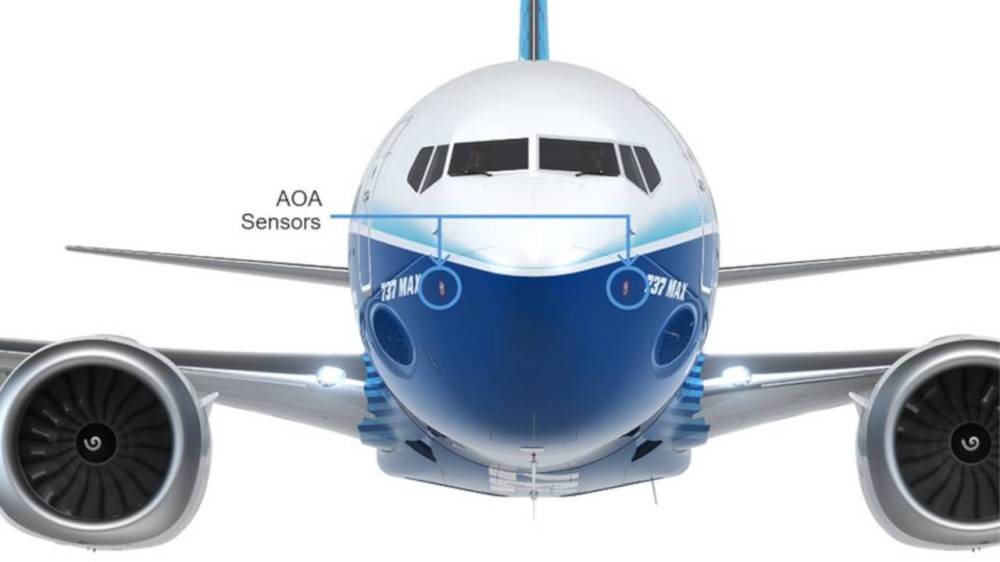
AoA_Sensors_lg-1280x720.jpg

Before the Lion Air accident, the MCAS system was not evident to the pilots. In aviation, the angle of attack is determined by the difference in the angle of the wings and the direction in which the plane flies. If the angle is very steep, especially during takeoff or landing, the aerodynamics of the aircraft can be seriously affected. To control the effect that had resulted from the installation of the new engines on the 737 MAX, Boeing engineers developed a system that increased the maneuvering capabilities of the aircraft (MCAS). They were looking for pilots to feel familiar with the new model, similar to the previous generations of 737 Next Generation.

What the software would do would be, in essence, to lower the trunk automatically, under special circumstances, without the intervention of the pilot. Although the investigation is still under way, the accusatory fingers after the preliminary reports point specifically to the MCAS as responsible for the losses in Ethiopia and Indonesia.

A software in the crosshairs

But what does the MCAS do on the plane? According to several experts, the system makes the horizontal stabilizers on either side of the tail, which are simply used to maintain flight height, force the nose of the aircraft to lean down. The main idea behind its design was to reduce the risk of the nose getting too high and affecting the aerodynamics of the aircraft.

False inspections

Boeing pretends to be inspected, when in fact Boeing is doing almost everything herself Mary Schiavo, former inspector of the US Department of Transportation. But now, after the two accidents, it has been established that it is possible that the MCAS has flaws in its design. First, the software bases its response on data from a single sensor of the angle of attack, when the aircraft has two of them. This type of device, on the front of an airplane, measures the angle at which the air current is located. Trusting only one of them means that if it fails, the system can deploy at the wrong time and press the nose of the plane down when, for example, it should go up. Second, although the pilot can use manual control of the airplane, the MCAS repeats itself in cycles, forcing the trunk down again and again.

The problem in the Lion Air accident was that the MCAS worked without anyone knowing how to disable it. After that, Boeing had to explain to his clients not only how to deactivate it, but what the MCAS was in the first place. Because they had never mentioned it specifically in the airplane manual, which is the document that gives pilots all the information they need to command a plane safely.

What followed was an avalanche of fierce criticism from airlines and pilots. Boeing emphasized that procedures had been established for pilots in case of outrigger failures, whatever the cause. In fact, he gave the example of a flight the day before that of Lion Air, in which the pilots had managed to resolve the situation by turning off the computerized system and flying the aircraft manually.

FAA, under the magnifying glass

The Federal Aviation Administration of the United States is under public scrutiny for the accidents of the 737 Max. But that showed something worse: that there had been failures in the 737 MAx before the two fatal accidents. Since then, it is questioned how the 737 MAX achieved the certification to fly, in the first place, and why the flights were not stopped after the first failures were registered. Many analysts begin to point out the close relationship that exists between Boeing and the regulator of aviation security in the United States, the Federal Aviation Administration (FAA).

The FAA was denounced for certifying the 737 MAX and giving it permission to fly. The allegations suggest that this government office, due to the close ties that Boeing has with the US government is one of the largest contractors in the defense sector, overlooked details in the revision of the 737 MAX. Then it took more than it is desirable to order that all the models of the airplane stop operating after accidents. Criticism came even from the United States Senate where a public hearing was held to learn details of how the 737 MAX had been authorized to fly by the FAA. «In the FAA, they know that Boeing overcomes them, they know that the agency does not have the resources they need to do the job they are asked to do», said Mary Schiavo, who worked as a general inspector at the Department of Transportation (DOT) a lot of time questioning the FAA. Schiavo was in charge of several jobs at the FAA and at Boeing.

«They’re pretending they’re inspecting, and Boeing is pretending to be inspected, when in fact Boeing is doing almost everything herself», he said. For Barbara Lichman, an expert aviation lawyer, Boeing’s economic power also translates into political power. «A company of similar size has a lobbying capacity that outperforms the others, and they go again and again to Congress to exert enormous pressure to remove restrictions on the company», says the lawyer.

Beyond the criticism of the policy is involved, the FAA was criticized punctually because, 24 hours after the Ethiopian Airlines accident, it still allowed the 737 MAX to continue operating, when other aviation agencies in other countries had already established a ban. It took three days for the FAA to stop the takeoff of all 737 MAX in US territory. For its part, the FAA defended itself by saying, through its director Daniel K. Elwell, that although it was the last country to ban these flights, it was the first to do so «with valid information».

And he responded to accusations that he delegated certification work to Boeing’s staff. The aircraft certification process is well established. The 737 MAX took five years and involved 110,000 hours of work by the FAA staff, following the agency’s standards.

Prohibition of flying

The Boeing 737 MAX has been banned from flying at least until August 2019. The delegation has been a vital part of our security system since the 1920s and, without it, our country’s aviation system would probably have stalled. Modern aircraft are complex beasts, combining cutting-edge engineering with powerful computers that run software with millions of lines of code. The FAA, on the other hand, is a government office with limited resources. What they do is delegate the bulk of the review process, while the agency’s representatives are in charge of supervision. For its part, Boeing said it operates in full compliance with all the requirements and monitoring processes of the Federal Aviation Administration. The collaboration commitment between the FAA, Boeing, its customers and industry partners has created the safest transportation system in the world.

Increasing pressure

In recent months, Boeing has been sued by relatives of the victims of both flights. Also by some investors, who consider that the company hid some of the problems with the 737 MAX and put the profitability and growth of the company above the security and honesty.

Other details that affect the company have been appearing. Boeing admitted in March 2019 that a warning mechanism, which would have warned about the conflict in the angle of attack and that should have been installed as standard in the 737 MAX, would not work unless the airlines had also installed a cockpit screen by the that there was an additional charge to pay. Engineers detected the problem for the first time months before the Lion Air accident, but the airlines were not informed until after. The FAA was also not notified, because the Boeing staff maintained that it did not compromise safety.

Backstage 737 MAX

Pilots commit irreversible errors. Dai Whittingham, Director of the Air Safety Committee of the United Kingdom. According to the company, the absence of this system was not critical for the safety of the aircraft. «In each of the aircraft that we deliver to our customers, including the MAX, all the information and data needed to operate them are provided on the primary screens of the aircraft, neither the ‘angle of attack’ indicator nor the mechanism of warning were necessary for the safety of the operation of the aircraft», said Boeing.

Others think that any additional information is good in an emergency. «I think any data or clue helps solve a problem and helps to understand what is happening at those times», explains the expert Brady. Meanwhile, the investigation has raised more questions regarding transparency in the aerospace giant’s business and whether it has not reported other possible security problems.

Crisis in pilot training

Although air accidents are invariably tragic and heartbreaking, they are also extremely infrequent. Last year, there was a fatal accident for every 2,520,000 flights, according to the Aviation Safety Network. One of the bases for flying to be so safe is the rigorous training to which the aspiring pilots are subjected and above all, the time they have to devote later to obtain the additional certification that enables them to pilot a type of airplane in particular.

12851.jpgHowever, there are experts who point out that those strict requirements are becoming more flexible and that manufacturers are trying to reduce the time and money that is needed for training. Some see what happened with the 737 MAX as a symptom of this trend. Although there were serious differences between the previous 737 and the MAX, the pilots who had flown the old version only needed to complete an online tutorial before being able to carry passengers in the new generation of aircraft.

By not modifying the controls of the Boeing 737 MAX aircraft compared to the old versions of the 737, Boeing made sure that the pilots did not need much extra training. «The airlines do not want to spend money on training if they can avoid it, we saw it with the 737 MAX, it’s an airplane with a different body and engines, but it had the same category for the pilots as the old versions of the 737», explains Dai Whittingham, Executive Director of the United Kingdom Air Safety Committee. This is a crucial point: if a new airplane gets the same rating as previous models in a series, less additional training is needed to operate it. Dai Whittingham insists that «shareholders are demanding a lot of cost cutting from airlines, training demands are being set at the absolute minimum, if airlines want to spend more on training their pilots, they have to fight that expense to their teams. financial», he explains.

The accident of JT-610 flight of Lion Air ignited the alarms on the security of the 737 MAX. Karlene Petitt, an experienced American pilot who has raised her voice against the safety culture within airline companies, is one of the few that has spoken: pilots prefer mostly not to touch the subject. «I think we have a problem with the training of commercial pilots around the world and the data supports this perception.» The importance of this number identifies that pilots around the world are concerned about the safety of the industry. «Comments received of these pilots have identified even more the concern for the trajectory of where this industry is going», says Karlene Pattit.

Another area that worries him is the increase in flight automation. She fears that as pilots become more dependent on computer systems, they are losing the skills to fly themselves and respond when things go wrong. Dai Whittingham has a similar opinion. «Physical, practical flight: the pilots now do less, because the computer is more efficient, pilots make mistakes and that costs money», he says. This is not a new theory. In 1997, at a famous conference at the American Airlines Flight Academy, Captain Warren Vandeburgh noticed that the pilots were becoming «children of magenta», that is, they trusted too much the lines of this color that were in the cabin screens. Vandeburgh identified the culture among the pilots of becoming too dependent on automated systems, which undermined their ability to respond to emergency situations. Boeing now says that all pilots who intend to fly the 737 Max when it has been recertified will have to embark on a new training program. A \ W


Ξ A I R G W A Y S Ξ
SOURCE: Airgways.com
DBk: Boeing.com / Bbc.com / Airgways.com
AW-POST: 201906090050AR

A\W   A I R G W A Y S ®
1er A350-1000 para British Airways

AW-70003631.jpgAW | 2019 06 08 15:53 | INDUSTRY / AIRLINES

Logo_Airbus_2014.svg - copiaEl primer A350-100 sale de la factoría de pintura de Airbus para British AirwaysAW-A350_logo.png

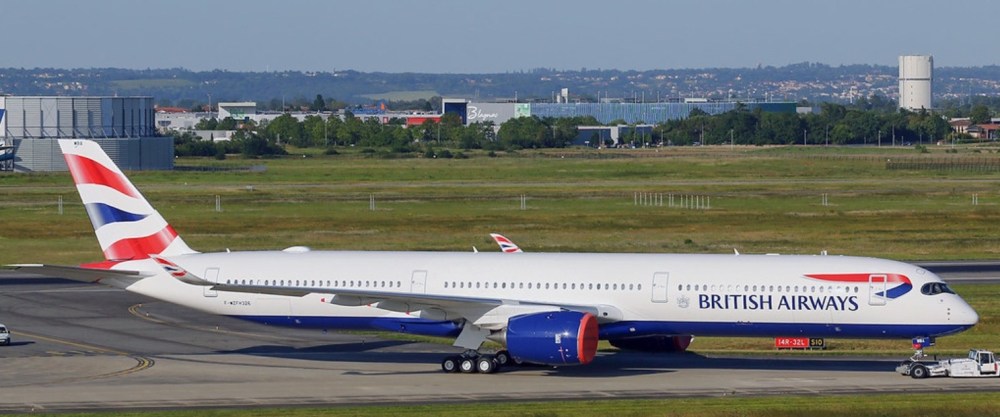
El primer Airbus A350-1000 para British Airways ha dejado el taller de pintura de la british-airways-logo-1024x566.jpgFAL de Airbus Toulouse, Francia. El diseño es una variante de la cola del astillero de Chatham que actualmente vuela en la flota de British Airways. La compañía británica incorpora en el dispositivo sharklet/winglet el logotipo.
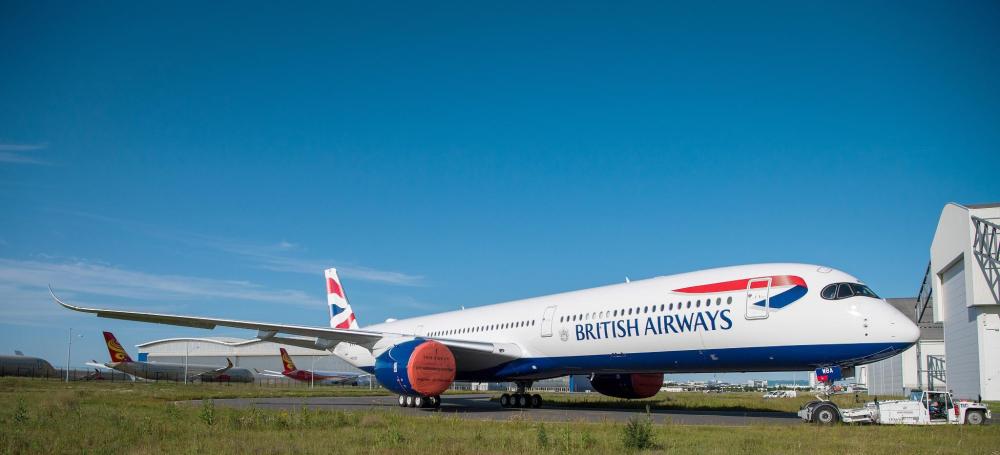
British Airways incorporará 18 A350-1000 adicionales a su flota de largo recorrido, con una capacidad para 331 pasajeros en una configuración de tres clases. La aerolínea inglesa será la primera en presentar el nuevo producto «Club Suite», una variante personalizada del producto Collins Aerospace SuperDiamond.

El A350 es la primera aeronave diseñada por Airbus en la que tanto el fuselaje como las estructuras del ala están formadas principalmente por materiales compuestos.​ Puede transportar entre 280 a 366 pasajeros, en configuración de tres clases, dependiendo de la variante. Con una longitud de 73,78 m el A350-1000 es la versión del fuselaje más largo de toda la familia de aviones Airbus de fuselaje ancho. En una típica configuración de tres clases, los asientos A350-1000 suman un total de 350 pasajeros. Combinado con un alcance de aproximadamente 8400 millas náuticas (14.800 km), varios críticos lo han señalado como una evolución en la nueva generación de aviones comerciales. La aeronave puede ser configurada para acomodar hasta 440 pasajeros y la versión de 3 clases, hasta 366.

A350, abriendo rutas

El A350-1000 operará inicialmente la ruta entre Londres/Heathrow y Madrid en la prueba de vuelos, antes de ser implementado en sus operaciones de largo recorrido previstas, que actualmente incluyen Toronto, Tel Aviv, Dubai y Bangalore. Próximamente el A350-1000 efectuará el primer vuelo, controles adicionales antes de la entrega a la compañía aérea.AW-Icon-TXT-01

AW-700033343.jpg1st Airbus A350-1000 for British Airways

The first A350-100 leaves the Airbus paint factory for British Airways

The first Airbus A350-1000 for British Airways has left the paint shop of the Airbus FAL Toulouse, France. The design is a variant of the tail of the Chatham shipyard that currently flies in the British Airways fleet. The British company incorporates the logo into the sharklet/winglet device.

British Airways will add 18 additional A350-1000 to its long-haul fleet, with a capacity for 331 passengers in a three-class configuration. The English airline will be the first to present the new product «Club Suite», a customized variant of the Collins Aerospace SuperDiamond product.

The A350 is the first aircraft designed by Airbus in which both the fuselage and the wing structures are composed mainly of composite materials, capable of transporting between 280 and 366 passengers, in three-class configuration, depending on the variant. With a length of 73.78 m, the A350-1000 is the longest fuselage version of the entire family of Airbus wide-body aircraft. In a typical configuration of three classes, the A350-1000 seats total 350 passengers. Combined with a range of approximately 8400 nautical miles (14 800 km), several critics have pointed it out as an evolution in the new generation of commercial aircraft. The aircraft can be configured to accommodate up to 440 passengers and the version of 3 classes, up to 366.

A350, opening routes

The A350-1000 will initially operate the route between London / Heathrow and Madrid in the flight test, before being implemented in its planned long-haul operations, which currently include Toronto, Tel Aviv, Dubai and Bangalore. Soon the A350-1000 will make the first flight, additional controls before delivery to the airline. A \ W


Ξ A I R G W A Y S Ξ
SOURCE: Airgways.com
DBk: Airbus.com / Airwaysmag.com / Britishairways.com / Eurospot
AW-POST: 201906081553AR

A\W   A I R G W A Y S ®


Críticas sacude aviación en Francia

AW-700-Cohor.jpgAW | 2019 06 08 05:48 | AIRLINES MARKET

La política francesa cuestiona por los vuelos domésticos franceses

La oleada política en Francia está presionando el negocio de la aviación en Francia cuando políticos fundamentalmente ecologistas y antisistema están presentando enmiendas a la Ley de Orientación de la Movilidad con el objetivo de prohibir la práctica totalidad de los vuelos comerciales en Francia, para preservar el medio ambiente. Es una secuela del movimiento nacido en Suecia “Vergüenza de volar”. Las aerolíneas empiezan a notar la impopularidad de su negocio.

Delphine Batho, la eurodiputado, lo explicaba en la prensa: “Todos los días, ocho aviones despegan de París para llegar a Nantes, en una hora. Sin embargo, los TGV tardan solo dos horas en conectar la capital con la ciudad del oeste. No mucho más tiempo pero mucho más ecológico. Un vuelo París-Nantes produce 63.3 kilos de CO2 por pasajero 66.6 veces más que el mismo viaje en tren. Solo los vuelos nacionales representan el 1.3% de las emisiones nacionales de dióxido de carbono». El argumento de Delphine Batot es simple: es mejor el tren que el avión. Como alternativa, Batot cree que es necesario desarrollar y mejorar la red ferroviaria para bajar los precios. Los ecologistas, además, quieren aplicar un impuesto al queroseno de aviación y además un IVA del 20% en los vuelos nacionales y, como sucede con el tabaco, prohibir la publicidad.

Estas enmiendas se suman a un proyecto de ley presentado por otros diputados para prohibir los vuelos en trayectos en los que los trenes tarden menos de dos horas y media. Las aerolíneas, en cambio, especialmente las francesas, empiezan a estar preocupadas por estos movimientos. Desde Corea, Alexandre de Juniac, Director de IATA, dijo que esto se basa “en la falta de conocimiento de los compromisos asumidos por el sector”. En Suecia, donde nació el movimiento, ya se nota una caída del 6% en los vuelos nacionales y un 2 de los internacionales.AW-Icon-TXT-01

Resultado de imagen para Charles de Gaulle AirportCriticism shakes aviation in France

French policy questions French domestic flights

The political wave in France is putting pressure on the aviation business in France when politicians who are fundamentally environmentalist and antisystem are submitting amendments to the Mobility Guidance Law with the aim of banning almost all commercial flights in France, in order to preserve the environment ambient. It is a sequel to the movement born in Sweden «Shame of flying». Airlines begin to notice the unpopularity of their business.

Delphine Batho, the MEP, explained it in the press: «Every day, eight planes take off from Paris to reach Nantes, in one hour. However, the TGVs take only two hours to connect the capital with the city of the west. Not much more time but much more ecological. A Paris-Nantes flight produces 63.3 kilos of CO2 per passenger 66.6 times more than the same train journey. Only domestic flights account for 1.3% of national carbon dioxide emissions». Delphine Batot’s argument is simple: the train is better than the airplane, as an alternative, Batot believes that it is necessary to develop and improve the rail network to lower The ecologists, in addition, want to apply a tax on aviation kerosene and also a 20% VAT on domestic flights and, as with tobacco, prohibit advertising.

These amendments are in addition to a bill presented by other deputies to prohibit flights on journeys in which trains take less than two and a half hours. The airlines, on the other hand, especially the French ones, begin to be worried about these movements. From Korea, Alexandre de Juniac, Director of IATA, said that this is based «on the lack of knowledge of the commitments assumed by the sector». In Sweden, where the movement was born, there is already a 6 percent drop in domestic flights and a 2 percent drop in international flights. A \ W

Resultado de imagen para Charles de Gaulle AirportLa critique secoue l’aviation en France

La politique française interroge les vols intérieurs français

La vague politique en France exerce une pression sur le secteur de l’aviation en France lorsque des politiciens fondamentalement écologistes et antisystèmes soumettent des modifications à la loi sur la mobilité guide afin d’interdire presque tous les vols commerciaux en France, afin de préserver l’environnement environnement C’est une suite du mouvement né en Suède «La honte de l’vols«. Les compagnies aériennes commencent à remarquer l’impopularité de leurs affaires.

Delphine Batho, eurodéputée, a expliqué dans la presse: «Chaque jour, huit avions décollent de Paris pour se rendre à Nantes, en une heure. Cependant, les TGV ne mettent que deux heures pour relier la capitale à la ville de l’ouest. Pas beaucoup plus de temps mais beaucoup plus écologique. Un vol Paris-Nantes produit 63,3 kilos de CO2 par passager, soit 66,6 fois plus qu’un même voyage en train. Seuls les vols intérieurs représentent 1,3% des émissions nationales de dioxyde de carbone». L’argument de Delphine Batot est simple: le train est meilleur que l’avion. En alternative, Batot estime qu’il est nécessaire de développer et d’améliorer le réseau ferroviaire Les écologistes veulent en outre appliquer une taxe sur le kérosène pour l’aviation et une TVA de 20% sur les vols intérieurs et, comme pour le tabac, interdire la publicité.

Ces amendements s’ajoutent à un projet de loi présenté par d’autres députés interdisant les vols effectuant des trajets en moins de deux heures et demi de train. Les compagnies aériennes, en particulier les françaises, commencent à s’inquiéter de ces mouvements. De Corée, Alexandre de Juniac, directeur de l’IATA, a déclaré que cela est fondé «sur le manque de connaissance des engagements pris par le secteur». En Suède, où le mouvement est né, il y a déjà une baisse de 6% des vols intérieurs et de 2% des vols internationaux. A \ W


Ξ A I R G W A Y S Ξ
SOURCE: Airgways.com
DBk: Railwaygazette.com / Cohor.com
AW-POST: 201906080548AR

A\W   A I R G W A Y S ®

American inauguró ruta Miami-Córdoba

Resultado de imagen para American Miami-Cordoba

AW | 2019 06 08 05:29 | AIRLINES ROUTES

PrintAmerican Airlines ofrecerá 4 vuelos semanales directos entre Miami-Córdoba
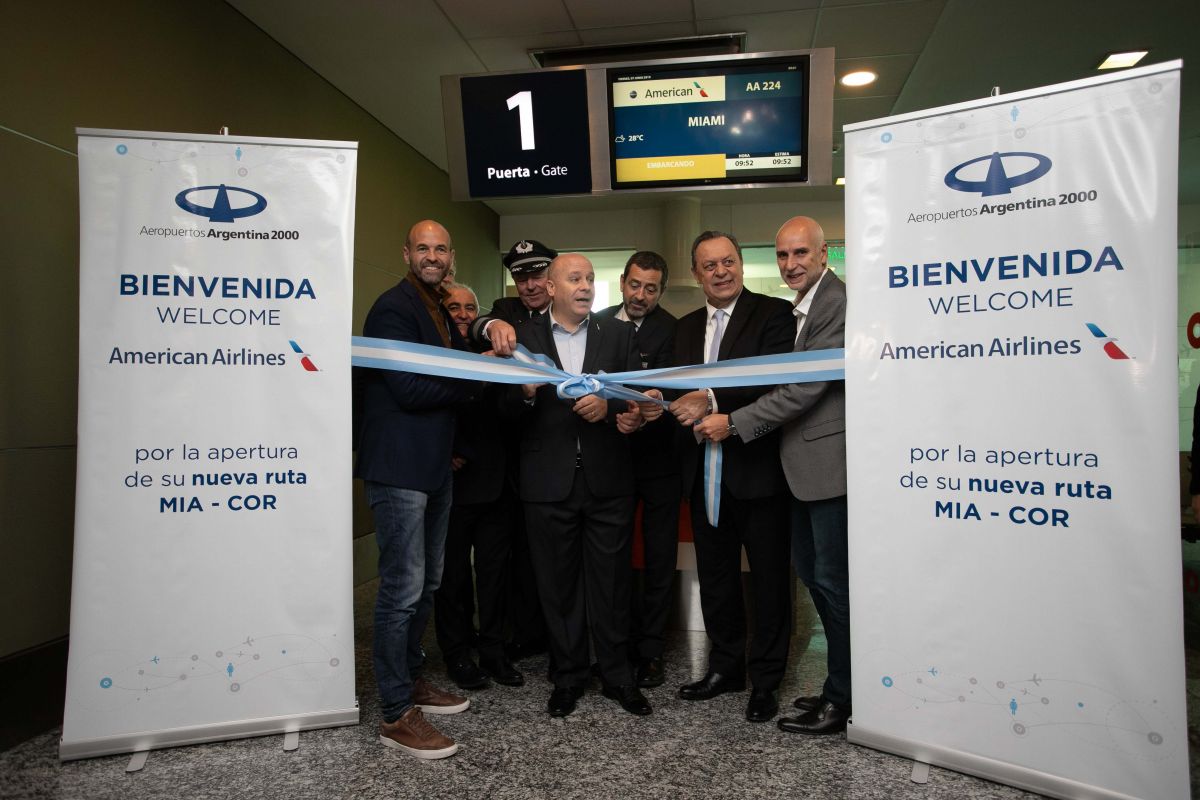
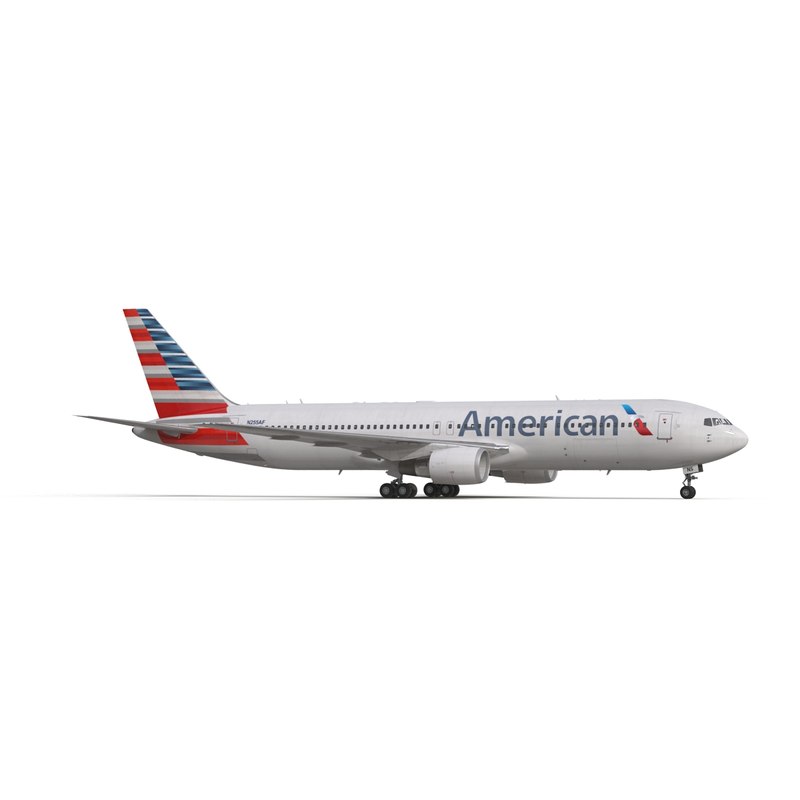
American Airlines ha inaugurado la ruta Miami-Córdoba este Viernes 7 Junio 2019 cuando el vuelo AA223 a las 07:55 hs arribó al Aeropuerto Internacional de Córdoba el Boeing 767-300ER de American Airlines. El vuelo AA224 de retorno partió a las 10:20 hs desde el Aeropuerto Internacional Ingeniero Ambrosio Taravella para dejar formalmente inaugurada la ruta directa Córdoba-Miami.

Con un factor de ocupación del 86% en la ruta Miami-Córdoba, partió rumbo a la ciudad de Miami con un 88%. La ruta ofrece 28 asientos en Business Class y otros 181 en clase Económica. La nueva ruta incorporada tendrá una frecuencia de cuatro veces por semana los miércoles, viernes, sábado y lunes (4Frq/S). El vuelo tiene una duración de 8 horas con un costo por pasaje de US$ 580 dólares ida y vuelta.

Andrés Duncan Paterson, Gerente de Ventas para Argentina y Uruguay, sostuvo: «En American estamos muy orgullosos de continuar con nuestro crecimiento en el país. En el último año lanzamos dos nuevas rutas, en diciembre de 2018 la nueva conexión directa Buenos Aires-Los Ángeles y ahora Córdoba-Miami, lo que es un claro ejemplo de nuestra apuesta y fuerte compromiso en Argentina».

Vuelo muy casero

La tripulación de cabina que hará el vuelo dos de las cuatro veces es cordobesa y el copiloto que abrió la conexión también es de la provincia serrana. Se trata de Andrés Di Michele, quien lleva más de 20 años en American Airlines. Otra de las particulares de este vuelo directo entre Córdoba y Miami es que el servicio de catering en el regreso a Miami está a cargo de una empresa cordobesa de catering FlyKitchen, incorporando en el menú a bordo el tradicional aperitivo cordobés fernet con coca.

Por otro lado, esta ruta también será una conexión fundamental para el transporte de carga aérea, desde donde American contribuye con el desarrollo del comercio exterior argentino, con la capacidad de generar negocios de exportación a Estados Unidos y sus múltiples conexiones con el resto del mundo. Tito Zaninovich, Gerente Regional de Carga de American Airlines, aseguró: «Vamos a tener fuerza de venta específica del producto carga en Córdoba; estamos proyectando un potencial enorme. Por ejemplo, sacar salmón chileno vía Córdoba, exportar semillas que vienen de Estados Unidos y regresan genéticamente modificadas o importar repuestos de autos que ya vienen desde Frankfurt», señaló. El primer avión que despega desde Córdoba transportó 15 toneladas de salmón chileno, lo que pone en evidencia la importancia logística del hub aéreo de Córdoba.AW-Icon-TXT-01

Resultado de imagen para American Miami-CordobaAmerican inaugurated Miami-Córdoba

American Airlines will offer 4 direct weekly flights between Miami-Córdoba

logo2American Airlines has inaugurated the Miami-Córdoba route this Friday, June 7, 2019 when the AA223 flight at 07:55 arrived at the International Airport of Cordoba, the American Airlines Boeing 767-300ER. The return flight AA224 departed at 10:20 am from the Ambrosio Taravella Engineer International Airport to formally inaugurate the Córdoba-Miami direct route.
With an occupancy factor of 86% on the Miami-Córdoba route, it left for the city of Miami with 88%. The route offers 28 seats in Business Class and another 181 in Economy class. The new incorporated route will have a frequency of four times per week on Wednesdays, Fridays, Saturdays and Mondays (4Frq/S). The flight lasts 8 hours with a cost per passenger of US$ 580 dollars round trip.

Andrés Duncan Paterson, Sales Manager for Argentina and Uruguay, said: «At American we are very proud to continue our growth in the country, and in the last year we launched two new routes, in December 2018 the new direct connection Buenos Aires-Los Angeles and now Córdoba-Miami, which is a clear example of our commitment and strong commitment in Argentina».

Very home flight

The cabin crew that will make the flight two of the four times is Cordoba and the co-pilot who opened the connection is also from the mountain province. This is Andrés Di Michele, who has been with American Airlines for more than 20 years. Another particular of this direct flight between Cordoba and Miami is that the catering service on the return to Miami is in charge of a Cordovan catering company FlyKitchen, incorporating the traditional Cordoban appetizer fernet with coca on the menu on board.

Resultado de imagen para American Boeing 767-300 pngOn the other hand, this route will also be a fundamental connection for air cargo transportation, from where American contributes to the development of Argentine foreign trade, with the ability to generate export business to the United States and its multiple connections with the rest of the world. Tito Zaninovich, Regional Cargo Manager of American Airlines, said: «We are going to have specific sales force for the cargo product in Córdoba, we are projecting a huge potential, for example, to take Chilean salmon via Córdoba, export seeds that come from the United States and they return genetically modified or import spare parts of cars that already come from Frankfurt», he said. The first plane that takes off from Córdoba transported 15 tons of Chilean salmon, which highlights the logistical importance of Córdoba’s air hub. A \ W


Ξ A I R G W A Y S Ξ
SOURCE: Airgways.com
DBk: Aa.com / Infobae.com / Aa2000.com.ar / Airgways.com
AW-POST: 201906080529AR

A\W   A I R G W A Y S ®

Reducción laboral en Spirit AeroSystems

Resultado de imagen para Boeing 737 WichitaAW | 2019 06 07 23:45 | INDUSTRY

spirit-aerosystems-color-logo_1024xx2114-1191-68-86.jpgLos recortes de carga horaria laboral son afectados por la puesta en tierra del Boeing 737 MAX

Los trabajadores de Spirit AeroSystems se enfrentan a horarios reducidos, a una jornada de reducción de la fuerza laboral debido al impacto de la puesta a tierra de la línea Boeing 737 MAX que afecta de manera directa la factoría de Wichita, en el Estado de Kansas.

FK,4923,36,737-max-round-pin

Boeing-Company-LogoMiles de empleados de Spirit AeroSystems, la mayoría en Wichita, están programados para pasar a una semana laboral más corta que equivale a un recorte salarial del 20% para reducir los costos luego de la puesta a tierra del Boeing 737 MAX. «Cerca de 6,000 trabajadores en Wichita y Oklahoma irán a una semana laboral de cuatro días, mientras que Spirit AeroSystems continúa buscando oportunidades de ahorro de costos y otras formas de aumentar la eficiencia en nuestros programas», dijo el portavoz de Spirit Fred Malley.

La planta de Wichita emplea a unas 12.000 personas. Aproximadamente el 90% de los empleados afectados trabajan en la planta de Wichita. Incluyen a todos los empleados asalariados, gerentes y ejecutivos que trabajan en programas de aviones comerciales.

Los recortes comienzan el 21 Junio 2019 y durarán 10 semanas, hasta el 29 Agosto 2019. Son obligatorios, de acuerdo con una lista de preguntas y respuestas enviadas a los empleados hoy por la mañana Viernes 7 Junio 2019. Pero los empleados en el programa de defensa estratégica no se verán afectados.

Los empleados que trabajan cada hora en Wichita y Oklahoma pueden tomar un día personal voluntario y no pagado el 5 Julio para ayudar a ahorrar costos. «El liderazgo espiritual reconoce las dificultades que estas acciones tendrán sobre nuestros empleados y ha trabajado para identificar opciones que minimicen el impacto a los empleados y sus familias tanto como sea posible. Nuestros empleados son nuestro mayor activo, y apreciamos su apoyo durante este período», dijo Malley.

SPIRIT AEROSYSTEM ENVÍA LOS FUSELAJES DE LA LÍNEA BOEING 737 HACIA RENTON, WASHINGTON

Los cambios en el programa son los últimos en una serie de acciones tomadas por Spirit AeroSystems luego de la puesta a tierra mundial en Marzo 2019 de la línea Boeing 737 MAX por preocupaciones de seguridad luego de accidentes mortales en Indonesia y Etiopía. Spirit AeroSystems efectúa aproximadamente el 70% del montaje del 737, que incluye el fuselaje, y la producción de esos aviones representó el 56% de los ingresos de la compañía en 2018.

En Abril 2019, Spirit comenzó a reducir las horas extra y el uso de contratistas y suspendió la contratación para volver a llenar las posiciones abiertas. La compañía ahora se está moviendo para eliminar a todo el personal que no pertenece al Espíritu, excepto una docena que ha sido autorizada para trabajar en un programa de defensa. En Mayo 2019, Spirit dejó que los empleados asalariados en Wichita y Oklahoma tomen un día personal no remunerado para extender el fin de semana del Día de los Caídos, dijo Malley, para ayudar aún más a reducir los costos.

Según las nuevas semanas laborales de cuatro días, los empleados elegirían el lunes o el viernes como un día libre no remunerado y recibirían un pago por una semana laboral de 32 horas en lugar de las 40 típicas, según un comunicado enviado el viernes por la Society of Professional Engineering Employees Aeroespacial, o SPEEA. El sindicato profesional de trabajadores aeroespaciales representa a ingenieros, trabajadores técnicos, pilotos y otros trabajadores de la industria aeroespacial. El contrato de SPEEA con Spirit permite una semana laboral de 32 horas por hasta 10 semanas, según el comunicado. Spirit está trabajando con el Departamento de Trabajo de Kansas para obtener hasta US$ 38 por semana en desempleo para los trabajadores que van a acortar semanas, dijo la declaración de SPEEA.

La información enviada por Spirit a los empleados el viernes por la mañana dice que la compañía no pretende en este momento extender las semanas laborales más cortas más allá del 29 de agosto, pero no está seguro del impacto futuro que podrían tener las conexiones a tierra de Max. Spirit les dijo a los empleados que exploró muchas opciones, incluidas las semanas laborales más cortas, y continuará haciéndolo a medida que la situación evolucione con los aviones 737 MAX. Respondió una pregunta sobre el potencial de despidos diciendo que si la situación cambia los empleados serán informados del impacto en la fuerza laboral.

«Una semana laboral reducida nos permite continuar con la productividad y ser capaces de aumentar rápidamente para cumplir con los requisitos futuros de tarifas», dice la información. Spirit también continúa contratando externamente a un ritmo reducido para que pueda cumplir con las tasas de producción en el futuro, dice.

La mayoría de los contratistas que realizan trabajos similares a los empleados representados por SPEEA se irán antes de que se implemente la semana de cuatro días, dijo Spirit. Esta no es la primera vez que los empleados de Spirit han tenido que trabajar una semana reducida. Los empleados también lo hicieron durante la huelga de Boeing de 2008 y en 2012 después de que un tornado golpeó la planta de Spirit en Wichita.AW-Icon-TXT-01

Imagen relacionadaLabor reduction at Spirit AeroSystems

Workload load cuts are affected by the grounding of the Boeing 737 MAX

1200px-Spirit_AeroSystems_Logo.svg.pngSpirit AeroSystems workers face reduced hours, a day of workforce reduction due to the impact of the grounding of the Boeing 737 MAX line that directly affects the Wichita factory in the State of Kansas.562.jpg

Thousands of employees of Spirit AeroSystems, mostly in Wichita, are scheduled to move to a shorter work week that amounts to a 20% pay cut to reduce costs after the Boeing 737 MAX is grounded. «About 6,000 workers in Wichita and Oklahoma will go to a four-day workweek, while Spirit AeroSystems continues to seek opportunities for cost savings and other ways to increase efficiency in our programs», said spokesman Fred Malley Spirit.

The Wichita plant employs about 12,000 people. Approximately 90% of the affected employees work in the Wichita plant. They include all salaried employees, managers and executives who work in commercial aircraft programs.

The cuts begin on June 21, 2019 and last 10 weeks, until August 29, 2019. They are mandatory, according to a list of questions and answers sent to employees today in the morning Friday, June 7, 2019. But employees in the program strategic defense will not be affected.

Resultado de imagen para AeroSystems factory

Employees who work hourly in Wichita and Oklahoma can take a voluntary personal day and not paid on July 5 to help save costs. «Spiritual leadership recognizes the difficulties these actions will have on our employees and has worked to identify options that minimize the impact on employees and their families as much as possible, Our employees are our greatest asset, and we appreciate your support during this period», said Malley.

The changes in the program are the latest in a series of actions taken by Spirit AeroSystems following the global grounding in March 2019 of the Boeing 737 MAX line due to safety concerns following fatal accidents in Indonesia and Ethiopia. Spirit AeroSystems makes approximately 70% of the assembly of the 737, which includes the fuselage, and the production of those aircraft represented 56% of the company’s revenues in 2018.

In April 2019, Spirit began to reduce overtime and the use of contractors and suspended hiring to replenish open positions. The company is now moving to eliminate all personnel who do not belong to the Spirit, except a dozen who have been authorized to work in a defense program. In May 2019, Spirit allowed salaried employees in Wichita and Oklahoma to take an unpaid personal day to extend the Memorial Day weekend, Malley said, to further help reduce costs.

According to the new four-day work week, employees would choose Monday or Friday as an unpaid day off and receive a payment for a 32-hour work week instead of the typical 40, according to a statement sent Friday by the Society. of Professional Engineering Employees Aerospace, or SPEEA. The professional aerospace workers union represents engineers, technical workers, pilots and other workers in the aerospace industry. The SPEEA contract with Spirit allows a 32-hour work week for up to 10 weeks, according to the statement. Spirit is working with the Kansas Department of Labor to get up to US$ 38 per week in unemployment for workers who will shorten weeks, the SPEEA statement said.

The information sent by Spirit to employees on Friday morning says that the company does not intend at this time to extend the shorter workweeks beyond August 29, but is not sure of the future impact that grounding connections could have. Max. Spirit told employees that he explored many options, including the shorter work weeks, and will continue to do so as the situation evolves with the 737 MAX aircraft. He answered a question about the potential for layoffs by saying that if the situation changes employees will be informed of the impact on the workforce.

«A reduced work week allows us to continue with productivity and be able to quickly increase to meet future tariff requirements», the information says. Spirit also continues to contract externally at a reduced pace so that it can meet production rates in the future, he says.

Most contractors who perform similar jobs to employees represented by SPEEA will leave before the four-day week is implemented, Spirit said. This is not the first time that Spirit employees have had to work a reduced week. Employees also did so during the 2008 Boeing strike and in 2012 after a tornado hit the Spirit plant in Wichita. A \ W


Ξ A I R G W A Y S Ξ
SOURCE: Airgways.com
DBk: Spiritaero.com / Boeing.com / Reuters.com / Marketplace.org / Airgways.com / Wsj.com
AW-POST: 201906072345AR

A\W   A I R G W A Y S ®


Retraso rollout para Boeing 777-9

Resultado de imagen para Boeing 777-9AW | 2019 06 07 21:13 | INDUSTRY

Boeing-Company-Logo.jpgBoeing estaría retrasando el rollout del nuevo avión Boeing 777-9
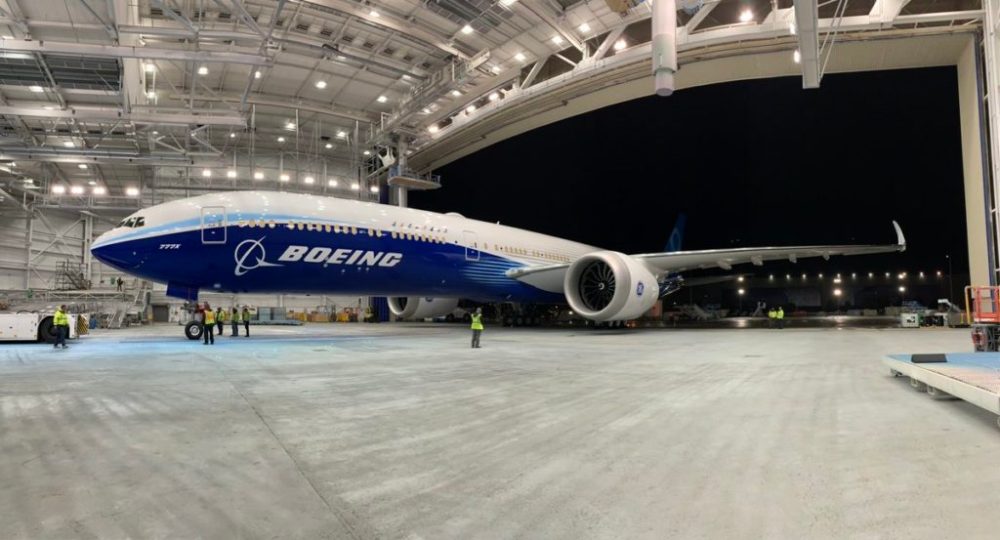
El primer Boeing 777-9 estaría aplazándose su primer vuelo para fines de 26 Junio 2019 debido a problemas con el motor General Electric GE9X. El Director de Ventas de Boeing, Greg Smith, quien dice que el motor GE9X, el más grande jamás construido para un avión civil, enfrenta dificultades técnicas. Los ingenieros y técnicos enfrentan desafíos que intentan resolver los problemas a través de pruebas. Los rumores de problemas internos del motor y en relación con su montaje bajo las alas son los inconvenientes que el constructor americano haAW-78022112.png encontrado. El Director Gerente de Producto del motor GE9X, Ted Ingling, explicó que la anomalía era un problema mecánico relacionado con el compresor y no un problema de aerodinámica que afectara su rendimiento: es demasiado pronto para saber si el problema afectará las pruebas de vuelo.
Perspectivas del 777-9

Boeing anunció un período de pruebas de vuelo de al menos catorce meses antes de obtener la certificación de las puntas de ala de plegado de avión. Dos 777-9 han salido hasta ahora de las líneas de ensamblaje de Boeing, mientras que otros dos están en proceso de unirse a ellos. El GE9X realizó su último vuelo de prueba bajo el ala de un 747 el mes pasado. Otro cliente del 777X, Lufthansa (ordenó 20 777-9, el primero de los cuales está en FAL), ya estaría preparándose para los retrasos en la entrega: estaría lista para mantener su 747-400 un poco más. En la República de China, el rumor de un pedido de cien Boeing 777X y Boeing 787 ha salido a la superficie, para reemplazar a los 101 grandes transportistas vendidos a las aerolíneas en el país. El 777-9 se enfrentaría a una tormenta diplomática mientras se espera conocer más sobre la guerra económica entre Estados Unidos y China. Recordemos que todos los pedidos de aviones en el país son anunciadas por el gobierno como el principal accionist.

El mercado de aeronaves entre Airbus y Boeing están casi empatados, pero en el caso de Boeing los retrasos largos podrían complicar la cartera de pedidos, como es el caso del Boeing 737 MAX, tras cancelaciones de varias compañías aéreas. El CFO de Boeing, sin embargo, reiteró el Miércoles 5 Junio 2019 que la entrada en servicio del Boeing 777-9 en 2020 sigue siendo manteniéndose, pero esto es cuestionado por varios expertos que ahora esperan para 4Q2020 o 1Q2021.AW-Icon-TXT-01

AW-70007779.jpgRollout delay for Boeing 777-9

Boeing-Logo.svg.pngBoeing would be delaying the rollout of the new Boeing 777-9 aircraft

The first Boeing 777-9 would be postponing its first flight by the end of June 26, 2019 due to problems with the General Electric GE9X engine. The Sales Director of Boeing, Greg Smith, who says that the GE9X engine, the largest ever built for a civilian aircraft, faces technical difficulties. Engineers and technicians face challenges that try to solve problems through tests. The rumors of internal problems of the engine and in relation to its assembly under the wings are the inconveniences that the American constructor has found. The Product Manager of the GE9X engine, Ted Ingling, explained that the anomaly was a mechanical problem related to the compressor and not an aerodynamic problem that affected its performance: it is too early to know if the problem will affect the flight tests.

TESTING TESTS OF THE GENERAL ELECTRIC GE9X TURBINES

Perspectives of 777-9

Boeing announced a flight test period of at least fourteen months before obtaining certification for airplane folding wing tips. Two 777-9 have come out of the Boeing assembly lines so far, while two others are in the process of joining them. The GE9X made its last test flight under the wing of a 747 last month. Another customer of the 777X, Lufthansa (ordered 20 777-9, the first of which is in FAL), would already be preparing for delays in delivery: it would be ready to keep its 747-400 a little longer. In the Republic of China, the rumor of a request for a hundred Boeing 777X and Boeing 787 has surfaced, to replace the 101 large carriers sold to airlines in the country. The 777-9 would face a diplomatic storm while waiting to learn more about the economic war between the United States and China. Remember that all aircraft orders in the country are announced by the government as the main shareholder.

The aircraft market between Airbus and Boeing are almost tied, but in the case of Boeing, long delays could complicate the order book, as is the case with the Boeing 737 MAX, after cancellations of several airlines. The Boeing CFO, however, reiterated on Wednesday 5 June 2019 that the entry into service of the Boeing 777-9 in 2020 is still being maintained, but this is questioned by several experts who now wait for 4Q2020 or 1Q2021. A \ W


Ξ A I R G W A Y S Ξ
SOURCE: Airgways.com
DBk: Boeing.com / Air-journal.fr / Airgways.com
AW-POST: 201906072113AR

A\W   A I R G W A Y S ®


Avianca Argentina suspende ops

AW-7008-Elliltoral.jpgAW | 2019 06 07 20:45 | AIRLINES

Avianca_Logo_2013.pngAvianca Argentina dejará de volar por 90 días por la crisis del sector

Avianca Argentina ha suspendido sus operaciones regionales en la República Argentina por el espacio de 90 días para determinar su continuidad. La aerolínea con dificultades financieras solicitó suspender el servicio programado por 90 días a partir del 9 Junio 2019 ANAC, la autoridad argentina de aviación civil. Sin embargo, los vuelos de la aerolínea programados para hoy se han cancelado, según los datos de seguimiento de vuelos de Cirium.

La ANAC Argentina se ha expresado con respecto a la situación de Avianca Argentina: «La solicitud se basa en el inicio de un proceso de reestructuración de la compañía con la reingeniería del plan de ruta regular y el modelo de negocio de la compañía. La extensión de 90 días se puede extender por otros 90 días después de la expiración, agrega el regulador».

Avianca Argentina posee dos ATR 72-600 turboprop que cubrían solo dos rutas antes de que suspendiera el servicio uniendo Buenos Aires-Mar Del Plata y Buenos Aires-Santa Fe. Las nuevas aeronaves ATR 72-600 incorporadas de fábrica, habían permitido conectar muchas ciudades del interior de Argentina que antes no tenían conexión aérea.

Ocaso de Avianca Holdings

La suspensión de los vuelos de Avianca Argentina es la última de una larga serie de problemas para Avianca Holdings. La aerolínea Avianca Brasil también se encuentra en las misma situación que ha sido suspendida sus operaciones por cuestiones de seguridad por el organismo regulador ANAC Brasil, después que redujo su flota y red tras una declaración de protección por bancarrota en Diciembre 2018.

Avianca Argentina, también conocida como Avian Líneas Aéreas lanzó vuelos a fines de 2017 con grandes esperanzas. Los planes para incorporar aeronaves de porte medio como los A320CEO pronto quedaron sin materializarse, anulando la expansión de la aerolínea que incluían vuelos internacionales. El Airbus A320CEO (A320-200) transferido a la aerolínea argentina desde Avianca Brasil en Octubre 2018 ha quedado fuera del alcance operativo.

Synergy Aerospace había anunciado inicialmente un pedido de 18 ATR 72-600 en Noviembre 2016 para Avianca Argentina que comprendía doce pedidos en firme y seis opciones. Solo dos de esos aviones han sido entregados a la aerolínea. Las seis opciones fueron canceladas a mediados de 2018.

Avianca AR, muerte anunciada

Los problemas de Avianca Argentina se vieron agravados por los problemas financieros del grupo Avianca Holdings, con la quiebra de Avianca Brasil, el desprendimiento de las acciones de Avianca Colombia en favor de United Continental Holdings y las ventas de las aerolíneas SANSA y La Costeña. Las líneas aéreas de argentinas se han enfrentado a un entorno operativo difícil desde el año pasado, ya que la creciente inflación en el país ha deprimido los rendimientos y la depreciación de la moneda desalentó a los argentinos a viajar al extranjero.

Avianca Argentina llegó a la República Argentina con la compra de la firma MacAir, la línea aérea regional que hasta 2016 era de la familia del Presidente de la Nación, Mauricio Macri, convirtiéndose en la primer aerolínea iniciando la apertura de la «Revolución de los Aviones» en Argentina. En la actualidad, Avianca Argentina padece los mismos síntomas que la filial Avianca Brasil que agonizan con el desplome de la capacidad de Avianca Holdings de reflotar sus esperanzas.AW-Icon-TXT-01

AW-70099921.jpgAvianca Argentina suspends ops

Avianca Argentina will stop flying for 90 days due to the crisis in the sector

Avianca Argentina has suspended its regional operations in the Argentine Republic for the space of 90 days to determine its continuity. The airline with financial difficulties requested to suspend the scheduled service for 90 days as of June 9, 2019 ANAC, the Argentine civil aviation authority. However, the flights of the airline scheduled for today have been canceled, according to Cirium flight tracking data.

The ANAC Argentina has expressed itself with respect to the situation of Avianca Argentina: «The request is based on the start of a restructuring process of the company with the reengineering of the regular route plan and the company’s business model. 90 days can be extended for another 90 days after the expiration, adds the regulator».

Avianca Argentina owns two ATR 72-600 turboprop that covered only two routes before it suspended the service linking Buenos Aires-Mar Del Plata and Buenos Aires-Santa Fe. The new ATR 72-600 aircraft brought from the factory had allowed to connect many cities of the interior of Argentina that previously did not have an air connection.

Sunset of Avianca Holdings

The suspension of Avianca Argentina flights is the latest in a long series of problems for Avianca Holdings. The airline Avianca Brasil is also in the same situation that its operations have been suspended due to security issues by the ANAC Brazil regulatory body, after it reduced its fleet and network after a bankruptcy protection declaration in December 2018.

Avianca Argentina, also known as Avian Líneas Aéreas, launched flights at the end of 2017 with great hopes. Plans to incorporate medium-sized aircraft such as the A320CEO soon failed to materialize, canceling the expansion of the airline that included international flights. The Airbus A320CEO (A320-200) transferred to the Argentine airline from Avianca Brasil in October 2018 has been left out of operational reach.

Synergy Aerospace had initially announced an order of 18 ATR 72-600 in November 2016 for Avianca Argentina that included twelve firm orders and six options. Only two of those planes have been delivered to the airline. The six options were canceled in mid-2018.

Avianca AR, announced death

The problems of Avianca Argentina were aggravated by the financial problems of the Avianca Holdings group, with the bankruptcy of Avianca Brasil, the divestment of Avianca Colombia’s shares in favor of United Continental Holdings and the sales of the airlines SANSA and La Costeña. Argentine airlines have faced a difficult operating environment since last year, as rising inflation in the country has depressed yields and the depreciation of the currency discouraged Argentines from traveling abroad.

Avianca Argentina arrived in the Argentine Republic with the purchase of MacAir, the regional airline that until 2016 belonged to the family of the President of the Nation, Mauricio Macri, becoming the first airline initiating the opening of the «Aircraft Revolution» in Argentina. Currently, Avianca Argentina suffers from the same symptoms as the subsidiary Avianca Brasil, which is agonizing with the collapse of Avianca Holdings’ ability to revive its hopes. A \ W


Ξ A I R G W A Y S Ξ
SOURCE: Airgways.com
DBk: Avianca.com.ar / Anac.gov.ar / Airgways.com
AW-POST: 201906072045AR

A\W   A I R G W A Y S ®

American lanza nuevas rutas

Resultado de imagen para american airlines dallas fort worthAW | 2019 06 07 20:03 | AIRLINES ROUTES

American Airlines incorpora nuevos destinos en apertura de aa_aa_ahz_tm_rgb_grd_pos.jpgtemporada estival

La aerolínea más grande del mundo ha comenzado la planificación de nuevas rutas para la temporada 2019. American Airlines está agregando 15 rutas internacionales y 10 nacionales totalizando 25 nuevas rutas a su red de servicios.

Nuevos destinos internacionales

Dos de las nuevas rutas sin escalas no son atendidas actualmente por ninguna aerolínea de los Estados Unidos. American Airlines será la única aerolínea con base en los Estados Unidos que ofrece vuelos desde Filadelfia a Dubrovnik, República de Croacia y Bolonia, República de Italia. American Airlines también está agregando una nueva ruta desde Filadelfia a Berlín, Alemania.

American Airlines volará desde Dallas a Dublín, Irlanda y Munich, Alemania. La aerolínea utilizará el 787 Dreamliner para ambas rutas. También volará desde Dallas a Tegucigalpa, Honduras tres veces por semana y cuatro veces por semana a San Pedro Sula, Honduras. Además, la aerolínea ofrecerá vuelos diarios entre Durango, México y Dallas. La aerolínea ofrecerá vuelos entre LaGuardia Nueva York y Aruba. También volará entre Charlotte y Santo Domingo, República Dominicana. Hasta agosto, la aerolínea también ofrecerá vuelos entre Dallas y Santo Domingo.

La aerolínea también está agregando tres rutas a Canadá. Volará desde LaGuardia y Filadelfia de Nueva York hasta Halifax, Nueva Escocia. También ofrecerá vuelos entre O’Hare de Chicago y la ciudad de Quebec. El servicio a Canadá en estas rutas estará disponible hasta noviembre. La aerolínea también acaba de agregar una nueva ruta de América del Sur. Volará cuatro días a la semana entre Miami y Córdoba, Argentina. Este será un servicio durante todo el año.

Nuevas rutas domésticas

Aquellos que quieran visitar el Parque Nacional Glacier pueden volar desde Chicago, Dallas y Los Ángeles a Kalispell, Montana. Kalispell se encuentra a menos de una hora en coche del Parque Nacional Glacier. Estos vuelos solo se ofrecerán para la temporada de viajes de verano. Para ver una lista completa de los nuevos destinos de Estados Unidos, puede consultar el comunicado de prensa de American Airlines.AW-Icon-TXT-01

Resultado de imagen para american airlines dallas fort worth terminalAmerican launches new routes

American Airlines incorporates new destinations at the opening of the summer season

logo2.pngThe largest airline in the world has started planning new routes for the 2019 season. American Airlines is adding 15 international and 10 national routes totaling 25 new routes to its service network.
New international destinations

Two of the new nonstop routes are not currently served by any United States airline. American Airlines will be the only airline based in the United States that offers flights from Philadelphia to Dubrovnik, Republic of Croatia and Bologna, Republic of Italy. American Airlines is also adding a new route from Philadelphia to Berlin, Germany.

American Airlines will fly from Dallas to Dublin, Ireland and Munich, Germany. The airline will use the 787 Dreamliner for both routes. He will also fly from Dallas to Tegucigalpa, Honduras three times a week and four times a week to San Pedro Sula, Honduras. In addition, the airline will offer daily flights between Durango, Mexico and Dallas. The airline will offer flights between LaGuardia New York and Aruba. It will also fly between Charlotte and Santo Domingo, Dominican Republic. Until August, the airline will also offer flights between Dallas and Santo Domingo.

The airline is also adding three routes to Canada. It will fly from LaGuardia and Philadelphia from New York to Halifax, Nova Scotia. It will also offer flights between O’Hare from Chicago and Quebec City. Service to Canada on these routes will be available until November. The airline has also just added a new route from South America. He will fly four days a week between Miami and Córdoba, Argentina. This will be a service throughout the year.

New domestic routes

Those who want to visit the Glacier National Park can fly from Chicago, Dallas and Los Angeles to Kalispell, Montana. Kalispell is less than an hour’s drive from Glacier National Park. These flights will only be offered for the summer travel season. To see a complete list of new destinations in the United States, you can consult the American Airlines press release. A \ W


Ξ A I R G W A Y S Ξ
SOURCE: Airgways.com
DBk: Aa.com / Airgways.com / Star-telegram.com / Citizen-times.com
AW-POST: 201906072003AR

A\W   A I R G W A Y S ®

Flybondi inicia renovación flota

Resultado de imagen para Boeing 737-800 LV-HKRAW | 2019 06 07 19:28 | AIRLINES / AIRLINES ROUTES

AW-Flybondi_Aircraft-001 (2).jpgFlybondi inicia la renovación paulatina de su flota y trae un nuevo Boeing 737-800 Next Generation

Flybondi Líneas Aéreas ha iniciado un recambio de flota al incorporar un nuevo Boeing 737-800. La aerolínea low cost anunció que iniciará la renovación paulatina de su flota, con el objetivo de incorporar aeronaves de menor antigüedad que las actuales, proceso que se iniciará con el recambio de uno de los Boeing 737-800 matrícula LV-HKR, de 17 años por un 737-800 fabricado en 2008.

El recambio se realizará durante a partir de Junio 2019 por lo que por 15 días la aerolínea quedará solamente con cuatro aviones. La nueva aeronave Boeing 737-800 estará configurada con 189 asientos, una única clase e idéntica configuración que el resto de la flota.

El Boeing 737-800 LV-HKR será reemplazado por el Boeing 737-800 proveniente de la empresa indú Jet Airways (HS-DBZ). El nuevo avión Boeing 737-8Q8, fabricado en el 2008, recibirá el registro LV-HKN (MSN 30734/2477), anteriormente registro VT-JTD, realizó su primer vuelo el 18 Diciembre 2007, encontrándose en proceso de readecuación y puesta a punto en GMF (Garuda Maintenance Facilities) en Jakarta, Indonesia realizando chequeos de mantenimiento para incorporarse a Flybondi. La nueva aeronave se encuentra en proceso de readecuación y puesta a punto en GMF (Garuda Maintenance Facilities) en Jakarta en Jakarta.

Afectación rutas

Debido a la baja del Boeing 737-800 LV-HKR, la aerolínea tendrá operativos cuatro aviones por lo que entre el 17 Junio y el 3 Julio 2019 las rutas Neuquén-Mendoza y Tucumán-Rosario no estarán operativas. La empresa aclaró que solo se verán afectadas las rutas mencionadas mientras que las otras 24 seguirán con su frecuencia normal.AW-Icon-TXT-01


AW-70007668.jpg

Flybondi starts fleet renewal

Flybondi begins the gradual renovation of its fleet and brings a new Boeing 737-800 Next Generation

flybondi (2).jpgFlybondi Líneas Aéreas has started a fleet replacement by incorporating a new Boeing 737-800. The low cost airline announced that it will begin the gradual renewal of its fleet, with the aim of incorporating smaller aircraft than the current ones, process that will start with the replacement of one of the Boeing 737-800 license plate LV-HKR, 17 years old for a 737-800 manufactured in 2008.
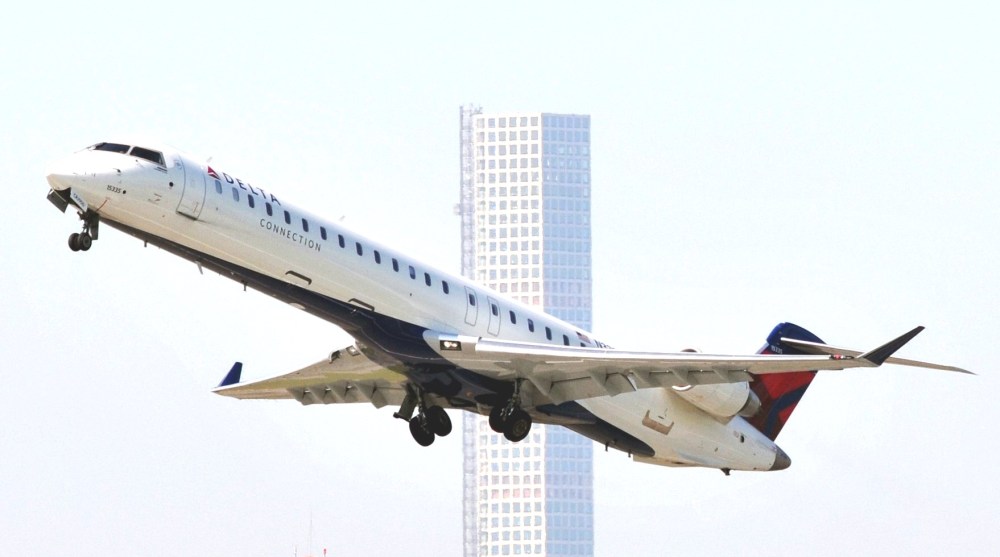
The replacement will take place during June 2019 so that for 15 days the airline will only have four planes. The new Boeing 737-800 aircraft will be configured with 189 seats, a single class and the same configuration as the rest of the fleet.

The Boeing 737-800 LV-HKR will be replaced by the Boeing 737-800 from the Indian company Jet Airways (HS-DBZ). The new Boeing 737-8Q8 airplane, manufactured in 2008, will receive the registration LV-HKN (MSN 30734/2477), previously registered VT-JTD, made its first flight on December 18, 2007, being in the process of readjustment and tuning at GMF (Garuda Maintenance Facilities) in Jakarta, Indonesia performing maintenance checks to join Flybondi. The new aircraft is in the process of retrofitting and tuning in GMF (Garuda Maintenance Facilities) in Jakarta in Jakarta

Route impairment

Due to the lowering of the Boeing 737-800 LV-HKR, the airline will have four avianoes operating, so between June 17 and July 3, 2019, the Neuquén-Mendoza and Tucumán-Rosario routes will not be operational. The company clarified that only the mentioned routes will be affected while the other 24 will continue with their normal frequency. A \ W


Ξ A I R G W A Y S Ξ
SOURCE: Airgways.com
DBk: Flybondi.com / Airgways.com / Flickr.com
AW-POST: 201906071928AR

A\W   A I R G W A Y S ®

Mitsubishi compraría Programa CRJ

AW-700Thepointsguy.jpgAW | 2019 06 07 03:23 | INDUSTRY

bombardier_old-svg.pngMitsubishi Corp está negociando la compra del Programa CRJ de Bombardier

Bombardier Inc. está en conversaciones para vender su programa de aeronaves regionales Canadair Regional Jet (CRJ) a Mitsubishi Heavy Industries Ltd. De concretarse esta venta, Bombardier Inc. dejaría definitivamente la participación directa en la fabricación de aeronaves comerciales.mitac_logotype

Logo_canadairAmbas partes confirmaron que estaban en conversaciones este Miércoles 6 Junio 2019 que las negociaciones estaban en una etapa avanzada. Algunas novedades podrían reconfirmarse en Paris Air Show que comienza el 17 Junio 2019. Mitsubishi ha informado que no se había tomado ninguna decisión al respecto, mientras que Bombardier dijo que cualquier acuerdo estaría sujeto a un análisis adicional por parte de su propia administración y del fabricante japonés.

Bombardier, sin aviación comercial

Un acuerdo de compra por parte de Mitsubishi de la división comercial del Programa CRJ culminaría con una revisión estratégica en Bombardier de las líneas civiles aerocomerciales. El constructor canadiense ya ha renunciado al control de su programa de aviones de un solo pasillo conocido anteriormente como CSeries, ahora bajo la órbita de Airbus como el Programa A220. Anteriormente, se desprendió del Programa QSeries con la venta a la empresa Viking Air Ltd. de Canadá del grupo aeronáutico Longview Aviation Capital Corp. El actual Programa QSeries comprende el sector de tercer nivel de aeronaves turbohélices Dash 8-Q200/Q300/Q400. Desprendiéndose de esta unidad de negocios, Bombardier se centraría únicamente en la fabricación de aviones privados y equipos ferroviarios.

QSeries para Viking Air

A fines de 2018, Bombardier vendió su Programa QSeries a Longview Aviation Capital valorado en US$ 300 millones de dólares, un acuerdo anunciado junto con 5.000 recortes de empleos a medida que Bombardier reducía su división de aviación. Esta semana, Bombardier cerró la venta de su negocio de turbohélices a la canadiense Longview Aviation, recaudando el monto pactado que permitirá oxigenar las arcas de Bombardier Inc.

Corporizando a Mitsubishi

Mientras tanto, Mitsubishi Heavy Industries Ltd., con sede en Tokio, Japón, aumentaría sus ambiciones de impulsar la fabricación de aviones más pequeños, comenzando a competir junto a Embraer con la línea E-135/145/170. La industria aeronáutica está moviéndose rápidamente, sobre todo en el sector regional lo que permitirá desarrollar nuevas capacidades y competidores.

Programa CRJ

Bombardier lanzó el programa CRJ en 1989 con un avión de 50 plazas denominado CRJ-100, versiones posteriores de las cuales se convertirían en el avión regional más exitoso del mundo con más de 1.900 jets en servicio en todo el mundo. El programa CRJ allanó el camino para las incursiones de Bombardier en otros aviones comerciales, incluidos los turbopropulsores Q400 y los jets de pasillo único CSeries diseñados para desafiar a Boeing y Airbus.

El Programa CRJ comprendes los modelos CRJ-100/200/700/705/900/1000 y el nuevo desarrollo del CRJ-550, una actualización del CRJ-200 y un mercado posicionado entre el CRJ-200 y el CRJ-700. Actualmente, el Programa CRJ comprende el CRJ700 (hasta 78 asientos y rango de 1.400nm), CRJ900 (hasta 90 asientos y rango de 1.550nm) y CRJ1000 (hasta 104 asientos y rango de 1.650nm), según Bombardier Commercial Aircraft.

Resultado de imagen para CRJ Next Gen png

El fabricante canadiense generó una vez la mayor parte de los ingresos de Bombardier. En los últimos años, Bombardier no ha dado atención a los programas comerciales como debiese, centrándose en las unidades de negocios de los trenes y los aviones de negocios que han superado a los aviones de línea regionales como los principales motores de ganancias para la compañía y han generado el 81% de las ventas en el 1Q2019.

A principios de 2Q2019, Bombardier consolidó aún más todos sus programas aeroespaciales en una división de aviación, con el jet regional CRJ como la única opción en el espacio de los aviones comerciales. Actualmente existen en el mundo alrededor de 1.500 aviones CRJ en muchas aerolíneas de los cinco continentes. Una gran porción del mercado de aeronaves comerciales regionales necesita una actualización y el Programa CRJ es un negocio impresionante de ventas aseguradas.

Industria canadiense

El ministro de Desarrollo Económico, Pierre Fitzgibbon, no pareció preocupado por la posible transacción entre Bombardier y Mitsubishi. «Bombardier está en medio de una reestructuración muy significativa. Y creo que debemos dejar la administración para determinar qué sectores considera que seguirán siendo buenos», expresó el ministro en una ronda con periodistas.

La producción del CRJ actualmente involucra dos plantas en el área de Montreal, en St-Laurent y Mirabel. Cerca de 750 empleados de Bombardier en la región trabajan en el programa, dijo el miércoles la portavoz Nathalie Scott.

Esfuerzos de Mitsubishi Aircraft

Los esfuerzos de Mitsubishi Aircraft Corp. para construir su propio jet regional denominado MRJ-90 y el futuro MRJ-70. El Programa MRJ-90 se han visto plagados de dificultades después de vuelos de prueba abortados y sobrecostos. El programa sufrió un revés a principios del 2018 cuando un transportista estadounidense desechó un pedido de 40 de los aviones. All Nippon Airways de ANA Holdings Inc. está preparada para recibir la primera entrega del MRJ a mediados de 2020, según Mitsubishi Heavy. Pero una venta de Bombardier a Mitsubishi podría complicarse al aumentar las tensiones entre Beijing y Ottawa, ya que China, un importante mercado potencial para Mitsubishi, podría ejercer autoridad sobre la aprobación del acuerdo. China ha estado peleando con Canadá desde el arresto en diciembre de Meng Wanzhou, el Director Financiero de Huawei Technologies Co., en una solicitud de extradición de Estados Unidos.

FTA-1_FTA-2_FTA-4_750_1.jpgAERONAVES DE PRUEBA MRJ-90 DE MITSUBISHI AIRCRAFT CORP.
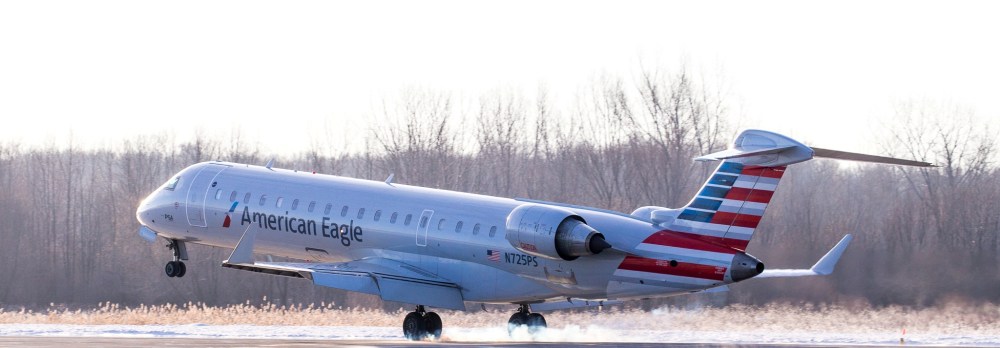
En un giro interesante, Bombardier y Mitsubishi se han estado enfrentados en demandas judiciales por robo de información en los Estados Unidos durante varios meses. Bombardier acusó a Mitsubishi de robar secretos comerciales para su programa MRJ, mientras que el conglomerado japonés respondió acusando a su rival canadiense de tratar de limitar la competencia en el mercado de aviones con menos de 100 asientos.

Perspectivas CRJ

La producción del CRJ actualmente involucra dos plantas en el área de Montreal, en St-Laurent y Mirabel. Cerca de 750 empleados de Bombardier en la región trabajan en el programa, dijo el miércoles la portavoz Nathalie Scott. Cuando Bombardier dirige su atención a los trenes y aviones de negocios de aviones comerciales, Mitsubishi es un comprador lógico, señaló a los clientes el analista del National Bank Cameron Doerksen.

La compañía con sede en Tokio tiene su propio programa de jets regionales llamado MRJ que compite directamente con el CRJ. Pero el MRJ ha tenido problemas para despegar debido a problemas como los vuelos de prueba abortados, los sobrecostos y las órdenes canceladas. «La adquisición del programa CRJ de Bombardier traería consigo una gran red de soporte global que Mitsubishi podría aprovechar para respaldar su nuevo avión», escribió Doerksen, y agregó que una gran cantidad de ex empleados de Bombardier ya trabajan para MRJ.

La unidad de negocio del Programa CRJ podría generar ingresos brutos de alrededor de US$ 680 millones (¥ 73.5 mil millones) según Citigroup Inc., que comparó las entregas de la operación y el precio promedio de los aviones con los de la operación del Programa QSeries.

Para Mitsubishi, un acuerdo lo convertiría en el mayor desafío para el negocio de aviones comerciales de Embraer, que está en proceso de Joint Venture con The Boeing Company y compitiendo frente a la industria de China con el Programa ARJ-21 de Comac Corp.

Con la compra por parte de Mitsubishi de la unidad de negocios del Programa CRJ ayudaría a alcanzar un objetivo que la compañía japonesa ha perseguido durante más de una década; y por otro lado la finalización de los programas aerocomerciales de Bombardier. Nuevos vientos soplan en Japón, asomándose un nuevo horizonte para la industria aeronáutica nipona.AW-Icon-TXT-01


AW-7008-Bombardier.jpgMitsubishi would buy CRJ Program

Mitsubishi Corp is negotiating the purchase of Bombardier’s CRJ Program

Bombardier Inc. is in talks to sell its regional aircraft program Canadair Regional Jet (CRJ) to Mitsubishi Heavy Industries Ltd. If this sale is completed, Bombardier Inc. would definitively stop direct participation in the manufacture of commercial aircraft.

Both parties confirmed that they were in talks this Wednesday 6 June 2019 that the negotiations were at an advanced stage. Some news could be reconfirmed in the Paris Air Show that begins on June 17, 2019. Mitsubishi has reported that no decision had been made in this regard, while Bombardier said that any agreement would be subject to additional analysis by its own administration and the manufacturer Japanese.

Bombardier, without commercial aviation

A purchase agreement on the part of Mitsubishi of the commercial division of the CRJ Program would culminate with a strategic review in Bombardier of the commercial air lines. The Canadian manufacturer has already relinquished control of its single-aisle aircraft program previously known as CSeries, now under the orbit of Airbus as the A220 Program. Previously, it was released from the QSeries Program with the sale to the company Viking Air Ltd. of Canada of the Longview Aviation Capital Corp. aeronautical group. The current QSeries Program comprises the third level sector of turboprop aircraft Dash 8-Q200/Q300/Q400. By divesting itself of this business unit, Bombardier would focus solely on the manufacture of private aircraft and railroad equipment.

QSeries for Viking Air

At the end of 2018, Bombardier sold its QSeries Program to Longview Aviation Capital valued at US$ 300 million, an agreement announced along with 5,000 job cuts as Bombardier reduced its aviation division. This week, Bombardier closed the sale of its turbo-fuel business to Canada’s Longview Aviation, raising the agreed amount that will allow the coffers of Bombardier Inc. to be oxygenated.

Corporizando to Mitsubishi

Meanwhile, Mitsubishi Heavy Industries Ltd., based in Tokyo, Japan, would increase its ambitions to promote the manufacture of smaller aircraft, starting to compete with Embraer with the E-135/145/170 line. The aeronautical industry is moving rapidly, especially in the regional sector, which will allow the development of new capabilities and competitors.

CRJ Program

Bombardier launched the CRJ program in 1989 with a 50-seater aircraft called CRJ-100, later versions of which would become the most successful regional aircraft in the world with more than 1,900 jets in service worldwide. The CRJ program paved the way for Bombardier’s raids on other commercial aircraft, including Q400 turboprops and CSeries single-aisle jets designed to challenge Boeing and Airbus.

The CRJ Program includes the CRJ-100/200/700/705/900/1000 models and the new development of the CRJ550, an update of the CRJ-200 and a market positioned between the CRJ-200 and the CRJ-700. Currently, the CRJ Program includes the CRJ700 (up to 78 seats and 1,400nm range), CRJ900 (up to 90 seats and 1,550nm range) and CRJ1000 (up to 104 seats and 1,650nm range), according to Bombardier Commercial Aircraft.

Resultado de imagen para CRJ Mirabel factoryBOMBARDIER’S CRJ-SERIES ASSEMBLY LINE IN MIRABEL, QUEBEC
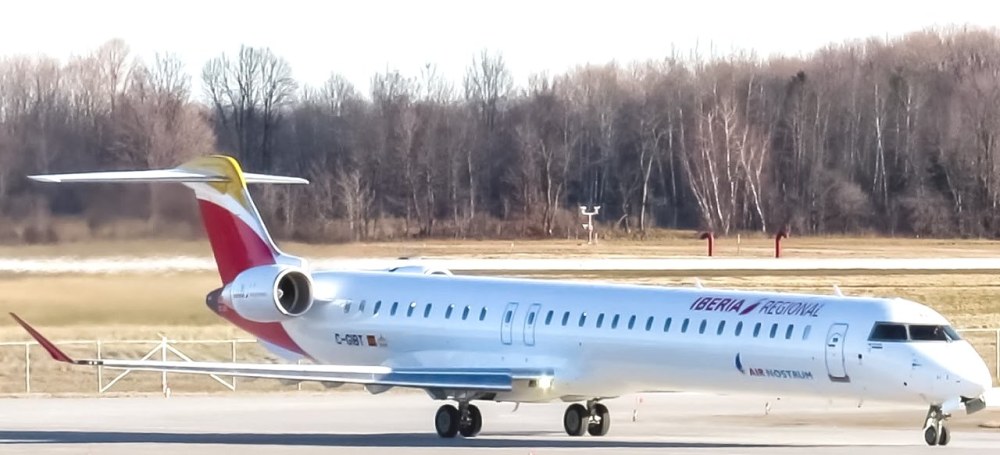
The Canadian manufacturer once generated most of Bombardier’s revenues. In recent years, Bombardier has not paid attention to commercial programs as it should, focusing on business units of trains and business aircraft that have overtaken regional line aircraft as the main engines of profit for the company and They have generated 81% of sales in 1Q2019.

At the beginning of 2Q2019, Bombardier further consolidated all its aerospace programs in an aviation division, with the CRJ regional jet as the only option in the space of commercial aircraft. There are currently around 1,500 CRJ aircraft in the world in many airlines on five continents. A large portion of the regional commercial aircraft market needs upgrading and the CRJ Program is an impressive assured sales business.

Canadian industry

The Minister of Economic Development, Pierre Fitzgibbon, did not seem worried about the possible transaction between Bombardier and Mitsubishi. «Bombardier is in the midst of a very significant restructuring, and I think we should leave the administration to determine which sectors it considers will continue to be good». the minister said in a round with reporters.

The production of CRJ currently involves two plants in the Montreal area, in St-Laurent and Mirabel. About 750 Bombardier employees in the region work on the program, spokeswoman Nathalie Scott said Wednesday.

Mitsubishi Aircraft Efforts

The efforts of Mitsubishi Aircraft Corp. to build its own regional jet called MRJ-90 and the future MRJ-70. The MRJ-90 Program has been plagued by difficulties after aborted test flights and cost overruns. The program suffered a setback in early 2018 when a US carrier scrapped an order for 40 of the planes. All Nippon Airways of ANA Holdings Inc. is ready to receive the first delivery of the MRJ in mid-2020, according to Mitsubishi Heavy. But a sale of Bombardier to Mitsubishi could be complicated by increasing tensions between Beijing and Ottawa, as China, an important potential market for Mitsubishi, could exercise authority over the approval of the agreement. China has been fighting with Canada since the December arrest of Meng Wanzhou, the Chief Financial Officer of Huawei Technologies Co., in an extradition request from the United States.

In an interesting twist, Bombardier and Mitsubishi have been at odds in lawsuits for information theft in the United States for several months. Bombardier accused Mitsubishi of stealing trade secrets for its MRJ program, while the Japanese conglomerate responded by accusing its Canadian rival of trying to limit competition in the market of aircraft with less than 100 seats.

AW-7000089.jpgIBERIA REGIONAL (AIR NOSTRUM) CRJ-1000 DEPARTING MIRABEL
CRJ Perspectives

The production of CRJ currently involves two plants in the Montreal area, in St-Laurent and Mirabel. About 750 Bombardier employees in the region work on the program, spokeswoman Nathalie Scott said Wednesday. When Bombardier turns its attention to commercial aircraft business trains and aircraft, Mitsubishi is a logical buyer, National Bank analyst Cameron Doerksen told clients.

The Tokyo-based company has its own regional jet program called MRJ that competes directly with the CRJ. But the MRJ has had problems taking off due to problems such as aborted test flights, cost overruns and canceled orders. «The acquisition of Bombardier’s CRJ program would bring with it a large global support network that Mitsubishi could use to support its new aircraft», Doerksen wrote, adding that a large number of former Bombardier employees already work for MRJ.

The business unit of the CRJ Program could generate gross revenues of around US$ 680 million (¥ 73.5 billion) according to Citigroup Inc., which compared the deliveries of the operation and the average price of the aircraft with those of the operation of the Program. QSeries.

For Mitsubishi, an agreement would make it the biggest challenge for Embraer’s commercial aircraft business, which is in the process of a Joint Venture with The Boeing Company and competing against China’s industry with Comac Corp.’s ARJ-21 Program.

With the purchase by Mistubishi of the business unit of the CRJ Program, it would help achieve an objective that the Japanese company has pursued for more than a decade; and on the other hand the completion of Bombardier’s aerocommercial programs. New winds blow in Japan, emerging a new horizon for the Japanese aviation industry. A \ W

AW-700088-E-pic.se.jpg三菱はCRJプログラムを買うでしょう

mitac_logotype三菱商事はボンバルディアのCRJプログラムの購入を交渉しています

Bombardier Inc.は、その地方航空機プログラムCanadair Regional Jet(CRJ)を三菱重工業株式会社に売却することを協議中である。この売却が完了した場合、Bombardier Inc.は、民間航空機の製造への直接参加を最終的に中止する。bombardier_old-svg.png

両当事者は、2019年6月6日水曜日に交渉が進んだ段階で交渉中であることを確認した。 2019年6月17日に始まるパリ航空ショーで、いくつかのニュースが再確認される可能性がある。三菱自動車はこれに関して何の決定も下されていないと報告した。日本語

民間航空なしのボンバルディア

306.970.jpgCRJプログラムの商業部門の三菱側の購入契約は、商業航空会社のボンバルディアでの戦略的レビューで最高潮に達するでしょう。カナダの製造会社は、以前はCSeriesと呼ばれていた、現在はエアバスの軌道上にあるA220プログラムとしての、シングルアイル航空機プログラムの管理を放棄しました。以前は、Longview Aviation Capital Corp.の航空グループをカナダのViking Air Ltd.に売却してQSeries Programからリリースされていましたが、現在のQSeries Programはターボプロップ機Dash 8-Q200 / Q300 / Q400の3番目のレベルのセクターです。この事業部門を売却することにより、ボンバルディアは民間航空機および鉄道設備の製造に専念することになります。

バイキングエア用Qシリーズ

2018年末、Bombardierは自社の航空部門を縮小したため、QSeriesプログラムをLongview Aviation Capitalに3億米ドルで売却しました。今週、ボンバルディアはターボ燃料事業のカナダのロングビュー航空への売却を完了し、ボンバルディア社の財源の酸素化を可能にする合意金額を引き上げた。

コーポリザンドから三菱まで

一方、日本の東京に本社を置く三菱重工業は、E-135/145/170ラインでエンブラエルと競争し始め、小型航空機の製造を促進するという野心を高めるでしょう。

航空産業は、特に地域部門において急速に動いており、それによって新しい機能や競合他社の開発が可能になるでしょう。

CRJプログラム

Resultado de imagen para CRJ pngBombardierは1989年にCRJ-100と呼ばれる50人乗りの航空機でCRJプログラムを開始しました。後のバージョンは世界で1,900以上のジェット機が就航する世界で最も成功した地域の航空機になるでしょう。 CRJプログラムは、ボーイングとエアバスに挑戦するために設計されたQ400ターボプロップとCSeriesシングル通路ジェット機を含む他の民間航空機へのボンバルディアの空襲の道を開いた。

CRJプログラムには、CRJ-100/200/700/705/900/1000モデルとCRJ550の新開発、CRJ-200の更新、およびCRJ-200とCRJ-700の間に位置する市場が含まれます。 Bombardier Commercial Aircraftによると、現在、CRJプログラムには、CRJ700(最大78席および1,400nm範囲)、CRJ900(最大90席および1,550nm範囲)およびCRJ1000(最大104席および1,650nm範囲)が含まれています。

AW700200CRJ200-.jpgCRJ-200 スカイウェスト航空

カナダの製造業者はかつてボンバルディアの収益の大部分を生み出しました。近年では、Bombardier社は、地域の路線を追い越してきた列車や業務用航空機の事業部門に焦点を当て、商業プログラムにはそれほど注目していません。彼らは1Q2019で売上高の81%を生み出しました。

2019年第2四半期の初めに、ボンバルディアはさらに航空部門にすべての航空宇宙プログラムを統合しました。CRJのリージョナルジェットは民間航空機の分野における唯一の選択肢です。 5大陸の多くの航空会社には、現在世界中に約1,500のCRJ航空機があります。地域の民間航空機市場の大部分はアップグレードが必要であり、CRJプログラムは印象的な確実な販売事業です。

カナダの産業

経済開発大臣Pierre Fitzgibbonは、Bombardierと三菱の間の取引の可能性について心配していないようだった。 「ボンバルディアは非常に重要なリストラの最中にあり、どの部門が引き続き良好であり続けるかを判断するために政権を去るべきだと私は思う」と大臣は記者団とのラウンドで述べた。

CRJの生産には現在、St-LaurentとMirabelのモントリオール地域にある2つの工場が含まれます。スポークスウーマンのNathalie Scottは水曜日に、この地域の約750名のボンバルディア従業員がこのプログラムに取り組んでいると語った。

Resultado de imagen para Mitsubishi aircraft Corp factory三菱航空機株式会社のプログラムMRJ70 / 90

三菱航空機の取り組み

MRJ-90と呼ばれる独自のリージョナルジェットと将来のMRJ-70を構築するための三菱航空機株式会社の努力。 MRJ-90プログラムはテスト飛行の中断とコスト超過の後の困難に悩まされてきました。米国の航空会社が40機の飛行機の注文を破棄したとき、プログラムは2018年初頭に後退に苦しんだ。三菱重工によると、ANAホールディングスの全日本空輸は2020年半ばにMRJの最初の納入を受ける準備ができている。しかし、三菱へのボンバルディアの売却は、北京とオタワの間の緊張が高まることによって複雑になる可能性があります。三菱にとって重要な潜在市場である中国は、合意の承認に対して権威を行使することができるからです。中国は、米国からの追加要請を受けて、Huawei Technologies Co.の最高財務責任者であるMeng Wanzhouの12月の逮捕以来、カナダと戦ってきました。

興味深いことに、Bombardierと三菱は数ヶ月間米国で情報の盗難を求めて訴訟を起こしていた。ボンバルディアはMRJプログラムのために営業秘密を盗んだとして三菱を非難した、一方日本のコングロマリットは100席以下で航空機の市場での競争を制限しようとしているそのカナダのライバルを非難して応じた。

CRJの見通し

CRJの生産には現在、St-LaurentとMirabelのモントリオール地域にある2つの工場が含まれます。スポークスウーマンのNathalie Scottは水曜日に、この地域の約750名のボンバルディア従業員がこのプログラムに取り組んでいると語った。 Bombardierが民間航空機の業務用列車および航空機に注目を集めるとき、三菱は論理的な買い手である、とNational BankのアナリストCameron Doerksenは顧客に語った。

東京を拠点とする会社は、CRJと直接競合するMRJと呼ばれる独自のリージョナルジェットプログラムを持っています。しかし、MRJはテスト飛行の中止、コスト超過、注文のキャンセルなどの問題により離陸に問題がありました。 Doerksen氏は、「ボンバルディアのCRJプログラムの買収により、三菱が新しい航空機のサポートに利用できるような、世界規模の大規模なサポートネットワークがもたらされる」と述べ、元ボンバルディアの元従業員の多くがすでにMRJに勤務している。

Citigroup Inc.によると、CRJプログラムの事業単位は、約6億8000万米ドル(735億円)の総収入を生み出す可能性があり、これにより、運航の納入額および航空機の平均価格は、プログラムの運航の納入額と比較されます。 QSeries

三菱にとって、契約はそれをボーイング社との合弁事業の間にあり、コマック社のARJ-21プログラムとの中国の産業と競争しているエンブラエルの民間航空機事業にとって最大の課題になるでしょう。

MistubishiがCRJプログラムの事業単位を購入することで、日本企業が10年以上にわたって追求してきたという目的を達成するのに役立ちます。その一方で、ボンバルディアの航空商業プログラムの完成。日本には新たな風が吹き、日本の航空業界に新たな地平が生まれました。 A \ W


Ξ A I R G W A Y S Ξ
SOURCE: Airgways.com
DBk: Bombardier.com / Theflymrj.com / Japantimes.co.jp / Financialpost.com / Wingborn.com / Airgways.com / E-pic.se
AW-POST: 201906070323AR

A\W   A I R G W A Y S ®