Aerolíneas +300.000 pax weekend

AW | 2022 04 18 08:39 | AIRLINES

Aerolíneas Argentinas supera marca histórica Semana Santa

Aerolíneas Argentinas_Isologotype 2010_Tx

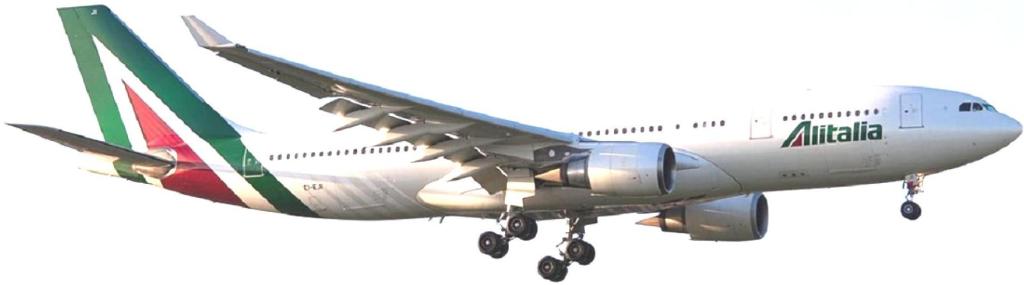
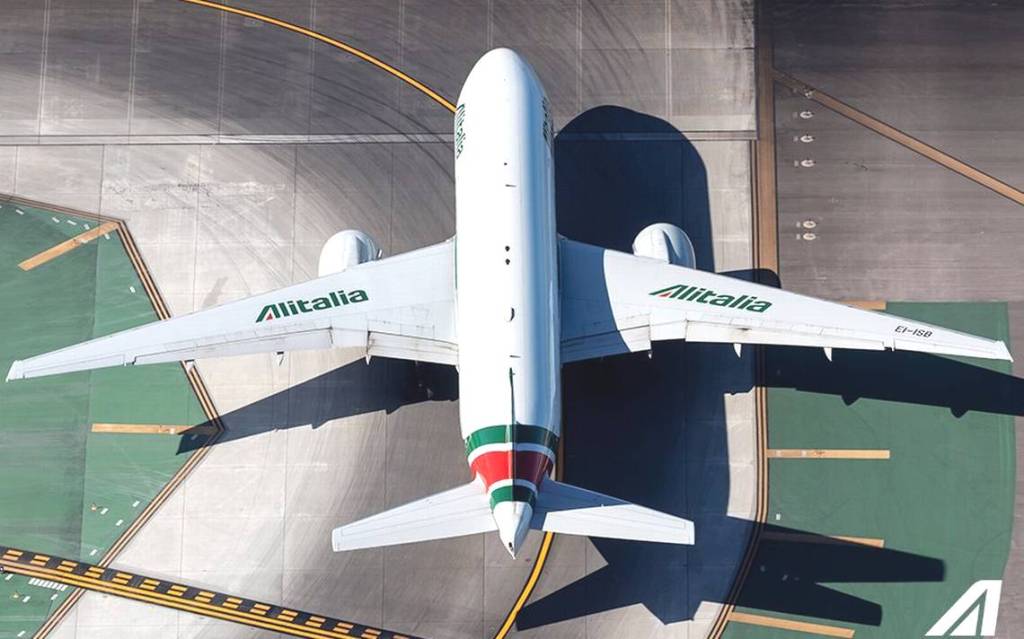
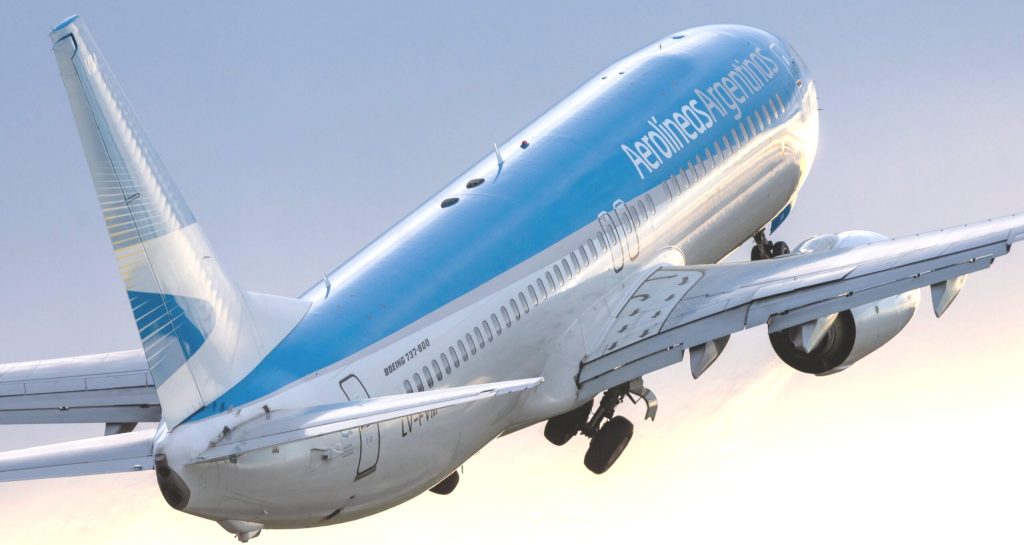
Aerolíneas Argentinas ha transportado más de 300.000 pasajeros este fin de semana largo de Semana Santa, marcando una cifra histórica. Los destinos más solicitados fueron Córdoba, Mendoza, Iguazú, Bariloche, El Calafate, Ushuaia y Salta. Esta cifra supera el récord de la Semana Santa de 2018, anterior al inicio de la pandemia cuando la cantidad de pasajeros transportados fue de 270.000. “Es una buena noticia porque impacta en todos los sectores de la industria del turismo que se benefician con cada avión de Aerolíneas que sale y llega desde algún punto del país”, señaló Pablo Ceriani, CEO de la aerolínea.

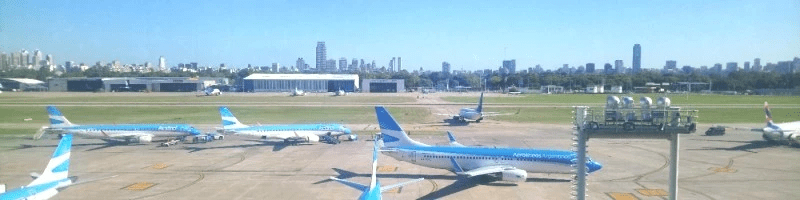
Durante este fin de semana, Aerolíneas dispuso una red de servicios especiales con importantes incrementos en las frecuencias de sus vuelos, operando un promedio de 253 salidas diarias, lo que significa entre 20 y 25 vuelos más que en un día estándar. Para ello, la empresa estableció un cronograma con una serie de vuelos de refuerzo a los principales destinos turísticos de la Argentina. Los destinos más solicitados fueron: Córdoba con más de 16.000 pasajes vendidos, Mendoza e Iguazú con más de 14.000, Bariloche con más de 12.500 y El Calafate, Ushuaia y Salta con más de 11.000. También, los vuelos internacionales y regionales tuvieron una importante participación con cerca de 45.000 pasajeros transportados en toda la red con San Pablo, Santiago de Chile, Montevideo, Rio de Janeiro, Asunción y Brasilia entre los destinos con mayor cantidad de pasajeros.

Aerolíneas +300,000 pax weekend

Aerolíneas Argentinas exceeds historical mark Easter week

Aerolíneas Argentinas has transported more than 300,000 passengers this long weekend of Holy Week, marking a historical figure. The most requested destinations were Córdoba, Mendoza, Iguazú, Bariloche, El Calafate, Ushuaia and Salta. This figure exceeds the record for Easter 2018, prior to the start of the pandemic when the number of passengers transported was 270,000. «This is good news because it impacts all sectors of the tourism industry that benefit from each Aerolineas plane that leaves and arrives from some point in the country», said Pablo Ceriani, CEO of the airline.

During this weekend, Airlines provided a network of special services with significant increases in the frequency of its flights, operating an average of 253 daily departures, which means between 20 and 25 more flights than on a standard day. For this, the company established a schedule with a series of reinforcement flights to the main tourist destinations in Argentina. The most requested destinations were: Córdoba with more than 16,000 tickets sold, Mendoza and Iguazú with more than 14,000, Bariloche with more than 12,500 and El Calafate, Ushuaia and Salta with more than 11,000. Also, international and regional flights had an important participation with nearly 45,000 passengers transported throughout the network with São Paulo, Santiago de Chile, Montevideo, Rio de Janeiro, Asunción and Brasilia among the destinations with the highest number of passengers.

PUBLISHER: Airgways.com
DBk: Aerolineas.com / Airgways.com
AW-POST: 202204180839AR
OWNERSHIP: Airgways Inc.
A\W A I R G W A Y S ®

Nace Aeroflyer

AW | 2022 04 17 16:13 | AIRLINES

Startup canadiense inicia operaciones

AW-Aeroflyer__Isologotype

KF Aerospace, una compañía canadiense que ofrece varios productos, incluido el mantenimiento y arrendamiento de aeronaves, presentó el 11/04 una nueva aerolínea chárter de pasajeros denominada Aeroflyer que ofrecerá servicios chárter para los mercados de ocio, turismo y transporte de mano de obra y tendrá su sede en Kelowna/YLW y Calgary/YYC. La nueva aerolínea chárter proporcionará programas chárter nacionales e internacionales utilizando una flota de aviones Boeing 737-600 Next Generation. La nueva aerolínea posee dos Boeing 737-600 (2) con registros C-GKFP y C-GKFQ, y ambos volaron anteriormente para WestJet Airlines.

La librea de Aeroflyer presenta una joven pintura en coleres celeste, blanco y gris. Actualmente tiene dos Boeing 737-600 (2) en una configuración all-economy para 119 pasajeros en una configuración 3-3, con una autonomía de 2.200 millas náuticas/4.100 kilómetros. La planta motriz son dos CFM56-7B22 y tienen un peso máximo de despegue de 145,500 libras.

KF Aerospace como parte de su industria de MRO, ha alcanzado prestigio ahora para lanzar una aerolínea tras haber ofrecido operaciones de vuelo y servicios continuamente desde 1974. Actualmente, posee muchos clientes, incluidas las principales aerolíneas como WestJet Airlines, Sunwing Airlines, Cargojet, Lynden Air Cargo e Icelandair, y la Real Fuerza Aérea Canadiense (RCAF). KF Aerospace posee y arrienda quince aviones a operadores en toda América del Norte.

Aeroflyer proporciona capacidad respecto de MRO a la línea 737 permitiendo establecer parámetros altos de fiabilidad y eficiencia operativa. Tienen un conjunto completo de servicios a bordo, que incluyen catering personalizado y entretenimiento inalámbrico a bordo impulsado por Bluebox Aviation Systems. Con aviones actualmente basados en Kelowna y Calgary, Aeroflyer se posicionará para el crecimiento más allá del oeste de Canadá. «En los próximos meses, planeamos expandir nuestra flota en todo el país para apoyar a los clientes nacionales e internacionales. Estamos entusiasmados de proporcionar al mercado soluciones de chárter ágiles, receptivas y altamente eficientes», dijo Nick Samuel, Gerente de Operaciones chárter de Aeroflyer.

El Director de Operaciones de Aeroflyer, Gregg Evjen, ha expresado: «Estamos orgullosos de ofrecer un servicio premium dedicado a la seguridad y la confiabilidad, respaldado por el apoyo continuo de las divisiones de ingeniería y mantenimiento aeroespacial de clase mundial. KF Aerospace ha proporcionado operaciones de vuelo continuamente desde 1974 con un alto nivel de confiabilidad para pasajeros, carga y clientes VIP. Aeroflyer es una extensión natural de esta experiencia que aprovecha nuestras capacidades multifacéticas».

Perspectivas Aeroflyer

En las últimas dos semanas, Canadá ha tenido el lanzamiento de operaciones de dos nuevas aerolíneas. Primero, Lynx Air comenzó a volar el 07/04 empleando una flota de Boeing 737-8 MAX, y unos días más tarde, KF Aerospace lanzó Aeroflyer, un servicio chárter de pasajeros que opera aviones Boeing 737NG. La nueva compañía podría agregar dos aviones adicionales en el corto plazo, mirando al Boeing 737-700 con una capacidad para 136 pasajeros.

Aeroflyer is born

Canadian startup starts operations

KF Aerospace, a Canadian company that offers several products, including aircraft maintenance and leasing, introduced on 04/11 a new passenger charter airline called Aeroflyer that will offer charter services for the leisure, tourism and labor markets and It will be based in Kelowna/YLW and Calgary/YYC. The new charter airline will provide domestic and international charter programs using a fleet of Boeing 737-600 Next Generation aircraft. The new airline owns two Boeing 737-600s (2) with registrations C-GKFP and C-GKFQ, both of which previously flew for WestJet Airlines.

Aeroflyer’s livery features a youthful light blue, white and gray paint job. It currently has two Boeing 737-600 (2) in an all-economy configuration for 119 passengers in a 3-3 configuration, with a range of 2,200 nautical miles/4,100 kilometers. The power plant is two CFM56-7B22 and have a maximum takeoff weight of 145,500 pounds.

KF Aerospace as part of its MRO industry, has now achieved prestige to launch an airline having offered flight operations and services continuously since 1974. Today, it has many customers including major airlines such as WestJet Airlines, Sunwing Airlines, Cargojet, Lynden Air Cargo and Icelandair, and the Royal Canadian Air Force (RCAF). KF Aerospace owns and leases fifteen aircraft to operators throughout North America.

Aeroflyer provides MRO capability to the 737 line allowing it to set high standards for reliability and operational efficiency. They have a full suite of onboard services, including personalized catering and wireless inflight entertainment powered by Bluebox Aviation Systems. With aircraft currently based in Kelowna and Calgary, Aeroflyer will be positioned for growth beyond Western Canada. “In the coming months, we plan to expand our fleet across the country to support domestic and international customers. We are excited to provide agile, responsive and highly efficient charter solutions to the market”, said Nick Samuel, Aeroflyer Charter Operations Manager.

Aeroflyer COO Gregg Evjen said: «We are proud to offer a premium service dedicated to safety and reliability, backed by ongoing support from world-class aerospace maintenance and engineering divisions. KF Aerospace has provided flight operations continuously since 1974 with a high level of reliability for passengers, cargo and VIP customers. Aeroflyer is a natural extension of this experience that leverages our multifaceted capabilities».

Airflyer Perspectives

In the last two weeks, Canada has seen two new airlines launch operations. Lynx Air first began flying on 04/07 using a fleet of Boeing 737-8 MAXs, and a few days later, KF Aerospace launched Aeroflyer, a passenger charter service operating Boeing 737NG aircraft. The new company could add two additional aircraft in the short term, eyeing the Boeing 737-700 with a capacity of 136 passengers.

PUBLISHER: Airgways.com
DBk: Aeroflyer.com / Airgways.com
AW-POST: 202204171613AR
OWNERSHIP: Airgways Inc.
A\W A I R G W A Y S ®

Continúan pruebas Boeing 777-9

AW | 2022 04 17 05:20 | INDUSTRY

Progreso test del Boeing 777-9X

Boeing_Isologo.svg

El Boeing 777-9 continúa mostrando progreso en su vuelo hacia la etapa para el servicio comercial. Un prototipo 777-9 ha estado realizando vuelos de prueba durante esta semana en la zona del Estado de Washinton (WA) acumulando horas de prueba de vuelo con la perspectiva hacia la certificación de la nueva variante del 777. Según datos de FlightRadar24.com, el Boeing 777-9 registrado N779XW MSN 64240, S/N1567 realizó sus dos últimos vuelos de prueba el 15/04. El primer vuelo del día se realizó desde Seattle Boeing Field/BFI a Moses Lake/MWH, pasando dos horas en el aire. El segundo vuelo de la aeronave hizo que regresara a Boeing Field desde el lago Moses. Esta vez, con 90 minutos en el aire.

A lo largo de Marzo y Abril 2022, el avión de prueba ha estado volando principalmente dentro y fuera de Seattle y Moses Lake, realizando vuelos de pruebas y regresando al aeropuerto de origen. En Febrero 2022, el avión estaba en Singapur, mostrándose a posibles clientes con una serie de vuelos de demostración. Se realizaron unos seis vuelos de demostración durante su tiempo en el Singapore Airshow 2022. Este mismo avión también fue el avión mostrado en el Dubai Airshow en 2021.

Boeing tiene un total de cuatro prototipos 777-9. Estos son N779XW, N779XX, N779XY y N779XZ registrados. Los datos de FlightRadar24.com indican que N779XZ no ha tomado los cielos desde Noviembre de 2021, mientras que los vuelos más recientes de N779XX y N779XY tuvieron lugar a principios de Abril y mediados de Marzo de 2022, respectivamente. El avión N779XW tuvo dos vuelos de prueba el 15 de Abril de 2022.

Singapure Airshow 2022

El equipo de Boeing se mostró optimista y confiado en el Salón Aeronáutico de Singapur sobre el progreso realizado por el 777-9. Brian Hermesmeyer, Director Senior de Marketing de Productos de Boeing, informó que los cuatro prototipos 777X de la compañía habían completado unas 1.900 horas de prueba de vuelo en 650 vuelos a mediados de Febrero de 2022. Otros miembros del equipo de Boeing elogiaron los motores y sistemas de vuelo de la aeronave, así como las innovadoras puntas de ala plegables de la aeronave, una noticia positiva que uno esperaría de los representantes de la compañía que esperan encontrar más clientes en un espectáculo aéreo.

Boeing 777-9 tests continue

Boeing 777-9X test progress

The Boeing 777-9 continues to show progress as it moves toward commercial service. A 777-9 prototype has been conducting test flights this week in the Washington State (WA) area, accumulating flight test hours with a view to certification of the new 777 variant. According to data from FlightRadar24.com, the Boeing 777-9 registered N779XW MSN 64240, S/N1567 made its last two test flights on 04/15. The first flight of the day was from Seattle Boeing Field/BFI to Moses Lake/MWH, spending two hours in the air. The aircraft’s second flight caused it to return to Boeing Field from Moses Lake. This time, with 90 minutes on the air.

Throughout March and April 2022, the test aircraft has been flying primarily in and out of Seattle and Moses Lake, performing test flights and returning to the home airport. In February 2022, the aircraft was in Singapore, showing off to potential customers with a series of demonstration flights. Some six demonstration flights were flown during its time at the Singapore Airshow 2022. This same aircraft was also the aircraft shown at the Dubai Airshow in 2021.

Boeing has a total of four 777-9 prototypes. These are registered N779XW, N779XX, N779XY and N779XZ. Data from FlightRadar24.com indicates that N779XZ has not taken to the skies since November 2021, while the most recent flights of N779XX and N779XY took place in early April and mid-March 2022, respectively. The N779XW aircraft had two test flights on April 15, 2022.

Singapore Airshow 2022

The Boeing team was optimistic and confident at the Singapore Air Show about the progress made by the 777-9. Brian Hermesmeyer, Boeing Senior Director of Product Marketing, reported that the company’s four 777X prototypes had completed some 1,900 hours of flight testing over 650 flights as of mid-February 2022. Other Boeing team members praised the engines and the aircraft’s flight systems, as well as the aircraft’s innovative folding wingtips, positive news one would expect from company representatives hoping to find more customers at an air show.

PUBLISHER: Airgways.com
DBk: Boeing.com / Flightradar24.com / Airgways.com
AW-POST: 202204170520AR
OWNERSHIP: Airgways Inc.
A\W A I R G W A Y S ®

China Eastern reinicia ops 737NG

AW | 2022 04 17 05:02 | AIRLINES / AVIATION SAFETY

Flota Boeing 737-800 retorna cielos tras accidente del MU5735

China Eastern Airlines ha reiniciado los vuelos de aviones Boeing 737-800 para vuelos comerciales menos de un mes después del accidente aéreo del vuelo MU5735 que mató a 132 personas a bordo y dejó en tierra a más de 200 de sus aviones.

Los datos de seguimiento el Domingo 17/04 mostraron el restablecimiento de las operaciones de la línea 737 Next Generation. Ese avión, que completó un vuelo de prueba el Sábado 16/04, partió de Chengdu a las 13:02 p.m. hacia Kunming, según Flightradar24. El vuelo MU5843 de China Eastern Airlines, operado por un avión Boeing 737-800 de tres años de antigüedad, despegó de la ciudad suroccidental de Kunming a las 09:58 a.m. hora local/01:58 GMT) del Domingo 17/04 y aterrizó en Chengdu, también en el suroeste de China, a las 11:03 a.m. hora local, mostraron datos de Flightradar24. Otro avión Boeing 737-800 realizó un vuelo de prueba el Domingo 17/04 por la mañana en Shanghai, donde China Eastern Airlines tiene su sede, mostraron datos de Flightradar24.

El 21 de marzo, el vuelo MU5735, que se dirigía de Kunming a Guangzhou, se estrelló en las montañas de Guangxi y mató a 123 pasajeros y nueve miembros de la tripulación en el desastre de aviación más mortífero de China continental en 28 años. China ha recuperado ambas cajas negras y ha dicho que presentaría un informe preliminar a la agencia de aviación de la OACI dentro de los treinta días posteriores al evento.

China Eastern restart ops 737NG

Boeing 737-800 fleet returns to skies after MU5735 accident

China Eastern Airlines has restarted flights of Boeing 737-800 jets for commercial flights less than a month after the plane crash of flight MU5735 that killed 132 people on board and grounded more than 200 of its planes.

Monitoring data on Sunday 04/17 showed the reestablishment of operations of the 737 Next Generation line. That plane, which completed a test flight on Saturday 04/16, departed from Chengdu at 13:02 p.m. toward Kunming, according to Flightradar24. China Eastern Airlines flight MU5843, operated by a three-year-old Boeing 737-800 aircraft, took off from the southwestern city of Kunming at 09:58 a.m. local time/01:58 GMT) on Sunday 04/17 and landed in Chengdu, also in southwest China, at 11:03 a.m. local time, data from Flightradar24 showed. Another Boeing 737-800 aircraft made a test flight on Sunday morning 04/17 in Shanghai, where China Eastern Airlines is based, data from Flightradar24 showed.

On March 21, flight MU5735, en route from Kunming to Guangzhou, crashed in the mountains of Guangxi, killing 123 passengers and nine crew members in mainland China’s deadliest aviation disaster in 28 years. China has recovered both black boxes and has said it would submit a preliminary report to the ICAO aviation agency within thirty days of the event.

中國東方航空重啟737NG

波音 737-800 機隊在 MU5735 事故後重返天空

在 MU5735 航班墜毀導致機上 132 人喪生並導致 200 多架飛機停飛不到一個月後,中國東方航空公司已重新啟動波音 737-800 噴氣式飛機的商業航班。

2017 年 4 月星期日的監測數據顯示,737 下一代航線已恢復運營。這架飛機於 2016 年 4 月 16 日星期六完成試飛,於下午 13 點 02 分從成都起飛。根據 Flightradar24 的數據,前往昆明。東航MU5843航班於上午09時58分從西南城市昆明起飛,由一架機齡三年的波音737-800客機執飛。當地時間/格林威治標準時間 01:58)於 2017 年 4 月 4 日星期日上午 11:03 降落在同樣位於中國西南部的成都。當地時間,Flightradar24 數據顯示。 Flightradar24 的數據顯示,另一架波音 737-800 飛機於 2017 年 4 月 17 日星期日早上在中國東方航空公司總部所在地上海進行了試飛。

3月21日,從昆明飛往廣州的MU5735航班在廣西山區墜毀,造成123名乘客和9名機組人員死亡,這是中國大陸28年來最致命的空難。中國已經收回了這兩個黑匣子,並表示將在事件發生後的三十天內向國際民航組織航空機構提交一份初步報告。

PUBLISHER: Airgways.com
DBk: Ceair.com / Airgways.com
AW-POST: 202204170502AR
OWNERSHIP: Airgways Inc.
A\W A I R G W A Y S ®
Boeing 737-200 despega -30ºC

AW | 2022 04 16 22:55 | AVIATION / AIRLINES

Aeronave Chrono Aviation despega a -30ºC en Canadá

AW-Boeing 737-200__Isologotype

AW-Chrono Aviation__Isologotype

Un avión Boeing 737-200 de la compañía aérea canadiense Chrono Aviation ha realizado un vuelo particular en las gélidas condiciones meteorológicas en el Ártico de Canadá. La antigua aeronave de Boeing despega en el helado Ártico canadiense en un impresionante video. El veterano Boeing 737-200 de color negro que despega en condiciones climáticas extremadamente frías en el Ártico canadiense lo realiza a una temperatura de -30ºC. El despegue muestra los logros máximos de aviónica humana a medida que el sonido del motor silencia incluso los vientos fríos y nevados más duros.

«¡Me encanta la aviación clásica! No te importe estar parado a -30 grados afuera viendo este despegue clásico ahumado B737-200 en estas duras condiciones. ¡El B737-200 es un avión fuerte! ¡Este es mi próximo blog el Sábado: Canadian Arctic North Flying Adventure!», expresó en la cuante de Twitter de Chrono Aviation, una compañía chárter con sede en la Ciudad de Quebec, Canadá, era propietaria del avión que aparece en el video.

En 2018, la firma adquirió dos aviones Boeing 737-200 a su flota, invirtiendo más de US$ 12 millones para renovarlos, pintarlos en el negro mate característico de la marca y construir interiores completamente nuevos. En la industria de la aviación norteamericana, los llamativos aviones negro mate de Chrono siempre se han destacado. «Ya sea en Québec, Canadá o Estados Unidos, la gente se da cuenta de nuestros aviones y habla de ellos», dijo Dany Gagnon, Vicepresidente de Chrono Aviation.

Viejo pero poderoso

El Boeing 737 ha sido una saga de éxito rotundo. Es, de hecho, el avión comercial más popular hasta la fecha. Ha estado en producción durante casi 50 años y ha sido modificado y actualizado regularmente a través de numerosas variedades. Un gran porcentaje de los aviones de pasajeros más antiguos actualmente operativos son productos de Boeing, como los 737 de primera generación, que volaron por primera vez a fines de la década de 1960. Mientras que el 737-100 actualmente no está en servicio, el Boeing 727-200 todavía está en uso por un pequeño número de aerolíneas en todo el mundo. Solo se entregaron 60 aviones 737-100, y fue reemplazado rápidamente por el 737-200. Esta variante ofrecía un fuselaje ampliado, que originalmente fue buscado por United Airlines, y parecía ser bastante popular con ventas históricas de 1.095 unidades en todo el mundo. También estaba disponible otra variante, con aerodinámica mejorada, motores más potentes y mayor capacidad de combustible y autonomía denominada 737-200ADV. También se realizaron cambios adicionales para adaptarse a los requisitos de las aerolíneas. Una versión Combi estaba disponible para una fácil conversión al uso de carga, así como un Kit para aterrizar en pistas de grava.

Posteriormente, Boeing introdujo los modelos Boeing 737-300, Boeing 737-400 y Boeing 737-500 en la década de 1980, que se conocieron como la serie Boeing 737 Classic. Los 737 Classics adquirieron mejoras de capacidad y ala, así como motores turbofan CFM56. Boeing lanzó el 737 Next Generation en la década de 1990, que presentaba un ala remodelada, una cabina mejorada y un nuevo interior. Las cuatro versiones 737 Next Generation son el Boeing 737-600, 737-700, 737-800 y 737-900ER, con longitudes que van desde 102 pies/31,09 metros hasta 138 pies/42,06 metros. El 737 Next Generation también está disponible en una variante de avión de negocios conocida como Boeing Business Jet.

Virtuoso 737-200

Nolinor Aviation, con sede en Canadá, actualmente tiene la flota más grande de aviones Boeing 737-200 en todo el mundo. La compañía afirma tener la mayor experiencia en este tipo de aeronaves. También tiene el modelo más antiguo, que fue entregado a la compañía en 2014. El Boeing 737-200, que fue construido en 1974, está siendo utilizado actualmente por la aerolínea bajo el registro C-GNLK. Este viejo avión clásico ha sido transferido a doce propietarios diferentes a través de la historia. Nolinor Aviation también tiene el segundo Boeing 737-200 más antiguo del mundo matriculado C-GNLE, fue construido en 1975 y anteriormente ha sido propiedad de otras cinco compañías, iniciando sus operaciones con Aer Lingus de Irlanda. Nolinor Aviation recibió el avión en 2017. Según Nolinor Aviation, el C-GNLE se puso en servicio después de más de 20.715 horas de mantenimiento y modificaciones durante diez semanas, a lo largo de las cuales su cabina estaba equipada con numerosas configuraciones.

El tercer Boeing 737-200 de primera generación más antiguo, designado como YV3434, pertenece al gobierno venezolano y es volado por Conviasa, la aerolínea de bandera del país. Desde el día en que entró en servicio en 1976 hasta ahora, el avión siempre ha sido utilizado por las agencias gubernamentales venezolanas. Otro avión 737-200, EP-AGA, está asociado con el Gobierno iraní. Durante su vida útil, solo voló para las necesidades del personal del gobierno iraní. El avión fue construido en 1977 y ya ha volado durante más de 45 años. Air Inuit, una aerolínea canadiense, es otro operador con un Boeing 737-200, habiendo recibido el avión en 2010. En comparación con las compañías mencionadas anteriormente, el 737-200 de Air Inut ha estado volando vuelos de pasajeros durante aproximadamente 44 años. El avión registrado como C-GMAI fue entregado directamente desde la fábrica de Boeing a su propietario inicial, Air Gabon, en 1978. Anteriormente había servido con otras cuatro aerolíneas.

A través de la historia el Boeing 737-200 apodado «la chancha» por su aspecto aplastado contra el suelo, o «Fat Albert», entre otras denominaciones, ha hecho de esto precursor de la aviación un poderoso testimonio del impresionante modelos que la Boeing había desarrollado y que actualmente continúa hitos y haciendo historia.

Boeing 737-200 takes off -30ºC

Chrono Aviation aircraft takes off at -30ºC in Canada

AW-Chrono Boeing 737-200__Isologotype

A Boeing 737-200 aircraft from the Canadian airline Chrono Aviation has made a private flight in the frigid weather conditions in the Canadian Arctic. The former Boeing aircraft takes off in the frozen Canadian Arctic in a stunning video. The veteran black Boeing 737-200 that takes off in extremely cold weather conditions in the Canadian Arctic does so at a temperature of -30ºC. Liftoff showcases the pinnacle achievements of human avionics as the sound of the engine silences even the harshest of cold, snowy winds.

«I love classic aviation! Don’t mind standing in -30 degrees outside watching this smoky classic B737-200 take off in these harsh conditions. The B737-200 is one strong plane! This is my next blog on Saturday: Canadian Arctic North Flying Adventure!», he said on the Twitter account of Chrono Aviation, a charter company based in Quebec City, Canada, that owned the plane featured in the video.

In 2018, the firm added two Boeing 737-200 aircraft to its fleet, spending more than US$ 12 million to refurbish them, paint them in the brand’s signature matte black, and build completely new interiors. In the North American aviation industry, Chrono’s striking matte black aircraft have always stood out. «Whether it’s in Quebec, Canada or the United States, people notice and talk about our planes», said Dany Gagnon, Vice President of Chrono Aviation.

Old but mighty

The Boeing 737 has been a saga of resounding success. It is, in fact, the most popular commercial aircraft to date. It has been in production for almost 50 years and has been regularly modified and updated through numerous varieties. A large percentage of the older airliners currently in operation are Boeing products, such as the first-generation 737s, which first flew in the late 1960s. While the 737-100 is not currently in service, the Boeing 727-200 is still in use by a small number of airlines around the world. Only 60 737-100 aircraft were delivered, and it was quickly replaced by the 737-200. This variant featured an enlarged fuselage, which was originally sought after by United Airlines, and appeared to be quite popular with historical sales of 1,095 units worldwide. Another variant was also available, with improved aerodynamics, more powerful engines, and increased fuel capacity and range called the 737-200ADV. Additional changes were also made to accommodate airline requirements. A Combi version was available for easy conversion to cargo use, as well as a Kit for landing on gravel runways.

Boeing later introduced the Boeing 737-300, Boeing 737-400 and Boeing 737-500 models in the 1980s, which became known as the Boeing 737 Classic series. The 737 Classics gained capacity and wing upgrades, as well as CFM56 turbofan engines. Boeing released the 737 Next Generation in the 1990s, which featured a reshaped wing, upgraded cabin, and new interior. The four 737 Next Generation versions are the Boeing 737-600, 737-700, 737-800 and 737-900ER, with lengths ranging from 102 feet/31.09 meters to 138 feet/42.06 meters. The 737 Next Generation is also available in a business jet variant known as the Boeing Business Jet.

Virtuous 737-200

Canada-based Nolinor Aviation currently has the largest fleet of Boeing 737-200 aircraft in the world. The company claims to have the most experience in this type of aircraft. It also has the oldest model, which was delivered to the company in 2014. The Boeing 737-200, which was built in 1974, is currently being used by the airline under the registration C-GNLK. This old classic plane has been transferred to twelve different owners through history. Nolinor Aviation also has the second oldest Boeing 737-200 in the world registered C-GNLE, it was built in 1975 and has previously been owned by five other companies, starting operations with Ireland’s Aer Lingus. Nolinor Aviation took delivery of the aircraft in 2017. According to Nolinor Aviation, the C-GNLE was put into service after more than 20,715 hours of maintenance and modifications over ten weeks, during which its cabin was fitted with numerous configurations.

The third oldest first-generation Boeing 737-200, designated YV3434, belongs to the Venezuelan government and is flown by Conviasa, the country’s flag carrier. From the day it entered service in 1976 until now, the aircraft has always been used by Venezuelan government agencies. Another 737-200 aircraft, EP-AGA, is associated with the Iranian government. During its service life, it only flew for the needs of Iranian government personnel. The aircraft was built in 1977 and has already flown for more than 45 years. Air Inuit, a Canadian airline, is another operator with a Boeing 737-200, having taken delivery of the aircraft in 2010. Compared to the carriers listed above, Air Inuit’s 737-200 has been flying passenger flights for approximately 44 years. The aircraft registered as C-GMAI was delivered directly from the Boeing factory to its initial owner, Air Gabon, in 1978. It had previously served with four other airlines.

Throughout history, the Boeing 737-200, nicknamed «the swine» due to its appearance crushed against the ground, or «Fat Albert», among other names, has made this precursor of aviation a powerful testimony of the impressive models that Boeing had developed and currently continues milestones and making history.

PUBLISHER: Airgways.com
DBk: Chronoaviation.com / @SamChuiPhotos / Airgways.com
AW-POST: 202204162255AR
OWNERSHIP: Airgways Inc.
A\W A I R G W A Y S ®

Aerolíneas récord pax Semana Santa

AW | 2022 04 16 21:50 | AIRLINES / AIRLINES ROUTES

Aerolíneas Argentinas superará expectativas tráfico

Aerolíneas Argentinas_Isologotype 2010_Tx

Aerolíneas Argentinas transportará durante este fin de semana largo de Semana Santa más de 300.000 pasajeros, lo que constituye una cifra histórica, según informaron fuentes de la compañía. Los destinos más solicitados son Córdoba, Mendoza, Iguazú, Bariloche, El Calafate, Ushuaia y Salta. Con más de 300.000 viajeros programados, al final del fin de semana largo la aerolínea habrá superado el número de la marca del 2018, el período anterior al inicio de la pandemia. Esta cifra supera el récord de la Semana Santa de 2018 cuando la cantidad de pasajeros transportados fue de 270.000. “Es una buena noticia porque impacta en todos los sectores de la industria del turismo que se benefician con cada avión de Aerolíneas que sale y llega desde algún punto del país”, señaló Pablo Ceriani, titular de la compañía aérea.

Durante este fin de semana, Aerolíneas dispuso un operativo especial con importantes aumentos en las frecuencias de sus vuelos, operando un promedio de 253 salidas diarias, lo que significa entre 20 y 25 vuelos más que en un día estándar. Para ello, la empresa estableció un cronograma con una serie de vuelos de refuerzo a los principales destinos turísticos de la Argentina. Los destinos más solicitados fueron: Córdoba con más de 16.000 pasajes vendidos, Mendoza e Iguazú con más de 14.000, Bariloche con más de 12.500 y El Calafate, Ushuaia y Salta con más de 11.000. También, los vuelos internacionales y regionales tuvieron una importante participación con cerca de 45.000 pasajeros transportados en toda la red con San Pablo, Santiago de Chile, Montevideo, Rio de Janeiro, Asunción y Brasilia entre los destinos con mayor cantidad de pasajeros. Cerca del 30% de los pasajeros transportados lo hicieron mediante el sistema de corredores y rutas federales sin pasar por Buenos Aires.

Aerolíneas pax record airlines Easter

Aerolíneas Argentinas will exceed traffic expectations

AW-700338

Aerolíneas Argentinas will transport more than 300,000 passengers during this long weekend of Holy Week, which constitutes a historical figure, according to company sources. The most requested destinations are Córdoba, Mendoza, Iguazú, Bariloche, El Calafate, Ushuaia and Salta. With more than 300,000 scheduled travelers, by the end of the long weekend the airline will have surpassed the number of the 2018 mark, the period before the start of the pandemic. This figure exceeds the record of Holy Week in 2018 when the number of passengers transported was 270,000. «This is good news because it impacts all sectors of the tourism industry that benefit from each Aerolineas plane that leaves and arrives from some point in the country», said Pablo Ceriani, head of the airline.

During this weekend, Aerolíneas ordered a special operation with significant increases in the frequency of its flights, operating an average of 253 daily departures, which means between 20 and 25 more flights than on a standard day. For this, the company established a schedule with a series of reinforcement flights to the main tourist destinations in Argentina. The most requested destinations were: Córdoba with more than 16,000 tickets sold, Mendoza and Iguazú with more than 14,000, Bariloche with more than 12,500 and El Calafate, Ushuaia and Salta with more than 11,000. Also, international and regional flights had an important participation with nearly 45,000 passengers transported throughout the network with São Paulo, Santiago de Chile, Montevideo, Rio de Janeiro, Asunción and Brasilia among the destinations with the highest number of passengers. Close to 30% of the passengers transported did so through the system of federal corridors and routes without going through Buenos Aires.

PUBLISHER: Airgways.com
DBk: Aerolineas.com / Airgways.com
AW-POST: 202204162150AR
OWNERSHIP: Airgways Inc.
A\W A I R G W A Y S ®
EEUU extiende mandato máscaras

AW | 2022 04 16 21:30 | GOVERNMENT / AIRLINES

Administración Biden extiende mandato máscaras hasta Mayo

El mandato federal de Estados Unidos por el uso de máscaras se prolongará hasta Mayo 2022. Los Centros para el Control de Enfermedades (CDC) atribuyen la última extensión del mandato a un reciente aumento en los casos de COVID-19, junto con una nueva subvariante Ómicron denominada BA.2.

La decisión de extender el mandato de la máscara una vez más no fue recibida con aclamación universal. «Es hora de dejar ir las máscaras y dejar que la gente decida», dijo Ed Bastian, CEO de Delta Air Lines, en un comunicado. Nick Calio, Presidente y Director Ejecutivo del grupo comercial de la industria aérea Airlines for America (A4A), instó a la CDC a permitir que expire el mandato federal de máscaras. Nick Calio afirmó que seguir la ciencia muestra que el requisito de enmascaramiento ha sobrevivido a su utilidad. «La realidad es que la ciencia y los datos dicen que estás más seguro en un avión que en cualquier otro lugar», dijo Nick Calio, señalando una investigación que muestra que los sistemas de filtración de aire en los aviones son altamente protectores contra el virus.

Postura preventiva Gobierno

El Gobierno de Estados Unidos dice que la extensión del mandato de la mascarilla dará a los líderes de salud pública el tiempo para determinar el impacto potencial de las nuevas tendencias de COVID. «No es que las cosas sean estáticas. Las cosas se están moviendo, estamos viendo un aumento en todo el país», dijo el Dr. Anthony Fauci, Asesor Médico Jefe del Presidente de los Estados Unidos. La Secretaria de Prensa de la Casa Blanca, Jen Psaki, dijo: «Así que lo que están tratando de hacer es dar un poco más de tiempo para evaluar su impacto potencial que el aumento de los casos tuvo en la enfermedad grave, incluidas la hospitalización y las muertes y la capacidad del sistema de salud».

El mandato de máscaras aéreas de la FAA, que ahora se está moviendo a su décimo quinto mes, se había fijado para expirar el 18 de Abril de 2022. Aunque casi todos los estados de Estados Unidos abandonaron los mandatos de máscaras en la época del Super Bowl hace dos meses, la última extensión de dos semanas continuará el requisito de máscaras en los vuelos nacionales de Estados Unidos hasta el 3 de Mayo de 2022. La Secretaria de Prensa estadounidense dijo que «al final de esas dos semanas pueden determinar qué sigue después de eso».

Posturas aerolíneas

Los representantes de las aerolíneas señalaron lo inútil de continuar con un mandato de máscara para los pasajeros que vuelan de un lugar sin mandato de máscara a otro que tampoco exige máscaras. «No tiene sentido exigir máscaras en un avión cuando las máscaras no se recomiendan en lugares como restaurantes, bares o instalaciones deportivas abarrotadas», dijo el CEO de A4A en una carta enviada a los funcionarios de salud.

Las aerolíneas y los pasajeros por igual están frustrados por el mandato continuo, ya que tan pocos estados y municipios ahora hacen cumplir uno. El mandato de la máscara también ha sido un punto álgido para enfrentamientos violentos a bordo de aviones comerciales.

El año pasado fue el año más violento registrado en términos de incidentes de pasajeros rebeldes, con 5.981 informes de pasajeros rebeldes registrados por la FAA para 2021. CNN señaló: «De ellos, 4.290, casi el 72%, fueron incidentes relacionados con máscaras». Se han reportado más de 1100 episodios de pasajeros rebeldes en lo que va de 2022, con más de la mitad por violaciones de máscaras. Muchas disputas a bordo sobre las máscaras también parecen estar relacionadas con el alcohol. No obstante, American Airlines, la última gran aerolínea estadounidense que no sirve alcohol en el autobús, todavía planea traer de vuelta el alcohol el 18 de Abril, a pesar de la inesperada continuación del mandato de la máscara.

A la industria de las aerolíneas también le gustaría eliminar las pruebas previas a la salida de los pasajeros con destino a U.S. Airlines for America dijo que tales pruebas ya no son una forma efectiva de proteger a los Estados Unidos de COVID-19. «Este requisito proporciona poco beneficio para la salud, pero desalienta los viajes al imponer un costo adicional, así como el temor de quedarse varado en el extranjero», expresó Nick Calio. Al igual que el mandato de la máscara, las pruebas previas a la salida se aplican de manera inconsistente. Calio dijo: «Dado que el gobierno federal no requiere pruebas negativas para ingresar a nuestros puertos de entrada fronterizos terrestres con Canadá y México, ya no es lógico mantener un requisito de prueba covid-19 previo a la salida para los viajeros aéreos internacionales entrantes a los Estados Unidos». El fin de las pruebas previas a la salida y el mandato de la máscara podrían impulsar a la industria de las aerolíneas a medida que se dirige a su temporada de viajes más lucrativa. Pero cuándo y si tal retorno a la normalidad podría ocurrir permanece en el aire.

US extends mask mandate

Biden Administration extends mask mandate through May

The US federal mandate for the use of masks will last until May 2022. The Centers for Disease Control (CDC) attribute the latest extension of the mandate to a recent increase in cases of COVID-19, along with a new subvariant Omicron called BA.2.

The decision to extend the mask mandate once again was not met with universal acclaim. «It’s time to let go of the masks and let the people decide», Ed Bastian, CEO of Delta Air Lines, said in a statement. Nick Calio, President and CEO of airline industry trade group Airlines for America (A4A), urged the CDC to allow the federal mask mandate to expire. Nick Calio stated that following the science shows that the masking requirement has outlived its usefulness. «The reality is that science and data say you’re safer on a plane than anywhere else», said Nick Calio, pointing to research showing air filtration systems on planes are highly protective against the virus.

Preventive stance Government

The US government says the extension of the mask mandate will give public health leaders time to determine the potential impact of new COVID trends. «It’s not that things are static. Things are moving, we’re seeing an uptick across the country», said Dr. Anthony Fauci, Chief Medical Adviser to the President of the United States. White House Press Secretary Jen Psaki said: «So what they’re trying to do is give a little more time to assess their potential impact that the increase in cases had on severe illness, including hospitalization and deaths and the capacity of the health system».

The FAA’s air mask mandate, now moving into its 15th month, had been set to expire on April 18, 2022. Although nearly every state in the United States abandoned mask mandates around the time of Super Bowl two months ago, the latest two-week extension will continue the mask requirement on US domestic flights through May 3, 2022. The US Press Secretary said «at the end of those two weeks they can determine what comes next of that».

Airline postures

Airline representatives pointed out the futility of continuing a mask mandate for passengers flying from one location without a mask mandate to one that also does not mandate masks. «There is no point in requiring masks on an airplane when masks are not recommended in places like restaurants, bars or crowded sports facilities», the A4A CEO said in a letter sent to health officials.

Airlines and passengers alike are frustrated by the ongoing mandate, as so few states and municipalities now enforce one. The mask mandate has also been a flash point for violent clashes aboard commercial airliners.

Last year was the most violent year on record in terms of unruly passenger incidents, with 5,981 unruly passenger reports filed by the FAA for 2021. CNN noted, «Of those, 4,290, nearly 72%, were mask-related incidents». More than 1,100 unruly passenger episodes have been reported so far in 2022, with more than half for mask violations. Many disputes on board over masks also appear to be related to alcohol. Nonetheless, American Airlines, the last major US airline not to serve alcohol on the bus, still plans to bring alcohol back on April 18, despite the unexpected continuation of the mask mandate.

The airline industry would also like to eliminate pre-departure screening of U.S.-bound passengers. Airlines for America said such tests are no longer an effective way to protect the United States from COVID-19. «This requirement provides little health benefit, but discourages travel by imposing additional cost, as well as the fear of being stranded abroad», said Nick Calio. Like the mask mandate, pre-exit tests are applied inconsistently. Calio said, «Since the federal government does not require negative testing to enter our land border ports of entry with Canada and Mexico, it is no longer logical to maintain a pre-departure covid-19 testing requirement for incoming international air travelers to the United States». The end of pre-departure testing and the mask mandate could give the airline industry a boost as it heads into its most lucrative travel season yet. But when and if such a return to normality might occur remains up in the air.

PUBLISHER: Airgways.com
DBk: Usa.gov / Cdc.gov / Airlines.org / Airgways.com
AW-POST: 202204162130AR
OWNERSHIP: Airgways Inc.
A\W A I R G W A Y S ®
Gobierno indio controla Alliance Air

AW | 2022 04 16 20:57 | AIRLINES / GOVERNMENT

Alliance Air operará bajo Gobierno de la India

Alliance Air_Isologotype_0001

Alliance Air, anteriormente parte de Air India, ahora se encuentra bajo el control del Gobierno de la India. Se ha convertido en una unidad de negocio independiente bajo el control del Gobierno. Alliance Air fue anteriormente parte del grupo Air India antes de la desinversión de este último. Actualmente, opera como una división bajo Air India Asset Holdings Pvt Ltd (AIAHL) y operará con el código de vuelo «9I». Fue fundada en 1996 como una subsidiaria de propiedad total de la entonces Indian Airlines, que más tarde se fusionó con Air India. La aerolínea opera principalmente en rutas regionales nacionales como parte del Esquema de Conectividad Regional del Gobierno.

Alliance Air posee actualmente una flota de diecinueve (19) aviones turboprop 18 ATR-72 (18) y Dornier-228 (1), que opera en más de cien rutas regionales que conectan ciudades de Nivel II y Nivel III. En términos financieros, la aerolínea había obtenido una ganancia operativa de ₹ 65 Crore (cr) en 2019-20 con un ingreso de ₹ 1,182 Crore.

El Gobierno de la India ahora tiene a Alliance Air como la única aerolínea bajo su control. «Alliance Air, a partir del 15 de Abril de 2022, ya no formará parte de Air India después de su desinversión, y se ejecutará como una unidad de negocio independiente bajo el gobierno de la India», dijo la aerolínea en un comunicado. La aerolínea ahora venderá sus boletos bajo la bandera de Alliance Air con el código de vuelo «9I». La aerolínea está encabezada por el Director Ejecutivo Vineet Sood. El año pasado, Tata Group compró la endeudada Air India al gobierno central al realizar una oferta de más de Rs 18,000 crore en una subasta. El 27 de Enero de 2022, asumió el control total de Air India. El Jueves 14/04, Air India había dicho que Alliance Air ya no es su subsidiaria. En un tweet, la aerolínea había dicho el Jueves: «Los pasajeros que tengan boletos de Air India bajo número de vuelo 9I serán reservas que pertenecen a Alliance Air. Las reservas o consultas relacionadas con Alliance Air no serán gestionadas por Air India a partir del 15 de Abril de 2022».

Indian Government controls Alliance Air

Alliance Air airline will operate under Government of India

AW-Alliance Air__ATR72-6002

Alliance Air, formerly part of Air India, is now under the control of the Government of India. It has become an independent business unit under government control. Alliance Air was previously part of the Air India group before the latter’s divestment. Currently, it operates as a division under Air India Asset Holdings Pvt Ltd (AIAHL) and will operate under flight code «9I». It was founded in 1996 as a wholly owned subsidiary of then Indian Airlines, which later merged with Air India. The airline mainly operates on domestic regional routes as part of the Government’s Regional Connectivity Scheme.

Alliance Air currently owns a fleet of nineteen (19) ATR-72 (18) and Dornier-228 (1) turboprop aircraft, operating over one hundred regional routes connecting Tier II and Tier III cities. In financial terms, the airline had made an operating profit of ₹ 65 Crore (cr) in 2019-20 on revenue of ₹ 1,182 Crore.

The Government of India now has Alliance Air as the only airline under its control. «Alliance Air, as of April 15, 2022, will no longer be part of Air India after its divestiture, and will be run as an independent business unit under the Government of India», the airline said in a statement. The airline will now sell its tickets under the Alliance Air banner with the flight code «9I». The airline is headed by Chief Executive Officer Vineet Sood. Last year, Tata Group bought the indebted Air India from the central government by bidding more than Rs 18,000 crore at auction. On January 27, 2022, it assumed full control of Air India. On Thursday 04/14, Air India had said that Alliance Air is no longer its subsidiary. In a tweet, the airline had said on Thursday: «Passengers holding Air India tickets under flight number 9I will be reservations belonging to Alliance Air. Reservations or inquiries related to Alliance Air will not be handled by Air India as of April 15, 2022».

भारत सरकार एलायंस एयर को नियंत्रित करती है

एलायंस एयरलाइन भारत सरकार के अधीन काम करेगी

AW-Alliance Air__Logotype

एलायंस एयर, जो पहले एयर इंडिया का हिस्सा था, अब भारत सरकार के नियंत्रण में है। यह सरकारी नियंत्रण में एक स्वतंत्र व्यावसायिक इकाई बन गई है। एलायंस एयर पहले एयर इंडिया समूह का हिस्सा था, जो बाद के विभाजन से पहले था। वर्तमान में, यह एयर इंडिया एसेट होल्डिंग्स प्राइवेट लिमिटेड (एआईएएचएल) के तहत एक डिवीजन के रूप में काम करता है और उड़ान कोड «9आई» के तहत काम करेगा। इसकी स्थापना 1996 में तत्कालीन इंडियन एयरलाइंस की पूर्ण स्वामित्व वाली सहायक कंपनी के रूप में हुई थी, जिसका बाद में एयर इंडिया में विलय हो गया। एयरलाइन मुख्य रूप से सरकार की क्षेत्रीय कनेक्टिविटी योजना के हिस्से के रूप में घरेलू क्षेत्रीय मार्गों पर काम करती है।

एलायंस एयर के पास वर्तमान में उन्नीस (19) एटीआर-72 (18) और डोर्नियर-228 (1) टर्बोप्रॉप विमानों का एक बेड़ा है, जो टियर II और टियर III शहरों को जोड़ने वाले सौ से अधिक क्षेत्रीय मार्गों का संचालन करता है। वित्तीय दृष्टि से, एयरलाइन ने ₹1,182 करोड़ के राजस्व पर 2019-20 में ₹65 करोड़ (करोड़) का परिचालन लाभ कमाया था।

भारत सरकार के पास अब एलायंस एयर के नियंत्रण में एकमात्र एयरलाइन है। एयरलाइन ने एक बयान में कहा, «अलायंस एयर, 15 अप्रैल, 2022 से प्रभावी, अपने विभाजन के बाद एयर इंडिया का हिस्सा नहीं होगी, और भारत सरकार के तहत एक स्वतंत्र व्यावसायिक इकाई के रूप में चलाई जाएगी»। एयरलाइन अब एलायंस एयर बैनर के तहत उड़ान कोड «9I» के साथ अपने टिकट बेचेगी। एयरलाइन के प्रमुख मुख्य कार्यकारी अधिकारी विनीत सूद हैं। पिछले साल, टाटा समूह ने नीलामी में 18,000 करोड़ रुपये से अधिक की बोली लगाकर केंद्र सरकार से कर्ज में डूबी एयर इंडिया को खरीदा था। 27 जनवरी, 2022 को इसने एयर इंडिया का पूर्ण नियंत्रण ग्रहण कर लिया। गुरुवार 04/14 को एयर इंडिया ने कहा था कि एलायंस एयर अब उसकी सहायक कंपनी नहीं है। एक ट्वीट में, एयरलाइन ने गुरुवार को कहा था: «उड़ान संख्या 9I के तहत एयर इंडिया टिकट रखने वाले यात्रियों को एलायंस एयर से संबंधित आरक्षण होगा। एलायंस एयर से संबंधित आरक्षण या पूछताछ 15 अप्रैल, 2022 तक एयर इंडिया द्वारा नियंत्रित नहीं की जाएगी»

PUBLISHER: Airgways.com
DBk: Allianceair.in / India.gov.in / Airgways.com
AW-POST: 202204162057AR
OWNERSHIP: Airgways Inc.
A\W A I R G W A Y S ®

Lessor buscan vender aviones Rusia

AW | 2022 04 15 14:42 | AVIATION / GOVERNMENT

Lessors buscarían venta unidades en Federación Rusia

La Unión Europea (UE) ha anunciado algunos cambios en las políticas de bloqueos a la Federación Rusia con el fin de buscar salvaguardas a la retención de las aeronaves de capitales occidentales en territorio ruso. Las sanciones permite a algunos arrendadores de aviones vender las unidades que se encuentran varadas en Rusia, donde el Gobierno de Vladimir Putin ha ordenado la enajenación.

Una enmienda a las sanciones de la Unión Europea la semana pasada creó un camino potencial para que algunos financieros de aviones vendan aviones retenidos en Rusia a las aerolíneas que ahora los operan sin permiso. La medida, publicada el 8 de Abril de 2022 permitirá a los gobiernos de la Unión Europea otorgar permiso a las entidades en sus estados para seguir recibiendo pagos de compañías rusas en los llamados arrendamientos financieros firmados antes del 26 de Febrero de 2022. La propiedad del avión se puede transferir una vez que se paga el contrato de arrendamiento o qué propietarios podrán solicitarlo. La mayoría de las aeronaves están en arrendamientos operativos, una estructura diferente bajo la cual las aerolíneas alquilan aviones por un período determinado y los devuelven al propietario después de que expire el contrato. Los arrendamientos financieros suelen ser acuerdos de financiación en nuevos aviones Airbus SE y Boeing Co. Las agencias de crédito a la exportación garantizan alrededor del 85 por ciento de la cantidad prestada al operador por un sindicato de bancos. Son ampliamente utilizados, incluso por los gobiernos de los Estados Unidos, el Reino Unido, Alemania y Francia, para ayudar a respaldar las ventas de aviones.

En virtud de la disposición modificada, no se pueden poner recursos económicos a disposición de la contraparte rusa, excepto para transferir la propiedad del avión después de que la compañía de la UE haya sido reembolsada en su totalidad. La transferencia de propiedad es una consecuencia del reembolso total bajo los términos del contrato firmado antes de las sanciones, dijo una portavoz de la Comisión Europea en un correo electrónico. La enmienda no permite que se proporcionen fondos a las empresas rusas, agregó, sin dar más detalles.

El Ministerio de Transporte de Rusia no hizo comentarios inmediatos. Esta semana, Rusia esbozó reglas para continuar los pagos de arrendamiento de aviones y las compras en rublos a empresas de países hostiles, informó Tass.

Las empresas de arrendamiento de aeronaves, muchas con sede en Irlanda, han estado desconcertadas sobre la disposición de la UE desde que apareció junto con otras medidas, incluido un endurecimiento de las sanciones sobre el combustible alternativo para aviones el 08/04. Los propietarios han estado luchando para recuperar aviones después de que la invasión rusa de Ucrania el 24 de Febrero de 2022 desencadenó sanciones que requieren que los arrendadores cancelen los contratos. El Gobierno de Rusia, a su vez, aprobó una ley para proteger su flota comercial, evitando que los aviones de propiedad extranjera salgan del país sin permiso estatal.

Con unos US$ 10.000 millones de Dólares en juego, y enfrentando largas batallas por reclamaciones de seguros, los arrendadores han explorado formas de obtener legalmente un reembolso por parte de sus antiguos clientes, o al menos mantener los aviones mantenidos adecuadamente para que no pierdan su valor. No están seguros de si la enmienda señalará el camino hacia una posible solución. «Esta disposición proporciona un alivio muy necesario para los arrendadores de la UE cuyos aviones pueden haber sido puestos en tierra en Rusia, por ejemplo, permitiendo que se exploren las cláusulas de rescisión», escribieron los abogados de Pillsbury Steven P. Farmer y Mark Booth en una publicación de blog del 11 de Abril de 2022.

Fitch Ratings ha estimado que las reclamaciones de seguros alcanzarán unos US$ 10.000 millones de Dólares, la mayor cantidad para un evento de aviación, lo que establece una batalla entre las empresas de arrendamiento y las aseguradoras sobre quién paga por la pérdida de valor. AerCap, la firma de arrendamiento más grande del mundo, ha dicho que tiene unos US$ 2.500 millones de Dólares en riesgo. Ha presentado US$ 3.5 mil millones en reclamos de seguros vinculados a la guerra.

Lessor looking to sell aircraft Russia

Lessor would seek to sell units in the Russian Federation

The European Union (EU) has announced some changes in the policies of blockades to the Russian Federation in order to seek safeguards for the retention of aircraft of Western capitals in Russian territory. The sanctions allow some aircraft lessors to sell units that are stranded in Russia, where Vladimir Putin’s government has ordered the sale.

An amendment to European Union sanctions last week created a potential path for some aircraft financiers to sell planes held in Russia to airlines that now operate them without permission. The measure, published on April 8, 2022, will allow European Union governments to grant permission to entities in their states to continue receiving payments from Russian companies in so-called financial leases signed before February 26, 2022. The ownership of the aircraft can be transferred once the lease is paid or which owners may request it. Most aircraft are under operating leases, a different structure under which airlines lease planes for a set period and return them to the owner after the contract expires. Financial leases are typically financing deals on new Airbus SE and Boeing Co. aircraft. Export credit agencies guarantee about 85 percent of the amount lent to the operator by a syndicate of banks. They are widely used, including by the governments of the United States, United Kingdom, Germany, and France, to help support aircraft sales.

Under the amended provision, no financial resources can be made available to the Russian counterpart, except to transfer ownership of the aircraft after the EU carrier has been fully reimbursed. The transfer of ownership is a consequence of full reimbursement under the terms of the contract signed before the sanctions, a European Commission spokeswoman said in an email. The amendment does not allow funds to be provided to Russian companies, she added, without elaborating.

The Russian Transport Ministry had no immediate comment. Russia this week outlined rules to continue aircraft lease payments and purchases in rubles from companies in hostile countries, Tass reported.

Aircraft leasing companies, many based in Ireland, have been puzzled over the EU provision since it appeared alongside other measures, including a tightening of sanctions on alternative jet fuel on 04/08. Owners have been scrambling to get planes back after the Russian invasion of Ukraine on February 24, 2022 triggered sanctions requiring lessors to cancel contracts. The Russian government, in turn, passed a law to protect its commercial fleet, preventing foreign-owned planes from leaving the country without state permission.

With some US$ 10 billion at stake, and facing lengthy battles over insurance claims, lessors have explored ways to legally get a refund from their former customers, or at least keep the planes properly maintained so they don’t lose their life. worth. They are not sure if the amendment will point the way to a possible solution. «This provision provides much-needed relief to EU lessors whose aircraft may have been grounded in Russia, for example, by allowing termination clauses to be explored», Pillsbury attorneys Steven P. Farmer and Mark Booth wrote. in a blog post on April 11, 2022.

Fitch Ratings has estimated insurance claims will reach some US$ 10 billion, the most ever for an aviation event, setting up a battle between leasing companies and insurers over who pays for lost value. AerCap, the world’s largest leasing firm, has said it has some US$ 2.5 billion at risk. It has filed US$ 3.5 billion in war-related insurance claims.

PUBLISHER: Airgways.com
DBk: Europa.eu / Aercap.com / Airgways.com
AW-POST: 202204151442AR
OWNERSHIP: Airgways Inc.
A\W A I R G W A Y S ®
Consolidación aérea post-Pandemia

AW | 2022 04 15 14:20 | AIRLINES MARKET

Hacia una consolidación aerolíneas regionales de EE.UU.

AW-SkyWest Airlines_CRJ-700-001

Las aerolíneas más pequeñas en Estados Unidos buscan compras para aumentar el volumen en medio de la recuperación del tráfico aéreo. Las aerolíneas regionales continúan desarrollando un papel importante en la red nacional de transporte aéreo. Las aerolíneas regionales brindan servicio a muchas comunidades que no pueden ser atendidas de manera rentable por aviones a reacción más grandes y de servicio completo. Con casi 2.000 aviones y volando para las aerolíneas más grandes de los Estados Unidos, así como algunas que brindan servicio por su cuenta, este grupo de aerolíneas conecta a muchas personas con el mundo y comienza las carreras de muchas personas que finalmente trabajan en las aerolíneas más grandes de los Estados Unidos.

Esta parte de la industria también se enfrenta a desafíos significativos. Skywest Airlines anunció que cancelaría el servicio a 29 ciudades más pequeñas debido a una escasez de pilotos, solo más tarde se les dijo que debían continuar los servicios porque habían recibido subsidios federales para algunos de ellos. United Airlines realizó un gran pedido de aviones a reacción de tamaño completo en parte para reemplazar los vuelos que actualmente realizan las aerolíneas regionales en aviones más pequeños. Una forma de que este sector crítico de la industria aérea sobreviva es fomentar la consolidación para hacer que estas aerolíneas sean más eficientes.

Probablemente el mayor desafío para las aerolíneas regionales hoy en día es encontrar suficientes pilotos. Incluso cuando pueden contratar, estos pilotos son rápidamente adquiridos por aerolíneas más grandes. Esto es especialmente cierto en el caso de las aerolíneas de bajo costo y rápido crecimiento. Si bien la consolidación entre las regiones no reduciría el número de pilotos necesarios ni pondría más a disposición rápidamente, sí significa que la industria podría planificar y prepararse mejor. Esto se debe a que las escuelas de capacitación podrían ser más eficientes al contratar en grandes cantidades. Además, una aerolínea más grande significa más oportunidades de crecimiento para los pilotos y un movimiento más rápido hacia el asiento izquierdo. Reducir algunos vuelos redundantes entre las aerolíneas también podría disminuir la carga de contratación de pilotos.

Sinergias en el aire

Tener aerolíneas regionales individuales más grandes significa que los pedidos de flota podrían optimizarse mejor. También significa que las piezas de repuesto, el mantenimiento y otros costos operativos se vuelven más eficientes a través de economías de escala. El apalancamiento con los principales proveedores como Embraer aumenta con la escala, al igual que el abastecimiento y la distribución de piezas. Incluso en curso, el mantenimiento de la línea se vuelve más fácil con una red de rutas más amplia y más oportunidades para que los aviones individuales se detengan en una base de mantenimiento sin vuelo adicional.

Otras sinergias se pueden generar para optimizar gastos generales básicos como TI y contabilidad, capacitación y actividades de recursos humanos. La distribución de estos costos fijos en una base más grande de operaciones agrega eficiencia y reduce los costos unitarios de producción, lo que hace que las empresas fusionadas sean más sostenibles a través de períodos económicos difíciles. Ninguna de estas empresas es enorme, por lo que esto no sería como dos grandes empresas que se combinan para hacer que el negocio sea menos competitivo. En cambio, serían las aerolíneas más pequeñas las que se combinarían para relacionarse mejor con el mundo rápidamente cambiante de las grandes aerolíneas estadounidenses.

Posiblemente la mayor y mejor sinergia de la consolidación regional es el mejor uso del talento de gestión limitado. Las aerolíneas en general no tienen bancos profundos de talento, y a nivel regional no hay mucho espacio entre el liderazgo senior y los empleados de primera línea. Republic Airways y Skywest Airlines tienden a operar mejor que otras regionales, y no es sorprendente que su administración también se considere de primer nivel.

La dotación de personal en todas las empresas se ha vuelto más desafiante. Las aerolíneas regionales tienden a funcionar muy delgadas a nivel de gestión. El uso del talento limitado en esta industria para administrar y operar un mayor porcentaje de los ASM es un buen uso del talento y una forma para que la industria regional se mantenga a la vanguardia del juego a pesar de las constantes presiones de las grandes aerolíneas para las que vuelan.

Programa EAS

El Programa Essential Air Service (EAS) está en su 44º año desde su origen cuando las aerolíneas estadounidenses fueron desreguladas en 1978. El programa es derrochador y no está bien alineado con las realidades del sistema de aerolíneas de hoy. El programa EAS es volado por las aerolíneas regionales en los Estados Unidos, principalmente en cooperación con una importante aerolínea estadounidense como alimento a un centro nacional. Aceptar estos subsidios pone restricciones a los transportistas, como Skywest aprendió cuando intentaron cancelar ciudades como se describió anteriormente. La combinación de operadores no hará que el sistema EAS sea más eficiente, pero puede hacer que sea más fácil y menos costoso cumplir con los compromisos de servicio. Esto sería por tener más aviones y un mayor alcance de red que pueda permitir que estos servicios se ofrezcan a costos generales más bajos. Mientras los contribuyentes continúen gastando dinero apoyando estos servicios cuestionables, la industria respondería mejor con las operaciones más eficientes posible.

La industria aérea de los Estados Unidos posee actualmente cuatro grandes aerolíneas, conocida como el grupo de los cuatro: American Airlines, Delta Air Lines, Southwest Airlines y United Airlines, que representan aproximadamente el 20% del mercado total de aerolíneas comerciales nacionales. Muchos creen que no debería ocurrir más consolidación, a pesar de que hay muchos operadores en los Estados Unidos que no son parte del club de los cuatro grandes transportistas estadounidenses y una forma de competir es hacerse más grandes ellos mismos.

Incluso aquellos escépticos de una mayor consolidación de las grandes aerolíneas estadounidenses deberían abrazar la idea de la consolidación regional. La industria regional es una mezcla de aerolíneas independientes y propiedad de aerolíneas, muchas de las cuales vuelan bajo las banderas de una gran aerolínea, pero algunas, como Cape Air y Silver Air, que vuelan bajo su propio nombre. Este sector de la industria ha estado en el extremo equivocado del látigo de la industria, lo que significa que si bien los cambios han ocurrido en los grandes transportistas, los regionales no siempre se han beneficiado. También se han aprovechado y se han aprovechado en algunos casos. La consolidación en este sector de la industria sería bienvenida y mejoraría el estado de la industria, al tiempo que aseguraría más empleos y estabilizaría más la red de aerolíneas de los Estados Unidos.

Post-Pandemic aerial consolidation

Towards a consolidation US regional airlines.

Smaller airlines in the United States are seeking purchases to increase volume amid the recovery in air traffic. Regional airlines continue to play an important role in the national air transport network. Regional airlines serve many communities that cannot be profitably served by larger, full-service jet airliners. With almost 2,000 aircraft and flying for the largest airlines in the United States, as well as some that provide service on their own, this group of airlines connects many people with the world and begins the careers of many who eventually work in airlines. largest in the United States.

This part of the industry is also facing significant challenges. Skywest Airlines announced it was canceling service to 29 smaller cities due to a pilot shortage, only later telling them they must continue services because they had received federal subsidies for some of them. United Airlines placed a large order for full-size jets in part to replace flights currently flown by regional airlines on smaller planes. One way for this critical sector of the airline industry to survive is to encourage consolidation to make these airlines more efficient.

Probably the biggest challenge for regional airlines today is finding enough pilots. Even when they can hire, these pilots are quickly snapped up by larger airlines. This is especially true of fast-growing low-cost airlines. While consolidation across regions would not reduce the number of pilots needed or make more available quickly, it does mean the industry could better plan and prepare. This is because training schools could be more efficient by hiring in large numbers. Plus, a bigger airline means more growth opportunities for pilots and a quicker move to the left seat. Reducing some redundant flights between airlines could also lessen the pilot hiring burden.

Synergies in the air

Having larger individual regional airlines means that fleet orders could be better optimised. It also means that spare parts, maintenance and other operating costs become more efficient through economies of scale. Leverage with major suppliers like Embraer increases with scale, as does parts sourcing and distribution. Even underway, line maintenance becomes easier with a broader route network and more opportunities for individual aircraft to stop at a maintenance base without additional flight.

Other synergies can be generated to optimize core overheads such as IT and accounting, training, and human resource activities. Spreading these fixed costs over a larger base of operations adds efficiencies and lowers unit costs of production, making the combined companies more sustainable through tough economic times. Neither of these companies is huge, so this would not be like two large companies combining to make the business less competitive. Instead, it would be the smaller airlines that would combine to better engage with the rapidly changing world of big US carriers.

Possibly the biggest and best synergy of regional consolidation is the best use of limited management talent. Airlines in general don’t have deep banks of talent, and regionally there isn’t much room between senior leadership and front-line employees. Republic Airways and Skywest Airlines tend to operate better than other regionals, and not surprisingly, their management is also considered top-tier.

Staffing in all companies has become more challenging. Regional airlines tend to run very lean at the management level. Using the limited talent in this industry to manage and operate a larger percentage of ASMs is a good use of talent and a way for the regional industry to stay ahead of the game despite constant pressure from the big airlines to the ones that fly.

EAS program

The Essential Air Service (EAS) Program is in its 44th year since its origin when US airlines were deregulated in 1978. The program is wasteful and not well aligned with the realities of today’s airline system. The EAS program is flown by regional airlines in the United States, primarily in cooperation with a major US airline as a feed to a national hub. Accepting these subsidies puts restrictions on carriers, as Skywest learned when they tried to cancel cities as described above. Combining carriers will not make the EAS system more efficient, but it can make it easier and less expensive to meet service commitments. This would be from having more planes and a greater network reach that can allow these services to be offered at lower overall costs. As long as taxpayers continue to spend money supporting these questionable services, the industry would be better off responding with the most efficient operations possible.

The United States airline industry currently has four major airlines, known as the group of four: American Airlines, Delta Air Lines, Southwest Airlines and United Airlines, which represent approximately 20% of the total domestic commercial airline market. Many believe that no more consolidation should happen, even though there are many carriers in the US that are not part of the Big Four US carrier club and one way to compete is to get bigger themselves.

Even those skeptical of further consolidation of the big US airlines should embrace the idea of ​​regional consolidation. The regional industry is a mix of independent and airline-owned airlines, many of which fly under the banners of a major airline, but some, such as Cape Air and Silver Air, which fly under their own name. This sector of the industry has been on the wrong end of the industry whip, meaning that while changes have happened at the big carriers, the regional ones have not always benefited. They have also been taken advantage of and taken advantage of in some cases. Consolidation in this sector of the industry would be welcome and would improve the state of the industry while securing more jobs and further stabilizing the US airline network.

PUBLISHER: Airgways.com
DBk: Forbes.com / Theairchive.net / Airgways.com
AW-POST: 202204151420AR
OWNERSHIP: Airgways Inc.
A\W A I R G W A Y S ®