Los «narrowbodies transatlánticos»

AW | 2016 11 15 19:10 | INDUSTRY
El avión más pequeño fabricado por Boeing Co. y Airbus Grupo SE están a punto de encontrar un nuevo papel que opera rutas transatlánticas que antes eran del dominio exclusivo de algunos de los mayores aviones del mundo.
Los equipadas con nuevos motores 737 Max y A320neo aviones ofrecen un ahorro de combustible del 15 por ciento destinado a reducir los costos de los servicios más cortos interurbanos. Al mismo tiempo, la renovación ha añadido cerca de 500 millas a su gama – justo lo suficiente para permitir que los estrechos cuerpos se extienden a las 3.000 millas entre el este de los Estados Unidos y Europa occidental.
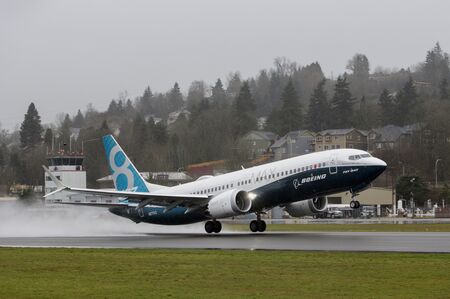
Mientras que ocho horas en un avión de 130 pies con tres baños y una pasarela no podría apelar inmediatamente a los viajeros que se utilizan para las amplias cabinas de un Airbus A380, las aerolíneas dicen los chorros más pequeños se abrirán rutas directas que otro modo no serían viables. Eso acabaría con la necesidad de cambiar entre los vuelos en un centro ocupado. Al mismo tiempo, las personas podrán disfrutar de tarifas competitivas como portadores buscan aeropuertos más pequeños donde los cargos de acceso son más bajos.
Norwegian Air Shuttle ASA, JetBlue Airways Corp. y la portuguesa TAP se encuentran entre las compañías aéreas que compran los aviones para rutas trans-Atlántico, con NAS conjunto para liderar el camino cuando se convierte en una de las primeras compañías para conseguir Max 8 el próximo año de Boeing. Sus vuelos iniciales pueden vincular Edimburgo, Birmingham, en Inglaterra y Cork y Shannon en Irlanda a aeropuertos más pequeños de Nueva Inglaterra y el área de Nueva York.
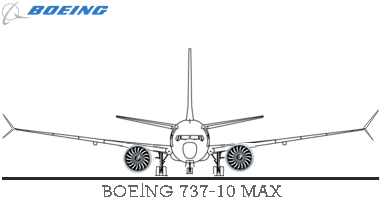

«El Max es muy competitivo», dijo el jefe ejecutivo de Norwegian Air Bjorn Kjos en una entrevista en Londres. «Tiene un enorme potencial de las ciudades más pequeñas a lo largo de la costa atlántica. Pero no se puede ir a la Nueva York como lo hace con aviones de fuselaje ancho. Debe dirigirse a los aeropuertos con una estructura de costos totalmente diferente «.
Boeing 757, avión de pasajeros más largo del mundo de un solo pasillo con alrededor de 200 asientos y una gama de más de 4.000 millas, ha sido surcando el Atlántico durante años, con compañías como United Continental Holdings Inc. sigue desplegando el modelo en rutas como Newark, Nueva Jersey, a Birmingham, Inglaterra. La producción cesó en 2004, sin embargo, dejando a los 757 sigue volando en el ocaso de su vida y con la forma en el consumo de combustible en exceso de aviones modernos.
El A320 737 y, por el contrario, fueron diseñados para vuelos más cortos, con el 737-100 asientos originales sólo 85 personas y se limita a los viajes de alrededor de 1.200 millas. Mientras rangos han aumentado, el alcance de 3.300 millas de la 737-800 y -900 es insuficiente para las operaciones de carga completa en las rutas transatlánticas, donde los chorros deben llevar suficiente combustible de reserva para viajar a unas 500 millas en caso de emergencia.

Un puñado de los transportistas operar servicios de a capacidad reducida, lo que reduce el peso de un avión y aumenta su gama, con SAS AB servir Boston desde Copenhague mediante un asiento 86-737-700 y British Airways que conecta el aeropuerto de la ciudad de Londres y Nueva York, con un Airbus A318 llevar tan sólo 32 pasajeros.
Las únicas actuales servicios transatlánticos 737 o A320 con una carga casi normal se vuelan por la canadiense WestJet Airlines Ltd. y enlaza San Juan de Terranova, con Dublín – distancia de 2.000 millas – y Halifax, Nueva Escocia, con Glasgow en Escocia. Los 737-700 utilizados tienen 136 asientos.
El Reino Unido y de Irlanda rutas previstas para 189 asientos 8s máximo de Norwegian tendrá una duración de cerca de 3.000 millas. Los vuelos posteriores podrían servir Stavanger, Trondheim y Bergen en Noruega y Aalborg en Dinamarca, a pesar de que lo más probable implican una versión de largo alcance del A321neo de Airbus conocido como el LR y capaz de volar más de 4.000 millas el uso de tanques de combustible adicionales, portavoz de Lasse Sandaker dijo -Nielsen. Noruega ordenó 30 de los aviones con 220 asientos en una sola clase en julio.
El interés de Irlanda
JetBlue y TAP también planean implementar el modelo, que está previsto que esté disponible a partir de 2019. La compañía aérea de EE.UU. ha acordado la compra de 30 aviones A321neos con la opción de tomar algunos como variantes de LR, diciendo que quiere una aeronave con «gama trasatlántico. «TAP tiene pedidos por 10 A321neoLRs, diciendo que podría usarlos para servir a Brasil y, posiblemente, la base estadounidense Su Lisboa es alrededor de 3.500 millas de Nueva York y en Recife, la sexta ciudad más grande del país sudamericano. irlandesa Aer Lingus es también un probable operador de los A321neoLR otro lado del Atlántico, Willie Walsh, consejero delegado de la compañía matriz IAG SA, dijo en julio, añadiendo que el chorro representa una oportunidad fantástica.» Ya vuela 757 a lugares incluyendo Hartford, Connecticut, típico de las ciudades aviones más pequeños podría servir.
Con la LR emergiendo como un sucesor favorecido a la 757, Boeing está estudiando diseños para un tramo de su mayor Max 9, conocido como el Max 10, que ofrecen gran parte de la gama y la carga útil de la A321 y podría estar lista en el final de la década, o una renovación más elaborada utilizando los motores más grandes desarrollados para el jet Airbus. También está trabajando en una nueva familia de aviones de gama media que se estrenará unos cinco años más tarde, dijo el miércoles el director general Dennis Muilenburg.
Cualquiera sea el resultado, los pasajeros parecen estar haciendo cierta viajes más largos en la clase más pequeña de los aviones en los próximos años. «Por el momento no hemos conseguido realmente los aviones por ahí», dijo Yan Derocles, analista de Oddo Securites en París. «Pero que van a venir.» 

The «transatlantic narrowbodies»
The smallest aircraft made by Boeing Co. and Airbus Group SE are about to find a new role operating trans-Atlantic routes that were previously the preserve of some of the world’s biggest planes.
The re-engined 737 Max and A320neo jets offer a 15 percent fuel saving meant to cut costs on the shortest inter-city services. At the same time the revamp has added about 500 miles to their range — just enough to allow the narrow-bodies to span the 3,000 miles between the eastern U.S. and Western Europe.
While eight hours on a 130-foot plane with three toilets and one gangway might not immediately appeal to travelers used to the spacious cabins of an Airbus A380, airlines say the smaller jets will open up direct routes that wouldn’t otherwise be viable. That would do away with the need to switch between flights at a busy hub. At the same time people can look forward to competitive fares as carriers seek out smaller airports where access charges are lower.

COMPARISON OPERATING RANGE BOEING 767, 757, & 737 MAX
Norwegian Air Shuttle ASA, JetBlue Airways Corp. and Portugal’s TAP are among airlines buying the jets for trans-Atlantic routes, with NAS set to lead the way when it becomes one of the first carriers to get Boeing’s Max 8 next year. Its initial flights may link Edinburgh, Birmingham in England and Cork and Shannon in Ireland to smaller airports in New England and the New York area.
“The Max is very competitive,” Norwegian Air Chief Executive Officer Bjorn Kjos said in an interview in London. “It has huge potential from the smaller cities along the Atlantic coast. But you can’t go into New York as you do with wide-bodies. You must target airports with a totally different cost structure.”
Boeing’s 757, the world’s longest single-aisle airliner with around 200 seats and a range in excess of 4,000 miles, has been plying the Atlantic for years, with companies including United Continental Holdings Inc. still deploying the model on routes such as Newark, New Jersey, to Birmingham, England. Production ceased in 2004, however, leaving those 757s still flying in the twilight of their lives and with fuel consumption way in excess of modern jets.
The 737 and A320, by contrast, were designed for much shorter flights, with the original 737-100 seating just 85 people and limited to trips of about 1,200 miles. While ranges have increased, the 3,300-mile reach of the 737-800 and -900 is insufficient for fully laden operations on trans-Atlantic routes where jets must carry enough reserve fuel to fly about 500 miles in an emergency.
A handful of carriers operate services at reduced capacity, which cuts the weight of a plane and increases its range, with SAS AB serving Boston from Copenhagen using an 86-seat 737-700 and British Airways connecting London City airport and New York with an Airbus A318 carrying just 32 passengers.
The only current trans-Atlantic 737 or A320 services with a near-normal load are flown by Canada’s WestJet Airlines Ltd. and link St. John’s, Newfoundland, with Dublin — distance 2,000 miles — and Halifax, Nova Scotia, with Glasgow in Scotland. The 737-700s used have 136 seats.
The U.K. and Irish routes planned for Norwegian’s 189-seat Max 8s will span about 3,000 miles. Subsequent flights could serve Stavanger, Trondheim and Bergen in Norway and Aalborg in Denmark, though they’ll likely involve a long-range version of Airbus’s A321neo known as the LR and able to fly more than 4,000 miles using extra fuel tanks, spokesman Lasse Sandaker-Nielsen said. Norwegian ordered 30 of the planes with 220 seats in a single class in July.
Irish Interest
JetBlue and TAP also plan to deploy the model, which is due to be available from 2019. The U.S. carrier has agreed to buy 30 A321neos with an option to take some as LR variants, saying it wants an aircraft with “trans-Atlantic range.” TAP has orders for 10 A321neoLRs, saying it could use them to serve Brazil and possibly the U.S. Its Lisbon base is about 3,500 miles from both New York and Recife, the South American country’s sixth-largest city.

Ireland’s Aer Lingus is also a likely operator of the A321neoLR across the Atlantic, Willie Walsh, CEO of parent company IAG SA, said in July, adding that the jet represents a “fantastic opportunity.” It already flies 757s to locations including Hartford, Connecticut, typical of the cities smaller planes could serve.
With the LR emerging as a favored successor to the 757, Boeing is studying designs for a stretch of its biggest Max 9 dubbed the Max 10 that would offer much of the range and payload of the A321 and could be ready by the decade’s end, or a more elaborate revamp using the larger engines developed for the Airbus jet. It’s also working on a new family of mid-range aircraft that would debut about five years later, CEO Dennis Muilenburg said Wednesday.
Whatever the outcome, passengers seem certain to be making longer trips on the smallest class of jetliners in coming years. “For the moment we haven’t really got the planes out there,” said Yan Derocles, an analyst at Oddo Securites in Paris. “But they’re coming.” A\W
Ξ A I R G W A Y S Ξ
SOURCE: bloomberg.com
DBk: Photographic © Boeing.com / Airbus.com / Fickr.com / Freekeywordsuggestiontool.com
AW-POST: 201611151910AR
A\W A I R G W A Y S ®




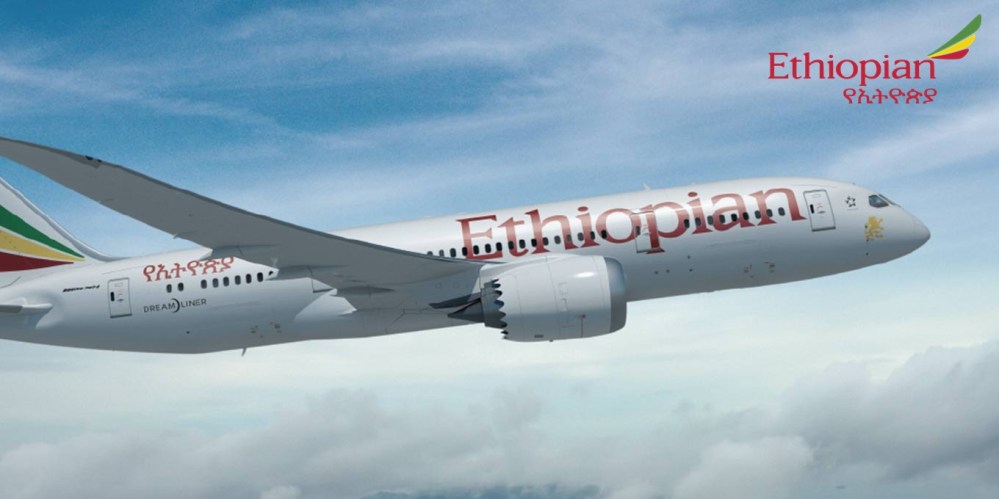
 La aerolínea líder de África Ethiopian Airlines brilló como estrellas brillantes en la prestigiosa Prestigious Africa Travel Awards Dinner en el mercado de viajes africano de Akwaaba celebrado recientemente en Lagos
 Ethiopian Airlines took home four of the 6 Airline Awards on offer at the dinner attended by the leading lights in Africa Travel and Tourism landscape.
 La Asociación de Transporte Aéreo Internacional (IATA, por su sigla en inglés) llamó hoy a los Gobiernos de América Latina a modernizar la infraestructura aeroportuaria de la mano de la industria, a fin de responder a las crecientes necesidades del mercado.
 airgways.com