AW | 2017 03 26 00:00 | INDUSTRY

Airbus A321NEO LR está ganando la batalla de alcance medio
Airbus Group está decidido a dar batalla por el rango medio, un mercado que no supo aprovechar la industria norteamericana con una mejora en el Boeing 757 o con un avión nuevo.
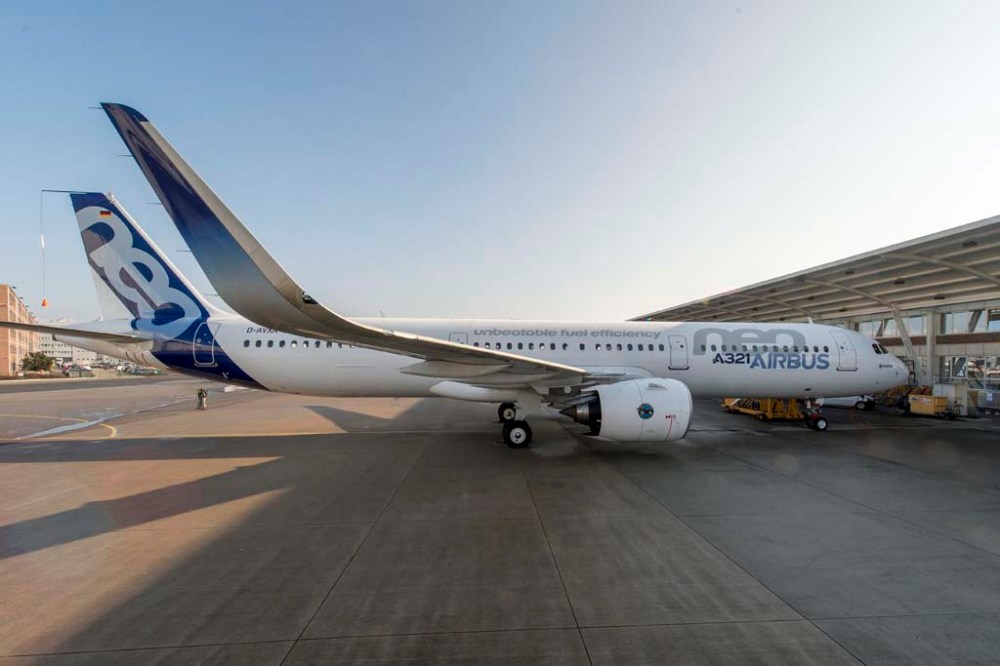
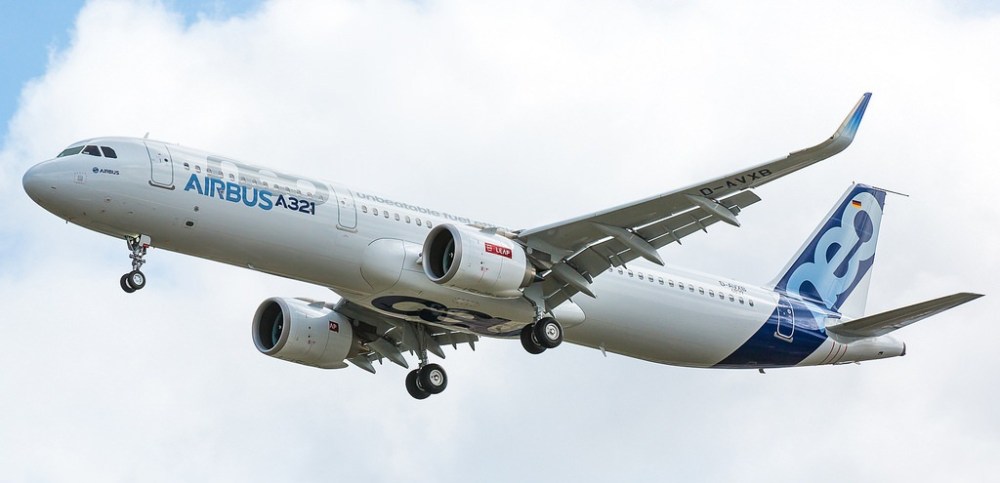
El Airbus A321NEO, realizó el primer vuelo el 12 de Febrero de 2016 en la planta de la fábrica en Hamburgo, Alemania. Lleva dos motores CFM LEAP-1A.
La versión A321NEO LR
El avión fue fabricado para volar distancias medias, y se están fabricando dos variantes, uno es el Airbus A321NEO que es el básico y otro es el Airbus A321NEO LR, de rango largo, que será el reemplazo directo del Boeing 757-200, ya que ofrece un alcance de 7400 km, para 206 pasajeros en dos clases, 220 en una clase estándar y 240 en alta densidad.
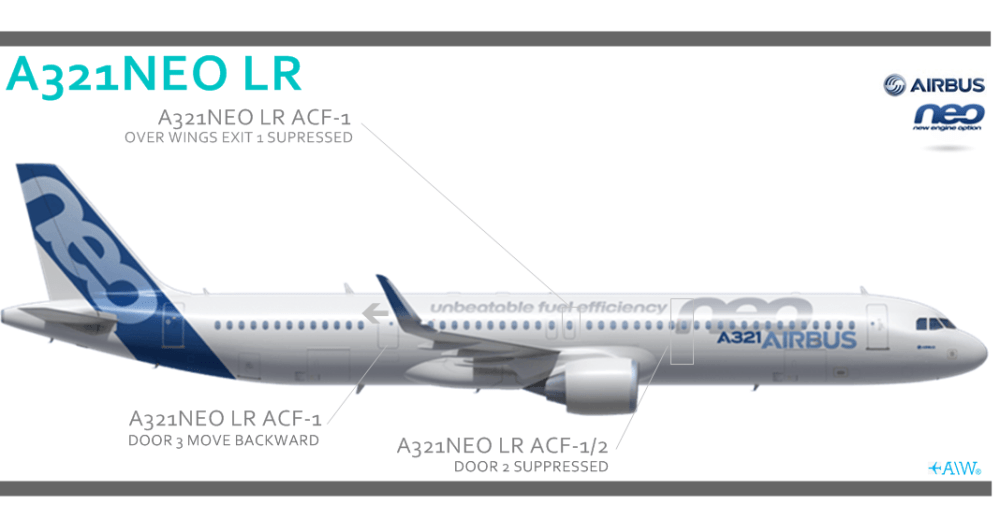
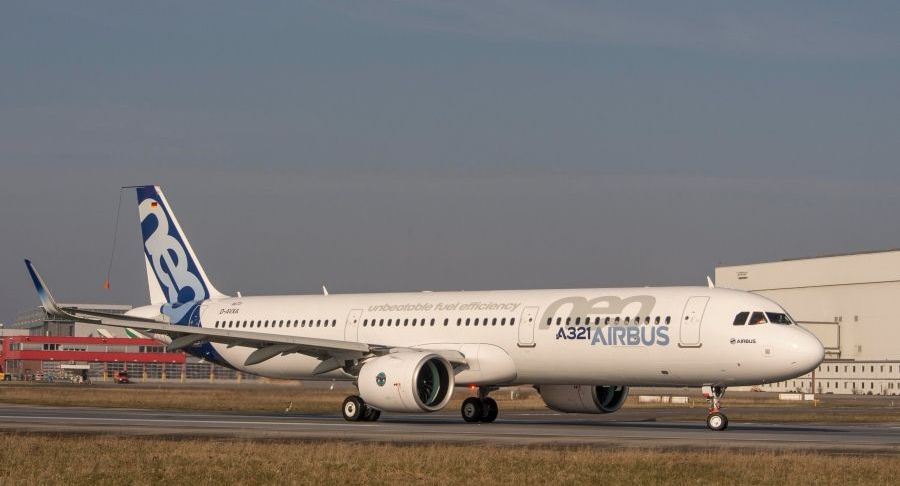
La versión LR traerá algunas modificaciones significativas. Las vesiones básicas tanto del A321CEO como del A321NEO conservan las puertas de 1, 2, 3 y 4 a lo largo de todo el fuselaje. A diferencia, los A321NEO ACF, Airbus Cabin Flex, poseen dos configuraciones. Asignaremos nombres a fin de diferenciarlas: A321NEO ACF-1 Y A321NEO ACF-2. En ambas eliminan las puertas Nº 2 de ambos lado del fuselaje para dar mayor capacidad de pasajeros. La primera cofiguración, A321NEO ACF-1 elimina la sección de las primeras dos salidas de emergencias a ambos lados del fuselaje, mientras que la versión A321NEO ACF-2 conserva las cuatro salidas, dos de cada lado del fuselaje. En la versión A321NEO ACF-1 las puertas Nº 3 se mueven hacia popa y la Nº 4 conserva su tamaño y ubicación en ambas versiones. Las configuraciones de pax están ubicadas entre los siguientes segmentos: para el A321CEO/NEO en su versión básica llevará 220 pax, mientras que las versiones A321NEO ACF-1 y A321NEO ACF-2 llevarán 195 y 240 respectivamentes.
El «bestseller» se llama A321
Las ventas del A321 que también se fabrica en Mobile, Alabama, Estados Unidos van 5 a 1 respecto de su rival de Boeing. Hasta los más fervorosos compradores de Boeing han tenido que admitir que el Airbus A321 es excepcional y han cambiado las opciones de mercado.
Estirando las performance del Boeing 737MAX
Boeing tiene un problema estructural con respecto a la generación de la familia del Boeing 737. Aunque fue concebido hace muchos años, ya no se puede extender más. Pero existe un problema insalvable: ese modelo exige un motor más grande, como el que efectivamente usará Airbus, pero eso no se puede con el sistema de aterrizaje actual, muy bajo y pensado en los años sesenta. Incluso en este caso, quedaría por resolver el problema del alcance, muy superior en los Airbus A321NEO. El Boeing 737-10 MAX es una prueba del desafío de la empresa norteamericana por extender lo máximo posible el fuselaje. Pero el Boeing 737-10 MAX queda lejos de la capacidad operativa del A321NEO. Aunque la Boeing está incorporando motores más potentes, con la presente estructura tan baja del avión no se puede avanzar más. Hay que rediseñar todo de nuevo. Por eso entró en una etapa de prueba de factibilidad con respecto a su nuevo integrante de la familia, el Boeing 797 que se ubicaría en el mercado de rango medio, pero el fabricante sabe que un nuevo diseño es más complejo, insume más costos directos y no podría ofrecer un producto lo más cercano para recuperar el mercado perdido con el Boeing 757.
Mientras Boeing debate las prestaciones del Boeing 737-10 MAX y del nuevo avión comercial, el Boeing 797, aumenta la distancia en favor del A321, que tiene unas ventas excepcionales. El problema de Boeing es aún más dramático: el A321NEO en realidad está reemplazando al B-757 que Boeing decidió dejar de fabricar en 2004; tiene más alcance, es de un pasillo y tiene más de 200 asientos. No es un mercado tan amplio como el del 737, pero es un mercado interesante que ahora parece imponerse en el mercado con el auge de los vuelos transoceánicos punto a punto.
Los clientes se inclinan por el A321

INDIGO AIRLINES CAMBIARÍA ALGUNOS A320NEO POR A321NEO
El caso de Norwegian Air. En la actualidad posee una flota de «todo Boeing», que por mucho tiempo ha sido cliente fiel a la industria americana. Cambiar o incorporar nuevos aviones en el mismo segmento incorporaría costos operativos más elevados. Cuando el A321 salió enescena pronto el escenario fue cambiando, hasta que el A321NEO LR prorrumpe en el mercado ofreciendo prestaciones muy similares al Boeing 757: 240 pasajeros, pasillo único, 4000-4600 mn. y un consumo inferior a todos sus competidores directos lo hacen el favorito como aeronave de alcance medio. Norwegian, desde luego, no lo dejará pasar. Ni decenas de otras aerolíneas como Middle East Airlines (MEA) que recientemente ha ordenado A321 con opción de cambios al A321NEO. La compañía indú Indigo Airlines está negociando cambiar algunos de sus A320NEO’s por A321NEO’s un indicativo de la tendencia de las líneas aéreas a incorporar aviones con mejores y mayores prestaciones. Otro ejemplo, la nueva propiedad de la portuguesa TAP ha decidido relanzar la compañía. Pero TAP tiene un problema, sus mercados naturales no tienen gran demanda, por lo que necesita aviones de menos capacidad. Por eso ha optado por el A321NEO: menos consumo, largo recorrido, menos pasajeros. La fórmula ideal. Así, la lista de clientes es interminable. 
A321NEO, el «Best-seller»
EL A321NEO POSEE UNAS PRESTACIONES INMEJORABLES
La calidad líder de la industria y la eficiencia de la familia A320 de Airbus, de la que el A321 es miembro, se está mejorando con sus nuevas versiones NEO de motor. Incorporando los «Sharklets» de Airbus y dos nuevas opciones de motor, la familia A320NEO ofrece el máximo beneficio con cambios mínimos desde los A319s, A320s y A321 de la línea de base, proporcionando mejoras de combustible por asiento del 20%, además de un rango adicional de hasta 500 millas náuticas / 900 km o 2 toneladas de carga útil adicional.
Para el A321NEO, que realizó su primer vuelo en febrero de 2016, Airbus aumenta la capacidad de asientos con un uso optimizado del espacio de la cabina, un aumento de los límites de salida y una nueva configuración de la puerta de la cabina. Esta opción «Cabin-Flex» aumentará la capacidad máxima certificada del jetliner a 240 asientos, mientras que sigue acomodando el estándar de confort moderno de Airbus de por lo menos asientos de 18 pulgadas de ancho.
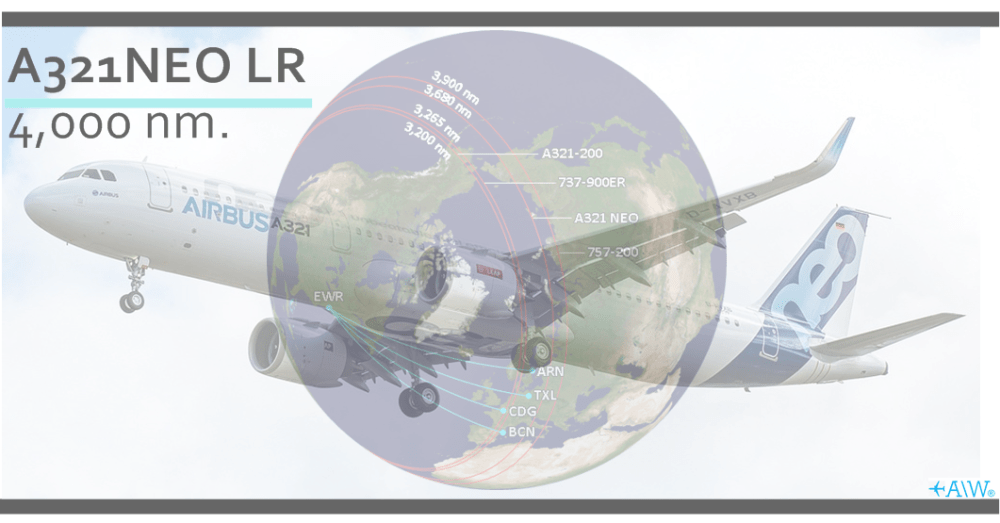
El A321LR, una nueva variante del Airbus A321NEO, cuya entrega comenzará en 2019, tendrá el mayor alcance de cualquier avión de pasillo de un solo pasillo, capaz de volar rutas de hasta 4.000 nm. Se adapta perfectamente a las rutas transatlánticas y permite a las compañías aéreas aprovechar nuevos mercados de larga distancia que no eran accesibles con aviones de pasillo único. A\W
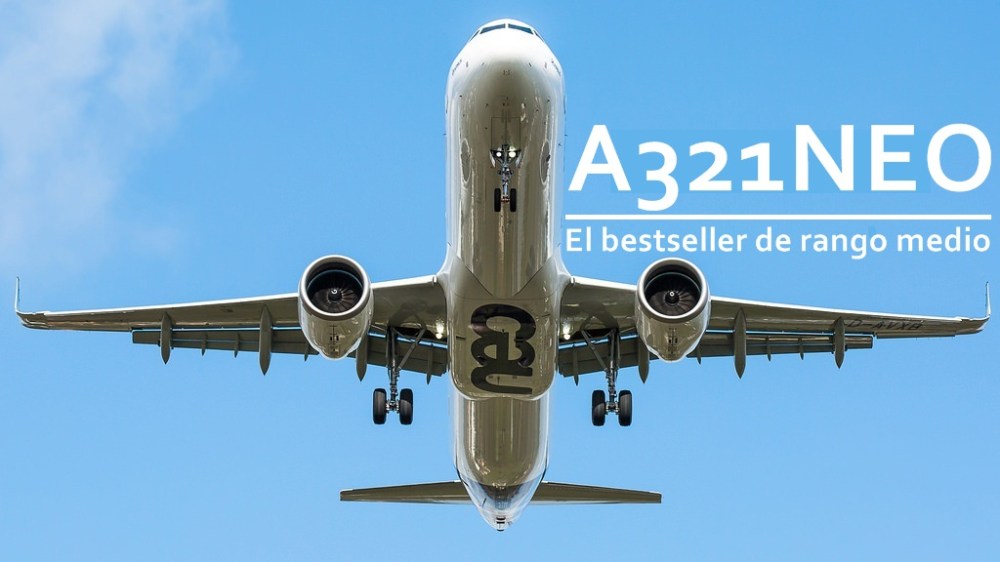
A321NEO LR the mid-range «bestseller»
 Airbus A321NEO LR is winning the mid-range battle
Airbus Group is determined to fight for the middle range, a market that did not know to take advantage of the North American industry with an improvement in the Boeing 757 or with a new airplane.
The Airbus A321NEO made the first flight on February 12, 2016 at the plant in Hamburg, Germany. It has two CFM LEAP-1A motors.
The A321NEO LR
The aircraft was built to fly average distances, and two variants are being manufactured, one is the Airbus A321NEO which is the basic one and the other is the Airbus A321NEO LR, long range, which will be the direct replacement of the Boeing 757-200, since Offers a range of 7400 km, 206 passengers in two classes, 220 in a standard class and 240 in high density.
The LR version will bring some significant modifications. The basic vesicles of both the A321CEO and the A321NEO retain the doors of 1, 2, 3 and 4 along the entire fuselage. In contrast, the A321NEO ACF, Airbus Cabin Flex, have two configurations. We will assign names to differentiate them: A321NEO ACF-1 AND A321NEO ACF-2. In both they eliminate the doors Nº 2 of both side of the fuselage to give greater capacity of passengers. The first configuration, A321NEO ACF-1 eliminates the section of the first two emergency exits on both sides of the fuselage, while the A321NEO ACF-2 retains the four exits, two on each side of the fuselage. In the A321NEO version ACF-1 the doors Nº 3 move aft and the No. 4 retains its size and location in both versions. The pax configurations are located between the following segments: for the A321CEO / NEO in its basic version it will carry 220 pax, whereas the A321NEO versions ACF-1 and A321NEO ACF-2 will carry 195 and 240 respectively.
The «bestseller» is called A321
Sales of the A321 that is also manufactured in Mobile, Alabama, United States are 5 to 1 compared to its Boeing rival. Even the most fervent Boeing buyers have had to admit that the Airbus A321 is exceptional and has changed the market options.
Extending the performance of the Boeing 737MAX
Boeing has a structural problem with the generation of the Boeing 737 family. Although conceived many years ago, it can no longer be extended. But there is an insurmountable problem: that model requires a larger engine, such as Airbus will actually use, but that can not be done with the current, very low landing system in the 1960s. Even in this case, the scope problem would be solved, much higher in the Airbus A321NEO. The Boeing 737-10 MAX is a test of the North American company’s challenge of extending the fuselage as much as possible. But the Boeing 737-10 MAX is far from the A321NEO’s operational capability. Although the Boeing is incorporating more powerful engines, with the present structure so low of the airplane can not advance more. We have to redesign it all again. That is why it entered a stage of feasibility test with respect to its new member of the family, the Boeing 797 that would be placed in the market of average range, but the manufacturer knows that a new design is more complex, it insumes more direct costs and Could not offer a product as close to recovering the market lost with the Boeing 757.
While Boeing discusses the benefits of the Boeing 737-10 MAX and the new commercial aircraft, the Boeing 797, the distance increases in favor of the A321, which has exceptional sales. The problem of Boeing is even more dramatic: the A321NEO is actually replacing the B-757 that Boeing decided to stop manufacturing in 2004; Has more reach, is of a corridor and has more than 200 seats. It is not as wide a market as the 737, but it is an interesting market that now seems to be prevailing in the market with the rise of transoceanic point-to-point flights.
Clients lean on the A321
The case of Norwegian Air. At present it owns a fleet of «all Boeing», that for a long time has been faithful client to the American industry. Changing or incorporating new aircraft into the same segment would incorporate higher operating costs. When the A321 left the scene, the stage soon changed, until the A321NEO LR burst into the market offering very similar features to the Boeing 757: 240 passengers, single aisle, 4000-4600 nm. And lower fuel consumption than all its direct competitors make it the favorite as a mid-range aircraft. Norwegian, of course, will not let it pass. Dozens of other airlines like Middle East Airlines (MEA) have recently ordered A321 with option changes to the A321NEO. The indigo company Indigo Airlines is negotiating to change some of its A320NEO’s by A321NEO’s an indication of the tendency of the airlines to incorporate airplanes with better and greater benefits. The market problem. Something very deep is changing in the medium and long radio markets, which we are not yet seeing at airports but that is the trend that is looming: the planes of a corridor return with force. Norwegian has announced that it will fly from United States to Europe with the A321neo for 69 dollars the ticket. At the moment, Wow, an Icelandic airline, is covering these services through Reykjavik with its not so competitive B757s, but apparently it does business. Icelandair is in the same, using its city like hub. So the market for these planes is reborn. A\W
A321NEO, the «best-seller»
The industry-leading quality and efficiency of Airbus’ A320 Family, of which the A321 is a member – is being further enhanced with its new engine option NEO jetliner versions. Incorporating Airbus’ “Sharklets” and two new engine choices, the A320NEO Family offers maximum benefit with minimal changes from baseline A319s, A320s and A321s, delivering per seat fuel improvements of 20 per cent, along with additional range of up to 500 nautical miles/900 km or 2 tonnes of extra payload.
For the A321NEO, which performed its maiden flight in February 2016, Airbus is increasing seating capacity with optimised use of cabin space, increased exit limits and a new cabin door configuration. This “Cabin-Flex” option will increase the jetliner’s maximum certified capacity to 240 seats, while still accommodating Airbus’ modern comfort standard of at least 18-inch wide seats.
The A321LR, a new variant of Airbus A321NEO, deliveries of which will begin in 2019, will have the longest range of any single-aisle jetliner, able to fly routes of up to 4,000 nm. It is ideally suited to transatlantic routes, and enables airlines to tap into new long-haul markets that were not previously accessible with current single-aisle aircraft. A\W

Ξ A I R G W A Y S Ξ
SOURCE: AIRGWAYS
DBk: Airbus.com / Airgways
AW-POST: 201703260000AR
A\W A I R G W A Y S ®
 airgways.com