IATA «Wings of Change»

Resultado de imagen para IATA Wings of Change 2018

AW | 2018 04 09 12:44 | CONGRESS

Resultado de imagen para IATA Wings of Change 2018IATA desarrolló su 10º Wings of Change con una fuerte participación de Latinoamérica

En su décima edición, Wings of Change que se desarrolló los días 4-5 Abril 2018 en Santiago de Chile, sigue siendo una de las conferencias de aviación más importantes de América Latina y el Caribe, y cuenta con expertos para examinar el estado de nuestra industria. Fuerte compromiso para la región latinoamericana.

La Asociación Internacional de Transporte Aéreo (IATA) hizo un llamado a los gobiernos de América Latina y el Caribe para que se centren en la infraestructura, los costos y el marco regulatorio de la región. Al concentrarse en estas áreas, los beneficios económicos y sociales de la aviación se pueden maximizar al tiempo que se adapta la creciente demanda de conectividad aérea de la región.

AW-7022771

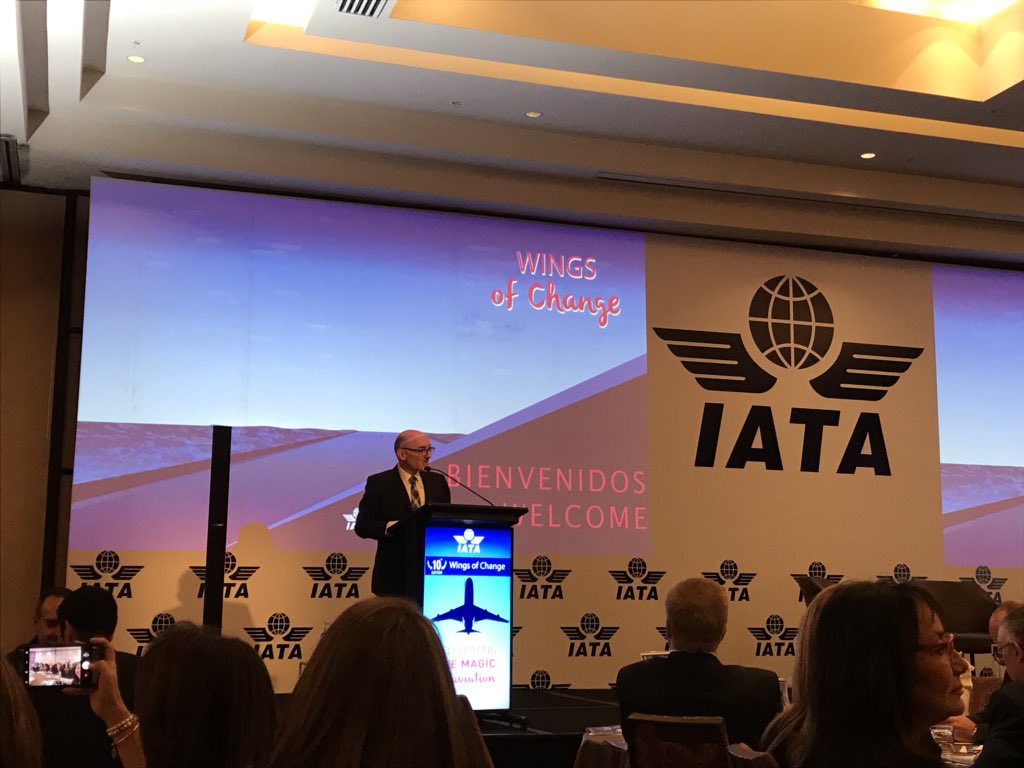
La IATA dice que la aviación ya desempeña un papel importante en la economía de la región, emplea a unos cinco millones de personas y respalda U$S 170 mil millones en el PIB. «Necesitamos una infraestructura efectiva para acomodar el crecimiento; costos razonables e impuestos que no lo maten; y un marco regulatorio moderno que lo respalde», dijo Alexandre de Juniac, Director General y CEO de IATA durante un discurso en la conferencia Wings of Change, en Santiago de Chile.

Infraestructura

«La demanda de viajes aéreos está sobrepasando el crecimiento de la capacidad aeroportuaria y las actualizaciones de los sistemas de gestión del tránsito aéreo. En la última década, el número de pasajeros transportados por las aerolíneas de la región se ha más que duplicado. Y para 2036, esperamos que más de 750 millones de viajes lleguen a la región. Sin una acción concertada hoy, nos dirigimos hacia una crisis», dijo el Sr. de Juniac.

La IATA pidió a los gobiernos de la región que trabajen con la industria para desarrollar una estrategia a largo plazo que garantice una capacidad suficiente, costos accesibles y servicio y experiencia técnica alineados con las necesidades de los usuarios.

Los principales desafíos de capacidad de la región son Buenos Aires, Bogotá, Lima, Ciudad de México, La Habana y Santiago. «A menos que se aborden, las economías de América Latina sufrirán. Si los aviones no pueden aterrizar, los beneficios económicos que traerán volarán a otro lugar», dijo el Sr. de Juniac. Destacó a Ciudad de México y Santiago como los más apremiantes:

♦ La Ciudad de México es el más crítico de los cuellos de botella. El actual aeropuerto fue diseñado para 32 millones de pasajeros al año, pero sirve a 47 millones. «La solución es un nuevo aeropuerto que ya está en construcción. Pero su futuro se ha politizado en las actuales elecciones presidenciales. La necesidad crítica del nuevo aeropuerto debe ser entendida por todos», dijo el Sr. de Juniac.

♦ En Santiago se está construyendo la capacidad de la terminal aeroportuaria, muy necesaria, pero falta transparencia, los niveles de servicio están sufriendo y los costos de los usuarios están aumentando. Esto amenaza con trastornar la asociación de larga data entre el gobierno, las aerolíneas y otras partes interesadas que ayudó a crear uno de los centros de transporte aéreo más avanzados de la región y una próspera industria del turismo.

Costos

«América Latina y el Caribe es un lugar caro para hacer negocios. Los impuestos, las tarifas y las políticas gubernamentales crean una gran carga. Hoy los gobiernos ven a la aviación como una fuente de ingresos. Pero es más poderoso como catalizador de ingresos. Reducir los costos de hacer negocios pagará grandes dividendos económicos y sociales», dijo el Sr. de Juniac.

IATA citó varias áreas donde la carga de costos de las políticas e impuestos del gobierno es excesiva y contraproducente:

♦ La política brasileña de fijación de precios del combustible agrega $ 800 millones en costos anuales.

♦ Ecuador y Colombia sufren los costos exorbitantes cobrados por los proveedores de combustible monopólicos, empeorados en Ecuador donde también hay un impuesto al combustible del 5%.

♦ Colombia tiene un impuesto de conectividad, un impuesto de salida y ahora los alcaldes municipales planean gravar con impuestos a los viajeros aéreos $ 5.00 para subsidiar la infraestructura vial.

♦ Argentina ha empeorado las tarifas de pasajeros por la monopolización de los precios y el deficiente servicio de su única empresa de servicios de escala.
En Santa Lucía, los impuestos y tarifas (incluida la tarifa de desarrollo del aeropuerto) están aumentando para reparar las carreteras y construir una terminal de cruceros.

♦ Los impuestos al turismo son imprevisibles en toda la región (México, Colombia, Ecuador, Perú, Nicaragua, Jamaica y Costa Rica y Santa Lucía), lo que disuade a los turistas con costos más elevados.

Estructura Regulatoria Moderna

La IATA también solicitó a los gobiernos de toda la región que desarrollen una estructura reguladora moderna con un enfoque en la armonización y el reconocimiento mutuo de los estándares. Dijo que si bien la región ha sido pionera en la evolución de las marcas transnacionales, la regulación nacional limita las ganancias de eficiencia potenciales. Por ejemplo, la tripulación técnica y la aeronave no pueden utilizarse de manera flexible con la máxima eficacia porque las políticas de seguridad no reconocen los estándares comunes en toda la región.

«La seguridad es nuestra principal prioridad. Pero la seguridad no se mejora con procesos redundantes. Si la tripulación de una línea aérea está certificada según un estándar comúnmente acordado en Perú, ¿existe alguna razón de seguridad para prohibirles operar en el país en rutas en Argentina? ¿O viceversa? Y si un avión está certificado en Brasil según un estándar comúnmente acordado, ¿por qué debería volver a registrarse en Chile para operar?», Dijo el Sr. de Juniac.

IATA pidió un diálogo integral entre los gobiernos y las aerolíneas de la región para buscar las eficiencias que se pueden generar a través del reconocimiento mutuo de estándares comunes.

«La aviación ya genera enormes beneficios en América Latina y el Caribe. Más de un cuarto de mil millones de personas viajan hacia, desde o dentro de la región y el transporte aéreo genera unos $ 170 mil millones en el PIB. Pero para que la aviación satisfaga la demanda de pasajeros y brinde los beneficios económicos y sociales de los que es realmente capaz, los gobiernos deben trabajar junto con la industria para ayudar a garantizar que se realicen», concluyó el Sr. de Juniac.

Argentina en «Wings of Change»

La participación de Argentina en el encuentro “Wings of Change” de la Asociación Internacional de Transporte Aéreo (IATA), motivaron al Ministro de Transporte, Guillermo Dietrich, a promover la “Revolución de los Aviones” para implementar en el país.

Resultado de imagen para IATA Wings of Change 2018

ARGENTINA PARTICIPÓ DEL 10º WINGS OF CHANGE EN SANTIAGO DE CHILE

Al exponer sobre el desarrollo de la aviación en Argentina,detalló: “Entre el 2000 y el 2015, Argentina prácticamente no creció. Vivimos en el octavo país con mayor tamaño del mundo al que le faltan conexiones aéreas. Mientras que entre el año 2000 y el 2015 otros países de la región como México, Brasil o Chile multiplicaron por 3 o por 4 la cantidad de pasajeros aéreos, Argentina prácticamente no creció. Para poder cumplir con nuestra meta de duplicar la cantidad de personas que vuelan en avión en el país ideamos un plan. Tiene tres ejes: hacer crecer a Aerolíneas Argentinas, lograr que vuelen más líneas aéreas y modernizar nuestros aeropuertos y tecnología. En estos últimos dos años Aerolíneas Argentinas ya sumó 47 nuevas rutas aéreas, de las cuales 40 conectan a la provincias entre sí o con el exterior, es decir que son federales. Además para mejorar la conectividad se sumaron 22 nuevos aviones”.

En ese sentido, se refirió también al ingreso de nuevas aerolíneas a las rutas comerciales argentinas. “Empezó a volar Avianca luego de 12 años sin que ningún nuevo actor ingresase al sector. Luego FlyBondi, un hito en la Argentina porque es la primera línea aérea low cost del país. Norwegian empezó a volar a Londres y comenzará en poco tiempo con vuelos internos, Sky Airlines también. Ethiopian Airlines, que inició sus actividades en marzo; Copa Airlines, que empezó a volar desde Mendoza y Rosario y sumó frecuencias a Córdoba y KLM, que aumentó sus frecuencias. “Una nueva línea aérea con precios económicos significa que empieza a volar gente que nunca antes lo hizo, significa cumplir sueños a familias enteras. En ese contexto, aseguró que se está “haciendo la mayor inversión en modernización de aeropuertos y tecnología aérea en toda la historia reciente. El crecimiento aéreo es empleo de calidad, porque 1 de cada 10 trabajos registrados está asociado al turismo y porque el empleo desborda y va más allá de la industria de la aviación”.

Infraestructura aeroportuaria en Argentina

El Ministro de Transporte de Argentina, Guillermo Dietrich, ha anunciado que Argentina está realizando la mayor inversión de su historia con la modernización de 30 aeropuertos del país, ya sea con obras de ampliación de capacidad, de mejoras en la calidad de los servicios o en ampliar la tecnología de navegación aérea para seguir mejorando la seguridad y la efectividad en las operaciones aéreas.

Argentina inició un proceso de transformación de los aeropuertos en el país como nunca antes visto. Las obras ejecutadas en pistas, plataformas, calles de rodaje, balizamiento y torres de control. En cuanto a la gestión, ya se renovaron las las pistas de Chapelco, Trelew, Mendoza, Tucumán y Ezeiza, todas con nueva tecnología de balizamiento e iluminación; y se finalizó la construcción de las torres de control de Aeroparque e Iguazú, mientras continúa en ejecución al nueva torre de Ezeiza. Este año se harán siete nuevas pistas: la secundaria de Ezeiza, ya en construcción; Comodoro Rivadavia; San Juan; Córdoba; la principal y secundaria de Salta; y la de Iguazú.

Anunciado oportunamente, a partir de Julio 2018, habrá una reducción del 3% para las tarifas internacionales que cobra Intercargo, la empresa argentina de groundhandling (servicios en pista, rampa y logística), y del 2% en las que cobra la Empresa Argentina de Navegación Aérea. Estas medidas se suman a la rebaja del 10% ya aplicada durante el año 2016, en las tarifas internacionales, segmento donde el país se hallaba más alejado con respecto al resto de países de la zona.  AIRWAYS® AW-Icon TXT

Resultado de imagen para IATA Wings of Change 2018

IATA «Wings of Change»
IATA developed its 10th Wings of Change with a strong participation from Latin America

In its tenth edition, Wings of Change, which took place on 4-5 April 2018 in Santiago de Chile, continues to be one of the most important aviation conferences in Latin America and the Caribbean, and has experts to examine the state of our industry. Strong commitment for the Latin American region.

The International Air Transport Association (IATA) called on the governments of Latin America and the Caribbean to focus on the infrastructure, costs and regulatory framework of the region. By focusing on these areas, the economic and social benefits of aviation can be maximized while adapting the growing demand for air connectivity in the region.

AW-7022772

Resultado de imagen para IATA Wings of Change 2018IATA says that aviation already plays an important role in the region’s economy, employs some five million people and supports $ 170 billion in GDP. «We need an effective infrastructure to accommodate growth, reasonable costs and taxes that do not kill it, and a modern regulatory framework that supports it», said Alexandre de Juniac, IATA’s Managing Director and CEO during a speech at the Wings of Change conference. in Santiago de Chile.

Infrastructure

«The demand for air travel is surpassing the growth of airport capacity and the updates of air traffic management systems.In the last decade, the number of passengers transported by airlines in the region has more than doubled. 2036, we expect more than 750 million trips to reach the region, and without concerted action today, we are heading towards a crisis», said Mr. de Juniac.

IATA asked the governments of the region to work with the industry to develop a long-term strategy that guarantees sufficient capacity, accessible costs and service and technical expertise aligned with the needs of users.

The main capacity challenges in the region are Buenos Aires, Bogotá, Lima, Mexico City, Havana and Santiago. «Unless they are addressed, the economies of Latin America will suffer, if the planes can not land, the economic benefits they will bring will fly elsewhere», said Mr. de Juniac. He highlighted Mexico City and Santiago as the most urgent:

♦ Mexico City is the most critical of the bottlenecks. The current airport was designed for 32 million passengers a year, but serves 47 million. «The solution is a new airport that is already under construction, but its future has been politicized in the current presidential elections.The critical need of the new airport must be understood by all,» said Mr. de Juniac.

♦ In Santiago, the capacity of the airport terminal is being built, much needed, but transparency is lacking, service levels are suffering and user costs are increasing. This threatens to upset the long-standing partnership between government, airlines and other stakeholders that helped create one of the most advanced air transport hubs in the region and a thriving tourism industry.

Costs

«Latin America and the Caribbean is an expensive place to do business, taxes, tariffs and government policies create a huge burden, and today governments see aviation as a source of income, but it is more powerful as a revenue catalyst. Reducing the costs of doing business will pay big economic and social dividends», said Mr. de Juniac.

IATA cited several areas where the cost burden of government policies and taxes is excessive and counterproductive:

♦ The Brazilian policy of setting fuel prices adds $ 800 million in annual costs.

♦ Ecuador and Colombia suffer the exorbitant costs charged by monopoly fuel suppliers, worsened in Ecuador where there is also a 5% fuel tax.

♦ Colombia has a connectivity tax, an exit tax and now the municipal mayors plan to tax the air travelers with taxes of $ 5.00 to subsidize the road infrastructure.

♦ Argentina has worsened passenger rates by monopolizing prices and the poor service of its only scale services company.

♦ In St. Lucia, taxes and fees (including the airport development fee) are increasing to repair roads and build a cruise terminal.

Tourism taxes are unpredictable throughout the region (Mexico, Colombia, Ecuador, Peru, Nicaragua, Jamaica and Costa Rica and Santa Lucia), which deters tourists with higher costs.

Modern Regulatory Structure

IATA also requested governments across the region to develop a modern regulatory structure with a focus on harmonization and mutual recognition of standards. He said that while the region has been a pioneer in the evolution of transnational brands, national regulation limits potential efficiency gains. For example, the technical crew and the aircraft can not be used flexibly with maximum efficiency because security policies do not recognize common standards throughout the region.

«Safety is our top priority, but safety is not improved by redundant processes.» If the crew of an airline is certified according to a commonly agreed standard in Peru, is there a security reason to prohibit them from operating in the country on routes in Argentina? Or vice versa? And if an aircraft is certified in Brazil according to a commonly agreed standard, why should it re-register in Chile to operate?», Mr. de Juniac said.

IATA called for a comprehensive dialogue between governments and airlines in the region to seek efficiencies that can be generated through the mutual recognition of common standards.

«Aviation already generates huge benefits in Latin America and the Caribbean, with more than a quarter of a billion people traveling to, from or within the region, and air transportation generates about $ 170 billion in GDP. Aviation meets the demand of passengers and provides the economic and social benefits of what it is really capable, governments must work together with the industry to help ensure that they are made», concluded Mr. de Juniac.

Argentina in «Wings of Change»

The participation of Argentina in the meeting «Wings of Change» of the International Association of Air Transport (IATA), motivated the Minister of Transportation, Guillermo Dietrich, to promote the «Revolution of the Aircraft» to implement in the country.

CEO1.pngWhen explaining the development of aviation in Argentina, he explained: «Between 2000 and 2015, Argentina practically did not grow. We live in the eighth largest country in the world that lacks air connections. While between 2000 and 2015 other countries in the region such as Mexico, Brazil or Chile multiplied the number of air passengers by 3 or 4, Argentina practically did not grow. In order to meet our goal of doubling the number of people who fly by plane in the country, we devised a plan. It has three axes: making Aerolíneas Argentinas grow, getting more airlines flying and modernizing our airports and technology. In the last two years, Aerolineas Argentinas has added 47 new air routes, of which 40 connect the provinces with each other or with the exterior, that is, they are federal. In addition to improve connectivity 22 new aircraft were added».

In that sense, he also referred to the entry of new airlines to the Argentine commercial routes. «Avianca started flying after 12 years without any new actor entering the sector. Then FlyBondi, a milestone in Argentina because it is the first low cost airline in the country. Norwegian started flying to London and will start in a short time with internal flights, Sky Airlines as well. Ethiopian Airlines, which started its activities in March; Copa Airlines, which started flying from Mendoza and Rosario and added frequencies to Córdoba and KLM, which increased its frequencies. «A new airline with cheap prices means that people who never did before start flying, it means fulfilling dreams for entire families. In this context, he assured that «the largest investment in airport modernization and air technology has been made in recent history. Air growth is quality employment, because 1 of every 10 registered jobs is associated with tourism and because employment exceeds and goes beyond the aviation industry».

Airport infrastructure in Argentina

The Minister of Transport of Argentina, Guillermo Dietrich, has announced that Argentina is making the largest investment in its history with the modernization of 30 airports in the country, either with capacity expansion works, improvements in the quality of services or expand air navigation technology to continue improving safety and effectiveness in air operations.

Argentina began a process of transforming airports in the country as never seen before. The works executed on tracks, platforms, taxiways, beacons and control towers. In terms of management, the tracks of Chapelco, Trelew, Mendoza, Tucumán and Ezeiza have already been renewed, all with new beaconing and lighting technology; and the construction of the Aeroparque and Iguazú control towers was completed, while the new Ezeiza tower is still under construction. This year there will be seven new tracks: the Ezeiza secondary school, already under construction; Comodoro Rivadavia; San Juan; Cordova; the main and secondary school of Salta; and that of Iguazú.

Appropriately announced, as of July 2018, there will be a 3% reduction for the international rates charged by Intercargo, the Argentine company of groundhandling (services on track, ramp and logistics), and 2% in which the Argentine Company of Air Navigation. These measures are in addition to the 10% reduction already applied during 2016, in international rates, a segment where the country was farthest from the rest of the countries in the area. A \ W


Ξ A I R G W A Y S Ξ
SOURCE:  Airgways.com
DBk: Iata.org
AW-POST: 201804091244AR

A\W   A I R G W A Y S ®
Aprueban volar a Polar Líneas Aéreas

4806785.jpg

AW | 2018 04 09 11:39 | AIRLINES / GOVERNMENT

Resultado de imagen para polar air cargoEl gobierno de Argentina ha aprobado hoy en el Boletín Oficial a Polar Líneas Aéreas

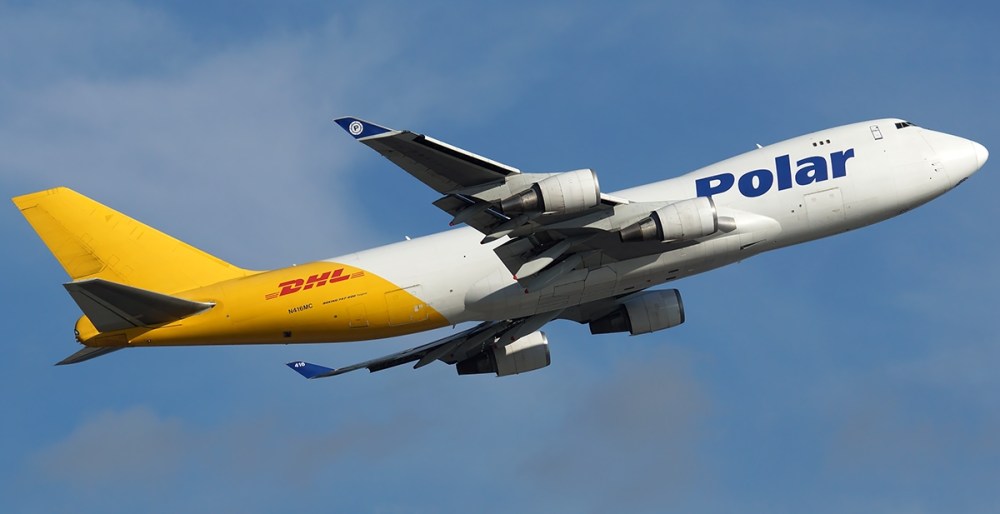
En el marco de la denominada «Revolución de los Aviones», el Gobierno de Argentina autorizó a la empresa Polar Líneas Aéreas S.A. a prestar servicios de vuelos nacionales e internacionales.

A través de una resolución del Ministerio de Transporte, publicada este lunes en el Boletín Oficial, Polar fue autorizada a realizar «servicios no regulares internos e internacionales de transporte aéreo de pasajeros, carga y correo y de carga exclusiva utilizando aeronaves de gran porte».

El Ministerio de Transporte de la Nación autorizó a la compañía Polar Líneas Aéreas, cuyo titular, del empresario Ricardo Barbosa, ex-presidente de la compañía CATA Líneas Aéreas, a operar vuelos regulares de cabotaje e internacionales de pasajeros y de carga dentro del territorio argentino.

El Ministerio de Transporte ha aprobado a la compañía aérea Polar Líneas Aéreas S.A. recibió «autorización para explotar servicios no regulares internos e internacionales de transporte aéreo de pasajeros, carga y correo y de carga exclusiva utilizando aeronaves de gran porte». Bajo la Resolución 296/2018 del Ministerio de Trabajo, Polar Línea Aéreas recibió la «concesión para explotar servicios regulares e internos e internacionales de transporte aéreo de pasajeros, carga y correo», pero quedará sujeta, a «la obtención de los derechos de tráfico y capacidad que tornen factible la operatoria proyectada por la empresa, en los términos del artículo 10 de la Ley N° 19.030 (Política Nacional de Transporte Aéreo Comercial)». La concesión otorgada se extenderá por el «término de quince años contados a partir de la fecha de notificación» de la resolución publicada en el Boletín Oficial». También deberá «obtener el Certificado de Explotador de Servicios Aéreos, con la constancia de los servicios de transporte aéreo que se otorgan dentro del plazo de un año calendario».

A partir de la aprobación del Ministerio de Transporte Polar Líneas Aéreas deberá iniciar sus operaciones de «los ciento ochenta días siguientes a la fecha de obtención del Certificado de Explotador de Servicios Aéreos (CESA) con relación a los servicios otorgados» en la resolución ministerial y cumplimentar una serie de requisitos que de aprobación de flotas y requerimientos operacionales. El permiso de explorador aéreo se extenderá por el término de quince años contados a partir de la fecha de notificación.

Asignación de hub y rutas

Debido a la gran cantidad de líneas que dan servicios en el Aeroparque Jorge Newbery de la Ciudad de Buenos Aires, y en el Aeropuerto Internacional Ministro Pistarini, Ezeiza, se determinó que la Autoridad Aeronáutica será quien determine en que aeropuerto operará la aerolíneas.

Entre las rutas nacionales que podrá operar figuran las que unen la provincia de San Luis con Córdoba, Mendoza, San Juan, Buenos Aires, Neuquén y Santa Cruz, entre otras. También podrá volar entre La Plata y Bariloche; entre Córdoba y Chaco; entre Córdoba y Santa Cruz; y entre Buenos Aires y Ushuaia, con varias conexiones en cada una de esas rutas.

Polar Líneas Aéreas podrá ofrecer servicios, tanto de pasajeros como de carga y correo, entre distintos puntos del país con las rutas internacionales otorgadas: Río de Janeiro-Porto Alegre, Buenos Aires-Lima, Buenos Aires-Perth (Australia) y Singapur.

Entre los considerandos de la resolución se señala que la peticionaria propone una novedosa red de servicios internos, comunicando destinos del país que en la actualidad no son servidos por ningún otro operador, con excepción de algunos tramos de las rutas proyectadas.

La autorización a Polar Línea Aéreas quedará sujeta, a «la obtención de los derechos de tráfico y capacidad que tornen factible la operatoria proyectada por la empresa, en los términos del artículo 10 de la Ley N° 19.030 (Política Nacional de Transporte Aéreo Comercial)».  AIRWAYS® AW-Icon TXT

Resultado de imagen para polar air cargo

Argentina authorize to fly to Polar Líneas Aéreas

Resultado de imagen para polar air cargo pngThe government of Argentina has approved today in the Official Gazette a Polar Líneas Aéreas

In the framework of the so-called «Aircraft Revolution», the Government of Argentina authorized the company Polar Líneas Aéreas S.A. to provide domestic and international flights services.

Through a resolution of the Ministry of Transport, published this Monday in the Official Gazette, Polar was authorized to perform «internal and international non-scheduled services of air transportation of passengers, cargo and mail and exclusive cargo using large aircraft».

The Ministry of Transportation of the Nation authorized the company Polar Líneas Aéreas, whose owner, entrepreneur Ricardo Barbosa, former president of the company CATA Líneas Aéreas, to operate regular cabotage and international passenger and cargo flights within Argentine territory.

The Ministry of Transport has approved the airline Polar Líneas Aéreas S.A. received «authorization to operate non-regular internal and international services of air transportation of passengers, cargo and mail and exclusive cargo using large aircraft». Under Resolution 296/2018 of the Ministry of Labor, Polar Línea Aéreas received the «concession to operate regular and internal and international passenger, cargo and mail air transportation services», but will be subject to «obtaining traffic rights. and capacity that make feasible the operations projected by the company, in the terms of article 10 of Law N ° 19.030 (National Commercial Air Transportation Policy)». The concession granted will be extended for the «term of fifteen years counted from the date of notification» of the resolution published in the Official Gazette. It must also «obtain the Air Services Operator Certificate, with proof of the air transport services that are granted within the term of a calendar year».

After the approval of the Ministry of Transportation, Polar Líneas Aéreas must begin its operations of «one hundred and eighty days following the date of obtaining the Certificate of Air Service Operator (CESA) in relation to the services granted» in the ministerial resolution and complete a series of requirements that approve fleets and operational requirements. The aerial explorer’s permit shall be extended for a term of fifteen years counted from the date of notification.

Assignment of hub and routes

Due to the large number of lines that provide services in the Aeroparque Jorge Newbery of the City of Buenos Aires, and in the Ministro Pistarini International Airport, Ezeiza, it was determined that the Aeronautical Authority will be the one to determine in which airport the airlines will operate.

Among the national routes that may operate include those linking the province of San Luis with Cordoba, Mendoza, San Juan, Buenos Aires, Neuquén and Santa Cruz, among others. You can also fly between La Plata and Bariloche; between Córdoba and Chaco; between Córdoba and Santa Cruz; and between Buenos Aires and Ushuaia, with several connections on each of these routes.

Polar Líneas Aéreas may offer services, both for passengers and cargo and mail, between different parts of the country with the international routes granted: Rio de Janeiro-Porto Alegre, Buenos Aires-Lima, Buenos Aires-Perth (Australia) and Singapore.

Among the recitals of the resolution it is noted that the petitioner proposes a novel network of internal services, communicating destinations in the country that are currently not served by any other operator, with the exception of some sections of the projected routes.

The authorization to Polar Línea Aéreas will be subject to «the obtaining of traffic and capacity rights that make the operation projected by the company feasible, in the terms of article 10 of Law No. 19,030 (National Commercial Air Transportation Policy)». A \ W


Ξ A I R G W A Y S Ξ
SOURCE:  Airgways.com
DBk: Argentina.gob.ar/transporte / Airliners.net / Wikimedia.org
AW-POST: 201804091139AR

A\W   A I R G W A Y S ®

Concluye Feria Fidae 2018

Resultado de imagen para Fidae 2018

AW | 2018 04 09 00:09 | AIR SHOW / FAIR / CONGRESS

Imagen relacionadaEste domingo ha finalizado la 20º feria aeronáutica FIDAE 2018 con una concurrencia de 120.000 visitas

Esta última versión de FIDAE 2018 registró un récord en visitas, alcanzando los más de 120.000 asistentes, quienes pudieron disfrutar de 120 aeronaves y más de 500 expositores, donde estadounidenses se robaron la película.

Con 59 países participantes, 533 empresas expositoras y más de 120 mil asistentes, la principal muestra aeroespacial, de defensa y seguridad de América Latina, demostró una vez más su capacidad como plataforma comercial y exhibición aérea.

La vigésima edición de FIDAE se desarrolló desde el 3 al 8 de abril, con la presencia de los principales actores del mundo aeroespacial, de defensa y seguridad de los cinco continentes, quienes durante 6 días exhibieron sus últimos adelantos, transformando a FIDAE en el epicentro mundial del desarrollo tecnológico y científico.

Así lo demuestra la destacada presencia de autoridades civiles del mundo privado y gubernamental, la gran asistencia a las distintas conferencias oficiales y las numerosas reuniones agendadas entre los participantes, que permiten consolidar a FIDAE como la principal plataforma comercial de América Latina en sus 6 rubros de exposición. En este sentido, destaca la presentación de las pymes europeas a través de Business Beyond Borders y las reuniones B2B y C2C.

Por su parte, durante la exhibición aérea del fin de semana, la muestra mostró una vez más su capacidad para reunir a la familia en torno a lo más destacado del mundo aeroespacial, logrando aportar al desarrollo de la conciencia aérea del país.

A partir de este fin de semana la Feria del Aire y el Espacio 2018 abrió sus puertas para el público masivo, despertando gran interés en la gente. Esto se vio demostrado en los agrupamientos previos al ingreso del evento que prolongaron la espera por más de una hora. Este domingo, ya que se espera un público de 80.000 a 100.000 personas durante este fin de semana.

En su última jornada del día domingo la feria FIDAE 2018 se ha lucido con la exhibición aérea del C-27 Spartan, el A-29 Fumasa, el F-22 Raptor y la Escuadrilla de Paracaidismo Boinas Azules sorprendieron con sus acrobacias a los más de 120.000 visitantes que fueron parte de la Fidae 2018. Presentaciones de acróbatas, simuladores y expositores, son solo algunos de los platos fuertes con los que contó la vigésima versión de la Feria Internacional del Aire y el Espacio que se realizó en la explanada del grupo 10 de la FACH. Las acrobacias y los pabellones con simuladores son lo que concentran la mayor atención de los miles de asistentes, sumado al avión de combate estadounidense F-35 que cuenta con la más avanzada tecnología que le permite despegar de manera vertical y horizontal, así como ser invisible para radares, entre muchas otras características. La nave F-22 raptor llamó la atención por ser capaz de romper la barrera del sonido a más de dos mil kilómetros por hora, al igual que la aeronave F-35, que se cataloga como la más avanzada en tecnología, capaz de despegar como un helicóptero y de ser invisible a ojos de un radar.

La Feria FIDAE 2018 ha despertado un gran interés en el público en general por las aeronaves militares, pero ha tenido una escasa concurrencia en el áerea comercial, detallando la presencia de algunos aviones como el Airbus A350-900, el Airbus A320NEO de Latam Airlines y el Boeing 737-8 MAX de Aerolíneas Argentinas.

Esta Feria Fidae 2018 ha concluido con mucha satisfacción pero se espera repetir el evento en el año 2020 para continuar desarrollando el interés por la aviación mundial.  AIRWAYS® AW-Icon TXT

Resultado de imagen para Fidae 2018 aerolineas

Fidae Fair 2018 concludes

This Sunday has ended the 20th FIDAE 2018 aeronautical fair with a concurrence of 120,000 visits

This latest version of FIDAE 2018 recorded a record in visits, reaching more than 120,000 attendees, who were able to enjoy 120 aircraft and more than 500 exhibitors, where Americans stole the film.

With 59 participating countries, 533 exhibiting companies and more than 120,000 attendees, the main aerospace, defense and security exhibition in Latin America once again demonstrated its capacity as a commercial platform and air exhibition.

The twentieth edition of FIDAE was held from April 3 to 8, with the presence of the main actors from the aerospace, defense and security world of the five continents, who exhibited their latest advances for 6 days, transforming FIDAE into the epicenter of technological and scientific development.

This is demonstrated by the outstanding presence of civil authorities from the private and governmental world, the great attendance at the various official conferences and the numerous meetings scheduled among the participants, which allow FIDAE to consolidate as the main commercial platform of Latin America in its 6 areas of exposition. In this regard, the presentation of European SMEs through Business Beyond Borders and B2B and C2C meetings stands out.

For its part, during the weekend air show, the show once again showed its ability to bring the family together around the highlights of the aerospace world, contributing to the development of the air awareness of the country.

As of this weekend, the Air and Space Fair 2018 opened its doors to the mass public, awakening great interest in people. This was demonstrated in the groupings prior to the entrance of the event that extended the wait for more than one hour. This Sunday, as an audience of 80,000 to 100,000 people is expected this weekend.

In its last day of Sunday the FIDAE 2018 fair has shown off with the air show of the C-27 Spartan, the A-29 Fumasa, the F-22 Raptor and the Blue Skydiving Squadron surprised with their acrobatics to the more than 120,000 visitors who were part of the Fidae 2018. Presentations of acrobats, simulators and exhibitors, are just some of the highlights of the twentieth edition of the International Air and Space Fair that took place in the esplanade of group 10 of the FACH. The acrobatics and the pavilions with simulators are what concentrate the most attention of the thousands of attendees, added to the American fighter plane F-35 that has the most advanced technology that allows you to take off vertically and horizontally, as well as being invisible for radars, among many other features. The F-22 raptor aircraft attracted attention for being able to break the sound barrier at more than two thousand kilometers per hour, like the F-35 aircraft, which is cataloged as the most advanced in technology, capable of taking off as a helicopter and being invisible to radar eyes.

The FIDAE 2018 Fair has aroused great interest in the general public for military aircraft, but has had a limited competition in the commercial area, detailing the presence of some aircraft such as the Airbus A350-900, the Airbus A320NEO of Latam Airlines and the Boeing 737-8 MAX of Aerolíneas Argentinas.

This Fidae 2018 Fair has concluded with great satisfaction but it is expected to repeat the event in the year 2020 to continue developing the interest in world aviation. A \ W


Ξ A I R G W A Y S Ξ
SOURCE:  Airgways.com
DBk: Fidae.cl
AW-POST: 201804090009AR

A\W   A I R G W A Y S ®

El gigante Azul de Brasil

Resultado de imagen para Azul linhas aereas wiki

AW | 2018 04 08 18:47 | AIRLINES MARKET / AIRLINES ROUTES

Resultado de imagen para Azul linhas aereas logoLa gran crecimiento de la aerolínea low cost brasileña Azul Linhas Aéreas incrementa operaciones en Argentina

Los inicios de Azul Linhas Aéreas comenzaron en el 2008 como una empresa joven y pujante, dominada por el mercado aéreo de TAM Linhas Aéreas y Gol Linhas Aéreas. Azul Linhas Aéreas ha crecido posicionándose como la mayor aerolínea con 103 destinos en todo Brasil superando en 10 años a Gol Linhas Aéreas.

La compañia que tiene un fuerte respaldo internacional por medio de el holding de David Neeleman el CEO brasileño-americano que tiene una importante aerolínea en Estados Unidos denominada jetBlue como así acciones en TAP Portugal.

Expansión internacional

Azul comenzó sus operaciones internacionales en 2015 volando a Guyana Francesa, como así otros destinos como Montevideo. Hace dos semanas comenzó a volar la ruta Recife-Córdoba y Recife-Rosario.

La nueva línea aérea con sede en San Pablo, tiene una fuerza laboral de 11.000 empleados. Azul absorbió a la aerolínea regional Trip Linhas Aéreas del Estado de Sao Paulo, acelerando y acortando el proceso de expansión de tres años vista. La actual flota de 124 aviones compuesta actualmente por 33 ATR 72-600, 63 Embraer E190-100 y E195-200, 8 Airbus A330-200 y 20 Airbus A320/CEONEO.

Las previsiones de la flota hacia el futuro es llegar a 160 aviones para 2021.Dentro de los objetivos próximos está la incorporación de el nuevo modelo de la Embraer, el E190-E2 para el año 2019 ampliando la segmentación del mercado regional y doméstico.

Azul se define como una línea aérea de bajo costo de operación, copiando el modelo de su hermana mayor, la estadounidense jetBlue. En pocos años alcanzó el podio como la mayor aerolínea de Brasil. La aerolínea opera en Brasil con 103 destinos en su mapa de rutas, seguida por la Gol con 54 destinos y en tercer puesto está Latam Airlines.

El hub principal de operaciones de Azul está en el Aeropuerto de Viracopos, ubicado a 90 km de San Pablo donde opera más de 500 vuelos diarios. Otros hubs de operaciones que emplea la aerolínea son Belo Horizonte y Recife.

Azul continuará afianzándose en el mercado de Argentina ampliando más frecuencias y nuevos destinos, quizás imitando el modelo de éxito utilizado en Brasil.  AIRWAYS® AW-Icon TXT

Resultado de imagen para Azul linhas aereas wiki

The Azul giant of Brazil

The great growth of the Brazilian low cost airline Azil Linhas Aéreas increases ops in Argentina

The beginnings of Azul Linhas Aéreas began in 2008 as a young and thriving company, dominated by the air market of TAM Linhas Aéreas and Gol Linhas Aéreas. Azul Linhas Aéreas has grown to position itself as the largest airline with 103 destinations in all of Brazil surpassing Gol Linhas Aéreas in 10 years.

The company that has a strong international support through the holding of David Neeleman the Brazilian-American CEO who has a major airline in the United States called jetBlue as well as actions in TAP Portugal.

International expantion

Azul started its international operations in 2015 flying to French Guyana, as well as other destinations such as Montevideo. Two weeks ago the Recife-Córdoba and Recife-Rosario routes began flying.

The new airline based in San Pablo, has a workforce of 11,000 employees. Azul absorbed the regional airline Trip Linhas Aéreas from the State of Sao Paulo, accelerating and shortening the three-year expansion process. The current fleet of 124 aircraft currently consists of 33 ATR 72-600, 63 Embraer E190-100 and E195-200, 8 Airbus A330-200 and 20 Airbus A320 / CEONEO.

The forecasts of the fleet to the future is to reach 160 aircraft by 2021. Within the next objectives is the incorporation of the new model of the Embraer, the E190-E2 for the year 2019 expanding the segmentation of the regional and domestic market.

Azul is defined as a low-cost airline operating, copying the model of its older sister, the American JetBlue. In a few years he reached the podium as the largest airline in Brazil. The airline operates in Brazil with 103 destinations on its route map, followed by the Gol with 54 destinations and in third place is Latam Airlines.

Azul’s main operations hub is at Viracopos Airport, located 90 km from San Pablo where it operates more than 500 daily flights. Other hubs of operations used by the airline are Belo Horizonte and Recife.

Azul will continue to consolidate in the Argentine market, expanding more frequencies and new destinations, perhaps imitating the successful model used in Brazil. A \ W


Ξ A I R G W A Y S Ξ
SOURCE:  Airgways.com
DBk: Voeazul.com.br / Wikimedia.org / Airgways.com
AW-POST: 201804081847AR

A\W   A I R G W A Y S ®

Motor SaM146 supera marca horas-vuelo

Resultado de imagen para SaM146 engine SSJ-100

AW | 2018 04 07 17:19 | INDUSTRY

logo_sukhoi.jpgEl motor SaM146 se acerca a 850,000 horas de vuelo

El PowerJet SaM146, el motor que acciona el Sukhoi Superjet 100 Regional Jet (SSJ 100), ha superado la marca de 830.000 horas de vuelo, de acuerdo con la rusa NPO Saturn, que produce las plantas de energía en forma conjunta con los motores de Safran aeronaves de Francia en PowerJet empresa conjunta.

Este hito ocurrió en marzo de 2018, casi 7 años después de la primera operación del SSJ 100 potenciado por SaM146. Los motores operados bajo condiciones climáticas extremas continúan demostrando el mayor tiempo de vuelo. La cifra máxima, más de 8,800 horas, Resultado de imagen para Safran logose atribuye a SaM146 operado por Yakutia Airlines, que vuela en el extremo norte de Rusia. La cantidad máxima de ciclos, más de 6,700, fue demostrada por el motor, que impulsa la aeronave pilotada por la low cost mexicana Interjet, que opera su aeronave en condiciones de calor, humedad y alta.

Resultado de imagen para NPO Saturn logo

A partir de marzo, se enviaron 310 motores de producción en serie, según NPO Saturn, que es responsable del ensamblaje final del motor. Un récord setenta y seis SaM146 se entregaron en 2017.

Desde que comenzó el servicio de ingresos en 2011 con SSJ100, su única aplicación hasta ahora, el SaM146 ha demostrado una tasa de confiabilidad de despacho de 99.9% en condiciones de operación intensiva y en una amplia gama de entornos, dice el fabricante. A fines de 2017, los SSJ 100 con motor SaM146 fueron volados por 15 operadores en Rusia , Europa (CityJet), América Central (Interjet) y Sudeste Asiático (Thai Royal Air Force).

Se cree que el motor SaM146 pronto podría encontrar otra plataforma. Puede ser oficialmente seleccionado tan pronto como este mayo por Beriev de Rusia para alimentar sus aviones anfibios Be-200 . Según fuentes de la industria, el acuerdo entre los socios rusos y franceses de PowerJet, que da luz verde al programa, se puede firmar durante el Foro Económico de San Petersburgo en mayo.

Dentro de PowerJet, NPO Saturn desarrolla el módulo de ventilador, el compresor de baja presión y la turbina y es responsable del ensamblaje final del motor y las pruebas de tierra en su instalación de Rybinsk, Rusia. Safran Aircraft Engines (anteriormente Snecma) desarrolla el núcleo de alta presión, la caja de engranajes accesoria y el sistema de control. La compañía francesa también es responsable de la integración del sistema de propulsión y las pruebas de vuelo.

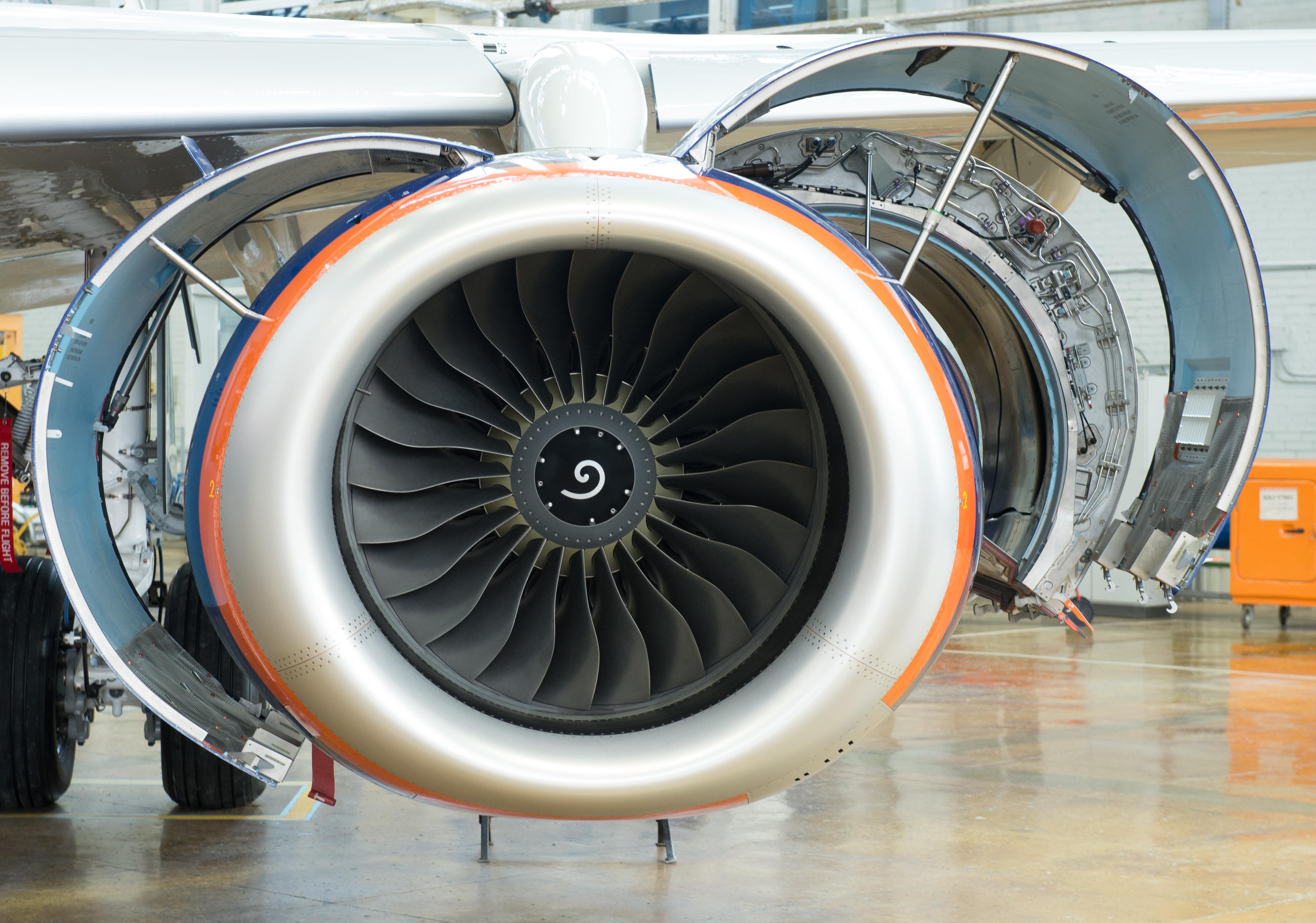
La red PowerJet MRO incluye dos tiendas certificadas, una en Saint-Quentin-en-Yvelines, cerca de París, y otra en Rybinsk, Rusia. PowerJet SaM146 es un motor turbofan de doble by-pass de alto bypass. Cuenta con un ventilador de una etapa, baja presión de 3 etapas, compresor axial de alta presión de 6 etapas, compresor anular, alta presión de 1 etapa y turbina de baja presión de 3 etapas. El motor proporciona 6,200 a 7,700 kg de empuje.  AIRWAYS® AW-Icon TXT


SaM146 Engines Reached 300 Thousand Hours of Service on Aeroflot Airliners

SaM146 engine exceeds hours of flight mark

The SaM146 engine is approaching 850,000 flight hours

Resultado de imagen para sSJ-100 png

The PowerJet SaM146, the engine that drives the Sukhoi Superjet 100 Regional Jet (SSJ 100), has surpassed the 830,000 flight hour mark, according to the Russian NPO Saturn, which produces the power plants jointly with the engines of Safran aircraft from France in PowerJet joint venture.

This milestone occurred in March 2018, almost 7 years after the first operation of the SSJ 100 powered by SaM146. The engines operated under extreme weather conditions continue to demonstrate the longest flight time. The maximum figure, more than 8,800 hours, is attributed to SaM146 operated by Yakutia Airlines, which flies in the far north of Russia. The maximum number of cycles, more than 6,700, was demonstrated by the engine, which drives the aircraft piloted by the Mexican low cost Interjet, which operates its aircraft in hot, humid and high conditions.

As of March, 310 series production engines were sent, according to NPO Saturn, which is responsible for the final assembly of the engine. A record seventy-six SaM146 were delivered in 2017.

Since the 2011 revenue service began with SSJ100, its only application so far, the SaM146 has demonstrated a 99.9% dispatch reliability rate under intensive operating conditions and in a wide range of environments, says the manufacturer. At the end of 2017, the SSJ 100 with SaM146 engine were flown by 15 operators in Russia, Europe (CityJet), Central America (Interjet) and Southeast Asia (Thai Royal Air Force).

It is believed that the SaM146 engine could soon find another platform. It can be officially selected as soon as this May by Beriev of Russia to feed its amphibious aircraft Be-200. According to industry sources, the agreement between the Russian and French partners of PowerJet, which gives the green light to the program, can be signed during the Saint Petersburg Economic Forum in May.

Within PowerJet, NPO Saturn develops the fan module, the low pressure compressor and the turbine and is responsible for the final assembly of the motor and ground tests at its facility in Rybinsk, Russia. Safran Aircraft Engines (formerly Snecma) develops the high-pressure core, the accessory gearbox and the control system. The French company is also responsible for the integration of the propulsion system and the flight tests.

The PowerJet MRO network includes two certified stores, one in Saint-Quentin-en-Yvelines, near Paris, and the other in Rybinsk, Russia. PowerJet SaM146 is a turbofan double by-pass high bypass engine. It has a one-stage fan, 3-stage low pressure, 6-stage high pressure axial compressor, annular compressor, 1-stage high pressure and 3-stage low pressure turbine. The engine provides 6,200 to 7,700 kg of thrust. A \ W


Ξ A I R G W A Y S Ξ
SOURCE:  Airgways.com
DBk: Sukhoi.org / Rusaviainsider.com / Rostec.ru / Wikimedia.org
AW-POST: 201804071719AR

A\W   A I R G W A Y S ®

Southwest estudia orden mayor 737 MAX

Southwest-Airlines-NEWPLANE1017

AW | 2018 04 07 16:57 | AIRLINES

PNGPIX-COM-Southwest-Airlines-Logo-PNG-Transparent.pngLa aerolínea Southwest Airlines está evaluando orden mayor de Boeing 737 MAX
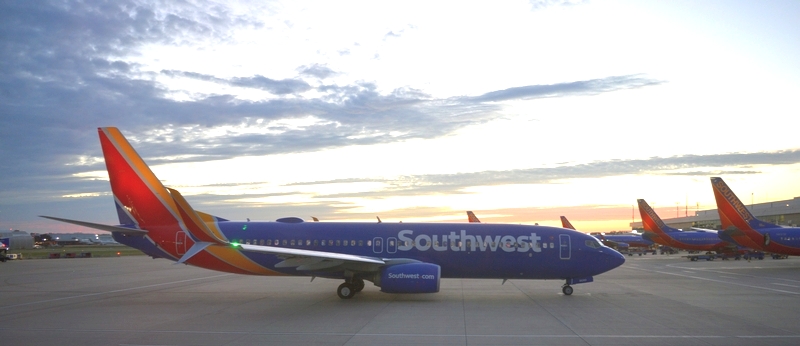
Southwest Airlines está considerando realizar un nuevo pedido mayor para aviones Boeing 737 MAX. los planes de adquisición evaluaría la opción de un recambio de flota más acelerada para reemplazar las aeronaves más antiguas como para aumentar el número de su línea Boeing 737.

La aerolínea con base en Dallas Love Field, Texas es una compañía low-cost con una amplia experiencia en la aviación en Estados Unidos, se ha lanzado a realizar operaciones internacionales lo que demandaría más aviones de su tipo. Para ello, la línea aérea ha solicitado a Boeing aumentar su flota trayendo un beneficio en las reducciones de impuestos y una creciente demanda de viajes. Southwest Airlines no ha informado el tamaño de la orden a acordar con Boeing, ni los tipos de aeronaves en sus variantes de la nueva generación MAX, pero ha anunciado una tentativa de alrededor de 500 nuevas aeronaves.

DSC_0014.jpg

SOUTHWEST AIRLINES RENOVARÍA Y AMPLIARÍA SU FLOTA DE LA LÍNEA BOEING 737

«No espero que tengamos acceso a más entregas este año, por lo que probablemente no comenzaría antes del año próximo. Con el capital adicional, estamos trabajando en formas de atender mejor a nuestros clientes y el primer lugar que queremos mirar es continuar modernizando nuestra flota», dijo el CEO Gary Kelly.

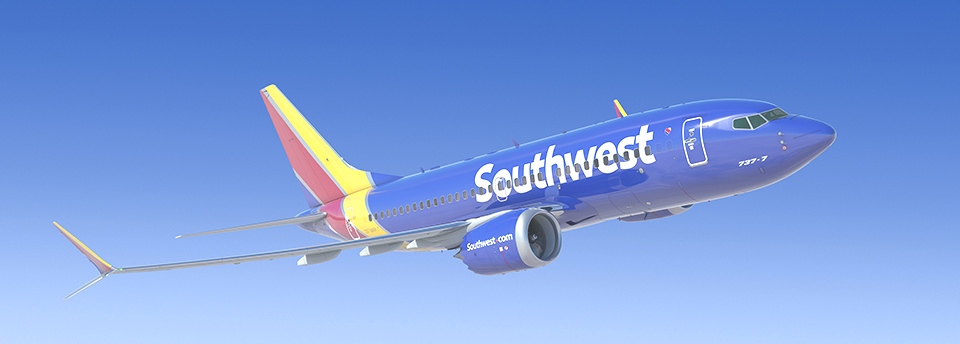
Southwest es el mayor operador mundial de aviones Boeing 737. En 2017, el operador se convirtió en el cliente de lanzamiento para el tipo Boeing 737-8 MAX (oficialmente Batik Airlines), como así también de la variante acortada Boeing 737-7 MAX incorporada recientemente. La compañía ha recibido la entrega de 14 Boeing 737-8 MAX y la entrega inicial como cliente de lanzamiento de un Boeing 737-7 MAX. La actual flota de Southwest Airlines también opera un total de 513 B737-700 y 190 Boeing 737-800 Next Generation.

Los pedidos anteriores a esta nueva orden pedidos son de 196 Boeing 737-8 MAX y 30 Boeing 737-7 MAX así como 4 últimos Boeing 737-800 ordenados al fabricante Boeing. En enero 2018 Southwest solicitó 23 Boeing 737-7 MAX, para los cuales es el mayor cliente anunciado del mundo, que abarcaría un período de adquisición entre 2023-2024.   AIRWAYS® AW-Icon TXT

Southwest-737-Max

Southwest studies order greater than 737 MAX

Resultado de imagen para Boeing 737 MAX southwest pngThe Southwest Airlines airline is evaluating Boeing 737 MAX higher order


Southwest Airlines is considering making a new larger order for Boeing 737 MAX aircraft. the acquisition plans would evoke the option of a more accelerated fleet replacement to replace the older aircraft as to increase the number of its Boeing 737 line.

The Dallas-based airline Love Field, Texas is a low-cost company with extensive aviation experience in the United States, has launched international operations, which would require more aircraft of its kind. For this, the airline has asked Boeing to increase its fleet bringing a benefit in the tax reductions and a growing demand for travel. Southwest Airlines has not reported the size of the order to agree with Boeing, nor the types of aircraft in its variants of the new generation MAX, but has announced an attempt of around 500 new aircraft.

AW-700007333.jpg

«I do not expect that we will have access to more deliveries this year, so it probably would not start before next year.» With the additional capital, we are working on ways to better serve our customers and the first place we want to look at is to continue modernizing our fleet», said CEO Gary Kelly.

Southwest is the world’s largest operator of Boeing 737 aircraft. In 2017, the operator became the launch customer for the B737-8 MAX type (officially Batik Airlines), as well as the newly shortened Boeing 737-7 MAX vault. . The company has received the delivery of 14 Boeing 737-8 MAX and the initial delivery as a launch customer of a Boeing 737-7 MAX. The current Southwest Airlines fleet also operates a total of 513 B737-700 and 190 B737-800 Next Generation.

The previous orders to this new order are orders of 196 Boeing 737-8 MAX and 30 Boeing 737-7 MAX as well as 4 last Boeing 737-800 ordered from the manufacturer Boeing. In January 2018, Southwest requested 23 Boeing 737-7 MAXs, for which it is the world’s largest announced customer, which would span an acquisition period between 2023-2024. A \ W


Ξ A I R G W A Y S Ξ
SOURCE:  Airgways.com
DBk: Southwest.com / Boeing.com / Aviation.trandolizer.com
AW-POST: 201804071657AR

A\W   A I R G W A Y S ®

Boeing exhibirá innovación en Feria ILA Berlín 2018

ILA_BerlinClaim_RGB.jpg


AW | 2018 04 07 15:02 | INDUSTRY

Resultado de imagen para ILA 2018 logoBoeing mostrará soluciones probadas en el mercado, tendencias futuras en aviación en la exposición Innovation and Leadership in Aerospace Berlin 2018

Boeing mostrará soluciones probadas en el mercado y tendencias futuras en aviación en la exposición Innovation and Leadership in Aerospace ILA Berlín 2018. Una serie de aviones de Boeing estará en exhibición estática y las capacidades adicionales se presentarán en el Hall 2 en la exposición del 25 al 29 de abril de 2018.

«ILA Berlín es un lugar importante para que Boeing analice las nuevas tendencias en aviación y muestre cómo estamos configurando el futuro de la aviación junto con nuestros socios industriales en Alemania», dijo el Dr. Michael Haidinger, presidente de Boeing Alemania. «La tecnología de vanguardia y las soluciones digitales que mejoran la eficiencia de nuestros productos y agilizan las operaciones para nuestros clientes estarán en el punto de mira de la presencia de Boeing ILA».

Boeing también destacará capacidades y servicios probados en el mercado. Alemania tiene un requisito para un nuevo helicóptero de elevación pesada, y con el H-47 Chinook, Boeing puede proporcionar una plataforma moderna, comprobada y confiable a un costo muy competitivo. Boeing presentará el H-47 Chinook durante ILA Berlin y proporcionará información sobre la experiencia única de la compañía en la logística basada en el rendimiento, asegurando que el avión esté listo para volar cuando sea necesario.

El Departamento de Defensa de los EE. UU. Tiene programadas varias plataformas Boeing, incluido el helicóptero H-47 Chinook para carga pesada, el rotor multiroll V-22, el helicóptero de ataque Apache AH-64, el avión de patrulla marítima P-8A Poseidon y el F -15 luchador.

La exhibición también incluirá los nuevos programas de aviones comerciales de Boeing y la tecnología «made in Germany» de la red de proveedores establecida de la compañía. Un enfoque especial estará en el 777X, ya que el primer avión de prueba actualmente está pasando por la producción.

El Boeing Digital Aviation & Analytics Lab Frankfurt, establecido el año pasado, y la filial de Boeing Jeppesen darán un vistazo al futuro, destacando los beneficios de las soluciones digitales para la aviación. Boeing Research & Technology informará sobre las tendencias actuales y los nuevos desarrollos en tecnología aeroespacial.

Boeing proporcionará una actualización con más detalles sobre su presencia y actividades de ILA Berlin a medida que nos acercamos al show.  AIRWAYS® AW-Icon TXT

Resultado de imagen para ILA 2018

Boeing will exhibit innovation at the ILA Berlin 2018 Fair

Resultado de imagen para ILA 2018 logoBoeing will show proven solutions in the market, future trends in aviation at the Innovation and Leadership in Aerospace Berlin 2018 exhibition

Boeing will show proven solutions in the market and future trends in aviation at the Innovation and Leadership in Aerospace ILA exhibition in Berlin 2018. A series of Boeing aircraft will be on static display and additional capabilities will be presented in Hall 2 at the exhibition of the April 25 to 29, 2018

«ILA Berlin is an important place for Boeing to analyze new trends in aviation and show how we are shaping the future of aviation together with our industrial partners in Germany», said Dr. Michael Haidinger, President of Boeing Germany. «Cutting-edge technology and digital solutions that improve the efficiency of our products and streamline operations for our customers will be in the spotlight of the presence of Boeing ILA».

Boeing will also highlight proven capabilities and services in the market. Germany has a requirement for a new heavy lift helicopter, and with the H-47 Chinook, Boeing can provide a modern, proven and reliable platform at a very competitive cost. Boeing will present the H-47 Chinook during ILA Berlin and will provide information on the company’s unique experience in performance-based logistics, ensuring that the aircraft is ready to fly when necessary.

The US Department of Defense UU It has several Boeing platforms, including the H-47 Chinook helicopter for heavy cargo, the multiroll rotor V-22, the Apache AH-64 attack helicopter, the P-8A Poseidon maritime patrol aircraft and the F-15 fighter.

The exhibition will also include Boeing’s new commercial aircraft programs and «made in Germany» technology from the company’s established supplier network. A special focus will be on the 777X, since the first test aircraft is currently going through production.

The Boeing Digital Aviation & Analytics Lab Frankfurt, established last year, and the subsidiary of Boeing Jeppesen will give a glimpse into the future, highlighting the benefits of digital solutions for aviation. Boeing Research & Technology will report on current trends and new developments in aerospace technology.

Boeing will provide an update with more details about his presence and ILA Berlin activities as we approach the show. A \ W


Ξ A I R G W A Y S Ξ
SOURCE:  Airgways.com
DBk: Boeing.com / Ila-berlin.de
AW-POST: 201804071502AR

A\W   A I R G W A Y S ®

American firma orden 47 Boeing 787

Imagen relacionada

AW | 2018 04 07 14:51 | AIRLINES / INDUSTRY

PrintBoeing y American Airlines firman una orden importante para 47 Boeing 787. La aerolínea más grande del mundo duplicó su flota Boeing 787 con 47 pedidos en firme y 28 opciones

Imagen relacionadaBoeing y American Airlines anunciaron que la aerolínea más grande del mundo duplicará con creces su flota Boeing 787 «Dreamliner» con un nuevo pedido de 47 del avión súper eficiente más 28 opciones. Los 47 Boeing 787 están valorados en más de $ 12 mil millones a precios de lista y convierte a American Airlines en el mayor cliente de 787 en el hemisferio occidental.


La orden está valorada en U$S 12 mil millones; incluye los modelos 787-8 y 787-9 American cita el rendimiento de la familia 787, la similitud y el éxito en el mercado para la repetición de pedidos.

Resultado de imagen para American Boeing 787-8 787-9 png

AMERICAN AIRLINES RECIBE SU PRIMER BOEING 787-9 EN SU SEDE DE DALLAS (DFW)

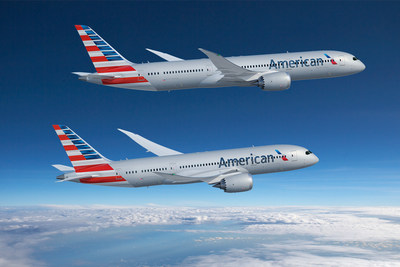
Boeing y American Airlines anunciaron hoy que la aerolínea más grande del mundo duplicará con creces su flota 787 Dreamliner con un nuevo pedido de 47 del avión súper eficiente más 28 opciones. Esta representación muestra los aviones en la librea del transportista.

American originalmente ordenó 42 Boeing 787 y ha estado utilizando la tremenda eficiencia de combustible de los aviones y las comodidades superiores para los pasajeros para abrir nuevas rutas en todo el mundo, incluyendo Asia Pacífico y Europa, y aumentar la eficiencia de su red. Mientras que American todavía tiene más aviones en el camino desde su orden inicial, la aerolínea está comprando los Dreamliners adicionales, 22 Boeing 787-8 y 25 Boeing 787-9, para modernizar y expandir aún más su flota.

«Estamos muy honrados de que American Airlines esté profundizando su compromiso con el 787. Este nuevo pedido respalda de manera contundente el atractivo único de los pasajeros de la familia 787 y su incomparable capacidad para ayudar a las aerolíneas a abrir nuevas rutas y crecer rentablemente», dijo Boeing Commercial Airplanes. Presidente y CEO Kevin McAllister.

Construida con materiales compuestos ligeros y con motores avanzados, la familia Dreamliner reduce los costos de operación en más del 20 por ciento en comparación con los aviones anteriores, y casi un 10 por ciento en comparación con los aviones de la competencia actual.

American se convierte en la última aerolínea en hacer un pedido repetido para el Boeing 787. Más de la mitad de los 71 clientes del programa lo han hecho, lo que ha ayudado al programa 787 a lograr más de 1,350 pedidos hasta la fecha.

«Estamos demostrando una y otra vez que el 787 es el campeón de su clase. La tremenda propuesta de valor del avión explica por qué se ha convertido en el avión de doble pasillo de venta más rápida de la historia», dijo Ihssane Mounir , vicepresidente senior de Ventas Comerciales y Marketing para The Boeing Company. «Y cuando combinamos el Dreamliner con el conjunto de servicios de Boeing, es una combinación que ofrece un valor inmejorable para nuestros clientes».

La división de Servicios Globales de Boeing proporciona a American Airlines herramientas de eficiencia como Airplane Health Management y Toolbox, que ayudan a la aerolínea a mejorar el rendimiento operacional y mejorar la confiabilidad del despacho.

El Boeing 787-8 puede volar 242 pasajeros hasta 7.355 millas náuticas (13.620 km) en una configuración típica de dos clases. El 787-9, una aeronave más alargado que el 787-8, puede volar 290 pasajeros hasta 7.635 millas náuticas.  AIRWAYS® AW-Icon TXT

First-Boeing-787-flight-Jan.-6-2015-AA-photo.jpg

American firm order 47 Boeing 787

aa_american_airlines-logo11 (1)Boeing and American Airlines sign an important order for 47 Boeing 787. The world’s largest airline doubled its Boeing 787 fleet with 47 firm orders and 28 options
AW-70003771

Boeing and American Airlines announced that the world’s largest airline will more than double its Boeing 787 «Dreamliner» fleet with a new order of 47 of the super efficient aircraft plus 28 options. The 47 Boeing 787s are valued at more than $ 12 billion at list prices and make American Airlines the largest customer of 787 in the Western Hemisphere.

The order is valued at U$S 12 billion; includes models Boeing 787-8 and Boeing 787-9 American cites the performance of the 787 family, the similarity and success in the market for repeat orders.

Boeing and American Airlines announced today that the world’s largest airline will more than double its 787 Dreamliner fleet with a new order of 47 of the super efficient aircraft plus 28 options. This representation shows the aircraft in the carrier’s livery.

American originally ordered 42 Boeing 787s and has been using the tremendous fuel efficiency of the aircraft and superior amenities for passengers to open new routes around the world, including Asia Pacific and Europe, and increase the efficiency of their network. While American still has more planes on the road since its initial order, the airline is buying the additional Dreamliners, 22 Boeing 787-8 and 25 Boeing 787-9, to further modernize and expand its fleet.

Resultado de imagen para American Boeing 787-8 png

AMERICAN AIRLINES RECEIVES ITS FIRST BOEING 787-9

«We are very honored that American Airlines is deepening its commitment to the 787. This new order strongly supports the unique appeal of 787 family passengers and its unrivaled ability to help airlines open new routes and grow profitably», said Boeing Commercial Airplanes. President and CEO Kevin McAllister.

Built with lightweight composite materials and advanced engines, the Dreamliner family reduces operating costs by more than 20 percent compared to previous aircraft, and almost 10 percent compared to the current competition aircraft.

American becomes the last airline to place a repeat order for the Boeing 787. More than half of the 71 customers in the program have done so, which has helped the 787 program achieve more than 1,350 orders to date.

«We are demonstrating again and again that the 787 is the champion of its class.» The tremendous value proposition of the aircraft explains why it has become the fastest double-aisle airplane in history», said Ihssane Mounir, vice president. Senior Commercial Sales and Marketing for The Boeing Company. «And when we combine the Dreamliner with the suite of services from Boeing, it’s a combination that offers unbeatable value to our customers».

The Boeing Global Services division provides American Airlines with efficiency tools such as Airplane Health Management and Toolbox, which help the airline improve operational performance and improve dispatch reliability.

The Boeing 787-8 can fly 242 passengers up to 7,355 nautical miles (13,620 km) in a typical two-class configuration. The 787-9, a stretch of the 787-8, can fly 290 passengers up to 7,635 nautical miles. A \ W


Ξ A I R G W A Y S Ξ
SOURCE:  Airgways.com
DBk: Boeing.com / Aa.com / Airgways.com
AW-POST: 201804071451AR

A\W   A I R G W A Y S ®

Interés por más aerolíneas en Argentina

AW-70183777.png

AW | 2018 04 06 21:28 | AIRLINES MARKET

Argentina incorporaría más aerolíneas al mercado doméstico impulsadas por la «Revolución de los Aviones»

El mercado de transporte aéreo en Argentina se ha visto impulsado con las políticas de apertura de más rutas aéreas y más líneas aéreas. Actualmente el mercado está dominado por Aerolíneas Argentinas y Austral Líneas Aéreas como así la secunda Latam Airlines.

Boeing 737NG-AR002.pngEl Ministerio de Transporte de Argentina afirmó este miércoles que no tiene que llegarán al país otras compañías aéreas. Entre las aerolíneas que mostraron interés en operaciones domésticas está la brasileña Gol Linhas Aéreas Inteligentes. La aerolínea brasileña Gol y otras compañías aéreas low cost estarían interesadas en operar rutas domésticas en la Argentina. Así lo afirmó el Ministro de Transporte de la Nación, Guillermo Dietrich, durante un foro de la industria FIDAE 2018 realizado este miércoles en Santiago de Chile. Contrariamente, desde la comañía Gol Linhas Aéreas expresaron que por el momento no se incorporarán más rutas para Argentina.
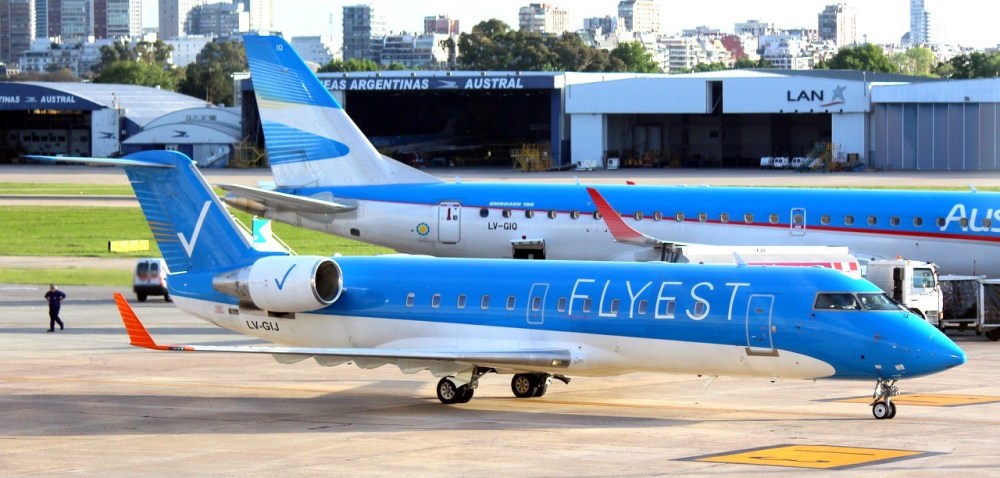

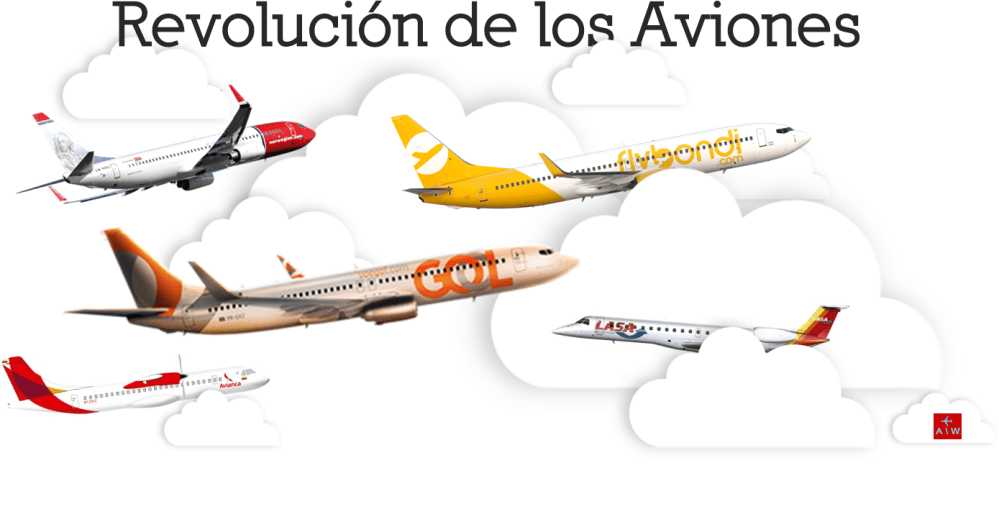
El desembarco de líneas aéreas clásicas y low-cost en la denominada «Revolución de los Aviones» está atravesando por un proceso un tanto lento y desprolijo desde que se inició este proceso. Muchas aerolíneas habían iniciado las tramitaciones para obtener el certificado CESA de explorador aéreo en Argentina entre ellas Alas Mediterráneas, Buenos Aires Internacional Airlines, Alas del Sur, Polar Líneas Aéreas de las que no se tienen avances al respecto. Otras que son constituidas como líneas aéreas como Sapsa, American Jet han movido algunas pocas piezas en el juego del mercado aéreo. En tanto otras como LASA Líneas Aéreas, Flyest Líneas Aéreas y Norwegian Air Argentina están avanzando discretamente en sus procesos de star-up. Las compañías que han permitido desarrollarse más rápido son Andes Líneas Aéreas, Flybondi Líneas Aéreas y Avianca Argentina.  AIRWAYS® AW-Icon TXT

Resultado de imagen para flyest lineas aereas png

Interest for more airlines in Argentina

Argentina would incorporate more airlines to the domestic market driven by the «Revolution of the Aircraft»

The air transport market in Argentina has been driven by the policies of opening more air routes and more airlines. Currently, the market is dominated by Aerolineas Argentinas and Austral Líneas Aéreas, as well as by Latam Airlines.

The Ministry of Transport of Argentina affirmed on Wednesday that other airlines do not aviao-gol.pnghave to arrive in the country. Among the airlines that showed interest in domestic operations is the Brazilian Gol Linhas Aéreas Inteligentes. The Brazilian airline Gol and other low cost airlines would be interested in operating domestic routes in Argentina. This was stated by the Minister of Transportation of the Nation, Guillermo Resultado de imagen para latam airlines A320neo pngDietrich, during a forum of the FIDAE 2018 industry held this Wednesday in Santiago de Chile. Conversely, from the Gol Linhas Aéreas company, they expressed that for the moment no more routes will be incorporated for Argentina.

The disembarkation of classic and low-cost airlines in the so-called «Aircraft Revolution» is going through a somewhat slow and untidy process since this process began. Many airlines had initiated the procedures to obtain the CESA certificate of aerial explorer in Argentina, including the Alas Mediterráneas, Buenos Aires International Airlines, Alas del Sur, Polar Airlines, of which there is no progress in this regard. Others that are constituted as airlines such as Sapsa, American Jet have moved a few pieces in the air market game. Meanwhile, others such as LASA Líneas Aéreas, Flyest Líneas Aéreas and Norwegian Air Argentina are discreetly moving forward in their star-up processes. The companies that have allowed to develop faster are Andes Líneas Aéreas, Flybondi Líneas Aéreas and Avianca Argentina. A \ W


Ξ A I R G W A Y S Ξ
SOURCE:  Airgways.com
DBk: Argentina.gob.ar/transport / Airgways.com
AW-POST: 201804062128AR

A\W   A I R G W A Y S ®


Aerolíneas incorpora nuevas frecuencias

AW | 2018 04 06 16:44 | AIRLINES

aerolineas-argentinas-logo.jpgAerolíneas Argentinas presentó nuevas frecuencias en el “Aerolíneas Day”

La aerolínea de bandera argentina presentó su propuesta de valor para 2018 y anunció el incremento de sus frecuencias de vuelo desde Madrid a partir de junio de 7 a 10 semanales.

Aerolíneas Argentinas realizó hoy la primera edición del «Aerolíneas Day», con la presencia de medio centenar de agentes de viaje, turoperadores y personalidades del sector turístico especialmente invitadas. El evento tuvo lugar en un salón de su sede corporativa en la Torre Picasso. Aerolíneas Day es un formato desarrollado por la Compañía que es replicado en todos los mercados en los que tiene presencia con una estructura común e identidad visual similar para comunicar novedades en relación a su red de rutas, flota y producto.

La agenda del evento incluyó una actualización sobre la situación de la Compañía y su evolución reciente, continuando con la presentación de desconocidos y exóticos rincones turísticos en Argentina, para luego finalizar con un juego interactivo que permitió a los asistentes ganar importantes premios. El evento concluyó con una cata de vinos de reconocidas bodegas argentinas.

“Aerolíneas Day constituye una excelente plataforma para comunicar al mercado novedades de una forma profesional, amena y dinámica. Durante 2017 Aerolíneas Argentinas alcanzó récords de pasajeros transportados, puntualidad y niveles de servicio que demuestran que estamos adaptándonos a las nuevas exigencias del negocio de la aviación”, expresó Guillermo Rudaeff, Director General de Aerolíneas Argentinas para Europa. AIRWAYS® AW-Icon TXT

AW-0 (149).JPG

Aerolíneas incorporates new frequencies

Aerolíneas Argentinas presented new frequencies in the «Airlines Day»

The Argentine flag carrier presented its value proposition for 2018 and announced the increase of its flight frequencies from Madrid starting in June from 7 to 10 weekly.

Aerolíneas Argentinas today held the first edition of the «Airlines Day», with the presence of about fifty travel agents, tour operators and personalities of the tourism sector especially invited. The event took place in a hall of its corporate headquarters in Torre Picasso. Airlines Day is a format developed by the Company that is replicated in all markets in which it has presence with a common structure and similar visual identity to communicate news in relation to its network of routes, fleet and product.

The agenda of the event included an update on the situation of the Company and its recent evolution, continuing with the presentation of unknown and exotic tourist spots in Argentina, and then ending with an interactive game that allowed attendees to win important prizes. The event concluded with a wine tasting of well-known Argentinian wineries.

«Aerolíneas Day is an excellent platform to communicate the market in a professional, entertaining and dynamic way. During 2017 Aerolineas Argentinas achieved records of passengers transported, punctuality and levels of service that show that we are adapting to the new demands of the aviation business», said Guillermo Rudaeff, General Director of Aerolineas Argentinas for Europe. A \ W


Ξ A I R G W A Y S Ξ
SOURCE:  Airgways.com
DBk: Aerolineas.com / Airgways.com
AW-POST: 201804061644AR

A\W   A I R G W A Y S ®