FAT introducirá Boeing 737-8 MAX

Imagen relacionada

AW | 2018 04 16 15:08 | AIRLINES

La aerolínea taiwanesa FAT incorporará el Boeing 737-8 MAX

Far Eastern Air Transport Corp. (FAT) pronto se convertirá en la primera aerolínea taiwanesa en introducir el Boeing 737-8 MAX a su flota, y los dos primeros aviones serán entregados a finales de 2019, dijo la aerolínea. Lunes.

«El 737 MAX se convertirá en la piedra angular de nuestra estrategia de modernización de la flota mientras esperamos introducir nuevos aviones de próxima generación en el futuro cercano», dijo el presidente de FAT, Joseph Lee.

FAT planea obtener un total de 11 737 aviones MAX durante los próximos cinco años alquilando dos nuevos 737 MAX al año desde 2019 a 2022 y los últimos tres en 2023 de una compañía de leasing, dijo Lee. Los nuevos aviones de bajo consumo de combustible ayudarán a la aerolínea a cumplir sus objetivos de reducir los costos operacionales y ampliar su red regional, dijo. La compañía se negó a revelar detalles sobre la compañía de leasing o los acuerdos de arrendamiento antes de que se firme un contrato, lo que Lee dijo que tendrá lugar en el futuro cercano.

Los nuevos aviones de medio alcance reemplazarán a los ocho aviones McDonnell Douglas MD-82/83 que actualmente forman el núcleo de la flota de FAT y se usarán en rutas hacia el noreste y sudeste de Asia, así como a China, dijo Lee.

El 737 MAX ha acumulado más de 4.400 pedidos de 96 clientes en todo el mundo y es el avión más vendido en la historia de Boeing, según Boeing.  AIRWAYS® AW-Icon TXT

Resultado de imagen para Far Eastern Air Transport Corp. (FAT) MD-83

FAT will introduce Boeing 737-8 MAX

The Taiwanese airline FAT will incorporate the Boeing 737-8 MAX

Far Eastern Air Transport Corp. (FAT) will soon become the first Taiwanese airline to introduce the Boeing 737-8 MAX to its fleet, and the first two aircraft will be delivered by the end of 2019, the airline said. Monday.

«The 737 MAX will become the cornerstone of our fleet modernization strategy as we look forward to introducing new next-generation aircraft in the near future», said FAT President Joseph Lee.

FAT plans to obtain a total of 11,737 MAX aircraft over the next five years by renting two new 737 MAXs per year from 2019 to 2022 and the last three in 2023 from a leasing company, Lee said. The new fuel-efficient aircraft will help the airline meet its objectives of reducing operational costs and expanding its regional network, he said. The company declined to disclose details about the leasing company or the lease agreements before a contract was signed, which Lee said will take place in the near future.

The new mid-range aircraft will replace the eight McDonnell Douglas MD-82/83 aircraft that currently form the core of the FAT fleet and will be used on routes to northeast and southeast Asia, as well as to China, said Lee.

The 737 MAX has accumulated more than 4,400 orders from 96 customers worldwide and is the best-selling aircraft in Boeing’s history, according to Boeing. A \ W


Ξ A I R G W A Y S Ξ
SOURCE:  Airgways.com
DBk: Boeing.com / Shipfinder.co
AW-POST: 201804161508AR

A\W   A I R G W A Y S ®

Buscando la eficiencia del vuelo

Resultado de imagen para airlines traffic

AW | 2018 04 15 20:42 | INDUSTRY

La industria de la aviación está persiguiendo una mayor eficiencia en el mercado de aviación comercial

La industria aerocomercial busca que cada línea de aviones alcance un mayor nivel de eficiencia haciendo que se fabriquen aviones que van más lejos a menor costo, que se usen materiales más livianos y sistemas de entretenimiendo y aplicaciones como el wifi.

El mercado aeronáutico es una dinámica que se mueve hacia la eficiencia donde el sector de la aviación comercial quiere alcanzar un mejor nivel de eficiencia al reducir los costos operativos, consumo de combustible, entre otros detalles.

La presión del modelo de negocio low cost reduce los ingresos por pasajero transportado, donde las aerolíneas afilan el lápiz para controlar los costos operativos, lo que multiplica la presión de los fabricantes por alcanzar un mejor nivel de eficiencia en las aeronaves. El principal costo operativo es el carburante, el gasto más importante de cualquier vuelo.

Resultado de imagen para airlines low cost

El auge de los vuelos transatlánticos o de amplio radio de acción en el modelo low cost acelera los esfuerzos de las aerolíneas por enfrentarse al otro lado de la ecuación:de un vuelo, los viajeros no solo quieren pagar menos por su vuelo, también quieren que no afecte a su salud y tener un módico confort.

Un problema al volar es que, a altitudes estratosféricas, el aire es muy seco y eso no solo afecta a los sentidos del olfato y del gusto, sino que puede conducir a problemas de salud. «Todas las tripulaciones saben que lo que no pueden dejar de llevar de ninguna manera es agua», explica Rafael Jiménez Hoyos, director de producción de Iberia. «Los que pasan mucho tiempo en el aire pueden tener hasta problemas renales», agrega. Ahora, empresas como la sueca CTT Systems diseñan sistemas de humidificación que son incorporados por la última generación de aviones tanto de Airbus como de Boeing.

Otra necesidad es mantener a los pasajeros distraídos. Los sistemas con pantallas en cada asiento se han vuelto casi imprescindibles en los vuelos largos, pero cada vez más pasajeros prefieren usar sus dispositivos. Algunas aerolíneas, como Alaska Airlines, prefieren abandonar el IFE y alquilar a sus pasajeros tabletas precargadas con películas; otras tienen una intranet a bordo con contenido en streaming.

Pero el futuro está en el wifi, que, según el operador de satélites Inmarsat, representará ingresos de más de US$800 millones este año. «A igualdad de producto, hay clientes que se decantan por una aerolínea por la oferta de wifi», indica Jiménez Hoyos. Firmas como la suiza SITA OnAir o la estadounidense GoGo compiten por equiparse y unirse a un mercado que puede mover US$15.900 millones en 2030.

Todas estas mejoras en comodidad se ven contrarrestadas por un empeoramiento de lo que posiblemente sea lo más importante: el tamaño de los asientos y la distancia entre ellos. En 2017, una asociación estadounidense de consumidores llevó a los tribunales a la Administración Federal de Aviación (FAA) para que se fijaran mínimos de distancia entre filas y de ancho de los asientos. Sin embargo, para Jiménez Hoyos «antes se utilizaban butacones que pesaban mucho y, además, la estructura del asiento ocupaba mucho espacio; la ingeniería permite reemplazar esa estructura por espacio para el pasajero».

Esto se da en un mercado que apuesta a su expansión. Randy Tinseth, responsable de marketing de Boeing, proyecta que las aerolíneas necesitarán 41.030 aviones en las próximas dos décadas, de los que poco menos de la mitad serán para sustituir modelos antiguos; el resto irá a satisfacer a nuevos públicos.

El desafío es trasladar las tecnologías existentes en sus modelos estrella a los verdaderos pilares de la industria: los aviones de pasillo único para vuelos de corto y medio radio. Airbus estrenó su A320NEO en septiembre de 2014, mientras que Boeing hizo lo propio con el Boeing 737 MAX en Enero 2016. Entre ambos tienen más de 10.000 encargos.

El crecimiento exponencial del transporte aéreo en las últimas décadas hace más relevante el papel de las emisiones de dióxido de carbono de los aviones en el efecto invernadero y el cambio climático, y aunque ahora solo son responsables del 2% de las emisiones globales, ese porcentaje va a subir conforme otros sectores vayan modernizándose.

Aerolíneas y fabricantes saben que los gobiernos van a endurecer los requisitos. «Los objetivos de reducción de emisiones de la Comisión Europea no pueden cumplirse con la tecnología actual», reconocen en Airbus. Pero los nuevos aviones ya tienen ciertos avances. «Un avión de este tipo volando entre Madrid y Lima pesa 100 toneladas menos que uno de una generación anterior para llevar el mismo número de pasajeros», dice Jiménez Hoyos. «Eso significa 30.000 kilos menos de combustible y 90.000 kilos menos de dióxido de carbono».

Los aviones modernos usan fuselajes de compuestos de plástico, fibra de carbono y metales como el titanio. «Algunas cosas son ventajosas: tienen muy buena relación entre resistencia, fuerza y peso, y no se corroen», dice Miguel Ángel Rodríguez, director de Titania, empresa especializada en ensayos de materiales. Pero también tienen inconvenientes: sobre todo, el costo.

De todas formas, se están encontrando formas de abaratar la producción. Antes del 787, todas las piezas con materiales compuestos se hacían a mano, ahora hay un método de tejido robotizado. Las alas también están cambiando de forma. La última generación de aviones sale al mercado con aletas en cada ala, que intentan mejorar la aerodinámica. Las turbinas están igualmente evolucionando a toda velocidad y los nuevos motores tienden a mover grandes máquinas con menos combustible.

En noviembre,Airbus, Rolls-Royce y Siemens anunciaron un acuerdo para hacer volar en 2020 un cuatrimotor BAe 146 con una de sus turbinas sustituidas por un motor eléctrico de dos megavatios. Pero con la tecnología de hoy ya pueden hacerse cosas. «Los aviones van desde la puerta de embarque hasta la pista con la energía de sus turbinas, lo que es tremendamente ineficiente porque no están diseñadas para ello», considera Padilla. «Aquí la propulsión eléctrica podría ser útil, con tractores autónomos o motores dentro de las ruedas».

Lo cierto es que los aviones del futuro no se construyen solo desde el punto de vista tecnológico, sino también del logístico. En lugar de centralizar la operación en una factoría, los gigantes están descargando responsabilidades a sus socios, que se ocupan de partes enteras del aparato, que finalmente es ensamblado en fábricas en todo el mundo. Airbus fue la pionera en esto. Pero su gran rival, Boeing, también utiliza este sistema con su 787.

Todos esto obliga a los proveedores a ser más competitivos. La japonesa Kawasaki Heavy Industries, proveedor de Boeing, anunció recientemente sus planes para pasar su grado de automatización del 30% al 70%.  AIRWAYS® AW-Icon TXT

Resultado de imagen para airlines low cost

Looking for flight efficiency

The aviation industry is pursuing greater efficiency in the commercial aviation market

The airline industry seeks that each line of aircraft reach a higher level of efficiency by making planes that go farther at a lower cost, using lighter materials and entertainment systems and applications such as Wi-Fi.

The aeronautical market is a dynamic that moves towards efficiency where the commercial aviation sector wants to achieve a better level of efficiency by refining operating costs, fuel consumption, among other details.

The pressure of the low cost business model reduces revenue per passenger transported, where airlines sharpen the pencil to control operating costs, which multiplies the pressure of manufacturers to achieve a better level of efficiency in aircraft. The main operating cost is fuel, the most important expense of any flight.

Resultado de imagen para airlines low cost

The rise of transatlantic flights or broad range of action in the low cost model accelerates the efforts of airlines to face the other side of the equation: a flight, travelers not only want to pay less for their flight, they also want Do not affect your health and have a modest comfort.

A problem when flying is that, at stratospheric altitudes, the air is very dry and that not only affects the senses of smell and taste, but can lead to health problems. «All the crews know that what they can not stop carrying is water», explains Rafael Jiménez Hoyos, production manager at Iberia. «Those who spend a lot of time in the air can have kidney problems», he adds. Now, companies such as the Swedish CTT Systems design humidification systems that are incorporated by the latest generation of Airbus and Boeing aircraft.

Another need is to keep passengers distracted. Systems with screens in each seat have become almost essential in long flights, but more and more passengers prefer to use their devices. Some airlines, such as Alaska Airlines, prefer to leave the IFE and rent their passengers tablets preloaded with movies; others have an intranet on board with streaming content.

But the future lies in Wi-Fi, which, according to satellite operator Inmarsat, will represent revenues of more than U$S 800 million this year. «To equal product, there are customers who opt for an airline for the Wi-Fi offer», says Jiménez Hoyos. Firms such as the Swiss SITA OnAir or the American GoGo compete to equip themselves and join a market that can move U$S 15,900 million in 2030.

All these improvements in comfort are counteracted by a worsening of what is possibly the most important: the size of the seats and the distance between them. In 2017, a US consumer association brought the Federal Aviation Administration (FAA) to court to set minimum distance between rows and seat widths. However, Jiménez Hoyos «used to use butacones that weighed a lot and, in addition, the structure of the seat took up a lot of space, the engineering allows to replace that structure for space for the passenger».

This occurs in a market that bets on its expansion. Randy Tinseth, head of marketing at Boeing, projects that airlines will need 41,030 aircraft in the next two decades, of which just under half will be to replace old models; the rest will go to satisfy new audiences.

The challenge is to move the existing technologies in its star models to the true pillars of the industry: single-aisle aircraft for short and medium-haul flights. Airbus debuted its A320NEO in September 2014, while Boeing did the same with the Boeing 737 MAX in January 2016. Between them they have more than 10,000 orders.

The exponential growth of air transport in recent decades makes the role of aircraft carbon dioxide emissions more relevant in the greenhouse effect and climate change, and although now they are only responsible for 2% of global emissions, that percentage will go up as other sectors are modernized.

Airlines and manufacturers know that governments will tighten the requirements. «The emission reduction objectives of the European Commission can not be met with current technology», they acknowledge on Airbus. But the new planes already have certain advances. «A plane of this type flying between Madrid and Lima weighs 100 tons less than one of a previous generation to carry the same number of passengers», says Jiménez Hoyos. «That means 30,000 kilos less fuel and 90,000 kilos less carbon dioxide».

Modern aircraft use fuselages made of plastic compounds, carbon fiber and metals such as titanium. «Some things are advantageous: they have a very good relationship between strength, strength and weight, and they do not corrode», says Miguel Ángel Rodríguez, director of Titania, a company specializing in materials testing. But they also have drawbacks: above all, the cost.

Anyway, they are finding ways to lower production. Before 787, all pieces with composite materials were made by hand, now there is a method of robotic weaving. The wings are also changing shape. The latest generation of aircraft goes on the market with fins on each wing, which try to improve aerodynamics. The turbines are also evolving at full speed and the new engines tend to move large machines with less fuel.

In November, Airbus, Rolls-Royce and Siemens announced an agreement to fly in 2020 a four-engine BAe 146 with one of its turbines replaced by a two-megawatt electric motor. But with today’s technology, things can be done. «The planes go from the boarding gate to the runway with the energy of their turbines, which is tremendously inefficient because they are not designed for it», says Padilla. «Here electric propulsion could be useful, with autonomous tractors or engines inside the wheels».

The truth is that the planes of the future are not built only from the technological point of view, but also from the logistics. Instead of centralizing the operation in a factory, the giants are discharging responsibilities to their partners, who deal with whole parts of the apparatus, which is finally assembled in factories around the world. Airbus was the pioneer in this. But his big rival, Boeing, also uses this system with his 787.

All this forces suppliers to be more competitive. Japan’s Kawasaki Heavy Industries, a Boeing supplier, recently announced plans to pass its automation degree from 30% to 70%. A \ W


Ξ A I R G W A Y S Ξ
SOURCE:  Airgways.com
DBk: Lanacion.com.ar / Aviationtechsv.com / Dlr.de / Radarescope.in
AW-POST: 201804152042AR

A\W   A I R G W A Y S ®

Flair Airlines expande red de rutas

AW | 2018 04 15 20:07 | AIRLINES MARKET

Imagen relacionadaFlair Airlines ha iniciado expansión de servicios en Canadá

La compañía de ultra bajo costo Flair Airlines, con sede en Kelowna, Columbia Británica, Canadá, ha anunciado la expansión de nuevas rutas aéreas en Canadá.

Flair Airlines ha iniciado operaciones en 2005, ha anunciado la incorporación de nuevos servicios aéreos a Calgary, Halifax, Prince George, Saskatoon y Victoria para el 2Q2018. Con estas nuevas rutas la red de servicios se duplica en el mercado canadiense. La aerolínea ultra low cost posee una flota de Boeing 737-400 (7), estima incorporar nuevas aeronaves Boeing 737-800 apoyando el crecimiento en las nuevas rutas. La línea aérea canadiense sumará más Boeing 737-800 para el 2019.

Imagen relacionadaFlair ha crecido rápidamente en el último año, impulsado por la adquisición de la línea aérea virtual NewLeaf en junio de 2017. NewLeaf había operado previamente a través de una licencia de operación indirecta, vendiendo asientos que serían operados por la flota de Flair Airlines. NewLeaf no tenía problemas para vender boletos, se enfrentó a varios desafíos legales debido a la necesidad de cancelar vuelos programados y tarifas impagas a varios proveedores y grupos de consultoría.

Al igual que otras compañías de ultra bajo costo en todo el mundo, los pasajeros pagarán una tarifa base junto con tarifas adicionales para bolsos de mano, bolsos de mano, alimentos, bebidas, selección de asientos y más.

Mercado low cost en Canadá

Imagen relacionadaLas líneas aéreas existentes como las nuevas continúan compitiendo en el competitivo mercado de Canadá. En Septiembre 2017, WestJet anunció la creación de Swoop, su propia aerolínea de ultra bajo costo con sede en Hamilton. Jetlines con sede en Vancouver proporcionaría servicios en Canadá y EEUU, aunque está demorada su start-up pretendiendo iniciar servicios comerciales en el verano boreal. Mientras Jetlines lucha para completar el proceso de licenciamiento y adquirir el avión necesario y WestJet lucha contra los problemas laborales para iniciar Swoop, Flair se encuentra en una situación única para expandir su red de servicios de ultra bajo costo en Canadá. AIRWAYS® AW-Icon TXT

Resultado de imagen para flair airlines

Flair Airlines expands route network

Flair Airlines has started service expansion in Canada

The ultra-low-cost airline Flair Airlines, based in Kelowna, British Columbia, Canada, has announced the expansion of new air routes in Canada.

Flair Airlines has started operations in 2005, has announced the incorporation of new shipping services to Calgary, Halifax, Prince George, Saskatoon and Victoria for 2Q2018. With these new routes the service network doubles in the Canadian market.The ultra low cost airline has a fleet of Boeing 737-400 (7), estimated to incorporate new Boeing 737-800 aircraft supporting growth in the new routes. The Canadian airline will take more Boeing 737-800 by 2019.

Flair has grown rapidly in the last year, driven by the acquisition of the NewLeaf virtual airline in June 2017. NewLeaf had previously operated through an indirect operation license, selling seats that would be operated by the Flair Airlines fleet. NewLeaf had no problems selling tickets, faced several legal challenges due to the need to cancel scheduled flights and unpaid fares to several suppliers and consulting groups.

Like other ultra-low cost carriers around the world, passengers will pay a base rate along with additional fees for handbags, handbags, food, beverages, seat selection and more.

Resultado de imagen para swoop airlines pngLow cost market in Canada

Existing airlines like the new ones continue to compete in the competitive Canadian market. In September 2017, WestJet announced the creation of Swoop, its own ultra-low cost airline based in Hamilton. Vancouver-based Resultado de imagen para jetlines airlines pngJetlines would provide services in Canada and the US, although its start-up is slated to start commercial services in the summer. While Jetlines struggles to complete the licensing process and acquire the necessary aircraft and WestJet struggles with labor issues to start Swoop, Flair is in a unique position to expand its ultra-low cost service network in Canada. A \ W


Ξ A I R G W A Y S Ξ
SOURCE:  Airgways.com
DBk: Flairair.ca
AW-POST: 201804152007AR

A\W   A I R G W A Y S ®

Disputa subsidio aéreo Emiratos-EEUU

Resultado de imagen para US-UAE subsidy dispute disputes

AW | 2018 04 15 06:20 | AIRLINES MARKET

Estados Unidos y Emiratos se acercan a un acuerdo para resolver una disputa por el subsidio aéreo

Estados Unidos y los Emiratos Arábes Unidos están llegando a un acuerdo para resolver una disputa por años sobre los presuntos subsidios gubernamentales a las aerolíneas emiratíes que según afirman las principales aerolíneas estadounidenses, han inclinado la competencia en su contra, dijeron cuatro personas familiarizadas con las negociaciones.

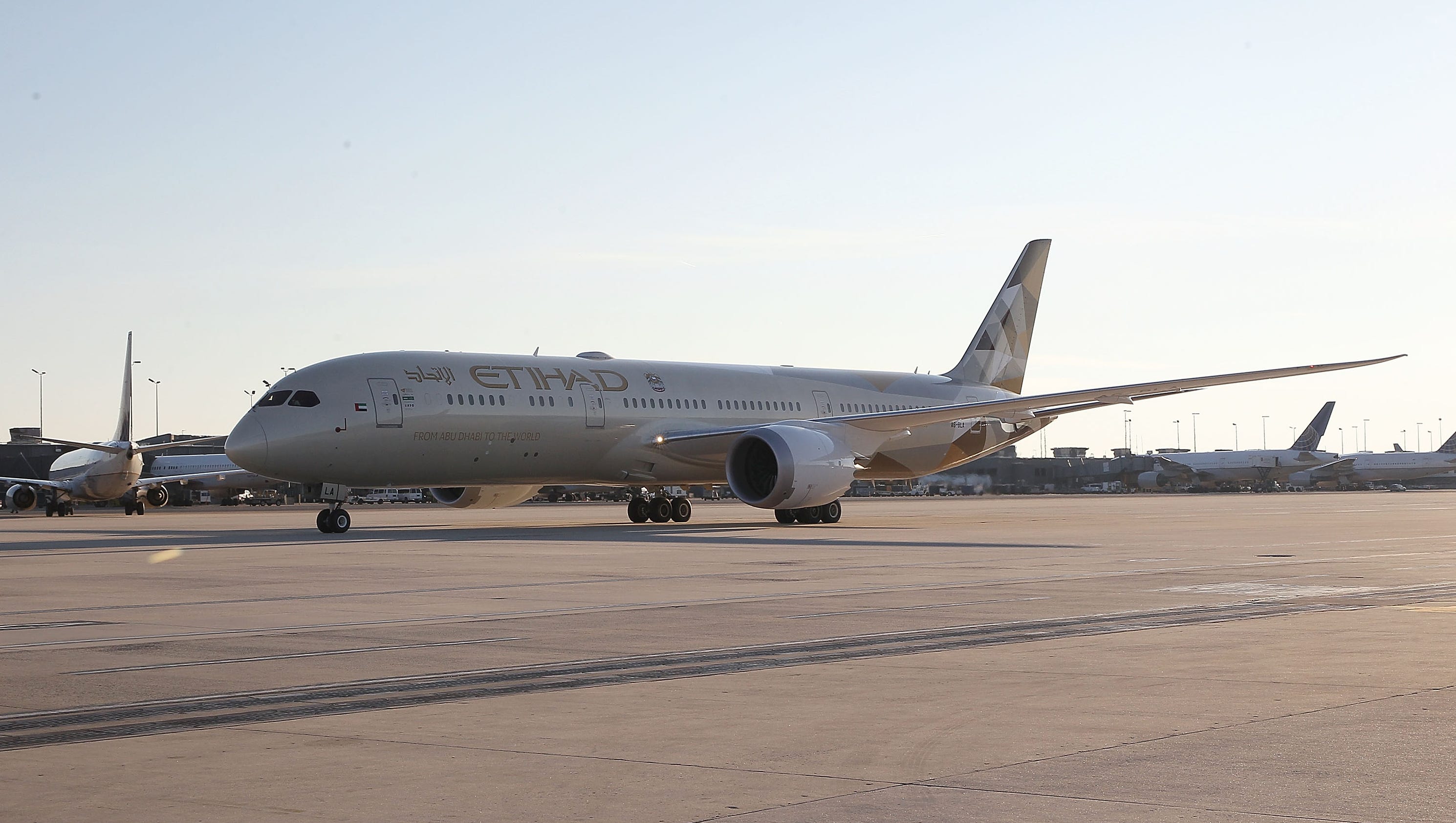
Bajo el nuevo acuerdo, Emirates Airlines, con sede en Dubái, y Etihad Airways, con sede en Abu Dabi, acordarían abrir voluntariamente sus libros contables, acusados ​​durante mucho tiempo por las aerolíneas estadounidenses de oscurecer miles de millones en subsidios. Las aerolíneas también afirmarán a los Estados Unidos que actualmente no tienen planes de agregar vuelos adicionales a Estados Unidos desde Europa u otros destinos fuera de los Emiratos Árabes Unidos.

El trato será similar al alcanzado en Enero 2018 entre los Estados Unidos y Qatar, dijeron las personas. A pesar de años de debate rencoroso, ese acuerdo fue ampliamente aceptado tanto por los qataríes como por las grandes aerolíneas estadounidenses, convirtiéndolo en un modelo atractivo para replicar. Las personas no estaban autorizadas a discutir el trato antes de su finalización y solicitaron el anonimato.

Aunque el acuerdo aún no se ha finalizado y se ha adoptado formalmente, ambas partes han aceptado las líneas generales del acuerdo, dijeron las personas. No estaba claro exactamente cuándo se completaría. El funcionario del Departamento de Estado que supervisa el tema, el subsecretario de Estado para Asuntos Económicos y Comerciales, Manisha Singh, se encuentra en Perú esta semana como parte de la delegación del vicepresidente Mike Pence en la Cumbre de las Américas.

El Departamento de Estado (DOT) dijo que «las discusiones están en curso», pero se negó a confirmar los detalles del acuerdo emergente y agregó que «no hay nada que informar en este momento». La Casa Blanca no respondió a una solicitud de comentarios, y la Embajada de los Emiratos en Washington no hizo ningún comentario.  AIRWAYS® AW-Icon TXT

Resultado de imagen para US-UAE subsidy dispute disputes

US-UAE subsidy dispute disputes

United States and Emirates approach an agreement to resolve a dispute over the air subsidy

The United States and the United Arab Emirates are reaching an agreement to resolve a dispute over years over alleged government subsidies to the Emirati airlines that, according to the main US airlines, have tilted the competition against them, said four people familiar with the negotiations.

Under the new agreement, Emirates Airlines, based in Dubai, and Etihad Airways, based in Abu Dhabi, would agree to voluntarily open their accounting books, long accused by US airlines of obscuring billions in subsidies. The airlines will also affirm to the United States that they currently have no plans to add additional flights to the United States from Europe or other destinations outside the United Arab Emirates.

The deal will be similar to that reached in January 2018 between the United States and Qatar, the people said. Despite years of spiteful debate, that agreement was widely accepted by both the Qataris and the major US airlines, making it an attractive model to replicate. The people were not authorized to discuss the deal before its termination and requested anonymity.

Although the agreement has not yet been finalized and has been formally adopted, both parties have accepted the general lines of the agreement, the people said. It was not clear exactly when it would be completed. The State Department official overseeing the issue, Undersecretary of State for Economic and Trade Affairs, Manisha Singh, is in Peru this week as part of Vice President Mike Pence’s delegation to the Summit of the Americas.

The State Department (DOT) said that «the discussions are ongoing», but declined to confirm the details of the emerging agreement and added that «there is nothing to report at this time». The White House did not respond to a request for comment, and the UAE Embassy in Washington made no comment. A \ W


Ξ A I R G W A Y S Ξ
SOURCE:  Airgways.com
DBk: Foreignpolicy.com / Usatoday.com
AW-POST: 2018040150620AR

A\W   A I R G W A Y S ®

Latam crearía una aerolínea low cost

LATAM_Brazil_Airbus_A350-900_F-WZGU_(to_PR-XTE)_(28915136883).jpg

AW | 2018 04 14 16:48 | AIRLINES

Resultado de imagen para Latam logoLatam Airlines Group se ha visto presionada por la entrada en el mercado de firmas low cost

El mayor grupo de transporte aéreo de América Latina, Latam Airlines Group estaría buscando crear una nueva aerolínea de bajo costo, en medio del auge de los vuelos en ese segmento.

La mayor aerolínea de América Latina anunció el lunes que canceló y reprogramó cerca de 620 vuelos debido a una huelga del sector a partir del martes y durante una semana, logrando que el 85% de los pasajeros afectados modificaran sus vuelos.

Latam Airlines Group solicitó el 23 de Marzo una carta de intenciones para crear una empresa aerocomercial ante la Dirección General de Aeronáutica Civil (DGAC), sin aportar detalles del contenido. La aerolínea informó que siempre están evaluando alternativas para el desarrollo del transporte aéreo en la región. La compañía exploraría la misma opción en la filial de Argentina, pero tendría como obstáculo la limitación de precios.

Con esto, Latam que actualmente atraviesa por una huelga del sindicato de tripulantes de una filial entraría a competir en Chile con las aerolíneas Sky Airline y Jetsmart, del fondo estadounidense Indigo Partners.

Latam Airlines Group, con sede en Santiago de Chile, tiene unidades de operación en Argentina, Brasil, Chile, Colombia, Ecuador, Paraguay y Perú. AIRWAYS® AW-Icon TXT

Resultado de imagen para Latam Aeropuerto wiki

Latam would create a low cost airline

Latam Airlines Group has been pressured by the entry into the market of low cost firms

The largest air transport group in Latin America, Latam Airlines Group would be looking to create a new low-cost airline, in the midst of the boom in flights in that segment.

The largest airline in Latin America announced on Monday that it canceled and rescheduled about 620 flights due to a strike by the sector starting on Tuesday and for a week, causing 85% of affected passengers to modify their flights.

Latam Airlines Group requested a letter of intent on March 23 to create an aviation company before the Directorate General of Civil Aeronautics (DGAC), without providing details of the content. The airline reported that they are always evaluating alternatives for the development of air transport in the region. The company would explore the same option in the subsidiary of Argentina, but it would have as an obstacle the price limitation.

With this, Latam currently going through a strike of the union of crew members of a subsidiary would enter to compete in Chile with the airlines Sky Airline and Jetsmart, of the US fund Indigo Partners.

Latam Airlines Group, based in Santiago, Chile, has operating units in Argentina, Brazil, Chile, Colombia, Ecuador, Paraguay and Peru. A \ W


Ξ A I R G W A Y S Ξ
SOURCE:  Airgways.com
DBk: Latam.com / Wikimedia.org
AW-POST: 201804141648AR

A\W   A I R G W A Y S ®

Aeropuerto Iguazú cierre por obras

Resultado de imagen para Aeropuerto Iguazú

AW | 2018 04 14 16:30 | AIRPORTS

El Aeropuerto Internacional Iguazú permanecerá cerrado por obras de modernización

La Administración Nacional de Aviación Civil (ANAC) informa que el Aeropuerto Internacional Cataratas del Iguazú de la Provincia de Misiones permanecerá cerrado desde entre el 15 de Abril desde las 00.00 hs hasta el 15 de Mayo 2018.

El cierre se producirá en el marco de los trabajos de modernización y mejoras de los aeropuertos del país, y con relación a las obras de infraestructura impulsadas en el “Plan Belgrano” para las provincias del norte argentino,

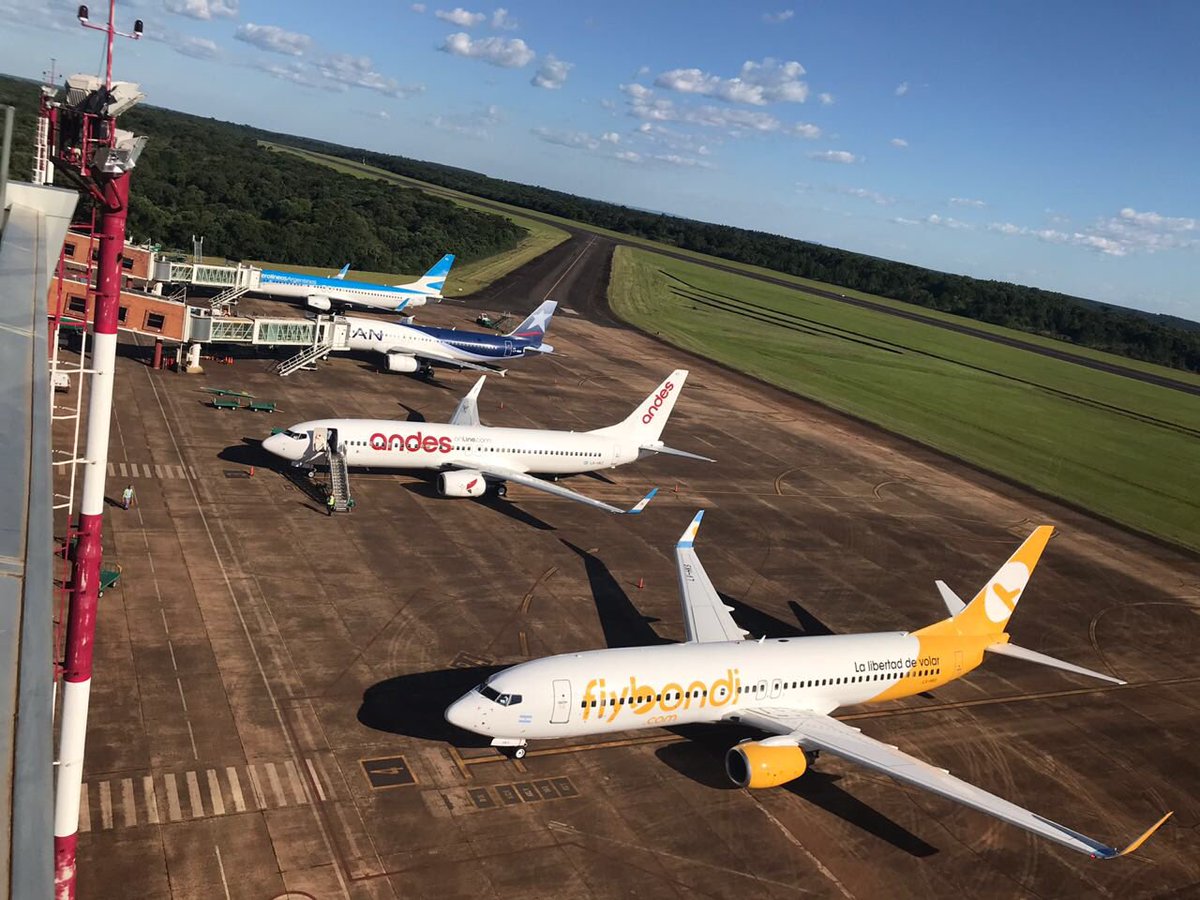
En este período, las líneas aéreas que vuelan desde/hacia esta terminal: Aerolíneas Argentinas, Austral Líneas Aéreas, Latam Airlines, Andes Líneas Aéreas operarán desde el Aeropuerto Foz de Iguazú, en la República de Brasil.

Plan de obras

Dado el crecimiento registrado en las operaciones de la terminal aérea, producto de la «Revolución de los Aviones», se contemplan los trabajos de remodelación y modernización de pistas y terminal, para brindar mayor comodidad y servicios a los pasajeros de vuelos nacionales e internacionales. Las obras para la modernización de la terminal aérea abarcan la rehabilitación de pistas y rodajes, la readecuación y ampliación de la plataforma comercial y de aviación general y la readecuación de la terminal de pasajeros. En la pista 13-31, que posee una longitud de 3300 metros y un ancho de 45, se realizarán trabajos de fresado y repavimentación, la reconstrucción en dársena de giro y la ampliación de márgenes pavimentados en rodajes. La Plataforma, que tiene un largo de 210 metros y 118 metros de ancho, posee 5 posiciones de las cuales 2 tienen mangas. Su ampliación contempla una superficie de 11500 m2 aproximadamente, con el objetivo de disponer de 8 posiciones para aeronaves y 4 mangas.

La terminal de pasajeros contempla varias etapas con el fin de que se mantenga operativa. Inicialmente las obras comprenden la reparación y ampliación del estacionamiento para pasajeros que incluye una nueva playa de estacionamiento de buses.

Los acceso al aeropuerto completa la ampliación del peaje de acceso con una nueva cabina, la pavimentación de la calle de salida de emergencias, la reparación de vialidades existentes, circulaciones peatonales, la división de flujo de tránsito y sectorización; y la construcción de la nueva sala de bombas, el tanque de reserva para incendio y la reserva de agua de consumo.  AIRWAYS® AW-Icon TXT

Iguazú Airport closing for works

Iguazú International Airport will be closed due to modernization works

The National Civil Aviation Administration (ANAC) reports that the Cataratas del Iguazú International Airport of the Province of Misiones will be closed from April 15 from 00.00 until May 15, 2018.

The closure will occur as part of the modernization and improvement works of the country’s airports, and in relation to the infrastructure works promoted in the «Plan Belgrano» for the provinces of northern Argentina,

In this period, the airlines that fly from / to this terminal: Aerolíneas Argentinas, Austral Líneas Aéreas, Latam Airlines, Andes Líneas Aéreas will operate from the Foz de Iguazú Airport, in the Republic of Brazil.

Work plan

Given the growth registered in the operations of the air terminal, product of the «Aircraft Revolution», the works of remodeling and modernization of runways and terminal are contemplated, to provide greater comfort and services to the passengers of national and international flights. The works for the modernization of the air terminal include the rehabilitation of runways and taxiways, the readjustment and expansion of the commercial and general aviation platform and the readjustment of the passenger terminal. On runway 13-31, which has a length of 3300 meters and a width of 45, milling and resurfacing work will be carried out, the reconstruction in a turning dock and the expansion of paved margins in taxiways. The Platform, which is 210 meters long and 118 meters wide, has 5 positions, 2 of which have sleeves. Its extension covers an area of ​​approximately 11500 m2, with the aim of having 8 positions for aircraft and 4 sleeves.

The passenger terminal contemplates several stages in order to keep it operational. Initially, the works include the repair and expansion of passenger parking that includes a new bus parking lot.

The access to the airport completes the extension of the access toll with a new cabin, the paving of the emergency exit street, the repair of existing roads, pedestrian traffic, the division of traffic flow and sectorization; and the construction of the new pump room, the reserve tank for fire and the reserve of drinking water. A \ W


Ξ A I R G W A Y S Ξ
SOURCE:  Airgways.com
DBk: Aa2000.com.ar
AW-POST: 201804141630AR

A\W   A I R G W A Y S ®

Pilotos de Vueling, primera huelga

Resultado de imagen para vueling wiki

AW | 2018 04 14 16:10 | AIRLINES

Imagen relacionadaLos pilotos de Vueling irán a la huelga para que les garanticen que mantendrán sus bases en España

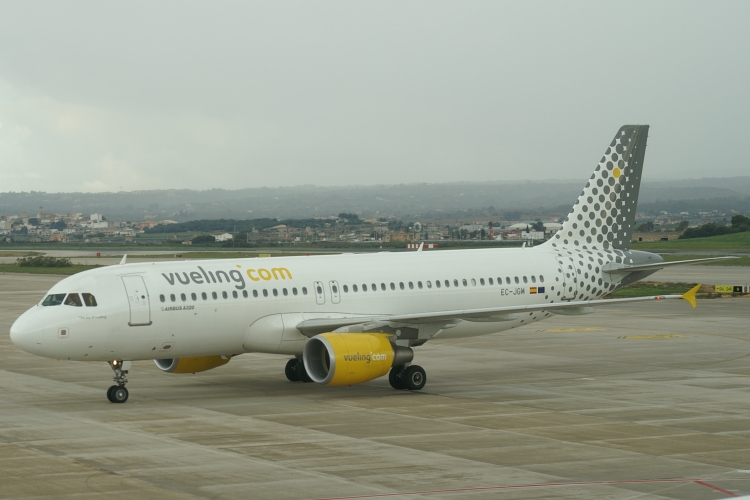
Los pilotos de Vueling han convocado a una huelga los días 25, 26 de Abril y 3 y 4 de Mayo 2018. Los usuarios de la aerolínea low cost española se enfrentan a la posibilidad cada vez más real de vivir la primera huelga de pilotos de la compañía.

El grupo IAG ha estado posicionando a la aerolínea low cost española, ayudado a la compañía a triplicar sus beneficios, y que incluso ha habido repartos de hasta 100 millones de euros de dividendos antes de resultados entre sus accionistas

La única oferta de la aerolínea Vueling ha sido rechazada por el 90% de los pilotos porque no supone una mejora e incluso empeora las condiciones del convenio anterior. En este sentido, argumenta el SEPLA que la compañía ha querido eliminar los niveles profesionales más altos. Para los pilotos de Vueling, sus carreras profesionales se están frenando: cobran un 30% menos de media durante cinco años respecto a sus colegas de las principales competidoras. Además, preocupa mucho la fuga de pilotos y la falta de medidas de la empresa contra ella. Sólo en lo que va de año Sepla calcula que al menos 30 profesionales se han sumado a los 90 que el año pasado dejaron Vueling.

El crecimiento de Vueling está en el zenit del conflicto porque los tripulantes le reclaman lealtad con los acuerdos alcanzados. Se están incumpliendo condiciones del segundo convenio, sentencian justo cuando ahora se negocia el tercero. Consideran que Vueling tiene una deuda con ellos.

El propio consejero de Vueling, Javier Sánchez-Prieto, había anunciado que el crecimiento sería el doble fuera de España. Actualmente, Vueling tiene alrededor de 1.000 pilotos basados en España, y unos 150 en el extranjero. Pero el Sepla teme que esta situación se revierta. Plantearon a la compañía un pacto de crecimiento mínimo en España del 15% y el 85% en el exterior con el fin de evitar que el desarrollo de sus carreras les obligue a trasladarse con sus familias al extranjero.

Vueling no está dispuesta a garantizar absolutamente nada, crecerán donde les parezca conveniente. Los pilotos apuestan por mantener sus bases en España. Ese choque de posturas ha desencadenado el reclamo. El único encuentro entre las partes tras el aviso de huelga es el que ayer por la tarde mantuvieron con las autoridades para fijar unos servicios mínimos que los pilotos se comprometieron ya por la mañana a cumplimentarlo. AIRWAYS® AW-Icon TXT

Vueling pilots, first strike

Vueling pilots will go on strike to ensure they will keep their bases in Spain

The Vueling pilots have called a strike on April 25, 26 and May 3 and 4, 2018. Users of the Spanish low-cost airline face the increasingly real possibility of experiencing the first strike of pilots of the company.

The IAG group has been positioning the Spanish low cost airline, helped the company to triple its profits, and that there have even been distributions of up to 100 million euros of dividends before results among its shareholders.

The only offer of the airline Vueling has been rejected by 90% of the pilots because it is not an improvement and even worsens the conditions of the previous agreement. In this sense, SEPLA argues that the company has wanted to eliminate the highest professional levels. For the Vueling pilots, their professional careers are slowing down: they charge 30% less on average for five years compared to their colleagues in the main competitors. In addition, there is a lot of concern about the flight of pilots and the lack of measures by the company against it. Only so far this year Sepla calculates that at least 30 professionals have joined the 90 that last year left Vueling.

The growth of Vueling is in the zenith of the conflict because the crew members claim loyalty to the agreements reached. The conditions of the second agreement are being violated, they are pronounced just when the third one is negotiated. They consider that Vueling owes them a debt.

The own adviser of Vueling, Javier Sanchez-Prieto, had announced that the growth would be the double outside Spain. Currently, Vueling has around 1,000 pilots based in Spain, and about 150 abroad. But the Sepla fears that this situation will be reversed. They proposed to the company a pact of minimum growth in Spain of 15% and 85% abroad in order to prevent the development of their careers from forcing them to move with their families abroad.

Vueling is not willing to guarantee absolutely anything, they will grow where they see fit. The pilots bet to keep their bases in Spain. That clash of positions has triggered the claim. The only meeting between the parties after the notice of strike is the one that yesterday afternoon they maintained with the authorities to fix some minimum services that the pilots committed themselves already in the morning to complete it. A \ W


Ξ A I R G W A Y S Ξ
SOURCE:  Airgways.com
DBk: Vueling.com
AW-POST: 201804141610AR

A\W   A I R G W A Y S ®

LADE incorpora otro SAAB 340A

15454_1302305270.jpg

AW | 2018 04 13 17:17 | AIRLINES

Resultado de imagen para LADE logoLADE Líneas Aéreas incorporará otro SAAB 340A a su flota

La compañía aérea LADE (Líneas Aéreas Del Estado) ha decidido incorporar otro SAAB 340A a la flota de aviones suecos.

La nueva aeronave el SAAB 340A perteneció a la flota de la ex-empresa Sol Líneas Aéreas con base en Rosario, Argentina. El nuevo avión es el SAAB 340 ex-LV-BEW (msn.150), que ingresó como la primer aeronave a la aerolínea Sol el día 7 Agosto 2006 y cesó sus operaciones el 16 Enero 2016. El SAAB 340 mns.150 fue fabricado en el año 1989 en Suecia.

El SAAB 340A que se encuentra desde hace más de dos años almacenado en el Aeropuerto Internacional Rosario tras el cierre de Sol Líneas Aéreas en Enero 2016. La aeronave regional estuvo realizando puesta a punto de motor y reacondisionamiento.

La nueva aeronave turbohélice de 34 pax servirá para ampliar la demanda de LADE Líneas Aéreas en la Región Patagonia.  AIRWAYS® AW-Icon TXT

100_1325.jpg

LADE other incorporates SAAB 340A

LADE Líneas Aéreas will add another SAAB 340A to its fleet

The airline LADE (Líneas Aéreas del Estado) has decided to add another SAAB 340A to the fleet of Swedish aircraft.

Resultado de imagen para SAAB 340A Sol lineas aereas lv-bewThe new aircraft SAAB 340A belonged to the fleet of the former company Sol Líneas Aéreas based in Rosario, Argentina. The new aircraft is the SAAB 340 ex-LV-BEW (msn.150), which entered as the first aircraft to the Sol airline on August 7, 2006 and ceased operations on January 16, 2016. The SAAB 340 mns.150 was manufactured in the year 1989 in Sweden.

The SAAB 340A, which has been stored at the Rosario International Airport for more than two years after the closure of Sol Líneas Aéreas in January 2016. The regional aircraft was carrying out engine commissioning and reconditioning.

The new 34-pax turboprop aircraft will serve to expand the demand for LADE Airlines in the Patagonia Region. A \ W


Ξ A I R G W A Y S Ξ
SOURCE:  Airgways.com
DBk: Lade.com.ar / Wikimedia.org
AW-POST: 201804131717AR

A\W   A I R G W A Y S ®

Delta incorporaría CS-100 en 4Q2018

Imagen relacionada

AW | 2018 04 13 16:50 | AIRLINES

Bombardier_logo[1]Delta Air Lines espera primer lote de CSeries CS-100 hacia fines de 2018

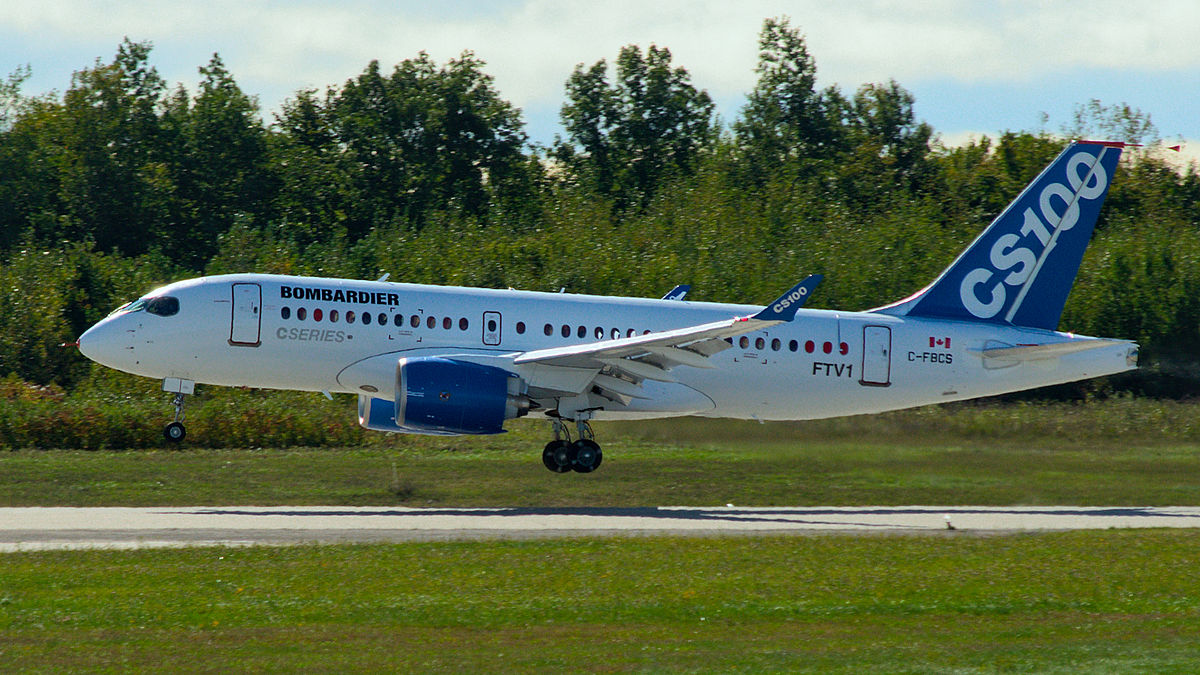
Delta Air Lines planea tomar la entrega de su primer lote de CSeries CS-100 en el 4Q2018, centrando en servicio en la aerolínea a principios de 2019. El transportista tiene 75 CS-100 en orden con Bombardier.

Delta-Logo[1]

Delta Air Lines recibirá un puñado de aviones CS-100 durante el cuarto trimestre de 2018 con su entrada en servicio prevista para el primer trimestre de 2019, dijo el gerente general Ed Bastian durante una llamada de inversionista del primer trimestre. «Nuestro plan es tomar los primeros CSeries antes de fin de año y probablemente iniciarlos en el servicio a comienzos de 2019», expresó.

El transportista estadounidense actualmente tiene setenta y cinco Bombardier CS-100 en orden, el contrato individual más grande para ese tipo.

Según Bombardier, solo tres aerolíneas en todo el mundo han recibido entregas de aviones CSeries desde que el tipo ingresó a servicio comercial a fines de 2016. Actualmente, airBaltic opera CS-300 (8), Korean Air CS-300 (4), Swiss CS-100 (8) y CS-300 (9).

Las inversiones previstas de Delta Air Lines para 2018 son de U$S 4.500 millones se destinarán principalmente a aeronaves, incluidas las entregas de B737-900ER, A321-200s, A350-900s y CS-100s, junto con los pagos anticipados de depósito para estos y A321NEO’s y A330-900NEO’s y modificaciones de aviones en servicio.  AIRWAYS® AW-Icon TXT

Resultado de imagen para Delta CSeries CS100

Delta would incorporate CS-100 in 4Q2018

Delta Air Lines expects first batch of CSeries CS-100 by the end of 2018

Delta Air Lines plans to take delivery of its first batch of CSeries CS-100 in 4Q2018, focusing on service on the airline in early 2019. The carrier has 75 CS-100 in order with Bombardier.

Delta Air Lines will receive a handful of CS-100 aircraft during the fourth quarter of 2018 with its scheduled entry into service in the first quarter of 2019, general manager Ed Bastian said during a first-quarter investor call. «Our plan is to take the first CSeries before the end of the year and probably start them in service at the beginning of 2019», he said.

The American carrier currently has seventy-five Bombardier CS-100s in order, the largest individual contract for that type.

According to Bombardier, only three airlines worldwide have received deliveries of CSeries since the type entered commercial service at the end of 2016. Currently, airBaltic operates CS-300 (8), Korean Air CS-300 (4), Swiss CS-100 (8) and CS-300 (9).

The planned investments of Delta Air Lines for 2018 are US $ 4,500 million, mainly for aircraft, including deliveries of B737-900ER, A321-200s, A350-900s and CS-100s, together with advance deposit payments for these and A321NEO’s and A330-900NEO’s and aircraft modifications in service. A \ W


Ξ A I R G W A Y S Ξ
SOURCE:  Airgways.com
DBk: Bombardier.com / Delta.com
AW-POST: 201804131650AR

A\W   A I R G W A Y S ®

IATA solicita a Venezuela reconsideración suspensiones de vuelos de Copa Airlines

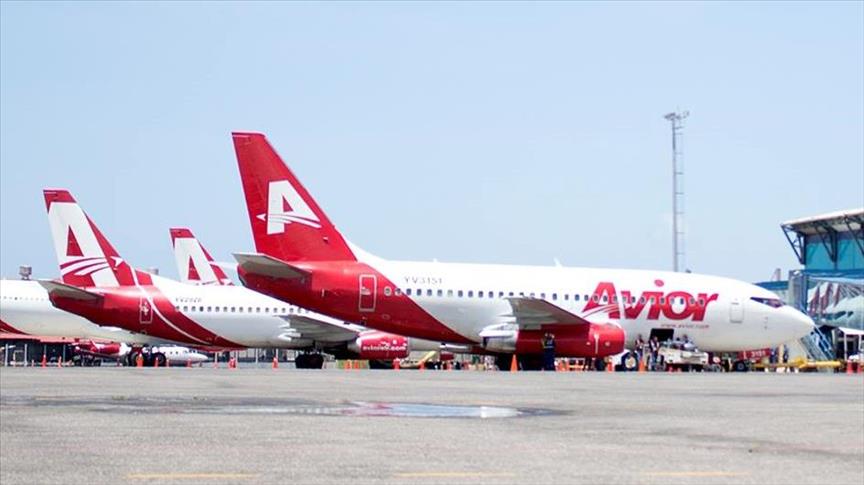
Resultado de imagen para aerolineas venezolanas en Panama

AW | 2018 04 13 16:27 | AIRLINES / GOVERNMENT

IATA ha solicitado al Gobierno de Venezuela que reconsidere la suspensión de los vuelos de la aerolínea panameña Copa Airlines

La Asociación Internacional de Transporte Aéreo (IATA) a través de una carta dirigida al Ministro de Transporte de Venezuela ha reclamado la reincorporación de los vuelos de Copa Airlines hacia Venezuela, para facilitar la conectividad entre ambos países.

La Asociación Internacional de Transporte Aéreo ha formulado un reclamo formal ante las autoridades competentes de Venezuela para que “se reconsidere la decisión de suspender por 90 días los vuelos operados por Copa Airlines desde y hacia la República Bolivariana de Venezuela, anunciada en la Gaceta Oficial N°6369 Extraordinario del 5 de abril de 2018. De la manera más respetuosa me permito solicitar que se reconsidere esta decisión y que se permita a la mayor brevedad que Copa Airlines reinicie la prestación de sus servicios en el territorio venezolano, con el fin de permitir la continuidad del transporte aéreo y la conectividad de los ciudadanos”, insta Peter Cerdá, Vicepresidente Regional Las Américas, quien firma la misiva.

De manera recíproca, el Gobierno de la República de Panamá ha suspendido los vuelos de todas las aerolíneas venezolanas que tienen frecuencias hacia Panamá. AIRWAYS® AW-Icon TXT

Resultado de imagen para aerolineas venezolanas en Panama

IATA requests Venezuela to reconsider suspensions of Copa Airlines flights

IATA has requested the Government of Venezuela to reconsider the suspension of flights of the Panamanian airline Copa Airlines

The International Air Transport Association (IATA) through a letter addressed to the Minister of Transport of Venezuela has called for the reincorporation of Copa Airlines flights to Venezuela, to facilitate connectivity between both countries.

The International Air Transport Association has filed a formal complaint with the competent authorities of Venezuela to «reconsider the decision to suspend for 90 days the flights operated by Copa Airlines from and to the Bolivarian Republic of Venezuela, announced in the Official Gazette N ° 6369 Extraordinary of April 5, 2018. In the most respectful way I allow myself to request that this decision be reconsidered and that Copa Airlines restart the provision of its services in the Venezuelan territory as soon as possible. to allow the continuity of air transport and the connectivity of citizens», urges Peter Cerdá, Regional Vice President Las Américas, who signs the letter. 

Reciprocally, the Government of the Republic of Panama has suspended the flights of all Venezuelan airlines that have frequencies to Panama. A \ W


Ξ A I R G W A Y S Ξ
SOURCE:  Airgways.com
DBk: Aa.com.tr
AW-POST: 201804131627AR

A\W   A I R G W A Y S ®