JetSmart pospone ops a Rosario

JetSmart iniciará ops a Rosario |

AW | 2021 05 18 00:15 | AIRLINES ROUTES

Rosario vs continuidad operativa por falta de demanda

Jetsmart_Isologotype

El Aeropuerto Internacional Rosario es nuevamente noticia tras la confirmación de que la aerolínea low cost JetSmart Airlines Argentina ha pospuesto el retorno de los vuelos a la aeroestación santafesina. Tras nueve meses de restricciones operativas la aerolínea de presupuesto JetSmart Airlines Argentina retomaba las operaciones aerocomerciales regulares entre el Rosario y Neuquén el 22 de Diciembre de 2021 marcando el retorno de la ultra low-cost al aeropuerto rosarino con una frecuencia semanal, mientras que para el verano septentrional planeaba aumentar las frecuencias entre Rosario y Neuquén dependiendo de la incidencia de la pandemia.

JetSmart Argentina había anunciado en Abril la suspensión de las operaciones para Mayo, la aerolínea ha expresado la prolongación de su regreso a Rosario hacia Julio 2021. Muchos de los pasajeros habían comprado pasajes para Mayo y Junio, pero la compañía ahora ha establecido un nuevo estiramiento de la programación de sus vuelos hacia el Martes, 6 de Julio de 2021 como fecha de restablecimiento de las operaciones a Rosario vía Neuquén.

El comunicado de la aerolínea ha expresado: «La adecuación de los itinerarios y frecuencias para el mes de Mayo, esta situación se enmarca en un fuerte descenso de la demanda de vuelos producto por la pandemia. por eso estamos consolidando la propuesta por los próximos treinta días y ya hemos notificado a las autoridades de cada destino, a la vez que iniciamos los contactos con los pasajeros para ofrecerles alternativas para este período».

Tras cancelar los otros destinos a los que servía desde Rosario hacia Salta y Mendoza, la aerolínea de presupuesto argentina ahora espera restablecer sus operaciones comerciales hacia el 06/07 de su única ruta aérea Rosario-Neuquén con dos frecuencias semanales.

JetSmart postpones ops to Rosario

Rosario vs operational continuity due to lack of demand

AW-Jetsmart_Rosario-Neuquén_001

Rosario International Airport is once again in the news after the confirmation that the low cost airline JetSmart Airlines Argentina has postponed the return of flights to the Santa Fe airport. After nine months of operating restrictions, the budget airline JetSmart Airlines Argentina resumed regular commercial air operations between Rosario and Neuquén on December 22, 2021, marking the return of the ultra low-cost to Rosario airport on a weekly basis, while for the Northern summer planned to increase the frequencies between Rosario and Neuquén depending on the incidence of the pandemic.

JetSmart Argentina had announced in April the suspension of operations for May, the airline has expressed the extension of its return to Rosario to July 2021. Many of the passengers had bought tickets for May and June, but the company has now established a new stretch of the programming of its flights towards Tuesday, July 6, 2021 as the date of reestablishment of operations to Rosario via Neuquén

The airline’s statement has stated: «The adaptation of the itineraries and frequencies for the month of May, this situation is part of a sharp decrease in the demand for flights caused by the pandemic. That is why we are consolidating the proposal for the next thirty days and we have already notified the authorities of each destination, at the same time that we initiate contacts with passengers to offer them alternatives for this period».

After canceling the other destinations it served from Rosario to Salta and Mendoza, the Argentine budget airline now expects to reestablish its commercial operations by 07/06 of its only Rosario-Neuquén air route with two weekly frequencies.

PUBLISHER: Airgways.com
DBk: Jetsmart.com / Aeropuertorosario.com / Airgways.com
AW-POST: 202105180015AR

A\W   A I R G W A Y S ®
Rosario habilitación sistema AWOS

AW | 2021 05 18 00:13 | AIRPORTS

Aeropuerto recibió habilitación sistema meteorológico

Aeropueerto Rosario_Isologotype

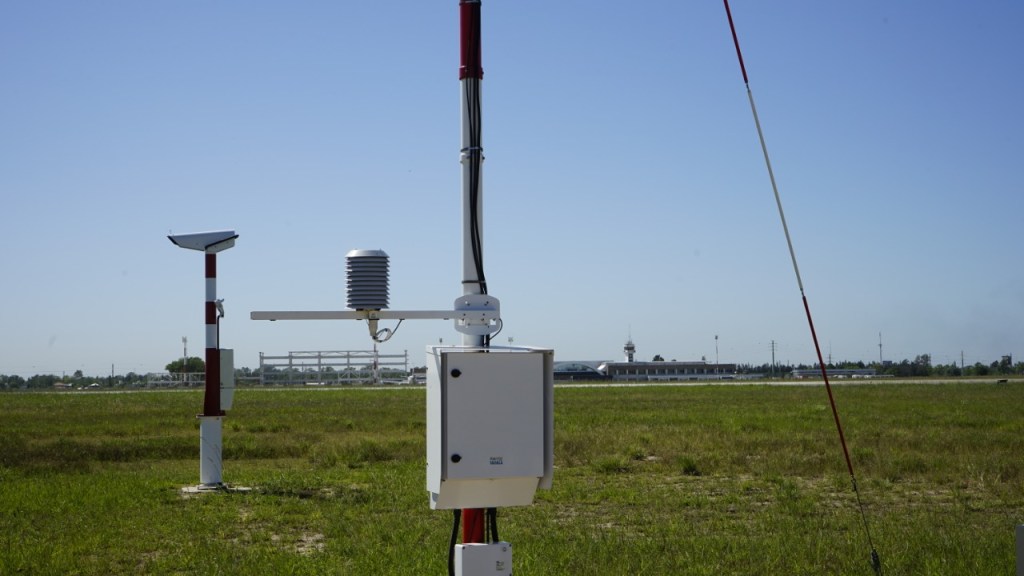
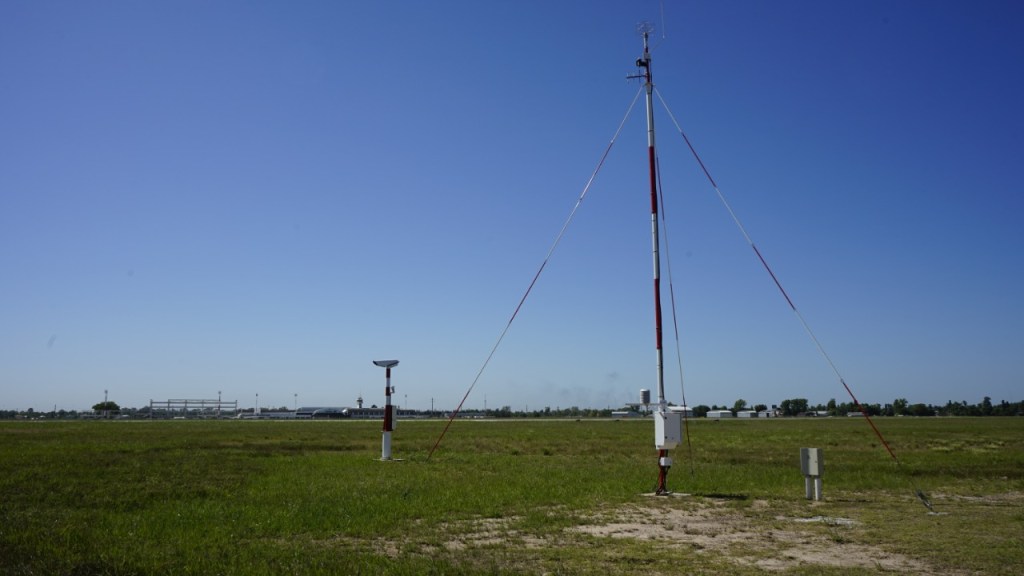
El Aeropuerto Internacional Rosario SAAR/ROS ha inaugurado el Automatic Weather Observation System (AWOS), un sistema automático de observación meteorológico, lo que permite a la aerostación optimizar sus condiciones de operatividad mediante la verificación y habilitación de un nuevo equipo de observación meteorológico que se suma al equipamiento de radio ayudas.

El Presidente del Directorio del Aeropuerto Internacional Rosario/Islas Malvinas (AIR), Eduardo Romagnoli informó que el Servicio Meteorológico Nacional (SMN) y la Empresa Argentina de Navegación Aérea (EANA) habilitaron el nuevo Sistema AWOS. Eduardo Romagnoli ha expresado que “somos el primer aeropuerto no concesionado en contar con este equipamiento que nos permite dar un paso más para elevar la categoría operativa del AIR, y somos el cuarto a nivel nacional de contar con este instrumental luego de Ezeiza, Aeroparque y Córdoba». Lucas Berengua Coordinador Nacional de Redes del Servicio Meteorológico Nacional ha dicho respecto al nuevo instrumental meteorológico que «permite operar en condiciones de visibilidad muy bajas o marginales, siendo importante la sincronización con otros elementos de radio ayudas como el ILS y el sistema de luces de aproximación lo que determinará las nuevas cartas instrumentales para la operación reduciendo los mínimos de visibilidad exigibles”. “Actualmente el AIR requiere 1.200 metros de visibilidad para aterrizaje y 800 para despegues. Una vez instalados todos los equipos, desde la Empresa Argentina de Navegación Aérea (EANA) fijaremos los nuevos mínimos exigibles y emitiremos las nuevas cartas instrumentales de aeronavegabilidad”, indicó Romina Viola, la Jefa Subregional Rosario de EANA.

Sistema AWOS

El Automatic Weather Observation System (AWOS) funciona de manera automática a lo largo de toda la pista en tres puntos de medición que proporcionan al observador meteorológico todas las variables para que complemente y emita los informes de rutina y especiales de operación del aeropuerto y brinda información a las oficinas centrales meteorológicas para realizar despegues y aterrizajes. Un AWOS CAT III mide y transmite de manera automática en ambas cabeceras de pista y en su punto medio datos instantáneos de alta precisión de las condiciones meteorológicas actuales: visibilidad, alcance visual en pista, altura de la base de las nubes, precipitación, dirección y velocidad de viento, temperatura, presión atmosférica y otros parámetros. De esta manera, los controladores de tránsito aéreo contarán con más y mejor información para su toma de decisiones, como también mejorar la regularidad de la operación minimizando disrupciones que generan demoras y cancelaciones. La información de tránsito aéreo que se genera es fundamental para la programación local, regional e internacional de los vuelos que llegan y salen desde Rosario y/o transitan por la Región Centro.

Rosario AWOS system enablement

Airport received meteorological system rating

Rosario SAAR/ROS International Airport has inaugurated the Automatic Weather Observation System (AWOS), an automatic meteorological observation system, which allows the ballooning to optimize its operating conditions by verifying and enabling a new meteorological observation equipment that is add to the radio equipment aids.

The Chairman of the Board of Directors of Rosario/Islas Malvinas International Airport (AIR), Eduardo Romagnoli informed that the National Meteorological Service (SMN) and the Argentine Air Navigation Company (EANA) have enabled the new AWOS System. Eduardo Romagnoli has stated that “we are the first non-concessioned airport to have this equipment that allows us to take a further step to raise the operational category of AIR, and we are the fourth nationwide to have this instrument after Ezeiza, Aeroparque and Córdoba». Lucas Berengua National Coordinator of Networks of the National Meteorological Service has said regarding the new meteorological instruments that «it allows to operate in conditions of very low or marginal visibility, being important the synchronization with other elements of radio aids such as the ILS and the system of approach lights, which will determine the new instrument charts for the operation, reducing the minimum required visibility”. “Currently the AIR requires 1,200 meters of visibility for landing and 800 for take-off. Once all the equipment has been installed, the Argentine Air Navigation Company (EANA) will set the new minimum requirements and issue the new instrumental airworthiness charts”, indicated Romina Viola, EANA’s Rosario Subregional Chief.

AWOS system

The Automatic Weather Observation System (AWOS) works automatically along the entire runway at three measurement points that provide the meteorological observer with all the variables to complement and issue routine and special airport operation reports and provide information to the meteorological headquarters for takeoffs and landings. An AWOS CAT III automatically measures and transmits at both runway headwaters and at their midpoint high-precision instantaneous data of current weather conditions: visibility, runway visual range, cloud base height, precipitation, direction and wind speed, temperature, atmospheric pressure and other parameters. In this way, air traffic controllers will have more and better information for their decision-making, as well as improve the regularity of the operation by minimizing disruptions that generate delays and cancellations. The air traffic information that is generated is essential for the local, regional and international programming of the flights that arrive and depart from Rosario and/or transit through the Central Region.

PUBLISHER: Airgways.com
DBk: Aeropuertorosario.com / Eana.com.ar / Smn.gob.ar / Airgways.com
AW-POST: 202105180013AR

A\W   A I R G W A Y S ®