El resurgimiento y el auge de la carga aérea ha estado aumentando con el advenimiento de la pandemia, mientras las aerolíneas de pasajeros han atravesado difíciles obstáculos. La carga ha tenido un gran crecimiento en número de aeronaves como así también en la formación de nuevas compañías. La nueva aerolínea de la República de Panamá, Cargo Three, ha recibido recientemente el Certificado de Operador Aeronáutico (AOC) en Panamá como base de operaciones de Cargo Three en el Aeropuerto Internacional de Tocumen/PTY. Actualmente, la nueva carguera no ha comunicado las rutas aéreas a explotar.
A300, protagonista
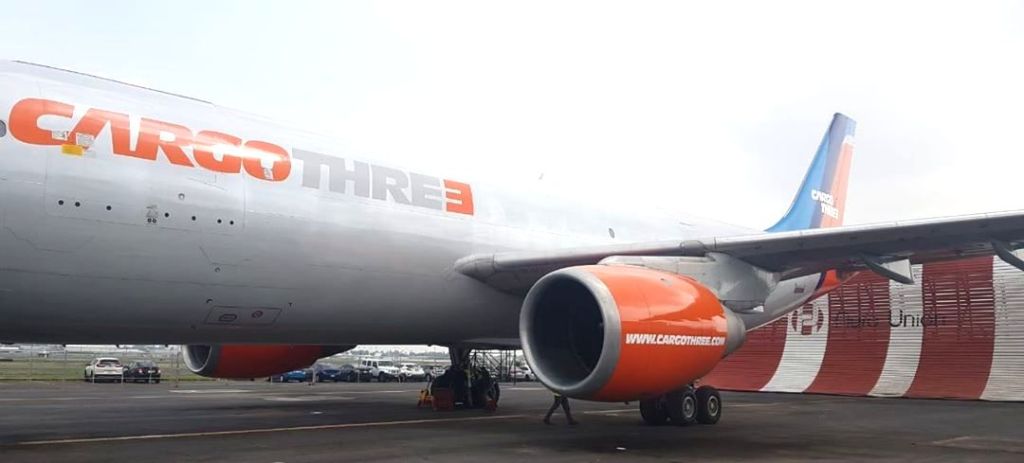
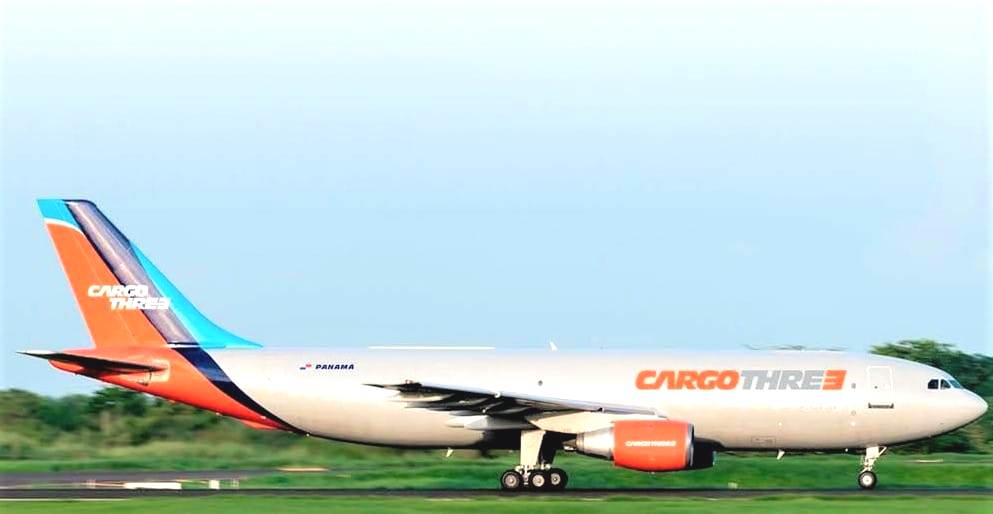
Cargo Three iniciará operaciones con aeronaves Airbus A300 Freighter. Un avión se encuentra estacionado en el Aeropuerto de la Ciudad de México con la librea de la nueva compañía, un Airbus A300B4-200 con 37 años de antigüedad con matrícula HP-1755CTW. Históricamente, el avión fue operado para Pan American Wolrd Airways (PanAm), luego Carnival Ailines y más tarde fue arrendada a la línea aérea chilena Ladeco Airlines, retornando a Carnival Airlines, para finalmente permanecer en tierra. Para los nuevos tiempos, el A300 fue convertido de pasajeros a carguero y así, en Febrero del 2001 se unió a la aerolínea española Pan Air Líneas Aéreas. En el 2009 fue adquirida por WFBN Wells Fargo Bank Northwest y un año más tarde a la aerolínea de carga mexicana AeroUnion con registro XA-FPP. El A300 se mantuvo en almacenamiento de septiembre del 2019 al 30 de Julio del 2020 en Orlando, Florida. Según el historial, fue registrado en el pasado 02/2021 por la estadounidense Southern Aircraft Charters. Actualmente, la aeronave volará para Cargo Three de Panamá.
Cargo Three new Panamanian startup
Panamá strengthens cargo with a new airline
The resurgence and boom in air cargo has been increasing with the advent of the pandemic, as passenger airlines have faced difficult hurdles. Cargo has had a great growth in the number of aircraft as well as in the formation of new companies. The new airline of the Republic of Panama, Cargo Three, has recently received the Aeronautical Operator Certificate (AOC) in Panama as Cargo Three’s base of operations at the Tocumen International Airport / PTY. Currently, the new cargo has not communicated the air routes to be exploited.
A300, protagonist
Cargo Three will begin operations with Airbus A300 Freighter aircraft. A plane is parked at the Mexico City Airport in the livery of the new company, a 37-year-old Airbus A300B4-200 with registration HP-1755CTW. Historically, the aircraft was operated for Pan American Wolrd Airways (PanAm), then Carnival Ailines and later it was leased to the Chilean airline Ladeco Airlines, returning to Carnival Airlines, to finally remain on the ground. For the new times, the A300 was converted from passenger to freighter and thus, in February 2001 it joined the Spanish airline Pan Air Lineas Aereas. In 2009 it was acquired by WFBN Wells Fargo Bank Northwest and a year later from the Mexican cargo airline AeroUnion with XA-FPP registration. The A300 was kept in storage from September 2019 to July 30, 2020 in Orlando, Florida. According to the history, it was registered in the past 02/2021 by the American Southern Aircraft Charters. Currently, the aircraft will fly to Cargo Three in Panama.
Eastern Airlines ha anunciado un nuevo destino en Sudamérica en Montevideo, República Oriental del Uruguay el 24 de Junio de 2021 incorporando su quinto destino latinoamericano. La compañía aérea realizará vuelos directos de Miami hacia Montevideo con dos frecuencias semanales inicialmente. La nueva ruta Montevideo forma de la ampliación de destinos que la aerolínea continúa incorporando a su red de destinos. “Para nosotros como compañía es de un gran agrado e importancia poder conectar estas dos ciudades y ayudar al fortalecimiento turístico de la región”, dijo el Director Regional de Eastern Airlines para Suramérica, Andrés Sotomayor. Actualmente, la aerolínea opera en Latinoamérica desde Miami y Boston hacia Santo Domingo, República Dominicana; Miami—Quito, Nueva York—Guayaquil, Miami—Asunción del Paraguay. El Ministro de Turismo de Uruguay, Germán Cardoso indicó que, “es importante recuperar la conectividad, forma parte de la planificación que vinimos haciendo para cuando lleguemos a la reapertura de fronteras y del sector turístico”.
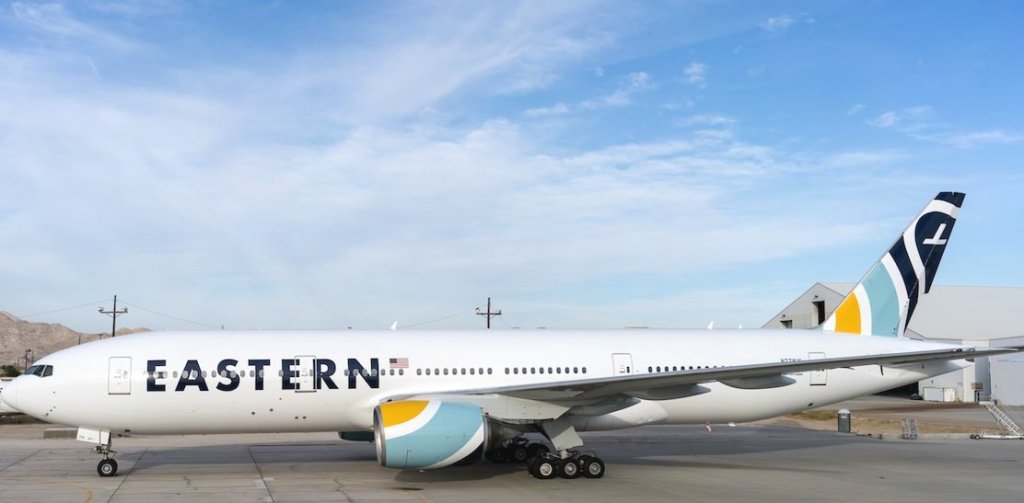
Eastern Airlines tiene una flota actual de doce aeronaves Boeing 767-200/ER (2), Boeing 767-300/ER (3) y Boeing 777-200ER (1) y Boeing 747-400BFC (1), que actualmente se encuentra estacionado. Estas aeronaves de amplio radio de acción le permite a la aerolínea realizar operaciones con alta demanda de pasajeros a destinos tradicionales.
Eastern Airlines fue fundada originalmente en 1926 y en 1930 inició su crecimiento hasta alcanza a ser una de las cuatro principales aerolíneas americanas. La aerolínea ha sido refundada y certificada en los Estados Unidos a partir de 2007 y se especializa en vuelos directos punto a punto.
Easter Airlines también planea otras operaciones futuras hacia Belo Horizonte, Brasil con vuelos desde Nueva York, Miami y Boston. Las autoridades de Uruguay están negociando con otras compañías para agregar nuevas frecuencias desde Estados Unidos.
Eastern new destination Uruguay
Eastern Airlines lands in Montevideo
Eastern Airlines has announced a new destination in South America in Montevideo, Oriental Republic of Uruguay on June 24, 2021, incorporating its fifth Latin American destination. The airline will carry out direct flights from Miami to Montevideo with two weekly frequencies initially. The new Montevideo route forms the expansion of destinations that the airline continues to incorporate into its network of destinations. «For us as a company it is of great pleasure and importance to be able to connect these two cities and help strengthen tourism in the region», said the Regional Director of Eastern Airlines for South America, Andrés Sotomayor. Currently, the airline operates in Latin America from Miami and Boston to Santo Domingo, Dominican Republic; Miami—Quito, New York-Guayaquil, Miami—Asunción del Paraguay. The Minister of Tourism of Uruguay, Germán Cardoso indicated that, «it is important to recover connectivity, it is part of the planning that we have been doing for when we reach the reopening of borders and the tourism sector».
Eastern Airlines has a current fleet of twelve Boeing 767-200/ER (2), Boeing 767-300/ER (3) and Boeing 777-200ER (1) and Boeing 747-400BFC (1) aircraft, which is currently parked. These wide-range aircraft allow the airline to carry out operations with high passenger demand to traditional destinations.
Eastern Airlines was originally founded in 1926 and in 1930 began its growth until it became one of the four main American airlines. The airline has been re-founded and certified in the United States as of 2007 and specializes in direct point-to-point flights.
Easter Airlines also plans other future operations to Belo Horizonte, Brazil with flights from New York, Miami and Boston. Uruguayan authorities are negotiating with other companies to add new frequencies from the United States.
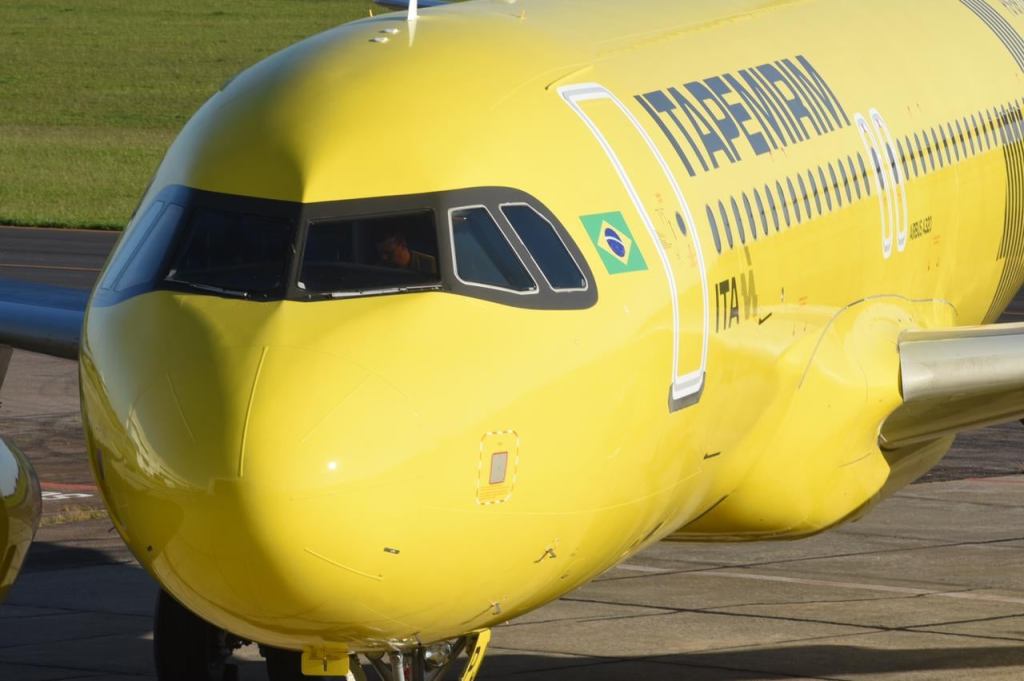
Itapemirim Transportes Aéreos ha anunciado el inicio de venta de pasajes aéreos en Brasil el próximo Viernes 21/05. Como parte de las estrategias de la compañía, la aerolínea inicia su proceso de apertura de emisión de ticket a través del sitio web de Voeita.com.br o a través de agencias de viajes. La aerolínea posee una plataforma en todo Brasil para potenciar sus ventas de pasajes en las agencias de buses del propio grupo lo que le permitirá aumentar sus posibilidades de captación de clientes. El vuelo inaugural de la nueva aerolínea brasileña está programado para el 29 de Junio de 2021 como parte de los actos de inauguración, mientras que el inicio de vuelos comerciales se realizará al día siguiente, el Domingo, 30 de Junio de 2021.
Para el inicio de operaciones en su etapa inicial comprenderá ocho destinos: Belo Horizonte/Confins (MG), Brasilia (DF), Curitiba (PR), Porto Alegre (RS), Porto Seguro (BA), Río de Janeiro-Galeão (RJ), Salvador (BA) y São Paulo/Guarulhos (SP). Una próxima segunda etapa enlazará: Recife (PE), Maceió (AL), Fortaleza (CE), Florianópolis (SC), Vitória (ES) y Natal (RN) se añadirán a la malla a partir del 1 de Agosto de 2021. Para Junio de 2022, la compañía tiene la intención de ampliar su cobertura y llegar a 35 destinos en Brasil aún no confirmados.
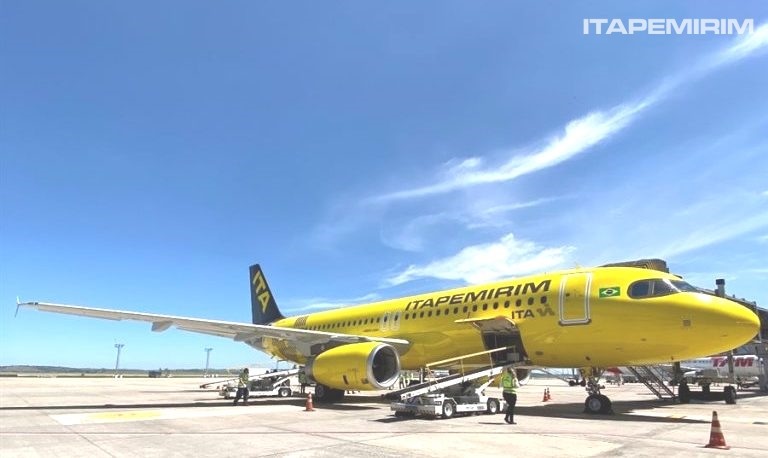
Itapemirim Transportes Aéreos empleará aeronaves Airbus A320-200CEO de 162 asientos. Entre los servicios ofrecidos se encuentra la posibilidad de envío gratuito de equipaje para todas las clases de tarifa y, cuando sea posible, servicio a bordo con comidas calientes. La flota de aeronaves de ITA tendrá cinco aviones Airbus A320-200CEO. Se espera que la compañía llegue a fin de año con un total de veinte aviones del modelo. En el primer semestre de 2022, recibirá cinco aviones al mes. Hacia Junio de 2022, la flota total será de cincuenta aviones. «Estamos reconfigurando los aviones a 162 asientos para que nuestros pasajeros puedan disfrutar de un viaje asequible, pero con toda la comodidad y seguridad. Aprovecharemos este enorme conocimiento en el transporte de pasajeros, esta experiencia de Brasil y los brasileños y llevaremos todas nuestras diferencias de servicio a un nivel mucho más alto: colorear los cielos del país con el tradicional ‘Itapemirim amarillo’. Ita es suficiente para democratizar el transporte aéreo nacional permanentemente», explica Sidnei Piva, Presidente del Grupo Itapemirim.
Itapemirim starts the ticket sale process
Brazilian startup starts issuing air tickets 05/21
Itapemirim Transportes Aéreos has announced the start of the sale of air tickets in Brazil next Friday 05/21. As part of the company’s strategies, the airline begins its ticket issuance process through the Voeita.com.br website or through travel agencies. The airline has a platform throughout Brazil to boost its ticket sales in the group’s own bus agencies, which will allow it to increase its chances of attracting customers. The inaugural flight of the new Brazilian airline is scheduled for June 29, 2021 as part of the opening ceremonies, while the commencement of commercial flights will take place the following day, Sunday, June 30, 2021.
For the start of operations in its initial stage, it will comprise eight destinations: Belo Horizonte/Confins (MG), Brasilia (DF), Curitiba (PR), Porto Alegre (RS), Porto Seguro (BA), Rio de Janeiro-Galeão (RJ ), Salvador (BA) and São Paulo/ Guarulhos (SP). A next second stage will link: Recife (PE), Maceió (AL), Fortaleza (CE), Florianópolis (SC), Vitória (ES) and Natal (RN) will be added to the grid as of August 1, 2021. To June 2022, the company intends to expand its coverage and reach 35 destinations in Brazil not yet confirmed.
Itapemirim Transportes Aéreos will use Airbus A320-200CEO aircraft with 162 seats. Among the services offered is the possibility of free luggage delivery for all fare classes and, where possible, on-board service with hot meals. ITA’s aircraft fleet will have five Airbus A320-200CEO aircraft. The company is expected to reach the end of the year with a total of twenty aircraft of the model. In the first half of 2022, it will receive five planes a month. By June 2022, the total fleet will be fifty aircraft. «We are reconfiguring the aircraft to 162 seats so that our passengers can enjoy an affordable trip, but with all the comfort and safety. We will take advantage of this enormous knowledge in passenger transport, this experience of Brazil and the Brazilians and we will take all our differences from service at a much higher level: coloring the skies of the country with the traditional ‘Itapemirim yellow’. Ita is enough to democratize national air transport permanently», explains Sidnei Piva, President of the Itapemirim Group.
Itapemirim inicia processo de venda de ingressos
Startup brasileira começa a emitir passagens aéreas 21/05
A Itapemirim Transportes Aéreos anunciou o início da venda de passagens aéreas no Brasil na próxima sexta-feira, 21/05. Como parte das estratégias da empresa, a companhia aérea inicia seu processo de emissão de passagens pelo site Voeita.com.br ou por agências de viagens. A companhia aérea tem uma plataforma em todo o Brasil para impulsionar a venda de passagens nas agências de ônibus próprias do grupo, o que lhe permitirá aumentar suas chances de atrair clientes. O vôo inaugural da nova companhia aérea brasileira está previsto para 29 de Junho de 2021 como parte das cerimônias de abertura, enquanto o início dos vôos comerciais acontecerá no dia seguinte, Domingo, 30 de junho de 2021.
Para o início das operações em sua fase inicial, serão oito destinos: Belo Horizonte/Confins (MG), Brasília (DF), Curitiba (PR), Porto Alegre (RS), Porto Seguro (BA), Rio de Janeiro- Galeão (RJ), Salvador (BA) e São Paulo/Guarulhos (SP). Uma próxima segunda etapa ligará: Recife (PE), Maceió (AL), Fortaleza (CE), Florianópolis (SC), Vitória (ES) e Natal (RN) serão adicionadas à grade a partir de 1 de Agosto de 2021. Para Em Junho de 2022, a empresa pretende ampliar sua cobertura e chegar a 35 destinos no Brasil ainda não confirmados.
A Itapemirim Transportes Aéreos utilizará aeronaves Airbus A320-200CEO com 162 assentos. Entre os serviços oferecidos está a possibilidade de entrega gratuita de bagagens para todas as classes tarifárias e, quando possível, serviço de bordo com refeições quentes. A frota de aeronaves do ITA terá cinco aeronaves Airbus A320-200CEO. A previsão é que a empresa chegue ao final do ano com um total de vinte aeronaves do modelo. No primeiro semestre de 2022, receberá cinco aviões por mês. Em junho de 2022, a frota total será de cinquenta aeronaves. “Estamos reconfigurando a aeronave para 162 lugares para que nossos passageiros tenham uma viagem acessível, mas com todo conforto e segurança. Vamos aproveitar esse enorme conhecimento em transporte de passageiros, essa experiência do Brasil e dos brasileiros e vamos levar todas as nossas diferenças de atendimento em um patamar muito superior: colorindo os céus do país com o tradicional ‘amarelo Itapemirim’. O Itaú é o suficiente para democratizar o transporte aéreo nacional de forma permanente”, explica Sidnei Piva, presidente do Grupo Itapemirim.
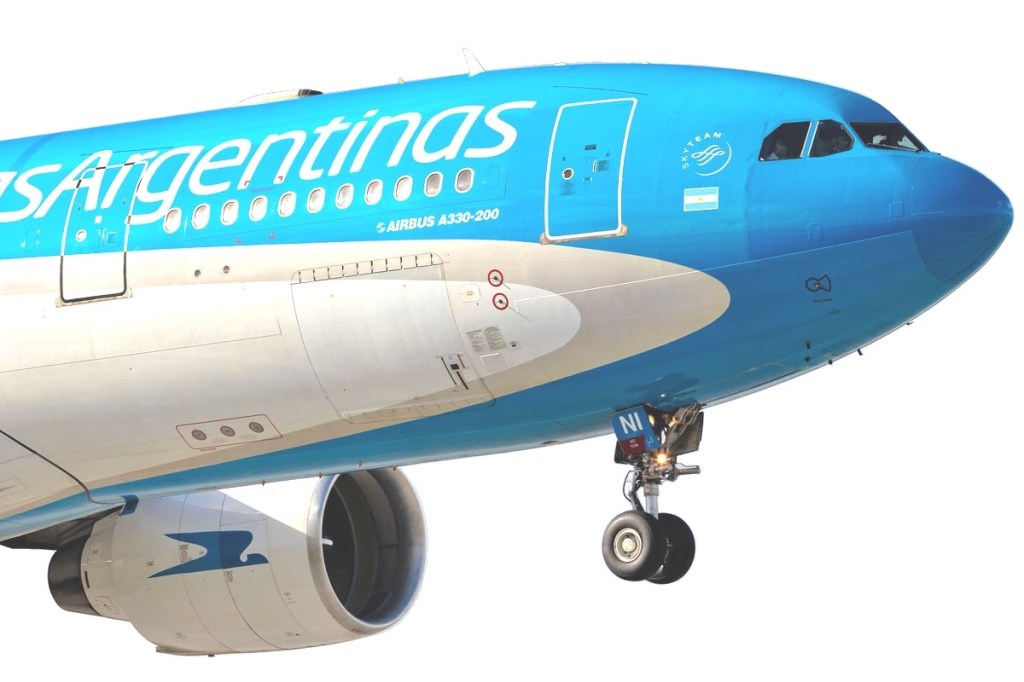
El Departamento de Transporte (DOT) de los Estados Unidos ha emitido una orden correspondiente al tratado de reciprocidad de vuelos con la República Argentina mediante la Orden Nº2021-5-10, del DOT mediante la cual manifiesta el reclamo en el comunicado que la compañía Aerolíneas Argentinas deberá estipularla programación por adelantado de los vuelos correspondiente entre Argentina y Estados Unidos y viceversa. La razón del reclamo del Departamento de Transporte radica en que la agencia de la Administración Nacional de Aviación Civil (ANAC) de Argentina mediante la Decisión Administrativa emitida por el Gobierno de Argentina faculta a limitar el tráfico aéreo entre Estados Unidos y Argentina. El DOT ha expresado que la decisión impuesta por Argentina atentan contra la posibilidad de ejercer justa e igualitariamente los derechos adquiridos bajo el acuerdo bilateral de tráfico aéreo regular, firmado en 1985. El acuerdo bilateral rige las relaciones de la aviación comercial entre ambos países, mediante el Artículo 11 que establece que «las partes permitirán oportunidades igualitarias para las aerolíneas designadas por cada país para competir en la provisión de servicios prevista por este acuerdo».
El Departamento de Transporte indica que a partir de las Decisiones Administrativas Nº155/2021, Nº219/2021 y Nº268/2021, la ANAC ha forzado la reducción de los servicios aéreos en un 33 al 66%, desde Enero de 2021. Además, Transportation ha reclamado casos referentes a la inviabilidad de los vuelos debido a servicios inviables desde la óptica aerocomercial, por lo que muchas aerolíneas estadounidenses tuvieron que cancelar frecuencias. El Jueves, 13 de Abril de 2021 el DOT ha emitido el reclamo correspondiente a la ANAC reclamando la metodología implementada por la agencia referente al otorgamiento de servicios aéreos, aunque la respuesta ha sido ambigua. Ante la falta de respuesta concluyentes por parte de la ANAC Argentina, el Departamento de Transporte de Estados Unidos emite su reclamo expresando que «el interés público requiere que el operador presente su cronograma para que podamos determinar si el funcionamiento de los servicios contenidos en esa programación puede ser contrario a la ley aplicable o afectar negativamente dicho interés público». Correspondientemente, el DOT ha decidido imponer a la transportadora Aerolíneas Argentinas la obligación de enviar antes del 24 de Mayo de 2021 un detalle de las operaciones a realizar desde y hacia Estados Unidos, indicando los detalles como aeronave a emplear, frecuencias de servicio, fechas y horarios de operaciones, servicios a aeropuertos, para lo cual exige una antelación de treinta días a la fecha de su programación de vuelos, concluyendo que el Departamento de Transporte de estados Unidos se reserva además el derecho de enmendar, modificar o revocar la orden emitida sin necesidad de audiencia de las partes.
DOT claims Argentina reciprocity
US transportation demands equal treatment
The Department of Transportation (DOT) of the United States has issued an order corresponding to the reciprocity treaty of flights with the Argentine Republic through Order No. 2021-5-10, of the DOT by means of which it expresses the claim in the statement that the company Aerolíneas Argentinas must stipulate the programming in advance of the corresponding flights between Argentina and the United States and vice versa. The reason for the claim of the Department of Transportation is that the agency of the National Civil Aviation Administration (ANAC) of Argentina through the Administrative Decision issued by the Government of Argentina empowers to limit air traffic between the United States and Argentina. The DOT has stated that the decision imposed by Argentina undermines the possibility of exercising just and equally the rights acquired under the bilateral agreement on regular air traffic, signed in 1985. The bilateral agreement governs commercial aviation relations between both countries, through Article 11, which establishes that «the parties shall allow equal opportunities for the airlines designated by each country to compete in the provision of services provided by this agreement».
The Department of Transportation indicates that from Administrative Decisions Nº155/2021, Nº219/2021 and Nº268/2021, the ANAC has forced the reduction of air services by 33 to 66%, since January 2021. In addition, Transportation has claimed cases referring to the unfeasibility of flights due to unfeasible services from the commercial point of view, for which many US airlines had to cancel frequencies. On Thursday, April 13, 2021, the DOT issued the corresponding claim to the ANAC claiming the methodology implemented by the agency regarding the granting of air services, although the response has been ambiguous. In the absence of a conclusive response from ANAC Argentina, the United States Department of Transportation issues its claim stating that «the public interest requires the operator to present its schedule so that we can determine whether the operation of the services contained in that programming can be contrary to applicable law or negatively affect said public interest». Correspondingly, the DOT has decided to impose on the carrier Aerolíneas Argentinas the obligation to send before May 24, 2021 a detail of the operations to be carried out from and to the United States, indicating the details such as aircraft to be used, service frequencies, dates and hours of operations, services to airports, for which it requires thirty days in advance of the date of its flight schedule, concluding that the United States Department of Transportation also reserves the right to amend, modify or revoke the order issued without need for a hearing of the parties.
DEPARTMENT OF TRANSPORTATION/DOT ORDER No. 2021-5-10
Aérea consigue posicionarse en Aeropuerto Jorge Newbery
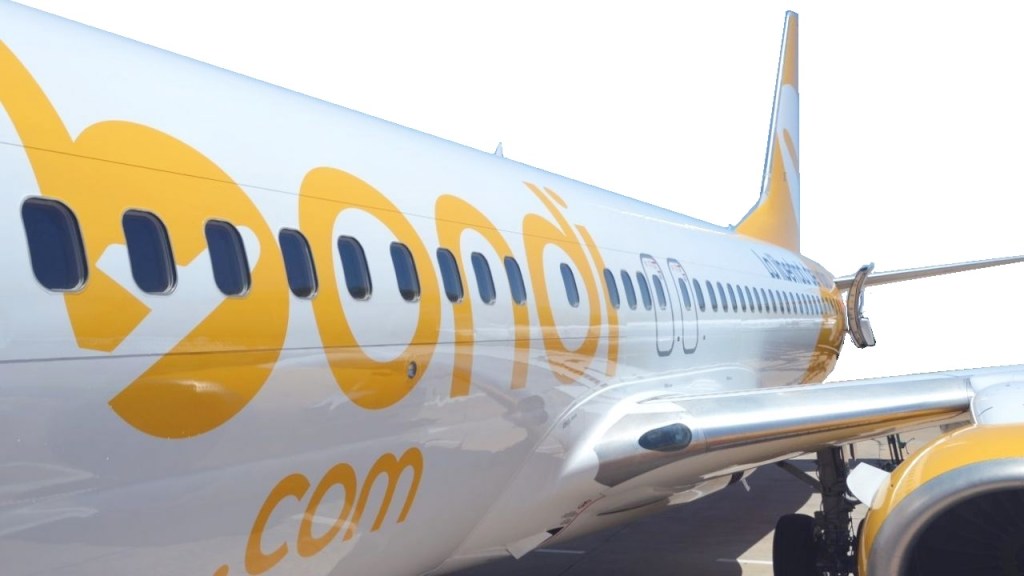
Flybondi Líneas Aéreas consigue establecerse en su nueva base operativa de Aeroparque, luego de la crisis por la continuidad del Aeropuerto El Palomar. Aunque las pretensiones de seguir volando desde El Palomar siguen vigentes, la low cost argentina logra alcanzar un buen posicionamiento en el principal centro distribuidor de Argentina. Después de treinta días de su arribo al Aeropuerto Jorge Newbery SABE/AEP, Flybondi ha desarrollado un alto coeficiente de ocupación con más de 52.000 pasajeros transportados hacia los doce destinos domésticos que sirve actualmente.
Impulso de Flybondi
Tras la bienvenida de la aerolínea al nuevo aeropuerto, Flybondi ha desarrollado una muy buena performance en el desarrollo del factor de ocupación con un 75% en sus aeronaves Boeing 737-800, alcanzando por cuarto mes consecutivo ser la línea aérea con mejor nivel de ocupación del país. Flybondi, la primer aerolínea low cost de la era de la Revolución de los Aviones, continúa logrando una posición como la segunda aerolínea más elegida de Argentina con el 14% de la cuota del mercado y alcanzando niveles de puntualidad de un 97% en Abril 2021 en los más de 360 vuelos efectuados, a pesar de los desafíos de la pandemia.
El CEO de Flybondi, Mauricio Sana, ha expresado su alegría: “Estamos felices con los resultados de este primer mes en Aeroparque, y agradecemos a nuestros clientes, a las autoridades y al gran equipo de Flybondi que lo hizo posible. En un mismo mes cambiamos de aeropuerto, tuvimos puntualidad récord en todos los vuelos, fuimos la aerolínea con mayor ocupación en el país y tuvimos un muy buen market share. Ahora el desafío es la temporada baja, pero sabemos que tenemos una excelente oferta de rutas, las tarifas más bajas del mercado y un estricto protocolo sanitario para que viajen con tranquilidad”.
Adicionalmente, la aerolínea de presupuesto argentina suma novedades como bonificaciones en sus servicios durante la semana del 10 al 14 de Mayo de 2021 con tarifas con descuentos de hasta el 50% para volar a sus doce destinos domésticos. Como parte de la fidelización de los usuarios, Flybondi llega a un acuerdo con Club La Nación (diario) para que sus socios accedan a un 20% de descuento en los precios publicados. A partir del mes de Mayo 2021, Flybondi comercializa sus productos a través de las plataformas de Despegar y TurismoCity.
Flybondi continúa avanzando hacia su plena reactivación aerocomercial a pesar de las restricciones por la pandemia, pero se muestra esperanzada de retomar sus servicios con la plena confianza de adaptarse a los cambio y desarrollar se resiliencia en tiempos de turbulencias.
Flybondi prospects at Aeroparque
Airline manages to position itself at Jorge Newbery Airport
Flybondi Líneas Aéreas manages to establish itself in its new Aeroparque operating base, after the crisis due to the continuity of El Palomar Airport. Although the intentions of continuing to fly from El Palomar are still valid, the Argentine low cost manages to achieve a good position in the main distribution center in Argentina. After thirty days of its arrival at the Jorge Newbery SABE/AEP Airport, Flybondi has developed a high occupancy coefficient with more than 52,000 passengers transported to the twelve domestic destinations it currently serves.
Flybondi boost
After welcoming the airline to the new airport, Flybondi has developed a very good performance in the development of the load factor with 75% in its Boeing 737-800 aircraft, reaching for the fourth consecutive month being the airline with the best occupancy level from the country. Flybondi, the first low cost airline of the era of the Aircraft Revolution, continues to achieve a position as the second most chosen airline in Argentina with 14% of the market share and reaching punctuality levels of 97% in April 2021 in the more than 360 flights carried out, despite the challenges of the pandemic.
The CEO of Flybondi, Mauricio Sana, has expressed his joy: “We are happy with the results of this first month at Aeroparque, and we thank our clients, the authorities and the great Flybondi team that made it possible. In the same month we changed airports, we had record punctuality on all flights, we were the airline with the highest occupancy in the country and we had a very good market share. Now the challenge is the low season, but we know that we have an excellent offer of routes, the lowest rates in the market and a strict health protocol so that they travel with peace of mind.»
Additionally, the Argentine budget airline adds new features such as bonuses in its services during the week of May 10 to 14, 2021 with discounted rates of up to 50% to fly to its twelve domestic destinations. As part of user loyalty, Flybondi reaches an agreement with Club La Nación (newspaper) so that its members can access a 20% discount on published prices. As of May 2021, Flybondi markets its products through the Despegar and TurismoCity platforms.
Flybondo continues to move towards its full commercial aviation reactivation despite the restrictions due to the pandemic, but is hopeful to resume its services with the full confidence of adapting to change and developing resilience in times of turbulence.
Rosario vs continuidad operativa por falta de demanda
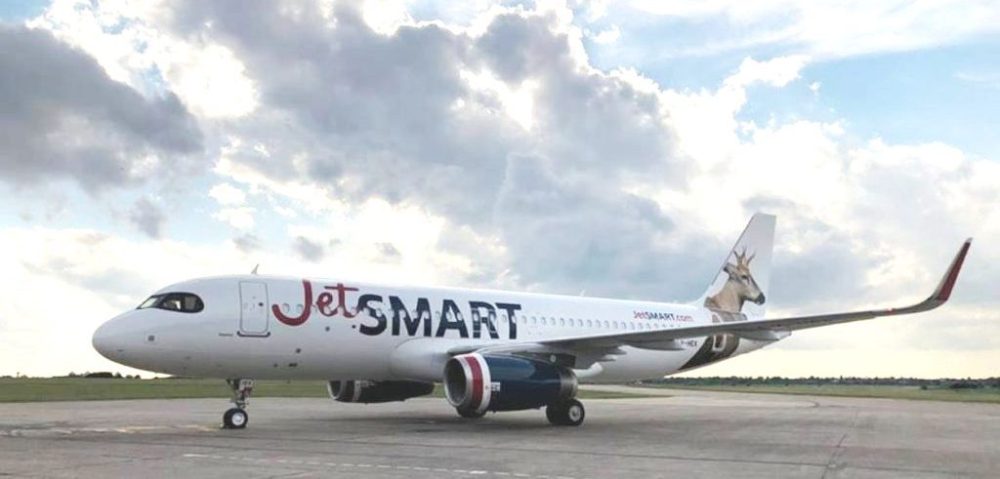
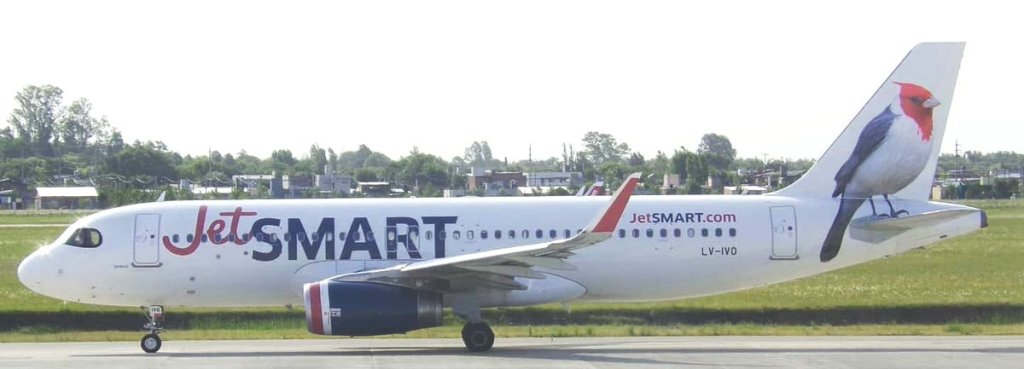
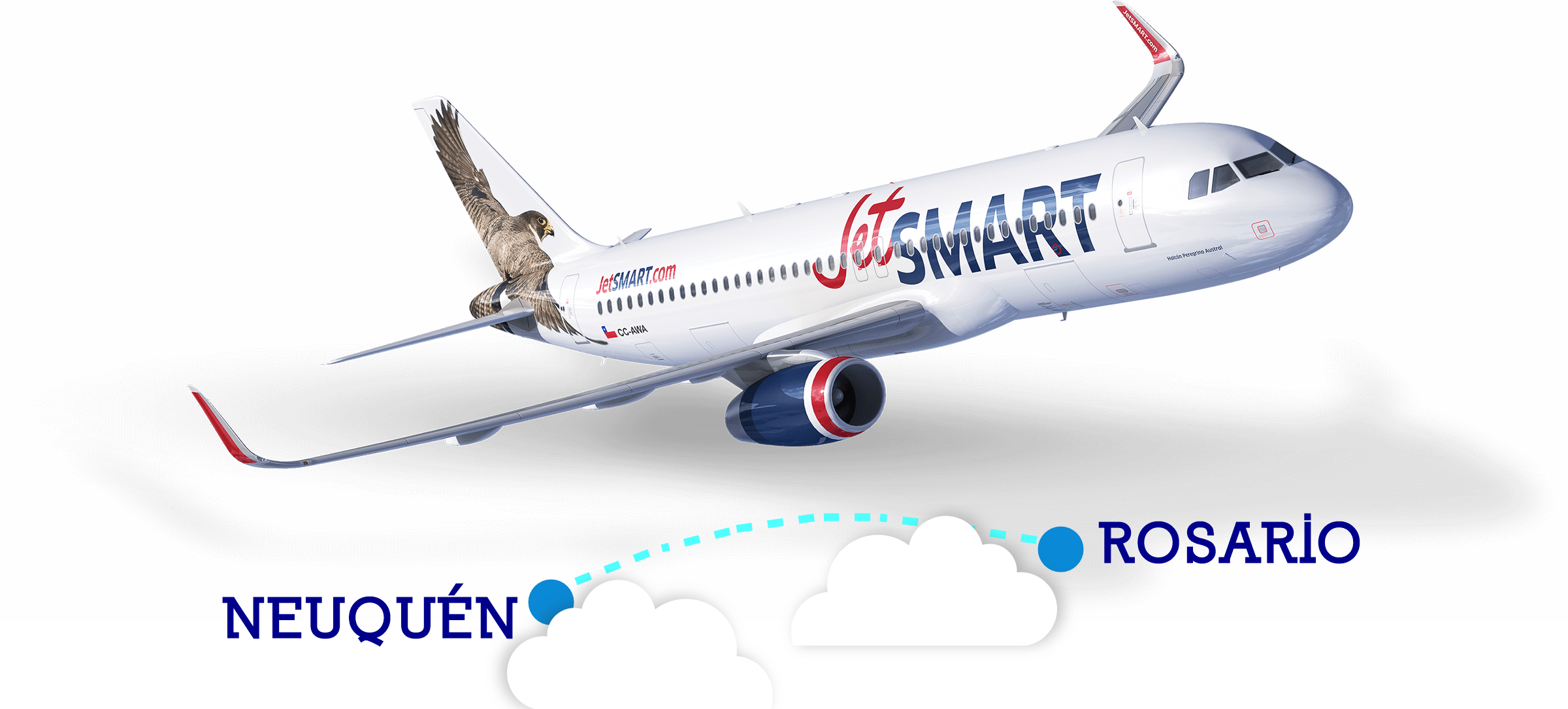
El Aeropuerto Internacional Rosario es nuevamente noticia tras la confirmación de que la aerolínea low cost JetSmart Airlines Argentina ha pospuesto el retorno de los vuelos a la aeroestación santafesina. Tras nueve meses de restricciones operativas la aerolínea de presupuesto JetSmart Airlines Argentina retomaba las operaciones aerocomerciales regulares entre el Rosario y Neuquén el 22 de Diciembre de 2021 marcando el retorno de la ultra low-cost al aeropuerto rosarino con una frecuencia semanal, mientras que para el verano septentrional planeaba aumentar las frecuencias entre Rosario y Neuquén dependiendo de la incidencia de la pandemia.
JetSmart Argentina había anunciado en Abril la suspensión de las operaciones para Mayo, la aerolínea ha expresado la prolongación de su regreso a Rosario hacia Julio 2021. Muchos de los pasajeros habían comprado pasajes para Mayo y Junio, pero la compañía ahora ha establecido un nuevo estiramiento de la programación de sus vuelos hacia el Martes, 6 de Julio de 2021 como fecha de restablecimiento de las operaciones a Rosario vía Neuquén.
El comunicado de la aerolínea ha expresado: «La adecuación de los itinerarios y frecuencias para el mes de Mayo, esta situación se enmarca en un fuerte descenso de la demanda de vuelos producto por la pandemia. por eso estamos consolidando la propuesta por los próximos treinta días y ya hemos notificado a las autoridades de cada destino, a la vez que iniciamos los contactos con los pasajeros para ofrecerles alternativas para este período».
Tras cancelar los otros destinos a los que servía desde Rosario hacia Salta y Mendoza, la aerolínea de presupuesto argentina ahora espera restablecer sus operaciones comerciales hacia el 06/07 de su única ruta aérea Rosario-Neuquén con dos frecuencias semanales.
JetSmart postpones ops to Rosario
Rosario vs operational continuity due to lack of demand
Rosario International Airport is once again in the news after the confirmation that the low cost airline JetSmart Airlines Argentina has postponed the return of flights to the Santa Fe airport. After nine months of operating restrictions, the budget airline JetSmart Airlines Argentina resumed regular commercial air operations between Rosario and Neuquén on December 22, 2021, marking the return of the ultra low-cost to Rosario airport on a weekly basis, while for the Northern summer planned to increase the frequencies between Rosario and Neuquén depending on the incidence of the pandemic.
JetSmart Argentina had announced in April the suspension of operations for May, the airline has expressed the extension of its return to Rosario to July 2021. Many of the passengers had bought tickets for May and June, but the company has now established a new stretch of the programming of its flights towards Tuesday, July 6, 2021 as the date of reestablishment of operations to Rosario via Neuquén
The airline’s statement has stated: «The adaptation of the itineraries and frequencies for the month of May, this situation is part of a sharp decrease in the demand for flights caused by the pandemic. That is why we are consolidating the proposal for the next thirty days and we have already notified the authorities of each destination, at the same time that we initiate contacts with passengers to offer them alternatives for this period».
After canceling the other destinations it served from Rosario to Salta and Mendoza, the Argentine budget airline now expects to reestablish its commercial operations by 07/06 of its only Rosario-Neuquén air route with two weekly frequencies.
Aeropuerto recibió habilitación sistema meteorológico
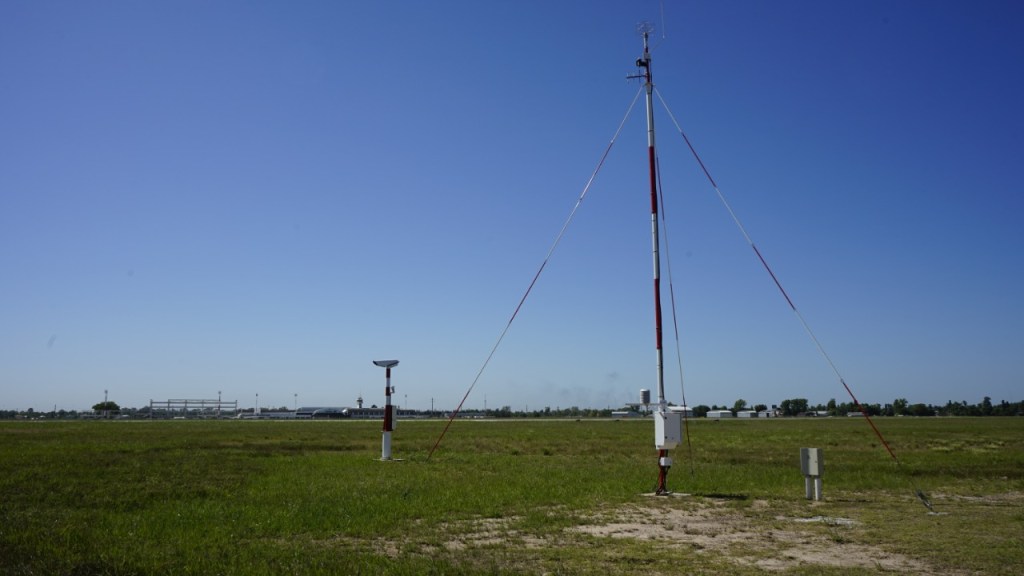
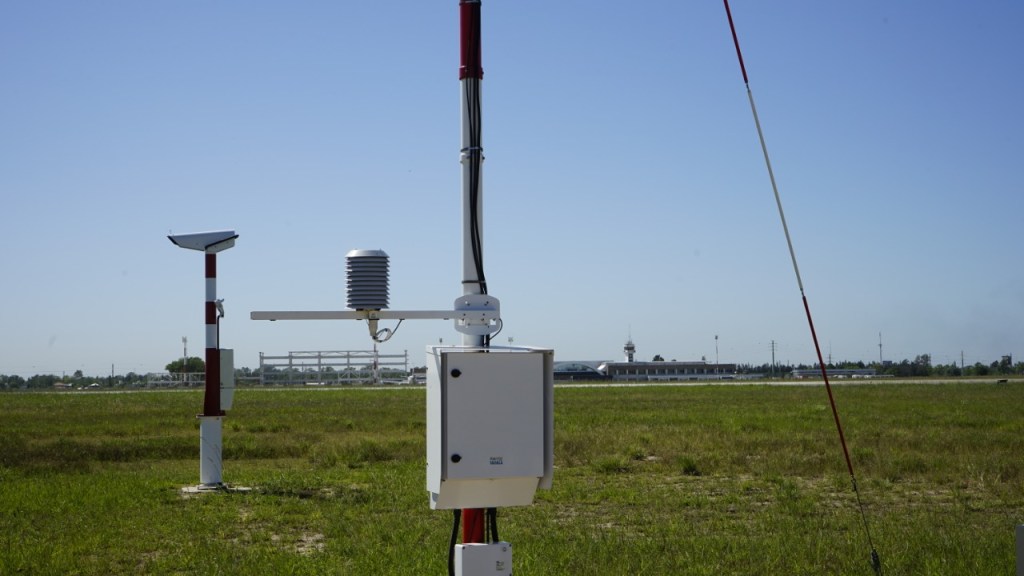
El Aeropuerto Internacional Rosario SAAR/ROS ha inaugurado el Automatic Weather Observation System (AWOS), un sistema automático de observación meteorológico, lo que permite a la aerostación optimizar sus condiciones de operatividad mediante la verificación y habilitación de un nuevo equipo de observación meteorológico que se suma al equipamiento de radio ayudas.
El Presidente del Directorio del Aeropuerto Internacional Rosario/Islas Malvinas (AIR), Eduardo Romagnoli informó que el Servicio Meteorológico Nacional (SMN) y la Empresa Argentina de Navegación Aérea (EANA) habilitaron el nuevo Sistema AWOS. Eduardo Romagnoli ha expresado que “somos el primer aeropuerto no concesionado en contar con este equipamiento que nos permite dar un paso más para elevar la categoría operativa del AIR, y somos el cuarto a nivel nacional de contar con este instrumental luego de Ezeiza, Aeroparque y Córdoba». Lucas Berengua Coordinador Nacional de Redes del Servicio Meteorológico Nacional ha dicho respecto al nuevo instrumental meteorológico que «permite operar en condiciones de visibilidad muy bajas o marginales, siendo importante la sincronización con otros elementos de radio ayudas como el ILS y el sistema de luces de aproximación lo que determinará las nuevas cartas instrumentales para la operación reduciendo los mínimos de visibilidad exigibles”. “Actualmente el AIR requiere 1.200 metros de visibilidad para aterrizaje y 800 para despegues. Una vez instalados todos los equipos, desde la Empresa Argentina de Navegación Aérea (EANA) fijaremos los nuevos mínimos exigibles y emitiremos las nuevas cartas instrumentales de aeronavegabilidad”, indicó Romina Viola, la Jefa Subregional Rosario de EANA.
Sistema AWOS
El Automatic Weather Observation System (AWOS) funciona de manera automática a lo largo de toda la pista en tres puntos de medición que proporcionan al observador meteorológico todas las variables para que complemente y emita los informes de rutina y especiales de operación del aeropuerto y brinda información a las oficinas centrales meteorológicas para realizar despegues y aterrizajes. Un AWOS CAT III mide y transmite de manera automática en ambas cabeceras de pista y en su punto medio datos instantáneos de alta precisión de las condiciones meteorológicas actuales: visibilidad, alcance visual en pista, altura de la base de las nubes, precipitación, dirección y velocidad de viento, temperatura, presión atmosférica y otros parámetros. De esta manera, los controladores de tránsito aéreo contarán con más y mejor información para su toma de decisiones, como también mejorar la regularidad de la operación minimizando disrupciones que generan demoras y cancelaciones. La información de tránsito aéreo que se genera es fundamental para la programación local, regional e internacional de los vuelos que llegan y salen desde Rosario y/o transitan por la Región Centro.
Rosario AWOS system enablement
Airport received meteorological system rating
Rosario SAAR/ROS International Airport has inaugurated the Automatic Weather Observation System (AWOS), an automatic meteorological observation system, which allows the ballooning to optimize its operating conditions by verifying and enabling a new meteorological observation equipment that is add to the radio equipment aids.
The Chairman of the Board of Directors of Rosario/Islas Malvinas International Airport (AIR), Eduardo Romagnoli informed that the National Meteorological Service (SMN) and the Argentine Air Navigation Company (EANA) have enabled the new AWOS System. Eduardo Romagnoli has stated that “we are the first non-concessioned airport to have this equipment that allows us to take a further step to raise the operational category of AIR, and we are the fourth nationwide to have this instrument after Ezeiza, Aeroparque and Córdoba». Lucas Berengua National Coordinator of Networks of the National Meteorological Service has said regarding the new meteorological instruments that «it allows to operate in conditions of very low or marginal visibility, being important the synchronization with other elements of radio aids such as the ILS and the system of approach lights, which will determine the new instrument charts for the operation, reducing the minimum required visibility”. “Currently the AIR requires 1,200 meters of visibility for landing and 800 for take-off. Once all the equipment has been installed, the Argentine Air Navigation Company (EANA) will set the new minimum requirements and issue the new instrumental airworthiness charts”, indicated Romina Viola, EANA’s Rosario Subregional Chief.
AWOS system
The Automatic Weather Observation System (AWOS) works automatically along the entire runway at three measurement points that provide the meteorological observer with all the variables to complement and issue routine and special airport operation reports and provide information to the meteorological headquarters for takeoffs and landings. An AWOS CAT III automatically measures and transmits at both runway headwaters and at their midpoint high-precision instantaneous data of current weather conditions: visibility, runway visual range, cloud base height, precipitation, direction and wind speed, temperature, atmospheric pressure and other parameters. In this way, air traffic controllers will have more and better information for their decision-making, as well as improve the regularity of the operation by minimizing disruptions that generate delays and cancellations. The air traffic information that is generated is essential for the local, regional and international programming of the flights that arrive and depart from Rosario and/or transit through the Central Region.
CAA y EASA firman procedimientos técnicos aeroespaciales
La Autoridad de Aviación Civil del Reino Unido (CAA) y la Agencia de Seguridad Aérea de la Unión Europea (EASA) han concluido las negociaciones sobre los Procedimientos Técnicos de Aplicación (TIP), que se firmaron este Lunes 17/05.
La firma del TIP, que establece las medidas que el sector aeroespacial debe adoptar para diseñar y producir nuevas piezas aeroespaciales que se mueven entre el Reino Unido y la UE, indica la estrecha relación de trabajo continua entre las dos organizaciones ahora que el Reino Unido ha abandonado el sistema regulatorio europeo.
EASA/CAA agree on TIP procedures
CAA and EASA sign aerospace technical procedures
The United Kingdom Civil Aviation Authority (CAA) and the European Union Aviation Safety Agency (EASA) have concluded the negotiations on the Technical Application Procedures (TIP), which were signed this Monday 05/17.
The signing of the TIP, which sets out the steps that the aerospace industry must take to design and produce new aerospace parts that move between the UK and the EU, indicates the continued close working relationship between the two organizations now that the UK has abandoned the European regulatory system.
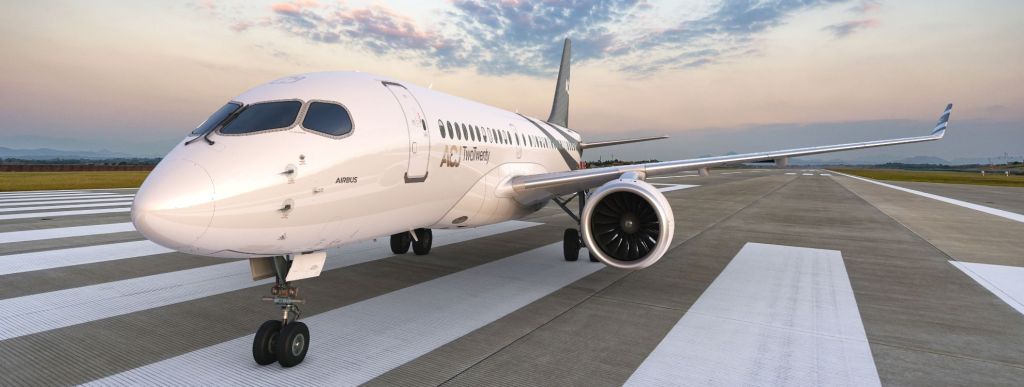
Airbus Group ha revelado el proceso en la línea de ensamblaje del primer jet corporativo Airbus Corporate Jet ACJ TwoTwenty. El constructor europeo había lanzado hace nueve meses atrás el inicio de la construcción en línea de la nueva aeronave corporativa de tamaño regional basada en el A220, se encuentra en su etapa final de proceso de construcción.
El fabricante ha recibido un pedido inicial por seis unidades que ha llevado a la compañía a activar la construcción de la línea en Mirabel, Canadá. La factoría mantendrá la línea de producción en Mirabel a buen ritmo permitiendo la finalización de los ejemplares hacia principios del próximo año y entregas para el 2023.
EBACE Connect
Al dar inicio a la jornada de la aviación de negacios del EBACE Connect entre el 18 al 24 de Mayo de 2021, el Presidente de Airbus Corporate Jets, Benoit Defforge, dijo que el desarrollo de la TwoTwenty está «progresando en línea con nuestros planes, y se prevé que el montaje final comience alrededor de mediados de año y el primer vuelo más adelante en el año, lo que significa que será rápido».
El European Business Aviation Convention & Exhibition (EBACE) es un evento de primer nivel y el lugar de encuentro anual de la comunidad europea de aviación empresarial. La exposición suele reunir a líderes empresariales, funcionarios gubernamentales, fabricantes, personal del departamento de vuelo, empresas de aviónica, proveedores fraccionarios, compañías chárter/de arrendamiento y todo tipo de personas involucradas en casi todos los aspectos de la aviación comercial. Debido a la pandemia COVID-19 en 2021 el evento se llevará a cabo prácticamente como EBACE Connect.
Airbus espera entregar la primera edición a principios de 2022 a Comlux, que es el outfitter exclusivo para los primeros quince aviones. Benoit Defforge agregó que el desarrollo de las terminaciones de ACJ220 también está progresando de acuerdo con el plan y destacó una aplicación de configuración de aeronaves que Airbus Corporate Jets ha desarrollado para permitir a los clientes seleccionar diseños interiores y estilo.
Configuraciones ACJ
El ACJ TwoTwenty ofrece seis salas de estar VIP para hasta 19 pasajeros y un rango de 5.650 nm, pero a un precio que los ejecutivos de Airbus Corporate Jets dicen que estará bajo por ser un avión de negocios de ultra largo alcance. Airbus también anunciaba en la feria EBACE un acuerdo de asociación con Latécoère Interconnection Systems (LIS) para desarrollar un monitor ACJ Smart LiFi (Light Fidelity). Diseñado como un sistema plug-and-play, el monitor 4K incorporará la última tecnología de comunicación inalámbrica para ofrecer conectividad Wi-Fi, Bluetooth y LiFi y proporcionará salidas de audio analógica y puertos USB-C, así como conexiones HDMI. El sistema se puede utilizar para audio-vídeo bajo demanda, fundición, duplicación, navegación web, TV en vivo y videoconferencia. Airbus Corporate Jets ofrecerá el monitor para equipos de adaptación y nueva cabina antes de fin de año.
Perspectivas mercado business
Airbus Corporate Jets se ha sentido sostenido a lo largo de este tiempo a pesar de los problemas de la crisis sanitaria mundial y la contracción del mercado muncial. Aunque el año 2020 fue un año difícil para Airbus, ha marcado uno de los más fuertes en Airbus Corporate Jets, con doce pedidos y seis entregas. En 2021 la compañía comenzaba el año con el mismo espíritu y la misma participación del cliente que 2020, incluyendo el aterrizaje de otro pedido para ACJ319NEO (1) y la entrega de ACJ319NEO (3).
Aunque no anunciaron más pedidos para el nuevo miembro de su familia ACJ TwoTwenty, los ejecutivos de Airbus Corporate Jets se mostraron optimista sobre la recepción que ha recibido el avión. La compañía ha encontrado el nicho de mercado para un modelo que está posicionando como una alternativa al tradicional avión de negocios de cabina grande y el bizliner.
Airbus reveals ACJ TwoTwenty
ACJ TwoTwenty on the final assembly line
Airbus Group has revealed the process on the assembly line of the first Airbus Corporate Jet ACJ TwoTwenty corporate jet. The European constructor had launched nine months ago the start of the online construction of the new corporate aircraft of regional size based on the A220, it is in its final stage of the construction process.
The manufacturer has received an initial order for six units that has prompted the company to activate construction of the line in Mirabel, Canada. The factory will maintain the production line in Mirabel at a good pace, allowing the completion of the copies towards the beginning of next year and deliveries by 2023.
EBACE Connect
Kicking off the EBACE Connect business aviation journey from May 18-24, 2021, Airbus Corporate Jets President Benoit Defforge said that the development of the TwoTwenty is «progressing in line with our plans, and the final assembly is expected to start around the middle of the year and the first flight later in the year, which means it will be quick».
The European Business Aviation Convention & Exhibition (EBACE) is a world-class event and the annual meeting place for the European business aviation community. The expo typically brings together business leaders, government officials, manufacturers, flight department personnel, avionics companies, fractional suppliers, charter/leasing companies, and all types of people involved in almost every aspect of commercial aviation. Due to the COVID-19 pandemic in 2021 the event will be held practically as EBACE Connect.
Airbus expects to deliver the first edition in early 2022 to Comlux, which is the exclusive outfitter for the first fifteen aircraft. Defforge added that the development of the ACJ220 completions is also progressing according to plan and highlighted an aircraft configuration application that Airbus Corporate Jets has developed to allow customers to select interior designs and style.
ACJ settings
The ACJ TwoTwenty offers six VIP lounges for up to 19 passengers and a range of 5,650 nm, but at a price that Airbus Corporate Jets executives say will be low for an ultra-long-range business jet. Airbus also announced at the EBACE fair a partnership agreement with Latécoère Interconnection Systems (LIS) to develop an ACJ Smart LiFi (Light Fidelity) monitor. Designed as a plug-and-play system, the 4K monitor will incorporate the latest wireless communication technology to offer Wi-Fi, Bluetooth and LiFi connectivity and provide analog audio outputs and USB-C ports, as well as HDMI connections. The system can be used for on-demand audio-video, casting, mirroring, web browsing, live TV, and video conferencing. Airbus Corporate Jets will offer the new cabin and adaptive equipment monitor before the end of the year.
Market prospects business
Airbus Corporate Jets has felt sustained throughout this time despite the problems of the global health crisis and the contraction of the world market. Although 2020 was a difficult year for Airbus, it has marked one of the strongest in Airbus Corporate Jets, with twelve orders and six deliveries. In 2021 the company started the year with the same spirit and customer engagement as 2020, including the landing of another order for ACJ319NEO (1) and delivery of ACJ319NEO (3).
Although they did not announce any further orders for their new ACJ TwoTwenty family member, Airbus Corporate Jets executives were optimistic about the reception the aircraft has received. The company has found the niche for a model that it is positioning as an alternative to the traditional large cabin business jet and the bizliner.
Aerolínea regional convertiría en primer operador en África
Skylink Airways ha anunciado que desea establecer un acuerdo con Sukhoi Aircraft para la adquisición de aeronaves SSJ-100 del fabricante ruso con el objetivo de llenar el mercado doméstico que ha decrecido debido a los efectos dela pandemia. El fundador de la línea aérea, Clarence Andrea Steyn, ha desarrollado interés en los inversores sudafricanos y rusos para establecer la ampliación de capitales necesarios para ingresar al mercado de aeronaves de mayor porte. Skylink Airways debería llenar los vacíos dejados por la compañía EAS y South African Airways.
Planifica desarrollar bases operativas en Ciudad del Cabo y Johannesburgo. La compañía también tiene como objetivo cooperar estrechamente con el fabricante de aviones ruso Sukhoi Aircraft. Por esta razón se establecerán sedes especiales en Moscú. Skylink tiene como objetivo comenzar sus operaciones en Septiembre de 2022 y volar principalmente a destinos sudafricanos, así como a varios países vecinos. Skylink Airways operará Embraer E190-100 (2) y Sukhoi SSJ-100 (10) con cindo unidades bajo el régimen de alquiler y cinco unidades bajo el concepto de compra.
Avión cuestionado
El avión Superjet SSJ-100 es un avión regional fabricado por Sukhoi, una subsidiaria de la rusa United Aircraft Corporation (UAC). Introducido en 2011 y comercializado fuertemente hacia el mercado internacional, se hizo conocido por sus muchas controversias. Todas las aerolíneas occidentales que operaban habían reportado problemas con el suministro de piezas de repuesto, lo que llevó a CityJet y Brussels Airlines, las únicas aerolíneas de Europa occidental en operar el avión, ha dejar caer los contratos de aeronaves. Interjet, el operador aéreo en América, también había experimentado problemas significativos con el mantenimiento de los aviones rusos, antes de cerrar a finales de 2020 debido a problemas financieros. Desde entonces, el SSJ100 sólo ha sido empleado por aerolíneas rusas y varios organismos gubernamentales, como la Real Fuerza Aérea Tailandesa y el Gobierno kazajo.
Skylink Airways interest in SSJ100
Regional airline would become the first operator in Africa
Skylink Airways has announced that it wishes to establish an agreement with Sukhoi Aircraft for the acquisition of SSJ-100 aircraft from the Russian manufacturer with the aim of filling the domestic market that has decreased due to the effects of the pandemic. The founder of the airline, Clarence Andrea Steyn, has developed an interest in South African and Russian investors to establish the capital increase necessary to enter the market for larger aircraft. Skylink Airways should fill the gaps left by EAS and South African Airways.
It plans to develop operational bases in Cape Town and Johannesburg. The company also aims to cooperate closely with the Russian aircraft manufacturer Sukhoi Aircraft. For this reason, special headquarters will be established in Moscow. Skylink aims to start its operations in September 2022 and fly mainly to South African destinations, as well as several neighboring countries. Skylink Airways will operate Embraer E190-100 (2) and Sukhoi SSJ-100 (10) with five units under the rental regime and five units under the purchase concept.
Questioned plane
The Superjet SSJ-100 aircraft is a regional aircraft manufactured by Sukhoi, a subsidiary of the Russian United Aircraft Corporation (UAC). Introduced in 2011 and heavily marketed towards the international market, it became known for its many controversies. All operating Western airlines had reported problems with the supply of spare parts, prompting CityJet and Brussels Airlines, the only Western European airlines to operate the plane, to drop aircraft contracts. Interjet, the air carrier in America, had also experienced significant problems with the maintenance of Russian aircraft, before closing at the end of 2020 due to financial problems. Since then, the SSJ100 has only been used by Russian airlines and various government agencies, such as the Royal Thai Air Force and the Kazakh Government.



























 airgways.com