Downfall: The Case Against Boeing

AW | 2022 02 20 22:11 | BIOGRAPHY

Documental Downfall presenta historia debacle 737 MAX
Metodología Boeing como una tragedia tecnológica

AW-Netflix__Isologotype

Netflix presenta un documental sobre el problemático avión Boeing 737 MAX. Los pasos en falso del constructor americano son trazados en el documental denominado «Downfall: The Case Against Boeing«. Bajo la dirección del cineasta Rory Kennedy, el hijo menor del político y abogado Robert F. Kennedy, «Downfall» relata cómo el gigante aeroespacial cortó esquinas en una carrera para competir contra el constructor europeo Airbus, y presionó poderosamente para minimizar los problemas conocidos con un sistema de control de vuelo computarizado que era capaz de causar que el 737 MAX entrara en una inmersión de vuelo fatal.

Tras dos accidentes aéreos catastróficos, primero en Indonesia con el vuelo JT-610 de la aerolínea Lion Air en 2018 y solo cinco meses después en Etiopía con el vuelo ET-302 de Ethiopian Airlines, han marcado un punto de bisagra en la historia de la seguridad de la compañía americana. El número combinado de muertos ascendió a 346 personas. El total de la flota mundial de aviones 737 MAX estuvieron en tierra durante veinte meses mientras Boeing y los organismos de seguridad trabajaban en una solución al Sistema de Control de Vuelo conocido como Sistema de Aumento de Características de Maniobra (MCAS). Cuando ocurrió el accidente indonesio, la causa raíz parecía estar envuelta en incertidumbre. Pero investigaciones posteriores mostraron que Boeing sabía que la causa tenía que ver con ajustes en una rutina de software automatizada del MCAS.

Downfall: The Case Against Boeing. Netflix © 2022

En las primeras etapas de esas investigaciones, el MCAS debía evitar que los aviones se detuvieran en condiciones extremas y terminó haciendo forzando a los aviones a bucear nariz abajo o inmersión. El documental «Downfall» utiliza gráficos por computadora y recreaciones para mostrar claramente cómo el MCAS y otros puntos de falla en el Boeing 737 MAX figuraron en la tragedia. La película también presenta evidencia de correos electrónicos y otros documentos que muestran que cuando el 737 MAX estaba recibiendo certificación para el vuelo, Boeing estaba desesperado por evitar proporcionar a los pilotos capacitación adicional, a un costo adicional, tan desesperado que la compañía ocultó las capacidades del software MCAS a los pilotos, aerolíneas y reguladores.

«Downfall» da protagonismo a pilotos críticos, ex funcionarios de la FAA, investigadores clave, incluido el representante estadounidense Peter Defazio (Demócrata de Oregon) y las familias de las víctimas. Entre los periodistas que aparecen en la pantalla se encuentran Jon Ostrower, de The Air Current, que vive en Seattle; Andy Pasztor, quien cubrió la controversia como reportero aeroespacial de The Wall Street Journal; y el reportero de KING-5 Glenn Farley, quien hace un cameo en las imágenes de las noticias. Los ejecutivos de Boeing son los grandes ausentes explicando su versión de la historia. Pero «Downfall» transmite las respuestas escritas de Boeing a las preguntas al final del documental de 89 minutos. El rastreo también señala que The Boeing Company pagó US$ 2.5 mil millones para evitar el enjuiciamiento penal.

Existe mucho que se puede decir en 89 minutos: algunas de las otras controversias que han perseguido a Boeing en los últimos años, por ejemplo, problemas de producción con el Boeing 787 Dreamliner o fallas que han afectado al taxi espacial Starliner de Boeing, no se mencionan.

Pero al centrarse en la tragedia del 737 MAX, «Downfall» presenta un caso de libro de texto que muestra cómo la arrogancia y la codicia pueden tener consecuencias mortales, y empañar la reputación de una potencia de ingeniería respetada desde hace mucho tiempo en el proceso. Es una lección que se aplica no solo a Boeing o solo a la industria aeroespacial, sino también a la comunidad tecnológica en general.

Downfall: The Case Against Boeing

Documentary Downfall presents history debacle 737 MAX
Boeing Methodology as a Technological Tragedy

AW-Downfall__Netflix_004

AW-Netflix__Isotype__TX

Netflix presents a documentary about the troubled Boeing 737 MAX plane. The missteps of the American constructor are traced in the documentary called «Downfall: The Case Against Boeing«. Directed by filmmaker Rory Kennedy, the youngest son of politician and lawyer Robert F. Kennedy, «Downfall» recounts how the aerospace giant cut corners in a race to compete against European builder Airbus, and lobbied hard to downplay known problems with a computerized flight control system that was capable of causing the 737 MAX to enter a fatal flight dive.

After two catastrophic plane crashes, first in Indonesia with Lion Air flight JT-610 in 2018 and just five months later in Ethiopia with Ethiopian Airlines flight ET-302, they have marked a turning point in the history of safety. of the American company. The combined number of dead amounted to 346 people. The entire world fleet of 737 MAX aircraft was grounded for twenty months while Boeing and safety agencies worked on a solution to the Flight Control System known as the Maneuvering Characteristics Augmentation System (MCAS). When the Indonesian accident occurred, the root cause seemed to be shrouded in uncertainty. But further investigation showed that Boeing knew the cause had to do with adjustments to an automated MCAS software routine.

In the early stages of those investigations, MCAS was meant to prevent planes from stalling in extreme conditions and ended up doing forcing planes to dive nose down, or dive. The documentary «Downfall» uses computer graphics and re-enactments to clearly show how MCAS and other failure points on the Boeing 737 MAX figured into the tragedy. The film also presents evidence from emails and other documents showing that when the 737 MAX was receiving certification for flight, Boeing was desperate to avoid providing pilots with additional training, at additional cost, so desperate that the company hid the capabilities. of the MCAS software to pilots, airlines and regulators.

«Downfall» stars critical pilots, former FAA officials, key investigators including US Representative Peter Defazio (D-Oregon), and the families of the victims. Journalists appearing on screen include The Air Current’s Jon Ostrower, who lives in Seattle; Andy Pasztor, who covered the controversy as an aerospace reporter for The Wall Street Journal; and KING-5 reporter Glenn Farley, who makes a cameo appearance in the news footage. Boeing executives are largely absent explaining their side of the story. But «Downfall» airs Boeing’s written responses to questions at the end of the 89-minute documentary. The trace also indicates that The Boeing Company paid $2.5 billion to avoid criminal prosecution.

There is a lot that can be said in 89 Minutes: Some of the other controversies that have dogged Boeing in recent years, for example, production problems with the Boeing 787 Dreamliner or glitches that have plagued Boeing’s Starliner space taxi, are not they mention.

But by focusing on the tragedy of the 737 MAX, «Downfall» presents a textbook case of how hubris and greed can have deadly consequences, tarnishing the reputation of a long-respected engineering powerhouse in the process. It’s a lesson that applies not just to Boeing or just the aerospace industry, but to the tech community at large.

PUBLISHER: Airgways.com
DBk: Netflix.com / Airgways.com
AW-POST: 202202202211AR
OWNERSHIP: Airgways Inc.
A\W A I R G W A Y S ®
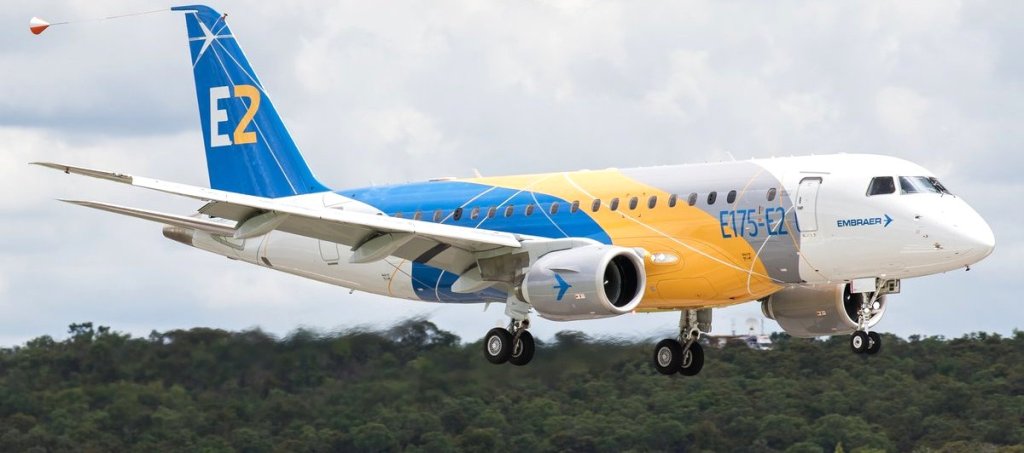

Embraer detiene línea E175-E2

AW | 2022 02 20 17:05 | INDUSTRY

Compañía brasileña pospone entrada servicio E175-E2

Embraer_Isologotype_002

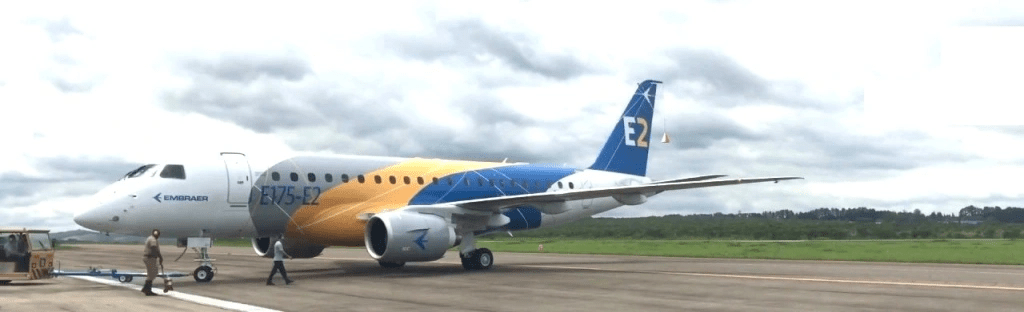
La Junta Directiva de Embraer ha comunicado la aprobación para detener el desarrollo de su avión de línea E175-E2, el desarrollo de aeronave más pequeña de la versión Etapa 2 (E2) por el espacio de tres años debido a una reestructuración de su peso operativo. La compañía ha informado que el actual mercado no favorece un avión pequeño con un peso estructural que sobrepasa a las aeronaves de su clase, lo que no lo hace atractivo para operaciones regionales, principalmente en el mercado estadounidense donde las Cláusulas de Alcances obstaculizan la introducción en ese importante país.

La junta de Embraer aprobó una pausa en el desarrollo del avión E175-E2 durante otros tres años, debido a la baja demanda, retrasando nuevamente el debut en el mercado de la aeronave. Embraer está considerando introducirlo en algún momento de 2027-2028 la entrada en servicio del avión más pequeño de la segunda generación de los E-Jets.

El fabricante brasileño de aviones planea reanudar el trabajo después de la pausa, apuntando a la entrada en servicio entre 2027 y 2028, dijo Embraer el Viernes 18/02. El avión configurado para ochenta asientos es el más pequeño de una familia de tres aviones fabricados por Embraer que apuntan a rutas aéreas que no pueden soportar un avión de tamaño mediano como los Boeing 737 MAX o Airbus A320NEO.

El E175-E2 estaba programado para su debut en 2021, pero su introducción comercial se ha pospuesto repetidamente debido a un problema de peso excedido que lo hace poco competitivo frente a las aeronaves de su categoría. El avión fue diseñado para reemplazar un modelo anterior Embraer E175-E1 que es un caballo de batalla para las aerolíneas regionales que alimentan el tráfico a Delta Air Lines, American Airlines y United Airlines.

Pero las ventas actuales de la Serie E175-E2 nunca despegaron debido a un tecnicismo en los contratos de los pilotos de las aerolíneas estadounidenses más grandes, la llamada Cláusula de Alcance que anula el uso de aeronaves regionales con un peso específico que se excede a lo establecido por el convenio de pilotos entre las aerolíneas clásicas y las alimentadores o feeder. Sus motores Pratt & Whitney más grandes y eficientes empujaron el peso máximo de despegue del modelo de avión por encima del límite contractual para los aviones volados por subcontratistas de aerolíneas, y los líderes sindicales se han negado a ceder los niveles de la Cláusula de Alcance.

Embraer stops line E175-E2

Brazilian company postpones service entry E175-E2

AW-E175-E2-001

The Board of Directors of Embraer has communicated the approval to stop the development of its airliner E175-E2, the smallest aircraft development of the Stage 2 (E2) version for the space of three years due to a restructuring of its operating weight. The company has reported that the current market does not favor a small aircraft with a structural weight that exceeds that of aircraft in its class, which makes it unattractive for regional operations, mainly in the US market where the Scope Clauses hinder the introduction into that important country.

Embraer’s board approved a pause in the development of the E175-E2 aircraft for another three years, due to low demand, again delaying the aircraft’s market debut. Embraer is considering introducing it sometime in 2027-2028 the entry into service of the smallest aircraft of the second generation of the E-Jets.

The Brazilian aircraft manufacturer plans to resume work after the break, targeting entry into service between 2027 and 2028, Embraer said on Friday 02/18. The 80-seat aircraft is the smallest in a family of three aircraft made by Embraer targeting air routes that cannot support a mid-size aircraft such as the Boeing 737 MAX or Airbus A320NEO.

The E175-E2 was scheduled for its debut in 2021, but its commercial introduction has been repeatedly postponed due to an excess weight issue that makes it uncompetitive against other aircraft in its class. The plane was designed to replace an earlier Embraer E175-E1 model that is a workhorse for regional airlines that feed traffic to Delta Air Lines, American Airlines and United Airlines.

But current sales of the E175-E2 Series never took off because of a technicality in the pilots’ contracts of the largest US airlines, the so-called Scope Clause that voids the use of regional aircraft with a specific weight that exceeds what established by the pilot agreement between the classic airlines and the feeders or feeder. Its larger, more efficient Pratt & Whitney engines pushed the aircraft model’s maximum takeoff weight above the contractual limit for planes flown by airline subcontractors, and union leaders have refused to budge on Scope Clause levels.

Embraer interrompe linha E175-E2

Empresa brasileira adia entrada de serviço E175-E2

Embraer_Isologotype_Central

O Conselho de Administração da Embraer comunicou a aprovação para interromper o desenvolvimento de seu avião E175-E2, o menor desenvolvimento de aeronave da versão Stage 2 (E2) pelo espaço de três anos devido a uma reestruturação de seu peso operacional. A empresa informou que o mercado atual não favorece uma aeronave de pequeno porte com peso estrutural superior ao das aeronaves de sua classe, o que a torna pouco atraente para operações regionais, principalmente no mercado norte-americano onde as Cláusulas de Escopo dificultam a introdução nesse importante país.

AW-E175-E2-0002

A diretoria da Embraer aprovou uma pausa no desenvolvimento da aeronave E175-E2 por mais três anos, devido à baixa demanda, atrasando novamente a estreia da aeronave no mercado. A Embraer está considerando introduzir em algum momento de 2027-2028 a entrada em serviço da menor aeronave da segunda geração dos E-Jets.

A fabricante brasileira de aeronaves planeja retomar os trabalhos após o intervalo, visando a entrada em serviço entre 2027 e 2028, informou a Embraer na Sexta-feira 18/02. A aeronave de 80 lugares é a menor de uma família de três aeronaves fabricadas pela Embraer visando rotas aéreas que não podem suportar aeronaves de médio porte, como o Boeing 737 MAX ou o Airbus A320NEO.

O E175-E2 estava programado para estrear em 2021, mas sua introdução comercial foi repetidamente adiada devido a um problema de excesso de peso que o torna pouco competitivo em relação a outras aeronaves de sua classe. O avião foi projetado para substituir um modelo anterior da Embraer E175-E1 que é um cavalo de batalha para as companhias aéreas regionais que fornecem tráfego para a Delta Air Lines, American Airlines e United Airlines.

Mas as vendas atuais da Série E175-E2 nunca decolaram por conta de um tecnicismo nos contratos dos pilotos das maiores companhias aéreas dos Estados Unidos, a chamada Cláusula de Escopo que anula o uso de aeronaves regionais com peso específico que exceda o estabelecido pelo acordo piloto entre as companhias aéreas clássicas e os alimentadores ou alimentador. Seus motores Pratt & Whitney maiores e mais eficientes elevaram o peso máximo de decolagem do modelo de aeronave acima do limite contratual para aviões pilotados por subcontratadas de companhias aéreas, e os líderes sindicais se recusaram a ceder nos níveis da Cláusula de Escopo.

AW-E175-E2-005

PUBLISHER: Airgways.com
DBk: Embraer.com / Airgways.com
AW-POST: 202202201705AR
OWNERSHIP: Airgways Inc.
A\W A I R G W A Y S ®

Aerolíneas versus mercado

AW | 2022 02 20 16:27 | AIRLINES MARKET / GOVERNMENT

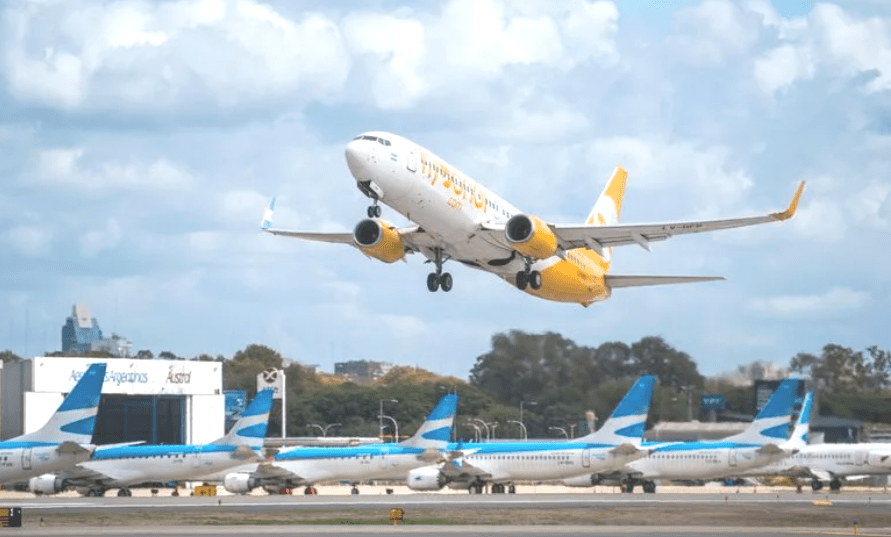
Gobierno alienta monopolio aéreo argentino

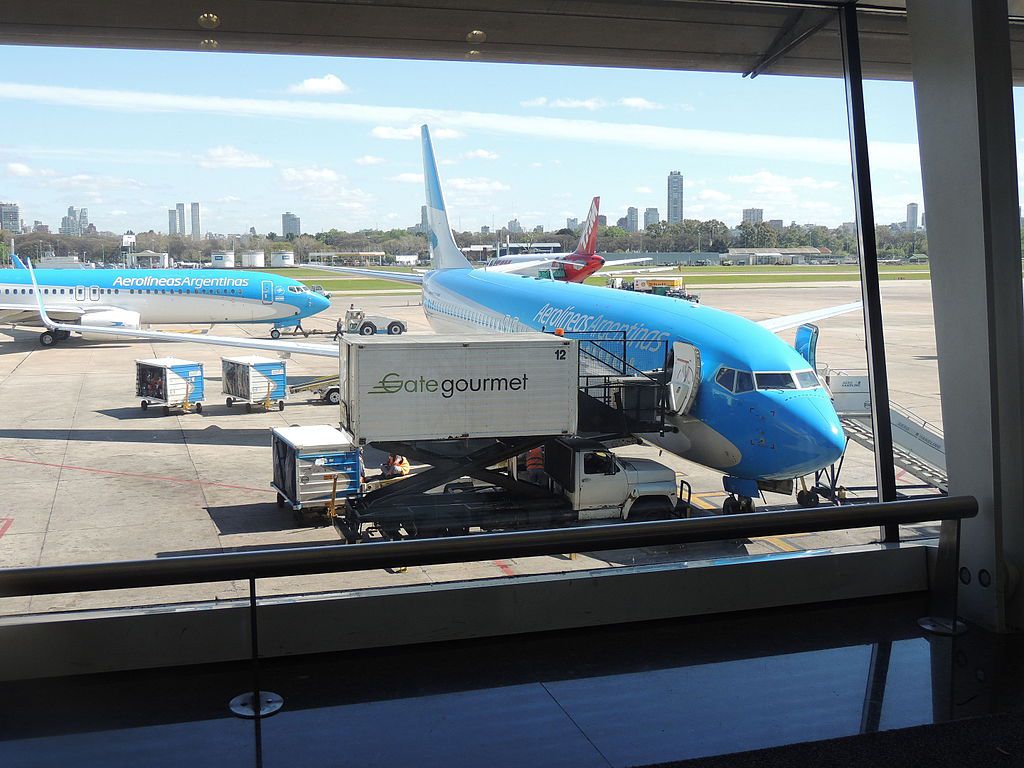
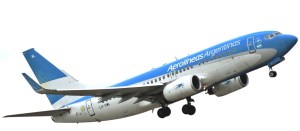
Aerolíneas Argentinas es una de las principales cajas de la agrupación política argentina de La Cámpora que conduce Máximo Kirchner, hijo de la Vicepresidenta Cristina Fernández de Kirchner. La participación de la esfera política en el pilotaje de la compañía se restableció desde fines del 2019, aumentando su concentración de poder. Un decreto de Diciembre 2020 había agravado la situación. Una de las compañías low cost envió al Gobierno una dura carta ante prácticas monopólicas.

La protesta gremial en Aerolíneas Argentinas, que perjudicó a miles de pasajeros, es un eslabón más de la fuerte disputa que existe por el manejo de la compañía de bandera. La Cámpora, que conduce Máximo Kirchner, viene controlando la empresa desde Diciembre 2019, a través del actual presidente Pablo Ceriani, un dirigente de esa agrupación. Desde entonces, conviven en una alianza con el líder sindical del sector, Pablo Biró, de la Asociación de Pilotos de Líneas Aéreas (APLA). Sin embargo, desde hace meses, la relación entre las partes no es la mejor actualmente. Uno de los motivos de las actuales diferencias es la política con las compañías low cost. El gremialista de APLA pretende la desaparición de todo tipo de competencia en el mercado de cabotaje y limitar al máximo las operaciones internacionales de otras aerolíneas.

Hacia finales de 2021 se modificaron las reglas de juego en el negocio aéreo que pone en jaque a la competencia en el mercado, donde el Decreto 879/21 establece el fin de las bandas tarifarias mínimas y máximas, poniendo en jaque la competitibidad de los precios bajos de las aerolíneas low cost.

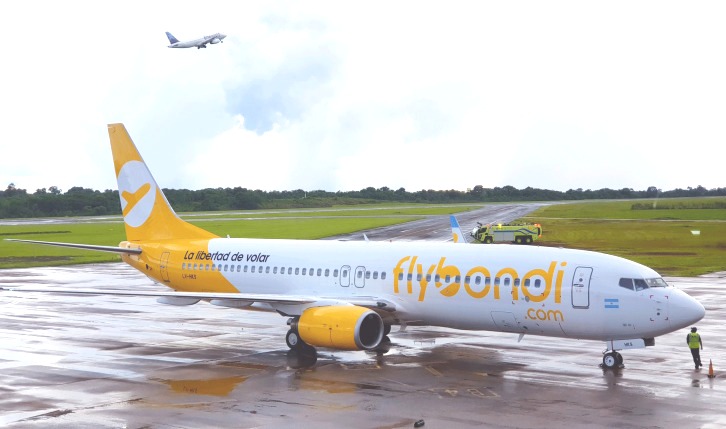
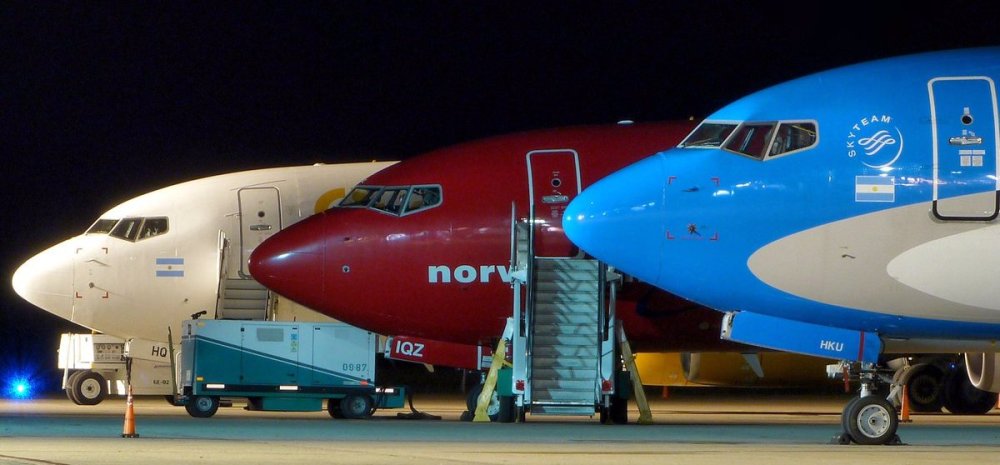
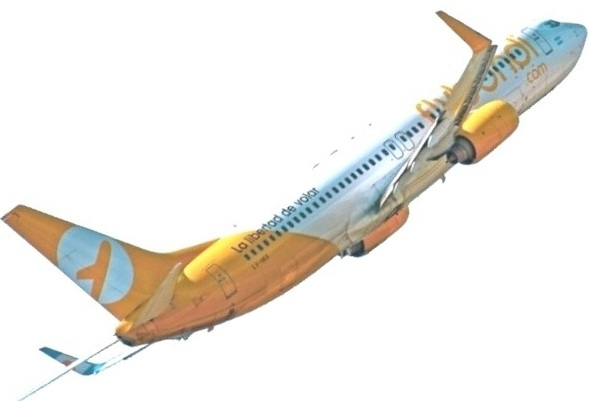
La compañía Flybondi Líneas Aéreas denunció el impacto negativo que genera no poder emitir pasajes de vuelos regulares a precios ultra-bajos, con las salvedades de las promociones. La aerolínea de presupuesto había notificado al Ministerio de Transporte, advirtiendo el perjuicio que genera para las empresas que operan en el país este giro político. La extensa nota enumera una serie de beneficios que se registraron hasta el 2019 con la política de apertura de los cielos dispuesta por el gobierno anterior. Por ejemplo, detalla que la compañía transportó 4.000.000 de pasajeros, de los cuales 800.000 lo hicieron por primera vez. Esto se debió a la incorporación de sectores que antes no podían acceder a un avión por el alto valor de las tarifas. Con esa desregulación aérea, los pasajes fueron más accesibles y se abrieron nuevos destinos, aumentando la conectividad del país al llegar a lugares que antes no tenían oferta aérea. El Decreto 879/21, según Flybondi, echa por tierra esa política y es una herramienta para aumentar la concentración del sector en manos de Aerolíneas Argentinas.

La implementación de bandas tarifarias que elimina las posibilidades de competencia y tiende a aumentar los precios de los pasajes en perjuicio de los usuarios, solo beneficia a Aerolíneas Argentinas, que es una línea aérea que no puede competir con tarifas más económicas debido a su estructura y arrastre dificitario. Este sistema no favorece ni genera la reducción de las pérdidas económicas de las aerolíneas, pues, el otorgamiento de beneficios a los consumidores no va en desmedro de la sustentabilidad de las compañías.

La prioridad de Aerolíneas Argentinas en las rutas internacionales cuando tenga capacidad operativa significaría que ante la solicitud de una empresa extranjera de volar una nueva ruta desde la Argentina, primero se consultará a la línea de bandera si quiere prestar ese servicio. Flybondi remarca que esto generará trabas al crecimiento de la competencia, incremento consecuente de precios por ser el único operador y, por extensión limitación de la accesibilidad a servicios aerocomerciales, además de reducir la creación de empleos en Argentina. Las limitaciones de los vuelos por número de compañías, reduciría drásticamente la generación de ingresos de divisas en moneda Dólar para los demás operadores aerocomerciales de bandera nacional, advierte la compañía low cost.

También plantea que la derogación del Decreto 49/2019 implica la incorporación de barreras de entrada a la prestación del servicio de rampa, fortaleciendo la prestación de un solo prestador, lo cual conlleva inevitablemente al incremento de las tarifas. El beneficio de esta eliminación es exclusivo para la empresa Intercargo y el sindicato que representa a sus empleados. Las líneas aéreas deben abonar los cánones en valores de moneda extranjera (Dólares), en vez de la moneda nacional.

Lo paradójico en el mercado es que Aerolíneas Argentina, por cuestiones técnicas, no tiene operativa toda su flota de ochenta aeronaves. La consecuencia directa de esta situación es el aumento de los pasajes aéreos al no tener posibilidad de incrementar la oferta de vuelos. Las low cost, con mucho menos aviones, logran un volumen operacional proporcionalmente mayor.

Perspectivas mercado

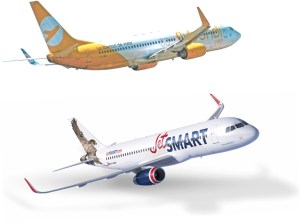
Antes de que Alberto Fernández asumiera la Presidencia, Aerolíneas Argentinas concentraba el 62,7% del mercado de cabotaje, según los datos del 2019. El cierre de las operaciones del 2021 muestran que del total de los pasajeros transportados dentro del país, 71,2% viajaron por la compañía estatal. En sólo dos años, ganó casi 10 puntos de mercado doméstico. La concentración de mercado continúa posicionándose a Aerolíneas Argentinas, mientras que las low cost Flybondi Líneas Aéreas y JetSmart Airlines Argentina continuaron creciendo su participación gracias al hueco dejado por Latam Airlines Argentina. Quienes conocen el sector aerocomercial sugieren que el crecimiento momentáneo de estas dos aerolíneas sirvió para no hacer tan evidente el camino monopólico al que apunta Aerolíneas Argentinas. Sin embargo, el reciente decreto parece apuntar al control total del cabotaje y restringir la competencia internacional.

Aerolíneas versus market

Government encourages Argentine air monopoly

Aerolíneas Argentinas is one of the main savings banks of the Argentine political group of La Cámpora led by Máximo Kirchner, son of Vice President Cristina Fernández de Kirchner. The participation of the political sphere in the management of the company was restored at the end of 2019, increasing its concentration of power. A December 2020 decree had aggravated the situation. One of the low cost companies sent the Government a harsh letter against monopolistic practices.

The union protest at Aerolíneas Argentinas, which harmed thousands of passengers, is one more link in the strong dispute that exists over the management of the flag company. La Cámpora, led by Máximo Kirchner, has been controlling the company since December 2019, through the current president Pablo Ceriani, a leader of that group. Since then, they have lived in an alliance with the union leader of the sector, Pablo Biró, of the Association of Airline Pilots (APLA). However, for months now, the relationship between the parties has not been the best. One of the reasons for the current differences is the policy with low cost companies. The APLA trade unionist intends to eliminate all types of competition in the cabotage market and limit the international operations of other airlines as much as possible.

Towards the end of 2021, the rules of the game in the air business were modified, which puts competition in the market in check, where Decree 879/21 establishes the end of the minimum and maximum fare bands, putting in check the competitiveness of prices low cost airlines.

The company Flybondi Líneas Aéreas denounced the negative impact generated by not being able to issue regular flight tickets at ultra-low prices, with the exception of promotions. The budget airline had notified the Ministry of Transportation, warning of the damage that this political shift generates for companies operating in the country. The extensive note lists a series of benefits that were recorded until 2019 with the open skies policy established by the previous government. For example, it details that the company transported 4,000,000 passengers, of which 800,000 did so for the first time. This was due to the incorporation of sectors that previously could not access a plane due to the high value of the fares. With this air deregulation, the tickets were more accessible and new destinations were opened, increasing the country’s connectivity by reaching places that previously had no air offer. Decree 879/21, according to Flybondi, destroys this policy and is a tool to increase the concentration of the sector in the hands of Aerolíneas Argentinas.

The implementation of fare bands that eliminates the possibilities of competition and tends to increase ticket prices to the detriment of users, only benefits Aerolíneas Argentinas, which is an airline that cannot compete with cheaper rates due to its structure and difficult drag. This system does not favor or generate the reduction of the economic losses of the airlines, since the granting of benefits to consumers is not detrimental to the sustainability of the companies.

The priority of Aerolíneas Argentinas on international routes when it has operational capacity would mean that when a foreign company requests to fly a new route from Argentina, the flag carrier will first be consulted if it wants to provide that service. Flybondi points out that this will generate obstacles to the growth of competition, a consequent increase in prices for being the only operator and, by extension, limitation of accessibility to commercial air services, in addition to reducing the creation of jobs in Argentina. The limitations of the flights by number of companies, would drastically reduce the generation of foreign currency income in Dollar currency for the other commercial airline operators of the national flag, warns the low cost company.

It also states that the repeal of Decree 49/2019 implies the incorporation of entry barriers to the provision of the ramp service, strengthening the provision of a single provider, which inevitably leads to an increase in rates. The benefit of this elimination is exclusive to the company Intercargo and the union that represents its employees. The airlines must pay the fees in foreign currency values ​​(Dollars), instead of the national currency.

What is paradoxical in the market is that Aerolíneas Argentinas, for technical reasons, does not have its entire fleet of eighty aircraft operational. The direct consequence of this situation is the increase in air tickets as there is no possibility of increasing the supply of flights. The low cost, with much fewer aircraft, achieve a proportionally higher operational volume.

Market prospects

Before Alberto Fernández assumed the Presidency, Aerolíneas Argentinas concentrated 62.7% of the cabotage market, according to 2019 data. The closure of 2021 operations shows that of the total number of passengers transported within the country, 71.2 % traveled by the state company. In just two years, it gained almost 10 domestic market points. Market concentration continues to position Aerolíneas Argentinas, while the low cost Flybondi Líneas Aéreas and JetSmart Airlines Argentina continued to grow their share thanks to the gap left by Latam Airlines Argentina. Those who know the commercial airline sector suggest that the momentary growth of these two airlines served to make the monopoly path that Aerolíneas Argentinas is aiming at less obvious. However, the recent decree seems to aim at total control of cabotage and restrict international competition.

PUBLISHER: Airgways.com
DBk: Argentina.gob.ar / Apla.org.ar / Aerolineas.com / Flybondi.com / Andrés Lavallén / Airgways.com
AW-POST: 202202201627AR
OWNERSHIP: Airgways Inc.
A\W A I R G W A Y S ®

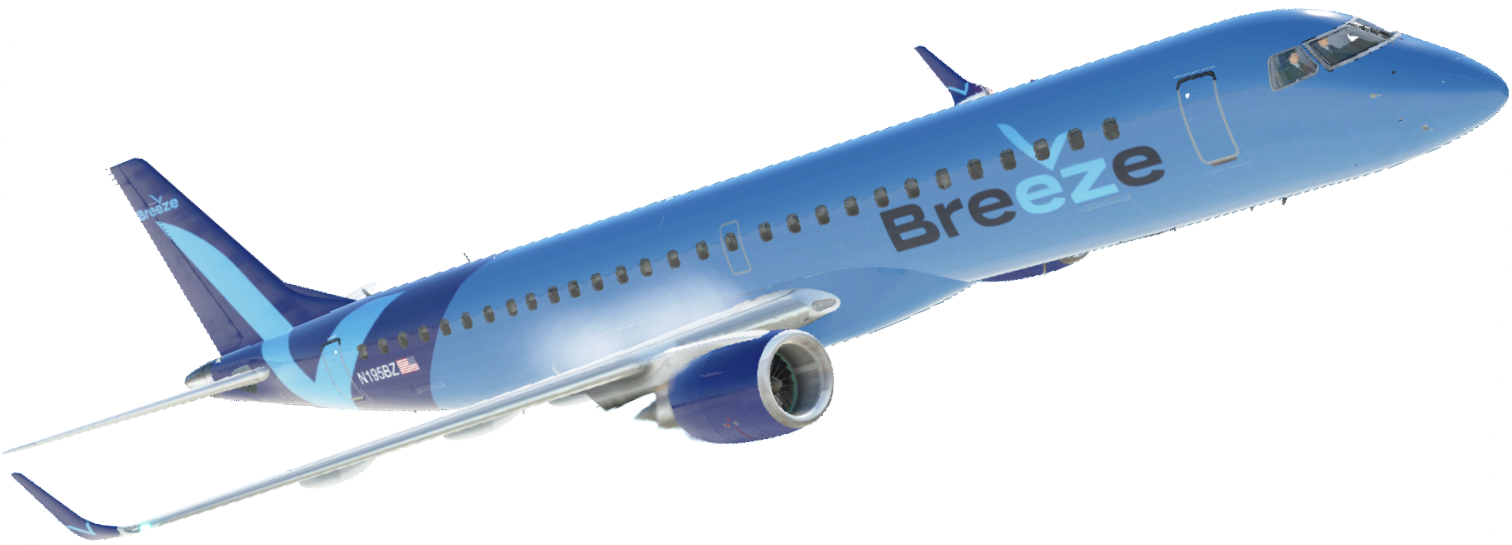
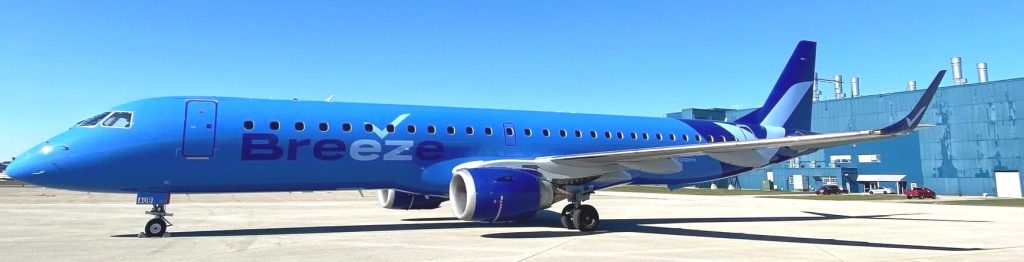
Breeze Airways abrirá base Hartford

AW | 2022 02 19 13:39 | AIRLINES / AIRLINES ROUTES

Breeze inaugurará nueva base Aeropuerto Bradley-Hartford/BDL

Breeze Airways_Isologotype

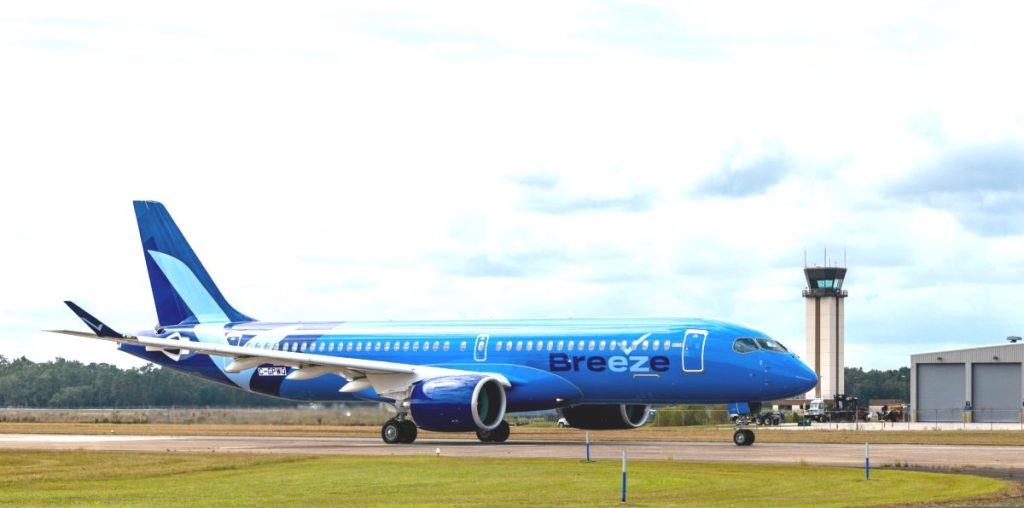
La aerolínea Breeze Airways anunció el Jueves 17/02 que abriría una nueva base en el Aeropuerto Bradley-Hartford/BDL, Windsor Locks, Estado de Connecticut (CT). la nueva base incluirá ocho destinos aún por anunciar además de los cuatro que Breeze actualmente vuela desde allí. La nueva base de la aerolínea se produce un día después de que Avelo Airlines anunciara que estaba lanzando el servicio a cuatro nuevos destinos desde su base en el Aeropuerto Tweed-New Haven/HVN, donde ahora está vendiendo boletos en diez rutas sin escalas.

Bradley se encuentra localizado a 56 millas al norte de Tweed-New Haven por carretera. Los aeropuertos están conectados por la Interestatal 91, un corredor de transporte clave a través de un área relativamente densamente poblada con residentes que encontrarían ambos aeropuertos convenientes. Por lo tanto, el movimiento de Breeze puede verse como competitivo al de Avelo Airlines.

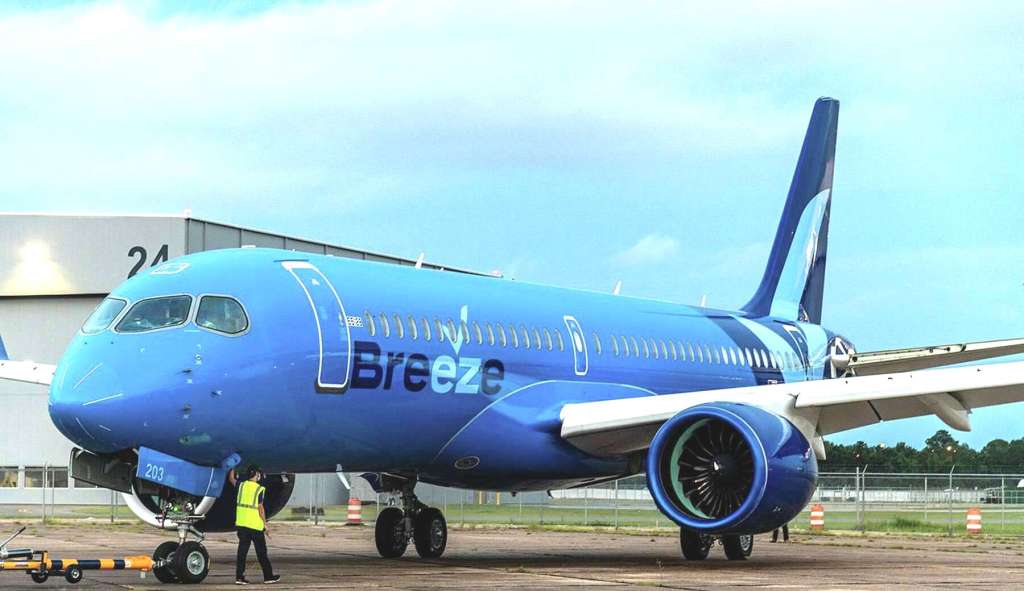
Breeze Airways ha servido a Bradley desde su primer día de operaciones en Mayo de 2021, y actualmente sirve a cuatro destinos desde el aeropuerto: Charleston (CHS), Carolina del Sur, Columbus (CMH), Ohio, Norfolk (ORF), Virginia y Pittsburgh (PIT), Pensilvania. Su nuevo Airbus A220 servirá las cuatro rutas actuales de Bradley a partir de Junio 2022. La aerolínea con sede en Utah dijo que anunciaría sus ocho nuevos destinos desde Hartford/BDL a principios de Marzo 2022.

Avelo Airlines anunció el Miércoles 16/02 que servirá a Charleston/CHS desde su base de Connecticut. Actualmente sirve a seis ciudades de Florida y, además de Charleston, pronto agregará Myrtle Beach/MYR, Carolina del Sur, Savannah/SAV, Georgia y Nashville/BNA, Tennessee.

El CEO y fundador David Neeleman ha permitido desarrollar más conexiones desde su nueva base de operaciones de Bradley-Hartford/BDL: «Como residente de Connecticut desde hace mucho tiempo, es personalmente muy emocionante para mí anunciar hoy con el Gobernador [Ned] Lamont que el Aeropuerto Internacional Bradley de Hartford se está convirtiendo en la quinta base de operaciones de Breeze». La medida de Breeze creará más de 200 empleos, adjudicándose una subvención de casi US$ 1.3 millones por parte del Departamento de Desarrollo Económico y Comunitario de Connecticut que depende de que la aerolínea cree y retenga 212 empleos a tiempo completo. Actualmente, sirven al Aeropuerto Bradley-Hartford/BDL American Airlines, Breeze Airways, Delta Air Lines, Frontier Airlines, JetBlue Airways, Southwest Airlines, Spirit Airlines y United Airlines. Avelo es el único transportista en Tweed-New Haven, que está experimentando un proyecto de expansión de la terminal. El aeropuerto fue servido anteriormente por American, que suspendió el servicio allí durante la pandemia.

Breeze Airways to open Hartford base

Breeze will inaugurate new base Bradley-Hartford Airport/BDL

Breeze_E195

The airline Breeze Airways announced on Thursday 02/17 that it would open a new base at the Bradley-Hartford/BDL Airport, Windsor Locks, State of Connecticut (CT). the new base will include eight yet-to-be-announced destinations in addition to the four that Breeze currently flies from there. The airline’s new base comes a day after Avelo Airlines announced it was launching service to four new destinations from its base at Tweed-New Haven/HVN Airport, where it is now selling tickets on ten nonstop routes.

Bradley is located 56 miles north of Tweed-New Haven by road. The airports are connected by Interstate 91, a key transportation corridor through an area relatively densely populated with residents who would find both airports convenient. Therefore, Breeze’s move can be seen as competitive with Avelo Airlines.

Breeze Airways has served Bradley since its first day of operations in May 2021, and currently serves four destinations from the airport: Charleston (CHS), South Carolina, Columbus (CMH), Ohio, Norfolk (ORF), Virginia and Pittsburgh (PIT), Pennsylvania. Its new Airbus A220 will serve Bradley’s current four routes starting in June 2022. The Utah-based airline said it would announce its eight new destinations from Hartford/BDL in early March 2022.

Avelo Airlines announced on Wednesday 02/16 that it will serve Charleston/CHS from its base in Connecticut. It currently serves six Florida cities and, in addition to Charleston, will soon add Myrtle Beach/MYR, South Carolina, Savannah/SAV, Georgia and Nashville/BNA, Tennessee.

CEO and founder David Neeleman has allowed further connections to develop from his new home base of Bradley-Hartford/BDL: «As a long-time resident of Connecticut, it is personally very exciting for me to announce today with Governor [Ned] Lamont that Hartford Bradley International Airport is becoming Breeze’s fifth base of operations». Breeze’s move will create more than 200 jobs, awarding it a nearly US$ 1.3 million grant from the Connecticut Department of Economic and Community Development that is contingent on the airline creating and retaining 212 full-time jobs. Currently serving Bradley-Hartford/BDL Airport are American Airlines, Breeze Airways, Delta Air Lines, Frontier Airlines, JetBlue Airways, Southwest Airlines, Spirit Airlines and United Airlines. Avelo is the only carrier in Tweed-New Haven that is undergoing a terminal expansion project. The airport was previously served by American, which suspended service there during the pandemic.

PUBLISHER: Airgways.com
DBk: Flybreeze.com / Airgways.com
AW-POST: 202202191339AR
OWNERSHIP: Airgways Inc.
A\W A I R G W A Y S ®
Flybondi busca aumentar plantilla

AW | 2022 02 19 12:30 | AIRLINES

Flybondi sumará 400 empleados en 2022

AW-Flybondi_B-Isologotype

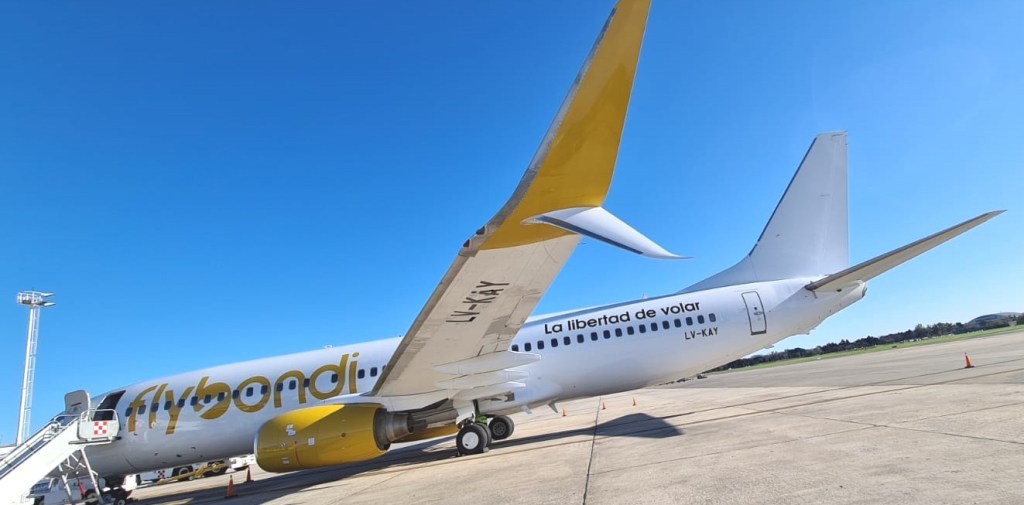
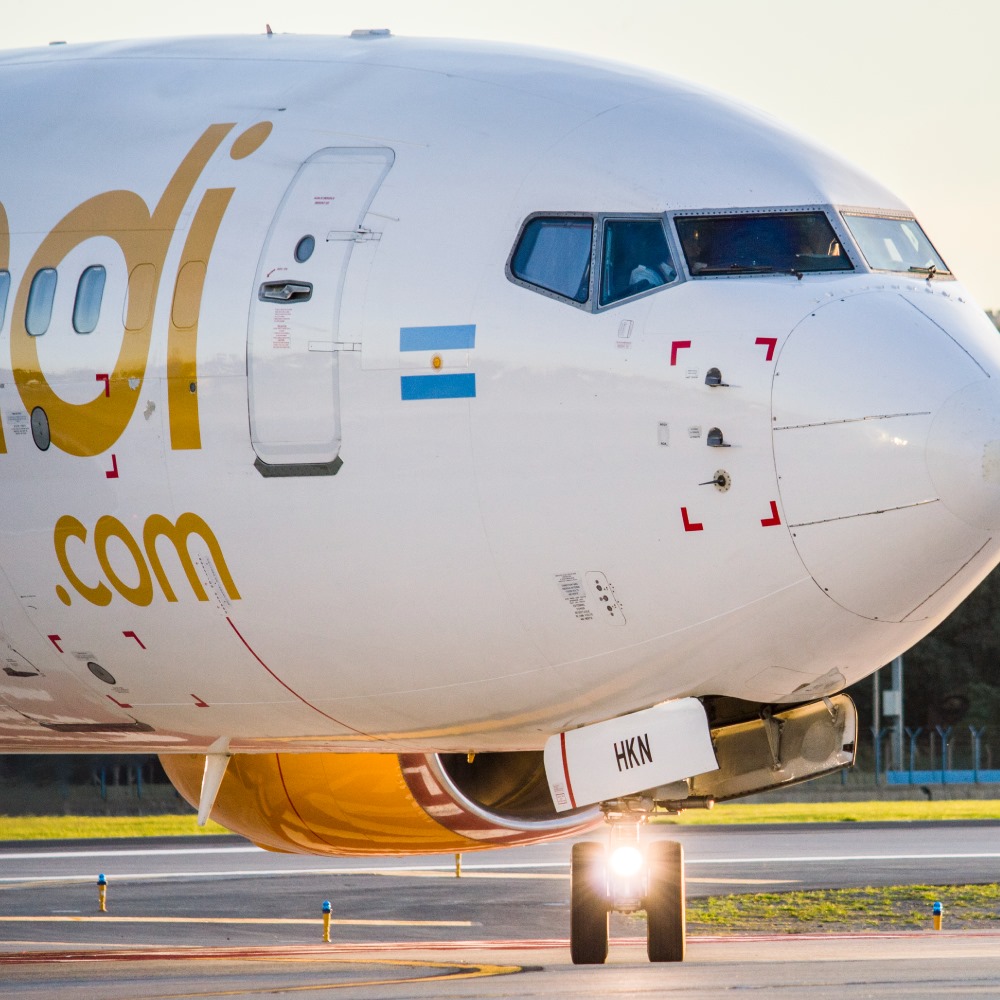
La aerolínea low cost de Argentina Flybondi Líneas Aéreas ha anunciado que sumarán ochenta tripulantes de cabina a la compañía para este año 2022. En el marco de su plan estratégico de crecimiento en la Argentina, la aerolínea de presupuesto anunció que sumará más de 400 personas a nivel nacional durante los primeros meses de este año. La empresa informó, mediante un comunicado, que las contrataciones serán en varias de las provincias donde vuela y en ciudades como Bariloche, Jujuy, Mendoza, Neuquén, Posadas y Salta.

“Una de las áreas que tendrá un aumento significativo de empleados será la de Operaciones, que contempla posiciones para pilotos, tripulantes de cabina, agentes de check in y personal de mantenimiento, entre otros”, indicó la compañía, que el año pasado había incorporado 100 empleados. Actualmente, la firma posee una plantilla de 670 empleados. “Gracias a nuestro Plan 2x de crecimiento e inversión duplicaremos la flota y van a poder volar más de 3,5 millones de personas en un año, lo que implica duplicar también la cantidad de personas que trabajan en la compañía con respecto a 2021. Seguimos aportando al crecimiento del país generando empleos genuinos y este año llegaremos a casi 1000 empleados”, dijo Mauricio Sana, CEO de la compañía. Esteban Tossutti, Presidente de la aerolínea, agregó: “Hace más de cuatro años que estamos comprometidos con el sector aerocomercial y parte de ese compromiso es con el mercado laboral. Buscamos talentos, abrimos puestos de trabajo pero también potenciamos el desarrollo y crecimiento profesional de nuestros colaboradores. En Flybondi buscamos personas que quieran sumarse a desafíos nuevos y con una mirada innovadora. La ampliación de destinos y el aumento de frecuencias nos permite sumar más personas a nivel federal”.

La empresa informó que para postularse a algunas de las diversas ofertas de empleo, se debe ingresar a: https://flybondi.breezy.hr/. Entre las búsquedas más destacadas que abrirá la empresa aparecen la incorporación de tripulantes de cabina, personas para las áreas de mantenimiento, staff como Producto & Tecnología, Finanzas, Personas, Comercial, entre otras. Además, se están ampliando las áreas de Centro de Operaciones y Carga. De todas las búsquedas que se abrirán en la aerolínea low cost, 80 vacantes serán posiciones para tripulantes de cabina, informó Flybondi en su comunicado de prensa.

Flybondi seeks to increase staff

Flybondi will add 400 employees in 2022

AW-Flybondi_702 (2)

The Argentine low cost airline Flybondi Líneas Aéreas has announced that eighty cabin crew will be added to the company by 2022. Within the framework of its strategic growth plan in Argentina, the budget airline announced that it will add more than 400 people to national level during the first months of this year. The company reported, through a statement, that the hiring will be in several of the provinces where it flies and in cities such as Bariloche, Jujuy, Mendoza, Neuquén, Posadas and Salta.

«One of the areas that will have a significant increase in employees will be Operations, which includes positions for pilots, cabin crew, check-in agents and maintenance personnel, among others», said the company, which last year had incorporated 100 employees. Currently, the firm has a workforce of 670 employees. “Thanks to our 2x growth and investment Plan, we will double the fleet and more than 3.5 million people will be able to fly in a year, which also means doubling the number of people who work in the company compared to 2021. contributing to the growth of the country by generating genuine jobs and this year we will reach almost 1,000 employees”, said Mauricio Sana, CEO of the company. Esteban Tossutti, President of the airline, added: “We have been committed to the commercial aviation sector for more than four years and part of that commitment is with the labor market. We look for talents, we open jobs but we also promote the development and professional growth of our collaborators. At Flybondi we are looking for people who want to join new challenges and with an innovative outlook. The expansion of destinations and the increase in frequencies allows us to add more people at the federal level”.

The company reported that to apply for some of the various job offers, you must go to: https://flybondi.breezy.hr/. Among the most outstanding searches that the company will open are the incorporation of cabin crew, people for the maintenance areas, staff such as Product & Technology, Finance, People, Commercial, among others. In addition, the Operations Center and Cargo areas are being expanded. Of all the searches that will be opened in the low cost airline, 80 vacancies will be positions for cabin crew, Flybondi reported in its press release.

PUBLISHER: Airgways.com
DBk: Flybondi.com / Airgways.com
AW-POST: 202202191230AR
OWNERSHIP: Airgways Inc.
A\W A I R G W A Y S ®
Condor estrena destino Georgia

AW | 2022 02 19 12:10 | AIRLINES ROUTES

Condor Airlines lanzará vuelos regulares a Georgia

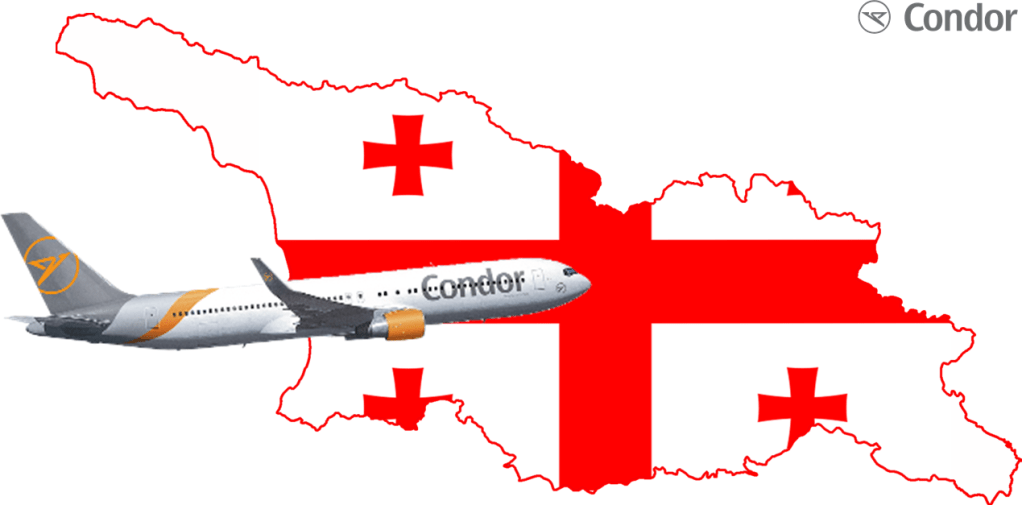
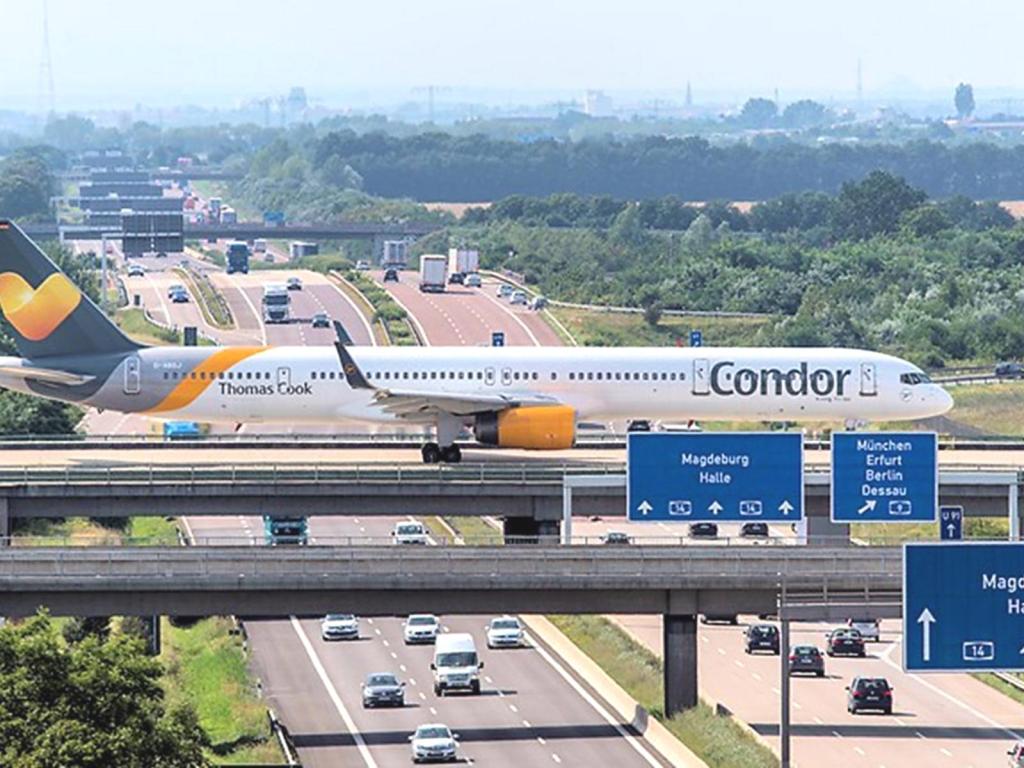
La aerolínea charter alemana Condor Airlines iniciará operaciones aerocomerciales de vuelos regulares a Tbilisi, capital de la República de Georgia. La nueva ruta Frankfurt—Tbilisi permitirá conectar a la región de los Cáucasos de la Europa Sur-oriental. La agenda de negociaciones han concluido con éxito de las representaciones alemanas-georgianas, lo que permitiría avanzar hacia las certificaciones respectivas de ambos países. Condor Airlines operará vuelos regulares en la ruta Frankfurt—Tbilisi dos veces por semana (2Frq/S) a partir del 1 de Mayo de 2022.

Otra compañía aérea alemana, Eurowings Airlines, comenzará a operar vuelos regulares en la ruta Stuttgart—Tbilisi a partir del 19 de Julio de 2022. Eurowings ha estado operando vuelos en la ruta Dusseldorf—Tbilisi dos veces por semana (2Frq/S) desde el 4 de Julio de 2021.

Las conexiones avanzan entre la ex-república soviética y Alemania, los usuarios del transporte aéreo deberán corroborar el desarrollo de la situación epidemiológica, las restricciones fronterizas y los requisitos sanitarios que varían según los países. Se insta a los ciudadanos a ser cautelosos al planificar un viaje, a estar al tanto de las regulaciones fronterizas y sanitarias del país, las notificaciones de la aerolínea y las declaraciones publicadas en fuentes oficiales.

Condor premieres destination Georgia

Condor Airlines will launch regular flights to Georgia

The German charter airline Condor Airlines will start commercial operations of regular flights to Tbilisi, capital of the Republic of Georgia. The new Frankfurt-Tbilisi route will connect the Caucasus region of South-Eastern Europe. The negotiating agenda has been successfully concluded by the German-Georgian representations, which would allow progress towards the respective certifications of both countries. Condor Airlines will operate regular flights on the Frankfurt—Tbilisi route twice a week (2Frq/S) from May 1, 2022.

Another German airline, Eurowings Airlines, will start operating regular flights on the Stuttgart—Tbilisi route from July 19, 2022. Eurowings has been operating flights on the Dusseldorf—Tbilisi route twice a week (2Frq/S) since July 4, 2021.

Connections advance between the former Soviet republic and Germany, air transport users will have to corroborate the development of the epidemiological situation, border restrictions and health requirements that vary from country to country. Citizens are urged to be cautious when planning a trip, to be aware of the country’s border and health regulations, airline notifications and statements published in official sources.

Condor führt erstmals destination Georgia ein

Condor Airlines startet regelmäßige flüge nach Georgien

Die deutsche Charterfluggesellschaft Condor Airlines wird den kommerziellen Betrieb von Linienflügen nach Tiflis, der Hauptstadt der Republik Georgien, aufnehmen. Die neue route Frankfurt-Tiflis verbindet die Kaukasus-Region in Südosteuropa. Die Verhandlungsagenda wurde von den deutsch-georgischen Vertretungen erfolgreich abgeschlossen, was Fortschritte in Richtung der jeweiligen Zertifizierungen beider Länder ermöglichen würde. Condor Airlines wird ab dem 1. Mai 2022 zweimal wöchentlich (2 Frq/S) Linienflüge auf der Strecke Frankfurt—Tiflis durchführen.

Eine weitere deutsche Fluggesellschaft, Eurowings Airlines, nimmt ab dem 19. Juli 2022 Linienflüge auf der Strecke Stuttgart—Tiflis auf. Seit dem 4. Juli 2021 bietet Eurowings zweimal wöchentlich (2Frq/S) Flüge auf der Strecke Düsseldorf—Tiflis an.

Die Verbindungen zwischen der ehemaligen Sowjetrepublik und Deutschland werden vorangetrieben, die Luftverkehrsnutzer müssen die Entwicklung der epidemiologischen Situation, der Grenzbeschränkungen und der von Land zu Land unterschiedlichen Gesundheitsanforderungen bestätigen. Die Bürger werden aufgefordert, bei der Planung einer Reise vorsichtig zu sein und sich der Grenz-und Gesundheitsvorschriften des Landes, der Benachrichtigungen der Fluggesellschaften und der in offiziellen Quellen veröffentlichten Erklärungen bewusst zu sein.

Condor-ის პრემიერა საქართველოში

საქართველოში რეგულარული ფრენები დაიწყება

გერმანული ჩარტერული ავიაკომპანია Condor Airlines საქართველოს რესპუბლიკის დედაქალაქ თბილისში რეგულარული ფრენების კომერციულ ოპერირებას იწყებს. ფრანკფურტი-თბილისის ახალი მარშრუტი სამხრეთ-აღმოსავლეთ ევროპის კავკასიის რეგიონს დააკავშირებს. მოლაპარაკებების დღის წესრიგი წარმატებით დასრულდა გერმანულ-ქართული წარმომადგენლობით, რაც საშუალებას მისცემს პროგრესს ორივე ქვეყნის შესაბამისი სერთიფიკატების მიმართულებით. Condor Airlines რეგულარულ ფრენებს შეასრულებს ფრანკფურტი-თბილისის მარშრუტზე კვირაში ორჯერ (2Frq/S) 2022 წლის 1 მაისიდან.

კიდევ ერთი გერმანული ავიაკომპანია, Eurowings Airlines, 2022 წლის 19 ივლისიდან დაიწყებს რეგულარულ ფრენებს შტუტგარტი-თბილისის მარშრუტზე. Eurowings ფრენებს დიუსელდორფი-თბილისის მიმართულებით კვირაში ორჯერ (2Frq/S) 2021 წლის 4 ივლისიდან ახორციელებს.

ყოფილ საბჭოთა რესპუბლიკასა და გერმანიას შორის კავშირები განვითარდება, საჰაერო ტრანსპორტის მომხმარებლებს მოუწევთ დაადასტურონ ეპიდემიოლოგიური სიტუაციის განვითარება, საზღვრის შეზღუდვები და ჯანმრთელობის მოთხოვნები, რომლებიც განსხვავდება ქვეყნიდან ქვეყანაში. მოქალაქეებს მოუწოდებენ სიფრთხილე გამოიჩინონ მოგზაურობის დაგეგმვისას, იცოდნენ ქვეყნის საზღვრისა და ჯანმრთელობის რეგულაციები, ავიაკომპანიების შეტყობინებები და ოფიციალურ წყაროებში გამოქვეყნებული განცხადებები.

PUBLISHER: Airgways.com
DBk: Condor.com / Airways.com
AW-POST: 202202191210AR
OWNERSHIP: Airgways Inc.
A\W A I R G W A Y S ®

Paro Controladores en Argentina

AW | 2022 02 18 07:08 | AIR TRAFFIC

Reprogramaciones vuelos Argentina por paro controladores aéreos

La República Argentina ha sufrido un paro de los Controladores Aéreos lo que ha ocasionado la parálisis de la mayoría de los vuelos en el país. El Secretario General de Atepsa, Jonatan Doino, aseguró que el sindicato “asistió a todas las reuniones convocadas por el Ministerio de Trabajo con la voluntad de encontrar puntos de acuerdo, pero la empresa no ofreció ninguna respuesta que permita resolver los problemas dotacionales y de operaciones que afectan la seguridad de los vuelos”. El Miércoles 16/02, los controladores nucleados en Atepsa anunciaron que “a partir del 18/02 retomarán de manera progresiva las medidas legítimas de acción gremial que incluirán la suspensión de las autorizaciones de despegue de vuelos comerciales, carga y aviación en general en todo el territorio nacional”.

El CEO de Aerolíneas Argentinas, Pablo Ceriani, confirmó que la compañía tuvo que reprogramar 101 vuelos correspondientes al Viernes 18/02 por la medida de fuerza anunciada por los controladores aéreos nucleados en la Asociación de Técnicos y Empleados de Protección y Seguridad a la Aeronavegación (Atepsa) por reclamos salariales. La aerolínea ha dejado a alrededor de 12.000 pasajeros con reprogramaciones, mientras que sostienen que la duración de la espera no sería mayor a dos horas. “Las reprogramaciones ya fueron informadas vía mail. Les solicitamos a nuestros pasajeros que chequeen sus correos electrónicos y el estado de su vuelo en http://www.aerolineas.com”, expresó el titular de la aerolínea de bandera. Aerolíneas advirtió que los vuelos de la compañía «podrán verse afectados por eventuales reprogramaciones en los días sucesivos» a la medida de fuerza que se iniciará este Viernes 18/02. “Esperamos que la medida sea revisada y que no afecte el fin de semana largo de carnaval que es una fecha muy importante para la industria turística del país. Este tipo de medidas echan por la borda buena parte del esfuerzo que todos los actores de la industria venimos haciendo para sostener la operación y los puestos de trabajo en un contexto tan difícil como fue el de los últimos dos años”.

Las low cost JetSmart Airlines Argentina y Flybondi Líneas Aéreas también reprograman vuelos por el paro de controladores. A los vuelos que debió reprogramar Aerolíneas Argentinas para este viernes, se suman más de veinte de JetSmart y quince de Flybondi. Afectará a 7.600 pasajeros.

Los vuelos reprogramados son principalmente de la red doméstica y afecta cuarenta salidas desde el Aeropuerto Jorge Newbery, cuatro salidas desde el Aeropuerto Ezeiza y cincuenta y siete vuelos desde el interior del país.

Unemployment Controllers in Argentina

Argentina flights rescheduled due to air traffic controller strike

The Argentine Republic has suffered a stoppage by Air Traffic Controllers which has caused the paralysis of most of the flights in the country. The General Secretary of Atepsa, Jonatan Doino, assured that the union «attended all the meetings convened by the Ministry of Labor with the desire to find points of agreement, but the company did not offer any response that would allow the staffing and operations problems to be resolved. that affect flight safety. On Wednesday 02/16, controllers based in Atepsa announced that “as of 02/18 they will progressively resume the legitimate measures of union action that will include the suspension of take-off authorizations for commercial flights, cargo and general aviation in all the national territory”.

The CEO of Aerolíneas Argentinas, Pablo Ceriani, confirmed that the company had to reschedule 101 flights corresponding to Friday 02/18 due to the force measure announced by the air traffic controllers grouped in the Association of Technicians and Employees of Protection and Security to Air Navigation (Atepsa) for wage claims. The airline has left around 12,000 passengers with rescheduling, while they maintain that the length of the wait would not be more than two hours. “The rescheduling has already been informed via email. We ask our passengers to check their emails and the status of their flight at http://www.aerolineas.com”, said the head of the flag carrier. Airlines warned that the company’s flights «may be affected by eventual rescheduling in the days following» the force measure that will begin this Friday 02/18. “We hope that the measure will be reviewed and that it will not affect the long carnival weekend, which is a very important date for the country’s tourism industry. These types of measures throw away a good part of the effort that all the players in the industry have been making to sustain the operation and jobs in a context as difficult as that of the last two years”.

The low cost JetSmart Airlines Argentina and Flybondi Líneas Aéreas also reschedule flights due to the strike of controllers. To the flights that Aerolineas Argentinas had to reschedule for this Friday, more than twenty from JetSmart and fifteen from Flybondi are added. It will affect 7,600 passengers.

The rescheduled flights are mainly from the domestic network and affect forty departures from Jorge Newbery Airport, four departures from Ezeiza Airport and fifty-seven flights from the interior of the country.

PUBLISHER: Airgways.com
DBk: Atepsa.org.ar / Aerolineas.com / Flybondi.com / Jetsmart.com / Airgways.com
AW-POST: 202202180708AR
OWNERSHIP: Airgways Inc.
A\W A I R G W A Y S ®

Etihad adquerirá A350F

AW | 2022 02 17 21:12 | AIRLINES / INDUSTRY

Carguero A350F nueva generación se unirá a flota Etihad Airways

Etihad Airways_Isologotype.svg

Etihad Airways ha firmado una Carta de Intención (LoI) para que siete cargueros Airbus A350F (7) se agreguen a su flota existente de cinco versiones de pasajeros A350-1000. El anuncio se realizó en el Salón Aeronáutico de Singapur de 2022. Etihad también seleccionó los Servicios de Horas de Vuelo (FHS) de Airbus para respaldar toda su flota de A350.

“Etihad se complace en ampliar nuestra relación con Airbus para incluir este notable avión como parte de nuestra flota de carga para el futuro. A medida que nuestras operaciones de carga continúan teniendo un rendimiento superior y trabajamos hacia un futuro más sostenible basado en la flota más joven y eficiente en el consumo de combustible del mundo, la incorporación del A350F desempeñará un papel clave para impulsar nuestra estrategia de carga a largo plazo y lograr nuestro 2035 objetivo de reducir las emisiones de CO₂ en un 50%”, dijo Tony Douglas, Director Ejecutivo del grupo Etihad Aviation Group.

“Nos complace firmar este acuerdo con nuestro socio de larga data Etihad, poco antes de que esta aerolínea más exigente también presente el servicio de pasajeros A350. Gracias Etihad por respaldar la naturaleza innovadora del nuevo A350F. El único gran carguero de nueva generación del mundo será inigualable en su segmento de mercado en términos de alcance, consumo de combustible y ahorro de CO₂”, dijo Christian Scherer, Director Comercial y Director Internacional.

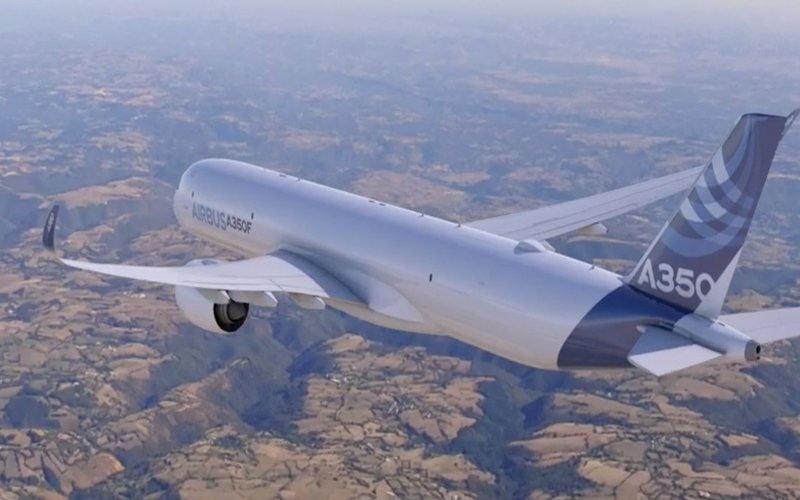
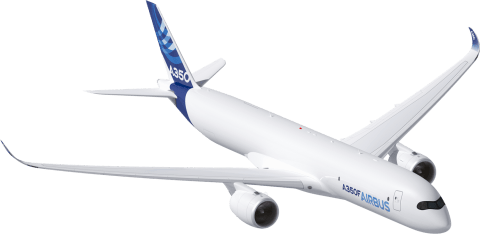
Como parte de la familia de largo alcance más moderna del mundo, el A350F ofrece un alto nivel de similitud con las versiones de pasajeros del A350. Con una capacidad de carga útil de 109 toneladas, el A350F puede servir a todos los mercados de carga. El avión cuenta con una gran puerta de carga en la cubierta principal, con una longitud de fuselaje y una capacidad optimizadas para los palets y contenedores estándar de la industria. Más del 70 % de la estructura del avión del A350F está fabricado con materiales avanzados, lo que da como resultado un peso de despegue 30 toneladas más ligero y genera al menos un 20% menos de consumo de combustible y emisiones que su competidor más cercano actual. El A350F cumple totalmente con los estándares mejorados de emisiones de CO₂ de la OACI que entrarán en vigor en 2027. Hasta la fecha, el A350F ha obtenido pedidos en firme y compromisos para 29 aviones de cinco clientes.

El A350F cumple con la ola inminente de reemplazos de grandes cargueros y los requisitos ambientales en evolución, dando forma al futuro del transporte aéreo. El A350F estará propulsado por la última tecnología, motores Rolls-Royce Trent XWB-97 de bajo consumo de combustible.

Etihad to acquire A350F

New generation A350F freighter to join Etihad Airways fleet

Etihad Airways has signed a Letter of Intent (LoI) for seven Airbus A350F freighters (7) to be added to its existing fleet of five A350-1000 passenger versions. The announcement was made at the 2022 Singapore Air Show. Etihad has also selected Airbus Flight Hours Services (FHS) to support its entire A350 fleet.

“Etihad is pleased to extend our relationship with Airbus to include this remarkable aircraft as part of our cargo fleet for the future. As our cargo operations continue to outperform and we work towards a more sustainable future based on the world’s youngest and most fuel-efficient fleet, the addition of the A350F will play a key role in driving our global cargo strategy. long term and achieve our 2035 target of reducing CO₂ emissions by 50%”, said Tony Douglas, Group Chief Executive Officer of Etihad Aviation Group.

“We are pleased to sign this agreement with our long-standing partner Etihad, shortly before this most demanding airline also introduces A350 passenger service. Thank you Etihad for supporting the innovative nature of the new A350F. The world’s only new-generation large freighter will be unmatched in its market segment in terms of range, fuel consumption and CO₂ savings”, said Christian Scherer, Commercial Director and International Director.

As part of the world’s most modern long-haul family, the A350F offers a high level of similarity to passenger versions of the A350. With a payload capacity of 109 tonnes, the A350F can serve all cargo markets. The aircraft features a large cargo door on the main deck, with fuselage length and capacity optimized for industry-standard pallets and containers. More than 70% of the A350F airframe is made from advanced materials, resulting in a 30-tonne lighter takeoff weight and generating at least 20% less fuel burn and emissions than its current closest competitor. The A350F is fully compliant with ICAO’s enhanced CO₂ emission standards that will take effect in 2027. To date, the A350F has secured firm orders and commitments for 29 aircraft from five customers.

The A350F meets the looming wave of large freighter replacements and evolving environmental requirements, shaping the future of air transport. The A350F will be powered by the latest technology, fuel-efficient Rolls-Royce Trent XWB-97 engines.

PUBLISHER: Airgways.com
DBk: Airbus.com / Ethiad.com / Airgways.com
AW-POST: 202202172112AR
OWNERSHIP: Airgways Inc.
A\W A I R G W A Y S ®

Alianza ANA-Boeing en MRO

AW | 2022 02 17 21:03 | AIRLINES / INDUSTRY / MRO

ANA amplía caja herramientas rendimiento MRO
Mantenimiento digital aumenta eficiencia mantenimiento

ANA_All_Nippon_Airways_Isologotype

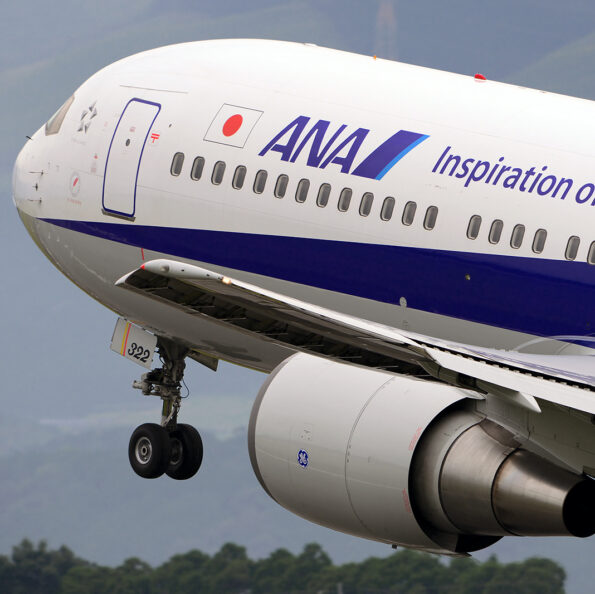
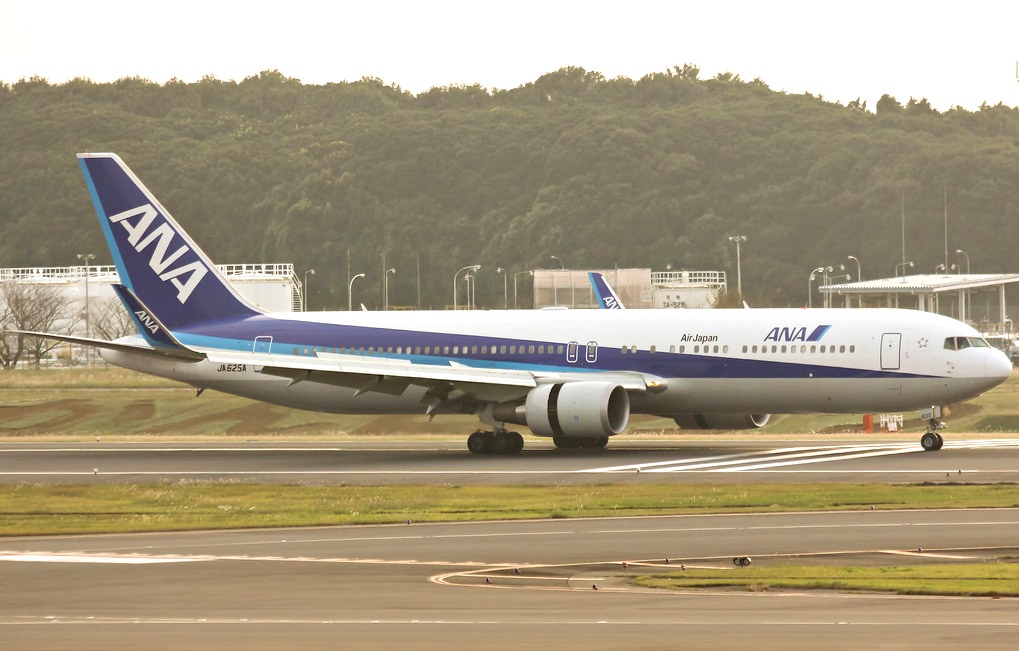
The Boeing Company anunció en el Salón Aeronáutico de Singapur que All Nippon Airways (ANA) firmó una extensión para la caja de herramientas de rendimiento de mantenimiento de Boeing por otros cinco años. La aerolínea japonesa ha utilizado la solución digital de Boeing durante los últimos ocho años para gestionar la información de mantenimiento de toda su flota de aviones y motores. Maintenance Performance Toolbox permite a los operadores simplificar sus operaciones de mantenimiento al permitirles administrar, distribuir, procesar y ver la documentación de mantenimiento inteligente en un formato digital uniforme a través de una única interfaz, independientemente del fabricante de la aeronave o el tipo de motor.

«La adopción de Maintenance Performance Toolbox es un ejemplo de cómo hemos simplificado nuestros procesos de mantenimiento a través de herramientas digitales. Ha reducido en gran medida la complejidad de administrar la información de mantenimiento. para múltiples tipos de aviones en toda nuestra flota. Hemos visto mejoras en la eficiencia de nuestras operaciones de mantenimiento y continuaremos utilizando Maintenance Performance Toolbox para aprovechar esos beneficios», dijo Hajime Kaneko, Vicepresidente del Departamento de Gestión de Portafolio de Transformación Digital de ANA.

En la actualidad, casi 350 operadores de aviones y sus proveedores de MRO confían en Maintenance Performance Toolbox para respaldar sus operaciones de ingeniería y mantenimiento. ANA Airways y otras aerolíneas han desplegado sus capacidades de flota completa en el mantenimiento de sus aviones Boeing y no Boeing.

«ANA fue un socio de desarrollo de Maintenance Performance Toolbox y fue el primer cliente en poner en marcha la capacidad de flota completa de la plataforma en 2013. Esperamos continuar para hacer crecer y mejorar la caja de herramientas de rendimiento de mantenimiento a través de nuestra colaboración con ANA para respaldar la optimización de sus operaciones de mantenimiento», dijo Duane Wehking, Vicepresidente de Soluciones de Aviación Digital de Boeing Global Services.

Boeing también se ha asociado con AIRDO, una filial de ANA Airways, para brindar servicios de modificación de cabina para los aviones Boeing 767 de su flota. Como parte del acuerdo, Boeing ejecutará la ingeniería de diseño, la certificación y el suministro de las piezas necesarias para su finalización.

ANA-Boeing alliance in MRO

ANA Expands MRO Performance Toolbox
Digital maintenance increases maintenance efficiency

Boeing_Isologotype_Blue

The Boeing Company announced at the Singapore Air Show that All Nippon Airways (ANA) has signed an extension to Boeing’s Maintenance Performance Toolkit for another five years. The Japanese airline has used Boeing’s digital solution for the past eight years to manage maintenance information for its entire aircraft and engine fleet. Maintenance Performance Toolbox enables operators to simplify their maintenance operations by allowing them to manage, distribute, process and view intelligent maintenance documentation in a consistent digital format through a single interface, regardless of aircraft manufacturer or engine type.

«The adoption of the Maintenance Performance Toolbox is one example of how we have streamlined our maintenance processes through digital tools. It has greatly reduced the complexity of managing maintenance information for multiple aircraft types across our fleet. We have seen improvements in the efficiency of our maintenance operations and we will continue to use the Maintenance Performance Toolbox to reap those benefits», said Hajime Kaneko, Vice President of ANA’s Digital Transformation Portfolio Management Department.

Today, nearly 350 aircraft operators and their MRO providers rely on the Maintenance Performance Toolbox to support their engineering and maintenance operations. ANA Airways and other airlines have deployed their full fleet capabilities in servicing their Boeing and non-Boeing aircraft.

«ANA was a development partner of the Maintenance Performance Toolbox and was the first customer to go live with the platform’s full fleet capability in 2013. We look forward to continuing to grow and improve the Maintenance Performance Toolbox through our collaboration with ANA to support the optimization of its maintenance operations», said Duane Wehking, vice president of Digital Aviation Solutions, Boeing Global Services.

Boeing has also partnered with AIRDO, a subsidiary of ANA Airways, to provide cabin modification services for the Boeing 767 aircraft in its fleet. As part of the agreement, Boeing will perform the design engineering, certification, and supply of parts necessary for completion.

PUBLISHER: Airgways.com
DBk: Boeing.com / Ana.co.jp / Airgways.com
AW-POST: 202202172103AR
OWNERSHIP: Airgways Inc.
A\W A I R G W A Y S ®

SIA finaliza el pedido del A350F

AW | 2022 02 17 20:45 | AIRLINES / INDUSTRY

Singapore Airlines ordena siete A350 Freighter

Airbus_Isologotype_svg

Singapore Airlines (SIA) ha finalizado un acuerdo este Miércoles 16/02 de compra con Airbus Group de siete aviones de carga A350F (7). El pedido fue firmado en el Salón Aeronáutico de Singapur por el director ejecutivo de SIA, Goh Choong Phong, y el Director Comercial y Director Internacional de Airbus, Christian Scherer. El pedido reafirma el compromiso de la aerolínea con el carguero de nueva generación anunciado por el fabricante de aviones en Diciembre de 2021. El avión recién pedido reemplazará la flota 747-400F existente de la aerolínea a partir del cuarto trimestre de 2025.

“Esta orden subraya la importancia del mercado de carga para el Grupo SIA. La introducción del A350F mejorará nuestras capacidades en este sector clave, asegurando que estemos preparados para las oportunidades de crecimiento que surgirán en los próximos años. Estos aviones de nueva generación aumentarán sustancialmente nuestra eficiencia operativa y reducirán nuestro consumo de combustible, lo que contribuirá de manera importante al éxito de nuestros objetivos de descarbonización a largo plazo”, dijo Goh Choon Phong, Director Ejecutivo de Singapore Airlines.

“Singapore Airlines es el operador más grande del mundo del A350 y ahora se convertirá en el primero en volar la nueva variante de carga. El A350F se integrará a la perfección en la flota existente de la aerolínea, al mismo tiempo que redefine la eficiencia operativa de sus operaciones de carga, con una reducción del 40 % en el consumo de combustible y las emisiones en comparación con la aeronave que reemplazará en SIA, al tiempo que ofrece la misma capacidad de transporte de carga útil. y mayor alcance. Los patrones de consumo han cambiado drásticamente en los últimos tiempos, generando una mayor demanda por el transporte rápido de carga por vía aérea. Con el A350F, SIA estará bien posicionada para responder a este enorme potencial de mercado de una manera rentable y sostenible”, dijo Christian Scherer.

El A350F cumple con la ola inminente de reemplazos de grandes cargueros y los requisitos ambientales en evolución, dando forma al futuro del transporte aéreo. El A350F estará propulsado por la última tecnología, motores Rolls-Royce Trent XWB-97 de bajo consumo de combustible. El A350F se basa en la familia de pasajeros de largo alcance más moderna del mundo. Con una capacidad de carga útil de 109 toneladas, el A350F servirá a todos los mercados de carga. El avión cuenta con una gran puerta de carga en la cubierta principal, con una longitud de fuselaje y una capacidad optimizadas para los palets y contenedores estándar de la industria.

Más del 70 % del fuselaje estará fabricado con materiales avanzados, lo que resultará en un peso de despegue 30 toneladas más ligero y generará al menos un 20 % menos de consumo de combustible y emisiones que su competidor más cercano actual. El A350F cumplirá plenamente con los estándares mejorados de emisiones de CO₂ de la OACI que entrarán en vigor en 2027. Singapore Airlines es el operador más grande del mundo del A350, con 58 actualmente en servicio.

SIA finalizes A350F order

Singapore Airlines orders seven A350 Freighter

Singapore_Airlines_Isologotype

Singapore Airlines (SIA) has finalized an agreement this Wednesday 02/16 with Airbus Group for the purchase of seven A350F cargo aircraft (7). The order was signed at the Singapore Air Show by SIA CEO Goh Choong Phong and Airbus Chief Commercial Officer and International Head Christian Scherer. The order reaffirms the airline’s commitment to the next-generation freighter announced by the aircraft manufacturer in December 2021. The newly ordered aircraft will replace the airline’s existing 747-400F fleet beginning in the fourth quarter of 2025.

“This order underlines the importance of the cargo market for the SIA Group. The introduction of the A350F will enhance our capabilities in this key sector, ensuring that we are prepared for the growth opportunities that will arise in the coming years. These next-generation aircraft will substantially increase our operational efficiency and reduce our fuel consumption, which will make an important contribution to the success of our long-term decarbonization goals”, said Goh Choon Phong, CEO of Singapore Airlines..

«Singapore Airlines is the world’s largest operator of the A350 and will now become the first to fly the new cargo variant. The A350F will integrate seamlessly into the airline’s existing fleet, while redefining the operational efficiency of its cargo operations, with a 40% reduction in fuel burn and emissions compared to the aircraft it will replace in SIA, while offering the same payload carrying capacity. and greater range. Consumption patterns have changed drastically in recent times, generating a greater demand for fast cargo transportation by air. With the A350F, SIA will be well positioned to respond to this huge market potential in a profitable and sustainable way”, said Christian Scherer.

The A350F meets the looming wave of large freighter replacements and evolving environmental requirements, shaping the future of air transport. The A350F will be powered by the latest technology, fuel-efficient Rolls-Royce Trent XWB-97 engines. The A350F is based on the world’s most modern long-range passenger family. With a payload capacity of 109 tonnes, the A350F will serve all cargo markets. The aircraft features a large cargo door on the main deck, with fuselage length and capacity optimized for industry-standard pallets and containers.

More than 70% of the airframe will be made from advanced materials, resulting in a 30-tonne lighter takeoff weight and generating at least 20% less fuel burn and emissions than its current closest competitor. The A350F will fully comply with ICAO’s enhanced CO₂ emission standards that come into force in 2027. Singapore Airlines is the world’s largest operator of the A350, with 58 currently in service.

PUBLISHER: Airgways.com
DBk: Airbus.com / Singaporeair.com / Airgways.com
AW-POST: 202202172045AR
OWNERSHIP: Airgways Inc.
A\W A I R G W A Y S ®