Boeing asume nuevo papel reducir emisiones aviación
The Boeing Company representará al sector de la aviación en una alianza global, establecida conjuntamente por el Gobierno de los Estados Unidos y el Foro Económico Mundial para acelerar las tecnologías limpias y reducir las emisiones de carbono. La First Movers Coalition (FMC) se creó a fines de 2021 para aprovechar el poder adquisitivo de las principales empresas para acelerar el ritmo de descarbonización de sectores industriales como el transporte marítimo, los productos químicos y el transporte por carretera. Boeing, miembro fundador de la coalición, servirá como el campeón para el sector de la aviación.
Como parte de su nuevo rol, Boeing se compromete a apoyar una mayor comercialización de combustibles de aviación sostenibles y avanzar en otras tecnologías bajas en carbono. Ampliar las soluciones sostenibles es fundamental para el objetivo del sector de la aviación de cero emisiones netas para 2050 y el objetivo más amplio de mantener las temperaturas globales a 1,5° C por encima de los niveles preindustriales, la llamada «vía de 1,5° C».
«Solo podemos mantener la trayectoria climática crítica de 1.5ºC si impulsamos el mercado de tecnologías disruptivas de cero carbono y las hacemos tan competitivas económicamente como las soluciones existentes intensivas en carbono. Felicito a Boeing por su nuevo papel en el campeonato y espero trabajar juntos para impulsar la necesidad y acelerar el uso de estas tecnologías emergentes», dijo Nancy Gillis, Directora de la First Movers Coalition.
Boeing dijo que aprovechará las tecnologías actuales y aumentará las asociaciones de la industria para expandir los suministros sostenibles de combustible de aviación, al tiempo que dará forma a las estrategias para desarrollar nuevas soluciones. «Nos sentimos honrados de servir como ‘campeones’ para nuestro sector y comprometidos a asociarnos con los miembros de FMC y otros para escalar SAF y acelerar las tecnologías bajas en carbono para descarbonizar la aviación», dijo Brian Moran, Vicepresidente de Política y Asociaciones de Sostenibilidad Global de Boeing.
Boeing ha reclutado a uno de los principales expertos en combustibles de aviación sostenibles (SAF) para trabajar con las más de 50 compañías de la First Movers Coalition y otros socios de la industria. Robert Boyd se unirá a Boeing desde la Asociación Internacional de Transporte Aéreo (IATA), donde dirigió los esfuerzos de descarbonización, incluido el avance del despliegue comercial de SAF y abordar los desafíos políticos, económicos, de sostenibilidad y logísticos. Boyd también se desempeñó como miembro del Grupo de Tareas sobre Combustibles de la Organización de las Naciones Unidas de Aviación Civil Internacional (OACI). Además, se desempeñó durante cuatro años en la Junta Directiva de la Mesa Redonda sobre Biomateriales Sostenibles (RSB).
«Boeing ha sido pionero en hacer de SAF una realidad y que Robert se una a nuestro equipo es una prueba más de que estamos 100% comprometidos a trabajar juntos para cumplir con el compromiso de cero emisiones netas de la industria para 2050», dijo Brian Moran.
El nuevo rol de Boeing se basa en los esfuerzos de sostenibilidad de la compañía aeroespacial, que incluye el programa ecoDemonstrator que en 2018 realizó el primer vuelo de avión comercial del mundo utilizando combustibles 100% sostenibles con un 777 Freighter, en colaboración con FedEx Express. En 2021, Boeing se asoció en toda la industria para descarbonizar la industria aeroespacial, incluso con SkyNRG, Alaska Airlines, Etihad Airways, NASA, Rolls-Royce y United Airlines. Boeing también está progresando a través de su empresa conjunta, Wisk, para llevar al mercado el primer taxi aéreo totalmente eléctrico y autónomo en los EE. UU. Boeing también tiene una experiencia significativa con el hidrógeno, realizando seis demostraciones de tecnología en los últimos quince años.
Boeing deepens sustainability
Boeing takes on new role in reducing aviation emissions
The Boeing Company will represent the aviation industry in a global alliance established jointly by the United States Government and the World Economic Forum to accelerate clean technologies and reduce carbon emissions. The First Movers Coalition (FMC) was created in late 2021 to harness the buying power of major companies to accelerate the pace of decarbonization of industry sectors such as shipping, chemicals, and trucking. Boeing, a founding member of the coalition, will serve as the champion for the aviation sector.
As part of its new role, Boeing is committed to supporting the increased commercialization of sustainable aviation fuels and advancing other low-carbon technologies. Scaling up sustainable solutions is central to the aviation sector’s goal of net-zero emissions by 2050 and the broader goal of keeping global temperatures 1.5°C above pre-industrial levels, the so-called «1, 5°C».
«We can only maintain the critical 1.5C climate trajectory if we drive the market for disruptive zero-carbon technologies and make them as economically competitive as existing carbon-intensive solutions. I congratulate Boeing on its new role in the championship and look forward to working together to drive the need and accelerate the use of these emerging technologies», said Nancy Gillis, Director of the First Movers Coalition.
Boeing said it will leverage current technologies and increase industry partnerships to expand sustainable aviation fuel supplies, while shaping strategies to develop new solutions. «We are honored to serve as ‘champions’ for our sector and are committed to partnering with FMC members and others to scale SAF and accelerate low-carbon technologies to decarbonize aviation», said Brian Moran, Vice President of Policy and Partnerships at Boeing Global Sustainability.
Boeing has recruited one of the leading experts in sustainable aviation fuels (SAF) to work with the more than 50 companies in the First Movers Coalition and other industry partners. Robert Boyd will join Boeing from the International Air Transport Association (IATA), where he led decarbonization efforts, including advancing commercial SAF deployment and addressing political, economic, sustainability and logistical challenges. Boyd also served as a member of the United Nations International Civil Aviation Organization (ICAO) Fuels Task Force. Additionally, he served for four years on the Board of Directors of the Roundtable on Sustainable Biomaterials (RSB).
«Boeing has been a pioneer in making SAF a reality and having Robert join our team is further proof that we are 100% committed to working together to meet the industry’s net zero emissions commitment by 2050», said Brian Moran.
Boeing’s new role builds on the aerospace company’s sustainability efforts, which include the ecoDemonstrator program that in 2018 made the world’s first commercial airliner flight using 100% sustainable fuels with a 777 Freighter, in collaboration with FedEx Express. In 2021, Boeing has partnered across the industry to decarbonize the aerospace industry, including with SkyNRG, Alaska Airlines, Etihad Airways, NASA, Rolls-Royce and United Airlines. Boeing is also making progress through its joint venture, Wisk, to bring the first all-electric, autonomous air taxi to market in the US. Boeing also has significant experience with hydrogen, conducting six technology demonstrations in the last fifteen years.
Obtenga más información sobre los compromisos, asociaciones y esfuerzos de sostenibilidad de Boeing en su Informe de Sostenibilidad 2022 recientemente publicado y en el sitio web de sostenibilidad de Boeing.
Learn more about Boeing’s sustainability commitments, partnerships and efforts in its recently released 2022 Sustainability Report and on the Boeing sustainability website.
AW | 2022 08 08 20:28 | INDUSTRY / AVIAQTION ORGANISMS
Regulador aéreo FAA aprueba reanudar entregas del Dreamliner
La Federal Aviation Administration (FAA) ha anunciado que ha aprobado el reinicio de las entregas de la línea Boeing 787 Dreamliner después de las interrupciones en 2Q2021. The Boeing Company ha recibido el visto bueno para que reactive las entregas de las aeronaves después de que la agencia regulatoria de Estados Unidos revisara los cambios necesarios para asegurarse de que el 787 Dreamliner cumple todos los estándares de certificación, informó la Administración de la FAA en un comunicado. La FAA afirmó que la reanudación de entregas se hará en los próximos días y aseguró que inspeccionará cada avión en el proceso.
Los primeros defectos en el modelo 787 Dreamliner se descubrieron a final del 3Q2020 y en exámenes más profundos aparecieron otros problemas. Boeing tuvo que suspender las entregas, desde Noviembre de 2020 hasta Marzo de 2021, posponiendo el plazo hasta finales de Mayo de 2021, mientras que continuaba dilatándose hasta la actualidad. Para finales de Junio 2022, el constructor americano tenía un backlog de 120 aeronaves en su inventario. «Seguiremos trabajando con la FAA y con nuestros clientes para reanudar las entregas del 787», declaró Boeing en un comunicado.
FAA approves Boeing 787
FAA air regulator approves resuming deliveries of Dreamliner
The Federal Aviation Administration (FAA) has announced that it has approved the restart of deliveries of the Boeing 787 Dreamliner line after interruptions in 2Q2021. The Boeing Company has received the go-ahead to reactivate aircraft deliveries after the United States regulatory agency analyzes the changes necessary to ensure that the 787 Dreamliner meets all certification standards, the FAA Administration reported in a statement. The FAA affirmed that the resumption of deliveries will take place in the coming days and assured that it will inspect each plane in the process.
The first defects in the 787 Dreamliner model were discovered at the end of 3Q2020 and further examinations revealed other problems. Boeing had to suspend deliveries, from November 2020 to March 2021, postponing the deadline until the end of May 2021, while continuing to extend to the present. By the end of June 2022, the American manufacturer had a baglog of 120 aircraft in its inventory. «We will continue to work with the FAA and our customers to resume 787 deliveries», Boeing said in a statement.
PUBLISHER: Airgways.com DBk: Faa.gov / Boeing.com / Airgways.com AW-POST: 202208082028AR OWNERSHIP: Airgways Inc. A\W A I R G W A Y S ®
Embraer lanza video nuevo turbohélice E3 en desarrollo
La compañía brasileña Embraer ha realizado su presentación en público de un nuevo video del nuevo avión turboprop de la empresa, introduciendo detalles estéticos del nuevo avión turbohélice de nueva generación. La constructora aeroespacial ha atraído el interés por la nueva línea de desarrollo para viajes de corta distancia en aeropuertos menos populares. El nuevo video presentación muestra aspectos más definidos del desarrollo del E3 que permite entender que existe una compatibilidad entre las líneas E2-Jet y la E3-Jet.
El nuevo desarrollo del denominado TurboProp de Nueva Generación (TPNG) conseguirá la continuidad de la saga después de la finalización de la línea de producción del Embraer Emb-120 en 2001. La nueva estructura del TPGN, también denominada Programa Embraer E3, permitirá afianzar la gama de aeronaves en diferentes sectores de la aviación regional.
Embraer E3
Embraer pronostica una demanda de aproximadamente 10.950 nuevos aviones con hasta 150 asientos en los próximos 20 años. El reemplazo de aviones antiguos representará el 57% de todas las nuevas entregas, mientras que el 43% se utilizará para hacer crecer los mercados.
En Marzo 2022 ha completado las pruebas de túnel de viento de prototipos de sistemas de hélice y realizará pruebas completas de túnel de viento este año. Embraer está trabajando actualmente con varios fabricantes de motores para encontrar el motor más efectivo para el TPNG. Actualmente, Embraer mantiene casi todos los aspectos del proyecto, pero determinará la decisión de su planta motriz para finales de año 2022.
Embraer dice que su turbohélice de nueva generación traerá economía disruptiva al sector. El nuevo avión es más un avión E-Jet E-2 con una forma diferente de propulsión en lugar de un turbohélice mejorado. El TPNG tendrá la misma experiencia de cabina que en el E2. El movimiento de los motores a la parte trasera del fuselaje significará una cabina mucho más silenciosa. Embraer desarrollará dos versiones; una versión de TP50 para 50 asientos y otra para TP90 para 90 asientos. El TP90 tendrá hasta un 15% menos de costos operativos, un 25% más de asientos, un menor consumo de combustible y será un 20% más rápido que los turbohélices existentes.
Embraer cree que habrá una tendencia hacia aviones más pequeños, impulsada por una creciente necesidad de flexibilidad, conectividad y eficiencia. El impulso por una mayor sostenibilidad acelerará la transición hacia la descarbonización, que se logrará a través de aeronaves, sistemas de propulsión y fuentes de combustible de nueva generación. De la demanda de casi 11.000 aviones nuevos, Embraer dice que 2.280, o el 21%, serán turbohélices.
La decisión de Embraer es tener todo preparado para el lanzamiento oficial del nuevo diseño turboprop TPNG para principios o mediados de 2023, para iniciar la fabricación y certificación del próximo avión de nueva generación con una entrada en servicio para las líneas aéreas hacia principios de 2028.
Embraer turboprop video presentation
Embraer releases video of new turboprop E3 in development
The Brazilian company Embraer has made its public presentation of a new video of the company’s new turboprop aircraft, introducing aesthetic details of the new generation turboprop aircraft. The aerospace builder has attracted interest in the new development line for short-haul flights at less popular airports. The new video presentation shows more defined aspects of the development of E3 that allows us to understand that there is compatibility between the E2-Jet and E3-Jet lines.
The new development of the so-called New Generation TurboProp (TPNG) will ensure the continuity of the saga after the completion of the Embraer Emb-120 production line in 2001. The new structure of the TPGN, also known as the Embraer E3 Program, will strengthen the range of aircraft in different sectors of regional aviation.
Embraer E3
Embraer forecasts a demand for approximately 10,950 new aircraft with up to 150 seats in the next 20 years. The replacement of old aircraft will account for 57% of all new deliveries, while 43% will be used to grow markets.
As of March 2022 it has completed wind tunnel testing of prototype propeller systems and will conduct full wind tunnel testing this year. Embraer is currently working with various engine manufacturers to find the most effective engine for the TPNG. Currently, Embraer maintains almost all aspects of the project, but will determine the decision of its power plant by the end of the year 2022.
Embraer says its next-generation turboprop will bring disruptive economics to the sector. The new aircraft is more of an E-Jet E-2 aircraft with a different form of propulsion rather than an upgraded turboprop. The TPNG will have the same cockpit experience as E2. Moving the engines to the rear of the fuselage will mean a much quieter cabin. Embraer will develop two versions; one version of TP50 for 50 seats and another for TP90 for 90 seats. The TP90 will have up to 15% lower operating costs, 25% more seats, lower fuel consumption and will be 20% faster than existing turboprops.
Embraer believes there will be a trend towards smaller aircraft, driven by a growing need for flexibility, connectivity and efficiency. The drive for greater sustainability will accelerate the transition to decarbonisation, to be achieved through new generation aircraft, propulsion systems and fuel sources. Of the demand for nearly 11,000 new planes, Embraer says 2,280, or 21%, will be turboprops.
Embraer’s decision is to have everything ready for the official launch of the new TPNG turboprop design by early or mid-2023, to start the manufacture and certification of the next new generation aircraft with an estimated entry into service for airlines in early 2028.
Vídeo apresentação turboélice Embraer
Embraer divulga vídeo de novo turboélice em desenvolvimento
A empresa brasileira Embraer fez sua apresentação pública de um novo vídeo da nova aeronave turboélice da empresa, apresentando detalhes estéticos da aeronave turboélice de nova geração. O construtor aeroespacial atraiu interesse na nova linha de desenvolvimento para voos de curta distância em aeroportos menos populares. A nova apresentação em vídeo mostra aspectos mais definidos do desenvolvimento do E3 que nos permite entender que há compatibilidade entre as linhas E2-Jet e E3-Jet.
O novo desenvolvimento do chamado New Generation TurboProp (TPNG) terá continuidade na saga após a conclusão da linha de produção do Embraer Emb-120 em 2001. A nova estrutura do TPGN, também conhecido como Programa Embraer E3, fortalecer a gama de aeronaves em diferentes setores da aviação regional.
Embraer E3
A Embraer prevê uma demanda de aproximadamente 10.950 novas aeronaves com até 150 assentos nos próximos 20 anos. A substituição de aeronaves antigas representará 57% de todas as novas entregas, enquanto 43% serão utilizados para aumentar os mercados.
Em Março de 2022, concluiu os testes de túnel de vento de sistemas de propulsores de protótipos e realizará testes completos de túnel de vento este ano. A Embraer está atualmente trabalhando com vários fabricantes de motores para encontrar o motor mais eficaz para o TPNG. Atualmente, a Embraer mantém quase todos os aspectos do projeto, mas determinará a decisão de sua usina até o final do ano de 2022.
A Embraer diz que seu turboélice de próxima geração trará economia disruptiva para o setor. A nova aeronave é mais uma aeronave E-Jet E-2 com uma forma diferente de propulsão, em vez de um turboélice atualizado. O TPNG terá a mesma experiência de cockpit que o E2. Mover os motores para a parte traseira da fuselagem significará uma cabine muito mais silenciosa. A Embraer desenvolverá duas versões; uma versão do TP50 para 50 lugares e outra para o TP90 para 90 lugares. O TP90 terá custos operacionais até 15% menores, 25% mais assentos, menor consumo de combustível e será 20% mais rápido que os turboélices existentes.
A Embraer acredita que haverá uma tendência para aeronaves menores, impulsionadas por uma crescente necessidade de flexibilidade, conectividade e eficiência. A busca por maior sustentabilidade acelerará a transição para a descarbonização, a ser alcançada por meio de aeronaves de nova geração, sistemas de propulsão e fontes de combustível. Da demanda por quase 11.000 novos aviões, a Embraer diz que 2.280, ou 21%, serão turboélices.
A decisão da Embraer é ter tudo pronto para o lançamento oficial do novo projeto do turboélice TPNG no início ou meados de 2023, para iniciar a fabricação e certificação da próxima nova geração de aeronaves com previsão de entrada em serviço para as companhias aéreas no início de 2028.
PUBLISHER: Airgways.com DBk: Embraer.com / Airgways.com AW-POST: 202208082010AR OWNERSHIP: Airgways Inc. A\W A I R G W A Y S ®
Volotea Airlines continúa expandiéndose con cifras récord de tráfico de pasajeros en el mercado español, superando los números de 2019, tanto en pasajeros como en operaciones aéreas. La aerolínea dispone de fuerte presencia en países como Francia e Italia. Según los datos de AENA, el periodo comprendido Enero—Junio 2022 alcanza un total de 1,1 millones de pasajeros transportados en rutas domésticas y en conexiones internacionales desde o hacia España, lo que representa un incremento del 55,4% respecto a los seis primeros meses de 2019, en los que llegó a 707.771 pax. En Junio 2022 ha desarrollado un total de 349.520 pasajeros transportados, lo que representa un aumento del 62,3% en comparación con los 215.056 del mismo mes de 2019. El incremento es del 31,5% del número de vuelos operados en el periodo 01-06/2022. De Enero a Junio de 2022 ha realizado un total de 7.920 conexiones, muy por encima de las 6.019 de los mismos meses de 2019. La diferencia es más sorprendente en Junio 2022, con 2.435 frente a 1.764 de Junio 2019.
La evolución de Volotea ha mejorado sustancialmente sus operaciones post-pandemia. Mientras que ahora se focalizarán en reducir los márgenes deficitarios que continúa afectando a la aerolínea española. Tras ganar € 17 millones de Euros en 2018, entró en pérdidas en 2019, con un balance negativo de € 7,7 millones. En 2020, año marcado por la crisis sanitaria mundial sus pérdidas se dispararon hasta los € 122 millones. Para afrontar la pandemia, la compañía ha tenido que recurrir a un crédito avalado por el ICO por importe de € 144,7 millones, así como a un rescate estatal de € 200 millones de Euros.
Volotea passenger record
Airlines develops increase of 55.4% year-on-year
Volotea Airlines continues to expand with record passenger traffic figures in the Spanish market, surpassing the numbers of 2019, both in terms of passengers and air operations. The airline has a strong presence in countries such as France and Italy. According to AENA data, the period between January-June 2022 reaches a total of 1.1 million passengers transported on domestic routes and on international connections to or from Spain, which represents an increase of 55.4% compared to the six first months of 2019, in which it reached 707,771 pax. In June 2022 it has developed a total of 349,520 passengers transported, which represents an increase of 62.3% compared to the 215,056 of the same month of 2019. The increase is 31.5% of the number of flights operated in the period 01 -06/2022. From January to June 2022, it has made a total of 7,920 connections, well above the 6,019 in the same months of 2019. The difference is more surprising in June 2022, with 2,435 compared to 1,764 in June 2019.
Volotea’s evolution has substantially improved its post-pandemic operations. While now they will focus on reducing the deficit margins that continue to affect the Spanish airline. After earning €17 million Euros in 2018, it went into losses in 2019, with a negative balance of €7.7 million. In 2020, a year marked by the global health crisis, its losses skyrocketed to €122 million. To deal with the pandemic, the company has had to resort to a loan guaranteed by the ICO amounting to €144.7 million, as well as a state rescue of €200 million Euros.
Volotea rècord de passatgers
Aèria desenvolupa un increment del 55,4% interanual
Volotea Airlines continua expandint-se amb xifres rècord de trànsit de passatgers al mercat espanyol, superant els números del 2019, tant en passatgers com en operacions aèries. L’aerolínia disposa de forta presència a països com França i Itàlia. Segons les dades d’AENA, el període comprès Gener-Juny 2022 assoleix un total d’1,1 milions de passatgers transportats en rutes domèstiques i en connexions internacionals des de o cap a Espanya, cosa que representa un increment del 55,4% respecte als sis primers mesos del 2019, en què va arribar a 707.771 pax. El Juny de 2022 ha desenvolupat un total de 349.520 passatgers transportats, cosa que representa un augment del 62,3% en comparació dels 215.056 del mateix mes del 2019. L’increment és del 31,5% del nombre de vols operats en el període 01-06/2022. De Gener a Juny de 2022 ha realitzat un total de 7.920 connexions, molt per sobre de les 6.019 dels mateixos mesos de 2019. La diferència és més sorprenent el Juny de 2022, amb 2.435 davant de 1.764 de Juny de 2019.
L’evolució de Volotea ha millorat substancialment les seves operacions postpandèmia. Mentre que ara es focalitzaran a reduir els marges deficitaris que continua afectant l’aerolínia espanyola. Després de guanyar € 17 milions d’Euros el 2018, va entrar en pèrdues el 2019, amb un balanç negatiu de € 7,7 milions d’Euros. El 2020, any marcat per la crisi sanitària mundial les seves pèrdues es van disparar fins als 122 € milions. Per afrontar la pandèmia, la companyia ha hagut de recórrer a un crèdit avalat per l’ICO per import de € 144,7 milions d’Euros, així com a un rescat estatal de € 200 milions d’Euros.
PUBLISHER: Airgways.com DBk: Volotea.com / Airgways.com AW-POST: 202208081212AR OWNERSHIP: Airgways Inc. A\W A I R G W A Y S ®
Pilotos Lufthansa votan abrumadoramente a favor de la huelga
El Sindicato de Pilotos Vereinigung Cockpit (VC) y la compañía Lufthansa Airlines han establecido seis rondas de negociaciones con el directorio desde la aerolínea sin produjeron resultados favorables. La gerencia no ha presentado una oferta seria de mejoras en las condiciones laborales para los pilotos. Bajo la presión de sus miembros, el sindicato de pilotos se vio obligado a declarar fracasadas las negociaciones y convocar una votación de huelga. En una votación de huelga reciente, el 97,6 por ciento de los pilotos de aerolíneas de pasajeros de Lufthansa y el 99,3 por ciento de los pilotos de Lufthansa Cargo votaron a favor de tomar medidas, anunció el Gremio de pilotos Vereinigung Cockpit (VC) el Domingo 07/08. Al mismo tiempo, señaló a la Junta que no quería una huelga y ofreció continuar con las negociaciones formalmente fallidas, que ahora se denominan “conversaciones exploratorias”.
El negociador de Vereinigung Cockpit, Marcel Gröls, declaró que era inicialmente una señal de advertencia para la Junta Ejecutiva de Lufthansa. Ahora se esperaba que la gerencia finalmente hiciera buenas ofertas. Lo que se necesitaba era “una voluntad seria de encontrar una solución por parte de Lufthansa, para crear conjuntamente espacios de soluciones creativas en interés de la empresa y sus empleados”, dijo el Jefe de la negociación colectiva de VC.
Los aproximadamente 5.000 pilotos de Lufthansa se enfrentan al hecho de que el sindicato está restringiendo y saboteando su gran disposición a la huelga, casi al 100 por ciento. Esto, a su vez, fortalece y alienta a la gerencia de Lufthansa a apegarse a su provocativa política salarial destinada a reducir los salarios. Para impulsar sus demandas, los pilotos deben librar una batalla en dos frentes. Deben unirse en un comité de acción de base, independiente del sindicato de pilotos, para poner en práctica su decisión de ir a la huelga. Al mismo tiempo, dicho comité de acción crea el requisito previo para vincular la lucha de los pilotos con la de otros empleados de Lufthansa, como el personal de tierra, que actualmente también están involucrados en disputas de negociación colectiva. Además, crea la posibilidad de establecer contacto con los trabajadores de la aviación en huelga en otras empresas y países, coordinando sus luchas y movilizando todo el poder de lucha de los pilotos y todos los demás trabajadores de la aviación.
Sin romper el control de VC, no se puede ganar la lucha, a pesar de una gran disposición a la huelga. Los conflictos surgieron cuando se estaban redactando las demandas salariales. Los pilotos que trabajan para las filiales Eurowings, Austrian Airlines, Swiss Airlines, Air Dolomiti, etc., que pertenecen al Lufthansa Group, pero que ganan mucho menos que los empleados de la marca principal, exigieron un importante aumento salarial para compensar las pérdidas del pasado años y los efectos de la inflación monetaria.
Vereinigung Cockpit (VC) limitó su demanda para este año al 5,5 por ciento, lo que, incluso si se implementara por completo, significaría una pérdida masiva de salarios reales, y pospuso una demanda de compensación automática por inflación hasta el próximo año. Además, demandan un convenio colectivo único que cubra a todo el personal de cabina, que es una espada de doble filo. Si bien es deseable superar los diferentes acuerdos en las distintas operaciones de vuelo, la Mesa Ejecutiva está tratando de romper el protagonismo anterior de la marca central y hacer de los salarios bajos el estándar. La gran voluntad de huelga de los pilotos es también una respuesta a las concesiones masivas que ha hecho VC en los últimos años a causa de la pandemia del coronavirus. Esto ha llevado a un deterioro significativo de las condiciones de trabajo ya enormes pérdidas de ingresos.
En la primavera de 2020, poco después del inicio de la pandemia, Vereinigung Cockpit (VC) había acordado reducir los salarios de los pilotos hasta en un 50 por ciento, inicialmente hasta fin de año. Poco antes de eso, la dirección de VC extendió este recorte salarial hasta finales de Junio de 2022. Además del trabajo a tiempo parcial, el paquete incluía concesiones en salarios y pensiones. “Las concesiones acordadas esta primavera y ahora ofrecidas adicionalmente ascienden a un valor total de más de 600 millones de euros. Esto corresponde a reducciones salariales de hasta un 50 por ciento en comparación con el período anterior a la crisis”, declaró Markus Wahl, entonces Presidente de VC, hace poco menos de dos años.
Los otros dos sindicatos de Lufthansa, Verdi y UFO (Organización Independiente de Asistentes de Vuelo), también ofrecieron recortar las vacaciones y los bonos de las fiestas de fin de año y aceptar una congelación salarial y la renuncia a las asignaciones, lo que eleva la devolución total de ingresos de la fuerza laboral a alrededor de € 1,3 mil millones de Euros.
Lufthansa Airlines es particularmente inescrupulosa en el trato que da a los pilotos jóvenes y al personal subalterno. Seis meses después del inicio de la pandemia, que para los futuros pilotos significó una interrupción total de su costosa formación, la dirección de Lufthansa invitó a sus 500 alumnos piloto a una videollamada. Stephan Klar, entonces Director Gerente de LAT, la subsidiaria de Lufthansa responsable de la capacitación de pilotos, se abrió diciendo a los estudiantes conmocionados que no tenía sentido económico o de perspectiva profesional para que continuaran con su capacitación. Los estudiantes fueron llamados a “reorientarse profesionalmente”, dijo. Alrededor de 200 estudiantes de Lufthansa presentaron una denuncia legal contra esto. Pero el Tribunal Laboral de Frankfurt desestimó la demanda en Diciembre 2021, así como las medidas cautelares contra el cierre de las escuelas de pilotos en Bremen y Phoenix, Arizona. El Jefe de LAT, Matthias Spohr, hermano del director ejecutivo de Lufthansa, Carsten Spohr, acogió con satisfacción el fallo del Tribunal y citó la supuesta “necesidad reducida de pilotos” debido a la pandemia. Mientras tanto, Lufthansa está reanudando la formación de pilotos, en condiciones mucho peores.
Huelgas europeas
Después de que Lufthansa y otras aerolíneas fueran rescatadas con miles de millones de Euros del Gobierno a raíz de la pandemia, estas cantidades ahora se eliminarán del personal a través de recortes en salarios reales y reducciones de empleo. La resistencia a esto está creciendo. La voluntad de huelga de los pilotos de Lufthansa es parte de una amplia ola de huelgas en la industria de la aviación internacional que continúa desde hace meses.
Los pilotos en España, en Easyjet, la segunda aerolínea de bajo costo más grande de Europa, han anunciado una huelga para agosto que durará nueve días. Unos 900 pilotos de SAS de Dinamarca, Noruega y Suecia se declararon en huelga a principios de julio; Se cancelaron cientos de vuelos operados por la aerolínea escandinava. La empresa usó la huelga como pretexto para declararse en quiebra y reorganizar las operaciones de vuelo bajo nuevas condiciones. Se está llevando a cabo una votación sobre una huelga del personal de cabina en British Airways después de que se cancelara una huelga del personal de tierra en el último minuto. Y a principios de esta semana, los sindicatos portugueses anunciaron huelgas en todos los principales aeropuertos para comenzar en la segunda quincena de agosto.
Pero los sindicatos en todas partes están tratando de aislar estos movimientos huelguísticos internacionales entre sí y evitar una lucha conjunta. En Alemania, el sindicato del sector de servicios Verdi está tratando desesperadamente de detener la disputa de negociación colectiva de los aproximadamente 20.000 trabajadores de tierra de Lufthansa para evitar una lucha conjunta con los pilotos.
Los pilotos deben tomar el control de su disputa salarial y la huelga decidida en sus propias manos. No deben permitir que los funcionarios sindicales, que también forman parte del consejo de supervisión de la empresa, cobran grandes recompensas y representan los intereses de la corporación, dicten lo que pueden exigir y si su decisión de huelga se llevará a cabo o no.
Los pilotos, en particular, que están constantemente en contacto con colegas en diferentes países y continentes, saben que enfrentan problemas iguales o similares en todo el mundo. Ahora deben unirse internacionalmente y usar su poder de huelga para organizar una lucha común de todos los trabajadores de la aviación. Por eso, es tan importante la ruptura con Vereinigung Cockpit y la creación de comités de acción independientes. Solo a través de una intervención consciente de las fuerzas de trabajo es posible rechazar la intensificación de la explotación y superar el caos en los aeropuertos. La aviación y el transporte público, como la atención médica, la enfermería y la educación, son componentes importantes de los servicios públicos socialmente indispensables que no deben estar subordinados a la economía capitalista lucrativa.
La creación de Comités de Acción es un paso importante para desarrollar la cooperación internacional que coloca los intereses de los pilotos y todos los demás trabajadores de la aviación y las necesidades de los pasajeros por encima de los intereses de lucro de las corporaciones y accionistas.
Lufthansa towards pilot strike
Lufthansa pilots overwhelmingly vote in favor of strike
The Vereinigung Cockpit (VC) Pilots’ Union and the Lufthansa Airlines company have established six rounds of negotiations with the airline’s board of directors without producing favorable results. The management has not presented a serious offer of improvements in working conditions for the pilots. Under pressure from its members, the pilots’ union was forced to declare negotiations a failure and call a strike vote. In a recent strike vote, 97.6 percent of Lufthansa passenger airline pilots and 99.3 percent of Lufthansa Cargo pilots voted in favor of taking action, the Vereinigung Cockpit Pilots Guild announced ( VC) on Sunday 08/07. At the same time, he told the Board that he did not want a strike and offered to continue the formally failed negotiations, which are now called “exploratory talks”.
Vereinigung Cockpit negotiator Marcel Gröls stated that it was initially a red flag for the Lufthansa Executive Board. Management was now expected to finally make good deals. What was needed was “a serious will to find a solution on the part of Lufthansa, to jointly create spaces for creative solutions in the interest of the company and its employees”, said the Head of VC collective bargaining.
Lufthansa’s 5,000 or so pilots are confronted with the fact that the union is restricting and sabotaging their almost 100 percent willingness to strike. This, in turn, strengthens and encourages Lufthansa’s management to stick to its provocative wage policy aimed at driving down wages. To push through their demands, the pilots must wage a battle on two fronts. They must unite in a rank-and-file action committee, independent of the pilots’ union, to implement their decision to strike. At the same time, such an action committee creates the prerequisite for linking the pilots’ struggle with that of other Lufthansa employees, such as ground crew, who are currently also involved in collective bargaining disputes. In addition, it creates the possibility of establishing contact with striking aviation workers in other companies and countries, coordinating their struggles and mobilizing all the fighting power of pilots and all other aviation workers.
Without breaking VC’s control, the fight cannot be won, despite a strong willingness to strike. Conflicts arose when wage demands were being drafted. Pilots working for the subsidiaries Eurowings, Austrian Airlines, Swiss Airlines, Air Dolomiti, etc., which belong to the Lufthansa Group, but earn much less than employees of the main brand, demanded a significant salary increase to compensate for the losses of the past years and the effects of monetary inflation.
The Vereinigung Cockpit (VC) capped its claim for this year at 5.5 percent, which, even if fully implemented, would mean a massive loss of real wages, and has postponed a claim for automatic compensation for inflation until next year. In addition, they demand a single collective agreement that covers all cabin crew, which is a double-edged sword. While it is desirable to overcome the different agreements in the different flight operations, the Executive Board is trying to break the previous prominence of the central brand and make low wages the standard. The great will to strike of the pilots is also a response to the massive concessions that VC has made in recent years due to the coronavirus pandemic. This has led to a significant deterioration in working conditions and huge losses in income.
In the spring of 2020, shortly after the start of the pandemic, the Vereinigung Cockpit (VC) had agreed to cut pilot salaries by up to 50 percent, initially until the end of the year. Shortly before that, the VC management extended this salary cut until the end of June 2022. In addition to part-time work, the package included concessions on salaries and pensions. “The concessions agreed this spring and now offered additionally amount to a total value of more than 600 million euros. This corresponds to salary reductions of up to 50 percent compared to the pre-crisis period”, declared Markus Wahl, then President of VC, just under two years ago.
Lufthansa’s two other unions, Verdi and UFO (Independent Flight Attendants Organisation), have also offered to cut vacation and holiday bonuses and agree to a pay freeze and waiver of allowances, raising the total return of labor force income to around €1.3 billion Euros.
Lufthansa Airlines is particularly unscrupulous in its treatment of young pilots and junior staff. Six months after the start of the pandemic, which for future pilots meant a complete interruption of their expensive training, Lufthansa management invited its 500 pilot students to a video call. Stephan Klar, then Managing Director of LAT, the Lufthansa subsidiary responsible for pilot training, opened up by telling the shocked students that he didn’t make economic or career sense for them to continue their training. The students were called to «reorient themselves professionally», he said. Around 200 Lufthansa students filed a legal complaint against this. But the Frankfurt Labor Court dismissed the lawsuit in December 2021, as well as injunctions against the closure of pilot schools in Bremen and Phoenix, Arizona. LAT Chief Matthias Spohr, brother of Lufthansa CEO Carsten Spohr, welcomed the Court’s ruling, citing the alleged «reduced need for pilots» due to the pandemic. Meanwhile, Lufthansa is resuming pilot training, under much worse conditions.
European strikes
After Lufthansa and other airlines were bailed out with billions of Euros from the Government in the wake of the pandemic, these amounts will now be removed from staff through cuts in real wages and job reductions. Resistance to this is growing. The Lufthansa pilots’ willingness to strike is part of a broad wave of strikes in the international aviation industry that has been going on for months.
Pilots in Spain at Easyjet, Europe’s second-largest low-cost airline, have announced a nine-day strike for August. Some 900 SAS pilots from Denmark, Norway and Sweden went on strike in early July; Hundreds of flights operated by the Scandinavian airline were cancelled. The company used the strike as a pretext to declare bankruptcy and reorganize flight operations under new conditions. A vote on a cabin crew strike is underway at British Airways after a ground staff strike was called off at the last minute. And earlier this week, Portuguese unions announced strikes at all major airports to start in the second half of August.
But unions everywhere are trying to isolate these international strike movements from each other and prevent a joint fight. In Germany, the Verdi service sector union is desperately trying to stop the collective bargaining dispute of Lufthansa’s estimated 20,000 ground workers to avoid a joint fight with the pilots.
The pilots must take control of their pay dispute and strike decision into their own hands. They must not allow union officials, who are also part of the company’s supervisory board, collect large rewards and represent the interests of the corporation, to dictate what they can demand and whether or not their decision to strike will be carried out.
Pilots in particular, who are constantly in contact with colleagues in different countries and continents, know that they face the same or similar problems all over the world. Now they must unite internationally and use their strike power to organize a common struggle of all aviation workers. That is why the break with the Vereinigung Cockpit and the creation of independent action committees are so important. Only through a conscious intervention of the workforce is it possible to repel the intensification of exploitation and overcome the chaos at airports. Aviation and public transportation, like health care, nursing, and education, are important components of socially indispensable public services that should not be subordinated to the profit-making capitalist economy.
The creation of Action Committees is an important step in developing international cooperation that places the interests of pilots and all other aviation workers and the needs of passengers above the profit interests of corporations and shareholders.
Lufthansa in richtung Pilotenstreik
Lufthansa-Piloten stimmen mit überwältigender Mehrheit für Streik
Die Pilotengewerkschaft Vereinigung Cockpit (VC) und die Lufthansa Airlines haben sechs Verhandlungsrunden mit dem Vorstand der Fluggesellschaft ohne positive Ergebnisse eingeleitet. Das Management hat kein ernsthaftes Angebot zur Verbesserung der Arbeitsbedingungen für die Piloten vorgelegt. Auf Druck ihrer Mitglieder war die Pilotengewerkschaft gezwungen, die Verhandlungen für gescheitert zu erklären und einen Streik auszurufen. 97,6 Prozent der Piloten der Lufthansa Passage Airline und 99,3 Prozent der Piloten der Lufthansa Cargo hätten sich in einer kürzlich abgehaltenen Abstimmung dafür ausgesprochen, Maßnahmen zu ergreifen, teilte die Vereinigung Cockpit Pilots Guild (VC) am Sonntag, den 08.07. mit. Gleichzeitig sagte er dem Vorstand, er wolle keinen Streik und bot an, die formell gescheiterten Verhandlungen, die jetzt „Sondierungsgespräche“ heißen, fortzusetzen.
Der Verhandlungsführer der Vereinigung Cockpit, Marcel Gröls, erklärte, es sei zunächst ein Warnsignal für den Lufthansa-Vorstand. Von der Geschäftsleitung wurde nun erwartet, endlich gute Geschäfte zu machen. Erforderlich sei „eine ernsthafte Lösungsbereitschaft seitens der Lufthansa, um im Interesse des Unternehmens und seiner Mitarbeiter gemeinsam Freiräume für kreative Lösungen zu schaffen“, sagte der VC-Tarifverhandlungsleiter.
Die rund 5.000 Piloten der Lufthansa sehen sich damit konfrontiert, dass die Gewerkschaft ihre fast 100-prozentige Streikbereitschaft einschränkt und sabotiert. Dies wiederum bestärkt und ermutigt das Lufthansa-Management, an seiner provokativen Lohnpolitik festzuhalten, die darauf abzielt, die Löhne zu drücken. Um ihre Forderungen durchzusetzen, müssen die Piloten einen Kampf an zwei Fronten führen. Sie müssen sich in einem von der Pilotengewerkschaft unabhängigen Aktionskomitee zusammenschließen, um ihren Streikbeschluss umzusetzen. Gleichzeitig schafft ein solches Aktionskomitee die Voraussetzung dafür, den Kampf der Piloten mit dem anderer Lufthansa-Mitarbeiter, etwa des Bodenpersonals, zu verknüpfen, die derzeit ebenfalls in Tarifauseinandersetzungen verwickelt sind. Darüber hinaus schafft es die Möglichkeit, Kontakt zu streikenden Luftfahrtbeschäftigten in anderen Unternehmen und Ländern aufzunehmen, ihre Kämpfe zu koordinieren und die gesamte Kampfkraft der Piloten und aller anderen Luftfahrtbeschäftigten zu mobilisieren.
Ohne die Kontrolle von VC zu brechen, kann der Kampf trotz starker Streikbereitschaft nicht gewonnen werden. Bei der Ausarbeitung von Lohnforderungen kam es zu Konflikten. Piloten der zum Lufthansa-Konzern gehörenden Tochtergesellschaften Eurowings, Austrian Airlines, Swiss Airlines, Air Dolomiti etc., die aber deutlich weniger verdienen als Mitarbeiter der Hauptmarke, forderten eine deutliche Gehaltserhöhung, um die Verluste der Vergangenheit auszugleichen Jahre und die Auswirkungen der monetären Inflation.
Die Vereinigung Cockpit (VC) hat ihre Forderung für dieses Jahr auf 5,5 Prozent gedeckelt, was selbst bei vollständiger Umsetzung massive Reallohneinbußen bedeuten würde, und eine Forderung nach automatischem Inflationsausgleich auf nächstes Jahr verschoben. Außerdem fordern sie einen einheitlichen Tarifvertrag für das gesamte Kabinenpersonal, was ein zweischneidiges Schwert ist. Während es wünschenswert ist, die unterschiedlichen Vereinbarungen in den verschiedenen Flugbetrieben zu überwinden, versucht der Vorstand, die bisherige Prominenz der zentralen Marke zu brechen und niedrige Löhne zum Standard zu machen. Der große Streikwille der Piloten ist auch eine Reaktion auf die massiven Zugeständnisse, die VC in den letzten Jahren aufgrund der Corona-Pandemie gemacht hat. Dies hat zu einer erheblichen Verschlechterung der Arbeitsbedingungen und enormen Einkommensverlusten geführt.
Im Frühjahr 2020, kurz nach Ausbruch der Pandemie, hatte die Vereinigung Cockpit (VC) vereinbart, die Pilotengehälter um bis zu 50 Prozent zu kürzen, zunächst bis Ende des Jahres. Kurz zuvor verlängerte die VC-Geschäftsführung diese Gehaltskürzung bis Ende Juni 2022. Das Paket beinhaltete neben Teilzeit auch Zugeständnisse bei Gehältern und Renten. „Die in diesem Frühjahr vereinbarten und nun zusätzlich angebotenen Konzessionen belaufen sich auf einen Gesamtwert von mehr als 600 Millionen Euro. Das entspricht Gehaltseinbußen von bis zu 50 Prozent im Vergleich zur Vorkrisenzeit“, erklärte Markus Wahl, damals Präsident der VC, vor knapp zwei Jahren.
Die beiden anderen Gewerkschaften der Lufthansa, Verdi und UFO (Unabhängige Flugbegleiterorganisation), haben ebenfalls angeboten, Urlaubs- und Weihnachtsgeld zu kürzen und einem Lohnstopp und Verzicht auf Zulagen zuzustimmen, was die Gesamtrendite der Arbeitnehmereinkommen auf rund 1,3 Milliarden Euro erhöht.
Besonders skrupellos geht Lufthansa Airlines mit jungen Piloten und Nachwuchskräften um. Sechs Monate nach Beginn der Pandemie, die für zukünftige Piloten eine komplette Unterbrechung ihrer teuren Ausbildung bedeutete, lud das Lufthansa-Management seine 500 Pilotenschüler zu einem Video-Call ein. Stephan Klar, damals Geschäftsführer von LAT, der für die Pilotenausbildung zuständigen Lufthansa-Tochter, eröffnete den geschockten Studenten, dass es für sie finanziell und beruflich keinen Sinn mache, ihre Ausbildung fortzusetzen. Die Studenten seien aufgerufen, sich «beruflich neu zu orientieren», sagte er. Dagegen reichten rund 200 Lufthansa-Studenten Klage ein. Doch das Arbeitsgericht Frankfurt wies die Klage im Dezember 2021 ab, ebenso wie einstweilige Verfügungen gegen die Schließung von Pilotschulen in Bremen und Phoenix, Arizona. LAT-Chef Matthias Spohr, Bruder von Lufthansa-Chef Carsten Spohr, begrüßte das Urteil des Gerichts und verwies auf den angeblich „verringerten Bedarf an Piloten“ aufgrund der Pandemie. Unterdessen nimmt die Lufthansa die Pilotenausbildung unter deutlich schlechteren Bedingungen wieder auf.
Europäische Streiks
Nachdem Lufthansa und andere Fluggesellschaften im Zuge der Pandemie mit Milliarden von Euro aus der Regierung gerettet wurden, werden diese Beträge nun durch Reallohnkürzungen und Stellenabbau dem Personal abgenommen. Dagegen wächst der Widerstand. Die Streikbereitschaft der Lufthansa-Piloten ist Teil einer seit Monaten andauernden breiten Streikwelle in der internationalen Luftfahrtindustrie.
Piloten in Spanien bei Easyjet, Europas zweitgrößter Billigfluggesellschaft, haben für August einen neuntägigen Streik angekündigt. Etwa 900 SAS-Piloten aus Dänemark, Norwegen und Schweden traten Anfang Juli in den Streik; Hunderte Flüge der skandinavischen Fluggesellschaft wurden gestrichen. Das Unternehmen nahm den Streik zum Anlass, Insolvenz anzumelden und den Flugbetrieb unter neuen Bedingungen neu zu organisieren. Bei British Airways läuft eine Abstimmung über einen Streik des Kabinenpersonals, nachdem ein Streik des Bodenpersonals in letzter Minute abgesagt wurde. Und Anfang dieser Woche kündigten die portugiesischen Gewerkschaften Streiks an allen großen Flughäfen an, die in der zweiten Augusthälfte beginnen sollen.
Doch überall versuchen die Gewerkschaften, diese internationalen Streikbewegungen voneinander zu isolieren und einen gemeinsamen Kampf zu verhindern. In Deutschland versucht die Dienstleistungsgewerkschaft Verdi verzweifelt, den Tarifstreit der geschätzt 20.000 Bodenbeschäftigten der Lufthansa zu beenden, um einen gemeinsamen Streit mit den Piloten zu vermeiden.
Die Piloten müssen ihren Lohnstreit in den Griff bekommen und die Entscheidung selbst in die Hand nehmen. Sie dürfen nicht zulassen, dass Gewerkschaftsfunktionäre, die auch im Aufsichtsrat des Unternehmens sitzen, große Belohnungen kassieren und die Interessen des Konzerns vertreten, diktieren, was sie fordern können und ob ihre Streikentscheidung durchgeführt wird oder nicht.
Gerade Piloten, die ständig mit Kollegen in verschiedenen Ländern und Kontinenten in Kontakt stehen, wissen, dass sie überall auf der Welt mit gleichen oder ähnlichen Problemen konfrontiert sind. Jetzt müssen sie sich international zusammenschließen und ihre Streikkraft nutzen, um einen gemeinsamen Kampf aller Luftfahrtarbeiter zu organisieren. Deshalb sind der Bruch mit der Vereinigung Cockpit und die Schaffung unabhängiger Aktionskomitees so wichtig. Nur durch ein bewusstes Eingreifen der Belegschaft ist es möglich, die Verschärfung der Ausbeutung abzuwehren und das Chaos auf den Flughäfen zu überwinden. Luftfahrt und öffentlicher Verkehr sind ebenso wie Gesundheitsversorgung, Pflege und Bildung wichtige Bestandteile gesellschaftlich unverzichtbarer öffentlicher Dienstleistungen, die nicht der kapitalistischen Profitwirtschaft untergeordnet werden sollten.
Die Einrichtung von Aktionskomitees ist ein wichtiger Schritt bei der Entwicklung einer internationalen Zusammenarbeit, die die Interessen der Piloten und aller anderen Luftverkehrsbeschäftigten und die Bedürfnisse der Passagiere über die Profitinteressen von Unternehmen und Aktionären stellt.
PUBLISHER: Airgways.com DBk: Vcockpit.de / Lufthansa.com / Airgways.com AW-POST: 202208081044AR OWNERSHIP: Airgways Inc. A\W A I R G W A Y S ®
Las aerolíneas colombianas Avianca Airlines y Viva Air Colombia (Fast Colombia S.A.S.) habían anunciado su integración, ahora se encuentran gestionando el permiso ante la Aeronáutica Civil de Colombia para operar bajo un sólo holding o empresa matriz. Para esto, la autoridad aeronáutica tendrá que evaluar que esta unión no sea anticompetitiva para el país Sudamericano. La agencia aeronáutica Aerocivil decidirá si aprueba tal requerimiento para que el impacto de posición dominante no perjudique a los usuarios del transporte aéreo. Si la sinergia es aprobada, Avianca y Viva Air alcanzarán el 65% de la participación de mercado colombiano, mientras que Latam Airlines Colombia tendrá una participación del 20%, Wingo del 4,5% y Easyfly del 4%.
El Grupo Abra que lo conforman Avianca, Viva y GOL, busca que un solo grupo las controle financieramente. Ante este nuevo jugador de la industria, el Presidente y fundador de Ultra Air, William Shaw dijo que Avianca da un claro mensaje de querer “seguir concentrando el monopolio aéreo en Colombia y un riesgo latente de que el modelo de bajo costo en el país se extinga”.
El Grupo Abra está enfocado a captar un modelo de mercado diversificado bajo las tres aerolíneas permitiendo dar mayores beneficios a sus clientes y enfrentar los desafíos de la industria. Así mismo, prevén ser el grupo líder de aerolíneas en Latinoamérica, alcanzando una estructura similar a Latam Airlines Group. El nuevo Grupo tendrá inversionistas financieros que inicialmente inyectarán más de US$ 350 millones de Dólares en acciones, una vez reciban la autorización de la transacción. Adicionalmente, tendrá un crédito convertible en una inversión representativa, a cambio de un interés minoritario en la aerolínea chilena Sky Airline.
Avianca-Viva sole holding company
Airlines seek synergy in single holding company
The Colombian airlines Avianca Airlines and Viva Air Colombia (Fast Colombia S.A.S.) had announced their integration, now they are seeking permission from the Colombian Civil Aeronautics to operate under a single holding company or parent company. For this, the aeronautical authority will have to evaluate that this union is not anti-competitive for the South American country. The aeronautical agency Aerocivil will decide whether to approve such a requirement so that the impact of a dominant position does not harm air transport users. If the synergy is approved, Avianca and Viva Air will reach 65% of the Colombian market share, while Latam Airlines Colombia will have a 20% share, Wingo 4.5% and Easyfly 4%.
The Abra Group, made up of Avianca, Viva and GOL, is looking for a single group to control them financially. Before this new player in the industry, the President and founder of Ultra Air, William Shaw said that Avianca sends a clear message of wanting to «continue concentrating the air monopoly in Colombia and a latent risk that the low-cost model in the country is extinguish”.
The Abra Group is focused on capturing a diversified market model under the three airlines, allowing it to provide greater benefits to its customers and face the challenges of the industry. Likewise, they plan to be the leading group of airlines in Latin America, reaching a structure similar to Latam Airlines Group. The new Group will have financial investors who will initially inject more than US$ 350 million in shares, once they receive authorization for the transaction. Additionally, it will have a convertible credit in a representative investment, in exchange for a minority interest in the Chilean airline Sky Airline.
PUBLISHER: Airgways.com DBk: Avianca.com / Vivaair.com / Airgways.com AW-POST: 202208081004AR OWNERSHIP: Airgways Inc. A\W A I R G W A Y S ®
Líneas Aéreas restringen venta de pasajes en el exterior
Las medidas restrictivas apuntan a evitar que muchos usuarios que no residen en el país comenzaron a comprar, a través de familiares, amigos o algunas agencias de viajes, los pasajes emitidos en Argentina con tarjetas de crédito en Pesos para pagar una tarifa inferior, aprovechando el Dólar turista. De esta manera, se estaba disminuyendo la emisión de tickets en el exterior, lo que es la principal fuente de divisas para las compañías. Como contrapartida, se pretende incentivar al pasajero que comienza su itinerario en el exterior, a realizar como se hace habitualmente, la compra de su ticket en su lugar de origen.
La primera compañía aérea en tomar la decisión de limitar la emisión de pasajes de viajes que no inicien en el país fue Aerolíneas Argentinas, con el objetivo de evitar que se pierdan divisas en la compra de esos tickets. Otras líneas aéreas han seguido el paso como Copa Airlines y Air Europa que han suspendido la emisión en Argentina de pasajes aéreos que no despeguen en el país. En el caso de Air France, suspendió las ventas de pasajes que partan desde Brasil, Paraguay y Uruguay. Iberia lo hizo para los vuelos que despeguen desde Uruguay, además de haber restringido las ventas de esta clase a las categorías más caras.
Argentina: Foreign Ticket Issuance Restricted
Airlines restrict the sale of tickets abroad
The restrictive measures aim to prevent many users who do not reside in the country from buying, through family, friends or some travel agencies, the tickets issued in Argentina with credit cards in pesos to pay a lower rate, taking advantage of the tourist dollar. In this way, the issuance of tickets abroad, which is the main source of foreign exchange for companies, was being reduced. In return, it is intended to encourage the passenger who begins his itinerary abroad, to carry out, as is usually done, the purchase of his ticket in his place of origin.
The first airline to make the decision to limit the issuance of travel tickets that do not start in the country was Aerolíneas Argentinas, with the aim of preventing foreign exchange from being lost in the purchase of those tickets. Other airlines have followed suit, such as Copa Airlines and Air Europa, which have suspended the issuance in Argentina of air tickets that do not take off in the country. In the case of Air France, it suspended ticket sales departing from Brazil, Paraguay and Uruguay. Iberia did it for flights that take off from Uruguay, in addition to having restricted sales of this class to the most expensive categories.
PUBLISHER: Airgways.com DBk: Aerolineas.com / Aireuropa.com / Iberia.com / Copaair.com / Airgways.com AW-POST: 202208080944AR OWNERSHIP: Airgways Inc. A\W A I R G W A Y S ®
Ethiopian Airlines primer operador africano del A350-1000
Ethiopian Airlines, la aerolínea de bandera de Etiopía, ha aumentado sus órdenes iniciales de aeronave de gran porte de cuatro Airbus A350-900, a efectuar un nuevo pedido reformulado a la variante más grande de la familia A350, el Airbus A350-1000, convirtiéndose en el primer cliente de África para el avión. Ethiopian Airlines actualmente ha ordenado veintidós A350-900 (22), de los cuales se han entregado dieciséis unidades. La reconversión residual de los pedidos restantes consiste en cuatro A350-1000 (4) y dos A350-900 (2).
El CEO de Ethiopian Airlines Group, Mesfin Tasew, dijo: «Estamos encantados con el aumento de tamaño del A350-900 en orden a la variante más grande, A350-1000, que nos ayuda a mantenernos a la vanguardia en tecnología. Somos los líderes tecnológicos en el continente que introducen la última tecnología y la flota de bajo consumo de combustible en África. El A350-1000 es el más adecuado para nuestras rutas densas, y creemos que el aumento de tamaño será fundamental para satisfacer la creciente demanda de clientes en nuestra vasta red global en los cinco continentes. Continuaremos manteniéndonos al tanto de los avances de la tecnología de aviación para mejorar nuestro servicio y satisfacer la demanda de los clientes».
«Estamos orgullosos de nuestra sólida asociación con Ethiopian Airlines, la primera aerolínea en África en ordenar y operar el A350-900. En otra primicia, Ethiopian Airlines está liderando una vez más el camino en el sector de la aviación de África al presentar el A350-1000, la versión más grande del avión de pasajeros más eficiente y tecnológicamente avanzado del mundo. El A350-900 ha ofrecido una capacidad extraordinaria, eficiencia de combustible y confiabilidad operativa del 99.5 por ciento, junto con una flexibilidad y eficiencia operativas inmejorables, desde operaciones de corto a ultra largo alcance», dijo Mikail Houari, Presidente de Airbus África y Medio Oriente.
El A350-1000 aumentará la capacidad de la aerolínea de África Oriental y será una adición a su moderna flota de fuselaje ancho. El diseño de hoja limpia del airbus A350 cuenta con aerodinámica de última generación, un fuselaje y alas de fibra de carbono, además de los motores Rolls-Royce Trent XWB más eficientes en combustible. Juntas, estas últimas tecnologías se traducen en niveles inigualables de eficiencia operativa y sostenibilidad para Ethiopian Airlines, con una reducción del 25% en el consumo de combustible y las emisiones de CO2 en comparación con los aviones de doble pasillo de la generación anterior.
Ethiopian orders A350-1000
Ethiopian Airlines first African operator of the A350-1000
Ethiopian Airlines, the flag carrier of Ethiopia, has increased its initial large aircraft orders from four Airbus A350-900s, to place a new order reformulated to the largest variant of the A350 family, the Airbus A350-1000, becoming Africa’s first customer for the aircraft. Ethiopian Airlines currently has ordered twenty-two A350-900s (22), of which sixteen units have been delivered. The residual conversion of the remaining orders consists of four A350-1000 (4) and two A350-900 (2).
Ethiopian Airlines Group CEO Mesfin Tasew said: «We are delighted with the increase in size of the A350-900 in order to the largest variant, A350-1000, which helps us stay at the forefront of technology. We are the leaders on the continent introducing the latest technology and fuel efficient fleet to Africa The A350-1000 is best suited for our dense routes, and we believe the size increase will be key to meeting growing customer demand in our vast global network on five continents. We will continue to stay abreast of advances in aviation technology to improve our service and meet customer demand».
«We are proud of our strong partnership with Ethiopian Airlines, the first airline in Africa to order and operate the A350-900. In another first, Ethiopian Airlines is once again leading the way in Africa’s aviation sector by introducing the A350 -1000, the largest version of the world’s most efficient and technologically advanced airliner, the A350-900 has delivered outstanding capacity, fuel efficiency and 99.5 percent operational reliability, along with unbeatable operational flexibility and efficiency, since short to ultra-long range operations», said Mikail Houari, President of Airbus Africa and Middle East.
The A350-1000 will increase the capacity of the East African airline and will be an addition to its modern wide-body fleet. The clean-sheet design of the Airbus A350 features state-of-the-art aerodynamics, a carbon fiber fuselage and wings, plus the most fuel-efficient Rolls-Royce Trent XWB engines. Together, these latest technologies translate into unrivaled levels of operational efficiency and sustainability for Ethiopian Airlines, with a 25% reduction in fuel burn and CO2 emissions compared to previous generation twin-aisle aircraft.
Aerolíneas Argentinas ha informado que aumentará sus frecuencias semanales a Uruguay ofreciendo la misma cantidad de asientos mensuales al vecino país que en la pre-pandemia. El incremento de los vuelos estará disponible antes de la temporada de verano meridional, esperando una reactivación fuerte tras dos años de crisis sanitaria.
La aerolínea sumará desde el 16/08 cinco frecuencias semanales, con lo que alcanzará 19 vuelos semanales en la ruta Buenos Aires/AEP—Montevideo/MVD. Según un comunicado difundido por el Ministerio de Turismo de Uruguay, se sumará una tercera frecuencia diaria todos los Martes, Jueves, Viernes, Sábado y Domingo. Además la empresa prevé incorporar más frecuencias a Punta del Este/PDP en verano, donde en la actualidad opera los Lunes, Jueves, Viernes, Domingos. El Ministerio de Turismo de Uruguay ha expresado que Aerolíneas Argentinas ofrecía 38.292 asientos en Octubre de 2019 y, tras el anuncio, en Octubre 2022 alcanzarán 38.576 los lugares disponibles por mes al considerar viajes de ida y vuelta.
Uruguay, conexiones
La conectividad de Uruguay es todavía una dificultad que no ha logrado recuperar el nivel pre-pandemia. El Ministro de Turismo Tabaré Viera dijo el Miércoles 03/08 que la cantidad de vuelos está a un 60% en comparación con inicios de 2020.
En Uruguay existe cautela, tanto entre autoridades como operadores del sector privado, por el nivel de visitas que pueda tener la próxima temporada, sobre todo por la diferencia cambiaria que existe entre Uruguay y Argentina. De todos modos, los viajeros argentinos que usan el Dólar oficial al consumir con tarjetas de débito o crédito acceden a la divisa de forma más barata que el cambio al Dólar blue, por lo que en ese sentido tienen una ventaja.
El Subsecretario de Turismo de Uruguay, Remo Monzeglio, dijo que toman con optimismo la resolución de Aerolíneas Argentina, porque marca una tendencia en un país que está pasando un momento económico difícil. “Al natural enlentecimiento del ritmo turístico mundial, a nosotros se nos incrementa con que nuestro principal proveedor de turistas que es la República Argentina está pasando por una coyuntura muy difícil”, expresó el Subsecretario.
Los datos de la última temporada de verano en Uruguay mostraron que los argentinos siguen siendo con distancia los que más visitan el país. Uruguay recibió durante el primer trimestre de 2022 un total de 391.683 visitantes, de los que 235.964 (60,2%). La cifra está lejos de los números antes de la pandemia. En enero de 2020, cuando todavía no había fronteras cerradas por el Covid-19, habían ingresado a Uruguay unas 444.509 visitantes.
Aerolíneas incorporates Frq Uruguay
Aerolíneas Argentinas adds frequencies to Uruguay
Aerolíneas Argentinas has reported that it will increase its weekly frequencies to Uruguay, offering the same number of monthly seats to the neighboring country as in the pre-pandemic. The increase in flights will be available before the southern summer season, waiting for a strong recovery after two years of health crisis.
Starting on 08/16, the airline will add five weekly flights, reaching 19 weekly flights on the Buenos Aires/AEP—Montevideo/MVD route. According to a statement released by the Ministry of Tourism of Uruguay, a third daily frequency will be added every Tuesday, Thursday, Friday, Saturday and Sunday. In addition, the company plans to incorporate more frequencies to Punta del Este/PDP in the summer, where it currently operates on Mondays, Thursdays, Fridays, and Sundays. The Ministry of Tourism of Uruguay has stated that Aerolíneas Argentinas offered 38,292 seats in October 2019 and, after the announcement, in October 2022 the seats available per month will reach 38,576 when considering round trips.
Uruguay, connections
Uruguay’s connectivity is still a difficulty that has not managed to recover the pre-pandemic level. The Minister of Tourism Tabaré Viera said on Wednesday 08/03 that the number of flights is 60% compared to the beginning of 2020.
In Uruguay there is caution, both among authorities and private sector operators, due to the level of visits that the next season may have, especially due to the exchange rate difference between Uruguay and Argentina. In any case, Argentine travelers who use the official Dollar when consuming with debit or credit cards access the currency cheaper than the exchange to the blue Dollar, so in that sense they have an advantage.
The Undersecretary of Tourism of Uruguay, Remo Monzeglio, said that they take the resolution of Aerolíneas Argentina with optimism, because it marks a trend in a country that is going through a difficult economic time. «To the natural slowdown in the world tourist rhythm, we are increased by the fact that our main supplier of tourists, which is the Argentine Republic, is going through a very difficult situation», said the Undersecretary.
Data from the last summer season in Uruguay showed that Argentines continue to be by far the ones who visit the country the most. Uruguay received during the first quarter of 2022 a total of 391,683 visitors, of which 235,964 (60.2%). The figure is far from the numbers before the pandemic. In January 2020, when there were still no borders closed due to Covid-19, some 444,509 visitors had entered Uruguay.
PUBLISHER: Airgways.com DBk: Aerolineas.com / Airgways.com AW-POST: 202208061540AR OWNERSHIP: Airgways Inc. A\W A I R G W A Y S ®
El tan esperado primer vuelo de prueba del nuevo programa a la Luna del Artemis I de la NASA podría despegar el 29 de Agosto de 2022, después del anuncio el Miércoles 03/08 por parte de los funcionarios e ingenieros de la NASA durante una conferencia de prensa. “Los cinco de Saturno nos llevaron a la Luna hace medio siglo. Ahora, mientras nos embarcamos en el primer vuelo de prueba de Artemis, recordamos el pasado histórico de esta agencia, pero nuestros ojos no están enfocados en el futuro inmediato, sino en el exterior”, dijo el Administrador de la NASA, Bill Nelson.
Artemis es el nuevo programa dirigido a la Luna de la NASA, y el próximo vuelo del 29/08 se denomina Artemis I. Será un vuelo de prueba sin tripulación para probar el enorme cohete lunar de la NASA, el Sistema de Lanzamiento Espacial o SLS, y la nave espacial Orion, que volará hacia, alrededor y más allá de la Luna antes de regresar a la Tierra 42 días después. Es una misión que allanará el camino para Artemis II en la primavera de 2023, un sobrevuelo lunar tripulado, y Artemis III en 2025, que llevará humanos a la superficie lunar por primera vez desde 1972. “La NASA llevará a la primera mujer y la primera persona de color a la Luna. En estas misiones cada vez más complejas, los astronautas vivirán y trabajarán en el espacio profundo. Y desarrollaremos la ciencia y la tecnología para enviar a los primeros humanos a Marte”, dijo Bill Nelson en sus comentarios en la conferencia de prensa.
Bill Nelson y otros funcionarios de la NASA brindaron una descripción general de la misión Artemis I y respondieron preguntas de los medios sobre el próximo vuelo de prueba. El cohete SLS y Orion se encuentran actualmente en el edificio de ensamblaje de vehículos en el Kennedy Space Center, pero se desplegarán para lanzar el complejo 39B alrededor del 18/08, según el Jefe de la Misión Artemis de la NASA, Michael Sarafin. “Eso indicará que el lanzamiento está cerca”, dijo.
El cohete completo de 32 pisos y la plataforma de lanzamiento se colocarán sobre la trinchera de llamas en el complejo de lanzamiento el 27/08, y las operaciones, como llenar el tanque y cargar el cohete con combustible de hidrógeno líquido y propulsor de oxígeno líquido, comenzarán la mañana del 29/08. Si se pospone el lanzamiento, la NASA tiene otras oportunidades de lanzamiento el 5 y 6 de Septiembre de 2022. Si todo va bien para el lanzamiento, SLS despegará con una columna de fuego que generará 8,8 millones de libras de empuje, un 15 por ciento más potente que el cohete Saturno V de las décadas de 1960 y 1970, señaló Bill Nelson.
“El cohete de 32 pisos de altura ascenderá a través de la atmósfera y en dos minutos todo el propulsor sólido de los propulsores se consumirá y se desechará, mientras que en ocho minutos se consumirá todo el combustible líquido, y la etapa central será desechada”, dijo Michael Sarafin. La etapa superior del cohete y Orion darán una vuelta alrededor de la Tierra mientras Orion extiende sus paneles solares para descargar la energía de la batería, y si todo se ve bien, “en ese momento, el cohete habrá cumplido su trabajo y Orion estará en camino hacia la Luna”.
A diferencia de las misiones Apolo, que entraron en una órbita ecuatorial alrededor del centro de la Luna, Artemis 1 entrará en una órbita polar, “una órbita elíptica alrededor de la Luna que es como si fuera la cara de un reloj frente a nosotros”, dijo Bill Nelson. Pero no se quedará allí, y continuará a otras 38.000 millas (61.155 kilómetros) de la Luna.
“Orion estará a unas 270.275.000 millas de la Tierra en ese punto en su punto más lejano. Será más lejos de lo que jamás haya llegado ninguna nave espacial con capacidad humana”, expresó Michael Safarin. Todo lo cual estará al servicio de los cuatro objetivos principales de la misión Artemis I. Un objetivo es demostrar que el cohete SLS y Orion pueden volar con seguridad según lo previsto y otro es recopilar la mayor cantidad de datos posibles sobre el vuelo. El tercero es desplegar pequeños satélites para hacer experimentos científicos y tomar imágenes de la misión para compartirlas con el público. El objetivo final y más importante es probar el escudo térmico de la nave espacial Orion. “Después de su larga prueba de vuelo, Orion volverá a casa más rápido y más caliente que cualquier otra nave espacial antes. Va a golpear la atmósfera de la Tierra a 32 veces la velocidad del sonido utilizando la fricción para purgar toda la energía impartida por el enorme cohete SLS en el momento del lanzamiento«, dijo el Jefe de la Misión Artemis I.
Pasarán unos 20 minutos desde el punto de máximo calentamiento hasta que Orion disminuya la velocidad lo suficiente como para que se abran sus paracaídas. “Luego se hundirá a unas 20 millas por hora (32 kmh) en el Pacífico. Un equipo de la Marina de los EE.UU. y la NASA recibirá la nave espacial y recuperará todos los datos de ella”, expresó Michael Saferin.
La NASA empujará a Artemis I más rápido y con más fuerza que un vuelo con humanos a bordo, según Nelson, con el fin de aprender tanto como sea posible antes de las primeras misiones humanas de regreso a la Luna. El Programa Artemis en sí está diseñado como un campo de entrenamiento experimental donde la NASA puede aprender todo lo que pueda sobre las tecnologías y las operaciones humanas necesarias para ir mucho más allá de la Luna en una eventual misión tripulada al Planeta Rojo. “Regresaremos a la Luna para aprender a vivir y trabajar para sobrevivir. Vamos a aprender a utilizar los recursos de la Luna para poder construir cosas en el futuro cuando vayamos no a un cuarto de millón de millas, no a un viaje de tres días. Sino a millones y millones de kilómetros, en un viaje de meses y meses, si no es que de años”, expresó Bil Neolson, Administrador de la NASA.
Lunar Mission Artemis I
os-artemis-rollout-VAB-KSC
Lunar mission Artemis I launch for 08/29
The long-awaited first test flight of NASA‘s new program to the Moon of Artemis I could take off on August 29, 2022, after the announcement on Wednesday 03/08 by NASA officials and engineers during a conference of press. “The five from Saturn took us to the Moon half a century ago. Now, as we embark on the first test flight of Artemis, we are reminded of the storied past of this agency, but our eyes are not on the immediate future, but on the outside», said NASA Administrator Bill Nelson.
Artemis is NASA’s new Moon-targeted program, and the next flight on 08/29 is called Artemis I. It will be an uncrewed test flight to test NASA’s massive lunar rocket, the Space Launch System, or SLS, and the Orion spacecraft, which will fly to, around and beyond the Moon before returning to Earth 42 days later. It is a mission that will pave the way for Artemis II in the spring of 2023, a manned lunar flyby, and Artemis III in 2025, which will carry humans to the lunar surface for the first time since 1972. “NASA will carry the first woman and the first person of color to the moon. In these increasingly complex missions, astronauts will live and work in deep space. And we will develop the science and technology to send the first humans to Mars,” Bill Nelson said in his remarks at the press conference.
Bill Nelson and other NASA officials provided an overview of the Artemis I mission and answered media questions about the upcoming test flight. The SLS and Orion rocket are currently in the Vehicle Assembly Building at the Kennedy Space Center, but will be deployed to launch complex 39B around 08/18, according to NASA’s Artemis Mission Chief Michael Sarafin. «That will indicate launch is close», he said.
The complete 32-story rocket and launch pad will be placed over the flame trench at the launch complex on 08/27, and operations such as refueling and loading the rocket with liquid hydrogen fuel and liquid oxygen propellant , will begin the morning of 08/29. If launch is postponed, NASA has other launch opportunities on September 5 and 6, 2022. If all goes well for launch, SLS will take off with a column of fire that will generate 8.8 million pounds of thrust, a 15 percent more powerful than the Saturn V rocket of the 1960s and 1970s, noted Bill Nelson.
«The 32-story-high rocket will ascend through the atmosphere and in two minutes all the solid propellant in the boosters will be consumed and jettisoned, while in eight minutes all the liquid fuel will be consumed and the core stage will be jettisoned». Michael Sarafin said. The upper stage of the rocket and Orion will circle the Earth once while Orion extends its solar arrays to discharge battery power, and if all looks good, «by that time, the rocket will have done its job and Orion will be on the move. way to the moon».
Unlike the Apollo missions, which entered an equatorial orbit around the center of the Moon, Artemis 1 will enter a polar orbit, «an elliptical orbit around the Moon that is like a clock face facing us». Bill Nelson said. But it won’t stay there, continuing another 38,000 miles (61,155 kilometers) from the Moon.
“Orion will be about 270,275,000 miles from Earth at that point at its furthest point. It will be further than any human-capable spacecraft has ever gone”, said Michael Safarin. All of which will serve the four main goals of the Artemis I mission. One goal is to demonstrate that the SLS and Orion rocket can fly safely as intended and another is to collect as much data about the flight as possible. The third is to deploy small satellites to do scientific experiments and take images of the mission to share with the public. The final and most important goal is to test the heat shield of the Orion spacecraft. “After its long flight test, Orion will return home faster and hotter than any spacecraft before it. It is going to hit the Earth’s atmosphere at 32 times the speed of sound using friction to purge all the energy imparted by the massive SLS rocket at launch«, Mission Chief Artemis I said.
It will take about 20 minutes from the point of maximum heating for Orion to slow down enough for its parachutes to open. «She then she will sink at about 20 miles per hour (32 km/h) in the Pacific. A team from the US Navy and NASA will receive the spacecraft and recover all data from it”, said Michael Saferin.
NASA will push Artemis I faster and harder than a flight with humans on board, according to Nelson, in order to learn as much as possible before the first human missions back to the Moon. The Artemis Program itself is designed as an experimental training ground where NASA can learn all it can about the technologies and human operations needed to go far beyond the Moon on an eventual manned mission to the Red Planet. “We will return to the Moon to learn to live and work to survive. We’re going to learn how to use the resources of the Moon so we can build things in the future when we go not a quarter of a million miles, not a three-day trip. But millions and millions of kilometers, in a journey of months and months, if not years», said Bil Neolson, NASA Administrator.
PUBLISHER: Airgways.com DBk: Nasa.gov / Airgways.com AW-POST: 202208061533AR OWNERSHIP: Airgways Inc. A\W A I R G W A Y S ®





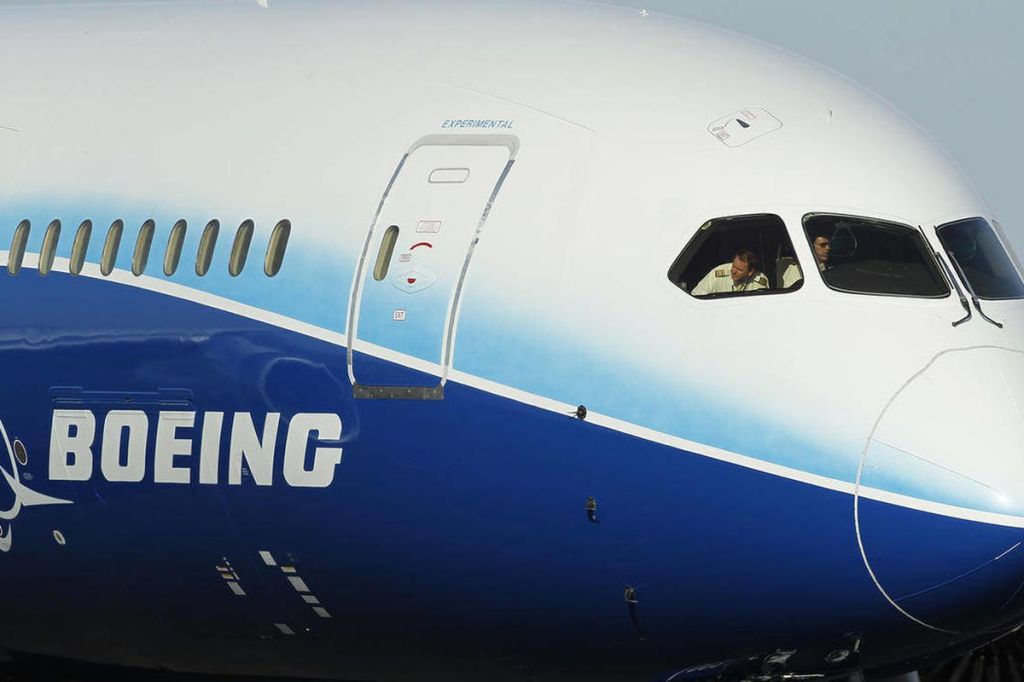

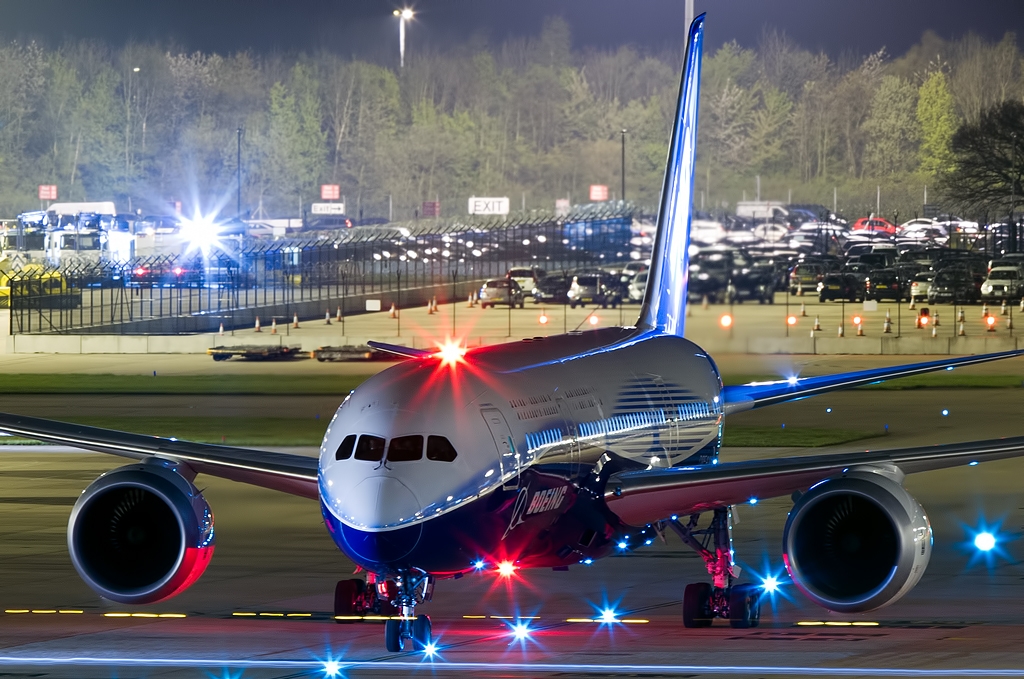
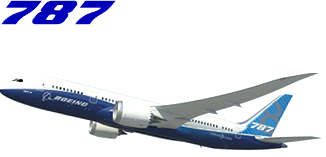
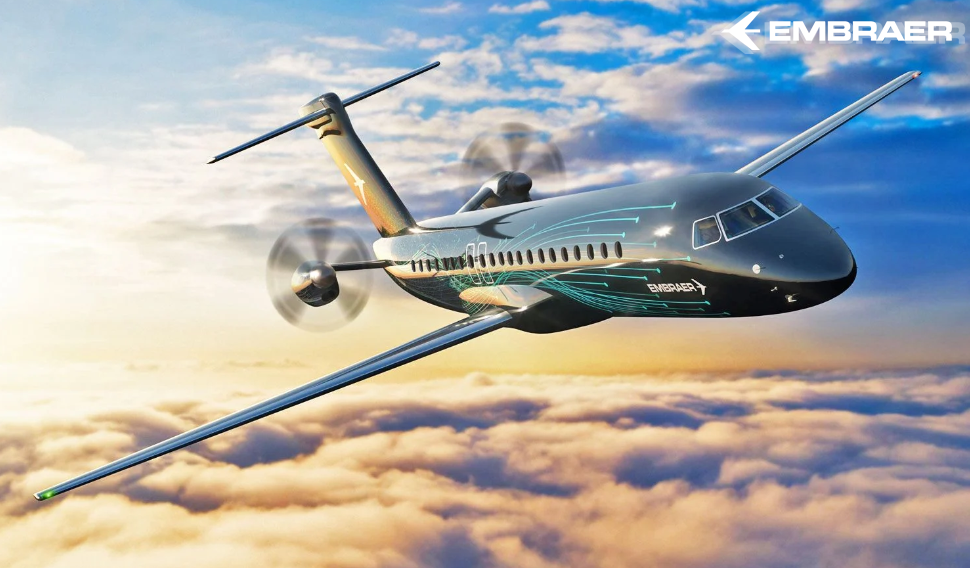

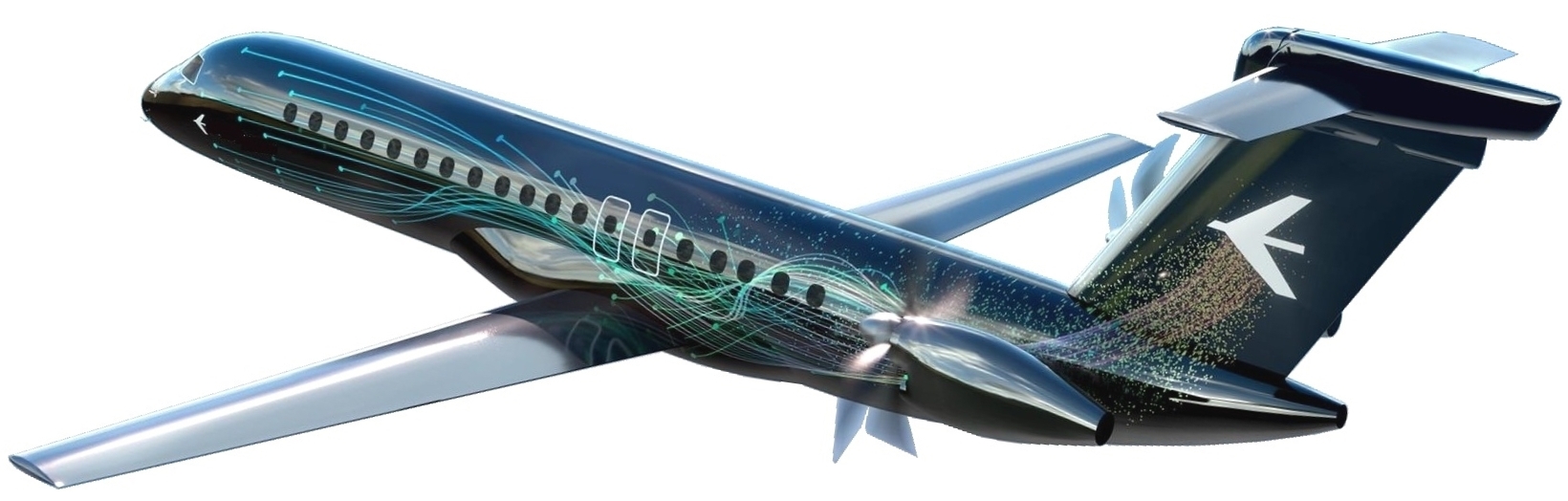
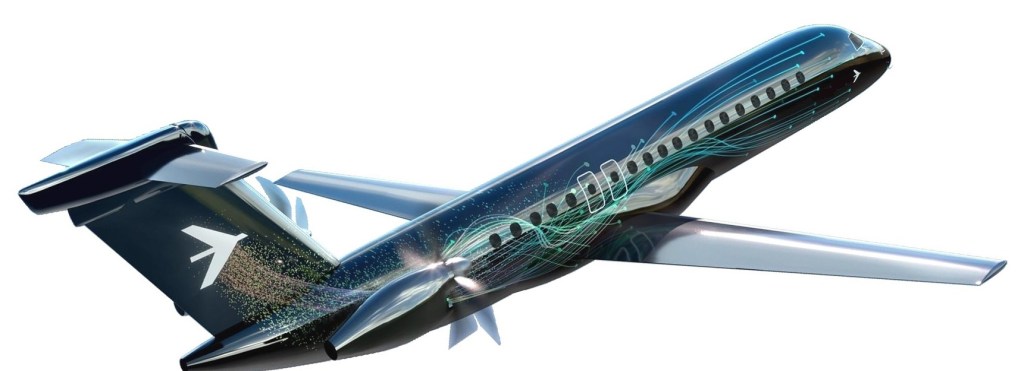

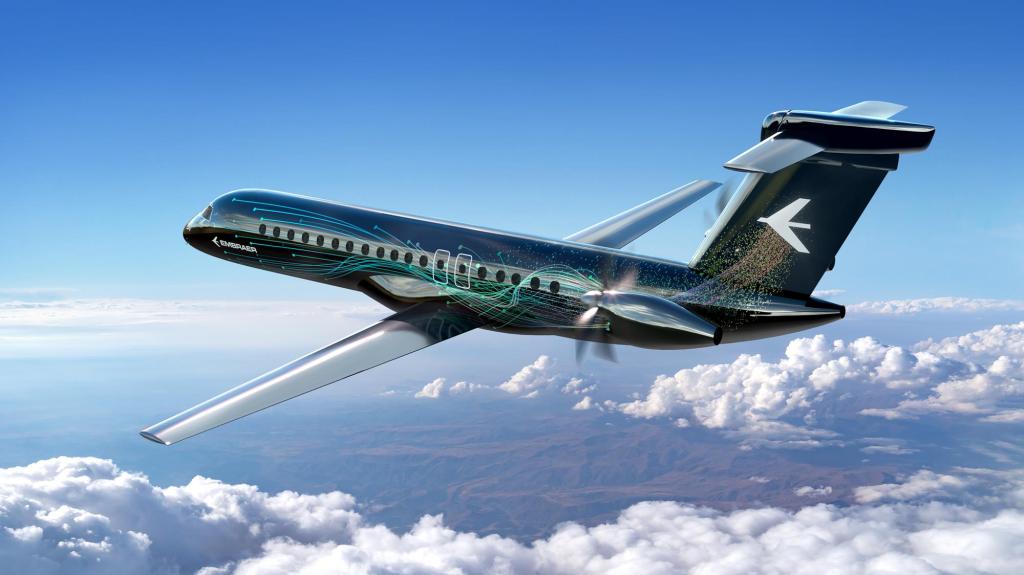

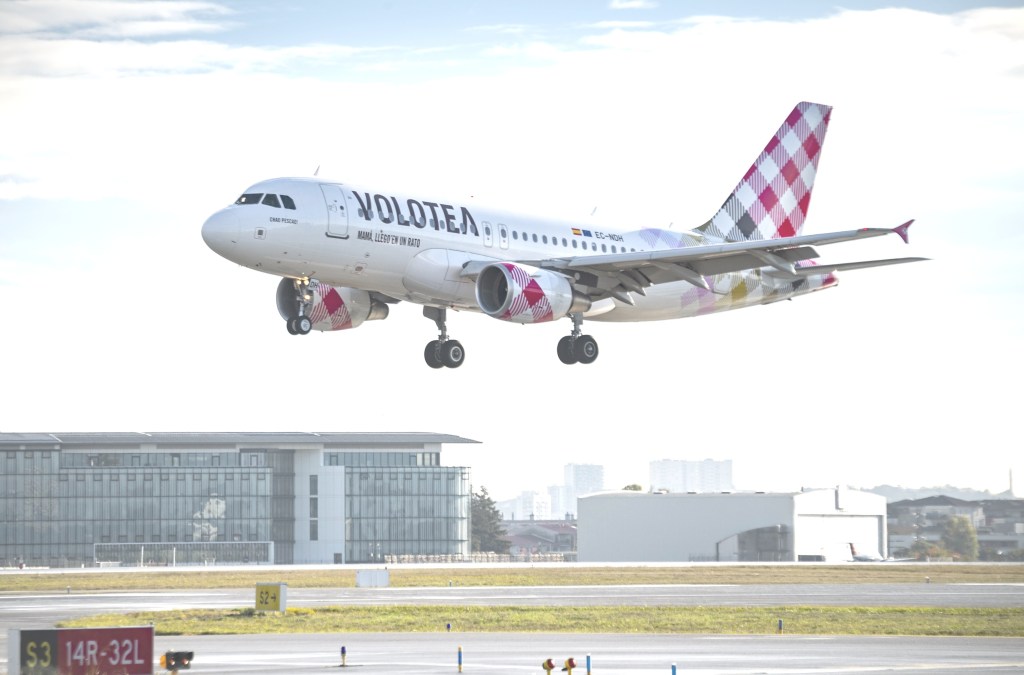

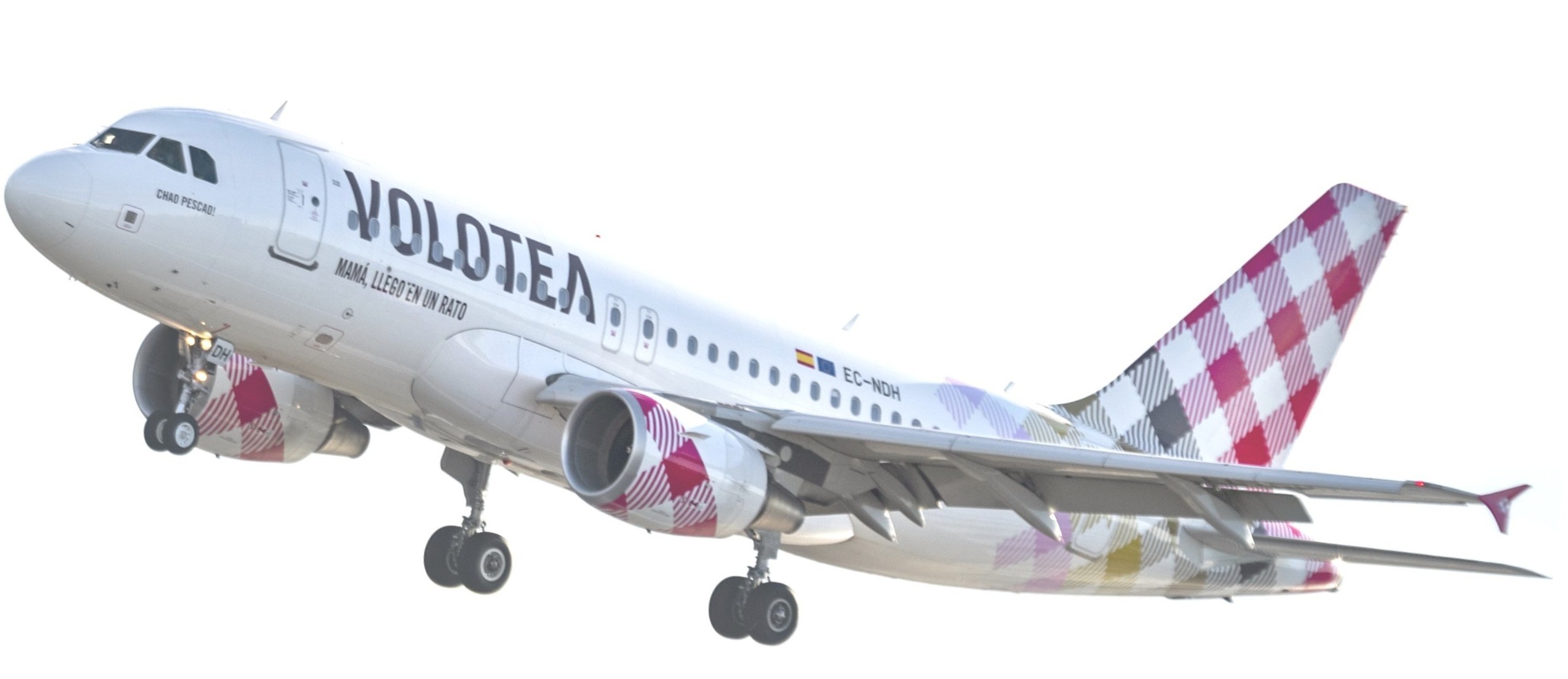
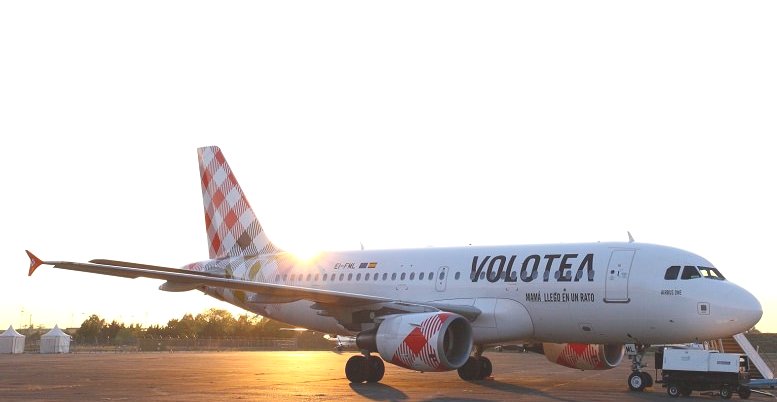

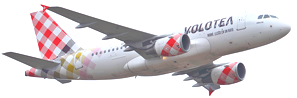
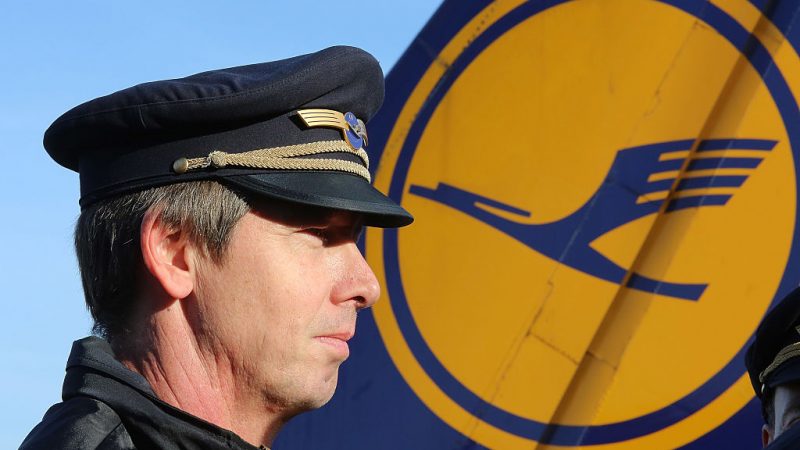


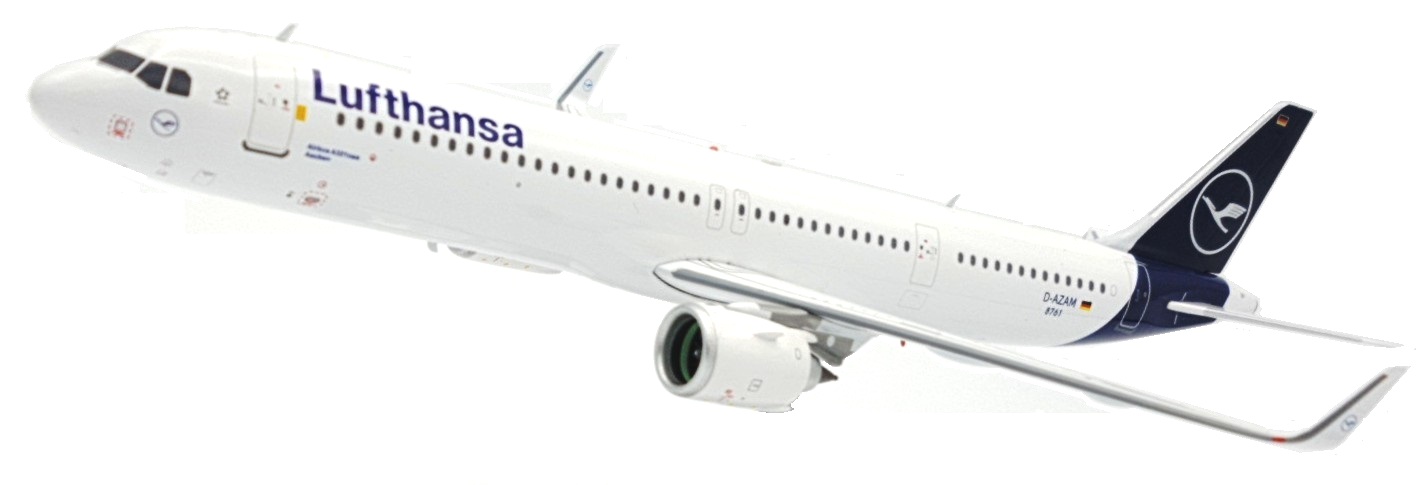
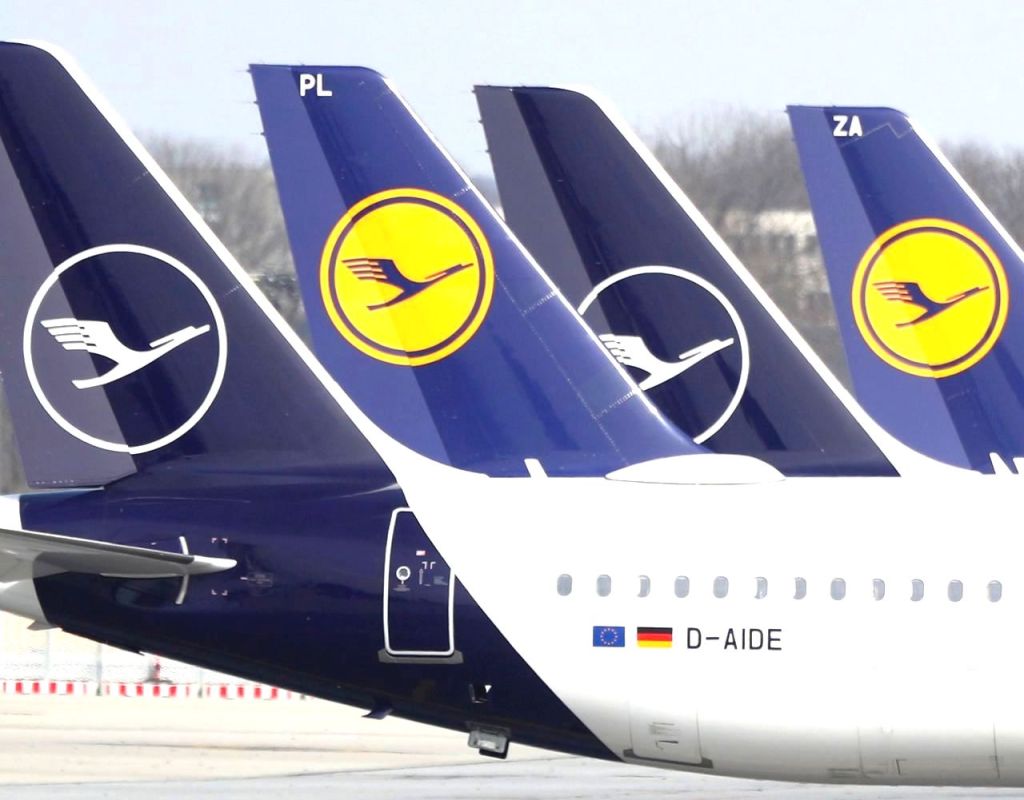

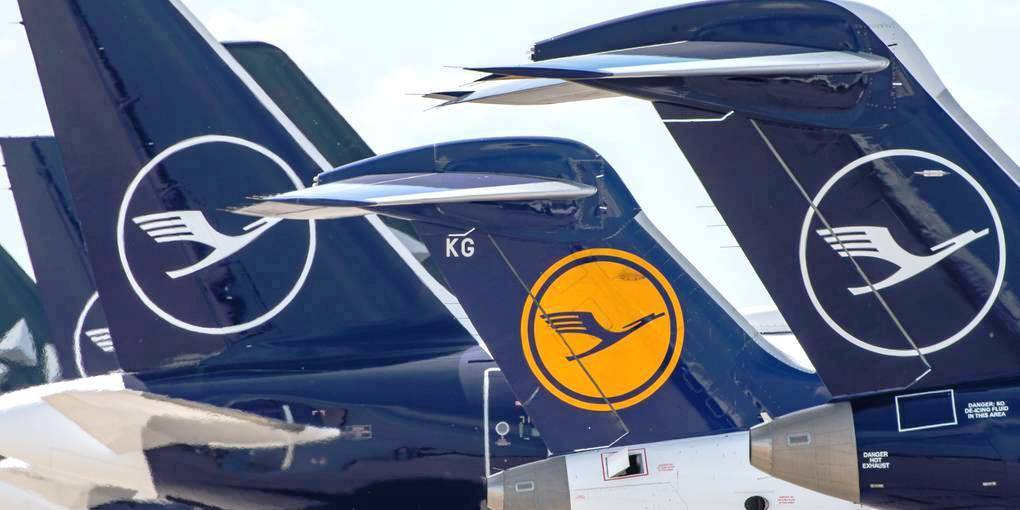

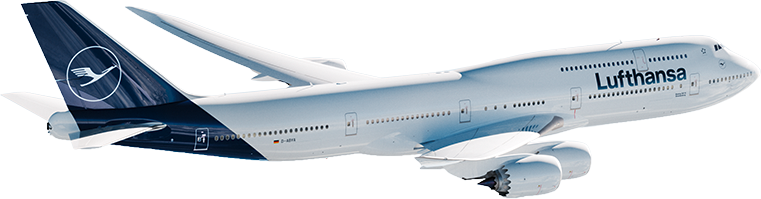
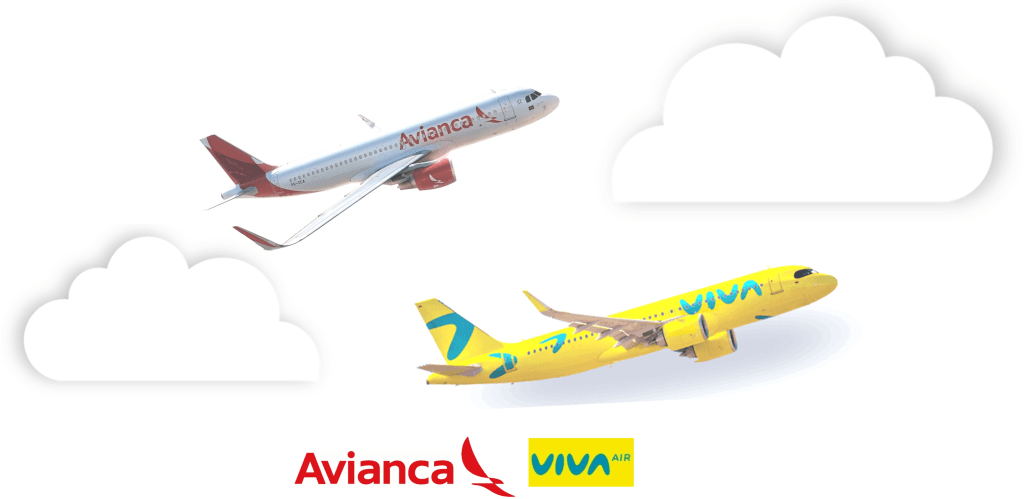
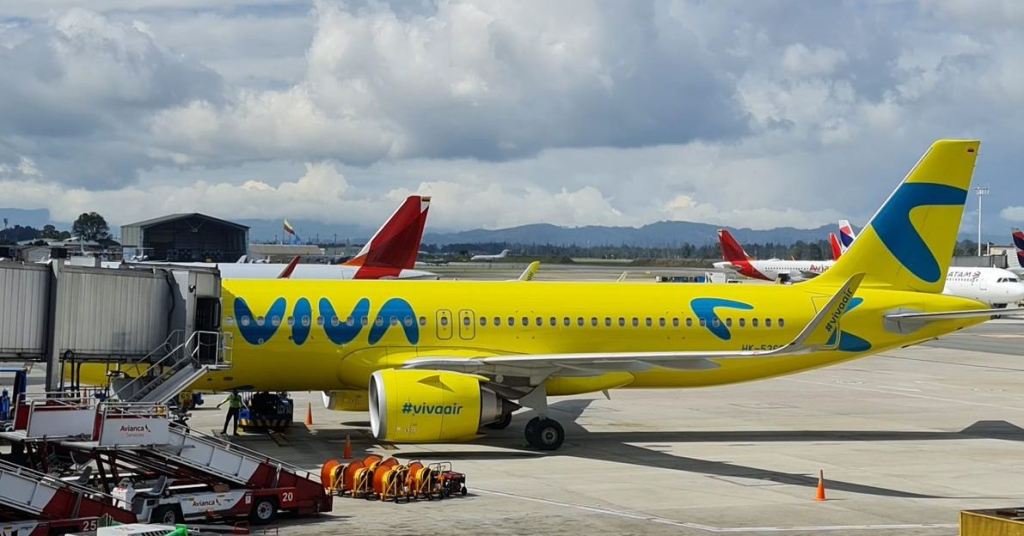
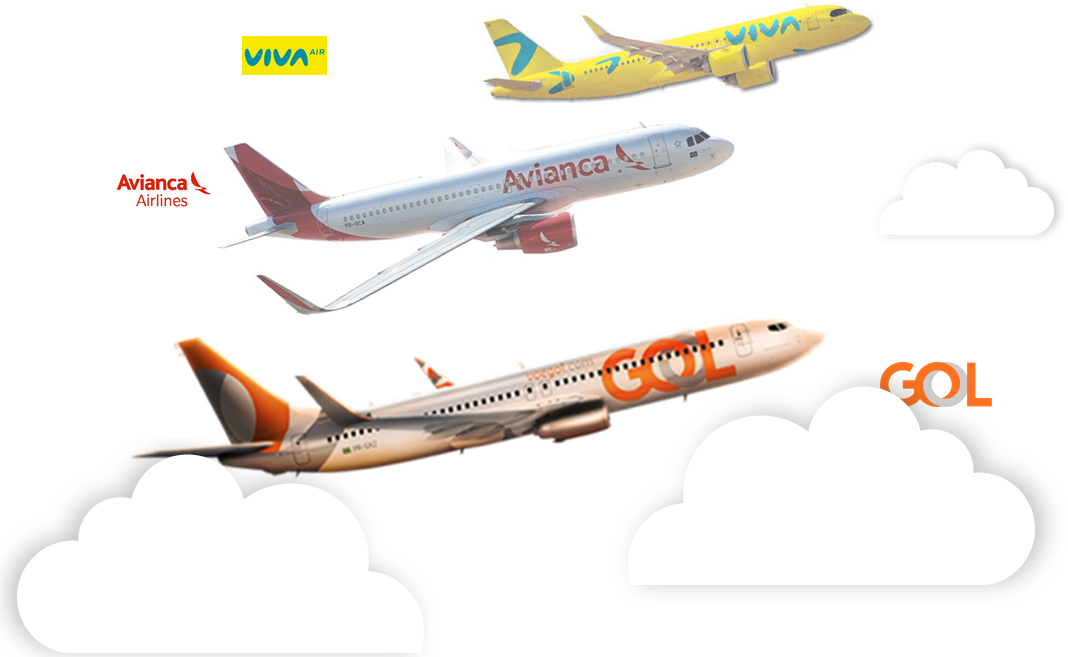
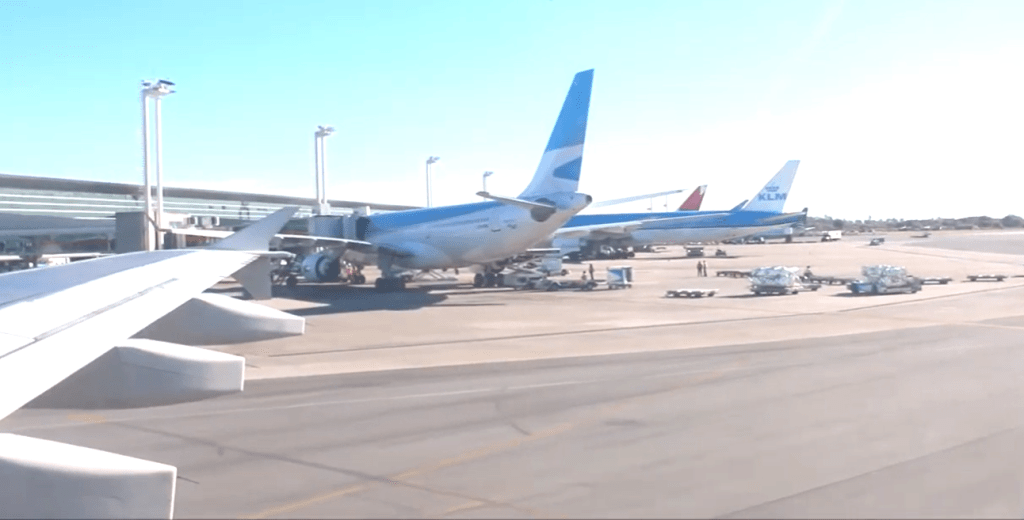
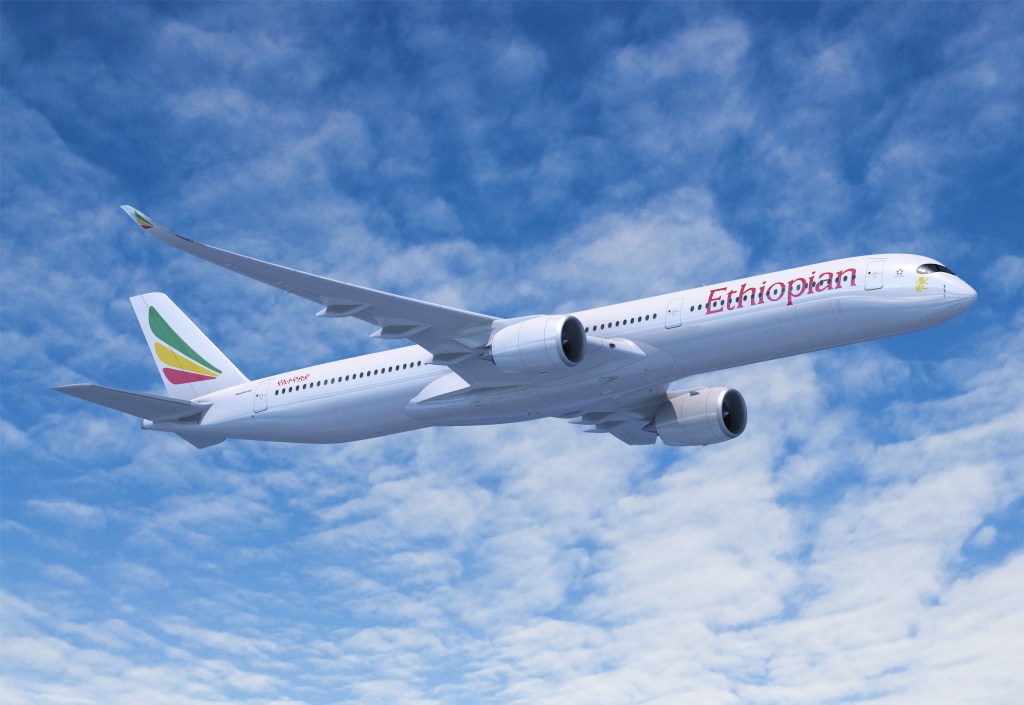

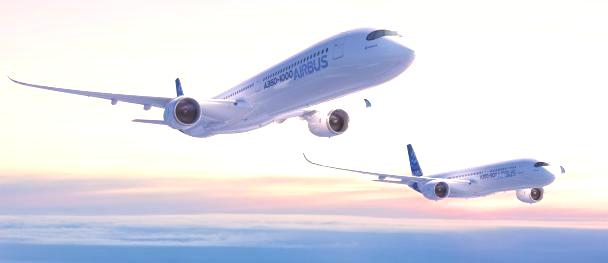
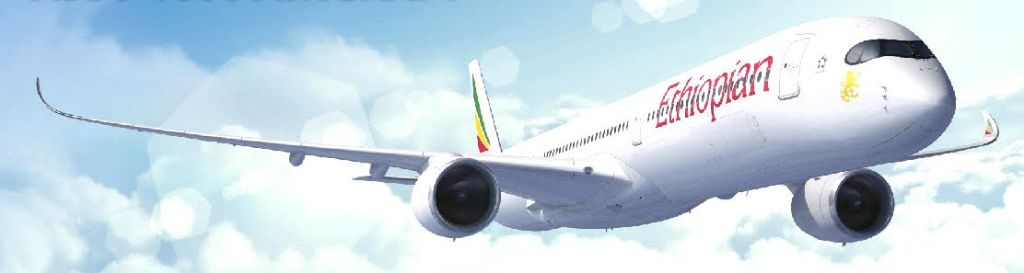

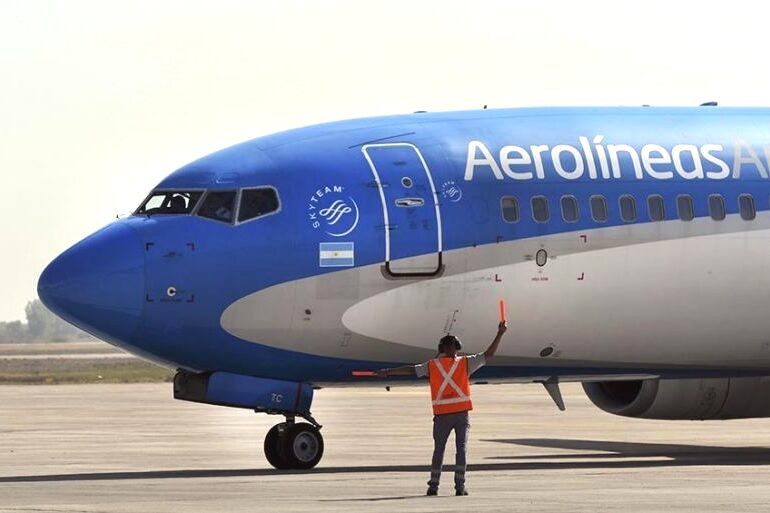

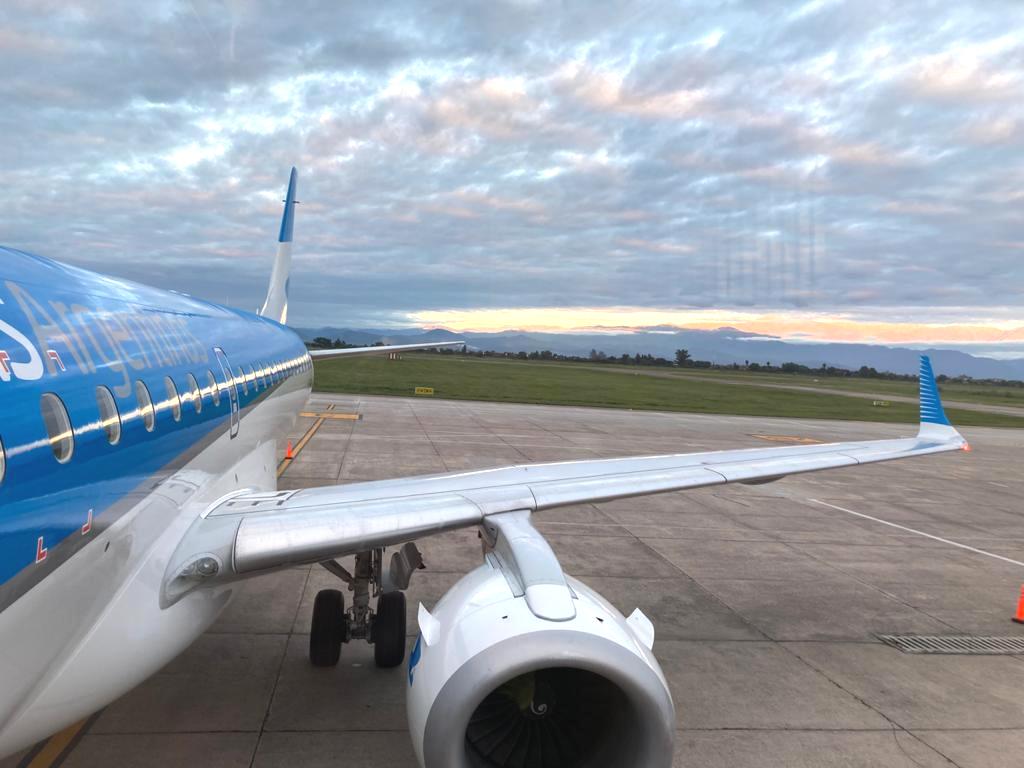
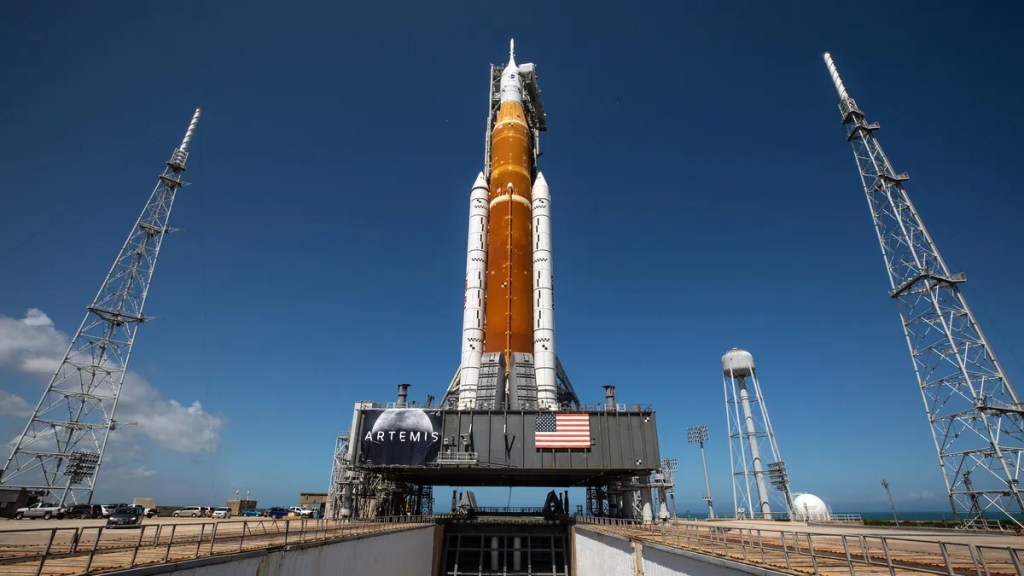

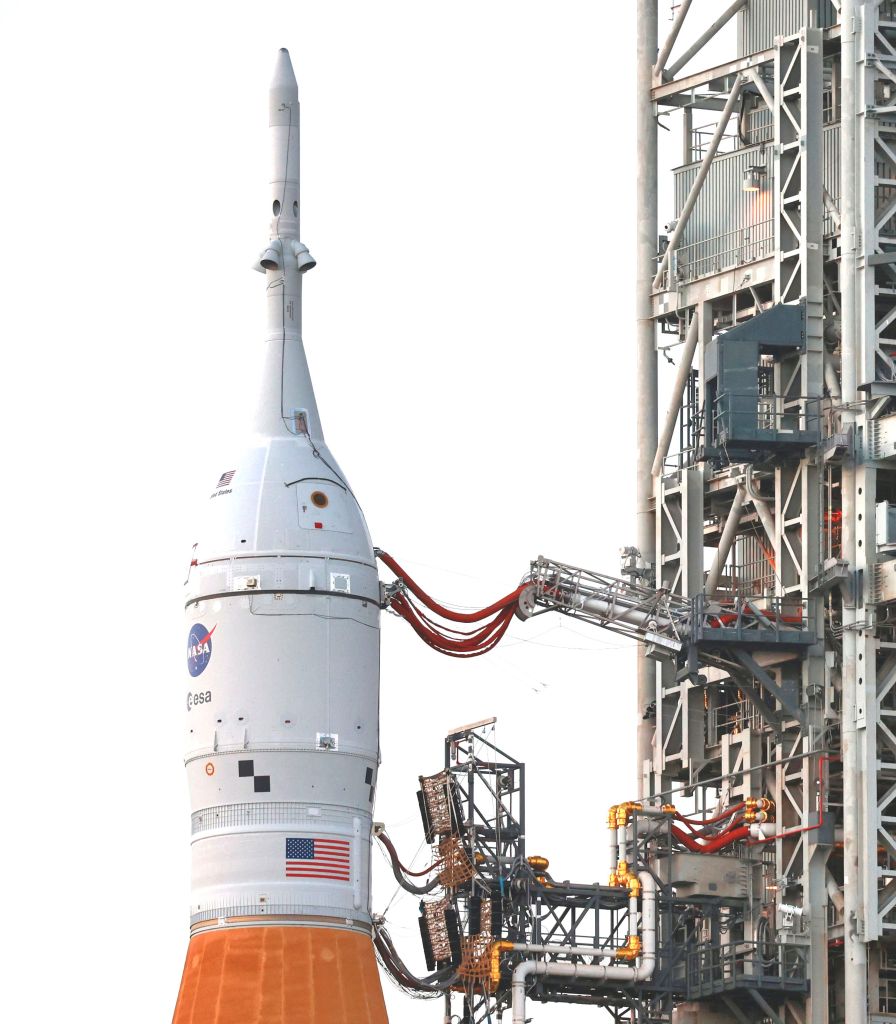
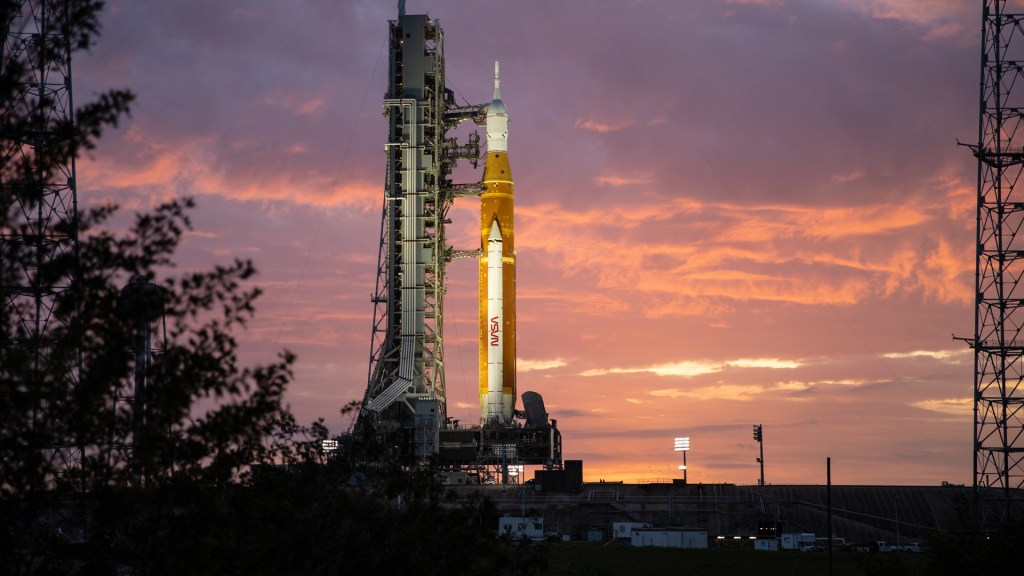
 airgways.com