Air Cairo planea inducir un número no especificado de Embraer E190 después de que abrió el reclutamiento para pilotos para el tipo. La aerolínea no reveló sus planes para los aviones regionales de Embraer, pues los anuncios de trabajo no especificaban ni una fecha de inducción ni una base para el avión. La aerolínea LCC, que es en parte propiedad de EgyptAir (MS, Cairo Int’l), se encuentra actualmente en proceso de renovación y crecimiento de la flota. Si bien históricamente se centró en aviones de fuselaje estrecho, agregó su primer turbohélice en Julio de 2022.
La matriz EgyptAir solía operar hasta E170 (12) entre 2007 y 2020 durante la mayor parte del tiempo a través de la unidad EgyptAir Express, pero desde entonces ha girado AA220-300 como su tipo de avión más pequeño.
La aerolínea egipcia de bajo costo Air Cairo ha anunciado como nuevo operador de línea Embraer E1-Jets. La aerolínea aún no ha revelado la cantidad de aeronaves que adquirirá. Air Cairo hizo público el 03/11 que está contratando Comandantes y Primeros Oficiales con experiencia en aviones Embraer E1-Jets y que tienen licencias válidas en Egipto.
Air Cairo ha sido fundada en 2003 como operador de vuelos chárter, los principales accionistas de Air Cairo son EgyptAir y los bancos del país. Su flota comprende aviones Airbus A320CEO (9) y A320NEO (6), ATR 72-600 (3). El Embraer E190 serán adquiridos de otros mercados del exterior debido a que en Egipto no existen aeronaves de este modelo.
Air Cairo new ops E190
Air Cairo new operator of Embraer E190
Air Cairo plans to introduce an unspecified number of Embraer E190s after it opened recruitment for pilots for the type. The airline did not disclose its plans for Embraer’s regional jets, as job postings did not specify an induction date or a base for the plane. LCC airline, which is partly owned by EgyptAir (MS, Cairo Int’l), is currently undergoing fleet renewal and growth. While it has historically focused on narrow-body aircraft, it added its first turboprop in July 2022.
Parent EgyptAir used to operate up to E170 (12) between 2007 and 2020 for most of the time through the EgyptAir Express unit, but has since rotated to AA220-300 as its smallest aircraft type.
Egyptian low-cost airline Air Cairo has announced Embraer E1-Jets as the new airline operator. The airline has not yet disclosed the number of aircraft it will acquire. Air Cairo announced on 11/03 that it is recruiting Commanders and First Officers with experience in Embraer E1-Jets aircraft and who have valid licenses in Egypt.
Air Cairo has been founded in 2003 as a charter flight operator, the main shareholders of Air Cairo are EgyptAir and the country’s banks. Its fleet includes Airbus A320CEO (9) and A320NEO (6), ATR 72-600 (3) aircraft. The Embraer E190 will be acquired from other foreign markets because there are no aircraft of this model in Egypt.
عمليات اير كايرو الجديدة E190
شركة طيران اير كايرو الجديدة امبراير E190
تخطط شركة إير كايرو لتقديم عدد غير محدد من طائرات إمبراير إي 190 بعد أن فتحت باب التوظيف للطيارين لهذا النوع. لم تكشف شركة الطيران كايروعن خططها للطائرات الإقليمية التابعة لشركة Embraer ، حيث إن إعلانات الوظائف لم تحدد موعدًا أو أساسًا للطائرة. شركة طيران LCC ، المملوكة جزئيًا لشركة مصر للطيران (MS، Cairo Int’l) ، تخضع حاليًا لتجديد الأسطول والنمو. في حين أنها ركزت تاريخيًا على الطائرات ضيقة البدن ، فقد أضافت أول محرك توربيني في يوليو 2022.
اعتادت شركة مصر للطيران الأم تشغيل ما يصل إلى E170 (12) بين عامي 2007 و 2020 لمعظم الوقت من خلال وحدة مصر للطيران اكسبرس ، ولكن منذ ذلك الحين تم تدويرها إلى AA220-300 كأصغر نوع من الطائرات.
أعلنت شركة الطيران المصرية منخفضة التكلفة ، إير كايرو ، عن شركة Embraer E1-Jets كشركة طيران جديدة. لم تكشف شركة الطيران بعد عن عدد الطائرات التي ستحصل عليها. أعلنت شركة إير كايرو يوم 11/03 أنها تقوم بتجنيد قادة وضباط أول من ذوي الخبرة في طائرات إمبراير إي 1 جيتس ولديهم تراخيص سارية المفعول في مصر.
تأسست شركة إير كايرو في عام 2003 كشركة طيران مستأجرة ، والمساهمون الرئيسيون في شركة إير كايرو هم مصر للطيران وبنوك الدولة. يضم أسطولها طائرات إيرباص A320CEO (9) و A320NEO (6) و ATR 72-600 (3). سيتم شراء Embraer E190 من الأسواق الخارجية الأخرى لعدم وجود طائرات من هذا الطراز في مصر.
PUBLISHER: Airgways.com DBk: Aircairo.com / Airgways.com AW-POST: 202211161050AR OWNERSHIP: Airgways Inc. A\W A I R G W A Y S ®
Despegue exitoso de la Misión histórica del Artemis I
La histórica misión Artemis I despegó en las primeras horas de la mañana del Miércoles 16/11 después de meses de anticipación. El evento histórico inició un viaje que enviará una nave espacial no tripulada alrededor de la luna, allanando el camino para que la NASA devuelva a los astronautas a la superficie lunar por primera vez en medio siglo.
El imponente cohete Space Launch System, o SLS, de 322 pies de altura (98 metros de altura), encendió sus motores a la 01:47 a.m. ET. Emitió hasta 9 millones de libras (4,1 millones de kilogramos) de empuje para salir de la plataforma de lanzamiento en Florida y lanzarse al aire, cruzando vibrantemente el cielo nocturno. Encima del cohete estaba la nave espacial Orión, una cápsula en forma de gota de goma que se separó del cohete después de llegar al espacio. Orion está diseñado para transportar humanos, pero sus pasajeros para esta misión de prueba son de la variedad inanimada, incluidos algunos maniquíes que recopilan datos vitales para ayudar a futuras tripulaciones en vivo.
El cohete SLS gastó millones de libras de combustible antes de que partes del cohete comenzaran a romperse, y Orion se quedó volando a través de la órbita con solo un motor grande. Ese motor luego provocó dos poderosas quemaduras para poner a la nave espacial en la trayectoria correcta hacia la luna. Luego, aproximadamente dos horas después del despegue, el motor del cohete también se cayó, dejando a Orión volar libremente por el resto de su viaje.
Se espera que Orión registre aproximadamente 1.3 millones de millas/2 millones de kilómetros, tomando un camino que lo llevará más lejos de lo que cualquier otra nave espacial diseñada para el vuelo humano ha viajado, según la NASA. Después de orbitar la luna, Orión hará su viaje de regreso, completando su viaje en aproximadamente 25,5 días. La cápsula está programada para aterrizar en el Océano Pacífico frente a la costa de San Diego el 11 de diciembre, cuando los equipos de recuperación estarán esperando cerca para llevarla a un lugar seguro.
A lo largo de la misión, los ingenieros de la NASA vigilarán de cerca el rendimiento de la nave espacial. El equipo evaluará si Orión funciona según lo previsto y estará listo para apoyar su primera misión tripulada a la órbita lunar, que actualmente está programada para 2024. Esta misión también marca el vuelo debut del cohete SLS como el más poderoso en alcanzar la órbita de la Tierra, con un 15% más de empuje que el cohete Saturno V que impulsó los alunizajes del siglo 20 de la NASA. Esta misión es solo la primera de lo que se espera que sea una larga serie demisiones Artemisa cada vez más difícil esa medida que la NASA trabaja hacia su objetivo de establecer un puesto de avanzada permanente en la luna. Artemisa II seguirá un camino similar al de Artemisa I, pero tendrá astronautas a bordo. Se espera que Artemisa III, programada para finales de esta década, aterrice a una mujer y una persona de color en la superficie lunar por primera vez.
Un largo camino hacia el despegue
El equipo de la misión encontró una serie de contratiempos en el período previo al lanzamiento del miércoles por la mañana, incluidos problemas técnicos con el mega cohete lunar y dos huracanes que han pasado por el sitio de lanzamiento. Alimentar el cohete SLS con hidrógeno líquido super-enfriado resultó ser un problema principal que obligó a la NASA a descartar intentos de despegue anteriores, pero el martes, los tanques se llenaron a pesar de los problemas de fugas que detuvieron el abastecimiento de combustible horas antes del lanzamiento. Para abordar ese problema, la NASA desplegó lo que llama una «tripulación roja», un grupo de personal especialmente entrenado para hacer reparaciones mientras el cohete está cargado con propelente. Apretaron algunas tuercas y tornillos para detener las fugas de combustible. «El cohete, está vivo, está crujiendo, está haciendo ruidos de ventilación, es bastante aterrador. Así que… Mi corazón latía con bombeo. Mis nervios estaban yendo pero, sí, nos presentamos hoy. Cuando subimos las escaleras. Estábamos listos para el rock and roll», dijo el miembro de la Tripulación roja Trent Annis en una entrevista en NASA TV después del lanzamiento.
Otro personal de la NASA en la sala de tiro del sitio de lanzamiento, donde los funcionarios de la agencia toman decisiones cruciales en las horas y momentos previos al despegue, celebró una victoria. «Bueno, por una vez podría quedarme sin palabras. He hablado mucho sobre apreciar el momento en el que estás. Y hemos trabajado duro como equipo. Ustedes han trabajado duro como equipo hasta este momento. Este es tu momento», dijo el Director de Lanzamiento de Artemis, Charlie Blackwell-Thompson, la primera mujer en ocupar ese papel. Blackwell-Thompson luego declaró que era hora de cortar el empate, una tradición de la NASA en la que los operadores de lanzamiento cortan los extremos de sus lazos comerciales. Blackwell-Thompson fue cortada por el Director de Lanzamiento del transbordador Mike Leinbach, y ella prometió a los demás en la habitación: «Me quedaré toda la noche si tengo que hacerlo. Será un placer para mí cortar lazos».
Successful liftoff of the historic Artemis I Mission
The historic Artemis I mission lifted off in the early morning hours of Wednesday 11/16 after months of anticipation. The landmark event kicked off a journey that will send an unmanned spacecraft around the moon, paving the way for NASA to return astronauts to the lunar surface for the first time in half a century.
The towering 322-foot-tall (98-meter-tall) Space Launch System, or SLS, rocket fired its engines at 01:47 a.m. ET. It gave off up to 9 million pounds (4.1 million kilograms) of thrust to pull off the launch pad in Florida and launch into the air, streaking vibrantly across the night sky. Atop the rocket was the Orion spacecraft, a gumdrop-shaped capsule that separated from the rocket after reaching space. Orion is designed to carry humans, but its passengers for this test mission are of the inanimate variety, including some dummies that collect vital data to aid future live crews.
The SLS rocket used up millions of pounds of fuel before parts of the rocket began to break apart, and Orion was left flying through orbit with just one large engine. That engine then caused two powerful burns to put the spacecraft on the correct trajectory to the moon. Then, about two hours after liftoff, the rocket motor fell off as well, leaving Orion to fly free for the rest of its journey.
Orion is expected to clock in at about 1.3 million miles/2 million kilometers, taking a path that will take it farther than any other spacecraft designed for human flight has traveled, according to NASA. After orbiting the moon, Orion will make its return journey, completing its journey in approximately 25.5 days. The capsule is scheduled to land in the Pacific Ocean off the coast of San Diego on December 11, when recovery teams will be waiting nearby to take it to safety.
Throughout the mission, NASA engineers will closely monitor the spacecraft’s performance. The team will assess whether Orion performs as planned and will be ready to support its first crewed mission to lunar orbit, which is currently scheduled for 2024. This mission also marks the debut flight of the SLS rocket as the most powerful to reach lunar orbit. Earth, with 15% more thrust than the Saturn V rocket that powered NASA’s 20th century moon landings. This mission is just the first in what is expected to be a long series of increasingly difficult Artemis missions as NASA works toward its goal of establishing a permanent outpost on the moon. Artemis II will follow a similar path to Artemis I, but will have astronauts on board. Artemis III, scheduled for later this decade, is expected to land a woman and a person of color on the lunar surface for the first time.
A long road to takeoff
The mission team encountered a number of hiccups in the run-up to Wednesday morning’s launch, including technical problems with the lunar mega-rocket and two hurricanes that have passed the launch site. Feeding the SLS rocket supercooled liquid hydrogen proved to be a major problem forcing NASA to scrap previous liftoff attempts, but on Tuesday, the tanks filled despite leak problems that halted fueling hours before launch. To address that problem, NASA deployed what it calls a «red crew,» a group of personnel specially trained to make repairs while the rocket is loaded with propellant. They tightened some nuts and bolts to stop fuel leaks. «The rocket, it’s alive, it’s creaking, it’s making venting noises, it’s pretty scary. So… My heart was pumping. My nerves were going but, yeah, we showed up today. When we went up the stairs. We were ready to rock and roll», Red Crew member Trent Annis said in an interview on NASA TV after launch.
Other NASA personnel in the launch site shooting room, where agency officials make crucial decisions in the hours and moments before liftoff, celebrated a victory. «Well, for once I might be speechless. I’ve talked a lot about appreciating the moment you’re in. And we’ve worked hard as a team. You’ve worked hard as a team up to this point. This is your moment», said the Director of Artemis cast, Charlie Blackwell-Thompson, the first woman to fill that role. Blackwell-Thompson then declared that it was time to cut the tie, a NASA tradition in which launch operators cut the ends of their business ties. Blackwell-Thompson was cut off by Shuttle Launch Director Mike Leinbach, and she promised the others in the room, «I’ll stay all night if I have to. It’ll be my pleasure to cut ties».
PUBLISHER: Airgways.com DBk: Nasa.gov / Abcnews.com / Airgways.com AW-POST: 202211160910AR OWNERSHIP: Airgways Inc. A\W A I R G W A Y S ®
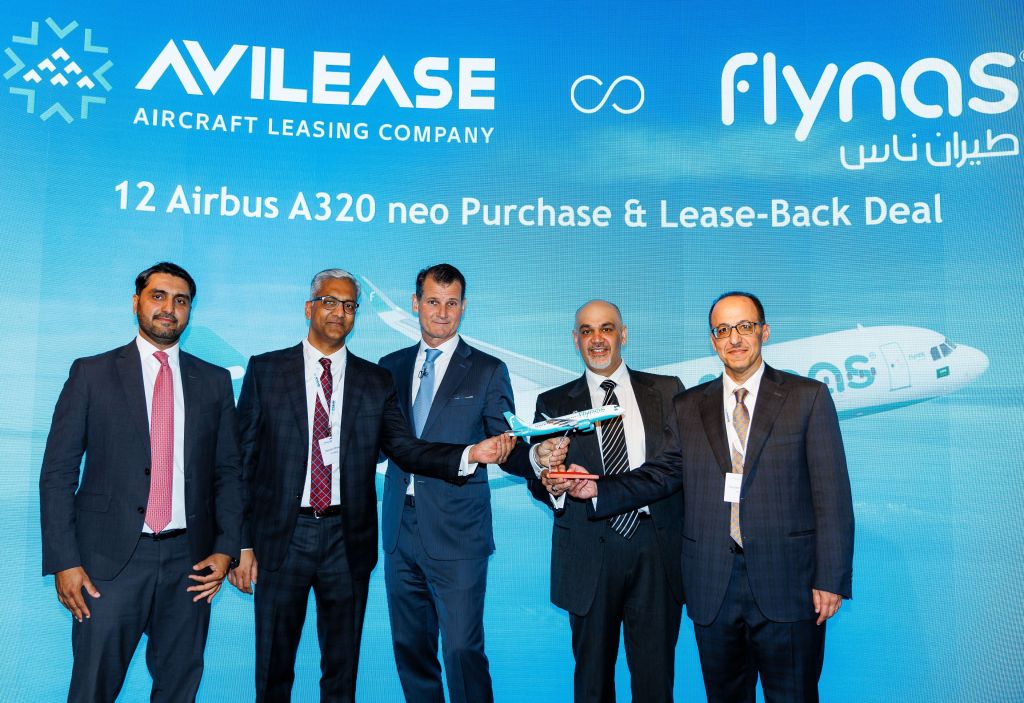
Flynas recibe dos A320NEO de una orden de 12 unidades
El arrendador de aviación AviLease respaldado por Fondo de Inversión Pública (PIF) de Arabia Saudita ha entregado con éxito los dos primeros de una orden de doce Airbus A320NEO (2) en arrendamiento a la aerolínea saudí Flynas, la aerolínea de bajo costo líder en el Medio Oriente. La entrega histórica es la primera en la historia de la compañía lessor de aviación propiedad del PIF, después de su lanzamiento en Julio 2022. Se espera que Flynas reciba los aviones restantes para fines de 2023.
La rápida entrega habla de la rápida expansión del sector de la aviación del Reino de Arabia Saudita, que será testigo del crecimiento más rápido del tráfico de pasajeros de la región hasta 2040. AviLease, que tiene el mandato de proporcionar servicios de arrendamiento y financiación sostenibles y eficientes a las aerolíneas, ya está desempeñando un papel importante en esa expansión y continuará contribuyendo al sector nacional a ritmo y escala.
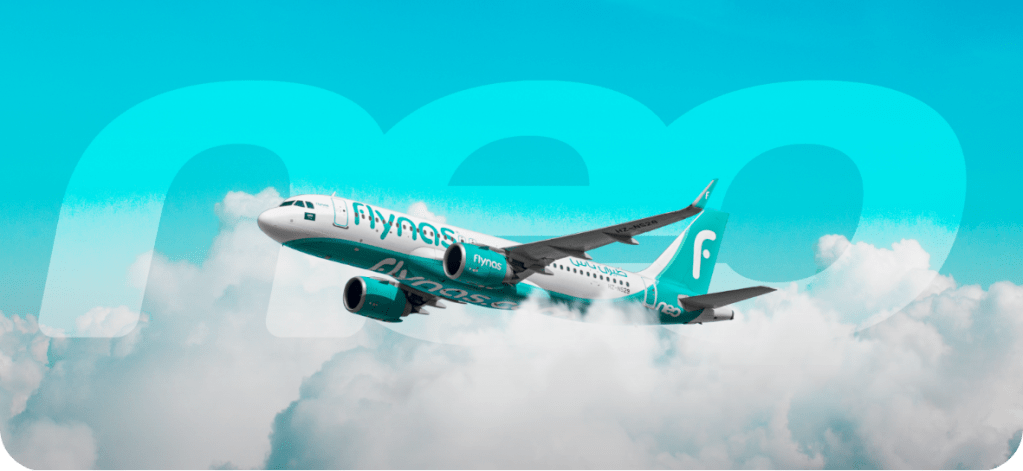
El Airbus A320NEO es uno de los aviones de fuselaje estrecho más eficientes en combustible, sostenibles y tecnológicamente avanzados del mercado. Esta primera entrega marca el ritmo para AviLease, que busca construir una cartera diversa de los aviones de fuselaje estrecho y ancho más avanzados y de última generación disponibles.
Edward O’Byrne, Director Ejecutivo de AviLease, dijo: «Hoy marca un momento significativo en nuestra historia y habla del ritmo operativo y la excelencia que nos hemos fijado en AviLease. Desde el primer día, nos hemos centrado en ponernos manos a la obra, y estas dos entregas, dentro de los cuatro meses posteriores al inicio de las operaciones, son testimonio de ello. Pero esto es solo el comienzo, ya que buscamos apoyar al floreciente sector de la aviación local e impulsar el valor sostenible».
Bander Almohanna, Director Ejecutivo y Director General de flynas, dijo: «Como una de las principales aerolíneas de bajo costo en la región, solo buscamos asociaciones que puedan mejorar significativamente nuestros servicios. Nuestro acuerdo con AviLease está diseñado para apoyar nuestros planes de crecimiento continuo y sostenible a través de una flota moderna y eficiente, equipándonos para el futuro previsible. Hay más por venir de todos los actores de esta industria y estamos orgullosos de ser parte de ella».
AviLease subraya el mandato de PIF de desbloquear las capacidades de los sectores prioritarios que pueden apoyar la diversificación de la economía de Arabia Saudita y contribuir al crecimiento del PIB. Además, la compañía apoyará un sector de la aviación próspero e impulsará la sostenibilidad financiera dentro del ecosistema de la aviación, en línea con Visión 2030. La compañía lessor continuará impulsando oportunidades económicas locales y creando empleos directos e indirectos para la comunidad en los sectores de aviación y finanzas.
Flynas takes delivery 1st A320NEO from AviLease
Flynas receives two A320NEOs from an order of 12 units
Saudi Arabia’s Public Investment Fund (PIF)-backed aviation lessor AviLease has successfully delivered the first two of an order for twelve Airbus A320NEO (2) leases to Saudi Arabia’s Flynas airline, the leading low-cost carrier in the Middle East. The historic delivery is the first in the history of the PIF-owned lessor aviation company, after its launch in July 2022. Flynas is expected to take delivery of the remaining aircraft by the end of 2023.
The speedy delivery speaks to the rapid expansion of the Kingdom of Saudi Arabia’s aviation sector, which will witness the fastest growth in passenger traffic in the region until 2040. AviLease, which has a mandate to provide sustainable leasing and financing services and efficient to airlines, it is already playing an important role in that expansion and will continue to contribute to the domestic sector at pace and scale.
The Airbus A320NEO is one of the most fuel efficient, sustainable and technologically advanced narrow-body aircraft on the market. This first delivery sets the pace for AviLease, which seeks to build a diverse portfolio of the most advanced and next-generation narrow- and wide-body aircraft available.
Edward O’Byrne, Chief Executive Officer of AviLease, said: «Today marks a significant moment in our history and speaks to the operational pace and excellence we have set for ourselves at AviLease. From day one, we have focused on getting down to business , and these two deliveries, within four months of the start of operations, are testament to that. But this is just the beginning as we look to support the burgeoning local aviation sector and drive sustainable value».
Bander Almohanna, Flynas CEO and CEO, said: «As one of the leading low-cost carriers in the region, we only seek partnerships that can significantly improve our services. Our agreement with AviLease is designed to support our plans for continued growth. and sustainable through a modern and efficient fleet, equipping us for the foreseeable future. There is more to come from all players in this industry and we are proud to be a part of it».
AviLease underscores PIF’s mandate to unlock capabilities in priority sectors that can support the diversification of the Saudi Arabian economy and contribute to GDP growth. In addition, the company will support a thriving aviation sector and drive financial sustainability within the aviation ecosystem, in line with Vision 2030. The lessor company will continue to drive local economic opportunities and create direct and indirect jobs for the community in the aviation sectors. aviation and finance.
تسلم طيران ناس أولى طائرات A320NEOs من شركة AviLease
يستقبل طيران ناس طائرتين من طراز A320NEO من طلبية من 12 وحدة
نجحت شركة AviLease ، المؤجر للطيران المدعوم من صندوق الاستثمارات العامة في المملكة العربية السعودية ، في تسليم أول طلبية شراء اثني عشر عقدًا من طراز Airbus A320NEO (2) لشركة طيران ناس السعودية ، الشركة الرائدة في مجال الطيران منخفض التكلفة في الشرق الأوسط. التسليم التاريخي هو الأول في تاريخ شركة الطيران المؤجرة المملوكة لصندوق الاستثمارات العامة ، بعد إطلاقها في يوليو 2022. ومن المتوقع أن تستلم طيران ناس باقي الطائرات بحلول نهاية عام 2023.
يشير التسليم السريع إلى التوسع السريع في قطاع الطيران في المملكة العربية السعودية ، والذي سيشهد أسرع نمو في حركة الركاب في المنطقة حتى عام 2040. AviLease ، التي لديها تفويض لتقديم خدمات التأجير والتمويل المستدامة والفعالة لشركات الطيران ، تلعب بالفعل دورًا مهمًا في هذا التوسع وستستمر في المساهمة في القطاع المحلي بوتيرة ونطاق.
تعد طائرة إيرباص A320NEO واحدة من أكثر الطائرات ضيقة البدن كفاءة في استهلاك الوقود واستدامة وتقدماً من الناحية التكنولوجية في السوق. هذا التسليم الأول يحدد وتيرة AviLease ، التي تسعى إلى بناء مجموعة متنوعة من الطائرات الأكثر تقدمًا والجيل التالي من الطائرات ذات الجسم الضيق والعريض المتاحة.
قال إدوارد أوبيرن ، الرئيس التنفيذي لشركة AviLease: «يمثل اليوم لحظة مهمة في تاريخنا ويتحدث عن الوتيرة التشغيلية والتميز الذي حددناه لأنفسنا في AviLease. منذ اليوم الأول ، ركزنا على البدء في الأعمال ، وهاتان الشحنتان ، في غضون أربعة أشهر من بدء العمليات ، هي شهادة على ذلك. ولكن هذه مجرد البداية ونحن نتطلع إلى دعم قطاع الطيران المحلي المزدهر وتحقيق قيمة مستدامة».
وقال بندر المهنا ، الرئيس التنفيذي والرئيس التنفيذي لشركة طيران ناس: «بصفتنا إحدى شركات النقل منخفضة التكلفة الرائدة في المنطقة ، فإننا نسعى فقط إلى الشراكات التي من شأنها تحسين خدماتنا بشكل كبير. وقد تم تصميم اتفاقيتنا مع AviLease لدعم خططنا لتحقيق النمو المستمر. مستدامة من خلال أسطول حديث وفعال ، يجهزنا للمستقبل المنظور. هناك المزيد الذي سيأتي من جميع اللاعبين في هذه الصناعة ونحن فخورون بأن نكون جزءًا منها «.
يؤكد AviLease على ولاية صندوق الاستثمارات العامة لإطلاق العنان للقدرات في القطاعات ذات الأولوية التي يمكن أن تدعم تنويع الاقتصاد السعودي والمساهمة في نمو الناتج المحلي الإجمالي. بالإضافة إلى ذلك ، ستدعم الشركة قطاع الطيران المزدهر وتحقق الاستدامة المالية ضمن النظام البيئي للطيران ، بما يتماشى مع رؤية 2030. وستواصل الشركة المؤجرة دفع الفرص الاقتصادية المحلية وخلق وظائف مباشرة وغير مباشرة للمجتمع في قطاعات الطيران. الطيران والتمويل.
PUBLISHER: Airgways.com DBk: Flynas.com / Pif.gov.sa / Airgways.com AW-POST: 202211152057AR OWNERSHIP: Airgways Inc. A\W A I R G W A Y S ®
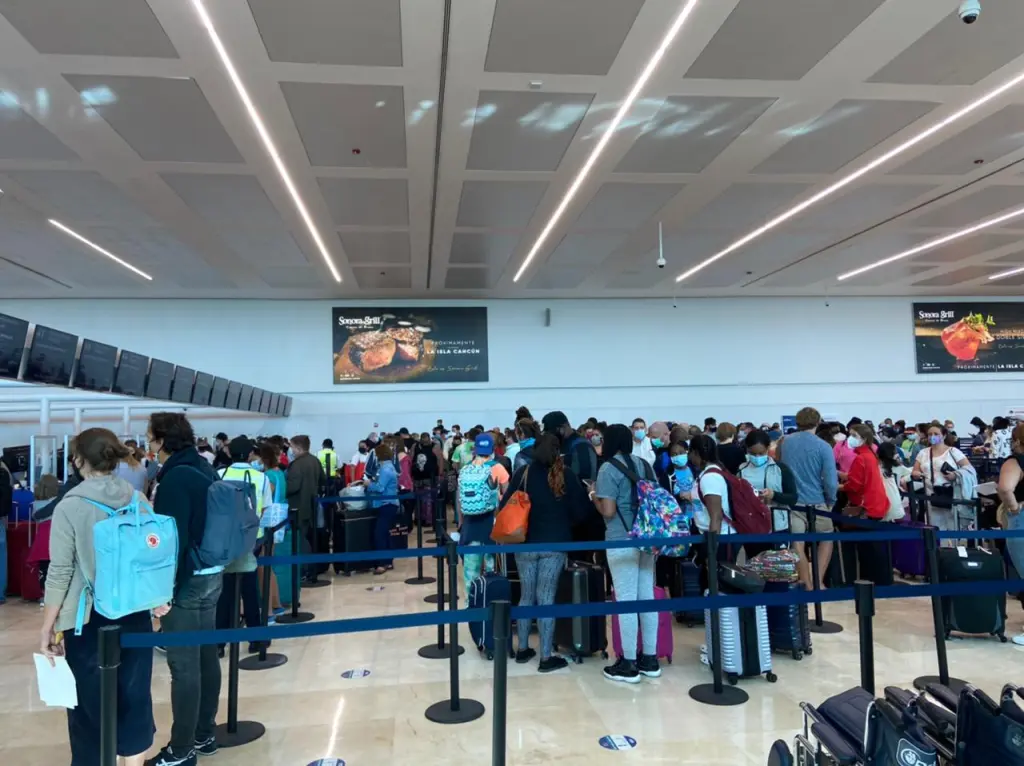
El Aeropuerto Cancún/CUN se encuentra en el cénit con un récord de seiscientos vuelos diarios, mientras que comienza a tener algunas dificultades por atascos hacia el aeropuerto mexicano. El Aeropuerto Internacional de Cancún ha superado la cifra de seiscientos vuelos por día, lo que augura una temporada invernal exitosa, pero con inconvenientes para los turistas, pues han sufrido retrasos en el tráfico desde y hacia la terminal.
El Jueves 10/11 los turistas sufrieron la angustia de perder sus vuelos de regreso a sus destinos de origen y también los viajeros que arribaban a Cancún, pues sus itinerarios se veían afectados cuando apenas inician sus vacaciones. El día Sábado 12/11, el Grupo Aeroportuario del Sureste (ASUR) informó que operarían 623 vuelos, entre llegadas y salidas, es decir 305 llegadas de las cuales 98 eran nacionales y 207 internacionales. Así mismo, fueron 318 salidas, 99 nacionales y 219 al extranjero. Entre las aerolíneas que operaron estuvieron: American Airlines, Aeroméxico, Wingo Air, Spirit Airlines, Avianca Airlines, Air Transat, Viva Aerobus, Viva Air, Volaris Airlines, TAG Airlines, United Airlines, Turkish Airlines, British Airways, Condor Airlines, Lufthansa German Airlines, WestJet Airlines, Sun Country Airlines, JetBlue Airways, Air Europa, Southwest Airlines, Delta Air Lines, Aeromar, KLM Royal Dutch Airlines, entre otras líneas aéreas.
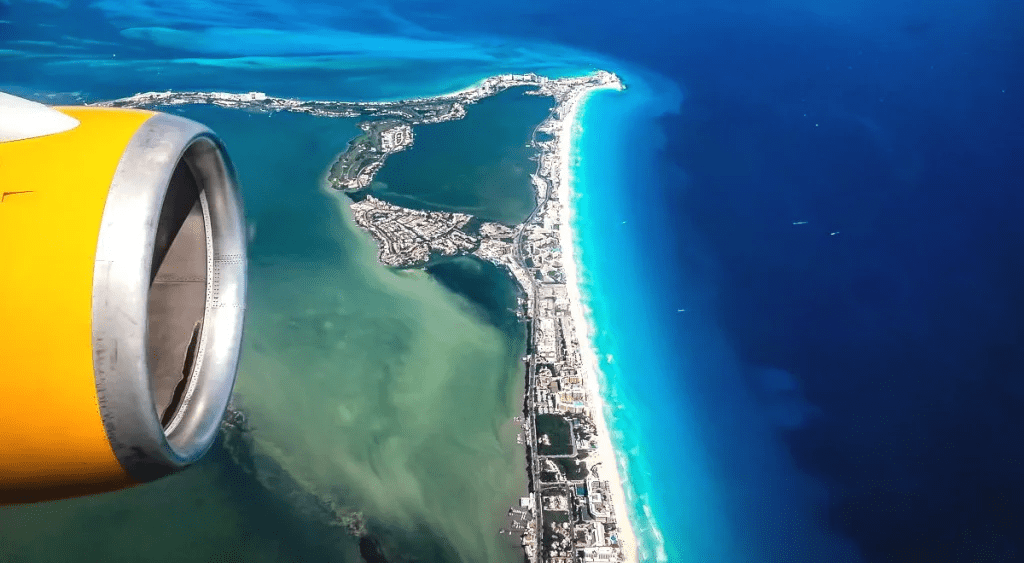
El Aeropuerto Internacional Cancún se encuentra localizado en Cancún, Quintana Roo, en la costa caribeña de la península de Yucatán en México. Es el tercer aeropuerto de América Latina y el segundo más ocupado de México, después del Aeropuerto Internacional de la Ciudad de México. En 2021, el aeropuerto de Cancún tuvo un tráfico de 22.318.467 pasajeros, un aumento del 82.1% en comparación con 2020. El aeropuerto cuenta con dos pistas operativas paralelas que se pueden utilizar simultáneamente. Inaugurado oficialmente en 1974. Es operado por el Grupo Aeroportuario del Sureste (ASUR). Actualmente posee cuatro Terminales operativas Es un centro para la aerolínea MAYAir, y ciudad foco para VivaAerobus y Volaris; y actualmente ofrece vuelos a más de veinte destinos en México y a más de treinta países en Norte, Centro, Sudamérica y Europa.
Cancun passenger record
Cancún Airport exceeds 600 daily flights
The Cancun Airport/CUN is at its peak with a record of six hundred daily flights, while it is beginning to have some difficulties due to traffic jams towards the Mexican airport. The Cancun International Airport has exceeded the figure of six hundred flights per day, which augurs a successful winter season, but with drawbacks for tourists, as they have suffered delays in traffic to and from the terminal.
On Thursday 10/11, tourists suffered the anguish of losing their return flights to their destinations of origin and also travelers arriving in Cancun, as their itineraries were affected when they just started their vacations. On Saturday 11/12, the Southeast Airport Group (ASUR) reported that they would operate 623 flights, between arrivals and departures, that is, 305 arrivals, of which 98 were national and 207 international. Likewise, there were 318 departures, 99 national and 219 abroad. Among the airlines that operated were: American Airlines, Aeroméxico, Wingo Air, Spirit Airlines, Avianca Airlines, Air Transat, Viva Aerobus, Viva Air, Volaris Airlines, TAG Airlines, United Airlines, Turkish Airlines, British Airways, Condor Airlines, Lufthansa German Airlines, WestJet Airlines, Sun Country Airlines, JetBlue Airways, Air Europa, Southwest Airlines, Delta Air Lines, Aeromar, KLM Royal Dutch Airlines, among other airlines.
The Cancun International Airport is located in Cancun, Quintana Roo, on the Caribbean coast of the Yucatan peninsula in Mexico. It is the third busiest airport in Latin America and the second busiest in Mexico, after the International Airport of Mexico City. In 2021, the Cancun airport had a traffic of 22,318,467 passengers, an increase of 82.1% compared to 2020. The airport has two parallel operating runways that can be used simultaneously. Officially inaugurated in 1974. It is operated by the Grupo Aeroportuario del Sureste (ASUR). It currently has four operational Terminals. It is a hub for the airline MAYAir, and a focus city for VivaAerobus and Volaris; and currently offers flights to more than twenty destinations in Mexico and more than thirty countries in North, Central, South America and Europe.
PUBLISHER: Airgways.com DBk: Cancun-airport.net / Airgways.com AW-POST: 202211151233AR OWNERSHIP: Airgways Inc. A\W A I R G W A Y S ®
AW | 2022 11 15 11:40 | AIRLINES / AVIATION ORGANISMS / GOVERNMENT
Ordena a aerolíneas pagar US$ 600 millones en desembolsos
El Departamento de Transporte (DOT) de Estados Unidos informó el Lunes 14/11 que ordenó a Frontier Airlines y cinco aerolíneas extranjeras para pagar alrededor de US$ 600 millones en reembolsos a los viajeros cuyos vuelos fueron cancelados o modificados significativamente por las aerolíneas. Las quejas de los pasajeros sobre los reembolsos de las aerolíneas aumentaron a principios de la pandemia cuando las restricciones de viaje y las preocupaciones sobre el COVID-19 redujeron la demanda de viajes a los niveles más bajos en décadas.
Las quejas sobre los reembolsos de las aerolíneas representaron el 87% de las 102.560 quejas registradas con el DOT en 2020 y alrededor del 60% de las 49.958 quejas en 2021. Los viajeros tienen derecho a un reembolso cuando las aerolíneas cancelan sus vuelos, pero a muchos clientes se les ofrecieron vales cuando las aerolíneas redujeron vuelos durante la pandemia.
El DOT y el Secretario de Transporte, Pete Buttigieg, se comprometieron a reforzar las protecciones de los consumidores contra las aerolíneas, proponiendo reglas más estrictas sobre cuándo se deben reembolsos a los viajeros. Pete Buttigieg también discutió con las aerolíneas sobre las causas de un aumento en los retrasos y cancelaciones de vuelos esta primavera y verano en Estados Unidos.
Frontier Airlines ha tenido que pagar US$ 222 millones en reembolsos, dijo el Lunes 14/11 el Departamento de Transporte. La agencia multó a la aerolínea de ultra bajo costo por retrasos en el pago de los reembolsos a los clientes. Frontier obtuvo una ganancia de US$ 31 millones el último trimestre con US$ 906 millones en ingresos a medida que la demanda de viajes y las tarifas continuaron su recuperación desde las profundidades de la pandemia. “No debería ser necesaria una acción de aplicación del Departamento de Transporte de EEUU para que las aerolíneas paguen los reembolsos que deben pagar”, dijo Pete Buttigieg en una llamada con los periodistas el Lunes 14/11. Blane Workie, Asesor General adjunto de la Oficina de Protección al Consumidor de Aviación del DOT, dijo en la llamada que no había otros casos pendientes sobre reembolsos contra aerolíneas estadounidenses.
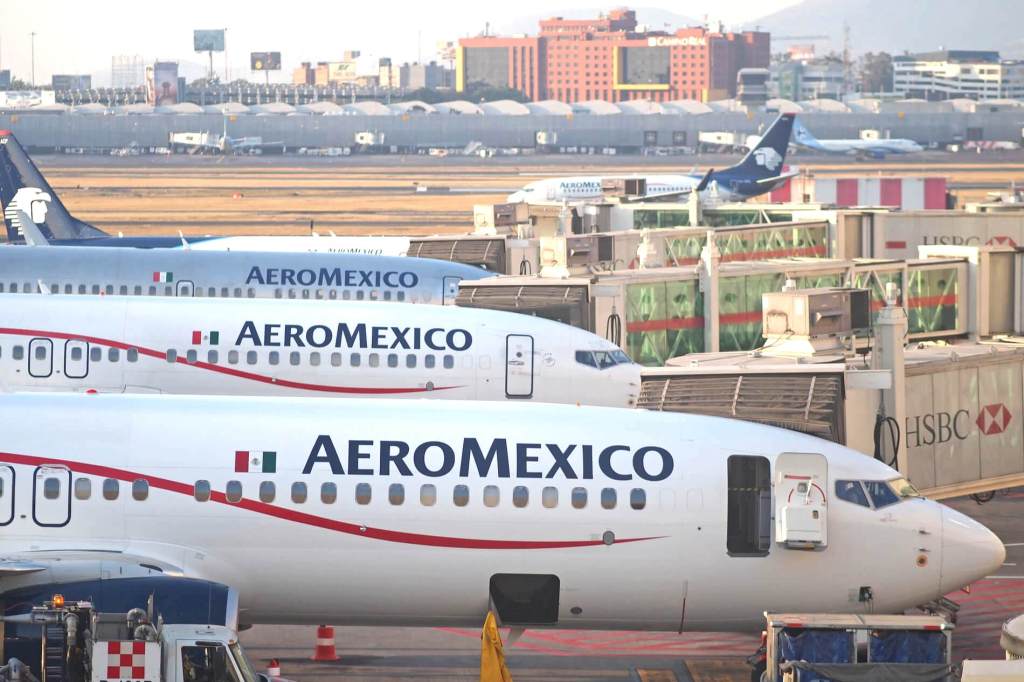
El DOT multó a Air India con US$ 1.4 millones, a TAP Portugal con US$ 1.1 millones, a Aeroméxico y El Al Airlines de Israel con US$ 900.000 cada uno y a Avianca Airlines con US$ 750.000. DOT dijo que esas cinco aerolíneas juntas tuvieron que pagar un poco más de US$ 400 millones en reembolsos. En 2021, el DOT multó a Air Canada con un récord de US$ 4.5 millones por retrasos en los reembolsos, más de la mitad de los cuales se destinarían a reembolsar a los viajeros.
US DOT orders fines refunds
Orders airlines to pay US$ 600 million in disbursements
The United States Department of Transportation (DOT) reported on Monday 11/14 that it ordered Frontier Airlines and five foreign airlines to pay around US$ 600 million in refunds to travelers whose flights were canceled or significantly changed by the airlines. Passenger complaints about airline refunds spiked early in the pandemic as travel restrictions and concerns about COVID-19 reduced travel demand to the lowest levels in decades.
Complaints about airline refunds accounted for 87% of the 102,560 complaints filed with the DOT in 2020 and about 60% of the 49,958 complaints in 2021. Travelers are entitled to a refund when airlines cancel their flights, but many customers were offered vouchers when airlines cut flights during the pandemic.
The DOT and Transportation Secretary Pete Buttigieg have pledged to strengthen consumer protections against airlines, proposing stricter rules about when refunds are due to travelers. Pete Buttigieg also discussed with airlines the causes of an increase in flight delays and cancellations this spring and summer in the United States.
Frontier Airlines has had to pay US$ 222 million in refunds, the Department of Transportation said on Monday 11/14. The agency fined the ultra-low-cost carrier for delays in paying refunds to customers. Frontier made a $31 million profit last quarter on $906 million in revenue as travel demand and fares continued to recover from the depths of the pandemic. “It shouldn’t take an enforcement action from the US Department of Transportation for airlines to pay the refunds they are required to pay”, Pete Buttigieg said on a call with reporters on Monday 11/14. Blane Workie, deputy general counsel for the DOT’s Office of Aviation Consumer Protection, said on the call that there were no other outstanding refund cases against US airlines.
The DOT fined Air India US$ 1.4 million, TAP Portugal US$ 1.1 million, Aeromexico and Israel’s El Al Airlines US$ 900,000 each, and Avianca Airlines US$ 750,000. DOT said those five airlines together had to pay a little more than $400 million in refunds. In 2021, the DOT fined Air Canada a record US$ 4.5 million for refund delays, more than half of which would go to reimburse travelers.
PUBLISHER: Airgways.com DBk: Transportation.gov / Airgways.com AW-POST: 202211151140AR OWNERSHIP: Airgways Inc. A\W A I R G W A Y S ®
AW | 2022 11 15 10:02 | AVIATION ORGANISMS / AIR INVESTIGATION / INDUSTRY
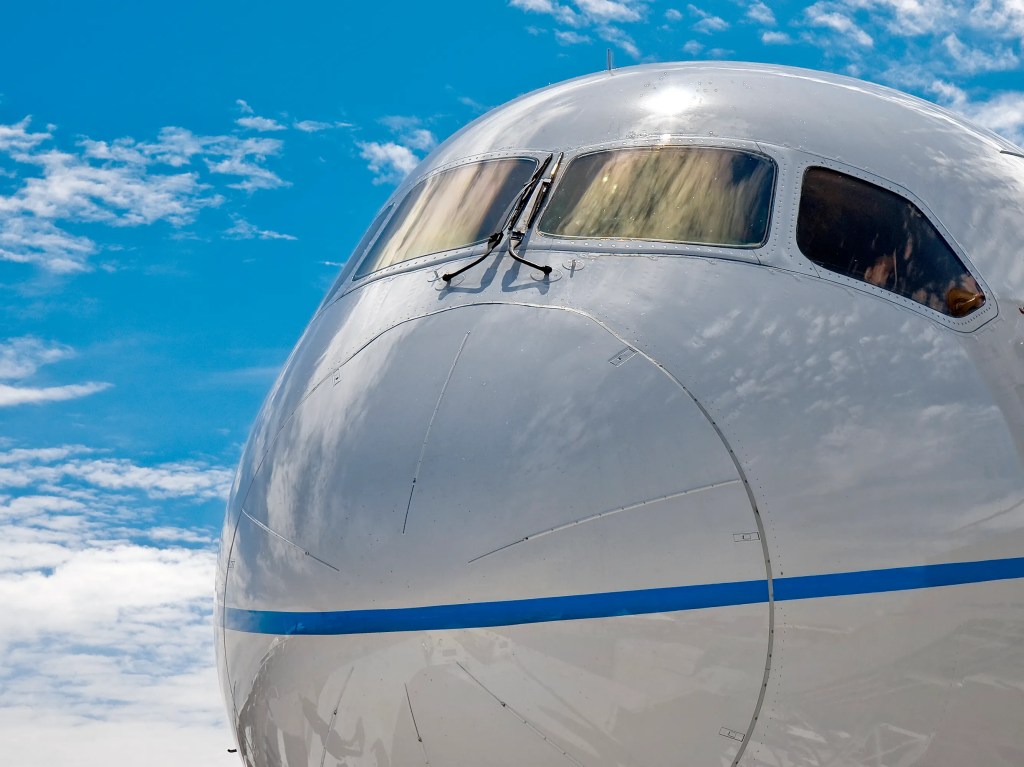
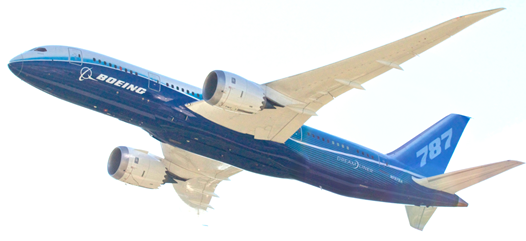
Plan para arreglar capa pintura descascarada en línea 787
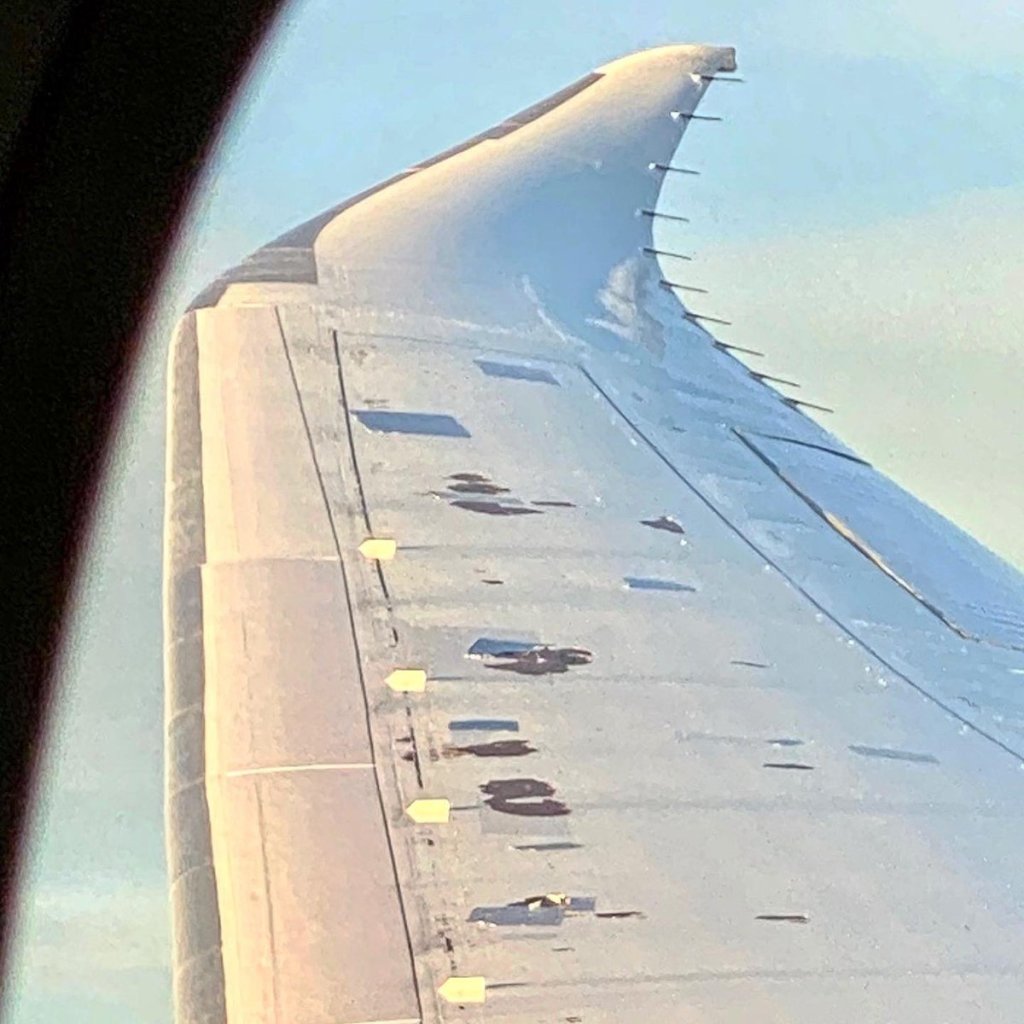
The Boeing Company dijo que los operadores de sus aviones Boeing 787 Dreamliner han experimentado «problemas de descascarado de pintura» en las superficies estabilizadoras de las alas y horizontales debido a la exposición a la luz ultravioleta. El fabricante de aviones pidió a los reguladores que aprobaran un plan para solucionar el problema.
La reparación requiere el uso repetido de cinta de velocidad en las áreas afectadas. Boeing pidió a la Administración Federal de Aviación de Estados Unidos (FAA) que aprobara su plan para agregar una capa de una capa superior negra que bloquea los rayos ultravioleta entre la imprimación de pintura y la capa superior blanca. «A pesar de que el uso de cinta de velocidad no tiene ningún efecto en la seguridad del avión, el público podría percibir una condición insegura al ver cinta en las superficies de las alas», según la presentación de Boeing.
La presentación es la señal más reciente de dificultades para los aviones compuestos de carbono. Un caso similar ha ocurrido con el fabricante Airbus Group enfrentando una disputa legal de US$ 2.000 millones de Dólares con la aerolínea Qatar Airways sobre el deterioro de la superficie del avión A350 del fabricante de aviones.
Boeing Requests FAA 787 Paint Plan
Plan to fix peeling paint layer online 787
The Boeing Company said operators of its Boeing 787 Dreamliner aircraft have experienced «paint chipping problems» on the wing stabilizer and horizontal surfaces due to exposure to ultraviolet light. The planemaker has asked regulators to approve a plan to fix the problem.
Repair requires repeated use of speed tape on affected areas. Boeing asked the US Federal Aviation Administration (FAA) to approve its plan to add a layer of an ultraviolet-blocking black topcoat between the paint primer and the white topcoat. «Although the use of speed tape has no effect on the safety of the aircraft, the public could perceive an unsafe condition by seeing tape on the wing surfaces», according to the Boeing filing.
The filing is the latest sign of trouble for carbon-composite aircraft. A similar case has occurred with the manufacturer Airbus Group facing a US$ 2 billion legal dispute with the airline Qatar Airways over the deterioration of the surface of the aircraft manufacturer’s A350 aircraft.
PUBLISHER: Airgways.com DBk: Boeing.com / Faa.gov / Airgways.com AW-POST: 202211151002AR OWNERSHIP: Airgways Inc. A\W A I R G W A Y S ®
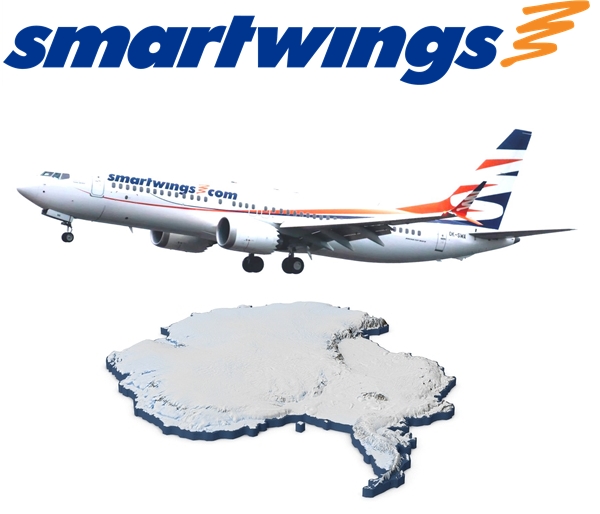
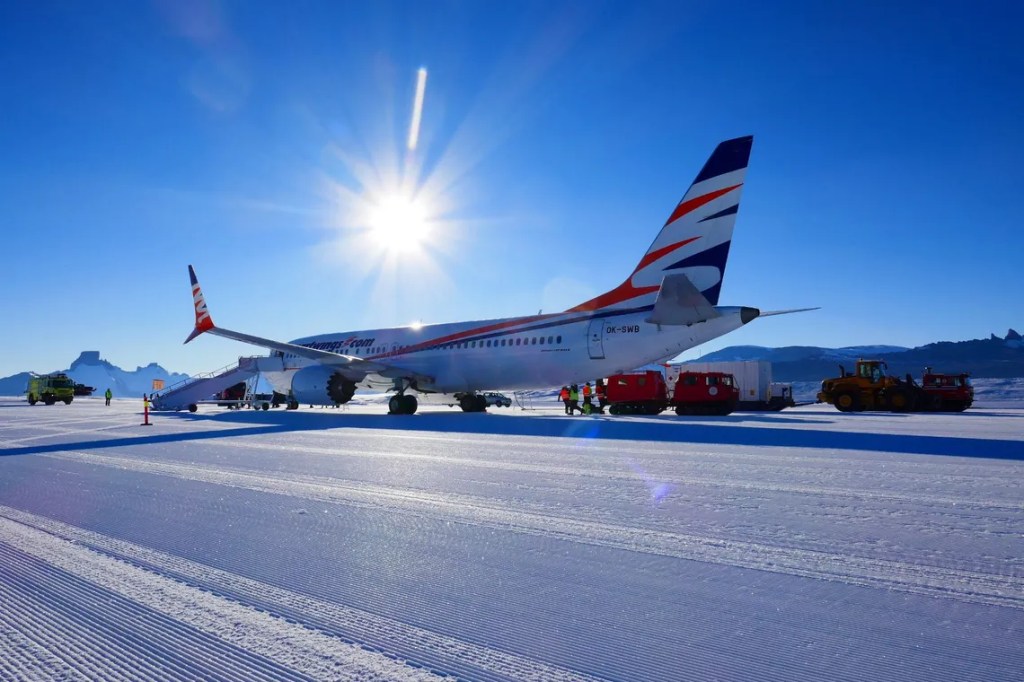
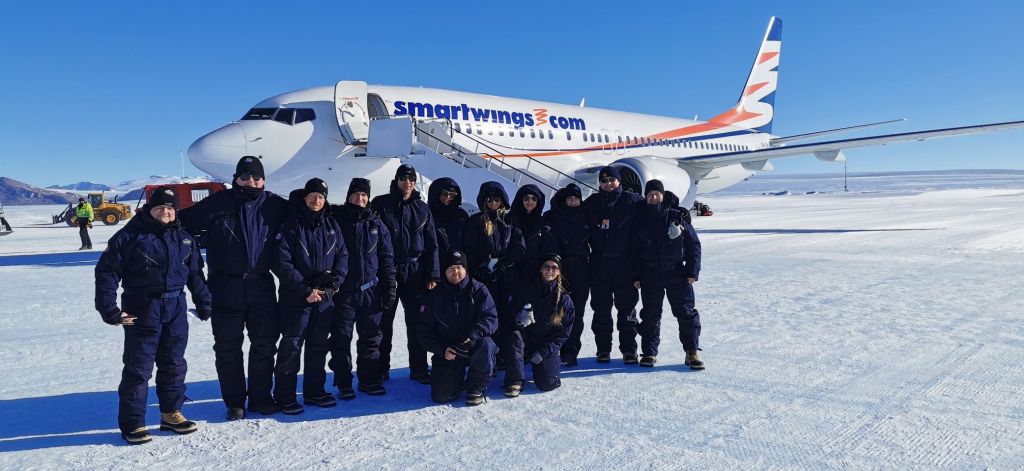
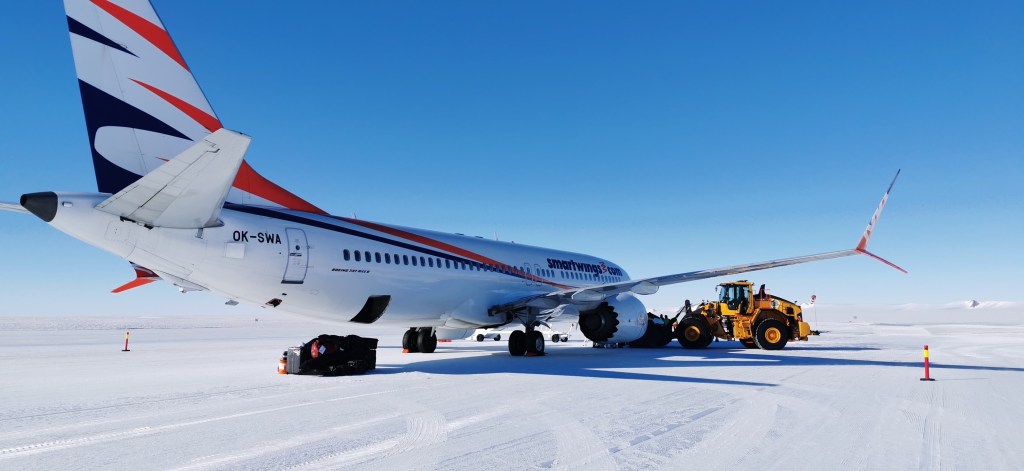
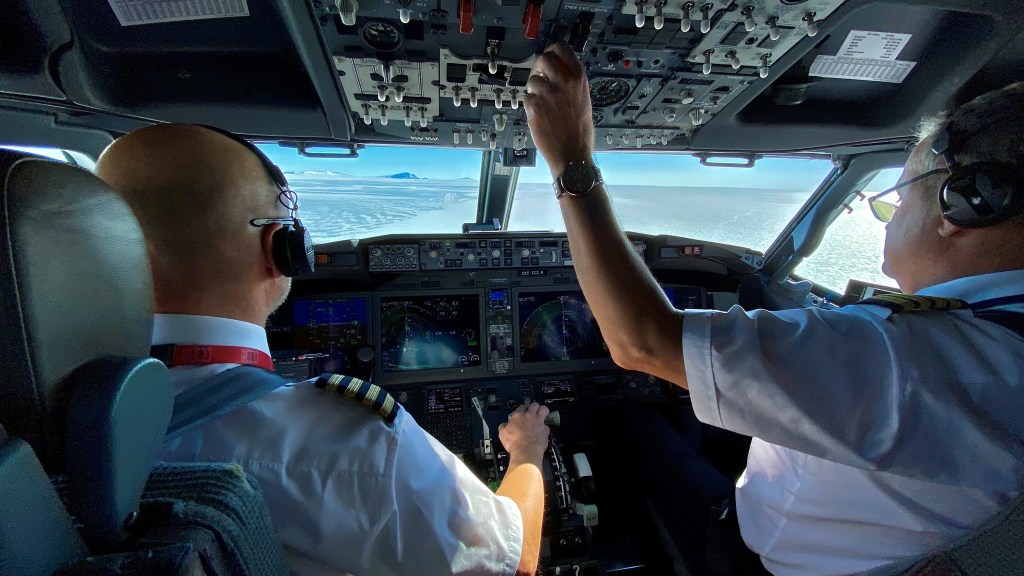
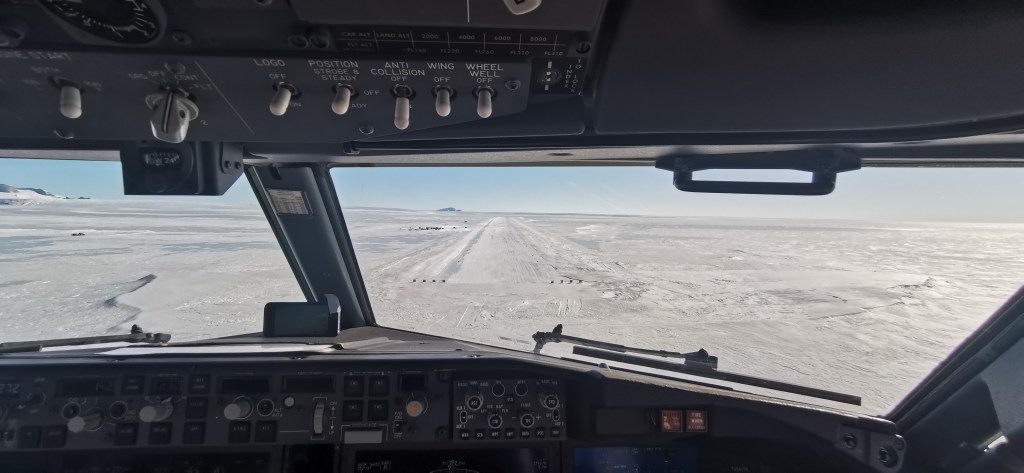
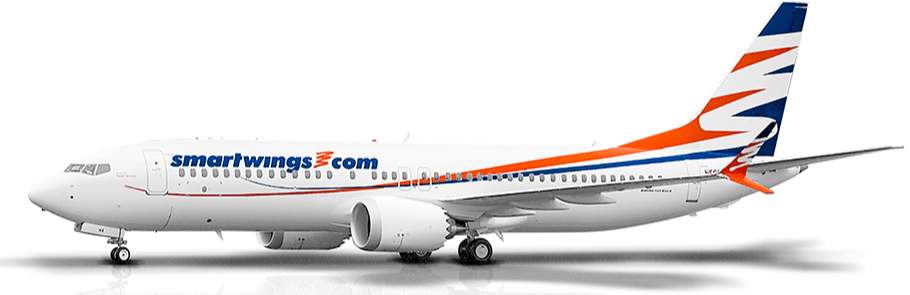
La aerolínea checa low cost Smartwings Airlines aterrizó el 11 de Noviembre de 2022 en el continente antártico nuevamente. En esta nueva ocasión empleó el Boeing 737-8 MAX registro OK-SWA tocando tierra en la Estación de Investigación Troll después de un viaje de varias paradas desde Europa atravesando el continente africano. La tripulación de vuelo especial está formada por tres pilotos especialmente entrenados. «Es necesario prepararse a fondo para tal vuelo. Los preparativos tomaron muchos meses, y el vuelo y el aterrizaje se desarrollaron sin problemas», dijo el Capitán y Director de Vuelo de Smartwings, Tomáš Nevole, después del vuelo inicial de Enero 2022.
La aerolínea checa de bajo costo voló por primera vez su Boeing 737-8 MAX a la Antártida en Enero 2022, siendo la primera en desplegar el modelo en el continente helado operando un servicio chárter para Aircontact para transportar a los miembros del Instituto Polar Noruego. El vuelo reciente es el tercero para Smartwings. La tripulación transportó con seguridad a investigadores de Bremen, Alemania y Oslo, durante un período de dos días.
La trayectoria del vuelo QS-4196 salió inicialmente de Bremen, Alemania, hacia Oslo, Noruega, a las 10:51 del 9 de Noviembre de 2022. Posteriormente despegó de Oslo hacia Praga a las 14:25 del mismo día. El avión partió de la capital checa a las 17:29 para dirigirse a Yamena, Chad. El 10/11, el vuelo partió hacia Ciudad del Cabo, Sudáfrica a las 00:41. Finalmente, el 11/11 el vuelo salió de Ciudad del Cabo a las 11:28 para aterrizar en la Estación de Investigación Troll poco después de las 15:00 manteniendo todos los horarios locales.
La aerolínea portuguesa Hi Fly también ha retornado a la Antártida con aeronaves Airbus A340 para transportar científicos, suministros y visitantes.
Base Troll
El Aeródromo Troll se encuentra a 6,8 km/4,2 millas de la Base Troll a lo largo de Princess Martha Coast, Queen Maud Land. Una pista de hielo azul glacial de 3.000 m/9.842 pies de largo se encuentra aquí, que requiere mucho trabajo para mantener. La pista tiene que ser constantemente monitoreada y reinspeccionada para ser utilizada para operaciones aéreas.
Los vuelos forman parte de un proyecto de investigación vital por el Instituto Polar Noruego, el Instituto Meteorológico Noruego y el Instituto Noruego de Investigación Aérea en Troll. Además, se incentivan desarrollos turísticos al continente blanco por parte de White Desert que promueven viajes turísticos neutros en carbono a Queen Maud Land, permitiendo despertar la pasión por un paisaje atípico que deslumbrar a un público especial por la naturaleza antártica.
Smartwings returns Antarctica
Third flight to the Antarctic route
The Czech low cost airline Smartwings Airlines landed on November 11, 2022 on the Antarctic continent again. On this new occasion, he used the Boeing 737-8 MAX, registration OK-SWA, touching down at the Troll Research Station after a multi-stop trip from Europe across the African continent. The special flight crew consists of three specially trained pilots. «It is necessary to prepare thoroughly for such a flight. The preparations took many months, and the flight and landing went smoothly», said Smartwings Captain and Flight Director Tomáš Nevole after the initial January 2022 flight.
The Czech low-cost airline first flew its Boeing 737-8 MAX to Antarctica in January 2022, being the first to deploy the model to the frozen continent operating a charter service for Aircontact to transport members of the Norwegian Polar Institute. The recent flight is the third for Smartwings. The crew safely transported researchers from Bremen, Germany, and Oslo, over a period of two days.
The flight path QS-4196 initially left Bremen, Germany, for Oslo, Norway, at 10:51 on November 9, 2022. It subsequently took off from Oslo for Prague at 14:25 on the same day. The plane left the Czech capital at 17:29 to go to N’Djamena, Chad. On 11/10, the flight departed for Cape Town, South Africa at 00:41. Finally, on 11/11 the flight left Cape Town at 11:28 to land at the Troll Research Station shortly after 15:00 keeping all local time.
The Portuguese airline Hi Fly has also returned to Antarctica with Airbus A340 aircraft to transport scientists, supplies and visitors.
Troll Base
Troll Airfield is located 6.8 km/4.2 miles from Troll Base along the Princess Martha Coast, Queen Maud Land. A 3,000m/9,842ft long icy blue ice rink is located here, which requires a lot of work to maintain. The runway has to be constantly monitored and reinspected to be used for air operations.
The flights are part of a vital research project by the Norwegian Polar Institute, the Norwegian Meteorological Institute and the Norwegian Institute for Air Research in Troll. In addition, tourism developments to the white continent are encouraged by the White Desert that promote carbon-neutral tourist trips to Queen Maud Land, allowing passion for an atypical landscape to arouse a special audience for Antarctic nature.
PUBLISHER: Airgways.com DBk: Smartwings.com / Airgways.com AW-POST: 202211142155AR OWNERSHIP: Airgways Inc. A\W A I R G W A Y S ®
Brasileña Embraer anuncia pérdida en 3er trimestre
Embraer SA ha anunciado los resultados del tercer trimestre 2022 (3Q2022). A pesar de sus pérdidas, la deuda de Embraer de US$ 1.300 millones es menor que el año anterior. El fabricante brasileño de aviones Embraer anunció el Lunes 14/11 una pérdida de R$ 160,4 millones de Reales/US$ 30,2 millones de Dólares en el tercer trimestre debido a la caída de los ingresos en sus sectores de defensa y seguridad.
En comparación con el tercer trimestre de 2021, cuando Embraer perdió R$ 234 millones de Reales, los ingresos de defensa y seguridad cayeron un 42 por ciento. Sin embargo, eso fue parcialmente compensado por aumentos del cinco por ciento en la aviación comercial, el seis por ciento en los negocios ejecutivos y el siete por ciento en el apoyo y los servicios.
Embraer, el tercer mayor fabricante de aviones del mundo después de Airbus y Boeing, había obtenido una ganancia neta de R$ 372,6 millones de Reales en el segundo trimestre, habiendo perdido R$ 170,7 millones de Reales en los primeros tres meses del año. La deuda total de Embraer se situó en US$ 1.300 millones de Dólares al final del tercer trimestre, por debajo de la cifra de US$ 1.800 millones de dólares del año anterior.
En un comunicado, Embraer dijo que había entregado diez (10) aviones comerciales y veintitrés (23) aviones ejecutivos durante el último trimestre. Ha entregado setenta y nueve (79) aviones en el año hasta la fecha. La compañía dijo que la interrupción continua de la cadena de suministro que afecta a la industria de las aerolíneas representó las pérdidas del tercer trimestre.
Embraer announces losses in 3Q2022
Brazil’s Embraer posts 3rd quarter loss
Embraer SA has announced the results of the third quarter 2022 (3Q2022). Despite its losses, Embraer’s debt of US$ 1.3 billion is less than the previous year. Brazilian aircraft manufacturer Embraer announced on Monday 11/14 a loss of R$ 160.4 million Reais/US$ 30.2 million in the third quarter due to falling revenues in its defense and security sectors.
Compared to the third quarter of 2021, when Embraer lost R$ 234 million Reais, defense and security revenues fell 42 percent. However, that was partially offset by increases of five percent in commercial aviation, six percent in executive business and seven percent in support and services.
Embraer, the third largest aircraft manufacturer in the world after Airbus and Boeing, had obtained a net profit of R$ 372.6 million Reais in the second quarter, having lost R$ 170.7 million Reais in the first three months of the year. Embraer’s total debt stood at US$1.3 billion at the end of the third quarter, down from US$ 1.8 billion a year earlier.
In a statement, Embraer said that it had delivered ten (10) business jets and twenty-three (23) executive jets during the last quarter. It has delivered seventy-nine (79) aircraft in the year to date. The company said continued supply chain disruption affecting the airline industry accounted for third-quarter losses.
PUBLISHER: Airgways.com DBk: Embraer.com / Airgways.com AW-POST: 202211142100AR OWNERSHIP: Airgways Inc. A\W A I R G W A Y S ®
Primer vuelo Orion a la Luna como parte misión Artemis I
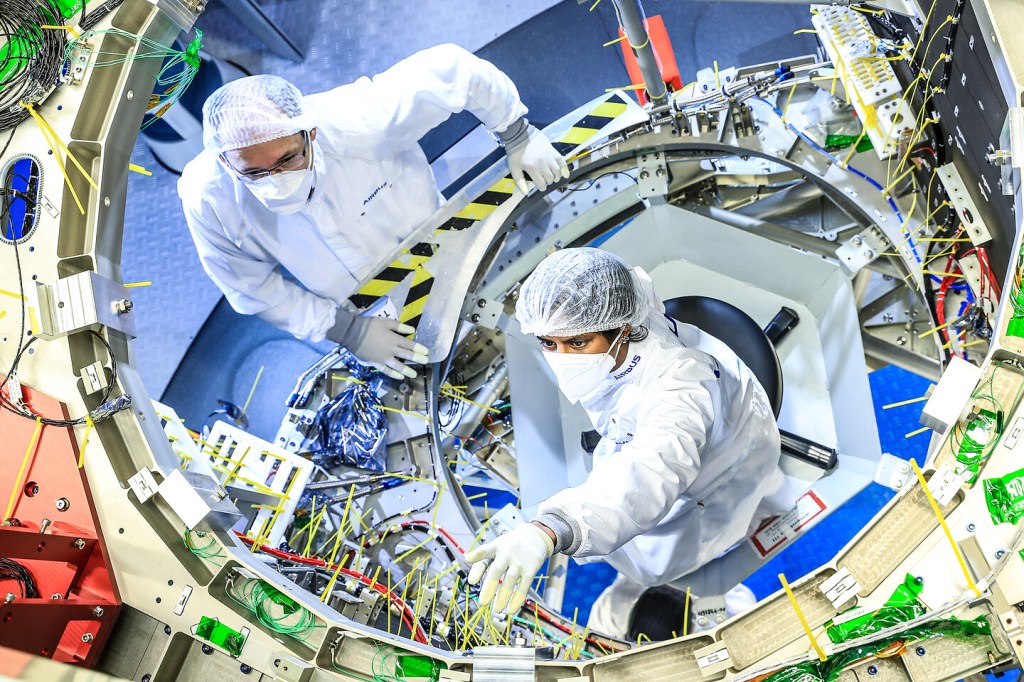
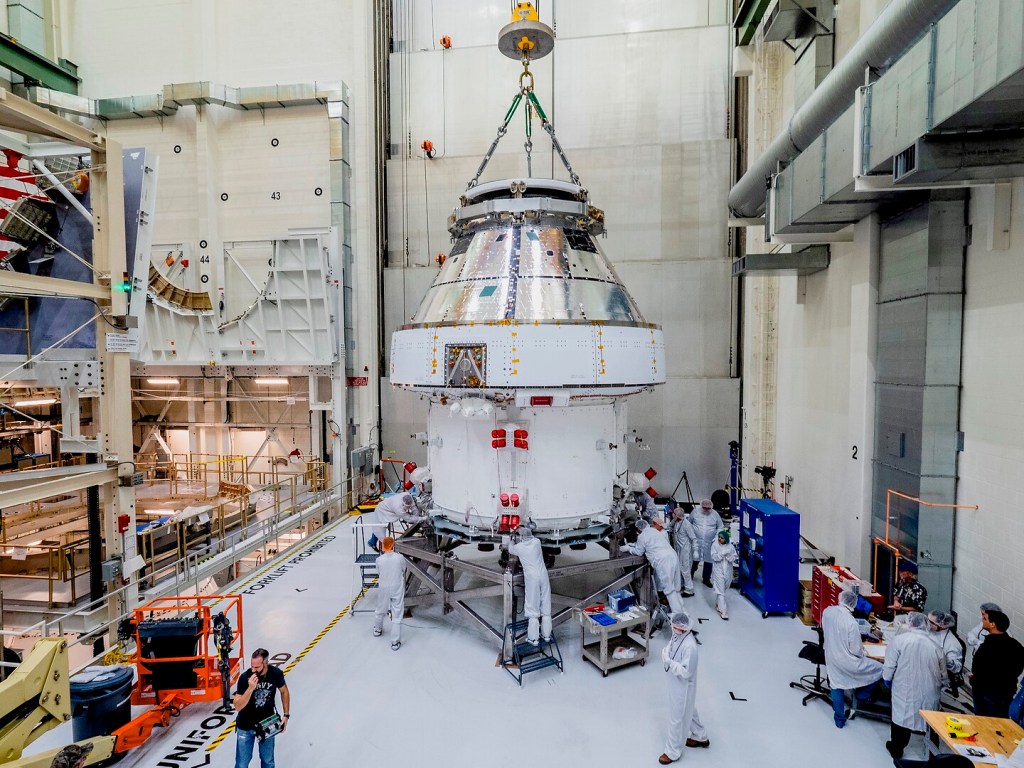
El nacimiento de una nave espacial Airbus Orion lleva muchos años desde el diseño hasta el montaje, las pruebas y el lanzamiento. El ingeniero de Airbus Aerospace Paolo Artusio explica sobre cómo tomó forma el ESM-1, el módulo de servicio europeo que impulsará la nave espacial Orion a la Luna. El momento en que un programa pasa a su fase de montaje, integración y prueba (AIT) es: «Cuando los sueños de los ingenieros salen de sus manos y comienzan a hacerse realidad».
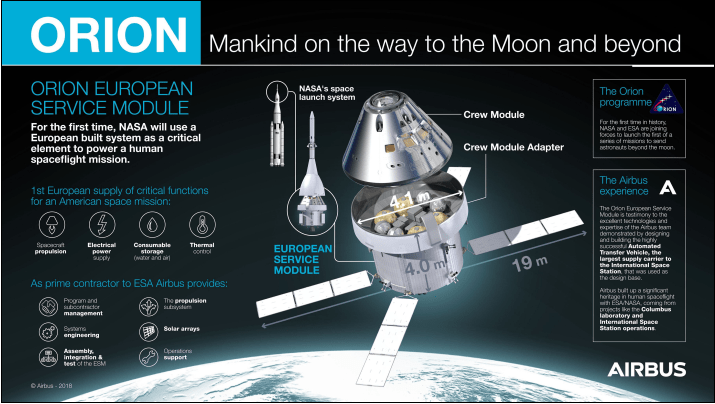
Paolo Artusio es el líder AIT del ESM de Airbus, y supervisará esta importante evolución con cuatro de los Módulos de Servicio Europeos (ESM) que Airbus está suministrando para la nave espacial Orion de la NASA que devolverá a los humanos a la Luna. Los ESM construidos por Airbus proporcionarán propulsión, energía, agua, oxígeno y nitrógeno a las tripulaciones a bordo de la nave espacial Orion de la NASA en vuelos a la Luna, y potencialmente más allá. Es la primera vez que esta agencia espacial confía a un no estadounidense. compañía para construir un elemento de misión crítica para una misión de vuelo espacial humano estadounidense. Airbus desarrolló y produce los ESM bajo contrato con la Agencia Espacial Europea.
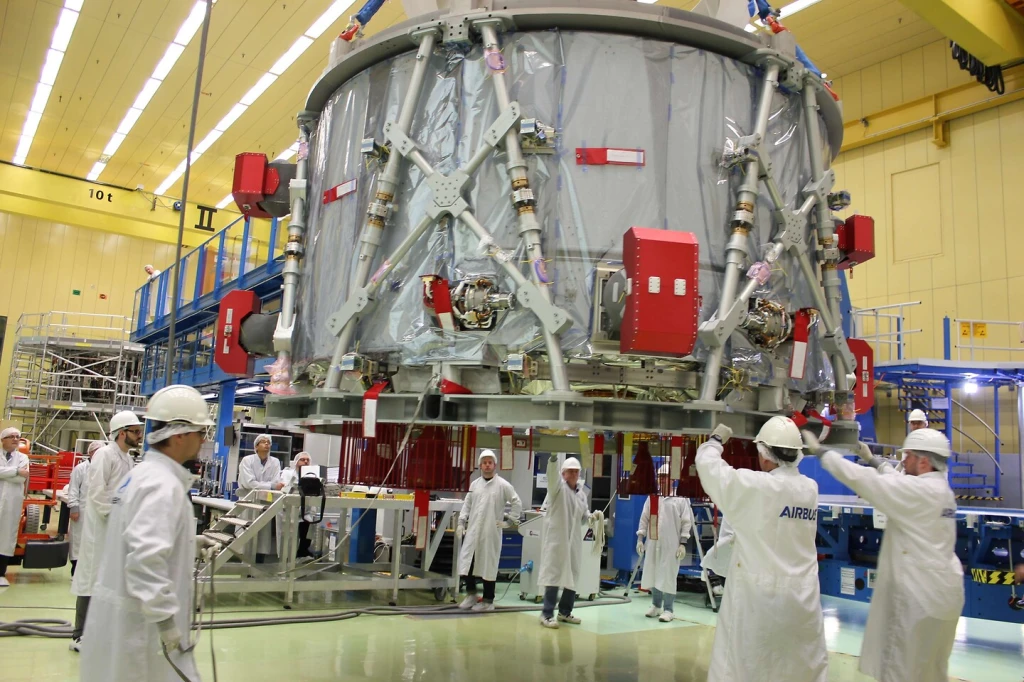
El ESM es una nave espacial altamente compleja, con los equipos de Airbus responsables del ensamblaje, integración y prueba de más de 20,000 piezas y componentes que se utilizan en cada módulo de servicio. Esto incluye toda la gama de hardware espacial, desde equipos eléctricos hasta motores, paneles solares, tanques de combustible y suministros de soporte vital, así como aproximadamente 12 kilómetros de cables. Construido como una estructura cilíndrica, el ESM tiene cinco elementos principales: las plataformas superior e inferior, el tanque de combustible, el panel cuadrado y el panel de corte. Su proceso AIT implica que los equipos de Airbus reúnan estos componentes y ajusten todos los elementos vitales necesarios para el soporte vital de la tripulación (proporcionando energía y otros productos como agua, oxígeno y nitrógeno), junto con la propulsión para maniobrar en el espacio. «El ESM está realmente comprimido, tanto en términos de lo apretado que todo está encajado en el cilindro como de cómo el programa AIT está ajustado desde el punto de vista del tiempo», dice Paolo Artusio.
El primer módulo, ESM-1, bautizado «Bremen», en honor a las instalaciones de Airbus donde fue diseñado y construido en la Ciudad de Bremen, Alemania, fue entregado a la NASA en Noviembre de 2018. Airbus proporcionó el segundo, el ESM-2 a la NASA en Octubre de 2021. El ESM-3 está avanzando a través de la fase de integración en las instalaciones de sala limpia de Airbus en Bremen, incluidos los subconjuntos iniciales como el sistema de control térmico y los arneses del sistema de propulsión. La estructura principal del cuarto, el ESM-4 fue entregada en los últimos meses por el subcontratista de Airbus, Thales Alenia Space, y se está preparando para su propio ciclo de actividad de ensamblaje, integración y prueba.
Paolo Artusio ha estado involucrado en actividades de ensamblaje, integración y prueba durante gran parte de su carrera profesional de 34 años en la industria espacial, que comenzó con una oportunidad de trabajo/estudio como estudiante en Turín, Italia. «El filósofo romano Séneca es citado diciendo: ‘La suerte es lo que sucede cuando la preparación se encuentra con la oportunidad. He tenido muchas grandes oportunidades profesionales que atribuyo a mi dedicación en el trabajo, llevándome a este trabajo de ensueño con un contratista principal para un programa que literalmente abre una nueva era de exploración espacial. He tenido muchas grandes oportunidades profesionales […] llevándome a este contratista principal para un programa que literalmente abre una nueva era de exploración espacial», explicó el ingeniero aeroespacial.
La experiencia de Paolo Artusio lo ha posicionado perfectamente para los desafíos de AIT que vienen con la complejidad del Módulo de Servicio Europeo, y el hecho de que las vidas humanas dependen de su funcionamiento. Anteriormente estuvo involucrado en proyectos como la nave espacial de reabastecimiento de carga Automated Transfer Vehicle (ATV) construida por Airbus que dio servicio a la Estación Espacial Internacional y en la que se basa gran parte del diseño de ESM, junto con el laboratorio Columbus que está permanentemente unido a la instalación en órbita terrestre. Paolo Artusio se enorgullece de tener este papel clave en un proyecto que subraya la contribución del contratista principal de Europa al programa Artemis, liderado por Estados Unidos, que se produce 50 años después del primer alunizaje tripulado en 1969.
Orion, the way to the Moon
First Orion flight to the Moon as part of the Artemis I mission
The birth of an Airbus Orion spacecraft takes many years from design to assembly, testing and launch. Airbus Aerospace engineer Paolo Artusio explains how ESM-1, the European service module that will propel the Orion spacecraft to the Moon, came to life. The moment a program moves into its assemble, integrate and test (AIT) phase is: «When engineers’ dreams get out of their hands and start to come true«.
Paolo Artusio is the AIT lead for Airbus ESM, and will oversee this important evolution with four of the European Service Modules (ESM) that Airbus is supplying for NASA’s Orion spacecraft that will return humans to the Moon. The Airbus-built ESMs will provide propulsion, power, water, oxygen and nitrogen to crews aboard NASA’s Orion spacecraft on flights to the Moon, and potentially beyond. It is the first time that this space agency has entrusted a non-American. company to build a mission-critical element for a US human spaceflight mission. Airbus developed and produces ESMs under contract with the European Space Agency.
The ESM is a highly complex spacecraft, with Airbus teams responsible for the assembly, integration and testing of more than 20,000 parts and components used in each service module. This includes the full range of space hardware, from electrical equipment to engines, solar panels, fuel tanks and life support supplies, as well as approximately 12 kilometers of cables. Built as a cylindrical structure, the ESM has five main elements: the upper and lower decks, the fuel tanks, the square panel, and the trim panel. Its AIT process involves Airbus teams putting these components together and fitting all the vital elements needed for crew life support (providing power and other products like water, oxygen and nitrogen), along with propulsion for maneuvering in space. «ESM is really compressed, both in terms of how tightly everything is packed into the cylinder and how tight the AIT schedule is from a timing point of view», says Paolo Artusio.
The first module, ESM-1, named «Bremen», after the Airbus facility where it was designed and built in the City of Bremen, Germany, was delivered to NASA in November 2018. Airbus provided the second, the ESM-2 to NASA in October 2021. The ESM-3 is progressing through the integration phase at the Airbus clean room facility in Bremen, including initial sub-assemblies such as the thermal control system and system harnesses. propulsion. The fourth mainframe, ESM-4, was delivered in recent months by Airbus subcontractor Thales Alenia Space and is preparing for its own assembly, integration and test cycle of activity.
Paolo Artusio has been involved in assembly, integration and test activities for much of his 34-year career in the space industry, which he began with a work/study opportunity as a student in Turin, Italy. «The Roman philosopher Seneca is quoted as saying, ‘Luck is what happens when preparation meets opportunity. ‘I have had many great career opportunities which I attribute to my dedication to the job, leading to this dream job with a contractor. contractor for a program that literally ushers in a new era of space exploration. I’ve had many great career opportunities […] bringing me this prime contractor for a program that literally ushers in a new era of space exploration», explained the aerospace engineer.
Paolo Artusio’s experience has positioned him perfectly for the AIT challenges that come with the complexity of the European Service Module, and the fact that human lives depend on its operation. He was previously involved in projects such as the Airbus-built Automated Transfer Vehicle (ATV) cargo resupply spacecraft that serviced the International Space Station and on which much of ESM’s design is based, along with the Columbus laboratory that is permanently attached to the facility in Earth orbit. Paolo Artusio is proud to have this key role in a project that underscores the contribution of Europe’s prime contractor to the US-led Artemis program, which comes 50 years after the first manned moon landing in 1969.
PUBLISHER: Airgways.com DBk: Airbus.com / Airgways.com AW-POST: 202211142053AR OWNERSHIP: Airgways Inc. A\W A I R G W A Y S ®
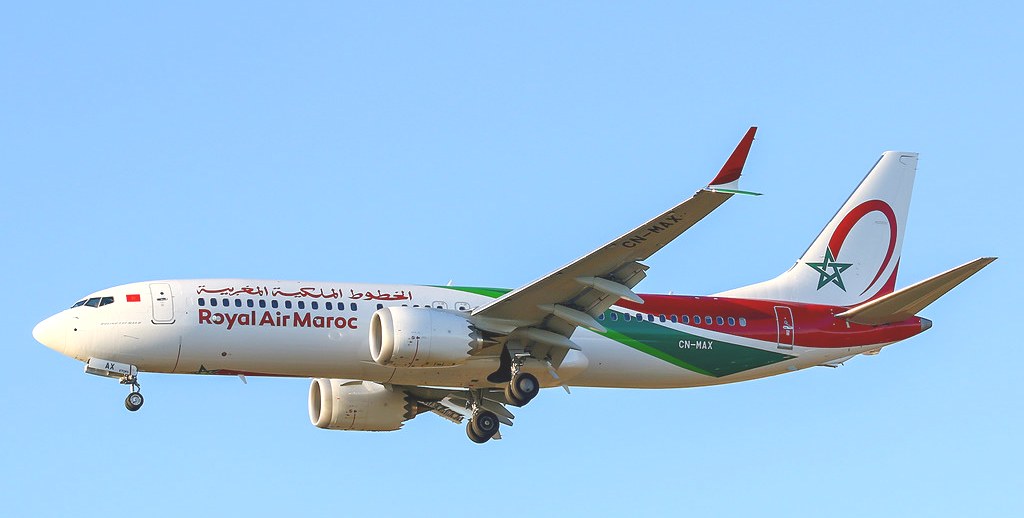
Royal Air Maroc expande operaciones mercado tunecino Aumenta a 14 frecuencias semanales entre Marruecos y Túnez
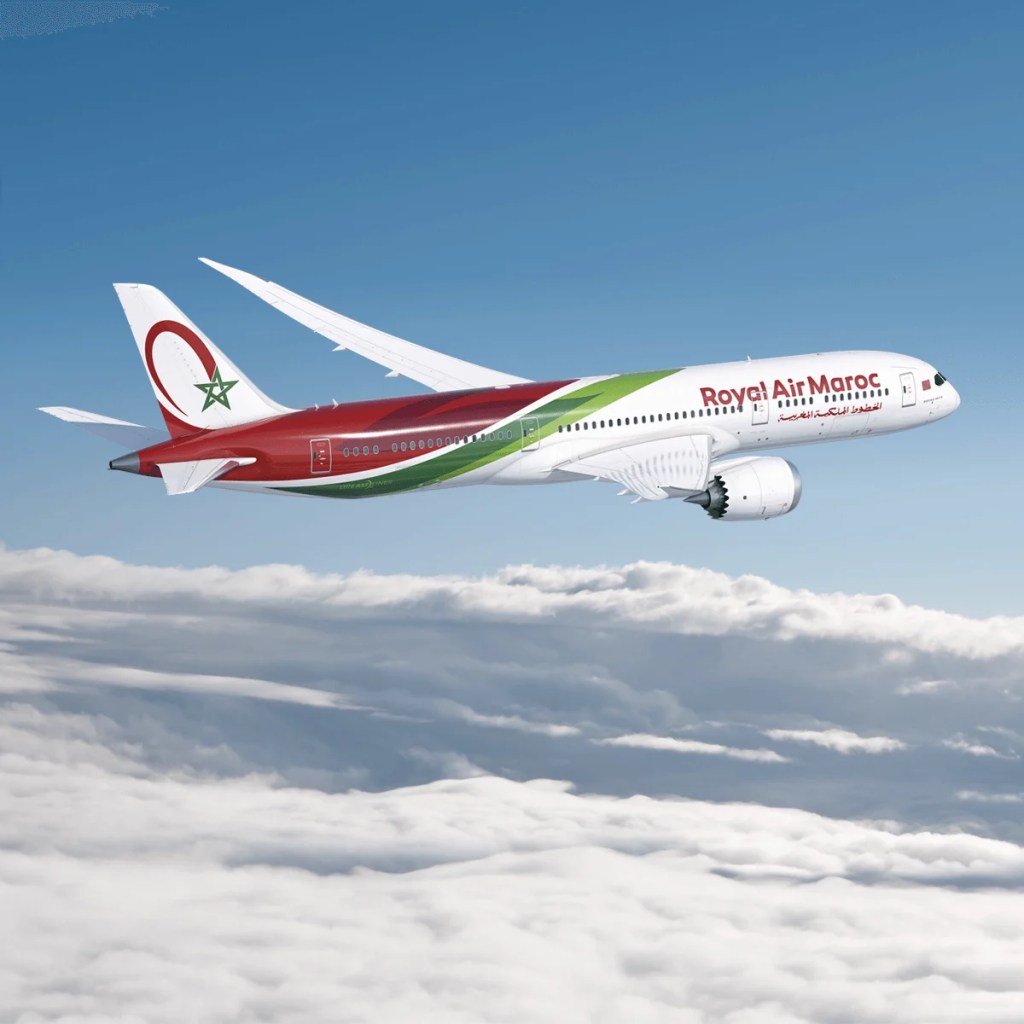
Royal Air Maroc (RAM) ha anunciado la expansión de los servicios entre Marruecos y Túnez. Los clientes del mercado tunecino ahora tienen numerosas opciones de ruta que los conectan con 16 ciudades marroquíes. La compañía aérea nacional de Marruecos Royal Air Maroc celebró un taller con agencias de viajes tunecinas el sábado para mostrar sus productos y servicios. Tras el aumento del 29 de Octubre de 2022 a catorce frecuencias semanales (14Frq/S) entre Marruecos y Túnez, la reunión brindó la oportunidad de publicitar la red de RAM y ofrecer a los clientes que viajan entre los dos países una variedad de opciones. Además, los clientes del mercado tunecino ahora tienen numerosas opciones de ruta que los conectan con 16 ciudades marroquíes, 23 servicios de redes africanas, cuatro redes americanas, seis destinos de la Península Ibérica y las Islas Canarias, según informes convergentes.
El Gerente de Desarrollo del Departamento de Marruecos, Medio Oriente y Asia, Hassan Benbrahim, estuvo presente en el evento, así como los empleados de la representación regional de Royal Air Maroc en Túnez y cien socios. El Representante regional de Royal Air Maroc en Túnez, Mohammed Issam Mosseddaq, destacó los beneficios dela alianza Oneworld, al tiempo que mostró una variedad de productos y servicios innovadores ofrecidos por Royal Air Maroc. Señaló que la aerolínea marroquí conecta Túnez a una red increíblemente amplia a través de esta alianza. «Este evento es también una oportunidad para destacar la membresía de Royal Air Maroc a la prestigiosa alianza Oneworld y los beneficios que brinda a los clientes en el mercado tunecino», expresó Mohammed Issam Mosseddaq. También destacó la expansión de la red de RAM a través de la apertura de operaciones de la compañía en Luanda, Angola, y tres servicios en la Península Ibérica y las Islas Canarias (Oporto, Sevilla y Tenerife).
En Abril de 2020, Royal Air Maroc se unió oficialmente a la alianza Oneworld, convirtiéndose en el primer miembro africano de la alianza global de aerolíneas. RAM agregó 39 nuevos destinos en 23 países a la red de la alianza. La red Oneworld sirve a más de 900 destinos en 170 territorios con cientos de salas VIP de aeropuertos. La alianza ofrece transferencias más fluidas para los pasajeros que viajan a través de las aerolíneas miembro, una mayor gama de recompensas de viajero frecuente, acceso a más salas VIP de aeropuertos y más acuerdos de código compartido entre las aerolíneas miembro. En Junio de 2022, el CEO de Royal Air Maroc, Abdelhamid Addou, anunció los planes de la compañía para transformar la aerolínea nacional en un conector global entre África y Europa en la era post-COVID. Abdelhamid Addou declaró que la aerolínea nacional se está preparando para lanzar una nueva licitación para 22 aviones regionales, de corta y larga distancia, enfatizando que la aerolínea nacional necesita «invertir en más aviones y tener un aeropuerto con un tamaño mucho mayor, una calidad más eficiente y una mejor experiencia del cliente».
RAC expands services to Tunisia
Royal Air Maroc expands operations Tunisian market Increases to 14 weekly frequencies between Morocco and Tunisia
Royal Air Maroc (RAM) has announced the expansion of services between Morocco and Tunisia. Customers in the Tunisian market now have numerous route options connecting them to 16 Moroccan cities. Morocco’s national airline Royal Air Maroc held a workshop with Tunisian travel agencies on Saturday to showcase their products and services. Following the increase on October 29, 2022 to fourteen weekly frequencies (14Frq/S) between Morocco and Tunisia, the meeting provided an opportunity to publicize the RAM network and offer customers traveling between the two countries a variety of options. In addition, customers in the Tunisian market now have numerous route options connecting them with 16 Moroccan cities, 23 African network services, four American networks, six destinations on the Iberian Peninsula and the Canary Islands, according to converging reports.
The Development Manager of the Department of Morocco, the Middle East and Asia, Hassan Benbrahim, was present at the event, as well as the employees of the regional representation of Royal Air Maroc in Tunisia and one hundred partners. The Regional Representative of Royal Air Maroc in Tunisia, Mohammed Issam Mosseddaq, highlighted the benefits of the Oneworld alliance, while showing a variety of innovative products and services offered by Royal Air Maroc. He pointed out that the Moroccan airline connects Tunisia to an incredibly wide network through this alliance. «This event is also an opportunity to highlight Royal Air Maroc’s membership of the prestigious oneworld alliance and the benefits it brings to customers in the Tunisian market», said Mohammed Issam Mosseddaq. He also highlighted the expansion of the RAM network through the opening of the company’s operations in Luanda, Angola, and three services in the Iberian Peninsula and the Canary Islands (Porto, Seville and Tenerife).
In April 2020, Royal Air Maroc officially joined the Oneworld alliance, becoming the first African member of the global airline alliance. RAM added 39 new destinations in 23 countries to the alliance’s network. The Oneworld network serves more than 900 destinations in 170 territories with hundreds of airport lounges. The alliance offers smoother transfers for passengers traveling through member airlines, a greater range of frequent flyer rewards, access to more airport lounges and more codeshare agreements between member airlines. In June 2022, Royal Air Maroc CEO Abdelhamid Addou announced the company’s plans to transform the national airline into a global connector between Africa and Europe in the post-COVID era. Abdelhamid Addou stated that the national airline is preparing to launch a new tender for 22 regional, short-haul, and long-haul aircraft, emphasizing that the national airline needs to «invest in more aircraft and have an airport with a much larger size, higher quality efficiency and a better customer experience».
شركة RAC توسع خدماتها إلى تونس
الخطوط الملكية المغربية توسع عملياتها بالسوق التونسي يزيد إلى 14 ترددا أسبوعيا بين المغرب وتونس
أعلنت الخطوط الملكية المغربية (RAM) عن توسيع خدماتها بين المغرب وتونس. لدى العملاء في السوق التونسي الآن العديد من خيارات الطرق التي تربطهم بـ 16 مدينة مغربية. عقدت شركة الطيران الوطنية المغربية الخطوط الجوية المغربية ورشة عمل مع وكالات السفر التونسية يوم السبت لعرض منتجاتها وخدماتها. بعد الزيادة في 29 أكتوبر 2022 إلى أربعة عشر ترددًا أسبوعيًا (14Frq / S) بين المغرب وتونس ، أتاح الاجتماع فرصة للإعلان عن شبكة RAM وتقديم مجموعة متنوعة من الخيارات للعملاء الذين يسافرون بين البلدين. بالإضافة إلى ذلك ، أصبح لدى العملاء في السوق التونسية الآن العديد من خيارات الطرق التي تربطهم بـ 16 مدينة مغربية ، و 23 خدمة شبكة أفريقية ، وأربع شبكات أمريكية ، وست وجهات في شبه الجزيرة الأيبيرية وجزر الكناري ، وفقًا للتقارير المتقاربة.
وحضر الحفل مدير التطوير بإدارة المغرب والشرق الأوسط وآسيا حسن بن إبراهيم وموظفو التمثيل الجهوي للخطوط الملكية المغربية في تونس ومائة شريك. سلط الممثل الإقليمي للخطوط الملكية المغربية في تونس ، محمد عصام مصدق ، الضوء على مزايا تحالف ون وورلد ، مع عرض مجموعة متنوعة من المنتجات والخدمات المبتكرة التي تقدمها الخطوط الملكية المغربية. وأشار إلى أن الخطوط الجوية المغربية تربط تونس بشبكة واسعة بشكل لا يصدق من خلال هذا التحالف. وقال محمد عصام مصدق «هذا الحدث هو أيضا فرصة لتسليط الضوء على عضوية الخطوط الملكية المغربية في تحالف ون وورلد المرموق والفوائد التي يجلبها للعملاء في السوق التونسي». كما سلط الضوء على توسيع شبكة RAM من خلال افتتاح عمليات الشركة في لواندا ، أنغولا ، وثلاث خدمات في شبه الجزيرة الأيبيرية وجزر الكناري (بورتو وإشبيلية وتينيريفي).
في أبريل 2020 ، انضمت الخطوط الملكية المغربية رسميًا إلى تحالف Oneworld ، لتصبح أول عضو أفريقي في تحالف الطيران العالمي. أضافت RAM 39 وجهة جديدة في 23 دولة إلى شبكة التحالف. تخدم شبكة Oneworld أكثر من 900 وجهة في 170 منطقة مع مئات صالات المطارات. يوفر التحالف عمليات نقل أكثر سلاسة للمسافرين عبر شركات الطيران الأعضاء ، ومجموعة أكبر من مكافآت المسافر الدائم ، والوصول إلى المزيد من صالات المطارات والمزيد من اتفاقيات المشاركة بالرمز بين شركات الطيران الأعضاء. في يونيو 2022 ، أعلن الرئيس التنفيذي للخطوط الملكية المغربية عبد الحميد عدو عن خطط الشركة لتحويل الخطوط الجوية الوطنية إلى رابط عالمي بين إفريقيا وأوروبا في حقبة ما بعد COVID. وأوضح عبد الحميد عدو ، أن شركة الطيران الوطنية تستعد لطرح مناقصة جديدة لعدد 22 طائرة إقليمية ، قصيرة المدى وطويلة المدى ، مؤكدا أن الناقلة الوطنية بحاجة إلى «الاستثمار في المزيد من الطائرات وامتلاك مطار بحجم أكبر بكثير ، كفاءة أعلى في الجودة وتجربة أفضل للعملاء «.
PUBLISHER: Airgways.com DBk: Royalairmaroc.com / Airgways.com AW-POST: 202211142011AR OWNERSHIP: Airgways Inc. A\W A I R G W A Y S ®



















 airgways.com