AW | 2020 08 25 11:10 | AVIATION ORGANISMS / AIR TRAFFIC
América Latina terminaría año con tráfico aéreo a niveles de 2009
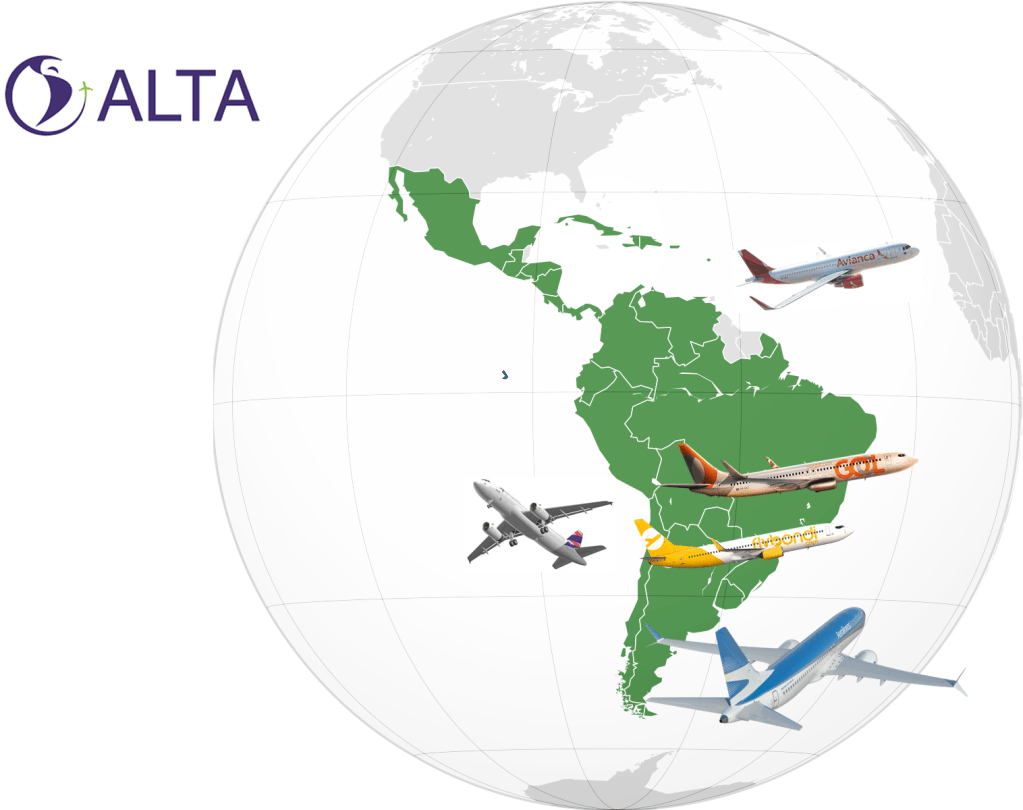
Los datos del informe de tráfico de Junio 2020, publicado por la Asociación de Transporte Aéreo de América Latina y el Caribe (ALTA), apuntan a una lenta recuperación en la oferta de aerolíneas en la región. Si bien el tráfico es del 90% que en el mismo período del año pasado, el número de pasajeros alcanzó los 2,7 millones, casi 2,5 veces más que en Abril 2020, el mes que presentó los peores resultados.
El mercado interno brasileño, el mayor de la región que había registrado caídas de más del 90% en Abril y Mayo 2020, cayó 87% en Junio 2020, lo que muestra, como ya mencionamos, que el sector de la aviación comercial comienza a reiniciarse gradualmente. Es muy probable que en julio y agosto sigamos viendo una mejora paulatina con la reapertura de otros mercados. Los datos arrojados para Argentina desde mediados de Marzo hasta Junio 2020 expresan un margen mínimo de vuelos sanitarios y de repatriación, debido al bloqueo de los vuelos regulares. Actualmente, se están programando vuelos charter para Agosto y Septiembre de aerolíneas internacionales.
Algunas estimaciones indican que para Diciembre 2020, las empresas latinoamericanas reanudarán sus operaciones al 50% de la capacidad prevista originalmente para el año, con niveles de tráfico similares a los de 2009. Los 2,7 millones de pasajeros transportados en junio representan una caída del 92,3% con relación a junio, 32.324.328 pasajeros menos que en el año anterior. El tráfico (RPK) disminuyó un 94,3% y la capacidad (ASK) disminuyó un 92,9%, lo que llevó la tasa de ocupación al 65,3%, 16,6 puntos porcentuales menos que en 2019.
ALTA traffic report 06/2020
Latin America should end the year with air traffic at 2009 levels
The data from the June 2020 traffic report, published by the Air Transport Association of Latin America and the Caribbean (ALTA), point to a slow recovery in the supply of airlines in the region. Although the traffic is 90% than in the same period last year, the number of passengers reached 2.7 million, almost 2.5 times more than in April 2020, the month that presented the worst results.
The Brazilian domestic market, the largest in the region that had registered falls of more than 90% in April and May 2020, fell 87% in June 2020, which shows, as we already mentioned, that the commercial aviation sector is beginning to restart. gradually. It is very likely that in July and August we will continue to see a gradual improvement with the reopening of other markets. The data released for Argentina from mid-March to June 2020 express a minimum margin of medical and repatriation flights, due to the blocking of regular flights. Currently, charter flights are being scheduled for August and September from international airlines.
Some estimates indicate that by December 2020, Latin American companies will resume operations at 50% of the capacity originally planned for the year, with traffic levels similar to those of 2009. The 2.7 million passengers transported in June represent a drop in the 92.3% compared to June, 32,324,328 fewer passengers than in the previous year. Traffic (RPK) decreased 94.3% and capacity (ASK) decreased 92.9%, bringing the occupancy rate to 65.3%, 16.6 percentage points less than in 2019.
Ξ A I R G W A Y S Ξ PUBLISHER: Airgways.com DBk: Alta.aero / Mercadoeeventos.com.br / Airgways.com AW-POST: 202008251110AR
IATA informa estudios de seguridad sanitaria en vuelo
El colapso de la demanda de viajes aéreos que ha invertido la industria de las aerolíneas tras el estallido de la pandemia de Coronavirus ha atacado las restricciones a la movilidad internacional impuestas por los gobiernos para frenar la propagación de la enfermedad y el miedo natural de los posibles viajeros a pasar muchas horas en un espacio confinado muy cerca de extraños. Si bien las prohibiciones de viaje están en gran medida fuera del control de los operadores de las aerolíneas, la industria puede hacer mucho para educar al público viajero sobre los riesgos reales que implica subirse a un avión.
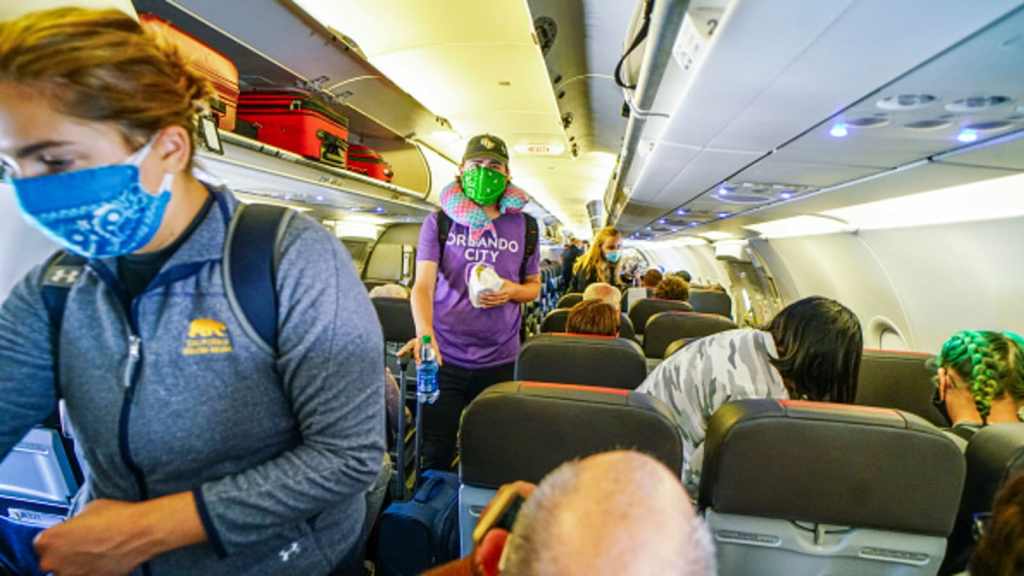
Las medidas de prevención generales se han centrado principalmente en el distanciamiento físico y la necesidad de mantener una distancia de al menos 3 a 6 pies entre las personas, los viajes en avión se consideran incompatibles con este requisito. Esa creencia surge incluso cuando la mayoría de las principales aerolíneas han tomado medidas proactivas para proteger la seguridad de sus pasajeros al exigir que se usen máscaras en todo momento, limpiar profundamente la aeronave después de cada vuelo y proporcionar Equipo de Protección Personal Completo (PPE) a todos los miembros de la tripulación.
La Asociación de Transporte Aéreo Internacional (IATA), una organización comercial que está formada por 290 aerolíneas de todo el mundo que representan el 82% del tráfico mundial, ha intensificado sus esfuerzos para informar al público viajero sobre el nivel real de riesgo que implica viajar en Avión comercial. El Asesor Médico, el Dr. David Powell, participó el 23 Agosto 2020 en una sesión de preguntas y respuestas promovida por la Editorial aeronáutica Aviation Week para informar los resultados de los estudios científicos publicados y no publicados más recientes que han investigado la incidencia real de la propagación por proximidad del COVID-19 a bordo de una aeronave. Los casos estudiados confirman bajas tasas de infección. A pesar de los numerosos informes en la prensa de pasajeros infectados que viajan a bordo de aviones comerciales, ha habido muy pocos casos documentados de propagación a bordo, y ninguno de esos casos ha sido objeto de investigación publicada.
El vuelo VN54 de Vietnam Airlines de Londres a Hanói el 2 Marzo 2020 ha registrado un pasajero infectado primario que volaba en clase ejecutiva, y un ejercicio de rastreo reveló que dos pasajeros más de clase ejecutiva habían sido posteriormente infectados con el nuevo coronavirus, además de 12 más en clase económica y uno. miembro de la tripulación. Aunque no se puede determinar con absoluta certeza, se supone que esas personas se infectaron durante el vuelo. En un segundo caso, también en marzo, que involucró un vuelo de cinco horas en un Airbus A330, tres viajeros infectados principales propagaron la enfermedad a hasta 11 pasajeros. Ambos casos se remontan a una época en que el uso de máscaras durante los vuelos no era obligatorio como lo es ahora. Varios otros casos informados por Powell involucran vuelos en los que los pasajeros no tenían que usar máscaras, lo que revela que el número de infecciones secundarias contraídas durante el vuelo tiende a limitarse a un número bajo a pesar de los casos en los que hubo varios casos positivos en el vuelo.
Los datos internos recopilados por IATA entre sus miembros muestran que entre enero y marzo, cuando el nivel de vuelo era aún mucho más alto que en la actualidad, en 70 aerolíneas encuestadas que representan el 45% del tráfico mundial, solo cuatro eventos de transmisión de pasajero a tripulación han además de cinco transmisiones de piloto a piloto. Cuatro de estos casos han sido analizados en detalle mostrando que en vuelos con un total de 1.100 pasajeros, solo hubo dos casos de contagio de pasajeros a tripulantes y solo uno de pasajero a pasajero. Por lo tanto, los datos sugieren que los viajes aéreos no promueven la transmisión de COVID-19, especialmente en comparación con otras situaciones sociales, que es mucho más probable que provoquen una propagación mucho más amplia, en igualdad de condiciones. Esto se debe a una combinación de todos los pasajeros mirando en la misma dirección, los filtros de aire de partículas de alta eficiencia (HEPA) que se emplean en los sistemas de aire de la aeronave, el aire en la cabina se reemplaza completamente cada dos o tres minutos, los respaldos de los asientos actúan como un sólido las tasas de cambio de barrera y flujo de aire y la dirección son menos propicias para la dispersión de gotas que otros entornos y modos de transporte interiores. Además, los casos de las dos mayores dispersiones en vuelo conocidas analizadas por estudios publicados para los que se disponía de información sobre la configuración de los asientos mostraron que la dispersión puede ocurrir incluso en los pasillos y, por lo tanto, no se habrían evitado incluso si los asientos del medio se hubieran bloqueado.
IATA, que representa a las aerolíneas en todo el mundo, tiene un gran interés en promover los viajes aéreos tan seguros como la industria de la aviación se tambalea a raíz de la pandemia.
Cuarentena no siempre es apropiada
Con respecto a las restricciones de viaje impuestas actualmente por los gobiernos, Powell destacó cómo las cuarentenas solo son efectivas cuando se imponen a los pasajeros que viajan desde un área con una alta tasa de transmisión a un área con una baja tasa de transmisión, mientras que son ineficaces en cualquier otra circunstancia. Además, según la Escuela de Medicina Tropical de Londres, un período de cuarentena de una semana o menos, con una prueba negativa realizada al principio y al final del período, es igualmente eficaz para prevenir la propagación de la enfermedad.
La necesidad de un período de cuarentena está demostrando ser un factor de disuasión muy poderoso para los posibles viajeros. Según una encuesta de IATA, el 83% de las personas no están dispuestas a viajar si necesitan ser sometidas a cuarentena en su destino o después de su regreso. La necesidad de cuarentena es efectivamente una prohibición de viajar, dijo el grupo, y será extremadamente difícil tener algún tipo de recuperación para los viajes internacionales mientras esas medidas aún estén vigentes.
IATA flight safety study
IATA reports health safety studies in flight
The collapse in demand for air travel that the airline industry has invested after the outbreak of the Coronavirus pandemic has attacked the restrictions on international mobility imposed by governments to curb the spread of the disease and the natural fear of potential travelers to spend many hours in a confined space in close proximity to strangers. While travel bans are largely beyond the control of airline operators, the industry can do much to educate the traveling public about the real risks involved in getting on an airplane.
General preventive measures have mainly focused on physical distancing and the need to maintain a distance of at least 3 to 6 feet between people, air travel is considered incompatible with this requirement. That belief comes even as most major airlines have taken proactive steps to protect the safety of their passengers by requiring masks to be worn at all times, thoroughly cleaning the aircraft after each flight, and providing Complete Personal Protective Equipment (PPE) to all members of the crew.
The International Air Transport Association (IATA), a trade organization made up of 290 airlines from around the world representing 82% of global traffic, has intensified its efforts to inform the traveling public about the real level of risk involved in traveling. by commercial plane. The Medical Advisor, Dr. David Powell, participated on 23 August 2020 in a question and answer session promoted by the Aeronautical Editorial Aviation Week to report the results of the most recent published and unpublished scientific studies that have investigated the real incidence of the proximity spread of COVID-19 aboard an aircraft. The cases studied confirm low infection rates Despite numerous reports in the press of infected passengers traveling aboard commercial aircraft, there have been very few documented cases of spread on board, and none of those cases have been the subject of published research.
Vietnam Airlines flight VN54 from London to Hanoi on March 2, 2020 has registered a primary infected passenger flying in business class, and a tracking exercise revealed that two more business class passengers had subsequently been infected with the new coronavirus, in addition to 12 more in economy class and one. Member of the crew. Although it cannot be determined with absolute certainty, it is assumed that these people were infected during the flight. In a second case, also in March, involving a five-hour flight on an Airbus A330, three main infected travelers spread the disease to up to 11 passengers. Both cases date back to a time when the wearing of masks during flights was not mandatory as it is now. Several other cases reported by Powell involve flights where passengers did not have to wear masks, revealing that the number of secondary infections contracted during the flight tends to be limited to a low number despite cases in which there were multiple cases. positives in flight.
Internal data collected by IATA among its members shows that between January and March, when the flight level was still much higher than today, in 70 surveyed airlines representing 45% of world traffic, only four events of transmission of They have passenger to crew plus five pilot-to-pilot transmissions. Four of these cases have been analyzed in detail, showing that on flights with a total of 1,100 passengers, there were only two cases of contagion from passengers to crew members and only one from passenger to passenger. Thus, the data suggests that air travel does not promote the transmission of COVID-19, especially compared to other social situations, which is much more likely to cause a much wider spread, all other things being equal. This is due to a combination of all passengers looking in the same direction, the high efficiency particulate air (HEPA) filters used in aircraft air systems, the air in the cabin is completely replaced every two or three minutes, the seat backs act as a solid barrier and airflow change rates and steering are less conducive to droplet dispersal than other indoor modes and environments. Furthermore, the cases of the two largest known in-flight dispersions analyzed by published studies for which information on seat configuration was available showed that dispersion can occur even in aisles and therefore would not have even been prevented. if the middle seats had been blocked.
IATA, which represents airlines around the world, has a vested interest in promoting air travel as safe as the aviation industry reels in the wake of the pandemic.
Quarantine is not always appropriate
Regarding the travel restrictions currently imposed by governments, Powell highlighted how quarantines are only effective when imposed on passengers traveling from an area with a high transmission rate to an area with a low transmission rate, while they are ineffective in any other circumstance. Furthermore, according to the London School of Tropical Medicine, a quarantine period of one week or less, with a negative test performed at the beginning and end of the period, is equally effective in preventing the spread of the disease.
The need for a quarantine period is proving to be a very powerful deterrent for would-be travelers. According to an IATA survey, 83% of people are unwilling to travel if they need to be quarantined at their destination or after their return. The need for quarantine is effectively a travel ban, the group said, and it will be extremely difficult to have any sort of recovery for international travel while those measures are still in place.
Ξ A I R G W A Y S Ξ PUBLISHER: Airgways.com DBk: Iata.org / Airgways.com / Cnbc.com / Ap.com / Reuters.com / Dallasnews.com AW-POST: 202008242100AR
AW | 2020 08 24 11:41 | AVIATION ORGANISMS / AIRLINES / AIR TRAFFIC
EPA aprobará revestimiento superficies para combatir el coronavirus
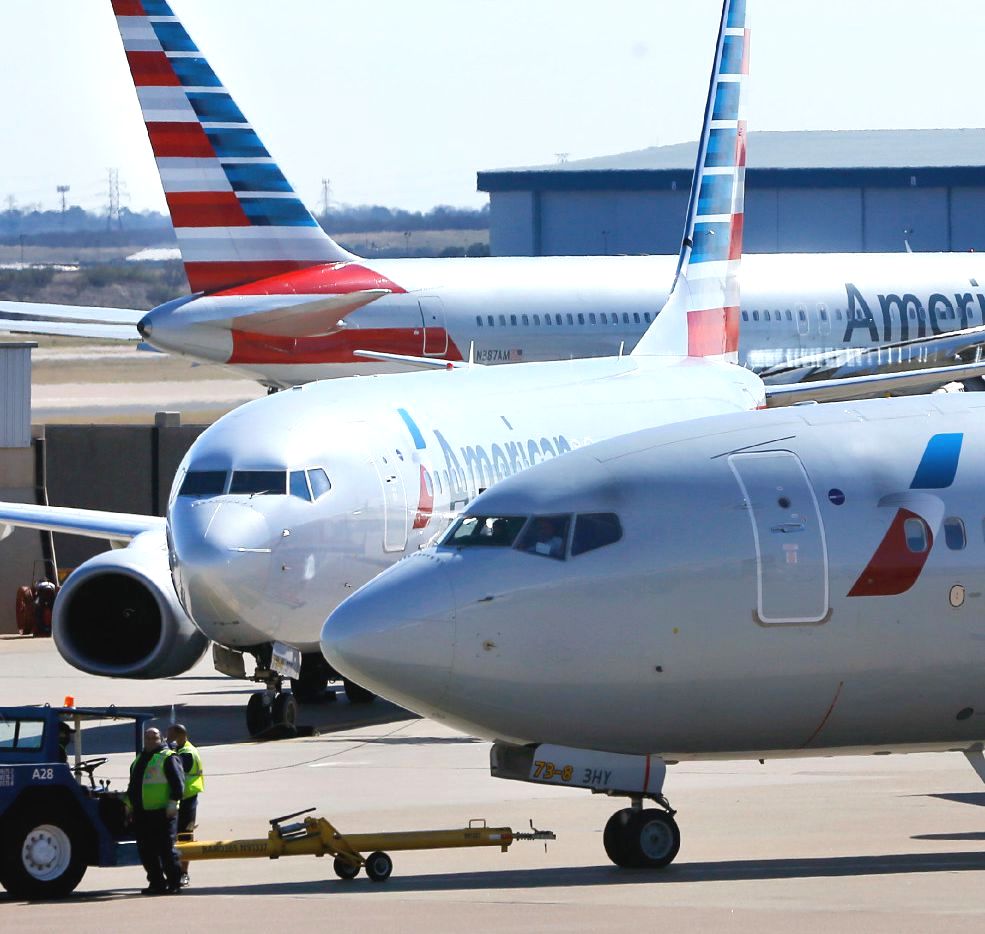
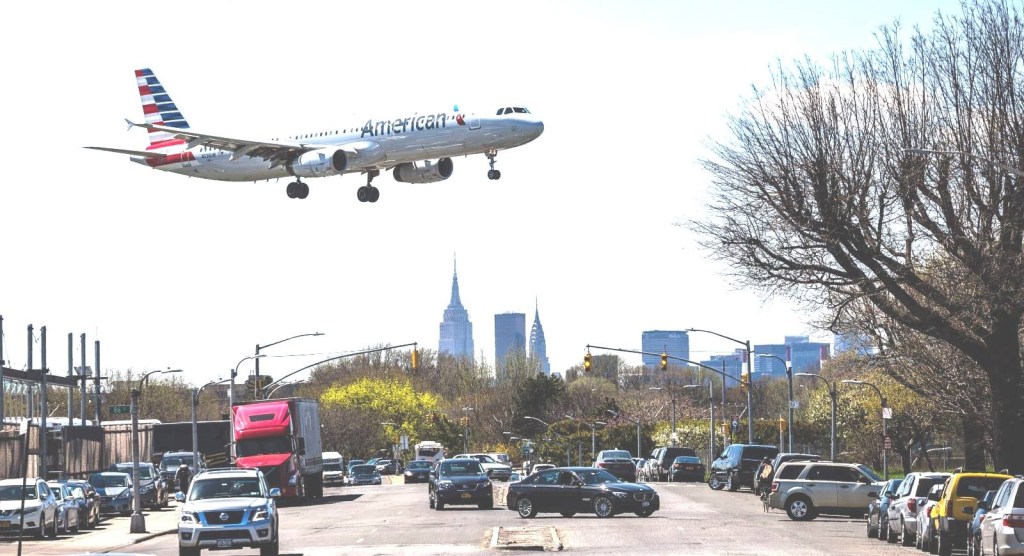
La Agencia de Protección Ambiental (EPA) de Estados Unidos anunciará este Lunes 24/08 que emitirá una exención de emergencia al Estado de Texas que le permitirá a American Airlines el uso de un nuevo recubrimiento de superficie que mata los coronavirus por hasta siete días. Los funcionarios de la EPA dijeron que la agencia aprobaría las solicitudes de exención de emergencia bajo la Ley Federal de Insecticidas, Fungicidas y Rodenticidas (FIFRA) para permitir el uso de SurfaceWise2, un producto fabricado por Allied BioScience, tanto por American Airlines como por Total Orthopaedics Sports & Spine’s, con sede en Texas dos clínicas por hasta un año.
El anuncio se produce cuando las aerolíneas luchan por convencer a la gente de que es seguro reanudar los vuelos. Los funcionarios de la EPA dijeron que el producto tenía como objetivo brindar protección adicional en espacios públicos que podría aumentar la confianza del consumidor para reanudar los viajes aéreos. Los funcionarios de la EPA dijeron que el recubrimiento de la superficie inactivó virus y bacterias dentro de las dos horas posteriores a la aplicación y siguió actuando contra ellos hasta por siete días. La EPA permitirá el uso del producto en las instalaciones del aeropuerto de American Airlines en Texas y en aviones con vuelos que se originan en el estado, dijeron los funcionarios, sin brindar más detalles. La solicitud inicial y cualquier nueva solicitud deben realizarse en Texas.
Allied BioScience planea obtener una aprobación que no sea de emergencia mediante la presentación de datos adicionales para cumplir con los requisitos de registro de la EPA como revestimiento de superficie antiviral. Si se aprueba, el producto estaría disponible para la compra del público, dijeron funcionarios de la EPA. Los funcionarios de la EPA enfatizaron que el producto no reemplaza la limpieza y desinfección de rutina. Las instalaciones deben continuar recibiendo limpiezas regulares.
Los Centros para el Control y la Prevención de Enfermedades de EE.UU. han dicho que es posible que una persona contraiga Covid-19 “al tocar una superficie u objeto que tenga el virus y luego tocarse la boca, la nariz o posiblemente los ojos”. Pero se cree que el virus se transmite principalmente por contacto cercano.
EPA sanitary approvals
EPA to approve the use surface coating to combat coronavirus
The United States Environmental Protection Agency (EPA) will announce this Monday 08/24 that it will issue an emergency waiver to the State of Texas that will allow American Airlines to use a new surface coating that kills coronaviruses for up to seven days. EPA officials said the agency would approve requests for emergency exemption under the Federal Insecticides, Fungicides and Rodenticides Act (FIFRA) to allow the use of SurfaceWise2, a product manufactured by Allied BioScience, by both American Airlines and Total Orthopedics Sports & Spine’s, based in Texas. two clinics for up to one year.
The announcement comes as airlines struggle to convince people that it is safe to resume flights. EPA officials said the product was intended to provide additional protection in public spaces that could boost consumer confidence to resume air travel. EPA officials said the surface coating inactivated viruses and bacteria within two hours of application and continued to work against them for up to seven days. The EPA will allow use of the product at American Airlines airport facilities in Texas and on planes with flights originating from the state, officials said, without providing further details. The initial application and any new applications must be made in Texas.
Allied BioScience plans to gain non-emergency approval by submitting additional data to meet EPA registration requirements as an antiviral surface coating. If approved, the product would be available for public purchase, EPA officials said. EPA officials emphasized that the product is not a substitute for routine cleaning and disinfection. The facility should continue to receive regular cleaning.
The US Centers for Disease Control and Prevention has said that it is possible for a person to contract Covid-19 “by touching a surface or object that has the virus and then touching their mouth, nose, or possibly eyes”. But the virus is believed to be spread primarily by close contact.
Ξ A I R G W A Y S Ξ PUBLISHER: Airgways.com DBk: Epa.gov / Airgways.com / Dallasnews.com AW-POST: 202008241141AR
Cien años de servicio de la Federal Aviation Administration
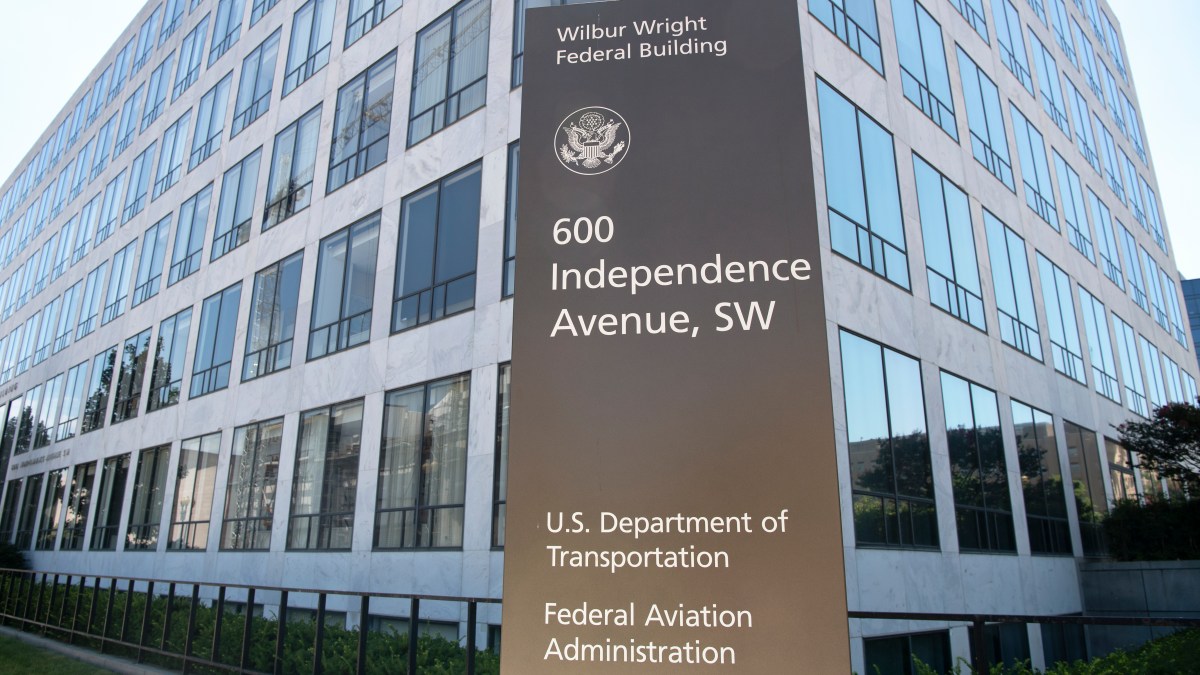
El 20 Agosto 2020 marca el centenario de Flight Service y la creación de lo que se ha convertido en la moderna Federal Aviation Administration (FAA), que brinda seguridad y el flujo eficiente del tráfico aéreo en el Sistema Nacional del Espacio Aéreo de Estados Unidos de América.
La Administración Federal de Aviación es un organismo gubernamental de los Estados Unidos con poderes para regular todos los aspectos de la aviación civil en esa nación, así como en las aguas internacionales circundantes. Sus poderes incluyen la construcción y operación de aeropuertos, la gestión del tráfico aéreo, la certificación de personal y aeronaves, y la protección de los activos estadounidenses durante el lanzamiento o reentrada de vehículos espaciales comerciales. Los poderes sobre las aguas internacionales vecinas fueron delegados a la FAA por autoridad de la Organización de Aviación Civil Internacional. Creada en Agosto 1958, la FAA reemplazó a la antigua Administración de Aeronáutica Civil (CAA) y más tarde se convirtió en una agencia dentro del Departamento de Transporte de los Estados Unidos.
Historia de la FAA
El Flight Service comenzó el 20 de Agosto de 1920. Fue 17 años después del primer vuelo de los hermanos Wright y tres años antes del primer vuelo transcontinental sin escalas. Las Estaciones de Servicio de Vuelo, originalmente llamadas Estaciones de Radio de Correo Aéreo, estaban ubicadas estratégicamente en todo el país a lo largo de las rutas transcontinentales de correo aéreo que los pilotos volaban para entregar el correo. Era posible llegar a las Estaciones de Servicio de Vuelo por radio durante el vuelo o por teléfono en tierra. Los especialistas en servicios de vuelo eran responsables de ingerir e interpretar la información meteorológica y aeronáutica, y luego transmitir esos datos a los pilotos de aeronaves antes, durante y después de los vuelos. Durante la Segunda Guerra Mundial, aproximadamente 4.000 hombres y mujeres capacitaron y atendieron las estaciones de comunicación de las vías respiratorias consideradas esenciales para el esfuerzo de guerra.
Cronología servicio de vuelo 1920-2020
A través de nuevas tecnologías y avances en automatización, Flight Service continúa brindando a los pilotos y partes interesadas de la aviación las herramientas necesarias para operar de manera segura en el Sistema Nacional del Espacio Aéreo. Los pilotos tienen acceso a la información meteorológica y aeronáutica en la cabina, a menudo presentada en un formato gráfico, lo que facilita la visualización de lo que sucede a lo largo de la ruta de vuelo. Las notificaciones y alertas automáticas informan a los pilotos cuando surgen condiciones nuevas o adversas, como un pronóstico u observación de clima severo, el cierre de un aeropuerto o una restricción temporal de vuelo. El sitio web de Flight Service 1800wxbrief.com ahora tiene una versión para dispositivos móviles que admite la planificación de vuelos, el acceso al clima y más. El sitio web móvil recientemente implementado ofrece muchas de las mismas capacidades que el sitio web pero optimizado para dispositivos móviles, como un iPhone, iPad o Android.
Flight Service brinda servicios básicos a la comunidad de la aviación en Alaska a través de Controladores Profesionales Certificados Federales (CPC) con 17 instalaciones y un proveedor de servicios por contrato en los Estados Unidos contiguos (CONUS), Puerto Rico y Hawai con dos grandes centros de operaciones. El Programa de cámaras meteorológicas de aviación es cada vez más popular en Alaska como fuente principal para que los pilotos obtengan información meteorológica previa al vuelo. Visite los sitios web de la cámara meteorológica de aviación de la FAA en avcams.FAA.gov y avcamsplus.FAA.gov para obtener más información. Los CPC de hoy continúan el legado inspirador de los especialistas en estaciones de radio de correo aéreo de hace un siglo, al brindar asistencia de aviación clave en el complejo entorno y espacio aéreo de Alaska, ‘la última frontera de Estados Unidos’.
El futuro por delante
Flight Service continúa evolucionando y adaptándose a medida que cambian las necesidades de la comunidad de la aviación. Desde las primeras instalaciones que transmiten planes de vuelo por radiotelegrafía, utilizando el código Morse y transmisores de chispa de la Marina, hasta los sistemas en línea y las tecnologías automatizadas de hoy, nuestra historia allana el camino para futuras iniciativas de servicios de vuelo.
La Iniciativa de servicio de vuelo de Alaska (AFSI) está en marcha y es la siguiente fase de mejora continua que buscará formas de modernizar y mejorar la eficacia del servicio de vuelo en Alaska para las generaciones futuras. La colaboración de la agencia traerá una transición a las primeras radios Voice Over Internet Protocol (VOIP) bajo un nuevo contrato con el proveedor de servicios en CONUS. El Future Flight Service Program (FFSP) busca establecer relaciones con los proveedores de servicios, la industria y los grupos de usuarios para posicionar mejor a la agencia para aprovechar los cambios de comportamiento de los usuarios y la tecnología mejorada. Las nuevas tecnologías y la próxima generación de usuarios y servicios impulsarán cambios en la prestación de futuros servicios de vuelo.
Ξ FAA 100th Anniversaries Ξ
100th years of Federal Aviation Administration Service
August 20, 2020 marks the centennial of Flight Service and the creation of what has become the modern Federal Aviation Administration (FAA), which provides safety and the efficient flow of air traffic in the United States National Airspace System of America.
The Federal Aviation Administration is a governmental body of the United States with powers to regulate all aspects of civil aviation in that nation, as well as in the surrounding international waters. Its powers include the construction and operation of airports, air traffic management, the certification of personnel and aircraft, and the protection of US assets during the launch or re-entry of commercial space vehicles. The powers over neighboring international waters were delegated to the FAA by authority of the International Civil Aviation Organization. Created in August 1958, the FAA replaced the former Civil Aeronautics Administration (CAA) and later became an agency within the United States Department of Transportation.
History of the FAA
The Flight Service began on August 20, 1920. It was 17 years after Brothers Wright’s first flight and three years before the first non-stop transcontinental flight. Flight Service Stations, originally called Air Mail Radio Stations, were strategically located throughout the country along transcontinental air mail routes that pilots flew to deliver mail. It was possible to reach Flight Service Stations by radio during the flight or by telephone on the ground. Flight services specialists were responsible for ingesting and interpreting meteorological and aeronautical information, and then transmitting that data to aircraft pilots before, during, and after flights. During World War II, approximately 4,000 men and women trained and manned airway communication stations deemed essential to the war effort.
Flight service chronology 1920-2020
Through new technologies and advancements in automation, Flight Service continues to provide pilots and aviation stakeholders with the tools necessary to operate safely in the National Airspace System. Pilots have access to meteorological and aeronautical information in the cockpit, often presented in a graphical format, making it easy to see what is happening along the flight path. Automatic notifications and alerts inform pilots when new or adverse conditions arise, such as a severe weather forecast or observation, an airport closure, or a temporary flight restriction. The Flight Service 1800wxbrief.com website now has a mobile version that supports flight planning, weather access, and more. The recently implemented mobile website offers many of the same capabilities as the website but optimized for mobile devices such as an iPhone, iPad or Android.
Flight Service provides basic services to the aviation community in Alaska through Federal Certified Professional Controllers (CPCs) with 17 facilities and a contract service provider in the contiguous United States (CONUS), Puerto Rico and Hawaii with two large centers of operations. The Aviation Weather Camera Program is increasingly popular in Alaska as a primary source for pilots to obtain pre-flight weather information. Visit the FAA Aviation Weather Camera websites at avcams.FAA.gov and avcamsplus.FAA.gov for more information. Today’s CPCs continue the inspiring legacy of airmail radio station specialists of a century ago by providing key aviation assistance in the complex airspace and environment of Alaska, ‘America’s last frontier’.
The future ahead
Flight Service continues to evolve and adapt as the needs of the aviation community change. From the first facilities transmitting flight plans by radiotelegraphy, using the Navy’s Morse code and spark transmitters, to today’s online systems and automated technologies, our history paves the way for future flight services initiatives.
The Alaska Flight Service Initiative (AFSI) is underway and is the next phase of continuous improvement that will seek ways to modernize and improve the efficiency of Alaska flight service for future generations. The agency collaboration will bring a transition to the first Voice Over Internet Protocol (VOIP) radios under a new contract with the service provider in CONUS. The Future Flight Service Program (FFSP) seeks to establish relationships with service providers, industry and user groups to better position the agency to take advantage of changes in user behavior and improved technology. New technologies and the next generation of users and services will drive changes in the provision of future flight services.
Ξ A I R G W A Y S Ξ PUBLISHER: Airgways.com DBk: Faa.gov / Airgways.com AW-POST: 202008221125AR
IATA lanza lista de verificación Protocolos Anti-COVID
La Asociación Internacional de Transporte Aéreo (IATA) ha lanzado un Protocolo de verificación Anti-COVID, una guía de autoevaluación que contiene los estándares y medidas recomendados que deben tomar las aerolíneas en todas las etapas de vuelo de los pasajeros y tripulaciones. La lista de verificación tiene como objetivo de que las aerolíneas comparen sus protocolos Anti-COVID con los de la industria en su conjunto. Se trata de una guía de autoevaluación que contiene los estándares y medidas recomendados que deben tomar las aerolíneas y abarca todas las etapas del viaje del pasajero: llegada al aeropuerto, check in, embarque y desembarque, limpieza de la cabina, calidad del aire y operaciones del personal.
«La seguridad es siempre la prioridad número uno para el transporte aéreo y los desafíos relacionados con la COVID-19 han añadiso una nueva dimensión a nuestros esfuerzos», dijo el Director General y CEO de IATA, Alexandre de Juniac. La guía ha sido desarrollada en coordinación con líderes en la industria, expertos en salud y funcionarios gubernamentales y se espera que lleve a un estándar único a nivel mundial.
IATA launches Anti-COVID Protocol
IATA launches Anti-COVID Protocols checklist
The International Air Transport Association (IATA) has launched an Anti-COVID Verification Protocol, a self-assessment guide that contains the recommended standards and measures that airlines must take at all stages of flight of passengers and crews. The checklist is intended for airlines to compare their Anti-COVID protocols with those of the industry as a whole. It is a self-assessment guide that contains the recommended standards and measures that airlines should take and covers all stages of the passenger journey: arrival at the airport, check in, boarding and disembarking, cabin cleaning, air quality and operations of staff.
«Safety is always the number one priority for air transport and the challenges related to COVID-19 have added a new dimension to our efforts», said IATA Director General and CEO Alexandre de Juniac. The guide has been developed in coordination with industry leaders, health experts and government officials and is expected to lead to a globally unique standard.
Ξ A I R G W A Y S Ξ PUBLISHER: Airgways.com DBk: Iata.org / Airgways.com AW-POST: 202008221020AR
OACI avala programa sanidad del Consejo Aeropuertos (ACI)
La Organización de Aviación Civil Internacional (OACI) ha expresado la aprobación del programa de Acreditación de Salud Aeroportuaria recientemente lanzado por el Consejo Internacional de Aeropuertos (ACI) World. A medida que los aeropuertos comienzan a reiniciar sus operaciones, el programa de acreditación de salud aeroportuaria los ayuda a centrarse en la salud y el bienestar de los viajeros, el personal y el público. La OACI ha brindado hoy su apoyo al programa que se lanzó la semana pasada y ya ha despertado el interés de los aeropuertos de todas las regiones del mundo. El aeropuerto de Estambul fue el primer aeropuerto del mundo acreditado a través del programa.
Los aeropuertos están introduciendo nuevas medidas y procedimientos de salud como resultado de la pandemia de COVID-19 y el nuevo programa de ACI proporciona una evaluación de estas medidas de acuerdo con las recomendaciones del Grupo de Trabajo de Recuperación de la Aviación (CART) del Consejo de la OACI y en consonancia con la Aviación conjunta de EASA y ECDC. Protocolo de seguridad sanitaria y Directrices de ACI EUROPE para una experiencia saludable de los pasajeros en los aeropuertos. “Los viajes aéreos son un factor clave para la recuperación económica mundial del impacto de la pandemia de COVID-19 y el apoyo de la OACI a nuestro programa de acreditación brindará una asistencia inconmensurable para promover la armonización de las medidas de salud que se están introduciendo en todo el mundo para facilitar el reinicio de la aviación. Nuestro nuevo programa permite que los aeropuertos demuestren a los pasajeros, el personal, los reguladores y los gobiernos que están dando prioridad a la salud y la seguridad de una manera cuantificable y establecida, al tiempo que validan sus propias medidas y procesos. La coherencia será la clave para una recuperación sostenida y las directrices de la OACI sientan el marco para un enfoque coordinado a nivel mundial que fomentará la confianza del público en la aviación”, dijo el Director General Mundial de ACI, Luis Felipe de Oliveira.
El presidente del Consejo de la OACI, Sr. Salvatore Sciacchitano, dijo: “Un enfoque armonizado de la salud es clave no solo para la recuperación de la aviación civil, sino también para ‘reconstruir mejor’, que es de vital importancia para garantizar la resiliencia futura de la red de aviación. El programa de acreditación de salud aeroportuaria de ACI será de importancia en términos de proporcionar una plataforma e impulso para la implementación de las recomendaciones del Grupo de trabajo de recuperación de la aviación del Consejo de la OACI (CART), de las cuales la armonización y la resiliencia son los principios rectores».
El Secretario General de la OACI, Dr. Fang Liu, dijo: “Para apoyar la implementación de las recomendaciones y orientaciones del CART, la OACI está haciendo uso de todos los recursos disponibles, a través del marco de coordinación del Acuerdo de colaboración para la prevención y gestión de eventos de salud pública en la aviación civil (CAPSCA) y una mayor cooperación con la industria, facilitando la implementación de Corredores de Salud Pública para asegurar operaciones de vuelo continuas con restricciones mínimas, prevenir la propagación de COVID-19 a través de viajes aéreos, proteger la salud y seguridad de la tripulación y los pasajeros y fortalecer la confianza de los pasajeros en viaje aéreo. El programa de acreditación sanitaria del aeropuerto de ACI apoyará estos esfuerzos».
El programa de Acreditación de Salud Aeroportuaria cubre temas como limpieza y desinfección, distanciamiento físico (cuando sea factible y práctico), protección del personal, distribución física, comunicaciones de pasajeros e instalaciones para pasajeros en todas las áreas y procesos de pasajeros. El programa es voluntario y está abierto a todos los aeropuertos miembros de ACI de todos los tamaños en todas las regiones.
ICAO supports ACI health program
ICAO endorses the sanitation program of the ACI
The International Civil Aviation Organization (ICAO) has expressed approval of the Airport Health Accreditation program recently launched by Airports Council International (ACI) World. As airports begin to restart operations, the airport health accreditation program helps them focus on the health and well-being of travelers, staff and the public. ICAO today supported the program that was launched last week and has already sparked interest from airports in all regions of the world. Istanbul Airport was the world’s first airport accredited through the program.
Airports are introducing new health measures and procedures as a result of the COVID-19 pandemic and the new ACI program provides an assessment of these measures in accordance with the recommendations of the Council’s Aviation Recovery Task (CART). ICAO and in line with EASA and ECDC Joint Aviation. ACI EUROPE Health Security Protocol and Guidelines for a healthy passenger experience at airports. “Air travel is a key factor in the global economic recovery from the impact of the COVID-19 pandemic and ICAO’s support for our accreditation program will provide immeasurable assistance to promote the harmonization of health measures that are being introduced. around the world to facilitate the restart of aviation. Our new program enables airports to demonstrate to passengers, staff, regulators and governments that they are prioritizing health and safety in a measurable and established way, while validating their own measures and processes. Coherence will be the key to a sustained recovery and ICAO guidelines provide the framework for a globally coordinated approach that will foster public confidence in aviation”, said ACI Global Director General Luis Felipe de Oliveira.
ICAO Council President Salvatore Sciacchitano said: “A harmonized approach to health is key not only for the recovery of civil aviation, but also for ‘building back better’, which is vitally important to ensure the future resilience of the aviation network. The ACI airport health accreditation program will be of importance in terms of providing a platform and momentum for the implementation of the recommendations of the ICAO Council Aviation Recovery Working Group (CART), of which the harmonization and resilience is the guiding principles».
ICAO Secretary General Dr. Fang Liu said: “To support the implementation of the CART recommendations and guidance, ICAO is making use of all available resources, through the coordination framework of the Collaboration Agreement for the prevention and management of public health events in civil aviation (CAPSCA) and increased cooperation with the industry, facilitating the implementation of Public Health Corridors to ensure continuous flight operations with minimal restrictions, prevent the spread of COVID-19 through travel plan, protect the health and safety of crew and passengers, and strengthen passenger confidence in air travel. ACI’s airport health accreditation program will support these efforts».
The Airport Health Accreditation program covers topics such as cleaning and disinfection, physical distancing (when feasible and practical), personnel protection, physical distribution, passenger communications, and passenger facilities in all passenger areas and processes. The program is voluntary and open to all ACI member airports of all sizes in all regions.
Ξ A I R G W A Y S Ξ PUBLISHER: Airgways.com DBk: Icao.int / Aci.aero / Airgways.com AW-POST: 202008171708AR
Reguladores internacionales solicitan mayor escrutinio
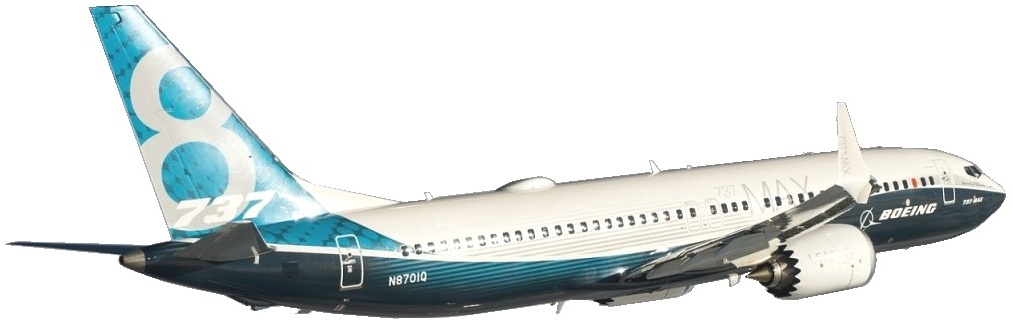
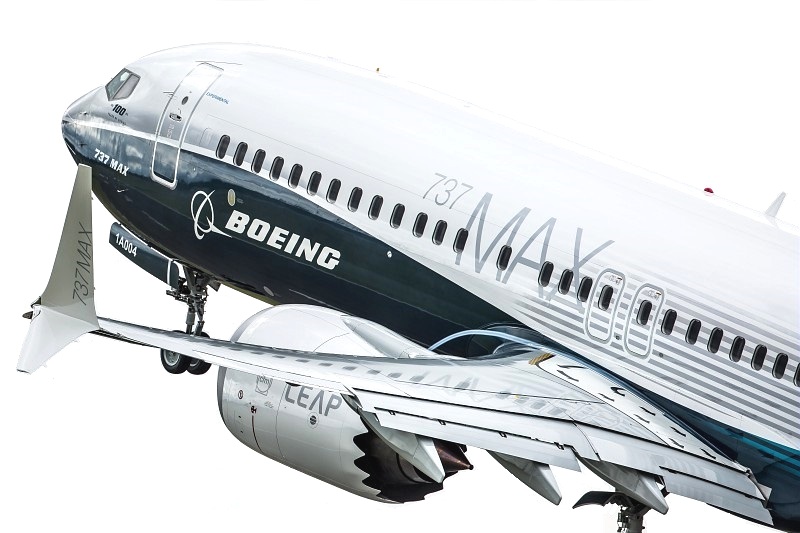
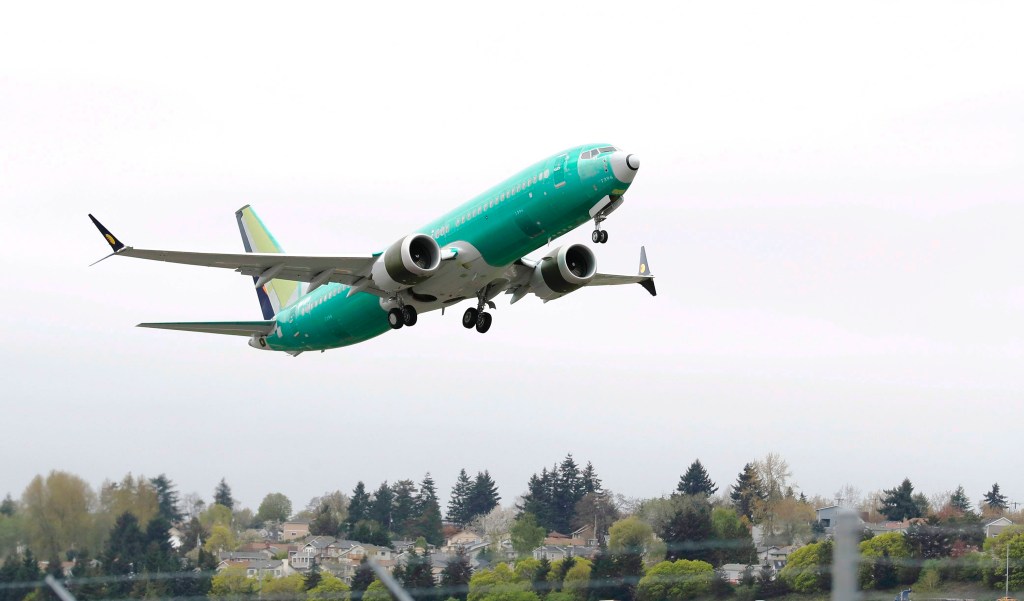
La Agencia de Seguridad Aérea de Europa (EASA) como demás agencias de aviación internacionales continúan con más detalles de claridad por parte del constructor americano The Boeing Company sobre la actualización clave que se llevará a cabo después de que el avión retorne hacia su recertificación. Los reguladores europeos y canadienses todavía están discutiendo con Boeing sobre los últimos detalles técnicos restantes de su renovación de certificación tipo del Boeing 737 MAX, lo que deja a algunos clientes preocupados de que la aprobación en mercados críticos fuera de los Estados Unidos se extendiera hacia el próximo año 2021.
Agencia FAA
En una rara buena noticia para Boeing y su asediada línea de aviones, la Administración Federal de Aviación (FAA) ha activado el 3 Agosto 2020 un proceso que podría llevar a la reemisión de un Certificado de Aeronavegabilidad para los Estados Unidos para el modelo 737 MAX hacia Octubre 2020.
Obtener la aprobación de la FAA antes de Octubre 2020 podría hacer posible que los vuelos comerciales se realicen antes de fin de año. Eso permitiría a Boeing finalmente comenzar a generar ingresos nuevamente a partir de su modelo más popular. El 737 MAX quedado en tierra en Marzo 2019 luego del segundo de dos accidentes aéreos en los que murieron un total de 346 personas. Si bien siempre se esperaba que la FAA, el principal organismo de certificación del Boeing 737 MAX, fuera el primero en aprobar su devolución, una brecha de tiempo significativa con Europa o China, por ejemplo, podría dañar las perspectivas de reactivación comercial del avión. También podría paralizar a los clientes de aerolíneas internacionales como Ryanair Holdings Plc de Irlanda o el operador turístico TUI AG, y retrasaría el progreso hacia una de las principales prioridades de Boeing, de retornar el flujo de caja positivo.
EASA/Transport Canada/CAAC
Los reguladores internacionales dicen que no están preparados para hacer lo mismo tan pronto como Octubre 2020. La Agencia de Seguridad Aérea de la Unión Europea (EASA) todavía está esperando más detalles por parte de Boeing sobre una actualización clave que se llevará a cabo con posterioridad a las aprobaciones de recertificación, por lo que la Agencia EASA necesita conocer conmás detalles a profundidad. En cuanto a Transport Canada, en sus comentarios más detallados hasta la fecha, dijo el Lunes 10/08 que sus preocupaciones no se han abordado por completo sobre cómo silenciar la activación errónea del Vibrador de Palos del Boeing 737 MAX, que puede distraer a los pilotos y aumentar su carga de trabajo en una emergencia. Mientras tanto, la Administración de Aviación Civil de China (CAAC), el segundo mercado de aviación más grande del mundo, ha dicho muy poco sobre su plan para evaluar el Boeing 737 MAX.
Tanto Air Lease Corp, una de las mayores empresas de arrendamiento de aviones, como la firma de calificación Standard & Poor’s han expresado su cautela sobre cuánto tiempo le tomará al avión obtener la aprobación para volar nuevamente fuera de Estados Unidos. Las autorizaciones internacionales pueden retrasarse «unos meses, debido en parte a las restricciones de viaje y otros problemas logísticos causados por el coronavirus», dijo S&P la semana pasada.
Las preocupaciones de la EASA sobre la falta de un tercer sensor de Ángulo de Ataque del Boeing 737 MAX no se han abordado por completo, dijeron varias personas familiarizadas con el asunto que pidieron permanecer en el anonimato para discutir las interacciones privadas sobre el regreso del avión. El dispositivo, que monitorea si un avión apunta hacia arriba o hacia abajo en relación con el aire que se aproxima, funcionó mal en ambos accidentes del 737-8 MAX, lo que activó el sistema automatizado MCAS que empujó a los vuelos condenados a una inmersión hacia abajo.
La FAA y la EASA se enfrentaron el año pasado sobre cómo abordar una solución, y finalmente llegaron a un compromiso que implicaba una actualización que instalaría Boeing después de que los aviones volvieran a volar. La compañía ha propuesto utilizar sensores existentes y las computadoras del avión para sintetizar la acción de un tercer sensor de ángulo de ataque sin la costosa adición de hardware, según personas familiarizadas con el tema. EASA está buscando más claridad por parte de Boeing sobre su cronograma para realizar las revisiones después de que 737 MAX reanude el servicio comercial, incluidos los hitos para rastrear el progreso hacia la implementación, dijeron dos personas. Sin embargo, una persona familiarizada con las discusiones sobre el tema dijo que no se espera que esto retrase la decisión de la EASA de levantar la prohibición de vuelos.
CAA de Gran Gretaña
Una larga demora europea combinada con el Brexit podría causar un dolor de cabeza al Reino Unido. Después de que finalice un acuerdo de transición temporal en Diciembre 2020, la Autoridad de Aviación Civil de Gran Bretaña (CAA) se hará cargo de la propia certificación de aeronaves. La agencia aún está contratando técnicos para realizar sus propias evaluaciones, según una persona familiarizada con el tema. Si bien no se ha tomado una decisión sobre cómo la agencia manejaría la certificación del 737 MAX, lo más probable es que la CAA siga con las pruebas de EASA.
The Boeing Company
Boeing ha dicho que espera que el 737 MAX reciba la autorización de la FAA durante el cuarto trimestre. «Continuamos haciendo un progreso constante hacia el regreso seguro del avión al servicio, trabajando a través del riguroso proceso establecido por la FAA, EASA y otras autoridades. La seguridad sigue siendo nuestra prioridad y los reguladores continuarán determinando el cronograma para el regreso al servicio», dijo Boeing, con sede en Chicago, en un comunicado.
La semana pasada, la FAA dijo que el software rediseñado del MCAS del Boeing 737 MAX había demostrado el cumplimiento de los requisitos de EASA. Pero la EASA señaló que aún había problemas por resolver más allá de la programación de vuelos de prueba. «Se ha logrado un buen progreso, pero todavía hay algo de trabajo que Boeing debe completar», dijo EASA, negándose a dar más detalles. Transport of Canadá también ha señalado que aún no se siente cómodo con que los cambios descritos por la FAA la semana pasada vayan lo suficientemente lejos. El Lunes 10/08, Canadá reiteró su demanda de abordar el llamado factor humano que se ha discutido a raíz de los accidentes de un MAX como un factor potencial que contribuye cuando una serie de alarmas y advertencias pueden abrumar a los pilotos y contribuir a los desastres de aviones. Transport of Canada quiere dar a los pilotos la opción de desactivar el vibrador de palanca, un mecanismo de advertencia que hace vibrar ruidosamente el yugo de control del avión, cuando se ha disparado por error. El regulador sostiene que esto reduciría la carga de trabajo del piloto y la distracción.
Las soluciones propuestas por la FAA, ahora bajo un período de revisión de 45 días, garantizarían que la característica de seguridad que funcionó mal en los choques, conocida como el Sistema de Aumento de Características de Maniobra (MCAS), ya no pueda activar las inmersiones repetidas que derribaron los aviones. También se requirió que Boeing usara su computadora de Control de Vuelo para comparar las lecturas de ambos sensores de Ángulo de Ataque (AOA) para dar a los pilotos más conciencia de una falla.
Según lo propuesto por Boeing, el Agitador de Palos solo se puede desactivar tirando de un disyuntor, dijo el Lunes 10/08 Livia Belcea, Secretaria de Prensa del Ministro de Transporte de Canadá a cargo del Ministro Marc Garneau. Boeing ha estado discutiendo una modificación que se instalaría después de que el avión vuelva al servicio, dijo Livia Belcea. Si bien los desacuerdos entre los reguladores no son inusuales, se han manifestado de manera más pública a raíz de la crisis del 737 MAX.
Fiscalización vs reputación
Los reguladores de las factorías de aeronaves históricamente han proyectado un frente bastante unificado, esforzándose por adoptar reglas más uniformes y rara vez discrepando sobre los principales problemas de seguridad. Los reguladores que supervisan a los fabricantes de aviones de pasajeros como la EASA (Europa), FAA (EE.UU.), Transport of Canadá y ANAC, Brasil son los referentes mundiales. Pero esa atmósfera de confraternidad fue destrozada por la crisis que involucró al Boeing 737 MAX, que generó preguntas sobre las aresponsabilidades de la FAA que perforaron su reputación como el estándar en seguridad de la aviación. Desde entonces, los reguladores han tratado de demostrar su independencia. El aumento del nacionalismo sobre el comercio y otros asuntos no ha ayudado, mientras que el Coronavirus también ralentizó la colaboración.
Scrutiny aviation agencies 737 MAX
International regulators call for greater scrutiny
The European Aviation Safety Agency (EASA) as well as other international aviation agencies continue with more details of clarity from the American manufacturer The Boeing Company on the key update that will take place after the aircraft returns to recertification. European and Canadian regulators are still arguing with Boeing about the last remaining technical details of its Boeing 737 MAX type-certification renewal, leaving some customers concerned that approval in critical markets outside of the United States would spill over into the future. next year 2021.
FAA Agency
In rare good news for Boeing and its beleaguered aircraft line, the Federal Aviation Administration (FAA) has activated on August 3, 2020 a process that could lead to the reissuance of a Certificate of Airworthiness for the United States for the 737 MAX model. around October 2020.
Getting FAA approval before October 2020 could make it possible for commercial flights to take place before the end of the year. That would allow Boeing to finally start generating revenue again from its most popular model. The 737 MAX was grounded in March 2019 after the second of two air accidents in which a total of 346 people died. While the FAA, the main certification body for the Boeing 737 MAX, was always expected to be the first to approve its return, a significant time gap with Europe or China, for example, could hurt the aircraft’s prospects for a commercial revival. It could also cripple customers of international airlines like Ireland’s Ryanair Holdings Plc or the tour operator TUI AG, and delay progress toward one of Boeing’s top priorities, of returning positive cash flow.
EASA/Transport Canada/CAAC
International regulators say they are not prepared to do the same as soon as October 2020. The European Union Aviation Safety Agency (EASA) is still awaiting further details from Boeing on a key update to follow. recertification approvals, so the EASA Agency needs to know more details in depth. As for Transport Canada, in its most detailed comments to date, it said on Monday 10/08 that its concerns have not been fully addressed about how to silence the erroneous activation of the Boeing 737 MAX Stick Vibrator, which may be distracting. pilots and increase their workload in an emergency. Meanwhile, the Civil Aviation Administration of China (CAAC), the world’s second-largest aviation market, has said very little about its plan to evaluate the Boeing 737 MAX.
Both Air Lease Corp, one of the largest aircraft leasing companies, and the rating firm Standard & Poor’s have expressed caution about how long it will take for the plane to gain approval to fly outside the United States again. International clearances may be delayed «by a few months, due in part to travel restrictions and other logistical problems caused by the coronavirus», S&P said last week.
EASA’s concerns about the Boeing 737 MAX’s lack of a third Angle of Attack sensor have not been fully addressed, said several people familiar with the matter who asked to remain anonymous to discuss private interactions over the plane’s return. . The device, which monitors whether an aircraft is pointing up or down relative to oncoming air, malfunctioned in both 737-8 MAX accidents, triggering the automated MCAS system that pushed flights sentenced to a dive. down.
The FAA and EASA clashed last year over how to tackle a solution, eventually reaching a compromise involving an upgrade that Boeing would install after the planes were flown again. The company has proposed using existing sensors and the aircraft’s computers to synthesize the action of a third angle-of-attack sensor without the costly addition of hardware, according to people familiar with the matter. EASA is seeking more clarity from Boeing on its schedule for conducting reviews after the 737 MAX resumes commercial service, including milestones to track progress toward implementation, two people said. However, a person familiar with the discussions on the issue said this is not expected to delay EASA’s decision to lift the ban on flights.
CAA of Great Britain
A long European delay combined with Brexit could give the UK a headache. After a temporary transition agreement ends in December 2020, the Great Britain Civil Aviation Authority (CAA) will take over the aircraft certification itself. The agency is still hiring technicians to conduct its own assessments, according to a person familiar with the matter. While no decision has been made on how the agency would handle the 737 MAX certification, the CAA will most likely continue with EASA testing.
The Boeing Company
Boeing has said that it expects the 737 MAX to receive clearance from the FAA in the fourth quarter. «We continue to make steady progress toward the safe return of the aircraft to service, working through the rigorous process established by the FAA, EASA and other authorities. Safety remains our priority and regulators will continue to determine the timeline for return to service», Chicago-based Boeing said in a statement.
Last week, the FAA said that the redesigned MCAS software for the Boeing 737 MAX had demonstrated compliance with EASA requirements. But EASA noted that there were still problems to be solved beyond the scheduling of test flights. «Good progress has been made, but there is still some work Boeing needs to complete», EASA said, declining to elaborate. Transport of Canada has also noted that it is not yet comfortable with the changes outlined by the FAA last week going far enough. On Monday 08/10, Canada reiterated its demand to address the so-called human factor that has been discussed in the wake of MAX accidents as a potential contributing factor when a series of alarms and warnings can overwhelm pilots and contribute to accidents. airplane disasters. Transport of Canada wants to give pilots the option to disable the stick shaker, a warning mechanism that noisily vibrates the plane’s control yoke, when it has been accidentally fired. The regulator maintains that this would reduce the pilot’s workload and distraction.
The solutions proposed by the FAA, now under a 45-day review period, would ensure that the safety feature that malfunctioned in crashes, known as the Maneuvering Characteristics Augmentation System (MCAS), can no longer activate dives. repeated that shot down the planes. Boeing was also required to use its Flight Control computer to compare the readings from both Angle of Attack (AOA) sensors to give pilots more awareness of a failure.
As proposed by Boeing, the Stick Shaker can only be deactivated by pulling a circuit breaker, said Monday 10/08 Livia Belcea, Press Secretary of the Minister of Transport of Canada in charge of Minister Marc Garneau. Boeing has been discussing a modification that would be installed after the plane returns to service, Livia Belcea said. While disagreements between regulators are not unusual, they have come out more publicly in the wake of the 737 MAX crisis.
Audit vs reputation
Aircraft factory regulators have historically projected a fairly unified front, striving to adopt more uniform rules and rarely disagreeing on major safety issues. Regulators that oversee passenger aircraft manufacturers such as EASA (Europe), FAA (USA), Transport of Canada and ANAC, Brazil are the world benchmarks. But that atmosphere of fellowship was shattered by the crisis involving the Boeing 737 MAX, which raised questions about the FAA’s responsibilities that pierced its reputation as the standard in aviation safety. Since then, regulators have tried to demonstrate their independence. Rising nationalism over trade and other issues has not helped, while the coronavirus also slowed collaboration.
Ξ A I R G W A Y S Ξ PUBLISHER: Airgways.com DBk: Boeing.com / Faa.gov / Easa.europa.eu / Caa.co.uk / Tc.gc.ca / Caac.gov.cn / Airgways.com AW-POST: 202008130127AR
La Asociación Argentina de Aeronavegantes (AAA) anunció este 30/07 un acuerdo con las autoridades de Aerolíneas Argentinas para renovar por 60 días las suspensiones rotativas del personal con el pago del salario completo para todos los tripulantes de cabina, en el marco de la parálisis de la actividad por la pandemia. La medida puede ser extendida también a los otros cinco sindicatos del sector aeronáutico. «Por los mismos motivos que dos meses atrás, la empresa nos convocó para acordar la continuidad de la aplicación de suspensiones rotativas encuadradas en el artículo 223 bis para los meses de agosto y septiembre, así como también discutir adecuaciones salariales ante el parate de las operaciones. Aún entendiendo la gravedad de la situación, desde el gremio nos opusimos enérgicamente a las reducciones salariales», comentó el titular del gremio, Juan Pablo Brey. De esta manera, el acuerdo habilita la continuidad del pago del 100 por ciento del salario de bolsillo de los tripulantes, al tiempo que le permite a la aerolínea omitir el pago de algunas cargas sociales que está obligada a pagar por cada trabajador cada mes. «Estamos trabajando fuertemente para salir fortalecidos de esta dura etapa, y poder retomar lo antes posible nuestras actividades de la mejor manera», agregó el titular de AAA en un comunicado.
Aerolíneas acordó durante Junio y Julio 2020 la suspensión rotativa de unos 4.000 empleados, a los que les siguió pagando el 100% de sueldo de bolsillo pero con carácter no remunerativo, lo que le permitió generar un ahorro en cargas sociales por más de AR$ 200 millones mensuales, más otros AR$ 100 millones en viáticos y traslados. Ese acuerdo finaliza ahora y la empresa negocia con los gremios del sector una prolongación por otros dos meses. El Sindicato de Aeronavegantes ha dado su aval y se estima que los representantes de los demás gremios puedan alinearse a este acuerdo.
Otras compañías como Flybondi, Líneas Aéreas, JetSmart Airlines Argentina y Andes Líneas Aéreas también aplicaron suspensiones, aunque con recortes salariales del orden del 20% al 50%, según las categorías. El caso de Latam Airlines Argentina también bajó sueldos mientras negocia condiciones con el Ministerio de Trabajo y los gremios para su salida del país.
Airnavigators-Aerolíneas agreement
60-day suspension renewal agreement
The Argentine Airnavigations Association (AAA) announced this 07/30 an agreement with the Aerolíneas Argentinas authorities to renew for 60 days the rotating suspensions of the personnel with the payment of the full salary for all cabin crew, within the framework of the paralysis of activity due to the pandemic. The measure can also be extended to the other five unions in the aeronautical sector. «For the same reasons as two months ago, the company called us to agree on the continuity of the application of rotational suspensions framed in article 223 bis for the months of August and September, as well as discussing salary adjustments before the stoppage of operations still understanding the seriousness of the situation, from the union we strongly opposed the salary reductions», commented the head of the union, Juan Pablo Brey. In this way, the agreement enables the continuation of the payment of 100 percent of the crew’s pocket salary, while allowing the airline to omit the payment of some social charges that it is obliged to pay for each worker each month. «We are working hard to emerge strengthened from this difficult stage, and to be able to resume our activities as soon as possible in the best possible way», the head of AAA added in a statement.
Aerolíneas agreed during June and July 2020 to rotate the suspension of some 4,000 employees, who continued to pay 100% of their pocket salary but on a non-remunerative basis, which allowed them to generate savings in social charges for more than AR$ 200 million monthly, plus another AR$ 100 million in per diem and transfers. That agreement ends now and the company is negotiating with the unions in the sector for a further two months. The Airnavigators Union has given its endorsement and it is estimated that the representatives of the other unions can align themselves with this agreement.
Other companies such as Flybondi, Líneas Aéreas, JetSmart Airlines Argentina and Andes Líneas Aéreas also applied suspensions, although with salary cuts of the order of 20% to 50%, depending on the categories. The case of Latam Airlines Argentina also lowered salaries while negotiating conditions with the Ministry of Labor and the unions for their departure from the country.
Ξ A I R G W A Y S Ξ PUBLISHER: Airgways.com DBk: Aeronavegantes.org.ar / Aerolineas.com / Airgways.com AW-POST: 202007311200AR
AW | 2020 07 30 13:50 | AVIATION ORGANISMS / GOVERNMENT / AIRPORTS
Departamento Transporte aporta ayudas a aeropuertos
El Departamento de Transporte (DOT) ha destinado más de US$ 273 millones a través de la Administración Federal de Aviación (FAA) para ayudar a las iniciativas de seguridad aeroportuaria en 41 estados, el Distrito de Columbia y territorios adicionales los Estados Unidos. Samoa Americana, los Estados Federados de Micronesia, las Islas Marshall, Palau y Puerto Rico sirven como territorios que obtienen asistencia financiera. «Esta inversión federal de US$ 273 millones en los aeropuertos de nuestra nación fortalecerá la seguridad, mejorará los viajes, generará empleos y beneficiará a las comunidades locales», dijo la Secretaria de Transporte, Elaine L. Chao.
Los alcances del proyecto, dijeron las autoridades, incluyen la compra de equipos de rescate y extinción de incendios de aeronaves, la construcción de pistas y calles de rodaje, la reparación de pistas y calles de rodaje, la instalación de iluminación y señalización de aeronaves, la realización de estudios del plan maestro del aeropuerto y la instalación de cercas perimetrales del aeropuerto. El total de fondos incluye poco más de US$ 242 millones del Programa de Mejoramiento del Aeropuerto (AIP) y US$ 31 millones en subsidios de la Ley de Ayuda, Alivio y Seguridad Económica (CARES) para combatir las secuelas del Coronavirus para igualar una participación federal del 100 por ciento. «La seguridad de los aeropuertos de nuestra nación es de suma importancia para la FAA. Estas subvenciones permitirán que estos proyectos necesarios continúen», dijo el administrador de la FAA, Stephen M. Dickson.
DOT allocates funds to US airports
Transportation Department provides aid to airports
The Department of Transportation (DOT) has allocated more than US$ 273 million through the Federal Aviation Administration (FAA) to assist airport security initiatives in 41 states, the District of Columbia, and additional territories in the United States. American Samoa, the Federated States of Micronesia, the Marshall Islands, Palau and Puerto Rico serve as territories that obtain financial assistance. «This US$ 273 million federal investment in our nation’s airports will strengthen security, improve travel, create jobs and benefit local communities», said Secretary of Transportation Elaine L. Chao.
The scope of the project, authorities said, includes the purchase of aircraft firefighting and rescue equipment, the construction of runways and taxiways, the repair of runways and taxiways, the installation of aircraft lighting and signaling, carrying out studies of the airport master plan and installing perimeter fences at the airport. Total funds include just over US$ 242 million from the Airport Improvement Program (AIP) and US$ 31 million in grants from the Aid, Relief and Economic Security Act (CARES) to combat the aftermath of the Coronavirus to match a 100 percent federal stake. «The security of our nation’s airports is of utmost importance to the FAA. These grants will allow these necessary projects to continue», said FAA Administrator Stephen M. Dickson.
Ξ A I R G W A Y S Ξ PUBLISHER: Airgways.com DBk: Transportation.gov / Faa.gov / Airgways.com AW-POST: 202007301350AR
Gremio solicita embargo de Latam Argentina por AR$ 40 millones
Latam Airlines Argentina y los gremios aeronáuticos ha incrementado las tensiones en un nuevo capítulo con un embargo preventivo de la Justicia a una de las cuentas de la empresa por AR$ 40 millones a pedido de una de las organizaciones gremiales por el incumplimiento de un aporte establecido en el convenio colectivo de trabajo. La demanda solicitada por la Asociación de Pilotos de Líneas Aéreas (APLA).
El Sindicato APLA ha solicitado dicho embargo ante el incumplimiento por parte de Latam Argentina, actuando la Justicia Laboral trabando un embargo por AR$ 40 millones de Pesos a Latam Airlines Argentina. El gremio de APLA había pedido anteriormente también la incautación de las aeronaves de la compañía aérea.
La medida fue dispuesta por Marina Pisacco, a cargo del Juzgado Laboral Nº33, en respuesta a un planteo del sindicato que encabeza Pablo Biró. La demanda se basó en la falta de pago en los últimos meses de un aporte que las líneas aéreas realizan a favor del gremio de pilotos APLA y que está contemplado en el convenio de la actividad. La firma discontinuó el aporte una vez que el Gobierno anterior, en la gestión del Ministro Dante Sica, le había otorgado en tiempo récord la inscripción gremial al nuevo sindicato de pilotos denominado UPAL. El embargo preventivo se ejecutó por US$ 489 mil dólares y AR$ 8.370.000 Pesos y forma parte de la estrategia de los sindicatos aeronáuticos de sumarle un capítulo judicial a la confrontación con la empresa a partir de que anunció su intención de cesar sus operaciones en la Argentina y de pedir la apertura de un Procedimiento Preventivo de Crisis (PPC). La respuesta gremial fue en bloques, los sindicatos de Pilotos (APLA), Técnicos Aeronáuticos (APTA), Personal en Tierra (APA), Jerárquicos (UPSA) y de Tripulantes de Cabina (ATCPEA) objetaron el planteo de la compañía, reclamaron el pago íntegro de los salarios y le reclamaron al Gobierno que no abriera el PPC. También pidieron la normalización de la federación de sindicatos de la actividad (FAPA), un histórico anhelo del grueso de las organizaciones para encauzar sus planteos con una única voz.
El aporte extraordinario que ha motivado el embargo judicial, es habitual en algunos convenios colectivos de trabajo en Argentina, que consagran ese tipo de pagos a cargo de las empresas a favor de los sindicatos en base a sus nóminas de personal. El argumento de Latam Argentina fue que a partir de Noviembre 2019, cuando UPAL consiguió su inscripción gremial y afilió a un centenar de pilotos, pasó a ser la organización mayoritaria y por lo tanto no tenía razones para mantener el pago a favor de APLA. Latam había adelantado la semana pasada que apelaría la decisión administrativa que la privó del PPC. Hasta el 27/07 no se ha informado si la aerolínea tomaría la misma determinación respecto del embargo judicial.
Cronología salida Latam Argentina
La tensión con los gremios arrancó junto con la Cuarentena y se fue agravando con una negociación frustrada en la que la aerolínea propuso pagar la mitad de los sueldos. A pesar de no haber alcanzado un entendimiento a partir de Abril abonó los salarios bajo esa modalidad y en paralelo pidió la apertura del PPC. El 17/06, Latam Airlines Argentina anunciaba abandonar las doce operaciones domésticas, cuatro regionales y una internacional en la República Argentina.
La semana pasada el Ministerio de Trabajo rechazó el PPC, que le permitiría a la firma producir despidos con un valor reducido de indemnizaciones, por entender que rige la prohibición de las cesantías. En la misma semana el Gobierno extendió esa veda, del 31 Julio al 30 Septiembre 2020.
En Latam Airlines Argentina confirmaron el embargo tras haber sido notificados por la entidad bancaria Santander aunque aclararon que la decisión no inmoviliza las cuentas de la línea aérea. La respuesta despeja la inquietud respecto de los pagos salariales y de los retiros voluntarios. Actualmente 800 de los 1.715 trabajadores de la firma se acogieron a la instancia de retiros voluntarios.
APLA requests embargo on Latam Argentina
Union requests embargo of Latam Argentina for AR $ 40 million
Latam Airlines Argentina and the aeronautical unions have increased tensions in a new chapter with a preventive seizure of Justice from one of the company’s accounts for AR$ 40 million at the request of one of the union organizations for non-compliance with an established contribution in the collective bargaining agreement. The lawsuit requested by the Association of Airline Pilots (APLA).
The APLA Union has requested such an embargo in the event of a breach by Latam Argentina, the Labor Justice acting by blocking an embargo for AR$ 40 million Pesos against Latam Airlines Argentina. The APLA guild had previously also called for the seizure of the airline’s aircraft.
The measure was ordered by Marina Pisacco, in charge of Labor Court Nº33, in response to a proposal by the union headed by Pablo Biró. The demand was based on the lack of payment in recent months of a contribution that airlines make in favor of the APLA pilots’ union and which is contemplated in the activity agreement. The firm discontinued the contribution once the previous government, in the administration of Minister Dante Sica, had granted record union registration to the new pilots union called UPAL in record time. The preventive embargo was executed for US$ 489 thousand dollars and AR$ 8,370,000 pesos and is part of the strategy of the aeronautical unions to add a judicial chapter to the confrontation with the company after it announced its intention to cease operations in Argentina and to request the opening of a Crisis Preventive Procedure (PPC). The union response was in blocks, the Pilots (APLA), Aeronautical Technicians (APTA), Ground Personnel (APA), Hierarchical (UPSA) and Cabin Crew (ATCPEA) unions objected to the company’s proposal, demanded payment full wages and demanded that the government not open the PPC. They also called for the normalization of the federation of activity unions (FAPA), a historic desire of the bulk of the organizations to channel their proposals with a single voice.
The extraordinary contribution that has motivated the judicial embargo is common in some collective labor agreements in Argentina, which establish such payments by companies in favor of unions based on their payroll. Latam Argentina’s argument was that from November 2019, when UPAL obtained its union registration and enrolled a hundred pilots, it became the majority organization and therefore had no reason to maintain the payment in favor of APLA. Latam had advanced last week that it would appeal the administrative decision that deprived it of the PPC. As of 07/27, it has not been reported whether the airline would make the same determination regarding the judicial embargo.
Chronology departure Latam Argentina
The tension with the unions started together with the Quarantine and it was aggravated with a frustrated negotiation in which the airline proposed to pay half of the salaries. Despite not having reached an understanding as of April, he paid wages under this modality and in parallel requested the opening of the PPC. On 06/17, Latam Airlines Argentina announced to abandon the twelve domestic operations, four regional and one international in the Argentine Republic.
Last week the Ministry of Labor rejected the PPC, which would allow the firm to produce dismissals with a reduced value of compensation, on the understanding that it governs the prohibition of layoffs. In the same week the Government extended this ban, from July 31 to September 30, 2020.
In Latam Airlines Argentina they confirmed the embargo after having been notified by the Santander Bank, although they clarified that the decision does not freeze the airline’s accounts. The response alleviates concerns about salary payments and voluntary withdrawals. Currently 800 of the 1,715 workers of the firm have taken part in the voluntary retreat instance.
Ξ A I R G W A Y S Ξ PUBLISHER: Airgways.com DBk: Latam.com / Airgways.com / Ambito.com / Apla.org.ar / Argentina.gob.ar AW-POST: 202007281457AR




























 airgways.com