IATA advierte colapso más aerolíneas

AW-IATA-700576AW | 2020 03 14 08:09 | AVIATION SAFETY / AVIATION ORGANISMS

IATA_Logo.svgLa IATA comunica que por extensión de pandemia COVID-19 podrían quebrar más aerolíneas

La Asociación Internacional de Transporte Aéreo (IATA) ha expresado su preocupación en torno a la crisis de la pandemia del Coronavirus. Las estimaciones del organismo es que la prolongación de la propagación del virus por el período de dos o tres meses podría obligar a los transportistas a colapsar y provocar una mayor consolidación en la asediada industria de las aerolíneas, dijo el Jefe del organismo de transporte, Alexandre de Juniac.

Las estimaciones de las pérdidas de ingresos estarían probablemente por encima de los US$ 113 mil millones que estimó hace una semana, antes del anuncio de la Administración de Trump de reducir los viajes de Estados Unidos en gran parte de Europa continental. «Estamos pidiendo a todos los gobiernos que han impuesto restricciones, y al gobierno de Estados Unidos en particular, que revisen la decisión permanentemente para ver si pueden aliviar o anular esa decisión, cuanto antes mejor», expresó el directivo en la sede en Ginebra, Suiza.

IATA pidió el Jueves 12/03 a los gobiernos que consideren extender las líneas de crédito, reducir los costos de infraestructura y reducir los impuestos para las aerolíneas con problemas de liquidez. Los transportistas que prestan servicios a Alemania, Francia e Italia están en mayor riesgo. La Asociación Internacional de Transporte Aéreo instó a los reguladores a que flexibilicen la regla de que los vuelos no pueden cancelarse menos de dos semanas antes de la salida programada, y buscó una reducción de las tarifas de sobrevuelo.

Efecto pandemia

La primera víctima del efecto pandemia fue Flybe de Gran Bretaña, que se hundió la semana pasada. otras aerolíneas podrían entrar en parálisis al no poder soportar los embates de las medidas adoptadas por los gobiernos en torno a la expansión del Coronavirus. Muchas compañías podrían continuar sus operaciones dependiendo de la intensidad y la duración de la crisis. «Si la caída es tan significativa, tan profunda, como estamos viendo ahora, y si dura más de dos o tres meses, veremos algunas dificultades entre las aerolíneas. Algunos de ellos probablemente tendrán dificultades financieras, probablemente conducirá a una mayor consolidación», dijo Alexandre Juniac.

Shock financiero

Las consecuencias del Coronavirus se extendieron por el Pacífico el Viernes 13/03 con las empresas de viajes australianas emitiendo advertencias de ganancias y las compañías japonesas reduciendo la capacidad, mientras que las aerolíneas estadounidenses se apresuraron a recortar vuelos a Europa a raíz de las nuevas restricciones de viaje.

«Aparentemente, el shock financiero en los diferentes mercados ha sido en general para todas las industrias, particularmente las aerolíneas. Por lo tanto, es solo una señal de que todos son conscientes de la importancia y el enorme orden de magnitud de esta crisis en nuestra industria. Pero no solo sobre nosotros, desafortunadamente», dijo de Juniac.

La IATA posee 290 líneas aéreas miembros en 120 países que representan el 82% del tráfico aéreo mundial, ha pedido a los gobiernos que renuncien a la «regla de slots» que obliga a los transportistas a usar una franja horaria durante el 80% de una temporada, o la pierden, dijo. «Estamos pidiendo renunciar a esa regla hasta el final de la temporada de verano en todo el mundo», dijo de Juniac. Ha instado a los reguladores a que flexibilicen la regla de que los vuelos no pueden cancelarse menos de dos semanas antes de la salida programada, y buscó una reducción para las tarifas de sobrevuelo. «Estamos pidiendo a los gobiernos que reduzcan nuestras tarifas ya sea reduciendo las tarifas del aeropuerto, por ejemplo, las tarifas de estacionamiento. Porque todos nuestros aviones están estacionados, vacíos en el asfalto. Por lo tanto, pedimos una reducción en las tarifas de estacionamiento”, dijo de Alexandre Juniac. AW-Icon AW001


AW-IATA-UmbrellaIATA warns more airlines collapse

Resultado de imagen para alexandre de juniac iataIATA announces that due to pandemic extension COVID-19 more airlines could go bankrupt

The International Air Transport Association (IATA) has expressed concern about the crisis of the Coronavirus pandemic. The agency’s estimates are that prolonging the spread of the virus for a period of two to three months could force carriers to collapse and further consolidate the embattled airline industry, said the head of the transport agency, Alexandre. from Juniac.

Estimates of revenue losses would likely be above the US$ 113 billion it estimated a week ago, before the Trump Administration’s announcement to cut U.S. travel across much of continental Europe. «We are asking all governments that have imposed restrictions, and the United States government, in particular, to review the decision permanently to see if they can ease or cancel that decision, the sooner the better», said the director at the headquarters in Geneva, Switzerland.

IATA asked governments on Thursday 12/03 to consider extending credit lines, reducing infrastructure costs and reducing taxes for liquidity-strapped airlines. Carriers serving Germany, France, and Italy are at higher risk. The International Air Transport Association urged regulators to relax the rule that flights cannot be canceled less than two weeks before scheduled departure and sought a reduction in overflight fees.

Pandemic effect

The first victim of the pandemic effect was Flybe of Great Britain, which sank last week. Other airlines could be paralyzed by failing to withstand the onslaught of government action on the Coronavirus expansion. Many companies could continue their operations depending on the intensity and duration of the crisis. «If the drop is as significant, as deep, as we are seeing now, and if it lasts for more than two or three months, we will see some difficulties between airlines. Some of them will probably have financial difficulties, it will probably lead to further consolidation», he said. Alexandre Juniac.

Financial shock

The aftermath of the Coronavirus spread across the Pacific on Friday 3/13 with Australian travel companies issuing earnings warnings and Japanese companies cutting capacity, while US airlines rushed to cut flights to Europe in the wake of the new travel restrictions.

«Apparently, the financial shock in the different markets has been across the board for all industries, particularly airlines. Therefore, it is just a sign that everyone is aware of the importance and the enormous order of magnitude of this crisis in our industry. But not just about us, unfortunately», said de Juniac.

IATA owns 290 member airlines in 120 countries representing 82% of global air traffic, has called on governments to renounce the «slot rule» that requires carriers to use a time slot for 80% of a season, or lose it, he said. «We are asking to give up that rule until the end of the summer season around the world», said de Juniac. It has urged regulators to relax the rule that flights cannot be canceled less than two weeks before scheduled departure and sought a reduction in overflight fees. «We are asking governments to reduce our rates by either reducing airport fees, for example, parking fees. Because all of our planes are parked, empty on the tarmac. Therefore, we are asking for a reduction in parking fees», said of Alexandre Juniac. AW-Icon AW002


Ξ A I R G W A Y S Ξ
SOURCE: Airgways.com
DBk: Iata.org / Airgways.com
AW-POST: 202003140809AR

A\W   A I R G W A Y S ®

Reino Unido hacia autonomía aviación

AW-70000237AW | 2020 03 09 23:27 | AVIATION ORGANISMS

Civil_Aviation_Authority_logo.svgReino Unido dejará la EASA después del período del Brexit

El abandono del organismo fiscalizador europeo de aviación European Air Safety Authority (EASA) por parte del Reino Unido ha tenido un gran impacto de las noticias en el mundo de la industria de la aviación. Al final del período de transición posterior al Brexit, la Autoridad de Aviación Civil (CAA) del Reino Unido tiene la intención de retirarse de la Autoridad Europea de Seguridad Aérea (EASA) y encargarse de la certificación de toda la aviación de su país.

El regulador de seguridad de la aviación del Reino Unido ha dicho que está listo y puede asumir todas las responsabilidades reguladoras de EASA después de que el Gobierno del Reino Unido confirmó que abandonará la agencia de la UE como parte del proceso Brexit a fines de 2020. El Secretario de Transporte del Reino Unido, Grant Shapps, confirmó la semana pasada que el Reino Unido abandonaría la Agencia de Seguridad Aérea de la Unión Europea (EASA) el 31 Diciembre 2020, durante un viaje a Washington para reunirse con funcionarios estadounidenses. El regulador británico recuperará la responsabilidad de la certificación de aeronaves y las normas de seguridad de la aviación. «Como cabría esperar de una nación soberana, no podemos estar sujetos a las reglas y leyes establecidas por otra persona», dijo el Secretario de Transporte Grant Shapps.

Desde Enero 2020 el Reino Unido ya no está sujeto a la legislación europea y ha sido considerado como un tercer país por parte de la Agencia europea de la EASA. Por lo tanto, ya no participa en las decisiones. «De hecho, gran parte de la experiencia que tienen es la experiencia del Reino Unido. Muchas de las principales luces principales eran británicos», se jacta Grant Shapps. Una vez que la CAA esté fuera, el Reino Unido pasará a negociar el reconocimiento recíproco de certificaciones con otros países y bloques.

Membresía de aerolíneas

Airlines UK, la asociación que representa a compañías como easyJet y Ryanair, dijo que también apoyaba la membresía continua de EASA, pero solo si el Reino Unido no se convierte en un «seguidor tonto de las reglas de la UE». EASA, que no reaccionó a la declaración, tomará su decisión en Julio 2020 con respecto a la extensión del estatus de tercer país por un segundo año de transición. El grupo de aerolíneas IAG, propietario de British Airways, dijo en un comunicado: “En nuestra opinión, la CAA no tiene la experiencia necesaria para operar como un regulador técnico y de seguridad de clase mundial. El CAA requerirá una reestructuración fundamental de arriba a abajo, lo que llevará tiempo. No hay forma de que pueda hacerse antes del 31 de diciembre».

Impacto en industria

El anuncio fue muy criticado por el sector aeroespacial del Reino Unido, con dudas sobre la capacidad de la Autoridad de Aviación Civil del Reino Unido (CAA) para asumir todas las responsabilidades regulatorias de EASA.

Tim Johnson, Director de la Autoridad de Aviación Civil del Reino Unido, dijo: “El gobierno del Reino Unido y la Unión Europea han dicho que tienen la intención de acordar un acuerdo bilateral de seguridad de la aviación, ya que el Reino Unido ya no participará en el sistema EASA después de la transición finaliza el período. La Autoridad de Aviación Civil del Reino Unido ha estado planeando este resultado desde el referéndum de 2016, y estamos preparados para asumir las responsabilidades regulatorias de EASA. No habrá cambios inmediatos a las regulaciones de aviación a fines de este año, debido a estos preparativos. Nuestros planes se han compartido ampliamente con las industrias de aviación y aeroespaciales, la Organización de Aviación Civil Internacional y otras autoridades nacionales de aviación de todo el mundo. Como regulador nacional de seguridad, continuaremos trabajando estrechamente con estas agencias, manteniendo un diálogo abierto y compartiendo las mejores prácticas”.

Según la AAC, el Reino Unido y la UE han acordado reconocer mutuamente los instrumentos reglamentarios, tales como licencias y certificados, hasta que se llegue a un acuerdo bilateral completo.

La legislación de EASA es aplicada por el Tribunal de Justicia de las Comunidades Europeas, una entidad internacional que, según el gobierno del Reino Unido, dejará de tener jurisdicción en el Reino Unido después del 31 Diciembre 2020. Esta posición política hace que la membresía continua de EASA sea menor, una situación que muchos en el sector aeroespacial del Reino Unido había pedido, inviable.

Un portavoz del Departamento de Transporte del Reino Unido dijo: “Ser miembro de EASA no es compatible con que el Reino Unido tenga una verdadera independencia económica y política. Mantendremos estándares de seguridad líderes en el mundo para la industria, con el CAA asumiendo estas responsabilidades, y continuaremos trabajando con colegas en la UE para establecer una nueva relación reguladora».

Paul Everitt, CEO de la Asociación de Comercio Aeroespacial y de Defensa (ADS) del Reino Unidoha expresado: “Hemos dejado claro que la participación continua en EASA es la mejor opción para mantener la competitividad de nuestra industria aeroespacial y nuestro acceso a los mercados de exportación globales. La influencia del Reino Unido en EASA contribuye a elevar los estándares en la aviación global, apoya la colaboración con nuestros socios internacionales y ayuda a que nuestra industria sea atractiva para la inversión que necesita para ser el hogar del desarrollo de una nueva generación de tecnología avanzada de aeronaves. El gobierno había prometido que consideraría la armonización en el interés del Reino Unido y será conducido por la evidencia sobre el futuro de la regulación de seguridad de la aviación. Estamos decepcionados de que no haya tomado un enfoque más ambicioso. Es esencial que trabaje con nosotros para ofrecer un régimen que no ponga en riesgo los empleos en una industria que emplea a 111.000 personas en puestos altamente calificados en todo el Reino Unido».

La industria de la aviación del Reino Unido ha respondido a los planes de abandonar la Agencia de Seguridad Aérea de la Unión Europea (EASA) para finales de año, diciendo que la medida representaba un riesgo para los empleos altamente calificados en el Reino Unido. “El CAA requerirá una reestructuración fundamental de arriba a abajo, lo que llevará tiempo. No hay forma de que pueda hacerse antes del 31 Diciembre 2020”. AW-Icon AW001

AW-CAA.UKUnited Kingdom towards aviation autonomy

United Kingdom will leave EASA after the Brexit period

The abandonment of the European aviation oversight body European Air Safety Authority (EASA) by the United Kingdom has had a great impact on the news in the world of the aviation industry. At the end of the transition period after Brexit, the Civil Aviation Authority (CAA) of the United Kingdom intends to withdraw from the EASA and be responsible for the certification of all aviation in its country.

The UK aviation security regulator has said that it is ready and can assume all the regulatory responsibilities of EASA after the UK government confirmed that it will leave the EU agency as part of the Brexit process at the end of 2020. The British regulator will recover responsibility for aircraft certification and aviation safety standards. «As you would expect from a sovereign nation, we cannot be subject to the rules and laws established by another person», said Transportation Secretary Grant Shapps.

United Kingdom Secretary of Transportation Grant Shapps confirmed last week that the United Kingdom would leave the European Union Air Safety Agency (EASA) on December 31, 2020, during a trip to Washington to meet with US officials.

Since January 2020 the United Kingdom is no longer subject to European legislation and has been considered a third country by the European EASA Agency. Therefore, it no longer participates in decisions. «In fact, much of the experience they have is the experience of the United Kingdom. Many of the main lights were British», Grant Shapps boasts. Once the CAA is out, the United Kingdom will negotiate the reciprocal recognition of certifications with other countries and blocs.

Airline Membership

Airlines UK, the association that represents companies such as Easyjet and Ryanair, said it also supported the continued membership of EASA, but only if the United Kingdom does not become a «dumb follower of EU rules». EASA, which did not react to the declaration, will make its decision in July 2020 regarding the extension of third-country status for the second year of transition. The IAG airline group, owner of British Airways, said in a statement: “In our opinion, the CAA does not have the necessary experience to operate as a world-class technical and safety regulator. The CAA will require a fundamental restructuring from top to bottom, which will take time. There is no way it can be done before December 31″.

Industry Impact

The announcement was heavily criticized by the UK aerospace sector, with doubts about the ability of the United Kingdom Civil Aviation Authority (CAA) to assume all EASA regulatory responsibilities.

Tim Johnson, Director of the Civil Aviation Authority of the United Kingdom, said: “The United Kingdom government and the European Union have said they intend to agree on a bilateral aviation security agreement since the United Kingdom is no longer will participate in the EASA system after the transition ends the period. The Civil Aviation Authority of the United Kingdom has been planning this result since the 2016 referendum, and we are prepared to assume the regulatory responsibilities of EASA. There will be no immediate changes to aviation regulations at the end of this year, due to these preparations. Our plans have been widely shared with the aviation and aerospace industries, the International Civil Aviation Organization and other national aviation authorities around the world. As a national security regulator, we will continue to work closely with these agencies, maintaining an open dialogue and sharing best practices”.

According to the CAA, the United Kingdom and the EU have agreed to mutually recognize regulatory instruments, such as licenses and certificates, until a full bilateral agreement is reached.

EASA legislation is applied by the Court of Justice of the European Communities, an international entity that, according to the United Kingdom government, will cease to have jurisdiction in the United Kingdom after December 31, 2020. This political position makes membership continue EASA is less, a situation that many in the United Kingdom aerospace sector had requested, unfeasible.

A spokesman for the UK Department of Transportation said: “Being a member of EASA is not compatible with the UK having true economic and political independence. We will maintain world-leading safety standards for the industry, with the CAA assuming these responsibilities, and we will continue to work with colleagues in the EU to establish a new regulatory relationship».

Paul Everitt, CEO of the Aerospace and Defense Trade Association (ADS) of the United Kingdom has stated: “We have made it clear that continuous participation in EASA is the best option to maintain the competitiveness of our aerospace industry and our access to the markets of Global export The influence of the United Kingdom on EASA helps raise standards in global aviation, supports collaboration with our international partners and helps our industry be attractive for the investment it needs to be the home of the development of a new generation of advanced technology of aircraft. The government had promised that it would consider harmonization in the interest of the United Kingdom and will be driven by evidence about the future of aviation security regulation. We are disappointed that he has not taken a more ambitious approach. It is essential that you work with us to offer a regime that does not jeopardize jobs in an industry that employs 111,000 people in highly qualified positions across the UK».

The UK aviation industry has responded to plans to leave the European Union Air Safety Agency (EASA) by the end of the year, saying that the measure represented a risk to highly qualified jobs in the United Kingdom. “The CAA will require a fundamental restructuring from top to bottom, which will take time. There is no way it can be done before December 31, 2020”. AW-Icon AW002


Ξ A I R G W A Y S Ξ
SOURCE: Airgways.com
DBk: Caa.co.uk / Easa.europa.eu / Airgways.com
AW-POST: 202003092327AR

A\W   A I R G W A Y S ®

OACI/OMS comunicado sobre COVID-19

Resultado de imagen para icao headquartersAW | 2020 03 08 16:33 | AVIATION SAFETY / AVIATION ORGANISMS

21335e_395462a48d4b44ad9c56b6091bd0944bOACI/OMS declaración conjunta sobre COVID-19

La Organización Mundial de la Salud (OMS) y la Organización de Aviación Civil Internacional (OACI) publicaron un comunicado conjunto en el que facilitan orientaciones actualizadas sobre la COVID-19 y la aviación civil. En el comunicado, firmado por el Director General de la OMS, Dr. Tedros Adhanom Ghebreyesus, y por la Secretaria General de la OACI, Dra. Fang Liu, también se reafirma su compromiso, en cuanto organismos especializados de las Naciones Unidas, de fomentar una mayor cooperación internacional para contener el virus y proteger la salud de los viajeros. En el comunicado se señala la importancia de que los Estados se adhieran a las normas de la OACI y la OMS relativas a la prevención de la propagación de enfermedades transmisibles y apliquen el Reglamento Sanitario Internacional (2005).

Resultado de imagen para oms logoLa propia OACI ha estado colaborando estrechamente con las partes interesadas de los gobiernos y de la industria —como la Asociación del Transporte Aéreo Internacional (IATA) y el Consejo Internacional de Aeropuertos (ACI)— para proporcionar orientación a las autoridades de aviación, las líneas aéreas y los aeropuertos y asesoramiento a las personas sobre medidas adecuadas para proteger la salud de los viajeros y reducir el riesgo de transmisión. La OACI publicó dos boletines electrónicos y una comunicación a los Estados para instar a los Estados miembros a que sigan las recomendaciones y orientaciones facilitadas por la OMS, y destacar la función que desempeña la OACI como proveedora de información sobre la COVID-19 para los fines de la aviación y como facilitadora clave para que los Estados y organizaciones que son miembros del programa denominado Arreglo de colaboración para la prevención y gestión de sucesos de salud pública en la aviación civil (CAPSCA) de la OACI pongan en práctica una colaboración y coordinación eficaces con todos los sectores interesados.

En la comunicación enviada por la OACI a los Estados se insta directamente a los gobiernos nacionales a aplicar las disposiciones pertinentes del Anexo 9 al Convenio sobre Aviación Civil Internacional (Convenio de Chicago), formalizar su incorporación al CAPSCA, destinar más financiación a la preparación de respuestas a las enfermedades transmisibles y establecer un comité nacional de facilitación del transporte aéreo. Tomando la importancia de tener en cuenta la información sanitaria detallada conjuntamente con las políticas y procedimientos de la aviación civil que se refieren a la COVID-19, la OACI y la OMS han estado trabajando en estrecha colaboración las últimas semanas para preparar asesoramiento especializado y asegurarse de que se tomen medidas coordinadas a nivel mundial.

En su comunicado de ffecha 08/03 se resalta la importancia de intensificar la cooperación entre el sector público y el privado y el diálogo interinstitucional, por lo que se ha instado a los Estados y organizaciones pertinentes a que se adhieran al programa CAPSCA de la OACI. Asimismo, se recuerda a las autoridades públicas de aviación y sanitarias que deben reforzar la colaboración entre los diversos sectores a escala nacional y establecer comités nacionales de facilitación, según requieren las normas de la OACI.

El nuevo comunicado conjunto llega en un momento de mayor cooperación internacional con el objetivo de coordinar una respuesta más eficaz a la COVID-19, y ha sido recibido con agrado por los agrupamientos que representan a la industria de la aviación. «Frenar la propagación del virus es la prioridad principal», subrayó el Sr. Alexandre de Juniac, Director General y funcionario ejecutivo principal de la IATA. La IATA y las líneas aéreas están cooperando estrechamente con la OMS, la OACI y el Consejo Internacional de Aeropuertos (ACI) para que se pongan a disposición procedimientos armonizados y actualizados para mantener a los pasajeros protegidos, el mundo conectado y el virus contenido. Se debería dar tranquilidad a los viajeros de que la industria está preparada para hacer frente a las enfermedades transmisibles gracias a la experiencia de brotes anteriores. El Reglamento Sanitario Internacional de la OMS es el cimiento en el que deben apoyarse las iniciativas mundiales coordinadas que deberán aplicar todas las partes concernidas. De igual modo, la Sra. Angela Gittens, Directora General del ACI, expresó agradecimiento por la comunicación multisectorial y multiinstitucional reflejada en el comunicado.

El brote de la COVID-19 y sus repercusiones en la aviación han puesto de relieve la necesidad de una coordinación eficaz y una respuesta proporcionada de los Estados. El ACI celebra el liderazgo demostrado por la OACI y la OMS e insta a los Estados a seguir los consejos de la OMS. La salud y el bienestar de los viajeros, el personal y el público y la limitación de la propagación de las enfermedades transmisibles son las prioridades de la industria de la aviación, así que a todos nos interesa tener un enfoque común y fácil de entender para ayudar a prevenir la propagación de enfermedades. Celebramos también las medidas prácticas sugeridas por la OMS que pueden ayudar a los viajeros a protegerse a sí mismos. El comunicado conjunto se suma a los esfuerzos que están llevando a cabo la OACI y la OMS en respuesta a la COVID-19. Además, la OACI ha publicado una nueva área web que sirva como fuente única para la información sobre la COVID-19 relacionada con la aviación civil. En ese sitio también se facilitarán estadísticas diarias sobre la evolución del brote de la COVID-19 y sus repercusiones en la aviación.AW-Icon AW001

Resultado de imagen para who headquartersICAO/WHO statement on COVID-19

21335e_395462a48d4b44ad9c56b6091bd0944bICAO / WHO joint statement on COVID-19

The World Health Organization (WHO) and the International Civil Aviation Organization (ICAO) published a joint statement in which they provide updated guidance on COVID-19 and civil aviation. The statement, signed by the Director-General of WHO, Dr. Tedros Adhanom Ghebreyesus, and by the ICAO Secretary General, Dr. Fang Liu, also reaffirms his commitment, as specialized agencies of the United Nations, to foster greater international cooperation to contain the virus and protect the health of travelers. The communiqué states the importance of states adhering to the ICAO and WHO norms related to the prevention of the spread of communicable diseases and applying the International Health Regulations (2005).

ICAO itself has been working closely with government and industry stakeholders – such as the International Air Transport Association (IATA) and the International Airports Council (ACI) – to provide guidance to aviation authorities, lines airways and airports and advice to people about adequate measures to protect the health of travelers and reduce the risk of transmission. ICAO published two electronic newsletters and a communication to the States to urge member states to follow the recommendations and guidance provided by WHO, and highlight the role that ICAO plays as a provider of information on COVID-19 for the purposes of aviation and as a key facilitator for ICAO States and organizations that are members of the program called Collaborative Arrangement for the Prevention and Management of Public Health Events in Civil Aviation (CAPSCA) of ICAO to implement effective collaboration and coordination With all interested sectors.

In the communication sent by ICAO to States, national governments are directly urged to apply the relevant provisions of Annex 9 to the Convention on International Civil Aviation (Chicago Convention), formalize their incorporation into CAPSCA, allocate more funding to the preparation of Responses to communicable diseases and establish a national air transport facilitation committee. Taking into account the importance of taking into account detailed health information in conjunction with civil aviation policies and procedures that refer to COVID-19, ICAO and WHO have been working closely together in recent weeks to prepare specialized advice and ensure that coordinated measures be taken globally.

In its communiqué dated 03/08, the importance of intensifying cooperation between the public and private sector and inter-institutional dialogue is highlighted, and therefore the States and relevant organizations have been urged to adhere to the ICAO CAPSCA program. In addition, public aviation and health authorities are reminded that they should strengthen collaboration between the various sectors at the national level and establish national facilitation committees, as required by ICAO standards.

The new joint communiqué comes at a time of greater international cooperation with the aim of coordinating a more effective response to COVID-19 and has been welcomed by the groupings representing the aviation industry. «Stopping the spread of the virus is the top priority», said Mr. Alexandre de Juniac, Director General and chief executive officer of IATA. IATA and the airlines are cooperating closely with WHO, ICAO and the International Airport Council (ACI) to make harmonized and up-to-date procedures available to keep passengers protected, the world connected and the virus contained. Travelers should be reassured that the industry is prepared to deal with communicable diseases thanks to the experience of previous outbreaks. The WHO International Health Regulations are the foundation on which coordinated global initiatives that all relevant parties should apply must be supported. Similarly, Ms. Angela Gittens, Director General of the ICA, expressed appreciation for the multisectoral and multi-institutional communication reflected in the statement.

The COVID-19 outbreak and its impact on aviation have highlighted the need for effective coordination and proportionate response from the States. The ICA welcomes the leadership demonstrated by ICAO and WHO and urges States to follow the advice of WHO. The health and well-being of travelers, staff and the public and the limitation of the spread of communicable diseases are the priorities of the aviation industry, so we are all interested in having a common and easy-to-understand approach to help to prevent the spread of diseases. We also welcome the practical measures suggested by WHO that can help travelers protect themselves. The joint communiqué adds to the efforts being made by ICAO and WHO in response to COVID-19. In addition, ICAO has published a new web area that serves as a single source for information on COVID-19 related to civil aviation. This site will also provide daily statistics on the evolution of the COVID-19 outbreak and its impact on aviation. AW-Icon AW002

Resultado de imagen para who headquartersICAO / WHO關於COVID-19的聲明

國際民航組織/世衛組織關於COVID-19的聯合聲明

世界衛生組織WHO和國際民用航空組織ICAO)發表了一份聯合聲明,在其中他們提供了有關COVID-19和民用航空的最新指南。世衛組織總幹事特德羅斯·阿德諾姆·格布列索斯博士和國際民航組織秘書長劉芳博士簽署的聲明也重申了他作為聯合國專門機構所作的承諾,加強國際合作以遏制病毒並保護旅行者的健康。該公報指出,各國必須遵守國際民航組織和世界衛生組織關於預防傳染病傳播和適用《國際衛生條例(2005)》的規範。

國際民航組織本身一直在與政府和業界利益相關者緊密合作,例如國際航空運輸協會(IATA)和國際機場理事會(ACI)-為航空當局,航空公司提供指導航空公司和機場,並向人們提供有關採取適當措施以保護旅客健康並降低傳播風險的建議。國際民航組織發表了兩封電子新聞簡報和給各國的一封信,敦促會員國遵循世衛組織提供的建議和指導,並強調國際民航組織作為為此目的提供COVID-19信息的提供者的作用作為國際民航組織國家和組織的重要推動者,這些國家和組織是名為《國際民航組織預防和管理民用航空公共衛生事件的合作安排》(CAPSCA)的計劃的成員,以實施有效的協作與協調與所有感興趣的部門。

在國際民航組織發給各國的信函中,直接敦促各國政府適用《國際民用航空公約》(《芝加哥公約》)附件9的有關規定,正式將其納入CAPSCA,分配更多資金用於籌備應對傳染病並建立國家航空運輸促進委員會。考慮到考慮到詳細的健康信息以及涉及COVID-19的民航政策和程序的重要性,國際民航組織和世衛組織在最近幾週一直密切合作,以準備專業建議並確保在全球範圍內採取協調措施。

在其03/08的公報中,強調了加強公共部門與私營部門之間的合作以及機構間對話的重要性,因此,敦促各國和有關組織遵守國際民航組織CAPSCA計劃。此外,提醒公共航空和衛生當局,應按照國際民航組織的標準,在國家一級加強各部門之間的合作,並建立國家簡化手續委員會。

新的聯合公報是在加強國際合作之際發布的,其目的是協調對COVID-19的更有效回應,並受到了代表航空業的團體的歡迎。國際航空運輸協會(IATA)總幹事兼首席執行官亞歷山大·德·朱尼亞克(Alexandre de Juniac)說:“阻止病毒的傳播是頭等大事。”國際航空運輸協會和航空公司正在與世界衛生組織,國際民航組織和國際機場理事會(ACI)密切合作,以提供協調一致的最新程序,以保持旅客的安全,與世界相連並控制病毒。旅行者應放心,由於先前的暴發經驗,該行業已做好應對傳染病的準備。世衛組織《國際衛生條例》是所有相關方均應採用的協調一致的全球倡議的基礎。同樣,國際合作社總幹事安吉拉·吉滕斯女士對聲明中反映的多部門和多機構的來文表示讚賞。

COVID-19疫情及其對航空業的影響突出表明,需要有效協調和各國作出適當反應。 ICA歡迎國際民航組織和世衛組織表現出的領導作用,並敦促各國遵循世衛組織的建議。旅客,員工和公眾的健康和福祉以及傳染病傳播的限制是航空業的優先考慮事項,因此我們都希望採用一種通用且易於理解的方法來提供幫助防止疾病傳播。我們也歡迎世衛組織建議的有助於旅行者保護自己的實際措施。聯合聲明增加了國際民航組織和世界衛生組織針對COVID-19所做的努力。此外,國際民航組織發布了一個新的網站區域,作為有關民航COVID-19信息的單一來源。該站點還將提供有關COVID-19爆發及其對航空的影響的每日統計數據。AW-Icon AW002

Resultado de imagen para icao headquartersبيان منظمة الطيران المدني الدولي / منظمة الصحة العالمية بشأن COVID-19

بيان مشترك بين الايكاو ومنظمة الصحة العالمية بشأن COVID-19

نشرت منظمة الصحة العالمية (WHO) ومنظمة الطيران المدني الدولي (ICAO) بيانًا مشتركًا قدم فيهما إرشادات محدثة بشأن COVID-19 والطيران المدني. البيان الذي وقعه المدير العام لمنظمة الصحة العالمية ، الدكتور تيدروس أدهانوم غيبريسوس ، والأمين العام للايكاو ، الدكتور فانغ ليو ، يؤكد من جديد التزامه ، بصفته وكالات متخصصة تابعة للأمم المتحدة ، بتعزيز تعاون دولي أكبر لاحتواء الفيروس وحماية صحة المسافرين. ينص البيان على أهمية التزام الدول بمعايير منظمة الطيران المدني الدولي ومنظمة الصحة العالمية المتعلقة بالوقاية من انتشار الأمراض المعدية وتطبيق اللوائح الصحية الدولية (2005).

تعمل الايكاو نفسها عن كثب مع أصحاب المصلحة في الحكومة والصناعة – مثل الرابطة الدولية للنقل الجوي (IATA) والمجلس الدولي للمطارات (ACI) – لتوفير التوجيه لسلطات الطيران والخطوط الخطوط الجوية والمطارات وإسداء المشورة للناس حول التدابير المناسبة لحماية صحة المسافرين وتقليل خطر انتقال العدوى. نشرت الايكاو نشرة إخبارية إلكترونية ورسالة إلى الدول لحث الدول الأعضاء على اتباع التوصيات والتوجيهات المقدمة من منظمة الصحة العالمية ، وتسليط الضوء على الدور الذي تلعبه الايكاو كمقدم للمعلومات عن COVID-19 للأغراض الطيران وكمسهل رئيسي لدول الإيكاو والمنظمات التي هي أعضاء في البرنامج المسمى الترتيبات التعاونية لمنع وإدارة أحداث الصحة العامة في الطيران المدني (CAPSCA) للايكاو لتنفيذ التعاون والتنسيق الفعالين مع جميع القطاعات المهتمة

في البلاغ الذي أرسلته منظمة الطيران المدني الدولي إلى الولايات المتحدة ، تُحث الحكومات الوطنية مباشرة على تطبيق الأحكام ذات الصلة في الملحق 9 باتفاقية الطيران المدني الدولي (اتفاقية شيكاغو) ، وإضفاء الطابع الرسمي على إدراجها في CAPSCA ، وتخصيص المزيد من التمويل لإعداد الاستجابات للأمراض المعدية وإنشاء لجنة وطنية لتسهيل النقل الجوي. مع الأخذ في الاعتبار أهمية مراعاة المعلومات الصحية المفصلة بالاقتران مع سياسات وإجراءات الطيران المدني التي تشير إلى COVID-19 ، عملت الايكاو ومنظمة الصحة العالمية معًا عن كثب في الأسابيع الأخيرة لإعداد مشورة متخصصة وضمان أن التدابير المنسقة تتخذ على الصعيد العالمي.

تم إبراز أهمية تكثيف التعاون بين القطاعين العام والخاص والحوار بين المؤسسات في بيانها المؤرخ 03/08 ، وبالتالي فقد تم حث الدول والمنظمات ذات الصلة على الالتزام ببرنامج الايكاو CAPSCA. . بالإضافة إلى ذلك ، يتم تذكير سلطات الطيران والصحة العامة بضرورة تعزيز التعاون بين مختلف القطاعات على المستوى الوطني وإنشاء لجان تيسير وطنية ، وفقًا لمعايير الايكاو.

يأتي البيان المشترك الجديد في وقت يتسم بقدر أكبر من التعاون الدولي بهدف تنسيق استجابة أكثر فعالية لـ COVID-19 ، وقد لقيت ترحيبا من المجموعات التي تمثل صناعة الطيران. وقال السيد ألكسندر دي جونياك ، المدير العام والرئيس التنفيذي لاتحاد النقل الجوي الدولي «إن وقف انتشار الفيروس هو الأولوية القصوى». تتعاون اتحاد النقل الجوي الدولي (IATA) وشركات الطيران عن كثب مع منظمة الصحة العالمية ومنظمة الطيران المدني الدولي ومجلس المطارات الدولي (ACI) لإتاحة الإجراءات المنسقة والمحدثة للحفاظ على حماية الركاب والعالم المتصل والفيروسات الموجودة. يجب أن يطمئن المسافرين إلى أن الصناعة مستعدة للتعامل مع الأمراض المعدية بفضل تجربة الفاشيات السابقة. تعد اللوائح الصحية الدولية لمنظمة الصحة العالمية الأساس الذي يجب على أساسه دعم المبادرات العالمية المنسقة التي يجب أن تطبقها جميع الأطراف المعنية. وبالمثل ، أعربت السيدة أنجيلا جيتنز ، المديرة العامة لهيئة الطرق والمواصلات ، عن تقديرها للاتصالات المتعددة القطاعات والمتعددة المؤسسات الواردة في البيان.

وقد أبرز تفشي COVID-19 وتأثيره على الطيران الحاجة إلى التنسيق الفعال والاستجابة المتناسبة من الدول. ترحب ICA بالقيادة التي أبدتها منظمة الطيران المدني الدولي ومنظمة الصحة العالمية وتحث الدول على اتباع نصيحة منظمة الصحة العالمية. إن صحة ورفاهية المسافرين والموظفين والجمهور والحد من انتشار الأمراض المعدية هي من أولويات صناعة الطيران ، لذلك نحن مهتمون جميعًا باتباع نهج مشترك يسهل فهمه للمساعدة لمنع انتشار الأمراض. كما نرحب بالتدابير العملية التي اقترحتها منظمة الصحة العالمية والتي يمكن أن تساعد المسافرين على حماية أنفسهم. يضيف البيان المشترك إلى الجهود التي تبذلها منظمة الطيران المدني الدولي ومنظمة الصحة العالمية استجابة ل COVID-19. بالإضافة إلى ذلك ، نشرت منظمة الطيران المدني الدولي منطقة ويب جديدة تعمل كمصدر وحيد للمعلومات عن COVID-19 المتعلقة بالطيران المدني. سيوفر هذا الموقع أيضًا إحصائيات يومية عن تطور تفشي COVID-19 وتأثيره على الطيران. AW-Icon AW002

Resultado de imagen para icao headquartersהצהרת ICAO / WHO בנושא COVID-19

הצהרה משותפת של ICAO/WHO בנושא COVID-19

ארגון הבריאות העולמי (WHO) וארגון התעופה האזרחית הבינלאומי (ICAO) פרסמו הצהרה משותפת בה הם מספקים הנחיות עדכניות בנושא COVID-19 ותעופה אזרחית. ההצהרה, שנחתמה על ידי מנכ»ל ארגון הבריאות העולמי, ד»ר טטרוס ​​אדנום ג’ברייסוס, ומזכ»ל האגודה למלחמה בסרטן, ד»ר פאנג ליו, מאששת גם היא את מחויבותו, כסוכנויות מתמחות של האו»ם, לטפח. שיתוף פעולה בינלאומי גדול יותר להכיל את הנגיף ולהגנה על בריאות המטיילים. ההודעה מציינת את חשיבותן של מדינות לדבוק בתקני ה- ICAO ו- WHO ביחס למניעת התפשטות מחלות מועברות ויישום תקנות הבריאות הבינלאומיות2005.

האגודה למלחמה בסרטן עצמה פועלת בשיתוף פעולה הדוק עם בעלי עניין ממשלתיים ותעשייתיים – כמו האיגוד הבינלאומי לתובלה אווירית (IATA) ומועצת שדות התעופה הבינלאומיים (ACI) – בכדי לספק הדרכה לרשויות התעופה, קווי נתיבי אוויר ושדות תעופה וייעוץ לאנשים לגבי אמצעים נאותים לשמירה על בריאות המטיילים ולהפחתת הסיכון לתמסורת. האגודה למלחמה בסרטן פרסמה שני עלוני מידע אלקטרוניים ותקשורת למדינות כדי להאיץ במדינות החברות לפעול לפי ההמלצות וההנחיות שמספקים ארגון הבריאות העולמי, ולהדגיש את התפקיד שמילא ICAO כספק מידע על COVID-19 למטרות. תעופה וכמנחה מפתח למדינות ICAO וארגונים החברים בתוכנית שנקראת הסדר שיתופי למניעה וניהול של אירועי בריאות הציבור בתעופה אזרחית (CAPSCA) של ICAO ליישום שיתוף פעולה ותיאום יעיל עם כל המגזרים המעוניינים.

בתקשורת ששלח ICAO למדינות, ממשלות לאומיות קוראות ישירות להחיל את ההוראות הרלוונטיות בנספח 9 לאמנה בנושא תעופה אזרחית בינלאומית (אמנת שיקגו), למסד את השתלבותן ב- CAPSCA, להקצות מימון נוסף להכנה תגובות למחלות מועברות ולהקים ועדה לאומית להנחיית תחבורה אווירית. תוך התחשבות בחשיבות של התחשבות במידע בריאותי מפורט בשילוב עם מדיניות ונהלי תעופה אזרחיים המתייחסים ל- COVID-19, ICAO ו- WHO עובדים בשיתוף פעולה הדוק בשבועות האחרונים עם הכנת ייעוץ מיוחד והבטחתו. שיש לנקוט בצעדים מתואמים ברחבי העולם.

בהודעתו מיום 03/08, מודגש החשיבות של חיזוק שיתוף הפעולה בין המגזר הציבורי והפרטי והדיאלוג הבין-מוסדי, ולכן נדרשו המדינות והארגונים הרלוונטיים לדבוק בתוכנית CAPSCA של ICAO . בנוסף, נזכרים ברשויות התעופה הציבורית והבריאות כי עליהם לחזק את שיתוף הפעולה בין המגזרים השונים ברמה הלאומית ולהקים ועדות הנחיה לאומיות, כנדרש בתקני ICAO.

הדיון המשותף החדש מגיע בזמן של שיתוף פעולה בינלאומי גדול יותר במטרה לתאם תגובה אפקטיבית יותר ל- COVID-19, והתקבלו בברכה על ידי הקבוצות המייצגות את ענף התעופה. עדיפות עליונה להפסיק את התפשטות הנגיף, «אמר מר אלכסנדר דה ג’וניאק, מנכ»ל ומנכ»ל IATA. IATA וחברות התעופה משתפות פעולה הדוק עם ארגון הבריאות העולמי, ICAO ומועצת שדה התעופה הבינלאומי (ACI) בכדי להנגיש הליכים הרמוניים ועדכניים לשמירה על הנוסעים, העולם המחובר והנגיף. יש להרגיע את הנוסעים כי הענף מוכן להתמודד עם מחלות מדבקות הודות לחוויה של התפרצויות קודמות. תקנות הבריאות הבינלאומית של ארגון הבריאות העולמי הן הבסיס עליו יש לתמוך ביוזמות עולמיות מתואמות שכל הגורמים הרלוונטיים צריכים ליישם. באופן דומה, הגב ‘אנג’לה גיטנס, מנכ»לית האגודה למלחמה בסרטן, הביעה הערכה לתקשורת הרב-מגזרית והרב-מוסדית שבאה לידי ביטוי בהצהרה.

התפרצות COVID-19 והשפעתו על התעופה הדגישו את הצורך בתיאום יעיל ותגובה פרופורציונאלית מצד המדינות. האגודה למלחמה בסרטן מברכת על ההנהגה שהפגינו ה- ICAO וה- WHO ומפצירה במדינות לפעול לפי עצת ארגון הבריאות העולמי. בריאותם ורווחתם של המטיילים, הצוות והציבור והמגבלה של התפשטות מחלות מועברות הם סדרי העדיפויות של ענף התעופה, כך שכולנו מעוניינים בגישה משותפת וקל להבנה שתעזור כדי למנוע התפשטות של מחלות. אנו מברכים גם על האמצעים המעשיים שהציעו ארגון הבריאות העולמי שיכולים לעזור לנוסעים להגן על עצמם. ההצהרה המשותפת מוסיפה את המאמצים שעושים ICAO ו- WHO בתגובה ל- COVID-19. בנוסף, ICAO פרסם אזור אינטרנט חדש המשמש כמקור יחיד למידע על COVID-19 הקשור לתעופה אזרחית. אתר זה יספק גם נתונים סטטיסטיים יומיים על התפתחות התפרצות COVID-19 והשפעותיו על התעופה.AW-Icon AW002


Ξ A I R G W A Y S Ξ
SOURCE: Airgways.com
DBk: Who.org / Iata.int / Airgways.com
AW-POST: 202003081633AR

A\W   A I R G W A Y S ®

Reino Unido abandonará la EASA

AW-CAA.co.ukAW | 2020 03 08 15:05 | AVIATION ORGANISMS / GOVERNMENT

Civil_Aviation_Authority_logo.svgTras la salida del Brexit, la CAA regulará la aviación en el Reino Unido

La industria aeroespacial del Reino Unido intensifica el plan Brexit sin acuerdo para cambiar el regulador de aviación. Gran bretaña estará regulada en el área de la aviacción tras la salida del Brexit, migrando de la European Union Aviation Safety Agency (EASA) hacia la Civil Aviation Authority (CAA). El Secretario de Transporte del Reino Unido Grant Shapps ha comunicado que las regulaciones regresarán gradualmente al Reino Unido a medida que el organismo de la CAA comience a fiscalizar: «Nos aseguraremos de que nuestro marco legislativo se encuentre en un excelente lugar para permitir que ese tipo de organizaciones sobresalgan en el mercado del Reino Unido». El secretario de transporte dijo que muchas de las figuras más importantes de la organización con sede en Colonia, Alemania, eran británicas y que regresarían gradualmente al Reino Unido a lo largo de este año a medida que los poderes reguladores volvieran a la Autoridad de Aviación Civil.

El portavoz del Departamento de Transporte dijo: “Ser miembro de la Agencia Europea de Seguridad Aérea no es compatible con que el Reino Unido tenga una verdadera independencia económica y política. Mantendremos estándares de seguridad líderes en el mundo para la industria, con la Autoridad de Aviación Civil asumiendo estas responsabilidades, y continuaremos trabajando con colegas en la UE para establecer una nueva relación regulatoria. Dado que, en términos generales, tenemos la misma posición inicial sobre seguridad de la aviación con la UE, tenemos la oportunidad de proporcionar certeza temprana a la industria sobre los términos de nuestra nueva relación reguladora”. El portavoz Grant Shapps agregó que la UE había dejado en claro que el Reino Unido ya no podría participar en la AESA, pero que el bloque había indicado su disposición a acordar un acuerdo bilateral de seguridad aérea.

«Como era de esperar de una nación independiente, no podemos estar sujetos a las reglas y leyes hechas por otra persona, por lo que no podemos aceptar las reglas de la comisión de la UE y no podemos aceptar fallos en términos de casos judiciales de el Tribunal de Justicia Europeo o cualquier otra persona, más de lo que lo haría Estados Unidos», dijo a Aviation Week en Washington.

El organismo de comercio aeroespacial ADS, que representa a más de 1.100 empresas del Reino Unido, dijo que la decisión podría poner en riesgo trabajos altamente calificados. «Hemos dejado claro que la participación contínua en EASA es la mejor opción para mantener la competitividad de nuestra industria aeroespacial de 36 mil millones de libras esterlinas y nuestro acceso a los mercados de exportación globales», dijo el Presidente Ejecutivo, Paul Everitt. La influencia británica en EASA ayuda a elevar los estándares de la aviación mundial y fomenta la colaboración con socios internacionales. «El gobierno había prometido que consideraría la armonización en el interés del Reino Unido y será conducido por la evidencia sobre el futuro de la regulación de seguridad de la aviación. Estamos decepcionados de que no haya tomado un enfoque más ambicioso. Es esencial que trabaje con nosotros para ofrecer un régimen que no ponga en riesgo los empleos en una industria que emplea a 111.000 personas en puestos altamente calificados en todo el Reino Unido», dijo el CEO de ADS.

EASA ha expresado en su sitio web que el Reino Unido no participará en ninguna actividad de toma de decisiones durante el período de transición, que finaliza el 31 Diciembre 2020. Sin embargo, puede extenderse hasta dos años si la UE y el Reino Unido acuerdan conjuntamente un retraso. AW-Icon AW001

Image result for london  city  takeoffUK will abandon EASA regulator

Image result for caa ukAfter the departure of Brexit, the CAA will regulate aviation in the United Kingdom
The UK aerospace industry intensifies the Brexit plan without an agreement to change the aviation regulator. Britain will be regulated in the aviation area after Brexit leaves, migrating from the European Union Aviation Safety Agency (EASA) to the Civil Aviation Authority (CAA). United Kingdom Secretary of Transportation Grant Shapps has reported that regulations will gradually return to the United Kingdom as the CAA body begins to audit: «We will ensure that our legislative framework is in an excellent place to allow that type of organization stands out in the UK market». The transport secretary said that many of the most important figures in the organization based in Cologne, Germany, were British and would gradually return to the United Kingdom throughout this year as regulatory powers returned to the Civil Aviation Authority.

The spokesman for the Department of Transport said: “Being a member of the European Aviation Safety Agency is not compatible with the United Kingdom having true economic and political independence. We will maintain world-leading safety standards for the industry, with the Civil Aviation Authority assuming these responsibilities, and we will continue to work with colleagues in the EU to establish a new regulatory relationship. Since, in general terms, we have the same initial position on aviation security with the EU, we have the opportunity to provide the industry with early certainty about the terms of our new regulatory relationship”. Spokesman Grant Shapps added that the EU had made it clear that the United Kingdom could no longer participate in EASA, but that the bloc had indicated its readiness to agree on a bilateral air safety agreement.

«As expected from an independent nation, we cannot be subject to the rules and laws made by another person, so we cannot accept the rules of the EU commission and cannot accept judgments in terms of judicial cases of the European Court of Justice or any other person, more than the United States would do», he told Aviation Week in Washington.

The ADS aerospace trade agency, which represents more than 1,100 UK companies, said the decision could put highly skilled jobs at risk. «We have made it clear that continued participation in EASA is the best option to maintain the competitiveness of our aerospace industry of 36 billion pounds and our access to global export markets», said Executive President Paul Everitt. The British influence on EASA helps raise world aviation standards and encourages collaboration with international partners. «The government had promised that it would consider harmonization in the interest of the United Kingdom and will be driven by evidence about the future of aviation security regulation. We are disappointed that it has not taken a more ambitious approach. It is essential that you work with us to offer a regime that does not jeopardize jobs in an industry that employs 111,000 people in highly qualified positions across the UK», said the ADS CEO.

EASA has expressed on its website that the United Kingdom will not participate in any decision-making activity during the transition period, which ends on December 31, 2020. However, it can be extended up to two years if the EU and the United Kingdom jointly agree to a delay. AW-Icon AW002


Ξ A I R G W A Y S Ξ
SOURCE: Airgways.com
DBk: Caa.co.uk / Easa.europa.eu / Airgways.com
AW-POST: 2020030811505AR

A\W   A I R G W A Y S ®

ANAC vuelos regulares Sideral/Abaeté

Image result for abaeté linhas aereasAW | 2020 03 07 11:57 | AVIATION ORGANISMS / AIRLINES

anac-logoANAC Brasil autoriza a aerolíneas Sideral Linhas Aéreas y Abaeté Linhas aéreas a realizar vuelos nacionales/internacionales regulares de pasajeros

La Agencia Nacional de Aviación Civil (ANAC) de brasil ha otorgado las aprobaciones correspondientes para dos nuevas autorizaciones de las aerolíneas Sideral Linhas Aéreas y Abaeté Linhas Aéreas para realizar la explotación de transporte aéreo nacional e internacional de vuelos regulares.

Sideral Linhas Aéreas

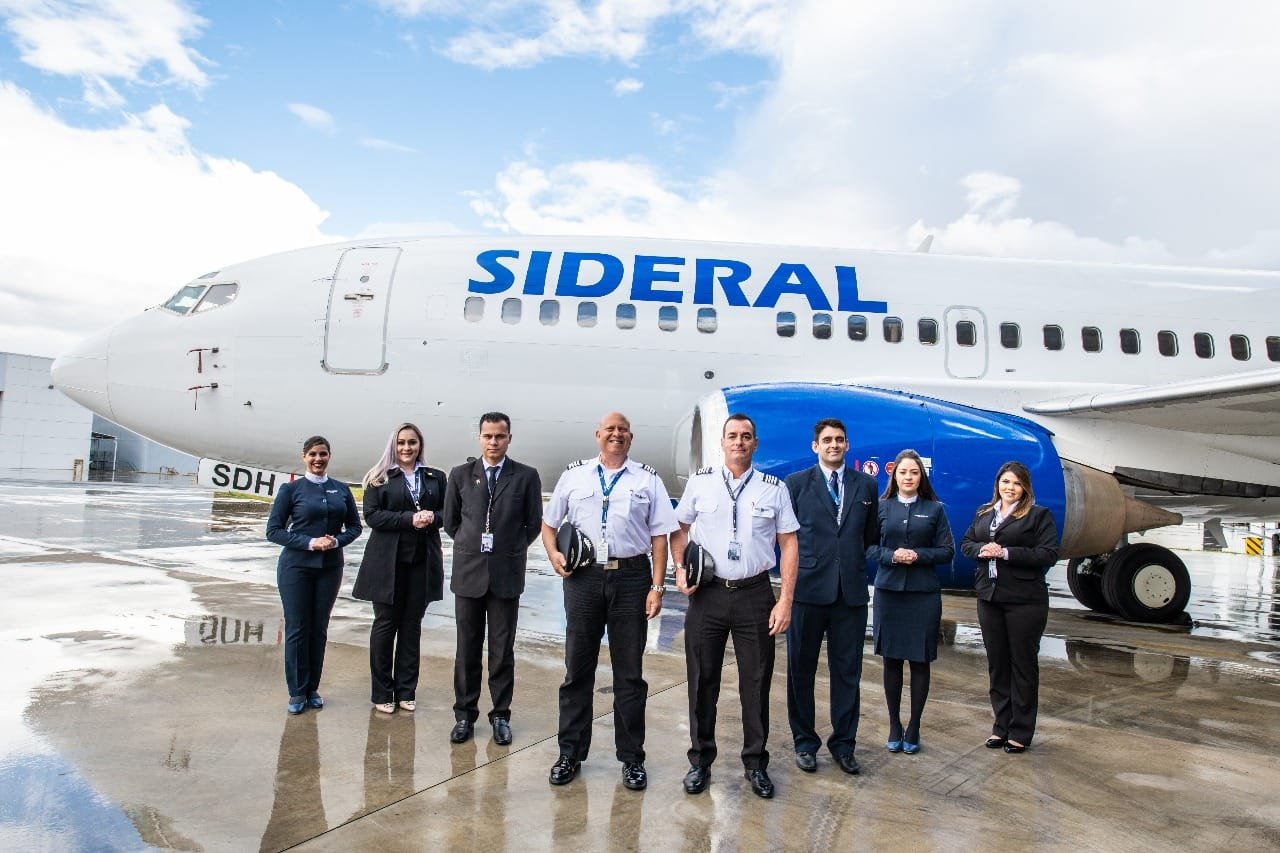
Image result for sideral linhas aereas logoSideral Linhas Aéreas, es una aerolínea de transporte aéreo de carga no programada y chárter. Es una aerolínea brasileña con sede en Curitiba. Fue establecida en 2010 como una subsidiaria de Expresso Adorno Group como una compañía de carga, pero luego también transporta pasajeros como chárter. Sideral ha operado vuelos charters a planteles deportivos de equipos de fútbol, pero con permisos especiales para vuelos ocasionales. Posee una flote de Boeing 727-200F (2), Boeing 737-200 (6), Boeing 737-400 (7), Boeing 737-500 (1). En Junio 2019, la compañía solicitó rutas de pasajeros desde el Aeropuerto Congonhas a la ANAC. Ha recibido recientemente autorización para operar el transporte aéreo público regular, carga y correo en vuelos nacionales e internacionales.

Abaeté Linhas Aéreas

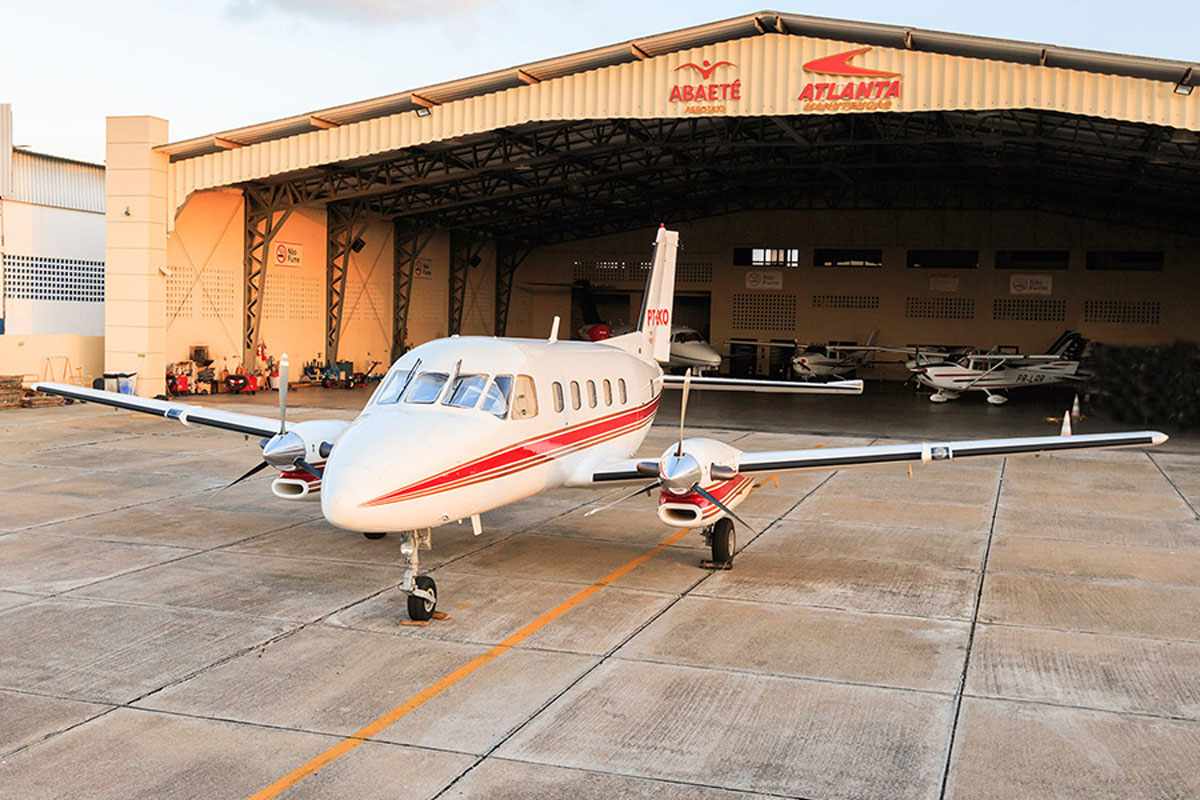
AW-AbaetéAbaeté Linhas Aéreas tiene sus orígenes como Aerotáxi Abaeté, una compañía de taxi aéreo establecida en 1979, con sede en Lauro de Freitas, cerca de Salvador de Bahía, Brasil. En 1994, Aerotaxi Abaeté recibió autorización para establecer una compañía hermana llamada Abaeté Linhas Aéreas, dedicada a la operación de servicios programados. Ambas compañías continúan ofreciendo servicios como aerolíneas chárter y regulares y a veces intercambian aviones. Actualmente, Abaeté Linhas Aéreas ha recibido de ANAC Brasil la concesión para ofrecer servicios de transporte aéreo público regulares y no regulares para pasajeros, carga y correo, tanto nacionales como internacionales. El subsidio fue otorgado por la Agencia el Viernes 6 Marzo 2020, luego de que la compañía cumple con todos los requisitos necesarios para ofrecer el servicio de transporte aéreo. Antes de esa decisión, Abaeté pudo llevar a cabo operaciones de transporte aéreo público no programadas.
Las subvenciones otorgadas por ANAC Brasil se publicaron en el Boletín Oficial (DOU). Las autorizaciones correspondientes de ambas aerolíneas tienen validez por cinco años y pueden renovarse el certificado de explotador aérero. De esta manera, desembarcan en Brasil dos nuevas líneas aéreas que se incorporan a la competencia del mercado aéreo brasileño e internacional. AW-Icon AW001

Image result for sideral linhas aereas Boeing 737-500ANAC regular flights to Sideral/Abaeté

ANAC Brazil authorizes Sideral Linhas Aéreas and Abaeté Linhas Aéreas airlines to carry out regular domestic/international passenger flights

anac-logo-2The National Civil Aviation Agency (ANAC) of Brazil has granted the corresponding approvals for two new authorizations of Sideral Linhas Aéreas and Abaeté Linhas Aéreas airlines to carry out the exploitation of national and international air transport of regular flights.
Sideral Linhas Aéreas

Sideral Linhas Aéreas is an airline of unscheduled and charter cargo air transport. It is a Brazilian airline based in Curitiba. It was established in 2010 as a subsidiary of Expresso Adorno Group as a freight company, but then also transports passengers as a charter. Sideral has operated charter flights to sportive soccer team campuses, but with special permits for occasional flights. It has a fleet of Boeing 727-200F (2), Boeing 737-200 (6), Boeing 737-400 (7), Boeing 737-500 (1). In June 2019, the company requested passenger routes from Congonhas Airport to ANAC. He has recently received authorization to operate regular public air transport, cargo, and mail on national and international flights.

Abaeté Linhas Aéreas

Abaeté Linhas Aéreas has its origins as Aerotaxi Abaeté, an air taxi company established in 1979, based in Lauro de Freitas, near Salvador de Bahia, Brazil. In 1994, Aerotaxi Abaeté was authorized to establish a sister company called Abaeté Linhas Aéreas, dedicated to the operation of scheduled services. Both companies continue to offer services such as charter and regular airlines and sometimes exchange planes. Currently, Abaeté Linhas Aéreas has received from ANAC Brazil the concession to offer regular and non-regular public air transport services for passengers, cargo and mail, both national and international. The subsidy was granted by the Agency on Friday, March 6, 2020, after the company meets all the necessary requirements to offer the air transport service. Prior to that decision, Abaeté was able to carry out unscheduled public air transport operations.

The grants granted by ANAC Brazil were published in the Official Gazette (DOU). The corresponding authorizations of both airlines are valid for five years and the air operator certificate can be renewed. In this way, two new airlines disembark in Brazil that join the competition of the Brazilian and international air market. AW-Icon AW002

AW-ANAC_Brasil_SedeVoos regulares da ANAC para Sideral/Abaeté
AW-ANAC-BrasilANAC Brasil autoriza as companhias aéreas Sideral Linhas Aéreas e Abaeté Linhas Aéreas a realizar vôos domésticos/internacionais regulares de passageiros
A Agência Nacional de Aviação Civil (ANAC) do Brasil concedeu as aprovações correspondentes para duas novas autorizações das companhias aéreas Sideral Linhas Aéreas e Abaeté Linhas Aéreas para realizar a exploração do transporte aéreo nacional e internacional de voos regulares.

Sideral Linhas Aéreas

A Sideral Linhas Aéreas é uma companhia aérea de transporte aéreo de carga não programada e fretada. É uma companhia aérea brasileira com sede em Curitiba. Foi criada em 2010 como uma subsidiária do Expresso Adorno Group como uma empresa de transporte de mercadorias, mas também transporta passageiros como fretamento. Sideral operou voos charter para times de futebol, mas com licenças especiais para vôos ocasionais. Possui uma frota de Boeing 727-200F (2), Boeing 737-200 (6), Boeing 737-400 (7), Boeing 737-500 (1). Em junho de 2019, a empresa solicitou rotas de passageiros do Aeroporto de Congonhas para a ANAC. Recentemente, ele recebeu autorização para operar transporte aéreo público regular, carga e correio em voos nacionais e internacionais.

Abaeté Linhas Aéreas

A Abaeté Linhas Aéreas tem sua origem como Aerotaxi Abaeté, uma empresa de táxi aéreo fundada em 1979, com sede em Lauro de Freitas, perto de Salvador da Bahia, Brasil. Em 1994, a Aerotaxi Abaeté foi autorizada a estabelecer uma empresa irmã chamada Abaeté Linhas Aéreas, dedicada à operação de serviços programados. Ambas as empresas continuam a oferecer serviços como companhias aéreas fretadas e regulares e, às vezes, trocam de avião. Atualmente, a Abaeté Linhas Aéreas recebeu da ANAC Brasil a concessão para oferecer serviços regulares e não regulares de transporte aéreo público para passageiros, carga e correio, nacionais e internacionais. O subsídio foi concedido pela Agência na sexta-feira, 6 de março de 2020, após a empresa atender a todos os requisitos necessários para oferecer o serviço de transporte aéreo. Antes dessa decisão, a Abaeté podia realizar operações de transporte aéreo público não programadas.

As bolsas concedidas pela ANAC Brasil foram publicadas no Diário Oficial (DOU). As autorizações correspondentes de ambas as companhias aéreas são válidas por cinco anos e o certificado de operador aéreo pode ser renovado. Dessa forma, duas novas companhias aéreas desembarcam no Brasil que se juntam à concorrência do mercado aéreo brasileiro e internacional. AW-Icon AW002


Ξ A I R G W A Y S Ξ
SOURCE: Airgways.com
DBk: Anac.gov.br / Siderallinhasaereas.com.br / Abaete.com.br / Airgways.com
AW-POST: 202003071157AR

A\W   A I R G W A Y S ®

Aproximación certificación 737 MAX

AW-7007337MAXAW | 2020 03 05 23:16 |AVIATION SAFETY / AVIATION ORGANISMS

Boeing-Company-LogoLa FAA ha comunicado que vuelo recertificación del Boeing 737 MAX podría llegar en pocas semanas
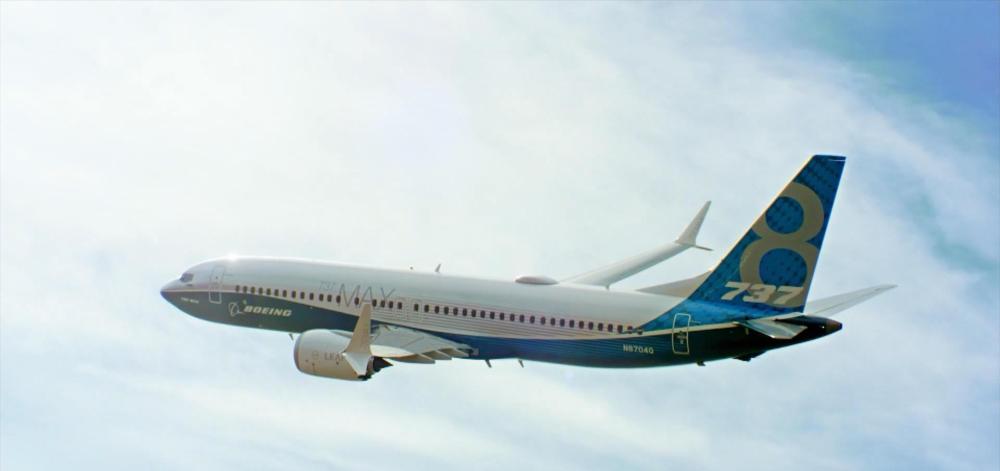
El Jefe de la Administración Federal de Aviación (FAA) de Estados Unidos, Stephen Dickson, ha comunicado este Jueves 5 Marzo 2020 que existe la posibilidad de recertificación para el Boeing 737 MAX en unas pocas semanas, lo que representaría un hito clave para el regreso del avión en conflicto. «Estamos trabajando en los últimos problemas de revisión de software y documentación, y luego creo que en unas pocas semanas deberíamos ver un vuelo de certificación», dijo el Administrador de la FAA en una conferencia de aviación en Washington.

boeing-737-max (1)A principios de Febrero 2020, la FAA había comunicado que los vuelos de certificación del Boeing 737 MAX comenzarán en las próximas semanas y que los reguladores internacionales de seguridad aérea están cerca de acordar las soluciones finales necesarias antes de que la cuarta generación de aeronaves 737 pueda regresar al servicio. La FAA ha confirmado y actualizado la vigencia de sus dichos este Jueves 05/03, aumentando las expectativas del retorno de uno de los aviones más vendidos en el mundo.
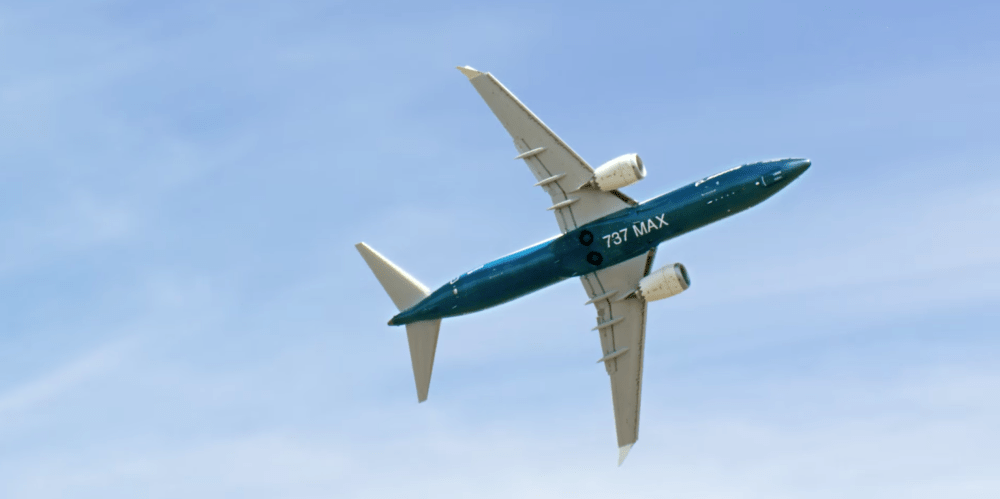
Boeing dijo en su informe del cuarto trimestre (4Q2019) que ve que el 737 MAX regresará a mediados de 2020. Las aerolíneas han cancelado la programación de sus vuelos con las aeronaves Boeing 737 MAX al menos tentativamente hasta Junio 2020.

El Boeing 737 MAX ha estado en tierra durante casi un año después de dos accidentes fatales que mataron a 346 personas en dos accidentes aéreos en Indonesia y Etiopía. El próximo 10 Marzo se complirá el primer aniversario del segundo accidente aéreo de un Boeing 737-8 MAX en Etiopía. AW-Icon AW001

737maxfeat-1Approach certification Boeing 737 MAX

Boeing-Logo.svgThe FAA has reported that Boeing 737 MAX recertification flight could arrive in a few weeks

The Head of the Federal Aviation Administration (FAA) of the United States, Stephen Dickson, announced on Thursday, March 5, 2020, that there is the possibility of recertification for the Boeing 737 MAX in a few weeks, which would represent a key milestone for the return of the plane in conflict. «We are working on the latest software and documentation review problems, and then I think that in a few weeks we should see a certification flight», said the FAA Administrator at an aviation conference in Washington.

At the beginning of February 2020, the FAA had announced that the certification flights of the Boeing 737 MAX will begin in the coming weeks and that international air safety regulators are close to agreeing on the final solutions needed before the fourth generation of 737 aircraft can return to service The FAA has confirmed and updated the validity of its sayings this Thursday 05/03, increasing the expectations of the return of one of the best-selling aircraft in the world.

Boeing said in its fourth-quarter report (4Q2019) that it sees that 737 MAX will return in mid-2020. The airlines have canceled the programming of their flights with the Boeing 737 MAX aircraft at least tentatively until June 2020.

The Boeing 737 MAX has been on the ground for almost a year after two fatal accidents that killed 346 people in two plane crashes in Indonesia and Ethiopia. The first anniversary of the second plane crash of a Boeing 737-8 MAX in Ethiopia will be completed next March 10. AW-Icon AW002


Ξ A I R G W A Y S Ξ
SOURCE: Airgways.com
DBk: Faa.gov / Boeing.com / Airgways.com
AW-POST: 202003052316AR

A\W   A I R G W A Y S ®

IATA solicita suspención reglas slots

Resultado de imagen para airports slotsAW | 2020 03 03 12:33 | AVIATION ORGANISMS

IATA_Logo.svgIATA solicita la suspensión global de las reglas de slots debido a coronavirus

La Asociación Internacional de Transporte Aéreo (IATA) se está comunicando con los reguladores de aviación de todo el mundo para solicitar que las normas que rigen el uso de las franjas horarias del aeropuerto (slots) se suspendan de inmediato y para la temporada 2020, debido al impacto del Coronavirus (COVID-19).

Alrededor del 43% de todos los pasajeros salen de más de 200 aeropuertos coordinados de tragamonedas en todo el mundo. En la actualidad, las reglas para la asignación de slots significan que las aerolíneas deben operar al menos el 80% de sus slots asignados en circunstancias normales. El incumplimiento de esto significa que la aerolínea pierde su derecho a la ranura la próxima temporada equivalente. En circunstancias excepcionales, los reguladores pueden relajar este requisito. La crisis de COVID-19 ha tenido un grave impacto en el tráfico aéreo. Las aerolíneas están experimentando graves caídas en la demanda. Muchas aerolíneas experimentan diferentes situaciones entre ellas: Una compañía que experimenta una reducción del 26% en toda su operación en comparación con el año pasado. Un operador central que informa de reservas a Italia bajó un 108% a medida que las reservas colapsan a cero y los reembolsos crecen. Muchos operadores informan que el 50% no se presenta en varios mercados.

Medidas frente al COVID-19

Las reservas futuras están decreciendo y los transportistas están reaccionando con medidas tales como que se otorguen licencias sin goce de sueldo a la tripulación, se congelen los aumentos salariales y se planeen los aterrizajes de los aviones. Dadas estas circunstancias extraordinarias como resultado de la emergencia de salud pública, la opinión colectiva de la industria de las aerolíneas es que la aplicación de la regla del 80% durante la próxima temporada es inapropiada. Se necesita flexibilidad para que las aerolíneas ajusten sus horarios de acuerdo con desarrollos de demanda extraordinaria.

Los reguladores ya han estado renunciando a las reglas de tragamonedas de forma continua durante la crisis de COVID-19 principalmente para operaciones a China y Hong Kong SAR. Sin embargo, dados los nuevos brotes recientes, esto ya no está contenido en los mercados de Asia. Sin la certeza de que estas exenciones continuarán durante la temporada de verano boreal o la temporada de invierno en el hemisferio sur, las aerolíneas no pueden planificar con suficiente anticipación para garantizar una asignación eficiente de la tripulación o el despliegue de aeronaves.

Suspender el requisito durante toda la temporada hasta octubre de 2020 significará que las aerolíneas pueden responder a las condiciones del mercado con niveles de capacidad adecuados, evitando cualquier necesidad de ejecutar servicios vacíos para mantener los espacios. Las aeronaves pueden reasignarse a otras rutas o estacionarse, la tripulación puede tener certeza en sus horarios. “La investigación de la IATA ha demostrado que el tráfico se ha derrumbado en rutas clave de Asia y que esto se está ondulando en toda la red de transporte aéreo a nivel mundial, incluso entre países sin grandes brotes de COVID-19. Existen precedentes para la suspensión previa de las reglas de uso de tragamonedas y creemos que las circunstancias nuevamente requieren que se otorgue una suspensión. Hacemos un llamado a los reguladores de todo el mundo para que ayuden a la industria a planificar la emergencia de hoy y la recuperación futura de la red, al suspender las reglas de uso de tragamonedas de forma temporal. El mundo se enfrenta a un gran desafío para evitar la propagación de COVID-19 al tiempo que permite que la economía mundial continúe funcionando. Las aerolíneas están en la primera línea de ese desafío y es esencial que la comunidad reguladora trabaje con nosotros para garantizar que las aerolíneas puedan operar de la manera más sostenible, tanto económica como ambientalmente, para aliviar los peores impactos de la crisis», dijo Alexandre de Juniac, Director General y CEO de IATA. AW-Icon AW001

Resultado de imagen para airports slotsIATA requests suspension slots rules

IATA requests the global suspension of slot rules due to coronavirus

The International Air Transport Association (IATA) is communicating with aviation regulators around the world to request that the rules governing the use of airport slots be suspended immediately and for the 2020 season, due to the impact of Coronavirus (COVID-19).

About 43% of all passengers departing from more than 200 coordinated slot airports worldwide. Currently, the rules for slot allocation mean that airlines must operate at least 80% of their assigned slots under normal circumstances. Failure to comply with this means that the airline loses its right to the slot next equivalent season. In exceptional circumstances, regulators can relax this requirement. The COVID-19 crisis has had a serious impact on air traffic. Airlines are experiencing severe declines in demand. Many airlines experience different situations between them: A company that experiences a 26% reduction in its entire operation compared to last year. A central operator that reports reservations to Italy dropped 108% as reserves collapse to zero and refunds grow. Many operators report that 50% do not appear in several markets.

Measures against COVID-19

Future reserves are declining and carriers are reacting with measures such as licenses being granted without pay to the crew, wage increases are frozen and plane landings are planned. Given these extraordinary circumstances as a result of the public health emergency, the collective opinion of the airline industry is that the application of the 80% rule during the next season is inappropriate. Flexibility is needed for airlines to adjust their schedules according to developments in extraordinary demand.

Regulators have already been giving up the slot rules continuously during the COVID-19 crisis primarily for operations to China and Hong Kong SAR. However, given the recent new outbreaks, this is no longer contained in Asian markets. Without the certainty that these exemptions will continue during the boreal summer season or the winter season in the southern hemisphere, airlines cannot plan well in advance to ensure efficient crew assignments or aircraft deployment.

Suspending the requirement throughout the season until October 2020 will mean that airlines can respond to market conditions with adequate capacity levels, avoiding any need to run empty services to maintain spaces. Aircraft can be reassigned to other routes or parked, the crew can be certain in their schedules. “IATA research has shown that traffic has collapsed on key routes in Asia and that this is undulating throughout the global air transport network, even between countries without major outbreaks of COVID-19. There are precedents for the prior suspension of the slot usage rules and we believe that the circumstances again require a suspension to be granted. We call on regulators around the world to help the industry plan for today’s emergency and future network recovery, by temporarily suspending slot usage rules. The world faces a great challenge to prevent the spread of COVID-19 while allowing the world economy to continue functioning. Airlines are at the forefront of that challenge and it is essential that the regulatory community work with us to ensure that airlines can operate in the most sustainable way, both economically and environmentally, to alleviate the worst impacts of the crisis», Alexandre said. from Juniac, CEO and CEO of IATA. AW-Icon AW002


Ξ A I R G W A Y S Ξ
SOURCE: Airgways.com
DBk: Iata.org / Airgways.com / Nikkei.com
AW-POST: 202003031233AR

A\W   A I R G W A Y S ®

Procon notifica MAP Linhas Aéreas

AW | 2020 03 02 14:27 | AIRLINES / AVIATION ORGANISMS

cortina-bf-rightProcon Amazonas notifica a MAP Linhas Aéreas por cancelaciones y aumento de tickets
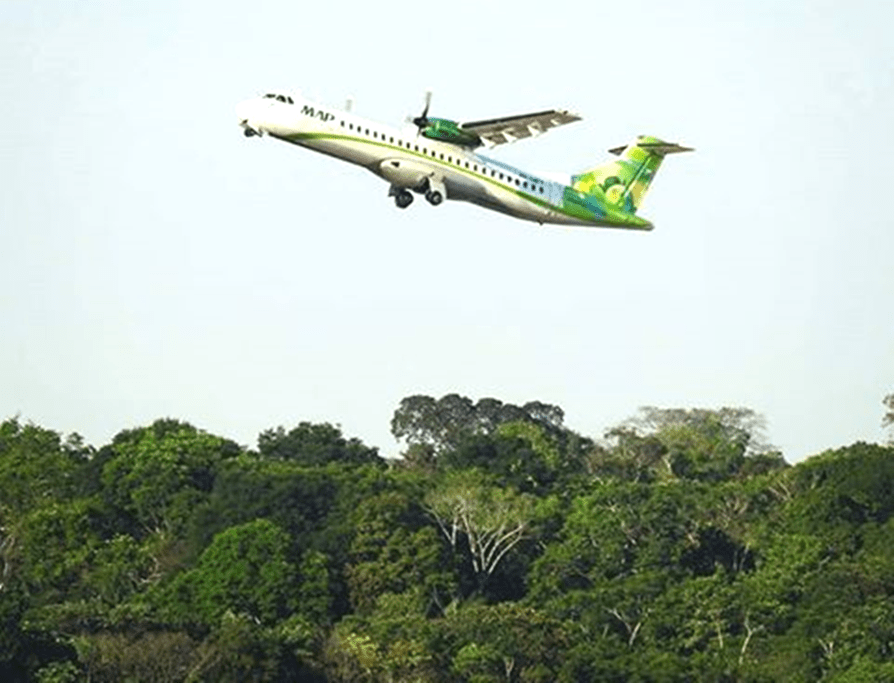
El Programa Estatal de Protección y Orientación al Consumidor (Procon-AM) notificó a MAP Linhas Aéreas el Viernes 28/02 soliccitando a la compañía que justificara el aumento en los precios de los boletos y la cancelación de vuelos en la Región Amazonas, por lo que la aerolínea regional tiene diez días para responder a Procon-AM. Las quejas que resultaron en la notificación se refieren a los últimos seis meses. La agencia también solicitó que la compañía entregue una lista de vuelos cancelados en Amazonas.

“La población del interior no puede ser olvidada. La empresa tiene todo el derecho de cancelar un vuelo, pero debe respetar los derechos del consumidor en caso de cancelación. La Resolución Nº 400 de la Agencia Nacional de Aviación Civil (ANAC) y el Código de Protección al Consumidor de Brasil, apoyan a los usuarios del transporte aéreo. El Procon tiene por objetivo el papel de equilibrar la relación del consumidor con sus derechos adquiridos, y esto implica la protección del consumidor, que es la parte más vulnerable de la relación», dijo el CEO de Procon-AM, Jalil Fraxe.

MAP Linhas Aéreas ha expresado su acuse por los inconvenientes reiterados en el Aeropuerto Parintins (SWPI) a raíz de problemas meteorológicos en la zona, donde el radar de meteorología está inoperable. La incertidumbre de la situación ha llevado a MAP Linhas Aéreas a cancelas los vuelos a la ciudad amazónica. AW-Icon AW001

AW-MAP_ATRProcon notifies MAP Linhas Aéreas

Procon Amazonas notifies MAP Linhas Aéreas for cancellations and ticket increases

The State Consumer Protection and Orientation Program (Procon-AM) notified MAP Linhas Aéreas on Friday 28/02 requesting the company to justify the increase in ticket prices and the cancellation of flights in the Amazon Region so that the regional airline has ten days to respond to Procon-AM. Complaints that resulted in the notification referred to the last six months. The agency also requested that the company deliver a list of flights canceled in Amazonas.

“The population of the interior cannot be forgotten. The company has every right to cancel a flight but must respect the rights of the consumer in case of cancellation. Resolution No. 400 of the National Civil Aviation Agency (ANAC) and the Brazilian Consumer Protection Code support air transport users. Procon’s objective is to balance the consumer’s relationship with their acquired rights, and this implies consumer protection, which is the most vulnerable part of the relationship», said Procon-AM CEO Jalil Fraxe.

MAP Linhas Aéreas has expressed its accusation for repeated inconveniences at Parintins Airport (SWPI) due to weather problems in the area, where the meteorological radar is inoperable. The uncertainty of the situation has led MAP Linhas Aéreas to cancel flights to the Amazon city. AW-Icon AW002

AW-7000720072Procon notifica a MAP Linhas Aéreas

Procon Amazonas notifica a MAP Linhas Aéreas por cancelamentos e aumentos de ingressos

cortina-bf-rightO Programa Estadual de Proteção e Orientação ao Consumidor (Procon-AM) notificou a MAP Linhas Aéreas na sexta-feira 28/02, solicitando à empresa que justificasse o aumento do preço dos bilhetes e o cancelamento de voos na região amazônica, que a companhia aérea regional tenha dez dias para responder ao Procon-AM. As reclamações que resultaram na notificação referem-se aos últimos seis meses. A agência também solicitou que a empresa entregasse uma lista de voos cancelados no Amazonas.

“A população do interior não pode ser esquecida. A empresa tem todo o direito de cancelar um voo, mas deve respeitar os direitos do consumidor em caso de cancelamento. A Resolução nº 400 da Agência Nacional de Aviação Civil (ANAC) e o Código Brasileiro de Defesa do Consumidor dão suporte aos usuários de transporte aéreo. O objetivo do Procon é equilibrar o relacionamento do consumidor com seus direitos adquiridos, e isso implica na proteção do consumidor, que é a parte mais vulnerável do relacionamento», afirmou Jalil Fraxe, CEO da Procon-AM.

A MAP Linhas Aéreas expressou sua acusação por inconvenientes repetidos no Aeroporto de Parintins (SWPI) devido a problemas climáticos na área, onde o radar meteorológico é inoperante. A incerteza da situação levou a MAP Linhas Aéreas a cancelar vôos para a cidade amazônica. AW-Icon AW002


Ξ A I R G W A Y S Ξ
SOURCE: Airgways.com
DBk: Folhadeparintins.com.br / Voemap.com.br / Airgways.com
AW-POST: 202003021427AR

A\W   A I R G W A Y S ®

IATA pide gobiernos manejo COVID-19

iataAW | 2020 03 02 09:47 | AVIATION ORGANISMS

IATA_Logo.svgLa IATA pide a los gobiernos del Medio Oriente que ayuden a las aerolíneas a manejar la epidemia de Coronavirus

La International Air Transport Association (IATA) ha exhortado a los gobiernos de Medio Oriente deberían considerar brindar apoyo a las aerolíneas para ayudarlas a manejar el impacto del brote de coronavirus, que ha provocado una serie de cancelaciones de vuelos, ha comunicado el organismo internacional el Lunes 02/03.

Las aerolíneas globales han advertido sobre el costo de sus negocios ya que el número de pasajeros cae debido al brote de Coronavirus (COVID-19) que surgió por primera vez en China a fines de Diciembre 2019 y desde entonces se ha extendido a más de 50 países.

Las aerolíneas han detenido los vuelos a Irán, donde el virus se está propagando rápidamente, y Arabia Saudita ha prohibido temporalmente a los turistas de 25 países que hayan registrado casos del virus. «La región depende de la conectividad aérea, y el apoyo de los gobiernos realmente ayudará a las aerolíneas a superar este difícil período», dijo a la prensa el Vicepresidente de la Asociación Internacional de Transporte Aéreo para África y Medio Oriente, Muhammad Ali Albakri. Albakri dijo que IATA no estaba pidiendo rescates estatales, pero que los gobiernos podrían ayudar a las aerolíneas con sus costos operativos.

Los gobiernos controlan una serie de costos incurridos por las aerolíneas, como los impuestos y las tarifas de aterrizaje y sobrevuelo. La mayoría de las aerolíneas de Medio Oriente son de propiedad estatal. Albakri dijo que no esperaba que otras jurisdicciones criticaran el apoyo brindado a las aerolíneas debido al Coronavirus.

Emirates, el mayor operador de Medio Oriente, está pidiendo a su personal que tome vacaciones pagadas y no pagadas para ayudarlo a manejar una desaceleración mensurable debido al virus, informó la compañía este Domingo 01/03.

Las ventas de boletos aéreos hacia, desde y dentro del Medio Oriente disminuirán en estas próximas semanas, y las aerolíneas en la región pueden perder alrededor de US$ 100 millones en ingresos en esta etapa, dijo AlBakri. Las compañías aéreas de Oriente Medio, la mayoría de las cuales no son rentables, han detenido la mayoría de los vuelos a China y han reducido o reducido los vuelos en otras rutas asiáticas.

«Los ingresos adicionales significativos están en riesgo para los transportistas de Medio Oriente si las restricciones de viaje se extienden aún más hacia la parte posterior de Asia Pacífico», dijo Albakri. Aproximadamente el 50% de toda la capacidad de las aerolíneas de Oriente Medio se transporta en servicios hacia y desde Asia Pacífico, destacando el considerable riesgo para sus negocios. AW-Icon AW001

AW-Wk-Place_Ville-MarieIATA urges government management COVID-19

IATA HeadquartersIATA asks the governments of the Middle East to help airlines manage the Coronavirus epidemic

The International Air Transport Association (IATA) has urged Middle Eastern governments should consider providing support to airlines to help them manage the impact of the coronavirus outbreak, which has caused a series of flight cancellations, the international agency said. Monday 02/03.

Global airlines have warned about the cost of their businesses as the number of passengers falls due to the outbreak of Coronavirus (COVID-19) that first emerged in China at the end of December 2019 and since then it has spread to more than 50 countries

Airlines have stopped flights to Iran, where the virus is spreading rapidly, and Saudi Arabia has temporarily banned tourists from 25 countries who have registered cases of the virus. «The region depends on air connectivity, and government support will really help airlines overcome this difficult period», the Vice President of the International Air Transport Association for Africa and the Middle East, Muhammad Ali Albakri, told reporters. Albakri said IATA was not asking for state bailouts, but that governments could help airlines with their operating costs.

Governments control a series of costs incurred by airlines, such as taxes and landing and overflight fees. Most Middle Eastern airlines are state-owned. Albakri said he did not expect other jurisdictions to criticize the support given to airlines due to Coronavirus.

Emirates, the largest operator in the Middle East, is asking its staff to take paid and unpaid vacations to help it handle a measurable slowdown due to the virus, the company said Sunday 01/03.

Air ticket sales too, from and within the Middle East will decrease in these coming weeks, and airlines in the region can lose around US$ 100 million in revenue at this stage, AlBakri said. Middle East airlines, most of which are not profitable, have stopped most flights to China and reduced or reduced flights on other Asian routes.

«Significant additional revenues are at risk for carriers in the Middle East if travel restrictions extend further to the back of Asia Pacific», Albakri said. Approximately 50% of the entire capacity of Middle Eastern airlines is transported in services to and from Asia Pacific, highlighting the considerable risk to their businesses. AW-Icon AW002

Image result for airports saudi arabianاتحاد النقل الجوي الدولي يحث الإدارة الحكومية COVID-19

يطلب اتحاد النقل الجوي الدولي (IATA) من حكومات الشرق الأوسط مساعدة شركات الطيران على إدارة وباء فيروس كورونا

حثت الرابطة الدولية للنقل الجوي (IATA) حكومات الشرق الأوسط على التفكير في تقديم الدعم لشركات الطيران لمساعدتها في إدارة آثار تفشي فيروس كورونا ، الذي تسبب في سلسلة من عمليات إلغاء الرحلات الجوية ، حسبما ذكرت الوكالة الدولية. الاثنين 02/03.

حذرت شركات الطيران العالمية من تكلفة أعمالها حيث انخفض عدد الركاب بسبب تفشي فيروس كوروناف (COVID-19) الذي ظهر لأول مرة في الصين في نهاية ديسمبر 2019 ومنذ ذلك الحين امتد إلى أكثر من 50 البلدان.

أوقفت الخطوط الجوية رحلاتها إلى إيران ، حيث ينتشر الفيروس بسرعة ، وحظرت المملكة العربية السعودية بشكل مؤقت السياح من 25 دولة سجلت حالات الإصابة بالفيروس. وقال محمد علي البكري نائب رئيس الاتحاد الدولي للنقل الجوي لإفريقيا والشرق الأوسط للصحفيين «تعتمد المنطقة على التوصيل الجوي ، والدعم الحكومي سيساعد شركات الطيران فعلاً في التغلب على هذه الفترة الصعبة». وقال البكري إن اتحاد النقل الجوي الدولي (IATA) لا يطلب عمليات إنقاذ حكومية ، لكن الحكومات يمكنها مساعدة شركات الطيران في تكاليف تشغيلها.

تسيطر الحكومات على سلسلة من التكاليف التي تتكبدها شركات الطيران ، مثل الضرائب ورسوم الهبوط والطيران. معظم شركات الطيران في الشرق الأوسط مملوكة للدولة. وقال البكري إنه لا يتوقع أن تنتقد هيئات قضائية أخرى الدعم المقدم لشركات الطيران بسبب فيروس كوروناف.

أعلنت شركة طيران الإمارات ، أكبر مشغل في الشرق الأوسط ، عن مطالبة موظفيها بأخذ إجازات مدفوعة الأجر وغير مدفوعة الأجر لمساعدتها في معالجة تباطؤ ملموس بسبب الفيروس ، حسبما ذكرت الشركة يوم الأحد 01/03.

وقال البكري إن مبيعات تذاكر السفر جواً إلى الشرق الأوسط ومنها وداخلها ستنخفض في الأسابيع المقبلة ، وقد تخسر شركات الطيران في المنطقة حوالي 100 مليون دولار من العائدات في هذه المرحلة. أوقفت شركات الطيران في الشرق الأوسط ، ومعظمها غير مربح ، معظم الرحلات الجوية إلى الصين وخفضت أو خفضت الرحلات الجوية على خطوط آسيوية أخرى.

وقال البكري «هناك عوائد إضافية كبيرة معرضة للخطر لشركات النقل في الشرق الأوسط إذا امتدت قيود السفر إلى منطقة آسيا والمحيط الهادئ». يتم نقل ما يقرب من 50 ٪ من جميع خطوط الطيران في الشرق الأوسط في الخدمات من وإلى آسيا والمحيط الهادئ ، مما يسلط الضوء على المخاطر الكبيرة على أعمالهم. AW-Icon AW002


Ξ A I R G W A Y S Ξ
SOURCE: Airgways.com
DBk: Iata.org / Airgways.com / Arabianbusiness.com
AW-POST: 202003020947AR

A\W   A I R G W A Y S ®

FAA reglamentación tripulación cabina

AW-Vikingwings_708544AW | 2020 02 28 08:24 | AVIATION ORGANISMS / AVIATION SAFETY

20150215-logo-faa_1La FAA emite reglamentación Desarrollo Profesional para Pilotos

Los funcionarios de la Administración Federal de Aviación (FAA) del Departamento de Transporte (DOT) de Estados Unidos emitieron el Martes 25/02 una regla final para mejorar el desarrollo profesional de los pilotos de compañías aéreas, que requiere capacitación específica para los pilotos recién contratados y la capacitación complementaria del capitán. La Regla de Desarrollo Profesional para Pilotos estipula que los pilotos recién contratados deberán observar las operaciones de vuelo y familiarizarse con los procedimientos específicos de la compañía antes de operar una aeronave como miembro de la tripulación de vuelo.

Los capitanes deben recibir capacitación de liderazgo y comando, así como capacitación de tutoría, para que puedan asesorar efectivamente a los primeros oficiales, de acuerdo con las pautas. “Cuando me reuní con las familias del vuelo Colgan 3407, enfatizaron cuán importante era esta regla en el entrenamiento de pilotos para elevar la seguridad en el sector de la aviación. Me alegra que el Departamento haya tenido éxito en finalizar esta regla”, dijo la Secretaria de Transporte Elaine L. Chao.

La directriz final se deriva de la Ley de Extensión de la Administración Federal de Aviación y Seguridad Aérea de 2010, así como de las recomendaciones de la Junta Nacional de Seguridad del Transporte.

«Como piloto con miles de horas volando en aviones comerciales, sé la importancia que puede tener la capacitación continua y específica para mantener a los pilotos en su mejor momento. Estos nuevos requisitos de capacitación para las tripulaciones de vuelo ayudarán en gran medida a proporcionar a la fuerza de trabajo de pilotos comerciales de la nación las prácticas y procedimientos más recientes y seguros de la cubierta de vuelo», dijo el administrador de la FAA Stephen M. Dickson.

El fallo incorpora el trabajo del Comité de Mentoría de Miembros de la Tripulación de Vuelo, Liderazgo y Desarrollo Profesional para la Reglamentación de la Aviación (ARC), el ARC de Revisión de Requisitos de Horas de Entrenamiento de los Miembros de la Tripulación de Vuelo y el ARC de Capacitación de Pilotos y Seguridad del Transporte Aéreo. AW-Icon AW001

Resultado de imagen para crew cockpitFAA cabin crew regulation

Logo_of_the_Federal_Aviation_Administration.svgThe FAA issues Professional Development regulations for Pilots

Officials of the Federal Aviation Administration (FAA) of the United States Department of Transportation (DOT) issued a final rule on Tuesday 25/02 to improve the professional development of airline pilots, which requires specific training for newly pilots hired and the complementary training of the captain. The Professional Development Rule for Pilots stipulates that newly hired pilots must observe flight operations and become familiar with company-specific procedures before operating an aircraft as a member of the flight crew.

Captains should receive leadership and command training, as well as mentoring training, so that they can effectively advise the first officers, according to the guidelines. “When I met with the families of the Colgan 3407 flight, they emphasized how important this rule was in training pilots to increase safety in the aviation sector. I am glad that the Department has succeeded in finalizing this rule”, said Secretary of Transportation Elaine L. Chao.

The final guideline is derived from the Federal Aviation and Air Safety Administration Extension Act of 2010, as well as the recommendations of the National Transportation Safety Board.

«As a pilot with thousands of hours flying in commercial airplanes, I know the importance of continuous and specific training to keep pilots at their best. These new training requirements for flight crews will greatly help provide the nation’s commercial pilot workforce the most recent and safe flight deck practices and procedures», said FAA administrator Stephen M. Dickson.

The ruling incorporates the work of the Mentoring Committee of Flight Crew Members, Leadership and Professional Development for Aviation Regulation (ARC), the ARC Review of Training Hours Requirements for Flight Crew Members and the ARC Pilot Training and Air Transport Safety. AW-Icon AW002


Ξ A I R G W A Y S Ξ
SOURCE: Airgways.com
DBk: Faa.gov / Airgways.com / Cbc.ca / Vikingwings.com
AW-POST: 20200201280824AR

A\W   A I R G W A Y S ®