Problemas en Aeropuerto Santa Rosa

Resultado de imagen para Lasa Aeropuerto Santa Rosa La Pampa

AW | 2018 11 03 15:26 | AIRPORTS

Dificultades operativas del Servicio de Salvamento del Aeropuerto de Santa Rosa, Argentina

La Administración Nacional de Aviación Civil (ANAC) de Argentina informó ayer que debió hacer una excepción en la extensión del Servicio de Salvamento y Extinción de Incendios para que Lasa Líneas Aéreas pudiera operar en Santa Rosa. El organismo nacional explicó que el aeropuerto de la capital de la Provincia de La Pampa cuenta con el Servicio de Salvamento y Extinción de Incendios (SSEI) provisto por este organismo.

La ANAC advirtió en un comunicado de prensa difundido ayer, en el que puntualizó que “para que Lasa pudiera operar ayer Jueves, la ANAC tuvo que extender el servicio del SSEI, como excepción, de forma tal que el aeródromo operara con las condiciones de seguridad requeridas durante los arribos y partidas de los vuelos». La ANAC está cubriendo los servicios del Aeropuerto de Santa Rosa con bomberos propios y ya planificó una capacitación a los bomberos de la Provincia de La Pampa para cubrir los horarios extraordinarios. “Oportunamente, esta autoridad aeronáutica informó a la empresa Lasa que la aprobación de su programación horaria, al igual que la de todas las líneas aéreas del país, estaba sujeta al cumplimiento de las normas vigentes que estipulan presencia de personal de bomberos durante un arribo y/o despegue”, señaló finalmente la ANAC.

La aclaración del organismo surgió como respuesta a los planteos formulados el jueves por las autoridades de Lasa Líneas Aéreas, que se quejaron por los contratiempos sufridos para cumplir con sus primeros vuelos a Santa Rosa. “La ANAC vela por el cumplimiento de la normativa para asegurar los estándares de seguridad operacional en todos los aeropuertos del país y tiene la potestad de retirar los permisos comerciales ante el incumplimiento de obligaciones sustanciales, como así también por faltar reiteradamente a obligaciones menores por parte de cualquier aerolínea”, advirtió finalmente la administración nacional.

Problemas con bomberos

El último jueves, la llegada del primer vuelo de Lasa Líneas Aéreas a Santa Rosa se vio envuelta por la indignación del responsable de la compañía, Juan Silenzi, quien calificó como una vergüenza la falta de infraestructura del aeropuerto local, al tiempo que aseguró que estuvo a punto de descartar a la capital pampeana por la falta de bomberos para el arribo de los aviones.

Lasa comenzó con una buena parte de sus vuelos hacia distintos puntos de la Patagonia. La empresa es una de las tantas que comenzaron a operar en la «Revolución de los Aviones». El CEO de la firma convocó a la prensa para hacer público su enojo por las carencias del aeropuerto local: “Es poco feliz que yo esté acá porque en realidad hasta hoy (por el jueves) teníamos problemas con los bomberos. Tuve que venir a solucionar un problema que es del Estado. La ANAC cubre a Aerolíneas Argentinas en las horas que tiene su vuelo y a nosotros no nos puede cubrir porque se le pasan de horas los bomberos. Tiene una dotación de cinco, distribuidos en la mañana y en la noche, para los vuelos de Aerolíneas, pero resulta que al mediodía el aeropuerto estaba cerrado. Es una locura”.  AIRWAYS® AW-Icon TXT

Imagen relacionada

Problems at Santa Rosa Airport

Operational difficulties of the Salvage Service of Santa Rosa Airport, Argentina

The National Civil Aviation Administration (ANAC) of Argentina reported yesterday that it had to make an exception in the extension of the Fire Rescue and Extinction Service so that Lasa Líneas Aéreas could operate in Santa Rosa. The national agency explained that the airport of the capital of the Province of La Pampa has the Fire Rescue and Extinction Service (SSEI) provided by this agency.

The ANAC warned in a press release released yesterday, in which he stated that «in order for Lasa to operate yesterday Thursday, the ANAC had to extend the service of the SSEI, as an exception, in such a way that the aerodrome operated with the safety conditions required during the arrival and departure of flights. «The ANAC is covering the services of the Santa Rosa Airport with its own firefighters and has already planned a training for the firefighters of the Province of La Pampa to cover the extraordinary schedules. In due course, this authority aeronautics informed Lasa that the approval of its time schedule, like that of all airlines in the country, was subject to compliance with current regulations stipulating the presence of firefighters during an arrival and / or takeoff», finally pointed to the ANAC.

The clarification of the body arose in response to the statements made on Thursday by the authorities of Lasa Líneas Aéreas, who complained about the setbacks suffered to meet their first flights to Santa Rosa. «The ANAC ensures compliance with regulations to ensure safety standards at all airports in the country and has the power to withdraw commercial permits in the event of non-compliance with substantial obligations, as well as repeatedly failing to comply with minor obligations on the part of the of any airline», the national administration finally warned.

 Problems with firefighters

Last Thursday, the arrival of the first flight of Lasa Líneas Aéreas to Santa Rosa was enveloped by the indignation of the company’s manager, Juan Silenzi, who described as a shame the lack of infrastructure at the local airport, while ensuring that it was on the verge of discarding to the capital pampeana by the lack of firemen for the arrival of the airplanes.

Lasa started with a good part of its flights to different points of Patagonia. The company is one of the many that began operating in the «Aircraft Revolution». The CEO of the firm called the press to publicize his anger over the shortcomings of the local airport: «It is little happy that I am here because actually until today (Thursday) we had problems with the fire department. I had to come to solve a problem that is of the State. The ANAC covers Aerolíneas Argentinas in the hours it has its flight and it can not cover us because the firefighters are not working. It has a crew of five, distributed in the morning and at night, for the flights of Airlines, but it turns out that at noon the airport was closed. It’s crazy». A\W


Ξ A I R G W A Y S Ξ
SOURCE: Airgways.com
DBk: Aerolinealasa.com.ar / Twitter.com/guillermoberto1
AW-POST: 201811031526AR

A\W   A I R G W A Y S ®

Agencia Federal Rusia suspende vuelos internacionales de Yakutia Airlines

Resultado de imagen para Yakutia Airlines Boeing 737-800

AW | 2018 11 03 14:54 | AVIATION SAFETY

La Agencia Federal de Transporte Aéreo de Rusia suspende el vuelo internacional de Yakutia Airlines tras inspecciones

La Agencia Federal de Transporte Aéreo de Rusia dijo que suspendió los vuelos internacionales de Yakutia Airlines a partir del 5 de noviembre, hasta que la aerolínea con sede en Yakutsk corrija las fallas que se descubrieron durante las inspecciones.

La agencia encontró que la aerolínea proporcionó «información inexacta sobre la implementación de las directivas de aeronavegabilidad en el Boeing 737-800». La agencia dijo además: «Los problemas de aeronavegabilidad provocaron retrasos frecuentes y prolongados en los vuelos nacionales e internacionales. En septiembre, los retrasos alcanzaron el 20% [de los vuelos que salen]”.

El 10 Octubre 20108, un Sukhoi Superjet SSJ-100 sobrepasó una pista en el Aeropuerto de Yakutsk en Federación Rusia. Los investigadores descubrieron que el hielo en la pista contribuyó a la invasión. Además, el inversor de empuje en el motor Nº 2 había sido desactivado.Resultado de imagen para Yakutia Airlines SSJ-100

La agencia también dijo que tenía que corregir los programas charter de la aerolínea durante el año, disminuyendo el número de vuelos. La autoridad señaló que ni siquiera discutió el programa chárter de la aerolínea para Noviembre 2018.

Yakutia comunicó el 30 Octubre 2018 que había pedido a la autoridad que proporcionara información adicional sobre las restricciones. Dos días antes, el transportista anunció que volará a Tashkent, Uzbekistán; Harbin, China; Tokio y Praga este invierno. La agencia dijo que Yakutia había vendido aproximadamente 450 boletos para Noviembre y Diciembre 2018 para vuelos internacionales programados y ahora tendrá que proporcionar reembolsos.

A mediados de Octubre 2018, la aerolínea nombró a Vladimir Gorbunov como su nuevo Director General. La flota de Yakutia incluye cinco Boeing 737-800, seis Antonov An-24, tres Bombardier Q300 y cuatro Sukhoi SSJ-100. Este año transportó a 679.905 pasajeros hasta el 30 Septiembre 2018, un 2% menos con respecto al año anterior.  AIRWAYS® AW-Icon TXT

4997569.jpg

Russia suspends Yakutia Airlines international flights

The Federal Air Transport Agency of Russia suspends the international flight of Yakutia Airlines after inspections

Russia’s Federal Air Transport Agency said it suspended Yakutia Airlines‘ international flights from November 5, until the Yakutsk-based airline corrects faults that were discovered during inspections.

The agency found that the airline provided «inaccurate information about the implementation of the airworthiness directives on the Boeing 737-800». The agency also said: «The problems of airworthiness caused frequent and prolonged delays in domestic and international flights, and in September, delays reached 20% [of flights departing]».

AW-70443771.pngON THE INTRODUCTION OF RESTRICTIONS IN EFFECT OF THE OPERATOR CERTIFICATE NO. 474 OF THE YAKUTIA AIRLINES CORPORATION, ORDER OF THE FEDERAL AIR TRANSPORT AGENCY WITH DATE OCTOBER 29, 2018 NO. 889-P

On October 10, 2010, a Sukhoi Superjet SSJ-100 passed a runway at the Yakutsk Airport in the Russian Federation. The researchers discovered that ice on the track contributed to the invasion. In addition, the thrust reverser on the No. 2 engine had been deactivated.

The agency also said it had to correct the airline’s charter programs during the year, decreasing the number of flights. The authority said it did not even discuss the airline’s charter program for November 2018.

Yakutia reported on October 30, 2018 that it had asked the authority to provide additional information on the restrictions. Two days before, the carrier announced that it will fly to Tashkent, Uzbekistan; Harbin, China; Tokyo and Prague this winter. The agency said that Yakutia had sold approximately 450 tickets for November and December 2018 for scheduled international flights and will now have to provide refunds.

In mid-October 2018, the airline named Vladimir Gorbunov as its new CEO. The Yakutia fleet includes five Boeing 737-800, six Antonov An-24, three Bombardier Q300 and four Sukhoi SSJ-100. This year it transported 679,905 passengers until September 30, 2018, 2% less than the previous year. A \ W


Ξ A I R G W A Y S Ξ
SOURCE: Airgways.com
DBk: Favt.ru / Mro-network.com / Airliners.net [Osipov Dmitri] / Wikimedia.org
AW-POST: 201811031454AR

A\W   A I R G W A Y S ®

Concorde hace su viaje final

Resultado de imagen para Concorde

AW | 2018 11 03 14:38 | INDUSTRY / HISTORY

Resultado de imagen para Aerospace Bristol logoEl último Concorde hace su viaje final

La aviación comercial ingresó en 1976 en la era supersónica dando inicio al primer vuelo comercial del Concorde. Un avión Concorde de la British Airways, el último avión supersónico estacionado por más de 13 años hizo su viaje final. En el Aeropuerto Filton, de la ciudad de Bristol, en el Reino Unido, el Concorde de British Airways, Alpha Foxtrot Nº 216, fue llevado de su vieja morada al Museo Aeroespacial de Bristol, el cual abrirá antes de que termine el 2018. Alpha Foxtrot no sólo fue el último Concorde construido para British Airways, sino que fue el último en entrar en servicio en 1979 y el último en volar en el 2003.

De acuerdo con Aerospace Bristol, la movilidad del avión se realizó gracias a la ayuda de ingenieros de Airbus y de British Airways. Usando una grúa tradicional, la nave viajó a un hangar especialmente construido quitándole una pared de forma temporal para permitir al avión de pasajeros supersónico entrara en el mismo, lo que dejó apenas 1 metro de distancia entre cada pared y la parte más ancha de las alas.

Alpha Foxtrot es el último de los 18 Concorde’s sobrevivientes que han hallado una casa permanente. En los años 80’s, el avión supersónico, franco-inglés, se consideró un proyecto de la magnitud de mandar un hombre a la Luna. El primer prototipo del Concorde hizo su vuelo en 1969 y su primer modelo en producción entró en 1976.

A diferencia de las aerolíneas comerciales, el Concorde podía volar a una velocidad de Mach 2.04 (2,180 km/hora), más del doble de la velocidad del sonido y poder llevar hasta 128 con la comodidad de ir en primera clase. Y aunque se esperaba el gran éxito comercial, los altos costos de la operación más el costo de los combustibles en los años 1970s, amén de las regulaciones ecológicas que prohibían el operar dicho avión en algunas partes de Tierra, restringiendo sus vuelos a un par de rutas intercontinentales, terminaron por cerrar los vuelos supersónicos.

Finalmente, solamente 20 Concorde’s se construyeron, que fueron empleados por Air France y British Airways, y eso ocurrió debido a las regulaciones que los respectivos gobiernos impusieron a este superavión. A pesar de eso, el Concorde parecía ser el favorito de la clase alta. El accidente del Concorde destruyó el avión Nº 203 de Air France al despegar del Aeropuerto Charles de Gaulle, en el año 2000. El servicio del Concorde se mantuvo hasta el 2003 cada vez con menor frecuencia, y fue retirado de servicio de las flotas de British Airways y Air France por motivos económicos por el aumento del combustible hizo inviables mantenerlos en el aire.

Alpha Foxtrot fue el Concorde número veinte de construcción y el último que se construyó. Entró en servicio en Abril 1979 y fue el último Concorde en volar, aterrizando en Filton el 26 Noviembre 2003. Desde esa fecha los gastos de mantener el avión en tierra han sido responsabilidad de Airbus del Reino Unido. “No podemos estar más contentos al dar la bienvenida al Concorde Nº 216 a su nuevo hogar en Aerospace Bristol”, dijo Ian Gray, del Museo Aeroespacial de Bristol. AIRWAYS® AW-Icon TXT

Resultado de imagen para Concorde Aerospace BristolResultado de imagen para Concorde Aerospace BristolResultado de imagen para Concorde Aerospace Bristol

Historia del Concorde

British-Airways-Concorde-transparent-background

El Aérospatiale-BAC Concorde fue un avión supersónico utilizado para el transporte de pasajeros. Fue construido a partir de los trabajos conjuntos de los fabricantes British Aircraft Corporation (británico) y Aérospatiale (francés). En 1969 realizó su primer vuelo, entró en servicio en 1976 y voló durante 27 años, hasta su salida de circulación en 2003. Sus principales destinos fueron los aeropuertos de Londres Heathrow, París-Charles de Gaulle, John F. Kennedy y Washington-Dulles, los dos últimos pertenecientes a Estados Unidos. Podía llegar a los destinos en la mitad de tiempo que un avión comercial convencional debido a su velocidad supersónica.​

El avión es considerado como un ícono de la aviación y una maravilla de la ingeniería. Se construyeron un total de 20 aviones en Francia y Reino Unido, seis de ellos eran prototipos y aviones de prueba. Siete fueron entregados a Air France y otros siete a British Airways. Su nombre «Concorde», proviene de la unión y colaboración de Francia y el Reino Unido en el desarrollo y fabricación del aparato. Su desarrollo y fabricación fueron una gran inversión económica para las empresas BAC y Aérospatiale.​ Además, los gobiernos francés y británico habían dado generosas subvenciones a British Airways y Air France para el desarrollo y adquisición del aparato.

El grave accidente de uno de los Concorde el 25 Julio 2000, el único en 27 años de servicio​ y otros factores como la escasa rentabilidad, precipitaron su retiro definitivo. Su último vuelo fue el 26 de noviembre de 2003. Fue el primer avión a reacción supersónico en ser usado de manera comercial, puesto en servicio el 21 Enero 1976, antes del también supersónico Tupolev Tu-144, la competencia soviética del Concorde, que entró en servicio de pasajeros el 1 Noviembre 1977. A \ W

Concorde makes its final journey

The last Concorde makes its final journey

Commercial aviation entered in 1976 in the supersonic era, starting the first commercial flight of the Concorde. A Concorde aircraft of British Airways, the last supersonic aircraft parked for more than 13 years made its final journey. At the Filton Airport, in the city of Bristol, in the United Kingdom, the British Airways Concorde, Alpha Foxtrot No. 216, was taken from its old home to the Bristol Aerospace Museum, which will open before the end of 2018. Alpha Foxtrot was not only the last Concorde built for British Airways, but it was the last to enter service in 1979 and the last to fly in 2003.

According to Aerospace Bristol, the aircraft’s mobility was made possible thanks to the help of engineers from Airbus and British Airways. Using a traditional crane, the ship traveled to a specially built hangar by temporarily removing a wall to allow the supersonic passenger plane to enter it, leaving just 1 meter between each wall and the widest part of the wings.

Alpha Foxtrot is the last of 18 surviving Concorde’s who have found a permanent home. In the 80’s, the supersonic aircraft, Franco-English, was considered a project of the magnitude of sending a man to the Moon. The first Concorde prototype made its flight in 1969 and its first model in production entered in 1976.

Unlike commercial airlines, the Concorde could fly at a speed of Mach 2.04 (2,180 km/hour), more than twice the speed of sound and can carry up to 128 with the convenience of going first class. And although the great commercial success was expected, the high costs of the operation plus the cost of fuel in the 1970’s, in addition to the ecological regulations that prohibited the operation of said aircraft in some parts of the Earth, restricting its flights to a couple of intercontinental routes, ended by closing the supersonic flights.

246048513031212.png

Finally, only 20 Concorde’s were built, which were used by Air France and British Airways, and that happened due to the regulations that the respective governments imposed on this supercar. Despite that, the Concorde seemed to be the favorite of the upper class. The Concorde accident destroyed the No. 203 aircraft of Air France when taking off from Charles de Gaulle Airport, in 2000. The Concorde service was maintained until 2003 less and less frequently, and was withdrawn from service by British fleets Airways and Air France for economic reasons because of the increase in fuel made it unviable to keep them in the air.

Alpha Foxtrot was the twentyth Concorde building and the last one to be built. It entered service in April 1979 and was the last Concorde to fly, landing at Filton on November 26, 2003. Since that date the costs of keeping the plane on the ground have been the responsibility of Airbus of the United Kingdom. «We can not be happier to welcome Concorde No. 216 to its new home at Aerospace Bristol,» said Ian Gray, of the Bristol Aerospace Museum. A \ W

History of the Concorde

Taxi1.jpg

The Aérospatiale-BAC Concorde was a supersonic aircraft used to transport passengers. It was built from the joint works of the manufacturers British Aircraft Corporation (British) and Aérospatiale (French). In 1969 he made his first flight, entered service in 1976 and flew for 27 years, until his departure from circulation in 2003. His main destinations were the airports of London Heathrow, Paris-Charles de Gaulle, John F. Kennedy and Washington-Dulles, the last two belonging to the United States. It could reach destinations in half the time of a conventional commercial jet because of its supersonic speed.

The plane is considered an icon of aviation and a marvel of engineering. A total of 20 aircraft were built in France and the United Kingdom, six of them were prototypes and test aircraft. Seven were delivered to Air France and another seven to British Airways. Its name «Concorde», comes from the union and collaboration of France and the United Kingdom in the development and manufacture of the device. Its development and manufacturing were a great economic investment for BAC and Aérospatiale companies, and the French and British governments had generously given British Airways and Air France subsidies for the development and acquisition of the device.

The serious accident of one of the Concorde on July 25, 2000, the only one in 27 years of service and other factors such as poor profitability, precipitated its definitive retirement. His last flight was on November 26, 2003. It was the first supersonic jet aircraft to be used commercially, put into service on January 21, 1976, before the also supersonic Tupolev Tu-144, the Soviet Concorde competition, which entered in passenger service on November 1, 1977. A \ W


video-camera_318-50337

Ξ A I R G W A Y S Ξ
SOURCE: Airgways.com
DBk: Aerospacebristol.org / Airlineratings.com / Wikimedia.org / Thebristolmag.co.uk
AW-POST: 201811031438AR

A\W   A I R G W A Y S ®

Dificultades de mercado del SSJ-100

Resultado de imagen para Yakutia Airlines Sukhoi SSJ-100 png

AW | 2018 11 03 12:44 | INDUSTRY / AIRLINES

logo_sukhoiUn tercio de las aeronaves Sukhoi Superjet SSJ-100 ya no vuela

Alrededor de un tercio de los aviones Sukhoi Superjet SSJ-100 de los mayores clientes de aerolíneas del mundo ha permanecido en tierra. Los movimientos de las aeronaves SSJ-100 en compañías como Aeroflot, Interjet, Yamal Airlines, Gazprom Avia y Azimuth Airlines, representan más de la mitad de los aviones producidos por este modelo. Pero después de diez años de producción y ventas, el difícil destino del avión ruso se ha hecho notar, donde las fallas en la postventa y el área de mantenimiento convierten a las aerolíneas en un blanco de dificultades.

Sukhoi y el soporte técnico

Boris Rybak, Director General de la consultora Infomost, consideró que el sistema posventa es bastante precario. «Se ha formado un sistema de soporte técnico bastante exótico para el servicio posventa, que no corresponde a la maneras modernas de cómo se hace esto. Se tomaron muchas decisiones inusuales que no son típicas en el mercado global de mantenimiento. Una aeronave tiene una gran cantidad de sistemas con una enorme cantidad de componentes. La propia Sukhoi suministra estos componentes y elementos de sistemas, pero lo hace de manera lenta y cara. Pero lo principal es que son lentos», afirmó Boris Rybak. El problema principal es que Sukhoi Aircraft se responsabiliza de todos los procesos de mantenimiento y de suministro de repuestos y componentes, pero sin contar con los recursos suficientes para hacerlo.

Boris Rybak apuntó que la práctica mundial es un poco distinta y que generalmente las piezas de los aviones se pueden comprar en el mercado a varios proveedores independientes de otras aerolíneas. Es decir, hay un mercado grande y rápido de partes. «No temo decir que otros errores han sido cometidos. Pero este es probablemente uno de los fundamentales. No hay nada sorprendente. Sukhoi es un fabricante de aviones militares que se mantienen en operación de una manera ligeramente diferente. La compañía nunca ha creado sistemas de servicio posventa para aviones comerciales. No tienen experiencia en este asunto», concluyó Rybak.

El fabricante está en contacto constante con las aerolíneas que operan su aeronave. Los sistemas de servicio postventa existen, la compañía está trabajando para mejorarlos, expresa el fabricante Sukhoi Aircraft.

El periódico Vedomosti, escribió que el SSJ-100 vuela poco debido a problemas con el servicio postventa, el alto costo y la falta de piezas de repuesto, y también por el largo tiempo de entrega. Según el periódico, ha habido casos en que en la aerolínea rusa Aeroflot no voló más de un tercio del parque.

En Septiembre 2018, Alexander Rubtsov, Presidente de Sukhoi Civil Aircraft, dijo: «No tiene sentido producir aviones que están inactivos debido a la falta de piezas de repuesto y motores». Como resultado, la compañía decidió construir almacenes de repuestos adicionales cerca de grandes centros de aviación, así como hangares adicionales para estacionar y dar servicio a aeronaves. Pero hasta ahora este proyecto no ha sido implementado.

Aerolíneas que pierden protagonismo

528078_large.pngLa aerolínea rusa Aeroflot Russian Airlines es el mayor cliente de las aeronaves SSJ-100, pero lo considera el avión menos seguro de su flota. Esto se traduce que a partir del 29 Octubre 2018, de los 50 aviones SSJ100, no habían volado más de seis días seguidos quince aeronaves. De estos, sólo uno permaneció en tierra desde el 18/10/2018 y dos desde el 19/10/2018. El resto de la flota dejó de volar antes.

A pesar de los problemas, en septiembre, Aeroflot firmó un acuerdo con United Aircraft Building Corporation para el suministro de otros 100 aviones Superjet. Se entregarán a la aerolínea rusa más grande desde 2019 hasta 2026.

Aeroflot «considera este avión de pasajeros como una carga social», dijeron tres personas cercanas a KLA a Vedomosti. Anteriormente, en abril, la compañía emitió un documento interno titulado «Estado de la seguridad de vuelo en febrero de 2018». De esto se deduce que los incidentes ocurrieron más a menudo con los aviones Superjet SSJ-100 en la flota de la compañía que con otros modelos de aeronaves. En el documento de Aeroflot, el nivel de seguridad de la aeronave SSJ-100 se denominó «medio», mientras que para todas las aeronaves fabricadas por Airbus y Boeing se designó como «alto».

Resultado de imagen para Yakutia Airlines Sukhoi SSJ-100 pngUN SUKHOI SSJ-100 DAÑADO DE YAKUTIA AIRLINES

La aerolínea Yakutia Airlines también ha criticado duramente el sistema de soporte técnico de los cuatro SSJ-100 que posee en su flota. La aerolínea ha sido suspendida para realizar vuelos internacionales. A finales de Agosto 2018, Ivan Vinokurov, Director de la flota de Yakutia Airlines, en una entrevista con Aviation Transport Observation, declaró que su compañía no excluye que en el futuro pueda negarse a operar sus cinco Superjet, debido a la baja confiabilidad. A principios de Octubre 2018, el Superjet SSJ-100 de Yakutia Airlines sufrió graves daños durante un aterrizaje fallido en Yakutsk. Como informó más tarde el Ministro de Transporte de la República, lo más probable es que la aeronave no esté sujeta a recuperación.

Yamal Airlines posee 16 Superjet SSJ-100. Según Flightradar24, un avión hizo el último vuelo el 4 Octubre 2018, tres más no vuelan desde finales de Septiembre 2018.RA-89080_SU95(LR)_Azimuth_VKO_UUWW_(37742561274).jpg

Azimuth Airlines desde principios de Octubre 2018, un avión SSJ-100, construido hace cuatro años, no vuela. El resto de la flota de SSJ-100 permanece operativa.

Gazprom Avia, una aerolínea de Rusia ha informado que una aeronave SSJ-100 no vuela desde el 15/09/2018, otra desde 15/10/2018.

Brussels Airlines desprograma SSJ-100

Resultado de imagen para Brussels Airlines Sukhoi SSJ-100 pngLa aerolínea belga Brussels Airlines ha decidido desprogramar y dar de baja la flota de aeronaves regionales Sukhoi SSJ-100. La aerolínea belga ha decidido reemplazar los aviones de fabricación rusa por aeronaves Bombardier CRJ-900 de fabricación canadiense.

La aerolínea Brussels Airlines arrendó cuatro Sukhoi Superjet SSJ-100 a su homóloga irlandesa CityJet por un plazo de dos años. Sin embargo, debido a que el fabricante de la aeronave no pudo reparar rápidamente un Superjet y los vuelos se cancelaron, los belgas decidieron rescindir el contrato antes de lo previsto.

Cityjet-SSJ-wet-leased-to-Brusslers-airlines.jpg

La Directora de la aerolínea, Christina Foerster, anunció la desprogramación de los SSJ-100 lo antes posible. Según el medio belga, un avión Bombardier ya reemplazó a un SSJ-100 en la ruta Bruselas-Nantes. Los otros tres Superjet 100 dejarán gradualmente la flota de Brussels Airlines. El 1 Marzo 2019 entrará en vigor el nuevo contrato que sucederá al acuerdo firmado con CityJet y todos los SSJ-100 ya no serán parte de la flota.

Interjet vende los SSJ-100

El mayor operador extranjero de aeronaves rusas Superjet es la compañía mexicana InterJet con 22 SSJ-100, de los cuales 8 unidades permanecen inoperativas. Una aeronave permanece en tierra desde Agosto 2018. Cuatro aviones fueron aparcados en 09/2018. Dos aeronaves dejaron de volar a principios de 10/2018, otro avión dejó de volar el 11/10/2018.

Anteriormente, la aerolínea mexicana Interjet, principal comprador internacional de los Sukhoi Superjet 100, anunció que vendería los aviones. La razón son los problemas con el servicio posventa. Pero además los problemas de Interjet están relacionados con el hecho de que la compañía se equivocó en el diseño de configuración de la aeronave, al elegir la versión de 93 plazas, aunque podría reconfigurar las aeronaves para 103 asientos. Como resultado, esto condujo a una disminución en los ingresos y un deterioro en la posición financiera.

En Enero 2018, la agencia Bloomberg informó que cuatro de los 22 aviones SSJ-100 de la flota de la compañía mexicana Interjet no vuelan, porque se usan como una fuente de piezas de repuesto para el resto de los aviones de la compañía. La aerolínea mexicana declaró posteriormente que esta información acerca de la canibalización de parte de la flota de los aviones SSJ-100 no era cierta.

El retiro de los aviones rusos SSJ-100 y el costo de los despidos pasaron factura a la aerolínea Interjet. La aerolínea registró una pérdida neta de МX$ 979.8 millones de песос de Julio a Septiembre 2018, en contraste con la utilidad de MX$ 232.2 mdp del mismo periodo del año pasado, de acuerdo con los resultados financieros que presenta a sus acreedores, pues no cotiza en el mercado de capitales.

Estos resultados también estuvieron presionados por los gastos de operación, que se elevaron 32.5% en el tercer trimestre frente al mismo periodo del año anterior. “Este incremento en gastos está reflejando el desfase gradual de operaciones de la flota SSJ100 y el gasto no recurrente que se generó por los finiquitos a empleados que fueron separados de la compañía, como resultado de una reducción de la estructura de costos fijos y de una reducción parcial por cuanto a los empleados directamente relacionados a la flota SSJ100”, detalló Interjet en su reporte.

Un par de factores más abonaron a las pérdidas de la aerolínea: el aumento del precio promedio por litro de combustible, que elevó los gastos 60.2% anual; así como la depreciación del peso frente al dólar, pues muchos de sus gastos están dolarizados.

El Consejo Directivo de la empresa que encabeza la familia Alemán decidió en septiembre reducir la flota de aeronaves Sukhoi e incorporar 20 aeronaves A320NEO, del fabricante europeo Airbus, que se sumarán al pedido ya existente de 35 aviones de esta misma firma. Su expectativa es incrementar en más de 3.6 millones el número de asientos en los próximos tres años. AIRWAYS® AW-Icon TXT

Resultado de imagen para Sukhoi SSJ-100 factory

Market difficulties of the SSJ-100

One third of Sukhoi Superjet SSJ-100 aircraft no longer fly

AW-70008877About a third of the Sukhoi Superjet SSJ-100 aircraft from the world’s largest airline customers have remained on the ground. The movements of SSJ100 aircraft in companies such as Aeroflot, Interjet, Yamal Airlines, Gazprom Avia and Azimuth Airlines, represent more than half of the aircraft produced by this model. But after ten years of production and sales, the difficult fate of the Russian aircraft has been noted, where failures in after-sales and maintenance make airlines a target of difficulties.Resultado de imagen para Sukhoi SSJ-100 factory

Sukhoi and technical support

Boris Rybak, General Director of the consultancy Infomost, considered that the after-sales system is quite precarious. «A rather exotic technical support system has been formed for after-sales service, which does not correspond to modern ways of doing this, and many unusual decisions were made that are not typical of the global maintenance market. number of systems with a huge number of components, Sukhoi itself supplies these components and system elements, but it does so slowly and expensively, but the main thing is that they are slow», said Boris Rybak. The main problem is that Sukhoi Aircraft is responsible for all maintenance processes and supply of spare parts and components, but without sufficient resources to do so.

Boris Rybak pointed out that the global practice is a bit different and that aircraft parts can usually be purchased in the market from several independent suppliers of other airlines. That is, there is a large and fast market of parts. «I am not afraid to say that other mistakes have been made, but this is probably one of the fundamental ones. There is nothing surprising, Sukhoi is a manufacturer of military aircraft that remain in operation in a slightly different way. after-sales service for commercial aircraft, they have no experience in this matter», Rybak concluded.

The manufacturer is in constant contact with the airlines that operate their aircraft. The after-sales service systems exist, the company is working to improve them, says the manufacturer Sukhoi Aircraft.

The Vedomosti newspaper wrote that the SSJ-100 flies little because of problems with after-sales service, high cost and lack of spare parts, and also because of the long delivery time. According to the newspaper, there have been cases in which the Russian airline Aeroflot did not fly more than a third of the park.

In September 2018, Alexander Rubtsov, President of Sukhoi Civil Aircraft, said: «There is no point in producing aircraft that are inactive due to the lack of spare parts and engines». As a result, the company decided to build additional spare warehouses near large aviation centers, as well as additional hangars to park and service aircraft. But until now this project has not been implemented.

Airlines that lose prominence

The Russian airline Aeroflot Russian Airlines is the largest client of the SSJ-100 aircraft, but considers it the least safe aircraft in its fleet. This means that as of October 29, 2018, of the 50 SSJ100 aircraft, fifteen aircraft had not flown more than six consecutive days. Of these, only one remained on land since 10/18/2018 and two since 10/19/2018. The rest of the fleet stopped flying before.

Despite the problems, in September, Aeroflot signed an agreement with United Aircraft Building Corporation to supply another 100 Superjet aircraft. They will be delivered to the largest Russian airline from 2019 to 2026.

Aeroflot «considers this passenger plane as a social burden», said three people close to KLA to Vedomosti. Previously, in April, the company issued an internal document entitled «State of flight safety in February 2018.» From this it follows that the incidents occurred more often with Superjet SSJ-100 aircraft in the company’s fleet than with other aircraft models. In the Aeroflot document, the security level of aircraft SSJ-100 was called «medium», while for all aircraft manufactured by Airbus and Boeing it was designated as «high».

Yakutia Airlines has also harshly criticized the technical support system of the four SSJ-100 that it has in its fleet. The airline has been suspended for international flights. At the end of August 2018, Ivan Vinokurov, Director of the Yakutia Airlines fleet, in an interview with Aviation Transport Observation, stated that his company does not exclude that in the future it could refuse to operate its five Superjet, due to the low reliability. At the beginning of October 2018, the Superjet SSJ-100 of Yakutia Airlines suffered serious damage during a failed landing in Yakutsk. As reported later by the Republic’s Minister of Transportation, the aircraft is most likely not subject to recovery.

Yamal Airlines has 16 Superjet SSJ-100. According to Flightradar24, an airplane made the last flight on October 4, 2018, three more do not fly since the end of September 2018.

Azimuth Airlines since early October 2018, an SSJ-100 aircraft, built four years ago, does not fly. The rest of the SSJ-100 fleet remains operational.

Gazprom Avia, a Russian airline has reported that an SSJ-100 aircraft does not fly since 09/15/2018, another since 10/15/2018.

Brussels Airlines deprograms SSJ-100

The Belgian airline Brussels Airlines has decided to deprogram and cancel the Sukhoi SSJ-100 regional aircraft fleet. The Belgian airline has decided to replace the Russian-made aircraft with Canadian-made Bombardier CRJ-900 aircraft.

The airline Brussels Airlines leased four Sukhoi Superjet SSJ-100 to its Irish counterpart CityJet for a period of two years. However, because the manufacturer of the aircraft could not quickly repair a Superjet and the flights were canceled, the Belgians decided to terminate the contract earlier than planned.

The airline’s Director, Christina Foerster, announced the deprogramming of the SSJ-100 as soon as possible. According to the Belgian media, a Bombardier aircraft has already replaced an SSJ-100 on the Brussels-Nantes route. The other three Superjet 100 will gradually leave the Brussels Airlines fleet. On March 1, 2019 will enter into force the new contract that will succeed the agreement signed with CityJet and all SSJ-100 will no longer be part of the fleet.

Interjet sells the SSJ-100

The largest foreign operator of Russian Superjet aircraft is the Mexican company InterJet with 22 SSJ-100, of which 8 units remain inoperative. An aircraft remains on land from August 2018. Four aircraft were shut down on 09/2018. Two aircraft stopped flying at the beginning of 10/2018, another plane stopped flying on 10/11/2018.

Resultado de imagen para Interjet Sukhoi SSJ-100

Previously, the Mexican airline Interjet, the main international buyer of the Sukhoi Superjet 100, announced that it would sell the aircraft. The reason is the problems with after-sales service. But in addition the problems of Interjet are related to the fact that the company made a mistake in the configuration design of the aircraft, when choosing the version of 93 seats, although it could reconfigure the aircraft for 103 seats. As a result, this led to a decrease in revenues and a deterioration in the financial position.

In January 2018, the Bloomberg agency reported that four of the 22 SSJ-100 aircraft of the Mexican company Interjet’s fleet do not fly, because they are used as a source of spare parts for the rest of the company’s aircraft. The Mexican airline later stated that this information about the canibalization of part of the fleet of the SSJ-100 aircraft was not true.

The withdrawal of the Russian SSJ-100 aircraft and the cost of the dismissals took its toll on the Interjet airline. The airline registered a net loss of MX$ 979.8 million from July to September 2018, in contrast to MX$ 232.2 million in the same period of last year, according to the financial results presented to its creditors, as it did not It is quoted in the capital market.

These results were also pressured by operating expenses, which rose 32.5% in the third quarter compared to the same period of the previous year. «This increase in expenses is reflecting the gradual lag of operations of the SSJ100 fleet and the non-recurring expense that was generated by the terminations of employees who were separated from the company, as a result of a reduction in the structure of fixed costs and a partial reduction in terms of employees directly related to the SSJ100 fleet», explained Interjet in his report.

A couple of factors more paid to the losses of the airline: the increase in the average price per liter of fuel, which raised expenses 60.2% per annum; as well as the depreciation of the peso against the dollar, since many of its expenses are dollarized.

The Board of Directors of the company headed by the German family decided in September to reduce the Sukhoi aircraft fleet and incorporate 20 A320neo aircraft, from the European manufacturer Airbus, which will be added to the existing order of 35 aircraft of the same firm. Their expectation is to increase the number of seats by more than 3.6 million over the next three years. A \ W

Resultado de imagen para Sukhoi SSJ-100 factory

Проблемы рынка SSJ-100

logo_suhoyОдна треть самолетов SSJ-100 Sukhoi Superjet больше не летает

Около трети самолета Sukhoi Superjet SSJ-100 от крупнейших авиакомпаний мира по всему миру остались на месте. Движения самолетов SSJ100 в таких компаниях, как Аэрофлот, Интерджет, Ямал, Газпром Авиа и Азимут, представляют более половины самолетов, выпускаемых этой моделью. Но после десяти лет производства и продаж была отмечена сложная судьба российских самолетов, где неудачи в послепродажном обслуживании и авиалинии создают проблемы для авиакомпаний.

Сухой и техническая поддержка

Борис Рыбак, генеральный директор консалтинговой компании Infomost, считает, что послепродажная система довольно опасна. «Для службы послепродажного обслуживания была сформирована довольно экзотическая система технической поддержки, которая не соответствует современным способам этого решения, и было принято множество необычных решений, которые не характерны для глобального рынка обслуживания. количество систем с огромным количеством компонентов, сам Сухой поставляет эти компоненты и элементы системы, но делает это медленно и дорого, но главное, что они медленны»,  сказал Борис Рыбак. Основная проблема заключается в том, что Sukhoi Aircraft отвечает за все процессы обслуживания и поставки запасных частей и компонентов, но без достаточных ресурсов для этого.

Борис Рыбак отметил, что глобальная практика немного отличается и что части самолетов обычно можно купить на рынке у нескольких независимых поставщиков других авиакомпаний. То есть, существует большой и быстрый рынок деталей. «Я не боюсь сказать, что были сделаны другие ошибки, но это, вероятно, один из фундаментальных. Нет ничего удивительного, Сухой производитель военных самолетов, которые по-прежнему работают несколько иначе. послепродажное обслуживание коммерческих самолетов, у них нет опыта в этом вопросе »,  заключил Рыбак.

Производитель находится в постоянном контакте с авиакомпаниями, которые эксплуатируют свои самолеты. Системы послепродажного обслуживания существуют, компания работает над их улучшением, говорит производитель Sukhoi Aircraft.

Газета «Ведомости» писала, что SSJ-100 мало летает из-за проблем с послепродажным обслуживанием, высокой стоимостью и отсутствием запасных частей, а также из-за длительного времени доставки. По данным газеты, были случаи, когда российская авиакомпания «Аэрофлот» не летала более трети парка.

В сентябре 2018 года президент ОАО «Гражданские самолеты Сухого» Александр Рубцов сказал: «Нет смысла производить самолеты, которые неактивны из-за отсутствия запасных частей и двигателей». В результате компания решила построить дополнительные запасные склады вблизи крупных авиационных центров, а также дополнительные ангары для парковки и обслуживания самолетов. Но до сих пор этот проект не был реализован.

По словам руководителя аналитической службы агентства «Авиапорт» Олега Пантелеева, в каждом из случаев, описанных выше, причины разные. В целом, российские компании страдают от ежегодного снижения трафика, которое происходит после окончания высокого сезона. И в этот момент, по его словам, «естественный излишек летательного аппарата» прибывает, считает он.

Проблемы Interjet, по его словам, связаны с тем, что компания допустила ошибку в дизайне салона при выборе версии 93 места, хотя она могла заказать номер на 103 места. В результате это привело к снижению доходов и ухудшению финансового положения.

Авиакомпании, потерявшие известность

Российская авиакомпания Аэрофлот Русские авиалинии является крупнейшим клиентом самолета SSJ-100, но считает ее наименее безопасным самолетом в своем парке. Это означает, что по состоянию на 29 октября 2018 года из 50 самолетов SSJ100 пятнадцать самолетов не пролетели более шести последовательных дней. Из них только один остался на суше с 18/10/2018 и два с 10/19/2018. Остальная часть флота перестала летать раньше.Resultado de imagen para Sukhoi SSJ-100 factory

Несмотря на проблемы, в сентябре Аэрофлот подписал соглашение с United Aircraft Building Corporation о поставке еще 100 самолетов Superjet. Они будут доставлены в крупнейшую российскую авиакомпанию с 2019 по 2026 год.

Аэрофлот рассматривает этот пассажирский самолет как социальную нагрузку, сказали Ведомостям три человека, близкие к ОАК. Ранее в апреле компания выпустила внутренний документ под названием «Состояние безопасности полетов в феврале 2018 года». Из этого следует, что инциденты случались чаще с самолетами Superjet SSJ-100 в парке компании, чем с другими моделями самолетов. В документе Аэрофлота уровень безопасности самолета SSJ-100 был назван «средним», в то время как для всех самолетов, выпускаемых Airbus и Boeing, он был обозначен как «высокий».

Авиакомпания Якутия также резко критиковала систему технической поддержки четырех SSJ-100, которые она имеет в своем флоте. Авиакомпания была приостановлена ​​для международных рейсов. В конце августа 2018 года директор флота Якутская авиалиния Иван Винокуров в интервью Авиатранспортное наблюдение заявил, что его компания не исключает, что в будущем она может отказаться от эксплуатации своих пяти Superjet из-за низкой надежности. В начале октября 2018 года Superjet SSJ-100 авиакомпании Якутия понес серьезный ущерб во время неудачной посадки в Якутске. Как сообщил позднее министр транспорта Республики, самолет, скорее всего, не подлежит восстановлению.

У авиакомпании Ямал 16 Superjet SSJ-100. По данным Flightradar24, самолет совершил последний полет 4 октября 2018 года, еще три не летают с конца сентября 2018 года.

Azimuth Airlines с начала октября 2018 года, самолет SSJ-100, построенный четыре года назад, не летает. Остальная часть парка SSJ-100 остается в рабочем состоянии.

Авиакомпания Газпром, российская авиакомпания, сообщила, что самолет SSJ-100 летает не с 15 августа 2012 года, а с 10/10/2018.

Brussels Airlines депрограммирует SSJ-100

Бельгийская авиакомпания Brussels Airlines решила депрограммировать и отменить региональный самолетный парк Sukhoi SSJ-100. Бельгийская авиакомпания решила заменить самолеты российского производства канадскими самолетами Bombardier CRJ-900.

Авиакомпания Brussels Airlines арендовала четыре Sukhoi Superjet SSJ-100 своему ирландскому коллеге CityJet сроком на два года. Однако, поскольку производитель самолета не смог быстро восстановить Superjet, и рейсы были отменены, бельгийцы решили расторгнуть контракт раньше запланированного.

Директор авиакомпании Кристина Фёрстер объявила о депрограммировании SSJ-100 как можно скорее. По данным бельгийских СМИ, самолет Bombardier уже заменил SSJ-100 на трассе Брюссель-Нант. Остальные три Superjet 100 постепенно покинут флот Brussels Airlines. 1 марта 2019 года вступит в силу новый контракт, который будет успешным с соглашением, подписанным с CityJet, и все SSJ-100 больше не будут частью флота.

Interjet продает SSJ-100

Крупнейшим иностранным оператором российского самолета Superjet является мексиканская компания InterJet с 22 SSJ-100, из которых 8 единиц остаются в нерабочем состоянии. Самолет остается на суше с августа 2018 года. Четыре самолета были отключены 09/2018. Два самолета прекратили летать в начале 10/2018 года, еще один самолет перестал летать 10/11/2018.

Ранее мексиканская авиакомпания Interjet, главный международный покупатель Sukhoi Superjet 100, объявила, что будет продавать самолет. Причина заключается в проблемах послепродажного обслуживания. Но, кроме того, проблемы Interjet связаны с тем, что компания допустила ошибку в конфигурации конфигурации самолета при выборе версии из 93 мест, хотя она могла бы перенастроить самолет на 103 места. В результате это привело к снижению доходов и ухудшению финансового положения.

В январе 2018 года агентство Bloomberg сообщило, что четыре из 22 самолетов SSJ-100 мексиканской компании Interjet не летают, потому что они используются как источник запасных частей для остальных самолетов компании. Позднее мексиканская авиакомпания заявила, что эта информация о захвате части флота самолетов SSJ-100 не соответствует действительности.

Вывод российского самолета SSJ-100 и стоимость увольнений повлек за собой урон авиакомпании Interjet. Авиакомпания зарегистрировала чистый убыток в размере 979,8 млн. Долл. США с июля по сентябрь 2018 года, в отличие от 232,2 млн. MX за аналогичный период прошлого года, согласно финансовым результатам, представленным кредиторам, поскольку это не Он цитируется на рынке капитала.

На эти результаты также повлияли операционные расходы, которые выросли на 32,5% в третьем квартале по сравнению с аналогичным периодом прошлого года. «Это увеличение расходов отражает постепенное отставание операций флота SSJ100 и единовременные расходы, которые были вызваны прекращением деятельности сотрудников, которые были отделены от компании, в результате сокращения структуры постоянных затрат и частичное сокращение числа сотрудников, непосредственно связанных с флотом SSJ100», пояснил Interjet в своем отчете.

Несколько факторов, более уплаченных за потери авиакомпании: увеличение средней цены за литр топлива, что увеличило расходы на 60,2% годовых; а также обесценение песо по отношению к доллару, поскольку многие из его расходов являются долларовыми.

Совет директоров компании во главе с немецкой семьей решил в сентябре сократить парк самолетов Sukhoi и включить 20 самолетов A320NEO от европейского производителя Airbus, который будет добавлен к существующему заказу 35 самолетов той же фирмы. Их ожидания состоят в том, чтобы увели. A\W


Ξ A I R G W A Y S Ξ
SOURCE: Airgways.com
DBk: Sukhoi.org / Airgways.com / Cnn.com / Expansion.mx / Leehamnews.com / Ainonline.com / Finavia.fi
AW-POST: 201811031244AR

A\W   A I R G W A Y S ®


Vietjet ordena 50 A321NEO

Resultado de imagen para vietjet A321neo

AW | 2018 11 02 23:35 | AIRLINES

Resultado de imagen para vietjet logoLa aerolínea Vietjet Air ha ordenado 50 Airbus A321NEO

El operador vietnamita Vietjet Air ha realizado un pedido en firme con Airbus para un adicional de 50 aviones A321NEO de un solo pasillo, finalizando un memorando de entendimiento (MoU) firmado en el Salón Aeronáutico Internacional de Farnborough en Julio 2018. El acuerdo de compra fue firmado hoy en Hanoi por Nguyen Thi Phuong Thao, Presidente y CEO de Vietjet Air, y Christian Scherer, Director Comercial de Airbus. Nguyen Xuan Phuc, Primer Ministro de Vietnam y Edouard Philippe, Primer Ministro de Francia, presenciaron la firma durante su visita oficial a Vietnam.

«El A321NEO de bajo consumo de combustible nos permitirá aumentar la capacidad y nos ayudará a expandir la red de manera significativa, especialmente en las rutas internacionales», dijo el presidente y CEO de Vietjet, Nguyen Thi Phuong Thao. «Nos sentimos honrados de ser un socio a largo plazo de Vietjet y de finalizar este nuevo pedido. La última preferencia de la aerolínea por el producto Airbus, en particular el A321, es un testimonio del profesionalismo de Vietjet y un gran respaldo para el A321 en el mercado altamente competitivo», dijo Christian Scherer, Director Comercial de Airbus.

El nuevo acuerdo de compra aumenta el número de aviones de la familia A320 pedidos por Vietjet a 171, de los cuales 46 ya se han entregado. Esto deja a la aerolínea con un atraso de 125 aviones en orden con Airbus para entrega futura, que comprende 120 A321NEO y cinco A321CEO.

El A321NEO es el miembro más grande de la familia de pasillo único Airbus más vendido y está firmemente establecido como el avión más popular en su categoría de tamaño, con capacidad para 240 pasajeros en un diseño de clase única. También ofrece el rango más largo en su categoría, volando hasta 4,000 millas náuticas sin parar. Con la incorporación de los últimos motores, avances aerodinámicos e innovaciones de cabina, el A321NEO ofrece una reducción en el consumo de combustible de al menos el 15 por ciento por asiento. Hasta la fecha, la familia A320 ha ganado más de 14.700 pedidos y más de 8.000 aviones están actualmente en servicio con 334 operadores en todo el mundo.  AIRWAYS® AW-Icon TXT

Resultado de imagen para vietjet A321neoResultado de imagen para vietjet A321neo

Vietjet orders 50 A321NEO

The airline Vietjet Air has sorted 50 Airbus A321NEO

Vietnamese operator Vietjet Air has placed a firm order with Airbus for an additional 50 single-aisle A321NEO aircraft, finalizing a memorandum of understanding (MoU) signed at the Farnborough International Air Show in July 2018. The purchase agreement was signed today in Hanoi by Nguyen Thi Phuong Thao, President and CEO of Vietjet Airlines, and Christian Scherer, Commercial Director of Airbus. Nguyen Xuan Phuc, Prime Minister of Vietnam and Edouard Philippe, Prime Minister of France, witnessed the signing during his official visit to Vietnam.

«The fuel-efficient A321NEO will allow us to increase capacity and help us expand the network significantly, especially on international routes», said Vietjet President and CEO Nguyen Thi Phuong Thao. «We are honored to be a long-term partner of Vietjet and to finalize this new order. The airline’s latest preference for the Airbus product, in particular the A321, is a testament to Vietjet’s professionalism and a great support for the A321. in the highly competitive market», said Christian Scherer, Commercial Director of Airbus.

The new purchase agreement increases the number of A320 family aircraft ordered by Vietjet to 171, of which 46 have already been delivered. This leaves the airline with a delay of 125 aircraft in order with Airbus for future delivery, comprising 120 A321NEO and five A321CEO.

The A321NEO is the largest member of the best-selling Airbus single aisle family and is firmly established as the most popular aircraft in its size category, with capacity for 240 passengers in a unique class design. It also offers the longest range in its category, flying up to 4,000 nautical miles without stopping. With the addition of the latest engines, aerodynamic advances and cab innovations, the A321NEO offers a reduction in fuel consumption of at least 15 percent per seat. To date, the A320 family has won more than 14,700 orders and more than 8,000 aircraft are currently in service with 334 operators worldwide. A \ W


Ξ A I R G W A Y S Ξ
SOURCE: Airgways.com
DBk: Airbus.com / Vietjetair.com
AW-POST: 201811022335AR

A\W   A I R G W A Y S ®

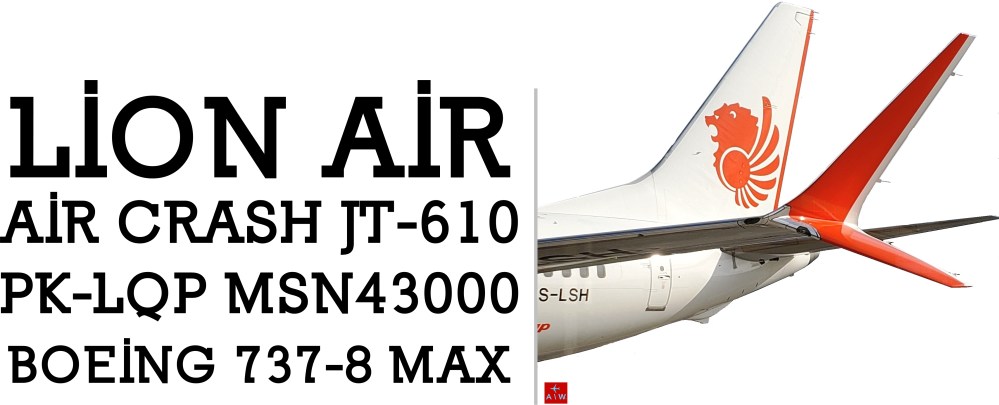
Accidente JT-610 Lion Air

Resultado de imagen para JT-610 Lion Air air crash

AW | 2018 11 02 23:20 | AIR INVESTIGATION / AVIATION SAFETY

Resultado de imagen para Lion Air logoNuevos detalles sobre los problemas en el avión de Lion Air

El fuselaje del Boeing 737-8 MAX no aparece tras el quinto día de búsqueda en el Mar de Java. En medio de la consternación por el accidente del Boeing 737-8 MAX de Lion Air, nuevos detalles sobre el penúltimo vuelo realizado por el moderno avión accidentado plantearon más dudas sobre la afirmación de la aerolínea indonesia de haber solucionado los problemas técnicos. Cientos de personas seguían rastreando el Mar de Java por quinto día el Viernes, 2 Noviembre 2018 en busca de víctimas y del fuselaje de la aeronave.

Funcionarios de la Dirección Nacional de Seguridad del Transporte (NTSB) de Estados Unidos y el Comité Nacional de Seguridad del Transporte (KNKT) de Indonesia revisan los restos del vuelo JT-610 de Lion Air, durante su investigación del accidente aéreo, en el puerto Tanjung Priok, Jakarta, Indonesia, el 1 Noviembre 2018. El KNKT de Indonesia ha mantenido una reunión a puerta cerrada con los representantes del fabricante de aviones, Boeing, y funcionarios de la NTSB de Estados Unidos en relación con el accidente del Boeing 737-8 MAX de Lion Air que se estrelló el Lunes, 29 Octubre 2018 en la República de Indonesia.

El Boeing 737-8 MAX de Lion Air, que tenía apenas dos meses de antigüedad, cayó al Mar de Java el Lunes por la mañana minutos después de partir de la capital indonesia, Jakarta, donde se reportan que las 189 personas que iban a bordo fallecieron.

El piloto de un vuelo realizado por el aparato el Domingo, el último antes del siniestro, pidió permiso para regresar al Aeropuerto de Bali poco después de despegar desde allí, pero luego reportó que el problema había sido solucionado, dijo Herson, Jefe de la Autoridad Aeroportuaria de Bali-Nusa Tenggara. Varios pasajeros se refirieron al fallo como una aterradora pérdida de altitud.

Lion Air explicó que el problema no especificado se solventó luego del vuelo del domingo, pero en el del lunes los pilotos también emitieron una petición de “regreso a base” (RTB) poco tiempo de despegar. «Poco después de solicitar RTB, el piloto contactó con la torre de control de nuevo para informar que el avión funcionaba con normalidad y que no regresaría” al aeropuerto Ngurah Rai de Bali, explicó Herson, que utiliza solo un nombre. «El capitán dijo que el problema se solucionó y decidió continuar el viaje a Yakarta”.

Encuentran caja negra

Datos de cibersitios de seguimiento de vuelos mostraron que ambos vuelos tuvieron velocidades y altitudes erráticas tras el despegue, aunque estos datos deben contrastarse con las llamadas cajas negras del avión que registran los parámetros técnicos del viaje y las voces en cabina. Los investigadores mostraron uno de los dispositivos en una conferencia de prensa el jueves en la noche, que más tarde se confirmó que era el que registró los datos del vuelo, y dijeron que intentarían acceder a la información de inmediato para comenzar el análisis. Pero los avances se han visto obstaculizados porque la caja negra no está intacta y necesita un manejo especial para garantizar que puedan recuperarse los datos, un proceso que continúa, según el Comité Nacional de Seguridad en el Transporte. La unidad de memoria de supervivencia se abrió y se lavó y algunos de sus cables deberán reemplazarse, explicó el organismo.

«En principio, (según) todos los datos que hemos obtenido, incluyendo los datos de vuelo y de navegación aérea y también de otras fuentes, encontramos que efectivamente ha habido problemas. Probaremos más problemas técnicos con los datos registrados en la caja negra”, señaló Haryo Satmiko, Vicepresidente del Comité.

Más búsquedas

Los investigadores ya contactaron con el piloto que manejó el avión en el vuelo del domingo, dijo Satmiko. Los problemas de entonces fueron “tal y como se contó en los medios de comunicación y en redes sociales”, añadió refiriéndose a los relatos de los pasajeros. Una de ellos, Diah Mardani, contó en un programa de televisión de actualidad a principios de semana que tras despegar “el avión cayó repentinamente, después ascendió y volvió a caer más fuerte y se sacudió”.

Un equipo de la Junta Nacional de Seguridad en el Transporte de Estados Unidos (NTSB), en la que hay expertos de Boeing, se unió a la búsqueda en Indonesia. Los investigadores indonesios también viajarán a Estados Unidos para reunirse con los diseñadores del avión de nueva generación de Boeing. Cientos de operarios y docenas de embarcaciones, incluyendo barcos especializados con sonar y otros equipos de detección, participaban el viernes en la enorme operación de búsqueda en aguas al noreste de Jakarta. Expertos médicos de la policía han recibido más de 60 bolsas con restos humanos para su identificación desde el accidente, pero hasta el jueves solo se había identificado y enterrado a una. Familiares del pasaje entregaron muestras de ADN para agilizar el proceso.

Hallan tren de aterrizaje

Los equipos de búsqueda encontraron hoy Viernes, 2 Noviembre 2018 el tren de aterrizaje del avión indonesio de Lion Air que se estrelló el lunes en el mar frente a la costa occidental de Indonesia. El jefe de la Agencia Nacional de Búsqueda y Rescate de Indonesia (Basarnas), Muhammad Syaugi, dijo esta noche que el tren de aterrizaje, varias «víctimas» y otras grandes piezas del avión siniestrado, incluyendo algunas partes del fuselaje, fueron encontrados por el vehículo submarino operado a control remoto en el fondo del mar. «Se han visto varias víctimas. Había también un tren de aterrizaje. Se observaron dos neumáticos y un eje, así como una pieza del borde del fuselaje del avión», dijo en conferencia de prensa.

Unos 50 buzos participan en la misión de búsqueda en el fondo del mar, a unos 500 metros al noroeste del lugar donde el piloto del vuelo JT-610 se comunicó por última vez con el control de tráfico aéreo. AIRWAYS® AW-Icon TXT


Vuelo JT-610 de Lion Air

El vuelo JT610 de Lion Air, un Boeing 737-8 MAX, se estrelló en el Mar de Java poco después del despegue del Aeropuerto Internacional de Jakarta-Soekarno-Hatta, Indonesia. El vuelo despegó de la pista 25L en el Aeropuerto de Soekarno-Hatta a las 06:21 horas, hora local. El tiempo estuvo bien con vientos ligeros, nubes dispersas a 2000 pies y una visibilidad de 8000 m.

Los datos ADS-B del vuelo, capturados por Flightradar24 y Flightaware, muestran valores erráticos. El avión hizo un giro de la mano izquierda que subía después del despegue. Poco después, la tripulación de vuelo se comunicó por radio con el controlador, solicitando un regreso al aeropuerto.

Después de que el vuelo pasó la ADS-B informó una altitud de 2100 pies, los puntos de datos muestran brevemente una altitud más baja de alrededor de 1475 pies. Los datos de altitud enviados a través de ADS-B continúan mostrando un patrón errático, variando aproximadamente entre 4500 y 5350 pies. Los valores luego disminuyen rápidamente hasta que se pierde el contacto a las 06:32 horas. El avión impactó el mar a unos 15 km al norte de Jakarta.

Según los informes de los medios indonesios, se teme que todas las 189 personas a bordo mueran. El personal de búsqueda y rescate encontró escombros y espera encontrar los restos a 30-35 m por debajo de la superficie del agua.

El vuelo anterior del avión del accidente, JT043 de Denpasar, mostró valores erráticos similares en altitud y velocidad inmediatamente después del despegue. Después de 8 minutos el ADS-B reportó valores estabilizados. Un ítem de registro técnico no verificado para ese vuelo, enviado a ASN y la BBC, comentó «IAS y ALT no están de acuerdo después de despegar». Si bien esta supuesta nota de registro técnico no se ha confirmado, Lion Air confirmó que la aeronave tenía un «problema técnico» en el vuelo anterior, «que se resolvió según el procedimiento», según la aerolínea. A\W

Resultado de imagen para JT-610 Lion Air air crashResultado de imagen para JT-610 Lion Air air crashResultado de imagen para JT-610 Lion Air air crash

Accident JT-610 Lion Air

New details about the problems in the Lion Air plane

The fuselage of the Boeing 737-8 MAX does not appear after the fifth day of search in the Java Sea. Amid consternation over the accident of the Boeing 737-8 MAX of Lion Air, new details about the penultimate flight made by the modern plane crashed raised further doubts about the claim of the Indonesian airline to have solved the technical problems. Hundreds of people continued to track the Java Sea for the fifth day on Friday, November 2, 2018 in search of victims and the fuselage of the aircraft.

Officials from the National Transportation Safety Administration (NTSB) of the United States and the National Transport Security Committee (KNKT) of Indonesia review the remains of Lion Air’s JT-610 flight, during its investigation of the plane crash, at the port Tanjung Priok, Jakarta, Indonesia, November 1, 2018. The KNKT of Indonesia has held a closed-door meeting with the representatives of the aircraft manufacturer, Boeing, and officials of the NTSB of the United States in relation to the accident of the Boeing 737- 8 MAX of Lion Air that crashed on Monday, 29 October 2018 in the Republic of Indonesia.

The Lion Air Boeing 737-8 MAX, which was just two months old, fell into the Java Sea on Monday morning minutes after leaving the Indonesian capital, Jakarta, where it is reported that the 189 people on board they died

The pilot of a flight made by the device on Sunday, the last before the incident, asked permission to return to Bali Airport shortly after taking off from there, but then reported that the problem had been solved, said Herson, Head of the Authority Airport of Bali-Nusa Tenggara. Several passengers referred to the failure as a terrifying loss of altitude.

Lion Air explained that the unspecified problem was solved after the flight on Sunday, but on Monday the pilots also issued a «return to base» (RTB) request shortly after takeoff. «Shortly after requesting RTB, the pilot contacted the control tower again to report that the plane was operating normally and would not return» to the Ngurah Rai airport in Bali, explained Herson, who uses only one name. «The captain said that the problem was solved and decided to continue the trip to Jakarta».

They find black box

Data from flight monitoring sites showed that both flights had erratic speeds and altitudes after takeoff, although these data should be contrasted with the so-called black boxes of the aircraft that record the technical parameters of the trip and the voices in the cabin. The researchers showed one of the devices at a press conference on Thursday night, which was later confirmed to be the one that recorded the flight data, and said they would try to access the information immediately to begin the analysis. But advances have been hampered because the black box is not intact and needs special handling to ensure that data can be recovered, a process that continues, according to the National Committee on Transportation Safety. The survival memory unit was opened and washed and some of its cables must be replaced, the agency explained. «In principle, (according to) all the data we have obtained, including the flight and air navigation data and also from other sources, we found that there have been problems, we will prove more technical problems with the data recorded in the black box», noted Haryo Satmiko, Vice Chair of the Committee.

More searches

Investigators have already contacted the pilot who drove the plane on Sunday’s flight, Satmiko said. The problems then were «as told in the media and social networks», he added referring to the stories of the passengers. One of them, Diah Mardani, told a news program earlier this week that after taking off «the plane suddenly fell, then rose and fell again stronger and shook».

A team from the National Transportation Safety Board of the United States (NTSB), in which there are experts from Boeing, joined the search in Indonesia. Indonesian researchers will also travel to the United States to meet with the designers of Boeing’s new generation aircraft. Hundreds of operatives and dozens of vessels, including specialized ships with sonar and other detection equipment, participated in Friday’s huge water search operation northeast of Jakarta. Medical experts of the police have received more than 60 bags with human remains for their identification since the accident, but until Thursday only one had been identified and buried. Family members of the passage delivered DNA samples to streamline the process.

They find landing gear

The search teams found Friday, November 2, 2018 the landing gear of the Indonesian Lion Air plane that crashed on Monday off the western coast of Indonesia. The head of the Indonesian National Search and Rescue Agency (Basarnas), Muhammad Syaugi, said tonight that the landing gear, several «victims» and other large parts of the plane crashed, including some parts of the fuselage, were found by the underwater vehicle operated remotely on the seabed. «Several victims have been seen, there was also a landing gear, two tires and an axle were observed, as well as a part of the edge of the fuselage of the plane», he said at a press conference.

About 50 divers participate in the search mission at the bottom of the sea, about 500 meters northwest of the place where the flight pilot JT-610 communicated for the last time with air traffic control. A \ W

JT-610 flight by Lion Air

Lion Air‘s JT610 flight, a Boeing 737-8 MAX, crashed into the Java Sea shortly after takeoff from the Jakarta-Soekarno-Hatta International Airport, Indonesia. The flight took off from runway 25L at Soekarno-Hatta Airport at 06:21 local time. The weather was fine with light winds, scattered clouds at 2000 feet and a visibility of 8000 m.

The flight’s ADS-B data, captured by Flightradar24 and Flightaware, show erratic values. The plane made a left hand turn that went up after takeoff. Shortly after, the flight crew communicated by radio with the controller, requesting a return to the airport.

After the flight passed the ADS-B reported an altitude of 2100 feet, the data points briefly show a lower altitude of around 1475 feet. Altitude data sent through ADS-B continue to show an erratic pattern, varying approximately between 4500 and 5350 feet. The values ​​then decrease rapidly until contact is lost at 06:32 hours. The plane hit the sea about 15 km north of Jakarta.

According to Indonesian media reports, it is feared that all 189 people on board will die. The search and rescue staff found debris and expects to find the remains 30-35 m below the surface of the water.

The previous flight of the accident plane, JT043 of Denpasar, showed similar erratic values ​​in altitude and speed immediately after takeoff. After 8 minutes the ADS-B reported stabilized values. An item of technical record not verified for that flight, sent to ASN and the BBC, commented «IAS and ALT do not agree after take off». Although this alleged technical registration note has not been confirmed, Lion Air confirmed that the aircraft had a «technical problem» on the previous flight, «which was resolved according to the procedure,» according to the airline. A \ W


video-camera_318-50337.jpg

Ξ A I R G W A Y S Ξ
SOURCE: Airgways.com
DBk: Aviation-safety.net / Texarkanagazette.com / Cnn.com / Gettyimages.com / Thejakartapost.com
AW-POST: 201811022320AR

A\W   A I R G W A Y S ®

Boeing China inicia ops en 12/2018

Resultado de imagen para Boeing China factory

AW | 2018 11 02 22:34 | INDUSTRY

Boeing-Logo.svgLa planta china de Boeing comenzará a operar en Diciembre 2018

The Boeing Co. comenzará sus operaciones en su planta de terminación de la línea Boeing 737 en la República de China en Diciembre 2018. Boeing ha invertido US$ 33 millones de dólares el año pasado en una empresa conjunta con COMAC (Commercial Aircraft Corp de China) para supervisar la planta, tomando una participación mayoritaria. La planta, en la ciudad oriental de Zhoushan, instalará interiores y el área de pintura.

El Presidente de Boeing China, John Bruns, expresó que la fábrica entregará solo un avión en 2018 y luego aumentará gradualmente la producción hasta que alcance un objetivo de entrega de 100 aviones al año. Air China recibirá el primer avión producido.

Rivalizando en Oriente

Boeing y su rival europeo Airbus están expandiendo su presencia en China a medida que compiten por pedidos en el creciente mercado de la aviación. Airbus tiene una planta de terminación de A330 en la ciudad oriental de Tianjin. Boeing también renovó los contratos de producción del 737 con AVIC Aircraft y Shanghai Aircraft Manufacturing Co Ltd, y reconoció a cinco nuevas compañías chinas como proveedores elegibles.

Los analistas han expresado su preocupación de que Boeing eventualmente podría verse afectado por las disputas comerciales en curso entre los Estados Unidos y China, aunque los productos chinos no han sido afectados por los aranceles. AIRWAYS® AW-Icon TXT

Resultado de imagen para Boeing China Zhoushan factory

Boeing China starts ops on 12/2018

The Chinese Boeing plant will start operating in December 2018

The Boeing Co. com will begin operations at its completion plant on line Boeing 737 in the Republic of China in December 2018. Boeing has invested US $ 33 million last year in a joint venture with COMAC (Commercial Aircraft Corp of China) to supervise the plant, taking a majority stake. The plant, in the eastern city of Zhoushan, will install interiors and paint area.

Boeing China President John Bruns said the factory will deliver only one plane in 2018 and then gradually increase production until it reaches a delivery target of 100 aircraft a year. Air China will receive the first airplane produced.

Rivalizing in the Orient

Boeing and its European rival Airbus are expanding their presence in China as they compete for orders in the growing aviation market. Airbus has an A330 completion plant in the eastern city of Tianjin. Boeing also renewed the 737 production contracts with AVIC Aircraft and Shanghai Aircraft Manufacturing Co Ltd, and recognized five new Chinese companies as eligible suppliers.

Analysts have expressed concern that Boeing could eventually be affected by ongoing trade disputes between the United States and China, although Chinese products have not been affected by tariffs. A \ W


Ξ A I R G W A Y S Ξ
SOURCE: Airgways.com
DBk: Boeing.com / Reuters.com / Seattletimes.com
AW-POST: 201811022234AR

A\W   A I R G W A Y S ®

California Pacific Airlines inicia ops

Resultado de imagen para California Pacific Airlines

AW | 2018 11 02 22:15 | AIRLINES

Imagen relacionadaLa nueva aerolínea californiana inició operaciones desde el aeropuerto de Carlsbad

California Pacific Airlines ha iniciado operaciones el Jueves, 1 Noviembre 2018 desde el Aeropuerto de Carlsbad, en el norte del condado de San Diego, con vuelos a San José, California y Reno, Nevada. Planea expandirse a Las Vegas y Phoenix-Mesa, Arizona, hacia el futuro. California Pacific Airlines cuenta con una flota de cuatro Embraer E145 de 50 asientos.

La aerolínea pretende atraer a los viajeros del norte del condado de San Diego que buscan vuelos más convenientes fuera de un aeropuerto más pequeño que no tiene otro servicio comercial, dijo Ryan DiVita, Director de Ventas y Marketing de la aerolínea. California Pacific se centrará en los viajeros de negocios que viajan semanalmente por su trabajo, así como en aquellos que viajan a Las Vegas y Reno para realizar actividades de ocio. «El objetivo es entrar en lo que vemos es un mercado desatendido. Creemos que la cantidad de usuarios posibles en el área norte de San Diego garantiza su propio servicio», dijo DiVita.

Carlsbad tenía un servicio comercial en la década de 1990 de American Airlines, United Airlines y America West Airlines. San Francisco es el principal destino de San Diego International (aproximadamente 35 millas al sur del Aeródromo de Carlsbad), donde Southwest Airlines Co. es la principal aerolínea, con una participación de mercado del 39%.

La aerolínea es un sueño de larga data de Ted Vallas, un empresario en serie del área que hizo su fortuna en una carrera abigarrada que abarca proyectos de campos de golf y complejos turísticos en todo el mundo, dirigiendo una aerolínea regional y trabajando en interiores de cabinas de aviones.

California Pacific levanta vuelo

Numerosos esfuerzos no se han lanzado en los últimos años en medio de disputas con los reguladores federales y del condado de San Diego. Su flota actual y su certificado operativo se adquirieron en mayo, cuando la compañía compró Aerodynamics Inc. Esa compañía, con sede en los suburbios de Atlanta, opera rutas del Servicio Aéreo Esencial subsidiadas por el gobierno federal desde Denver a Pierre y Watertown, Dakota del Sur, un respaldo financiero que podría ayudar a respaldar California Pacific en el corto plazo.

«Es una idea inteligente intentar construir un servicio aéreo a partir de Carlsbad, porque ha habido un crecimiento al norte del centro de la ciudad, pero no tienen un camino fácil por delante», dijo Henry Harteveldt, analista de la industria de viajes de Atmosphere Research Group. Southwest no volará sus Boeing 737 a Carlsbad, pero ciertamente puede dificultar la vida de la nueva aerolínea con recortes de tarifas, servicios adicionales y otros incentivos dirigidos a los viajeros en el Condado de San Diego y Orange, al norte.

California Pacific, que tiene 89 empleados, también considerará el servicio a Oakland, Sacramento, California y Los Cabos, México, dependiendo de cómo se desempeñen los vuelos iniciales. Para un edulcorante adicional, la aerolínea ofrecerá a los viajeros dos maletas facturadas sin cargo, igualando a Southwest, la mayor aerolínea en California por tráfico. Las tarifas introductorias de ida solo van desde $ 99 a $ 149.  AIRWAYS® AW-Icon TXT

Resultado de imagen para California Pacific Airlines

California Pacific Airlines starts ops

The new Californian airline started operations from Carlsbad airport

California Pacific Airlines has started operations on Thursday, November 1, 2018 from Carlsbad Airport, in northern San Diego County, with flights to San Jose, California and Reno, Nevada. He plans to expand to Las Vegas and Phoenix-Mesa, Arizona, into the future. California Pacific Airlines has a fleet of four Embraer E145 50 seats.

The airline aims to attract travelers from northern San Diego County who are looking for more convenient flights outside a smaller airport that has no other commercial service, said Ryan DiVita, the airline’s Director of Sales and Marketing. California Pacific will focus on business travelers who travel weekly for their work, as well as those who travel to Las Vegas and Reno for leisure activities. «The goal is to enter into what we see as an unattended market, and we believe that the number of possible users in the northern San Diego area guarantees their own service», said DiVita.

Carlsbad had a commercial service in the 1990s from American Airlines, United Airlines and America West Airlines. San Francisco is the main destination of San Diego International (approximately 35 miles south of Carlsbad Aerodrome), where Southwest Airlines Co. is the leading airline, with a market share of 39%.

The airline is a long-time dream of Ted Vallas, a serial entrepreneur in the area who made his fortune in a motley race spanning golf course projects and resorts around the world, running a regional airline and working in interiors aircraft cabins.

Resultado de imagen para California Pacific Airlines

California Pacific takes flight

Numerous efforts have not been launched in recent years amid disputes with federal and San Diego county regulators. Its current fleet and operating certificate were acquired in May, when the company purchased Aerodynamics Inc. That company, based in the suburbs of Atlanta, operates Federally subsidized Essential Service routes from Denver to Pierre and Watertown, Dakota. South, financial support that could help support California Pacific in the short term.

«It’s a smart idea to try to build an air service from Carlsbad, because there’s been growth north of the city center, but they do not have an easy road ahead», said Henry Harteveldt, travel industry analyst at Atmosphere. Research Group. Southwest will not fly its Boeing 737s to Carlsbad, but it can certainly make life difficult for the new airline by cutting fares, additional services and other incentives aimed at travelers in San Diego County and Orange, to the north.

California Pacific, which has 89 employees, will also consider service to Oakland, Sacramento, California and Los Cabos, Mexico, depending on how the initial flights perform. For an additional sweetener, the airline will offer travelers two bags checked in at no charge, matching Southwest, the largest airline in California for traffic. Introductory one-way rates only range from US$ 99 to US$ 149. A \ W


Ξ A I R G W A Y S Ξ
SOURCE: Airgways.com
DBk: Mycpaair.com
AW-POST: 201811022215AR

A\W   A I R G W A Y S ®

Chile aprueba acuerdo Latam-AA-ICAG

Resultado de imagen para latam american british iberia

AW | 2018 11 02 21:57 | AIRLINES ALLIANCE

Regulador antimonopolio chileno aprueba acuerdo entre las aerolíneas Latam Airlines, American Airlines y el Grupo British-Iberia

Chile aprueba el acuerdo de código compartido entre Latam Airlines, American Airlines, British Airways e Iberia. Los Joint Business Agreements (JBA’s) entre Latam Airlines Group, American Airlines e Internacional Airlines Group, había anunciado un acuerdo preliminar en Enero 2016, pero dependían de la aprobación de organismos antimonopolios en el mundo. El tribunal antimonopolios en Chile aprobó este Miércoles, 31 Octubre 2018 un acuerdo entre Latam Airlines Group, American Airlines e International Consolidated Airlines Group (ICAG Holding).

Latam Airlines, la mayor aerolínea de América Latina, había anunciado en Enero 2016 los Joint Business Agreements (JBA) con American Airlines e IAG, pero dependían de la aprobación de organismos antimonopolios en el mundo. «Esta decisión en principio es un precedente importante para la aviación comercial en nuestra región. Como se ha demostrado en otras partes del mundo donde estas alianzas ya son una realidad, representa una oportunidad para asegurar el crecimiento de la industria», dijo Enrique Cueto, CEO de Latam Airlines Group.

En tanto, el Tribunal de Defensa de la Libre Competencia (TLDC) aprobó los acuerdos entre los grupos de aerolíneas con ciertas condiciones y medidas de mitigación. El Tribunal de Defensa de la Libre Competencia (TDLC) chileno ha decidido dar luz verde con condiciones al acuerdo de código compartido entre la aerolínea de bandera chilena Latam, American Airlines y el grupo europeo IAG, holding en el que se integran Iberia y British Airways. El visto bueno a la operación, que se ha dado después de tres años de estudio, incluye duras condiciones. El tribunal obliga a mantener la capacidad ofrecida en las rutas directas Santiago-Miami y Santiago-Madrid. También aumentar la capacidad ofrecida en las rutas Norteamérica y Europa; no cobrar precios implícitos negativos en rutas indirectas que tengan como tramo troncal los vuelos Santiago-Miami y Santiago- Madrid y ofrecer acuerdos de combinación de tarifas a nuevos entrantes a rutas directas Santiago-Miami y Santiago-Madrid. Además, ofrecer acuerdos de prorrateo especial a nuevos entrantes en las rutas directas Santiago-Miami y Santiago-Madrid; designar un consultor para la fiscalización de estas condiciones y consultar al TDLC seis meses antes de que cualquiera de estos acuerdos cumpla cinco años de vigencia.

La aerolínea chilena Latam Airlines ha emitido un comunicado en el que asegura que el fallo «en principio es un importante precedente para la aviación comercial en la región. Tal y como se ha demostrado en otras partes del mundo donde estas alianzas ya son una realidad, representa una oportunidad para asegurar el crecimiento de la industria, aumentando el tráfico de pasajeros y acercando Chile al mundo, impulsando aún más el turismo, los viajes de negocios y la economía a través de la industria aérea”, expresan desde la aerolínea.

«En relación a las medidas de mitigación incorporadas por el TDLC, Latam Airlines Group se encuentra analizando sus implicancias y comunicará su posición al respecto una vez que las haya evaluado en profundidad», dijo en un comunicado la aerolínea. Desde el anuncio de estos acuerdos en 2016, los JBA de LATAM han sido aprobados por los entes reguladores de Brasil, Colombia y Uruguay. AIRWAYS® AW-Icon TXT

Resultado de imagen para latam american british iberia

Chile approves Latam-AA-ICAG agreement

Chilean antitrust regulator approves agreement between airlines Latam Airlines, American Airlines and the British-Iberia Group

Chile approves the code-share agreement between Latam Airlines, American Airlines, British Airways and Iberia. The Joint Business Agreements (JBA’s) between Latam Airlines Group, American Airlines and International Airlines Group, had announced a preliminary agreement in January 2016, but depended on the approval of antitrust agencies in the world. The antitrust court in Chile approved this Wednesday, October 31, 2018 an agreement between Latam Airlines Group, American Airlines and International Consolidated Airlines Group (ICAG Holding).

Latam Airlines, the largest airline in Latin America, had announced in January 2016 Joint Business Agreements (JBA) with American Airlines and IAG, but depended on the approval of antitrust agencies in the world. «This decision in principle is an important precedent for commercial aviation in our region, as has been demonstrated in other parts of the world where these alliances are already a reality, represents an opportunity to ensure the growth of the industry», said Enrique Cueto, CEO of Latam Airlines Group.

Meanwhile, the Court for the Defense of Free Competition (TLDC) approved agreements between airline groups with certain conditions and mitigation measures. The Chilean Court of Defense of Free Competition (TDLC) has decided to give green light with conditions to the code-share agreement between the Chilean flag carrier Latam, American Airlines and the European group IAG, holding in which Iberia and British Airways are integrated . The approval of the operation, which has been given after three years of study, includes harsh conditions. The court obliges to maintain the capacity offered on the Santiago-Miami and Santiago-Madrid direct routes. Also increase the capacity offered on the North America and Europe routes; do not charge negative implicit prices on indirect routes that have the Santiago-Miami and Santiago-Madrid flights as a backbone and offer tariff combination agreements for new entrants to Santiago-Miami and Santiago-Madrid direct routes. In addition, offer special apportionment agreements to new entrants on the Santiago-Miami and Santiago-Madrid direct routes; appoint a consultant to supervise these conditions and consult the TDLC six months before any of these agreements reaches five years of validity.

Chilean airline Latam Airlines has issued a statement affirming that the ruling «is in principle an important precedent for commercial aviation in the region, as has been demonstrated in other parts of the world where these alliances are already a reality, represents an opportunity to ensure the growth of the industry, increasing passenger traffic and bringing Chile closer to the world, further boosting tourism, business travel and the economy through the airline industry», expressed from the airline.

«In relation to the mitigation measures incorporated by the TDLC, Latam Airlines Group is analyzing its implications and will communicate its position in this regard once it has evaluated them in depth», the airline said in a statement. Since the announcement of these agreements in 2016, the LATAM JBAs have been approved by the regulatory bodies of Brazil, Colombia and Uruguay. A \ W

Ξ A I R G W A Y S Ξ
SOURCE: Airgways.com
DBk: Latam.com / Latercera.com
AW-POST: 201811022156AR

A\W   A I R G W A Y S ®

EasyFly incrementará destinos

Resultado de imagen para easyfly ATR 72

AW | 2018 11 02 21:37 | AIRLINES ROUTES

La aerolínea EasyFly de Colombia proyecta más destinos para 2019

EasyFly de Colombia está proyectando ser la compañía con mayor crecimiento por destinos. La aerolínea planifica ampliar de 24 a 32 destinos. De esta manera EasyFly quiere capturar una cobertura de mercado del 43%, con un incremento de 50% en rutas, con 52.000 vuelos anuales. Además, incrementará 65% en pasajeros pasando de un millón de personas a 1,65 millones para mitad del 2019. Con los resultados de este año, la operación de la aerolínea representa un 26% de crecimiento con respecto a 2017, incrementó sus ventas en 45% en el mismo periodo. “Nos está yendo bien en Colombia, estamos muy contentos acá y tenemos todavía un potencial muy grande para crecer”, dijo Alfonso Ávila, Presidente de EasyFly.

EasyFly incorpora ATR 72

La aerolínea incorporará tres nuevas aeronaves turboprop ATR 72-600 hacia fin de año 2018, completando una flota de 25 unidades. “De las nuevas unidades ya llegaron 2 y una tercera arribará el Lunes. El resto llegarían en Diciembre. Son aviones ATR 72, con capacidad máxima para 70 pasajeros que encajan en nuestro modelo de negocios, que es conectar a todo el país, sobre todo a las ciudades intermedias. Son aviones muy eficientes, de última tecnología con navegación satelital. Con las nuevas unidades vamos a reforzar rutas en la Costa. En esta región vamos a operar con aviones más grandes. Antes lo hacíamos con aeronaves de 30 pasajeros y ahora serán más”, expresó el Presidente de EasyFly.  AIRWAYS® AW-Icon TXT

Resultado de imagen para easyfly

EasyFly will increase destinations

The airline EasyFly of Colombia projects more destinations for 2019

EasyFly of Colombia is projected to be the fastest growing company by destinations. The airline plans to expand from 24 to 32 destinations. In this way EasyFly wants to capture a market coverage of 43%, with an increase of 50% in routes, with 52,000 flights per year. In addition, it will increase 65% in passengers from one million people to 1.65 million by the middle of 2019. With the results of this year, the airline’s operation represents a 26% growth with respect to 2017, increased its sales in 45% in the same period. «We are doing well in Colombia, we are very happy here and we still have a great potential to grow», said Alfonso Ávila, President of EasyFly.

EasyFly incorporates ATR 72

The airline will incorporate three new ATR 72-600 turboprop aircraft by the end of 2018, completing a fleet of 25 units. «Of the new units, 2 arrived and a third arrived on Monday. The rest would arrive in December. They are ATR 72 aircraft, with a maximum capacity for 70 passengers that fit into our business model, which is to connect the entire country, especially to intermediate cities. They are very efficient aircraft, with the latest technology with satellite navigation. With the new units we will reinforce routes on the Coast. In this region we will operate with larger aircraft. We used to do it with 30-passenger aircraft and now there will be more», said the President of EasyFly. A \ W


Ξ A I R G W A Y S Ξ
SOURCE: Airgways.com
DBk: Easyfly.com.co / Laguajirahoy.com / Carlos Bolaños
AW-POST: 2018110237AR

A\W   A I R G W A Y S ®