1º vuelo Boeing 737-9 MAX , 13 abril 2017

https://i0.wp.com/aviacionaldia.com/wp-content/uploads/2017/03/Boeing-737-MAX-9.jpg

AW | 2017 04 12 13:58 | INDUSTRY

El Boeing Co. dijo el martes que programó para el jueves el primer vuelo de su más nuevo avión Boeing 737-9 MAX


El despegue del nuevo Boeing 737-9 MAX  está programado para el CDT del mediodía desde las instalaciones de la compañía en Seattle, con Boeing agregando en su sitio web que el vuelo estará sujeto al clima y otros factores.

El vuelo se produce poco más de un mes después de que la compañía lanzó el nuevo avión, de los cuales un 70 por ciento está construido en Wichita como parte del proyecto de fuselaje y componentes de Spirit AeroSystems Inc. en el programa 737.

El programa MAX representa décadas de trabajo para Boeing y sus proveedores en Wichita y más allá, ya que el avión se ha convertido en el avión de más rápido crecimiento de Boeing, acumulando más de 3.600 pedidos hasta la fecha de 83 clientes.

El 737-8 MAX  más pequeño entrará en servicio en el segundo trimestre de este año, mientras que la compañía continuó evaluando la posible adición de una versión 10X más grande para unirse a la familia MAX que también incluirá las variantes MAX 7 y MAX 200. AIRGWAYS ® Icon-AW

https://noticiasaereas.com/wp-content/uploads/2017/03/Boeing-737-max-1-800x533.jpg

1st flight Boeing 737-9 MAX, April 13, 2017

The Boeing Co. on Tuesday said it has scheduled the first flight of its newest narrow-body passenger jet Boeing 737-9 MAX

Takeoff of the new Boeing 737-9 MAX  is slated for noon CDT from the company’s facilities in Seattle, with Boeing adding on its website that the flight will be subject to weather and other factors.

The flight comes just over a month after the company rolled out the new jet, about 70-percent of which is built in Wichita as part of Spirit AeroSystems Inc. fuselage and component work on the 737 program.

The MAX program represents decades of work for Boeing and its suppliers in Wichita and beyond, as the aircraft has become Boeing’s fastest-selling jet ever, racking up more than 3,600 orders to date from 83 customers.

The smaller 737-8 MAX  is expected to enter service in the second quarter of this year, all while the company continued to evaluate the potential addition of a larger MAX 10X version to join the MAX family that will also include the MAX 7 and MAX 200 variants. A\W

Ξ A I R G W A Y S Ξ
SOURCE: Bizjournals.com
DBk: Boeing.com
AW-POST: 201704121358AR

A\W   A I R G W A Y S ®

Aumento producción línea Boeing 737

https://i0.wp.com/static.seattletimes.com/wp-content/uploads/2017/02/620fabfc-f274-11e6-a3ff-0e33547da9a6-780x522.jpg

AW | 2017 04 11 05:50 | INDUSTRY

Boeing se prepara para una aceleración sin precedentes de 737 MAX

Entregando una nueva versión del 737 es un viejo sombrero en Boeing. Dieciocho grandes modelos han entrado en servicio desde el debut del 737-100 en 1968, incluyendo 10 versiones de la serie NG en los últimos 19 años. En total, 9.448 737 individuales han salido de las puertas de la fábrica en Renton, Washington, hasta marzo de 2017.

Añadiendo a la tradición, llegará el 737 MAX 8, después de un desarrollo de seis años. Los MAX 8 recibieron la certificación de la Administración Federal de Aviación de Estados Unidos en marzo. Ya siguiendo sus talones es la variante más grande de MAX 9, la primera de las cuales se desplegó el 7 de marzo y entrará en servicio el próximo año.

Como principales derivados de los 737, es discutible si el 737 MAX es incluso el salto más ambicioso de Boeing en la tecnología. A finales de los años noventa, la serie 737NG introdujo una cabina de cristal, ala mayor y motores mejorados. El 737 MAX actualiza la cabina de cristal y añade nuevos winglets además de un nuevo motor – Leap-1B de CFM International.

A pesar de esta profundidad de experiencia, la introducción del 737 MAX en el servicio operativo probará las habilidades de Boeing de maneras sin precedentes. Boeing tendrá que entregar más aviones a un grupo más grande y diverso de operadores más rápido que cualquier otro modelo en la historia de la compañía. Tendrá que gestionar la madurez del ONS (737 Max’s onboard network server), una característica nueva y tal vez poco apreciada que podría resultar revolucionaria al operar el single-aisle, si no es socavada por bugs de software no detectados.

En medio de estos desafíos, Boeing cuenta con el flujo de caja de la línea 737 en Renton, Washington, para compensar la disminución de los ingresos de la línea 777, ya que transiciones a una versión similar de re-motor en 2020. Como 777 entregas bajar a tan bajo como 2,5 a Mes para 2019, Boeing planea seguir empujando 737 entregas cada vez más alto.

AUMENTO DE LA PRODUCCIÓN

Con una producción ya un 50% superior a la de hace 10 años, Boeing planea aumentar la producción actual en un 35%, de 42 naves individuales cada mes a 57 en 2019.

https://airgways.com/wp-content/uploads/2017/04/2da2c-15625295_612478595619573_8794558421803204608_n.jpg

Esa tasa creciente requiere la cuidadosa orquestación de las entregas rápidas de los modelos de la serie 737NG, la aceleración de la serie MAX y la gestión de las tasas fluctuantes para versiones especiales como Boeing Business Jets y el derivado de la patrulla marítima P-8.

En los últimos 10 años, Boeing ha adquirido experiencia en la introducción del 787-8 en 2011, en comparación con la entrada en servicio relativamente suave de los 787-9 extendidos en 2014. En ambos casos, Boeing aumentó gradualmente la producción mientras entregaba a los nuevos clientes uno a la vez. Ningún lujo de este tipo será posible en una línea de ensamblaje 737 alcanzando 47 entregas de aviones un mes más tarde este año.

«Las entregas van a venir tan rápido y tan furioso», dice Keith Leverkuhn, vicepresidente de Boeing y gerente general de 737 programas.

Asset Image
De mayo a diciembre, el 737 MAX representará alrededor del 10-15% de las entregas de un solo pasillo de Boeing, numerando potencialmente más de 50 aviones entregados a varios clientes. Boeing abrió una tercera línea de montaje en el hangar de Renton para apoyar directamente las entregas de 737 MAX este año. A medida que aumentan las entregas, una de las líneas 737NG se transformará en una línea mixta, construyendo al mismo tiempo modelos CFM56 y Leap. En cuatro años, Boeing espera entregar solamente un puñado de 737NGs anualmente, con el 737 máximo que ocupa el resto de las ranuras de la producción en una tarifa mensual de 57.

En lugar de invitar a un solo cliente a la vez para que llegue a Renton para formación de tripulantes y mantenimiento, Boeing preparará varios nuevos clientes para el 737 Max 8 al mismo tiempo.

INTERRUPTOR DE ENFOQUE

«Eso va a requerir una atención especial de nuestra parte», dice Leverkuhn.

Boeing comenzó a concentrarse desde la certificación de aeronavegabilidad hasta la entrada en servicio en septiembre pasado. En una serie de seis días de vuelos utilizando el cuarto avión de prueba 737 MAX 8, que está equipado con un interior completo, el cliente de lanzamiento de Boeing, Southwest Airlines llevó a cabo una validación operacional lista para servicio (SROV).

El objetivo del SROV es simular una semana típica en el servicio de aerolíneas, volando un cronograma de aerolíneas de rutina a varios aeropuertos. Para el 737 MAX, los pilotos del suroeste volaron el avión de Dallas Love Field a Albuquerque, Denver, Chicago, Austin y Phoenix. Cada función de rutina fue practicada y evaluada, desde el remolque y el aprovisionamiento de combustible, hasta el mantenimiento de la línea, hasta comprobar si el equipo de servicio en tierra se ajusta a las puertas de varios aeropuertos.

El calendario de SROV para el 737 MAX, tan por delante de la entrada en servicio, puede reflejar una lección de la experiencia 787-8. Boeing voló un 787-8 similarmente equipado al aeropuerto de Tokio Haneda en julio de 2011, sólo dos meses antes de que el primer avión de producción fuera entregado a All Nippon Airways. En octubre, el primer 787-8 en ANA entró en servicio, dejando muy poco tiempo para Boeing para resolver cualquier problema descubierto durante el proceso SROV.

Leverkuhn considera que el proceso SROV del 737 MAX ha logrado sus objetivos. «Tanto Southwest como nosotros aprendimos», dice. «La mayor parte de ella estaba alrededor de nuestros manuales – manuales del aislamiento de la avería. ¿Pueden ser ajustados para ser más eficientes? Más allá de eso, no había aprendizajes evidentes».

VENTAJA DE FAMILIARIDAD

Una ventaja no insignificante de un programa de rearmado de aeronaves es una familiaridad básica entre los operadores con la plataforma 737. En muchos aspectos, el 737 MAX entregado en 2017 sigue los mismos principios de diseño y arquitectura de sistemas de la familia de aviones que entró en servicio hace casi 20 años.

Por otro lado, las modificaciones de Boeing al 737NG son más extensas que el simple intercambio de motores CFM56-7B para Leap-1Bs. Boeing actualizó el 737 MAX con pantallas de cockpit de formato ancho de 787, con winglets de punta dividida especialmente diseñados, un cono de cola reenganchado, un tren de aterrizaje extendido, válvulas electrónicas de purga de aire y el ONS anteriormente mencionado. La mayoría de las modificaciones tenían por objeto mejorar la eficiencia del combustible, a excepción de las válvulas de purga de aire y el ONS, lo que debería facilitar y acelerar el mantenimiento.

El ONS es una actualización crítica para el 737 cuando una nueva generación entra en servicio. El ONS monitorea el hardware y el software dentro de los sistemas del 737, revisando anomalías que pueden activar alertas de mantenimiento a los pilotos durante el vuelo o al personal de mantenimiento después del aterrizaje. Al concentrar los datos en un solo sistema, el ONS evita que la tripulación de vuelo y el personal de mantenimiento carguen la tarea de localizar averías docenas de unidades individuales reemplazables por línea para identificar la fuente de un problema.

CUBO DE MONITOREO

Como con cualquier nueva tecnología, el ONS introduce varios nuevos componentes técnicos que podrían convertirse en problemas de mantenimiento por sí mismos. En particular, el ONS añade un servidor de archivos de datos y una unidad de adquisición de datos de vuelo digital mejorada (DFDAU). El servidor de archivos es el centro para supervisar los datos de rendimiento en vuelo y transmitir cualquier alerta a una sección recién expandida en las pantallas ampliadas de los pilotos oa la red de mantenimiento de la aerolínea en tierra. El DFDAU está diseñado para almacenar cientos de gigabytes de datos de vuelo, lo que permite al sistema analizar datos de tendencias en vuelo.

Para disminuir el riesgo de que el ONS plantee un problema de madurez, Boeing está tomando varias medidas de mitigación. En primer lugar, el ONS destinado al 737 Max se lanzó inicialmente a la serie 737NG hace dos años, dando tiempo a Boeing para entender sus peculiaridades en una plataforma madura antes de introducirlo en un modelo menos familiar. El ONS también ha funcionado en la flota de pruebas de la 737 Max, lo que le permite a Boeing medir su desempeño en el ambiente algo clínico de una campaña de certificación de aeronavegabilidad.

Con un nuevo sistema de software intensivo, uno de los riesgos es generar una corriente de falsas alarmas, que los pilotos y los equipos de mantenimiento deben despejar antes de despegar. Estos errores de software fueron citados como una de las principales razones de los problemas de confiabilidad temprana en el 787-8. Leverkuhn insiste en que Boeing aprendió de la experiencia 787. Un problema tan difícil como las falsas alarmas en el 787-8 demostrado, la situación sería aún peor en el ritmo acelerado, ciclo de utilización pesada de un producto de un solo pasillo como el 737 Max.

«Tenemos que tener todos los mensajes de mantenimiento realmente sólo aparecen si hay un problema», dice Leverkuhn.

Después de las dolorosas lecciones del 787-8, Boeing adoptó un enfoque más cauteloso para introducir nuevas tecnologías en servicio. El nuevo proceso de la compañía enfatizó la mitigación del riesgo introduciendo la nueva tecnología primero en una plataforma madura. El 777X, por ejemplo, se montará en parte en una nueva herramienta automatizada llamada FAUB. Boeing introdujo por primera vez la FAUB en la línea 777 existente hace más de un año. La experiencia reveló problemas inesperados que, si no se descubrieron, podrían haber disminuido drásticamente el aumento del 777X. Ese mismo enfoque se está aplicando en el 737 MAX.

El éxito del nuevo modelo se juzgará a finales de este año, ya que el primer 737 MAX 8 comienza a mover pasajeros en lugar de sólo equipos de prueba.  AIRGWAYS ® Icon-AW

Asset Image

Boeing prepares for unprecedented 737 Max ramp-up

Delivering a new version of the 737 is old hat at Boeing. Eighteen major models have entered service since the debut of the 737-100 in 1968, including 10 versions of the NG series over the past 19 years alone. In all, 9,448 individual 737s have rolled out of the factory doors in Renton, Washington, through March 2017.

Adding to the tradition later this spring will come the 737 MAX 8, after a six-year development. The Max 8 received US Federal Aviation Administration type certification in March. Already following on its heels is the larger MAX 9 variant, the first of which rolled out on 7 March and will enter service next year.

As major derivatives of the 737 go, it’s arguable whether the 737 MAX is even Boeing’s most ambitious leap in technology. In the late 1990s, the 737NG series introduced a glass cockpit, larger wing and improved engines. The 737 MAX updates the glass cockpit and adds new winglets plus a new engine – CFM International’s Leap-1B.

Despite this depth of experience, introducing the 737 MAX into operational service will test Boeing’s skills in unprecedented ways. Boeing will have to deliver more aircraft to a larger and more diverse group of operators faster than any other model in the company’s storied history. It will have to manage the maturity of the 737 Max’s onboard network server (ONS), a new and perhaps under-appreciated feature that could prove revolutionary in operating the single-aisle – if it is not undermined by undetected software bugs.

Amid these challenges, Boeing is counting on cash flow from the 737 line in Renton, Washington, to offset declining revenue from the 777 line as it transitions to a similarly re-engined version in 2020. As 777 deliveries drop to as low as 2.5 a month by 2019, Boeing plans to keep pushing 737 deliveries ever higher.

OUTPUT INCREASE

With production already 50% higher than 10 years ago, Boeing plans to increase current output by another 35%, from 42 single-aisles each month to 57 by 2019.

https://i1.wp.com/static.seattletimes.com/wp-content/uploads/2017/02/3a28a03a-f274-11e6-a3ff-0e33547da9a6-780x258.jpg

That escalating rate requires the careful orchestration of ramping down deliveries of 737NG-series models, ramping up the MAX series, and managing fluctuating rates for special versions such as Boeing Business Jets and the P-8 maritime patrol derivative.

In the past 10 years, Boeing has gained experience from the troubled introduction of the 787-8 in 2011, compared with the relatively smooth entry into service of the stretched 787-9 in 2014. In both cases, Boeing steadily ramped up output while delivering to new customers one at a time. No such luxury will be possible on a 737 assembly line reaching 47 aircraft deliveries a month later this year.

«The deliveries are going to be coming so fast and so furious,» says Keith Leverkuhn, Boeing vice-president and general manager of 737 programmes.

Asset Image
From May until December, the 737 MAX will account for about 10-15% of Boeing’s single-aisle deliveries, numbering potentially more than 50 aircraft handed over to multiple customers. Boeing opened a third assembly line in the Renton hangar to directly support 737 MAX deliveries this year. As deliveries increase, one of the 737NG lines will transform into a mixed line, building CFM56- and Leap-powered models at the same time. Within four years, Boeing expects to be delivering only a handful of 737NGs annually, with the 737 MAX occupying the remainder of the production slots at a monthly rate of 57.

Instead of inviting a single customer at a time to come to Renton for flightcrew and maintenance training, Boeing will prepare multiple new customers for the 737 MAX 8 at the same time.

FOCUS SWITCH

«That’s going to require some special attention on our part,» Leverkuhn says.

Boeing began turning its focus from airworthiness certification to the entry into service last September. In a six-day series of flights using the fourth 737 MAX 8 test aircraft, which is equipped with a full interior, Boeing launch customer Southwest Airlines conducted a service-ready operational validation (SROV).

The goal of the SROV is to simulate a typical week in airline service, flying a routine airline schedule to multiple airports. For the 737 MAX, Southwest pilots flew the aircraft from Dallas Love Field to Albuquerque, Denver, Chicago, Austin and Phoenix. Every routine function was practised and evaluated, from towing and fuelling, to line maintenance, to checking whether the ground service equipment fits around the gates of various airports.

The timing of SROV for the 737 MAX, so far ahead of entry into service, may reflect a lesson from the 787-8 experience. Boeing flew a similarly equipped 787-8 to Tokyo Haneda airport in July 2011, only two months before the first production aircraft was delivered to All Nippon Airways. By October, the first 787-8 in ANA livery entered service, leaving precious little time for Boeing to address any issues discovered during the SROV process.

Leverkuhn sees the 737 Max’s SROV process as having accomplished its goals. «Both Southwest and we learned,» he says. “Most of it was around our manuals – fault isolation manuals. Can they be tweaked to be more efficient? Beyond that, there weren’t any glaring learnings.”

FAMILIARITY ADVANTAGE

One not-insignificant advantage of an aircraft re-engining programme is a basic familiarity among operators with the 737 platform. In many respects, the 737 MAX delivered in 2017 follows the same design principles and system architecture of the aircraft family that entered service nearly 20 years ago.

On the other hand, Boeing’s modifications to the 737NG are more extensive than simply exchanging CFM56-7B engines for Leap-1Bs. Boeing updated the 737 MAX with 787-style wide-format cockpit displays, specially designed split-tip winglets, a relofted tail cone, an extended landing gear, electronic bleed-air valves and the previously mentioned ONS. Most of the modifications were intended to improve fuel efficiency, except for the bleed-air valves and ONS, which should make maintenance easier and faster.

The ONS is a critical upgrade for the 737 as a new generation enters service. It essentially upgrades the 737 fleet with technology developed decades earlier for the 777. The ONS monitors the hardware and software within the 737’s systems, checking for anomalies that can trigger maintenance alerts to pilots during the flight or to maintenance staff after landing. By concentrating the data in a single system, the ONS spares the flightcrew and maintenance staff the burden of troubleshooting dozens of individual line-replaceable units to pinpoint the source of a problem.

MONITORING HUB

As with any new technology, the ONS introduces several new technical components that could become maintenance problems themselves. In particular, the ONS adds a data file server and an enhanced digital flight data acquisition unit (DFDAU). The file server is the hub for monitoring in-flight performance data and transmitting any alerts to a newly expanded section on the pilots’ enlarged displays or to the airline’s maintenance network on the ground. The DFDAU is designed to store hundreds of gigabytes of flight data, allowing the system to analyse trend data in-flight.

To lessen the risk of the ONS itself posing a maturity problem, Boeing is taking several mitigating steps. First, the ONS destined for the 737 MAX was initially rolled into the 737NG series two years ago, giving Boeing time to understand its quirks on a mature platform before introducing it into a less familiar model. The ONS also has functioned on the 737 MAX test fleet, allowing Boeing to gauge its performance in the somewhat clinical atmosphere of an airworthiness certification campaign.

With a new, software-intensive system, one of the risks is generating a stream of false alarms, which the pilots and maintenance crews must clear before taking off. Such software bugs were cited as a major reason for the early reliability problems on the 787-8. Leverkuhn insists that Boeing learned from the 787 experience. As difficult a problem as false alarms on the 787-8 proved, the situation would be even worse in the fast-paced, heavy utilisation cycle of a single-aisle product such as the 737 MAX.

«We have to have all the maintenance messages truly only show up if there’s a problem,» Leverkuhn says.

After the painful lessons of the 787-8, Boeing adopted a more cautious approach to introducing new technologies into service. The company’s new process emphasised mitigating risk by introducing the new technology first on a mature platform. The 777X, for example, will be partly assembled in a new automated tool called the fuselage assembly upright build (FAUB). Boeing first introduced the FAUB on the existing 777 line more than a year ago. The experience revealed unexpected problems that, if left undiscovered, could have dramatically slowed the ramp-up of the 777X. That same approach is being applied on the 737 Max.

How successfully the new model works will be judged later this year, as the first 737 MAX 8 begins moving passengers instead of only test equipment. A\W

Ξ A I R G W A Y S Ξ
SOURCE: Flightglobal.com
DBk: Flightglobal.com / Seattletimes.com / Boeing.com
AW-POST: 201704110550AR

A\W   A I R G W A Y S ®

Brasil permitirá la propiedad extranjera de aerolíneas al 100%

© Reuters. Brasil permitirá la propiedad extranjera de aerolíneas al 100 por cien

AW | 2017 04 11 05:21 | AIRLINES MARKET

El presidente de Brasil, Michel Temer, firmará el martes un decreto que permitirá a compañías extranjeras poseer el 100 por ciento de aerolíneas con sede en el país, como parte de unas medidas destinadas a aumentar la inversión en el sector turístico.

Temer firmará el decreto en una ceremonia con el ministro de Turismo, Marx Beltrão, dijo la fuente. Reuters informó por primera vez en enero de que el Gobierno estaba redactando la medida.

El año pasado, la ex presidenta Dilma Rousseff emitió un decreto para elevar el límite de propiedad extranjera en aerolíneas desde un 20 por ciento a un 49 por ciento.

Como parte de las nuevas medidas el Gobierno también, según la fuente, subsidiará a las aerolíneas para que cubran áreas remotas que no cuentan con suficientes vuelos, como partes de la Amazonía.

Brazil to allow 100% foreign ownership of airlines


Brazilian President Michel Temer will sign a decree on Tuesday that will allow foreign companies to own 100 percent of airlines based in the country as part of measures to increase investment in the tourism sector.

Temer will sign the decree in a ceremony with Tourism Minister, Marx Beltrão, the source said. Reuters reported for the first time in January that the government was drafting the measure.

Last year, former President Dilma Rousseff issued a decree to raise the foreign ownership limit on airlines from 20 percent to 49 percent.

As part of the new measures the government also, according to the source, will subsidize the airlines to cover remote areas that do not have enough flights, as parts of the Amazon. A\W

Brasil permitirá ao 100% propriedade estrangeira em companhias aéreas


Presidente do Brasil, Michel Temer, vai assinar um decreto que permitirá que as empresas estrangeiras a deter 100 por cento das companhias aéreas baseadas no país como parte das medidas destinadas a aumentar o investimento no sector do turismo na terça-feira.

Temer assinou o decreto em uma cerimônia com o ministro do Turismo, Marx Beltrão, disse a fonte. Reuters relatada pela primeira vez em janeiro que o governo estava elaboração do acto.

No ano passado, o ex-presidente Dilma Rousseff emitiu um decreto para aumentar o limite de participação estrangeira em companhias aéreas de 20 por cento para 49 por cento.

Como parte das novas medidas do governo também, de acordo com a fonte, vai subsidiar companhias aéreas para cobrir áreas remotas que não têm número suficiente de voos, como partes da Amazônia. A\W

Ξ A I R G W A Y S Ξ
SOURCE: Reuters.com
DBk: Reuters.com
AW-POST: 201704110521AR

A\W   A I R G W A Y S ®

Trabajadores pueden comprar acciones en TAP Portugal Airlines

https://oretornodaasia.files.wordpress.com/2013/03/tapportugal1.jpg

AW | 2017 04 10 19:52 | AIRLINES

Resultado de imagen para tap portugalEmpieza la venta de acciones de la aerolínea lusa TAP reservadas a trabajadores
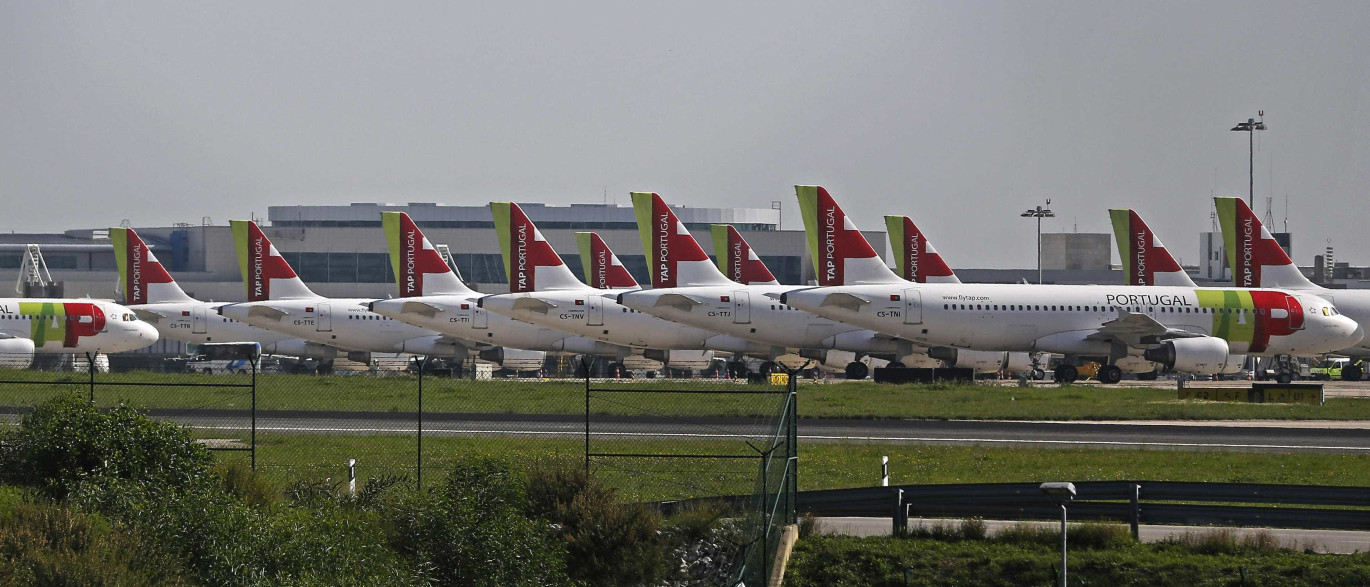
Los trabajadores de la aerolínea portuguesa TAP pueden comprar desde hoy alrededor de 75.000 acciones, el 5 % de la empresa, por un precio de 10,38 euros por título.

Las 75.000 acciones están disponibles hasta el 10 de mayo para trabajadores con un vínculo laboral superior a tres años, sin que haya límite de compra por persona.

Aquellas acciones que no sean compradas por empleados de TAP pasarán a estar disponibles para venta al consorcio Gateway, que actualmente tiene una participación del 45 % en la aerolínea.

Gateway, integrado por el empresario portugués Humberto Pedrosa (una de las mayores fortunas del país) y el brasileño-estadounidense David Neeleman (dueño de la aerolínea Azul), comparte la propiedad de la compañía con el Estado portugués, que posee el 50 %.

Este control conjunto, acordado por las partes en febrero de 2016 y que obtuvo el visto bueno de la Autoridad de Competencia portuguesa el pasado agosto, implicaba una fuerte recapitalización de la compañía, que presentaba un pasivo superior a 1.000 millones de euros.

El Estado se comprometió a inyectar 30 millones de euros y el consorcio privado 90 millones; además, se estableció que habría un consejo de administración paritario, con seis miembros elegidos por Gateway y otros seis por el Estado luso. AIRGWAYS ® Icon-AW

Workers can buy shares in TAP

https://static.noticiasaominuto.com/stockimages/1370x587/naom_54539540b4048.jpgThe sale of shares of the portuguese airline TAP reserved for workers begins


The workers of the portuguese airline TAP can buy from now around 75,000 shares, 5% of the company, for a price of 10.38 euros per title.

The 75,000 shares are available until May 10 for workers with a labor relationship of more than three years, with no limit on purchases per person.

Those shares that are not purchased by TAP employees will become available for sale to the Gateway consortium, which currently holds a 45% stake in the airline.

Gateway, made up of Portuguese businessman Humberto Pedrosa (one of the country’s biggest fortunes) and Brazilian-American David Neeleman (owner of the airline Azul), shares ownership of the company with the Portuguese state, which owns 50%.

This joint control, agreed by the parties in February 2016 and approved by the Portuguese Competition Authority last August, entailed a strong recapitalization of the company, which had a liability of more than 1,000 million euros.

The State pledged to inject 30 million euros and the private consortium 90 million; in addition, it was established that there would be a joint board of administration, with six members chosen by Gateway and another six by the Portuguese State.  A\W

https://a2d.news/wp-content/uploads/2017/03/TAP-Express-Embraer.jpg

Os trabalhadores podem comprar ações na TAP

Começa a vender ações da companhia aérea portuguesa TAP reservados para os trabalhadores

Os trabalhadores da portuguesa TAP pode comprar hoje cerca de 75.000 ações, 5% da empresa, por um preço de 10,38 euros por ação.

75.000 ações estão disponíveis até 10 de maio para os trabalhadores com vínculo mais de três anos de trabalho, sem limite de compra por pessoa.

As ações que não são comprados por funcionários da TAP estará disponível para venda ao gateway consórcio, que detém actualmente uma participação de 45% na companhia aérea.

Gateway, composto por empresário português Humberto Pedrosa (uma das maiores fortunas do país) eo brasileiro-americano David Neeleman (dono da companhia aérea Azul), as ações de propriedade da empresa com o Estado português, que detém 50%.

Este controlo conjunto acordado entre as partes, em fevereiro de 2016 e obteve a aprovação da Autoridade da Concorrência portuguesa agosto do ano passado, envolveu uma forte recapitalização da companhia, que teve mais de 1.000 milhões de euros passivos.

O Estado se comprometeu a injetar 30 milhões de euros e 90 milhões de consórcio privado; Além disso, foi estabelecido que haveria um conselho conjunto de administração, com seis membros eleitos pela Gateway e seis pelo Estado Português. A\W

Ξ A I R G W A Y S Ξ
SOURCE: Eldiario.es
DBk: Noticiaaominuto.com / Embraer.com
AW-POST: 201704101952AR

A\W   A I R G W A Y S ®

ATSSSAN reclama cargos a aerolíneas

ATSSSAN flays airlines over nonremittance of charges

AW | 2017 04 10 05:25 | AIRLINES MARKET

 La Asociación de Altos Funcionarios del Servicio de Transporte Aéreo de Nigeria (ATSSSAN) también se ha sumado a la polémica por la negativa de las aerolíneas a remitir los cargos por venta de boletos y cargas de cinco por ciento.

El presidente de ATSSSAN, el camarada Ahmadu Illitrus, defendió la Autoridad de Aviación Civil de Nigeria (NCAA), señalando que los operadores aéreos han estado engañando a los nigerianos por los cargos.

Hablando con los periodistas durante el fin de semana, Illitrus dijo: «Lo que hemos visto a lo largo de los años es que las aerolíneas nacionales, es decir, los miembros de AON y los no miembros colectan el TSC del 5% de los pasajeros y se niegan a remitir a NCAA y / Porcentaje insignificante del dinero y utilizar ilegalmente el mayor porcentaje no reimportado, creando así un enorme déficit de la parte no devuelta del dinero que ahora forma lo que se denomina deuda».

El Presidente subrayó que el cargo del cinco por ciento no equivale a ningún impuesto sobre las compañías aéreas, diciendo que la no renuncia del dinero dificulta el buen funcionamiento de las agencias.

«Si podemos preguntarnos, ¿de qué manera el régimen del 5% TSC ha afectado negativamente la operación o supervivencia de las compañías aéreas nacionales nigerianas que realmente cobran el Cargo de los pasajeros y lo embolsan? Hoy las líneas aéreas domésticas han codiciado ilegalmente más de 16 mil millones 5% de TSC», dijo Illitrus. Aconsejó a las aerolíneas no «no remolcar el camino de la desobediencia a las leyes existentes»AIRGWAYS ® Icon-AW

ATSSSAN flays airlines over nonremittance of charges

Air Transport Services Senior Staff Association of Nigeria (ATSSSAN) has also joined the raging controversy over airlines’ refusal to remit the five per cent ticket and cargo sale charges, saying the action of airlines as illegal.

ATSSSAN President, Comrade Ahmadu Illitrus defended the Nigeria Civil Aviation Authority (NCAA), noting that airline operators have been misleading Nigerians over the charges.

Speaking with newsmen over over the weekend, Illitrus said, «What we have witnessed over the years is that the domestic airlines i.e AON members and non-members alike collect the 5% TSC from passengers and refuse to remit to NCAA and or remit only a negligible percentage of the money and illegally utilize the larger unremitted percentage, thereby creating a huge deficit of unremitted portion of the money which now forms what is termed debt».

The President stressed that the five per cent charge does not amount to any tax on airlines, saying the nonremittance of the monies hampers the smooth running of the agencies.

«If we may ask, in what way has the regime of the 5% TSC affected in the negative the operation or survival of Nigerian indigenous airlines who actually collect the Charge from passengers and pocket it? Today the domestic airlines have illegally coveted over 16 billion 5% TSC», Illitrus said. He advised the airlines not «not to tow the path of disobedience to existing laws.» A\W

Ξ A I R G W A Y S Ξ
SOURCE: Dailytrust.com.ng
DBk: Dailytrust.com.ng
AW-POST: 201704100525AR

A\W   A I R G W A Y S ®

Aerolíneas aumenta flujo pax 1Q2017

https://upload.wikimedia.org/wikipedia/commons/0/04/Airbus_A340-313X%2C_Aerolineas_Argentinas_JP7734180.jpg

AW | 2017 04 09 23:29 | AIRLINES

Aerolíneas Argentinas transportó un 6,5% más de pasajeros en el primer trimestre

En tanto que registró en el mes de marzo un récord histórico mensual de puntualidad, con el 91% de los vuelos partidos en horario, con lo que consolidó un promedio de 88% para todo el trimestre

Aerolíneas Argentinas transportó en el primer trimestre del 2017 un total de 3.264.800 pasajeros, un 6,5% más que en 2016 y un 27% por encima de 2015.

Según informó Aerolíneas esta tarde mediante un comunicado, se consiguió además un aumento interanual de las ventas del orden del 31,7%, cerca de 13% por encima de las metas previstas para el período.

“Los primeros tres meses de 2017 arrojaron datos muy propicios para el Grupo Aerolíneas, que sigue mostrando signos de crecimiento. Sumados al desempeño de los dos primeros meses del año, los resultados operativos de marzo contribuyen a dar forma a un sólido primer trimestre”, indica el documento de la línea de bandera nacional.

Sostiene el comunicado que los 3.264.800 pasajeros transportados durante el primer trimestre representan un incremento interanual de 6,5%, sobre los 3.066.700 pasajeros de 2016, y de 27% respecto al 2015 con 2.571.400 pasajeros transportados.

En cuanto al nivel de ocupación se indica que ascendió al 82%, frente al 79% en 2016 y 76% en 2015 y en materia de ventas, la compañía registró un aumento interanual de 31,7%, cerca de 13% por encima de las metas previstas para el período, con un excelente resultado en marzo, 26% superior al objetivo previsto.

Señalaron por otra parte que la venta directa, principalmente impulsada por el sitio web, alcanzó en el primer trimestre 38,8% del total, frente al 34,5% en el mismo período de 2016, “lo que muestra la consolidación del canal como alternativa a la venta por los canales tradicionales”, apunta el comunicado.

“La combinación entre una mayor eficiencia en el manejo de las rutas y flota, una demanda que se ha mantenido firme durante los meses de temporada alta y un agresivo plan comercial han resultado en un trimestre muy fuerte para el Grupo, que sigue creciendo”, comentó Mario Dell’ Acqua, presidente del Grupo Aerolíneas.

Además, la empresa registró en marzo un récord histórico mensual de puntualidad promedio del 91%, lo que le permitió consolidar un 88% para todo el primer trimestre, superando en 2 puntos porcentuales la marca de 2016, y en 9 puntos la marca de 2015.

A su vez el ministro de Transporte de la Nación, Guillermo Dietrich, afirmó que «Aerolíneas sigue creciendo. El trabajo profesional de todo el equipo que está detrás se consolida día a día para seguir uniendo a los argentinos y hacer una empresa cada vez más sustentable».

En cuanto al mes de marzo, Aerolíneas transportó un total de 1.067.900 pasajeros, lo que representa un incremento de 20,1% y de 9,3% frente a los años 2015 y 2016, respectivamente.

Pero fue la red regional la que más creció, con 32,9% más de pasajeros transportados respecto de 2015 y 16,8% respecto de 2016.

En tanto, el nivel de ocupación en ese sector ascendió a 78%, 3 puntos porcentuales por encima del mismo mes del año anterior.

El informe destaca que uno de los datos más salientes del mes de marzo es el récord histórico alcanzado en el rubro de puntualidad, donde la compañía logró un 91%. En marzo del año pasado, había alcanzado 88%, mientras que en 2015 había llegado a 81%.

Finalmente revelan que los ingresos de la compañía mejoraron en 10% las marcas registradas en 2016, y marzo marcó un récord en ventas para Aerolíneas, con un incremento interanual de 47,1%.  AIRGWAYS ® Icon-AW

Aerolíneas increase flow pax 1Q2017

Aerolíneas Argentinas carried 6.5% more passengers in the first quarter


In the month of March recorded a monthly record of punctuality, with 91% of the flights broken in schedule, which consolidated an average of 88% for the whole quarter

Aerolíneas Argentinas transported a total of 3,264,800 passengers in the first quarter of 2017, 6.5% more than in 2016 and 27% above 2015.

According to Aerolíneas informed this afternoon by means of a statement, a year-on-year increase in sales of the order of 31.7% was achieved, close to 13% above the targets set for the period.

«The first three months of 2017 provided very favorable data for the Aerolíneas Group, which continues to show signs of growth. Added to the performance of the first two months of the year, the operating results of March help shape a solid first quarter», the national flag line document indicates.

The statement states that the 3,264,800 passengers transported during the first quarter represent a year-on-year increase of 6.5%, compared to 3,066,700 passengers in 2016, and 27% compared to 2015 with 2,571,400 passengers transported.

The level of employment is 82%, compared to 79% in 2016 and 76% in 2015 and in terms of sales, the company recorded a year-on-year increase of 31.7%, about 13% above The targets set for the period, with an excellent result in March, 26% higher than the target.

On the other hand, direct sales, mainly driven by the website, reached 38.8% of the total in the first quarter, compared to 34.5% in the same period of 2016, «which shows the consolidation of the channel as Alternative to the sale by traditional channels, «the statement said.

«The combination of greater efficiency in the handling of routes and fleet, a demand that has remained firm during the high season months and an aggressive commercial plan have resulted in a very strong quarter for the Group, which continues to grow,» he said. Said Mario Dell ‘Acqua, president of the Aerolíneas Group.

In addition, in March the company recorded a monthly record of average punctuality of 91%, which allowed it to consolidate 88% for the entire first quarter, exceeding the 2016 mark by 2 percentage points, and by 9 points by 2015 .

In turn, the Minister of Transport of the Nation, Guillermo Dietrich, affirmed that «Aerolíneas continues to grow. The professional work of the whole team behind it is consolidated day by day to continue uniting the Argentines and making an increasingly sustainable company «.

As for the month of March, Aerolíneas transported a total of 1,067,900 passengers, which represents an increase of 20.1% and of 9.3% compared to the years 2015 and 2016, respectively.

But it was the regional network that grew the most, with 32.9% more passengers transported compared to 2015 and 16.8% over 2016.

Meanwhile, the occupation level in that sector was 78%, 3 percentage points higher than the same month of the previous year.

The report highlights that one of the most salient data of the month of March is the historical record reached in the item of punctuality, where the company achieved a 91%. In March of last year, it had reached 88%, while in 2015 had reached 81%.

Finally, they reveal that the company’s revenues improved by 10% on the marks registered in 2016, and March marked a record in sales for Aerolíneas, a year-on-year increase of 47.1%. A\W

Ξ A I R G W A Y S Ξ
SOURCE: Telam.com.ar
DBk: Wikipedia.org
AW-POST: 201704092329AR

A\W   A I R G W A Y S ®

Despiste de B737-800 Malaysia Airlines

ómalaysiaairlines_08042017

AW | 2017 04 09 12:39 | AIR INVESTIGATION

 El avión de Malaysia Airlines derrapó en la pista durante el aterrizaje en el aeropuerto de Sibu


El avión de Malaysia Airlines se escabulló de la pista durante las fuertes lluvias en el Aeropuerto de Sibu el sábado (8 de abril), según un informe en The Star.

El Boeing 737-800 de Kuala Lumpur llevaba 61 pasajeros y tripulación. Todo el vuelo a bordo MH2718 desembarcó con seguridad a través de dos balsas de deslizamiento, después del incidente a las 10.17pm el periódico dijo. Hasta ahora no se han reportado lesiones. En el momento del incidente, no hubo otro vuelo entrante, dijo The Star.

Según el gerente del aeropuerto de Sibu, Zainuddin Abu Nasir, la seguridad de todos los pasajeros era de máxima prioridad para Malaysia Airlines y se ha iniciado una investigación inmediata para determinar la causa del incidente.

Una declaración dijo que el aeropuerto de Sibu estaría cerrado para las operaciones de vuelo hasta las 10 de la mañana del domingo. Se recomienda a los pasajeros consultar con sus respectivas aerolíneas sobre su estado de vuelo.

Mientras tanto, uno de los pasajeros Muhd Badrul Aman en un post en Facebook dijo que aunque el avión tenía un aterrizaje torpe, todos los pasajeros estaban a salvo. «Gracias a Dios estamos seguros», dijo Muhd Badrul, quien viajaba con su esposa y madre.  AIRGWAYS ® Icon-AW

https://i0.wp.com/assets.nst.com.my/images/articles/WhatsApp_Image_2017-04-08_at_11.52.03_PM.jpeg_1491669265.jpg

http://assets.nst.com.my/images/articles/WhatsApp_Image_2017-04-08_at_11.52.01_PM_(1).jpeg_1491669269.jpg

Incident B737-800 from Malaysia Airlines

Malaysia Airlines plane skids off runway during landing at Sibu Airport

Malaysia Airlines plane skidded off the runway during heavy rain at Sibu Airport on Saturday (April 8), according to a report in The Star.

The Boeing 737-800 from Kuala Lumpur was carrying 61 passengers and crew. All onboard flight MH2718 safely disembarked via two slide rafts, after the incident at 10.17pm the newspaper said. No injuries have been reported so far. At the time of the incident, there was no other incoming flight, said The Star.

According to Sibu Airport manager Zainuddin Abu Nasir, the safety of all passengers was of the utmost priority to Malaysia Airlines and an immediate investigation has been launched to determine the cause of the incident.

A statement said that Sibu Airport would be closed for flight operations until 10am on Sunday. Passengers are advised to check with their respective airlines on their flight status.

Meanwhile, one of the passengers Muhd Badrul Aman in a post on Facebook said that although the plane had an awkward landing, all of the passengers were safe. «Thank God we are all safe,» said Muhd Badrul who was travelling with his wife and mother. A\W


Ξ A I R G W A Y S Ξ
SOURCE: Straitstimes.com
DBk: Assets.nst.com.my / Todayonline.com
AW-POST: 20170491239AR

A\W   A I R G W A Y S ®

Aerolíneas no se va a privatizar

https://i0.wp.com/blog.bestday.com.ar/wp-content/uploads/2016/03/Avion-Aerolineas-Argentinas.jpg

AW | 2017 04 09 12:06 | AIRLINES

 Lo aseguró la gerenta de Relaciones Institucionales de la compañía aérea, Felicitas Castrillón. Dijo que redujeron subsidios a la mitad y que en 2019 operarían con recursos propios.

Recientemente autoridades de Aerolíneas Argentinas estuvieron en Chubut para el lanzamiento del Corredor Atlántico, que une las ciudades de Mar del Plata, Bahía Blanca y Trelew. La nueva ruta, que comenzó en los primeros días de abril, se enmarca dentro del plan de nuevas rutas que tiene la compañía y la competencia con nuevas firmas que se suman dentro del mercado, entre ellas las low cost.

La gerente de Relaciones Institucionales, Felicitas Castrillón expresó acerca de los objetivos que se traza la compañía, basado en tres ejes: reducción del déficit, mayor conectividad y mejora en la calidad del servicio.

Con respecto al primer punto, Castrillón aseguró que se redujo a la mitad la utilización de subsidios del Estado por parte de la aerolínea de bandera. Se pasó de un promedio de U$S 700 millones en los últimos 10 años, a U$S 300 durante 2016. Y la perspectiva es que en 2017 se llegue a estar entre los 160 y los 170 millones de dólares. En el mediano plazo, el objetivo es llegar a 2019 a manejarse con recursos propios, aseguró la autoridad de la empresa.

Arrojó más definiciones: marcó que competirán dentro del escenario de la llegada de las low cost y que “de ninguna manera” se privatizará la empresa, a pesar de que muchas de las rutas ofertadas son las que ya tiene en su poder Aerolíneas Argentinas.

Sobre las finanzas de la compañía, Castrillón repasó: “En los últimos 10 años le demandó al Estado 700 millones de dólares en promedio. En 2016 se utilizaron 300 millones de dólares que el Estado le dio y este año pensamos operar con entre 160 y 170 millones de dólares. Un trabajo enorme de ser más eficientes. Entender los costos y los ahorros con criterio empresario y no tan político”. En ese sentido marcó que “antes se elegían o bajaban rutas por cuestiones políticas. Tenemos obligaciones de dar un buen servicio, pero sin poner en juego las finanzas de un país”.

Sobre el plan trazado, expresó: “Tenemos un rol social, pero de manera responsable porque manejamos la plata de la gente. No somos un ministerio. Es la plata de la gente, que iría a cloacas, rutas, a miles de necesidades. Generamos dinero porque ofrecemos un servicio y progresivamente tenemos un plan hacia 2019 de poder operar con recursos propios de la compañía, ya que también generamos plata porque se presta un servicio”.

La autoridad de la compañía aseveró que hubo diferentes estrategias para achicar los gastos. Una tiene que ver con la impresión de los ticket a través de la Web y evitar así la distribución. Por el otro, la reducción de los servicios de comidas a bordo, con lo que se llegó a ahorrar el año pasado entre 5 y 6 millones de dólares.

“Para el nuevo escenario hay dos respuestas. A la pregunta de si vamos a transformarnos en una low-cost, la respuesta es no. Cobramos por la valija, damos algún servicio a bordo. Y las low cost operan en otros aeropuertos. Hay cambios para ser más competitivos porque se compite con las low cost en todo el mundo. Por la necesidad de operar con lo propio hemos tenido que pensar qué tipo de competitividad podemos tener respecto del resto. No podemos operar como operábamos hace 10 años”.

Detalló: “Bajamos la comisión a las agencias que era un costo de distribución. Hoy con la venta online, el 50% de las ventas es por esa vía, no tiene sentido el costo de distribución. Nos tenemos que adaptar sin caer en un escenario de low cost”.

En lo concreto, expresó que “hemos reducido el servicio de comidas en vuelos menores a 2 horas. Y en los mayores a dos horas estamos ofreciendo un snak y una bebida. Cuando mirábamos al costado la mayoría de las líneas aéreas no ofrece nada y tomamos una batería de decisiones no tan amigables”.  AIRGWAYS ® Icon-AW

Aerolíneas Argentinas is not going to be privatized


The manager of Institutional Relations of the airline, Felicitas Castrillón. He said that subsidies were cut in half and that in 2019 they would operate with their own resources.

Recently, authorities of Aerolíneas Argentinas were in Chubut to launch the Atlantic Corridor, which links the cities of Mar del Plata, Bahía Blanca and Trelew. The new route, which began in the early days of April, is part of the company’s new route plan and competition with new signatures that are added to the market, including low cost.

The manager of Institutional Relations, Felicitas Castrillón, spoke with FM Tiempo Trelew (91.5) about the company’s objectives, based on three axes: reduction of the deficit, greater connectivity and improvement in service quality.

Regarding the first point, Castrillón said that the use of state subsidies by the flag airline was reduced by half. It went from an average of US $ 700 million in the last 10 years, to US $ 300 during 2016. And the perspective is that in 2017 it will be between 160 and 170 million dollars. In the medium term, the goal is to reach 2019 to manage with own resources, assured the authority of the company.

He threw out more definitions: it marked that they will compete within the scenario of the arrival of the low cost and that «in no way» will be privatized the company, although many of the routes offered are those already in its possession Aerolineas Argentinas.

Regarding the company’s finances, Castrillon reviewed: «In the last 10 years he has demanded an average of 700 million dollars from the state. In 2016 used 300 million dollars that the State gave and this year we plan to operate with between 160 and 170 million dollars. A huge job to be more efficient. Understand costs and savings with entrepreneurial criteria and not so political «. In that sense it marked that «before they were chosen or lowered routes by political questions. We have obligations to give a good service, but without putting into play the finances of a country «.

Regarding the plan, he said: «We have a social role, but responsibly because we handle people’s money. We are not a ministry. It is the silver of the people, who would go to sewers, routes, to thousands of needs. We generate money because we offer a service and progressively we have a plan towards 2019 to be able to operate with own resources of the company, since also we generate silver because a service is rendered «.

The company’s authority asserted that there were different strategies to reduce expenses. One has to do with the printing of the tickets through the Web and avoid distribution. On the other hand, the reduction of meals services on board, which was saved last year between 5 and 6 million dollars.

«For the new scenario there are two answers. To the question of if we are going to transform ourselves into a low-cost, the answer is no. We charge for the bag, we give some service on board. And the low cost operate at other airports. There are changes to be more competitive because it competes with the low cost around the world. Because of the need to operate with our own, we have had to think about what kind of competitiveness we can have with respect to the rest. We can not operate as we did 10 years ago».

He explained: «We lowered the commission to the agencies which was a cost of distribution. Today with online sales, 50% of sales is by that route, it does not make sense the cost of distribution. We have to adapt without falling into a low cost scenario».


Specifically, he said that «we have reduced the service of meals in flights less than 2 hours. And in the majors to two hours we are offering a snak and a drink. When we looked to the side most airlines did not offer anything and we took a battery of not-so-friendly decisions»
A\W

Ξ A I R G W A Y S Ξ
SOURCE: Diariojornada.com.ar
DBk: Blog.bestday.com.ar
AW-POST: 201704091206AR

A\W   A I R G W A Y S ®

50ºANV. PRIMER VUELO BOEING 737

Boeing_737-100_(N73700)_on_its_maiden_flight.jpg

AW | 2017 04 08 22:05 | INDUSTRY

Resultado de imagen para Boeing 737 logoEl Boeing 737, que transformó el viaje en avión, cumple 50 años. Un legado para la aviación comercial

CELEBRACIÓN PLANEADA PARA EL 50º ANIVERSARIO DEL PRIMER VUELO DEL BOEING 737 EL 9 DE ABRIL DE 1967

El primer vuelo del original 737 de Boeing tuvo lugar hace 50 años el domingo, y el Museo de Vuelo de Seattle conmemorará el aniversario con una celebración que estará abierta al público por el precio de la entrada.

La ocasión viene apenas semanas antes de la primera entrega de la versión más nueva de ese jet, el Boeing 737 MAX. Brien Wygle, el piloto que comandó ese primer vuelo el 9 de abril de 1967, participará en una mesa redonda a mediodía en el teatro del museo. «Hace cincuenta años no teníamos ni idea», dijo Wygle, de 92 años, en una entrevista esta semana. «Teníamos la esperanza de vender eventualmente lo suficiente como para quebrar el equilibrio».

Como resultó, la longevidad y el éxito del 737 resultó asombroso. Boeing a partir del mes pasado había entregado 9.448 de los twinjets de un solo pasillo, con 4.506 más todavía en orden.

Y con la entrega del primer MAX pronto, Boeing planea aumentar la producción en Renton a finales de este año a 47 aviones por mes y hasta 52 por mes el próximo año.

«El 737 tomó el mundo de la aviación por la tormenta y se ha mejorado constantemente desde entonces», dijo Wygle. Obviamente llenó una necesidad increíble. «

Un nuevo 737 MAX estará en exhibición en el estacionamiento del museo el domingo, con un vuelo de demostración programado provisionalmente a las 1:15 p.m. – el momento exacto en que el prototipo 737 despegó por primera vez.

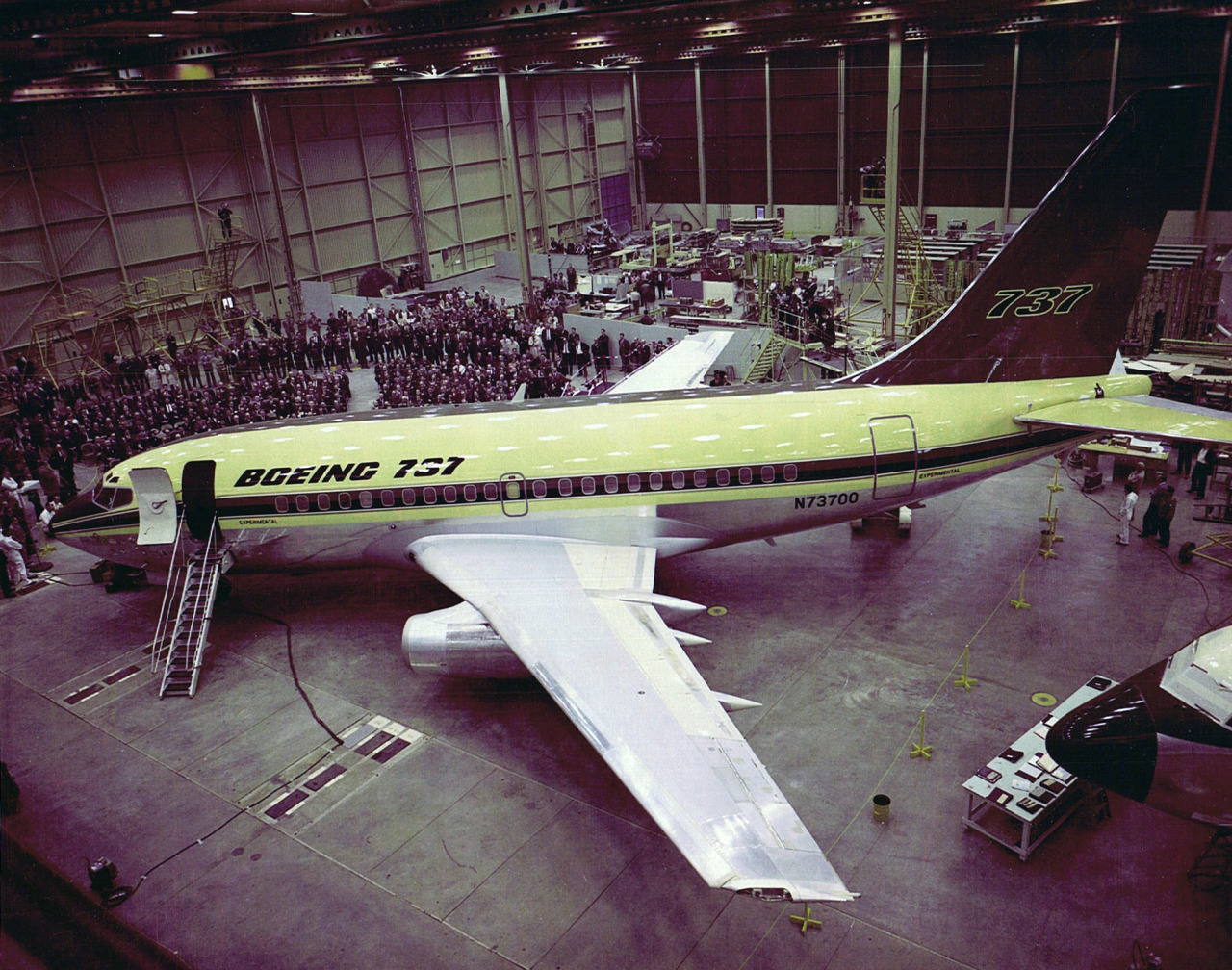
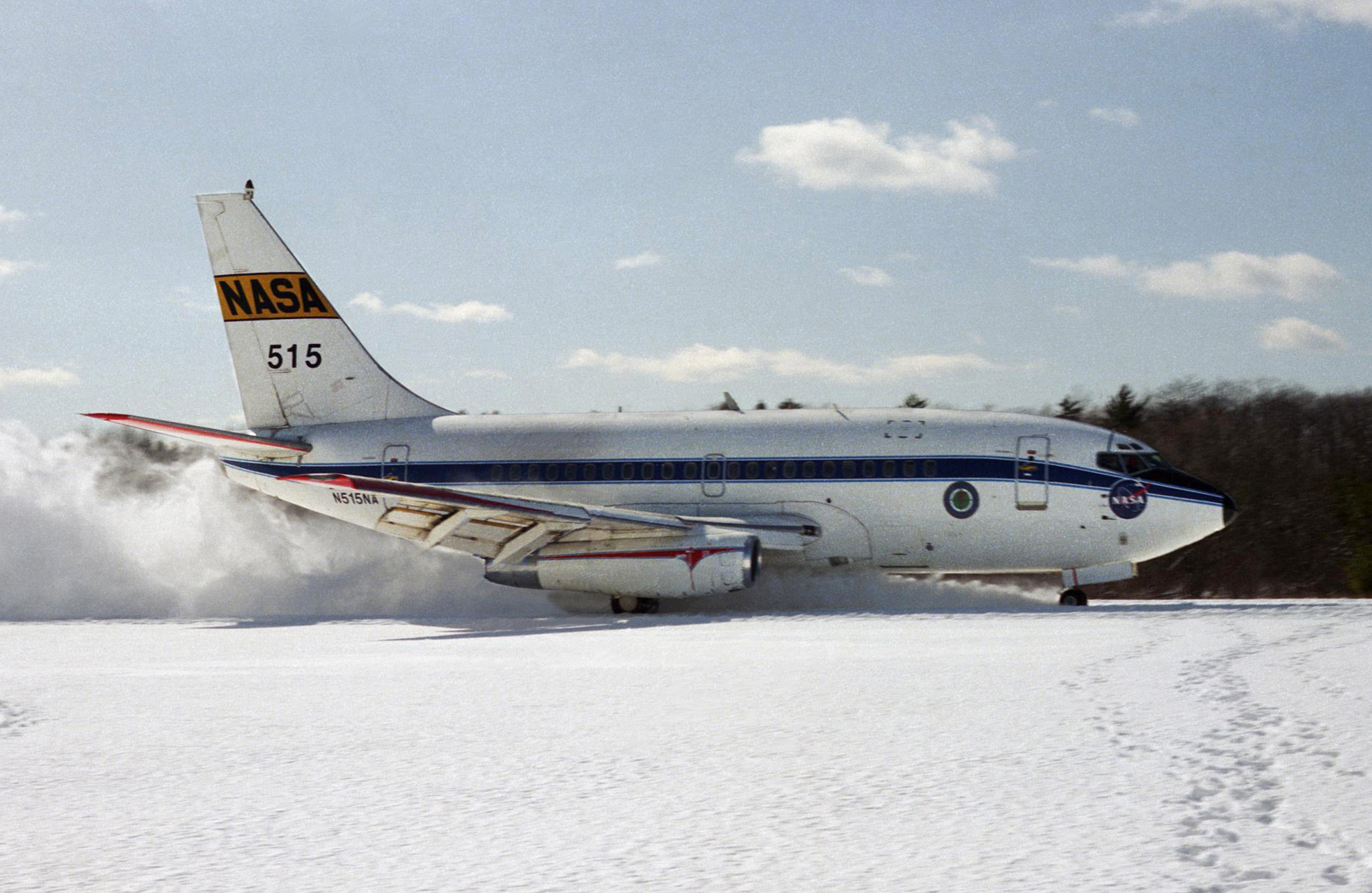
Y el original de hace 50 años también estará allí para su fiesta de cumpleaños. Ese avión fue utilizado como un avión de prueba de Boeing hasta 1973, luego se vendió a la NASA para su uso como un laboratorio de investigación de vuelo.

La NASA donó el avión al Museo de Vuelo en 1997, y durante seis años en el almacenamiento en el Lago Moses fue restaurada con amor por un equipo dirigido por el ex ingeniero 737 Bob Bogash. A Bogash le gusta decir que ha estado involucrado con el 737 «desde el vientre hasta la tumba».

Trabajó como ingeniero construyendo el primer avión, luego en las pruebas de vuelo y más tarde como representante de campo durante 10 años, viajando por el mundo y ayudando a las compañías aéreas a introducir el avión.

Y fue a bordo de su vuelo final en septiembre de 2003 para el salto a Boeing Field y su lugar de descanso final en el museo.

Dijo que el 737 cambió la aviación, trayendo el transporte del jet a los aeropuertos minúsculos por todo el mundo. «Las pequeñas aerolíneas volaron a lugares remotos», dijo Bogash. «Volamos en pistas no pavimentadas en el norte canadiense. Muchas de esas aerolíneas nunca habían tenido un nuevo avión antes y nunca tuvieron un avión de reacción». El 737 también transformó la economía del vuelo doméstico en los Estados Unidos.

Sus rápidos tiempos de respuesta, eficiencia de combustible y capacidad para operar desde pequeños aeropuertos produjeron el concepto de aerolíneas de bajo costo y trajeron viajes aéreos a las masas. Hoy en día, Southwest Airlines vuela una flota de más de 700 de los aviones.

El domingo, una recepción de 2-4 p.m. estará en el Pabellón de Aviación del museo, al lado del restaurado 737 No. 1, que todavía se divierte su librea de la NASA. AIRGWAYS ® Icon-AW

https://i0.wp.com/www.airlinereporter.com/wp-content/uploads/2013/07/First-737-Under-Construction.jpg

CONSTRUCCIÓN DEL PRIMER BOEING 737

https://i0.wp.com/www.elavionista.com/wp-content/uploads/2016/07/Boeing_DLH_1st_737-100_800.jpg

https://i0.wp.com/aviationweek.com/site-files/aviationweek.com/files/uploads/2015/05/1966-First_Boeing_737.jpg

https://airgways.com/wp-content/uploads/2016/06/boeing_737_ad_1966.jpg?w=1000

https://68.media.tumblr.com/da7b5dd3c735b0adebea3a1b52ddbc30/tumblr_n94o0twLSe1thgorro1_1280.jpg

https://upload.wikimedia.org/wikipedia/commons/9/9f/Lufthansa_Boeing_737-100%3B_D-ABEB%2C_April_1980_CAT_%285884282880%29.jpg

https://upload.wikimedia.org/wikipedia/commons/1/1d/Boeing_737-100_%28N73700%29_on_its_maiden_flight.jpg

https://upload.wikimedia.org/wikipedia/commons/f/f0/NASA_TEST_737-100_prototype.jpg

https://i0.wp.com/www.hispaviacion.es/wp-content/uploads/2014/04/Boeing_737_NASA_GPN-2000-001905.jpg

https://i0.wp.com/newsroom.lufthansagroup.com/fileadmin/_processed_/b/3/csm_B-373-Erstflug_b90ed405a5.jpg

https://i0.wp.com/www.aerohispanoblog.com/wp-content/uploads/2014/03/Lufthansa-737-100.jpg

LUFTHANSA FUE LA PRIMERA AEROLÍNEA EN INCORPORAR EL BOEING 737

50th ANNV. FIRST FLIGHT OF BOEING 737

https://s-media-cache-ak0.pinimg.com/564x/17/8a/70/178a70e46040ed80ee6f82a3d2b830c4.jpg
The Boeing 737, which transformed jet travel, turns 50 anniversary. A legacy for commercial aviation

CELEBRATION PLANNED FOR THE 50TH ANNIVERSARY OF THE FIRST FLIGHT OF BOEING 737 ON APRIL 9, 1967

The first flight of Boeing’s original 737 took place 50 years ago on Sunday, and Seattle’s Museum of Flight will mark the anniversary with a celebration that’s open to the public for the price of admission.

The occasion comes just weeks before the first delivery of the newest version of that jet, the Boeing 737 MAX. Brien Wygle, the pilot who commanded that first flight on April 9, 1967, will participate in a panel discussion at noon in the museum theater. “Fifty years ago we had no idea,” Wygle, 92, said in an interview this week. “We were hoping to eventually sell enough to break even.”

https://i0.wp.com/www.b737.org.uk/images/dimensions_737100.gif

As it turned out, the longevity and success of the 737 proved astounding. Boeing as of last month had delivered 9,448 of the single-aisle twinjets, with 4,506 more still on order.

And with the delivery of the first MAX coming soon, Boeing plans to ramp up production in Renton later this year to 47 jets per month and up to 52 per month next year.

“The 737 took the aviation world by storm and has been improved steadily since,” Wygle said. “It obviously filled an incredible need.”

A new 737 MAX will be on display in the museum parking lot Sunday, with a demonstration flight tentatively scheduled for 1:15 p.m. — the exact time the prototype 737 first took off.

And the original from 50 years ago will also be there for its birthday bash. That plane was used as a Boeing test aircraft until 1973, then sold to NASA for use as a flying research laboratory.

NASA donated the plane to the Museum of Flight in 1997, and during six years in storage at Moses Lake it was lovingly restored by a team led by former 737 engineer Bob Bogash. Bogash likes to say he’s been involved with the 737 “from womb to tomb.”

He worked as an engineer building the first airplane, then on the flight tests and later as a field rep for 10 years, traveling the world and helping airlines introduce the airplane.

And he was on board its final flight in September 2003 for the hop to Boeing Field and its final resting place at the museum.

He said the 737 changed aviation, bringing jet transport to tiny airports all over the world. “Small airlines flew it to remote places,” said Bogash. “We flew off unpaved runways in the Canadian North. Many of those airlines had never had a new airplane before and never had a jet airplane.” The 737 also transformed the economics of domestic flying in the U.S.

Its swift turnaround times, fuel efficiency and ability to operate from small airports produced the concept of low-fare carriers and brought air travel to the masses. Today, Southwest Airlines flies a fleet of more than 700 of the jets.

On Sunday, a reception from 2-4 p.m. will be in the museum’s Aviation Pavilion, next to the restored 737 No. 1, which still sports its NASA livery. A\W

AW-Icon Red-1000

Ξ A I R G W A Y S Ξ
SOURCE: Seattletimes.com
DBk: Boeing.com / Airlinereporter.com / Pinimg.com / Aviationweek.com /
AW-POST: 201704082205AR

A\W   A I R G W A Y S ®

Entregas de aviones en 1 trimestre 2017

https://i0.wp.com/www.dlr.de/en/Portaldata/1/Resources/luftfahrt/a320_front.jpg

AW | 2017 04 08 20:20 | INDUSTRY

Airbus y Boeing entregas y nuevos pedidos en el primer trimestre 2017

Tanto Airbus como Boeing verán recortadas sus previsiones para el 2017, salvo que se produzca un cambio de tendencia durante el resto del año. El fabricante europeo inicia el año con unos pedidos de 26 aviones, a los que hay que deducir 20 cancelaciones durante este periodo, lo que le deja una cifra neta de 6 aviones.

Sin embargo, en pedidos totales y pendientes de entrega, supera a su rival Boeing, con una cifra que asciende a 6.700 aviones.

AW-7143737

Entrega aviones Airbus primer trimestre 2017:
A320CEO > 36
A320NEO > 26
A321CEO > 45
A330-200 > 3
A330-200F > 2
A350-900 > 13
A380 > 2
TOTAL 136

Entrega aviones Boeing primer trimestre 2017:
737 > 113
747 > 1
767 > 2
777 > 21
787 > 32
TOTAL 169

Destaca el mercado latinoamericano para Airbus, donde mantiene unos pedidos (Latinoamérica y Caribe) que ascienden a 427 aviones, destacando la familia A320, donde el avión A320NEO suma 319 pedidos, 25 del A319NEO y 46 del A321NEO. Aviones de pasillo único, donde Airbus mantiene la mayor cuota de mercado.

Boeing acumula en los tres primeros meses del año nuevos pedidos por un total de 198 órdenes. En el mismo período entregó 169 aviones comerciales en los primeros tres meses del año. Eso es más bajo que en los últimos años, pero cerca del ritmo típicamente establecido por la compañía a principios de año.

La caída en comparación con los últimos años se debe a los programas de aviones todavía en desarrollo. Los trabajadores de Boeing ensamblaron varios 737 MAX. Sin embargo, los aviones todavía están en fase de prueba.

Las 169 entregas son alrededor del 22 por ciento de la meta de fin de año de Boeing de entre 760 y 765 entregas de aviones. Eso no está muy lejos del ritmo de la compañía durante los primeros tres meses del año, cuando normalmente entrega el 23 por ciento de su total anual, dijo Matthew McConnell, analista de inversiones de RBC Capital Markets, en una nota de investigación a clientes.

El popular 737 de un solo pasillo de la compañía constituyó el grueso de las entregas con 113. En cuanto a los pedidos acumulados del Boeing 737 MAX ascienden a 5.800 aviones. A continuación fue el 787 con 32 entregas. Boeing entregó 21 777, 2 767 y 1 747. El 747 opera bajo un contrato de arrendamiento. AIRGWAYS ® Icon-AW

https://i0.wp.com/www.ch-aviation.com/portal/stock/1988.jpg

 Aircraft deliveries in first quarter 2017


Airbus and Boeing deliveries and new orders in the first quarter 2017


Both Airbus and Boeing will see their forecasts for 2017 trimmed, unless there is a trend change during the rest of the year. The European manufacturer starts the year with orders for 26 aircraft, which must be deducted 20 cancellations during this period, leaving a net figure of 6 aircraft.

However, in total and pending orders, surpasses its rival Boeing, with a figure that amounts to 6,700 aircraft.

AW-7143737Delivery of aircraft Airbus first quarter 2017:
A320CEO > 36
A320NEO > 26
A321CEO > 45
A330-200 > 3
A330-200F > 2
A350-900 > 13
A380 > 2
TOTAL 136

First quarter aircraft Boeing delivery 2017:
737 > 113
747 > 1
767 > 2
777 > 21
787 > 32
TOTAL 169

Of note is the Latin American market for Airbus, where it maintains orders (Latin America and the Caribbean) amounting to 427 aircraft, notably the A320 family, where the A320NEO plane has 319 orders, 25 of the A319NEO and 46 of the A321NEO. Single-aisle aircraft, where Airbus maintains the largest market share.

Boeing accumulates in the first three months of the year new orders for a total of 198 orders. In the same period it delivered 169 commercial aircraft in the first three months of the year. That is lower than in recent years, but close to the pace typically set by the company earlier this year.

The drop compared to recent years is due to the programs of airplanes still in development. Boeing workers assembled 737 MAX. However, the planes are still in the test phase.

The 169 deliveries are about 22 percent of Boeing’s end-of-year target of between 760 and 765 aircraft deliveries. That is not far behind the company’s pace during the first three months of the year, when it typically delivers 23 percent of its annual total, Matthew McConnell, an investment analyst at RBC Capital Markets, said in a research note to clients.

The popular 737 single-aisle company made up the bulk of the deliveries with 113. As for the accumulated orders of the Boeing 737 MAX amount to 5,800 airplanes. Next was the 787 with 32 deliveries. Boeing delivered 21,777, 2,767 and 1,747. The 747 operates under a lease. A\W

Ξ A I R G W A Y S Ξ
SOURCE: A I R G W A Y S
DBk: Airgways / Ch-Aviation.com / Dlr.de
AW-POST: 201704082020AR

A\W   A I R G W A Y S ®