Low cost Flybondi presenta protocolo de seguridad sanitaria
La aerolínea de presupuesto Flybondi Líneas Aéreas ha presentado este Lunes 8 Junio 2020 el Protocolo de Seguridad Sanitaria enmarcado para la próxima reactivación de los vuelos de cabotaje en Argentina. Flybondi presentó su protocolo sanitario llamado «Flybondi te Cuida» alineado con las recomendaciones de organismos internacionales como IATA, ACI World y la OMS, en sintonía con las recomendaciones del Ministerio de Salud de Argentina que representan diferentes medidas para todas las etapas del vuelo. El objetivo de las líneas aéreas en el país es promulgar el protocolo de seguridad sanitaria tanto para los pasajeros como la tripulación y agentes en tierra en los aeropuertos.
“Fuimos la primera aerolínea del país que implementó medidas deprevención a bordo, incluso antes de que se iniciara el período de aislamiento. En Flybondi estamos muy comprometido en buscar la protección de nuestros colaboradores y de nuestros clientes, brindándoles tranquilidad y seguridad cuando sea el momento de retomar las operaciones de vuelo. Las aerolíneas low cost, como Flybondi, somos expertas en la optimización y la eficiencia, por eso pudimos adaptarnos muy rápidamente a las recomendaciones hechas por los organismos internacionales. También analizamos las nuevas exigencias de nuestros clientes para potenciar el regreso, porque sabemos que una gran parte de quienes viajan con Flybondi quiere planear sus viajes para una vez que finalice el aislamiento. Estamos preparados para volar y esperamos que sea posible comenzar antes de Septiembre”, comentó Mauricio Sana, Director Comercial de la compañía.
El protocolo, detallado por la ultra low-cost a través de un comunicado, es el siguiente:
Etapa Check-in
Será obligatorio el uso de barbijo o tapaboca para viajar, por eso deberán arribar al aeropuerto ya con el elemento de protección y utilizarlo durante toda la permanencia en el aeropuerto y a bordo. Se recomendará realizar el check-in web y descargar la tarjeta de embarque previo a la llegada al aeropuerto.
Todas las personas de Flybondi que trabajan en la zona de check in y embarque, utilizarán elementos de seguridad y protección. En todos los mostradores habrá dispenser de alcohol en gel disponible para uso de los pasajeros. Se instalaron scanners de boarding pass para evitar aglomeraciones y se mantendrá distanciamiento social en el proceso de embarque y desembarque.
Todo el equipaje deberá ser despachado e irá en la bodega del avión. Para el retiro del mismo en el aeropuerto de arribo, la aerolínea reforzará sus procedimientos para que esté disponible en un tiempo máximo de 5 minutos posteriores a la apertura de puertas. Además, en el carrusel las valijas van a estar separadas para mejorar el distanciamiento. En el caso de que sea necesario el traslado de los pasajeros en micros hacia una puerta de embarque lejana a la terminal, en los mismos se llevará la capacidad mínima de pasajeros. A su vez, los mismos serán sanitizados luego de cada embarque. El desembarque se realizará respetando las filas para garantizar el distanciamiento social.
Etapa vuelo
Toda la tripulación de Flybondi utilizará barbijos, guantes y lentes de protección durante todo el vuelo. Los pasajeros deberán utilizar el cinturón de seguridad permanentemente, y sólo se podrá desabrochar en casos de uso del baño. Se desarrolló un nuevo servicio de venta a bordo que cuenta un proceso previo de higienización y empaque de los productos (alimentos y bebidas). Y también se podrán adquirir elementos de protección personal como barbijos y alcohol en gel. Desde la aerolínea Flybondi expresaron la importancia de remarcar que todos los aviones de la flota de la compañía cuentan con un sistema de recirculación de aire, que renueva el aire cada 3 minutos gracias a sus filtros HEPA (High Efficiency Particulate Air), que remueve el 99.98% de las partículas de virus y bacterias del aire. A su vez, diariamente se efectuará una sanitización y desinfección profunda de todas las aeronaves.
Ultra low cost, Ultra flex
Flybondi lanza una nueva política comercial de tickets aéreos denominada «Ultra low cost, Ultra flex». Los pasajes en esta categoría no son reembolsables pero permitirán dos cambios de fecha sin costo adicional o pago de multa. Solo podrá ser modificada la fecha, no se podrán efectuar cambios de destino ni de titularidad. Dichas modificaciones podrán ser gestionadas desde el día de la emisión de la compra hasta el 30 Septiembre 2020 inclusive a través de la reserva del pasajero. Las condiciones “Ultra Low Cost, Ultra Flex” aplican solo para vuelos adquiridos para volar desde el día 01/09/2020 hasta el 17/12/2020, con la excepción para vuelos entre el 4 al 9 Diciembre 2020.
The budget airline Flybondi Líneas Aéreas has presented this Monday, June 8, 2020 the Health Safety Protocol framed for the next reactivation of domestic flights in Argentina. Flybondi presented its sanitary protocol called «Flybondi te Cuida» aligned with the recommendations of international organizations such as IATA, ACI World and the WHO, in tune with the recommendations of the Argentine Ministry of Health that represent different measures for all stages of the flight. The objective of the airlines in the country is to promulgate the sanitary security protocol for both passengers, crew and ground agents at airports.
“We were the first airline in the country to implement prevention measures on board, even before the period of isolation began. At Flybondi we arevery committed to seeking the protection of our collaborators and our clients, giving them peace of mind and security when it is time to resume flight operations. Low cost airlines, like Flybondi, are experts in optimization and efficiency, which is why we were able to adapt very quickly to the recommendations made by international organizations. We also analyze the new demands of our clients to enhance the return, because we know that a large part of those who travel with Flybondi want to plan their trips once the isolation is over. We are ready to fly and we hope it will be possible to start before September”, commented Mauricio Sana, Commercial Director of the company.
The protocol, detailed by the ultra low-cost through a statement, is as follows:
Check-in Stage
The use of a chinstrap or face mask will be mandatory to travel, so they must arrive at the airport with the protection element and use it during their entire stay at the airport and on board. It will be recommended to do the web check-in and download the boarding pass prior to arrival at the airport.
All Flybondi people who work in the check in and boarding area will use security and protection elements. A gel alcohol dispenser will be available at all counters for passenger use. Boarding pass scanners were installed to avoid crowds and social distance will be maintained in the boarding and disembarking process. All luggage must be dispatched and will go in the hold of the plane. For the withdrawal of the same at the arrival airport, the airline will reinforce its procedures so that it is available within a maximum time of 5 minutes after the doors are opened. Also, in the carousel the suitcases will be separated to improve the distance. In the event that it is necessary to transfer passengers in buses to a boarding gate far from the terminal, they will carry the minimum passenger capacity. In turn, they will be sanitized after each shipment. The disembarkation will be carried out respecting the lines to guarantee social distancing.
Flight Stage
The entire Flybondi crew will wear chinstraps, gloves and protective glasses throughout the flight. Passengers must wear a seat belt permanently, and it can only be unbuckled in cases of use of the bathroom. A new on-board sales service was developed that includes a prior process of sanitizing and packaging products (food and beverages). And you can also buy personal protection elements such as chinstraps and gel alcohol. From the Flybondi airline they expressed the importance of noting that all the aircraft in the company’s fleet have an air recirculation system, which renews the air every 3 minutes thanks to its HEPA (High Efficiency Particulate Air) filters, which removes the 99.98% of virus and bacteria particles in the air. In turn, daily thorough sanitation and disinfection of all aircraft will be carried out.
Ultra low cost, Ultra flex
Flybondi launches a new commercial airline ticket policy called «Ultra low cost, Ultra flex». Tickets in this category are not refundable but will allow two date changes at no additional cost or payment of a fine. Only the date may be modified, no changes of destination or ownership can be made. These modifications may be managed from the day of the purchase issue until September 30, 2020 inclusive through the passenger reservation. The «Ultra Low Cost, Ultra Flex» conditions apply only to flights purchased to fly from 09/01/2020 to 12/17/2020, with the exception for flights between December 4 to 9, 2020.
Ξ A I R G W A Y S Ξ PUBLISHER: Airgways.com DBk: Flybondi.com / Airgways.com AW-POST: 202006081902AR
La corporación china COMAC (Commercial Aircraft Corporation of China) lanzó el primer avión regional ARJ21-700, destinado a Air China. El avión con número de registro B-605U fue el primero de los 35 ARJ 21 ordenados por la aerolínea en Agosto 2019. Al mismo tiempo, otras grandes compañías estatales chinas, China Eastern Airlines y China Southern Airlines, hicieron sus pedidos para este tipo de avión.
COMAC presentó el 28 Mayo 2020 el primer ARJ 21-700 para la compañía Air China. El jet es una versión china de la histórica línea McDonnell Douglas pero ahora con licencia china. Incorpora motores General Electric GE-CF34, los mismos que se utilizan en los E-Jets Embraer de primera generación. El primer COMAC ARJ21 de Air China, pronto el avión comenzará su primer vuelo de prueba. La aerolínea china ha solicitado 35 unidades de la variante Serie 700.
El Comac ARJ21 Xiangfeng es un avión regional de 78-90 asientos fabricado por la compañía aeroespacial estatal china COMAC Corp. El desarrollo del ARJ21 (Advanced Regional Jet) comenzó en Marzo 2002, el primer prototipo se lanzó el 21 Diciembre 2007 y realizó su primer vuelo el 28 Noviembre 2008 desde Shanghai. Recibió su Certificación de Tipo CAAC el 30 Diciembre 2014 y fue presentada el 28 Junio 2016 por Chengdu Airlines. La línea ARJ-21 posee similitudes a los McDonnell Douglas MD-80/MD-90, ahora producida bajo licencia en China, que cuenta con un 25° barrido, ala supercrítica diseñada por Antonov y doble trasero montado con motores General Electric CF34.
Usuarios & pedidos
Actualmente las aerolíneas que operan el COMAC ARJ 21-700 son Chengdu Airlines, Genghis Khan Airlines, Jiangxi Air, CFGAC totalizando unas 25 unidades en sus flotas activas. Con respecto a las órdenes representas unas 378, más 20 opciones de aerolíneas de China, Asia y África.
Air China will acquire the ARJ 21-700
COMAC launches the first ARJ21 for Air China
The Chinese corporation COMAC (Commercial Aircraft Corporation of China) launched the first regional aircraft ARJ21-700, destined for Air China. The plane with registration number B-605U was the first of the 35 ARJ 21 ordered by the airline in August 2019. At the same time, other large Chinese state companies, China Eastern Airlines and China Southern Airlines, placed their orders for this type of airplane.
COMAC presented on May 28, 2020 the first ARJ 21-700 for the company Air China. The jet is a Chinese version of the historic McDonnell Douglas line but now Chinese licensed. It incorporates General Electric GE-CF34 engines, the same ones used in the first generation E-Jets Embraer. The first Air China COMAC ARJ21, soon the aircraft will begin its first test flight. The Chinese airline has ordered 35 units of the 700 Series variant.
The Comac ARJ21 Xiangfeng is a 78-90 seat regional aircraft manufactured by the Chinese state aerospace company COMAC Corp. Development of the ARJ21 (Advanced Regional Jet) started in March 2002, the first prototype was launched on December 21, 2007 and made its first flight on November 28, 2008 from Shanghai. It received its CAAC Type Certification on December 30, 2014 and was presented on June 28, 2016 by Chengdu Airlines. The ARJ-21 line bears similarities to the McDonnell Douglas MD-80/MD-90, now produced under license in China, which features a 25° sweep, supercritical wing designed by Antonov and double rear mounted with General Electric CF34 engines.
Users & orders
Currently the airlines that operate the COMAC ARJ 21-700 are Chengdu Airlines, Genghis Khan Airlines, Jiangxi Air, CFGAC, totaling about 25 units in their active fleets. Regarding orders, you represent some 378, plus 20 airline options from China, Asia and Africa.
AW | 2020 06 08 16:06 | AIR INVESTIGATION / AVIATION SAFETY
Investigadores retornan con decodificación del CVR
La tragedia aérea del vuelo PK-8303 de Pakistan International Airlines (PIA) de un Airbus A320-200, con registro AP-BLD que realizaba el vuelo entre Lahore a Karachi (Pakistán) con 91 pasajeros y 8 tripulantes, había abortado la aproximación a Karachi debido a problemas con la extensión del tren de aterrizaje delantero (nariz). La tripulación había informando que habían perdido ambos motores (CFM56) y declarando repetidamente Mayday.
Actualizaciones PK8303
El 1 Junio 2020, el avión que transportaba a los equipos de investigación y las cajas negras completó con seguridad el viaje de Pakistán a París.
El 2 Junio 2020, la BEA informó que tanto FDR como CVR se descargaron con éxito. El análisis de los datos está en progreso.
El 5 Junio 2020, la BEA informó que se completó la descarga y decodificación de ambas grabadoras, el análisis de los datos está en curso.
Airbus Group, el fabricante de aviones A320, ha dicho que el Transmisor de Información de Accidentes (AIT) en el vuelo PK-8303 de Pakistan International Airlines, que se estrelló en Karachi el 22 Mayo 2020, ha sido aprobado para su lanzamiento por la Junta de Investigación de Accidentes de Aeronaves de Pakistán (AAIB) y la Oficina Francesa de Investigación y Análisis (BEA) para la Seguridad de la Aviación Civil.
Airbus ha comunicado: «El Registrador de Datos de Vuelo (FDR) y el Registrador de Voz de Cabina (CVR) fueron leídos y analizados en las instalaciones de BEA en París, Francia, bajo el liderazgo del AAIB de Pakistán con la participación de EASA, Safran Aircraft Engines, en representación de CFM International, y Airbus. Ambas grabadoras FDR y CVR proporcionaron información valiosa para la investigación».
Además, dijo que, basándose en el análisis preliminar de los datos disponibles: información del lugar del accidente, registro ATC, FDR y CVR, Airbus no tiene ninguna recomendación de seguridad específica que plantear en esta etapa de la investigación. El Director de Seguridad de Productos, Yannick Malinge, dijo en su carta a todas las aerolíneas que operan aviones A320 que Airbus continuará proporcionando actualizaciones de las autoridades de investigación oficiales según corresponda.
Poco después de que el avión del vuelo PK-8303 se estrellara en Karachi, el Gobierno de Pakistán notificó a un equipo encabezado por el Comodoro de Aviación Mohammad Usman Ghani para investigar el incidente. Airbus había enviado un equipo de 11 miembros a Pakistán para proporcionar asistencia técnica a los investigadores paquistaníes. El equipo francés y Air Commodore Ghani, junto con FDR y CVR, se habían ido a Francia para analizar el equipo que, según dijeron, proporcionaría información valiosa a los investigadores.
Las fuentes dijeron que Mohammad Usman Ghani tenía programado regresar a Islamabad el Domingo 07/06, junto con detalles del FDR y CVR. La AAIB presentará su informe preliminar al primer ministro y al ministro federal de aviación antes de hacerlo público. El Ministro de Aviación, Ghulam Sarwar Khan, ya había dicho que el Gobierno presentaría el Informe Preliminar sobre el accidente aéreo de Pakistan Airlines en el parlamento el 22 Junio 2020.
Pakistan PK8303 decoded CVR
Researchers return with CVR decoding
The aerial tragedy of Pakistan International Airlines (PIA) flight PK-8303 of an Airbus A320-200, with AP-BLD registration that carried out the flight between Lahore to Karachi (Pakistan) with 91 passengers and 8 crew, had aborted the approach to Karachi due to problems with front landing gear extension (nose). The crew had reported that they had lost both engines (CFM56) and repeatedly declared Mayday.
PK8303 updates
On June 1, 2020, the plane carrying research teams and black boxes safely completed the journey from Pakistan to Paris.
On June 2, 2020, the BEA reported that both FDR and CVR were downloaded successfully. Data analysis is in progress.
On June 5, 2020, the BEA reported that the download and decoding of both recorders was completed, data analysis is ongoing.
Airbus Group, the maker of A320 aircraft, has said that the Accident Information Transmitter (AIT) on Pakistan International Airlines flight PK-8303, which crashed in Karachi on May 22, 2020, has been approved for launch by the Pakistan Aircraft Accident Investigation Board (AAIB) and the French Bureau of Investigation and Analysis (BEA) for Civil Aviation Security.
Airbus has reported: «The Flight Data Recorder (FDR) and the Cabin Voice Recorder (CVR) were read and analyzed at the BEA facility in Paris, France, under the leadership of the Pakistan AAIB with the participation of EASA, Safran Aircraft Engines, representing CFM International, and Airbus. Both FDR and CVR recorders provided valuable information for the investigation».
Furthermore, he said that, based on the preliminary analysis of the available data: accident site information, ATC registration, FDR and CVR, Airbus does not have any specific safety recommendation to raise at this stage of the investigation. Director of Product Safety Yannick Malinge said in his letter to all airlines operating A320 aircraft that Airbus will continue to provide updates from official investigative authorities as appropriate.
Shortly after the plane on flight PK-8303 crashed in Karachi, the Government of Pakistan notified a team led by Aviation Commodore Mohammad Usman Ghani to investigate the incident. Airbus had dispatched a team of 11 members to Pakistan to provide technical assistance to Pakistani investigators. The French team and Air Commodore Ghani, along with FDR and CVR, had gone to France to analyze the team, which they said would provide valuable information to investigators.
Sources said Mohammad Usman Ghani was scheduled to return to Islamabad on Sunday 07/06, along with details from the FDR and CVR. The AAIB will present its preliminary report to the Prime Minister and the Federal Minister of Aviation before making it public. Aviation Minister Ghulam Sarwar Khan had previously said that the Government would present the Preliminary Report on the Pakistan Airlines plane crash in parliament on June 22, 2020.
Ξ A I R G W A Y S Ξ PUBLISHER: Airgways.com DBk: Caapakistan.com.pk / Easa.europa.eu / Bea.aero / Safran-group.com / Avherald.com / Airgways.com AW-POST: 202006081606AR
Plan de GoAir para retirar flota de Airbus A320CEO
GoAir, una aerolínea de presupuesto de la India ha iniciado un plan para la desprogramación de la flota Airbus A320CEO (Current Engine Option) que corresponden a la variante de la serie 200 de esta prestigiosa aeronaves. La low cost había iniciado sus operaciones en Noviembre 2005 con una flota de A320-200. La aerolínea propiedad del Wadia Group tiene actualmente aviones A320-214 (12) y A320-271N (43) totalizando 55 unidades. Progresivamente desde 2016 GoAir ha iniciado la etapa de reemplazo de las aeronaves iniciales (CEO) a la variante más moderna y potente New Engine Option (NEO).
La interrupción en la industria de las aerolíneas debido a lapandemia de Coronavirus no ha afectado el plan de GoAir de retirar su flota Airbus A320CEO y sigue en camino, dijo un funcionario de la aerolínea. De los 19 aviones de este tipo que la aerolínea introdujo en la primera fase de la expansión de su flota, ha dado de baja seis como parte del plan, que apunta a la reducción de costos mediante el ahorro de combustible y el bajo índice de mantenimiento. «Dado que estos aviones ya completaron su período de arrendamiento, teníamos la opción de extender el arrendamiento o devolverlo, por lo que decidimos por la última opción. Además, ya estamos induciendo los aviones A320NEO más eficientes en combustible, que nos dan el ventaja de costos también», dijo el funcionario de GoAir.
Mercado competitivo
El mayor rival de GoAir, IndiGo, también ha anunciado que eliminará gradualmente su flota de A320CEO (104) en los próximos dos años debido al alto costo operativo con respecto a la variante más moderna.
El plan para eliminar los doce aviones restantes de la variante más antigua sigue en camino, el funcionario dijo que la salida de estos aviones de la flota no tendría ningún impacto ni en la red ni en las operaciones de la aerolínea. Correspondientemente, la aerolínea ha realizado un pedido de 144 aviones A320NEO en dos tramos, que le serán entregados durante un período de tiempo. En Junio 2011, el transportista había realizado un pedido de 72 nuevos aviones A320NEO valorados en alrededor de ₹ 32.400 millones de Rupias en el precio de lista de entonces. Luego, en Enero 2017, firmó un pedido de otros 72 A320NEO por valor de ₹ 52.000 millones de Rupias. Las entregas del primer tramo comenzaron a partir de 2016. «En la actualidad, estamos operando vuelos de manera restringida como todos los demás transportistas nacionales con una buena cantidad de aeronaves en tierra. Y es poco probable que la demanda se recupere en el corto plazo, incluso si se restablece un horario completo durante un período de tiempo para tener suficientes aviones para atender el tráfico», dijo el funcionario.
A las aerolíneas indias se les ha permitido volar en rutas nacionales de manera gradual desde el 25 Mayo 2020 después de dos meses de conexión a tierra de todas las operaciones debido a la pandemia. Sin embargo, el Gobierno aún no ha decidido el cronograma para la reanudación de los servicios internacionales. Antes de la prohibición de vuelos comerciales de pasajeros, GoAir había estado operando más de 340 servicios por día a 35 destinos que incluyen 27 destinos nacionales y octavos destinos internacionales.
GoAir to withdraw A320CEO fleet
GoAir plan to withdraw Airbus A320CEO fleet
GoAir, a budget airline from India has started a plan to deprogram the Airbus A320CEO (Current Engine Option) fleet corresponding to the 200 series variant of this prestigious aircraft. The low cost had started its operations in November 2005 with an A320-200 fleet. The Wadia Group-owned airline currently has A320-214 (12) and A320-271N (43) aircraft totaling 55 units. Progressively since 2016 GoAir has started the stage of replacing the initial aircraft (CEO) with the more modern and powerful New Engine Option (NEO) variant.
The disruption in the airline industry due to the Coronavirus pandemic has not affected GoAir’s plan to withdraw its Airbus A320CEO fleet and is on track, an airline official said. Of the 19 aircraft of this type that the airline introduced in the first phase of the expansion of its fleet, it has dropped six as part of the plan, which aims to reduce costs through fuel savings and a low maintenance rate. «Since these aircraft have already completed their lease term, we had the option to extend or return the lease, so we decided on the latter option. Also, we are already inducing the most fuel efficient A320NEO aircraft, giving us the advantage of costs too», said the GoAir official.
Competitive market
GoAir’s biggest rival, IndiGo, has also announced that it will phase out its A320CEO (104) fleet in the next two years due to the high operating cost over the more modern variant.
The plan to remove the remaining twelve aircraft from the older variant is still underway, the official said that leaving these aircraft from the fleet would have no impact on either the network or the airline’s operations. Correspondingly, the airline has placed an order for 144 A320NEO aircraft in two sections, which will be delivered to it over a period of time. In June 2011, the carrier had placed an order for 72 new A320NEO aircraft valued at around ₹ 32.4 billion Rupees at the then list price. Then, in January 2017, he signed an order for another 72 A320NEO worth ₹ 52 billion Rupees. Deliveries for the first leg began in 2016. «We are currently operating flights on a restricted basis like all other national carriers with a good number of aircraft on the ground. And demand is unlikely to pick up any time soon. even if a full schedule is restored over a period of time to have enough planes to handle the traffic», the official said.
Indian airlines have been allowed to fly on domestic routes gradually since May 25, 2020 after two months of grounding of all operations due to the pandemic. However, the Government has not yet decided on the timetable for the resumption of international services. Before the ban on commercial passenger flights, GoAir had been operating more than 340 services per day to 35 destinations including 27 domestic destinations and eighth international destinations.
A320CEO बेड़े को वापस लेने के लिए GoAir
गोएयर ने एयरबस A320CEO बेड़े को वापस लेने की योजना बनाई है
गोएयर, भारत की एक बजट एयरलाइन ने एयरबस A320CEO (करंट इंजन ऑप्शन) के बेड़े को इस प्रतिष्ठित विमान के 200 सीरीज़ वैरिएंट के अनुरूप बनाने की योजना शुरू की है। नवंबर 2005 में A320-200 बेड़े के साथ कम लागत ने परिचालन शुरू किया था। वाडिया समूह के स्वामित्व वाली एयरलाइन के पास वर्तमान में A320-214 (12) और A320-271N (43) विमान हैं, जिनकी कुल 55 इकाइयाँ हैं। प्रगतिशील रूप से 2016 से गोएयर ने अधिक आधुनिक और शक्तिशाली न्यू इंजन ऑप्शन (NEO) वैरिएंट के साथ प्रारंभिक विमान (CEO) को बदलने का चरण शुरू किया है।
एयरलाइन के एक अधिकारी ने कहा कि कोरोनावायरस महामारी के कारण एयरलाइन उद्योग में व्यवधान ने गोएयर की एयरबस A320CEO बेड़े को वापस लेने की योजना को प्रभावित नहीं किया है। इस प्रकार के 19 विमानों में से एयरलाइन ने अपने बेड़े के विस्तार के पहले चरण में पेश किया, यह योजना के हिस्से के रूप में छह गिरा है, जिसका उद्देश्य ईंधन की बचत और कम रखरखाव दरों के माध्यम से लागत को कम करना है। । «चूंकि इन विमानों ने पहले से ही अपने पट्टे की अवधि पूरी कर ली है, इसलिए हमारे पास पट्टे को बढ़ाने या वापस करने का विकल्प था, इसलिए हमने बाद वाले विकल्प पर फैसला किया। इसके अलावा, हम पहले से ही सबसे कुशल ईंधन A320NEO विमान तैयार कर रहे हैं, जिससे हमें फायदा होगा। लागत भी, ”गोएयर के अधिकारी ने कहा।
प्रतिस्पर्धी बाजार
गोएयर के सबसे बड़े प्रतिद्वंद्वी, इंडिगो ने भी घोषणा की है कि वह अधिक आधुनिक संस्करण पर उच्च परिचालन लागत के कारण अगले दो वर्षों में अपने ए 320 ईसीओ (104) बेड़े को चरणबद्ध करेगा।
पुराने संस्करण से शेष बारह विमानों को हटाने की योजना अभी चल रही है, अधिकारी ने कहा कि इन विमानों को बेड़े से छोड़ने से नेटवर्क या एयरलाइन के संचालन पर कोई प्रभाव नहीं पड़ेगा। इसके विपरीत, एयरलाइन ने दो खंडों में 144 A320NEO विमानों के लिए एक आदेश दिया है, जिसे समय के साथ इसे वितरित किया जाएगा। जून 2011 में, वाहक ने 72 नए A320NEO विमानों के लिए एक ऑर्डर रखा था, जो तत्कालीन सूची मूल्य पर लगभग carrier 32.4 बिलियन रुपए थे। फिर, जनवरी 2017 में, उन्होंने 52 बिलियन रुपए मूल्य के एक और 72 ए 320NEO के लिए एक आदेश पर हस्ताक्षर किए। 2016 में पहले चरण के लिए डिलीवरी शुरू हुई। «वर्तमान में, हम सभी अन्य राष्ट्रीय वाहकों की तरह ही सीमित तरीके से उड़ानों का संचालन कर रहे हैं, जिनके पास जमीन पर पर्याप्त संख्या में विमान हैं। और जल्द ही किसी भी समय उड़ान की मांग नहीं है। भले ही एक पूरा शेड्यूल यातायात की स्थिति को संभालने के लिए पर्याप्त विमानों के समय पर बहाल हो”, अधिकारी ने कहा।
भारतीय एयरलाइंस को महामारी के कारण सभी अभियानों के दो महीने के बाद 25 मई, 2020 से घरेलू मार्गों पर धीरे-धीरे उड़ान भरने की अनुमति दी गई है। हालाँकि, सरकार ने अभी तक अंतर्राष्ट्रीय सेवाओं की बहाली के लिए समय सारिणी पर निर्णय नहीं लिया है। वाणिज्यिक यात्री उड़ानों पर प्रतिबंध से पहले, गोएयर 27 घरेलू गंतव्यों और आठवें अंतरराष्ट्रीय गंतव्यों सहित 35 गंतव्यों के लिए प्रति दिन 340 से अधिक सेवाओं का संचालन कर रहा था।
Ξ A I R G W A Y S Ξ PUBLISHER: Airgways.com DBk: Goair.in / Airgways.com AW-POST: 202006081530AR
La pandemia revienta burbuja aeroespacial de Toulouse
Airbus Group SE se enfrenta ante la disyuntiva de los efectos pandémicos de las economías regionales y las ayudas para hacer frente a la línea de producción de la compañía.
En el ámbito de las compañías complementarias a Airbus, están atravesando dificultades consistentes. Gillis Aerospace, una compañía que trabaja para el gigante aeroespacial Airbus se pregunta cómo mantener a sus 45 empleados ocupados mientras los carretes de capital aeroespacial de Europa caen en picado la demanda de aviones causados por la crisis del coronavirus. Hace apenas tres meses, Serge Dumas, el Jefe de la compañía, enfrentaba el problema sobre cómo mantenerse al día con la demanda récord de los sujetadores de metal y los pernos que fabrica su pequeña empresa de suministro aeroespacial al norte de Toulouse, Francia. «En Febrero, estábamos en medio de la euforia y operamos un horario justo a tiempo. En unos pocos días, pasamos de acelerar a toda velocidad a pisar los frenos. Nos quedamos estupefactos», dijo Serge Dumas, refiriéndose al ritmo del tambor de una cadena de suministro aeroespacial completamente estirada. Ahora su compañía, que recientemente se asoció con el Grupo Boellhoff de Alemania, ha suspendido una inversión de € 800.000 (US$ 906,700) en un nuevo edificio y maquinaria. Gillis Aerospace, con ingresos anuales de € 5 millones de Euros, es una de las miles de pequeñas y medianas empresas afectadas por la crisis mientras el Gobierno francés y los prestamistas privados finalizan un fondo de mil millones de Euros para ayudar al sector.
«Síndrome de Detroit»
En la región circundante de Occitania, un total de 40.000 empleos aeroespaciales se ven en riesgo, hasta la mitad de los cuales podrían involucrar a Airbus, con sede en la capital regional de Toulouse. Una vez disfrutando de la riqueza del transporte aéreo, la cuarta ciudad más grande de Francia está alarmada por los rumores de que podría sufrir un destino similar al de la ciudad de Detroit, Estados Unidos, devastada por la recesión en la industria automotriz de los años 1970.
EUROPA SE ENFRENTARÍA AL SÍNDROME DETROIT, CIUDAD ICÓNICA DE LOS AÑOS 1950 EFECTADA POR BURBUJA FINANCIERA
Aunque la red de seguridad social de Europa es más fuerte, la experiencia de Detroit, conocida como el «Síndrome de Detroit» resalta un problema apremiante: cómo una ciudad construida alrededor de una sola industria puede caer en espiral cuando ese sector se ve afectado por la interrupción económica. Cuatro grupos de expertos y asociaciones hicieron sonar la alarma en mayo, advirtiendo que el área podría sucumbir al Síndrome de Detroit. Sin embargo, notaron que Airbus, al ras de las órdenes con el rival Boeing debilitado por la puesta a tierra de su 737 MAX, había evitado los tipos de errores estratégicos que empeoraron la difícil situación de los fabricantes de automóviles estadounidenses. Tal como Toulouse se encuentra ahora en Francia, Detroit fue una de las ciudades más ricas de Estados Unidos. Pero después de décadas de recortes de empleos y cierres de fábricas de automóviles, la población de la ciudad del Medio Oeste de menos de 700.000 es menos de la mitad de su pico de 1950, y muchos residentes viven en la pobreza.
«En este momento, la subcontratación aeroespacial representa 86.000 empleos en Occitania y Airbus compra 5 mil millones de Euros de piezas a nivel local», dijo Alain Di Crescenzo, Presidente de la Cámara de Comercio Industrial de Occitania (CCI). Los fabricantes de aviones emplean a otros 30,000. La frase acuñada en el colectivo expresa: «Cuando Airbus tose, todos se enferman», dijo Alain Di Crescenzo. CCI estima que Airbus reducirá a la mitad la adquisición de piezas este año. Para los proveedores que pagan préstamos, tales recortes podrían ser devastadores. «Reducir a la mitad la actividad equivale a 40,000 empleos directos a nivel local y lo mismo nuevamente para los empleos indirectos», dijo Di Crescenzo.
A medida que Francia regrese a cierta medida de normalidad después de los bloqueos, los planes de licencia con apoyo del gobierno comenzarán a expirar y los cargos a los empleadores que han sido renunciados podrían comenzar a aumentar a partir de Julio 2020. «Ahí es cuando el efecto Detroit podría entrar en acción. Si no hacemos nada, podríamos matar al mayor grupo aeroespacial de Europa», dijo Alain Di Crescenzo.
Toulouse, aviación francesa
Las raíces de la aviación de Toulouse se remontan a la Primera Guerra Mundial cuando el industrial local Pierre-Georges Latecoère ganó un contrato para construir biplanos de reconocimiento de Salmson para el ejército francés. La ciudad fue pionera en vuelos internacionales con la legendaria aerolínea Aeròpostale de Latecoère y generó los aviones Caravelle, Concorde y Airbus que ahora impulsan su economía.
Pero el reciente informe del grupo de expertos de Fondation Copernic, Attac, Amis du Monde diplomatique y Universite Populaire de Toulouse atacó la ceguera colectiva que lo dejó dependiente de un solo sector, uno que ahora enfrenta su peor crisis. Según la oficina de estadísticas del INSEE de Francia, la producción francesa se redujo un 33% en las primeras semanas de la crisis, pero el área de Toulouse cayó un 38 por ciento debido a su dependencia del sector aeroespacial. El shock fue aún más doloroso porque la industria tuvo una actividad récord en 2019, dijo Caroline Jamet, la Directora Regional. El papel dominante de un puñado de fabricantes como Airbus significa que tres de cada 10 proveedores locales confían en un cliente principal.
El alcalde de la ciudad de Toulouse, Jean-Luc Moudenc, está preocupado por tal desorden a corto plazo. Pero, al presentarse como un campeón aeroespacial en las próximas elecciones, descarta los temores de que la ciudad de medio millón de habitantes se enfrenta a la decadencia al estilo de Detroit. Sus fábricas esperan desarrollar aviones ecológicos del futuro: «Nuestras empresas tienen tal conocimiento que pueden diversificarse en otras áreas: defensa, medicina o energía».
Perspectivas Airbus
En los últimos doce años, Airbus SE ha pasado de ser un fabricante de aviones europeo con producción puramente local a un fabricante global con líneas de ensamblaje en tres continentes que le dan más influencia para ganar pedidos en todo el mundo. Pero a medida que la industria de la aviación entra en su recesión más dramática, la compañía está descubriendo que ese amplio alcance se convierte de un activo en una carga.
La alta gerencia se reunió en una conferencia telefónica el 5 Junio 2020 para discutir su respuesta a la crisis, dijeron personas familiarizadas con la discusión. El CEO de Airbus, Guillaume Faury, ya había advertido que el gigante aeroespacial debe actuar para reducir el personal porque está sangrando en efectivo. Destacando la urgencia, el fabricante de aviones obtuvo cero nuevos pedidos y solo 24 entregas de aviones para el mes de Mayo 2020.
Airbus ya redujo los objetivos de producción, adaptándose a la nueva realidad inmediatamente después de un bloqueo global de viajes que comenzó a mediados de Marzo 2020. Pero con las aerolíneas advirtiendo que una recuperación no será inminente, los fabricantes enfrentan la difícil pregunta de si se necesitan recortes más profundos y dónde debe caer primero el hacha. «Tienen que decidir qué tamaño del sistema de producción quieren satisfacer ese nuevo nivel de demanda. El gran problema que habrá será si Airbus puede darse el lujo de tener producción en cinco países diferentes», dijo Sash Tusa, Analista de Agency Partners LLC en Londres.
Satélites de Airbus
Cuando Airbus se instaló en China en 2008, la línea de ensamblaje final en la ciudad de Tianjin marcó un astuto movimiento estratégico porque amplió el atractivo local de su popular modelo A320. El mercado ahora representa casi una cuarta parte de sus entregas de aviones comerciales. Crear una cabeza de playa en Asia fue «posiblemente la mejor decisión que Airbus haya tomado en términos de entrada al mercado», dijo Sash Tusa. De manera similar, el fabricante convirtió su instalación estadounidense en Mobile, Alabama, en una línea A320 después de que American Airlines realizó un pedido importante. El A220 más pequeño, adquirido de Bombardier Inc. de Canadá, ahora también se está fabricando en el sitio.
Airbus dijo en Abril 2020 que no tenía planes de salir ni de su ubicación A220 en Canadá ni de la línea de ensamblaje de Alabama, que se inauguró oficialmente este mes. La presencia estadounidense le permite vender a clientes estadounidenses sin las tarifas arancelarias impuestas por el Gobierno de Estados Unidos a los aviones europeos en una disputa comercial en curso. Pero mantener esa red global es costoso. Las piezas se envían desde ubicaciones en toda Europa, como alas del Reino Unido o secciones de fuselaje de Francia y Alemania. Es un mecanismo global finamente ajustado que distingue a Airbus de su rival Boeing, que tiene sus líneas de ensamblaje agrupadas más localmente en los Estados Unidos.
Airbus ya ha tomado medidas para reducir costos, terminando su proyecto E-Fan X para aviones eléctricos híbridos con Rolls-Royce , pausando un plan para agregar otra línea de ensamblaje final en su sede de Toulouse, Francia, y recortando el gasto de capital. Sin embargo, la compañía puede verse obligada a reducir más la producción para reflejar la caída de la demanda, lo que significa que el flujo de caja podría disminuir aún más, forzando un enfoque más severo a los niveles de personal.
Los poderosos sindicatos de Airbus se reunirán esta semana para discutir propuestas de la gerencia, han dicho personas familiarizadas con el asunto. Un portavoz de Airbus dijo que la compañía está estudiando medidas adicionales para mitigar el impacto de la crisis en cooperación con sus interlocutores sociales, pero que no se ha tomado una decisión final. La producción de Airbus sigue firmemente arraigada en Europa occidental. Las alas provienen del Reino Unido, la sede y sus líneas de ensamblaje más grandes se encuentran en Toulouse, y la fábrica en Hamburgo, Alemania, produce la mayoría de los aviones A320. También se adapta a interiores en muchos de los otros modelos más grandes. Los componentes vuelan de ida y vuelta en aviones de carga y son transportados por barcazas y camiones.
Airbus Group necesitará administrar de manera cautelosa cómo alcanzar el equilibrio en esta tormenta perfecta de la pandemia de Corinavirus. Los cielos son muy turbulentos y el constructor aeroespacial europeo necesitará ajustar el cinturón para evitar impactar de lleno con el Síndrome de Detroit, un mal que nos alcanza nuevamente enestos tiempos, donde la burbuja financiera pudiera explotar.
Airbus faces post-pandemic
Pandemic Bursts Toulouse Aerospace Bubble
Airbus Group SE is faced with the dilemma of the pandemic effects of regional economies and the help to face the company’s production line.
In the field of companies complementary to Airbus, they are experiencing consistent difficulties. Gillis Aerospace, a company that works for aerospace giant Airbus, wonders how to keep its 45 employees busy as Europe’s aerospace capital reels plummet demand for planes caused by the coronavirus crisis. Just three months ago, Serge Dumas, the head of the company, was facing the problem of how to keep up with the record demand for metal fasteners and bolts manufactured by his small aerospace supply company north of Toulouse, France. «In February, we were in the midst of euphoria and we operated a just-in-time schedule. In a few days, we went from accelerating at full speed to hitting the brakes. We were flabbergasted», said Serge Dumas, referring to the rhythm of the drum of a fully stretched aerospace supply chain. Now his company, which recently partnered with Germany’s Boellhoff Group, has suspended an investment of € 800,000 (US$ 906,700) in a new building and machinery. Gillis Aerospace, with annual revenues of € 5 million Euros, is one of the thousands of small and medium-sized companies affected by the crisis as the French Government and private lenders finalize a € 1 billion fund to help the sector.
Detroit Syndrome
In the surrounding region of Occitania, a total of 40,000 aerospace jobs are at risk, up to half of which could involve Airbus, based in the regional capital of Toulouse. Once enjoying the wealth of air travel, France’s fourth largest city is alarmed by rumors that it could suffer a fate similar to the city of Detroit, United States, devastated by the recession in the auto industry of the years. 1970.
Although Europe’s social safety net is stronger, the Detroit experience, known as the «Detroit Syndrome» highlights a pressing problem: how a city built around a single industry can spiral down when that sector is affected by economic disruption. Four expert groups and associations sounded the alarm in May, warning that the area could succumb to Detroit Syndrome. However, they noted that Airbus, flush with orders with rival Boeing weakened by the grounding of its 737 MAX, had avoided the kinds of strategic mistakes that worsened the plight of American automakers. As Toulouse is now in France, Detroit was one of the richest cities in the United States. But after decades of job cuts and auto factory closings, the Midwest city’s population of less than 700,000 is less than half of its 1950 peak, and many residents live in poverty.
«Right now, aerospace subcontracting represents 86,000 jobs in Occitaniaand Airbus buys 5 billion Euros of parts locally», said Alain Di Crescenzo, President of the Occitan Industrial Chamber of Commerce (CCI). Aircraft manufacturers employ another 30,000. The phrase coined in the bus expresses: «When Airbus coughs, everyone gets sick», said Alain Di Crescenzo. CCI estimates that Airbus will halve parts purchases this year. For loan providers, such cuts could be devastating. «Cutting activity in half equals 40,000 direct jobs locally and the same again for indirect jobs», Di Crescenzo said.
As France returns to some measure of normality after the blockades, government-supported leave plans will begin to expire and charges to employers who have been resigned could start to increase starting in July 2020. «That’s when the Detroit effect could kick in. If we do nothing, we could kill Europe’s largest aerospace group», said Alain Di Crescenzo.
Toulouse, french aviation
The roots of Toulouse aviation go back to the First World War when local industrialist Pierre-Georges Latecoère won a contract to build Salmson’s reconnaissance biplanes for the French army. The city pioneered international flights with the legendary airline Aeròpostale de Latecoère and generated the Caravelle, Concorde and Airbus aircraft that are now boosting its economy.
But the recent report by the group of experts from the Fondation Copernic, Attac, Amis du Monde diplomatique and Universite Populaire de Toulouse attacked the collective blindness that left it dependent on a single sector, one that is now facing its worst crisis. According to the French INSEE statistics office, French production fell 33% in the first weeks of the crisis, but the Toulouse area fell 38 percent due to its dependence on the aerospace sector. The shock was even more painful because the industry had record activity in 2019, said Caroline Jamet, the Regional Director. The dominant role of a handful of manufacturers like Airbus means that three out of 10 local suppliers trust a main customer.
The mayor of the city of Toulouse, Jean-Luc Moudenc, is concerned about such short-term disorder. But by posing as an aerospace champion in the upcoming election, he dismisses fears that the city of half a million is facing Detroit-style decline. Its factories hope to develop green aircraft of the future: «Our companies have such knowledge that they can diversify into other areas: defense, medicine or energy».
Airbus prospects
Over the past twelve years, Airbus SE has grown from a purely locally produced European aircraft manufacturer to a global manufacturer with assembly lines on three continents giving it more leverage to win orders worldwide. But as the aviation industry enters its most dramatic recession, the company is discovering that that wide reach turns from an asset to a burden.
Senior management met in a conference call on June 5, 2020 to discuss their response to the crisis, people familiar with the discussion said. Airbus CEO Guillaume Faury had previously warned that the aerospace giant must act to cut staff because it is bleeding in cash. Highlighting the urgency, the aircraft manufacturer obtained zero new orders and only 24 aircraft deliveries for the month of May 2020.
Airbus has already cut production targets, adjusting to the new reality immediately after a global travel blockade that began in mid-March 2020. But with airlines warning that a recovery will not be imminent, manufacturers face the difficult question of whether to They need deeper cuts and where the ax should fall first. «They have to decide what size of the production system they want to meet that new level of demand. The big problem will be if Airbus can afford to have production in five different countries», said Sash Tusa, analyst at Agency Partners LLC in London.
ASSEMBLY OF THE AIRBUS A320/A220 AIRCRAFT LINE AT AIRBUS USA, IN MOBILE, STATE OF ALABAMA, IN THE UNITED STATES
Airbus satellites
When Airbus settled in China in 2008, the final assembly line in Tianjin City marked a cunning strategic move because it expanded the local appeal of its popular A320 model. The market now accounts for almost a quarter of its commercial aircraft deliveries. Creating a beachhead in Asia was «possibly the best decision Airbus has ever made in terms of market entry», said Sash Tusa. Similarly, the manufacturer converted its US facility in Mobile, Alabama, to an A320 line after American Airlines placed a major order. The smaller A220, purchased from Bombardier Inc. of Canada, is now also being manufactured on-site.
Airbus said in April 2020 that it had no plans to exit either its A220 location in Canada or the Alabama assembly line, which officially opened this month. The American presence allows it to sell to American customers without the tariffs imposed by the United States Government on European aircraft in an ongoing trade dispute. But maintaining that global network is expensive. Parts are shipped from locations across Europe, such as UK wings or fuselage sections from France and Germany. It is a finely tuned global mechanism that distinguishes Airbus from its rival Boeing, which has its assembly lines grouped more locally in the United States.
Airbus has already taken steps to cut costs, ending its E-Fan X project for hybrid electric planes with Rolls-Royce, pausing a plan to add another final assembly line at its Toulouse, France headquarters, and cutting capital spending. However, the company may be forced to further cut production to reflect falling demand, which means that cash flow could further decrease, forcing a more severe focus on staff levels.
Powerful Airbus unions will meet this week to discuss management proposals, people familiar with the matter have said. An Airbus spokesman said the company is studying additional measures to mitigate the impact of the crisis in cooperation with its social partners, but that no final decision has been made. Airbus production remains firmly entrenched in Western Europe. The wings come from the United Kingdom, the headquarters and its largest assembly lines are in Toulouse, and the factory in Hamburg, Germany produces most of the A320 aircraft. It also fits interiors on many of the other larger models. The components fly back and forth on cargo planes and are carried by barges and trucks.
Airbus Group will need to cautiously manage how to strike a balance in this perfect Corinavirus pandemic storm. The skies are very turbulent and the European aerospace constructor will need to adjust the belt to avoid hitting fully with the Detroit Syndrome, an evil that reaches us again in these times, where the financial bubble could explode.
Ξ A I R G W A Y S Ξ PUBLISHER: Airgways.com DBk: Airbus.com / Nytimes.com / Airgways.com AW-POST: 202006081200AR
AW | 2020 06 08 10:40 | AIRLINES MARKET / GOVERNMENT
Gobierno Argentina analiza reiniciar aviación Julio 2020
El Ministerio de Transporte de Argentina ha anunciado que están estudiando la apertura de los vuelos domésticos para Julio 2020. En principio el reinicio de las operaciones aérea correspondería a rutas de cabotaje entre las provincias que tienen menor índice de contagios de Coronavirus.
La aviación comercial en la Argentina está suspendida desde mediados de Marzo 2020 y fueron prolongadas hasta el 1 Septiembre 2020. Sin embargo, el Gobierno ya trabaja en un posible esquema de habilitación para operar vuelos de cabotaje principalmente entre provincias con poca cantidad de casos de Coronavirus. Desde el Ministerio de Transporte han confirmado que se está analizando la posibilidad, pero que dependerá de la cuestión sanitaria y de la opinión de las autoridades de Salud y de la esfera política, para autorizar los vuelos entre provincias sin contagio. En caso de avanzar con la planificación de la apertura de los vuelos de cabotaje, el retorno de la aviación podría comenzar en Julio 2020.
Ministerio Transporte
“El tema es complejo y tenemos que ir con mucho cuidado y todo depende de cómo evolucione la pandemia en los distintos territorios. Vamos a estar sobre el tema en coordinación constante con el Ministerio de Salud para evaluar la situación y ver en qué momento podemos habilitar el retorno de la actividad”, explicó el Ministro de Transporte Mario Meoni, en declaraciones a la Agencia Telam. El Ministro señaló que la Administración Nacional de Aviación Civil (ANAC) está trabajando junto a las concesionarias de los aeropuertos para avanzar en las medidas necesarias para asegurar la protección, tanto de los pasajeros como de los trabajadores. Sin embargo, hay algunos gobernadores que se oponen porque no quieren riesgos de nuevos contagios en sus provincias.
Cámara Turismo
Desde la Cámara Argentina de Turismo (CAT) habían solicitado que se habiliten corredores turísticos entre provincias sin contagios, para tener un movimiento, aunque sea mínimo, durante las vacaciones de invierno. «Todavía no hay definición concreta, pero es en lo que venimos trabajando. Estamos poniendo todas las fichas para no perder las vacaciones de invierno. Para muchos destinos, la falta de actividad en la temporada significa un desastre económico”, explicó Aldo Elías, Presidente de la CAT.
Tráfico aéreo
Durante Mayo 2020, volaron por la Argentina 5.555 pasajeros, un 99,55% menos que en el mismo mes del año anterior, cuando la cifra fue de 1.228.648 de pasajeros. No se trató de vuelos comerciales, sino de vuelos internos dentro de los operativos de repatriación o vuelos privados, en algunos casos para transportar empleados de empresas que tienen operaciones en el interior del país, especialmente del sector minero y petrolero. La empresa privada American Jet Líneas Aéreas fue la que tuvo más actividad, con 50 vuelos; Aerolíneas Argentinas realizó 47 vuelos; Latam Airlines Argentina tres vuelos y la low cost JetSmart Airlines Argentina dos vuelos.
Ministerio Salud
Las empresas aéreas que operan en el mercado de cabotaje de Argentina han establecido protocolos sanitarios para volver a operar con vuelos comerciales cuando se levanten las restricciones. Se espera que esta semana sean validados con el Ministerio de Salud. “En principio solamente se avanzaría con los vuelos de cabotaje y se analizaría bien a qué destinos. Hasta ahora en todos los vuelos especiales que realizamos no hemos tenido casos de contagios, por lo que está demostrado que volar es seguro en ese sentido, el tema es si no se respetan las normas de distanciamiento en los lugares a los cuales se viaja”, aclaró Mario Meoni. El protocolo que Aerolíneas anunció la semana pasada, fue diseñado siguiendo las recomendaciones de IATA (International Air Transport Association), ACI (Air Transport Council), OMS (Organización Mundial de la Salud) y el Ministerio de Salud de la Nación. Entre las medidas anunciadas solo podrán entrar al aeropuerto los pasajeros que tengan vuelos, sin acompañantes, y se controlará la temperatura en el ingreso. Será obligatorio el uso del barbijo o tapaboca en todo momento y se recomienda realizar el web check-in previamente, para evitar colas. Durante el vuelo, se limita al máximo el movimiento dentro del avión y, por el momento, el material de lectura, mantas, almohadas y auriculares se encuentran suspendidos, así como también los servicios de comidas y bebidas.
Argentina plans to resume aviation 07/2020
Argentine Government analyzes restarting aviation in July 2020
The Argentine Ministry of Transport has announced that they are studying the opening of domestic flights by July 2020. In principle, the restart of air operations would correspond to domestic routes between the provinces that have the lowest rate of Coronavirus infections.
Commercial aviation in Argentina has been suspended since mid-March 2020 and lasted until September 1, 2020. However, the Government is already working on a possible licensing scheme to operate domestic flights mainly between provinces with a low number of Coronavirus cases. The Ministry of Transport has confirmed that the possibility is being analyzed, but that it will depend on the health issue and the opinion of the Health authorities and the political sphere to authorize flights between provinces without contagion. In case of moving forward with the planning of the opening of domestic flights, the return of aviation could begin in July 2020.
Ministry of Transport
«The issue is complex and we have to be very careful and it all depends on how the pandemic evolves in the different territories. We will be on the subject in constant coordination with the Ministry of Health to assess the situation and see when we can enable the return of the activity», said Minister of Transportation Mario Meoni, in statements to the Telam Agency. The Minister noted that the National Civil Aviation Administration (ANAC) is working together with airport concessionaires to advance the necessary measures to ensure protection for both passengers and workers. However, there are some governors who oppose it because they do not want risks of new infections in their provinces.
Tourism Chamber
From the Argentine Chamber of Tourism (CAT) they had requested that tourist corridors be enabled between provinces without contagions, to have a movement, albeit minimal, during the winter holidays. «There is still no concrete definition, but it is what we have been working on. We are putting all the chips in to avoid losing winter holidays. For many destinations, the lack of activity in the season means an economic disaster», explained Aldo Elías, President of the CAT.
Air traffic
During May 2020, 5,555 passengers flew through Argentina, 99.55% less than in the same month of the previous year, when the figure was 1,228,648 passengers. It was not commercial flights, but internal flights within repatriation operations or private flights, in some cases to transport employees of companies that have operations in the interior of the country, especially in the mining and oil sector. The private company American Jet Líneas Aéreas was the one with the most activity, with 50 flights; Aerolíneas Argentinas made 47 flights; Latam Airlines Argentina three flights and the low cost JetSmart Airlines Argentina two flights.
Ministry of Health
Airlines operating in the Argentine cabotage market have established sanitary protocols to return to operating with commercial flights when restrictions are lifted. This week they are expected to be validated with the Ministry of Health. «In principle, it would only advance with domestic flights and it would be well analyzed to which destinations. Until now, in all the special flights that we carry out, we have not had cases of contagion, so it has been shown that flying is safe in this sense, the issue is whether the distance regulations are not respected in the places to which one travels», Mario Meoni clarified. The protocol that Airlines announced last week was designed following the recommendations of IATA (International Air Transport Association), ACI (Air Transport Council), WHO (World Health Organization) and the National Ministry of Health. Among the announced measures, only passengers who have flights, unaccompanied, can enter the airport and the temperature at the entrance will be controlled. The use of the chinstrap or face mask is mandatory at all times and it is recommended to do the web check-in previously, to avoid queues. During the flight, movement within the aircraft is limited to the maximum and, for the moment, reading material, blankets, pillows and headphones are suspended, as well as food and beverage services.
Ξ A I R G W A Y S Ξ PUBLISHER: Airgways.com DBk: Argentina.gob.ar/transporte / Argentina.gob.ar/salud / Infobae.com / Airgways.com AW-POST: 202006081040AR
AW | 2020 06 08 10:08 | AIRLINES / AIRPORTS / GOVERNMENT
Gobierno presiona extensión cuarentena a vuelos internacionales
El Gobierno del Reino Unido está presionando con una cuarentena de dos semanas para los vuelos internacionales, una medida que British Airways (BA) y otras compañías dicen devastará el turismo y destruirá cualquier posibilidad de que la temporada de vacaciones de verano pueda provocar una recuperación de una depresión inducida por la actual pandemia.
Las aerolíneas británicas como British Airways, EasyJet y Ryanair, han amenazado con demandar al Gobierno por la política, que entra en vigencia este Lunes 08/06, diciendo que las restricciones serán ineficaces para reducir el efecto de contagio de Coronavirus y amenazar con destruir miles de empleos. Las aerolíneas temen que la medida haga que los clientes cansados del cierre posterguen las reservas justo cuando las aerolíneas agregan capacidad. «Incluso aquellas personas que habrían pensado en irse de vacaciones en julio o agosto ahora están retrasadas de hacer reservas ya que nadie sabe realmente cuánto durarán las reglas. Estar encerrado en casa durante dos semanas después de unas vacaciones es algo que mucha gente realmente no puede permitirse hacer», dijo John Strickland, Director de JLS Consulting en Londres, quien ha mantenido puestos de responsabilidad en BA y KLM.
Apertura europea
Con la disminución de los niveles de infección por virus en la mayoría de los países europeos, los gobiernos han aliviado las restricciones de viaje y se están abriendo playas en lugares como Grecia, España y Portugal. Las aerolíneas están tratando de salvar la temporada de verano cuando generalmente viajan decenas de millones de personas. El Reino Unido es uno de los 10 principales destinos turísticos del mundo y atrajo a más de 35 millones de visitantes el año pasado, gastando más de US$ 50 mil millones.
La prolongada cuarentena complicaría los planes de British Airways de reanudar alrededor del 40% de sus vuelos programados en Julio 2020 y obligarla a seguir gastando ₤ 20 millones de libras por día (US$ 25 millones de Dólares), dijo la aerolínea. EasyJet planea reanudar algunos de sus vuelos programados a partir del 15 Junio, mientras que Ryanair planea reiniciar el vuelo el 1 Julio 2020.
IAG SA, el propietario de BA, junto con Ryanair e EasyJet han solicitado mediante una carta dirigida al Ministerio del Interior que la cuarentena es más estricta que la que se aplica a las personas infectadas con Covid-19, y las exenciones para las personas que viven en Irlanda, Francia y Alemania lo harán ineficaz. «En nuestra opinión, el Gobierno no ha podido identificar una justificación válida para la naturaleza general de las regulaciones, más especialmente dada la naturaleza extremadamente severa de las disposiciones de autoaislamiento que se aplican», expresó el comunicado.
Impacto aeropuertos
En el ámbito de los aeropuertos, London/Heathrow podría necesitar reducir un tercio de sus 7.000 empleados si el Gobierno del Reino Unido no indica pronto cuándo planea relajar la regla de cuarentena, dijo el Lunes 08/06 el Director Ejecutivo del aeropuerto, John Holland-Kaye. El centro más activo de Europa ya ha eliminado un tercio de los costos operativos y puestos de administración, dijo.
Posición del Gobierno
James Slack, portavoz del Primer Ministro Boris Johnson, dijo a los reporteros la semana pasada que el Gobierno quiere trabajar con la industria de las aerolíneas a medida que el Reino Unido atraviesa la pandemia, defendiendo la medida siendo parte clave de la estrategia para evitar una segunda ola de infecciones que podrían abrumar al sistema de salud y devastar aún más la economía. Gran Bretaña ha registrado 40.542 muertes, el 10% del total mundial, aunque el número de casos y muertes está disminuyendo gradualmente, con 77 muertes reportadas el Domingo 07/06. «La ciencia es clara que si limitamos el riesgo de que se traigan nuevos casos desde el extranjero, podemos ayudar a detener una devastadora segunda ola. Todos queremos volver a la normalidad lo más rápido posible, pero esto no puede ser a costa de la vida», dijo el secretario del Interior, Priti Patel, en un comunicado.
UK extends quarantine
Government pressures for quarantine extension to international flights
The UK Government is pushing with a two-week quarantine for international flights, a move that British Airways (BA) and other companies say will devastate tourism and destroy any chance that the summer holiday season could trigger a recovery in a depression induced by the current pandemic.
British airlines such as British Airways, EasyJet and Ryanair, have threatened to sue the government for the policy, which takes effect this Monday 08/06, saying that the restrictions will be ineffective in reducing the contagion effect of Coronavirus and threatening to destroy thousands of jobs. Airlines fear the move will cause customers weary of the shutdown to delay bookings just as airlines add capacity. «Even those people who would have thought of going on vacation in July or August are now behind on making reservations since no one really knows how long the rules will last. Being locked up at home for two weeks after a vacation is something that many people really can’t. afford to do», said John Strickland, Director of JLS Consulting in London, who has held senior positions at BA and KLM.
European opening
With declining virus infection levels in most European countries, governments have eased travel restrictions and are opening beaches in places like Greece, Spain, and Portugal. Airlines are trying to save the summer season when tens of millions of people generally travel. The UK is one of the top 10 tourist destinations in the world and attracted over 35 million visitors last year, spending more than US$ 50 billion.
The prolonged quarantine would complicate British Airways’ plans to resume around 40% of its scheduled flights in July 2020 and compel it to continue spending ₤ 20m per day (US$ 25m), the airline said. EasyJet plans to resume some of its scheduled flights starting June 15, while Ryanair plans to restart the flight on July 1, 2020.
IAG SA, the owner of BA, together with Ryanair and EasyJet have requested by means of a letter addressed to the Ministry of the Interior that the quarantine is stricter than the one applied to people infected with Covid-19, and the exemptions for people who living in Ireland, France and Germany will make it ineffective. «In our opinion, the Government has not been able to identify a valid justification for the general nature of the regulations, more especially given the extremely severe nature of the self-isolation provisions that are applied», the statement said.
Airports impact
At the airport level, London/Heathrow may need to cut a third of its 7,000 employees if the UK government does not promptly indicate when it plans to relax the quarantine rule, Airport Executive Director John Holland-Kaye said on Monday 08/06. Europe’s busiest center has already cut a third of operating costs and management positions, he said.
Government position
James Slack, spokesman for Prime Minister Boris Johnson, told reporters last week that the government wants to work with the airline industry as the UK goes through the pandemic, defending the move as a key part of the strategy to prevent a second wave of infections that could overwhelm the health system and further devastate the economy. Britain has recorded 40,542 deaths, 10% of the world total, although the number of cases and deaths is gradually decreasing, with 77 deaths reported on Sunday 07/06. «The science is clear that if we limit the risk of new cases being brought in from abroad, we can help stop a devastating second wave. We all want to get back to normal as quickly as possible, but this cannot be at the cost of life», Interior Secretary Priti Patel said in a statement.
Ξ A I R G W A Y S Ξ PUBLISHER: Airgways.com DBk: Gov.uk / Airgways.com / Bloomberg.com / Corporatedispatch.com / Internationalairportreview.com AW-POST: 202006081008AR
Estados Unidos acelera el retorno a la aviación comercial
Estados Unidos está decidido a retornar a la apertura progresiva de la aviación comercial dejando atrás el período de puesta en tierra de los vuelos domésticos, acelerando el reinicio de las operaciones comerciales después de casi tres meses de severos recortes provocados por la pandemia de Coronavirus. El número de pasajeros en los Estados Unidos casi se ha duplicado desde principios de mayo, las aerolíneas están agregando más vuelos y las principales aerolíneas están viendo que sus precios de acciones se recuperan.
La industria de las aerolíneas, que presionó agresivamente por ayuda de socorro, recibió miles de millones del paquete récord de alivio de coronavirus de US$ 2.2 billones firmado el 27 Marzo 2020. Las aerolíneas de pasajeros recibieron un total de US$ 25 mil millones en préstamos y garantías de préstamos y US$ 25 mil millones en subvenciones directas.
Retorno a la aviación
El aumento en la demanda de los consumidores se produce después de que la industria aseguró miles de millones en fondos de rescate federales por la Ley CARES al principio de la pandemia y a medida que más estados reabrieron sus economías. El Presidente Donald Trump celebró el aumento de los precios de las acciones en un evento de la Casa Blanca el Viernes 05/06. “Las acciones de la aerolínea se dispararon hoy y otras también lo hicieron. Todo el mercado se fue por las nubes. La gente viaja y ¿sabes qué? Viajan dentro de los Estados Unidos”, dijo Trump.
La Administración de Seguridad del Transporte (TSA) evaluó a casi 949.000 pasajeros el fin de semana pasado, casi el doble que hace un mes. En Wall Street, las acciones de Delta Air Lines ganaron casi un 35 por ciento esta semana, mientras que American Airlines fue más del doble de esa cantidad, con un 72 por ciento. Las compañías también aseguraron una suspensión del impuesto al consumo de las aerolíneas del 7,5% a cambio de aceptar restricciones en la recompra de acciones y emitir dividendos si tomaban dinero del Gobierno. Esos cambios y la infusión de efectivo ayudaron a muchos en la industria a capear la tormenta, pero no pudieron evitar la pérdida de empleos.
El transporte aéreo perdió 50.000 empleos el mes pasado después de perder 79.000 empleos en Abril 2020, según el Departamento de Trabajo. Pero la economía en general agregó 2.5 millones de empleos en Mayo 2020 y el desempleo bajó al 13.3%. Los líderes de la industria ven eso como un punto de inflexión. “Creemos que los viajes van de la mano con la recuperación económica. Cuanto más la gente comience a moverse y viajar, mayor será la demanda de estos trabajos», dijo Tori Emerson Barnes, Vicepresidenta Ejecutiva de Asuntos Públicos y Política de la Asociación de Viajes de Estados Unidos.
Algunas aerolíneas ya están respondiendo a esa mayor demanda. American Airlines anunció el jueves que planea agregar más vuelos nacionales e internacionales en julio. La compañía tenía poco más de 32,000 pasajeros diarios en vuelos nacionales en abril, pero más de 110,000 a fines de Mayo. “Los viajes regresan. Lentamente, pero está volviendo», dijo el jueves el CEO Doug Parker. Delta Air Lines ha agregado 200 vuelos para Junio y apunta a aumentar eso a otros 300 en Julio, dijo el CEO de Delta, Ed Bastian. “Creo que hemos visto lo peor. A mediados de abril, mientras todos estaban bajo órdenes de quedarse en casa y las restricciones internacionales aumentaban en términos de viaje para todos los países del mundo, realmente estábamos en el fondo. Entonces, el optimista en mí dice que nos hemos duplicado en las últimas cuatro a seis semanas a medida que comenzamos a reabrir nuestra economía, todavía en el lado interno en comparación con el internacional», dijo Bastian. Southwest Airlines anunció el mes pasado que ofrecería más vuelos a ciudades como Denver, Las Vegas, Nashville, Tennessee y Phoenix. Sus acciones subieron un 18% la semana pasada. Un portavoz de la compañía dijo que la aerolínea está viendo «un aumento en la demanda a medida que las ciudades y regiones comienzan a reabrirse en todo el país».
Jonathan Kletzel, un experto en aviación en PWC, atribuyó el aumento en los viajes a una demanda acumulada después de las órdenes de quedarse en casa durante el pico de la pandemia de coronavirus. “Las vacaciones de verano son un gran componente de esto. La escuela está cerrada, si aún no está abierta, está dejando pasar, y la gente quiere irse de vacaciones de verano. También hay fiebre de la cabina y boletos baratos”, dijo.
El Coronavirus también sigue desempeñando un papel importante. Una encuesta reciente de PWC encontró que el 60 por ciento de los encuestados dijo que una vacuna inspiraría la mayor confianza para viajar, y el 36 por ciento dijo que el fácil acceso a las pruebas públicas de COVID-19 en el destino también los haría más propensos a viajar. Esos números no son un buen augurio para los vuelos al extranjero. «Los viajes internacionales probablemente no volverán hasta que haya una vacuna», dijo Kletzel.
Aún así, las aerolíneas tienen un agujero profundo para salir. Los volúmenes de pasajeros disminuyeron casi un 90 por ciento en comparación con esta época del año pasado, un ligero aumento con respecto al descenso del 96 por ciento en Abril, según Airlines for America (A4A). Casi 3.000 aviones aún están inactivos.
Mercado internacional
El viaje internacional de Southwest Airlines está programado para reanudarse el 1 Julio 2020, mientras que American Airlines anunció que reanudará los vuelos a Europa y América Latina en Agosto 2020, aunque los vuelos a Brasil volverán a subir el próximo mes. Pero una vez que los vuelos al extranjero vuelvan a acercarse a la normalidad, la industria podría verse diferente y tal vez incluso más pequeña, según Kletzel. «La experiencia de viajar, probablemente continuará evolucionando en los últimos seis meses, verá algunos de los jugadores existentes que no estarán aquí en los próximos seis meses», concluye Jonathan Kletzel.
EEUU-China flexibilizan vuelos
El Gobierno de Estados Unidos ha flexibilizado las imposiciones de supresión de vuelos después de que China otorgase más libertades de servicios desde la nación de oriente hacia los Estados Unidos. Las autoridades estadounidenses han retrocedido un poco en su ofensiva contra las aerolíneas de pasajeros chinas y dijeron el 4 Junio 2020 que permitirían a las aerolíneas chinas el derecho de operar dos vuelos semanales de pasajeros hacia y desde los Estados Unidos. China dijo que las restricciones iniciales eran para prevenir la propagación del virus COVID-19, que ha matado a casi 400.000 personas en todo el mundo.
El Departamento de Transporte (DOT) de Estados Unidos había dicho anteriormente que prohibiría a las aerolíneas chinas que vuelen pasajeros hacia y desde EE.UU., alegando que Beijing no aprobó la reanudación de estas rutas por parte de las aerolíneas estadounidenses. En respuesta, Beijing dijo que aliviaría las restricciones de vuelo de los transportistas extranjeros, permitiéndoles un vuelo semanal a una ciudad.
El Departamento de Transporte dijo que permitiría un total de dos vuelos de ida y vuelta a la semana por parte de las aerolíneas chinas, el Departamento de Transporte también dijo que las restricciones de China todavía perjudicaron los derechos de los transportistas estadounidenses para operar vuelos bajo un acuerdo que rige los viajes aéreos entre los dos países. Si bien la orden alivia la prohibición de los vuelos de pasajeros amenazados, aún reducirá a la mitad el número de vuelos que operan actualmente las aerolíneas chinas. Los transportistas chinos pueden operar un total de cuatro vuelos semanales de pasajeros a los EE.UU. bajo los límites establecidos por las autoridades de aviación chinas en Marzo 2020 en un esfuerzo por detener la propagación del Coronavirus. «El objetivo primordial del Departamento no es la perpetuación de esta situación, sino más bien un entorno mejorado en el que los transportistas de ambas partes puedan ejercer plenamente sus derechos bilaterales. La acción más reciente [de la Administración de Aviación Civil de China] no ha creado ese entorno», dijo el DOT en su orden revisada.
Actualmente, cuatro aerolíneas chinas, Air China, China Southern Airlines, Xiamen Airlines y China Eastern Airlines, operan vuelos regulares de pasajeros entre los dos países, dijo el Departamento de Transporte. Otros tenían la intención de reanudar el servicio en los próximos meses.
USA commercial aviation return
United States Accelerates Return to Commercial Aviation
The United States is determined to return to the progressive opening of commercial aviation, leaving behind the period of grounding of domestic flights, accelerating the restart of commercial operations after almost three months of severe cuts caused by the Coronavirus pandemic. Passenger numbers in the United States have almost doubled since early May, airlines are adding more flights, and major airlines are seeing their stock prices rebound.
The airline industry, which pushed aggressively for relief aid, received billions from the record US$ 2.2 trillion coronavirus relief package signed on March 27, 2020. Passenger airlines received a total of US$ 25 billion in loans and loan guarantees and US$ 25 billion in direct grants.
Return to aviation
The surge in consumer demand comes after the industry secured billions in federal bailout funds under the CARES Act at the start of the pandemic and as more states reopened their economies. President Trump celebrated the rise in stock prices at a White House event on Friday 06/06. «The airline’s shares soared today and others did too. The entire market went through the roof. People travel and you know what? They travel within the United States”, said Trump.
The Transportation Security Administration (TSA) screened nearly 949,000 passengers last weekend, nearly double that of a month ago. On Wall Street, Delta Air Lines shares gained nearly 35 percent this week, while American Airlines was more than double that amount, at 72 percent. The companies also secured a 7.5% airline consumption tax suspension in exchange for accepting restrictions on the repurchase of shares and issuing dividends if they took money from the government. Those changes and the cash infusion helped many in the industry weather the storm, but couldn’t prevent job losses.
Air transport lost 50,000 jobs last month after losing 79,000 jobs in April 2020, according to the Department of Labor. But the economy in general added 2.5 million jobs in May 2020 and unemployment fell to 13.3%. Industry leaders see that as a turning point. “We believe that travel goes hand in hand with economic recovery. The more people start moving and traveling, the greater the demand for these jobs», Tori Emerson Barnes, Executive Vice President of Public Affairs and Policy for the United States Travel Association.
Some airlines are already responding to that increased demand. American Airlines announced Thursday that it plans to add more domestic and international flights in July. The company had just over 32,000 daily passengers on domestic flights in April, but more than 110,000 at the end of May. “The trips return. Slowly, but it’s coming back», CEO Doug Parker said Thursday. Delta Air Lines has added 200 flights for June and aims to increase that to another 300 in July, said Delta CEO Ed Bastian. «I think we’ve seen what worse. In mid-April, while everyone was under orders to stay home and international restrictions were increasing in terms of travel for all countries in the world, we were really at the bottom. So the optimist in me says that we have doubled in the last four to six weeks as we started to reopen our economy, still on the domestic side compared to the international», Bastian said. Southwest Airlines announced last month that it would offer more flights to cities like Denver, Las Vegas, Nashville, Tennessee and Phoenix. Its shares rose 18% last week. A company spokesman said «the airline is seeing an increase in demand as cities and regions begin to reopen across the country».
Jonathan Kletzel, an aviation expert at PWC, attributed the increase in travel to pent-up demand after orders to stay home during the peak of the coronavirus pandemic. «Summer vacation is a big component of this. The school is closed, if it is not already open, it is letting go, and people want to go on summer vacation. There is also a cabin fever and cheap tickets”, he said.
The Coronavirus also continues to play an important role. A recent PWC survey found that 60 percent of respondents said that a vaccine would inspire greater confidence to travel, and 36 percent said that easy access to public COVID-19 testing at the destination would also make them more prone to travel. Those numbers do not bode well for flights abroad. «International travel will probably not return until there is a vaccine», said Kletzel.
Still, airlines have a deep hole to get out. Passenger volumes decreased nearly 90 percent compared to this time last year, a slight increase from the 96 percent decline in April, according to Airlines for America (A4A). Almost 3,000 planes are still inactive.
International market
Southwest Airlines’ international travel is scheduled to resume on July 1, 2020, while American Airlines announced that it will resume flights to Europe and Latin America in August 2020, although flights to Brazil will resume up next month. But once overseas flights get back to normal, the industry could look different and perhaps even smaller, according to Kletzel. «The travel experience will probably continue to evolve in the past six months, you will see some of the existing players who will not be here in the next six months», concludes Jonathan Kletzel.
US-China make flights more flexible
The United States government has relaxed flight suppression impositions after China granted more freedoms of services from the eastern nation to the United States. US authorities have somewhat backtracked on their offensive against Chinese passenger airlines and said on June 4, 2020 that they would allow Chinese airlines the right to operate two weekly passenger flights to and from the United States. China said the initial restrictions were to prevent the spread of the COVID-19 virus, which has killed nearly 400,000 people worldwide.
The U.S. Department of Transportation (DOT) had previously said it would ban Chinese airlines from flying passengers to and from the U.S., alleging that Beijing did not approve the resumption of these routes by U.S. airlines. In response, Beijing said it would ease the flight restrictions on foreign carriers, allowing them a weekly flight to a city.
The Department of Transportation said it would allow a total of two round-trip flights a week by Chinese airlines, the Department of Transportation also said that China’s restrictions still prejudiced the rights of U.S. carriers to operate flights under a agreement governing air travel between the two countries. While the order eases the ban on threatened passenger flights, it will still halve the number of flights currently operated by Chinese airlines. Chinese carriers can operate a total of four weekly passenger flights to the US under the limits set by the Chinese aviation authorities in March 2020 in an effort to stop the spread of the Coronavirus. «The primary objective of the Department is not the perpetuation of this situation, but rather an improved environment in which carriers on both sides can fully exercise their bilateral rights. The latest action [by the China Civil Aviation Administration] is not has created that environment», DOT said in its revised order.
Currently, four Chinese airlines, Air China, China Southern Airlines, Xiamen Airlines and China Eastern Airlines, operate regular passenger flights between the two countries, the Transportation Department said. Others were planning to resume service in the coming months.
Ξ A I R G W A Y S Ξ PUBLISHER: Airgways.com DBk: Transportation.gov / Airgways.com / Pwc.com / Forbes.com / Thehill.com / Businessinsider.com / Bizjournals.com / Nytimes.com AW-POST: 202006071728AR
AW | 2020 06 07 16:30 | AIRLINES MARKET / GOVERNMENT
Pronóstico industria aviación de Indonesia recuperará en 2022
Los operadores de transporte aéreo de la extensa República de Indonesia estimaron recientemente que la influencia de la pandemia de Coronavirus en la industria de la aviación puede persistir, incluso hasta 2022. Los operadores de transporte aéreo de Indonesia estimaron recientemente que la influencia de las consecuencias de la crisis sanitaria podría prolongarse extensivamente dos años vista.
Un experto de la Asociación Nacional de Transportistas Aéreos de Indonesia (INACA) dijo que las aerolíneas indonesias se enfrentan a grandes dificultades que pueden causar un impacto negativo hasta 2021 y el sector de la aviación del país no se recuperará a los niveles anteriores a la pandemia hasta el primer trimestre de 2022 (1Q2022). La Asociación Internacional de Transporte Aéreo (IATA), en un informe reciente presentado a todos los miembros de la aerolínea en el mundo, compartió la opinión de que la industria de la aviación de Indonesia que podría tener que esperar hasta 2022 para obtener tantos ingresos como en 2019.
Las compañías aéreas, turísticas y otros rubros de Indonesia advierten a los inversores de la caída de los ingresos y las ganancias a medida que la pandemia de Coronavirus asola la economía más grande del sudeste asiático. Una radiografía de la situación de las aerolíneas del país permiten estimar nuevos desafíos hacia el futuro de la aviación comercial.
Indonesia, un país de 260 millones de personas, fue criticado por ser relativamente lento para evaluar a los individuos para detectar Coronavirus. Para el 17 Marzo 2020, se habían detectado 172 casos del nuevovirus, la mayoría en Jakarta, pero también en las provincias de las islas de Java Oriental, Java Central y Riau, así como en las islas de Bali, Borneo y Sulawesi. Mantener seguros a los pasajeros y a la tripulación durante la pandemia de COVID-19, al tiempo que se limita la propagación del virus, es un desafío para todas las aerolíneas. El 24 Abril 2020, las autoridades de Indonesia cerraron los viajes aéreos nacionales en un esfuerzo por limitar la propagación del virus.
Garuda Indonesia Airlines
La aerolínea nacional Garuda Indonesia Airlines se ha visto afectada por una prohibición de los viajes y el fuerte impacto hacia el turismo nacional. Irfan Sebuahutra, Presidente Director de la aerolínea Garuda Indonesia Airlines, dijo que al igual que otras aerolíneas, los ingresos de la compañía cayeron dramáticamente desde que estalló la enfermedad, en casi un 90%. El 70 por ciento de los aviones de la empresa deben permanecer inactivos en los estacionamientos, mientras que la tasa de ocupación en los vuelos permitidos debe mantenerse por debajo del 50% para evitar la propagación del virus pandémico. Garuda Indonesia decidió despedir a 181 pilotos desde el 1 Junio 2020, lo que ha encontrado objeciones de la Asociación de Pilotos de Garuda (APG) que dijo que la decisión y las noticias de los despidos se entregaron repentinamente, no de acuerdo con las disposiciones legales y los contratos de trabajo. Mientras tanto, Irfan Sebuahutra dijo que la medida era necesaria para reducir la presión causada por la pandemia y armonizar la oferta y la demanda de las operaciones de aviación. Señaló que el transportista continuará cumpliendo con sus obligaciones relacionadas con los derechos de los pilotos de acuerdo con el período de validez de los contratos firmados.
Lion Air
Lion Air Group de Indonesia es probablemente mejor conocido por el primer accidente del Boeing 737-8 MAX, en Octubre 2018. La aerolínea vuelve a aparecer en las noticias, apenas unas semanas después de reiniciar las operaciones después de un Gobierno de prohibición de vuelos nacionales, cerró los vuelos nuevamente debido a problemas para cumplir con las regulaciones sanitarias vigentes.
Lion Air, con sus filiales Batik Air y Wings Air, tenía aproximadamente el 55% del mercado interno. El cierre fue parte de un esfuerzo mayor para restringir los viajes internos que coincidieron con el inicio del Ramadán, cuando muchos indonesios tradicionalmente hacen una visita anual a sus pueblos de origen y, por lo tanto, podrían propagar el virus. Para el 10 Mayo 2020, al Grupo Lion Air se le permitió operar nuevamente. La prohibición de los vuelos de pasajeros se relajó para permitir que individuos como funcionarios, personal médico, hombres de negocios, familiares en estado crítico y afligidos vuelen entre ciudades indonesias.
El 27 Marzo 2020, Lion Air había anunciado que cerraría toda la programación de vuelos. La aerolínea culpó a los viajeros por no seguir las regulaciones COVID-19, con problemas generalizados de pasajeros que no observan adecuadamente las reglas relacionadas con el distanciamiento social y las divulgaciones y el papeleo de la salud. La aerolínea afirmó que «muchos posibles pasajeros no pudieron realizar viajes aéreos porque no completaron los documentos y condiciones requeridos durante el período de alerta pandémica de la Corona Virus Disease 2019 (COVID-19)». Mientras tanto, los pasajeros aparentemente tampoco cumplían con las regulaciones básicas como usar una máscara facial, lavarse las manos regularmente y mantener la limpieza mientras se encuentran en el avión.
Al anunciar el último cierre, Lion Air citó preocupaciones sobre la salud de los empleados. Dijo que usaría el tiempo para difundir información sobre nuevos requisitos de embarque y documentos a través de su sitio web y sucursales. La aerolínea había afirmado que estaba haciendo procedimientos mejorados de limpieza diaria para las aeronaves para garantizar un ambiente limpio en vuelo, reemplazó los filtros HEPA por aeronaves que habían llevado casos sospechosos, esterilizando y haciendo cumplir el distanciamiento social.
Sin embargo, en mayo, el Ministerio de Transporte de Indonesia suspendió un vuelo operado por la filial Batik Air, en la ruta Jakarta-Denpasar-Bali, ya que se descubrió que la aerolínea había violado la política de distanciamiento físico. Según el Jakarta Post, el vuelo estaba más de la mitad lleno, lo que excedía la capacidad máxima permitida por las regulaciones gubernamentales de distanciamiento físico.
El impacto del Coronavirus en la compañía Lion Air, la aerolínea dijo en un comunicado de prensa que suspendería las operaciones de vuelo a partir del 5 Junio 2020. Para los pasajeros que ya habían reservado boletos, Lion Air ofrece reembolsos, pero no se aceptan nuevas reservas actualmente.
Post-pandemic Indonesian aviation
Indonesian aviation industry forecast to recover in 2022
Air transport operators in the extensive Republic of Indonesia recently estimated that the influence of the Coronavirus pandemic on the aviation industry may persist, even until 2022. Indonesian air transport operators recently estimated that the influence of the consequences of the health crisis could last for two years.
An expert from the National Association of Indonesian Air Carriers (INACA) said that Indonesian airlines face great difficulties that can cause a negative impact until 2021 and the country’s aviation sector will not recover to pre-pandemic levels until the first quarter of 2022 (1Q2022). The International Air Transport Association (IATA), in a recent report presented to all members of the airline in the world, shared the view that the Indonesian aviation industry might have to wait until 2022 to earn as much revenue as in 2019.
Indonesian airlines, tourism and other industries warn investors of falling revenue and profits as the Coronavirus pandemic ravages Southeast Asia’s largest economy. An x-ray of the situation of the country’s airlines allows us to estimate new challenges for the future of commercial aviation.
Indonesia, a country of 260 million people, was criticized for being relatively slow to assess individuals for Coronavirus. By March 17, 2020, 172 cases of the new virus had been detected, most in Jakarta, but also in the provinces of the islands of East Java, Central Java and Riau, as well as the islands of Bali, Borneo and Sulawesi. Keeping passengers and crew safe during the COVID-19 pandemic, while limiting the spread of the virus, is a challenge for all airlines. On April 24, 2020, Indonesian authorities shut down domestic air travel in an effort to limit the spread of the virus.
Garuda Indonesia Airlines
The national airline Garuda Indonesia Airlines has been hit by a travel ban and the strong impact on domestic tourism. Irfan Sebuahutra, Chief Executive Officer of Garuda Indonesia Airlines, said that like other airlines, the company’s revenue fell dramatically since the disease broke out, by almost 90%. 70 percent of the company’s planes must remain idle in parking lots, while the occupancy rate on permitted flights must be kept below 50% to prevent the spread of the pandemic virus. Garuda Indonesia decided to fire 181 pilots since June 1, 2020, which has met objections from the Garuda Pilots Association (APG) which said the decision and news of the layoffs were delivered suddenly, not in accordance with legal provisions. and employment contracts. Meanwhile, Irfan Sebuahutra said the measure was necessary to reduce the pressure caused by the pandemic and to harmonize supply and demand for aviation operations. He noted that the carrier will continue to fulfill its obligations related to the rights of pilots in accordance with the period of validity of the signed contracts.
Lion Air
Indonesia’s Lion Air Group is probably best known for the first Boeing 737-8 MAX accident, in October 2018. The airline is back in the news, just a few weeks after restarting operations after a government banning domestic flights, closed flights again due to problems in complying with current sanitary regulations.
Lion Air, with its subsidiaries Batik Air and Wings Air, had approximately 55% of the domestic market. The shutdown was part of a larger effort to restrict internal travel that coincided with the start of Ramadan, when many Indonesians traditionally make an annual visit to their hometowns and could therefore spread the virus. By May 10, 2020, the Lion Air Group was allowed to operate again. The ban on passenger flights was relaxed to allow individuals such as officials, medical personnel, businessmen, critically ill and afflicted family members to fly between Indonesian cities.
On March 27, 2020, Lion Air had announced that it would close all flight schedules. The airline blamed travelers for not following COVID-19 regulations, with widespread passenger problems that do not adequately observe rules related to social distancing and disclosures and health paperwork. The airline stated that «many potential passengers were unable to make air travel because they did not complete the required documents and conditions during the 2019 Corona Virus Disease pandemic alert period (COVID-19)». Meanwhile, passengers apparently also failed to comply with basic regulations such as wearing a face mask, washing their hands regularly, and maintaining cleanliness while on the plane.
In announcing the latest shutdown, Lion Air cited concerns about employee health. He said he would use the time to disseminate information about new shipping requirements and documents through his website and branches. The airline had claimed it was doing improved daily cleaning procedures for aircraft to ensure a clean environment in flight, replacing HEPA filters with aircraft that had carried suspicious cases, sterilizing and enforcing social distancing.
However, in May, the Indonesian Transport Ministry suspended a flight operated by the Batik Air subsidiary on the Jakarta-Denpasar-Bali route, as the airline was found to have violated the physical distancing policy. According to the Jakarta Post, the flight was more than half full, exceeding the maximum capacity allowed by government physical distance regulations.
The impact of the Coronavirus on the company Lion Air, the airline said in a press release that it would suspend flight operations from June 5, 2020. For passengers who have already booked tickets, Lion Air offers refunds, but no new ones are accepted reservations currently.
Penerbangan Indonesia pasca-pandemi
Perkiraan industri penerbangan Indonesia akan pulih pada tahun 2022
Operator transportasi udara di Republik Indonesia yang luas baru-baru ini memperkirakan bahwa pengaruh pandemi Coronavirus pada industri penerbangan dapat bertahan, bahkan hingga tahun 2022. Operator transportasi udara Indonesia baru-baru ini memperkirakan bahwa pengaruh konsekuensi dari krisis kesehatan dapat berlangsung selama dua tahun.
Seorang ahli dari Asosiasi Nasional Pengangkutan Udara Indonesia (INACA) mengatakan bahwa maskapai penerbangan Indonesia menghadapi kesulitan besar yang dapat menyebabkan dampak negatif hingga 2021 dan sektor penerbangan negara itu tidak akan pulih ke tingkat pra-pandemi hingga kuartal pertama 2022 (1Q2022). International Air Transport Association (IATA), dalam sebuah laporan baru-baru ini yang dipresentasikan kepada semua anggota maskapai di dunia, berbagi pandangan bahwa industri penerbangan Indonesia mungkin harus menunggu hingga 2022 untuk mendapatkan pendapatan sebanyak pada tahun 2019.
Maskapai penerbangan Indonesia, pariwisata, dan industri lainnya memperingatkan para investor akan penurunan pendapatan dan laba ketika pandemi Corona membinasakan ekonomi terbesar di Asia Tenggara. X-ray dari situasi maskapai penerbangan negara memungkinkan kita untuk memperkirakan tantangan baru untuk masa depan penerbangan komersial.
Indonesia, negara berpenduduk 260 juta orang, dikritik karena relatif lambat menilai individu untuk Coronavirus. Pada 17 Maret 2020, 172 kasus virus baru telah terdeteksi, sebagian besar di Jakarta, tetapi juga di provinsi pulau Jawa Timur, Jawa Tengah dan Riau, serta pulau Bali, Kalimantan, dan Sulawesi. Menjaga keselamatan penumpang dan awak selama pandemi COVID-19, sementara membatasi penyebaran virus, merupakan tantangan bagi semua maskapai. Pada 24 April 2020, pihak berwenang Indonesia menutup perjalanan udara domestik dalam upaya membatasi penyebaran virus.
Garuda Indonesia Airlines
Maskapai penerbangan nasional Garuda Indonesia Airlines telah terkena larangan perjalanan dan dampak yang kuat pada pariwisata domestik. Irfan Sebuahutra, Chief Executive Officer Garuda Indonesia Airlines, mengatakan bahwa seperti maskapai lain, pendapatan perusahaan turun secara dramatis sejak penyakit ini merebak, hampir 90%. 70 persen dari pesawat perusahaan harus tetap diam di tempat parkir, sementara tingkat hunian pada penerbangan yang diizinkan harus dijaga di bawah 50% untuk mencegah penyebaran virus pandemi. Garuda Indonesia memutuskan untuk memecat 181 pilot sejak 1 Juni 2020, yang telah mendapat keberatan dari Asosiasi Pilot Garuda (APG) yang mengatakan keputusan dan berita tentang PHK itu disampaikan tiba-tiba, tidak sesuai dengan ketentuan hukum. dan kontrak kerja. Sementara itu, Irfan Sebuahutra mengatakan langkah itu diperlukan untuk mengurangi tekanan yang disebabkan oleh pandemi dan untuk menyelaraskan pasokan dan permintaan untuk operasi penerbangan. Dia mencatat bahwa operator akan terus memenuhi kewajibannya terkait dengan hak pilot sesuai dengan masa berlaku kontrak yang ditandatangani.
Lion Air
Lion Air Group Indonesia mungkin terkenal karena kecelakaan Boeing 737-8 MAX pertama, pada Oktober 2018. Maskapai ini kembali dalam berita, hanya beberapa minggu setelah memulai kembali operasi setelah pemerintah melarang penerbangan domestik, penerbangan tertutup kembali karena masalah dalam mematuhi peraturan sanitasi saat ini.
Lion Air, dengan anak perusahaannya Batik Air dan Wings Air, memiliki sekitar 55% dari pasar domestik. Penutupan itu merupakan bagian dari upaya yang lebih besar untuk membatasi perjalanan internal yang bertepatan dengan dimulainya Ramadhan, ketika banyak orang Indonesia secara tradisional melakukan kunjungan tahunan ke kota asal mereka dan dengan demikian dapat menyebarkan virus. Pada 10 Mei 2020, Lion Air Group diizinkan beroperasi lagi. Larangan penerbangan penumpang dilonggarkan untuk memungkinkan orang-orang seperti pejabat, tenaga medis, pengusaha, anggota keluarga yang sakit kritis dan menderita untuk terbang antara kota-kota Indonesia.
Pada 27 Maret 2020, Lion Air mengumumkan akan menutup semua jadwal penerbangan. Maskapai ini menyalahkan wisatawan karena tidak mengikuti peraturan COVID-19, dengan masalah penumpang yang meluas yang tidak cukup mematuhi aturan yang terkait dengan jarak sosial dan pengungkapan dan dokumen kesehatan. Maskapai ini menyatakan bahwa «banyak penumpang potensial tidak dapat melakukan perjalanan udara karena mereka tidak melengkapi dokumen dan kondisi yang diperlukan selama periode peringatan pandemi Penyakit Virus 2019 (COVID-19)». Sementara itu, penumpang rupanya juga gagal mematuhi peraturan dasar seperti mengenakan masker, mencuci tangan secara teratur, dan menjaga kebersihan saat berada di pesawat.
Dalam mengumumkan penutupan terakhir, Lion Air mengutip kekhawatiran tentang kesehatan karyawan. Dia mengatakan akan menggunakan waktu untuk menyebarkan informasi tentang persyaratan dan dokumen pengiriman baru melalui situs web dan cabangnya. Maskapai ini mengklaim telah melakukan prosedur pembersihan harian yang lebih baik untuk pesawat untuk memastikan lingkungan yang bersih dalam penerbangan, mengganti filter HEPA dengan pesawat yang membawa kasus mencurigakan, mensterilkan dan menegakkan jarak sosial.
Namun, pada bulan Mei, Departemen Perhubungan Indonesia menangguhkan penerbangan yang dioperasikan oleh anak perusahaan Batik Air pada rute Jakarta-Denpasar-Bali, karena maskapai itu diketahui telah melanggar kebijakan jarak fisik. Menurut Jakarta Post, penerbangan itu lebih dari setengah penuh, melebihi kapasitas maksimum yang diizinkan oleh peraturan jarak fisik pemerintah.
Dampak dari Coronavirus pada perusahaan Lion Air, maskapai mengatakan dalam siaran pers bahwa mereka akan menunda operasi penerbangan mulai 5 Juni 2020. Untuk penumpang yang sudah memesan tiket, Lion Air menawarkan pengembalian uang, tetapi tidak ada yang baru diterima pemesanan saat ini.
Ξ A I R G W A Y S Ξ PUBLISHER: Airgways.com DBk: Airgways.com / Forbes.com / Thejakartapost.com / Inaca.or.id / Apg.or.id / Bloomberg.com / Ikko Haidar Farozy / Wikipedia.org AW-POST: 202006071630AR
La reanudación de las operaciones regulares de vuelos de Austrian Airlines ha tenido un buen comienzo. Debido a la demanda satisfactoria, el horario de vuelo se extenderá en el próximo mes de Julio 2020. La reanudación de las operaciones regulares de vuelos de Austrian Airlines ha tenido un buen comienzo debido a la demanda satisfactoria.
“La demanda de Junio es buena, considerando las circunstancias. Esto significa que podemos continuar aumentando nuestra capacidad. Me complace especialmente que los vuelos de larga distancia finalmente puedan despegar nuevamente en julio, ya que son particularmente importantes para Austria como lugar de negocios y para Viena como centro”, dice Andreas Otto, CCO de Austrian Airlines.
Reinicio programación
A partir de Julio 2020, los aviones de Austrian Airlines despegarán a vuelos regulares de larga distancia por primera vez desde de la puesta en tierra a mediados de Marzo 2020. Los servicios programados hacia destinos como Bangkok, Chicago, Nueva York/Newark y Washington estarán disponibles con hasta tres vuelos semanales. El primer avión de larga distancia despegará para Nueva York a las 10:15 a.m. el 1 Julio 2020. En Europa, se agregarán los siguientes destinos a los casi 40 destinos ya anunciados: Bolonia, Florencia, Moscú, Podgorica, Roma, Sibiu, Venecia y Zagreb. El Cairo se agregará a la cartera de Oriente Medio. Además, Austrian Airlines ofrecerá las siguientes vacaciones en julio: Chania, Corfu, Heraklion, Karpathos, Kos, Rhodes, Santorini y Zakynthos. Keflavik también está de vuelta en el programa como destino de charter. Además de la reanudación antes mencionada, la aerolínea de origen de Austria también está aumentando el número semanal de vuelos a destinos en julio, que se prestará desde mediados de junio en adelante. Sujeto a nuevas restricciones oficiales, la oferta de julio aumentará de 5 a 20 por ciento en comparación con el año anterior. El horario de vuelo para agosto se está preparando actualmente. La información sobre esto vendrá pronto.
En el sitio web de Austrian Airlines, Austrian.com, los pasajeros encontrarán información actualizada sobre viajes en tiempos de corona, horarios de vuelos, requisitos de máscara, regulaciones de entrada o cambio de reserva. La información se actualiza de manera continua.
Austrian to resume long distance flights
Austrian Airlines will start programming international flights
The resumption of regular Austrian Airlines flight operations is off to a good start. Due to satisfactory demand, the flight schedule will be extended in the next month of July 2020. The resumption of regular operations of Austrian Airlines flights has got off to a good start due to satisfactory demand.
«June demand is good, considering the circumstances. This means that we can continue to increase our capacity. I am particularly pleased that long-haul flights can finally take off again in July, as they are particularly important for Austria as a place of business and for Vienna as a hub”, says Andreas Otto, CCO of Austrian Airlines.
Restart programming
Starting in July 2020, Austrian Airlines aircraft will take off on regular long-haul flights for the first time since grounding in mid-March 2020. Scheduled services to destinations such as Bangkok, Chicago, New York/Newark and Washington will be available with up to three weekly flights. The first long-haul plane will take off for New York at 10:15 a.m. on July 1, 2020. In Europe, the following destinations will be added to the almost 40 already announced destinations: Bologna, Florence, Moscow, Podgorica, Rome, Sibiu, Venice and Zagreb. Cairo will be added to the Middle East portfolio. In addition, Austrian Airlines will offer the following holidays in July: Chania, Corfu, Heraklion, Karpathos, Kos, Rhodes, Santorini and Zakynthos. Keflavik is also back on the show as a charter destination. In addition to the aforementioned restart, the Austrian origin airline is also increasing the weekly number of flights to destinations in July, which will be provided from mid-June onwards. Subject to new official restrictions, the July offer will increase from 5 to 20 percent compared to the previous year. The flight schedule for August is currently being prepared. Information on this will come soon.
On the Austrian Airlines website, Austrian.com, passengers will find up-to-date information on crown-time travel, flight schedules, mask requirements, entry regulations or change of reservation. The information is continuously updated.
Austrian nimmt langstreckenflüge wieder auf
Austrian beginnt mit der programmierung internationaler flüge
Die Wiederaufnahme des regulären Flugbetriebs von Austrian Airlines hat einen guten Start hingelegt. Aufgrund der zufriedenstellenden Nachfrage wird der Flugplan im nächsten Monat Juli 2020 verlängert. Die Wiederaufnahme des regulären Flugbetriebs von Austrian Airlines hat aufgrund der zufriedenstellenden Nachfrage einen guten Start hingelegt.
,,Die Nachfrage im Juni ist angesichts der Umstände gut. Dies bedeutet, dass wir unsere Kapazität weiter steigern können. Ich freue mich besonders, dass Langstreckenflüge im Juli endlich wieder starten können, da sie für Österreich als Geschäftssitz und für Wien als Drehscheibe besonders wichtig sind», sagt Andreas Otto, CCO von Austrian Airlines.
Programmierung
Ab Juli 2020 starten die Flugzeuge von Austrian Airlines erstmals seit ihrer Landung Mitte März 2020 auf regulären Langstreckenflügen. Geplante Flüge zu Zielen wie Bangkok, Chicago, New York/Newark und Washington werden angeboten verfügbar mit bis zu drei wöchentlichen Flügen. Das erste Langstreckenflugzeug startet um 10:15 Uhr in New York. am 1. Juli 2020. In Europa werden die fast 40 bereits angekündigten Ziele um folgende Ziele erweitert: Bologna, Florenz, Moskau, Podgorica, Rom, Sibiu, Venedig und Zagreb. Kairo wird in das Portfolio des Nahen Ostens aufgenommen. Darüber hinaus bietet Austrian Airlines im Juli folgende Feiertage an: Chania, Korfu, Heraklion, Karpathos, Kos, Rhodos, Santorini und Zakynthos. Keflavik ist auch als Charterziel wieder in der show. Neben dem oben genannten Neustart erhöht die Fluggesellschaft mit österreichischem Ursprung im Juli die wöchentliche Anzahl der Flüge zu Zielen, die ab Mitte Juni angeboten werden. Vorbehaltlich neuer offizieller Beschränkungen wird das Juli-Angebot gegenüber dem Vorjahr von 5 auf 20 Prozent steigen. Der Flugplan für August wird derzeit vorbereitet. Informationen dazu werden in Kürze verfügbar sein.
Auf der Austrian Airlines-Website Austrian.com finden Passagiere aktuelle Informationen zu Kronenzeiten, Flugzeiten, Maskenanforderungen, Einreisebestimmungen oder Änderungen der Reservierung. Die Informationen werden ständig aktualisiert.
Ξ A I R G W A Y S Ξ PUBLISHER: Airgways.com DBk: Austrian.com / Austrian.spotter / Airgways.com AW-POST: 202006071257AR
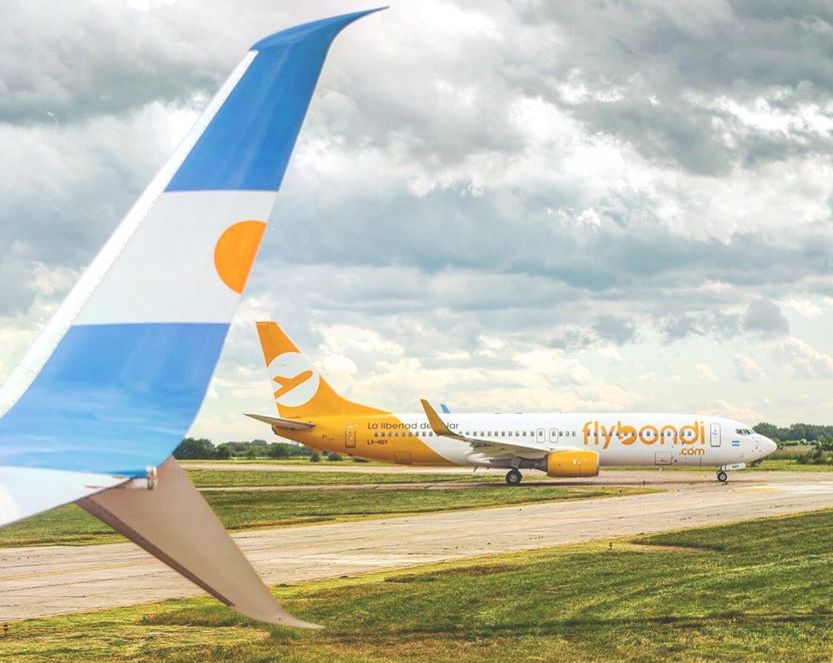


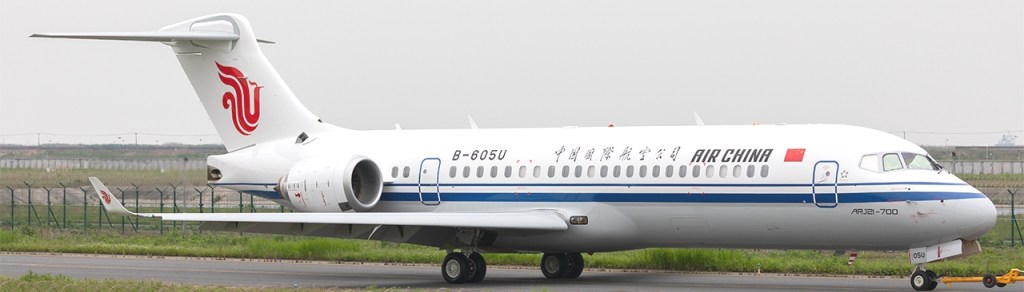
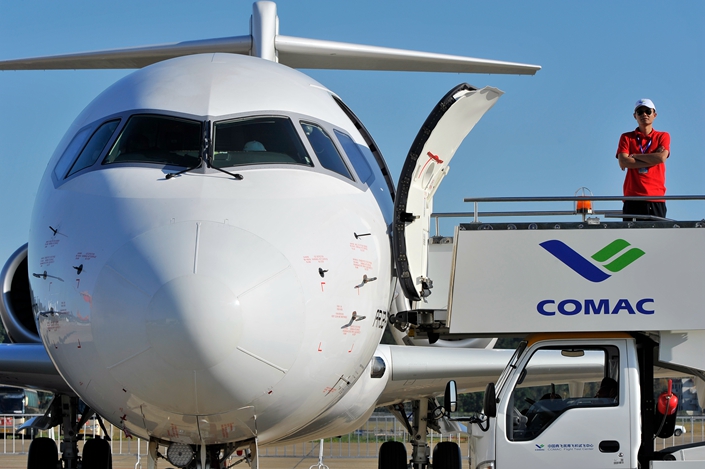
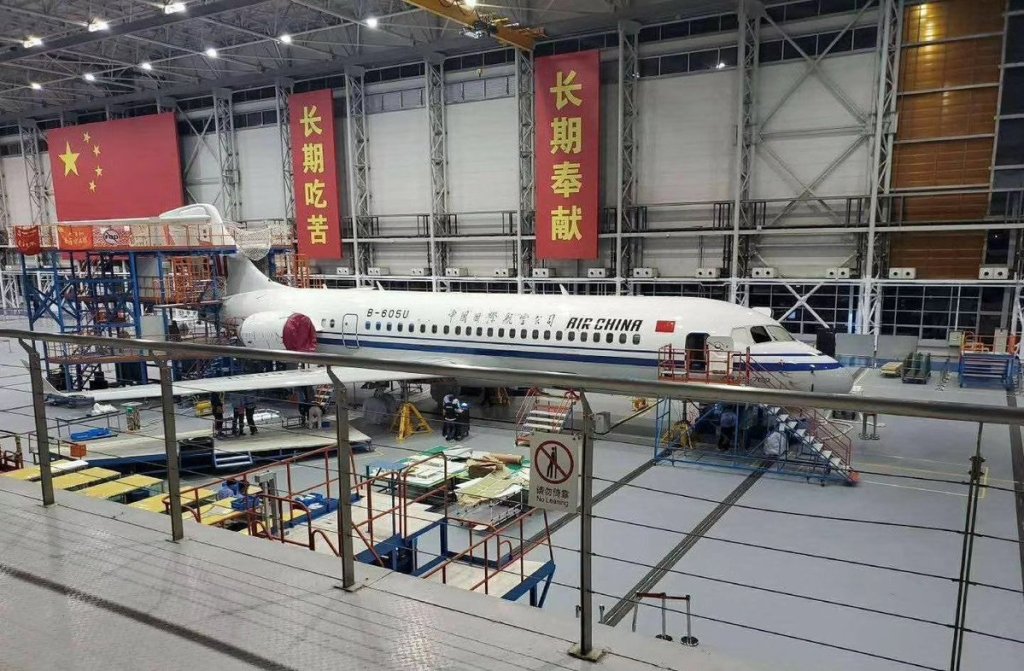

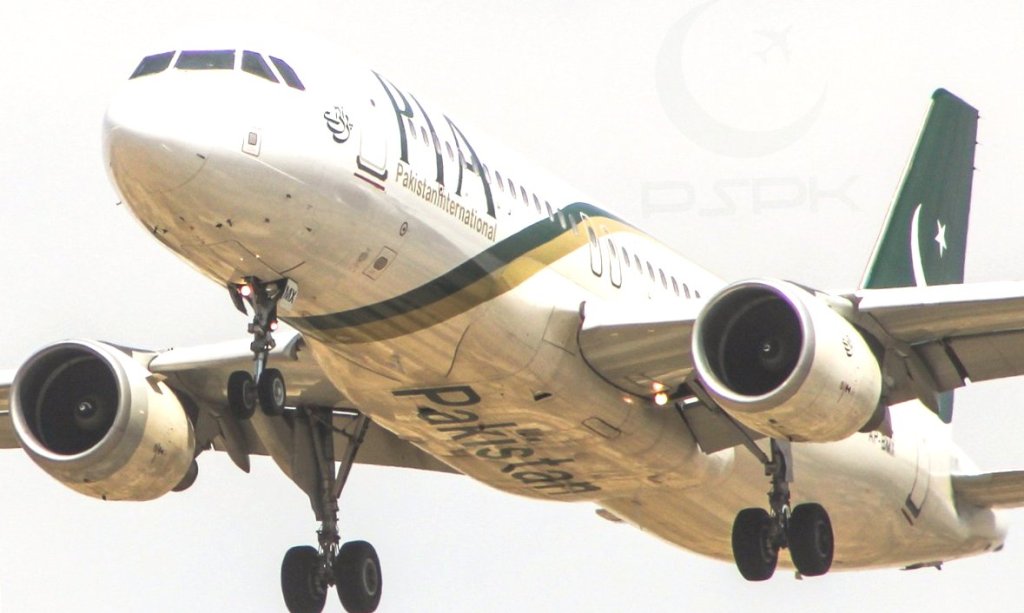

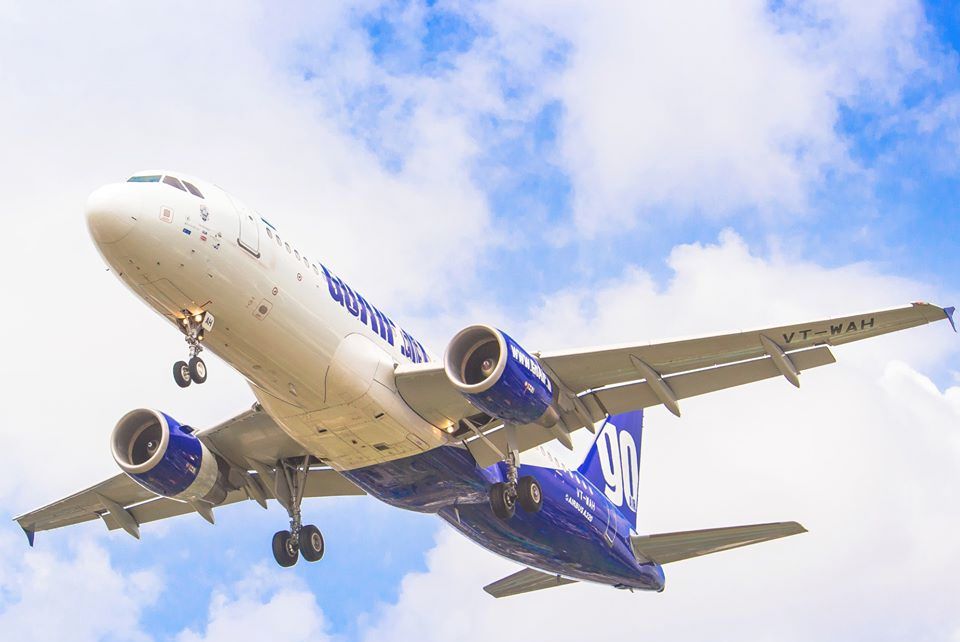
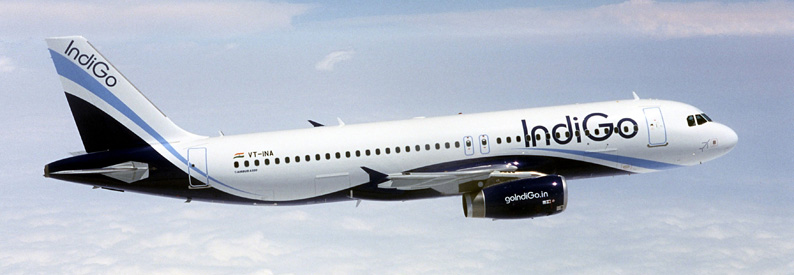

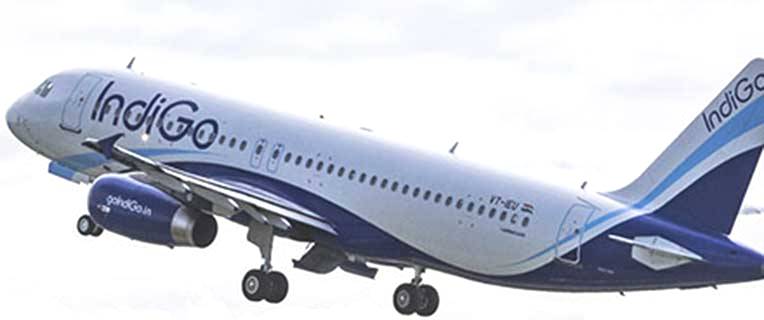


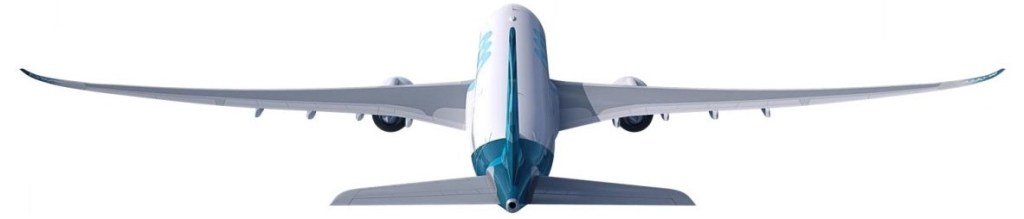

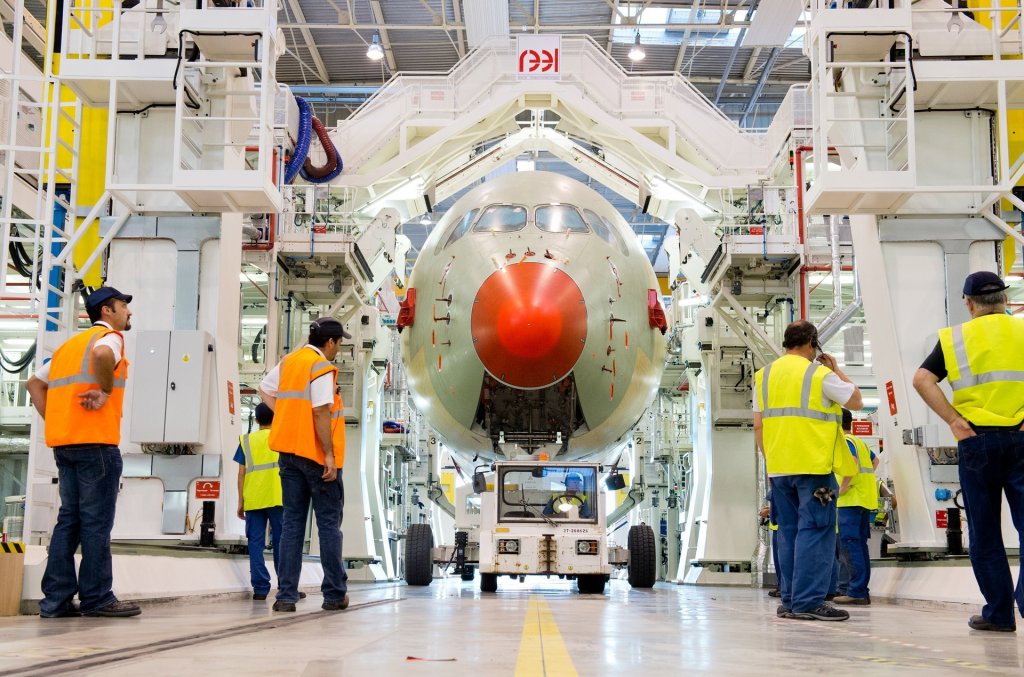

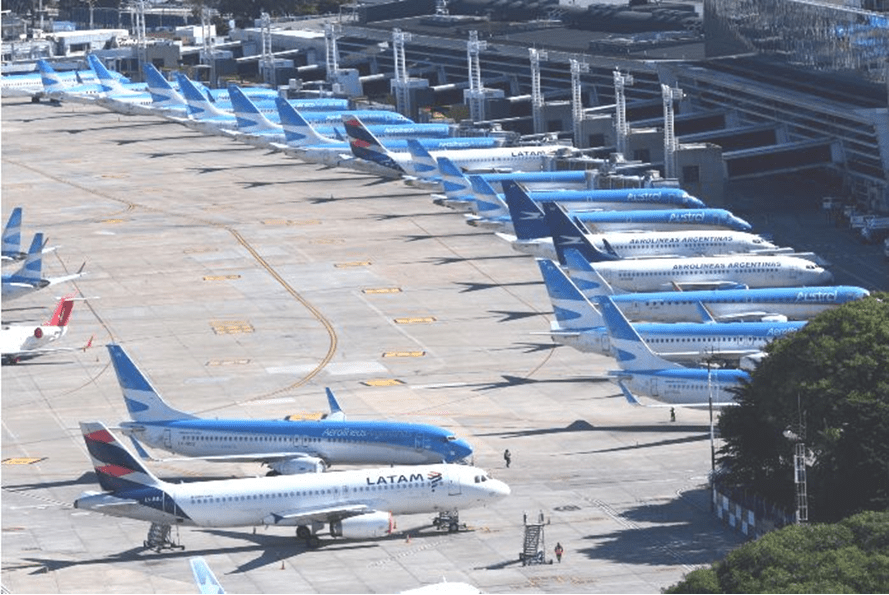

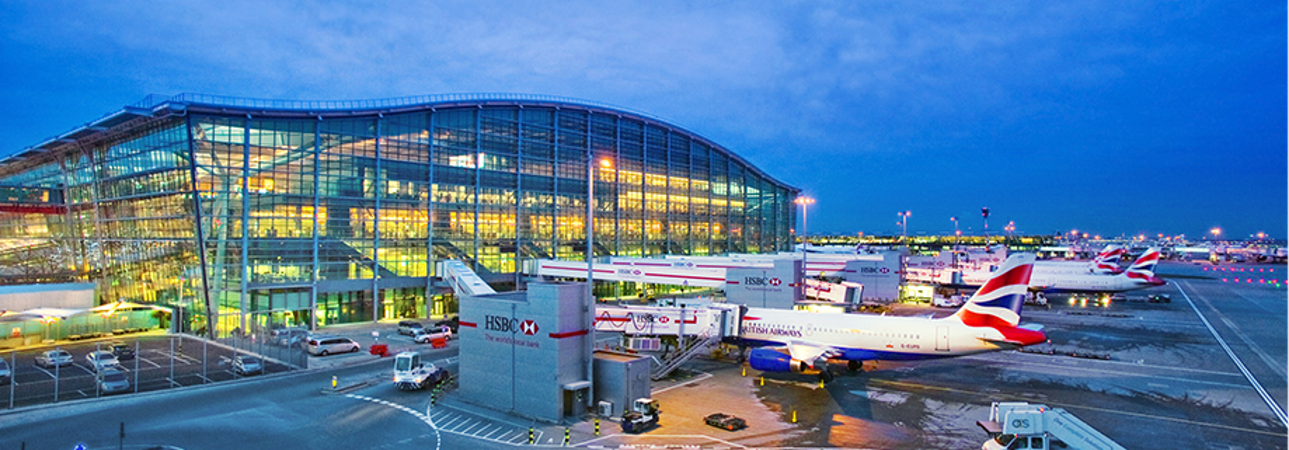
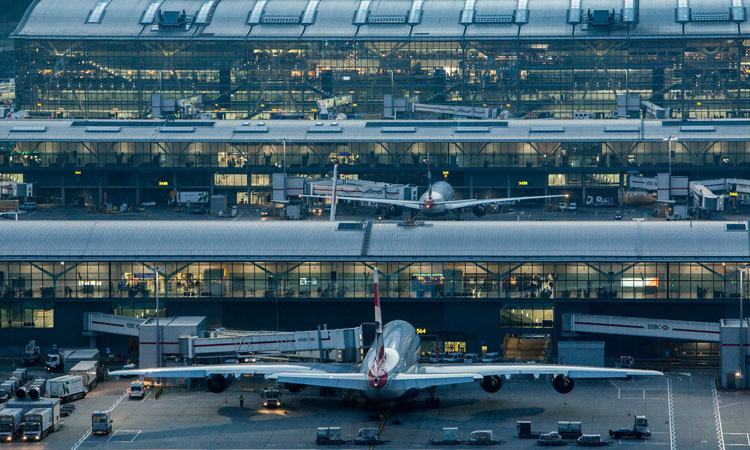

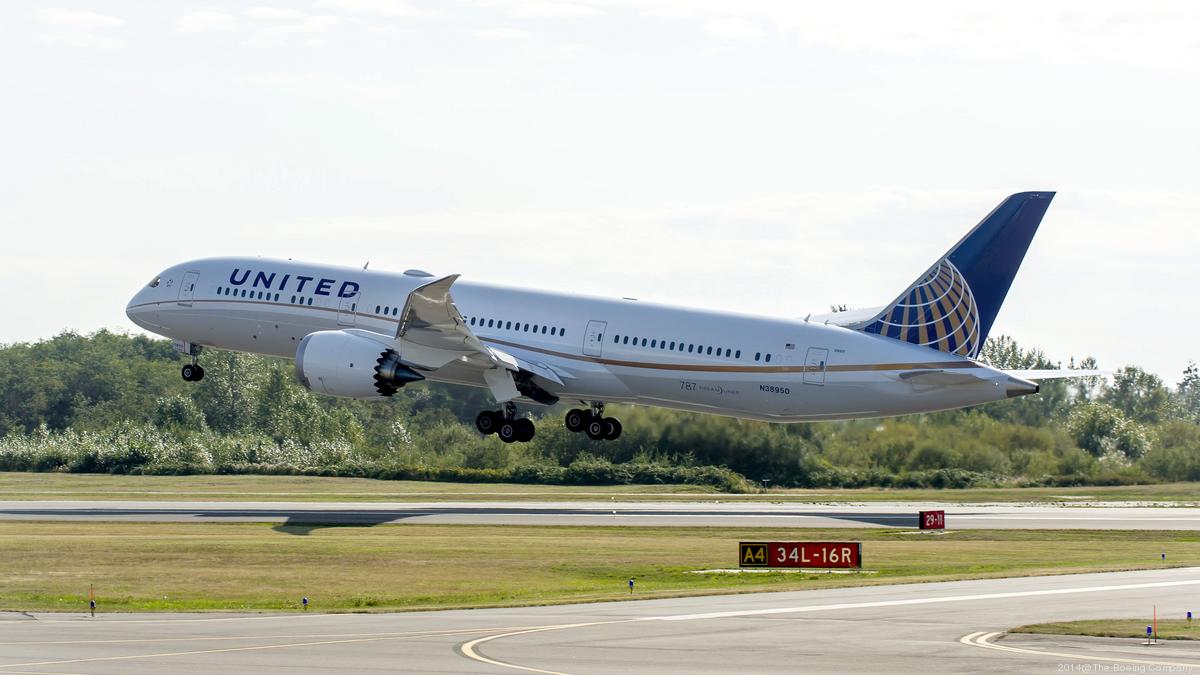
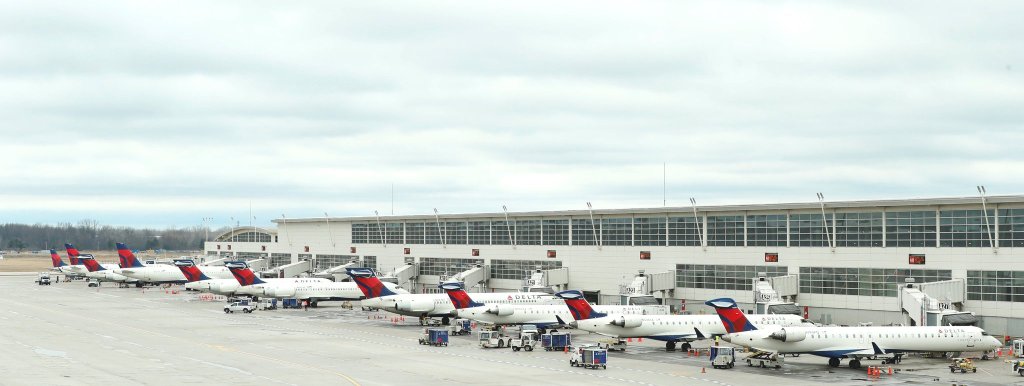
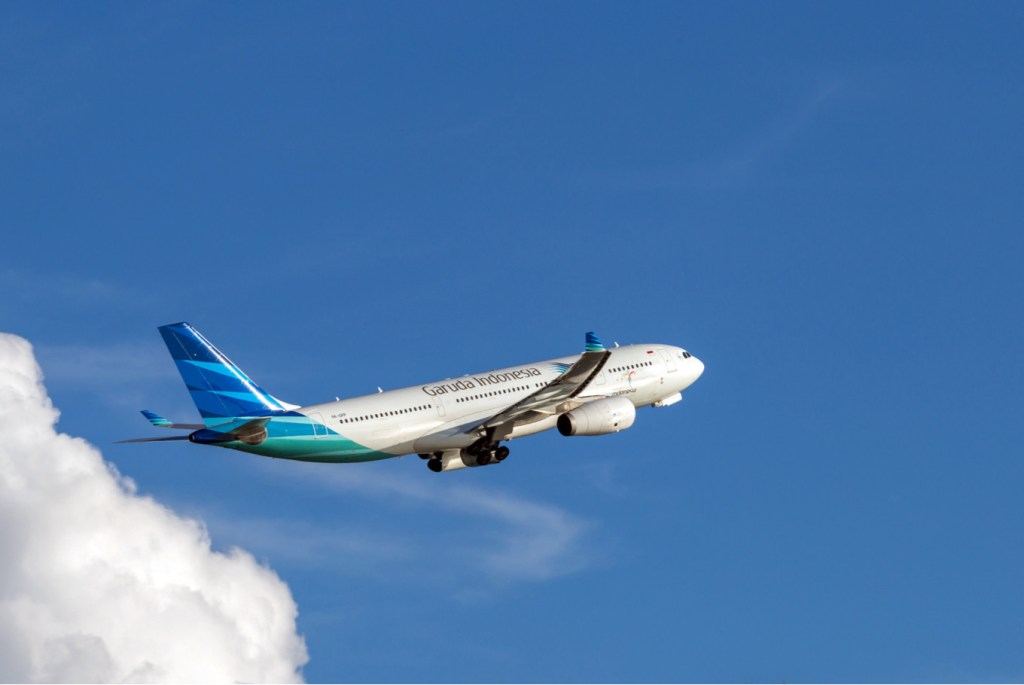

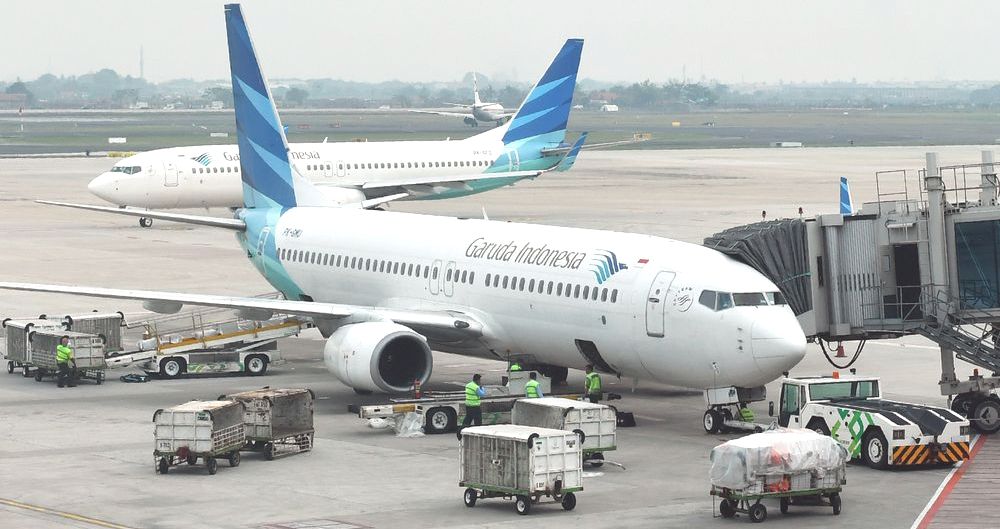
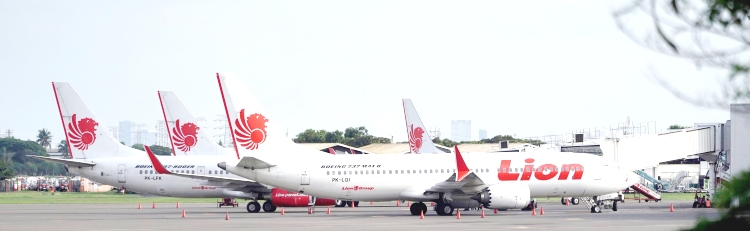
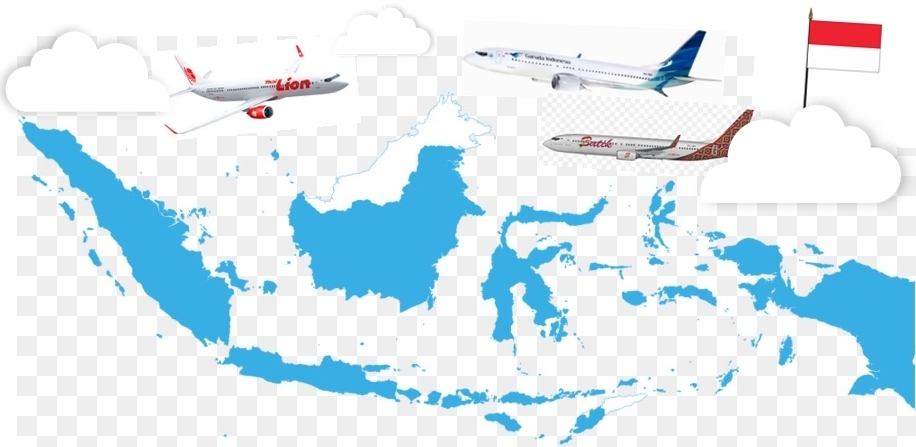

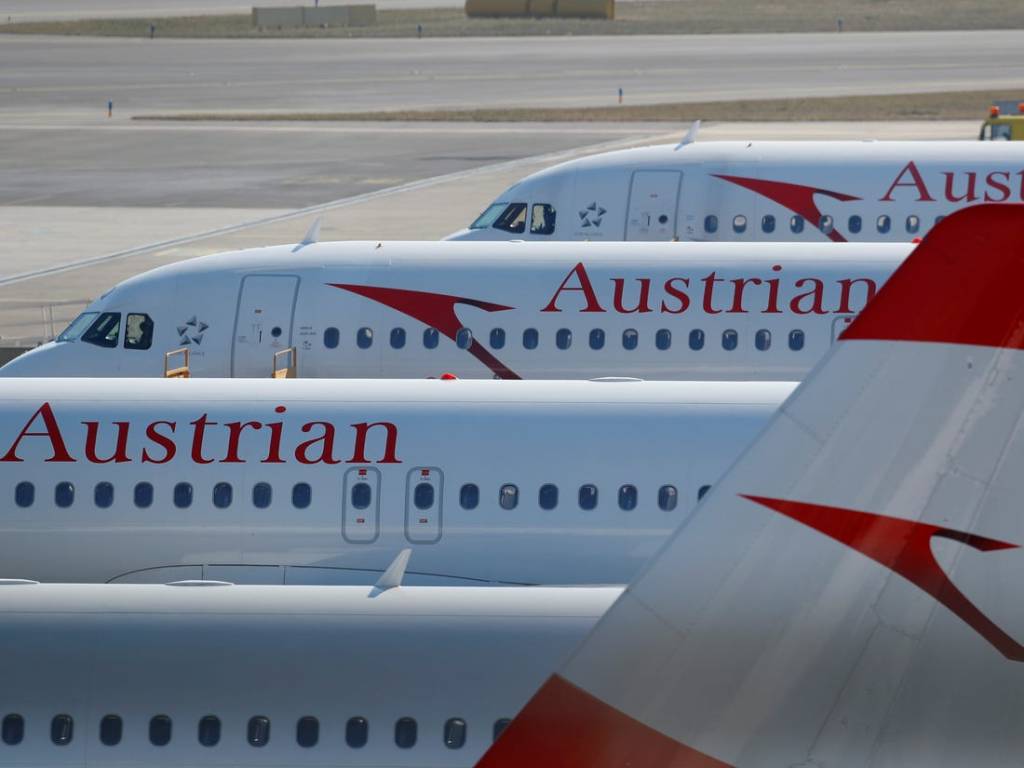
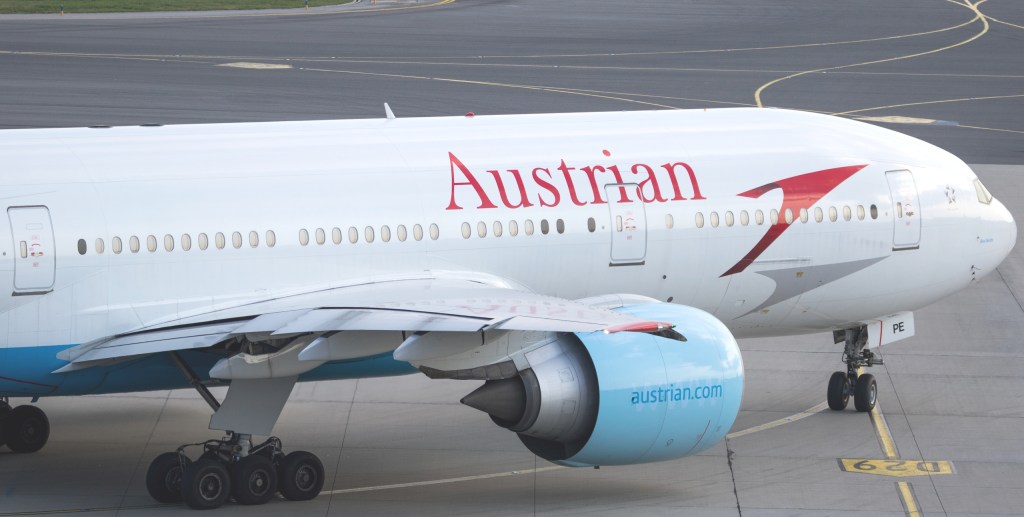

 airgways.com