Airbus UK recorta 500 empleados en Planta de Broughton
Airbus Group SE busca recortar empleos en el Reino Unido a medida que se agotan los pedidos. Se espera un golpe principalmente en Gales, ya que el fabricante predice una larga recuperación de la caída de coronavirus
Airbus está considerando un esquema de despido voluntario para hasta 500 trabajadores del Reino Unido, ya que el fabricante de aviones busca reducir los costos en respuesta a la pandemia de coronavirus. Se espera que los recortes de empleos del fabricante europeo en el Reino Unido recaigan principalmente en la gran fábrica en Broughton, al norte de Gales, que produce alas para aviones comerciales como el A320 y A350.
Cuando se incluyen los despidos obligatorios, es probable que las pérdidas de empleo en el Reino Unido sean varias veces mayores. Una opción bajo consideración era ofrecer despido voluntario a 500 trabajadores, enfocándose en aquellos más cercanos a la jubilación, dijo una persona con conocimiento de las discusiones. Sin embargo, otra fuente advirtió que no se había tomado una decisión final y que era solo una de varias opciones, ya que el fabricante se preparó para años de menor demanda.
UN EMPLEADO INSPECCIONANDO UN ALA DE UN AIRBUS A380 EN LA PLANTA DE AIRBUS EN BROUGHTON REINO UNIDO
Impacto aviación global
Airbus Group dijo en Abril 2020 que reduciría la cantidad de aviones que construyó en un tercio. Las aerolíneas de todo el mundo han cancelado o retrasado los pedidos de nuevos aviones, ya que sus flotas permanecieron en tierra. Los recortes de producción han llevado a la expectativa de miles de recortes de empleos en las operaciones globales de Airbus. The Boeing Company, el rival de Airbus en Estados Unidos, ha dicho que reducirá una décima parte de su fuerza laboral global de 160.000, con 12.000 recortes ya decididos. Bombardier Inc., que fabrica aviones comerciales, dijo el viernes que recortará 2.500 empleos, principalmente en Canadá. Rolls-Royce, el fabricante británico de motores a reacción, tiene planes de recortar 9,000 empleos , con un esquema de redundancia voluntaria en marcha.
Perspectivas
El Director Ejecutivo de Airbus, Guillaume Faury, ha dicho que la demanda de la aviación comercial podría tardar cinco años en recuperarse a los niveles previos a la pandemia. Airbus ya ha hecho grandes recortes en el número de contratistas en Broughton. A unos 500 trabajadores empleados por la agencia de personal Guidant se les ha dicho que no volverán a trabajar. Airbus empleó a 14.000 trabajadores en el Reino Unido antes de la crisis, incluidos 6,000 en Broughton. En todo el mundo, la compañía tiene 135.000 empleados, con bases en Francia, España y Alemania, donde se informa que las conversaciones con los representantes de los trabajadores están en curso. La compañía ha hecho un amplio uso del esquema de retención de empleos del gobierno del Reino Unido. Alrededor de 3.000 trabajadores fueron despedidos en Broughton, y Airbus aumentó su salario a entre 85% y 90% del salario completo. Se cree que los trabajadores de Filton, al norte de Bristol, están menos expuestos debido a su papel en el diseño de alas y sistemas de combustible, aunque algunos programas de desarrollo de alto perfil ya han sido cancelados, incluido el proyecto de avión eléctrico EFan-X, que se dice que es un parte clave de los esfuerzos para reducir las emisiones de la aviación.
Otras opciones que se están considerando para preservar los trabajos de Airbus incluyen recuperar el trabajo de los proveedores. Sin embargo, se cree que el alcance de esto es limitado, dadas las limitaciones en maquinaria y trabajadores con las habilidades necesarias.
Un portavoz de Airbus dijo que la compañía no hizo comentarios sobre especulaciones relacionadas con reuniones o decisiones internas. El portavoz dijo: “Como la compañía ha compartido repetidamente en las últimas semanas, actualmente estamos estudiando posibles medidas adicionales para mitigar el impacto de la crisis de Covid-19, en plena cooperación con nuestros interlocutores sociales. No se ha tomado una decisión final sobre los próximos pasos y cualquier otra medida se discutirá primero con nuestros interlocutores sociales”.
Airbus cuts employees in UK
Airbus UK cuts 500 employees at Broughton Plant
Airbus Group SE seeks to cut UK jobs as orders run out. A blow is expected mainly in Wales, as the manufacturer predicts a long recovery from coronavirus fall
Airbus is considering a voluntary layoff scheme for up to 500 UK workers, as the aircraft maker seeks to cut costs in response to the coronavirus pandemic. The job cuts from the European manufacturer in the UK are expected to go mainly to the large factory in Broughton, North Wales, which produces wings for commercial aircraft such as the A320 and A350.
When compulsory layoffs are included, job losses in the UK are likely to be several times higher. One option under consideration was to offer voluntary layoffs to 500 workers, targeting those closest to retirement, a person with knowledge of the discussions said. However, another source warned that a final decision had not been made and that it was only one of several options, as the manufacturer prepared for years of lower demand.
Global aviation impact
Airbus Group said in April 2020 that it would reduce the number of aircraft it built by a third. Airlines around the world have canceled or delayed orders for new planes, as their fleets remained on the ground. The production cuts have led to the expectation of thousands of job cuts in Airbus’ global operations. The Boeing Company, Airbus’ rival in the United States, has said it will cut a tenth of its global workforce from 160,000, with 12,000 cuts already decided. Bombardier Inc., which makes commercial aircraft, said on Friday it will cut 2,500 jobs, mainly in Canada. Rolls-Royce, the British jet engine maker, has plans to cut 9,000 jobs, with a voluntary redundancy scheme in place.
Perspective
Airbus Chief Executive Officer Guillaume Faury has said that demand for commercial aviation could take five years to recover to pre-pandemic levels. Airbus has already made big cuts in the number of contractors in Broughton. Some 500 workers employed by the Guidant personnel agency have been told they will not work again. Airbus employed 14,000 workers in the UK before the crisis, including 6,000 in Broughton. Worldwide, the company has 135,000 employees, with bases in France, Spain and Germany, where talks with worker representatives are reported to be ongoing. The company has made extensive use of the UK government’s job retention scheme. Around 3,000 workers were laid off in Broughton, and Airbus increased their salary to between 85% and 90% of the full salary. Workers in Filton, north of Bristol, are believed to be less exposed due to their role in wing and fuel system design, although some high-profile development programs have already been canceled, including the EFan electric aircraft project. -X, which is said to be a key part of efforts to reduce aviation emissions.
Other options being considered to preserve Airbus jobs include recovering the work from suppliers. However, the scope of this is believed to be limited, given limitations in machinery and skilled workers.
An Airbus spokesman said the company did not comment on speculation related to meetings or internal decisions. The spokesperson said: “As the company has repeatedly shared in the past few weeks, we are currently studying possible additional measures to mitigate the impact of the Covid-19 crisis, in full cooperation with our social partners. No final decision has been made on the next steps and any other measures will be discussed first with our social partners».
Ξ A I R G W A Y S Ξ PUBLISHER: Airgways.com DBk: Airbus.com / Theguardian.com / Airgways.com AW-POST: 202006051307AR
La OACI emite directrices para la aviación comercial
La Organización Internacional de Aviación Civil (OACI) ha hecho público su informe y recomendaciones para el relanzamiento de la aviación comercial a nivel mundial. Para elaborar el informe y directrices, se estableció el denominado Equipo Especial para la Recuperación de la Aviación. Este ha realizado “amplias consultas con los países, organizaciones regionales y la Organización Mundial de la Salud, así como con grupos importantes de la industria de la aviación como la Asociación de Transporte Aéreo Internacional (IATA), el Consejo Internacional de Aeropuertos (ACI), la Organización de servicios de navegación aérea civil (CANSO) y el Consejo Coordinador Internacional de Asociaciones de Industrias Aeroespaciales (ICCAIA)”, señalan desde OACI.
Salvatore Sciacchitano, Presidente del Consejo de OACI señaló: “El mundo tenía sus ojos puestos en el Consejo de la OACI para recibir orientaciones de alto nivel necesarias para que los gobiernos y la industria inicien la reanudación del transporte aéreo internacional y la recuperación tras el Covid-19. Hoy hemos respondido a este llamamiento con la entrega de este informe y sus recomendaciones, y el documento de orientación ‘Take-off’ (El despegue), que permitirán armonizar las medidas y formas de mitigación de los sectores público y privado a medida que el mundo empiece a volar de nuevo, estando en total con consonancia con las recomendaciones más recientes y prudentes de que disponemos sobre aspectos sanitarios y de la salud del público viajero”.
Al frente del Equipo Especial ha estado Philippe Bertoux, representante de Francia en el Consejo de OACI. Este explicó que “las orientaciones presentadas por el Equipo Especial tenían por objetivo informar, armonizar y hacer avanzar, mas no remplazar, las hojas de ruta nacionales, regionales y específicas de la industria que se aplican en este momento para la recuperación tras el COVID-19. Para que sean eficaces, es necesario adoptar un enfoque de múltiples niveles y particularmente, basado en los riesgos. Según sea necesario, se aplicarán o se eliminarán medidas sobre una amplia gama de factores médicos y de otra índole que estén en consideración. Los países y los explotadores necesitan autonomía y certidumbre a la hora de actuar para que el mundo pueda volar de nuevo, por ello, las orientaciones del Equipo Especial se han concebido para cumplir ambos objetivos, es decir, que sirvan de referencia común y que a la vez sean adaptables”.
El informe del Equipo Especial, además de analizar la situación “y principios fundamentales apoyados por una serie de recomendaciones centradas en objetivos de salud pública, seguridad operacional y protección de la aviación así como de la recuperación económica de la aviación”, explican desde OACI, que se complementa con el documento “Take Off” citado por Sciacchitano, que contiene orientaciones sobre medidas de mitigación de riesgos de salud pública y cuatro módulos separados relacionados con aeropuertos, aeronaves, tripulaciones y carga aérea. El informe completo del Equipo Especial está disponible online y se revisará y actualizará periódicamente con base en los datos e información más recientes suministrados por todas las partes.
Concejo OACI COVID-19
El Consejo de la OACI crea el Equipo Especial para la Recuperación de la Aviación tras la COVID-19. En respuesta a las graves consecuencias de la pandemia de COVID-19 para la aviación civil internacional y a la necesidad de una coordinación de más amplio alcance entre los gobiernos y la industria para ayudar a reconectar al mundo, los representantes de los 36 países que conforman el Consejo de la Organización de Aviación Civil Internacional (OACI), organismo especializado de la ONU, crearon el Equipo Especial para la Recuperación de la Aviación tras la COVID-19.
El nuevo equipo especial del Consejo tendrá por objetivo identificar prioridades y recomendar políticas estratégicas tanto para los Estados como para la industria.
El equipo aprovechará todos los datos disponibles de los gobiernos y de la industria para formular soluciones ante los desafíos inmediatos a los que se enfrenta el sector y las prioridades a las que es preciso atender para relanzar una red más resiliente y con mayor capacidad de respuesta para el mundo pos-COVID-19.
“Como sabemos, la conectividad aérea es fundamental para el desarrollo económico sostenible de todas las regiones del mundo. Por eso, la recuperación eficaz del transporte aéreo internacional es esencial para la recuperación económica mundial tras la pandemia. No estamos hablando de una recuperación tras una crisis del transporte aéreo internacional. El sector ha enfrentado varias crisis en el pasado, de las que logró recuperarse gracias a las oportunas iniciativas de la OACI. El progreso alcanzado durante décadas podría perderse por completo si no se reanuda pronto y eficazmente la actividad del transporte aéreo internacional. En estos tiempos inciertos y en estas circunstancias excepcionales, la OACI está llamada a rescatar al transporte aéreo internacional y a facilitar la reanudación de las operaciones», señaló el Presidente del Consejo de la OACI, Salvatore Sciacchitano, en su discurso de hoy en la primera reunión del Equipo Especial.
El nuevo Equipo Especial del Consejo está compuesto por miembros del Consejo y representantes de la industria de la aviación de alto rango, incluidos los Directores Generales de todas las principales asociaciones de la industria del transporte aéreo. También integran el equipo otros organismos de la ONU, como la Organización Mundial de la Salud (OMS) y la Organización Mundial del Turismo (OMT), y dirigentes de varias administraciones de aviación nacionales y regionales. El Presidente del Comité de Transporte Aéreo del Consejo y Representante de Francia en el Consejo de la OACI, Sr. Philippe Bertoux, fue nombrado presidente del Equipo Especial por el Presidente Sciacchitano. El Sr. Boubacar Djibo, Director de Transporte Aéreo de la OACI, se desempeñará como Secretario. El Consejo prevé que los primeros resultados de la labor del Equipo especial estarán disponibles a finales de Mayo 2020.
WTTC acoge directrices
El Consejo Mundial de Viajes y Turismo (WTTC) ha acogido con beneplácito las directrices aprobadas para restaurar de manera segura la conectividad aérea mundial, elaboradas por la Organización de Aviación Civil Internacional (OACI). El Grupo de trabajo de recuperación de la aviación COVID-19 (CART) de la OACI ha trabajado con gobiernos, expertos en salud y partes interesadas de la industria para acordar y publicar recomendaciones integrales para un enfoque por capas de medidas para reducir el riesgo de transmisión de coronavirus mientras viaja por aire. Complementan los protocolos de viajes seguros recientemente anunciados por WTTC, que fueron diseñados para impulsar el regreso de viajes seguros y permitir que industrias como operadores turísticos, hoteles, hospitalidad, compañías de viajes, alquiler de automóviles, MICE, minoristas y otros, prosperen una vez más.
WTTC, que representa el sector privado global de Viajes y Turismo, reconoce las pautas de la OACI debido a la naturaleza estrictamente regulada del sector de la aviación en general y de las aerolíneas en particular, y apoya firmemente las pautas de ‘Despegue’. El sello WTTC Safe Travels reconocerá y podría ser utilizado por países y destinos que adopten los protocolos Safe Travels y las pautas de despegue de la OACI para la aviación.
El trabajo del Equipo Especial se desarrolló a través de consultas amplias de la OACI con países y organizaciones regionales, y con importantes consejos de la Organización Mundial de la Salud y grupos clave de la industria de la aviación, incluida la Asociación Internacional de Transporte Aéreo (IATA), el Consejo Internacional de Aeropuertos (ACI World), el Organización de Servicios de Navegación Aérea Civil (CANSO) y el Consejo Internacional de Coordinación de Asociaciones de Industrias Aeroespaciales (ICCAIA).
Gloria Guevara, Presidenta y Directora Ejecutiva de WTTC, dijo: “Las medidas de seguridad e higiene tomadas durante la experiencia de viaje serán clave para reconstruir la confianza de los viajeros y reiniciar el sector de Viajes y Turismo. El liderazgo mostrado por el Secretario General de la OACI, Dr. Fang Lui y el Presidente del Consejo de la OACI, Salvatore Sciacchitano, en el proceso CART le da al sector de la aviación el enfoque global que necesita para alinear a sus muchos participantes con medidas que tranquilicen a los viajeros al reducir los riesgos de transmisión COVID-19. Felicitamos a la OACI por desarrollar esta guía crítica para la aviación en cooperación con asociaciones clave de la industria, incluidas IATA y ACI. Ahora instamos a los gobiernos a adoptarlas y las mejores prácticas lo más rápido posible, para que podamos salvar un sector que ya está en una lucha por la supervivencia».
La evidencia del reciente Informe de preparación para crisis de WTTC, que analizó 90 tipos diferentes de crisis en los últimos 20 años, destaca la importancia de la cooperación público-privada y la implementación de protocolos estandarizados para reducir el tiempo de recuperación. Según el Informe de Impacto Económico 2020 del WTTC, durante 2019, Viajes y Turismo fue responsable de uno de cada 10 empleos (330 millones en total), haciendo una contribución del 10.3% al PIB mundial y generando uno de cada cuatro de todos los nuevos empleos.
ICAO commercial aviation guidelines
ICAO issues guidelines for commercial aviation
The International Civil Aviation Organization (ICAO) has released its report and recommendations for the relaunch of commercial aviation worldwide. To prepare the report and guidelines, the so-called Aviation Recovery Task Force was established. It has carried out “extensive consultations with countries, regional organizations and the World Health Organization, as well as with important groups in the aviation industry such as the International Air Transport Association (IATA), the International Council of Airports (ACI) , the Organization of Civil Air Navigation Services (CANSO) and the International Coordinating Council of Associations of Aerospace Industries (ICCAIA)”, point out from ICAO.
Salvatore Sciacchitano, President of the ICAO Council noted: “The world had its eyes on the ICAO Council to receive the high-level guidance necessary for governments and industry to initiate the resumption of international air transport and recovery after Covid -19. Today we have responded to this appeal with the delivery of this report and its recommendations, and the ‘Take-off’ guidance document, which will allow harmonizing the measures and forms of mitigation of the public and private sectors as the The world begins to fly again, being in total in accordance with the most recent and prudent recommendations we have on health and health aspects of the traveling public».
At the head of the Special Team was Philippe Bertoux, representative of France on the ICAO Council. He explained that «the guidelines presented by Special Team were intended to inform, harmonize and advance, but not replace, the national, regional and industry-specific road maps that are currently applied for recovery after COVID-19. To be effective, a multi-level and particularly risk-based approach is required. As necessary, measures will be applied or eliminated on a wide range of medical and other factors being considered. Countries and operators need autonomy and certainty when it comes to acting so that the world can fly again, therefore, the Special Team guidelines are designed to meet both objectives, that is, that they serve as a common reference and that the maybe they are adaptable”.
The Special Team report, in addition to analyzing the situation «and fundamental principles supported by a series of recommendations focused on public health, safety and aviation protection objectives as well as the economic recovery of aviation», explain from ICAO, that It is complemented by the “Take Off” document cited by Sciacchitano, which contains guidelines on mitigation measures for public health risks and four separate modules related to airports, aircraft, crews and air cargo. The full Special Team report is available online and will be periodically reviewed and updated based on the latest data and information provided by all parties.
ICAO / COVID-19 Links
Quick and direct access to standardized guidance material, tools and expert support developed by ICAO to address the challenges posed by the COVID-19 pandemic.
The ICAO Council creates the Special Team for Aviation Recovery after COVID-19. In response to the serious consequences of the COVID-19 pandemic for international civil aviation and the need for broader coordination between governments and industry to help reconnect the world, the representatives of the 36 countries that make up the Council of the International Civil Aviation Organization (ICAO), a specialized agency of the UN, created the Special Team for Aviation Recovery after COVID-19.
The new Council task force will aim to identify priorities and recommend strategic policies for both States and industry.
The team will leverage all available data from governments and industry to formulate solutions to the immediate challenges facing the sector and the priorities that need to be addressed to relaunch a more resilient and responsive network to the post-COVID-19 world.
“As we know, air connectivity is essential for the sustainable economicdevelopment of all regions of the world. Therefore, the effective recovery of international air transport is essential for the global economic recovery after the pandemic. We are not talking about a recovery after an international air transport crisis. The sector has faced several crises in the past, from which it managed to recover thanks to timely ICAO initiatives. Progress made over decades could be lost entirely if international air transport activity is not resumed promptly and effectively. In these uncertain times and in these exceptional circumstances, ICAO is called to rescue international air transport and facilitate the resumption of operations», said ICAO Council President Salvatore Sciacchitano, in his speech today at the first meeting of the Special Team.
The new Council Task Force is comprised of Council members and senior representatives of the aviation industry, including the Directors-General of all major associations in the air transport industry. The team is also made up of other UN agencies, such as the World Health Organization (WHO) and the World Tourism Organization (UNWTO), and leaders of various national and regional aviation administrations. The President of the Council’s Air Transport Committee and the Representative of France on the ICAO Council, Mr. Philippe Bertoux, was appointed Chairman of the Special Team (Task Force) by President Sciacchitano. Mr. Boubacar Djibo, ICAO Director of Air Transportation, will serve as Secretary. The Council anticipates that the first results of the Task Force’s work will be available in late May 2020.
WTTC welcomes guidelines
The World Travel and Tourism Council (WTTC) has welcomed the approved guidelines to safely restore global air connectivity, developed by the International Civil Aviation Organization (ICAO). The ICAO COVID-19 Aviation Recovery Task Force (CART) has worked with governments, health experts and industry stakeholders to agree and publish comprehensive recommendations for a layered approach to measures to reduce the risk of transmission of coronavirus while traveling by air. They complement the recently announced WTTC safe travel protocols, which were designed to drive the return of safe travel and enable industries like tour operators, hotels, hospitality, travel companies, car rental, MICE, retailers and others to thrive once plus.
WTTC, which represents the global private travel and tourism sector, recognizes ICAO guidelines due to the tightly regulated nature of the aviation sector in general and airlines in particular, and strongly supports the ‘Take-off’ guidelines. The WTTC Safe Travels seal will recognize and could be used by countries and destinations that adopt the Safe Travels protocols and the ICAO take-off guidelines for aviation.
Special team’s work was developed through extensive ICAO consultations with countries and regional organizations, and with important councils from the World Health Organization and key groups in the aviation industry, including the International Air Transport Association (IATA ), the Airports Council International (ACI World), the Civil Air Navigation Services Organization (CANSO) and the International Coordinating Council of Aerospace Industries Associations (ICCAIA).
Gloria Guevara, President and Executive Director of WTTC, said: “The safety and hygiene measures taken during the travel experience will be key to rebuilding the confidence of travelers and restarting the Travel and Tourism sector. The leadership shown by ICAO Secretary General Dr. Fang Lui and ICAO Council President Salvatore Sciacchitano in the Special Team process gives the aviation sector the global focus it needs to align its many participants with measures that reassure travelers by reducing the risks of COVID-19 transmission. We commend ICAO for developing this Critical Aviation Guide in cooperation with key industry associations, including IATA and ACI. We now urge governments to adopt them and best practices as quickly as possible, so that we can save a sector that is already in a fight for survival».
Evidence from the recent WTTC Crisis Preparedness Report, which analyzed 90 different types of crises in the past 20 years, highlights the importance of public-private cooperation and the implementation of standardized protocols to reduce recovery time. According to the WTTC’s 2020 Economic Impact Report, during 2019 Travel and Tourism was responsible for one in 10 jobs (330 million in total), making a contribution of 10.3% to world GDP and generating one in four of all new jobs.
Ξ A I R G W A Y S Ξ PUBLISHER: Airgways.com DBk: Icao.int / Wttc.org / Canadianpress.com / Airgways.com AW-POST: 202006051237AR
Principales aerolíneas EE.UU. están agregando vuelos de verano
El mercado aéreo de Estados Unidos se está reactivando poco a poca medida que el negocio de las aerolíneas está volviendo a la vida restableciendo horarios para Julio 2020. Los ejecutivos de las aerolíneas dicen que están siendo juiciosos en su planificación para las programaciones para los meses siguientes. También se apresuran a señalar que se están abriendo más ciudades y estados después de los bloqueos de la pandemia, por lo que hay una demanda acumulada para viajar.
Las compañías aéreas de Estados Unidos continúan progresivamente aumentando la programación de vuelos para la temporada estival boreal, marcando el comienzo de muchas aerolíneas para la reactivación de las rutas aéreas en el país.
Las principales líneas aéreas comienzan a reiniciar las operaciones de manera progresiva pero manteniendo la cautela y maximizando los requerimientos sanitarios vigentes. United Airlines, Southwest Airlines, Delta Air Lines, American Airlines, Frontier Airlines, Allegiant Airlines establecen una diagramación de vuelos a diferentes destinos para los meses de Junio/Julio 2020. OAG, que rastrea la industria de las aerolíneas y los horarios de vuelos, dice que las cuatro mayores aerolíneas estadounidenses: United, American, Delta y Southwest, están incrementando sus horarios en Junio en un 27% desde Mayo 2020. La mayor parte de ese aumento se debe a vuelos domésticos adicionales. En cuanto a las rutas internacionales, el crecimiento de los vuelos ha sido mucho más gradual debido a la baja demanda. “La industria está mostrando algunos signos de recuperación, pero hay cambios notables en el comportamiento del consumidor. La gente está reservando más tarde, buscando más flexibilidad en sus reservas de viaje y no comprometiéndose a pagar hasta el último minuto”, dijo John Grant, Analista de Aviación de OAG.
American Airlines ha comunicado que planea volar el 55% de su horario interno en Julio, un aumento considerable desde Mayo cuando voló el 20% de su horario del año anterior. “Estamos viendo un aumento lento pero constante de la demanda interna. Después de una cuidadosa revisión de los datos, hemos creado un horario de julio para que coincida”, dijo Vasu Raja, Vicepresidente Senior de Estrategia de Red en un comunicado que anuncia el horario de la aerolínea. American está aumentando los vuelos a un ritmo más agresivo que United Airlines, que está aumentando su horario de Julio al 25% de lo que voló durante el mismo mes en 2019.
Las compañías aéreas de Estados Unidos están abriendo el mercado doméstico progresivamente, siendo cautelosamente optimistas. La demanda de personas para las reservas de vuelos este verano boreal han aumentado constantemente. En Abril, los estadounidenses promediaron 32.154 pasajeros por día. Desde el 1-23 Mayo 2020, su nivel diario de clientes aumentó más del doble a 78.178, y luego aumentó a 110.330 por día del 24 al 29 Mayo 2020. Si bien los números son alentadores, los niveles de pasajeros en los Estados Unidos permanecen extremadamente deprimidos debido a la pandemia de Coronavirus que llevó a millones de estadounidenses a cancelar viajes o evitar reservar vuelos. De acuerdo con la Administración de Seguridad del Transporte (TSA), el número de pasajeros y miembros de la tripulación de la aerolínea examinados en los aeropuertos de Estados Unidos ha disminuido en más del 85% respecto al año anterior.
Reactivation of flights in the United States
Major US airlines summer flights are being added
The United States air market is slowly reactivating as the airline business is coming to life by re-establishing schedules for July 2020. Airline executives say they are being judicious in their planning for schedules for the months following. They are also quick to point out that more cities and states are opening after the pandemic blockades, so there is a backlog of demand for travel.
United States airlines continue to progressively increase flight schedules for the boreal summer season, ushering in many airlines for the revival of air routes in the country.
The main airlines begin to restart operations progressively but maintaining caution and maximizing current health requirements. United Airlines, Southwest Airlines, Delta Air Lines, American Airlines, Frontier Airlines, Allegiant Airlines establish a schedule of flights to different destinations for the months of June/July 2020. OAG, which tracks the airline industry and flight schedules, He says that the four largest US airlines: United, American, Delta and Southwest, are increasing their schedules in June by 27% since May 2020. Most of that increase is due to additional domestic flights. Regarding international routes, the growth of flights has been much more gradual due to low demand. «The industry is showing some signs of recovery, but there are notable changes in consumer behavior. People are booking later, looking for more flexibility in their travel reservations and not committing to paying until the last minute”, said John Grant, OAG Aviation Analyst.
American Airlines has announced that it plans to fly 55% of its internal schedule in July, a considerable increase since May when it flew 20% of its schedule the previous year. «We are seeing a slow but steady increase in domestic demand. After careful review of the data, we have created a July schedule to match”, Vasu Raja, Senior Vice President of Network Strategy said in a statement announcing the airline’s schedule. American is increasing flights at a more aggressive rate than United Airlines, which is increasing its July schedule to 25% of what it flew during the same month in 2019.
United States airlines are gradually opening up the domestic market, being cautiously optimistic. The demand for people for flight reservations this summer has been increasing steadily. In April, Americans averaged 32,154 passengers per day. From May 1-23, 2020, their daily customer level more than doubled to 78,178, and then increased to 110,330 per day from May 24 to 29, 2020. While the numbers are encouraging, passenger levels in the United States remain extremely depressed due to the Coronavirus pandemic that led millions of Americans to cancel trips or avoid booking flights. According to the Transportation Security Administration (TSA), the number of airline passengers and crew members screened at U.S. airports has decreased by more than 85% from the previous year.
Ξ A I R G W A Y S Ξ PUBLISHER: Airgways.com DBk: Transportation.gov / Tsa.gov / Airgways.com / Wikipedia.org / Miami-airport.com / Dallasnews.com AW-POST: 202006050757AR
AW | 2020 06 05 07:25 | AIRLINES MARKET / GOVERNMENT
Gobierno Argentina reactivaría reinicio operaciones de cabotaje vacaciones invierno
El Gobierno de Argentina analiza la posibilidad de habilitar vuelos especiales para las próximas vacaciones de invierno entre destinos del interior del país, que unan provincias que no hayan registrado casos recientes de coronavirus. El anuncio el Miércoles 3 Junio 2020 ha trascendido después del análisis de la situación de la pandemia en el interior del país. El Jueves 04/06, el Ministro de Turismo y Deportes de la Nación, Matías Lammens, confirmó que el Gobierno evalúa autorizar vuelos de cabotaje y micros de larga distancia con el objetivo de reactivar el turismo en este período, siempre entre provincias con una situación sanitaria controlada, por lo que no se podrá viajar desde Capital ni el Gran Buenos Aires.
Las actuales condiciones mejorables en Argentina permiten presentar un proyecto de Corredores Turísticos Sanitarios para reactivar turismo. “Desde la Cámara impulsamos la apertura turística para las vacaciones y el trabajo a través de corredores interprovinciales que permitan transporte terrestre y aéreo, porque son clave a la hora de mover las economía. Existen provincias que registran un muy buen nivel sanitario en relación al Covid-19, y que podrían intercambiar turistas. Entre los distintos destinos con posibilidades de recibir o emitir viajeros este invierno, el directivo mencionó a Bariloche, Mendoza, Salta, Jujuy, Catamarca y Misiones, siempre con acuerdo entre los gobernadores respecto a los lineamientos y protocolos sanitarios. El Ministerio de Turismo, junto con la CAT y el Consejo Federal, están elaborando protocolos de alcance nacional por sectores: uno de hotelería y gastronomía que está a punto de ser publicado, otro para aerolíneas y otro para agencias de viaje. No quiero pecar de optimista, pero creo que hay posibilidades ciertas de que para mediados o fines de julio se pueda implementar este plan. Sería una buena solución para el gobierno nacional el reactivar el sector (turístico), lo que permita recuperar la actividad y el empleo en las provincias”, comentó el Presidente de la Cámara Argentina de Turismo, Aldo Elías.
El protocolo sanitario para la apertura de vuelos vacacionales implica la necesaria separación entre pasajeros, el uso obligatorio de tapabocas, controles de temperatura y una limpieza profunda de los aviones, que están equipados con filtros de aire en las cabinas de pasajeros.
Aerolíneas Argentinas ha expresado que «volar este invierno es una posibilidad. Habrá que analizar cada ruta y también posiblemente diseñar nuevos inter-tramos con escalas intermedias. Ese estudio preliminar lo está haciendo la Administración Nacional de Aviación Civil (ANAC), y dependerá seguramente de ese análisis. En un análisis de posibles rutas, por el momento es muy prematuro dar a conocer considerando que Aerolíneas hace muchos inter-tramos y hay que evaluar varios puntos, como mudar tripulaciones a las provincias o implementar refuerzos de mantenimiento si fuera necesario, considerando variables como que en determinados aeropuertos sólo pueden operar los aviones Embraer”. Por ello no hay aún definiciones sobre qué rutas o en qué momento comenzarían las operaciones.
Desde la low cost Jetsmart Airlines Argentina también manifestaron su interés en volar estas vacaciones. “Estamos muy interesados, siempre listos para retomar los vuelos. La empresa aplica un protocolo bien definido de prevención y sanidad para poder retomar las operaciones. Además, en Chile nunca dejamos de volar, por lo cual tenemos la práctica concreta de la aplicación de ese protocolo día a día”, expresó Gonzalo Pérez Corral, gerente general de la compañía.
Jetsmart Airlines Argentina está realizando consultas con varias provincias por el interés en recibir vuelos, y adelantó que algunos destinos que podría llegar a conectar Jetsmart, aún sin confirmar, serían Neuquén, Salta, Rosario, y Bariloche con distintos puntos del interior. “Hay provincias que dependen mucho del turismo, y en varias ya desde hace unos días no hay casos de coronavirus, por lo que en 35 o 45 días se podría volar”, sostienen desde la low cost.
La low cost Flybondi ha expresado que evalúan distintas alternativas de turismo en corredores entre provincias que no tienen casos de contagios. “Nos resulta muy interesante esta posibilidad, ya que Flybondi opera varias rutas que no pasan por Buenos Aires que generan conectividad interprovincial. Si se avanza con la propuesta, sería necesario analizar qué rutas pueden operarse en función del tiempo previo de venta y la demanda que los gobiernos provinciales consideren probable. Puede ser una buena manera de comenzar a reactivar las economías regionales y que varios destinos no pierdan completamente su temporada alta”, indicó Esteban Tossutti, Presidente de Flybondi. Toda la actividad deberá ser muy estricta con los protocolos sanitarios, y que en el caso de la empresa, comenzó a aplicarlo a fines de Febrero 2020 y acaba de lanzar ‘Flybondi te Cuida’, un plan de medidas de cuidado para los pasajeros y empleados que incluyen iniciativas alineadas a las recomendaciones de la Asociación Internacional de Transporte Aéreo (IATA), el Consejo Internacional de Aeropuertos (ACI), la Organización Mundial de la Salud y el Ministerio de Salud de la Nación.
Esta alternativa a las iniciativas del Gobierno de Argentina permitirán reactivar la actividad del turismo en las regiones que tienen su temporada alta en estos meses para no perder por completo la temporada alta invernal.
Argentina analyzes reactivating aviation
Government Argentina to reactivate restart of winter vacation cabotage operations
The Government of Argentina is analyzing the possibility of enabling special flights for the upcoming winter holidays between destinations in the interior of the country, linking provinces that have not registered recent cases of coronavirus. The announcement on Wednesday, June 3, 2020 has come out after the analysis of the situation of the pandemic in the interior of the country. On Thursday 04/06, the Minister of Tourism and Sports of the Nation, Matías Lammens, confirmed that the Government is evaluating authorizing cabotage flights and long-distance buses with the aim of reviving tourism in this period, always between provinces with a situation controlled sanitary, so it will not be possible to travel from Capital or Greater Buenos Aires.
The current conditions for improvement in Argentina allow us to present a project of Sanitary Tourist Corridors to reactivate tourism. “From the Chamber, we promote tourist openness for vacations and work through interprovincial corridors that allow land and air transportation, because they are key when it comes to moving the economy. There are provinces that register a very good sanitary level in relation to Covid-19, and that could exchange tourists. Among the different destinations with possibilities of receiving or issuing travelers this winter, the director mentioned Bariloche, Mendoza, Salta, Jujuy, Catamarca and Misiones, always with agreement between the governors regarding the guidelines and sanitary protocols. The Ministry of Tourism, together with the CAT and the Federal Council, are preparing protocols of national scope by sectors: one for hotels and gastronomy that is about to be published, another for airlines and another for travel agencies. I don’t want to be optimistic, but I think there are certain possibilities that this plan can be implemented by mid or late July. It would be a good solution for the national government to reactivate the (tourist) sector, which would make it possible to recover activity and employment in the provinces”, said the President of the Argentine Chamber of Tourism, Aldo Elías.
The sanitary protocol for the opening of vacation flights implies the necessary separation between passengers, the mandatory use of face masks, temperature controls and a deep cleaning of the aircraft, which are equipped with air filters in the passenger cabins.
Aerolíneas Argentinas has expressed that «flying this winter is a possibility. It will be necessary to analyze each route and also possibly design new stretches with intermediate stopovers. This preliminary study is being done by the National Civil Aviation Administration (ANAC), and will surely depend of this analysis. In an analysis of possible routes, for the moment it is very premature to disclose considering that Aerolíneas does many inter-sections and it is necessary to evaluate several points, such as moving crews to the provinces or implementing maintenance reinforcements if necessary, considering variables such as that in certain airports only Embraer aircraft can operate”. For this reason, there are still no definitions on which routes or when operations would begin.
From the low cost Jetsmart Airlines Argentina they also expressed their interest in flying this vacation. “We are very interested, always ready to resume flights. The company applies a well-defined prevention and health protocol to be able to resume operations. In addition, in Chile we never stop flying, which is why we have the concrete practice of applying that protocol day by day», said Gonzalo Pérez Corral, general manager of the company.
Jetsmart Airlines Argentina is consulting with various provinces because of the interest in receiving flights, and announced that some destinations that could connect Jetsmart (still unconfirmed) would be Neuquén, Salta, Rosario, and Bariloche with different points in the interior. «There are provinces that depend a lot on tourism, and in several already for a few days there have been no cases of coronavirus, so in 35 or 45 days it could fly», they maintain from the low cost.
The low cost Flybondi has expressed that they evaluate different tourism alternatives in corridors between provinces that do not have cases of contagion. «We find this possibility very interesting, since Flybondi operates several routes that do not pass through Buenos Aires that generate inter-provincial connectivity. If the proposal is advanced, it would be necessary to analyze which routes can be operated based on the prior sale time and the demand that provincial governments consider probable. It can be a good way to start reactivating regional economies and that several destinations do not completely lose their peak season», said Esteban Tossutti, President of Flybondi. All activity must be very strict with sanitary protocols, and that in the case of the company, began to apply it at the end of February 2020 and has just launched ‘Flybondi te Cuida’, a plan of care measures for passengers and employees. which include initiatives aligned to the recommendations of the International Air Transport Association (IATA), the Airports Council International (ACI), the World Health Organization and the Ministry of Health of the Nation.
This alternative to the initiatives of the Government of Argentina will allow to reactivate the activity of the tourism in the regions that have their high season in these months so as not to completely lose the winter high season.
Ξ A I R G W A Y S Ξ PUBLISHER: Airgways.com DBk: Argentina.gob.ar/transporte / Anac.gov.ar / Aerolineas.com / Jetsmart.com / Flybondi.com / Airgways.com / Rafael M. Quinteros AW-POST: 202006050725
Wizz Air ha recibido su primer Airbus A320NEO a su flota de aeronaves. La aerolínea low cost de Europa Central con base en Budapest, Hungría, equipado con motores Pratt & Whitney PW1100G, lleva el registro HA-LIA. La aerolínea ha configurado el A320NEO con 186 asientos en un diseño económico. Su último plan de adquisición de flota muestra que tendrá las 65 aeronaves en servicio para fines del año fiscal 2026-27.
La compañía de presupuesto húngara ha alcanzado la flota general a 122 unidades, todos los cuales son aeronaves de un sólo pasillo, de cuerpo estecho (narrowbody) del fabricante europeo Airbus Group. El nuevo A320NEO ha sido incorporado aproximadamente quince meses después de recibir su primer A321NEO, una versión más alargada y mayores capacidades operativas.
El CEO de Wizz Air, Jozsef Varadi, dice que «el A320NEO es un verdadero símbolo del modelo comercial de bajo costo de la aerolínea. Estamos encantados de agregar otro tipo de avión ultramoderno a nuestra flota en constante crecimiento. Este nuevo avión es un verdadero símbolo de nuestro modelo de negocio de costo ultra bajo al ofrecer ventajas de costo significativas, así como a reducir aún más las emisiones de Wizz Air. Nuestra flota de vanguardia, que ahora incluye el primer avión Airbus A320NEO, así como nuestras medidas de protección mejoradas garantizarán las mejores condiciones sanitarias posibles para los viajeros. Wizz Air es el productor de menor costo en Europa que opera la flota de aeronaves más joven y económicamente más eficiente con la huella ambiental más baja».
El Airbus A320NEO incorpora las últimas tecnologías en aviación y ofrece importantes beneficios medioambientales, con una reducción de casi el 50% en la huella de ruido, una reducción del 20% en el consumo de combustible y una reducción de casi el 50% en las emisiones de óxido de nitrógeno en comparación con los aviones de la generación anterior. El avión está equipado con motores Pratt & Whitney GTF.
Perspectivas Wizz Air
Wizz Air planea incorporar hasta siete A320NEO para el final del año fiscal actual 2020, aunque esta cifra es menor que los pronósticos previos elaborados antes de la crisis de la pandemia de Coronavirus. Los últimos datos de la cartera de pedidos de Airbus muestran que Wizz Air tiene un total de 65 A320NEO en órdenes pendientes.
Wizz Air receives first A320NEO
Wizz Air takes delivery of first Airbus A320NEO
Wizz Air has received its first Airbus A320NEO to its aircraft fleet. The Central European low cost airline based in Budapest, Hungary, equipped with Pratt & Whitney PW1100G engines, is HA-LIA registered. The airline has configured the A320NEO with 186 seats in an economical design. Its latest fleet acquisition plan shows that it will have all 65 aircraft in service by the end of fiscal year 2026-27.
The Hungarian budget company has reached the general fleet of 122 units, all of which are narrow-body, single-aisle aircraft from the European manufacturer Airbus Group. The new A320NEO has been incorporated approximately fifteen months after receiving its first A321NEO, a longer version and greater operational capabilities.
Wizz Air CEO Jozsef Varadi says, «The A320NEO is a true symbol of the airline’s low-cost business model. We are delighted to add another type of ultra-modern aircraft to our ever-growing fleet. This new aircraft is a true Symbolic of our ultra-low cost business model by offering significant cost advantages, as well as further reducing emissions from Wizz Air, our state-of-the-art fleet, now including the world’s first Airbus A320NEO aircraft, as well as our enhanced protection measures they will ensure the best possible sanitary conditions for travelers. Wizz Air is the lowest cost producer in Europe operating the youngest and most economically efficient fleet of aircraft with the lowest environmental footprint».
The Airbus A320NEO incorporates the latest aviation technologies and offers significant environmental benefits, with a nearly 50% reduction in noise footprint, a 20% reduction in fuel consumption and an almost 50% reduction in emissions Nitrogen oxide compared to previous generation aircraft. The aircraft is equipped with Pratt & Whitney GTF engines.
Wizz Air outlook
Wizz Air plans to add up to seven A320NEOs by the end of the current fiscal year 2020, although this number is less than previous forecasts made before the Coronavirus pandemic crisis. The latest Airbus order book data shows that Wizz Air has a total of 65 A320NEOs on pending orders.
A Wizz Air kapja az első A320NEO
A Wizz Air szállítja az első Airbus A320NEO-t
A Wizz Air megkapta első Airbus A320NEO készülékét repülőgépparkjában. A budapesti székhelyű közép-európai olcsó légitársaság, Pratt & Whitney PW1100G motorokkal felszerelt, HA-LIA bejegyzett. A légitársaság 186 ülőhellyel rendelkező A320NEO készüléket gazdaságos kialakítású. Legutóbbi flottavásárlási terve azt mutatja, hogy mind a 65 repülőgép üzemben lesz a 2026–27-es pénzügyi év végéig.
A magyar költségvetési társaság elérte az összes, 122 egységből álló flottát, amelyek mindegyike egy folyosós, keskenytestes repülőgép az európai gyártó, az Airbus Group. Az új A320NEO-t kb. Tizenöt hónappal az első A321NEO, hosszabb verzió és nagyobb működési képességek kézhezvétele után építették be.
A Wizz Air vezérigazgatója, Jozsef Varadi azt mondta: «Az A320NEO a légitársaság olcsó üzleti modelljének igazi szimbóluma. Örülünk, hogy újabb típusú ultramodern repülőgépeket építünk egyre növekvő flottánkba. Ez az új repülőgép valódi A rendkívül alacsony költségű üzleti modellünk szimbolikus jelentősen megnöveli a költségek előnyeit, és tovább csökkenti a Wizz Air, a legmodernebb flottánk, beleértve a világ első Airbus A320NEO repülőgépét, valamint fokozott védelmi intézkedéseink kibocsátásait. biztosítják a lehető legjobb egészségügyi feltételeket az utazók számára. A Wizz Air a legolcsóbb gyártó Európában, amely a legfiatalabb és gazdaságilag leghatékonyabb repülőgépparkot üzemelteti, a legkisebb környezeti lábnyommal».
Az Airbus A320NEO magában foglalja a legújabb repülési technológiákat, és jelentős környezeti előnyöket kínál, közel 50% -kal csökkent a zajláb, 20% -kal csökken az üzemanyag-fogyasztás és csaknem 50% -kal csökken a kibocsátás. Nitrogén-oxid az előző generációs repülőgépekhez képest. A repülőgép Pratt & Whitney GTF motorokkal van felszerelve.
A Wizz Air kilátásai
A Wizz Air hét A320NEO hozzáadását tervezi a jelenlegi 2020-as pénzügyi év végéig, bár ez a szám kevesebb, mint a koronavírus pandémiás válság előtt készített korábbi előrejelzések. Az Airbus legfrissebb megrendelési adatai azt mutatják, hogy a Wizz Air összesen 65 A320NEO-val rendelkezik függőben lévő megrendeléseknél.
Ξ A I R G W A Y S Ξ PUBLISHER: Airgways.com DBk: Airbus.com / Wizzair.com / Airgways.com AW-POST: 202006041505AR
AW | 2020 06 04 14:33 | AIRLINES / INDUSTRY / GOVERNMENT
Justicia EEUU favorece disputa a Boeing respecto de Volga-Dnepr
La Justicia Federal de los Estados Unidos se puso del lado de The Boeing Company en una disputa con la división del Reino Unido de la aerolínea de carga Volga-Dnepr UK, rechazando la solicitud de la aerolínea de que Boeing no pueda vender cuatro aviones de carga de sus unidades a otros clientes. El Juez Ricardo Martínez, del Tribunal de Distrito de los Estados Unidos para el Distrito Oeste de Washington, dictaminó que el incumplimiento de los contratos de ventas de Volga-Dnepr UK dejó a Boeing abierto para revender el avión. «Boeing no tenía ninguna obligación contractual de continuar desempeñando sus obligaciones en virtud de sus contratos con Volga-Dnepr, según la orden del juez del 2 Junio 2020. El cliente sigue incumpliendo ambos acuerdos de compra».
El caso involucra un Boeing 747-8F (Carguero) con matrícula VQ-BIO y tres Boeing 777F que Volga-Dnepr había ordenado en los últimos años y cuya entrega estaba programada para 2020. Boeing debía entregar el Boeing 747-8F a Volga-Dnepr el 29 Febrero 2020 y entregar los Boeing 777F en el primer semestre de 2020, según documentos judiciales. Pero cuando llegó el Coronavirus, Volga Dnepr notificó a Boeing que no podía tomar el avión debido a dificultades financieras, citando factores de fuerza mayor, según los documentos. El transportista dijo que la actual pandemia ha diezmado su negocio, y la aerolínea no se había presentado para la entrega del Boeing 747-8F el 7 Febrero 2020. Boeing respondió diciendo que intentaría revender los cuatro aviones, según muestran las presentaciones. Pero en un giro, la situación financiera de Volga-Dnepr había mejorado notablemente a medida que avanzaba el año, cuando la demanda de carga aérea se disparó»fuertemente y el operador aseguró la financiación necesaria para adquirir el 747-8F. En Abril y Mayo 2020, Volga-Dnepr escribió a Boeing, retractando sus avisos anteriores, confirmando disposición para aceptar la entrega del Boeing 747-8F y expresando su intención de tomar los tres Boeing 777F. Pero Boeing ya había revendido el avión; otro cliente firmó un acuerdo para comprar el Boeing 747-8 y otro cliente acordó comprar el Boeing 777F, según los documentos.
En respuesta, el 27 Mayo 2020, Volga-Dnepr le pidió al Tribunal que prohibiera a Boeing vender el avión a otros clientes, argumentando que se había retractado de los avisos anteriores, quienes dijeron que no tenía la intención de tomar el avión. El Tribunal Superior de Estados Unidos ha denegado tal solicitud.
Boeing posee una política definida acerca de dar a conocer sobre litigios pendientes, pero dice Volga-Dnepr es un cliente valioso con 27 aviones Boeing en su flota. «Trabajamos muy de cerca con todos nuestros clientes para comprender completamente sus requisitos y desarrollar soluciones flexibles para apoyarlos», expresa la compañía americana Boeing.
Justice award Boeing—Volga-Dnepr
US Justice favors Boeing dispute over Volga-Dnepr
United States Federal Justice sided with The Boeing Company in a dispute with the UK division of cargo airline Volga-Dnepr UK, rejecting the airline’s request that Boeing is unable to sell four cargo aircraft from their units to other customers. Judge Ricardo Martínez, of the United States District Court for the Western District of Washington, ruled that the breach of Volga-Dnepr UK sales contracts left Boeing open to reselling the plane. «Boeing had no contractual obligation to continue to perform its obligations under its contracts with Volga-Dnepr, as ordered by the judge on June 2, 2020. The customer continues to breach both purchase agreements».
The case involves a Boeing 747-8F (Freighter) with VQ-BIO registration and three Boeing 777Fs that Volga-Dnepr had ordered in recent years and whose delivery was scheduled for 2020. Boeing was due to deliver the Boeing 747-8F to Volga-Dnepr on 29 February 2020 and deliver the Boeing 777Fs in the first half of 2020, according to court documents. But when the Coronavirus arrived, Volga Dnepr notified Boeing that it was unable to take the plane due to financial difficulties, citing force majeure factors, according to the documents. The carrier said the current pandemic has decimated its business, and the airline had not turned up for delivery of the Boeing 747-8F on February 7, 2020. Boeing responded by saying it would try to resell all four planes, the presentations show. But in one twist, Volga-Dnepr’s financial situation had improved markedly as the year progressed, when air cargo demand skyrocketed and the operator secured the necessary financing to acquire the 747-8F. In April and May 2020, Volga-Dnepr wrote to Boeing, retracting its previous notices, confirming willingness to accept delivery of the Boeing 747-8F, and expressing its intention to take all three Boeing 777Fs. But Boeing had already resold the plane; another customer signed an agreement to Buy the Boeing 747-8 and another customer agreed to buy the Boeing 777F, according to the documents.
In response, on May 27, 2020, Volga-Dnepr asked the Court to prohibit Boeing from selling the plane to other customers, arguing that it had retracted previous notices, who said it did not intend to take the plane. The United States Superior Court has denied such a request.
Boeing has a defined policy about disclosing pending litigation but says Volga-Dnepr is a valued customer with 27 Boeing aircraft in its fleet. «We work closely with all of our customers to fully understand their requirements and develop flexible solutions to support them», says American company Boeing.
Ξ A I R G W A Y S Ξ PUBLISHER: Airgways.com DBk: Wawd.uscourts.gov / Boeing.com / Airgways.com AW-POST: 202006041433AR
Aumenta conflicto entre aerolíneas y Estado Argentino
Los gremios aeronáuticos que nuclean a las aerolíneas low cost Flybondi y Jetsmart Airlines Argentina han presentado los reclamos correspondientes al Ministerio de Transporte de Argentina para dejar sin efecto la solicitud de Aeropuertos Argentina 2000 (AA2000) realizada el 23 Abril 2020 donde exponía el cierre definitivo del Aeropuerto Internacional El Palomar. Posteriormente, la concesionaria de los aeropuerto ha aclarado que se trataba de un cierre temporal para trasladar operaciones al Aeropuerto Internacional Ezeiza. Este Martes 02/06 han iniciado campañas en la web change.org para adherir a las solicitudes para la continuidad del Aeropuerto El Palomar y evitar el cierre de la terminal aérea.
Desde el Organismo Regulador del Sistema Nacional de Aeropuertos (ORSNA) de Argentina aún no se han expresado al respecto acerca de la decisión del pedido de AA2000 ni sobre los plazos de definición de la solicitud. El ORSNA había expresado que la decisión estaría concensuada previa reunión con las partes implicadas, pero tanto Flybondi como Jetsmart Airlines Argentina no han sido abordados todavía por este organismo.
Arena política
Los Diputados Nacionales de Juntos por el Cambio han presentado un proyecto de declaración manifestando la preocupación por el pedido de cierre del Aeropuerto Internacional El Palomar, iniciando su apertura en Febrero 2018. La autora del proyecto es la diputada Roxana Reyes (UCR-Santa Cruz) quien es acompañada en la iniciativa por el presidente de la Comisión de Turismo Alfredo Cornejo y el Presidente de la Comisión de Transporte, José Cano.
Igualdad & aviación
El turno político en Argentina está dejando entrever un trato injusto por parte del Estado con los competidores aéreos actuales en medio de la crisis sanitaria. Los gremios que nuclean a los trabajadores de Flybondi y JetSmart, volvieron a pedirle al Ministerio de Transporte que no se deje sin operatividad el primer aeropuerto low cost sudamericano en virtud de conservar las fuentes laborales y permitir una saludable competitividad en el mercado argentino. Además, las compañías low cost están solicitando a las autoridades las instrucciones competentes de vuelo de las tripulaciones durante la cuarentena sanitaria en el Aeropuerto El Palomar con el fin de mantenerse vigentes para cuando se reanude la actividad aérea. Desde los gremios aeronáuticos han solicitado a la Agencia Nacional de Aviación Civil (ANAC) que “se consensuen y publiquen las medidas alternativas aplicables para que puedan concretarse los requisitos normativos que hacen al mantenimiento de las habilitaciones para un piloto de línea aérea antes de alcanzar vencimientos y con el suficiente anticipo para cumplir las actividades pertinentes, a sabida cuenta que las prórrogas no cubrirán los aspectos de seguridad necesarios para retomar las operaciones”.
La Asociación Sindical de Trabajadores de Flybondi y la Asociación de Trabajadores de Jetsmart Argentina han expresado un duro comunicado por supuestas maniobras para que ambas compañías no operen más en Argentina.
AEROPUERTO INTERNACIONAL EL PALOMAR CON SUS LIMITACIONES A VUELOS NOCTURNOS HASTA LAS 22:00 HS
En un texto titulado «Las mentiras de AA2000 suman más daño al Covid-19», las asociaciones sindicales de trabajadores de Flybondi y JetSmart, las dos aerolíneas que operan desde El Palomar, repudian la solicitud realizada por Aeropuertos Argentina 2000, la concesionaria, porque consideran que es una decisión que pretende expulsar del país a ambas aerolíneas y que destruirá miles de fuentes de trabajo. «En medio de una emergencia sanitaria gravísima que ha provocado cientos de miles de muertos y decenas de millones de desocupados alrededor del mundo, y que en la Argentina constituye una muy seria amenaza para su sistema sanitario y económico, nos parece muy grave que algunos funcionarios públicos accedan a las inescrupulosas intenciones de AA2000 de cerrar El Palomar. Lo que queda claro es que AA2000 pretendió sacar partido de esta crisis para dejar una concesión. Y faltando a sus compromisos asumidos, concentrar una posición de cuasi monopolio en la actividad aeroportuaria».
Sobre el Organismo Regulador del Sistema Nacional de Aeropuertos (ORSNA), que regula la actividad, el comunicado añade que algunos de sus funcionarios «intentaron acceder a este requerimiento». Un día después de que AA2000 solicitara el cierre definitivo, según las empresas, el organismo emitió un dictamen positivo, aunque luego se dio marcha atrás cuando la concesionaria pidió que el cierre fuera temporal. «No tiene ninguna credibilidad que ahora informen que la intención era un cierre temporario», agregan en el comunicado.
Los trabajadores de Flybondi y JetSmart agradecieron a los ministros que «supieron tomar carta en el asunto y evitaron que se sumaran más daños económicos y sociales a los argentinos. Nos sorprenden las actitudes de algunos funcionarios y de empresarios que, con sus intereses, parecieran no acompañar al Presidente de la Nación y a sus ministros en sus esfuerzos por controlar los dos frentes, la pandemia en sí y la economía del país al mismo tiempo».
Por su parte, AA2000, al solicitar el cierre temporario del Aeropuerto El Palomar, decía en un comunicado que «la aviación civil se encuentra en su peor crisis histórica, y sin certezas de su futuro inmediato y a mediano plazo y que en ese marco, la compañía ha visto sus ingresos reducidos drásticamente. Hoy no hay vuelos regulares en El Palomar, salvo algunos vuelos esporádicos de repatriación. El traslado temporario mejoraría la distribución de pasajeros dentro de la terminal, facilitando la distancia recomendada y colaborando de esa manera con el cuidado y la protección de los mismos. Adicionalmente, Ezeiza se encuentra mejor preparado para realizar todos los controles sanitarios que el protocolo exige. Hoy El Palomar no tiene capacidad para cumplir con el distanciamiento social y los controles necesarios para enfrentar el COVID-19».
Aeropuerto El Palomar
El Aeropuerto El Palomar es el cuarto aeropuerto de la Argentina en cantidad de pasajeros de vuelos de cabotaje, con 2.700.000 pasajeros y muchos de ellos pudieron viajar en avión por primera vez en su vida. Los trabajadores de las low cost aseguran que el aeropuerto cumple con toda la normativa y todos los requisitos exigidos por los organismos nacionales e internacionales, y afirman que está ubicado en una zona con menor densidad poblacional en comparación con el Aeropuerto Jorge Newbery (Aeroparque).
El comunicado continúa: «El aeropuerto genera mucho trabajo. Son más de 1.000 empleos directos, pero también miles de empleos en los barrios de alrededor del aeropuerto y en las provincias. Y esta es una de las razones por las que tantos vecinos apoyan que el aeropuerto siga creciendo». Sostienen que hay muchos trabajadores de El Palomar, Morón, Hurlingham y 3 de Febrero. Los trabajadores de las low cost aseguran que seguirán ofreciendo la posibilidad de viajar a menor costo a pesar de tantas trabas y desacreditaciones absurdas generadas en mezquinos intereses de poder e ideológicos que, a su juicio, buscan expulsarlos y seguir desangrando con subsidios las arcas del Estado Nacional. «No puede haber ideologías o intereses sectarios que intenten impedir que cada vez más personas puedan acceder a volar con tarifas bajas», cierra el comunicado.
El Palomar airport vs Argentine aviation
Conflict between airlines and the Argentine State increases
The aeronautical unions that bring together the low-cost airlines Flybondi and Jetsmart Airlines Argentina have submitted the corresponding claims to the Argentine Ministry of Transport to withdraw the request for Airports Argentina 2000 (AA2000) made on April 23, 2020 where it exposed the definitive closure of the El Palomar International Airport. Subsequently, the airport concessionaire has clarified that it was a temporary closure to transfer operations to Ezeiza International Airport. This Tuesday 02/06 they have started campaigns on the web change.org to adhere to the requests for the continuity of El Palomar Airport and avoid the closure of the air terminal.
From the Regulatory Body of the National Airport System (ORSNA) of Argentina they have not yet expressed themselves in this regard about the decision of the AA2000 request or about the terms for defining the request. ORSNA had expressed that the decision would be agreed upon after meeting with the parties involved, but both Flybondi and Jetsmart Airlines Argentina have not yet been addressed by this body.
Political arena
The National Deputies of Together for Change have presented a draft declaration expressing concern over the request to close the El Palomar International Airport, beginning its opening in February 2018. The author of the project is Deputy Roxana Reyes (UCR-Santa Cruz) who is accompanied in the initiative by the president of the Tourism Commission Alfredo Cornejo and the President of the Transport Commission, José Cano.
Equality & aviation
The political shift in Argentina is hinting at an unfair treatment by the state with current air competitors in the midst of the health crisis. The unions that bring together the workers of Flybondi and JetSmart, once again asked the Ministry of Transport not to leave the first South American low-cost airport inoperative by virtue of conserving labor sources and allowing healthy competitiveness in the Argentine market. In addition, low-cost companies are requesting the competent authorities for the competent flight instructions of the crews during the health quarantine at El Palomar Airport in order to remain in force for when air activity resumes. The aeronautical guilds have requested the National Civil Aviation Agency (ANAC) to “agree and publish the alternative measures applicable so that the regulatory requirements that make the maintenance of ratings for an airline pilot can be achieved before reaching expiration dates. and with sufficient advance to carry out the pertinent activities, knowing that the extensions will not cover the security aspects necessary to resume operations”.
The Flybondi Workers Union Association and the Jetsmart Argentina Workers Association have expressed a harsh statement for alleged maneuvers so that both companies no longer operate in Argentina.
In a text titled «AA2000’s lies add more damage to the Covid-19», the union workers’ associations of Flybondi and JetSmart, the two airlines that operate from El Palomar, repudiate the request made by Aeropuertos Argentina 2000, the concessionaire, because They consider that it is a decision that intends to expel both airlines from the country and that it will destroy thousands of job sources. «In the midst of a very serious health emergency that has caused hundreds of thousands of deaths and tens of millions of unemployed people around the world, and which in Argentina constitutes a very serious threat to its health and economic system, it seems very serious to us that some officials Public access to the unscrupulous intentions of AA2000 to close El Palomar. What is clear is that AA2000 sought to take advantage of this crisis to leave a concession».
Regarding the Regulatory Body of the National Airport System (ORSNA), which regulates the activity, the statement added that some of its officials «tried to comply with this requirement». A day after AA2000 requested the definitive closure, according to the companies, the agency issued a positive opinion, although it later backed down when the concessionaire asked that the closure be temporary. «It has no credibility that they now report that the intention was a temporary closure», they added in the statement.
The Flybondi and JetSmart workers thanked the ministers who «knew how to take action on the matter and prevented more economic and social damage from being added to the Argentines. We are surprised by the attitudes of some officials and businessmen who, with their interests, do not seem to accompany the President of the Nation and his ministers in their efforts to control both fronts, the pandemic itself and the country’s economy at the same time».
For its part, AA2000, when requesting the temporary closure of El Palomar Airport, said in a statement that «civil aviation is in its worst historical crisis, and without certainty of its immediate and medium-term future, and that within that framework, the The company has seen its income drastically reduced. Today there are no regular flights in El Palomar, except for some sporadic repatriation flights. The temporary transfer would improve the distribution of passengers within the terminal, facilitating the recommended distance and thus collaborating with the care and their protection. Additionally, Ezeiza is better prepared to carry out all the sanitary controls that the protocol requires. Today El Palomar does not have the capacity to comply with the social distancing and controls necessary to face COVID-19».
El Palomar Airport
El Palomar Airport is the fourth airport in Argentina in number of passengers on domestic flights, with 2,700,000 passengers and many of them were able to travel by plane for the first time in their lives. Low-cost workers ensure that the airport complies with all the regulations and all the requirements demanded by national and international organizations, and affirm that it is located in an area with a lower population density compared to Jorge Newbery Airport (Aeroparque).
The statement continues: «The airport generates a lot of work. There are more than 1,000 direct jobs, but also thousands of jobs in the neighborhoods around the airport and in the provinces. And this is one of the reasons why so many neighbors support that the airport keep growing». They maintain that there are many workers from El Palomar, Morón, Hurlingham and 3 de Febrero. Low-cost workers assure that they will continue to offer the possibility of traveling at a lower cost despite so many obstacles and absurd discredit generated by petty power and ideological interests that, in their opinion, seek to expel them and continue to bleed the state coffers with subsidies. National. «There can be no sectarian ideologies or interests that try to prevent more and more people from accessing low-fare flights», the statement said.
Ξ A I R G W A Y S Ξ PUBLISHER: Airgways.com DBk: Airgways.com / Diputados.gov.ar / Flybondi.com / Jetsmart.com AW-POST: 202006041220AR
La Asociación Argentina de Aeronavegantes (AAA) ha ratificado el Miércoles 3 Junio 2020 que no aceptará rebajas salariales determinadas por Aerolíneas Argentinas y han anticipado que continúan las negociaciones con la dirección de la compañía, a la vez que señaló que el escenario que se le presenta en la línea aérea no es favorable.
El Martes 2 Junio 2020 fue el turno de los Sindicatos Aeronáuticos Unidos (APA, APLA, APTA, UALA y UPSA) que también rechazaron la presentación de la empresa. El Viernes 05/06 volverán a reunirse con Aerolíneas Argentinas.
El gremio aeronáutico de AAA se ha reunido en el mediodía del Miércoles 03/06 con las autoridades de Aerolíneas Argentinas en las oficinas de la Terminal 4 del Aeropuerto Jorge Newbery, luego de evaluar la propuesta de aplicación del Artículo 223 Bis de la Ley de Contrato de Trabajo (LCT) sobre suspensiones temporarias. La Directiva de Aerolíneas a cargo de Pablo Ceriani ha manifestado las suspensiones de parte de los empleados en Junio-Julio 2020.
El Titular de Aeronavegantes, Juan Pablo Brey, que también representa como Secretario de Prensa de la Confederación Argentina de Trabajadores del Transporte (CATT), adelantó que las negociaciones con la aerolínea continuarán en los próximos días, hacia una reunión el Viernes 05/06, en el contexto del cese de actividades temporarias impactadas por la pandemia de Coronavirus.
«La compañía expresó de forma detallada hoy las serias dificultades estructurales que afronta para abonar los salarios del próximo mes, y presentó una propuesta de suspensiones temporarias que se enmarcan en el artículo 223 bis de la LCT e implica reducciones segmentadas según niveles de ingresos», señaló el Titular de Aeronavegantes. Sin embargo, el dirigente ratificó que «no se aceptarán rebajas salariales de bolsillo en esta instancia. El escenario es el peor, ya que una gran parte de la dotación no realiza tareas como consecuencia de la pandemia y dependen de los aportes del Estado».
En el encuentro de la reunión participaron el CEO de Aerolíneas, Pablo Ceriani, el Titular de Aeronavegantes Juan Pablo Brey, los Secretarios Adjuntos y Gremial del sindicato, Daniela Pantalone y Andrés Junor, indicó el gremio en un comunicado. Para Brey, Aerolíneas Argentinas debe en la coyuntura realizar «el esfuerzo de hallar una alternativa que sostenga los ingresos de los empleados, mientras se trabaja de forma conjunta para generar un verdadero futuro sustentable», concluyó.
El encuentro de los Aeronavegantes fue mantener continuidad, del que mantuvieron la víspera los gremios de pilotos (APLA), técnicos (APTA), personal aeronáutico (APA), aviadores de líneas aéreas (UALA) y personal superior (UPSA), ocasión en la cual las entidades también rechazaron las reducciones salariales. Los cinco gremios reanudarán las negociaciones este Viernes 05/06 en la sede patronal.
Aeronautics without agreements in Aerolíneas
Aeronavegantes Association rejects salary cuts
The Argentine Association of Airnavigators (AAA) has ratified on Wednesday, June 3, 2020 that it will not accept salary reductions determined by Aerolíneas Argentinas and they have anticipated that negotiations with the company’s management continue, while noting that the scenario presented to it in the airline it is not favorable.
On Tuesday, June 2, 2020, it was the turn of the United Aeronautical Unions (APA, APLA, APTA, UALA and UPSA) who also rejected the company’s presentation. On Friday 05/06 they will meet again with Aerolíneas Argentinas.
The AAA aeronautical guild has met at Wednesday 03/06 at noon with the authorities of Aerolíneas Argentinas in the offices of Terminal 4 of Jorge Newbery Airport, after evaluating the proposal to apply Article 223 Bis of the Contract Law of Work (LCT) on temporary suspensions. The Board of Directors in charge of Pablo Ceriani has declared the suspensions on the part of the employees in June-July 2020.
The Aeronavegantes owner, Juan Pablo Brey, who also represents as Press Secretary of the Argentine Confederation of Transport Workers (CATT), announced that negotiations with the airline will continue in the coming days, towards a meeting on Friday 05/06, in the context of the cessation of temporary activities impacted by the Coronavirus pandemic.
«The company expressed in detail today the serious structural difficulties it faces to pay next month’s wages, and presented a proposal for temporary suspensions that are framed in article 223 bis of the LCT and implies segmented reductions according to income levels», pointed out the Aeronavegantes owner. However, the leader confirmed that «pocket salary reductions will not be accepted in this instance. The scenario is the worst, since a large part of the staff does not perform tasks as a result of the pandemic and depends on contributions from the State».
The CEO of the Aerolíneas, Pablo Ceriani, the Chief of Airworthy Juan Pablo Brey, the Deputy Secretaries and the union of the union, Daniela Pantalone and Andrés Junor, participated in the meeting of the meeting, the union said in a statement. For Brey, Aerolíneas Argentinas must at the moment make «the effort to find an alternative that sustains the income of the employees, while working together to generate a truly sustainable future», he concluded.
The meeting of the Aeronavegantes was to maintain continuity, which was maintained the day before by the guilds of pilots (APLA), technicians (APTA), aeronautical personnel (APA), airline aviators (UALA) and superior personnel (UPSA), occasion in which entities also rejected salary reductions. The five unions will resume negotiations this Friday 05/06 at the employer’s headquarters.
Ξ A I R G W A Y S Ξ PUBLISHER: Airgways.com DBk: Aeronavegantes.org.ar / Aerolineas.com / Airgways.com AW-POST: 202006041011AR
China permite apertura vuelos de Estados Unidos, mientras Administración Trump rechaza
El Gobierno de la República de China ha comunicado el Jueves 04 Junio 2020 que permitirá que las aerolíneas de Estados Unidos reanuden el servicio limitado a China, un día después de que la Administración Trump dijo que prohibirá a las aerolíneas de pasajeros chinas que vuelan desde y hacia Estados Unidos a partir de mediados de Junio 2020.
No está claro de inmediato si Estados Unidos seguirá adelante con su prohibición de las aerolíneas chinas a la luz de que China relaje sus restricciones a los transportistas estadounidenses. El Miércoles 03/06, una declaración del Departamento de Transporte de EE.UU. (DOT) anunciando la suspensión del servicio de los transportistas chinos a los Estados Unidos, dijo que el Departamento «permitirá a los transportistas chinos operar la misma cantidad de vuelos regulares de pasajeros que el gobierno chino permite al nuestro».
Relaciones EEUU-China
La medida de Beijing el Jueves 04/06 es un raro caso de desescalación en los asuntos de Estados Unidos y China. Las relaciones entre los dos países están en su peor momento en décadas, ya que las disputas sobre el Coronavirus, las restricciones tecnológicas y las acciones de Beijing en Hong Kong han profundizado una brecha entre los dos países que el acuerdo comercial de la fase uno de enero no pudo aliviar.
La prohibición estadounidense de las aerolíneas chinas fue en sí misma una respuesta a la autoridad de aviación de China que no reconoció los llamamientos en Mayo 2020 de Delta Air Lines y United Airlines para reanudar sus vuelos a China en Junio 2020.
La prohibición de la administración Trump, si se promulga, bloquearía siete aerolíneas chinas, incluida Air China, que voló el 19% de los 8,5 millones de pasajeros que viajaron entre Estados Unidos y China en vuelos directos en 2018, según los datos más recientes disponibles. United Airlines transportó alrededor del 17% de los pasajeros de vuelos directos entre Estados Unidos y China, y Delta Air Lines transportó a más del 10% de los pasajeros en 2018.
Medidas sanitarias en China
Cuando la Autoridad de Aviación de China (CAAC) redujo los vuelos de aerolíneas extranjeras a China a uno por semana el 26 Marzo 2020 en medio de la pandemia, las tres principales aerolíneas estadounidenses American Airlines, United Airlines y Delta Air Lines ya habían interrumpido voluntariamente su servicio a China debido a la propagación del Coronavirus en el interior al China. El Coronavirus ha diezmado la industria mundial de viajes aéreos. Como el primer país afectado por el virus de Coronavirus, China también fue el primero en reducir los viajes aéreos. Los viajes aéreos nacionales en China cayeron de 12.814 vuelos el 23 Enero a 1.662 vuelos el 13 Febrero 2020 después de cancelaciones de vuelos y bloqueos de viajes impuestos por el gobierno. Los vuelos internacionales de salida desde China también se hundieron, de 2.032 vuelos de salida el 23 Enero a 354 el 13 Febrero 2020. Las medidas en cuestión solo se refieren a vuelos de pasajeros. Los vuelos de carga, incluidos los aviones de pasajeros no utilizados reutilizados como transportistas de carga, continúan volando entre Estados Unidos y China.
Según la declaración del DOT de Estados Unidos, la prohibición de los transportistas aéreos chinos entrará en vigencia el 16 Junio 2020, aunque existen indicios de adelantar las restricciones antes de esta fecha.
Opening flights in China
China allows US flights to open, while Trump Administration rejects
The Government of the Republic of China has announced on Thursday 04 June 2020 that it will allow United States airlines to resume limited service to China, a day after the Trump Administration said it will ban Chinese passenger airlines flying from and to the United States from mid-June 2020.
It is not immediately clear whether the United States will follow through on its ban on Chinese airlines in light of China relaxing its restrictions on US carriers. On Wednesday 03/06, a statement from the US Department of Transportation (DOT) announcing the suspension of service from Chinese carriers to the United States, said the Department «will allow Chinese carriers to operate the same number of regular passenger flights that the Chinese government allows for ours».
US-China relations
Beijing’s move on Thursday 04/06 is a rare case of de-escalation in the affairs of the United States and China. Relations between the two countries are at their worst in decades, as disputes over the Coronavirus, technological restrictions, and Beijing’s actions in Hong Kong have deepened a gap between the two countries than the phase one trade agreement of January could not alleviate.
The U.S. ban on Chinese airlines was itself a response to the Chinese aviation authority that did not acknowledge calls in May 2020 by Delta Air Lines and United Airlines to resume their flights to China in June 2020.
The Trump administration’s ban, if enacted, would block seven Chinese airlines, including Air China, which flew 19% of the 8.5 million passengers who traveled between the United States and China on direct flights in 2018, according to the highest data. Recent available. United Airlines carried about 17% of passengers on direct flights between the United States and China, and Delta Air Lines carried more than 10% of passengers in 2018.
Sanitary measures in China
When the Chinese Aviation Authority (CAAC) reduced foreign airline flights to China to one per week on March 26, 2020 amid the pandemic, the top three U.S. airlines American Airlines, United Airlines and Delta Air Lines had already voluntarily discontinued its service to China due to the spread of the Coronavirus inland to China. The coronavirus has decimated the global air travel industry. As the first country to be affected by the Coronavirus virus, China was also the first to reduce air travel. Domestic air travel in China fell from 12,814 flights on January 23 to 1,662 flights on February 13, 2020 after flight cancellations and government-imposed travel blockades. International outbound flights from China also sank, from 2,032 outbound flights on January 23 to 354 on February 13, 2020. The measures in question only refer to passenger flights. Cargo flights, including unused passenger aircraft reused as cargo carriers, continue to fly between the United States and China.
According to the DOT statement from the United States, the ban on Chinese air carriers will take effect on June 16, 2020, although there are indications that the restrictions will be advanced before this date.
Ξ A I R G W A Y S Ξ PUBLISHER: Airgways.com DBk: Caac.gov.cn / Transportation.gov / Airgways.com / Bulletinmail.com / Thecanadianpress.com / Gettyimages.com AW-POST: 202006040942AR
Anand Stanley nombrado Presidente Airbus Asia-Pacífico
Airbus Group ha nombrado a Anand Stanley como Presidente de Airbus Asia-Pacífico, a partir del 1 Julio 2020. Con sede en Singapur, Anand Stanley liderará la estrategia y el posicionamiento futuro de Airbus y sus divisiones en toda la región. En este cargo, tendrá la responsabilidad de las ventas de aviones comerciales y asuntos de clientes, asuntos gubernamentales de todo el grupo, asociaciones industriales y de empresas conjuntas, así como las operaciones locales en los sitios de Airbus en toda la región.
Christian Scherer, Director Comercial de Airbus y Jefe de Internacional es el responsable de los asuntos internacionales de Airbus Group, donde Anand Stanley reportará y trabajará en estrecha colaboración con los Jefes de Región para los helicópteros Airbus y las divisiones de Defensa y Espacio que se ubican en la sede de la compañía en Asia y el Pacífico en Singapur.
Antes de unirse a Airbus, Anand Stanley ocupó altos cargos en los mercados aeroespacial civil, de defensa y de helicópteros, así como en gestión estratégica y planificación de fusiones y adquisiciones, después de haber trabajado con Linde Group, UTC, Pratt & Whitney, Lockheed Martin y Sikorsky. A lo largo de su carrera, ha trabajado extensamente a nivel internacional, con más de dos décadas de participación en la región de Asia y el Pacífico. Anand Stanley se unió a Airbus en 2018 como Presidente y Director Gerente de Airbus India, donde supervisó el desarrollo comercial de Airbus y avanzó en la posición de la compañía con las principales partes interesadas, incluidos clientes, agencias gubernamentales y socios de la industria.
«Anand ha aportado una gran experiencia a Airbus y gestionó las operaciones de la compañía en India con resultados muy positivos. Su historial comprobado lo convierte en la opción correcta para liderar Airbus en el mercado clave de Asia y el Pacífico. Sabemos que podemos contar con Anand para que se centre en apoyar a nuestros clientes en estos tiempos difíciles, mientras desarrollamos aún más nuestra posición como socio líder para el sector aeroespacial en la región», dijo Christian Scherer.
Anand Stanley tiene un MBA de la Universidad de Virginia-Darden en los Estados Unidos, una licenciatura en ingeniería de la Universidad de Andhra, así como un título de posgrado de IMI-Delhi.
Anand Stanley sucede a Patrick de Castelbajac, quien se va de Airbus. «En nombre de todos nosotros en Airbus, me gustaría agradecer a mi amigo Patrick por su contribución y su fuerte compromiso durante sus años con Airbus y desearle todo lo mejor en su futuro personal y profesional», agregó Christian Scherer.
Anand Stanley new President Airbus Asia-Pacific
Anand Stanley appointed President Airbus Asia-Pacific
Airbus Group has appointed Anand Stanley as President of Airbus Asia-Pacific, effective July 1, 2020. Based in Singapore, Anand Stanley will lead the strategy and future positioning of Airbus and its divisions across the region. In this role, you will be responsible for commercial aircraft sales and customer affairs, group-wide government affairs, joint venture and industry associations, as well as local operations at Airbus sites throughout the region.
Christian Scherer, Commercial Director of Airbus and Head of International is responsible for the international affairs of the Airbus Group, where Anand Stanley will report and work closely with the Heads of Region for the Airbus helicopters and the Defense and Space divisions that are located. at the company’s Asia-Pacific headquarters in Singapore.
Prior to joining Airbus, Anand Stanley held senior positions in the civil, defense and helicopter aerospace markets, as well as strategic management and M&A planning, having worked with Linde Group, UTC, Pratt & Whitney, Lockheed Martin and Sikorsky. Throughout his career, he has worked extensively internationally, with more than two decades of involvement in the Asia-Pacific region. Anand Stanley joined Airbus in 2018 as President and Managing Director of Airbus India, where he oversaw the business development of Airbus and advanced the company’s position with key stakeholders, including customers, government agencies and industry partners.
«Anand has brought a wealth of experience to Airbus and managed the company’s operations in India with very positive results. His proven track record makes him the right choice to lead Airbus in the key Asia-Pacific market. We know we can count on Anand to focus on supporting our clients in these difficult times, while further developing our position as a leading partner for the aerospace industry in the region», said Christian Scherer.
Anand Stanley has an MBA from the University of Virginia-Darden in the United States, an engineering degree from Andhra University, as well as a graduate degree from IMI-Delhi.
Anand Stanley succeeds Patrick de Castelbajac, who is leaving Airbus. «On behalf of all of us at Airbus, I would like to thank my friend Patrick for his contribution and strong commitment throughout his years with Airbus and wish him all the best in his personal and professional future», added Christian Scherer.
Ξ A I R G W A Y S Ξ PUBLISHER: Airgways.com DBk: Airbus.com / Airgways.com AW-POST: 202006040902AR

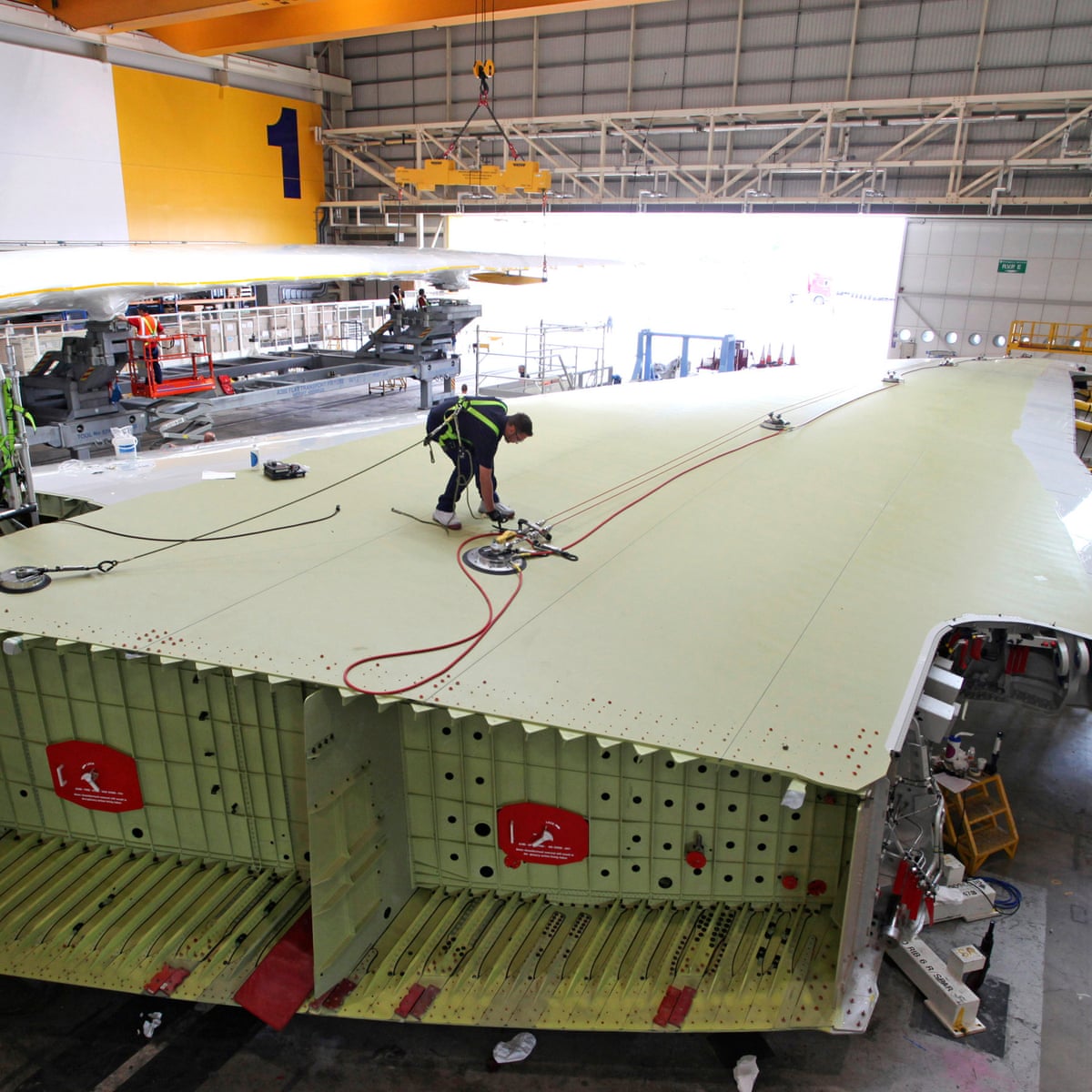

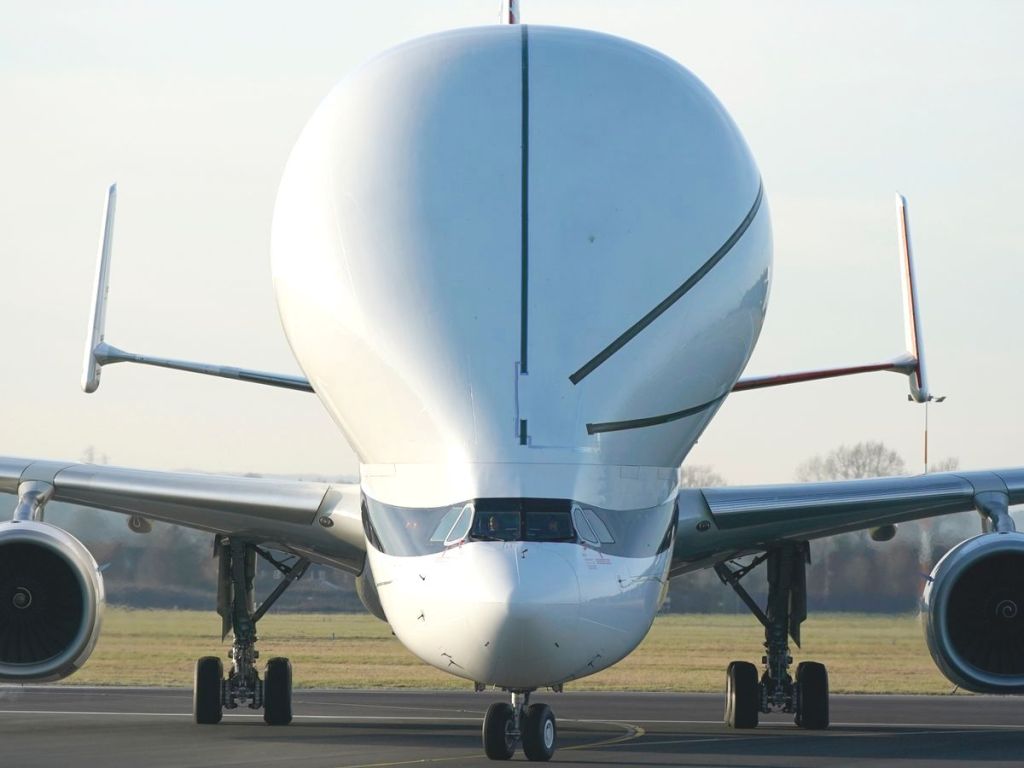


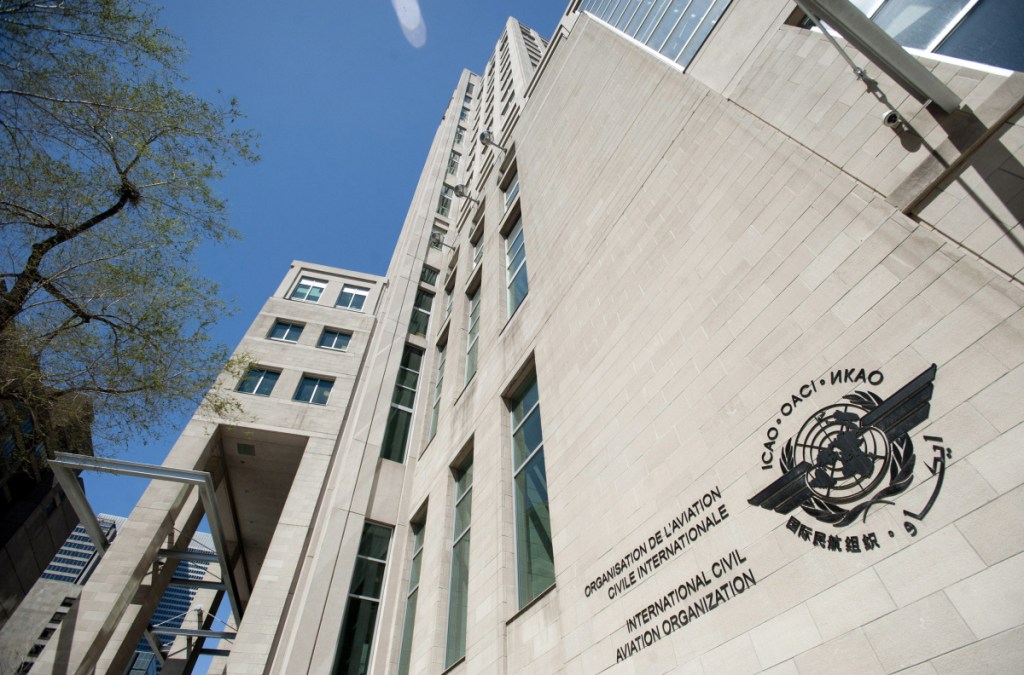
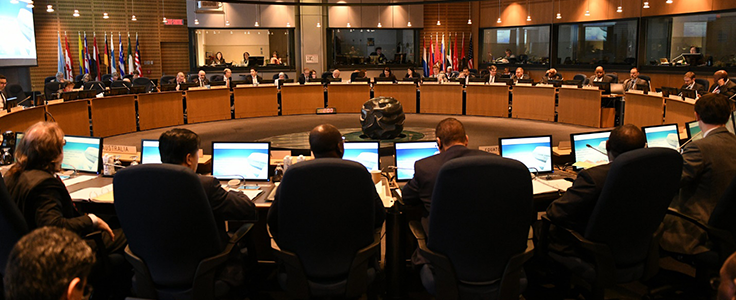
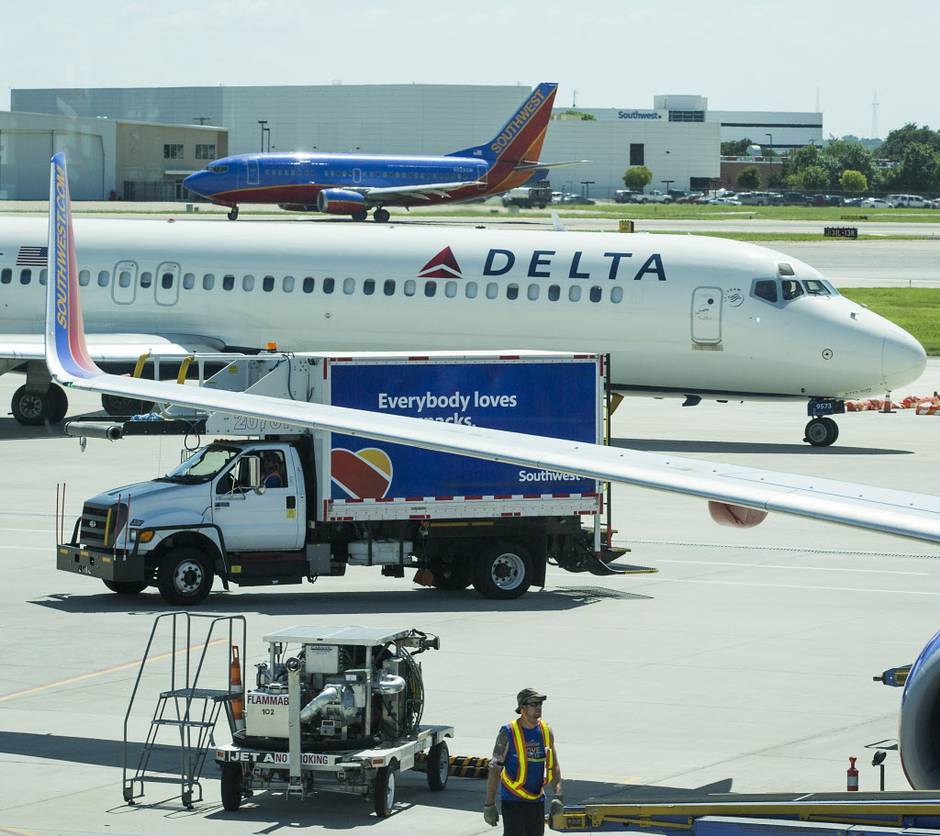

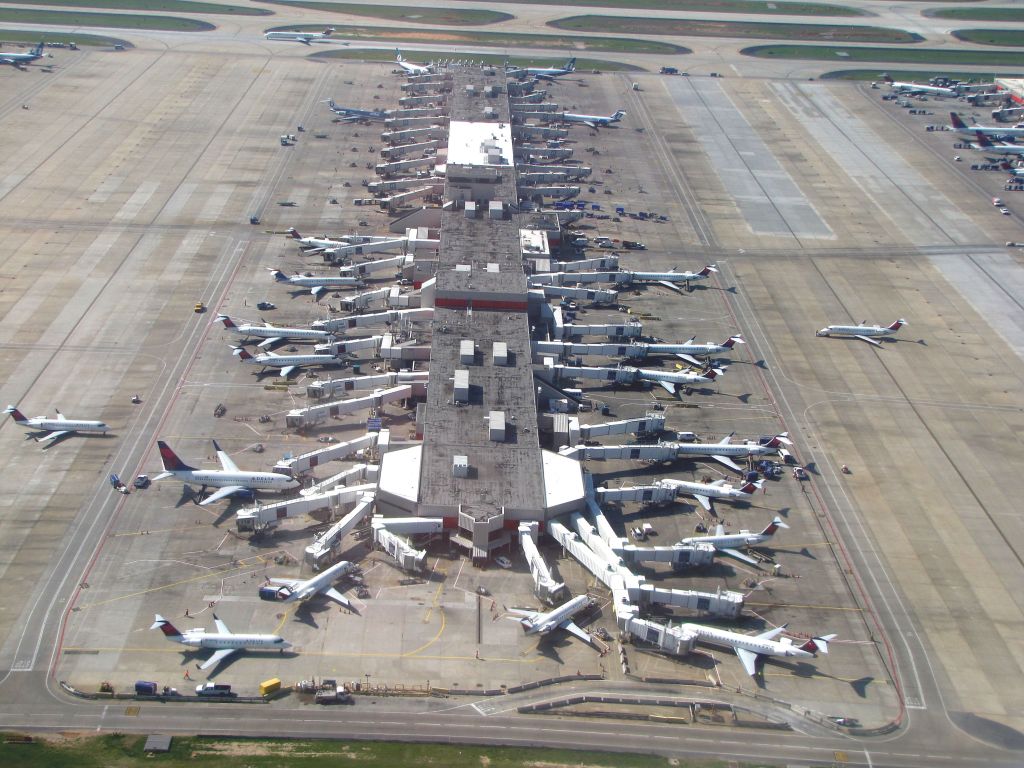
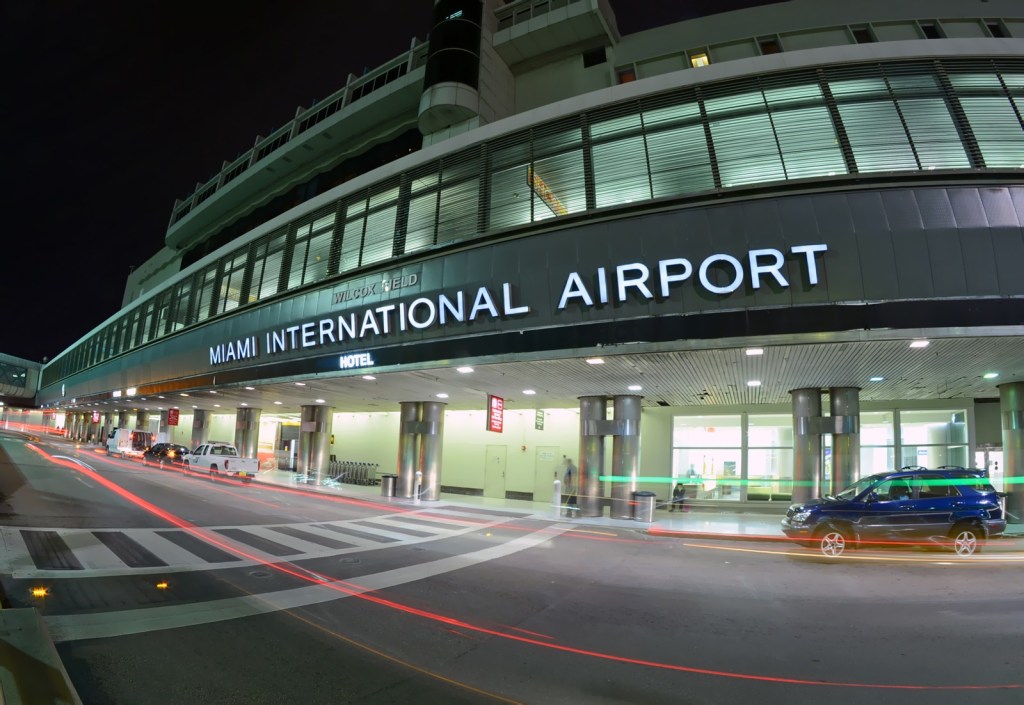
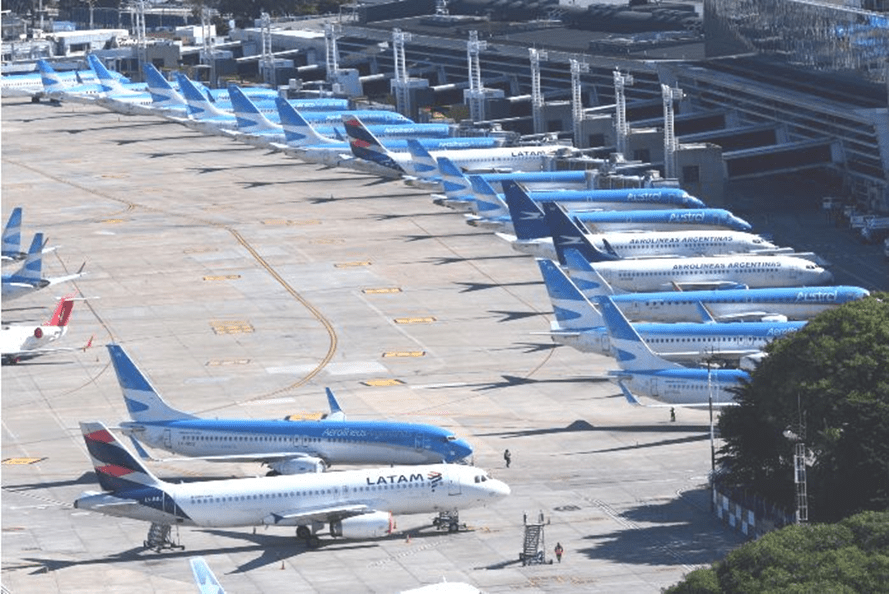
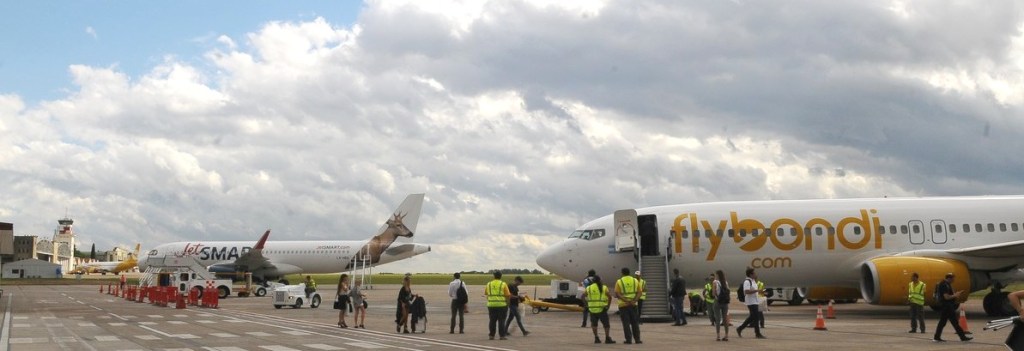
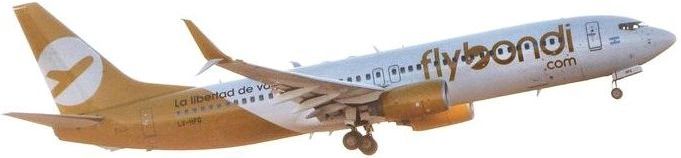
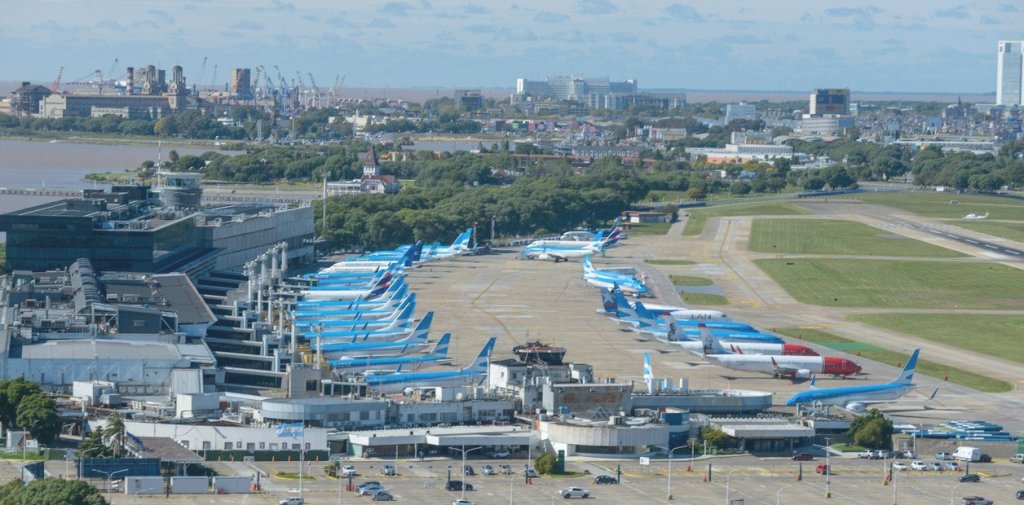
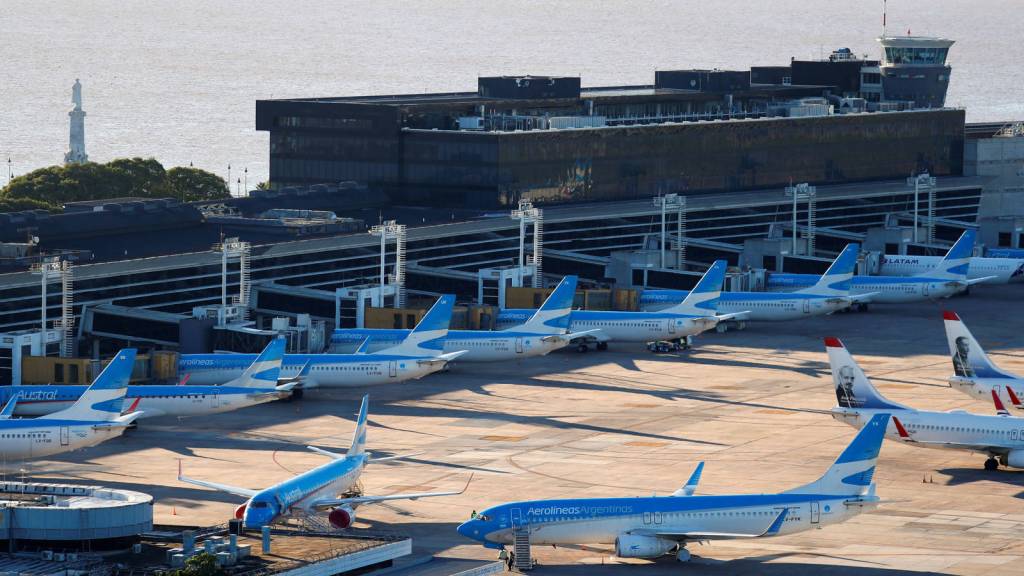
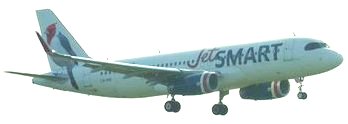
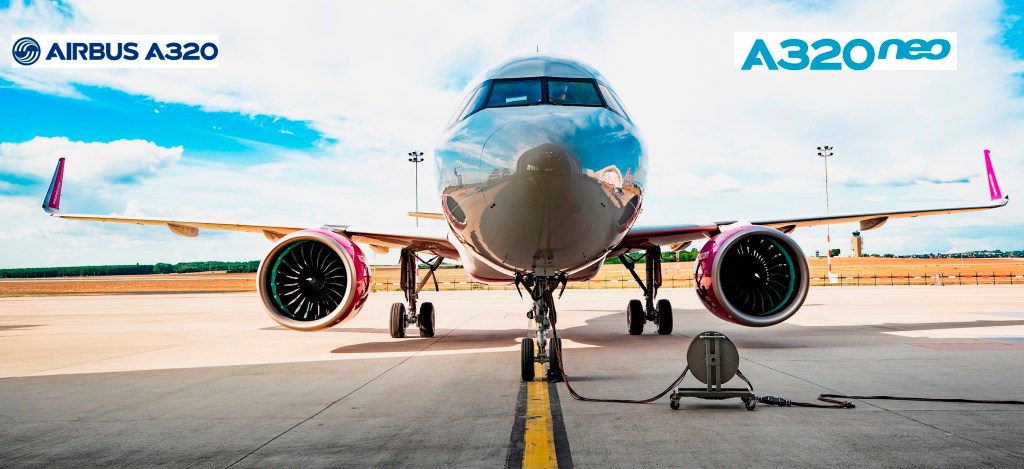
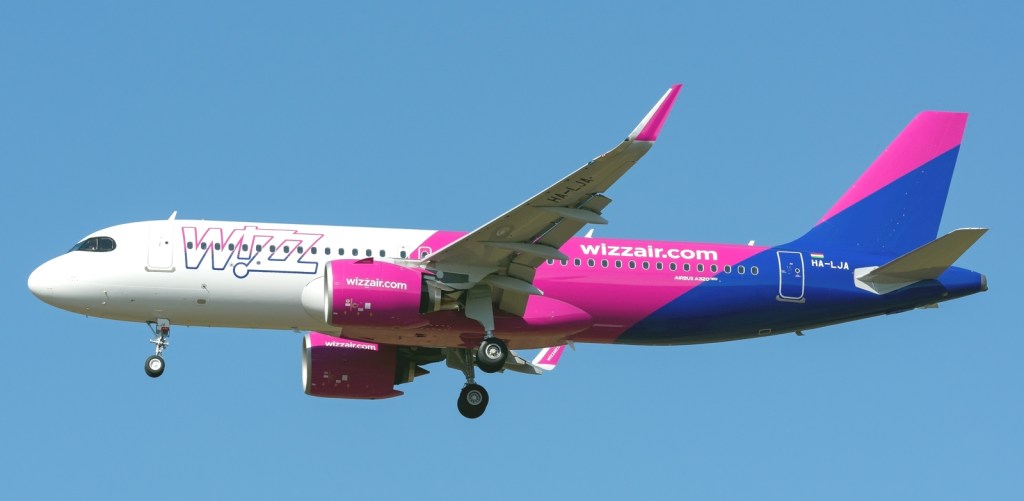
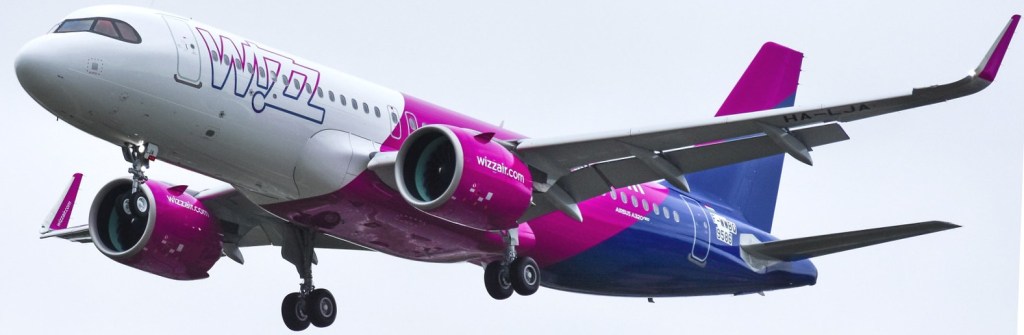
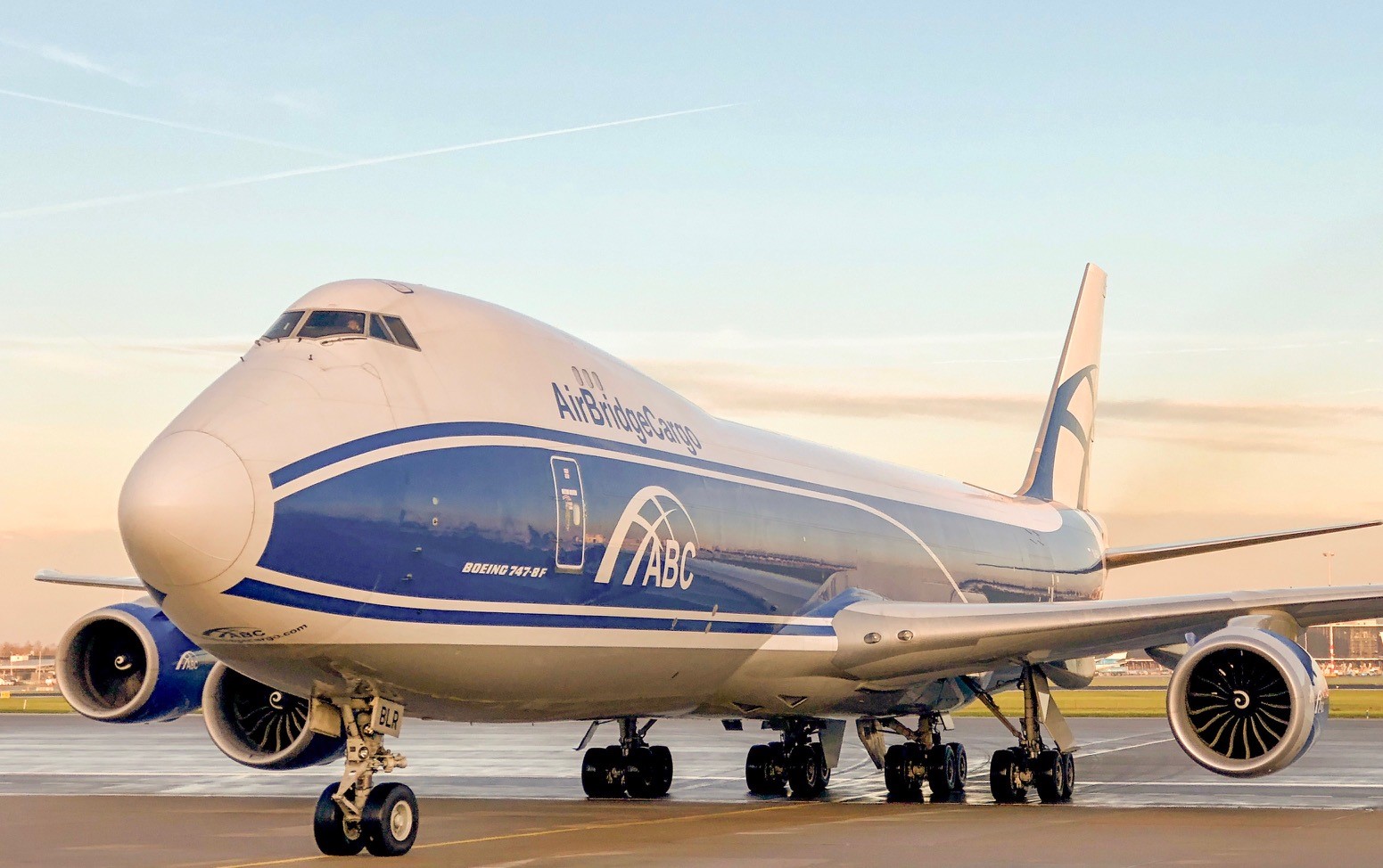
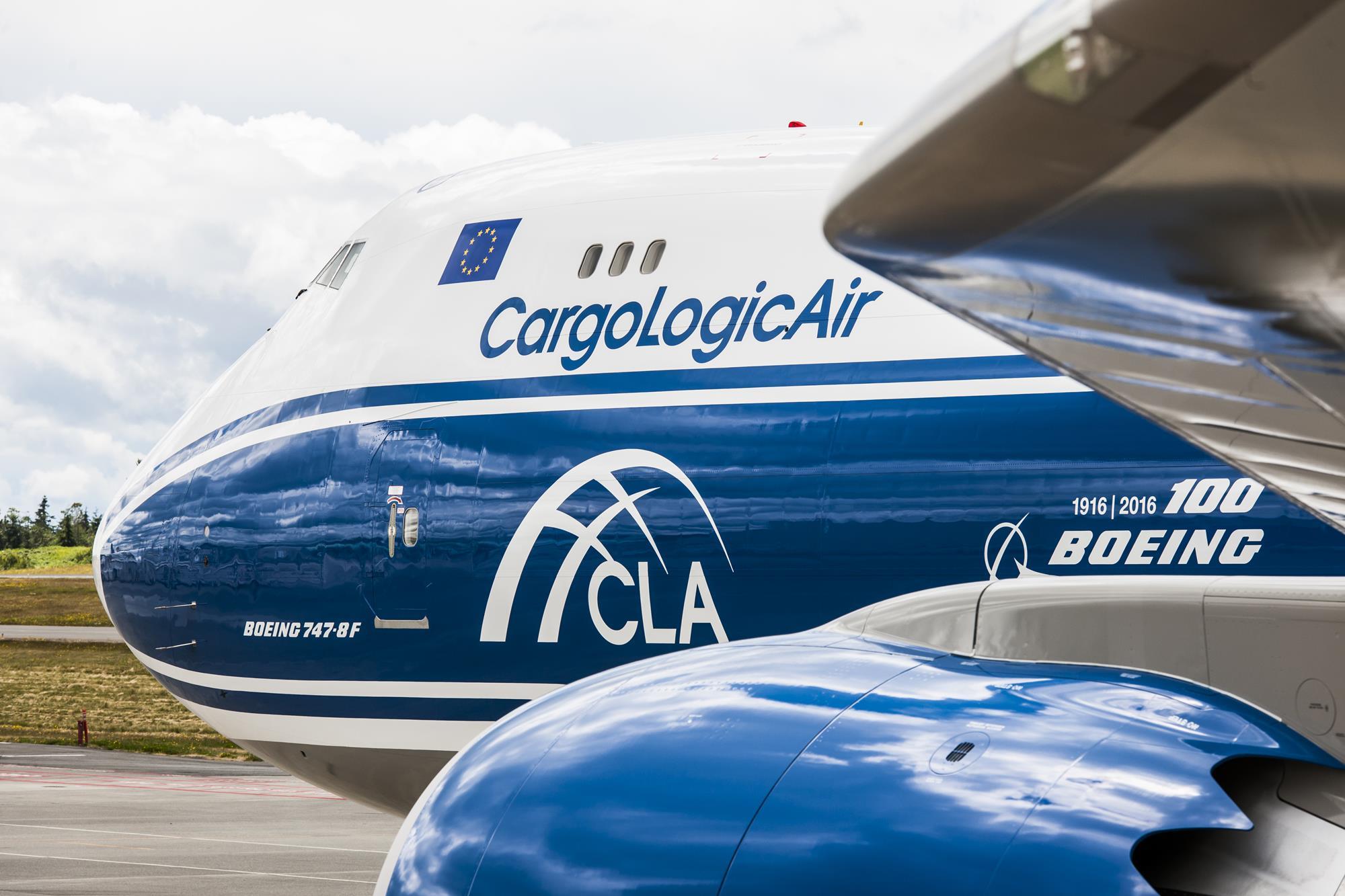


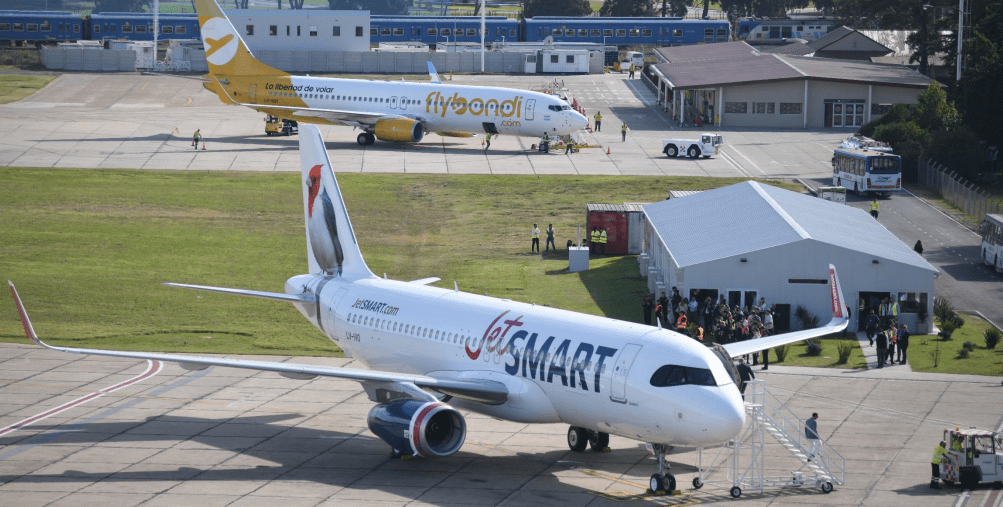
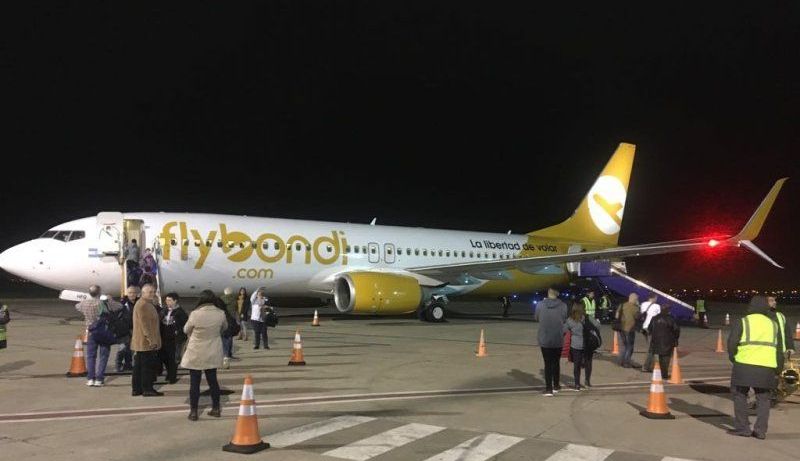
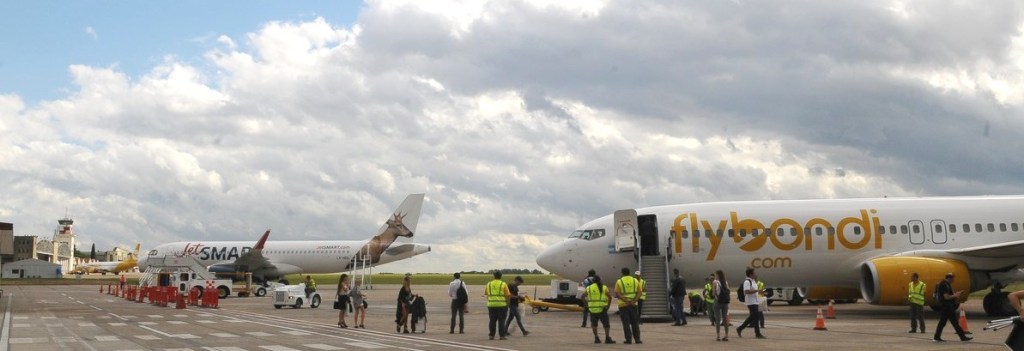
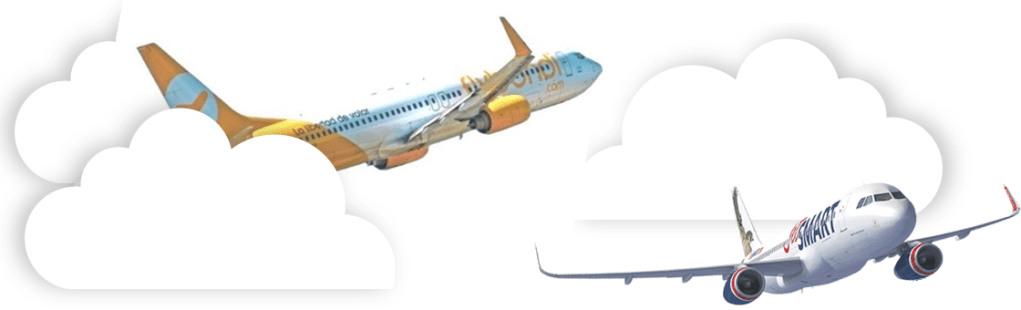

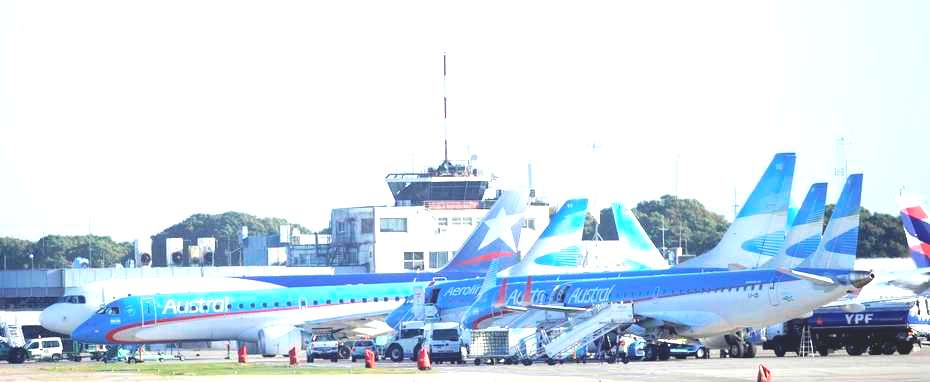
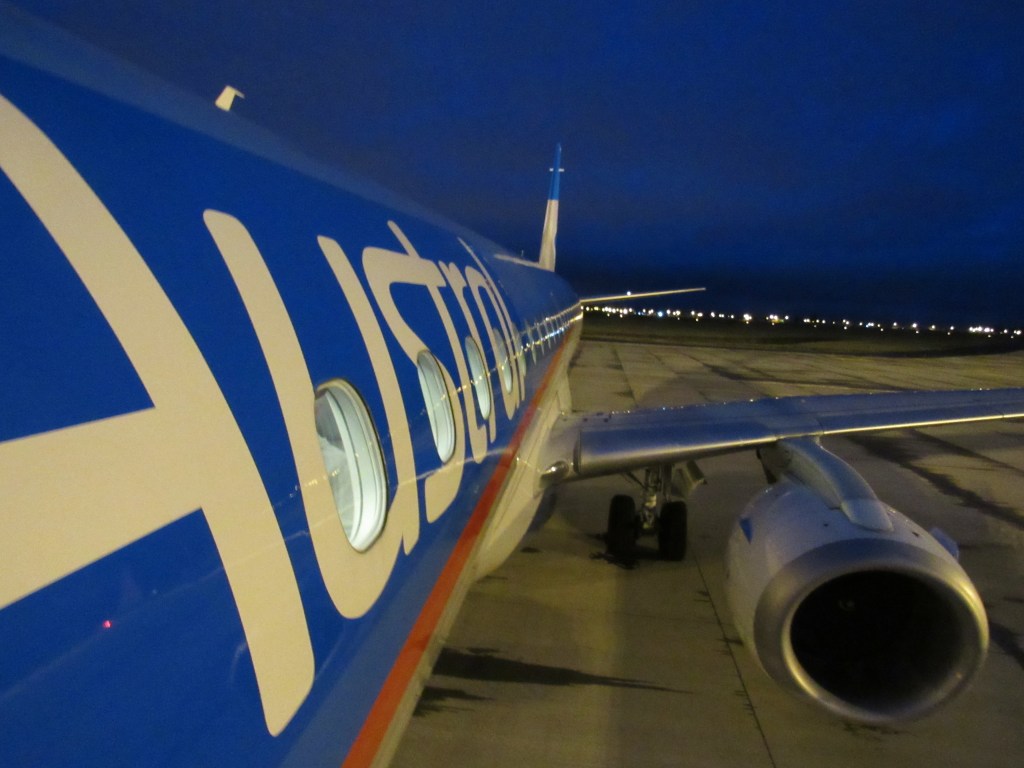
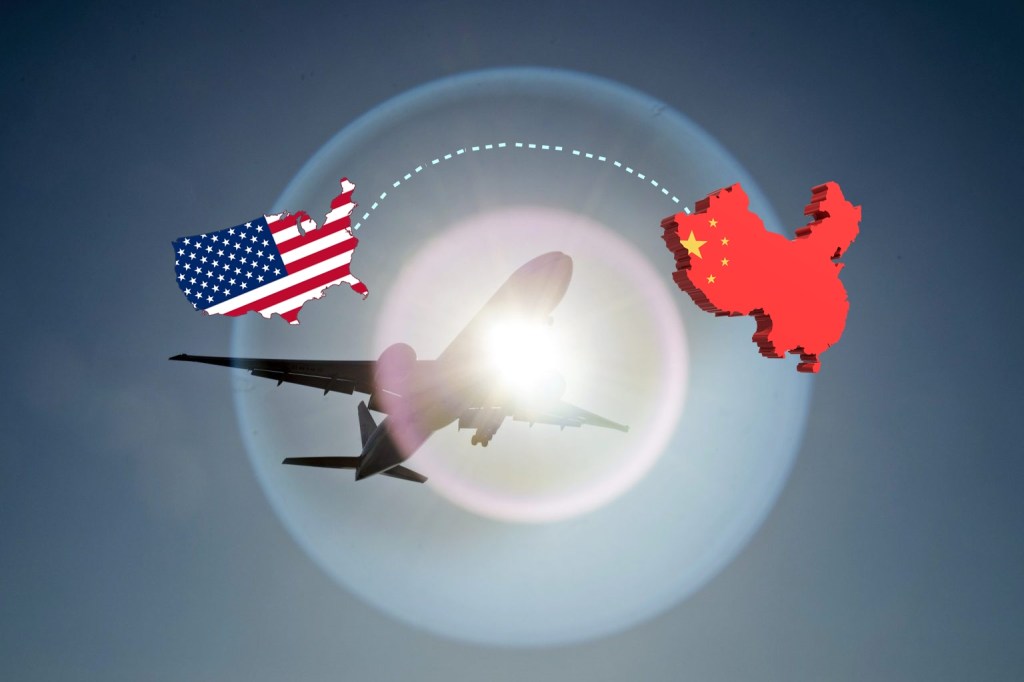



 airgways.com