Gremio solicita embargo de Latam Argentina por AR$ 40 millones
Latam Airlines Argentina y los gremios aeronáuticos ha incrementado las tensiones en un nuevo capítulo con un embargo preventivo de la Justicia a una de las cuentas de la empresa por AR$ 40 millones a pedido de una de las organizaciones gremiales por el incumplimiento de un aporte establecido en el convenio colectivo de trabajo. La demanda solicitada por la Asociación de Pilotos de Líneas Aéreas (APLA).
El Sindicato APLA ha solicitado dicho embargo ante el incumplimiento por parte de Latam Argentina, actuando la Justicia Laboral trabando un embargo por AR$ 40 millones de Pesos a Latam Airlines Argentina. El gremio de APLA había pedido anteriormente también la incautación de las aeronaves de la compañía aérea.
La medida fue dispuesta por Marina Pisacco, a cargo del Juzgado Laboral Nº33, en respuesta a un planteo del sindicato que encabeza Pablo Biró. La demanda se basó en la falta de pago en los últimos meses de un aporte que las líneas aéreas realizan a favor del gremio de pilotos APLA y que está contemplado en el convenio de la actividad. La firma discontinuó el aporte una vez que el Gobierno anterior, en la gestión del Ministro Dante Sica, le había otorgado en tiempo récord la inscripción gremial al nuevo sindicato de pilotos denominado UPAL. El embargo preventivo se ejecutó por US$ 489 mil dólares y AR$ 8.370.000 Pesos y forma parte de la estrategia de los sindicatos aeronáuticos de sumarle un capítulo judicial a la confrontación con la empresa a partir de que anunció su intención de cesar sus operaciones en la Argentina y de pedir la apertura de un Procedimiento Preventivo de Crisis (PPC). La respuesta gremial fue en bloques, los sindicatos de Pilotos (APLA), Técnicos Aeronáuticos (APTA), Personal en Tierra (APA), Jerárquicos (UPSA) y de Tripulantes de Cabina (ATCPEA) objetaron el planteo de la compañía, reclamaron el pago íntegro de los salarios y le reclamaron al Gobierno que no abriera el PPC. También pidieron la normalización de la federación de sindicatos de la actividad (FAPA), un histórico anhelo del grueso de las organizaciones para encauzar sus planteos con una única voz.
El aporte extraordinario que ha motivado el embargo judicial, es habitual en algunos convenios colectivos de trabajo en Argentina, que consagran ese tipo de pagos a cargo de las empresas a favor de los sindicatos en base a sus nóminas de personal. El argumento de Latam Argentina fue que a partir de Noviembre 2019, cuando UPAL consiguió su inscripción gremial y afilió a un centenar de pilotos, pasó a ser la organización mayoritaria y por lo tanto no tenía razones para mantener el pago a favor de APLA. Latam había adelantado la semana pasada que apelaría la decisión administrativa que la privó del PPC. Hasta el 27/07 no se ha informado si la aerolínea tomaría la misma determinación respecto del embargo judicial.
Cronología salida Latam Argentina
La tensión con los gremios arrancó junto con la Cuarentena y se fue agravando con una negociación frustrada en la que la aerolínea propuso pagar la mitad de los sueldos. A pesar de no haber alcanzado un entendimiento a partir de Abril abonó los salarios bajo esa modalidad y en paralelo pidió la apertura del PPC. El 17/06, Latam Airlines Argentina anunciaba abandonar las doce operaciones domésticas, cuatro regionales y una internacional en la República Argentina.
La semana pasada el Ministerio de Trabajo rechazó el PPC, que le permitiría a la firma producir despidos con un valor reducido de indemnizaciones, por entender que rige la prohibición de las cesantías. En la misma semana el Gobierno extendió esa veda, del 31 Julio al 30 Septiembre 2020.
En Latam Airlines Argentina confirmaron el embargo tras haber sido notificados por la entidad bancaria Santander aunque aclararon que la decisión no inmoviliza las cuentas de la línea aérea. La respuesta despeja la inquietud respecto de los pagos salariales y de los retiros voluntarios. Actualmente 800 de los 1.715 trabajadores de la firma se acogieron a la instancia de retiros voluntarios.
APLA requests embargo on Latam Argentina
Union requests embargo of Latam Argentina for AR $ 40 million
Latam Airlines Argentina and the aeronautical unions have increased tensions in a new chapter with a preventive seizure of Justice from one of the company’s accounts for AR$ 40 million at the request of one of the union organizations for non-compliance with an established contribution in the collective bargaining agreement. The lawsuit requested by the Association of Airline Pilots (APLA).
The APLA Union has requested such an embargo in the event of a breach by Latam Argentina, the Labor Justice acting by blocking an embargo for AR$ 40 million Pesos against Latam Airlines Argentina. The APLA guild had previously also called for the seizure of the airline’s aircraft.
The measure was ordered by Marina Pisacco, in charge of Labor Court Nº33, in response to a proposal by the union headed by Pablo Biró. The demand was based on the lack of payment in recent months of a contribution that airlines make in favor of the APLA pilots’ union and which is contemplated in the activity agreement. The firm discontinued the contribution once the previous government, in the administration of Minister Dante Sica, had granted record union registration to the new pilots union called UPAL in record time. The preventive embargo was executed for US$ 489 thousand dollars and AR$ 8,370,000 pesos and is part of the strategy of the aeronautical unions to add a judicial chapter to the confrontation with the company after it announced its intention to cease operations in Argentina and to request the opening of a Crisis Preventive Procedure (PPC). The union response was in blocks, the Pilots (APLA), Aeronautical Technicians (APTA), Ground Personnel (APA), Hierarchical (UPSA) and Cabin Crew (ATCPEA) unions objected to the company’s proposal, demanded payment full wages and demanded that the government not open the PPC. They also called for the normalization of the federation of activity unions (FAPA), a historic desire of the bulk of the organizations to channel their proposals with a single voice.
The extraordinary contribution that has motivated the judicial embargo is common in some collective labor agreements in Argentina, which establish such payments by companies in favor of unions based on their payroll. Latam Argentina’s argument was that from November 2019, when UPAL obtained its union registration and enrolled a hundred pilots, it became the majority organization and therefore had no reason to maintain the payment in favor of APLA. Latam had advanced last week that it would appeal the administrative decision that deprived it of the PPC. As of 07/27, it has not been reported whether the airline would make the same determination regarding the judicial embargo.
Chronology departure Latam Argentina
The tension with the unions started together with the Quarantine and it was aggravated with a frustrated negotiation in which the airline proposed to pay half of the salaries. Despite not having reached an understanding as of April, he paid wages under this modality and in parallel requested the opening of the PPC. On 06/17, Latam Airlines Argentina announced to abandon the twelve domestic operations, four regional and one international in the Argentine Republic.
Last week the Ministry of Labor rejected the PPC, which would allow the firm to produce dismissals with a reduced value of compensation, on the understanding that it governs the prohibition of layoffs. In the same week the Government extended this ban, from July 31 to September 30, 2020.
In Latam Airlines Argentina they confirmed the embargo after having been notified by the Santander Bank, although they clarified that the decision does not freeze the airline’s accounts. The response alleviates concerns about salary payments and voluntary withdrawals. Currently 800 of the 1,715 workers of the firm have taken part in the voluntary retreat instance.
Ξ A I R G W A Y S Ξ PUBLISHER: Airgways.com DBk: Latam.com / Airgways.com / Ambito.com / Apla.org.ar / Argentina.gob.ar AW-POST: 202007281457AR
SEPLA solicita ayudas aerolíneas condicionen protección de empleos
El Sindicato Español de Pilotos de Líneas Aéreas (SEPLA) ha solicitado al Gobierno de España que aplique condiciones para preservar los puestos de trabajo de aquellas empresas que soliciten acogerse a las ayudas del fondo para empresas estratégicas, dotado con € 10.000 millones de Euros. Según el sindicato, el sector de la aviación atraviesa el momento más complicado de su historia, con la mayor parte de los aviones en tierra y de los trabajadores todavía sin definiciones respecto a la preservación de empleos.
«Estas ayudas están dirigidas a garantizar la supervivencia de compañías fundamentales para la economía española y, como tal, deben estar sujetas a la condicionalidad de interés público», ha remarcado el sindicato SEPLA este Martes 28/07 a través de un comunicado. El fondo para empresas estratégicas tendría una doble función: la de respaldar la viabilidad de las empresas estratégicas del país y la de mantener las condiciones de las amplias masas laborales que comprenden las aerolíneas, entre otras empresas, con el objetivo de evitar una precarización de las condiciones laborales del sector aéreo.
SEPLA aid protection jobs
SEPLA asks that aid to airlines condition job protection
The Spanish Union of Airline Pilots (SEPLA) has requested the Government of Spain to apply conditions to preserve the jobs of those companies that request to avail themselves of aid from the fund for strategic companies, endowed with € 10 billion euros. According to the union, the aviation sector is going through the most difficult moment in its history, with most of the planes on the ground and workers still without definitions regarding job preservation.
«These grants are aimed at guaranteeing the survival of companies essential to the Spanish economy and, as such, they must be subject to conditionality in the public interest», the SEPLA union said on Tuesday 28/07 through a statement. The fund for strategic companies would have a dual function: to support the viability of the country’s strategic companies and to maintain the conditions of the broad labor masses that comprise airlines, among other companies, with the aim of avoiding precariousness of working conditions of the airline sector.
Ξ A I R G W A Y S Ξ PUBLISHER: Airgways.com DBk: Sepla.es / Airgways.com AW-POST: 202007281225AR
PSA y gremios aéreos Argentina organizan retorno aviación
La Dirección Nacional de la Policía de Seguridad Aeroportuaria (PSA) se ha reunido con representantes sindicales donde se ha dialogado acerca del retorno de la aviación comercial en Argentina para diagramar las actividades post-pandemia. En el encuentro se acercaron posiciones para la resolución de conflictos que pudieran generar la reapertura de los vuelos comerciales.
El Director de la PSA, José Glinski, se reunió con representantes de los gremios aeronáuticos y aeroportuarios para delinear una agenda de trabajo, pensando en el regreso de la actividad aerocomercial en la denominada nueva normalidad post-pandemia. Del encuentro participaron Pablo Biró (APLA), Ricardo Cirielli (APTA), Edgardo Llano (APA), Rubén Fernández (UPSA), Jonatan Doino (ATEPSA), Cristian Erdhart (UALA) y Diego Vizzone (ATCPEA). En la agenda se abordaron temas como las nuevas medidas sanitarias y las de seguridad que requerirá el retorno de los vuelos. El Director de la PSA ha convocado a los representantes gremiales a generar consensos con los trabajadores, mecanismos que garanticen una protección segura e integral de la salud.
Protocolos reapertura
El Gobierno ha comenzado a trabajar en los protocolos para el regreso de los vuelos de cabotaje para inicio de Septiembre 2020.
Primera Etapa
Sólo comenzarán a operarse trayectos entre provincias que hayan salido del Aislamiento Social Preventivo y Obligatorio (ASPO) por lo que quedarán excluidas en la Primera Etapa salidas desde el área metropolitana de Buenos Aires con destino al interior del país. El Aeroparque Jorge Newbery no tendrá operaciones aerocomerciales por mantenimiento de obras,por lo que se encontrará cerrado en las próximas semanas para realizar tareas de mantenimiento y repavimentación. Las operaciones aéreas de Aeroparque migrarán hacia el Aeropuerto Internacional Ezeiza.
“Ya realizamos la primera reunión interjurisdiccional para armar una mesa de trabajo y comenzar a analizar cómo se abrirían los vuelos de cabotaje. No es inmediato pero esperamos que durante agosto podamos abrir con una serie de protocolos y recaudos”, explicó Mario Meoni, responsable del Ministro de Transporte de la Nación. La pandemia obligará así a trazar una red de vuelos de cabotaje federal, sin pasar por la Ciudad de Buenos Aires ni por el Aeropuerto El Palomar. Por eso, comenzarían a operarse rutas áereas entre provincias con baja contagiosidad, sin pasar por el AMBA donde se concentra el 90% de los contagios.
Meeting PSA-Guilds return aviation
PSA and Argentine air unions organize return aviation
The National Directorate of the Airport Security Police (PSA) has met with union representatives where there has been dialogue about the return of commercial aviation in Argentina to diagram post-pandemic activities. In the meeting positions were approached for the resolution of conflicts that could generate the reopening of commercial flights.
The Director of the PSA, José Glinski, met with representatives of the aeronautical and airport unions to outline a work agenda, thinking about the return of aero-commercial activity in the so-called new post-pandemic normality. Pablo Biró (APLA), Ricardo Cirielli (APTA), Edgardo Llano (APA), Rubén Fernández (UPSA), Jonatan Doino (ATEPSA), Cristian Erdhart (UALA) and Diego Vizzone (ATCPEA) participated in the meeting. Topics such as the new sanitary and security measures that the return of flights will require were addressed on the agenda. The Director of the PSA has summoned the union representatives to generate consensus with the workers, mechanisms that guarantee a safe and comprehensive protection of health.
Reopening protocols
The Government has begun to work on the protocols for the return of domestic flights for the beginning of September 2020.
First stage
Only routes between provinces that have left the Preventive and Compulsory Social Isolation (ASPO) will begin to operate, so departures from the Buenos Aires metropolitan area to the interior of the country will be excluded in the First Stage. Aeroparque Jorge Newbery will not have aerocomerciales operations for maintenance of works, reason why it will be closed in the next weeks to carry out maintenance and repaving tasks. Aeroparque’s air operations will migrate to Ezeiza International Airport.
“We have already held the first inter-jurisdictional meeting to set up a work table and begin to analyze how domestic flights would open. It is not immediate but we hope that during August we can open with a series of protocols and precautions”, explained Mario Meoni, head of the Nation’s Minister of Transport. The pandemic will thus force to draw up a network of federal cabotage flights, without passing through the City of Buenos Aires or El Palomar Airport. For this reason, air routes between provinces with low contagiousness would begin to operate, without going through the AMBA where 90% of contagious diseases are concentrated.
Ξ A I R G W A Y S Ξ PUBLISHER: Airgways.com DBk: Airgways.com / Ambito.com / Argentina.gob.ar/psa AW-POST: 202007281056AR
AW | 2020 07 27 16:07 | AIR SHOW / FAIR / CONGRESS / INDUSTRY
Perspectivas del futuro tecnológico de aeronaves comerciales
Farnborough International Airshow Connect 2020 (FIA Connect) se ha desarrollado durante cinco días entre el 20-24 Julio 2020 de manera virtual mostrando contenido de alta calidad, colaboración, liderazgo de pensamiento y conocimiento de la industria; conectando la industria aeroespacial mundial en línea. La serie FIA Connect 2020 de International Airshow, de una semana de duración ha permitido sortear las dificultades de la crisis sanitaria, persiguiendo el objetivo de continuar desarrollando herramientas para mejorar la industria de la aviación.
Próxima generación
Un panel de expertos de Air Lease Corp., Embraer y Emirates explicaron lo que creen que podría realizarse tecnológicamente dentro de la próxima generación de aviones comerciales durante el seminario web del 22 Julio: «Aeronaves comerciales: la próxima generación» organizado por Flight Global como parte de la Feria Farnborough. El panel presentó algunos de los principales temas de tendencias que se discuten hoy en los círculos de la aviación comercial, incluido el impacto de COVID-19 en el tráfico de las aerolíneas, la demanda ajustada de producción de aeronaves y cómo el 737 MAX cambiará el escrutinio y la regulación de la certificación de aeronaves en el futuro. Más allá de estos temas a corto plazo, también se discutió qué tecnologías podrían incorporarse a la próxima generación de aviones comerciales, como los avances en la propulsión del motor y la innovación interior.
El Presidente de Emirates Airline, Tim Clark, dijo que no ve muchos cambios en la tecnología de los aviones comerciales en los próximos años. “A corto plazo, francamente no veo demasiado cambio. Veo menos jugadores, y veo una naturaleza de aversión al riesgo de las juntas y los accionistas tanto en la comunidad manufacturera como en la comunidad de aerolíneas, creo que tenemos que vivir con eso”, dijo Tim Clark.
A medida que la cadena de suministro global continúa absorbiendo el impacto de COVID-19, eso ha cambiado el lado comercial del enfoque de la industria de la aviación de hacer avances tecnológicos para sobrevivir al entorno actual y prepararse para el futuro. Tanto Clark como el co-panelista Steve Udvar Hazy, presidente ejecutivo de la junta directiva de Air Lease Corp., creen que la industria de las aerolíneas deberá mostrar al menos otros tres o cuatro años de estabilización antes de que los fabricantes puedan comenzar a introducir conceptos de la próxima generación porque la demanda simplemente no está ahí para ellos.
«Siempre me mantengo optimista de que tenemos la capacidad, tenemos la creatividad, tenemos los poderes intelectuales para venir y dirigirnos y producir aviones que dentro de 50 años nos sorprenderán y aturdirán. Realmente creo, dale tres o cuatro años. Echemos un vistazo a cómo abordamos el aspecto ambiental, lo cual es algo realmente bueno que nos sucede a todos porque nos está haciendo pensar mucho sobre lo que necesitamos. que hacer», dijo Tim Clark.
Mercado medio
El nuevo avión de mercado medio de Boeing NMA también fue un tema destacado en el panel. El NMA fue un avión de gama media de próxima generación que se rumoreaba que la compañía estaba desarrollando como reemplazo legítimo del Boeing 757 para hacer frente al competidor del Airbus A321XLR durante varios años antes de archivar el programa en Enero 2020 para centrarse en devolver el Boeing 737 MAX al servicio comercial. «Estábamos listos para firmar por 100 de ellos», dijo Udvar Hazy, quien también señaló que cree que COVID-19 ha introducido el «cambio más grande en las perspectivas de producción en los últimos 30 años».
Air Lease Corp. de Udvar Hazy proporciona servicios de arrendamiento para un total de 111 aerolíneas comerciales, la mayoría de las cuales operan aviones Airbus, Boeing, Bombardier y Embraer. Sin embargo, el ejecutivo cree que la interrupción de la industria vendrá de fuera de los nombres tradicionales y en su lugar será generada por los recién llegados. “Creo que la interrupción en los conceptos de diseño no vendrá de Airbus y Boeing. Creo que vendrá de jugadores innovadores más pequeños”, dijo.
Los avances en la propulsión del motor son un área donde Udvar Hazy dijo que también ve una expansión limitada en el corto plazo. Comparó el impacto que Tesla ha tenido en la industria automotriz, como una forma de imaginar cómo la nueva generación de tecnología de aviones comerciales podría ser interrumpida por un recién llegado. “La tecnología actual del motor ya no puede ser empujada hacia ganancias de dos dígitos. Creo que esta última ronda de tecnología de turboventilador, a menos que vaya a un concepto de ultra ventilador, no hay forma de obtener ganancias de combustible de dos dígitos. El otro problema que veo es cuando aumentan sustancialmente los costos de capital de estos aviones; compensa las ganancias en el consumo de combustible. Si puede lograr una ventaja del 10 por ciento de consumo de combustible, pero el avión es un 40 por ciento más caro que el avión que está reemplazando: pierde la economía de esa ventaja de consumo de combustible. Estoy ansioso por los disruptores que surjan con nuevos conceptos a los que los OEM puedan aferrarse”, dijo Udvar Hazy.
Al considerar cómo podría ser el avión de pasajeros de pasillo único de próxima generación, Udvar Hazy dijo que algunas mejoras en los diseños de fuselaje, como aumentar el ancho del pasillo y mejorar el proceso de embarque y desembarque, podrían ayudar a crear una experiencia de pasajero más amigable para el usuario.
EmbraerX
Arjan Meijer, quien fue nombrado Presidente y CEO de Embraer Commercial Aviation el 16 Junio 2020 después de que el ex Presidente Ejecutivo del fabricante brasileño dejara el cargo para asumir el cargo de Presidente y CEO de GE Aviation. Arjan Meijer dijo que Embraer está centrada en el efectivo y actualmente se encuentra en una buena posición financiera. También señaló las altas tasas actuales de utilización de los jets regionales de Embraer, ya que el vuelo internacional se ha visto limitado por restricciones fronterizas. «Nuestro segmento tiene más demanda que nunca si miras a las aerolíneas de todo el mundo, están usando E-jets, E-jets, se estacionaron mucho menos que los cuerpos estrechos y si miras hoy cuántos E-jets están volando en China en Europa, en África y América del Norte, todos están volviendo», dijo Arjan Meijer.
La última generación del avión regional Embraer E2 comenzó a volar en Abril 2018, solo dos años antes de la pandemia mundial, y continúa viendo un futuro brillante para su desempeño. A pesar del impacto de la crisis mundial en la demanda de aviones, Arjan Meijer dijo que la compañía aún mantiene la innovación enfocada en el futuro cercano, aunque las tecnologías innovadoras como la propulsión híbrida eléctrica se limitarán a aviones de menor escala. «El lado de EmbraerX es una rama dentro de Embraer que se centra en la innovación y las tecnologías disruptivas. Estamos trabajando con Uber en Uber Elevate con un pequeño vehículo que funciona con electricidad, pero creo que ese tipo de tecnologías es una posibilidad remota de conseguirlas en aviones de cuerpo estrecho», expresa Arjan Meijer.
Familia A320
En las décadas de diseño de aeronaves, ha habido una inclinación por diseñar o actualizar derivados en lugar de crear nuevos. En una carrera por contener y ganar nuevos pedidos, los máximos constructores aeronáuticos continuaban luchando en la línea más dura, los narrowbodies Boeing 737-Airbus 320. Acelerar las actualizaciones de los modelos vigentes manera vertiginosa permitió al constructor europeo sacar cierta ventaja respecto a los intentos por devolver al 737 MAX al mercado.
La tercera generación de la familia de aviones A320 es la línea más actualizada que comprenden las aeronaves A319NEO/A320NEO/A321NEO (New Engine Option). Sin embargo, el diseño de su fuselaje data de la década de 1980. Al igual que el Boeing 737, con una célula de finales de 1960, ambos necesitan ajustar el mercado a las nuevas demandas tecnológicas. Los fabricantes deberían comenzar a ver lo que la gente quiere, no lo que se les dice que utilicen.
Familia 737 MAX
El Boeing 737 es un clásico, al igual que el Airbus A320. El 737 MAX, ignorando sus problemas obvios, era un avión innovador llevando los límites de la tecnología del motor al límite, ofreciendo menos consumo de combustible y una mejor economía que cualquier avión narowbodies que se haya fabricado hasta la fecha. Pero el consenso es que ha ido tan lejos como puede llegar. Sin cambios significativos en su construcción o propulsión, cualquier ahorro de combustible será insignificante.
Tras las evaluaciones de mercado, desde las oficinas de planificación de Boeing contemplaban un diseño de hoja completamente limpio, con el nombre de Future Small Airplane (FSA). Esta futura aeronave emplearía parte de la tecnología actual desarrollada en la unidad Dreamliner, como la construcción de materiales compuestos, que reemplazaría a la línea 737 actual. Sin embargo, los impactos de las crisis del 737 MAX y la pandemia de Coronavirus ha impsctado en las perspectivas del constructor americano en su supervivencia por capitalizar efectivo en este momento.
Por el momento, a un nuevo desarrollo de un narrowbody ha quedado en los planos de dibujo de Boeing, siendo más probable que el futuro previsible continúe siendo para el 737 MAX para esta década, mientras tanto, un verdadero sustituto más competitivo en el mercado se ha asomado y sin dudas saldrá de las líneas de diseño para materializarse cuando el mercado lo demande.
FIA Connect 2020
Prospects for the technological future of commercial aircraft
Farnborough International Airshow Connect 2020 (FIA Connect) was developed for five days between 20-24 July 2020 in a virtual way showing high-quality content, collaboration, thought leadership and industry knowledge; connecting the global aerospace industry online. The week-long FIA Connect 2020 series at International Airshow has overcome the difficulties of the health crisis, pursuing the goal of continuing to develop tools to improve the aviation industry.
Next Generation
A panel of experts from Air Lease Corp., Embraer, and Emirates explained what they believe could be done technologically within the next generation of commercial aircraft during the July 22 webinar: «Commercial Aircraft: The Next Generation» hosted by Flight Global as part of the Farnborough Fair. The panel featured some of the major trending topics discussed today in commercial aviation circles, including the impact of COVID-19 on airline traffic, tight demand for aircraft production, and how the 737 MAX will change the scrutiny and regulation of the future aircraft certification. Beyond these short-term issues, we also discussed what technologies could be incorporated into the next generation of commercial aircraft, such as advancements in engine propulsion and interior innovation.
Emirates Airline President Tim Clark said he does not see many changes in commercial aircraft technology in the coming years. “In the short term, frankly I don’t see much change. I see fewer players, and I see a risk-averse nature of the boards and shareholders in both the manufacturing community and the airline community, I think we have to live with that”, said Tim Clark.
As the global supply chain continues to absorb the impact of COVID-19, that has changed the business side of the aviation industry’s focus of making technological advancements to survive the current environment and prepare for the future. Both Clark and co-panelist Steve Udvar Hazy, executive chairman of the board of directors of Air Lease Corp., believe the airline industry will need to show at least another three to four years of stabilization before manufacturers can begin introducing next generation concepts because the demand is simply not there for them.
«I always remain optimistic that we have the capacity, we have the creativity, we have the intellectual powers to come and direct and produce aircraft that in 50 years will surprise and stun us. I really think, give it three or four years. Let’s take a look at how We address the environmental aspect, which is a really good thing that happens to all of us because it’s making us think a lot about what we need. What to do», said Tim Clark.
Middle market
Boeing’s new mid-market jetliner was also a featured topic on the panel. The NMA was a next-generation mid-range aircraft that the company was rumored to be developing as a legitimate replacement for the Boeing 757 to face the Airbus competitor A321XLR for several years before archiving the program in January 2020 to focus on returning the Boeing. 737 MAX to commercial service. «We were ready to sign for 100 of them», said Udvar Hazy, who also noted that he believes COVID-19 has introduced the «biggest change in production prospects in the past 30 years».
Udvar Hazy’s Air Lease Corp. provides leasing services to a total of 111 commercial airlines, most of which operate Airbus, Boeing, Bombardier, and Embraer aircraft. However, the executive believes that the disruption to the industry will come from outside the traditional names and will instead be generated by newcomers. «I think the disruption in design concepts will not come from Airbus and Boeing. I think it will come from smaller innovative players”, he said.
Advances in engine propulsion are one area where Udvar Hazy said he also sees a limited expansion in the short term. He compared the impact Tesla has had on the auto industry, as a way of imagining how the new generation of commercial aircraft technology could be disrupted by a newcomer. “Today’s engine technology can no longer be pushed toward double-digit gains. I think this latest round of turbofan technology unlessyou go to an ultra fan concept, there is no way to make double-digit fuel gains. The other problem I see is when the capital costs of these planes increase substantially; compensates for gains in fuel consumption. If you can achieve a 10 percent fuel economy advantage, but the plane is 40 percent more expensive than the aircraft you are replacing – you lose the economics of that fuel economy advantage. I’m looking forward to the disruptors coming up with new concepts that OEMs can hold onto”, said Udvar Hazy.
In considering what the next-generation single-aisle passenger jet might look like, Udvar Hazy said that some improvements to the fuselage designs, such as increasing the width of the aisle and improving the boarding and disembarking process, could help create an experience of the user-friendly passenger.
EmbraerX
Arjan Meijer, who was named President and CEO of Embraer Commercial Aviation on June 16, 2020, after the former CEO of the Brazilian manufacturer, stepped down to take over as President and CEO of GE Aviation. Arjan Meijer said Embraer is focused on cash and is currently in a good financial position. He also noted the current high utilization rates of Embraer’s regional jets, as the international flight has been limited by border restrictions. «Our segment is more in demand than ever if you look at airlines around the world, they are using E-jets, E-jets, they were parked much less than narrow bodies and if you look today how many E-jets are flying in China in Europe, in Africa and North America, everyone is coming back», said Arjan Meijer.
The latest generation of the Embraer E2 regional aircraft began flying in April 2018, just two years before the global pandemic and continues to see a bright future for its performance. Despite the impact of the global crisis on aircraft demand, Arjan Meijer said the company still keeps innovation focused on the near future, although innovative technologies like electric hybrid propulsion will be limited to smaller-scale aircraft. «The EmbraerX side is a branch within Embraer that focuses on innovation and disruptive technologies. We are working with Uber at Uber Elevate with a small vehicle that runs on electricity, but I think that such technologies is a remote possibility of getting them on narrow-bodied planes», says Arjan Meijer.
A320 Family
In the decades of aircraft design, there has been a penchant for designing or updating derivatives rather than creating new ones. In a race to hold back and win new orders, top aircraft builders continued to struggle on the toughest line, the Boeing 737-Airbus 320 narrowbodies. Speeding up current model upgrades in a giddy way allowed the European builder to gain some advantage over attempts to return the 737 MAX to the market.
The third generation of the A320 family of aircraft is the most up-to-date line comprising the A319NEO/A320NEO/A321NEO (New Engine Option) aircraft. However, its fuselage design dates back to the 1980s. Like the Boeing 737, with a cell from the late 1960s, both need to adjust the market to new technological demands. Manufacturers should start to see what people want, not what they are told to use.
737 MAX Family
The Boeing 737 is a classic, as is the Airbus A320. The 737 MAX, ignoring its obvious problems, was an innovative aircraft pushing the limits of engine technology to the limit, offering less fuel consumption and better economy than any narowbodies aircraft ever made. But the consensus is that it has gone as far as it can go. Without significant changes to its construction or propulsion, any fuel savings will be negligible.
Aftermarket evaluations, Boeing’s planning offices contemplated a completely clean-sheet design, with the name of Future Small Airplane (FSA). This future aircraft would employ part of the current technology developed in the Dreamliner unit, such as the construction of composite materials, which would replace the current 737 lines. However, the impacts of the 737 MAX crises and the Coronavirus pandemic have impacted the American builder’s prospects on his survival by capitalizing on cash right now.
At the moment, a new development of a narrowbody has remained in the Boeing drawing plans, being more likely that the foreseeable future will continue to be for the 737 MAX for this decade, meanwhile, a true more competitive substitute in the market will be It has appeared and will undoubtedly go out of the design lines to materialize when the market demands it.
Ξ A I R G W A Y S Ξ PUBLISHER: Airgways.com DBk: Farnboroughairshow.com / Airbus.com / Boeing.com / Embraer.com / Airgways.com AW-POST: 202007271607AR
Las aerolíneas apuntan reactivar los vuelos domésticos
Las aerolíneas de Argentina arrancan con tres días de promociones aéreas del 27 al 29 Julio 20202. En medio de la pandemia de Corinavirus afectando al país y un aumento en la cantidad de contagios en consonancia con la reapertura de actividades y la flexibilización de la cuarentena, las líneas aéreas se encuentran a la espera de definiciones para la reanudación de los vuelos de cabotaje, mientras tanto, salen al mercado con múltiples ofertas para alentar la reactivación de los vuelos domésticos.
Hot sale!
Aerolíneas Argentinas/Austral Líneas Aéreas ha lanzado ofertas para destinos dentro del país con promociones con un 20% de descuentos ofreciendo, a través de su página web, doce cuotas sin intereses con todos los bancos y tarjetas. La compañía ha informado que el 73% de los tickets que se venderán durante el Hot Sale van al turismo nacional y que al menos el 50% se utilizan para vacacionar hacia el futuro.
Aerolíneas ha introducido una nueva tarifa SuperFlex que permite realizar un cambio de fecha del boleto sin costos ni cargos extras dentro del año de vigencia, en la misma franja de temporada (alta o baja) del ticket y hasta el 15 Diciembre 2021. El objetivo de esta tarifa es que la gente pueda planificar sus vacaciones o su próximo viaje de manera más flexible en caso de tener que adelantar o posponer su viaje. «Esta nueva tarifa se complementa muy bien con la propuesta de cuotas y descuentos ya que podés adelantar la compra y si fuera necesario, reprogramar. Los viajes siempre nos llevan a un futuro mejor: como línea aérea estamos poniendo en marcha todo un motor productivo que se beneficia del turismo generando ingresos y fuentes de trabajo en todo el país”, explicó Fabián Lombardo, Director Comercial de Aerolíneas Argentinas.
Flybondi Líneas Aéreas comenzó a ofrecer promociones para sus viajes de cabotaje. La compañía de presupuesto está introduciendo interesantes ofertas con programaciones de vuelos flexibles hacia destinos nacionales. Con tarifas #UltraFlex, se podrán encontrar tickets desde AR$ 999 Pesos por tramo para volar por la Argentina, desde Noviembre 2020 hasta Junio 2021. Los destinos nacionales que aplican son Buenos Aires, Bariloche, Corrientes, Córdoba, Jujuy, Mendoza, Neuquén, Posadas, Puerto Iguazú, Rosario, Salta, Santiago del Estero, Trelew y Tucumán.
Algunas tarifas comienzan con ofertas desde AR$ 999 hacia destinos habilitados. Desde Buenos Aires/Ezeiza se podrá volar a Córdoba, Corrientes, Posadas. Hacia Neuquén, Mendoza, Córdoba-Puerto Iguazú desde AR$ 1.199, y Bariloche-Buenos Aires; Buenos Aires-Jujuy; Buenos Aires-Salta desde AR$ 1.399 Pesos. Todas las tarifas son por tramo e incluye tasas e impuestos. La promoción es aplicable sólo en pasajes ida y vuelta. La compra se realiza exclusivamente a través del sitio web de la aerolínea http://www.flybondi.com.
Asimismo, Flybondi ha comunicado en Junio 2020 su protocolo sanitario y de distanciamiento social para la adquisición de pasajes, abordaje a las aeronaves, durante los viajes y posterior descenso y manipulación de equipajes.
JetSmart Airlines Argentina ha salido al ruedo con promociones en estos tres días de Hot Sale. La low cost ha introducido tarifas promocionales con un 20% de bonificación y financiadas con Ahora 6/12/18, sin penalidad de cambio hasta fin de 2020, inclusive cambiando el destino planificado. En caso de devoluciones de pasajes aéreos por cancelación de destino, la compañía ofrece la Gift Card JetSmart.
Aclaraciones
En el marco de la actual situación de crisis pandémica, las autorizaciones para los vuelos aéreos dependerán del Gobierno de Argentina y de la situación sanitaria nacional. Dentro del contexto de incertidumbre por la pandemia de Covid-19 se esperan definiciones nacionales respectivas a la reanudación de los vuelos de cabotaje, al menos en las jurisdicciones donde hasta el momento no hay circulación comunitaria de Coronavirus.
Hot Sale starts in Argentina
Airlines aim to revive domestic flights
The airlines of Argentina start with three days of air promotions from July 27 to 29, 20202. Amid the Corinavirus pandemic affecting the country and an increase in the number of infections in line with the reopening of activities and the relaxation of quarantine, the airlines are waiting for definitions for the resumption of domestic flights, meanwhile, they come to the market with multiple offers to encourage the reactivation of domestic flights.
Hot sale!
Aerolíneas Argentinas/Austral Líneas Aéreas has launched offers for destinations within the country with promotions with 20% discounts offering, through its website, twelve interest-free installments with all banks and cards. The company has reported that 73% of the tickets that will be sold during the Hot Sale go to national tourism and that at least 50% are used for vacationing in the future.
Aerolíneas has introduced a new SuperFlex rate that allows a change of ticket date without extra costs or charges within the year of validity, in the same season (high or low) band of the ticket and until December 15, 2021. The objective of This rate is so that people can plan their vacations or their next trip in a more flexible way in case they have to advance or postpone their trip. «This new fare is complemented very well with the proposal of quotas and discounts since you can advance the purchase and if necessary, reschedule. Travel always leads us to a better future: as an airline we are launching a whole productive engine that it benefits from tourism generating income and sources of work throughout the country ”, explained Fabián Lombardo, Commercial Director of Aerolineas Argentinas.
Flybondi Líneas Aéreas has started to offer promotions for its cabotage trips. The budget company is introducing exciting deals with flexible flight schedules to domestic destinations. With #UltraFlex rates, you can find tickets from AR $ 999 Pesos per leg to fly through Argentina, from November 2020 to June 2021. The national destinations that apply are Buenos Aires, Bariloche, Corrientes, Córdoba, Jujuy, Mendoza, Neuquén, Posadas, Puerto Iguazú, Rosario, Salta, Santiago del Estero, Trelew and Tucumán.
Some rates start with offers from AR$ 999 to authorized destinations. From Buenos Aires/Ezeiza you can fly to Córdoba, Corrientes, Posadas. To Neuquén, Mendoza, Córdoba-Puerto Iguazú from AR$ 1,199, and Bariloche-Buenos Aires; Buenos Aires-Jujuy; Buenos Aires-Salta from AR$ 1,399 Pesos. All rates are by section and include taxes and fees. The promotion is applicable only in round trip tickets. The purchase is made exclusively through the website of the airline http://www.flybondi.com.
Likewise, Flybondi has communicated in June 2020 its sanitary and social distancing protocol for the acquisition of tickets, boarding of aircraft, during trips and subsequent descent and handling of luggage.
JetSmart Airlines Argentina has come out with promotions in these three days of Hot Sale. The low cost has introduced promotional rates with a 20% bonus and financed with Now 12/6/18, with no change penalty until the end of 2020, including changing the planned destination. In case of returns of air tickets due to cancellation of destination, the company offers the JetSmart Gift Card.
Clarifications
In the current pandemic crisis situation, authorizations for air flights will depend on the Government of Argentina and the national health situation. Within the context of uncertainty due to the Covid-19 pandemic, national definitions are expected regarding the resumption of domestic flights, at least in the jurisdictions where until now there has been no community circulation of Coronavirus.
Ξ A I R G W A Y S Ξ PUBLISHER: Airgways.com DBk: Aerolineas.com / Flybondi.com / Jetsmart.com / Airgways.com AW-POST: 202007271057AR
La alianza de aerolíneas comerciales Oneworld ha anunciado la próxima incorporación de Alaska Airlines, compañía que se convertirá en el miembro número catorce hacia finales de 2020.
Oneworld ha expresado que la adhesión de Alaska Airlines a la alianza podrá ofrecer los servicios y beneficios del grupo de aerolíneas como el acceso a su red global, salas VIP, embarque y facturación preferenciales, entre otros, además de poder canjear puntos adquiridos en cualquiera de las aerolíneas miembros. “Oneworld abrirá una tremenda red internacional para nuestros viajeros de negocios y de placer cuando estén listos para comenzar a volar nuevamente al extranjero, además de una mayor conectividad en los Estados Unidos a través de nuestra red para visitantes internacionales”, dijo Brad Tilden, Presidente y CEO de Alaska Airlines.
Oneworld agregará 34 destinos a su red mundial a través de América del Norte, y más de mil destinos en 170 territorios alrededor del mundo. “La unión de Alaska Airlines agregará otra aerolínea de alta calidad a oneworld, lo que nos permitirá ofrecer aún más destinos y opciones a los clientes servidos por nuestras aerolíneas miembro”, finalizó Rob Gurney, CEO de Oneworld.
Alaska Airlines cuenta con una flota operativa de 319 aviones que incluyen unidades Airbus A320, Boeing 737, Embraer 175 y Bombardier Q400.
Oneworld joins Alaska Airlines
Alaska Airlines will join the Oneworld Alliance
The commercial airline alliance Oneworld has announced the upcoming incorporation of Alaska Airlines, company that will become the fourteenth member by the end of 2020.
Oneworld has stated that Alaska Airlines’ adhesion to the alliance will be able to offer the services and benefits of the airline group such as access to its global network, VIP lounges, preferential boarding and billing, among others, in addition to being able to redeem points acquired in any of member airlines. «Oneworld will open a tremendous international network for our business and leisure travelers when they are ready to start flying abroad again, as well as increased connectivity in the United States through our network for international visitors», said Brad Tilden, President and CEO of Alaska Airlines.
Oneworld will add 34 destinations to its global network across North America, and more than 1,000 destinations in 170 territories around the world. «The Alaska Airlines union will add another high-quality airline to oneworld, allowing us to offer even more destinations and options to customers served by our member airlines», said Rob Gurney, CEO of Oneworld.
Alaska Airlines has an operating fleet of 319 aircraft including Airbus A320, Boeing 737, Embraer 175, and Bombardier Q400 units.
Ξ A I R G W A Y S Ξ PUBLISHER: Airgways.com DBk: Oneworld.com / Alaskaair.com / Airgways.com AW-POST: 202007261555AR
Disminuye acuerdo fusión de Malaysia Airlines y AirAsia
Khazanah Nasional Bhd ha expresado que una fusión entre Malaysia Airlines Bhd (MAB) y la aerolínea de bajo costo AirAsia ha disminuido las esperanzas de acuerdo. El Director Gerente de Khazanah, Datuk Shahril Ridza Ridzuan, dijo que el diferente modelo de negocio y cultura de trabajo de las dos aerolíneas haría que la fusión entre las dos compañías sea una opción poco probable. “Malasia requiere que tanto los operadores de bajo costo como un operador de mayor valor como Malaysia Airlines coexistan, porque usted necesita abordar múltiples segmentos del mercado. Así que creo que para la estrategia a largo plazo de Malasia, es importante proporcionar suficientes opciones, no solo para que los malasios vuelen, sino también para que los viajeros internacionales vengan al país (también)», expresó la Khazanah Nasional Bhd.
Khazanah Nasional Bhd posee actualmente el 100% de las acciones de Malaysia Airlines. Según los informes la matriz ha comunicado anteriormente que el fondo de riqueza soberana estaba esperando que la gerencia de Malaysia Airlines elaborara un plan de recuperación.
Difficult Malaysia-AirAsia merger
Merger agreement between Malaysia Airlines and AirAsia decreases
Khazanah Nasional Bhd has said that a merger between Malaysia Airlines Bhd (MAB) and low-cost airline AirAsia has lowered hopes of the deal. Khazanah’s Managing Director Datuk Shahril Ridza Ridzuan said the different business model and work culture of the two airlines would make a merger between the two companies an unlikely option. “Malaysia requires that both low-cost operators and a higher-value operator such as Malaysia Airlines coexist, because you need to address multiple market segments. So I think for Malaysia’s long-term strategy, it is important to provide enough options, not only for Malaysians to fly, but also for international travelers to come to the country (as well)», said Khazanah Nasional Bhd.
Khazanah Nasional Bhd currently owns 100% of Malaysia Airlines shares. The parent has previously reportedly reported that the sovereign wealth fund was waiting for Malaysia Airlines management to develop a recovery plan.
Penggabungan Malaysia-AirAsia yang sukar
Perjanjian penggabungan antara Malaysia Airlines dan AirAsia menurun
Khazanah Nasional Bhd mengatakan bahawa penggabungan antara Malaysia Airlines Bhd (MAB) dan syarikat penerbangan tambang rendah AirAsia telah menurunkan harapan perjanjian itu. Pengarah Urusan Khazanah, Datuk Shahril Ridza Ridzuan berkata, model perniagaan dan budaya kerja kedua-dua syarikat penerbangan itu akan menjadikan penggabungan antara kedua-dua syarikat sebagai pilihan yang tidak mungkin. «Malaysia menghendaki kedua-dua pengendali kos rendah dan pengendali bernilai tinggi seperti Malaysia Airlines wujud bersama, kerana anda perlu menangani pelbagai segmen pasaran. Oleh itu, saya fikir untuk strategi jangka panjang Malaysia, adalah penting untuk memberikan pilihan yang cukup, bukan sahaja bagi rakyat Malaysia untuk terbang, tetapi juga bagi pelancong antarabangsa untuk datang ke negara ini (juga)», kata Khazanah Nasional Bhd.
Khazanah Nasional Bhd kini memiliki 100% saham Malaysia Airlines. Ibu bapa sebelum ini dilaporkan melaporkan bahawa dana kekayaan berdaulat sedang menunggu pengurusan Malaysia Airlines untuk mengembangkan rancangan pemulihan.
Ξ A I R G W A Y S Ξ PUBLISHER: Airgways.com DBk: Malaymail.com / Airgways.com / Thestar.com.my / Gettyimages.com AW-POST: 202007261519AR
Wexford Capital adquiere bancarrota de Via Airlines
Wexford CapitalLLC, una firma de inversión con sede en el Estado de Florida, Estados Unidos, ha anunciado junto con socios de la firma, la aprobación del Tribunal de Quiebras de los Estados Unidos para reorganizar y adquirir Via Airlines, una aerolínea regional con sede en Maitland, Florida. La aprobación del tribunal permitirá a Via Airlines relanzar las operaciones de vuelo cuando lo apruebe el Departamento de Transporte de los Estados Unidos (DOT) y la Administración Federal de Aviación (FAA) lo vuelva a certificar. “Estamos entusiasmados de reingresar al espacio de la aerolínea regional. Aprovechando nuestras décadas de experiencia invirtiendo en la industria de las aerolíneas, estamos entusiasmados con la oportunidad de crear la próxima aerolínea regional mejor en su clase», dijo en un comunicado Arthur Amron, socio de Wexford Capital.
La aerolínea planea proporcionar servicios aéreos regionales a destinos estratégicos que han sido duramente afectados por la nueva pandemia de coronavirus. Wayne Heller, ex Director de Operaciones de Republic Airways, actuará como Director Ejecutivo de la aerolínea. «Estamos evaluando los mercados iniciales de lanzamiento y las asociaciones estratégicas, incluidos, entre otros, los mercados del sudeste, medio oeste y Alaska. Aunque la pandemia ha diezmado y desafiado a la industria de las aerolíneas hoy en día, creemos que un proveedor regional de servicios aéreos de calidad seguirá siendo muy deseado y vital para el transporte de personas y mercancías en todo Estados Unidos en el futuro previsible, y tenemos la intención de ser parte de esa solución», dijo Wayne Heller.
Historia de Via Airlines
Via Airlines fue fundada en 1997 como una aerolínea regional que brindaba servicios aéreos chárters, para luego iniciar en Diciembre de 2014 como línea aérea regular. La aerolínea regional empleó a aproximadamente 150 personas y operó una flota de ocho aviones, incluidos los aviones Embraer ERJ-145 de 50 asientos, Embraer ERJ-120 de 30 asientos y un Cessna Citation XL. La aerolínea operaba 19 rutas desde sus dos centros, el Aeropuerto Internacional Orlando Sanford y el Aeropuerto Internacional Austin-Bergstrom.
Via Airlines anunció que se declaró en bancarrota del Capítulo 11 y cesó todas las operaciones el 8 Octubre 2019, debido a la escasez de pilotos y problemas financieros. Antes de la bancarrota, Ashley Air, LLC, con sede en Atlanta, acordó adquirir la aerolínea, pero no pudo cumplir con sus compromisos financieros, como inyectar capital a la aerolínea alegada. Según la declaración de quiebra, Ashley Air tampoco pagó los salarios de los empleados y no reembolsó a los pasajeros por los vuelos cancelados.
La aerolínea se vio obligada a reducir los vuelos de algunas de sus rutas y retrasar el lanzamiento de algunas rutas debido a la falta de pilotos calificados, lo que afectó particularmente a las aerolíneas regionales. La suspensión de las operaciones de vuelo de la aerolínea desde y hacia Birmingham, Alabama, fue un buen ejemplo del problema de escasez de pilotos. Aunque la aerolínea anunció previamente que había seleccionado Birmingham como ciudad de enfoque, tuvo que suspender todos los vuelos desde y hacia Birmingham.
«Lamentablemente, al considerar los desafíos continuos de la aerolínea para reclutar, capacitar y retener un nivel adecuado de tripulaciones calificadas, la Junta Directiva de Via Airlines ha tomado la difícil decisión de suspender todos los vuelos hacia/desde el Aeropuerto Internacional Birmingham-Shuttlesworth con efecto inmediato», expresó Don Bowman, Vicepresidente de Desarrollo y Distribución de Negocios de Via Airlines en Mayo 2019.
Wexford Capital también fundó e impulsó la transformación de Republic Airways en una aerolínea regional con más de 200 jets regionales modernos y la nueva aerolínea contará con el apoyo de un equipo directivo altamente experimentado.
Perspectivas Via Airlines
Via Airlines regresa a los vuelos comerciales programados con un nuevo nombre y un nuevo equipo ejecutivo, y posiblemente sin problemas de escasez de pilotos, en medio de la nueva pandemia de Coronavirus que obligó a las compañías aéreas a despedir a los pilotos.
Wexford Capital acquires Via Airlines
Wexford Capital Acquires Bankruptcy of Via Airlines
Wexford Capital LLC, an investment firm based in the State of Florida, United States, has announced, together with partners in the firm, the approval of the United States Bankruptcy Court to reorganize and acquire Via Airlines, a regional airline based in Maitland, Florida. Court approval will allow Via Airlines to relaunch flight operations when approved by the United States Department of Transportation (DOT) and re-certified by the Federal Aviation Administration (FAA). “We are excited to re-enter the regional airline space. Building on our decades of experience investing in the airline industry, we are excited about the opportunity to create the next best-in-class regional airline», Arthur Amron, a partner at Wexford Capital, said in a statement.
The airline plans to provide regional air services to strategic destinations that have been hit hard by the new coronavirus pandemic. Wayne Heller, former COO of Republic Airways, will serve as the CEO of the airline. «We are evaluating initial launch markets and strategic partnerships, including, but not limited to, the Southeast, Midwest, and Alaska markets. Although the pandemic has decimated and challenged the airline industry today, we believe that a regional provider Quality air services will continue to be highly desired and vital for the transportation of people and goods across the United States for the foreseeable future, and we intend to be part of that solution», said Wayne Heller.
Via Airlines history
Via Airlines was founded in 1997 as a regional airline that provided charter air services, and then began in December 2014 as a regular airline. The regional airline employed approximately 150 people and operated a fleet of eight aircraft, including the 50-seat Embraer ERJ-145, 30-seat Embraer ERJ-120, and one Cessna Citation XL. The airline operated 19 routes from its two hubs, Orlando Sanford International Airport and Austin-Bergstrom International Airport.
Via Airlines announced that it filed for Chapter 11 bankruptcy and ceased all operations on October 8, 2019, due to pilot shortages and financial problems. Before bankruptcy, Atlanta-based Ashley Air, LLC agreed to acquire the airline, but was unable to meet its financial commitments, such as injecting capital into the alleged airline. According to the bankruptcy filing, Ashley Air also failed to pay employee wages and did not reimburse passengers for the canceled flights.
The airline was forced to reduce flights on some of its routes and delay the launch of some routes due to a lack of qualified pilots, which particularly affected regional airlines. The suspension of the airline’s flight operations to and from Birmingham, Alabama was a good example of the pilot shortage problem. Although the airline previously announced that it had selected Birmingham as its focus city, it had to suspend all flights to and from Birmingham.
«Unfortunately, in considering the airline’s continuing challenges inrecruiting, training and retaining an adequate level of qualified crews, the Board of Directors of Via Airlines has made the difficult decision to suspend all flights to/from Birmingham-Shuttlesworth International Airport with immediate effect», said Don Bowman, Vice President of Business Development and Distribution for Via Airlines in May 2019.
Wexford Capital also founded and fueled the transformation of Republic Airways into a regional airline with more than 200 modern regional jets, and the new airline will be supported by a highly experienced management team.
Perspectives Via Airlines
Via Airlines returns to scheduled commercial flights with a new name and new executive team, and possibly without pilot shortage issues, amid the new Coronavirus pandemic that forced airlines to fire pilots.
Ξ A I R G W A Y S Ξ PUBLISHER: Airgways.com DBk: Uscourts.gov / Wexford.com / Airgways.com AW-POST: 202007261440AR
Sector turístico brasileño inicia recuperación a través de pandemia
El sector turístico de Brasil ha comenzado a recuperarse con la flexibilización de la cuarentena, tras más de tres meses de medidas de aislamiento social y el cierre de la economía para combatir la pandemia de Coronavirus. El Gobierno ha divulgado protocolos rígidos de limpieza y una disminución de su capacidad habitual en hoteles y atracciones turísticas con el objetivo de ganarse la confianza de los turistas en plena crisis sanitaria en Brasil.
Agencias y operadoras de viaje volvieron a vender paquetes a personas dispuestas a compensar su larga cuarentena con viajes en la segunda mitad del año, aprovechando que las principales aerolíneas nacionales volvieron a aumentar sus destinos tras haber reducido su red de vuelos al mínimo esencial decretado por el Gobierno.
Un estudio de la Asociación Brasileña de las Operadoras de Turismo (BRAZTOA) ha expresado que el 60 por ciento de las empresas del sector ya venden paquetes de viajes para varias regiones del país a partir de agosto. «Con la crisis económica, el dólar alto y el veto a que los brasileños puedan viajar a Europa o Estados Unidos, lo que vemos es que muchos turistas brasileños optan por viajes nacionales en lugar de internacionales, de menos días y más económicos», afirmó Teresa Guimaraes la Vicepresidenta de la Asociación Brasileña de Agencias de Viajes (ABAV). Según Guimaraes, para ganarse la confianza de los turistas en plena pandemia en Brasil, la mayoría de hoteles y atracciones turísticas divulgaron protocolos rígidos de limpieza y una disminución de su capacidad habitual. «El sector turístico intenta iniciar ahora su retomada, con las flexibilizaciones, pero vemos que muchos brasileños todavía están inseguros. La mayoría no quiere pasarse muchas horas en un avión, por lo que optan por destinos más cercanos. Estamos animados con esta recuperación y esperamos que los nuevos hábitos de seguridad funcionen y reactiven el turismo», señaló la titular de ABAV.
Embratur & Latinoamérica
Embratur y el ex Ministro de Turismo de Argentina discuten estrategias para promover el verano en Brasil en América Latina. En una reunión celebrada por videoconferencia entre el Presidente de Embratur (Agencia Brasileña para la Promoción del Turismo Internacional), Gilson Machado Neto, y el ex Ministro de Turismo de Argentina, Gustavo Santos, el Miércoles 15/7, se discutieron estrategias para desmitificar las noticias falsas o medias verdades en los países vecinos sobre la situación en Brasil durante la pandemia de Coronavirus. Para esto, presentar el escenario real y actual de Brasil, teniendo en cuenta el retorno esperado de los turistas internacionales a Brasil para el próximo verano, fue la agenda de la reunión.
Para esto, presentar el escenario real y actual de Brasil, teniendo en cuenta el retorno esperado de los turistas internacionales a Brasil para el próximo verano, fue la agenda de la reunión. Además de Gilson Machado y Gustavo Santos, también participaron Embratur Osvaldo Matos, Directores de Marketing y Comunicación, y Carlos Brito, Gerencia Corporativa.
Acompañado por su equipo, Gustavo Santos presentó una compilación de artículos con contenido negativo sobre Brasil, recientemente publicados en prensa de países vecinos, especialmente de Argentina, pero también de Paraguay, Chile y Uruguay. Juntos, estos cuatro mercados representan aproximadamente el 50% de los turistas internacionales que recibe Brasil anualmente. «Hay artículos publicados que anuncian que el presidente Bolsonaro fue hospitalizado debido a Covid-19, lo cual no es cierto, además de otros informes extremadamente alarmistas sobre la propagación del coronavirus en Brasil, como si el escenario fuera muy negativo», explicó Gustavo Santos.
El Presidente de Embratur, Gilson Machado Neto, agradeció el trabajo expuesto por el ex ministro argentino e indicó que a pesar de que Embratur está actuando para promover el turismo interno durante la pandemia, según lo determinado por el Congreso Nacional durante el procesamiento de la Medida Provisional 907, La relación con el comercio internacional permanece en el radar. “Nos transformamos en una Agencia, lo que nos garantizará más flexibilidad para operar en el extranjero, pero, durante la pandemia y hasta seis meses después, estaremos trabajando en línea con el Ministerio de Turismo para promover nuestros destinos a los propios brasileños. Aun así, haremos todo lo posible para evitar que las noticias contaminadas por el sesgo ideológico de sus autores no sean las únicas que llaman la atención de los turistas de los países vecinos», dijo Gilson Machado Neto.
Se debe desarrollar una serie de medidas para revertir la imagen negativa transmitida a argentinos, paraguayos, chilenos y uruguayos, entre otros mercados. Roberto Santos se puso a disposición para ayudar en este proceso. «Los meses de verano son responsables del 70% de la entrada de visitantes de estos países a Brasil», dijo el ex Ministro argentino. De acuerdo con la gran importancia del verano para la entrada de turistas extranjeros al país, el presidente de Embratur enfatizó: “Por eso, a pesar de que estamos operando dentro de Brasil en este momento, estamos totalmente interesados en asegurar que nuestros vecinos no estén influenciado negativamente por estas noticias alarmistas”, dijo Gilson Machado Neto.
Retorno al turismo
El regreso del turismo en Brasil será posible gracias al aumento de los vuelos nacionales. En Julio 2020 las líneas aéreas aumentaron a 180 las rutas activas en el país, el triple que en el inicio de la pandemia, aunque representan apenas el 30 por ciento de los destinos operados previamente en el país, por lo que la demanda está aumentando.
Pese al optimismo en el sector turístico, la retomada en este segundo semestre no será suficiente para anular las pérdidas millonarias del sector. Un estudio de la Fundación Getulio Vargas (FGV) detalló que revertir el prejuicio causado por la pandemia de Coronavirus sólo será posible en 2021 o 2022 si ya hay entonces una vacuna eficaz contra el virus. El sector ha proyectado pérdidas de hasta R$ 160.000 millones de reales (US$ 30.700 millones de Dólares) hasta final de 2021 para el turismo brasileño, con la pérdida de hasta 670.000 puestos de trabajo.
Tourism Brazil advances recovery
Brazilian tourism sector begins recovery through pandemic
The Brazilian tourism sector has begun to recover with the relaxation of the quarantine, after more than three months of social isolation measures and the closure of the economy to combat the Coronavirus pandemic. The Government has released rigid cleaning protocols and a decrease in its usual capacity in hotels and tourist attractions in order to gain the trust of tourists in the midst of the health crisis in Brazil.
Travel agencies and operators returned to sell packages to people willing to compensate their long quarantine with travel in the second half of the year, taking advantage of the fact that the main national airlines increased their destinations again after having reduced their flight network to the essential minimum decreed by the Government.
A study by the Brazilian Association of Tourism Operators (Braztoa) has stated that 60 percent of companies in the sector already sell travel packages for various regions of the country as of August. «With the economic crisis, the high dollar and the veto that Brazilians can travel to Europe or the United States, what we see is that many Brazilian tourists choose national instead of international, shorter days and cheaper», he said. Teresa Guimara is the Vice President of the Brazilian Association of Travel Agencies (ABAV). According to Guimaraes, to gain the trust of tourists in the midst of the pandemic in Brazil, most hotels and tourist attractions published rigid cleaning protocols and a decrease in their usual capacity. «The tourism sector is trying to start its return now, with the easing, but we see that many Brazilians are still insecure. Most do not want to spend many hours on a plane, so they choose closer destinations. We are encouraged by this recovery and we hope that the new security habits work and reactivate tourism», said the head of ABAV.
Embratur & Latin America
Embratur and the former Minister of Tourism of Argentina discuss strategies to promote the summer in Brazil in Latin America. In a meeting held by videoconference between the President of Embratur (Brazilian Agency for the Promotion of International Tourism), Gilson Machado Neto, and the former Minister of Tourism of Argentina, Gustavo Santos, on Wednesday 15/7, strategies were discussed to demystify the false or half-truth news in neighboring countries about the situation in Brazil during the Coronavirus pandemic. For this, presenting the actual and current scenario in Brazil, taking into account the expected return of international tourists to Brazil for next summer, was the meeting’s agenda.
For this, presenting the actual and current scenario in Brazil, taking into account the expected return of international tourists to Brazil for next summer, was the meeting’s agenda. In addition to Gilson Machado and Gustavo Santos, Embratur Osvaldo Matos, Marketing and Communication Directors, and Carlos Brito, Corporate Management also participated.
Accompanied by his team, Gustavo Santos presented a compilation of articles with negative content about Brazil, recently published in the press from neighboring countries, especially Argentina, but also from Paraguay, Chile and Uruguay. Together, these four markets represent approximately 50% of the international tourists that Brazil receives annually. «There are published articles that announce that President Bolsonaro was hospitalized due to Covid-19, which is not true, in addition to other extremely alarmist reports on the spread of the coronavirus in Brazil, as if the scenario were very negative», explained Gustavo Santos.
The President of Embratur, Gilson Machado Neto, appreciated the work presented by the former Argentine minister and indicated that despite the fact that Embratur is acting to promote internal tourism during the pandemic, as determined by the National Congress during the processing of the Measure Provisional 907, The relationship with international trade remains on the radar. “We have become an Agency, which will guarantee us more flexibility to operate abroad, but, during the pandemic and up to six months later, we will be working online with the Ministry of Tourism to promote our destinations to Brazilians themselves. Even so, we will do everything possible to avoid that the news contaminated by the ideological bias of its authors are not the only ones that attract the attention of tourists from neighboring countries», said Gilson Machado Neto.
A series of measures must be developed to reverse the negative image transmitted to Argentines, Paraguayans, Chileans and Uruguayans, among other markets. Roberto Santos made himself available to help in this process. «The summer months are responsible for 70% of the entry of visitors from these countries to Brazil», said the former Argentine minister. According to the great importance of the summer for the entry of foreign tourists to the country, the president of Embratur emphasized: “Therefore, despite the fact that we are operating within Brazil at the moment, we are fully interested in ensuring that our neighbors don’t be negatively influenced by this alarmist news”, said Gilson Machado Neto.
Return to tourism
The return of tourism in Brazil will be possible thanks to the increase in domestic flights. In July 2020, the airlines increased the active routes in the country to 180, triple that of the start of the pandemic, although they represent only 30 percent of the destinations previously operated in the country, so demand is increasing.
Despite the optimism in the tourism sector, the recovery in this second half will not be enough to cancel the million-dollar losses in the sector. A study by the Getulio Vargas Foundation (FGV) detailed that reversing the prejudice caused by the Coronavirus pandemic will only be possible in 2021 or 2022 if there is already then an effective vaccine against the virus. The sector has projected losses of up to R$ 160 billion reais (US$ 30.7 billion) until the end of 2021 for Brazilian tourism, with the loss of up to 670,000 jobs.
Turismo Brasil avança em recuperação
Setor de turismo brasileiro inicia recuperação através de pandemia
O setor de turismo no Brasil começou a se recuperar com o relaxamento da quarentena, após mais de três meses de medidas de isolamento social e o fechamento da economia para combater a pandemia de Coronavírus. O governo lançou protocolos rígidos de limpeza e uma diminuição de sua capacidade habitual em hotéis e atrações turísticas, a fim de ganhar a confiança dos turistas em meio à crise da saúde no Brasil.
As agências e operadoras de viagens voltaram a vender pacotes para pessoas dispostas a compensar sua longa quarentena com viagens no segundo semestre do ano, aproveitando o fato de que as principais companhias aéreas nacionais aumentaram seus destinos novamente depois de terem reduzido sua rede de vôos ao mínimo essencial decretado pelo Governo.
Um estudo da Associação Brasileira de Operadores de Turismo (Braztoa) afirmou que 60% das empresas do setor já vendem pacotes de viagens para várias regiões do país a partir de agosto. «Com a crise econômica, o dólar alto e o veto de que os brasileiros podem viajar para a Europa ou os Estados Unidos, o que vemos é que muitos turistas brasileiros escolhem nacional em vez de internacional, dias mais curtos e mais baratos», afirmou. Teresa Guimara é vice-presidente da Associação Brasileira de Agências de Viagens (ABAV). Segundo Guimarães, para ganhar a confiança dos turistas em meio à pandemia no Brasil, a maioria dos hotéis e atrações turísticas publicou protocolos rígidos de limpeza e uma diminuição de sua capacidade habitual. «O setor de turismo está tentando iniciar seu retorno agora, com a flexibilização, mas vemos que muitos brasileiros ainda estão inseguros. A maioria não quer passar muitas horas em um avião, então escolhe destinos mais próximos. Somos encorajados por essa recuperação e esperamos que que os novos hábitos de segurança funcionam e reativam o turismo», afirmou o chefe da ABAV.
Embratur & América Latina
A Embratur e o ex-Ministro do Turismo da Argentina discutem estratégias para promover o verão no Brasil na América Latina. Em reunião realizada por videoconferência entre o Presidente da Embratur (Agência Brasileira de Promoção do Turismo Internacional), Gilson Machado Neto, e o ex-Ministro do Turismo da Argentina, Gustavo Santos, na quarta-feira 15/7, foram discutidas estratégias para desmistificar o notícias falsas ou meia verdade nos países vizinhos sobre a situação no Brasil durante a pandemia de coronavírus. Para isso, apresentar o cenário real e atual do Brasil, levando em consideração o retorno esperado de turistas internacionais ao Brasil para o próximo verão, foi a agenda do encontro.
Para isso, apresentar o cenário real e atual do Brasil, levando em consideração o retorno esperado de turistas internacionais ao Brasil para o próximo verão, foi a agenda do encontro. Além de Gilson Machado e Gustavo Santos, Embratur Osvaldo Matos, Diretor de Marketing e Comunicação, e Carlos Brito, Gerente Corporativo também participaram.
Acompanhado por sua equipe, Gustavo Santos apresentou uma compilação de artigos com conteúdo negativo sobre o Brasil, publicados recentemente na imprensa de países vizinhos, principalmente Argentina, mas também do Paraguai, Chile e Uruguai. Juntos, esses quatro mercados representam aproximadamente 50% dos turistas internacionais que o Brasil recebe anualmente. «Existem artigos publicados que anunciam que o presidente Bolsonaro foi hospitalizado devido ao Covid-19, o que não é verdade, além de outros relatos extremamente alarmistas sobre a disseminação do coronavírus no Brasil, como se o cenário fosse muito negativo», explicou Gustavo Santos.
O presidente da Embratur, Gilson Machado Neto, agradeceu o trabalho apresentado pelo ex-ministro argentino e indicou que, apesar de a Embratur estar atuando para promover o turismo interno durante a pandemia, conforme determinado pelo Congresso Nacional durante o processamento da Medida Provisória 907, A relação com o comércio internacional permanece no radar. “Nós nos tornamos uma agência, que nos garantirá mais flexibilidade para operar no exterior, mas, durante a pandemia e até seis meses depois, trabalharemos on-line com o Ministério do Turismo para promover nossos destinos aos próprios brasileiros. Mesmo assim, faremos todo o possível para evitar que as notícias contaminadas pelo viés ideológico de seus autores não sejam as únicas que atraem a atenção de turistas de países vizinhos», afirmou Gilson Machado Neto.
É necessário desenvolver uma série de medidas para reverter a imagem negativa transmitida a argentinos, paraguaios, chilenos e uruguaios, entre outros mercados. Roberto Santos se colocou à disposição para ajudar nesse processo. «Os meses de verão são responsáveis por 70% da entrada de visitantes desses países no Brasil», afirmou o ex-ministro argentino. De acordo com a grande importância do verão para a entrada de turistas estrangeiros no país, o presidente da Embratur enfatizou: “Portanto, apesar do fato de estarmos operando no Brasil neste momento, estamos totalmente interessados em garantir que nossos vizinhos não seja negativamente influenciado por essas notícias alarmistas”, afirmou Gilson Machado Neto.
Retorno ao turismo
A volta do turismo no Brasil será possível graças ao aumento de voos domésticos. Em Julho 2020, as companhias aéreas aumentaram as rotas ativas no país para 180, o triplo do início da pandemia, embora representem apenas 30% dos destinos anteriormente operados no país, por isso a demanda está aumentando.
Apesar do otimismo no setor de turismo, a recuperação neste segundo semestre não será suficiente para cancelar as perdas de um milhão de dólares no setor. Um estudo da Fundação Getulio Vargas (FGV) detalhou que a reversão do preconceito causado pela pandemia de Coronavírus só será possível em 2021 ou 2022 se já houver uma vacina eficaz contra o vírus. O setor projetou perdas de até R$ 160 bilhões de reais (US$ 30,7 bilhões) até o final de 2021 para o turismo brasileiro, com a perda de até 670.000 empregos.
Ξ A I R G W A Y S Ξ PUBLISHER: Airgways.com DBk: Turismo.gov.br / Braztoa.com.br / Abav.com.br / Embratur.com.br / Airgways.com AW-POST: 202007261240AR
Aerolíneas Argentinas programa ocho nuevos vuelos especiales
Aerolíneas Argentinas programa vuelos a ocho nuevos destinos especiales durante la cuarentena en Argentina tras pasar más de cuatro meses paralizada la navegación aérea a las operaciones comerciales. Los vuelos que ha anunciado Aerolíneas Argentinas para el mes de Agosto cuentan con la autorización de los organismos de control sanitario y del Ministerio de Transporte de la Nación. El comunicado de la compañía ha expresado que los vuelos especiales se realizan a pedido de los gobiernos provinciales en función de las necesidades de conectividad de cada distrito.
A partir de Agosto 2020 la compañía aérea realizará seis vuelos domésticos en las rutas: Buenos Aires–Resistencia, Córdoba–Resistencia–Buenos Aires. Los vuelos especiales para los días 4, 11, 18, 20, 25 y 27 de Agosto 2020 y detalló que estas fechas fueron programadas para la ruta entre Buenos Aires y la ciudad de Resistencia, en la Provincia de Chaco donde ya flexibilizaron algunas actividades. Los días 21 y 28 de Agosto el servicio que realizará será para volver a unir Córdoba con la capital de Chaco, como su posterior regreso hacia el Aeropuerto Internacional Ezeiza, en la Provincia de Buenos Aires. Los vuelos programados para los días Viernes 21 y 28 Agosto 2020 como AR2786 Córdoba partiendo a las 10:35 hs para llegar a Resistencia a las 11:50 hs. Desde allí operará hacia el Aeropuerto Internacional Ezeiza. La compañía suma dos vuelos desde Resistencia hacia Buenos Aires, totalizando 8 vuelos para el mes de Agosto. El vuelo AR2787 cubrirá la ruta Resistencia-Ezeiza partiendo a las 12:50 hs arribando a las 14:10 hs.
Los pasajeros podrán adquirir los vuelos especiales de Aerolíneas Argentinas a través de su página oficial. Estos vuelos serán operados con aeronaves regionales Embraer E190-100AR con capacidad para 96 pasajeros.
Aerolíneas activates special flights
Aerolíneas Argentinas schedules eight new special flights
Aerolíneas Argentinas schedules flights to eight new special destinations during the quarantine in Argentina after spending more than four months paralyzed air navigation to commercial operations. The flights announced by Aerolíneas Argentinas for the month of August have the authorization of the sanitary control organisms and the Ministry of Transport of the Nation. The company’s statement has stated that special flights are made at the request of provincial governments based on the connectivity needs of each district.
Starting in August 2020, the airline will carry out six domestic flights on the routes: Buenos Aires–Resistencia, Córdoba–Resistencia–Buenos Aires. The special flights for the days 4, 11, 18, 20, 25 and 27 of August 2020 and detailed that these dates were scheduled for the route between Buenos Aires and the city of Resistencia, in the Province of Chaco where some activities have already been made more flexible. On August 21 and 28, the service it will perform will be to unite Córdoba with the capital of Chaco, as well as its subsequent return to Ezeiza International Airport, in the Province of Buenos Aires. The flights scheduled for Friday 21 and 28 August 2020 as AR2786 Córdoba departing at 10:35 a.m. to arrive at Resistencia at 11:50 a.m. From there it will operate towards Ezeiza International Airport. The company adds two flights from Resistencia to Buenos Aires, totaling 8 flights for the month of August. Flight AR2787 will cover the Resistencia-Ezeiza route departing at 12:50 p.m. arriving at 14:10 p.m.
Passengers may purchase the special flights of Aerolíneas Argentinas through its official website. These flights will be operated with regional Embraer E190-100AR aircraft with capacity for 96 passengers.
Ξ A I R G W A Y S Ξ PUBLISHER: Airgways.com DBk: Aerolineas.com / Airgways.com AW-POST: 202007261051AR








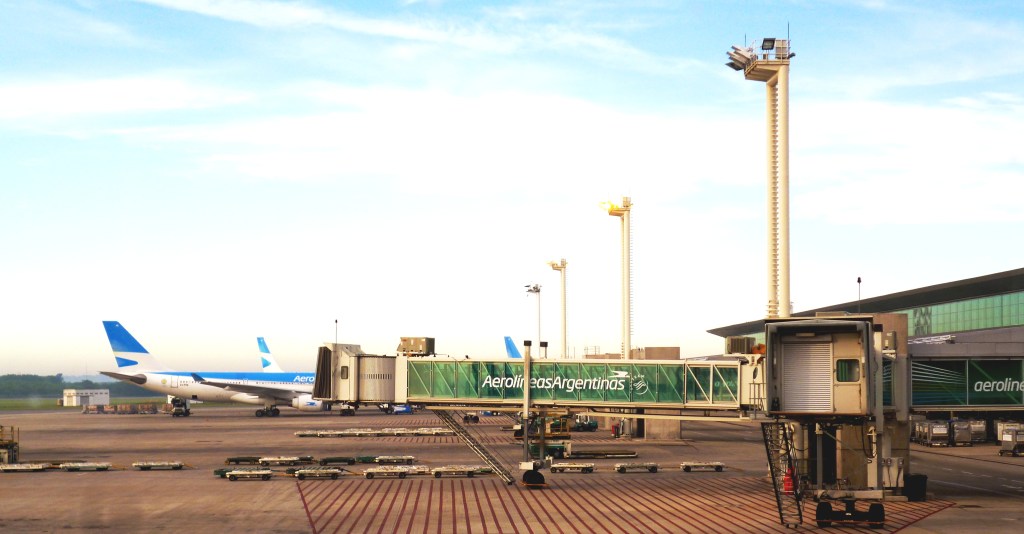



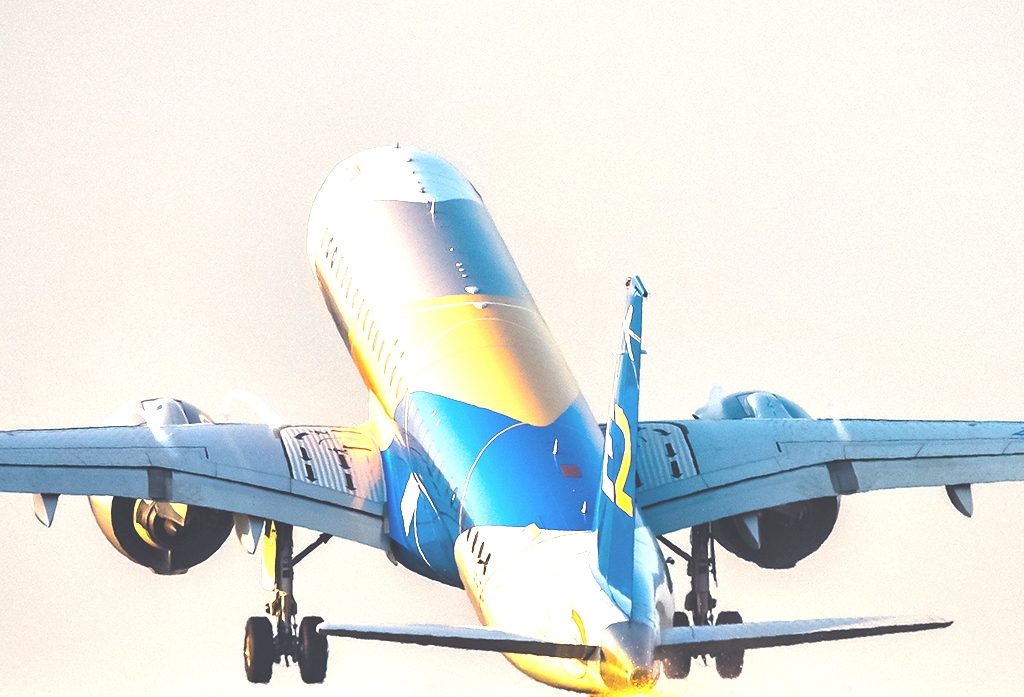

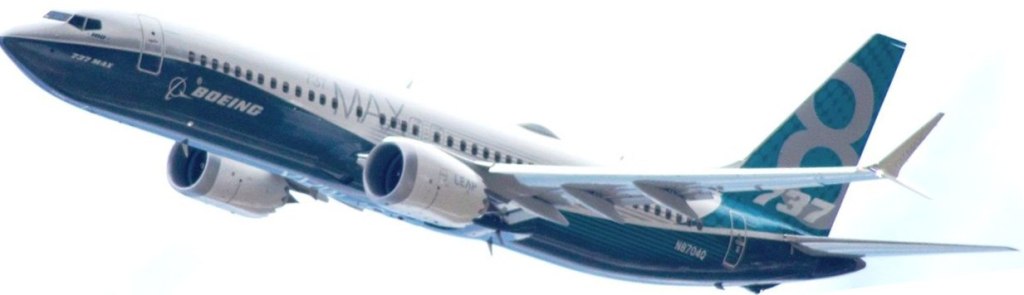


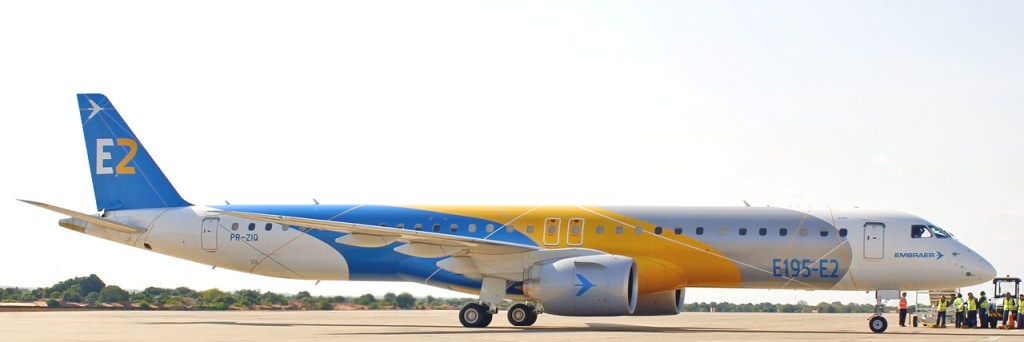

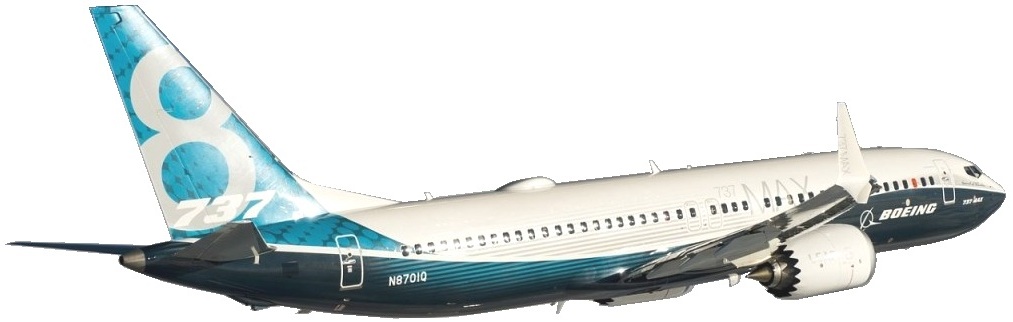











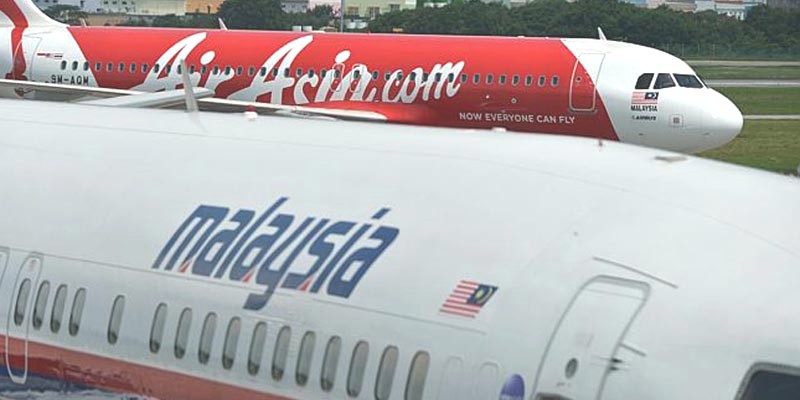
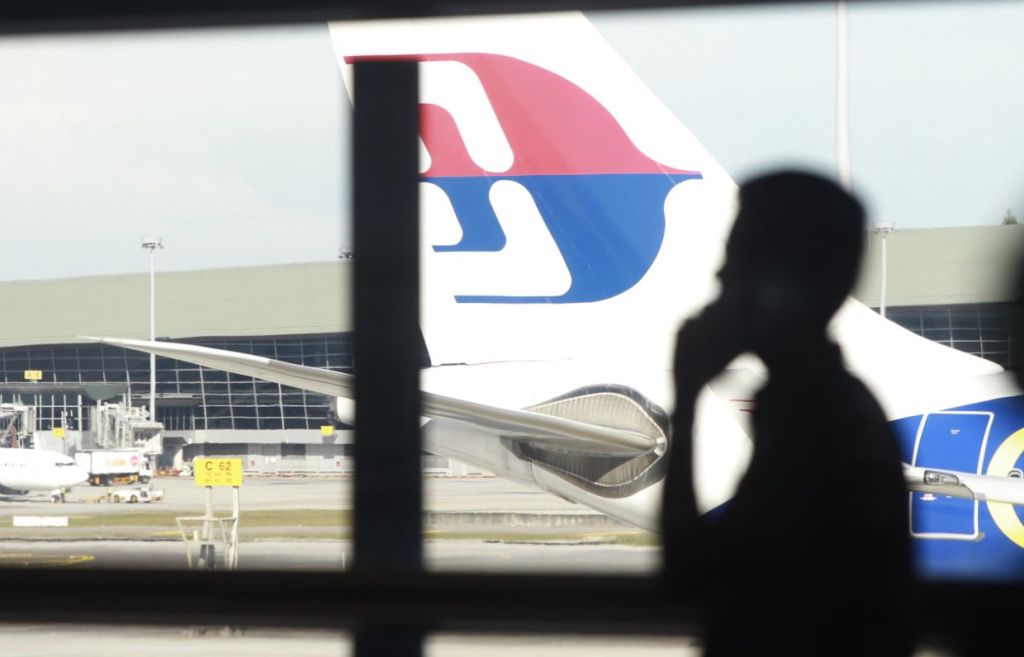
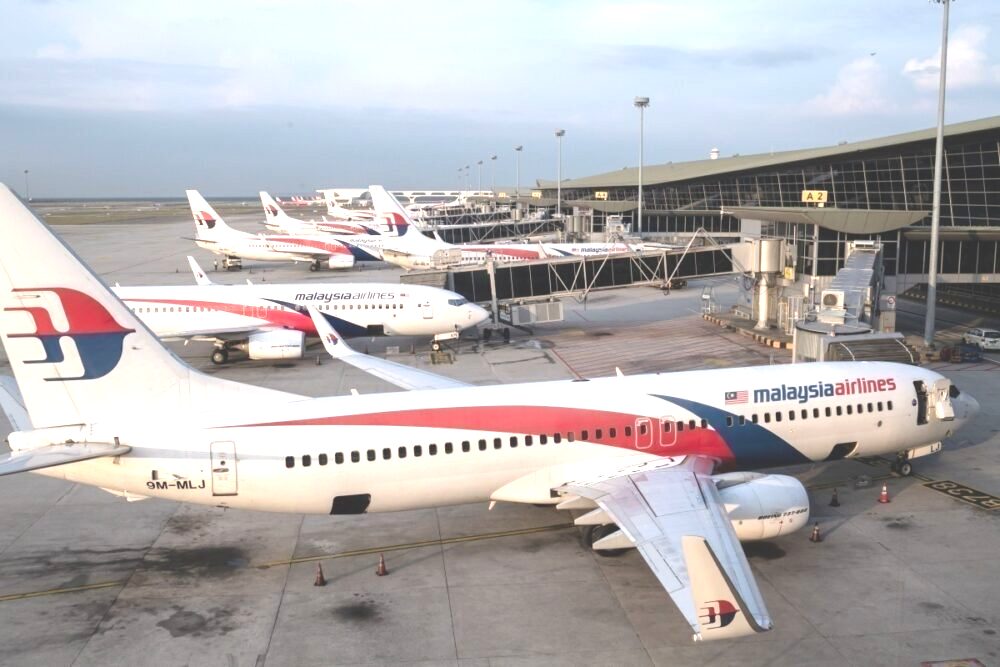
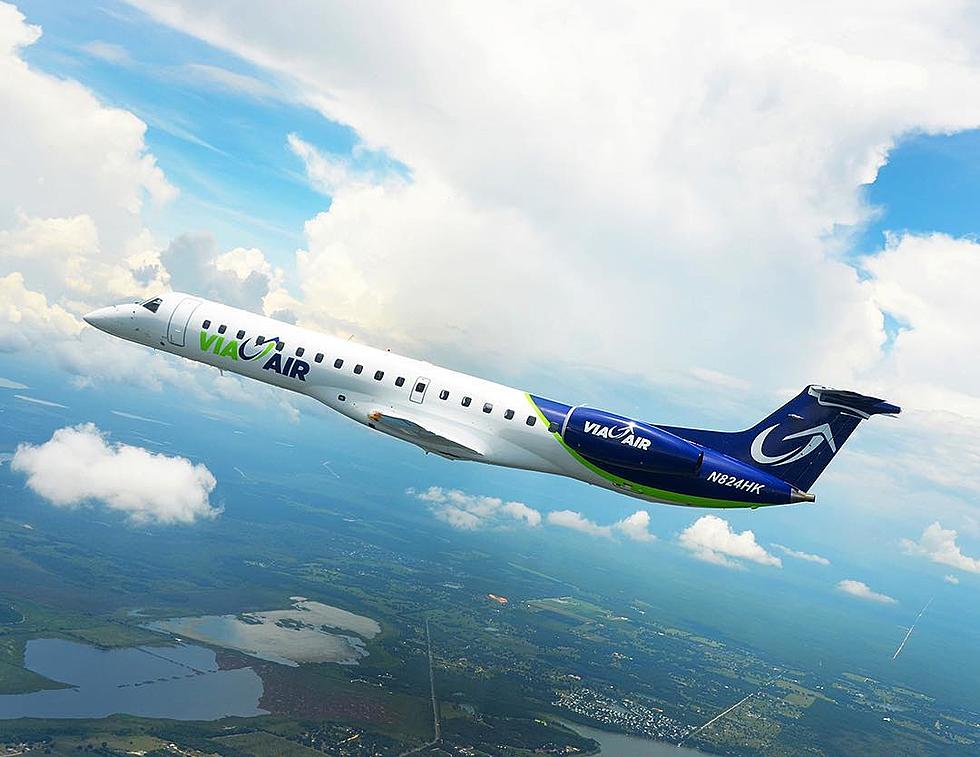

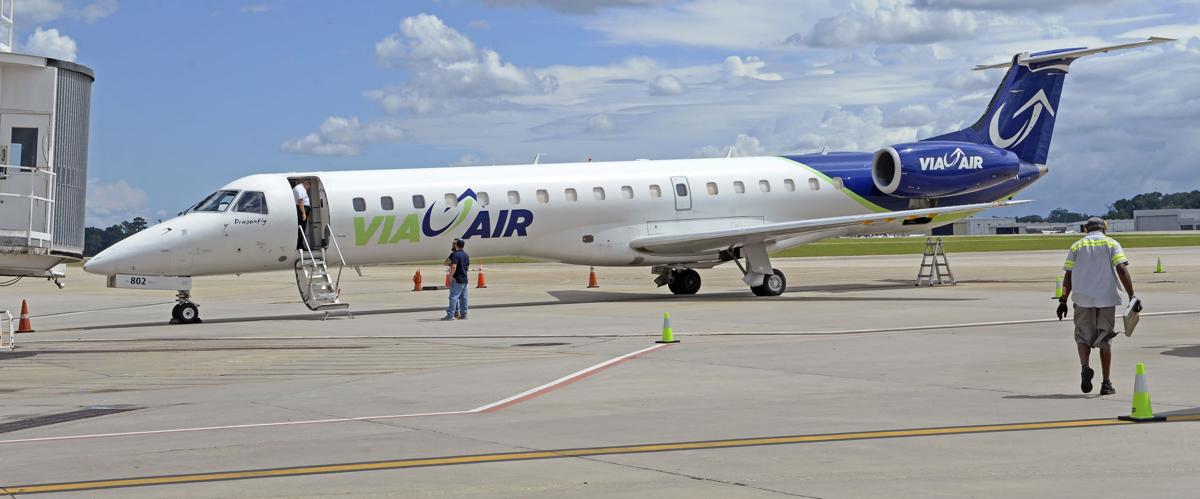






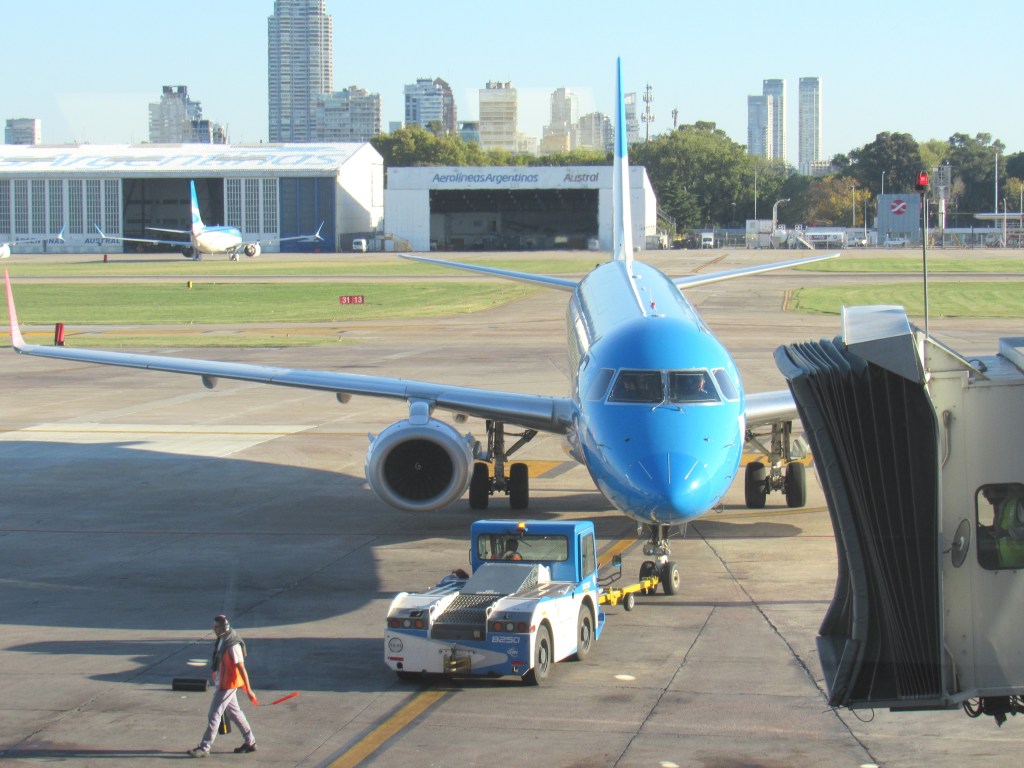

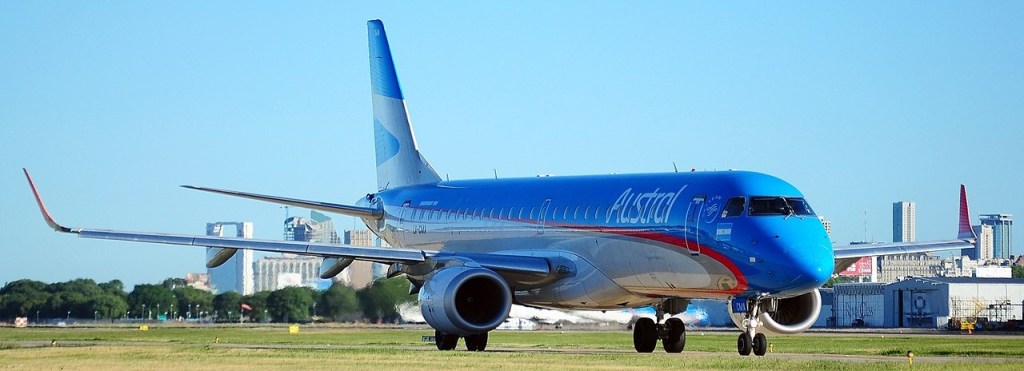
 airgways.com