AW | 2020 09 14 19:00 | INDUSTRY / AVIATION HISTORY
Airbus celebre su quinto aniversario en Mobile
Este Lunes 14 de Septiembre de 2020 el consorcio europeo Airbus Group festeja el quinto aniversario del inicio de la producción de Airbus US en Mobile, Estado de Alabama. El ensamblaje de la línea europea en Estados Unidos ha marcado muchos hitos desde que el fabricante de aviones abrió su primera línea de ensamblaje final en los Estados Unidos.
Dentro del alcance de hitos de Airbus US, la compañía ha construido una segunda línea de ensamblaje final para el avión regional Airbus A220. Esta línea de ensamblaje final ha estado operativa desde Mayo 2019. Los primeros A220 se ensamblaron en el ensamblaje original del A320, para luego trasladar a la aeronave regional a su actual línea de ensamblaje, existiendo un flujo constante de A220 desde Agosto de 2019. Actualmente, dos A220 están ahora listos para su entrega.
El avión regional A220 fue adquirido por Airbus Group de el constructor canadiense Bombardier Inc. Airbus ha entregado más de 180 aviones A320 a ocho clientes. La empresa emplea actualmente a mil personas, alcanzando un impacto económico en los condados de Mobile y Baldwin de aproximadamente un valor de US$ 1.100 millones de Dólares.
Airbus A220 a Delta
Marcando otro hito importante en la línea de Mobile de Airbus US es la preparación de su primer avión de pasajeros regional A220 de fabricación estadounidense, «Made in USA» a Delta Air Lines tan pronto como este mes de Septiembre 2020, lo que subraya la creciente presencia del fabricante de aviones europeo en el territorio nacional de la compañía Boeing. Desde que abrió una planta en 2015 en Mobile, Alabama, Airbus US la ha utilizado para fabricar más de 180 aviones de su otra familia de fuselaje estrecho, el A320, para clientes estadounidenses, dijo Jeffrey Knittel, Director Ejecutivo de Airbus US.
Aranceles Importación
La duplicación en el sitio de Alabama con una nueva línea de ensamblaje que construye A220, un avión avanzado de diseño canadiense, permite a Airbus evitar las tarifas impuestas por Estados Unidos para los aviones que entrega a las aerolíneas estadounidenses. A medida que las tensiones comerciales se intensifican y una disputa de larga duración se acerca a su resolución en la Organización Mundial del Comercio (OMC), el puesto de avanzada de Estados Unidos apuntala el alcance global del mayor fabricante de aviones del mundo. «Los dispositivos en Móbile no se verán afectados en relación con la estrategia de la OMC. De hecho, Mobile ha demostrado la lógica de una huella industrial de base amplia», dijo Jeffrey Knittel por comunicación telefónica.
Durante las próximas semanas, un panel de tres árbitros de la OMC determinará si la Unión Europea puede tomar represalias contra Estados Unidos por cualquier subsidio ilegal proporcionado a Boeing. El organismo comercial ya ha otorgado US$ 7.500 millones de Dólares a Estados Unidos en una disputa paralela sobre los subsidios europeos a Airbus. El último fallo podría impulsar a las dos partes a resolver su batalla comercial de quince años.
Expansión internacional
Mientras que Boeing limita su ensamblaje de aviones a los Estados Unidos, Airbus, con sede en Toulouse, Francia, ha extendido su presencia industrial en mercados internacionales clave. Produce aviones A320 en cuatro países: Alemania, Francia, China y Estados Unidos. El A220, que Airbus adquirió a Bombardier Inc., se fabrica en Quebec, Canadá y Mobile, EE.UU. «La expansión de Airbus anticipó una nueva fase en la globalización, marcada por políticas cada vez más nacionalistas y restricciones comerciales. Ese es el panorama general, uno que requiere una mayor presencia en el país. Ya no se dan por sentadas las fronteras abiertas», dijo el analista aeroespacial Richard Aboulafia.
Estrategias vs pandemia
La estrategia tiene sus desventajas con sus instalaciones repartidas en diferentes países. Airbus no pudo moverse tan rápido como Boeing para reducir la producción y los costos después de que la pandemia de Coronavirus provocara una caída en la demanda de nuevos aviones.
En Mobile, Airbus está pausando los planes para acelerar la producción del A320, ya que recorta la producción global de la familia de aviones de pasajeros a 40 aviones por mes, dijo Jeffrey Knittel. Delta solo ha tomado tres de los 17 aviones A220-100 más pequeños que originalmente estaba programado para recibir este año, y sus planes para los modelos A220-300 hechos por Mobile no están definidos todavía. La aerolínea ha estado trabajando con Airbus para minimizar las entregas durante los próximos 18 a 24 meses, dijo en Julio 2020 el CEO de Delta, Ed Bastian. Aún así, para evitar despidos a mayor escala en sus operaciones en Estados Unidos, Airbus planea trasladar a algunos empleados de la producción del A320 a la línea A220, donde el trabajo aún está aumentando, dijo Jeffrey Knittel. Airbus planea construir cuatro A220 al mes en Mobile a mediados de la década, lo que duplicaría su producción actual.
“Estamos trabajando en los problemas. Básicamente, hemos reducido la tasa de producción. Tenemos la esperanza de que en el futuro las cosas se recuperen, pero tenemos que prepararnos para el clima en el que estamos”, dijo Jeffery Knittel sobre la respuesta del sitio de Móbile a la agitación del mercado.
Ξ 5th Anniversary Airbus US Ξ
Airbus celebrate its fifth anniversary in Mobile
This Monday, September 14, 2020, the European Airbus Group consortium celebrates the fifth anniversary of the start of Airbus US production in Mobile, State of Alabama. The assembly of the European line in the United States has marked many milestones since the aircraft manufacturer opened its first final assembly line in the United States.
Within the scope of Airbus US milestones, the company has built a second final assembly line for the Airbus A220 regional aircraft. This final assembly line has been operational since May 2019. The first A220s were assembled in the original assembly of the A320, to later transfer the regional aircraft to its current assembly line, there being a constant flow of A220s since August 2019. Currently, two A220s are now ready for delivery.
The A220 regional aircraft was acquired by Airbus Group from Canadian manufacturer Bombardier Inc. Airbus has delivered more than 180 A320 aircraft to eight customers. The company currently employs a thousand people, reaching an economic impact in Mobile and Baldwin counties of approximately US$ 1.1 billion.
Airbus A220 to Delta
Marking another important milestone in Airbus US ‘Mobile line is the preparation of its first US-made A220 regional airliner, «Made in USA» to Delta Air Lines as early as this September 2020, underscoring the growing presence of the European aircraft manufacturer in the national territory of the Boeing company. Since opening a plant in Mobile, Alabama in 2015, Airbus US has used it to manufacture more than 180 aircraft in its other narrow-body family, the A320, for US customers, said Jeffrey Knittel, Chief Executive Officer of Airbus US.
Import Duties
Doubling up at the Alabama site with a new assembly line building A220, an advanced Canadian-designed aircraft, allows Airbus to avoid US-imposed fees for aircraft it delivers to US airlines. As trade tensions escalate and a long-running dispute nears resolution at the World Trade Organization (WTO), the US outpost underpins the global reach of the world’s largest aircraft manufacturer. «Devices at Móbile will not be affected in relation to the WTO strategy. In fact, Mobile has demonstrated the logic of a broad-based industrial footprint», Jeffrey Knittel said by telephone communication.
Over the next several weeks, a three-arbitrator panel from the WTO will determine whether the European Union can retaliate against the United States for any illegal subsidies provided to Boeing. The trade body has already awarded US$ 7.5 billion to the United States in a parallel dispute over European subsidies to Airbus. The latest ruling could prompt the two sides to resolve their fifteen-year trade battle.
International expantion
While Boeing limits its aircraft assembly to the United States, Airbus, based in Toulouse, France, has expanded its industrial presence in key international markets. It produces A320 aircraft in four countries: Germany, France, China and the United States. The A220, which Airbus acquired from Bombardier Inc., is manufactured in Quebec, Canada and Mobile, USA «Airbus expansion anticipated a new phase in globalization, marked by increasingly nationalistic policies and trade restrictions. That is the bigger picture, one that requires a greater presence in the country. Open borders are no longer taken for granted», said aerospace analyst Richard Aboulafia.
Strategies vs pandemic
The strategy has its downsides with its facilities spread across different countries. Airbus was unable to move as quickly as Boeing to reduce production and costs after the Coronavirus pandemic caused a drop in demand for new aircraft.
In Mobile, Airbus is pausing plans to accelerate production of the A320 as it cuts global production of the family of airliners to 40 aircraft per month, Jeffrey Knittel said. Delta has only taken three of the 17 smaller A220-100 aircraft it was originally scheduled to receive this year, and its plans for the Mobile-made A220-300 models are not defined yet. The airline has been working with Airbus to minimize deliveries for the next 18 to 24 months, Delta CEO Ed Bastian said in July 2020. Still, to avoid layoffs on a larger scale at its US operations, Airbus plans to move some employees from A320 production to the A220 line, where work is still increasing, Jeffrey Knittel said. Airbus plans to build four A220s a month in Mobile by the middle of the decade, which would double its current production.
“We are working on the problems. Basically, we have reduced the production rate. We are hopeful that things will pick up in the future, but we have to prepare for the climate we are in”, Jeffery Knittel said of the Móbile site’s response to the market turmoil.
Aerolíneas EEUU emiten exenciones vuelo por amenaza huracán
El Huracán Sally se formó el Lunes 14/09 por la mañana y pareció desplazarse hacia el Este, colocando las costas enteras de Mississippi y Alabama bajo una advertencia de huracán mientras se alejaba del Estado de Louisiana, donde la costa Suroeste aún se está recuperando del Huracán Laura.
Seguimiento Huracán Sally
El nuevo Huracán Sally amenaza con tocar tierra el Martes 15/09 como tormenta de Categoría 2. Los datos de un avión cazador de huracanes muestran que la velocidad del viento se está fortaleciendo y que la tormenta podría golpear la costa con vientos de 105 mph, a solo unas pocas millas por hora de una designación de Categoría 3, dice el Centro Nacional de Huracanes. La última actualización mostró la tormenta a unas 160 millas al sureste de Biloxi, Mississippi, hasta el Lunes 14/09 por la tarde.
Actualmente, la tormenta tiene vientos de 90 mph, pero lo más preocupante es su lenta aproximación final, dicen los meteorólogos. «Dado que se pronostica que Sally se moverá muy lentamente en el momento en que toque tierra, se indica una tasa de debilitamiento más lenta ya que una gran parte de la circulación permanecerá sobre el agua durante algún tiempo», dijo el Servicio Meteorológico Nacional.
La Gobernadora de Mississippi, Tate Reeves, firmó un estado de emergencia preliminar el domingo. Los funcionarios de Mississippi están trabajando para tomar decisiones sobre posibles evacuaciones obligatorias, dijo. Durante una sesión informativa el Lunes, la Gobernadora dijo que temía que su estado fuera el más afectado por la lluvia y la marejada ciclónica de Sally, e instó a los residentes a prepararse para cortes prolongados de energía. El Gobierno está abriendo refugios para los evacuados.
Alabama y Mississippi se preparan
Los funcionarios estaban repartiendo sacos de arena en Saraland, Alabama, al norte de Mobile, mientras que los residentes de Dauphin Island, una isla barrera en la costa de Alabama, también se preparaban para las inundaciones. Las áreas costeras entre el este de Louisiana y el oeste de Florida podrían ver entre 1 y 8 pies de marejada ciclónica, aunque la costa entre el río Mississippi y Ocean Springs, Mississippi, al este de Biloxi, podría presenciar hasta 11 pies, pronosticó el Centro Nacional de Huracanes.
Las 99 bombas de drenaje de Nueva Orleans, críticas para evitar inundaciones en las calles, están en pleno funcionamiento, según la Junta de Agua y Alcantarillado de la ciudad, que activó su centro de operaciones de emergencia el lunes temprano. La ciudad también firmó una declaración de emergencia y está distribuyendo sacos de arena.
Huracán Laura, …Sally
El Huracán Sally llega menos de tres semanas después de que el huracán Laura tocó tierra como Categoría 4, causando inundaciones y daños generalizados en el suroeste de Louisiana y dejando seis personas muertas. Llevaba la misma fuerza que una tormenta de hace más de 150 años, la más fuerte que jamás haya azotado el Estado. Laura también destruyó las redes eléctricas y se prevé que las reparaciones demoren semanas , si no meses, dijeron las autoridades. Casi 80.000 hogares permanecen sin electricidad en el suroeste de Louisiana hasta el lunes por la mañana. En el pico de Laura, más de 800.000 clientes se quedaron sin electricidad. Sally fue uno de los cinco ciclones tropicales en el Atlántico el Lunes 14/09, un fenómeno que sucedió solo una vez antes, hace casi 50 años.
Tráfico aéreo en el Golfo
Las principales aerolíneas estadounidenses United Airlines, Delta Air Lines, American Airlines y Southwest Airlines emiten exenciones de vuelo en medio de la amenaza del Huracán Sally. El Huracán Sally se mueve hacia el oeste-noroeste a través del Golfo de México en esta foto satelital NOAA NESDIS STAR GOES East tomada el Domingo 13/09 por la tarde. Se espera que la tormenta se convierta en huracán el Lunes 14/09 y toque tierra a lo largo de la costa norte del Golfo durante la noche del Lunes. El Huracán Sally provocó evacuaciones en Luisiana el Domingo 13/09 cuando la costa norte del Golfo se preparaba para tocar tierra el Lunes 14/09 por la noche como un huracán con vientos sostenidos de 90 mph.
United Airlines está eximiendo las tarifas de cambio y las diferencias de tarifas para los vuelos de United que salgan antes del 20 de Septiembre en los aeropuertos de Louisiana, Mississippi, Alabama y Florida (una lista completa está disponible en el sitio web de la aerolínea bajo Tropical Storm Sally). Los viajeros deben haber comprado boletos antes del 12 de Septiembre 2020, con fechas de vuelo entre el 14 y el 16 de Septiembre 2020. Para recibir la exención, también deben reprogramar en la misma cabina y entre las mismas ciudades.
Delta Air Lines
Delta Air Lines también está eximiendo las tarifas de cambio para los clientes con vuelos programados del 14 al 16 de septiembre en una franja de aeropuertos en la región del Golfo. «Los meteorólogos de Delta están monitoreando de cerca la tormenta tropical Sally que podría afectar los viajes a través de seis estaciones de la costa del Golfo. La aerolínea ha emitido una exención de viaje que permite a los clientes con flexibilidad en sus planes de viaje realizar un cambio único en su itinerario sin incurrir en un cargo por cambio», según un aviso en el sitio web de Delta.
Southwest Airlines
Los clientes que vuelen del 14 al 16 de Septiembre 2020 a ciertos aeropuertos del sureste no enfrentarán cargos adicionales si actualizan sus planes de viaje dentro de las dos semanas posteriores a la fecha de viaje original y se adhieren a las mismas ciudades de origen y destino.
American Airlines
A los pasajeros de American Airlines que viajen hacia, a través o desde aeropuertos en el sureste de los Estados Unidos se les puede eximir de las tarifas de cambio si cumplen con ciertas condiciones. Deben haber comprado boletos antes del 13 de Septiembre; estar programado para viajar del 15 al 16 de Septiembre; y puede viajar entre el 13 y el 21 de Septiembre, entre otras condiciones.
La recomendación es que los ussuarios del transporte aéreo visiten el sitio web de cada aerolínea para obtener las últimas actualizaciones sobre sus vuelos y cambiar los procedimientos de tarifas, ya que es típico que los planes cambien dada la naturaleza cambiante de las tormentas.
Perspectivas
Las advertencias de huracanes y tormentas tropicales estaban vigentes para una franja de la costa norte del Golfo desde el Panhandle de Florida hasta Morgan City, Louisiana, mientras Sally ganaba fuerzas. Es probable que la tormenta toque tierra en algún lugar cerca de la frontera entre Luisiana y Mississippi, potencialmente en Nueva Orleans, según los modelos de pronóstico.
Hurricane Sally CAT2 in the US
US airlines issue flight exemptions due to hurricane threat
Hurricane Sally formed on Monday morning 09/14 and appeared to drift eastward, placing the entire coasts of Mississippi and Alabama under a hurricane warning as it moved away from the State of Louisiana, where the Southwest coast is still recovering from the Hurricane Laura.
Hurricane Sally Tracking
The new Hurricane Sally threatens to make landfall on Tuesday 09/15 as a Category 2 storm. Data from a hurricane chaser plane shows that wind speeds are strengthening and that the storm could hit the coast with winds of 105 mph, just a few miles per hour from a Category 3 designation, says the National Hurricane Center. The latest update showed the storm about 160 miles southeast of Biloxi, Mississippi, as of Monday afternoon 09/14.
Currently, the storm has winds of 90 mph, but more concerning is its slow final approach, forecasters say. «Since Sally is forecast to move very slowly by the time it makes landfall, a slower rate of weakening is indicated as much of the circulation will remain on the water for some time», the National Weather Service said.
Mississippi Governor Tate Reeves signed a preliminary state of emergency on Sunday. Mississippi officials are working to make decisions about possible mandatory evacuations, he said. During a briefing on Monday, the Governor said she feared her state would be the hardest hit by Sally’s rain and storm surge, and urged residents to prepare for prolonged power outages. The government is opening shelters for evacuees.
Alabama and Mississippi prepare
Officials were handing out sandbags in Saraland, Alabama, north of Mobile, while residents of Dauphin Island, a barrier island off the coast of Alabama, also prepared for flooding. Coastal areas between eastern Louisiana and western Florida could see between 1 and 8 feet of storm surge, although the shoreline between the Mississippi River and Ocean Springs, Mississippi, east of Biloxi, could witness up to 11 feet, the forecast predicted. National Hurricane Center.
New Orleans’ 99 drain pumps, critical to preventing street flooding, are in full operation, according to the city’s Water and Sewer Board, which activated its emergency operations center early Monday. The city also signed an emergency declaration and is distributing sandbags.
Hurricane Laura, … Sally
Hurricane Sally comes less than three weeks after Hurricane Laura made landfall as Category 4, causing widespread flooding and damage in southwestern Louisiana and leaving six people dead. It was carrying the same force as a storm of more than 150 years ago, the strongest that has ever hit the state. Laura also destroyed power grids and repairs are expected to take weeks, if not months, authorities said. Nearly 80,000 homes remain without power in southwest Louisiana as of Monday morning. At Laura’s Peak, more than 800,000 customers were without power. Sally was one of five tropical cyclones in the Atlantic on Monday 9/14, a phenomenon that happened only once before, almost 50 years ago.
Air traffic in the Gulf
Major US carriers United Airlines, Delta Air Lines, American Airlines and Southwest Airlines issue flight waivers amid the threat of Hurricane Sally. Hurricane Sally moves west-northwest across the Gulf of Mexico in this NOAA NESDIS STAR GOES East satellite photo taken Sunday afternoon 09/13. The storm is expected to become a hurricane on Monday 9/14 and make landfall along the northern Gulf Coast overnight Monday. Hurricane Sally triggered evacuations in Louisiana on Sunday 09/13 as the northern Gulf Coast prepared to make landfall Monday night 09/14 as a hurricane with sustained winds of 90 mph.
United Airlines is waiving exchange fees and fare differences for United flights departing before September 20 at airports in Louisiana, Mississippi, Alabama, and Florida (a complete list is available on the airline’s website under Tropical Storm Sally). Travelers must have purchased tickets before September 12, 2020, with flight dates between September 14 and 16, 2020. To receive the exemption, they must also reschedule in the same cabin and between the same cities.
Delta Air Lines
Delta Air Lines is also waiving exchange fees for customers with flights scheduled for September 14-16 at a strip of airports in the Gulf region. «Delta meteorologists are closely monitoring Tropical Storm Sally which could affect travel through six Gulf Coast stations. The airline has issued a travel waiver that allows customers flexibility in their travel plans to make a one-time change to your itinerary without incurring a change fee», according to a notice on Delta’s website.
Southwest Airlines
Customers flying September 14-16, 2020 to select airports in the southeast will not face additional charges if they update their travel plans within two weeks of the original travel date and adhere to the same origin and destination cities.
American Airlines
American Airlines passengers traveling to, through, or from airports in the southeastern United States may be waived exchange fees if they meet certain conditions. They must have purchased tickets before September 13; be scheduled to travel from September 15 to 16; and you can travel between September 13 and 21, among other conditions.
The recommendation is that air travel users visit each airline’s website for the latest updates on their flights and to change fare procedures, as plans typically change given the changing nature of storms.
Perspectives
Hurricane and tropical storm warnings were in effect for a swath of the northern Gulf Coast from the Florida Panhandle to Morgan City, Louisiana, as Sally gained strength. The storm is likely to make landfall somewhere near the Louisiana-Mississippi border, potentially in New Orleans, according to forecasting models.
Aerolíneas despide empleado incumpliendo DNU por despidos
Aerolíneas Argentinas ha despedido sin causa a tres empleados del área de Mecánicos, incumpliendo el DNU 624/2020 decretado por Presidencia el 28 Julio 2020. Este atropello a la ley se da entre otros, como las suspensiones y las amenazas de desafuero a los delegados de Austral Líneas Aéreas que vienen resistiendo la fusión con Aerolíneas.
La vigencia del Decreto de Necesidad y Urgencia DNU Nº 624/2020 prohíbe los despidos y las suspensiones. A pesar de seguir vigente el DNU gubernamental de prohibición de despidos, la Asociación Personal Técnicos Aeronáuticos (APTA) y la gerencia de Aerolíneas Argentinas haciendo caso omiso del mismo, avanzaron en el despido sin causa de tres trabajadores mecánicos.
Tras los efectos de la pandemia, muchos de los empleados en Argentina han tenido que alternar los días laborables, pero en Aerolíneas Argentinas, ahora incumple el DNU del Estado argentino, poniendo de relieve los complejos pasos que atraviesa su principal competidora, Latam Airlines Argentina, en materia de suspensiones y despidos laborales, tras su probable salida del país.
Empleados de Aerolíneas
Un empleado del área de Mantenimiento, Martín Radaelli, había recibido un telegrama por suspensión laboral en Junio 2020, reconociendo su asistencia al trabajo a pesar de la Cuarentena en el país. En Agosto, recibe otra notificación de suspensión y el 9 Septiembre 2020 recibe el telegrama de despido, que ha sido desvinculado de la compañía sin causa laboral. Esta situación se da en medio de un manejo poco claro de la dirigencia sindical y empresaria ante hechos con los empleados del área Mantenimiento, con una posible actitud de desvincular o aislar a los trabajadores.
El despido de Mecánico de Aerolíneas es ilegal en todas sus formas, incumpliendo los decretos presidenciales y sus ampliaciones a la Ley DNU N° 528/2020 y N° 624/2020 y sus sucesivas prórrogas en un marco regulatorio que ampara al trabajador en caso de suspensiones y despidos personales o masivos, dándose en el marco de una avanzada para el quite de puntos convencionales sin que los trabajadores puedan organizarse y reclamar sus justos derechos.
Detrás de los problemas internos, continúa el viejo deseo de la dirigencia política y sindical de la supresión de la compañía Austral Líneas Aéreas por medio de la fusión y así homogeneizar los gremios de pilotos APLA y UALA, que han estado históricamente en puja por años, con el propósito del sector político de que APLA domine la empresa y UALA sea suprimida, allanando el camino hacia una flexibilización de los convenios laborales.
En el marco de la lucha de los trabajadores de ambas líneas aéreas, existen empleados sancionados y delegados con juicio de desafuero. «Esto me deja ver que, lo que la empresa pretende es más que echar sin causa a 3 compañeros, quiere meter miedo a la base de nuestros derechos para que así sea mas fácil que entreguemos nuestro convenio (vacaciones, refuerzo nocturno, horas a terceros, horarios flexibles, etc)», expresa Martín Radaelli.
Los trabajadores continuarán fortaleciendo su accionar ante los procedimientos sistemáticos de la dirigencia de la compañía por acallarlos, organizando reuniones virtuales donde canalizarán las denuncias ante el Ministerio de Trabajo en reclamo de sus justos derechos por el atropello a la clase trabajadora y por los imcumplimientos de Aerolíneas Argentinas de los DNU en materia laboral.
Aerolíneas breaches labor DNU
Aerolíneas dismisses employee in breach of DNU due to dismissals
Aerolíneas Argentinas has dismissed without cause three employees of the Mechanics area, in breach of DNU 624/2020 decreed by the Presidency on July 28, 2020. This violation of the law occurs among others, such as suspensions and threats of lawlessness to the delegates of Austral Lineas Aereas that have been resisting the merger with Aerolíneas.
The validity of the Decree of Necessity and Urgency DNU No. 624/2020 prohibits dismissals and suspensions. Despite the government DNU prohibiting layoffs, the Aeronautic Technical Personnel Association (APTA) and the management of Aerolíneas Argentinas, ignoring it, advanced in the dismissal without cause of three mechanical workers.
After the effects of the pandemic, many of the employees in Argentina have had to alternate working days, but at Aerolíneas Argentinas, now it fails to comply with the DNU of the Argentine State, highlighting the complex steps that its main competitor, Latam Airlines Argentina, is going through. in terms of work suspensions and dismissals, after his probable departure from the country.
Aerolíneas Employees
An employee of the Maintenance area, Martín Radaelli, had received a telegram for work suspension in June 2020, acknowledging his attendance at work despite the Quarantine in the country. In August, he receives another notification of suspension and on September 9, 2020 he receives the dismissal telegram, which has been separated from the company without labor cause. This situation occurs in the midst of an unclear handling of the union and business leadership in the face of facts with the employees of the Maintenance area, with a possible attitude of separating or isolating the workers.
The dismissal of Airline Mechanic is illegal in all its forms, in breach of presidential decrees and their extensions to DNU Law No. 528/2020 and No. 624/2020 and its successive extensions in a regulatory framework that protects the worker in case of suspensions and personal or massive dismissals, taking place within the framework of an advance to remove conventional points without the workers being able to organize and claim their just rights.
Behind the internal problems, the old desire of the political and union leadership continues to suppress the Austral Líneas Aéreas company through the merger and thus homogenize the APLA and UALA pilots unions, which have historically been in bid for years, with the intention of the political sector that APLA dominates the company and UALA is suppressed, paving the way towards a flexibilization of labor agreements.
In the framework of the struggle of the workers of both airlines, there are sanctioned employees and delegates with a judgment of violation. «This lets me see that what the company intends is more than throwing out 3 colleagues without cause, it wants to scare the basis of our rights so that it is easier for us to deliver our agreement (vacations, night reinforcement, hours to third parties , flexible hours, etc)», expresses Martín Radaelli.
The workers will continue to strengthen their actions in the face of the systematic procedures of the company leadership to silence them, organizing virtual meetings where they will channel complaints to the Ministry of Labor to demand their just rights for the abuse of the working class and for the non-compliance of Airlines Argentinas of the DNU in labor matters.
Tribunal Quiebras NY rechaza financiación DIP de Latam Group
El Tribunal de Quiebras del Distrito Sur de Nueva York en Estados Unidos, ha rechazado el financiamiento DIP (Debtor-In-Possession) de US$ 2.45 mil millones proporcionado por Latam Group S.A., que se encuentra en reorganización judicial desde Mayo 2020. La opción de fondo para empresas que se encuentran en reestructuración, en el caso de Latam Group, no ha sido aprobada por la preocupación de la Corte de Justicia por los US$ 900 millones aportados por Qatar Airways y Costa Verde Aeronáutica. Según el Tribunal de Nueva York, al ser accionistas, las inversiones de Qatar Airways y Costa Verde Aeronáutica podrían resultar en un aumento de la participación de estas empresas dentro del Grupo Latam bajo cláusulas abusivas. Directa e indirectamente, Costa Verde Aeronáutica, sociedad de inversión de las familias Cueto y Amaro, posee actualmente el 23,5% de las acciones de Latam Group, mientras que Qatar Airways posee otro 10%.
Comité Acreedores
Después de una queja presentada por el Comité de Acreedores de Latam, que comprende un grupo de tenedores de valores y Knighthead Capital Management LLC, el Juez James L. Garrity dictaminó que los términos del préstamo podrían resultar en una mayor participación de los accionistas en condiciones injustas. Esto se debe a que, debido a las condiciones del financiamiento de US$ 900 millones, Qatar Airways y Costa Verde Aeronáutica podrían convertir las deudas en nuevas acciones de Latam con un 20% de descuento, en caso de que la empresa no pudiera pagar sus deudas. “Por eso, la Corte no aprobará el Financiamiento DIP”, decidió el juez.
El Presidente Ejecutivo de Latam, Roberto Alvo, afirmó que, dentro del proceso bursátil, «la empresa, junto con sus asesores legales y financieros, está analizando la decisión del tribunal y su alcance para definir un curso de acción».
El paquete DIP también consiste en un préstamo de US$ 1.3 mil millones de Oaktree Capital Management y US$ 250 millones adicionales como un préstamo potencial de los accionistas chilenos en los mismos términos que los US$ 900 millones garantizados por Qatar Airways y Costa Verde Aeronáutica. Aunque el tribunal no disputó los US$ 1.5 mil millones de Oaktree y los accionistas más pequeños, el paquete debe ser aprobado en su totalidad.
Justice rejects DIP to Latam Group
New York Bankruptcy Court rejects DIP funding from Latam Group
The Bankruptcy Court of the Southern District of New York in the United States has rejected the DIP (Debtor-In-Possession) financing of US$ 2.45 billion provided by Latam Group SA, which has been undergoing judicial reorganization since May 2020. The option Fund for companies undergoing restructuring, in the case of Latam Group, has not been approved due to the concern of the Court of Justice over the US$ 900 million contributed by Qatar Airways and Costa Verde Aeronáutica. According to the New York Court, as shareholders, the investments of Qatar Airways and Costa Verde Aeronáutica could result in an increase in the participation of these companies within the Latam Group under abusive clauses. Directly and indirectly, Costa Verde Aeronáutica, an investment company of the Cueto and Amaro families, currently owns 23.5% of the Latam Group shares, while Qatar Airways owns another 10%.
Creditors Committee
Following a complaint filed by the Latam Creditors Committee, which comprises a group of security holders and Knighthead Capital Management LLC, Judge James L. Garrity ruled that the terms of the loan could result in increased shareholder participation under conditions unfair. This is because, due to the financing conditions of US$ 900 million, Qatar Airways and Costa Verde Aeronáutica could convert the debts into new Latam shares with a 20% discount, in case the company could not pay its debts. “For this reason, the Court will not approve the DIP Financing”, the judge decided.
The Executive President of Latam, Roberto Alvo, affirmed that, within the stock exchange process, «the company, together with its legal and financial advisors, is analyzing the court’s decision and its scope to define a course of action».
The DIP package also consists of a US$ 1.3 billion loan from Oaktree Capital Management and an additional US$ 250 million as a potential loan from Chilean shareholders on the same terms as the US$ 900 million guaranteed by Qatar Airways and Costa Verde Aeronáutica. Although the court did not dispute Oaktree’s US$ 1.5 billion and smaller shareholders, the package must be approved in its entirety.
IATA insta Gobierno plan rescate aerolíneas ante crisis aviación
El Reino Unido ha ampliado las cuarentenas aplicadas sin previo aviso que han tenido efectos devastadores en la potente industria del turismo emisor del país. Las aerolíneas de Reino Unido de Gran Bretaña están incursionando en serios problemas económicos, especialmente afectadas por la crisis sanitaria y las limitaciones en la red de vuelos. Agregado al perjuicio de la pandemia, se suma la controvertida forma de actuar del Gobierno frente al complicado panorama de la posición del país respecto a Europa.
En un mensaje preocupante, la Asociación Internacional de Transporte Aéreo (IATA) se muestra tajante respecto a la posición del Gobierno, que sin una acción inmediata, ha expresado que “Reino Unido se quedará atrás y perderá rápidamente su codiciada posición como el tercer mercado mundial de la aviación”. El organismo que nuclea a aerolíneas de todo el mundo ha llamado a la acción para que el Ejecutivo active un plan de rescate para evitar una inminente catástrofe en materia de empleo. Según las estimaciones de la IATA, la crisis sin precedentes de la industria aérea provocará la destrucción de más de 820.000 puestos de trabajo en el país.
IATA insta a Reino Unido a levantar las polémicas cuarentenas e implementar planes de incentivos para reactivar la demanda, además de rebajar las cargas que soportan las compañías aéreas. En palabras de su Director General, Alexandre de Juniac, reemplazar las cuarentenas por pruebas de Covid-19 “serviría para mantener a las personas a salvo del virus y evitaría unos niveles de desempleo apocalípticos que serían devastadores tanto para la sociedad como para la economía”. La IATA argumenta que muchos países de todo el mundo han introducido test PCR para reactivar los viajes aéreos. “Es hora de que Reino Unido presente una estrategia similar para trabajar en la creación de corredores turísticos”, expresó la asociación de aerolíneas.
IATA Aviation UK warning
IATA urges airline rescue plan to face acute aviation crisis
The UK has extended unannounced quarantines that have had devastating effects on the country’s powerful outbound tourism industry. The airlines of the United Kingdom of Great Britain are running into serious economic problems, especially affected by the health crisis and limitations in the flight network. Added to the damage of the pandemic, is added the controversial way of acting of the Government in the face of the complicated panorama of the country’s position with respect to Europe.
In a worrying message, the International Air Transport Association (IATA) is adamant about the government’s position, which without immediate action has stated that “the United Kingdom will be left behind and will quickly lose its coveted position as the world’s third largest market. of aviation”. The body that brings together airlines from around the world has called for action for the Executive to activate a rescue plan to avoid an imminent catastrophe in terms of employment. According to IATA estimates, the unprecedented crisis in the airline industry will cause the destruction of more than 820,000 jobs in the country.
IATA urges the United Kingdom to lift the controversial quarantines and implement incentive plans to reactivate demand, in addition to reducing the loads borne by airlines. In the words of its Director General, Alexandre de Juniac, replacing quarantines with Covid-19 tests «would serve to keep people safe from the virus and avoid apocalyptic unemployment levels that would be devastating for both society and the economy». IATA argues that many countries around the world have introduced PCR tests to revive air travel. «It is time for the UK to come up with a similar strategy to work on creating tourist corridors», the airline association said.
AvAir adquiere inventario material respuesto Aerolíneas Argentinas
AvAir LLC, un proveedor de soluciones de inventario líder en la industria para el mercado secundario de piezas de aviación, compró el inventario excedente completo de Aerolíneas Argentinas, la aerolínea más grande de Argentina y representativa del país. El inventario consta de 45.000 ítems de material rotable y consumible de las flotas retiradas de Aerolíneas Argentinas.
«La pandemia de coronavirus interrumpió la industria de las aerolíneas y nos ha brindado la oportunidad de brindar liquidez a las empresas cuando más la necesitan. Esta adquisición es la más grande hasta ahora y nos permitirá continuar brindando un excelente servicio a nuestros más de 2.700 clientes en todo el mundo», dijo Mike Bianco, director ejecutivo de AvAir. Con esta transacción, AvAir ha agregado una amplia gama de material de aviones Boeing y Airbus a su inventario.
“Estamos muy complacidos con este acuerdo con AvAir, que nos permitió monetizar nuestros activos no utilizados, brindando liquidez adicional para nuestra operación”, dice Pablo Cichinelli, Supply Chain Manager de Aerolíneas Argentinas.
«Somos conocidos por crear soluciones de inventario personalizadas que satisfacen las necesidades específicas de nuestros clientes y la adquisición de nuevas piezas es vital para nuestro negocio. Con un inventario en crecimiento de más de 26 millones de componentes rotativos y consumibles, podemos ofrecer consistentemente los mejores precios de la industria», dijo Marcelo Magalhaes Dos Santos, Director de Desarrollo Comercial de AvAir para América Latina.
AvAir ofrece soluciones personalizadas para clientes y proveedores para comprar, vender, intercambiar, prestar, arrendar o consignar más de 26 millones de piezas de aviones en stock. La empresa cuenta con las certificaciones ISO 9001, AS9120 y ASA 100, y se adhiere a los más altos estándares de calidad en todas las fases: compra, recepción, almacenamiento, venta y envío. AvAir recientemente expandió sus operaciones a Dublín, Irlanda, ofreciendo un mejor servicio a los clientes en Europa , Asia y Medio Oriente.
Fundada en 2000, AvAir, consede en Arizona, es un líder mundial en el mercado de repuestos de aviación, que ofrece soluciones de inventario personalizadas para aerolíneas, OEM y MRO. AvAir ofrece soluciones personalizadas para clientes y proveedores para comprar, vender, intercambiar, prestar, arrendar o consignar más de 26 millones de piezas de aviones en stock.
Aerolíneas Argentinas es la empresa líder en el mercado aéreo argentino desde 1950. Vuela a 37 destinos dentro del país y cuenta con una amplia red de intercargas y corredores federales y 18 destinos dentro de América y Europa. Es parte de SkyTeam junto con 19 aerolíneas en el mundo, siendo la única empresa miembro en la región.
AvAir acquires Aerolíneas inventory
AvAir acquires spare material inventory of Aerolíneas Argentinas
AvAir LLC, an industry leading inventory solutions provider for the aviation parts aftermarket, purchased the entire surplus inventory of Aerolíneas Argentinas, Argentina’s largest airline and representative of the country. The inventory consists of 45,000 items of rotatable and consumable material from the retired fleets of Aerolineas Argentinas.
«The coronavirus pandemic disrupted the airline industry and has given us the opportunity to provide liquidity to businesses when they need it most,» said Mike Bianco, CEO of AvAir. «This acquisition is the largest yet and will allow us to continue to provide excellent service to our more than 2,700 customers around the world». With this transaction, AvAir has added a wide range of Boeing and Airbus aircraft material to its inventory.
«We are very pleased with this agreement with AvAir, which allowed us to monetize our unused assets, providing additional liquidity for our operation», says Pablo Cichinelli, Supply Chain Manager of Aerolíneas Argentinas.
«We are known for creating custom inventory solutions that meet the specific needs of our customers and the procurement of new parts is vital to our business. With a growing inventory of more than 26 million rotating components and consumables, we can consistently offer the best industry prices», said Marcelo Magalhaes Dos Santos, AvAir’s Director of Business Development for Latin America.
AvAir offers customized solutions for customers and suppliers to buy, sell, exchange, loan, lease or consign more than 26 million aircraft parts in stock. The company is ISO 9001, AS9120 and ASA 100 certified and adheres to the highest quality standards in all phases: purchasing, receiving, warehousing, selling and shipping. AvAir recently expanded its operations to Dublin, Ireland, better serving customers in Europe, Asia and the Middle East.
Founded in 2000, AvAir, based in Arizona, is a world leader in the aviation aftermarket, offering custom inventory solutions for airlines, OEMs and MROs. AvAir offers customized solutions for customers and suppliers to buy, sell, exchange, loan, lease or consign more than 26 million aircraft parts in stock.
Aerolíneas Argentinas is the leading company in the Argentine air market since 1950. It flies to 37 destinations within the country and has a wide network of intercharges and federal corridors and 18 destinations within America and Europe. It is part of SkyTeam along with 19 airlines in the world, being the only member company in the region.
Flybondi efectúa vuelo especial mineros a El Calafate
La aerolínea de presupuesto argentina Flybondi Línea Aéreas ha efectuado este 13/09 un vuelo especial a El Calafate, Provincia de Santa Cruz para transportar empleados mineros a la localidad, para trabajar en la mina de Cerro Vanguardia.
Por primera vez arriba una aeronave de la compañía low cost al Aeropuerto El Calafate, materializando la llegada dos años después de la fecha tentativa anunciada por sus autoridades en Junio 2018. Flybondi aterriza en esta aeroestación por medio de un vuelo charter especial para cubrir la demanda de trabajadores mineros de la compañía Cerro Vanguardia.
El Calafate es conocido mundialmente por su actividad turística muy demandada, pero a raíz de las prohibiciones de la actividad aerocomercial y turística, la comapañía aérea no ha podido inaugurar el destino como ruta regular.
Trayectoria de vuelo
El Boeing 737-800 despegó del Aeropuerto Internacional El Palomar realizando una escala en San Salvador de Jujuy, en el Norte de Argentina, para recoger a cincuenta empleados de la compañía minera. Sin embargo este embarque se frustró ya que a último momento se conoció que hubo algunos trabajadores que dieron Positivo a Covid-19 en el hisopado previo al viaje. El servicio aéreo siguió hasta Trelew, donde subieron otros trabajadores de la mina. La aeronave continuó la escala a Comodoro Rivadavia para finalmente arribar con destino final al Aeropuerto El Calafate/Comandante Armando Tola a las 15:45 hs, con 51 pasajeros a bordo. Los trabajadores mineros fueron trasladados hasta hoteles de esta localidad, donde permanecerán al menos 10 días aislados. Como indica el protocolo para el traslado de estos trabajadores de actividades esenciales, cada uno de los empleados será nuevamente hisopado antes de viajar a Cerro Vanguardia, cerca de San Julián.
Flybondi special flight to El Calafate
Flybondi makes special miners flight to El Calafate
The Argentine budget airline Flybondi Líneas Aéreas has made a special flight to El Calafate, Province of Santa Cruz on 09/13 to transport mining employees to the town, to work in the Cerro Vanguardia mine.
For the first time an aircraft of the low cost company arrives at El Calafate Airport, materializing the arrival two years after the tentative date announced by its authorities in June 2018. Flybondi lands at this airstation by means of a special charter flight to meet the demand of mining workers from the Cerro Vanguardia company.
El Calafate is known worldwide for its highly demanded tourist activity, but as a result of the bans on commercial and tourist activity, the airline company has not been able to inaugurate the destination as a regular route.
Flight trajectory
The Boeing 737-800 took off from El Palomar International Airport making a stopover in San Salvador de Jujuy, in the North of Argentina, to pick up fifty employees of the mining company. However, this shipment was frustrated since at the last moment it was known that there were some workers who gave Positive to Covid-19 in the pre-trip swab. The air service continued to Trelew, where other mine workers got on. The aircraft continued the stopover to Comodoro Rivadavia to finally arrive with its final destination at El Calafate/Comandante Armando Tola Airport at 3:45 pm, with 51 passengers on board. The mining workers were transferred to hotels in this town, where they will remain in isolation for at least 10 days. As indicated in the protocol for the transfer of these essential activities workers, each of the employees will be swabbed again before traveling to Cerro Vanguardia, near San Julián.
AW | 2020 09 13 16:33 | INDUSTRY / AVIATION SAFETY
Boeing defiende test de seguridad organismos aviación
Dos altos ejecutivos de The Boeing Company que supervisaron el desarrollo del Boeing 737 MAX defendieron las decisiones de la compañía sobre el Sistema de Control MCAS. Tras los ensayos de test de la Federal Aviation Administration (FAA) en Enero 2020, Boeing ha revertido el rumbo de la situación del conflictivo sistema de navegación, recomendaría entrenamiento con simulador para todos los pilotos antes de que el modelo de cuarta generación del 737 vuelva al servicio.
Comité Transporte
Michael Teal, entonces Ingeniero Jefe de Producto del 737 MAX, y Keith Leverkuhn, quien fue Vicepresidente y Gerente General del Programa 737 MAX, fueron interrogados en Mayo 2020 por separado por investigadores del Comité de Infraestructura y Transporte de la Cámara de Representantes de Estados Unidos. «No considero que el desarrollo del avión sea un fracaso», dijo Keith Leverkuhn a los investigadores del panel de la Cámara que publicará un informe final la semana que viene sobre su investigación sobre el desarrollo del avión, en tierra desde Marzo de 2019 después de dos accidentes aéreos. El entonces Gerente Programa 737 MAX defendió la decisión de vincular un nuevo sistema de seguridad mejorado del MCAS en la línea 737 MAX, a un solo sensor que ha estado implicado en ambos accidentes fatales. Desde entonces, Boeing acordó usar datos de dos sensores separados cuando el avión vuelva a estar en servicio, lo que podría ocurrir tan pronto como este año. «Creo que basándonos en nuestro entendimiento y nuestras suposiciones sobre las acciones de la tripulación de vuelo, no fue un error. Claramente, lo que estaba equivocado eran nuestras suposiciones con respecto a la interacción humano-máquina. Debido a que el proceso se basó en el estándar de la industria de reacción del piloto ante una falla en particular», expresó Keith Leverkuhn.
Los investigadores del Comité del Congreso también cuestionaron el testimonio de que Boeing nunca había realizado un análisis financiero interno para determinar el impacto de si la FAA requeriría una capacitación en simuladores más costosa. Michael Teal dijo que si el diseño del 737 MAX justificara el entrenamiento con simulador, Boeing lo habría creado, aunque reconoció que los clientes pueden haberse sentido decepcionados. Boeing había señalado desde el principio que no sería necesario entrenar en simuladores. En 2019, Boeing confirmó que había acordado pagar a Southwest Airlines un reembolso de US$ 1 millón por el Boeing 737 MAX si se requería la capacitación. En Enero 2020, Boeing cambió de rumbo y dijo que recomendaría entrenamiento en simulador para todos los pilotos antes de que el 737 MAX vuelva a funcionar.
Michael Teal, ahora Jefe del Programa 777X, dijo que el fabricante de aviones ha revisado algunas suposiciones de los pilotos después de los accidentes del 737 MAX. «Es un aprendizaje que estamos aportando ahora en el nuevo avión», dijo el ingeniero aeronáutico.
Boeing defends 737 MAX safety
Boeing defends aviation safety test
Two senior The Boeing Company executives who oversaw the development of the Boeing 737 MAX defended the company’s decisions on the MCAS Control System. Following Federal Aviation Administration (FAA) test trials in January 2020, Boeing has reversed the course of the troubled navigation system situation, recommending simulator training for all pilots before the fourth-generation 737 model returns. service.
Transportation Committee
Michael Teal, then 737 MAX Chief Product Engineer, and Keith Leverkuhn, who was Vice President and General Manager of the 737 MAX Program, were questioned separately in May 2020 by investigators from the United States House of Representatives Committee on Infrastructure and Transportation. «I do not consider the development of the aircraft to be a failure», Keith Leverkuhn told the House panel investigators who will release a final report next week on their investigation into the development of the aircraft, on the ground from March 2019 after two plane crashes. The then 737 MAX Program Manager defended the decision to link a new improved MCAS safety system on the 737 MAX line, to a single sensor that has been involved in both fatal accidents. Boeing has since agreed to use data from two separate sensors when the plane is back in service, which could happen as early as this year. «I think based on our understanding and our assumptions about the actions of the flight crew, it was not an error. Clearly, what was wrong were our assumptions regarding human-machine interaction. Because the process was based on the industry standard for pilot reaction to a particular failure», said Keith Leverkuhn.
Investigators from the Congressional Committee also questioned testimony that Boeing had never conducted an internal financial analysis to determine the impact of whether the FAA would require more expensive simulator training. Michael Teal said that if the 737 MAX’s design justified simulator training, Boeing would have created it, though he acknowledged that customers may have been disappointed. Boeing had signaled early on that simulator training would not be necessary. In 2019, Boeing confirmed that it had agreed to pay Southwest Airlines a US$ 1 million refund for the Boeing 737 MAX if the training was required. In January 2020, Boeing changed course and said it would recommend simulator training for all pilots before the 737 MAX is operational again.
Michael Teal, now Head of the 777X Program, said the aircraft manufacturer has revised some assumptions from pilots after the 737 MAX crashes. «It is a learning that we are contributing now in the new airplane», said the aeronautical engineer.
10º aniversario accidente aéreo V02350 ATR 42-300 de Conviasa
El 13 de Septiembre de 2010 una aeronave regional de la aerolínea Conviasa pierde el control y se estrella cerca de Puerto Ordaz, en Venezuela. Un ATR-42-300 matrícula YV1010 había realizado el vuelo V0-2350 de Porlamar a Puerto Ordaz (Venezuela) con 47 pasajeros y 4 tripulantes, impactó en tierra a unos 9 kilómetros (5nm) del Aeropuerto de Puerto Ordaz mientras intentaba un aterrizaje de emergencia. Los ATR-42-300 de Conviasa cuentan con 46 asientos para pasajeros. Murieron 17 personas, incluido el capitán, el primer oficial y un asistente de vuelo, 34 personas sobrevivieron con lesiones de diversos grados. La aerolínea reportó 43 pasajeros y 4 tripulantes a bordo de la aeronave. En la noche del 13 de Septiembre 2010 [hora venezolana] el Ministerio de Transporte actualizó su comunicado de que 47 pasajeros y 4 tripulantes se encontraban a bordo del vuelo de Porlamar a Puerto Ordaz (V0-2350), 15 personas fallecieron y 36 sobrevivieron. El 15 de Septiembre 2010 el Ministro dijo que dos pasajeros más sucumbieron a sus heridas. Varias personas podrían salir de la atención hospitalaria.
El Gobernador local del Estado Bolívar había comunicado el 15/09 en la tarde que la tripulación reportó problemas de control mientras se aproximaba llegando desde Porlamar y luego pérdida de control poco antes del impacto. No ha habido víctimas en tierra. 47 pasajeros y 4 tripulantes iban a bordo, en total 14 personas fallecieron, 33 personas sobrevivieron y fueron trasladadas a hospitales locales.
Testigos terrestres informaron que el avión intentó regresar al aeropuerto pero se enredó con una línea de alto voltaje antes de impactar contra el suelo. Aunque el avión cayó en una zona concurrida, no ha habido víctimas ni heridos en tierra.
Fuentes de aviación en Venezuela dijeron que el avión llegaba desde Porlamar en el vuelo V0-2350 y a unas 30 millas náuticas del aeropuerto cuando la tripulación informó problemas de control.
El 4 de Abril de 2020, después de que el sitio web venezolano para la investigación de accidentes volviera a estar en línea después de unos años, The Aviation Herald obtuvo el Informe Final con fecha del 31 de Diciembre de 2015.
REPORTE FINAL V0-2350
La JIAAC concluyó que la causa probable del accidente fue: El mal funcionamiento del sistema centralizado de alerta a la tripulación (CCAS/CAC) con activación errónea del sistema de alerta de pérdida.
Los factores contribuyentes fueron:
deficiencias en la gestión de los recursos de la cabina de pilotaje
pérdida de conocimiento de la situación
coordinación inadecuada durante los procesos de toma de decisiones ante una situación anormal en vuelo
ignorando el fallo del sistema de alerta de pérdida
manejo inadecuado de los controles de vuelo
La JIAAC informó que la tripulación ya había volado dos sectores en la aeronave accidentada ese día. La aeronave partió para el vuelo del accidente con 47 pasajeros y 4 tripulantes a bordo. Después de la salida de Porlamar, la aeronave ascendió a FL150, se desvió alrededor del clima en ruta y estaba 64.1nm antes de Puerto Ordaz cuando la tripulación alertó a Maiquetía Control de un problema de control y solicitó descender a FL110. El control de Maiquetía alertó vía telefónica a la Torre de Puerto Ordaz sobre la llegada de aviones de emergencia. Descendiendo por FL135, la tripulación informó sobre la frecuencia de la torre de Puerto Ordaz solicitando prioridad e indicando que tenían una falla en los controles. Tower informó que la pista 07 estaba activa y autorizó el vuelo para volar directamente a Puerto Ordaz. A 20nm de Puerto Ordaz la tripulación informó que descendían por FL060 en dirección directa a la Pista 07.
A 15nm de Puerto Ordaz, la tripulación llamó «¡Mayday! ¡Mayday! Mayday!» a unos 3000 pies, la torre transmitió por radio el acuse de recibo de la llamada de mayo, pero no recibió ninguna respuesta. La tripulación de otra aeronave, a la que se pidió ayuda desde la Torre, tampoco pudo establecer contacto.
Una aeronave que esperaba el despegue en tierra en Puerto Ordaz informó que el humo de la torre se elevaba en la trayectoria de aproximación de la Pista 07. La torre solicitó a la aeronave en vuelo, que había intentado establecer contacto, sobrevolar la escena, la tripulación confirmó que una aeronave se había estrellado en ese lugar y estaba en llamas. Tower activó inmediatamente la respuesta de emergencia del aeropuerto preparada para accidentes aéreos.
La JIAAC informó que 3 tripulantes y 14 pasajeros fallecieron en el accidente, un asistente de vuelo y 9 pasajeros recibieron heridas graves, 24 pasajeros sobrevivieron con heridas leves.
La aeronave rompió la cerca perimetral de la empresa siderúrgica SIDOR, dañó una línea eléctrica de 116kV, cinco contenedores metálicos vacíos para transportar carga, varios contenidos que contenían materiales de hierro y cajas de madera que contenían equipos, las cajas de madera también sufrieron daños por incendio.
El Comandante de 62 años, ATPL, total de horas y horas en tipo desconocido debido a que no se encontraron registros antes de 2006 fue asistido por un Primer Oficial de 38 años, CPL, 1038 horas en total, 483 horas en tipo.
La aeronave había sido construida en 1994 y se registró en Venezuela para Conviasa en noviembre de 2006.
El Informe Final también cita los datos meteorológicos de Ciudad Bolívar.
La JIAAC analizó en los minutos finales que la tripulación recibió una advertencia sonora de «sonido de grillo» (pérdida), así como la activación del agitador de palos. El Primer Oficial gritó «¡Espera! ¡Espera!» y empujó la columna de control hacia adelante, el Capitán tiró de la columna de control hacia atrás para evitar que la aeronave descendiera, que volaba a velocidad normal y en actitud normal. Las advertencias no deberían haberse activado ya que la aeronave no estaba cerca de ningún límite de la envolvente de vuelo. El Primer Oficial grita «¡Stick Shaker! ¡Stick Shaker! ¡Vamos, detén el stick, vamos!», El Capitán responde «está defectuoso». Posteriormente, el Primer Oficial notó que la luz ámbar de falla en el Agitador de Palos (Stick Pusher) se había activado y respondió «está bien, sigue, tira».
El JIAAC analizó la luz de falla del agitador de palos que indicó un mal funcionamiento de la computadora CAC. Los procedimientos requerirían presionar la luz de falla, lo que desactivará el agitador y el empujador. El Capitán le indica al Primer Oficial que presione esa luz, sin embargo, las advertencias continúan. Si el primer oficial presionó el botón, esto significa que la condición de falla aún estaba presente y era intermitente.
El CAC monitorea ambas paletas AoA y las compara. Si existe una diferencia de más de 4 grados entre ellos, se genera una condición de falla correspondiente. Si esa condición de falla no existe, se promedian los valores de ambas paletas AoA, si ese valor excede el ángulo crítico de ataque, se activa el vibrador de palanca.
Veinticuatro segundos después de que se activó el Vibrador de Palos, los controles de tono se desacoplaron y la advertencia correspondiente, los controles de tono izquierdo y derecho se desconectaron, sonaron, cada piloto ahora estaba controlando el elevador de su lado (Capitán el elevador izquierdo, Primer Oficial el elevador derecho). La investigación asume que los controles se desconectaron porque ambos pilotos proporcionaron diferentes entradas en el campo.
Esto requeriría que los dos pilotos se coordinen para que los ascensores se muevan en sincronía. Sin embargo, la situación se complicó por el hecho de que los pilotos estaban luchando entre sí proporcionando fuerzas de control contrarrestadas. El capitán aplicó esfuerzos y fuerza significativos para mantener el vuelo nivelado.
La inspección posterior al impacto reveló que el empujador del palo en el lado izquierdo estaba en posición de morro hacia abajo. Varias simulaciones en el fabricante de la aeronave revelaron que debido a la fuerza aplicada sobre el elevador era imposible mantener el vuelo nivelado con el empujador de palanca activado.
No hay Metars y no hay datos meteorológicos locales disponibles, Metars disponibles para Ciudad Bolívar [SVCB] 50nm oeste suroeste de Puerto Ordaz [SVPR]: SVCB 131600Z 00000KT 9999 BKN025 27/24 Q1011 SVCB 131400Z 30007KT 9999 BKN015 27/23 Q1013 SVCB 131300Z 27/24 Q1012 SVCB 131200Z 00000KT 9999 BKN015 26/25 Q1010 SVCB 131100Z 00000KT 9999 BKN015 26/25 Q1010
Mantenimiento aeronave
El avión ATR 42-300 con matrícula YV1010 había tenido un mantenimiento tipo C el 19 de Abril de 2010, en las instalaciones de la empresa Air Repair Technologies de Estados Unidos. La compañía contratada por Conviasa no tenía la certificación aeronáutica del Instituto Nacional de Aeronáutica Civil (INAC) en ese momento.
A 10 años del accidente del vuelo V0-2350 de Conviasa, un cúmulo de omisiones condujeron al fatal desenlace de la aeronave ATR 42-300.
Falta de rigurosidad
El especialista explicó que el Sistema Centralizado de Alerta de la Tripulación, que se activó de forma errónea, mide los parámetros como altitud y velocidad de la aeronave y advierte irregularidades al piloto. Dicho sistema arrojó que la velocidad del ATR 42-300 estaba por debajo de la recomendada, activando el sistema Stick Pusher. Este mecanismo de defensa empujó la parte delantera de la aeronave hacia abajo, para en caso de pérdida de suspensión, caer de forma controlada y en el descenso adquirir suficiente velocidad para recobrar el control de vuelo. Según el informe, las evidencias de la grabación de voces de cabina indican que se presentó la luz ámbar con la leyenda fault, que fue apagada por el Copiloto. Pero el sistema se volvía a activar. Al descender, el sistema de advertencia de pérdida debía cancelar el encendido de alarma, luces y vibración, pero este procesamiento tampoco ocurrió y el sistema quedó de forma constante con las alertas activadas.
Ramiro Cadena era Comandante desde 1980, cuando empezó a volar con la extinta aerolínea Viasa. Había volado en Indonesia; sin embargo, no fue hasta 2008 que realizó su primera prueba como piloto de un ATR-42/72.
El Informe Final indica que el Comandante presentó fallas en sus capacidades cognitivas y habilidades psicomotoras en esa primera prueba. “Su progreso era lento, mostraba desorganización, mostrando deficiencias de conocimiento teórico y dominio de la aeronave”, resalta el escrito. Al año siguiente, en una segunda oportunidad fue que logró completar la certificación como piloto de un ART-42/72.
El análisis psicológico realizado después de su muerte a partir de expedientes de la tripulación, análisis de la transcripción y del audio del grabador de voces de cabina definió que tuvo un pobre desempeño operacional, a pesar de tener suficiente experiencia, con 1.200 horas como capitán de nave en el sistema ATR. “Se deduce una gestión de la cabina de mando, que propina momentos de anarquía y autocráticos, que encubren su vulnerabilidad en el dominio de las habilidades y destrezas necesarias para el puesto que desempeñaba al momento del accidente”, indica el documento.
El Copiloto fue calificado con un desempeño insuficiente en la cabina, por manejo operacional errático y aspectos aptitudinales, además de la poca retroalimentación con el capitán de la aeronave. “En general aplicación inadecuada de los recursos de la cabina; pues su comportamiento fue sumiso y obediente, con pobre comunicación asertiva lo que limitaba la sinergia esperada”, refleja el documento.
Responsabilidad INAC
Las responsabilidades tras el accidente del vuelo V0-2350 alcanzan al Estado venezolano. En la aerolínea Conviasa hubo un mal clima organizacional, complacencia en los procedimientos de entrenamientos de la tripulación, poco seguimiento de mantenimiento de la aeronave y erróneas decisiones de la tripulación. Sumado a estos factores, el Instituto Nacional de Aviación Civil (INAC) contribuyó en los hechos que generaron el accidente al no velar por las regulaciones que tienen establecidas, entre ellas que una empresa que no está certificada para mantenimientos a una aeronave, efectúe dicha tarea. Cuando la autoridad aeronáutica genera este tipo de aval y autorización por parte de la agencia gubernamental a una la aerolínea del Estado, el INAC ha contribuido a la complacencia y al factor en la cadena de errores en un accidente aéreo.
10th ATR42 Conviasa accident
10th anniversary of the Conviasa plane crash V02350 ATR 42-300
On September 13, 2010, a regional aircraft of the Conviasa airline loses control and crashes near Puerto Ordaz, in Venezuela. An ATR-42-300 registration YV1010 had made flight V0-2350 from Porlamar to Puerto Ordaz (Venezuela) with 47 passengers and 4 crew members, it hit the ground about 9 kilometers (5nm) from Puerto Ordaz Airport while attempting a landing of emergency. Conviasa’s ATR-42-300s have 46 passenger seats. 17 people were killed, including the captain, the first officer and a flight attendant, 34 people survived with injuries of varying degrees. The airline reported 43 passengers and 4 crew on board the aircraft. On the night of September 13, 2010 [Venezuelan time] the Ministry of Transportation updated its statement that 47 passengers and 4 crew members were on board the flight from Porlamar to Puerto Ordaz (V0-2350), 15 people died and 36 survived. On September 15, 2010 the Minister said that two more passengers succumbed to their injuries. Multiple people could be released from hospital care.
The local Governor of Bolívar State had communicated on 09/15 in the afternoon that the crew reported control problems while approaching arriving from Porlamar and then loss of control shortly before the impact. There have been no casualties on the ground. 47 passengers and 4 crew members were on board, a total of 14 people died, 33 people survived and were transferred to local hospitals.
Ground witnesses reported that the plane tried to return to the airport but became entangled with a high-voltage line before hitting the ground. Although the plane fell in a crowded area, there have been no casualties or injuries on the ground.
Aviation sources in Venezuela said the plane was arriving from Porlamar on flight V0-2350 and about 30 nautical miles from the airport when the crew reported control problems.
On April 4, 2020, after the Venezuelan website for accident investigation came back online after a few years, The Aviation Herald obtained the Final Report dated December 31, 2015.
FINAL REPORT V0-2350
The JIAAC concluded that the probable cause of the accident was: The malfunction of the centralized crew alert system (CCAS/CAC) with erroneous activation of the stall alert system.
The contributing factors were:
shortcomings in the management of cockpit resources
loss of awareness of the situation
inadequate coordination during decision-making processes in the face of an abnormal situation in flight
ignoring the failure of the stall alert system
improper handling of flight controls
The JIAAC reported that the crew had already flown two sectors on the crashed aircraft that day. The aircraft departed for the accident flight with 47 passengers and 4 crew on board. After departure from Porlamar, the aircraft climbed to FL150, veered around the en-route weather and was 64.1nm before Puerto Ordaz when the crew alerted Maiquetia Control of a control problem and requested to descend to FL110. The Maiquetía control alerted the Puerto Ordaz tower by telephone about the arrival of emergency planes. Descending by FL135, the crew reported on the frequency of the Purto Ordaz tower requesting priority and indicating that they had a failure in the controls. Tower reported that runway 07 was active and authorized the flight to fly directly to Puerto Ordaz. At 20nm from Puerto Ordaz, the crew reported that they were descending on FL060 in a direct direction to runway 07.
At 15nm from Puerto Ordaz, the crew called «Mayday! Mayday! Mayday!» At about 3,000 feet, the Tower radioed the acknowledgment of May’s call, but received no response. The crew of another aircraft, called for help from the tower, were also unable to establish contact.
An aircraft awaiting takeoff on the ground in Puerto Ordaz reported that smoke from the tower was rising on the approach path of runway 07. The tower requested the aircraft in flight, which had tried to establish contact, to fly over the scene, the crew confirmed that an aircraft had crashed at that location and was on fire. Tower immediately activated the airport’s emergency response prepared for air accidents.
The JIAAC reported that 3 crew members and 14 passengers died in the accident, a flight attendant and 9 passengers received serious injuries, 24 passengers survived with minor injuries.
The aircraft broke the perimeter fence of the SIDOR steel company, damaged a 116kV power line, five empty metal containers for transporting cargo, various contents containing iron materials and wooden boxes containing equipment, the wooden boxes were also damaged by fire.
The 62 year old Commander, ATPL, total hours and hours in type unknown due to no records found before 2006 was assisted by a 38 year old First Officer, CPL, 1038 hours in total, 483 hours in type.
The aircraft had been built in 1994 and was registered in Venezuela for Conviasa in November 2006.
The Final Report also cites the meteorological data for Ciudad Bolívar.
The JIAAC analyzed in the final minutes that the crew received an audible warning of «cricket sound» (stall), as well as the activation of the stick stirrer. The first mate yelled «Wait! Wait!» and pushed the control column forward, the captain pulled the control column back to prevent the aircraft from descending, which was flying at normal speed and in normal attitude. The warnings should not have been activated as the aircraft was not close to any flight envelope boundary. The first mate yells «Stick Shaker! Stick Shaker! Come on, stop the stick, come on!», The captain responds «it’s faulty». Subsequently, the first officer noticed that the amber malfunction light on the stick stirrer had activated and responded «okay, go ahead, pull».
The JIAAC analyzed the stick stirrer fault light which indicated a malfunction of the CAC computer. The procedures would require pressing the fault light, which will deactivate the agitator and pusher. The Captain instructs the first officer to press that light, however the warnings continue. If the first officer pressed the button, this means that the trouble condition was still present and intermittent.
The CAC monitors both AoA pallets and compares them. If there is a difference of more than 4 degrees between them, a corresponding fault condition is generated. If that fault condition does not exist, the values of both vanes AoA are averaged, if that value exceeds the critical angle of attack, the lever vibrator is activated.
Twenty-four seconds after the stick vibrator was activated, the tone controls disengaged and the corresponding warning, the left and right tone controls disconnected, rang, each pilot was now controlling the elevator on their side (Captain the left elevator, first officer the right elevator). The investigation assumes that the controls were disconnected because both pilots provided different inputs into the field.
This would require the two pilots to coordinate so that the elevators move in sync. However, the situation was complicated by the fact that the pilots were fighting each other by providing counter control forces. The captain applied significant effort and force to keep the flight level.
Post-impact inspection revealed that the stick pusher on the left side was in a nose-down position. Several simulations at the aircraft manufacturer revealed that due to the force applied on the elevator it was impossible to maintain level flight with the lever pusher activated.
There are no Metars and no local meteorological data available, Metars available for Ciudad Bolívar [SVCB] 50nm west southwest of Puerto Ordaz [SVPR]: SVCB 131600Z 00000KT 9999 BKN025 27/24 Q1011 SVCB 131400Z 30007KT 9999 BKN015 27/23 Q1013 SVCB 131300Z 27/24 Q1012 SVCB 131200Z 00000KT 9999 BKN015 26/25 Q1010 SVCB 131100Z 00000KT 9999 BKN015 26/25 Q1010
Aircraft maintenance
The ATR 42-300 aircraft with registration YV1010 had had a type C maintenance on April 19, 2010, at the facilities of the United States Air Repair Technologies company. The company contracted by Conviasa did not have the aeronautical certification of the National Institute of Civil Aeronautics (INAC) at that time.
Ten years after the accident of Conviasa flight V0-2350, a series of omissions led to the fatal outcome of the ATR 42-300 aircraft.
Lack of rigor
The specialist explained that the Centralized Crew Alert System, which was activated incorrectly, measures parameters such as altitude and speed of the aircraft and warns the pilot of irregularities. This system showed that the speed of the ATR 42-300 was below the recommended speed, activating the Stick Pusher system. This defense mechanism pushed the front part of the aircraft downwards, in case of loss of suspension, it fell in a controlled manner and on the descent acquired enough speed to regain flight control. According to the report, the evidence from the cockpit voice recording indicates that the amber light with the legend fault appeared, which was turned off by the copilot. But the system was reactivated. When descending, the stall warning system was supposed to cancel the activation of the alarm, lights and vibration, but this processing also did not occur and the system was left constantly with the alerts activated.
Ramiro Cadena was Commander since 1980, when he began flying with the defunct airline Viasa. He had flown in Indonesia; however, it was not until 2008 that he made his first pilot test of an ATR-42/72.
The Final Report indicates that the Commander presented failures in his cognitive abilities and psychomotor abilities in that first test. «His progress was slow, he showed disorganization, showing deficiencies in theoretical knowledge and mastery of the aircraft», highlights the letter. The following year, a second time was that he managed to complete the certification as a pilot of an ART-42/72.
The psychological analysis carried out after his death from crew files, analysis of the transcript and the audio of the cockpit voice recorder defined that he had a poor operational performance, despite having sufficient experience, with 1,200 hours as captain of ship in the ATR system. «It is deduced a management of the cockpit, which provides moments of anarchy and autocratic, which conceal their vulnerability in the domain of the skills and abilities necessary for the position they held at the time of the accident,» the document indicates.
The copilot was rated with insufficient performance in the cockpit, due to erratic operational handling and aptitude aspects, in addition to the little feedback with the aircraft captain. “In general, inadequate application of the cabin resources; because their behavior was submissive and obedient, with poor assertive communication, which limited the expected synergy”, the document reflects.
INAC responsibility
The responsibilities after the accident of flight V0-2350 reach the Venezuelan State. At Conviasa airline there was a bad organizational climate, complacency in the crew training procedures, little follow-up on aircraft maintenance, and wrong decisions by the crew. In addition to these factors, the National Civil Aviation Institute (INAC) contributed to the events that generated the accident by not ensuring the regulations they have established, including that a company that is not certified for maintenance of an aircraft, carry out this task. When the aeronautical authority generates this type of endorsement and authorization by the government agency to a State airline, the INAC has contributed to complacency and to factor in the chain of errors in an air accident.
MRO Mexicana de Aviación continúa su proceso de venta
El proceso de venta del Centro de Mantenimiento MRO Mexicana de Aviación ha visto interrumpido el proceso de venta debido a la pandemia de Coronavirus. El retraso de su puesta en venta proyectada para este 2020 continuará hacia adelante. El Presidente del Consejo de Administración del MRO, Rafael Gutiérrez Barajas, ha comunicado que antes de la crisis sanitaria se había encontrado el equilibrio financiero del negocio por lo que el proceso de comercialización de venta estaba a punto de realizarse para conseguir recursos para la liquidación de los ex-empleados de Mexicana de Aviación. “Si no hubiera ocurrido esto de la pandemia, ahorita estaríamos prácticamente un poco arriba del punto de equilibrio, ya casi para venderlo, muy cerca de ello”, indicó el directivo.
Gutiérrez Barajas comentó que a causa de la pandemia la actividad en la aviación cayó más de 80 por ciento, por lo que el negocio del MRO igualmente sufrió una caída. Te recomendamos: Una década sin Mexicana de Aviación En los últimos meses se ha dado una recuperación lenta en el sector, con lo cual se podrá retomar la venta del MRO; sin embargo, se desconoce cuándo se podrá concertar la venta de la unidad de negocios de mantenimiento de aeronaves. “Muchas de las empresas nacionales y extranjeras interesadas en comprar el centro de mantenimiento de Mexicana han continuado la comunicación y nos han dicho que sigue comprometido con adquirir este negocio”, afirmó Rafael Gutiérrez Barajas.
Explicó que debido a que han firmado contratos de confidencialidad no pueden revelar el nombre de las compañías que desean adquirir el MRO, pero ellas continúan atentas a seguir con el proceso. “Somos uno de los centros de mantenimiento más importantes de América Latina, por la infraestructura que tenemos y por contar con las certificaciones más importantes, que son de la Administración Federal de Aviación de Estados Unidos, de la Agencia de la Unión Europea para la Seguridad Aérea y se tiene en proceso de aprobación el permiso de la autoridad canadiense”, afirmó. El Presidente del Consejo de Administración del MRO señaló que, debido a estas cualidades, antes de la pandemia tenían como clientes a más de quince aerolíneas, entre las que se encontraban Latam Airlines, Volaris, Interjet, Viva Aerobus, la carguera Atlas y la compañía Israel Aerospace Industries.
Señaló que como parte de los cambios que se han ido realizando para dejar en un punto de equilibrio al centro de mantenimiento, es una reestructura que se inició desde noviembre pasado, donde se han implementado políticas que no existían con proveedores y nuevos controles internos. Rafael Gutiérrez Barajas comentó que esperan que la recuperación de la industria continúe para retomar la venta del MRO y poder beneficiar a los ex empleados de Mexicana de Aviación.
Mexican MRO sale postponed
MRO Mexicana de Aviación continues its sales process
The sale process of the MRO Mexicana de Aviación Maintenance Center has seen the sale process interrupted due to the Coronavirus pandemic. The delay of its projected sale for this 2020 will continue forward. The President of the Board of Directors of the MRO, Rafael Gutiérrez Barajas, has communicated that before the health crisis the financial balance of the business had been found, so the sale commercialization process was about to be carried out to obtain resources for the liquidation of former employees of Mexicana de Aviación. «If this pandemic had not happened, right now we would be practically a little above the equilibrium point, almost to sell it, very close to it», said the manager.
Gutiérrez Barajas commented that due to the pandemic, activity in aviation fell more than 80 percent, so the MRO business also suffered a drop. We recommend: A decade without Mexicana de Aviación In recent months there has been a slow recovery in the sector, with which the sale of the MRO may be resumed; however, it is unknown when the sale of the aircraft maintenance business can be arranged. «Many of the national and foreign companies interested in buying the Mexicana maintenance center have continued to communicate and have told us that they remain committed to acquiring this business», said Rafael Gutiérrez Barajas.
He explained that because they have signed confidentiality contracts they cannot reveal the names of the companies that want to acquire the MRO, but they continue to be careful to continue with the process. «We are one of the most important maintenance centers in Latin America, because of the infrastructure we have and because we have the most important certifications, which are from the Federal Aviation Administration of the United States, the European Union Agency for Safety Air and the permit from the Canadian authority is in the approval process”, he said. The president of the board of directors of the MRO pointed out that, due to these qualities, before the pandemic they had as clients more than fifteen airlines, among which were Latam Airlines, Volaris, Interjet, Viva Aerobus, the Atlas freighter and the company Israel Aerospace Industries.
He noted that as part of the changes that have been made to bring the maintenance center to a balance, it is a restructuring that began last November, where policies that did not exist with suppliers and new internal controls have been implemented. Rafael Gutiérrez Barajas commented that they hope that the recovery of the industry will continue to resume the sale of the MRO and be able to benefit the former employees of Mexicana de Aviación.
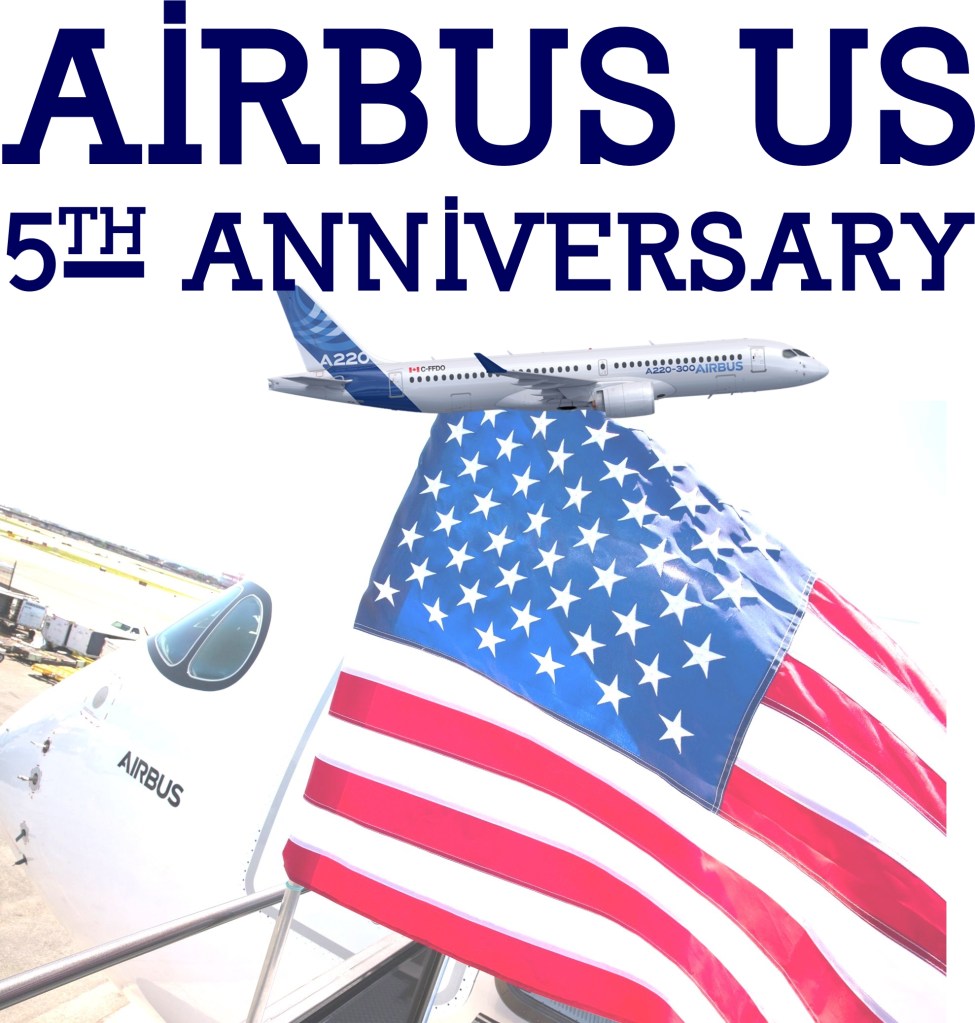





![[Imagen de probabilidades de vientos de 34 kt]](https://www.nhc.noaa.gov/storm_graphics/AT19/refresh/AL192020_wind_probs_34_F120+png/155356.png)

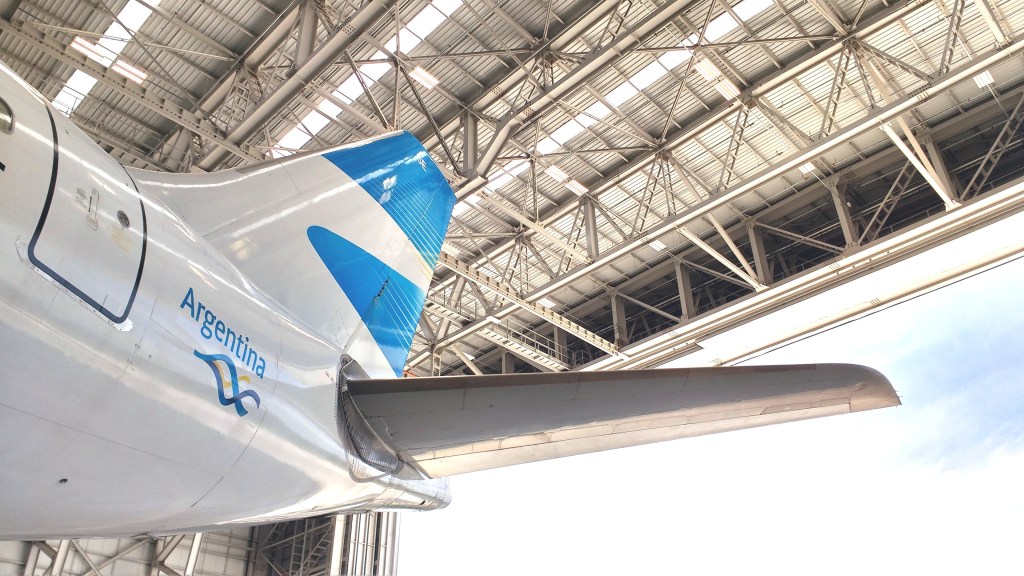

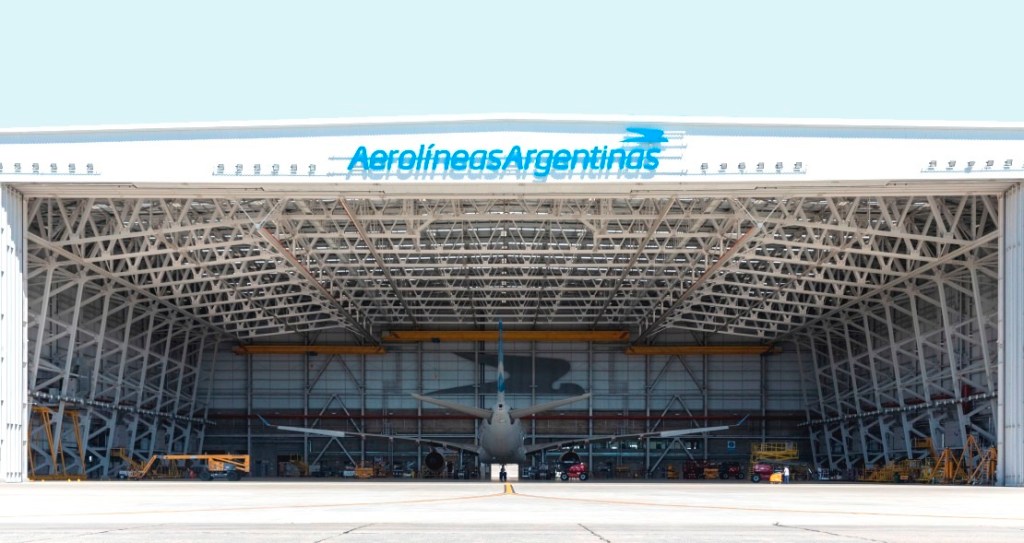


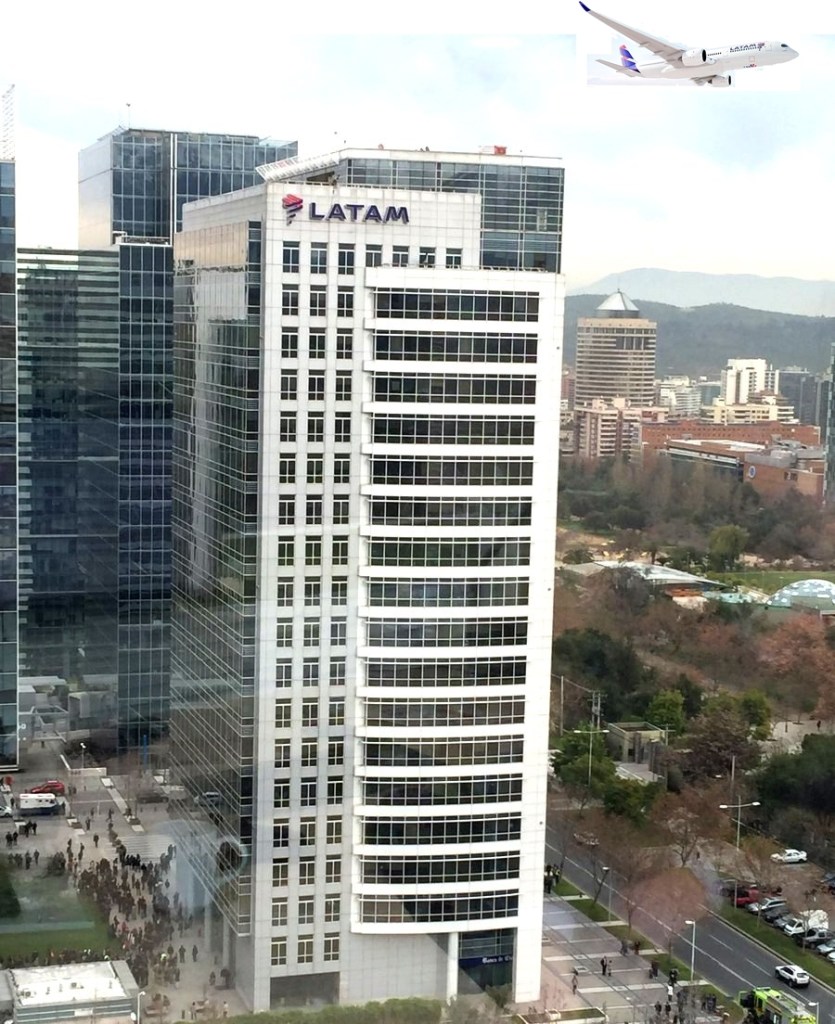


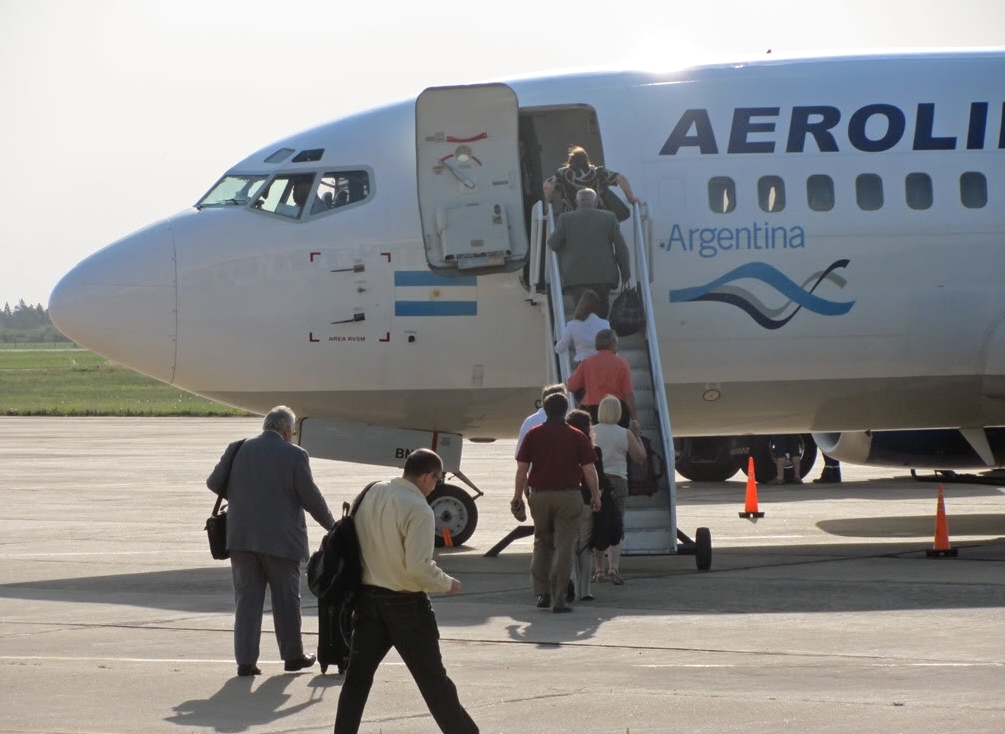

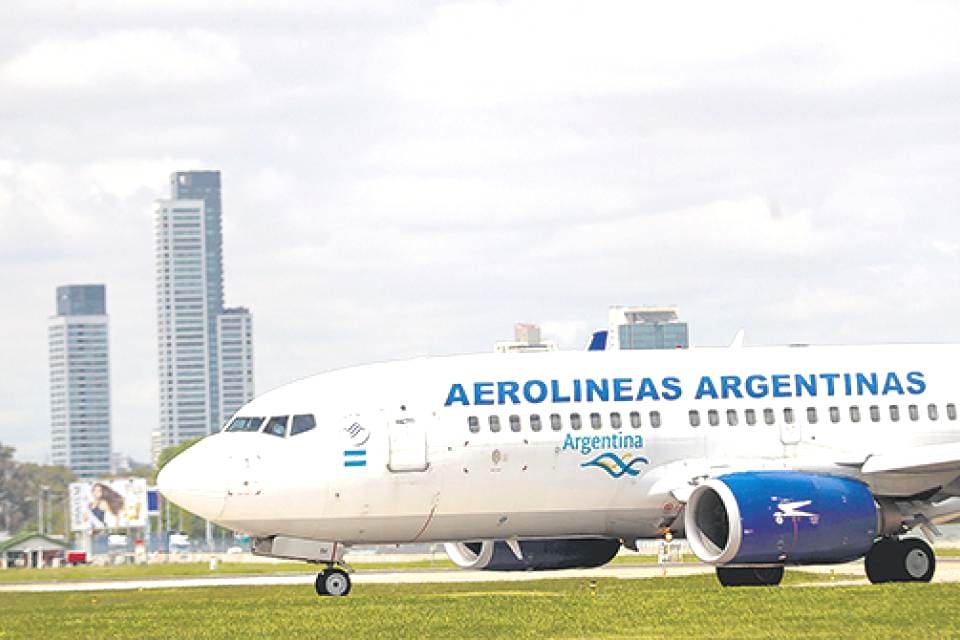


 airgways.com