AW | 2021 05 19 14:33 | AIRLINES / AVIATION ORGANISMS / GOVERNMENT
Reunión de aeronáuticos por agenda pendiente
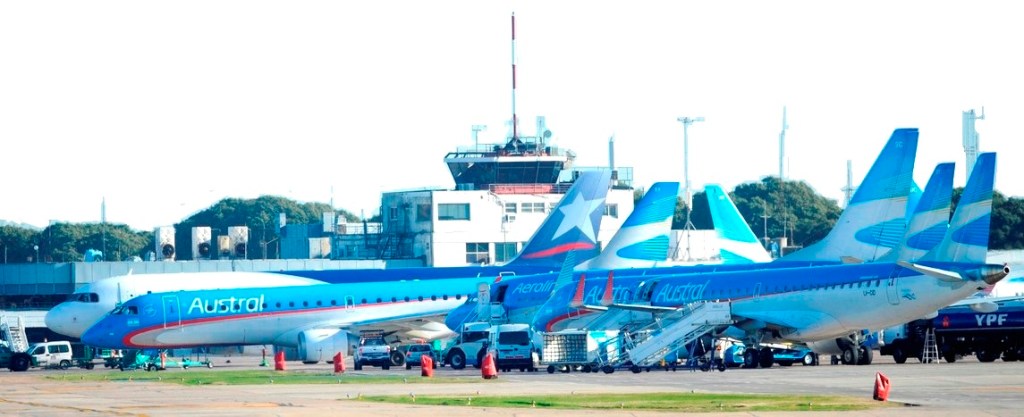
Los gremios aeronáuticos de la República Argentina, la Asociación del Personal Aeronáutico (APA), la Asociación de Pilotos de Líneas Aéreas de Argentina (APLA), la Asociación del Personal Técnico Aeronáutico (APTA) y la Unión del Personal Superior y Profesional de Empresas Aerocomerciales (UPSA) se reunieron este Martes 18/05 con el nuevo Ministro de Transporte Alexis Guerrera, para traer a la agenda temas pendientes bajo la administración del Gobierno anterior referentes al restablecimiento de los pisos tarifarios en las aerolíneas, la eliminación del interchange, la recomposición salarial, el proceso de vacunación del personal aeronáutico por la pandemia actual y la actual situación de los ex-empleados de las aerolíneas extintas en el país.
Los gremios aeronáuticos han solicitado una recomposición salarial de los empleados nucleados, insistiendo por las paritarias de Aerolíneas Argentinas e Intercargo, después de ser rechazadas las propuestas semanas pasadas. un acuerdo acerca de este ítem continuará en la agenda por el poco avance manifestado.
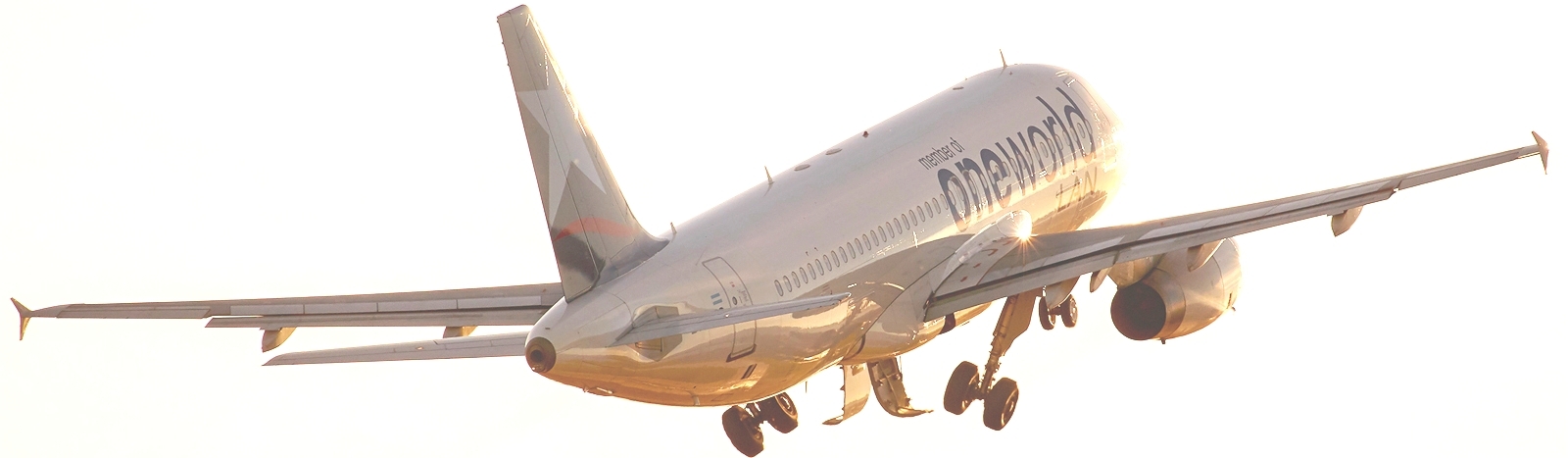
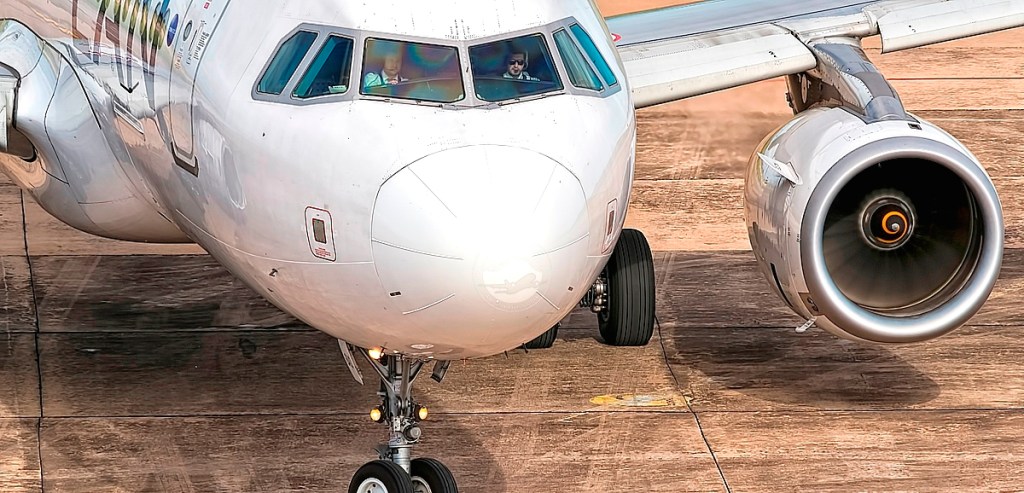
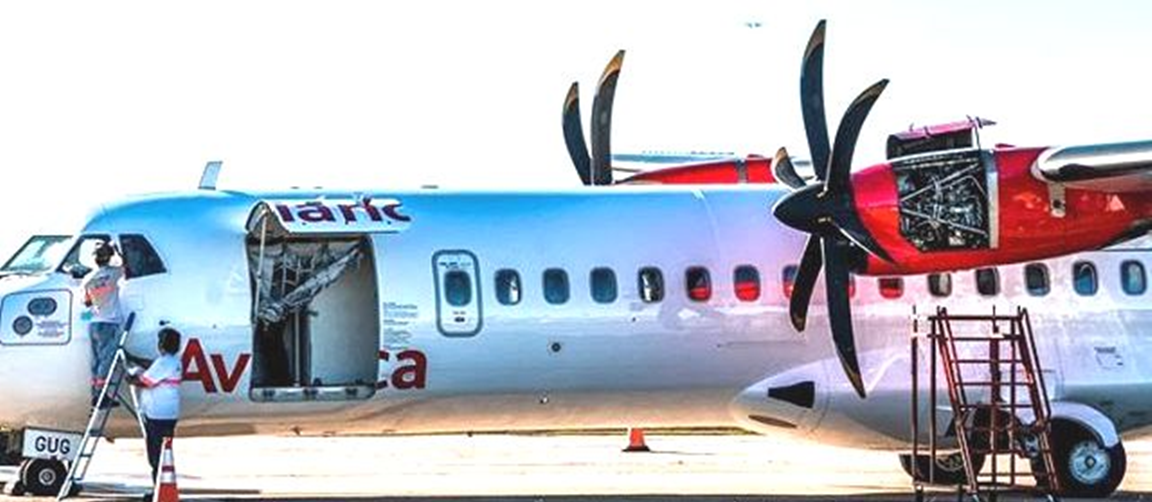
La agenda de la reunión ha remarcado la situación de los ex-empleados de Avian Líneas Aéreas, Flyest Líneas Aéreas, Latam Airlines Argentina y la actual situación inoperativa de Andes Líneas Aéreas. atendiendo el caso de Avian Líneas Aéreas, la situación de la compañía continúa en stand-by, con algunos rumores de restablecer las operaciones aerocomerciales con dos aeronaves ATR 72-600 que quedaron almacenados en el Aeropuerto Jorge Newbery, mientras que la situación de los empleados continúa los reclamos ante la Justicia. La compañía Flyest Líneas Aéreas había presentado el Concurso de Acreedores hacia finales de 2020 dando por terminada las operaciones de la aerolínea regional. Latam Airlines Argentina el proceso de desarme de la aerolínea ha permitido acuerdos de la mayoría de los empleados acogiéndose al retiro voluntario, mientras que una minoría continúa exigiendo su posición ante la Justicia argentina. Esta semana, Latam Airlines Group, la empresa matriz del grupo, concluía el proceso de retiro de las últimas aeronaves Airbus A320-200CEO que tenían almacenadas en el país, mientras que fueron reacondicionadas para ser entregadas a sus correspondientes lessors. La situación de Andes Líneas Aéreas continúa con un panorama incierto. Tras la reapertura de los vuelos en Noviembre 2020, la compañía salteña había comunicado que restablecería sus operaciones, pero la situación de desidia continúa prolongándose hasta la fecha.
El Ministerio de Transporte ha expresado que se encuentra al corriente de las situaciones de las líneas aéreas y mostraron signo de compromiso para evaluar los pedidos efectuados por el conjunto de los sindicatos de la aviación.
Argentine unions demand Transportation
Aeronautical meeting due to pending agenda
The aeronautical guilds of the Argentine Republic, the Aeronautical Personnel Association (APA), the Argentine Airline Pilots Association (APLA), the Aeronautical Technical Personnel Association (APTA) and the Union of Superior and Professional Personnel of Aerocomercial Companies (UPSA) met this Tuesday 05/18 with the new Minister of Transport Alexis Guerrera, to bring to the agenda pending issues under the administration of the previous Government regarding the reestablishment of tariff floors in the airlines, the elimination of the interchange, the recomposition salary, the vaccination process of aeronautical personnel due to the current pandemic and the current situation of former employees of extinct airlines in the country.
The aeronautical unions have requested a salary recomposition of the nucleated employees, insisting on the joint companies of Aerolineas Argentinas and Intercargo, after the proposals were rejected last weeks. an agreement on this item will continue on the agenda due to the little progress that has been made.
The meeting’s agenda has highlighted the situation of former employees of Avian Líneas Aéreas, Flyest Líneas Aéreas, Latam Airlines Argentina and the current inoperative situation of Andes Líneas Aéreas. In the case of Avian Lineas Aereas, the company’s situation continues on stand-by, with some rumors of reestablishing commercial air operations with two ATR 72-600 aircraft that were stored at Jorge Newbery Airport, while the situation of the employees continues the claims before the Justice. The company Flyest Líneas Aéreas had presented the Bankruptcy at the end of 2020, terminating the operations of the regional airline. Latam Airlines Argentina the process of disarmament of the airline has allowed agreements of the majority of the employees accepting voluntary retirement, while a minority continues to demand their position before the Argentine Justice. This week, Latam Airlines Group, the parent company of the group, concluded the withdrawal process of the last Airbus A320-200CEO aircraft that they had stored in the country, while they were reconditioned to be delivered to their corresponding lessors. The situation of Andes Líneas Aéreas continues with an uncertain outlook. After the reopening of the flights in November 2020, the Salta company had communicated that it would reestablish its operations, but the laziness continues to this day.
The Ministry of Transport has expressed that it is aware of the situations of the airlines and showed a sign of commitment to fulfill the orders made by all the aviation unions.
Rostec monta primer motor PD-8 generador gas experimental
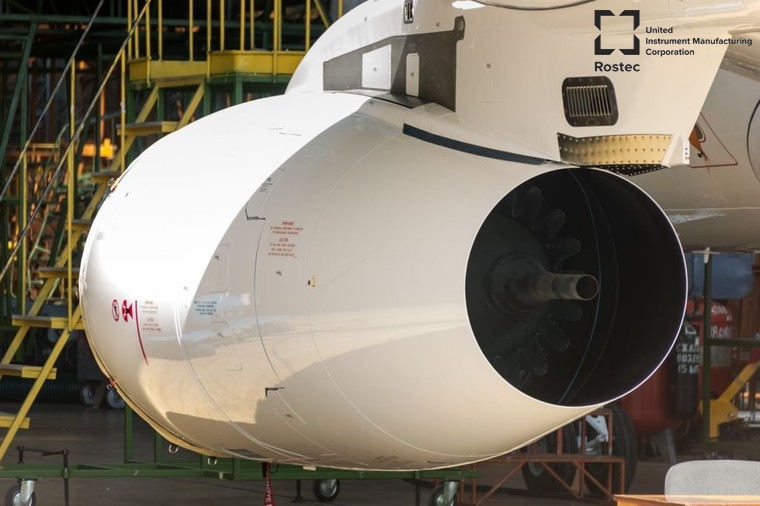
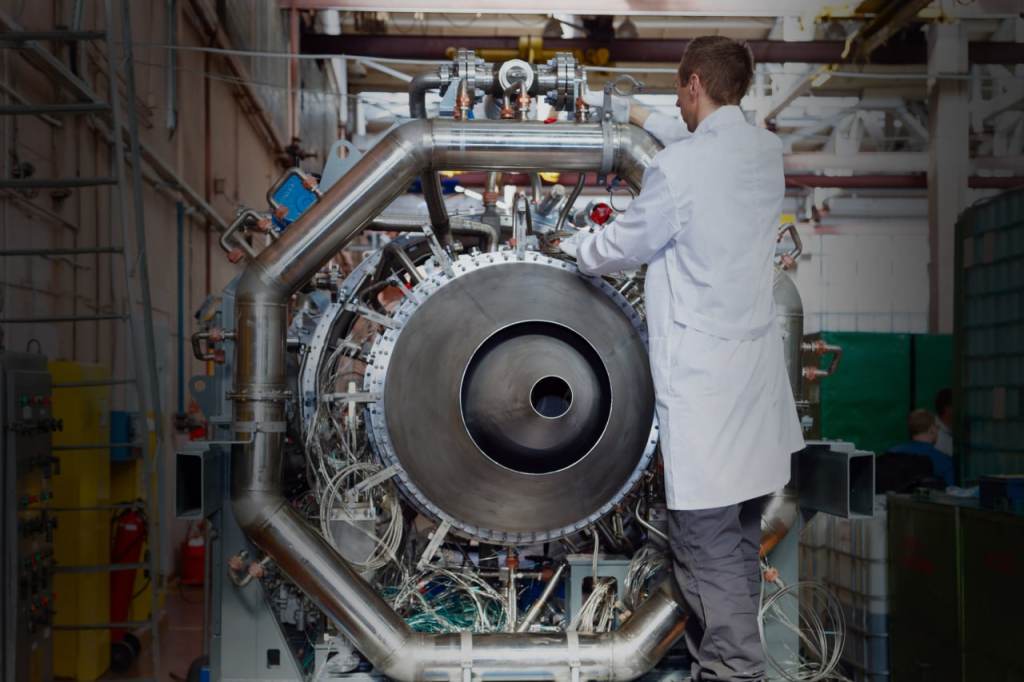
United Engine Corporation de Rostec State Corporation ha completado el montaje del primer generador de gas experimental para el motor Aviadvigatel PD-8 de futura generación que se utilizará en aviones regionales como los Sukhoi SSJ-100 de nueva generación. La siguiente etapa de desarrollo consiste en realizar pruebas de banco y confirmar las principales características del diseño. La muestra a gran escala del generador de gas se presentará en la feria aeronáutica rusa MAKS 2021.
El proyecto de diseño del motor Aviadvigatel PD-8 ha incluido hasta ahora el desarrollo y fabricación de nuevas herramientas de montaje, la instalación de nuevos sensores para el seguimiento del producto durante las pruebas y ajustes de montaje y equilibrio del rotor generador de gas. «Rostec continúa creando su línea de motores nacionales para aviones de pasajeros rusos de varias clases. Mientras trabajamos en el PD-8 para el Sukhoi Super Jet de corto recorrido, estamos aprovechando la experiencia de crear su hermano mayor, el motor Aviadvigatel PD-14 para el revestimiento de media distancia MC-21. Actualmente hemos completado el montaje del primer generador de gas experimental, el corazón de la planta de energía, y estamos a punto de empezar a probarlo. Pronto veremos un momento clave del proyecto, el primer comienzo», dijo el Primer Director General adjunto de Rostec, Vladimir Artyakov.
PD-8, fases de pruebas
La primera fase de prueba del motor Aviadvigatel PD-8 consistirá en la depuración del sistema de control automático, la preparación de la puesta en marcha y la especificación de las principales características de varios componentes. Las pruebas confirmarán que las soluciones de diseño funcionan según lo previsto. El proyecto de la central eléctrica PD-8 para el avión SSJ-100 se está implementando en amplia cooperación entre las diversas empresas de la UEC holding de Rostec State Corporation. La demostración de estreno del generador de gas está prevista en el espectáculo aéreo MAKS 2021, que tendrá lugar del 20 al 25 de Julio de 2021 en Zhukovsky, cerca de Moscú. La UEC holding ha creado en 2Q2020 las primeras muestras de cuchillas compuestas para el motor turborreactor PD-35 que se utilizará en aviones de larga distancia de última generación y lanzó sus pruebas de banco.
Acerca de UEC
United Engine Corporation parte integrante de Rostec State Corporation es una estructura integrada especializada en el desarrollo, producción en serie y mantenimiento de motores para la aviación militar y civil, programas espaciales y la marina, así como industrias de petróleo y gas y energía. Actualmente, Rosteс State Corporation es una de las empresas industriales más grandes de Rusia. Une a más de 800 organizaciones científicas e industriales en 60 regiones del país. Sus áreas clave de actividad son la ingeniería aeronáutica, la radioelectrónica, las tecnologías médicas, los materiales innovadores, etc. La cartera de la corporación incluye marcas tan conocidas como AvtoVAZ, KAMAZ, UAC, Russian Helicopters, UEC, Uralvagonzavod, Shvabe, Kalashnikov, etc. Rostec participa activamente en la ejecución de los 12 proyectos nacionales. La compañía es un proveedor clave de tecnología Smart City, se dedica a la digitalización de los sectores de la administración pública, la industria y la sociedad, y está desarrollando planes para el desarrollo de tecnologías inalámbricas 5G, un Internet industrial de las cosas, big data y sistemas blockchain. Rostec se asocia con fabricantes líderes mundiales como Boeing, Airbus, Daimler, Pirelli y Renault. Los productos de la corporación se entregan a más de 100 países de todo el mundo. Casi un tercio de los ingresos de la compañía provienen de la exportación de productos de alta tecnología.
Rostec 1st PD-8 gas generator
Rostec assembles first experimental gas generator PD-8 engine
United Engine Corporation of Rostec State Corporation has completed assembly of the first experimental gas generator for the future generation Aviadvigatel PD-8 engine to be used in regional aircraft such as the new generation Sukhoi SSJ-100. The next stage of development consists of bench testing and confirming key design features. The large-scale sample of the gas generator will be presented at the Russian air show MAKS 2021.
The Aviadvigatel PD-8 engine design project has so far included the development and manufacture of new assembly tools, the installation of new sensors for product tracking during gas generator rotor assembly and balancing tests and adjustments. «Rostec continues to create its line of domestic engines for Russian passenger aircraft of various lessons. While working on the PD-8 for the short-haul Sukhoi Super Jet, we are drawing on the experience of creating its big brother, the Aviadvigatel PD-14 engine for the MC-21 medium-haul liner. We have now completed the assembly of the first experimental gas generator, the heart of the power plant, and we are about to start testing it. We will soon see a key moment of the project, the first beginning», said Rostec First Deputy Director General Vladimir Artyakov.
PD-8, testing phases
The first phase of testing the Aviadvigatel PD-8 engine will consist of debugging the automatic control system, preparing for start-up and specifying the main characteristics of various components. Testing will confirm that design solutions are working as intended. The PD-8 power plant project for the SSJ-100 aircraft is being implemented in wide cooperation between the various companies of the UEC holding company of Rostec State Corporation. The premiere demonstration of the gas generator is planned at the MAKS 2021 air show, which will take place from July 20 to 25 in Zhukovsky, near Moscow. The UEC holding company created in 2Q2020 the first samples of composite blades for the PD-35 turbojet engine to be used in last generation long-haul aircraft and launched its bench tests.
About UEC
United Engine Corporation, an integral part of Rostec State Corporation, is an integrated structure specializing in the development, series production and maintenance of engines for the military and civil aviation, space programs and the navy, as well as the oil and gas and energy industries. Today, Rosteс State Corporation is one of the largest industrial companies in Russia. It unites more than 800 scientific and industrial organizations in 60 regions of the country. Its key areas of activity are aeronautical engineering, radioelectronics, medical technologies, innovative materials, etc. The corporation’s portfolio includes such well-known brands as AvtoVAZ, KAMAZ, UAC, Russian Helicopters, UEC, Uralvagonzavod, Shvabe, Kalashnikov, etc. Rostec is actively involved in the execution of the 12 national projects. The company is a key provider of Smart City technology, is engaged in the digitization of public administration, industry and society sectors, and is developing plans for the development of 5G wireless technologies, an industrial Internet of things, big data and blockchain systems. Rostec partners with world leading manufacturers such as Boeing, Airbus, Daimler, Pirelli and Renault. The corporation’s products are delivered to more than 100 countries around the world. Almost a third of the company’s income comes from the export of high-tech products.
Ростех 1-й газогенератор ПД-8
Ростех собрал первый опытный газогенераторный двигатель ПД-8
Объединенная моторная корпорацияГоскорпорации Ростех завершила сборку первого экспериментального газогенератора для двигателя будущего поколения Авиадвигатель ПД-8, который будет использоваться в региональных самолетах, таких как Сухой SSJ-100 нового поколения. Следующий этап разработки состоит из стендовых испытаний и подтверждения основных конструктивных особенностей. Масштабный образец газогенератора будет представлен на российском авиасалоне МАКС 2021.
Проект двигателя Авиадвигателя ПД-8 до сих пор включал в себя разработку и производство нового сборочного инструмента, установку новых датчиков для отслеживания продукта при сборке ротора газогенератора, а также испытания и регулировку балансировки. «Ростех продолжает создание линейки отечественных двигателей для российских пассажирских самолетов различной уроки. При разработке ПД-8 для ближнемагистрального Sukhoi Super Jet мы опираемся на опыт создания его старшего брата двигателя Авиадвигатель ПД-14 для среднемагистрального лайнера МС-21. Мы завершили сборку первого экспериментального газогенератора, сердца электростанции, и приступаем к его испытаниям. Вскоре мы увидим ключевой момент проекта, его начало», сказал первый заместитель генерального директора Ростеха Владимир Артяков.
ПД-8, этапы испытаний
Первый этап испытаний двигателя «Авиадвигатель ПД-8» будет состоять из отладки системы автоматического управления, подготовки к пуску и уточнения основных характеристик различных узлов. Тестирование подтвердит, что проектные решения работают должным образом. Проект силовой установки ПД-8 для самолета SSJ-100 реализуется при широком сотрудничестве различных компаний холдинга ОДК Госкорпорации Ростех. Премьерная демонстрация газогенератора запланирована на авиасалоне МАКС 2021, который пройдет с 20 по 25 июля в подмосковном Жуковском. Во 2 квартале 2020 года холдинг ОДК создал первые образцы композитных лопаток для турбореактивного двигателя ПД-35, который будет использоваться на дальнемагистральных самолетах последнего поколения, и приступил к его стендовым испытаниям.
Об УЭК
Объединенная моторная корпорация, входящая в Госкорпорацию Ростех, представляет собой интегрированную структуру, специализирующуюся на разработке, серийном производстве и обслуживании двигателей для военной и гражданской авиации, космических программ и флота, а также нефтегазовой и энергетической отраслей. . Сегодня Госкорпорация Ростех – одна из крупнейших промышленных компаний в России. Россия. Он объединяет более 800 научных и производственных организаций в 60 регионах страны. Основные направления деятельности – авиационная техника, радиоэлектроника, медицинские технологии, инновационные материалы и т. Д. В портфеле корпорации такие известные бренды, как АвтоВАЗ, КАМАЗ, ОАК, Вертолеты России, ОДК, Уралвагонзавод, Швабе, Калашников и др. Ростех активно участвует в реализации 12 национальных проектов. Компания является ключевым поставщиком технологий Smart City, занимается оцифровкой государственного управления, промышленности и общества, а также разрабатывает планы развития беспроводных технологий 5G, промышленного Интернета вещей, больших данных и систем блокчейн. Ростех сотрудничает с ведущими мировыми производителями, такими как Boeing, Airbus, Daimler, Pirelli и Renault. Продукция корпорации поставляется более чем в 100 стран мира. Почти треть доходов компании приходится на экспорт высокотехнологичной продукции.
Aéreas latinoamericanas transportan 20 millones pax en 03/2021
Las aerolíneas que operan en los mercados de América Latina y el Caribe transportaron 20,1 millones de pasajeros en Marzo de 2021, un 46,5% menos o 10,9 millones menos de pasajeros, en comparación con Marzo de 2019, según datos de la Asociación Latinoamericana y Caribeña de Transporte Aéreo (ALTA). En comparación con 2020, el 35,2% en el número de pasajeros. El tráfico a los Estados Unidos fue el más importante en el mes. En 2019, los viajes al país representaron el 77% de los viajes fuera de la región. El pasado mes de marzo, estos viajes alcanzaron el 87%, un aumento muy relacionado con el importante número de turistas vacunados que van a Estados Unidos para obtener la inmunización.
José Ricardo Botelho CEO de ALTA, ha remarcado la atención acerca del impacto de las barreras impuestas al tráfico aéreo y refuerza la confianza en los protocolos para el funcionamiento seguro de la aviación. «Después de un año de cierres generalizados de fronteras, seguimos viendo lo devastador que esto tiene consecuencias para la economía. En este sentido, reiteramos la importancia de mantener los cielos abiertos y los destinos disponibles con protocolos armonizados y eficientes. La vacunación es importante, pero no es una solución definitiva porque es un desafío vacunar a toda la población y algunas personas incluso prefieren no vacunarse. La coexistencia con protocolos seguros es fundamental. La aviación es segura, los destinos tienen protocolos y las pruebas son mecanismos eficaces para reducir el contagio. Esperamos ver menos restricciones pronto y que podamos seguir conectando nuestra región y traer oportunidades a más lugares de nuevo», expresa el directivo de la asociación ALTA.
AL airlines transport 20M. pax
Latin American airlines transported 20 million passengers in 03/2021
Airlines operating in the Latin American and Caribbean markets carried 20.1 million passengers in March 2021, 46.5% fewer or 10.9 million fewer passengers, compared to March 2019, according to data from the Latin American and Caribbean Air Transport Association (ALTA). Compared to 2020, 35.2% in the number of passengers. Traffic to the United States was the most important for the month. In 2019, trips to the country accounted for 77% of trips outside the region. Last March, these trips reached 87%, an increase closely related to the significant number of vaccinated tourists who go to the United States to obtain immunization.
José Ricardo Botelho CEO of ALTA, has highlighted the attention about the impact of the barriers imposed to air traffic and reinforces confidence in the protocols for the safe operation of aviation. «After a year of widespread border closures, we continue to see how devastating this has consequences for the economy. In this regard, we reiterate the importance of keeping the skies open and destinations available with harmonized and efficient protocols. Vaccination is important, but it is not a definitive solution because it is a challenge to vaccinate the entire population and some people even prefer not to be vaccinated. Coexistence with secure protocols is essential. Aviation is safe, destinations have protocols and tests are effective mechanisms to reduce contagion We hope to see fewer restrictions soon and that we can continue to connect our region and bring opportunities to more places again», expresses the director of the ALTA association.
Grupo aéreo primer vuelo larga distancia con biocombustible
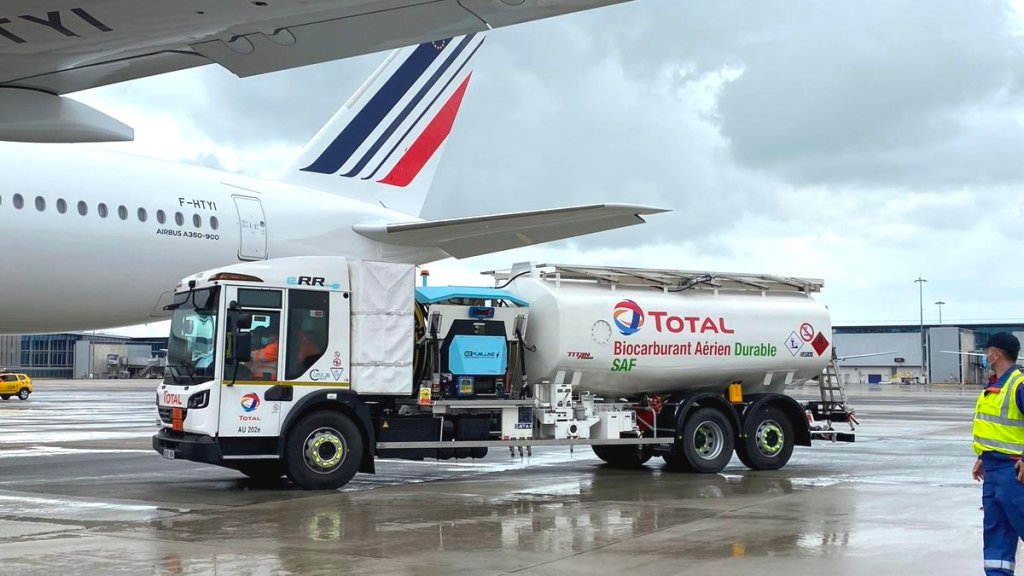
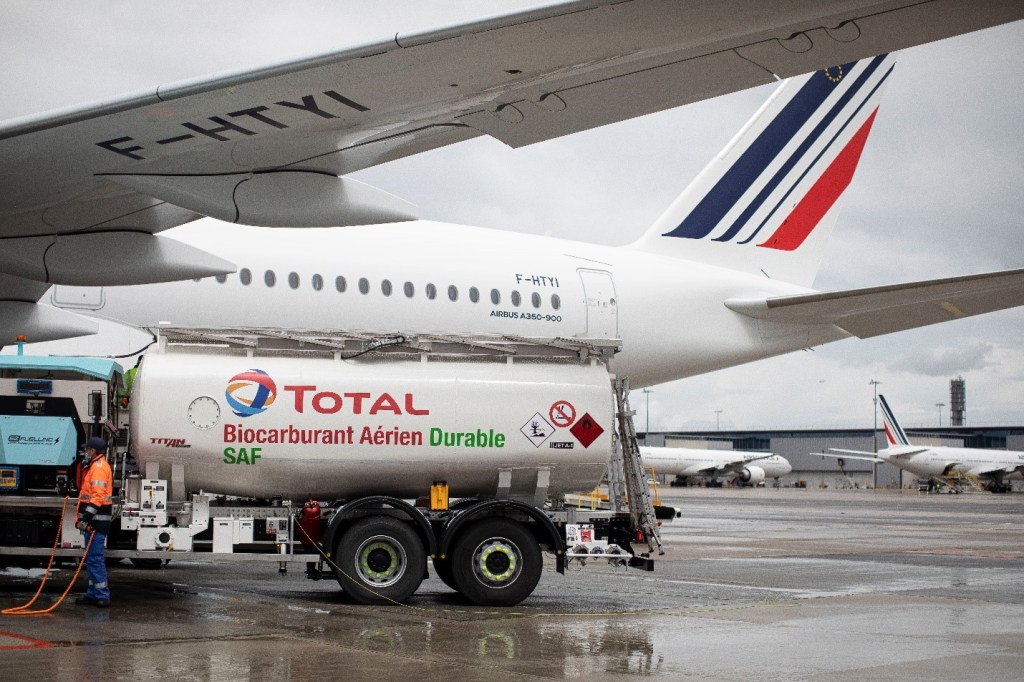
Air France-KLM Group, Total SE, ADP Group y Airbus Group unieron fuerzas para realizar el primer vuelo de larga distancia con Combustible de Aviación Sostenible (SAF*) producido en Francia. El vuelo AF342 despegó ayer a las 15:40 horas de la Terminal 2E del Aeropuerto Paris/Charles de Gaulle con destino a Montreal, Canadá, llevando por primera vez en sus depósitos combustible de aviación sostenible producido por la compañía de hidrocarburos Total SE en sus plantas francesas. Este vuelo hace realidad la ambición común de los cuatro grupos de descarbonizar el transporte aéreo y de desarrollar una industria francesa de producción de combustibles de aviación sostenibles, condición indispensable para la generalización de su uso en los aeropuertos franceses.
Los biocombustibles pueden incorporarse sin necesidad de modificar las infraestructuras logísticas de almacenamiento y distribución, ni los aviones, ni los motores. Su uso progresivo a escala mundial debería permitir reducir significativamente las emisiones de CO2 del transporte aéreo, en consonancia con los Objetivos de Desarrollo Sostenible de las Naciones Unidas. El biocombustible utilizado para este vuelo fue realizado con desechos y residuos provenientes de la economía circular. Total produjo este combustible a partir de aceite de cocina usado en su biorrefinería de La Mède, en la región de Bouches-du-Rhône, y en su planta de Oudalle, en la región de Seine-Maritime, sin utilizar aceite vegetal virgen.
Este primer SAF Made in France fue certificado ISCC-EU por la International Sustainability & Carbon Certification, una organización independiente que garantiza su sostenibilidad. Su incorporación en una proporción del 16% en este vuelo permitió evitar la emisión de 20 toneladas de CO2. Al desarrollar y apoyar de esta manera la primera etapa de una industria francesa de combustibles aéreos sostenibles, Air France-KLM, Total, el Grupo ADP y Airbus están marcando el camino para hacer de Francia un país motor de innovación, al servicio de la transición energética y medioambiental. La legislación francesa prevé en la actualidad la incorporación de un 1% de este tipo de biocombustible en todos los vuelos iniciados en Francia a partir de 2022, adelantándose a la ambición de incorporación gradual (2% en 2025 y 5% en 2030) que se realizará en el marco del «Green Deal» europeo. En respuesta a este cambio de legislación, Total también producirá biocombustibles sostenibles para la aviación a partir de 2024 desde su plataforma sin petróleo en Grandpuits, cerca de París.
Este vuelo ilustra asimismo la complementariedad de las diferentes acciones para la reducción de la huella medioambiental: combustible aéreo sostenible, aviones de última generación y electrificación de las operaciones en tierra. El vuelo se realizó con un Airbus A350, un avión que consume un 25% menos de combustible que el avión al que sustituye. El combustible fue suministrado al avión con el primer camión de reabastecimiento 100% eléctrico, desarrollado en Francia con la experiencia de Total, y todo el equipamiento de pista utilizado por Air France también fue enteramente alimentado de electricidad.
Air France-KLM es uno de los pioneros en la experimentación con combustibles de aviación sostenibles. En 2009, KLM realizó su primer vuelo con SAF. Desde entonces, el Grupo ha multiplicado sus programas innovadores, en particular realizando 78 vuelos de Air France entre 2014 y 2016 con un 10% de SAF en colaboración con una filial de Total. Esta experimentación demostró que el uso de combustible sostenible no tiene ningún impacto en la fiabilidad de las operaciones de las aerolíneas. El Grupo Air France-KLM pretende reforzar su liderazgo en materia de combustible de aviación sostenible en los próximos años, al tiempo que se suma a la investigación sobre los aviones del futuro. Paralelamente a esta operación, Airbus está realizando varias series de pruebas con el fin de certificar en vuelo los aviones de línea con un 100% de biocombustible de aviación sostenible en las próximas décadas. También, se han instalado estaciones específicas de reabastecimiento de SAF en sus centros industriales, lo que permite a Airbus utilizar este tipo de combustible en sus operaciones de producción, así como durante las entregas de aviones. Estas instalaciones forman parte de la ambición del grupo Airbus de descarbonizar todas sus actividades industriales.
Con motivo de este primer vuelo, Benjamin Smith, Director General de Air France-KLM, declaró: «El Grupo Air France-KLM está comprometido desde hace mucho tiempo con la reducción de su huella medioambiental. Junto con la renovación de nuestra flota, los combustibles aéreos sostenibles (SAF) son la principal acción a mediano plazo que podemos implementar para reducir a la mitad nuestras emisiones de CO2 por pasajero/km para 2030. Por lo tanto, el SAF está en el centro de nuestra estrategia, junto con el eco-pilotaje y la neutralidad de carbono en nuestras operaciones en tierra. Francia tiene hoy en día la oportunidad de posicionarse como líder en la producción y utilización de combustibles sostenibles, y estamos haciendo todo lo posible para contribuir a ello junto a nuestros socios. Hacer emerger una industria francesa económicamente viable para todos los actores es una prioridad estratégica para el país y para el Grupo».
Patrick Pouyanné, CEO de Total, también declaró: «El desarrollo de los biocombustibles es uno de los elementos clave de la estrategia multienergías de Total para afrontar el reto de la descarbonización del sector del transporte. Tras iniciar con éxito la producción de biocombustibles sostenibles para la aviación en nuestros centros de producción de Francia el pasado mes de marzo, seguimos adaptando nuestras instalaciones industriales para satisfacer la creciente demanda del sector de la aviación en la próxima década. Al reducir directamente la intensidad de carbono de los productos energéticos utilizados por nuestros clientes del transporte aéreo, estamos colaborando activamente con ellos para lograr nuestra ambición de alcanzar la neutralidad de carbono para 2050, junto con la sociedad».
Augustin de Romanet, CEO del Grupo Aeropuertos de París, comentó: «Este primer vuelo desde el aeropuerto de París-Charles de Gaulle es un símbolo de nuestra ambición de descarbonizar el transporte aéreo, mediante la integración de nuevos combustibles aéreos sostenibles en los aviones. La hoja de ruta del transporte aéreo europeo tiene como objetivo las emisiones netas cero para 2050, y nosotros, como operadores de aeropuertos, estamos dispuestos a acompañar esta transición energética y a emprender, sin demora, el camino de la transformación de nuestras operaciones e infraestructuras».
Finalmente, Guillaume Faury, CEO de Airbus, agregó: «Los combustibles sostenibles son un elemento fundamental para alcanzar nuestros objetivos de descarbonización del sector de la aviación, y Airbus apoya todas las iniciativas que contribuyan a su desarrollo y uso en los vuelos comerciales. Es necesario que todas las partes interesadas actúen de forma coordinada para aumentar el porcentaje de estos combustibles sostenibles, que ahora pueden utilizarse hasta en un 50% en nuestros aviones, sin ninguna modificación ni impacto operativo, reduciendo en la misma proporción su huella medioambiental”.
Air France-KLM 1st flight SAF
Air group first long-haul flight with biofuel
Air France-KLM Group, Total SE, ADP Group and Airbus Group joined forces for the first long-haul flight with Sustainable Aviation Fuel (SAF*) produced in France. Flight AF342 took off yesterday at 3:40 p.m. from Terminal 2E of the Paris/Charles de Gaulle Airport bound for Montreal, Canada, carrying for the first time in its tanks sustainable aviation fuel produced by the hydrocarbon company Total SE in its French plants. This flight fulfills the common ambition of the four groups to decarbonise air transport and to develop a French industry for the production of sustainable aviation fuels, a prerequisite for its widespread use at French airports.
Biofuels can be incorporated without the need to modify the logistics storage and distribution infrastructures, neither the airplanes, nor the engines. Its progressive use on a global scale should make it possible to significantly reduce CO2 emissions from air transport, in line with the United Nations Sustainable Development Goals. The biofuel used for this flight was made with waste and residues from the circular economy. Total produced this fuel from used cooking oil at its La Mède biorefinery, in the Bouches-du-Rhône region, and at its Oudalle plant, in the Seine-Maritime region, without using virgin vegetable oil.
This first SAF Made in France was certified ISCC-EU by the International Sustainability & Carbon Certification, an independent organization that guarantees its sustainability. Its incorporation in a proportion of 16% in this flight made it possible to avoid the emission of 20 tons of CO2. By developing and supporting in this way the first stage of a French sustainable aviation fuel industry, Air France-KLM, Total, the ADP Group and Airbus are leading the way to make France a driving force for innovation, serving the transition energy and environmental. French legislation currently provides for the incorporation of 1% of this type of biofuel in all flights started in France from 2022, anticipating the ambition of gradual incorporation (2% in 2025 and 5% in 2030) that will be will be held within the framework of the European «Green Deal». In response to this change in legislation, Total will also produce sustainable biofuels for aviation starting in 2024 from its oil-free platform in Grandpuits, near Paris.
This flight also illustrates the complementarity of the different actions to reduce the environmental footprint: sustainable air fuel, state-of-the-art aircraft and electrification of ground operations. The flight was carried out with an Airbus A350, an aircraft that consumes 25% less fuel than the aircraft it replaces. Fuel was supplied to the aircraft with the first 100% electric refueling truck, developed in France with Total’s expertise, and all runway equipment used by Air France was also entirely powered by electricity.
Air France-KLM is one of the pioneers in experimentation with sustainable aviation fuels. In 2009, KLM made its first flight with SAF. Since then, the Group has multiplied its innovative programs, in particular by carrying out 78 Air France flights between 2014 and 2016 with a 10% SAF in collaboration with a Total subsidiary. This experimentation showed that the use of sustainable fuel has no impact on the reliability of airline operations. The Air France-KLM Group intends to strengthen its leadership in sustainable aviation fuel in the coming years, while also adding to the research on the aircraft of the future. Parallel to this operation, Airbus is conducting several series of tests in order to certify aviation aircraft in flight with 100% sustainable aviation biofuel in the coming decades. Also, specific SAF refueling stations have been installed in its industrial centers, allowing Airbus to use this type of fuel in its production operations, as well as during aircraft deliveries. These facilities are part of the Airbus group’s ambition to decarbonise all its industrial activities.
On the occasion of this first flight, Benjamin Smith, Managing Director of Air France-KLM, stated: «The Air France-KLM Group has a long-standing commitment to reducing its environmental footprint. Together with the renewal of our fleet, the Sustainable Aviation Fuels (SAF) are the main medium-term action that we can implement to cut our CO2 emissions per passenger/km in half by 2030. Therefore, SAF is at the center of our strategy, along with the eco-pilot and carbon neutrality in our operations on land. France today has the opportunity to position itself as a leader in the production and use of sustainable fuels, and we are doing everything possible to contribute to this together with our partners. an economically viable French industry for all players is a strategic priority for the country and for the Group».
Patrick Pouyanné, CEO of Total, also stated: «The development of biofuels is one of the key elements of Total’s multi-energy strategy to meet the challenge of decarbonising the transport sector. After successfully starting the production of sustainable biofuels for aviation at our production sites in France last March, we continued to adapt our industrial facilities to meet the growing demand from the aviation sector over the next decade, by directly reducing the carbon intensity of energy products used by our customers of air transport, we are actively working with them to achieve our ambition to achieve carbon neutrality by 2050, together with society».
Augustin de Romanet, CEO of the Paris Airports Group, commented: «This first flight from Paris-Charles de Gaulle airport is a symbol of our ambition to decarbonize air transport, by integrating new sustainable air fuels into airplanes. The European air transport roadmap aims at net zero emissions by 2050, and we, as airport operators, are ready to accompany this energy transition and to embark, without delay, on the path of transforming our operations and infrastructures».
Finally, Guillaume Faury, Airbus CEO, added: «Sustainable fuels are a fundamental element in achieving our decarbonisation goals in the aviation sector, and Airbus supports all initiatives that contribute to their development and use on commercial flights. It is necessary for all interested parties to act in a coordinated manner to increase the percentage of these sustainable fuels, which can now be used by up to 50% in our aircraft, without any modification or operational impact, reducing their environmental footprint in the same proportion”.
(*) SAF: El combustible de aviación sostenible (SAF) es una mezcla de combustible aéreo convencional (JET-A1) y de biocombustible de aviación sostenible, producido a partir de desechos y residuos provenientes de la economía circular (grasas animales, aceites de cocina usados, etc.). Este último tiene propiedades similares a las del JET-A1 y ofrece una reducción de hasta el 90% de las emisiones de CO2 durante todo el ciclo de vida en comparación con su equivalente fósil.
(*) SAF: Sustainable aviation fuel (SAF) is a mixture of conventional aviation fuel (JET-A1) and sustainable aviation biofuel, produced from waste and residues from the circular economy (animal fats, used kitchen, etc.). The latter has properties similar to those of JET-A1 and offers a reduction of up to 90% in CO2 emissions over the entire life cycle compared to its fossil equivalent.
AW | 2021 05 18 22:07 | AVIATION SAFETY / GOVERNMENT
Legisladores exigen a Boeing registros de calidad seguridad
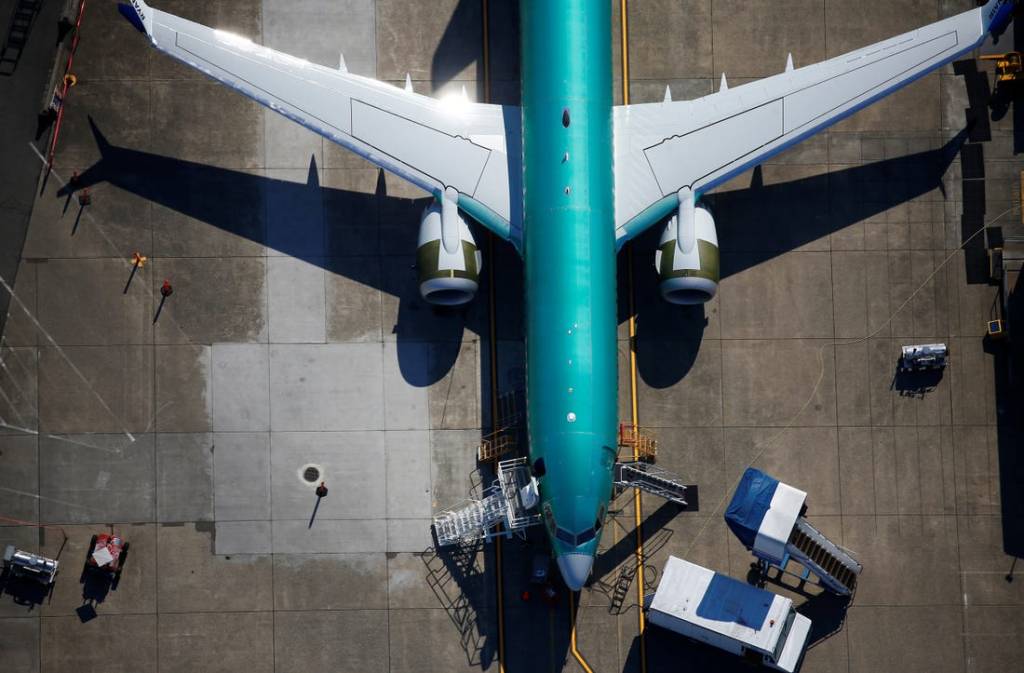
Los Legisladores de la Cámara de Representantes de Estados Unidos exigirán investigar fallas de calidad en The Boeing Company. Dos demócratas clave de la Cámara de Representantes están buscando registros de Boeing y la Administración Federal de Aviación (FAA) después de que se encontraron problemas de producción con los aviones 737 MAX y 787 Dreamliner de la compañía. El Representante Peter DeFazio, Presidente del Comité de Transporte y Rick Larsen, Presidente del Subcomité de Aviación, solicitaron una lista y descripciones de las inspecciones de la FAA en la planta de producción 737 en Renton, Washington, desde 2017, y su fábrica Dreamliner en Carolina del Sur desde 2015, según una carta que enviaron el Martes 18/05 al CEO de Boeing David Calhoun. También solicitaron registros de supervisión, los resultados de auditorías y el número de empleados de Boeing designados para realizar tareas de supervisión en cada sitio, entre otras informaciones.
Impulsado por los defectos en la línea de gerenciamiento de defectos de calidad de Boeing en la producción del 787 Dreamliner, el 737 MAX y el avión cisterna KC-46 basado en el 767, un comité del Congreso envió cartas el Martes 18/05 tanto a Boeing como a la Administración Federal de Aviación en busca de registros pertinentes de fabricación y control de calidad. La medida señala una pérdida de confianza por los repetidos fallos de calidad y se produce después de un drástico cambio en el sistema de Boeing de comprobar la calidad de producción que desde 2019 ha recortado cientos de puestos de trabajo de inspectores de calidad.
La investigación profunda del mismo Comité de Transporte de la Cámara de Representantes sobre los dos accidentes de las aeronaves Boeing 737-8 MAX en los que fallecieron las 346 personas produjo un mordaz informe en el 3Q2020 que se ha remarcado una serie de errores técnicos y juicios erróneos preocupantes de la administración en Boeing y una supervisión manifiestamente insuficiente por parte de la FAA.
Las cartas inician una nueva investigación sobre la calidad de la producción que caduca en una gama de aeronaves: Un problema en los tanques de combustibles ocacionares supervisión. Un sistema eléctrico que dejó en tierra 109 Boeing 737 MAX más nuevos el mes de Abril de 2021 y detuvo las entregas de los aviones durante unas cinco semanas. El fuselaje defectuoso que detuvo las entregas del Boeing 787 Dreamliner durante más de cuatro meses y condujo a una acumulación de unos 100 aviones estacionados que requerían inspección y reelaboración. Escombros dejados dentro de los tanques de combustible de aviones recién fabricados, un problema que se repetía en el tanque de reabastecimiento de combustible KC-46. «A la luz de estos nuevos y continuos problemas que apuntan a problemas en el mantenimiento del control de calidad y la supervisión apropiada de la FAA de los problemas de producción, investigaré a fondo y deliberativamente cualquier problema, como los que afectan al 737 MAX y el 787, que pueden poner en peligro la seguridad pública», dijo Peter DeFazio en un comunicado el Martes 18/05.
La semana pasada, la FAA aprobó la solución de Boeing para el problema eléctrico del Boeing 737 MAX. Boeing ha comenzado a entregar nuevamente la línea 787, permitiendo progresivamente reactivar la línea de producción y entregas de las aeronaves. El último reporte de escombros encontrados dentro de los tanques de combustible ha sido en el verano boreal pasado.
Sin embargo, mientras Boeing lucha por salir de la puesta en tierra de veinte meses del 737 MAX después de los accidentes mientras lidia con el colapso de la demanda y la contracción del efectivo, la erupción de un problema de calidad tras otro ha presentado una serie de nuevos obstáculos. Esto sigue a una transformación radical del sistema de calidad de Boeing en 2019 que eliminó deliberadamente miles de controles de calidad durante la producción y redujo cientos de puestos de trabajo de inspector de calidad. La idea era garantizar la calidad con herramientas y automatización durante la instalación inicial y permitir a los mecánicos inspeccionar su propio trabajo sin un segundo conjunto de ojos para comprobarlo.
Ernesto González-Beltrán, el Vicepresidente de calidad a quien Boeing trajo de la industria automotriz para supervisar ese cambio importante en su sistema de calidad, dejó la compañía en Diciembre 2020. Connie Kelliher, portavoz del Sindicato de la Asociación Internacional de Maquinistas (IAM), dijo que Boeing ha comenzado recientemente a contratar inspectores de calidad de nuevo.
Congress demands Boeing quality records
Legislators require Boeing safety quality records
Legislators in the US House of Representatives will demand that quality failures be investigated at The Boeing Company. Two key House Democrats are seeking records from Boeing and the Federal Aviation Administration (FAA) after production problems were found with the company’s 737 MAX and 787 Dreamliner jets. Representative Peter DeFazio, Chair of the Transportation Committee and Rick Larsen, Chair of the Aviation Subcommittee, requested a list and descriptions of the FAA inspections at the 737 production facility in Renton, Washington, since 2017, and their Dreamliner factory in South Carolina since 2015, according to a letter sent on Tuesday 05/18 to Boeing CEO David Calhoun. They also requested monitoring records, audit results, and the number of Boeing employees designated to perform monitoring duties at each site, among other information.
Driven by flaws in Boeing’s quality defect management line in the production of the 787 Dreamliner, 737 MAX, and the 767-based KC-46 tanker, a Congressional committee sent letters on Tuesday 05/18 to both Boeing and the Federal Aviation Administration for relevant manufacturing and quality control records. The move signals a loss of confidence from repeated quality failures and comes after a drastic change to Boeing’s system of checking production quality that has cut hundreds of quality inspection jobs since 2019.
The in-depth investigation of the same House Transportation Committee on the two accidents involving the Boeing 737-8 MAX aircraft in which 346 people died produced a scathing report in 3Q2020 that has highlighted a series of technical errors and judgments worrying misconceptions by management at Boeing and grossly insufficient oversight by the FAA.
The letters initiate a new investigation into the quality of production that expires in a range of aircraft: A problem in the fuel tanks occasionally monitoring. An electrical system that grounded 109 newer Boeing 737 MAXs in April 2021 and halted deliveries of the planes for about five weeks. The faulty airframe that halted deliveries of the Boeing 787 Dreamliner for more than four months and led to a backlog of about 100 parked aircraft requiring inspection and rework. Debris left inside newly manufactured jet fuel tanks, a recurring problem at the KC-46 refueling tank. «In light of these ongoing new issues that point to issues in maintaining quality control and proper FAA oversight of production issues, I will thoroughly and deliberately investigate any issues, such as those affecting the 737 MAX and 787, which can endanger public safety», said Peter DeFazio in a statement on Tuesday 05/18.
Last week, the FAA approved Boeing’s solution to the Boeing 737 MAX electrical problem. Boeing has started to deliver the 787 line again, progressively allowing the aircraft production and delivery lines to be reactivated. The last report of debris found inside fuel tanks was last summer.
Yet as Boeing struggles to get out of the twenty-month grounding of the 737 MAX after the accidents while grappling with collapsing demand and shrinking cash, the eruption of one quality issue after another has presented a series of of new obstacles. This follows a radical transformation of Boeing’s quality system in 2019 that deliberately eliminated thousands of quality controls during production and reduced hundreds of quality inspector jobs. The idea was to ensure quality with tools and automation during initial installation and to allow mechanics to inspect their own work without a second set of eyes to check.
Ernesto González-Beltrán, the Vice President of Quality whom Boeing brought in from the automotive industry to oversee this major change in its quality system, left the company in December 2020. Connie Kelliher, spokesperson for the International Association of Machinists (IAM) Union said Boeing has recently started hiring quality inspectors again.
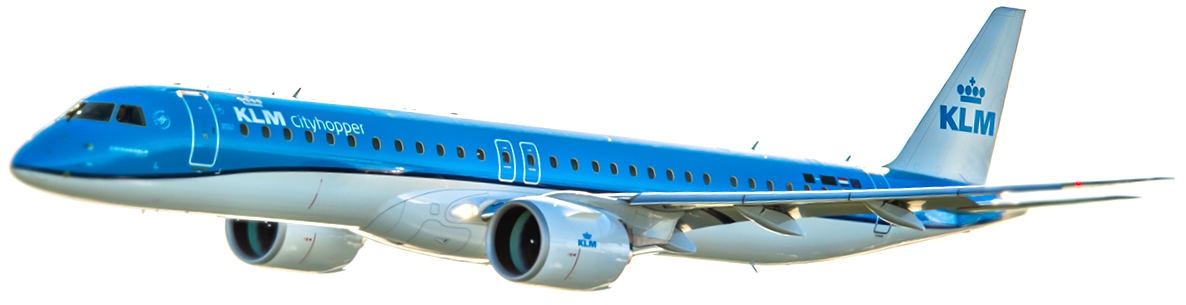
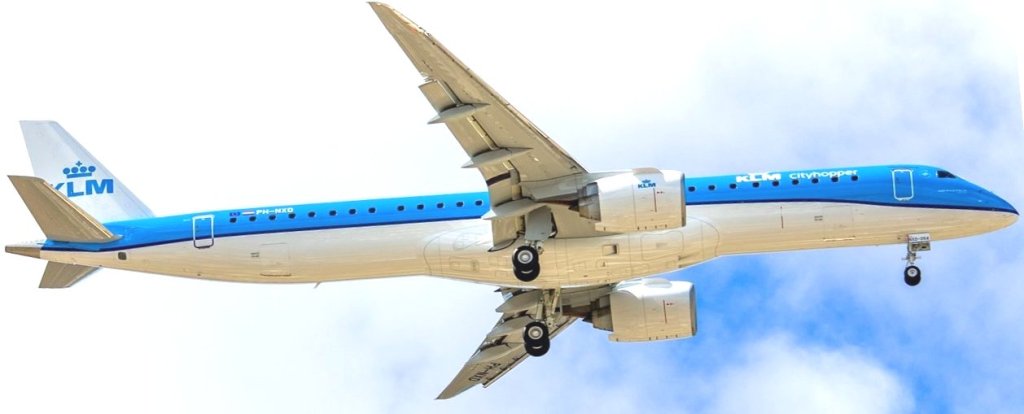
La filial de AirFrance-KLM, KLM Cityhopper, ha recibido un cuarto avión Embraer E195-E2 a su flota de un pedido de 25 aviones. El avión de 132 plazas fue entregado desde las instalaciones de São José dos Campos de Embraer en São Paulo, Brasil.KLM Airlines dio la bienvenida el Lunes 18/05 al cuarto Embraer E195-E2 para Cityhopper. El avión con matrícula PH-NXD aterrizó en el Aeropuerto Amsterdam/Schiphol poco antes de las 18:00 hs. después de un vuelo desde Sao José dos Campos, Brasil, con escalas en Recife y Tenerife, Islas Canarias, España.
El primer Embraer E195-E2 añadido al KLM Cityhopper fue entregado al aeropuerto Schiphol de Ámsterdam, Países Bajos, el 25 de febrero de 2021 y comenzó a operar el 1 de Marzo de 2021 volando desde Varsovia, Polonia. KLM Cityhopper tiene un pedido de 25 E195-E2s con una opción de 10 E195-E2s adicionales. Para finales de 2021, la aerolínea espera recibir cinco aviones más que serán colocados en rutas europeas. De los 18 aviones restantes, 15 serán entregados en 2024.
El Embraer E195-E2 es el tipo de avión más grande dentro de la flota all-Embraer de 51 aviones de la aerolínea, que incluye 32 Embraer 190 y 17 Embraer 175s.
KLM receives 4th Embraer E195-E2
KLM Cityhopper receives the fourth Embraer E195
AirFrance-KLM’s subsidiary, KLM Cityhopper, has received a fourth Embraer E195-E2 aircraft to its fleet from an order of 25 aircraft. The 132-seater aircraft was delivered from Embraer’s São José dos Campos facility in São Paulo, Brazil. KLM Airlines welcomed the fourth Embraer E195-E2 for Cityhopper on Monday 18/05. The plane with registration PH-NXD landed at Amsterdam/Schiphol Airport shortly before 6:00 p.m. after a flight from Sao José dos Campos, Brazil, with stops in Recife and Tenerife, Canary Islands, Spain.
The first Embraer E195-E2 added to the KLM Cityhopper was delivered to Schiphol Airport in Amsterdam, the Netherlands, on February 25, 2021 and began operating on March 1, 2021 flying from Warsaw, Poland. KLM Cityhopper has an order for 25 E195-E2s with a choice of 10 additional E195-E2s. By the end of 2021, the airline expects to receive five more aircraft that will be placed on European routes. Of the 18 remaining aircraft, 15 will be delivered in 2024.
The Embraer E195-E2 is the largest aircraft type within the airline’s all-Embraer fleet of 51 aircraft, which includes 32 Embraer 190s and 17 Embraer 175s.
KLM ontvangt 4e Embraer E195-E2
KLM Cityhopper neemt de vierde Embraer E195 in ontvangst
De dochteronderneming van AirFrance-KLM, KLM Cityhopper, heeft een vierde Embraer E195-E2-vliegtuig in haar vloot gekregen van een bestelling van 25 vliegtuigen. Het vliegtuig met 132 zitplaatsen werd geleverd vanuit Embraer’s São José dos Campos-faciliteit in São Paulo, Brazilië. KLM Airlines verwelkomde maandag 18/05 de vierde Embraer E195-E2 voor Cityhopper. Het vliegtuig met registratie PH-NXD landde kort voor 18.00 uur op Amsterdam / Schiphol Airport. na een vlucht vanuit Sao José dos Campos, Brazilië, met tussenstops in Recife en Tenerife, Canarische Eilanden, Spanje.
De eerste Embraer E195-E2 die aan de KLM Cityhopper werd toegevoegd, werd op 25 februari 2021 afgeleverd op Schiphol Airport in Amsterdam, Nederland en begon op 1 maart 2021 te vliegen vanuit Warschau, Polen. KLM Cityhopper heeft een order voor 25 E195-E2’s met keuze uit 10 extra E195-E2’s. Eind 2021 verwacht de luchtvaartmaatschappij nog vijf vliegtuigen te ontvangen die op Europese routes zullen worden geplaatst. Van de 18 resterende vliegtuigen worden er 15 in 2024 geleverd.
De Embraer E195-E2 is het grootste vliegtuigtype binnen de Embraer-vloot van 51 vliegtuigen, waaronder 32 Embraer 190’s en 17 Embraer 175’s.
Airbus Group continúa desarrollando fuertemente el mercado de aviación regional posicionando al grupo europeo en ventaja sobre el constructor americano The Boeing Company. El beneficio de la demanda de aviones regionales permitirá al constructor europeo sacar provecho de la compra a Bombardier Inc. de la línea de aeronaves CSeries.
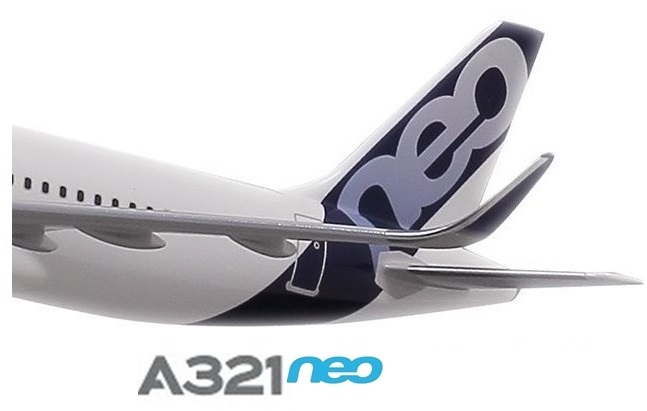
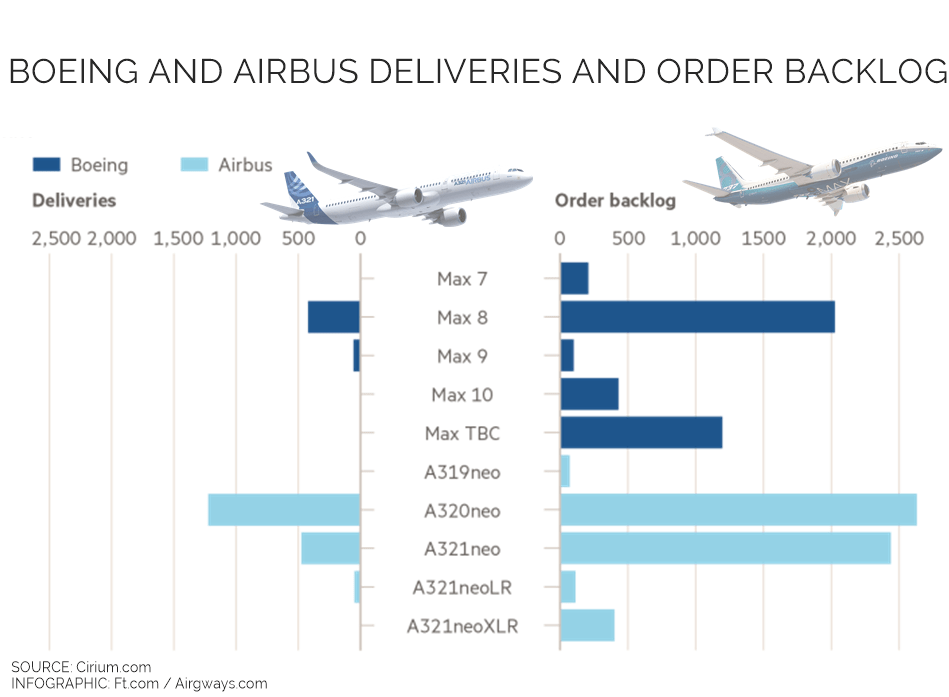
Tras las turbulencias de la pandemia 2020-2021, uno de los mercados de aviación más lucrativos del mundo está preparado para ser más competitiva en un sector que dominará casi en exclusivo, el avión A220 de pasillo único donde continuará incursionando en rutas dominadas por aviones grandes de doble pasillo. La aeronave regional está enfocada tanto para los mercados clásicos como así también low cost. El modelo de la familia A320 cuyo éxito ha dado a la compañía con sede en Toulouse una participación del 60% de aeronaves de pasillo único aventajando a Boeing en el más importante y mayor nicho de mercado. «La recuperación se llevará a la parte de corto recorrido del negocio, en el lado de la carrocería estrecha», dijo Aengus Kelly, Director Ejecutivo de la compañía de arrendamiento AerCap, uno de los mayores compradores de aviones del mundo. El A321 puede volar 4.000 millas náuticas, varios cientos más lejos que un Airbus de corta distancia normal, mientras que Boeing aún no tiene un modelo de rango medio de su categoría. Las versiones de largo alcance del A321 «crear nuevas rutas que estaban allí antes, pero en cantidades más pequeñas. Es una forma muy eficaz y eficiente de vincular dos puntos con 180-200 pasajeros», dijo Christian Scherer, Director Comercial de Airbus.
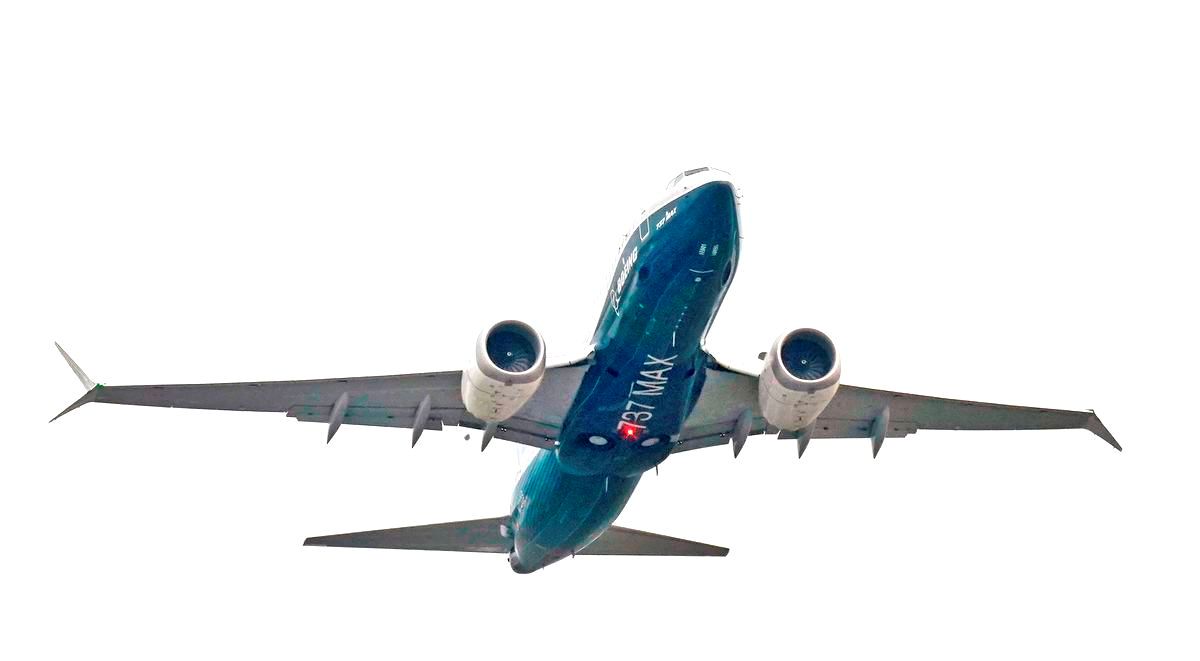
Mientras el constructor europeo Airbus ha alcanzado mayor cuota de mercado, Boeing continúa ha lidiado con las consecuencias de la puesta en tierra de su 737 MAX. Actualmente, la acumulación de entregas Boeing 737 MAX durante su puesta a tierra ha comenzado a despejarse, pero también ha enfrentado problemas de calidad con su Boeing 787 Dreamliner de cuerpo ancho. Mientras tanto, los planes para un nuevo y gigante avión de pasajeros de cuerpo ancho, el Boeing 777X, también están llegando tarde. Toda la línea de aeronaves comerciales conllevan algún problema, lo que se traduce en graves errores de fiscalización y seguridad en la cadena de producción a lo largo del tiempo que el constructor está corrigiendo enfáticamente.
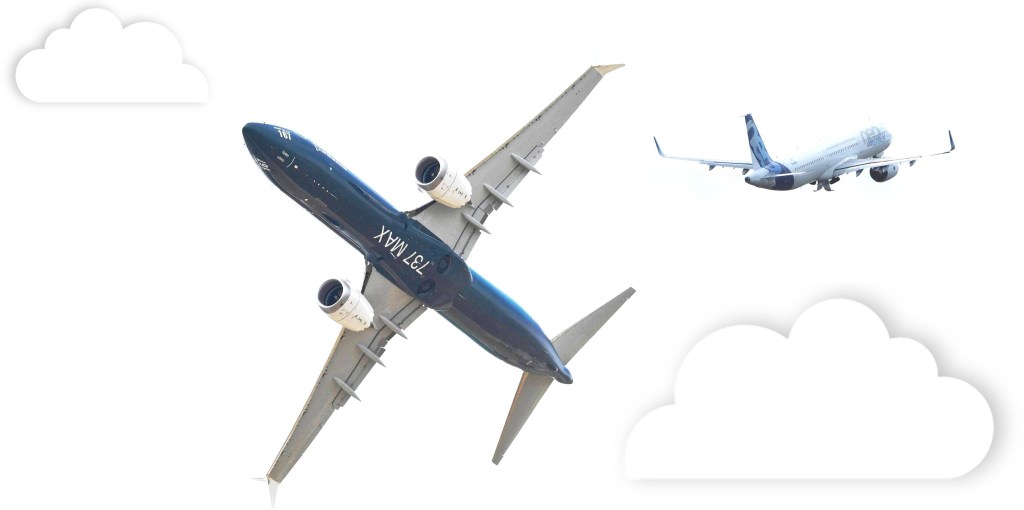
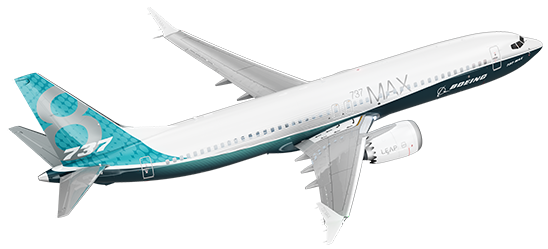
La respuesta inicial de Boeing al A321XLR (eXtra Long Range) es la versión más grande MAX 10 que entrará en servicio dentro de dos años vista, la aeronave no alcanzaría a ser altamente competitiva frente a una aeronave con una célula capaz de adaptarse a vuelos de rango medio-largo transatlánticos. La cadena de producción de la línea A321NEO continúa a un ritmo más rápido que su competidor directo.
Respuesta de Boeing
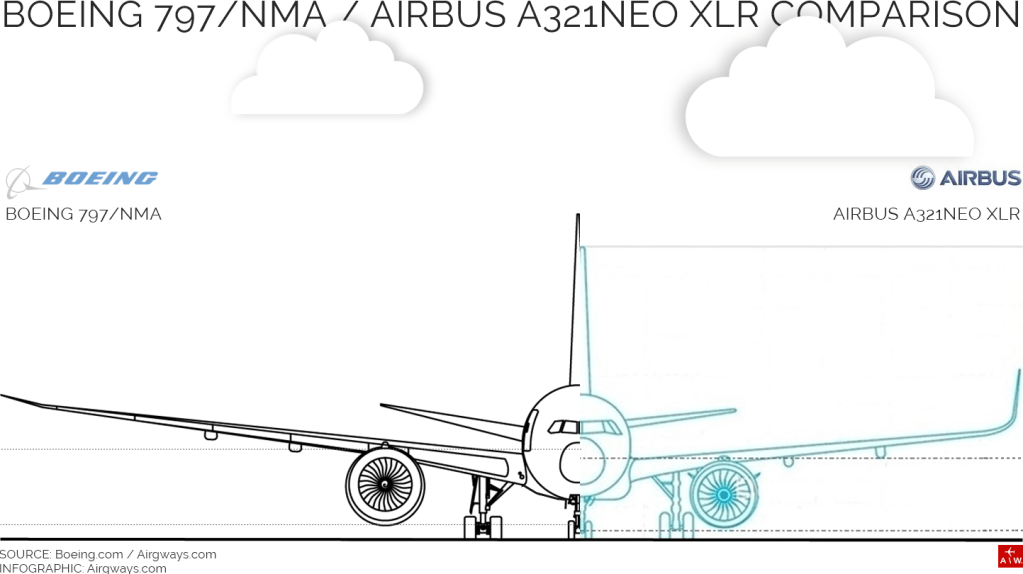
Un plan para lanzar una aeronave sustituta del Boeing 757 denominado New Middle-market Airplane (NMA), fue abandonado por falta de interés en un momento de gran crisis de seguridad en la compañía americana. «El tema estratégico que la NMA estaba destinado a tratar todavía está ahí y, en todo caso, ha empeorado. Airbus está desenfrenado en el extremo superior del mercado de carrocería estrecha y Boeing no tiene nada que coincida con él», dijo Rob Stallard, de Vertical Research Partners.
Si la necesidad de Boeing de cerrar el terreno en Airbus en el mercado de pasillo único es clara, cómo lo hace es significativa. La editorial de aviación Airgways ha expresado que «La compañía Boeing no ha sabido planificar con verdadera audacia la puesta a punto de una aeronave capaz de sustituir al Boeing 757, confiando que el mercado del 737 MAX cubriría eficazmente la demanda del rango medio. El pérdida de cuota de mercado conlleva un atraso de quince años en favor de Airbus».
Las presiones de lso constructores aeronáuticos en el corto plazo no es la única consideración a la hora de decidir si se inicia un nuevo avión. Con las aerolíneas bajo una creciente presión para reducir su contribución al calentamiento global, una gran pregunta a la que se enfrenta Boeing es si lanzar un avión convencionalmente impulsado, o esperar hasta que la tecnología de próxima generación les permita hacer algo mucho más verde. «Normalmente, se espera que cada nueva generación de aviones ofrezca una mejora de alrededor del 20% en los costos unitarios, principalmente a través de la eficiencia del combustible. En el pasado, mucho de eso ha venido de la tecnología del motor. No he visto muchas pruebas de dónde vendrá el próximo 20% para apuntalar el caso de negocios para la próxima generación de aviones», dijo Robert Boyle, ex Jefe de Estrategia de British Airways y fundador de Gridpoint Consulting.
Sin embargo, si no se comprometiera con un nuevo avión, Airbus podría afianzar su dominio, dejando a Boeing sin más que recortes de precios como arma competitiva. «Si Boeing no lanza un avión nuevo, fácilmente podría perder 10 puntos de cuota de mercado. Y si no lanzan un nuevo avión, podrían perder la capacidad de hacerlo», dijo Richard Aboulafia, Vicepresidente de Teal Group, una consultora aeroespacial.
El dilema llega después de un período brutal para las finanzas de la industria aeroespacial. Boeing terminó 2020 con una deuda neta de casi US$ 64.000 millones de Dólares en comparación con el efectivo neto de Airbus Group de € 4.300 millones de Euros. Sin embargo, el flujo de caja del grupo estadounidense ha comenzado a recuperarse. Reportó una salida gratuita de efectivo operando efectivo menos gastos de capital de US$ 3.700 millones de Dólares para el primer trimestre, en comparación con una salida de US$ 4.700 millones de Dólares hace un año. «Boeing está en una posición desfavorecida financieramente para considerar el desarrollo y el lanzamiento de un nuevo producto en el segmento de cuerpo estrecho. Las presiones ambientales también son un factor crítico en cualquier nuevo diseño», dijo Rob Morris, Jefe de Consultoría de Ascend by Cirium.
Es una de las razones por las que algunos ejecutivos de la industria están instando a la precaución. John Plueger, Director Ejecutivo de Air Lease, uno de los mayores clientes de Boeing, dijo: «Hemos sido claros con Boeing de que realmente necesitan poner su casa en orden primero antes de que tengamos interés en hablar de nuevos aviones». Aengus Kelly de AerCap suena una nota similar de precaución, señalando que «la realidad es que las aerolíneas están hartas de que se introduzcan nuevas tecnologías. Han tenido más cambios tecnológicos en los últimos doce años que nunca hay fatiga con él».
Boeing ha expresado en respuesta a la avanzada en el mercado de los narrowbodies que «necesita poner el MAX en el aire, aferrarse a la base de clientes que tienen y asegurarse de que tienen una oferta de precios competitivos. Entonces, pueden trabajar con los fabricantes de motores para ver si hay un sistema de propulsión que puede hacer una diferencia». Mientras tanto, el constructor de motores Roll Royce ha iniciado acuerdos con Boeing para avanzar con una nueva aeronave de mercado medio
Después de las llamadas a las ganancias del primer trimestre (1Q2021) en el mes pasado, el Director Ejecutivo de Boeing, David Calhoun, sugirió que la compañía estaba buscando maneras de mejorar la eficiencia de costos mediante el despliegue de diferentes técnicas de ingeniería y fabricación. «Espero que el próximo producto se diferencie probablemente de una manera significativa sobre la base de la forma en que está diseñado y construido y menos dependiente del paquete de propulsión que va con él».
Los ejecutivos de Airbus están atentos al próximo movimiento de Boeing. La presión sobre los fabricantes para descarbonizar la próxima tecnología está creciendo. Antes de la pandemia, la aviación representaba aproximadamente el 2,4% de las emisiones mundiales. Airbus ha echado su peso detrás de un plan para tener un avión de cero emisiones propulsado por hidrógeno listo para el servicio para 2035. «El plan A hoy es hidrógeno. El combustible de aviación sostenible sería el paso intermedio, para el ecosistema general y para el poder de permanencia de nuestra industria, creo que es preferible que todos nos concentremos en descarbonizar nuestra industria», expresó Christian Scherer. No obstante, el constructor europeo insiste en que la compañía mantiene abiertas sus opciones y no descarta lanzar otro avión de propulsión convencional.
Narrowbodies market outlook
Narrowbody Airbus-Boeing market vanguard
Airbus Gruop continues to strongly develop the regional aviation market, positioning the European group at an advantage over the American manufacturer The Boeing Company. The benefit of the demand for regional aircraft will allow the European manufacturer to profit from the purchase of the CSeries line of aircraft from Bombardier Inc..
Following the turbulence of the 2020-2021 pandemic, one of the most lucrative aviation markets in the world is poised to become more competitive in a sector that will dominate almost exclusively, the single-aisle A220 aircraft where it will continue to enter routes dominated by large aircraft. double aisle. The regional aircraft is focused on both classic and low cost markets. The model of the A320 family whose success has given the Toulouse-based company a 60% share of single-aisle aircraft ahead of Boeing in the most important and largest market niche. «The recovery will take the short-haul part of the business, on the narrow-body side», said Aengus Kelly, CEO of leasing company AerCap, one of the world’s largest aircraft buyers. The A321 can fly 4,000 nautical miles, several hundred farther than a normal short-haul Airbus, while Boeing does not yet have a mid-range model in its class. The long-range versions of the A321 «create new routes that were there before, but in smaller quantities. It is a very effective and efficient way to link two points with 180-200 passengers», said Christian Scherer, Airbus Chief Commercial Officer.
While European manufacturer Airbus has reached a larger market share, Boeing continues to grapple with the consequences of grounding its 737 MAX. Currently, the backlog of Boeing 737 MAX deliveries during its grounding has started to clear, but it has also faced quality issues with its wide-body Boeing 787 Dreamliner. Meanwhile, plans for a giant new wide-body airliner, the Boeing 777X, are also running late. The entire line of commercial aircraft carries some problem, which translates into in serious control and safety errors in the production chain throughout the time that the builder is emphatically correcting.
Boeing’s initial response to the A321XLR (eXtra Long Range) is the largest MAX 10 version that will enter service within two years, the aircraft would not be highly competitive against an aircraft with a cell capable of adapting to high-speed flights. mid-long range ocean liners. The production chain of the A321NEO line continues at a faster pace than its direct competitor.
Boeing Response
A plan to launch a replacement aircraft for the Boeing 757 called New Middle-market Airplane (NMA), was abandoned due to lack of interest at a time of great security crisis in the American company. «The strategic issue that the NMA was meant to address is still there and, if anything, has gotten worse. Airbus is rampant at the higher end of the narrow-body market and Boeing has nothing to match it», said Rob Stallard, from Vertical Research Partners.
If Boeing’s need to close ground at Airbus in the single-aisle market is clear, how it does so is significant. The aviation editorial Airgways has stated that «The Boeing company has failed to plan with real audacity the development of an aircraft capable of replacing the Boeing 757, trusting that the 737 MAX market would effectively cover the demand of the middle range. The loss market share entails a 15-year delay in favor of Airbus».
The pressures of the aeronautical constructors in the short term is not the only consideration when deciding whether to start a new aircraft. With airlines under increasing pressure to reduce their contribution to global warming, a big question Boeing faces is whether to launch a conventionally powered aircraft, or wait until next-generation technology allows them to do something much greener. «Typically, each new generation of aircraft is expected to deliver about a 20% improvement in unit costs, primarily through fuel efficiency. In the past, a lot of that has come from engine technology. I have not. seen a lot of evidence where the next 20% will come from to shore up the business case for the next generation of aircraft», said Robert Boyle, former Head of Strategy at British Airways and founder of Gridpoint Consulting.
However, if it did not commit to a new aircraft, Airbus could solidify its dominance, leaving Boeing with nothing but price cuts as a competitive weapon. «If Boeing doesn’t launch a new aircraft, it could easily lose 10 points of market share. And if they don’t launch a new aircraft, they could lose the ability to do so», said Richard Aboulafia, vice president of Teal Group, an aerospace consultancy.
The dilemma comes after a brutal period for the finances of the aerospace industry. Boeing ended 2020 with net debt of nearly US$ 64 billion compared to Airbus Group’s net cash of € 4.3 billion. However, the cash flow of the US group has started to recover. It reported a free cash outflow operating cash minus capital expenditures of US$ 3.7 billion for the first quarter, compared to a US$ 4.7 billion outflow a year ago. «Boeing is in a financially disadvantaged position to consider developing and launching a new product in the narrow-body segment. Environmental pressures are also a critical factor in any new design», said Rob Morris, Head of Consulting, Ascend by Cirium.
It’s one reason some industry executives are urging caution. John Plueger, CEO of Air Lease, one of Boeing’s largest customers, said: «We have been clear with Boeing that they really need to get their house in order first before we have an interest in talking about new aircraft». AerCap’s Aengus Kelly sounds a similar note of caution, noting that «the reality is that airlines are fed up with new technology being introduced. They have had more technological change in the last twelve years than there is ever fatigue with it».
Boeing has said in response to the advance in the narrowbody market that it «needs to put the MAX in the air, hold on to the customer base they have and make sure they have a competitively priced offering. So they can work with the manufacturers. of engines to see if there is a powertrain that can make a difference». Meanwhile, engine builder Roll Royce has entered into agreements with Boeing to advance a new mid-market aircraft.
After calls to first quarter earnings (1Q2021) last month, Boeing Chief Executive Officer David Calhoun suggested the company was looking for ways to improve cost efficiency by deploying different engineering and manufacturing techniques. «I hope the next product will probably differentiate itself in a significant way based on the way it is designed and built and less reliant on the powertrain package that goes with it».
Airbus executives are on the lookout for Boeing’s next move. The pressure on manufacturers to decarbonize the next technology is growing. Before the pandemic, aviation accounted for about 2.4% of global emissions. Airbus has put its weight behind a plan to have a hydrogen-powered zero-emission aircraft ready for service by 2035. «Plan A today is hydrogen. Sustainable aviation fuel would be the intermediate step, for the general ecosystem and for the staying power of our industry, I think it’s preferable that we all focus on decarbonizing our industry», said Christian Scherer. However, the European manufacturer insists that the company keeps its options open and does not rule out launching another conventional propulsion aircraft.
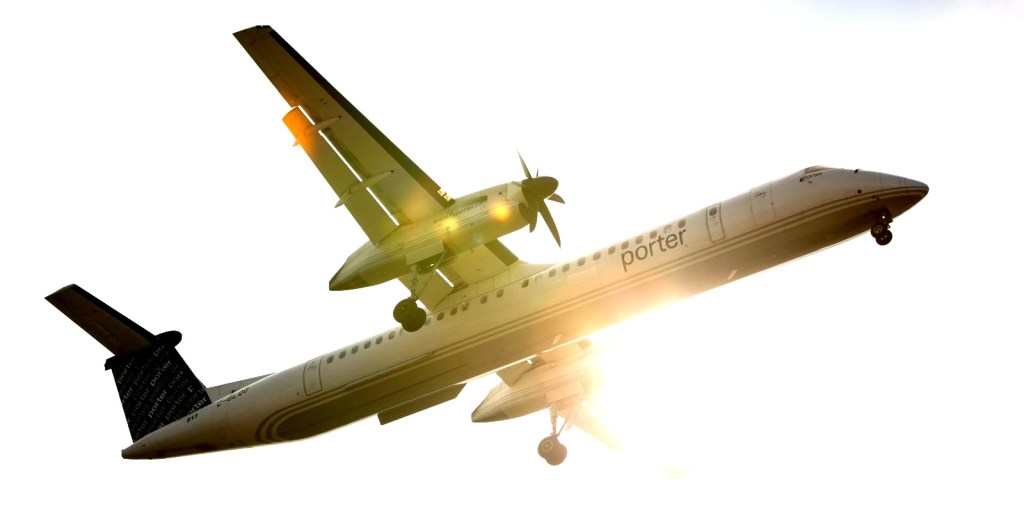
Porter Airlines traslada fecha de reinicio al 20 Julio 2021
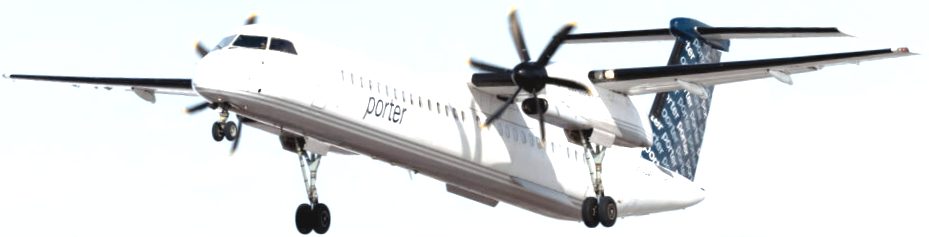
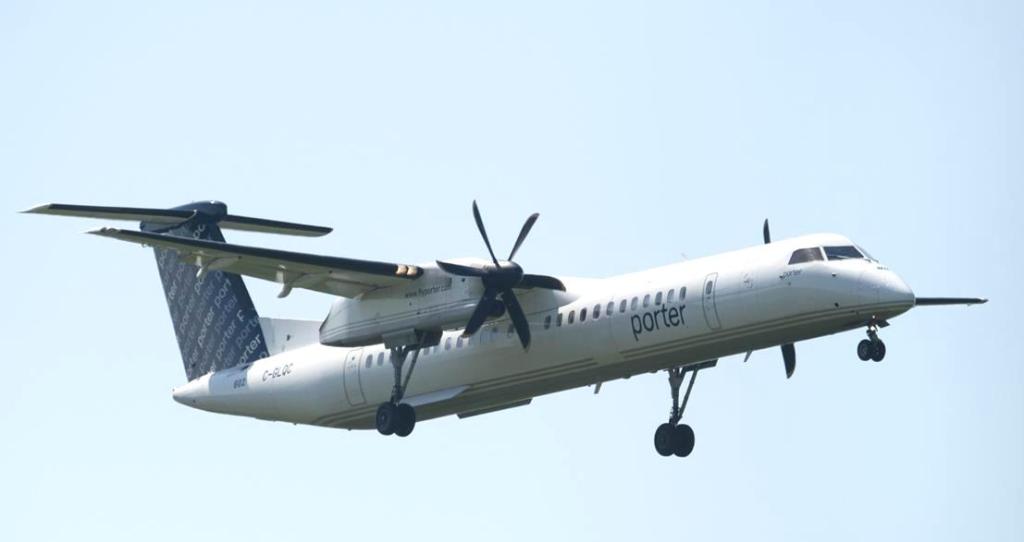
Porter Airlines está mirando el 20 de Julio de 2021 como la nueva fecha de reinicio para los vuelos de pasajeros. Eso ha cambiado con respecto a su fecha de reinicio previamente estimada, que se había fijado tentativamente para el 21/06. La aerolínea con sede en Toronto cesó sus operaciones el 21 de Marzo de 2020 tras el inicio de la pandemia y ha reajustado su reanudación programada de operaciones varias veces en el último año. Los desafíos han incluido restricciones de viaje impuestas por el gobierno, la falta de demanda de los clientes debido a un aumento en los casos de COVID y un cierre de fronteras entre Canadá y Estados Unidos.
«Es alentador ver la recuperación de la industria de la aviación en Estados Unidos. A medida que aumenten las tasas de vacunación en Canadá, esperamos que las restricciones de viaje y las medidas de salud pública se relajen, para que podamos recordar a los miembros de nuestro equipo, recibir de nuevo a nuestros pasajeros y comenzar a reconstruir la aerolínea», dijo Michael Deluce, presidente y CEO de Porter Airlines, en un comunicado de prensa del 17/05.
Porter Airlines con sede en el Aeropuerto Toronto/Billy Bishop de la Ciudad de Toronto, la aerolínea ofrece vuelos a Toronto, Ottawa, Montreal, Québec City, Fredericton, Saint John, Moncton, Halifax, St. John’s, Stephenville, (Terranova y Labrador), Thunder Bay, Sault Ste. Marie, Sudbury, Timmins, Windsor, Nueva York/Newark, Chicago/Midway, Boston y Washington/Dulles, y tiene vuelos estacionales al Monte Tremblant (Québec), Muskoka (Ontario) y Myrtle Beach (South Carolina).
Porter to restart ops on 06/20
Porter Airlines moves restart date to July 20, 2021
Porter Airlines is looking at July 20, 2021 as the new restart date for passenger flights. That has changed from its previously estimated reboot date, which had been tentatively set for 06/21. The Toronto-based carrier ceased operations on March 21, 2020 following the onset of the pandemic and has readjusted its scheduled resumption of operations several times in the last year. Challenges have included government-imposed travel restrictions, a lack of customer demand due to an increase in COVID cases, and a border closure between Canada and the United States.
«It is encouraging to see the recovery of the aviation industry in the United States. As vaccination rates in Canada increase, we expect travel restrictions and public health measures to be relaxed, so that we can remind members of our team, welcome our passengers back and begin to rebuild the airline», said Michael Deluce, president and CEO of Porter Airlines, in a 5/17 press release.
Porter Airlines based at Toronto/Billy Bishop Airport in Toronto City, the airline offers flights to Toronto, Ottawa, Montreal, Québec City, Fredericton, Saint John, Moncton, Halifax, St. John’s, Stephenville, (Newfoundland and Labrador), Thunder Bay, Sault Ste. Marie, Sudbury, Timmins, Windsor, New York/Newark, Chicago/Midway, Boston and Washington/Dulles, and has seasonal flights to Mount Tremblant (Québec), Muskoka (Ontario) and Myrtle Beach (South Carolina).
Porter redémarrera les opérations le 20/06
Porter Airlines reporte la date de redémarrage au 20 juillet 2021
Porter Airlines envisage le 20 juillet 2021 comme nouvelle date de redémarrage pour les vols passagers. Cela a changé par rapport à sa date de redémarrage précédemment estimée, qui avait été provisoirement fixée au 21/06. La compagnie aérienne basée à Toronto a cessé ses activités le 21 mars 2020 après le début de la pandémie et a réajusté sa reprise des opérations prévue à plusieurs reprises au cours de la dernière année. Les défis comprennent les restrictions de voyage imposées par le gouvernement, un manque de demande des clients en raison d’une augmentation des cas de COVID et une fermeture de la frontière entre le Canada et les États-Unis.
«Il est encourageant de voir la reprise de l’industrie aéronautique aux États-Unis. À mesure que les taux de vaccination au Canada augmentent, nous nous attendons à ce que les restrictions de voyage et les mesures de santé publique soient assouplies, afin que nous puissions rappeler aux membres de notre équipe d’accueillir à nouveau nos passagers. et commencer à reconstruire la compagnie aérienne», a déclaré Michael Deluce, président et chef de la direction de Porter Airlines, dans un communiqué de presse 5/17.
Porter Airlines basée à l’aéroport Toronto / Billy Bishop de Toronto City, la compagnie aérienne propose des vols vers Toronto, Ottawa, Montréal, Québec, Fredericton, Saint John, Moncton, Halifax, St.John’s, Stephenville, (Terre-Neuve-et-Labrador), Thunder Bay , Sault Ste. Marie, Sudbury, Timmins, Windsor, New York/Newark, Chicago/Midway, Boston et Washington/Dulles, et offre des vols saisonniers vers le mont Tremblant (Québec), Muskoka (Ontario) et Myrtle Beach (Caroline du Sud).
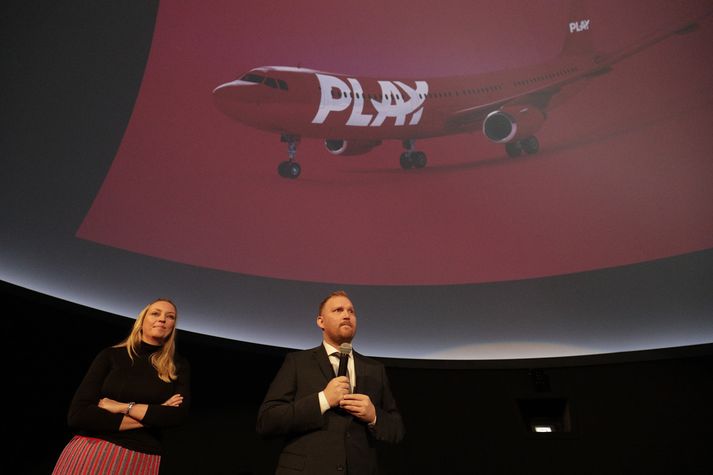
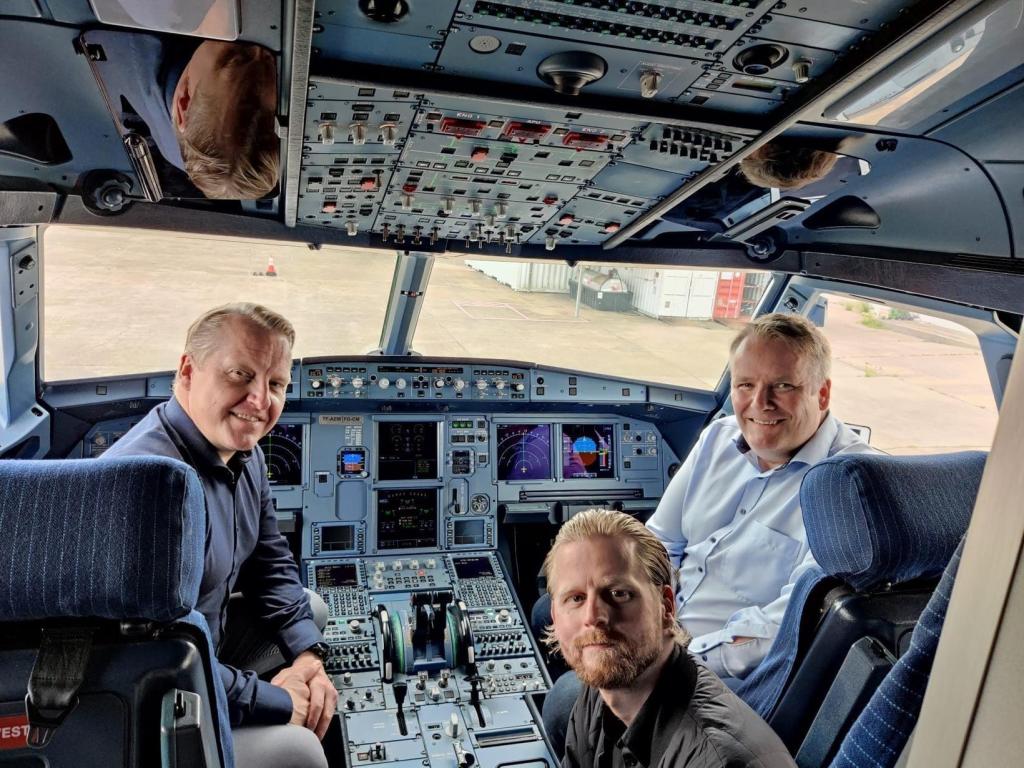
La nueva aerolínea islandesa denominada Play Airlines ha establecido su startup para iniciar operaciones desde Reikyavik hacia Londres. La compañía ha conseguido su Certificado de Operador Aéreo (AOC) como operador y posee un avión Airbus A321CEO en su flota. La aerolínea ha comunicado su startup hacia el 24 de Junio de 2021. Play Airlines es una aerolínea islandesa de bajo coste con sede en el Aeropuerto Internacional de Keflavík. Play planea comenzar sus operaciones con dos aviones Airbus A321-200CEO configurados para 200 asientos.
En Julio de 2019, dos ex ejecutivos aéreos de WOW, Arnar Már Magnússon y Sveinn Ingi Steinþórsson anunciaron la formación de una nueva aerolínea, tentativamente llamada WAB air («We Are Back»). Avianta Capital, un fondo de inversión irlandés propiedad de Aislinn Whittley-Ryan, hija de Michael Kell Ryan, uno de los fundadores de Ryanair, tenía una participación del 75%; el resto estaba en manos de Neo, una empresa fundada por Magnússon y Steinþórsson. La compañía tenía como objetivo operar seis aviones a 14 destinos en Europa y Estados Unidos, con un objetivo de un millón de pasajeros en el primer año. La nueva compañía solicitó un certificado de operador aéreo de la Autoridad Islandesa de Transporte. En Noviembre de 2019, WAB se cambió el nombre de Play, y se inició la contratación de personal operativo. La aerolínea anunció que alquilaría Airbus A321-200CEO configurado con 200 asientos de pasajeros, y comenzaría vuelos con dos aviones a seis destinos europeos en el invierno de 2019-2020.
Play tiene previsto servir a seis destinos adicionales en Europa: Alicante, Tenerife, Londres, París, Copenhague y Berlín. Existen planes de introducir vuelos a cuatro destinos norteamericanos en la primavera de 2020.
Play will start ops in Iceland
Play Airlines new successor airline to WowAir
The new Icelandic airline called Play Airlines has established its startup to start operations from Reykjavik to London. The company has achieved its Air Operator Certificate (AOC) as an operator and has an Airbus A321CEO aircraft in its fleet. The airline has announced its startup around June 24, 2021. Play Airlines is an Icelandic low-cost airline based at Keflavík International Airport. Play plans to start operations with two Airbus A321-200CEO aircraft configured for 200 seats.
In July 2019, two former WOW airline executives, Arnar Már Magnússon and Sveinn Ingi Steinþórsson announced the formation of a new airline, tentatively called WAB air («We Are Back»). Avianta Capital, an Irish investment fund owned by Aislinn Whittley-Ryan, daughter of Michael Kell Ryan, one of the founders of Ryanair, had a 75% stake; the rest was in the hands of Neo, a company founded by Magnússon and Steinþórsson. The company aimed to operate six aircraft to 14 destinations in Europe and the United States, with a goal of one million passengers in the first year. The new company applied for an air operator certificate from the Icelandic Transport Authority. In November 2019, WAB changed its name to Play, and the hiring of operational personnel began. The airline announced that it would lease the Airbus A321-200CEO configured with 200 passenger seats, and begin flights with two aircraft to six European destinations in the winter of 2019-2020.
Play plans to serve six additional destinations in Europe: Alicante, Tenerife, London, Paris, Copenhagen and Berlin. There are plans to introduce flights to four North American destinations in the spring of 2020.
Play mun hefja ops á Íslandi
Spilaðu flugfélagið nýja arftaka flugfélagsins WowAir
Nýja íslenska flugfélagið Play Airlines hefur stofnað upphaf sitt til að hefja starfsemi frá Reykjavík til London. Fyrirtækið hefur náð flugrekstrarvottorði sínu (AOC) sem flugrekandi og er með Airbus A321CEO flugvél í flota sínum. Flugfélagið hefur tilkynnt gangsetningu sína í kringum 24. júní 2021. Play Airlines er íslenskt lággjaldaflugfélag með aðsetur á Keflavíkurflugvelli. Play ætlar að hefja starfsemi með tveimur Airbus A321-200CEO flugvélum sem eru stilltar fyrir 200 sæti.
Í júlí 2019 tilkynntu tveir fyrrverandi stjórnendur WOW flugfélagsins, Arnar Már Magnússon og Sveinn Ingi Steinþórsson, stofnun nýs flugfélags, sem kallað er með semingi WAB air („Við erum aftur“). Avianta Capital, írskur fjárfestingarsjóður í eigu Aislinn Whittley-Ryan, dóttur Michael Kell Ryan, eins af stofnendum Ryanair, átti 75% hlut; restin var í höndum Neo, fyrirtækis sem Magnússon og Steinþórsson stofnuðu. Fyrirtækið stefndi að því að reka sex flugvélar til 14 áfangastaða í Evrópu og Bandaríkjunum, með það að markmiði að vera ein milljón farþega fyrsta árið. Nýja fyrirtækið sótti um flugrekstrarvottorð frá Samgöngustofu. Í nóvember 2019 breytti WAB nafni í Play og ráðning starfsfólks hófst. Flugfélagið tilkynnti að það myndi leigja Airbus A321-200CEO með 200 farþegasæti og hefja flug með tveimur flugvélum til sex áfangastaða í Evrópu veturinn 2019-2020.
Play ætlar að þjóna sex áfangastöðum til viðbótar í Evrópu: Alicante, Tenerife, London, París, Kaupmannahöfn og Berlín. Til stendur að kynna flug til fjögurra áfangastaða í Norður-Ameríku vorið 2020.























 airgways.com