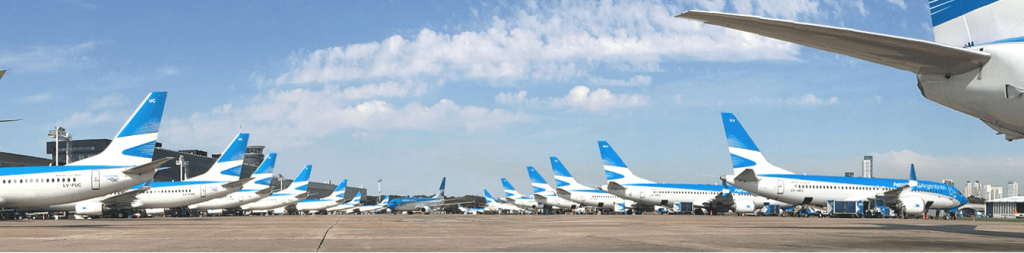
Aerolíneas Argentinas recibe AR$ 5.500 millones aportes 07/2022
La compañía aérea estatal, Aerolíneas Argentinas, ha recibido desde el Estado Argentino en el mes de Julio 2022 la suma de AR$ 5.589.600.000 de Pesos, con unos aportes acumulados hasta la fecha de AR$ 39.924.700.000 Pesos, lo que representa el 54,76% del presupuesto ampliado. El nuevo presupuesto dispuesto para las empresas del Estado incluyendo a Aerolíneas, han sido ampliados en un 10%.
Aerolíneas Argentinas mantiene una situación deficitaria desde hace décadas, mientras posee atrasos de pagos importantes con YPF, Banco Nación, Gate Gourmet, EANA y Aeropuertos Argentina 2000.
Aerolíneas state contributions AR$ 5,500M
Aerolíneas receives AR$ 5,500 million contributions 07/2022
The state airline company, Aerolíneas Argentinas, has received from the Argentine State in the month of July 2022 the sum of AR$ 5,589,600,000 Pesos, with accumulated contributions to date of AR$ 39,924,700,000 Pesos, which represents 54.76% of the expanded budget. The new budget for State companies, including Aerolíneas, has been increased by 10%.
Aerolíneas Argentinas has maintained a deficit situation for decades, while it has significant payment arrears with YPF, Banco Nación, Gate Gourmet, EANA and Aeropuertos Argentina 2000.
PUBLISHER: Airgways.com DBk: Argentina.gob.ar / Aerolineas.com / Airgways.com AW-POST: 202208230933AR OWNERSHIP: Airgways Inc. A\W A I R G W A Y S ®
Motores de 737 MAX almacenados para nuevos aviones en línea
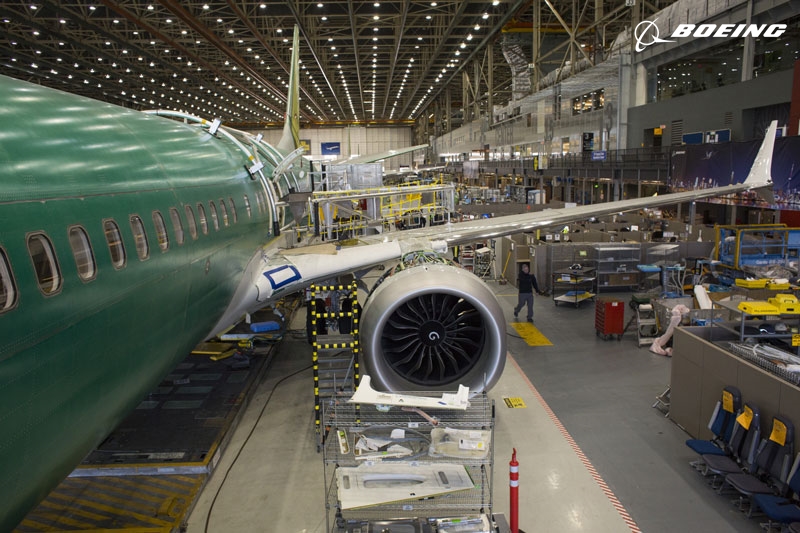
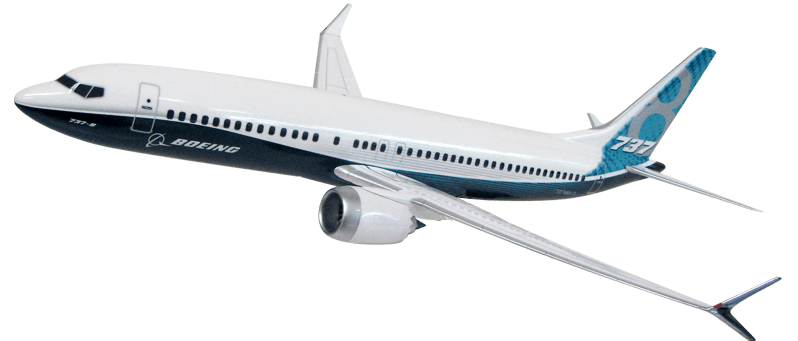
The Boeing Company está estudiando la posibilidad de reinstalar motores de aviones del gran inventario de Boeing 737 MAX almacenados para instalarlos en las nuevas aeronaves 737 MAX en línea para aliviar las preocupaciones de la cadena de suministros.
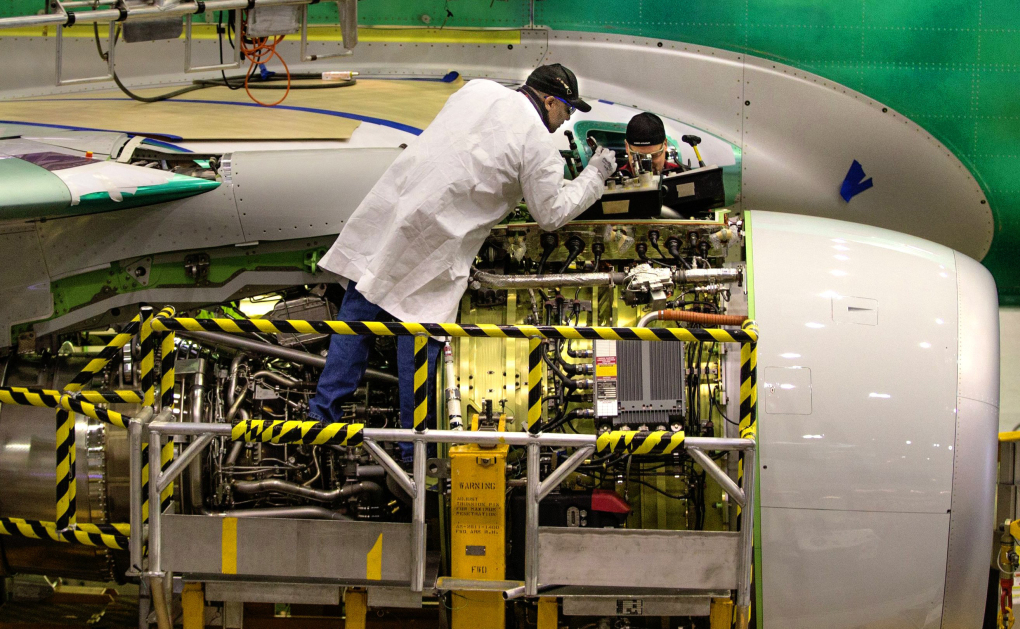
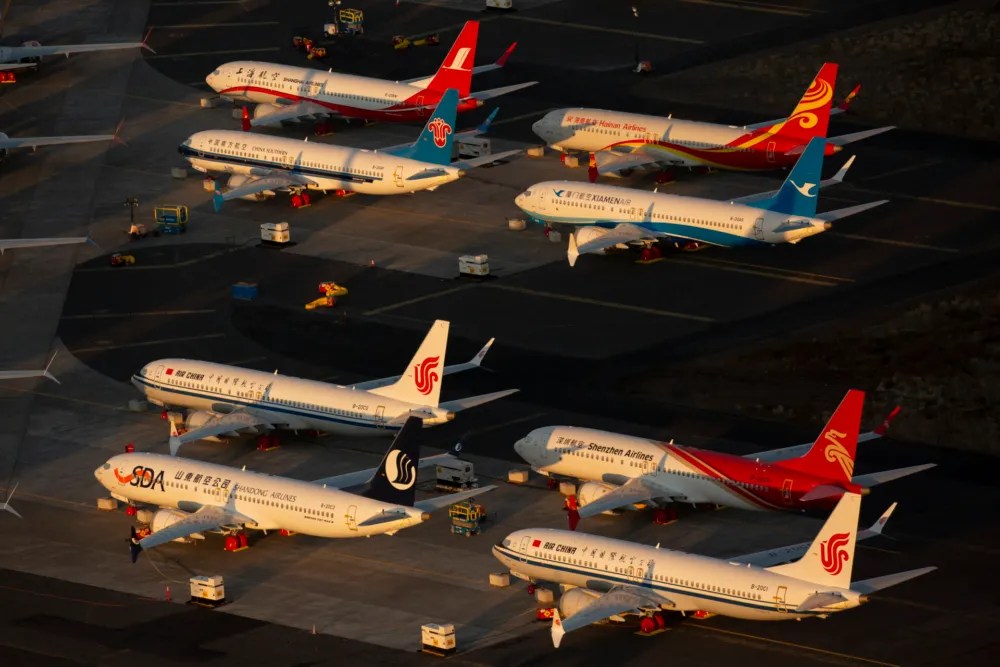
Actualmente, con 290 aviones 737 MAX almacenados, el fabricante podría retirar los motores CFM LEAP-1B para instalarlos en los nuevos aviones de producción cuando salgan de la línea de montaje final en Renton (WA), en Estados Unidos. Boeing también podría retirar los asientos para reinstalarlos en los nuevos aviones de producción. El movimiento se produce en medio de la escasez de la cadena de suministro en todo el mundo, con los proveedores de motores en particular luchando para mantenerse al día con la demanda.
Boeing está construyendo hasta treinta (30) juegos de contrapesos para los aviones almacenados. Estos pueden utilizarse para evitar que un avión se incline hacia atrás sobre su cola una vez que se retiren sus pesados motores a reacción. Los contrapesos también podrían utilizarse para los aviones MAX de nueva producción en caso de que el fabricante de motores CFM no pueda entregar los motores a tiempo.
Al menos 140 de los 290 Boeing 737 MAX almacenados actualmente fueron construidos para aerolíneas chinas. Sin embargo, el país, que fue el primero en dejar en tierra el avión en Marzo de 2019 tras los accidentes mortales en Indonesia y Etiopía, aún no ha autorizado que el tipo de aeronave vuelva a operar con pasajeros.
China Southern Airlines decidió eliminar cien aviones Boeing 737 MAX (100) de su plan de entrega a corto plazo, lo que significa que en lugar de los 181 jets que se suponía que se unirían a la aerolínea hasta 2024, ahora solo llevará un total de 78 entregas de MAX.
Mientras tanto, Airbus se ha lanzado por un gran pedido de casi 300 aviones de las tres principales aerolíneas chinas. Esto no ayuda a reducir el inventario del Boeing 737 MAX. Sin embargo, cuanto mayor sea el inventario de Boeing, más flexibilidad tendrá el fabricante para entregar los aviones MAX más rápidamente cuando se necesiten, a pesar de las interrupciones en la cadena de suministro.
Boeing refitting engines on 737 MAX
737 MAX engines stored for new planes line
The Boeing Company is exploring the possibility of reinstalling aircraft engines from the large inventory of Boeing 737 MAXs in storage for installation in new 737 MAX aircraft online to alleviate supply chain concerns.
Currently, with 290 737 MAX aircraft in storage, the manufacturer could remove CFM LEAP-1B engines for installation in new production aircraft as they roll off the final assembly line in Renton, (WA). Boeing could also remove the seats to reinstall them on new production planes. The move comes amid supply chain shortages around the world, with engine suppliers in particular struggling to keep up with demand.
Boeing is building up to thirty (30) sets of counterweights for the aircraft in storage. These can be used to prevent an aircraft from tipping backwards on its tail once its heavy jet engines are removed. The counterweights could also be used for new production MAX aircraft in the event that the engine manufacturer CFM is unable to deliver the engines on time.
At least 140 of the 290 Boeing 737 MAX currently in storage were built for Chinese airlines. However, the country, which was the first to ground the plane in March 2019 after deadly crashes in Indonesia and Ethiopia, has not yet authorized the type of aircraft to operate with passengers again.
China Southern Airlines decided to remove one hundred Boeing 737 MAX (100) aircraft from its short-term delivery plan, which means that instead of the 181 jets that were supposed to join the airline until 2024, it will now only carry a total of 78 deliveries of MAX.
Meanwhile, Airbus has jumped on a huge order for almost 300 planes from the three major Chinese airlines. This does not help reduce the inventory of the Boeing 737 MAX. However, the larger Boeing’s inventory, the more flexibility the manufacturer has to deliver MAX planes more quickly when needed, despite supply chain disruptions.
PUBLISHER: Airgways.com DBk: Boeing.com / Airgways.com AW-POST: 202208222355AR OWNERSHIP: Airgways Inc. A\W A I R G W A Y S ®
Scandinavian suspende 1.700 vuelos debido a huelga de pilotos
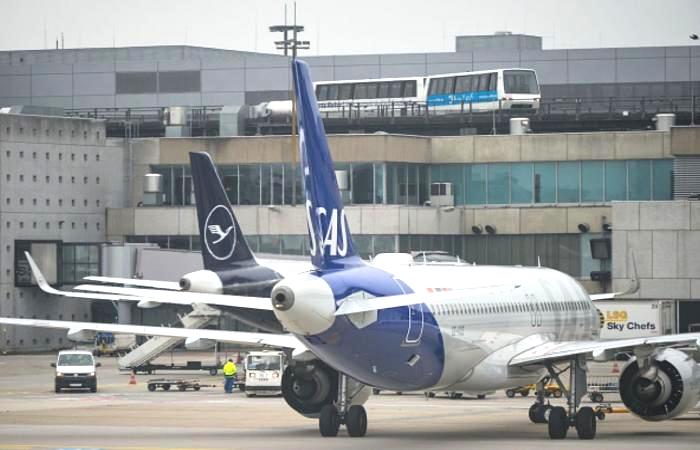
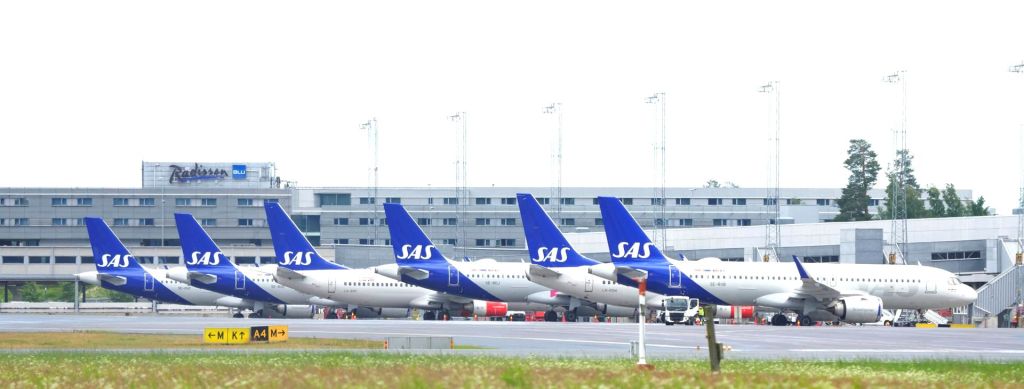
Scandinavian Airlines (SAS) suspende 1.700 vuelos debido a la huelga de pilotos, lo que representa el cuatro por ciento del número total de vuelos programados para Septiembre y Octubre 2022 han sido cancelados. SAS ha confirmado que los viajeros han sido informados sobre las cancelaciones y han vuelto a reservar para otros vuelos.
Un portavoz de SAS dijo que la aerolínea tuvo que cancelar estos vuelos debido a los efectos de la huelga, así como a las entregas retrasadas de aviones y otros factores. «Son los efectos de la huelga, pero también el retraso en las entregas de aviones y algunos otros factores», dijo el portavoz de Scandinavian Airlines.
SAS Airlines obtuvo financiamiento puente durante los procedimientos de protección por bancarrota del Capítulo 11 de Estados Unidos a través de un acuerdo con Apollo Global Management. Solo un día después de que se lanzara la huelga, SAS solicitó protección. No obstante, el gobierno de Suecia ha rechazado la solicitud de más efectivo, mientras que Dinamarca ha dicho que podría quitar parte de la deuda e inyectar fondos siempre que SAS también encuentre el apoyo de otros inversores.
SAS suspends 700 pilots for strike
Scandinavian suspends 1,700 flights due to pilot strike
Scandinavian Airlines (SAS) suspends 1,700 flights due to the pilots’ strike, which represents four percent of the total number of flights scheduled for September and October 2022 have been cancelled. SAS has confirmed that travelers have been informed about the cancellations and have rebooked for other flights.
A SAS spokesman said the airline had to cancel these flights due to the effects of the strike, as well as delayed aircraft deliveries and other factors. «It’s the effects of the strike, but also the delay in aircraft deliveries and some other factors», the Scandinavian Airlines spokesman said.
SAS Airlines obtained bridge financing during US Chapter 11 bankruptcy protection proceedings through an agreement with Apollo Global Management. Only one day after the strike was launched, the SAS requested protection. However, Sweden’s government has rejected the request for more cash, while Denmark has said it could remove some of the debt and inject funds as long as SAS also finds support from other investors.
PUBLISHER: Airgways.com DBk: Flysas.com / Ntb.no/Beate Oma Dahle / Airgways.com AW-POST: 202208222317AR OWNERSHIP: Airgways Inc. A\W A I R G W A Y S ®
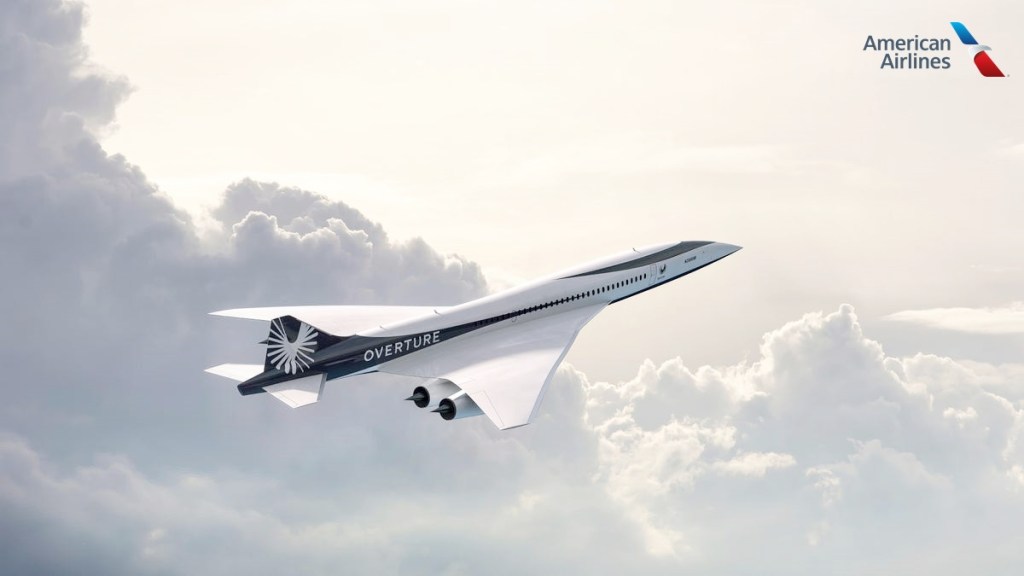
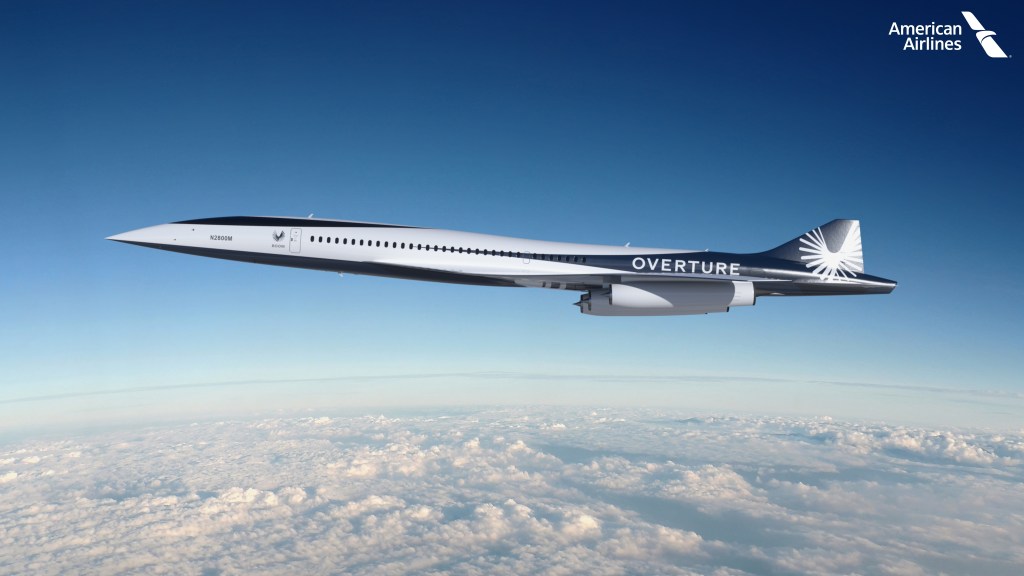
American Airlines, la aerolínea más grande del mundo, ha reservado el Boom Overture, aeronave supersónica que volará dos veces más rápido que las aeronaves convencionales actuales. La compañía ha acordado comprar veinte (20) aviones supersónicos de Boom Technology, con sede en Denver (CO), si la startup puede hacer que los aviones ultrarrápidos despeguen y sean aprobados por los reguladores. «Mirando hacia el futuro, los viajes supersónicos serán una parte importante de nuestra capacidad de entregar a nuestros clientes. Estamos entusiasmados con la forma en que Boom dará forma al futuro de los viajes tanto para nuestra empresa como para nuestros clientes», dijo el CFO de American Airlines, Derek Kerr.
Los aviones supersónicos, por definición, viajan más rápido que la velocidad del sonido, 767 millas por hora, pero se espera que el avión Overture en desarrollo de Boom viaje mucho más rápido que eso, con una velocidad de crucero de 1.227 mph, lo que representa el doble de rápido que cualquier avión comercial existente, por lo que reduciría drásticamente los tiempos de vuelo. Un viaje de Miami a Londres tomaría menos de 5 horas, en comparación con las 9,5 horas actuales.
El último avión de pasajeros supersónico, el Concorde, ha pasado a la historia como una aeronave muy segura, pero que ha resultado antieconómico a los precios actuales del combustible. Las aerolíneas europeas British Airways y Air France operaron el Concorde entre 1976 y 2003. Si bien el avión redujo los tiempos de vuelo, la FAA y otros reguladores prohibieron preventivamente los aviones supersónicos sobre tierra para evitar el alto índice sonoro de acuerdo a las reglamentaciones actuales vigentes. El Concorde quemó una gran cantidad de combustible caro, lo que llevó a precios de boletos altísimos: un viaje de Nueva York a Londres podría costar más de US$ 15.000. El avión fue finalmente retirado por no ser rentable.
Boom Technology cree que el avión Oberture mejorará las deficiencias actuales de tecnología del Concorde. Boom diseñó el avión teniendo en cuenta la eficiencia del combustible: el fuselaje está diseñado de un material compuesto de carbono ligero, y sus alas de gaviota y su fuselaje con forma especial están diseñados para reducir la resistencia al avance. Entre el combustible más limpio y las compensaciones de carbono planificadas, Boom espera que el Overture sea el primer avión totalmente neutro en carbono, permitiendo ayudar a mantener los precios de los boletos muy por debajo de lo que pagaron los pasajeros por el Concorde. Boom también estarán diseñados para funcionar con combustible de aviación 100% sostenible, que está hecho de materia orgánica. Entre el combustible más limpio y las compensaciones de carbono planificadas, Boom espera que el Overture sea el primer avión totalmente neutro en carbono. El Boom Overture contará con un alcance de 4.250 millas náuticas. El CEO de Boom, Blake Scholl, espera que un boleto de Nueva York a Londres cueste entre US$ 4.000 a US$ 5.000 en una aeronave supersónica que tendrá capacidad para transportar entre 65 a 80 pasajeros.
Perspectivas Boom Overture
Boom dice que existen más de 600 rutas disponibles para el mercado del nuevo avión supersónico, pero primero necesita volar el avión. Se espera que el diseño de producción final del avión esté listo en 2025, con un primer vuelo programado para 2026. Si todo va bien con las pruebas de vuelo y la certificación, Boom espera tener sus aviones supersónicos listos para transportar pasajeros en 2029. La compañía tiene pedidos anticipados de 130 Overtures, incluidos para United Airlines (15) y American Airlines (20) ha ordenado y pagado un depósito no reembolsable.
American interest in Supersonic
American Airlines considers buying 20 Supersonics
American Airlines, the world’s largest airline, has reserved the Boom Overture, a supersonic aircraft that will fly twice as fast as current conventional aircraft. The company has agreed to purchase twenty (20) supersonic jets from Denver (CO) based Boom Technology if the startup can get the ultra-fast jets off the ground and approved by regulators. «Looking ahead, supersonic travel will be an important part of our ability to deliver for our customers. We are excited about how Boom will shape the future of travel for both our company and our customers», said CFO of American Airlines, Derek Kerr.
Supersonic aircraft, by definition, travel faster than the speed of sound, 767 miles per hour, but Boom’s developing Overture aircraft is expected to travel much faster than that, with a cruising speed of 1,227 mph, which It’s twice as fast as any existing commercial aircraft, so it would drastically reduce flight times. A trip from Miami to London would take less than 5 hours, compared to 9.5 hours today.
The last supersonic airliner, the Concorde, has gone down in history as a very safe aircraft, but one that has been uneconomical at current fuel prices. European airlines British Airways and Air France operated the Concorde between 1976 and 2003. Although the plane reduced flight times, the FAA and other regulators preemptively banned supersonic aircraft above ground to avoid high noise levels under current regulations. in force. The Concorde burned a lot of expensive fuel, leading to sky-high ticket prices: A trip from New York to London could cost more than US$ 15,000. The aircraft was eventually withdrawn as unprofitable.
Boom Technology believes that the Overture aircraft will improve on the current technology shortcomings of the Concorde. Boom designed the aircraft with fuel efficiency in mind: the fuselage is designed from a lightweight carbon composite material, and its gull wings and specially shaped fuselage are designed to reduce drag. Between the cleaner fuel and planned carbon offsets, Boom hopes the Overture will be the first fully carbon-neutral aircraft, helping to keep ticket prices well below what passengers paid for the Concorde. Boom will also be designed to run on 100% sustainable aviation fuel, which is made from organic matter. Between cleaner fuel and planned carbon offsets, Boom expects the Overture to be the first fully carbon-neutral aircraft. The Boom Overture will have a range of 4,250 nautical miles. Boom CEO Blake Scholl expects a ticket from New York to London to cost US$ 4,000 to US$ 5,000 on a supersonic aircraft that will be capable of carrying 65 to 80 passengers.
Boom Overture Perspectives
Boom says there are more than 600 routes available for the new supersonic jet to market, but first he needs to fly the plane. The plane’s final production design is expected to be ready in 2025, with a first flight scheduled for 2026. If all goes well with flight testing and certification, Boom hopes to have its supersonic planes ready to carry passengers in 2029. company has pre-orders for 130 Overtures, including for United Airlines (15) and American Airlines (20) has ordered and paid a non-refundable deposit.
PUBLISHER: Airgways.com DBk: Boomsupersonic.com / Aa.com / Airgways.com AW-POST: 202208221418AR OWNERSHIP: Airgways Inc. A\W A I R G W A Y S ®
Avanza modernización nueve aeropuertos en Argentina Licitación obras ampliación Plataforma Norte Jorge Newbery
El Ministerio de Transporte de la República Argentina continúa modernizando los aeropuertos del sistema nacional: Bariloche, Esquel, La Rioja, Ezeiza, San Juan, San Salvador de Jujuy, Santa Rosa, Posadas y Ushuaia. A partir de la ejecución de obras e implementación de mejoras al sistema de vigilancia de tránsito aéreo, avanza el Plan de Modernización del Transporte Aéreo en todo el país. Avanzan las obras en distintos aeropuertos del sistema nacional, en el marco del Plan de Modernización del Transporte Aéreo del Ministerio de Transporte, a cargo de Alexis Guerrera.
De esta manera, el Organismo Regulador del Sistema Nacional de Aeropuertos (ORSNA), bajo la presidencia de Carlos Lugones Aignasse, conjuntamente con Aeropuertos Argentina 2000 (AA2000), se encargan de los proyectos que se encuentran en ejecución de los aeropuertos de Bariloche, Esquel, La Rioja, Ezeiza, San Salvador de Jujuy y San Juan. Además, la Empresa Argentina de Navegación Aérea (EANA), a cargo de Gabriela Logatto, ejecuta acciones para la modernización del Sistema de Vigilancia de Tránsito Aéreo, destacándose actualmente también nuevas implementaciones en la modernización de la infraestructura tecnológica en los aeropuertos de Santa Rosa, Posadas y Ushuaia. El Ministro de Transporte, Alexis Guerrera, aseguró: “Estamos reactivando obras para potenciar el sistema aerocomercial con una mirada federal, mejorando la infraestructura de nuestros aeropuertos y dotándolos de tecnología de última generación para conectar mejor a las provincias por aire y mejorar la seguridad operacional. La obra pública es una gran dinamizadora de la economía y con estas obras, además de mejorar la conectividad aérea, estamos llevando inversiones, desarrollo y empleo a las provincias argentinas”.
Obras por aeropuertos
En el Aeropuerto Internacional de Ezeiza/EZE, con una inversión de más de mil millones de pesos, avanzan las obras del nuevo rodaje a la Cabecera 35. Permitirán incrementar la capacidad operativa de la pista 17-35 un 105%, superando en un 16,6% la capacidad actual de la pista principal, y evitando además el cierre de las operaciones por obras de mantenimiento rutinarias u otra contingencia operacional. También se avanza en la construcción de la nueva torre de control aérea, cuyo proyecto había sido abandonado en agosto de 2019 por la gestión anterior. La obra, ejecutada por la Subsecretaría de Gestión Administrativa del Ministerio de Transporte, consta de un edificio de centro de control área, y además la renovación de los accesos y el sector de estacionamiento. Con esta obra, que se encuentra en más del 65% de avance, se incrementará la seguridad operativa al poder visualizar tanto desde el acceso de autopista Ricchieri como desde la totalidad de la terminal aérea.
En el Aeropuerto de Bariloche/BRC, con una ejecución del 90%, continúan las obras de la última etapa de la ampliación y modernización de la terminal de pasajeros. El proyecto incluye la ampliación y modernización de la infraestructura edilicia, la renovación del hall público de partidas y ampliación del área de embarque con dos nuevas posiciones, 24 nuevos puestos de check-in, un nuevo sistema de equipajes, un nuevo hall de control de seguridad, la renovación de oficinas operativas y núcleos sanitarios, la construcción de dos nuevos puentes de embarques y la puesta en funcionamiento de dos nuevas mangas telescópicas, elevando a tres el total de las mismas. Además, se renueva la oferta de locales comerciales, gastronómicos y Sala VIP. Próximamente estará saliendo el llamado a licitación para la obra de la plataforma operativa.
En el Aeropuerto La Rioja/IRJ también se reanudaron las obras en el aeropuerto cuyano. Está en construcción una nueva terminal de pasajeros y un nuevo estacionamiento vehicular. Se trata de 2.400 metros cuadrados en un solo nivel, que contempla un área central del hall, 6 puestos de check-in, salas de pre-embarque con sus respectivos controles, una sala de retiro de equipajes y un nuevo parking para 200 vehículos cuyas obras se encuentran promediando la ejecución.
El Aeropuerto Esquel/EQS, se iniciaron las obras de construcción de una nueva terminal de pasajeros de 4.200 m² y una nueva torre de control con una inversión superior a los AR$ 1.800 millones de Pesos, generando más de 150 puestos de trabajo. El proyecto contempla también un nuevo puesto de ingreso vehicular y edificios complementarios de salas técnicas y oficinas.
Se realizó un nuevo llamado a licitación para la continuación de la obra de la terminal de pasajeros del Aeropuerto San Juan/UAQ. Se trata de una nueva superficie cubierta total de 5.000 m², distribuidos en dos niveles, con la incorporación de dos nuevos puentes fijos con sus correspondientes mangas, lo que resultará en un salto cualitativo significativo teniendo en cuenta que durante la temporada de verano las temperaturas en la plataforma alcanzan valores extremos con impacto directo en la operación, mejorando la accesibilidad. La obra generará 180 puestos de empleo directos y 450 indirectos e incorporará a la terminal la mejor tecnología y los servicios necesarios para brindar la mayor eficiencia a usuarios y pasajeros.
El Aeropuerto San Salvador de Jujuy/JUJ las obras se encuentran en un 90% de ejecución. Las mismas constan de una nueva torre de control que tiene como objetivo principal la mejora de las condiciones de operación, visibilidad, seguridad y confort, a la vez que constituye un nuevo icono de atractivo visual en el conjunto de la terminal, ya que se emplazará como un edificio independiente de la nueva terminal, ubicada sobre el borde de la plataforma, a diferencia de la torre ya existente. Todas las obras mencionadas son financiadas con fondos del Estado Nacional, a través del Fideicomiso para el Fortalecimiento del Sistema Nacional de Aeropuertos.
Modernización SNA
En el Plan de Modernización del Transporte aéreo, la EANA S.E. a cargo de Gabriela Logatto, ha instalado y próximo a ponerse en servicio un nuevo Sistema de Aterrizaje por Instrumentos (ILS) en el Aeropuerto de Santa Rosa/RSA, Provincia de La Pampa. Este recambio tecnológico incrementa la previsibilidad de las operaciones gracias a la mayor disponibilidad y continuidad de servicio que brinda el nuevo equipamiento. Sumado al nuevo equipamiento en la terminal aérea de Santa Rosa, la empresa dependiente del Ministerio de Transporte abarcó durante este año la renovación integral de los sistemas ILS en el Aeroparque Jorge Newbery y los aeropuertos de Córdoba, Posadas, Resistencia y Corrientes.
En los próximos meses se seguirá con el reemplazo de estas radioayudas en los aeropuertos de Ushuaia/USH, Bariloche/BRC y Esquel/EQS, lo que significa un avance tecnológico con el cual se logra previsibilidad en la operación, asegurando índices de disponibilidad y confiabilidad mayores a los actuales, además de garantizar la continuidad del servicio.
Además, se ha realizado el llamado a licitación pública para las obras de refacción integral de la Torre de Control (TWR) y el nuevo edificio operativo del Aeropuerto Posadas/PSS. Se trata de la refacción integral de la Torre de Control y el nuevo edificio operativo de EANA S.E., que tiene como objetivo brindar un mejor servicio de seguridad aérea a todos los pasajeros y pasajeras.
Licitación obras Aeroparque
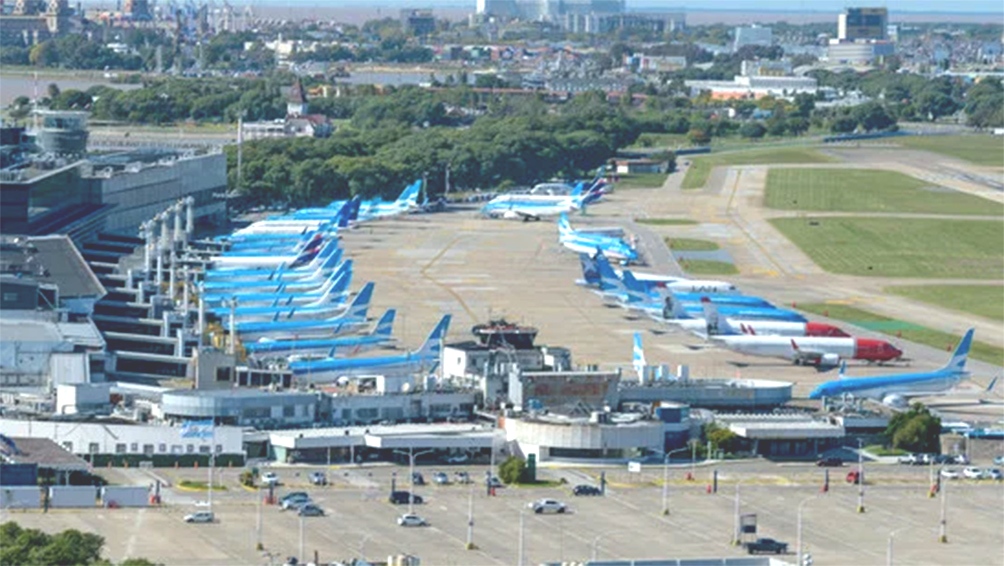
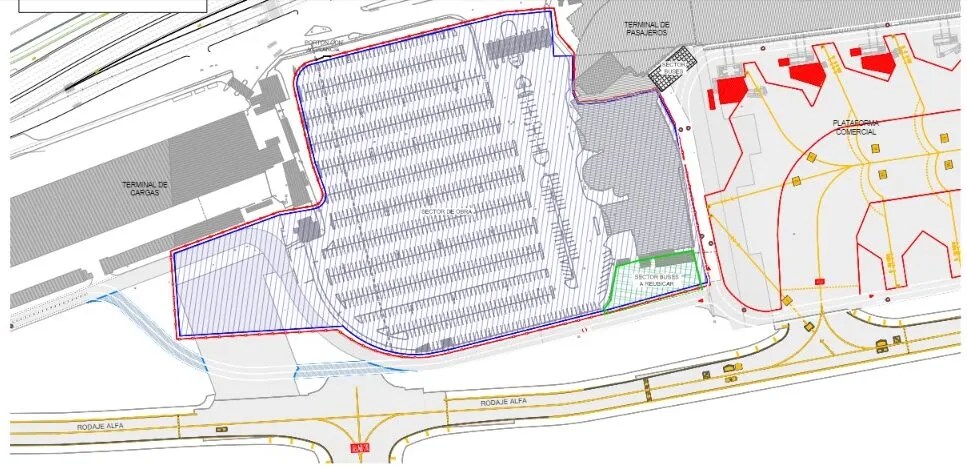
Se ha llamado a licitación pública para las obras en el área de Plataforma Norte, que incluyen balizamiento de la plataforma nueva, ampliación de la Terminal Internacional, que implicaría la demolición parcial de la Terminal de Carga actual, ampliar el relleno costero del Río de la Plata y el reposicionamiento de la Avenida Costanera. La licitación tiene un costo de AR$ 1.696.897.894,90 Pesos/US$ 12.475.355,76 Dólares.
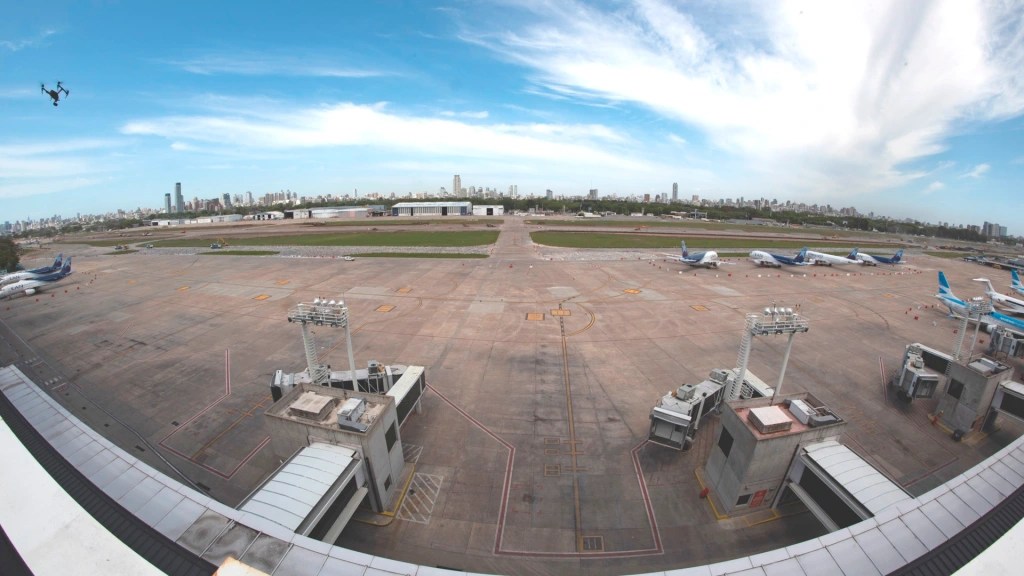
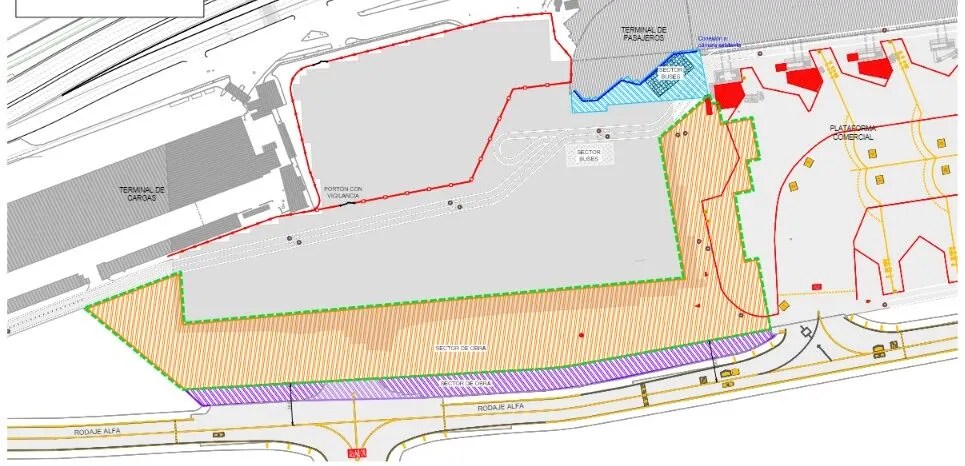
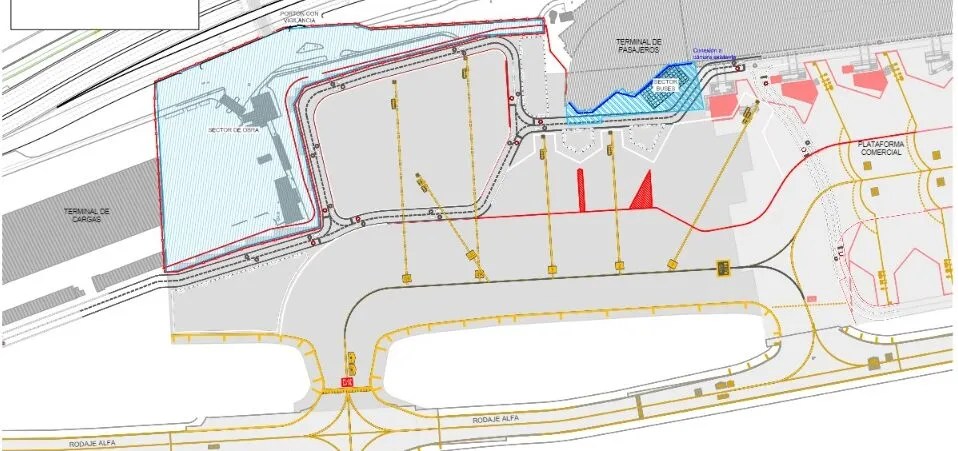
El proyecto de mejoras y ampliación busca como objetivo la construcción de una nueva plataforma con capacidad para dos aeronaves Clase E (widebody) o cuatro de Clase C (narrowbody), más dos posiciones adicionales que reemplazarían las actuales posiciones 1 y 2 de Aeroparque. La Plataforma Norte se realizará con pavimento rígido, conformado en tres sectores: Plataforma de Rodaje, conexión Rosaje Fortrot y área de posicionamiento de aeronaves del tren de proa y sector vehicular. Estos sectores se encuentran divididos para establecer diferentes pesos para la resistencia de las aeronaves y vehículos.
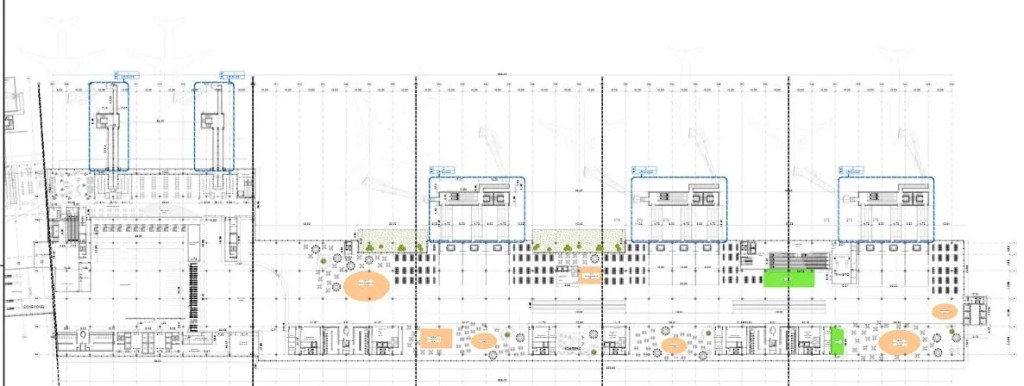
La asignación de una segunda etapa para la nueva Terminal Internacional contará con pasarela telescópica (mangas) para el arribo de vuelos provenientes del exterior (regionales). Para las obras se requerirá la intervención del área de pastizales para la cobertura con hormigón, la demolición del cerco perimetral, demolición de la vieja Terminal C, Torre de Control antigua, parte de la Terminal de Cargas. Estas obras se complementarán con la readecuación de la Plataforma Sur, que permitirá mayor comodidad y seguridad entre la Calle de Rodaje y las posiciones de aeronaves.
Las obras se iniciarán en Enero de 2023 en dos etapas con fecha de finalización para Agosto 2023 con la culminación de las obras de la nueva Plataforma Norte, mientras la nueva terminal se realizará en un plazo futuro. La Etapa 1A, actualmente en desarrollo comprende la demolición de la Terminal C y la vieja Torre de Control/TWR, mientras que se modificará el sector de buses, la calle de servicio aeroportuario, el estacionamiento norte. La Etapa 1B constituirá la pavimentación de las posiciones actuales de aeronaves 1, 2 y 3. Se modificará la franja del rodaje ALFA. El rodaje MIKE no se verá afectado en las obras de ampliación. Tras la finalización de la Etapa 1B, la plataforma se habilitará para su operación con una nueva plataforma con dos nuevas posiciones para aeronaves de fuselaje angosto o una de fuselaje ancho que corresponderán a las posiciones 31A y 31B, la reubicación de las posiciones 1, 2 y temporalmente la posición 3 para aeronave de fuselaje ancho. La Etapa 2 y la Etapa Final, corresponde a la demolición parcial de la Terminal B para reubicar las posiciones 1 y 2. También se finalizarán las obras de la nueva Plataforma Norte con las nuevas posiciones 32A y 32B.
Argentina airport modernization
Modernization of nine airports in Argentina advances Tender works for the expansion of North Platform Jorge Newbery
The Ministry of Transport of the Argentine Republic continues to modernize the airports of the national system: Bariloche, Esquel, La Rioja, Ezeiza, San Juan, San Salvador de Jujuy, Santa Rosa, Posadas and Ushuaia. Based on the execution of works and implementation of improvements to the air traffic surveillance system, the Air Transport Modernization Plan advances throughout the country. The works in different airports of the national system are advancing, within the framework of the Air Transport Modernization Plan of the Ministry of Transport, in charge of Alexis Guerrera.
In this way, the Regulatory Body of the National Airport System (ORSNA), under the presidency of Carlos Lugones Aignasse, together with Aeropuertos Argentina 2000 (AA2000), are in charge of the projects that are being executed at the airports of Bariloche, Esquel , La Rioja, Ezeiza, San Salvador de Jujuy and San Juan. In addition, the Argentine Air Navigation Company (EANA), in charge of Gabriela Logatto, executes actions for the modernization of the Air Traffic Surveillance System, currently also highlighting new implementations in the modernization of the technological infrastructure in the airports of Santa Rosa, Inns and Ushuaia. The Minister of Transport, Alexis Guerrera, assured: “We are reactivating works to strengthen the commercial air system with a federal perspective, improving the infrastructure of our airports and equipping them with the latest technology to better connect the provinces by air and improve operational safety. Public works are a great driver of the economy and with these works, in addition to improving air connectivity, we are bringing investment, development and employment to the Argentine provinces”.
Works for airports
At the Ezeiza International Airport/EZE, with an investment of more than one billion pesos, the works of the new taxiway to Header 35 are advancing. They will allow the operational capacity of runway 17-35 to be increased by 105%, exceeding by 16 .6% the current capacity of the main runway, and also avoiding the closure of operations due to routine maintenance works or other operational contingencies. Progress is also being made in the construction of the new air control tower, whose project had been abandoned in August 2019 by the previous administration. The work, carried out by the Undersecretary of Administrative Management of the Ministry of Transportation, consists of an area control center building, and also the renovation of the accesses and the parking sector. With this work, which is more than 65% complete, operational safety will be increased by being able to view both from the Ricchieri motorway access and from the entire air terminal.
At the Bariloche/BRC Airport, with an execution of 90%, the works of the last stage of the expansion and modernization of the passenger terminal continue. The project includes the expansion and modernization of the building infrastructure, the renovation of the public departure hall and expansion of the boarding area with two new positions, 24 new check-in stations, a new baggage system, a new check-in hall security, the renovation of operational offices and health centers, the construction of two new boarding bridges and the commissioning of two new telescopic sleeves, bringing the total to 3. In addition, the offer of commercial, gastronomic and VIP lounges is renewed. The call for tenders for the work of the operating platform will be coming out soon.
At the La Rioja/IRJ Airport, works were also resumed at the Cuyo airport. A new passenger terminal and a new vehicle parking lot are under construction. It is 2,400 square meters on a single level, which includes a central area of the hall, 6 check-in stations, pre-boarding rooms with their respective controls, a baggage reclaim room and a new parking lot for 200 vehicles whose works will be found by averaging the run.
At the Esquel/EQS Airport, construction work began on a new 4,200 m² passenger terminal and a new control tower with an investment of more than AR$ 1,800 million pesos, generating more than 150 jobs. The project also contemplates a new vehicle entry point and complementary buildings for technical rooms and offices.
A new call for bids was made for the continuation of the work on the passenger terminal at the San Juan/UAQ Airport. It is a new total covered area of 5,000 m², distributed on two levels, with the addition of two new fixed bridges with their corresponding sleeves, which will result in a significant qualitative leap considering that during the summer season temperatures in the platform reach extreme values with a direct impact on the operation, improving accessibility. The work will generate 180 direct jobs and 450 indirect jobs and will incorporate the best technology and the services necessary to provide the highest efficiency to users and passengers.
The San Salvador de Jujuy/JUJ Airport works are 90% complete. They consist of a new control tower whose main objective is to improve operating conditions, visibility, safety and comfort, while at the same time constituting a new icon of visual appeal in the terminal as a whole, since it will be located as a separate building from the new terminal, located on the edge of the platform, unlike the existing tower. All the aforementioned works are financed with funds from the National State, through the Trust for the Strengthening of the National Airport System.
SNA Modernization
In the Air Transport Modernization Plan, the EANA S.E. led by Gabriela Logatto, has installed and is about to put into service a new Instrument Landing System (ILS) at the Santa Rosa/RSA Airport, Province of La Pampa. This technological replacement increases the predictability of operations thanks to the greater availability and continuity of service provided by the new equipment. In addition to the new equipment in the Santa Rosa air terminal, the company dependent on the Ministry of Transportation included during this year the complete renovation of the ILS systems in the Jorge Newbery Airport and the airports of Córdoba, Posadas, Resistencia and Corrientes.
In the coming months, the replacement of these navaids will continue at the Ushuaia/USH, Bariloche/BRC and Esquel/EQS airports, which means a technological advance with which predictability in the operation is achieved, ensuring availability and reliability rates. higher than the current ones, in addition to guaranteeing the continuity of the service.
In addition, the call for public tenders has been made for the comprehensive renovation works of the Control Tower (TWR) and the new operational building of the Posadas/PSS Airport. This is the comprehensive renovation of the Control Tower and the new EANA S.E. operating building, which aims to provide a better aviation security service to all passengers.
Aeroparque works tender
A public tender has been called for the works in the North Platform area, which include beaconing of the new platform, expansion of the International Terminal, which would imply the partial demolition of the current Cargo Terminal, expansion of the coastal landfill of the Río de la Plata and the repositioning of Avenida Costanera. The tender has a cost of AR$ 1,696,897,894.90 Pesos/US$ 12,475,355.76 Dollars.
The objective of the improvement and expansion project is to build a new platform with capacity for two Class E (widebody) or four Class C (narrowbody) aircraft, plus two additional positions that would replace the current positions 1 and 2 of Aeroparque. The North Platform will be made with rigid pavement, made up of three sectors: Taxiway, Rosaje Fortrot connection and aircraft positioning area of the nose gear and vehicle sector. These sectors are divided to establish different weights for the resistance of aircraft and vehicles.
The allocation of a second stage for the new International Terminal will have a telescopic gangway (sleeves) for the arrival of flights from abroad (regional). The works will require the intervention of the pasture area for concrete coverage, the demolition of the perimeter fence, demolition of the old Terminal C, old Control Tower, part of the Cargo Terminal. These works will be complemented by the readjustment of the South Platform, which will allow greater comfort and safety between the Taxiway and the aircraft positions.
The works will begin in January 2023 in two stages with a completion date for August 2023 with the completion of the works on the new North Platform, while the new terminal will be built in the future. Stage 1A, currently under development, includes the demolition of Terminal C and the old Control Tower/TWR, while the bus sector, the airport service road, and the north parking lot will be modified. Stage 1B will constitute the paving of the current positions of aircraft 1, 2 and 3. The ALFA taxi strip will be modified. The MIKE shoot will not be affected by the expansion works. After the completion of Stage 1B, the platform will be enabled for operation with a new platform with two new positions for narrow-body aircraft or one for wide-body aircraft that will correspond to positions 31A and 31B, the relocation of positions 1, 2 and temporarily position 3 for wide-body aircraft. Stage 2 and the Final Stage correspond to the partial demolition of Terminal B to relocate positions 1 and 2. The works of the new North Platform will also be completed with the new positions 32A and 32B.
PUBLISHER: Airgways.com DBk: Aa2000.com.ar / Argentina.gob.ar / Airgways.com AW-POST: 202208221213AR OWNERSHIP: Airgways Inc. A\W A I R G W A Y S ®
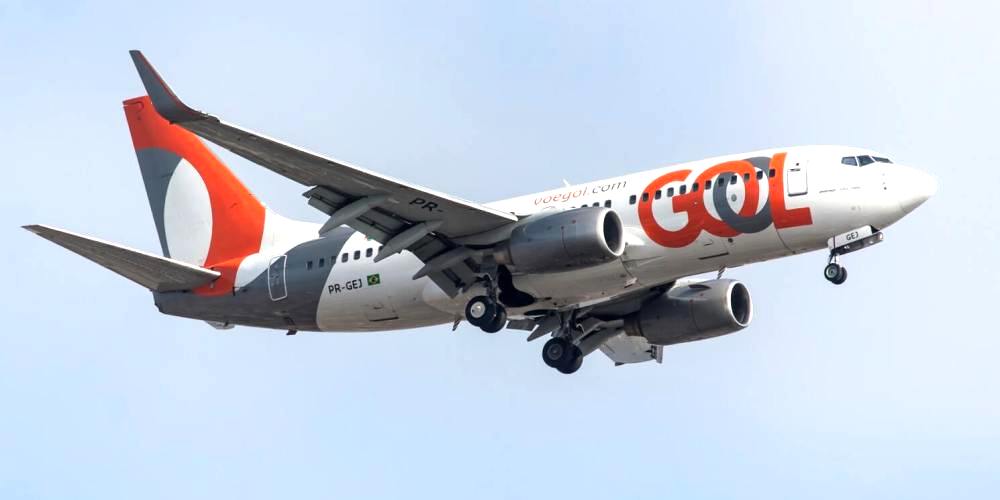
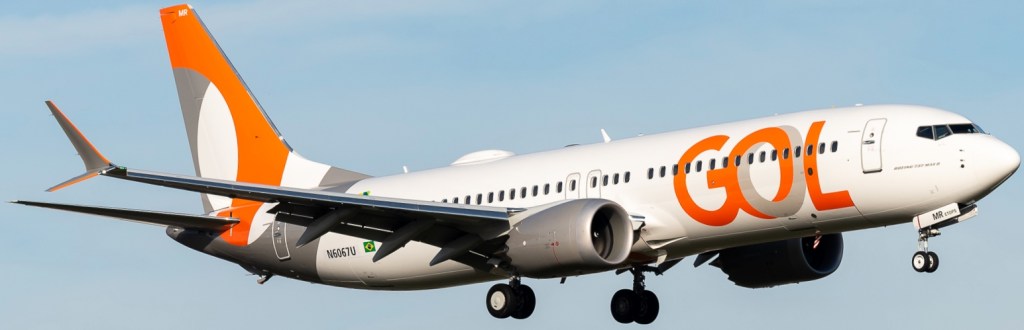
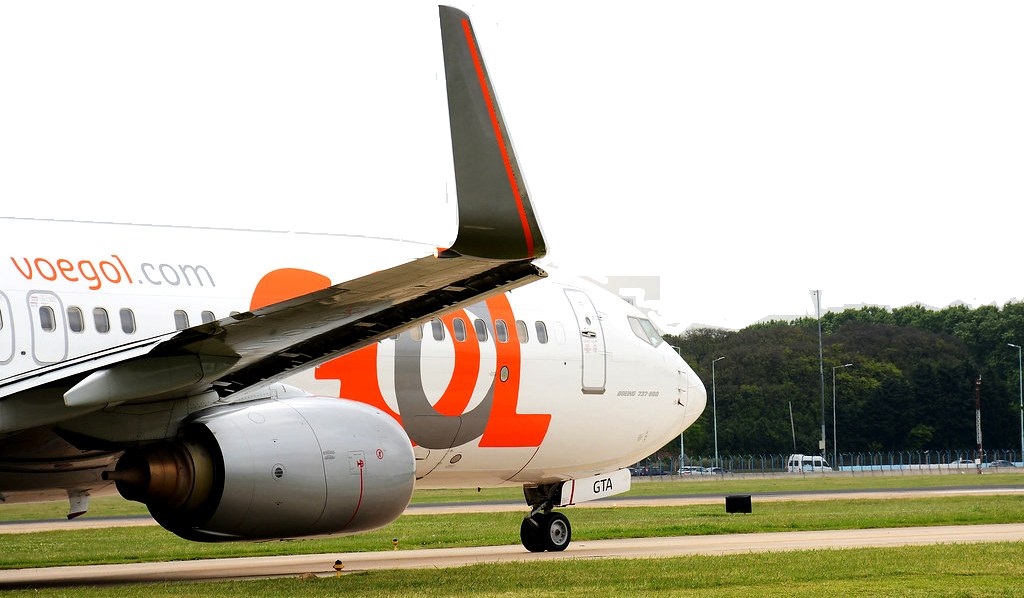
GOL Linhas Aéreas ha anunciado el restablecimiento del vuelo Fortaleza/FOR—Buenos Aires/AEP a partir del Sábado 20 de Agosto de 2022. La ruta directa había sido suspendida por la crisis sanitaria mundial. Será el primer vuelo de esta nueva etapa en la que unirá el noreste de Brasil con la capital argentina. El aumento de frecuencias colabora con la recuperación del turismo receptivo de nuestro país.
El Instituto Nacional de Promoción Turística recibirá a los pasajeros del primer vuelo que aterrizará en el Aeropuerto Buenos Aires/Jorge Newbery/AEP. El Secretario Ejecutivo del INPROTUR, Ricardo Sosa, destacó sobre este vuelo: “Es una buena noticia que GOL retome rutas perdidas por la pandemia. Venimos en diálogo constante con ellos para incentivarlos a que puedan incrementar sus frecuencias y sus rutas. Cada vuelo recuperado o iniciado, es un paso más para el objetivo que tenemos de recuperar el turismo receptivo y es más destacable porque Brasil es nuestro principal mercado emisor de turistas”.
Además, Ricardo Sosa habló sobre el progreso de los arribos de turistas extranjeros: “En Julio Brasil también midió muy bien: contamos con el 63% de turistas en comparación al mismo mes de 2019, en la prepandemia. Teniendo en cuenta que la OMT calcula que recién a fin de año 2022 el turismo se recupere entre el 50% y el 60%, tener el 63% habla de que estamos por encima de lo estimado y que en los últimos cuatro meses también mantuvo números superiores al 55%. Que las aerolíneas piensen en retomar sus rutas y frecuencias habla de que existe una gran avidez por parte del turista brasilero en venir a la Argentina”.
El vuelo será operado en principio una vez por semana, todos los sábados y tendrá una capacidad de 176 pasajeros, de los cuales 156 son Economy y 20 son Gold Premium. Además, GOL Linhas Aéreas sumará en Diciembre 2022 más rutas aéreas desde Natal, Maceió, Recife y Salvador.
GOL reestablishes Fortaleza—Buenos Aires
GOL restarts flights Fortaleza—Buenos Aires
GOL Linhas Aéreas has announced the reestablishment of the Fortaleza/FOR—Buenos Aires/AEP flight starting on Saturday, August 20, 2022. The direct route had been suspended due to the global health crisis. It will be the first flight of this new stage in which it will connect the northeast of Brazil with the Argentine capital. The increase in frequencies collaborates with the recovery of receptive tourism in our country.
The National Institute for Tourism Promotion will receive the passengers of the first flight that will land at the Buenos Aires/Jorge Newbery/AEP Airport. The Executive Secretary of INPROTUR, Ricardo Sosa, highlighted this flight: “It is good news that GOL is resuming routes lost due to the pandemic. We are in constant dialogue with them to encourage them to increase their frequencies and routes. Each flight recovered or started is one more step towards the objective we have of recovering receptive tourism and it is more remarkable because Brazil is our main source market for tourists”.
In addition, Ricardo Sosa spoke about the progress of foreign tourist arrivals: “In July, Brazil also measured very well: we have 63% of tourists compared to the same month of 2019, in the pre-pandemic. Bearing in mind that the UNWTO calculates that tourism will only recover between 50% and 60% by the end of the year 2022, having 63% speaks to the fact that we are above the estimate and that in the last four months it also maintained numbers greater than 55%. That the airlines think about resuming their routes and frequencies speaks of the great avidity on the part of the Brazilian tourist to come to Argentina”.
The flight will initially operate once a week, every Saturday and will have a capacity of 176 passengers, of which 156 are economy and 20 are gold premium. In addition, GOL Linhas Aéreas will add in December 2022 more air routes from Natal, Maceió, Recife and Salvador.
GOL restabelece Fortaleza—Buenos Aires
GOL reinicia vôos Fortaleza-Buenos Aires
A GOL Linhas Aéreas anunciou o restabelecimento do vôo Fortaleza/FOR—Buenos Aires/AEP a partir de sábado, 20 de agosto de 2022. A rota direta foi suspensa devido à crise sanitária global. Será o primeiro voo desta nova etapa em que ligará o nordeste do Brasil com a capital argentina. O aumento das frequências colabora com a recuperação do turismo receptivo em nosso país.
O Instituto Nacional de Promoção Turística receberá os passageiros do primeiro voo que aterrissará no Aeroporto de Buenos Aires/Jorge Newbery/AEP. O Secretário-executivo do INPROTUR, Ricardo Sosa, destacou este vôo: “É uma boa notícia que a GOL está retomando rotas perdidas por conta da pandemia. Estamos em constante diálogo com eles para incentivá-los a aumentar suas frequências e rotas. Cada voo recuperado ou iniciado é mais um passo em direção ao objetivo que temos de recuperar o turismo receptivo e é mais notável porque o Brasil é nosso principal mercado emissor de turistas”.
Além disso, Ricardo Sosa falou sobre o andamento das chegadas de turistas estrangeiros: “Em Julho, o Brasil também mediu muito bem: temos 63% de turistas em relação ao mesmo mês de 2019, na pré-pandemia. Tendo em conta que a OMT calcula que o turismo só irá recuperar entre 50% e 60% até ao final do ano de 2022, tendo 63% mostra que estamos acima da estimativa e que nos últimos quatro meses também manteve números superiores a 55 %. Que as companhias aéreas pensem em retomar suas rotas e frequências fala da grande avidez por parte do turista brasileiro de vir à Argentina”.
O vôo operará inicialmente uma vez por semana, todos os Sábados, e terá capacidade para 176 passageiros, sendo 156 Economy e 20 Gold Premium. Além disso, a GOL Linheas Aéreas adicionará em Dezembro de 2022 mais rotas aéreas de Natal, Maceió, Recife e Salvador.
PUBLISHER: Airgways.com DBk: Voegol.com.br / Airgways.com AW-POST: 202208220942AR OWNERSHIP: Airgways Inc. A\W A I R G W A Y S ®
Boeing está listo para reanudar entregas del 737 MAX en China
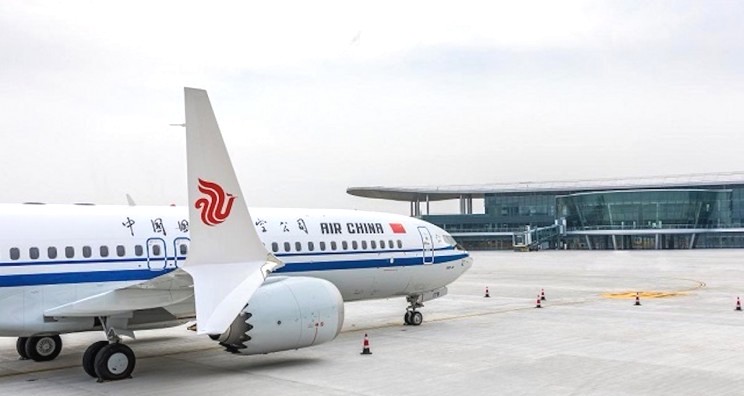
La Presidenta de Boeing China, Sherry Carbary, dijo que la planta de Zhoushan está «lista para la reanudación de la entrega del 737 MAX en China», según un informe publicado en la página WeChat de Boeing China a principios de esta semana. El informe forma parte de una serie de características promocionales planeadas por Boeing China para conmemorar el 50 aniversario de su entrada en el mercado chino. Sin embargo, no hay duda de que a Boeing le gustaría celebrar este 50 aniversario con la reanudación de la entrega y las operaciones del Boeing 737 MAX en China.
En Diciembre de 2021, la Civil Aviation Administration of China (CAAC) emitió una Directiva de Aeronavegabilidad (AD), confirmando que las medidas de mitigación relevantes de Boeing erradicarían el estado inseguro causado por el MCAS. Esta directiva supera un obstáculo regulatorio para el regreso del 737 MAX al servicio en China.
Boeing se enfrenta ahora quizás a su situación más desafiante desde que entró en el mercado chino hace medio siglo. Está mirando el barril de estancamiento de pedidos de las aerolíneas chinas, cientos de aviones nuevos que no puede entregar a los clientes chinos y una planta en Zhoushan que no ha estado activamente funcional durante más de tres años.
Planta Zhoushan
La planta de Zhoushan ha sido la primera vez que Boeing decide ubicar parte de su proceso de producción y entrega de aviones fuera del territorio estadounidense desde su fundación hace más de un siglo. El nombre oficial de la planta china de Boeing es Boeing Zhoushan 737 Completion and Delivery Center. El centro de finalización es la empresa conjunta de Boeing y COMAC, mientras que el centro de entrega sigue siendo propiedad total de Boeing.
La planta de Zhoushan comenzó a construirse en 2017. A finales de 2018, se entregó un 737 MAX (B-1178) a Air China, que fue la primera entrega desde la planta. La capacidad de entrega de la planta de Zhoushan fue diseñada para acomodar 100 aviones al año, según Victoria Wilk, Gerente General del Centro de Entrega de Zhoushan. Sin embargo, después de dos accidentes fatales, China se convirtió en el primer país del mundo en dejar en tierra el 737 MAX en Marzo de 2019. La prohibición aún no se ha levantado, dejando casi 100 737 MAX entregados almacenados en aeropuertos chinos remotos y más de cien (100) nuevos MAX esperando ser entregados a clientes chinos. He Guoquan, Director de Administración del Centro de Finalización de Zhoushan, comentó: «El Centro de Finalización y Entrega de Zhoushan se puso en funcionamiento en 2018, y entregamos dos aviones a fines de 2018 y principios de 2019. Desde que el 737 MAX fue puesto en tierra, la fábrica de Zhoushan ha suspendido la finalización y entrega real de la aeronave. Durante este tiempo, nuestro trabajo principal es construir el sistema y mejorar la capacidad de todos los empleados».
Una serie de señales indican una próxima reanudación de las operaciones del Boeing 737 MAX. El Sábado, 20/08, Xiamen Airlines transportó uno de sus 737 MAX registro B-1288 desde Yinchuan a su base, el Aeropuerto Internacional de Xiamen Gaoqi/XMN. Toda la alta dirección de Xiamen Airlines estaba en el aeropuerto para darle la bienvenida a casa. En Enero 2022, Hainan Airlines destapó uno de sus 737 MAX y lo transportó de regreso a su base en el Aeropuerto Internacional haikou Meilan. China Southern también realizó pruebas de vuelo experimentales para su 737 MAX, que implementó los requisitos exigidos por el derivado de aeronavegabilidad en el mismo mes. Air China realizó la prueba de vuelo a finales de Febrero 2022.
Boeing China ready for 737 MAX deliveries
Boeing is ready to resume deliveries of the 737 MAX in China
Boeing China President Sherry Carbary said the Zhoushan plant is «ready for resumption of 737 MAX delivery in China», according to a report posted on Boeing China’s WeChat page earlier this week. The report is part of a series of promotional features planned by Boeing China to mark the 50th anniversary of its entry into the Chinese market. However, there is no doubt that Boeing would like to celebrate this 50th anniversary by resuming delivery and operations of the Boeing 737 MAX in China.
In December 2021, the Civil Aviation Administration of China (CAAC) issued an Airworthiness Directive (AD), confirming that Boeing’s relevant mitigation measures would eradicate the unsafe state caused by MCAS. This directive overcomes a regulatory hurdle to the return of the 737 MAX to service in China.
Boeing now faces perhaps its most challenging situation since entering the Chinese market half a century ago. It’s looking at the stagnant barrel of orders from Chinese airlines, hundreds of new planes it can’t deliver to Chinese customers, and a plant in Zhoushan that hasn’t been actively functional for more than three years.
Boeing Zhoushan Plant
The Zhoushan plant marks the first time Boeing has decided to locate part of its aircraft production and delivery process outside the United States since its founding more than a century ago. The official name of the Chinese plant of Boeing is Boeing Zhoushan 737 Completion and Delivery Center. The completion center is the joint venture of Boeing and COMAC, while the delivery center remains wholly owned by Boeing.
The Zhoushan plant started construction in 2017. At the end of 2018, a 737 MAX (B-1178) was delivered to Air China, which was the first delivery from the plant. The Zhoushan plant’s delivery capacity was designed to accommodate 100 aircraft a year, according to Victoria Wilk, General Manager of the Zhoushan Delivery Center. However, after two fatal accidents, China became the first country in the world to ground the 737 MAX in March 2019. The ban has yet to be lifted, leaving nearly 100 delivered 737 MAXs in storage at remote Chinese airports and over one hundred (100) new MAXs waiting to be delivered to Chinese customers. He Guoquan, Managing Director of Zhoushan Completion Center, commented, «Zhoushan Completion and Delivery Center was put into operation in 2018, and we delivered two aircraft in late 2018 and early 2019. Since the 737 MAX was grounded, the Zhoushan factory has suspended the actual completion and delivery of the aircraft. During this time, our main job is to build the system and improve the ability of all employees».
A series of signs indicate an upcoming resumption of operations of the Boeing 737 MAX. On Saturday, 08/20, Xiamen Airlines transported one of its 737 MAX registration B-1288 from Yinchuan to its base, Xiamen Gaoqi International Airport/XMN. The entire top management of Xiamen Airlines was at the airport to welcome him home. In January 2022, Hainan Airlines uncovered one of its 737 MAXs and flew it back to its home base at Haikou Meilan International Airport. China Southern also conducted experimental flight tests for its 737 MAX, which implemented the derivative’s airworthiness requirements in the same month. Air China conducted the flight test at the end of February 2022.
波音中國準備交付 737 MAX
波音準備在中國恢復交付 737 MAX
根據本週早些時候在波音中國微信頁面上發布的一份報告,波音中國總裁雪莉卡巴里表示,«舟山工廠“已準備好在中國恢復 737 MAX 的交付”。該報告是波音中國為紀念其進入中國市場 50 週年而策劃的一系列宣傳特輯的一部分。然而,毫無疑問,波音希望通過恢復 737 MAX 在中國的交付和運營來慶祝這個 50 週年。
2021年12月,中國民航局(CAAC)發布適航指令(AD),確認波音的相關緩解措施將根除MCAS造成的不安全狀態。該指令克服了 波音737 MAX 在中國恢復服務的監管障礙。
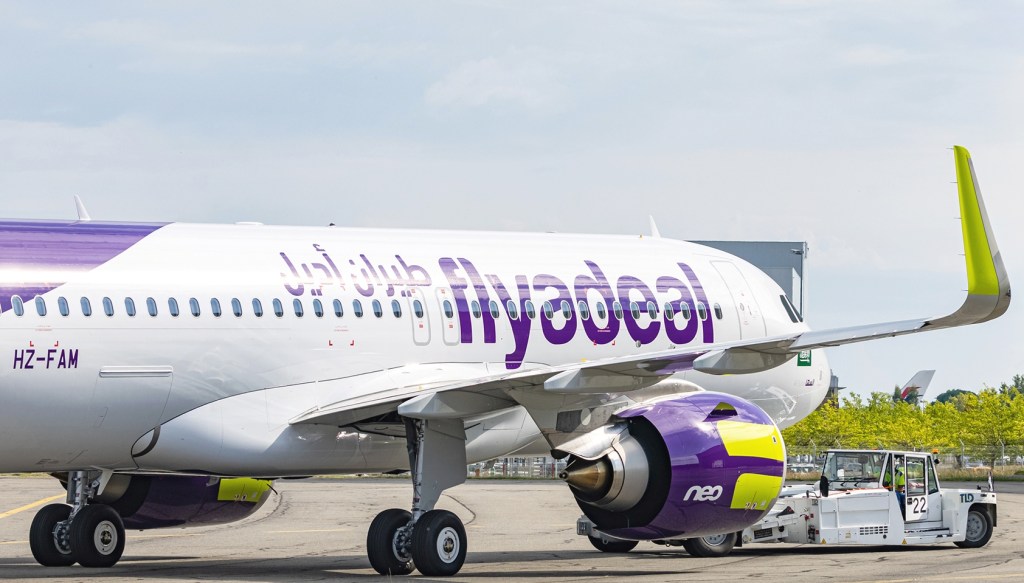
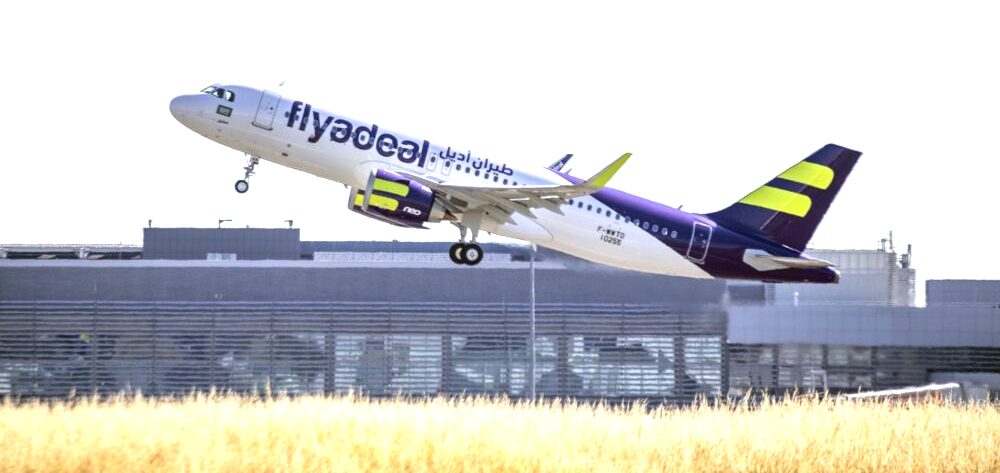
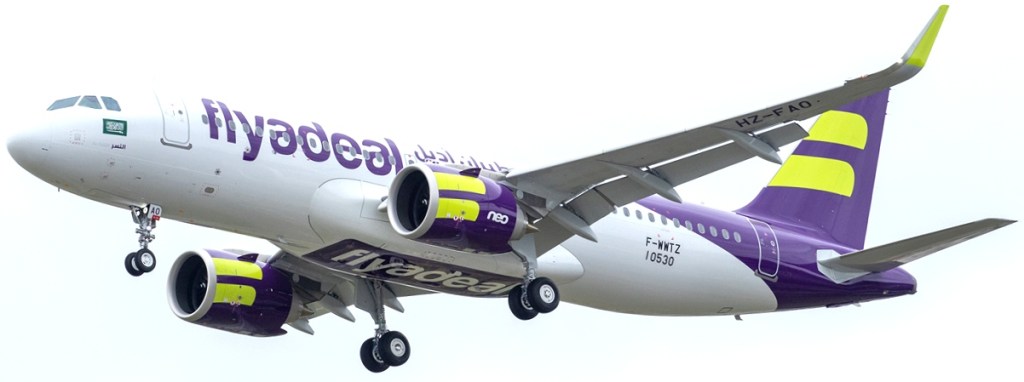
La aerolínea de bajo coste de Arabia Saudita flyadeal ha recibido un nuevo Airbus A320NEO (1), lo que eleva su flota de aviones modernos a veintiséis (26). La flota de la aerolínea consta de A320NEO (15) y A320CEO (11). El nuevo avión llegó al Aeropuerto Internacional Rey Abdulaziz en Jeddah el Sábado 20/08 por la noche.
La compañía está implementando un programa especial para recibir la nueva aeronave, que cubre todos los requisitos y preparativos, y brinda capacitación especializada al personal. El CEO de flyadeal, Con Korfiatis, dijo: «Nos complace recibir nuestro nuevo avión, que lleva el símbolo ‘FAZ’, a nuestra creciente flota, que se espera que alcance a finales del próximo año 32, todos del mismo modelo».
Con Korfiatis señaló que la expansión de la flota contribuirá a aumentar el número de vuelos, proporcionar más asientos y atender a nuevos clientes. Agregó que el nuevo Airbus A320NEO impulsará las operaciones de la compañía para superar la barrera de los 150 vuelos por día por primera vez en la historia de la compañía.
Flyadeal incorporates additional A320NEO
Flyadeal incorporates new A320NEO aircraft
Saudi Arabian low-cost airline flyadeal has taken delivery of a new Airbus A320NEO (1), bringing its fleet of modern aircraft to twenty-six (26). The airline’s fleet consists of A320NEO (15) and A320CEO (11). The new plane arrived at King Abdulaziz International Airport in Jeddah on Saturday 08/20 at night.
The company is implementing a special program to receive the new aircraft, which covers all the requirements and preparations, and provides specialized training to personnel. flyadeal CEO Con Korfiatis said: «We are pleased to welcome our new aircraft, bearing the ‘FAZ’ symbol, to our growing fleet, which is expected to reach 32 by the end of next year, all of the same model».
Con Korfiatis noted that the expansion of the fleet will help increase the number of flights, provide more seats and serve new customers. He added that the new Airbus A320NEO will boost the company’s operations to surpass the 150 flights per day barrier for the first time in the company’s history.
يتضمن Flyadeal طائرة A320NEO إضافية
تضم طيران أديل طائرة A320NEO الجديدة
تسلمت شركة طيران أديل السعودية للطيران منخفض التكلفة طائرة جديدة من طراز إيرباصA320NEO (1) ، مما رفع أسطولها من الطائرات الحديثة إلى ستة وعشرين (26). يتكون أسطول الشركة من A320NEO (15) و A320CEO (11). ووصلت الطائرة الجديدة إلى مطار الملك عبد العزيز الدولي بجدة مساء يوم السبت 20/8 ليلاً.
تقوم الشركة بتنفيذ برنامج خاص لاستقبال الطائرات الجديدة ، والذي يغطي كافة المتطلبات والاستعدادات ، ويوفر التدريب المتخصص للأفراد. وقال كون كورفياتيس ، الرئيس التنفيذي لشركة طيران أديل: «يسعدنا أن نرحب بطائرتنا الجديدة ، التي تحمل رمز FAZ ، في أسطولنا المتنامي ، والذي من المتوقع أن يصل إلى 32 بحلول نهاية العام المقبل ، وجميعها من نفس الطراز».
وأشار كون كورفياتيس إلى أن توسيع الأسطول سيساعد في زيادة عدد الرحلات وتوفير المزيد من المقاعد وخدمة العملاء الجدد. وأضاف أن طائرة إيرباص A320NEO الجديدة ستعزز عمليات الشركة لتتجاوز حاجز 150 رحلة في اليوم لأول مرة في تاريخ الشركة.
PUBLISHER: Airgways.com DBk: Flyadeal.com / Airbus.com / Airgways.com AW-POST: 202208211505AR OWNERSHIP: Airgways Inc. A\W A I R G W A Y S ®
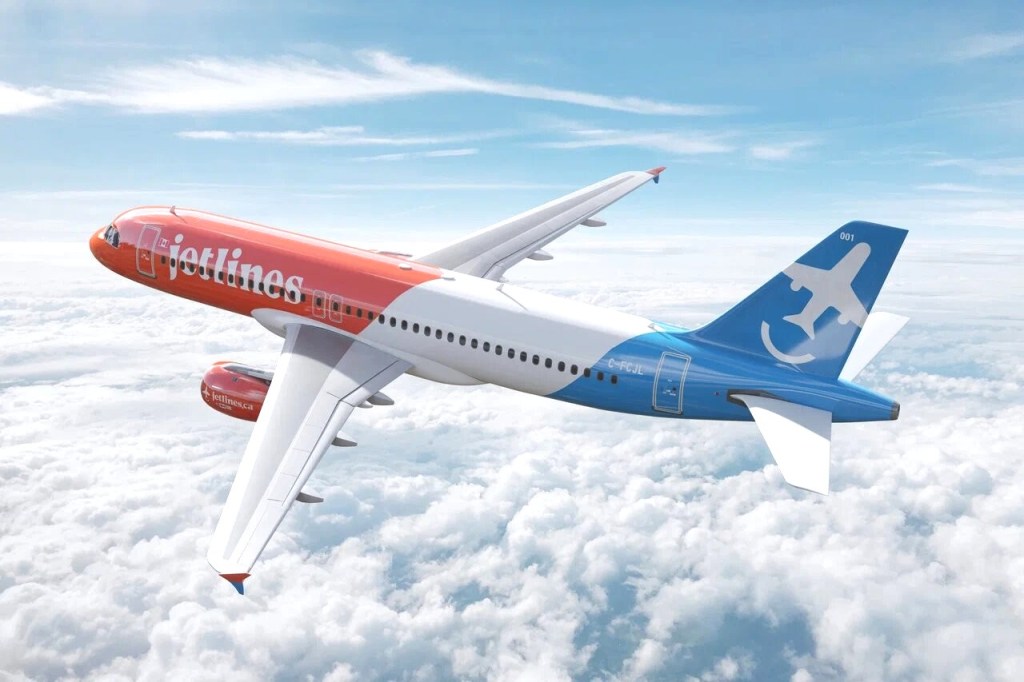
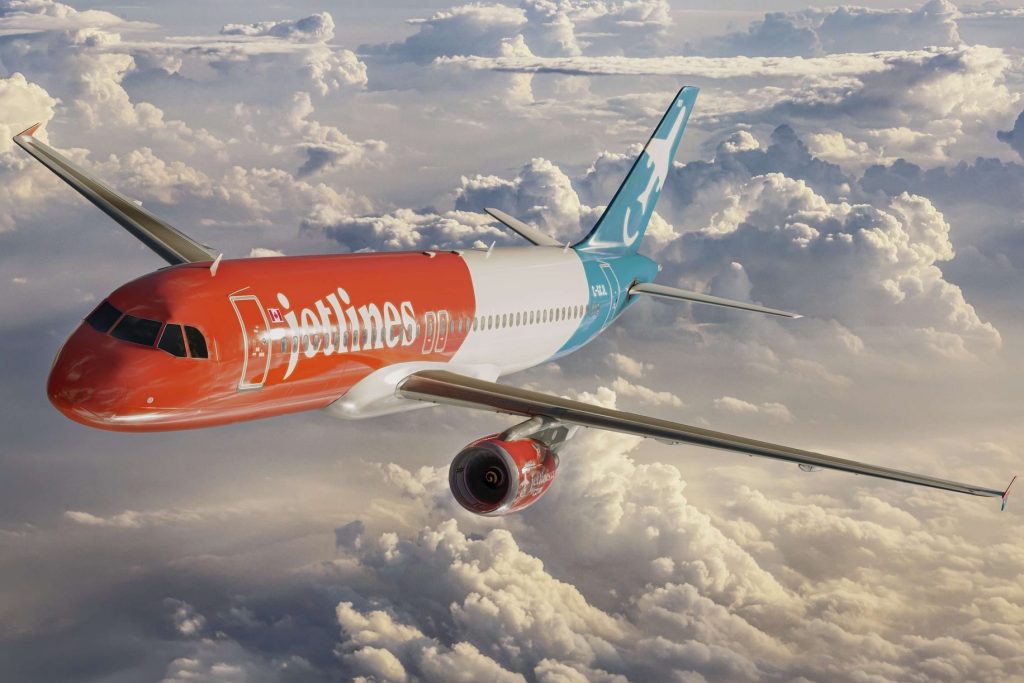
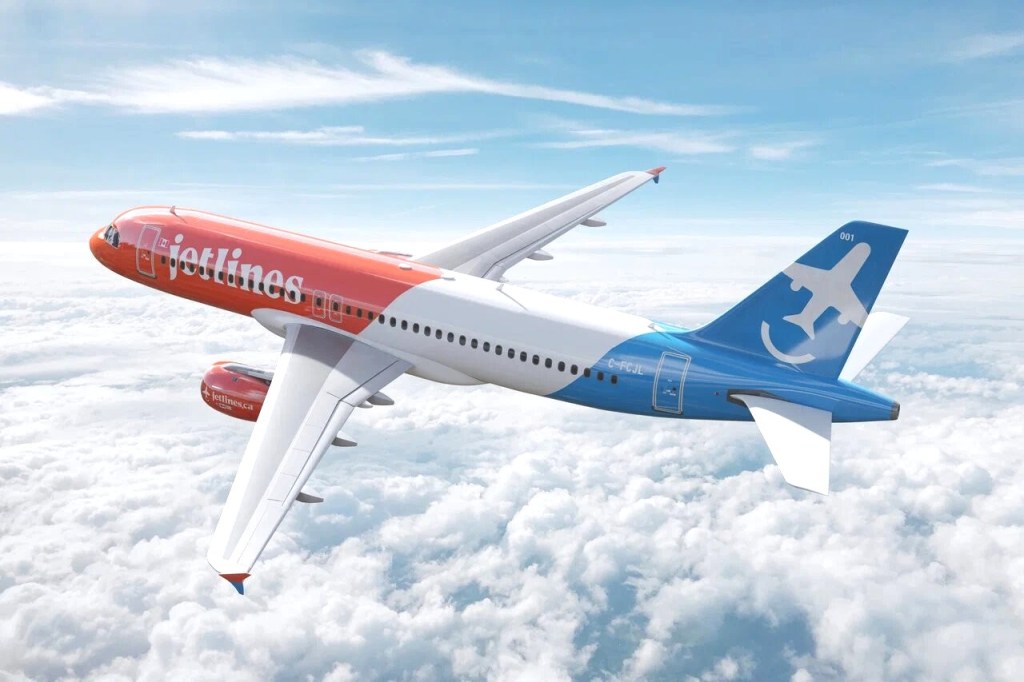
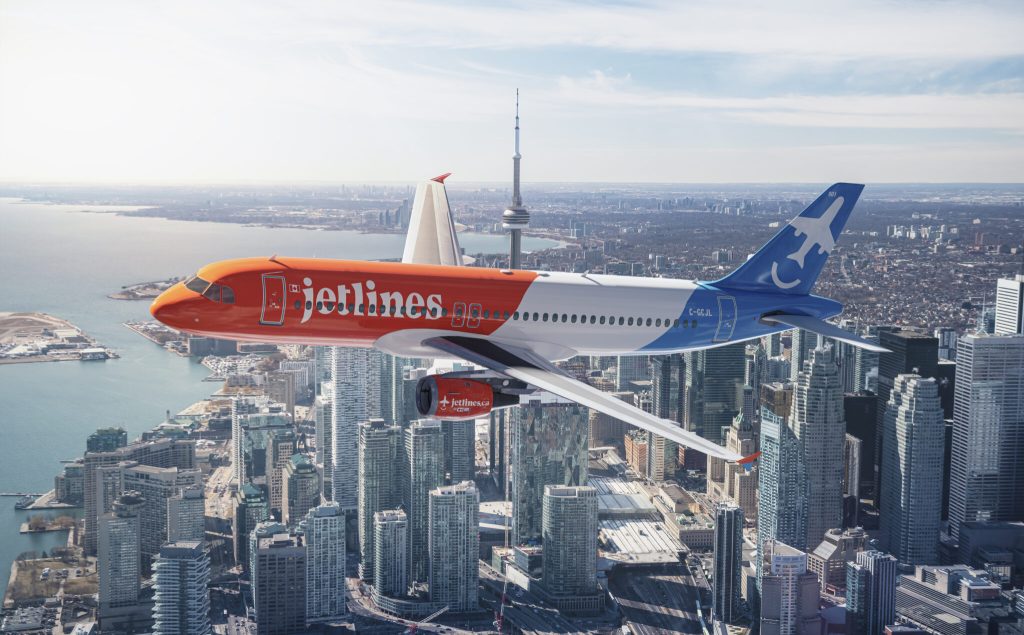
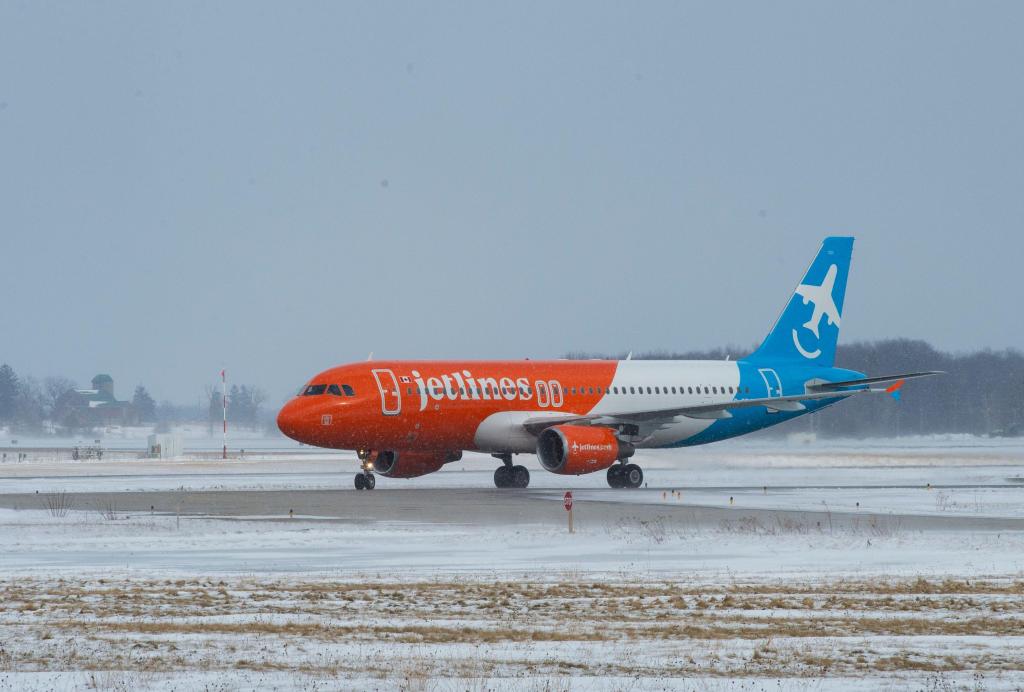
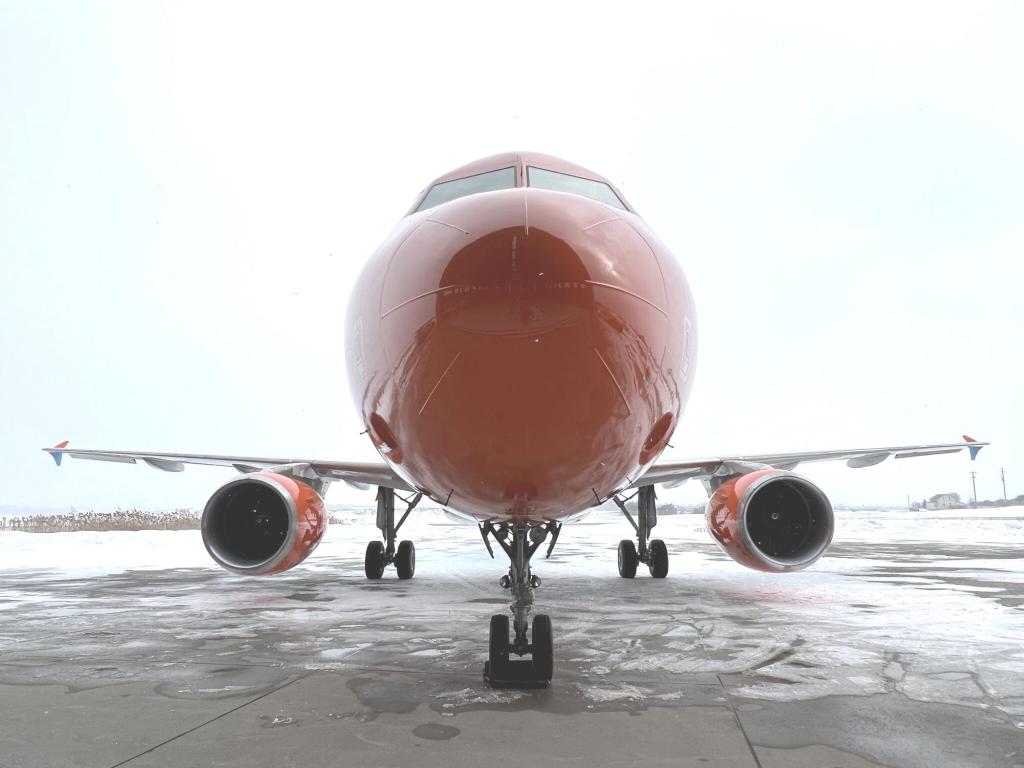
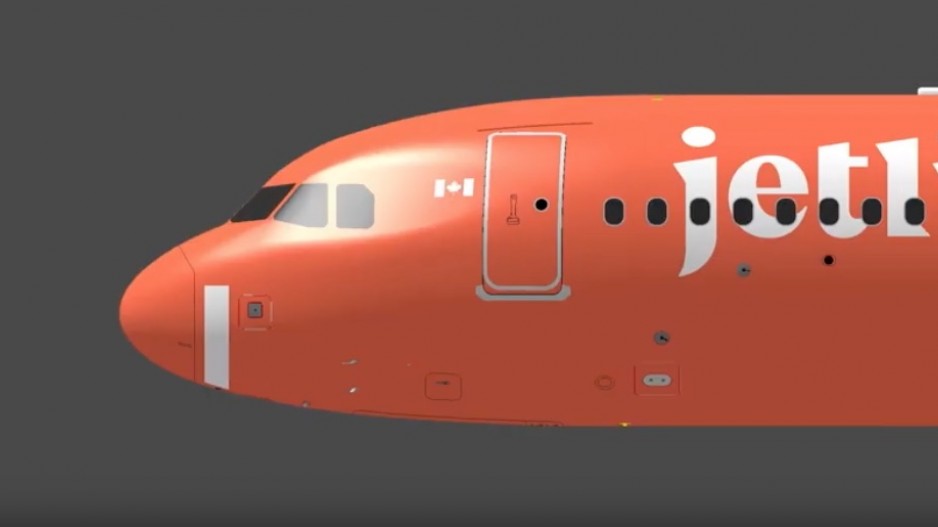
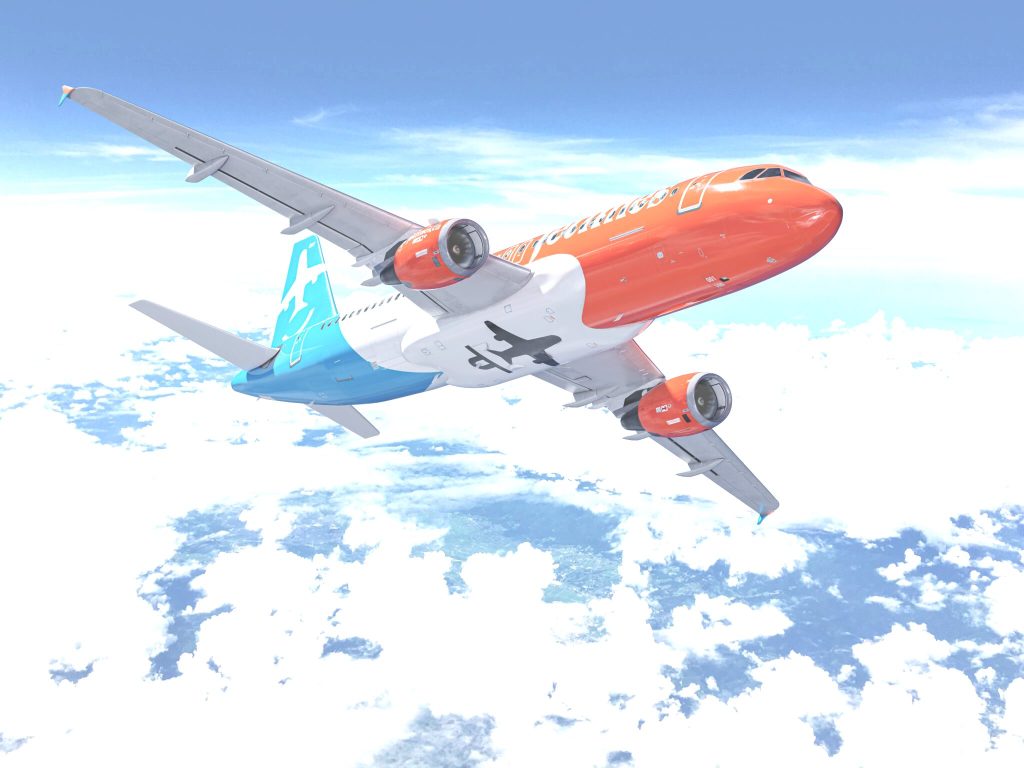
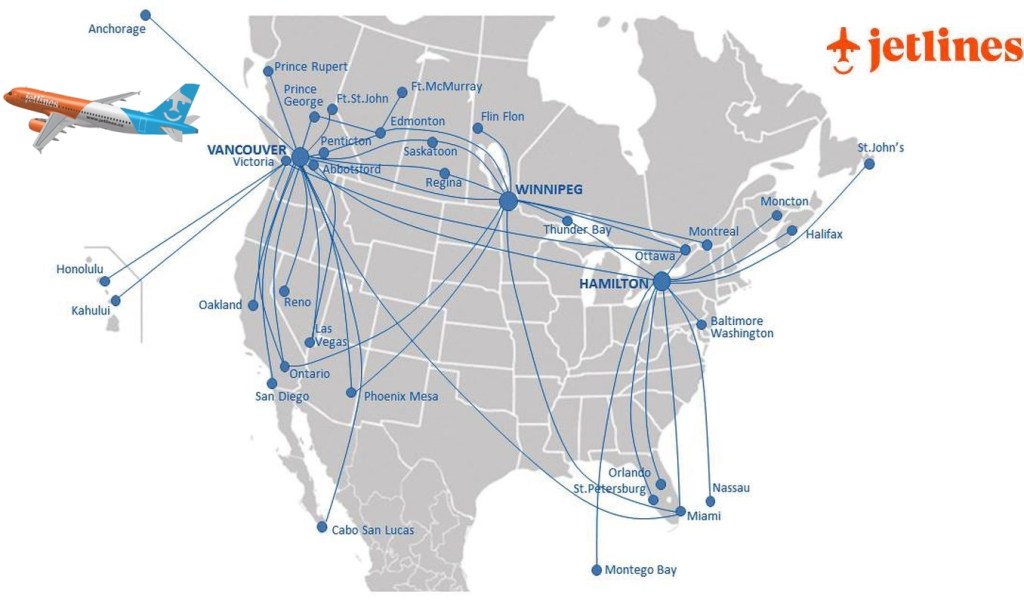
Canada Jetlines parece listo para finalmente lanzar operaciones, casi una década después de que se revelaran por primera vez los planes para la aerolínea de bajo costo. La aerolínea ha recibido su certificado de operación aérea de Transport Canada, lo que le permite iniciar vuelos desde el aeropuerto internacional Toronto Pearson. A principios de Agosto 2022, Jetlines retrasó sus servicios inaugurales de Toronto a Winnipeg y Moncton (New Brunswick) al 29 de Agosto de 2022, mientras esperaba su AOC.
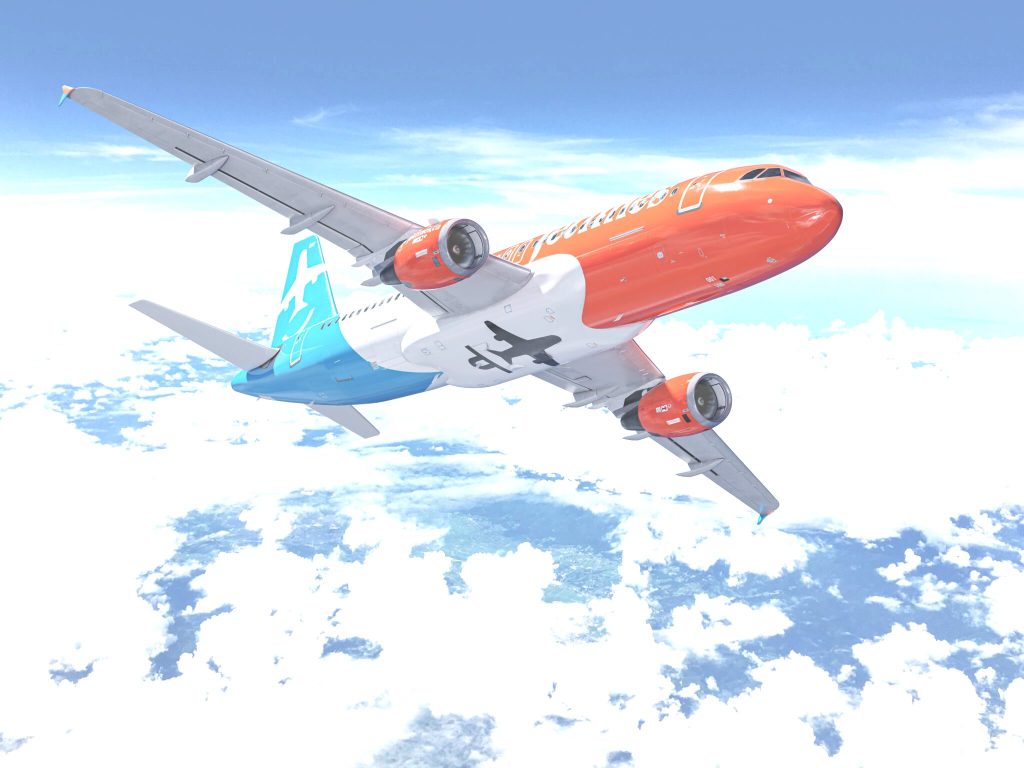
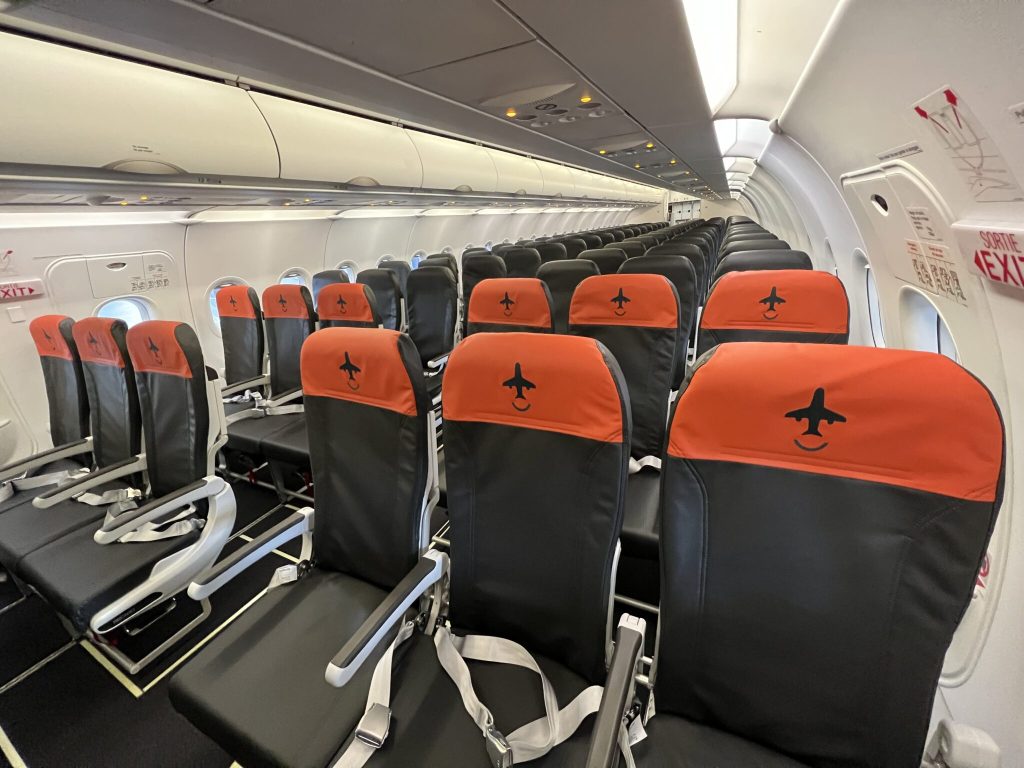
Ahora que esto se ha obtenido, la aerolínea dijo que en breve lanzaría nuevos destinos y actualizaría la programación. La marca Canada Jetlines se lanzó por primera vez en 2013. La aerolínea de nueva creación en 2019, cuando se anunció a sí misma como la primera verdadera aerolínea de ultra bajo costo de Canadá, con planes de ofrecer vuelos a destinos canadienses, estadounidenses, mexicanos y del Caribe. En Junio de 2019, Jetlines dio a conocer lo que llamó un sistema de identidad descarado y rebelde, con una identidad de marca juguetonamente provocativa que incorpora una cara con una sonrisa cómplice, creada utilizando una imagen de un avión.
Eddy Doyle, CEO de Canada Jetlines, dijo: «Todo el equipo de Canada Jetlines está encantado de obtener nuestro AOC después de cumplir con todos los estándares de operación necesarios y pasar todas las inspecciones. Agradecemos a Transport Canada y apreciamos enormemente el incansable esfuerzo y diligencia que realizan para aprobar nuevas aerolíneas. Esperamos con entusiasmo nuestra fecha de lanzamiento, satisfaciendo la creciente demanda de viajes convenientes y de placer en Canadá y más allá y para proporcionar más opciones para explorar el mundo».
Canada Jetlines prepares to take off
Canada Jetlines prepares for inaugural flight
Canada Jetlines appears poised to finally launch operations, nearly a decade after plans for the budget airline were first revealed. The airline has received its air operating certificate from Transport Canada, allowing it to start flights from Toronto Pearson International Airport. In early August 2022, Jetlines delayed its inaugural services from Toronto to Winnipeg and Moncton (New Brunswick) to August 29, 2022, while awaiting its AOC.
Now that this has been obtained, the airline said that it would shortly launch new destinations and update the schedule. The Canada Jetlines brand was first launched in 2013. The airline launched in 2019, when it announced itself as Canada’s first true ultra-low-cost airline, with plans to offer flights to Canadian, American, Mexican destinations. and the Caribbean. In June 2019, Jetlines unveiled what it called a cheeky and rebellious identity system, with a playfully provocative brand identity incorporating a face with a knowing smile, created using an image of an aircraft.
Eddy Doyle, CEO of Canada Jetlines, said, «The entire Canada Jetlines team is delighted to be awarded our AOC after meeting all necessary operating standards and passing all inspections. We are grateful to Transport Canada and greatly appreciate the tireless effort and due diligence they take to approve new airlines. We look forward to our launch date, meeting the growing demand for convenient and leisure travel in Canada and beyond and to provide more options to explore the world».
183248509
PUBLISHER: Airgways.com DBk: Jetlines.ca / Airgways.com AW-POST: 202208210100AR OWNERSHIP: Airgways Inc. A\W A I R G W A Y S ®
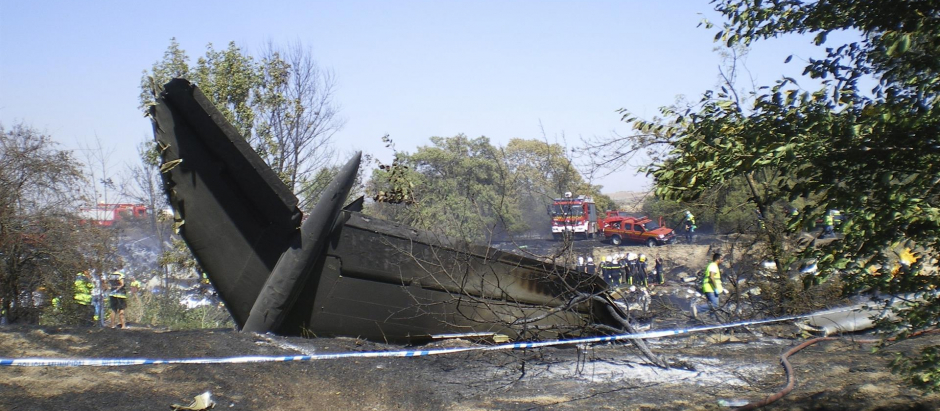
La aerolínea quebró en 2012 y la causa judicial se cerró hace nueve años, pero la Asociación de Afectados del Vuelo JK5022 mantiene su lucha para que se eliminen las fallas en la aviación civil. El Sábado 20 de Agosto de 2022 se cumplen catorce años desde que el vuelo JK5022 de Spanair se estrellara en Barajas en su despegue hacia Gran Canaria, a las 14:24 horas, dejando 154 víctimas mortales y 18 heridos. Como cada año, este 20/08 la Asociación de Afectados del Vuelo JK5022 celebrará actos y ofrendas florales en Madrid y Gran Canaria en recuerdo de las víctimas del accidente, una de las tragedias aéreas más graves ocurridas en España. Hasta la fecha, el peor accidente de la aviación en el país se produjo en el año 1977, cuando dos aviones comerciales chocaron en Los Rodeos (Tenerife Norte), lo que provocó el fallecimiento de 583 personas.
La aerolínea quebró en 2012 y la causa judicial se cerró hace nueve años, pero la Asociación de Afectados del Vuelo JK5022 mantiene su lucha para que se eliminen las fallas en el sistema de aviación civil y para que se reconozcan los derechos de los afectados por accidentes aéreos.
El Pleno del Congreso de los Diputados aprobó en mayo del año pasado el dictamen de la Comisión de Investigación del accidente JK5022 de Spanair, que responsabiliza del fallo sistémico que provocó el accidente a diferentes cargos del Gobierno asociados al Ministerio de Fomento en 2008. Según el documento, se produjeron una «correlación de factores causantes que concluyen en el trágico accidente». En concreto, señala que la compañía Spanair ya sufría por entonces las «serias dificultades económicas», por lo que los técnicos de mantenimiento y los pilotos actuaron presionados por el compromiso de puntualidad, así como por el ERE presentado días antes por la compañía. Además, recoge que la aerolínea habría recibido sin mediar inspección la prórroga del Certificado de Aeronavegabilidad para el avión siniestrado por parte de la Dirección General de la Aviación Civil (DGAC).
Fallaron todas las barreras
Todo ello, sumado al fallo de la alarma TOWS, que no advirtió de la configuración incorrecta, un problema detectado hasta en 72 ocasiones en otros aviones y que Boeing no ha podido o no ha querido acreditar las causas de estos fallos. Asimismo, el dictamen considera que el plan de emergencia de Aena en el Aeropuerto Adolfo Suárez Madrid-Barajas no funcionó correctamente, activándose de manera tardía el día del siniestro. Por ello, señala que en el accidente de Spanair fallaron todas las barreras de seguridad. Entre las recomendaciones, el dictamen plantea la creación de un órgano multimodal de investigación y prevención de accidentes con víctimas múltiples que funcione para todos los medios de transporte, como viene solicitando tanto la asociación como los representantes de pilotos, maquinistas y navegantes.
Nuevas normas
Después de este accidente, que marcó un antes y un después en el ámbito de la seguridad aérea en España, el Parlamento Europeo aprobó en 2010 la obligación de las aerolíneas de facilitar la lista de pasajeros en un máximo de dos horas en caso de siniestro, a petición de España, y la obligatoriedad de un plan de asistencia. Esta reivindicación fue llevada por la asociación a Europa, tras las 30 horas de angustiosa espera por conocer la lista de pasajeros de Spanair. En España, se aprobó en agosto de 2013. Además del Programa Estatal de Seguridad Operacional para la Aviación Civil (PESO), España aprobó en mayo de 2014 el Protocolo de Coordinación para la asistencia a las víctimas de accidentes aéreos y sus familiares, Real Decreto que reconoce la labor de la asociación. También se creó una Red Europea de Autoridades de Investigación sobre la Seguridad de la Aviación Civil y se emitieron hasta 31 recomendaciones a raíz del informe final de la Comisión de Investigación de Accidentes e Incidentes de Aviación Civil (CIAIAC) que incluía un total de 33. España ya está al día con las recomendaciones de la Organización de Aviación Civil Internacional (OACI) tras el accidente de Spanair de 2008.
En cuanto a seguridad, en los años transcurridos desde el accidente, Aena ha invertido € 117 millones de Euros en seguridad en Barajas, nuevo sistema de frenado de emergencia en pistas, nuevo radar de superficie, un cuarto parque de bomberos, nuevo protocolo de comunicación con torre y servicios médicos y mejoras en pavimento y aplanamiento de terrenos y se han realizado 580 simulacros entre totales y parciales.
14th years tragedy JK5022 Spanair
Second most tragic in the history of Spain
The airline went bankrupt in 2012 and the court case was closed nine years ago, but the Association of Those Affected by Flight JK5022 continues its fight to eliminate the flaws in civil aviation. On Saturday, August 20, 2022, fourteen years have passed since Spanair flight JK5022 crashed in Barajas on its takeoff to Gran Canaria, at 2:24 p.m., leaving 154 fatalities and 18 injured. Like every year, this 08/20 the Association of People Affected by Flight JK5022 will hold events and floral offerings in Madrid and Gran Canaria in memory of the victims of the accident, one of the most serious air tragedies that occurred in Spain. To date, the worst aviation accident in the country occurred in 1977, when two commercial planes collided in Los Rodeos (Tenerife North), causing the death of 583 people.
The airline went bankrupt in 2012 and the court case was closed nine years ago, but the Association of People Affected by Flight JK5022 continues its fight to eliminate the flaws in the civil aviation system and to recognize the rights of those affected by accidents aerial.
In May last year, the Plenary Session of the Congress of Deputies approved the opinion of the Spanair JK5022 accident Investigation Commission, which blames different government positions associated with the Ministry of Public Works in 2008 for the systemic failure that caused the accident. document, there was a «correlation of causal factors that lead to the tragic accident». Specifically, it points out that the Spanair company was already suffering from «serious economic difficulties» at that time, so the maintenance technicians and the pilots acted pressured by the punctuality commitment, as well as by the ERE presented days before by the company. In addition, it states that the airline would have received without inspection the extension of the Airworthiness Certificate for the damaged plane by the General Directorate of Civil Aviation (DGAC).
All barriers failed
All this, added to the failure of the TOWS alarm, which did not warn of the incorrect configuration, a problem detected up to 72 times in other aircraft and that Boeing has been unable or unwilling to prove the causes of these failures. Likewise, the opinion considers that Aena’s emergency plan at the Adolfo Suárez Madrid-Barajas Airport did not work correctly, being activated late on the day of the incident. For this reason, he points out that in the Spanair accident all the safety barriers failed. Among the recommendations, the opinion proposes the creation of a multimodal body for the investigation and prevention of accidents with multiple victims that works for all means of transport, as has been requested by both the association and the representatives of pilots, train drivers and navigators.
New standards
After this accident, which marked a before and after in the field of aviation safety in Spain, the European Parliament approved in 2010 the obligation of airlines to provide the list of passengers in a maximum of two hours in the event of an accident, at the request of Spain, and the obligation of an assistance plan. This claim was taken by the association to Europe, after 30 hours of anxious waiting to know the list of Spanair passengers. In Spain, it was approved in August 2013. In addition to the State Program for Operational Safety for Civil Aviation (PESO), Spain approved in May 2014 the Coordination Protocol for assistance to victims of air accidents and their families, Royal Decree that recognizes the work of the association. A European Network of Civil Aviation Safety Investigation Authorities was also created and up to 31 recommendations were issued as a result of the final report of the Civil Aviation Accident and Incident Investigation Commission (CIAIAC), which included a total of 33. Spain is already up to date with the recommendations of the International Civil Aviation Organization (ICAO) after the Spanair accident in 2008.
In terms of safety, in the years since the accident, Aena has invested €117 million Euros in safety in Barajas, a new emergency braking system on runways, a new surface radar, a fourth fire station, a new communication protocol with tower and medical services and improvements in pavement and flattening of land and 580 total and partial drills have been carried out.
PUBLISHER: Airgways.com DBk: Avjk5022.com / Airgways.com AW-POST: 202208202144AR OWNERSHIP: Airgways Inc. A\W A I R G W A Y S ®





















 airgways.com