Boeing 737-700 Southwest volverá a volar

Resultado de imagen para Southwest Boeing 737-700 SW1380 will fly again

AW | 2018 06 08 16:58 | AIRLINES / AVIATION SAFETY

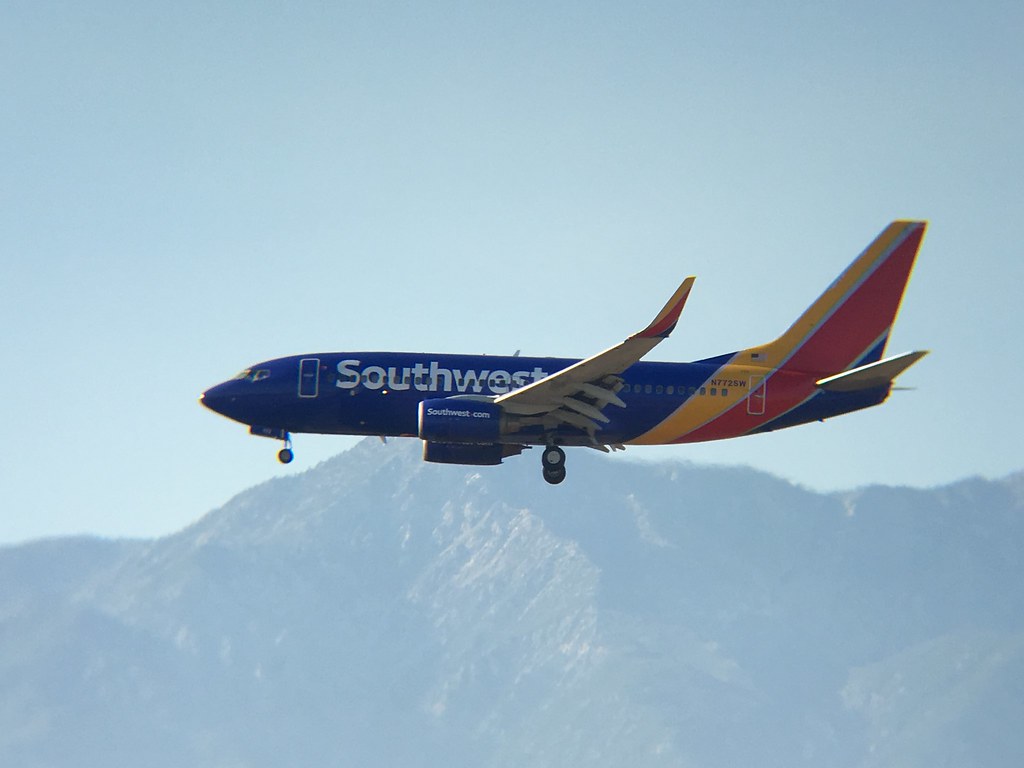
El Boeing 737-700 de Southwest Airlines volverá a volar luego del incidente del vuelo SW1380

El Boeing 737-700 de Southwest Airlines que estuvo involucrado en un aterrizaje de emergencia fatal en abril fue trasladado a Victorville, California, para su almacenamiento el jueves. Un representante de Southwest dijo que la aerolínea no había decidido si la aeronave volvería al servicio. El avión fue trasladado desde Everett, Washington, donde se había celebrado desde el 30 de Abril 2018.

El 17 Abril, el vuelo SW1380 de Southwest Airlines realizó un aterrizaje de emergencia en Filadelfia después de que un motor explotó y apagó una ventana . Un pasajero casi fue succionado por la ventana y luego murió, mientras que siete personas resultaron heridas. La pasajera que murió fue identificada más tarde como Jennifer Riordan (43).

Un representante de Southwest no pudo confirmar cuánto tiempo pasó el avión en Everett y le dijo a Business Insider que la aerolínea no había decidido si la aeronave volvería al servicio. El representante dijo que la aerolínea almacenó temporalmente Boeing 737-300 en Victorville luego de su retiro el año pasado. AIRWAYS® AW-Icon TXT

Resultado de imagen para Southwest Boeing 737-700 SW1380 will fly again

Southwest Boeing 737-700 will fly again

The Southwest Airlines Boeing 737-700 will fly again after the incident of flight SW1380

The Southwest Airlines Boeing 737-700 that was involved in a fatal emergency landing in April was moved to Victorville, California, for storage Thursday. A Southwest representative told that the airline had not decided if the aircraft would return to service. The plane was transferred from Everett, Washington, where it had been held since April 30, 2018.

On April 17, Southwest Airlines Flight SW1380 made an emergency landing in Philadelphia after an engine blew up and blew out a window. One passenger was almost sucked through the window and then died, while seven people were injured. The passenger who died was later identified as Jennifer Riordan (43).

A Southwest representative could not confirm how long the plane spent in Everett and told Business Insider that the airline had not decided if the aircraft would return to service. The representative said that the airline temporarily stored Boeing 737-300 in Victorville after its retirement last year. A \ W


Ξ A I R G W A Y S Ξ
SOURCE:  Airgways.com
DBk: Southwest.com / Heavy.com / Hiveminer.com
AW-POST: 201806091658AR

A\W   A I R G W A Y S ®

Airbus-Bombardier cierran contrato por producción del CSeries

AW-700003200.jpg

AW | 2018 06 08 21:22 | INDUSTRY

Logo_Airbus_2014.svgAirbus y Bombardier traen nueva planta de ensamblado a Mobile

Bombardier_Aerospace-200xEl fabricante de aviones europeo Airbus SE finalizó un acuerdo de rescate para el jet CSeries de Bombardier Inc. y se espera que flexione su fuerza de recorte de costos y comercialización para revivir la empresa canadiense que pierde dinero.

Airbus cerrará un acuerdo para tomar una participación mayoritaria en el programa de aviones jet de Bombardier CSeries el 1 Julio 2018. Esto beneficiará a Alabama, donde se agregará una nueva línea de ensamblaje final. Airbus ya ensambla aviones en sus instalaciones existentes en Mobile. «Hoy, anunciamos que nuestra asociación con Airbus se cerrará el 1 Julio 2018», anunció Bombardier con sede en Canadá a través de Twitter el viernes por la mañana. Se espera que la medida impulse la capacidad de Airbus de poner su experiencia en comercialización y reducción de costos en el programa CSeries.

Un comunicado de prensa de Bombardier dijo el viernes que se han obtenido las aprobaciones reglamentarias requeridas para el cierre de la transacción. Establece que la asociación reunirá dos líneas de productos complementarias, con un segmento de mercado de 100-150 asientos proyectado para representar 6.000 nuevos aviones en los próximos 20 años. La adición del alcance global de Airbus creará un valor significativo para los clientes, proveedores, empleados, accionistas y comunidades de C eries, afirma Bombardier. El creciente mercado de aeronaves CSeries apoyará una segunda línea de ensamblaje final en Alabama, sirviendo a clientes estadounidenses, dice Bombardier.

Participaciones en el Programa CSeries

Bombardier acordó en Octubre 2018 venderle a Airbus una participación del 50,01% en su avión comercial insignia por una tarifa simbólica de un dólar canadiense, luego de que las lentas ventas y las bajas tasas de producción llevaron al programa a superar el presupuesto. Bombardier retendrá el 31% en el CSeries, mientras que Investissement Quebec, administrado por la provincia de Quebec, tendrá un 19%.

Airbus podrá ofrecer acuerdos con aerolíneas ensamblando los CSeries con sus propios aviones a reacción en un desafío para rivalizar con Boeing y se espera que use su potencia industrial para recortar el precio de las piezas y mejorar la eficiencia interna.

La finalización del acuerdo inicia un cambio histórico en la industria aeronáutica, con Bombardier de 75 años abandonando su oferta independiente para ingresar al mercado de jets principal dominado por Airbus y Boeing, a cambio de una participación en un proyecto más sólido. Boeing ahora mantiene sus propias negociaciones de unión con el rival brasileño de Bombardier Embraer SA.  AIRWAYS® AW-Icon TXT

Resultado de imagen para Airbus-Bombardier closes contract with CSeries

Airbus-Bombardier closes contract with CSeries

Airbus and Bombardier bring new assembly plant to Mobile

European aircraft maker Airbus SE finalized a rescue agreement for CSeries jet from Bombardier Inc. and is expected to flex its cost-cutting and commercialization force to revive the Canadian company that is losing money.16655262-14617840150369112 (2)

Airbus will close an agreement to take a majority stake in the Bombardier CSeries jet aircraft program on July 1, 2018. This will benefit Alabama, where a new final assembly line will be added. Airbus already assembles aircraft in its existing facilities in Mobile. «Today, we announce that our partnership with Airbus will close on July 1, 2018», Bombardier, based in Canada, announced on Twitter on Friday morning. The measure is expected to boost Airbus’ ability to market its experience and reduce costs in the CSeries program.

A press release from Bombardier said on Friday that the regulatory approvals required for the closing of the transaction have been obtained. It establishes that the association will bring together two complementary product lines, with a market segment of 100-150 seats designed to represent 6,000 new aircraft in the next 20 years. The addition of Airbus’s global reach will create significant value for CSeries customers, suppliers, employees, shareholders and communities, says Bombardier. The growing CSeries aircraft market will support a second final assembly line in Alabama, serving American customers, says Bombardier.

Resultado de imagen para Airbus-Bombardier closes contract with CSeriesA AIRBALTIC BOMBARDIER CS300

Participations in the CSeries Program

Bombardier agreed in October 2018 to sell Airbus a 50.01% stake in its flagship commercial aircraft for a symbolic fee of one Canadian dollar, after slow sales and low production rates led the program to exceed the budget. Bombardier will retain 31% in the CSeries, while Investissement Quebec, administered by the province of Quebec, will have 19%.

Airbus will be able to offer agreements with airlines by assembling the CSeries with its own jet aircraft in a challenge to rival Boeing and is expected to use its industrial power to cut the price of parts and improve internal efficiency.

The finalization of the agreement initiates a historical change in the aeronautical industry, with Bombardier of 75 years abandoning its independent offer to enter the main jet market dominated by Airbus and Boeing, in exchange for a participation in a more solid project. Boeing now maintains its own union negotiations with Bombardier’s Brazilian rival Embraer SA.  A \ W


Ξ A I R G W A Y S Ξ
SOURCE:  Airgways.com
DBk: Airbus.com / Fliegerfaust.com
AW-POST: 201806082122AR

A\W   A I R G W A Y S ®

Pilotos de KLM rompen negociaciones

Resultado de imagen para KLM Schiphol

AW | 2018 06 08 21:00 | AIRLINES

KLM_Royal_Dutch_Logo_Skyteam_2011.svg.pngLos pilotos de la compañía KLM exigen reducción carga horaria

KLM no tiene conflictos sociales graves porque en Mayo 2018 se firmaron acuerdos con casi todos los trabajadores. El Grupo Air France-KLM está atravesando un período con dificultades crecientes. Los pilotos de KLM rechazan el acuerdo salarial propuesto por la empresa. No convocan huelga, pero amenazan. El sindicato VNV en realidad no pide más salario, pero sí más costes para la empresa, porque exigen una reducción del volumen de trabajo, lo cual se puede llevar a cabo contratando más pilotos o, lo que es lo mismo, pagando más. Los pilotos se llevaron un aumento del 4%, más días libres y algunas otras ventajas en su última reunión en Mayo 2018. En cambio Air France, ha sido plagada por huelgas y conflictos que la ha llevado a cargar con pérdidas importantes para la aerolínea del país galo.

Los 2.800 pilotos han vuelto a la mesa de negociaciones reclamando reducciones en la carga de trabajo que soportan. Nada es tan preocupante como lo que viene ocurriendo en Air France, porque no sólo no hay huelgas convocadas sino que, además, KLM está ganando dinero, en realidad todo el dinero que gana el grupo porque la aportación de la aerolínea francesa es prácticamente cero. El área de mantenimiento de aviones de Air France sí tiene beneficios, pero esa es otra rama del negocio. Los pilotos de KLM dicen que preparan acciones de protesta, pero no han concretado ni fórmulas ni fechas. AIRWAYS® AW-Icon TXT

Imagen relacionada

KLM pilots break negotiations

The pilots of the company KLM demand a reduction in the workload

KLM does not have serious social conflicts because in May 2018 agreements were signed with almost all workers. The Air France-KLM Group is going through a period of increasing difficulties. The KLM pilots reject the wage agreement proposed by the company. They do not call a strike, but they threaten. The VNV union does not really ask for more salary, but more costs for the company, because they demand a reduction in the volume of work, which can be done by hiring more pilots or, what is the same, paying more. The pilots took an increase of 4%, more days off and some other advantages at their last meeting in May 2018. On the other hand, Air France has been plagued by strikes and conflicts that has led it to carry important losses for the airline. Gallic country.

The 2,800 pilots have returned to the negotiating table demanding reductions in the workload they support. Nothing is as worrisome as what is happening in Air France, because not only are there no strikes called but, in addition, KLM is making money, in fact all the money the group wins because the contribution of the French airline is practically zero. The aircraft maintenance area of ​​Air France does have benefits, but that is another branch of the business. KLM pilots say they prepare protest actions, but have not specified formulas or dates. A \ W

Resultado de imagen para KLM Schiphol

KLM-piloten breken onderhandelingen

De piloten van het bedrijf KLM eisen een vermindering van de werklast

KLM heeft geen ernstige sociale conflicten omdat in mei 2018 overeenkomsten werden gesloten met bijna alle werknemers. De Air France-KLM-groep maakt een periode van toenemende moeilijkheden door. De KLM-piloten verwerpen de loonovereenkomst die door het bedrijf wordt voorgesteld. Ze noemen geen staking, maar bedreigen ze. De VNV-unie vraagt ​​niet echt om meer salaris, maar meer kosten voor het bedrijf, omdat ze een vermindering van het werkvolume eisen, wat kan worden gedaan door meer piloten in dienst te nemen of, wat hetzelfde is, meer te betalen. De piloten namen tijdens hun laatste ontmoeting in mei 2018 een stijging van 4%, meer vrije dagen en enkele andere voordelen. Aan de andere kant werd Air France geplaagd door stakingen en conflicten waardoor het grote verliezen leed voor de luchtvaartmaatschappij. Gallisch land.

De 2.800 piloten zijn teruggekeerd naar de onderhandelingstafel en eisen een vermindering van de werklast die ze ondersteunen. Niets is zo zorgelijk als wat er in Air France gebeurt, want niet alleen worden er geen stakingen genoemd, maar bovendien verdient KLM geld, in feite al het geld dat de groep wint omdat de bijdrage van de Franse luchtvaartmaatschappij vrijwel nul is. Het vliegtuigonderhoudsgebied van Air France heeft weliswaar voordelen, maar dat is een andere tak van het bedrijf. KLM-piloten zeggen dat ze protestacties voorbereiden, maar hebben geen formules of datums opgegeven. A \ W


Ξ A I R G W A Y S Ξ
SOURCE:  Airgways.com
DBk: Airfrance-klm.com / Airgways.com
AW-POST: 201806082100AR

A\W   A I R G W A Y S ®


Aerolíneas busca reemplazo al A330

IMG_20160715_235253.jpg

AW | 2018 06 08 20:28 | AIRLINES

La compañía Aerolíneas argentinas está estudiando el reemplazo de los aviones Airbus A330-200 por otras aeronaves con un mayor radio de acción

El CEO de Aerolíneas Argentinas, Mario Dell`Acqua, anunció que está analizando la apertura de nuevos mercados para lo cual está evaluando reemplazar la flota de amplio radio de acción. Los mercados de China y la India son los mercados del futuro y que por eso la compañía está estudiando qué aeronave es la más idónea para esas rutas en el futuro, por lo que se reemplazará en los próximos años a los actuales Airbus A330-200.

Los Airbus A330-200 desempeñan una tarea eficientes para ciertas rutas, pero la aerolínea proyecta ampliar sus rutas aérreas a nuevos horizontes para lo cual si no se reemplaza por una nueva aeronave, Aerolíneas Argentinas podría perder eficiencia de costos y por rendimiento de la aeronave.

Aunque el mercado chino está teniendo un crecimiento del orden del 15% para este año 2018, Aerolíneas Argentinas se está esforzando por estar a la altura de las grandes compañías aéreas.

El CEO de Aerolíneas expresó el anhelo de cumplir con el compromiso de no solicitar más subsidios al Estado de Argentina, apuntando a ser más competitiva, eficiente y con mayor conectividad.

El Grupo Aerolíneas está acercando opiniones de los fabricantes de aviones, fabricantes de motores, empresas de leasing entre otros donde se manifestaron muy interesados en el crecimiento del mercado argentino y la compañía. Tienen en foco el reemplazo de la flota de los aviones regionales Embraer E190-100AR de Austral Líneas Aéreas.  AIRWAYS® AW-Icon TXT


Resultado de imagen para Aerolineas Argentinas A330

Aerolíneas Argentinas seeks replacement to the A330

The company Aerolíneas argentinas is studying the replacement of Airbus A330-200 aircraft by other aircraft with a greater radius of action

The CEO of Aerolíneas Argentinas, Mario Dell`Acqua, announced that he is analyzing the opening of new markets for which he is evaluating to replace the fleet with a wide radius of action. The markets of China and India are the markets of the future and that is why the company is studying which aircraft is the most suitable for these routes in the future, so that the current Airbus A330-200 will be replaced in the coming years.

The Airbus A330-200 performs an efficient task for certain routes, but the airline plans to expand its air routes to new horizons for which if it is not replaced by a new aircraft, Aerolineas Argentinas could lose efficiency of costs and performance of the aircraft.

Although the Chinese market is having a growth of around 15% for this year 2018, Aerolineas Argentinas is striving to keep up with the large airlines.

The CEO of Aerolíneas expressed the desire to fulfill the commitment not to request more subsidies to the State of Argentina, aiming to be more competitive, efficient and with greater connectivity.

Presentaci_n_Embraer_190_Austral_009-249ef.jpgThe Aerolíneas Group is bringing together opinions from aircraft manufacturers, engine manufacturers, leasing companies, among others, where they were very interested in the growth of the Argentine market and the company. They have in focus the replacement of the fleet of regional aircraft Embraer E190-100AR of Austral Líneas Aéreas. A \ W


Ξ A I R G W A Y S Ξ
SOURCE:  Airgways.com
DBk: Aerolineas.com / @avionesenezeiza.com / Airgways.com
AW-POST: 20180682028AR

A\W   A I R G W A Y S ®

Surinam Airways goza de buena salud

Imagen relacionada

AW | 2018 06 06 23:40 | AIRLINES

Aunque la aerolínea está mostrando signos de cambios, desmienten posible quiebra

La aerolínea surinamés niega rotundamente los informes de los medios sobre quiebra inminente y problemas operacionales y los califica de calumnias y fábulas. Rumores sobre la situación financiera deficiente en Surinam Airways (SLM) han sido opacadas por los directivos de la compañía de Surinam.

El Consejo de Supervisión del SLM no niega en un comunicado de prensa que hay un saldo negativo debido a pérdidas en el pasado, pero según la compañía estatal, la situación no es tan mala como para que las operaciones de vuelo estén en riesgo. La apariencia de que hay una deuda vencida y pagadera de decenas de millones si la espada de Damocles se cierne sobre la cabeza de SLM puede, según la sociedad, ser referida al reino de las fábulas.

«El SLM tiene un saldo negativo debido a pérdidas en el pasado, pero esta deuda es en su mayor parte una reclamación del accionista, el Estado de Surinam, que es muy responsable de esto», afirma la aerolínea. Con el estado, de acuerdo con SLM, se están llevando a cabo consultas para convertir esta deuda en una deuda subordinada o en una llamada reserva premium de acciones, con el fin de mejorar la posición del balance de la empresa.

El SLM lo ve como un hecho consumado que enfrenta el gran desafío de operar de manera rentable a corto o mediano plazo sin subsidio del gobierno. El accionista ha tomado las medidas necesarias para esto, que deben ser más elaboradas e implementadas por el Consejo de Supervisión, la administración y el personal del SLM.

Resultado de imagen para Surinam Airways Boeing 737-700SURINAM AIRWAYS HA SUMADO RECIENTEMENTE EL BOEING 737-700

Recientemente, un Boeing 737-700 usado recientemente atraído por el SLM se vio obligado a permanecer en el suelo, supuestamente porque los papeles no estaban en orden. El SLM niega esta acusación mostrando incompetencia o calumnia sobre las acusaciones vertidas.

«Nuestra compañía nacional es una compañía pequeña con un pequeño número de aviones. Junto con la autoridad aeronáutica, la seguridad de la operación está garantizada y no se deja nada al aza», dice el Consejo de Supervisión del SLM en el comunicado de prensa.

SLM vuela directamente a Amsterdam cuatro veces por semana desde la base de Paramaribo. En esa ruta, la compañía está utilizando su único Airbus A340-300. Recientemente, también se utilizó regularmente el mismo tipo de avión de Air Belgium, que se alquilaba, incluida la tripulación. El SLM también opera dos rutas regionales con aeronaves Boeing 737, que incluyen Brasil, el Caribe y Florida.

TUI Airways

En la ruta Paramaribo-Amsterdam, SLM está trabajando estrechamente con TUI Airways, que a su vez opera en la misma ruta una vez a la semana. La agencia de viajes informa a Reismedia sobre solicitud en este momento no hay razón para ajustar el acuerdo con el SLM. TUI dice que está satisfecho con el desarrollo que muestra la ruta a Paramaribo. «Hemos establecido una asociación con Surinam Airways y nuestro objetivo es transportar a más viajeros a Paramaribo y mostrarles a los turistas la bella Surinam».

Nuevos competidores

Surinam no se queda atrás después de que la vecina Guyana abra pronto un aeropuerto ampliado y moderno. El gobierno de Suriname está buscando activamente atraer a operadores tradicionales como Avianca y COPA después de que anunció recientemente la construcción y modernización de una nueva terminal de llegada y otras mejoras para la comodidad de los pasajeros.

El miembro de Legacy Star Alliance, COPA Airlines, con una amplia red que conecta todas las ciudades de América Latina y el Caribe con su centro de Panamá, está buscando comenzar a prestar servicios al Aeropuerto Internacional Johan Pengel (JAP), Paramaribo. Surinam es el único país independiente de América del Sur al que no llega la red de la aerolínea.

Suriname está aislado y no tiene conectividad aérea con las principales capitales de la región. COPA Airlines ha manifestado su interés en servir al mercado de Suriname y se espera que anuncie operaciones aéreas en Surinam antes de finales de 2018.

La aerolínea se había reunido desde 2015 con funcionarios del gobierno, la aviación y Surinam Airways (SLM), pero no hubo acuerdo. Los funcionarios de la COPA evaluaron la infraestructura local, incluidas las instalaciones del Aeropuerto Internacional Johan Pengel (JAP). La aerolínea quería un «paquete de incentivos», y ahora la aerolínea está nuevamente en Surinam y está mirando seriamente el mercado.

Avianca Airlines

Funcionarios de Avianca Airlines, la segunda mayor aerolínea de América Latina, visitaron la semana pasada Surinam para reunirse con funcionarios del gobierno y las autoridades aeroportuarias. También se encontraron con SLM. La aerolínea colombiana también busca aterrizar en el aeropuerto Cheddi Jagan, Guyana.

Copa Airlines

Copa Airlines se enfoca en América del Norte, América del Sur y el Caribe, mientras que Avianca Colombia, además de América Latina y el Caribe, tiene una red europea en crecimiento. A través de su alianza con Star Alliance, Avianca unirá Georgetown y Paramaribo con sus vastos destinos en América del Norte, Europa, África y Asia.

El centro de Bogotá está bien conectado con el mundo y, para países como Guyana y Suriname, con muy poca conectividad aérea. Un informe del Banco Interamericano de Desarrollo (BID) en 2015 recomendó que las Guayanas estén conectadas con la Ciudad de Panamá y Bogotá. Y Etiopía, Emirates y Turkish Airlines también están buscando agregar Bogotá a sus redes.

El informe del BID concluyó que el acuerdo aéreo de Suriname con Colombia es el más restrictivo y protege a Avianca, la aerolínea colombiana. Los vuelos desde Surinam solo pueden aterrizar en Barranquilla y Cali, y pueden enrutarse a través de Puerto España o Georgetown. Por lo tanto, muchos de estos problemas deben ser desarrollados antes de que Avianca Airlines comience a prestar servicio en Paramaribo.

SLM está buscando cooperar con otras aerolíneas y en particular con Avianca y Copa, pero también deben beneficiarse de cualquier arreglo. Mientras tanto, se alega que SLM tiene un acuerdo de código compartido con Avianca, pero hasta la fecha, las dos compañías aún no han operado un solo vuelo con sus códigos conjuntos. Quizás exista un acuerdo de código compartido, pero solo de nombre.  AIRWAYS® AW-Icon TXT

Surinam Airways is in good health

Although the airline is showing signs of changes, it denies possible bankruptcy

The Surinamese airline flatly denies media reports of imminent bankruptcy and operational problems and calls them slander and fables. Rumors about the poor financial situation in Surinam Airways (SLM) have been overshadowed by the company’s directors in Suriname.

The Supervisory Board of the SLM does not deny in a press release that there is a negative balance due to losses in the past, but according to the state company, the situation is not so bad that flight operations are at risk. The appearance that there is a debt due and payable of tens of millions if the sword of Damocles hovers over the head of SLM can, according to society, be referred to the realm of fables.

«The SLM has a negative balance due to losses in the past, but this debt is for the most part a claim from the shareholder, the State of Suriname, which is very responsible for this», the airline says. With the state, according to SLM, consultations are being carried out to convert this debt into a subordinated debt or a so-called premium stock reserve, in order to improve the company’s balance sheet position.

The SLM sees it as a fait accompli that faces the great challenge of operating profitably in the short or medium term without government subsidy. The shareholder has taken the necessary measures for this, which must be more elaborated and implemented by the Supervisory Board, the administration and the SLM staff.

Recently, a recently used Boeing 737-700 attracted by the SLM was forced to remain on the ground, supposedly because the papers were not in order. The SLM denies this accusation by showing incompetence or slander on the allegations made.

«Our national company is a small company with a small number of aircraft, and together with the aeronautical authority, the safety of the operation is guaranteed and nothing is left to chance», says the Supervisory Board of the SLM in the press release.

SLM flies directly to Amsterdam four times a week from the base of Paramaribo. On that route, the company is using its unique Airbus A340-300. Recently, the same type of Air Belgium plane, which was rented, including the crew, was also regularly used. The SLM also operates two regional routes with Boeing 737 aircraft, including Brazil, the Caribbean and Florida.

TUI Airways

On the Paramaribo-Amsterdam route, SLM is working closely with TUI Airways, which in turn operates on the same route once a week. The travel agency informs Reismedia about request at this time there is no reason to adjust the agreement with the SLM. TUI says he is satisfied with the development that shows the route to Paramaribo. «We have established an association with Surinam Airways and our goal is to transport more travelers to Paramaribo and show tourists the beautiful Suriname».

New competitors

Suriname is not far behind after neighboring Guyana soon opens an expanded and modern airport. The government of Suriname is actively seeking to attract traditional operators such as Avianca and COPA after it recently announced the construction and modernization of a new arrival terminal and other improvements for the comfort of passengers.

The member of the Legacy Star Alliance, COPA Airlines, with a wide network that connects all the cities of Latin America and the Caribbean with its center in Panama, is looking to start providing services to the Johan Pengel International Airport (JAP), Paramaribo. Suriname is the only independent country in South America that the airline network does not reach.

Suriname is isolated and has no air connectivity with the main capitals of the region. COPA Airlines has expressed interest in serving the Suriname market and is expected to announce air operations in Suriname before the end of 2018.

The airline had met since 2015 with government, aviation and Surinam Airways (SLM) officials, but there was no agreement. COPA officials evaluated the local infrastructure, including the facilities at the Johan Pengel International Airport (JAP). The airline wanted an «incentive package», and now the airline is back in Suriname and is seriously looking at the market.

Avianca Airlines

Officials of Avianca Airlines, the second largest airline in Latin America, visited Suriname last week to meet with government officials and airport authorities. They also met with SLM. The Colombian airline also seeks to land at the Cheddi Jagan airport in Guyana.

Copa Airlines

Copa Airlines focuses on North America, South America and the Caribbean, while Avianca Colombia, in addition to Latin America and the Caribbean, has a growing European network. Through its partnership with Star Alliance, Avianca will link Georgetown and Paramaribo with its vast destinations in North America, Europe, Africa and Asia.

The center of Bogotá is well connected to the world and, for countries like Guyana and Suriname, with very little air connectivity. A report from the Inter-American Development Bank (IDB) in 2015 recommended that the Guianas be connected to Panama City and Bogotá. And Ethiopia, Emirates and Turkish Airlines are also looking to add Bogota to their networks.

The IDB report concluded that the Suriname air agreement with Colombia is the most restrictive and protects Avianca, the Colombian airline. Flights from Suriname can only land in Barranquilla and Cali, and can be routed through Port of Spain or Georgetown. Therefore, many of these problems must be developed before Avianca Airlines begins to provide service in Paramaribo.

SLM is looking to cooperate with other airlines and in particular with Avianca and Copa, but they should also benefit from any arrangement. Meanwhile, it is alleged that SLM has a code-sharing agreement with Avianca, but to date, the two companies have not yet operated a single flight with their joint codes. Maybe there is a code-share agreement, but only in name. A \ W


Ξ A I R G W A Y S Ξ
SOURCE:  Airgways.com
DBk: Surinamairways.com Luchtvaartnieuws.nl 
AW-POST: 201806062340AR

A\W   A I R G W A Y S ®

Incremento de tráfico en Latinoamérica

Resultado de imagen para Aeropuertos latinoamerica

AW | 2018 06 09 23:03 | AIR TRAFFIC

La IATA informa un aumento en el tráfico de pasajeros en Latinoamérica

La demanda de pasajes en las aerolíneas latinoamericanas aumentó 6,4% en Abril 2018, frente al mismo mes de 2017, según el informe mensual de la Asociación Internacional de Transporte Aéreo (IATA). La capacidad aumentó un 7,5% y si bien el incremento interanual del tráfico en Abril fue aproximadamente la mitad del de Marzo, el panorama general sigue siendo brillante, con volúmenes de tráfico ajustados estacionalmente que han crecido a tasas anuales de dos dígitos en los últimos seis meses.

En lo que hace a los números globales de tráfico de pasajeros, la demanda (ingresos por pasajeros por kilómetro o RPK) aumentó un 6,2% en comparación con abril de 2017, que fue inferior al 9,7% del mes de marzo, el máximo registrado en doce meses.

Las comparaciones con el período del año anterior se vieron afectadas por los acontecimientos de hace un año, incluido el momento comparativamente tardío de la Semana Santa en 2017, que impulsó el tráfico de abril. La capacidad de abril (kilómetros sentados disponibles o ASKs) aumentó en 5.9%. “La demanda de transporte aéreo continúa por encima de la tendencia a largo plazo. Sin embargo, los aumentos en las entradas de los costos de las aerolíneas, especialmente los precios de los combustibles, significan que es poco probable que aumente la estimulación de las tarifas más bajas en 2018, en comparación con años anteriores», dijo Alexandre de Juniac, Director General y CEO de IATA.

La demanda internacional de pasajeros en Abril aumentó un 4,8% en comparación con el mismo mes de 2017. Todas las regiones registraron aumentos de tráfico año tras año, pero todas estuvieron por debajo del ritmo de crecimiento informado en Marzo. La capacidad total aumentó 4,9% y el factor de carga cayó 0,1 puntos porcentuales a 81,4%.

Los operadores de Asia Pacífico tuvieron un aumento del tráfico de 8,5% en Abril, el más fuerte entre las regiones. Fue la primera vez desde Diciembre de 2017 que las aerolíneas de Asia-Pacífico lideraron el crecimiento. Los transportistas de Medio Oriente, en tanto, tuvieron un alza de la demanda de 4,1% en abril. La capacidad aumentó 3.2%; mientras que el tráfico de las aerolíneas europeas durante ese mes aumentó 3,4% en comparación con el mismo período del año anterior. Las aerolíneas de América del Norte tuvieron un aumento de la demanda de 0,9% en comparación con Abril del año anterior, que fue marcadamente inferior frente al crecimiento de 9,5% en marzo. Las aerolíneas africanas finalmente tuvieron un aumento del tráfico de 5.1% en Abril y la capacidad aumentó un 4,6%.   AIRWAYS® AW-Icon TXT

Resultado de imagen para Chile Aeropuerto

Increase in traffic in Latin America

IATA reports an increase in passenger traffic in Latin America

The demand for tickets in Latin American airlines increased 6.4% in April 2018, compared to the same month in 2017, according to the monthly report of the International Air Transport Association (IATA). Capacity increased by 7.5% and while the year-on-year increase in traffic in April was approximately half that of March, the overall picture remains bright, with seasonally adjusted traffic volumes that have grown at double-digit annual rates in the last six months.

Regarding the global numbers of passenger traffic, demand (revenue per passenger per kilometer or RPK) increased by 6.2% compared to April 2017, which was lower than 9.7% in March, the maximum recorded in twelve months.

Comparisons with the previous year’s period were affected by the events of a year ago, including the comparatively late moment of Holy Week in 2017, which boosted April traffic. The capacity of April (available seated kilometers or ASKs) increased by 5.9%. «The demand for air transport continues above the long-term trend. However, increases in airline cost entries, especially fuel prices, mean that the stimulation of the lowest rates in 2018 is unlikely to increase, compared to previous years», said Alexandre de Juniac , General Director and CEO of IATA.

International passenger demand in April increased by 4.8% compared to the same month in 2017. All regions registered increases in traffic year after year, but all were below the growth rate reported in March. The total capacity increased 4.9% and the load factor fell 0.1 percentage points to 81.4%.

The operators of Asia Pacific had an increase of traffic of 8.5% in April, the strongest among the regions. It was the first time since December 2017 that Asia-Pacific airlines led the growth. Carriers in the Middle East, meanwhile, had an increase in demand of 4.1% in April. The capacity increased 3.2%; while the traffic of European airlines during that month increased 3.4% compared to the same period of the previous year. Airlines in North America had an increase in demand of 0.9% compared to April of the previous year, which was markedly lower compared to the 9.5% growth in March. African airlines finally had a traffic increase of 5.1% in April and capacity increased by 4.6%. A \ W


Ξ A I R G W A Y S Ξ
SOURCE:  Airgways.com
DBk: Iata.org / Diariosanrafael.com.ar / Aviacionline.com
AW-POST: 201806092303AR

A\W   A I R G W A Y S ®

Chile amplía ofertas de aerolíneas

Resultado de imagen para Chile Aeropuerto

AW | 2018 06 07 18:00 | AIRPORTS

Chile ingresará cinco nuevas aerolíneas fomentada por la política de cielos abiertos

Chile ha planificado una política de cielos abiertos para fomentar la industria aerocomercial. Compañías aéreas están ingresando nuevamente al país austral como British Airways y Alitalia, que hoy cuentan con cuatro y cinco frecuencias por semana, respectivamente. Mayor incremento de frecuencias tienen Iberia, Air France y KLM.

Esta política de cielos abiertos en la que Chile ofrece, bajo ciertas autorizaciones, libertad a compañías extranjeras para volar en el territorio nacional ha generado que el país sea atractivo para los operadores aéreos internacionales.

Actualmente cinco líneas aéreas que están tramitando su Certificado de Operador Aéreo (AOC) ante la Dirección General de Aeronáutica Civil (DGAC): Emirates Airlines, la low cost argentina Flybondi, las estadounidenses Dynamic International Airways y One Sky, y la peruana Peruvian Airlines. El Secretario General de la Junta Aeronáutica Civil (JAC), Jaime Binder, destacó que «el alto interés para operar en Chile radica en sus reglas estables y claras, y en una política pro libre competencia. Eso genera menores precios y más opciones para los pasajeros».

En cuanto a las firmas, Emirates Airlines busca operar en la ruta Santiago-Sao Paulo-Dubái. Flybondi, en tanto, espera volar entre Santiago y distintos puntos de Argentina a fines de año. Dynamic Airways es una empresa dedicada a chárter, que el año pasado realizó operaciones no regulares entre Santiago y Puerto Príncipe. Según fuentes de la industria, One Sky, en tanto, podría operar arrendando aviones, o bien evaluaría vuelos hacia Lima, Campinas, Sudáfrica y, eventualmente, Asia. Respecto de Peruvian, operaría Santiago-Lima.  AIRWAYS® AW-Icon TXT

Resultado de imagen para Chile Aeropuerto

Chile expands airline offers

Chile will enter five new airlines encouraged by the open skies policy

Chile has planned a policy of open skies to promote the commercial aviation industry. Airlines are once again entering the southern country as British Airways and Alitalia, which today have four and five frequencies per week, respectively. Greater frequency increase have Iberia, Air France and KLM.

This open skies policy in which Chile offers, under certain authorizations, freedom for foreign companies to fly in the national territory has made the country attractive to international air operators.

Currently five airlines that are processing their Air Operator Certificate (AOC) before the Directorate General of Civil Aeronautics (DGAC): Emirates Airlines, the low cost Argentina Flybondi, American Dynamic International Airways and One Sky, and the Peruvian Peruvian Airlines. The Secretary General of the Civil Aviation Board (JAC), Jaime Binder, stressed that «the high interest to operate in Chile lies in its stable and clear rules, and in a pro-competition policy, which generates lower prices and more options for passengers».

As for the firms, Emirates Airlines seeks to operate the Santiago-Sao Paulo-Dubai route. Flybondi, meanwhile, hopes to fly between Santiago and different points of Argentina at the end of the year. Dynamic Airways is a charter company that last year carried out non-scheduled operations between Santiago and Port-au-Prince. According to industry sources, One Sky, meanwhile, could operate by leasing aircraft, or it would evaluate flights to Lima, Campinas, South Africa and, eventually, Asia. Regarding Peruvian, Santiago-Lima would operate. A \ W


Ξ A I R G W A Y S Ξ
SOURCE:  Airgways.com
DBk: Flugzeug-bild.de / Lavozdechile.com 
AW-POST: 201806071800AR

A\W   A I R G W A Y S ®

Hogar para el nuevo Boeing 797

Resultado de la imagen para Boeing 797 NMA

AW | 2018 06 06 21:30 | INDUSTRY

Boeing-Logo.svgThe Boeing Company ha seleccionado el Estado de Washington para la construcción del nuevo avión comercial Boeing 797

Boeing ha seleccionado para construir la próximo avión comercial Boeing 797 New Midmarket Airplane (NMA) en el Estado de Washington, según un estudio respaldado por el estado.

Antes de la decisión de Boeing sobre dónde construir su próximo avión, conocido como NMA o 797, un estudio encargado por el estado concluye que el mejor sitio en los EEUU para la fabricación aeroespacial es el Estado de Washington.

AW79700077.jpg

La conclusión de un estudio de la industria aeroespacial publicado el miércoles no será una sorpresa y sin duda será descartada por un estado exterior de Washington. Aún así, Richard Aboulafia, un respetado analista de la industria aeroespacial y autor principal del estudio, le pide que mantenga su escepticismo.

Aboulafia, Vicepresidente de la Consultora Teal Group en Fairfax, Virginia, dijo que su informe de 42 páginas se basa en factores de medición de datos independientes y rigurosos relevantes para la producción aeroespacial, incluidos costos, estructura impositiva, disponibilidad de mano de obra calificada y conectividad comercial global. «Estrictamente por los números, el Estado de Washington está en una clase en sí mismo. Tiene debilidades, pero en la clasificación general, nada se acerca». Aboulafia dijo que no recibió información de nadie del Estado de Washinton o en Boeing. En cambio, él y sus coautores reunieron cantidades copiosas de datos del gobierno y la industria y clasificaron los 50 estados en métricas cuidadosamente ponderadas.

El gobernador Jay Inslee elogió el resultado, diciendo que el Estado de Washington «tiene un supercluster aeroespacial como ningún otro en el país y que la investigación impulsada por datos de Aboulafia confirma que Washington está liderando el camino».

Washington, competitiva

El segundo estado más bajo en costos generales. El estudio fue encargado por el estado, ya que trata de preparar el camino para que Boeing elija un sitio para construir su propuesto NMA, que se espera que la compañía lance en seis a nueve meses y es auspiciado por muchos como el Boeing 797.

Resultado de la imagen para Boeing WashingtonEL ESTADO DE WASHINGTON HA SIDO SELECCIONADO POR BOEING PARA LA CONSTRUCCIÓN DEL NUEVO BOEING 797 NMA

El informe fue comisionado por el Consejo de Aviones de Nuevo Mercado Medio de Choose Washington del Gobernador Inslee. Es una coalición de funcionarios del gobierno local y estatal, incluido el ejecutivo del condado de Snohomish, Dave Somers; sindicatos; y grupos empresariales y educativos, incluida la Alianza de Futuros Aeroespaciales . El consejo espera ayudar a convencer a Boeing Co. con sede en Chicago de que el mejor lugar para construir su próximo modelo de avión de pasajeros es en Washington.

El Estudio de Economía de Competitividad Aeroespacial midió factores clave como los costos de electricidad, el porcentaje de residentes del estado con títulos de ingeniería, cualquier cosa que pudiera cuantificarse, utilizando fuentes públicas y gubernamentales aceptadas, dijo Aboulafia. El estado contrató a su empresa por US$ 55,000 para ayudar a producir el informe.

El estado ha tenido que competir por cada línea de producción de aviones Boeing nueva o derivada desde 2003, cuando el fabricante de aviones realizó su primera búsqueda de un sitio para construir lo que se convirtió en el Boeing 787.

Aunque Everett ganó esa competencia, seis años después Boeing eligió North Charleston, Carolina del Sur, para el sitio de una segunda línea de ensamblaje del Boeing 787, dejando en claro que la región de Puget Sound no era su única opción.

En 2011, Boeing obtuvo un contrato laboral a largo plazo del sindicato de maquinistas para colocar el trabajo de ensamblaje 737 MAX en Renton. En 2014, la empresa volvió a presionar a los maquinistas, que abandonaron su plan de pensiones tradicional, antes de aceptar construir el 777X en Everett.

Tanto el MAX como el 777X son derivados de los jets construidos aquí, por lo que ponerlos en cualquier otro lugar habría sido difícil. Pero la competencia de NMA será la primera para un avión totalmente nuevo desde el 787, lo que hace que el resultado sea menos predecible.

Gracias a las exenciones de impuestos de la industria aeroespacial del estado de Washington, que se ampliaron para ganar la última competencia de Boeing, para el 777X, ocupó el quinto lugar entre los impuestos más bajos entre los 50 estados.

Competitividad entre estados

Los tres estados principales debajo de Washington en el ranking fueron Ohio, Carolina del Norte y Kansas. Los 10 primeros también incluyeron estados rivales del sur, Texas en el N° 8 y Alabama en el N° 10. Quizás sorprendentemente, Carolina del Sur, un sitio importante de fabricación de aviones comerciales de Boeing y visto por muchos como el principal rival de este estado para el próximo avión del fabricante de aviones, llegó muy abajo en el ranking general en el puesto 22.

Mientras que Carolina del Sur demostró que podría establecer un sitio de fabricación secundario, eso requirió el lanzamiento en paracaídas en personas experimentadas de Washington y otros lugares para ponerlo en marcha, dijo Aboulafia.

Sostuvo que este enfoque no se escalaría fácilmente para proporcionar el talento necesario para operar el sitio de ensamblaje primario para un nuevo avión, completo con un ecosistema de proveedores principales e instalaciones de fabricación de subsistemas.

Ese estado es el único donde un fabricante instaló la instalación primaria de ensamblaje para un avión comercial completamente nuevo en un sitio nuevo, aunque ciertamente es un avión mucho más pequeño que un avión Boeing.

Aunque no formó parte de su informe, Aboulafia también dijo que la nueva planta de fabricación de alas compuestas de US$ 1.000 millones de Boeing en Everett es probablemente una ventaja clave para este estado, ya que se espera que el 797 tenga un fuselaje totalmente compuesto.

El presidente ejecutivo de Boeing, Dennis Muilenburg, dijo al diario The Seattle Times en una entrevista en enero que «hacer un ala compuesta que aproveche esa instalación tendría mucho sentido».

Aboulafia estuvo de acuerdo. «Hay mucha infraestructura e inversión en el centro de ala 777X. Si pudieras distribuirlo en dos programas clave de avión, eso ayudaría mucho», dijo.

Si el ala del 797 está hecha en Everett, el argumento para poner allí el ensamblaje final parece sólido. El informe de Aboulfia también se puede leer con un enfoque invertido: no para persuadir a Boeing para que construya su avión aquí, sino para concentrar la mente del estado en el beneficio que traería. El llamado avión de Boeing, denominado informalmente el 797, cabría en algún lugar entre los 737 más grandes y los 787 más pequeños, llenando un nicho dejado por la descontinuación del 757 construido en Renton. El gigante aeroespacial comenzó a discutir abiertamente el avión en junio pasado en el Paris Air Show.

Si bien el estado es un líder obvio de la industria aeroespacial, hay trabajo por hacer. Aboulafia dio dos ejemplos: el sistema educativo de Washington y la condición general de las carreteras y los ferrocarriles. Pero, agregó, «estos son fácilmente remediables. No hay nada desastroso allí «.

En otro nivel, el informe sirve como una señal para Boeing. Los líderes estatales y locales están listos para llegar a la mesa para construir el tipo de consenso que marcó el trabajo del estado para aterrizar el proyecto 737 Max (Boeing en ese momento no estaba seguro de construir esa nueva generación del avión en Renton) y evitar lo Aboulafia llamó al debate «mucho más conflictivo» sobre dónde la compañía construiría el 777X. Boeing eligió a Everett después de que los legisladores estatales en 2013 aprobaron un paquete de incentivos impositivos que se esperaba que salvaran al gigante aeroespacial en más de $ 8 mil millones hasta el 2040.  AIRWAYS® AW-Icon TXT

Resultado de la imagen para Boeing 797 NMA

Home for the new Boeing 797

Imagen relacionadaThe Boeing Company has selected the State of Washington for the construction of the new commercial aircraft Boeing 797

Boeing has selected to build the next Boeing 797 New Midmarket Airplane (NMA) commercial aircraft in Washington State, according to a state-sponsored study.

Before Boeing’s decision on where to build his next plane, known as NMA or 797, a study commissioned by the state concludes that the best place in the US for aerospace manufacturing is the State of Washington.

The conclusion of a study of the aerospace industry published on Wednesday will not be a surprise and will undoubtedly be ruled out by an outside state of Washington. Still, Richard Aboulafia, a respected analyst in the aerospace industry and lead author of the study, asks him to maintain his skepticism.

Aboulafia, vice president of the Teal Group in Fairfax, Va., Said his 42-page report is based on independent and rigorous data measurement factors relevant to aerospace production, including costs, tax structure, availability of skilled labor and global commercial connectivity. «Strictly by the numbers, the State of Washington is in a class in itself, it has weaknesses, but in the general classification, nothing comes close». Aboulafia said he did not receive any information from Washington State or Boeing. Instead, he and his coauthors gathered copious amounts of government and industry data and classified all 50 states into carefully weighted metrics.

Governor Jay Inslee praised the outcome, saying Washington State «has an aerospace supercluster like no other in the country and that Aboulafia’s data-driven research confirms that Washington is leading the way».

Washington, competitive

The second lowest state in general costs. The study was commissioned by the state, as it seeks to pave the way for Boeing to choose a site to build its proposed NMA, which the company is expected to launch in six to nine months and is sponsored by many such as the Boeing 797.

The report was commissioned by Governor Inslee’s Choose New Washington Middle Market Aircraft Board. It is a coalition of local and state government officials, including Snohomish County Executive Dave Somers; unions and business and educational groups, including the Aerospace Futures Alliance. The council hopes to help convince the Chicago-based Boeing Co. that the best place to build its next passenger plane model is in Washington.

The Aerospace Competitiveness Economics Study measured key factors such as electricity costs, the percentage of state residents with engineering degrees, anything that could be quantified, using public and government accepted sources, Aboulafia said. The state hired your company for US$ 55,000 to help produce the report.

The state has had to compete for every production line of new or derivative Boeing aircraft since 2003, when the aircraft manufacturer made its first search for a site to build what became the Boeing 787.

Although Everett won that competition, six years later Boeing chose North Charleston, South Carolina, for the site of a second assembly line for the Boeing 787, making it clear that the Puget Sound region was not his only option.

In 2011, Boeing obtained a long-term labor contract from the machinists’ union to place the 737 MAX assembly work in Renton. In 2014, the company again put pressure on the machinists, who abandoned their traditional pension plan, before agreeing to build the 777X in Everett.

Both the MAX and the 777X are derived from the jets built here, so putting them anywhere else would have been difficult. But the NMA competition will be the first for a totally new airplane since the 787, which makes the result less predictable.

Thanks to the Washington State aerospace industry’s tax exemptions, which were extended to win the last Boeing competition, for the 777X, it ranked fifth among the lowest taxes among the 50 states.

Competitiveness between states

The three main states under Washington in the ranking were Ohio, North Carolina and Kansas. The top 10 also included rival southern states, Texas at No. 8 and Alabama at No. 10. Perhaps surprisingly, South Carolina, an important commercial aircraft manufacturing site of Boeing and seen by many as the main rival of This status for the next plane of the aircraft manufacturer, came very low in the overall ranking in 22nd place.

While South Carolina showed it could establish a secondary manufacturing site, that required parachuting in experienced people from Washington and elsewhere to get it going, said Aboulafia.

He argued that this approach would not scale easily to provide the talent needed to operate the primary assembly site for a new aircraft, complete with an ecosystem of primary suppliers and subsystem manufacturing facilities.

That state is the only one where a manufacturer installed the primary assembly facility for a brand new commercial airplane in a new site, although it is certainly a much smaller airplane than a Boeing aircraft.

Although it was not part of his report, Aboulafia also said that Boeing’s new US $ 1 billion composite wing fabrication plant in Everett is probably a key advantage for this state, since the 797 is expected to have a fully composite fuselage.

Boeing Chief Executive Dennis Muilenburg told The Seattle Times in an interview in January that «making a composite wing to take advantage of that facility would make a lot of sense».

Aboulafia agreed. «There is a lot of infrastructure and investment in the 777X wing center, if you could distribute it in two key airplane programs, that would help a lot», he said. If the 797 wing is made in Everett, the argument for putting the final assembly there looks solid. Aboulfia’s report can also be read with an inverted approach: not to persuade Boeing to build his plane here, but to concentrate the mind of the state on the benefit it would bring. The study points out that Washington generates double the aerospace sales of any other state.

The so-called Boeing plane, informally called the 797, would fit somewhere between the 737 largest and the 787 smallest, filling a niche left by the discontinuation of the 757 built in Renton. The aerospace giant began openly discussing the plane last June at the Paris Air Show.

Resultado de la imagen para Boeing 797 NMA

While the state is an obvious leader in the aerospace industry, there is work to be done. Aboulafia gave two examples: the education system in Washington and the general condition of roads and railways. But, he added, «these are easily remediable. There is nothing disastrous there».

On another level, the report serves as a signal for Boeing. State and local leaders are ready to come to the table to build the kind of consensus that marked the state’s work to land the 737 Max project (Boeing at that time was not sure to build that new generation of the Renton plane) and avoid Aboulafia called the debate «much more conflictive» about where the company would build the 777X. Boeing chose Everett after state lawmakers in 2013 approved a package of tax incentives that were expected to save the aerospace giant by more than $ 8 billion by 2040. A \ W


Ξ A I R G W A Y S Ξ
SOURCE:  Airgways.com
DBk: Boeing.com / Seattletimes.com / Bizjournals.com / Airgways.com
AW-POST: 2018060621300AR

A\W   A I R G W A Y S ®
Récord histórico vuelos en Argentina

Resultado de la imagen para eana Argentina

AW | 2018 06 06 20:30 | AIR TRAFFIC

Resultado de la imagen para eana ArgentinaEn Mayo 2018 los vuelos de cabotaje superaron el millón de pasajeros

Por primera vez en la historia, en mayo voló más de un millón de personas. Representa además un crecimiento del 9% respecto del mismo mes de 2017. Con este nuevo registro, el acumulado del año alcanza un 11% contra igual período del año pasado. El aeropuerto de El Palomar, con más de 54 mil pasajeros, prácticamente duplicó el número de pasajeros que por allí transitaron en el mes de abril.

En el marco del plan la «Revolución de los Aviones» que está impulsando el Ministerio de Transporte de la Nación, el sector aerocomercial argentino continúa creciendo. Según los datos estadísticos elaborados por la Empresa Argentina de Navegación Aérea (EANA) a partir del Sistema Integrado de Aviación (SIAC), en el mes de mayo de 2018 viajaron 1.006.000 pasajeros en vuelos comerciales de cabotaje, lo que representa un 9% más respecto del mismo mes de 2017. En tanto, si se contabiliza los vuelos de cabotaje e internacionales, hubo en total 2,21 millones de pasajeros, un 7% más respecto del mismo mes del año pasado.

En particular, a lo largo del último fin de semana largo, del jueves 24 al domingo 27 de mayo se transportaron más de 293 mil pasajeros: 133 mil lo hicieron en vuelos de cabotaje y 160 mil en servicios regionales e internacionales. Así, el promedio diario ascendió a 73.400 mil pasajeros.

Analizando las variaciones por aeropuerto, en pasajeros de cabotaje hubo un incremento del 116% para Puerto Madryn (4.900 pasajeros); 83% para Mar del Plata (17.000 pasajeros); 51% para Corrientes (6.000 pasajeros); Paraná con un crecimiento del 49% (3.500 pasajeros) y Tucumán, con el 29% (38.900 pasajeros). Tucumán superó así su máximo histórico en vuelos de cabotaje. Por su parte, Jujuy y Posadas presentan también crecimientos significativos en el mes, aunque se explican en parte por haber servido de alternativa a los aeropuertos de Salta e Iguazú, respectivamente, que ya retomaron sus operaciones luego de la finalización de las obras en los mismos.

Adicionalmente, y siguiendo la tendencia vista en meses anteriores, se registraron importantes crecimientos en la cantidad de pasajeros en rutas de cabotaje que no pasan por los aeropuertos de Ezeiza o Aeroparque, siendo el Hub Córdoba la explicación principal de este fenómeno. Por ejemplo, la conexión Córdoba-Tucumán tuvo un incremento del 188%; Córdoba–Bariloche, 165% y Córdoba–Iguazú, del 90%; entre otras (todas en ambos sentidos). A la vez, se siguen reforzando conexiones que utilizan al aeropuerto de El Palomar, por el cual transitaron en mayo 54 mil pasajeros, entre arribos y despegues (prácticamente duplicando el valor registrado un mes atrás). Esto último coloca a El Palomar en el octavo lugar en cuanto al número de pasajeros de cabotaje en mayo.

En el plano internacional, el total de pasajeros creció un 5% contra mayo del 2017. Adicionalmente, en el mes, 203 mil pasajeros volaron desde/hacia el exterior desde los aeropuertos del interior del país, lo que marca un crecimiento del 26% vs igual período del año pasado (162 mil pasajeros). Entre ellas, las rutas más utilizadas son las que unen las ciudades de Córdoba y Mendoza con Santiago de Chile, con prácticamente 33 y 26 mil pasajeros, respectivamente, escoltadas por Córdoba–Panamá (17 mil pasajeros) y Mendoza–Lima (12 mil pasajeros). Al mismo tiempo, Mendoza superó su máximo histórico en vuelos internacionales, con 28.000 pasajeros arribados.

El desarrollo del crecimiento aerocomercial que impulsa el Ministerio de Transporte de la Nación con el plan «La Revolución de los Aviones» incluye la modernización de la infraestructura en 30 aeropuertos del país, la incorporación de nueva tecnología de navegación aérea, nuevo equipamiento para la operación logística y otras obras complementarias para mejorar la aviación civil. En total, se invertirán 24.000 millones de pesos durante los próximos dos años para todo el sector aéreo.  AIRWAYS® AW-Icon TXT

Resultado de la imagen para eana lineas aereas

Historical record flights in Argentina

In May 2018 the cabotage flights exceeded one million passengers

For the first time in history, more than a million people flew in May. It also represents a 9% growth compared to the same month of 2017. With this new record, the accumulated of the year reaches 11% against the same period last year. The airport of El Palomar, with more than 54 thousand passengers, practically doubled the number of passengers that passed there in the month of April.

In the framework of the plan the «Aircraft Revolution» that is being promoted by the Ministry of Transportation of the Nation, the Argentinean aviation sector continues to grow. According to statistical data prepared by the Argentine Air Navigation Company (EANA) from the Integrated Aviation System (SIAC), in May 2018, 1,006,000 passengers traveled on commercial cabotage flights, representing 9% more compared to the same month of 2017. Meanwhile, if coasting and international flights are counted, there were a total of 2.21 million passengers, 7% more than the same month last year.

In particular, over the last long weekend, from Thursday 24 to Sunday 27 May, more than 293 thousand passengers were transported: 133 thousand passengers went on domestic flights and 160 thousand on regional and international services. Thus, the daily average amounted to 73,400 thousand passengers.

Analyzing the variations by airport, in cabotage passengers there was an increase of 116% for Puerto Madryn (4,900 passengers); 83% for Mar del Plata (17,000 passengers); 51% for Corrientes (6,000 passengers); Paraná with a growth of 49% (3,500 passengers) and Tucumán, with 29% (38,900 passengers). Tucumán thus exceeded its historic maximum in domestic flights. On the other hand, Jujuy and Posadas also show significant growth during the month, although they are explained in part by having served as an alternative to the airports of Salta and Iguazú, respectively, which have already resumed their operations after the completion of the works in them. .

Additionally, and following the trend seen in previous months, there were significant increases in the number of passengers on cabotage routes that do not pass through the Ezeiza or Aeroparque airports, with the Hub Córdoba being the main explanation for this phenomenon. For example, the Córdoba-Tucumán connection had an increase of 188%; Córdoba-Bariloche, 165% and Córdoba-Iguazú, 90%; among others (all in both directions). At the same time, connections continue to be reinforced using the El Palomar airport, through which 54,000 passengers passed, between arrivals and departures in May (practically doubling the value recorded a month ago). The latter places El Palomar in eighth place in terms of the number of cabotage passengers in May.

At the international level, the total number of passengers increased by 5% compared to May 2017. Additionally, in the month, 203,000 passengers flew from / to the exterior from the airports in the interior of the country, which shows a growth of 26% vs same period last year (162 thousand passengers). Among them, the most used routes are those that connect the cities of Córdoba and Mendoza with Santiago de Chile, with practically 33 and 26 thousand passengers, respectively, escorted by Córdoba-Panama (17 thousand passengers) and Mendoza-Lima (12 thousand passengers). At the same time, Mendoza surpassed its historic maximum in international flights, with 28,000 passengers arrived.

The development of aero commercial growth promoted by the Ministry of Transportation of the Nation with the plan «The Revolution of the Aircraft» includes the modernization of infrastructure at 30 airports in the country, the incorporation of new air navigation technology, new equipment for the operation logistics and other complementary works to improve civil aviation. In total, 24,000 million pesos will be invested over the next two years for the entire aviation sector. A \ W


Ξ A I R G W A Y S Ξ
SOURCE:  Airgways.com
DBk: Eana.com.ar / Lanueva.com
AW-POST: 201806062030AR

A\W   A I R G W A Y S ®

Acuerdo Boeing-Safran

file6zdbafcn0hcrncyu3k7.jpg

AW | 2018 06 06 18:47 | INDUSTRY

Boeing-Logo.svgBoeing y Safran acuerdan diseñar, construir y dar servicio a unidades de energía auxiliar (APU)

La nueva empresa conjunta entre Boeing y Safran aprovechará las Resultado de la imagen para Boeing Safrancapacidades de dos líderes aeroespaciales para combinar las mejores tecnologías y servicios para los clientes. La asociación a largo plazo propuesta creará una oferta competitiva diseñada para satisfacer las necesidades del mercado.

El acuerdo establecerá una relación importante entre dos de las principales compañías aeroespaciales del mundo para trabajar juntas en productos y capacidades de servicio expandidas para beneficiar tanto a los clientes como a la industria en general. Ambas compañías tendrán una participación del 50 por ciento en la sociedad, que tendrá su sede en los Estados Unidos. La finalización de la transacción está sujeta a las condiciones habituales, incluida la autorización reglamentaria y antimonopolio. Se espera que el acuerdo se cierre en la segunda mitad de 2018.

«Esta asociación estratégica aprovechará los profundos conocimientos de Boeing sobre clientes y aviones junto con la experiencia de Safran en el diseño y producción de conjuntos de propulsión complejos para ofrecer soluciones de servicios innovadoras y expandidas a nuestros clientes», dijo Stan Deal, presidente y CEO de Boeing Global Services.

Actualmente, Safran suministra una amplia gama de componentes a los programas comerciales y de defensa de Boeing, incluido como socio para producir el motor LEAP-1B de CFM para el 737 MAX (a través de CFM International, una JV 50/50 entre Safran Aircraft Engines y GE). Boeing y Safran también son socios en MATIS, una empresa conjunta en Marruecos que produce productos de cableado para varias compañías de fuselajes y motores.

Imagen relacionada«Esto representará un nuevo paso en la asociación duradera y fructífera entre Safran y Boeing. Estamos muy orgullosos de la continua confianza que Boeing ha depositado en nuestra empresa. Safran ha contribuido a prestigiosos programas militares y civiles internacionales, proporcionando sistemas de APU confiables y de alto rendimiento desde 1962. Juntos estamos comprometidos a ofrecer APU avanzadas y soporte de clase mundial a nuestros clientes», dijo Philippe Petitcolin, Director Ejecutivo de Safran. «Esta asociación no tendrá ningún impacto en nuestra guía para 2018 ni en nuestro plan para devolver 2.300 millones de euros en efectivo a los accionistas durante 18 a 24 meses».

«Este movimiento fortalecerá las capacidades verticales de Boeing a medida que continuamos expandiendo nuestra cartera de servicios y realizando inversiones estratégicas que aceleran nuestros planes de crecimiento», dijo Greg Smith, director financiero de Boeing y vicepresidente ejecutivo de Enterprise Performance & Strategy. «El establecimiento de la empresa conjunta no tendrá ningún impacto en la orientación de Boeing para 2018 o en nuestro compromiso de devolver aproximadamente el 100% del flujo de efectivo libre a los accionistas».

Safran es un grupo internacional de alta tecnología que opera en los mercados de propulsión y equipamiento, espacio y defensa de aeronaves. Safran tiene una presencia global, con más de 58,000 empleados y ventas de 16,500 millones de euros en 2017. Trabajando solo o en asociación, Safran tiene posiciones de liderazgo mundiales o europeas en sus mercados principales. Safran lleva a cabo programas de Investigación y Desarrollo para satisfacer los requisitos del mercado que cambian rápidamente, con un gasto total en I + D de alrededor de 1.400 millones de euros en 2017. Safran cotiza en la bolsa Euronext de París y forma parte de los índices CAC 40 y Euro Stoxx 50. En febrero de 2018, Safran tomó el control de Zodiac Aerospace, expandiendo significativamente sus actividades de equipamiento de aeronaves. Zodiac Aerospace tiene 32,500 empleados y generó ventas de 5,1 mil millones de euros para su año fiscal que finalizó el 31 de agosto de 2017.

Boeing es la compañía aeroespacial más grande del mundo y el principal fabricante de aviones comerciales y sistemas de defensa, espacio y seguridad. Boeing es también el líder mundial en aerolíneas comerciales combinadas y servicios gubernamentales con clientes en más de 150 países. Los productos de la compañía y los servicios a medida incluyen aviones comerciales y militares, satélites, armas, sistemas electrónicos y de defensa, sistemas de lanzamiento, sistemas avanzados de información y comunicación, y logística y capacitación basadas en el rendimiento. Boeing emplea a aproximadamente 140,000 personas en los Estados Unidos y en más de 65 países.

Verticalismo en Boeing

«Es más grande de lo que muchas personas saben», dice Kevin Michaels, Director Administrativo de la consultora AeroDynamic Advisory. «Están reinventando la cadena de suministro, y hay mucha más integración vertical por venir». Michaels dice que la compañía está trabajando esencialmente en su camino a través del avión, evaluando cada componente por tres parámetros: ¿Es la tecnología estratégica de la que Boeing debería tomar el control? ¿Boeing obtiene buen valor de los proveedores? ¿Sería una oportunidad para los ingresos del servicio de posventa de mayor margen obtenerla internamente?

Subcontratados «Made in USA»

El fuselaje: Boeing empujó a la subcontratación a un extremo en el 787 Dreamliner, con un 65% del fuselaje cultivado a una mezcla de proveedores en los EEUU, Europa y Japón. El resultado: años de crisis de producción y retrasos. Boeing se vio obligado a comprar algunos socios, incluidos dos proveedores de fuselaje. Con el próximo Boeing 777X, trajo la fabricación de las alas de vuelta a casa.

Imagen relacionadaNUEVO BOEING 777X

Además, Boeing podría estar analizando la subcontratación de otras partes componentes entre ellas: puertas y ventanas, el fuselaje delantero y de nariz, los pilones del motor, las capuchas del ventilador y el cono de escape y la boquilla.

Al decir los rumores de febrero, no se ha llegado a un acuerdo para comprar Woodward para sus inversores de empuje (sistemas que redirigen el escape del motor para detener un jet en la pista), pero Boeing podría moverse para construirlos en casa. Dentro de la línea de proveedores que podrían perder la pulseada tras el cambio de giro del gigante aeroespacial estadounidense están Spirit AeroSystems, Latecoère, PPG Aerospace.

Las unidades de potencia auxiliar (APU), que proporcionan energía para el avión en el suelo y encienden los motores, generan alrededor del 30%. Con la propulsión híbrida aparentemente al borde del horizonte, y el trabajo de Safran con las celdas de combustible, la empresa conjunta de APE de Boeing con la compañía francesa tiene sentido. El desarrollo adicional de los sistemas de energía eléctrica también lo hace, dice Richard Apps, director de Counterpoint Market Intelligence.

Boeing también podría traer computadoras de control de vuelo y controles de servicios internos. La empresa reclamó la responsabilidad del diseño del tren de aterrizaje en el Boeing 777X, y bien podría traer la fabricación de algunas piezas internamente.

En cuanto a la aviónica, Boeing está estableciendo una unidad para desarrollar tecnología de aviónica, aunque no ha revelado en qué se centrará. Boeing podría desarrollar sistemas de gestión de vuelo, la computadora de a bordo programada con la ruta del avión que el piloto usa para la navegación y para dirigir el piloto automático y el sistema central común, que incluye gabinetes que alojan los mecanismos de aviónica y de servicios del avión, así como sus redes. Algunos proveedores que compiten en este sector son: Rockwell Collins (cuya adquisición por United Technologies se espera que cierre este verano) y General Electric.

Los componentes en los que hay múltiples proveedores no producirían muchos beneficios, como la hidráulica, las ruedas y los frenos. Los motores parecen un puente demasiado lejos. «Las inversiones son tan grandes», dice Apps. «Los fabricantes necesitan distribuir el costo en múltiples programas de aviones».

Con sus libros de pedidos y sus arcas llenas, una mayor producción interna debería darle a Boeing un control más estricto, ciclos de desarrollo más cortos y la capacidad de producir aviones de manera más rápida y eficiente. También generará más ingresos por la venta de repuestos de mayor margen, ya que su objetivo es aumentar sus ingresos anuales por servicios casi tres veces hasta llegar a los US$ 50 mil millones de dólares.

Desventajas en Boeing

Entre las desventajas potenciales se encuentran: más inversión de sus propios bolsillos que de sus proveedores, lo que significa que Boeing está asumiendo más riesgos en caso de una desaceleración. Podría perderse la innovación que puede resultar de la competencia de múltiples proveedores, y existe el peligro de que pueda sacar a los proveedores del negocio y estimular una mayor consolidación. Con Airbus presionando también a sus proveedores para que reduzcan los costos, dice Apps, «no se ve el crecimiento en la cadena de suministro que se espera con el crecimiento de la industria aeronáutica. Incluso algunos de los grandes proveedores están teniendo dificultades». AIRWAYS® AW-Icon TXT

Resultado de la imagen para la línea Boeingassembly

Boeing-Safran Agreement

Boeing-Company-LogoBoeing and Safran agree to design, build and service auxiliary power units (APU)

The new joint venture between Boeing and Safran will take advantage of the capabilities of two aerospace leaders to combine the best technologies and services Resultado de la imagen para safranfor customers. The proposed long-term partnership will create a competitive offer designed to meet the needs of the market.

The agreement will establish an important relationship between two of the world’s leading aerospace companies to work together on expanded products and service capabilities to benefit both customers and the industry in general. Both companies will have a 50 percent stake in the company, which will be based in the United States. The completion of the transaction is subject to the usual conditions, including regulatory and antitrust authorization. The agreement is expected to close in the second half of 2018.

«This strategic partnership will leverage Boeing’s deep knowledge of customers and aircraft along with Safran’s expertise in the design and production of complex propulsion assemblies to deliver innovative and expanded service solutions to our customers», said Stan Deal, president and CEO of Boeing Global Services.

Currently, Safran supplies a wide range of components to Boeing’s commercial and defense programs, including as a partner to produce the CFM LEAP-1B engine for the 737 MAX (through CFM International, a JV 50/50 between Safran Aircraft Engines and GE). Boeing and Safran are also partners in MATIS, a joint venture in Morocco that produces wiring products for several airframe and engine companies.

Resultado de la imagen para Boeing Safran

«This will represent a new step in the long-lasting and fruitful partnership between Safran and Boeing, and we are very proud of the continued confidence that Boeing has placed in our company». Safran has contributed to prestigious international military and civilian programs, providing reliable APU systems and High performance since 1962. Together we are committed to offering advanced APUs and world-class support to our customers, said Philippe Petitcolin, Safran’s CEO. «This partnership will have no impact on our guidance for 2018 or our plan to return 2,300 million euros in cash to shareholders for 18 to 24 months».

«This move will strengthen Boeing’s vertical capabilities as we continue to expand our portfolio of services and make strategic investments that accelerate our growth plans», said Greg Smith, Boeing’s chief financial officer and executive vice president of Enterprise Performance & Strategy. «The establishment of the joint venture will have no impact on Boeing’s guidance for 2018 or our commitment to return approximately 100 percent of the free cash flow to shareholders».

Safran is an international high-tech group that operates in the markets of propulsion and equipment, space and defense of aircraft. Safran has a global presence, with more than 58,000 employees and sales of 16.5 billion euros in 2017. Working alone or in partnership, Safran has global or European leadership positions in its core markets. Safran carries out Research and Development programs to meet market requirements that change rapidly, with a total R & D expenditure of around 1,400 million euros in 2017. Safran is listed on the Euronext stock exchange in Paris and is part of the CAC 40 and Euro Stoxx 50 indexes. In February 2018, Safran took control of Zodiac Aerospace, significantly expanding its aircraft equipment activities. Zodiac Aerospace has 32,500 employees and generated sales of 5.1 billion euros for its fiscal year that ended on August 31, 2017.

Boeing is the world’s largest aerospace company and the leading manufacturer of commercial aircraft and defense, space and security systems. Boeing is also the world leader in combined commercial airlines and government services with customers in more than 150 countries. The company’s products and customized services include commercial and military aircraft, satellites, weapons, electronic and defense systems, launch systems, advanced information and communication systems, and performance-based logistics and training. Boeing employs approximately 140,000 people in the United States and in more than 65 countries.

Verticalism in Boeing

«It’s bigger than many people know», says Kevin Michaels, Managing Director of the consultancy AeroDynamic Advisory. «They’re reinventing the supply chain, and there’s a lot more vertical integration to come». Michaels says that the company is essentially working its way through the airplane, evaluating each component by three parameters: Is it the strategic technology that Boeing should take control of? Does Boeing get good value from suppliers? Would it be an opportunity for the income of the highest margin after-sales service to obtain it internally?

Subcontracted «Made in USA»

The fuselage: Boeing pushed outsourcing to one end in the 787 Dreamliner, with 65% of the fuselage grown to a mix of suppliers in the US, Europe and Japan. The result: years of production crisis and delays. Boeing was forced to buy some partners, including two fuselage suppliers. With the upcoming Boeing 777X, he brought the manufacture of the wings back home.

Resultado de la imagen para Boeing png

In addition, Boeing could be analyzing the subcontracting of other component parts including: doors and windows, the front and nose fuselage, the engine pylons, the fan hoods and the exhaust cone and nozzle.

In saying the rumors of February, no agreement has been reached to buy Woodward for its push investors (systems that redirect the engine’s exhaust to stop a jet on the runway), but Boeing could move to build them at home. Within the line of suppliers that could lose the arm wrestling after the turnaround of the American aerospace giant are Spirit AeroSystems, Latecoère, PPG Aerospace.

The auxiliary power units (APU), which provide power for the plane on the ground and turn on the engines, generate around 30%. With the hybrid propulsion apparently on the edge of the horizon, and Safran’s work with the fuel cells, the joint venture of Boeing’s APE with the French company makes sense. The additional development of electric power systems also does, says Richard Apps, director of Counterpoint Market Intelligence.

Boeing could also bring flight control computers and internal service controls. The company claimed responsibility for the design of the landing gear on the Boeing 777X, and could well bring the manufacture of some parts internally.

Resultado de la imagen para Boeing Safran

As for avionics, Boeing is establishing a unit to develop avionics technology, although it has not revealed what it will focus on. Boeing could develop flight management systems, the on-board computer programmed with the route of the plane that the pilot uses for navigation and to direct the autopilot and the common central system, which includes cabinets that house the avionics and flight control mechanisms, airplane services, as well as their networks. Some suppliers that compete in this sector are: Rockwell Collins (whose acquisition by United Technologies is expected to close this summer) and General Electric.

The components in which there are multiple suppliers would not produce many benefits, such as hydraulics, wheels and brakes. The engines seem a bridge too far. «The investments are so big», says Apps. «Manufacturers need to distribute the cost in multiple aircraft programs».

With their order books and full coffers, increased domestic production should give Boeing stricter control, shorter development cycles and the ability to produce aircraft more quickly and efficiently. It will also generate more income from the sale of higher margin spare parts, since its objective is to increase its annual income from services almost three times to reach US $ 50 billion.

Disadvantages in Boeing

Among the potential disadvantages are: more investment from their own pockets than from their suppliers, which means that Boeing is taking more risks in the event of a slowdown. The innovation that can result from the competition of multiple suppliers could be lost, and there is a danger that it could take the suppliers out of the business and stimulate further consolidation. With Airbus also pressing its suppliers to reduce costs, says Apps, «you can not see the growth in the supply chain that is expected with the growth of the aviation industry, even some of the big suppliers are having difficulties». A\W


AW-Airgways.com-Jet

AW-Airgways Icon-webΞ A I R G W A Y S Ξ
SOURCE:  Airgways.com
DBk: Boeing.com / Safran.com / Forbes.com / Cnbc.com / Wired.com
AW-POST: 201806061847AR

A\W   A I R G W A Y S ®