
AW | 2018 03 17 12:02 | AIR INVESTIGATION / AVIATION SAFETY
 Sigue la investigación por el accidente del vuelo BS211
  del Bombardier 8 Q400 de US-Bangla Airlines en Katmandú, Nepal
 El vuelo BS211 de US-Bangla Airlines, un DHC-8-Q400 con registro S2-AGU, se estrelló mientras se acercaba para aterrizar en el aeropuerto de Katmandú-Tribhuvan, Nepal.
El Bombardier Dash 8-Q400 partió de Dhaka, Bangladesh a las 12:52 horas, hora local (06:52 UTC), con 67 pasajeros y cuatro miembros de la tripulación a bordo. El vuelo ascendió a una altitud de crucero de FL240 y siguió hacia Katmandú. En el momento de la llegada cerca de Katmandú, una tormenta eléctrica estaba pasando por el aeropuerto con nubes cumulonimbus que pasaban a 2500 pies.
La aeronave fue autorizada para un acercamiento a la pista 02. Al parecer, el abordaje fue abortado y la tripulación de vuelo comunicó por radio que estaban realizando una órbita de la mano derecha. Inicialmente, el controlador de tránsito aéreo respondió que no podían aterrizar en la dirección opuesta (pista 20) porque otros trafican en las finales. El controlador solicitó que se acercara el tráfico para abordar y preguntó al vuelo 211 si querían aterrizar en la pista 02 o 20. La tripulación respondió: «nos gusta aterrizar en dos ceros». Luego se despejó el vuelo para aterrizar en la pista 20 con viento reportado a 260 grados, 6 nudos. Inicialmente, la tripulación de vuelo no tenía la pista a la vista, pero el vuelo luego se transmitió por radio: «Afirmativo, tenemos […] una pista a la vista, solicitando aterrizar, señor». El vuelo fue nuevamente autorizado para aterrizar. El piloto leyó de nuevo: «autorizado para aterrizar en la pista 02», aunque se había dado autorización para la pista 20 inicialmente. El controlador de tránsito aéreo luego también leyó la autorización para la pista 02.
El Director de CAAN declaró a los medios locales: «El avión tomó una aproximación final, desde una altura baja, entre la torre noroeste y del Ejército de Nepal, y aterrizó en el medio de la pista, pasando el drenaje, rompiendo la valla, después que se zambulló en la zanja antes de encenderse».
Bangladesh y el Convenio de Montreal
El retraso en la firma del Convenio de Montreal afecta la compensación por accidente aéreo del Bombardier 8Q400 de US-Bangla Airlines
Las víctimas de un accidente aéreo entre US-Bangladesh recibirán menos cantidad de compensación de la que se supone que recibirán, ya que tanto Nepal como Bangladesh han retrasado la adopción del Convenio de Montreal de 1999.
La razón detrás de la demora en la adopción del Convenio de Montreal todavía no se conoce. Aunque Bangladesh ha firmado la Convención, está esperando que el gobierno la ratifique. Por otro lado, el gobierno de Nepal ha estado postergando la firma de la convención.
Según Hari Bhakta Shrestha, experto en legislación aeronáutica, «el Convenio de Montreal es beneficioso para todas las aerolíneas en términos de protección y obligación. Les beneficia tanto como a los pasajeros».
Una vez que el país ratifique el Convenio de Montreal, dijo, todas las compañías aéreas están obligadas a operar sus servicios según las reglas y regulaciones de la convención. Aunque es beneficioso tanto para el país como para los pasajeros, el gobierno se muestra indiferente hacia él, agregó.
Nepal había emprendido el proceso para firmar el Convenio de Montreal hace cinco años. Sin embargo, está atrapado en el ministerio. Hari Bhakta Shrestha, experto en legislación aeronáutica. «Nepal comenzó el proceso de firma del Convenio de Montreal hace cinco años. Sin embargo, está estancado en el ministerio», dijo Shrestha.
El avión bombardero estadounidense US-Bangla Bombardier Dash Q-400 con Call Sigh BS-211 se estrelló en el Aeropuerto Internacional Tribhuvan a las 2:18 pm del lunes pasado cuando intentaba aterrizar a corto plazo. La aeronave transportaba 32 pasajeros de Bangladesh, 33 de Nepal, uno de China y uno de Maldivas. El accidente mató a 49 personas, incluidos los miembros de la tripulación. Los sobrevivientes están siendo tratados en diferentes hospitales en Katmandú.
Según Shrestha, es probable que las víctimas del accidente aéreo de US-Bangla Airlines reciban una indemnización basada en la Convención de Varsovia. Las compañías aéreas temen que su responsabilidad por la compensación aumente si el país firma el Convenio de Montreal. A \ W


Report US-Bangla Airlines Dash 8 Q400
 Follow-up on the accident of the BS211 flight of the Bombardier 8 Q400 of US-Bangla Airlines in Kathmandu, Nepal
Flight BS211 of US-Bangla Airlines, a DHC-8-Q400 with registration S2-AGU, crashed as it approached to land at Kathmandu-Tribhuvan airport, Nepal.
The Bombardier Dash 8-Q400 departed from Dhaka, Bangladesh at 12:52, local time (06:52 UTC), with 67 passengers and four crew members on board. The flight climbed to a cruising altitude of FL240 and continued towards Kathmandu. At the time of arrival near Kathmandu, a thunderstorm was passing through the airport with cumulonimbus clouds passing at 2500 feet.
The aircraft was authorized for an approach to runway 02. Apparently, the boarding was aborted and the flight crew reported by radio that they were performing a right-hand orbit. Initially, the air traffic controller responded that they could not land in the opposite direction (runway 20) because others traffic in the finals. The controller requested that traffic be approached to board and asked Flight 211 if they wanted to land on runway 02 or 20. The crew replied: «We like to land on two zeros». Then the flight was cleared to land on runway 20 with wind reported at 260 degrees, 6 knots. Initially, the flight crew did not have the runway in sight, but the flight was then transmitted by radio: «Yes, we have a […] track in sight, requesting to land, sir. The flight was again authorized to land». The pilot read again: «authorized to land on runway 02», although authorization had been given for runway 20 initially. The air traffic controller then also read the authorization for runway 02.
The CAAN Director told the local media: «The plane took a final approach, from a low altitude, between the northwest tower and the suspension of the Nepal Army, and landed in the middle of the runway, passing the drainage, breaking the fence, after he dived into the ditch before going on».
Bangladesh and the Montreal Convention
The delay in signing the Montreal Convention affects the compensation for air crash of Bombardier 8Q400 of US-Bangla Airlines
Victims of an air crash between US-Bangladesh will receive less compensation than they are supposed to receive, as both Nepal and Bangladesh have delayed adoption of the 1999 Montreal Convention.
The reason behind the delay in adopting the Montreal Convention is not yet known. Although Bangladesh has signed the Convention, it is waiting for the government to ratify it. On the other hand, the government of Nepal has been postponing the signing of the convention.
According to Hari Bhakta Shrestha, an expert in aviation legislation, «the Montreal Convention is beneficial to all airlines in terms of protection and obligation, it benefits them as well as passengers».
Once the country ratifies the Montreal Convention, he said, all airlines are obliged to operate their services according to the rules and regulations of the convention. Although it is beneficial for both the country and the passengers, the government is indifferent to him, he added.
Nepal had embarked on the process to sign the Montreal Convention five years ago. However, he is stuck in the ministry. Hari Bhakta Shrestha, expert in aeronautical legislation. «Nepal started the process of signing the Montreal Convention five years ago, but it is stuck in the ministry», Shrestha said.
The US-Bangla Bombardier Dash Q-400 bomber aircraft with Call Sigh BS-211 crashed at Tribhuvan International Airport at 2:18 pm last Monday when it was trying to land in the short term. The aircraft was carrying 32 passengers from Bangladesh, 33 from Nepal, one from China and one from the Maldives. The accident killed 49 people, including crew members. The survivors are being treated in different hospitals in Kathmandu.
According to Shrestha, the victims of the US-Bangla Airlines plane crash are likely to receive compensation based on the Warsaw Convention. Airlines fear that their liability for compensation will increase if the country signs the Montreal Convention. A \ W
Ξ A I R G W A Y S Ξ
SOURCE: Airgways.com
DBk: Aljazeera.com
AW-POST: 201803171202AR
A\W A I R G W A Y S ®

 Latam Airlines Argentina ha recibido su 16º Airbus A320-200 a su flota


 La aerolínea de las Islas Kiribati reiniciará sus operaciones en Marzo 2018

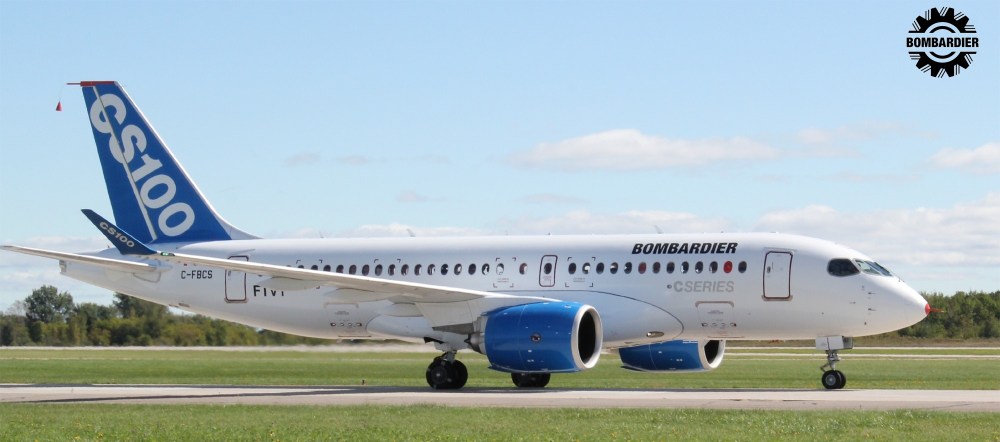
 Airbus SE acelera acuerdo con Bombardier Inc. en Programa de aviones CSeries
 La aprobación antimonopolio para el plan, que los planeadores habían estado buscando para fin de año, probablemente llegue antes de lo esperado, de acuerdo con la gente, que pidió no ser identificada ya que los procedimientos regulatorios son privados. El proceso hasta el momento no ha producido ningún problema, dijo una persona.


 Jet Airways-Air France-KLM dijo que estaban haciendo una oferta por Air India

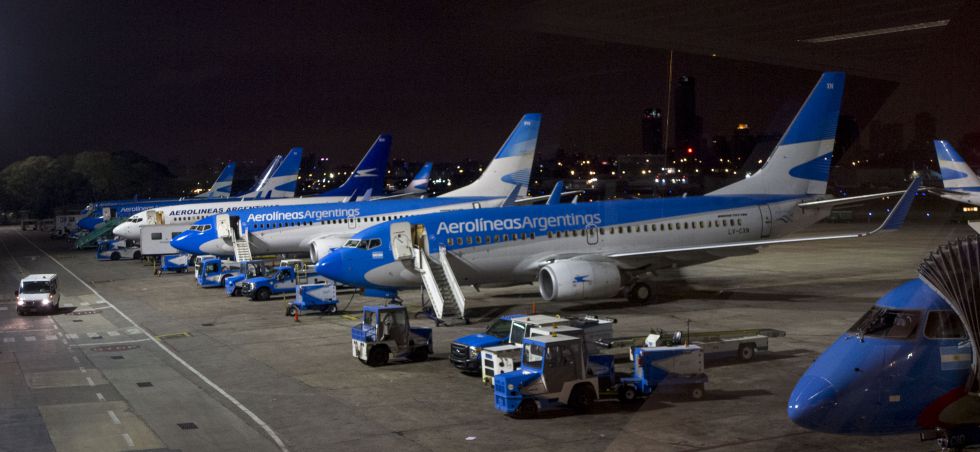
 El fondo buitre Burford Capital Limited ha vendido los derechos por el juicio de Marsans en el Grupo Aerolíneas
 El fondo Burford Capital Limited informó que ha firmado un acuerdo definitivo para vender todo su derecho en el caso Teinver. Por lo tanto, la venta representa una ganancia de inversión de U$S 94,2 millones de dólares y un retorno sobre el capital invertido de 736%.
 Burford, un fondo que financia inversiones de alto riesgo, fue quien puso el dinero para que el Grupo Marsans pudiera iniciar el juicio en el Ciadi para reclamar por una indemnización después de la estatización de Julio de 2008 del Grupo Aerolíneas, cuando el Gobierno de Argentina a cargo de Cristina Kirchner pagó simbólicamente un peso por la empresa. En ese mes, el tribunal condenó a la Argentina a pagar U$S 320 millones de dólares como reparación por aquel hecho administrativo. Sin embargo, Argentina a través de la Procuración del Tesoro, pidió la nulidad del fallo.

 Berkshire Hathaway es una sociedad tenedora de origen estadounidense que estaría interesada en adquirir Southwest Airlines
 La próxima gran compra de Warren Buffet, CEO de Berkshire Hathaway (BRK), podría ser Southwest Airlines, según un analista de la industria. Berkshire Hathaway de Warren Buffett puede comprar la totalidad de la aerolínea con sede en Forth-World, Texas, Southwest Airlines, de acuerdo con Wolfe Research. Southwest Airlines puede ser el próximo en la lista de compras de Warren Buffet, según una firma de Wall Street.

 The next big purchase from Warren Buffet, CEO of Berkshire Hathaway (BRK), could be Southwest Airlines, according to an industry analyst. Warren Buffett’s Berkshire Hathaway can buy the entire airline based in Forth-World, Texas, Southwest Airlines, according to Wolfe Research. Southwest Airlines may be next on the Warren Buffet shopping list, according to a Wall Street firm.
 airgways.com