Mercado Argentina post-pandemia
AW | 2020 07 14 16:04 | AIRLINES MARKET

Cambios en el mercado aéreo de Argentina

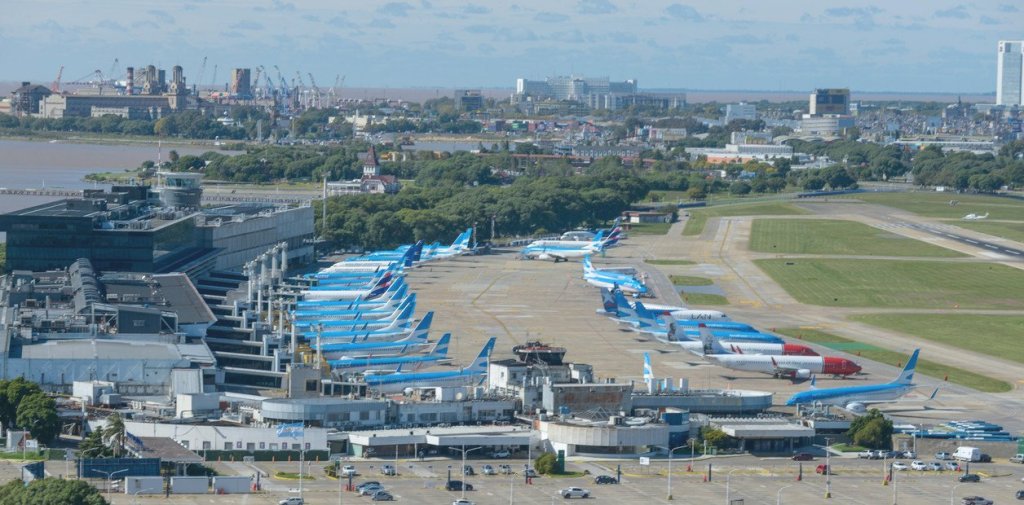
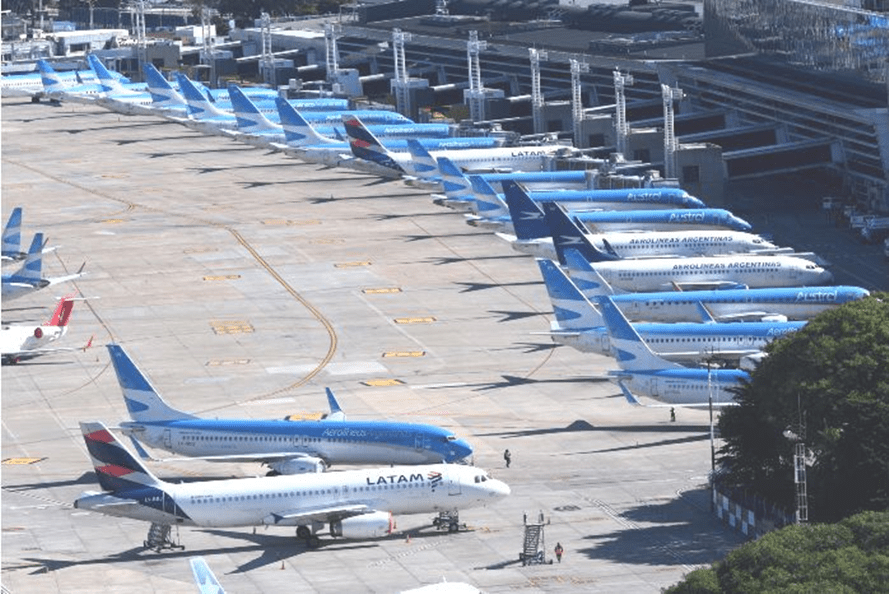
El mercado aéreo de la República Argentina ha sufrido cambios significativos en sintonía con los países del mundo afectados por la pandemia mundial de Coronavirus. Actualmente la estructura de vuelos de cabotaje presenta un panorama más concentrado luego salida casi definitiva de la aerolínea Latam Airlines Argentina.

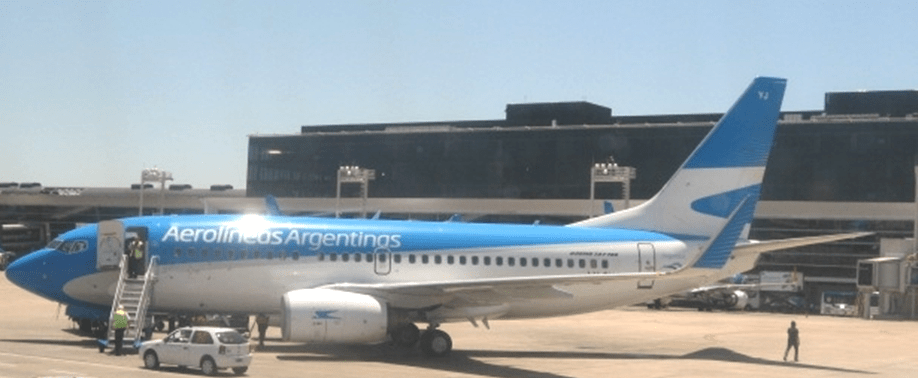
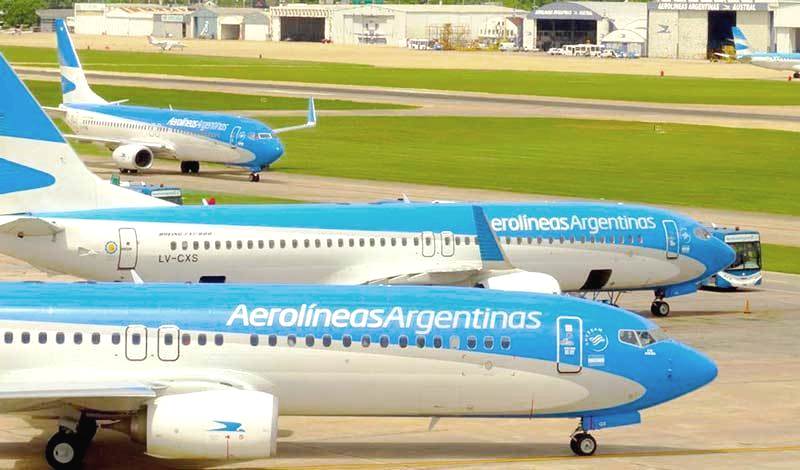
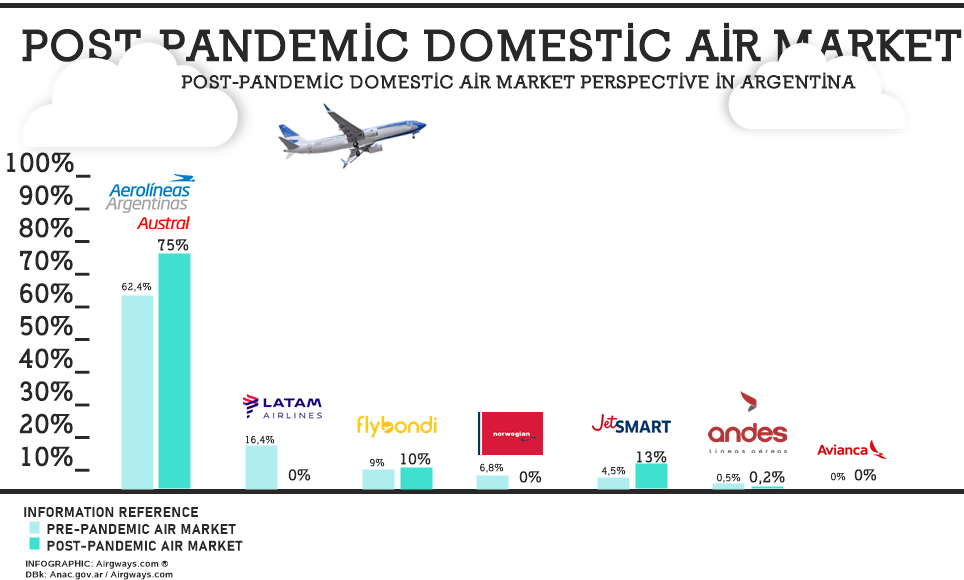
La salida definitiva de la compañía Latam Airlines Argentina de las operaciones domésticas del país, luego de quince años, dejaría al mercado de vuelos de cabotaje en manos de apenas cuatro compañías, Aerolíneas Argentinas con el 62% del mercado interno, seguidas por JetSmart Airlines Argentina, Flybondi Líneas Aéreas y Andes Líneas Aéreas.

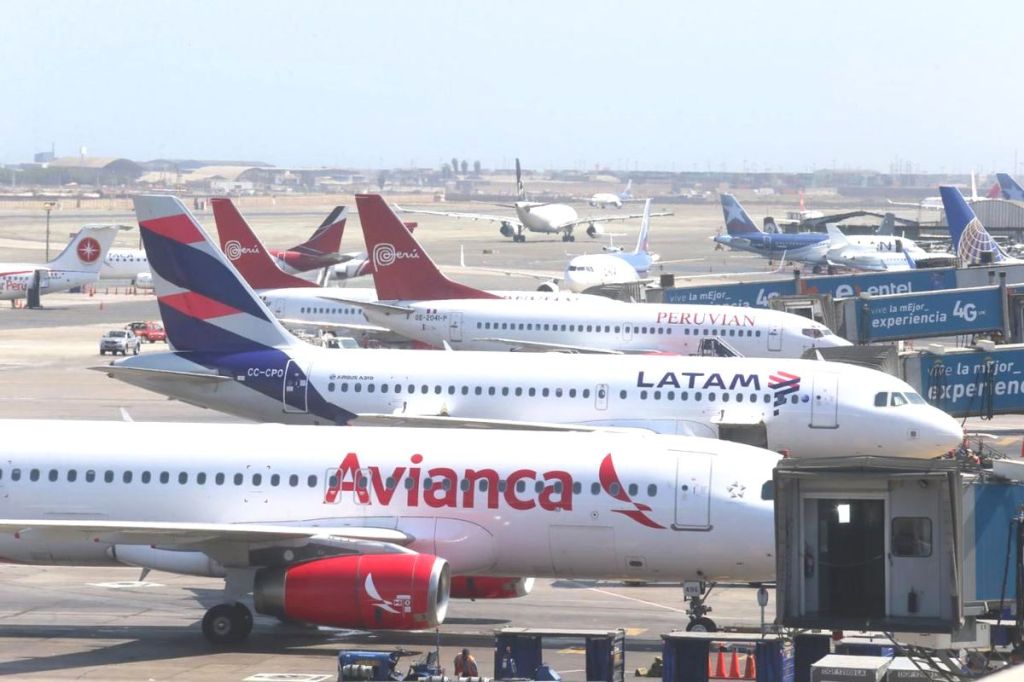
Los síntomas de debilidad local se traducen en un análisis de mercado aéreo anterior a la pandemia, afectada por la crisis financiera de Argentina y la inestabilidad monetaria. En el camino habían quedado empresas como Avianca Argentina y Norwegian Air Argentina cuando la apertura de rutas aéreas impulsada por el anterior Gobierno con la «Revolución de los Aviones», permitió el incremento de tráfico y número de compañías aéreas.

Tras el período de la extensa medidas adoptadas por el Gobierno producto de la pandemia, las compañías aéreas Andes Líneas Aéreas, como así las low cost Jetsmart Airlines Argentina y Flybondi Líneas Aéreas, ambas con una situación delicada frente al panorama operativo por la decisión del Gobierno del supuesto cierre del Aeropuerto Internacional El Palomar y las complicaciones de volar desde otra aeroestación que permita alcanzar los niveles de costos reducidos de las líneas aéreas de presupuesto. La indecisión del aeropuerto low cost, sumado al cierre del Aeropuerto Jorge Newbery por mantenimiento y reestructuración hasta finales de Noviembre 2020 ha llevado a las aerolíneas a replantear sus estrategias de vuelos en el mercado doméstico y regional.

El Gobierno de Argentina ha elaborado un plan para que las aerolíneas de bajo costo operen desde el Aeropuerto Internacional Ezeiza con una diferenciación de costos operativos respecto a las aerolíneas clásicas, pero JetSmart y Flybondi se muestran insatisfechas por la razón que los vuelos desde El Palomar presentan mejores alternativas para los usuarios debido a la cercanía con la Ciudad de Buenos Aires. Ante este panorama JetSmart y Flybondi han decidido mudar parte de las operaciones hacia el Aeropuerto Internacional Córdoba para aprovechar la baja incidencia de casos de Coronavirus en el interior del país.

Latam Airlines Argentina poseía doce destinos domésticos: Buenos Aires, Bariloche, Comodoro Rivadavia, Córdoba, El Calafate, Iguazú, Mendoza, Neuquén, Río Gallegos, Salta, Tucumán y Ushuaia. Ahora, con el supuesto retiro de su unidad de negocias en Argentina, el mercado aéreo post-pandemia se ha modificado.
Nueno escenario

A través de la crisis económica de Argentina, durante el 2019 muchas compaías continuaban creciendo pese a los factores de inflación crecientes en el país. En Julio 2019 representó el incremento de mayor tráfico con más de 1,5 millones de pasajeros transportados. Durante Marzo 22020, el último mes donde hubo vuelos de cabotaje antes de la suspensión por la cuarentena, el mercado doméstico fue de 681.000 pasajeros, casi un 50% menos interanual, cuando volaron por el país más de 1,3 millones de personas. A comienzos de este año, las cifras se habían mantenido con apenas una mínima variación respecto a 2019, con 1,2 millones en Enero 2020 y un número similar en Febrero 2020. En Marzo 2020, antes de la cuarentena, el 62% de la cuota de mercado correspondía a Aerolíneas Argentinas/Austral Líneas Aéreas, con un total de 4.513 vuelos. En el caso de Austral Líneas Aéreas podría ser absorbida por su empresa matriz hacia fines de 2020. El mercado doméstico es seguido por Latam Airlines Argentina con una participación del 16% y 849 vuelos domésticos, detrás se encontraba Jetsmart Airlines Argentina, que luego de absorber la operación de Norwegian Air Argentina, realizó más de 600 vuelos. Flybondi Líneas Aéreas con 406 vuelos de cabotaje y finalmente, Andes Líneas Aéreas con más de 40 vuelos enlas rutas argentinas.

Las actuales aerolíneas resultantes del nuevo escenario argentino están represantadas por Aerolíneas Argentinas, JetSmart Airlines Argentina, Flybondi Líneas Aéreas y Andes Líneas Aéreas. A partir de Septiembre 2020 se abre un nuevo panorama en la aviación comercial del país sudamericano donde las compañías aéreas necesitarán pilotear con audacia las nuevas políticas impuestas por el Estado, como así también un nuevo horizonte de incertidumbres por los efectos de la crisis sanitaria mundial, mientras tanto, entre bastidores, continua cocinándose un mercado más agresivo con tendencia hacia el monopolio de los viajes aéreos en Argentina.

Post-pandemic Argentina market

Changes in the Argentine air market

The air market in the Argentine Republic has undergone significant changes in tune with the countries of the world affected by the world coronavirus pandemic. Currently, the cabotage flight structure presents a more concentrated panorama after the almost definitive departure of Latam Airlines Argentina.

The definitive exit of the company Latam Airlines Argentina from the domestic operations of the country, after fifteen years, would leave the domestic flights market in the hands of just four companies, Aerolíneas Argentinas with 62% of the domestic market, followed by JetSmart Airlines Argentina, Flybondi Líneas Aéreas and Andes Líneas Aéreas.

The symptoms of local weakness are translated into an analysis of the air market prior to the pandemic, affected by the Argentine financial crisis and monetary instability. Companies such as Avianca Argentina and Norwegian Air Argentina had been left on the road when the opening of air routes promoted by the previous Government with the «Revolution of the Planes», allowed an increase in traffic and the number of airlines.
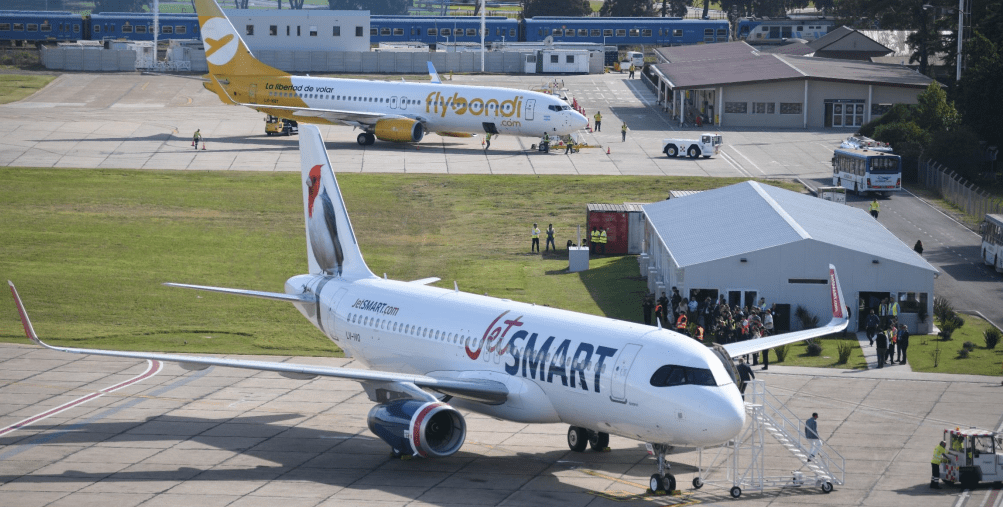
After the period of the extensive measures adopted by the Government as a result of the pandemic, the airlines Andes Líneas Aéreas, as well as the low cost Jetsmart Airlines Argentina and Flybondi Líneas Aéreas, both with a delicate situation in front of the operative panorama due to the decision of the Government the alleged closure of El Palomar International Airport and the complications of flying from another air station that allows reaching the low cost levels of budget airlines. The indecision of the low cost airport, added to the closure of Jorge Newbery Airport for maintenance and restructuring until the end of November 2020, has led airlines to rethink their flight strategies in the domestic and regional market.

The Government of Argentina has drawn up a plan for low-cost airlines to operate from Ezeiza International Airport with a differentiation of operating costs compared to classic airlines, but JetSmart and Flybondi are dissatisfied for the reason that flights from El Palomar have better alternatives for users due to the proximity to the City of Buenos Aires. Given this scenario, JetSmart and Flybondi have decided to move part of the operations to Córdoba International Airport to take advantage of the low incidence of Coronavirus cases in the interior of the country.

Latam Airlines Argentina had twelve domestic destinations: Buenos Aires, Bariloche, Comodoro Rivadavia, Córdoba, El Calafate, Iguazú, Mendoza, Neuquén, Río Gallegos, Salta, Tucumán and Ushuaia. Now, with the supposed withdrawal of its business unit in Argentina, the post-pandemic air market has changed.

La imagen tiene un atributo ALT vacío; su nombre de archivo es aw-market-air-argentina.-post-pandemia-2020.png

Nueno stage

Throughout the economic crisis in Argentina, during 2019 many companies continued to grow despite increasing inflation factors in the country. In July 2019 it represented the increase in increased traffic with more than 1.5 million passengers transported. During March 22020, the last month where there were domestic flights before the quarantine suspension, the domestic market was 681,000 passengers, almost 50% less year-on-year, when more than 1.3 million people flew across the country. At the beginning of this year, the figures had remained with only a slight variation compared to 2019, with 1.2 million in January 2020 and a similar number in February 2020. In March 2020, before quarantine, 62% of the Market share corresponded to Aerolíneas Argentinas/Austral Líneas Aéreas, with a total of 4,513 flights. In the case of Austral Líneas Aéreas it could be absorbed by its parent company towards the end of 2020. The domestic market is followed by Latam Airlines Argentina with a 16% share and 849 domestic flights, behind was Jetsmart Airlines Argentina, which after absorbing Norwegian Air Argentina’s operation carried out more than 600 flights. Flybondi Líneas Aéreas with 406 cabotage flights and finally, Andes Líneas Aéreas with more than 40 flights on Argentine routes.

The current airlines resulting from the new Argentine scenario they are represented by Aerolineas Argentinas, JetSmart Airlines Argentina, Flybondi Líneas Aéreas and Andes Líneas Aéreas. Starting in September 2020, a new panorama opens up in the commercial aviation of the South American country where airlines will need to boldly pilot the new policies imposed by the State, as well as a new horizon of uncertainties due to the effects of the world health crisis, Meanwhile, behind the scenes, a more aggressive market continues to cook with a tendency towards a monopoly on air travel in Argentina.

Ξ A I R G W A Y S Ξ
PUBLISHER: Airgways.com
DBk: Airgways.com / Anac.gov.ar / Argentina.gob.ar
AW-POST: 202007141604AR

A\W   A I R G W A Y S ®
Latinoamérica pérdidas por US$ 4.000M

AW | 2020 07 14 11:50 | AIRLINES MARKET

IATA: América Latina pérdidas por valor de US$ 4.000 millones

Las compañías aéreas de América Latina y el Caribe registrarán pérdidas por un valor de US$ 4.000 millones de Dólares en 2020, cuando se contabilizaron ingresos por US$ 38.000 millones de dólares, según datos suministrados hoy por la Asociación Internacional de Transporte Aéreo (IATA). De la misma manera se prevé que la contribución de la aviación al PIB de la región se reduzca en 98.000 millones, lo que pondrá en peligro 4,1 millones de puestos de trabajo. Las aerolíneas de la región habían reportado en 2019 ganancias por valor de US$ 25,9 mil millones.

IATA había pronosticado el año pasado que las aerolíneas latinoamericanas habrían de tener en el 2020 una ganancia neta de 29,3 mil millones de dólares, antes que el Coronavirus echara por tierra con todas las previsiones. En Argentina, se estima que los ingresos de las aerolíneas sean de US$ 3,28 billones de Dólares menos en este 2020 en relación al 2019, lo que significa una reducción del 65% y una pérdida de 19.800 puestos de trabajo; para Brasil la estimación es de 10,21 billones menos de recaudación; un 53% menos y 81.200 empleos; mientras que en Chile la previsión es de un ingreso menor de 2,43 billones de Dólares, también un 53% menos que en el 2019 y 15.000 fuentes laborales. Ante esta situación, IATA reiteró su llamado a los gobiernos de América Latina y el Caribe para que apoyen a la industria de la aviación, tanto en lo que respecta a la prestación de apoyo financiero, como a la facilitación de la reanudación del servicio según la norma de la guía desarrollada por la Organización de Aviación Civil Internacional (OACI). «El transporte aéreo en todo el continente está ahora en su cuarto mes de parálisis. Incluso con unos pocos países que han permitido la reanudación del servicio, la mayoría aún nos mantiene en tierra. Como industria hemos trabajado con todos los interesados en la cadena de valor para asegurarnos de que podemos reanudar en línea con las pautas de la OACI. Lamentablemente, no estamos logrando los progresos esperados con los gobiernos que las aplican, y cualquier otra suspensión de las operaciones está poniendo en peligro el futuro de la aviación», señalo al respecto Peter Cerdá, Vicepresidente Regional de IATA para las Américas.

IATA ha señalado que a nivel mundial, la ayuda de los gobiernos alcanza en total US$ 123.000 millones de Dólares, lo que equivale al 14% de los ingresos totales de las aerolíneas en 2019. Pero para América Latina y el Caribe se ha prometido una ayuda gubernamental de US$ 300 millones de Dólares, lo que equivale al 0,8% de los ingresos de la región en 2019, lo que implica el porcentaje más bajo que cualquier región del mundo haya proporcionado y advirtieron que tres de las cuatro aerolíneas más grandes de la región se acogieron en el último tiempo al Capítulo 11 de la Ley de Quiebras de Estados Unidos para reorganizar su deuda y además, cuatro aerolíneas ya han cesado sus operaciones.

Con el reciente anuncio del cierre de fronteras por parte de la Unión Europea a todos los países de América Latina y el Caribe, excepto Uruguay, se prevé una nueva disminución de los ingresos, estimando que por cada mes que se mantenga esta restricción, podrían perderse otros US$ 300 millones de dólares. «Lo que necesitamos como industria es que los gobiernos den fechas claras de cuándo podemos volver a volar. Si bien comprendemos que los gobiernos se preocupan por la salud de sus ciudadanos, obstaculizar una industria esencial que ha desarrollado protocolos sólidos para garantizar que el transporte aéreo no se convierta en un vector de la propagación del COVID-19 no ayudará a la tan necesaria recuperación socioeconómica», sostuvo Peter Cerdá.

Latin America losses of US$ 4,000 Million

IATA: Latin America will carry losses of US$ 4 billion

Airlines in Latin America and the Caribbean will record losses worth US$ 4,000 million in 2020, when revenues of US$ 38,000 million were recorded, according to data provided today by the International Air Transport Association (IATA). Likewise, the contribution of aviation to the region’s GDP is expected to decrease by 98,000 million, which will endanger 4.1 million jobs. Airlines in the region had reported earnings of US$ 25.9 billion in 2019.

IATA had predicted last year that Latin American airlines would have a net profit of US$ 29.3 billion in 2020, before the Coronavirus ruined all forecasts. In Argentina, it is estimated that the income of the airlines is US$ 3.28 trillion less in this 2020 compared to 2019, which means a reduction of 65% and a loss of 19,800 jobs; for Brazil the estimate is 10.21 trillion less in revenue; 53% less and 81,200 jobs; while in Chile the forecast is for an income of less than 2.43 trillion dollars, also 53% less than in 2019 and 15,000 job sources. Faced with this situation, IATA reiterated its call to the governments of Latin America and the Caribbean to support the aviation industry, both in terms of providing financial support and facilitating the resumption of service according to the guideline standard developed by the International Civil Aviation Organization (ICAO). «Air transport across the continent is now in its fourth month of paralysis. Even with a few countries that have allowed the resumption of service, most still keep us grounded. As an industry we have worked with all stakeholders in the chain of courage to make sure we can resume in line with ICAO guidelines. Unfortunately, we are not making the expected progress with the governments that apply them, and any further suspension of operations is jeopardizing the future of aviation», he said in this regard Peter Cerdá, IATA Regional Vice President for the Americas.

IATA has indicated that globally, government aid reaches a total of US$ 123 billion, which is equivalent to 14% of total airline revenues in 2019. But for Latin America and the Caribbean, a promise has been made of government aid of US$ 300 million, which is equivalent to 0.8% of the region’s income in 2019, which is the lowest percentage that any region in the world has provided and warned that three of the four airlines more Major companies in the region recently filed for Chapter 11 of the United States Bankruptcy Law to reorganize their debt, and four airlines have already ceased operations.

With the recent announcement of the closure of borders by the European Union to all Latin American and Caribbean countries, except Uruguay, a further decrease in income is expected, estimating that for each month that this restriction is maintained, they could be lost. another US$ 300 million. «What we need as an industry is for governments to give clear dates when we can fly again. While we understand that governments care about the health of their citizens, hinder an essential industry that has developed robust protocols to ensure air travel it does not become a vector of the spread of COVID-19 will not help the much-needed socio-economic recovery», said Peter Cerdá.

Ξ A I R G W A Y S Ξ
PUBLISHER: Airgways.com
DBk: Iata.org / Telam.com.ar / Airgways.com
AW-POST: 202007141150AR

A\W   A I R G W A Y S ®

Aerolíneas abonaría deuda salarios

AW | 2020 07 14 11:17 | AIRLINES

Aerolíneas Argentinas abonaría salario adeudado Junio 2020

En el marco de las negociaciones entre Aerolíneas Argentinas y los gremios aeronáuticos se ha acordado el pago parcial adeudado del salario del mes de Junio 2020. En un comunicado interno de la aerolínea, el próximo Jueves 16/07 será abonado el 50% restante de los sueldos de mes de Junio.

La compañía ha tenido un arrastre de un déficit creciente, sumado el período de complexión particular de pandemia de Coronavirus y la supresión de los vuelos a nivel mundial producto de la transmisión de la enfermedad. Aerolíneas, al no poder operar de forma regular desde finales del mes de Marzo 2020 no puede disponer de ingresos propios y suficientes para pagar los salarios en forma total, razón por la cual debió esperar a que el Estado Argentino aprobara una partida extra de dinero y para cumplimentar con el acuerdo alcanzado con los sindicatos aeronáuticos.

Aerolíneas would pay debt wages

Aerolíneas Argentinas would pay salary owed June 2020

In the framework of the negotiations between Aerolíneas Argentinas and the aeronautical unions, the partial payment due of the salary for the month of June 2020 has been agreed. In an internal statement from the airline, next Thursday 16/07, the remaining 50% of the June salaries.

The company has had an increasing deficit drag, added to the particular complexion period of the Coronavirus pandemic and the suppression of flights worldwide as a result of the transmission of the disease. Aerolíneas, since they have not been able to operate regularly since the end of March 2020, cannot have their own and sufficient income to pay wages in full, which is why they had to wait for the Argentine State to approve an extra amount of money and to fulfill the agreement reached with the aeronautical unions.

Ξ A I R G W A Y S Ξ
PUBLISHER: Airgways.com
DBk: Aerolineas.com / Airgways.com
AW-POST: 202007141117AR

A\W   A I R G W A Y S ®

Azul supera marca 200 vuelos

AW | 2020 07 14 10:41 | AIRLINES

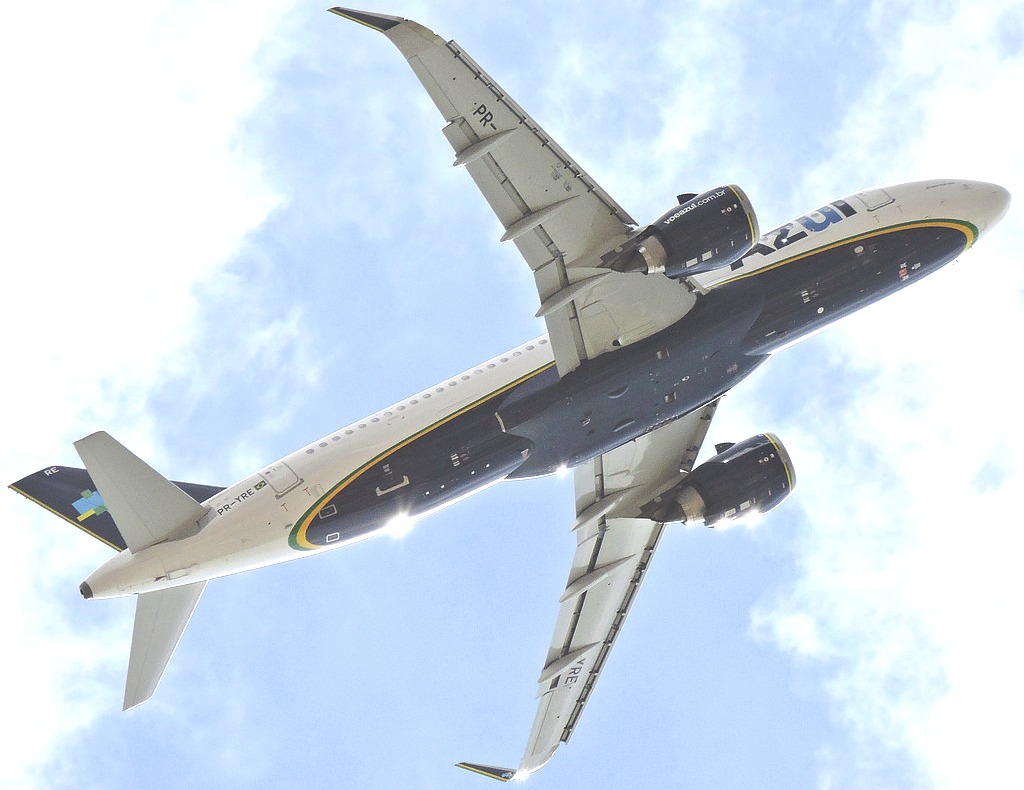
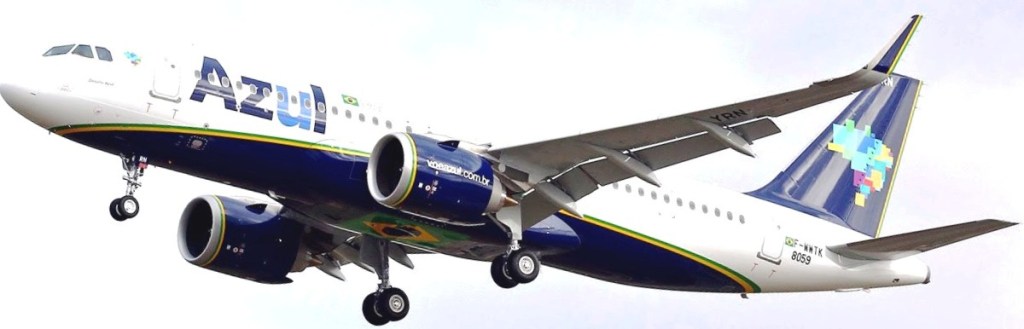
Azul sobrepasa 200 vuelos diarios después restricciones pandemia

Azul Línas Aéreas ha superado los 200 vuelos diarios después de más de tres meses de restricciones nuevamente alcanza la marca de tráfico aéreo. Tras el aislamiento desde el 26 Marzo, cuando comenzaron a anunciarse medidas de seguridad sanitarias en todo Brasil debido a la pandemia de Coronavirus, las operaciones se redujeron drásticamente. En asociación con TwoFlex, la compañía tendrá 255 despegues, para 106 rutas y en 68 ciudades.

En la red de rutas de reanudación de operaciones se encuentran Maringá (Paraná), João Pessoa (Paraíba), y Alta Floresta (Mato Grosso). Maringá volverá a tener cuatro conexiones semanales con Campinas (SaoPaulo), mientras que la capital de Paraíba se conectará diariamente con Recife (Pernambuco), el centro de conexión de Azul en el noreste del país. Alta Floresta tiene, a partir de hoy, vuelos cuatro veces por semana a Cuiabá. Además de la reanudación de las bases, Azul inaugura, esta semana, los vuelos Campinas-Chapecó, Recife-Teresina y Cuiabá-Campo Grande. Todos los vuelos nuevos seguirán los mismos protocolos y medidas de higiene establecidos por Azul desde el comienzo de la pandemia.

Medidas de seguridad

Desde el comienzo de la pandemia, Azul reforzó la limpieza de su avión en cada vuelo y por la noche, siguiendo los protocolos sugeridos por la Asociación Internacional de Transporte Aéreo (IATA). La compañía también fue la primera en el país en hacer obligatorio el uso de máscaras para la tripulación y los pasajeros, tanto a bordo como en tierra. Azul también comenzó a medir la temperatura de la tripulación en cada inicio del turno.

Pionera en tecnología en el mundo, Azul lanzó la Alfombra Azul, compuesta por un conjunto de proyectores y monitores, que, a través de la realidad aumentada, indican al cliente el momento adecuado para embarcarse. En el piso, los proyectores forman una alfombra virtual colorida y móvil, que invita a la persona a posicionarse en la cola de acuerdo con su número de asiento. La innovación ha proporcionado una disminución de aproximadamente el 25% en el tiempo de embarque y contribuye a la distancia social, ya que los clientes convocados para el embarque están separados por cuatro metros.

Azul exceeds 200 flights mark

Azul surpasses 200 daily flights after pandemic restrictions

Azul Linas Aéreas has exceeded 200 daily flights after more than three months of restrictions once again reaches the air traffic mark. Following the isolation since March 26, when there is an announcement of health security measures in all of Brazil due to the Coronavirus pandemic, operations were drastically reduced. In partnership with TwoFlex, the company will have 255 takeoffs, for 106 routes and in 68 cities.

Maringá (Paraná), João Pessoa (Paraíba) and Alta Floresta (Mato Grosso) are in the network of resumption of operations routes. Maringá will once again have four weekly connections with Campinas (Sao Paulo), while the capital of Paraíba will connect daily with Recife (Pernambuco), Azul’s connection center in the northeast of the country. Alta Floresta has, as of today, flights four times a week to Cuiabá. In addition to the resumption of the bases, Azul inaugurated this week the Campinas-Chapecó, Recife-Teresina and Cuiabá-Campo Grande flights. All new flights will follow the same protocols and hygiene measures established by Azul since the beginning of the pandemic.

Security measures

From the beginning of the pandemic, Azul reinforced the cleanliness of his plane on each flight and at night, following the protocols suggested by the International Air Transport Association (IATA). The company was also the first in the country to make masks mandatory for crew and passengers, both on board and on the ground. Azul also began measuring the crew temperature at each start of the shift.

A pioneer in technology in the world, Azul, the blue carpet, made up of a set of projectors and monitors, which, through augmented reality, indicates to the customer the right time to embark. On the floor, the projectors form a colorful and mobile virtual mat, inviting the person to position herself in line according to her seat number. The innovation has provided a decrease of approximately 25% in boarding time and contribute to social distance, since the clients called for boarding are four meters apart.

Azul supera marca 200 vuelos

Azul sobrepasa 200 vuelos diarios después restrição por pandemia

A Azul Línas Aéreas superou os 200 vôos diários com mais de três meses de restrições, agora alcanza a marca de tráfego aéreo. Após o desligamento desde o dia 26 de março, quando você anuncia medidas de segurança sanitárias em todo o Brasil debitado da pandemia de coronavírus, as operações são redundadas drásticamente. Na associação com o TwoFlex, a empresa compara 255 pessoas, para 106 rotações e 68 citações.

No vermelho, as rotinas de reanálise de operações são realizadas em Maringá (Paraná), João Pessoa (Paraíba) e Alta Floresta (Mato Grosso). Maringá volverá tener cuatro conexions semalesales with Campinas (SaoPaulo), mencione a capital da Paraíba se conecte diariamente a Recife (Pernambuco), o centro de conexão Azul no país de origem. Alta Floresta tem, a partir de hoy, vuelos cuatro veces por semana em Cuiabá. Adquirir a pesquisa de bases, Azul inaugura, nesta semana, os voos Campinas-Chapecó, Recife-Teresina e Cuiabá-Campo Grande. Todos os voos novos seguem os protocolos e medidas de higiene estabelecidas pelo Azul desde o início da pandemia.

Medidas de segurança

Desde o comissionamento da pandemia, o Azul reforça a limitação da aviação em cada veículo e por noite, siginificando os protocolos sugeridos pela Associação Internacional de Transporte Aéreo (IATA). A empresa também fechou a primer no país, a fim de obrigar o uso de máscaras para tripulação e passageiros, tanto em países como na terra. Azul também mede a temperatura da tripulação em cada início de turno.

Pioneira em tecnologia no mundo, Azul lanzó Alfombra Azul, compilado por um conjunto de projetores e monitores, que, atravessa a realidade aumentada, indica o cliente no momento indicado para o transporte. No piso, os projetores executam uma cor virtual colorida e móvel, que convida a pessoa a posicionar-se na cola de tinta com o número de asiáticos. A inovação ofereceu uma redução de aproximadamente 25% no tempo de embarque e contribuição para a distância social, se os clientes convocados para o embarque estão separados por dois metros.

Ξ A I R G W A Y S Ξ
PUBLISHER: Airgways.com
DBk: Voeazul.com.br / Airgways.com / Mercadoeeventos.com.br
AW-POST: 202007141041AR

A\W   A I R G W A Y S ®

Rusia a Corte Europea por derribo MH17

AW | 2020 07 13 14:37 | AIR INVESTIGATION / GOVERNMENT

Países Bajos llevará a Rusia a Corte Europea Justicia por derribo MH017

El Gobierno del Reino Unido de los Países Bajos ha anunciado la solicitud de recurrir a la Federación Rusia ante el Tribunal Europeo de Derechos Humanos por su presunta complicidad en el derribo en 2014 del vuelo MH-017 de un Boeing 777-200ER de Malaysia Airlines.

La aeronave Boeing 777-200ER con registro 9M-MRD fue derribado con un misil Buk de fabricación rusa por rebeldes pro-rusos en el este de la república de Ucrania, y resultó en la muerte de 298 civiles, dos tercios de los cuales eran holandeses. El Ministro de Asuntos Exteriores holandés, Stef Blok, dijo que la medida está diseñada para apoyar casos individuales presentados por familiares de algunas de las víctimas en el tribunal europeo: «Lograr justicia para 298 víctimas del derribo del vuelo MH17 es y seguirá siendo la máxima prioridad del gobierno. Como gobierno, tenemos información y pruebas que nos llevan a la conclusión de la participación de la Federación de Rusia», expresó Stef Blok. Al lanzar un caso interestatal contra Rusia, el gobierno holandés compartirá toda la información disponible y relevante sobre el derribo del vuelo MH17 con el tribunal europeo para apoyar casos individuales presentados contra Rusia, dijo el Ministerio de Relaciones Exteriores.

La posición de Moscú continúa siendo de negación de haber sido partícipe en el derribo del avión. En Abril 2020, un informe encontró que el Coronel General Andrei Burlaka, del Servicio Federal de Seguridad de Rusia, es uno de los funcionarios rusos que supuestamente autorizó la transferencia del lanzador de misiles Buk ruso que derribó el avión. Según los informes, solo está a dos pasos de la cadena de mando del Jefe Alexander Bortnikov del Servicio Federal de Seguridad (FSB), quien responde directamente al Presidente de Rusia, Vladimir Putin. Los sospechosos, los rusos Sergei Dubinsky, Oleg Pulatov e Igor Girkin, y el ucraniano Leonid Kharchenko, están siendo juzgados en ausencia por su participación en la tragedia. Leonid Kharchenko, quien dirigió una unidad de combate como Comandante en el este de Ucrania, fue arrestado en cargos no relacionados cerca de su casa en el este de Ucrania, el 11 Marzo 2020. En Mayo 2020, Igor Girkin, ex Coronel del Servicio de Inteligencia del FSB de Rusia, dijo que siente una responsabilidad moral por el desastre.

Cronología Malaysia MH-017

El vuelo MH-017/MAS-017 de Malaysia Airlines fue un vuelo programado de pasajeros desde Amsterdam a Kuala Lumpur, Singapure, que fue derribado el 17 Julio 2014 mientras volaba sobre el este de Ucrania. Los 283 pasajeros y 15 tripulantes fueron asesinados. El contacto con el avión, un Boeing 777-200ER , se perdió cuando estaba a unos 50 km de la frontera entre Ucrania y Rusia, y los restos del avión cayeron cerca de Hrabove en Donetsk Oblast, Ucrania, a 40 km (25 millas) de la frontera. Fue Malaysia Airlines la segunda pérdida de aviones durante 2014, después de la desaparición del vuelo 370 el 8 Marzo 2014.

El derribo ocurrió en la Guerra del Donbass, durante la Batalla en Shakhtarsk Raion, en un área controlada por los rebeldes pro-rusos. La Fuerza Aérea de Ucrania había sufrido pérdidas por armamento de defensa aérea cada vez más sofisticado. La responsabilidad de la investigación fue delegada a la Junta de Seguridad Holandesa (DSB) y al equipo conjunto de investigación (JIT) liderado por los holandeses, quienes concluyeron que el avión fue derribado por un misil tierra-aire Buk lanzado desde el control separatista pro-ruso territorio en Ucrania. Según el JIT, el Buk que se utilizó se originó en la 53ª Brigada de Misiles Antiaéreos de la Federación de Rusia y había sido transportado desde Rusia el día del accidente, despedido de un campo en un área controlada por los rebeldes y luego regresó a Rusia. Sobre la base de las conclusiones del JIT, los gobiernos de los Países Bajos y Australia responsabilizaron a Rusia del despliegue de la instalación de Buk y siguieron rutas legales a partir de Mayo 2018. El Gobierno ruso negó su participación en el derribo del avión, y su explicación de lo que causó el derribo ha variado con el tiempo. La cobertura en los medios rusos también ha diferido de la de otros países. Rusia responsabiliza al Gobierno ucraniano por permitir vuelos civiles en una zona de guerra.

Inmediatamente después de que se perdió el contacto con el avión, la milicia rebelde en Donetsk afirmó haber derribado a un transportador militar ucraniano An-26. Cuando se hizo evidente que los restos que cayeron cerca de Hrabove provenían de un avión civil, los separatistas retiraron este reclamo y negaron derribar cualquier avión. Los hallazgos del DSB y el JIT son consistentes con los reclamos anteriores de las fuentes de inteligencia estadounidenses y alemanas y los reclamos del Gobierno ucraniano.

Russia to European Court for demolition MH17

Netherlands to bring Russia to European Court of Justice for shoot down MH017

The Government of the United Kingdom of the Netherlands has announced a request to appeal to the Russian Federation before the European Court of Human Rights for its alleged complicity in the 2014 shootdown of flight MH-017 of a Malaysia Airlines Boeing 777-200ER.

The Boeing 777-200ER aircraft with registration 9M-MRD was shot down with a Russian-made Buk missile by pro-Russian rebels in the eastern Ukraine, resulting in the deaths of 298 civilians, two-thirds of whom were Dutch. Dutch Foreign Minister Stef Blok said the measure is designed to support individual cases brought by relatives of some of the victims at the European court: «Achieving justice for 298 victims of the shooting down of MH17 is and will remain the maxim government priority. As a government, we have information and evidence that leads to the conclusion of the participation of the Russian Federation», said Stef Blok. By launching an interstate case against Russia, the Dutch government will share all available and relevant information about the shootdown of flight MH17 with the European court to support individual cases brought against Russia, the Foreign Ministry said.

Moscow’s position continues to be in denial of having participated in the shooting down of the plane. In April 2020, a report found that Colonel General Andrei Burlaka, of the Russian Federal Security Service, is one of the Russian officials who allegedly authorized the transfer of the Russian Buk missile launcher that shot down the plane. He is reportedly only two steps away from the chain of command of Chief Alexander Bortnikov of the Federal Security Service (FSB), who reports directly to Russia’s President Vladimir Putin. The suspects, Russians Sergei Dubinsky, Oleg Pulatov and Igor Girkin, and Ukrainian Leonid Kharchenko, are being tried in absentia for their involvement in the tragedy. Leonid Kharchenko, who led a combat unit as Commander in Eastern Ukraine, was arrested on unrelated charges near his home in Eastern Ukraine on March 11, 2020. In May 2020, Igor Girkin, former Colonel of the Service of Russia’s FSB intelligence said it feels a moral responsibility for the disaster.

Malaysia MH-017 Timeline

Malaysia Airlines flight MH-017/MAS-017 was a scheduled passenger flight from Amsterdam to Kuala Lumpur, Singapure, which was shot down on July 17, 2014 while flying over eastern Ukraine. The 283 passengers and 15 crew members were killed. Contact with the plane, a Boeing 777-200ER, was lost when it was about 50 km from the Ukrainian-Russian border, and the wreckage of the plane fell near Hrabove in Donetsk Oblast, Ukraine, 40 km (25 miles) from the border. Malaysia Airlines was the second loss of aircraft during 2014, after the disappearance of flight 370 on March 8, 2014.

The shoot down occurred in the Donbass War, during the Battle at Shakhtarsk Raion, in an area controlled by the pro-Russian rebels. The Ukrainian Air Force had suffered losses from increasingly sophisticated air defense weapons. Responsibility for the investigation was delegated to the Dutch Security Board (DSB) and the Dutch-led Joint Investigation Team (JIT), who concluded that the plane was shot down by a Buk surface-to-air missile launched from pro-separatist control. -Russian territory in Ukraine. According to JIT, the Buk that was used originated from the 53rd Anti-Aircraft Missile Brigade of the Russian Federation and had been transported from Russia the day of the accident, fired from a field in a rebel-controlled area, and then returned to Russia. Based on the JIT findings, the governments of the Netherlands and Australia held Russia responsible for the deployment of the Buk facility and followed legal routes as of May 2018. The Russian government denied its involvement in the downing of the plane, and his explanation of what caused the shoot down has varied over time. Coverage in the Russian media has also differed from that of other countries. Russia blames the Ukrainian Government for allowing civilian flights in a war zone.

Immediately after contact with the plane was lost, the rebel militia in Donetsk claimed to have shot down an Ukrainian military transporter An-26. When it became clear that the wreckage that fell near Hrabove came from a civilian plane, the separatists withdrew this claim and refused to shoot down any aircraft. The DSB and JIT findings are consistent with previous claims by US and German intelligence sources and claims by the Ukrainian government.

Ξ A I R G W A Y S Ξ
PUBLISHER: Airgways.com
DBk: Government.nl / Airgways.com / Neweurope.eu
AW-POST: 202007131437

A\W   A I R G W A Y S ®

Flybondi busca captación mercado

AW | 2020 07 13 13:15 | AIRLINES

Flybondi avanza mercado abandonados por Latam y Avianca

Flybondi Líneas Aéreas ha iniciado una nueva expansión después que la pandemia ha cambiado el mercado en Argentina y en el mundo. La aerolínea de presupuesto de Argentina ha mirado en el radar el espacio abandonado por las aerolíneas Latam Airlines Argentina y Avianca Perú. La compañía ha anunciado la semana atrás las presentaciones ante las autoridades aeronáuticas de Argentina y Perú los permisos que le permitirán en el ámbito doméstico operar rutas regulares dejadas por Latam Argentina y estrenar una nueva ruta hacia la República de Perú uniendo Buenos Aires y Lima. La low cost ha solicitado a la ANAC conexiones con la capital peruana desde Bariloche, Córdoba, Iguazú, Mendoza, Córdoba, Rosario y Salta.

Recorte de salarios

Flybondi anunció que llegó a un acuerdo con los gremios para extender por otros tres meses el recorte de salarios que aplicó durante Abril, Mayo y Junio. Así, se mantiene la reducción del 50% del sueldo para los ejecutivos y directores y la rebaja para el resto de los empleados, que es de 15% para los salarios más bajos hasta un tope de 40%. La medida forma parte de un plan de ajuste implementado por la línea aérea low cost para hacer frente a la situación generada por la pandemia de coronavirus, que obligó a todas las aerolíneas que operan en el país a cancelar los vuelos hasta el 1 Septiembre 2020. El recorte salarial consensuado es una de las herramientas que utilizan las líneas aéreas. JetSmart, Andes Líneas Aéreas y Aerolíneas Argentinas/Austral Líneas Aéreas han adoptado las mismas medidas. También hizo lo mismo Latam Argentina, empresa que ya anunció que deja de operar en el país. Pero en este caso el recorte no tuvo el aval de los gremios tradicionales del sector aeronáutico, que denunciaron la situación ante el Ministerio de Trabajo. La cartera laboral intimó a Latam a pagar el 100% de los sueldos.

Flybondi seeks market capture

Flybondi advances market abandoned by Latam and Avianca

Flybondi Líneas Aéreas has started a new expansion after the pandemic has changed the market in Argentina and in the world. Argentina’s budget airline has looked on the radar at the space abandoned by Latam Airlines Argentina and Avianca Peru. The company announced the week before the presentations before the aeronautical authorities of Argentina and Peru the permits that will allow it to operate in the domestic sphere regular routes left by Latam Argentina and to launch a new route to the Republic of Peru linking Buenos Aires and Lima. The low cost has requested ANAC to connect with the Peruvian capital from Bariloche, Córdoba, Iguazú, Mendoza, Córdoba, Rosario and Salta.

Cut wages

Flybondi announced that it reached an agreement with the unions to extend for another three months the cut in wages that it applied during April, May and June. Thus, the 50% reduction in salary for executives and directors is maintained, and the reduction for the rest of the employees, which is 15% for lower salaries up to a maximum of 40%. The measure is part of an adjustment plan implemented by the low cost airline to deal with the situation caused by the coronavirus pandemic, which forced all airlines operating in the country to cancel flights until September 1, 2020. The agreed salary cut is one of the tools that airlines use. JetSmart, Andes Airlines and Aerolíneas Argentinas/Austral Líneas Aéreas have adopted the same measures. Latam Argentina also did the same, a company that has already announced that it ceases to operate in the country. But in this case the cut did not have the endorsement of the traditional unions of the aeronautical sector, which reported the situation to the Ministry of Labor. The labor portfolio encouraged Latam to pay 100% of wages.

Ξ A I R G W A Y S Ξ
PUBLISHER: Airgways.com
DBk: Flybondi.com / Airgways.com / Anac.gov.ar
AW-POST: 202007131315AR

A\W   A I R G W A Y S ®

Aerolíneas perspectivas post-pandemia

AW | 2020 07 12 21:14 | AIRLINES / AVIATION ORGANISMS

Aerolíneas Argentinas entre la crisis y la sustentabilidad

La próxima línea de planificación de Aerolíneas Argentinas será buscar una reducción significativa de los costos operativos. Actualmente, el grupo está compuesto por la compañía de bandera, su aerolínea regional Austral Líneas Aéreas, el operador turístico Optar, Aerohandling, y Jetpaq, el servicio de cargas.

La dirección de la compañía ha proyectado dos nuevas unidades de negocios: promover la unidad del negocio de cargas redireccionando algunas aeronaves de pasajeros para el servicio de carga; la otra es ofrecer servicios de mantenimiento para terceros. Para el sindicato de los Técnicos, esas decisiones son «más necesarias que nunca, las cuales asegurarán nuestro trabajo y originarán mayores ingresos en divisas fuertes a la empresa, por lo que promueve aumentar al máximo la eficiencia, productividad y facturación de la empresa».

APTA, opone fusión Aerolíneas/Austral

Las nuevas acciones por parte del directorio son el mejoramiento del sector de cargas y la sinergia total de Austral Líneas Aéreas con Aerolíneas Argentinas. La realidad es que este último punto ha sido un viejo anhelo que ahora en tiempos de pandemia, buscan concretar. Desde la visión histórica de algunos de los gremios aeronáuticos, la fusión lleva implícito un proceso de flexibilización de los convenios y de tercerización para vender servicios a otras compañías. Sin embargo, ahora, con la excepción del cuerpo de delegados del sindicato Asociación Personal Técnicos Aeronáuticos (APTA) de Austral, todos los gremios se han alineado con esa propuesta. El CEO de Aerolíneas, Pablo Ceriani, ha expresado que la fusión no implicará una reducción de personal aunque advirtió: «El cierre de otras aerolíneas nos debe hacer reflexionar sobre la responsabilidad que tenemos como línea de bandera de ser una empresa eficiente y sustentable».

Gastón Kutnick, dirigente del cuerpo de delegados de APTA Austral, señaló que «los sindicatos están en una contradicción porque aprueban el plan en general pero se oponen a sus efectos concretos y niegan que esté vinculado al problema más general del ajuste. Vemos un plan de achicamiento que, lejos de ser una optimización, será un deterioro de las condiciones de trabajo sin asegurar los puestos. Si aceptamos que tienen que primar la rentabilidad y la productividad y no la calidad del servicio, van a tener que cambiar todo el modelo social que pregonaban hace un tiempo. Decimos cosas que los sindicatos dijeron toda la vida, son ellos los que, ahora, bajaron esas banderas».

Salarios, escollo

Los sindicatos aeronáuticos han informado al personal acerca de la decisión de la compañía de depositar el 50% de los salarios de Junio a la espera de una nueva partida que giraría Hacienda, por ahora sin fecha confirmada. La paritaria de 2018-2019 permanece inconclusa y los sueldos ya sufrieron algunas quitas de adicionales y refrigerios. La decisión del Gobierno de particionar el salario de los trabajadores ha generado un nuevo escenario para reclamos aún en tiempos de pandemia. Los sindicatos rechazaron la decisión y presentaron un reclamo en el Ministerio de Trabajo; por el momento no anunciaron medidas. Lo que para el directorio es un problema administrativo, para los trabajadores es una luz de alarma para el futuro de su fuente laboral.

El Secretario General de APLA Pablo Biró expresó respecto a la situación del pago de los salarios: «Si no pagan los salarios será una luz de alarma para la paz social que requiere el gobierno», asegura que respaldan todas las medidas que permitan el crecimiento de Aerolíneas. Pero que no aceptarán pagar los costos de la actual situación.

Aerolíneas Argentinas firma contrato de ingeniería con Boeing |

Aerolíneas post-pandemic perspectives

Aerolíneas Argentinas between crisis and sustainability

The next line of planning for Aerolíneas Argentinas will be to seek a significant reduction in operating costs. Currently, the group is made up of the flag company, its regional airline Austral Líneas Aéreas, the tour operator Optar, Aerohandling, and Jetpaq, the cargo service.

The company’s management has projected two new business units: promoting the cargo business unit by redirecting some passenger aircraft for cargo service; The other is to offer maintenance services for third parties. For the Technicians union, these decisions are «more necessary than ever, which will ensure our work and will generate greater income in hard currency for the company, which is why it promotes maximizing the company’s efficiency, productivity and turnover».

APTA opposes Aerolíneas/Austral merger

The new actions by the board are the improvement of the cargo sector and the total synergy of Austral Líneas Aéreas with Aerolineas Argentinas. The reality is that this last point has been an old desire that now in times of a pandemic, they seek to achieve. From the historical perspective of some of the aeronautical unions, the merger implies a process of flexibility of the agreements and outsourcing to sell services to other companies. However, now, with the exception of the delegate corps of the Austral Aeronautical Technicians Association (APTA) union, all the unions have aligned themselves with that proposal. The CEO of Airlines, Pablo Ceriani, has expressed that the merger will not imply a reduction of personnel although he warned: «The closure of other airlines should make us reflect on the responsibility we have as a flag line to be an efficient and sustainable company».

Gastón Kutnick, leader of the delegate body of APTA Austral, pointed out that «the unions are in a contradiction because they approve of the plan in general but they oppose its concrete effects and deny that it is linked to the more general problem of adjustment. We see a plan for shrinking that, far from being an optimization, will be a deterioration of working conditions without securing jobs. If we accept that profitability and productivity must prevail over service quality, they will have to change the entire social model that They proclaimed a while ago. We say things that the unions have said all their lives, it is they who, now, lowered those flags».

Wages, pitfall

Aviation unions have informed staff about the company’s decision to deposit 50% of June wages pending a new departure that would rotate the Treasury, for now without a confirmed date. The 2018-2019 parity remains unfinished and the salaries have already suffered some reductions in extras and snacks. The government’s decision to partition workers’ wages has created a new scenario for claims even in times of pandemic. The unions rejected the decision and filed a complaint with the Ministry of Labor; at the moment they did not announce measures. What for the board is an administrative problem, for the workers it is an alarm light for the future of their labor source.

The Secretary General of APLA Pablo Biró expressed regarding the situation of the payment of wages: «If they do not pay the wages it will be an alarm light for the social peace that the government requires», he assures that they support all the measures that allow the growth of Aerolíneas But they will not accept to pay the costs of the current situation.

Ξ A I R G W A Y S Ξ
PUBLISHER: Airgways.com
DBk: Aviones.com / Aerolineas.com / Airgways.com
AW-POST: 202007122114AR

A\W   A I R G W A Y S ®

Azul reconfigura 1er E195 cargero

AW | 2020 07 12 12:16 | AIRLINES

Azul configura primer Embraer E195 carguero del mundo

Azul Linhas Aéreas ha incorporado el primer carguero Embraer E195F del mundo al modificar el avión de su flota E195 PR-AYO. En las operaciones de carga de la compañía, es la primera vez en la historia de la aviación mundial la conversión de una unidad de la línea E-jets.

La aerolínea brasileña continúa satisfaciendo la demanda creciente creada por la pandemia y la caída de la demanda de vuelos de pasajeros. El Embraer E195, registrado PR-AYO, anteriormente poseía una pintura rosa bajo el nombre de Rosa & Azul, pero estaba a punto de abandonar la flota cuando llegó el nuevo E195-E2 PS-AEA, este último también con librea de color rosa, para la campaña de lucha contra el cáncer de mama. Sin embargo, cuando la pandemia arribó a la escena mundial, la compañía redirigió sus esfuerzos para aumentar las capacidades de carga por la demanda de la crisis sanitaria. La aeronave ha sido vista en color blanco en el Aeropuerto de Pampulha, Belo Horizonte, donde es la base de mantenimiento de la compañía.

Azul Cargo

La marca Azul Cargo redobla sus esfuerzos al incorporar una aeronave regional para operaciones de carga y mensajería. El Embraer E195 fue pintado con una nueva imagen y reconfiguración de la célula para trabajar junto con los dos Boeing 737-400F en las operaciones de carga. En la reconfiguración del E195, suprimieron los asientos al avión con la funcionalidad de aumentar el espacio para carga. No se han revelado detalles acerca de las capacidades de carga y el inicio de las operaciones de esta nueva unidad, aunque las estimaciones de la compañía estiman hacia finales de Julio 2020.

Azul reconfigures 1st E195 cargo ship

Azul configures the world’s first Embraer E195 freighter

Azul Linhas Aéreas has incorporated the world’s first Embraer E195F freighter by modifying the aircraft in its E195 PR-AYO fleet. In the company’s cargo operations, it is the first time in the history of world aviation that a unit of the E-jets line has been converted.

The Brazilian airline continues to meet the growing demand created by the pandemic and the drop in demand for passenger flights. The Embraer E195, registered PR-AYO, previously had a pink paint under the name Rosa & Azul, but was about to leave the fleet when the new E195-E2 PS-AEA arrived, the latter also in pink livery, for the campaign to fight breast cancer. However, when the pandemic hit the world stage, the company redirected its efforts to increase load capacities due to the demand of the health crisis. The aircraft has been seen in white at Pampulha Airport, Belo Horizonte, where it is the company’s maintenance base.

Azul Cargo

The Azul Cargo brand redoubles its efforts by incorporating a regional aircraft for cargo and courier operations. The Embraer E195 was painted with a new image and cell reconfiguration to work alongside the two Boeing 737-400Fs in cargo operations. In the E195’s reconfiguration, they removed the seats to the plane with the functionality of increasing cargo space. Details about the loading capacities and the start of operations of this new unit have not been revealed, although the company’s estimates estimate towards the end of July 2020.

Azul reconfigura 1º E195 cargueiro

Azul monta o primeiro cargueiro Embraer E195 do mundo

A Azul Linhas Aéreas incorporou o primeiro cargueiro Embraer E195F do mundo, modificando a aeronave em sua frota E195 PR-AYO. Nas operações de carga da empresa, é a primeira vez na história da aviação mundial que uma unidade da linha de E-jets é convertida.

A companhia aérea brasileira continua atendendo à crescente demanda criada pela pandemia e à queda na demanda por voos de passageiros. O Embraer E195, registrado PR-AYO, já tinha uma tinta rosa com o nome Rosa & Azul, mas estava prestes a deixar a frota quando o novo E195-E2 PS-AEA chegou, o último também com pintura rosa, para a campanha de combate ao câncer de mama. No entanto, quando a pandemia atingiu o cenário mundial, a empresa redirecionou seus esforços para aumentar a capacidade de carga devido à demanda da crise da saúde. A aeronave foi vista em branco no aeroporto da Pampulha, em Belo Horizonte, onde é a base de manutenção da empresa.

Azul Cargo

A marca Azul Cargo redobra seus esforços incorporando uma aeronave regional para operações de carga e courier. O Embraer E195 foi pintado com uma nova imagem e reconfiguração da célula para trabalhar ao lado dos dois Boeing 737-400Fs nas operações de carga. Na reconfiguração do E195, eles removeram os assentos do avião com a funcionalidade de aumentar o espaço de carga. Detalhes sobre as capacidades de carregamento e o início das operações desta nova unidade não foram revelados, embora as estimativas da empresa sejam estimadas para o final de Julho 2020.

Ξ A I R G W A Y S Ξ
PUBLISHER: Airgways.com
DBk: Voeazul.com.br / Contatoradar.com.br/Gabriel Araújo / Ponteaerea.com.br / Airgways.com
AW-POST: 202007121216AR

A\W   A I R G W A Y S ®

Entrenamientos para Boeing 737 MAX

AW | 2020 07 11 21:27 | AVIATION SAFETY / INDUSTRY

Pilotos revisan último borrador de entrenamiento para 737 MAX

El Boeing 737 MAX está siendo preparado para un retorno a los cielos del mundo. La semana pasada, Boeing completó vuelos de prueba de su modelo 737 de cuarta generación para demostrar que puede volar de manera segura con el nuevo software de Control de Vuelo MCAS. Cuando la compañía comenzó a probar los aviones para la recertificación, el informe de un inspector general federal dijo que Boeing había guardado información de los reguladores federales sobre el sistema informático defectuoso que derribó los dos aviones durante el proceso de aprobación inicial del avión.

El Boeing 737 MAX es el modelo más reciente de la larga y afamada saga del 737, un tipo de avión con muchas variantes a lo largo de las décadas. Las unidades construidas superan ampliamente las 10.000 aeronaves a través de todos los tiempos. La variante de cuarta generación MAX se lanzó oficialmente en 2017 con cuatro modelos para acomodar entre 130 a 230 asientos. El 737 MAX tiene motores más grandes y más eficientes en combustible que los modelos más antiguos.

FAA

Si la Administración Federal de Aviación (FAA) está convencida de que Boeing ha corregido los problemas que provocaron los accidentes, los aviones volverán a estar en servicio, pero no se ha anunciado un cronograma. La agencia dijo en un comunicado que «levantará el orden de puesta a tierra solo después de que estemos satisfechos de que el avión cumple con los estándares de certificación». El Presidente Ejecutivo de The Boeing Company, David Calhoun, voló en el avión en Febrero 2020. El Jefe de la FAA y piloto de Delta desde hace mucho tiempo, Stephen M. Dickson, le dijo al Comité del Senado que volaría el 737 MAX él mismo y debe estar satisfecho de que subiría a su familia a bordo antes de levantar la orden de puesta a tierra.

Los expertos de la industria dijeron que aún podrían pasar varios meses antes de que la FAA y las agencias EASA (Europa), Transport Canada (Canadá) y otros organismos de seguridad a la navegación aérea internacionales puedan fiscalizar las nuevas modificaciones implementadas al modelo 737 MAX. Muchas modificaciones no escenciales en los aviones de cuarta generación continuarán aplicándose durante este 2020 y 2021.

Operadores 737 MAX

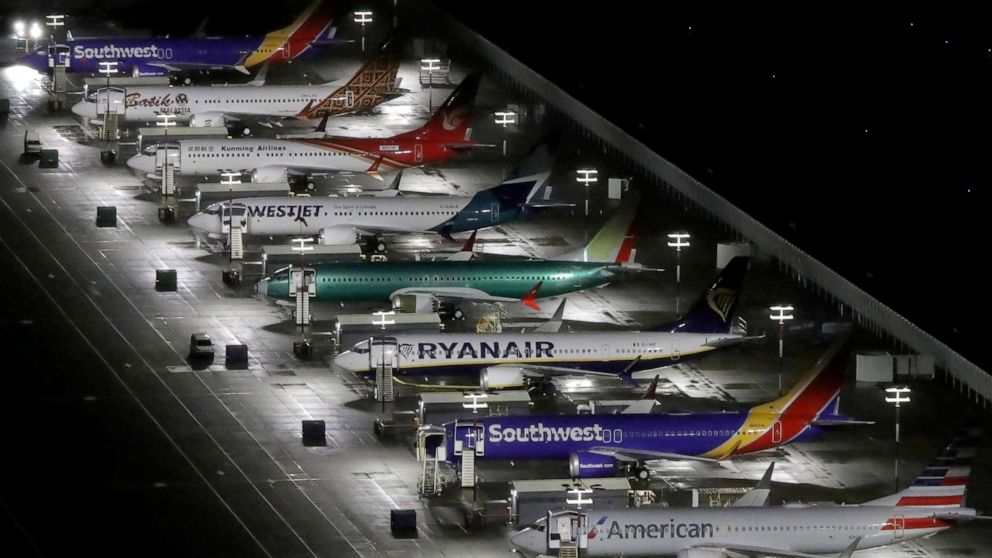
Actualmente, Boeing ha entregado 370 aviones Boeing 737 Max a 47 clientes en todo el mundo. Southwest Airlines es el mayor operador estadounidense del 737 MAX, con 34 unidades en su flota, American Airlines posee 24 y United Airlines con 14 aeronaves. Delta Air Lines es la única gran aerolínea en Estados Unidos que no ha ordenado el avión hasta la fecha. En Norteamérica, Air Canada, WestJet y Aeroméxico vuelan el avión y tienen pedidos para más. En Sudamérica, Aerolíneas Argentinas y GOL Linhas Aéreas poseen la unidad más avanzada del 737. A través del mundo las aerolíneas de Asia, África y Europa poseen modestas unidades listas para reiniciar operaciones.

Ryanair, la aerolínea europea de bajo costo, todavía no ha recibido ningún Boeing 737 MAX. La compañía de presupuesto líder de Europa volará el Boeing 737-8 MAX versión 200, una variante del MAX 8 para acomodar doscientos pasajeros. La línea aérea ha solicitado una orden para 100 Boeing 737 MAX.

Sequía de órdenes/Cancelaciones

Mientras que el Boeing 737 MAX representa un pequeño porcentaje de las flotas de estos transportistas mundiales, cientos más estaban en orden antes de los accidentes. Posteriormente a la puesta en tierra por más de un año, el 737 MAX ha sufrido la pérdida de pedidos, donde las compañía han cancelado muchas importantes órdenes.

Perspectivas Boeing 737 MAX

Cuando la FAA recertifique el modelo, las aerolíneas necesitarán preparar los aviones y sus pilotos, y la FAA necesita aprobar un nuevo régimen de entrenamiento para la tripulación. Boeing ha recomendado a la FAA que los pilotos reciban entrenamiento en simuladores de vuelo combinados con entrenamiento por computadora «antes de devolver el MAX de manera segura al servicio». Esta capacitación podría ser similar a las intensas comprobaciones anuales que cada piloto de una aerolínea se somete, independientemente de qué avión vuelen. Podría tomar varios días por piloto en una tableta, junto con la simulación del nuevo sistema de control de vuelo en un simulador de vuelo de movimiento completo. Los detalles de la capacitación no han sido anunciados. Muchos pilotos que vuelan el 737 MAX se han entrenado en simuladores de vuelo cada tres meses desde que el avión estuvo en tierra para mantener su conocimiento de cómo vuela.

Los aldededor de 400 aviones aterrizados en todo el mundo se someterán a mantenimiento periódico incluso mientras están conectados a tierra. Cuando la FAA otorgue su aprobación, los equipos de mantenimiento y los pilotos de una aerolínea volarán el avión sin pasajeros a bordo (ferry) a las instalaciones de mantenimiento de la aerolínea de aquellas aeronaves que no se encuentren en sus respectivas bases, sometiéndose a extensas evaluaciones y mantenimiento de sistemas, incluidos sistemas hidráulicos y de aviónica, plano alar y tren de aterrizaje. Después de chequear estos ítems, dos semanas aproximadamente, las líneas aéreas pasarían a la última fase de programación de vuelos del Boeing 737 MAX.

Trainings for Boeing 737 MAX

US pilots review latest training draft for 737 MAX

The Boeing 737 MAX is being prepared for a return to the skies of the world. Last week, Boeing completed test flights of its fourth-generation 737 model to demonstrate that it can fly safely with new MCAS Flight Control software. When the company began testing the planes for recertification, a federal inspector general’s report said Boeing had kept information from federal regulators about the faulty computer system that downed the two planes during the plane’s initial approval process.

The Boeing 737 MAX is the latest model in the long and famous 737 saga, a type of aircraft with many variants over the decades. Units built far exceed 10,000 aircraft through all time. The fourth-generation MAX variant was officially launched in 2017 with four models to accommodate between 130 to 230 seats. The 737 MAX has larger and more fuel efficient engines than older models.

FAA

If the Federal Aviation Administration (FAA) is convinced that Boeing has corrected the problems that caused the accidents, the planes will return to service, but a schedule has not been announced. The agency said in a statement that «it will lift the grounding order only after we are satisfied that the plane meets the certification standards». The Boeing Company Chief Executive David Calhoun flew the plane in February 2020. The FAA Chief and longtime Delta pilot Stephen M. Dickson told the Senate Committee that he would fly the 737 MAX he You must be satisfied that you would bring your family on board before the grounding order is lifted.

Industry experts said it could still be several months before the FAA and EASA agencies (Europe), Transport Canada (Canada) and other international air navigation security agencies can inspect the new modifications implemented to the 737 MAX model. Many non-essential modifications to the fourth generation aircraft will continue to be applied during this 2020 and 2021.

Boeing to suspend production of its 737 Max jets - ABC News

737 MAX operators

Boeing has currently delivered 370 Boeing 737 Max aircraft to 47 customers worldwide. Southwest Airlines is the largest US operator of the 737 MAX, with 34 units in its fleet, American Airlines owns 24, and United Airlines with 14 aircraft. Delta Air Lines is the only major airline in the United States that has not ordered the plane to date. In North America, Air Canada, WestJet and Aeroméxico fly the plane and have orders for more. In South America, Aerolíneas Argentinas and GOL Linhas Aéreas have the most advanced unit of the 737. Throughout the world, airlines from Asia, Africa and Europe have modest units ready to restart operations.

Ryanair, the European low-cost airline, has yet to receive a Boeing 737 MAX. Europe’s leading budget company will fly the Boeing 737-8 MAX version 200, a variant of the MAX 8 to accommodate two hundred passengers. The airline has requested an order for 100 Boeing 737 MAX.

Order Drought/Cancellations

While the Boeing 737 MAX represents a small percentage of these global carriers’ fleets, hundreds more were in order before the accidents. Subsequent to grounding for more than a year, the 737 MAX has suffered loss of orders, where the company has canceled many major orders.

Boeing 737 MAX perspective

When the FAA recertifies the model, airlines will need to prepare the planes and their pilots, and the FAA needs to approve a new crew training regimen. Boeing has recommended to the FAA that pilots undergo flight simulator training combined with computer training «before safely returning MAX to service». This training could be similar to the intense annual checks that every airline pilot undergoes, regardless of which plane they fly. It could take several days per pilot on a tablet, along with simulating the new flight control system in a full-motion flight simulator. The details of the training have not been announced. Many pilots who fly the 737 MAX have been trained in flight simulators every three months since the plane was grounded to maintain their knowledge of how it flies.

Around 400 planes landed worldwide will undergo periodic maintenance even while grounded. When the FAA gives its approval, an airline’s maintenance crews and pilots will fly the aircraft without passengers on board (ferry) to the airline’s maintenance facilities for those aircraft that are not on their respective bases, undergoing extensive systems assessments and maintenance, including avionics and hydraulic systems, wing planes and landing gear. After checking these items, approximately two weeks, the airlines would move to the last phase of Boeing 737 MAX flight scheduling.

Ξ A I R G W A Y S Ξ
PUBLISHER: Airgways.com
DBk: Faa.gov / Boeing.com / Businessinsider.com / Airgways.com
AW-POST: 202007112127AR

A\W   A I R G W A Y S ®

Airbus estudia futuro A220-500

AW | 2020 07 11 14:51 | INDUSTRY

Airbus analiza futuro lanzamiento variante mayor del A220

Airbus Group SE ha estado analizando la ampliación del modelo regional A220. Anterior al inicio de la pandemia mundial, el constructor europeo ha estado estudiando una versión alargada y de mayores prestaciones cuando el impulso de las economías comenzaba a consolidarse. Asomaba el proyecto A220-500, una variante de mayor prestaciones.

Bajo el ala de Bombardier Aviation, la compañía canadiense poseía las versiones CSeries de aeronaves regionales que comprendían los modelos CS100, CS300 y CS500. Tras la venta de la división aerocomercial a Airbus, los nuevos aviones cambian su nombre a A220.

Transición Bombardier-Airbus

Bombardier Aerospace ha vendido el Programa CSeries a Airbus Group y ahora es propiedad de Airbus Canada Limited Partnership, una empresa conjunta entre Airbus Group SE y el brazo de inversión del Gobierno de Québec Investissement. Airbus adquirió una participación mayoritaria del 50.01% en el Programa CSeries en Octubre 2017, y el acuerdo se cerró en Julio 2018. Como parte del acuerdo, Bombardier retuvo una participación del 31% en el avión y Investissement Québec el 19%. En Agosto 2019, Airbus abrió una segunda línea de montaje para el avión en su fábrica de Mobile, Alabama. En Febrero 2020, Bombardier salió del programa; Airbus aumentó su participación al 75%, mientras que Investissement Québec mantuvo el saldo del 25% accionario.

Desarrollo A220-500

El Programa A220 iniciaba hacia finales de 2019 una nueva etapa de desarrollos para más aerolíneas después de habilitar la Planta en Mobile, Alabama, Estados Unidos. Con el auge de pedidos de aeronaves comerciales, el constructor europeo estudiaba el lanzamiento del A220-500, la versión más alargada de la aeronave regional. Las tasas de producción en aumento alcanzarían su rentabilidad hacia el 2025. La variante 500 podría estar disponible entre 2023-25, pero las condiciones actuales de la pandemia han replanteado las prioridades económicas del grupo aeronáutico. El A321XLR es uno de los pocos desarrollos que continúan viento en popa por el impulso de la demanda de aviones de rango medio.

Perspectivas A220

Airbus está midiendo la demanda futura para elmercado regional, que seguramente recuperará sus niveles originales, pero mientras tanto retrasará cualquier lanzamiento de la variante 500, pero no se han establecidos tiempos. Pero la demora de una nueva versión, obligaría a Airbus ha introducir nuevas tecnologías al A220 que lo situaría en el cénit de la aviación regional. La introducción de una nueva variante ofrecería a Airbus una gama de aeronaves más competitivas en el extremo inferior del mercado de narrowbodies, permitiendo comenzar un sucesor del Programa A320 aprovechando la creciente demanda de cuerpos estrechos más grandes.

Por el contrario, en el caso de The Boeing Company tendría que cubrir todo el segmento de cuerpo angosto con una sola familia, el 737 MAX, después de conocer el fracaso de las negociaciones del acuerdo la brasileña Embraer S.A. bajo la compañía The Boeing Brasil Commercial. Los intentos del constructor americano han quedado muy en desventaja con respecto a Airbus Group que continuará avanzando para integrar toda la familia de aeronaves desde el A220 haasta el A350, con la perspectiva de completar el hueco de mercado restante que lo ocupará el A220-500.

Airbus studies future A220-500

European constructor examines launch of major variant of the A220

Airbus Group SE has been analyzing the expansion of the A220 regional model. Prior to the start of the global pandemic, the European constructor has been studying a longer and more efficient version when the momentum of the economies was beginning to consolidate. The A220-500 project loomed, a higher-performance variant.

Under the Bombardier Aviation wing, the Canadian company owned the CSeries versions of regional aircraft comprising the CS100, CS300 and CS500 models. After the sale of the aerocomercial division to Airbus, the new airplanes change their name to A220.

Bombardier-Airbus transition

Bombardier Aerospace has sold the CSeries Program to Airbus Group and is now owned by Airbus Canada Limited Partnership, a joint venture between Airbus Group SE and the investment arm of the Government of Québec Investissement. Airbus acquired a majority interest of 50.01% in the CSeries Program in October 2017, and the deal closed in July 2018. As part of the deal, Bombardier retained a 31% stake in the aircraft and Investissement Québec 19%. In August 2019, Airbus opened a second assembly line for the plane at its Mobile, Alabama, factory. In February 2020, Bombardier left the program; Airbus increased its stake to 75%, while Investissement Québec held the balance of 25% equity.

A220-500 Development

The A220 Program began towards the end of 2019 a new stage of development for more airlines after enabling the Plant in Mobile, Alabama, United States. With the boom in commercial aircraft orders, the European manufacturer studied the launch of the A220-500, the longest version of the regional aircraft. Increasing production rates would reach profitability by 2025. Variant 500 may be available between 2023-25, but current pandemic conditions have rethought the aeronautical group’s economic priorities. The A321XLR is one of the few developments that is continuing smoothly by boosting demand for mid-range aircraft.

A220 perspective

Airbus is measuring future demand for the regional market, which will surely regain its original levels, but in the meantime will delay any launch of the 500 variant, but now times have been set. But the delay of a new version would force Airbus to introduce new technologies to the A220, which would place it at the zenith of regional aviation. The introduction of a new variant would offer Airbus a more competitive range of aircraft at the lower end of the narrowbodies market, allowing a successor to the A320 Program to begin by taking advantage of the growing demand for larger narrowbodies.

On the contrary, in the case of The Boeing Company, it would have to cover the entire narrow-body segment with a single family, the 737 MAX, after learning of the failure of the negotiations of the agreement, the Brazilian Embraer S.A. under the company The Boeing Brasil Commercial. The attempts of the American manufacturer have been very disadvantaged with respect to the Airbus Group that will continue to advance to integrate the entire family of aircraft from the A220 to the A350, with the prospect of filling the remaining market gap that the A220-500 will occupy.

Ξ A I R G W A Y S Ξ
PUBLISHER: Airgways.com
DBk: Airbus.com / Bombardier.com / Airgways.com
AW-POST: 202007111451AR

A\W   A I R G W A Y S ®