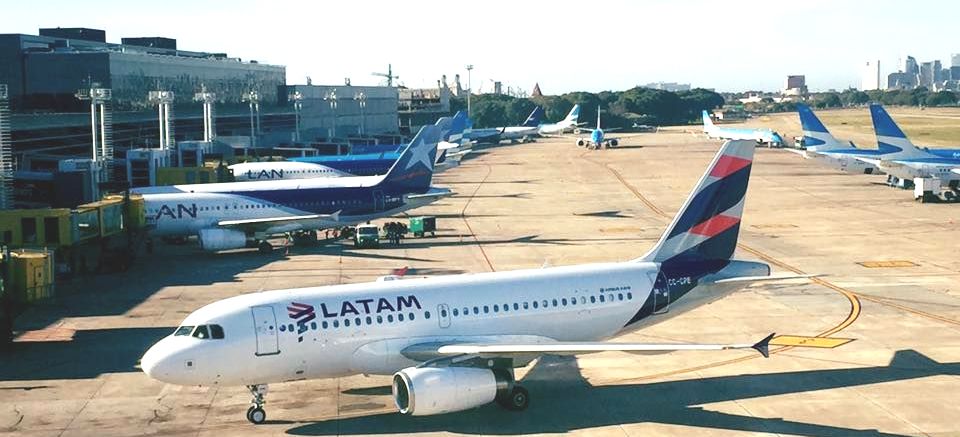
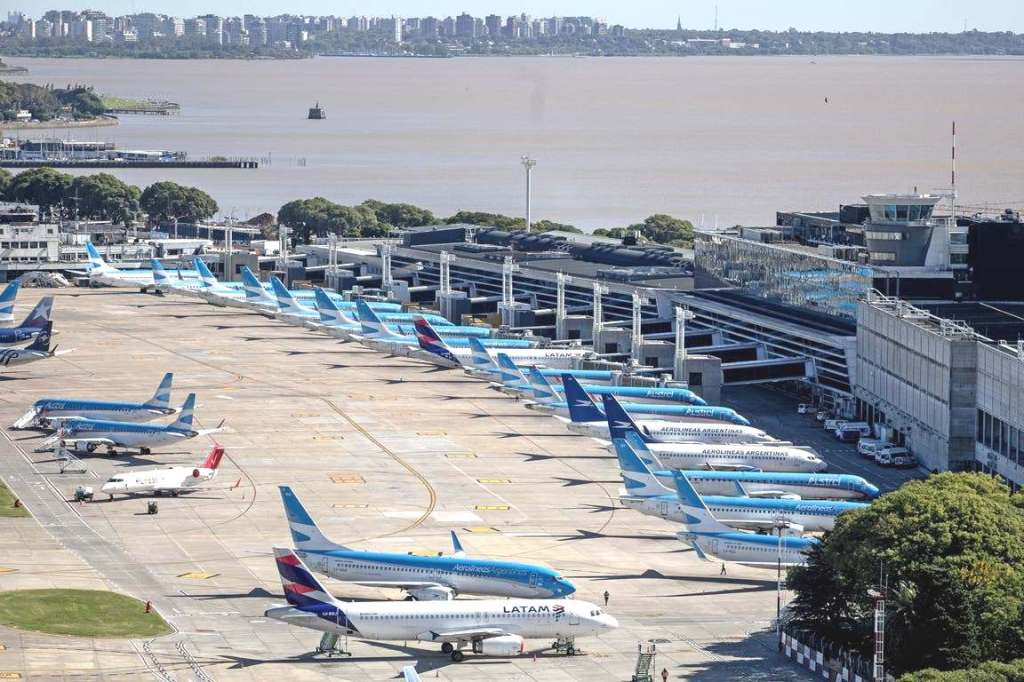
Los trabajadores de la aerolínea Latam Airlines Argentina se movilizaron este Jueves 30/07 en defensa de sus puestos laborales y el futuro de sus familias. Trabajadores de Latam Argentina realizaron una movilización en la Ciudad Buenos Aires la tercera jornada de protestas para manifestarse contra el cese de actividades de la aerolínea.
La protesta tuvo el apoyo de empleados de otros sectores de la aviación junto a unos cien trabajadores de la aerolínea Latam Argentina para concentrarse en el Aeropuerto Jorge Newbery para exigir explicaciones por el cierre de la compañía. El reclamo también ha sido expresado frente al Ministerio de Trabajo. Otro grupo de empleados se presentó en los hangares donde permanecen los seis aviones que la empresa tiene en el país con el propósito de impedir su salida, pues Latam Airlines Group pretende trasladarlos a su sede central, en Santiago de Chile.
El anuncio de suspensión de vuelos de la compañía en Argentina realizado el 17 Junio 2020 pone de manifiesto que los 1.715 empleados directos de la aerolínea no podrán continuar con sus funciones. Movilizados para enfrentar el ataque a sus derechos, los trabajadores denuncian que desde Abril 2020 perciben la mitad de su salario por una decisión de la aerolínea que califican de arbitraria y que cuenta con el visto bueno del Ministerio de Trabajo, declaró el Inspector de Mantenimiento y Secretario General Adjunto de la Unión Sindical de Trabajadores Aeronáuticos de la República Argentina, Sergio Giménez. La compañía está ofreciendo retiros voluntarios por valores totalmente irrisorios, muy lejos de la vigencia reglamentaria. Actualmente corren 106 días que no existe comunicación directa de los directivos para acercar diálogo con el personal.
«Maquillando salida»
La aerolínea ha sufrido pérdidas debido al desplome económico ocasionado por la pandemia, pero sus ingresos no se vieron severamente afectados, de acuerdo con sus estados financieros. A su juicio, la economista Guadalupe Bravo, los directivos de Latam Airlines Argentina están maquillando la estadística para forzar un resultado negativo y reestructurar operaciones, con lo cual pretender dar un carácter legal a lo que en realidad es una extorsión. La reestructuración implica migrar a un modelo que abarate los costos. Para ello aplicarían miles de despidos para reducir la plantilla de empleados, rebajas salariales y atacarían las condiciones laborales. Con ello garantizarían más ganancias para sus accionistas.
Defense workers Latam Argentina
Protest against closes of Latam Argentina
The workers of the airline Latam Airlines Argentina mobilized this Thursday 30/07 in defense of their jobs and the future of their families. Latam Argentina workers mobilized in the City of Buenos Aires on the third day of protests to demonstrate against the cessation of airline activities.
The protest had the support of employees from other aviation sectors along with about a hundred workers from the Latam Argentina airline to concentrate at Jorge Newbery Airport to demand explanations for the closure of the company. The claim has also been expressed in front of the Ministry of Labor. Another group of employees showed up in the hangars where the six aircraft that the company has in the country remain in order to prevent their departure, since Latam Airlines Group intends to move them to its headquarters in Santiago, Chile.
The announcement of the company’s flight suspension in Argentina made on June 17, 2020 shows that the 1,715 direct employees of the airline will not be able to continue with their functions. Mobilized to face the attack on their rights, the workers denounce that since April 2020 they have received half of their salary due to a decision by the airline that they describe as arbitrary and that has the approval of the Ministry of Labor, declared the Maintenance Inspector and Deputy Secretary General of the Union of Aeronautical Workers of the Argentine Republic, Sergio Giménez. The company is offering voluntary withdrawals for totally derisory values, far from the regulatory force. Currently there are 106 days that there is no direct communication from managers to bring dialogue with staff.
«Putting on makeup»
The airline has suffered losses due to the economic crash caused by the pandemic, but its revenue was not severely affected, according to its financial statements. In her opinion, the economist Guadalupe Bravo, the executives of Latam Airlines Argentina are putting makeup on the statistics to force a negative result and restructure operations, thereby pretending to give a legal character to what is actually extortion. Restructuring involves migrating to a model that reduces costs. For this they would apply thousands of layoffs to reduce the workforce, lower wages and attack working conditions. This would guarantee more profits for its shareholders.
Ξ A I R G W A Y S Ξ PUBLISHER: Airgways.com DBk: Airgways.com AW-POST: 20200731003AR
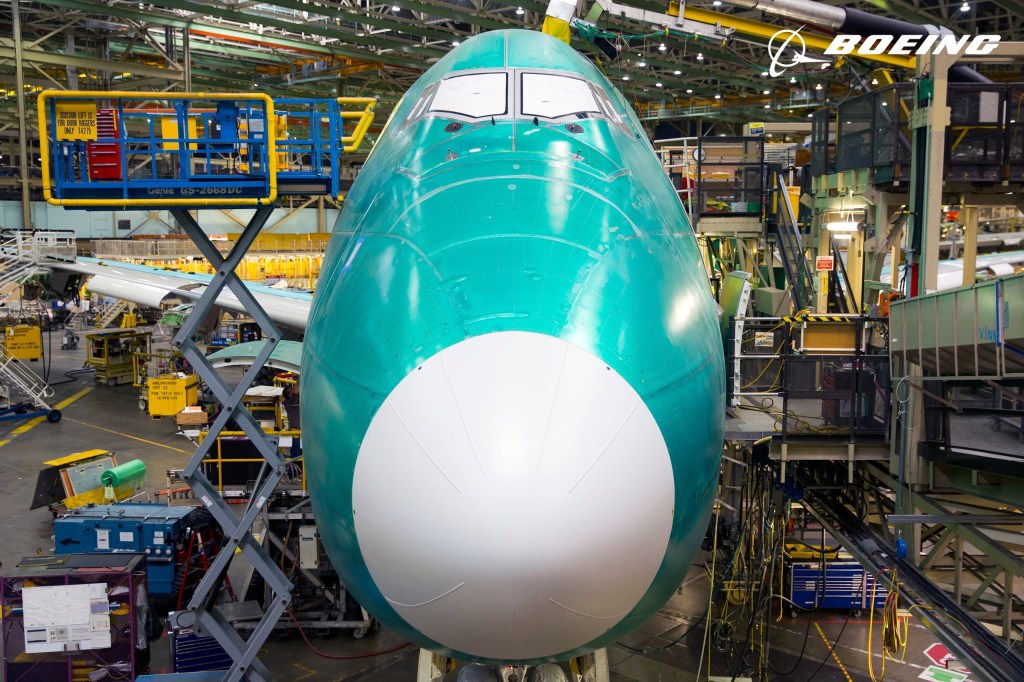
Boeing confirma culminación línea 747 Jumbo Jet en 2022
El fabricante aeroespacial The Boeing Company ha comunicado la decisión de culminar la producción del gigante del aire, el Boeing 747 Jumbo Jet. Las actuales líneas de fabricación el Boeing 747-8I (Intercontinental) y el 747-8F (Carguero) finalizarán su construcción en 2022 tomando la decisión a la luz de la dinámica y las perspectivas actuales del mercado. Actualmente, Boeing tiene alrededor de 16 Boeing 747 en su cartera aún por entregar, todos los cuales son versiones de carga del avión.
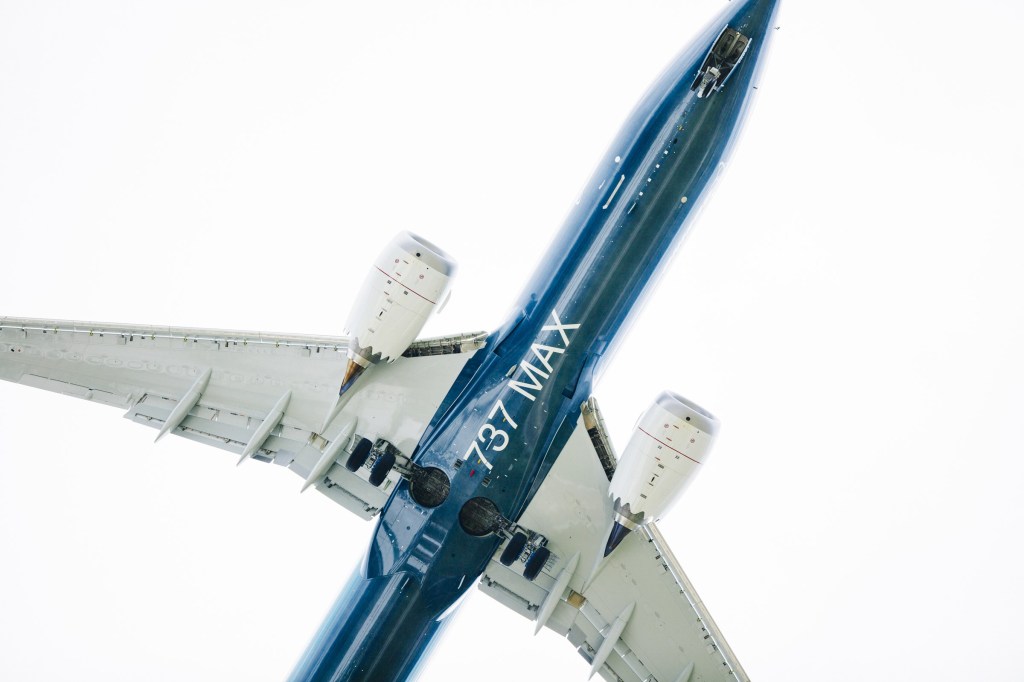
Tras el fuerte impacto económico que han sufrido las aerolíneas en el mundo, en las últimas semanas, los grandes transportistas como Qantas Airways y British Airways, han retirado sus flotas del buque insignia del constructor americano. La medida fue confirmada en una carta a los empleados del CEO de Boeing, Dave Calhoun, en la que describió: «Una diferencia de todo lo que hemos visto. La realidad es que el impacto de la pandemia en el sector de la aviación continúa siendo severo. Aunque algunos de los viajeros regresan lentamente al aire, sus números siguen siendo muy inferiores a los de 2019, y los ingresos de las aerolíneas también se reducen. Esta presión sobre nuestros clientes comerciales significa que están retrasando las compras de aviones, ralentizando las entregas, aplazando el mantenimiento electivo, retirando aviones más antiguos y reduciendo el gasto, todo lo cual afecta nuestro negocio y, en última instancia, nuestro resultado final. Si bien ha habido algunas señales alentadoras, estimamos que tomará alrededor de tres años volver a los niveles de pasajeros de 2019». La carta llegó cuando el fabricante anunció una pérdida en el segundo trimestre de US$ 2.4 mil millones, impactada tanto por la pandemia de Covid-19 como por la continua puesta a tierra del Boeing 737 MAX.
Reduciendo producción
La compañía dijo que planeaba reducir aún más las tasas de producción de aviones, incluidos el 737, 787, 777 y el próximo 777-8/9. Al confirmar la finalización de la producción del 747 en 2022, Boeing dijo que «Nuestro compromiso con el cliente no termina en la entrega, y continuaremos apoyando las operaciones y el mantenimiento de 747 en el futuro».
En Abril 2020, el grupo anunció planes para reducir su fuerza laboral global en un 10 por ciento, pero David Calhoun dijo que «lamentablemente, el impacto prolongado de Covid-19 causando nuevas reducciones en nuestras tasas de producción y una menor demanda de servicios comerciales significa que tendremos que seguir evaluar el tamaño de nuestra fuerza laboral».
Boeing planea un trabajo más profundo, recortes de producción frente al colapso en las ventas de aviones de línea. El CEO David Calhoun ha descrito el Miércoles 29/07 en los reportes del segundo trimestre 2020, los planes para recortar más producción y empleos y buscar otras formas de ahorrar efectivo a medida que la pandemia de coronavirus profundiza su costo en la industria de la aviación mundial. El fabricante de aviones de Estados Unidos ha tenido pérdidas por valor de US$ 2.400 millones de Dólares en el segundo trimestre y dijo que podría consolidar algunos conjuntos de aviones entre sus tres fábricas principales para ahorrar dinero y prepararse para una desaceleración de varios años en las entregas de aviones.
Boeing confirms end of 747 production
Boeing confirms completion of 747 Jumbo Jet line in 2022
The aerospace manufacturer The Boeing Company has announced the decision to end production of the air giant, the Boeing 747 Jumbo Jet. The current manufacturing lines of the Boeing 747-8I (Intercontinental) and 747-8F (Freighter) will finish their construction in 2022 making the decision in light of the current market dynamics and prospects. Boeing currently has around 16 Boeing 747s in its portfolio yet to be delivered, all of which are cargo versions of the plane.
After the strong economic impact that airlines have suffered in the world, in recent weeks, large carriers such as Qantas Airways and British Airways, have withdrawn their fleets from the flagship of the American manufacturer. The move was confirmed in a letter to Boeing CEO Dave Calhoun’s employees, describing: «A difference from everything we’ve seen. The reality is that the impact of the pandemic on the aviation sector continues to be Although some of the travelers are slowly returning to the air, their numbers are still much lower than in 2019, and airline revenues are also declining. This pressure on our commercial customers means they are delaying aircraft purchases, slowing down deliveries, deferring elective maintenance, retiring older aircraft and reducing spending, all of which affect our business and ultimately our bottom line. While there have been some encouraging signs, we estimate it will take around three years to return to 2019 passenger levels». The letter came when the manufacturer announced a second-quarter loss of US$ 2.4 billion, impacted by both the Covid-19 pandemic and the continued grounding of the Boeing 737 MAX.
Reducing production
The company said it planned to further reduce aircraft production rates, including the 737, 787, 777 and the upcoming 777-8/9. In confirming the completion of production of the 747 in 2022, Boeing said, «Our commitment to the customer does not end with delivery, and we will continue to support 747 operations and maintenance in the future».
In April 2020, the group announced plans to reduce its global workforce by 10 percent, but David Calhoun said, «Unfortunately, the prolonged impact of Covid-19 causing further reductions in our production rates and lower demand for commercial services. it means we will have to continue to assess the size of our workforce».
Boeing plans deeper work, production cuts in the face of collapse in airline sales. CEO David Calhoun has outlined Wednesday 29/07 in Q2 2020 reports, plans to cut more production and jobs and look for other ways to save cash as the coronavirus pandemic deepens its cost in the aviation industry. world. The U.S. aircraft maker has had US$ 2.4 billion in losses in the second quarter and said it could consolidate some sets of planes between its three major factories to save money and prepare for a multi-year slowdown in aircraft deliveries.
Ξ A I R G W A Y S Ξ PUBLISHER: Airgways.com DBk: Boeing.com / Mike Kane / Airgways.com AW-POST: 202007301735AR
AW | 2020 07 30 13:50 | AVIATION ORGANISMS / GOVERNMENT / AIRPORTS
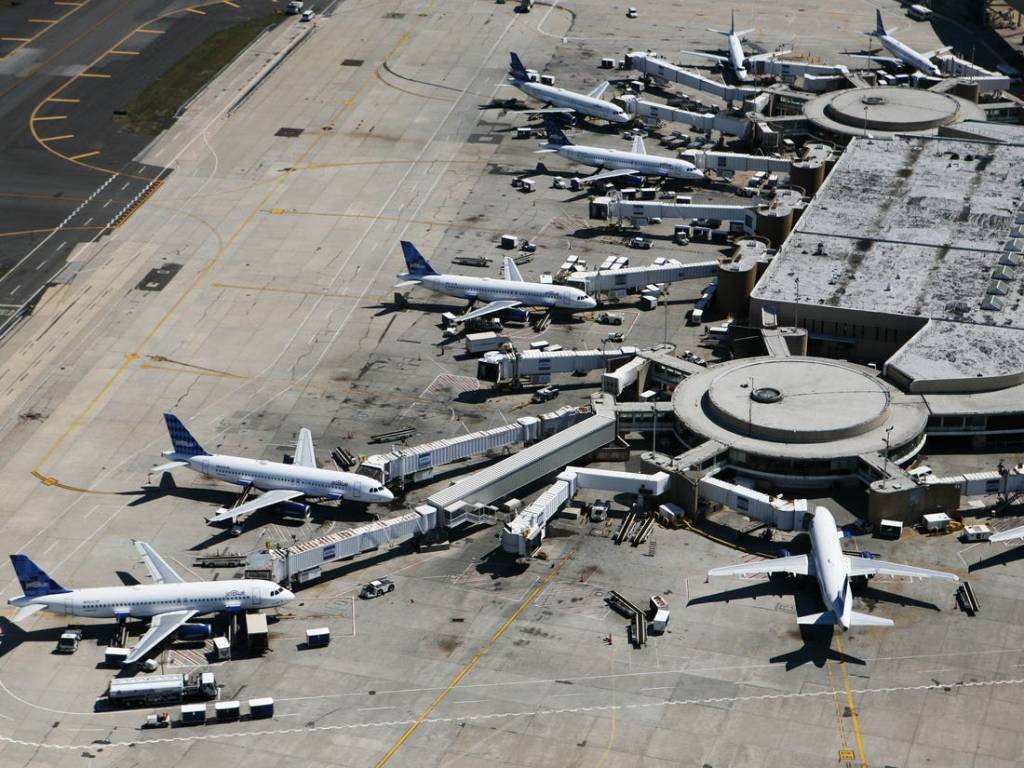
Departamento Transporte aporta ayudas a aeropuertos
El Departamento de Transporte (DOT) ha destinado más de US$ 273 millones a través de la Administración Federal de Aviación (FAA) para ayudar a las iniciativas de seguridad aeroportuaria en 41 estados, el Distrito de Columbia y territorios adicionales los Estados Unidos. Samoa Americana, los Estados Federados de Micronesia, las Islas Marshall, Palau y Puerto Rico sirven como territorios que obtienen asistencia financiera. «Esta inversión federal de US$ 273 millones en los aeropuertos de nuestra nación fortalecerá la seguridad, mejorará los viajes, generará empleos y beneficiará a las comunidades locales», dijo la Secretaria de Transporte, Elaine L. Chao.
Los alcances del proyecto, dijeron las autoridades, incluyen la compra de equipos de rescate y extinción de incendios de aeronaves, la construcción de pistas y calles de rodaje, la reparación de pistas y calles de rodaje, la instalación de iluminación y señalización de aeronaves, la realización de estudios del plan maestro del aeropuerto y la instalación de cercas perimetrales del aeropuerto. El total de fondos incluye poco más de US$ 242 millones del Programa de Mejoramiento del Aeropuerto (AIP) y US$ 31 millones en subsidios de la Ley de Ayuda, Alivio y Seguridad Económica (CARES) para combatir las secuelas del Coronavirus para igualar una participación federal del 100 por ciento. «La seguridad de los aeropuertos de nuestra nación es de suma importancia para la FAA. Estas subvenciones permitirán que estos proyectos necesarios continúen», dijo el administrador de la FAA, Stephen M. Dickson.
DOT allocates funds to US airports
Transportation Department provides aid to airports
The Department of Transportation (DOT) has allocated more than US$ 273 million through the Federal Aviation Administration (FAA) to assist airport security initiatives in 41 states, the District of Columbia, and additional territories in the United States. American Samoa, the Federated States of Micronesia, the Marshall Islands, Palau and Puerto Rico serve as territories that obtain financial assistance. «This US$ 273 million federal investment in our nation’s airports will strengthen security, improve travel, create jobs and benefit local communities», said Secretary of Transportation Elaine L. Chao.
The scope of the project, authorities said, includes the purchase of aircraft firefighting and rescue equipment, the construction of runways and taxiways, the repair of runways and taxiways, the installation of aircraft lighting and signaling, carrying out studies of the airport master plan and installing perimeter fences at the airport. Total funds include just over US$ 242 million from the Airport Improvement Program (AIP) and US$ 31 million in grants from the Aid, Relief and Economic Security Act (CARES) to combat the aftermath of the Coronavirus to match a 100 percent federal stake. «The security of our nation’s airports is of utmost importance to the FAA. These grants will allow these necessary projects to continue», said FAA Administrator Stephen M. Dickson.
Ξ A I R G W A Y S Ξ PUBLISHER: Airgways.com DBk: Transportation.gov / Faa.gov / Airgways.com AW-POST: 202007301350AR
AW | 2020 07 30 12:55 | AIRLINES MARKET / GOVERNMENT
Aerolíneas necesitan más recursos de cara a finalización términos ayudas
El Viernes 27 Marzo 2020, la Ley bipartidista de Ayuda, Alivio y Seguridad Económica del Coronavirus (CARES) se convirtió en ley después de que la Cámara de Representantes la aprobara ese mismo día en Estados Unidos. El proyecto de ley es el paquete de ayuda más grande firmado en la historia de los Estados Unidos y afecta a casi todas las personas en este país. Pero un nuevo horizonte se aproxima hacia finales de Septiembre 2020, cuando las empresas podrían estar autorizadas a despedir personal al concluir la Ley CARES. Este escenario es el más temido por los trabajadores y con mayor énfasis en el sector de la aviación y el turismo.
Las aerolíneas de Estados Unidos ya están solicitando más préstamos para lidiar con los costos por mantener en el aire a las compañías. Un signo de debilidad de mercado se comienza a sentir ahora inclusive en las aerolíneas low cost americanas entre ellas JetBlue Airways y Spirit Airlines.
Negociaciones en Capitol Hill
Los comentarios de el CEO de JetBllue Hayes se producen días después de que la mayoría de los Legisladores en la Cámara de Representantes de Estados Unidos manifestaron su apoyo a una extensión de seis meses de ayuda federal a la industria de las aerolíneas. Continúan las negociaciones en Capitol Hill sobre la forma y el tamaño del próximo paquete de alivio de Coronavirus. El Congreso asignó aproximadamente US$ 32 mil millones en ayuda federal de nómina para la industria de las aerolíneas estadounidenses como parte de la Ley CARES de US$ 2.2 billones aprobada en Marzo 2020. Como condición para la asistencia, a las aerolíneas se les prohibió despedir o reducir las tasas de pago de los empleados hasta fines de Septiembre 2020. Pero las aerolíneas han seguido enfrentando presión financiera debido a que la persistencia de los rebrotes del Covid-19 del país que obstaculiza la demanda de viajes, aunque se ha recuperado de los mínimos de Abril 2020, cuando a veces menos de 100.000 personas por día pasaban por los puntos de control de seguridad de la TSA. Un promedio de aproximadamente 662.500 personas han pasado por la seguridad del aeropuerto en los últimos siete días, según datos de la TSA. En un lapso comparable hace un año, casi 2.6 millones de personas en promedio pasaron por Seguridad.
Por separado, miembros clave del Congreso de Estados Unidos dijeron que estaban investigando a los contratistas de aviación que tomaron ayuda federal de nómina y luego despidieron a miles de trabajadores. Instaron al Departamento del Tesoro a recuperar el dinero que se les dio a las empresas. Las líneas aéreas y los contratistas de las líneas aéreas, que recibieron dinero en efectivo de un fondo de nómina federal de US$ 32 mil millones, acordaron no despedir trabajadores hasta el 1 Octubre 2020. Los sindicatos laborales de las aerolíneas están presionando al Congreso por seis meses más de ayuda federal.
Aerolíneas enfrentan crisis
El CEO Robin Hayes de JetBlue Airways ha advertido sobre el día del ajuste de cuentas para las aerolíneas mientras el Coronavirus continúa devastando la demanda. El Miércoles 29/07 en un comunicado ha expresado que la industria de las aerolíneas estadounidenses necesita ayuda gubernamental adicional, advirtiendo que podría enfrentar un día de ajuste de cuentas a medida que la pandemia de Coronavirus continúa devastando la demanda de viajes. “Al llegar al final del primer período de la Ley CARES, hasta septiembre, todavía estaremos en una fracción de nuestros niveles normales. Y entonces las aerolíneas tendrán que reiniciarse. Tiene el potencial de causar una cantidad significativa de pérdida de empleos en la industria, y una extensión de la Ley CARES para la industria evitaría eso”, dijo Robin Hayes.
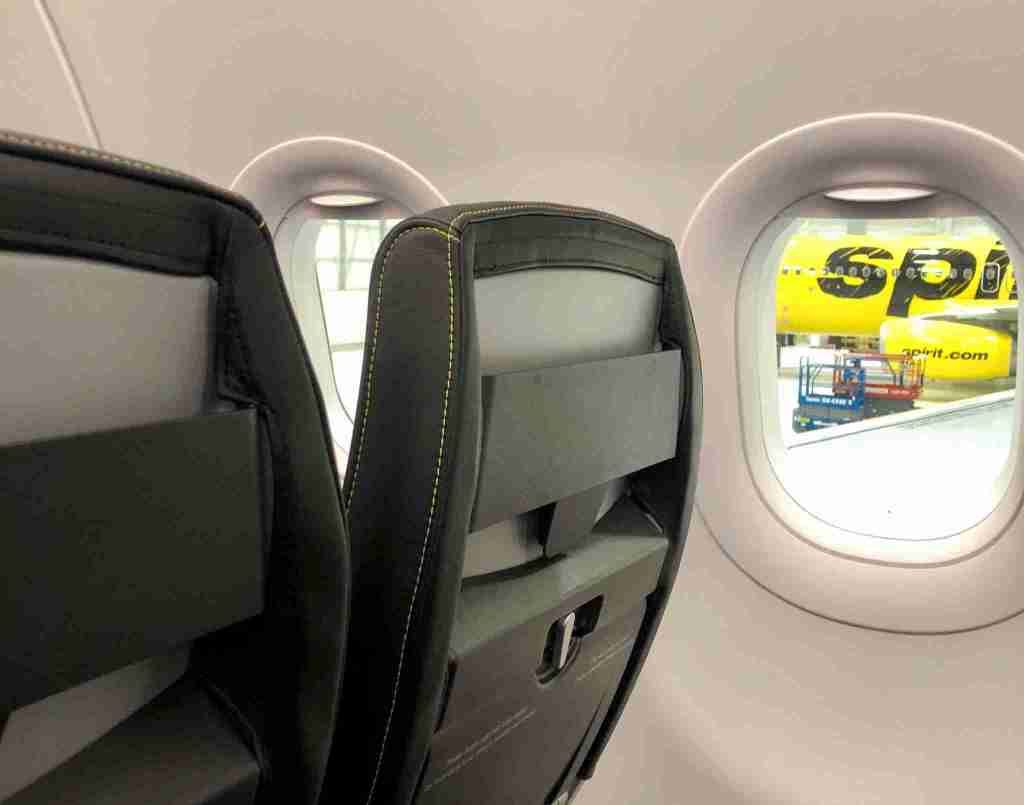
Spirit Airlines advierte sobre despidos mientras la pandemia COVID-19 continúa interrumpiendo los viajes aéreos. La compañía de presupuesto estadounidenses advierte a los empleados que podría suspender hasta el 30% de sus aproximadamente 9.000 trabajadores en octubre, cuando se agote el dinero de la ayuda federal para la nómina. El CEO Ted Christie dijo en un memorando a los empleados que se podrían necesitar permisos porque Spirit está gastando demasiado efectivo ya que la pandemia de coronavirus continúa reduciendo drásticamente los viajes aéreos. El sindicato de pilotos dijo que se le notificó el Miércoles 29/07 que 806 pilotos podrían ser suspendidos o terminados con derechos de recontratación. El presidente del grupo sindical, que forma parte de la Asociación de Pilotos de la Línea Aérea, dijo que los avisos cubrían a los pilotos contratados desde Febrero 2018. Spirit, con sede en Miramar, Florida, informó la semana pasada que perdió US$ 144 millones en el segundo trimestre, ya que los ingresos cayeron un 86% a US$ 138 millones. Spirit redujo sus pérdidas a US$ 1.5 millones por día en Junio 2020, pero pronosticó que quemaría hasta US$ 4 millones por día durante el tercer trimestre.
United Airlines advirtió a 36.000 empleados que podrían ser despedidos, American Airlines notificó a 25.000 y Delta notificó a más de 2.500 pilotos. Southwest Airlines dijo que no espera despedir a ningún trabajador este año.
Perspectivas aéreas
Las capacidades de las compañías aéreas clásicas y de presupuesto en Estados Unidos están agotando sus recursos provisto por el Estado. El escenario hacia finales de Septiembre 2020 autorizaría a las aéreas a despedir personal en masa. Desde el Congreso se está debatiendo acerca de complementar una extensión de seis meses las ayudas para poder reducir el impacto económico que pudiera generar la bancarrota de muchas líneas aéreas al no poder asumir los elevados costos de mantener en vuelo a la industria de la aviación comercial y los efectos secundarios sobre las economías del país.
Las cinco aerolíneas más grandes del mundo perdieron más de US$ 40 mil millones en capitalización de mercado desde Enero hasta Julio 2020. La capitalización de mercado se redujo a la mitad en medio del rebrote de la pandemia. La capitalización de mercado combinada de Delta Air Lines, American Airlines, Lufthansa Group, United Airlines y Air France, como las cinco compañías aéreas públicas más grandes del mundo por ingresos, ascendió a US$ 77.8 mil millones, reveló los datos de YCharts y MacroTrends.
Un nuevo escenario se muestra de cara a finales de Septiembre 2020 donde el Estado nuevamente representará un papel clave para el salvataje de las aerolíneas estadounidense en sus procesos de recuperación, aunque reconociendo que el costo de supervivencia ahora se agudiza hacia un horizonte poco favorable, pero de todos modos buscan una luz al final del túnel.
Post-CARES day on US airlines
Airlines need more resources for termination aid terms
On Friday March 27, 2020, the bipartisan Coronavirus Economic Aid, Relief, and Security Act (CARES) became law after the House of Representatives passed it that same day in the United States. The bill is the largest signed aid package in the history of the United States and affects almost everyone in this country. But a new horizon is approaching towards the end of September 2020, when companies could be authorized to fire personnel at the conclusion of the CARES Law. This scenario is the one most feared by workers and with the greatest emphasis on the aviation and tourism sector.
US airlines are already applying for more loans to deal with the costs of keeping companies up in the air. A sign of market weakness is now beginning to be felt even on American low cost airlines including JetBlue Airways and Spirit Airlines.
Negotiations on Capitol Hill
The comments from JetBllue Hayes CEO come days after most lawmakers in the United States House of Representatives voiced support for a six-month extension of federal aid to the airline industry. Negotiations continue on Capitol Hill about the shape and size of the next Coronavirus relief package. Congress allocated approximately US$ 32 billion in federal payroll aid to the US airline industry as part of the US$ 2.2 trillion CARES Act passed in March 2020. As a condition of assistance, airlines were prohibited from firing or reduce employee pay rates until the end of September 2020. But airlines have continued to face financial pressure as persistent Covid-19 outbreaks in the country hamper travel demand, although it has recovered from April 2020 lows, when sometimes fewer than 100,000 people per day passed through TSA security checkpoints. An average of about 662,500 people have passed through airport security in the past seven days, according to TSA data. In a comparable span a year ago, nearly 2.6 million people on average went through Security
Separately, key members of the United States Congress said they were investigating aviation contractors who took federal payroll aid and then fired thousands of workers. They urged the Treasury Department to recover the money that was given to the companies. The airlines and airline contractors, who received cash from a US$ 32 billion federal payroll fund, agreed not to fire workers until October 1, 2020. The airline labor unions are lobbying Congress for six more months of federal aid.
Airlines face crisis
JetBlue Airways CEO Robin Hayes has warned of the day of reckoning for airlines as the Coronavirus continues to devastate demand. On Wednesday 29/07 in a statement, he said the US airline industry needs additional government help, warning it could face a day of reckoning as the Coronavirus pandemic continues to devastate demand for travel. “At the end of the first period of the CARES Act, until September, we will still be at a fraction of our normal levels. And then the airlines will have to restart. It has the potential to cause a significant amount of job loss in the industry, and an extension of the CARES Act to the industry would prevent that”, said Robin Hayes.
JETBLUE AIRWAYS COMPANY CEO ROBIN HAYES ANNOUNCES COMPLICATIONS 31 / SEPTEMBER POST-CARES LAW
Spirit Airlines warns of layoffs as the COVID-19 pandemic continues to disrupt air travel. The US budget company warns employees it could lay off up to 30% of its roughly 9,000 workers in October when federal payroll aid money runs out. CEO Ted Christie said in a memo to employees that permits may be needed because Spirit is spending too much cash as the coronavirus pandemic continues to dramatically reduce air travel. The pilots union said it was notified on Wednesday 7/29 that 806 pilots could be suspended or terminated with rehire rights. The president of the union group, which is part of the Airline Pilots Association, said the notices covered pilots hired since February 2018. Spirit, based in Miramar, Florida, reported last week that it lost US$ 144. million in the second quarter, as revenue fell 86% to US$ 138 million. Spirit reduced its losses to US$ 1.5 million a day in June 2020, but forecast it would burn up to US$ 4 million a day during the third quarter.
United Airlines warned 36,000 employees that they could be fired, American Airlines notified 25,000, and Delta notified more than 2,500 pilots. Southwest Airlines said it does not expect to fire any workers this year.
Aerial perspectives
The capabilities of classic and budget airlines in the United States are depleting their state-provided resources. The scenario towards the end of September 2020 would authorize the airlines to dismiss personnel en masse. Congress is debating whether to complement a six-month extension of aid in order to reduce the economic impact that bankruptcy of many airlines could generate by failing to bear the high costs of keeping the commercial aviation industry in flight and the secondary effects on the country’s economies.
The world’s five largest airlines lost more than US$ 40 billion in market capitalization from January to July 2020. Market capitalization was halved amid the outbreak of the pandemic. The combined market capitalization of Delta Air Lines, American Airlines, Lufthansa Group, United Airlines and Air France, as the world’s five largest public airlines by revenue, totaled US$ 77.8 billion, YCharts and MacroTrends data revealed.
A new scenario is shown facing the end of September 2020 where the State will again play a key role in the rescue of US airlines in their recovery processes, although recognizing that the cost of survival is now sharpening towards an unfavorable horizon, but they still look for a light at the end of the tunnel.
Ξ A I R G W A Y S Ξ PUBLISHER: Airgways.com DBk: Congress.gov / Airgways.com / Businessinsider.com / Spirit.com / Jetblue.com / Wsj.com AW-POST: 202007301255AR
AW | 2020 07 30 11:28 | AIRLINES MARKET / GOVERNMENT
Incertidumbre en las aerolíneas por la indefinición del Gobierno
El Gobierno de Argentina está evaluando de cerca el desarrollo de la pandemia de Coronavirus en el país tras el avance y el incremento de los casos de contagio en perspectiva hacia la reapertura de los vuelos domésticos hacia el 1 Septiembre 2020 y las implicancias e incognitas que genera.
Cronología de la pandemia
25 Abril 2020 · El Gobierno de Argentina ha prohibido la venta de pasajes con fecha hasta el 31 Agosto 2020. El organismo de aviación de la ANAC ha sido la que realizó la Resolución 144/2020, que suspendió la venta de pasajes. Enmarcadas en este contexto, las aerolíneas se prepararon para enfrentar cuatro meses de paralización de su actividad y tomaron ese día para definir cierta previsión sobre la continuidad de la actividad aerocomercial.
Junio 2020 · El Gobierno establecía la apertura controlada de ciertos vuelos domésticos en el interior del país programados para mediados de Julio 2020, donde los casos de transmisión del virus era nulo o con bajos índices. Tras el rebrote del Conurbano bonaerense hacia el interior de Argentina, la medida ha sido suspendida.
1 Septiembre 2020 · El Estado Argentino establece la reapertura de los vuelos a partir del 01/09. Las aerolíneas han efectuado ventas de pasajes aéreos a partir de esta fecha en adelante. A un mes para cumplirse la reapertura y el incremento de contagios, pudiera generar inquietudes por la posible postergación del reinicio de los vuelos.
Autoridades aeronáuticas
Desde la arena gubernamental, ya encendieron las alertas. La Administración Nacional de Aviación Civil (ANAC) Argentina ha expresado su perecer acerca de la previsibilidad de la reapertura de los vuelos en el país. «No manejamos fechas determinadas. Para nosotros Septiembre, Agosto, Noviembre o Diciembre es lo mismo y todo depende de cuando la situación sanitaria nos permita disminuir las restricciones que se están imponiendo para tratar de controlar el desarrollo del virus y de que el Presidente modifique el decreto que estableció la suspensión de vuelos», dijo al Diario La Nación, Paola Tamburelli, titular de la ANAC.
La prohibición de vuelos se deriva del Decreto Presidencial que estableció el Aislamiento Social Preventivo y Obligatorio (ASPO) y sus prórrogas y, por lo tanto, no se puede pensar en una reactivación de la actividad sin una modificación previa de esa norma. En este sentido, la funcionaria anticipó que la autoridad aeronáutica no va a autorizar vuelos por fuera de aquellos que se aprueban por excepción.
La titular de la ANAC expresó respecto a la suspensión de los vuelos hasta el 31/08: «Se vence la limitación que había impuesto la autoridad aeronáutica a la comercialización de pasajes en vuelos que no estén todavía autorizados por ANAC». Según argumenta, esa medida tenía como objetivo evitar que varados en situación de desesperación compren pasajes que luego no iban a poder utilizar y que se puso como límite la fecha de Septiembre 2020 porque se pensó que para ese momento el problema de los varados ya estaría resuelto.
El Gobierno
Desde el Gobierno de Argentina no aportan ninguna precisión al respecto, sino más bien lo contrario, asegurando que Septiembre 2020 nunca fue una fecha señalada por ellos como el inicio de la reactivación. Todo un mundo de contradicciones de cara a reactivar conflictos, más bien que los vuelos. Incluso en una carta conjunta de aerolíneas extranjeras enviada el 29/07 a la ANAC se hace la misma lectura. «El 1 Septiembre próximo habrá finalizado la suspensión de vuelos comerciales (y), entendemos ello implicaría que cada línea aérea podría retomar las operaciones en los mismos horarios y frecuencias autorizados previamente a la suspensión de los mismos como resultado de la pandemia», señalan en el texto, en el que demandan alguna precisión.
Líneas aéreas
La visión de las líneas aéreas es distinta a la de la autoridad aeronáutica y si de lo que se trata es de una interpretación errónea de las normas, es una confusión generalizada. Para las aerolíneas la fecha de reinicio es el 1 Septiembre 2020, que es lo que dicen las resoluciones formales emitidas hasta ahora por los organismos. Las aerolíneas ya tienen sus itinerarios de reinicio post-pandemia definidos y pasajes vendidos, temen que la línea de salida vuelva a correrse hacia adelante.
La carta de las aerolíneas extranjeras fue enviada luego de que fracasaran en el intento de programar en el Aeropuerto Internacional Ezeiza frecuencias semanales de vuelos a partir de Septiembre, lo que las compañías necesitan hacer al menos con 30 días de anticipación. «Nuestra industria no está en condiciones ni económicas ni financieras de aproximarse aún más al reinicio de operaciones sin tener las precisiones técnicas necesarias que programar un vuelo requiere», apuntaron desde cierta compañía aérea.
El sector cuestiona que no hay una comunicación proactiva de parte del Gobierno y que ni siquiera se les haya informado que la fecha de Septiembre está en duda, que es algo que, dicen, podrían comprender. «El Gobierno sabe que esta industria tiene como regla la anticipación y previsión; es una de las pocas en el mundo que te permite comprar algo que vas a usar dentro de un año y medio. Por supuesto que todos entendemos que estamos en una pandemia, pero no podés manejar nada de esta industria un par de días antes», agregan.
Hasta Aerolíneas Argentinas, que muchas empresas toman como referencia porque asumen que opera sintonizada con los planes del Gobierno, lanzó la semana pasada su itinerario post-pandemia, que incluye 13 destinos internacionales. «Aerolíneas salió con un plan de vuelos bastante agresivo en el Hot Sale por la cantidad de frecuencias y destinos y está vendiendo a full para septiembre. Eso a nosotros nos marca una línea», dicen en una aerolínea privada.
Los pasajeros también toman al mes de la primavera como un punto visagra, lo que puede verse en sus compras de tickets. Según la agencia de viajes online Avantrip, en el Hot Sale los vuelos de cabotaje para 2020 representaron el 40% de lo vendido, concentrado en los meses de Septiembre a Diciembre 2020.
Hub Córdoba / El Palomar
Las medidas tomadas desde el Gobierno para reactivar las economías de las líneas aéreas desde el interior del país con epicentro en el Hub Córdoba parecen estar ahora en un compás de espera. Paola Tamburelli señaló que la situación se evalúa día a día, pero anticipó que está en conversaciones con el Ministerio de Transporte para «idear posibilidades para dar un reinicio de operaciones por lo menos a nivel doméstico entre localidades menos complicadas por el virus». Entre las alternativas se encuentra migrar el centro de operaciones de Flybondi Líneas Aéreas, JetSmart Airlines Argentina, Aerolíneas Argentinas, Austral Líneas Aéreas, entre otras hacia el Aeropuerto Internacional Córdoba para conectar el país sin la necesidad de pasar por la capital. «Córdoba es una sede muy importante, vital y seguramente sea el motor de despegue en el inicio de operaciones de la actividad aerocomercial y luego se irán sumando el resto de las ciudades», sostuvo el Lunes 27/07 el Ministro de Transporte Mario Meoni, en diálogo con académicos de la Universidad Nacional de Córdoba.
La continuidad del Aeropuerto Internacional El Palomar es otro de los puntos que el Gobierno todavía no terminó de definir, incluso cuando dos de las cuatro aerolíneas que operan vuelos internos Flybondi y JetSmart están basadas en ese aeropuerto. Los sindicatos de ambas aerolíneas enviaron una carta a Presidencia en la que le manifestaron la necesidad de que las empresas vuelvan a operar en Septiembre y desde esa terminal. «Necesitamos comenzar a volar en Septiembre porque estos acuerdos [de adecuaciones salariales y laborales] no pueden sostenerse en el tiempo. Al margen de que sigamos aceptando algunas condiciones excepcionales, cuanto antes se reinician los vuelos las empresas en las que trabajamos podrán recuperarse y retomar la actividad comercial», señalaron los secretarios generales de las dos entidades.
Perspectivas aéreas
La trazabilidad de la pandemia es un tema candente en todos los aspectos sociales que permiten evaluar situaciones casi a diario, y esto se ha evidenciado a través del mundo, donde el virus tiende a rebrotes, poniendo a los gobiernos en nervios de acero ante las perspectivas de aperturas sostenidas y prolongadas en el tiempo. Por otro lado, es importante tener previsibilidad en el ambiente de la aviación ya que debe ser tomada no solo con un criterio definido, sino además, debe garantizar un marco de credibilidad para su funcionamiento respaldando las operaciones con la seguridad pertinente. Mientras tanto, las incertidumbres se ciernen ahora sobre una posible postergación de la apertura de los vuelos en Argentina.
Argentina aviation uncertainty
Uncertainty in airlines due to the government’s lack of definition
The Government of Argentina is closely evaluating the development of the Coronavirus pandemic in the country after the advance and increase of cases of contagion in the prospect of reopening domestic flights by September 1, 2020 and the implications and unknowns that it generates. .
Timeline of the pandemic
April 25, 2020 · The Government of Argentina has prohibited the sale of tickets dated until August 31, 2020. The ANAC aviation body has been the one that carried out Resolution 144/2020, which suspended the sale of tickets. Framed in this context, the airlines prepared to face four months of halting their activity and took that day to define a certain forecast regarding the continuity of the commercial activity.
June 2020 · The Government established the controlled opening of certain domestic flights in the interior of the country scheduled for mid-July 2020, where cases of transmission of the virus were null or low. After the outbreak of the Buenos Aires conurbano towards the interior of Argentina, the measure has been suspended.
September 1, 2020 · The Argentine State establishes the reopening of flights from 09/01. The airlines have made sales of air tickets from this date onwards. One month to complete the reopening and the increase in infections, it could raise concerns about the possible postponement of the restart of flights.
Aviation authorities
From the government arena, alerts have already gone off. The National Civil Aviation Administration (ANAC) Argentina has expressed its perishing about the predictability of the reopening of flights in the country. «We do not handle certain dates. For us, September, August, November or December is the same and everything depends on when the health situation allows us to reduce the restrictions that are being imposed to try to control the development of the virus and that the President modifies the decree that established the suspension of flights», Paola Tamburelli, head of the ANAC, told the La Nación newspaper.
The flight ban is derived from the Presidential Decree that established the Preventive and Mandatory Social Isolation (ASPO) and its extensions and, therefore, it is not possible to think of a reactivation of the activity without a previous modification of that rule. In this sense, the official anticipated that the aeronautical authority will not authorize flights outside of those that are approved by exception.
The ANAC head expressed regarding the suspension of flights until 08/31: «The limitation imposed by the aeronautical authority on the commercialization of tickets on flights that are not yet authorized by ANAC expires». As he argues, this measure aimed to prevent stranded people in desperation from buying tickets that they would not be able to use later and that the date of September 2020 was set as a limit because it was thought that by that time the stranded problem would already be solved.
Government
From the Government of Argentina they do not provide any precision in this regard, but rather the opposite, assuring that September 2020 was never a date indicated by them as the beginning of the revival. A whole world of contradictions in order to reactivate conflicts, rather than flights. Even in a joint letter from foreign airlines sent to ANAC on 07/29, the same reading is made. «Next September 1 the suspension of commercial flights will have ended (and), we understand this would imply that each airline could resume operations at the same times and frequencies authorized prior to the suspension of them as a result of the pandemic», they point out in the text, in which they demand some precision.
Airlines
The vision of the airlines is different from that of the aeronautical authority and if it is a question of an erroneous interpretation of the rules, it is a general confusion. For airlines, the restart date is September 1, 2020, which is what the formal resolutions issued so far by the agencies say. The airlines already have their defined post-pandemic restart schedules and tickets sold, they fear that the starting line will run forward again.
The letter from the foreign airlines was sent after the attempt to schedule weekly flight frequencies starting in September at the Ezeiza International Airport failed, which companies need to do at least 30 days in advance. «Our industry is not in a financial or economic condition to approach the restart of operations even more without having the necessary technical details that a flight schedule requires», they pointed out from a certain airline.
The sector questions that there is no proactive communication from the Government and that they have not even been informed that the date of September is in doubt, which is something they say they could understand. «The Government knows that this industry has as a rule the anticipation and forecast; it is one of the few in the world that allows you to buy something that you are going to use in a year and a half. Of course we all understand that we are in a pandemic, but you can’t manage anything in this industry a couple of days before», they add.
Even Aerolíneas Argentinas, which many companies take as a reference because they assume it operates in tune with the government’s plans, launched its post-pandemic itinerary last week, which includes 13 international destinations. «Aerolíneas came out with a quite aggressive flight plan in the Hot Sale due to the number of frequencies and destinations and it is selling full for September. That marks a line for us», they say on a private airline.
Passengers also take the month of spring as a hinge point, which can be seen in their ticket purchases. According to the online travel agency Avantrip, in the Hot Sale, domestic flights for 2020 represented 40% of what was sold, concentrated in the months of September to December 2020.
Córdoba / El Palomar Hub
The measures taken by the Government to reactivate the economies of the airlines from the interior of the country with an epicenter in the Córdoba Hub seem now to be in a waiting rhythm. Paola Tamburelli pointed out that the situation is evaluated day by day, but she anticipated that she is in talks with the Transport Ministry to «come up with possibilities to restart operations at least domestically among locations less complicated by the virus». Among the alternatives is to migrate the operations center of Flybondi Líneas Aéreas, JetSmart Airlines Argentina, Aerolíneas Argentinas, Austral Líneas Aéreas, among others, towards the Córdoba International Airport to connect the country without the need to go through the capital. «Córdoba is a very important headquarters, vital and it will surely be the take-off motor at the beginning of operations of the aero-commercial activity, and then the rest of the cities will add up», Minister of Transportation Mario Meoni said on Monday 27/07, in dialogue with academics from the National University of Córdoba.
The continuity of El Palomar International Airport is another of the points that the Government has not yet defined, even when two of the four airlines that operate internal flights Flybondi and JetSmart are based at that airport. The unions of both airlines sent a letter to the Presidency in which they expressed the need for the companies to operate again in September and from that terminal. «We need to start flying in September because these agreements [of salary and labor adjustments] cannot be sustained over time. Aside from continuing to accept some exceptional conditions, the sooner flights are restarted the companies we work with will be able to recover and resume commercial activity», said the general secretaries of the two entities.
Aerial perspectives
The traceability of the pandemic is a hot topic in all social aspects that allow evaluating situations almost daily, and this has been evident throughout the world, where the virus tends to re-emerge, putting governments on nerves of steel at the prospects. of sustained and prolonged openings in time. On the other hand, it is important to have predictability in the aviation environment since it must be taken not only with a defined criterion, but also, it must guarantee a credibility framework for its operation, supporting operations with the relevant security. Meanwhile, uncertainties now hang over a possible postponement of the opening of flights in Argentina.
Ξ A I R G W A Y S Ξ PUBLISHER: Airgways.com DBk: Airgways.com / Anac.gov.ar / Lanacion.com.ar / Infobae.com / Argentina.gob.ar/transporte AW-POST: 202007301128AR
El regulador de aviación civil de China, la Civil Aviation Adminstration of China (CAAC) ha comunicado este Miércoles 29/07 que había concluido la inspección de los aviones Boeing 737 del país afectados por una reciente Directiva de Aeronavegabilidad (AD) de emergencia emitida por la Administración Federal de Aviación (FAA) de Estados Unidos con respecto a los riesgos del motor. La directiva de aeronavegabilidad de emergencia de la FAA, emitida el 23 Julio 2020, ha ordenado inspecciones de las válvulas de retención de 5ta etapa de purga de aire del motor en Boeing 737 NextGeneration que comprenden las versiones (de las series 600, 700, 800, 900) y Boeing 737 Classic de las series 300, 400, 500.
De acuerdo con la directiva de la FAA, la corrosión de estas válvulas durante el almacenamiento del avión podría provocar una pérdida de potencia de dos motores sin la posibilidad de reiniciar. El Boeing 737 Max a tierra no fue incluido en la inspección ordenada, dijo. La Administración de Aviación Civil de China (CAAC) dijo que emitió su propia directiva de aeronavegabilidad de emergencia el 24 de julio, ordenando a las aerolíneas nacionales que revisen las válvulas de los aviones Boeing 737NG y 737CL que han estado estacionados por más de seis días y operaron no más de 10 vuelos. ciclos
De todos los 1.397 aviones 737NG y 737CL Boeing en China, se encontró que 73 requerían inspecciones, dijo la CAAC. Para las 05:00 p.m. del Martes 28/07, unos 70 de ellos habían sido considerados seguros y habían reanudado sus operaciones. Los tres jets restantes tendrán sus válvulas de retención reemplazadas antes de su próximo vuelo, dijo el CAAC.
China completes Boeing 737 inspections
CAAC concludes Boeing 737CL/NG engine reviews
The Chinese civil aviation regulator, the Civil Aviation Adminstration of China (CAAC) has announced this Wednesday 29/07 that the inspection of the country’s Boeing 737 aircraft affected by a recent emergency Airworthiness Directive (AD) issued by the United States Federal Aviation Administration (FAA) regarding engine hazards. The FAA’s Emergency Airworthiness Directive, issued on July 23, 2020, has ordered inspections of the 5th stage engine air bleed check valves on Boeing 737 Next Generation comprising versions (600, 700 series, 800, 900) and Boeing 737 Classic 300, 400, 500 series.
According to the FAA directive, corrosion of these valves during airplane storage could cause loss of power to two engines without the possibility of restarting. The grounded Boeing 737 Max was not included in the ordered inspection, he said. The Chinese Civil Aviation Administration (CAAC) said it issued its own emergency airworthiness directive on July 24, ordering domestic airlines to check the valves on Boeing 737NG and 737CL aircraft that have been parked for more than six days. and operated no more than 10 flights cycles.
Of all 1,397 737NG and 737CL Boeing aircraft in China, 73 were found to require inspections, the CAAC said. By 05:00 p.m. On Tuesday 28/07, about 70 of them had been considered safe and had resumed operations. The remaining three jets will have their check valves replaced before their next flight, the CAAC said.
Ξ A I R G W A Y S Ξ PUBLISHER: Airgways.com DBk: Caac.gov.cn / Boeing.com / Airgways.com AW-POST: 202007300017AR
Arrendataria AerCap cancela algunas unidades Boeing 737 MAX
La compañía de arrendamiento AerCap ha comunicado el Miércoles 29/07 la cancelación de quince unidades de Boeing 737 MAX. Al anunciar las cancelaciones, la compañía de leasing conserva 80 unidades MAX todavía en sus libros de pedidos.
El propietario de aviones más grande del mundo ha solicitado recortes de producción por parte de Boeing y Airbus. AerCap, que ha diferido docenas más de entregas del 737 MAX, dijo que sigue siendo incierto cuándo los cinco aviones 737 MAX que ya están en arrendamiento volverán al servicio, ya que los reguladores revisan los cambios en el avión después de la puesta a tierra del modelo por cuestiones de seguridad. Las autoridades estadounidenses dijeron la semana pasada que esperan dar luz verde en el futuro cercano. Como resultado, AerCap llegó a un acuerdo con Boeing este mes para reestructurar su cartera de pedidos. El Jefe de AerCap, Aengus Kelly, pidió una mayor desaceleración de la fabricación de aviones, ya que informó una caída en los ingresos netos del segundo trimestre a US$ 246 millones desde US$ 331 millones un año antes, en medio de una caída global de viajes desatada por la pandemia. «Creo que veremos más recortes de producción tanto de Boeing como de Airbus, para ayudarnos a alcanzar ese equilibrio. Esperaría que mañana, cuando Airbus publique sus resultados, veremos otro corte de producción allí», dijo el CEO de AerCap.
Las empresas de arrendamiento son tradicionalmente conservadoras sobre la producción para preservar el valor de sus flotas, pero la llamada del arrendador más grande del mundo ejerce presión sobre Airbus para defender los niveles de producción que algunos analistas consideran demasiado altos.
AerCap dijo que estaba bien ubicado para capear la crisis del Coronavirus gracias a sus US$ 27 mil millones en activos no gravados y su liquidez récord que incluye US$ 3 mil millones en nuevos fondos. «Hemos comenzado a arrendar aviones de nuevo, pero se centra casi exclusivamente en el mercado europeo», dijo Kelly, y agregó que las señales anteriores de un repunte en los viajes a Estados Unidos se habían agotado en medio de nuevos brotes y bloqueos de virus. A pesar de los reveses europeos, como las renovadas medidas de cuarentena británicas para los arribos españoles, la recuperación ahora está muy avanzada en la región. «Sin duda habrá contratiempos, pero la disposición y el deseo del consumidor de viajar es muy clara», expresó el CEO de AerCap.
AerCap cancels 15 Boeing 737 MAX
AerCap lessee cancels some Boeing 737 MAX units
The leasing company AerCap has announced on Wednesday 29/07 the cancellation of fifteen Boeing 737 MAX units. By announcing the cancellations, the leasing company keeps 80 MAX units still in its order books.
The world’s largest aircraft owner has requested production cuts from Boeing and Airbus. AerCap, which has deferred dozens more deliveries of the 737 MAX, said it remains unclear when the five leased 737 MAX aircraft will return to service as regulators review changes to the aircraft after the grounding of the model for security reasons. US authorities said last week that they hope to give the green light in the near future. As a result, AerCap reached an agreement with Boeing this month to restructure its order book. AerCap Chief Aengus Kelly called for a further slowdown in aircraft manufacturing as he reported a drop in second-quarter net revenue to US$ 246 million from US$ 331 million a year earlier, amid a global drop travel triggered by the pandemic. «I think we will see more production cuts from both Boeing and Airbus, to help us strike that balance. I would hope that when Airbus releases its results tomorrow, we will see another production cut there», said the CEO of AerCap.
Leasing companies are traditionally conservative about production to preserve the value of their fleets, but the call from the world’s largest lessor puts pressure on Airbus to defend production levels that some analysts consider too high.
AerCap said it was well placed to weather the Coronavirus crisis thanks to its US$ 27 billion in untaxed assets and its record liquidity that includes US$ 3 billion in new funds. «We have started leasing aircraft again, but it is focused almost exclusively on the European market», Kelly said, adding that previous signs of a pickup in travel to the United States had been exhausted amid further outbreaks and virus blocks. Despite European setbacks, such as renewed British quarantine measures for Spanish arrivals, recovery is now well underway in the region. «There will certainly be setbacks, but the consumer’s willingness and desire to travel is very clear», said the CEO of AerCap.
Ξ A I R G W A Y S Ξ PUBLISHER: Airgways.com DBk: Aercap.com / Boeing.com / Airgways.com AW-POST: 202007292131AR
Lanzamiento robot Perseverance realizará misión a Marte
Airbus Group construirá el enorme androide para recolectar las primeras muestras de rocas marcianas a la Tierra. La misión consistirá en perforar en el Planeta Rojo por el próximo rover de la agencia espacial estadounidense, Perseverance, antes de ser lanzado a la órbita por un cohete. Será el trabajo del satélite Airbus tomar las muestras empaquetadas y luego enviarlas a casa. Se espera que el proyecto conjunto entre Estados Unidos y Europa cueste miles de millones y demore más de una década en implementarse.
Los científicos dicen que es probablemente la mejor manera de confirmar si la vida ha existido alguna vez en el Planeta Marte. Es probable que cualquier evidencia sea controvertida y necesitará las poderosas herramientas analíticas que solo se encuentran en los laboratorios de la Tierra para convencer a los que dudan, argumentan los investigadores. «Esto no es solo el doble de difícil que cualquier misión típica de Marte; es dos veces al cuadrado, cuando piensas en la complejidad involucrada. Y este satélite que Airbus construirá, me gusta llamarlo ‘el primer buque de carga interplanetario’, porque eso es lo que hará. Está diseñado para transportar carga entre Marte y la Tierra», dijo el Dr. David Parker, Director de Exploración Humana y Robótica de la Agencia Espacial Europea (ESA).
ERO
El Dr. Parker anunció el papel de la compañía aeroespacial europea en el Earth Return Orbiter (ERO) en una reunión informativa de la NASA con los periodistas justo antes del lanzamiento del robot Perseverance el Jueves 30/07. El satélite Airbus será un Goliat entre las naves espaciales. ERO pesará 6.5 toneladas en el lanzamiento en 2026 y utilizará una combinación de propulsión química y eléctrica para llegar a Marte, orbitar el planeta y luego regresar a la Tierra con su envío de rocas. Thales Alenia Space de Italia será un subcontratista principal que trabajará en este aspecto del diseño.
La inclusión de un potente motor de iones requerirá mucha potencia, de ahí el uso de inmensos paneles solares. Estos paneles le darán al satélite una «envergadura» de 39 m, más de 120 pies. Pero la faceta realmente notable de la misión del satélite es el juego de atrapar que tendrá que jugar muy por encima de Marte. La nave espacial de Airbus tendrá que maniobrar en una posición para capturar estas muestras que se empaquetarán dentro de un contenedor del tamaño de una pelota de fútbol. Después de ingerir este contenedor, el satélite debe prepararlo para regresar a la Tierra. Esto significa no solo enviarlo a través de cientos de millones de kilómetros de espacio, sino también poner el balón dentro de una cápsula de reingreso que puede arrojarse a la atmósfera de la Tierra para aterrizar en un desierto estadounidense. «La gente ha hablado sobre el retorno de la muestra de Marte durante años. Recuerdo haber trabajado en ello yo mismo desde 2002. Pero ahora estamos en una situación emocionante donde estamos a punto de hacerlo. Este sueño está a punto de hacerse realidad», dijo el Dr. Parker.
La Agencia ESA aún tiene que trabajar en los detalles finales del contrato con Airbus para el satélite. Dirk Hoke, el CEO de Airbus Defence and Space, dijo que el satélite aprovecharía toda la experiencia que la compañía había adquirido a lo largo de las décadas. «Airbus Defence and Space se complace en asumir este desafío como parte de esta misión internacional conjunta. Como primo seleccionado para el Orbitador de Regreso a la Tierra de Mars Sample Return, estamos trayendo toda la fuerza de nuestra experiencia adquirida en Rosetta, Mars Express, Venus Express, Gaia, ATV, BepiColombo y JUICE para asegurar que esta misión tenga éxito. Trayendo muestras Volver a la Tierra desde Marte será una hazaña extraordinaria, llevando la ciencia interplanetaria a un nuevo nivel», dijo Dirk Hoke.
ESA estima que su contribución al proyecto Mars Sample Return será de aproximadamente € 1.5 mil millones (US$ 1.7 mil millones; £ 1.4 mil millones) durante 10 años. La contribución de la NASA probablemente elevará el presupuesto total para todas las partes a más de US$ 7 mil millones (£ 5.6 mil millones; € 6 mil millones).
Lanzamiento espacial del Perseverance
El rover estadounidense de seis ruedas se lanzará desde Cabo Cañaveral en Florida durante una ventana de dos horas que se abre a las 07:50 hora local (12:50 BST; 11:50 GMT) el Jueves 30/07. El Perseverance se dirige a un cuenco de 40 km de ancho en Marte llamado Jezero Crater. Las imágenes orbitales sugieren que contenía agua del lago hace miles de millones de años. Los científicos dicen que hay muchas posibilidades de que las rocas que se formaron en el borde de este lago retengan los rastros químicos de la biología pasada, si es que alguna vez existió.
Airbus ERO for mission to Mars
Perseverance robot launch will perform mission to Mars
Airbus Group will build the massive android to collect the first samples of Martian rocks from Earth. The mission will be to drill into the Red Planet by the next rover from the US space agency, Perseverance, before being launched into orbit by a rocket. It will be the job of the Airbus satellite to take the packed samples and then send them home. The joint project between the United States and Europe is expected to cost billions and take more than a decade to implement.
Scientists say it is probably the best way to confirm whether life has ever existed on Planet Mars. Any evidence is likely to be controversial and will need the powerful analytical tools found only in Earth’s labs to convince doubters, the researchers argue. «This is not only twice as difficult as any typical Mars mission; it is twice squared, when you think about the complexity involved. And this satellite that Airbus will build, I like to call it ‘the first interplanetary cargo ship’, because that it’s what it will do. It is designed to carry cargo between Mars and Earth», said Dr. David Parker, Director of Human Exploration and Robotics at the European Space Agency (ESA).
ERO
Dr. Parker announced the role of the European aerospace company in the Earth Return Orbiter (ERO) at a NASA briefing with journalists just before the launch of the Perseverance robot on Thursday 30/07. The Airbus satellite will be a Goliath among the spacecraft. ERO will weigh 6.5 tons at launch in 2026 and will use a combination of chemical and electrical propulsion to reach Mars, orbit the planet, and then return to Earth with its shipment of rocks. Thales Alenia Space from Italy will be a main subcontractor working on this aspect of the design.
The inclusion of a powerful ion engine will require a lot of power, hence the use of huge solar panels. These panels will give the satellite a «span» of 39 m, over 120 feet. But the really remarkable facet of the satellite’s mission is the catch game that will have to play far above Mars. The Airbus spacecraft will have to maneuver into one position to capture these samples, which will be packaged in a soccer ball-sized container. After ingesting this container, the satellite must prepare it to return to Earth. This means not only sending it through hundreds of millions of kilometers of space, but also putting the ball inside a re-entry capsule that can be thrown into Earth’s atmosphere to land in an American desert. «People have talked about the return of the Mars sample for years. I remember working on it myself since 2002. But now we are in an exciting situation where we are about to do it. This dream is about to come true», Dr. Parker said.
The ESA Agency has yet to work on the final details of the contract with Airbus for the satellite. Dirk Hoke, the CEO of Airbus Defense and Space, said the satellite would take advantage of all the experience the company had gained over the decades. «Airbus Defense and Space is pleased to take on this challenge as part of this joint international mission. As a cousin selected for the Mars Sample Return to Earth Orbiter, we are bringing the full force of our experience gained at Rosetta, Mars Express, Venus Express, Gaia, ATV, BepiColombo and JUICE to ensure this mission is successful. Bringing samples Back to Earth from Mars will be an extraordinary feat, taking interplanetary science to a new level», said Dirk Hoke.
ESA estimates that its contribution to the Mars Sample Return project will be approximately € 1.5 billion (US $ 1.7 billion; £ 1.4 billion) over 10 years. NASA’s contribution will likely raise the total budget for all parties to more than $ 7 billion (£ 5.6 billion; € 6 billion).
Perseverance space launch
The American six-wheeled rover will launch from Cape Canaveral in Florida during a two-hour window that opens at 07:50 local time (12:50 BST; 11:50 GMT) on Thursday 30/07. The Perseverance is headed for a 40km wide bowl on Mars called Jezero Crater. Orbital images suggest that it contained lake water billions of years ago. Scientists say there is a good chance that the rocks that formed on the edge of this lake will retain the chemical traces of past biology, if it ever existed.
Ξ A I R G W A Y S Ξ PUBLISHER: Airgways.com DBk: Airbus.com / Esa.int / Airgways.com AW-POST: 202007291951AR
Wizz Air acelerará entregas aeronaves tras acuerdo con Airbus
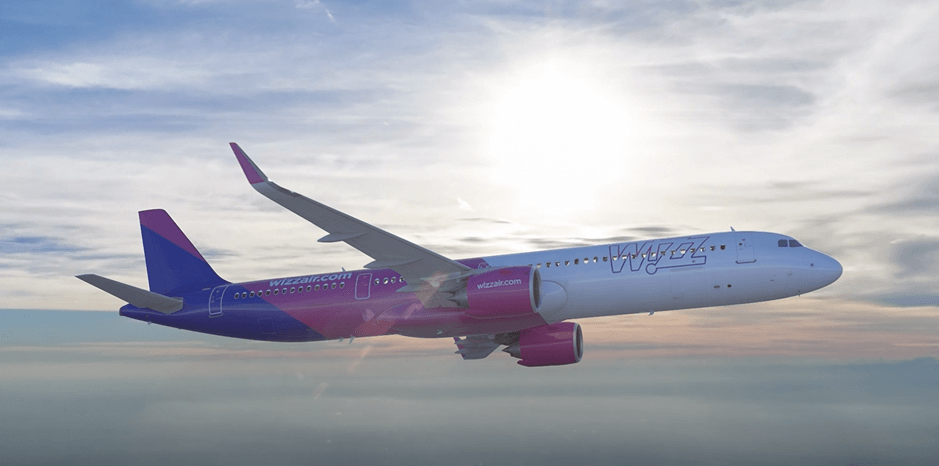
Wizz Air ha comunicado que está en proceso de adelantar las entregas de aeronaves narrowbodies del constructor europeo Airgus Group. La compañía matriz Wizz Air Holdings Plc acelerará la tasa de entregas de nuevos aviones desde la central europea de Airbus aprovechando los aplazamientos de otros clientes para alimentar su propia expansión. La aerolínea húngara de bajo costo recibirá unos 30 aviones A321NEO en 2021, cinco más de lo planeado previamente, dijo el Miércoles 29/07 el Presidente Ejecutivo, Jozsef Varadi, en una entrevista. Las conversaciones con Airbus incluyeron arreglos comerciales, una indicación de que la aerolínea puede estar recibiendo términos con mejores ventajas.
Wizz Air ha tratado de adelantar su regreso más rápido a medida que se reducen los bloqueos de Coronavirus, operando el 77% de su capacidad habitual la semana pasada en comparación con un promedio europeo del 40%. Para Airbus, la confianza de un cliente con más de 200 aviones de cuerpo estrecho bajo pedido es un alivio.
Las aerolíneas de todo el mundo han retirado casi universalmente las entregas para ahorrar efectivo durante la histórica sequía en los vuelos causada por la pandemia. «No hemos estado aplazando o cancelando órdenes. De hecho, estamos haciendo todo lo contrario», expresó el CEO de Wizz Air, Jozsef Varadi.
Wizz Air ha registrado una pérdida de 57 millones de Euros (US$ 67 millones) para el 2Q2020. Ha agregado 200 rutas nuevas y ha redistribuido 22 aviones a nuevos mercados, ya que otras aerolíneas son más lentas para reanudar los vuelos. La base de bajo costo del operador lo convertirá en un ganador estructural de la crisis, dijo Jozsef Varadi. Los aviones operan entre el 55% y el 70% de su capacidad dependiendo de la ruta, dijo Varadi en la entrevista. Si bien eso está por debajo del punto de equilibrio para la mayoría de las aerolíneas, está generando un flujo de caja positivo.
Airbus Group
Airbus puede estar preparado para ofrecer mejores condiciones a las aerolíneas que ocupan los llamados espacios de entrega en dificultades desocupados por otros transportistas. Un portavoz del fabricante de aviones dijo que siempre está en contacto con los clientes con respecto a los requisitos de la flota.
El CEO de Airbus, Guillaume Faury, ha reducido drásticamente las tasas de construcción de aviones, diciendo que la producción será un 40% más baja durante dos años consecutivos. La firma europea informa ganancias este próximo Jueves 30/07, y los inversores esperan nuevos ajustes después de que la Asociación Internacional de Transporte Aéreo dijo que los viajes aéreos no se recuperarán por completo hasta 2024. Mientras el rival americano Boeing reveló nuevas medidas para hacer frente a la caída de la demanda, que incluyen más recortes de producción, potencialmente más pérdidas de empleos, un retraso en el Programa 777X de cuerpo ancho y el posible cierre de una de las dos plantas que fabrican el 787 Dreamliner.
Perspectivas Wizz Air
Wizz Air continúa expandiéndose hacia Europa del Este y los nuevos mercado en el Golfo Pérsico. La compañía de presupuesto húngara espera recibir doce A321NEO al tomar las unidades canceladas de otras aerolíneas. El transportista había anticipado que los aviones se retrasarían después de que Airbus cerrara temporalmente la producción a principios de 2020.
Wizz Air accelerates Airbus deliveries
Wizz Air to accelerate aircraft deliveries after talks with Airbus
Wizz Air has communicated that it is in the process of bringing forward deliveries of narrowbodies aircraft from European manufacturer Airgus Group. Parent company Wizz Air Holdings Plc will accelerate the rate of new aircraft deliveries from Airbus’ European headquarters by taking advantage of deferrals from other customers to fuel its own expansion. The Hungarian low-cost airline will receive some 30 A321NEO planes in 2021, five more than previously planned, Chief Executive Jozsef Varadi said in an interview on Wednesday 29/07. Talks with Airbus included trade arrangements, an indication that the airline may be receiving terms with better benefits.
Wizz Air has tried to overtake its faster return as Coronavirus crashes are reduced, operating 77% of its normal capacity last week compared to a European average of 40%. For Airbus, the trust of a customer with more than 200 narrow-body aircraft on demand is a relief.
Airlines around the world have almost universally withdrawn deliveries to save cash during the historic flight drought caused by the pandemic. «We have not been deferring or canceling orders. In fact, we are doing the opposite», said Wizz Air CEO Jozsef Varadi.
Wizz Air has recorded a loss of 57 million Euros (US $ 67 million) for 2Q2020. It has added 200 new routes and redistributed 22 planes to new markets, as other airlines are slower to resume flights. The operator’s low-cost base will make it a structural winner of the crisis, said Jozsef Varadi. The planes operate between 55% and 70% of their capacity depending on the route, Varadi said in the interview. While that is below break-even point for most airlines, it is generating positive cash flow.
Airbus Group
Airbus may be ready to offer better conditions to airlines occupying so-called distressed delivery spaces unoccupied by other carriers. A spokesperson for the aircraft maker said it is always in contact with customers regarding fleet requirements.
Airbus CEO Guillaume Faury has slashed aircraft construction rates, saying output will be 40% lower for two consecutive years. The European firm reports earnings this coming Thursday 30/07, and investors expect further adjustments after the International Air Transport Association said that air travel will not fully recover until 2024. While American rival Boeing revealed new measures to make Faced with falling demand, which includes more production cuts, potentially more job losses, a delay in the 777X Widebody Program and the possible closure of one of the two plants that manufacture the 787 Dreamliner.
Wizz Air perspective
Wizz Air continues to expand into Eastern Europe and new markets in the Persian Gulf. The Hungarian budget company expects to receive twelve A321NEO by taking canceled units from other airlines. The carrier had anticipated that the planes would be delayed after Airbus temporarily closed production in early 2020.
A Wizz Air felgyorsítja az Airbus szállítását
A Wizz Air felgyorsítja az Airbus repülőgépek szállítását
A Wizz Air közölte, hogy folyamatban van a keskenytestestestes repülőgépek szállítása az európai gyártó, az Airgus Group számára. Az anyavállalat, a Wizz Air Holdings Plc felgyorsítja az Airbus európai székhelyéről érkező új repülőgépek szállítását azáltal, hogy kihasználja a többi ügyfél halasztását, hogy kibővítse a saját terjeszkedését. A magyar olcsó légitársaság 2021-ben mintegy 30 A321NEO repülőgépet fog kapni, ez az ötnél több, mint korábban terveztük mondta Varadi József vezérigazgató a 2007. július 29-én, szerdán készített interjúban. Az Airbus-szal folytatott tárgyalások tartalmaztak kereskedelmi megállapodásokat, jelezve, hogy a légitársaság jobb előnyökkel járhat.
A Wizz Air megpróbálta meghaladni gyorsabb visszatérését, mivel a koronavírus összeomlása csökken, a múlt héten a normál kapacitás 77% -át üzemelteti, szemben az európai átlag 40% -ával. Az Airbus számára megkönnyebbülés az ügyfél bizalma, amely több mint 200 keskenytestes testű repülőgépet igényel.
A világ minden tájáról érkező légitársaságok szinte egyetemesen visszavonták a szállításokat, hogy készpénzt takarítsanak meg a világjárvány okozta történelmi repülési aszály alatt. «Nem halasztottuk el vagy nem vontuk vissza a megrendeléseket. Valójában éppen ellenkezőleg cselekszünk» – mondta Joysef Varadi, a Wizz Air vezérigazgatója.
A Wizz Air 57 millió Euró (67 millió Dollár) veszteséget könyvelt el a 2Q2020-ra vonatkozóan. 200 új útvonalat adott ki és 22 repülőgépet osztott fel új piacokra, mivel más légitársaságok lassabban folytatják a járatokat. Az operátor olcsó bázisa a válság strukturális győztesévé teszi majd mondta Varadi József. A repülőgépek kapacitásuk 55–70% -a repül az útvonaltól függően mondta Varadi az interjúban. Noha a legtöbb légitársaság esetében ez a küszöbérték alatt van, pozitív cash flow-kat generál.
Airbus Group
Az Airbus készen áll arra, hogy jobb feltételeket kínáljon az olyan légitársaságok számára, amelyek úgynevezett bajba jutott szállítási tereket foglalnak el más légitársaságok által nem foglaltakkal. A repülőgépgyártó szóvivője szerint a flottakövetelményekkel kapcsolatban mindig kapcsolatba lép az ügyfelekkel.
Az Airbus vezérigazgatója, Guillaume Faury csökkentette a repülőgép-építési arányt, mondván, hogy a kibocsátás két egymást követő évben 40% -kal alacsonyabb lesz. Az európai cég a jövedelmet a következő, 2007. július 30-án, csütörtökön számolja be, és a befektetők további kiigazításokra számítanak, miután a Nemzetközi Légi Közlekedési Szövetség kijelentette, hogy a légi utazás 2024-ig nem fog teljes mértékben helyreállni. Míg az amerikai rivális, a Boeing új intézkedéseket mutatott be a A csökkenő kereslettel, amely magában foglalja a további termeléscsökkentéseket, potenciálisan több munkahely-veszteséget, a 777X Widebody Program késleltetését és a 787 Dreamliner gyártását végző két üzem egyikének lehetséges bezárását.
Kilátások Wizz Air
A Wizz Air tovább terjeszkedik Kelet-Európába és új piacokra a Perzsa-öbölben. A magyar költségvetési társaság tizenkét A321NEO-t számít arra, hogy törölt egységeket más légitársaságoktól vesz át. A légifuvarozó azt vélte, hogy a repülőgépek késni fognak, miután az Airbus ideiglenesen leállította a gyártást 2020 elején.
Ξ A I R G W A Y S Ξ PUBLISHER: Airgways.com DBk: Airbus.com / Wizzair.com / Bloomberg.com / Airgways.com AW-POST: 202007291906AR
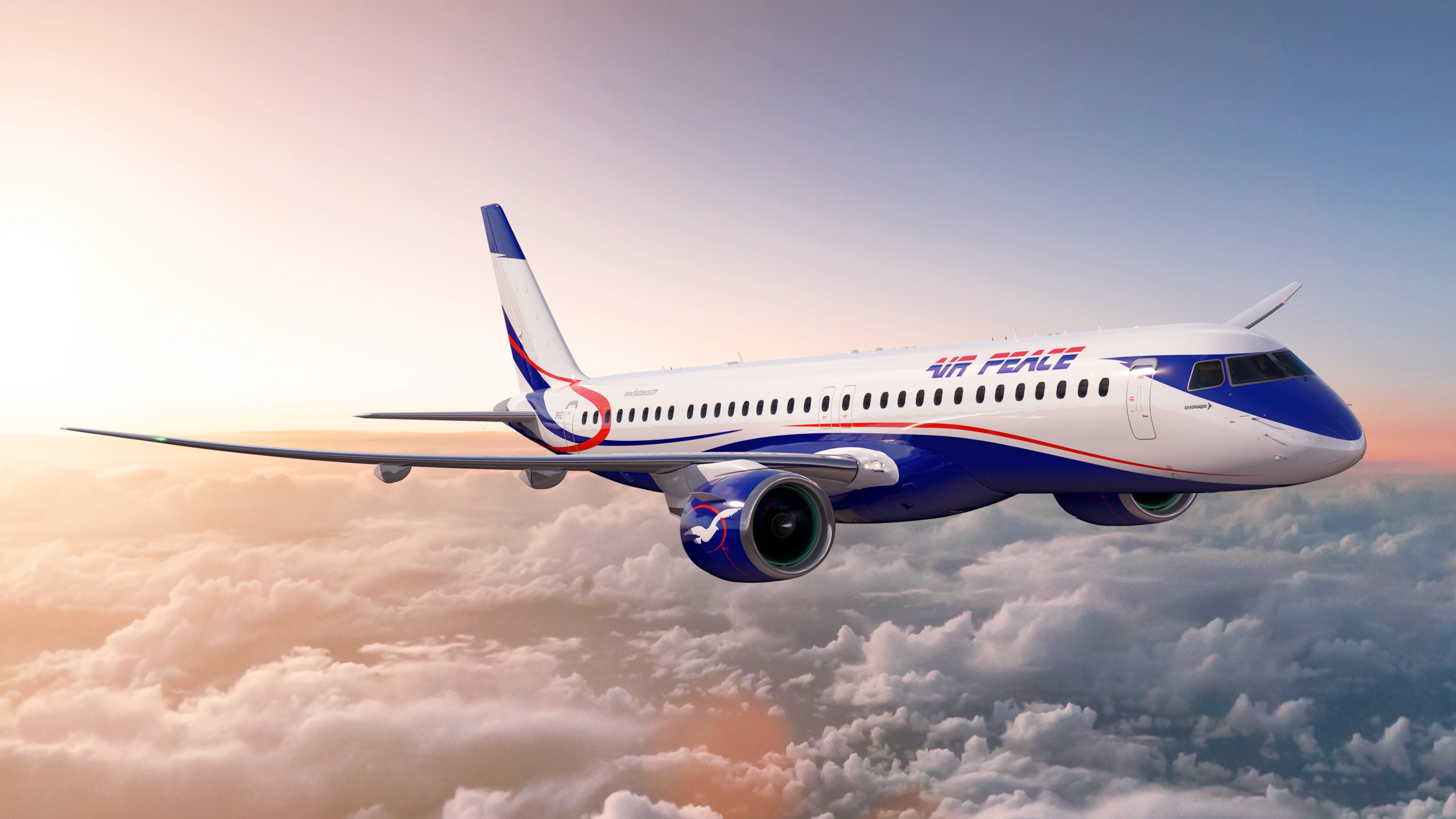
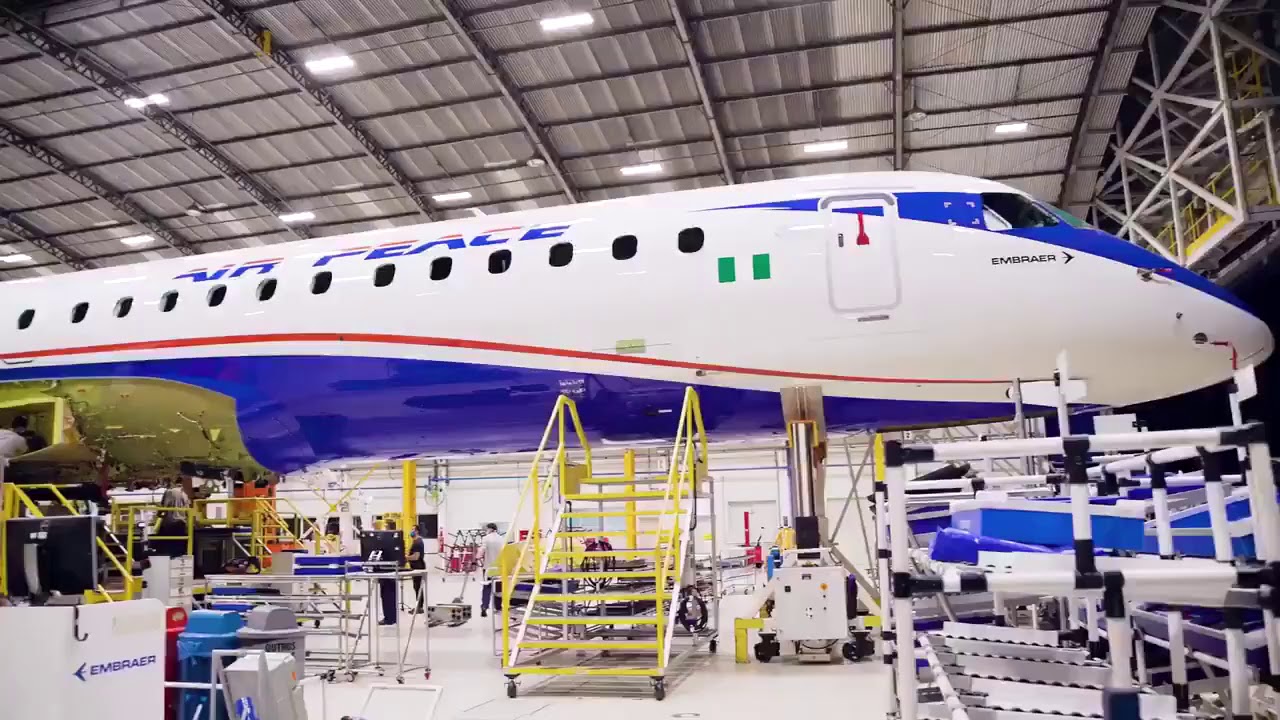
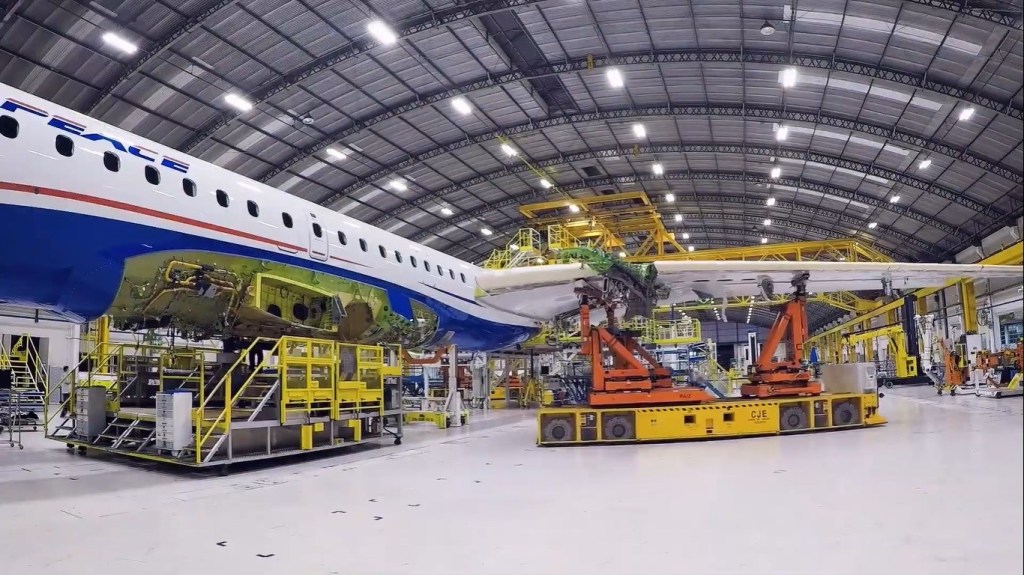
El fabricante brasileño Embraer S.A. está desarrollando la terminación en su línea de ensamblaje el primer avión Embraer E195-E2 destinado para Air Peace. La nueva unidad será la primer aeronave para una compañía africana. La configuración de las aeronaves serán en dos clases con 124 asientos en total.
Embraer lanzó un video en los procesos de montaje del conjunto alar, en la etapa o fase de ensamblaje final. El proceso de vuelos de pruebas se iniciarán próximamente antes de la entrega para la aerolínea Air Peace en el 4Q2020. La nueva aeronave destinada a la línea aérea nigeriana posee una orden en firme para 30 unidades, 13 aviones en firme más 17 opciones, todos ellos del modelo E195-E2, el avión de pasajeros más grande fabricado en Brasil. Con este número de pedidos, Air Peace será el segundo operador más grande del mundo del modelo E195-E2, detrás de la compañía Azul Linhas Aéreas de Brasil.
Perspectivas Air Peace
La compañía aérea nigeriana Air Peace es la más grande del país y de la Región Occidental de áfrica. Actualmente, posee una red de servicios atendiendo a más de veinte destinos con planes de expansión en el continente.
1st E2 assembly for Air Peace
Embraer E195-E2 Prime Assembly for Air Peace
Brazilian manufacturer Embraer S.A. The first Embraer E195-E2 aircraft destined for Air Peace is developing the completion on its assembly line. The new unit will be the first aircraft for an African company. The aircraft configuration will be in two classes with 124 seats in total.
Embraer released a video on the assembly processes of the alar assembly, in the final assembly stage or phase. The test flight process will begin shortly before delivery for Air Peace airline in 4Q2020. The new aircraft destined for the Nigerian airline has a firm order for 30 units, 13 firm planes plus 17 options, all of them of the E195-E2 model, the largest passenger plane manufactured in Brazil. With this number of orders, Air Peace will be the second largest operator in the world of the E195-E2 model, behind the Azul Linhas Aéreas company in Brazil.
Perspectives Air Peace
Nigerian airline Air Peace is the largest in the country and in the Western Region of Africa. Currently, it has a network of services serving more than twenty destinations with expansion plans in the continent.
1ª montagem E2 para a Air Peace
Montagem da Embraer E195-E2 Prime para a paz aérea
Fabricante brasileiro Embraer S.A. A primeira aeronave Embraer E195-E2 destinada à Air Peace está desenvolvendo a conclusão em sua linha de montagem. A nova unidade será a primeira aeronave para uma empresa africana. A configuração da aeronave será em duas classes, com 124 assentos no total.
A Embraer divulgou um vídeo sobre os processos de montagem da montagem alar, na fase ou fase final da montagem. O processo de voo de teste começará pouco antes da entrega da companhia aérea Air Peace no 4T2020. A nova aeronave destinada à companhia aérea nigeriana tem um pedido firme de 30 unidades, 13 aviões firmes e 17 opções, todas elas do modelo E195-E2, o maior avião de passageiros fabricado no Brasil. Com esse número de pedidos, a Air Peace será a segunda maior operadora do mundo do modelo E195-E2, atrás da empresa Azul Linhas Aéreas no Brasil.
Perspectivas Air Peace
A companhia aérea nigeriana Air Peace é a maior do país e na região oeste da África. Atualmente, possui uma rede de atendimento que atende a mais de vinte destinos com planos de expansão no continente.

























 airgways.com