Boeing resultados financieros 3Q2020
AW | 2020 10 28 09:55 | INDUSTRY

Boeing informa resultados del tercer trimestre

Boeing_Isologotype_M

The Boeing Company ha reportado ingresos del tercer trimestre de US$ 14.100 millones de Dólares, pérdidas GAAP por acción de (0,79 Dólares) y pérdidas básicas por acción (no GAAP) de US$ 1.39 Dólares, lo que refleja un menor volumen de entregas y servicios comerciales debido principalmente a COVID-19. Boeing registró un flujo de caja operativo de US$ 4.800 millones de dólares.

«La pandemia global continuó aumentando la presión a nuestro negocio este trimestre, y nos estamos alineando con esta nueva realidad al administrar de cerca nuestra liquidez y transformar nuestra empresa para que sea más nítida, más resistente y más sostenible a largo plazo. Nuestra diversa cartera, incluyendo nuestros servicios gubernamentales, programas de defensa y espacio, continúa proporcionando cierta estabilidad para nosotros a medida que nos adaptamos y reconstruimos para el otro lado de la pandemia. Seguimos enfocados en la salud y seguridad de nuestros empleados y sus comunidades. Estoy orgulloso de la dedicación y el compromiso que nuestros equipos han demostrado a medida que continuaban ofreciendo a nuestros clientes en este entorno desafiante. A pesar de los vientos en contra a corto plazo, seguimos confiando en nuestro futuro a largo plazo y nos centramos en mantener inversiones críticas en nuestro negocio y las acciones significativas que estamos tomando para fortalecer nuestra cultura de seguridad, mejorar la transparencia y reconstruir la confianza», dijo Dave Calhoun, Presidente y Director Ejecutivo de Boeing.

Siguiendo el liderazgo de los reguladores globales, Boeing avanzó constantemente hacia el regreso seguro al servicio del 737 MAX, incluyendo rigurosos vuelos de certificación y validación realizados por la Administración Federal de Aviación de los Estados Unidos, Transport Canada y la Agencia de Seguridad Aérea de la Unión Europea. La Junta Mixta de Evaluación Operativa, con autoridades de aviación civil de los Estados Unidos, Canadá, Brasily la Unión Europea, también llevó a cabo sus evaluaciones de la formación actualizada de la tripulación. El 737 MAX ha completado alrededor de 1.400 vuelos de prueba y comprobación y más de 3.000 horas de vuelo a medida que avanza a través del proceso de certificación robusto y completo.

Para adaptarse a los impactos del mercado de COVID-19 y posicionar a la empresa para el futuro, Boeing continuó su transformación de negocio en cinco áreas clave, incluyendo su huella de infraestructura, estructura de gastos generales y organización, cartera y mezcla de inversiones, salud de la cadena de suministro y excelencia operativa. A medida que la compañía cambia el tamaño de sus operaciones para alinearse con las realidades del mercado, Boeing espera seguir reduciendo los niveles generales de personal a través del desgaste natural, así como reducciones voluntarias e involuntarias de la fuerza de trabajo, y registrar costos de despido adicionales en el tercer trimestre.

El flujo de caja operativo fue de US$ 4.800 millones de Dólares en el trimestre, lo que refleja un menor volumen de entregas y servicios comerciales debido principalmente al COVID-19, así como el calendario de ingresos y gastos. El efectivo y las inversiones en valores negociables disminuyeron a US$ 27.100 millones de Dólares, en comparación con los US$ 32.400 millones de Dólares al comienzo del trimestre, impulsados principalmente por las salidas de efectivo operativas (cuadro 3). La deuda era de US$ 61.000 millones de Dólares, frente a los US$ 61.400 millones de Dólares al comienzo del trimestre debido al reembolso de la deuda con vencimiento. El atraso total de la empresa al final del trimestre fue de US$ 393 mil millones.

Resultados del segmento

Aviones comerciales
Los ingresos del tercer trimestre de Los aviones comerciales disminuyeron a US$ 3.600 millones de Dólares, lo que refleja un menor volumen de entrega debido principalmente a los impactos de COVID-19, así como a problemas de calidad y reelaboración asociado a la línea Boeing 787. El margen operativo del tercer trimestre disminuyó al 38,1 por ciento, impulsado principalmente por un menor volumen de entrega, así como a US$ 590 millones de Dólares de costos de producción anormales relacionados con el Programa 737.

Boeing Commercial Airplanes añadió el avión de prueba de vuelo 777X final al programa de pruebas y el motor GE9X recibió la certificación FAA. En Octubre 2020, la compañía decidió que consolidará la producción de la línea 787 en Carolina del Sur a mediados de 2021, lo que no tuvo un impacto financiero significativo en el programa en el tercer trimestre. Los aviones comerciales entregaron 28 aviones durante el trimestre, y el atraso incluyó más de 4.300 aviones valorados en US$ 313 mil millones de Dólares.

Defensa, Espacio y Seguridad
Los ingresos del tercer trimestre de Defensa, Espacio y Seguridad disminuyeron a US$ 6.800 millones, principalmente debido al tiempo de adjudicación de aeronaves derivadas, parcialmente compensados por un mayor volumen de caza. El margen operativo del tercer trimestre disminuyó a 9.2 por ciento reflejando un desempeño menos favorable, incluyendo una carga de KC-46A Tanker de US$ 67 millones.

Durante el trimestre, Defensa, Space & Security recibió un premio por ocho aviones de combate avanzados F-15EX para la Fuerza Aérea de los Estados Unidos y una extensión de contrato para la Estación Espacial Internacional para la NASA, así como contratos para nueve helicópteros chinook adicionales MH-47G Block II para las Operaciones Especiales del Ejército de los Estados Unidos y cuatro satélites 702X adicionales. También en el trimestre, la Fuerza Aérea de los Estados Unidos y el equipo de Boeing fueron galardonados con el Trofeo Collier a la excelencia aeroespacial para el avión espacial autónomo X-37B. Los hitos significativos incluyeron la incorporación del 20o F/A-18 de la Marina de los Estados Unidos en el programa de Modificación de la Vida de Servicio, así como la entrega del primer Bell Boeing V-22 Osprey a Japón y el primer MH-47G Block II Chinook a las Operaciones Especiales del Ejército de los Estados Unidos. El atraso en Defensa, Espacio y Seguridad fue de US$ 62 mil millones, de los cuales el 30 por ciento representa pedidos de clientes fuera de los EE.UU.

Servicios Globales
Los ingresos del tercer trimestre de Global Services disminuyeron a US$ 3.700 millones de Dólares, impulsados por un menor volumen de servicios comerciales debido al COVID-19, parcialmente compensados por un mayor volumen de servicios públicos. El margen de explotación del tercer trimestre disminuyó a 7.3 por ciento principalmente debido al menor volumen de servicios comerciales y a los costos adicionales de despido.

Durante el trimestre, Global Services firmó un acuerdo con GECAS para 11 Boeing 737-800 Boeing Converted Freighters, aseguró un contrato de apoyo P-8A de seis años para la Real Fuerza Aérea Australiana, y se adjudicó contratos de capacitación y soporte de servicios F-15EX por la Fuerza Aérea de los Estados Unidos. Global Services también entregó el primer Entrenador de Vuelo Operacional P-8A para la Real Fuerza Aérea del Reino Unido.

Información financiera adicional
Al final del trimestre, el saldo neto de la cartera de Boeing Capital era de US$ 2.000 millones de Dólares. El cambio en los ingresos y las ganancias de otras partidas y eliminaciones no asignadas se debió principalmente al momento de las asignaciones de costos. Las ganancias de otros artículos no asignados y eliminaciones también se vion afectadas por un menor gasto de investigación y desarrollo empresarial. Los intereses y los gastos de deuda aumentaron debido a mayores saldos de deuda. La tasa impositiva efectiva del tercer trimestre refleja los beneficios fiscales relacionados con la provisión de pérdidas operativas netas de cinco años en la Ley de Ayuda coronavirus, Alivio y Seguridad Económica (CARES), así como el impacto de las pérdidas antes de impuestos.

Divulgaciones de medidas no GAAP
Complementamos la presentación de la información financiera determinada bajo los Principios de Contabilidad Generalmente Aceptados en los Estados Unidos de América (GAAP) con cierta información financiera no GAAP. La información financiera no GAAP presentada excluye ciertos elementos significativos que pueden no ser indicativos de, o no están relacionados con, resultados de nuestras operaciones comerciales en curso. Creemos que estas medidas no GAAP proporcionan a los inversores información adicional sobre el rendimiento empresarial continuo de la empresa. Estas medidas no GAAP no deben considerarse aisladamente ni como sustituto de las medidas GAAP conexas, y otras empresas pueden definir esas medidas de manera diferente. Animamos a los inversores a revisar nuestros estados financieros e informes presentados públicamente en su totalidad y a no confiar en ninguna medida financiera única.

Ganancias operativas básicas
Los ingresos operativos principales se definen como ganancias GAAP de operaciones excluyendo el ajuste de costos de servicio FAS/CAS. El ajuste de los costos de servicio FAS/CAS representa la diferencia entre los costos de servicio de pensión FAS y postjuinación calculados en GAAP y los costos asignados a los segmentos de negocio. El margen operativo principal se define como el beneficio operativo básico expresado como un porcentaje de los ingresos. El beneficio básico por acción se define como el beneficio por acción diluido por GAAP, excluyendo el impacto neto de los beneficios por acción del ajuste de los costos del servicio FAS/CAS y los gastos de pensión y postjurabación no operativas. Los gastos de pensión y postjunos no operativos representan los componentes de los costos netos de beneficios periódicos distintos del costo del servicio. Los costos de pensión, que comprenden los costos de servicio y servicio previo calculados de acuerdo con los GAAP se asignan a los negocios de aviones comerciales y BGS que apoyan a los clientes comerciales. Los costos de pensión asignados a las empresas BDS y BGS que apoyan a los clientes gubernamentales se calculan de acuerdo con las Normas de Contabilidad de Costos del Gobierno de los Estados Unidos. Los costos de CAS son asignables a los contratos gubernamentales. Otros costos de beneficios posteriores a la jubilación se asignan a todos los segmentos de negocio basados en CAS, que generalmente se basa en beneficios pagados. La administración utiliza los principales ingresos operativos, el margen operativo básico y el beneficio básico por acción con el fin de evaluar y pronosticar el rendimiento subyacente del negocio. La Administración cree que estas medidas básicas de ganancias proporcionan a los inversionistas información adicional sobre el desempeño operativo, ya que excluyen los costos de pensión no servicios y post-jubilación, que representan principalmente costos impulsados por factores de mercado y costos no asignables a los contratos gubernamentales. En las páginas 12-13 se proporciona una conciliación entre las medidas GAAP y no GAAP.

Flujo de caja libre
El flujo de caja libre es el flujo de caja operativo GAAP reducido por los gastos de capital para la propiedad, la planta y el equipo. La Administración cree que el flujo de caja libre proporciona a los inversionistas una perspectiva importante sobre el efectivo disponible para los accionistas, el pago de la deuda y las adquisiciones después de realizar las inversiones de capital necesarias para apoyar las operaciones comerciales en curso y la creación de valor a largo plazo. El flujo de caja libre no representa el flujo de caja residual disponible para los gastos discrecionales, ya que excluye ciertos gastos obligatorios, como el reembolso de la deuda con vencimiento. La gestión utiliza el flujo de caja libre como medida para evaluar tanto el rendimiento del negocio como la liquidez general.

Boeing 3Q2020 financial results

Boeing Reports Third Quarter Results

Boeing_Isologotype_Gray-letter

The Boeing Company reported third-quarter revenue of US$ 14.1 billion, GAAP losses per share of US$ 0.79 and basic losses per share (non-GAAP) of US$ 1.39, reflecting lower volume of business deliveries and services primarily due to COVID-19. Boeing posted an operating cash flow of US$ 4.8 billion.

«The global pandemic continued to put pressure on our business this quarter, and we are aligning with this new reality by closely managing our liquidity and transforming our business to be sharper, more resilient and more sustainable over the long term. Our diverse portfolio, including our government services, defense and space programs, continues to provide some stability for us as we adapt and rebuild for the other side of the pandemic. We remain focused on the health and safety of our employees and their communities. I am proud of the dedication and commitment our teams have demonstrated as they continued to deliver to our clients in this challenging environment. Despite short-term headwinds, we remain confident in our long-term future and focus on maintaining critical investments in our business and the significant actions we are taking to strengthen our safety culture, enhance transparency and rebuild trust», said Dave Calhoun, President and CEO of Boeing.

Following the leadership of global regulators, Boeing steadily moved toward the safe return to service of the 737 MAX, including rigorous certification and validation flights conducted by the United States Federal Aviation Administration, Transport Canada, and the US Aviation Safety Agency. European Union. The Joint Operational Evaluation Board, with civil aviation authorities from the United States, Canada, Brazil, and the European Union, also carried out its evaluations of updated crew training. The 737 MAX has completed around 1,400 test and test flights and more than 3,000 flight hours as it progresses through the robust and comprehensive certification process.

To adapt to the market impacts of COVID-19 and position the company for the future, Boeing continued its business transformation in five key areas, including its infrastructure footprint, overhead structure and organization, portfolio and investment mix, supply chain health and operational excellence. As the company resizes its operations to align with market realities, Boeing expects to continue reducing overall staffing levels through wear and tear, as well as voluntary and involuntary reductions in the workforce, and recording costs of additional layoffs in the third quarter.

Operating cash flow was US$ 4.8 billion in the quarter, reflecting a lower volume of deliveries and commercial services mainly due to COVID-19, as well as the calendar of income and expenses. Cash and investments in marketable securities decreased to US$ 27.1 billion, compared to US$ 32.4 billion at the beginning of the quarter, mainly driven by operating cash outflows. The debt was US$ 61,000 million, compared to US$ 61,400 million at the beginning of the quarter due to the repayment of the maturing debt. The company’s total arrears at the end of the quarter was US$ 393 billion.

Segment results

AW-7370078

Commercial aircraft
Third-quarter revenue for Commercial Aircraft decreased to US$ 3.6 billion, reflecting lower delivery volume primarily due to the impacts of COVID-19, as well as quality and rework issues associated with the Boeing 787 line. The operating margin for the third quarter decreased to 38.1 percent, driven primarily by lower delivery volume, as well as US$ 590 million of abnormal production costs related to the 737 Program.

Boeing Commercial Airplanes added the final 777X flight test aircraft to the test program and the GE9X engine received FAA certification. In October 2020, the company decided that it will consolidate production of the 787 line in South Carolina in mid-2021, which did not have a significant financial impact on the program in the third quarter. Commercial aircraft delivered 28 aircraft during the quarter, and the backlog included more than 4,300 aircraft valued at US$ 313 billion.

Defense, Space and Security
Third-quarter Defense, Space and Security revenues decreased to US$ 6.8 billion, mainly due to the time to award derivative aircraft, partially offset by higher fighter volumes. Third-quarter operating margin decreased to 9.2 percent reflecting less favorable performance, including a KC-46A Tanker cargo of US$ 67 million.

During the quarter, Defense, Space & Security received an award for eight advanced F-15EX fighter jets for the United States Air Force and an International Space Station contract extension for NASA, as well as contracts for nine Chinook helicopters. additional MH-47G Block II for United States Army Special Operations and four additional 702X satellites. Also in the quarter, the United States Air Force and the Boeing team were awarded the Collier Trophy for Aerospace Excellence for the X-37B autonomous space plane. Significant milestones included the addition of the 20th F/A-18 of the United States Navy into the Service Life Modification program, as well as the delivery of the first Bell Boeing V-22 Osprey to Japan and the first MH- 47G Block II Chinook to United States Army Special Operations. The backlog in Defense, Space and Security was US$ 62 billion, of which 30 percent represents orders from customers outside the US.

Global Services
Global Services third-quarter revenue decreased to US$ 3.7 billion, driven by lower volume of commercial services due to COVID-19, partially offset by higher volume of public services. The third quarter operating margin decreased to 7.3 percent mainly due to lower volume of commercial services and additional firing costs.

During the quarter, Global Services signed an agreement with GECAS for 11 Boeing 737-800 Boeing Converted Freighters, secured a six-year P-8A support contract for the Royal Australian Air Force, and was awarded F services training and support contracts. 15EX by the United States Air Force. Global Services also delivered the first P-8A Operational Flight Trainer for the UK Royal Air Force.

Additional financial information
At the end of the quarter, the net balance of the Boeing Capital portfolio was US $ 2 billion. The change in income and earnings from other unallocated items and eliminations was primarily due to the timing of cost allocations. Earnings from other unallocated items and eliminations were also affected by lower business research and development spending. Interest and debt expenses increased due to higher debt balances. The third quarter effective tax rate reflects the tax benefits related to the five-year net operating loss provision in the Coronavirus Relief, Economic Security and Relief Act (CARES), as well as the impact of pre-tax losses.

Non-GAAP Measure Disclosures
We complement the presentation of financial information determined under the Generally Accepted Accounting Principles in the United States of America (GAAP) with certain non-GAAP financial information. Non-GAAP financial information presented excludes certain significant elements that may not be indicative of, or are not related to, results of our ongoing business operations. We believe that these non-GAAP measures provide investors with additional information about the continued business performance of the company. These non-GAAP measures should not be viewed in isolation or as a substitute for related GAAP measures, and other companies may define those measures differently. We encourage investors to review our publicly reported financial statements and reports in their entirety and not to rely on any single financial measure.

Basic operating profit
Major operating income is defined as GAAP earnings from operations excluding the FAS/CAS service cost adjustment. The FAS/CAS service cost adjustment represents the difference between the FAS pension and post-judgment service costs calculated in GAAP and the costs allocated to the business segments. Core operating margin is defined as basic operating profit expressed as a percentage of revenue. Basic earnings per share is defined as earnings per share diluted by GAAP, excluding the net impact of earnings per share from adjusting FAS/CAS service costs and non-operating pension and post-certification expenses. Non-operating pension and post-employment expenses represent components of net periodic benefit costs other than service cost. Pension costs, which comprise service and pre-service costs calculated in accordance with GAAP, are allocated to the commercial aircraft businesses and BGS that support commercial customers. The pension costs allocated to BDS and BGS companies that support government clients are calculated in accordance with the United States Government Cost Accounting Standards. CAS costs are allocable to government contracts. Other post-retirement benefit costs are allocated to all business segments based on CAS, which is generally based on benefits paid. Management uses top operating income, basic operating margin, and basic earnings per share to assess and forecast the underlying performance of the business. Management believes that these basic earnings measures provide investors with additional information on operating performance, as they exclude non-service and post-retirement pension costs, which primarily represent costs driven by market factors and costs not allocable to contracts. governmental.

Free cash flow
Free cash flow is GAAP operating cash flow reduced by capital expenditures for property, plant and equipment. Management believes that free cash flow provides investors with important insight into cash available to shareholders, debt repayment, and acquisitions after making the necessary capital investments to support ongoing business operations and creation of long-term value. Free cash flow does not represent the residual cash flow available for discretionary expenses, as it excludes certain mandatory expenses, such as repayment of maturing debt. Management uses free cash flow as a measure to assess both business performance and overall liquidity.


PUBLISHER: Airgways.com
DBk: Boeing.com / Airgways.com
AW-POST: 202010280955AR

A\W   A I R G W A Y S ®

Boeing preservar competitividad futura

AW | 2020 10 28 00:55 | INDUSTRY

Boeing lucha por mantenerse competitivo hacia el futuro

Boeing_Isologotype

Los mayores compradores de aviones comerciales del mundo creen que The Boeing Company, que se prevé que reporte más pérdidas financieras al Miércoles 28/10, haya caído significativamente por debajo de la paridad con su rival Airbus Group, con opciones limitadas de recuperación a medida que sangra dinero en efectivo durante la crisis de la aviación impulsada por la pandemia. Los ejecutivos de las principales compañías de arrendamiento de aeronaves dijeron que el líder de la aviación comercial del país enfrenta enormes desafíos, con sus Boeing 737 MAX aún para reanudar los vuelos comerciales y las perspectivas de su nuevo avión 777X aplastado por la dramática contracción de los viajes aéreos internacionales.

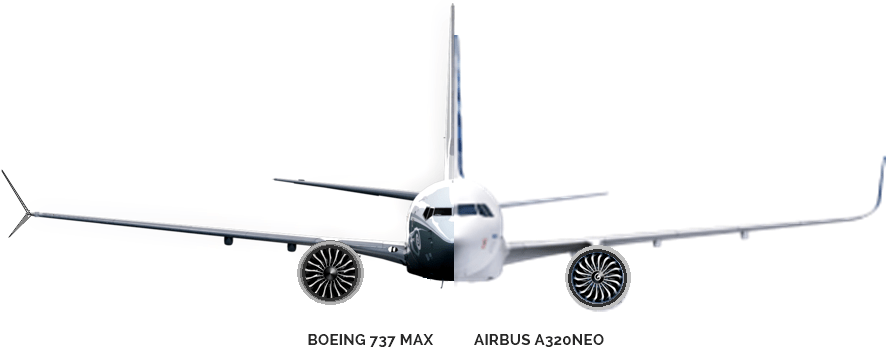
En el mercado de aviones más pequeños de pasillo único, las ventas de la familia Airbus A320neo, especialmente el modelo A321NEO de gran alcance, han superado con creces a las del 737 MAX. «El mercado ha hablado. Airbus realmente tiene una ventaja al frente en el tamaño superior del mercado de pasillo único. Sin duda, Boeing ha perdido posición contra Airbus durante la crisis MAX», dijo John Plueger, Director Ejecutivo de Air Lease Corporation (ALC), con sede en Los Angeles, que posee o tiene por pedido una flota de casi 800 aviones Boeing y Airbus. En el otro extremo de la escala de jets, Boeing ha dominado tradicionalmente el sector de aviones de cuerpo ancho más grande. Sin embargo, el nuevo 777X, con capacidad para más de 400 pasajeros, está en problemas. Las grandes aerolíneas internacionales de larga distancia que lanzaron el avión gigante no pueden esperar llenarlo a raíz de la pandemia global. Esas aerolíneas «querrán expulsar las entregas bastantes años. El 777X tendrá su día, pero será en el futuro», dijo Gus Kelly, Director Ejecutivo de AerCap, con sede en Irlanda, el menor de aviones más grande del mundo, con una flota de más de 1.000 aviones comerciales grandes y más de 300 por pedido. En un correo electrónico, el Presidente de ALC y eminente empresario de la aviación Steve Udvar-Hazy dijo del 777X que el jetmaker necesita ralentizar las tasas de producción y centrarse en lo que las aerolíneas necesitan en lugar de lo que Boeing le gustaría vender.

Envuelto en una desaceleración de la aviación sin precedentes históricamente y aún a la espera de la aprobación de su 737 MAX para volar de nuevo, el gigante industrial estadounidense y la piedra angular de la economía manufacturera del Estado de Washington se está reduciendo despidiendo a miles de empleados, recortando la producción y vendiendo activos, incluyendo importantes bienes raíces. Además de los aproximadamente 450 aviones MAX estacionados y a la espera de la autorización de la Administración Federal de Aviación (FAA) para su entrega, Boeing tiene un número creciente de 787 Dreamliners terminados almacenados en el Aeropuerto Victorville, California. Esos 787 fueron construidos para aerolíneas, incluyendo China Southern Airlines, Hainan Airlines y Juneyao Airlines de China, Norwegian Air, Qatar Airways y Qantas Airways de Australia que no puede tomarlos en este momento, y en el caso de Hainan Airlines y Norwegian Air, nunca pueden tomarlos. El Analista de investigación aeronáutica de Bank of America, Ron Epstein estimó la semana pasada que el inventario en exceso MAX y 787 representa alrededor de US$ 20 mil millones de Dólares en aviones estacionados y no entregados. La dirección de la compañía este mes anunció que consolidará la producción de 787 Dreamliner en Carolina del Sur, abandonando para el próximo verano la línea de producción original en Everett.

Boeing ha cerrado indefinidamente su lujoso Centro de Liderazgo en St. Louis, Missouri (MO)., heredado de McDonnell Douglas Corporation, y el programa allí para preparar a los futuros ejecutivos desarrollado durante años de amplio poder corporativo. A principios de este mes, el CEO de Boeing Commercial Airplanes, Stan Deal, dijo a los empleados que la compañía puede vender su campus de la sede local en Longacres, parte de una revisión de gran alcance de las propiedades de la compañía. Todo esto refleja una crisis de efectivo que ya era grave debido a la puesta en marcha del 737 MAX y se intensificó cuando el Coronavirus se apoderó del tráfico aéreo global.

Los analistas de Wall Street estiman que Boeing en los últimos tres meses ha quemado más de US$ 5.000 millones de Dólares de su acumulación de dinero de 32.000 millones de dólares. Aunque el Wall Street Journal informó la semana pasada que Boeing está empezando a mirar un nuevo diseño de avión que desafiaría el éxito del Airbus A321NEO XLR, los expertos en aviación son muy escépticos.

El Analista de Bernstein Research, Doug Harned, calificó la noción de absurda. «Boeing está quemando efectivo a niveles nunca antes vistos, en un momento en que la demanda ha desaparecido. Las nuevas inversiones importantes en este momento no tendrían sentido», dijo Doug Harned a los inversores. Rob Spingarn, Analista de Credit Suisse, ha expresado que con los recortes de empleos en el Estado de Washington, incluyendo las jubilaciones de muchos trabajadores mayores y con más experiencia, Boeing ahora puede carecer de «el talento necesario para lanzar con éxito un avión de hoja limpia comercialmente viable».

Posición mercado

La familia Airbus A320NEO ha acumulado un atraso de casi 6.000 pedidos, incluyendo más de 3.000 para el A321NEO y sus dos variantes de largo alcance, el LR y XLR. El atraso de la empresa de la familia 737 MAX de Boeing se ha reducido debido a cancelaciones a poco más de 3.300 órdenes. Airbus ha revalidado todos sus pedidos y aunque algunos pueden caer en el próximo año, tiene un alto grado de confianza que la mayoría de ellos se mantendrán sólidos. Airbus ha agregado que si Boeing lanzara un nuevo avión, Airbus ya tiene una respuesta probable alineada, colocar un nuevo ala compuesta ligera en el A321NEO para mejorar su aerodinámica, lo que podría lograrse mucho más rápido que el desarrollo de Boeing de un avión totalmente nuevo.

Boeing se enfrenta a otras barreras, con los fabricantes de motores, que acaban de gastar miles de millones de Dólares en el desarrollo de la nueva generación de motores LEAP para el Boeing 737 MAX y GTF de Airbus, pues tendrían poco interés en invertir en el mediano plazo en un nuevo motor para suplantar esos modelos. La misma renuencia a canibalizar los productos existentes se aplicaría por igual a Boeing. «Si Boeing lanzara un avión de este tipo, ¿qué pasaría con el MAX? La gente no va a comprarlo y Boeing necesita ese flujo de efectivo del MAX. Tengo que imaginar que es una venta difícil en la sala de juntas en Chicago», Gus Kelly, de AerCap.

Arrendadores, pulso industrial

John Plueger y Gus Kelly, entre los jugadores más poderosos del mundo de las aerolíneas, alquilan aviones a aerolíneas en todos los rincones del mundo, y tienen un dedo en el pulso del mercado. Al considerar el desarrollo de un nuevo jet, tanto Airbus como Boeing consultan directamente con ellos sobre lo que el mercado quiere. Los arrendadores representan el 40% de todas las ventas de aviones comerciales, y debido a la pandemia esa cifra probablemente se acerque a la mitad de todas las ventas, aumentando su influencia de consulta de mercado.

Gus Kelly dijo que cuando llegue una recuperación, las aerolíneas saldrán financieramente más débiles, centradas en pagar la deuda pública. A falta de efectivo, muchas más aerolíneas evitarán el costo inicial de capital de una compra directa y alquilarán sus aviones a compañías de leasing.

Perspectivas industria

John Plueger y Gus Kelly continúan confiando en que la industria aérea se recuperará con el tiempo. «Fundamentalmente, el transporte aéreo comercial mejora la condición humana. La gente necesita conseguir lugares, necesita ver a la familia, necesita hacer negocios. Hay una demanda acumulada para los viajes aéreos», sostiene John Plueger

rotate5 (2)

AW-Airbus-line_002

Pero en el corto plazo, el 777X y el 737 MAX presentan desafíos que amenazan con disminuir las tasas de producción en Everett y Renton, respectivamente. El 777X, que tuvo su primer vuelo de prueba en Enero 2020 se suponía que entraría en servicio este año. Boeing ha postergado la primera entrega hacia el 2022, pero la pandemia puede mantener la demanda 777X muy baja hasta mediados de la década. Cathay Pacific Airlines, uno de los clientes del lanzamiento del 777X, reveló la semana pasada que ha aplazado sus primeras entregas hacia el 2025.

La tendencia lejos de los grandes aviones de cuerpo ancho ya era evidente antes de la pandemia y ahora se ha acelerado considerablemente. Boeing ve el 777X como el sucesor natural de su Boeing 747 y del Airbus A380. Pero en la pandemia, las aerolíneas han retirado prematuramente ambos aviones y no están buscando reemplazos en ningún momento pronto. «Si vuelas un avión enorme, hay enormes costos asociados. Las aerolíneas simplemente no pueden permitirse volar aviones que no creen que puedan llenar», expresó Gus Kelly.

El mercado para los aviones más pequeños como la línea 737 MAX que vuelan principalmente rutas nacionales debería recuperarse de la pandemia mucho más rápidamente. Para que Boeing se aproveche, el 737 MAX debe salir de la crisis de confianza que aterrorizó al mundo de la aviación desde los dos accidentes aéreas en Indonesia y Etiopía. John Plueger dijo que el problema inmediato de Boeing es conseguir que las aerolíneas tomen los cientos de 737 MAX ya construidos que han sido almacenados durante muchos meses, donde se esperaría grandes descuentos de adquisición. «Para tratar de expulsarlos, francamente, se requerirán concesiones de precios que sean convincentes. Boeing necesita tomar medidas agresivas. Es más importante que Boeing los haga volar, incluso a un costo económico adicional», ha comentado John Plueger. Gus Kelly estuvo de acuerdo, pero dijo que una vez que esos aviones en exceso se mueven fuera, Boeing puede confiar en las ventas robustas del modelo principal el Boeing 737-8 MAX. Dijo que el jet ofrece una economía de operación casi idéntica a su competidor directo el A320NEO, confiando que será un avión excelente en ventas hacia el futuro. La tarea más difícil de Boeing será vender los modelos MAX más grandes como los MAX 9 y MAX 10. «El MAX 9 no ha funcionado. Eso está siendo reemplazado por el MAX 10», dijo Gus Kelly. Pero al mismo tiempo el MAX 10 debe competir contra el rango más largo del A321NEO como los modelos A321NEO LR y A321NEO XLR de mayor alcance.

Se espera que la FAA el próximo mes apruebe el Boeing 737 MAX para volar pasajeros de nuevo, y el jet probablemente regresará a los cielos de Estados Unidos y Europa a principios del próximo año 2021. Para Boeing, eso comienza lo que promete ser una larga y lenta salida de la peor crisis de su historia, y junto con ella, las valiosas lecciones aprendidas.

Boeing preserve future competitiveness

Boeing struggles to stay competitive into the future

Boeing_Isologo.svg

The world’s largest commercial aircraft buyers believe The Boeing Company, expected to report further financial losses as of Wednesday 10/28, has fallen significantly below parity with rival Airbus Group, with limited recovery options as it cash bleeds during the pandemic-fueled aviation crisis. Executives from major aircraft leasing companies said the country’s commercial aviation leader faces daunting challenges, with its Boeing 737 MAXs yet to resume commercial flights and prospects for its new 777X jet crushed by the dramatic contraction of international air travel.

In the market for smaller single-aisle aircraft, sales of the Airbus A320neo family, especially the powerful A321NEO model, have far exceeded those of the 737 MAX. «The market has spoken. Airbus really has a head start in the superior size of the single aisle market. Boeing has certainly lost its position to Airbus during the MAX crisis», said John Plueger, Chief Executive Officer of Air Lease Corporation (ALC ), based in Los Angeles, which owns or has on order a fleet of nearly 800 Boeing and Airbus aircraft. At the other end of the jet scale, Boeing has traditionally dominated the larger wide-body aircraft sector. However, the new 777X, which seats more than 400 passengers, is in trouble. The big international long-haul airlines that launched the giant jet can’t wait to fill it up in the wake of the global pandemic. Those airlines «will want to push out deliveries for years to come. The 777X will have its day, but it will be in the future», said Gus Kelly, CEO of Ireland-based AerCap, the world’s largest smallest aircraft with a fleet of more than 1,000 large commercial aircraft and more than 300 per order. In an email, LAC President and eminent aviation entrepreneur Steve Udvar-Hazy said of the 777X that the jetmaker needs to slow production rates and focus on what airlines need rather than what Boeing would like to sell.

Engulfed in a historically unprecedented aviation slowdown and still awaiting approval of its 737 MAX to fly again, the American industrial giant and the cornerstone of Washington State’s manufacturing economy is shrinking by laying off thousands of employees, cutting production and selling assets, including important real estate. In addition to the approximately 450 MAX aircraft parked and awaiting clearance from the Federal Aviation Administration (FAA) for delivery, Boeing has a growing number of finished 787 Dreamliners in storage at Victorville Airport, California. Those 787s were built for airlines including China Southern Airlines, Hainan Airlines and Juneyao Airlines from China, Norwegian Air, Qatar Airways, and Qantas Airways from Australia that you can’t take them right now, and in the case of Hainan Airlines and Norwegian Air, never they can take them. Bank of America Aeronautical Research Analyst Ron Epstein estimated last week that the MAX and 787 excess inventory represents about US$ 20 billion worth of parked and undelivered aircraft. The company’s management this month announced that it will consolidate production of the 787 Dreamliner in South Carolina, abandoning the original production line in Everett by next summer.

Boeing has indefinitely closed its luxurious Leadership Center in St. Louis, Missouri (MO), inherited from McDonnell Douglas Corporation, and the program there to prepare future executives developed over years of broad corporate power. Earlier this month, Boeing Commercial Airplanes CEO Stan Deal told employees that the company may sell its local headquarters campus in Longacres, part of a far-reaching review of the company’s properties. All of this reflects a cash crisis that was already severe due to the launch of the 737 MAX and intensified when the Coronavirus took over global air traffic.

Wall Street analysts estimate that Boeing in the past three months has burned more than US$ 5 billion of its US$ 32 billion money accumulation. Although the Wall Street Journal reported last week that Boeing is beginning to look at a new aircraft design that would challenge the success of the Airbus A321NEO XLR, aviation experts are highly skeptical.

Bernstein Research Analyst Doug Harned called the notion absurd. «Boeing is burning cash at levels never seen before, at a time when demand has waned. Major new investments right now would be meaningless«, Doug Harned told investors. Credit Suisse Analyst Rob Spingarn has said that with job cuts in Washington State, including the retirements of many older and more experienced workers, Boeing may now lack «the talent to successfully launch a jetliner commercially viable clean sheet».

Market position

The Airbus A320NEO family has accumulated a backlog of nearly 6,000 orders, including more than 3,000 for the A321NEO and its two long-range variants, the LR and XLR. The backlog of Boeing’s 737 MAX family business has been reduced due to cancellations to just over 3,300 orders. Airbus has revalidated all of its orders and while some may drop in the next year, it has a high degree of confidence that most of them will remain strong. Airbus has added that if Boeing were to launch a new aircraft, Airbus already has a likely answer lined up, putting a new lightweight composite wing on the A321NEO to improve its aerodynamics, which could be accomplished much faster than Boeing’s development of an entirely new aircraft. .

Boeing faces other barriers, with engine manufacturers just spending billions of dollars developing the new generation of LEAP engines for the Airbus Boeing 737 MAX and GTF, having little interest in investing in the engine. medium term on a new engine to supplant those models. The same reluctance to cannibalize existing products would apply equally to Boeing. «If Boeing launched such a plane, what would happen to the MAX? People are not going to buy it and Boeing needs that cash flow from the MAX. I have to imagine it’s a tough sell in the boardroom in Chicago», Gus Kelly of AerCap.

Landlords, industrial pulse

John Plueger and Gus Kelly, among the world’s most powerful players in airlines, lease planes from airlines in every corner of the world, and they have a finger on the pulse of the market. When considering the development of a new jet, both Airbus and Boeing consult directly with them about what the market wants. Lessors account for 40% of all commercial aircraft sales, and due to the pandemic that number is likely to be close to half of all sales, increasing their market consulting influence.

Gus Kelly said that when a recovery comes, airlines will come out financially weaker, focused on paying off public debt. In the absence of cash, many more airlines will avoid the initial capital cost of a direct purchase and lease their planes to leasing companies.

Industry perspective

John Plueger and Gus Kelly remain confident that the airline industry will recover over time. «Fundamentally, commercial air travel improves the human condition. People need to get places, they need to see family, they need to do business. There is pent-up demand for air travel», says John Plueger.

But in the short term, the 777X and 737 MAX present challenges that threaten to lower production rates at Everett and Renton, respectively. The 777X, which had its first test flight in January 2020, was supposed to enter service this year. Boeing has delayed the first delivery to 2022, but the pandemic may keep 777X demand very low until the middle of the decade. Cathay Pacific Airlines, one of the 777X launch customers, revealed last week that it has postponed its first deliveries to 2025.

The trend away from large wide-body aircraft was already apparent before the pandemic and has now accelerated considerably. Boeing sees the 777X as the natural successor to its Boeing 747 and the Airbus A380. But in the pandemic, airlines have prematurely recalled both planes and are not looking for replacements anytime soon. «If you fly a huge plane, there are huge costs associated with it. Airlines just can’t afford to fly planes that they don’t think they can fill», Gus Kelly said.

The market for smaller aircraft such as the 737 MAX line that primarily fly domestic routes should recover from the pandemic much more quickly. For Boeing to take advantage of it, the 737 MAX must emerge from the crisis of confidence that has terrified the aviation world since the two air crashes in Indonesia and Ethiopia. John Plueger said Boeing’s immediate problem is getting airlines to take the hundreds of already-built 737 MAXs that have been in storage for many months, where deep purchase discounts would be expected. «To try to drive them out, frankly, will require compelling price concessions. Boeing needs to take aggressive action. It is more important that Boeing fly them, even at additional economic cost», said John Plueger. Gus Kelly agreed, but said that once those excess aircraft are moved out, Boeing can rely on robust sales of the flagship Boeing 737-8 MAX. He said the jet offers almost identical operating economy to its direct competitor the A320NEO, confident that it will be an excellent aircraft for future sales. Boeing’s toughest task will be selling the bigger MAX models like the MAX 9 and MAX 10. «The MAX 9 hasn’t worked. That is being replaced by the MAX 10», said Gus Kelly. But at the same time the MAX 10 must compete against the longer range of the A321NEO like the longer range A321NEO LR and A321NEO XLR models.

The FAA is expected next month to approve the Boeing 737 MAX to fly passengers again, and the jet will likely return to the skies of the United States and Europe early next year 2021. For Boeing, that begins what promises to be a long one. and slow exit from the worst crisis in its history, and along with it, the valuable lessons learned.


PUBLISHER: Airgways.com
DBk: Boeing.com / Seattletimes.com / Airgways.com
AW-POST: 202010280055AR

A\W   A I R G W A Y S ®

Saudia demandada por arrendamientos

AW | 2020 10 27 22:08 | AIRLINES / GOVERNMENT

Saudia Arabian enfrenta reclamo por aviones Airbus

Saudi arabian Airlines_Isologotype

La estatal Saudi Arabian Airlines se enfrenta a una demanda en el Tribunal Superior de Londres presentada el mes pasado por una empresa de servicios financieros con sede en Dubai por un presunto incumplimiento de los acuerdos de arrendamiento de 50 aviones Airbus, según documentos judiciales. Alif Segregated Portfolio Company, que se especializa en arrendamiento de aeronaves que cumplen con la sharia, ha presentado una queja contra la aerolínea con sede en Jeddah, también conocida como Saudia, en la que podría solicitar al menos US$ 460 millones en alquiler y costos de mantenimiento impagos. Alif también exige otros daños y costos adicionales. El Tribunal Superior de Londres dijo que la demanda ha sido presentada pero aún no reconocida por el acusado.

Saudi Arabian Airlines ha comunicado que mantendrá sus compromisos contractuales y que también estaba preparada para defenderse de afirmaciones inexactas, aunque no ha aportado detalles específicos de los reclamos hechos en su contra, pero dijo que los procedimientos legales activos no habían comenzado. “Actualmente estamos en conversaciones con el arrendador para resolver las diferencias contractuales y creemos que al final prevalecerá el sentido común”.

El acuerdo entre Alif y Saudia, anunciado por Airbus Group en el Salón Aeronáutico de París de 2015, fue aclamado como el mayor acuerdo de aviación asegurado mediante financiación islámica. Los 50 aviones, que representan un tercio de la flota de Saudia, valían alrededor de US$ 8.2 mil millones cuando se anunció el acuerdo. Según el acuerdo, la unidad de gestión de Alif, International Airfinance Corporation (IAFC), compró los aviones, que incluían 30 aviones A320NEO y 20 A330-300 y los alquiló a Saudia.

Alif afirma en los documentos que Saudia no ha pagado el alquiler básico después de intentar reducir sus pagos y realizar «intercambios de piezas y motores no autorizados y no notificados». Saudi Arabian Airlines ha estado luchando desde que la pandemia de Coronavirus puso de rodillas a la aviación mundial. En Marzo 2020, el Gobierno de Arabia Saudita suspendió los vuelos y prohibió a los musulmanes en el extranjero realizar peregrinaciones en el reino, que normalmente atraen a millones de visitantes extranjeros.

El Estado del Golfo Árabe reinició los vuelos domésticos en Mayo 2020 y recientemente ha reanudado los vuelos internacionales, incluso a ciudades de Oriente Medio, Asia, Europa, África y Estados Unidos. Pero Saudi Arabian Airlines no espera que las operaciones de vuelo vuelvan a la normalidad hasta finales de año y ha pedido a algunos empleados de la tripulación de cabina que suspendan sus contratos hasta entonces.

Saudia sued for leases

Saudia Arabian faces claim over Airbus planes

State-owned Saudi Arabian Airlines is facing a lawsuit in London High Court filed last month by a Dubai-based financial services company over an alleged breach of lease agreements for 50 Airbus jets, according to court documents. Alif Segregated Portfolio Company, which specializes in sharia-compliant aircraft leasing, has filed a complaint against the Jeddah-based airline, also known as Saudia, in which it could request at least US$ 460 million in rent and costs. unpaid maintenance. Alif also demands other damages and additional costs. The London High Court said the lawsuit has been filed but not yet recognized by the defendant.

Saudi Arabian Airlines has communicated that it will keep its contractual commitments and that it was also prepared to defend itself against inaccurate claims, although it has not provided specific details of the claims made against it, but said that active legal proceedings had not started. «We are currently in discussions with the landlord to resolve contractual differences and we believe that in the end common sense will prevail».

The agreement between Alif and Saudia, announced by Airbus Group at the 2015 Paris Air Show, was hailed as the largest aviation agreement secured by Islamic funding. The 50 jets, representing a third of Saudia’s fleet, were worth about US$ 8.2 billion when the deal was announced. Under the agreement, Alif’s management unit, International Airfinance Corporation (IAFC), purchased the aircraft, which included 30 A320NEO and 20 A330-300 aircraft and leased them from Saudia.

Alif claims in the documents that Saudia has failed to pay the basic rent after trying to reduce her payments and making «unauthorized and unreported exchanges of parts and engines». Saudi Arabian Airlines has been fighting since the Coronavirus pandemic brought global aviation to its knees. In March 2020, the Government of Saudi Arabia suspended flights and banned Muslims abroad from making pilgrimages in the kingdom, which normally attract millions of foreign visitors.

The Arab Gulf State restarted domestic flights in May 2020 and has recently resumed international flights, including to cities in the Middle East, Asia, Europe, Africa and the United States. But Saudi Arabian Airlines does not expect flight operations to return to normal until the end of the year and has asked some cabin crew employees to suspend their contracts until then.

رفعت السعودية دعوى على عقود الإيجار

السعودية تواجه مطالبة بشأن طائرات ايرباص

Saudi-Arabian-Airlines-Logo

تواجه الخطوط الجوية العربية السعودية المملوكة للدولة دعوى قضائية في المحكمة العليا بلندن الشهر الماضي من قبل شركة خدمات مالية مقرها دبي بشأن انتهاك مزعوم لاتفاقيات تأجير 50 ​​طائرة إيرباص ، وفقًا لوثائق المحكمة. قدمت شركة Alif Segregated Portfolio ، المتخصصة في تأجير الطائرات المتوافقة مع الشريعة الإسلامية ، شكوى ضد شركة الطيران التي تتخذ من جدة مقراً لها ، والمعروفة أيضًا باسم السعودية ، والتي قد تطلب فيها ما لا يقل عن 460 مليون دولار من الإيجار والتكاليف. صيانة غير مدفوعة. يطالب «أليف» أيضًا بتعويضات أخرى وتكاليف إضافية. وقالت محكمة لندن العليا إن الدعوى رفعت لكن لم يعترف بها المدعى عليه بعد.

أبلغت الخطوط الجوية العربية السعودية أنها ستفي بالتزاماتها التعاقدية وأنها مستعدة أيضًا للدفاع عن نفسها ضد المطالبات غير الدقيقة ، على الرغم من أنها لم تقدم تفاصيل محددة عن الادعاءات المقدمة ضدها ، لكنها قالت إن الإجراءات القانونية النشطة لم تبدأ. «نجري حاليًا مناقشات مع المالك لحل الخلافات التعاقدية ونعتقد أنه في النهاية سيسود الفطرة السليمة.»

تم الترحيب بالاتفاقية بين شركة ألف والسعودية ، والتي أعلنت عنها مجموعة إيرباص في معرض باريس الجوي 2015 ، باعتبارها أكبر اتفاقية طيران يتم تأمينها بتمويل إسلامي. وبلغت قيمة الطائرات الخمسين ، التي تمثل ثلث أسطول الخطوط السعودية ، حوالي 8.2 مليار دولار عند الإعلان عن الصفقة. وبموجب الاتفاقية ، قامت وحدة إدارة شركة Alif ، المؤسسة الدولية للتمويل الجوي (IAFC) ، بشراء الطائرة التي شملت 30 طائرة A320neo و 20 طائرة A330-300 واستأجرتها من السعودية.

تدعي «ألف» في الوثائق أن «السعودية» فشلت في دفع الإيجار الأساسي بعد محاولتها تقليص مدفوعاتها وإجراء «عمليات تبديل غير مصرح بها وغير مُبلغ عنها لقطع الغيار والمحركات». تقاتل الخطوط الجوية العربية السعودية منذ أن تسبب وباء فيروس كورونا في ركوع الطيران العالمي. في مارس 2020 ، أوقفت حكومة المملكة العربية السعودية الرحلات الجوية ومنعت المسلمين في الخارج من أداء فريضة الحج في المملكة ، التي تجذب عادة ملايين الزوار الأجانب.

استأنفت دولة الخليج العربي الرحلات الداخلية في مايو 2020 واستأنفت الرحلات الدولية مؤخرًا ، بما في ذلك إلى مدن في الشرق الأوسط وآسيا وأوروبا وأفريقيا والولايات المتحدة. لكن الخطوط الجوية العربية السعودية لا تتوقع عودة عمليات الطيران إلى طبيعتها حتى نهاية العام وطلبت من بعض موظفي طاقم الطائرة تعليق عقودهم حتى ذلك الحين.


PUBLISHER: Airgways.com
DBk: Saudia.com / Reuters.com / Airgways.com
AW-POST: 202010272208AR

A\W   A I R G W A Y S ®

ETW amplía programa A321C

AW | 2020 10 27 21:44 |INDUSTRY / ENGINEERING

ST Engineering/Airbus ampliarán programa conversión A321C

ETW_ST_Airbus

ST Engineering de Singapur y Airbus Group dijeron que establecerían nuevos emplazamientos en China, Alemania y Estados Unidos hacia 2023 para convertir aviones de pasajeros A321 en cargueros después de que el primero entrara en servicio con Qantas Airways el Martes 27/10. Singapore Technologies Engineering Ltd. y Elbe Flugzeugwerke GmbH JV (ETW) con Airbus Group SE han continuado con el plan para expandirse más allá de Singapur lo que le permite convertir alrededor de 25 aviones cada año para satisfacer la creciente demanda de aviones de carga, dijeron en un comunicado. ST Engineering posee el 55% de EFW, mientras que Airbus posee el 45% restante.

Aproximadamente la mitad de la carga aérea transportada en todo el mundo normalmente vuela en el vientre de los aviones de pasajeros en lugar de en los cargueros dedicados. Pero los recortes de vuelo relacionados con la pandemia debido a la débil demanda de viajes han exprimido la capacidad de carga aérea. «La finalización de nuestro primer A321P2F es oportuna, ya que el programa puede ayudar a las aerolíneas a dar nueva vida a los aviones infrautilizados, lo que de otro modo sufriría un aterrizaje más duro en su valor residual», dijo Jeffrey Lam, Presidente de la División Aeroespacial de ST Engineering. La firma de asesoramiento Ishka dice que el valor de mercado de un avión de pasajeros A321 de 10 años ha caído un 16% a 21,5 millones de dólares desde enero, mientras que la tasa de arrendamiento mensual ha bajado un 33%.

El primer carguero convertido en A321 es operado por Qantas Airways en nombre de Australia Post e incluye una gran puerta de carga principal que se acciona hidráulicamente y está bloqueada eléctricamente, dijo la empresa conjunta.

ETW expand A321C program

Airbus selects EFW as early-adopter for aircraft cabins of the future -  AviTrader Aviation News

ST Engineering/Airbus to expand A321 freighter conversion program

Singapore’s ST Engineering and Airbus Group said they would establish new sites in China, Germany and the United States by 2023 to convert A321 airliners into freighters after the former entered service with Qantas Airways on Tuesday 10/27. Singapore Technologies Engineering Ltd. and Elbe Flugzeugwerke GmbH JV (ETW) with Airbus Group SE have continued the plan to expand beyond Singapore allowing it to convert around 25 aircraft each year to meet the growing demand for cargo aircraft, they said in a statement. . ST Engineering owns 55% of EFW, while Airbus owns the remaining 45%.

About half of the air cargo transported around the world normally flies in the belly of passenger jets rather than on dedicated freighters. But pandemic-related flight cuts due to weak travel demand have squeezed air cargo capacity. «The completion of our first A321P2F is timely as the program can help airlines breathe new life into underutilized aircraft that would otherwise suffer a harder landing at their residual value», said Jeffrey Lam, President of ST Engineering’s Aerospace Division. Advisory firm Ishka says the market value of a 10-year-old A321 airliner has fallen 16% to US$ 21.5 million since January, while the monthly lease rate is down 33%.

The first freighter converted to the A321 is operated by Qantas Airways on behalf of the Australia Post and includes a large main cargo door that is hydraulically actuated and electrically locked, the joint venture said.


PUBLISHER: Airgways.com
DBk: Airbus.com / Stengg.com / Elbeflugzeugwerke.com / Airgways.com
AW-POST: 202010272144AR

A\W   A I R G W A Y S ®

Qatar Airways enfrenta boicot sindical

AW | 2020 10 27 21:02 | AIRLINES / GOVERNMENT

Sindicato australiano denegaría servicio a Qatar Airways

Qatar Airways se enfrenta a un boicot del Sindicato de Trabajadores del Transporte de Australia por el examen físico de las mujeres pasajeros en el Aeropuerto de Doha. Trece mujeres australianas estaban entre las sujetas a búsquedas internas mientras las autoridades trataban de encontrar a la madre de un bebé prematuro dejado en un baño de la terminal aérea. «Los miembros están enojados por el brutal ataque a los derechos humanos de las aerolíneas australianas en Qatar», dijo el Martes 27/10 el Secretario del sindicato Richard Olsen. La rama NSW del sindicato considerará tomar medidas industriales contra la aerolínea, incluida la prohibición de prestar servicio, limpiar o repostar aviones de Qatar Airways. «Qatar y su aerolínea deben hacer frente al hecho de que ha habido una violación de los derechos humanos. Qatar debería solucionar este problema que han creado o se enfrentarán al alboroto furioso de los miembros del sindicato», dijo el Sr. Richard Olsen.

Los miembros del sindicato votarán sobre el procedimiento con el boicot a finales de esta semana. La medida sigue a las demandas de los laboriosos para una acción concreta, incluyendo que el gobierno qatarí se disculpe a las mujeres que fueron examinadas médicamente, sea transparente sobre el incidente y asegúrese de que no vuelva a suceder. «No sólo una disculpa que yo anticiparía sería algo que sería útil para las mujeres interesadas, sino medidas tomadas tanto para asegurar que la gente sepa quién fue responsable como que los australianos estén a salvo», dijo la Senadora de ALP, Penny Wong, aunque no apoya llamadas para boicotear la aerolínea quatarí. La Ministra de Asuntos Exteriores, Marise Payne, ha exigido al embajador de Qatar en Australia que lleve a cabo una investigación urgente y la entregue a finales de esta semana un informe.

Qatar Airways faces union boycott

Australian union to deny service to Qatar Airways

Qatar Airways is facing a boycott by the Transport Workers’ Union of Australia over the physical examination of female passengers at Doha Airport. Thirteen Australian women were among those subject to internal searches as authorities tried to find the mother of a premature baby left in a bathroom at the air terminal. «Members are angered by the brutal attack on the human rights of Australian airlines in Qatar», Union Secretary Richard Olsen said Tuesday 10/27. The NSW branch of the union will consider taking industrial action against the airline, including a ban on servicing, cleaning or refueling Qatar Airways aircraft. «Qatar and its airline must deal with the fact that there has been a human rights violation. Qatar should fix this problem they have created or they will face the furious uproar of union members», said Mr. Richard Olsen.

Union members will vote on the boycott procedure later this week. The move follows demands from the industrious for concrete action, including that the Qatari government apologize to the women who were medically examined, be transparent about the incident and make sure it doesn’t happen again. «Not just an apology that I would anticipate would be something that would be helpful to concerned women, but steps taken both to ensure that people know who was responsible and that Australians are safe», ALP Senator Penny Wong said, though does not support calls to boycott the Quatari airline. Foreign Minister Marise Payne has demanded that the Qatari ambassador to Australia carry out an urgent investigation and deliver a report later this week.

قطر تواجه مقاطعة الاتحاد

الاتحاد الأسترالي يرفض تقديم الخدمة للخطوط الجوية القطرية

1200px-Qatar_Airways_logo.svg

تواجه الخطوط الجوية القطرية مقاطعة من قبل اتحاد عمال النقل الأسترالي بسبب الفحص الجسدي للمسافرات في مطار الدوحة. كانت 13 امرأة أسترالية من بين أولئك الذين خضعوا لعمليات تفتيش داخلية حيث حاولت السلطات العثور على والدة طفل خديج تركت في حمام في صالة الوصول الجوية. قال وزير الاتحاد ريتشارد أولسن يوم الثلاثاء 10/27 «الأعضاء غاضبون من الاعتداء الوحشي على حقوق الإنسان لشركات الطيران الأسترالية في قطر». سينظر فرع اتحاد نيو ساوث ويلز في اتخاذ إجراء صناعي ضد شركة الطيران ، بما في ذلك حظر الخدمة أو التنظيف أو التزود بالوقود لطائرات الخطوط الجوية القطرية. قال السيد ريتشارد أولسن: «يجب على قطر وشركة الطيران التابعة لها التعامل مع حقيقة وجود انتهاك لحقوق الإنسان. يجب على قطر إصلاح هذه المشكلة التي أوجدوها وإلا ستواجه الضجة الغاضبة لأعضاء النقابة».

سيصوت أعضاء النقابة على إجراءات المقاطعة في وقت لاحق من هذا الأسبوع. تأتي هذه الخطوة في أعقاب مطالب من الكادحين لاتخاذ إجراءات ملموسة ، بما في ذلك أن تعتذر الحكومة القطرية للنساء اللائي تم فحصهن طبيا ، وأن تكون شفافة بشأن الحادث والتأكد من عدم حدوثه مرة أخرى. «ليس مجرد اعتذار أتوقعه سيكون شيئًا مفيدًا للنساء المعنيات ، ولكن الخطوات المتخذة لضمان أن يعرف الناس من هو المسؤول وأن الأستراليين في أمان» ، قالت السناتور بيني وونغ في ALP ، رغم ذلك لا يدعم دعوات مقاطعة الخطوط الجوية القطرية. وطالبت وزيرة الخارجية ماريس باين السفير القطري لدى أستراليا بإجراء تحقيق عاجل وتقديم تقرير في وقت لاحق من هذا الأسبوع.


PUBLISHER: Airgways.com
DBk: Twu.com.au / Qatarairways.com / Gettyimages.com / Airgways.com / Shutterstock.com
AW-POST: 202010272102AR

A\W   A I R G W A Y S ®

Silver Airways lanza ops Jacksonville

AW | 2020 10 27 19:57 | AIRLINES ROUTES

Silver Airways lanzará servicio desde Jacksonville

images

Silver Airways, la aerolínea regional independiente líder en Estados Unidos, ha anunciado este 27/10 un nuevo servicio seguro, confiable y centrado en el cliente con vuelos sin escalas dos veces por semana (2Frq/S) desde Jacksonville hacia Tampa y Fort Lauderdale. Además del servicio sin escalas entre el norte de Florida y dos de los destinos más importantes de Florida, estas nuevas rutas también proporcionarán conexiones convenientes y sin interrupciones a la extensa red de Silver en todo el Estado de Florida, las Bahamas, el Caribe y destinos a nivel nacional y mundial a través de los socios de código compartido y venta de billetes interlíneas de Silver. Silver Airways sirve más destinos dentro de Florida que cualquier otra aerolínea.

«Estamos encantados de servir a Jacksonville y a las comunidades circundantes del norte de Florida y Georgia y, en particular, a los miles de hombres y mujeres de los Servicios Armados de los Estados Unidos estacionados en el área de Jacksonville. Más allá de su venerada presencia militar, el área de Jacksonville ofrece a los viajeros playas relajantes, campos de golf de clase mundial, aventuras ecológicas inolvidables, deportes profesionales, emocionante vida nocturna, una vibrante y creciente comunidad empresarial, universidades de clase mundial y una historia profundamente arraigada, incluyendo St. Augustine, la ciudad más antigua de Estados Unidos. Estamos emocionados de estar de vuelta en JAX», dijo Steve Rossum, Director Ejecutivo de Silver Airways.

«El nuevo servicio sin escalas de Silver Airways a Tampa y Ft. Lauderdale ofrece una conexión bienvenida entre el noreste de Florida y otras partes del estado. Esperamos trabajar con Silver a medida que sigan creciendo en el Aeropuerto Internacional de Jacksonville», dijo el CEO de Jacksonville Aviation Authority (JAA), Mark VanLoh.

Para celebrar el nuevo servicio sin parar, Silver ofrece tarifas desde US$ 49 disponibles en silverairways.com por un tiempo limitado para viajar hasta el 21 de Diciembre hasta el 31 de Enero de 2021.

Silver Airways throws ops Jacksonville

Silver Airways to launch service from Jacksonville International

Silver Airways, the leading independent regional airline in the United States, announced this 10/27 a new safe, reliable and customer-centric service with non-stop flights twice a week (2Frq/S) from Jacksonville to Tampa and Fort Lauderdale. In addition to nonstop service between North Florida and two of Florida’s most important destinations, these new routes will also provide seamless and convenient connections to Silver’s extensive network throughout the State of Florida, the Bahamas, the Caribbean and destinations. nationally and globally through Silver’s codeshare and interline ticketing partners. Silver Airways serves more destinations within Florida than any other airline.

«We are delighted to serve Jacksonville and the surrounding communities in North Florida and Georgia and, in particular, the thousands of men and women of the United States Armed Services stationed in the Jacksonville area. Beyond their revered presence Military, the Jacksonville area offers travelers relaxing beaches, world-class golf courses, unforgettable eco-adventures, professional sports, exciting nightlife, a vibrant and growing business community, world-class universities, and a deeply rooted history, including St. . Augustine, America’s oldest city. We’re excited to be back at JAX», said Steve Rossum, Executive Director of Silver Airways.

«Silver Airways’ new nonstop service to Tampa and Ft. Lauderdale provides a welcome connection between Northeast Florida and other parts of the state. We look forward to working with Silver as they continue to grow at Jacksonville International Airport», said the CEO. from Jacksonville Aviation Authority (JAA), Mark VanLoh.

To celebrate the new non-stop service, Silver offers fares starting at US$ 49 available on silverairways.com for a limited time to travel until December 21 through January 31, 2021.


PUBLISHER: Airgways.com
DBk: Flysilverairways.com / Businesswire.com / Airgways.com
AW-POST: 202010271957AR

A\W   A I R G W A Y S ®

Aeropuerto El Palomar pandemonizado

AW | 2020 10 27 18:05 | AIRLINES / AIRPORTS / GOVERNMENT

El Aeropuerto El Palomar continúa en el foco de la política

La decisión del Gobierno de la República Argentina, a través del regulador de la actividad aerocomercial de la ANAC de no habilitar las operaciones en el Aeropuerto Internacional El Palomar continúa generando una fuerte polémica que involucran a las aerolíneas y la arena política. La decisión del Gobierno de bloquear el Aeropuerto El Palomar para la realización de vuelos de cabotaje divide aguas dentro del Poder Ejecutivo, los organismos reguladores y fiscalizadores aéreos, como así también entre las propias líneas aéreas afectadas y los referentes de la política de la oposición.

El ORSNA que es el organismo que regula la actividad de la navegación aérea ha comunicado este Lunes 26/10 que garantizarán a las aerolíneas low cost operaciones desde el Aeropuerto Ezeiza bajo la modalidad de compañías de bajo costo con una reducción de las tasas aeroportuarias acorde a lo que venían abonando en el Aeropuerto El Palomar, por lo que conservarían los costos por el traslado de estación aérea. Las tasas aeroportuarias las cobra el concesionario de la estación aérea, es decir Aeropuertos Argentina 2000, del Grupo Eurnekián, que también habría sido notificado por el ORSNA sobre esta decisión.

Aerolíneas low cost

La compañía Flybondi Líneas Aéreas había emitido un comunicado el Domingo 25/10 advirtiendo que frente a esa medida impuesta por el Gobierno podría dejar de volar y despedir a sus trabajadores. El fuerte comunicado que expresó Flybondi generó impacto entre los funcionarios de los organismos reguladores, sobre todo porque tácitamente reclamó que la opción para su modelo de negocio es El Palomar o el abandono de los vuelos en Argentina, poniendo en riesgo la continuidad de la aerolínea y la pérdida de las fuentes de trabajo de casi 600 empleados.

Las líneas aéreas low cost se venían manejando en base al anuncio que el Ministerio de Transporte, a cargo de Mario Meoni, y su par de Turismo, Matías Lammens, habían hecho a varios intendentes de la zona de que la operación del Aeropuerto El Palomar estaba garantizada. Pero desde sectores del Gobierno han dado marcha atrás con la postura desarrollada.

Otro cambio de frente ha sido manifestado por la aerolínea JetSmart Airlines Argentina que ha comunicado que está dispuesta a seguir el marco regulatorio del país, que ahora implica retomar las operaciones aéreas domésticas desde el Aeropuerto Internacional Ezeiza.

La aerolínea de presupuesto Flybondi Líneas Aéreas ha quedado sola en el reclamo por la continuidad de las operaciones en El Palomar, reconociendo que si no se persiguen el justo objetivo, será más difícil lograr posteriores reclamaciones una vez plantada las operaciones en el Aeropuerto Ezeiza.

Organismos

Los organismos ORSNA, ANAC y EANA expresaron que el planteo de Flybondi provocó malestar, pese a que se le concedió la rebaja de tasas aeroportuarias. Los funcionarios entienden que la operación de El Palomar es deficitaria desde antes de la pandemia. En rigor sostienen que siempre ha perdido dinero desde que en Febrero de 2018 comenzaron los vuelos low cost de la aerolínea Flybondi, como parte de la llamada “Revolución de los aviones” promovida por el Gobierno macrista. Aseguran que el Aeropuerto de El Palomar gastó AR$ 300 millones de Pesos en 2019 y es deficitaria su poperación. La ANAC ha habilitado las operaciones de Flybondi Líneas Aéreas y JetSmart Airlines Argentina bajo la modalidad low cost, pero desde el Aeropuerto Ezeiza.

Oposición política

El Intendente del Partido de Tres de Febrero (BA), Diego Valenzuela, ha expresado este Lunes 26/10 que la negación de la Administración Nacional de Aviación Civil (ANAC) a reabrir las operaciones de Flybondi y JetSmart desde el Aeropuerto Internacional El Palomar se basa en una interpretación técnica, pero advirtió que puede tratarse de “un artilugio técnico de un organismo manejado por el kirchnerismo para evitar que las low cost sigan funcionando. Si tenemos el mismo operador aeroportuario que en Ezeiza, ¿por qué Aeropuertos Argentina 2000 puede tener un protocolo correcto para Ezeiza y no para El Palomar?”, cuestionó Diego Valenzuela tras conocerse la decisión imperativa de la ANAC. “Acá hay una interpretación técnica, que espero que no sea premeditada, que no sea un artilugio técnico de un organismo manejado por el kirchnerismo, dentro de lo que es el Ministerio de Transporte, para evitar que El Palomar y las low cost sigan funcionando, porque esto sería muy malo, no solo para la zona en la que estamos si no para el país”, alertó el Intendente Diego Valenzuela en diálogo con TN.

El Intendente consideró que “desde todo punto de vista es viable poner en operaciones El Palomar en momentos en que estamos transitando el convivir con el virus. Si tenemos protocolo para todo, para la industria para el comercio, para el deporte, para el culto, deberíamos poder tenerlo también para El Palomar y que por eso se reunieron con el Ministro de Transporte, Mario Meoni para tratar el asunto». El intendente Diego Valenzuela también destacó que el aeropuerto genera “miles de empleos directos, varios miles de empleos indirectos en servicios, en transporte, en comercio. No está la Argentina, en este momento tan delicado en lo económico, para perder empleos y para perder conectividad, porque ya se ha ido una aerolíneas, que es Latam, y si se van estas dos estamos más desconectados entre las ciudades del país y con el mundo. El Aeropuerto El Palomar ya demostró el año pasado que tiene casi dos millones de pasajeros, mucho más que otros aeropuertos del país y que depende de cómo uno lo mire es el cuarto o el sexto aeropuerto del país. Cuando hablamos en el Ministerio de Transporte, fuimos con los intendentes de la zona que tenemos una mirada compartida a pesar de la diversidad, porque defendemos el laburo y sabemos que esto conecta al AMBA con el país y con el mundo. Nos comprometemos con el futuro de El Palomar, con los empleos, con la conectividad y con el federalismo”. El Aeropuerto El Palomar ha desarrollado en 2019 un tráfico de 1.760.000 pasajeros.

aw-flybondi_703b-1

Incongruencias del Estado

El 06/10, los intentendentes Lucas Ghi, de Municipalidad de Morón, Juan Zabaleta, de Municipalidad de Hurlingham, y Diego Valenzuela, de la Municipalidad de Tres de Febrero, fueron convocados por el Ministro de Transporte Mario Meoni a los fines de comunicarles su compromiso con la continuidad de los vuelos regulares en el Aeropuerto El Palomar, tomando como eje fundamental de valoración los miles de puestos de trabajo que la actividad del mismo genera y que serían puestos en riesgo si se avanzara con el cierre. El pasado 14/10, hace tan solo 10 días, el Ministro de Transporte de la Nación, Mario Meoni, junto al Ministro de Turismo y Deporte, Matías Lammens, y acompañados por la Administradora Nacional de la ANAC, Paola Tamburelli, confirmaron públicamente y en posteriores entrevistas en diversos medios de comunicación, que el Aeropuerto El Palomar continuaría operativo.

Tras el cambio de acciones por parte del Gobierno de Argentina, la agrupación La Cámpora, gobernada por el líder Máximo Kirchner de la actual conducción política ha torcido las decisiones planteadas por el actual Gobierno de coalición. Actualmente negocia la migración de los vuelos de la aérea low cost JetSmart Airlines Argentina de El Palomar hacia Ezeiza.

Reflexiones aéreas

El Aeropuerto Internacional El Palomar es el primer aeropuerto low cost de Argentina y único de América Latina. Genera empleo a más de 1.000 personas de manera directa, de los cuáles el 80% son personas que viven en la zona. Desde el inicio de su operación comercial en Febrero 2018, ha alcanzado un tráfico de más de 2.890.000 pasajeros, de los cuáles el 20% son personas que viajaron en avión por primera vez en su vida. En casi tres años, El Palomar se ha posicionado como el cuarto aeropuerto de Argentina con mayor cantidad de pasajeros de cabotaje y el sexto con pasajeros totales, convirtiendo en el aeropuerto de Argentina de mayor crecimiento entre 2019 y 2020.

Las compañías aéreas low cost han continuado reclamando sus justos derechos que involucran y afectan al desarrollo y conectividad del país. Pero el Gobierno de Argentina no ha estado dispuesto a lograr acuerdos con las aerolíneas low cost como se corroboran en los hechos y la práctica, sino que continúan con una tesitura arcaica y una postura déspota. A lo largo de todo este período de pandemia, el Gobierno ha tenido tiempo suficiente y prudencial para diagramar un retorno a la aviación, involucrando a los diferentes agentes de la aviación hacia una reapertura ordenada y democrática, pero las incongruencias y conflictos generados en reiteradas ocasiones, han ido desgastando sistemáticamente al propio Gobierno que deberá asumir y atender sus propios errores de gobernabilidad.

En el mundo de la aviación comercial, siempre ha sido imperiosa la necesidad de diagramar y planificar hacia el futuro. El entorno de las aerolíneas necesitan proyectar su actividad en base a la trazabilidad y el Estado continúa representando un rol de capital importancia, pero que en la práctica sus argumentos son íntegramente impugnables y maliciosos, poniendo al descubierto el desmanejo del marco regulatorio y la ausencia total de planificación y coordinación, generando claros damnificados los usuarios del transporte aéreo y los empleados que luchan por la democratización de los vuelos y la libertad de volar.

Pandemonized El Palomar Airport

El Palomar Airport continues to be the focus of politics

The decision of the Government of the Argentine Republic, through the ANAC regulator of commercial aviation activity, not to enable operations at the El Palomar International Airport continues to generate strong controversy involving airlines and the political arena. The government’s decision to block El Palomar Airport for cabotage flights divides waters within the Executive Branch, the regulatory agencies and air auditors, as well as between the affected airlines themselves and the leaders of the opposition’s policy.

The ORSNA, which is the body that regulates air navigation activity, has communicated this Monday 10/26 that they will guarantee low-cost airlines operations from Ezeiza Airport under the modality of low-cost companies with a reduction in airport charges according to what they had been paying at the El Palomar Airport, so they would conserve the costs for the transfer of the air station. Airport taxes are charged by the concessionaire of the air station, that is, Aeropuertos Argentina 2000, of the Eurnekián Group, which was also notified by the ORSNA of this decision.

Low cost airlines

The Flybondi Líneas Aéreas company issued a statement on Sunday 10/25 warning that in the face of this measure imposed by the Government it could stop flying and lay off its workers. The strong statement that Flybondi expressed generated an impact among the officials of the regulatory bodies, especially because it tacitly claimed that the option for its business model is El Palomar or the abandonment of flights in Argentina, putting the continuity of the airline at risk and the loss of jobs for nearly 600 employees.

The low cost airlines had been operating based on the announcement that the Ministry of Transport, led by Mario Meoni, and his partner from Tourism, Matías Lammens, had made several mayors in the area that the operation of the El Palomar Airport was guaranteed. But from sectors of the Government they have backed down with the position developed.

Another change of front has been manifested by the airline JetSmart Airlines Argentina, which has communicated that it is willing to follow the country’s regulatory framework, which now implies resuming domestic air operations from Ezeiza International Airport.

The budget airline Flybondi Líneas Aéreas has been left alone in the claim for the continuity of operations at El Palomar, recognizing that if the just objective is not pursued, it will be more difficult to achieve subsequent claims once operations are planted at Ezeiza Airport.

Organisms

The organizations ORSNA, ANAC and EANA expressed that Flybondi’s proposal caused discomfort, despite the fact that it was granted the reduction of airport charges. Officials understand that the El Palomar operation has been in deficit since before the pandemic. Strictly speaking, they maintain that it has always lost money since the low cost flights of the Flybondi airline began in February 2018, as part of the so-called «Revolution of the planes» promoted by the Macrista government. They assure that the El Palomar Airport spent AR$ 300 million pesos in 2019 and its operation is deficient. The ANAC has enabled the operations of Flybondi Líneas Aéreas and JetSmart Airlines Argentina under the low cost modality, but from Ezeiza Airport.

Political opposition

AW-Jetsmart_AR

AW-Flybondi_702

The Mayor of the Tres de Febrero Party (BA), Diego Valenzuela, has expressed this Monday 10/26 that the refusal of the National Civil Aviation Administration (ANAC) to reopen the operations of Flybondi and JetSmart from the El Palomar International Airport is based in a technical interpretation, but he warned that it could be “a technical contraption of an organization managed by Kirchnerism to prevent the low cost from continuing to function. If we have the same airport operator as in Ezeiza, why can Aeropuertos Argentina 2000 have a correct protocol for Ezeiza and not for El Palomar?”, Diego Valenzuela questioned after knowing the imperative decision of the ANAC. «There is a technical interpretation here, which I hope is not premeditated, that it is not a technical device of an organization managed by Kirchnerism, within the Ministry of Transportation, to prevent El Palomar and the low cost from continuing to operate,» because this would be very bad, not only for the area where we are, but for the country», warned Mayor Diego Valenzuela in dialogue with TN.

The Mayor considered that “from every point of view it is feasible to put El Palomar into operations at a time when we are living with the virus. If we have a protocol for everything, for industry, for commerce, for sports, for worship, we should also be able to have it for El Palomar and that is why they met with the Minister of Transport, Mario Meoni to discuss the matter», Diego Valenzuela also highlighted that the airport generates «thousands of direct jobs, several thousand indirect jobs in services, in transportation, in commerce. Argentina, at this very delicate moment economically, is not there to lose jobs and to lose connectivity. Because one airlines has already left, which is Latam, and if these two leave we are more disconnected between the cities of the country and with the world. El Palomar Airport already showed last year that it has almost two million passengers, much more than other airports in the country and that depends on how you look at it is the fourth or sixth airport in the country. When we spoke at the Ministry of Transport, we went to the mayors of the area that we have a look shared despite diversity, because we defend labor and we know that this connects the AMBA with the country and with the world. We are committed to the future of El Palomar, with jobs, with connectivity and with federalism”. El Palomar Airport has developed a traffic of 1,760,000 passengers in 2019.

State inconsistencies

On 10/06, the mayor Lucas Ghi, from the Municipality of Morón, Juan Zabaleta, from the Municipality of Hurlingham, and Diego Valenzuela, from the Municipality of Tres de Febrero, were summoned by the Minister of Transportation Mario Meoni in order to communicate their commitment with the continuity of regular flights at El Palomar Airport, taking as a fundamental axis of valuation the thousands of jobs that its activity generates and that would be put at risk if the closure proceeds. On 10/14, just 10 days ago, the Minister of Transportation of the Nation, Mario Meoni, together with the Minister of Tourism and Sports, Matías Lammens, and accompanied by the National Administrator of ANAC, Paola Tamburelli, publicly confirmed and in subsequent interviews in various media, that the El Palomar Airport would continue to operate.

After the change of actions by the Government of Argentina, the group La Cámpora, governed by the leader Máximo Kirchner of the current political leadership, has distorted the decisions made by the current coalition government. It is currently negotiating the migration of the flights of the low cost airline JetSmart Airlines Argentina from El Palomar to Ezeiza.

Aerial reflections

El Palomar International Airport is the first low cost airport in Argentina and the only one in Latin America. It generates employment for more than 1,000 people directly, of which 80% are people who live in the area. Since the beginning of its commercial operation in February 2018, it has reached a traffic of more than 2,890,000 passengers, of which 20% are people who traveled by plane for the first time in their lives. In almost three years, El Palomar has positioned itself as the fourth airport in Argentina with the highest number of cabotage passengers and the sixth with total passengers, making it the fastest growing airport in Argentina between 2019 and 2020.

Low cost airlines have continued to claim their just rights that involve and affect the development and connectivity of the country. But the Government of Argentina has not been willing to reach agreements with low cost airlines as corroborated by facts and practice, but rather they continue with an archaic technique and a despotic stance. Throughout this pandemic period, the Government has had sufficient and prudential time to chart a return to aviation, involving the different aviation agents towards an orderly and democratic reopening, but the inconsistencies and conflicts generated repeatedly They have been systematically wearing down the government itself, which must assume and address its own governance errors.

In the world of commercial aviation, the need to diagram and plan ahead has always been imperative. The airlines’ environment needs to project their activity based on traceability and the State continues to play a role of capital importance, but in practice its arguments are fully objectionable and malicious, exposing the mismanagement of the regulatory framework and the total absence planning and coordination, generating clear victims of air transport users and employees who fight for the democratization of flights and the freedom to fly.

Suscríbase a Airgways®!

Airgways es una editorial de noticias de aviación comercial, turismo y afines de alcance mundial. Donde quiera que usted se encuentre, puede suscribirse a Airgways.com de manera gratuita, accediendo en su bandeja de entrada de su e-mail con las mejores noticias, obteniendo beneficios y premios para nuestros aero-entusiastas. Estamos seguros que se deleitará junto a nuestro equipo con la pasión por volar todos los días, un día más. ¡Amamos volar, siempre! Vuela tan alto como tus sueños.

Subscribe to Airgways®!

Airgways is a global publisher of commercial aviation, tourism and related news. Wherever you are, you can subscribe to Airgways.com for free, accessing your e-mail inbox with the best news, obtaining benefits and prizes for our aero-enthusiasts. We are sure that you will delight with our team with the passion for flying every day, one more day. We love to fly, always! Fly as high as your dreams.


PUBLISHER: Airgways.com
DBk: Airgways.com / Argentina.gob.ar/transporte / Anac-gov.ar / Flybondi.com
AW-POST: 202010271805AR

A\W   A I R G W A Y S ®
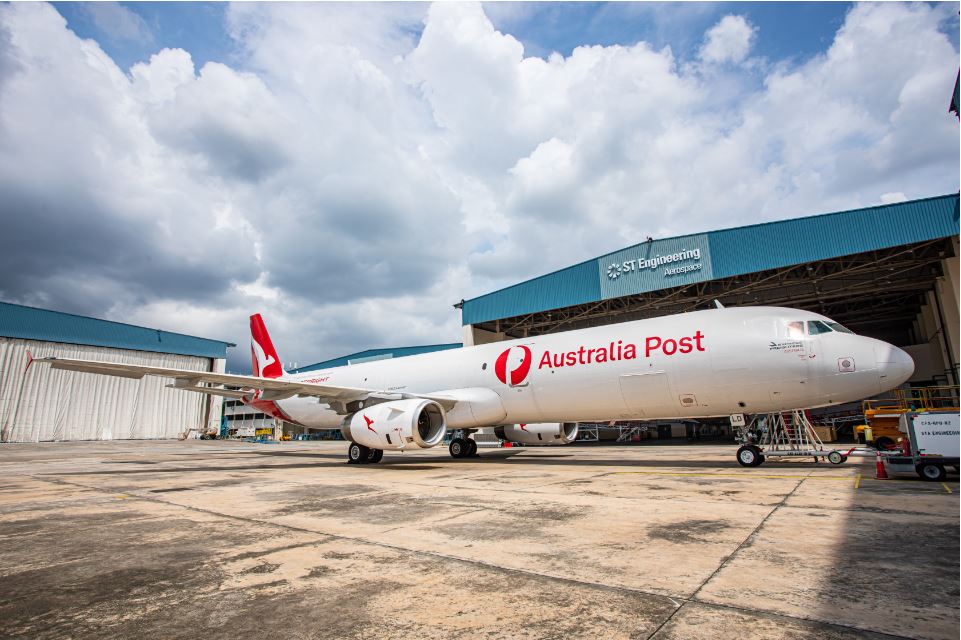
Aéreas Surinam reinician más servicios

AW | 2020 10 27 15:05 | AIRLINES ROUTES

Surinam Airways Fly Allways reanudan más rutas

La aerolínea Surinam Airways ha anunciado el fin de semana la reanudación de los vuelos entre Georgetown, Guyana y Miami, Estados Unidos a partir del 31 de Octubre de 2020. Los vuelos programados con una frecuencia de dos veces por semana los Martes y Sábados (2Frq/S). De acuerdo con la información proporcionada en el sitio web de Surinam Airways, las políticas de la aerolínea se han ajustado para cumplir con los requisitos para proteger a los pasajeros y al personal en la pandemia.

Desde este Jueves 29/10 la aerolínea surinamesa Fly Allways reinicia operaciones entre Surinam y Cuba. Surinam, otro de los destinos en boga dentro de los compradores individuales cubanos quedará accesible desde este Jueves 29 de Octubre de 2020, cuando retome sus operaciones la aerolínea Fly Allways. La compañía, que vuela a varias ciudades de Latinoamerica y el Caribe, y que tiene su base de operaciones en Paramaribo conectará esa capital con la ciudad cubana de Camagüey.

Surinam Airlines restart more services

Surinam Airways Fly Allways resume more routes

The airline Surinam Airways announced over the weekend the resumption of flights between Georgetwon, Guyana and Miami, United States from October 31, 2020. Flights scheduled with a frequency of twice a week on Tuesdays and Saturdays (2Frq/S). According to the information provided on the Surinam Airways website, the airline’s policies have been adjusted to meet the requirements to protect passengers and staff in the pandemic.

From this Thursday 10/29 the Surinamese airline Fly Allways restarts operations between Suriname and Cuba. Suriname, another destination in vogue among individual Cuban buyers will be accessible from this Thursday, 29/10, when the airline Fly Allways resumes its operations. The company, which flies to several cities in Latin America and the Caribbean, and which has its base of operations in Paramaribo, will connect that capital with the Cuban city of Camagüey.

Surinam Airlines herstart meer diensten

Surinam Airways Fly Allways hervat meer routes

De luchtvaartmaatschappij Surinam Airways kondigde dit weekend de hervatting aan van vluchten tussen Georgetwon, Guyana en Miami, Verenigde Staten vanaf 31 Oktober 2020. Vluchten die twee keer per week gepland zijn op dinsdag en zaterdag (2Frq/S). Volgens de informatie op de website van Surinam Airways is het beleid van de luchtvaartmaatschappij aangepast om te voldoen aan de vereisten om passagiers en personeel te beschermen bij de pandemie.

Met ingang van donderdag 29 Oktober 2020 hervat de Surinaamse luchtvaartmaatschappij Fly Allways de vluchten tussen Suriname en Cuba. Suriname, een andere bestemming die populair is onder individuele Cubaanse kopers, zal vanaf donderdag 29/10 bereikbaar zijn, wanneer de luchtvaartmaatschappij Fly Allways haar activiteiten hervat. Het bedrijf, dat naar verschillende steden in Latijns-Amerika en de Caraïben vliegt, en vanuit Paramaribo is gevestigd, zal die hoofdstad verbinden met de Cubaanse stad Camagüey.


PUBLISHER: Airgways.com
DBk: Flyslm.com / Flyallways.com / Stabroeknews.com / Airgways.com / Slovakaviation.sk
AW-POST: 202010271505AR

A\W   A I R G W A Y S ®

Holanda prohibe retirar 747 Lufthansa

AW | 2020 10 27 14:17 | AIRLINES / GOVERNMENT

Gobierno Países Bajos revoca permisos vuelos Boeing 747

El Gobierno de los Países Bajos ha prohibido a Lufthansa Airlines llevarse seis Boeing 747-400 localizados en el Aeropuerto Twente. Las autoridades holandesas han prohibido que las aeronaves puedan despegar por falta de documentación para poder retirar del país a estos mega-transportes.

La aerolínea alemana Lufthansa había aparcado por la crisis del Coronavirus, gran parte de su flota en diferentes aeropuertos de Europa, por ejemplo en el Aeropuerto Teruel de España fue el lugar elegido para parte de sus Airbus A340, A380 y A320. Muchas otras aeronaves quedaron esparcidos por diversos aeropuertos alemanes y seis de sus Boeing 747-400 terminaron en el aeropuerto holandés de Twente entre los meses de Junio y Julio 2020. Anteriormente habían sido llevados a este aeropuerto varios aviones de fuselaje ancho para su desguace, entre ellos Boeing 747-400 de KLM Airlines y A340 de TAP Portugal.

Lufthansa ha querido recuperar estos aviones para llevarlos a otro lugar. Pero la ILT (Inspectie voor Leefomgeving en Transport), Inspección de Medioambiente y Transporte que es la autoridad aeronáutica holandesa en materia de medio ambiente ha expresado su negativa, alegando que el aeropuerto no dispone de los certificados de seguridad adecuados para que estos aviones puedan despegar del mismo. El Aeropuerto Twente ha estado negociando con las autoridades alguna forma de lograr que los B-747 puedan despegar. La infraestructura y los procedimientos de salida no han sido aprobados para operaciones de cuerpo ancho, por lo que los aviones Lufthansa están legalmente retenidos.

El Aeropuerto de Twente y el ILT siguen discutiendo los procedimientos a seguir, pero el aeropuerto ha iniciado un proceso judicial. La aeroestación había trabajado para cumplir con las condiciones de ILT, pero todavía no se sabe cuándo el aeropuerto puede cumplir con los requisitos.

Netherlands bans removal of 747 Lufthansa

Netherlands government revokes Boeing 747 flight permits

The Government of the Kingdom of the Netherlands has prohibited Lufthansa Airlines from taking six Boeing 747-400s located at Twente Airport. The Dutch authorities have prohibited the aircraft from taking off due to lack of documentation to be able to remove these mega-transports from the country.

The German airline Lufthansa had parked due to the Coronavirus crisis, a large part of its fleet in different Europar airports, for example in Teruel Airport in Spain it was the place chosen for part of its Airbus A340, A380 and A320. Many other aircraft were scattered around various German airports and six of their Boeing 747-400s ended up at the Dutch Tewnte airport between June and July 2020. Previously, several wide-body aircraft had been taken to this airport for scrapping, among They are Boeing 747-400 from KLM Airlines and A340 from TAP Portugal.

Lufthansa wanted to recover these aircraft to take them elsewhere. But the ILT (Inspectie voor Leefomgeving en Transport), Inspection de Medioambiente y Transporte, which is the Dutch aeronautical authority on environmental matters, has expressed its refusal, claiming that the airport does not have the appropriate safety certificates for these aircraft to take off. of the same. Twente Airport has been negotiating with the authorities for a way to get the B-747s to take off. The infrastructure and departure procedures have not been approved for wide-body operations, so Lufthansa aircraft are legally held.

Twente Airport and the ILT are still discussing the procedures to be followed, but the airport has started a legal process. The airstation had worked to comply with ILT conditions, but it is not yet known when the airport can comply with the requirements.

Nederland verbiedt de verwijdering van 747 Lufthansa

De Nederlandse overheid trekt Boeing 747-vliegvergunningen in

De regering van het Koninkrijk der Nederlanden heeft Lufthansa Airlines verboden zes Boeing 747-400‘s op de luchthaven Twente mee te nemen. De Nederlandse autoriteiten hebben het vliegtuig verboden om op te stijgen wegens gebrek aan documentatie om deze megatransporten uit het land te verwijderen.

De Duitse luchtvaart maatschappij Lufthansa had vanwege de Coronavirus-crisis een groot deel van haar vloot geparkeerd op verschillende Europar-luchthavens, bijvoorbeeld op Teruel Airport in Spanje was het de gekozen plek voor een deel van haar Airbus A340, A380 en A320. Veel andere vliegtuigen waren verspreid over verschillende Duitse luchthavens en zes van hun Boeing 747-400’s kwamen tussen juni en juli 2020 op de Nederlandse luchthaven Tewnte terecht. Eerder waren verschillende wide-body vliegtuigen naar deze luchthaven gebracht om onder meer te slopen. Het zijn Boeing 747-400 van KLM Airlines en A340 van TAP Portugal.

Lufthansa wilde deze vliegtuigen bergen om ze ergens anders heen te brengen. Maar de ILT (Inspectie voor Leefomgeving en Transport), Inspectie de Medioambiente y Transporte, de Nederlandse luchtvaartautoriteit voor milieuaangelegenheden, heeft haar weigering uitgesproken en stelt dat de luchthaven niet beschikt over de juiste veiligheidscertificaten om deze vliegtuigen op te laten stijgen. van hetzelfde. Luchthaven Twente is met de autoriteiten aan het onderhandelen over een manier om de B-747’s te laten opstijgen. De infrastructuur en vertrekprocedures zijn niet goedgekeurd voor wide-body-operaties, dus Lufthansa-vliegtuigen zijn legaal vastgehouden.

Luchthaven Twente en de ILT zijn nog in gesprek over de te volgen procedures, maar de luchthaven is een juridische procedure gestart. Het vliegstation had gewerkt om te voldoen aan de ILT-voorwaarden, maar het is nog niet bekend wanneer de luchthaven aan de eisen kan voldoen.


PUBLISHER: Airgways.com
DBk: Ilent.nl / Twente-airport.nl / Airgways.com / Reismedia.nl
AW-POST: 202010271417AR

A\W   A I R G W A Y S ®

Aerolíneas británicas bajo presión

AW | 2020 10 27 12:45 | AIRLINES MARKET

Aerolíneas bajo presión recorte período cuarentena a empresarios

El Reino Unido está considerando un recorte de cuarentena para los viajeros de negocios antes del Brexit. El Primer Ministro británico, Boris Johnson ha ordenado redactar reglas para permitir que los los ejecutivos de las empresas puedan ir y venir según sea necesario como parte de los planes para promover el Reino Unido global a nivel mundial.

Las nuevas medidas que reducen el confinamiento a un máximo de diez días con siete de preferencia, se implementarán en unas semanas. «Si se obtiene una proporción mucho mayor de personas que se autoaislan durante siete días, eso proporcionaría un beneficio general en comparación con un número mucho menor de personas que lo hacen durante catorce días. Si las personas no toman el aislamiento por sí mismas, los beneficios de reducirlo a siete días podrían ser significativos», dijo una fuente del Gobierno.

El Gobierno del Reino Unido nombró un grupo de trabajo para revisar el sistema de cuarentena actual a principios de este mes y reactivar los viajes internacionales, incluido un sistema de prueba.

La semana pasada, el Aeropuerto London/Heathrow ha lanzado una prueba rápida opcional anti-COVID-19 de £ 80 para pasajeros que vuelan a Hong Kong e Italia para ayudar a los usuarios del transporte que viajan a países que requieren resultados negativos a su llegada. De manera similar está considerando reducir el período de cuarentena para las personas que han estado en contacto con casos confirmados del virus. Actualmente las personas necesitan aislarse durante diez días, aunque no está claro cuánto puede durar el nuevo período.

Perspectivas aerolíneas

AW-708883999

Las aerolíneas del Reino Unido y la región continúan bajo cierto nerviosismo por la continuidad de la pandemia de Coronavirus, el Brexit y las elecciones presidenciales en Estados Unidos, aumentando la incertidumbre el las acciones bursátiles de las aerolíneas Ryanair, Aer Lingus, EasyJet con caídas en los índices del valor de las acciones, impactando más allá en la Europa central con Lufthansa mostrando también fuertes descensos de sus acciones. De la misma manera los títulos relacionados al turismo y petrolero mostraron la vulnerabilidad de la situación particular que hace mella en Gran Bretaña.

Las compañías aéreas y el Gobierno necesitarán abordar en agenda el tratamiento de las medidas anti-COVID y el Brexit para desarrollar herramientas para poder salir de la crisis más extraordinaria para la aviación comercial.

British airlines under pressure

Airlines under pressure to cut quarantine period for businessmen

The UK is considering a quarantine cut for business travelers ahead of Brexit. British Prime Minister Boris Johnson has ordered rules to be drawn up to allow company executives to come and go as needed as part of plans to promote the global UK globally.

The new measures that reduce confinement to a maximum of ten days with seven preferably, will be implemented in a few weeks. «If you get a much higher proportion of people who self-isolate for seven days, that would provide an overall benefit compared to a much smaller number of people who self-isolate for fourteen days. If people don’t take isolation for themselves, The benefits of reducing it to seven days could be significant», said a government source.

The UK Government appointed a task force to review the current quarantine system earlier this month and reactivate international travel, including a trial system.

Last week, London/Heathrow Airport launched an optional £ 80 anti-COVID-19 rapid test for passengers flying to Hong Kong and Italy to assist transport users traveling to countries requiring negative results upon arrival. Similarly, it is considering reducing the quarantine period for people who have been in contact with confirmed cases of the virus. Currently people need to isolate themselves for ten days, although it is not clear how long the new period can last.

Airline perspective

The airlines of the United Kingdom and the region continue under certain nervousness due to the continuity of the CCoronavirus pandemic, Brexit and the presidential elections in the United States, increasing uncertainty in the stock market shares of the airlines Ryanair, Aer Lingus, EasyJet with falls in stock value indices, further impacting in central Europe with Lufthansa also showing sharp declines in its shares. In the same way, the titles related to tourism and oil showed the vulnerability of the particular situation that is affecting Great Britain.

The airlines and the Government will need to address the treatment of anti-COVID measures and Brexit on the agenda to develop tools to get out of the most extraordinary crisis for commercial aviation.


PUBLISHER: Airgways.com
DBk: Gov.uk / Airgways.com / Businessinsider.com
AW-POST: 202010271245AR

A\W   A I R G W A Y S ®