GOL restablece Rosario/Córdoba
AW | 2022 11 23 11:33 | AIRLINES ROUTES

GOL reinicia vuelos a Córdoba y Rosario, Argentina
Estrenan vuelos a São Paulo/Guarulhos

GOL_7378-NG_001

GOL Linhas Aéreas_Isologotype.svg

GOL Linhas Aéreas anunció la reanudación de sus vuelos directos a Rosario y Córdoba. La aerolínea de presupuesto brasileña se encuentra restableciendo las conexiones entre Rio/Galeão/GIG—Córdoba/COR y Rio/Galeão/GIG—Rosario/ROS cumpliendo así con la red aérea pre-pandemia en Argentina. Los aeropuertos de RIO/Galeão y São Paulo/Guarulhos vuelven a tener conexiones con las ciudades del interior de Argentina, totalizando el 100% de sus destinos servidos en el país vecino antes de la pandemia.

La ruta Rio/Galeão/GIG—Córdoba/COR posee tres frecuencias semanales (3Frq/S) Lunes, Miércoles y Viernes, con el regreso los Martes, Jueves y Sábados. El Martes 29/11, reanuda los vuelos Rio/Galeão/GIG—Rosario/ROS los Martes, Jueves y Sábados, retornando los Miércoles, Viernes y Domingos.

GOL Linhas Aéreas ha iniciado el Martes 22/11 a las 22:55 hs sus operaciones São Paulo/Guarulhos/GRU—Córdoba/COR con tres frecuencias semanales (3Frq/S) los Martes, Jueves y Domingos. El regreso a São Paulo tiene lugar los Lunes, Miércoles y Viernes. El Lunes 28/11 se restablecerá la conexión São Paulo/Guarulhos/GRU—Rosario/ROS con tres frecuencias semanales (3Frq/S) los Lunes, Miércoles y Viernes, con regreso a São Paulo los Martes, Jueves y Sábados.

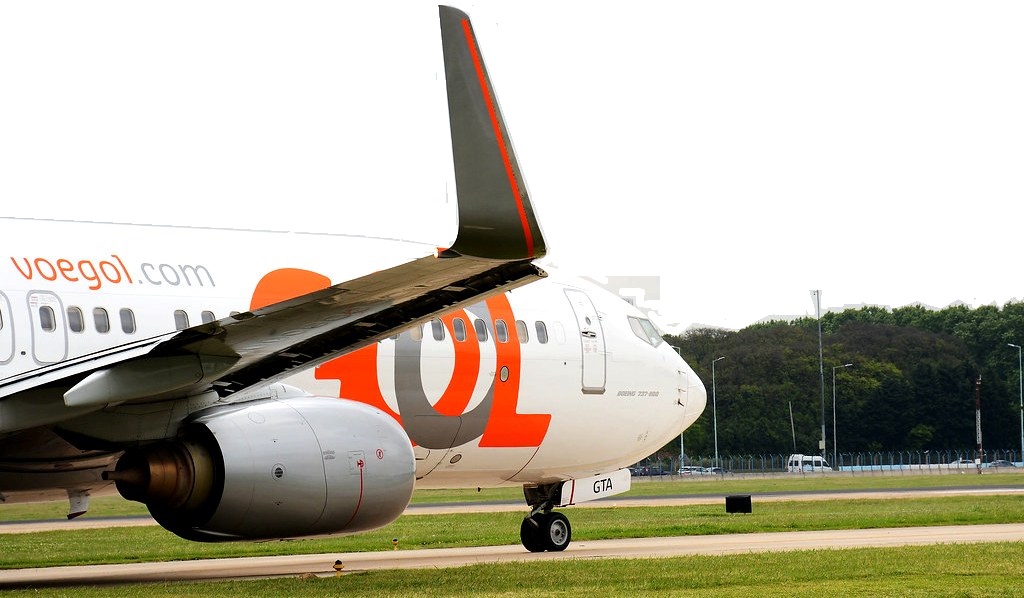
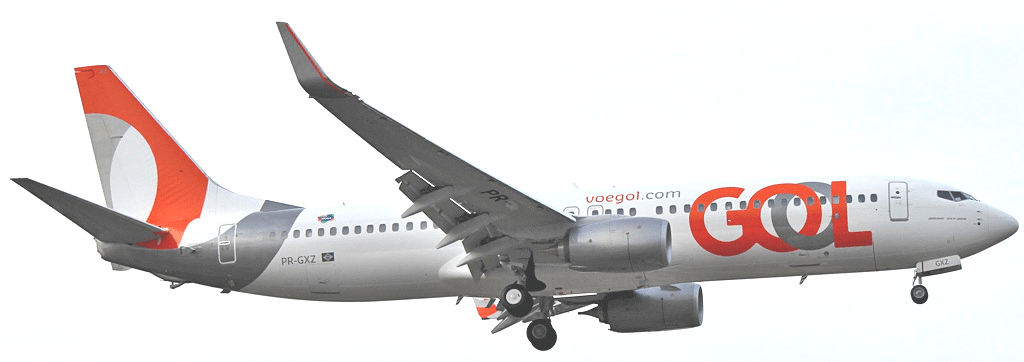
Las operaciones de GOL Linhas Aéreas estarán servidas con aeronaves Boeing 737-800 Next Generation en una configuración internacional para 176 pasajeros. Los vuelos son operados en código compartido con Aerolíneas Argentinas, permitiendo tener a los usuarios beneficios adicionales entre ambas líneas aéreas.

Alianza GOL-Aerolíneas

Hasta Marzo de 2020, las operaciones directas entre las dos ciudades argentinas y Brasil estaban focalizadas hacia Río de Janeiro. Ahora, la aerolínea low cost incorpora las conexiones directas desde São Paulo hacia Córdoba como Rosario estarán conectadas con Guarulhos. Las nuevas rutas permitirán a los clientes volar de manera directa a las principales ciudades del interior argentino y desde el país austral conextarse con las principales ciudades de Brasil sin pasar por Buenos Aires.

La asociación de GOL Linhas Aéreas y Aerolíneas Argentinas permitirá a los clientes argentinos de otras ciudades del interior del país llegar a Córdoba y Rosario y, con vuelos directos a Brasil, aprovechar la conectividad ofrecida en Brasil a través de las operaciones de GOL. Los clientes argentinos también tendrán una fácil conexión con otros vuelos internacionales operados por GOL y sus socios, tanto en São Paulo/Guarulhos como en RIO/Galeão.

GOAL restores Rosario/Córdoba

GOL restarts flights to Córdoba and Rosario, Argentina
New flights to São Paulo/Guarulhos

GOL Linhas Aéreas announced the resumption of its direct flights to Rosario and Córdoba. The Brazilian budget airline is restoring connections between Rio/Galeão/GIG—Córdoba/COR and Rio/Galeão/GIG—Rosario/ROS, thus complying with the pre-pandemic air network in Argentina. The RIO/Galeão and São Paulo/Guarulhos airports once again have connections with cities in the interior of Argentina, totaling 100% of their destinations served in the neighboring country before the pandemic.

The Rio/Galeão/GIG—Córdoba/COR route has three weekly frequencies (3Frq/S) Monday, Wednesday and Friday, returning on Tuesday, Thursday and Saturday. On Tuesday 11/29, the Rio/Galeão/GIG—Rosario/ROS flights resume on Tuesdays, Thursdays and Saturdays, returning on Wednesdays, Fridays and Sundays.

GOL Linhas Aéreas has started its operations São Paulo/Guarulhos/GRU—Córdoba/COR on Tuesday 11/22 at 10:55 p.m. with three weekly frequencies (3Frq/S) on Tuesdays, Thursdays and Sundays. The return to São Paulo takes place on Monday, Wednesday and Friday. On Monday 11/28, the São Paulo/Guarulhos/GRU—Rosario/ROS connection will be restored with three weekly frequencies (3Frq/S) on Monday, Wednesday and Friday, returning to São Paulo on Tuesday, Thursday and Saturday.

GOL Linhas Aéreas operations will be served with Boeing 737-800 Next Generation aircraft in an international configuration for 176 passengers. The flights are operated in a shared code with Aerolíneas Argentinas, allowing users to have additional benefits between both airlines.

GOL-Aerolíneas alliance

Until March 2020, direct operations between the two Argentine cities and Brazil were focused on Rio de Janeiro. Now, the low cost airline incorporates direct connections from São Paulo to Córdoba as Rosario will be connected to Guarulhos. The new routes will allow customers to fly directly to the main cities in the Argentine interior and from the southern country to connect with the main cities in Brazil without going through Buenos Aires.

The association of GOL Linhas Aéreas and Aerolíneas Argentinas will allow Argentine customers from other cities in the interior of the country to reach Córdoba and Rosario and, with direct flights to Brazil, take advantage of the connectivity offered in Brazil through GOL’s operations. Argentine customers will also have an easy connection to other international flights operated by GOL and its partners, both in São Paulo/Guarulhos and RIO/Galeão.

GOAL restaura Rosário/Córdoba
GOL retoma vôos para Córdoba e Rosário, na Argentina
Novos vôos para São Paulo/Guarulhos

GOL Linhas Aéreas_Isologotype_Slogan.svg

A GOL Linhas Aéreas anunciou a retomada de seus vôos diretos para Rosario e Córdoba. A companhia aérea brasileira de baixo custo está retomando as conexões entre Rio/Galeão/GIG—Córdoba/COR e Rio/Galeão/GIG—Rosário/ROS, cumprindo assim a malha aérea pré-pandemia na Argentina. Os aeroportos RIO/Galeão e São Paulo/Guarulhos voltam a ter conexões com cidades do interior da Argentina, totalizando 100% de seus destinos atendidos no país vizinho antes da pandemia.

A rota Rio/Galeão/GIG—Córdoba/COR tem três frequências semanais (3Frq/S) Segunda, Quarta e Sexta, com retorno Terça, Quinta e Sábado. Na Terça-feira, dia 29/11, os vôos Rio/Galeão/GIG—Rosário/ROS voltam às Terças, Quintas e Sábados, com retorno às Quartas, Sextas e Domingos.

A GOL Linhas Aéreas iniciou suas operações São Paulo/Guarulhos/GRU—Córdoba/COR na Terça-feira, dia 22/11, às 22h55, com três frequências semanais (3Frq/S) às Terças, Quintas e Domingos. O retorno a São Paulo acontece na Segunda, Quarta e Sexta-feira. Na Segunda-feira, dia 28/11, a ligação São Paulo/Guarulhos/GRU—Rosário/ROS será restabelecida com três frequências semanais (3Frq/S) na Segunda, Quarta e Sexta-feira, retornando para São Paulo na Terça, Quinta e Sábado.

As operações da GOL Linnhas Aéreas serão atendidas com aeronaves Boeing 737-800 Next Generation em configuração internacional para 176 passageiros. Os vôos são operados em código compartilhado com a Aerolíneas Argentinas, permitindo aos usuários ter benefícios adicionais entre ambas as companhias aéreas.

GOL-Aerolíneas aliança

Até Março de 2020, as operações diretas entre as duas cidades argentinas e o Brasil estavam concentradas no Rio de Janeiro. Agora, a companhia aérea de baixo custo incorpora conexões diretas de São Paulo a Córdoba, já que Rosário será conectado a Guarulhos. As novas rotas permitirão aos clientes voar diretamente para as principais cidades do interior argentino e desde o sul do país fazer conexões com as principais cidades do Brasil sem passar por Buenos Aires.

A associação da GOL Linhas Aéreas com a Aerolíneas Argentinas permitirá que clientes argentinos de outras cidades do interior do país cheguem a Córdoba e Rosario e, com vôos diretos para o Brasil, aproveitem a conectividade oferecida no Brasil por meio das operações da GOL. Os clientes argentinos também terão fácil conexão com outros vôos internacionais operados pela GOL e suas parceiras, tanto em São Paulo/Guarulhos quanto em RIO/Galeão.

PUBLISHER: Airgways.com
DBk: Voegol.com.br / Airgways.com
AW-POST: 202211231133AR
OWNERSHIP: Airgways Inc.
A\W A I R G W A Y S ®

Andes inicia charters a Cuba

AW | 2022 11 23 10:17 | AIRLINES ROUTES

Aerolínea Andes anuncia vuelos charters internacionales

Andes_Lineas_Aereas

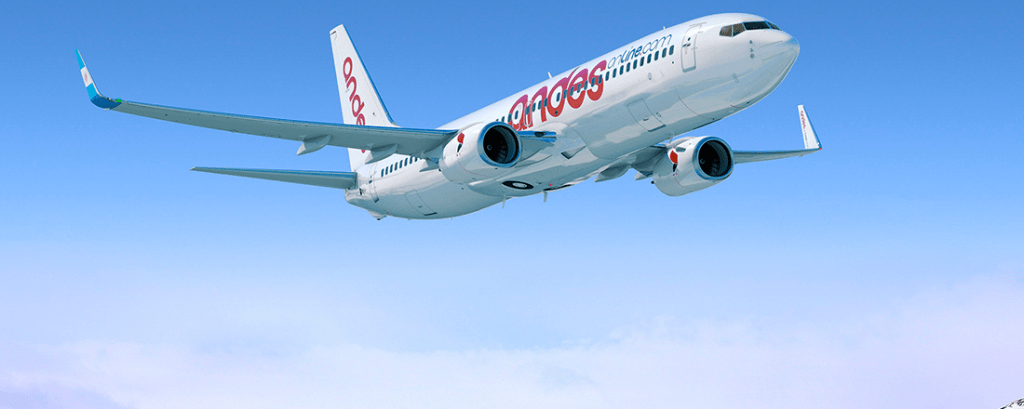
Andes Líneas Aéreas ha anunciado la conexión de vuelos charters a Cuba desde cuatro ciudades argentinas como parte de los esfuerzos por reiniciar las operaciones aéreas. La aerolínea argentina Andes informó esta semana que conectará a Cuba con cuatro ciudades argentinas, luego de interrumpir sus operaciones por dificultades económicas y tras la crisis de la pandemia. Tras casi tres años sin volar a la isla caribeña debido a la pandemia, ha restablecido la comercialización en las agencias de viajes ligadas a la aerolínea.

Andes conectará Cayo Largo del Sur, en la Isla de la Juventud, a partir de Enero de 2023 en asociación con la agencia de viajes turístico Havanatur. La primera conexión se hará el 5 de Enero de 2023 desde la ciudad de Córdoba, con escala en la ciudad de Jujuy, mientras el 7 de Enero de 2023 saldrá de Buenos Aires, desde el Aeropuerto de Ezeiza, con una escala en Tucumán.

FRECUENCIAS Y HORARIOS
Buenos Aires/Ezeiza/EZE 20:00—21:45 Tucumán/TUC 23:15—05:15 Cayo Largo/CYO, 1Frq/S, Jueves
Cayo Largo/CYO 10:00—18:00 Tucumán/TUC 19:20—21:00 Buenos Aires/Ezeiza/EZE, 1Frq/S, Sábados
Córdoba/COR 22:45—00:05 Jujuy/JUJ 01:30—07:00 Cayo Largo/CYO, 1Frq/S Domingos
Cayo Largo/CYO) 10:00—17:50 Jujuy/JUJ 19:20—20:40 Córdoba/COR, 1Frq/S Martes

El paquete turístico incluye el aéreo con equipaje incluido en bodega de hasta 15 kilos. Hotel con ocho noches todo incluido, con un rango de precios entre US$ 1600 y 2000 Dólares.

La aerolínea Andes se sumaría a otras compañías que ya están volando al polo de Cayo Largo del Sur, como Neos desde Italia, y desde Canadá otras como Sunwing, que enlaza varias ciudades del país norteño con el polo. Aerolíneas Argentinas conectando a La Habana. Cuba inicia la apertura de temporada alta para los turistas de todo el mundo. Los argentinos son una importante plaza de emisión de turistas para disfrutar de la isla caribeña, convirtiendo a Cuba en el primer país emisor de latinos.

Andes starts charters to Cuba

Andes Airlines announces international charter flights

Andes Líneas Aéreas has announced the connection of charter flights to Cuba from four Argentine cities as part of the efforts to restart air operations. The Argentine airline Andes reported this week that it will connect Cuba with four Argentine cities, after interrupting its operations due to economic difficulties and after the pandemic crisis. After almost three years without flying to the Caribbean island due to the pandemic, it has reestablished sales in travel agencies linked to the airline.

Andes will connect Cayo Largo del Sur, on the Isla de la Juventud, starting in January 2023 in association with the tourist travel agency Havanatur. The first connection will be made on January 5, 2023 from the city of Córdoba, with a stopover in the city of Jujuy, while on January 7, 2023 it will leave Buenos Aires, from the Ezeiza Airport, with a stopover in Tucumán.

FREQUENCIES AND SCHEDULES
Buenos Aires/Ezeiza/EZE 20:00—21:45 Tucumán/TUC 23:15—05:15 Cayo Largo/CYO, 1Frq/S, Thursday
Key Largo/CYO 10:00—18:00 Tucumán/TUC 19:20—21:00 Buenos Aires/Ezeiza/EZE, 1Frq/S, Saturdays
Córdoba/COR 22:45—00:05 Jujuy/JUJ 01:30—07:00 Cayo Largo/CYO, 1Frq/S Sundays
Key Largo/CYO) 10:00—17:50 Jujuy/JUJ 19:20—20:40 Córdoba/COR, 1Frq/S Tuesday

The tourist package includes air travel with luggage up to 15 kilos included in the hold. Hotel with eight nights all-inclusive, with a price range between US$1,600 and US$2,000.

The Andes airline would join other companies that are already flying to the hub of Cayo Largo del Sur, such as Neos from Italy, and from Canada others such as Sunwing, which links several cities in the northern country with the hub. Aerolíneas Argentinas connecting to Havana. Cuba begins the opening of high season for tourists from all over the world. Argentines are an important source of tourists to enjoy the Caribbean island, making Cuba the first source country for Latinos.

PUBLISHER: Airgways.com
DBk: Andesonline.com.ar / Airgways.com
AW-POST: 202211231017AR
OWNERSHIP: Airgways Inc.
A\W A I R G W A Y S ®
Aéreas EEUU reactivan CRJ-200

AW | 2022 11 22 22:10 | AIRLINES MARKET

Nuevo enfoque del mercado para el regional CRJ-200

AW-CRJ-200__Delta Connection

canadairLogo

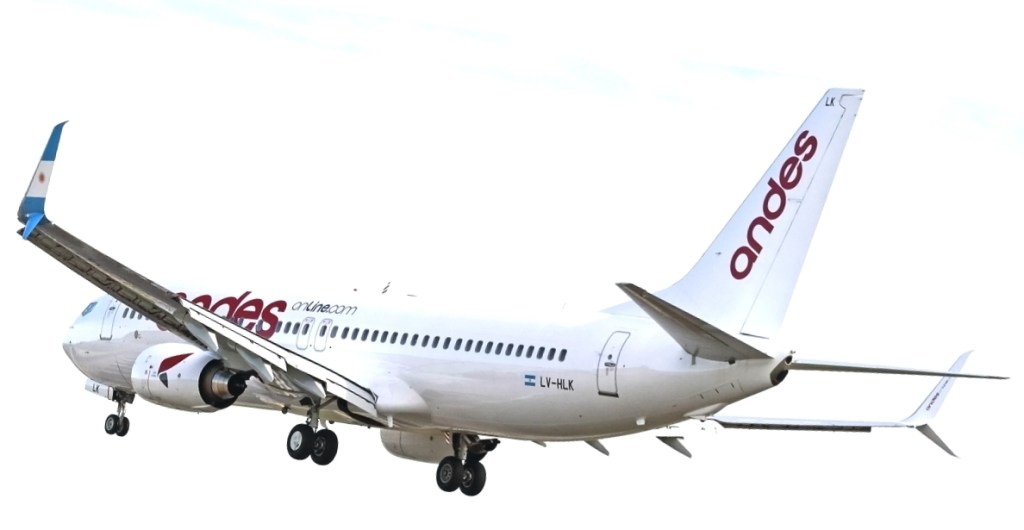
El avión regional Bombardier CRJ-200 conocido por su cabina estrecha y ventanas bajas, ha sido candidato a las bajas comerciales por parte de la mayoría de las aerolíneas en Estados Unidos. La tendencia de preferencia de la mayoría de los pasajeros ha sido desalentada por este tipo de aeronaves. Pero un viento de cambio en las estrategias del mercado regional ha estado cambiando de parecer para muchas líneas aéreas estadounidenses.

Delta Connection anunció que retiraría todos los CRJ-200 para Diciembre de 2023, y hace más de un año United Express anunció el retiro de todos los aviones de cabina única en 2026 de los cuales operan dos tipos el Embraer E145 y el CRJ-200. En Abril de 2020, American Airlines, bajo las operaciones de la regional American Eagle opera una gran cantidad de Embraer E145 y ahora no está retirando el temido CRJ-200, yendo en contra de la tendencia de toda la industria de deshacerse de algunos de los aviones más estrechos en los cielos. Durante el verano de 2022, Air Wisconsin, un operador regional de aviones con sede en Appleton, Wisconsin, anunció que trasladaría a los operadores de United Express a American Eagle. No fue hace más de cinco años cuando hicieron el cambio de American a United, y la compañía ahora parece estar regresando. En este momento, parece que Air Wisconsin reanudará el vuelo de los CRJ-200 bajo American Eagle en Abril de 2023. Hay nueve destinos que ahora han sido programados para recibir el CRJ-200 de American Eagle a partir de algún momento durante el mes de Abril de 2023: Appleton, Wisconsin; Huntsville, Alabama; Milwaukee, Wisconsin; Kalamazoo, Michigan; Dayton, Ohio; Flint, Michigan Waterloo, Iowa; Manhattan, Kansas; y Cedar Rapids, Iowa, son las ciudades que actualmente están programadas para comenzar el servicio CRJ-200 bajo la marca American Eagle, todas las cuales serán servidas desde el centro de la aerolínea en Chicago/O’Hare.

Un mercado en evolución marca continuos desafíos para las líneas aéreas que necesitan combinar rentabilidad y mejoras en el servicio aéreo de tercer nivel en Estados Unidos.

US airlines reactivate CRJ-200

New market approach for the regional CRJ-200

The Bombardier CRJ-200 regional jet, known for its narrow cabin and low windows, has been a candidate for commercial decommissioning by most airlines in the United States. The preference trend of most passengers has been discouraged by this type of aircraft. But a wind of change in regional market strategies has been turning heads for many US airlines.

Delta Connection announced that it would retire all CRJ-200s by December 2023, and more than a year ago United Express announced the retirement of all single-cabin aircraft by 2026 of which two types, the Embraer E145 and the CRJ-200, operate. As of April 2020, American Airlines, under the operations of regional American Eagle operates a large number of Embraer E145s and is now not retiring the dreaded CRJ-200, going against the industry-wide trend of ditching some of the tighter planes in the skies. During the summer of 2022, Air Wisconsin, a regional aircraft operator based in Appleton, Wisconsin, announced that it would be moving operators from United Express to American Eagle. It wasn’t more than five years ago that they made the switch from American to United, and the company now appears to be making a comeback. At this time, it appears that Air Wisconsin will resume flying the CRJ-200s under American Eagle in April 2023. There are nine destinations that have now been scheduled to receive the American Eagle CRJ-200 beginning sometime during the month of April 2023: Appleton, Wisconsin; Huntsville, Alabama; Milwaukee, Wisconsin; Kalamazoo, Mich.; Dayton, Ohio; Flint, Mich. Waterloo, Iowa; Manhattan, Kansas; and Cedar Rapids, Iowa, are the cities currently scheduled to begin CRJ-200 service under the American Eagle brand, all of which will be served from the airline’s Chicago/O’Hare hub.

An evolving market presents continuous challenges for airlines that need to combine profitability and improvements in third-tier air service in the United States.

PUBLISHER: Airgways.com
DBk: Ae.com / Airwis.com / United.com / Delta.com / Airgways.com
AW-POST: 202211222210AR
OWNERSHIP: Airgways Inc.
A\W A I R G W A Y S ®

KLM busca equilibrio climático

AW | 2022 11 22 21:47 | AIRLINES / AVIATION

Nuevo CEO busca equilibrio Gobierno holandés política climática

AW-KLM-KLM Cityhopper

El nuevo CEO de KLM Royal Dutch Airlines, Marjan Rintel, ha estado en el cargo menos de cinco meses y enfrenta serias dudas sobre el futuro de la aerolínea que dirige. El Aeropuerto Amsterdam/Schiphol/AMS ha restringido el número de pasajeros debido a problemas de personal hasta Marzo 2023, el eje de la operación y el éxito de KLM Airlines. Pero mientras que los números de personal eventualmente se recuperarán, el Gobierno de los Países Bajos quiere ir un paso más allá. Una política climática propuesta limitaría el número de vuelos a 440.000 anualmente a partir de Noviembre 2023; Eso es aproximadamente 57.000 vuelos menos que los operados en 2019. Limitar permanentemente el número de vuelos podría hacer imposible que KLM se recupere, por no hablar de que supere, la pandemia.

AW-KLM__A3202001NEO

El Gobierno holandés necesita «seguir un enfoque equilibrado. Esperemos que podamos mientras tanto discutir con el gobierno holandés que hay mejores soluciones», dijo Marjan Rintel. Con soluciones mejores, se refirió a otras formas en que el Gobierno holandés podría ayudar al sector de la aviación a reducir las emisiones y reducir el ruido, sin limitar artificialmente los vuelos en Schiphol. Por ejemplo, la cartera de pedidos de KLM de los nuevos aviones Airbus, Boeing y Embraer reduce el consumo de combustible y las emisiones en aproximadamente una cuarta parte y el ruido hasta en un 50 por ciento en comparación con los aviones de generaciones anteriores, dijo Marjan Rintel. Además, avanzar con la iniciativa de modernización del control del tráfico aéreo del Cielo Único Europeo, casi estancada, reduciría las emisiones al acortar las rutas de vuelo.

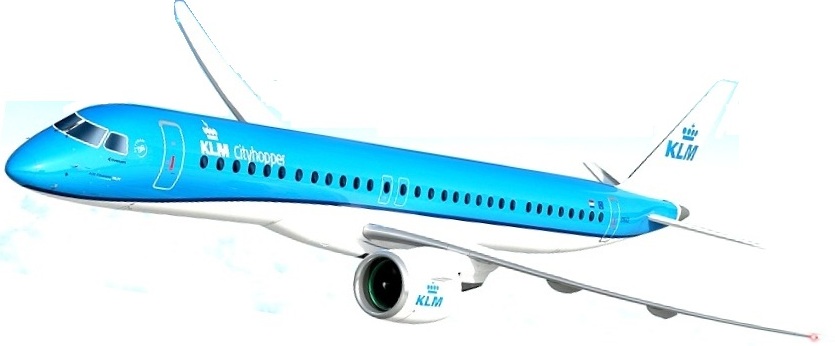
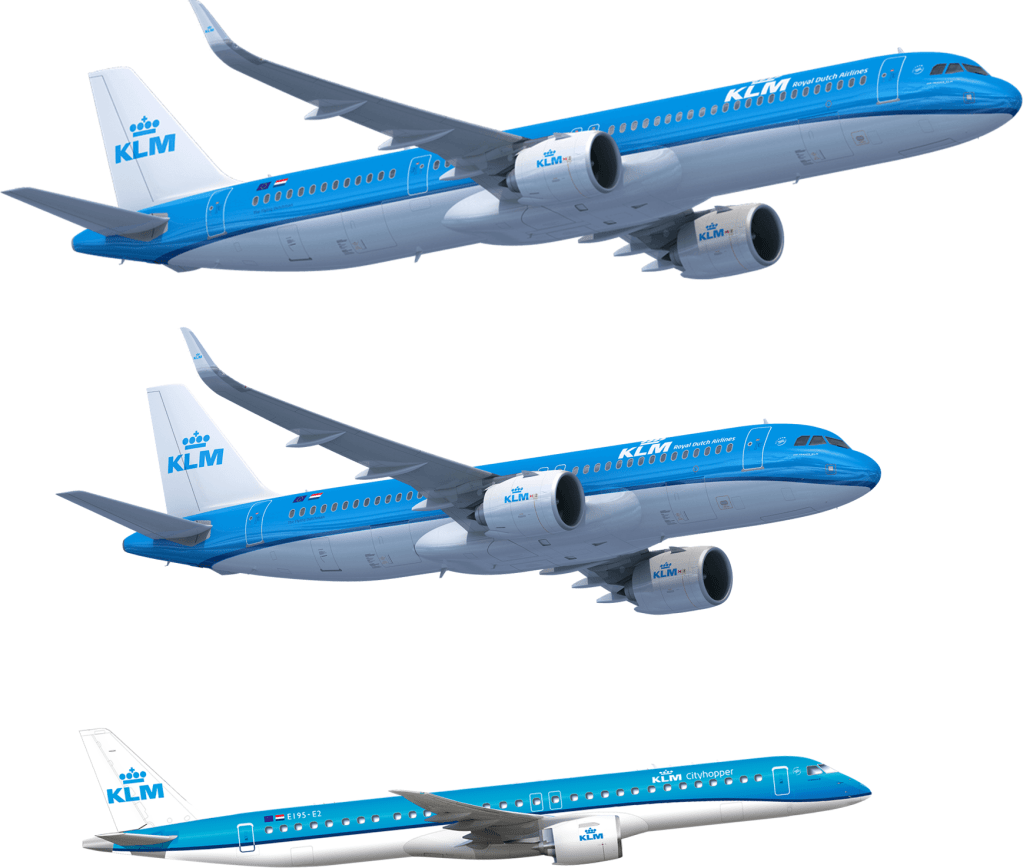
KLM Airlines posee actualmente un pedido por cien aviones Airbus A320NEO y A321NEO en orden, así como siete Boeing 787-10 (7) y trece Embraer E195-E2 (13). La mayoría de los nuevos aviones reemplazarán a los modelos más antiguos de la flota de la aerolínea. Pero si se implementa el límite, KLM podría verse obligada a cancelar rutas con sus perspectivas de crecimiento futuro seriamente restringidas. La aerolínea ya ha dicho que los vuelos a destinos que van desde Boston a Osaka, Oporto y Tel Aviv podrían estar en peligro. Sin la capacidad de agregar nuevos vuelos, KLM podría estar destinada a incurrir en costos cada vez más altos sin la capacidad de contrarrestarlos con nuevos ingresos. La única opción de crecimiento sería operar aviones más grandes en los vuelos que actualmente opera.

«Tenemos reuniones con ellos en un par de semanas, así que espero que al menos estén abiertos a escuchar y abiertos a discutir. Con suerte, al menos podríamos discutir la ambición [de reducir las emisiones y el ruido], y ver dónde nuestra ambición es la misma, y cómo podemos lograr esta ambición», dijo Marjan Rintel cuando se le preguntó si veía al gobierno como susceptible a la posición de KLM. Marjan Rintel ocupó el primer lugar en KLM en Julio 2022 después de que el CEO Pieter Elbers se fuera a IndiGo Airlines.

Anteriormente, Marjan Rintel fue CEO del operador ferroviario holandés NS durante ocho años, y antes de eso trabajó tanto en KLM como en el operador aeroportuario Schiphol Group. Como ex ejecutiva ferroviaria, ve una promesa significativa en las conexiones aire-ferrocarril como un método para reducir las emisiones de carbono. Rintel, como para predicar con el ejemplo, tomó el tren a París desde Ámsterdam en uno de sus primeros viajes a la sede del grupo como CEO de KLM. «Realmente necesitamos promover el ir en tren dentro de los 500 kilómetros, 500, 600 kilómetros. KLM ya tiene muchos bloques de asientos en los trenes Thalys que conectan Schiphol con Bruselas y París, que dijo que la aerolínea utilizará para promover las conexiones con los viajeros. La aerolínea ha reemplazado uno de sus cinco vuelos diarios Amsterdam—Bruselas con un tren», expresó la CEO de la aerolínea holandesa. No comentó si reemplazaría los cuatro vuelos restantes.

El optimismo de Marjan Rintel hacia la promesa de conexiones aire-tren es un cambio de la visión realista de su predecesor. Si bien Pieter Elbers apoyó las asociaciones cuando fue posible, dijo en 2021 que los fondos gubernamentales podrían «usarse de manera más efectiva en términos de inversión en combustibles sintéticos, [y] en el espacio aéreo europeo único» para lograr los objetivos de descarbonización. «No podemos ofrecer la demanda que piden los clientes», dijo Marjan Rintel cuando se le preguntó sobre la demanda de viajes este invierno, particularmente durante el históricamente lento primer trimestre, y haciéndose eco de la opinión de los ejecutivos de Air France-KLM en Octubre 2022. La capacidad de KLM se mantendrá aproximadamente un 20 por ciento por debajo de los niveles de 2019 hasta que Schiphol levante sus límites de pasajeros, lo que podría ocurrir después de Diciembre 2022.

Marjan Rintel expresó pocas preocupaciones por la alta inflación y los precios de la energía que enfrentan los europeos este invierno. Es significativamente la primera mujer líder de KLM en su historia de más de un siglo, y una de las pocas mujeres CEO de aerolíneas en el mundo. Otros incluyen a Anne Rigail en Air France, Christine Ourmières-Widener en TAP Air Portugal y Linda Markham en Cape Air. Stephanie Tully ocupará el primer lugar en Jetstar, filial del Grupo Qantas, en Enero 2023.

KLM seeks climate balance

New CEO seeks balance for the Dutch government on climate policy

The new CEO of KLM Royal Dutch Airlines, Marjan Rintel, has been in the job for less than five months and faces serious doubts about the future of the airline he runs. Amsterdam/Schiphol/AMS Airport has restricted the number of passengers due to staffing issues until March 2023, the lynchpin of the operation and success of KLM Airlines. But while staff numbers will eventually pick up, the Dutch Government wants to go a step further. A proposed climate policy would limit the number of flights to 440,000 annually starting in November 2023; That’s roughly 57,000 fewer flights than operated in 2019. Permanently limiting the number of flights could make it impossible for KLM to recover from, let alone overcome, the pandemic.

The Dutch government needs to «follow a balanced approach. Hopefully we can in the meantime discuss with the Dutch government that there are better solutions», said Marjan Rintel. With better solutions, he pointed to other ways the Dutch government could help the aviation sector reduce emissions and reduce noise, without artificially limiting flights at Schiphol. For example, KLM’s order book for new Airbus, Boeing and Embraer aircraft cuts fuel consumption and emissions by about a quarter and noise by up to 50 percent compared to previous generation aircraft, it said. Marjan Rintel. In addition, moving forward with the almost stalled Single European Sky air traffic control modernization initiative would reduce emissions by shortening flight paths.

KLM Airlines currently has an order for one hundred Airbus A320NEO and A321NEO aircraft on order, as well as seven Boeing 787-10 (7) and thirteen Embraer E195-E2 (13). Most of the new planes will replace older models in the airline’s fleet. But if the cap is implemented, KLM could be forced to cancel routes with its future growth prospects severely constrained. The airline has already said that flights to destinations ranging from Boston to Osaka, Porto and Tel Aviv could be in jeopardy. Without the ability to add new flights, KLM could be destined to incur ever higher costs without the ability to offset them with new revenue. The only growth option would be to operate larger aircraft on the flights it currently operates.

«We have meetings with them in a couple of weeks, so I hope they are at least open to listen and open to discuss. Hopefully we could at least discuss the ambition [to reduce emissions and noise], and see where our ambition is the same, and how can we achieve this ambition», said Marjan Rintel when asked if she saw the government as amenable to KLM’s position. Marjan Rintel took first place at KLM in July 2022 after CEO Pieter Elbers left for IndiGo Airlines.

Previously, Marjan Rintel was CEO of the Dutch rail operator NS for eight years, and before that he worked at both KLM and airport operator Schiphol Group. As a former railway executive, she sees significant promise in air-rail connections as a method of reducing carbon emissions. Rintel, as if to lead by example, took the train to Paris from Amsterdam on one of his first trips to group headquarters as KLM CEO. «We really need to promote going by train within 500 kilometres, 500 kilometres, 600 kilometres. KLM already has many blocks of seats on the Thalys trains connecting Schiphol to Brussels and Paris, which it said the airline will use to promote connections with the travelers. The airline has replaced one of its five daily Amsterdam-Brussels flights with a train», said the CEO of the Dutch airline. She did not comment on whether it would replace the remaining four flights.

Marjan Rintel’s optimism towards the promise of air-rail connections is a departure from his predecessor’s realistic view. While Pieter Elbers supported partnerships where possible, he said in 2021 that government funds could be «used more effectively in terms of investment in synthetic fuels, [and] in the single European airspace» to achieve decarbonisation targets. «We can’t deliver the demand that customers are asking», Marjan Rintel said when asked about travel demand this winter, particularly during the historically slow first quarter, echoing the sentiment of Air France-KLM executives in October 2022. KLM capacity will remain approximately 20 percent below 2019 levels until Schiphol lifts its passenger limits, which could be after December 2022.

Marjan Rintel expressed few concerns about the high inflation and energy prices facing Europeans this winter. She is significantly the first female leader of KLM in its century-plus history, and one of the few female airline CEOs in the world. Others include Anne Rigail at Air France, Christine Ourmières-Widener at TAP Air Portugal and Linda Markham at Cape Air. Stephanie Tully will take first place at Jetstar, a subsidiary of the Qantas Group, in January 2023.

KLM streeft naar klimaatbalans

Nieuwe CEO zoekt balans Klimaatbeleid kabinet

KLM_Isologotype_icon

De nieuwe CEO van KLM Royal Dutch Airlines, Marjan Rintel, is nog geen vijf maanden in functie en heeft grote twijfels over de toekomst van de luchtvaartmaatschappij die hij runt. Amsterdam/Schiphol/AMS Airport heeft vanwege personeelsproblemen het aantal passagiers beperkt tot Maart 2023, de spil van de werking en het succes van KLM Airlines. Maar terwijl het personeelsbestand uiteindelijk zal aantrekken, wil de Nederlandse regering een stap verder gaan. Een voorgesteld klimaatbeleid zou het aantal vluchten vanaf November 2023 beperken tot 440.000 per jaar; Dat zijn ongeveer 57.000 vluchten minder dan in 2019. Het permanent beperken van het aantal vluchten kan het voor KLM onmogelijk maken om te herstellen van de pandemie, laat staan ​​te overwinnen.

De Nederlandse regering moet «een evenwichtige aanpak volgen. Hopelijk kunnen we in de tussentijd met de Nederlandse regering bespreken dat er betere oplossingen zijn», aldus Marjan Rintel. Met betere oplossingen wees hij op andere manieren waarop de Nederlandse overheid de luchtvaartsector zou kunnen helpen bij het terugdringen van uitstoot en geluid, zonder het aantal vluchten op Schiphol kunstmatig te beperken. Zo vermindert het orderboek van KLM voor nieuwe Airbus, Boeing en Embraer-vliegtuigen het brandstofverbruik en de uitstoot met ongeveer een kwart en het geluidsniveau met tot wel 50 procent in vergelijking met vliegtuigen van de vorige generatie, zei Marjan Rintel. Bovendien zou het verder gaan met het bijna tot stilstand gekomen initiatief voor de modernisering van de luchtverkeersleiding in het gemeenschappelijk Europees luchtruim de uitstoot verminderen door de vliegroutes te verkorten.

KLM Airlines heeft momenteel een order voor honderd Airbus A320NEO en A321NEO-vliegtuigen in bestelling, evenals zeven Boeing 787-10 (7) en dertien Embraer E195-E2 (13). De meeste nieuwe vliegtuigen zullen oudere modellen in de vloot van de luchtvaartmaatschappij vervangen. Maar als de limiet wordt ingevoerd, zou KLM gedwongen kunnen worden om routes te annuleren, omdat haar toekomstige groeivooruitzichten ernstig worden beperkt. De luchtvaartmaatschappij heeft al gezegd dat vluchten naar bestemmingen variërend van Boston tot Osaka, Porto en Tel Aviv in gevaar kunnen komen. Zonder de mogelijkheid om nieuwe vluchten toe te voegen, zou KLM voorbestemd kunnen zijn om steeds hogere kosten te maken zonder de mogelijkheid om deze te compenseren met nieuwe inkomsten. De enige groeioptie zou zijn om grotere vliegtuigen te gebruiken op de vluchten die het momenteel uitvoert.

«We hebben over een paar weken vergaderingen met hen, dus ik hoop dat ze in ieder geval open staan ​​om te luisteren en open staan ​​om te discussiëren. Hopelijk kunnen we in ieder geval de ambitie bespreken [om emissies en geluid te verminderen], en zien waar onze ambitie de hetzelfde, en hoe kunnen we deze ambitie waarmaken», zegt Marjan Rintel op de vraag of zij het kabinet ontvankelijk achtte voor het standpunt van KLM. Marjan Rintel behaalde in Juli 2022 de eerste plaats bij KLM nadat CEO Pieter Elbers vertrok naar IndiGo Airlines.

Eerder was Marjan Rintel acht jaar CEO van NS en daarvoor werkte hij bij zowel KLM als luchthavenexploitant Schiphol Group. Als voormalig spoorwegbestuurder ziet ze een grote belofte in lucht-spoorverbindingen als een methode om de koolstofemissies te verminderen. Als om het goede voorbeeld te geven, nam Rintel vanuit Amsterdam de trein naar Parijs op een van zijn eerste reizen naar het hoofdkantoor van KLM als CEO van KLM. «We moeten het reizen met de trein binnen 500 kilometer, 500 kilometer, 600 kilometer echt promoten. KLM heeft al veel stoelenblokken in de Thalys-treinen die Schiphol met Brussel en Parijs verbinden, die de luchtvaartmaatschappij naar eigen zeggen zal gebruiken om verbindingen met de reizigers te bevorderen. De luchtvaartmaatschappij heeft één van haar vijf dagelijkse vluchten Amsterdam-Brussel vervangen door een trein», aldus de topman van de Nederlandse luchtvaartmaatschappij. Het gaf geen commentaar op de vraag of het de resterende vier vluchten zou vervangen.

Het optimisme van Marjan Rintel over de belofte van lucht-spoorverbindingen wijkt af van de realistische kijk van haar voorganger. Hoewel Pieter Elbers waar mogelijk partnerschappen ondersteunde, zei hij in 2021 dat overheidsgelden «effectiever kunnen worden gebruikt in termen van investeringen in synthetische brandstoffen, [en] in het gemeenschappelijke Europese luchtruim» om de doelstellingen voor koolstofarm maken te bereiken. «We kunnen niet voldoen aan de vraag waar klanten om vragen», zei Marjan Rintel toen hem werd gevraagd naar de reisvraag deze winter, met name tijdens het historisch trage eerste kwartaal, in navolging van het sentiment van de leidinggevenden van Air France-KLM in oktober 2022. De capaciteit van KLM zal ongeveer 20 procent onder het niveau van 2019 blijven totdat Schiphol de passagierslimieten opheft, wat na December 2022 zou kunnen zijn.

Marjan Rintel sprak weinig zorgen uit over de hoge inflatie en energieprijzen waar Europeanen deze winter mee te maken hebben. Ze is beduidend de eerste vrouwelijke leider van KLM in haar eeuwenlange geschiedenis, en een van de weinige vrouwelijke CEO’s van luchtvaartmaatschappijen ter wereld. Anderen zijn Anne Rigail bij Air France, Christine Ourmières-Widener bij TAP Air Portugal en Linda Markham bij Cape Air. Stephanie Tully zal in januari 2023 de eerste plaats behalen bij Jetstar, een dochteronderneming van de Qantas Group.

PUBLISHER: Airgways.com
DBk: Klm.com / Airgways.com
AW-POST: 202211222147AR
OWNERSHIP: Airgways Inc.
A\W A I R G W A Y S ®

Predominio A320NEO/737MAX

AW | 2022 11 22 21:45 | INDUSTRY

Narrowbodies occidentales buscan lideranza más allá del 2030

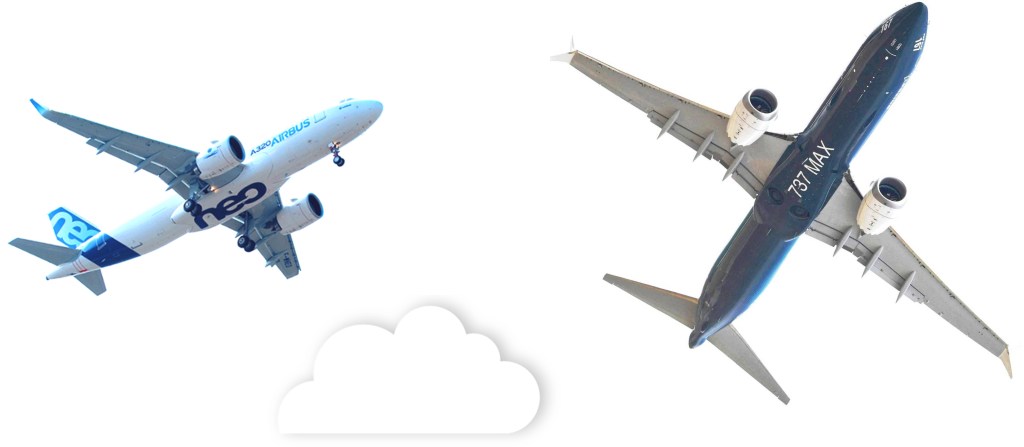
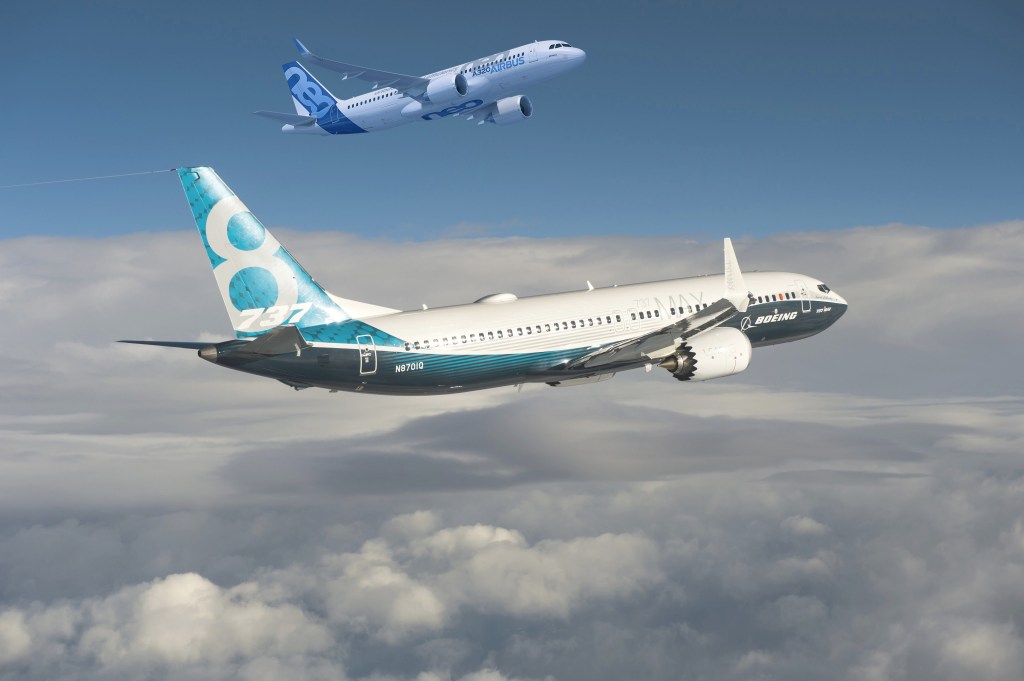
La familia Airbus A320NEO y el Boeing 737 MAX serán los aviones de fuselaje estrecho más predominantes para 2032, según las ideas reveladas por IBA Insights, la compañía líder en inteligencia y consultoría del mercado de la aviación. En un seminario web sobre aviones de fuselaje estrecho, los expertos de IBA destacaron que la recuperación de la capacidad global hacia 2019 se ha desacelerado en la segunda mitad de 2022, pero continúa en 2023. Según los datos de la plataforma Insight de IBA, esta tasa de recuperación más lenta está fuertemente influenciada por la región de Asia Pacífico, que actualmente se encuentra en solo el 55% de los niveles de 2019, hasta finales de Octubre 2022.

Otra inteligencia de IBA Insight encontró que los nuevos valores de mercado de aviones de fuselaje estrecho se han recuperado ampliamente a los niveles anteriores a la pandemia. Por ejemplo, el valor base de 2022 de un nuevo A320NEO es un 3,5% más alto que en 2019, y los valores de 2022 y 2019 de un Boeing 73-8 7MAX están a la par. Por el contrario, los valores de los aviones de mediana edad se están recuperando a un ritmo más lento, con un A320-200 de 15 años alrededor de un 25% por detrás de los niveles de 2019.

Al compartir datos sobre las tasas de arrendamiento, los expertos de IBA explicaron que las nuevas tarifas de aeronaves están aumentando por encima de los niveles de 2019. Esto se debe en gran medida a una combinación de escasez de oferta y aumento de la demanda y las tasas de interés. En general, las tasas de arrendamiento de fuselaje estrecho se están recuperando y los factores de tasa de arrendamiento están aumentando debido al costo de los préstamos. Las tasas de arrendamiento de fuselaje estrecho de la generación anterior han seguido un camino de recuperación más lento, pero se beneficiarán de las nuevas restricciones de suministro de aeronaves.

En la tercera edición de una nueva serie de seminarios web de seis semanas titulada «Ask the Appraiser», los expertos de IBA también proporcionaron una actualización del riesgo macroeconómico y geopolítico en el mercado de aviones de fuselaje estrecho. El seminario web reveló que: 1. Los mercados de pasajeros se han abierto y la demanda se está recuperando con la mayoría de las restricciones de viaje ahora levantadas. 2. Los cuellos de botella de la cadena de suministro y los OEM se están aliviando lentamente, lo que a su vez está ayudando a la recuperación de la tasa de arrendamiento.

A medida que los proveedores de Airbus en Francia se esfuerzan por mantener el ritmo del aumento del A320NEO con el que se han comprometido y se preparan para nuevos aumentos de la tasa de producción, la contratación encabeza su lista de preocupaciones, que deberán reclutar personal para enfrentar a los problemas de reclutamiento de larga data. En tanto que Boeing también posee actualmente un backlog importante para cubrir la alta demanda de pedidos formulados del 737 MAX. A pesar de esto, la inflación, las tasas de interés y los costos laborales están causando problemas para la industria de la aviación. Se espera que los costos operativos aumenten debido al aumento de los costos de mano de obra y combustible para aviones. Además, un Dólar estadounidense fuerte combinado con sanciones al petróleo ruso agregará más presión de costos para la industria.

Predominance of A320NEO/737MAX production

Western Narrowbodies seek leadership beyond 2030

The Airbus A320NEO Family and Boeing 737 MAX will be the most prevalent narrow-body aircraft by 2032, according to insights revealed by IBA Insights, the leading aviation market intelligence and consulting company. In a webinar on narrow-body aircraft, IBA experts highlighted that the global capacity recovery towards 2019 has slowed in the second half of 2022, but continues in 2023. According to data from IBA’s Insight platform, this The slower recovery rate is heavily influenced by the Asia Pacific region, which is currently at only 55% of 2019 levels, through the end of October 2022.

Other intelligence from IBA Insight found that new narrow-body jet market values ​​have largely recovered to pre-pandemic levels. For example, the 2022 base value of a new A320NEO is 3.5% higher than 2019, and the 2022 and 2019 values ​​of a Boeing 737-8 MAX are on par. By contrast, mid-life aircraft values ​​are recovering at a slower pace, with a 15-year-old A320-200 around 25% behind 2019 levels.

Sharing data on leasing rates, the IBA experts explained that new aircraft rates are rising above 2019 levels. This is largely due to a combination of tight supply and increased demand and the interest rates. In general, narrowbody lease rates are picking up and lease rate factors are increasing due to the cost of borrowing. Previous generation narrowbody leasing rates have followed a slower path of recovery but will benefit from new aircraft supply restrictions.

In the third edition of a new six-week webinar series titled «Ask the Appraiser», IBA experts also provided an update on macroeconomic and geopolitical risk in the narrow-body aircraft market. The webinar revealed that: 1. Passenger markets have opened up and demand is picking up with most travel restrictions now lifted. 2. Supply chain and OEM bottlenecks are slowly easing which in turn is helping lease rate recovery.

As Airbus suppliers in France struggle to keep pace with the A320NEO increase they have committed to and prepare for further production rate increases, recruitment tops their list of concerns, which will need to recruit staff to deal with long-standing recruitment problems. While Boeing also currently has a significant backlog to meet the high demand for orders placed for 737 MAX. Despite this, inflation, interest rates and labor costs are causing problems for the aviation industry. Operating costs are expected to rise due to rising labor and jet fuel costs. Also, a strong US dollar combined with sanctions on Russian oil will add more cost pressure for the industry.

PUBLISHER: Airgways.com
DBk: Iba.aero / Airgways.com
AW-POST: 202211222145AR
OWNERSHIP: Airgways Inc.
A\W A I R G W A Y S ®

Nueva aerolínea Fly Atlantic

AW | 2022 11 22 16:23 | AIRLINES

Fly Atlantic planea vuelos transatlánticos desde Belfast

AW-FlyAtlantic__Isologotype

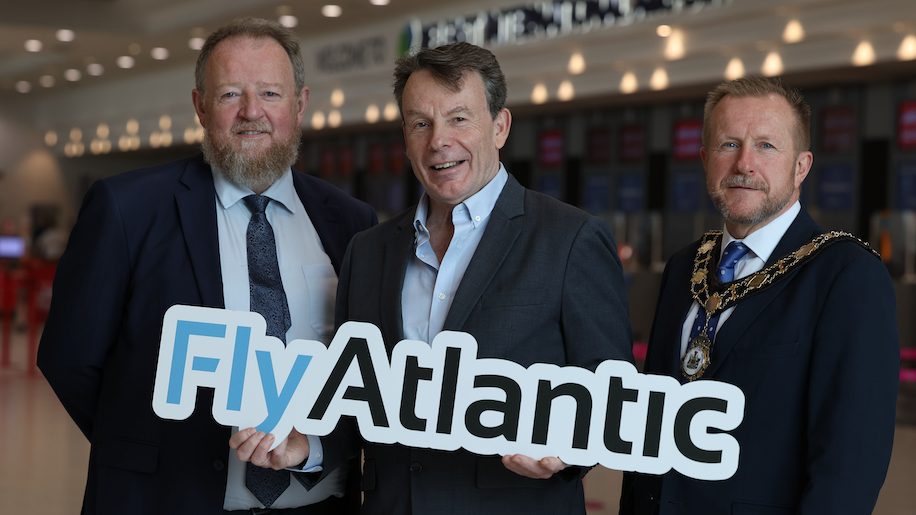
La nueva aerolínea británica Fly Atlantic tiene la intención de unir Europa con destinos de América del Norte desde el Aeropuerto Internacional de Belfast en el verano de 2024. Su objetivo en su primera etapa es volar a los Estados Unidos y Canadá, destinos británicos y europeos y, una vez que esté en pleno funcionamiento, planea volar a 35 destinos. Los próximos pasos serán asegurar aviones y la licencia AOC de la compañía.

La aerolínea dice que empleará a cincuenta personas en el Aeropuerto Internacional de Belfast y 250 tripulantes. Planea crear 1.000 empleos en los primeros cinco años dentro de la aerolínea e indirectamente crear miles más en los sectores de turismo y apoyo. La nueva aerolínea dice que creará un importante centro que unirá Europa con destinos norteamericanos para complementar el número de pasajeros locales.

Inicialmente operará seis aviones en su base de Antrim, Irlanda del Norte, creciendo a una flota de 18 aviones para 2028. Los viajes de larga distancia de menor costo no son una idea nueva, pero ha demostrado ser difícil de sostener en la práctica. El famoso empresario Freddie Laker comenzó un servicio sencillo entre Londres y Nueva York a fines de la década de 1970, pero colapsó en cinco años. La aerolínea Oasis, con sede en Hong Kong, fue otro fracaso notable en 2008, habiendo esperado servir hasta 60 ciudades importantes. Norwegian Air fue el más creíble de los intentos recientes, pero finalmente se deshizo por la pandemia y se ha reestructurado para centrarse en el corto recorrido.

El Director Ejecutivo de Fly Atlantic, Andrew Pyne, dijo: «La falta de servicios aéreos transatlánticos directos ha sido claramente un impedimento para el desarrollo económico y turístico de Irlanda del Norte, que ahora tenemos la intención de eliminar. Ya tenemos oficinas en el aeropuerto y ahora construiremos la infraestructura para apoyar el lanzamiento de la aerolínea».

El Director General del Aeropuerto Internacional de Belfast, Graham Keddie, dio la bienvenida al anuncio de Fly Atlantic: «Esperamos que lleven este proyecto a buen término, ya que tendría beneficios económicos muy reales para la economía de Irlanda del Norte y mejoraría aún más nuestra conectividad internacional», dijo.

La aerolínea ha recibido apoyo de Antrim y Newtownabbey Borough Council. El alcalde Stephen Ross dijo que mejorar la conectividad era una «parte clave de nuestra estrategia de desarrollo económico y estamos encantados de que Fly Atlantic haya seleccionado el Aeropuerto Internacional de Belfast para convertirse en un centro, ofreciendo vuelos directos a América del Norte, Reino Unido y Europa».

La competencia del Aeropuerto de Dublín, que permite a los pasajeros con destino a Estados Unidos pasar por los controles de inmigración y aduanas de Estados Unidos antes de la salida, es un factor a considerar. Enfrentarse a EasyJet, que opera varias rutas desde Belfast International será un gran desafío.

New airline Fly Atlantic

Fly Atlantic plans transatlantic flights from Belfast

The new British airline Fly Atlantic intends to link Europe with North American destinations from Belfast International Airport in the summer of 2024. Its objective in its first leg is to fly to the United States and Canada, British and European destinations and, once fully operational, it plans to fly to 35 destinations. The next steps will be to secure aircraft and the company’s AOC license.

The airline says it will employ fifty people at Belfast International Airport and 250 crew. It plans to create 1,000 jobs in the first five years within the airline and indirectly create thousands more in the tourism and support sectors. The new airline says it will create a major hub linking Europe with North American destinations to complement local passenger numbers.

It will initially operate six aircraft out of its Antrim, Northern Ireland base, growing to a fleet of 18 aircraft by 2028. Lower-cost long-haul travel is not a new idea, but it has proven difficult to sustain in practice. Famous businessman Freddie Laker started a simple service between London and New York in the late 1970s, but it collapsed within five years. Hong Kong-based airline Oasis was another notable flop in 2008, having hoped to serve as many as 60 major cities. Norwegian Air was the most credible of recent attempts, but it was ultimately unraveled by the pandemic and has restructured to focus on the short haul.

Fly Atlantic Chief Executive Andrew Pyne said: «The lack of direct transatlantic air services has clearly been an impediment to Northern Ireland’s economic and tourism development, which we now intend to remove. We already have offices at the airport and now we will build the infrastructure to support the launch of the airline».

Belfast International Airport Managing Director Graham Keddie welcomed Fly Atlantic’s announcement: «We look forward to seeing this project through to fruition as it would have very real economic benefits for the Northern Ireland economy and further enhance our international connectivity», he said.

The airline has received support from Antrim and Newtownabbey Borough Council. Mayor Stephen Ross said that improving connectivity was a «key part of our economic development strategy and we are delighted that Fly Atlantic has selected Belfast International Airport to become a hub, offering direct flights to North America, UK and Europe».

The competition from Dublin Airport, which allows US-bound passengers to clear US immigration and customs checks prior to departure, is a factor to consider. Going up against EasyJet, which operates several routes from Belfast International will be a big challenge.

PUBLISHER: Airgways.com
DBk: Flyatlantic.com / Airgways.com
AW-POST: 202211221623AR
OWNERSHIP: Airgways Inc.
A\W A I R G W A Y S ®
Aerolíneas suma vuelos Ushuaia

AW | 2022 11 22 08:24 | AIRLINES ROUTES

Aerolíneas Argentinas incrementa más vuelos a Ushuaia

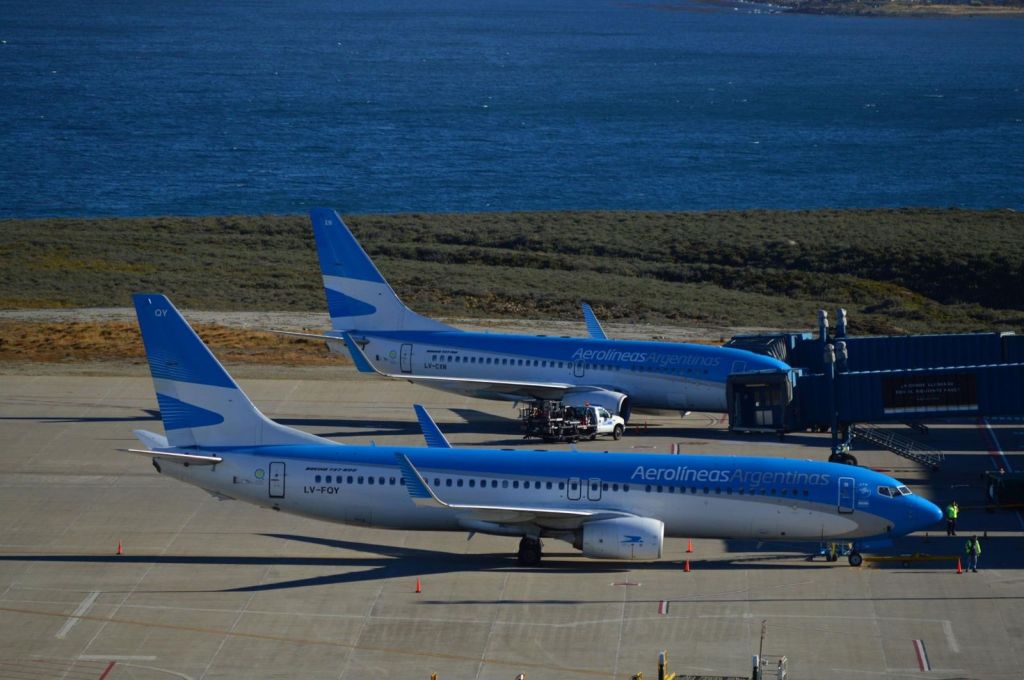
La compañía Aerolíneas Argentinas ha confirmado la incorporación desde el 27 de Noviembre y hasta el 12 de Diciembre de 2022 de once nuevos vuelos con destino a Ushuaia, Tierra del Fuego. La línea aérea de bandera suma más vuelos para el ingreso de temporada 2022.

El aumento de las frecuencias de vuelos entre Buenos Aires/AEP y Ushuaia/USH para finales de Noviembre y los primeros días de Diciembre 2022 permitirá incrementar la disponibilidad de oferta para el destino a la ciudad más austral del mundo. «A partir del 27 de Noviembre y hasta el 12 de Diciembre, se añadirán once nuevos vuelos para Tierra del Fuego», confirmó el Instituto Fueguino de Turismo (INFUETUR).

El Presidente del INFUETUR, Dante Querciali, resaltó el apoyo de la línea aérea de bandera para mejorar la conectividad aérea de la provincia, además de asegurar la continuidad del diálogo para continuar en esta línea de trabajo. «Esto es el puntapié para que está temporada estival siga aumentando en flujo de visitantes y para que, al mismo tiempo, los habitantes de Tierra del Fuego tengan más alternativas para poder viajar al continente», aseguró Dante Querciali.

Airlines add flights Ushuaia

Aerolíneas Argentinas increases more flights to Ushuaia

The company Aerolíneas Argentinas has confirmed the incorporation from November 27 to December 12, 2022 of eleven new flights to Ushuaia, Tierra del Fuego. The flag airline adds more flights for the entry of the 2022 season.

The increase in flight frequencies between Buenos Aires/AEP and Ushuaia/USH by the end of November and the first days of December 2022 will increase the availability of offers for the destination to the southernmost city in the world. «From November 27 to December 12, eleven new flights will be added to Tierra del Fuego», confirmed the Fuegian Institute of Tourism (INFUETUR).

The President of INFUETUR, Dante Querciali, highlighted the support of the flag airline to improve air connectivity in the province, in addition to ensuring the continuity of the dialogue to continue in this line of work. «This is the kickoff for this summer season to continue increasing the flow of visitors and, at the same time, for the inhabitants of Tierra del Fuego to have more alternatives to travel to the continent», said Dante Querciali.

PUBLISHER: Airgways.com
DBk: Aerolineas.com / Infuetur.gob.ar / Airgways.com
AW-POST: 202211220824AR
OWNERSHIP: Airgways Inc.
A\W A I R G W A Y S ®
Flybondi inversiones para expansión

AW | 2022 11 21 22:07 | AIRLINES

Recibe novena aeronave Boeing 737-800 a su flota
Flybondi incrementa capacidades para crecer en Latinoamérica

Flybondi_svg

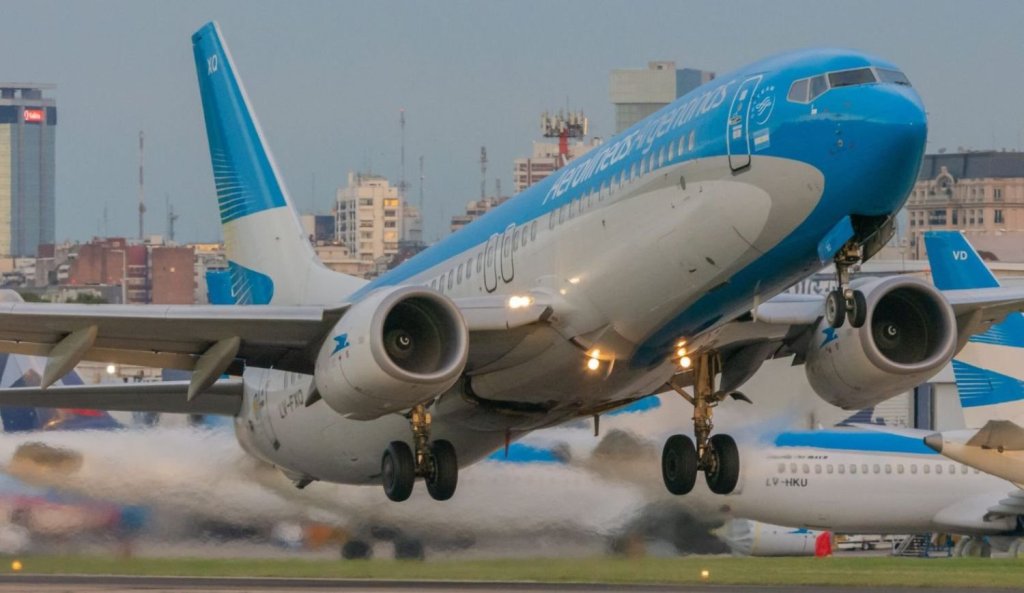
Flybondi Líneas Aéreas inició el fin de semana recibiendo su novena aeronave, un Boeing 737-800 Next Generation con capacidad para 189 personas, con matrícula LV–KEG. De esta manera, está cumpliendo con las metas anunciadas en el Plan 2X de inversión y crecimiento. A su vez, desde la aerolínea confirmaron que sumará dos más para completar una flota de 12 aviones para finalizar el 2022. La aerolínea low cost argentina, recibió su noveno avión que arribó al aeropuerto internacional de Ezeiza proveniente del Estado de Arkansas (AR), Estados Unidos. La nueva aeronave es un Boeing 737-800 Next Generation con capacidad para 189 personas, que recibirá la matrícula LV–KEG tras realizar los procesos administrativos de matriculación y certificación.

Mauricio Sana, CEO de la aerolínea low cost ha expresado: “Con estos aviones buscamos mejorar nuestro producto a nivel frecuencias y la presencia a nivel regional en Brasil, principalmente, y estamos evaluando otras rutas en el mercado regional. Para el 2023, nuestro objetivo es incrementar la presencia en Argentina en el mercado doméstico”. Respecto al mercado regional especificó: “Un objetivo claro es operar vuelos donde la ocupación sea lo suficientemente buena, y con Brasil esto ocurre, es el principal socio económico y estratégico de Argentina. Está en análisis la posibilidad de retomar la ruta a Asunción, Paraguay, que ya hemos operado y estamos evaluando otros países, pero nuestra limitación es la autonomía de nuestro aviones para volar con la capacidad completa”.

Perspectivas 2023

A 11 meses del anuncio de su Plan 2X de inversión y crecimiento la compañía ha incorporado cinco aviones y recientemente anunció que sumará dos más para completar una flota de doce unidades en 2022. El incremento de capacidad permitirá aumentar y reforzar las frecuencias de las rutas tanto nacionales como internacionales y también prepararse para la temporada de verano con una oferta muy fuerte en el mercado doméstico y en las rutas a Brasil. Con respecto al próximo año, Flybondi anunció que lanzará al mercado de leasing una búsqueda de por lo menos cinco aviones Boeing 737-800 para sumar durante 2023.

Las perspectivas de flota para el 2023 anunciaron que van a terminar operando con 17 aviones, y lanzarán al mercado de leasing una búsqueda de por lo menos cinco aviones Boeing 737-800 adicionales. “Cuando hablamos de un crecimiento a diecisiete aviones, es una inversión enorme, en una situación en la que la compañía es autosostenible, estamos invirtiendo en el país con un movimiento de US$ 400 millones de Dólares, lo que implica toda la operación de la compañía”, dijo el CEO de Flybondi.

“Estamos muy cerca de cumplir con los dos grandes objetivos que nos propusimos en Diciembre cuando anunciamos el plan de crecimiento: duplicar la flota y la cantidad de pasajeros; y eso nos motiva a ir por más. Ya lanzamos la búsqueda de cinco nuevos aviones para 2023 y estamos convencidos que si el mercado nos acompaña tendremos posibilidades de llegar a una flota de 20 aviones en los próximos dos años. Este año vimos una gran recuperación en los vuelos nacionales y cifras récord de viajes y de turismo y nuestra operación ya creció respecto de la prepandemia. La proyección del próximo año es sumar cada vez más personas a la libertad de volar», afirmó Mauricio Sana, CEO de la aerolínea Flybondi.

Flybondi investments for expansion

Receives ninth Boeing 737-800 aircraft to its fleet
Flybondi increases capacities to grow in Latin America

AW-Flybondi_B737800

Flybondi Líneas Aéreas began this weekend receiving its ninth aircraft, a Boeing 737-800 Next Generation with capacity for 189 people, with registration LV-KEG. In this way, it is meeting the goals announced in the 2X Investment and Growth Plan. In turn, the airline confirmed that it will add two more to complete a fleet of 12 aircraft by the end of 2022. The Argentine low cost airline received its ninth plane that arrived at Ezeiza International Airport from the State of Arkansas (AR), United States. The new aircraft is a Boeing 737-800 Next Generation with capacity for 189 people, which will receive the registration LV-KEG after carrying out the registration and certification administrative processes.

Mauricio Sana, CEO of the low cost airline, has expressed: “With these aircraft we seek to improve our product at the frequency level and the regional presence in Brazil, mainly, and we are evaluating other routes in the regional market. By 2023, our goal is to increase our presence in Argentina in the domestic market». Regarding the regional market, he specified: “A clear objective is to operate flights where occupancy is good enough, and this happens with Brazil, it is Argentina’s main economic and strategic partner. The possibility of resuming the route to Asunción, Paraguay, which we have already operated and are evaluating other countries, is being analyzed, but our limitation is the autonomy of our aircraft to fly with full capacity”.

Outlook 2023

Eleven months after the announcement of its 2X investment and growth Plan, the company has added five aircraft and recently announced that it will add two more to complete a fleet of twelve units in 2022. The increase in capacity will allow the frequency of both routes to be increased and reinforced. national and international and also prepare for the summer season with a very strong offer in the domestic market and on routes to Brazil. Regarding next year, Flybondi announced that it will launch a search for at least five Boeing 737-800 aircraft on the leasing market to add during 2023.

The fleet prospects for 2023 announced that they will end up operating with 17 aircraft, and will launch a search for at least five additional Boeing 737-800 aircraft on the leasing market. “When we talk about growth to seventeen aircraft, it is a huge investment, in a situation in which the company is self-sustaining, we are investing in the country with a movement of US$ 400 million, which implies the entire operation of the company. company”, said the CEO of Flybondi.

“We are very close to meeting the two major objectives that we set ourselves in December when we announced the growth plan: doubling the fleet and the number of passengers; and that motivates us to go for more. We have already launched the search for five new aircraft by 2023 and we are convinced that if the market is with us, we will have the possibility of reaching a fleet of 20 aircraft in the next two years. This year we saw a great recovery in domestic flights and record travel and tourism numbers, and our operation has already grown compared to the pre-pandemic. The projection for next year is to add more and more people to the freedom to fly», said Mauricio Sana, CEO of the airline Flybondi.

AW-Flybondi_702 (2)

PUBLISHER: Airgways.com
DBk: Flybondi.com / Airgways.com
AW-POST: 2022112207AR
OWNERSHIP: Airgways Inc.
A\W A I R G W A Y S ®
American modernización flota

AW | 2022 11 21 22:00 | AIRLINES

Continúa proceso de renovación de flota a más eficiente

American Airlines_Isologotype

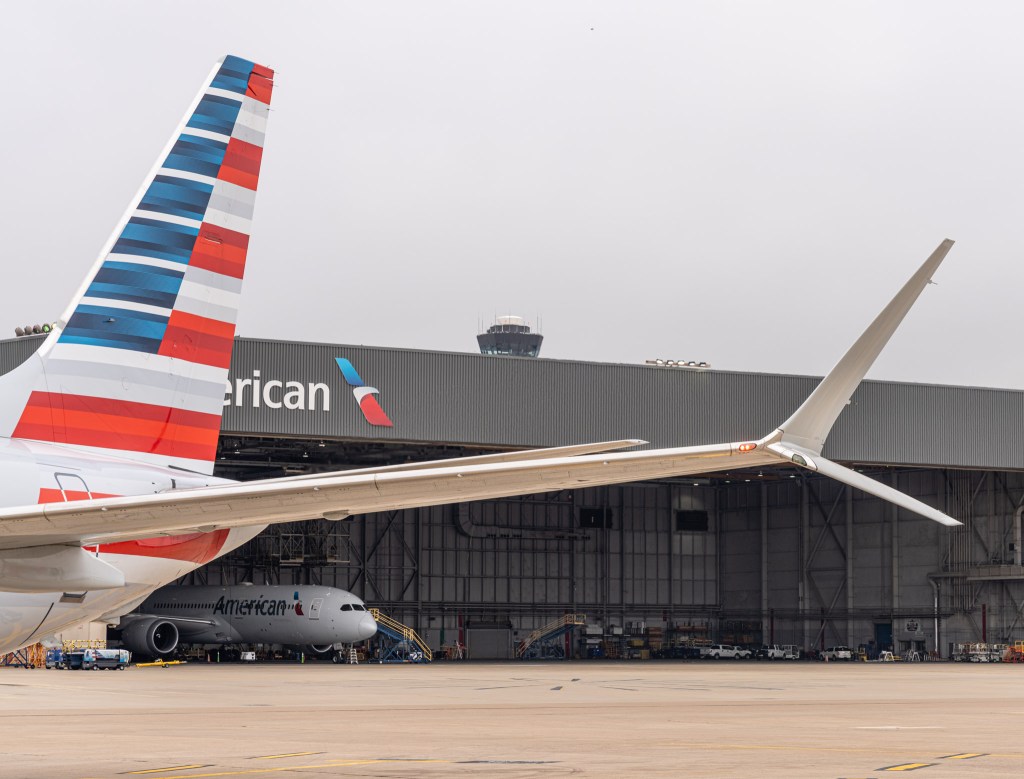
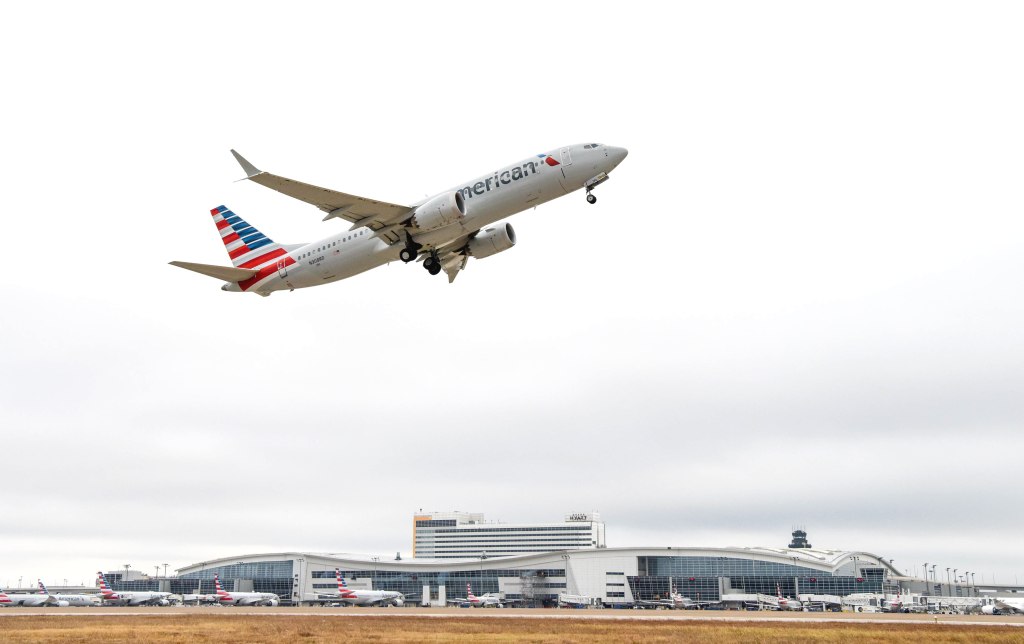
La aerolínea American Airlines continúa con el proceso de modernización de flota como una forma clave de reducir el uso de combustible convencional para aviones, y por lo tanto reducir la huella de carbono. El objetivo es reemplazar los aviones más antiguos y menos eficientes en combustible por otros nuevos y más eficientes. Desde 2013, American ha invertido más de US$ 24.000 millones en la modernización de nuestra flota al recibir más de seiscientos aviones nuevos. Durante el mismo período, retiramos 670 aviones más antiguos y menos eficientes en combustible hasta fines de 2021. Actualmente, American posee la flota principal más joven entre los operadores de red clásicos de Estados Unidos, con una edad promedio de 11.3 años. A finales de 2021, el 55% de la flota principal de American tenía diez años o menos.

Los nuevos aviones, como el Boeing 787 Dreamliner, el Boeing 737 MAX y el Airbus A321NEO, que incorporan las últimas tecnologías de motores y fuselajes, representaron el 17% de las Millas de por Asiento Disponibles (ASM) en 2021. Aproximadamente, US$ 3.6 mil millones, o el 12% de los ingresos durante el año, provinieron de pasajeros que volaron en el avión líder del mercado y eficiente en combustible de nuestra flota. El Boeing 737-8 MAX reduce el uso de combustible y las emisiones de CO2 en un 14% adicional sobre los otros aviones de pasillo único más eficientes en combustible, y un 20% mejor que el avión original 737 Next Generation cuando entraron en servicio por primera vez. La familia Airbus A320NEO ofrece un 20% de ahorro de combustible y reducción de CO2 en comparación con la generación anterior de aviones Airbus A320CEO. En gran parte como resultado de volar estos aviones más eficientes, American ha mejorado la eficiencia del combustible en un 10,2% en comparación con 2013, según el consumo de combustible por ASM. Eso suma 1.900 millones de galones de combustible ahorrados y 19 millones de toneladas métricas de CO2 evitadas.

A finales de 2021, American Airlines tenía Boeing 737-8 MAX (42) en la flota. En Enero de 2022, anunciaron planes de ejercer opciones de compra en treinta aviones Boeing 737-8 MAX (30) adicionales, lo que eleva un total de pedidos en firme a 88 entregas adicionales hasta 2026. También poseía cuarenta y cuatro aviones Airbus A321NEO (44) en la flota a finales de 2021 y ha acordado comprar setenta y seis (76) adicionales para su entrega hasta 2026, que incluyen Airbus A321XLR (50) de última generación y largo alcance. Para 2026, la aerolínea con sede en Texas (TX), tendrá aproximadamente el 34% de los ASM sean volados por el Boeing 787 Dreamliner, Boeing 737 MAX y Airbus A321NEO.

En los últimos años, también ha realizado importantes inversiones en la actualización de nuestra flota de aviones regionales. Los aviones más pequeños y los vuelos más cortos, que dedican un mayor porcentaje del tiempo total de vuelo al despegue y aterrizaje, tienen un costo de eficiencia de combustible. Sin embargo, las aerolíneas regionales permiten a American servir a muchas comunidades más pequeñas y mercados de baja densidad que no tienen el tráfico de pasajeros para soportar aviones más grandes. Este servicio juega un papel vital en la conexión de los miembros de esas comunidades con otras personas, lugares y oportunidades económicas. American se compromete a proporcionar un servicio regional líder en la industria, mientras trabaja continuamente para hacer que ese servicio sea más eficiente en el consumo de combustible. Esto incluye retirar una serie de pequeños aviones regionales en los últimos años y reemplazarlos con grandes aviones regionales, como el Embraer 175 y el Bombardier CRJ900, que son en promedio más eficientes en combustible. También continúa evaluando las tecnologías emergentes bajas en carbono, como los aviones eléctricos y de hidrógeno, que son prometedores para su uso en viajes aéreos regionales.

American & medio ambiente

American Airlines recibió un puntaje CDP Climate Change de «A-» en 2021, el puntaje más alto entre las aerolíneas en América del Norte, y una de las dos únicas aerolíneas a nivel mundial en obtener un puntaje tan alto. La descarbonización de la aviación requiere una acción a corto plazo para mejorar la eficiencia y expandir significativamente el uso de SAF, pero también dependerá de los avances tecnológicos que permitan que las aeronaves funcionen con fuentes de combustible bajas en carbono y sin carbono, como el hidrógeno verde y la electricidad. American continúa colaborando con nuestros proveedores de aeronaves y otros actores clave en el sector de la aviación para apoyar el avance de las aeronaves de próxima generación.

Una iniciativa que promoverá este objetivo es la inversión de American en Vertical Aerospace Ltd., que está desarrollando un avión eléctrico de despegue y aterrizaje vertical (eVTOL) libre de emisiones. Diseñado para transportar clientes rápidamente entre y dentro de las ciudades, se proyecta que el VX4 pilotado para cuatro pasajeros de Vertical sea capaz de viajar distancias de más de 100 millas a velocidades superiores a 200 mph, al tiempo que produce un ruido mínimo y cero emisiones operativas.

American fleet modernization

The fleet renewal process continues to become more efficient

American_Isotype

American Airlines continues with the process of fleet modernization as a key way to reduce the use of conventional jet fuel, and therefore reduce the carbon footprint. The goal is to replace older, less fuel-efficient aircraft with new, more efficient ones. Since 2013, American has invested more than US$ 24 billion in modernizing our fleet, taking delivery of more than 600 new aircraft. During the same period, we retired 670 older and less fuel-efficient aircraft through the end of 2021. American currently owns the youngest mainline fleet among America’s classic network operators, with an average age of 11.3 years. As of the end of 2021, 55% of American’s core fleet was ten years old or younger.

New aircraft, such as the Boeing 787 Dreamliner, Boeing 737 MAX and Airbus A321NEO, which incorporate the latest engine and airframe technologies, accounted for 17% of Available Seat Miles (ASM) in 2021. Approximately US$ 3.6 billion, or 12% of revenue for the year, came from passengers who flew on the market-leading, fuel-efficient aircraft in our fleet. The Boeing 737-8 MAX reduces fuel use and CO2 emissions by an additional 14% over the other most fuel-efficient single-aisle aircraft, and 20% better than the original 737 Next Generation aircraft when they entered service for first time. The Airbus A320NEO Family offers 20% fuel savings and CO2 reductions compared to the previous generation of Airbus A320CEO aircraft. Largely as a result of flying these more efficient aircraft, American has improved fuel efficiency by 10.2% compared to 2013, based on fuel consumption by ASM. That adds up to 1.9 billion gallons of fuel saved and 19 million metric tons of CO2 avoided.

As of late 2021, American Airlines had Boeing 737-8 MAX (42) in the fleet. In January 2022, they announced plans to exercise purchase options on an additional thirty (30) Boeing 737-8 MAX aircraft, bringing total firm orders to an additional 88 deliveries through 2026. It also owned forty-four Airbus A321NEO (44) into the fleet by the end of 2021 and has agreed to purchase an additional seventy-six (76) for delivery through 2026, including state-of-the-art, long-range Airbus A321XLR (50). By 2026, the Texas (TX)-based airline will have approximately 34% of ASM flown by the Boeing 787 Dreamliner, Boeing 737 MAX and Airbus A321NEO.

In recent years, it has also made significant investments in upgrading our fleet of regional aircraft. Smaller planes and shorter flights, which spend a greater percentage of the total flight time taking off and landing, come at a cost of fuel efficiency. However, regional airlines allow American to serve many smaller communities and low-density markets that do not have the passenger traffic to support larger aircraft. This service plays a vital role in connecting members of those communities with other people, places, and economic opportunities. American is committed to providing industry-leading regional service while continually working to make that service more fuel efficient. This includes retiring a number of small regional jets in recent years and replacing them with large regional jets, such as the Embraer 175 and Bombardier CRJ900, which are on average more fuel efficient. It also continues to evaluate emerging low-carbon technologies, such as electric and hydrogen aircraft, that show promise for use in regional air travel.

American & environment

American Airlines received a CDP Climate Change Score of «A-» in 2021, the highest score among any airline in North America, and one of only two airlines globally to earn such a high score. Aviation decarbonisation requires near-term action to improve efficiency and significantly expand the use of SAF, but will also depend on technological advances that allow aircraft to run on low-carbon and zero-carbon fuel sources such as hydrogen. green and electricity. American continues to collaborate with our aircraft suppliers and other key players in the aviation industry to support the advancement of next-generation aircraft.

One initiative that will further this goal is American’s investment in Vertical Aerospace Ltd., which is developing an emissions-free electric vertical takeoff and landing (eVTOL) aircraft. Designed to quickly transport customers between and within cities, Vertical’s four-passenger piloted VX4 is projected to be capable of traveling distances of more than 100 miles at speeds in excess of 200 mph, while producing minimal noise and zero emissions. operational.

PUBLISHER: Airgways.com
DBk: Aa.com / Tom Fox / Rose Baca / Airgways.com
AW-POST: 202211212200AR
OWNERSHIP: Airgways Inc.
A\W A I R G W A Y S ®
Mejora resultados Norwegian

AW | 2022 11 21 20:57 | AIRLINES

Recuperación gana tracción en el 3Q2022

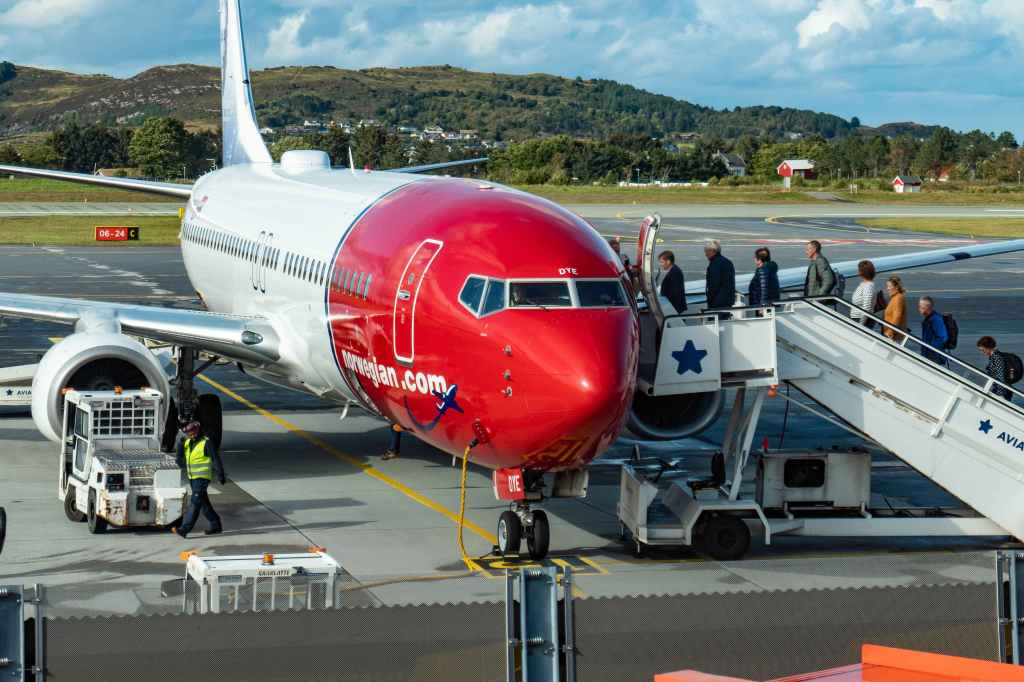
Los resultados del Norwegian Air Shuttle mostraron una mejora significativa en el período del tercer cuatrimestre de 2022. El modo de riesgo de los mercados y un recorte de capacidad del 25% para el invierno podrían haber llevado a un rendimiento inferior. La mejora de las métricas y la buena ejecución del negocio hacen que las acciones de Norwegian Air Shuttle sean una compra especulativa. Norwegian Air Shuttle probablemente sea una de las compañías que muchos esperaban que fracasara debido al impacto de la pandemia, llevando a la compañía a una mala posición financiera y la aerolínea comenzó a canibalizarse vendiendo activos para mantener el flujo de negocios. Pero la aerolínea se involucró fuerte en el proceso de crecimiento permitiendo incrementar el valor de la aerolínea noruega. Afortunadamente, Norwegian Air Shuttle se ha reorganizado a costa de los accionistas y ahora está siguiendo un vuelo más saludable hacia adelante.

En un modo de riesgo en los mercados que ejerce presión sobre compañías de recuperación como Norwegian Air Shuttle a medida que los inversores buscan oportunidades de inversión más seguras. La ejecución de la estrategia en Norwegian Air Shuttle estuvo marcado por los nuevos inversores con un cambio de su enfoque hacia inversiones más seguras. Norwegian Air antes de la pandemia poseía 156 aviones, incluidas las operaciones de larga distancia. Actualmente, en l apost-pandemia tiene setenta (70) aviones, aunque no se espera grandes crecimientos de flota, en vista de la mesura de la compañía en la post-pandemia después de atravesar un período crítico.

Actualmente, la aerolínea low cost noruega refleja una fuerte demanda de viajes aéreos y un aumento de la capacidad del 128%. Aproximadamente Kr 2.500 millones de Coronas Noruegas del aumento de Kr 5.200 millones son impulsados por una mayor capacidad y el resto está impulsado por un aumento en los ingresos unitarios. Los costos operativos aumentaron debido a una combinación de altos precios del combustible, mayor actividad de vuelo y efectos desfavorables de divisas. Sin embargo, el beneficio operativo mejoró significativamente de una pérdida de Kr 295,5 millones de Coronas Noruegas a una ganancia de Kr 1.000 millones de Coronas Noruegas. Más significativas son las comparaciones trimestre a trimestre y muestran que los ingresos aumentan en casi un 50% significativamente ayudados por los ingresos unitarios récord y la expansión de la capacidad. Por el lado de los costos, los costos de combustible son más altos trimestre a trimestre debido a los altos precios del combustible, pero los resultados fueron buenos, como también es visible en el EBITDAR, que mejoró de una pérdida de Kr 214 millones de Coronas Noruegas a una ganancia de Kr 1.569 millones a pesar de tener algunos costos elevados debido a los arrendamientos con tripulación, que son más caros que volar con aviones propios o arrendamientos a largo plazo. El EBIT muestra una disminución de aproximadamente 300 millones de coronas noruegas, pero eso fue impulsado principalmente por una reversión del deterioro y no refleja realmente el rendimiento subyacente.

Los riesgos para Norwegian Air Shuttle son en realidad los mismos que los observados por otras aerolíneas y son la alta inflación que en última instancia podría conducir a un debilitamiento de la demanda de viajes aéreos y a los altos precios del combustible que aumentan la factura del combustible. Pero favorablemente, Norwegian Air posee algunas oportunidades o colchones en el futuro. La compañía tiene una posición de efectivo cómoda con pagos previos a la entrega a Boeing en los próximos años, así como flexibilidad para sacar capacidad durante el invierno, al tiempo que elimina los costos asociados en cierta medida a través de contratos de arrendamiento de energía por hora. A la aerolínea le gusta mantener esta flexibilidad en el futuro, aunque el menor apetito de los arrendadores para acomodar tales contratos pone algunos signos de interrogación sobre cómo se puede lograr esa flexibilidad. Además, la aerolínea tiene una aspiración de crecimiento cautelosa al agregar aviones Boeing 737 MAX a la flota, lo que reduce la factura de combustible hasta en un 18% en algunos casos en comparación con el Boeing 737 NG. Esos aviones 737 MAX deberían llegar a un ritmo más rápido en los próximos dos años y más allá de que la aerolínea tenga órdenes de compra con Boeing, que requieren pagos anticipados en efectivo pero no requieren pagos mensuales de arrendamiento. Por lo tanto, la aerolínea crecerá sin tener sobrecostos mensuales y al mismo tiempo desbloqueará escalas de economía que deberían aumentar aún más el rendimiento.

Además, a medida que mejore la calificación crediticia, Norwegian Air Shuttle verá que el efectivo de la venta de boletos llegará antes de los compradores. Para el trimestre, la tasa de retención fue del 56% por debajo del 65% y, a medida que el rendimiento mejore aún más, también lo hará la calificación crediticia y la tasa de retención disminuirá aún más. Los inversores que estén interesados en invertir deben prestar mucha atención a la combinación de bajo precio y bajo volumen. Debido al bajo volumen, hay una falta de liquidez, lo que hace que la compra y venta rápida y los precios constantes sean más desafiantes. El hecho de que el precio sea extremadamente bajo por acción aparentemente hace que sea más atractivo tomar posiciones especulativas, pero la falta de volumen en combinación con los bajos precios de las acciones también aumentan significativamente los riesgos para los inversores sin una manera fácil de vender acciones cuando aumenta la volatilidad. Los inversores deben ser conscientes de estos riesgos adicionales al tomar decisiones de inversión.

Improves results Norwegian

Recovery gains traction in 3Q2022

Norwegian Air Shuttle results showed significant improvement in the Q3 2022 period. Risk mode markets and a 25% capacity cut for winter could have led to underperformance. Improving metrics and good business execution make Norwegian Air Shuttle shares a speculative buy. Norwegian Air Shuttle is probably one of the companies that many expected to fail due to the impact of the pandemic, putting the company in a bad financial position and the airline began to cannibalize itself by selling off assets to keep business flowing. But the airline became heavily involved in the growth process, allowing the value of the Norwegian airline to increase. Fortunately, Norwegian Air Shuttle has reorganized itself at shareholder expense and is now pursuing a healthier flight forward.

In a risk-on mode in markets that puts pressure on recovery companies like Norwegian Air Shuttle as investors seek safer investment opportunities. Strategy execution at Norwegian Air Shuttle was marked by new investors with a shift in focus towards safer investments. Norwegian Air before the pandemic owned 156 aircraft, including long-haul operations. Currently, in the post-pandemic it has seventy (70) aircraft, although large fleet growth is not expected, given the company’s restraint in the post-pandemic after going through a critical period.

Currently, the Norwegian low-cost airline reflects a strong demand for air travel and a capacity increase of 128%. Approximately Kr 2.5 billion NOK of the Kr 5.2 billion increase is driven by increased capacity with the remainder being driven by an increase in unit revenue. Operating costs increased due to a combination of higher fuel prices, increased flight activity and unfavorable currency effects. However, operating profit improved significantly from a loss of Kr 295.5 million NOK to a profit of Kr 1 billion NOK. More significant are quarter-over-quarter comparisons and show revenue up nearly 50% significantly helped by record unit revenue and capacity expansion. On the cost side, fuel costs are higher quarter on quarter due to high fuel prices, but the results were good, as is also visible in EBITDAR, which improved from a loss of Kr 214 million Kroner. Norwegians to a profit of Kr 1.569 million despite some high costs due to wet leases, which are more expensive than flying own planes or long-term leases. EBIT shows a decrease of approximately NOK 300 million, but that was mainly driven by a reversal of impairment and does not really reflect underlying performance.

The risks for Norwegian Air Shuttle are actually the same as those seen by other airlines and are high inflation which could ultimately lead to weakening demand for air travel and high fuel prices which increase the fuel bill. But fortunately, Norwegian Air has some opportunities or cushions in the future. The company has a comfortable cash position with pre-delivery payments to Boeing in the coming years, as well as flexibility to move capacity over the winter, while eliminating associated costs to some extent through power lease agreements for hour. The airline likes to keep this flexibility going forward, although lessors’ lesser appetite to accommodate such contracts raises some question marks over how such flexibility can be achieved. Additionally, the airline has a cautious growth aspiration by adding Boeing 737 MAX aircraft to the fleet, which reduces the fuel bill by up to 18% in some cases compared to the Boeing 737 NG. Those 737 MAX planes should arrive at a faster rate over the next two years and beyond as the airline has purchase orders with Boeing, which require advance cash payments but no monthly lease payments. Thus, the airline will grow without having monthly cost overruns while unlocking economy ladders that should further increase performance.

Also, as the credit rating improves, Norwegian Air Shuttle will see cash from ticket sales arrive before buyers. For the quarter, the retention rate was 56% down from 65%, and as performance improves further, so will the credit rating, and the retention rate will decline further. Investors who are interested in investing should pay close attention to the combination of low price and low volume. Due to low volume, there is a lack of liquidity, making quick buying and selling and consistent prices more challenging. The fact that the price is extremely low per share apparently makes it more attractive to take speculative positions, but the lack of volume in combination with low share prices also significantly increases the risks for investors without an easy way to sell shares. when volatility increases. Investors should be aware of these additional risks when making investment decisions.

PUBLISHER: Airgways.com
DBk: Norwegian.com / Airgways.com
AW-POST: 202211212057AR
OWNERSHIP: Airgways Inc.
A\W A I R G W A Y S ®