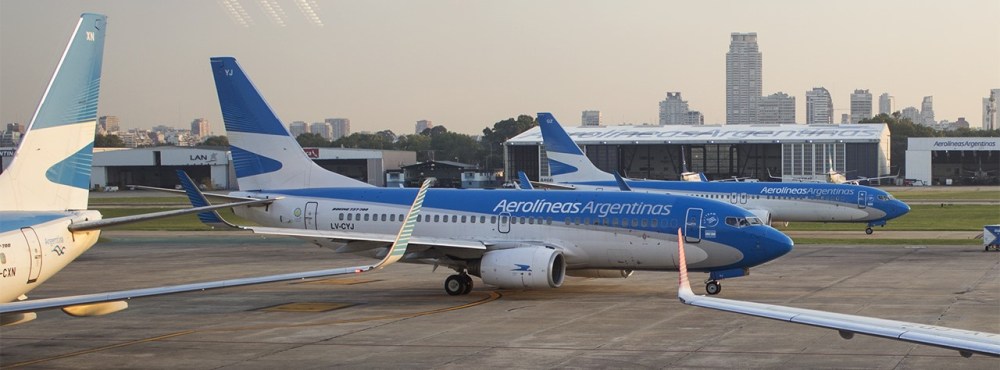
Pilotos de Copa logran acuerdo laboral

AW | 2017 06 15 11:42 | AIRLINES

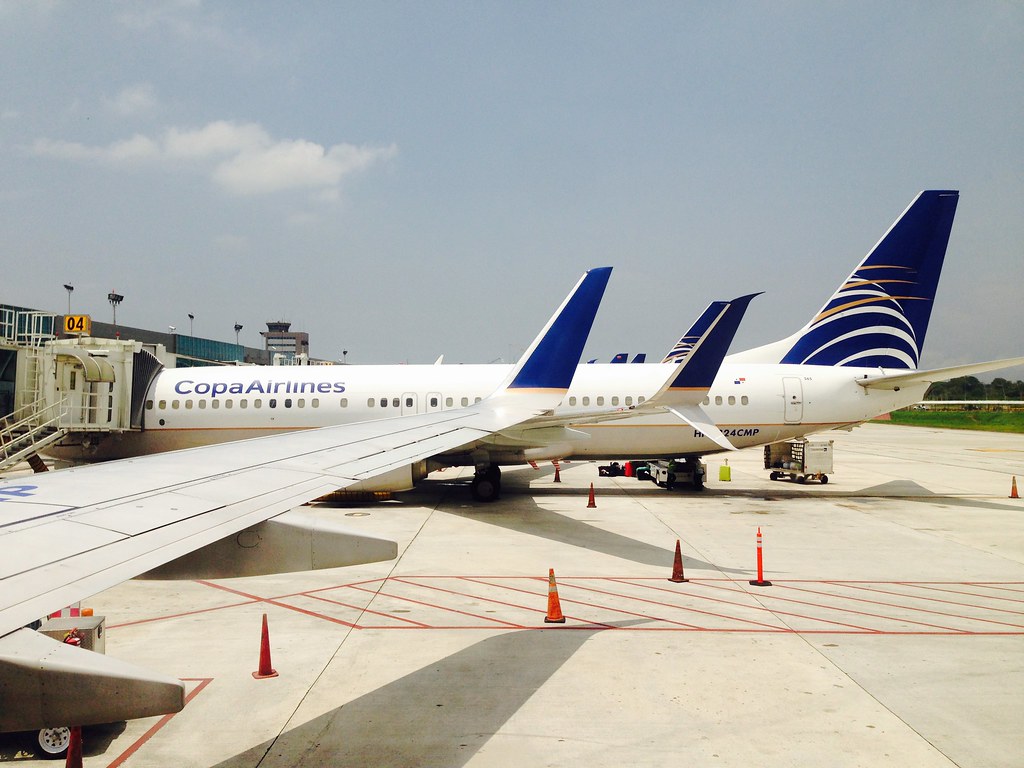
La aerolínea Copa Airlines logró un acuerdo laboral con los pilotos para descomprimir la huelga que tenían prevista realizar a partir de este jueves tras llegar a un acuerdo con la empresa, informó el Ministerio de Trabajo y Desarrollo Laboral.

De acuerdo con un comunicado de ese ministerio, mediador en el conflicto, los pilotos y la compañía aérea lograron «un acuerdo satisfactorio en las negociaciones de una nueva convención colectiva». «Todo este esfuerzo se conjuga en la suspensión del llamado a huelga».

El sindicato Unión Panameña de Aviadores Comerciales (Unpac), que agrupa a cerca de un millar de pilotos de Copa, había convocado a una huelga indefinida en demanda de mejoras salariales y laborales. Los pilotos negociaban desde octubre un convenio colectivo con la aerolínea, que vuela a unas 75 ciudades en 30 países del continente americano, incluido Estados Unidos. Dentro de las exigencias contemplaban un aumento de 36% en los salarios y los diferentes beneficios que reciben. También pedían que los sueldos vayan acorde con una tabla de antigüedad y que a los pilotos se les pague el tiempo previo al despegue, donde revisan el plan de vuelo o el mapa meteorológico.

De esta manera cancelan huelga prevista para este jueves, por lo que Copa Airlines realizará sus vuelos con normalidad.  AIRGWAYS ® Icon-AW

Copa Airlines drivers reach labor agreement

The airline Copa Airlines reached a labor agreement with the pilots to decompress the strike they were scheduled to carry out starting Thursday after reaching an agreement with the company, reported the Ministry of Labor and Labor Development.

According to a statement from that ministry, mediator in the conflict, the pilots and the airline achieved «a satisfactory agreement in the negotiations of a new collective agreement». «All this effort is combined in the suspension of the call to strike.»

The union Panamanian Union of Commercial Aviators (Unpac), which groups close to a thousand Copa drivers, had called for an indefinite strike to demand salary and labor improvements. The pilots were negotiating since October a collective agreement with the airline, which flies to around 75 cities in 30 countries of the American continent, including the United States. Among the demands they envisaged a 36% increase in salaries and the different benefits they receive. They also demanded that the salaries go according to a seniority chart and that the pilots are paid the time before takeoff, where they review the flight plan or the weather map.

This way they cancel a strike scheduled for Thursday, so Copa Airlines will carry out its flights normally. A \ W


Ξ A I R G W A Y S Ξ
SOURCE:  Airgways.com
DBk:  Copaair.com / Staticflickr.com
AW-POST: 201706151142AR

A\W   A I R G W A Y S ®

Cancelaciones de viajes en Qatar Airways

AW | 2017 06 15 11:30 | AIRLINES / GOVERNMENT

Ruptura de las relaciones diplomáticas de varios países árabes con la República de Qatar

La guerra diplomática entre varios estados del Golfo Pérsico contra Qatar se recrudeció hace una semana, cuando Arabia Saudita ordenó el cierre de las oficinas de Qatar Airways.

Las principales agencias de viajes españolas han constatado que en los últimos días vienen registrando multitud de cancelaciones de vuelos de Qatar Airways ante la inquietud de sus clientes por las noticias aparecidas en prensa sobre la ruptura de relaciones diplomáticas de varios países árabes con ella acusándoles de apoyar el terrorismo.

Arabia Saudí, Egipto, Emiratos Árabes Unidos y Baréin decidieron hace diez días cortar relaciones diplomáticas con Qatar y Riad anunció la ruptura de relaciones y el cierre de todos los puertos terrestres, marítimos y aéreos a todos los medios de transporte procedentes y que se dirijan a ese país, que sólo tiene frontera terrestre con Arabia Saudí, justificó estas medidas por las “graves violaciones” de Qatar que “ponen en peligro la soberanía” saudí, así como por su apoyo a “organizaciones terroristas”, entre las que citó a los Hermanos Musulmanes, el Estado Islámico (EI) y Al Qaeda.

La guerra diplomática entre varios estados del Golfo Pérsico contra Qatar se recrudeció hace una semana, cuando Arabia Saudita ordenó el cierre físico de las oficinas de Qatar Airways en el país y la retirada inmediata de las licencias para volar, lo mismo que hicieron las autoridades de aviación de Bahrein y Emiratos Árabes Unidos.

Qatar Airways, no obstante, anunció entonces que sus vuelos operaban con normalidad pese a la decisión de los países vecinos de cortar toda relación con el emirato, aunque perdieron los pasillos aéreos para salir del país, dado que todo el territorio se encuentra rodeado por Arabia Saudita y, más al noroeste, tampoco puede sobrevolar Egipto, y por ese motivo, los aviones de la aerolínea con base en Doha, tenían que volar hacia el norte a través del pasillo aéreo que discurre al Oeste de Irán, única salida posible en estos momentos.

Qatar Airways, pese a ello, que vuela a Madrid y Barcelona, mantiene conectar Doha con el aeropuerto de Málaga a partir del 2018, a pesar de la crisis diplomática que le ha supuesto el cierre del espacio aéreo de varios países vecinos. Así lo anunció este miércoles, asegurando que siguen adelante con las 24 nuevas rutas programadas, incluyendo Santiago de Chile, Río de Janeiro y Málaga, según fuentes de la empresa.

Qatar Airways también dio a conocer que sus beneficios el año pasado subieron un 21,7 por ciento, hasta los 540 millones de dólares, según un comunicado divulgado la noche del domingo. La aerolínea vuela desde Doha a 150 aeropuertos de todo el mundo; posee 196 aviones y el pasado octubre avanzó un nuevo pedido de 30 Boeing 787-9 Dreamliners y diez Boeing 777-300, valorados en 11.700 millones de dólares.

Qatar Airways posee el 20 por ciento de IAG, el holding que agrupa a Iberia, British Airways y Vueling, siendo su mayor accionista, y además ostenta el 10 por ciento de El Corte Inglés, la matriz de la agencia de viajes que más factura en España. AIRGWAYS ® Icon-AW

Qatar Airways cancellations in European agencies

Rupture of diplomatic relations of several Arab countries with the Republic of Qatar

The diplomatic war between several Persian Gulf states against Qatar intensified a week ago, when Saudi Arabia ordered the closure of Qatar Airways offices.

The main Spanish travel agencies have noted that in recent days have been recording a number of cancellations of Qatar Airways flights to their customers’ concerns about the news in the press about the rupture of diplomatic relations of several Arab countries with her accusing them of supporting The terrorism.

Saudi Arabia, Egypt, the United Arab Emirates and Baréin decided ten days ago to cut off diplomatic relations with Qatar, and Riyadh announced the rupture of relations and the closure of all land, sea and air ports to all means of transport from and to That country, which only has a land border with Saudi Arabia, justified these measures because of the «serious violations» of Qatar that «endanger Saudi sovereignty», as well as its support for «terrorist organizations», among which it Muslim Brothers, the Islamic State (EI) and Al Qaeda.

The diplomatic war between several Persian Gulf states against Qatar intensified a week ago, when Saudi Arabia ordered the physical closure of Qatar Airways offices in the country and the immediate withdrawal of the licenses to fly, as did the authorities of Aviation from Bahrain and the United Arab Emirates.

Qatar Airways, however, announced that its flights operated normally despite the decision of the neighboring countries to cut off all relations with the emirate, although they lost the air corridors to leave the country, since the whole territory is surrounded by Arabia Saudi Arabia and, more to the northwest, also can not fly over Egypt, and for that reason, the planes of the airline based in Doha, had to fly north through the air corridor that runs to the West of Iran, only possible exit in these Moments.

Qatar Airways, meanwhile, flying to Madrid and Barcelona, ​​maintains connecting Doha with Malaga airport from 2018, despite the diplomatic crisis that has meant the closure of airspace in several neighboring countries. This was announced Wednesday, ensuring that they continue with the 24 new routes scheduled, including Santiago de Chile, Rio de Janeiro and Malaga, according to company sources.

Qatar Airways also said its profits last year rose 21.7 percent to $ 540 million, according to a statement released late Sunday. The airline flies from Doha to 150 airports around the world; Has 196 aircraft and last October advanced a new order of 30 Boeing 787-9 Dreamliners and ten Boeing 777-300, valued at 11.7 billion dollars.

Qatar Airways owns 20 percent of IAG, the holding company that groups Iberia, British Airways and Vueling, being its largest shareholder, and also holds 10 percent of El Corte Inglés, the parent company of the travel agency that invoices the most Spain. A \ W


Ξ A I R G W A Y S Ξ
SOURCE:  Preferente.com / Airgways.com
DBk:  dohanews.co / Hispaviacion.es
AW-POST: 201706151130AR

A\W   A I R G W A Y S ®

Azores Airlines vende sus Airbus A310

AW | 2017 06 15 11:20 | AIRLINES

Azores Airlines ha puesto sus tres A310-300s a la venta con el especialista británico en remarketing Moon Jet Group encargado de gestionar su eliminación

De acuerdo con un comunicado de prensa, los aviones de 25 años de antigüedad son CS-TGU (msn 571), CS-TKN (msn 624) y CS-TGV (msn 651), todos disponibles inmediatamente como individuos o combinados compra. El certificado de aeronavegabilidad de CS-TGV expirará el 1 de julio de 2017, seguido por CS-TKN el 18 de abril de 2018 y CS-TGU el 20 de abril de 2018.

Azores Airlines está sustituyendo la aeronave por seis A321neo arrendados de Air Lease Corporation. Los aviones CFM International Leap 1A, que incluyen variantes -LR, provienen de la cartera de pedidos de Airbus del arrendador y se entregarán entre el cuarto trimestre de este año y principios de 2021. AIRGWAYS ® Icon-AW

Azores Airlines puts A310 fleet up for sale

Azores Airlines has put its three A310-300s up for sale with UK-based aircraft remarketing specialist Moon Jet Group tasked with managing their disposal

According to a press release, the 25-year-old aircraft are CS-TGU (msn 571), CS-TKN (msn 624), and CS-TGV (msn 651), all of which are available immediately as an individual or combined purchase. Of the aircraft, CS-TGV’s airworthiness certificate will expire on July 1, 2017, followed by CS-TKN on April 18, 2018, and CS-TGU on April 20, 2018.

Azores Airlines is replacing the aircraft with six A321neo leased from Air Lease Corporation. The CFM International Leap 1A-powered aircraft, which include -LR variants, are sourced from the lessor’s Airbus order book and will deliver between the fourth quarter of this year and early 2021. A \ W


Ξ A I R G W A Y S Ξ
SOURCE:  Ch-aviation.com
DBk:  Airlinereporter.com / Planefinder.net
AW-POST: 201706151120AR

A\W   A I R G W A Y S ®

JetBlue proyecta mercado transatlántico 

A321-Jetblue.jpg

AW | 2017 06 15 11:13 | AIRLINES ROUTES

Resultado de imagen para Jetblu pngCEO Robin Hayes dice que hay un nicho de la línea aérea puede llenar

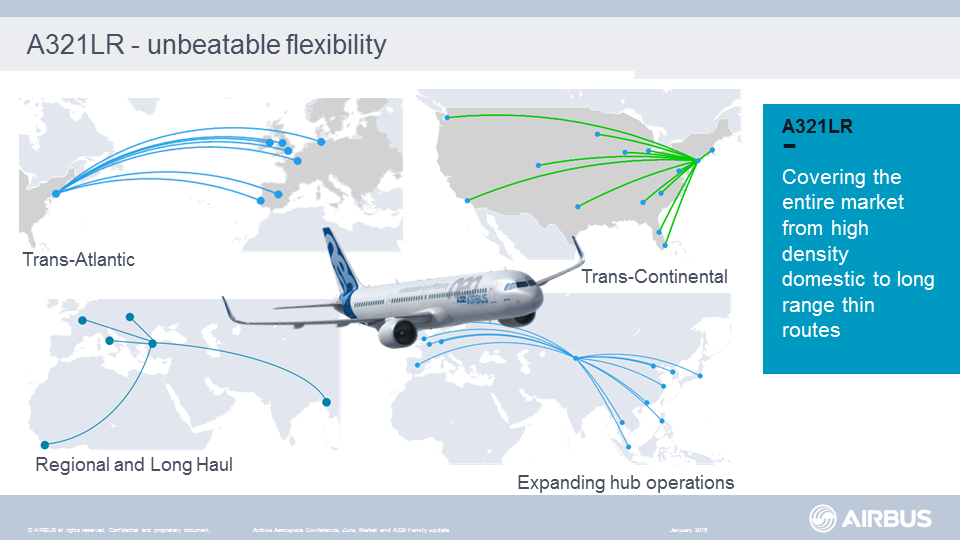
JetBlue parece estar a punto de entrar en el mercado transatlántico con el nuevo Airbus A321 aviones que tiene a la orden, la mitad de los cuales podrían convertirse en aviones de pasajeros A321LR.

La reunión anual de IATA en Cancún, el CEO de JetBlue, Robin Hayes, dijo que con el éxito de su servicio de cabina «Mint» en vuelos transcontinentales, ve un nicho en el mercado transatlántico para el «cliente premium», y el A321 «nos permitiría Para hacer algo un poco diferente «que las compañías de presupuesto como Norwegian Air y WOW.

Travelpulse en línea reporta un informe de Air Transport World que dice que mientras las compañías legadas como American, Delta y United controlan el 87 por ciento de la capacidad entre los Estados Unidos y Europa, Hayes dijo que hay una oportunidad de extender la marca Mint a los mercados extranjeros.

La configuración de la menta ofrece 12 asientos que convierten en camas de mentir-planos y cuatro asientos en «mini cabinas» privadas en las tarifas mucho más bajas que ofrecidas por las líneas aéreas heredadas. Hayes dijo que sólo lamenta no poner más de los asientos de la Menta en la flota existente, ya que la demanda de ellos en rutas nacionales ha sido muy alta. JetBlue colocó la orden para 30 A321 aviones el año pasado, con entrega prevista para venir en 2019 y 2020. AIRGWAYS ® Icon-AW

JetBlue eyes transatlantic market

CEO Robin Hayes Says There Is A Niche The Airline Can Fill

Resultado de imagen para Jetblu pngJetBlue looks poised to enter the transatlantic market with the new Airbus A321 aircraft it has on order, half of which could be converted into A321LR airliners.

The IATA annual meeting in Cancun, JetBlue CEO Robin Hayes said that with the success of its ‘Mint’ premium cabin service on transcontinental flights, he sees a niche in the transatlantic market for the «premium customer», and the A321 «would allow us to do something a little different» than budget carriers like Norwegian Air and WOW.

Travelpulse online relays a report from Air Transport World that says while legacy carriers like American, Delta and United control 87 percent of the capacity between the U.S. and Europe, Hayes said there is an opportunity extend the Mint brand into overseas markets.

The Mint configuration offers 12 seats that convert into lie-flat beds and four seats in private «mini cabins» at fares much lower than offered by the legacy airlines. Hayes said that he only regrets not putting more of the Mint seats in the existing fleet, as the demand for them on domestic routes has been very high. JetBlue placed the order for 30 A321 airplanes last year, with delivery expected to come in 2019 and 2020. A \ W


Ξ A I R G W A Y S Ξ
SOURCE:  Aero-news.net
DBk:  Jetblue / Businessinsider.com / Airbus.com
AW-POST: 201706151113AR

A\W   A I R G W A Y S ®

Powdair, nueva aerolínea suiza

AW | 2017 06 15 10:55 | AIRLINES

Resultado de imagen para PowdairPowdair, nueva aerolínea suiza con base en Sion

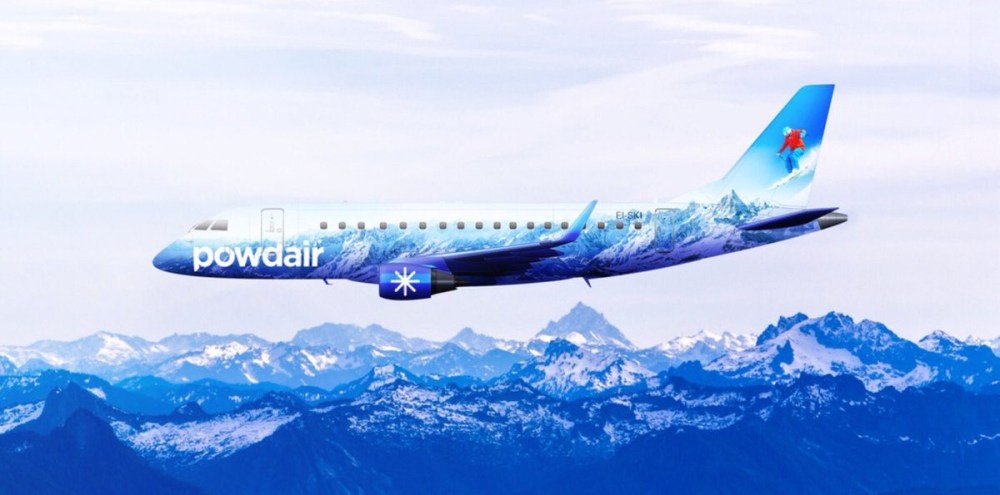
Una nueva línea aérea llamada Powdair planea conectar Bristol, Edimburgo, Luton, Manchester, Southampton y Southend con el pequeño Aeropuerto de Sion, en el suroeste de Suiza. Sion es la capital del cantón de Valais, y también es conveniente para las estaciones de esquí de Verbier y Nendaz. El transportista dice: «Se han ido los días de volar en uno de los aeropuertos mucho más concurridos de Suiza antes de embarcarse en un viaje de transferencia de dos o tres horas a su destino».

Powdair tiene su sede en Dublín, creada por «un grupo de empresarios exitosos e inversores expertos, que también les encanta el esquí». El tipo de avión aún no ha sido finalizado, con Powdair diciendo: «Estamos usando el Embraer 170, un jet regional de 76 asientos o el Embraer 190 con capacidad para 106 pasajeros, dependiendo de la demanda».

Las rutas de mayor frecuencia son hacia y desde Luton (cinco vuelos a la semana), Southampton (cuatro) y Bristol (tres). Powdair dice: «Hemos planeado nuestras rutas y nuestro calendario con cortas pausas en mente». La aerolínea ofrece incluso un boleto de temporada, con la posibilidad de comprar 10, 20 o 30 entradas para una ruta específica con un 20 por ciento de descuento en las tarifas normales.

Las tarifas varían poco durante la temporada. En las fechas clave de medio plazo, volando desde Luton el 10 de febrero durante una semana, la tarifa de Sion es de 310 libras. Un viaje de lunes a miércoles en la misma ruta a mediados de abril, cuando la demanda es probable que sea mucho más ligero, es exactamente el mismo precio. Las tarifas incluyen 23kg de equipaje más un par de esquís o un snowboard. Tomar una bicicleta cuesta sólo 10 libras cada viaje. Un refrigerio ligero y refrescos están incluidos en el

Powdair aborda las preocupaciones que los posibles viajeros pueden tener sobre la viabilidad de la puesta en marcha, admitiendo «El mundo está lleno de empresas de viajes y líneas aéreas fallidas». Dice que los fondos del boleto son retenidos por un comerciante del pago, agregando: «En el caso de un cese de vuelos, su dinero será devuelto de nuevo a usted.»

Los expertos de la industria de la aviación contactados por The Independent fueron vigilados sobre las perspectivas de la empresa. El consultor, John Strickland, dijo: «Sion podría ser un poco un mercado de esquí de nicho, pero sigue siendo un desafío dado el gran poder de fuego de easyJet y otras compañías aéreas respaldadas por operadores turísticos».

Un alto ejecutivo, que no quiso ser nombrado, dijo: «No le doy mucho tiempo, de hecho, dudo mucho que un solo vuelo despegue». Pero Powdair es optimista sobre el futuro: «Asumiendo que nuestra temporada de invierno 2017/18 va bien, entonces tenemos la intención de continuar operando vuelos durante todo el año».

DCL3I9oXoAAX7Ep

Start-up airline Powdair

Powdair, new Swiss airline based in Sion

Resultado de imagen para PowdairA new start-up airline called Powdair plans to connect Bristol, Edinburgh, Luton, Manchester, Southampton and Southend with the small airport of Sion in south-west Switzerland. Sion is capital of the canton of Valais, and is also convenient for the ski resorts of Verbier and Nendaz. The carrier says: “Gone are the days of flying into one of Switzerland’s much busier airports before embarking on a two or three hour transfer journey to your destination.”​

Powdair is based in Dublin, set up by “a group of successful businessmen and savvy investors, who also happen to love skiing”. The type of plane has not yet been finalised, with Powdair saying: “We are using either the Embraer 170, a 76 seat regional jet or Embraer 190 seating 106 passengers depending on demand.”

The highest-frequency routes are to and from Luton (five flights a week), Southampton (four) and Bristol (three). Powdair says: “We’ve planned our routes and our timetable with short breaks in mind.” The airline is even offering a season ticket, with the chance to buy 10, 20 or 30 tickets for a specific route at a 20 per cent discount on normal fares.

Resultado de imagen para PowdairFares vary little over the season. On the key half-term dates, flying from Luton on 10 February for a week, the fare to Sion is £310 return. A Monday-to-Wednesday trip on the same route in mid-April, when demand is likely to be much lighter, is exactly the same price. Fares include 23kg of baggage plus a pair of skis or a snowboard. Taking a bicycle costs just £10 each way. A light snack and soft drinks are included in the

Powdair addresses concerns that prospective travellers may have about the viability of the start-up, conceding “The world is littered with failed travel companies and airlines”. It says ticket funds are retained by a payment merchant, adding: “In the event of a cessation of flights, your money will be refunded back to you.”

Aviation industry experts contacted by The Independent were guarded about the prospects for the venture. The consultant, John Strickland, said: “Sion could be a bit of a niche ski market, but it’s still a challenge given the big fire power of easyJet and other tour-operator backed airlines.”

A senior executive, who did not want to be named, said: “I don’t give it long, in fact I very much doubt whether a single flight will take off.” But Powdair is optimistic about the future: “Assuming our 2017/18 winter season goes well, then we have every intention of continuing to operate flights throughout the year.” A\W


Ξ A I R G W A Y S Ξ
SOURCE:  Independent.co.uk
DBk:  Powdair
AW-POST: 201706151055AR

A\W   A I R G W A Y S ®

El crecimiento de las aerolíneas chinas

AW | 2017 06 15 10:32 | AIRLINES MARKET

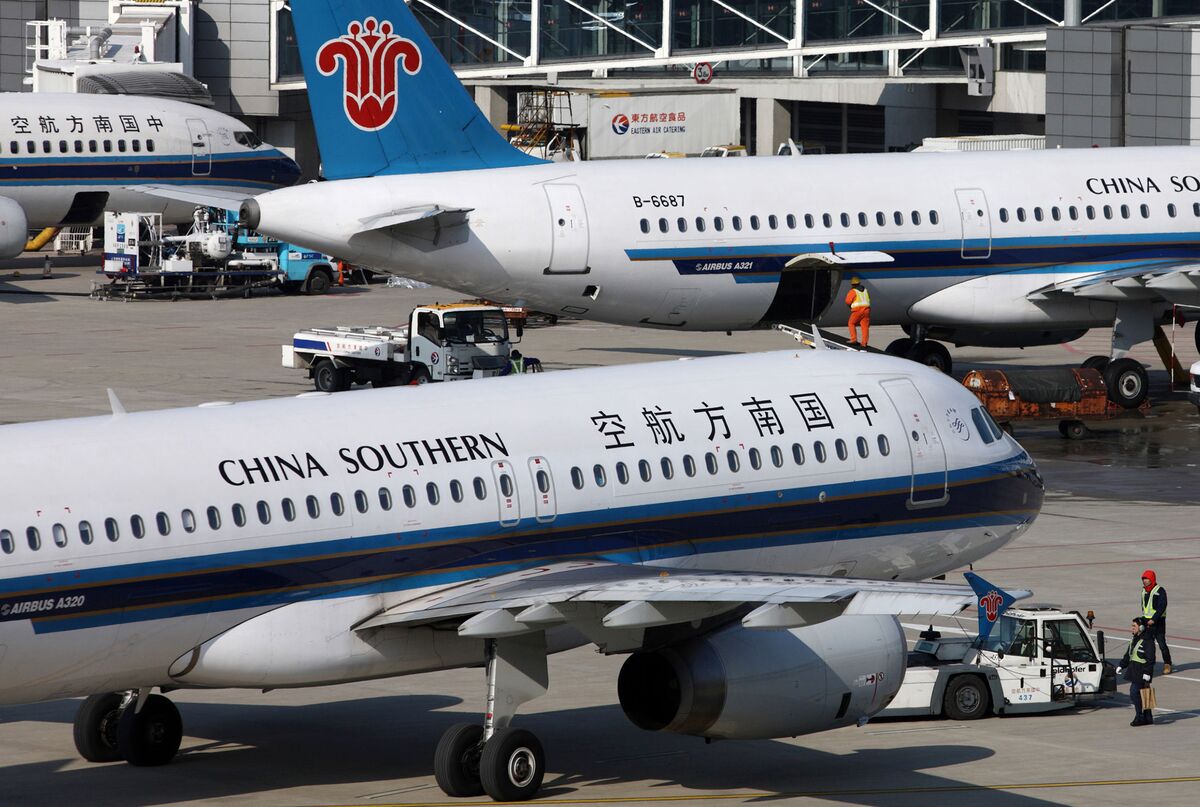
Imagen relacionadaEn los últimos años, las líneas aéreas con sede en China continental, tanto grandes como pequeños, han ido creciendo aún más sus redes de rutas. Con los nuevos vuelos de Oceanía a las Américas a Europa, no muestran signos de desaceleración

El vuelo 8909 de Sichuan Airlines desde Chengdu, China. El vuelo inaugural no sólo representó una nueva ruta, sino que también fue emblemático de una expansión más grande, que continúa llegando a todos los rincones del globo con su cubo sentado en China.

El mercado de los gigantes de China

Las siguientes aerolíneas representan a las siete mayores compañías aéreas en China por pasajeros transportados en 2016. Todos ellos se encuentran entre los 20 primeros cuando se clasifican entre los operadores en Asia. Las estadísticas están disponibles para el año fiscal más reciente.

AW-7008854

Expansión en el mercado mundial

Imagen relacionadaUna de las métricas que mejor muestra cómo las aerolíneas chinas se ven obligadas a expandirse es «Ciudad / Ciudades desde la cual operan a LAX». Si bien a primera vista esto puede parecer que muestra rutas, esta información simboliza la dificultad que las aerolíneas han superado en Para crecer.

En resumen, el gobierno chino tiene una regla establecida diciendo que sólo una aerolínea puede volar una determinada ruta de largo recorrido a menos que se haga una excepción.

Esta regla hace dos cosas. En primer lugar, disminuye la competencia en cada ruta individual. Pero al mismo tiempo, esta norma alienta a las aerolíneas a aprovechar la oportunidad de lanzar una nueva ruta antes de que uno de sus competidores tenga la oportunidad de tomarla, aunque la ruta no sea rentable por varios años.

Sichuan, por ejemplo, tiene su sede en Chengdu, pero la aerolínea no tiene aviones capaces de operar directamente a LAX. Antes de que pudieran recibir aviones nuevos, Hainan arrebató la ruta, añadiéndola a su red a pesar de que no tienen un centro en la ciudad.

Todo esto está en marcado contraste con la forma en que los Estados Unidos y el DOT operan cuando se trata de viajes aéreos. El gobierno promueve constantemente la competencia en varias rutas. Esa es la razón por la que varias líneas aéreas vuelan de Los Ángeles a Sydney o de Nueva York a Londres. La mentalidad es realmente uno de, «Si hay dinero para ser hecho, ¿por qué no tratar de hacer algunos?»

A diferencia de las compañías estadounidenses, los transportistas chinos se ven obligados a buscar oportunidades para crecer en rutas desocupadas. Para agregar a esto, más compañías están trabajando para agarrar un pedazo del mercado de largo recorrido antes de que todas las buenas rutas se han ido.

Estos dos factores siguen empujando a las aerolíneas a lanzar nuevas rutas de larga distancia lo más rápido posible. Las tres mayores aerolíneas – Air China, China Eastern y China Southern – ya han tenido la oportunidad de consolidar las rutas que querían salir de sus grandes ciudades principales.

A pesar de que continúan agregando vuelos, el verdadero crecimiento vive en las aerolíneas que son más pequeñas, pero todavía saben cómo operar una ruta de largo recorrido con un beneficio. Todas las aerolíneas de Hainan a Sichuan e incluso varias compañías más pequeñas han demostrado que pueden obtener beneficios en la economía actual. AIRGWAYS ® Icon-AW

The Growth of Chinese Airlines

Resultado de imagen para china pngIn recent years, airlines based in mainland China, both big and small, have been further growing their route networks. With new flights from Oceania to the Americas to Europe, they are showing no signs of slowing down

The aircraft was operating Sichuan Airlines flight 8909 from Chengdu, China. The inaugural flight not only represented a new route, but was also emblematic of a larger expansion, one that continues to reach all corners of the globe with its hub sitting in China.

The China Giants Market

The following airlines represent the seven biggest carriers in China by passengers carried in 2016. They all fall into the top 20 when ranked among carriers in Asia. Stats are for most recent fiscal year readily available.

AW-7008854

Expansion in the world market

One of the metrics that best shows how Chinese airlines are forced to expand is “City/Cities from which they operate to LAX.” While at first glance this may just seem to show routes, this piece of information symbolizes the difficulty airlines have overcome in order to grow.

In short, the Chinese government has an established rule saying only one airline can fly a certain long-haul route unless an exception is made.

This rule does two things. First, it decreases competition on each individual route. But at the same time, this rule encourages airlines to jump at the opportunity to launch a new route before one of their competitors has the chance to take it, even if the route may not be profitable for several years.

Sichuan, for example, is based in Chengdu, but the airline does not have aircraft capable of operating directly to LAX. Before they could take delivery of new aircraft, Hainan snatched the route, adding it to their network despite the fact they do not have a hub in the city.

This is all in stark contrast to the way the U.S. and DOT operate when it comes to air travel. The government consistently promotes competition on various routes. That is the reason multiple airlines fly from Los Angeles to Sydney or from New York to London. The mentality is truly one of, “If there’s money to be made, why not try to make some?”

Unlike with U.S. carriers, Chinese carriers are forced to look for opportunities to grow in unoccupied routes. To add to this, more carriers are working to grab a piece of the long haul market before all the good routes are gone.

These two factors continue to push airlines to launch new, long-haul routes as quickly as possible. The biggest three carriers – Air China, China Eastern, and China Southern – have already had the chance to cement the routes they wanted out of their large hub cities.

Though they continue to add flights, the true growth lives in the airlines that are smaller, yet still know how to operate a long haul route for a profit. Every airline from Hainan to Sichuan and even various smaller carriers have proven they can turn a profit in the current economy. A \ W


AW-Airgways.com-Icon001

Ξ A I R G W A Y S Ξ
SOURCE:  Airgways.com
DBk:  Airgways.com / Bloombeerg.com / Ibtimes.com
AW-POST: 201706151032AR

A\W   A I R G W A Y S ®

EasyJet toma el primer Airbus A320NEO

AW | 2017 06 14 18:08 | AIRLINES

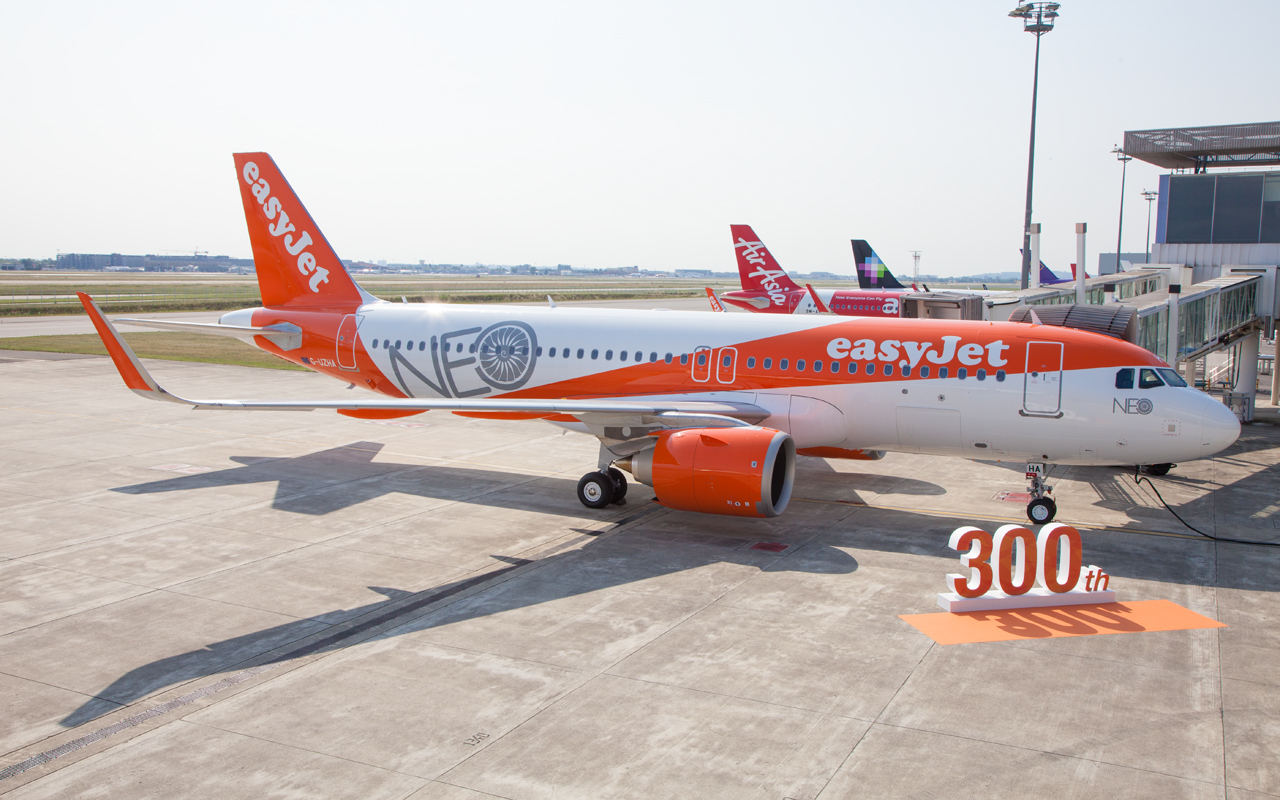
EasyJet ha recibido su primer Airbus A320NEO, dando inicio a las entregas de una orden para 130 de los reactores gemelos rearmados

Con la entrega del 14 de junio, easyJet se convirtió en el 25º operador de A320NEO. La aeronave de 186 asientos con sede en Londres Luton entrará en servicio comercial el 15 de junio y se mezclará con el resto de la recién reconfigurada flota A320 de 186 asientos de easyJet, que suele servir a aeropuertos primarios, pero no operará rutas específicas. EasyJet también opera 180 asientos A320 y A319 de 156 asientos.

«[Este avión] abre un nuevo capítulo en la historia de easyJet, marca un hito de nuestro 300 avión [Airbus] y reducirá significativamente nuestro costo por asiento que nos permite ofrecer tarifas bajas», dijo la consejera delegada de easyJet, Carolyn McCall. Ceremonia de entrega en Toulouse.

Los motores LEAP 1A del CFM International de A320NEO ofrecen una mejor eficiencia de combustible del 15% y McCall se apresuró a subrayar la importancia de esta ganancia de eficiencia, que según ella es «relevante a cualquier precio de combustible».

«Cuando estábamos hablando del neo para comenzar, el combustible era más alto [del precio] que es hoy, pero el combustible sigue siendo el coste individual más grande para una línea aérea y por lo tanto que la eficacia de combustible es increíblemente importante para una línea aérea, sin importar el precio de combustible», dijo.

Las ganancias del NEO provienen principalmente de los motores del tipo. «Hace siete años, nos comprometimos a poner en el mercado un motor con un 15% más de eficiencia que la actual generación de motores. Siete años después, lo hicimos. Hemos vendido 12.500 motores LEAP. No habría sido un éxito si no hubiéramos sido seleccionados por easyJet», dijo el director general de CFM International, Gaël Méheust, en Toulouse.

Junto con las ganancias de eficiencia, el neo alimentado por LEAP tiene una mejor huella ambiental. Desde el 2000, easyJet dijo que ha reducido sus emisiones en un tercio de 116g a menos de 80g por pasajero-kilómetro y la neo entrega significa que ahora está fijando una nueva meta.

«Con la adición del A320NEO y el A321NEO, hemos planeado mejoras», dijo McCall. «EasyJet está fijando una meta aún más dura de emisiones de carbono de 72 g para 2022. Eso es una reducción del 10% desde hoy y una mejora de 38% respecto a 2000. Ese objetivo es increíblemente importante para easyJet y eso es lo que pretendemos lograr».

Al 31 de marzo, easyJet operaba una flota de 266 aviones Airbus, que comprendían 144 A319 y 122 A320. El LCC tiene otros 27 A320CEO’s bajo pedido, además de 100 A320NEO’s y 30 que recientemente se convirtió en A321NEO’s de 235 asientos para entrega a partir de julio de 2018.

En los últimos ocho años, easyJet ha cambiado su enfoque del A319 al A320. La LCC adquirió dos A321 cuando compró GB Airways, pero éstos eran la densidad incorrecta del asiento, así que fueron eliminados progresivamente.

EasyJet aumentó su densidad de A320 mediante la adaptación de su flota existente y la línea de montaje en los recién llegados, antes de optar por el A321NEO. «El ascenso es una verdadera ventaja para nosotros. Esperamos en el A321 [orden] hasta el NEO», dijo, añadiendo que la mayoría de los rivales directos de easyJet ya han seguido este camino y por lo tanto tienen ganancias limitadas a hacer.

McCall dijo que la conversión a A321NEO’s más grande está relacionada con la principal estrategia aeroportuaria de easyJet, para maximizar la capacidad y minimizar el ruido en los hubs congestionados por ranuras. El A321NEO’s tendrá rango similar a la flota existente de easyJet, dijo.

EasyJet tiene derechos de compra no ejercidos sobre 100 A320NEO’s, que pueden convertirse en A321NEO’s. «Podremos tomar más A321NEO’s en el futuro bajo el acuerdo marco de 2013 que tenemos con Airbus, pero no nos hemos comprometido a más», dijo McCall, agregando que el plan de flota se revisa regularmente y se dará una nueva actualización En los resultados del tercer trimestre de la aerolínea.

Hablando en la ceremonia, el CEO de Airbus Tom Enders dijo que el A321NEO es un «poco retrasado», pero los vuelos de prueba y el trabajo de certificación está en curso. Hasta la fecha, Airbus ha entregado un total de 117 A320NEO’s. AIRGWAYS ® Icon-AW

EasyJet takes first Airbus A320neo

UK low-cost carrier (LCC) easyJet has received its first Airbus A320NEO, kicking off deliveries from an order for 130 of the re-engined twinjets

With the June 14 handover, easyJet became the 25th A320NEO operator. The 186-seat London Luton-based aircraft will enter commercial service June 15 and will be mixed in with the rest of easyJet’s newly reconfigured 186-seat A320 fleet, which tends to serve primary airports, but will not operate any specific routes. EasyJet also operates 180-seat A320s and 156-seat A319s.

“[This aircraft] opens a new chapter in easyJet’s history, it marks a milestone of our 300th [Airbus] aircraft and will significantly reduce our cost per seat that allows us to offer low fares,” easyJet CEO Carolyn McCall said, speaking at the handover ceremony in Toulouse.

The A320NEO’s CFM International LEAP 1A engines deliver 15% better fuel efficiency and McCall was quick to stress the significance of this efficiency gain, which she said is “relevant at any fuel price.”

“When we were talking about the neo to begin with, fuel was higher [priced] than it is today, but fuel is still the largest single cost for an airline and therefore that fuel efficiency is incredibly important for an airline, regardless of the fuel price,” she said.

The gains of the neo primarily stem from the type’s engines. “Seven years ago, we committed to bringing to market an engine with 15% better efficiency than the current generation of engines. Seven years later, we did it. We have sold 12,500 LEAP engines. It would not have been a success had we not been selected by easyJet,” CFM International CEO Gaël Méheust said in Toulouse.

Alongside the efficiency gains, the LEAP-powered neo has a better environmental footprint. Since 2000, easyJet said it has cut its emissions by a third from 116g to fewer than 80g per passenger kilometer and the neo delivery means it is now setting a new goal.

“With the addition of the A320NEO and A321NEO, we’ve further planned improvements,” McCall said. “EasyJet is now setting an even tougher carbon emissions target of 72g by 2022. That’s a 10% reduction from today and a 38% improvement from 2000. That target is incredibly important to easyJet and that is what we intend to achieve.”

As of March 31, easyJet operated a fleet of 266 Airbus aircraft, comprising 144 A319s and 122 A320s. The LCC has another 27 A320CEO’s on order, plus 100 A320NEO’s and 30 that it recently converted to 235-seat A321NEO’s for delivery from July 2018.

Over the last eight years, easyJet has switched its focus from the A319 to the A320. The LCC acquired two A321s when it bought GB Airways, but these were the wrong seat density, so they were phased out.

EasyJet then increased its A320 density by retrofitting its existing fleet and line fitting them on new arrivals, before opting for the A321NEO. “The upgauge is a real advantage for us. We waited on the A321 [order] until the NEO,” she said, adding that most of easyJet’s direct rivals have already followed this path and therefore have limited gains to make.

McCall said the conversion to larger A321neos is linked with easyJet’s primary airport strategy, to maximize capacity and minimize noise at slot-congested hubs. The A321NEO’s will have similar range to easyJet’s existing fleet, she said.

EasyJet has unexercised purchase rights on 100 A320NEO’s, which can be converted to A321NEO’s. “We are able to take more A321NEO’s in the future under the 2013 framework agreement we have with Airbus, but we have not committed to more,” McCall said, adding the fleet plan is reviewed on a regular basis and a further update will be given at the airline’s third-quarter results.

Speaking at the ceremony, Airbus CEO Tom Enders said the A321NEO is a “little delayed,” but the test flights and certification work is ongoing. To date, Airbus has delivered a total of 117 A320NEO’s. A \ W


Ξ A I R G W A Y S Ξ
SOURCE:  Atwonline.com
DBk:  Luchtvaartnieuws.nl / Flightglobal.com
AW-POST: 201706141808AR

A\W   A I R G W A Y S ®

JetSmart recibe su primer A320-200

William Vignes A320 Jetsmart

AW | 2017 06 14 17:50 | AIRLINES

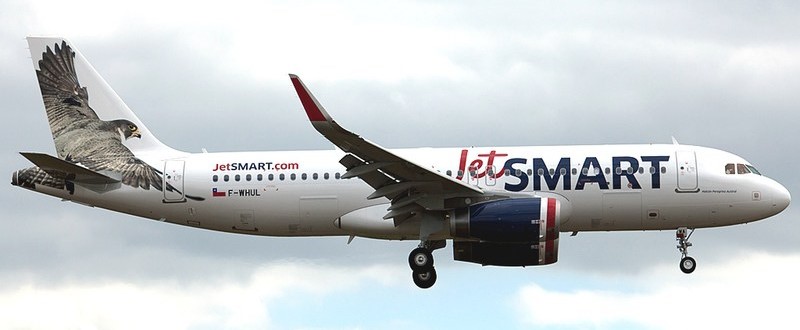
La nueva línea aérea chilena JetSmart Airlines ha recibido su primer avión Airbus A320-200

La nueva aerolínea low cost chilena ha recibido su primer avión Airbus A320-200, equipado con motores IAE V2500 del consorcio Pratt & Whitney y Aero Engines Corporation.

El avión originalmente iba a ser entregado a Vueling, pero la compañía española no hizo uso de la opción (Not Taken Up) y luego quedó almacenado en el Aeropuerto de Toulouse Blagnac.

El nuevo Airbus A320 fue entregado a la aerolínea JetSmart en el Aeropuerto de Burdeos – Merígnac de Francia.Tras la entrega, ha despegado del Aeropuerto de Burdeos a las 10:12 horas con destino a la ciudad canadiense de Gender, desde donde volará hacia Chile.

Resultado de imagen para jetsmart A320

Antes de la entrega del avión A320 a Smartjet, la aeronave ha realizado un total de 7 horas y 28 minutos de vuelo. Durante las pruebas de vuelo, el registro del avión ha sido el F-WHUL, habiendo realizado su último vuelo de prueba el pasado día 7 de junio de 2017. El Airbus A320 se le ha asignado la matrícula CC-AWA para operar las rutas domésticas de Chile y regionales. JetSmart tiene previsto comenzar sus operaciones en julio 2017.

Smartjet Airlines es una aerolínea chilena low-cost con capitales perteneciente al grupo estadounidense Indigo Partners. AIRGWAYS ® Icon-AW


JetSmart receives first A320

The new Chilean airline JetSmart Airlines has received its first Airbus A320-200

The new Chilean low cost airline has received its first Airbus A320-200 aircraft, equipped with V2500 engines that are manufactured by Pratt & Whitney and Aero Engines Corporation.

The plane was originally to be delivered to Vueling, but the Spanish company did not use the option (Not Taken Up) and was then stored at Toulouse Blagnac Airport.

Nicobarrosll A320 Jetsmart

JETSMART AIRLINES A320-200

The new Airbus A320 was delivered to the JetSmart airline at Bordeaux-Merignac Airport in France. After delivery, it departed Bordeaux Airport at 10:12 am for the Canadian city of Gender, from where it will fly to Chile .

Prior to delivery of the A320 to Smartjet, the aircraft has completed a total of 7 hours and 28 minutes of flight. During the flight tests, the F-WHUL aircraft was registered with the last test flight on June 7, 2017. The Airbus A320 has been assigned the CC-AWA registration number to operate the domestic routes Of Chile and regional. JetSmart plans to start operations in July 2017.

Smartjet Airlines is a Chilean low-cost airline with capitals belonging to the US group Indigo Partners. A \ W


Ξ A I R G W A Y S Ξ
SOURCE:  Airgways.com
DBk:  Jetsmart Airlines / Nicobarrosll
AW-POST: 201706141750AR

A\W   A I R G W A Y S ®

Plan «La Revolución de los Aviones»

Ytimg-B737-700 AR

AW | 2017 06 14 17:23 | GOVERNMENT

El Ministro Dietrich de Argentina, presentó a los gremios aeronáuticos el plan «La Revolución de los Aviones»

El nuevo plan tiene como objetivo duplicar la cantidad de pasajeros transportados para el año 2019

El ministro de Transporte, Guillermo Dietrich, presentó ante los gremios aeronáuticos el plan integral aerocomercial nacional denominado «La Revolución de los aviones», que tiene como objetivo duplicar la cantidad de pasajeros transportados en la actualidad para el año 2019.

Del encuentro, que se llevó a cabo en la sede de la cartera de Transporte, participaron Pablo Biró, por la Asociación de Pilotos de Líneas Aéreas (APLA); Ricardo Cirielli, de la Asociación del Personal Técnico Aeronáutico (APTA); y Edgardo Llano por la Asociación del Personal Aeronáutico (APA).

También estuvieron presentes Rubén Fernández, por la Unión del Personal Superior y Profesional de empresas Aerocomerciales (UPSA); Genaro Trucco, por la Unión de Aviadores de Líneas Aéreas (UALA); Juan Pablo Brey, por la Asociación Argentina de Aeronavegantes; Ricardo Salome, de la Federación Argentina del Personal Aeronáutico; y Jonathan Doino en representación de la Asociación Técnicos y Empleados de Protección y Seguridad a la Aeronavegación.

Dietrich presentó a los gremialistas el plan que impulsa el Gobierno para que “más argentinos vuelen y que el transporte aéreo crezca, generando más trabajo de calidad y mejorando la conectividad dentro del país, para que haya más turismo, industria estratégica para el crecimiento de la Argentina”.

En un comunicado de prensa, el Ministerio de Transporte señaló que el plan está “fundamentado en un estudio que confirma que existen 12 millones de pasajeros al año que hoy no usan el avión para viajar y podrían hacerlo de existir la alternativa”.

En ese sentido sostiene que “el Plan La Revolución de los Aviones cuenta con tres pilares: el primero es Aerolíneas Argentinas y una estrategia que le permitirá continuar siendo líder de cabotaje en el país, aumentando su crecimiento; el segundo es la incorporación de nuevas líneas aéreas para brindar mayores alternativas de conexión; y el tercero es la transformación de la infraestructura y del espacio aéreo para aumentar la capacidad de los aeropuertos, modernizar instalaciones, equipos y tecnología de navegación aérea gracias a una inversión estatal de 22.000 millones de pesos”.

Recalcan que “en su conjunto, La Revolución de los Aviones, supone la creación de más de 25.000 empleos y una inversión privada total en el sector de 1.000 millones de dólares” y sostienen que “el plan para transformar el transporte aéreo en el país ya se encuentra en marcha”.

Con respecto al crecimiento de Aerolíneas Argentinas, Dietrich señaló que “el año 2016 lo cerró con un 7% más de pasajeros habiendo aumentado a 300 sus frecuencias mensuales; incorporó 13 nuevos aviones; y abrió 10 nuevas conexiones nacionales y 6 regionales”.

Apuntó que “a lo largo de este año Aerolíneas viene fortaleciendo su rol de líder en cabotaje, alcanzando en mayo el 78% de la participación del mercado. Con más de 1 millón de personas volando en el mes de enero, alcanzó su récord histórico de pasajeros transportados en un mes”.

Y remarcó que “en marzo lideró el ranking de puntualidad de la región y se ubicó entra las 20 líneas aéreas más puntuales del mundo. El 17 de abril, al cierre de Semana Santa, se alcanzó el récord total de pasajeros transportados en un día con 41.157 personas que eligieron la aerolínea. En mayo aumentó un 21% en pasajeros transportados frente al año pasado y un 24,6% respecto de 2015”.

Anticipó el ministro que “en lo que resta del año van a entrar 5 nuevos aviones en Aerolíneas, que se suman a los 3 que ya ingresaron durante el primer semestre” y que “se reforzarán las operaciones regionales a Chile, Brasil y Uruguay y crecerá en un 20% la oferta a Europa con nuevas frecuencias a Barcelona y Roma”.

Prevé que «para 2019 Aerolíneas va a incrementar un 48% su oferta de asientos para que la empresa siga siendo líder en cabotaje alcanzando así un 55% de crecimiento en cuatro años. Mediante este plan de mejoras y expansión estratégica, Aerolíneas podrá absorber 4 millones de pasajeros adicionales que volarán en el 2019. Es decir, de los 12 millones que se espera crecer en 4 años, Aerolíneas Argentinas tendrá capacidad para transportar 4. Para poder transportar los otros 8 millones es necesaria la entrada de nuevas aerolíneas”.

En otro orden indicó que “luego de la audiencia pública llevada a cabo en diciembre de 2016, la primera celebrada en 11 años, el estado nacional resolvió el otorgamiento de nuevas rutas aéreas para conectar más y mejor a los argentinos dentro del territorio nacional y con el mundo”.

Y que dentro de ese marco “predominan las rutas de cabotaje para mejorar la conectividad de las provincias. La empresa Andes tendrá base de operaciones en Salta y Aeroparque; Avian, tendrá base en Aeroparque; American Jet, hará base en Neuquén conectando la Patagonia; y Alas del Sur instalará su centro de operaciones en la ciudad de Córdoba”.

“Esta ampliación de la red aerocomercial está acompañada de un importante plan de infraestructura que ya está llevando adelante el Ministerio de Transporte de la Nación. Se trata de la inversión más importante que alguna vez se haya hecho en el sector aéreo y que incluye la modernización de la infraestructura en 19 aeropuertos del país”.

En ese sentido informó que ya culminaron obras en Río Gallegos, Córdoba, Tucumán, Mendoza, Iguazú, Trelew, Chapelco, Resistencia y continúan hoy en ejecución obras en Aeroparque, Ezeiza, Salta, Comodoro Rivadavia, Jujuy y Tucumán y que está prevista la incorporación de nueva tecnología de navegación aérea, nuevo equipamiento para la operación logística (servicios de aerohandling) y otras obras complementarias para mejorar la aviación civil. AIRGWAYS ® Icon-AW

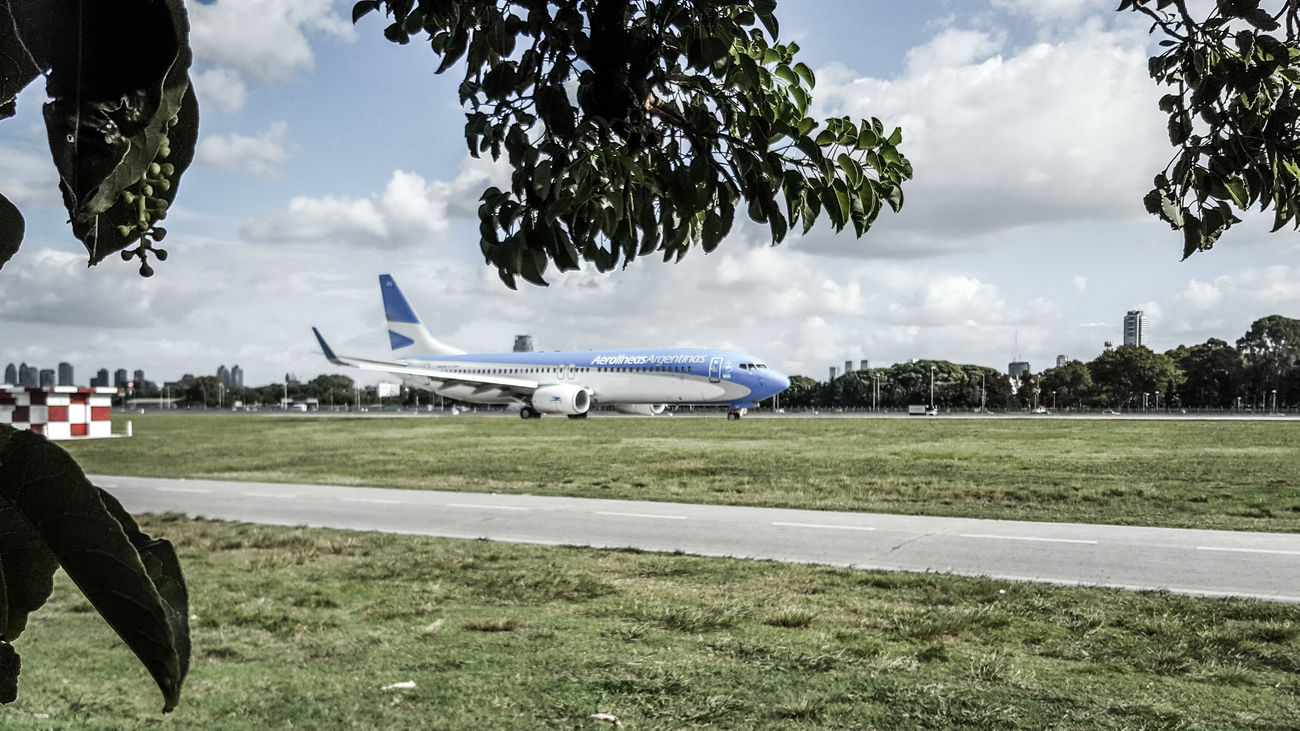
Resultado de imagen para aerolineas argentinas Aeroparque takeoff

Plan «The Revolution of the Airplanes»

Minister Dietrich of Argentina, presented to the aeronautical guilds the plan «The Revolution of the Airplanes»

The new plant aims to double the number of passengers transported by 2019

The Transport Minister, Guillermo Dietrich, presented to the aeronautical guilds the comprehensive national airline business plan called «The Aircraft Revolution», which aims to double the number of passengers currently transported by 2019.

The meeting, which was held at the headquarters of the Transport Portfolio, was attended by Pablo Biró, the Association of Airline Pilots (APLA); Ricardo Cirielli, of the Association of Aeronautical Technical Personnel (APTA); And Edgardo Llano by the Aeronautical Personnel Association (APA).

Also present were Rubén Fernández, by the Union of Superior and Professional Staff of Aerocomerciales companies (UPSA); Genaro Trucco, for the Airline Airmen’s Union (UALA); Juan Pablo Brey, for the Argentine Association of Aeronavegantes; Ricardo Salome, of the Argentine Federation of Aeronautical Personnel; And Jonathan Doino on behalf of the Technical Association and Employees of Protection and Safety to the Air Navigation.

Dietrich presented the gremialistas the plan that prompts the government to «more Argentines fly and air transport grow, generating more quality work and improving connectivity within the country, so that there is more tourism, strategic industry for the growth of Argentina».

In a press release, the Ministry of Transport said that the plan is «based on a study confirming that there are 12 million passengers a year that today do not use the plane to travel and could do so if the alternative exists.»

In this sense, he maintains that «The Aircraft Revolution Plan has three pillars: the first is Aerolineas Argentinas and a strategy that will allow it to continue being a leader in cabotage in the country, increasing its growth; the second is the incorporation of new airlines to provide greater connection alternatives; And the third is the transformation of infrastructure and airspace to increase the capacity of airports, modernize facilities, equipment and air navigation technology thanks to a state investment of 22,000 million pesos».

They point out that «as a whole, The Aircraft Revolution, involves the creation of more than 25,000 jobs and a total private investment in the sector of 1 billion dollars» and argue that «the plan to transform air transport in the country and Is in progress».

Regarding the growth of Aerolineas Argentinas, Dietrich said that «in 2016 it closed with 7% more passengers, having increased its monthly frequencies to 300; Incorporated 13 new aircraft; And opened 10 new national and 6 regional connections».

He pointed out that «throughout this year Aerolíneas has been strengthening its leadership role in cabotage, reaching in May 78% of the market share. With more than 1 million people flying in the month of January, it reached its historic record of passengers transported in a month.».

And he remarked that «in March he led the ranking of punctuality of the region and was located among the 20 most punctual airlines in the world. On 17 April, at the end of Easter, the total record of passengers transported in one day was reached with 41,157 people who chose the airline. In May it increased 21% in transported passengers compared to last year and 24.6% in relation to 2015».

The minister anticipated that «in the remainder of the year, 5 new aircraft will be added to Aerolíneas, which will be added to the 3 already entered during the first semester» and that «regional operations will be reinforced to Chile, Brazil and Uruguay and will grow In 20% the offer to Europe with new frequencies to Barcelona and Rome.

It foresees that «by 2019, Aerolíneas will increase its seat offer by 48% so that the company continues to be a leader in cabotage, achieving 55% growth in four years. Through this plan of improvements and strategic expansion, Aerolíneas Argentinas will be able to absorb 4 million additional passengers that will fly in 2019. That is, of the 12 million that is expected to grow in 4 years, Aerolíneas Argentinas will have capacity to transport 4. To be able to transport the Another 8 million are required to enter new airlines. «

In another order, he stated that «after the public hearing held in December 2016, the first held in 11 years, the national state resolved the granting of new air routes to connect more and better Argentines within the national territory and with the world».

And within that framework «the coastal routes predominate to improve the connectivity of the provinces. The company Andes will have base of operations in Salta and Aeroparque; Avian, will be based in Aeroparque; American Jet, will base in Neuquén connecting the Patagonia; And Alas del Sur will set up its operations center in the city of Córdoba».

«This expansion of the aerial commercial network is accompanied by an important infrastructure plan that is already being carried out by the Ministry of Transport of the Nation. This is the most important investment ever made in the aviation sector and includes the modernization of infrastructure in 19 airports in the country. «

In that sense, he reported that work has already been completed in Aeroparque, Ezeiza, Salta, Comodoro Rivadavia, Jujuy and Tucumán, and it is planned to incorporate works in Rio Gallegos, Córdoba, Tucumán, Mendoza, Iguazú, Trelew, Chapelco and Resistencia. New air navigation technology, new equipment for logistics operation (aerohandling services) and other complementary works to improve civil aviation.  A \ W


Ξ A I R G W A Y S Ξ
SOURCE:  Telam.com.ar
DBk:  Eyeem.com / Ytimg.com
AW-POST: 201706141723AR

A\W   A I R G W A Y S ®
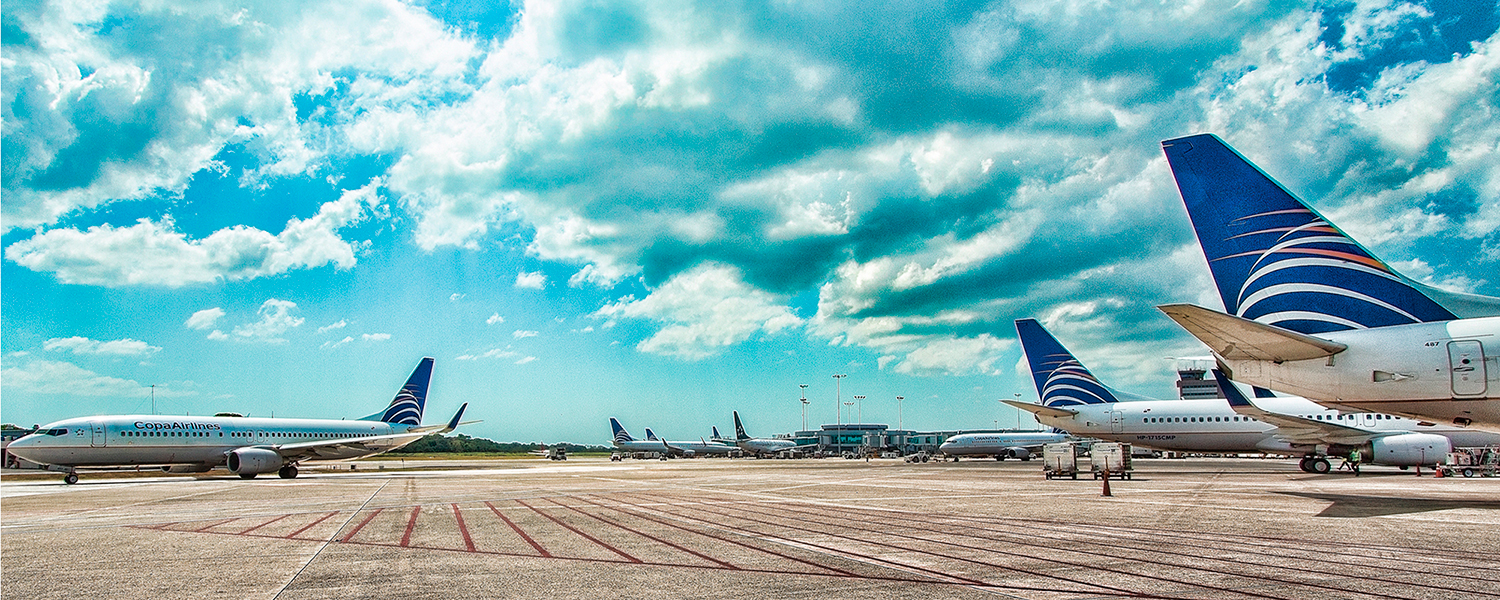
Aerolíneas competirá con las low-cost

lv-cyj-aerolineas-argentinas-boeing-737-7q8wl_PlanespottersNet_741426

AW | 2017 06 14 09:29 | AIRLINES

El CEO de Aerolíneas Argentinas, Mario DellAcqua, expresó que la empresa «se está preparando muy bien» para competir con las compañías de bajo costo

Aerolíneas Argentinas ha mejorado sus imagen frente a la competencia y aumentado el número de pasajeros. La incorporación de aviones nuevos, rutas aéreas y pilotos ha permitido a la línea aérea mejorar su pocisión en el mercado argentino.

«Aerolíneas Argentinas compite desde que se fundó y se está preparando muy bien para competir con las low cost: no las vemos como una amenaza sino como una oportunidad de tener una red de aeronavegación más robusta e interconectada», expresó el presidente de Aerolíneas Argentina, Mario DellAcqua. El ejecutivo enfatizó que «de ninguna manera se va a privatizar Aerolíneas: la verdad es que si quisiéramos desguazar la compañía o privatizarla lo hacemos muy mal porque estamos trayendo aviones nuevos, aumentando rutas, números de pasajeros y tomando pilotos nuevos». «Trabajamos para que Aerolíneas sea la empresa de aeronavegación que conecte a todos los argentinos de la mejor manera y de la forma más barata posible; la viabilidad y la mejora de la empresa está en nuestras manos no en las de los demás».

El titular de la aerolínea de bandera manifestó que la compañía prosigue su crecimiento en la oferta de asientos disponibles «con un gran acompañamiento de los argentinos que viajan con la empresa». «La ocupación de asientos está en 82% de promedio de todos los vuelos, lo cual es un muy buen índice de factor de ocupación», según los parámetros de la industria, explicó DellAcqua, quien precisó que, desde 2015, ese índice aumentó 12%.

Respecto del déficit operativo de la empresa, el presidente de Aerolíneas enumeró que el gobierno anterior tenía un rojo anual de u$s 670 millones, la gestión de Isela Constantini la bajó a u$s 300 millones y este año terminará debajo de u$s 170 millones, con el compromiso de llegar a 2019 sin déficit. AIRGWAYS ® Icon-AW

IMG_4248C

Aerolíneas will compete with low-cost

Aerolíneas Argentinas CEO Mario DellAcqua said the company «is preparing very well» to compete with low-cost carriers

Aerolíneas Argentinas has improved its image in front of the competition and increased the number of passengers. The incorporation of new aircraft, air routes and pilots has allowed the airline to improve its position in the Argentine market.

«Aerolíneas Argentinas has been competing since it was founded and is preparing very well to compete with low cost airlines: we do not see them as a threat but rather as an opportunity to have a more robust and interconnected air navigation network,» said the president of Aerolíneas Argentinas, Mario DellAcqua. The executive emphasized that «in no way will airlines be privatized: the truth is that if we wanted to scrap the company or privatize it we do very badly because we are bringing new aircraft, increasing routes, numbers of passengers and taking new pilots.» «We work so that Aerolíneas is the airline company that connects all the Argentines in the best way and in the cheapest way possible, the viability and the improvement of the company is in our hands not in the hands of others.»

The airline’s flag holder said that the company continues its growth in the availability of available seats «with a great accompaniment of the Argentineans who travel with the company.» «Seat occupancy is at 82 percent average for all flights, which is a very good factor,» according to industry parameters, DellAcqua said, adding that since 2015 that index has increased by 12 %.

Regarding the operational deficit of the company, the president of Aerolíneas listed that the previous government had an annual red of u $ s 670 million, the management of Isela Constantini lowered it to u $ s 300 million and this year will end below u $ s 170 Millions, with the commitment to reach 2019 without deficit. A \ W


Ξ A I R G W A Y S Ξ
SOURCE:  Telam.com.ar / Aerolineas.com / Airways.com
DBk:  Cristian A. Martínez / Aviacionline.com
AW-POST: 201706140929AR

A\W   A I R G W A Y S ®