Sky Airline iniciará ops a Brasil

Imagen relacionada

AW | 2018 10 28 15:19 | AIRLINES ROUTES

Resultado de imagen para sky airlineLa aerolínea chilena de bajo costo Sky Airline comienza operaciones en Brasil

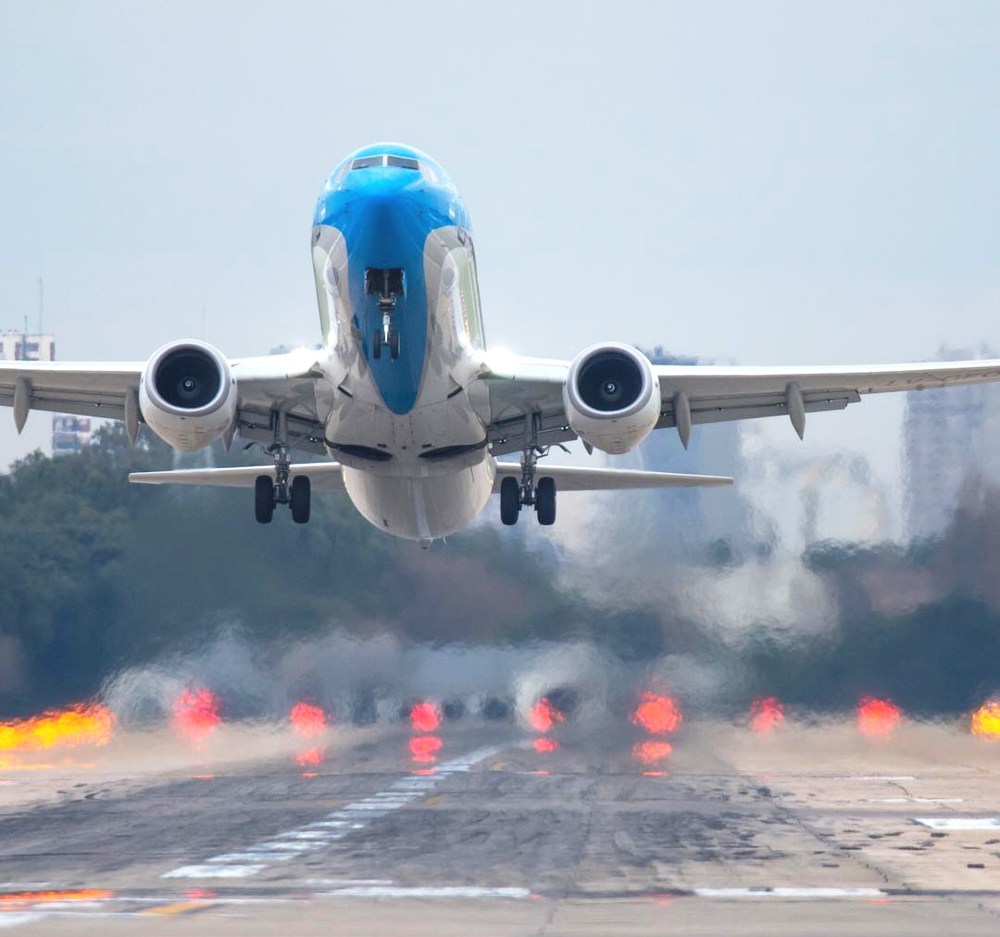
El Sky Airline iniciará operaciones a Brasil el próximo 5 Noviembre 2018. La particularidad de este vuelo inaugural de la aerolínea chilena Sky Airline será la primera compañía aérea extranjera de bajo costo en operar un vuelo regular internacional de pasajeros hacia Brasil, tras recibir la autorización operacional de la Agencia Nacional de Aviación Civil de Brasil (ANAC).

La compañía aérea chilena obtuvo la autorización de operaciones, tras un proceso que desarrolló en tres etapas y que llevó cinco años. De acuerdo con la ANAC Brasil, hasta 1Q2019 están previstas cinco frecuencias semanales que incluirán operaciones para los aeropuertos internacionales de Sao Paulo, la mayor ciudad de Brasil, y Florianópolis, un balneario turístico al sur del país.

El primer vuelo de la aerolínea chilena a Brasil está previsto para el próximo 5 Noviembre y saldrá del Aeropuerto Internacional Comodoro Arturo Merino Benítez, en Santiago de Chile, rumbo al Aeropuerto Internacional de Galeão, en Río de Janeiro.

Además de Sky Airline, otras tres empresas de bajo costo, la europea Norwegian y las argentinas Avian Líneas Aéreas (Avianca Argentina) y Flybondi, tienen procesos en curso con la ANAC para iniciar operaciones en Brasil. AIRWAYS® AW-Icon TXT

Sky-primer-A320neo-02.jpg

Sky Airline will start ops to Brazil

Chilean low-cost airline Sky Airline starts operations in Brazil

The Sky Airline will begin operations in Brazil on November 5, 2018. The particularity of this inaugural flight of the Chilean airline Sky Airline will be the first low-cost foreign airline to operate a regular international passenger flight to Brazil, after receiving operational authorization of the National Civil Aviation Agency of Brazil (ANAC).

The Chilean airline obtained the authorization of operations, following a process that it carried out in three stages and that took five years. According to ANAC Brazil, up to 1Q2019, five weekly flights are planned, including operations for the international airports of Sao Paulo, the largest city in Brazil, and Florianópolis, a tourist resort in the south of the country.

The first flight of the Chilean airline to Brazil is scheduled for next November 5 and will depart from the Comodoro Arturo Merino Benítez International Airport, in Santiago de Chile, towards the Galeão International Airport, in Rio de Janeiro.

In addition to Sky Airline, three other low-cost companies, the European Norwegian and the Argentine Avian Líneas Aéreas (Avianca Argentina) and Flybondi, have ongoing processes with the ANAC to start operations in Brazil. A \ W


Ξ A I R G W A Y S Ξ
SOURCE: Airgways.com
DBk: Skyairline.com / Airbus.com
AW-POST: 201810281519AR

A\W   A I R G W A Y S ®

Incidentes en vuelos de Aerolíneas

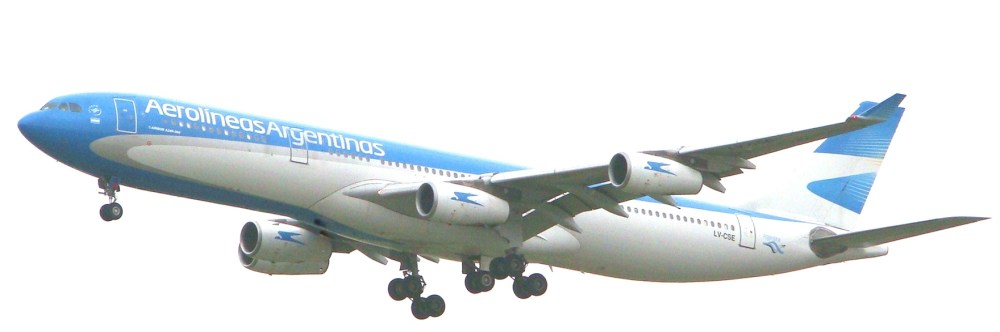
Airbus_A340-300_(LV-CSE)_de_Aerolíneas_Argentinas

AW | 2018 10 27 21:58 | AVIATION SAFETY

Aerolineas-Argentinas-logoDos vuelos de Aerolíneas Argentinas tuvieron que volver a Ezeiza por problemas técnicos

Dos incidentes en aeronaves de Aerolíneas Argentinas tuvieron que retornar a Ezeiza el Viernes, 26 Octubre 2018 a la noche poco tiempo después de haber despegado. En ambos casos fue por problemas técnicos en aeronaves Airbus A330-200 y A340-200.

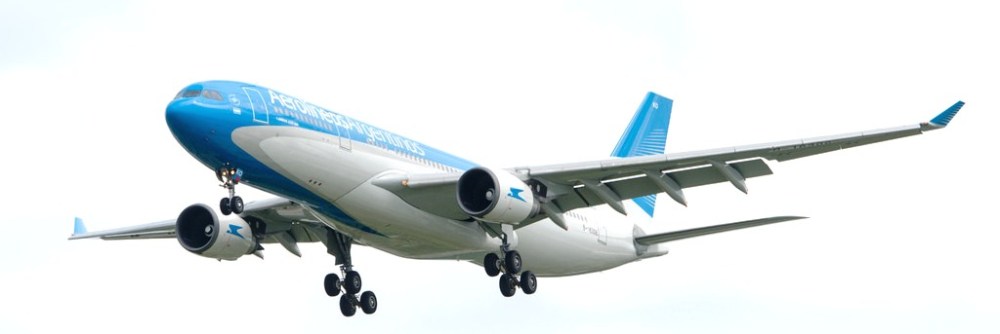
El vuelo AR1300 Airbus 330-203 matrícula LV-GKO despegó desde el Aeropuerto Internacional de Ezeiza con destino al Aeropuerto John F. Kennedy de Nueva York sufrió una despresurización de la cabina. Partió a las 23:56 hs, pero cuando volaba sobre la Provincia de Entre Ríos tuvo que retornar a Ezeiza. Al despresurizarse la cabina, bajaron automáticamente las mascarillas de emergencia. En Aerolíneas Argentinas, informaron que de todos modos ningún pasajero ni tripulante resultó herido y que se preservó en todo momento la seguridad de las personas a bordo. El avión aterrizó de vuelta en Ezeiza a la 01:10 hs de la madrugada del sábado. Quedó en revisión y los pasajeros volvieron a despegar unas horas después, a las 06:45 hs, en una nave de reserva, otro A330-200 matrícula LV-FVI.

El vuelo AR1132 que uniría Ezeiza-Madrid en un Airbus A340-200 despegó a las 00:14 hs del sábado. Diez minutos se detectó la rotura de una bisagra del tren de aterrizaje, según informaron en Aerolíneas Argentinas. Por protocolo de emergencia, no se puede cruzar el Atlántico con ese tipo de inconveniente. El avión se dirigió a una zona del Río de la Plata donde está permitido que los aviones descarguen combustible en caso de emergencia, para así poder reducir el peso antes de aterrizar.

En Aerolíneas afirmaron que ese vuelo fue reprogramado y despegó durante la mañana del sábado. En cambio, el AR1134 programado para el mediodía con destino a la capital española fue cancelado. En la compañía explicaron que el avión que debía hacer ese viaje fue utilizado para llevar a los pasajeros que habían quedado varados la noche anterior. Los que iban a viajar al mediodía fueron acomodados en el AR1132 del sábado, con horario de salida previsto para la noche.

El inconveniente con los dos vuelos internacionales se produjo pocos días después de que un avión de la aerolínea de bandera que volvía de Miami a Ezeiza sufriera una severa turbulencia en la que 15 pasajeros resultaron con heridos. AIRWAYS® AW-Icon TXT

AW-700855567

Incidents on Aerolíneas flights

Two flights of Aerolíneas Argentinas had to return to Ezeiza due to technical problems

Two incidents on Aerolíneas Argentinas aircraft had to return to Ezeiza on Friday, October 26, 2018 at night shortly after taking off. In both cases it was due to technical problems in Airbus A330-200 and A340-200 aircraft.

The flight AR1300 Airbus 330-203 LV-GKO license plate took off from the Ezeiza International Airport to the John F. Kennedy Airport in New York suffered a depressurization of the cabin. He left at 23:56 hs, but when he was flying over the Province of Entre Ríos he had to return to Ezeiza. When the cabin was depressurized, emergency masks were automatically lowered. In Aerolíneas Argentinas, they reported that no passenger or crew member was injured and that the safety of the people on board was preserved at all times. The plane landed back in Ezeiza at 01:10 hs am on Saturday. It was under review and the passengers took off a few hours later, at 06:45 hs, in a reserve ship, another A330-200 with registration LV-FVI.

The AR1132 flight that would join Ezeiza-Madrid in an Airbus A340-200 took off at 00:14 hs on Saturday. Ten minutes it was detected the breakage of a hinge of the landing gear, as reported by Aerolíneas Argentinas. By emergency protocol, you can not cross the Atlantic with that kind of inconvenience. The plane went to an area of ​​the Río de la Plata where aircraft are allowed to discharge fuel in case of emergency, in order to reduce the weight before landing.

In Airlines they said that flight was rescheduled and took off during Saturday morning. In contrast, the AR1134 scheduled for noon to the Spanish capital was canceled. In the company they explained that the plane that had to make that trip was used to take the passengers that had been stranded the previous night. Those who were going to travel at noon were accommodated in the AR1132 on Saturday, with scheduled departure for the night.

The inconvenience with the two international flights came a few days after a plane of the flag carrier that was returning from Miami to Ezeiza suffered severe turbulence in which 15 passengers were injured. A \ W


Ξ A I R G W A Y S Ξ
SOURCE: Airgways.com
DBk: Aerolineas.com / Clarin.com / Wikimedia.org / Flickr.com
AW-POST: 201810272158AR

A\W   A I R G W A Y S ®

Discusión futuro Aeropuerto de Lisboa

AW | 2018 10 27 12:23 | AIRPORTS

El nuevo Aeropuerto de Lisboa, Portugal está debatiéndose su posición

La área de Montijo es la opción para el futuro Aeropuerto de Lisboa. La elección del Montijo para recibir el futuro aeropuerto divide los municipios del distrito de Setúbal entre los que están a favor, como Alcochete y Montijo y los que están en contra, como Moita y Seixal. La Base Aérea Nº 6 de Montijo, posee la infraestructura para mudar el nuevo aeropuerto de Portugal.

También a lo largo del río Tajo, pero con vistas a Lisboa, el Presidente de la Cámara de Alcochete, Fernando Pinto (PS) mostró Lusa que apoya la construcción de esta infraestructura en Montijo, ya que es posible en la actualidad para curar la herida existente en el aeropuerto Humberto Delgado. Sin embargo, reveló que, en su opinión, la solución ideal sería la construcción de una ciudad aeroportuaria. «Esta solución aeroportuaria no es una solución para remediar, es una solución que tendrá un principio, medio y fin de vida, pero hasta allí encontraremos soluciones y capacidad financiera para construir lo que me gustaría ver construido, que era de hecho una ciudad aeroportuaria, con condiciones y características diferenciadoras de lo que eventualmente pueda ser integrado aquí en la Base Aérea Nº6», comentó Fernando Pinto. Para Fernando Pinto, el nuevo aeropuerto será una palanca para el desarrollo de la región y traerá, sobre todo, más empleabilidad y va a dinamizar la economía local, que son aspectos de la sostenibilidad de un municipio francamente positivos.

El Municipio de Moita se ha manifestado contra el nuevo aeropuerto en el Montijo, defendiendo la alternativa Campo de Tiro de Alcochete, que se sitúa entre el Montijo y Benavente, en Santarém.

Impacto medioambiental

Una cuestión polémica alrededor del nuevo aeropuerto son los impactos ambientales que esta infraestructura puede causar en el Montijo y los municipios involucrados, en particular en cuanto al aumento de ruido, al peligro para las aves y al riesgo de colisión con las mismas. En cuanto al estuario del Tajo, donde se encontraban centenares de flamencos, Nuno Canta explicó que el nuevo aeropuerto está pensado para, por lo menos 50 años y que no será low cost, sino ‘punto a punto entre las ciudades europeas y la capital portuguesa. También considera que el riesgo para las aves en la aviación es una pregunta muy común, que también se lleva a cabo en Lisboa, que sólo se pone en discusión alarmar a la gente.  AIRWAYS® AW-Icon TXT


Discussion about future Lisbon Airport

The new Lisbon Airport, Portugal is debating its position

The Montijo area is the option for the future Lisbon Airport. The choice of Montijo to receive the future airport divides the municipalities of the district of Setúbal between those in favor, such as Alcochete and Montijo and those who are against, such as Moita and Seixal. Air Base Nº6 of Montijo has the infrastructure to move the new airport in Portugal.

Also along the Tagus River, but overlooking Lisbon, the President of the Chamber of Alcochete, Fernando Pinto (PS) showed Lusa that supports the construction of this infrastructure in Montijo, since it is currently possible to heal the wound existing at the Humberto Delgado airport. However, he revealed that, in his opinion, the ideal solution would be the construction of an airport city. «This airport solution is not a solution to remedy, it is a solution that will have a beginning, middle and end of life, but until there we will find solutions and financial capacity to build what I would like to see built, which was in fact an airport city, with conditions and distinguishing characteristics of what could eventually be integrated here in Air Base Nº6», commented Fernando Pinto. For Fernando Pinto, the new airport will be a lever for the development of the region and will bring, above all, more employability and will boost the local economy, which are aspects of the sustainability of a municipality positively positive.

The Municipality of Moita has demonstrated against the new airport in Montijo, defending the Alternative Field of Tire of Alcochete, which is located between Montijo and Benavente, in Santarém.

Environmental impact

A controversial issue around the new airport is the environmental impacts that this infrastructure can cause in the Montijo and the municipalities involved, particularly in terms of increased noise, the danger to birds and the risk of collision with them. As for the Tajo estuary, where hundreds of flamingos were found, Nuno Canta explained that the new airport is designed for at least 50 years and that it will not be low cost, but rather point-to-point between European cities and the Portuguese capital . He also considers that the risk to birds in aviation is a very common question, which is also carried out in Lisbon, which is only put in discussion to alarm people. A \ W


Ξ A I R G W A Y S Ξ
SOURCE: Airgways.com
DBk: Expresso.sapo.pt
AW-POST: 201810271223AR

A\W   A I R G W A Y S ®

Latinoamérica aumentará flotas aéreas

1538654331052sebastianferb_36828792_2165898180361019_5012402803537084416_n (1).jpg

AW | 2018 10 27 12:03 | AIRLINES MARKET

La flota de aerolíneas latinoamericanas aumentará a más del doble para 2037

El último pronóstico de entrega a largo plazo espera que la flota latinoamericana se duplique en los próximos 20 años a casi 4.500 aeronaves, según el Jefe de Análisis de Mercado de Flight Ascend Consultancy, Chris Seymour.

A pesar de que América Latina ha sufrido la recesión de Brasil y los problemas económicos en Venezuela, las perspectivas de crecimiento a largo plazo para la región de las aerolíneas ALTA son sólidas.

El análisis para América Latina, América Central y el Caribe sostienen que la capacidad de pasajeros crecerá un 6,1% anual en los próximos 20 años y la capacidad de carga en un 6,2%. Este incremento en el flujo de tráfico se traducirá en un aumento del 4% anual en los próximos 20 años para el tamaño de las flotas de las compañías aéreas, alcanzando pronósticos de alrededor de 4.450 aeronaves. La flota ha promediado un crecimiento anual del 1.7% en los últimos 20 años y en 2.000 unidades representa el 7% del total mundial. Esto aumentará al 8% para 2037.

Alrededor del 93% de la flota se utiliza actualmente en el mercado de pasajeros y el 7% es para transportar carga; esta participación cambiará a una reducción de la cuota de carga del 4% para 2037, ya que el crecimiento en el espacio de la barriga disponible es más rápido que la necesidad de los cargueros de cubierta principal.

Las entregas a las aerolíneas de América Latina promediaron 140 unidades por año durante 2012-2015, impulsadas por el crecimiento de las aerolíneas de bajo costo y el reemplazo de doble pasillo, pero se redujo a 63 en 2017. Se está iniciando una recuperación y una vez que la desaceleración a corto plazo en algunos Se superan los mercados, se pronostica que la región aumentará su tasa de entregas a un promedio de más de 160 por año hasta la década de 2020 y hasta 275 por año al final de la previsión. En general, se prevén 3.940 nuevas entregas en los próximos 20 años, lo que representa el 8% de las entregas globales por un valor de US$ 222 mil millones.

Las entregas incluyen unos 3.700 aviones de pasajeros, 225 turbohélices y 20 cargueros. El total del avión incluye más de 2,950 tipos de pasillo único de pasajeros y 370 tipos de doble pasillo. Alrededor del 75% de la flota actual será reemplazada, con casi el 62% de las entregas para fines de crecimiento. Se prevé que la flota de América Latina se mantendrá enfocada en los pasillos únicos (narrowbodies) sobre el pronóstico, con una participación actual del 51% de la flota total que se elevará al 60% para 2037. Los aviones regionales se mantendrán estables en un 13% y los tipos de dos pasillos permanecerán en 8%.

Región clave, Latinoamérica

América Latina y el Caribe es una de las regiones clave para el crecimiento de pasajeros en el futuro, con un aumento del tráfico de ocio estimulado por las aerolíneas de bajo costo y la liberalización en los principales mercados. Se predice que la flota de aviones de pasajeros crecerá un 5% anual durante 20 años a 3,880 aviones. Con una flota de alrededor de 270, el avión regional ha experimentado un importante resurgimiento en el mercado latinoamericano en los últimos 10 años, con pedidos (principalmente para Embraer) de Centro y Sudamérica. FlightGlobal, portal especializado en aviación, predice unos 545 nuevos envíos regionales de jets, aumentando la flota a 570 para 2037. Se prevé que alrededor del 79% de las nuevas entregas sean aviones de un solo pasillo, y que estos 2.790 aviones aumentarán la flota a 2.950 para 2037.

Se pronostica que la flota de pasajeros de doble pasillo de 160 crecerá 4.4% por año a unos 370, con 360 nuevas entregas, más de un tercio para el reemplazo. El enfoque de entrega es en los tipos medianos (35% y 43% cada uno para 250 y 300 plazas), con tipos como el Boeing 787 y el Airbus A330 para atender principalmente el mercado de los Estados Unidos y 777, A330 y A350 para Europa y algunas rutas a Asia. Los 350 asientos de mayor capacidad solo comienzan a tener entregas anuales significativas en la segunda mitad del pronóstico y no predecimos ninguna demanda en la categoría grande.

La flota latinoamericana de turbohélices de pasajeros tiene una participación del 12% del total mundial. Aunque la flota se mantuvo en alrededor de 480 aviones en el período 2007-2015, disminuyó en 2016-2017 a 410, ya que se racionalizó la flota brasileña. El pronóstico es de 230 entregas en los próximos 20 años, con la flota inicialmente disminuyendo y luego estabilizándose en alrededor de 400. Para 2037, todas menos 170 de la flota serán del tamaño de 70-90 asientos.

La flota de cargueros se ha mantenido relativamente estable en los últimos cinco años en alrededor de 150 y se prevé que crezca un poco menos del 1% anual para llegar a 170 aeronaves para 2037, con 20 nuevas entregas, principalmente 777Fs y 130 conversiones, lo que permite el 85% de las actuales Flota para ser reemplazado. Dos tercios de la flota comprenden cuerpos estrechos y turbopropulsores que sirven a mercados de corta distancia.AIRWAYS® AW-Icon TXT

Resultado de imagen para Congonhas Airport

Latin American airlines will increase fleets

The fleet of Latin American airlines will more than double by 2037

The latest forecast for long-term delivery expects the Latin American fleet to double in the next 20 years to nearly 4,500 aircraft, according to Flight Ascend Consultancy’s Market Analysis Chief Chris Seymour.

Although Latin America has suffered from the recession in Brazil and the economic problems in Venezuela, the prospects for long-term growth for the region of the ALTA airlines are solid.

The analysis for Latin America, Central America and the Caribbean maintains that passenger capacity will grow by 6.1% per year over the next 20 years and cargo capacity by 6.2%. This increase in traffic flow will translate into an increase of 4% per year in the next 20 years for the size of the fleets of the airlines, reaching forecasts of around 4,450 aircraft. The fleet has averaged an annual growth of 1.7% in the last 20 years and in 2,000 units it represents 7% of the world total. This will increase to 8% by 2037.

Around 93% of the fleet is currently used in the passenger market and 7% is used to transport cargo; this participation will change to a reduction of the 4% load quota for 2037, since the growth in the available belly space is faster than the need for the main deck cargo.

Deliveries to Latin American airlines averaged 140 units per year during 2012-2015, driven by the growth of low-cost airlines and double aisle replacement, but dropped to 63 in 2017. A recovery and a Once the short-term slowdown in some markets are exceeded, it is forecast that the region will increase its delivery rate to an average of more than 160 per year until the 2020s and up to 275 per year at the end of the forecast. In general, 3,940 new deliveries are planned in the next 20 years, representing 8% of global deliveries worth US $ 222 billion.

Deliveries include some 3,700 passenger aircraft, 225 turboprops and 20 freighters. The total of the airplane includes more than 2,950 types of single passenger corridor and 370 types of double corridor. Around 75% of the current fleet will be replaced, with almost 62% of deliveries for growth purposes. It is anticipated that the Latin American fleet will remain focused on the narrowbodies on the forecast, with a current share of 51% of the total fleet that will rise to 60% by 2037. Regional aircraft will remain stable in a 13% and the types of two aisles will remain at 8%.

Key region, Latin America

Latin America and the Caribbean is one of the key regions for the growth of passengers in the future, with an increase in leisure traffic stimulated by low-cost airlines and liberalization in the main markets. It is predicted that the passenger aircraft fleet will grow 5% annually for 20 years to 3,880 aircraft. With a fleet of around 270, the regional aircraft has experienced an important resurgence in the Latin American market in the last 10 years, with orders (mainly for Embraer) from Central and South America. FlightGlobal, a specialized aviation portal, predicts some 545 new regional jet shipments, increasing the fleet to 570 by 2037. It is expected that about 79% of new deliveries will be single-aisle aircraft, and that these 2,790 aircraft will increase the fleet to 2,950 for 2037.

It is forecast that the double aisle passenger fleet of 160 will grow 4.4% per year to about 370, with 360 new deliveries, more than a third for replacement. The delivery focus is on the medium types (35% and 43% each for 250 and 300 seats), with types such as the Boeing 787 and the Airbus A330 to serve mainly the United States market and 777, A330 and A350 for Europe and some routes to Asia. The 350 seats of higher capacity only begin to have significant annual deliveries in the second half of the forecast and we do not predict any demand in the large category.

The Latin American fleet of passenger turboprops has a 12% share of the world total. Although the fleet remained at around 480 aircraft in the period 2007-2015, it decreased in 2016-2017 to 410, as the Brazilian fleet was rationalized. The forecast is 230 deliveries in the next 20 years, with the fleet initially decreasing and then stabilizing at around 400. By 2037, all but 170 of the fleet will be of the size of 70-90 seats.

La flota de cargueros se ha mantenido estable se ha mantenido estable durante los últimos cinco años en torno a 150 y se ha demostrado que se crea un poco menos del 1% anual para llegar a 170 aeronaves para 2037, con 20 nuevas entregas, principalmente 777Fs y 130 conversiones, lo Que permite el 85% de los actuales. Dos tercios de la flota de cuerpos estrechos y turbopropulsores que sirven en los mercados de corta distancia. A\W


Ξ A I R G W A Y S Ξ
SOURCE: Airgways.com
DBk: Flightglobal.com / Sebastián Fernández / Decea.gov.br
AW-POST: 201810271203AR

A\W   A I R G W A Y S ®

Rolls-Royce carencia motor al A330NEO

DGIfi_0XUAAlhmy.jpg

AW | 2018 10 27 11:37 | INDUSTRY

Resultado de imagen para rolls royce logoRolls-Royce reconoce no entregar a tiempo turbinas para los A330NEO’s

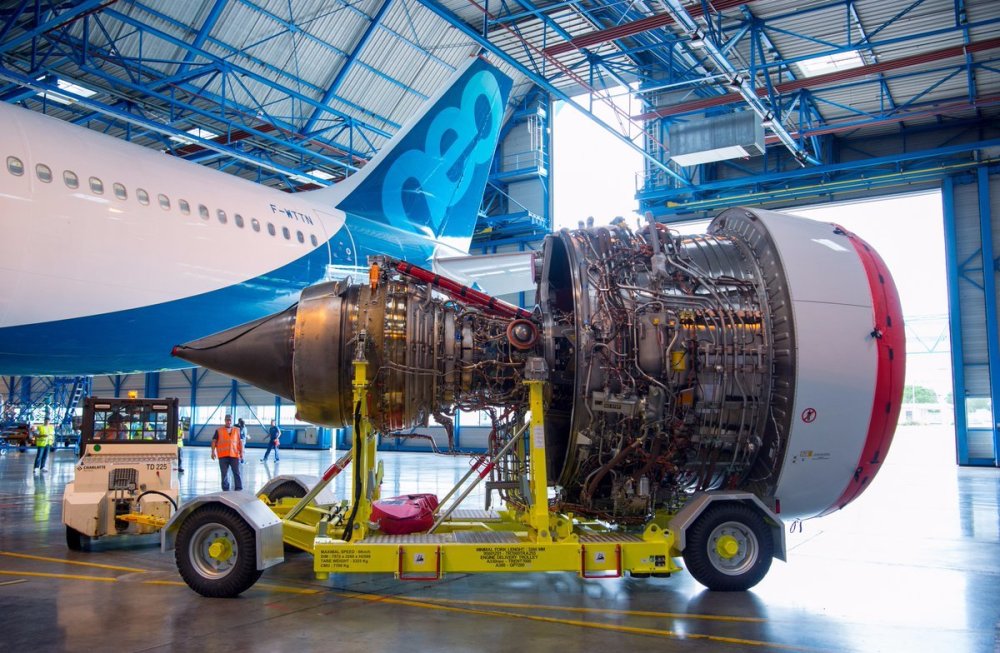
Resultado de imagen para rolls royce trent 7000 logoRolls-Royce ha entrado en una disrupción en los plazos de entregas de motores para la línea Airbus A330-800NEO. El fabricante de turbinas reconoció que no llega a tiempo con las entregas pactadas con el consorcio europeo debido a diversos problemas técnicos y operativos.
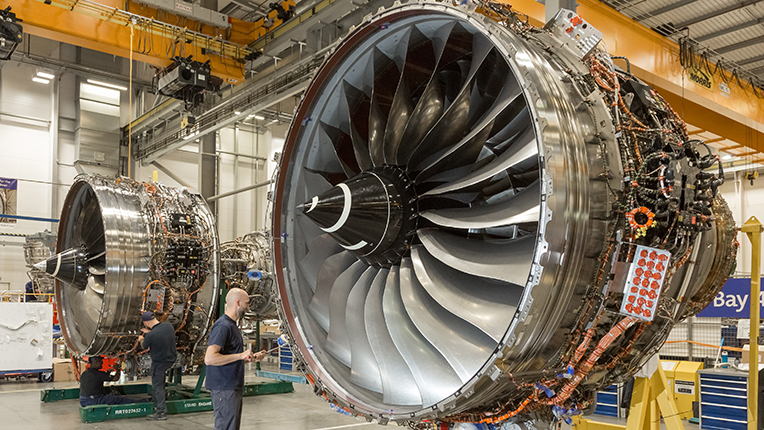

LA línea de ensamblaje de los motores Rolls-Royce Trent 7000 para Octubre 2018, es de solo 10 motores que habrán sido entregados a Airbus. El número comprometido acordado con el consorcio europeo Airbus habían sido de 30 turbinas, lo que afectará a la cadena de la línea de producción del A330-800NEO, lo que establecen que sólo quince unidades del A330NEO’s podrían estar terminadas.

Los tropiezos de Rolls-Royce no solo fastidian la producción de Airbus. Del otro lado del Atlántico, Boeing también ha tenido problemas con el fabricante de motores Rolls-Royce. Boeing padece de dolores de cabeza por los problemas del RR Trent 1000, que obligó a que varias aerolíneas tengan que dejar en tierra sus Boeing 787 mientras eran sometidos a revisiones técnicas.

Las complicaciones causadas por Rolls-Royce llevó a que algunas aerolíneas se vean forzadas a alquilar otras aeronaves para cumplir con sus cronogramas en plena temporada de verano, como hizo como Norwegian con el A380 de Hi Fly.

Voces de Rolls-Royce

Los problemas con esos motores se convirtieron en una “fuente de ansiedad de nuestros clientes, y no debemos exacerbarla por la falta de entregas de los Trent 7000”, dijo un comunicado de Rolls-Royce dirigido a sus empleados. “Hemos causado un gran problema a Airbus, y estamos trabajando con ellos para solucionar la situación con sus clientes”, puntualiza el texto firmado por el presidente de la división aeroespacial civil Chris Cholerton y el Director de grandes motores, Chris Young.

Pratt & Whitney, la otra pesadilla de Airbus

Airbus tenía la esperanza de que a fin de año el A330NEO pudiera ver la luz, modelo que ya lleva un año de retraso. Los problemas con los motores alejan el sueño de llegar a los 800 aviones fabricados en el año en la planta de Toulouse en Francia. Pratt & Whitney, también está fallando en el cronograma de entregas y llevará a que Airbus produzca entre 30 y 40 aviones A320NEO menos de los esperados.

Amenazas de sanciones

Rolls-Royce tiene a la vuelta de la esquina la amenaza de problemas económicos por incumplir con los plazos: además de las sanciones que podría presentar Airbus, en caso de que alguna aerolínea necesite alquilar aviones tendrá que hacerse cargo de la factura. Por ejemplo la low cost islandesa Wow air, que pretendía contar con dos A330NEO en Noviembre 2018, se tendrá que conformar con recibirlos en Febrero 2018. Por esta situación, la aerolínea informó de que tendrá que cancelar varias rutas en Abril 2018.

Rolls-Royce había reservado casi US$ 1.500 millones de euros para solucionar los problemas del Trent 1000 hasta el 2022, ya sea para terminar con las verificaciones como para compensar a las aerolíneas que tienen que dejar a los Boeing 787 en el hangar para que reparen los motores.  AIRWAYS® AW-Icon TXT

Resultado de imagen para rolls royce trent 7000

Rolls-Royce shortages engines to the A330NEO

Trent-7000-1-1024x960.jpgRolls-Royce acknowledges not delivering turbines on time for the A330NEO’s

Rolls-Royce has entered into a disruption in engine delivery times for the Airbus A330-800NEO line. The turbine manufacturer acknowledged that it does not arrive on time with the deliveries agreed with the European consortium due to various technical and operational problems.

THE assembly line of the Rolls-Royce Trent 7000 engines for October 2018, is only 10 engines that will have been delivered to Airbus. The compromised number agreed with the European Airbus consortium had been 30 turbines, which will affect the A330-800NEO production line chain, which states that only fifteen A330NEO’s units could be completed.Resultado de imagen para rolls royce trent 7000Rolls-Royce stumbles not only annoy Airbus production. On the other side of the Atlantic, Boeing has also had problems with the engine manufacturer Rolls-Royce. Boeing suffers from headaches for the problems of the RR Trent 1000, which forced several airlines to leave their Boeing 787 on the ground while undergoing technical checks.
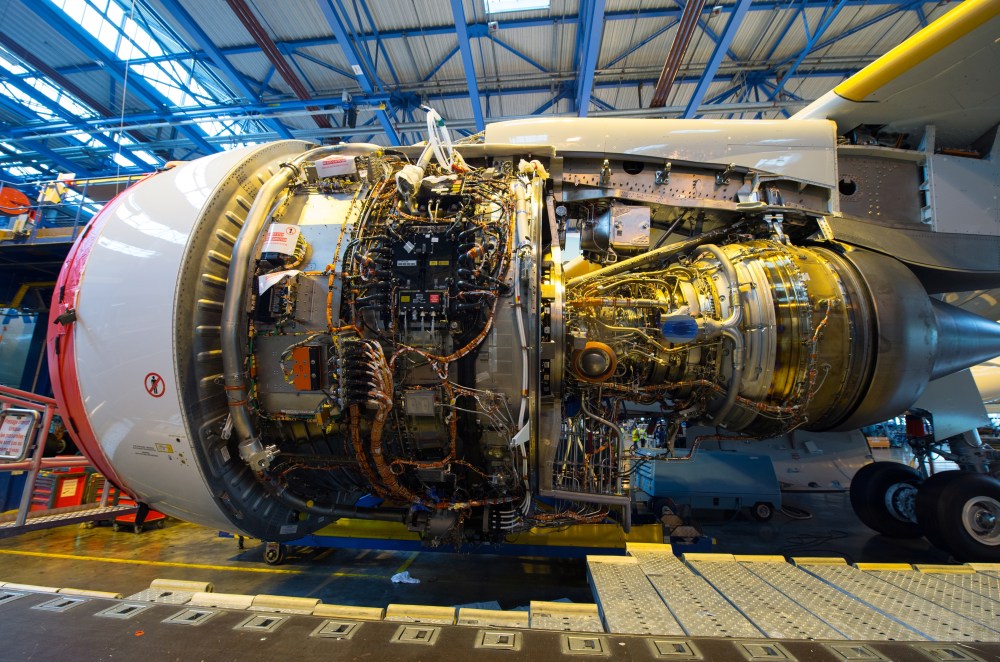
The complications caused by Rolls-Royce led some airlines to be forced to rent other aircraft to meet their schedules in full summer season, as did Norwegian with the Hi Fly A380.

Voices of Rolls-Royce

The problems with those engines became a «source of anxiety for our customers, and we should not exacerbate it because of the lack of delivery of the Trent 7000,» said a Rolls-Royce statement to its employees. «We have caused a big problem for Airbus, and we are working with them to solve the situation with their customers,» said the text signed by the president of the civil aerospace division Chris Cholerton and the Director of large engines, Chris Young.

37415285000_c36bf46f6a_o.jpgROLLS-ROYCE, LACK OF DELIVERY OF RR TRENT 7000 ENGINES TO THE AIRBUS A330-800

Pratt & Whitney, the other nightmare of Airbus

Airbus was hopeful that by the end of the year the A330NEO could see the light, a model that has been delayed for a year. The problems with the motors move away the dream to arrive at the 800 planes manufactured in the year in the plant of Toulouse in France. Pratt & Whitney is also failing in the delivery schedule and will lead Airbus to produce between 30 and 40 A320NEO aircraft less than expected.

Threats of sanctions

Rolls-Royce has around the corner the threat of economic problems for breaching the deadlines: in addition to the penalties that Airbus could present, in case any airline needs to rent planes, it will have to take over the bill. For example, the Icelandic low cost Wow air, which had two A330NEO in November 2018, will have to settle for receiving them in February 2018. Due to this situation, the airline informed that it will have to cancel several routes in April 2018.

Rolls-Royce had reserved almost US$ 1,500 million to solve the problems of the Trent 1000 until 2022, either to end the checks as to compensate the airlines that have to leave the Boeing 787 in the hangar to repair the engines. A \ W


Ξ A I R G W A Y S Ξ
SOURCE: Airgways.com
DBk: Airbus.com / Rolls-royce.com
AW-POST: 201810271137AR

A\W   A I R G W A Y S ®

Carrasco incorpora identificación facial

Resultado de imagen para aeropuerto carrasco

AW | 2018 10 27 10:50 | AIRPORTS

El Aeropuerto Internacional Carrasco es el primero en Latinoamérica en incorporar identificación facial

El Ministerio de Defensa de Uruguay ha presentado el sistema de biometría facial en el Aeropuerto Internacional de Carrasco (AIC), el que se empleará durante el proceso de embarque, desde Migraciones hasta el ingreso al avión. El sistema de reconocimiento facial implica que los pasajeros no tienen necesidad de mostrar documentación. De esta manera la terminal se transforma en la primera de América Latina en contar con esta tecnología y en el quinto en el mundo. La nueva aplicación de identificación biométrica se aplicará para habilitar el acceso a los vuelos de la compañía Latam Airlines para posteriormente extenderse al resto de las aerolíneas.

Desarrollo tecnológico

El plan de desarrollo tecnológico implementado por el concesionario Easy Airport es parte de una iniciativa en conjunto con el Ministerio de Defensa, a través de la Dirección Nacional de Aviación Civil de Uruguay, y el Ministerio del Interior, a través de la Dirección Nacional de Migración, con el objetivo de alcanzar la automatización total de la terminal. Entre 2016 y 2018, bajo este mismo programa se instalaron pasarelas automáticas con tecnología biométrica para control migratorio en la zona de partidas y la de arribos, así como el chequeo automático de tarjetas de embarque con la instalación de cinco pasarelas de autoservicio.  AIRWAYS® AW-Icon TXT

Resultado de imagen para Carrasco Airport  facial biometricResultado de imagen para aeropuerto carrasco easy airport biometric

Carrasco Airport incorporates facial identification

The Carrasco International Airport is the first in Latin America to incorporate facial identification

The Ministry of Defense of Uruguay has presented the facial biometry system at the Carrasco International Airport (AIC), which will be used during the boarding process, from Migrations to entering the plane. The facial recognition system means that passengers have no need to show documentation. In this way the terminal becomes the first in Latin America to have this technology and the fifth in the world. The new biometric identification application will be applied to enable access to the flights of the company Latam Airlines to later be extended to the rest of the airlines.

Technological development

The technological development plan implemented by the Easy Airport dealer is part of an initiative in conjunction with the Ministry of Defense, through the National Directorate of Civil Aviation of Uruguay, and the Ministry of the Interior, through the National Directorate of Migration. , with the aim of achieving total automation of the terminal. Between 2016 and 2018, automatic gateways with biometric technology were installed under this program for migratory control in the departures and arrivals area, as well as the automatic check-up of boarding passes with the installation of five self-service footbridges. A \ W


Ξ A I R G W A Y S Ξ
SOURCE: Airgways.com
DBk: Airporteasy.com / Aeropuertodecarrasco.com.uy
AW-POST: 201810271050AR

A\W   A I R G W A Y S ®

Investigaciones sobre el ciberataque a British Airways

Imagen relacionada

AW | 2018 10 27 10:24 | AVIATION SAFETY

Resultados investigaciones del ciberataque a British Airways

British Airways ha investigado el crimen del ciberataque a mediados de año, han permitido llegar a resultados en la investigación encargada a la Agencia Nacional del Crimen sobre el hackeo masivo comunicado en Septiembre 2018. Los hackers robaron todos los datos de las tarjetas de 77.000 clientes (nombres, direcciones postales, correos electrónicos e información de pago), a los que se suman otros 108.000 titulares a los que han sustraído todos sus datos menos el código CVV.

Sin embargo, y en el cómputo global, los afectados por el robo masivo de datos son menos de los que IAG había comunicado inicialmente. Fueron 244.000 clientes frente a los 380.000 inicialmente calculados. Los clientes afectados por este robo de datos, según ha detallado la compañía, realizaron reservas de billetes premio entre el 21 Abril y el 28 Julio 2018. British Airways también afirma que desde el 6 de setiembre no ha sufrido más robos de datos. Los reporte de las investigaciones explicó que entre la información robada no se incluyen los detalles del viaje ni de los pasaportes. La británica añadió en su comunicado que la situación está resuelta y que la página web opera con normalidad.

“Lamentamos profundamente la disrupción que esta actividad criminal ha provocado. La protección de la información personal de nuestros clientes es un asunto extremadamente serio para nosotros”, se disculpó el presidente de British Airways, Alex Cruz.  AIRWAYS® AW-Icon TXT

Resultado de imagen para british airways cyber attack

Investigations cyber attack against British Airways

Research results of the cyber attack against British Airways

British Airways has investigated the crime of cyberattack in the middle of the year, have allowed to get results in the investigation commissioned to the National Crime Agency on mass hacking reported in September 2018. Hackers stole all data from the cards of 77,000 customers (names, postal addresses, emails and payment information), to which are added another 108,000 owners to whom they have subtracted all their data except the CVV code.

However, in the global calculation, those affected by the massive theft of data are less than those initially reported by IAG. There were 244,000 customers compared to 380,000 initially calculated. Customers affected by this theft of data, as detailed by the company, made reservations of prize tickets between April 21 and July 28, 2018. British Airways also states that since September 6 has not suffered more data thefts. The investigation reports explained that the stolen information does not include travel details or passports. The British added in its statement that the situation is resolved and that the website operates normally.

«We deeply regret the disruption that this criminal activity has caused. The protection of our customers’ personal information is an extremely serious matter for us», said British Airways President Alex Cruz. A \ W


Ξ A I R G W A Y S Ξ
SOURCE: Airgways.com
DBk: Ba.com / Newsneednews.com
AW-POST: 201810271024AR

A\W   A I R G W A Y S ®

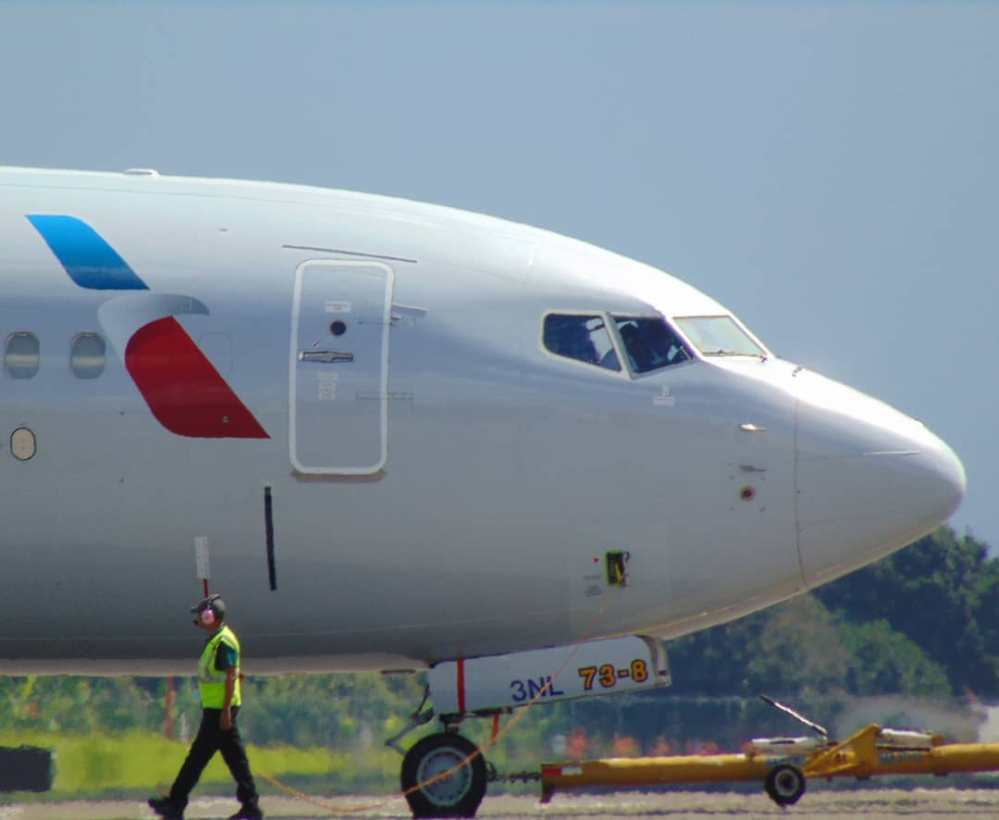
Abastecedor combustible daña winglet Boeing 737 MAX de American Airlines

boeing-737-max8-american-airlines.jpg

AW | 2018 10 27 10:10 | AVIATION SAFETY

Camión de combustible daña punta alar avión Boeing 737-8 MAX de American Airlines

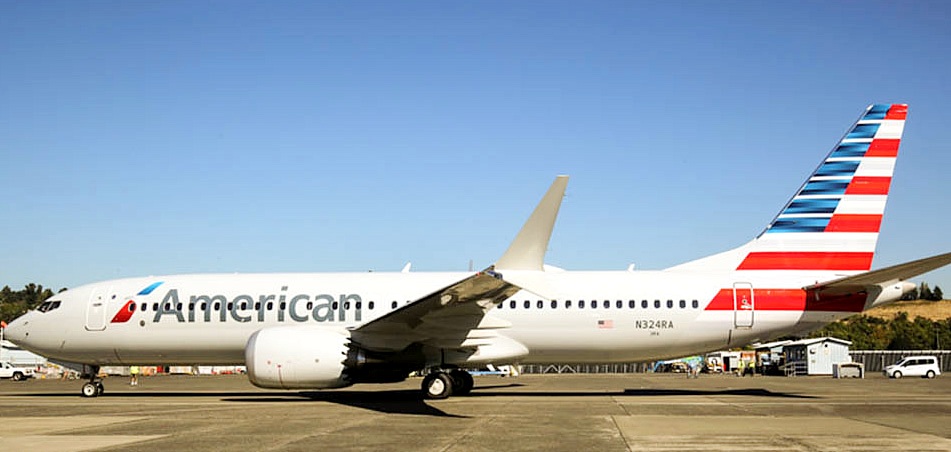
Un camión de combustible golpeó el winglet derecho de un Boeing 737-8 MAX de American Airlines cuando los pasajeros se encontraban a bordo de la aeronave este viernes. El vuelo AA1249 llevaba 172 pasajeros y se preparaba para partir desde el Aeropuerto LaGuardia de Nueva York en Nueva York hacia Miami.

La aerolínea dijo que los pasajeros fueron trasladados a una aeronave diferente mientras un equipo de mantenimiento evaluaba los daños. «Un camión de combustible hizo contacto con el ala de un avión que todavía estaba en la puerta. Trasladamos a los pasajeros a una aeronave diferente mientras nuestro equipo de mantenimiento evalúa la reparación de los daños», se lee en el comunicado.

Los alerones winglet AT incorporados en las aeronaves de cuarta generación de los Boeing 737 permiten reducir los vórtices o las turbulencias generadas por las diferencias de presión en el ala superior e inferior de un avión. Aunque una parte de del winglet sobresale hacia abajo, es pertinente que exista la coordinación entre la compañía aérea y las empresas prestadoras de servicios al avión para cumplir con la necesidad de atender los cuidados necesarios al momento de circulación de los diferentes móviles en la plataforma de servicios a las aeronaves de este tipo.

De acuerdo con American Airlines, el combustible de combustible fue operado por contractor Allied Aviation. El incidente ocurrió poco después de las 07:00 am del Viernes 26 Octubre 2018, reportando el primer incidente de este tipo en un Boeing 737 MAX en el mundo.  AIRWAYS® AW-Icon TXT

Resultado de imagen para Boeing 737 MAX 8 American Airlines

Fuel supplier damaged winglet Boeing 737 MAX

Fuel truck damaged tip alarming aircraft Boeing 737-8 MAX of American Airlines

A fuel truck hit the right winglet of a Boeing 737-8 MAX from American Airlines when passengers were aboard the aircraft this Friday. The AA1249 flight carried 172 passengers and was preparing to depart from LaGuardia Airport in New York in New York to Miami.

The airline said passengers were taken to a different aircraft while a maintenance team evaluated the damage. «A fuel truck made contact with the wing of an airplane that was still in the door. We move the passengers to a different aircraft while our maintenance team evaluates the repair of the damages», the statement said.

The winglet AT spoilers incorporated in the fourth generation aircraft of the Boeing 737 allow to reduce the vortices or turbulence generated by pressure differences in the upper and lower wing of an aircraft. Although a part of the winglet protrudes downwards, it is pertinent that there is coordination between the airline and the airline service providers to meet the need to take care of the necessary care at the moment of circling the different mobiles in the service platform. to aircraft of this type.

According to American Airlines, the fuel fuel was operated by contractor Allied Aviation. The incident occurred shortly after 07:00 a.m. on Friday 26 October 2018, reporting the first incident of its kind on a Boeing 737 MAX in the world. A \ W

Ξ A I R G W A Y S Ξ
SOURCE: Airgways.com
DBk: Aa.com / Deskgram.net / Boeing.com
AW-POST: 201810271010AR

A\W   A I R G W A Y S ®

10º Aniversario fusión Delta-Northwest

Resultado de imagen para Delta-Northwest merger

AW | 2018 10 26 22:10 | AIRLINES ALLIANCE

Delta-logo-1024x768Fusión Delta-Northwest transcurrieron diez aniversarios

La fusión entre Delta Air Lines con Northwest Airlines (NWA) han celebrado sus 10 aniversarios. El 29 Octubre 2008, el Departamento de Justicia de los Estados Unidos aprobó el plan de Delta Air Lines para adquirir Northwest Airlines. La primera de una Resultado de imagen para Delta-Northwest mergerserie de fusiones que buscaban ayudar a las aerolíneas a sobrevivir en bancarrotas, competidores de bajo costo, altos costos de combustible y recesión.
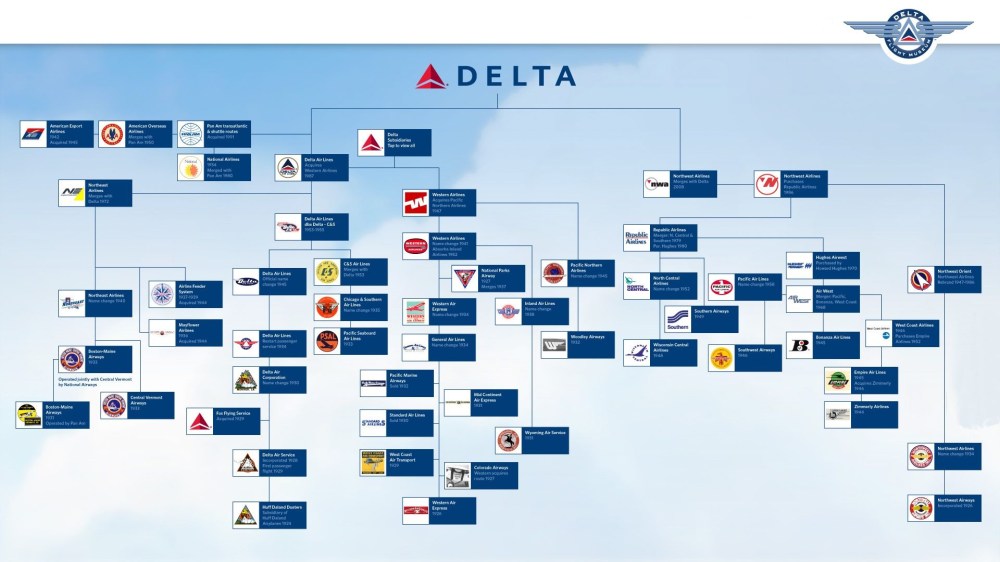
El 15 Abril 2008, Delta Air Lines y Northwest Airlines anunciaron un acuerdo de fusión. La fusión de las dos aerolíneas formó la que era la aerolínea comercial más grande del mundo con 786 aviones. La marca Delta Air Lines sobrevivió, mientras que la marca Northwest terminó oficialmente.


Historia fusión Delta-Northwest

El 26 de septiembre de 2008 se anunció que tanto los accionistas de Delta como los de Northwest habían aprobado la fusión. La aprobación por parte de una junta federal de revisión antimonopolio fue el último paso necesario para finalizar el trato. La fusión propuesta «probablemente producirá eficiencias sustanciales y creíbles que beneficiarán a los consumidores estadounidenses y no es probable que disminuya sustancialmente la competencia», dijo el Departamento de Justicia en un comunicado emitido por su División Antimonopolio.AW-70000654777.jpg

El acuerdo pasó a través de una visión general antimonopolio del Departamento de Justicia; como la mayoría de los analistas esperaban, el acuerdo no estaba bloqueado, debido a la mínima superposición entre las rutas de las dos aerolíneas y muy poca amenaza para la competencia en la industria. También se esperaba que la fusión fuera el tema de varias audiencias en el Congreso de los Estados Unidos. El representante Jim Oberstar de Minnesota, quien también se desempeña como presidente del Comité de Transporte e Infraestructura de la Cámara de Representantes, dejó en claro su oposición a la fusión, y luchó en Washington. También hubo un fuerte apoyo para la fusión en el Capitolio por parte de legisladores de Georgia, incluyendo Representante Lynn Westmoreland , Representante David Scott y Senador Johnny Isakson. El 7 Agosto 2008, la fusión obtuvo la aprobación regulatoria de la Unión Europea.

Después de una investigación de seis meses, los economistas del gobierno concluyeron que la fusión probablemente reduciría los costos para los consumidores sin frenar la competencia. El 29 Octubre 2008, el Departamento de Justicia de los Estados Unidos aprobó el plan de Delta para adquirir Northwest. Los certificados operativos de Delta y Northwest se fusionaron el 31 Diciembre 2009. Desde un punto de vista técnico, Northwest dejó de existir como operador independiente. Los sistemas de reservas y operaciones en tierra se combinaron el 31 Enero 2010.

Resultado de imagen para Delta-Northwest mergerLA SINERGIA DELTA-NORTHWEST LOGRÓ ABSORBER LA FLOTA DE  DC-9 DE NWA

La inversión de 500 millones de dólares realizada por Delta en la fusión de las dos aerolíneas cobra protagonismo esta semana en los aeropuertos hub de la aerolínea en EEUU, entre ellos Detroit, Memphis y Minneapolis-St. Paul, con las nuevas señales indicadoras de Delta en más de 400 mostradores de venta de billetes, puertas de embarque y zonas de recogida de equipaje de dichos aeropuertos. Delta ya ha renovado su imagen en 119 aeropuertos de todo el mundo. La aerolínea prevé finalizar la renovación en todos los aeropuertos de EEUU a finales de este año, y en todas sus sedes internacionales en el curso de 2010. Para finales de este año, cerca de 250 aviones de la flota principal de Northwest estarán pintados con los colores distintivos de Delta, rojo, blanco y azul. Hasta la fecha ya se han pintado 33 aviones de Northwest. También a finales de este año, todos los aviones de la flota principal de Delta y Northwest tendrán interiores similares, con los asientos de piel y la moqueta azules estándar de Delta.

Imagen relacionada

Delta Air Lines con sede en Atlanta y Northwest Airlines (NWA) con sede en Minneapolis-St. Paul fueron dos grandes transportistas del mercado aéreo de Estados Unidos. La fusión Delta-Northwest fue ideal al combinar aerolíneas con diferentes fortalezas. Northwest Airlines era fuerte particularmente en el Pacífico y el Medio Oeste. Delta Air Lineas era fuerte en el sureste y en Europa. Cuando las dos aerolíneas se fusionaron se creó una red que les dio la plataforma para convertirse en el momento en la primera aerolínea verdaderamente global del mundo. La estabilidad les ha permitido invertir continuamente en productos, invertir en recursos humanos. Muchos sostenían que «era la mejor combinación de aerolíneas».

Como ejemplo de cómo sus fortalezas mutuas cambiaron las cosas, las aerolíneas cancelaron más de 5.500 vuelos por razones de mantenimiento. Este año 2018, existió menos de 100 vuelos cancelados, una reducción del 99% en las cancelaciones de mantenimiento que es impulsados ​​por la salud financiera de la compañía y nuestra capacidad para aumentar la inversión año tras año. Delta Air Lines estuvo en bancarrota antes de la fusión, pero las cosas han cambiado y se ha fortalecido. La compañía con sede en Atlanta disfruta de buena salud con su cuarto año consecutivo de superhábit, con el 2018 generando ganancias del orden de US$ 5 mil millones en ganancias, retornando la mitad de los dividendos invertidos en la aerolínea, una fortaleza que no muchas fusiones pudieron lograr, pero que gracias al matrimonio Delta-Northwest, la nueva Delta Air Lines continúa surcando los cielos del mundo.  AIRWAYS® AW-Icon TXT

Resultado de imagen para Delta-Northwest merger

10th Anniversary Delta-Northwest merger

Delta-Northwest Fusion Ten Years Anniversary

The merger between Delta Air Lines and Northwest Airlines (NWA) has celebrated its 10 anniversaries. On October 29, 2008, the Department of Justice of the United States approved the Delta Air Lines plan to acquire Northwest Airlines. The first in a series of mergers that sought to help airlines survive bankruptcies, low-cost competitors, high fuel costs and recession.

On April 15, 2008, Delta Air Lines and Northwest Airlines announced a merger agreement. The merger of the two airlines formed what was the largest commercial airline in the world with 786 aircraft. The Delta Air Lines brand survived, while the Northwest brand officially ended.

Hystory fusion Delta-Northwest

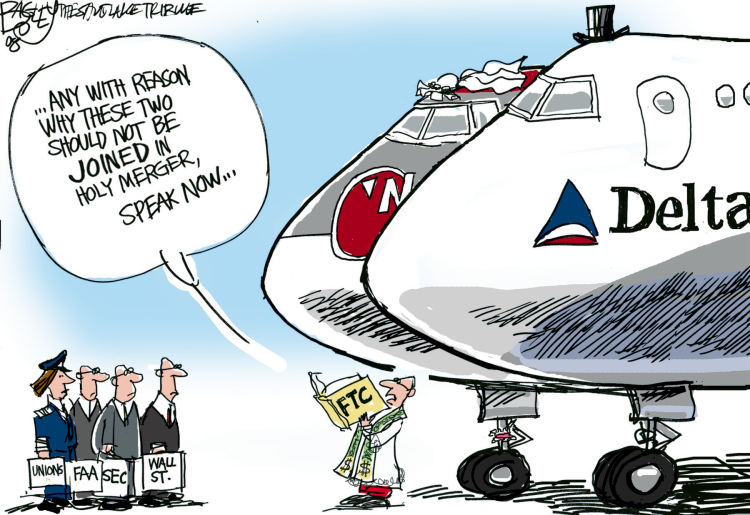
Resultado de imagen para Delta-Northwest LOGOOn September 26, 2008, it was announced that both the shareholders of Delta and those of Northwest had approved the merger. The approval by a federal antitrust review board was the last step necessary to finalize the deal. The proposed merger «will likely produce substantial and credible efficiencies that will benefit US consumers and is not likely to substantially reduce competition», the Justice Department said in a statement issued by its Antitrust Division.
Resultado de imagen para Delta-Northwest LOGO

The agreement passed through an anti-monopoly overview of the Department of Justice; As most analysts expected, the agreement was not blocked, due to the minimal overlap between the routes of the two airlines and very little threat to the competition in the industry. The merger was also expected to be the subject of several hearings in the United States Congress. Rep. Jim Oberstar of Minnesota, who also serves as chairman of the Transportation and Infrastructure Committee of the House of Representatives, made clear his opposition to the merger, and fought in Washington. There was also strong support for the merger on the Capitol by Georgia lawmakers, including Rep. Lynn Westmoreland, Representative David Scott and Senator Johnny Isakson. On August 7, 2008, the merger obtained the regulatory approval of the European Union.

After a six-month investigation, government economists concluded that the merger would likely reduce costs for consumers without curbing competition. On October 29, 2008, the United States Department of Justice approved Delta’s plan to acquire Northwest. The Delta and Northwest operating certificates were merged on December 31, 2009. From a technical point of view, Northwest ceased to exist as an independent operator. The reserves and land-based operations systems were combined on January 31, 2010.

The investment of 500 million dollars made by Delta in the merger of the two airlines takes center stage this week at the hub airports of the airline in the US, including Detroit, Memphis and Minneapolis-St. Paul, with the new Delta signposts in more than 400 ticket counters, boarding gates and baggage collection areas of these airports. Delta has already renewed its image in 119 airports around the world. The airline plans to complete the renovation at all US airports later this year, and at all of its international locations in the course of 2010. By the end of this year, about 250 aircraft from the Northwest main fleet will be painted with the Delta’s distinctive colors, red, white and blue. To date, 33 Northwest aircraft have been painted. Also by the end of this year, all aircraft in the Delta and Northwest main fleet will have similar interiors, with Delta’s standard blue leather and carpet seating.

Resultado de imagen para Delta-Northwest LOGO

Delta Air Lines based in Atlanta and Northwest Airlines (NWA) based in Minneapolis-St. Paul were two major carriers of the US air market. The Delta-Northwest merger was ideal when combining airlines with different strengths. Northwest Airlines was strong particularly in the Pacific and the Midwest. Delta Air Lines was strong in the southeast and in Europe. When the two airlines merged, a network was created that gave them the platform to become the first truly global airline in the world. Stability has allowed them to invest continuously in products, invest in human resources. Many argued that «it was the best combination of airlines».

As an example of how their mutual strengths changed things, airlines canceled more than 5,500 flights for maintenance reasons. This year 2018, there were less than 100 flights canceled, a 99% reduction in maintenance cancellations that is driven by the company’s financial health and our ability to increase investment year after year. Delta Air Lines was bankrupt before the merger, but things have changed and it has been strengthened. The Atlanta-based company is in good health with its fourth consecutive year of superhábit, with 2018 generating earnings of US$ 5 billion in profits, returning half of the dividends invested in the airline, a strength that not many Puderon mergers achieve, but thanks to the Delta-Northwest marriage, the new Delta Air Lines continues to sail the skies of the world. A\W


Ξ A I R G W A Y S Ξ
SOURCE: Airgways.com
DBk: Delta.com / Bizbach.com / IBtimes.com / Cagle.com
AW-POST: 201810262210AR

A\W   A I R G W A Y S ®

Embraer cancelado órdenes por normas IFRS en Estados Unidos

Imagen relacionada

AW | 2018 10 26 21:05 | INDUSTRY

1280px-Embraer_logo.svgEl fabricante brasileño Embraer canceló 134 pedidos por cambios de normas en Estados Unidos

El fabricante de aviones brasileño Embraer informó que se vio obligado a eliminar de su cartera de pedidos un total de una cartera de pedidos de 134 órdenes de aeronaves comerciales que esperaban ser entregados en 2018. En un comunicado de prensa, Embraer explicó que la mayoría de las naves eran para Skywest, y que canceló el pedido de 100 unidades por cambios en las Normas Internacionales de Información Financiera (IFRS). “Debido a la actual falta de certeza en el mercado de Estados Unidos para nuestros aviones E175-E2, Embraer adoptó mejores prácticas para alinearse a los principios IFRS y eliminó de su cartera de pedidos la orden”, indicó el fabricante. JetBlue Airways es otra aerolínea que había encomendado 24 Embraer E190-100, pero la aerolínea a optado por renunciar al pedido por cambios de estructura en la planificación de flota de la compañía.

Aún así, la cartera de pedidos de la firma brasileña se mantiene en 251 aviones comerciales aún no entregados, con opciones de compra de otras 328 unidades, informa la nota de prensa. El 2Q2018 ha sido productivo para Embraer, que casi duplicó las entregas del primer semestre, pero que ha disminuído sus entregas en el 3Q2018.  AIRWAYS® AW-Icon TXT

Resultado de imagen para Embraer E175-E2

Embraer canceled orders by standards in the US

embraer logo (1)Brazilian manufacturer Embraer canceled 134 orders for changes in standards in the United States
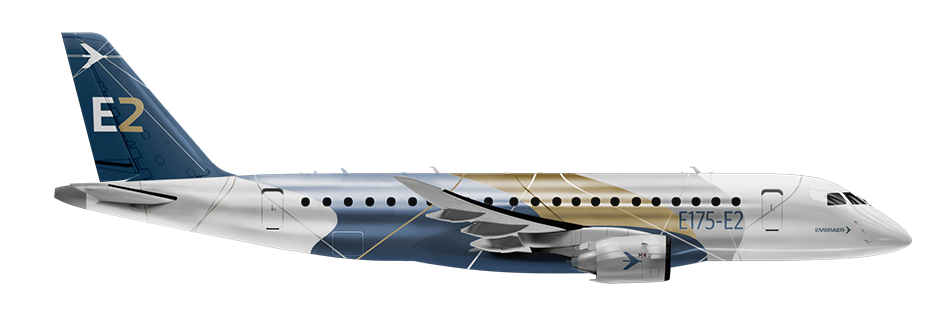

Brazilian aircraft manufacturer Embraer reported that it was forced to eliminate from its order book a total of a portfolio of orders of 134 commercial aircraft orders that were expected to be delivered in 2018. In a press release, Embraer explained that the majority of the ships were for Skywest, and it canceled the order of 100 units for changes in the International Financial Reporting Standards (IFRS). «Due to the current lack of certainty in the US market for our E175-E2 aircraft, Embraer adopted best practices to align with IFRS principles and eliminated the order from its order book», the manufacturer said. JetBlue Airways is another airline that had entrusted 24 Embraer E190-100, but the airline opted to renounce the order due to structural changes in the company’s fleet planning.

Even so, the order book of the Brazilian firm remains in 251 commercial aircraft not yet delivered, with purchase options of another 328 units, reports the press release. The 2Q2018 has been productive for Embraer, which almost doubled the deliveries of the first half, but which has decreased its deliveries in 3Q2018. A \ W

Resultado de imagen para Embraer E175-E2

A Embraer cancelou pedidos por padrões nos EUA

embraer logoA fabricante brasileira Embraer cancelou 134 pedidos de mudanças nos padrões nos Estados Unidos

O fabricante brasileiro de aeronaves Embraer informou que foi forçado a eliminar de sua carteira de encomendas um total de pedidos de 134 pedidos de aeronaves comerciais que deveriam ser entregues em 2018. Em um comunicado à imprensa, a Embraer explicou que a maioria os navios eram para a Skywest, e cancelou a encomenda de 100 unidades por alterações nas Normas Internacionais de Relato Financeiro (IFRS). «Devido à falta de certeza atual no mercado norte-americano de nossas aeronaves E175-E2, a Embraer adotou as melhores práticas para alinhar-se aos princípios do IFRS e eliminou o pedido de sua carteira de pedidos», disse o fabricante. A JetBlue Airways é outra companhia aérea que havia confiado 24 Embraer E190-100, mas a companhia aérea optou por renunciar ao pedido devido a mudanças estruturais no planejamento da frota da empresa.

Mesmo assim, a carteira de encomendas da empresa brasileira permanece em 251 aeronaves comerciais ainda não entregues, com opções de compra de outras 328 unidades, informa o comunicado de imprensa. O 2T2018 foi produtivo para a Embraer, que quase dobrou as entregas do primeiro semestre, mas que diminuiu suas entregas no 3T2018. A \ W


Ξ A I R G W A Y S Ξ
SOURCE: Airgways.com
DBk: Embraer.com
AW-POST: 201810262105R

A\W   A I R G W A Y S ®