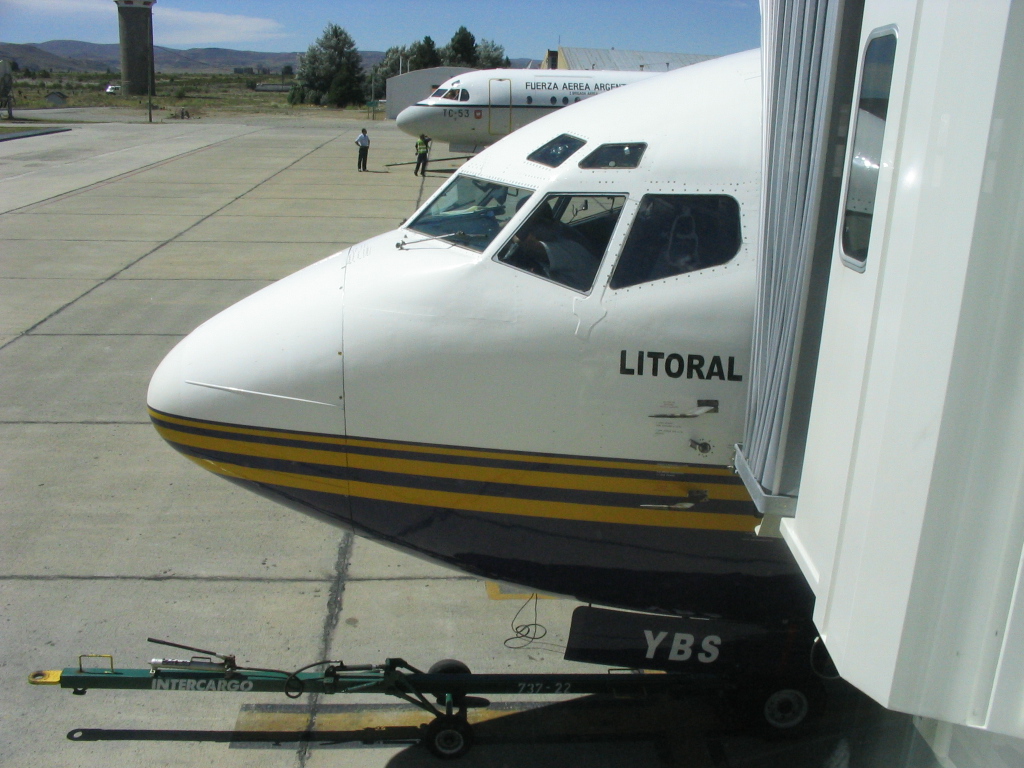
Buenos Aires International Airlines obtiene aprobación ops en Argentina

Resultado de imagen para Boeing 737 takeoffAW | 2019 01 02 14:21 | AIRLINES

Buenos Aires International Airlines ha obtenido la aprobación Ministerio Transporte Argentina para volar

El Ministerio de Transporte de la Nación autorizó la Resolución Nº 1136/2018 por la cual habilita a la empresa Buenos Aires International Airlines S.A. (BAIA) explotar los “servicios no regulares internos e internacionales de transporte aéreo de pasajeros, carga y correo utilizando aeronaves de gran porte”. La nueva aerolínea ingresa a la era de la «Revolución de los Aviones» en Argentina, después de más de 470 días después de la realización de la Audiencia Pública N°219 de Rutas Aéreas.

Buenos Aires International Airlines (BAIA) obtuvo la concesión del Ministerio de Transporte de Argentina para operar transporte aéreo nacional e internacional programado de pasajeros, carga y correo, con aviones grandes en 178 rutas, luego de su solicitud inicial efectuada en Septiembre 2017. Los derechos de rutas incluyen la autorización de 22 vuelos nacionales desde el Aeropuerto Jorge Newbery Buenos Aires hacia rutas domésticas y regionales, empleando como nodos o centros de distribución a Buenos Aires, Córdoba y Rosario.

Seabury Capital es la consultora a cargo del proyecto que ahora está tomando vuelo, que adquirió la empresa de soluciones de tecnología Volartec con sede en Buenos Aires hace unos años. La compañía tecnológica está dirigida por Christian Maggio, uno de los antiguos propietarios de Southern Winds Líneas Aéreas.

El Ministerio de Transporte ha otorgado la concesión que se extenderá por quince años contados a partir del Sábado 29 Diciembre 2018. De acuerdo a la disposición del Ministerio, BAIA deberá iniciar las operaciones dentro de los 180 días siguientes a la fecha de obtención del Certificado de Explotador de Servicios Aéreos (CESA) con relación a los servicios otorgados en virtud de lo dispuesto en la resolución Nº 1136/2018.
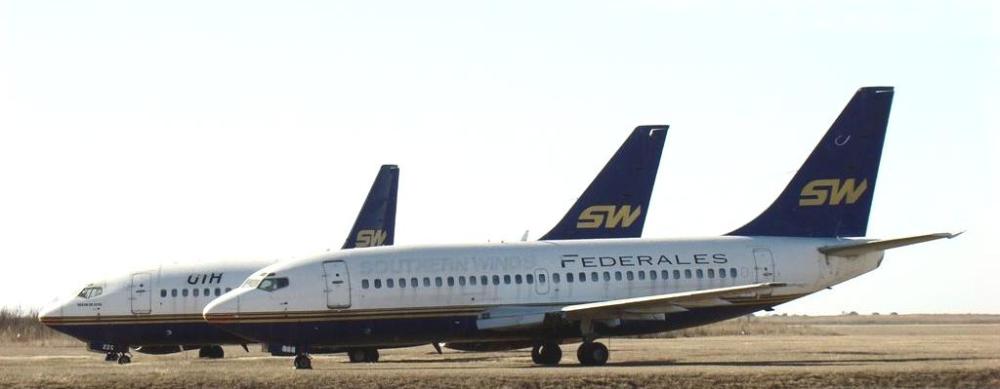
AW-.70009867DETRÁS DE LA AEROLÍNEA BAIA SE ENCUENTRA CHRISTIAN MAGGIO EX-CEO DE SOUTHERN WINDS

Inicio Ops

Buenos Aires International Airlines planea iniciar las operaciones con once aeronaves Boeing 737-800, o Airbus A320CEO. La start-up de la aerolínea demandaría una inversión de aproximadamente US$ 136 millones. Además, estiman estudiar incorporar la línea Boeing 737 MAX.

Buenos Aires International Airlines apuntará directamente al turismo receptivo, teniendo como objetivo traer por año 1,5 millones de turistas a nuestro país uniendo de manera directa a diferentes centros urbanos del extranjero con puntos turísticos de nuestro país, mediante la operación de pocas frecuencias en cada red.

Entre las particularidades del proyecto se encuentra que no seguirán un modelo low cost, algo que el empresario dejó en claro varias veces, ya que en su opinión los pasajeros de largo alcance quieren reglas claras con servicios que incluyan cuestiones como equipaje y catering a bordo.

Así también en su estrategia de distribución será central el rol de las agencias de viaje, las cuales comisionarán por diferentes servicios, cuestión que iría totalmente en contra del camino que viene recorriendo la industria aerocomercial en los últimos 30 años.AW-Icon-TXT-01

Resultado de imagen para Boeing 737 southern winds Buenos Aires International gets approval

Buenos Aires International Airlines has obtained the approval of the Ministry of Transport of Argentina to fly

The Ministry of Transportation of the Nation authorized Resolution No. 1136/2018 by which it authorizes the company Buenos Aires International Airlines S.A. (BAIA) to exploit the «internal and international non-scheduled services of air transport of passengers, cargo and mail using large aircraft». The new airline enters the era of the «Aircraft Revolution» in Argentina, after more than 470 days after the Public Hearing No. 219 of Air Routes.

Buenos Aires International Airlines (BAIA) obtained the concession of the Ministry of Transport of Argentina to operate scheduled national and international air transportation of passengers, cargo and mail, with large aircraft on 178 routes, after its initial request made in September 2017. of routes include the authorization of 22 domestic flights from the Jorge Newbery Buenos Aires Airport to domestic and regional routes, using as nodes or distribution centers to Buenos Aires, Córdoba and Rosario.

Seabury Capital is the consultant in charge of the project that is now taking flight, which was acquired by Volartec technology solutions company based in Buenos Aires a few years ago. The technology company is headed by Christian Maggio, one of the former owners of Southern Winds Líneas Aéreas.

The Ministry of Transportation has granted the concession that will be extended for fifteen years as of Saturday, December 29, 2018. According to the Ministry’s provision, BAIA must begin operations within 180 days after the date of obtaining the Certificate. Air Services Operator (CESA) in relation to the services granted pursuant to the provisions of Resolution No. 1136/2018.

Home Ops

Buenos Aires International Airlines plans to start operations with eleven Boeing 737-800 aircraft, or Airbus A320CEO. The start-up of the airline would require an investment of approximately US $ 136 million. In addition, they consider studying to incorporate the Boeing 737 MAX line.

Buenos Aires International Airlines will aim directly at receptive tourism, aiming to bring 1.5 million tourists per year to our country, joining directly to different urban centers abroad with tourist points of our country, through the operation of few frequencies in each net.

Among the particularities of the project is that they will not follow a low cost model, something that the entrepreneur made clear several times, since in his opinion the long-range passengers want clear rules with services that include issues such as luggage and catering on board.

Likewise, in its distribution strategy, the role of travel agencies will be central, which will be commissioned by different services, an issue that would go totally against the path that the commercial aviation industry has been following in the last 30 years. A \ W

Ξ A I R G W A Y S Ξ
SOURCE: Airgways.com
DBk: Argentina.gob.ar/transporte / Picssr.com / Airgways.com
AW-POST: 201901021421AR

A\W   A I R G W A Y S ®
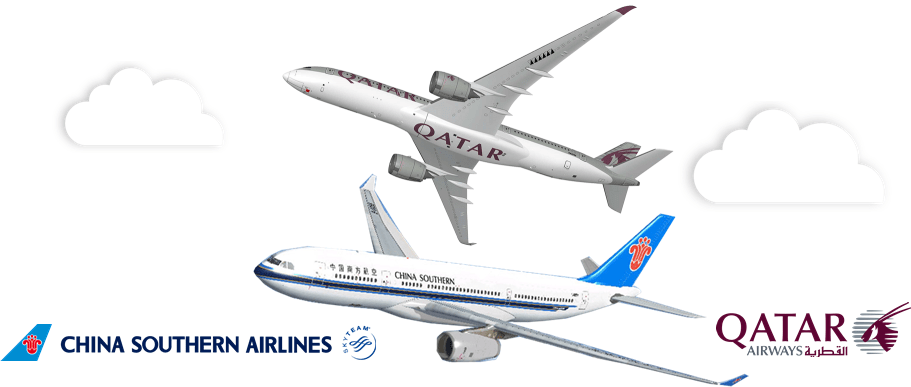
Qatar adquiere 5% China Southern

1c7c2e719e5879a2431f827c20dd6201_f78AW | 2019 01 02 13:45 | AIRLINES ALLIANCE
Qatar Airways adquiere el 5% de China Southern Airlines

Qatar Airways adquirió una participación del 5% en China Southern Airlines, dijo el a12b375657051bb5b33ba2680f830a2dMiércoles, 2 Enero 2019 la aerolínea estatal del Reino de Qatar, en un intento por acceder al mercado de rápido crecimiento en China continental. Qatar Airways está buscando nuevos socios y rutas en un mercado que estuvo bloqueado en el Golfo Pérsico.

Qatar Airways también posee una participación del 20% en British Airways (BA), International Consolidated Airlines Group (ICAG), el 10% de Sudam Airlines Group de Sudamérica, el 49% de Meridiana S.p.A. de Italia y el 9,99% de Cathay Pacific Airways Limited de Hong Kong.

La aerolínea insignia de Qatar ha buscado nuevos socios y rutas después de que se bloqueara en 2017 para volar a los lucrativos mercados de Arabia Saudita y los Emiratos Árabes Unidos (EAU) debido a las restricciones impuestas por esos países. Arabia Saudita, Emiratos Árabes Unidos, Bahrein y Egipto han impuesto un boicot político y económico a Qatar desde junio de 2017, acusándolo de apoyar el terrorismo, que Doha niega.

China Southern, en otra declaración, dijo que Qatar Airways podría considerar aumentar su participación en la aerolínea en los próximos 12 meses. Qatar no tenía inversión previa en la aerolínea china.

Qatar Airways es la segunda aerolínea extranjera que tiene una participación en China Southern junto con American Airlines. La aerolínea china abandonó la alianza de aerolíneas SkyTeam a principios de año.

Hay oportunidades para que “trabajemos juntos y construyamos una relación a largo plazo de manera que beneficie a los clientes de ambas aerolíneas”, dijo el CEO de Qatar Airways, Akbar al-Baker.

Ajith K, Director de Transporte de Asia en UOB Kay Hian, dijo que dado que China Southern es el mayor competidor de Cathay Pacific Airways en la República de China, este acuerdo podría fortalecer la posición de China Southern Airlines a expensas de la aerolínea de Hong Kong.AW-Icon-TXT-01

Resultado de imagen para china southern airlinesQatar acquires 5% China Southern Airlines

Qatar Airways acquires 5% of China Southern Airlines

Resultado de imagen para china southern airlines pngQatar Airways acquired a 5% stake in China Southern Airlines, said on Wednesday, January 2, 2019 the state airline of the Kingdom of Qatar, in an attempt to access the fast-growing market in mainland China. Qatar Airways is looking for new partners and routes in a market that was blocked in the Persian Gulf.

Qatar Airways also owns a 20% stake in British Airways (BA), the International Consolidated Airlines Group (ICAG), 10% of South America’s Sudam Airlines Group, 49% of Meridiana S.p.A. of Italy and 9.99% of Cathay Pacific Airways Limited of Hong Kong.

Qatar’s flagship airline has sought new partners and routes after it was blocked in 2017 to fly to the lucrative markets of Saudi Arabia and the United Arab Emirates (UAE) due to restrictions imposed by those countries. Saudi Arabia, the United Arab Emirates, Bahrain and Egypt have imposed a political and economic boycott on Qatar since June 2017, accusing it of supporting terrorism, which Doha denies.

China Southern, in another statement, said Qatar Airways could consider increasing its stake in the airline in the next 12 months. Qatar had no previous investment in the Chinese airline.

Qatar Airways is the second foreign airline that has a stake in China Southern along with American Airlines. The Chinese airline abandoned the SkyTeam airline alliance earlier this year.

There are opportunities for us to «work together and build a long-term relationship in a way that benefits the customers of both airlines», said Qatar Airways CEO Akbar al-Baker.

Ajith K, Asia Transport Director at UOB Kay Hian, said that since China Southern is Cathay Pacific Airways ‘biggest competitor in the Republic of China, this agreement could strengthen China Southern Airlines’ position at the expense of Hong’s airline Kong. A \ W


Ξ A I R G W A Y S Ξ
SOURCE: Airgways.com
DBk: Qatarairways.com / Csair.com / Airgways.com
AW-POST: 201901021345AR

A\W   A I R G W A Y S ®

Boeing prepara el primer 777X para volar

2714700_orig

AW | 2019 01 01 15:57 | INDUSTRY

35804730293_fecb64b9e5_bBoeing-Logo.svgBoeing ultima detalles para el primer vuelo del Boeing 777-9X

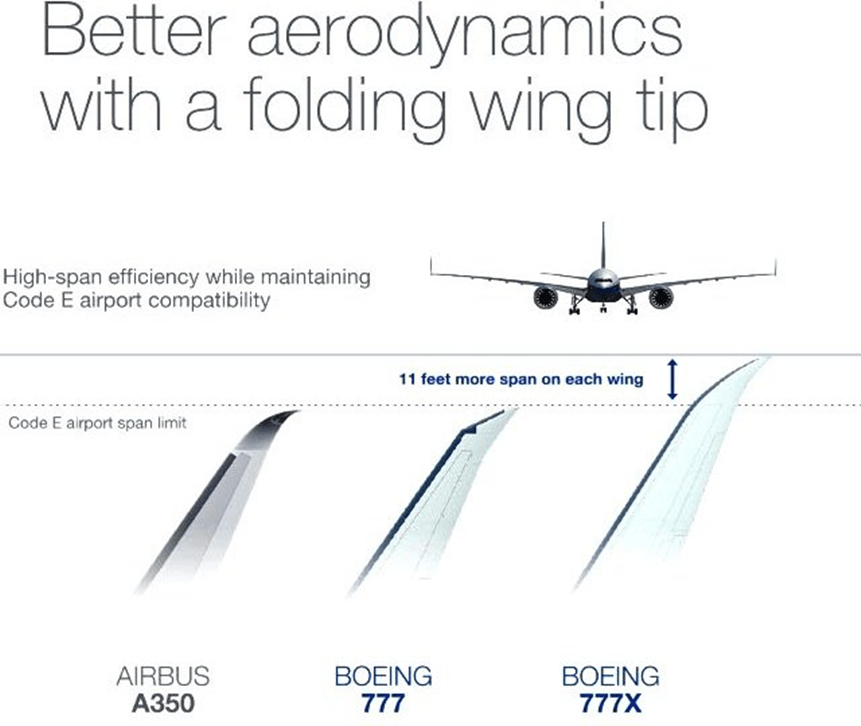
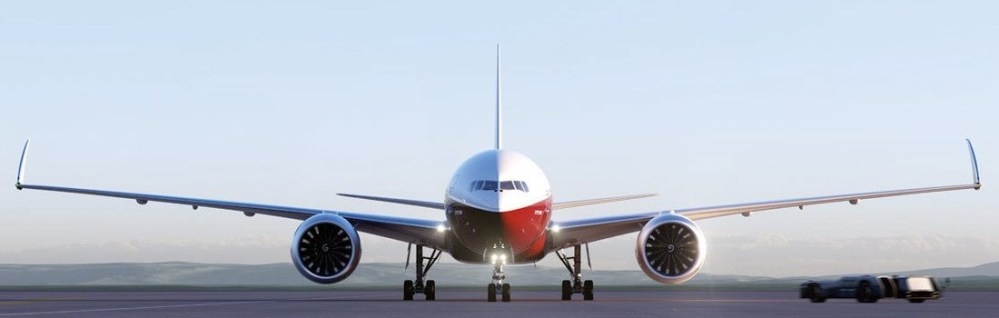
The Boeing Company está terminando el desarrollo del Boeing 777X incorporando tecnología de punta y nuevos diseños aerodinámicos en sus alas más largas de fibra de carbono que se arquean. La imagen icónica de este avión son las puntas de ala parecidas a una guadaña con un particular diseño de plegamiento hacia arriba en los extremos de las puntas alares que se emplearán para que las aeronaves puedan ingresar a los slots de los aeropuertos más congestionados.

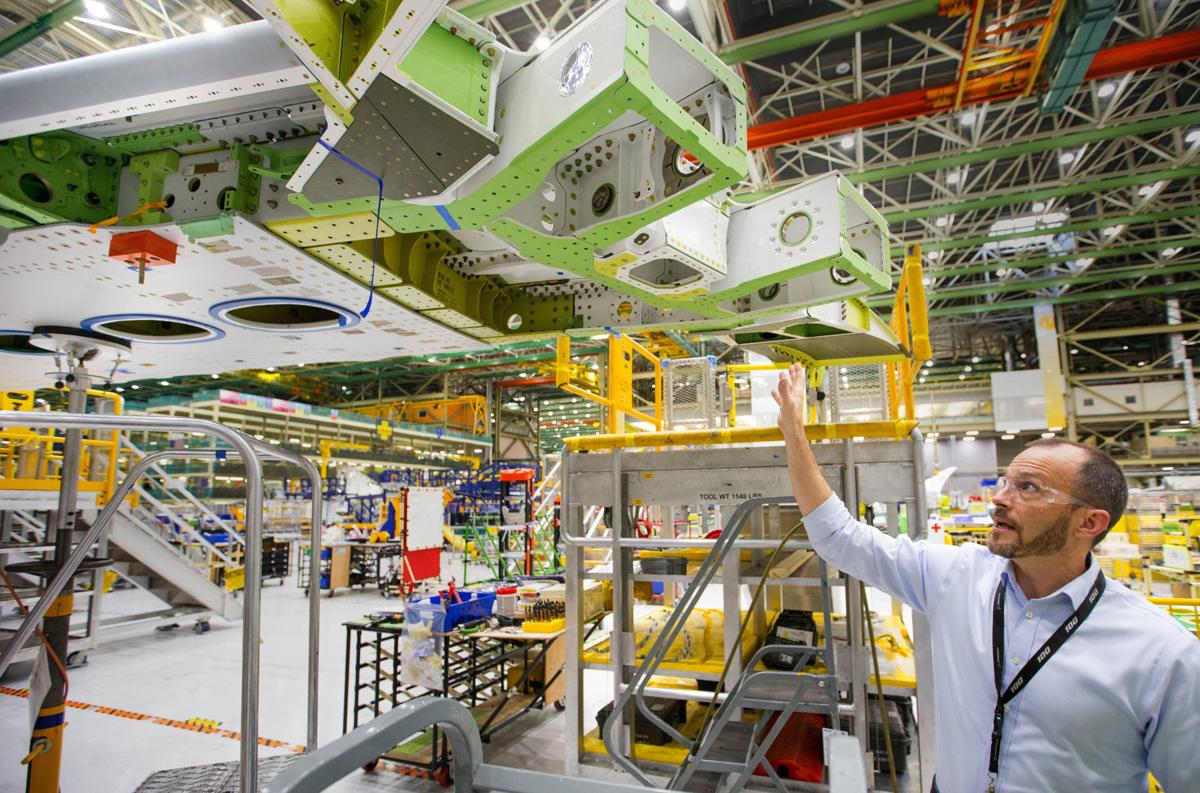
Detrás de las grandes puertas de la planta de ensamblaje de Everett de Boeing, Jason Clark, Vicepresidente de Operaciones para el Programa 777X, hizo un gesto hacia el avión de prueba de vuelo del Boeing 777X, el primero de sus dos motores recién colgados en el ala izquierda, junto a las puntas de alas plegadas para no golpear las paredes de la fábrica. «Ese es el primer avión que tomaremos en el cielo. En las próximas semanas, daremos vida al avión», dijo Clark.

Procesos de ingeniería del 777X

Ingenieros y mecánicos se están preparando para lanzar este majestuoso avión para su debut público a partir de Febrero 2019. Este primer avión, un modelo Boeing 777-9X, tiene 252 pies de largo. Cuando esas puntas alares de 11 pies de largo se despliegan para volar, tendrá una envergadura de 235 pies. Eso lo hace más largo y con una envergadura, más grande que el Boeing 747-8 Intercontinental.

Resultado de imagen para Boeing 777X

El fuselaje gigante del Boeing 777-9X está completo. Los sistemas primarios están instalados. El segundo de sus inmensos motores GE-9X se colgará en los próximos días. Ahora está principalmente en manos de los ingenieros y mecánicos de pruebas de vuelo, instalando los barriles de agua utilizados para el lastre durante las pruebas de vuelo y los racks de computadoras y el cableado especial exclusivo de los planos de prueba que registrarán cada punto de datos durante las pruebas.

Cuando Boeing unió las primeras secciones grandes del fuselaje del 787 Dreamliner en 2007, el ajuste estaba tan desalineado en lugares que los empleados podían meter los dedos a través de los huecos. Pero Boeing parece haber absorbido las duras lecciones de la pesadilla de la producción de los primeros 787 y ese jet lleva más de tres años de retrasos.

La construcción de los dos aviones para pruebas en tierra y los cuatro aviones de prueba de vuelo está muy avanzados. Las alas de los 777X posteriores, los primeros en ir a clientes de aerolíneas, están en proceso de montaje.

Nuevo avión insignia

El nuevo 777X estirado está configurado para reemplazar al 777-300ER, un avión totalmente metálico que ha sido durante mucho tiempo el avión estrella de Boeing. Por lo general, con una capacidad de entre 350 y 400 pasajeros, es esencial para las flotas de la mayoría de las principales compañías internacionales de larga distancia, incluidos los Emiratos con sede en Dubai y Singapore Airlines.

El 777-9X es el mayor de dos versiones planificadas. Tendrá tres filas adicionales de asientos y transportará de 400 a 425 pasajeros. Aunque es similar en peso al -300ER, es más eficiente en el consumo de combustible y vuela 250 millas más lejos, lo que le da un rango de 8,750 millas. Ese rendimiento proviene de los enormes y nuevos motores GE de bajo consumo de combustible y las nuevas alas súper aerodinámicas.

El precio real de compra de un Boeing 777-9X es estimado por la firma de valoración de aeronaves Avitas en alrededor de US$ 200 millones, lo que lo convierte en el avión más caro de Boeing.

Sistema de producción

Para ganar el trabajo de manufactura del Boeing 777X, el Estado de Washington en 2013 acordó otorgar US$ 8.7 mil millones en exenciones fiscales en el sector aeroespacial durante 16 años, y los Maquinistas, después de una amarga lucha ese invierno, se vieron obligados a firmar un contrato laboral a largo plazo que congelaba sus pensiones tradicionales.

La recompensa del Estado de Washington por esas concesiones es el nuevo Sistema de Producción 777X altamente automatizado dentro de la fábrica de Everett. Boeing no revela cuántos empleados están trabajando en el 777X. En los últimos dos años, para prepararse para 777X y solucionar los problemas antes del proceso, Boeing ya ha transformado la producción del 777 normal. Para construir las secciones de fuselaje de metal en un edificio cercano, Boeing introdujo un nuevo sistema robótico que inicialmente fue una fuente de múltiples fallas de calidad y retrabajo. Ahora se está ejecutando a la velocidad requerida con pocos trabajos pendientes hacia el proceso de ensamblaje final.

Para evitar interrumpir la producción del 777 normal, Boeing está construyendo el primero de los nuevos 777X, que se juntan mucho más lentamente, en un compartimiento de ensamblaje adyacente separado, dedicado como una Línea de Baja Producción Inicial o LRIP.

Proceso montaje totalmente nuevo

Un nuevo sistema robótico para ensamblar las alas de fibra de carbono para el 777X, diseñado y construido por la compañía Electroimpact de Mukilteo, Washington, muy similar a la línea de ensamblaje de alas del A350 que Electroimpact en Mukilteo, Washington, muy similar a la línea de ensamblaje de alas del A350 que Electroimpact construyó para Airbus en Broughton, Gales.

El próximo avión comercial de Boeing comenzará el proceso de lanzamiento en febrero de 2019 y comenzará una nueva etapa para la aviación comercial.AW-Icon-TXT-01

Resultado de imagen para Boeing 777XBoeing prepares the first 777X to fly

Boeing-TransparentBoeing completes details for the first flight of the Boeing 777-9X
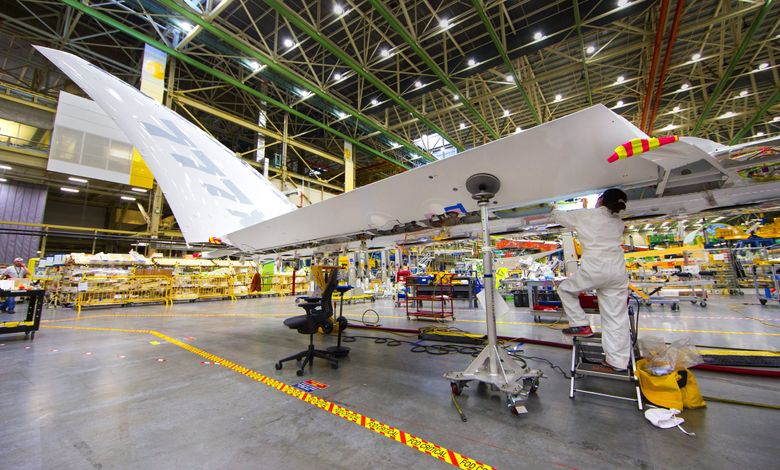
The Boeing Company is finalizing the development of the Boeing 777X by incorporating state-of-the-art technology and new aerodynamic designs into its longer arc-shaped carbon fiber wings. The iconic image of this aircraft is the wing tips similar to a scythe with a particular design of folding upwards at the ends of the wing tips that will be used so that aircraft can enter the slots of the most congested airports.

Behind the large doors of Boeing’s Everett assembly plant, Jason Clark, Vice President of Operations for the 777X Program, gestured toward the Boeing 777X flight test aircraft, the first of its two engines recently suspended on the Boeing 777X. left wing, next to the wing tips folded to avoid hitting the walls of the factory. «That’s the first plane we’ll take in the sky, and in the next few weeks, we’ll bring the plane to life», Clark said.

Resultado de imagen para Boeing 777XResultado de imagen para Boeing 777X777X engineering processes

Engineers and mechanics are preparing to launch this majestic plane for public debut as of February 2019. This first aircraft, a Boeing 777-9X model, is 252 feet long. When those 11-foot-long wing tips are deployed to fly, it will have a wingspan of 235 feet. That makes it longer and with a wingspan, bigger than the Boeing 747-8 Intercontinental.

The giant fuselage of the Boeing 777-9X is complete. The primary systems are installed. The second of its huge GE-9X engines will be hung in the coming days. Now it is mainly in the hands of flight test engineers and mechanics, installing the water barrels used for the ballast during the flight tests and the computer racks and the special wiring exclusive of the test plans that will record each data point. during the tests.

When Boeing joined the first large sections of the 787 Dreamliner’s fuselage in 2007, the fit was so misaligned in places that employees could stick their fingers through the gaps. But Boeing seems to have absorbed the hard lessons of the production nightmare of the first 787s and that jet has been delayed for more than three years.

The construction of the two aircraft for ground tests and the four flight test aircraft is very advanced. The wings of the subsequent 777Xs, the first to go to airline customers, are in the process of being assembled.


AW-7440000.png

New flagship

The new stretched 777X is set to replace the 777-300ER, an all-metal aircraft that has long been Boeing’s flagship. Typically, with a capacity of between 350 and 400 passengers, it is essential for the fleets of most of the major international long-distance carriers, including the Emirates based in Dubai and Singapore Airlines.

The 777-9X is the largest of two planned versions. It will have three additional rows of seats and will transport from 400 to 425 passengers. Although it is similar in weight to the -300ER, it is more fuel efficient and flies 250 miles farther, which gives it a range of 8,750 miles. That performance comes from the huge new GE engines with low fuel consumption and the new super aerodynamic wings.

The actual purchase price of a Boeing 777-9X is estimated by the Avitas aircraft appraisal firm at around US$ 200 million, which makes it the most expensive Boeing aircraft.

Production system

To win the manufacturing work of the Boeing 777X, the State of Washington in 2013 agreed to grant US$ 8.7 billion in tax exemptions in the aerospace sector for 16 years, and the Machinists, after a bitter struggle that winter, were forced to sign a long-term labor contract that froze their traditional pensions.

The Washington State reward for these concessions is the new highly automated 777X Production System within the Everett factory. Boeing does not reveal how many employees are working on the 777X. In the last two years, to prepare for 777X and solve the problems before the process, Boeing has already transformed the production of the normal 777. To build the metal fuselage sections in a nearby building, Boeing introduced a new robotic system that initially was a source of multiple quality faults and rework. Now it is running at the required speed with few pending jobs towards the final assembly process.

To avoid interrupting the production of the normal 777, Boeing is building the first of the new 777X, which come together much more slowly, in a separate adjacent assembly compartment, dedicated as an Initial Low Production Line or LRIP.

Completely new assembly process

A new robotic system for assembling the carbon fiber wings for the 777X, designed and built by the Electroimpact company in Mukilteo, Washington, very similar to the A350 wing assembly line that Electroimpact built for Airbus in Broughton, Wales.

The next Boeing commercial aircraft will begin the rollout process in February 2019 and with the beginning of a new stage for commercial aviation. A \ W


Ξ A I R G W A Y S Ξ
SOURCE: Airgways.com
DBk: Boeing.com / Tdn.com / Seattletimes.com / Airgways.com
AW-POST: 201901011557AR

A\W   A I R G W A Y S ®

Tui Airways la más ecológica

Resultado de imagen para tui airways Boeing 737 wikiAW | 2019 01 01 15:07 | AEROSPACE SCIENCE / AIRLINES

Image result for atmosfairAtmosfair calificó a Tui Airways es la aerolínea más ecológica con el medio ambiente

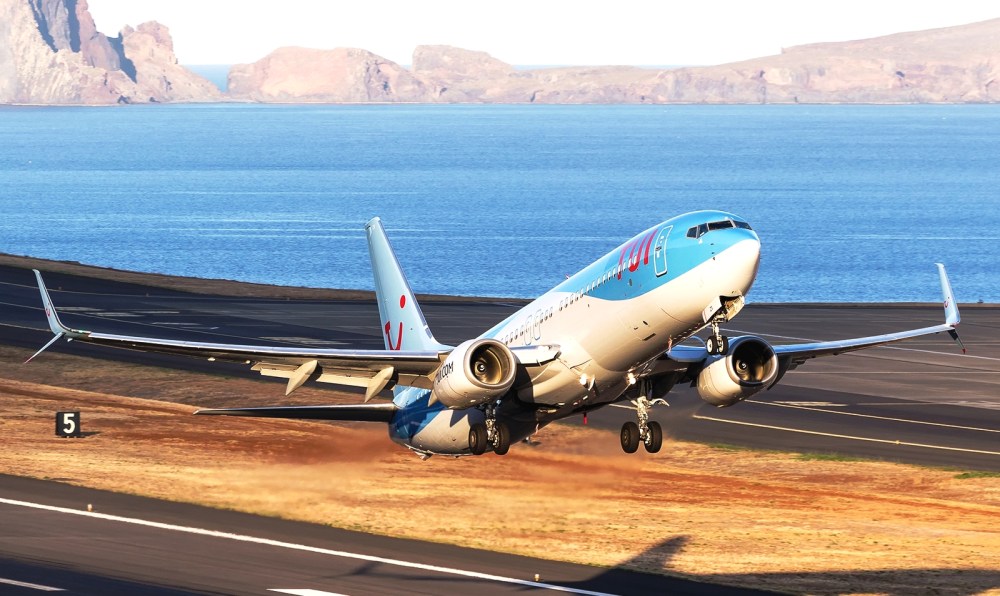
La aerolínea más eficiente en cuanto a emisiones de dióxido de Resultado de imagen para tui airways logocarbono es la británica TUI Airways, con una tasa de eficacia de 79.3%. Atmosfair, un organismo ambientalista, clasificó las emisiones de carbono de aerolíneas mundiales por kilómetro y por pasajero, calculadas a través del análisis de la clase de aeronave que la aerolínea prefiere, la cantidad de asientos y la capacidad de carga, así como la ocupación de los vuelos y la clase de motores y winglets que usan.
En los primeros lugares quedaron las aerolíneas que entran en las aeronaves tantos pasajeros como es posible y las que prefieren aeronaves actualizadas que consumen menos combustible, principalmente el Boeing 787-9 y los Airbus 350-900 y el 320NEO.

En el segundo lugar de la clasificación general está la aerolínea chileno-brasileña LATAM, famosa por sus aeronaves eficientes. En tercer lugar está China West Air, una empresa regional china que solo tiene rutas de corto y mediano alcance, pero su configuración de asientos es densa y tiene un nivel alto de ocupación.

Atmosfair señaló que el objetivo del informe, que usó información de organismos como la Organización de Aviación Civil Internacional y la Asociación Internacional de Transporte Aéreo, es “lograr que la eficiencia climática sea un factor de competencia entre las aerolíneas”.

Las aerolíneas que ocuparon los primeros diez lugares de la clasificación de Atmosfair son principalmente aerolíneas pequeñas, no precisamente famosas. Niclas Svenningsen, gerente de Acción Climática Mundial de la Convención Marco de Naciones Unidas sobre el Cambio Climático (Cmnucc), dijo que todo se reduce a su número elevado de asientos y a sus políticas de renovación de aeronaves cada dos o tres años.

Muchas de las aerolíneas más famosas del mundo obtuvieron malos resultados en la clasificación de Atmosfair. Singapore Airlines, que hace poco quedó como la mejor aerolínea del mundo para 2019 según AirlineRatings.com (y es la aerolínea que tiene el vuelo de pasajeros más largo del mundo), quedó en el lugar 67. Virgin Atlantic ocupó el lugar 83, mientras que Emirates quedó en el puesto 108.AW-Icon-TXT-01

AW-774672347.jpgTui Airways the most ecological

Related imageAtmosfair qualified Tui Airways as the greenest airline with the environment
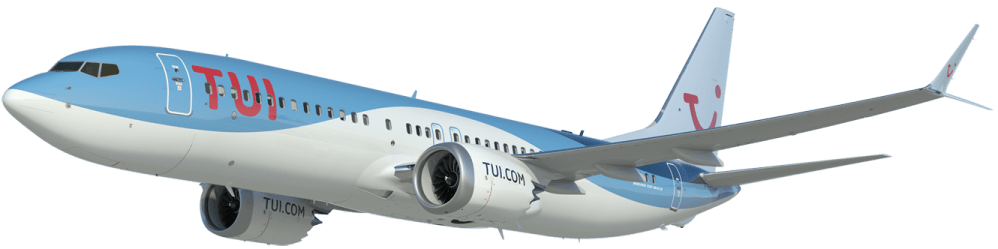
The most efficient airline in terms of carbon dioxide emissions is the British TUI Airways, with an efficiency rate of 79.3%. Atmosfair, an environmental agency, classified the carbon emissions of global airlines per kilometer and per passenger, calculated through the analysis of the class of aircraft preferred by the airline, the number of seats and the load capacity, as well as the occupation of the flights and the kind of engines and winglets they use.

vliegtuigmobile.png

In the first places were the airlines that enter the aircraft as many passengers as possible and those who prefer upgraded aircraft that consume less fuel, mainly the Boeing 787-9 and the Airbus 350-900 and the 320NEO.

In the second place of the general classification is the Chilean-Brazilian airline LATAM, famous for its efficient aircraft. In third place is China West Air, a regional Chinese company that only has short and medium range routes, but its seating configuration is dense and has a high level of occupancy.

Atmosfair said the objective of the report, which used information from organizations such as the International Civil Aviation Organization and the International Air Transport Association, is «to make climate efficiency a competitive factor among airlines».

The airlines that occupied the first ten places in the Atmosfair ranking are mainly small airlines, not exactly famous. Niclas Svenningsen, manager of Global Climate Action of the United Nations Framework Convention on Climate Change (Cmnucc), said that everything comes down to its high number of seats and its aircraft renewal policies every two or three years.

Many of the most famous airlines in the world performed poorly in the Atmosfair rankings. Singapore Airlines, which was recently ranked as the best airline in the world by 2019 according to AirlineRatings.com (and is the airline with the longest passenger flight in the world), was ranked 67th. Virgin Atlantic ranked 83rd, while that Emirates was ranked 108. A \ W


Ξ A I R G W A Y S Ξ
SOURCE: Airgways.com
DBk: Atmosfair.de / Nelson Sousa / Wikiwand.com
AW-POST: 201901011507AR

A\W   A I R G W A Y S ®

Incremento accidentes aéreos en 2018

Resultado de imagen para Lion Air Boeing 737 MAX IATA

AW | 2019 01 01 14:43 | AVIATION SAFETY

El año 2018 ha aumentado la cifra de fatalidades desde 2014

En el año 2018, los accidentes aéreas han aumentados desde 2014, cobrándose la vida de 555 personas en dieciséis accidentes aéreos, el peor año de accidentes fatales de aerolíneas desde 2014.

El peor accidente ocurrió el 29 Octubre 2018 en Indonesia del vuelo JT-610 de al aerolínea Lion Air con un Boeing 737-8 MAX, que se estrelló después del despegue del Aeropuerto Internacional de Jakarta, matando a las 189 personas a bordo. Los informes preliminares sugieren que el accidente fue causado por una calibración defectuosa de una veleta de ángulo de ataque que se reemplazó justo antes del vuelo fatal.

En 2014, la tendencia a la baja en las muertes por accidentes de avión se vio trágicamente sacudida por la pérdida de dos 777 de Malaysia Airlines con un total de 537 muertos. A pesar del mayor número de muertes el año pasado, la tasa de accidentes continúa disminuyendo en general, con 4.500 millones de pasajeros viajando en 45 millones de vuelos el año pasado. Eso se traduce en una tasa de accidentes fatales de uno cada 2,8 millones de vuelos.

Para las aerolíneas que han superado la auditoría de seguridad operacional de la Asociación de Transporte Aéreo Internacional (IATA), la tasa de accidentes fatales mejora alrededor del 75%.

El Informe Preliminar del accidente aéreo del vuelo JT-610 elaborado por el Comité de Seguridad del Transporte Nacional de Indonesia (KNKT) dijo que Lion Air puso a los 737 involucrados en el accidente nuevamente a pesar de los problemas con el avión en vuelos anteriores. El Comité Nacional de Seguridad del Transporte (KNKT) dijo que una paleta de ángulo de ataque que fue reemplazada, debido a que estaba defectuosa, no se calibró correctamente. Después del despegue, la veleta de ángulo de ataque le dio al capitán que volaba los datos incorrectos en la aeronave 737 y causó lo que se denomina un borde de estabilizador fuera de control. Esto se debe a que las computadoras del avión detectan incorrectamente que la aeronave tendrá un bloqueo aerodinámico y compensa al empujar la nariz hacia abajo a través del sistema de compensación del estabilizador. Con la continua alimentación de datos incorrectos en las computadoras de la aeronave, la fuerza de la nariz hacia abajo desde el borde estabilizador continúa. Esto sucedió en el vuelo anterior y los pilotos activaron correctamente dos interruptores para desconectar el sistema de compensación, continuaron su vuelo e informaron el problema. Sin embargo, en el vuelo fatal los pilotos no hicieron esto. El KNKT de Indonesia aún tiene que encontrar la Grabadora de Voz de la cabina del avión que arrojará luz sobre los otros problemas que los pilotos pueden haber enfrentado.

Los otros accidentes importantes del año pasado involucraron a las aerolíneas que estaban prohibidas en Europa o que operaban aviones obsoletos, y ninguno de estos operadores, con la excepción de Air Niugini, que perdió un pasajero, había completado la auditoría de IOSA.AW-Icon-TXT-01

Resultado de imagen para Lion Air Boeing 737 MAX IATAIncrease in air accidents in 2018

The year 2018 has increased the number of fatalities since 2014

In 2018, air accidents have increased since 2014, claiming the lives of 555 people in sixteen air accidents, the worst year of airline fatalities since 2014.

The worst accident occurred on 29 October 2018 in Indonesia from the JT-610 flight of the Lion Air airline with a Boeing 737-8 MAX, which crashed after takeoff from the Jakarta International Airport, killing the 189 people on board. Preliminary reports suggest that the accident was caused by a faulty calibration of an attack angle vane that was replaced just before the fatal flight.

In 2014, the downward trend in deaths due to plane crashes was tragically shaken by the loss of two 777 of Malaysia Airlines with a total of 537 dead. Despite the highest number of deaths last year, the accident rate continues to decline overall, with 4.5 billion passengers traveling on 45 million flights last year. That translates into a fatal accident rate of one every 2.8 million flights.

For airlines that have passed the safety audit of the International Air Transport Association (IATA), the fatal accident rate improves by about 75%.

The Preliminary Report of the plane crash of flight JT-610 prepared by the National Transport Security Committee of Indonesia (KNKT) said that Lion Air put the 737 involved in the accident again despite the problems with the plane in previous flights. The National Transport Safety Committee (KNKT) said that an angle of attack paddle that was replaced, because it was defective, was not calibrated correctly. After take-off, the attack angle vane gave the captain flying the incorrect data on aircraft 737 and caused what is termed a stabilizer edge out of control. This is because the aircraft computers incorrectly detect that the aircraft will have an aerodynamic block and compensates by pushing the nose down through the stabilizer compensation system. With the continuous feeding of incorrect data on the aircraft’s computers, the force of the nose down from the stabilizing edge continues. This happened on the previous flight and the pilots correctly activated two switches to disconnect the compensation system, continued their flight and reported the problem. However, in the fatal flight the pilots did not do this. The KNKT of Indonesia has yet to find the Voice Recorder in the cockpit of the plane that will shed light on the other problems that the pilots may have faced.

The other major accidents of last year involved airlines that were banned in Europe or that operated outdated aircraft, and none of these operators, with the exception of Air Niugini, which lost a passenger, had completed the IOSA audit. A \ W

Ξ A I R G W A Y S Ξ
SOURCE: Airgways.com
DBk: Iata.org / Dephub.go.id / Airgways.com / Japantimes.co.jp
AW-POST: 201901011443AR

A\W   A I R G W A Y S ®

Aerolíneas 2018 con récord de pasajeros

AW-7000005AW | 2019 01 01 14:17 | AIRLINES

AA-AU Isologotype.pngAerolíneas Argentinas transportó récord de pasajeros en 2018
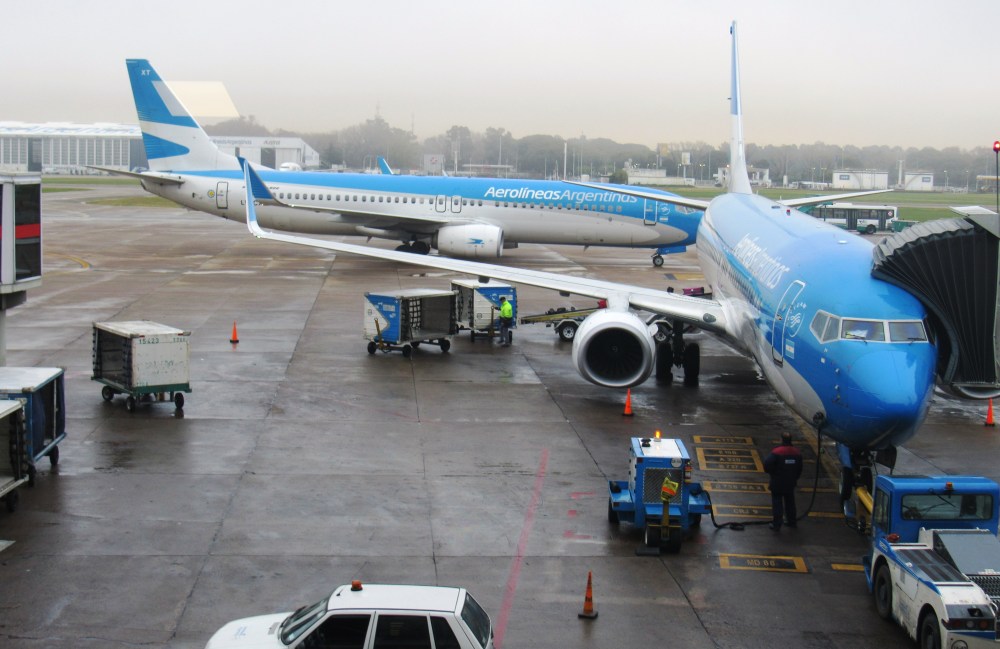
Aerolíneas Argentinas batió el récord de pasajeros en 2018, transportando 9,8 millones en el mercado doméstico. A pesar de los conflictos sindicales, las medidas de fuerza que llevaron a la cancelación de vuelos y el arribo de las aerolíneas low cost, Aerolíneas Argentinas informó este Martes, 1 Enero 2019 que cerró el ejercicio 2018 con récord histórico de pasajeros transportados en cabotaje.

Estadísticas

Aerolíneas Argentinas transportó 13 millones de pasajeros, una cifra similar en 2017. De ese total, 9,8 millones fueron de cabotaje, 2,4 millones fueron desde y hacia Latinoamérica y el resto a Roma, Madrid, Miami y Nueva York. El 2018 también marcó un incremento de nuevos clientes, pasajeros que subían por primera vez a un avión, transportó la empresa, 215.000.

La empresa transportó 9,8 millones de personas dentro del país y superó la marca anterior de 9,5 millones alcanzada en 2017. Con 87% de promedio anual, la línea aérea también superó sus registros de puntualidad. La puntualidad, la compañía destacó que durante 2018 encabezó en varias oportunidades los rankings de Flightstats (una de las organizaciones de estadísticas aéreas más reconocidas del mundo) como la aerolínea más puntual de la región y una de las tres primeras a nivel mundial. Incluso, en Agosto 2018 la empresa batió su récord histórico con un 91% de puntualidad promedio.

Entre 2015-2018 se han incrementado la cantidad de aeronaves con un total de 24 incorporaciones. En ese mismo lapso de tiempo logró bajar los aportes del Estado a US$ 198 millones de dólares contra un promedio de US$ 678 millones en el periodo 2009-2015.

Otro importante suceso en 2018 fue la presentación de los balances económicos, luego de 21 años sin presentaciones en tiempo y forma. En lo que hace a los resultados del ejercicio 2017, los últimos publicados, mostró ingresos por AR$ 39.028 millones, lo que representa un alza del 97% respecto a 2015. Mientras que en 2017 la empresa registró una pérdida de AR$ 6.312 millones, un 32% menos que los AR$ 9.278 millones del 2015.

Aerolíneas Argentinas informó que en 2018 invirtió US$ 30 millones en modernizar los sistemas informáticos, avanzando en la digitalización de la compañía, «lo que representa mejoras en la seguridad operativa, la eficiencia y el servicio a los pasajeros». El plan de inversiones incluyó también la apertura de un nuevo contact-center para el servicio de atención al cliente.

Modernización de flota

Durante 2018, Aerolíneas Argentinas completó además la primera etapa de renovación de su flota con el ingreso de 4 Boeing 737-8 MAX sobre un total de cinco, en Diciembre de 2017, siendo el primer operador en Argentina y Latinoamérica. De esta manera la compañía ha sumado la última tecnología de punta de la cuarta generación de la línea 737. Por otra parte, Austral Líneas Aéreas ha recibido en Octubre 2018 unas veinte ofertas para renovar la flota de la aerolínea regional. Las mismas ya fueron calificadas por los pilotos de la empresa, y están siendo analizadas por los mecánicos y el área financiera.

Durante el año se llevó a cabo una política de ahorros y eficiencia en el gasto que le permitió reducir costos por más de US$ 130 millones de dólares anuales.

Mercado low cost​

El 2018 es el año del comienzo de las aerolíneas de bajo costo/bajo precio como Flybondi Líneas Aéreas y Norwegian Air Argentina, y donde el Gobierno de Argentina eliminó la banda tarifaria mínima. Además, otras compañías aéreas ingresaron al mercado en calidad de líneas aéreas regulares convencionales.

Aerolíneas Argentinas está buscando pasajeros en las dos puntas del mercado, el sector de negocio ejecutivo y millennials para captar el mayor número de clientes como así la reducción de las tarifas aéreas principalmente en el mercado de cabotaje.AW-Icon-TXT-01

AW-7000010892018 Aerolíneas with passenger records

aerolineas-argentinas-logoAerolíneas Argentinas transported passenger record in 2018

Aerolíneas Argentinas beat the passenger record in 2018, transporting 9.8 million in the domestic market. Despite the union conflicts, the force measures that led to the cancellation of flights and the arrival of low cost airlines, Aerolíneas Argentinas reported this Tuesday, January 1, 2019, which closed the year 2018 with a historic record of passengers transported in cabotage.

Statistics

Aerolíneas Argentinas transported 13 million passengers, a similar figure in 2017. Of that total, 9.8 million were cabotage, 2.4 million went to and from Latin America and the rest to Rome, Madrid, Miami and New York. 2018 also marked an increase in new customers, passengers who were first boarding a plane, transported the company, 215,000.

The company transported 9.8 million people within the country and exceeded the previous mark of 9.5 million reached in 2017. With 87% annual average, the airline also exceeded its punctuality records. Punctuality, the company highlighted that during 2018 it headed on several occasions the rankings of Flightstats (one of the most recognized aerial statistics organizations in the world) as the most punctual airline in the region and one of the first three worldwide. Even in August 2018 the company beat its historical record with 91% average punctuality.

Between 2015-2018 the number of aircraft with a total of 24 additions has increased. In that same period of time, it managed to lower the contributions of the State to US$ 198 million against an average of US$ 678 million in the period 2009-2015.

Another important event in 2018 was the presentation of the economic balance sheets, after 21 years without presentations in time and form. Regarding the results of the fiscal year 2017, the last ones published, showed revenues of AR$ 39,028 million, which represents a rise of 97% with respect to 2015. While in 2017 the company recorded a loss of AR$ 6,312 million, 32% less than the AR$ 9,278 million of 2015.

Aerolíneas Argentinas reported that in 2018 it invested US$ 30 million in modernizing computer systems, advancing in the company’s digitalization, which represents improvements in operational safety, efficiency and service to passengers. The investment plan also included the opening of a new contact center for customer service.

Fleet modernization

During 2018, Aerolíneas Argentinas also completed the first stage of renewal of its fleet with the entry of 4 Boeing 737-8 MAX out of a total of five, in December 2017, being the first operator in Argentina and Latin America. In this way the company has added the latest state-of-the-art technology of the fourth generation of the 737 line. On the other hand, Austral Líneas Aéreas received in October 2018 about twenty offers to renew the regional airline’s fleet. They were already rated by the pilots of the company, and are being analyzed by the mechanics and the financial area.

During the year, a savings and efficiency policy was carried out that allowed it to reduce costs of more than US $ 130 million per year.

Low cost market

2018 is the year of the start of low cost / low price airlines such as Flybondi Líneas Aéreas and Norwegian Air Argentina, and where the Government of Argentina eliminated the minimum fare band. In addition, other airlines entered the market as conventional regular airlines.

Aerolíneas Argentinas is looking for passengers at both ends of the market, the executive business sector and millennials to attract the largest number of customers as well as the reduction of air fares, mainly in the cabotage market. A \ W


Ξ A I R G W A Y S Ξ
SOURCE: Airgways.com
DBk: Aerolineas.com / Airgways.com
AW-POST: 201901011417AR

A\W   A I R G W A Y S ®