 AW | 2019 06 09 00:50 | AVIATION SAFETY / AIR INVESTIGATION
 Desastre detrás de la cabina de los accidentes aéreos del Boeing 737 MAX

El Boeing 737 MAX fue el modelo de Boeing para competir con su rival Airbus, que se había adelantado en el mercado de los aviones de mediano alcance. Detrás de los accidentes aéreos de los Boeing 737 MAX ¿qué ocurrió dentro de la cabina de los aviones que se accidentaron en Etiopía e Indonesia?
Mientras las alarmas sonaban dentro de la cabina, el capitán y el primer oficial del vuelo ET-602 de Ethiopian Airlines luchaban por recuperar el control de la aeronave. Estaban demasiado cerca del suelo y necesitaban, con urgencia, ganar altura nuevamente. Pero cuando el capitán Yared Getachew intentaba orientar la trompa del Boeing 737-8 MAX hacia arriba, el sistema electrónico del avión la forzaba hacia abajo. Una falla catastrófica que rápidamente abrumó a la tripulación dejó un saldo de 157 muertos. Quedaba claro que empujar de nuevo los controles no sería suficiente. Entonces hundió un botón para ajustar el balance aerodinámico de la aeronave y, de esa manera, obligarla a que subiera. Pero solo unos segundos después, esos ajustes se revirtieron automáticamente. Los intentos no terminaron allí: probaron los controles manuales, luego otra vez revirtieron a los sistemas de vuelo automático, mientras sonaba una alarma a intervalos cada vez más cortos para señalar que la velocidad se incrementaba peligrosamente.
Tanto Yared Getachew al mando de la aeronave (Cap) como el primer oficial (FO) Ahmednur Mohammed Omar lo intentaron todo. Pero finalmente el vuelo ET-302 de Ethiopian Airlines, que se dirigía el pasado 10 de marzo desde la capital etíope Addis Ababa hacia Nairobi, Kenia, se estrelló contra el suelo a 500 kilómetros por hora. Solo seis minutos después de despegar y con 157 personas a bordo. En un avión nuevo y con buena visibilidad, un cielo despejado y libre de vientos siniestros.
Las investigaciones preliminares señalaron que tanto el accidente de Ethiopian Airlines como el de Lion Air tenían serias similitudes. Entre las víctimas había ciudadanos de 35 países. Entre ellos, el vicedirector de comunicaciones de UNESCO y el exdiplomático nigeriano Abiodun Bashua, además de tres generaciones de una misma familia canadiense. Los pilotos del avión de Ethiopian Airlines accidentado siguieron «repetidamente» las recomendaciones de Boeing, pero no funcionaron.
Cinco meses antes, en un avión casi idéntico operado por la aerolínea indonesia Lion Air, ocurrió un episodio trágicamente similar: pocos minutos después de despegar, los pilotos del vuelo JT-610 tuvieron una seguidilla de problemas para controlar la aeronave. El vuelo, que iba a durar poco más de una hora, había salido del aeropuerto internacional de Jakarta y se dirigía a la ciudad de Pangkal Pinang, en el oeste de Indonesia. Cada vez que intentaban levantar la trompa, los esfuerzos de los pilotos se revertían segundos más tarde, ya que los sistemas automáticos forzaban nuevamente a la nave hacia abajo. Después de una veintena de intentos por estabilizar el Boeing 737-8 MAX sin éxito, estrellándose en el Mar de Java, con un saldo de 189 personas fallecidas.
Dos accidentes fatales muy similares, con solo cinco meses de diferencia, con aeronaves de la misma marca y del mismo nuevo diseño. Pocos días después del accidente de Ethiopian Airlines, los investigadores notaron «similitudes claras» entre ambos siniestros. Entonces, ¿hay una causa común a los dos accidentes?
Los sistemas equivocados
Cuando un avión se accidenta, de inmediato se lanza una investigación para determinar las causas teniendo varios objetivos: uno, los familiares quieren respuestas. Dos, tanto las aerolíneas como los fabricantes de aviones necesitan saber si el incidente puede repetirse. En este sentido, lo que más ansían los investigadores es acceder a la información contenida en la llamada caja negra. Varios analistas acusan a la FAA de no haber hecho los controles necesarios a Boeing en el proceso de certificación del 737 MAX.
En el caso del vuelo de Lion Air, el artefacto fue recuperado del fondo del mar a los pocos días y efectivamente otorgó información vital sobre los últimos minutos del vuelo. De allí surgieron los primeros indicios sobre lo que había salido mal: los investigadores se enfocaron en el software que controla el vuelo y que está diseñado para operar en segundo plano, sin que siquiera el piloto sepa que está en funcionamiento. Boeing ideó este programa para resolver la tendencia de la nariz del Boeing 737 MAX a elevarse más de lo necesario, especialmente cuando está en un ángulo pronunciado.
Pero aparentemente, se activó en el momento equivocado. Así, forzó a la trompa a tirar hacia abajo, en el preciso momento en que debería haber ido hacia arriba, durante el despegue. Asimismo, los estabilizadores de cola fueron colocados en una posición errónea por el computador del avión. Y cuando los pilotos trataron de corregirlo, el software anuló esa orden y los llevó otra vez a la posición inicial. Aunque Boeing insistió en que su avión era seguro, emitió un boletín a las aerolíneas para informarles del caso e instruirlas sobre qué hacer en esos casos.
Tablas de verificación
En su día a día, los pilotos confían mucho en sus tablas de verificación, las cuales establecen paso a paso cómo deben ejecutarse las operaciones para volar un avión. Cuando una falla ocurre en pleno vuelo, esas tablas de verificación ayudan a diagnosticar la causa de la emergencia y a resolver una amplia gama de problemas. En este caso, los pilotos siguieron una serie de pasos que debían memorizar, establecidos para enfrentar anomalías que afecten a los estabilizadores. La lista de pasos incluía apagar el sistema automático de control. De esa manera podrían controlar los estabilizadores de forma manual, utilizando una manivela en la cabina. ¿Está fallando el entrenamiento de los pilotos? Boeing confiaba en que, si los pilotos seguían esas instrucciones, el avión podría volar de forma segura. Pero la empresa estaba trabajando en eso cuando ocurrió el accidente del vuelo ET-302 de Ethiopian Airlines.
Reservando problemas
Es muy probable que la causa de los accidentes aéreos de ambos aviones sea la misma. Según un informe preliminar de la investigación, los pilotos de Ethiopian Airlines reaccionaron a la emergencia tal y como lo había señalado Boeing, pero eso no sirvió para salvar sus vidas ni las de los pasajeros. Ahora la empresa estadounidense enfrenta serios cuestionamientos sobre la seguridad de sus aeronaves y sobre si debió haber sido más radical a la hora de presentar soluciones tras el accidente de Lion Air.
Al momento, los accidentes han tenido dos consecuencias más amplias. Primero, se puso bajo la lupa la estrecha relación que existe entre el gigante Boeing y el organismo que se supone es independiente y se encarga de regular la industria de la aviación, la Administración Federal de Aviación de los Estados Unidos (FAA). Luego, comenzó a revisarse cómo se entrena a los pilotos alrededor del mundo para volar aeronaves equipadas con sistemas de software cada vez más avanzados y complejos.
Cuarta generación
Cuando Boeing presentó el Boeing 737 MAX en Diciembre 2015, lo hizo con bombos y platillos. Los análisis previos al lanzamiento señalaban que se convertiría en el modelo más vendido en el plazo más corto en la historia de la aviación. Aunque el 737 MAX era un diseño nuevo, era realmente una generación más avanzada silenciosa, eficiente, amigable con el medioambiente del 737 que comenzó a surcar los cielos en 1967.

Boeing perseguía éxitos
Cuatro años antes del arribo del 737 MAX, Boeing estaba en serios problemas. Airbus, el principal rival de la empresa estadounidense, desarrollaba una nueva versión de su A320, una competencia directa en el segmento del 737.
La rivalidad entre ambas empresas siempre ha sido intensa. Por años, los A320 y los 737 característicos para vuelos de corta-media distancias dominaron de manera compartida los mercados locales alrededor del mundo. Ambos se convirtieron en fuentes de ganancia para sus respectivos fabricantes. Pero la nueva versión del A320 amenazaba con pulverizar a su rival, gracias a un diseño más moderno pero sobre todo por los motores que permitían una eficiencia y un ahorro de combustible de alrededor del 15%. Airbus comenzó a recibir pedidos para el avión en desarrollo. El único camino que le quedaba a Boeing era responder con algo.
Boeing 787
La empresa estadounidense llevaba años intentando tener listo otro producto que prometía revolucionar el mercado: el 787 Dreamliner. Esa era su prioridad. Así que no había mucho ánimo para asignar presupuesto al diseño de un avión desde cero y la alternativa era rediseñar un modelo existente con mejores motores.
Diseños aeronáuticos
A pesar de que el A320 y el 737 parecen aviones similares, lo cierto es que los desafíos de ingeniería que plantean a sus fabricantes son muy distintos. El A320 es fundamentalmente un avión mucho más moderno, que comenzó a volar a finales de los años 80. Es más alto que el 737, que basa su fuselaje en un diseño de la década de 1960.
Uno de los problemas que debieron sortear los ingenieros de Boeing al principio fue la ubicación del motor. Para Boeing, eso significaba que instalar los nuevos motores no sería nada fácil. Había que encontrar una solución. Pero el camino escogido tuvo unas consecuencias impensadas.
Falla en el sistema
El diseño original del 737, presentado en los años 60, buscaba ser más bien bajo para facilitar la carga del equipaje y el acceso de los pasajeros a la cabina mediante escaleras, que con frecuencia son la única opción disponible en los aeropuertos regionales y pequeños a los que este modelo iba a servir. Pero con el paso de los años, la baja altura se convirtió en un problema. Para su flamante 737 MAX, Boeing quiso usar los motores más eficientes del mercado, llamados CFM International LEAP. Airbus también había elegido una variante de los mismos para su A320. «Una vez Airbus eligió estos motores, que ahorran mucho combustible, Boeing tenía que hacer lo mismo. De lo contrario hubiera sido un suicidio comercial», explica Brady. Pero los motores LEAP eran muy grandes para la altura del 737 y no entraban bajo del extremo del ala del 737. Entonces, la decisión fue correrlo más hacia adelante del ala y elevándolo un poco. Eso solucionó el problema. Pero creó otro, en esencia, la nueva aeronave comenzó a tender a levantar la trompa más de lo aconsejable, en momentos en que estaba buscando lo que se llama ángulo de ataque (AOA).
Antes del accidente de Lion Air, el sistema MCAS no era evidente para los pilotos. En aviación, el ángulo de ataque es determinado por la diferencia del ángulo de las alas y la dirección en la que el avión vuela. Si el ángulo es muy pronunciado, especialmente durante el despegue o el aterrizaje, la aerodinámica del avión puede verse seriamente afectada. Para controlar ese efecto que había resultado de la instalación de los nuevos motores en el 737 MAX, los ingenieros de Boeing desarrollaron un sistema que aumentaba las capacidades de maniobra de la aeronave (MCAS). Buscaban así que los pilotos sintieran familiar al nuevo modelo, similar a las generaciones previas de 737 Next Generation.
Lo que haría el software sería, en esencia, bajar la trompa de manera automática, bajo circunstancias especiales, sin la intervención del piloto. Aunque la investigación todavía está en marcha, los dedos acusadores tras los reportes preliminares señalan precisamente al MCAS como el responsable de los siniestros en Etiopía e Indonesia.
Un software en la mira
Pero, ¿qué hace el MCAS en el avión? De acuerdo con varios expertos, el sistema hace que los estabilizadores horizontales a ambos lados de la cola, que se utilizan simplemente para mantener la altura de vuelo obliguen a la trompa del avión a inclinarse hacia abajo. La idea principal detrás de su diseño era la de reducir el riesgo de que la nariz se levantara demasiado y afectara la aerodinámica del avión.
La importancia de este número identifica que los pilotos de todo el mundo se preocupan por la seguridad de la industria. «Los comentarios recibidos de estos pilotos han identificado aún más la preocupación por la trayectoria de a dónde va esta industria», expresa Karlene Pattit.
Otra área que le preocupa es el aumento de la automatización del vuelo. Ella teme que a medida que los pilotos se vuelven más dependientes de los sistemas computarizados, están perdiendo las habilidades para volar ellos mismos y responder cuando las cosas van mal. Dai Whittingham tiene una opinión similar. «Vuelo físico, práctico: los pilotos ahora lo hacen menos, porque la computadora es más eficiente. Los pilotos cometen errores y eso cuesta dinero», dice. Esta no es una nueva teoría. En 1997, en una famosa conferencia en la Academia de Vuelo de American Airlines, el capitán Warren Vandeburgh advirtió que los pilotos se estaban convirtiendo en «hijos del magenta», o sea, que confiaban demasiado en las líneas de este color que había en las pantallas de cabina. Vandeburgh identificó la cultura entre los pilotos de volverse demasiado dependientes de los sistemas automatizados, lo que socavaba su capacidad para reaccionar ante situaciones de emergencia. Boeing dice ahora que todos los pilotos que tengan la intención de volar el 737 MAX cuando se haya recertificado tendrán que emprender un nuevo programa de entrenamiento.

The vertiginous flight of the Boeing 737 MAX
 Disaster behind the cabin of the plane crashes of the Boeing 737 MAX
The Boeing 737 MAX was the model of Boeing to compete with its rival Airbus, which had advanced in the market of medium-range aircraft. Behind the plane crashes of the Boeing 737 MAX, what happened inside the cockpit of the planes that crashed in Ethiopia and Indonesia?
While alarms sounded inside the cockpit, the captain and the first officer of Ethiopian Airlines flight ET-602 struggled to regain control of the aircraft. They were too close to the ground and needed, urgently, to gain height again. But when Captain Yared Getachew tried to steer the Boeing 737-8 MAX’s nose upwards, the aircraft’s electronic system forced it down. A catastrophic failure that quickly overwhelmed the crew left 157 people dead. It was clear that pushing the controls again would not be enough. Then he sank a button to adjust the aerodynamic balance of the aircraft and, in that way, force it to go up. But only a few seconds later, those adjustments were automatically reversed. The attempts did not end there: they tested the manual controls, then again reverted to the automatic flight systems, while an alarm sounded at shorter and shorter intervals to indicate that the speed increased dangerously.
Both Yared Getachew in command of the aircraft (Cap) and the first officer (FO) Ahmednur Mohammed Omar tried everything. But finally the ET-302 flight of Ethiopian Airlines, which was headed last March 10 from the Ethiopian capital Addis Ababa to Nairobi, Kenya, crashed to the ground at 500 kilometers per hour. Only six minutes after taking off and with 157 people on board. In a new plane and with good visibility, a clear sky and free of sinister winds.
Preliminary investigations indicated that both the Ethiopian Airlines and Lion Air accidents had serious similarities. Among the victims were citizens of 35 countries. Among them, the deputy communications director of UNESCO and the former Nigerian diplomat Abiodun Bashua, as well as three generations of the same Canadian family. Pilots of the injured Ethiopian Airlines plane «repeatedly» followed Boeing’s recommendations, but they did not work.
Five months earlier, in an almost identical plane operated by the Indonesian airline Lion Air, a tragically similar episode occurred: a few minutes after takeoff, the JT-610 pilots had a string of problems controlling the aircraft. The flight, which was to last a little over an hour, had left the Jakarta international airport and was heading to the city of Pangkal Pinang in western Indonesia. Each time they tried to raise the horn, the efforts of the pilots were reversed seconds later, since the automatic systems forced the ship back down. After about twenty attempts to stabilize the Boeing 737-8 MAX without success, crashing in the Java Sea, with a balance of 189 people killed.
Two very similar fatal accidents, only five months apart, with aircraft of the same brand and the same new design. A few days after the accident of Ethiopian Airlines, the investigators noticed «clear similarities» between both incidents. So, is there a common cause for the two accidents?
The wrong systems
When an airplane crashes, an investigation is immediately launched to determine the causes having several objectives: one, the relatives want answers. Two, both airlines and aircraft manufacturers need to know if the incident can be repeated. In this sense, researchers are most anxious to access the information contained in the so-called black box. Several analysts accuse the FAA of not having made the necessary controls to Boeing in the process of certification of the 737 MAX.
In the case of the Lion Air flight, the device was recovered from the bottom of the sea a few days later and effectively gave vital information about the last minutes of the flight. From there emerged the first clues about what had gone wrong: the researchers focused on the software that controls the flight and is designed to operate in the background, without even the pilot knowing that it is working. Boeing devised this program to solve the tendency of the nose of the Boeing 737 MAX to rise more than necessary, especially when it is at a steep angle.
But apparently, it was activated at the wrong time. Thus, he forced the horn to pull down, at the precise moment he should have gone up, during takeoff. Also, the tail stabilizers were placed in a wrong position by the aircraft computer. And when the pilots tried to correct it, the software canceled that order and took them back to the starting position. Although Boeing insisted that his plane was safe, he issued a bulletin to the airlines to inform them of the case and instruct them on what to do in those cases.
Check tables
In their day to day, the pilots rely a lot on their verification tables, which establish step by step how to execute the operations to fly an airplane. When a fault occurs in mid-flight, these verification tables help diagnose the cause of the emergency and solve a wide range of problems. In this case, the pilots followed a series of steps that they had to memorize, established to face anomalies that affect the stabilizers. The list of steps included turning off the automatic control system. That way they could control the outriggers manually, using a crank in the cabin. Is the pilots training failing? Boeing was confident that, if the pilots followed those instructions, the plane could fly safely. But the company was working on that when the accident of the ET-302 flight of Ethiopian Airlines occurred.
Booking problems
It is very likely that the cause of the air accidents of both aircraft is the same. According to a preliminary report of the investigation, the Ethiopian Airlines pilots reacted to the emergency as Boeing had indicated, but that did not save their lives or those of the passengers. Now the US company faces serious questions about the safety of its aircraft and whether it should have been more radical when it came to presenting solutions after the Lion Air accident.
At the moment, accidents have had two broader consequences. First, the close relationship between the giant Boeing and the body that is supposed to be independent and is in charge of regulating the aviation industry, the Federal Aviation Administration of the United States (FAA), was put under the microscope. Then, he began to review how pilots are trained around the world to fly aircraft equipped with increasingly advanced and complex software systems.
Fourth generation
When Boeing introduced the Boeing 737 MAX in December 2015, it did so with great fanfare. Pre-launch analyzes indicated that it would become the best-selling model in the shortest time in the history of aviation. Although the 737 MAX was a new design, it was truly a quieter, more efficient, environmentally friendly generation of the 737 that began to plow through the skies in 1967.

Boeing pursued successes
Four years before the arrival of the 737 MAX, Boeing was in serious trouble. Airbus, the main rival of the US company, was developing a new version of its A320, a direct competition in the 737 segment.
The rivalry between both companies has always been intense. For years, the A320 and the 737 characteristic for short-medium-distance flights dominated local markets around the world. Both became sources of profit for their respective manufacturers. But the new version of the A320 threatened to pulverize its rival, thanks to a more modern design but especially for the engines that allowed an efficiency and a fuel saving of around 15%. Airbus began receiving orders for the developing aircraft. The only way left for Boeing was to respond with something.
Boeing 787
The American company had been trying for years to have another product ready that promised to revolutionize the market: the 787 Dreamliner. That was his priority. So there was not much encouragement to allocate budget to the design of an airplane from scratch and the alternative was to redesign an existing model with better engines.
Aeronautical designs
Although the A320 and 737 look like similar aircraft, the truth is that the engineering challenges posed to their manufacturers are very different. The A320 is fundamentally a much more modern aircraft, which began flying at the end of the 80s. It is taller than the 737, which bases its fuselage on a design from the 1960s.
One of the problems that had to overcome the engineers of Boeing at the beginning was the location of the engine. For Boeing, that meant that installing the new engines would not be easy. You had to find a solution. But the chosen path had unthinkable consequences.
System failure
The original design of the 737, introduced in the 1960s, was intended to be rather low to facilitate baggage loading and passenger access to the cabin using stairs, which are often the only option available at regional and small airports. what this model was going to serve. But over the years, low altitude became a problem. For its brand-new 737 MAX, Boeing wanted to use the most efficient engines on the market, called CFM International LEAP. Airbus had also chosen a variant of the same for its A320. «Once Airbus chose these engines, which save a lot of fuel, Boeing had to do the same, otherwise it would have been commercial suicide», says Brady. But the LEAP engines were very large for the height of the 737 and did not go under the wing end of the 737. Then, the decision was to run it further forward of the wing and raise it a little. That solved the problem. But he created another, in essence, the new aircraft began to tend to lift the trunk more than advisable, at times when he was looking for what is called angle of attack (AOA).
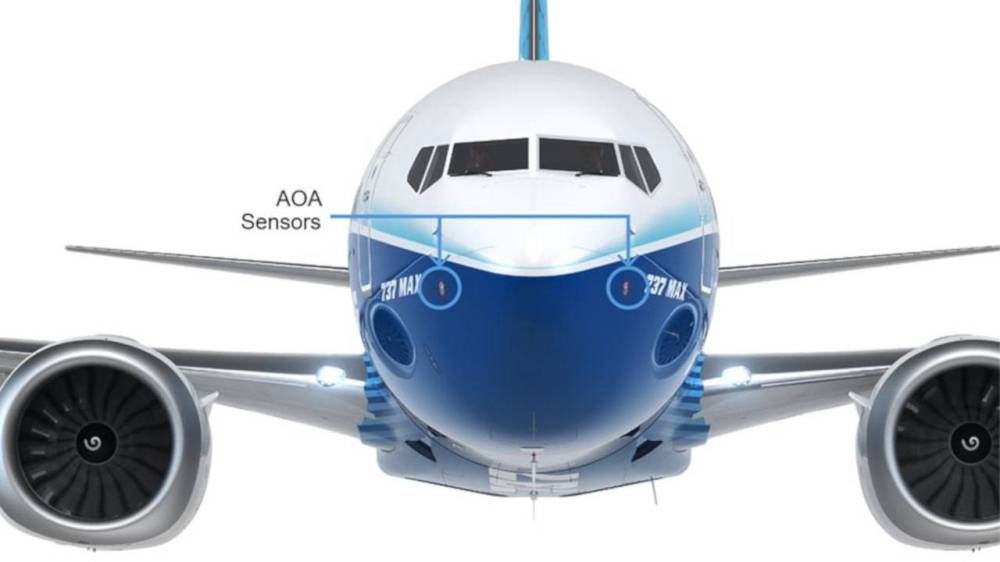
Before the Lion Air accident, the MCAS system was not evident to the pilots. In aviation, the angle of attack is determined by the difference in the angle of the wings and the direction in which the plane flies. If the angle is very steep, especially during takeoff or landing, the aerodynamics of the aircraft can be seriously affected. To control the effect that had resulted from the installation of the new engines on the 737 MAX, Boeing engineers developed a system that increased the maneuvering capabilities of the aircraft (MCAS). They were looking for pilots to feel familiar with the new model, similar to the previous generations of 737 Next Generation.
What the software would do would be, in essence, to lower the trunk automatically, under special circumstances, without the intervention of the pilot. Although the investigation is still under way, the accusatory fingers after the preliminary reports point specifically to the MCAS as responsible for the losses in Ethiopia and Indonesia.
A software in the crosshairs
But what does the MCAS do on the plane? According to several experts, the system makes the horizontal stabilizers on either side of the tail, which are simply used to maintain flight height, force the nose of the aircraft to lean down. The main idea behind its design was to reduce the risk of the nose getting too high and affecting the aerodynamics of the aircraft.
False inspections
Boeing pretends to be inspected, when in fact Boeing is doing almost everything herself Mary Schiavo, former inspector of the US Department of Transportation. But now, after the two accidents, it has been established that it is possible that the MCAS has flaws in its design. First, the software bases its response on data from a single sensor of the angle of attack, when the aircraft has two of them. This type of device, on the front of an airplane, measures the angle at which the air current is located. Trusting only one of them means that if it fails, the system can deploy at the wrong time and press the nose of the plane down when, for example, it should go up. Second, although the pilot can use manual control of the airplane, the MCAS repeats itself in cycles, forcing the trunk down again and again.
The problem in the Lion Air accident was that the MCAS worked without anyone knowing how to disable it. After that, Boeing had to explain to his clients not only how to deactivate it, but what the MCAS was in the first place. Because they had never mentioned it specifically in the airplane manual, which is the document that gives pilots all the information they need to command a plane safely.
What followed was an avalanche of fierce criticism from airlines and pilots. Boeing emphasized that procedures had been established for pilots in case of outrigger failures, whatever the cause. In fact, he gave the example of a flight the day before that of Lion Air, in which the pilots had managed to resolve the situation by turning off the computerized system and flying the aircraft manually.
FAA, under the magnifying glass
The Federal Aviation Administration of the United States is under public scrutiny for the accidents of the 737 Max. But that showed something worse: that there had been failures in the 737 MAx before the two fatal accidents. Since then, it is questioned how the 737 MAX achieved the certification to fly, in the first place, and why the flights were not stopped after the first failures were registered. Many analysts begin to point out the close relationship that exists between Boeing and the regulator of aviation security in the United States, the Federal Aviation Administration (FAA).
The FAA was denounced for certifying the 737 MAX and giving it permission to fly. The allegations suggest that this government office, due to the close ties that Boeing has with the US government is one of the largest contractors in the defense sector, overlooked details in the revision of the 737 MAX. Then it took more than it is desirable to order that all the models of the airplane stop operating after accidents. Criticism came even from the United States Senate where a public hearing was held to learn details of how the 737 MAX had been authorized to fly by the FAA. «In the FAA, they know that Boeing overcomes them, they know that the agency does not have the resources they need to do the job they are asked to do», said Mary Schiavo, who worked as a general inspector at the Department of Transportation (DOT) a lot of time questioning the FAA. Schiavo was in charge of several jobs at the FAA and at Boeing.
«They’re pretending they’re inspecting, and Boeing is pretending to be inspected, when in fact Boeing is doing almost everything herself», he said. For Barbara Lichman, an expert aviation lawyer, Boeing’s economic power also translates into political power. «A company of similar size has a lobbying capacity that outperforms the others, and they go again and again to Congress to exert enormous pressure to remove restrictions on the company», says the lawyer.
Beyond the criticism of the policy is involved, the FAA was criticized punctually because, 24 hours after the Ethiopian Airlines accident, it still allowed the 737 MAX to continue operating, when other aviation agencies in other countries had already established a ban. It took three days for the FAA to stop the takeoff of all 737 MAX in US territory. For its part, the FAA defended itself by saying, through its director Daniel K. Elwell, that although it was the last country to ban these flights, it was the first to do so «with valid information».
And he responded to accusations that he delegated certification work to Boeing’s staff. The aircraft certification process is well established. The 737 MAX took five years and involved 110,000 hours of work by the FAA staff, following the agency’s standards.
Prohibition of flying
The Boeing 737 MAX has been banned from flying at least until August 2019. The delegation has been a vital part of our security system since the 1920s and, without it, our country’s aviation system would probably have stalled. Modern aircraft are complex beasts, combining cutting-edge engineering with powerful computers that run software with millions of lines of code. The FAA, on the other hand, is a government office with limited resources. What they do is delegate the bulk of the review process, while the agency’s representatives are in charge of supervision. For its part, Boeing said it operates in full compliance with all the requirements and monitoring processes of the Federal Aviation Administration. The collaboration commitment between the FAA, Boeing, its customers and industry partners has created the safest transportation system in the world.
Increasing pressure
In recent months, Boeing has been sued by relatives of the victims of both flights. Also by some investors, who consider that the company hid some of the problems with the 737 MAX and put the profitability and growth of the company above the security and honesty.
Other details that affect the company have been appearing. Boeing admitted in March 2019 that a warning mechanism, which would have warned about the conflict in the angle of attack and that should have been installed as standard in the 737 MAX, would not work unless the airlines had also installed a cockpit screen by the that there was an additional charge to pay. Engineers detected the problem for the first time months before the Lion Air accident, but the airlines were not informed until after. The FAA was also not notified, because the Boeing staff maintained that it did not compromise safety.
Backstage 737 MAX
Pilots commit irreversible errors. Dai Whittingham, Director of the Air Safety Committee of the United Kingdom. According to the company, the absence of this system was not critical for the safety of the aircraft. «In each of the aircraft that we deliver to our customers, including the MAX, all the information and data needed to operate them are provided on the primary screens of the aircraft, neither the ‘angle of attack’ indicator nor the mechanism of warning were necessary for the safety of the operation of the aircraft», said Boeing.
Others think that any additional information is good in an emergency. «I think any data or clue helps solve a problem and helps to understand what is happening at those times», explains the expert Brady. Meanwhile, the investigation has raised more questions regarding transparency in the aerospace giant’s business and whether it has not reported other possible security problems.
Crisis in pilot training
Although air accidents are invariably tragic and heartbreaking, they are also extremely infrequent. Last year, there was a fatal accident for every 2,520,000 flights, according to the Aviation Safety Network. One of the bases for flying to be so safe is the rigorous training to which the aspiring pilots are subjected and above all, the time they have to devote later to obtain the additional certification that enables them to pilot a type of airplane in particular.
 However, there are experts who point out that those strict requirements are becoming more flexible and that manufacturers are trying to reduce the time and money that is needed for training. Some see what happened with the 737 MAX as a symptom of this trend. Although there were serious differences between the previous 737 and the MAX, the pilots who had flown the old version only needed to complete an online tutorial before being able to carry passengers in the new generation of aircraft.
By not modifying the controls of the Boeing 737 MAX aircraft compared to the old versions of the 737, Boeing made sure that the pilots did not need much extra training. «The airlines do not want to spend money on training if they can avoid it, we saw it with the 737 MAX, it’s an airplane with a different body and engines, but it had the same category for the pilots as the old versions of the 737», explains Dai Whittingham, Executive Director of the United Kingdom Air Safety Committee. This is a crucial point: if a new airplane gets the same rating as previous models in a series, less additional training is needed to operate it. Dai Whittingham insists that «shareholders are demanding a lot of cost cutting from airlines, training demands are being set at the absolute minimum, if airlines want to spend more on training their pilots, they have to fight that expense to their teams. financial», he explains.
The accident of JT-610 flight of Lion Air ignited the alarms on the security of the 737 MAX. Karlene Petitt, an experienced American pilot who has raised her voice against the safety culture within airline companies, is one of the few that has spoken: pilots prefer mostly not to touch the subject. «I think we have a problem with the training of commercial pilots around the world and the data supports this perception.» The importance of this number identifies that pilots around the world are concerned about the safety of the industry. «Comments received of these pilots have identified even more the concern for the trajectory of where this industry is going», says Karlene Pattit.
Another area that worries him is the increase in flight automation. She fears that as pilots become more dependent on computer systems, they are losing the skills to fly themselves and respond when things go wrong. Dai Whittingham has a similar opinion. «Physical, practical flight: the pilots now do less, because the computer is more efficient, pilots make mistakes and that costs money», he says. This is not a new theory. In 1997, at a famous conference at the American Airlines Flight Academy, Captain Warren Vandeburgh noticed that the pilots were becoming «children of magenta», that is, they trusted too much the lines of this color that were in the cabin screens. Vandeburgh identified the culture among the pilots of becoming too dependent on automated systems, which undermined their ability to respond to emergency situations. Boeing now says that all pilots who intend to fly the 737 Max when it has been recertified will have to embark on a new training program. A \ W
Ξ A I R G W A Y S Ξ
SOURCE: Airgways.com
DBk: Boeing.com / Bbc.com / Airgways.com
AW-POST: 201906090050AR
A\W A I R G W A Y S ®
 AW | 2019 06 10 14:52 | AIRLINES MARKET
 Aerial crisis in Venezuela
 TRANSPORTE AÉREO DE VENEZUELA, GLORIA DE OTROS TIEMPOS
 AW | 2019 06 10 12:50 | AIRLINES ROUTES
 La aerolínea de TRinidad y Tobago Caribbean Airlines iniciará vuelos a Curaçao, Antillas Neerlandesas. La nueva ruta aérea está siendo evaluada por las autoridades aeronáuticas de Trinidad y Tobago. La ruta asignada es Puerto España-Willemstad, con una frecuencia tentativa los días lunes y viernes, saliendo a las 11:55 hs del Aeropuerto Internacional de Piarco, en Trinidad. El retorno desde Curaçao parte a las 14:35 hs. Según el Presidente de la aerolínea, Garvin Medera, estos vuelos permitirán conectar hacia y desde destinos como Barbados, Grenada, Guyana, New York y muchos otros.
 AW | 2019 06 10 12:24 | AVIATION SAFETY
 Navigation system problems in the US
 AW | 2019 06 08 15:53 | INDUSTRY / AIRLINES
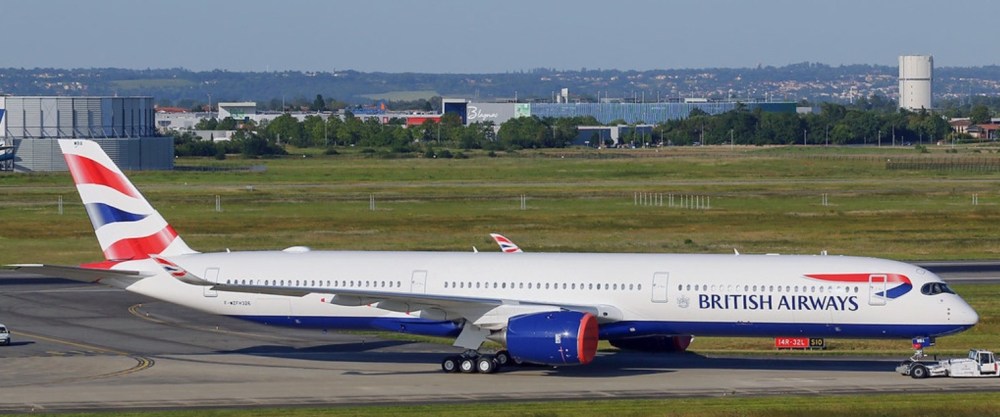
 El primer A350-100 sale de la factoría de pintura de Airbus para British Airways
 FAL de Airbus Toulouse, Francia. El diseño es una variante de la cola del astillero de Chatham que actualmente vuela en la flota de British Airways. La compañía británica incorpora en el dispositivo sharklet/winglet el logotipo.
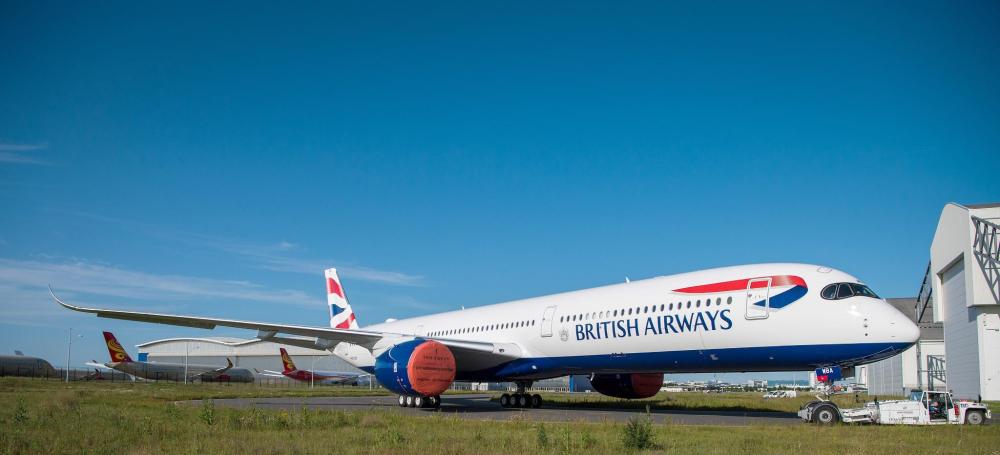 1st Airbus A350-1000 for British Airways
 AW | 2019 06 08 05:48 | AIRLINES MARKET
 Criticism shakes aviation in France
 La critique secoue l’aviation en France
 American Airlines ofrecerá 4 vuelos semanales directos entre Miami-Córdoba
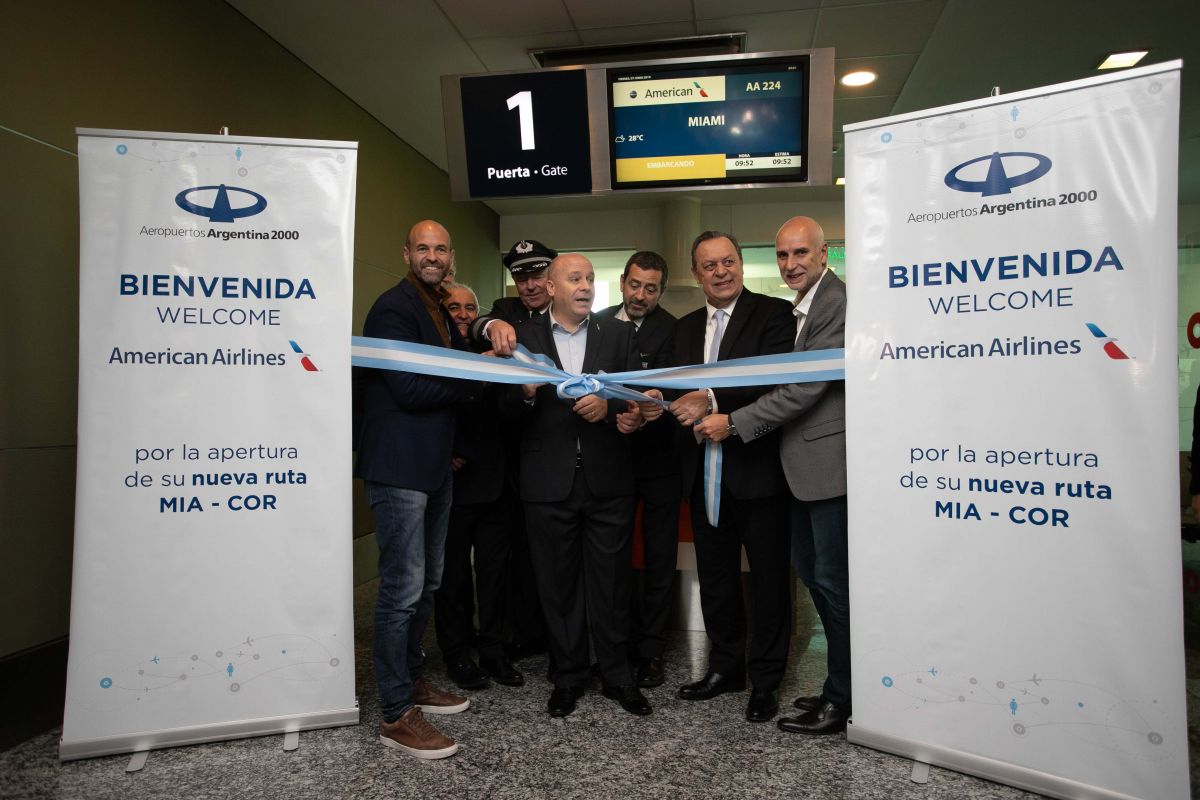 American inaugurated Miami-Córdoba
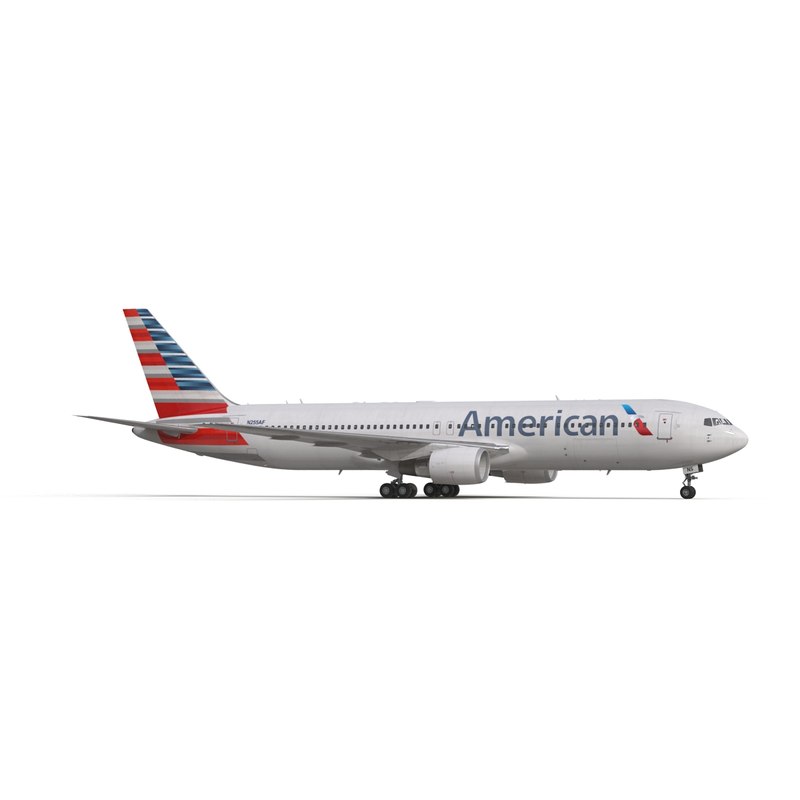
 American Airlines has inaugurated the Miami-Córdoba route this Friday, June 7, 2019 when the AA223 flight at 07:55 arrived at the International Airport of Cordoba, the American Airlines Boeing 767-300ER. The return flight AA224 departed at 10:20 am from the Ambrosio Taravella Engineer International Airport to formally inaugurate the Córdoba-Miami direct route.
 On the other hand, this route will also be a fundamental connection for air cargo transportation, from where American contributes to the development of Argentine foreign trade, with the ability to generate export business to the United States and its multiple connections with the rest of the world. Tito Zaninovich, Regional Cargo Manager of American Airlines, said: «We are going to have specific sales force for the cargo product in Córdoba, we are projecting a huge potential, for example, to take Chilean salmon via Córdoba, export seeds that come from the United States and they return genetically modified or import spare parts of cars that already come from Frankfurt», he said. The first plane that takes off from Córdoba transported 15 tons of Chilean salmon, which highlights the logistical importance of Córdoba’s air hub. A \ W
 AW | 2019 06 07 23:45 | INDUSTRY
 Los recortes de carga horaria laboral son afectados por la puesta en tierra del Boeing 737 MAX
 Miles de empleados de Spirit AeroSystems, la mayoría en Wichita, están programados para pasar a una semana laboral más corta que equivale a un recorte salarial del 20% para reducir los costos luego de la puesta a tierra del Boeing 737 MAX. «Cerca de 6,000 trabajadores en Wichita y Oklahoma irán a una semana laboral de cuatro días, mientras que Spirit AeroSystems continúa buscando oportunidades de ahorro de costos y otras formas de aumentar la eficiencia en nuestros programas», dijo el portavoz de Spirit Fred Malley.
 SPIRIT AEROSYSTEM ENVÍA LOS FUSELAJES DE LA LÍNEA BOEING 737 HACIA RENTON, WASHINGTON
 Labor reduction at Spirit AeroSystems
 Spirit AeroSystems workers face reduced hours, a day of workforce reduction due to the impact of the grounding of the Boeing 737 MAX line that directly affects the Wichita factory in the State of Kansas.

 AW | 2019 06 07 21:13 | INDUSTRY
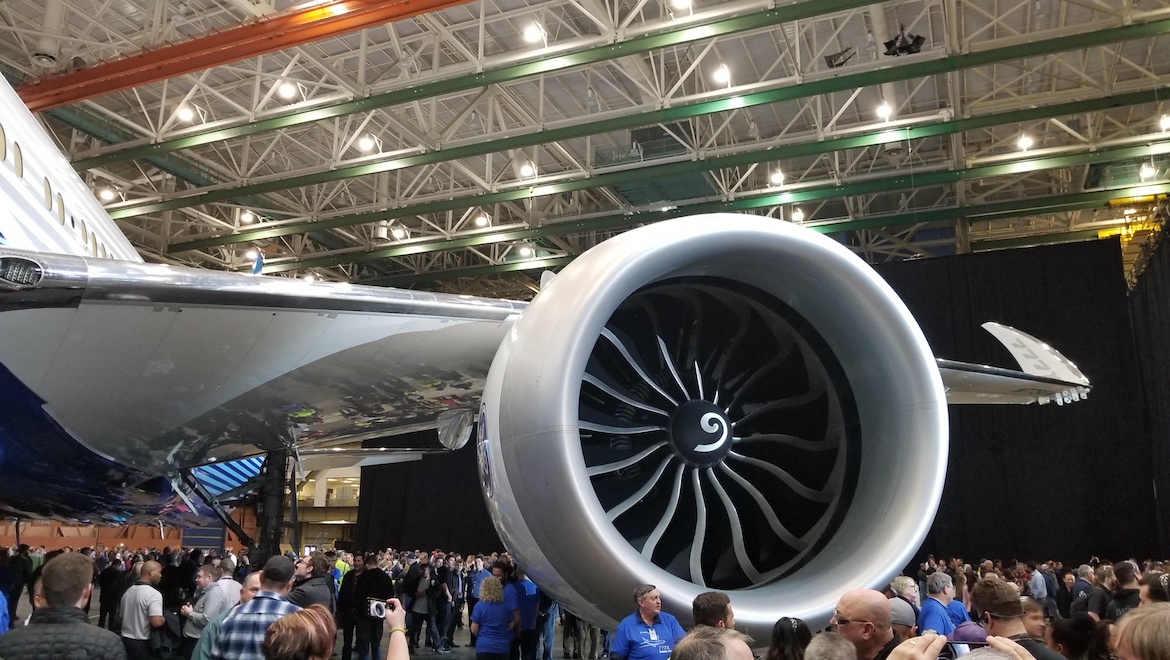
 Boeing estaría retrasando el rollout del nuevo avión Boeing 777-9
 encontrado. El Director Gerente de Producto del motor GE9X, Ted Ingling, explicó que la anomalía era un problema mecánico relacionado con el compresor y no un problema de aerodinámica que afectara su rendimiento: es demasiado pronto para saber si el problema afectará las pruebas de vuelo.
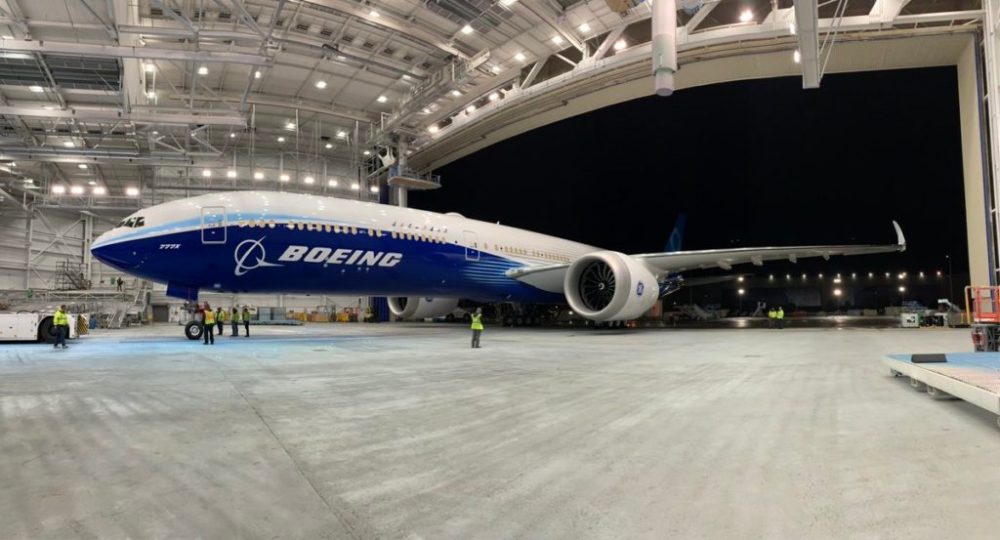 Rollout delay for Boeing 777-9
 AW | 2019 06 07 20:45 | AIRLINES
 Avianca Argentina dejará de volar por 90 días por la crisis del sector
 Avianca Argentina suspends ops
 airgways.com