Mesa Airlines ha solicitado una orden por veinte Embraer E175-E1 como parte de una expansión de servicios proyectada el 4Q2020. La compañía regional estadounidense en una reunión con inversionistas el Lunes 10/08 ha anunciado el pedido formal de aeronaves Embraer. El primer avión está programada para ser entregado a partir de Septiembre 2020 y continuará el acuerdo de entregas hasta Junio 2021, iniciando la financiación de las diez primeras unidades. La aerolínea regional ofrece rutas de tercer nivel como empresa feeder de United Airlines bajo la marca United Express, como así también para American Airlines bajo la regional American Eagle.
La nueva serie de pedidos de Embraer E175-E1 reemplazarán veinte unidades Bombardier CRJ-700 debido a la edad promedio de 17 años de antigüedad, mientras que la línea Embraer E175 promedia los cinco años.
Mesa ha ingresado al mercado de carga pura teniendo presente el potencial del servicio en tiempos de pandemia, por el cual ha llegado a un acuerdo con DHL Airlines para operar dos aviones de carga Boeing 737-400F programados para iniciar servicios el 10/2020, convirtiéndose en la primer aerolínea regional en ingresar al segmento de carga pura en Estados Unidos en estos últimos tiempos.
Restructurando en tiempo pandemia
Mesa Airlines Group ha incursionado en menores gastos de operación y mantenimiento de vuelos debido a la reducción de vuelos como resultado de la pandemia, y adquiriendo ayudas por valor de US$ 43 millones relacionados con la subvención federal recibida a través del Acuerdo de Apoyo de Nómina de acuerdo con la Ley CARES. La aerolínea ha tenido una utilidad neta de US$ 3.4 millones, debido a una drástica reducción de gastos, del orden del 64.5% en comparación con 2019. “Dado el difícil entorno operativo, estamos muy contentos de informar un flujo de caja y ganancias positivos. Creemos que este es el resultado de nuestro incansable enfoque en los bajos costos y las operaciones confiables, la construcción de nuestros socios clave y la dedicación y el arduo trabajo de todos nuestros empleados. Si bien creemos que hay importantes oportunidades por delante, todavía existen desafíos relacionados con COVID-19; nuestras flotas continúan utilizándose por debajo del 60%, el financiamiento de las aeronaves se ha vuelto más difícil y el tiempo de recuperación proyectado para que la demanda regrese a los niveles anteriores al COVID-19 es incierto”, dijo Jonathan Ornstein, el CEO de Mesa Air Group.
Mesa Airlines Inc. es una aerolínea regional estadounidense con sede en Phoenix, Arizona. Es una compañía certificada por la Parte 121 de la FAA que opera bajo el número de certificado de aerolínea MASA036A emitido el 29 Junio 1979. Es una subsidiaria de Mesa Air Group y opera vuelos como American Eagle y United Express a través de los respectivos acuerdos de código compartido con American Airlines y United Airlines. Conecta a 91 ciudades en 36 estados, el Distrito de Columbia en Canadá y México. La compañía opera una flota de 145 aviones regionales, con alrededor de 300 vuelos diarios y una fuerza laboral de 3.400 empleados.
Mesa Airlines orders 20 Embraer E175s
Regional airline orders 20 E175-E1
Mesa Airlines has requested an order for twenty Embraer E175-E1s as part of a projected expansion of services in 4Q2020. The US regional company in a meeting with investors on Monday 10/08 has announced the formal order for Embraer aircraft. The first aircraft is scheduled to be delivered from September 2020 and the delivery agreement will continue until June 2021, starting the financing of the first ten units. The regional airline offers third-tier routes as a feeder company for United Airlines under the United Express brand, as well as for American Airlines under the regional American Eagle.
The new Embraer E175-E1 order series will replace twenty Bombardier CRJ-700 units due to the average age of 17 years old, while the Embraer E175 line averages five years.
Mesa has entered the pure cargo market bearing in mind the potential of the service in times of pandemic, for which it has reached an agreement with DHL Airlines to operate two Boeing 737-400F cargo aircraft scheduled to start services on 10/2020, becoming the first regional airline to enter the pure cargo segment in the United States in recent times.
Restructuring in pandemic time
Mesa Airlines Group has incurred in lower operating and maintenance expenses of flights due to the reduction of flights as a result of the pandemic, and acquiring aid worth US$ 43 million related to the federal grant received through the Payroll Support Agreement in accordance with the CARES Law. The airline has had a net profit of US$ 3.4 million, due to a drastic reduction in expenses, of the order of 64.5% compared to 2019. “Given the difficult operating environment, we are very pleased to report positive cash flow and earnings. We believe this is the result of our tireless focus on low costs and reliable operations, building our key partners, and the dedication and hard work of all of our employees. While we believe there are significant opportunities ahead, there are still challenges related to COVID-19; our fleets continue to be utilized below 60%, aircraft financing has become more difficult, and the projected payback time for demand to return to pre-COVID-19 levels is uncertain”, said Jonathan Ornstein, CEO of Table Air Group.
Mesa Airlines Inc. is an American regional airline based in Phoenix, Arizona. It is an FAA Part 121 certified company that operates under airline certificate number MASA036A issued on June 29, 1979. It is a subsidiary of Mesa Air Group and operates flights such as American Eagle and United Express through the respective agreements of codeshare with American Airlines and United Airlines. Connects 91 cities in 36 states, the District of Columbia in Canada, and Mexico. The company operates a fleet of 145 regional aircraft, with around 300 daily flights and a workforce of 3,400 employees.
Ξ A I R G W A Y S Ξ PUBLISHER: Airgways.com DBk: Mesa-air.com / Airgways.com AW-POST: 202008122037AR
Aeropuerto Grand Rapids incorpora herramientas sanitarias
El Aeropuerto Grand Rapids/Gerald R. Ford en el Estado de Michigan, Estados Unidos, ha incorporado una serie de herramientas ultravioleta para desinfectar el edificio en busca de virus, incluido el COVID-19. La tecnología apunta a herramientas desinfectantes UV, incluido un robot y alfombrilla para zapatos. La tecnología UV incluyó un robot autónomo, un mapa desinfectante de zapatos para los invitados, una cápsula que se puede usar para limpiar sillas de ruedas y carritos de equipaje, y una cámara para artículos personales como teléfonos, llaves y tabletas.
Los representantes del aeropuerto dijeron que el aeropuerto de Grand Rapids es el primero en el país en probar el robot, en asociación con UVC Experts con sede en Michigan y el Programa iP con sede en Florida. “La tecnología UV es la herramienta de desinfección más prometedora para eliminar el COVID-19 de las superficies actualmente en el mercado. El Aeropuerto Ford proporciona un espacio de prueba único debido a las numerosas superficies, fuentes de luz y posibles puntos de obstrucción, como bancos. Mientras todos trabajamos para volver a la normalidad, será fundamental buscar formas innovadoras de mantener a todos a salvo”, dijo Larry Perez de UVC Experts.
El aeropuerto estableció nuevas medidas de seguridad que los viajeros verán a medida que avanzan desde el estacionamiento hasta el puente del jet, incluidos protocolos de saneamiento mejorados, instalación de guardias protectores y mayor señalización.
Grand Rapids healthcare technology
Grand Rapids Airport incorporates sanitary tools
The Grand Rapids/Gerald R. Ford Airport in the State of Michigan, United States, has incorporated a series of ultraviolet tools to disinfect the building for viruses, including COVID-19. The technology is targeting UV sanitizing tools, including a robot and shoe mat. The UV technology included an autonomous robot, a shoe sanitizer map for guests, a capsule that can be used to clean wheelchairs and luggage carts, and a camera for personal items like phones, keys, and tablets.
Airport representatives said the Grand Rapids airport is the first in the country to test the robot, in partnership with Michigan-based UVC Experts and the Florida-based iP Program. “UV technology is the most promising disinfection tool for removing COVID-19 from surfaces currently on the market. Ford Airport provides a unique test space due to the many surfaces, light sources, and potential points of obstruction such as benches. As we all work to get back to normal, it will be critical to find innovative ways to keep everyone safe”, said Larry Perez of UVC Experts.
The airport established new security measures that travelers will see as they move from the parking lot to the jet bridge, including improved sanitation protocols, installation of protective guards, and increased signage.
Ξ A I R G W A Y S Ξ PUBLISHER: Airgways.com DBk: Grr.org / Airgways.com AW-POST: 202008121944AR
AW | 2020 08 12 14:57 | AIRLINES MARKET / GOVERNMENT
Gobierno Argentina postergaría reapertura aviación comercial
El Ministerio de Transporte de Argentina está cerrando definitivamente la posibilidad de que se autoricen las operaciones de vuelos domésticos a partir del 1 Septiembre 2020. La República Argentina es uno de los pocos países que mantienen prohibidos la mayoría de los vuelos aerocomerciales. Hace una semana la titular de la Administración Nacional de Aviación Civil (ANAC), Paola Tamburelli, cuando aseguró que no se manejaban fechas determinadas para la vuelta de los vuelos comerciales. “Para nosotros septiembre, agosto, noviembre o diciembre es lo mismo y todo depende de cuando la situación sanitaria permita disminuir las restricciones y de que el Presidente modifique el decreto que estableció la suspensión de vuelos”.
La Circular Nº144/2020 de la ANAC prohibió hasta el 1 Septiembre 2020 la posibilidad de vender pasajes aéreos a las aerolíneas. La disposición condicionó a las aéreas, pero tras la proximidad de la fecha habían empezado a prepararse para el regreso de la actividad.
El propio Ministro de Transporte, Mario Meoni, puso en stand by la promesa: “Hasta tanto las autoridades sanitarias no tengan un panorama más claro respecto a la situación en general, los vuelos van a seguir estando restringidos. Esperamos que el transporte aéreo vuelva en los próximos 60 días. Los vuelos de cabotaje van a seguir estando restringidos, lamentablemente”, manifestó el Lunes 11/08, durante una videoconferencia.
Repercusiones ámbito aéreo
Las declaraciones generaron desconcierto y disgusto en el sector aerocomercial. «Se ve que no hay interés en salvar puestos de trabajo en la industria, la cual no recibe ayuda. Las empresas van a reprogramar vuelos que no fuesen de los aprobados como especiales regulares. En vistas de la falta de respuestas solo contamos con estos vuelos como factibles”, explicó una fuente de la industria.
Los vuelos comerciales de pasajeros por la pandemia se suspendieron en Marzo 2020, en el marco del decreto que estableció las medidas de Aislamiento Social, Preventivo y Obligatorio, y desde entonces no hubo una fecha oficial para la reactivación. Sin embargo, a fines de Abril 2020, una resolución de la ANAC autorizó a reprogramar y comercializar pasajes a partir del 1 Septiembre 2020. Para las aerolíneas, esa fecha apareció como un punto de partida bastante lejano entonces porque faltaban aún cuatro meses para volver a la actividad. Programaron cronogramas de vuelos regulares y vendieron pasajes a partir de Septiembre 2020, tal como las autorizaba el decreto de la ANAC. Ahora, con la fecha no confirmada, las compañías aéreas tendrán que reprogramar los vuelos, inicialmente los de Septiembre 2020.
Aerolíneas Argentinas
“Hay muy pocos tickets vendidos para septiembre. Si la situación se mantiene como hasta ahora, esos tickets se reprograman como se hizo con todos los que fueron cancelados en el marco de la pandemia”, indicaron desde Aerolíneas Argentinas, y aclararon que algunas operaciones ya se fueron cancelando por la baja demanda.
JetSmart Airlines Argentina
“Hemos leído las declaraciones del ministro de Transporte y estaremos atentos a las resoluciones que emitan las autoridades nacionales. Hasta el momento no existe ninguna normativa que impida a todo el sector vender y operar cabotaje desde el 1 Septiembre en adelante. El sector necesita contar con plazos mínimos de trabajo y que hacen también a la planificación de los pasajeros. Les hemos ofrecido comprar sus boletos con la posibilidad de total flexibilidad sin costos para hacer cambios hasta el 31 Diciembre 2021, atendiendo a la dinámica producida por la pandemia y a las indicaciones que marquen las autoridades sanitarias”, explicaron fuentes de la empresa JetSmart Argentina.
Flybondi Líneas Aéreas
Flybondi Líneas Aéreas ha comunicado que mantiene su cronograma a la espera de que haya una confirmación oficial sobre los cambios. Un 30% de los vuelos que tienen vendidos son para volar entre Septiembre y Octubre 2020. Esos tickets cuentan con flexibilidad para el cambio de fecha.
La compañía de presupuesto ha fleteado un vuelo para realizar el recambio de personal de una compañía minera el 11/08 a la ciudad de Puerto San Julián, Provincia de Santa Cruz como así también un vuelo a la Provincia de San Juan.
Andes Líneas Aéreas
Andes Líneas Aéreas anunció que volvería a operar en Chubut en Octubre 2020. Así lo ha anunciado la empresa a través de sus redes sociales oficiales. Aclararon que es un fecha tentativa en función de cómo avance la pandemia. A través de sus redes sociales oficiales, la empresa Andes Líneas Aéreas anunció que regresarán los vuelos a cuatro destinos: Puerto Madryn, Comodoro Rivadavia, Salta y Jujuy; sin embargo aclaró que esto depende de cómo vaya evolucionando la pandemia de coronavirus en el país.
“Apoyamos a nuestro país y a nuestros destinos por eso decidimos esperar para la reapertura de nuestros vuelos. Los esperamos a bordo a partir del 5 de octubre cuando las condiciones estén dadas para poder ingresar a cada provincia y el Ministerio de Salud apoye plenamente a la circulación”, informó la empresa en su cuenta en Twitter.
Aéreas internacionales
Muchas de las líneas aéreas internacionales ya tienen definidos cronogramas de vuelos comerciales a partir de septiembre. Sin embargo, algunas otras comenzaron a postergar la vuelta de los vuelos desde y hacia Buenos Aires, por la falta de definiciones sobre las fechas y por la caída en la demanda. Es el caso de Emirates Airline, que suspendió el reinicio de sus vuelos regulares entre Dubai y Buenos Aires, con escala en Río de Janeiro, que originalmente estaba programado para Septiembre 2020. Mientras que la aerolínea estadounidense American Airlines presentó un cronograma donde retomará sus vuelos desde Ezeiza a Nueva York y a Dallas recién a fines de octubre y suspenderá la ruta entre Buenos Aires y Los Ángeles.
Aclaraciones de ANAC
La ANAC ha comunicado que su resolución Nº144/2020 solo hacía referencia a la venta de tickets y que fue publicada para evitar que las compañías comercializaran pasajes para fechas que no estaban autorizadas y que pudieran provocar postergaciones para los pasajeros. “Las operaciones y autorizaciones estarán supeditadas al efectivo levantamiento de las restricciones impuestas al transporte aerocomercial y a las modalidades de operación que oportunamente se pudieren establecer en función de la salida ordenada de la emergencia generada por el coronavirus”, señalaron en un comunicado. El organismo se encuentra a la espera de las medidas que implementen las autoridades sanitarias y el comité de expertos designados por el Poder Ejecutivo.
Pero la Reglamentación Nº144/2020 en el Artículo Nº 1 es clara con respecto al inicio de las operaciones aerocomerciales: ARTÍCULO 1°: «Establécese que las Líneas Aéreas que operan servicios de transporte aéreo de pasajeros desde, hacia o dentro del territorio nacional podrán reprogramar sus operaciones regulares o solicitar autorizaciones para operaciones no regulares a partir del 1° de septiembre de 2020». Aunque el artículo número tres aclara que la reapertura de los vuelos está supeditada a las variables de la crisis sanitaria. ARTÍCULO 3°: «Aclárase que la reprogramación de operaciones y las autorizaciones referidas en el Artículo 1° estarán supeditadas al efectivo levantamiento de las restricciones impuestas al transporte aerocomercial y a las modalidades de operación que oportunamente se pudieren establecer en función de la salida ordenada de la emergencia generada por el nuevo Coronavirus COVID 19».
Desde el Ministerio de Transporte, reiteraron que Septiembre 2020 nunca fue una fecha operacional y que solo se dispuso para la venta de pasajes. La vuelta de los vuelos comerciales depende, cada vez más, de la situación sanitaria y reconocieron que actualmente no están dadas esas condiciones para la reapertura.
Fuentes oficiales reconocen que la situación sanitaria no está dada para que haya un cronograma de vuelos comerciales. Y la opción de programar vuelos entre ciudades del interior, sin pasar por Buenos Aires, ha sido descartada debido al rechazo de la postura de varios gobernadores que no estuvieron de acuerdo con avanzar con la reactivación de las rutas aéreas en el interior del país.
La semana pasada, el Secretario de Calidad en Salud del Ministerio de Salud de la Nación, Arnaldo Medina, señaló que es prematuro hablar del regreso de los vuelos comerciales. “La hipótesis que teníamos nosotros era empezar a habilitar algún vuelo local entre ciudades que no estén tan afectadas, por ejemplo Córdoba o Santa Fe, antes de comenzar por Buenos Aires. Ahora se complicó en todos lados». El funcionario aseguró que solo se volverán a habilitar los vuelos cuando no haya un riesgo epidemiológico.
Perspectivas aéreas
El Gobierno de Argentina ha reconocido que es poco probable la reapertura para el 01/09 de las operaciones aéreas como estaba previsto. Sin embargo, los países de Latinoamérica y el resto del mundo adoptaron otra estrategia y han reactivado la aviación y sus aeropuertos. Las medidas adoptadas por muchos países tiene por objetivo reducir el impacto económico del transporte aéreo, pero al mismo tiempo continúan teniendo problemas por los rebrotes que produce esta pandemia que hacen interminable la espera.
Desde los organismos sanitarios internacionales aseguran que la cabina de los aviones es altamente segura tomando los recaudos necesarios junto con el propio recambio de oxígeno de la cabina permite una atmósfera más estéril que en otras condiciones totalmente encerradas.
Los gobiernos necesitan consensuar políticas claras para poder diagramar una salida ordenada a la economía, pues la actual pandemia de Coronavirus ha decidido quedarse por más tiempo con rebrotes epidemiológicos tanto en el hemisferio norte como sur del planeta, donde el horizonte más probable es la respuesta a la cura de la enfermedad, pero otra pandemia ha comenzado a impactar, la económica sin un horizonte definido para salir de ella.
Argentina postponed air reopening
Argentine government would delay commercial aviation reopening
The Argentine Ministry of Transportation is definitively closing the possibility of authorizing domestic flight operations as of September 1, 2020. The Argentine Republic is one of the few countries that keeps most commercial air flights prohibited. A week ago, the head of the National Civil Aviation Administration (ANAC), Paola Tamburelli, assured that there were no specific dates for the return of commercial flights. «For us September, August, November or December is the same and it all depends on when the health situation allows the restrictions to be lowered and on whether the President modifies the decree that established the suspension of flights».
The ANAC Circular No. 144/2020 prohibited until September 1, 2020 the possibility of selling air tickets to airlines. The disposition conditioned the areas, but after the proximity of the date they had begun to prepare for the return of the activity.
The Minister of Transport himself, Mario Meoni, put the promise on stand by: “Until the health authorities have a clearer picture of the situation in general, flights will continue to be restricted. We expect air transport to return in the next 60 days. Cabotage flights will continue to be restricted, unfortunately”, he said on Monday, 08/11, during a videoconference.
Aerial repercussions
The statements generated confusion and disgust in the commercial aviation sector. «It is seen that there is no interest in saving jobs in the industry, which does not receive help. The companies will reschedule flights that were not approved as regular specials. In view of the lack of responses, we only count these flights as feasible”, explained an industry source.
Commercial passenger flights due to the pandemic were suspended in March 2020, within the framework of the decree that established the measures of Social, Preventive and Mandatory Isolation, and since then there has been no official date for reactivation. However, at the end of April 2020, an ANAC resolution authorized the rescheduling and commercialization of tickets as of September 1, 2020. For the airlines, that date appeared as a rather distant starting point then because there were still four months left to return to activity. They scheduled regular flight schedules and sold tickets starting in September 2020, as authorized by the ANAC decree. Now, with the date not confirmed, the airlines will have to reschedule the flights, initially those of September 2020.
Aerolíneas Argentinas
“There are very few tickets sold for September. If the situation continues as it has been until now, these tickets are reprogrammed as was done with all those that were canceled in the framework of the pandemic”, they indicated from Aerolineas Argentinas, and they clarified that some operations were already being canceled due to low demand.
JetSmart Airlines Argentina
“We have read the statements of the Minister of Transport and we will be attentive to the resolutions issued by the national authorities. So far there are no regulations that prevent the entire sector from selling and operating cabotage from September 1 onwards. The sector needs to have minimum working deadlines and that also do the planning of passengers. We have offered them to buy their tickets with the possibility of total flexibility without costs to make changes until December 31, 2021, taking into account the dynamics produced by the pandemic and the indications set by the health authorities”, explained sources from the company JetSmart Argentina.
Flybondi Líneas Aéreas
Flybondi Líneas Aéreas has communicated that it maintains its schedule pending official confirmation of the changes. 30% of the flights they have sold are to fly between September and October 2020. These tickets have flexibility to change the date.
The budget company has chartered a flight to perform the personnel change of a mining company on 08/11 to the city of Puerto San Julián, Province of Santa Cruz as well as a flight to the Province of San Juan.
Andes Líneas Aéreas
Andes Líneas Aéreas announced that it would operate again in Chubut in October 2020. This has been announced by the company through its official social networks. They clarified that it is a tentative date depending on how the pandemic progresses. Through its official social networks, the company Andes Líneas Aéreas announced that the flights will return to four destinations: Puerto Madryn, Comodoro Rivadavia, Salta and Jujuy; However, he clarified that this depends on how the coronavirus pandemic evolves in the country.
“We support our country and our destinations that is why we decided to wait for the reopening of our flights. We are waiting for you on board from October 5 when the conditions are in place to enter each province and the Ministry of Health fully supports the circulation», the company reported on its Twitter account.
International airlines
Many of the international airlines already have defined commercial flight schedules starting in September. However, some others began to postpone the return of flights to and from Buenos Aires, due to the lack of definitions on the dates and due to the drop in demand. This is the case of Emirates Airline, which suspended the restart of its regular flights between Dubai and Buenos Aires, with a stopover in Rio de Janeiro, which was originally scheduled for September 2020. While the American airline American Airlines presented a schedule where it will resume its flights from Ezeiza to New York and Dallas only at the end of October and the route between Buenos Aires and Los Angeles will be suspended.
ANAC clarifications
The ANAC has communicated that its resolution No. 144/2020 only referred to the sale of tickets and that it was published to prevent companies from marketing tickets for dates that were not authorized and that could cause postponements for passengers. «The operations and authorizations will be subject to the effective lifting of the restrictions imposed on commercial air transport and the operating modalities that may be established in a timely manner based on the orderly exit from the emergency generated by the coronavirus», they said in a statement. The agency is awaiting the measures implemented by the health authorities and the committee of experts appointed by the Executive Power.
But Regulation No. 144/2020 in Article No. 1 is clear regarding the start of commercial air operations: ARTICLE 1: «Establish that the Airlines that operate passenger air transport services from, to or within the national territory may reschedule their regular operations or request authorizations for non-regular operations as of September 1, 2020». Although article number three clarifies that the reopening of flights is subject to the variables of the health crisis. ARTICLE 3: «Clarify that the reprogramming of operations and the authorizations referred to in Article 1 shall be subject to the effective lifting of the restrictions imposed on commercial air transport and the operational modalities that may be established in a timely manner based on the orderly exit of the emergency generated by the new Coronavirus COVID 19».
From the Ministry of Transport, they reiterated that September 2020 was never an operational date and that it was only available for the sale of tickets. The return of commercial flights depends, more and more, on the health situation and they acknowledged that these conditions for reopening are not currently in place.
Official sources acknowledge that the health situation is not given so that there is a schedule of commercial flights. And the option of scheduling flights between cities in the interior, without going through Buenos Aires, has been ruled out due to the rejection of the position of several governors who did not agree to move forward with the reactivation of air routes within the country.
Last week, the Secretary of Quality in Health of the Ministry of Health of the Nation, Arnaldo Medina, pointed out that it is premature to talk about the return of commercial flights. “The hypothesis that we had was to start to enable a local flight between cities that are not so affected, for example Córdoba or Santa Fe, before starting with Buenos Aires. Now it is complicated everywhere». The official assured that flights will only be re-enabled when there is no epidemiological risk.
Aerial perspectives
The Government of Argentina has acknowledged that it is unlikely that air operations will reopen on 09/01 as planned. However, the countries of Latin America and the rest of the world adopted another strategy and have reactivated aviation and its airports. The measures adopted by many countries are aimed at reducing the economic impact of air transport, but at the same time they continue to have problems due to the outbreaks produced by this pandemic that make the wait endless.
International health organizations assure that the aircraft cabin is highly safe, taking the necessary precautions together with the cabin’s own oxygen replacement allows a more sterile atmosphere than in other totally enclosed conditions.
Governments need to agree on clear policies to be able to diagram an orderly exit to the economy, since the current Coronavirus pandemic has decided to stay longer with epidemiological outbreaks in both the northern and southern hemispheres of the planet, where the most likely horizon is the response to the cure of the disease, but another pandemic has begun to impact, the economic one without a defined horizon to get out of it.
Ξ A I R G W A Y S Ξ PUBLISHER: Airgways.com DBk: Argentina.gob.ar/transporte / Anac.gov.ar / Infobae.com / Airgways.com / Hiveminer.com AW-POST: 202008121457AR
Azul Linhas Aéreas ha lanzado oficialmente Azul Conecta el 11 Agosto 2020 en el Aeropuerto Jundaí, Estado de São Paulo. Bajo el nuevo nombre para el Taxi Aéreo TwoFlex, adquirido por la empresa en Enero 2020, la nueva subsidiaria será el brazo de aviación subregional de tercer nivel de la compañía Azul, ampliando la cantidad de destinos a los que sirve. Según la empresa, el objetivo es llegar a conectar 200 ciudades. TwoFlex sirve a 36 destinos en el país y cuenta con una flota de 17 aviones Cesna Gran Caravan, un turbohélice regional monomotor con una capacidad para nueve pasajeros.
El lanzamiento de la empresa tuvo lugar el Martes 12/08 por la mañana en el Aeropuerto de Jundiaí. Durante el evento, la aeronave recibió la nueva pintura de la marca Azul Conecta. Estuvieron presentes John Rodgerson, Presidente de Azul, Flávio Costa, Vicepresidente de Técnico Operativo, y Ronei Glanzmann, Secretario Nacional de Aviación Civil. “Con estos aviones, transformaremos Brasil una vez más. Llegaremos a 200 destinos. Tenemos que mirar hacia el futuro y ver cómo vamos a ayudar a Brasil a crecer nuevamente. Lo que vamos a hacer en los próximos diez años es mucho más de lo que ya hemos hecho”, dijo John Rodgerson. El CEO de Azul también ha destacado la versatilidad de la flota de la compañía, que permitirá llegar a más destinos de manera eficiente. “Esta es la fortaleza de Azul. Contamos con aeronaves pequeñas, medianas, grandes y muy grandes. Pequeñas para ciudades pequeñas, medianas para ciudades medianas y grandes para ciudades grandes. Vamos a llevar gente a cualquier parte del mundo”, avizoró John Rodgerson. El Secretario Nacional de Aviación Civil, Ronei Glanzmann, reforzó este objetivo de ampliar el número de ciudades atendidas. “El punto principal de nuestra agenda es la aviación regional. Brasil tiene más de 5.000 municipios y tenemos un desafío logístico. Llegar con este tipo de equipos es fundamental. Como dijo John, para ciudades más pequeñas, aviones más eficientes. Doscientas ciudades es el mínimo que podemos dar en términos de políticas públicas. Ahora un pasajero puede salir de una ciudad pequeña hacia Miami con un solo boleto».
Azul Conecta ahora servirá a 152 municipios. Entre las regiones que ve con más oportunidades se encuentran el norte y el medio oeste. Estas son regiones con muy poca oferta. Pero también hay oportunidades en ciudades pequeñas del sureste y sur.
La estrategia de Azul es fortalecer cada vez más la capilaridad de los hubs regionales y estatales, con vuelos a ciudades del interior de Brasil y pequeñas comunidades. Azul Conecta permitirá a Azul utilizar aviones más pequeños en rutas menos rentables para los modelos ATR 42/72 o E195, que hoy operan la mayoría de las rutas regionales.
AZUL CONECTA EMPLEARÁ AVIÓN CESSNA CARAVAN PARA REALIZAR OPERACIONES DE CARGA A DESTINOS DE TERCER NIVEL
La mayor ramificación de estos hubs más pequeños permitirá a la compañía abastecer aún más a sus tres hubs principales, en Viracopos/Campinas, Confins/Belo Horizonte y Recife, además de aeropuertos estratégicos, como Congonhas/Sao Paulo. La nueva empresa también podría fortalecer conexiones en estados como Mato Grosso, Pará y Amazonas, donde TwoFlex ya tenía rutas desde las capitales, Cuiabá, Belém y Manaus, a ciudades más pequeñas.
Con Azul Conecta, Azul Linhas Aéreas también hereda 14 slots en el Aeropuerto Congonhas que pertenecían a TwoFlex. Sin embargo, la legislación de la Agencia Nacional de Aviación Civil (ANAC) prohíbe solo la operación de aviones a reacción en la pista auxiliar, lo que no restringe el uso de ATR. Así, además de las operaciones en la pista principal con los Embraer 195 E2 y A320NEO, Azul puede alternar operaciones en la pista auxiliar entre ATR 72 y Cessna Gran Caravan, según la ruta y el destino.
Fuerte competitividad
El avance de Gol Linhas Aéreas en la aviación regional en 2019 hizo que Azul se manifestara el año pasado, señalando que el movimiento era antinatural. Además de anunciar la operación de algunos destinos, la compañía Gol Linhas Aéreas también reforzó los acuerdos de código compartido con Map Linhas Aéreas y VoePass (anteriormente Passaredo) y TwoFlex. Además de la rentabilidad, evitando ingresar a rutas que no garantizarían la ocupación necesaria, las alianzas surgieron con el objetivo de atender a los aeropuertos que no tienen capacidad para recibir vuelos de Gol operados por Boeing 737.
Con la compra de TwoFlex por parte de Azul y el lanzamiento de Azul Conecta, la empresa imposibilitó la operación de algunos destinos, entre ellos los de Rio Grande do Sul, Amazonas y Pará, anunciados en 2019 por Gol, en sociedad con TwoFlex. La transacción también genera dudas sobre el futuro de las rutas regionales de Ceará, anunciadas en Diciembre 2019, que conectarían con el hub de Fortaleza.
Official launch of Azul Conecta
Azul Conecta will fly target of 200 destinations
Azul Linhas Aéreas has officially launched Azul Conecta on August 11, 2020 at Jundaí Airport, São Paulo State. Under the new name for the TwoFlex Air Taxi, acquired by the company in January 2020, the new subsidiary will be the sub-regional third-tier aviation arm of the Azul company, expanding the number of destinations it serves. According to the company, the goal is to connect 200 cities. TwoFlex serves 36 destinations in the country and has a fleet of 17 Cesna Gran Caravan aircraft, a single-engine regional turboprop with a capacity for nine passengers.
The launch of the company took place on Tuesday 12/08 in the morning at the Jundiaí Airport. During the event, the aircraft received the new paint from the Azul Conecta brand. Present were John Rodgerson, President of Azul, Flávio Costa, Vice President of Operational Technician, and Ronei Glanzmann, National Secretary of Civil Aviation. “With these planes, we will transform Brazil once again. We will reach 200 destinations. We have to look to the future and see how we are going to help Brazil grow again. What we are going to do in the next ten years is much more than what we have already done”, said John Rodgerson. The CEO of Azul also highlighted the versatility of the company’s fleet, which will allow it to reach more destinations efficiently. “This is Azul’s fortress. We have small, medium, large and very large aircraft. Small for small cities, medium for medium and large cities for large cities. We are going to take people to any part of the world”, warned John Rodgerson. The National Secretary of Civil Aviation, Ronei Glanzmann, reinforced this objective of expanding the number of cities served. “The main item on our agenda is regional aviation. Brazil has more than 5,000 municipalities and we have a logistical challenge. Arriving with this type of equipment is essential. As John said, for smaller cities, more efficient planes. Two hundred cities is the minimum we can give in terms of public policies. Now a passenger can leave a small city for Miami with a single ticket».
Azul Conecta will now serve 152 municipalities. Among the regions it sees with the most opportunities are the North and the Midwest. These are regions with very little supply. But there are also opportunities in small towns in the southeast and south.
Azul’s strategy is to increasingly strengthen the capillarity of regional and state hubs, with flights to cities in the interior of Brazil and small communities. Azul Conecta will allow Azul to use smaller aircraft on less profitable routes for the ATR 42/72 or E195 models, which today operate most regional routes.
The greater branching of these smaller hubs will allow the company to further supply its three main hubs, in Viracopos/Campinas, Confins/Belo Horizonte and Recife, as well as strategic airports, such as Congonhas/Sao Paulo. The new company could also strengthen connections in states such as Mato Grosso, Pará and Amazonas, where TwoFlex already had routes from the capitals Cuiabá, Belém and Manaus to smaller cities.
With Azul Conecta, Azul Linhas Aéreas also inherits 14 slots at Congonhas Airport that belonged to TwoFlex. However, the legislation of the National Civil Aviation Agency (ANAC) prohibits only the operation of jet aircraft on the auxiliary runway, which does not restrict the use of ATR. Thus, in addition to operations on the main runway with the Embraer 195 E2 and A320NEO, Azul can alternate operations on the auxiliary runway between ATR 72 and Cessna Gran Caravan, depending on the route and destination.
Strong competitiveness
Gol Linhas Aéreas’ breakthrough in regional aviation in 2019 caused Azul to demonstrate last year, signaling that the move was unnatural. In addition to announcing the operation of some destinations, the company Gol Linhas Aéreas also reinforced the codeshare agreements with Map Linhas Aéreas and VoePass (formerly Passaredo) and TwoFlex. In addition to profitability, avoiding entering routes that would not guarantee the necessary occupancy, the alliances emerged with the objective of serving airports that do not have the capacity to receive Gol flights operated by Boeing 737s.
With the purchase of TwoFlex by Azul and the launch of Azul Conecta, the company made it impossible to operate some destinations, including those of Rio Grande do Sul, Amazonas and Pará, announced in 2019 by Gol, in partnership with TwoFlex. The transaction also raises doubts about the future of the Ceará regional routes, announced in December 2019, which would connect with the Fortaleza hub.
Lançamento oficial do Azul Conecta
Azul Conecta voará alvo de 200 destinos
A Azul Linhas Aéreas lançou oficialmente o Azul Conecta em 11 de agosto de 2020 no Aeroporto de Jundaí, Estado de São Paulo. Com o novo nome de TwoFlex Air Taxi, adquirido pela empresa em janeiro de 2020, a nova subsidiária será o braço de aviação sub-regional de terceiro nível da empresa Azul, ampliando o número de destinos que atende. De acordo com a empresa, a meta é conectar 200 cidades. A TwoFlex atende 36 destinos no país e possui uma frota de 17 aeronaves Cesna Gran Caravan, um turboélice regional monomotor com capacidade para nove passageiros.
O lançamento da empresa aconteceu nesta terça-feira, 12/08, pela manhã, no Aeroporto de Jundiaí. Durante o evento, a aeronave recebeu a nova pintura da marca Azul Conecta. Estiveram presentes John Rodgerson, Presidente da Azul, Flávio Costa, Vice-Presidente Técnico Operacional, e Ronei Glanzmann, Secretário Nacional de Aviação Civil. “Com esses aviões, vamos transformar o Brasil mais uma vez. Chegaremos a 200 destinos. Precisamos olhar para o futuro e ver como vamos ajudar o Brasil a crescer novamente. O que vamos fazer nos próximos dez anos é muito mais do que já fizemos”, disse John Rodgerson. O CEO da Azul destacou ainda a versatilidade da frota da empresa, o que permitirá chegar com mais eficiência aos destinos. “Esta é a fortaleza da Azul. Temos aeronaves de pequeno, médio, grande e muito grande porte. Pequeno para cidades pequenas, médio para cidades médias e grandes para grandes cidades. Vamos levar pessoas para qualquer parte do mundo”, avisou John Rodgerson. O Secretário Nacional de Aviação Civil, Ronei Glanzmann, reforçou esse objetivo de ampliar o número de municípios atendidos. “O principal item da nossa agenda é a aviação regional. O Brasil tem mais de 5.000 municípios e temos um desafio logístico. Chegar com esse tipo de equipamento é fundamental. Como disse John, para cidades menores, aviões mais eficientes. Duzentas cidades é o mínimo que podemos dar em termos de políticas públicas. Agora, um passageiro pode deixar uma pequena cidade para Miami com uma única passagem».
O Azul Conecta agora atenderá 152 municípios. Entre as regiões que vê com mais oportunidades estão Norte e Centro-Oeste. São regiões com muito pouca oferta. Mas também há oportunidades em pequenas cidades do sudeste e do sul.
A estratégia da Azul é fortalecer cada vez mais a capilaridade dos hubs regionais e estaduais, com voos para cidades do interior e pequenas comunidades. O Azul Conecta permitirá que a Azul use aeronaves menores em rotas menos lucrativas para os modelos ATR 42/72 ou E195, que hoje operam a maioria das rotas regionais.
A maior ramificação desses polos menores permitirá à empresa abastecer ainda mais seus três principais polos, em Viracopos/Campinas, Confins/Belo Horizonte e Recife, além de aeroportos estratégicos, como Congonhas/São Paulo. A nova empresa também poderá fortalecer conexões em estados como Mato Grosso, Pará e Amazonas, onde a TwoFlex já tinha rotas das capitais Cuiabá, Belém e Manaus para cidades menores.
Com o Azul Conecta, a Azul Linhas Aéreas também herda 14 slots no Aeroporto de Congonhas que pertenciam à TwoFlex. No entanto, a legislação da Agência Nacional de Aviação Civil (ANAC) proíbe apenas a operação de aeronaves a jato na pista auxiliar, o que não restringe o uso de ATR. Assim, além de operar na pista principal com os Embraer 195 E2 e A320NEO, a Azul pode alternar as operações na pista auxiliar entre o ATR 72 e o Cessna Gran Caravan, dependendo da rota e do destino.
Forte competitividade
O avanço da Gol Linhas Aéreas na aviação regional em 2019 levou a Azul a se manifestar no ano passado, sinalizando que a mudança não era natural. Além de anunciar a operação de alguns destinos, a Gol Linhas Aéreas também reforçou os acordos de codeshare com a Map Linhas Aéreas e VoePass (antiga Passaredo) e TwoFlex. Além da lucratividade, evitando entrar em rotas que não garantissem a ocupação necessária, as alianças surgiram com o objetivo de atender aeroportos que não têm capacidade para receber voos da Gol operados por Boeing 737.
Com a compra da TwoFlex pela Azul e o lançamento do Azul Conecta, a empresa impossibilitou a operação de alguns destinos, entre eles Rio Grande do Sul, Amazonas e Pará, anunciados em 2019 pela Gol, em parceria com a TwoFlex. A transação também levanta dúvidas sobre o futuro das rotas regionais do Ceará, anunciadas em dezembro de 2019, que se conectariam ao hub de Fortaleza.
Ξ A I R G W A Y S Ξ PUBLISHER: Airgways.com DBk: Voeazul.com.br / Jornale.com.br / Panrotas.com.br / Airgways.com AW-POST: 202008121113AR
AW | 2020 08 11 20:44 | AVIATION SAFETY / GOVERNMENT / AIR TRAFFIC
Cómo volar de forma segura durante la pandemia
Los pasajeros se enfrentan a un mosaico de políticas cambiantes con nuevas normativas, usos y costumbres en diferentes países. Los viajes aéreos se redujeron en un 80 por ciento con respecto al mismo período del año pasado, y los aeropuertos se han convertido en pueblos fantasmas, no solo en Estados Unidos, sino también alrededor del mundo. Aunque muchos aviones permanecen en tierra, los asientos se están llenando en los aviones que todavía están en servicio. Los incidentes recientes, confirmados por fotos publicadas en las redes sociales por pasajeros enojados, muestran que las aerolíneas en algunos casos están ignorando los consejos de los expertos en salud y, en algunos casos, incluso sus propias reglas, que en ausencia de mandatos federales pueden diferir de una aerolínea a otra, particularmente en lo que respecta a los asientos del medio.
El Centro para el Control y la Prevención de Enfermedades (CDC) de Estados Unidos dice que quedarse en casa es la mejor manera de evitar que usted u otros se enfermen. Aun así, la agencia ha dicho que la mayoría de los virus no se propagan fácilmente en los vuelos. El grupo comercial de la industria Airlines for America (A4A), que representa a las principales aerolíneas de América del Norte, dice que eso se debe a que las aerolíneas tienen sistemas de ventilación de grado hospitalario para filtrar el aire.
Aunque puede parecer que un avión es un entorno perfecto para un brote de virus, probablemente sea más seguro que otros espacios cerrados debido al sistema de filtración de aire, según Erin Bromage, Ph.D., Profesora de Biología, asociada en la Universidad de Massachusetts. El aire del avión se intercambia completamente cada 3 a 5 minutos. «El comportamiento humano también juega un papel importante. El distanciamiento y el uso de máscaras son las cosas más importantes que podemos hacer para protegernos a nosotros mismos y a los demás. Es muy confuso, especialmente cuando los pasajeros ya están preocupados por volar y lo primero no debería ser opcional al volar», dice Dan Carlin, MD, ex-Director Médico de la Marina de los Estados Unidos que ha tratado enfermedades infecciosas y es fundador de WorldClinic, una plataforma de telemedicina. Para los consumidores que están considerando viajar, la decisión implica más que los precios y los horarios de los vuelos. ¿Cómo pueden practicar el distanciamiento social a 35.000 pies?
Viajar con seguridad
El 2 Julio 2020, el Departamento de Transporte y la Administración Federal de Aviación de los Estados Unidos (DOT) ha emitido una guía sobre la protección del Coronavirus para aeropuertos y aerolíneas en consulta con el Departamento de Seguridad Nacional y el Departamento de Salud y Servicios Humanos. Cubrió una amplia gama de posibles acciones en todo, desde controles de temperatura hasta equipos de protección personal, pero no incluyó ningún mandato federal propuesto. En cambio, se ha dejado a las aerolíneas individuales tomar sus propias decisiones sobre las precauciones de COVID-19, sucediendo exactamente así, minando el campo de diferencias en conceptos de políticas sanitarias, con algunas aerolíneas, como por ejemplo Delta Air Lines y JetBlue Airways, que prometen bloquear los asientos del medio durante un período prolongado de tiempo, mientras que otras, como United Airlines.
Aunque todas las aerolíneas exigen que los pasajeros y la tripulación usen cubiertas para la cara, no se está aplicando de manera constante. Las aerolíneas dicen que eso se debe a que tienen pocas opciones si alguien se quita la máscara en pleno vuelo. Solo una aerolínea estadounidense, Frontier Airlines, dice que desviará un vuelo si un pasajero desobedece el edicto. Otros dicen que el único castigo que pueden imponer con seguridad es simplemente prohibir al infractor de vuelos futuros.
El Senador Jeff Merkley, Demócrata de Oregon, Estados Unidos, dice que planea presentar un proyecto de ley para prohibir el uso de asientos intermedios en las aerolíneas. Y los defensores de los consumidores, incluido Consumer Reports (CR), y la Asociación de Auxiliares de Vuelo-CWA, que representa a casi 50.000 auxiliares de vuelo en 19 aerolíneas, han pedido al DOT que vaya más allá y exija máscaras para los pasajeros, respaldado por la amenaza de sanciones. Los defensores de Consumer Reports han recopilado más de 55.000 firmas en una petición que pide al DOT que establezca reglas de salud y seguridad obligatorias y exigibles que se apliquen de manera uniforme en todos los vuelos de las aerolíneas de Estados Unidos. En la petición, CR llama a la red actual de reglas en conflicto un «libre para todos» que amenaza la salud de los pasajeros. “Este es un tema demasiado crítico para dejar que las aerolíneas individuales lo decidan. Esto no es como si estuvieran compitiendo por quién tiene las mejores salas VIP de aeropuerto. La salud es un problema de seguridad, y el DOT y la FAA nos están fallando”, dice William J. McGee, Asesor de Aviación de CR.
La mensajería mixta no está ayudando a recuperar clientes. En Junio 2020, una encuesta representativa a nivel nacional de CR que se centró en la pandemia de COVID-19 preguntó a más de 1.000 adultos estadounidenses qué tan seguros se sentirían al realizar diversas actividades. CR descubrió que 7 de cada 10 estadounidenses se sentirían inseguros viajando en avión hoy. El 38% dijo que se sentiría muy inseguro y el 32% dijo algo inseguro. Más estadounidenses piensan que viajar en avión en este momento es inseguro que aquellos que piensan que hacer cualquiera de las otras actividades preguntadas es inseguro, incluido ir a un sala de emergencias o votar en persona en un lugar de votación.
A medida que más personas comienzan a pensar en volar nuevamente, las preocupaciones sobre la transmisión de COVID-19 siguen siendo altas, y por una buena razón. Sin embargo, como señala Consumer Reports, las inconsistencias en las políticas gubernamentales y de las aerolíneas han causado problemas, pero hay cosas que puede hacer para que volar sea lo más seguro posible. Lo mismo es aplicable al resto de las aerolíneas a través del mundo.
Pero mientras que algunas aerolíneas hacen obligatorio el uso de máscaras y bloquean los asientos del medio, Consumer Reports ha descubierto que las precauciones de COVID de las aerolíneas están por todas partes. «En muchos casos, las políticas están en conflicto. Por lo tanto, si vuela en dos aerolíneas diferentes el mismo día, es muy posible que tenga dos conjuntos de reglas diferentes», dijo Bill McGee, experto en aviación de Consumer Reports.
Consumer Reports dijo que sin reglas federales vigentes, las aerolíneas no serán responsables de hacer que sus vuelos sean lo más seguros posible. «El Departamento de Transporte no ha intensificado y no ha protegido a los consumidores como creemos que deberían», dijo McGee.
Sugerencias para viajeros
Antes de reservar, pregunte a la aerolínea si garantiza asientos intermedios vacíos y cuán estrictamente aplica el uso de máscaras. Empaque más mascarillas, desinfectante para manos y toallitas desinfectantes. Cuando aborde, limpie su espacio. Limpia el área que te rodea, incluso la boquilla de aire de arriba. Un experto le dijo a CR que el lugar más seguro en un avión es el asiento de la ventana, ya que el aire filtrado entra directamente sobre su cabeza. También tendrá menos interacciones con las personas que pasen junto a usted en el pasillo.
Preguntas frecuentes
Los esfuerzos anteriores para adjuntar protecciones a los pasajeros aéreos a un paquete de rescate de aerolíneas de US$ 50 mil millones que fue aprobado por el Congreso antes en la pandemia fallaron. Y las aerolíneas dicen que se enfrentan a la ruina financiera debido a la crisis y seguramente lucharán contra cualquier movimiento para agregar tales protecciones en el nuevo proyecto de ley. Mientras tanto, aunque es mejor evitar volar u otros viajes a menos que sea inevitable, hay algunos pasos que puede tomar para ayudar a proteger su salud si debe volar.
Empiece por hacer las preguntas adecuadas cuando reserve su viaje. Intente llamar a un agente por teléfono o use la función de chat para obtener respuestas a las siguientes preguntas: ¿La aerolínea garantiza que estará al lado de un asiento del medio vacío? ¿O tiene un límite de capacidad? Si no es así, y si un vuelo está a punto de llenarse, ¿notifica a los pasajeros con anticipación y ofrece un vuelo alternativo sin costo adicional? ¿Cuán estrictamente aplica el requisito de uso de máscara? ¿Los miembros de la tripulación negarán el embarque a alguien que se presente en la puerta sin una máscara y se niegue a aceptar una? Si un pasajero incumple la regla después de que el avión está en el aire, ¿pueden sus compañeros de asiento solicitar que lo muevan? ¿Con qué frecuencia se limpian profundamente los aviones y qué implica? Como mínimo, todas las superficies deben limpiarse entre vuelos, con una desinfección más profunda durante la noche. Además de hacer las preguntas correctas, también es importante seguir ciertas precauciones, desde hacer las maletas en casa hasta el momento de desembarcar. Traiga bocadillos y artículos de limpieza. Muchos restaurantes y tiendas en los aeropuertos han cerrado, y el servicio de alimentos y bebidas a bordo también se ha reducido significativamente. Así que traiga bocadillos y una botella de agua vacía que pueda rellenar en las estaciones de hidratación más allá de la seguridad. McGee de CR dice que debería cargarse con toallitas desinfectantes y desinfectante para manos. En un desarrollo positivo, la Administración de Seguridad en el Transporte ha relajado el límite de 3.4 onzas de líquidos para permitir que los pasajeros lleven hasta 12 onzas de desinfectante para manos. Traiga también varias máscaras, en caso de que una se dañe o se ensucie. Use el baño antes de subir al avión. Los baños del aeropuerto pueden ser más seguros que el espacio muy estrecho del que está a bordo si practica el distanciamiento social de al menos 6 pies, usa una mascarilla de tela y se lava las manos con jabón durante al menos 20 segundos después de tocar cualquier superficie. Pero si tiene que usar el baño del avión, manténgase la máscara puesta «en caso de que la última persona no se haya puesto la suya todo el tiempo o haya tosido», dice Rebecca W. Acosta, RN, MPH, directora ejecutiva de Traveler’s Medical Servicio de Nueva York. Traiga sus toallitas desinfectantes para limpiar cualquier superficie que toque. Realice un seguimiento con un desinfectante para manos. Limpia tu espacio. Una vez que se haya acomodado, limpie el área a su alrededor: el apoyabrazos, la mesa de la bandeja, la persiana de la ventana, incluso la boquilla de aire sobre usted, en resumen, cualquier cosa que se pueda tocar. Cuando haya terminado, desinfecte sus manos. Evite las aglomeraciones al abordar y desembarcar. “Es ridículo que todo el mundo se atasque en el pasillo tan pronto como suene el letrero del cinturón de seguridad” al llegar, dice Kevin Mitchell, Presidente de Business Travel Coalition.
Todas estas sugerencias pueden variar en cada país donde viaje, por lo que es muy importante asesorarse antes de abordar cada vuelos para interiorizarse que reglamentaciones se encuentran vigentes y qué sugerencias puede poner en práctica durante todas las fases del vuelo.
Flight safety during pandemic
How to fly safely during the pandemic
Passengers face a mosaic of changing policies with new regulations, uses and customs in different countries. Air travel was down 80 percent from the same period last year, and airports have become ghost towns, not just in the United States, but around the world as well. Although many aircraft remain on the ground, seats are being filled on aircraft that are still in service. Recent incidents, confirmed by photos posted on social media by angry passengers, show that airlines in some cases are ignoring advice from health experts and, in some cases, even their own rules, which in the absence of federal mandates may differ from airline to airline, particularly with regards to middle seats.
The United States Centers for Disease Control and Prevention (CDC) says that staying home is the best way to prevent yourself or others from getting sick. Still, the agency has said that most viruses do not spread easily on flights. Industry trade group Airlines for America (A4A), which represents North America’s major airlines, says that’s because airlines have hospital-grade ventilation systems to filter the air.
Although an airplane may seem like a perfect environment for a virus outbreak, it is probably safer than other enclosed spaces because of the air filtration system, according to Erin Bromage, Ph.D., Associate Professor of Biology at the University of Massachusetts. The air in the plane is completely exchanged every 3 to 5 minutes. «Human behavior also plays an important role. Distancing and wearing masks are the most important things we can do to protect ourselves and others. It is very confusing, especially when passengers are already preoccupied with flying and the former It shouldn’t be optional when flying», says Dan Carlin, MD, a former United States Navy Medical Director who has treated infectious diseases and is the founder of WorldClinic, a telemedicine platform. For consumers considering travel, the decision involves more than prices and flight times. How can they practice social distancing at 35,000 feet?
Travel safely
On July 2, 2020, the United States Department of Transportation and the Federal Aviation Administration (DOT) has issued guidance on Coronavirus protection for airports and airlines in consultation with the Department of Homeland Security and the Department of Health and Services. Humans. It covered a wide range of possible actions on everything from temperature controls to personal protective equipment, but did not include any proposed federal mandates. Instead, individual airlines have been left to make their own decisions about COVID-19 precautions, exactly like that, undermining the field of differences in health policy concepts, with some airlines, such as Delta Air Lines and JetBlue Airways, which promise to lock the middle seats for an extended period of time, while others, such as United Airlines.
Although all airlines require passengers and crew to wear face covers, it is not being consistently enforced. Airlines say that’s because they have few options if someone removes their mask mid-flight. Only one US airline, Frontier Airlines, says it will divert a flight if a passenger disobeys the edict. Others say the only punishment they can safely impose is simply banning the offender from future flights.
Sen. Jeff Merkley, Democrat of Oregon, United States, says he plans to introduce a bill to ban the use of intermediate seats on airlines. And consumer advocates, including Consumer Reports (CR), and the Flight Attendants Association-CWA, which represents nearly 50,000 flight attendants on 19 airlines, have called on DOT to go further and demand masks for passengers, backed by the threat of sanctions. Advocates for Consumer Reports have collected more than 55,000 signatures on a petition asking the DOT to establish mandatory and enforceable health and safety rules that are uniformly enforced on all United States airline flights. In the petition, CR calls the current network of conflicting rules a «free for all» that threatens the health of passengers. “This is too critical an issue to be left to the individual airlines to decide. This is not like they are competing for who has the best airport lounges. Health is a safety issue, and the DOT and FAA are failing us”, says William J. McGee, CR Aviation Advisor.
Mixed messaging is not helping to win back clients. In June 2020, a nationally representative CR survey that focused on the COVID-19 pandemic asked more than 1,000 American adults how safe they would feel while performing various activities. CR found that 7 out of 10 Americans would feel unsafe traveling by plane today. 38% said they would feel very unsafe and 32% said something unsafe. More Americans think air travel right now is unsafe than those who think doing any of the other activities asked is unsafe, including going to an emergency room or voting in person at a polling place.
As more people start to think about flying again, concerns about COVID-19 transmission remain high, and for good reason. However, as Consumer Reports points out, inconsistencies in airline and government policies have caused problems, but there are things you can do to make flying as safe as possible. The same is applicable to the rest of the airlines throughout the world.
But while some airlines make wearing masks mandatory and blocking the middle seats, Consumer Reports has found that airlines’ COVID precautions are everywhere. «In many cases, the policies are in conflict. So if you fly on two different airlines on the same day, you may very well have two different sets of rules», said Bill McGee, an aviation expert at Consumer Reports.
Consumer Reports said that without federal rules in place, airlines will not be responsible for making their flights as safe as possible. «The Department of Transportation has not stepped up and failed to protect consumers the way we think they should», McGee said.
Tips for travelers
Before booking, ask the airline if it guarantees empty intermediate seats and how strictly it enforces the use of masks. Pack more masks, hand sanitizer, and disinfectant wipes. When you board, clear your space. Clean the area around you, including the air nozzle above. One expert told CR that the safest place on a plane is the window seat, since filtered air enters directly over your head. You will also have fewer interactions with people walking past you in the hallway.
Frequent questions
Previous efforts to attach air passenger protections to a US$ 50 billion airline rescue package that was approved by Congress earlier in the pandemic failed. And airlines say they are facing financial ruin from the crisis and will surely fight any move to add such protections in the new bill. In the meantime, while it’s best to avoid flying or other travel unless it’s unavoidable, there are some steps you can take to help protect your health if you must fly.
Start by asking the right questions when you book your trip. Try calling an agent on the phone or using the chat feature to get answers to the following questions: Does the airline guarantee that it will be next to an empty middle seat? Or do you have a capacity limit? If not, and if a flight is about to fill up, do you notify passengers in advance and offer an alternate flight at no additional cost? How strictly does the mask wear requirement apply? Will the crew members deny boarding to someone who shows up at the gate without a mask and refuses to accept one? If a passenger breaks the rule after the plane is in the air, can his seatmates request to be moved? How often are airplanes deep cleaned and what does it entail? At a minimum, all surfaces should be cleaned between flights, with a more thorough disinfection overnight. In addition to asking the right questions, it is also important to follow certain precautions, from packing your bags at home to disembarking.Bring snacks and cleaning supplies. Many restaurants and shops at airports have closed, and onboard food and beverage service has also been significantly reduced. So bring snacks and an empty water bottle that you can refill at the hydration stations beyond safety. CR’s McGee says it should be loaded with disinfectant wipes and hand sanitizer. In a positive development, the Transportation Security Administration has relaxed the 3.4 fluid ounce limit to allow passengers to carry up to 12 ounces of hand sanitizer. Also bring several masks, in case one becomes damaged or dirty. Use the bathroom before getting on the plane. Airport restrooms can be safer than the very narrow space on board if you practice social distancing of at least 6 feet, wear a cloth mask, and wash your hands with soap for at least 20 seconds after touching any surface. But if you have to use the airplane bathroom, keep your mask on «in case the last person didn’t wear theirs the whole time or coughed,» says Rebecca W. Acosta, RN, MPH, CEO of Traveler’s New York Medical Service. Bring your disinfectant wipes to clean whatever surface you touch. Follow up with a hand sanitizer. Clean up your space. Once you’ve settled in, clean the area around you the armrest, the tray table, the window shade, even the air nozzle on you in short, anything that can be touched. When you’re done, sanitize your hands. Avoid the crowds when boarding and disembarking. «It’s ridiculous for everyone to get stuck in the aisle as soon as the seat belt sign goes off» upon arrival, says Kevin Mitchell, President of the Business Travel Coalition.
All these suggestions may vary in each country where you travel, so it is very important to get advice before boarding each flight to understand what regulations are in force and what suggestions you can put into practice during all phases of the flight.
Ξ A I R G W A Y S Ξ PUBLISHER: Airgways.com DBk: Transportation.gov / Cdc.gov / Consumerreports.org / Airgways.com AW-POST: 202008112044AR
Aerolíneas ganan US$ 10.300 millones en lenta recuperación
La Administración de Seguridad del Transporte (TSA) ha informado que sólo el Domingo 10/08 ha registrado 831.789 pasajeros en los puntos de control de los principales aeropuertos estadounidenses, cuya cantidad no había sido registrada desde el mes de Marzo 2020. Las aerolíneas de Estados Unidos han obtenido alrededor de US$ 10,332 millones de Dólares en valor de capitalización en Wall Street. United Airlines tuvo un aumento de 9.35% en el precio de sus acciones hasta 37,54 Dólares cada una, JetBlue Airways subió 8.64% en la sesión en la Bolsa Nueva York, Delta Air Lines avanzó 7.95% a 29.34 Dólares por acción, mientras que American Airlines a 14 Dólares por papel se incrementó 7.44 por ciento.
Entre algunas otras aerolíneas está IAG Group, que cotiza en la bolsa de Londres, subió 8.65% a ₤ 201.70 Libras por título; Lufthansa, la aerolínea alemana, se incrementó 6.39%, mientras que la línea aérea francesa, Air France, subió 5.88% en la jornada del Lunes 11/08.
Las 20 aerolíneas más grandes de Estados Unidos transportaron 16.3 millones de pasajeros en junio, lo implica más del doble de los viajeros reportados en mayo, aunque aún es una disminución del 80% con respecto al mismo mes del año pasado. De acuerdo con la Asociación Internacional de Transporte Aéreo (IATA), los ingresos por pasajeros a nivel global registraban un descenso de 91.3% en el mes de mayo respecto a su comparativo de 2019, y de acuerdo con las últimas cifras, la caída para el mes de junio es de 86.5% en el mismo rubro. Por lo que se puede apreciar que existe un aumento en el volumen de pasajeros, aunque aún existe un flujo mínimo en los pasajeros de las aerolíneas.
Aunque sigue latente el riesgo de un nuevos rebrotes de Covid-19 y regrese el cierre de los comercios y de la economía, el ligero aumento en el flujo de pasajeros puede ser visto como una esperanza para la recuperación económica. El incremento en el flujo de pasajeros refleja que la población ya no está siguiendo con las medidas de distanciamiento social tan rigurosamente y estricta como en meses anteriores, por lo que la conducta de la población podría generar un riesgo para la economía.
Post-pandemic air recovery
Airlines earn US$ 10.3 billion as slow recovery begins
The Transportation Security Administration (TSA) has reported that only on Sunday 08/10 it has registered 831,789 passengers at the control points of the main US airports, whose number had not been registered since March 2020. The airlines of the States United have raised about US$ 10.332 billion in capitalization value on Wall Street. United Airlines had a 9.35% increase in the price of its shares to US$ 37.54 each, JetBlue Airways rose 8.64% in the session on the New York Stock Exchange, Delta Air Lines advanced 7.95% to US$ 29.34 per share, while American Airlines at 14 dollars per paper increased 7.44 percent.
Among some other airlines is IAG Group, which is listed on the London Stock Exchange, rose 8.65% to ₤ 201.70 Pounds per share; Lufthansa, the German airline, increased 6.39%, while the French airline, Air France, rose 5.88% on Monday 08/11.
The 20 largest airlines in the United States carried 16.3 million passengers in June, which is more than double the number of travelers reported in May, although it is still an 80% decrease from the same month last year. According to the International Air Transport Association (IATA), global passenger revenue registered a decrease of 91.3% in the month of May compared to its 2019 comparison, and according to the latest figures, the fall for the June is 86.5% in the same item. Therefore, it can be seen that there is an increase in the volume of passengers, although there is still a minimal flow of airline passengers.
Although the risk of a new outbreak of Covid-19 remains latent and the closure of shops and the economy returns, the slight increase in passenger flow can be seen as hope for economic recovery. The increase in the flow of passengers reflects that the population is no longer following social distancing measures as rigorously and strictly as in previous months so that the behavior of the population could generate a risk to the economy.
Ξ A I R G W A Y S Ξ PUBLISHER: Airgways.com DBk: Tsa.gov / Iata.org / Cnbc.com / Airgways.com / Post-gazette.com AW-POST: 202008111914AR
Aerolíneas Argentinas programa vuelos repatriación a Chipre
Aerolíneas Argentinas ha programado un vuelos especiales hacia la República de Chipre parra repatriación de soldados en apoyo de la ONU. El vuelo se realizará con aeronaves Airbus A330-200. Actualmente están programados dos viajes de ida y vuelta, uno para la próxima semana y otro a principios de septiembre. Estas cartas sin escalas apoyarán a la Fuerza de Mantenimiento de la Paz de las Naciones Unidas en Chipre.
Aerolíneas Argentinas planea vuelos charter sin escalas a Chipre ida y vuelta entre Buenos Aires y Chipre para transportar tropas para relevo a miembros de las Fuerzas Armadas de la República Argentina que están desplegadas en Chipre en apoyo de la Fuerza de Paz de las Naciones Unidas en Chipre (UNFICYP). Los dos vuelos llevarán a casi 250 miembros de las Fuerzas Armadas a Larnaca, capital de Chipre.
Para Aerolíneas Argentinas, esta es una oportunidad excepcional de ejecutar estos vuelos sin escalas en apoyo de su país de origen. El CEO de Aerolíneas Argentinas, Pablo Ceriani, ha expresado que la aerolínea se enorgullecía de participar activamente en este esfuerzo de traslado de tropas. “Los socorros de tropas generalmente se realizaban con aerolíneas comerciales que transportaban personal militar, pero en el contexto de esta pandemia, teníamos que encontrar una solución. Ahora tenemos la oportunidad de operar dos vuelos para llevar el nuevo contingente y traer de regreso a casa al personal argentino que concluyó allí su misión”, expresó el CEO de Aerolíneas.
El primer vuelo del Airbus A330-200 despegará el 17 Agosto 2020 a las 08:00 hora local del Aeropuerto Internacional Ezeiza/Ministro Pistarini de Buenos Aires, con una duración de 15 horas y 45 minutos, aterrizando en el Aeropuerto Internacional de Larnaca/LCA en Chipre, llegando a las 05:45 hora local del día siguiente. El segundo vuelo operará desde Ezeiza el 3 Septiembre 2020.
Airlines repatriation flights to Cyprus
Aerolíneas Argentinas schedules repatriation flights to Cyprus
Aerolíneas Argentinas has scheduled special flights to the Republic of Cyprus for the repatriation of soldiers in support of the UN. The flight will be carried out with Airbus A330-200 aircraft. Two round trips are currently scheduled, one for next week and one in early September. These non-stop letters will support the United Nations Peacekeeping Force in Cyprus.
Aerolineas Argentinas plans non-stop charter flights to Cyprus roundtrip between Buenos Aires and Cyprus to transport troops to relieve members of the Armed Forces of the Argentine Republic who are deployed in Cyprus in support of the United Nations Peace Force in Cyprus (UNFICYP). The two flights will take almost 250 members of the Armed Forces to Larnaca, the capital of Cyprus.
For Aerolineas Argentinas, this is an exceptional opportunity to run these non-stop flights in support of their home country. The CEO of Aerolineas Argentinas, Pablo Ceriani, has expressed that the airline was proud to actively participate in this effort to transfer troops. “Troop relief was generally carried out with commercial airlines carrying military personnel, but in the context of this pandemic, we had to find a solution. Now we have the opportunity to operate two flights to carry the new contingent and bring back home the Argentine personnel who completed their mission there”, said the CEO of Aerolíneas.
The first flight of the Airbus A330-200 will take off on August 17, 2020 at 08:00 local time from the Ezeiza/Ministro Pistarini International Airport in Buenos Aires, with a duration of 15 hours and 45 minutes, landing at the Larnaca International Airport/LCA in Cyprus, arriving at 05:45 local time the next day. The second flight will operate from Ezeiza on September 3, 2020.
Ξ A I R G W A Y S Ξ PUBLISHER: Airgways.com DBk: Argentina.gob.ar / Aerolineas.com / Airgways.com AW-POST: 202008111819AR
Gobierno Argentina retira autorización ops JetSmart en Aeroparque
Una resolución de la Administración Nacional de Aviación Civil (ANAC) de Argentina retira la autorización para operar en el Aeropuerto Jorge Newbery, como así también pone en suspenso la totalidad del acuerdo de compra de la aerolínea Norwegian Air Argentina S.A.U. y amenaza a la aerolínea de presupuesto de continuar con los permisos correspondientes para continuar operando en el país. La Justicia de Argentina había otorgado oportunamente la razón para permitir a JetSmart Airlines Argentina tomar posesión de los tres frecuencias que tenía en Aeroparque de la ex-compañía Norwegian Air Argentina, empresa que absorbió en Diciembre 2019, la aerolínea se enfrenta ahora a una réplica inesperada. La fusión fue aprobada por la gestión aeronáutica anterior en 12/2019, apenas unos días antes de que se concretara el recambio de Gobierno nacional.
La resolución fue firmada el Viernes 08/08 por la titular de ANAC, Paola Tamburelli, y notificada a la empresa mediante el Sistema de Trámites a Distancia (TAD). La resolución directamente hace un llamado acuerdo de consolidación de operaciones que fue aprobado mediante la Resolución Nº881/2019 por la gestión aeronáutica anterior en Diciembre 2019, apenas unos días antes de que se concretara el cambio de gobierno.
La absorción de Norwegian Air Argentina por parte de JetSmart se concretó el 4 Diciembre 2019 concretando el desembolso por la compra de la aerolínea. JetSmart compró la operación de la filial local de la empresa noruega sin incluir sus aeronaves porque el principal interés era, justamente, acceder mediante ese acuerdo al Aeropuerto Jorge Newbery de Buenos Aires. La estrategia de JetSmart Airlines Argentina sería reemplazar los tres Boeing 737-800 empleados anteriormente por Norwegian Air por sus Airbus A320-200, con el objetivo de mantener dos bases operativas El Palomar y Aeroparque, pudiendo ofrecer dos segmentos distintos de pasajeros.
JETSMART AIRLINES ARGENTINA PIERDE DERECHOS DE SLOTS ADQUIRIDOS DE NORWEGIAN AIR ARGENTINA EN AEROPARQUE
Transcurrido ocho meses de la firma del acuerdo, JetSmart Airlines Argentina no ha podido acceder a los espacios en Aeroparque e inició acciones judiciales que terminaron en una sentencia, emitida el 14 Julio 2020 por la Sala II de la Cámara Nacional de Apelaciones en lo Civil y Comercial Federal, en la que se le daba la razón a la aerolínea. El fallo consideró que el acuerdo recibió la aprobación de la gestión anterior y se ordenó a Aeropuertos Argentina 2000 que «se abstenga de impedirle el acceso al uso indistinto de las bases de operaciones y amarres que la Norwegian Argentina posee en el Aeropuerto Jorge Newbery». Como alternativa para seguir adelante con el proceso de compra, la ANAC ha intimado a la empresa a presentar dentro del plazo de 15 días corridos la totalidad de programas pendientes que den cuenta de la integralidad del negocio jurídico pactado entre las partes, para que puedan ser analizados por la autoridad. Sin embargo, la resolución firmada actualmente por ANAC revoca el proceso anterior con el argumento de que la empresa no ha cumplido con los requisitos operativos y las aprobaciones gubernamentales necesarios para concretar el proceso de compra, procedimiento que señala que fue definido en un período de tiempo inusitadamente breve.
La resolución de ANAC advierte que de hacer uso del acuerdo de consolidación, JetSmart podrá tener sanciones o incluso se le podrían suspender las autorizaciones para operar en la República Argentina. La ANAC intima a la empresa a «abstenerse de ejecutar cualquier derecho comercial y/o actividad derivada del acuerdo denominado de consolidación de operación de servicios aéreos» suscripto a fines de 2019 y advierte que, de hacerlo, podrá tener sanciones o incluso se le podrían suspender las autorizaciones para operar como aérea en el país.
Desde la aerolínea JetSmart Argentina expresaron: «Esta situación nos preocupa en conjunto en el contexto del reinicio de la operación y de la habilitación del Aeropuerto El Palomar. JetSmart manifiesta su intención de seguir trayendo la inversión, apoyo, empleo y conectividad al país y desea trabajar de la mano de las autoridades en la resolución de esta situación. La línea aérea se enfocará en la evaluación y el avance del proceso para definir próximos pasos», señalaron en la compañía aérea.
Aeropuerto El Palomar
Desde el Ministerio de Transporte a cargo de Mario Meoni ha afirmado el 10/08 que tres aeropuertos en el área metropolitana son muchos sin hacer mención de El Palomar, aunque no hay ninguna decisión tomada en ese sentido. «Para justificar el funcionamiento de tres aeropuertos, Buenos Aires debería registrar por lo menos el doble del actual volumen de viajeros», había dicho algunas semanas atrás el titular de la cartera de Transporte. Sin embargo, las dos aerolíneas de presupuesto que operan en ese aeropuerto, no se dan por aludidas: «No tenemos ninguna comunicación que nos diga que El Palomar va a cerrar», expresó la low cost JetSmart Argentina, que también mantiene por el momento la previsión de volar en Septiembre 2020, debido a que no hay confirmaciones contrarias.
Perspectivas
Con la retirada de Latam Airlines Argentina, JetSmart se posiciona como la principal competidora de Aerolíneas Argentinas y Austral Líneas Aéreas en el mercado doméstico, aunque todavía con una brecha muy amplia de la cuota de mercado. Los objetivos de la aerolínea de presupuesto es aumentar sus planes expansivos en el continente apoyados con el respaldo financiero del grupo estadounidense Indigo Partners Inc., con proyecciones a largo plazo, le dan una espalda económica para competir con la firma estatal. Sin embargo, la empresa conducida por el guatemalteco Estuardo Ortiz se enfrenta a nuevos escollos frente a la crisis de la pandemia, la imposibilidad de volar en Aeroparque y la marcha atrás de la compra de Norwegian Air Argentina.
Tras los reveces de las aprobaciones para operar en Aeroparque y las dudas acerca de la continuidad operativa del Aeropuerto Internacional El Palomar, la compañía de presupuesto ha sido acorralada por parte del Gobierno que continúa asfixiando a la aerolínea, en vez de ofrecer garantías para ofrecer soluciones para continuar volando dentro de las reglas aerocomerciales actuales.
Aunque la compañía de presupuesto JetSmart Airlines Argentina deberá atender la situación con relación a la compra de Norwegian Air Argentina, a la vez, el Gobierno deberá garantizar a cada una de las líneas aéreas reglas claras para proyectar sus operaciones. Independientemente de los aeropuertos que se encuentren operativos postpandemia, tras la finalización de las obras en el Aeropuerto Regional Jorge Newbery y la apertura para el 1 Diciembre 2020, el Gobierno deberá reglamentar que las aéreas locales puedan permitir operar en Aeroparque, pues de no ser así, el único operador mayoritario doméstico será Aerolíneas Argentinas. Si esta actuación llegase a ocurrir, estaríamos ante una posición dominante de mercado, permitiendo favorecer tanto el monopolio, como así también las consecuentes presentaciones judiciales derivadas de las demás aerolíneas por las operaciones exclusivas de Aerolíneas Argentinas en Aeroparque, que detentarían más del 95% de las operaciones de cabotaje.
La próxima etapa post-pandemia abre un espectro de situaciones de concentración de mercado que el Gobierno deberá buscar soluciones para regular la aviación comercial en la República Argentina de manera responsable y más equitativa.
Argentine Government-JetSmart Crisis
Argentine government withdraws paho JetSmart authorization at Aeroparque
A resolution of the National Civil Aviation Administration (ANAC) of Argentina withdraws the authorization to operate at Jorge Newbery Airport, as well as suspends the entire purchase agreement of the airline Norwegian Air Argentina S.A.U. and threatens the budget airline to continue with the corresponding permits to continue operating in the country. The Justice of Argentina had timely granted the reason to allow JetSmart Airlines Argentina to take possession of the three frequencies that it had in Aeroparque from the ex-company Norwegian Air Argentina, a company that it absorbed in December 2019, the airline is now facing an unexpected aftershock. The merger was approved by the previous aeronautical management on 12/2019, just a few days before the replacement of the national government took place.
The resolution was signed on Friday 08/08 by the head of ANAC, Paola Tamburelli, and notified to the company through the Remote Procedures System (TAD). The resolution directly makes a so-called operations consolidation agreement that was approved through Resolution No. 881/2019 by the previous aeronautical management in December 2019, just a few days before the change of government took place.
The absorption of Norwegian Air Argentina by JetSmart was completed on December 4, 2019, specifying the disbursement for the purchase of the airline. JetSmart bought the operation of the local subsidiary of the Norwegian company without including its aircraft because the main interest was, precisely, to access the Jorge Newbery Airport in Buenos Aires through that agreement. JetSmart Airlines Argentina’s strategy would be to replace the three Boeing 737-800s previously used by Norwegian Air with its Airbus A320-200s, with the aim of maintaining two operating bases El Palomar and Aeroparque, being able to offer two different passenger segments.
Eight months after the signing of the agreement, JetSmart Airlines Argentina has not been able to access the spaces in Aeroparque and began legal actions that ended in a sentence, issued on July 14, 2020 by Chamber II of the National Chamber of Appeals in Civil and Comercial Federal, in which the airline was right. The ruling considered that the agreement received the approval of the previous management and Airports Argentina 2000 was ordered to «refrain from preventing access to the indiscriminate use of the bases of operations and moorings that Norwegian Argentina has at Jorge Newbery Airport». As an alternative to continue with the purchase process, the ANAC has encouraged the company to present within a period of 15 calendar days all the pending programs that account for the integrality of the legal business agreed between the parties, so that they can be analyzed by the authority. However, the resolution currently signed by ANAC revokes the previous process with the argument that the company has not complied with the operational requirements and government approvals necessary to finalize the purchase process, a procedure that indicates that it was defined in a period of time unusually short.
ANAC’s resolution warns that if the consolidation agreement is used, JetSmart may have sanctions or even its authorizations to operate in the Argentine Republic could be suspended. The ANAC encourages the company to «refrain from executing any commercial right and/or activity derived from the agreement called consolidation of air services operation», signed at the end of 2019 and warns that, if it does so, it may face sanctions or may even be suspend authorizations to operate as an airline in the country.
From the JetSmart Argentina airline they expressed: «This situation worries us as a whole in the context of the restart of the operation and the fitting out of El Palomar Airport. JetSmart expresses its intention to continue bringing investment, support, employment and connectivity to the country and wishes work hand in hand with the authorities to resolve this situation. The airline will focus on evaluating and advancing the process to define next steps», they said at the airline.
El Palomar Airport
The Ministry of Transport in charge of Mario Meoni stated on 08/10 that three airports in the metropolitan area are many without mentioning El Palomar, although there is no decision made in that regard. «To justify the operation of three airports, Buenos Aires should register at least twice the current volume of travelers», the head of the Transportation portfolio had said a few weeks ago. However, the two budget airlines that operate at that airport are not taken for granted: «We have no communication that tells us that El Palomar is going to close», said the low cost JetSmart Argentina, which also maintains for the moment the Forecast to fly in September 2020, due to no contrary confirmations.
Perspectives
With the withdrawal of Latam Airlines Argentina, JetSmart is positioned as the main competitor of Aerolíneas Argentinas and Austral Líneas Aéreas in the domestic market, although still with a very wide gap in market share. The budget airline’s objectives are to increase its expansionary plans on the continent supported with the financial backing of the US group Indigo Partners Inc., with long-term projections, giving it an economic back to compete with the state firm. However, the company led by the Guatemalan Estuardo Ortiz faces new obstacles in the face of the pandemic crisis, the impossibility of flying at Aeroparque and the reversal of the purchase of Norwegian Air Argentina.
After the setbacks of the approvals to operate at Aeroparque and the doubts about the operational continuity of the El Palomar International Airport, the budget company has been cornered by the Government that continues to suffocate the airline, instead of offering guarantees to offer solutions to continue flying within current commercial aviation rules.
Although the budget company JetSmart Airlines Argentina must address the situation in relation to the purchase of Norwegian Air Argentina, at the same time, the Government must guarantee clear rules for each of the airlines to plan their operations. Regardless of the airports that are operating post-pandemic, after the completion of the works at the Jorge Newbery Regional Airport and the opening for December 1, 2020, the Government must regulate that local airlines can allow to operate in Aeroparque, otherwise , the only domestic majority operator will be Aerolineas Argentinas. If this action were to occur, we would be facing a dominant market position, allowing favoring both the monopoly, as well as the consequent legal presentations derived from the other airlines for the exclusive operations of Aerolíneas Argentinas in Aeroparque, which would hold more than 95% of cabotage operations.
The next post-pandemic stage opens up a spectrum of market concentration situations that the Government must seek solutions to regulate commercial aviation in the Argentine Republic in a responsible and more equitable manner.
Ξ A I R G W A Y S Ξ PUBLISHER: Airgways.com DBk: Airgways.com / Argentina.gob.ar/transporte / Anac.gov.ar / Lanacion.com.ar/Santiago Filipuzzi / Clarin.com AW-POST: 202008111458AR
Virgin Australia eliminará 400 puestos de Queensland
Virgin Australia Airlines ha comunicado al personal que alrededor de 400 empleados serán despedidos en el Estado de Queensland como parte de la reestructuración de la aerolínea. No está definido la cantidad de trabajadores que dejarán la aerolínea con las discusiones sobre la reestructuración y el despido voluntario en curso. La semana pasada, la compañía ha revelado sus planes para despedir a aproximadamente un tercio de su fuerza laboral y se espera que aproximadamente 3.000 puestos de trabajo pasen a manos de los nuevos propietarios Bain Capital adquirente de la compañía australiana.
Cambios estructurales
La aerolínea Virgin Australia Airlines que había ingresado en administración voluntaria en Abril 2020 con deudas de US$ 6.800 millones de Dólares, fue comprada por la firma de capital privado estadounidense Bain Capital a fines de Junio 2020. Dentro del proceso de reestructuración, se eliminará a la aerolínea de bajo coste Tigerair y suspenderá los vuelos internacionales de Vingin Australia Airlines de larga distancia hasta que se recupere el mercado mundial de viajes.
El Sindicato de Trabajadores del Transporte estaba trabajando en estrecha colaboración con la empresa para salvar tantos puestos de trabajo como fuera posible. Virgin Australia dijo en un comunicado que estaba comprometido a restablecerse como una aerolínea australiana icónica mientras se enfocaba en las fortalezas centrales de la compañía.
Virgin Australia to eliminate employees
Virgin Australia to cut 400 Queensland jobs
Virgin Australia Airlines has informed staff that around 400 employees will be laid off in the State of Queensland as part of the restructuring of the airline. The number of workers who will leave the airline with the discussions about the restructuring and the voluntary dismissal underway is not defined. Last week, the company unveiled its plans to lay off roughly a third of its workforce and roughly 3,000 jobs are expected to pass to the new owners Bain Capital acquiring the Australian company.
Structural changes
Virgin Australia Airlines, which had entered voluntary administration in April 2020 with debts of US$ 6.8 billion, was purchased by the US private equity firm Bain Capital at the end of June 2020. Within the restructuring process, low-cost carrier Tigerair and will suspend Vingin Australia Airlines’ long-haul international flights until the global travel market recovers.
The Transport Workers Union was working closely with the company to save as many jobs as possible. Virgin Australia said in a statement that it was committed to reestablishing itself as an iconic Australian airline while focusing on the company’s core strengths.
Ξ A I R G W A Y S Ξ PUBLISHER: Airgways.com DBk: Virginaustralia.com / Airgways.com AW-POST: 202008111222AR
AW | 2020 08 11 11:24 | AIRLINES MARKET / GOVERNMENT
Indefiniciones apertura genera preocupación aviación
Las aerolíneas de Argentina se encuentran preocupadas por la fecha de reactivación de los vuelos proyectada para Septiembre 2020. La falta de declaraciones del Gobierno acerca de una política definida para reactivar la aviación comercial y las pocas herramientas que las líneas aéreas poseen para sobrevivir una cuarentena extendida son nulas. Sin asistencia del Gobierno de Argentina las compañías aéreas no tienen más oxígeno para enfrentar el 4Q2020.
El Gobierno ha expresado por medio del Ministerio de Transporte: «Hasta que no tengamos directrices de Salud vamos a mantener la mirada restrictiva respecto de empezar a recomponer los vuelos. Esperamos que haya una vuelta en los próximos 60 días», dijo el Ministro de Transporte, Mario Meoni, en una teleconferencia organizada por la Fundación Mediterránea el 10/08.
El plazo estipulado por el Gobierno en Abril 2020 establecía que las aerolíneas, a partir de una resolución de la Administración Nacional de Aviación Civil (ANAC), que autorizaba a vender pasajes a partir de Septiembre 2020. Sin embargo, las líneas aéreas comenzaron a observar que el Gobierno podría extender la cuarentena por el aumento del índice de contagios.
Líneas aéreas
Las aerolíneas no han efectuado un gran volumen venta de pasajes para Septiembre 2020 debido a la proximidad de la reapertura establecida primeramente, sino que la mayoría de los pasajes aéreos emitidos para la etapa de reactivación están concentrados sobre fin de año y el verano de 2021. Según detalló la agencia online Despegar.com, en el Hot Sale solo el 5% de las reservas hechas fueron realizadas para Septiembre. Aerolíneas Argentinas, que durante el Hot Sale ha realizado ventas del 27% de los pasajes para volar entre Septiembre y Noviembre 2020, ha confirmado que está cancelando algunos servicios planificados para el 10/2020, pero por un proceso de adecuación a la demanda de ese mes, que viene siendo muy baja y obliga a consolidar varias operaciones en una para mejorar el factor de ocupación. Por otro lado, la empresa aclaró que en el caso de no poder operar los vuelos vendidos a partir de septiembre, los pasajes serán reprogramados. «No se trata de expectativas, se trata del marco normativo y regulatorio, que hoy nos permite vender tickets a partir de septiembre. Por otro lado está el decreto de cancelación de las operaciones de cabotaje que está atado al decreto que dicta el aislamiento social preventivo y obligatorio», expresaron en la aerolínea, en línea con la postura del Gobierno.
Las demás compañías aéreas como Andes Líneas Aéreas, JetSmart Airlines Argentina, Flybondi Líneas Aéreas, American Jet Líneas Aéreas entre otras, continúan sin poder acceder a ayudas económicas para afrontar la aguda crisis del sector aerocomercial. Mientras tanto, el Gobierno no ha mostrado signos de ofrecer asistencia financiera a las compañías aéreas, tiene el deber de determinar qué ayudas prácticas garantizadas ofrecerá para que puedan sobrevivir, de lo contrario las líneas aéreas recurrirán a la quiebra antes de fin de 2020.
Argentina post-pandemic reactivation
Openness uncertainty generates concern aviation
Argentina’s airlines are concerned about the flight reactivation date projected for September 2020. The lack of government statements about a defined policy to reactivate commercial aviation and the few tools that airlines have to survive an extended quarantine they are null. Without assistance from the Argentine Government, the airlines do not have more oxygen to face 4Q2020.
The Government has expressed through the Ministry of Transport: «Until we have Health guidelines we are going to keep a restrictive look regarding starting to rebuild flights. We hope that there will be a return in the next 60 days,» said the Minister of Transport , Mario Meoni, in a conference call organized by the Mediterranean Foundation on 08/10.
The deadline stipulated by the Government in April 2020 established that the airlines, based on a resolution of the National Civil Aviation Administration (ANAC), which authorized the sale of tickets as of September 2020. However, the airlines began to observe that the Government could extend the quarantine due to the increase in the rate of infections.
Airlines
The airlines have not carried out a large volume of ticket sales for September 2020 due to the proximity of the reopening established first, but most of the air tickets issued for the reactivation stage are concentrated around the end of the year and the summer of 2021. As detailed by the online agency Despegar.com, in the Hot Sale only 5% of the reservations made were made for September. Aerolíneas Argentinas, which during the Hot Sale has made sales of 27% of the tickets to fly between September and November 2020, has confirmed that it is canceling some services planned for 10/2020, but due to a process of adaptation to the demand of that month, which has been very low and requires consolidating several operations into one to improve the load factor. On the other hand, the company clarified that in the case of not being able to operate the flights sold from September, the tickets will be rescheduled. «It is not about expectations, it is about the normative and regulatory framework, which today allows us to sell tickets from September. On the other hand, there is the decree of cancellation of cabotage operations that is tied to the decree that dictates preventive social isolation and obligatory», they expressed in the airline, in line with the position of the Government.
The other airlines such as Andes Líneas Aéreas, JetSmart Airlines Argentina, Flybondi Líneas Aéreas, American Jet Líneas Aéreas, among others, continue to be unable to access financial aid to face the acute crisis in the commercial aviation sector. Meanwhile, the Government has shown no signs of offering financial assistance to airlines, it has a duty to determine what guaranteed practical aids it will offer so that they can survive, otherwise the airlines will go bankrupt before the end of 2020.
Ξ A I R G W A Y S Ξ PUBLISHER: Airgways.com DBk: Argentina.gob.ar/transporte / Anac.gov.ar / Lanacion.com.ar / Airgways.com AW-POST: 202008111124AR
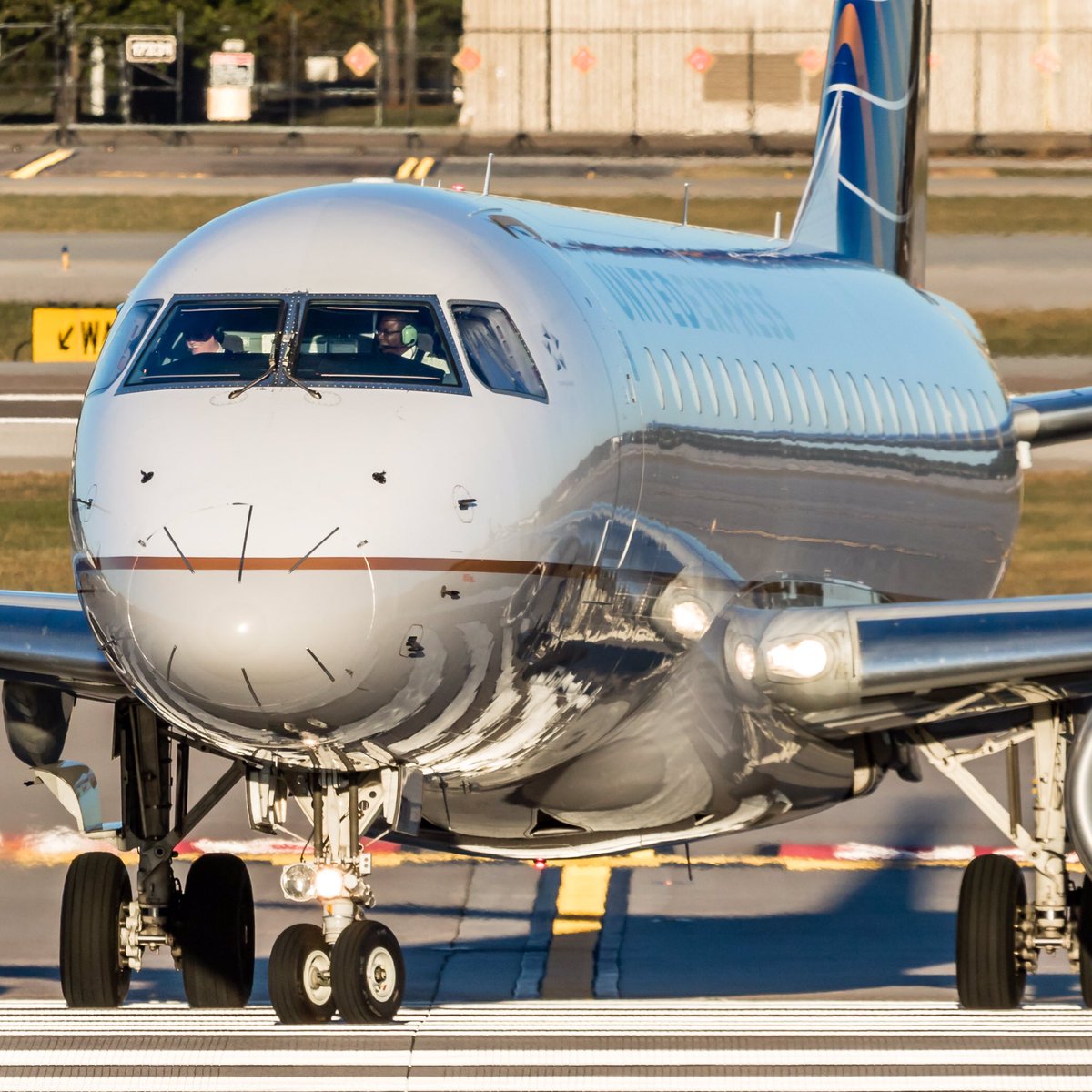


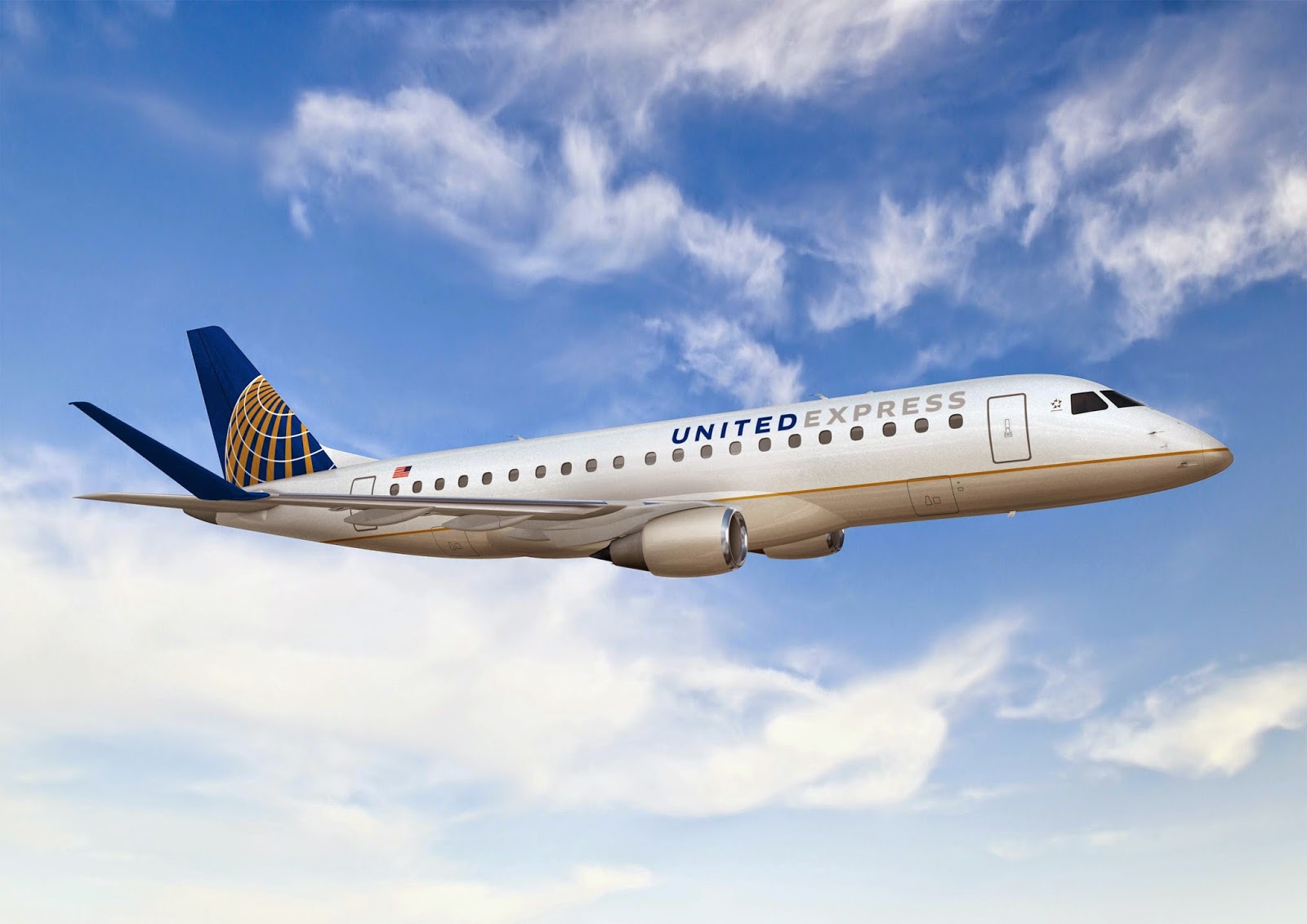


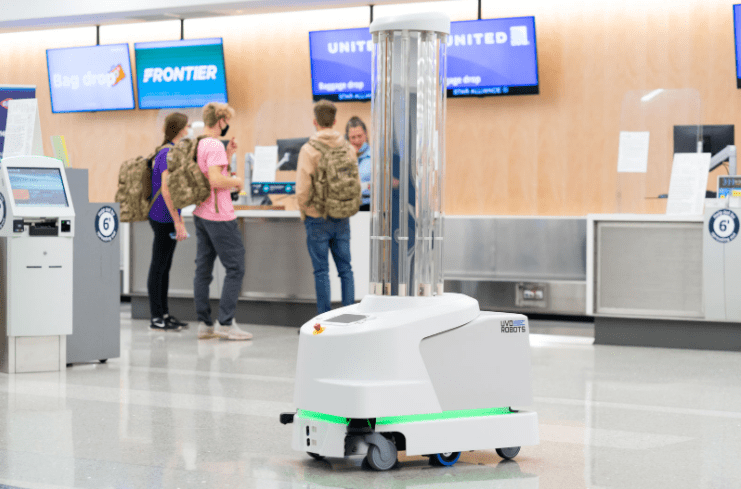
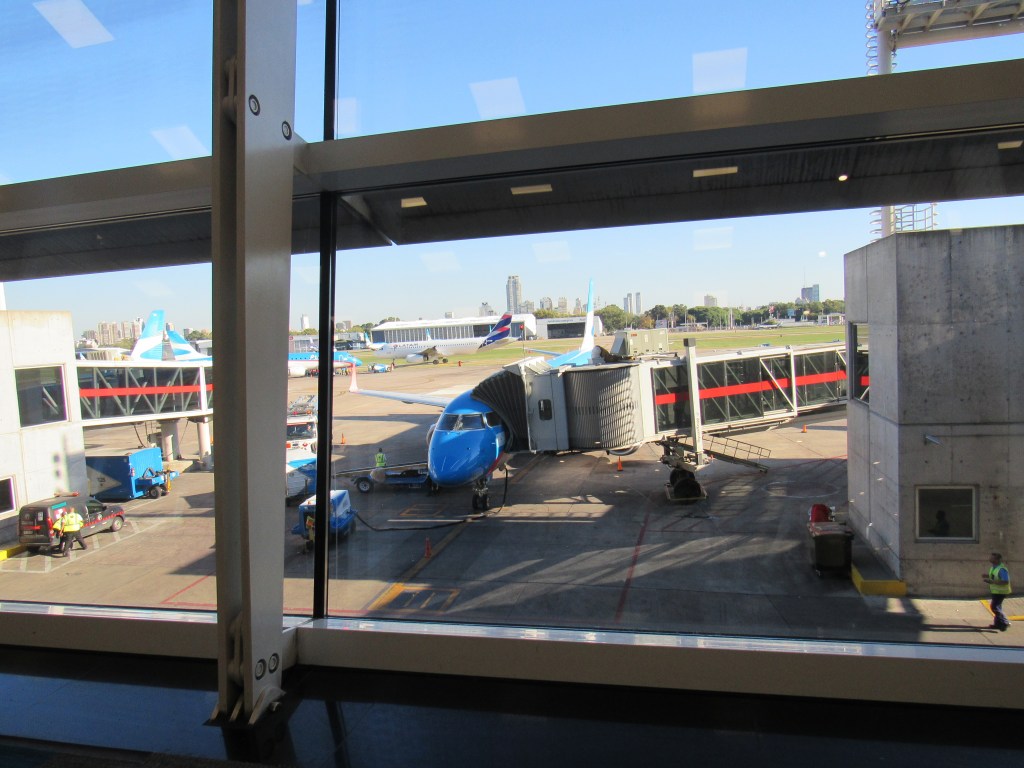


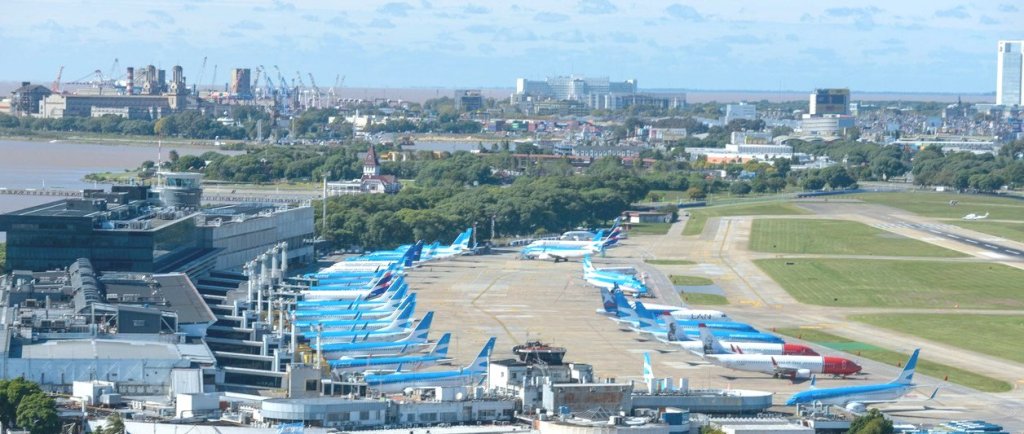
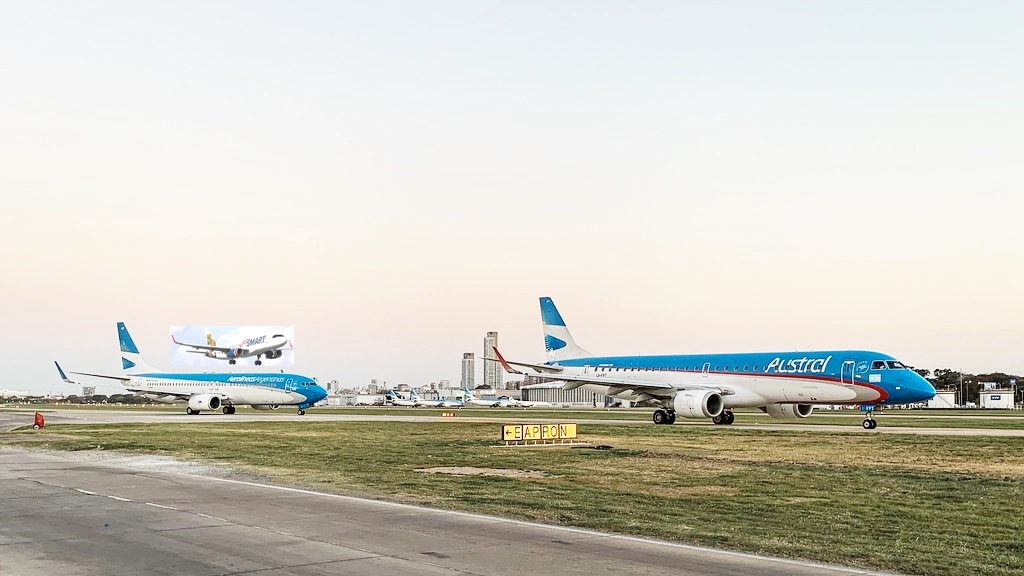
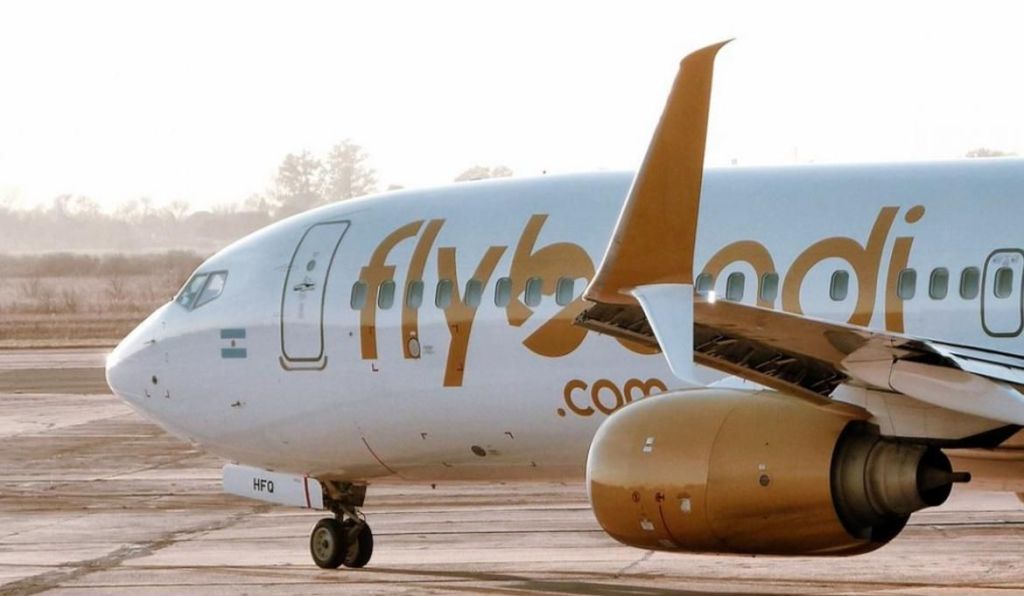
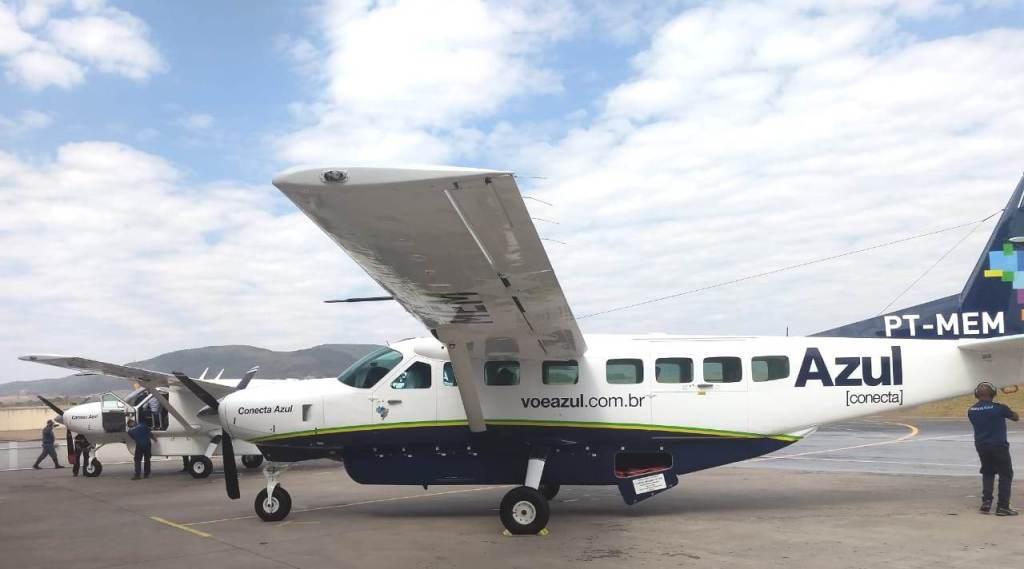


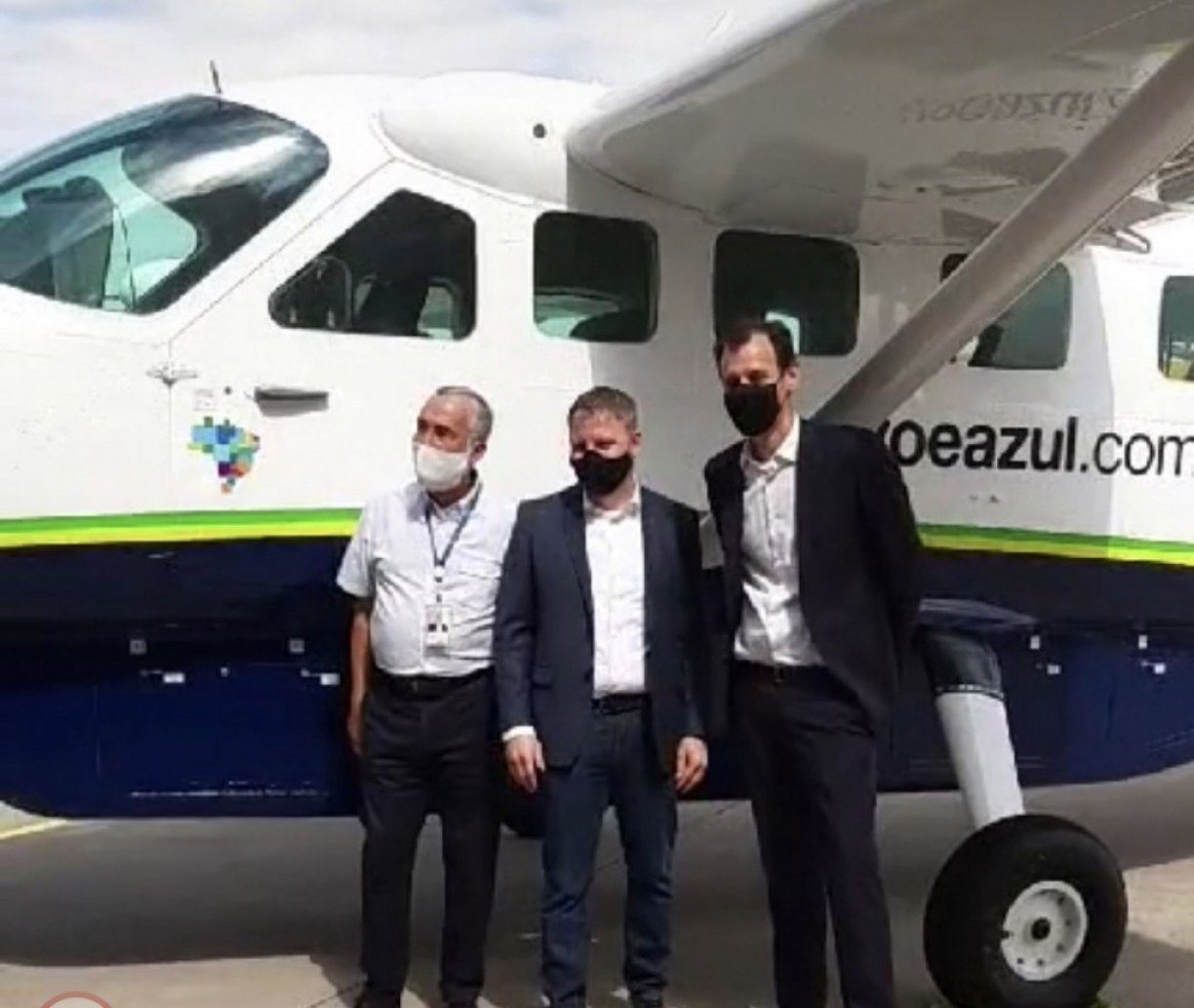
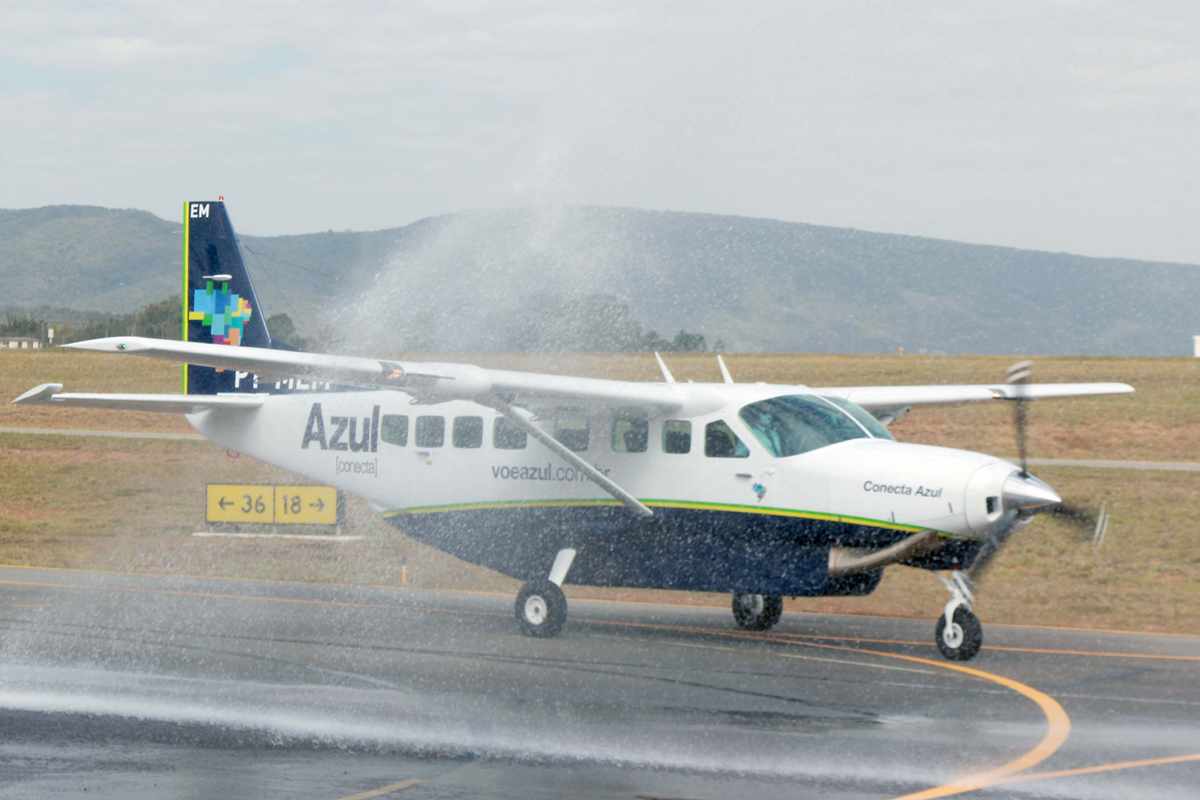


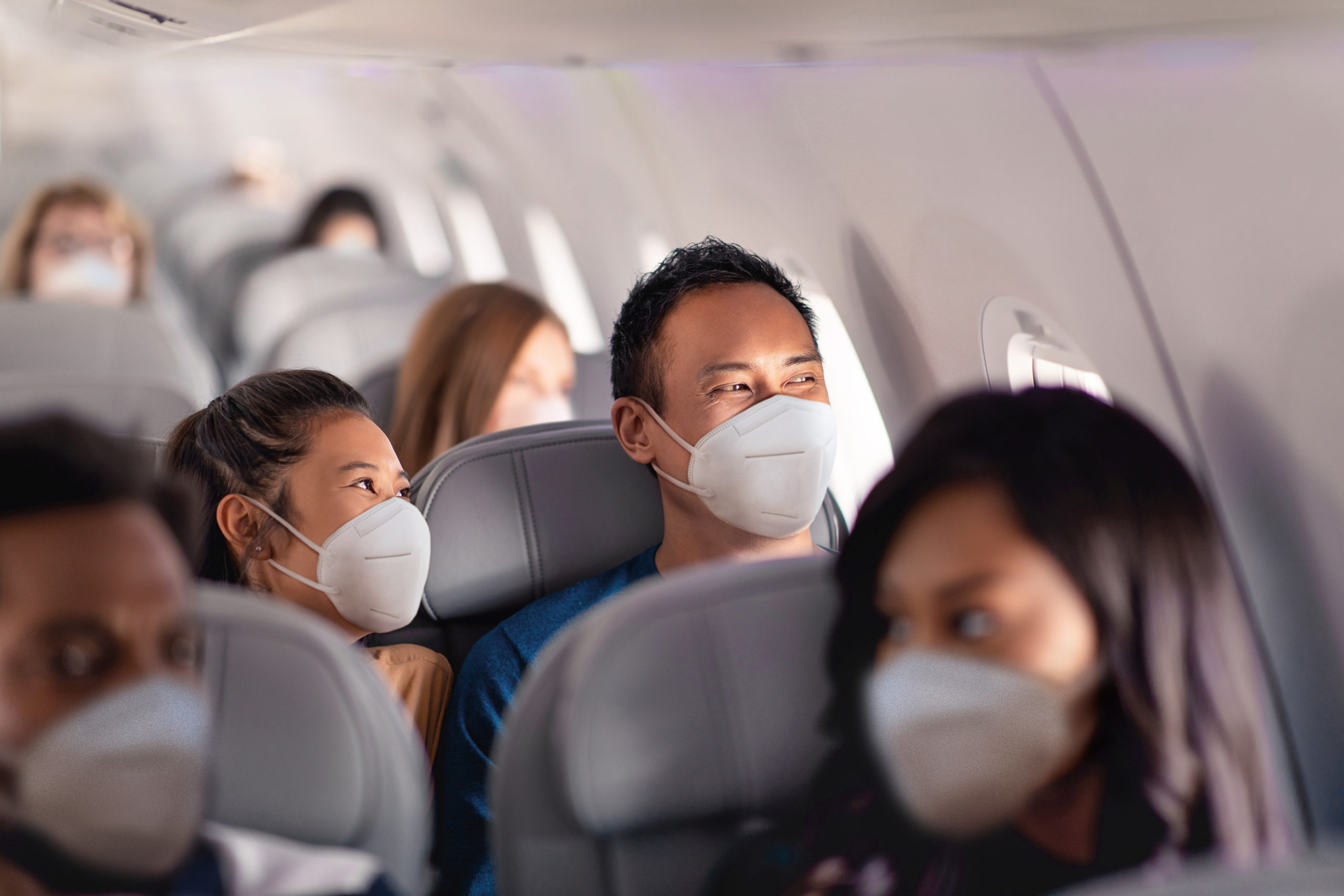

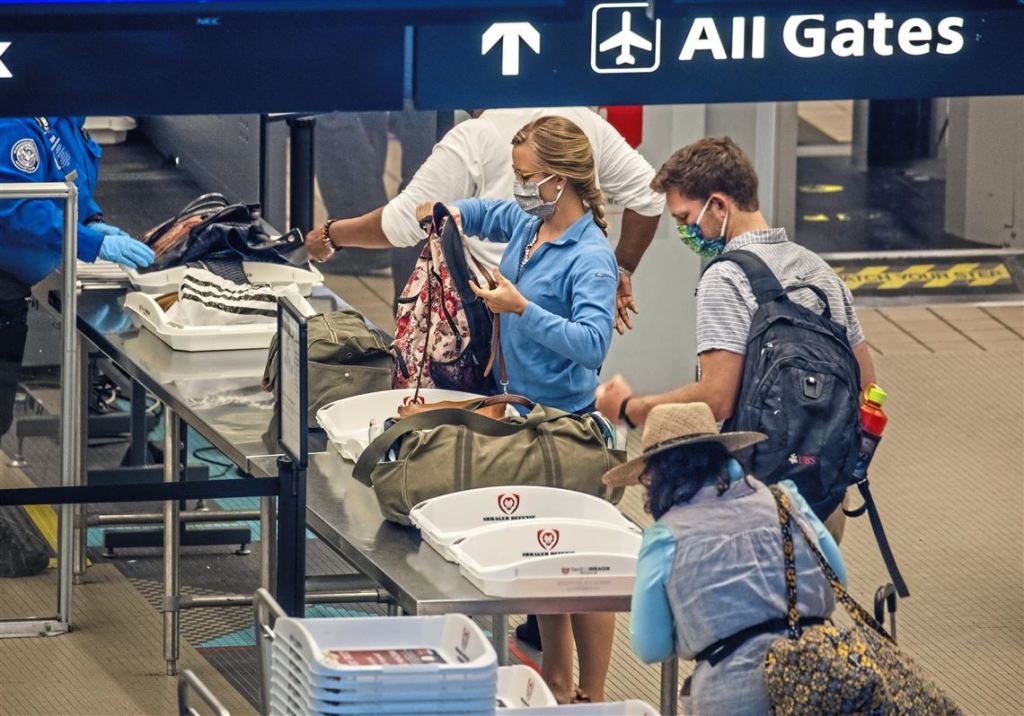
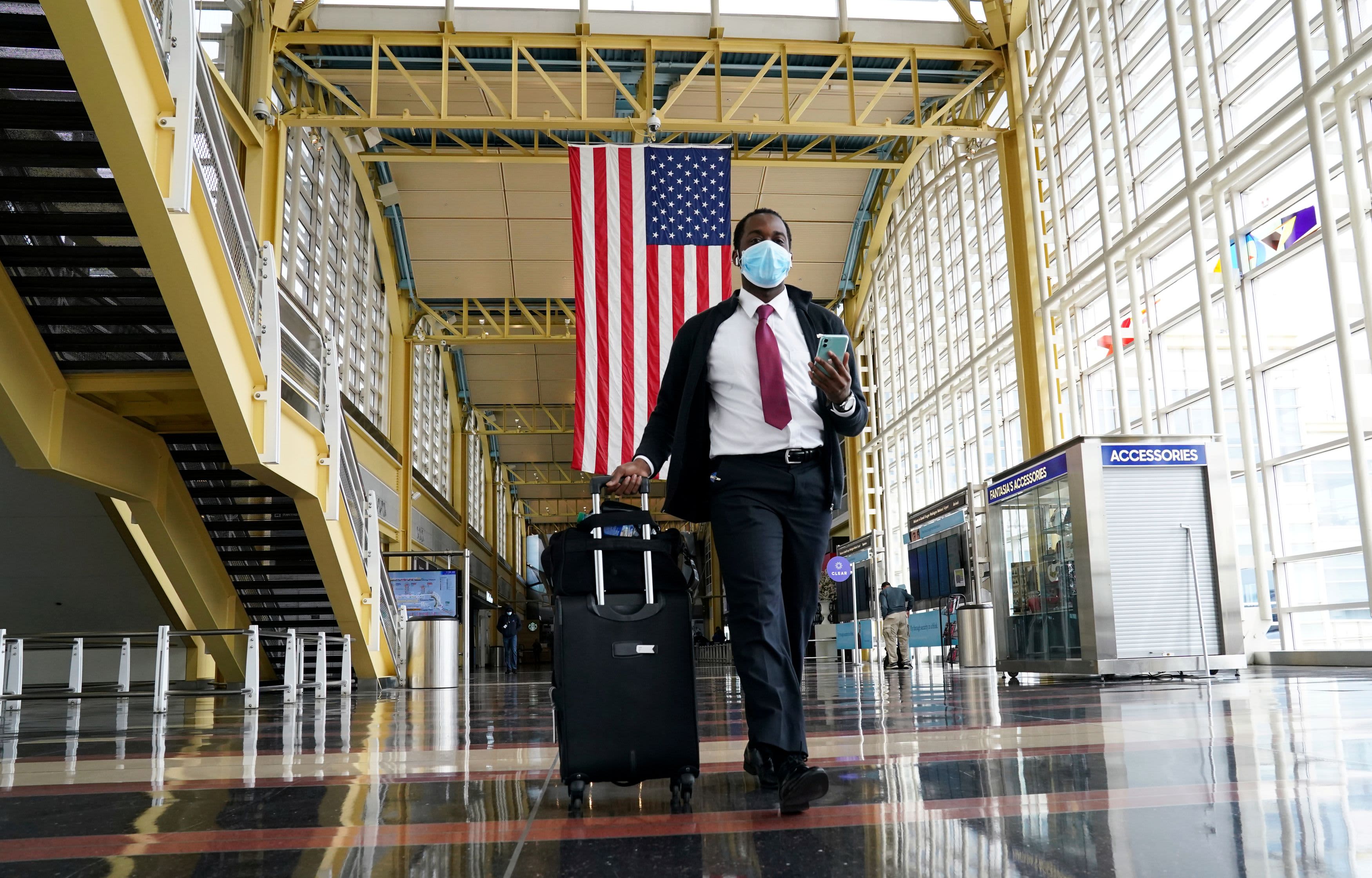

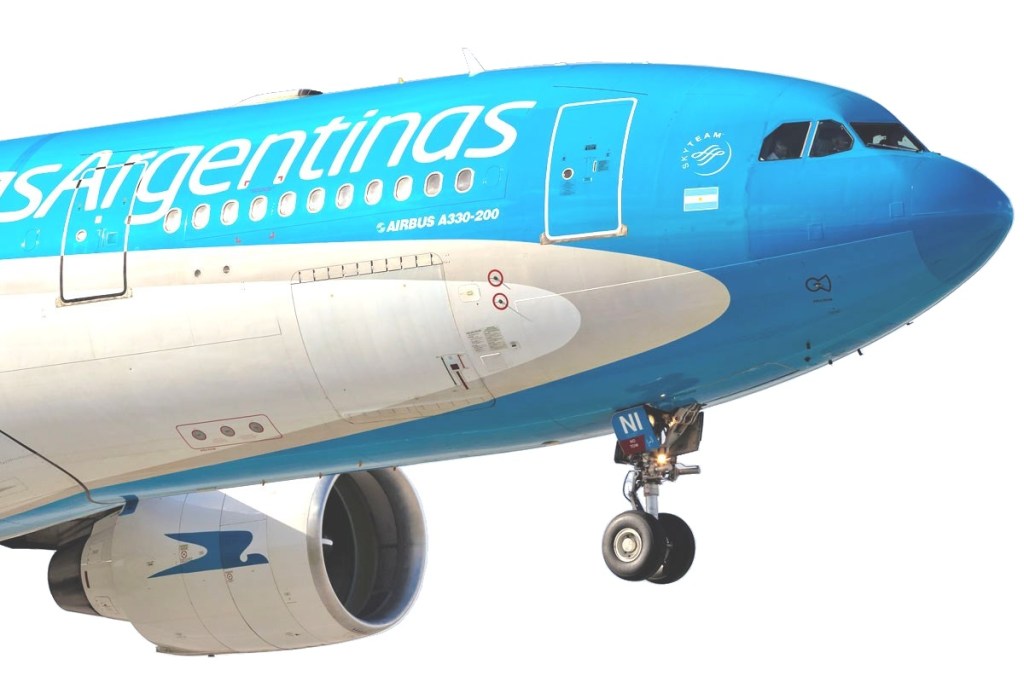

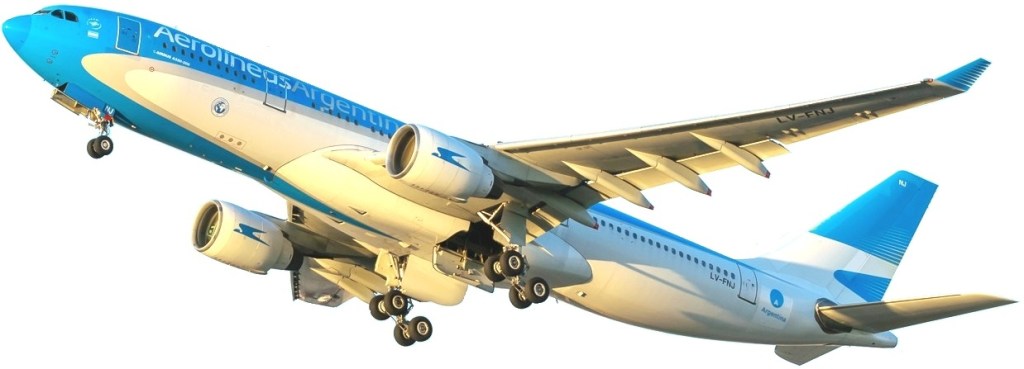
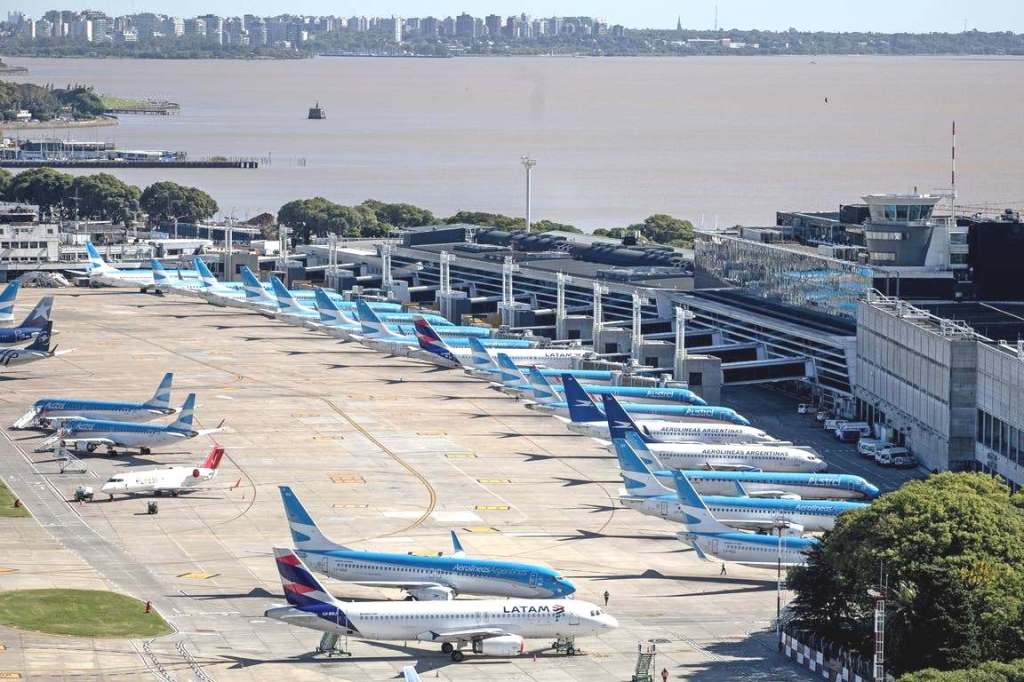
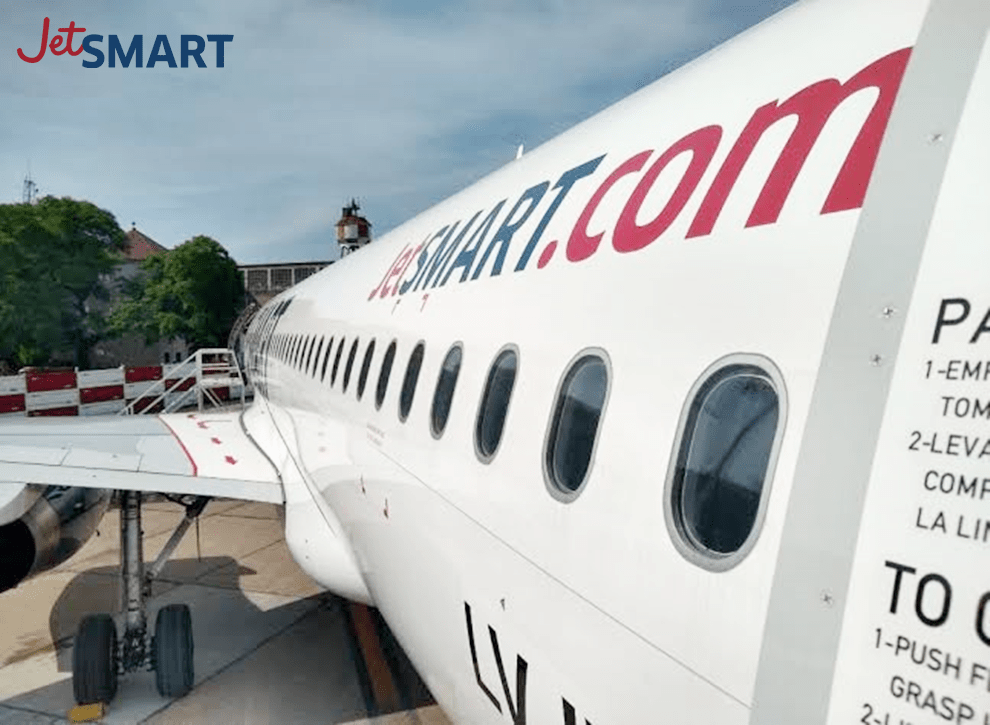
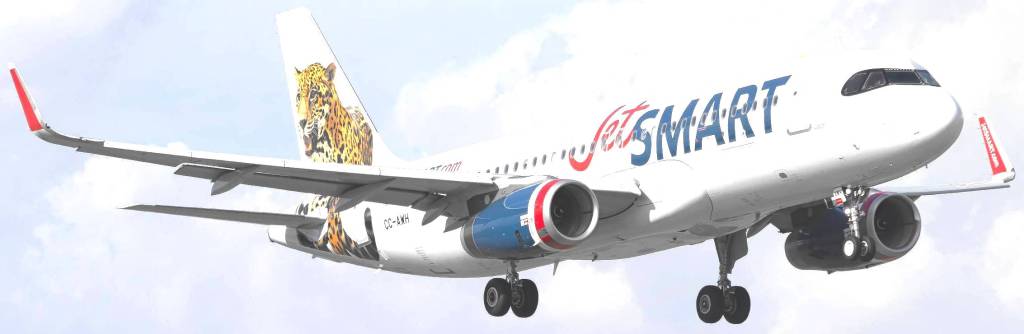

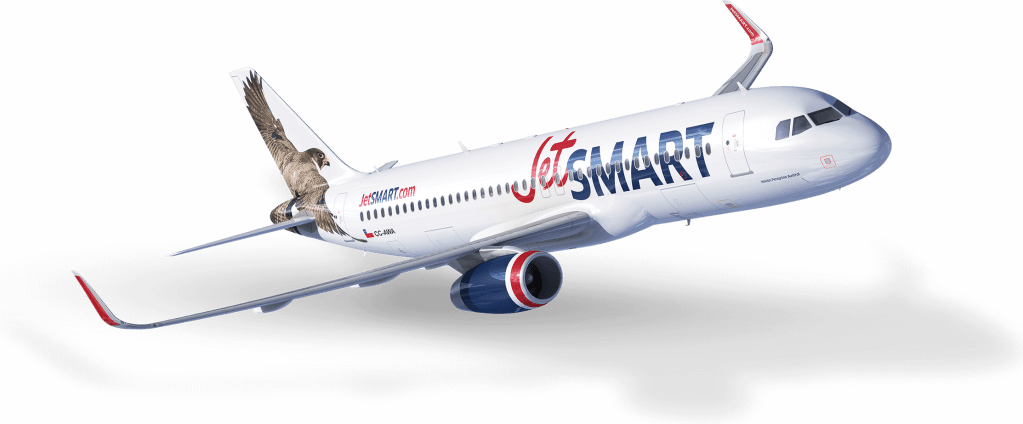
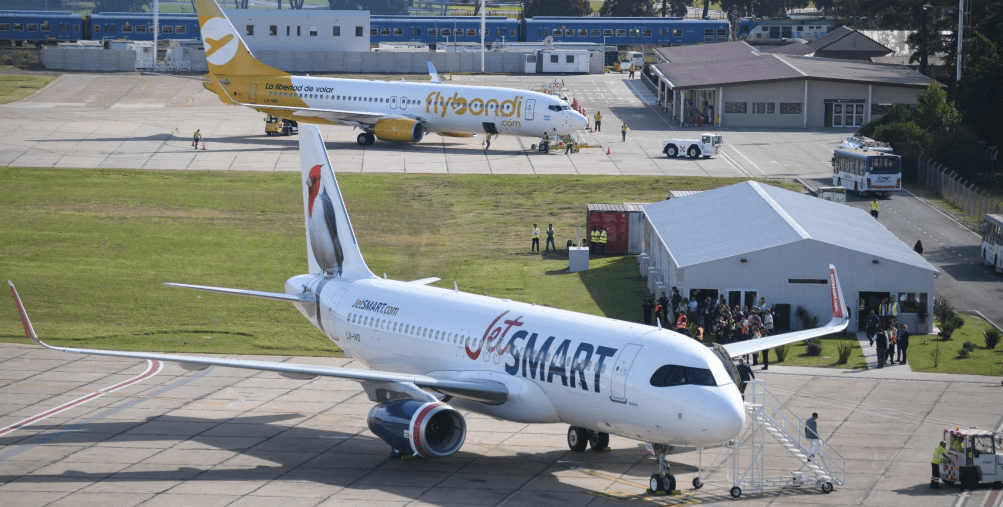

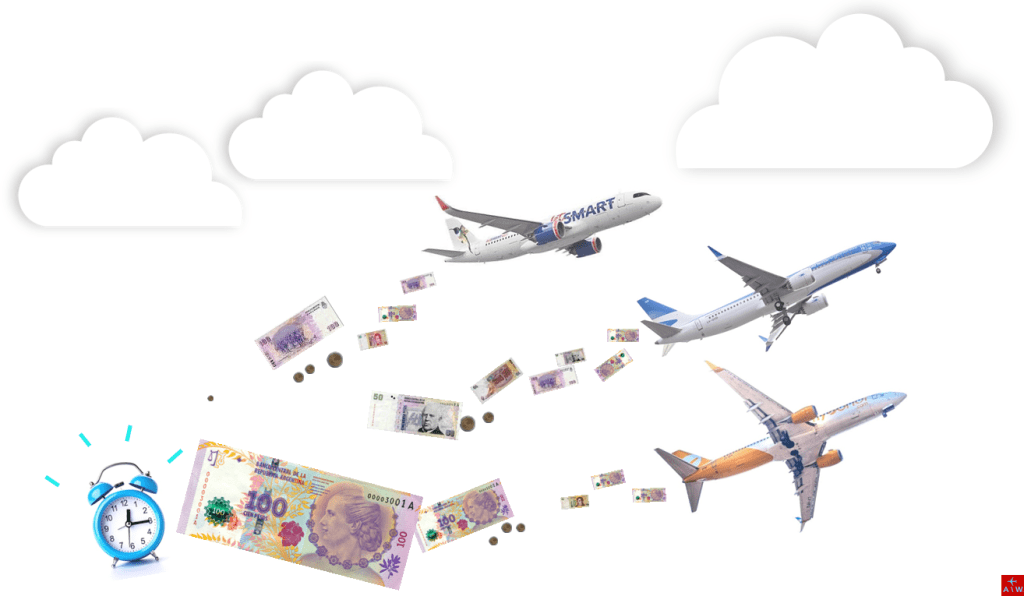
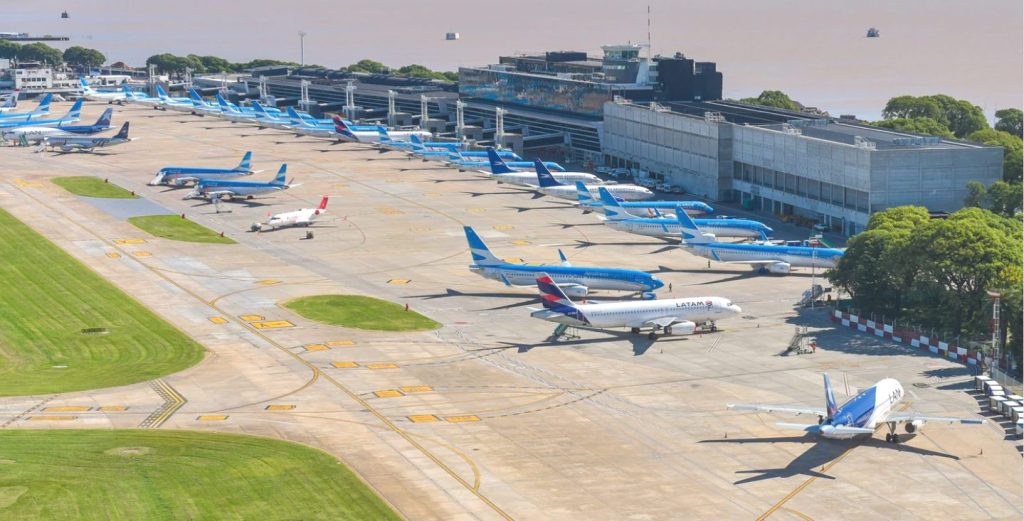
 airgways.com