Aerolínea regional negocia con grupos inversores ampliación capital
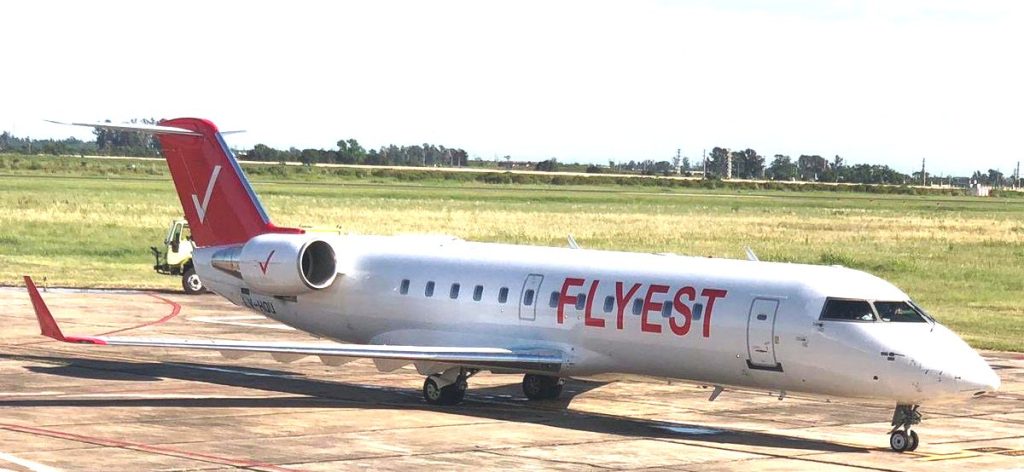
Flyest Líneas Aéreas es una compañía regional de Argentina que inició operaciones en Junio 2017 con base en el Aeropuerto Jorge Newbery, después del cierre de Sol Líneas Aéreas en Rosario. Fue la sucesora que ha adquirido rutas y aeronaves Bombardier CRJ-200. Después de negociar sus compromisos, reestructuró su deuda en un Acuerdo Preventivo Extrajudicial (APE). Actualmente se encuentra negociando una ampliación de capital del 50% accionario con dos grupos inversores privados, uno del ámbito aéreo y otro del rubro hotelero. Los dos grupos se encuentran interesados por incorporarse a la aerolínea para ampliar el capital accionario.
La aerolínea regional Sol S.A. Líneas Aéreas, que opera como DBA Flyest Líneas Aéreas con código IATA FQ es una compañía aérea de Argentina. La composición accionaria está representada por el 51% de capitales argentinos heredados de Sol Líneas Aéreas y del 49% de la empresa española ILAI, bajo el paragüas de Air Nostrum, cuyo Presidente es Carlos Bertomeu, pero que el 51% de socios argentinos son accionistas originales que representan el 90% de las acciones en manos de la empresa española a través de ILAI Argentina.
La aerolínea regional española Air Nostrum le provee de aeronaves como también de la asistencia técnica. La imposibilidad de volar, dentro de la Argentina desde Marzo 2020 por decisión del Gobierno, y la prohibición de vender pasajes hasta 01/09 llevaron a sus accionistas a presentarse en concurso preventivo. Según los directivos de Air Nostrum, el objetivo es encontrar posibles inversores interesados, con quienes mantienen reuniones o encontrar otras posibles soluciones que permitan la supervivencia de Flyest Líneas Aéreas.
Anterior a la pandemia, la aerolínea regional argentina volaba desde Aeroparque a Santa Fe diariamente y a Sunchales tres veces por semana. A mediados de 2019 anunció vuelos a Reconquista que abortó antes de despegar. También realizaba vuelos chárter a Montevideo y Punta del Este con su único Bombardier CRJ-200 de 50 pasajeros. La aerolínea pudo sobrevivir gracias a la continuidad de sus vuelos charters a Uruguay, Brasil y Chile para realizar servicios a empresas mineras, petroleras y algunos vuelos de repatriación.
Flyest leaves the preventive concourse
The regional airline deals with investor groups and increases capital
Flyest Líneas Aéreas is a regional company of Argentina that started operations in June 2017 based at Jorge Newbery Airport, after the closure of Sol Líneas Aéreas in Rosario. It was the successor who has acquired Bombardier CRJ-200 routes and aircraft. After negotiating her commitments, she restructured her debt into an Extrajudicial Preventive Agreement (APE). It is currently negotiating a 50% share capital increase with two private investor groups, one in the air sector and the other in the hotel sector. The two groups are interested in joining the airline to increase the share capital.
The regional airline Sol S.A. Líneas Aéreas, which operates as DBA Flyest Líneas Aéreas with IATA code FQ is an Argentine airline. The shareholding composition is represented by 51% of Argentine capital inherited from Sol Líneas Aéreas and 49% of the Spanish company ILAI, under the umbrella of Air Nostrum, whose President is Carlos Bertomeu, but who 51% of Argentine partners are shareholders originals that represent 90% of the shares held by the Spanish company through ILAI Argentina.
The Spanish regional airline Air Nostrum provides you with aircraft as well as technical assistance. The impossibility of flying, within Argentina since March 2020 by government decision, and the prohibition to sell tickets until 09/01 led its shareholders to appear in a preventive contest. According to the directors of Air Nostrum, the objective is to find possible interested investors, with whom they hold meetings or find other possible solutions that allow the survival of Flyest Líneas Aéreas.
Before the pandemic, the Argentine regional airline flew from Aeroparque to Santa Fe daily and to Sunchales three times a week. In mid-2019 he announced flights to Reconquista that he aborted before taking off. It also carried out charter flights to Montevideo and Punta del Este with its only 50-passenger Bombardier CRJ-200. The airline was able to survive thanks to the continuity of its charter flights to Uruguay, Brazil and Chile to provide services to mining, oil companies and some repatriation flights.
Ξ A I R G W A Y S Ξ PUBLISHER: Airgways.com DBk: Flyest.aero / Airgways.com AW-POST: 202008051227AR
Flybondi y JetSmart solicitan reinicio ops en El Palomar
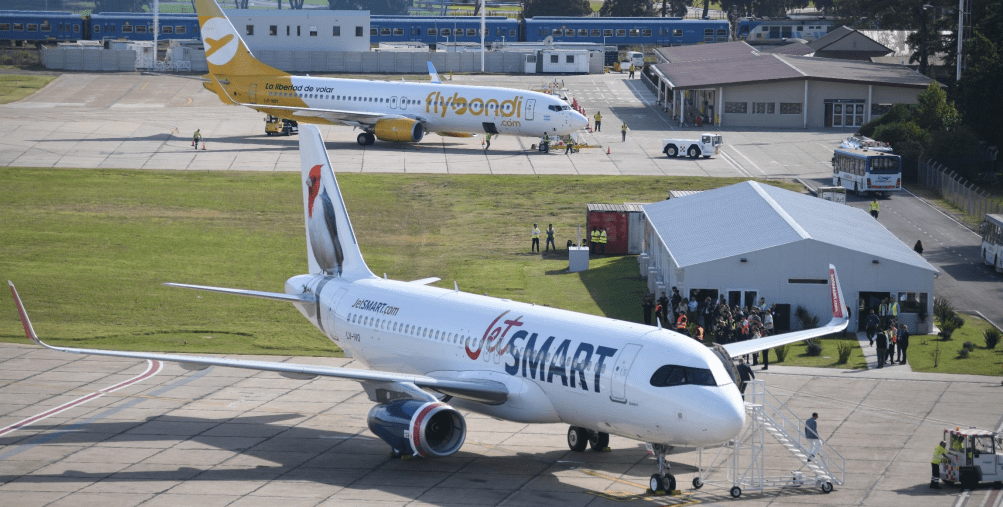
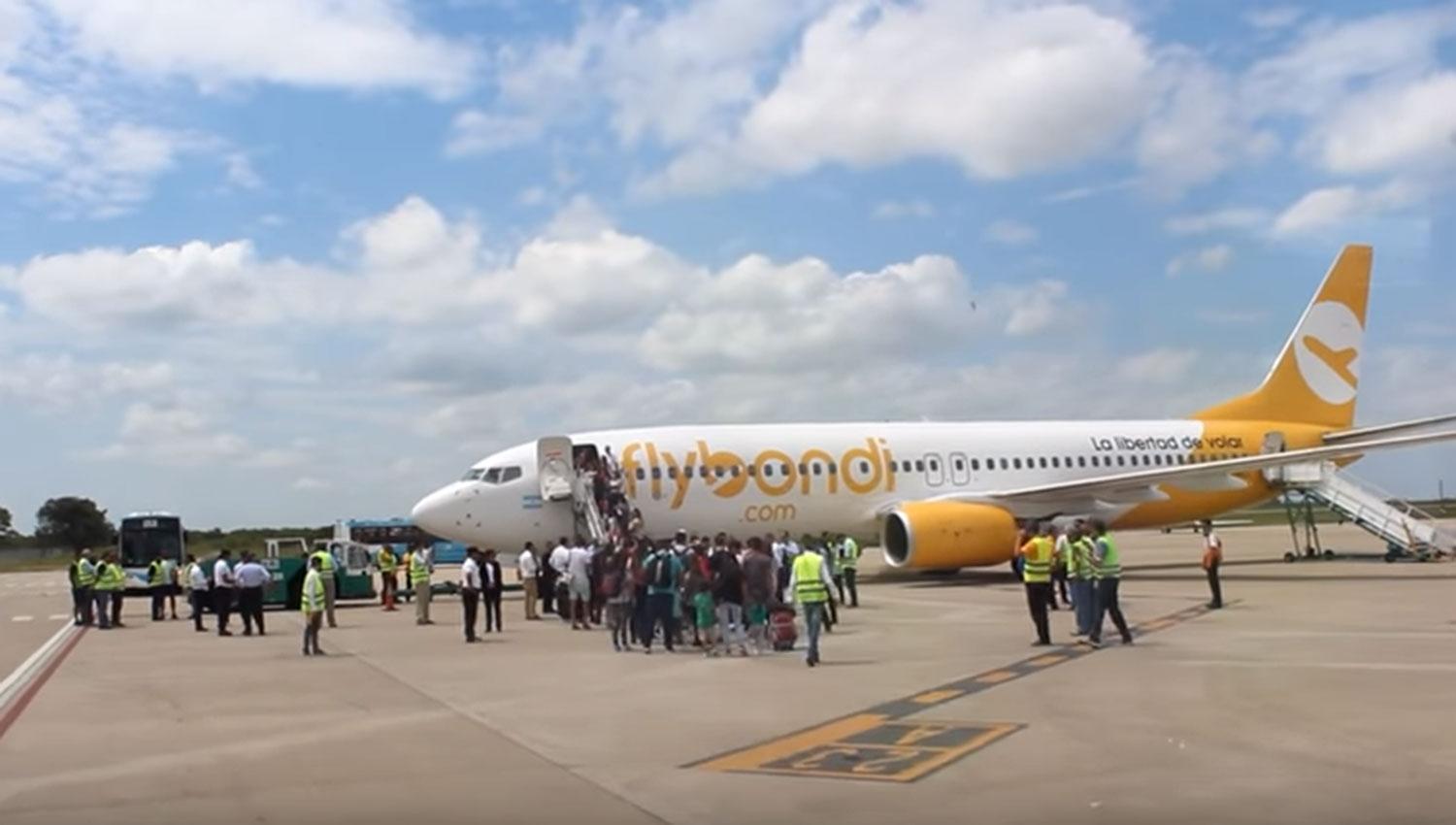
Tras el cierro de las operaciones del Aeropuerto Jorge Newbery de Buenos Aires hasta el 30 Noviembre 2020 para la realización de obras en la pista, terminal y balizamiento, los vuelos que operaban en esa terminal, serán trasladados al Aeropuerto Internacional de Ezeiza. Pero en el medio, continúa la indecisión o imprevisión del Gobierno de Argentina acerca del destino del Aeropuerto Internacional El Palomar. Las aerolíneas low cost que operan en esta terminal como Flybondi Líneas Aéreas y JetSmart Airlines Argentina, están preocupadas ante la incertidumbre que genera esta situación y el futuro de las bases operativas de ambas compañías.
El Palomar y Aeroparque
El consorcio aeroportuario Aeropuertos Argentina 2000 (AA2000), ha deslizado en Abril 2020 la idea de cerrar el Aeropuerto El Palomar, aduciendo razones de costos operativos para el concesionario. El Ministerio de Transporte ha comunicado la creación de un sector low cost para el traslado de las operaciones aerocomerciales de JetSmat Airlines Argentina y Flybondi Líneas Aéreas para el Aeropuerto Internacional Ezeiza con la creación de un sector para las aerolíneas de presupuesto estipulando reducciones de costos operativos.
Ambas compañías aéreas ven condicionadas sus operaciones al traslado hacia Ezeiza, incluso con un sector especial low cost, con bajos costos aeroportuarios, pues consideran que la distancia de Ezeiza y su deficiente conexión con transporte público harían más difícil la operación, en virtud del perjuicio a sus pasajeros. Destacaron que, en caso de implementarse cambios de terminal a su operación, deberían ser planificados con tiempo, lo que implica una mudanza significativa. “El Palomar fue el primer aeropuerto low cost de la región, y muy exitoso, con gran impacto en el país. Esperamos que vuelva a operar y estamos listos para hacerlo. JetSmart tiene un espíritu federal. En Chile, que es un mercado pequeño, tenemos tres bases de operaciones, por lo que bien podemos pensar que en Argentina podríamos contar con nuevas bases de operaciones en el futuro, además de Buenos Aires”, expresó Estuardo Ortiz, CEO de JetSmart Airlines Argentina.
Respecto de la base de operaciones, los ejecutivos de la low cost JetSmart Argentina señalaron que esperan poder seguir operando desde el Aeropuerto El Palomar, y desde 1 Diciembre 2020 sumar los tres slots en Aeroparque a los que accede la empresa a partir de la adquisición de las operaciones de Norwegian Air Argentina.
A estas fechas el Gobierno no ha tomado una decisión respecto al destino del primer aeropuerto low cost de Sudamérica y la indecisión de lo que sucederá con la programación de los vuelos low cost una vez que se levante las restricciones a la aviación comercial.
Reapertura en stand-by
La titular de la Administración Nacional de Aviación Civil (ANAC), Paola Tamburelli, ha expresado las dudas acerca de la reapertura de los vuelos de cabotaje en el país para el próximo 1 Septiembre 2020. En medio de más incertidumbres que generan a las líneas aéreas en Argentina la indefinición del Aeropuerto El Palomar, se abre un nuevo horizonte de espera para un posible traslado del calendario del reinicio de los vuelos. Ahora, la reapertura de la aviación suma un nuevo capítulo con el conflicto acerca de el entendimiento del retorno de los viajes domésticos hacia el 01/09, pues el Gobierno expresa que su posición es para el comienzo de venta de tickets aéreos y no del reinicio de vuelos. De todos modos, desde la agenda del Ministerio de Salud se permite deducir que es un problema sanitario más que de aviación.
Airlines claim definitions Argentina
Flybondi and JetSmart request restart ops in El Palomar
After the closure of the operations of the Jorge Newbery Airport in Buenos Aires until November 30, 2020 to carry out works on the runway, terminal and beaconing, the flights that operated in that terminal will be transferred to Ezeiza International Airport. But in between, the indecision or unpredictability of the Government of Argentina continues regarding the destination of El Palomar International Airport. Low cost airlines that operate in this terminal, such as Flybondi Líneas Aéreas and JetSmart Airlines Argentina, are concerned about the uncertainty that this situation generates and the future of the operating bases of both companies.
El Palomar and Aeroparque
The Airports Argentina 2000 airport consortium (AA2000), in April 2020, put forward the idea of closing the El Palomar Airport, citing reasons of operating costs for the concessionaire. The Ministry of Transport has announced the creation of a low cost sector for the transfer of the aero-commercial operations of JetSmat Airlines Argentina and Flybondi Airlines for Ezeiza International Airport with the creation of a sector for budget airlines stipulating reductions in operating costs.
Both airlines see their operations as conditioned to the transfer to Ezeiza, even with a special low cost sector, with low airport costs, since they consider that the distance from Ezeiza and its poor connection with public transport would make the operation more difficult, due to the damage to your passengers. They stressed that, if terminal changes are implemented to their operation, they should be planned in time, which implies a significant move. “El Palomar was the first low cost airport in the region, and very successful, with great impact in the country. We hope it will operate again and we are ready to do it. JetSmart has a federal spirit. In Chile, which is a small market, we have three bases of operations, so we may well think that in Argentina we could have new bases of operations in the future, in addition to Buenos Aires», said Estuardo Ortiz, CEO of JetSmart Airlines Argentina.
Regarding the base of operations, the executives of the low cost JetSmart Argentina indicated that they expect to be able to continue operating from El Palomar Airport, and from December 1, 2020 add the three slots in Aeroparque that the company accesses from the acquisition of Norwegian Air Argentina’s operations.
At this time, the Government has not made a decision regarding the destination of the first low cost airport in South America and the indecision of what will happen with the programming of low cost flights once the restrictions on commercial aviation are lifted.
Reopening in stand-by
The head of the National Civil Aviation Administration (ANAC), Paola Tamburelli, has expressed doubts about the reopening of domestic flights in the country for September 1, 2020. Amidst more uncertainties that generate airlines In Argentina, the lack of definition of El Palomar Airport opens a new waiting horizon for a possible transfer of the flight restart schedule. Now, the reopening of aviation adds a new chapter with the conflict over the understanding of the return of domestic travel towards 09/01, as the Government expresses that its position is for the beginning of the sale of air tickets and not for the restart. of flights. Anyway, from the agenda of the Ministry of Health it is possible to deduce that it is a health problem rather than aviation.
Ξ A I R G W A Y S Ξ PUBLISHER: Airgways.com DBk: Anac.gov.ar / Flybondi.com / Jetsmart.com / Argentina.gob.ar / Airgways.com AW-POST: 202008051144AR
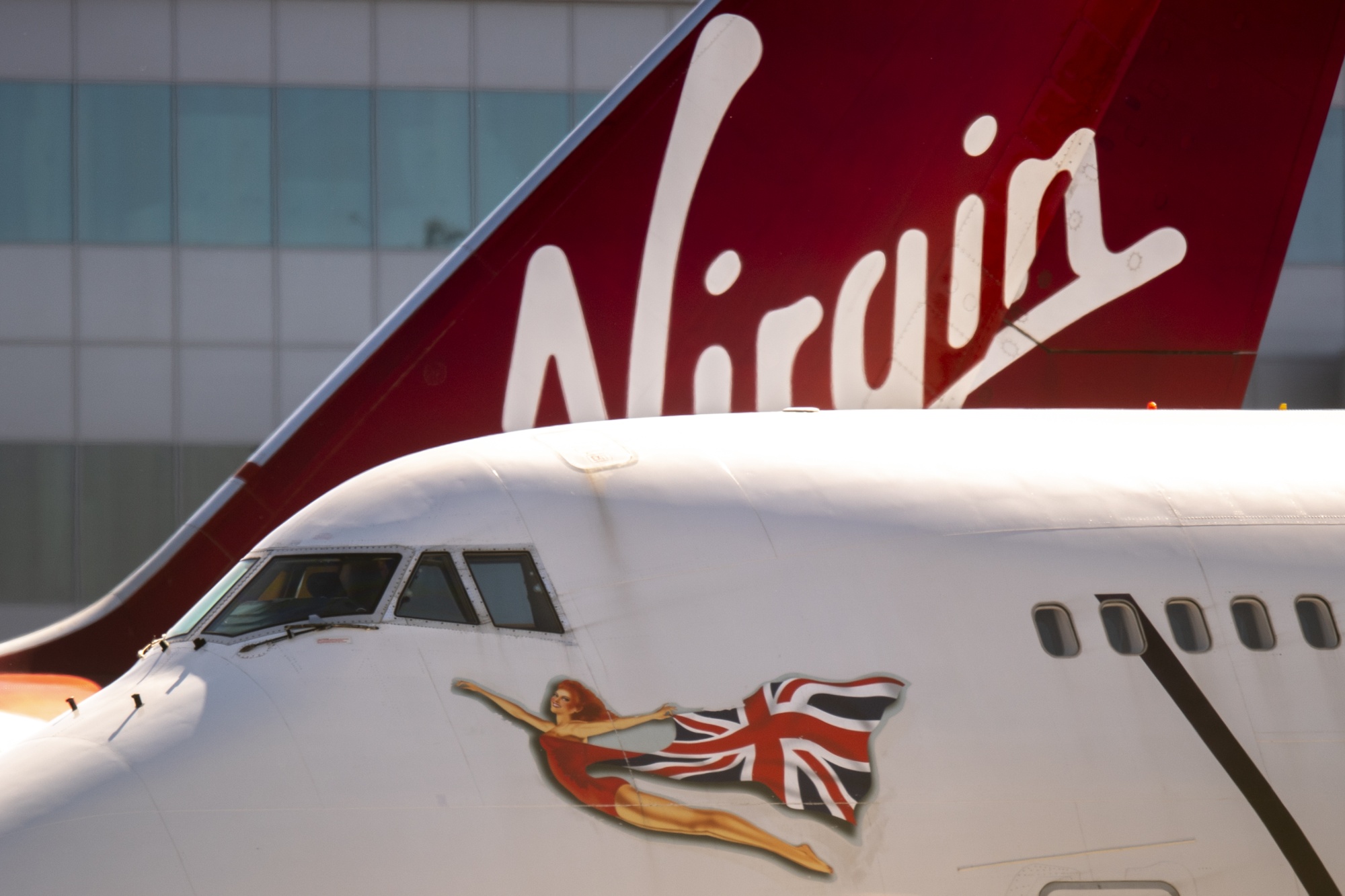
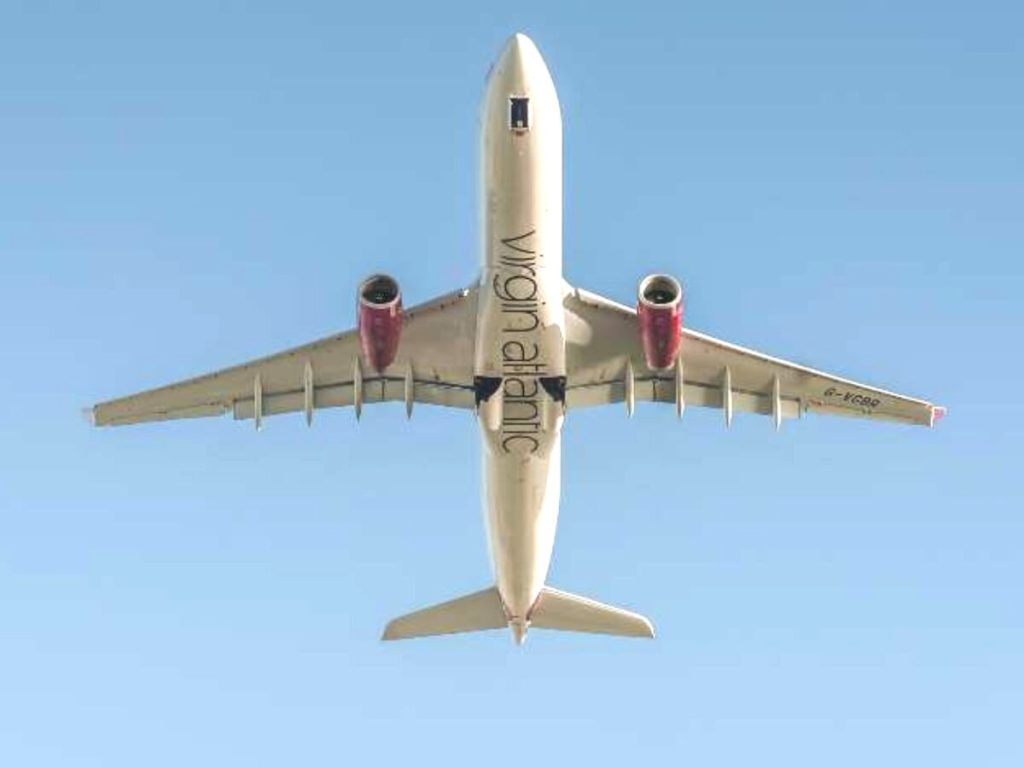
La aerolínea británica Virgin Atlantic Airways ha anunciado el acogimiento de la protección bajo el código de bancarrota de Estados Unidos del Capítulo 15, lo que le permite proteger los activos para poder reestructurarse. El anuncio llega poco más de un mes después de que Virgin Atlantic anunció que había asegurado fondos para sobrevivir durante otros 18 meses. La aerolínea se ha declarado este Martes 04/08 en bancarrota y está buscando protección de los acreedores en los Estados Unidos, de acuerdo con una presentación judicial en Nueva York.
La bancarrota es la segunda de una aerolínea de Virgin Group este año. Virgin Australia, la segunda aerolínea más grande del país de Oceanía, entró en administración en Abril 2020, con una deuda de arrastre por un valor de US$ 6,8 mil millones a más de 12.000 acreedores.
En Julio 2020, la aerolínea dijo que su acuerdo privado con las partes interesadas eliminó la necesidad de apoyo del Gobierno británico que el fundador multimillonario Richard Branson había buscado. Se espera que la reorganización se complete se extienda a lo largo de los próximos 18 meses. Virgin Atlantic dijo en una Corte de Bancarrota que las reservas han bajado un 89% respecto al año anterior y la demanda actual para el segundo semestre de 2020 está en aproximadamente el 25% de los niveles de 2019. Virgin Atlantic Airways vuela solo rutas internacionales de larga distancia y vuelos suspendidos en Abril 2020 debido a la pandemia de coronavirus.
Plan reestructuración
Virgin Atlantic ha comunicado que la presentación en la Corte de Bancarrota de Estados Unidos en el Distrito Sur de Nueva York dijo que ha negociado un acuerdo con las partes interesadas para una recapitalización consensuada que eliminará la deuda de su balance y la posicionará de inmediato para un crecimiento sostenible a largo plazo. El Martes 04/08 la aerolínea también ha presentado un procedimiento en el Tribunal Superior de Londres, donde Virgin Atlantic obtuvo la aprobación para convocar reuniones de acreedores afectados para votar sobre el plan el 25 Agosto 2020. Una portavoz de Virgin Atlantic dijo que el plan de reestructuración estaba ante el tribunal del Reino Unido para asegurar la aprobación de todos los acreedores relevantes antes de la implementación.
Virgin Atlantic le dijo al Tribunal Superior que podría quedarse sin dinero en Septiembre 2020 si no se aprueba un acuerdo de reestructuración. Las compañías no estadounidenses usan el Capítulo 15 para bloquear a los acreedores que desean presentar demandas o inmovilizar activos en los Estados Unidos.
Virgin Group
La aerolínea Virgin Atlantic Airways es propiedad del 51% de Virgin Group de Richard Branson y 49% de la aerolínea estadounidense Delta Air Lines. actualmente, la compañía ha cerrado su base operativa en London/Gatwick y recortó más de 3.500 empleos para lidiar con las consecuencias de la pandemia que afectó la demanda de viajes aéreos. la aerolínea había comunicado que necesitaba recapitalizarse «no solo para sobrevivir a las amenazas exigentes planteadas por la pandemia global de Covid-19 sino para prosperar una vez que pase la crisis de salud global inmediata». En Julio 2020, Virgin Atlantic dijo que había acordado un acuerdo de rescate con accionistas y acreedores por valor de £ 1.2 mil millones (US$ 1,57 mil millones) para asegurar su futuro más allá de la crisis del coronavirus.
Virgin dijo en una corte que las reservas han bajado un 89% respecto al año anterior y la demanda actual para el segundo semestre de 2020 está en aproximadamente el 25% de los niveles de 2019. Virgin Atlantic también posee Virgin Atlantic Holidays, un negocio de operadores turísticos y Virgin Atlantic Cargo.
Richard Branson, de alto perfil, había recibido críticas después de pedir un rescate del Gobierno para que Virgin Atlantic Airways sobreviviera a la recesión.
Virgin Atlantic files for bankruptcy
Virgin Atlantic files for bankruptcy protection
British airline Virgin Atlantic Airways has announced the protection under the United States Chapter 15 bankruptcy code, allowing it to protect assets in order to restructure. The announcement comes just over a month after Virgin Atlantic announced that it had secured funds to survive for another 18 months. The airline has filed for bankruptcy this Tuesday 04/08 and is seeking protection from creditors in the United States, according to a court filing in New York.
The bankruptcy is the second for a Virgin Group airline this year. Virgin Australia, the second largest airline in the country of Oceania, went into administration in April 2020, with a drag debt worth US$ 6.8 billion to more than 12,000 creditors.
In July 2020, the airline said its private agreement with stakeholders eliminated the need for British government support that billionaire founder Richard Branson had sought. The reorganization is expected to be completed to spread over the next 18 months. Virgin Atlantic said in a Bankruptcy Court that bookings are down 89% from a year earlier and current demand for the second half of 2020 is at approximately 25% of 2019 levels. Virgin Atlantic Airways flies only international routes of long distance and flights suspended in April 2020 due to the coronavirus pandemic.
Restructuring plan
Virgin Atlantic has reported that the filing in the United States Bankruptcy Court in the Southern District of New York said it has negotiated an agreement with stakeholders for a consensual recapitalization that will remove the debt from its balance sheet and immediately position it for a long-term sustainable growth. On Tuesday 04/08 the airline has also filed a procedure in the London High Court, where Virgin Atlantic obtained approval to call meetings of affected creditors to vote on the plan on August 25, 2020. A Virgin Atlantic spokeswoman said the plan Restructuring was before the UK court to secure the approval of all relevant creditors prior to implementation.
Virgin Atlantic told the Superior Court that it could run out of money in September 2020 if a restructuring agreement is not approved. Non-US companies use Chapter 15 to block creditors who want to file lawsuits or freeze assets in the United States.
Virgin Group
Virgin Atlantic Airways is owned 51% by Richard Branson’s Virgin Group and 49% by US airline Delta Air Lines. Currently, the company has closed its London/Gatwick operating base and cut more than 3,500 jobs to deal with the consequences of the pandemic that affected the demand for air travel. The airline had communicated that it needed to recapitalize «not only to survive the demanding threats posed by the global Covid-19 pandemic but to prosper once the immediate global health crisis passes». In July 2020, Virgin Atlantic said it had agreed a bailout agreement with shareholders and creditors worth £ 1.2 billion (US$ 1.57 billion) to secure its future beyond the coronavirus crisis.
Virgin said in a court that bookings are down 89% from a year earlier and current demand for the second half of 2020 is at approximately 25% of 2019 levels. Virgin Atlantic also owns Virgin Atlantic Holidays, a tour operators and Virgin Atlantic Cargo.
High-profile Richard Branson had come under fire after calling for a government bailout for Virgin Atlantic Airways to survive the recession.
Ξ A I R G W A Y S Ξ PUBLISHER: Airgways.com DBk: Virginatlantic.com / Airgways.com / Bloomberg.com / Aviationvoice.com AW-POST: 202008051029AR
Beneficios futuros de las inversiones en diseño digital
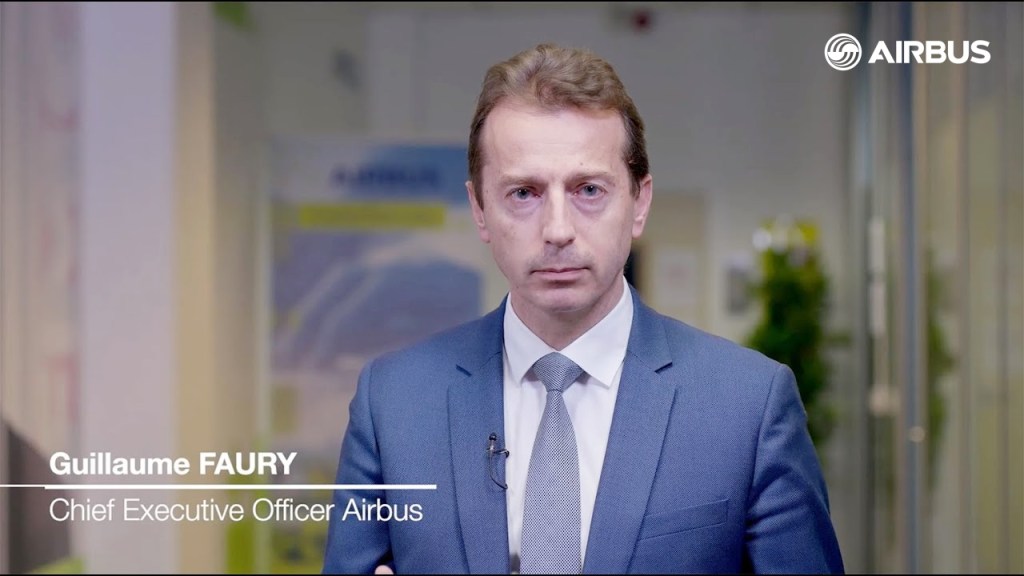
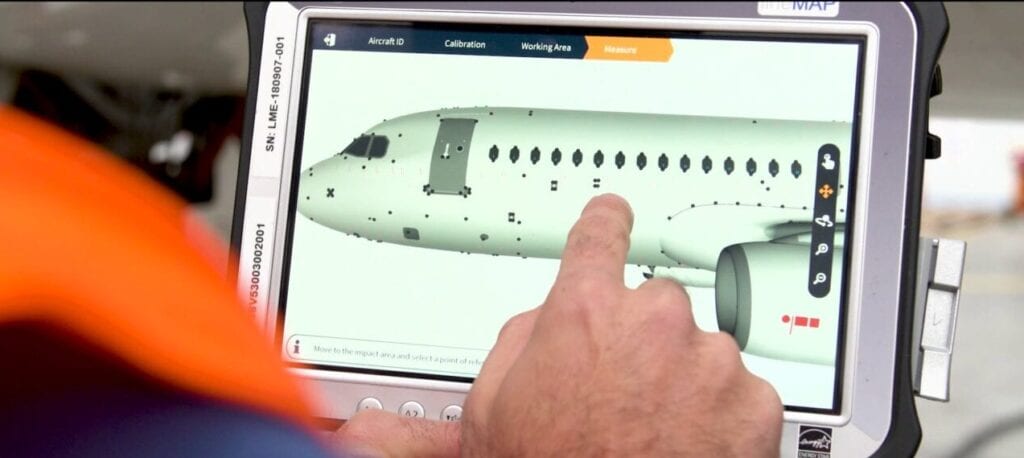
Tras los resultados semestrales de la compañía Airbus Group SE el 30/06, el CEO Guillaume Faury fue consultado sobre la inversión del fabricante aeroespacial francés en iniciativas de diseño digital para el año 2020. Los gastos de investigación y desarrollo, que incluyen las inversiones de la compañía en herramientas y servicios de diseño digital, se mantuvieron relativamente sin cambios, además, no se esperan reducciones en las inversiones en I+D en el futuro cercano. Las inversiones de digitalización que comprende diseño, fabricación y servicios digitales (DDMS) de Airbus, es descrito como un primer enfoque digital de la forma en que se diseñan, fabrican y operan los productos aeroespaciales. El Programa DDMS se centra en métodos y herramientas digitales para procesos comerciales de extremo a extremo que aseguran que podamos reducir los costos y el tiempo de comercialización de nuestros productos.
Los beneficios a largo plazo de la transformación digital en sus operaciones generales de producción y las tecnologías que podrán incorporar en futuros aviones superarán los objetivos financieros a corto plazo. Entre los programas e iniciativas enumerados como proyectos DDMS se encuentran el Airbus A321XLR presentado por primera vez el año pasado y el Future Combat Air System (FCAS), actualmente la mayor iniciativa de tecnología de defensa europea gestionada por Francia, Alemania y España para desarrollar tecnologías de aviones de combate de sexta generación y totalmente automatizada plataformas aéreas remotas. En 2019, Airbus Defence and Space adoptó un conjunto de herramientas y servicios de diseño digital de ANSYS para desarrollar un software de control de vuelo integrado para FCAS. Los habilitadores para el programa DDMS de Airbus también incluyen sus iniciativas de «Industria 4.0», con análisis avanzado, inteligencia artificial y tecnologías cuánticas, todas mencionadas como áreas temáticas. Guillaume Faury acredita la digitalización en curso de todo su ecosistema de fabricación por su capacidad para continuar con sus instalaciones de producción y administrar la pequeña cantidad de entregas que pudieron bajo las condiciones de Coronavirus.
Perspectivas
Los desarrollos I+D son más una inversión que el constructor europeo planifica en el transcurso de los próximos cuatro o cinco años. «Estas son inversiones que están cambiando un poco el juego como lo que hacemos en el medio ambiente con tecnologías ecológicas que tienen el potencial de transformar realmente cómo será la aviación en la próxima década”, dijo el CEO de Airbus.
Más allá de los beneficios del diseño digital, Airbus ha confirmado que no habría cambios en los costos fijos durante el resto de 2020, y la misma política permanecerá vigente en 2021. Hasta finales de Junio, un total de 145 aviones no pudieron entregarse debido a la pandemia y la tasa de producción del A350 se han reducido a cinco por mes en el futuro previsible. Hasta el 30 Junio 2020, la cartera de pedidos de Airbus es de 6.168, la mayoría de los cuales son aviones de la familia A320 de pasillo único.
El CEO de Airbus continúa siendo optimista sobre las perspectivas a largo plazo para el mercado comercial con al menos dos o tres años antes de que espere ver un retorno a la demanda de aviones de pasajeros anterior a la pandemia. “Observamos la perspectiva a largo plazo cuando COVID está detrás de nosotros y vemos un mercado de demanda muy muy fuerte, y en algunos casos aún más grande porque ha habido una caída de uno, dos, tres, cuatro o cinco años que nosotros he visto con COVID-19″, dijo Guillaume Faury.
Airbus investments digital design
Future benefits of investments in digital design
Following the semi-annual results of the company Airbus Group SE on 06/30, CEO Guillaume Faury was asked about the French aerospace manufacturer’s investment in digital design initiatives for the year 2020. I+D expenses, which include the company’s investments in digital design tools and services, remained relatively unchanged, and no reductions in I+D investments are expected in the near future. The digitization investments comprising Airbus design, manufacturing and digital services (DDMS) is described as a first digital approach to the way aerospace products are designed, manufactured and operated. The DDMS Program focuses on digital methods and tools for end-to-end business processes that ensure that we can reduce the cost and time to market of our products.
The long-term benefits of digital transformation in your overall production operations and the technologies you will be able to incorporate into future aircraft will exceed your short-term financial goals. Among the programs and initiatives listed as DDMS projects are the Airbus A321XLR first introduced last year and the Future Combat Air System (FCAS), currently the largest European defense technology initiative managed by France, Germany and Spain to develop technologies of sixth generation fighter jets and fully automated remote aerial platforms. In 2019, Airbus Defense and Space adopted a set of ANSYS digital design tools and services to develop integrated flight control software for FCAS. Enablers for the Airbus DDMS program also include its «Industry 4.0» initiatives, with advanced analytics, artificial intelligence and quantum technologies, all mentioned as subject areas. Guillaume Faury credits the ongoing digitization of its entire manufacturing ecosystem for its ability to continue its production facilities and manage the small number of deliveries it could under the conditions of Coronavirus.
Perspective
I+D are more of an investment that the European builder plans over the next four to five years. «These are investments that are changing the game a bit like what we do in the environment with green technologies that have the potential to truly transform what aviation will be like in the next decade», said the CEO of Airbus.
Beyond the benefits of digital design, Airbus has confirmed that there would be no changes to fixed costs for the rest of 2020, and the same policy will remain in force in 2021. As of the end of June, a total of 145 aircraft could not be delivered due to the pandemic and the A350 production rate have been reduced to five per month for the foreseeable future. As of June 30, 2020, Airbus’ order book is 6,168, most of which are single-aisle A320 family aircraft.
The Airbus CEO remains optimistic about the long-term outlook for the commercial market with at least two to three years before he expects to see a return to pre-pandemic passenger jet demand. «We look at the long-term perspective when COVID is behind us and we see a very very strong demand market, and in some cases even bigger because there has been a one, two, three, four or five year decline that we have seen with COVID-19», said Guillaume Faury.
Ξ A I R G W A Y S Ξ PUBLISHER: Airgways.com DBk: Airbus.com / Aviationtoday.com / Airgways.com AW-POST: 202008042050AR
AW | 2020 08 03 20:10 | GOVERNMENT / AIRLINES MARKET
Situación epidemiológica pone en dudas apertura aérea
Un funcionario del Ministerio de Salud de Argentina puso en duda el retorno de los vuelos comerciales a partir del 1 Septiembre 2020 ante el creciente número de contagios en el país. El Secretario de Calidad del Ministerio de Salud de la Nación, Arnaldo Medina, al referirse a la situación epidemiológica y a una posible vuelta de la actividad aeronáutica, tanto dentro como fuera del país ha expresado: “Creo que es difícil, se complicó”. El funcionario ha expresado que es prematuro hablar del tema teniendo presente que la apertura dista casi un mes; pero todo parece indicar que habrá un nuevo aplazo para el regreso del turismo y la aviación. “La hipótesis que teníamos nosotros era empezar a habilitar algún vuelo local entre ciudades que no estén tan afectadas, por ejemplo Córdoba o Santa Fe, antes de comenzar por Buenos Aires. Yo le diría que ahora se complicó en todos lados, ¿no? Esto lo pensábamos hace 20 días, o un poco más”, explicó el funcionario.
Más allá de la buena voluntad, desde el Gobierno aseguran que Septiembre 2020 nunca fue una fecha señalada por ellos como el inicio de la reactivación sino como la habilitación de venta de pasajes, tanto dentro como fuera de la Argentina. Según una disposición de la Administración Nacional de Aviación Civil (ANAC), las aerolíneas que operan servicios de transporte aéreo de pasajeros solo podrán reprogramar sus operaciones regulares hacia o dentro del territorio nacional recién a partir del 1 Septiembre 2020.
La Resolución Nº143/2020 tenía como objetivo evitar que los pasajeros que se encontraban varados en el exterior compraran pasajes que luego no iban a poder utilizar por no tener la habilitación de la ANAC y puso como límite Septiembre 2020 porque se comprendió que ese problema ya estaría resuelto para esta fecha. La lectura de la Resolución ha marcado críticas conceptuales desde las aerolíneas, pues han entendido que la emisión de pasajes incluía comenzar a volar a partir del 1 Septiembre 2020.
Ministerio Transporte
El Ministro de Transporte de Argentina, Mario Meoni, destacó que “vivimos un momento excepcional, en especial para la industria aeronáutica porque no hay antecedentes en la historia de una crisis como esta. El primer objetivo es que podamos volar en Argentina y después al resto del mundo. Aún no tenemos fecha concreta para la vuelta de los vuelos internacionales, se determinará según la evolución de la pandemia porque la prioridad es la salud de los pasajeros. En estos cuatro meses, el Estado no ha desarrollado ni invertido elementos para poder mejorar el control epidemiológico y la estructura en los aeropuertos. Hay un montón de pilotos y aeronaves que dejaron de volar y la vuelta de todo ese personal requiere de controles exhaustivos que no se están haciendo. Para que la tripulación y los pilotos puedan volver a abordar un avión tienen que estar en condiciones psicofísicas y volver a ser habilitados. Hasta ahora, el Gobierno no está acompañando ese proceso. Si no hizo ese control en estos meses, es imposible que el personal empiece a trabajar de un día para el otro”, precisó Marcelo Belelli, agente de la ANAC y Secretario Gremial de ATE.
Argentina air opening compass wait
Epidemiological situation cast doubt on air opening
An official from the Argentine Ministry of Health questioned the return of commercial flights as of September 1, 2020, given the increasing number of infections in the country. Referring to the epidemiological situation and a possible return of aeronautical activity, the Secretary of Quality of the National Ministry of Health, Arnaldo Medina, said: «I think it is difficult, it was complicated». The official has expressed that it is premature to talk about the issue bearing in mind that the opening is almost a month away; but everything seems to indicate that there will be a new delay for the return of tourism and aviation. «The hypothesis that we had was to begin to enable a local flight between cities that are not so affected, for example Córdoba or Santa Fe, before starting in Buenos Aires. I would say that now it was complicated everywhere, right? We thought this 20 days ago, or a little more», explained the official.
Beyond goodwill, the Government assures that September 2020 was never a date designated by them as the beginning of the reactivation but as the empowerment of ticket sales, both inside and outside of Argentina. According to a provision of the National Civil Aviation Administration (ANAC), airlines that operate passenger air transport services may only reschedule their regular operations to or within the national territory only as of September 1, 2020.
Resolution Nº143/2020 had the objective of preventing passengers who were stranded abroad from buying tickets that they would not be able to use later because they did not have the ANAC authorization and set a limit for September 2020 because it was understood that this problem would already be resolved by this date. The reading of the Resolution has marked conceptual criticism from the airlines, since they have understood that the issuance of tickets included starting to fly from September 1, 2020.
Ministry of Transport
Argentina’s Minister of Transportation, Mario Meoni, stressed that “we are living through an exceptional moment, especially for the aeronautical industry because there is no history in the history of a crisis like this. The first objective is that we can fly in Argentina and then to the rest of the world. We still do not have a specific date for the return of international flights, it will be determined according to the evolution of the pandemic because the priority is the health of the passengers. In these four months, the State has not developed or invested elements to improve epidemiological control and structure at airports. There are a lot of pilots and aircraft that stopped flying and the return of all those personnel requires exhaustive controls that are not being done. In order for the crew and pilots to re-board an aircraft, they must be in psychophysical condition and must be enabled again. So far, the Government is not accompanying that process. If he did not do that control in these months, it is impossible for the staff to start working from one day to the next”, said Marcelo Belelli, ANAC agent and ATE Union Secretary.
Ξ A I R G W A Y S Ξ PUBLISHER: Airgways.com DBk: Argentina.gob.ar/transporte / Anac.gov.ar / Infobae.com / Airgways.com / Andrés Lavallén AW-POST: 202008032010AR
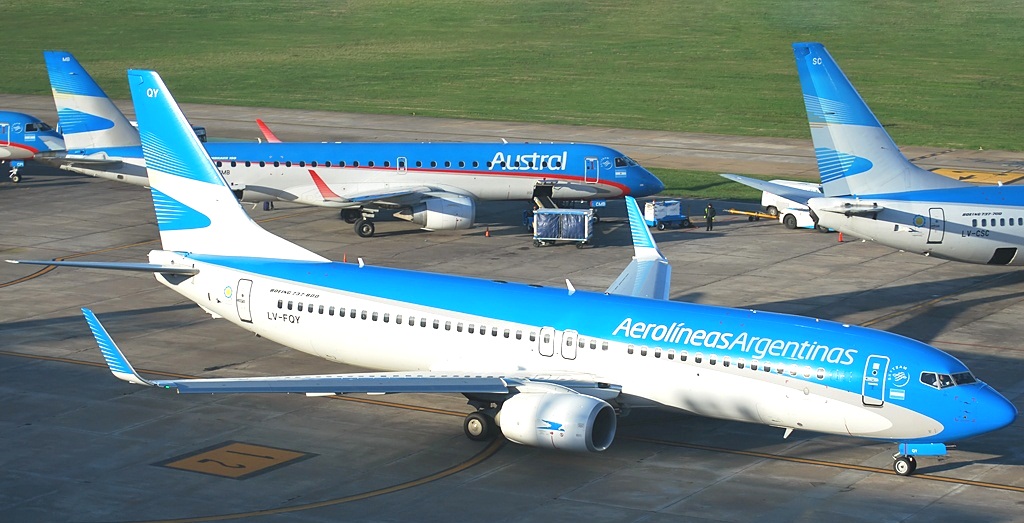
Aerolíneas Argentinas fuera del control obligatorio de la AGN
El Gobierno de Argentina ha excluido en el Proyecto de Ampliación del Presupuesto en el debate en la Cámara de Diputados el 04/08 un artículo que excluye a Aerolíneas Argentinas de la obligatoriedad del control de la Auditoría General de la Nación (AGN). La compañía que recibe elebados recursos por parte del Estado, ha sido criticada por la oposición política durante el debate en el recinto. En el Artículo 17 se establece que «las empresas Aerolíneas Argentinas Sociedad Anónima y Austral Líneas Aéreas/Cielos del Sur Sociedad Anónima y sus controladas, se rigen por las normas y principios de derecho privado, no siéndoles aplicables legislación o normativa administrativa alguna que reglamente la administración, gestión y/o control de las empresas o entidades en las que el Estado nacional o los Estados provinciales tengan participación».
Posición de Aerolíneas
Voceros de Aerolíneas Argentinas aclararon que este artículo no exime a la línea aérea de los controles gubernamentales que les corresponde a ese tipo de sociedades. «Muy por el contrario, con esta redacción la compañía no solo estará sujeta a fiscalización de los entes que controlan a las sociedades anónimas regidas por la Ley General de Sociedades, como la Inspección General de Justicia (IGJ), sino que además le resultará aplicable lo previsto en la Ley 24.156, que establece la intervención de la Sindicatura General de la Nación. Asimismo, vale destacar que el 10 de Marzo de este año, Aerolíneas solicitó a la AGN la auditoría sobre sus estados contables 2020 y la certificación de las transferencias de dinero que recibe del estado nacional, lo que se efectivizó con la firma del convenio correspondiente el último 29 de Julio. Algo que no sucedió entre los años 2016 y 2019, en los que la AGN no realizó auditoria alguna sobre los números de ARSA. Con el texto propuesto se busca confirmar la naturaleza jurídica de Aerolíneas y equipararla al estatus del resto de las sociedades anónimas con participación mayoritaria del Estado, lo que resulta fundamental para el funcionamiento de una compañía que compite en el mercado aéreo», expresó la compañía.
Según el último informe de la Asociación Argentina de Presupuesto (ASAP), durante el primer semestre de 2020 se realizaron aportes de capital a las empresas Aerolíneas Argentinas S.A. y Austral Líneas Aéreas/Cielos del Sur por AR$ 14.953 millones de Pesos. Sólo durante el mes de junio pasado, el Tesoro Nacional realizó aportes de capital a Aerolíneas Argentinas y Austral Líneas Aéreas por AR$ 1.973,8 millones de Pesos.
Posición política fiscalizadora
Según los Diputados opositores de Juntos por el Cambio, tal como está redactado el artículo en el proyecto de ampliación presupuestaria, Aerolíneas Argentinas no estará obligada a someterse al control de la AGN, más allá de los convenios que puedan firmarse. Recuerdan que no es la primera vez que el Gobierno busca evitar que la línea aérea sea auditada. Anteriormente, bajo el Gobierno Nacional de Cristina Kirchner había incluido un artículo similar en la Ley de Presupuesto 2016. Adujo que, por tratarse de una empresa mixta, no correspondía que la compañía fuese controlada por la AGN. Esta decisión fue cuestionada por el entonces presidente de la AGN, Leandro Despouy, lo que motivó que un año después, durante el Gobierno de Mauricio Macri, se diera marcha atrás con aquella decisión en la Ley de Presupuesto 2017. Así, la AGN recuperó la facultad de controlar la empresa estatal, facultad que nuevamente el kirchnerismo pretende ahora eliminar.
Aerolíneas audit control exemption
Aerolíneas Argentinas outside the compulsory control of the AGN
The Government of Argentina has excluded in the Budget Expansion Project in the debate in the Chamber of Deputies on 08/04 an article that excludes Aerolíneas Argentinas from the mandatory control of the General Audit of the Nation (AGN). The company, which receives high resources from the state, has been criticized by the political opposition during the debate on the premises. Article 17 establishes that «the companies Aerolíneas Argentinas Sociedad Anónima and Austral Líneas Aéreas/Cielos del Sur Sociedad Anónima and its subsidiaries are governed by the rules and principles of private law, not being applicable any legislation or administrative regulation that regulates the administration, management and/or control of the companies or entities in which the national State or the provincial States have participation».
Position in Aerolíneas
Spokesmen for Aerolíneas Argentinas clarified that this article does not exempt the airline from the governmental controls that correspond to this type of company. «On the contrary, with this wording, the company will not only be subject to inspection by the entities that control public limited companies governed by the General Companies Law, such as the General Inspectorate of Justice (IGJ), but it will also be applicable the provisions of Law 24,156, which establishes the intervention of the General Syndicate of the Nation. Also, it should be noted that on March 10 of this year, Aerolíneas requested the AGN to audit its 2020 financial statements and the certification of transfers of money received from the national state, which was made effective with the signing of the corresponding agreement on July 29. Something that did not happen between 2016 and 2019, in which the AGN did not carry out any audit on the ARSA numbers. The proposed text seeks to confirm the legal nature of Aerolíneas and equate it to the status of the rest of the public limited companies with majority participation of the State, which is fundamental al for the operation of a company that competes in the air market», said the company.
According to the latest report of the Argentine Budget Association (ASAP), during the first half of 2020, capital contributions were made to the companies Aerolíneas Argentinas S.A. and Austral Líneas Aéreas/Cielos del Sur for AR$ 14,953 million pesos. During the past June alone, the National Treasury made capital contributions to Aerolíneas Argentinas and Austral Líneas Aéreas for AR$ 1,973.8 million pesos.
Political position audit
According to the opposition Deputies of Together for Change, as the article is written in the budget expansion project, Aerolíneas Argentinas will not be obliged to submit to the control of the AGN, beyond the agreements that may be signed. They recall that it is not the first time that the Government seeks to prevent the airline from being audited. Previously, under the National Government of Cristina Kirchner, it had included a similar article in the 2016 Budget Law. It argued that, since it was a mixed company, it was not appropriate for the company to be controlled by the AGN. This decision was questioned by the then president of the AGN, Leandro Despouy, which motivated that a year later, during the Government of Mauricio Macri, the decision was reversed in the 2017 Budget Law. Thus, the AGN recovered the power to control the state-owned company, a power that Kirchnerism once again intends to eliminate.
Ξ A I R G W A Y S Ξ PUBLISHER: Airgways.com DBk: Diputados.gov.ar / Lanacion.com.ar / Airgways.com AW-POST: 202008041933AR
El colapso de viajes aéreos y el efecto grounded aviation
Los impactos generados por la pandemia de Coronavirus han obligado a gobiernos, organismos y aerolíneas se encuentran reinventando la aviación comercial después de un largo proceso de dificultades por la actual crisis sanitaria mundial. La aviación había ingresado bajo un verdadero invernadero global deteniendo el tráfico aéreo casi por completo.
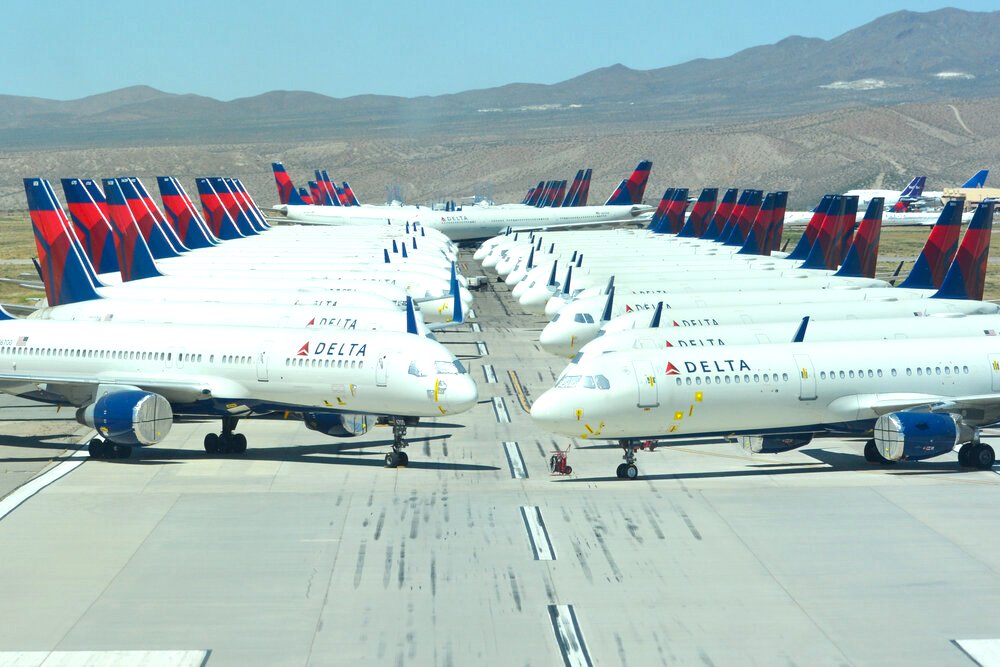
Múltiples factores han llevado a las aerolíneas a estacionar sus aeronaves efectadas por los impactos económicos y políticos donde las posibilidades de volver a recuperarlos fueron casi nulos. A través de los últimos tiempos eso se ha visto reflejado por hechos que han marcado profundos cambios en la aviación comercial. Actualmente, más de 14.000 aviones de pasajeros equivalente a dos tercios de la flota mundial fuero retirados de servicio
Efecto 11-S
Tras los acontecimientos del 11-S en Septiembre 2001, la aviación mundial había sufrido un revés económico sin precedentes para la industria de la aviación forzando a las líneas aéreas a un proceso de bancarrota. Los atentados a objetivos de Estados Unidos vulneraron la seguridad en la aviación comercial obligando a estacionar las aeronaves, muchas por un espacio prudencial de tiempo y otras más descansarían para siempre y muy pocas habían podido tener una nueva vida en otras aerolíneas. El proceso de recuperación ha sido lento, pero pronto el usuario ha vuelto a confiar en la aeronavegación junto con medidas implementadas por los gobiernos del mundo entero. Después de los ataques del 11 Septiembre 2001, más del 13% de la flota comercial fue puesta en tierra, según analistas.
Crisis financiera 2008
La crisis económica provocada por la burbuja financiera en 2008 había generado un golpe a las finanzas de las aerolíneas obligando poner en tierra al 11% de la flota aérea, estacionándola en instalaciones de almacenamiento como los cementerios de aeronaves.
Efecto MAX
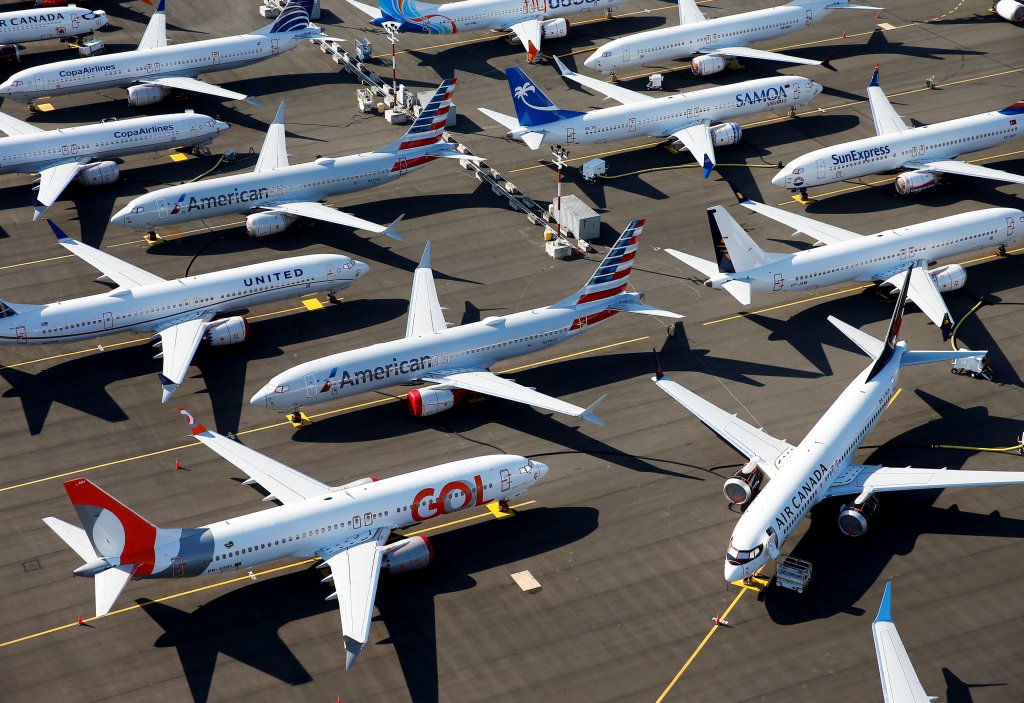
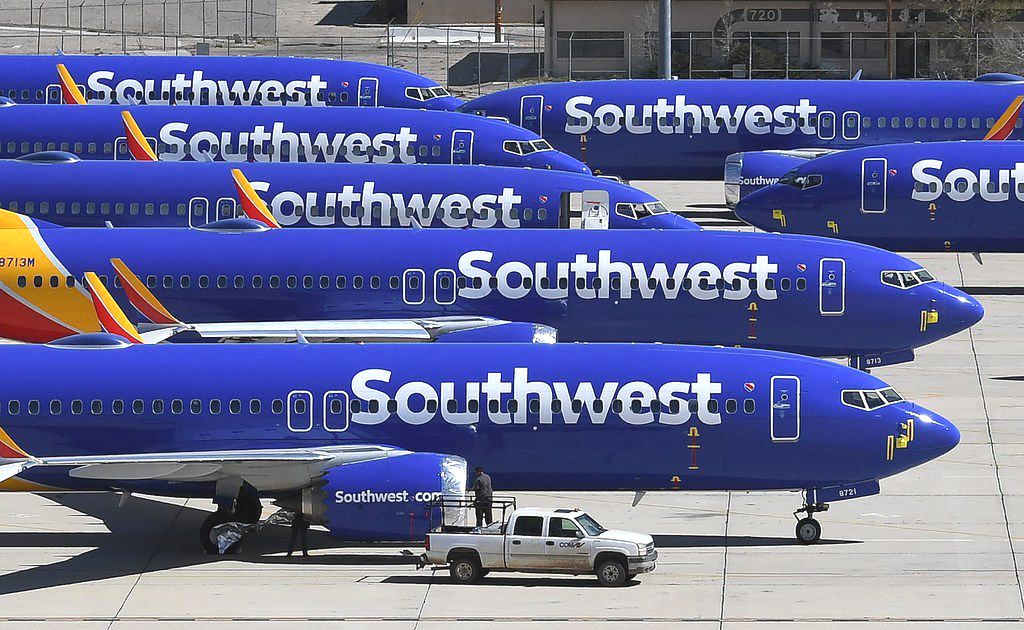
Tras los accidentes aéreos que involucraron a dos aeronaves Boeing 737-8 MAX, toda la flota de la línea 737 MAX que volaban hasta Marzo 2020 fueron estacionadas hasta que los organismos reguladores de aviación determinen la recertificación de la aeronave de cuarta generación para que pueda volver a los cielos. Las aerolíneas se han visto obligadas a aparcar sus aviones en sus bases y otras por el volumen de sus unidades, como el caso de la compañía de presupuesto estadounidense Southwest Airlines, derivaron sus aparatos hacia un cementerio de aeronaves por una cuestión logística y económica, permitiendo reducir las tasas de estacionamientos en estos aeropuertos en los desiertos.
Pandemia, nuevo escenario
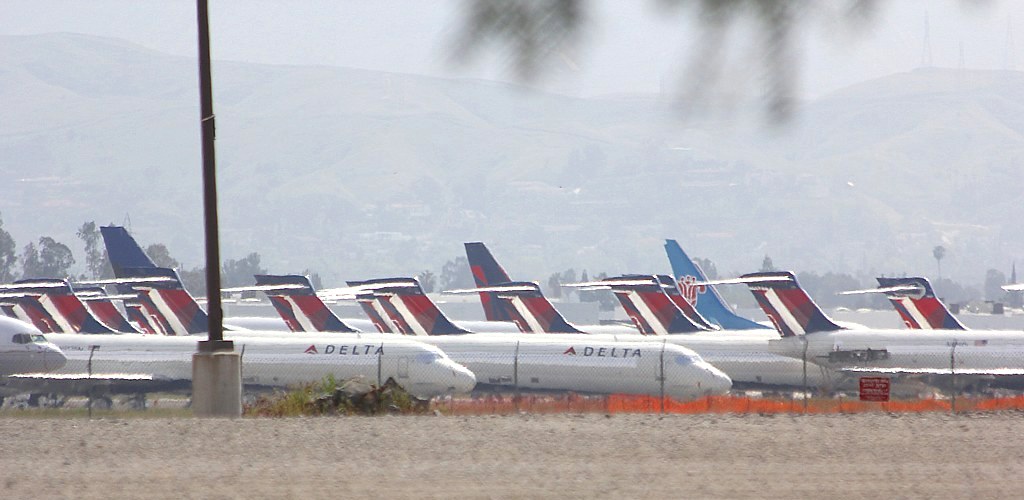
La pandemia de Coronavirus ha hecho colapsar la demanda de vuelos en el planeta obligando a los gobiernos y las aerolíneas a tomar medidas sanitarias para reducir el impacto de índice de contagio, pero por otro lado entrando en una espiral económica muy negativa. Un gran número de aerolíneas se ha visto obligado, de esta forma, a estacionar sus aeronaves a sitios remotos y desérticos, los llamados cementerios de aeronaves. En estos aeródromos o estaciones aéreas es donde se aparcan y guardan los aviones durante un período largo tiempo hasta que vuelven a ser puestos en servicio o en su mayoría inician el proceso de desguace para vender sus partes componentes.
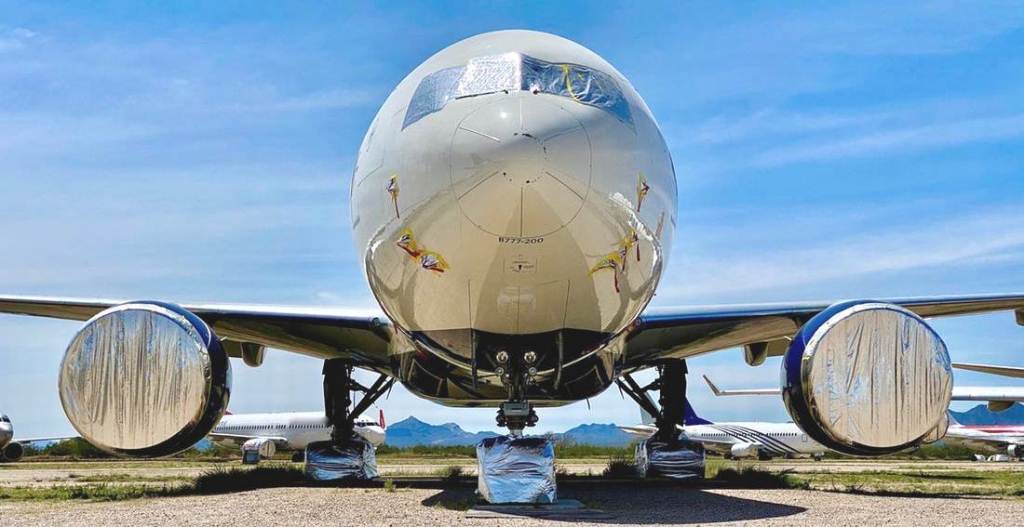
Cementerios de aeronaves
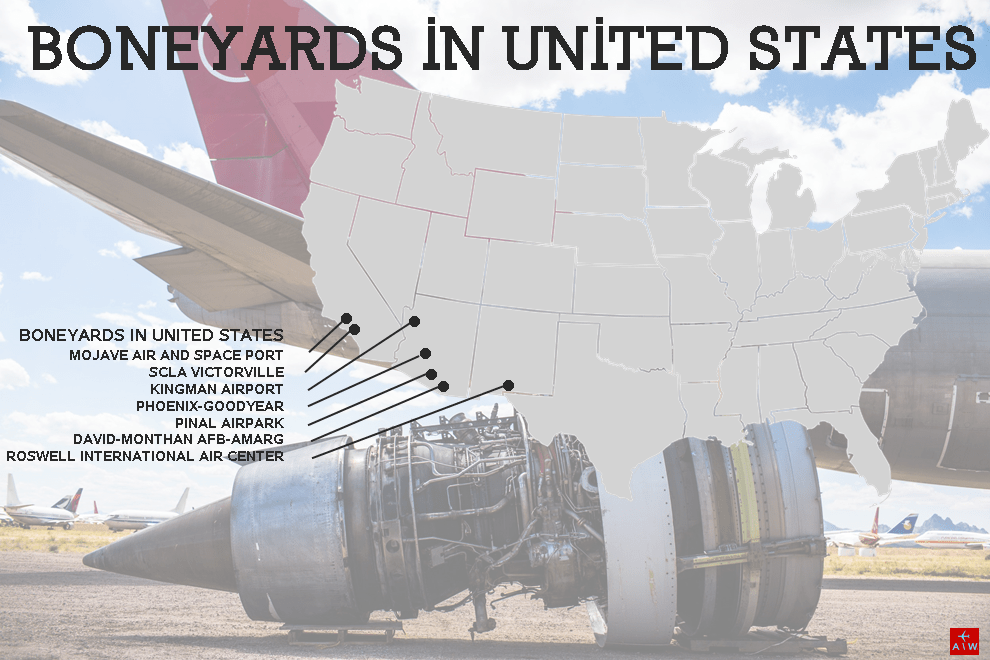
Para las aerolíneas, estas instalaciones suelen ser más baratas que los aeropuertos. Según expertos, las compañías pagan unos US$ 5.000 por mantener un avión en estos lugares. Algunos aviones se guardan por largos períodos antes de encontrar un nuevo propietario, otros se usan para extraer partes y otros son destruidos. Algunas de las instalaciones más populares se encuentran en vastas zonas llanas o desiertos áridos de países como España, Estados Unidos y Australia. El desierto de Mojave, en California, y Marana, en Arizona, son ejemplos de estas instalaciones en Estados Unidos.
Los desiertos son clave porque ofrecen largas áreas de tierra plana y un clima que ralentiza la corrosión de los metales del avión. Allí es donde duermen las aeronaves más nuevas que poseen la esperanza de volver a volar, pero no así de aquellas más antiguas donde van a morir.
Los expertos de aviación cuentan cómo la pandemia ha forzado a que más aviones ingresen en estos cementerios más que ningún otro evento en la historia reciente. Los aviones antiguos están siendo retirados prematuramente de las aerolíneas.
En Abril 2020, más de 14.000 aviones de pasajeros equivalente a dos tercios de la flota mundial fuero retirados de servicio y se quedaron en tierra, de acuerdo a Cirium, una compañía analítica de datos de aviación. Cerca de 7,5 millones de vuelos han sido cancelados entre el período Enero-Julio 2020, provocando pérdidas por valor de US$ 84.000 millones en la industria, de acuerdo a la Asociación Internacional de Transporte Aéreo (IATA). Según Rob Morris, Consultor Jefe en Cirium, se trata del parón más grande de aviones comerciales de la historia.
El Airbus 380 es uno de los modelos más afectados por esta crisis, acelerando el retiro de la mayoría de sus unidades de las compañías aéreas, aunque sean aeronaves modernas y nuevas. La flota de los 380 está siendo almacenada durante un largo tiempo debido a la desaceleración sin precedentes de la demanda, aunque muchos dudan que puedan tener una segunda vida útil, pero habrá que esperar como se desarrolla la capacidad carguera para justficar una inversión colosal. La semana pasada, la aerolínea británica British Airways anunció que retiraba 31 Boeing 747, el 10% del total de su flota; cuando inicialmente, esto estaba previsto para darse de baja en 2024. Singapore Airlines, una de las aerolíneas líderes del mundo, solo está operando con 30 de sus 220 vuelos de pasajeros. Otros 30 aviones están siendo utilizados solo para transportar mercancía.
Desde el inicio de la pandemia, muchos aviones han vuelto a funcionar. Sin embargo, según la consultora Cirium, unos 7.600 aviones un tercio de la flota global sigue en tierra.
Perspectivas
El destino de las aeronaves aparcadas en los cementerios de aviones en gran parte es muy incierto. Muchos ya están retirados y puede que sus piezas se pongan en venta por separado. «Hay ciertos elementos en los metales de los motores que tienen valor, pero en muchos casos es más caro desguazar la aeronave, sobre todo teniendo en cuenta las restricciones y leyes de protección del medioambiente. Por ello, muchos de los aviones se quedarán resguardados durante mucho tiempo», dice Rob Morris. Sin embargo, se espera que otros vuelvan pronto a volar. «Estas aeronaves requieren mantenimiento y, por lo general, una serie de vuelos de prueba antes de volver funcionar», dice Ian Petchenik de FlightRadar24.com. Sin embargo, la mayoría de las veces, el papel de estos cementerios de aviones es albergar el destino final de los pájaros de metal que serán abandonados donde jamás volverán a volar.
Pandemic vs. aircraft cemeteries
The collapse of air travel and the grounded aviation effect
The impacts generated by the Coronavirus pandemic have forced governments, agencies and airlines are reinventing commercial aviation after a long process of difficulties due to the current global health crisis. Aviation had entered under a true global greenhouse stopping air traffic almost entirely.
Multiple factors have led airlines to park their aircraft affected by the economic and political impacts where the chances of recovering them again were almost nil. Throughout recent times, this has been reflected by events that have marked profound changes in commercial aviation. Actually, more than 14,000 passenger aircraft equivalent to two thirds of the world fleet were withdrawn from service
9/11 effect
Following the events of 9/11 in September 2001, global aviation had suffered an unprecedented economic setback for the aviation industry, forcing airlines into bankruptcy. The attacks on US targets violated commercial aviation security by forcing aircraft to park, many for a reasonable period of time and others would rest forever and very few had been able to have a new life on other airlines. The recovery process has been slow, but soon the user has returned to relying on air navigation along with measures implemented by governments around the world. After the attacks of September 11, 2001, more than 13% of the commercial fleet was grounded, according to analysts.
Financial crisis 2008
The economic crisis caused by the financial bubble in 2008 had caused a blow to airline finances, forcing 11% of the air fleet to land, parking it in storage facilities such as aircraft cemeteries.
MAX effect
Following plane crashes involving two Boeing 737-8 MAX aircraft, the entire 737 MAX line fleet flying through March 2020 were stationed until aviation regulatory bodies determine the recertification of the fourth-generation aircraft so that it can return to heaven Airlines have been forced to park their planes at their bases and others due to the volume of their units, as in the case of the US budget company Southwest Airlines, they diverted their devices to an aircraft cemetery for a logistical and economic matter, allowing to reduce parking rates at these airports in deserts.
Pandemic, new scenario
The Coronavirus pandemic has collapsed the demand for flights on the planet, forcing governments and airlines to take sanitary measures to reduce the impact of the contagion rate, but on the other hand, entering a very negative economic spiral. A large number of airlines have thus been forced to park their aircraft at remote and desert sites, so-called aircraft cemeteries. It is at these aerodromes or air stations that planes are parked and stored for a long period of time until they are put back into service or most of them start the scrapping process to sell their component parts.
Aircraft cemeteries
For airlines, these facilities are usually cheaper than airports. According to experts, the companies pay about US$ 5,000 to maintain an airplane in these places. Some planes are kept for long periods before finding a new owner, others are used to extract parts, and others are destroyed. Some of the most popular facilities are found in vast flat areas or arid deserts of countries such as Spain, the United States, and Australia. The Mojave Desert in California and Marana in Arizona are examples of these facilities in the United States.
Deserts are key because they offer long areas of flat land and a climate that slows down the corrosion of aircraft metals. This is where the newest aircraft that hope to fly again sleep, but not the oldest aircraft where they will die.
Aviation experts tell how the pandemic has forced more planes to enter these cemeteries more than any other event in recent history. Old planes are being prematurely recalled from airlines.
In April 2020, more than 14,000 passenger aircraft equivalent to two-thirds of the world fleet were withdrawn from service and left grounded, according to Cirium, an aviation data analytics company. About 7.5 million flights have been canceled between the January-July 2020 period, causing losses worth US$ 84,000 million in the industry, according to the International Air Transport Association (IATA). According to Rob Morris, Chief Consultant at Cirium, this is the largest commercial aircraft stop in history.
The Airbus 380 is one of the models most affected by this crisis, accelerating the withdrawal of most of its units from airlines, even if they are modern and new aircraft. The fleet of 380s is being stored for a long time due to the unprecedented slowdown in demand, although many doubt that they may have a second useful life, but we will have to wait as the carrying capacity develops to justify a colossal investment. Last week, British airline British Airways announced that it was withdrawing 31 Boeing 747s, 10% of its total fleet; when initially this was scheduled to be decommissioned in 2024. Singapore Airlines, one of the world’s leading airlines, is only operating with 30 of its 220 passenger flights. Another 30 planes are being used alone to transport merchandise.
Since the start of the pandemic, many planes have been operational again. However, according to the consulting firm Cirium, some 7,600 aircraft, a third of the global fleet are still on the ground.
Perspective
The fate of aircraft parked in airplane cemeteries is largely uncertain. Many are already retired and their parts may be sold separately. «There are certain elements in the metals of the engines that have value, but in many cases it is more expensive to scrap the aircraft, especially considering the restrictions and laws of environmental protection. For this reason, many of the aircraft will be protected during a long time», says Rob Morris. However, others are expected to fly again soon. «These aircraft require maintenance and typically a series of test flights before operating again», says Ian Petchenik of FlightRadar24.com. However, most of the time, the role of these airplane cemeteries is to house the final destination of the metal birds that will be abandoned where they will never fly again.
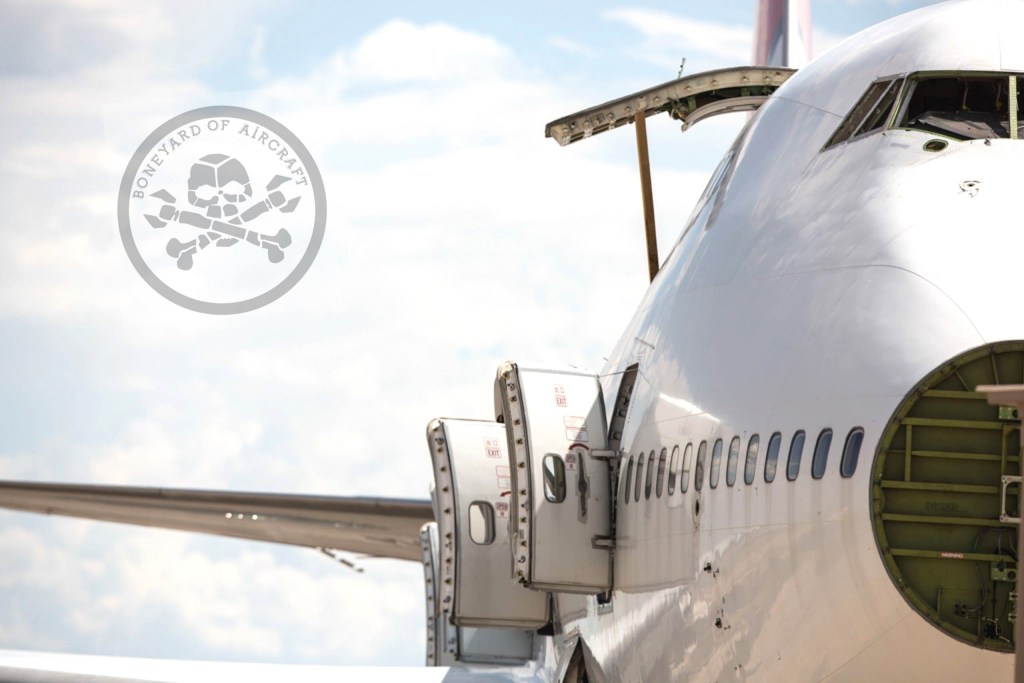
BONEYARD: Un boneyard o cementerio de aeronaves es un área de almacenamiento para aeronaves retiradas del servicio. La mayoría de las aeronaves en boneyards se guardan para almacenamiento con algún mantenimiento o se retiran sus partes para su reutilización o reventa y luego se desechan como cchatarra. Las instalaciones de boneyard generalmente se encuentran en desiertos, como las del suroeste de los Estados Unidos, ya que las condiciones secas reducen la corrosión y el suelo duro no necesita ser pavimentado.
BONEYARD: An aircraft boneyard or graveyard is a storage area for retired aircraft. Most aircraft in boneyards are kept for storage with some maintenance or their parts removed for reuse or resale and then discarded as scrap metal. Boneyard facilities are generally found in deserts, such as those in the southwestern United States, since dry conditions reduce corrosion and hard soil does not need to be paved.
Ξ A I R G W A Y S Ξ PUBLISHER: Airgways.com DBk: Iata.org / Cirium.com / Flightradar24.com / Airgways.com / Usatoday.com / Officerwayfinder.com / Cnbc.com / Flickr.com/Jonathan Francis / Gettyimages.com AW-POST: 202008041720AR
Gobierno Tahití reorganiza rutas aéreas interinsulares
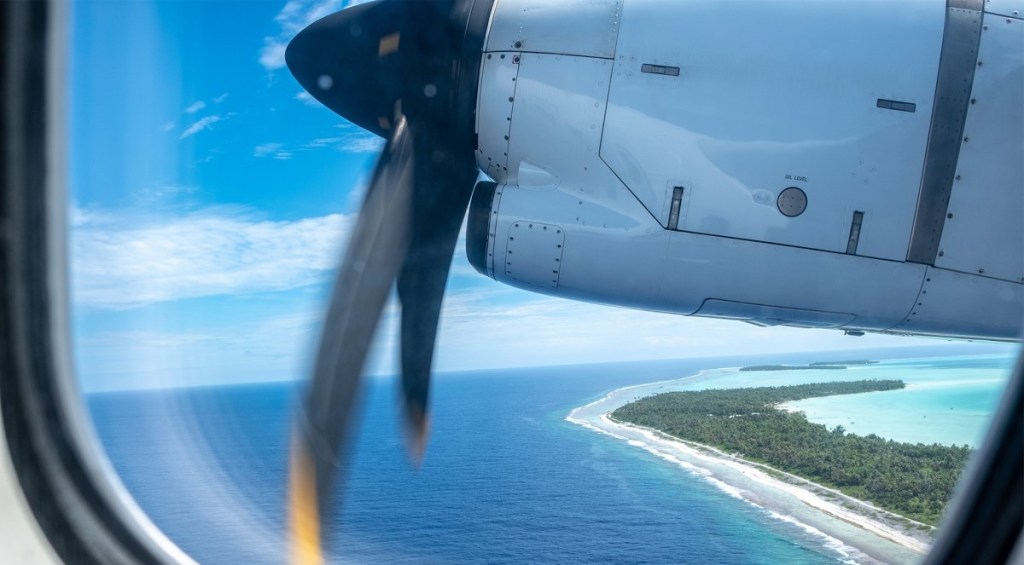
El Consejo de Ministros aprobó el Lunes 03/08 el proyecto de Decreto que organiza la convocatoria de licitaciones de la delegación del servicio público de transporte aéreo interinsular. Especialmente esperada, esta decisión sigue los compromisos asumidos por el Gobierno de Tahití durante la firma del acuerdo para reanudar el servicio aéreo interinsular el 1 Julio 2020 con la aerolínea Air Tahití, concretando la ley del país adoptada en 2016 para el organización del sector.
La delegación de servicio público se aplica a 34 destinos de apertura en dos lotes, dos servicios en las Islas Marquesas y 32 destinos en las islas Tuamotu y Austral, y estará sujeta a un procedimiento restringido que incluye la convocatoria pública de competencia que será publicada en el Boletín Oficial a partir de este Martes 4 Agosto 2020. El archivo de consulta incluye reglamentos de consulta, especificaciones y un borrador del contrato. La delegación de servicio público entrará en vigencia el 1 Enero 2021.
Tahiti government air tender
Tahiti government reorganizes inter-island air routes
The Council of Ministers approved on Monday 03/08 the draft Decree that organizes the call for tenders of the delegation of the public service of inter-island air transport. Especially expected, this decision follows the commitments made by the Government of Tahiti during the signing of the agreement to resume inter-island air service on July 1, 2020 with the airline Air Tahiti, specifying the country’s law adopted in 2016 for the organization of the sector.
The delegation of public service applies to 34 opening destinations in two lots, two services in the Marquesas Islands and 32 destinations in the Tuamotu and Austral islands, and will be subject to a restricted procedure that includes the public call for competition that will be published in the Official Bulletin starting this Tuesday, August 4, 2020. The consultation file includes consultation regulations, specifications and a draft of the contract. The public service delegation will take effect on January 1, 2021.
Appel d’offres du gouvernement de Tahiti
Le gouvernement de Tahiti réorganise les routes aériennes inter-îles
Le Conseil des ministres a approuvé le lundi 03/08 le projet de décret qui organise l’appel d’offres de la délégation du service public du transport aérien inter-îles. Particulièrement attendue, cette décision fait suite aux engagements pris par le gouvernement de Tahiti lors de la signature de l’accord de reprise du service aérien inter-îles le 1er juillet 2020 avec la compagnie aérienne Air Tahiti, précisant la loi du pays adoptée en 2016 pour l’organisation du secteur.
La délégation de service public s’applique à 34 destinations d’ouverture en deux lots, deux services aux îles Marquises et 32 destinations aux Tuamotu et les îles Australes, et sera soumise à une procédure restreinte comprenant l’appel public à la concurrence qui sera publié en le Bulletin officiel à partir de ce mardi 4 août 2020. Le dossier de consultation comprend le règlement de consultation, le cahier des charges et un projet de contrat. La délégation de service public entrera en vigueur le 1er janvier 2021.
Ξ A I R G W A Y S Ξ PUBLISHER: Airgways.com DBk: Presidence.pf / Airtahiti.com / Airgways.com / Gotripics.com AW-POST: 202008041509AR
Industria turismo argentino sobreviviendo a la crisis pandémica
El sector del turismo en la República Argentina atraviesa como la mayoría de los destinos mundiales por una crisis generalizada para poder sobrevivir en medio de un período de inactividad casi por completo. Se pronostica las pérdidas afecten entre 1 y 4 % del producto bruto del país. En las áreas de las agencias de viajes, hoteleras, restaurantes, guías de viajes entre otros, el sector en su conjunto está nuevamente articulando para poder reactivar la economía de la industria sin chimeneas al frente a la nueva realidad. Desde las cámaras turísticas exigen ayuda urgente por parte de los gobiernos nacionales y provinciales para que las empresas tengan oxígeno y puedan sobrevivir a la crisis prolongada.
Las Naciones Unidas estimaron en un informe reciente que las pérdidas en el sector turístico podrían reducir entre 1,5-2,8% del PIB mundial, dependiendo de la duración de las restricciones de viaje introducidas para abordar la propagación de Coronavirus. «El turismo es muy resistente y volveremos a donde estábamos. Necesitamos construir nuevamente la confianza de los viajeros. Es muy importante hablar con los consumidores y explicarles lo que tienen que hacer. Tienen que aceptar las nuevas reglas y el marco», dijo Maribel Rodríguez, Vicepresidenta Senior del Consejo Mundial de Viajes y Turismo.
El sector turístico representaba anterior a la pandemia alrededor del 10 por ciento del PIB y el empleo en Argentina. La industria representa US$ 5.4 mil millones por año en exportaciones, genera AR$ 165 mil millones de pesos (aproximadamente US$ 2.3 mil millones) en el mercado interno y emplea a 1.1 millones de personas, según estadísticas del Ministerio de Turismo de Argentina.
A través de las restricciones introducidas para manejar la propagación de la pandemia, se cerraron todas las fronteras del país, se prohibió la movilidad interprovincial y los vuelos nacionales e internacionales se limitaron solo a fines de repatriación. Aunque la diametría de la radiografía pandémica en la Argentina está concentrada en las grandes urbes, lejos de ser un escenario ideal de apertura de actividades, la mayoría de las empresas están operando a una capacidad muy baja, con un número reducido de clientes.
Reapertura lenta
La actividad en Argentina comienza a reiniciarse lentamente, focalizándose en el oeste de Argentina. El Gobierno de la Provincia de Mendoza autorizó el turismo interno el 13 Junio 2020 en todos sus municipios, excepto San Rafael, a solicitud expresa de su alcalde. Todos los residentes que deseen viajar por la provincia deben tener un comprobante de reserva previa, que sirve como comprobante y certificado de circulación. Los restaurantes y alojamientos en las bodegas volvieron a trabajar el primer día bajo las reglas dictadas por los nuevos protocolos. Solo pueden dar la bienvenida a los turistas al 50 por ciento de su capacidad para garantizar el distanciamiento social, mientras que el uso de máscaras es obligatorio para los empleados y el registro en línea se requiere de antemano. La Provincia de Tierra del Fuego también reactivó el turismo interno el 27 Junio 2020, permitiendo el transporte interurbano entre ciudades de la provincia después de aprobar nuevos protocolos de alojamiento, centros invernales, guías turísticas, agencias de viajes y proveedores de servicios. En la práctica, esto permite a los residentes moverse entre ciudades y alojarse en diferentes hoteles. En la Provincia de Salta las autoridades gubernamentales lanzaron una nueva campaña de fomento del turismo a mediados de junio bajo el lema: «Descubra su provincia, viaje a través de Salta». Las personas en la región pueden moverse por la provincia con su propio vehículo o bajo alquiler o con la ayuda de una agencia de viajes, con el transporte público aún no habilitado para hacer turismo.
Perspectivas turísticas
Las predicciones a largo plazo son muy difíciles de predecir para casi cualquier sector, pero especialmente en el turismo. La actual crisis sanitaria ha cambiado algunas costumbres con mayor énfasis en la higiene personal y de las infraestructuras, sumado a la nueva normalidad de refuerzos del aspecto sanitario-social de distanciamientos. La salida de la crisis mundial será lenta y prolongada, pero los cambios introducidos permitirán aprender lecciones importantes para devolver el brillo y glamour a una de las industrias más importantes del mundo.
The Argentina Tourism sector
Argentine tourism industry struggles to survive pandemic crisis
The tourism sector in the Argentine Republic is undergoing, like most of the world’s destinations, a generalized crisis in order to survive in the midst of a period of almost complete inactivity. Losses are forecast to affect between 1 and 4% of the country’s gross product. In the areas of travel agencies, hotels, restaurants, travel guides, among others, the sector as a whole is once again articulating in order to reactivate the industry economy without chimneys facing the new reality. From the tourist chambers they demand urgent help from the national and provincial governments so that the companies have oxygen and can survive the prolonged crisis.
The United Nations estimated in a recent report that losses in the tourism sector could reduce 1.5-2.8% of world GDP, depending on the duration of travel restrictions introduced to address the spread of Coronavirus. «Tourism is very resilient and we will return to where we were. We need to rebuild the trust of travelers. It is very important to talk to consumers and explain what they have to do. They have to accept the new rules and framework», said Maribel Rodríguez, Senior Vice President of the World Travel and Tourism Council.
Before the pandemic, the tourism sector represented around 10 percent of GDP and employment in Argentina. The industry represents US$ 5.4 billion per year in exports, generates AR$ 165 billion pesos (approximately US$ 2.3 billion) in the domestic market and employs 1.1 million people, according to statistics from the Ministry of Tourism of Argentina.
Through the restrictions introduced to handle the spread of the pandemic, all the country’s borders were closed, inter-provincial mobility was prohibited, and national and international flights were limited only for repatriation purposes. Although the diametry of pandemic radiography in Argentina is concentrated in large cities, far from being an ideal scenario for opening activities, most companies are operating at very low capacity, with a small number of clients.
THE REGION QUEBRADA DE HUMAHUACA IS LOCATED IN THE PROVINCE OF JUJUY, IN THE NORTHWEST OF THE ARGENTINA
Slow reopening
Activity in Argentina begins to restart slowly, focusing on western Argentina. The Government of the Province of Mendoza authorized internal tourism on June 13, 2020 in all its municipalities, except San Rafael, at the express request of its mayor. All residents who wish to travel around the province must have a previous reservation voucher, which serves as a voucher and movement certificate. The restaurants and lodgings in the warehouses returned to work the first day under the rules dictated by the new protocols. They can only welcome tourists at 50 percent of their capacity to ensure social distancing, while the use of masks is mandatory for employees and online registration is required in advance. The Province of Tierra del Fuego also reactivated internal tourism on June 27, 2020, allowing inter-urban transportation between cities in the province after approving new accommodation protocols, winter resorts, tourist guides, travel agencies and service providers. In practice, this allows residents to move between cities and stay in different hotels. In the Province of Salta, government authorities launched a new tourism promotion campaign in mid-June under the motto: «Discover your province, travel through Salta». People in the region can move around the province with their own vehicle or under rent or with the help of a travel agency, with public transport not yet enabled for tourism.
Tourist prospects
Long-term predictions are very difficult to predict for almost any sector, but especially in tourism. The current health crisis has changed some customs with greater emphasis on personal hygiene and infrastructures, added to the new normality of reinforcements in the health-social aspect of distancing. The way out of the world crisis will be slow and long, but the changes introduced will allow us to learn important lessons to restore shine and glamor to one of the most important industries in the world.
Ξ A I R G W A Y S Ξ PUBLISHER: Airgways.com DBk: Argentina.gob.ar/turismo / Airgways.com / Clarin.com / Cronista.com AW-POST: 202008041414AR
Republic despedirá temporalmente 97 trabajadores sede Louisville
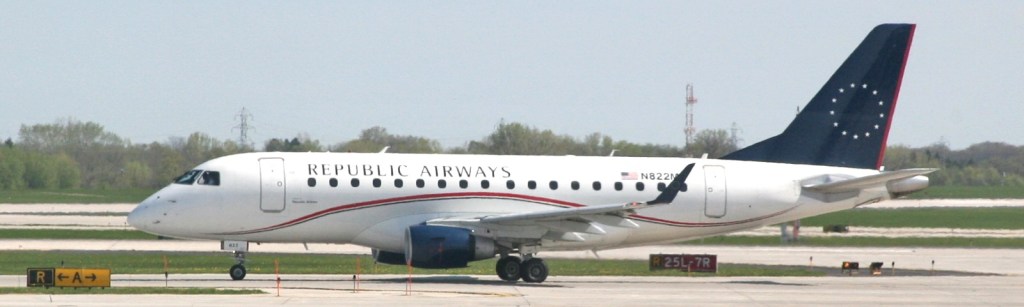
Republic Airways con sede en el Aeropuerto Internacional Louisville Muhammad Ali ha anunciado que estima que unos 97 empleados de serán despedidos este 4Q2020, anunció la compañía. En un aviso del 30 Julio el Vicepresidente Senior de Republic Airways, Matthew Koscal, ha escrito que los despidos comenzarán el 1 Octubre 2020 y afectarán a 46 pilotos, 38 asistentes de vuelo, 10 mecánicos y tres especialistas en materiales.
La compañía de presupuesto estadounidense ha expresado que la actual pandemia ha generado tiempos difíciles sin precedentes para la industria de la aviación, motivando los despidos por la sobrecargada de personal debido a la parálisis de los viajes aéreos. Aunque en medio de la crisis del sector el ejecutivo ha dicho que «Republic tiene esperanzas de que en las próximas semanas, podamos tomar medidas que reduzcan el número de permisos involuntarios». Si la compañía puede hacerlo, sucederá antes del 1 Octubre. Aquellos que no estén suspendidos el 01/10 serán suspendidos el 01/11. «Aunque no podemos predecir con certeza sobre la base de la mejor información disponible para Republic en este momento, esperamos que este permiso sea temporal», se sinceró Matthew Kostal.
Republic Airways temporary layoffs
Republic Airways to lay off 97 Louisville-based workers temporarily
Republic Airways based at Louisville Muhammad Ali International Airport has announced that it estimates about 97 employees will be laid off this 4Q2020, the company announced. In a July 30 notice, Republic Airways Senior Vice President Matthew Koscal has written that the layoffs will begin on October 1, 2020 and will affect 46 pilots, 38 flight attendants, 10 mechanics and three materials specialists.
The US budget company has said the current pandemic has created unprecedented tough times for the aviation industry, fueling layoffs due to overburdening of personnel due to paralysis of air travel. Although in the midst of the crisis in the sector, the executive has said that «the Republic hopes that in the coming weeks, we can take measures to reduce the number of involuntary permits». If the company can do it, it will happen before October 1st. Those who are not suspended on 10/01 will be suspended on 11/01. «Although we cannot predict with certainty based on the best information available to Republic at this time, we expect this permission to be temporary», said Matthew Kostal.
Ξ A I R G W A Y S Ξ PUBLISHER: Airgways.com DBk: Rjet.com / Airgways.com AW-POST: 202008041228AR























 airgways.com