Disputa sindical JetBlue-American posterga plan asociación
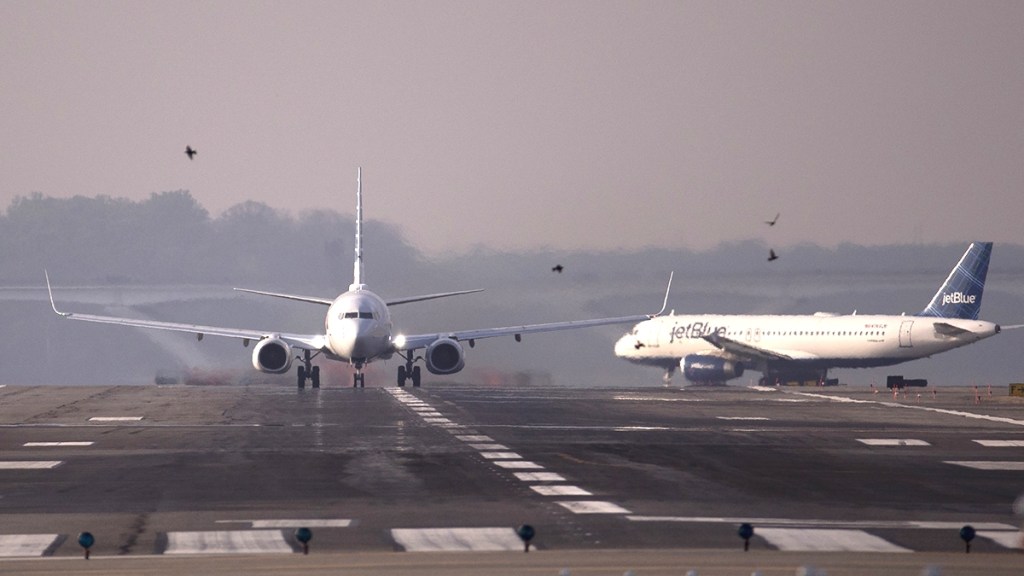
La llamada «Alianza del Noreste» permitirá a American Airlines agregar su número de vuelo a los vuelos de JetBlue Airways y viceversa. American y JetBlue aseguraron la aprobación del Departamento de Transporte (DOT) en Enero 2021, pero aún falta finiquitar más detalles para poder establecer la alianza plenamente, incluyendo la obtención de una entrada del sindicato de pilotos de JetBlue Airways, la Asociación de Pilotos de Línea Aérea (ALPA). Pero los resultados de la votación del 53,7% de los miembros elegibles de ALPA votando en contra de un acuerdo que permitiría a JetBlue seguir adelante con la asociación según lo planeado. Como explicó el Capitán Chris Kenney, Presidente de la unidad JetBlue Airways de ALPA, en un comunicado: «La seguridad laboral, especialmente durante los puntos turbulentos de nuestra industria, es una de las principales preocupaciones de todos los pilotos. Entrenamos durante años y pasamos noches lejos de casa para ser piloto. Para que cualquier acuerdo continúe, la administración de JetBlue debe proporcionar garantías aceptables de que nuestros trabajos son seguros y valorados en los años venideros».
Dado el impacto continuo de la pandemia en la industria de la aviación, es ciertamente razonable que los pilotos de JetBlue Airways estén preocupados por continuar cuidando a la aerolínea de los vaivenes de la crisis actual de los vuelos. El sindicato insiste en que la aerolínea proporcione más seguridad laboral antes de aprobar el trato.
A pesar de que Alaska Airlines está en la cúspide con una alianza con American Airlines en la alianza Oneworld, la aerolínea con sede en Dallas-Fort Worth, está planeando unir fuerzas con JetBlue Airways, pero aún no está claro qué impacto tendrá el voto sindical en la capacidad de JetBlue para participar en la Alianza del Noreste, lo que podría provocar restricciones en el número de vuelos que los clientes de JetBlue Airways pueden reservar en American Airlines, entre otros detalles. La Asociación ALPA que nuclea a los pilotos de JetBlue Airways deben ser capaces de llegar a un acuerdo que beneficien a ambas aerolíneas.
Pitfalls American-JetBlue alliance
Union dispute JetBlue delays partnership plan with American Airlines
The so-called «Northeast Alliance» will allow American Airlines to add its flight number to JetBlue Airways flights and vice versa. American and JetBlue secured approval from the Department of Transportation (DOT) in January 2021, but more details are yet to be finalized in order to fully establish the alliance, including obtaining input from JetBlue Airways’ union of pilots, the Association of Line Pilots. Air (ALPA). But the voting results of 53.7% of eligible ALPA members voting against a deal that would allow JetBlue to go ahead with the partnership as planned. As Captain Chris Kenney, President of ALPA’s JetBlue Airways unit, explained in a statement: «Job safety, especially during turbulent points in our industry, is a top concern for all pilots. We train for years and spend nights away from home to be a pilot. For any deal to continue, JetBlue management must provide Acceptable guarantees that our jobs are safe and valued for years to come».
Given the continuing impact of the pandemic on the aviation industry, it is certainly reasonable that JetBlue Airways pilots are concerned about continuing to guard the airline from the ups and downs of the current flight crisis. The union insists that the airline provide more job security before approving the deal.
Although Alaska Airlines is on the cusp with an alliance with American Airlines in the Oneworld alliance, the Dallas-Fort Worth-based carrier is planning to join forces with JetBlue Airways, but it is not yet clear what impact the union vote will have. on JetBlue’s ability to participate in the Northeast Alliance, which could result in restrictions on the number of flights JetBlue Airways customers can book on American Airlines, among other details. The ALPA Association that brings together JetBlue Airways pilots must be able to reach an agreement that benefits both airlines.
Aeropuerto Jorge Newbery reabre a partir del 15 Marzo 2021
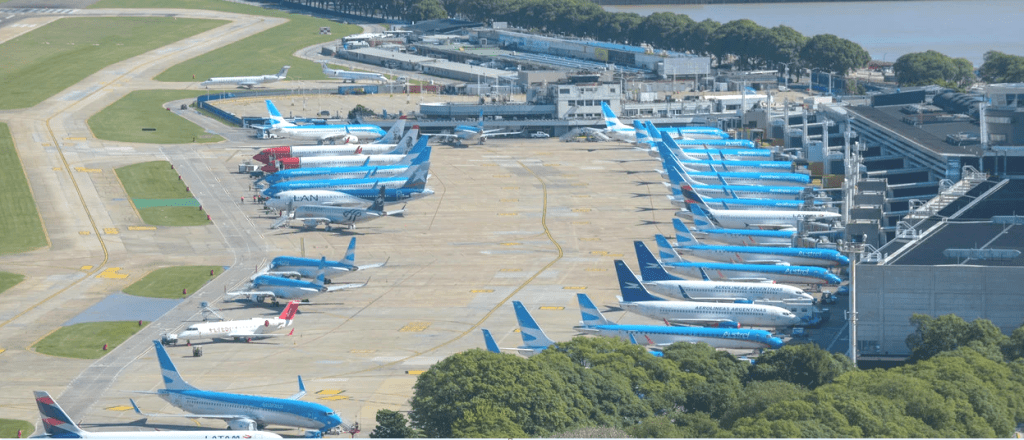
El Aeropuerto Jorge Newbery SABE/AEP de la ciudad de Buenos Aires reabre a partir del 15 de Marzo de 2021, recibiendo una excelente noticia a los usuarios del transporte aéreo. La aeroestación reiniciará operaciones luego de un año cerrado por la pandemia y por reformas. El refaccionado Aeropuerto Jorge Newbery reabrirá a partir del próximo 15/03 a partir de las 22:00 horas [hora local Argentina]. De esta manera la principal aeroestación del país tiene cuenta regresiva para retornar a la actividad aerocomercial. Las aerolíneas han iniciado la venta de tickets con esa terminal como punto de salida.
Aerolíneas Argentinas ha establecido su programación de vuelos domésticos a partir del próximo 16/03, mientras que los vuelos regionales se determinará más adelante. Con el cierre del Aeropuerto El Palomar, las aerolíneas low-cost también comenzarán a operar desde el reformado Aeroparque permitiendo acceder a franjas horarias (slots) para vuelos de cabotaje. Jetsmart Airlines Argentina ha establecido la programación de vuelos en su sistema de reservas donde ha programado su primer vuelo el 16/03 a partir de las 07:15 hs. con destino a Córdoba. Flybondi Líneas Aéreas ha informado que en los próximos días comenzarán a realizar la programación de sus cronogramas de vuelos desde Aeroparque.
Aprobaciones Aeroparque
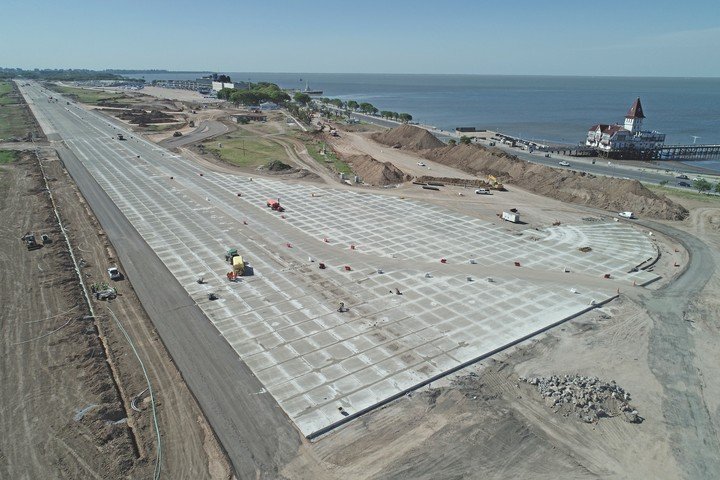
El Aeropuerto Jorge Newbery cerró sus operaciones aéreas el 1 de Agosto de 2020 por obras de modernización en la pista y en el sector de la terminal aérea en el que operarán los vuelos regionales. Los trabajos incluyeron el agregado de 615 metros de largo y 20 de ancho de pista, para optimizar las operaciones regionales y mejorar la seguridad y la conectividad con el exterior. La pista pasará de los 2.100 metros actuales de largo y 40 de ancho, a 2.715 de largo con un ancho de 60 metros. En el sector de vuelos internacionales, se amplió el sector de arribos con la suma de 800m2 de superficie y se refuncionalizará el sector de partidas en la terminal de pasajeros, que abarcará una superficie aproximada de 4.630 m2.
Estas remodelaciones permitirán las operaciones de aeronaves de mayor porte, como los Boeing 787 y los Airbus A330. También se amplió el sector de arribos y partidas internacionales en la terminal de pasajeros, y se dispuso un nuevo sistema de balizamiento para la seguridad operacional en los despegues y aterrizajes.
Inicialmente, la reapertura del Aeropuerto Jorge Newbery está prevista para los vuelos domésticos. Desde el Ministerio de Transporte confirmaron la fecha de reapertura y señalaron que, en principio, el Aeroparque funcionará solo para los vuelos de cabotaje, mientras que toda la operación internacional se mantendrá a través del Aeropuerto Internacional Ezeiza. Más adelante, se espera que la aeroestación de la ciudad de Buenos Aires esté disponible también operar algunos vuelos regionales. La decisión dependerá del Ministerio de Salud y del Organismo Regulador del Sistema Nacional de Aeropuertos (ORSNA). En tanto, desde la ANAC también confirmaron que el 15 de marzo es la fecha prevista para la reapertura. “Nuestras fiscalizaciones indican que esos plazos son cumplibles”, aseguraron. Con todo, la decisión final está en manos de ORSNA, el organismo que controla todos los aeropuertos.
La autorización para las líneas aéreas ha sido comunicada a través de una nota técnica de la Administración Nacional de Aviación Civil (ANAC), permitiendo acceder a la explotación aérea de la aeroestación. Las obras concluyentes a las 22:00 horas del 15 de Marzo de 2021, permitirán acceder a las líneas aéreas de Argentina volar desde esta importante aeroestación a partir del 16/03. En un principio, se preveía que las obras finalizaran durante Febrero 2021, pero se extendieron al menos un mes más de lo previsto. Antes del cierre, por la terminal aérea pasaron 920.000 pasajeros en Enero 2020 y 844.000 en Febrero 2020. La reapertura permitirá expandir las operaciones en el principal aeropuerto de Argentina por número de pasajeros transportados.
Regionalización Aeroparque
Además de los vuelos de cabotaje, Aerolíneas Argentinas ya comenzó a vender pasajes con destinos internacionales desde el Aeroparque y tiene programados vuelos a Lima, San Pablo, Río de Janeiro, Santa Cruz de la Sierra y Montevideo. Según dijeron en la compañía estatal, el plan de regionalización había sido aprobado por la Administración Nacional de Aviación Civil (ANAC) en marzo del año pasado, pero no se pudo concretar por la irrupción de la pandemia.
Las obras de modernización y alargue de la pista de despegue y aterrizaje que programó el Gobierno tienen como fin la regionalización del Aeroparque. Mientras tanto, todavía está en discusión qué pasará con los vuelos internacionales de las aerolíneas low cost en su nueva aeroestación, que hasta hace un años atrás operaban desde el Aeropuerto El Palomar, pero finalmente la ANAC dispuso el cierre de ese aeropuerto para actividades aerocomerciales. El argumento oficial fue que es demasiado costoso mantener tres aeropuertos en el área metropolitana de Buenos Aires, sobre todo en este contexto de baja demanda producto de la pandemia.
Aeroparque reopens next 03/15
Jorge Newbery Airport reopens as of March 15, 2021
The Jorge Newbery Airport SABE/AEP of the city of Buenos Aires reopens as of March 15, 2021, receiving excellent news for air transport users. The airstation will restart operations after a year closed due to the pandemic and due to reforms. The refurbished Jorge Newbery Airport will reopen on 03/15 at 10:00 pm [Argentina local time]. In this way, the main air station in the country has a countdown to return to commercial air activity. The airlines have started selling tickets with that terminal as the point of departure.
Aerolíneas Argentinas has established its domestic flight schedule from 03/16, while regional flights will be determined later. With the closure of El Palomar Airport, low-cost airlines will also start operating from the renovated Aeroparque, allowing access to time slots for domestic flights. Jetsmart Airlines Argentina has established the flight schedule in its reservation system where it has scheduled its first flight on 03/16 from 07:15 am. bound for Córdoba. Flybondi Lineas Aereas have reported that in the coming days they will begin to schedule their flight schedules from Aeroparque.
Aeroparque approvals
Jorge Newbery Airport closed its air operations on August 1, 2020 due to modernization works on the runway and in the area of the air terminal where regional flights will operate. The works included the addition of 615 meters long and 20 meters wide, to optimize regional operations and improve safety and connectivity with the outside world. The track will go from the current 2,100 meters long and 40 wide, to 2,715 long with a width of 60 meters. In the international flights sector, the arrivals sector was expanded with an area of 800m2 and the departures sector in the passenger terminal will be re-functionalized, covering an approximate area of 4,630 m2.
These refurbishments will allow the operations of larger aircraft, such as the Boeing 787 and the Airbus A330. The international arrivals and departures sector was also expanded at the passenger terminal, and a new beacon system was set up for operational safety at take-offs and landings.
Initially, the reopening of Jorge Newbery Airport is planned for domestic flights. The Ministry of Transportation confirmed the reopening date and indicated that, in principle, the Aeroparque will work only for domestic flights, while the entire international operation will continue through the Ezeiza International Airport. Later, it is expected that the airstation of the city of Buenos Aires will also be available to operate some regional flights. The decision will depend on the Ministry of Health and the Regulatory Body of the National Airport System (ORSNA). Meanwhile, Anac also confirmed that March 15 is the scheduled date for the reopening. «Our audits indicate that these deadlines are achievable», they assured. However, the final decision is in the hands of Orsna, the body that controls all airports.
The authorization for the airlines has been communicated through a technical note from the National Civil Aviation Administration (ANAC), allowing access to the aerial operation of the air station. The final works at 10:00 p.m. on March 15, 2021, will allow Argentina’s airlines to fly from this important air station as of 03/16. At first, the works were expected to finish during February 2021, but they took at least a month longer than planned. Before the closure, 920,000 passengers passed through the air terminal in January 2020 and 844,000 in February 2020. The reopening will allow the expansion of operations at the main airport in Argentina by number of passengers transported.
Aeroparque Regionalization
In addition to domestic flights, Aerolíneas Argentinas has already started selling tickets to international destinations from the Aeroparque and has scheduled flights to Lima, São Paulo, Rio de Janeiro, Santa Cruz de la Sierra and Montevideo. According to the state company, the regionalization plan had been approved by the National Civil Aviation Administration (ANAC) in March last year, but could not be finalized due to the outbreak of the pandemic.
The modernization and extension works of the take-off and landing runway that the Government programmed are aimed at regionalizing the Airport. Meanwhile, it is still under discussion what will happen to the international flights of the low cost airlines in their new airstation, which until a year ago operated from the El Palomar Airport, but finally the ANAC ordered the closure of that airport for commercial air activities. The official argument was that it is too expensive to maintain three airports in the metropolitan area of Buenos Aires, especially in this context of low demand as a result of the pandemic.
🛬 Se aproxima un renovado Aeroparque. Con más aviones. Más amplio. Más moderno. Más regional. Más conectado.
🙌🏻 Próximamente volverá a funcionar Aeroparque y acá abajo detallamos las principales obras que permitirán optimizar las operaciones regionales y mejorar su conexión 👇🏻 pic.twitter.com/VJPyxlSfAf
Directores Arthur Collins y Susan Schwab se retiraron de la Junta
La Junta Directiva de The Boeing Company ha anunciado el 17/02 que los directores Arthur D. Collins Jr. y Susan C. Schwab se retirarán de la junta cuando expiren sus mandatos y no representarán la reelección en la Reunión Anual de Accionistas de la compañía. La junta también nombró presidentes a sus seis comités de la Junta Directiva, que surtirá efecto después de la votación anual para la elección de los consejeros en la junta anual de accionistas de Boeing, que está previsto que se produzca el 20 de Abril de 2021. «Estamos agradecidos por el distinguido servicio de Art y Susan en nuestra Junta Directiva. Boeing se ha beneficiado enormemente de su servicio comprometido y dedicado. En línea con nuestro exhaustivo proceso de planificación de la sucesión, la junta continuará tomando medidas para identificar una cartera de diversos candidatos con la experiencia adecuada que traigan perspectivas calificadas», dijo el Presidente de Boeing, Larry Kellner.
Arthur Collins se unió a la Junta en 2007 y más recientemente presidió el Comité de Compensación y sirvió como miembro del Comité de Gobernanza, Organización y Nominaciones. Susan Schwab se unió a la junta en 2010 y más recientemente se desempeñó como miembro del Comité de Compensación, y del Comité de Gobernanza, Organización y Nominaciones. «Ha sido un privilegio servir junto a Art y Susan. Hicieron contribuciones significativas y duraderas a nuestra empresa y a la industria aeroespacial, que es fundamental para la economía global», dijo el CEO de Boeing, David Calhoun.
Además, los siguientes consejeros fueron nombrados Presidentes de Comités, efectivos tras su reelección en el Consejo de Administración en la Junta Anual de Accionistas de la compañía: Almirante Edmund Giambastiani Jr. seguirá presidiendo el Comité de Seguridad Aeroespacial; Akhil Johri fue nombrado presidente del Comité de Auditoría; Lynn Good fue nombrada Presidenta del Comité de Compensación; Robert Bradway fue nombrado Presidente del Comité de Finanzas; Ronald Williams fue nombrado Presidente del Comité de Gobernanza, Organización y Nominaciones; al Almirante John Richardson continuará presidiendo el Comité de Programas Especiales.
Boeing new Chairmen Committees
Directors Arthur Collins and Susan Schwab retired from the Board
The Board of Directors of The Boeing Company announced on 02/17 that directors Arthur D. Collins Jr. and Susan C. Schwab will retire from the board when their terms expire and will not represent re-election at the company’s Annual Meeting of Shareholders. The board also appointed chairmen of its six Board of Directors committees, which will take effect after the annual vote for the election of directors at Boeing’s annual shareholders meeting, which is scheduled to take place on April 20, 2021. «We are grateful for Art and Susan’s distinguished service on our Board of Directors. Boeing has benefited greatly from their committed and dedicated service. In line with our comprehensive succession planning process, the board will continue to take steps to identify a portfolio of diverse candidates with the right experience who bring qualified prospects», said Boeing President Larry Kellner.
Arthur Collins joined the Board in 2007 and most recently chaired the Compensation Committee and served as a member of the Governance, Organization and Nominating Committee. Susan Schwab joined the board in 2010 and most recently served as a member of the Compensation Committee, and the Governance, Organization and Nominating Committee. «It has been a privilege to serve alongside Art and Susan. They made significant and lasting contributions to our company and to the aerospace industry, which is critical to the global economy», said Boeing CEO David Calhoun.
Furthermore, the following directors were appointed Committee Chairmen, effective after their re-election to the Board of Directors at the company’s Annual Shareholders’ Meeting: Admiral Edmund Giambastiani Jr. will continue to chair the Aerospace Safety Committee; Akhil Johri was appointed Chairman of the Audit Committee; Lynn Good was named Chairman of the Compensation Committee; Robert Bradway was named Chairman of the Finance Committee; Ronald Williams was named Chairman of the Governance, Organization and Nominations Committee; Admiral John Richardson will continue to chair the Special Programs Committee.
Airbus optimismo para A321XLR, la esperanza post-pandemia
Airbus Group busca en el nuevo desarrollo del Airbus A321XLR salir de crisis pandémica. La actual reducción de los vuelos frente a los embates de la pandemia ha provocado un durísimo golpe a las economías de las industrias aeronáuticas, pero Airbus Group ha afrontado el futuro próximo con verdadero optimismo para contrarrestar la escasez de pedidos de aeronaves comerciales. Una nueva aeronave se perfila para impulsar la recuperación y conseguir una ventaja frente a The Boeing Company.
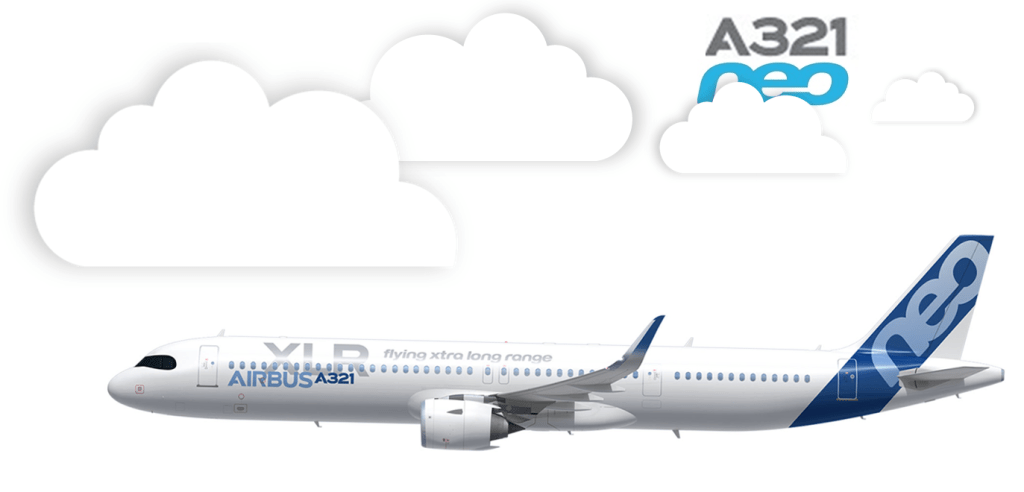
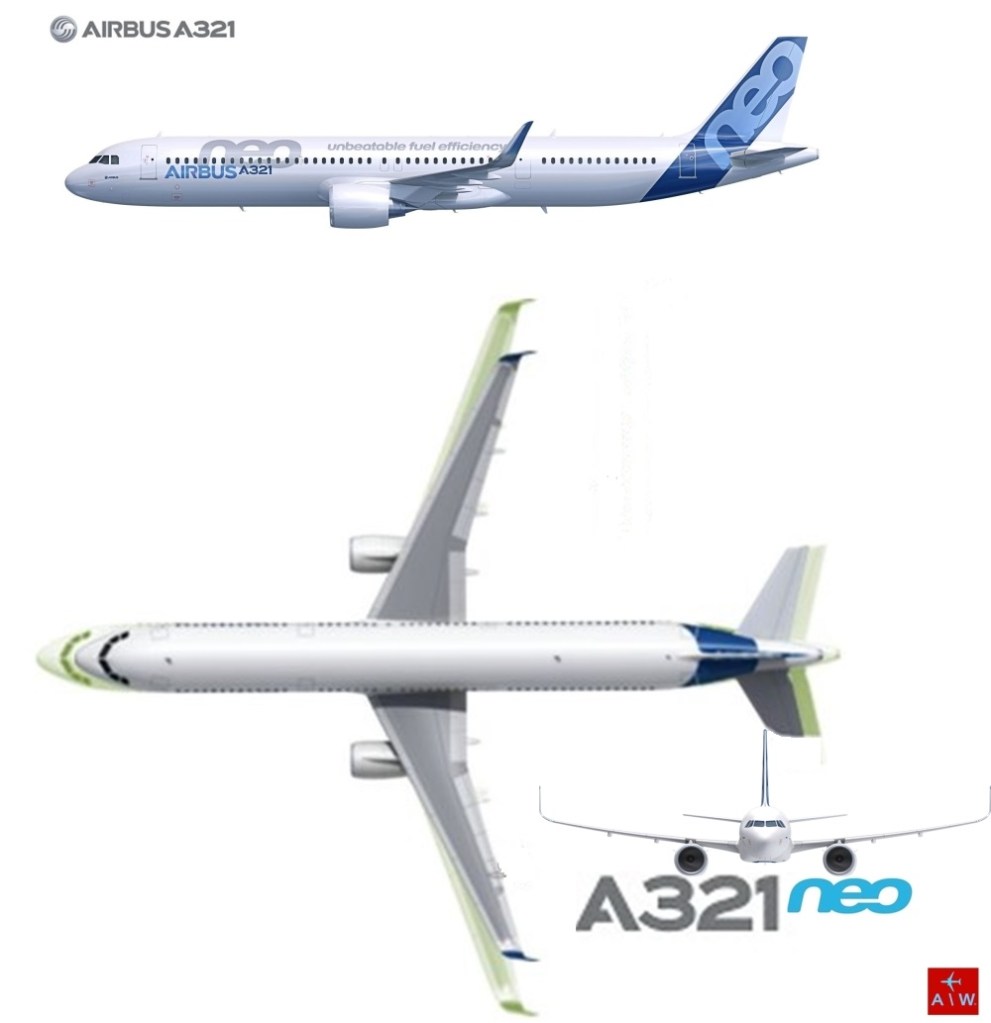
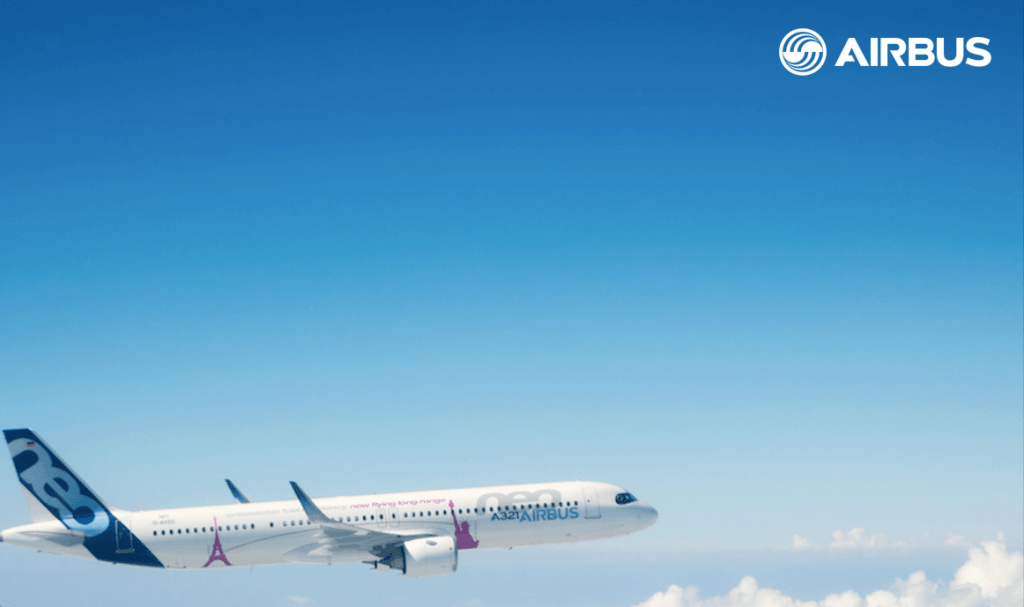
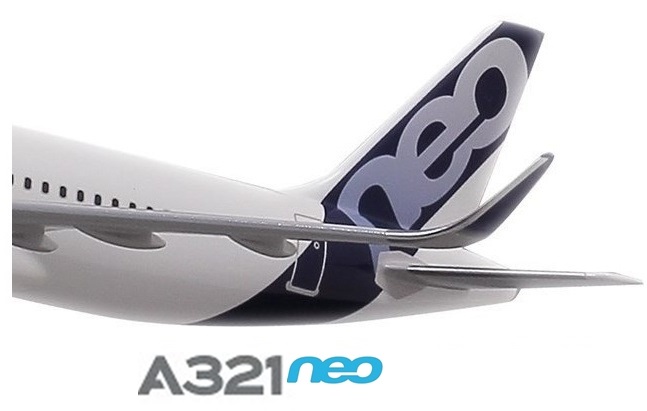
El Airbus A321XLR (eXtra Long Range) ha sido la última variante de la familia A320NEO de pasillo único del constructor que ha establecido el inicio de la producción en línea para este 2021 y las entregas hacia el 2023. El A321XLR significa que tendrá como una de sus cualidades más sobresalientes un alcance extra largo, extendiendo la posibilidad de ser un verdadero reemplazo para el Boeing 757, como así además, representará un sustituto para aeronaves de mayores desempeños que han quedado demasiado grandes para el nuevo mercado post-pandemia.
Nace el A321XLR
Desde que el modelo fue presentado por primera vez en el Salón Aéreo de París en Junio de 2019, el avión ha recogido más de 450 pedidos, incluyendo 37 unidades en 2020. «El XLR sigue disfrutando de una demanda de mercado muy fuerte», dijo recientemente el Jefe Comercial de Airbus, Christian Scherer. Entre los veinticuatro clientes para el A321XLR se encuentran con sus pedidos correspondientes: American Airlines (50), United Airlines (50), Qantas Airways (36).
Características A321XLR
El nuevo avión derivado de la familia A321NEO se posiciona fuertemente en el mercado de rango medio, la brecha entre los aviones narrowbodies y widebodies. El único avión que sirvió a este segmento fue el Boeing 757 de pasillo único, que tenía un alcance de aproximadamente 4.000 millas náuticas (7.400 kilómetros), permitiendo ser un verdadero avión transatlántico. Boeing desarrolló la variante Boeing 757-200ER para operaciones ETOPS, aún con estas notables mejoras, las aerolíneas empleaban el 757 en las rutas transatlánticas, pero en caso de fuertes vientos frontales tendrían que hacer una escala para reabastecimiento. La línea Boeing 757 terminó su producción en 2004 con la finalización de entregas en 2005.
Mientras que el avión de más largo alcance hasta el momento la familia Airbus A320 cumplió con el alcance del Boeing 757, es sólo con el A321XLR y su alcance de 4.700 millas náuticas que las aerolíneas podrán utilizar el avión en rutas del Atlántico Norte sin preocupaciones. Antes de la pandemia, el avión era visto como una opción flexible para que las aerolíneas probaran y desarrollaran nuevas rutas con menos tráfico de una manera más rentable, ya que transportaba menos pasajeros que los aviones de cuerpo ancho de Airbus, el A330 y el A350. Debido a que la pandemia ha diezmado el tráfico aéreo, es probable que las aerolíneas tengan aún más necesidad de aeronaves de este tipo a medida que reconstruyen sus redes de ruta. «Está muy bien con las necesidades del mercado. Fue el caso antes de la pandemia, pero creemos que esto va a ser aún más el caso después de la pandemia», dijo Guillaume Faury, CEO de Airbus Group, en referencia al énfasis que han depositado en la nueva variante del segmento de rango medio. «Un 321 XLR cuesta mucho menos comprar y dar servicio, así como volar que un avión de cuerpo ancho. Especialmente porque la formación de pilotos— un elemento importante de los costos, se puede mutualizar entre las operaciones de larga distancia y las de los vuelos de corta y media distancia», dijo Jerome Bouchard, un especialista en aviación de la consultora Oliver Wyman. Las diversas versiones del A321 representan casi la mitad de los 6.355 aviones de pasillo único en el libro de pedidos del constructor europeo. Airbus cree que el XLR va a ser la principal proporción de nuestros A321. Actualmente, Boeing no ha desarrollado nada comparable al XLR que pueda ofrecer a las aerolíneas más allá del 2025.
El año pasado, preocupado por la crisis del 737 MAX y ensillado con una deuda de casi US$ 64 mil millones de Dólares, Boeing decidió no seguir adelante con lo que llamó su proyecto New Midsize Aircraft (NMA). El plan era para entregar en 2025 un avión que pudiera transportar hasta 275 pasajeros casi 9.000 km. Para el analista de aviación del Grupo Teal, Richard Aboulafia, esto significa que «Airbus se ha apoderado del mercado medio justo cuando el Covid-19 acelera el cambio al mercado medio. Boeing se enfrenta a un desafío muy serio del mercado medio». Los comentarios del CEO David Calhoun en Enero 2021 dejaron la impresión de que estaba trabajando en un plan de este tipo. Dijo que la firma se estaba tomando su tiempo, pero que sus ingenieros estaban avanzando «para que estemos listos cuando llegue ese momento a ofrecer un producto realmente diferenciado». La revista comercial Aviation Week ha informado de que Boeing ha comenzado a hacer sonar a sus proveedores sobre un avión que podría entrar en servicio a finales de la década, claro una distancia abrumadora frente al nuevo ganador del mercado medio, el A321XLR, lo que promete ser el best-seller de la aviación comercial.
Airbus consolidates middle market
Airbus optimism for A321XLR, the post-pandemic hope
Airbus Group seeks in the new development of the Airbus A321XLR to get out of pandemic crisis. The current reduction in flights in the face of the onslaught of the pandemic has caused a severe blow to the economies of the aeronautical industries, but Airbus Group has faced the near future with true optimism to counter the shortage of orders for commercial aircraft. A new aircraft is shaping up to boost recovery and gain an advantage over The Boeing Company.
The Airbus A321XLR (eXtra Long Range) has been the last variant of the constructor’s single-aisle A320NEO family that has established the start of line production for this 2021 and deliveries towards 2023. The A321XLR means that it will have as one of Its most outstanding qualities an extra long range, extending the possibility of being a true replacement for the Boeing 757, as well as representing a substitute for higher performance aircraft that have been too large for the new post-pandemic market.
The A321XLR is born
Since the model was first unveiled at the Paris Air Show in June 2019, the aircraft has picked up more than 450 orders, including 37 units in 2020. «The XLR continues to enjoy very strong market demand,» he said recently Airbus Chief Commercial Officer Christian Scherer. Among the twenty-four customers for the A321XLR are with their corresponding orders: American Airlines (50), United Airlines (50), Qantas Airways (36).
A321XLR Features
The new aircraft derived from the A321NEO family is strongly positioned in the mid-range market, the gap between narrowbodies and widebodies aircraft. The only aircraft that served this segment was the single-aisle Boeing 757, which had a range of approximately 4,000 nautical miles (7,400 kilometers), allowing it to be a true transatlantic aircraft. Boeing developed the Boeing 757-200ER variant for ETOPS operations, even with these notable improvements, airlines used the 757 on transatlantic routes, but in case of strong head winds they would have to make a stopover for refueling. The Boeing 757 line ended production in 2004 with the completion of deliveries in 2005.
While the longest-range aircraft to date the Airbus A320 family met the range of the Boeing 757, it is only with the A321XLR and its range of 4,700 nautical miles that airlines will be able to use the aircraft on North Atlantic routes without worry. Before the pandemic, the aircraft was seen as a flexible option for airlines to test and develop new routes with less traffic in a more cost-effective way, as it carried fewer passengers than Airbus wide-body aircraft, the A330 and A350. As the pandemic has decimated air traffic, airlines are likely to have an even greater need for aircraft of this type as they rebuild their route networks. «It is very well with the needs of the market. It was the case before the pandemic, but we believe that this will be even more the case after the pandemic», said Guillaume Faury, CEO of Airbus Group, referring to the emphasis they have deposited in the new variant of the mid-range segment. «A 321 XLR costs much less to buy and service, and to fly than a wide-body aircraft. Especially since pilot training — a major cost element, can be mutualized between long-haul operations and flight operations. short and medium-haul», said Jerome Bouchard, an aviation specialist at consultancy Oliver Wyman. The various versions of the A321 account for almost half of the 6,355 single-aisle aircraft in the European manufacturer’s order book. Airbus believes that the XLR is going to be the main proportion of our A321s. Currently, Boeing has not developed anything comparable to the XLR that it can offer to airlines beyond 2025.
Last year, worried about the 737 MAX crisis and saddled with a debt of nearly US$ 64 billion, Boeing decided not to go ahead with what it called its New Midsize Aircraft (NMA) project. The plan was to deliver in 2025 a plane that could carry up to 275 passengers almost 9,000 km. For Teal Group aviation analyst Richard Aboulafia, this means that «Airbus has taken over the mid-market just as Covid-19 accelerates the shift to the mid-market. Boeing is facing a very serious challenge from the mid-market». If Boeing won in the 2000s with its choice to develop the long-range Boeing 787 Dreamliner while Airbus went off with the super-jumbo A380, this time the situation is reversed. The decision to cancel the NMA «will cost Boeing dearly, at least for the decade to come», said Richard Bouchard. CEO David Calhoun’s comments in January 2021 left the impression that he was working on such a plan. He said the firm was taking its time, but that his engineers were moving forward «so that we are ready when that time comes to offer a truly differentiated product». Aviation Week trade magazine has reported that Boeing has begun buzzing its suppliers about an aircraft that could enter service by the end of the decade, clearly an overwhelming gap to the new mid-market winner, the A321XLR, which promises be the best-seller in commercial aviation.
El primer aeropuerto ecológico del mundo, en las islas Galápagos, Ecuador ha sido inaugurado. Las islas Galápagos se encuentran localizadas a caso 1.000 kilómetros de distancia de la costa del pacífico ecuatoriano. El archipiélago recibe alrededor de 250.000 turistas por año, que llegan atraídos por los refugios naturales de tiburones, tortugas gigantes y lobos marinos, entre otras especies.
Terminal aérea Seymour
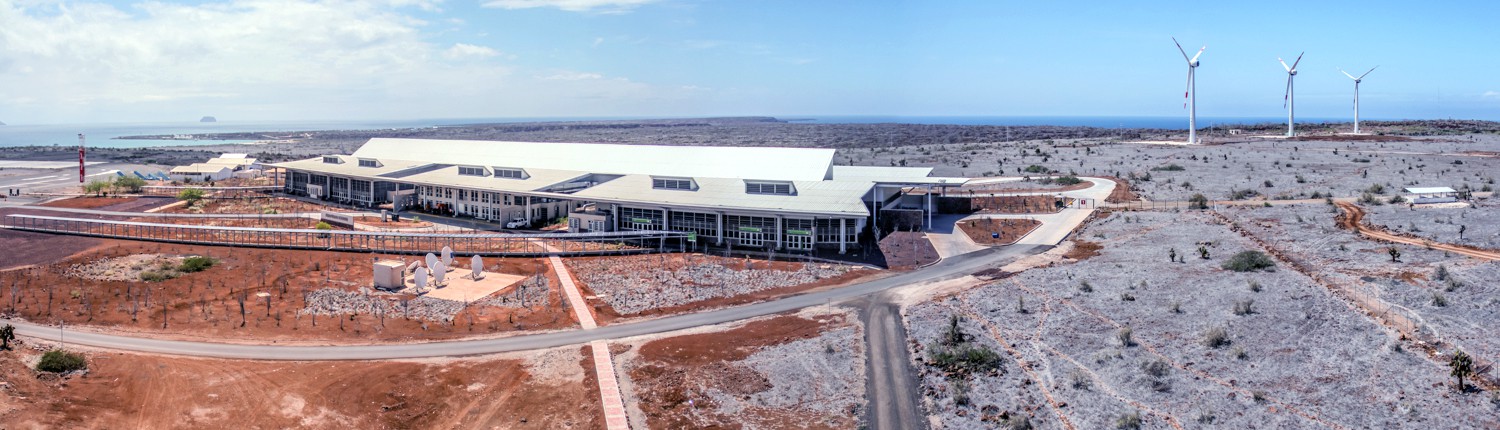
El Aeropuerto Internacional Seymour, localizado en Baltra, es considerado el primer aeropuerto del mundo en ser totalmente ecológico. Tiene una extensión de 6.000 metros cuadrados y su techo tipo sombrilla alcanza los 10.000 metros cuadrados. Estas estructuras son sostenidas por tuberías de acero de unos 30 centímetros de diámetro que fueron recuperadas de los campos de extracción petrolera de la Amazonía ecuatoriana. La modernísima aero-estación, construida por el consorcio Aeropuertos Argentina 2000 con una inversión de US$ 26 millones de Dólares, no utiliza combustibles fósiles para sus operaciones diarias. El Programa de las Naciones Unidas para el Medio Ambiente (PNUMA) ha destacado especialmente su inédita característica. Gracias a las nuevas obras se registra en las instalaciones un ahorro de energía del 70% frente a la demanda.
Características ecológicas
Funciona al 100% con energía renovable (solar y eólica) generada por paneles fotovoltaicos instalados en el conjunto de los caminos de la terminal y molinos de vientos ubicados estratégicamente. Se ha reutilizado más del 80% del material del antiguo aeropuerto: sus viejas estructuras metálicas y la madera, especialmente. Las piedras volcánicas de las islas se emplearon para revestir los muros externos y mimetizar la construcción con el entorno. Esto disminuye mucho el impacto ambiental. La iluminación y la ventilación son naturales en todos los espacios y se logró la reforestación integral con flora autóctona. Los techos del edificio fueron construidos con material refractario para reducir la temperatura interior. Se colocaron paneles solares sobre los techos de los edificios para que reciban la potente radiación de la línea del Ecuador. El agua de los inodoros y los lavabos se recupera, se trata y se reutiliza. Es originalmente tomada del océano y luego desalinizada. Ingresa a la terminal y una vez empleada se evita la generación de agua residual. El diseño de los desagües pluviales permite el control de calidad y cantidad de las descargas y se incorporaron colectores solares para calentar el agua. Los aviones no pueden abastecerse de combustible en Galápagos para evitar la contaminación ambiental.
El aeropuerto emplea carbono neutral, que se trata del único sistema avalado institucionalmente que permite evaluar y reconocer los esfuerzos realizados por los aeropuertos participantes para gestionar y reducir sus emisiones de CO2 (Ecogal). El Aeropuerto Ecológico de Galápagos se convirtió en el primero en Latinoamérica y El Caribe en ser carbono neutral y el segundo en todo el continente americano. Este logro fue certificado por el Consejo Internacional de Aeropuertos, ACI, a través del programa Airport Carbon Acreditation. Representa el único sistema avalado institucionalmente que permite evaluar y reconocer los esfuerzos realizados por los aeropuertos participantes para gestionar y reducir sus emisiones de CO2. La acreditación Nivel 4 “Neutralidad” marcó un importante precedente en la región que permite fijar el rumbo que deberían de seguir todos los aeropuertos del mundo. “Se trata de un aeropuerto que ya es referente mundial de construcciones sustentables. Recibió la certificación del Consejo de la Construcción Ecológica de Estados Unidos (U.S Green Building Council). Lo más importante es que se trata de un edificio autosustentable. Cuenta con la última tecnología mundial y ofrece un adecuado confort a los pasajeros sin contaminar el medio ambiente. Ese es el legado que pretendemos dejar para los pasajeros y para el resto de la industria aérea del mundo”, ha expresado el Departamento de Comunicación de la Corporación América de Argentina.
Galapagos 1st ecological airport
Galapagos the world’s first ecological airport
The first ecological airport in the world, in the Galapagos Islands, Ecuador has been inaugurated. The Galapagos Islands are located about 1,000 kilometers away from the Ecuadorian Pacific coast. The archipelago receives around 250,000 tourists per year, who arrive attracted by the natural refuges of sharks, giant tortoises and sea lions, among other species.
Seymour Air Terminal
Seymour International Airport, located in Baltra, is considered the first airport in the world to be totally ecological. It has an area of 6,000 square meters and its umbrella-like roof reaches 10,000 square meters. These structures are supported by steel pipes of about 30 centimeters in diameter that were recovered from the oil extraction fields of the Ecuadorian Amazon. The very modern airport, built by the Aeropuertos Argentina 2000 consortium with an investment of US $ 26 million, does not use fossil fuels for its daily operations. The United Nations Environment Program (UNEP) has especially highlighted its unprecedented characteristic. Thanks to the new works, energy savings of 70% are recorded in the facilities compared to demand.
Ecological characteristics
It works 100% with renewable energy (solar and wind) generated by photovoltaic panels installed in all the roads of the terminal and strategically located windmills. More than 80% of the material from the old airport has been reused: its old metal structures and wood, especially. The volcanic stones of the islands were used to cover the external walls and blend the construction with the environment. This greatly reduces the environmental impact. Lighting and ventilation are natural in all spaces and comprehensive reforestation with native flora was achieved. The roofs of the building were constructed with refractory material to reduce the interior temperature. Solar panels were placed on the roofs of the buildings to receive the powerful radiation from the Equator. Water from toilets and sinks is recovered, treated and reused. It is originally taken from the ocean and then desalinated. It enters the terminal and once used the generation of waste water is avoided. The design of the storm drains allows the quality and quantity of the discharges to be controlled and solar collectors were incorporated to heat the water. Airplanes cannot refuel in Galapagos to avoid environmental pollution.
The airport uses carbon neutral, which is the only institutionally endorsed system that allows evaluating and recognizing the efforts made by participating airports to manage and reduce their CO2 emissions (Ecogal). The Galapagos Ecological Airport became the first in Latin America and the Caribbean to be carbon neutral and the second in the entire American continent. This achievement was certified by the Airports Council International, ACI, through the Airport Carbon Accreditation program. It represents the only institutionally endorsed system that allows evaluating and recognizing the efforts made by participating airports to manage and reduce their CO2 emissions. The Level 4 “Neutrality” accreditation set an important precedent in the region that allows setting the course that all airports in the world should follow. “It is an airport that is already a world benchmark for sustainable construction. It has received certification from the United States Green Building Council. The most important thing is that it is a self-sustaining building. It has the latest world technology and offers adequate comfort to passengers without polluting the environment. This is the legacy that we intend to leave for passengers and for the rest of the world’s airline industry”, has expressed the Communications Department of the América de Argentina Corporation.
Aeropuerto de Catania cierra tras activación Volcán Etna
El Volcán Etna, situado en la sureña isla italiana de Sicilia, ha expulsado de manera espectacular fuego y cenizas en una explosión en la parte sureste de la montaña, lo que ha obligado al aeropuerto de Catania a paralizar sus operaciones. Medios locales y usuarios de redes sociales han compartido fotos y vídeos del evento que muestran una enorme humareda ascendiendo del cráter mientras la lava cae por la ladera en un incidente del que no se han reportado ni daños ni heridos. El flujo de lava alcanzado por la explosión del Volcán Etna ha alcanzado una altitud de 2.000 metros.
El Aeropuerto Catania ha cesado temporalmente las operaciones debido a las cenizas que han caído en balcones, casas y calles tras ascender más de un kilómetro en el aire, lo que ha hecho poco seguro volar. Estos sucesos no son poco comunes en el Etna, que tiene una altitud de 3.300 metros.
Active Etna volcano
Catania airport closes after activation of the Etna Volcano
The Etna Volcano, located on the southern Italian island of Sicily, has dramatically expelled fire and ash in an explosion in the southeast part of the mountain, forcing the Catania airport to paralyze its operations. Local media and social media users have shared photos and videos of the event that show huge smoke rising from the crater as lava falls down the hillside in an incident with no reported damage or injuries. The lava flow reached by the Etna Volcano explosion has reached an altitude of 2,000 meters.
Catania Airport has temporarily ceased operations due to ash that has fallen on balconies, houses and streets after ascending more than a kilometer in the air, which has made flying unsafe. These events are not uncommon on Mount Etna, which is 3,300 meters high.
Vulcano attivo dell’Etna
L’aeroporto di Catania chiude dopo l’attivazione del vulcano Etna
Il Vulcano Etna, situato nella Sicilia meridionale dell’isola, ha espulso in modo drammatico fuoco e cenere in un’esplosione nella parte sud-est della montagna, costringendo l’aeroporto di Catania a paralizzare le sue operazioni. Gli utenti dei media locali e dei social media hanno condiviso foto e video dell’evento che mostrano un enorme fumo che sale dal cratere mentre la lava cade giù dalla collina in un incidente senza danni o feriti riportati. La colata lavica raggiunta dall’esplosione del vulcano Etna ha raggiunto quota 2.000 metri.
L’aeroporto di Catania ha temporaneamente cessato le operazioni a causa della cenere caduta su balconi, case e strade dopo essere salita per oltre un chilometro in aria, il che ha reso pericoloso il volo. Questi eventi non sono rari sull’Etna, che è alto 3.300 metri.
Lufthansa y airBaltic firman nuevo acuerdo código compartido
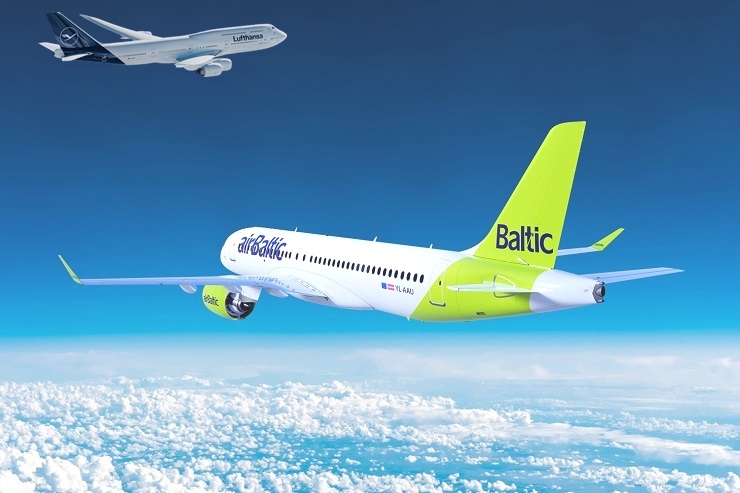
Lufthansa German Airlines y airBaltic han firmado un acuerdo de código compartido mediante el cual los pasajeros de ambas aerolíneas tendrán acceso a una red más amplia de destinos a partir del 28 de Marzo de 2021. Lufthansa colocará sus códigos en rutas operadas por airBaltic entre Munich—Riga, Letonia, así como entre Munich—Vilnius, Lituania; por su parte, los pasajeros de airBaltic tendrán acceso a toda la red mundial de Lufthansa.
Martin Gauss, Presidente y Director Ejecutivo de airBaltic se congratuló por el acuerdo y señaló que Alemania es uno de los mercados clave para la aerolínea letona. “Lufthansa es un proveedor de conectividad sólido a nivel mundial y nos complace fortalecer nuestra asociación y los lazos de tráfico aéreo entre los países bálticos, Alemania y más allá”, dijo Martin Gauss.
Por su parte, Heiko Heidusch, Director de Asociaciones de Aerolíneas de Grupo Lufthansa, calificó a airBaltic como un socio confiable que ayudará a ofrecer más posibilidades a sus pasajeros de viajar a los países bálticos desde Múnich. “Nos complace comenzar esta nueva cooperación con airBaltic y fortalecer aún más nuestra red en los estados bálticos, que es un mercado sólido para clientes de negocios y de placer”.
Codeshare Lufthansa-airBaltic
Lufthansa and airBaltic sign new codeshare agreement
Lufthansa German Airlines and airBaltic have signed a codeshare agreement whereby passengers from both airlines will have access to a wider network of destinations as of March 28, 2021. Lufthansa will place their codes on airBaltic-operated routes between Munich— Riga, Latvia, as well as between Munich-Vilnius, Lithuania; airBaltic passengers will have access to the entire Lufthansa global network.
Martin Gauss, President and CEO of airBaltic welcomed the agreement and noted that Germany is one of the key markets for the Latvian airline. «Lufthansa is a strong connectivity provider globally and we are pleased to strengthen our partnership and air traffic ties between the Baltics, Germany and beyond», said Martin Gauss.
For his part, Heiko Heidusch, Director of Airline Associations of Lufthansa Group, described airBaltic as a reliable partner that will help offer more possibilities to its passengers to travel to the Baltic countries from Munich. «We are pleased to start this new cooperation with airBaltic and further strengthen our network in the Baltic states, which is a strong market for business and leisure clients».
Viva Air nodo Medellín como perspectiva de crecimiento
La aerolínea de bajo costo Viva Air Colombia, ha anunciado que centralizará su operación desde Medellín para descongestionar y descentralizar el Aeropuerto Internacional Bogotá/El Dorado. Además anunció nuevas rutas internacionales que conectarán a Medellín directamente con Ciudad de México, Cancún y Orlando, Florida.
“En Viva tenemos una clara convicción: es el momento de descentralizar los vuelos en Colombia, para convertir a Medellín en nuestro centro de conexiones estratégicas para la región. Este será nuestro gran proyecto para 2021, el más desafiante y excitante para Viva en sus 9 años de historia. Medellín es nuestra casa, aquí nacimos, aquí nos fortalecimos y aquí continuamos desplegando nuestras operaciones donde hoy somos la principal línea aérea con una participación del 40% del mercado. Como aerolínea, nuestra apuesta es incentivar el desarrollo de la región, dinamizar la economía del país y por esto entendemos que la aviación en Colombia no puede depender únicamente de Bogotá y un solo aeropuerto, por esto, buscamos que las conexiones aéreas desde Medellín sean igual de importantes que las de El Dorado”, dijo Félix Antelo, Presidente y CEO de Viva Air Group.
La ubicación estratégica de Medellín representa una ventaja como punto intermedio de los dos principales centros de conexiones de América Latina (Bogotá y Panamá). Las nuevas rutas internacionales conectarán a Medellín con Ciudad de México, Cancún, Orlando, y también conectará a Bogotá con Ciudad de México. Estas nuevas rutas internacionales se suman al más reciente anuncio de la aerolínea de tres nuevas rutas nacionales a Bucaramanga y Cúcuta. Así, ya son 26 rutas domésticas a 12 destinos nacionales y siete rutas internacionales a cinco destinos en Perú, México y Estados Unidos, que operará la aerolínea.
Nuevas rutas
La aerolínea volará a Ciudad de México desde Bogotá a partir del 2 de Junio y desde Medellín a partir del 8 de Junio de 2021 con cuatro vuelos a la semana (4Frq/S). Los nuevos vuelos en la ruta Medellín–Cancún a partir del 2 de Junio de 2021, estará conectado con tres vuelos a la semana (3Frq/S). Y finalmente, la aerolínea iniciará operaciones de la ruta Medellín–Orlando desde el 10 de Junio de 2021 con tres vuelos semanales (3Frq/S).
Viva Air establishes Hub in Medellín
Viva Air node Medellín as a growth perspective
The low-cost airline Viva Air Colombia has announced that it will centralize its operation from Medellín to decongest and decentralize the Bogotá/El Dorado International Airport. It also announced new international routes that will connect Medellín directly with Mexico City, Cancun and Orlando, Florida.
“At Viva we have a clear conviction: it is time to decentralize flights in Colombia, to make Medellín our strategic connection hub for the region. This will be our great project for 2021, the most challenging and exciting for Viva in its 9-year history. Medellín is our home, here we were born, here we are strengthened and here we continue to deploy our operations where today we are the main airline with a 40% market share. As an airline, our commitment is to encourage the development of the region, boost the country’s economy and for this reason we understand that aviation in Colombia cannot depend solely on Bogotá and a single airport, therefore, we seek that air connections from Medellín are the same more important than those of El Dorado”, said Félix Antelo, President and CEO of Viva Air Group.
Medellín’s strategic location represents an advantage as an intermediate point between the two main hubs of Latin America (Bogotá and Panama). The new international routes will connect Medellín with Mexico City, Cancun, Orlando, and will also connect Bogotá with Mexico City. These new international routes are in addition to the most recent announcement by the airline of three new domestic routes to Bucaramanga and Cúcuta. Thus, there are already 26 domestic routes to 12 national destinations and seven international routes to five destinations in Peru, Mexico and the United States, which will be operated by the airline.
New routes
The airline will fly to Mexico City from Bogotá starting June 2 and from Medellín starting June 8, 2021 with four flights a week (4Frq/S). The new flights on the Medellín–Cancún route from June 2, 2021, will be connected with three flights a week (3Frq/S). And finally, the airline will begin operations on the Medellín–Orlando route from June 10, 2021 with three weekly flights (3Frq/S).
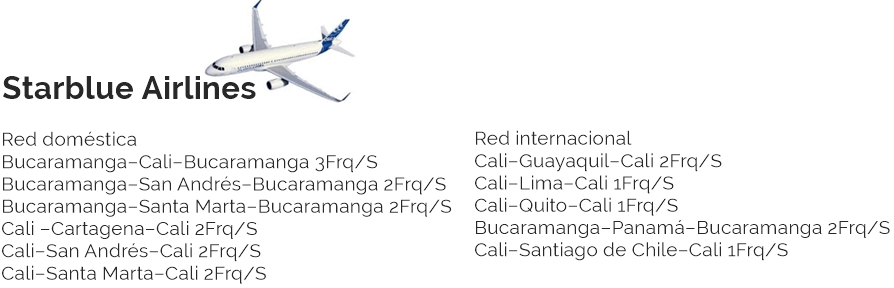
Starblue Airlines es un nuevo proyecto de aerolínea colombiana que ha sido anunciado para desarrollar rutas domésticas e internacionales. La nueva startup se encuentra tramitando ante la Autoridad Aeronáutica de Colombia, Aerocivil, la puesta a punto de la más nueva aerolínea. Su sede está localizada en Bucaramanga, contará con un hub secundario de distribución en Cali. La compañía ha anunciado las rutas domésticas e internacionales que se encuentran bajo estudio y aprobaciones para ser implementadas cuando se establezcan las finalizaciones de los tramites correspondientes.
La nueva compañía ha anunciado la incorporación de la línea Airbus A320 y Embraer 145/170/195 para establecer conexiones a destinos de alta y baja demanda. Desde la base de operaciones en el Aeropuerto de Palonegro de la ciudad de Bucaramanga y desde el Hub secundario del Aeropuerto Internacional Cali/Alfonso Bonilla, buscará entrar a comperir como una línea aérea dinámica en un mercado aerocomercial colombiano que busca recuperarse de la crisis, pero ajustándose a la nueva demanda con nuevos operadores como Ultra Air, como así también los actuales, entre ellos Avianca, Latam Airlines Colombia, Viva Air, Satena Airlines, GCA Airlines, Easyfly y Wingo Air, donde ha aumentado considerablemente la competitividad en esta etapa post-pandemia.
Starblue new airline in Colombia
Colombia develops new post-pandemic airline
Starblue Airlines is a new Colombian airline project that has been announced to develop domestic and international routes. The new startup is processing before the Aeronautical Authority of Colombia, Aerocivil, the development of the newest airline. Its headquarters are located in Bucaramanga, it will have a secondary distribution hub in Cali. The company has announced the domestic and international routes that are under study and approvals to be implemented when the completion of the corresponding procedures is established.
The new company has announced the incorporation of the Airbus A320 and Embraer 145/170/195 lines to establish connections to high and low demand destinations. From the base of operations at the Palonegro Airport in the city of Bucaramanga and from the secondary hub of the Cali/Alfonso Bonilla International Airport, it will seek to enter into business as a dynamic airline in a Colombian commercial aviation market that seeks to recover from the crisis, but adjusting to the new demand with new operators such as Ultra Air, as well as current ones, including Avianca, Latam Airlines Colombia, Viva Air, Satena Airlines, GCA Airlines, Easyfly and Wingo Air, where competitiveness has increased considerably in this post-pandemic stage.
Tribunal chino aprueba reestructuración seis aerolíneas HNA Group
El conglomerado de empresas del HNA Group posee una deuda de más de € 90.000 millones de Euros a sus acreedores. El Tribunal Supremo de la Provincia Hainan ha aprobado la reestructuración de seis aerolíneas del HNA Group tras su quiebra. Las aerolíneas que podrá reestructurar HNA son Grand China Air, Air Changan, Lucky Air, Fuzhou Airlines, Urumqi Air y GX Airlines. El conglomerado de empresas chino se encuentra en esta situación después de haber recibido una notificación formal de quiebra en Enero 2021, tras la que sus acreedores han comenzado a emprender acciones legales para solicitar a la compañía que haga frente a sus deudas.
HNA Group cuya aerolínea más importante y fuente de la mayor parte de sus ingresos es Hainan Airlines, afronta una deuda superior a los € 90.000 millones de Euros, después de años de malas decisiones de carácter financiero e inversiones poco lucrativas. En los últimos años, la compañía china había centrado su modelo de negocio en las aerolíneas, pero entre 2015 y 2017 HNA invirtió en otras empresas del sector turístico como Hilton, Radisson, TAP Air Portugal o la cadena hotelera española NH. HNA llegó a poseer más del 25% de la cadena hotelera española hasta que en 2018 vendió su parte al grupo tailandés Minor por € 421,4 millones de Euros.
HNA Group restructuring approved
Chinese court approves restructuring of six HNA Group airlines
The HNA Group conglomerate owns a debt of more than € 90,000 million to its creditors. The Supreme Court of Hainan Province has approved the restructuring of six HNA Group airlines following their bankruptcy. The airlines that HNA may restructure are Grand China Air, Air Changan, Lucky Air, Fuzhou Airlines, Urumqi Air and GX Airlines. The Chinese conglomerate is in this situation after receiving a formal bankruptcy notice in January 2021, after which its creditors have begun to take legal action to ask the company to face its debts.
HNA Group, whose most important airline and source of most of its income is Hainan Airlines, faces a debt of more than € 90,000 million Euros, after years of bad financial decisions and little lucrative investments. In recent years, the Chinese company had focused its business model on airlines, but between 2015 and 2017 HNA invested in other companies in the tourism sector such as Hilton, Radisson, TAP Air Portugal or the Spanish hotel chain NH. HNA came to own more than 25% of the Spanish hotel chain until in 2018 it sold its share to the Thai group Minor for € 421.4 million.
海航集團(HNA Group)最重要的航空公司和大部分收入來源是海航(Hannan Airlines),在經歷了多年的糟糕財務決策和少量獲利豐厚的投資之後,海航集團面臨著逾900億歐元的債務。近年來,這家中國公司將其業務模式聚焦於航空公司,但在2015年至2017年期間,海航集團投資了旅遊業的其他公司,例如希爾頓,雷迪森,葡萄牙航空公司(TAP Air Portugal)或西班牙連鎖酒店NH。海航集團擁有西班牙連鎖酒店超過25%的股份,直到2018年以4.214億歐元的價格將其股份出售給泰國集團Minor。



















 airgways.com