Airbus Group SE ha anunciado la entrega de cincuenta aeronaves en el mes de Mayo 2021, elevando un total hasta la fecha de 220 unidades entregadas en estos cinco meses de 2021, un 38% más que en el mismo período del año pasado, dijo este Lunes 06/06 en un comunicado el fabricante de aviones europeo.
Las entregas incluyeron el primer Superjumbo A380 a Emirates Airline de Dubái (EAU) desde Diciembre de 2020, concluyendo a corto plazo con cuatro unidades adicionales hacia este año, finalizando la era de la producción del Superjumbo. Airbus también confirmó un pedido de cinco aviones de gran cuerpo A350 (5) de Lufthansa German Airlines anunciado por la aerolínea el mes pasado. Pero los datos de Airbus publicados el 06/06, confirmados por un portavoz de Airbus ha declarado la mezcla de cancelaciones y pedidos de la línea aérea germana que había cancelado simultáneamente tres pedidos anteriores de A350 (3), lo que resultó en una adición neta de dos aviones A350. La reorganización del pedido fue parte de una reestructuración de la flota que también vio a Lufthansa comprar cinco Boeing 787-9 (5) que se habían quedado sin compradores después de que fueron fabricados.
Boeing ha estado luchando con las dificultades de producción del 787, mientras que ambos fabricantes de aviones se enfrentan a una caída en la demanda de aviones de larga distancia de gran cuerpo exacerbada por la pandemia de Coronavirus.
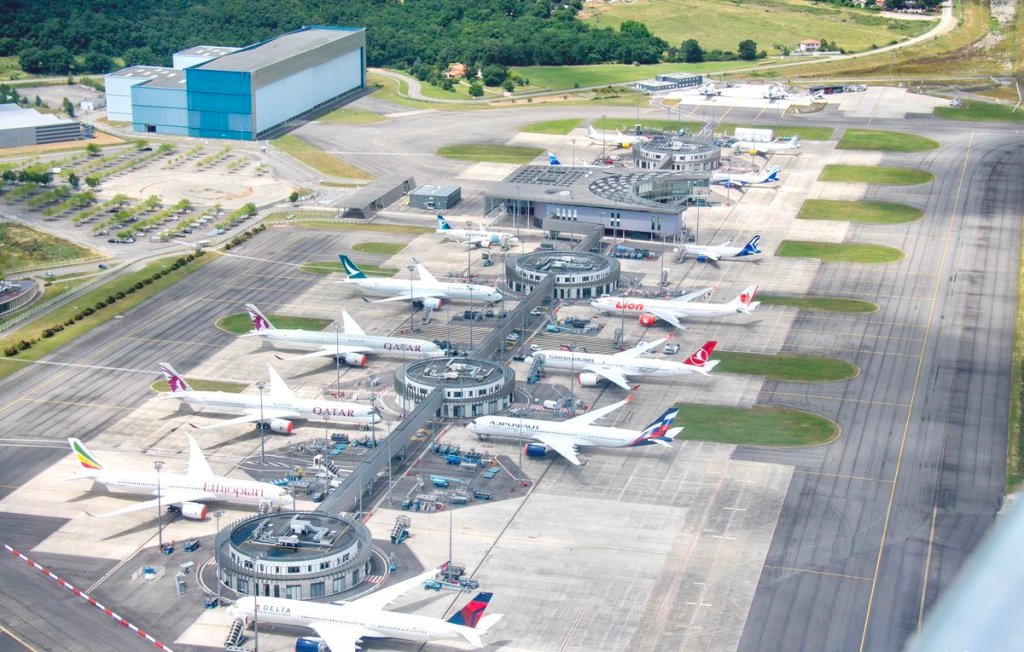
Airbus delivers 50 units May 2021
Airbus delivered fifty aircraft in May 2021
Airbus Group SE has announced the delivery of fifty aircraft in the month of May 2021, raising a total to date of 220 units delivered in these five months of 2021, 38% more than in the same period last year, it said this Monday 06/06 in a statement the European aircraft manufacturer.
Deliveries included the first A380 Superjumbo to Emirates Airline Dubai (UAE) from December 2020, concluding in the short term with four additional units by this year, ending the era of Superjumbo production. Airbus also confirmed an order for five Lufthansa German Airlines A350 (5) large-body aircraft announced by the airline last month. But Airbus data released on 06/06, confirmed by an Airbus spokesperson, has stated the mix of cancellations and orders from the German airline that had simultaneously canceled three previous A350 orders (3), resulting in a net addition. of two A350 aircraft. The order reorganization was part of a fleet restructuring that also saw Lufthansa buy five Boeing 787-9s (5) that had run out of buyers after they were manufactured.
Boeing has been struggling with production difficulties for the 787, while both aircraft manufacturers are facing a drop in demand for large-body long-haul aircraft exacerbated by the Coronavirus pandemic.
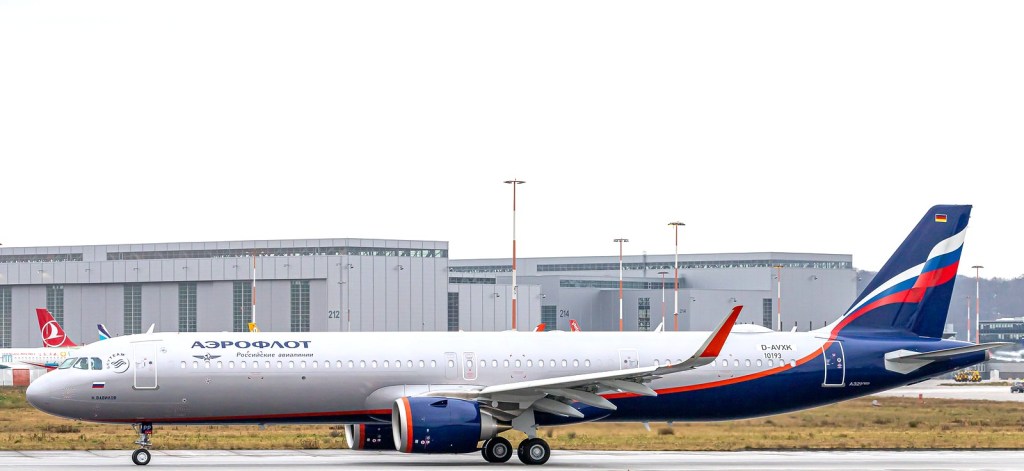
Aeroflot incorpora la tercera generación A320/321NEO
La aerolínea rusa Aeroflot Russian Airlines ha recibido sus primeros Airbus A320NEO y A321NEO a finales de Mayo 2021. El primer avión A320NEO de la aerolínea salió del sitio de producción de Airbus en Toulouse el 18 de Mayo de 2021, mientras que el avión A321NEO partió de Hamburgo el 28/05. En total, la aerolínea ha incorporado A320NEO (4) y A321NEO (2) que actualmente forman parte de la flota de Aeroflot, mientras que la compañía rusa espera sumar más unidades hacia el futuro.
Aeroflot tiene casi cien aviones de la familia Airbus A320, tanto de las variantes CEO como la nueva generación NEO en su flota. La aerolínea rusa recibió su primer avión Airbus A350-900 en Febrero de 2020, uniéndose al A330-300 existente. Además, los aviones Boeing 737 y 777-300ER también están desplegados en su red de servicios. Para los vuelos regionales, Aeroflot opera aviones Sukhoi Superjet SSJ-100.
Aeroflot receives first A321NEO
Aeroflot introduces the third generation A320/321NEO
The Russian airline Aeroflot Russian Airlines has received its first Airbus A320NEO and A321NEO at the end of May 2021. The airline’s first A320NEO aircraft left the Airbus production site in Toulouse on May 18, 2021, while the A321NEO aircraft departed from Hamburg on 05/28. In total, the airline has added A320NEO (4) and A321NEO (2) that are currently part of Aeroflot’s fleet, while the Russian company hopes to add more units in the future.
Aeroflot has almost one hundred Airbus A320 family aircraft, both CEO variants and the new generation NEO in its fleet. The Russian airline received its first Airbus A350-900 aircraft in February 2020, joining the existing A330-300. Additionally, Boeing 737 and 777-300ER aircraft are also deployed in its service network. For regional flights, Aeroflot operates Sukhoi Superjet SSJ-100 aircraft.
Аэрофлот получил первый самолет A321NEO
Аэрофлот представляет A320/321NEO третьего поколения
Российская авиакомпания Аэрофлот российские авиалинии получила свои первые Airbus A320NEO и A321NEO в конце мая 2021 года. Первый самолет A320NEO авиакомпании покинул производственную площадку Airbus в Тулузе 18 мая 2021 года, а самолет A321NEO вылетел из Гамбурга 28 мая. Всего авиакомпания добавила A320NEO (4) и A321NEO (2), которые в настоящее время входят в парк Аэрофлота, в то время как российская компания надеется добавить больше единиц в будущем.
В парке Аэрофлота почти сотня самолетов семейства Airbus A320, как в вариантах CEO, так и в NEO нового поколения. Российская авиакомпания получила свой первый самолет Airbus A350-900 в феврале 2020 года, пополнив существующий A330-300. Кроме того, в его сервисной сети задействованы самолеты Boeing 737 и 777-300ER. На региональных рейсах Аэрофлот использует самолет Sukhoi Superjet SSJ-100.
Southwest reanuda vuelos a Costa Rica tras un año por pandemia
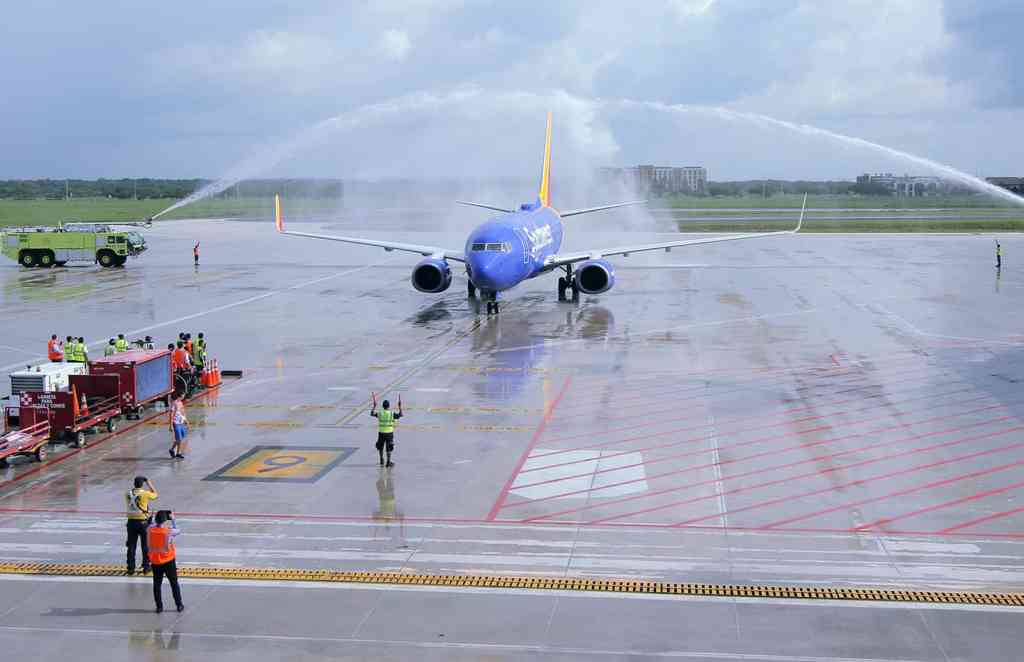
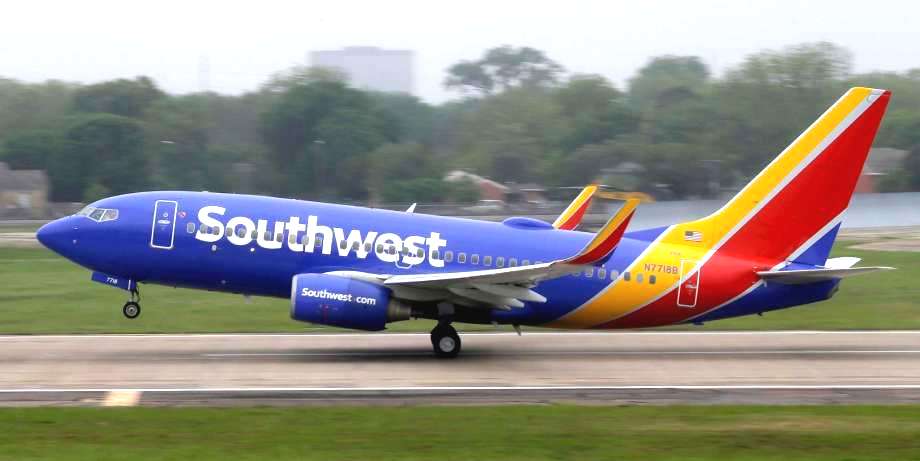
Southwest Airlines ha restablecido la ruta EEUU-Costa Rica tras un años de suspensión por la crisis sanitaria mundial. El vuelo transportó 145 pasajeros que arribaron al Aeropuerto Daniel Oduber, en Liberia, Costa Rica, procedente de Houston (TX), Estados Unidos este Domingo 6 de Junio de 2021. El vuelo WN691, proveniente de Houston, Estado de Texas, aterrizó en el Aeropuerto Internacional Daniel Oduber, en Liberia, con 145 pasajeros a las 12:51 p.m. El Instituto Nacional de Turismo (ICT) ha informado en un comunicado de prensa que con la llegada de esta línea aérea todas las empresas que volaban a Guanacaste, previo a la crisis de la Covid-19, ya han reanudado sus operaciones hacia Costa Rica. Los turistas que viajen desde o hacia el Aeropuerto de Liberia podrán realizarse las pruebas de Covid-19 en las instalaciones de la terminal aeroportuaria.
A su llegada, la aeronave de Southwest fue recibido con el tradicional saludo de agua y a los pasajeros se les entregó una regalía con un cubrebocas alusivo a Guanacaste. “Nos sentimos llenos de esperanza por la reactivación de operaciones de la línea aérea Southwest a nuestras dos principales terminales aéreas ofreciendo conexiones estratégicas desde Houston y Baltimore”, explicó Gustavo Segura, Ministro de Turismo. Los estadounidenses representan aproximadamente el 70% de los viajeros internacionales que llegan al país. “Es sumamente significativa la llegada de esta aerolínea para sumar a la generación de empleo turístico y encadenamientos”, destacó Gustavo Segura.
“Nos emociona al reintroducir a Costa Rica en nuestra red internacional de conexión y así llevar a nuestros clientes a la cálida y hospitalaria la región de Guanacaste, esto refleja lo que pretendemos ofrecer con cada viaje”, dijo Eleonor Pimentel, Gerente Regional de Operaciones Internacionales de Southwest Airlines.
Para César Jaramillo, Gerente General de Coriport, concesionaria de la terminal de Liberia, el arribo de la aerolínea estadounidense es un reflejo de que el país hace las cosas bien. “El reinicio de vuelos de Southwest refuerza la posición del aeropuerto, ya que la recuperación del tráfico y las operaciones continúan en aumento, ofreciendo altos estándares en servicio al cliente”, destacó César Jaramillo.
Southwest comenzó en 2015 sus trayectos internacionales a Costa Rica y eligió a la terminal liberiana como uno de los primeros destinos centroamericanos. Con Southwest ya son nueve las aerolíneas que conectan Costa Rica con Estados Unidos. Las otras líneas aéreas son Delta Air Lines, United Airlines, Alaska Airlines, American Airlines, JetBlue Airways, Spirit Airlines y Sun Country Airlines. Frontier Airlines que arribará a partir del 1 de Julio de 2021. Adicional al vuelo diario desde Houston Texas, Southwest enlazará a partir del próximo 12 de Junio de 2021 un vuelo semanal desde Baltimore, Maryland.
Southwest restores Costa Rica
Southwest resumes flights to Costa Rica after a year due to pandemic
Southwest Airlines has restored the US-Costa Rica route after a year of suspension due to the global health crisis. The flight transported 145 passengers who arrived at Daniel Oduber Airport, in Liberia, Costa Rica, from Houston (TX), United States this Sunday, June 6, 2021. Flight WN691, from Houston, State of Texas, landed in the Daniel Oduber International Airport, in Liberia, with 145 passengers at 12:51 pm The National Tourism Institute (ICT) has reported in a press release that with the arrival of this airline, all companies that flew to Guanacaste, prior to the Covid-19 crisis, have already resumed their operations to Costa Rica. Tourists traveling to or from Liberia Airport will be able to undergo Covid-19 tests at the airport terminal facilities.
Upon arrival, the Southwest aircraft was greeted with the traditional water salute and passengers were presented with a gift with a face mask alluding to Guanacaste. «We are full of hope for the reactivation of Southwest airline operations to our two main air terminals offering strategic connections from Houston and Baltimore», explained Gustavo Segura, Minister of Tourism. Americans make up about 70% of international travelers arriving in the country. «The arrival of this airline is extremely significant to add to the generation of tourism employment and chains», said Gustavo Segura.
«We are excited to reintroduce Costa Rica to our international connection network and thus bring our clients to the warm and hospitable region of Guanacaste, this reflects what we intend to offer with each trip», said Eleonor Pimentel, Regional Manager of International Operations from Southwest Airlines.
For César Jaramillo, General Manager of Coriport, the concessionaire of the Liberia terminal, the arrival of the US airline is a reflection that the country does things well. «The restart of Southwest flights reinforces the position of the airport, as the recovery of traffic and operations continue to increase, offering high standards in customer service», said César Jaramillo.
Southwest began its international routes to Costa Rica in 2015 and chose the Liberian terminal as one of the first Central American destinations. With Southwest there are already nine airlines that connect Costa Rica with the United States. The other airlines are Delta Air Lines, United Airlines, Alaska Airlines, American Airlines, JetBlue Airways, Spirit Airlines, and Sun Country Airlines. Frontier Airlines that will arrive as of July 1, 2021. In addition to the daily flight from Houston Texas, Southwest will link a weekly flight from Baltimore, Maryland as of June 12, 2021.
España inicia apertura pasajeros vacunados del mundo
A partir de este Lunes 7 de Junio de 2021, España anuncia la apertura a todos los viajeros del mundo que estén vacunados para ingresar al país con los requerimientos de documentación pertinente. Estos incluyen a países donde los casos de contagios son altos. Todos los pasajeros de cualquier procedencia podrán acceder al ingreso a España con el requisito de estar vacunado con una anticipación de más de catorce (14) días, con las vacunas, dependiendo de ser una o las dos dosis. Otro requisito son el tipo de vacunas que quedarán englobadas: Moderna, Pfizer, Astra Zeneca, Janssen, Sinopharm y Sinovac. Aparentemente la vacuna rusa Sputnik V, que es la que más se ha inoculado en Argentina, quedaría excluida del proceso para ingresar al país. La razón del listado de vacunas que España aceptará como válido es la aprobación por parte de la Agencia Europea del Medicamento. Respecto de las vacunas cubanas, Abdala y Soberana, no hay constancia de que se hayan homologado, pese a que Argentina dice estar negociando su suministro. Las vacunas chinas Sinopharm y Sinovac-Coronavac, aceptadas en España, tienen importancia en Latinoamérica porque hay varios países que la han empleado, destacando entre ellos Chile y Uruguay.
Reapertura internacional
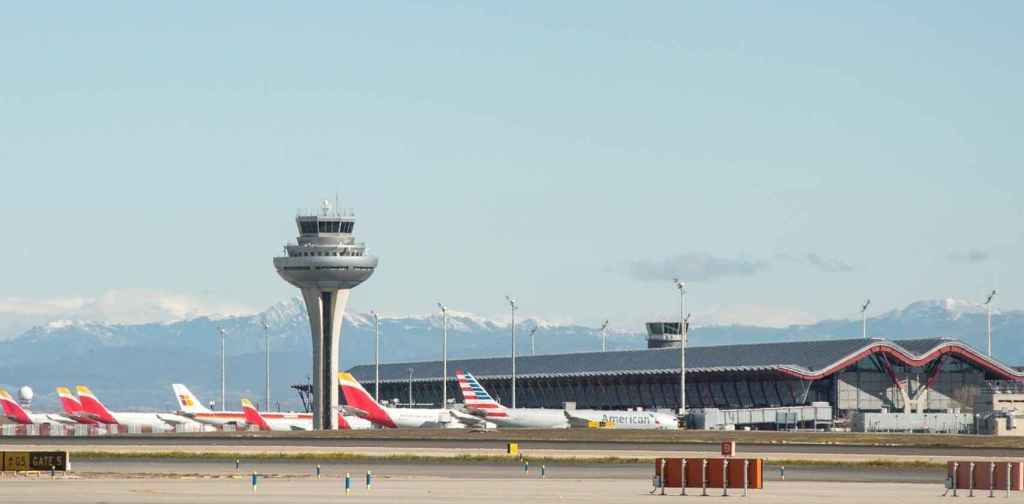
Esta reapertura de fronteras debería marcar el comienzo de una recuperación para el sector turístico español de largo radio, que fue diezmado por la pandemia. Antes de que el coronavirus asomara su fea cabeza, España era el segundo país más visitado del mundo. La mayor parte de estos viajeros proceden de Europa y viajan por sol y playa, pero existe un turismo internacional del que se benefician las grandes ciudades españolas sobre todo, procedente de Estados Unidos, China y Latinoamérica, que había desaparecido.
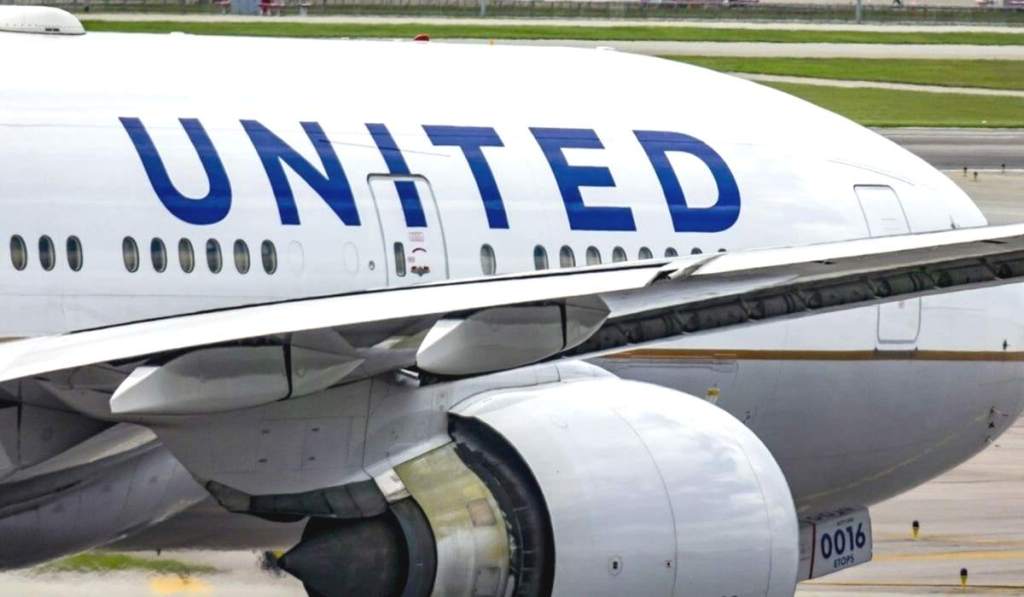
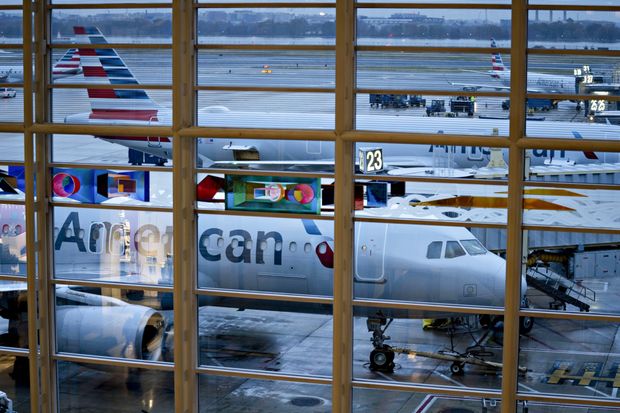
En paralelo a esta apertura, las aerolíneas van recuperando la normalidad en los vuelos de largo radio con destino y origen en España, aunque no a todos los mercados porque algunos países tienen serios problemas de infecciones. United Airlines ofrecerá cinco vuelos semanales entre Nueva York y Barcelona y seis vuelos semanales entre Nueva York y Madrid a partir de Julio 2021. American Airlines ofrece vuelos desde Miami, Dallas y Nueva York (JFK).
Spain opens traffic to vaccinated
Spain begins opening of vaccinated passengers around the world
Starting this Monday, June 7, 2021, Spain announces the opening to all world travelers who are vaccinated to enter the country with the relevant documentation requirements. These include countries where the cases of contagion are high. All passengers from any source may enter Spain with the requirement of being vaccinated more than fourteen (14) days in advance, with the vaccines, depending on whether it is one or both doses. Another requirement is the type of vaccines that will be included: Moderna, Pfizer, Astra Zeneca, Janssen, Sinopharm and Sinovac. Apparently the Russian vaccine Sputnik V, which is the one that has been inoculated the most in Argentina, would be excluded from the process to enter the country. The reason for the list of vaccines that Spain will accept as valid is the approval by the European Medicines Agency. Regarding the Cuban vaccines, Abdala and Soberana, there is no evidence that they have been homologated, despite the fact that Argentina says it is negotiating their supply. The Chinese vaccines Sinopharm and Sinovac-Coronavac, accepted in Spain, are important in Latin America because there are several countries that have used them, among them Chile and Uruguay.
International reopening
This reopening of borders should mark the beginning of a recovery for the long-haul Spanish tourism sector, which was decimated by the pandemic. Before the coronavirus reared its ugly head, Spain was the second most visited country in the world. Most of these travelers come from Europe and travel by sun and beach, but there is an international tourism from which the large Spanish cities benefit especially, from the United States, China and Latin America, which had disappeared.
In parallel to this opening, airlines are recovering normality in long-haul flights to and from Spain, although not to all markets because some countries have serious infection problems. United Airlines will offer five weekly flights between New York and Barcelona and six weekly flights between New York and Madrid starting in July 2021. American Airlines offers flights from Miami, Dallas and New York (JFK).
Argentina iniciará proceso fabricación vacunas Sputnik V en el país
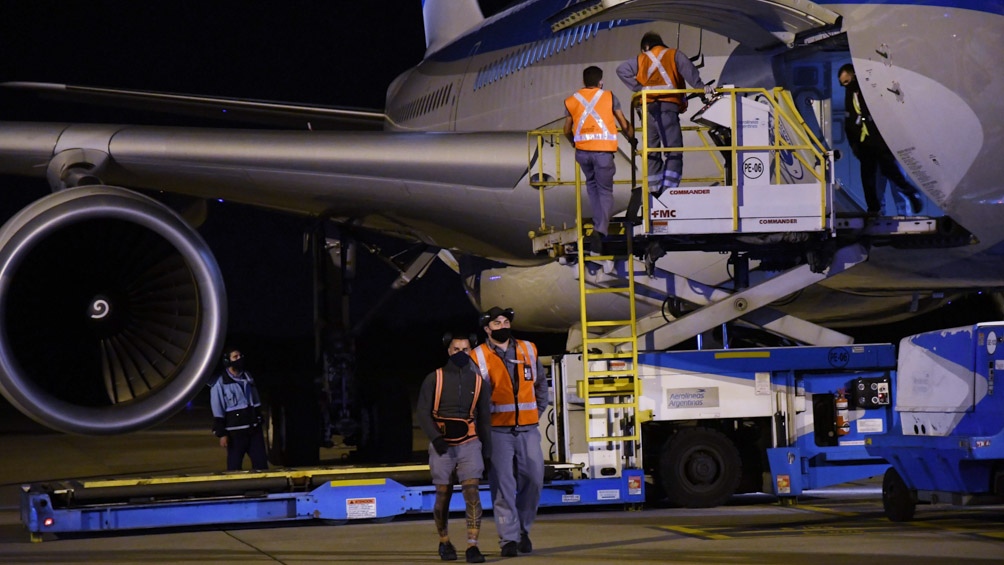
El arribo de un vuelo de Aerolíneas Argentinas con el primer lote del principio activo para la fabricación de vacunas permite abrir un panorama más certero hacia los procesos de vacunación en el país. La vacuna desarrollada por el Instituto Gamaleya de la Federación Rusia estará disponible para la fabricación masiva en el Laboratorio Richmond ubicado en el Partido de Pilar, Provincia de Buenos Aires, con el fin de fortalecer el Plan Estratégico de Vacunación que despliega el Gobierno en todo el país y ampliar su acceso en América Latina.
Un vuelo de Aerolíneas Argentinas saldrá este Lunes 07/06 hacia Moscú para traer el primer lote del principio activo de la vacuna Sputnik V para comenzar a ser producida en el país, así como una nueva partida de dosis de los componentes 1 y 2 del medicamento contra el coronavirus. Esas dosis reforzarán, junto a las llegadas durante la semana anterior, el Plan de Vacunación contra el Coronavirus que lleva adelante el Gobierno. La partida del vuelo fue confirmada en Twitter por el presidente de la compañía, Pablo Ceriani, quien escribió: «Nuevo vuelo a Moscú, más dosis de vacunas para los argentinos y argentinas. Nuestra operación número 24 parte mañana 02:00 a.m. para traer al país más vacunas. Es fundamental el ritmo con el que están llegando las vacunas para continuar con la campaña de vacunación», escribió Pablo Ceriani en la red social. En tanto, el Gobierno informó que «esta madrugada partirá hacia Moscú un vuelo de Aerolíneas Argentinas que traerá dosis 1 y 2 de Sputnik V y el primer lote de su principio activo para comenzar la producción en el país».
Es la vigesimocuarta operación que realiza la empresa de bandera en busca de inmunizaciones contra la Covid-19, y el primero que traerá el principio activo para que pueda comenzar a producirse la vacuna desarrollada por el Instituto Gamaleya en el Laboratorio Richmond de la Argentina.
Esta firma farmacéutica, ubicada en el Partido bonaerense de Pilar, llevará adelante la formulación, filtrado y envasado con el fin fortalecer el Plan Estratégico de Vacunación que despliega el Gobierno nacional en todo el país y ampliar su acceso en América Latina. «Empezamos ya el trabajo concreto para empezar a producir en la Argentina la Sputnik V», celebró el Presidente Alberto Fernández el Viernes 04/06 en una videoconferencia con su par ruso, Vladimir Putin. «Estamos muy conformes con los logros que hemos alcanzado con esa vacuna porque millones de argentinos han visto preservar su vida gracias al desarrollo científico de Rusia, en el que siempre confiamos», dijo el mandatario argentino.
En tanto, la llegada de otra partida de vacunas de AstraZeneca, que se esperaba para este Lunes 07/06, fue reprogramada por el laboratorio para fines de la semana que se inicia por una observación operativa.
En la semana que concluyó arribaron al país 2.148.600 dosis de la vacuna AstraZeneca, de producción conjunta con México, mientras Aerolíneas Argentinas en su decimoctavo servicio desde Moscú trajo 815.150 dosis de Sputnik V, el mayor cargamento que la compañía de bandera transportó desde la Federación Rusa en un solo vuelo. Así, la Argentina superó los 18,4 millones de inoculaciones recibidas contra el coronavirus.
Las dosis recibidas
Hasta ahora la Argentina ya recibió 18.450.150 dosis de vacunas: 8.933.895 Sputnik V (7.793.735 del componente 1 y 1.140.160 del componente 2), 4.000.000 de Sinopharm, 580.000 AstraZeneca–Covishield, 1.944.000 AstraZeneca a través del mecanismo Covax y 2.992.200 AstraZeneca-Universidad de Oxford cuyo principio activo se produjo en la Argentina.
En relación al grupo etario, entre las personas de más de 80 años, el 78% ya fue vacunado con la primera dosis, y el 23,8% con las dos dosis; entre las personas de 70 a 79 años, el 86,6% ya fueron vacunados con la primera dosis, y el 23,4% con las dos; entre los de 60 a 69 años, el 83,3% ya fue vacunado con la primera dosis, y el 15,5% con las dos. Finalmente, entre las personas de 20 a 59 años, el 17% ya recibió la primera dosis y el 6,2% ambas.
Con este flujo de llegada de vacunas, ayer se volvió a superar el récord de vacunaciones diarias con 356.454 inoculaciones aplicadas en todo el país, de acuerdo a los datos del Ministerio de Salud de la Nación y, considerando los últimos siete días, desde el jueves 27 hasta ayer inclusive, se realizaron en todo el país 1.823.824 aplicaciones de las distintas vacunas.
Las dosis aplicadas
Según el Monitor Público de Vacunación, el registro online que muestra en tiempo real el operativo de inmunización en todo el territorio argentino, hasta esta mañana fueron distribuidas en todo el país 17.670.690 vacunas y las aplicadas totalizan 14.092.493: 11.071.365 personas recibieron la primera dosis y 3.021.128 ambas.
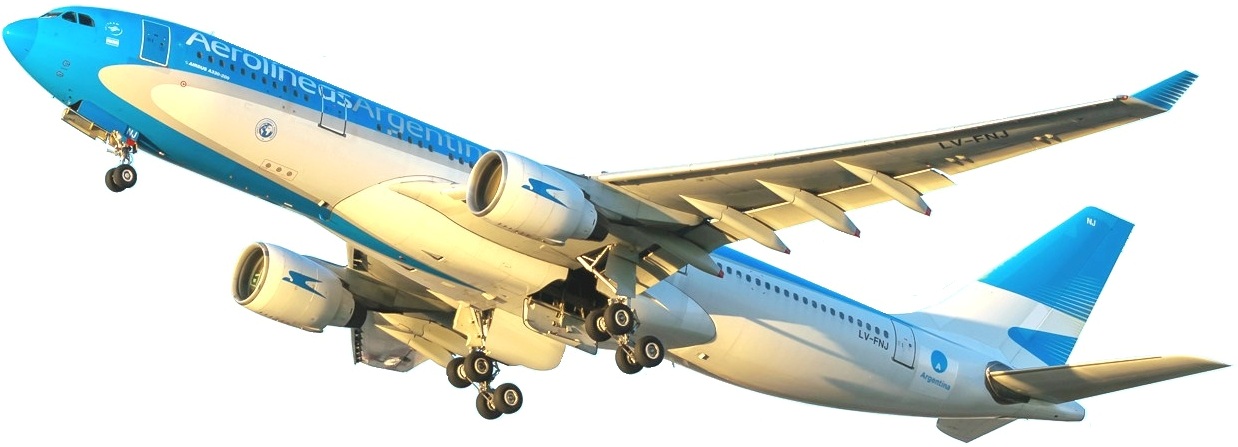
En cuanto al vuelo de Aerolíneas, se trata de la vigesimocuarta operación de la empresa en búsqueda de vacunas contra el Covid-19, dieciocho de las cuales tuvieron como destino a la Federación Rusa, en tanto que las cinco restantes fueron a Beijing. El vuelo número AR1062, a cargo del Airbus A330-200 matrícula LV-GIF, ha despegado a las 02:00 hs de este Lunes 07/06 y estima aterrizar en el Aeropuerto Internacional de Moscow/Sheremetievo alrededor de la medianoche en la Federación Rusia, alrededor de las 18:00 [hora local Argentina]. El regreso, bajo el número AR1063 está programado para las 04:30 hs del Martes 07/07 desde Rusia y el arribo al Aeropuerto Internacional de Ezeiza será a las 16:30 hs. «Es muy positivo que sigan llegando vuelos con este ritmo porque permite que la campaña de vacunación siga acelerándose. En Aerolíneas estamos muy felices de ser parte de la solución», señaló Pablo Ceriani.
Actualmente, las vacunas entregadas por el Fondo de Inversión Directa de Rusia (RIDF) y desarrolladas por el Instituto Gamaleya, son transportadas en contenedores del tipo «thermobox», de a 5 dosis por vial y refrigeradas a una temperatura de entre 18 y 20 grados bajo cero.
Los otros vuelos de Aerolíneas
Aerolíneas Argentinas lleva completados 18 vuelos a la Federación Rusa en los cuales fueron trasladadas un total de 8.951.440 de dosis. Además, se realizaron cinco vuelos hacia Beijing, República Popular China en los que arribaron al país 3.659.200 de vacunas de Sinopharm. De esta manera, en veintitres vuelos completados hasta ahora, Aerolíneas Argentinas aportó 12.610.640 dosis de vacunas contra el Covid-19.
En lo que hace a la producción local de vacunas, el presidente de Laboratorios Richmond, Marcelo Figueiras, confirmó que la actual planta del laboratorio ubicada en Pilar tiene capacidad para realizar la formulación, filtrado y envasado de hasta 500.000 dosis de la vacuna Sputnik V por semana, unos 2 millones por mes, siempre sujeto a la cantidad del principio activo que se envíe desde Rusia. «Si todo sale bien la producción comienza la semana que viene; en este momento están fermentando en Moscú el principio activo del componente 1 de la vacuna y para antes de fin de mes podríamos tener las primeras dosis en la calle. Siempre está la posibilidad, en un proceso tan complicado como éste que algo surja que demore el trámite. Esperamos que no haya ningún inconveniente», expresó Marcelo Figueiras.
Argentina batch of active ingredient vaccine
Argentina will start manufacturing process for Sputnik V vaccines
The arrival of an Aerolíneas Argentinas flight with the first batch of the active ingredient for the manufacture of vaccines allows a more accurate picture of the vaccination processes in the country to be opened. The vaccine developed by the Gamaleya Institute of the Russian Federation will be available for mass manufacturing at the Richmond Laboratory located in the Pilar District, Province of Buenos Aires, in order to strengthen the Strategic Vaccination Plan deployed by the Government throughout the country and expand its access in Latin America.
An Aerolíneas Argentinas flight will depart this Monday 07/06 to Moscow to bring the first batch of the active principle of the Sputnik V vaccine to begin production in the country, as well as a new batch of doses of components 1 and 2 of the drug. against the coronavirus. These doses will reinforce, together with the arrivals during the previous week, the Vaccination Plan against the Coronavirus that the Government is carrying out. The departure of the flight was confirmed on Twitter by the president of the company, Pablo Ceriani, who wrote: «New flight to Moscow, more doses of vaccines for Argentines. Our 24th operation departs tomorrow 02:00 am to bring the country more vaccines. The pace with which vaccines are arriving is essential to continue with the vaccination campaign», wrote Pablo Ceriani on the social network. Meanwhile, the Government reported that «this morning an Aerolíneas Argentinas flight will leave for Moscow that will bring doses 1 and 2 of Sputnik V and the first batch of its active principle to begin production in the country».
It is the twenty-fourth operation carried out by the flagship company in search of immunizations against Covid-19, and the first that will bring the active principle so that the vaccine developed by the Gamaleya Institute in the Richmond Laboratory of Argentina can begin to be produced.
This pharmaceutical firm, located in the Buenos Aires province of Pilar, will carry out the formulation, filtering and packaging in order to strengthen the Strategic Vaccination Plan that the national government deploys throughout the country and expand its access in Latin America. «We have already started the concrete work to start producing Sputnik V in Argentina», celebrated President Alberto Fernández on Friday 06/04 in a videoconference with his Russian pair, Vladimir Putin. «We are very satisfied with the achievements we have made with this vaccine because millions of Argentines have seen their lives preserved thanks to the scientific development of Russia, in which we always trust», said the Argentine president.
Meanwhile, the arrival of another batch of AstraZeneca vaccines, which was expected for this Monday 07/06, was rescheduled by the laboratory for the end of the week that begins due to an operational observation.
In the week that ended, 2,148,600 doses of the AstraZeneca vaccine, jointly produced with México, arrived in the country, while Aerolíneas Argentinas in its eighteenth service from Moscow brought 815,150 doses of Sputnik V, the largest shipment that the flag company transported from the Russian Federation in a single flight. Thus, Argentina exceeded 18.4 million inoculations received against the Coronavirus.
Doses received
Until now, Argentina has already received 18,450,150 doses of vaccines: 8,933,895 Sputnik V (7,793,735 of component 1 and 1,140,160 of component 2), 4,000,000 of Sinopharm, 580,000 AstraZeneca – Covishield, 1,944,000 AstraZeneca a through the Covax mechanism and 2,992,200 AstraZeneca-University of Oxford whose active principle was produced in Argentina.
Regarding the age group, among people over 80 years old, 78% had already been vaccinated with the first dose, and 23.8% with both doses; Among people aged 70 to 79 years, 86.6% have already been vaccinated with the first dose, and 23.4% with both; Among those aged 60 to 69 years, 83.3% have already been vaccinated with the first dose, and 15.5% with both. Finally, among people aged 20 to 59 years, 17% have already received the first dose and 6.2% both.
With this influx of vaccines, yesterday the record for daily vaccinations was once again exceeded with 356,454 inoculations applied throughout the country, according to data from the Ministry of Health of the Nation and, considering the last seven days, since Thursday 27 until yesterday, 1,823,824 applications of the different vaccines were made throughout the country.
The applied doses
According to the Public Vaccination Monitor, the online registry that shows in real time the immunization operation throughout the Argentine territory, until this morning 17,670,690 vaccines were distributed throughout the country and those applied total 14,092,493: 11,071,365 people received the first dose and 3,021,128 both.
As for the Airlines flight, it is the twenty-fourth operation of the company in search of vaccines against Covid-19, eighteen of which were destined for the Russian Federation, while the remaining five went to Beijing. Flight number AR1062, in charge of the Airbus A330-200 registration LV-GIF, took off at 02:00 on Monday 07/06 and is scheduled to land at Moscow/Sheremetievo International Airport around midnight in the Russian Federation, around 18:00 [Argentina local time]. The return, under the number AR1063 is scheduled for 04:30 am on Tuesday 07/07 from Russia and the arrival at Ezeiza International Airport will be at 04:30 p.m. «It is very positive that flights continue to arrive at this rate because it allows the vaccination campaign to continue to accelerate. At Aerolíneas we are very happy to be part of the solution», said Pablo Ceriani.
Currently, the vaccines delivered by the Russian Direct Investment Fund (RIDF) and developed by the Gamaleya Institute, are transported in containers of the «thermobox» type, with 5 doses per vial and refrigerated at a temperature between 18 and 20 degrees. below zero.
The other Aerolíneas flights
Aerolíneas Argentinas has completed 18 flights to the Russian Federation in which a total of 8,951,440 doses were transferred. In addition, five flights were made to Beijing, the People’s Republic of China, in which 3,659,200 of Sinopharm vaccines arrived in the country. In this way, in twenty-three flights completed so far, Aerolineas Argentinas contributed 12,610,640 doses of vaccines against Covid-19.
Regarding the local production of vaccines, the president of Laboratorios Richmond, Marcelo Figueiras, confirmed that the current laboratory plant located in Pilar has the capacity to formulate, filter and package up to 500,000 doses of the Sputnik V vaccine per week, about 2 million per month, always subject to the amount of the active ingredient shipped from Russia. «If everything goes well, production begins next week; at this moment they are fermenting the active principle of component 1 of the vaccine in Moscow and by the end of the month we could have the first doses on the street. There is always the possibility, In a process as complicated as this, that something arises that delays the process. We hope that there will be no problem», said Marcelo Figueiras.
Más trabajadores retornarán línea trabajo a partir de Julio 2021
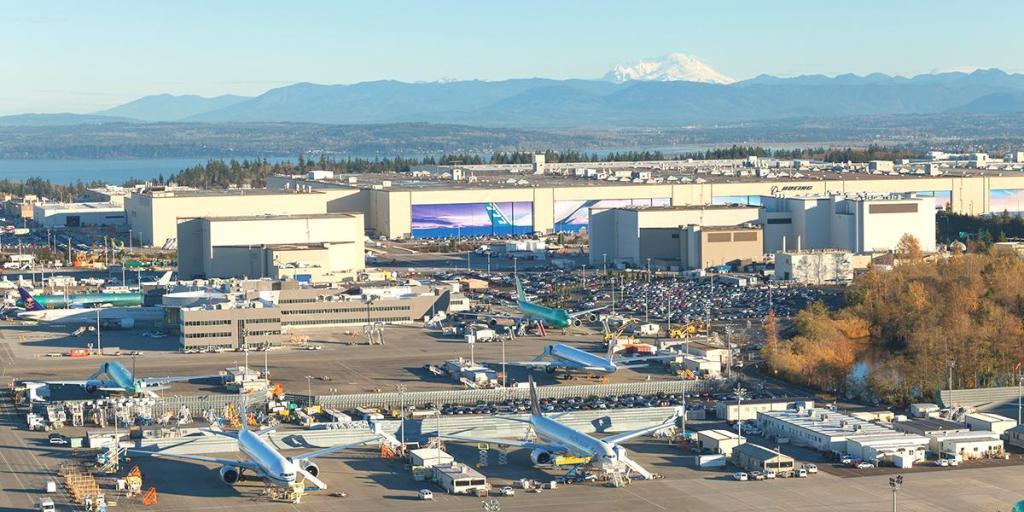
The Boeing Company ha anunciado la reincorporación presencial de la plantilla laboral hacia Julio 2021, después de que miles de empleados de la compañía todavía están trabajando de forma remota, comenzarán a regresar a la oficina el próximo mes, mientras que no se han reportado la cantidad ni la frecuencia hacia la jornada laboral presencial.
En un anuncio de la compañía el Viernes 04/06 a los trabajadores, Michael D’Ambrose, Director de Recursos Humanos, dijo que «Boeing comenzará a traer de vuelta a algunos empleados adicionales a los lugares de trabajo en el área de Puget Sound (WA) y otras ubicaciones de Estados Unidos tan pronto como a mediados de Julio 2021, según lo permitan las condiciones locales de salud y seguridad». Pero la declaración de Michael D’Ambrose ofreció pocos detalles. La compañía no está diciendo cuántos empleados todavía están trabajando de forma remota, cuántos de ellos se esperaba que regresaran o cuánto tiempo podría tomar todo el proceso de reincorporación.
Aunque muchos trabajadores de Boeing, incluidos sus aproximadamente 27.000 trabajadores del área en la Región de Puget Sound, hace tiempo que regresaron a sus lugares de trabajo físicos, muchos otros continúan trabajando de forma remota en alguna capacidad. Bill Dugovich, Portavoz de Society of Professional Engineering Employees in Aerospace (SPEEA), estima que aproximadamente la mitad de los 15.000 ingenieros locales de la compañía todavía están trabajando de forma remota o en un sistema híbrido de trabajo remoto y de oficina. En la declaración del Viernes 04/06, Michael D’Ambrose dijo que algunos trabajadores podrían continuar trabajando de forma remota o en acuerdos híbridos basados en «conversaciones con su gerente sobre qué arreglo de trabajo se alinea mejor con el trabajo que hace». Pero también dejó claro que «muchas posiciones y requisitos de los clientes no son compatibles con el trabajo virtual o híbrido».
Profundizando cambios
El anuncio de regreso al trabajo del Viernes 04/06 se produce en medio de un cambio más amplio de la compañía hacia lo que los funcionarios de Boeing han llamado un modelo de trabajo más flexible. Ese modelo formalizaría algunos de los arreglos de trabajo remoto que surgieron durante la pandemia. Pero también reflejaría los esfuerzos de la compañía para reducir significativamente su huella física de oficina como una forma de reducir costos.
Boeing ha reconocido planes para deshacerse de aproximadamente 2.5 millones de pies cuadrados de espacio de oficinas, o aproximadamente el 7% de su huella de oficinas de la zona de Puget Sound, incluida la venta de su edificio de la sede de Commercial Airplanes en el campus de Longacres en Renton (WA).
Boeing ha insistido en que las reducciones de oficinas no son una señal de que Boeing planea reducir su presencia local. Cuando Boeing llevó a sus maquinistas de vuelta al trabajo en Abril 2021 después de un cierre de cuatro semanas relacionado con la pandemia, muchos trabajadores estaban supuestamente preocupados por la seguridad en el lugar de trabajo en relación con los contagios. Más de un año después, las preocupaciones de los empleados que regresan se centran más en la logística básica, dijo Bill Dugovich de SPEEA. «¿Voy a tener un escritorio donde solía tener, o voy a estar en el hotel? ¿Qué días de la semana voy a entrar a trabajar? Boeing ha estado hablando de traer a la gente de vuelta pero la línea de tiempo ha fluctuado. Esto es solo decir OK, realmente vamos a empezar a retroceder ahora», expresó el titular de SPEEA. Muchos empleados han estado esperando detalles sobre los planes de regreso al trabajo de Boeing.
Boeing presential reinstatement
More workers will return to work from July 2021
The Boeing Company has announced the face-to-face reinstatement of the workforce by July 2021, after thousands of company employees are still working remotely, they will begin to return to the office next month, while the number has not been reported. nor the frequency towards face-to-face working hours.
In a company announcement on Friday 06/04 to workers, Michael D’Ambrose, Director of Human Resources, said that «Boeing will begin bringing back some additional employees to workplaces in the Puget Sound area ( WA) and other US locations as early as mid-July 2021, as local health and safety conditions allow». But Michael D’Ambrose’s statement offered few details. The company is not saying how many employees are still working remotely, how many of them were expected to return, or how long the entire reinstatement process could take.
Although many Boeing workers, including its approximately 27,000 area workers in the Puget Sound Region, have long since returned to their physical workplaces, many others continue to work remotely in some capacity. Bill Dugovich, Spokesperson for the Society of Professional Engineering Employees in Aerospace (SPEEA), estimates that about half of the company’s 15,000 local engineers are still working remotely or in a hybrid remote-work-office system. In the statement on Friday 06/04, Michael D’Ambrose said that some workers may continue to work remotely or in hybrid arrangements based on «conversations with your manager about which work arrangement best aligns with the work you do». But he also made it clear that «many positions and client requirements are not compatible with virtual or hybrid work».
Deepening changes
The Friday 06/04 return-to-work announcement comes amid a broader shift by the company toward what Boeing officials have called a more flexible work model. That model would formalize some of the remote work arrangements that emerged during the pandemic. But it would also reflect the company’s efforts to significantly reduce its physical office footprint as a way to cut costs.
Boeing has recognized plans to divest approximately 2.5 million square feet of office space, or approximately 7% of its Puget Sound area office footprint, including the sale of its Commercial Airplanes headquarters building on campus. de Longacres in Renton (WA).
Boeing has insisted that the office reductions are not a sign that Boeing plans to reduce its local presence. When Boeing brought its drivers back to work in April 2021 after a four-week shutdown related to the pandemic, many workers were reportedly concerned about workplace safety in relation to contagions. More than a year later, the concerns of returning employees are more focused on basic logistics, said Bill Dugovich of SPEEA. «Am I going to have a desk where I used to, or am I going to be at the hotel? What days of the week am I going to go to work? Boeing has been talking about bringing people back but the timeline has fluctuated. This is just saying OK, we are really going to start backtracking now», said the head of SPEEA. Many employees have been waiting for details on Boeing’s return-to-work plans.
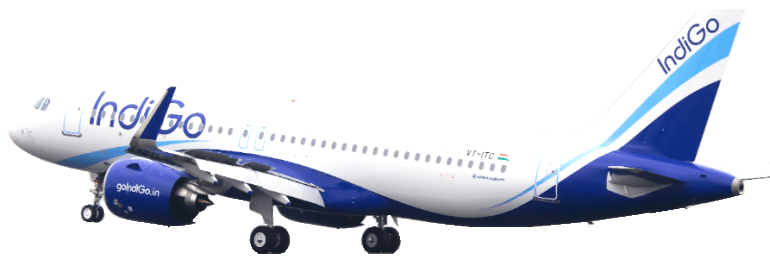
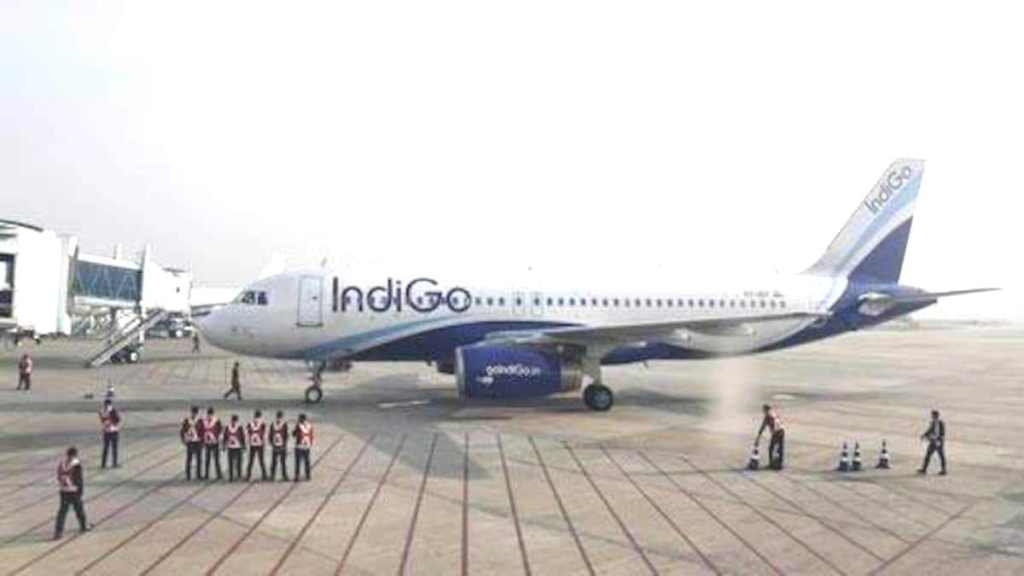
IndiGo reporta su quinta pérdida trimestral consecutiva
IndiGo, una de las aerolíneas de bajo costo más grandes de Asia, reportó una pérdida mayor de lo previsto a medida que el tráfico de pasajeros se contrajo con el coronavirus arrasando la India. Interglobe Aviation Ltd, que dirige la aerolínea más grande de la India, reportó su quinta pérdida trimestral consecutiva según los últimos reportes comunicados este Sábado 05/06, impactados por las restricciones a los vuelos debido a la pandemia. La compañía reportó una pérdida neta de ₹ 11.47 mil millones de Rupias indias/US$ 157.43 millones en los tres meses terminados el 31 de Marzo de 2021, en comparación con una pérdida de ₹ 8.71 mil millones de Rupias un año antes.
«Este ha sido un año muy difícil con nuestros ingresos cayendo con fuerza debido al COVID, mostrando algunos signos de recuperación durante el período de diciembre a febrero y luego cayendo nuevamente con la segunda ola del COVID. Si bien hemos visto una fuerte disminución en los ingresos de Marzo a Mayo, nos sentimos alentados por las modestas mejoras en los ingresos que comenzaron la última semana de Mayo y continuaron hasta Junio», dijo el CEO de IndiGo, Ronojoy Dutta, en un comunicado. La pandemia de Coronavirus es un período de gran prueba para los accionistas y el personal de IndiGo, dijo Dutta, y agregó que la aerolínea estaba fortaleciendo su núcleo para emerger más fuerte cuando el sector se recupere de la situación actual.
El sector de la aviación de la India se tambalea con pérdidas con el transporte aéreo paralizado durante varias semanas el año pasado. La pandemia ha llevado a muchas aerolíneas de todo el mundo al borde de la quiebra, aún así, la intensidad del brote en India ha hecho que sea más difícil para los operadores allí. Se espera que las aerolíneas del país pierdan un total de US$ 4 mil millones este año fiscal, estimó la Consultora de Aviación CAPA, similar a sus pérdidas el año fiscal pasado hasta el 31/03/2020.
Las aerolíneas del país necesitarán alrededor de US$ 5 mil millones para sobrevivir, pero solo tienen acceso a alrededor de US$ 1.1 mil millones a través de ofertas de acciones y otros medios. IndiGo y Air India Ltd. representarán la mayor parte de los US$ 8 mil millones en pérdidas que continuarán afrontando en 2022.
India había sido durante un tiempo bastante robusta para las aerolíneas gracias a su vasta red doméstica, aunque cualquier positividad se evaporó con la llegada de una devastadora ola de virus, que frenó los viajes abruptamente. IndiGo dijo que el tráfico, medido por los ingresos de pasajeros por kilómetro, cayó un 29% en los primeros tres meses de 2021 con respecto al año anterior. Ocupó el 70,2% de sus slots en el trimestre, frente al 82,9% de un año antes. La aerolínea tenía ₹ 185.7 mil millones de Rupias en efectivo y ₹ 298.6 mil millones de Rupias de deuda total al 31 de Marzo de 2021.
Como medidas a los impactos que afronta el país y la aerolínea, IndiGo pide a los empleados que tomen licencia sin sueldo en los próximos meses. «Nos hemos quedado sin palabras para describir el estado de las aerolíneas indias. Pero como hemos enfatizado repetidamente, la industria está al borde de un precipicio. Esto es cierto incluso para las aerolíneas con acceso a grandes reservas de capital», dijo CAPA en su India Airline Outlook.
IndiGo había estado planeando el año pasado recaudar hasta ₹ 40 mil millones de Rupias mediante la venta de nuevas acciones, obteniendo la aprobación de la Junta en Agosto 2020. Luego abandonó el plan en Enero 2021, diciendo que las fuentes internas de efectivo serían suficientes a medida que la demanda comenzara a recuperarse. Ese optimismo pronto se derrumbó a medida que se intensificaba el brote de la India. La Junta ahora está considerando reunir capital nuevamente para robustecer la debilitada situación económica de la aerolínea de presupuesto líder de la India.
IndiGo drags losses in 1Q2021
IndiGo reports its fifth consecutive quarterly loss
IndiGo, one of Asia’s largest low-cost airlines, reported a larger-than-anticipated loss as passenger traffic contracted with the coronavirus sweeping through India. Interglobe Aviation Ltd, which runs the largest airline in India, reported its fifth consecutive quarterly loss according to the latest reports released this Saturday 05/06, impacted by restrictions on flights due to the pandemic. The company reported a net loss of ₹ 11.47 billion Indian Rupees/US$ 157.43 million in the three months ended March 31, 2021, compared to a loss of ₹ 8.71 billion Rupees a year earlier.
«This has been a very difficult year with our revenues dropping sharply due to COVID, showing some signs of recovery during the December to February period and then dropping again with the second wave of COVID. While we have seen a sharp decline in March to May revenue, we are encouraged by the modest revenue improvements that began the last week of May and continued through June», IndiGo CEO Ronojoy Dutta said in a statement. The Coronavirus pandemic is a great testing period for IndiGo shareholders and staff, Dutta said, adding that the airline was strengthening its core to emerge stronger when the sector recovers from the current situation.
India’s aviation sector is reeling at a loss with air travel paralyzed for several weeks last year. The pandemic has brought many airlines around the world to the brink of bankruptcy, yet the intensity of the outbreak in India has made it more difficult for operators there. The country’s airlines are expected to lose a total of US $ 4 billion this fiscal year, estimated the Aviation Consultant CAPA, similar to their losses last fiscal year through 03/31/2020.
The country’s airlines will need about US$ 5 billion to survive, but only have access to about US$ 1.1 billion through share offerings and other means. IndiGo and Air India Ltd. will account for most of the US$ 8 billion in losses they will continue to face in 2022.
India had been quite robust for airlines for a while thanks to its vast domestic network, although any positivity evaporated with the arrival of a devastating wave of viruses, bringing travel to an abrupt halt. IndiGo said that traffic, measured by passenger revenue per kilometer, fell 29% in the first three months of 2021 from the previous year. It occupied 70.2% of its slots in the quarter, up from 82.9% a year earlier. The airline had ₹ 185.7 billion Rupees in cash and ₹ 298.6 billion Rupees of total debt as of March 31, 2021.
As measures of the impacts facing the country and the airline, IndiGo asks employees to take leave without pay in the coming months. «We have run out of words to describe the state of Indian airlines. But as we have repeatedly emphasized, the industry is on the brink of a precipice. This is true even for airlines with access to large reserves of capital», CAPA said in its India Airline Outlook.
IndiGo had been planning last year to raise up to ₹ 40 billion Rupees by selling new shares, obtaining Board approval in August 2020. It then abandoned the plan in January 2021, saying internal sources of cash would be sufficient to as demand began to recover. That optimism soon collapsed as the India outbreak intensified. The Board is now considering raising capital again to bolster the weakened economic situation of India’s leading budget carrier.
इंडिगो ने 1Q2021 में घाटे को कम किया
इंडिगो ने लगातार पांचवीं तिमाही में घाटा दर्ज किया
एशिया की सबसे बड़ी कम लागत वाली एयरलाइनों में से एक, इंडिगो ने भारत के माध्यम से व्यापक कोरोनवायरस के साथ यात्री यातायात के अनुबंधित होने के कारण बड़े पैमाने पर अनुमानित नुकसान की सूचना दी। इंटरग्लोब एविएशन लिमिटेड, जो भारत में सबसे बड़ी एयरलाइन चलाती है, ने इस शनिवार 05/06 को जारी नवीनतम रिपोर्टों के अनुसार, महामारी के कारण उड़ानों पर प्रतिबंध से प्रभावित होकर लगातार पांचवीं तिमाही में नुकसान दर्ज किया। कंपनी ने 31 मार्च, 2021 को समाप्त तीन महीनों में ₹11.47 बिलियन भारतीय रुपये/US$ 157.43 मिलियन का शुद्ध घाटा दर्ज किया, जबकि एक साल पहले ₹8.71 बिलियन रुपये का घाटा हुआ था।
“यह एक बहुत ही कठिन वर्ष रहा है, जिसमें COVID के कारण हमारे राजस्व में तेजी से गिरावट आई है, दिसंबर से फरवरी की अवधि के दौरान रिकवरी के कुछ संकेत दिखा रहे हैं और फिर COVID की दूसरी लहर के साथ फिर से गिर रहे हैं। जबकि हमने मार्च से मई में तेज गिरावट देखी है। राजस्व, हम मामूली राजस्व सुधार से प्रोत्साहित होते हैं जो मई के अंतिम सप्ताह से शुरू हुआ और जून तक जारी रहा», इंडिगो के सीईओ रोनोजॉय दत्ता ने एक बयान में कहा। दत्ता ने कहा कि कोरोनोवायरस महामारी इंडिगो के शेयरधारकों और कर्मचारियों के लिए एक महान परीक्षण अवधि है, यह कहते हुए कि एयरलाइन अपने मूल को मजबूत कर रही थी जब क्षेत्र मौजूदा स्थिति से उबर गया।
पिछले साल कई हफ्तों से हवाई यात्रा ठप होने से भारत का विमानन क्षेत्र घाटे में चल रहा है। महामारी ने दुनिया भर में कई एयरलाइनों को दिवालिया होने के कगार पर ला दिया है, फिर भी भारत में प्रकोप की तीव्रता ने वहां के ऑपरेटरों के लिए इसे और कठिन बना दिया है। एविएशन कंसल्टेंट CAPA का अनुमान है कि देश की एयरलाइनों को इस वित्तीय वर्ष में कुल 4 बिलियन अमेरिकी डॉलर का नुकसान होने की उम्मीद है, जो पिछले वित्तीय वर्ष 03/31/2020 के माध्यम से उनके घाटे के समान है।
देश की एयरलाइनों को जीवित रहने के लिए लगभग 5 बिलियन डॉलर की आवश्यकता होगी, लेकिन शेयर प्रसाद और अन्य माध्यमों से केवल लगभग 1.1 बिलियन डॉलर तक पहुंच होगी। इंडिगो और एयर इंडिया लिमिटेड को 2022 में होने वाले 8 बिलियन डॉलर के नुकसान में से अधिकांश का सामना करना पड़ेगा।
भारत अपने विशाल घरेलू नेटवर्क की बदौलत कुछ समय के लिए एयरलाइंस के लिए काफी मजबूत था, हालांकि वायरस की विनाशकारी लहर के आने से कोई भी सकारात्मकता लुप्त हो गई, जिससे यात्रा अचानक रुक गई। इंडिगो ने कहा कि प्रति किलोमीटर यात्री राजस्व द्वारा मापा गया यातायात पिछले वर्ष की तुलना में 2021 के पहले तीन महीनों में 29% गिर गया। इसने तिमाही में अपने 70.2 प्रतिशत स्लॉट पर कब्जा कर लिया, जो एक साल पहले 82.9% था। 31 मार्च, 2021 तक एयरलाइन के पास ₹ 185.7 बिलियन नकद और ₹ 298.6 बिलियन का कुल कर्ज था।
देश और एयरलाइन पर पड़ने वाले प्रभावों के उपायों के रूप में, इंडिगो ने कर्मचारियों को आने वाले महीनों में बिना वेतन के छुट्टी लेने के लिए कहा। सीएपीए ने कहा, «भारतीय एयरलाइंस की स्थिति का वर्णन करने के लिए हमारे पास शब्द खत्म हो गए हैं। लेकिन जैसा कि हमने बार-बार जोर दिया है, उद्योग एक संकट के कगार पर है। यह उन एयरलाइनों के लिए भी सच है, जिनके पास पूंजी के बड़े भंडार तक पहुंच है»। इसकी इंडिया एयरलाइन आउटलुक।
इंडिगो पिछले साल अगस्त 2020 में बोर्ड की मंजूरी प्राप्त करके नए शेयर बेचकर ₹ 40 बिलियन रुपये तक जुटाने की योजना बना रहा था। इसके बाद जनवरी 2021 में योजना को छोड़ दिया, यह कहते हुए कि नकदी के आंतरिक स्रोत पर्याप्त होंगे क्योंकि मांग की वसूली शुरू हो गई थी। यह आशावाद जल्द ही टूट गया क्योंकि भारत का प्रकोप तेज हो गया था। बोर्ड अब भारत के प्रमुख बजट वाहक की कमजोर आर्थिक स्थिति को मजबूत करने के लिए फिर से पूंजी जुटाने पर विचार कर रहा है।
Aerolíneas preparan nuevamente contrataciones de personal
La señal recurrente entre las líneas aéreas americanas son las solicitadas de empleos como signo de un buen síntoma hacia la normalidad donde las principales compañías persiguen hacia un despegue definitivo. Las tres mayores aerolíneas estadounidenses American Airlines, United Airlines y Delta Air Lines han anunciado que actualmente están contratando o tienen intenciones de contratación antes de fin de año. Southwest Airlines, que recortó menos de su personal durante la pandemia que sus tres rivales más grandes, dijo que también está preparando su propio proceso de contratación.
Desde el Sindicato de AFA-CWA se expresaron: «Creo que las aerolíneas actuales están ansiosas por recuperar tantos vuelos en el aire como sea posible. A principios de 2020, todas [las aerolíneas] dijeron que contratarían a miles. Realmente lo que estamos haciendo es recuperarnos donde se supone que debemos estar», dijo Sara Nelson, Presidenta de la Asociación de Asistentes de Vuelo, uno de los principales sindicatos de aerolíneas. El grupo laboral espera que el número de auxiliares de vuelo en el trabajo aumente de 80.000 actualmente a 100.000 dentro de dos años. Las iniciativas de contratación llegan antes de lo que muchos esperaban. «Yo diría que es algo sorprendente que estén hablando de ello ahora, pero ciertamente es una indicación de la confianza en que habrá una recuperación sustancial para fin de año», dijo Philip Baggaley, Analista Jefe de Crédito para aerolíneas en Standard & Poor’s.
Viajes vacacionales en aumento
El tráfico aéreo todavía no ha vuelto a los niveles anteriores a la pandemia: los viajes de negocios siguen siendo una fracción de lo que eran, al igual que los viajes internacionales. Se espera que esos lucrativos sectores den lugar a la normalidad en pasar años. Pero el tráfico de ocio y las reservas ya se están acercando a los niveles pre-Covid, elevando las tarifas y aumentando la necesidad inmediata de personal. El empleo en aerolíneas estadounidenses estaba en un máximo posterior al 9/11 justo antes de que golpeara la pandemia, con 757.000 trabajadores, tanto a tiempo completo como parcial, en Febrero de 2020, según la Oficina de Estadísticas de Transporte. Eso fue el equivalente a casi 500.000 empleados a tiempo completo. Las 11 aerolíneas que cotizan en bolsa de la nación informaron que recortaron el 18% de los empleos en el transcurso de 2020, a través de adquisiciones, paquetes de jubilación anticipada y empleados que tomaron licencias voluntarias no pagadas pero mantuvieron los beneficios y, en algunos casos, parte de su salario. Las personas con licencia voluntaria con prestaciones se contabilizaron como trabajadores a tiempo parcial en las cifras de empleo del Gobierno.
El punto más bajo en el empleo se produjo en Octubre 2020, cuando una prohibición del Gobierno de Estados Unidos a las aerolíneas de hacer despidos involuntarios, una disposición en la primera ronda de apoyo financiero Federal, llegó a su fin. Pero muchos de esos trabajadores despedidos regresaron cuando se aprobó una segunda ronda de ayuda federal en diciembre, y una tercera ronda ha ayudado a mantenerlos en nóminas.
Más importante aún, a medida que las tasas de vacunación aumentaron y los viajeros comenzaron a regresar a los cielos, las aerolíneas comenzaron a llamar de vuelta a los trabajadores que habían estado en licencia voluntaria. El número total de empleados a tiempo parcial y a tiempo completo había aumentado un 6% hasta marzo, según el BTS, y se espera que aumente durante el resto de este año, aunque las aerolíneas no han dado objetivos duros para cuántos trabajadores planean contratar de vuelta. «Vamos a tener necesidades en toda la red», dijo Rober Isom, Presidente de American Airlines. Las compañías van a intentar salir adelante con menos empleados en algunos puestos, incluida la reducción de personal en las puertas de los aeropuertos y los recortes permanentes en el número de gerentes. United dijo que espera ahorrar US$ 300 millones de Dólares al año solo en compensación de la gerencia.
A diferencia de algunas industrias de bajos salarios, como el comercio minorista y la hospitalidad, Nelson dijo que no cree que las aerolíneas tengan problemas para atraer trabajadores. Los trabajos del asistente de vuelo pagan un sueldo anual medio de US$ 50.000 a US$ 60.000 en las líneas aéreas importantes, ella dijo. Los pilotos de esas aerolíneas ganan más del doble de esa cantidad. Pero habrá una necesidad de más pilotos y auxiliares de vuelo para llenar los puestos que quedaron vacantes a través de paquetes de jubilación anticipada aceptados en 2020. «La gente sacó una salida anticipada o se jubiló antes de lo que planeaba antes de la pandemia. Algunos renuncian porque no es el mismo trabajo. El aumento de los enfrentamientos entre pasajeros y auxiliares de vuelo llevó a algunos trabajadores a abandonar la industria en el último año, aunque la abrumadora mayoría quiere permanecer en el trabajo. Este es un trabajo que te mete en la sangre», dijo Sara Nelson.
US airlines after anniversary cuts
Airlines are preparing personnel hiring again
The recurring signal among American airlines are job applications as a sign of a good sign towards normality where the main companies are pursuing a definitive takeoff. The three largest US airlines American Airlines, United Airlines and Delta Air Lines have announced that they are currently hiring or have hiring intentions before the end of the year. Southwest Airlines, which cut less of its staff during the pandemic than its three biggest rivals, said it is also preparing its own hiring process.
From the AFA-CWA Union they expressed: «I think the current airlines are eager to recover as many flights in the air as possible. In early 2020, all [the airlines] said they would hire thousands. Really what we are doing it’s getting back where we’re supposed to be», said Sara Nelson, President of the Association of Flight Attendants, one of the leading airline unions. The labor group expects the number of flight attendants on the job to increase from 80,000 today to 100,000 within two years. Hiring initiatives come sooner than many expected. «I would say it is somewhat surprising that they are talking about it now, but it is certainly an indication of the confidence that there will be a substantial recovery by the end of the year», said Philip Baggaley, Chief Airline Credit Analyst at Standard & Poor’s.
Vacation travel on the rise
Air traffic has yet to return to pre-pandemic levels business travel is still a fraction of what it used to be, as is international travel. Those lucrative sectors are expected to give rise to normalcy in passing years. But leisure traffic and reservations are already approaching pre-Covid levels, raising rates and increasing the immediate need for staff. Employment on US airlines was at a post-9/11 high just before the pandemic hit, with 757,000 workers, both full-time and part-time, in February 2020, according to the Bureau of Transportation Statistics. That was the equivalent of nearly 500,000 full-time employees. The nation’s 11 publicly traded airlines reported cutting 18% of jobs over the course of 2020, through acquisitions, early retirement packages, and employees who took voluntary unpaid leave but kept benefits, and in some cases, part of your salary. People on voluntary leave with benefits were counted as part-time workers in the government employment figures.
The lowest point in employment came in October 2020, when a U.S. government ban on airlines from making involuntary layoffs, a provision in the first round of Federal financial support, came to an end. But many of those laid off workers returned when a second round of federal aid was approved in December, and a third round has helped keep them on payroll.
More importantly, as vaccination rates increased and travelers began to return to the skies, airlines began calling back workers who had been on voluntary leave. The total number of part-time and full-time employees had risen 6% as of March, according to the BTS, and is expected to rise for the rest of this year, although airlines have not given hard targets for how many workers they plan to hire back. «We are going to have needs across the network», said Rober Isom, President of American Airlines. Companies will try to get by with fewer employees in some positions, including downsizing at airport gates and permanent cuts in the number of managers. United said it expects to save US$ 300 million a year in management compensation alone.
Unlike some low-wage industries, such as retail and hospitality, Nelson said he doesn’t think airlines will have a problem attracting workers. Flight attendant jobs pay a median annual salary of US$ 50,000 to US$ 60,000 at major airlines, she said. The pilots of those airlines earn more than double that amount. But there will be a need for more pilots and flight attendants to fill the positions that were left vacant through early retirement packages accepted in 2020. «People took out an early exit or retired earlier than they planned before the pandemic. Some quit because It is not the same job. Increased confrontations between passengers and flight attendants led some workers to leave the industry in the past year, although the overwhelming majority want to stay on the job. This is a job that gets into your blood», Sara Nelson said.
Ryanair apelará contra fondos inyectados en la nueva Alitalia
La aerolínea de presupuesto irlandesa Ryanair ha solicitado la apelación contra los fondos disponibles para la aerolínea italiana de propiedad estatal que reemplazará a Alitalia, pues la low cost lo considera un apoyo estatal ilegal, se pronunció el Sábado 05/06 el Jefe Ejecutivo Eddie Wilson, de la aerolínea irlandesa. «Tan pronto como este dinero se inyecte en el newco, tomaremos las medidas debidas. Estamos a la espera de ver, pero está claro que es una ayuda ilegal y defenderemos nuestros intereses apelando contra este enésimo préstamo», expresó el directivo.
Italia está cerca de un acuerdo con la Comisión Europea (CE) para lanzar Italia Trasporto Aereo (ITA), que inicialmente se esperaba que comenzara a volar de nuevo en Abril 2021. Bajo el relanzamiento, el gobierno planea inyectar € 3 mil millones de Euros/US$ 3.65 mil millones en ITA, que se haría cargo de los activos de la antigua Alitalia. La semana pasada, Ryanair instó a la UE a exigir a ITA que licite competitivamente por las franjas horarias de aeropuerto de Alitalia. Ryanair no ha ocultado su interés en recoger las franjas horarias de Alitalia. «Tengo la impresión de que no hay nada nuevo, ITA solo será la extensión de Alitalia con los mismos problemas vistos durante décadas, el dinero se drena de los recursos públicos a una aerolínea que hoy, como ayer, perderá dinero», dijo Eddie Wilson.
El organismo de control de la competencia de la Unión Europea está revisando las ayudas estatales italianas pasadas y presentes a Alitalia, y se espera una decisión en las próximas semanas. De acuerdo con las normas de la UE sobre ayudas estatales, tiene que haber discontinuidad económica entre Alitalia y la nueva ITA para Bruselas (CE) a fin de permitir que Roma inyecte los fondos en la nueva compañía aérea italiana.
Ryanair will appeal for funds to Alitalia
Ryanair will appeal against funds injected into the new Alitalia
The Irish budget airline Ryanair has requested the appeal against the funds available for the Italian state-owned airline that will replace Alitalia, as the low cost considers it an illegal state support, Chief Executive Eddie Wilson ruled on Saturday 05/06, from the Irish airline. «As soon as this money is injected into the newco, we will take the appropriate measures. We are waiting to see, but it is clear that it is an illegal aid and we will defend our interests by appealing against this umpteenth loan», said the manager.
Italy is close to an agreement with the European Commission (EC) to launch Italia Trasporto Aereo (ITA), which was initially expected to start flying again in April 2021. Under the relaunch, the government plans to inject € 3 billion Euros/US$ 3.65 billion in ITA, which would take over the assets of the old Alitalia. Last week, Ryanair urged the EU to require ITA to bid competitively for Alitalia’s airport slots. Ryanair has made no secret of its interest in collecting Alitalia slots. «I have the impression that there is nothing new, ITA will only be the extension of Alitalia with the same problems seen for decades, money is drained from public resources to an airline that today, like yesterday, will lose money», said Eddie Wilson.
The European Union’s competition body is reviewing past and current Italian state aid to Alitalia, and a decision is expected in the coming weeks. According to EU state aid rules, there has to be economic discontinuity between Alitalia and the new ITA for Brussels (EC) in order to allow Rome to inject the funds into the new Italian airline.
Unión Europea y ASEAN aproximan acuerdo cielos abiertos
La Unión Europea (UE) y la Association of Southeast Asian Nations (ASEAN), la asociación de países de Extremo Oriente que incluyen a Tailandia, Filipinas, Vietnam, Indonesia y Singapur, entre otros, ha concluido un acuerdo de apertura de operaciones aéreas. El acuerdo, que aún debe ser ratificado, y que ha sido negociado durante varios meses, contempla que las aerolíneas de la ASEAN y la UE podrán realizar cualquier número de servicios entre ambas regiones. Además, las aerolíneas podrán volar hasta catorce servicios de pasajeros semanales y cualquier número de servicios de carga a través y más allá de cualquier tercer país. El acuerdo también verá una mayor cooperación en seguridad de la aviación, gestión del tráfico aéreo, protección del consumidor y asuntos ambientales y sociales, siempre necesarios en un tratado de este tipo. Los dos bloques esperan que el acuerdo ayude a reconstruir los enlaces aéreos que han sido diezmados por la pandemia de Covid-19. El último paso hacia la ratificación del acuerdo significará un cambio importante para las compañías de aviación para Europa y la Región del Sudeste asiático.
Para Dato Lim Jock Hoi, Secretario General de la ASEAN, este acuerdo “fortalecerá significativamente la conectividad aérea y acercará aún más ambas regiones. Esto permitiría obtener más beneficios económicos”. Adina Valean, la Comisaria europea de Transporte, considera por su parte que este tratado “proporciona garantías esenciales de competencia leal para nuestras aerolíneas e industrias europeas, al tiempo que fortalece las perspectivas recíprocas de comercio e inversión en algunos de los mercados más dinámicos del mundo”.
EU-ASEAN agree to open skies
European Union and ASEAN approach open skies agreement
The European Union (EU) and the Association of Southeast Asian Nations (ASEAN), the association of Far Eastern countries that include Thailand, the Philippines, Vietnam, Indonesia and Singapore, among others, have concluded an agreement to open air operations. The agreement, which has yet to be ratified, and which has been negotiated for several months, contemplates that ASEAN and EU airlines will be able to carry out any number of services between the two regions. Additionally, airlines will be able to fly up to fourteen weekly passenger services and any number of cargo services through and beyond any third country. The agreement will also see increased cooperation in aviation security, air traffic management, consumer protection, and environmental and social issues, always necessary in such a treaty. The two blocs hope the agreement will help rebuild the air links that have been decimated by the Covid-19 pandemic. The last step towards ratification of the agreement will mean a major change for aviation companies for Europe and the Southeast Asia Region.
For Dato Lim Jock Hoi, Secretary General of ASEAN, this agreement “will significantly strengthen air connectivity and bring the two regions even closer. This would allow to obtain more economic benefits”. Adina Valean, the European Commissioner for Transport, believes that this treaty “provides essential guarantees of fair competition for our European airlines and industries, while strengthening reciprocal prospects for trade and investment in some of the most dynamic markets in the world”.
















 airgways.com