20 ANNIVERSARIES 9/11
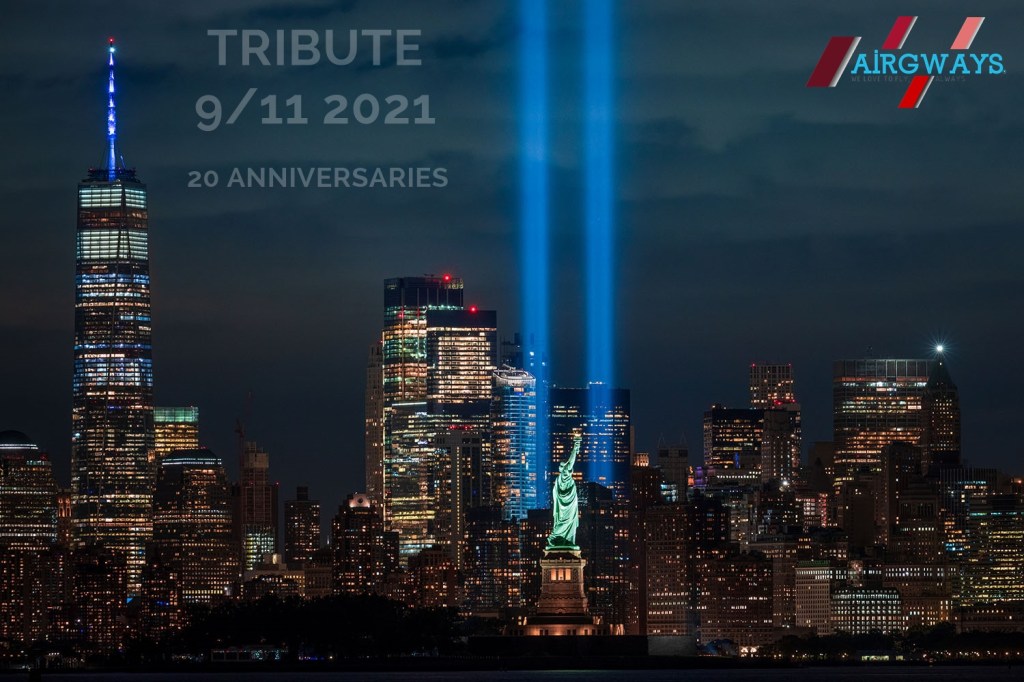
AW | 2021 09 11 08:40 | AVIATION HISTORY
PUBLISHER: Airgways.com
DBk: Airgways.com
AW-POST: 202109110842AR
A\W A I R G W A Y S ®
AW | 2021 09 11 08:40 | AVIATION HISTORY
PUBLISHER: Airgways.com
DBk: Airgways.com
AW-POST: 202109110842AR
A\W A I R G W A Y S ®
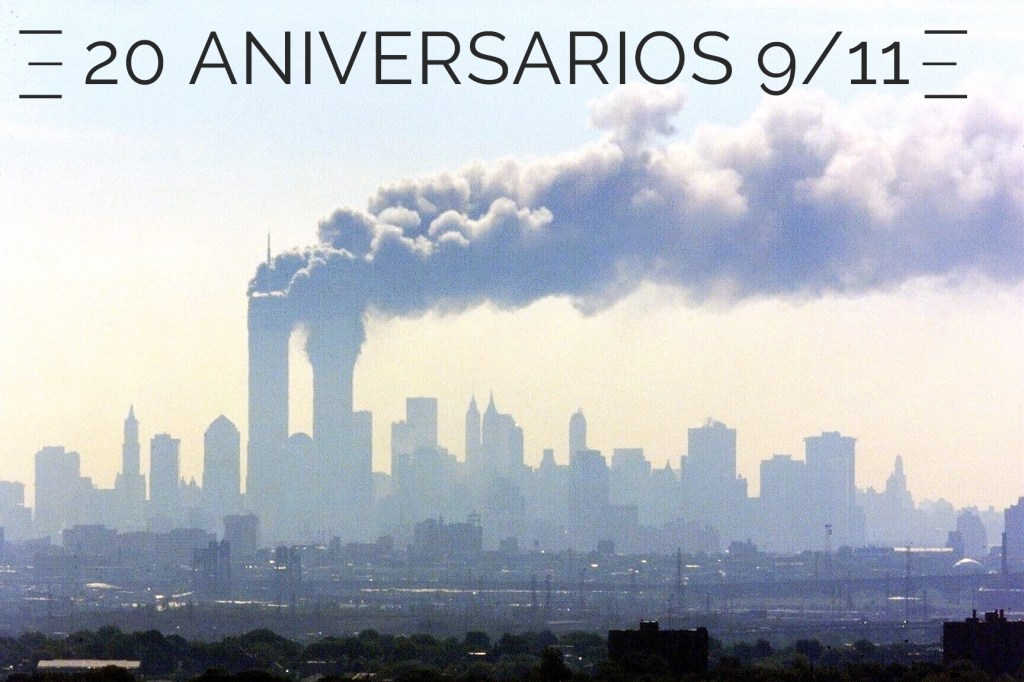
AW | 2021 09 11 08:22 | AVIATION HISTORY /AVIATION SAFETY
Cuando comenzó este siglo, podías llegar al aeropuerto veinte minutos antes de un vuelo nacional en los Estados Unidos y caminar directamente hasta tu puerta. Tal vez tu pareja vendría a través de la seguridad para despedirte. Es posible que no tenga una identificación con foto en su equipaje de carga, pero podría tener cuchillas y líquidos. En 2001, Sean O’Keefe, ahora Profesor de la Universidad de Syracuse y ex presidente de la compañía aeroespacial y de defensa Airbus, fue subdirector de la Oficina de Administración y Presupuesto en la administración de George W. Bush. «En la Casa Blanca, fui miembro del equipo de Seguridad del Consejo Nacional», dijo. Él y sus colegas habían sido informados sobre el grupo terrorista Al Qaeda y entendían la amenaza que representaba, «pero al mismo tiempo nuestra imaginación simplemente no nos dio la capacidad de pensar que algo como [9/11] podría suceder».
Han pasado casi 30 años desde los ataques terroristas palestinos en el aeropuerto de Roma en 1973, que mataron a 34 personas y demostraron que los viajes aéreos son vulnerables al terrorismo internacional. «Eso parecía haber cambiado toda la estructura de seguridad en Europa y en el Medio Oriente de una manera que realmente no penetró en la psique estadounidense. Es esta típica mentalidad estadounidense; tenemos que experimentarlo para creerlo», dijo Sean O’Keefe. Luego, en la mañana del 11 de Septiembre de 2001, un equipo de 19 secuestradores pudo abordar cuatro vuelos domésticos diferentes en el noreste de los Estados Unidos en una serie de ataques terroristas coordinados que cobrarían 3.000 vidas. Volar en Estados Unidos, y en el resto del mundo, nunca volvería a ser el mismo. «Algo acaba de suceder en la ciudad de Nueva York». Sean O’Keefe estaba en el Ala Oeste de la Casa Blanca con el vicepresidente Dick Cheney cuando llegó la noticia. «Tenían la televisión encendida, de hecho era CNN», recordó. «Sonó el teléfono. Su recepcionista estaba en la línea directa para decirle que lo subiera (suba el sonido); algo acaba de suceder en la ciudad de Nueva York». Al igual que millones de personas en todo el mundo viendo las mismas escenas en vivo después de que el primer avión golpeó la Torre Norte del World Trade Center, Sean O’Keefe y sus compañeros asumieron que estaban presenciando un terrible accidente, un asunto de la Administración Federal de Aviación y el Departamento de Transporte. Pero cuando el segundo avión golpeó la Torre Sur 17 minutos después, Sean O’Keefe dijo: «Ese fue el momento en el que realmente fue evidencia de que esto fue algo más que un accidente, este fue un esfuerzo premeditado. Los guardias de seguridad, el Servicio Secreto, todos se movilizaron».
Los acontecimientos de esa mañana en los Estados Unidos cambiaron a la nación «automáticamente, inmediatamente, en una obsesionada, de grandes y pequeñas maneras, con la protección de su seguridad», escribió el historiador James Mann en 2018. «La forma en que 325 millones de estadounidenses pasan por los aeropuertos hoy comenzó el 12 de Septiembre y nunca ha vuelto a ser lo que era el 10 de septiembre». El Gobierno de los Estados Unidos inmediatamente comenzó a trabajar en el manifiesto de seguridad que para el 19 de noviembre de 2001 se convertiría en ley como la Ley de Seguridad de la Aviación y el Transporte. «El hecho de que hubieran orquestado ese ataque con tres vuelos diferentes en tres lugares diferentes. Eso fue una verdadera bofetada en la cara. Nos recordó lo ingenuos que habíamos sido», dejó en claro cuán vulnerable era Estados Unidos, dijo Sean O’Keefe.
Lograr el acuerdo del Congreso sobre los cambios de seguridad fue rápido y unánime, recordó. Necesitábamos «hacer que los recursos estén disponibles de inmediato, reforzar todas esas puertas y cabinas (y) realmente establecer perímetros de seguridad». Mientras tanto, en los aeropuertos y en las aerolíneas, se introdujeron medidas de seguridad más estrictas tan pronto como se reanudaron los viajes aéreos civiles el 14 de Septiembre de 2001. La Guardia Nacional proporcionó personal militar armado en los aeropuertos, y los viajeros se enfrentaron a largas filas cuando los nuevos sistemas comenzaron. Esos primeros pasajeros posteriores al 9/11, personas que no habían cancelado o reprogramado sus viajes, aceptaron, dijo Sean O’Keefe, en gran medida el nuevo régimen de alta seguridad, con sus interrupciones y retrasos. «Todos tuvimos una epifanía el mismo día», expresó Sean O’Keefe.
Algunos de los secuestradores del 9/11 habían podido abordar vuelos sin la identificación adecuada. Después de los ataques, todos los pasajeros mayores de 18 años necesitarían una identificación válida emitida por el gobierno para poder volar, incluso en vuelos nacionales. Los aeropuertos pueden verificar la identificación de los pasajeros o el personal en cualquier momento para confirmar que coincide con los detalles de su tarjeta de embarque.
Antes de los eventos, el Gobierno Federal de los Estados Unidos tenía una pequeña lista de personas consideradas un riesgo de amenaza para los viajes aéreos. Sin embargo, lo que actualmente conocemos como la Lista de Exclusión Aérea, un subconjunto de la Base de Datos de Detección de Terroristas que denota a las personas a las que se les prohíbe abordar aviones comerciales para viajar hacia, desde y dentro de los Estados Unidos, se desarrolló en respuesta al 9/11. En todo el mundo, los países se volvieron más estrictos con los controles de identidad, los controles de seguridad y sus propias versiones de la Lista de Exclusión Aérea. En 2002, la Unión Europea introdujo un reglamento que exigía a las aerolíneas que confirmaran que el pasajero que abordaba el avión era la misma persona que facturaba su equipaje, lo que significaba facturar la identificación tanto en el check-in del equipaje como al abordar. Más tarde en la década, las identificaciones de huellas dactilares y el escaneo de retina e iris se introdujeron en algunos países.
La inspección de aeropuertos en los Estados Unidos solía ser fragmentaria, realizada por compañías de seguridad privada designadas por aerolíneas o aeropuertos. Como parte de la nueva ley de seguridad, en noviembre de 2001 se introdujo la Administración de Seguridad en el Transporte (TSA). Ahora una agencia del Departamento de Seguridad Nacional de los Estados Unidos, que se formó un año después, la TSA se hizo cargo de todas las funciones de seguridad de la FAA y las aerolíneas y aeropuertos de los Estados Unidos.
A finales de 2002, la agencia ya había reclutado a cerca de 60.000 empleados, escribió el historiador de la TSA Michael P.C. Smith. Mirando hacia atrás 20 años después, Sean O’Keefe reflexionó que era «un enorme desafío en ese tiempo inmediato después movilizar a todo un nuevo cuadro de fuerzas de seguridad, miles de profesionales capacitados para hacer esto. No estuvo exento de defectos. Problemas de reclutamiento y capacitación adecuada y todas las cosas que eran necesarias: pasamos por muchos ajustes y comenzamos a hacer que eso suceda». El hecho de que los aliados, amigos y socios de Estados Unidos en todo el mundo hayan pasado por esto fue un gran beneficio.
Se informó que algunos de los secuestradores del 9/11 llevaban cortadores de cajas y cuchillos pequeños, que pudieron traer a través de la seguridad. En poco tiempo, con la nueva aplicación simplificada por parte de la TSA, las armas potenciales como cuchillas, tijeras y agujas de tejer ya no estaban permitidas a bordo, y los trabajadores del aeropuerto estaban mejor capacitados para detectar armas o explosivos. A finales de 2002, la TSA cumplió un mandato clave de la Ley de Seguridad de la Aviación y el Transporte mediante el despliegue de sistemas de detección de explosivos en todo el país. En los años siguientes, otros ataques terroristas cambiarían aún más lo que podíamos y no podíamos llevar a bordo de los aviones. En Agosto de 2006, un complot frustrado para detonar explosivos líquidos en múltiples vuelos transatlánticos dio lugar a las restricciones actuales sobre líquidos, geles y aerosoles en el equipaje de mano. Ese mismo mes, la TSA comenzó a exigir a los pasajeros que se quitaran los zapatos para detectar explosivos, cinco años después del incidente del bombardero de zapatos de 2001, y la agencia también desplegó alguaciles aéreos federales en el extranjero. Los detectores de metales eran estándar en los aeropuertos antes del 9/11, pero en Marzo de 2010, unos meses después de que el bombardero de ropa interior fuera detenido en un vuelo del día de Navidad después de un ataque fallido en el aire utilizando un dispositivo oculto debajo de su ropa, los escáneres de cuerpo completo estaban comenzando a instalarse en los aeropuertos de los Estados Unidos, y alrededor de 500 estaban en acción a fines de ese año. En Julio de 2017, en respuesta al creciente interés terrorista en ocultar dispositivos explosivos improvisados dentro de dispositivos electrónicos comerciales y otros artículos de transporte, la TSA comenzó a exigir a los viajeros que colocaran todos los dispositivos electrónicos personales más grandes que un teléfono celular en contenedores para la detección de rayos X. En febrero siguiente, también se estaba probando la tecnología de reconocimiento financiero.
«Solía ser que entrar en una cabina en un avión estadounidense que volaba en el espacio aéreo estadounidense era tan fácil como las puertas que usas para entrar en el (inodoro)», recordó Sean O’Keefe. Las cabinas a prueba de balas y cerradas se convirtieron en estándar en los aviones comerciales de pasajeros dentro de los dos años posteriores al 9/11. La Ley de Armamento de los Pilotos contra el Terrorismo se promulgó en Noviembre de 2002, y en Abril siguiente, los primeros pilotos portadores de armas estaban a bordo de los vuelos comerciales de los Estados Unido. Si bien los fanáticos de la aviación y los niños alguna vez pudieron esperar recibir una visita a la cubierta de vuelo, ese sueño llegó rápidamente a su fin. El piloto de jet privado y estrella de las redes sociales Raymon Cohen le dijo a CNN Travel en Julio que cree que la inaccesibilidad sin precedentes se sumó a la mística de volar. «La gente ya no es bienvenida en la cabina, así que es como un gran secreto. Ahora esto (siguiendo a los pilotos en Instagram) es una de las únicas formas en que la gente puede ver lo que está sucediendo».
El impacto inmediato del 9/11 incluyó una gran caída en la demanda de viajes. No solo la confianza de los pasajeros se había visto afectada, sino que la seguridad adicional significaba que la experiencia de vuelo ya no era rápida y sin complicaciones. En 2006, la Asociación Internacional de Transporte Aéreo (IATA) estimó que los ingresos de las aerolíneas por vuelos nacionales en Estados Unidos cayeron en US$ 10.000 millones de Dólares al año entre 2001 y 2006. A modo de comparación, las pérdidas netas a nivel mundial debido a la pandemia de Covid en 2020 fueron de US$ 126.4 mil millones en total, según la IATA. En un estudio de 2005 sobre el impacto del 9/11 en las muertes en carretera, Garrick Blalock, Vrinda Kadiyali y Daniel H. Simon de la Universidad de Cornell encontraron un aumento en los viajeros que eligen conducir en lugar de volar. La consecuencia no deseada de esto fue que «las muertes por conducir aumentaron significativamente después de los ataques terroristas del 11 de Septiembre de 2001». Estimaron que un total de 1.200 muertes adicionales por conducir en los últimos cinco años fueron atribuibles al efecto del 9/11. En declaraciones a CNN antes del 20 aniversario del 9/11, Vrinda Kadiyali dijo: «Ha habido la caída de Kabul y todos estos eventos recientes en Afganistán (…) Se me pasó por la cabeza si la gente comenzaría a ponerse nerviosa por volar de nuevo».
Los retrasos, las largas filas y la confusión sobre las restricciones también están de vuelta en la agenda en la era de la pandemia. En cuanto a si algo como el 9/11 podría volver a suceder, O’Keefe reflexionó sobre el hecho de que los mayores logros de la Seguridad Nacional, y de los servicios de seguridad en todo el mundo, nunca se pueden compartir con el público en general. «En el proceso de educar al público, lo que también se hace es educar a los terroristas. Casi entras en una falsa sensación de seguridad. Esa mañana de septiembre de 2001 cambió de inmediato de una seguridad casi inexistente a increíble, en su cara, todo el tiempo». Sin embargo, dos décadas después, no ha habido ataques terroristas en la aviación comercial ni cerca de la escala del 9/11. 
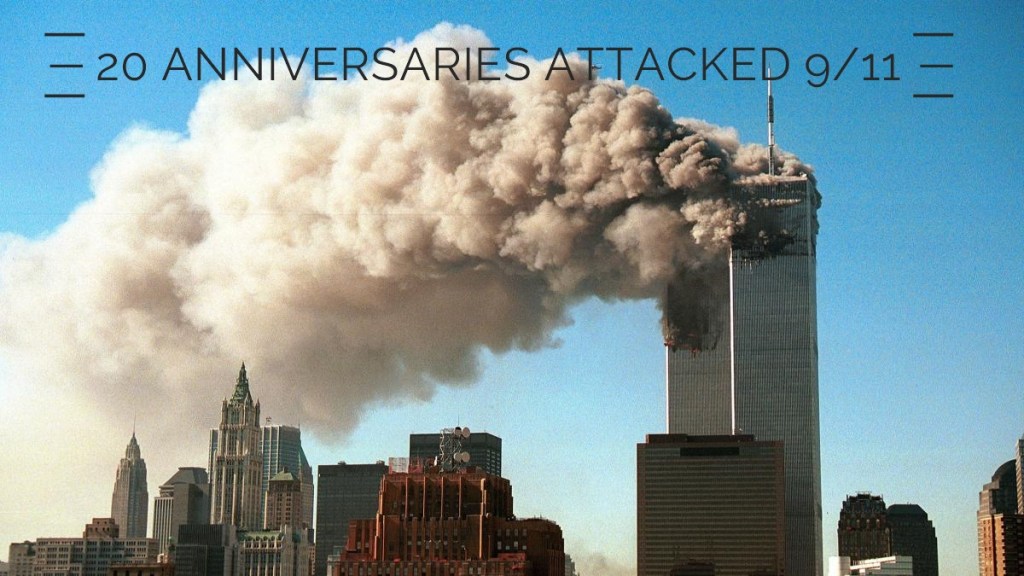
When this century began, you could arrive at the airport twenty minutes before a domestic flight in the United States and walk directly to your door. Maybe your partner would come through security to fire you. You may not have a photo ID in your cargo luggage, but it could have blades and fluids. In 2001, Sean O’Keefe, now a Professor at Syracuse University and a former president of the aerospace and defense company Airbus, was deputy director of the Office of Management and Budget in the George W. Bush administration. «At the White House, I was a member of the National Council Security team», he said. He and his colleagues had been briefed on the Al Qaeda terror group and understood the threat it posed, «but at the same time our imagination just didn’t give us the ability to think that something like [9/11] could happen».
Almost 30 years have passed since the Palestinian terrorist attacks on the Rome airport in 1973, which killed 34 people and demonstrated that air travel is vulnerable to international terrorism. «That seemed to have changed the entire security structure in Europe and the Middle East in a way that didn’t really penetrate the American psyche. It’s this typical American mentality; we have to experience it to believe it», said Sean O’Keefe. Then, on the morning of September 11, 2001, a team of 19 hijackers was able to board four different domestic flights over the northeastern United States in a series of coordinated terrorist attacks that would claim 3,000 lives. Flying in the United States, and in the rest of the world, would never be the same again. «Something just happened in New York City». Sean O’Keefe was in the West Wing of the White House with Vice President Dick Cheney when the news came. «They had the television on, it was actually CNN», he recalled. «The phone rang. His receptionist was on the hotline to tell him to turn it up (turn up the sound); something just happened in New York City». Like millions of people around the world watching the same scenes live after the first plane hit the North Tower of the World Trade Center, Sean O’Keefe and his colleagues assumed they were witnessing a terrible accident, a matter of the Federal Aviation Administration and the Department of Transportation. But when the second plane hit the South Tower 17 minutes later, Sean O’Keefe said: «That was the moment where it really was evidence that this was more than just an accident, this was a premeditated effort. The security guards, the Secret Service, they all mobilized».
The events of that morning in the United States changed the nation «automatically, immediately, in an obsessed, in ways big and small, with protecting its safety», historian James Mann wrote in 2018. «The Way 325 Millions of Americans go through airports today began on September 12 and it has never been what it was on September 10». The United States Government immediately began work on the security manifesto that by November 19, 2001 would become law as the Aviation and Transportation Security Act. «The fact that they orchestrated that attack with three different flights in three different locations. That was a real slap in the face. It reminded us of how naive we had been», made it clear how vulnerable the United States was, said Sean O’Keefe.
Getting congressional agreement on the security changes was swift and unanimous, he recalled. We needed to «make resources available immediately, beef up all those doors and cabs (and) really establish security perimeters». Meanwhile, at airports and on airlines, tighter security measures were introduced as soon as civilian air travel resumed on September 14, 2001. The National Guard provided armed military personnel at airports, and travelers clashed. long lines when the new systems started. Those first post-9/11 passengers people who hadn’t canceled or rescheduled their trips accepted, Sean O’Keefe said, largely the new high-security regime, with its disruptions and delays. «We all had an epiphany on the same day», said Sean O’Keefe.
Some of the 9/11 hijackers had been able to board flights without proper identification. After the attacks, all passengers over the age of 18 would need a valid government-issued ID in order to fly, even on domestic flights. Airports can verify the identification of passengers or staff at any time to confirm that it matches the details on your boarding pass.
Before the events, the United States Federal Government had a small list of people considered a threat risk to air travel. However, what we currently know as the Air Exclusion List, a subset of the Terrorist Detection Database that denotes individuals who are prohibited from boarding commercial aircraft to travel to, from, and within the United States. , was developed in response to 9/11. Around the world, countries have become stricter with identity checks, security checks, and their own versions of the Air Exclusion List. In 2002, the European Union introduced a regulation that required airlines to confirm that the passenger boarding the plane was the same person who checked their luggage, which meant checking identification both at baggage check-in and upon boarding. Later in the decade, fingerprint identifications and retinal and iris scanning were introduced in some countries.
Inspection of airports in the United States used to be piecemeal, performed by private security companies designated by airlines or airports. As part of the new security law, the Transportation Security Administration (TSA) was introduced in November 2001. Now an agency of the United States Department of Homeland Security, which was formed a year later, the TSA took over all security functions for the FAA and the United States airlines and airports.
By the end of 2002, the agency had already recruited about 60,000 employees, wrote TSA historian Michael P.C. Smith. Looking back 20 years later, Sean O’Keefe reflected that it was «a huge challenge in that immediate time after mobilizing a whole new cadre of security forces, thousands of professionals trained to do this. It was not without its flaws. proper recruiting and training and all the things that were necessary – we went through a lot of adjustments and started making that happen». The fact that America’s allies, friends, and partners around the world have been through this was a huge benefit.
Some of the 9/11 hijackers were reportedly carrying box cutters and small knives, which they were able to bring through security. Before long, with the new streamlined application by the TSA, potential weapons like blades, scissors, and knitting needles were no longer allowed on board, and airport workers were better trained to detect weapons or explosives. In late 2002, the TSA fulfilled a key mandate of the Aviation and Transportation Security Act by deploying explosives detection systems across the country. In the following years, other terrorist attacks would further change what we could and couldn’t carry on board the planes. In August 2006, a botched plot to detonate liquid explosives on multiple transatlantic flights resulted in current restrictions on liquids, gels, and aerosols in carry-on luggage. That same month, the TSA began requiring passengers to remove their shoes to detect explosives, five years after the 2001 shoe bomber incident, and the agency also deployed federal air marshals overseas. Metal detectors were standard at airports before 9/11, but in March 2010, a few months after the underwear bomber was stopped on a Christmas Day flight after a failed mid-air attack using a device concealed under your clothing, full-body scanners were beginning to be installed at airports in the United States, and about 500 were in action by the end of that year. In July 2017, in response to growing terrorist interest in concealing improvised explosive devices inside commercial electronic devices and other transportation items, the TSA began requiring travelers to place all personal electronic devices larger than a cell phone in containers. for X-ray detection. The following February, financial recognition technology was also being tested.
«It used to be that getting into a cabin on an American plane flying in American airspace was as easy as the doors you use to get into the (toilet)», recalled Sean O’Keefe. Bulletproof and enclosed cockpits became standard on commercial passenger aircraft within two years after 9/11. The Pilots’ Arms Against Terrorism Act was enacted in November 2002, and by the following April, the first pilots carrying weapons were on board commercial flights in the United States. While aviation fans and kids could once look forward to a flight deck visit, that dream quickly came to an end. Private jet pilot and social media star Raymon Cohen told CNN Travel in July that he believes unprecedented inaccessibility added to the mystique of flying. «People are not welcome in the cockpit anymore, so it’s kind of a big secret. Now this (following the pilots on Instagram) is one of the only ways people can see what’s going on».
The immediate impact of 9/11 included a large drop in travel demand. Not only had passenger confidence taken a hit, but the added security meant that the flight experience was no longer quick and hassle-free. In 2006, the International Air Transport Association (IATA) estimated that airline revenues from domestic flights in the United States fell by US$ 10 billion a year between 2001 and 2006. By way of comparison, the net losses at domestic worldwide due to the Covid pandemic in 2020 were US$ 126.4 billion in total, according to IATA. In a 2005 study of the impact of 9/11 on road fatalities, Garrick Blalock, Vrinda Kadiyali, and Daniel H. Simon of Cornell University found an increase in commuters choosing to drive rather than fly. The unintended consequence of this was that «deaths from driving increased significantly after the terrorist attacks of September 11, 2001». They estimated that a total of 1,200 additional driving deaths in the past five years were attributable to the effect of 9/11. Speaking to CNN ahead of the 20th anniversary of 9/11, Vrinda Kadiyali said: «There has been the fall of Kabul and all these recent events in Afghanistan… It crossed my mind if people would start to get nervous about fly again».
Delays, long lines, and confusion over restrictions are also back on the agenda in the era of the pandemic. As for whether something like 9/11 could happen again, O’Keefe reflected on the fact that the greatest achievements of Homeland Security, and security services around the world, can never be shared with the public. usually. «In the process of educating the public, what you also do is educate the terrorists. You almost get into a false sense of security. That morning in September 2001 he immediately changed from almost non-existent security to incredible, in his face, all the time». Yet two decades later, there have been no terrorist attacks on commercial aviation anywhere near the scale of 9/11. 
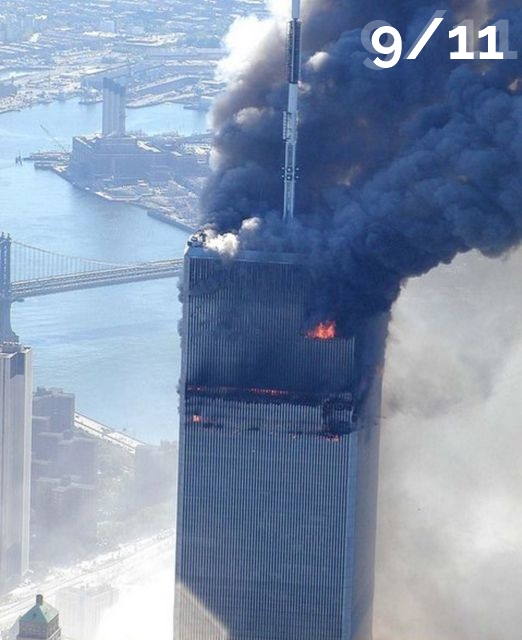
08:46 a.m. Cinco secuestradores estrellan el vuelo AA011 de American Airlines contra la Torre Norte del World Trade Center. El avión había partido del Aeropuerto Internacional Logan a las 07:59 a.m.
09:03 a.m. Cinco secuestradores estrellan el vuelo UA175 de United Airlines contra la Torre Sur del World Trade Center. El avión había partido del Aeropuerto Logan a las 08:15 a.m.
09:05 a.m. El presidente George W. Bush es informado del segundo accidente aéreo. Pronuncia declaraciones a la nación 25 minutos después.
09:37 a.m. Cinco secuestradores estrellan el vuelo AA077 de American Airlines contra el Pentágono. El avión había partido del Aeropuerto Internacional Washington Dulles a las 08:20 a.m.
09:42 a.m. La Administración Federal de Aviación (FAA) cancelaba todos los aviones civiles en el espacio aéreo de los Estados Unidos y prohibía las salidas.
09:59 a.m. La Torre Sur del World Trade Center se derrumba en apenas 10 segundos.
10:03 a.m. Cuatro secuestradores estrellan el vuelo UA093 de United Airlines en un campo cerca de Shanksville, Pensilvania. El avión había partido del Aeropuerto Internacional de Newark a las 08:42 a.m.
10:28 a.m. La Torre Norte del World Trade Center se derrumba después de arder durante 102 minutos.
08:46 a.m. Five hijackers crash American Airlines Flight AA011 into the North Tower of the World Trade Center. The plane had left Logan International Airport at 07:59 a.m.
09:03 a.m. Five hijackers crash United Airlines Flight UA175 into the South Tower of the World Trade Center. The plane had left Logan Airport at 08:15 a.m.
09:05 a.m. President George W. Bush is informed of the second plane crash. He delivers statements to the nation 25 minutes later.
09:37 a.m. Five hijackers crash American Airlines Flight AA077 into the Pentagon. The plane had departed from Washington Dulles International Airport at 8:20 a.m.
09:42 a.m. The Federal Aviation Administration (FAA) canceled all civil aircraft in United States airspace and banned departures.
09:59 a.m. The South Tower of the World Trade Center collapses in just 10 seconds.
10:03 a.m. Four hijackers crash United Airlines Flight UA093 in a field near Shanksville, Pennsylvania. The plane had departed from Newark International Airport at 8:42 a.m.
10:28 a.m. The North Tower of the World Trade Center collapses after burning for 102 minutes.

Mapa conmemorativo del 9/11 y ceremonias del 20 aniversarios en la ciudad de Nueva York. Docenas de monumentos conmemorativos del 9/11, desde artefactos entre edificios hasta nuevas maravillas arquitectónicas que definen el horizonte de Manhattan, se destacan como recordatorios de que la ciudad de Nueva York nunca olvidará. Donde las Torres Gemelas se encontraban por última vez hace este 11 de Septiembre de 2021, veinte años, dos piscinas reflectantes conmemoran las vidas perdidas en el peor ataque terrorista en suelo estadounidense.
Muchos estadounidenses han ido a la ciudad de Nueva York para presentar sus respetos a las víctimas y héroes que murieron el 11 de Septiembre de 2001. El 9/11 Memorial & Museum en la Zona Cero es el más visitado y conocido. Los miembros de la familia se reúnen en el Memorial Plaza cada aniversario para leer en voz alta los nombres de las víctimas del bombardeo del World Trade Center del 9/11 y 1993. La ceremonia que marca dos décadas el sábado comenzará a las 08:30 a.m. hora local, con un momento de silencio poco después. Al atardecer, la instalación anual Tribute in Light disparará dos haces de luz al cielo para la oda anual. Hay docenas más de monumentos conmemorativos y artefactos del 9/11 alrededor de la ciudad y sus alrededores. Estos son algunos de los que adornan el Bajo Manhattan:
Dos piscinas son el punto focal del 9/11 Memorial & Museum. Cada una de las piscinas tiene casi un acre de tamaño y se encuentran donde se encontraban las Torres Norte y Sur antes de que los terroristas secuestraran aviones y volaran hacia ellas, haciendo que se desmoronara. Los nombres de las 2.983 personas que murieron en los ataques terroristas de 2001 y 1993 están inscritos en parapetos de bronce alrededor del perímetro de las piscinas. La piscina norte contiene los nombres de las personas que murieron cuando el vuelo 11 secuestrado derribó la Torre Norte, así como los muertos en el bombardeo de 1993. El South Pool tiene los nombres de las víctimas y los socorristas que murieron cuando el vuelo 175 secuestrado golpeó la Torre Sur, así como las personas que murieron por el secuestro del vuelo 77 que golpeó el Pentágono y los del vuelo 93 secuestrado que se estrelló en un campo en Pensilvania. Ambas piscinas tienen las cascadas artificiales más grandes de América del Norte, cayendo 30 pies en una cuenca cuadrada y luego otros 20 pies en un vacío en el centro.
El Árbol del Sobreviviente se encuentra junto a las piscinas reflectantes. Es un peral Callery que sobrevivió a la destrucción y el polvo de los ataques del 9/11 a las Torres Gemelas. Los trabajadores lo arrancaron del sitio y lo cuidaron a un estado saludable en un parque en el Bronx antes de traerlo de vuelta al sitio donde se ha incorporado al diseño de Memorial Plaza. El árbol ahora mide más de 30 pies de altura, aproximadamente cuatro veces su altura en el momento de los ataques hace dos décadas.
También conocido como One World Trade Center, la Torre de la Libertad cuenta con el Observatorio One World que ofrece vistas panorámicas de la ciudad de Nueva York. La torre, con su vidrio reflectante azul claro, se erige como la característica definitoria del horizonte del Bajo Manhattan, donde una vez brillaron las dos Torres Gemelas.
La enorme estructura de acero blanco con puntas en forma de ala que llegaban al cielo era parte del plan de la ciudad de Nueva York para reconstruir el World Trade Center. El Oculus representa la fuerza y la resiliencia de la ciudad que se recuperan del 9/11. Sirve como centro comercial y centro de transporte y ofrece una estación de tren PATH. La estación PATH original fue destruida junto con los siete edificios del World Trade Center.
La escultura esférica de bronce de Fritz Koenig originalmente estaba situada entre las Torres Gemelas en Tobin Plaza. Fue recuperado de los escombros después de los ataques y colocado en Battery Park hasta 2017, cuando fue trasladado de nuevo a Liberty Park, donde estaba el World Trade Center. Su placa dice: «Fue dañado durante los trágicos acontecimientos del 11 de Septiembre de 2001, pero perdura como un icono de esperanza y el espíritu indestructible de este país. La Esfera fue colocada aquí el 11 de Marzo de 2002 como un monumento temporal a todos los que perdieron la vida en los ataques terroristas en el World Trade Center».
La cruz del tridente de hierro fue elaborada por el artista Jon Krawczyk y reemplazó a la cruz original del World Trade Center, que eran dos vigas que se cruzaban de los restos del 9/11. La cruz original fue trasladada al museo del 9/11.
El muro dedicado a los 343 miembros del Departamento de Bomberos de la Ciudad de Nueva York y un bombero voluntario se encuentra en FDNY Engine 10 Ladder 10, que está justo enfrente del sitio del World Trade Center.
La estatua de bronce de 18 pies encarna a un soldado boina verde en un caballo. Se llama ‘De Oppresso Liber’, que significa ‘liberarse de los opresores’, y está dedicado a las tropas estadounidenses desplegadas en Afganistán después de los ataques del 9/11. Se conoce extraoficialmente como la «Estatua del Soldado Caballo» y fue conmemorada por primera vez por el presidente Joe Biden, quien era vicepresidente en ese momento, en el Día de los Veteranos de 2011.
El ‘The Little Chapel That Stood’ se encuentra a menos de 100 metros del recinto del World Trade Center. Sobrevivió al colapso de las Torres Gemelas. Muchos creen que el gran árbol de sicomoro plantado en el cementerio de San Pablo protegió la iglesia durante el 9/11.
Originalmente llamado Liberty Plaza Park, Zuccotti Park está a solo unos metros del sitio del World Trade Center. Su esquina noroeste está al otro lado de la calle del antiguo Four World Trade Center. El parque experimentó daños significativos después del 9/11. Su plaza ha sido utilizada para celebrar múltiples eventos conmemorativos del aniversario de los ataques.
El puente de más de 150 años de antigüedad es icónico en sí mismo, pero de pie en él ofrece vistas notablemente del Bajo Manhattan, donde una vez estuvieron las Torres Gemelas y donde la Torre de la Libertad ahora se encuentra en su lugar.
9/11 commemorative map and 20th anniversary ceremonies in New York City. Dozens of 9/11 memorials, from inter-building artifacts to new architectural wonders that define the Manhattan skyline, stand out as reminders that New York City will never forget. Where the Twin Towers last stood on September 11, 2021, twenty years ago, two reflecting pools commemorate the lives lost in the worst terrorist attack on American soil.
Many Americans have come to New York City to pay their respects to the victims and heroes who died on September 11, 2001. The 9/11 Memorial & Museum at Ground Zero is the most visited and best known. Family members gather at Memorial Plaza each anniversary to read aloud the names of the victims of the World Trade Center bombing of 9/11 and 1993. The ceremony marking two decades on Saturday will begin at 8:30 a.m. A.M local time, with a moment of silence shortly thereafter. At dusk, the annual Tribute in Light installation will shoot two beams of light into the sky for the annual ode. There are dozens more of 9/11 memorials and artifacts around and around the city.
Two pools are the focal point of the 9/11 Memorial & Museum. Each of the pools is nearly an acre in size and is located where the North and South Towers were located before terrorists hijacked planes and flew into them, causing them to crumble. The names of the 2,983 people who died in the 2001 and 1993 terrorist attacks are inscribed on bronze parapets around the perimeter of the pools. The North Pool contains the names of the people who died when the hijacked Flight 11 brought down the North Tower, as well as those killed in the 1993 bombing. The South Pool has the names of the victims and first responders who died when Flight 175 hijacked hit the South Tower, as well as the people killed by the hijacking of Flight 77 that hit the Pentagon and those of hijacked Flight 93 which crashed into a field in Pennsylvania. Both pools have the largest man-made waterfalls in North America, dropping 30 feet into a square basin and then another 20 feet into a void in the center.
The Tree of the Survivor is located next to the reflecting pools. It is a Callery pear tree that survived the destruction and dust of the 9/11 attacks on the Twin Towers. Workers plucked it from the site and cared for it to a healthy state in a park in the Bronx before bringing it back to the site where it has been incorporated into the Memorial Plaza design. The tree is now over 30 feet tall, about four times its height at the time of the attacks two decades ago.
Also known as One World Trade Center, the Freedom Tower features the One World Observatory that offers panoramic views of New York City. The tower, with its light blue reflective glass, stands as the defining feature of the Lower Manhattan skyline, where the two Twin Towers once shone.
The massive white steel structure with wingtips reaching into the sky was part of New York City’s plan to rebuild the World Trade Center. The Oculus represents the strength and resilience of the city reeling from 9/11. It serves as a shopping center and transportation hub and offers a PATH train station. The original PATH station was destroyed along with the seven World Trade Center buildings.
Fritz Koenig’s spherical bronze sculpture originally stood between the Twin Towers at Tobin Plaza. It was recovered from the rubble after the attacks and placed in Battery Park until 2017, when it was moved back to Liberty Park, where the World Trade Center was located. Its plaque reads: «It was damaged during the tragic events of September 11, 2001, but it endures as an icon of hope and the indestructible spirit of this country. The Sphere was placed here on March 11, 2002 as a temporary monument to all. those who lost their lives in the terrorist attacks on the World Trade Center».
The Iron Trident Cross was crafted by artist Jon Krawczyk and replaced the original World Trade Center cross, which were two intersecting beams from the 9/11 remains. The original cross was transferred to the 9/11 museum.
The wall dedicated to the 343 members of the New York City Fire Department and a volunteer firefighter is located at FDNY Engine 10 Ladder 10, which is directly across from the World Trade Center site.
The 18-foot bronze statue embodies a green beret soldier on a horse. It’s called ‘De Oppresso Liber’, which means ‘break free from oppressors’, and it’s dedicated to the US troops deployed to Afghanistan after the 9/11 attacks. It is unofficially known as the «Statue of the Horse Soldier» and was first commemorated by President Joe Biden, who was vice president at the time, on Veterans Day 2011.
The ‘The Little Chapel That Stood’ is located less than 100 meters from the World Trade Center precinct. It survived the collapse of the Twin Towers. Many believe that the large sycamore tree planted in the Saint Paul Cemetery protected the church during 9/11.
Originally called Liberty Plaza Park, Zuccotti Park is just feet from the World Trade Center site. Its northwest corner is across the street from the old Four World Trade Center. The park experienced significant damage after 9/11. Its square has been used to celebrate multiple events commemorating the anniversary of the attacks.
The more than 150-year-old bridge is iconic in its own right, but standing on it offers remarkably views of Lower Manhattan, where the Twin Towers once stood and where the Freedom Tower now stands in place.

PUBLISHER: Airgways.com
DBk: Usa.gov / Cnn.com / Airgways.com
AW-POST: 202109110822AR
A\W A I R G W A Y S ®
AW | 2021 09 10 21:16 | AIRLINES

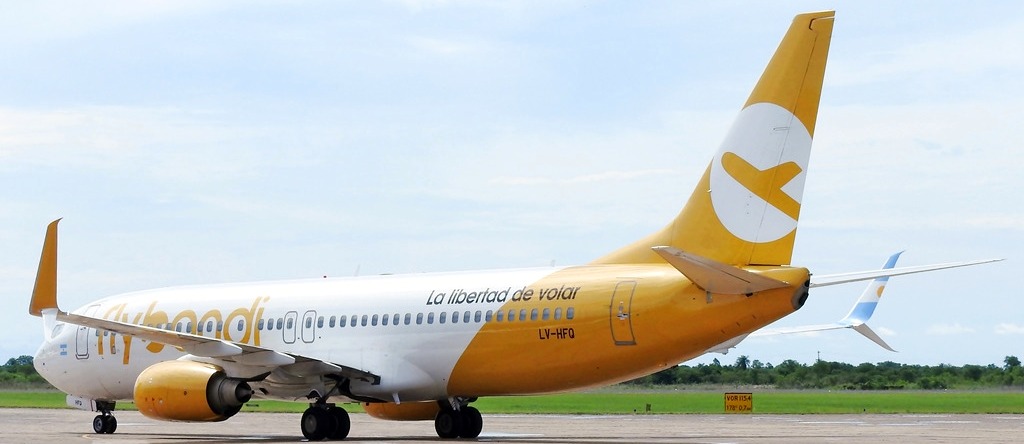
La low cost de la República Argentina, Flybondi Líneas Aéreas ha desarrollado en el mes de Agosto 2021 un total de 556 vuelos, un 65% de las operaciones interanuales de 843 operaciones en 08/2019. Desde la low cost Flybondi afirmaron que los números son consecuencia del compromiso de la aerolínea con el viajero: “Desde enero somos la aerolínea con mayor nivel de ocupación en nuestros vuelos y estuvimos siempre en valores superiores a 85% y llegando a 91% en febrero, por ejemplo. Por eso, seguimos firmes con nuestro plan de inversión y recuperación”.
En Agosto de 2021, Flybondi se situó en la cima del podio de la ocupación al obtener un 90% de su capacidad máxima. Esto significa que, de cada cien plazas disponibles en sus aviones, noventa salen de los aeropuertos ocupadas. Además, transportó en el mercado doméstico argentino 95.000 pasajeros, contra 137.000 que había movilizado en el mismo mes de 2019, lo que representa el 70% de su pasaje anterior a la pandemia. Por último, en relación a la cuota de mercado, Flybondi ya traslada en sus aviones alrededor del 18% de los pasajeros que se movilizan en Argentina por vía aérea. Consiguió su récord en junio de este año, cuando había alcanzado el 25% de la participación en el tráfico de pasajeros en la argentina, antes de que Aerolíneas Argentinas comenzara a reconstruir su red de rutas. “La experiencia de mudarnos a Aeroparque, es positiva. Desde lo operacional es muy exigente y se va a incrementar aún más con el crecimiento de los volúmenes en el futuro, por lo que será un reto compartir el espacio con otras aerolíneas que no son low cost como nosotros y por lo tanto, tienen otro tipo de gestión”, señalaron desde la aerolínea Flybondi.
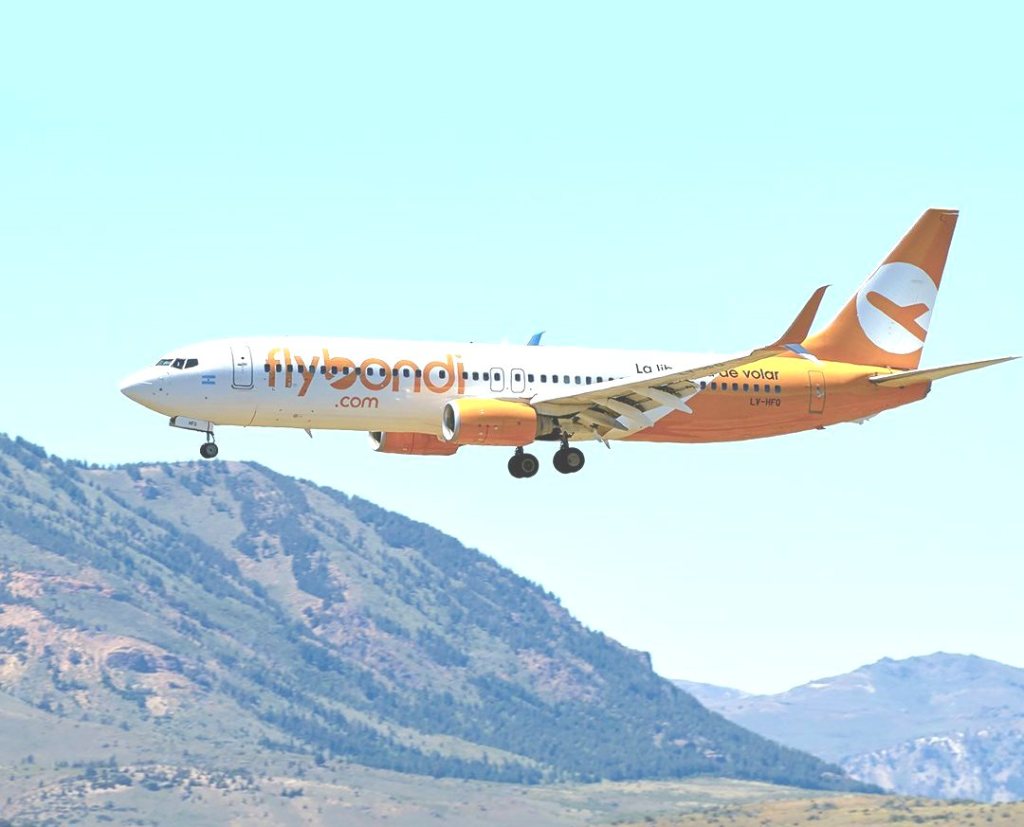

The low cost of the Argentine Republic, Flybondi Líneas Aéreas has developed a total of 556 flights in the month of August 2021, 65% of the interannual operations of 843 operations in 08/2019. From the low cost Flybondi they affirmed that the numbers are a consequence of the airline’s commitment to the traveler: “Since January we have been the airline with the highest occupancy level on our flights and we were always at values above 85% and reaching 91% in February , for instance. For this reason, we remain firm with our investment and recovery plan”.
In August 2021, Flybondi reached the top of the podium in occupancy, reaching 90% of its maximum capacity. This means that out of every one hundred seats available on their planes, ninety leave occupied airports. In addition, it transported 95,000 passengers in the Argentine domestic market, against 137,000 that it had mobilized in the same month of 2019, which represents 70% of its passage prior to the pandemic. Finally, in relation to market share, Flybondi already transports around 18% of the passengers that move in Argentina by air on its planes. It reached its record in June of this year, when it had reached 25% of the participation in passenger traffic in Argentina, before Aerolineas Argentinas began to rebuild its route network. “The experience of moving to Aeroparque is positive. From the operational point of view, it is very demanding and it will increase even more with the growth of volumes in the future, so it will be a challenge to share the space with other airlines that are not low cost like us and therefore have another type. of management”, they indicated from the airline Flybondi.
PUBLISHER: Airgways.com
DBk: Flybondi.com / Airgways.com
AW-POST: 202109102116AR
A\W A I R G W A Y S ®

AW | 2021 09 10 21:07 | AIRLINES

Al producirse la ruptura derivada del Brexit, los accionistas de IAG eran mayoritariamente británicos. Pero, inesperadamente también eso ocurría con Ryanair Holdings PLC, la propietaria de Ryanair, que es irlandesa referente al cambio de la composición accionaria pro-europea. De manera que si quiere ser europea ha de hacer algo parecido a lo que se ha de intentar con Iberia o el caso de la aerolínea británica Easyjet que ha tenido un problema similar, pero para resolverlo fraccionó la empresa, o bien, por el contrario, esperar a que las negociaciones del Brexit, que se mantendrán un año respecto de este tema de las aerolíneas, ofrezcan otra solución
Pero Ryanair ha decidido arreglar el asunto provocando la venta forzosa de una parte de las acciones ordinarias propiedad de ciudadanos de fuera de la Unión Europea de acuerdo con sus estatutos desde el 1 de Enero de 2021. La aerolínea de bajo costo dijo que las ganancias netas de la venta se transmitirán a los inversores a su debido tiempo. La aerolínea dijo que la prohibición de que los ciudadanos de fuera de la UE adquieran acciones ordinarias de la compañía, como se anunció en 2002, todavía se aplica y que desde el 1 de Enero los ciudadanos del Reino Unido no pueden adquirir acciones de la compañía.
Ryanair Holdings dijo que ha registrado una serie de adquisiciones de sus acciones ordinarias por parte de ciudadanos de fuera de la UE desde el 1 de Enero y que los inversores relevantes no han cumplido con los requisitos de disposición en los Avisos de Acciones Restringidas emitidos por Ryanair. “Como resultado del Brexit, las acciones ordinarias de la empresa que han sido adquiridas por o en nombre de ciudadanos del Reino Unido (como todos los demás ciudadanos de fuera de la UE) desde el 1 de Enero de 2021 se han tratado como ‘Acciones restringidas’ y Los inversores nacionales de la UE han recibido Avisos de Acciones Restringidas por parte de la empresa que les exige que cedan sus intereses en dichas Acciones Restringidas a ciudadanos de la UE“, señaló. Apenas esas acciones bajen por debajo del cincuenta por ciento del total del capital, el problema quedará totalmente solventado, al menos a efectos de la Unión Europea.
Easyjet, por su parte, ha tenido un problema similar. Para resolverlo fraccionó la empresa: una parte sigue con base en Londres, mayoritariamente británica, otra con base en Suiza y otra con base en Austria, son de mayorías europeas.

At the time of the Brexit break, IAG’s shareholders were predominantly British. But, unexpectedly, that also happened with Ryanair Holdings PLC, the owner of Ryanair, which is Irish regarding the change in the pro-European shareholding composition. So if you want to be European, you have to do something similar to what you have to try with Iberia or the case of the British Aroline company Easyjet, which has had a similar problem, but to solve it, the company divided it, or, on the contrary, wait for the Brexit negotiations, which will continue for a year on this issue of airlines, offer another solution
But Ryanair has decided to fix the matter by causing the forced sale of a part of the common shares owned by citizens from outside the European Union in accordance with its statutes from January 1, 2021. The low-cost airline said that the net profits of the sale will be passed on to investors in due course. The airline said that the ban on non-EU citizens from acquiring ordinary shares in the company, as announced in 2002, still applies and that as of January 1 UK citizens cannot acquire shares in the company.
Ryanair Holdings said that it has recorded a series of acquisitions of its common shares by non-EU citizens since January 1 and that the relevant investors have not complied with the disposition requirements in the Restricted Share Notices issued by Ryanair. “As a result of Brexit, ordinary shares in the company that have been acquired by or on behalf of UK citizens (like all other non-EU citizens) since 1 January 2021 have been treated as’ Shares Restricted ‘and EU national investors have received Restricted Share Notices from the company requiring them to assign their interests in such Restricted Shares to EU citizens», he noted. As soon as these shares fall below fifty percent of the total capital, the problem will be completely solved, at least for the purposes of the European Union.
Easyjet, for its part, has had a similar problem. To solve this, the company divided: one part is still based in London, mostly British, another based in Switzerland and another based in Austria, they are European majorities.
PUBLISHER: Airgways.com
DBk: Ryanair.com / Airgways.com
AW-POST: 202109102107AR
A\W A I R G W A Y S ®
AW | 2021 09 10 18:44 | AIRLINES

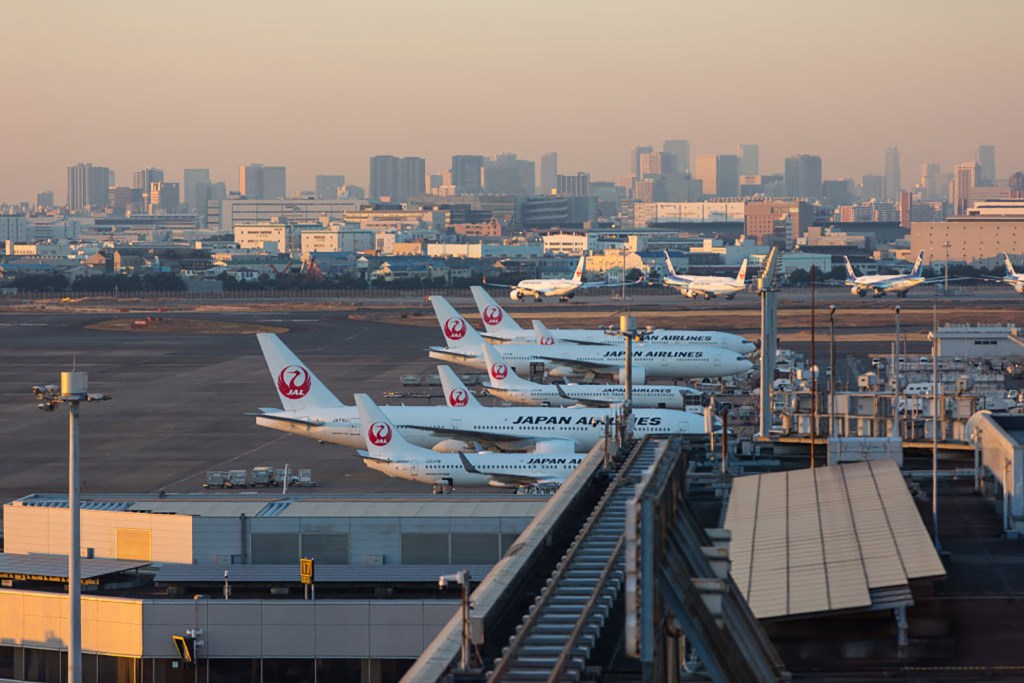
La aerolínea japonesa Japan Airlines (JAL) anunció este Viernes 10/09 un plan para recaudar ¥ 300.000 millones de Yenes/€ 2.310 millones de Euros a través de préstamos y bonos subordinados de cara a fortalecer sus financias por la persistencia de la crisis sanitaria mundial. Esta inyección de capital, la segunda que la empresa ejecuta por la pandemia tras otra de ¥ 180.000 millones de Yenes/€ 1.380 millones de Euros a finales del pasado Noviembre 2020, se produce en un momento en el que la demanda de vuelos sigue siendo baja y cuando Japón mantiene cerradas sus fronteras al turismo extranjero. La demanda sigue siendo también débil en territorio nacional pese al avance de la campaña de vacunación, un 49 % de la población nipona ha recibido ya la pauta completa, lo que está pesando en las cuentas de la aerolínea, que busca de este modo tener fondos suficientes para hacer frente a potenciales contingencias.
El Gobierno japonés anunció en la víspera la extensión hasta el 30 de Septiembre de 2021 del estado de emergencia por la crisis de la pandemia de Coronavirus en las áreas más pobladas del país, donde la alerta sanitaria ha estado vigente la mayor parte del año. Los nuevos fondos no serán sólo para cubrir gastos operativos. JAL usará una parte para invertir en nuevas iniciativas para reducir las emisiones de carbono, según revelaron fuentes con conocimiento de la operación al diario económico Nikkei.
El índice de adecuación de capital de la aerolínea, una de las dos mayores del país asiático, se situó en el 42,4% a finales de Junio de 2021, un nivel relativamente alto entre las principales aerolíneas del mundo, pero la empresa quiere asegurar más fondos a la espera de una recuperación de la demanda. El volumen de pasajeros de JAL en el país en Julio 2021 representó un 40 % del registrado en el mismo mes de 2019 y menos del 10% en lo que respecta a las rutas internacionales, antes de que Japón empezara a imponer progresivamente su veto migratorio a principios del año siguiente. Pese a la incertidumbre en el sector, la aerolínea ha decidido seguir adelante con su vigente plan de negocio a tres años, en el que aboga por invertir unos ¥ 450.000 millones de Yenes/€ 3.460 millones de Euros hasta Marzo de 2024, principalmente para adquirir nuevos aviones y potenciar su firma de bajo coste.
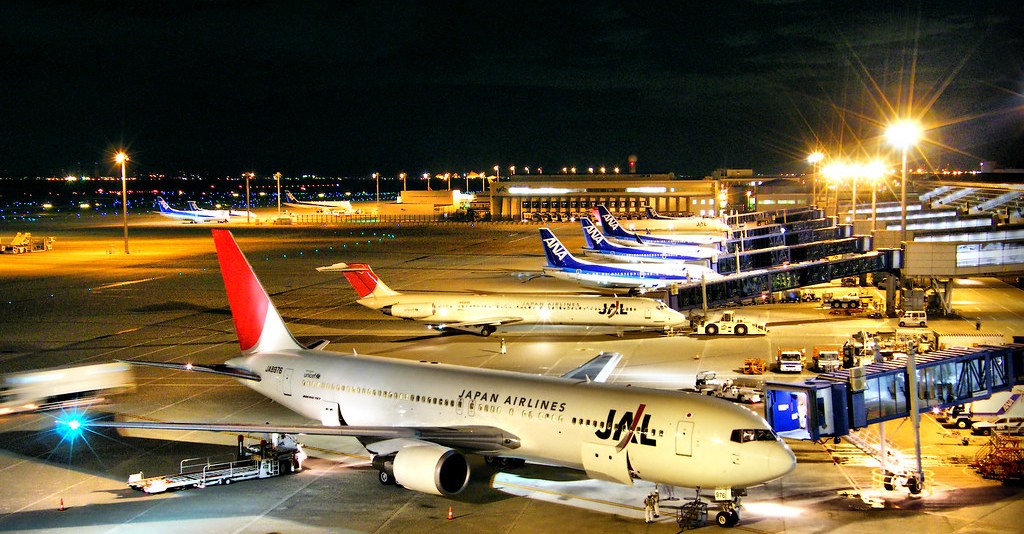
The Japanese airline Japan Airlines (JAL) announced this Friday 10/09 a plan to raise ¥ 300,000 million Yen/€ 2,310 million Euros through loans and subordinated bonds in order to strengthen its finances due to the persistence of the global health crisis. This capital injection, the second that the company executes due to the pandemic after another of ¥ 180,000 million Yen/€ 1,380 million Euros at the end of last November 2020, occurs at a time when the demand for flights remains low and when Japan keeps its borders closed to foreign tourism. Demand is also still weak in the national territory despite the progress of the vaccination campaign, 49% of the Japanese population has already received the complete guideline, which is weighing on the accounts of the airline, which thus seeks to have funds enough to face potential contingencies.
The Japanese government announced the day before the extension until September 30, 2021 of the state of emergency due to the Corinavirus pandemic crisis in the most populated areas of the country, where the health alert has been in effect for most of the year. The new funds will not just be to cover operating expenses. JAL will use a portion to invest in new initiatives to reduce carbon emissions, sources with knowledge of the operation revealed to the business daily Nikkei.
The capital adequacy index of the airline, one of the two largest in the Asian country, stood at 42.4% at the end of June 2021, a relatively high level among the world’s leading airlines, but the company wants to ensure more funds awaiting a recovery in demand. The volume of JAL passengers in the country in July 2021 represented 40% of that registered in the same month of 2019 and less than 10% with regard to international routes, before Japan began to progressively impose its migratory ban on early next year. Despite the uncertainty in the sector, the airline has decided to go ahead with its current three-year business plan, in which it advocates investing some ¥ 450,000 million Yen/€ 3,460 million Euros until March 2024, mainly to acquire new aircraft and boost your low-cost signature.
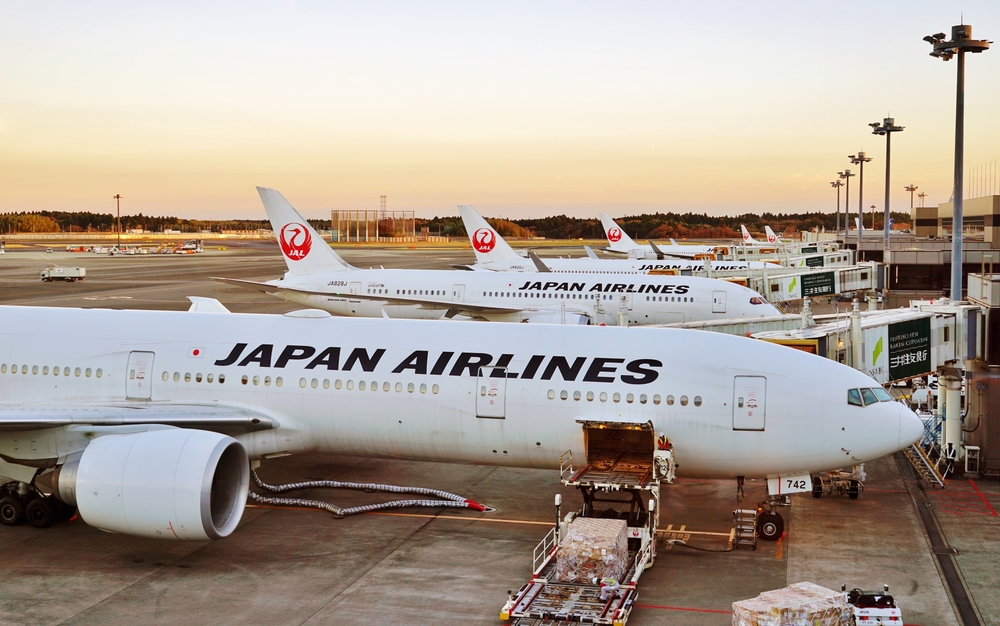

日本航空(JAL)は、2009年10月10日金曜日、世界的な健康危機が続く中、財政を強化するために、ローンと劣後債を通じて30万円/ 23億1000万ユーロを調達する計画を発表しました。この資本注入は、2020年11月末にパンデミックにより2回目となる18億円/ 13億8000万ユーロの資金注入であり、航空需要が低迷し、日本が国境は外国人観光客に閉鎖されています。予防接種キャンペーンの進展にもかかわらず、国土でも需要は弱く、日本の人口の49%はすでに完全なガイドラインを受け取っています。これは航空会社のアカウントに重きを置いており、潜在的な不測の事態に直面するのに十分な資金を確保しようとしています。
日本政府は、延長の前日を2021年9月30日まで、国内で最も人口の多い地域でのコリナウイルスのパンデミック危機による非常事態宣言を発表しました。新しい資金は、運営費だけを賄うものではありません。 JALは、その一部を炭素排出量を削減するための新しいイニシアチブに投資するために使用します。
2021年6月末現在、アジアで2大規模の航空会社の自己資本比率は42.4%と世界有数の航空会社の中でも比較的高い水準であるが、同社は回復を待つ資金を増やしたいと考えている。需要がある。 2021年7月の国内のJAL乗客数は、日本が来年初めに段階的に渡り鳥禁止を課し始める前は、2019年の同じ月に登録された乗客の40%であり、国際線では10%未満でした。セクターの不確実性にもかかわらず、航空会社は、主に新しい航空機を取得し、あなたの安値を上げるために、2024年3月まで約45万円/ 34億6000万ユーロを投資することを提唱する現在の3カ年事業計画を継続することを決定しました-コスト署名。
PUBLISHER: Airgways.com
DBk: Jal.com / Nikkei.com / Sopaimages.com/Stanislav Kogiku / Airgways.com
AW-POST: 202109101844AR
A\W A I R G W A Y S ®
AW | 2021 09 10 18:33 | GOVERNMENT / AVIATION / AIRLINES
El aumento en los episodios reportados que involucran a pasajeros rebeldes que han sido capturados protestando por los requisitos sanitarios en Estados Unidos, la Administración Biden tiene una respuesta para el creciente número de pasajeros de aerolíneas rebeldes que no se ponen máscaras durante el vuelo, aplicarán el incremento de multa por infracción. El plan para duplicar las sanciones financieras para quienes violen las reglas Federales que requieren máscaras en los aviones comerciales es parte del último esfuerzo del gobierno para frenar la propagación de la variante delta del coronavirus. «Si rompes las reglas, prepárate para pagar», dijo el Jueves 10/09 por la noche el Presidente Joe Biden en un discurso en la Casa Blanca anunciando los nuevos mandatos. Joe Biden también destacó el aumento en los episodios reportados que involucran a pasajeros rebeldes que han sido capturados protestando por los requisitos de la máscara en videos que a menudo se vuelven virales.
El Gobierno Federal ha ordenado máscaras en los medios de transporte público por aire y tierra hasta al menos el 18 de enero. Las sanciones por infracciones han oscilado entre US$ 250 por la primera infracción y hasta US$ 1,500 por infractores reincidentes, según la Administración de Seguridad en el Transporte (TSA).
«El nuevo rango de sanciones será de US$ 500 a US$ 1.000 para los primeros infractores y de US$ 1.000 a US$ 3.000 para los segundos infractores», dijo la TSA en una publicación en su sitio web, y agregó que las multas más estrictas entrarán en vigencia el Viernes 10/09. “Agradecemos a la mayoría de los viajeros que cada día cumplen voluntariamente el requisito, pero consideramos que esta acción es necesaria para maximizar las protecciones para quienes usan y trabajan dentro del sistema de transporte, y para contener el Covid-19”, dijo el administrador de la TSA, David Pekoske, en una declaración.
Aquellos remitidos para ejecución civil por negarse a usar una mascarilla son sancionados con una sanción basada en una variedad de factores atenuantes y agravantes. La TSA brinda a todos los derechos de debido proceso cuando la TSA propone evaluar sanciones civiles, incluida la evaluación de pruebas para determinar si las sanciones están justificadas y brindar a las personas la oportunidad de presentar cualquier factor atenuante a un funcionario de la TSA o de solicitar una audiencia formal ante un juez de derecho administrativo.
El aumento de las multas por la falta de uso de mascarillas anunciado por Joe Biden es parte de un plan más amplio para tratar de frenar la propagación de Coronavirus. Los informes de pasajeros perturbadores llegaron a 4.184 este año hasta el martes, incluidos 752 considerados lo suficientemente graves como para justificar investigaciones, según la Administración Federal de Aviación. Incluso cuando quedan casi cuatro meses en 2021, esas consultas ya suman más del doble que cualquier año anterior. Una gran cantidad se debió al resentimiento por los mandatos federales de máscaras, la fatiga por la pandemia de Covid-19 y la profundización de las divisiones políticas, lo que convirtió a algunas cabinas de jet en un campo de batalla sustituto en las llamadas guerras culturales. Hubo varios casos en los que los pasajeros amenazaron con violencia, dijo la FAA, con uno que gritaba imagínense a todos en bolsas para cadáveres y otro con la esperanza de que el avión se estrellara.
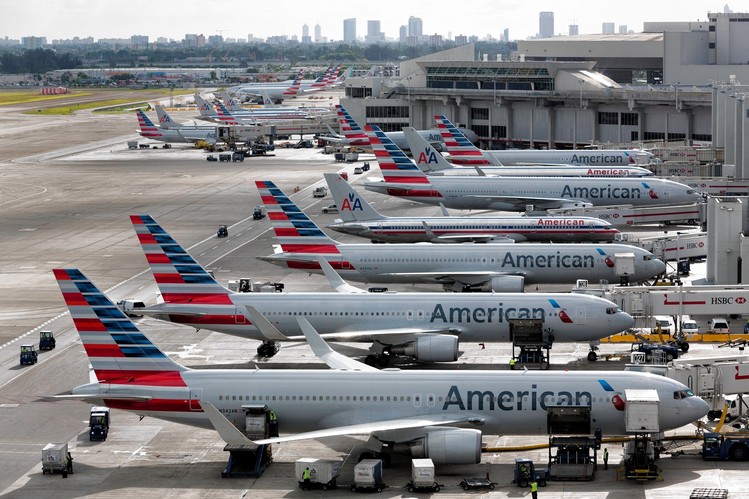
With the increase in reported episodes involving rebellious passengers who have been caught protesting sanitary requirements in the United States, the Biden Administration has an answer for the growing number of rebellious airline passengers who do not wear masks during the flight, they will apply the Increased fine for infringement. The plan to double financial penalties for those who violate Federal rules requiring masks on commercial aircraft is part of the government’s latest effort to curb the spread of the delta variant of the coronavirus. «If you break the rules, be prepared to pay», President Joe Biden said Thursday night 09/10 in a speech at the White House announcing the new terms. Joe Biden also highlighted the increase in reported episodes involving unruly passengers who have been caught protesting mask requirements in videos that often go viral.
The Federal Government has ordered masks on public transportation by air and land until at least January 18. Penalties for violations have ranged from US$ 250 for the first violation to up to US$ 1,500 for repeat offenders, according to the Transportation Security Administration (TSA).
«The new range of penalties will be US$ 500 to US$ 1,000 for first offenders and $ 1,000 to $ 3,000 for second offenders», the TSA said in a post on its website, adding that the fines Stronger ones will go into effect on Friday 09/10. «We are grateful to the majority of travelers who each day voluntarily comply with the requirement, but we consider that this action is necessary to maximize protections for those who use and work within the transport system, and to contain Covid-19», said the administrator of the TSA, David Pekoske, in a statement.
Those referred for civil enforcement for refusing to wear a mask are punished with a penalty based on a variety of mitigating and aggravating factors. The TSA affords all due process rights when the TSA proposes to evaluate civil penalties, including evaluating evidence to determine whether the penalties are warranted and providing individuals with the opportunity to present any mitigating factors to a TSA or deputy official. request a formal hearing before an administrative law judge.
The increase in fines for non-use of masks announced by Joe Biden is part of a larger plan to try to curb the spread of Coronavirus. Disruptive passenger reports reached 4,184 this year through Tuesday, including 752 considered serious enough to warrant investigations, according to the Federal Aviation Administration. Even with almost four months left in 2021, those inquiries are already more than double than any previous year. A large amount was due to resentment over federal mask mandates, fatigue from the Covid-19 pandemic, and deepening political divisions, making some jet cabs a proxy battlefield in so-called culture wars. There were several cases in which passengers threatened violence, the FAA said, with one screaming imagine everyone in body bags and another hoping the plane would crash.
PUBLISHER: Airgways.com
DBk: Usa.gov / Tsa.gov / Airgways.com
AW-POST: 202109101833AR
A\W A I R G W A Y S ®

AW | 2021 09 10 17:55 | AIRPORTS / GOVERNMENT / AIRLINES
La Asociación de Líneas Aéreas (ALA) de España ha mostrado este Jueves su decepción tras la decisión del Gobierno de España de paralizar la inversión de € 1.700 millones de Euros prevista para ampliar el Aeropuerto de Barcelona/El Prat ante la falta de apoyo del Govern de la Generalitat. La paralización de la ampliación provocará, según las aerolíneas, que una vez se recuperen los niveles de tráfico aéreo previos a la pandemia, el aeropuerto vuelva a saturarse, llevando a las compañías que quieran seguir creciendo a hacerlo en otro lugar que no sea Barcelona.
El Presidente de ALA, Javier Gándara, ha asegurado que las aerolíneas se sienten decepcionadas, ya que pensaban que había un acuerdo para afrontar la ampliación entre las diferentes administraciones. Tras la decisión del Gobierno, Javier Gándara teme que se cancele definitivamente la ampliación del aeropuerto barcelonés, una medida necesaria según la asociación que nuclea a las aerolíneas españolas para evitar las saturaciones y retrasos del pasado. «En el mejor de los casos, esto se retrasa. En el peor, se cancela y no se hace nunca», explica el Presidente de la asociación ALA. Javier Gándara recuerda que la ampliación del Aeropuerto de Barcelona/El Prat, que comprendía una inversión de € 1.700 millones de Euros con el objetivo de crear un hub de distribución del tráfico aéreo internacional se iba a financiar íntegramente con las tasas aeroportuarias que pagan las aerolíneas. Además, el Presidente de ALA ha defendido que la ampliación del aeropuerto barcelonés ya fue recomendada por la Organización Europea para la Seguridad de la Navegación Aérea, Eurocontrol, en un estudio publicado tras el verano de 2018, que estuvo marcado por los numerosos retrasos en el Aeropuerto Barcelona/El Prat.
The Air Lines Association (ALA) of Spain has shown this Thursday its disappointment after the decision of the Government of Spain to paralyze the investment of € 1,700 million euros planned to expand the Barcelona/El Prat Airport due to the lack of support from the Government of the Generalitat. The stoppage of the expansion will cause, according to the airlines, that once the levels of air traffic prior to the pandemic recover, the airport will become saturated again, leading companies that want to continue growing to do so in a place other than Barcelona.
The President of ALA, Javier Gándara, has assured that the airlines are disappointed, since they thought that there was an agreement to face the expansion between the different administrations. Following the government’s decision, Javier Gándara fears that the expansion of the Barcelona airport will be definitively canceled, a necessary measure according to the association that brings together Spanish airlines to avoid the saturations and delays of the past. «At best, this is delayed. At worst, it is canceled and never done», explains the President of the ALA association. Javier Gándara recalls that the expansion of the Barcelona/El Prat Airport, which included an investment of € 1,700 million Euros with the aim of creating a hub for the distribution of international air traffic, was going to be fully financed with the airport taxes paid by the airlines. In addition, the President of ALA has defended that the expansion of the Barcelona airport was already recommended by the European Organization for the Safety of Air Navigation, Eurocontrol, in a study published after the summer of 2018, which was marked by numerous delays in the Barcelona/El Prat Airport.
L’Associació de Línies Aèries (ALA) d’Espanya ha mostrat aquest dijous la seva decepció després de la decisió de el Govern d’Espanya de paralitzar la inversió de € 1.700 milions d’Euros prevista per ampliar l’Aeroport de Barcelona/El Prat davant la falta de suport de la Generalitat de la Generalitat. La paralització de l’ampliació provocarà, segons les aerolínies, que un cop es recuperin els nivells de trànsit aeri previs a la pandèmia, l’aeroport torni a saturar-se, portant a les companyies que vulguin seguir creixent a fer-ho en un altre lloc que no sigui Barcelona.
El President d’ALA, Javier Gándara, ha assegurat que les aerolínies se senten decebudes, ja que pensaven que hi havia un acord per afrontar l’ampliació entre les diferents administracions. Després de la decisió de Govern, Javier Gándara tem que es cancel·li definitivament l’ampliació de l’aeroport barceloní, una mesura necessària segons l’associació que nuclea a les aerolínies espanyoles per evitar les saturacions i retards de l’passat. «En el millor dels casos, això es retarda. En el pitjor, es cancel·la i no es fa mai», explica el president de l’associació ALA. Javier Gándara recorda que l’ampliació de l’Aeroport de Barcelona/El Prat, que comprenia una inversió de € 1.700 milions d’Euros amb l’objectiu de crear un hub de distribució de l’trànsit aeri internacional s’anava a finançar íntegrament amb les taxes aeroportuàries que paguen les aerolínies. A més, el President d’ALA ha defensat que l’ampliació de l’aeroport barceloní ja va ser recomanada per l’Organització Europea per a la Seguretat de la Navegació Aèria, Eurocontrol, en un estudi publicat després de l’estiu de 2018, que va estar marcat pels nombrosos retards en el aeroport Barcelona/El Prat.
PUBLISHER: Airgways.com
DBk: Alaspain.com / Airgways.com
AW-POST: 202109101755AR
A\W A I R G W A Y S ®

AW | 2021 09 10 17:39 | INDUSTRY

Turkish Aerospace se ha adjudicado dos nuevos contratos de Spirit AeroSystems para los programas de aviones comerciales de The Boeing Company. La compañía fabricará y suministrará la Sección 48: Pluma de Cola para Boeing 737-8 MAX y más de 400 piezas y subconjuntos para varias plataformas de la compañía americana Boeing. Con la experiencia y los conocimientos adquiridos en programas de aeroestructura anteriores, Turkish Aerospace fabricará partes componentes de secciones de las nuevas aeronaves de cuarta generación del 737 MAX.
Además, la compañía turca ha logrado alcanzar contratos de paquetes de trabajo en curso con Spirit AeroSystems para la fabricación y suministro de 2.125 piezas y subconjuntos para varias plataformas, incluidas 737, 747 y 777, se han extendido hasta 2028.
Temel Kotil, Presidente y CEO de Turkish Aerospace, comentó: «Nuestra compañía continúa estando entre los fabricantes que han demostrado en el campo de la aeroestructura con su medio siglo de experiencia. En este contexto, mientras continuamos produciendo proyectos autóctonos y nacionales en el campo de la industria de la aviación en nuestro país, también llevamos a cabo producciones cruciales de alta calidad para los principales fabricantes de plataformas aéreas del mundo. Estamos encantados con el acuerdo que incluye paquetes de trabajo de B737 MAX-8 Sección 48 – Tail Feather y varios otros subconjuntos para Spirit AeroSystems que utilizarán plataformas Boeing. Felicito a todos mis colegas y autoridades espirituales que contribuyeron a esta cooperación».

Turkish Aerospace has been awarded two new contracts from Spirit AeroSystems for The Boeing Company’s commercial aircraft programs. The company will manufacture and supply Section 48: Tail boom for Boeing 737-8 MAX and more than 400 parts and sub-assemblies for various platforms of the American company Boeing. Using the experience and knowledge gained from previous aerostructure programs, Turkish Aerospace will manufacture component parts from sections of the new 4th generation 737 MAX aircraft.
In addition, the Turkish company has managed to reach ongoing work package contracts with Spirit AeroSystems for the manufacture and supply of 2,125 parts and sub-assemblies for various platforms, including 737, 747 and 777, which have been extended until 2028. Temel Kotil, President and CEO of Turkish Aerospace, commented: «Our company continues to be among the manufacturers that have proven themselves in the aerostructure field with their half century of experience. In this context, as we continue to produce indigenous and national projects in the field of the aviation industry in our country, we also carry out crucial high-quality productions for the world’s leading aerial platform manufacturers. We are delighted with the agreement that includes work packages of Boeing 737-8 MAX Section 48 Tail Feather and several other subsets for Spirit AeroSystems that will use Boeing platforms. I congratulate all my colleagues and spiritual authorities who contributed to this cooperation».
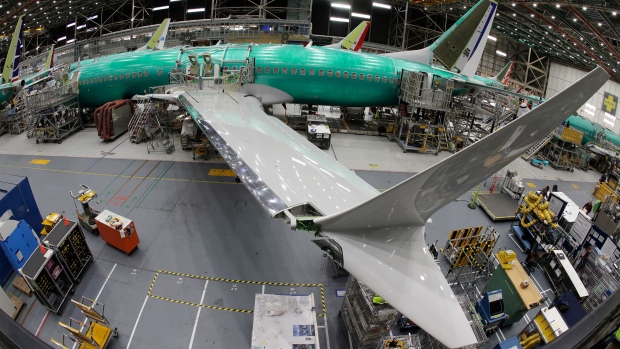
Türk Havacılık ve Uzay Sanayii, The Boeing Company’nin ticari uçak programları için Spirit AeroSystems ile iki yeni sözleşme imzaladı. Şirket, Boeing 737-8 MAX için Bölüm 48: Kuyruk bomu ve Amerikan şirketi Boeing’in çeşitli platformları için 400’den fazla parça ve alt montaj üretecek ve tedarik edecek. Türk Havacılık ve Uzay Sanayii, önceki havacılık programlarından edindiği deneyim ve bilgi birikimini kullanarak, yeni 4 nesil 737 MAX uçağının bölümlerinden bileşen parçalar üretecek.
Ayrıca, Türk şirketi Spirit AeroSystems ile 737, 747 ve 777 dahil olmak üzere çeşitli platformlar için 2028 yılına kadar uzatılan 2.125 parça ve alt montaj üretimi ve tedariği için devam eden iş paketi sözleşmelerine ulaşmayı başardı.
Türk Havacılık ve Uzay Sanayii Başkanı ve CEO’su Temel Kotil, «Firmamız yarım asırlık tecrübesiyle havacılık alanında kendini kanıtlamış üreticiler arasında yer almaya devam ediyor. Bu kapsamda yerli ve milli projeler üretmeye devam ediyoruz. Ülkemizde havacılık sektörü alanında da dünyanın önde gelen hava platformu üreticilerine çok önemli ve yüksek kalitede üretimler gerçekleştirmekteyiz Boeing 737 MAX-8 Bölüm 48 Kuyruk Tüyleri ve birkaç parçanın iş paketlerini içeren anlaşmadan memnunuz. Boeing platformlarını kullanacak olan Spirit AeroSystems için diğer alt kümeler. Bu işbirliğine katkıda bulunan tüm meslektaşlarımı ve manevi otoriteleri tebrik ediyorum».
PUBLISHER: Airgways.com
DBk: Tusas.com / Spiritaero.com / Airgways.com
AW-POST: 202109101739AR
A\W A I R G W A Y S ®
AW | 2021 09 10 17:05 | AIRLINES ROUTES

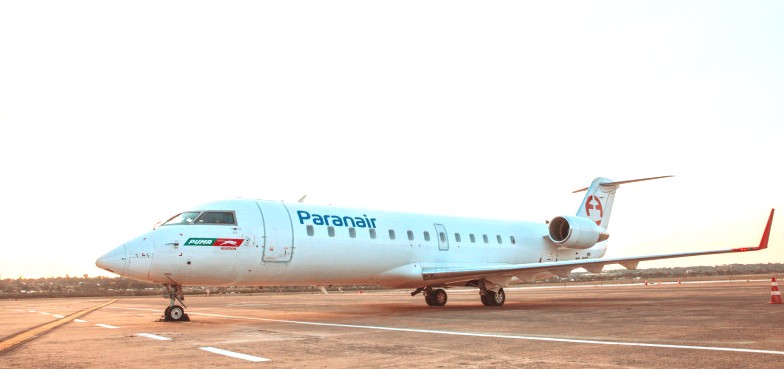
La aerolínea paraguaya Paranair anunció este jueves el lanzamiento de una nueva ruta entre Asunción—Santa Cruz de la Sierra. Los vuelos llegarán al Aeropuerto de Viru Viru y las operaciones iniciarán el 18 de Octubre de 2021, con dos frecuencias semanales (2Frq/S) los Jueves y Lunes.
Esta es la primera expansión de la aerolínea desde la crisis sanitaria por la pandemia. «Estaremos operando dos vuelos semanales. Siempre hemos pensado en Santa Cruz como un destino estratégico que forma parte de nuestro plan de crecimiento y expansión; buscando así brindar mayor conectividad desde y hacia Paraguay. Nuestros aviones, los CRJ-200 son ideales para realizar este tipo de vuelos de corto alcance”, expresó el Gerente General de Paranair, Jaime Cassola.
The Paraguayan airline Paranair announced this Thursday the launch of a new route between Asunción—Santa Cruz de la Sierra. The flights will arrive at Viru Viru Airport and operations will begin on October 18, 2021, with two weekly frequencies (2Frq/S) on Thursday and Monday.
This is the airline’s first expansion since the health crisis caused by the pandemic. «We will be operating two weekly flights. We have always thought of Santa Cruz as a strategic destination that is part of our growth and expansion plan, thus seeking to provide greater connectivity to and from Paraguay. Our aircraft, the CRJ-200 are ideal for this type of short-haul flights”, said Paranair General Manager Jaime Cassola.
PUBLISHER: Airgways.com
DBk: Paranair.com / Airgways.com
AW-POST: 202109101705AR
A\W A I R G W A Y S ®
AW | 2021 09 10 14:30 | AIRLINES ROUTES

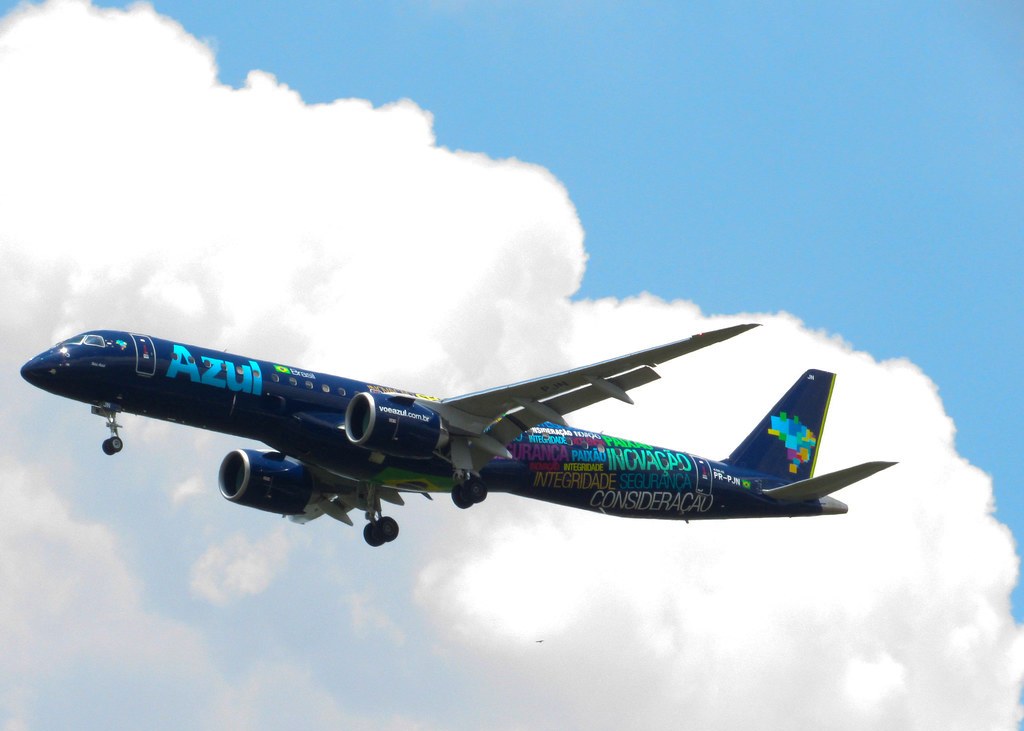
Azul Linhas Aéreas anuncia este Jueves 09/09 el retorno de sus operaciones a la República de Uruguay y el inicio de las ventas de pasajes aéreos a Montevideo y Punta del Este. La reapertura de las operaciones marca la reanudación de la compañía a destinos en América del Sur, fortaleciendo la oferta internacional de Azul que aún opera en Lisboa (Portugal) y Fort Lauderdale, Florida (Estados Unidos).
La reanudación de los vuelos en rutas a Sudamérica marca el inicio de las operaciones aerocomerciales de las aeronaves Embraer E195-E2 en las rutas hacia Montevideo y Punta del Este. El modelo más moderno de la línea Embraer se incorpora para renovar la oferta desde el Aeropuerto Campinas/Viracopos y Punta del Este y marcará el debut de esta aeronave en vuelos internacionales de la compañía. La reanudación de vuelos a Montevideo se establece a partir del 10 de Noviembre de 2021. Las frecuencias a Montevideo comenzarán a operar cuatro veces por semana (4Frq/S), llegando en un vuelo diario durante la temporada alta. El regreso de las operaciones en Punta del Este será el 20 de Diciembre de 2021, apuntando ya a la temporada alta de verano en el hemisferio austral. Punta del Este tendrá conexiones semanales con Porto Alegre para arribar a Campinas, el centro de conexión más grande de Azul en Brasil. Los ticktet a las ciudades uruguayas se encuentran actualmente disponibles para la venta en todos los canales oficiales de Azul Linhas Aéreas.

Azul Linhas Aéreas announces this Thursday 09/09 the return of its operations to the Republic of Uruguay and the start of air ticket sales to Montevideo and Punta del Este. The reopening of operations marks the resumption of the company to destinations in South America, strengthening the international offer of Azul that still operates in Lisbon (Portugal) and Fort Lauderdale, Florida (United States).
The resumption of flights on routes to South America marks the beginning of commercial air operations of the Embraer E195-E2 aircraft on the routes to Montevideo and Punta del Este. The most modern model of the Embraer line is incorporated to renew the offer from Campinas/Viracopos Airport and Punta del Este and will mark the debut of this aircraft on the company’s international flights. The resumption of flights to Montevideo is established as of November 10, 2021. The frequencies to Montevideo will begin to operate four times a week (4Frq/S), arriving on a daily flight during the high season. The return of operations in Punta del Este will be on December 20, 2021, already pointing to the high summer season in the southern hemisphere. Punta del Este will have weekly connections with Porto Alegre to arrive at Campinas, Azul’s largest connection center in Brazil. Tickets to Uruguayan cities are currently available for sale on all official Azul Linhas Aéreas channels.


A Azul Linhas Aéreas anuncia nesta Quinta-feira 09/09 o retorno de suas operações à República do Uruguai e o início das vendas de passagens aéreas para Montevidéu e Punta del Este. A reabertura das operações marca a retomada da empresa para destinos na América do Sul, fortalecendo a oferta internacional da Azul que ainda opera em Lisboa (Portugal) e Fort Lauderdale, na Flórida (Estados Unidos).
A retomada dos vôos nas rotas para a América do Sul marca o início das operações aéreas comerciais da aeronave Embraer E195-E2 nas rotas para Montevideo e Punta del Este. O mais moderno modelo da linha Embraer é incorporado para renovar a oferta do Aeroporto de Campinas/Viracopos e Punta del Este e marcará a estreia desta aeronave nos vôos internacionais da empresa. A retomada dos voos para Montevidéu está estabelecida a partir de 10 de Novembro de 2021. As freqüências para Montevidéu passarão a operar quatro vezes por semana (4Frq/S), chegando em um vôo diário durante a alta temporada. O retorno das operações em Punta del Este será no dia 20 de Dezembro de 2021, já apontando para a alta temporada de verão no hemisfério sul. Punta del Este terá conexões semanais com Porto Alegre para chegar a Campinas, o maior centro de conexão da Azul no Brasil. Os ingressos para as cidades uruguaias já estão à venda em todos os canais oficiais da Azul Linhas Aéreas.
PUBLISHER: Airgways.com
DBk: Voeazul.com.br / Airgways.com
AW-POST: 202109101430AR
A\W A I R G W A Y S ®
 airgways.com