Ultra Air pretende romper mercado con tarifas ultra low cost
La nueva aerolínea de Colombia, Ultra Air pretende incursionar en el mercado ofreciendo tarifas de ultra low cost. Ultra Air, la nueva aerolínea colombiana de bajo costo, que proyecta iniciar operaciones antes de finalizar el año 2021, recibió este Martes 21/12 el primer avión Airbus A320-200CEO con el cual iniciará la cuarta fase para la certificación por parte de la Aeronáutica Civil de Colombia. La aerolínea espera otros cuatro aviones en las próximas semanas.
El objetivo de la nueva startup es ingresar al mercado colombiano y de la región con más competitividad ofreciendo tarifas ultra low cost, al ofrecer al usuario el precio más bajo. «Queremos ofrecer el mejor precio a los colombianos. Los beneficios serán sin duda poder ofrecer un servicio de ultra bajo costo, más económico. Estimamos tener 20% por debajo nuestras tarifas de lo que ofrecen actualmente otros operadores aéreos”, señaló William Shaw.
Ultra Air nace sin deuda, bien financiada y bien capitalizada. “Tenemos a nuestros inversionistas que están dispuestos a apoyar la compañía en sus inicios y nosotros no tenemos deudas; habrá otras aerolíneas en Colombia, por ejemplo, la de la cola roja que solamente en servicio de la deuda son 300 millones de dólares al año en intereses, y tendremos otras como la amarilla, la azul que tendrán un servicio a la deuda muy grande, nosotros no. Las utilidades van directamente entonces a un retorno a los accionistas o a reinvertir en la compañía, mientras que las otras aerolíneas tendrán que ponerlos como servicios en deuda. Ya tenemos nuestro primer avión en Colombia. Este primer hito nos acerca al cumplimiento de un sueño al que muchos le han apostado con la convicción de brindar una nueva alternativa para los viajeros, amigable y con los precios más justos del mercado”, explicó William Shaw.
Ultra Air prepares takeoff
Ultra Air aims to break the market with ultra low cost rates
Colombia’s new airline, Ultra Air intends to enter the market by offering ultra low cost fares. Ultra Air, the new low-cost Colombian airline, which plans to start operations before the end of 2021, received this Tuesday 12/21 the first Airbus A320-200CEO aircraft with which it will begin the fourth phase for certification by the Aeronautics Civil of Colombia. The airline expects another four planes in the coming weeks.
The objective of the new startup is to enter the Colombian market and the region with more competitiveness by offering ultra low cost rates, by offering the user the lowest price. «We want to offer the best price to Colombians. The benefits will undoubtedly be to be able to offer an ultra-low-cost, more economical service. We estimate that our rates are 20% lower than what other air operators currently offer», said William Shaw.
Ultra Air was born without debt, well financed and well capitalized. “We have our investors who are willing to support the company in its beginnings and we have no debts; There will be other airlines in Colombia, for example, the one with the red tail that only in debt service is 300 million dollars a year in interest, and we will have others like the yellow one, the blue one that will have a very large debt service, we do not. The profits then go directly to a return to shareholders or to reinvest in the company, while the other airlines will have to put them as debt service. We already have our first plane in Colombia. This first milestone brings us closer to the fulfillment of a dream to which many have bet with the conviction of providing a new alternative for travelers, friendly and with the fairest prices on the market”, explained William Shaw.
AW | 2021 12 24 10:08 | AIR INVESTIGATION / GOVERNMENT
Justicia absolvió a los acusados tragedia aérea Austral
El Tribunal Oral Federal (TOF) Nº 5 de la República Argentina ha dado a conocer el veredicto del fallo judicial de la tragedia aérea del vuelo AU2553 de Austral Líneas Aéreas; mientras que los fundamentos se conocerán el 25 de Marzo de 2022. Después de veinticuatro años de tramitación de la causa, el Tribunal Oral Federal 5 absolvió este Jueves 23/12 a todos los imputados por la caída del avión McDonnell Douglas DC-9-32 matrícula LV-WEG de la aerolínea Austral Líneas Aéreas que se precipitó a tierra el 10 de Octubre de 1997 en Nuevo Berlín, cerca de la ciudad uruguaya de Fray Bentos.
Los jueces Daniel Obligado, Adriana Pallioti y José Martínez Sobrino dieron a conocer en el mediodía del día Jueves 23 de Diciembre de 2021 el veredicto, después de dos años de tramitación del juicio. Los fundamentos se conocerán el 25 de Marzo de 2022. El fallo absolvió a 34 imputados, en rigor, 33, porque uno falleció durante la sustanciación del debate y, en su caso, se extinguió la acción penal por el deceso. El tribunal dispuso todas las absoluciones argumentando que no se había acreditado la participación de cada uno de ellos en la tragedia y porque la fiscalía, a cargo del Juan Patricio García Elorrio, no formuló acusaciones en contra de los imputados.
La causa se inició como consecuencia de la caída de la aeronave y por el delito de «Estrago Doloso» del vuelo AU2553 de Austral Líneas Aéreas, que causó la muerte de 74 personas a bordo. El vuelo se dirigía desde Posadas/PSS a Buenos Aires/AEP y se precipitó a tierra en la Estancia Magallanes, localizada en el pueblo de Nuevo Berlín. La aeronave McDonnell Douglas DC-9-32, registro LV-WEG impactó en la zona rural cercana a la ciudad uruguaya de Fray Bentos.
Austral Líneas Aéreas había estado en manos de la española Iberia hasta 1995 y, al momento del siniestro, pertenecía al Instituto Nacional de Industria (INI) de España. La Comisión Investigadora de Accidentes Aéreos (CIADA) de Uruguay concluyó que la caída de la aeronave se produjo como consecuencia directa de una errónea decisión del copiloto que produjo la pérdida de control de la nave. Ese error fue inducido por el congelamiento de los tubos de Pitot (sensor de velocidad) y la inexistencia en el avión de la alarma recomendada para alertar sobre esa situación, no homologadas por la Fuerza Aérea Argentina, así como la falta de entrenamiento adecuado de los pilotos.
Vuelo AU2553
La tripulación del vuelo estaba integrada por Jorge Cécere (Comandante), Horacio Núñez (Copiloto), Susana Trotta (Comisaria de a bordo), Bibiana Rumachella (Primera Auxiliar) y Fernando Álvarez (Segundo Auxiliar). El Capitán era Jorge Cécere, de 40 años, quien había estado con la aerolínea desde 1989 y registró 9.238 horas, incluidas 223 horas en el DC-9. El Primer Oficial fue Horacio Núñez, quien también tenía 40 años. Había estado con la aerolínea desde 1993 y tenía 2.910 horas de vuelo. Tenía más experiencia en el DC-9 que el Comandante Jorge Cécere, con 1.384 horas en ese avión.
La aeronave involucrada en el accidente fue un McDonnell Douglas DC-9-32, matrícula LV-WEG. Tuvo su vuelo inaugural en 1969, y tenía veintiocho años en el momento del accidente. Anteriormente había operado para Iberia con matrícula EC-BQT, y fue transferida a la aerolínea en 1993 tras la compra de la compañía por parte de la aerolínea española.
La aeronave, que partió de Posadas y debía aterrizar en el Aeropuerto Buenos Aires Jorge Newbery/AEP se vio obligada a desviarse hacia Fray Bentos para evitar una tormenta. El examen del Registrador de Datos de Vuelo (FDR) de la aeronave reveló que poco después de que ocurriera la desviación, el indicador de velocidad aérea de la aeronave comenzó a caer a una velocidad aérea indicada alarmantemente baja. Desconocido para los pilotos, esto no fue causado directamente, por una pérdida de potencia, sino por el hielo formado dentro del Tubo Pitot, que lee la velocidad del aire para el indicador midiendo la presión del aire de entrada. El hielo que obstruía el Tubo de Pitot reducía el flujo de aire, dando así una velocidad de aire erróneamente baja indicada.
En respuesta a lo que interpretaron como una pérdida de potencia del motor, los pilotos aumentaron gradualmente la potencia de los motores para mantener la velocidad del aire; al no ver ninguna mejora, se pusieron en contacto con la torre de control del aeropuerto de Ezeiza y solicitaron autorización para descender a una altitud más baja. Después de no recibir respuesta, el Capitán decidió descender a una altitud más baja para aumentar la velocidad incluso sin autorización recibida del Control de Tráfico Aéreo. Mientras descendía de su altitud asignada de 35,000 pies y alcanzaba los 31,700 pies, el Capitán identificó la indicación de velocidad aérea defectuosa y ordenó al Primer Oficial que dejara de descender y redujera la velocidad, porque las lecturas no eran confiables. Sin embargo, el Primer Oficial hizo caso omiso de las órdenes del Capitán y desplegó los listones de las alas para mantener su altitud y reducir la velocidad de parada del avión. En consecuencia, en este punto el avión en realidad estaba volando a una velocidad más alta de lo normal; estaba descendiendo, lo que aumentaba aún más la velocidad del aire a un punto peligrosamente cercano a VNE, el «nunca exceder la velocidad», por encima del cual podría ocurrir un daño estructural a la aeronave. Con los slats extendidos a una velocidad más allá de sus límites operativos, una de ellas fue arrancada de la aeronave, causando una asimetría catastrófica en el flujo de aire sobre las alas. El avión se volvió inmediatamente incontrolable y se estrelló.
Según una investigación de las Fuerzas Aéreas Argentina (FAA) y la Fuerza Aérea Uruguaya (FAU), el Tubo Pitot, el principal instrumento para medir las velocidades aéreas de las aeronaves, se congeló cuando la aeronave pasó a través de una nube cumulonimbus de 15.000 metros (49.000 pies) de altura, bloqueando el instrumento y haciendo que diera una lectura falsa. Agravando este problema estaba la ausencia de la alarma diseñada para reportar el mal funcionamiento, lo que plantea serias dudas sobre las irregularidades de inspección por parte de la Fuerza Aérea Argentina en ese tiempo.
Durante el descenso, el FDR registró un aumento en la velocidad del aire de 300 km/h (160 kn) a 800 km/h (430 kn) en tres segundos, lo que solo podía significar el descongelamiento repentino del Tubo de Pitot. Los especialistas estimaron que el avión se estrelló casi perpendicularmente al suelo, en un ángulo de casi 90° con respecto a la superficie, a una velocidad de 1.200 km/h (650 kn). Dependiendo de la fuente, el cráter dejado por el accidente tenía seis metros (20 pies) de profundidad y 30 metros (98 pies) de ancho, 25 pies (7,6 m) de profundidad y 30 pies (9,1 m) de ancho, o 25 pies (7,6 m) de profundidad y 80 pies (24 m) de ancho.
Cronología judicial
En 2003 los imputados habían sido sobreseídos, pero mediante apelaciones, tres años más tarde, resultaron procesados por el cargo de Estrago Doloso, y en sucesivas etapas (2013, 2017 y 2018) la causa llegó a la etapa de juicio. El debate comenzó el 26 de Marzo 2018 y un año y medio después las querellas pidieron que los imputados fueran condenados a 25 años de prisión, pero la fiscalía no formuló acusación y reclamó la absolución de todos los imputados por el «beneficio de la duda».
La fiscalía había pedido, no obstante, penas para el ex Director de Certificación Aeronáutica, Danilo Wenk, pero tampoco la causa prosperará en su caso ya que murió el 15 de Diciembre de 2021, antes de que se conociera el veredicto. Entonces, la acción penal en su contra se extinguió.
El fallo exculpó a Manuel Morán, ex-Presidente de Austral Líneas Aéreas, Director de Iberia y titular de Aerolíneas Argentinas y su controlante Interinvest S.A.; Mario Víctor Sruber, Vicepresidente de Austral; Gabriel Mario Pérez Junqueira, Gerente de Asesoría de Aerolíneas Argentinas y Director de Austral, al igual que Walter Hayas, Mario Daniel Cardoni, Fernando José Francisco Mayorga, Francisco Javier Monzón y Ángel Rafael Sanchis Herrero. También benefició a Javier Losa de la Cruz, Gerente Técnico de Austral; Jorge Belarmino Fernández, Gerente de Mantenimiento; Ricardo Embon, Gerente de Planeamiento e Ingeniería; Andrés Alberto Arribillaga, Instructor de Vuelo; Juan Manuel Baigorria, Director Nacional de Aeronavegabilidad; Carlos Horacio González, Director de Habilitación y Fomento del Comando de Regiones Aéreas; Hugo Alberto Adib, Director de Certificación Córdoba; Carlos Carmenini, Jefe de Transporte Aéreo Regular; Norberto Alfredo Sotelo Ossa, Director Aviación de Transporte; Eduardo Sánchez Ara, Director de Certificación Córdoba; Guillermo Destefanis y Juan Fortuny, integrantes de la Comisión Asesora de Licencias de Funciones Aeronáuticas Civiles.
El fallo también abarca a Enrique Ventura de Anchorena, Gerente de Operaciones de Austral Líneas Aéreas; Pablo Alfredo Chini, Gerente de Aseguramiento de Calidad; Norberto Hugo Nieves, Auditor de Aseguramiento de Calidad; Miguel Arturo Salvioli, Subgerente de Ingeniería; Norberto Alejandro Verne, Subgerente de Planeamiento; Claudio Marcelo Gorla, Inspector de la Dirección Nacional de Aeronavegabilidad, al igual que Héctor Alejandro Pérez, Juan Casimiro Astrada Ladrón de Guevara, este último quien intervino en el proceso de habilitación y certificación de la aeronave siniestrada. La resolución del Tribunal alcanza también a Eduardo Carlos Ford, Gerente de Operaciones de Vuelo; Alberto Muñoz, Gerente de Logística de Austral; y Rodolfo Gerardo Giromini, Instructor de vuelo al igual que Roberto Luis Pignato, y Ángel Norberto Esnagola, quienes instruyeron a los pilotos que protagonizaron el siniestro.
Court ruling tragedy AU2553
Justice acquitted the accused Austral air tragedy
The Federal Oral Court (TOF) No. 5 of the Argentine Republic has released the verdict of the court ruling on the plane tragedy of Austral Líneas Aéreas flight AU2553; While the grounds will be known on March 25, 2022. After twenty-four years of processing the case, the Federal Oral Court 5 acquitted this Thursday 12/23 all those accused of the crash of the McDonnell Douglas DC-9-32 plane. Registration LV-WEG of the Austral Lineas Aereas airline that crashed to the ground on October 10, 1997 in Nuevo Berlin, near the Uruguayan city of Fray Bentos.
Judges Daniel Obligado, Adriana Pallioti and José Martínez Sobrino announced the verdict at noon on Thursday, December 23, 2021, after two years of processing the trial. The grounds will be known on March 25, 2022. The ruling acquitted 34 defendants, strictly speaking, 33, because one died during the debate and, where appropriate, the criminal action for the death was terminated. The court ordered all the acquittals arguing that the participation of each of them in the tragedy had not been proven and because the prosecution, in charge of Juan Patricio García Elorrio, did not formulate accusations against the accused.
The case was initiated as a result of the crash of the aircraft and the crime of «Painful Havoc» of Austral Lineas Aereas flight AU2553, which caused the death of 74 people on board. The flight was heading from Posadas/PSS to Buenos Aires/AEP and landed at the Estancia Magallanes, located in the town of Nuevo Berlin. The McDonnell Douglas DC-9-32 aircraft, registration LV-WEG, hit the rural area near the Uruguayan city of Fray Bentos.
Austral Lineas Aereas had been in the hands of Spain’s Iberia until 1995 and, at the time of the incident, it belonged to the National Institute of Industry (INI) of Spain. The Uruguayan Air Accident Investigative Commission (CIADA) concluded that the crash of the aircraft occurred as a direct consequence of an erroneous decision by the co-pilot that caused the loss of control of the aircraft. This error was induced by the freezing of the Pitot tubes (speed sensor) and the non-existence in the aircraft of the recommended alarm to alert about this situation, not approved by the Argentine Air Force, as well as the lack of adequate training of the pilots.
Flight AU2553
The flight crew was made up of Jorge Cécere (Commander), Horacio Núñez (Copilot), Susana Trotta (Flight Commissary), Bibiana Rumachella (First Assistant) and Fernando Álvarez (Second Assistant). The Captain was Jorge Cécere, 40, who had been with the airline since 1989 and logged 9,238 hours, including 223 hours on the DC-9. The First Officer was Horacio Núñez, who was also 40 years old. He had been with the airline since 1993 and had 2,910 flight hours. He had more DC-9 experience than Captain Jorge Cécere, with 1,384 hours on that plane.
THE ACCIDENTED AIRCRAFT McDONNELL DOUGLAS DC-9-32 AUSTRAL LÍNEAS AÉREAS LV-WEG REGISTRY
The aircraft involved in the accident was a McDonnell Douglas DC-9-32, registration LV-WEG. He had his maiden flight in 1969, and he was twenty-eight years old at the time of the accident. It had previously operated for Iberia with registration EC-BQT, and was transferred to the airline in 1993 after the purchase of the company by the Spanish airline.
The aircraft, which left Posadas and was supposed to land at the Buenos Aires Jorge Newbery/AEP Airport, was forced to divert to Fray Bentos to avoid a storm. Examination of the aircraft’s Flight Data Recorder (FDR) revealed that shortly after the deviation occurred, the aircraft’s airspeed indicator began to drop to an alarmingly low indicated airspeed. Unknown to pilots, this was not caused directly, by a loss of power, but by ice formed inside the pitot tube, which reads the air speed for the gauge by measuring the intake air pressure. Ice obstructing the pitot tube reduced airflow, thus giving an erroneously low indicated air velocity.
In response to what they interpreted as a loss of engine power, the pilots gradually increased engine power to maintain airspeed; Seeing no improvement, they contacted the Ezeiza airport control tower and requested authorization to descend to a lower altitude. After receiving no response, the Captain decided to descend to a lower altitude to increase speed even without authorization received from Air Traffic Control. While descending from his assigned altitude of 35,000 feet and reaching 31,700 feet, the Captain identified the faulty airspeed indication and ordered the First Officer to stop descending and slow down, because the readings were unreliable. However, the First Officer ignored the Captain’s orders and deployed the wing slats to maintain his altitude and reduce the aircraft’s stopping speed. Consequently, at this point the plane was actually flying at a higher speed than normal; it was descending, further increasing airspeed to a point dangerously close to VNE, the «never overspeed» point, above which structural damage to the aircraft could occur. With the slats extended at a speed beyond their operational limits, one of them was ripped away from the aircraft, causing catastrophic asymmetry in the airflow over the wings. The plane immediately became uncontrollable and crashed.
According to an investigation by the Argentine Air Force (FAA) and the Uruguayan Air Force (FAU), the Pitot Tube, the main instrument for measuring aircraft air speeds, froze when the aircraft passed through a cumulonimbus cloud of 15,000 meters (49,000 feet) high, blocking the instrument and causing it to give a false reading. Compounding this problem was the absence of the alarm designed to report the malfunction, which raises serious doubts about the inspection irregularities by the Argentine Air Force at that time.
During the descent, the FDR recorded an increase in air speed from 300 km/h (160 kn) to 800 km/h (430 kn) in three seconds, which could only mean the sudden thawing of the Pitot Tube. Specialists estimated that the plane crashed almost perpendicular to the ground, at an angle of almost 90° to the surface, at a speed of 1,200 km/h (650 kn). Depending on the source, the crater left by the accident was six meters (20 feet) deep and 30 meters (98 feet) wide, 25 feet (7.6 m) deep and 30 feet (9.1 m) wide. wide, or 25 feet (7.6 m) deep and 80 feet (24 m) wide.
Judicial chronology
In 2003 the defendants had been dismissed, but through appeals, three years later, they were prosecuted for the charge of Painful Havoc, and in successive stages (2013, 2017 and 2018) the case reached the trial stage. The debate began on March 26, 2018 and a year and a half later the complaints asked that the accused be sentenced to 25 years in prison, but the prosecution did not file an accusation and demanded the acquittal of all the accused for the «benefit of the doubt».
The prosecution had, however, requested penalties for the former Director of Aeronautical Certification, Danilo Wenk, but the case will not prosper in his case either since he died on December 15, 2021, before the verdict was known. Then, the criminal action against him was extinguished.
The ruling exonerated Manuel Morán, former President of Austral Líneas Aéreas, Director of Iberia and head of Aerolineas Argentinas and its controlling company Interinvest S.A.; Mario Víctor Sruber, Vice President of Austral; Gabriel Mario Pérez Junqueira, Advisory Manager of Aerolineas Argentinas and Director of Austral, as well as Walter Hayas, Mario Daniel Cardoni, Fernando José Francisco Mayorga, Francisco Javier Monzón and Ángel Rafael Sanchis Herrero. It also benefited Javier Losa de la Cruz, Austral’s Technical Manager; Jorge Belarmino Fernández, Maintenance Manager; Ricardo Embon, Planning and Engineering Manager; Andrés Alberto Arribillaga, Flight Instructor; Juan Manuel Baigorria, National Director of Airworthiness; Carlos Horacio González, Director of Qualification and Promotion of the Air Regions Command; Hugo Alberto Adib, Director of Córdoba Certification; Carlos Carmenini, Head of Regular Air Transport; Norberto Alfredo Sotelo Ossa, Director of Transport Aviation; Eduardo Sánchez Ara, Director of Córdoba Certification; Guillermo Destefanis and Juan Fortuny, members of the Civil Aeronautical Functions Licensing Advisory Commission.
The ruling also covers Enrique Ventura de Anchorena, Austral Lineas Aereas Operations Manager; Pablo Alfredo Chini, Quality Assurance Manager; Norberto Hugo Nieves, Quality Assurance Auditor; Miguel Arturo Salvioli, Deputy Manager of Engineering; Norberto Alejandro Verne, Deputy Manager of Planning; Claudio Marcelo Gorla, Inspector of the National Airworthiness Directorate, as well as Héctor Alejandro Pérez, Juan Casimiro Astrada Ladrón de Guevara, the latter who intervened in the qualification and certification process of the wrecked aircraft. The Court’s resolution also reaches Eduardo Carlos Ford, Flight Operations Manager; Alberto Muñoz, Austral Logistics Manager; and Rodolfo Gerardo Giromini, Flight Instructor like Roberto Luis Pignato, and Ángel Norberto Esnagola, who instructed the pilots who were involved in the accident.
Cancelan cientos de vuelos EEUU en víspera de fiestas Advertencia aerolíneas europeas por avance variante Ómicron
Las aerolíneas enfrentan semanas de incertidumbre de cara a las festividades de fin de año y comienzos del nuevo año 2022 debido a que la propagación de la variante Ómicron del Coronavirus está alterando lo que tradicionalmente es uno de los períodos más activos del año para las ventas de pasajes aéreos. Muchas aerolíneas de ambos lado del Atlántico Norte continúan cancelando vuelos debido a los incrementos de los contagios de la nueva variante de la pandemia.
Efecto europeo
La aerolínea low cost irlandesa Ryanair Holdings Plc redujo drásticamente su proyección de ganancias luego de que las restricciones de viaje relacionadas con la variante debilitaran las reservas de Navidad y Año Nuevo, mientras que Lufthansa German Airlines señaló el Jueves 23/12 que planea recortar alrededor del 10% de su programa de invierno septentrional.
Es probable que otras aerolíneas europeas evalúen sus planes de capacidad, según el Analista Alex Irving de Sanford C. Bernstein: “Ryanair, EasyJet y Wizz Air operan en general en el mismo mercado. Es muy poco probable que las mismas presiones que afectan a Ryanair no afecten a otras aerolíneas”.
Aunque el Jueves 23/12 se recuperaron las acciones del sector de aerolíneas tras conocerse que es probable que Ómicron no sea tan grave como las versiones anteriores del Covid-19, países de toda Europa están volviendo a imponer restricciones de viaje e incluso medidas de confinamiento. Gran Bretaña está luchando a diario contra cifras récord de casos y la prohibición de Francia y Alemania a los viajeros del Reino Unido fue parte de la razón del pesimismo en Ryanair, con sede en Dublín.
El Director Ejecutivo de Lufthansa, Carsten Spohr, dijo que el grupo está experimentando un fuerte descenso en las reservas entre mediados de Enero y Febrero 2022, y que la mayor caída se observa en Alemania, Suiza, Austria y Bélgica. Si bien Ryanair y Lufthansa optaron por actualizar sus perspectivas, es posible que otras aerolíneas esperen hasta reportar sus próximos resultados financieros, sostuvo Alex Irving. Mientras el año fiscal de Ryanair termina en Marzo 2022, el de EasyJet se extiende hasta Septiembre del próximo año y la aerolínea aún no ha emitido una perspectiva financiera para el período.
En tanto, es probable que las reservas de vuelos próximos se vean especialmente afectadas ante una postergación de viajes. La variante más reciente del virus ha interrumpido una incipiente recuperación de los viajes que había comenzado el verano pasado, cuando Europa respondió a una exitosa campaña de vacunación reabriendo las fronteras, para luego reanudar en Noviembre 2021 los viajes transatlánticos. Las aerolíneas habían agregado capacidad para los meses de invierno boreal, apostando por una demanda contenida en lo que tradicionalmente es una temporada más lenta para los vuelos.
Las perspectivas para el próximo año siguen siendo difíciles de evaluar, según Alex Irving, ya que dependen de la gravedad que resulte tener la variante Ómicron. Si es menos peligrosa que la variante Delta, como indican informes de Sudáfrica y otros lugares, la demanda de viajes podría recuperarse rápidamente a medida que los gobiernos relajen las restricciones. A corto plazo, es posible que las reservas se mantengan, pues las personas priorizan reunirse con amigos y familiares o tomarse unas esperadas vacaciones hacia fin de año.
El organismo comercial aeroportuario ACI Europe dijo el Jueves 23/12 que el impacto de Ómicron en el tráfico de pasajeros europeos ha sido inmediato y sustancial, reporrtando una caída de 20% en el período de tres semanas que comenzó el 24 de Noviembre de 2021. No obstante, el tráfico se recuperó 9% la semana pasada debido al comienzo de temporada de fiestas gracias a que la gente mantuvo sus planes de viaje para esta fecha.
Impacto en Estados Unidos
Aumentan los casos de la variante Ómicron en Estados Unidos, mientras que más personas se están testeando para saber si se contagiaron de COVID-19, mientras que se alargan las filas en centro de vacunación. Además, una combinación de factores, entre ellos el impacto de la variante Ómicron en las tripulaciones de vuelo, ha llevado este Jueves 23/12 a las aerolíneas estadounidenses a cancelar más de 200 vueltos programados para el Viernes 24/12, en víspera de Navidad. United Airlines dijo que canceló 112 vuelos, mientras que Delta Air Lines indicó que suspendió al menos 90 de las operaciones previstas para el Viernes y Alaska Airlines detalló que este Jueves canceló 17 y que para el Viernes prevé agregar más.
La cancelación de vuelos es un problema que ha sido recurrente en los últimos meses y que las aerolíneas atribuyen a una combinación de problemas, que incluyen, entre otros, posibles inclemencias del tiempo en algunas áreas y el impacto del COVID-19, tanto en su variante Delta como ahora con la Ómicron. «Lamentablemente hemos tenido que cancelar algunos vuelos y estamos notificando a los clientes afectados antes de que lleguen al aeropuerto. Lamentamos la interrupción y estamos trabajando arduamente para volver a reservar a la mayor cantidad de personas posible y ponerlas en camino para las vacaciones», dijo United Airlines en una declaración.
United Airlines ha tomado las medidas pertinentes respecto a despedir a cerca de 600 empleados que se negaron a vacunarse contra el COVID-19. La compañía fue la primera aerolínea en Estados Unidos en exigir la vacunación obligatoria a todos sus empleados. Sin embargo, muchos se negaron a inmunizarse. Mientras que Delta Air Lines aseguró que, antes de optar por la cancelación de vuelos, agotó todas las opciones y recursos a su alcance, incluidos el cambio de rutas y la sustitución de aeronaves y tripulaciones para cubrir las operaciones programadas. «Ofrecemos disculpas a nuestros clientes por el retraso en sus planes de viaje de vacaciones. La gente de Delta está trabajando arduamente para llevarlos a donde deben estar de la manera más rápida y segura posible en el próximo vuelo disponible», expresó en un comunicado la aerolínea con sede en Atlanta, Georgia. Alaska Airlines explicó que aunque ha aumentado el número de empleados para estar preparados ante esta época de vacaciones, algunos de ellos informaron que pueden haber estado expuestos al virus y por protocolo deben estar en cuarentena. Al igual que otras aerolíneas ofreció disculpas y aseguró que trabajan para lograr que los usuarios de sus servicios logren viajar a donde tenían previsto. «Para permitir que nuestros clientes puedan reservar sus vuelos a su conveniencia, implementamos una exención de viaje flexible en alaskaair.com. Quienes tengan viajes programados entre el 22 de Diciembre y el 2 de Enero 2022 pueden cambiar sus boletos en línea, y el viaje debe completarse antes del 31 de Enero de 2022», dijo Alaska Airlines.
Perspectivas tráfico aéreo
Según el organismo de supervisión europeo Eurocontrol, que contabiliza los movimientos de aviones, estos han experimentado un aumento continuado antes de la temporada de fiestas navideñas, y alcanzaron el un 76,3% del tráfico de 2019 (antes de la pandemia) el 19 de Diciembre de 2021. Eurocontrol, que preveía una media de tráfico del 80% en la segunda quincena de Diciembre 2021, se mostró prudente en la evolución, considerando que “las consecuencias (de Ómicron) para Enero 2022 todavía no están claras”, sostiene el organismo.
Esta opinión coincide con la de la Asociación de Transporte Aéreo Internacional (IATA), que cuenta con casi 300 aerolíneas miembros, y afirma que es demasiado pronto para evaluar el efecto de la nueva variante sobre el sector. Sin embargo, su Director General, Willie Walsh, había advertido a comienzos de Diciembre 2021 que las restricciones impuestas a causa de Ómicron “ponen en peligro la conexión aérea global, que tardó tanto en recuperarse”. Inclusive, antes de identificarse a Ómicron, IATA había advertido que las aerolíneas europeas cerrarían 2021 con una pérdida de US$ 20.900 millones Dólares y prevé que los números rojos continúen en 2022, con US$ 9.200 millones de Dólares.
La asociación de aeropuertos europeos, ACI Europa, por su parte, utilizó este Jueves 23/12 un tono más alarmista. Citando datos preliminares, calculó que el tráfico de pasajeros disminuyó el 20% en las instalaciones de sus adherentes a partir del 24 de Noviembre de 2021, cuando la Organización Mundial de la Salud (OMS) anunció haber identificado esta nueva variante en Sudáfrica. Al tiempo, el índice de ocupación de los aviones cayó del 66% al 54%, de acuerdo con ACI Europa que, no obstante, al igual que Eurocontrol, constató un aumento del flujo de pasajeros al comienzo de la temporada navideña (+9% durante una semana). Pero, para el Director General de esta organización, Olivier Jankovec, solamente los viajes para “visitar a familiares o amigos se mantienen más o menos”.
Por otro lado, los viajes de negocios y turismo se desploman, a raíz de la extrema incertidumbre y la perspectiva de más restricciones, entre países que han endurecido las condiciones de entrada a su territorio y otros que han restablecido los confinamientos. Una vez finalizadas las vacaciones, “no hay la menor duda en cuanto a que Ómicron tendrá consecuencias adversas para el tráfico de pasajeros durante el primer trimestre de 2022″, advirtió Olivier Jankovec.
Tanto ACI Europa como IATA, al igual que la organización de aerolíneas europeas, Airlines for Europe (A4A), han manifestado su oposición a las restricciones a los viajes, señalando al unísono con la OMS que son ineficaces una vez que la variante se ha propagado ampliamente entre la población. Pero Ómicron provoca además dificultades operacionales par alas líneas aéreas. La compañía escandinava SAS Airlines y la alemana Lufthansa Airlines se vieron obligadas a cancelar varios vuelos por tener muchos empleados enfermos.
Esta nueva ola de frío sobre el sector se abate cuando se esperaba que en 2022 continuara su recuperación de clientes, dos años tras sufrir la peor crisis de su historia, aunque no se preveía volver a la situación pre-Covid antes de 2024, e inclusive 2027, dependiendo de la región.
Las inversiones en nuevos aviones se reanudaron, en particular con un pedido gigante de cien aeronaves narrowbodies del constructor europeo Airbus, la semana pasada por parte de Air France-KLM Group, algo que refleja la confianza del sector a medio y largo plazo.
Airlines face uncertainty over Omicron
Hundreds of US flights canceled on holiday eve European airlines warning for advance Omicron variant
Airlines face weeks of uncertainty heading into the year-end festivities and early New Year 2022 as the spread of the Omicron variant of the Coronavirus is disrupting what is traditionally one of the busiest periods of the year for sales of airfare. Many airlines on both sides of the North Atlantic continue to cancel flights due to increases in infections from the new variant of the pandemic.
European effect
Irish low-cost carrier Ryanair Holdings Plc slashed its earnings forecast after variant-related travel restrictions weakened Christmas and New Year bookings, while Lufthansa German Airlines said Thursday 12/23 that it plans to cut around the 10% of your northern winter program.
Other European airlines are likely to evaluate their capacity plans, according to Sanford C. Bernstein Analyst Alex Irving: “Ryanair, EasyJet and Wizz Air generally operate in the same market. It is highly unlikely that the same pressures affecting Ryanair will not affect other airlines».
Although shares in the airline sector recovered on Thursday after it was learned that Omicron is likely not as serious as previous versions of Covid-19, countries across Europe are reimposing travel restrictions and even containment measures. Britain is battling record numbers of cases daily and France and Germany’s ban on UK travelers was part of the reason for the pessimism at Dublin-based Ryanair.
Lufthansa Chief Executive Officer Carsten Spohr said the group is experiencing a sharp decline in bookings between mid-January and February 2022, with the biggest drop seen in Germany, Switzerland, Austria and Belgium. While Ryanair and Lufthansa opted to update their outlook, other airlines may wait until they report their next financial results, Alex Irving said. While Ryanair’s fiscal year ends in March 2022, EasyJet’s runs through September next year and the airline has not yet issued a financial outlook for the period.
Meanwhile, reservations for upcoming flights are likely to be particularly affected by travel postponement. The most recent variant of the virus has interrupted a nascent travel recovery that began last summer, when Europe responded to a successful vaccination campaign by reopening borders, then resuming transatlantic travel in November 2021. Airlines had added capacity for the winter months, betting on subdued demand in what is traditionally a slower season for flights.
Prospects for next year remain difficult to assess, according to Alex Irving, as they depend on how severe the Omicron variant turns out to be. If it’s less dangerous than the Delta variant, as reports from South Africa and elsewhere indicate, travel demand could pick up quickly as governments ease restrictions. In the short term, reservations may be maintained, as people prioritize meeting with friends and family or taking a long-awaited vacation towards the end of the year.
The commercial airport body ACI Europe said on Thursday 12/23 that Ómicron’s impact on European passenger traffic has been immediate and substantial, reporting a 20% drop in the three-week period that began on November 24, 2021. However, traffic rebounded 9% last week due to the start of the holiday season as people kept their travel plans for this date.
Impact in the United States
Cases of the Omicron variant are increasing in the United States, while more people are being tested to see if they were infected with COVID-19, while the lines at the vaccination center are lengthening. In addition, a combination of factors, including the impact of the Omicron variant on flight crews, has led US airlines to cancel more than 200 laps scheduled for Friday 12/24 on Christmas Eve on Thursday, 12/23. United Airlines said it canceled 112 flights, while Delta Air Lines indicated that it suspended at least 90 of the operations scheduled for Friday and Alaska Airlines detailed that this Thursday it canceled 17 and that it plans to add more by Friday.
Flight cancellation is a recurring problem in recent months that airlines attribute to a combination of problems, including, among others, possible inclement weather in some areas and the impact of COVID-19, both in its Delta variant as now with the Omicron. «Unfortunately we have had to cancel some flights and we are notifying affected customers before they arrive at the airport. We regret the disruption and are working hard to rebook as many people as possible and get them on track for the holidays», he said United Airlines in a statement.
United Airlines has taken action to fire nearly 600 employees who refused to be vaccinated against COVID-19. The company was the first airline in the United States to require mandatory vaccinations for all its employees. However, many refused to be immunized. While Delta Air Lines assured that, before opting for the cancellation of flights, it exhausted all the options and resources at its disposal, including the change of routes and the replacement of aircraft and crews to cover scheduled operations. «We apologize to our customers for the delay in their vacation travel plans. The people of Delta are working hard to get them to where they need to be as quickly and safely as possible on the next available flight», the company said in a statement. airline based in Atlanta, Georgia. Alaska Airlines explained that although the number of employees has increased to be prepared for this holiday season, some of them reported that they may have been exposed to the virus and must be quarantined by protocol. Like other airlines, he apologized and assured that they work to ensure that the users of their services manage to travel where they had planned. «To allow our customers to book their flights at their convenience, we implemented a flexible travel waiver on alaskaair.com. Those with scheduled trips between December 22 and January 2, 2022 can change their tickets online, and travel must be completed by January 31, 2022», Alaska Airlines said.
Air traffic outlook
According to the European supervisory body Eurocontrol, which counts aircraft movements, these have experienced a continuous increase before the Christmas holiday season, and reached 76.3% of the traffic of 2019 (before the pandemic) on 19 December 2021. Eurocontrol, which forecast an average traffic of 80% in the second half of December 2021, was cautious in the evolution, considering that «the consequences (of Ómicron) for January 2022 are still not clear», says the organism.
This opinion coincides with that of the International Air Transport Association (IATA), which has almost 300 airline members, and states that it is too early to assess the effect of the new variant on the sector. However, its CEO, Willie Walsh, had warned at the beginning of December 2021 that the restrictions imposed by Omicron «endanger the global air connection, which took so long to recover». Even before Omicron was identified, IATA had warned that European airlines would close 2021 with a loss of US$ 20.9 billion and expects the red numbers to continue in 2022, with US$ 9.2 billion.
The association of European airports, ACI Europe, for its part, used a more alarmist tone this Thursday 23/12. Citing preliminary data, he calculated that passenger traffic decreased by 20% at the facilities of his adherents as of November 24, 2021, when the World Health Organization (WHO) announced that it had identified this new variant in South Africa. At the same time, the occupancy rate for aircraft fell from 66% to 54%, according to ACI Europe, which, however, like Eurocontrol, noted an increase in passenger flow at the beginning of the Christmas season (+9% for a week). But, for the General Director of this organization, Olivier Jankovec, only trips to «visit family or friends are more or less maintained».
On the other hand, business and tourism trips are plummeting, as a result of extreme uncertainty and the prospect of more restrictions, between countries that have tightened entry conditions and others that have reestablished confinements. After the holidays are over, «there is no doubt that Omicron will have adverse consequences for passenger traffic during the first quarter of 2022», warned Olivier Jankovec.
Both ACI Europe and IATA, as well as the European airline organization, Airlines for Europe (A4A), have voiced their opposition to travel restrictions, noting in unison with WHO that they are ineffective once the variant has spread. widely among the population. But Omicron also causes operational difficulties for airlines. The Scandinavian company SAS Airlines and the German Lufthansa Airlines were forced to cancel several flights due to having many sick employees.
This new cold wave over the sector falls when it was expected that its customer recovery would continue in 2022, two years after suffering the worst crisis in its history, although it was not expected to return to the pre-Covid situation before 2024, and even 2027, depending on the region.
Investments in new aircraft were resumed, notably with a giant order for 100 narrowbodies aircraft from the European manufacturer Airbus last week by Air France-KLM Group, reflecting the confidence of the sector in the medium and long term.
El vuelo MH-017 de Malaysia Airlines, que realizaba la ruta Amsterdam—Kuala Lumpur despegó del Aeropuerto Amsterdam/Schiphol en Julio de 2014, y los fiscales lanzaron esta semana los argumentos finales en el juicio. Los cuatro sospechosos en juicio son los ciudadanos rusos Igor Girkin, Sergei Dubinsky y Oleg Pulatov, y el ciudadano ucraniano Leonid Kharchenko, acusado de lanzar el misil BUK que causó el derribo del avión Boeing 777-200ER sobre el Este de Ucrania devastado por la guerra.
Los fiscales holandeses pidieron el Miércoles 22/12 cadena perpetua para cuatro sospechosos en juicio en ausencia, acusados de derribar el vuelo MH-017 de Malaysia Airlines sobre Ucrania con un misil tierra-aire, matando a 298 personas a bordo. Los cuatro se han negado a comparecer ante el tribunal en los Países Bajos y están siendo juzgados en ausencia. «Estamos pidiendo que los sospechosos Girkin, Dubinsky, Pulatov y Kharchenko, cada uno por su responsabilidad de estrellar un avión que provocó la muerte y el asesinato de 298 personas, sean condenados a cadena perpetua», dijo el Fiscal Manon Ridderbeks al tribunal el Miércoles 22/12.
Los fiscales han argumentado esta semana que los cuatro sospechosos desempeñaron un papel fundamental en la seguridad del sistema BUK, que probablemente tenía la intención de atacar un avión de combate ucraniano. Los investigadores internacionales dicen que el misil fue traído originalmente de una base militar rusa, aparentemente para ser utilizado en la lucha contra las fuerzas ucranianas. «Nuestra evidencia es convincente y abundante. Tenemos muchas fuentes de donde provienen las pruebas y se apoyan mutuamente», dijo la Fiscal Jefe Digna van Boetzelaer.
Los fiscales dijeron que el despliegue del misil fue planeado y organizado, y que no importaba si los sospechosos cometieron un error al apuntar a un avión de pasajeros. «Si consideramos cuánto tiempo dedicaron los acusados a planificar y organizar el despliegue del BUK, es aún más conmovedor la poca atención que parecen haber prestado al riesgo de derribar inadvertidamente un avión de pasajeros. En términos legales, los acusados eran civiles y, por lo tanto, no se les permitió disparar contra ningún avión, ya sea civil o militar», argumentaron los fiscales, según los documentos del juicio el Miércoles 22/12.
Anton Kotte, quien perdió a su hijo, nuera y nieto en el accidente, dio la bienvenida a los procedimientos del Miércoles 22/12. Piet Ploeg, quien perdió a tres familiares en el accidente, dijo que la solicitud de sentencia era solicitada. «Solo hay una sentencia que es apropiada para este crimen, y esa es la cadena perpetua».
Las audiencias se producen cuando se disparan nuevas tensiones sobre Ucrania, con Occidente acusando a Moscú de planear una invasión. Kiev ha estado luchando contra una insurgencia pro-Moscú en dos regiones separatistas fronterizas con Rusia desde 2014, cuando el Kremlin anexó la península ucraniana de Crimea. La Federación Rusia ha reunido recientemente tropas cerca de las fronteras de Ucrania y Occidente lo ha acusado durante semanas de planear una invasión, advirtiendo a Moscú de sanciones masivas en caso de que lance un ataque. Moscú niega las afirmaciones, y el presidente Vladimir Putin busca conversaciones con su homólogo estadounidense Joe Biden y garantías de seguridad para retirar sus tropas. El Ministro de Relaciones Exteriores de Rusia, Sergei Lavrov, acusó a Estados Unidos de doble rasero poco antes de que comenzara el juicio. Dijo que Washington instruyó a las aerolíneas estadounidenses a no volar sobre territorio ruso cerca de la frontera con Ucrania en la primavera de 2014, pero nadie cerró el espacio aéreo después de que estalló la guerra más tarde ese año.
El más conocido de los sospechosos, Igor Girkin, de 49 años, apodado «artillero», fue uno de los principales comandantes separatistas al comienzo del conflicto con el ejército ucraniano. Dijo el Miércoles 22/12 que no estaba sorprendido por la solicitud de los fiscales, y negó que los rebeldes derribaran el avión. «Si hubieran podido condenarme a muerte, lo habrían hecho, sin duda», dijo la agencia de noticias rusa Interfax. Se dice que Sergei Dubinsky, de 57 años, está vinculado a la inteligencia militar rusa, mientras que Oleg Pulatov, de 53 años, es un ex miembro de las fuerzas especiales rusas y el adjunto de Dubinsky. Se cree que Leonid Kharchenko, de 48 años, dirigió una unidad separatista en el este de Ucrania.
Las naciones occidentales impusieron duras sanciones a la Federación Rusia en medio de la indignación internacional por el derribo del vuelo MH17. El veredicto final del juicio al derribo del vuelos MH-017 de Malaysia Airlines no se espera hasta finales de 2022 como muy pronto.
Fiscalía Países Bajos
La Fiscalía de los Países Bajos quiere que se impongan cadenas perpetuas a los cuatro hombres sospechosos de derribar el vuelo MH-017 en el este de Ucrania. Según los fiscales, se ha demostrado que los acusados Igor Girkin, Sergei Dubinskiy, Oleg Pulatov y Leonid Kharchenko son culpables de causar el accidente de un avión, lo que resultó en muertes, y de los asesinatos de las 298 personas a bordo. En vista de su papel esencial en el derribo del MH-017, el Ministerio Público considera que los cuatro hombres son los principales perpetradores, a pesar de que en realidad no presionaron el botón para lanzar el misil antiaéreo que derribó el avión. En la sala del tribunal del Complejo Judicial de Schiphol, los fiscales dijeron el miércoles que solo se aplica un castigo a estos delitos:
«El derribo fue el resultado de una operación planificada y organizada por los demandados. Juntos, los acusados tomaron la decisión consciente de desplegar un arma extremadamente destructiva con el objetivo de derribar un avión. Cada uno de los acusados puede ser considerado igualmente responsable de este despliegue conjunto del Buk TELAR. El derribo del MH17 con un misil Buk acabó brutalmente con la vida de las 298 personas a bordo. Se ha causado un sufrimiento increíblemente profundo e irreversible a los parientes más cercanos. (…) Los delitos son, por su propia naturaleza, tan graves y sus consecuencias tan grandes que, desde el punto de vista de la retribución, sólo la pena máxima de prisión es apropiada en vista de la injusticia causada por los acusados».
El 17 de Julio de 2014, el vuelo MH-017 de Malaysia Airlines de Ámsterdam a Kuala Lumpur se estrelló en el este de Ucrania, donde se está librando un conflicto armado. Las 298 personas a bordo, de dieciseis países, mueren. La investigación del Equipo Conjunto de Investigación ha demostrado que el avión fue derribado por un misil Buk proporcionado por una unidad del ejército ruso: la 53ª Brigada de Misiles Antiaéreos de Kursk. En Marzo de 2020, la Fiscalía holandesa inicia un proceso contra cuatro sospechosos: tres rusos y un ucraniano.
Evidencia abundante y convincente
Esta semana, los fiscales resumieron el extenso expediente del caso, que incluye material forense de los restos del MH17 y los cuerpos de las víctimas, investigaciones de forenses y otros expertos, cientos de conversaciones telefónicas grabadas y otros datos de telecomunicaciones, y declaraciones de testigos. También hay mucha información de fuentes abiertas: fotos y videos del Buk TELAR y publicaciones en las redes sociales, incluidos los mensajes publicados por los acusados. Utilizando las diversas fuentes de evidencia, se puede hacer una reconstrucción de lo que realmente sucedió antes, durante y poco después del derribo del MH17: «Cuando se ven colectivamente y en relación entre sí, todas estas diferentes fuentes de evidencia se apoyan y refuerzan mutuamente. Por lo tanto, en opinión del Ministerio Fiscal, las pruebas del curso de los hechos del 17 de julio de 2014 expuestas en la acusación son abundantes y convincentes».
LA JEFA DE PRENSA DIGNA VAN BOETZELAER HABLA CON LA PRENSA
La aviación civil se encuentra dentro del alcance mortal
Desde Abril de 2014 en adelante, los cuatro acusados son miembros de un grupo armado que lucha contra las fuerzas armadas ucranianas, por su propia cuenta como voluntarios. Como los cazas están sufriendo grandes pérdidas y no pueden golpear a los aviones enemigos que vuelan a gran altitud, solicitan un sistema de defensa aérea más pesado de Rusia. Bajo el liderazgo de los acusados, el Buk TELAR que reciben es llevado a un lugar estratégico de lanzamiento, directamente debajo de una ruta de vuelo de aviación civil. Según los fiscales, la probabilidad de que los acusados apuntaran a un avión de combate ucraniano no resta valor a su culpabilidad: «En los combates, decidieron desplegar un arma más pesada con un alcance aún mayor y un poder aún más destructivo que las que ya tenían a su disposición: un Buk TELAR. Al hacerlo, trajeron aviones civiles dentro de su rango mortal. El riesgo para la aviación civil también era específicamente previsible para los acusados. Después de todo, era ampliamente conocido dentro de su grupo armado que el espacio aéreo no había sido cerrado y que los aviones de pasajeros sobrevolaban la zona de conflicto».
Indiferencia
El hecho de que derribaran la aeronave en el curso de un conflicto armado no puede tenerse en cuenta a favor de los acusados. Los acusados no eran militares regulares y, lo que es más, no demostraron ningún respeto por el derecho internacional humanitario. Los fiscales sostienen en contra de los acusados que se han mostrado indiferentes al riesgo de víctimas civiles. El Ministerio Público también los culpa de no explicarse. Después de que el MH17 fue derribado, escondieron el Buk TELAR, lo expulsaron al amparo de la oscuridad y desde entonces hasta el día de hoy han tratado de ocultar sus roles. Sólo el acusado Pulatov ha contratado abogados; los otros tres acusados no participan en el procedimiento y están siendo juzgados en rebeldía.
Parientes más cercanos
El juicio MH-017 está siendo seguido por los amigos y familiares de las víctimas, tanto en los Países Bajos como en otros lugares. Más de un centenar de familiares hicieron uso de su derecho a dirigirse a la corte este otoño. Y más de 300 familiares han presentado reclamaciones de indemnización. Los fiscales han dicho que, en su opinión, los acusados, si son condenados, deben pagar esta compensación. El Ministerio Público ha hecho hincapié en que sólo está haciendo una recomendación de sentencia. Corresponde al tribunal dictar sentencia. El juicio continuará el próximo año, con la declaración de la defensa del caso. No se espera un veredicto antes del otoño de 2022.
Flight MH-017 trial
Dutch prosecutors ask for life in prison for plane shoot down
Malaysia Airlines flight MH-017, flying the Amsterdam-Kuala Lumpur route, took off from Amsterdam/Schiphol Airport in July 2014, and prosecutors released their final arguments at trial this week. The four suspects on trial are Russian nationals Igor Girkin, Sergei Dubinsky and Oleg Pulatov, and Ukrainian national Leonid Kharchenko, accused of launching the BUK missile that caused the downing of the Boeing 777-200ER aircraft over war-torn eastern Ukraine.
Dutch prosecutors on Wednesday 12/22 requested life imprisonment for four suspects in absentia trial, accused of shooting down Malaysia Airlines flight MH-017 over Ukraine with a surface-to-air missile, killing 298 people on board. All four have refused to appear in court in the Netherlands and are being tried in absentia. «We are asking that the suspects Girkin, Dubinsky, Pulatov and Kharchenko, each for their responsibility for crashing a plane that caused the death and murder of 298 people, be sentenced to life imprisonment», Prosecutor Manon Ridderbeks told the court on Wednesday. 12/22.
Prosecutors have argued this week that the four suspects played a critical role in the security of the BUK system, which was likely intended to attack a Ukrainian fighter jet. International investigators say the missile was originally brought in from a Russian military base, apparently to be used in the fight against Ukrainian forces. «Our evidence is compelling and abundant. We have many sources where the evidence comes from and they are mutually supportive», said Chief Prosecutor Digna van Boetzelaer.
Prosecutors said the missile’s deployment was planned and organized, and that it didn’t matter if the suspects made a mistake by targeting an airliner. «When you consider how much time the defendants spent planning and organizing the deployment of the BUK, it is even more poignant how little attention they seem to have paid to the risk of inadvertently shooting down an airliner. Legally, the defendants were civilians and therefore Therefore, they were not allowed to shoot at any aircraft, whether civilian or military», argued prosecutors, according to trial documents on Wednesday 12/22.
Anton Kotte, who lost his son, daughter-in-law and grandson in the accident, welcomed the proceedings on Wednesday 12/22. Piet Ploeg, who lost three family members in the accident, said the request for sentencing was requested. «There is only one sentence that is appropriate for this crime, and that is life imprisonment».
The hearings come as new tensions erupt over Ukraine, with the West accusing Moscow of planning an invasion. Kiev has been fighting a pro-Moscow insurgency in two separatist regions bordering Russia since 2014, when the Kremlin annexed Ukraine’s Crimean peninsula. The Russian Federation has recently mustered troops near Ukraine’s borders and the West has accused it for weeks of planning an invasion, warning Moscow of massive sanctions should it launch an attack. Moscow denies the claims, and President Vladimir Putin is seeking talks with his US counterpart Joe Biden and security guarantees to withdraw troops from him. Russian Foreign Minister Sergei Lavrov accused the United States of double standards shortly before the trial began. He said Washington instructed US airlines not to fly over Russian territory near the Ukrainian border in the spring of 2014, but no one closed the airspace after the war broke out later that year.
The best known of the suspects, Igor Girkin, 49, nicknamed «gunner», was one of the main separatist commanders at the beginning of the conflict with the Ukrainian army. He said on Wednesday 12/22 that he was not surprised by prosecutors’ request, and denied that the rebels shot down the plane. «If they could have sentenced me to death, they certainly would have», said the Russian news agency Interfax. Sergei Dubinsky, 57, is said to be linked to Russian military intelligence, while Oleg Pulatov, 53, is a former member of the Russian special forces and Dubinsky’s deputy. Leonid Kharchenko, 48, is believed to have led a separatist unit in eastern Ukraine.
Western nations imposed tough sanctions on the Russian Federation amid international outrage over the downing of flight MH17. The final verdict of the trial on the downing of Malaysia Airlines flight MH-017 is not expected until the end of 2022 at the earliest.
Netherlands Prosecutor’s Office
The Netherlands Prosecutor’s Office wants life sentences imposed on the four men suspected of shooting down flight MH-017 in eastern Ukraine. According to prosecutors, defendants Igor Girkin, Sergei Dubinskiy, Oleg Pulatov and Leonid Kharchenko have been shown to be guilty of causing a plane crash, resulting in deaths, and the murders of all 298 people on board. In view of their essential role in the downing of MH-017, the Public Ministry considers the four men to be the main perpetrators, despite the fact that they did not actually press the button to launch the anti-aircraft missile that shot down the plane. In the courtroom of the Schiphol Judicial Complex, prosecutors said Wednesday that only one punishment applies to these crimes:
«The shootdown was the result of an operation planned and organized by the defendants. Together, the defendants made a conscious decision to deploy an extremely destructive weapon with the aim of shooting down an aircraft. Each of the defendants can be held equally responsible for this. Joint deployment of the Buk TELAR. The downing of the MH17 with a Buk missile brutally killed all 298 people on board. Incredibly deep and irreversible suffering has been caused to the closest relatives. The crimes are, by their very nature, so serious and their consequences so great that, from the point of view of retribution, only the maximum sentence of imprisonment is appropriate in view of the injustice caused by the accused».
On July 17, 2014, Malaysia Airlines flight MH-017 from Amsterdam to Kuala Lumpur crashed in eastern Ukraine, where an armed conflict is raging. All 298 people on board, from sixteen countries, die. The investigation of the Joint Investigation Team has shown that the aircraft was shot down by a Buk missile provided by a unit of the Russian army: the 53rd Kursk Anti-Aircraft Missile Brigade. In March 2020, the Dutch Public Prosecutor’s Office starts a process against four suspects: three Russians and one Ukrainian.
Abundant and compelling evidence
This week, prosecutors summarized the lengthy case file, which includes forensic material from the remains of MH17 and the bodies of the victims, investigations by forensics and other experts, hundreds of recorded telephone conversations and other telecommunications data, and witness statements. There is also a lot of information from open sources: photos and videos of the Buk TELAR and posts on social media, including messages posted by the defendants. Using the various sources of evidence, a reconstruction can be made of what actually happened before, during and shortly after the downing of MH17: «When viewed collectively and in relation to each other, all these different sources of evidence mutually support and reinforce each other. Therefore, in the opinion of the Public Prosecutor, the evidence of the course of the events of July 17, 2014 exposed in the indictment is abundant and compelling».
Civil aviation is in deadly range
From April 2014 onwards, the four defendants are members of an armed group fighting against the Ukrainian armed forces, on their own account as volunteers. As the fighters are taking heavy losses and unable to hit enemy planes flying at high altitude, they request a heavier air defense system from Russia. Under the leadership of the defendants, the Buk TELAR they receive is brought to a strategic launch site, directly below a civil aviation flight path. According to prosecutors, the likelihood that the defendants targeted a Ukrainian fighter jet does not detract from their guilt: «In the fighting, they decided to deploy a heavier weapon with an even greater range and even more destructive power than what they already had at their disposal: a TELAR Buk. In doing so, they brought civilian aircraft within their deadly range. The risk to civil aviation was also specifically predictable for the defendants. After all, it was widely known within their armed group that the airspace had not been closed and that passenger planes were flying over the conflict zone».
Indifference
The fact that the aircraft was shot down in the course of an armed conflict cannot be factored in favor of the accused. The defendants were not regular military personnel and, what is more, they did not show any respect for international humanitarian law. Prosecutors argue against the defendants that they have been indifferent to the risk of civilian casualties. The Public Ministry also blames them for not explaining themselves. After MH17 was shot down, they hid the Buk TELAR, expelled it under cover of darkness and from then until today they have tried to hide their roles. Only the defendant Pulatov has hired lawyers; the other three defendants are not participating in the proceedings and are being tried in absentia.
Closest relatives
The MH-017 trial is being followed by the friends and relatives of the victims, both in the Netherlands and elsewhere. More than a hundred family members made use of their right to address the court this fall. And more than 300 family members have filed compensation claims. Prosecutors have said that, in their view, the defendants, if convicted, should pay this compensation. The Public Ministry has emphasized that it is only making a sentencing recommendation. It is up to the court to pass judgment. The trial will continue next year, with the declaration of the defense of the case. A verdict is not expected before fall 2022.
Para el texto completo del discurso de clausura del Ministerio Público en su intervención ante el tribunal: www.prosecutionservice.nl/mh17/
For the full text of the closing speech of the Public Ministry in its intervention before the court: www.prosecutionservice.nl/mh17/
La tripulación de cabina mejor del mundo en WTA 2021
La tripulación de cabina de Royal Brunei Airlines ha obtenido por segundo año consecutivo el título de Tripulación de Cabina Líder en el mundo en los World Travel Awards 2021. Este honor marca un nuevo hito para la aerolínea nacional de Brunei, que celebró su 47 aniversario el 18 de Noviembre de 2021. «En Royal Brunei Airlines, nos esforzamos por continuar mostrando nuestra cálida hospitalidad de Brunei a nuestros huéspedes. Este premio reconoce nuestro compromiso de ofrecer experiencias que a nuestros huéspedes les encantarían. Estoy orgulloso de liderar un grupo notable de personas que han sido reconocidas por nuestros pares de la industria», dijo el CEO interino de Royal Brunei, Sabirin Abdul Hamid.
En Octubre 2021, la aerolínea también había ganado dos títulos de la WTA a nivel regional como «Asia’s Leading Cabin Crew» y «Asia’s Leading Airline: Business Class». «Royal Brunei Airlines continúa estableciendo el punto de referencia para el servicio al cliente en el sector de la aviación y estoy encantado de que tanto el comercio de viajes como el público hayan reconocido esta excelencia», dijo el fundador de WTA, Graham Cooke.
La aerolínea celebró un evento virtual el 16 de Diciembre de 2021 con más de treinta miembros de la tripulación de cabina, la gerencia y el personal para celebrar su victoria. Royal Brunei Airlines opera una flota de catorce aviones que comprende cinco Boeing 787-8 (5) Dreamliners, siete Airbus A320NEO (7) y dos Airbus A320CEO (2).
Royal Brunei awarded WTA 2021
World’s Best Cabin Crew at WTA 2021
Royal Brunei Airlines cabin crew has been awarded the title of World’s Leading Cabin Crew at the 2021 World Travel Awards for the second year in a row. This honor marks a new milestone for Brunei’s national airline, which celebrated its 47th anniversary on November 18, 2021. «At Royal Brunei Airlines, we strive to continue to show our warm Brunei hospitality to our guests. This award recognizes our commitment to providing experiences our guests would love. I am proud to lead such a remarkable group of people. which have been recognized by our industry peers», said Royal Brunei Acting CEO Sabirin Abdul Hamid.
As of October 2021, the airline had also won two regional WTA titles as «Asia’s Leading Cabin Crew» and «Asia’s Leading Airline: Business Class». «Royal Brunei Airlines continues to set the benchmark for customer service in the aviation industry and I am delighted that both the travel trade and the public have recognized this excellence», said WTA founder Graham Cooke.
The airline held a virtual event on December 16, 2021 with more than thirty members of the cabin crew, management and staff to celebrate its victory. Royal Brunei Airlines operates a fleet of fourteen aircraft comprising five Boeing 787-8 (5) Dreamliners, seven Airbus A320NEO (7) and two Airbus A320CEO (2).
Diraja Brunei dianugerahkan WTA 2021
Krew Kabin Terbaik Dunia di WTA 2021
Krew kabin Royal Brunei Airlines telah dianugerahkan gelaran Krew Kabin Terkemuka Dunia di Anugerah Perjalanan Dunia 2021 untuk tahun kedua berturut-turut. Penghormatan ini menandakan kejayaan baharu bagi syarikat penerbangan nasional Brunei, yang menyambut ulang tahun ke-47nya pada 18 November 2021. «Di Royal Brunei Airlines, kami berusaha untuk terus menunjukkan layanan mesra Brunei kami kepada tetamu kami. Anugerah ini mengiktiraf komitmen kami untuk menyediakan pengalaman yang akan digemari oleh tetamu kami. Saya berbangga untuk memimpin kumpulan orang yang luar biasa. yang telah diiktiraf oleh rakan industri kami», kata Pemangku Ketua Pegawai Eksekutif Diraja Brunei Sabirin Abdul Hamid.
Sehingga Oktober 2021, syarikat penerbangan itu juga telah memenangi dua gelaran WTA serantau sebagai «Asia’s Leading Cabin Crew» dan «Asia’s Leading Airline: Business Class». «Royal Brunei Airlines terus menetapkan penanda aras untuk perkhidmatan pelanggan dalam industri penerbangan dan saya gembira kerana kedua-dua perdagangan pengembaraan dan orang ramai telah mengiktiraf kecemerlangan ini», kata pengasas WTA, Graham Cooke.
Syarikat penerbangan itu mengadakan acara maya pada 16 Disember 2021 dengan lebih daripada tiga puluh anak kapal kabin, pengurusan dan kakitangan untuk meraikan kemenangannya. Syarikat Penerbangan Diraja Brunei mengendalikan kumpulan empat belas pesawat yang terdiri daripada lima Boeing 787-8 (5) Dreamliners, tujuh Airbus A320NEO (7) dan dua Airbus A320CEO (2).
AW | 2021 12 23 10:10 | AIRPORTS / AIR TRAFFIC / AIRLINES
Aerolíneas aumentan vuelos MIA para temporada invierno
Con la apertura de las fronteras de Estados Unidos a los viajeros vacunados desde destinos extranjeros a partir del 8 de Noviembre de 2021, la capacidad de asientos de salida en el Aeropuerto Internacional Miami-Dale/MIA de Octubre a Diciembre de 2021 está un 10,1 por ciento por encima de su nivel de 2019. El Director de Comunicaciones del Departamento de Aviación de Miami-Dade, Greg Chin, ha expresado que representa un éxito el impulso que está desarrollando el aeropuerto inmerso en la crisis sanitaria.
Las aerolíneas acuden en masa a MIA para la temporada de viajes de invierno septentrional. El Aeropuerto Internacional de Miami (MIA) entró en Noviembre 2021 con tres aerolíneas relanzando el servicio de Miami por primera vez desde que comenzó la pandemia, otras dos aerolíneas haciendo su debut en MIA y cuatro más programadas para llegar en Enero 2022.
Finnair comenzó un servicio dos veces por semana en Estocolmo el 23/10 y reiniciará el servicio de Helsinki tres veces por semana el 30/11. Scandinavian Airlines (SAS) también regresó a MIA en 12/2021 con tres vuelos semanales a Copenhague y vuelos con dos frecuencias semanales a Estocolmo el 8 y 9/11, respectivamente, seguidos de un servicio semanal de Oslo el 11/11. Air Canada trajo los vuelos de Canadá de regreso a MIA el 01/11 con el servicio diario de Toronto, que está programado para expandirse a cuatro vuelos diarios en Diciembre 2021. Air Canada también ha reiniciado el servicio Montreal—Miami el 06/11 con dos vuelos semanales, seguidos de un aumento a dos vuelos diarios en Diciembre 2021.
Un par de aerolíneas chárter de pasajeros comenzaron Noviembre 2021 con el lanzamiento del servicio en Miami también. La nueva aerolínea chárter estadounidense Global Crossing Airlines (GlobalX) comenzó tres vuelos chárter semanales a Santo Domingo, República Dominicana el 01/11, y planea comenzar cinco vuelos semanales a Punta Cana, República Dominicana y vuelos diarios a La Habana, Cuba a finales de 12/2021. En Diciembre 2021, GlobalX tiene previsto lanzar vuelos diarios desde MIA a Las Vegas y Nassau, Bahamas. La aerolínea dominicana RED Air comenzó el servicio chárter en MIA el 01/11 con vuelos diarios a Santo Domingo, incrementando un segundo vuelo diario el 21/11.
Cinco aerolíneas más comenzarán a volar al Aeropuerto Miami con Aer Lingus (Dublín), KLM (Amsterdam), Royal Air Maroc (Casablanca) y Sunwing (Toronto, Montreal, Ciudad de Quebec) programadas para hacer sus regresos a MIA en Diciembre 2021 y Enero 2022, y la aerolínea canadiense Air Transat programada para ingresar al mercado de Miami con el servicio de Montreal en Diciembre 2021.
También se espera que las expansiones de varias aerolíneas existentes aumenten el número de pasajeros en MIA. American Airlines está agregando dos nuevos destinos internacionales y seis nuevas rutas nacionales en MIA entre Noviembre y Diciembre 2021. Con esas ocho nuevas rutas y otros aumentos de frecuencia, American ofrecerá más de 130 destinos sin escalas y 340 vuelos diarios pico desde MIA para fin de año, la mayor cantidad de cualquier aerolínea. Para Enero 2022, Spirit Airlines completará su debut en MIA con 31 rutas sin escalas, incluidas 12 internacionales y 19 nacionales. En Noviembre 2021, Frontier Airlines lanzó nueve nuevas rutas sin escalas en Miami, incluidos los planes para comenzar su primer servicio a Aruba, para un total de 36 destinos nacionales e internacionales sin escalas servidos desde MIA, la mayor cantidad de la historia.
Los lanzamientos del servicio en Miami se producen cuando el Gobierno de los Estados Unidos comienza a permitir vacunados fuera de los Estados Unidos, permitiendo a los ciudadanos de destinos extranjeros ingresar al país después del 8 de Noviembre de 2021, por primera vez desde principios de 2020. Según los horarios publicados de las aerolíneas, la capacidad de asientos de salida en MIA de Octubre a Diciembre de 2021 se sitúa en un 10,1 por ciento por encima de su nivel de 2019. MIA ha sido el aeropuerto más concurrido de Estados Unidos para pasajeros internacionales este año, con nueve millones de pasajeros internacionales de sus 25 millones totales hasta Septiembre 2021.
Miami increases traffic
Airlines increase MIA flights for winter season
With the opening of the United States borders to vaccinated travelers from foreign destinations as of November 8, 2021, the outbound seating capacity at Miami-Dale International Airport/MIA from October to December 2021 is at 10, 1 percent above its 2019 level. Miami-Dade Aviation Director of Communications Greg Chin has said that the momentum being developed by the airport immersed in the health crisis represents a success.
Airlines flock to MIA for the northern winter travel season. Miami International Airport (MIA) entered in November 2021 with three airlines relaunching Miami service for the first time since the pandemic began, two other airlines making their MIA debut, and four more scheduled to arrive in January 2022.
Finnair started a twice weekly service in Stockholm on 10/23 and will restart Helsinki service three times a week on 11/30. Scandinavian Airlines (SAS) also returned to MIA on 12/2021 with three weekly flights to Copenhagen and flights with two weekly frequencies to Stockholm on 8 and 9/11, respectively, followed by a weekly service from Oslo on 11/11. Air Canada brought Canadian flights back to MIA on 11/01 with daily service from Toronto, which is scheduled to expand to four daily flights in December 2021. Air Canada has also restarted Montreal-Miami service on 11/06 with two weekly flights, followed by an increase to two daily flights in December 2021.
A couple of passenger charter airlines began November 2021 with the launch of the service in Miami as well. New US charter airline Global Crossing Airlines (GlobalX) began three weekly charter flights to Santo Domingo, Dominican Republic on 11/01, and plans to begin five weekly flights to Punta Cana, Dominican Republic and daily flights to Havana, Cuba at the end of 12/2021. On December 202, GlobalX plans to launch daily flights from MIA to Las Vegas and Nassau, Bahamas. The Dominican airline RED Air began charter service in MIA on 11/01 with daily flights to Santo Domingo, increasing a second daily flight on 11/21.
Five more airlines will begin flying to Miami Airport with Aer Lingus (Dublin), KLM (Amsterdam), Royal Air Maroc (Casablanca) and Sunwing (Toronto, Montreal, Quebec City) scheduled to make their returns to MIA in December 2021 and January. 2022, and the Canadian airline Air Transat scheduled to enter the Miami market with the Montreal service in December 2021.
Expansions by several existing airlines are also expected to increase passenger numbers at MIA. American Airlines is adding two new international destinations and six new domestic routes to MIA between November and December 2021. With those eight new routes and other frequency increases, American will offer more than 130 non-stop destinations and 340 peak daily flights from MIA by the end of year, the most of any airline. By January 2022, Spirit Airlines will complete its MIA debut with 31 nonstop routes, including 12 international and 19 domestic. In November 2021, Frontier Airlines launched nine new nonstop routes in Miami, including plans to begin its first service to Aruba, for a total of 36 nonstop domestic and international destinations served from MIA, the most in history.
The service launches in Miami occur as the United States Government begins to allow vaccinates outside the United States, allowing citizens of foreign destinations to enter the country after November 8, 2021, for the first time since early 2020. According to published airline schedules, exit seating capacity at MIA from October to December 2021 is 10.1 percent above its 2019 level. MIA has been the busiest airport in the United States for international passengers this year, with nine million international passengers out of its 25 million total as of September 2021.
La aerolínea Scandinavian Airlines System (SAS) ha realizado el primer vuelo de larga distancia con el Airbus A321LR. La aerolínea SAS completó este Miércoles 22/12 su primer vuelo de larga distancia entre Copenhague y Washington DC. La programación oficial de los vuelos regulares entrará en servicio oficialmente el 27 de Marzo de 2022 y está previsto que opere en rutas desde Copenhague a Washington DC, Boston y Nueva York, según informó la compañía escandinava.
El nuevo avión Airbus A321LR (Long Range) está equipado con un concepto de servicio de tres clases de viaje, como el resto de la flota de larga distancia de SAS, y aumentará la flexibilidad de la aerolínea para cumplir con los patrones de viaje escandinavos. El A321LR es parte de la renovación continua de la flota de SAS y reducirá las emisiones que impactan el medio ambiente en comparación con generaciones anteriores de aviones similares. Este avión de fuselaje estrecho y pasillo único está especialmente configurado para volar distancias más largas que un A321NEO estándar. El A321LR aumentará la flexibilidad de SAS para adaptarse a los cambios en la demanda de nuevas rutas y destinos. El A321LR es parte de la última generación de aviones y se espera que reduzca las emisiones que impactan el medio ambiente en aproximadamente la misma cantidad que cuando SAS presentó el A320NEO, cuya huella de carbono es aproximadamente un 15%-18% más pequeña que un avión de tamaño equivalente de la generación anterior.
“Este es un tipo de avión completamente nuevo para SAS, que se adapta increíblemente bien al mercado escandinavo y los patrones de viaje emergentes hacia y desde la región. Le da a SAS la oportunidad de ofrecer a los viajeros más rutas intercontinentales, menos escalas y tiempos de viaje más cortos hacia y desde Escandinavia. El nuevo avión está equipado con un concepto de servicio a la par con el resto de la flota de larga distancia de SAS, que ofrece a los pasajeros todos los beneficios, el nivel de comodidad y las opciones de nuestras clases de viaje. Reducir la huella de carbono en la industria de las aerolíneas es crucial y SAS apunta a liderar el camino hacia viajes sostenibles. Nos hemos fijado el objetivo de reducir las emisiones de dióxido de carbono en un 25% para 2030. La renovación en curso de la flota, incluida la nueva aeronave de largo recorrido, es una inversión hacia una aviación más sostenible”, dice Karl Sandlund, Vicepresidente Ejecutivo y Director Comercial.
SAS 1st long haul flight A321LR
A321LR operates the Copenhagen-Washington DC route
The airline Scandinavian Airlines System (SAS) has made the first long-haul flight with the Airbus A321LR. The SAS airline completed its first long-haul flight between Copenhagen and Washington DC on Wednesday 12/22. The official schedule of regular flights will officially enter service on March 27, 2022 and is scheduled to operate on routes from Copenhagen to Washington DC, Boston and New York, according to the Scandinavian company.
The new Airbus A321LR (Long Range) aircraft is equipped with a three-class travel service concept, like the rest of SAS’s long-haul fleet, and will increase the airline’s flexibility to meet Scandinavian travel patterns. The A321LR is part of SAS ‘ongoing fleet renewal and will reduce emissions that impact the environment compared to previous generations of similar aircraft. This narrow-body, single-aisle aircraft is specially configured to fly longer distances than a standard A321NEO. The A321LR will increase SAS ‘flexibility to adapt to changing demand for new routes and destinations. The A321LR is part of the latest generation of aircraft and is expected to reduce emissions that impact the environment by roughly the same amount as when SAS introduced the A320NEO, whose carbon footprint is roughly 15%-18% smaller than a equivalent size aircraft of the previous generation.
“This is a completely new type of aircraft for SAS, which is incredibly well suited to the Scandinavian market and the emerging travel patterns to and from the region. It gives SAS the opportunity to offer travelers more intercontinental routes, fewer stopovers and shorter travel times to and from Scandinavia. The new aircraft is equipped with a service concept on par with the rest of the SAS long-haul fleet, offering passengers all the benefits, comfort level and options of our travel classes. Reducing the carbon footprint in the airline industry is crucial and SAS aims to lead the way towards sustainable travel. We have set ourselves the goal of reducing carbon dioxide emissions by 25% by 2030. The ongoing renewal of the fleet, including the new long-haul aircraft, is an investment towards more sustainable aviation”, says Karl Sandlund, Executive Vice President and Commercial Director.
La aerolínea canadiense de presupuesto Sunwing Airlines aumentó a partir de este 20 de Diciembre de 2021 sus frecuencias a dos vuelos semanales (2Frq/S). La aerolínea ha aumentado los vuelos al Aeropuerto Rio Hato/Scarlett Martínez en la República de Panamá. Tras reactivar sus vuelos directos, la aerolínea mantuvo en su programación un vuelo semanal, pero ahora aumentó su frecuencia. El pasado 17/12 un vuelo directo llegó desde Canadá a Panamá, mientras que a partir del 20/12 se ha incrementado a dos frecuencias semanales. “Para nosotros es de suma satisfacción recibir a estos 149 turistas canadienses que vienen a nuestro país a disfrutar de su clima, hermosas playas y la gastronomía panameña”, indicó Jorge Aued, Gerente de Aeropuertos Regionales.
La llegada de este nuevo vuelo se suma a la aerolínea Air Transat que reinició operaciones el pasado 23/11 y entre ambas aerolíneas realizarán más de diez vuelos chárter durante el mes de Diciembre 2021 al Aeropuerto Scarlett Martínez con turistas canadienses. Air Transat y Sunwing Airlines han vuelto a incluir a Panamá en su oferta a turistas canadienses, con paquetes todo incluido en hoteles de Playa Blanca, con la opción de disfrutar de otras actividades que ayudarán a impulsar la economía en los atractivos poblados de la región central del país.
Sunwing increases Frq to Panama
Sunwing Airlines increases flights to Panama
As of December 20, 2021, the Canadian budget airline Sunwing Airlines increased its frequencies to two weekly flights (2Frq/S). The airline has increased flights to the Rio Hato/Scarlett Martínez Airport in the Republic of Panama. After reactivating its direct flights, the airline kept a weekly flight in its schedule, but now it has increased its frequency. Last 12/17 a direct flight arrived from Canada to Panama, while as of 12/20 it has been increased to two weekly frequencies. «For us it is extremely satisfying to receive these 149 Canadian tourists who come to our country to enjoy its climate, beautiful beaches and Panamanian cuisine», said Jorge Aued, Manager of Regional Airports.
The arrival of this new flight joins the Air Transat airline that restarted operations on 11/23 and between the two airlines will carry out more than ten charter flights during the month of December 2021 to Scarlett Martínez Airport with Canadian tourists. Air Transat and Sunwing Airlines have once again included Panama in their offer to Canadian tourists, with all-inclusive packages in Playa Blanca hotels, with the option of enjoying other activities that will help boost the economy in the attractive towns of the central region. from the country.
Primera aerolínea rusa vuelo combustible ecológico
La aerolínea rusa S7 Airlines se convierte en la primera aerolínea en el país en realizar un vuelo con Combustible Sustentable para Aviación (SAF), según reveló la empresa en un comunicado. El vuelo fue realizado por un nuevo avión de la familia A320NEO, que despegó este 22 de Diciembre de 2021 de la fábrica en Toulouse (Francia) con una mezcla de biocombustible y combustible tradicional y aterrizó en el Aeropuerto Moscú/Domodedovo a las 15:30 (hora local). «Es el primer vuelo de una aerolínea rusa realizado con biocombustible en la historia. Para nosotros es una oportunidad para demostrar que los vuelos de ese tipo son posibles y representan el futuro de la aviación ecológica», dijo Tatiana Filiova, Directora General de S7 Airlines.
La aerolínea rusa ha comunicado que la proporción de biocombustible en la mezcla fue de 10%, el porcentaje máximo determinado por la empresa de combustible en Toulouse. Aunque limitada, esa cantidad permitió reducir las emisiones de dióxido de carbono en 7%, lo equivalente a 1,7 toneladas.
En Septiembre 2021, junto con la alianza Oneworld, S7 Airlines hizo público su objetivo de lograr la neutralidad de carbono para 2050. La semana pasada, S7 Group firmó una declaración que prevé la creación de una alianza eurasiática de SAF y estipula el inicio de vuelos con biocombustible en Rusia para 2024. La empresa subrayó la importancia de crear una base legislativa que permita obtener en Rusia una licencia para SAF y utilizarla en vuelos de pasajeros.
Actualmente, cuarenta y cinco aerolíneas han realizado vuelos con SAF en el mundo, lo que representa un porcentaje total de uso del 0,03%, lo que permite avanzar en la tendencia hacia un hidrocarburo más respetuoso con el medio ambiente, permitiendo en el sector de la aviación comercial dar adelanto en el cuidado ecológico del planeta.
S7 first green flight
First Russian airline flight green fuel
The Russian airline S7 Airlines becomes the first airline in the country to fly with Sustainable Aviation Fuel (SAF), the company revealed in a statement. The flight was carried out by a new aircraft of the A320NEO family, which took off this December 22, 2021 from the factory in Toulouse (France) with a mixture of biofuel and traditional fuel and landed at Moscow/Domodedovo Airport at 15:30. (local time). «It is the first flight of a Russian airline made with biofuel in history. For us it is an opportunity to show that flights of this type are possible and represent the future of green aviation», said Tatiana Filiova, CEO of S7 Airlines .
The Russian airline has reported that the proportion of biofuel in the mixture was 10%, the maximum percentage determined by the fuel company in Toulouse. Although limited, this amount allowed reducing carbon dioxide emissions by 7%, the equivalent of 1.7 tons.
In September 2021, together with the Oneworld alliance, S7 Airlines made public its goal of achieving carbon neutrality by 2050. Last week, S7 Group signed a declaration providing for the creation of a Eurasian SAF alliance and stipulating the start of flights. with biofuel in Russia by 2024. The company underlined the importance of creating a legislative basis for obtaining a license for SAF in Russia and using it on passenger flights.
Currently, forty-five airlines have made flights with SAF in the world, which represents a total percentage of use of 0.03%, which allows advancing in the trend towards a more environmentally friendly hydrocarbon, allowing in the sector of commercial aviction to advance the ecological care of the planet.
Первый зеленый рейс S7
Первый рейс российской авиакомпании с экологически чистым топливом
Российская авиакомпания S7 Airlines становится первой авиакомпанией в стране, летающей на экологически чистом авиационном топливе (SAF), говорится в сообщении компании. Рейс выполнялся на новом самолете семейства A320NEO, который 22 декабря 2021 года вылетел с завода в Тулузе (Франция) на смеси биотоплива и традиционного топлива и приземлился в аэропорту Москва/Домодедово в 15:30. (местное время). «Это первый в истории рейс российской авиакомпании на биотопливе. Для нас это возможность показать, что полеты такого типа возможны и представляют будущее зеленой авиации», сказала Татьяна Филиова, генеральный директор S7 Airlines.
Российская авиакомпания сообщила, что доля биотоплива в смеси составляет 10%, максимальный процент установлен топливной компанией в Тулузе. Этот объем, хотя и ограниченный, позволил снизить выбросы углекислого газа на 7%, что эквивалентно 1,7 тонны.
В сентябре 2021 года S7 Airlines совместно с альянсом Oneworld обнародовала свою цель по достижению углеродной нейтральности к 2050 году. На прошлой неделе S7 Group подписала декларацию, предусматривающую создание евразийского альянса SAF и предусматривающую начало полетов с биотопливом в России. Россия к 2024 году. Компания подчеркнула важность создания законодательной базы для получения лицензии на SAF в России и ее использования на пассажирских рейсах.
В настоящее время сорок пять авиакомпаний в мире совершили полеты с SAF, что представляет собой общий процент использования 0,03%, что позволяет продвигаться в направлении более экологически чистых углеводородов, позволяя в секторе коммерческой авиации продвигать экологические забота о планете.
S7 Airlines, más ecológica medio ambiente
En los últimos seis años, la aerolínea rusa S7 Airlines ha adquirido veinticuatro nuevos Airbus A320NEO (24) con un mejor desempeño ambiental, que le permitirá proyectarse en unos niveles eficientes en consumo de combustibles y el cuidado del medio ambiente.
Estrategia de eficiencia de combustible Perseguimos una estrategia de eficiencia de combustible que ayuda a ahorrar combustible durante el vuelo y en todas las etapas de preparación: durante la planificación del vuelo, durante el rodaje, el despegue, la marcación del escalón, el vuelo de crucero, el descenso del escalón, durante la aproximación al aterrizaje y el aterrizaje en sí.
Optimización de la red de rutas Optimizamos regularmente nuestra red de rutas para reducir el consumo de combustible por pasajero. Para ello, construimos rutas para que la aeronave vuele con una alta carga de vuelo. Todo ello reduce las emisiones y la huella de carbono. La aerolínea realiza un 45% de sus vuelos operados en flota Airbus A320NEO ecológicos.
S7 Airlines, greener with the environment
In the last six years, the Russian airline S7 Airlines has acquired twenty-four new Airbus A320NEOs (24) with better environmental performance, which will allow it to project itself at efficient levels in fuel consumption and caring for the environment.
Fuel efficiency strategy We pursue a fuel efficiency strategy that helps to save fuel during flight and at all stages of preparation: during flight planning, during taxi, take off, step marking, cruise flight, step descent , during the landing approach and the landing itself.
Route network optimization We regularly optimize our route network to reduce fuel consumption per passenger. To do this, we build routes for the aircraft to fly with a high flight load. All this reduces emissions and the carbon footprint. The airline operates 45% of its flights operated in the green Airbus A320NEO fleet.
S7 Airlines экологичнее
За последние шесть лет российская авиакомпания S7 Airlines приобрела двадцать четыре новых самолета Airbus A320NEO (24) с лучшими экологическими характеристиками, что позволит ей достичь эффективных уровней потребления топлива и заботы об окружающей среде.
Стратегия топливной эффективности Мы придерживаемся стратегии экономии топлива, которая помогает экономить топливо во время полета и на всех этапах подготовки: во время планирования полета, во время руления, взлета, разметки ступеней, крейсерского полета, ступенчатого снижения, во время захода на посадку и самой посадки.
Оптимизация маршрутной сети Мы регулярно оптимизируем нашу маршрутную сеть, чтобы снизить расход топлива на пассажира. Для этого мы строим маршруты полета самолета с большой полетной нагрузкой. Все это снижает выбросы и углеродный след. 45% рейсов авиакомпании выполняются в зеленом парке Airbus A320NEO.
FAA emite directiva seguridad para motores Pratt & Whitney
La Administración Federal de Aviación (FAA) emitió el Miércoles 22/12 una Directiva de Aeronavegabilidadd (AD) que requieren inspecciones y el fortalecimiento de una pieza clave del motor en los aviones Boeing 777-200 equipados con motores Pratt & Whitney PW4000. Las directivas fueron impulsadas después de que un motor PW4000 de United Airlines fallara poco después de despegar de Denver el 20 de Febrero de 2021, arrojando escombros sobre ciudades cercanas, pero nadie resultó herido y el avión regresó al aeropuerto de manera segura. Una falla en el aspa del ventilador provocó que un motor fallara en un Boeing 777-200 de United Airlines con destino a Honolulu, Hawaii, después de despegar de Denver (CO). El incidente arrojó escombros sobre las ciudades cercanas, pero nadie resultó herido y el avión regresó a salvo al aeropuerto.
La FAA dijo que estaba pidiendo el fortalecimiento de los carenados del motor, la inspección mejorada de la pala del ventilador del motor y la inspección de otros sistemas y componentes. Las directivas requerirán medidas correctivas basadas en los resultados de la inspección.
La FAA ordenó en Febrero de 2021 la inspección inmediata de los aviones Boeing 777 con motores PW4000 antes de nuevos vuelos después de que los investigadores descubrieron que una hoja de ventilador agrietada en el motor de United era consistente con la fatiga del metal. United Airlines dijo que las directivas propuestas «son un buen resultado para nuestra industria y los clientes de United. Muchos de los motores afectados ya se han sometido a estas inspecciones propuestas. Esperamos que estos aviones se reincorporen de forma segura a nuestra flota a principios del próximo año», expresó la aerolínea estadounidense.
The Boeing Company dijo en un comunicado que apoya la guía de la FAA sobre los requisitos de inspección para los motores Pratt & Whitney PW4000 y trabajará con nuestros clientes y Pratt & Whitney a través del proceso.
Pratt & Whitney de Raytheon Technologies Corp dijo el Miércoles 22/12 que la inspección de las aspas de los ventiladores se encuentra en marcha y que podría ser realizada en el campo, en o cerca del ala por personal capacitado. La directiva exige orientación que Pratt & Whitney ha proporcionado a los clientes. La FAA dijo que «se necesitan más medidas para abordar las implicaciones a nivel de avión y la condición insegura resultante de las fallas en las aspas del ventilador del motor en vuelo».
United Airlines es el único operador estadounidense de Boeing 777 con motores PW4000, con alrededor de 52 aeronaves que actualmente permanecen en tierra. El Presidente Ejecutivo de United, Scott Kirby, señaló que la puesta a tierra voluntaria de la aerolínea de esos 52 aviones no resulta económica para la compañía. «Esa es una decisión enormemente costosa de tomar, pero lo hicimos por seguridad», dijo Scott Kirby a un panel del Senado de Estados Unidos la semana pasada.
FAA issues AD for PW4000 engines
FAA Issues Safety Directive for Pratt & Whitney Engines
The Federal Aviation Administration (FAA) issued on Wednesday 12/22 an Airworthiness Directive (AD) requiring inspections and the strengthening of a key engine part in Boeing 777-200 aircraft equipped with Pratt & Whitney PW4000 engines. The directives were prompted after a United Airlines 777 PW4000 engine failed shortly after taking off from Denver on February 20, 2021, throwing debris over nearby cities, but no one was injured and the plane returned safely to the airport. A fan blade failure caused an engine to fail on a United Airlines Boeing 777-200 bound for Honolulu, Hawaii, after taking off from Denver, CO. The incident threw debris over nearby cities, but no one was injured and the plane returned safely to the airport.
The FAA said it was calling for strengthened engine cowlings, improved inspection of the engine fan blade, and inspection of other systems and components. The directives will require corrective action based on the results of the inspection.
The FAA ordered in February 2021 immediate inspection of Boeing 777s with PW4000 engines before new flights after investigators discovered that a cracked fan blade on United’s engine was consistent with metal fatigue. United Airlines said the proposed directives «are a good outcome for our industry and United customers. Many of the affected engines have already undergone these proposed inspections. We expect these aircraft to be safely rejoined to our fleet early in the year. next year», said the US airline.
The Boeing Company said in a statement that it supports the FAA’s guidance on inspection requirements for Pratt & Whitney PW4000 engines and will work with our customers and Pratt & Whitney through the process.
Pratt & Whitney of Raytheon Technologies Corp said Wednesday 12/22 that the inspection of the fan blades is underway and could be performed in the field, on or near the wing by trained personnel. The directive requires guidance that Pratt & Whitney has provided to clients. The FAA said «more measures are needed to address the aircraft-level implications and the unsafe condition resulting from in-flight engine fan blade failures».
United Airlines is the only US operator of the Boeing 777 with PW4000 engines, with about 52 aircraft currently on the ground. United CEO Scott Kirby noted that the airline’s voluntary grounding of those 52 aircraft is not cost-effective for the company. «That is an enormously expensive decision to make, but we did it for the sake of safety», Scott Kirby told a US Senate panel last week.
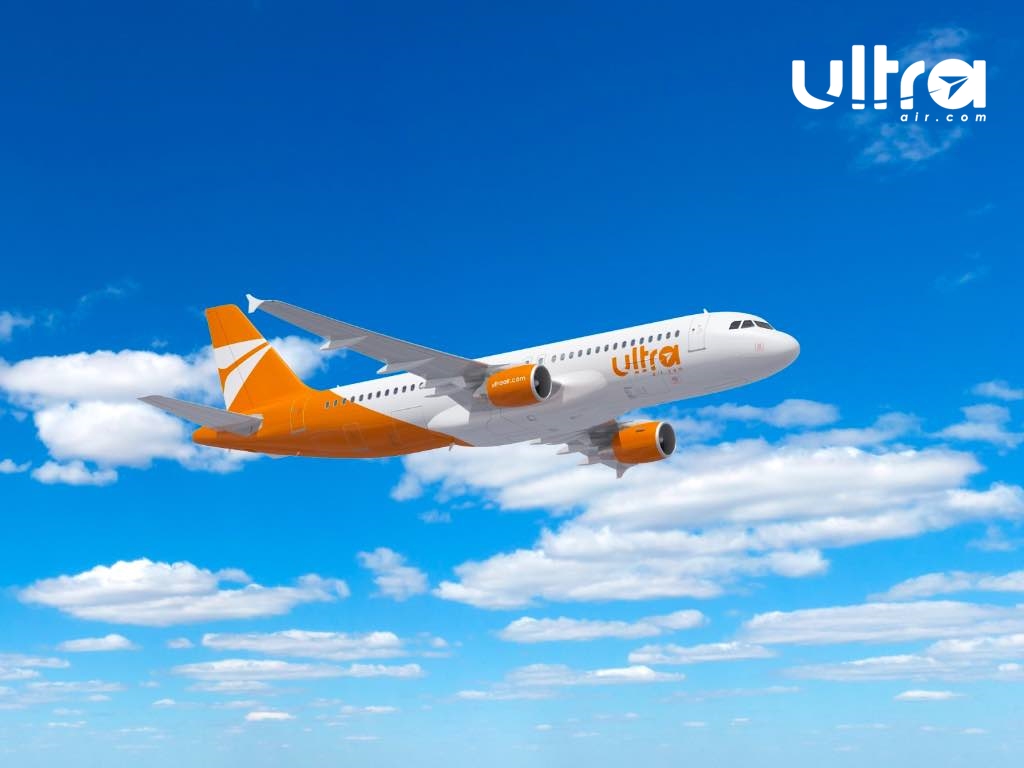


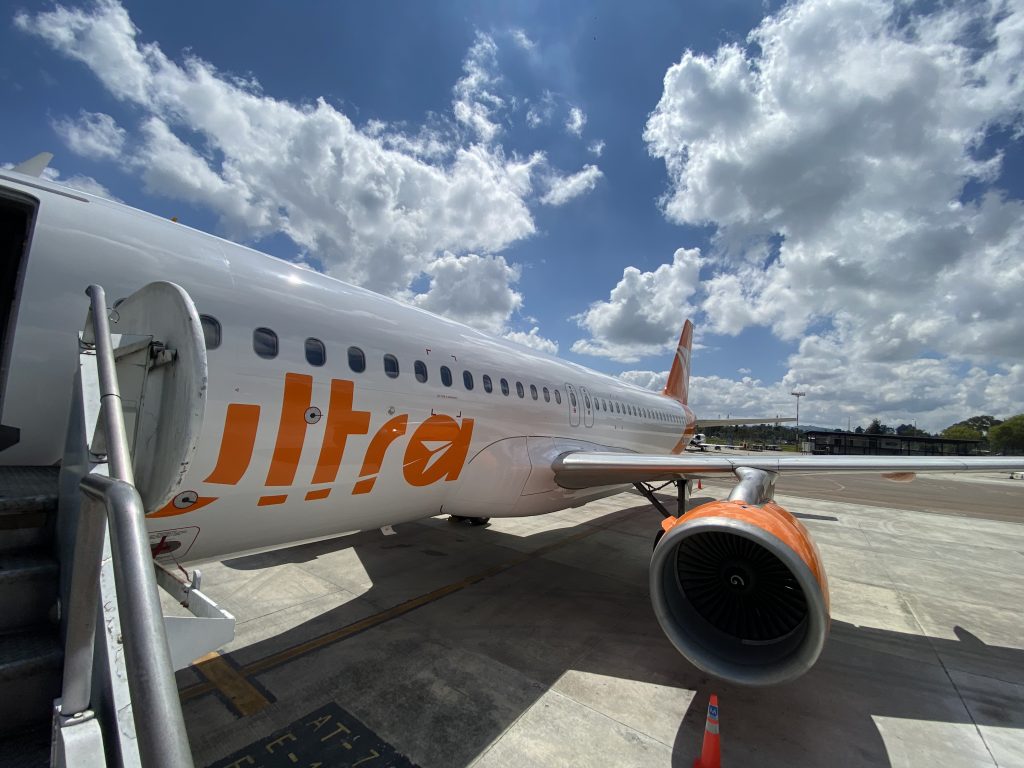



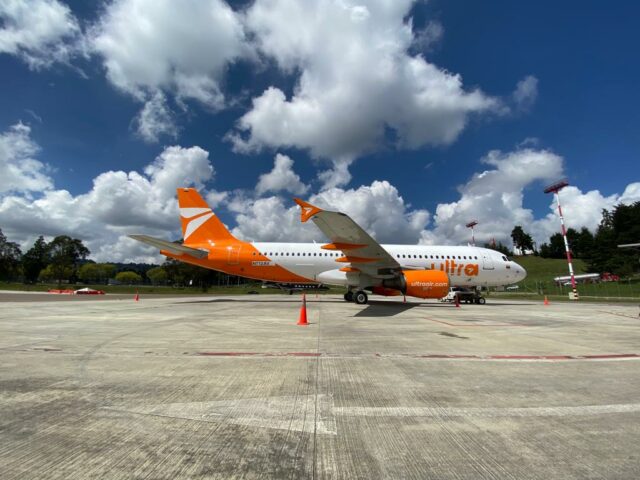


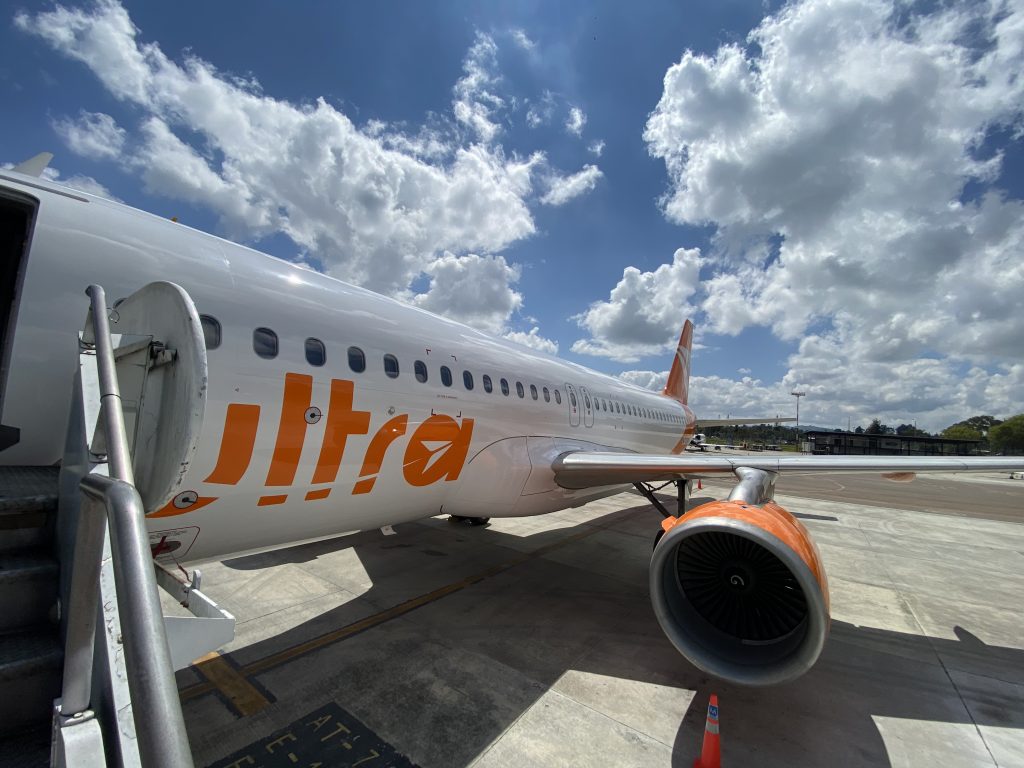
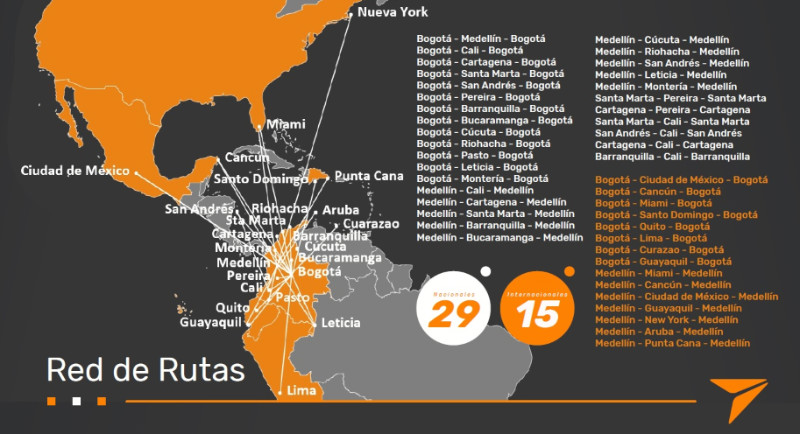


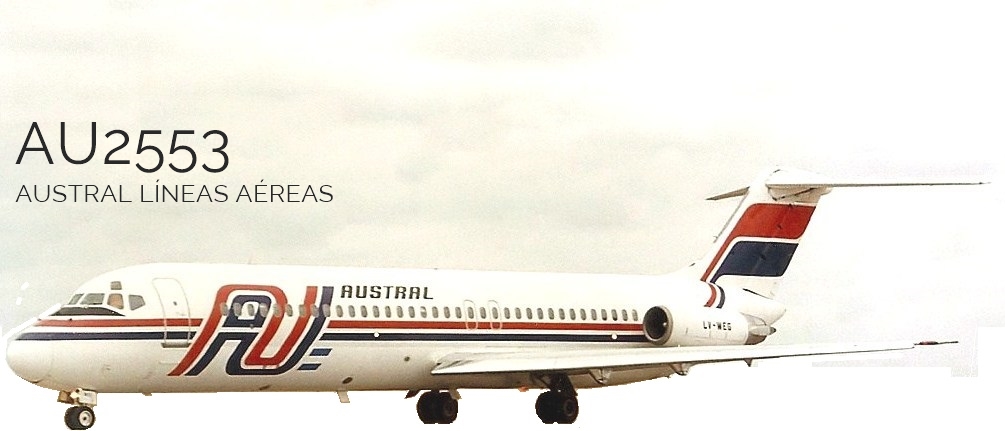


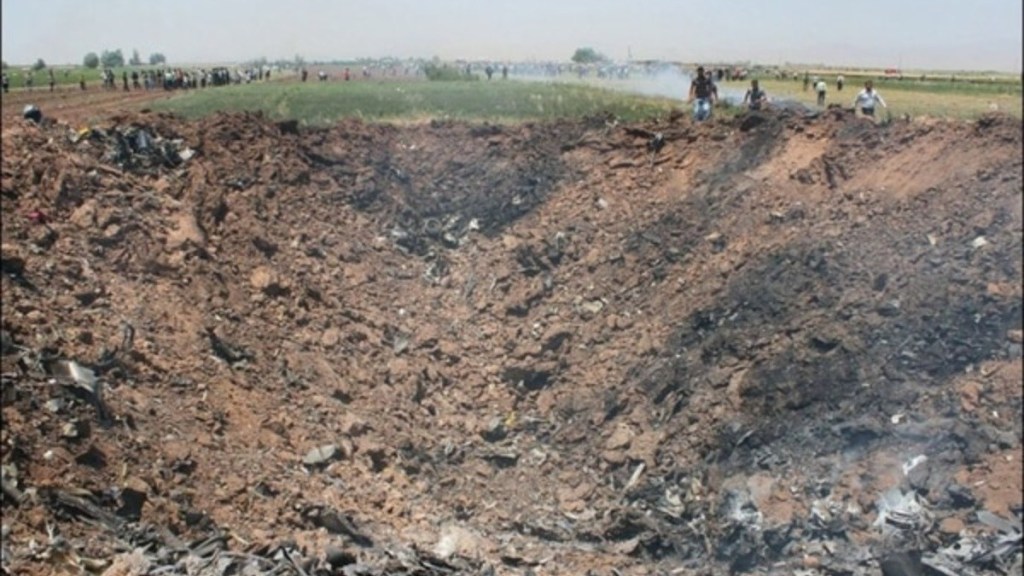
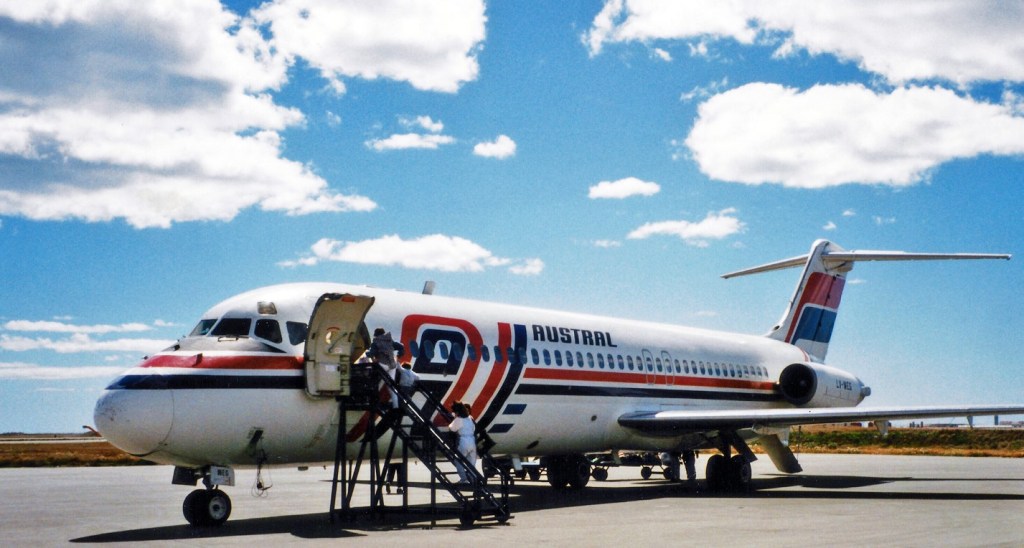

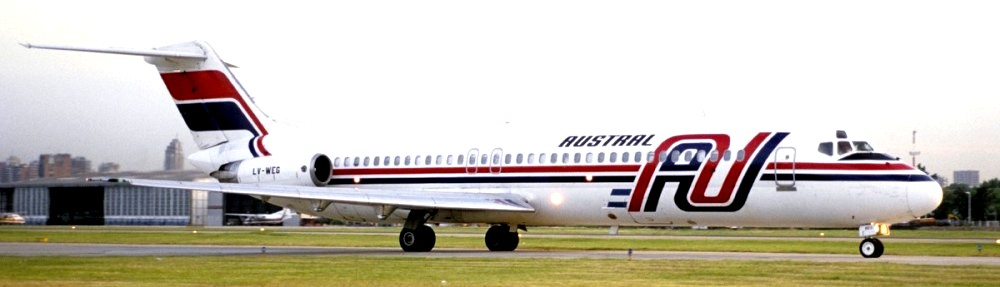
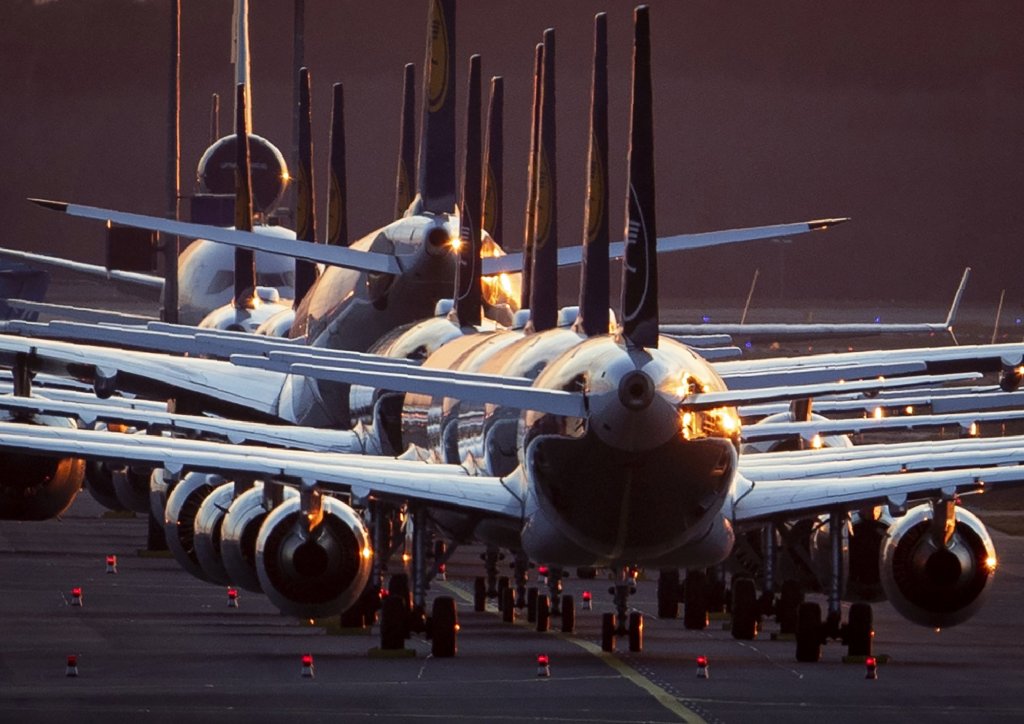
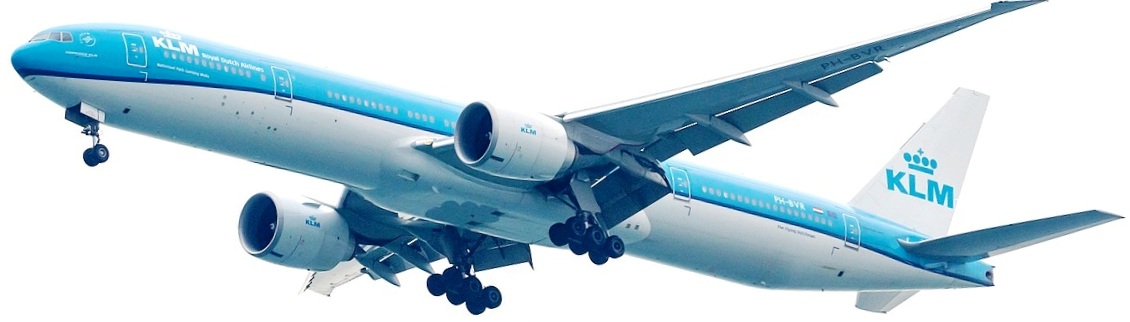
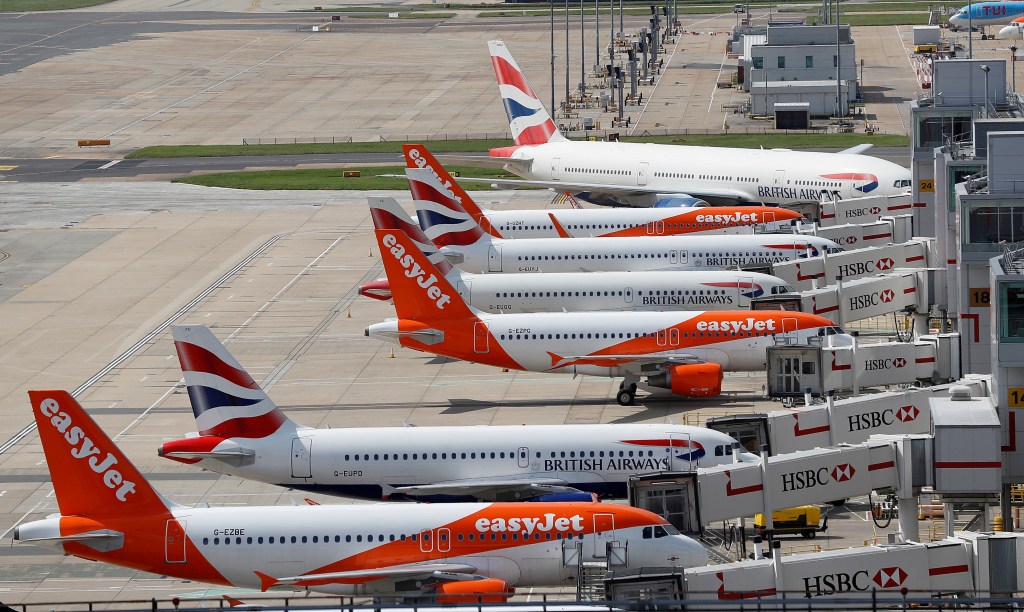
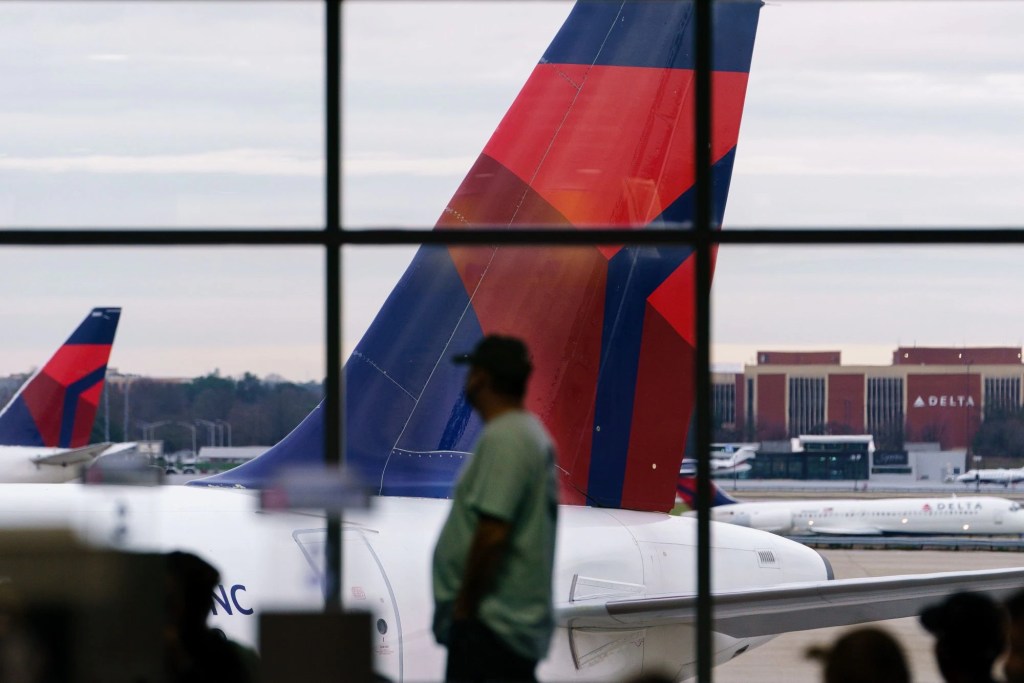
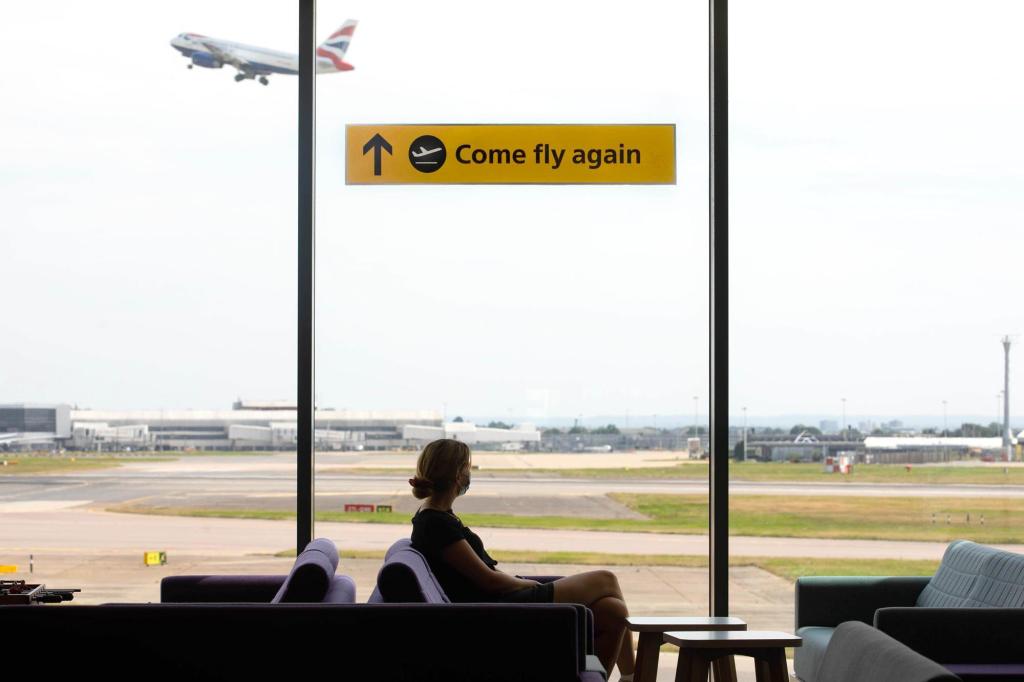
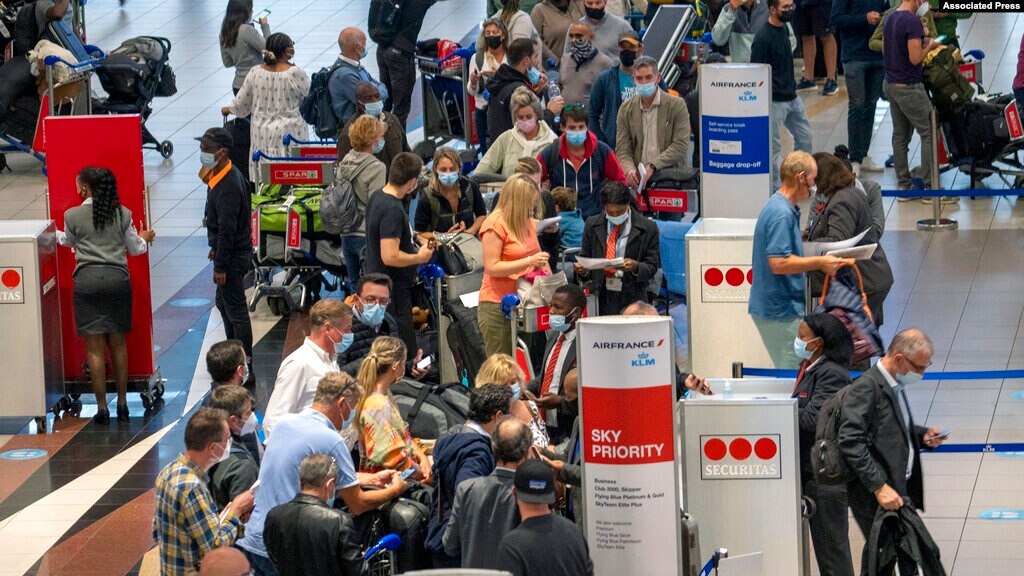

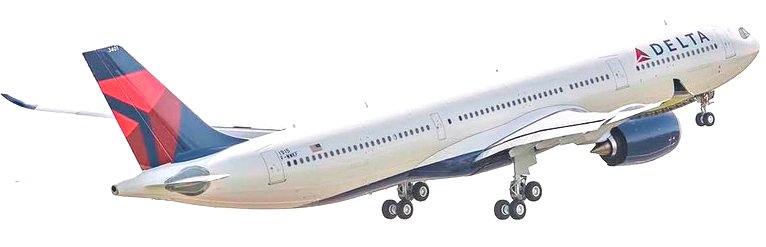
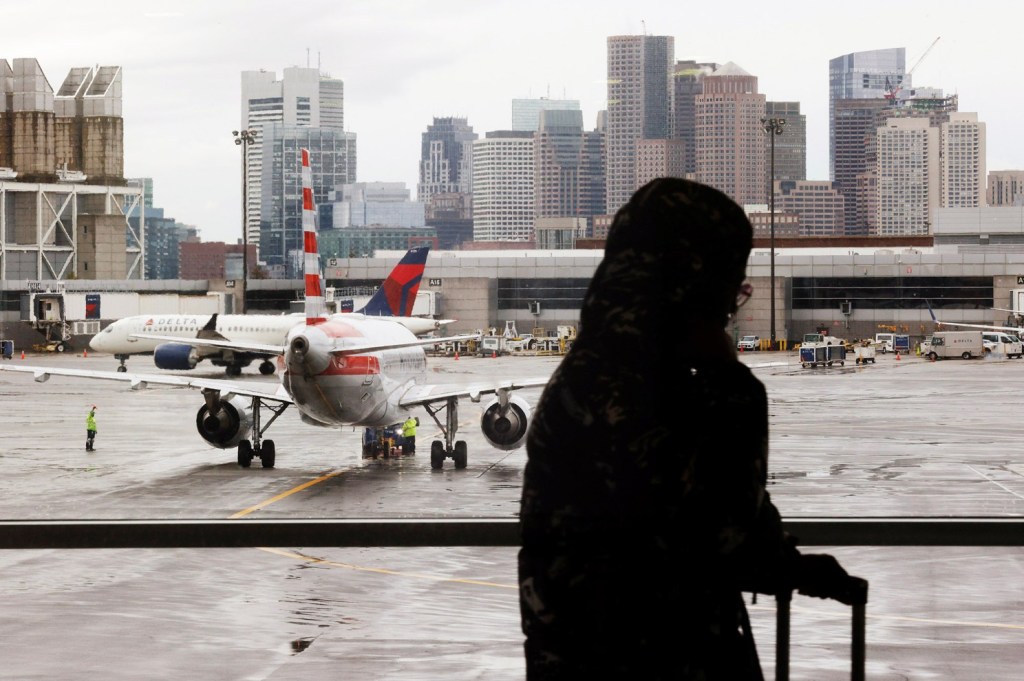



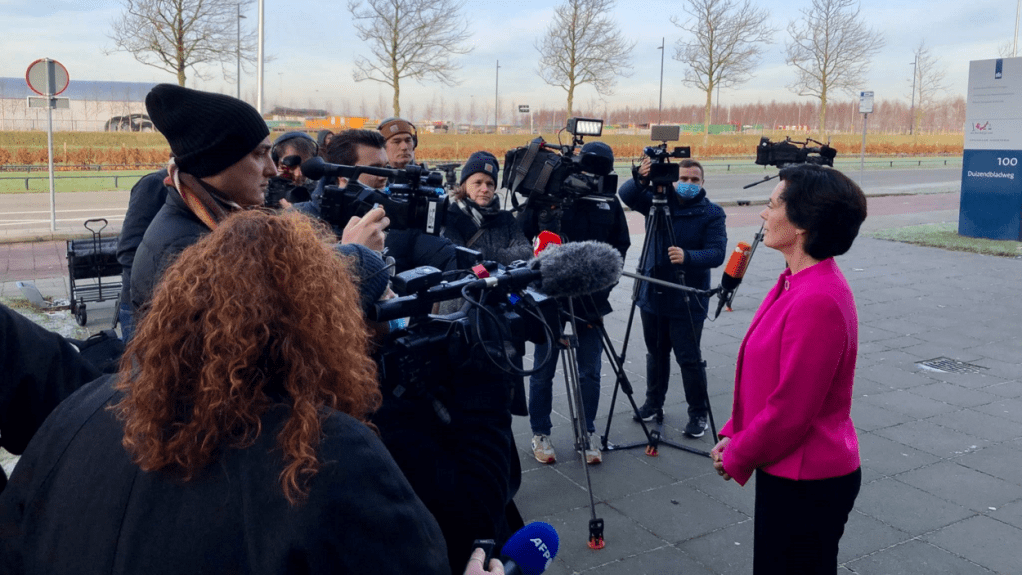
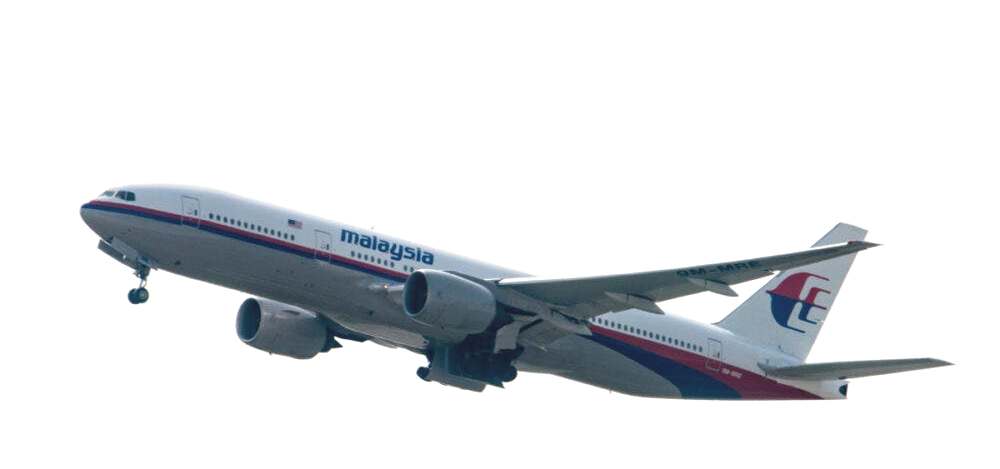






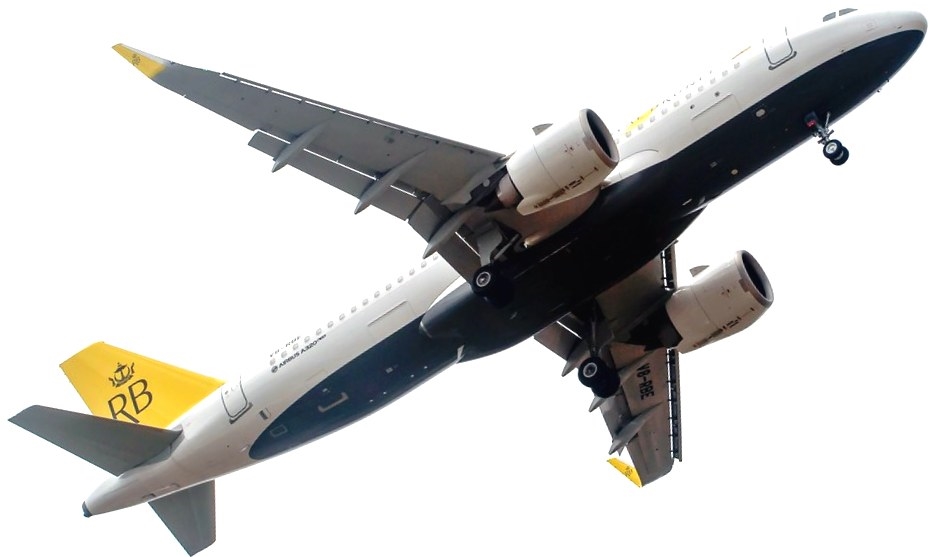


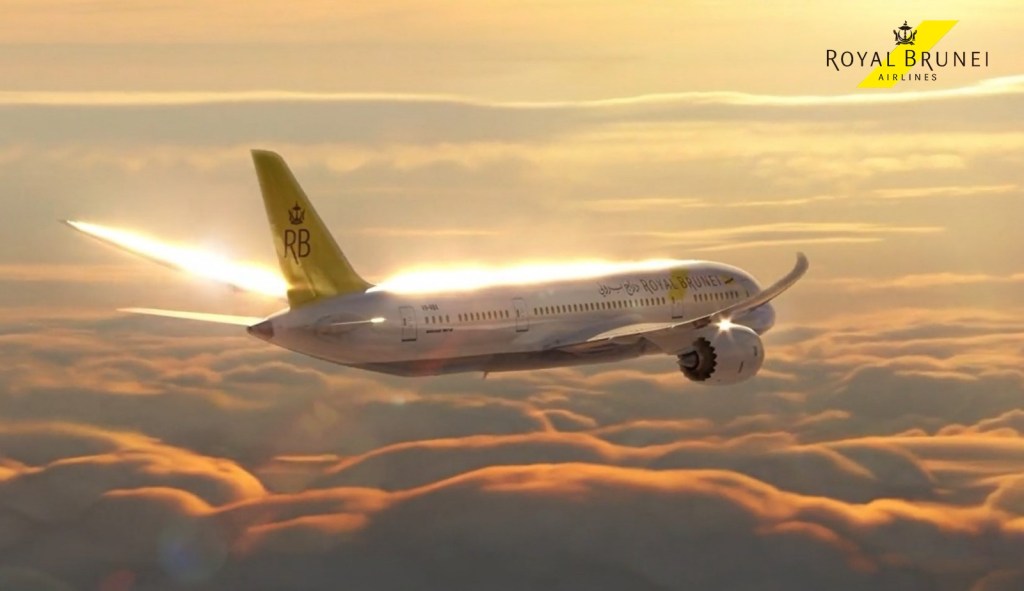




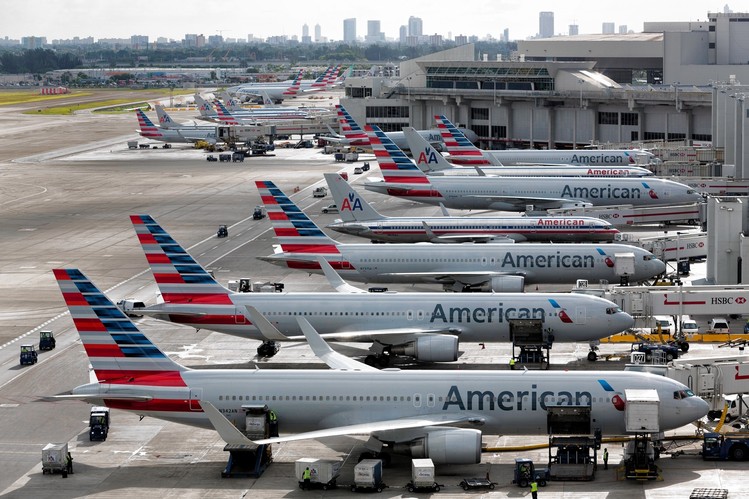

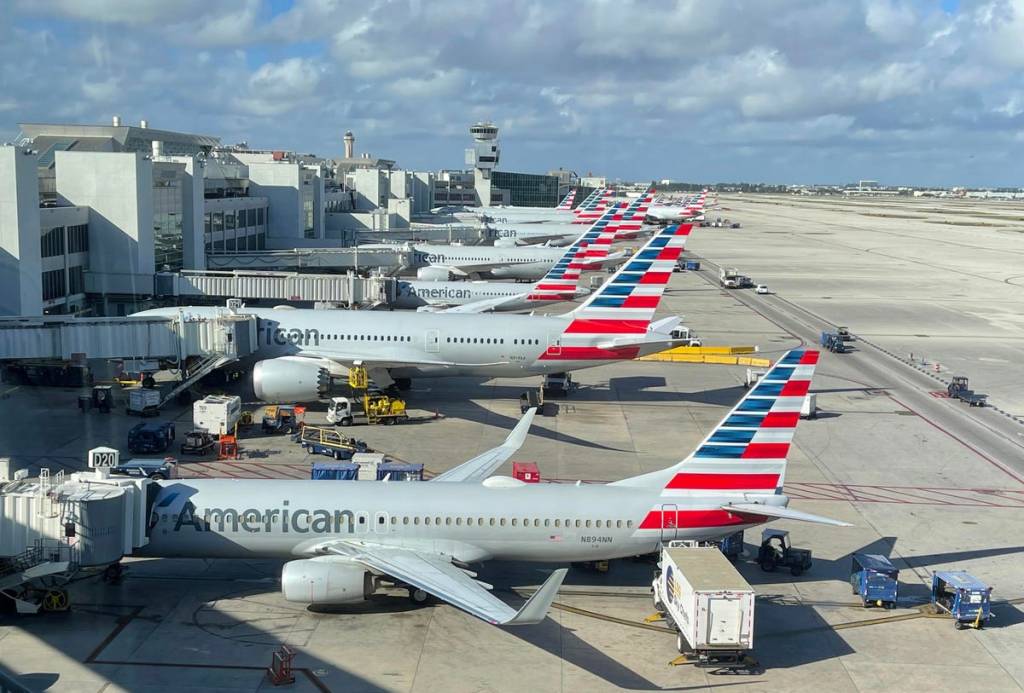
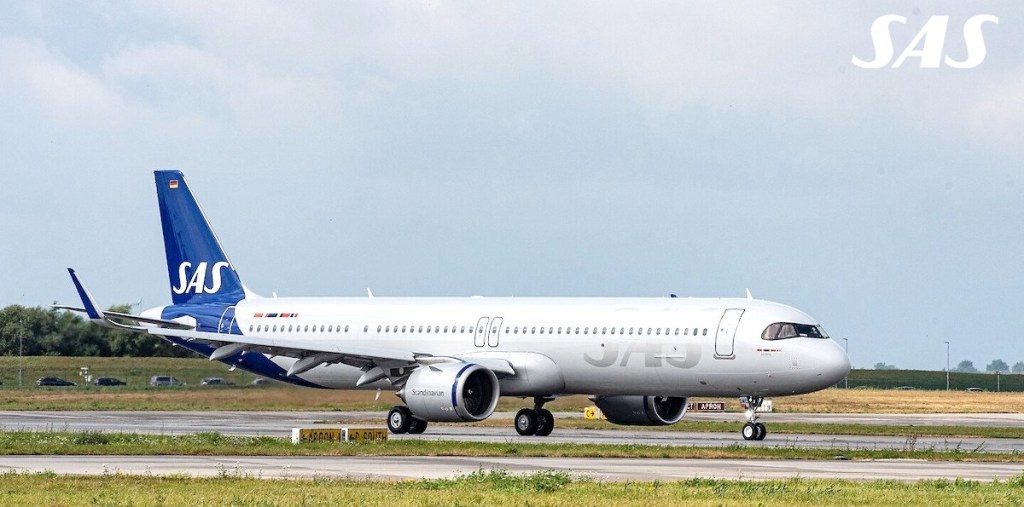


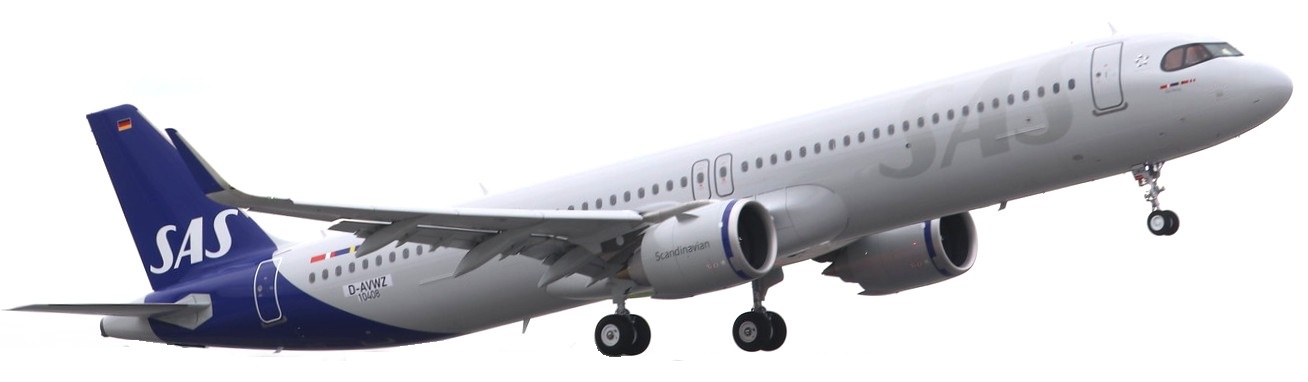
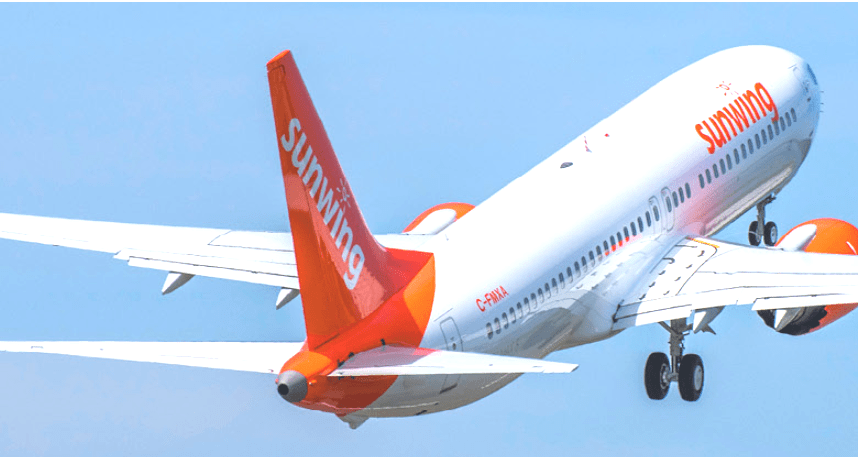











 airgways.com