Establece inicio operaciones el 7mo. Boeing 737-800
Flybondi Líneas Aéreas ha realizado el Domingo 24/07 a las 08:05 hora local Argentina el primer vuelo de la séptima aeronave Boeing 737-800 con registro LV-KHQ a incorporarse a la flota de la compañía de presupuesto. El avión despegó desde Buenos Aires/AEP como vuelo FO-5050 hacia Mendoza, efectuando el primer vuelo introductorio en la aerolínea low cost.
Flybondi iniciaba sus operaciones en Argentina en 2018 y actualmente ha transportado a más de 4.750.000 pasajeros. El 20% de sus pasajeros son personas que vuelan en avión por primera vez en su vida. Tiene una flota de siete (7) aeronaves Boeing 737-800 Next Generation configuradas para 189 asientos de única clase Economy. Posee quince destinos domésticos: Buenos Aires, Bariloche, Corrientes, Córdoba, Jujuy, Mendoza, Neuquén, Posadas, Iguazú, Salta, Santiago del Estero, Trelew, Tucumán, Puerto Madryn y Ushuaia. Recientemente anunció la apertura de las rutas a El Calafate y Comodoro Rivadavia. Actualmente vuela a dos destinos internacionales en Brasil: Río de Janeiro y San Pablo.
Desde Enero de 2021 es la aerolínea con mayor nivel de factor de ocupación de sus vuelos en Argentina. Además, tiene una cuota de mercado doméstica del 15% y en el mercado internacional del 4% a Junio 2022. La aerolínea ha establecido un programa de crecimiento por el cual incorporará hacia el 4Q2022, tres aeronaves adicionales completando la cantidad de diez (10) Boeing 737-800.
Flybondi starts ops 737 LV-KHQ
Sets start operations on the 7th. Boeing 737-800
Flybondi Líneas Aéreas has made on Sunday 07/24 at 08:05 Argentine local time the first flight of the seventh Boeing 737-800 aircraft with registration LV-KHQ to join the fleet of the budget company. The plane took off from Buenos Aires/AEP as flight FO-5050 to Mendoza, making the first introductory flight on the low cost airline.
Flybondi began its operations in Argentina in 2018 and has currently transported more than 4,750,000 passengers. 20% of its passengers are people who fly by plane for the first time in their lives. It has a fleet of seven (7) Boeing 737-800 Next Generation aircraft configured for 189 single Economy Class seats. It has fifteen domestic destinations: Buenos Aires, Bariloche, Corrientes, Córdoba, Jujuy, Mendoza, Neuquén, Posadas, Iguazú, Salta, Santiago del Estero, Trelew, Tucumán, Puerto Madryn and Ushuaia. It recently announced the opening of routes to El Calafate and Comodoro Rivadavia. It currently flies to two international destinations in Brazil: Rio de Janeiro and São Paulo.
Since January 2021, it is the airline with the highest level of load factor for its flights in Argentina. In addition, it has a domestic market share of 15% and in the international market of 4% as of June 2022. The airline has established a growth program by which it will incorporate three additional aircraft by 4Q2022, completing the number of ten (10) Boeing 737-800.
PUBLISHER: Airgways.com DBk: Flybondi.com / Airgways.com AW-POST: 202207242202AR OWNERSHIP: Airgways Inc. A\W A I R G W A Y S ®
Northeast celebra reunión memorabilia Yellowbirds Celebran cincuenta años tras su fusión con Delta
Northeast Airlines era una aerolínea estadounidense con sede en Boston, Massachusetts, que operaba principalmente en el noreste de los Estados Unidos y luego en Canadá, Florida, las Bahamas, Los Ángeles y otras ciudades. Fue adquirida y fusionada con Delta Air Lines en Agosto de 1972.
Hacia Agosto de 2022 habrán pasado cincuenta años desde la adquisición por parte de Delta Air Lines con sede en Atlanta, Georgia (GA), un 1 de Agosto de 1972, que durante su historia se le ganó el apodo de «Yelllowbird» (Pájaros amarillos) volando por el cielo, pero medio siglo después, la pasión por Northeast Airlines permanece. Con la ayuda del Museo de Aviación de New Hampshire (NH), la aerolínea, que alguna vez brindó servicio a Fitchburg y Worcester, no se desvanecerá como una estela. Un evento el Domingo 31 de Julio de 2022 verá más de 250 artefactos en exhibición y ex empleados, familiares y pasajeros se reunirán para la celebración del 50 aniversarios de The Return of the Yellowbirds. El evento tendrá lugar en el DoubleTree by Hilton Downtown Manchester, 700 Elm St., Manchester, N.H., de 04:00 a 08:00 p.m. Los boletos cuestan US$ 75 por persona y todas las ganancias beneficiarán los programas de educación para jóvenes del Museo de Aviación sin fines de lucro.
Como parte del evento, los asistentes también pueden disfrutar del clásico «Cóctel Yellowbird», que era un elemento básico en los vuelos de Northeast Airlines, disfrutar de una cena estilo buffet y disfrutar de la música en vivo de The Yellowbirds, un combo de cinco personas reunido especialmente para la reunión. «La reunión de este verano es una oportunidad para que los veteranos de Northeast, así como la familia, los amigos y los muchos fanáticos de la aerolínea, celebren una compañía especial, renueven viejas amistades y también lleven el legado de Yellowbird hacia el futuro», dijo Jeff Rapsis, Director Ejecutivo del Museo de Aviación de N.H., en un comunicado de prensa. Actualmente, después de cincuenta años tras la fusión con Delta Air Lines, los personajes de la aviación continúan conservando aquellos gloriosos recuerdos de una aerolínea apodada Yellowbirds.
En la colección del Museo de Aviación hay un horario de Junio de 1955, que muestra a Northeast operando siete vuelos diarios sin escalas entre Worcester y el Aeropuerto LaGuardia en Nueva York. Los pasajeros podrían salir de Worcester a las 11:45 a.m. y aterrizar en la ciudad de Nueva York a las 12:49 p. m. El tiempo de viaje fue de 1 hora, 4 minutos. En sentido contrario, los pasajeros podrían salir de Nueva York a las 15:05 horas y llega a Worcester a las 04:09 p.m.
En la década de 1960, la reputación icónica de «Yellowbird» de Northeast surgió con el marketing del arte pop, promoviendo el servicio a Florida y el Caribe. Los boletos para Return of the Yellowbirds se pueden comprar llamando al 603-669-4877 o visitando http://www.aviationmuseumofnh.org. El evento está patrocinado por Delta Airlines, con el apoyo principal del Aeropuerto Regional de Manchester-Boston. El Museo de Aviación de N.H., en 27 Navigator Road, Londonderry, N.H., es una organización sin fines de lucro 501(c)3 exenta de impuestos.
Ubicado en la terminal de pasajeros art deco de 1937 en el Aeropuerto Regional de Manchester-Boston, el Museo de la Aviación está dedicado a preservar el rico pasado de la aviación de la región y también a inspirar a los jóvenes de hoy para que se conviertan en los pioneros aeroespaciales del mañana. Para obtener más información sobre el Museo de la Aviación, visite www.aviationmuseumofnh.org o llame al 603-669-4820. Siga al Museo de la Aviación en las redes sociales en www.facebook.com/nhahs.
Historia de Northeast
La aerolínea comenzó como Boston-Maine Airways, fundada como una aerolínea por contrato de Pan Am el 20 de Julio de 1931, por Boston and Maine Railroad y Maine Central Railroad, que volaba de Boston a Bangor a través de Portland. Voló solo esporádicamente hasta el 11 de Agosto de 1933, cuando National Airways comenzó a operar sus vuelos bajo contrato. National también operaba Central Vermont Airways, una subsidiaria de Central Vermont Railway, y las dos aerolíneas juntas tenían una red en Nueva Inglaterra hasta New Hampshire, Vermont y Montreal. Amelia Earhart y Eugene Vidal estuvieron entre los cofundadores de National Airlines, y Amelia Earhart fue una destacada vendedora de la aerolínea en sus primeros años. National inicialmente operó Stinson Airliners y cambió a una flota de Lockheed Electra de 10 pasajeros en Noviembre de 1936.
El nombre Northeast Airlines fue adoptado el 19 de Noviembre de 1940. Durante la Segunda Guerra Mundial, Northeast fue pionera en el servicio transatlántico para militares bajo contrato de las Fuerzas Aéreas del Ejército de Estados Unidos. Después de la guerra, Northeast comenzó el servicio cada hora entre Boston y Nueva York usando DC-4. Northeast solicitó autorización para operar el servicio de pasajeros a través del Atlántico, pero la Junta de Aeronáutica Civil lo bloqueó, que otorgó las rutas a Pan American World Airways (PAWA) y TWA Airlines.
En 1956, Northeast Airlines inició el servicio al Aeropuerto Nacional de Washington y recibió un certificado temporal para servir a Florida, para lo cual la aerolínea compró una flota de nuevos DC-6B. A partir del 17 de Diciembre de 1959, Northeast se convirtió en uno de los primeros operadores de jets, volando un Boeing 707-331 de TWA ida y vuelta entre Nueva York y Miami.
Northeast Airlines ordenó diez Vickers Viscounts a fines de la década de 1950 y los usó hasta que los problemas financieros a principios de la década de 1960 obligaron a la empresa a devolverlos al fabricante. Northeast arrendó un solo Boeing 707 de TWA para vuelos de invierno de 1959-60 a Florida. En 1960, Northeast arrendó seis Convair 880 y los voló a Florida durante varios años.
Howard Hughes adquirió el control de la aerolínea en 1962. La autoridad temporal de la ruta de Miami de la aerolínea fue cancelada por una decisión del CAB ese año, y Hughes decidió salir de la compañía y vender el control a un fideicomisario en 1964. Northeast lanzó una campaña agresiva contra la decisión del CAB y obtuvo un certificado permanente de Florida en 1965. En 1965, Storer Broadcasting compró la aerolínea, quien intentó rejuvenecer Northeast en 1966 con una nueva campaña de marketing y nuevos aviones. Northeast ordenó una flota de Boeing 727-100 para sus rutas en Florida, y McDonnell Douglas DC-9-30 y Fairchild FH-227 para rutas más cortas. Estos «Yellowbirds» presentaban una nueva librea amarilla y blanca. En 1966, Northeast fue el cliente de lanzamiento del Boeing 727-200, que comenzaron a volar en Diciembre de 1967. A excepción de Florida, su red estaba al Norte y al Este del Aeropuerto Nacional de Washington hasta 1969, cuando agregaron tres Boeing 727 en vuelos sin escalas entre Miami y Los Ángeles, y Fort Lauderdale. Northeast obtuvo los derechos para volar entre Miami y Montreal en 1967, seguido de los derechos para servir a las Bahamas en 1968 y los derechos para servir a Cleveland, Detroit, Chicago y las Bermudas en 1969, junto con una nueva autoridad de ruta Miami-Los Ángeles.
En 1969, tras un largo período de dificultades financieras, Northeast Airlines anunció su intención de fusionarse con Northwest Airlines. La fusión fue aprobada tanto por el CAB como por el presidente Richard Nixon en 1970, pero estaba condicionada a renunciar a la ruta Miami/MIA—Los Ángeles/LAX. Northwest terminó las negociaciones de fusión en Marzo de 1971 y Northeast anunció un nuevo plan de fusión con Delta Air Lines el mes siguiente. La fusión de Delta fue aprobada en Mayo de 1972, con la misma condición de que Delta no pudiera operar la ruta Miami/MIA—Los Ángeles/LAX. La fusión se completó en Agosto de 1972.
La contribución de Northeast Airlines a Delta Air Lines incluía el acceso al mercado de Boston, que Delta no había atendido. Delta agregó los Boeing 727-100 y 727-200 a su flota, tipos de modelos que no operaban antes de adquirir Northeast. Delta los usó como los caballos de batalla de su flota en las décadas de 1970 y 1980 y en un momento fue el operador más grande del mundo del Boeing 727-200.
HITOS HISTÓRICOS DE NORTHEAST AIRLINES Northeast Airlines trajo el primer servicio aéreo de pasajeros a Nueva Inglaterra en la década de 1930 y desempeñó un papel crucial en la Segunda Guerra Mundial, operando un programa de defensa nacional en tiempos de guerra para capacitar a instructores de vuelo avanzados a pedido del Gobierno Federal.
La experiencia de la aerolínea de volar en condiciones climáticas gélidas también resultó útil, ya que los pilotos de Northeast fueron los primeros en explorar las vías aéreas del Ártico al realizar vuelos del Comando de Transporte Aéreo a Labrador, Terranova, Groenlandia, Islandia y Escocia.
Después de la Segunda Guerra Mundial, Northeast Airlines comenzó su servicio a Fitchburg y Worcester con aviones de hélice bimotor DC-3 de 21 pasajeros y más tarde con aviones Convair 240 de 40 pasajeros.
La compañía aérea Northeast Airlines ha sido el cliente de lanzamiento mundial del Boeing 727-200.
Remembering Northeast Airlines
Northeast holds Yellowbirds memorabilia reunion They celebrate fifty years after their merger with Delta
Northeast Airlines was an American airline based in Boston, Massachusetts, operating primarily in the northeastern United States and later in Canada, Florida, the Bahamas, Los Angeles, and other cities. It was acquired and merged with Delta Air Lines in August 1972.
By August 2022, fifty years will have passed since the acquisition by Delta Air Lines based in Atlanta, Georgia (GA) on August 1, 1972, which during its history earned it the nickname «Yelllowbird» flying through the sky, but half a century later, the passion for Northeast Airlines remains. With the help of the New Hampshire (NH) Aviation Museum, the airline, which once served Fitchburg and Worcester, won’t vanish like a wake. An event on Sunday, July 31, 2022 will see more than 250 artifacts on display and former employees, family members and passengers will gather for the 50th anniversary celebration of The Return of the Yellowbirds. The event will take place at the DoubleTree by Hilton Downtown Manchester, 700 Elm St., Manchester, N.H., from 4-8 p.m. Tickets are US$ 75 per person, with all proceeds benefiting the nonprofit Museum of Aviation’s youth education programs.
As part of the event, attendees can also enjoy the classic «Yellowbird Cocktail,» which was a staple on Northeast Airlines flights, enjoy a buffet-style dinner, and enjoy live music from The Yellowbirds, a five-party combo. people gathered especially for the meeting. «This summer’s reunion is an opportunity for Northeast veterans, as well as family, friends and the airline’s many fans, to celebrate special company, renew old friendships and also carry Yellowbird’s legacy into the future», said Jeff Rapsis, Executive Director of the N.H. Aviation Museum, in a press release. Today, fifty years after the merger with Delta Air Lines, aviation figures continue to retain those glorious memories of an airline nicknamed the Yellowbirds.
In the collection of the Museum of Aviation there is a schedule from June 1955, showing Northeast operating seven daily nonstop flights between Worcester and LaGuardia Airport in New York. Passengers could leave Worcester at 11:45 a.m. and land in New York City at 12:49 p.m. m. Travel time was 1 hour, 4 minutes. Conversely, passengers could leave New York at 03:05 p.m. and arrive in Worcester at 04:09 p.m.
In the 1960s, Northeast’s iconic «Yellowbird» reputation emerged with pop art marketing, promoting service to Florida and the Caribbean. Tickets for Return of the Yellowbirds can be purchased by calling 603-669-4877 or visiting http://www.aviationmuseumofnh.org. The event is sponsored by Delta Airlines, with primary support from Manchester-Boston Regional Airport. The N.H. Aviation Museum, at 27 Navigator Road, Londonderry, N.H., is a 501(c)3 tax-exempt non-profit organization.
Located in the 1937 art deco passenger terminal at Manchester-Boston Regional Airport, the Aviation Museum is dedicated to preserving the region’s rich aviation past as well as inspiring today’s youth to become into the aerospace pioneers of tomorrow. For more information about the Museum of Aviation, visit www.aviationmuseumofnh.org or call 603-669-4820. Follow the Museum of Aviation on social media at www.facebook.com/nhahs.
Northeast History
The airline began as Boston-Maine Airways, founded as a Pan Am contract airline on July 20, 1931, by the Boston and Maine Railroad and the Maine Central Railroad, flying from Boston to Bangor via Portland. It flew only sporadically until August 11, 1933, when National Airways began operating its charter flights. National also operated Central Vermont Airways, a subsidiary of the Central Vermont Railway, and the two airlines together had a network in New England to New Hampshire, Vermont, and Montreal. Amelia Earhart and Eugene Vidal were among the co-founders of National Airlines, and Amelia Earhart was a prominent salesperson for the airline in its early years. National initially operated Stinson Airlines and switched to a 10-passenger Lockheed Electra fleet in November 1936.
The name Northeast Airlines was adopted on November 19, 1940. During World War II, Northeast pioneered transatlantic service for servicemen under contract to the United States Army Air Forces. After the war, Northeast began hourly service between Boston and New York using DC-4s. Northeast applied for authorization to operate passenger service across the Atlantic, but was blocked by the Civil Aeronautics Board, which awarded the routes to Pan American World Airways (PAWA) and TWA Airlines.
In 1956, Northeast Airlines began service to Washington National Airport and received a temporary certificate to serve Florida, for which the airline purchased a fleet of new DC-6Bs. Beginning December 17, 1959, Northeast became one of the first jet operators, flying a TWA Boeing 707-331 roundtrip between New York and Miami.
Northeast Airlines ordered ten Vickers Viscounts in the late 1950s and used them until financial problems in the early 1960s forced the company to return them to the manufacturer. Northeast leased a single Boeing 707 from TWA for winter 1959-60 flights to Florida. In 1960, Northeast leased six Convair 880s and flew them to Florida for several years.
Howard Hughes acquired control of the airline in 1962. The airline’s temporary Miami route authority was canceled by a CAB decision that year, and Hughes decided to exit the company and sell control to a trustee in 1964. Northeast launched an aggressive campaign against the CAB’s decision and obtained a permanent certificate from Florida in 1965. In 1965, the airline was purchased by Storer Broadcasting, who attempted to rejuvenate Northeast in 1966 with a new marketing campaign and new aircraft. Northeast ordered a fleet of Boeing 727-100s for its Florida routes, and McDonnell Douglas DC-9-30s and Fairchild FH-227s for shorter routes. These «Yellowbirds» featured a new yellow and white livery. In 1966, Northeast was the launch customer for the Boeing 727-200, which began flying in December 1967. With the exception of Florida, their network was north and east of Washington National Airport until 1969, when they added three Boeing 727s. on nonstop flights between Miami and Los Angeles, and Fort Lauderdale. Northeast obtained the rights to fly between Miami and Montreal in 1967, followed by the rights to serve the Bahamas in 1968 and the rights to serve Cleveland, Detroit, Chicago and Bermuda in 1969, along with a new Miami- The Angels.
In 1969, after a long period of financial difficulties, Northeast Airlines announced its intention to merge with Northwest Airlines. The merger was approved by both the CAB and President Richard Nixon in 1970, but was conditional on giving up the Miami/MIA—Los Angeles/LAX route. Northwest ended merger negotiations in March 1971, and Northeast announced a new plan to merge with Delta Air Lines the following month. The Delta merger was approved in May 1972, with the same condition that Delta could not operate the Miami/MIA—Los Angeles/LAX route. The merger was completed in August 1972.
Northeast Airlines’ contribution to Delta Air Lines included access to the Boston market, which Delta had not served. Delta added Boeing 727-100s and 727-200s to its fleet, model types that weren’t operating before acquiring Northeast. Delta used them as the workhorses of its fleet in the 1970s and 1980s and at one point was the world’s largest operator of the Boeing 727-200.
NORTHEAST AIRLINES HISTORICAL MILESTONES Northeast Airlines brought the first passenger air service to New England in the 1930s and played a crucial role in World War II, operating a wartime national defense program to train advanced flight instructors at the request of the Federal Government.
The airline’s experience of flying in frigid weather conditions also came in handy, as Northeast pilots were the first to explore Arctic airways by flying Air Transport Command flights to Labrador, Newfoundland, Greenland, Iceland and Scotland.
After World War II, Northeast Airlines began service to Fitchburg and Worcester with 21-passenger DC-3 twin-engine propeller planes and later with 40-passenger Convair 240 aircraft.
Northeast Airlines has been the global launch customer for the Boeing 727-200.
PUBLISHER: Airgways.com DBk: Aviationmuseumofnh.org / Delta.com / Peter Gates Collection / Airgways.com AW-POST: 20220242000AR OWNERSHIP: Airgways Inc. A\W A I R G W A Y S ®
Aegean Airlines ha reafirmado su interés en adquirir la compañía Croatia Airlines esta semana. Esto se produce en medio de la aerolínea griega en mostrar interés en varias aerolíneas de la región. Se han producido conversaciones previas de adquisición entre Aegean y el gobierno croata, pero no han sido concluyentes. La aerolínea griega compartió recientemente sus planes para adquirir aerolíneas adicionales en el sudeste de Europa con el fin de fortalecer las alianzas en el mercado balcánico europeo.
El interés por parte de Aegean Airlines en Croatia Airlines se remonta desde 2015, cuando se iniciaron conversaciones sobre la adquisición accionaria al Gobierno de la República de Croacia, mientras sobrevolaba la privatización de la compañía aérea croata.
Como miembro de la Unión Europea, la nación puede vender una participación mayoritaria de su compañía aérea nacional. Antes de la pandemia de Coronavirus, Aegean había presentado una Oferta No Vinculante por el transportista. El siguiente paso en el proceso de adquisición fue la celebración de conversaciones entre la alta dirección de Aegean y el Gobierno croata. Cuando la pandemia detuvo los viajes aéreos, las conversaciones se cancelaron. El Primer Ministro croata, Andrej Plenković, compartió que estas conversaciones se reprogramarían. Actualmente, no hay conversaciones programadas, sin embargo, Aegean ha compartido que tiene la intención de fortalecer sus lazos con Croatia Airlines. Ambas aerolíneas son miembros de Star Alliance, lo que permitirá conservar las esperanzas para continuar aliadas estratégicamente, mientras en el futuro podrían avanzar en la línea de adquisición.
Simetrías vs asimetrías
Ambas aerolíneas comparten similitudes entre ellas como pertenecer a la misma alianza de aerolíneas, Star Alliance, poseer una flota similar de aeronaves de la familia A320, lo que beneficiaría a las tripulaciones, mecánicos, técnicos en una reducción de los costes operativos. Sin embargo, los desempeños de mercado de las dos aerolíneas han sido marcadamente diferentes. Aegean Airlines informa haberse recuperado por completo de la pandemia y anticipa terminar 2022 en un estado rentable. Mientrs que Croatia Airlines siempre ha sufrido altibajos económicos. El Ministro croata de Mar, Transporte e Infraestructura, Oleg Butković, ha expresado: “Croatia Airlines tuvo problemas incluso antes de Covid. Previo a la emergencia sanitaria, la aerolínea estaba en las etapas finales de asegurar un socio estratégico. Teníamos dos ofertas muy serias, pero la pandemia paralizó todas las actividades. Esperamos que con el regreso a la normalidad, el negocio de Croatia Airlines se estabilice, pero no en su totalidad. El reto sigue siendo encontrar un socio estratégico. Si no lo conseguimos, el Estado será el responsable”.
En el caso de Aegean Airlines se ha recuperado completamente de la crisis de los viajes producto de la pandemia y goza económicamente de mejor salud financiera para poder continuar expandiéndose con miras a adquirir Croatia Airlines.
Aegean seeks to acquire Croatia Airlines
Interested in acquisition of Croatian airline
Aegean Airlines has reaffirmed its interest in acquiring Croatia Airlines this week. This comes amid the Greek airline showing interest in several airlines in the region. Previous takeover talks have taken place between Aegean and the Croatian government, but have been inconclusive. The Greek airline recently shared its plans to acquire additional airlines in South East Europe in order to strengthen alliances in the Balkan European market.
The interest of Aegean Airlines in Croatia Airlines dates back to 2015, when talks about the share acquisition began with the Government of the Republic of Croatia, while flying over the privatization of the Croatian airline.
As a member of the European Union, the nation can sell a majority stake in its national airline. Prior to the Coronavirus pandemic, Aegean had submitted a Non-Binding Offer for the carrier. The next step in the acquisition process was discussions between Aegean senior management and the Croatian government. When the pandemic brought air travel to a halt, the talks were called off. Croatian Prime Minister Andrej Plenković shared that these talks would be rescheduled. Currently, there are no talks scheduled, however, Aegean has shared that it intends to strengthen its ties with Croatia Airlines. Both airlines are members of the Star Alliance, which will allow them to maintain hopes of continuing strategic alliances, while in the future they could advance in the line of acquisition.
Symmetries vs asymmetries
Both airlines share similarities between them such as belonging to the same airline alliance, Star Alliance, having a similar fleet of A320 family aircraft, which would benefit the crews, mechanics, technicians in reducing operating costs. However, the market performances of the two airlines have been markedly different. Aegean Airlines reports having fully recovered from the pandemic and anticipates finishing 2022 in a profitable state. While Croatia Airlines has always suffered economic ups and downs. The Croatian Minister of Sea, Transport and Infrastructure, Oleg Butković, has expressed: “Croatia Airlines had problems even before Covid. Prior to the health emergency, the airline was in the final stages of securing a strategic partner. We had two very serious offers, but the pandemic paralyzed all activities. We hope that with the return to normality, the business of Croatia Airlines will stabilize, but not in its entirety. The challenge remains to find a strategic partner. If we do not succeed, the State will be responsible”.
In the case of Aegean Airlines, it has fully recovered from the travel crisis caused by the pandemic and is economically in better financial health to be able to continue expanding with a view to acquiring Croatia Airlines.
Aegean želi preuzeti Croatia Airlines
Zainteresiran za akviziciju hrvatskog zrakoplovnog prijevoznika
Aegean Airlines ovog je tjedna ponovno potvrdio interes za preuzimanje Croatia Airlines. Ovo dolazi u trenutku kada grčki zračni prijevoznik pokazuje interes za nekoliko zračnih prijevoznika u regiji. Prethodni razgovori o preuzimanju vođeni su između Aegeana i hrvatske vlade, ali su bili neuspješni. Grčki zračni prijevoznik nedavno je podijelio svoje planove za preuzimanje dodatnih zračnih prijevoznika u jugoistočnoj Europi kako bi ojačao saveze na europskom tržištu Balkana.
Interes Aegean Airlinesa za Croatia Airlinesa datira još od 2015 godine, kada su počeli razgovori o kupovini udjela s Vladom Republike Hrvatske, dok se prelijetala privatizacija hrvatskog avioprijevoznika.
Kao članica Europske unije, nacija može prodati većinski udio u svom nacionalnom zračnom prijevozniku. Prije pandemije koronavirusa, Aegean je dostavio neobvezujuću ponudu za prijevoznika. Sljedeći korak u procesu akvizicije bili su razgovori između višeg rukovodstva Aegeana i hrvatske vlade. Kad je pandemija zaustavila zračni promet, pregovori su prekinuti. Hrvatski premijer Andrej Plenković rekao je da će ti razgovori biti odgođeni. Trenutačno nema zakazanih pregovora, no Aegean je rekao da namjerava ojačati svoje veze s Croatia Airlinesa. Oba zračna prijevoznika članovi su Star Alliancea, što će im omogućiti da zadrže nade u nastavak strateških saveza, dok bi u budućnosti mogli napredovati u liniji akvizicija.
Simetrije vs asimetrije
Oba zračna prijevoznika dijele sličnosti među sobom poput pripadnosti istoj alijansi zračnih prijevoznika, Star Alliance, sličnoj floti zrakoplova obitelji A320, što bi koristilo posadama, mehaničarima i tehničarima u smanjenju operativnih troškova. Međutim, tržišne izvedbe dviju zrakoplovnih kompanija znatno su se razlikovale. Aegean Airlinesa izvješćuje da se u potpunosti oporavio od pandemije i očekuje da će 2022. završiti u profitabilnom stanju. Dok je Croatia Airlines uvijek trpjela ekonomske uspone i padove. Hrvatski ministar mora, prometa i infrastrukture Oleg Butković izjavio je: “Croatia Airlines je imao problema i prije Covida. Prije hitnog zdravstvenog stanja, zrakoplovni prijevoznik bio je u završnoj fazi pronalaženja strateškog partnera. Imali smo dvije vrlo ozbiljne ponude, ali je pandemija paralizirala sve aktivnosti. Nadamo se da će se povratkom u normalu poslovanje Croatia Airlinesa stabilizirati, ali ne u cijelosti. Ostaje izazov pronaći strateškog partnera. Ako ne uspijemo, država će biti odgovorna”.
U slučaju Aegean Airlinesa, on se u potpunosti oporavio od turističke krize izazvane pandemijom i ekonomski je boljeg financijskog zdravlja kako bi se mogao nastaviti širiti s ciljem akvizicije Croatia Airlinesa.
PUBLISHER: Airgways.com DBk: Aegeanair.com / Croatiaairlines.com Vlada.gov.hr / Airgways.com AW-POST: 202207241725AR OWNERSHIP: Airgways Inc. A\W A I R G W A Y S ®
Regulador aviación inicia auditoría a aerolíneas indias Aéreas indias aumentan competitividad
La Dirección General de Aviación Civil (DGCA) de la India ha iniciado una auditoría especial a las líneas aéreas indias para investigar aspectos de los procesos de mantenimiento de aeronaves en el país. Tal decisión se tomó luego de múltiples informes de incidentes de aeronaves relacionados con fallas técnicas en vuelo que el regulador indio recibió durante los últimos 45 días. La auditoría especial se centrará en varios aspectos del mantenimiento de los aviones, incluida la calificación del personal y los procesos diarios en las instalaciones de las aerolíneas, como los hangares. La DGCA también inspeccionará si las aerolíneas locales cumplen correctamente las diversas reglamentaciones de aviación relacionadas con las limitaciones del tiempo de servicio del personal de ingeniería y realizará una inspección detallada de su sistema de garantía de calidad y centros de control de mantenimiento.
La auditoría detallada de dos meses de duración sigue a varias otras verificaciones de manera aleatoria de la DGCA que el regulador completó a principios de Julio de 2022. La DGCA emitió una orden a los transportistas con respecto a un aumento en los problemas de ingeniería después de que las verificaciones al azar demostraron que los transportistas no estaban cumpliendo identificar adecuadamente las causas de los defectos de los aviones notificados o incluso emplear ingenieros de aeronaves debidamente calificados para resolver problemas técnicos en los aeropuertos.
Varias aerolíneas indias, como GoFirst, SpiceJet, Air India Express, IndiGo y otras, han sido objeto de un mayor escrutinio por parte de la agencia DGCA después de que varias aeronaves se hayan visto involucradas en incidentes recientemente. Durante las verificaciones, los inspectores también encontraron casos de personal de la aerolínea que incumplía los requisitos de seguridad y los procedimientos de mantenimiento de aeronaves. El regulador dijo en la orden que ha notado un aumento significativo de casos en los que las aeronaves son liberadas para volar con una Lista de Equipo Mínimo (MEL), que permite a las aerolíneas operar una aeronave temporalmente cuando ciertas funciones o equipos no están operativos.
Competitividad aérea india
A medida de la agencia de aviación india DGCA fiscaliza a los transportadores aéreos, en medio de incremento de los incidentes reportados, las aéreas buscan alcanzar el podio de competitividad, una batalla por el dominio del jugoso mercado aéreo indio. En esta batalla la líneas aéreas SpiceJet, Vistara Airlines y GoFirst (anteriormente GoAir) compiten por asegurar el segundo lugar en la India.
El liderazgo de IndiGo ha estado adelante en estos últimos años, mientras que SpiceJet le sigue muy por detrás. Tras la apertura de los vuelos post-pandemia, el mercado ha cambiado significativamente. En Junio de 2022, SpiceJet superó a GoFirst para ocupar el segundo lugar por primera vez en meses, mientras que Vistara Airlines transportó el 9,4% del tráfico del mes y a menos de 10.000 pasajeros de saltar al segundo puesto.
La aerolínea de servicio completo ha visto altos factores de carga en los últimos meses y ha agregado pasajeros de manera constante a medida que sus competidores luchan financieramente y tienen una capacidad menor después de la pandemia.
IndiGo encabezó la lista con una actuación dominante del 59,83 % de todos los viajeros en Junio 2022. Air India continuó su caída a medida que lucha por mantenerse al día con sus rivales, con una participación de mercado que cayó a solo el 7,5%, por debajo de los dos dígitos a principios de año 2022. La aerolínea de servicio completo está trabajando actualmente en un plan de recuperación luego de su adquisición por parte del Grupo Tata.
Las aerolíneas han visto una fuerte demanda de viajeros de placer que buscan escaparse. Pero ha habido algunos incidentes notables en las últimas semanas que podrían frenar el impulso. SpiceJet recibió recientemente un aviso de la DGCA después de diez incidentes impactantes en un período de doce semanas, que incluyeron desvíos y humo en la cabina de sus aviones. Esto ha obligado a la aerolínea a dejar en tierra algunos aviones en el último minuto y realizar una importante revisión de seguridad. Teniendo esto en cuenta, es posible que quede fuera de los tres primeros el próximo mes. IndiGo también se ha visto afectada por una serie de problemas este mes. Esto está relacionado principalmente con las disputas salariales entre los empleados de la aerolínea, lo que genera retrasos en los servicios y cancelaciones, una rareza en la octava aerolínea más grande del mundo. Con aumentos salariales en todos los ámbitos, el gigante de bajo costo espera poder mantener estos incidentes como únicos.
Los datos de tráfico llegan justo después de que Akasa Air comenzara la venta de billetes de avión, con el 7 de Agosto de 2022 como fecha de lanzamiento. La nueva aerolínea económica, que opera en su flota Boeing 737 MAX, vuela desde Ahmedabad a Mumbai, una ruta comercial bulliciosa que tiene competidores importantes. Es probable que la incorporación de Akasa refuerce aún más la competencia en la cima y todos los ojos estarán puestos en su progreso en los próximos doce meses.
DGCA India aviation audits
Aviation regulator launches audit of Indian airlines Indian airlines increase competitiveness
India’s Directorate General of Civil Aviation (DGCA) has launched a special audit of Indian airlines to investigate aspects of aircraft maintenance processes in the country. Such a decision was made after multiple aircraft incident reports related to in-flight technical failures received by the Indian regulator over the last 45 days. The special audit will focus on various aspects of aircraft maintenance, including personnel qualification and daily processes at airline facilities such as hangars. The DGCA will also inspect whether local airlines are properly complying with the various aviation regulations related to service time limitations for engineering personnel and will carry out a detailed inspection of their quality assurance system and maintenance control centers.
The two-month-long detailed audit follows several other DGCA random checks that the regulator completed in early July 2022. The DGCA issued an order to carriers regarding an increase in engineering issues after that spot checks showed that carriers were failing to adequately identify the causes of reported aircraft defects or even employ suitably qualified aircraft engineers to resolve technical problems at airports.
Several Indian airlines including GoFirst, SpiceJet, Air India Express, IndiGo and others have come under increased scrutiny from the DGCA agency after several aircraft have been involved in incidents recently. During the checks, the inspectors also found cases of airline personnel failing to comply with safety requirements and aircraft maintenance procedures. The regulator said in the order that it has noted a significant increase in cases where aircraft are released to fly with a Minimum Equipment List (MEL), which allows airlines to operate an aircraft temporarily when certain features or equipment are not operational.
Indian air competitiveness
As the Indian aviation agency DGCA controls air carriers, amid an increase in reported incidents, airlines seek to reach the podium of competitiveness, a battle for dominance of the juicy Indian air market. In this battle SpiceJet, Vistara Airlines and GoFirst (formerly GoAir) airlines compete to secure second place in India.
IndiGo’s leadership has been ahead in recent years, while SpiceJet trails far behind. After the opening of post-pandemic flights, the market has changed significantly. In June 2022, SpiceJet overtook GoFirst to take second place for the first time in months, while Vistara Airlines carried 9.4% of the month’s traffic and within 10,000 passengers of jumping to second place.
The full-service airline has seen high load factors in recent months and has steadily added passengers as its competitors struggle financially and have lower capacity after the pandemic.
IndiGo topped the list with a commanding performance of 59.83% of all travelers in June 2022. Air India continued its slide as it struggles to keep up with its rivals, with market share falling to just 7th, 5%, down from double digits at the beginning of the year 2022. The full-service airline is currently working on a recovery plan following its acquisition by the Tata Group.
Airlines have seen strong demand from leisure travelers looking to get away. But there have been some notable incidents in recent weeks that could dampen the momentum. SpiceJet recently received a notice from the DGCA after ten shocking incidents in a twelve-week period, including diversions and smoke in the cabin of its aircraft. This has forced the airline to ground some planes at the last minute and conduct a major security check. Taking this into account, it is possible that it will be outside the top three next month. IndiGo has also been affected by a series of problems this month. This is mainly related to wage disputes between airline employees, leading to service delays and cancellations, a rarity at the world’s eighth-largest airline. With salary increases across the board, the low-cost giant hopes to keep these incidents unique.
The traffic data comes just after Akasa Air started selling airline tickets, with August 7, 2022 as the release date. The new budget airline, operating its Boeing 737 MAX fleet, flies from Ahmedabad to Mumbai, a bustling trade route that has major competitors. The addition of Akasa is likely to further strengthen the competition at the top and all eyes will be on their progress over the next twelve months.
डीजीसीए इंडिया एविएशन ऑडिट
विमानन नियामक ने भारतीय एयरलाइंस का ऑडिट शुरू किया भारतीय एयरलाइंस ने बढ़ाई प्रतिस्पर्धा
भारत के नागरिक उड्डयन महानिदेशालय (DGCA) ने देश में विमान रखरखाव प्रक्रियाओं के पहलुओं की जांच के लिए भारतीय एयरलाइनों का एक विशेष ऑडिट शुरू किया है। पिछले 45 दिनों में भारतीय नियामक द्वारा प्राप्त इन-फ्लाइट तकनीकी विफलताओं से संबंधित कई विमान घटनाओं की रिपोर्ट के बाद ऐसा निर्णय लिया गया था। विशेष ऑडिट विमान रखरखाव के विभिन्न पहलुओं पर ध्यान केंद्रित करेगा, जिसमें कर्मियों की योग्यता और एयरलाइन सुविधाओं जैसे हैंगर में दैनिक प्रक्रियाएं शामिल हैं। डीजीसीए यह भी निरीक्षण करेगा कि क्या स्थानीय एयरलाइंस इंजीनियरिंग कर्मियों के लिए सेवा समय सीमाओं से संबंधित विभिन्न विमानन नियमों का ठीक से पालन कर रही हैं और उनकी गुणवत्ता आश्वासन प्रणाली और रखरखाव नियंत्रण केंद्रों का विस्तृत निरीक्षण करेगी।
दो महीने तक चलने वाला विस्तृत ऑडिट कई अन्य DGCA रैंडम जाँचों का अनुसरण करता है जिन्हें नियामक ने जुलाई 2022 की शुरुआत में पूरा किया था। DGCA ने कैरियर्स को इंजीनियरिंग मुद्दों में वृद्धि के बारे में एक आदेश जारी किया, जिसके बाद स्पॉट चेक से पता चला कि वाहक पर्याप्त रूप से कारणों की पहचान करने में विफल रहे थे। हवाईअड्डों पर तकनीकी समस्याओं को हल करने के लिए रिपोर्ट किए गए विमान दोषों या यहां तक कि उपयुक्त रूप से योग्य विमान इंजीनियरों को नियुक्त करने के लिए।
हाल ही में कई विमान घटनाओं में शामिल होने के बाद गोफर्स्ट, स्पाइसजेट, एयर इंडिया एक्सप्रेस, इंडिगो और अन्य सहित कई भारतीय एयरलाइंस डीजीसीए एजेंसी की जांच के दायरे में आ गई हैं। जांच के दौरान, निरीक्षकों को एयरलाइन कर्मियों के सुरक्षा आवश्यकताओं और विमान रखरखाव प्रक्रियाओं का पालन करने में विफल रहने के मामले भी मिले। नियामक ने आदेश में कहा कि उसने उन मामलों में उल्लेखनीय वृद्धि देखी है जहां विमान को न्यूनतम उपकरण सूची (एमईएल) के साथ उड़ान भरने के लिए जारी किया जाता है, जो एयरलाइंस को अस्थायी रूप से एक विमान को संचालित करने की अनुमति देता है जब कुछ सुविधाएं या उपकरण चालू नहीं होते हैं।
भारतीय वायु प्रतिस्पर्धा
जैसा कि भारतीय विमानन एजेंसी डीजीसीए एयर कैरियर को नियंत्रित करती है, एयरलाइंस प्रतिस्पर्धा के स्तर पर उठने की कोशिश करती है, रिपोर्ट की गई घटनाओं में वृद्धि के बीच, रसदार भारतीय हवाई बाजार के प्रभुत्व के लिए लड़ाई। इस लड़ाई में, स्पाइसजेट, विस्तारा एयरलाइंस और गोफर्स्ट (पूर्व में गोएयर) एयरलाइंस भारत में दूसरे स्थान के लिए प्रतिस्पर्धा करती हैं।
इंडिगो का नेतृत्व हाल के वर्षों में आगे रहा है, जबकि स्पाइसजेट बहुत पीछे है। महामारी के बाद की उड़ानें खुलने के बाद बाजार में काफी बदलाव आया है। जून 2022 में, स्पाइसजेट ने महीनों में पहली बार दूसरा स्थान हासिल करने के लिए गोफर्स्ट को पीछे छोड़ दिया, जबकि विस्तारा एयरलाइंस ने महीने के यातायात का 9.4% और दूसरे स्थान पर कूदने के 10,000 यात्रियों के भीतर किया।
फुल-सर्विस एयरलाइन ने हाल के महीनों में उच्च लोड कारकों को देखा है और यात्रियों को लगातार जोड़ा है क्योंकि इसके प्रतियोगी आर्थिक रूप से संघर्ष करते हैं और महामारी के बाद कम क्षमता रखते हैं।
इंडिगो जून 2022 में सभी यात्रियों के 59.83% के कमांडिंग प्रदर्शन के साथ सूची में सबसे ऊपर है। एयर इंडिया ने अपनी स्लाइड जारी रखी क्योंकि यह अपने प्रतिद्वंद्वियों के साथ बने रहने के लिए संघर्ष कर रही थी, बाजार हिस्सेदारी केवल 7 वें, 5% तक गिर गई, जो कि दोहरे अंकों से नीचे थी। वर्ष 2022 की शुरुआत। टाटा समूह द्वारा अधिग्रहण के बाद पूर्ण-सेवा एयरलाइन वर्तमान में एक पुनर्प्राप्ति योजना पर काम कर रही है।
एयरलाइंस ने अवकाश यात्रियों से दूर जाने की मजबूत मांग देखी है। लेकिन हाल के हफ्तों में कुछ उल्लेखनीय घटनाएं हुई हैं जो गति को कम कर सकती हैं। स्पाइसजेट को हाल ही में DGCA से बारह सप्ताह की अवधि में दस चौंकाने वाली घटनाओं के बाद नोटिस मिला, जिसमें उसके विमान के केबिन में डायवर्सन और धुआं शामिल था। इसने एयरलाइन को अंतिम समय में कुछ विमानों को रोकने और एक बड़ी सुरक्षा जांच करने के लिए मजबूर किया है। इसे ध्यान में रखते हुए संभव है कि यह अगले महीने टॉप थ्री से बाहर हो जाए। इंडिगो भी इस महीने कई तरह की समस्याओं से प्रभावित रही है। यह मुख्य रूप से एयरलाइन कर्मचारियों के बीच वेतन विवाद से संबंधित है, जिससे सेवा में देरी और रद्दीकरण होता है, जो दुनिया की आठवीं सबसे बड़ी एयरलाइन में दुर्लभ है। बोर्ड भर में वेतन वृद्धि के साथ, कम लागत वाली विशाल को उम्मीद है कि यह इन घटनाओं को अद्वितीय बनाए रख सकता है।
ट्रैफ़िक डेटा अकासा एयर द्वारा हवाई टिकटों की बिक्री शुरू करने के ठीक बाद आता है, जिसकी रिलीज़ की तारीख 7 अगस्त, 2022 है। नई बजट एयरलाइन, अपने बोइंग 737 मैक्स बेड़े का संचालन कर रही है, अहमदाबाद से मुंबई के लिए उड़ान भरती है, एक व्यस्त व्यापार मार्ग जिसमें प्रमुख प्रतियोगी हैं। अकासा के जुड़ने से शीर्ष पर प्रतिस्पर्धा और मजबूत होने की संभावना है और सभी की निगाहें अगले बारह महीनों में उनकी प्रगति पर होंगी।
PUBLISHER: Airgways.com DBk: Dgca.gov.in / Goindigo.in / Airindia.com / Airindiaexpress.in / Airvistara.com / Flygofirst.com / Narendra Bisht / Airgways.com AW-POST: 202207241600AR OWNERSHIP: Airgways Inc. A\W A I R G W A Y S ®
Lanzamiento tres opciones carga basadas en Dash 8-Q400
De Havilland Aircraft Canada, fabricante del popular turbohélice Dash 8-400, ha lanzado tres opciones de conversión de carga para operadores que actualmente este tipo de aeronaves. De Havilland ha rediseñado el Q-400, un avión resistente, relativamente eficiente en combustible y puede entrar y salir de aeropuertos donde los aviones más grandes no pueden ir, todo mientras transporta una carga útil de manera eficiente.
Actualmente, el mercado de carga ha crecido impulsado por la crisis de los vuelos de pasajeros, mientras las grandes transportadoras impulsan la carga en vuelos internacionales. Pero, una cantidad creciente de actividad en el mercado de aviones más pequeños ha tomado empuje. Otros fabricantes de aeronaves, como ATR Aircraft con su carguero 72-600F y Cessna SkyCourier de Textron, están teniendo cierto éxito en este mercado. De Havilland Canada ha observado que existe un nicho con su versátil Q400.
Variantes cargueras
De Havilland ha lanzado lo que llama la opción Dash 8-400 Quick Change (Dash 8-400QC), la opción Dash 8-400 Package Freighter (Dash 8-400 PF) y la opción Dash 8-400 Freighter con Puerta de Carga Grande (Dash 8-400 F-LCD). La solución Quick Change (QC) ofrece a las aerolíneas la flexibilidad de convertir el avión Dash 8-400 entre configuraciones para pasajeros y para carga. De Havilland dice que permite a los operadores cambiar fácilmente entre las configuraciones de pasajeros y carga según sea necesario.
«A medida que el mercado de carga continúa creciendo, nuestras soluciones de conversión de carga mejorarán fácilmente el valor general y ampliarán las ya altas capacidades de generación de ingresos del avión Dash 8-400. Estamos listos para proporcionar una amplia gama de soporte OEM según lo deseen nuestros operadores, desde la instalación del kit hasta el soporte en el sitio a través de nuestra infraestructura de soporte global», dijo Jean-Philippe Côté, Vicepresidente de Programas de De Havilland Canadá.
En el caso del avión Quick Change (QC), De Havilland dice que el cambio de la configuración de pasajeros a la configuración de carga se puede hacer en poco tiempo, aunque quitar todos esos asientos llevaría algún tiempo. El avión también debe equiparse con un nuevo sistema de detección de humo en la cabina para convertirlo en un compartimiento de Clase E (Carga), aunque presumiblemente eso solo debe hacerse una vez. El Package Freighter (PF) es un carguero exclusivo. Además de no tener asientos, el principal punto de diferencia con un Q-400 convencional son las puertas de acceso adicionales. La puerta principal de acceso a la carga se encuentra en la misma posición que la puerta del compartimiento de equipaje trasero LHS en todas las aeronaves Dash 8-400. Pero existen cuatro puertas de acceso adicionales (una en la parte delantera y otra en la parte trasera a cada lado de la aeronave) para facilitar la carga y descarga rápida de carga. De Havilland compartió una declaración, comentando. «Es ideal para el transporte de paquetes de comercio electrónico. También está disponible un sistema de carga de carga opcional para carga paletizada», sostiene De Havilland Canada.
La opción de Puerta de Carga Grande (LCD) proporciona una puerta de carga grande y un sistema de carga de carga para proporcionar un modelo de carga en contenedores que permite el transporte de paletas o contenedores de Dispositivos de Carga Unitaria (ULD). El avión puede cargar y transportar hasta ocho contenedores de tamaño LD3 (60,4″ x 61,5″). De Havilland dice que el carguero LCD le daría a una aerolínea la capacidad de manejar fácilmente la transferencia entre líneas de contenedores desde otras aeronaves y se adaptaría muy bien a los transportistas de red de hub-and-spoke y a los principales operadores logísticos.
El lanzamiento de las tres opciones de conversión de carga coincide con algunas modificaciones de diseño al Dash 8-400 que proporcionarán un aumento de peso de hasta 3000 lb (1360 kg) en la carga útil (peso máximo de combustible cero) y un aumento de hasta 2000 lb (907 kg) al peso máximo de despegue. «Estos aumentos de peso mejoran significativamente la capacidad operativa de la aeronave para transportar más pasajeros, más maletas, más carga y más combustible, y brindan más alcance que nunca», dice la declaración adjunta.
De Havilland launches 8-Q400 conversion
Launch three charging options based on Dash 8-Q400
De Havilland Aircraft Canada, maker of the popular Dash 8-400 turboprop, has launched three cargo conversion options for operators currently operating this type of aircraft. De Havilland has redesigned the Q-400, a rugged aircraft that is relatively fuel efficient and can get in and out of airports where larger planes can’t go, all while efficiently carrying a payload.
Currently, the cargo market has grown, driven by the crisis in passenger flights, while the large carriers promote cargo on international flights. But, a growing amount of activity in the market for smaller planes has picked up steam. Other aircraft manufacturers, such as ATR Aircraft with its 72-600F freighter and Textron’s Cessna SkyCourier, are having some success in this market. De Havilland Canada has seen that there is a niche with its versatile Q400.
Cargo variants
De Havilland has released what it calls the Dash 8-400 Quick Change option (Dash 8-400QC), the Dash 8-400 Package Freighter option (Dash 8-400 PF), and the Dash 8-400 Freighter with Large Cargo Door option. (Dash8-400F-LCD). The Quick Change (QC) solution offers airlines the flexibility to convert the Dash 8-400 aircraft between passenger and cargo configurations. De Havilland says it allows operators to easily switch between passenger and cargo configurations as needed.
«As the cargo market continues to grow, our cargo conversion solutions will easily enhance the overall value and extend the already high revenue generating capabilities of the Dash 8-400 aircraft. We stand ready to provide a wide range of OEM support as per our operators want, from kit installation to on-site support through our global support infrastructure», said Jean-Philippe Côté, Vice President of Programs for de Havilland Canada.
In the case of the Quick Change (QC) aircraft, de Havilland says the change from passenger configuration to cargo configuration can be done in no time, although removing all those seats would take some time. The plane must also be fitted with a new smoke detection system in the cabin to convert it to a Class E (Cargo) compartment, though that presumably only needs to be done once. The Package Freighter (PF) is an exclusive freighter. Aside from having no seats, the main point of difference from a conventional Q-400 is the additional access doors. The main cargo access door is in the same position as the LHS rear baggage compartment door on all Dash 8-400 aircraft. But there are four additional access doors (one at the front and one at the rear on each side of the aircraft) to facilitate quick loading and unloading of cargo. De Havilland shared a statement, commenting. “It is ideal for the transport of e-commerce packages. An optional cargo loading system for palletized cargo is also available”, says de Havilland Canada.
The Large Loading Door (LCD) option provides a large loading door and cargo loading system to provide a containerized loading model that allows for the transport of pallets or Unit Load Device (ULD) containers. The aircraft can load and transport up to eight LD3 size containers (60.4″ x 61.5″). De Havilland says the LCD freighter would give an airline the ability to easily handle the interline transfer of containers from other aircraft and would be a great fit for hub-and-spoke network carriers and major logistics operators.
The release of the three payload conversion options coincides with some design modifications to the Dash 8-400 that will provide up to a 3,000 lb (1,360 kg) weight increase in payload (max zero fuel weight) and an increase in up to 2,000 lb (907 kg) at maximum takeoff weight. «These weight increases significantly improve the aircraft’s operational ability to carry more passengers, more bags, more cargo and more fuel, and provide more range than ever before», the accompanying statement says.
PUBLISHER: Airgways.com DBk: Dehavilland.com / Airgways.com AW-POST: 202207240005AR OWNERSHIP: Airgways Inc. A\W A I R G W A Y S ®
Aerolíneas Argentinas ha recibido una falsa amenaza de bomba en un vuelo doméstico que unía Buenos Aires/AEP a Ushuaia/USH. El vuelo AR1882 despegaba aproximadamente a las cinco de la mañana rumbo a Ushuaia. Ante el incidente la aeronave Boeing 737-8 MAX con registro LV-HKV fue desviado a Comodoro Rivadavia/CRD de manera preventiva como cerrar el aeropuerto de la ciudad chubutense y hubo algunas demoras producto del percance generado.
En medio del incesante flujo de pasajeros hacia los principales destinos turísticos de la Patagonia por las vacaciones de invierno, un avión de Aerolíneas Argentinas que se dirigía rumbo a Ushuaia recibió una amenaza de bomba y tuvo que aterrizar de emergencia en Comodoro Rivadavia. La aeronave, que había partido a las 04:46 hs del Sábado 23/07 desde el Aeropuerto Buenos Aires/Jorge Newbery/AEP. En vuelo sobre la Patagonia la tripulación de vuelo inmediatamente se comunicó con la Torre de Control de Comodoro Rivadavia para dar aviso de lo acontecido y solicitar permiso para realizar el aterrizaje de emergencia.
El vuelo AR1882 transportaba 169 pasajeros y seis miembros de la tripulación, arribó al Aeropuerto Comodoro Rivadavia/CRD a las 07:40 hs. y fue dirigido a la cabecera Este de la Pista 25 donde se encontraba efectivos de la PSA para efectuar la revisión, determinando una falsa alarma. Del operativo, además, participó personal de Explosivos de la Policía de la Provincia de Chubut y emergencias. Además, estuvieron presentes el personal de Bomberos, trabajadores de la ANAC y empleados de rampa de Aerolíneas Argentinas.
“Se activa el PCA y personal de esa UOSP toma contacto con personal de la empresa aérea, quien informa que la amenaza habría ingresado a través de un llamado anónimo al 911 de la ciudad de Buenos Aires, declarando que el vuelo de AR1882, LV-HKV rumbo a Ushuaia tendría una bomba dentro de un equipaje”, indicaron desde la Unidad Regional de Comodoro Rivadavia. Mientras los expertos en explosivos examinan el avión, tantos los pasajeros como la tripulación permanecen en el hall de arribos del aeropuerto. Luego de haber examinado el equipaje, la bodega y la cabina de la aeronave, en un exhaustivo rastrillaje que estuvo coordinado por el Comité Operativo de Emergencia, del que participan todos los organismos aeroportuarios, se confirmó que los controles no arrojaron novedades respecto de la presencia de elementos explosivos. Toda la operatoria se realizó con la permanente comunicación con el Juzgado Nacional en lo Criminal y Correccional N°2 a cargo del Juez Sebastián Ramos, quien interviene en la causa.
Como el Aeropuerto de Comodoro Rivadavia/CRD fue cerrado de manera preventiva se registraron demoras y cancelaciones de vuelos hacia esa ciudad en Aeroparque. Asimismo, en la web de Aeropuertos Argentina 2000 (AA 2000) sobre el vuelo que debía salir de la terminal a las 08:35 hacia la ciudad sureña pedían que los pasajeros se comunicaran con la compañía para reprogramar el vuelo.
Fake bomb threat flight AR1882
Aerolíneas Argentinas suffers false bomb threat on domestic flight
Aerolíneas Argentinas has received a false bomb threat on a domestic flight from Buenos Aires/AEP to Ushuaia/USH. Flight AR1882 took off at approximately five o’clock in the morning bound for Ushuaia. Given the incident, the Boeing 737-8 MAX aircraft with registration LV-HKV was diverted to Comodoro Rivadavia/CRD in a preventive manner such as closing the airport of the city of Chubut and there were some delays as a result of the mishap generated.
Amid the incessant flow of passengers to the main tourist destinations in Patagonia for the winter holidays, an Aerolíneas Argentinas plane headed for Ushuaia received a bomb threat and had to make an emergency landing in Comodoro Rivadavia. The aircraft, which had departed at 04:46 on Saturday 07/23 from the Buenos Aires Airport/Jorge Newbery/AEP. In flight over Patagonia, the flight crew immediately contacted the Comodoro Rivadavia Control Tower to give notice of what had happened and request permission to make the emergency landing.
Flight AR1882, carrying 169 passengers and six crew members, arrived at Comodoro Rivadavia Airport/CRD at 07:40 and was directed to the east end of Runway 25 where PSA troops were located to carry out the review, determining a false alarm. Explosives personnel from the Police of the Province of Chubut and emergencies also participated in the operation. In addition, Firefighters, ANAC workers and Aerolíneas Argentinas ramp employees were present.
“The PCA is activated and personnel from that UOSP make contact with personnel from the airline, who report that the threat would have entered through an anonymous call to 911 from the city of Buenos Aires, declaring that flight AR1882, LV-HKV heading to Ushuaia would have a bomb inside a piece of luggage”, they indicated from the Regional Unit of Comodoro Rivadavia. As explosives experts examine the plane, both passengers and crew remain in the airport arrivals hall. After having examined the luggage, the hold and the cabin of the aircraft, in an exhaustive search that was coordinated by the Emergency Operating Committee, in which all the airport organizations participate, it was confirmed that the controls did not reveal any news regarding the presence of explosive elements. The entire operation was carried out with permanent communication with the National Criminal and Correctional Court No. 2 in charge of Judge Sebastián Ramos, who intervenes in the case.
As the Comodoro Rivadavia Airport/CRD was closed preventively, delays and cancellations of flights to that city were recorded at Aeroparque. Likewise, on the website of Aeropuertos Argentina 2000 (AA 2000) about the flight that was to leave the terminal at 08:35 to the southern city, they asked passengers to contact the company to reschedule the flight.
PUBLISHER: Airgways.com DBk: Argentina.gob.ar/psa / Aa2000.com.ar / Aerolineas.com / Airgways.com AW-POST: 202207011743AR OWNERSHIP: Airgways Inc. A\W A I R G W A Y S ®
Flybondi adquiere séptimo Boeing 737-800 Next Generation Proyecta aumentar flota a diez aviones hacia 4Q2022
La aerolínea low cost argentina Flybondi Líneas Aéreas ha comunicado el arribo de su séptimo avión Boeing 737-800 Next Generation, esperando recibir tres aviones adicionales hacia finales de 2022. La compañía de presupuesto argentina ha matriculado la aeronave Boeing 737-800 como LV-KDQ. El Boeing 737-800 arribó el Viernes 22/07 a las 11:10 hs. al Aeropuerto Internacional Buenos Aires/Ezeiza/EZE proveniente de la Ciudad de Luisiana, Estados Unidos y haciendo una escala técnica en Guayaquil, Ecuador.
El historial de la aeronave Boeing 737-800 incorporado por la aerolínea low cost corresponde a la Serial Number SN36808, LN3505, de la sub-variante 737-86N. El Test Registration corresponde al número N1787B. Está propulsada por dos CFMI CFM56-7B26. Realizó su primer vuelo el 12 de Agosto de 2010. El primer y único operador fue Garuda Indonesia Airlines con matrícula PK-GFL a partir del 22/12/2010 hasta Diciembre 2021, retornando a su lessor el 12/2021 como N452AC (Aircastle) alquilado de GECAS. La aeronave posee actualmente once años y once (11.11) meses de antigüedad. Ha totalizado casi 28.000 horas de vuelo y más de 18.500 ciclos de vuelo.
“Es realmente un enorme logro continuar con nuestro plan de crecimiento y seguir trayendo aviones que tendrán base en Argentina. En este contexto económico y social, es importante recordar que con cada nuevo avión que sumamos generamos inversión real y concreta al país, mayor desarrollo en las economías regionales, y sobre todo, muchos puestos de trabajo en las provincias, tanto de empleo directo como indirecto. Reafirmamos todos los días nuestro propósito fundacional: que cada vez más personas puedan tener la libertad de volar, con un servicio con estándares de calidad internacionales, seguro y con tarifas bajas”, expresó Mauricio Sana, CEO de Flybondi.
En línea con su plan de crecimiento, la compañía incorporó tres aeronaves adicionales en lo que va del 2022, más de 400 empleados y cuatro destinos nacionales a su red de conectividad: Ushuaia, Puerto Madryn, inaugurada el pasado 23/06, y, desde Agosto 2022, El Calafate y Comodoro Rivadavia. Actualmente, Flybondi controla el 15% del mercado doméstico argentino, incorporando paulatinamente más rutas regionales en Sudamérica.
Flybondi enters 7th. Boeing 737-800
Flybondi acquires seventh Boeing 737-800 Next Generation Plans to increase fleet to ten aircraft by 4Q2022
The Argentine low cost airline Flybondi Líneas Aéreas has announced the arrival of its seventh Boeing 737-800 Next Generation aircraft, expecting to receive three additional aircraft by the end of 2022. The Argentine budget company has registered the Boeing 737-800 aircraft as LV-KDQ. The Boeing 737-800 arrived on Friday 07/22 at 11:10 a.m. to the Buenos Aires/Ezeiza/EZE International Airport from the City of Louisiana, United States and making a technical stopover in Guayaquil, Ecuador.
The history of the Boeing 737-800 aircraft incorporated by the low cost airline corresponds to the Serial Number SN36808, LN3505, of the 737-86N subvariant. The Test Registration corresponds to the number N1787B. It is powered by two CFMI CFM56-7B26. It made its first flight on August 12, 2010. The first and only operator was Garuda Indonesia Airlines with registration PK-GFL from 12/22/2010 until December 2021, returning to its lessor on 12/2021 as N452AC (Aircastle) rented from GECAS. The aircraft is currently eleven years and eleven (11.11) months old. It has totaled almost 28,000 flight hours and more than 18,500 flight cycles.
“It is really a huge achievement to continue with our growth plan and continue to bring aircraft that will be based in Argentina. In this economic and social context, it is important to remember that with each new plane that we add, we generate real and concrete investment in the country, greater development in regional economies, and above all, many jobs in the provinces, both direct and indirect employment. . Every day we reaffirm our founding purpose: that more and more people can have the freedom to fly, with a service with international quality standards, safe and with low fares”, said Mauricio Sana, CEO of Flybondi.
In line with its growth plan, the company has added three additional aircraft so far in 2022, more than 400 employees and four national destinations to its connectivity network: Ushuaia, Puerto Madryn, inaugurated on 06/23, and, from August 2022, El Calafate and Comodoro Rivadavia. Flybondi currently controls 15% of the Argentine domestic market, gradually incorporating more regional routes in South America.
PUBLISHER: Airgways.com DBk: Flybondi.com / Airgways.com AW-POST: 202207232233AR OWNERSHIP: Airgways Inc. A\W A I R G W A Y S ®
Expande nueva base Tripulaciones/Mantenimiento en Houston/IAH
Spirit Airlines dijo el Martes 19/07 que planea abrir una nueva base de Tripulación/CRW y Mantenimiento/MX en el Aeropuerto Intercontinental Houston/George Bush/IAH, un hub actualmente dominado por United Airlines. La aerolínea de presupuesto americana tiene por objetivo alcanzar la última expansión a medida que el discounter traza su crecimiento en los grandes aeropuertos de Estados Unidos. Spirit, con sede en Miramar, Florida (FL), anunció anteriormente en Marzo 2022 bases de tripulaciones en el Aeropuerto Hartsfield-Jackson/ATL de Atlanta y en el Aeropuerto Internacional Miami/MIA.
Spirit Airlines dice que planea tener 150 pilotos y 300 asistentes de vuelo con sede en Houston/IAH, a partir de 4Q2022. La aerolínea y sus rivales han estado luchando para aumentar el personal para satisfacer la fuerte demanda de viajes y mejorar la confiabilidad. El verano septentrional pasado, la low cost dijo que miles de cancelaciones de vuelos en un lapso de diez días le costaron aproximadamente US$ 50 millones de Dólares. Establecer una base de Tripulación en Houston, donde actualmente promedia 22 salidas diarias, significaría que el personal que vive en el área no tendría que viajar desde otra ciudad, una práctica común en la aviación.
Spirit Airlines dijo que adicionalmente abriría una instalación de Mantenimiento en Houston/IAH. Actualmente posee una instalación de Mantenimiento en Detroit/DTW. La aerolínea está programada para terminar 2022 con una flota de 197 aviones Airbus A320/A321 después de recibir veinticuatro (24) nuevos aviones este año 2022. La apuesta de una nueva base en Houston/IAH se produce en medio de una guerra de ofertas por Spirit Airlines.
Spirit Airlines based CRW/MX in Houston
Expands new Crew/Maintenance base in Houston/IAH
Spirit Airlines said on Tuesday 07/19 that it plans to open a new Crew/CRW and Maintenance/MX base at the Houston/George Bush/IAH Intercontinental Airport, a hub currently dominated by United Airlines. The American budget airline is aiming for the latest expansion as the discounter charts its growth at major US airports. Headquartered in Miramar, Florida (FL), Spirit previously announced in March 2022 crew bases at Atlanta Hartsfield-Jackson Airport/ATL and Miami/MIA International Airport.
Spirit Airlines says it plans to have 150 pilots and 300 flight attendants based in Houston/IAH, beginning in 4Q2022. The airline and its rivals have been scrambling to increase staff to meet strong travel demand and improve reliability. Last northern summer, the low cost said that thousands of flight cancellations in a ten-day span cost it an estimated US$ 50 million. Establishing a Crew base in Houston, where it currently averages 22 daily departures, would mean that crews living in the area would not have to travel from another city, a common practice in aviation.
Spirit Airlines said it would additionally open a Maintenance facility in Houston/IAH. It currently owns a Maintenance facility in Detroit/DTW. The airline is scheduled to finish 2022 with a fleet of 197 Airbus A320/A321 aircraft after receiving twenty-four (24) new aircraft this year 2022. The bid for a new base in Houston/IAH comes amid a bidding war for Spirit Airlines.
PUBLISHER: Airgways.com DBk: Spirit.com / Airgways.com AW-POST: 202207231200AR OWNERSHIP: Airgways Inc. A\W A I R G W A Y S ®
Asesoría ISS solicita accionistas Spirit voten contra fusión
La firma de asesoría Institutional Shareholder Services Inc. (ISS) de Estados Unidos ha cambiado su apuesta el pasado Viernes 15/07 recomendando a los accionistas de Spirit Airlines votar en contra del acuerdo con Frontier Group Holdings pidiendo su voto a favor de la oferta en efectivo presentada por la aerolínea JetBlue Arways.
En Mayo 2022, ISS Inc. originalmente recomendó a los accionistas a votar en contra del acuerdo de efectivo y acciones de Frontier Airlines. Pero a finales de Junio 2022, cambió su postura, después de que esta compañía mejorara su oferta en dos Dólares por acción hasta equipararla con la de JetBlue.
Ahora, ISS Inc. ha retirado su recomendación anterior citando la volatilidad del mercado, los precios de la energía y los temores de recesión que “pueden llevar a los accionistas a concluir que la certeza del valor de la contraprestación en efectivo es preferible a la potencial ventaja del acuerdo con Frontier”.
Frontier Airlines y Spirit Airlines anunciaron planes para fusionarse en Febrero 2022, pero JetBlue Airways se lanzó con una oferta de adquisición mejorada en efectivo en Abril 2022. Si bien Spirit rechazó repetidamente a JetBlue, la aerolínea ha luchado por obtener el apoyo de los accionistas de la aerolínea low cost de Miramar, Florida. En la larga batalla de mercado de fusiones, Spirit Airlines ha pospuesto una votación de los inversores sobre ese acuerdo cuatro veces para continuar las conversaciones con ambas aerolíneas, una señal de que el acuerdo Spirit-Frontier está bajo amenaza. Recientemente re-programó una votación de accionistas para el 27 de Julio de 2022.
ISS Inc. vs. Spirit-Frontier merger
ISS advisory asks Spirit shareholders to vote against merger
The advisory firm Institutional Shareholder Services Inc. (ISS) of the United States has changed its bet last Friday 07/15, recommending the shareholders of Spirit Airlines to vote against the agreement with Frontier Group Holdings asking for their vote in favor of the offer in cash presented by the airline JetBlue Arways.
In May 2022, ISS Inc. originally recommended that shareholders vote against the Frontier Airlines cash and stock deal. But at the end of June 2022, he changed his position, after this company improved its offer by two dollars per share to match that of JetBlue.
Now, ISS Inc. has withdrawn its earlier recommendation citing market volatility, energy prices and recession fears that «may lead shareholders to conclude that certainty of the value of cash consideration is preferable to potential advantage of the deal with Frontier”.
Frontier Airlines and Spirit Airlines announced plans to merge in February 2022, but JetBlue Airways launched with an enhanced all-cash takeover offer in April 2022. While Spirit has repeatedly turned down JetBlue, the airline has struggled to win shareholder support from the low cost airline of Miramar, Florida. In the long-running merger market battle, Spirit Airlines has postponed an investor vote on that deal four times to continue talks with both airlines, a sign the Spirit-Frontier deal is under threat. It recently rescheduled a shareholder vote for July 27, 2022.
PUBLISHER: Airgways.com DBk: Issgovernance.com / Spirit.com / Ir.flyfrontier.com / Airgways.com AW-POST: 202207231158AR OWNERSHIP: Airgways Inc. A\W A I R G W A Y S ®
El fabricante de aviones estadounidense The Boeing Company ha triunfado esta semana frente a su rival europeo Airbus Group en la edición 52º del Salón Aeronáutico de Farnborough 2022, en el Reino Unido. Boeing ha superado las expectativas recogiendo órdenes por más de trescientas unidades, más opciones de compra de las compañías alrededor del mundo.
El Viernes 22/07 es el último día de la feria aeronáutica que ha desperado el interés del gigante americano en los sectores de aviación comercial, defensa y tecnología aplicada a la aviación. Mientras que el anuncio de la presentación oficial por parte de Boom Supersonic Overture ha acaparado todas las atenciones bajo una nueva manera de viajar reiniciando una nueva etapa en los viajes supersónicos después del abandono del programa del Concorde.
Airbus invierte infraestructura hidrógeno
Airbus Group se ha unido al fondo de inversión en infraestructura de hidrógeno limpio más grande del mundo, gestionado por Hy24, una empresa conjunta entre Ardian, una casa de inversión privada líder en el mundo y FiveTHydrogen, un gestor de inversiones especializado en inversiones en hidrógeno limpio. El fondo de inversión de Hy24 proporcionará capital financiero para respaldar proyectos de infraestructura de hidrógeno verde creíbles a gran escala en todo el mundo. La participación de Airbus asegura su compromiso con la ampliación de una economía global del hidrógeno, un requisito previo para la entrada en servicio exitosa de su avión comercial de cero emisiones para 2035.
«Desde 2020, Airbus se ha asociado con numerosas aerolíneas, aeropuertos, proveedores de energía y socios de la industria para desarrollar un enfoque escalonado para la disponibilidad global de hidrógeno. Unirse a un fondo de esta magnitud demuestra que Airbus papel activo en las inversiones en infraestructura para la producción, almacenamiento y distribución de hidrógeno limpio en todo el mundo», dijo Karine Guenan, VP ZEROe Ecosystem, Airbus Group.
«Estamos encantados de que Airbus se haya unido al fondo junto con otros inversores industriales y financieros clave. Hy24 está bien posicionada para identificar y acelerar el desarrollo de empresas de infraestructura de hidrógeno limpio para satisfacer las necesidades de hoy y garantizar el transporte y la logística del mañana», dijo Pierre-Etienne Franc, Director Ejecutivo de Hy24.
A medida que la industria de la aviación hace la transición para cumplir su objetivo de emisiones netas de carbono cero para 2050, se debe cumplir una cantidad significativa de requisitos. Invertir en dichos fondos ofrece acceso gratuito a asociaciones directas que dan forma a los nuevos ecosistemas energéticos.
Airbus 1er montaje WingofTomorrow
El programa transnacional de I+T de Airbus Group, Wing of Tomorrow, ha entregado con éxito un primer prototipo de ala de tamaño completo o demostración que ayudará a madurar las tecnologías de ala de próxima generación. La finalización del primero de los tres demostradores de alas completamente compuestas marca la integración de más de 100 componentes diferentes y tecnologías de fabricación que incluyen un sistema de ensamblaje industrial completamente nuevo y que han ayudado a validar los objetivos clave de automatización.
Sabine Klauke, directora técnica de Airbus, dijo: “Wing of Tomorrow aporta una filosofía de construcción completamente diferente a la forma en que ensamblamos las alas actualmente y es una parte crucial de nuestra cartera de I+T que nos ayudará a evaluar la viabilidad industrial de la producción de alas en el futuro”.
El equipo internacional detrás de este programa dirigido por el Reino Unido está desarrollando tecnologías de alas de alto rendimiento, incluida la incorporación de una punta de ala plegable. Junto con la investigación sobre combustibles de aviación sostenibles y propulsión de hidrógeno, Wing of Tomorrow muestra cómo Airbus está contribuyendo a las ambiciones de descarbonización de la aviación y demuestra la importancia de la colaboración de la industria a gran escala para lograr la agenda de nuestro sector para un futuro más sostenible.
La nueva filosofía de construcción de Wing of Tomorrow erradica el trabajo en el tanque y permite que el ensamblaje manual y automatizado se integre sin problemas en un sistema industrial optimizado. A través de la captura del aprendizaje de la construcción de este primer y subsiguiente demostrador de alas, Airbus explorará diferentes escenarios para poder tomar las decisiones industriales correctas para construir nuestras alas del futuro.
Los componentes compuestos de Wing of Tomorrow están diseñados para hacer el mejor uso de las tecnologías y reducir la cantidad de trabajo durante la fase de ensamblaje en más del 50 %. La automatización de la perforación restante, el logro de un buen control de la tolerancia y la forma del ala, así como la introducción de nuevos enfoques para la inspección y la validación, respaldarán la ambición de Airbus de crear las alas más eficientes del futuro.
Boom Supersonic en FIA 2022
Boom Supersonic, la compañía que construye el avión de pasajeros más rápido del mundo, optimizado para la velocidad, la seguridad y la sostenibilidad, presentó hoy el diseño refinado de Overture y también anunció un nuevo acuerdo de asociación con Northrop Grumman para desarrollar variantes de misión especial de la aeronave. Con 65-80 pasajeros al doble de la velocidad de los aviones de pasajeros de hoy en día y funcionando con combustible de aviación 100% sostenible (SAF), Overture volará Mach 1.7 sobre el agua con un alcance de 4,250 millas náuticas.
Revelación de Overture en FIA 2022 Boom Supersonic ha anunciado en la Feria Farnborough la culminación de 26 millones de horas de núcleo de diseños de software simulados, cinco pruebas de túnel de viento y la evaluación cuidadosa de 51 iteraciones de diseño completo, lo que resulta en un avión supersónico económica y ambientalmente sostenible.
«La aviación no ha visto un salto gigante en décadas. Overture es revolucionario en su diseño, y cambiará fundamentalmente la forma en que pensamos sobre la distancia. Con más de 600 rutas en todo el mundo, Overture hará que el mundo sea dramáticamente más accesible para decenas de millones de pasajeros», dijo el fundador y CEO de Boom, Blake Scholl.
Próximo avión de pasajeros más rápido del mundo
Características Overture El Constructor ha anunciado el modelo rediseñado del supersónico Overture como una configuración actualizada que combina una serie de innovaciones de ingeniería en aerodinámica, reducción de ruido y rendimiento general.
Diseño de cuatro motores: Overture estará propulsado por cuatro potentes motores montados en las alas que permiten al avión navegar a Mach 1.7 sobre el agua y poco menos de Mach 1 sobre tierra. Además, el diseño de cuatro motores reduce el ruido al tiempo que disminuye los costos para los operadores de aerolíneas. La colocación del motor se seleccionó para cumplir con los requisitos más estrictos de seguridad de los pasajeros.
Funcionamiento más silencioso: En el despegue, Overture utilizará el primer sistema automatizado de reducción de ruido del mundo. El avión volará sin postquemadores, cumpliendo con los mismos estrictos niveles de ruido reglamentarios que los últimos aviones subsónicos. Estos esfuerzos de reducción de ruido ofrecerán una experiencia más silenciosa tanto para los pasajeros como para las comunidades aeroportuarias.
Fuselaje contorneado: De acuerdo con el principio de dominio de área, el fuselaje de Overture tiene un diámetro más grande hacia la parte delantera de la aeronave y un diámetro más pequeño hacia la parte trasera. Boom ha aplicado esta técnica de diseño para minimizar la resistencia y maximizar la eficiencia del combustible a velocidades supersónicas.
Alas de gaviota: Las alas de la aeronave están esculpidas para mejorar el rendimiento supersónico, así como para mejorar el manejo subsónico y tran-sónico. Es importante destacar que la forma del ala también ayuda a garantizar la seguridad y la estabilidad a cualquier velocidad.
Construcción compuesta de carbono: Overture incorporará materiales compuestos de carbono en la mayoría de la construcción que son más ligeros, más fuertes y más estables térmicamente que la construcción metálica tradicional. Los compuestos de carbono también se pueden fabricar con curvaturas altamente complejas, lo que contribuye a la eficiencia aerodinámica de la aeronave.
Carbono neto cero: Overture se ha desarrollado desde el principio para ser carbono neto cero, volando en 100% SAF. La sostenibilidad está entretejida en todos los aspectos de Overture, desde el diseño y la producción hasta el vuelo y el reciclaje al final de su vida útil.
Especificaciones Velocidad de crucero: Mach 1.7 supersónico, Mach 0.94 subsónico Alcance: 4.250nm con carga útil completa Pasajeros: 65–80 Dimensiones exteriores: Longitud: 201 pies, Envergadura: 106 pies, Altura: 36 pies Dimensiones interiores: 79 pies de largo, hasta 6.5 pies de altura en el pasillo Fuselaje: fuselaje compuesto, ala, vertical y horizontal Ala: gaviota con control digital de aleta de borde delantero y trasero Controles de vuelo: 4x fly-by-wire digital redundante en 2 LRU Planta motriz: 4x turboventilador de derivación media 100% compatible con SAF Ruido de la comunidad aeroportuaria: OACI Capítulo 14 / FAA Etapa 5
Además, la compañía anunció el Martes 19/07 que comenzará a equipar The Iron Bird, una nueva instalación de prueba de hardware en tierra de 70,000 pies cuadrados en Centennial, Colorado, para albergar su primer modelo de prueba overture a gran escala y simuladores de cubierta de vuelo. El modelo de prueba, también llamado pájaro de hierro, se utilizará para integrar el hardware, el software y los sistemas de vuelo de Overture. A principios de este año, Boom anunció su selección del área de Piedmont Triad para su primera Super-fábrica Overture y sigue en camino de comenzar la producción en 2024.
Acerca de Boom Supersonic Boom Supersonic está transformando los viajes aéreos con Overture, el avión supersónico más rápido y sostenible. Con capacidad para entre 65 y 80 pasajeros, Overture volará al doble de la velocidad de los aviones de pasajeros actuales y funcionará con Combustible de Aviación 100% Sostenible (SAF). La cartera de pedidos comerciales de Overture, que incluye compras y opciones de United Airlines y Japan Airlines, es de setenta (70) aeronaves. Boom también está trabajando con la Fuerza Aérea de los Estados Unidos y Northrop Grumman para aplicaciones militares y de defensa de Overture. Los proveedores que colaboran con Boom en el programa Overture incluyen Collins Aerospace, Eaton, Safran Landing Systems y Rolls-Royce. Diseñado y construido en los Estados Unidos, el primer avión Overture comienza la producción en 2024, se lanza en 2025, comienza las pruebas de vuelo en 2026 y vuela a los primeros pasajeros en 2029.
United, cliente del proyecto United Airlines se convierte en la primera aerolínea estadounidense en firmar un acuerdo de compra de quince (15) aviones con opciones para treinta y cinco (35) adicionales. Programado para transportar pasajeros en 2029, el avión de carbono neto cero volará con combustible de aviación 100% sostenible (SAF).
«United continúa su trayectoria para construir una aerolínea más innovadora y sostenible y los avances actuales en tecnología están haciendo que sea más viable incluir aviones supersónicos. La visión de Boom para el futuro de la aviación comercial, combinada con la red de rutas más robusta de la industria en el mundo, dará a los viajeros de negocios y de placer acceso a una experiencia de vuelo estelar. Nuestra misión siempre ha sido conectar a las personas y ahora trabajando con Boom, podremos hacerlo a una escala aún mayor», expresó el CEO Scott Kirby.
«El primer pedido mundial de aviones supersónicos de carbono neto cero marca un paso significativo hacia nuestra misión de crear un mundo más accesible. A velocidades dos veces más rápidas, los pasajeros de United experimentarán todas las ventajas de la vida vivida en persona, desde relaciones comerciales más profundas y productivas hasta vacaciones más largas y relajantes y destinos lejanos», dijo Blake Scholl, fundador y CEO de Boom Supersonic.
A través de la innovación y la colaboración, United y Boom están realizando una misión compartida para conectar el mundo de manera segura y sostenible. A velocidades dos veces más rápidas que los aviones de pasajeros de la actualidad, la nueva flota Overture de United abrirá innumerables posibilidades para nuevas experiencias y conexión humana. Diseñado y construido en los Estados Unidos, el primer avión Overture estará en producción para uso comercial en 2024, comenzará las pruebas de vuelo en 2026 y comenzará a transportar pasajeros en 2029.
Boom-Northrop Grumman Northrop Grumman Corporation y Boom Supersonic trabajarán juntos para ofrecer al Gobierno de los Estados Unidos y sus aliados un avión supersónico de misión especial, luego de la firma de un acuerdo de asociación en el Farnborough International Airshow 2022. «Combinar la experiencia en integración de sistemas de defensa aerotransportada de Northrop Grumman con el avión supersónico Overture de última generación de Boom tiene mucho sentido. Juntos podemos garantizar que las variantes militares de Overture se adapten a misiones donde las capacidades avanzadas del sistema y la velocidad son críticas», dijo Tom Jones, Presidente de Northrop Grumman Aeronautic.
Diseñado para transportar hasta ochenta (80) pasajeros al doble de la velocidad de los aviones subsónicos de la actualidad en día, una variante de misión especial de Overture tiene el potencial de apoyar misiones gubernamentales y militares que requieren una respuesta rápida. Las aplicaciones potenciales para la aeronave supersónica incluyen vigilancia y reconocimiento de reacción rápida, comando y control, así como misiones de movilidad y logística, como evacuación médica de emergencia y transporte de tropas.
«El tiempo es una ventaja estratégica en escenarios de altas consecuencias, desde operaciones militares hasta respuesta a desastres. Esta colaboración entre Boom y Northrop Grumman desbloquea la inigualable capacidad de misión de alta velocidad de Overture para estados Unidos y sus aliados», dijo Blake Scholl, fundador y Director Ejecutivo de Boom Supersonic.
Northrop Grumman es una empresa de tecnología, centrada en la seguridad global y el descubrimiento humano. Nuestras soluciones pioneras equipan a nuestros clientes con las capacidades que necesitan para conectar, avanzar y proteger a los Estados Unidos y sus aliados. Impulsados por un propósito compartido para resolver los problemas más difíciles de nuestros clientes, nuestros 90,000 empleados definen lo posible todos los días. Es un proveedor líder de sistemas de aeronaves con amplia experiencia en la integración de tecnologías de defensa especializadas para una variedad de misiones. El E-2D Advanced Hawkeye y el E-8 Joint Surveillance Target Attack Radar System, o Joint STARS, son dos ejemplos del liderazgo de Northrop Grumman en la integración de sistemas de armas aerotransportadas.
Embraer y Fokker fortalecen su colaboración
Fokker Services y Embraer anunciaron en Farnborough su intención de fortalecer la colaboración mutua, especialmente en soporte y servicios, apuntando a temas de soporte posventa, como modificaciones y personalización de aeronaves, soporte de programas, logística, servicios de reparación y todas las demás oportunidades de soporte.
Estos desarrollos están conectados a un memorando de entendimiento firmado en octubre de 2021 entre las compañías, que también incluye a Fokker Techniek. Esto abrió oportunidades para explorar una amplia gama de actividades en defensa, incluida la colaboración para los aviones multimisión C-390, los mercados comerciales y de servicios y de apoyo. Desde entonces, las compañías han discutido una variedad de oportunidades y buscan aprovechar sus respectivas experiencias y capacidades en nuevos proyectos.
En Mayo 2022, Embraer anunció la selección de Fokker Services para proporcionar servicios MRO de varios años, que cubren más de 60 unidades reemplazables de línea de motores (LRU) inscritas en el Programa Pool de Embraer, apoyando a los aviones E-Jets de primera generación de Embraer, incluidos los E170, E175, E190 y E195.
En la hoja de ruta para las oportunidades que ahora se están discutiendo, la conversión y finalización de las aeronaves de misión especial y transporte especial en defensa, así como para la aviación comercial, la ingeniería, la reparación y el apoyo logístico serán elementos clave que se explorarán, al igual que el desarrollo de aeronaves impulsadas por hidrógeno.
Embraer alcanza 250 en LOI’s El fabricante aeronáutico brasileño Embraer anunció durante el Salón Aeronáutico Internacional de Farnborough (FIA) que ya ha recibido más de 250 Cartas de Intención (LOI) de aerolíneas de todo el mundo que están interesadas en el posible desarrollo y lanzamiento del turbohélice Embraer E3 NGTP (Next-Generation Turboprop).
El fabricante aún no ha lanzado formalmente el programa del turbohélice E3, lo que busca alcanzar el interés por parte de las aerolíneas para lanzar oficialmente el programa hacia finales de 2022 y principios del 2023, según Arjan Meijer, Presidente y Director Ejecutivo de Embraer Aviación Comercial.
Tras la conferencia pública anunciada en la feria aeronáutica, Arjen Meijer expresó el potencial del interés por parte de la líneas aéreas. Embraer estará preparada para anunciar el cliente de lanzamiento del futuro turbohélice entre Marzo y Junio de 2023. La gran expectativa se encontraba focalizada en el posible anuncio oficial del lanzamiento del Programa E3 para esta feria FIA 2022. aunque no se ha concretado, existen avances del futuro Next-Generation Turboprop (NGTP) de Embraer se materialice como nuevo modelo de aeronave turboprop. El constructor brasileño, ahora busca centralizarse con las nuevas aeronaves turboprop conocidas actualmente como NGTP 70 y NGTP 90, lo que le permitirá introducirse sin obstáculos en el mercado estadounidense, luego de las restricciones a los aviones E175-E2, bajo las Cláusulas de Alcance (Scope-Clause), pues se encuentra bajo las limitaciones por encima del Peso Máximo de Despegue (MTOW) permitido por el contrato colectivo de trabajo de los pilotos de las aerolíneas regionales en Estados Unidos.
FARNBOROUGH 2022
FARNBOROUGH AIRSHOW 2022 | 5th DAY | 07/22
The American aircraft manufacturer The Boeing Company has triumphed this week against its European rival Airbus Group in the 52nd edition of the Farnborough Air Show 2022, in the United Kingdom. Boeing has exceeded expectations by taking orders for more than 300 units, plus purchase options from companies around the world.
Friday 07/22 is the last day of the aeronautical fair that has aroused the interest of the American giant in the sectors of commercial aviation, defense and technology applied to aviation. While the announcement of the official presentation by Boom Supersonic Overture has captured all attention under a new way of traveling, restarting a new stage in supersonic travel after the abandonment of the Concorde program.
Airbus invests hydrogen infrastructure
Airbus Group has joined the world’s largest clean hydrogen infrastructure investment fund, managed by Hy24, a joint venture between Ardian, a world-leading private investment house, and FiveTHydrogen, an investment manager specializing in hydrogen investments. cleansed. Hy24’s investment fund will provide financial capital to support large-scale, credible green hydrogen infrastructure projects around the world. Airbus’ involvement secures its commitment to scaling a global hydrogen economy, a prerequisite for the successful entry into service of its zero-emission commercial aircraft by 2035.
«Since 2020, Airbus has partnered with numerous airlines, airports, energy providers and industry partners to develop a phased approach to global hydrogen availability. Joining a fund of this magnitude demonstrates Airbus’ active role in investments in infrastructure for clean hydrogen production, storage and distribution around the world», said Karine Guenan, VP ZEROe Ecosystem, Airbus Group.
«We are delighted that Airbus has joined the fund along with other key industrial and financial investors. Hy24 is well positioned to identify and accelerate the development of clean hydrogen infrastructure companies to meet today’s needs and secure transport and logistics of tomorrow», said Pierre-Etienne Franc, CEO of Hy24.
As the aviation industry transitions to meet its goal of net zero carbon emissions by 2050, a significant number of requirements must be met. Investing in such funds offers free access to direct partnerships that shape new energy ecosystems.
Airbus 1st Assembly WingofTomorrow
Airbus Group‘s transnational R&T programme, Wing of Tomorrow, has successfully delivered a first full-size prototype or demonstration wing that will help mature next-generation wing technologies. Completion of the first of three fully composite wing demonstrators marks the integration of more than 100 different components and manufacturing technologies including an entirely new industrial assembly system and has helped validate key automation goals.
Sabine Klauke, Chief Technical Officer at Airbus, said: “Wing of Tomorrow brings a completely different construction philosophy to the way we currently assemble wings and is a crucial part of our R&T portfolio that will help us assess industrial feasibility. of wing production in the future».
The international team behind this UK-led program is developing high-performance wing technologies, including incorporating a folding wingtip. Together with research into sustainable aviation fuels and hydrogen propulsion, Wing of Tomorrow showcases how Airbus is contributing to aviation decarbonisation ambitions and demonstrates the importance of large-scale industry collaboration to achieve our industry agenda. for a more sustainable future.
Wing of Tomorrow’s new construction philosophy eradicates tank labor and allows manual and automated assembly to be seamlessly integrated into a streamlined industrial system. Through capturing the learning from building this first and subsequent wing demonstrator, Airbus will explore different scenarios in order to make the right industry decisions to build our wings of the future.
Wing of Tomorrow composite components are designed to make the best use of technologies and reduce the amount of work during the assembly phase by more than 50%. Automating the remaining drilling, achieving good wing shape and tolerance control, as well as introducing new approaches for inspection and validation, will support Airbus’ ambition to create the most efficient wings of the future.
Boom Supersonic at FIA 2022
Boom Supersonic, the company that builds the world’s fastest passenger aircraft optimized for speed, safety and sustainability, today unveiled the Overture‘s refined design and also announced a new partnership agreement with Northrop Grumman to develop mission variants. aircraft special. Carrying 65-80 passengers at twice the speed of today’s airliners and running on 100% sustainable aviation fuel (SAF), Overture will fly Mach 1.7 over water with a range of 4,250 nautical miles.
Overture reveal at FIA 2022 Boom Supersonic has announced at the Farnborough Fair the culmination of 26 million core hours of simulated software designs, five wind tunnel tests and the careful evaluation of 51 full design iterations, resulting in an economically and environmentally friendly supersonic aircraft. sustainable.
«Aviation hasn’t seen a giant leap in decades. Overture is revolutionary in its design, and it will fundamentally change the way we think about distance. With more than 600 routes around the world, Overture will make the world dramatically more accessible for tens of millions of passengers», said Boom founder and CEO Blake Scholl.
Next fastest passenger plane in the world
Features Overture The Builder has announced the redesigned model of the supersonic Overture as an updated configuration that combines a number of engineering innovations in aerodynamics, noise reduction and overall performance.
Four-Engine Design: Overture will be powered by four powerful wing-mounted engines that allow the aircraft to cruise at Mach 1.7 on water and just under Mach 1 on land. Additionally, the four-engine design reduces noise while lowering costs for airline operators. The engine placement was selected to meet the most stringent passenger safety requirements.
Quieter Operation: At liftoff, Overture will use the world’s first automated noise reduction system. The aircraft will fly without afterburners, meeting the same stringent regulatory noise levels as the latest subsonic aircraft. These noise reduction efforts will deliver a quieter experience for both passengers and airport communities.
Contoured Fuselage: In accordance with the area dominance principle, the Overture’s fuselage has a larger diameter towards the front of the aircraft and a smaller diameter towards the rear. Boom has applied this design technique to minimize drag and maximize fuel efficiency at supersonic speeds.
Gull Wings: The aircraft’s wings are sculpted to improve supersonic performance, as well as improve subsonic and transonic handling. Importantly, the shape of the wing also helps ensure safety and stability at any speed.
Carbon Composite Construction: Overture will incorporate carbon composite materials into the majority of the construction that are lighter, stronger, and more thermally stable than traditional metal construction. Carbon composites can also be made with highly complex curvatures, which contributes to the aerodynamic efficiency of the aircraft.
Net Zero Carbon: Overture has been developed from the ground up to be Net Zero Carbon, flying 100% SAF. Sustainability is woven into every aspect of Overture, from design and production to flight and end-of-life recycling.
Specifications Cruise speed: Mach 1.7 supersonic, Mach 0.94 subsonic Range: 4,250nm with full payload Passengers: 65–80 Outside Dimensions: Length: 201 feet, Wingspan: 106 feet, Height: 36 feet Interior dimensions: 79 feet long, up to 6.5 feet high in the aisle Fuselage: composite fuselage, wing, vertical and horizontal Wing: Gull with digital control of leading and trailing edge flap Flight controls: 4x redundant digital fly-by-wire on 2 LRUs Powerplant: 4x 100% SAF-compliant mid-bypass turbofan Airport Community Noise: ICAO Chapter 14 / FAA Stage 5
Additionally, the company announced Tuesday 7/19 that it will begin equipping The Iron Bird, a new 70,000-square-foot ground hardware test facility in Centennial, Colorado, to house its first full-scale overture test model and flight simulators. flight deck. The test model, also called the Iron Bird, will be used to integrate Overture’s hardware, software and flight systems. Earlier this year, Boom announced its selection of the Piedmont Triad area for its first Overture Super-factory and remains on track to begin production in 2024.
About Boom Supersonic Boom Supersonic is transforming air travel with the Overture, the fastest and most sustainable supersonic aircraft. With capacity for between 65 and 80 passengers, Overture will fly at twice the speed of current airliners and will run on 100% Sustainable Aviation Fuel (SAF). Overture’s commercial order book, which includes United Airlines and Japan Airlines purchases and options, is seventy (70) aircraft. Boom is also working with the US Air Force and Northrop Grumman for military and defense applications of Overture. Suppliers collaborating with Boom on the Overture program include Collins Aerospace, Eaton, Safran Landing Systems and Rolls-Royce. Designed and built in the United States, the first Overture aircraft begins production in 2024, launches in 2025, begins flight testing in 2026, and flies the first passengers in 2029.
United, project client United Airlines becomes the first US airline to sign a purchase agreement for fifteen (15) aircraft with options for an additional thirty-five (35). Scheduled to carry passengers in 2029, the net-zero carbon aircraft will fly on 100% sustainable aviation fuel (SAF).
«United continues its journey to build a more innovative and sustainable airline, and current advances in technology are making it more feasible to include supersonic aircraft. Boom’s vision for the future of commercial aviation, combined with the most robust route network in the industry in the world, will give business and leisure travelers access to a stellar flight experience. Our mission has always been to connect people and now working with Boom, we will be able to do it on an even greater scale», said CEO Scott Kirby.
«The world’s first order for net-zero carbon supersonic aircraft marks a significant step toward our mission to create a more accessible world. At speeds twice as fast, United passengers will experience all the benefits of life lived in person, from relationships deeper, more productive commercials to longer, more relaxing vacations and faraway destinations», said Blake Scholl, founder and CEO of Boom Supersonic.
Through innovation and collaboration, United and Boom are carrying out a shared mission to connect the world safely and sustainably. At speeds twice as fast as today’s airliners, United’s new Overture fleet will open up endless possibilities for new experiences and human connection. Designed and built in the United States, the first Overture aircraft will be in production for commercial use in 2024, begin flight testing in 2026, and begin carrying passengers in 2029.
Boom-Northrop Grumman Northrop Grumman Corporation and Boom Supersonic will work together to offer the United States Government and its allies a special mission supersonic aircraft, following the signing of a partnership agreement at the Farnborough International Airshow 2022. «Combining expertise in systems integration «Northrop Grumman’s airborne defense system with Boom’s next-generation Overture supersonic aircraft makes a lot of sense. Together we can ensure military variants of the Overture are tailored for missions where advanced system capabilities and speed are critical», said Tom Jones, President of Northrop Grumman Aeronautics.
Designed to carry up to eighty (80) passengers at twice the speed of today’s subsonic aircraft, a special mission variant of the Overture has the potential to support government and military missions that require rapid response. Potential applications for the supersonic aircraft include quick-reaction surveillance and reconnaissance, command and control, as well as mobility and logistics missions such as emergency medical evacuation and troop transport.
«Time is a strategic advantage in high-consequence scenarios, from military operations to disaster response. This collaboration between Boom and Northrop Grumman unlocks Overture’s unmatched high-velocity mission capability for the United States and its allies», said Blake Scholl, founder and CEO of Boom Supersonic.
Northrop Grumman is a technology company, focused on global security and human discovery. Our pioneering solutions equip our clients with the capabilities they need to connect, advance, and protect the United States and its allies. Driven by a shared purpose to solve our customers’ toughest problems, our 90,000 employees define what’s possible every day. It is a leading provider of aircraft systems with extensive experience integrating specialized defense technologies for a variety of missions. The E-2D Advanced Hawkeye and the E-8 Joint Surveillance Target Attack Radar System, or Joint STARS, are two examples of Northrop Grumman’s leadership in airborne weapon systems integration.
Embraer and Fokker strengthen their collaboration
Fokker Services and Embraer announced in Farnborough their intention to strengthen mutual collaboration, especially in support and services, targeting post-sale support topics, such as aircraft modifications and customization, program support, logistics, repair services and all other opportunities of support.
These developments are connected to a memorandum of understanding signed in October 2021 between the companies, which also includes Fokker Techniek. This opened up opportunities to explore a wide range of defense activities, including collaboration for the C-390 multi-mission aircraft, commercial and service and support markets. Since then, the companies have discussed a variety of opportunities and seek to leverage their respective experiences and capabilities in new projects.
In May, Embraer announced the selection of Fokker Services to provide multi-year MRO services, covering more than 60 Line Replaceable Units (LRUs) enrolled in the Embraer Pool Program, supporting first-generation E-Jets aircraft. from Embraer, including the E170, E175, E190 and E195.
In the roadmap for opportunities now being discussed, the conversion and completion of special mission and special transport aircraft in defense, as well as for commercial aviation, engineering, repair and logistics support will be key elements that will be explored, as will the development of hydrogen-powered aircraft.
Embraer reaches 250 in LOI’s
The Brazilian aeronautical manufacturer Embraer announced during the Farnborough International Air Show (FIA) that it has already received more than 250 Letters of Intent (LOI) from airlines around the world that are interested in the possible development and launch of the Embraer E3 NGTP turboprop (Next-Generation Turboprop).
The manufacturer has not yet formally launched the E3 Turboprop Program, which is seeking to gain interest from airlines to officially launch the program in late 2022 and early 2023, according to Arjan Meijer, President and CEO of Embraer Commercial Aviation.
After the public conference announced at the aeronautical fair, Arjen Meijer expressed the potential of the interest on the part of the airlines. Embraer will be ready to announce the launch client for the future turboprop between March and June 2023. The great expectation was focused on the possible official announcement of the launch of the E3 Program for this FIA 2022 fair. Although it has not materialized, there are advances in the Embraer’s future Next-Generation Turboprop (NGTP) materializes as a new model of turboprop aircraft. The Brazilian manufacturer now seeks to centralize itself with the new turboprop aircraft currently known as NGTP 70 and NGTP 90, which will allow it to enter the US market without obstacles, after the restrictions on the E175-E2 aircraft, under the Scope Clauses (Scope-Clause), as it is under the limitations above the Maximum Takeoff Weight (MTOW) allowed by the collective bargaining agreement for pilots of regional airlines in the United States.
PUBLISHER: Airgways.com DBk: Farnboroughairshow.com / Airbus.com / Boeing.com / Boomsupersonic.com / Embraer.com / Fokkerservices.com / Airgways.com AW-POST: 202207221909AR OWNERSHIP: Airgways Inc. A\W A I R G W A Y S ®


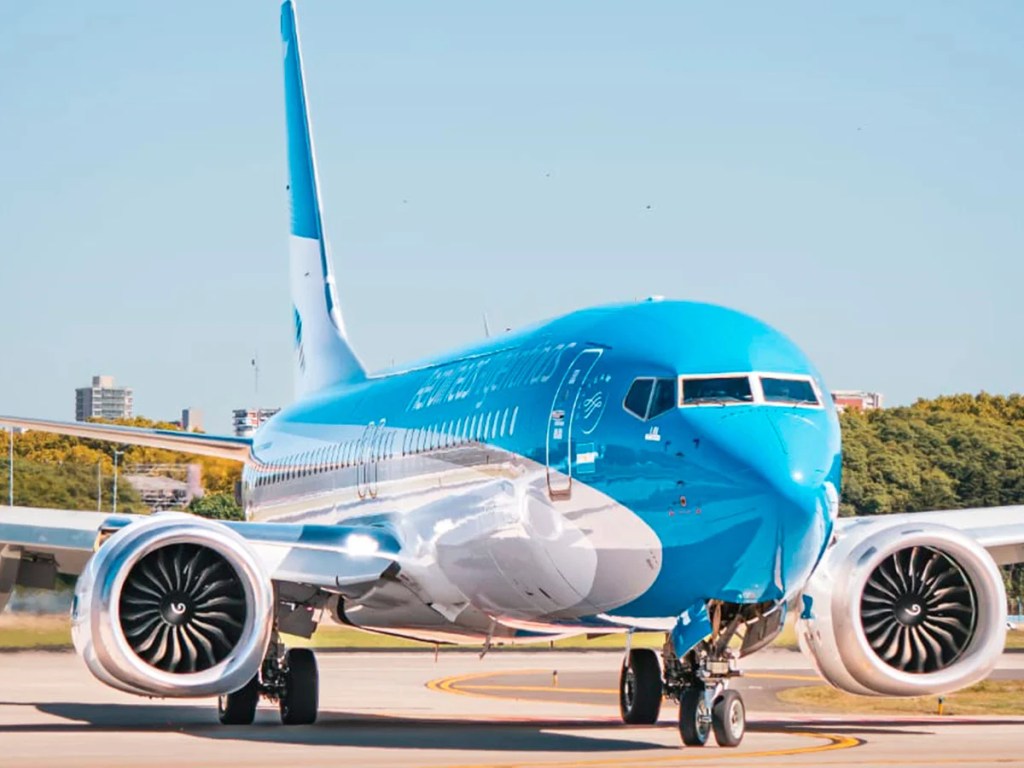
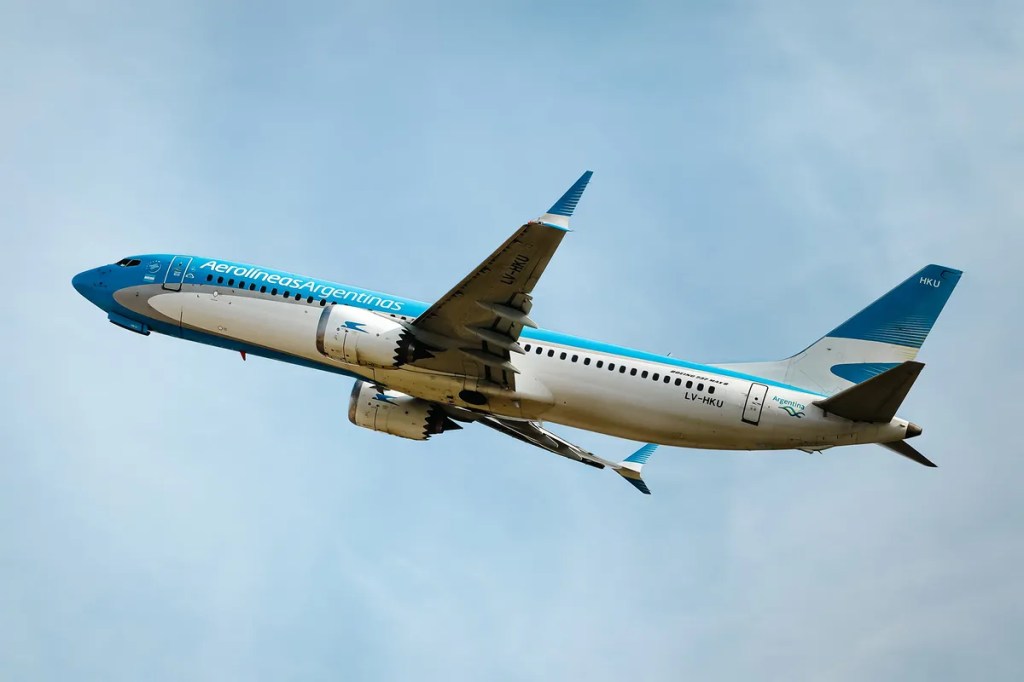
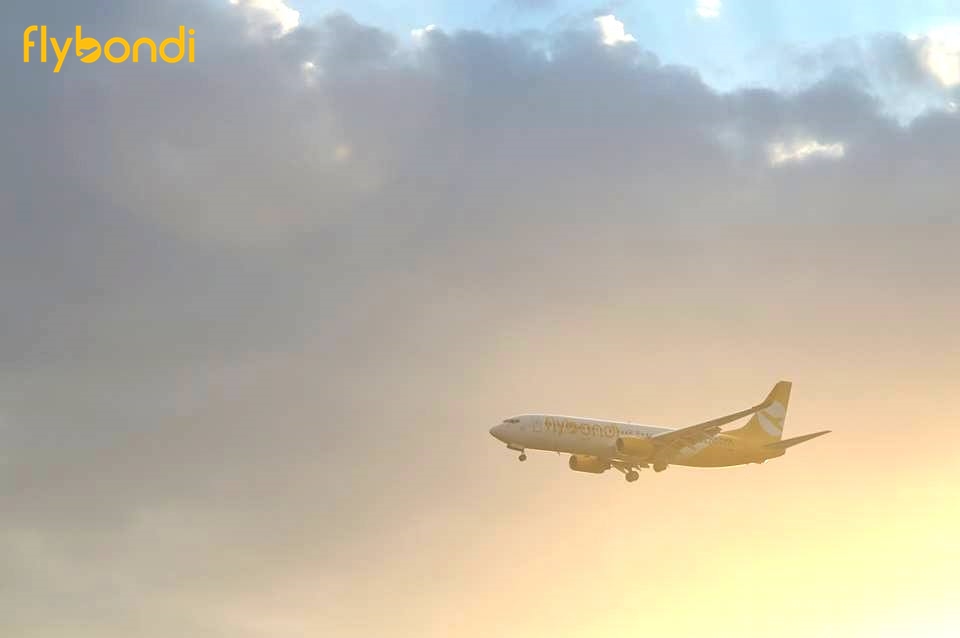

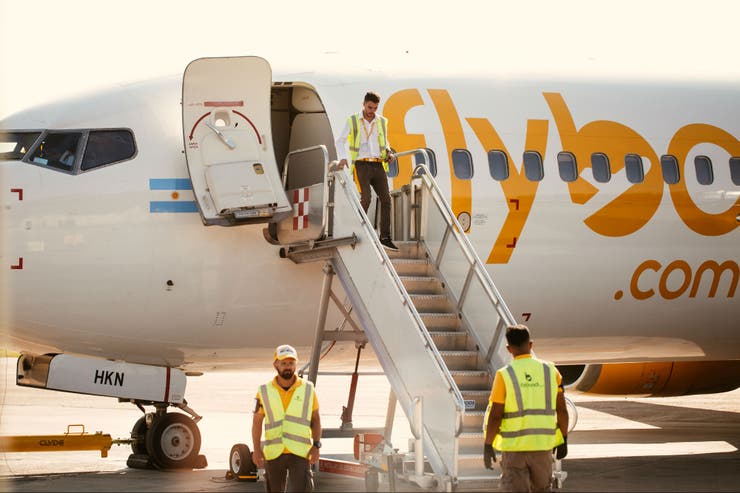

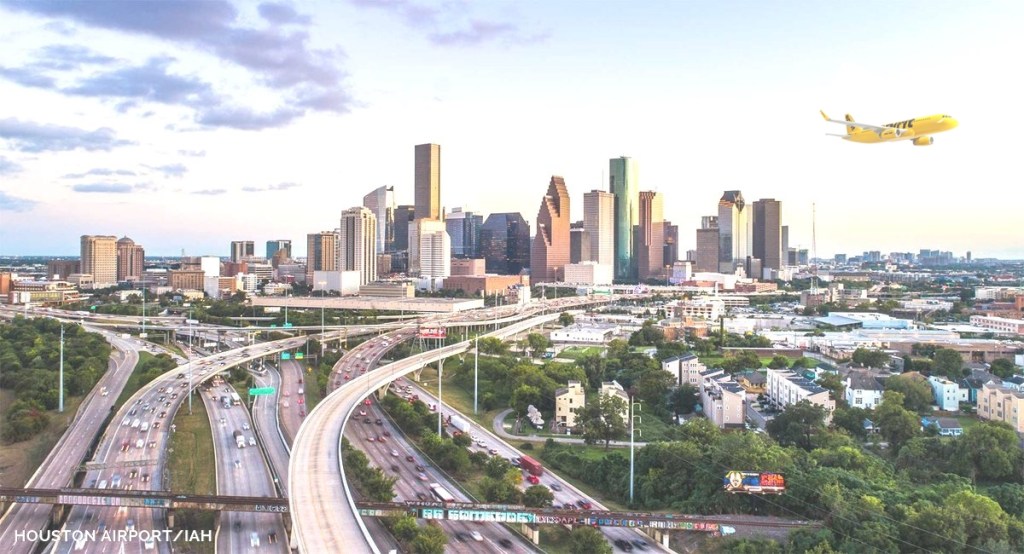


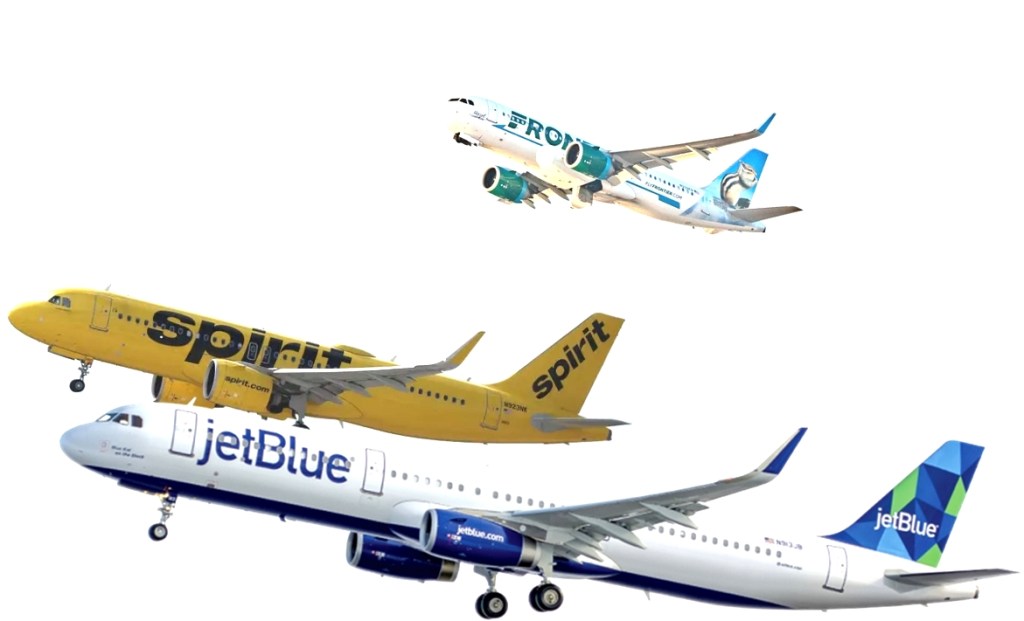
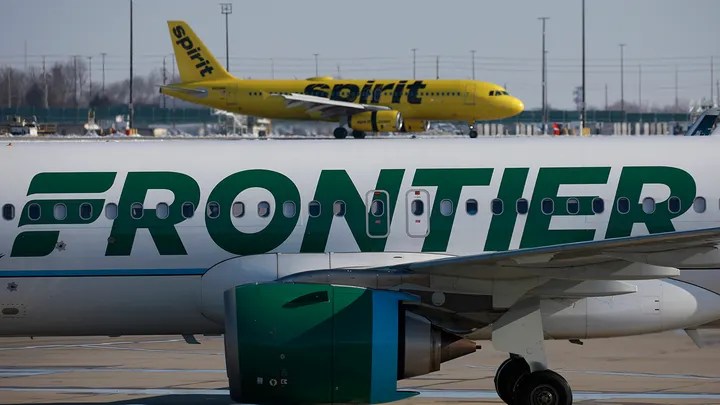


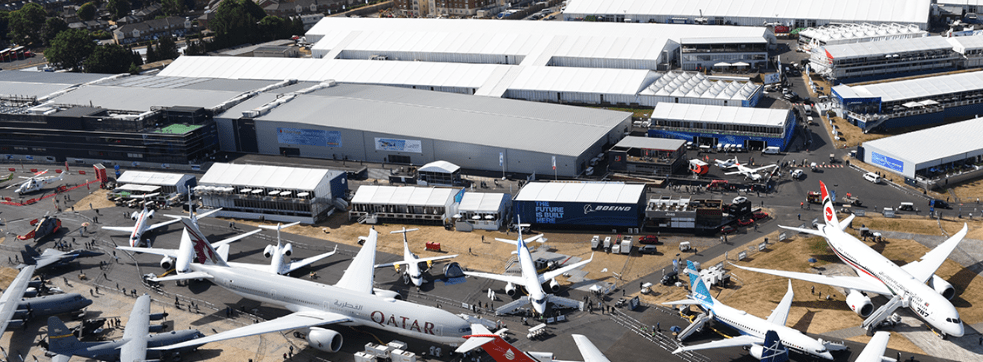


 airgways.com