Avianca unirá Rosario—Córdoba

DPLqmX3XUAE5Pm3.jpg

AW | 2017 12 15 14:47 | AIRLINES ROUTES

Avianca_Logo_2013.pngAvianca comenzará a volar la nueva ruta Rosario—Córdoba desde marzo 2018

El desarrollo de las operaciones de Avianca desde hace un mes entre Buenos Aires—Rosario y Buenos Aires—Mar del Plata están superando las expectativas.

Avianca confirmó que comenzará a volar la ruta Rosario—Córdoba de forma regular a partir de marzo 2018. La firma colombiana logró revertir así la decisión del gobierno nacional, que no le daba esa conexión porque esgrimía que la misma es operada actualmente por Aerolíneas Argentinas. El gobierno provincial apoyó a la empresa en su reclamo. La decisión permitirá mejorar la conexión diaria no sólo con la capital mediterránea sino en conectividad hacia otros destinos sin pasar por Buenos Aires.

De esta manera, Avianca será la primera de las dos líneas aéreas autorizadas en unir Rosario con Córdoba. La otra compañía es la noruega Norwegian, que logró a comienzos de semana el visto bueno del Ministerio de Transporte de la Nación para conectar Rosario—Córdoba. Pero recién dentro de unas semanas anunciará su plan de desembarco en el interior del país, al acceder a la concesión de 153 rutas por los próximos 15 años, entre ellas para conectar el Aeropuerto Islas Malvinas en vuelo internacional Rosario—Miami y con vuelos domésticos a otras siete ciudades argentinas.

Avianca comenzó sus vuelos desde Rosario a Aeroparque el 21 de noviembre 2017 con tarifas promocionales de pasajes que se agotaron a los pocos días de haberse puesto a la venta. Y a partir del 28 de noviembre inició sus vuelos a Mar del Plata. La compañía utiliza aviones turbohélice cero kilómetro con capacidad para 70 asientos. La firma tiene dos vuelos diarios, pero para marzo está previsto que el puente aéreo con Buenos Aires sea duplicado.  AIRWAYS® AW-Icon TXT

Avianca will begin to unite Rosario-Córdoba

Avianca will start flying the new Rosario-Córdoba route from March 2018

The development of Avianca‘s operations since a month ago between Buenos Aires-Rosario and Buenos Aires-Mar del Plata is exceeding expectations.

Avianca confirmed that the Rosario—Córdoba route will start flying regularly from March 2018. The Colombian firm managed to reverse the decision of the national government, which did not give it that connection because it wielded that it is currently operated by Aerolíneas Argentinas. The provincial government supported the company in its claim. The decision will make it possible to improve the daily connection not only with the Mediterranean capital but also connectivity to other destinations without going through Buenos Aires.

In this way, Avianca will be the first of the two airlines authorized to link Rosario with Córdoba. The other company is the Norwegian Norwegian, which got the approval of the Ministry of Transportation of the Nation to connect Rosario-Córdoba earlier this week. But just in a few weeks it will announce its plan of disembarkation in the interior of the country, by accessing the concession of 153 routes for the next 15 years, among them to connect Islas Malvinas Airport in Rosario-Miami international flight and with domestic flights to seven other Argentine cities.

Avianca began its flights from Rosario to Aeroparque on November 21, 2017 with promotional fares for tickets that sold out within a few days of being put up for sale. And from November 28 began its flights to Mar del Plata. The company uses zero kilometer turboprop aircraft with capacity for 70 seats. The firm has two daily flights, but by March it is expected that the airlift with Buenos Aires will be doubled. A \ W


Ξ A I R G W A Y S Ξ
SOURCE:  Airgways.com
DBk: Avianca.com.ar
AW-POST: 201712151447AR

A\W   A I R G W A Y S ®

Plazo para start-up a aéreas en Argentina

AW-70089771

AW | 2017 12 15 14:33 | AIRLINES MARKET

El Gobierno de Argentina ha otorgado el plazo de un año para que las líneas aéreas inicien sus operaciones aéreas

A través del Decreto 1302, publicado ayer en el Boletín Oficial, el Ministerio de Transporte de Argentina fijó en un año el plazo que tienen las aerolíneas para conseguir todas esas constancias. El Ministerio de Transporte ha otorgado un año de plazo para que las empresas que se adjudicaron rutas aéreas en las Audiencias Públicas realizadas en Argentina, comiencen a volar. Si en ese plazo no obtienen el certificado de explotador de servicios aéreos (CESA), caducarán las concesiones.

Las empresas deben tramitar el Certificado de Explotador de Servicios Aéreos (CESA) para que certifiquen la compra o alquiler de aviones para cubrir esas rutas, y que esos equipos a su vez ya cuenten con las certificaciones que exige la Administración Nacional de Aviación Civil (ANAC). Además existen otros requisitos a cumplimentar. Vencido ese plazo, si la empresa no tiene sus aviones en vuelo, o no tiene los certificados que acrediten que esos aviones están en camino, se les quitará el permiso otorgado.

AW-7004477

Aprobaciones del Ministerio de Transporte
Hasta el momento, el Gobierno otorgó rutas a seis empresas: entre marzo y mayo 2017 otorgó el visto bueno a Andes Líneas Aéreas, American Jet Líneas Aéreas, Alas del Sur, Flybondi y Avianca. Esta semana salió la sexta autorización: el ministerio que encabeza Guillermo Dietrich otorgó permisos para cubrir 152 rutas a la europea Norwegian Air Argentina, de los cuales 72 son rutas de cabotaje y 80 son conexiones internacionales. Se trata de la primera de las aerolíneas que se presentaron a la segunda audiencia para solicitar nuevas rutas.

En espera de las certiificaciones aeronáuticas para la autorización están las otras líneas aéreas que se presentaron a audiencia de septiembre 2017 y ya tienen el visto bueno de la Junta Asesora de Transporte Aéreo (JATA). Las empresas son Argenjet, Avianca (ampliación de rutas), Buenos Aires International Airlines, LASA Líneas Aéreas, Royal Class, Polar Líneas Aéreas, SAPSA Líneas Aéreas y SEA. Algunas son aerolíneas que existen hace años y otras son nuevas. Otras, por el momento, sólo existen en los papeles. Según fuentes del ministerio, la resolución de ayer apunta precisamente a “poner un límite de tiempo a los adjudicatarios de las rutas”.

La situación de cada empresa, al menos en cuanto a los tiempos, es variada: Andes Líneas Aéreas fue la primera que comenzó a explotar sus nuevas rutas, con la incorporación de nuevos aviones y ayer anunció la incorporación de su tercer Boeing B737-800. Norwegian Air Argentina anunció que en enero 2018 incorporará su primer avión a su flota.

Avianca continuó con su star-up con vuelos a Rosario con aviones turbohélice ATR 72-600. Flybondi presentó su nuevo avión la semana pasada, pero la aeronave todavía tiene pendientes algunas certificaciones para comenzar a operar y recién comenzaría a hacerlo en enero 2017.

Alas del Sur, por el momento, sigue siendo una empresa en los papeles, todavía no presentó sus aviones. En cuanto a American Jet, una firma que hace vuelos ejecutivos desde la Patagonia, todavía no hizo públicos sus planes con las nuevas rutas.

Para todas las empresas, incluidas aquellas que disponen de la autorización para volar desde marzo, el plazo de un año comienza a correr a partir de la publicación de ayer en el Boletín Oficial. El decreto apuntaría a que las empresas autorizadas agilicen las tramitaciones y la puesta a punto de las líneas aéreas.  AIRWAYS® AW-Icon TXT

AW-70086445

Term for start-up to airlines in Argentina

The Government of Argentina has granted a period of one year for airlines to begin their air operations

Through Decree 1302, published yesterday in the Official Gazette, the Ministry of Transport of Argentina set a year the term that airlines have to get all these certificates. The Ministry of Transportation has granted a one-year deadline for companies that were awarded air routes in Public Hearings held in Argentina, begin to fly. If in that period they do not obtain the certificate of air service operator (CESA), the concessions will expire.

Companies must process the Air Services Operator Certificate (CESA) to certify the purchase or rental of aircraft to cover these routes, and that these teams in turn already have the certifications required by the National Civil Aviation Administration (ANAC) ). In addition there are other requirements to be fulfilled. Once this period has expired, if the company does not have its airplanes in flight, or does not have the certificates that prove that those airplanes are on the way, the permit granted will be removed.

Approvals from the Ministry of Transport
So far, the Government has granted routes to six companies: between March and May 2017 it granted approval to Andes Líneas Aéreas, American Jet Líneas Aéreas, Alas del Sur, Flybondi and Avianca. This week saw the sixth authorization: the ministry headed by Guillermo Dietrich granted permits to cover 152 routes to the European Norwegian Air Argentina, of which 72 are cabotage routes and 80 are international connections. It is the first of the airlines that showed up at the second hearing to request new routes.

Awaiting the aeronautical certifications for authorization are the other airlines that were presented for the September 2017 hearing and already have the approval of the Air Transport Advisory Board (JATA). The companies are Argenjet, Avianca (route expansion), Buenos Aires International Airlines, LASA Líneas Aéreas, Royal Class, Polar Líneas Aéreas, SAPSA Líneas Aéreas and SEA. Some are airlines that exist years ago and others are new. Others, for the moment, only exist in the papers. According to ministry sources, the resolution yesterday aims precisely to «put a time limit to the winners of the routes».

The situation of each company, at least in terms of time, is varied: Andes Líneas Aéreas was the first to start operating its new routes, with the addition of new aircraft and yesterday announced the addition of its third Boeing B737-800. Norwegian Air Argentina announced that in January 2018 it will incorporate its first aircraft into its fleet.

Avianca continued with its star-up with flights to Rosario with turboprop aircraft ATR 72-600. Flybondi presented its new plane last week, but the aircraft still has some certifications pending to start operating and would just start doing so in January 2017.

Alas del Sur, for the moment, is still a company in the papers, still did not present its aircraft. As for American Jet, a firm that makes executive flights from Patagonia, it has not yet made public its plans with the new routes.

For all companies, including those that have the authorization to fly from March, the term of one year begins to run from the publication yesterday in the Official Gazette. The decree would aim for authorized companies to speed up the processing and fine-tuning of airlines. A \ W


Ξ A I R G W A Y S Ξ
SOURCE:  Airgways.com
DBk: Argentina.gob.ar/transporte / Airgways.com
AW-POST: 201712151433AR

A\W   A I R G W A Y S ®

Formación hielo ATR 72-500 Air Aurigny

AW | 2017 12 15 12:30 | AVIATION SAFETY

El intento fallido de superar la formación de hielo provocó un trastorno grave de un ATR 72-500

Los investigadores del Reino Unido han determinado que un ATR 72-500 de Aurigny Air Services sufrió un serio malestar durante el vuelo después de que su tripulación intentó escalar en vano de una región de hielo en lugar de seguir los procedimientos correctos de la lista de verificación.

Había ingresado en un sistema meteorológico frontal sobre el Canal de la Mancha, con condiciones moderadas de formación de hielo, y la acumulación de hielo redujo el rendimiento del turbohélice hasta el punto en que alcanzó su techo operativo. La eventual molestia implicó un balance excesivo, con una velocidad aérea fluctuante y una pérdida de altitud, antes de que la tripulación recuperara el control.

Aunque los sistemas antiescaras (antihielos) se emplearon durante el ascenso inicial de Guernsey, la tripulación recibió una advertencia de «rendimiento degradado» cuando el turboprop pasaba 11,000 pies en el camino a una altitud despejada de 17,000 pies. Consciente de que la aeronave estaba recogiendo hielo, el capitán mencionó la lista de verificación del manual de referencia rápida en respuesta al mensaje de precaución, pero no lo llevó a cabo. Tampoco el equipo llevó a cabo el procedimiento de «formación de hielo severo».

Inicialmente, el capitán aumentó la velocidad del objetivo a 175 kt, que era 10 k arriba de la velocidad mínima de formación de hielo, según fuera necesario, y la velocidad de ascenso del ATR cayó a 25 pies/min.

Con la aeronave efectivamente en vuelo nivelado, dice la Subdivisión de Investigación de Accidentes Aéreos del Reino Unido, el capitán cree que la velocidad aérea objetiva podría reducirse de forma segura a 165 kt. En respuesta a esto, la aeronave aumentó la inclinación y comenzó a subir de nuevo, y el capitán comentó sobre si podría «sobreponerse» a las nubes.

Pero después de un aumento y una reducción de la velocidad objetiva similar, la tripulación se dio cuenta de que la aeronave tenía un rendimiento de ascenso insuficiente para alcanzar su altitud despejada. Los pilotos pidieron que se nivelara a 13,000 pies y el control del tráfico aéreo aprobó la solicitud, dirigiendo el avión a un punto de ruta identificado como NORRY en el sur del Reino Unido. Esto requirió que la aeronave girara, para lograr un cambio de 10° en el rumbo. Pero la combinación de acumulación de hielo, velocidad inapropiada y un modo activo de «banco alto», que permitía bancos de hasta 27°, resultó en una pérdida repentina de control.

Inicialmente, la aeronave rodó 32° a la izquierda antes, con el piloto automático desconectado, girando a la derecha a 38°, y luego a la izquierda nuevamente a 73°. El ATR se lanzó a 16° hacia abajo. Su capitán ordenó al primer oficial llevar a cabo acciones de recuperación de malestar, que incluyeron la extensión de los flaps. A medida que la aeronave recuperó el paso invertido desde la nariz hacia abajo a 19° nariz arriba y la velocidad aerodinámica fluctuó entre 123kt y 190kt. El ATR, que había descendido alrededor de 1,000 pies, fue devuelto a vuelo nivelado a 13,000 pies. El primer oficial transmitió una llamada de socorro durante la recuperación y la tripulación optó por regresar a Guernsey donde aterrizó sin más incidentes. Ninguno de los 65 ocupantes resultó herido.

El examen de la aeronave no encontró fallas en los sistemas de detección de hielo, antihielo o descongelación, o con el sistema de monitoreo de la performance de la aeronave, aunque las aletas se habían sometido a una velocidad excesiva durante la recuperación.

Los investigadores señalan que, si los pilotos hubieran llevado a cabo el procedimiento de «actuación degradada», se habrían dirigido a la lista de verificación de «glaseado severo». Los procedimientos habrían requerido desconectar el piloto automático y mantener una velocidad mínima de 175 kt. «La tripulación no observó estas acciones», dice la investigación sobre el incidente del 21 de diciembre de 2016. «En consecuencia, la salida del vuelo controlado fue más probable porque el avión se hizo volar más lento de lo requerido».

Al dejar el piloto automático activado, agrega, la tripulación «no se habría dado cuenta» de ninguna indicación de manejo que indique una inminente pérdida de control. Los investigadores reconocen que la tripulación había estado persiguiendo un objetivo «bien intencionado» de salir de las condiciones de formación de hielo, pero que esto llevó directamente al malestar. Dice que la situación estresante puede conducir a una mala toma de decisiones. «En tales circunstancias, puede ser necesario abandonar el objetivo inmediato y seguir un curso de acción alternativo y más seguro», agrega, «incluso si se considera que ese curso de acción aleja al avión del estado deseado».

Los investigadores identificaron el avión como registrado G-COBO, el mismo ATR 72-500 de Aurigny que había estado involucrado en otro incidente de control relacionado con la formación de hielo en Manchester nueve meses antes.  AIRWAYS® AW-Icon TXT

Ice formation in ATR 72-500 of Air Aurigny

The failed attempt to overcome the formation of ice caused a serious disturbance of an ATR 72-500

Researchers in the United Kingdom have determined that an ATR 72-500 from Aurigny Air Services suffered serious discomfort during the flight after its crew attempted to climb in vain from an ice region instead of following the correct procedures of the checklist.

It had entered a frontal meteorological system over the English Channel, with moderate conditions of ice formation, and the accumulation of ice reduced the performance of the turboprop to the point where it reached its operational ceiling. The eventual annoyance involved an excessive balance, with a fluctuating airspeed and a loss of altitude, before the crew regained control.

Although antiescaras (anti-ice) systems were used during Guernsey’s initial ascent, the crew received a warning of «degraded performance» when the turboprop passed 11,000 feet on the road at an unobstructed altitude of 17,000 feet. Aware that the aircraft was collecting ice, the captain mentioned the checklist of the quick reference manual in response to the precautionary message, but did not carry it out. Nor did the team carry out the «severe ice formation» procedure.

Initially, the captain increased the speed of the target to 175 kt, which was 10 k above the minimum rate of ice formation, as necessary, and the rate of climb of the ATR dropped to 25 ft / min.

With the aircraft effectively in level flight, says the Air Accident Investigation Branch of the United Kingdom, the captain believes that the objective airspeed could be safely reduced to 165 kt. In response to this, the aircraft increased the incline and began to climb again, and the captain commented on whether he could «get over» the clouds.

But after an increase and a similar objective speed reduction, the crew realized that the aircraft had an insufficient climb performance to reach its clear altitude. The pilots requested that it be leveled at 13,000 feet and air traffic control approved the request, directing the aircraft to a waypoint identified as NORRY in the south of the United Kingdom. This required the aircraft to turn, to achieve a 10° change in course. But the combination of ice buildup, inappropriate speed and an active «high bank» mode, which allowed banks up to 27°, resulted in a sudden loss of control.

Initially, the aircraft rolled 32° to the left before, with the autopilot disconnected, turning right at 38°, and then left again at 73°. The ATR was launched at 16° down. His captain ordered the first officer to carry out recovery actions of discomfort, which included the extension of the flaps. As the aircraft recovered the inverted step from the nose down to 19° nose up and the airspeed fluctuated between 123kt and 190kt. The ATR, which had descended around 1,000 feet, was returned to level flight at 13,000 feet. The first officer transmitted a distress call during the recovery and the crew opted to return to Guernsey where he landed without further incident. None of the 65 occupants was injured.

The examination of the aircraft found no flaws in the ice detection, anti-icing or thawing systems, or with the aircraft performance monitoring system, although the fins had been subjected to excessive speed during recovery.

The investigators point out that, if the pilots had carried out the «degraded performance» procedure, they would have gone to the «severe glaze» checklist. The procedures would have required disconnecting the autopilot and maintaining a minimum speed of 175 kt. «The crew did not observe these actions», says the investigation of the incident on December 21, 2016. «As a result, the departure of the controlled flight was more likely because the plane flew slower than required.»

By leaving the autopilot activated, he adds, the crew «would not have noticed» any indication of driving that indicates an imminent loss of control. Researchers acknowledge that the crew had been pursuing a «well-intentioned» goal of getting out of icing conditions, but that this led directly to discomfort. He says that the stressful situation can lead to poor decision making.

«In such circumstances, it may be necessary to abandon the immediate objective and follow an alternative and safer course of action», he adds, «even if that course of action is considered to take the airplane away from the desired state.»

The researchers identified the aircraft as registered G-COBO, the same Aurigny ATR that had been involved in another control incident related to ice formation in Manchester nine months earlier. A \ W


Ξ A I R G W A Y S Ξ
SOURCE:  Airgways.com
DBk: Flightglobal.com / Wikimedia.org
AW-POST: 201712151230AR

A\W   A I R G W A Y S ®

Andes incorporó tercer Boeing 737-800

DSCN4636.JPG

AW | 2017 12 15 02:22 | AIRLINES

Resultado de imagen para Andes Lineas Aereas LogoLa aerolínea salteña ha recibido el tercer Boeing 737-800 a su flota

Andes Líneas Aéreas recibió el octavo avión de su flota, un nuevo Boeing 737 800 registro LV -HKZ que se incorpora a la compañía aérea. La actual flota de aeronaves son: Boeing MD-83 (5) y tres Boeing 737-800.

Se trata de un Boeing 737-800 que fue recibido ayer en el aeropuerto internacional de Ezeiza. Llegó ploteado con los colores de la aerolínea de capitales nacionales con el distintivo winglets celeste y blanco.

“Estamos felices por lo que representa un avión para una empresa que sostiene su desarrollo en un mercado que crece a pasos agigantados. Esto representa más fuente de empleo, más conectividad y progreso”, señaló Horacio Preneste, gerente general de Andes Líneas Aéreas.

La incorporación del flamante avión permitirá, según entendió el ejecutivo, consolidar el plan de la empresa de llegar a más destinos, con mejores servicios y con un esquema de tarifas inteligentes que potencia la competencia en el mercado nacional y permite el acceso de muchos argentinos que antes no podían volar.

Bernardo Racedo Aragón, Gerente de Marketing de la compañía, expresó este hito de Andes, no es otra cosa que la ejecución de una planificación anunciada en la audiencia pública llevada a cabo en diciembre de 2016 por la autoridad de aplicación. “Estamos simplemente cumpliendo con lo que nos habíamos comprometido. También dijimos que terminaríamos 2017 con cuatro Boeing; por lo que en un corto plazo estaremos incorporando un avión más con lo que cerraremos un año con una flota consolidada para responder a la creciente demanda”, expresó. AIRWAYS® AW-Icon TXT

Andes Líneas Aéreas incorporated third Boeing 737-800

The Salta airline has received the third Boeing 737-800 to its fleet

Andes Líneas Aéreas received the eighth aircraft in its fleet, a new Boeing 737 800 LV-HKZ record that joins the airline. The current fleet of aircraft are: Boeing MD-83 (5) and three Boeing 737-800.

It is a Boeing 737 800 that was received yesterday at the international airport of Ezeiza. Arrived plotted with the colors of the national capital airline with the distinctive blue and white winglets.

«We are happy for what an airplane represents for a company that supports its development in a market that grows by leaps and bounds. This represents more source of employment, more connectivity and progress», said Horacio Preneste, general manager of Andes Líneas Aéreas.

The incorporation of the brand new airplane will allow, according to the executive, to consolidate the company’s plan to reach more destinations, with better services and with a smart fare scheme that enhances the competition in the national market and allows the access of many Argentines who before they could not fly.

Bernardo Racedo Aragón, Marketing Manager of the company, expressed this milestone of Andes, is nothing other than the execution of a plan announced at the public hearing held in December 2016 by the enforcement authority. «We are simply fulfilling what we had committed ourselves to. We also said that we would end 2017 with four Boeing; so in the short term we will be incorporating one more airplane with which we will close a year with a consolidated fleet to respond to the growing demand», he said. A \ W


Ξ A I R G W A Y S Ξ
SOURCE:  Airgways.com
DBk: Andesonline.com /  Aeropuertocordoba.blogspot.com.ar
AW-POST: 201712150222AR

A\W   A I R G W A Y S ®

Uruguay demora permiso a Azul Airlines

wall_azul

AW | 2017 12 15 02:05 | AIRLINES

azul1000x288.jpgLa Dinacia de Uruguay daría aval a Azul uruguay después de marzo de 2018

Resultado de imagen para Azul Linhas Aéreas pngLa aerolínea brasileña Azul Linhas Aéreas desistió por el momento de avanzar con su proceso para operar como una aerolínea en Uruguay, producto del tiempo excesivo que le insume ante Dirección Nacional de Aviación Civil e Infraestructura Aeronáutica (Dinacia) su certificación.
Azul pretendía contar con los permisos para la temporada estival. La Asociación Civil de Pilotos de Línea Aérea en Uruguay (ACIPLA) divulgó un comunicado luego de una reunión que mantuvo con Azul en el Aeropuerto de Carrasco, en el que informaba sobre el anuncio «por parte de sus autoridades que el proyecto quedaba en suspenso hasta una nueva valoración». La compañía tenía como objetivo comenzar a operar como línea aérea uruguaya en el corto plazo, y entre otros destinos poder volar el puente aéreo entre Montevideo y Buenos Aires.

Según Acipla, la compañía comunicó en «forma extraoficial que dicha decisión obedecía a las demoras de la Dinacia, en tanto la misma se iba a tomar los 6 meses que le otorga la LAR (Reglamentos Aeronáuticos Uruguayos) para procesar la certificación, siendo que la empresa necesitaba tener operando los aviones para el mes de marzo a más tardar». El timing era imprescindible para efectuar la inversión en Uruguay ya que no era un mercado importante.

En el actual desarrollo de los eventos, Azul Linhas Aérreas buscará dar prioridad al mercado brasileño que está teniendo signos de repunte para concentrarse más plenamente en el segmento de cabotaje.

El grupo brasileño también aspira a cubrir la ruta Montevideo-Porto Alegre y Montevideo-San Pablo como aerolínea de bandera, además de otros destinos, entre ellos, Córdoba en Argentina. Azul es la tercera aerolínea más importante de Brasil, tiene 11 mil empleados y llega a más de 80 destinos en el país norteño.   AIRWAYS® AW-Icon TXT

azul1

Uruguay delays Azul Airlines permit

The Dinacia of Uruguay would endorse Azul Uruguay after March 2018

The Brazilian airline, Azul Linhas Aéreas, decided not to proceed with the process to operate as an airline in Uruguay, as a result of the excessive time it takes to obtain a certification from the National Directorate of Civil Aviation and Aeronautical Infrastructure (Dinacia).

Azul pretended to have permits for the summer season. The Civil Association of Airline Pilots in Uruguay (ACIPLA) released a statement after a meeting held with Azul at the Carrasco Airport, which reported on the announcement «by its authorities that the project was suspended until a new assessment». The company’s objective was to start operating as a Uruguayan airline in the short term, and among other destinations to fly the air bridge between Montevideo and Buenos Aires.

According to Acipla, the company informed in an «unofficial manner that said decision was due to the delays of Dinacia, as it was going to take the 6 months that the LAR (Uruguayan Aeronautical Regulations) grants to process the certification, since the The company needed to have the aircraft operating by the month of March at the latest». The timing was essential to make the investment in Uruguay since it was not an important market.

In the current development of the events, Azul Linhas Aéreas will seek to give priority to the Brazilian market that is having signs of recovery to concentrate more fully on the cabotage segment.

The Brazilian group also aims to cover the route Montevideo-Porto Alegre and Montevideo-San Pablo as flag carrier, as well as other destinations, including Córdoba in Argentina. Azul is the third most important airline in Brazil, has 11 thousand employees and reaches more than 80 destinations in the northern country. A \ W


Ξ A I R G W A Y S Ξ
SOURCE:  Airgways.com
DBk: Voeazul.com.br / Dinacia.gub.uy
AW-POST: 201712150205AR

A\W   A I R G W A Y S ®

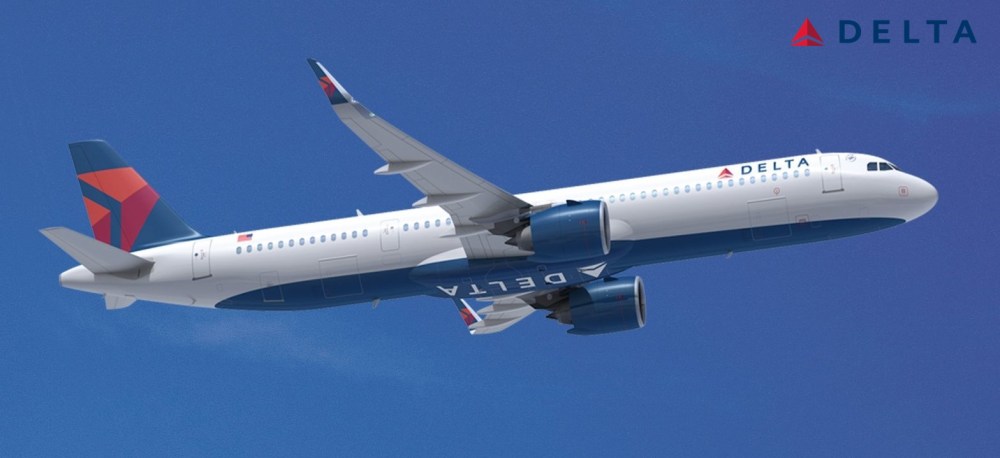
Delta ordena 100 Airbus A321NEO

delta-a321neo-pw.jpg

AW | 2017 12 01 15:50 | AIRLINES

2000px-Delta_logo.svgDelta Airlines concreta gran contrato con Airbus por 100 A321NEO

Delta Air Lines ordenó al fabricante europeo Airbus Group un contrato por 100 A321NEO por un monto de US$ 12.700 millones. En un comunicado, la compañía aérea indicó además que tomó una opción por otros 1,000 aviones suplementarios.

Delta explicó que estos aviones pueden transportar hasta 197 pax y consumen 12% menos de combustible en comparación con los A321CEO, lo que le permitirá renovar su flota de media distancia. El comienzo de la entrega de los aparatos, equipados de motores Pratt y Whitney, cuyo retraso en la producción costó numerosos contratos a Airbus, está previsto entre el 2020 y 2023.

«Esta es la transacción correcta en el momento adecuado para nuestros clientes, nuestros empleados y nuestros accionistas», dijo el presidente ejecutivo de Delta, Ed Bastian, CEO de Delta, citado en el comunicado.

Lucha entre gigantes
Este contrato no solo aumenta la participación de mercado de Airbus en el segmento de aparatos de pasillo único, sino que también destaca las tensiones actuales entre Delta y Boeing. El encargo a Delta fue anunciado en medio de una pública pugna entre Delta y el gigante aeronáutico estadounidense Boeing por una disputa comercial que involucra otra orden de aviones entre la línea aérea y el fabricante canadiense Bombardier. Boeing argumenta que esos aviones están subvalorados debido a subsidios ilegales del gobierno canadiense a Bombardier.

Bombardier anunció en octubre una alianza en producción con Airbus que entrega una parte del programa de los CSeries de Bombardier. Delta ha dicho que no pagará ningún arancel introducido por el gobierno estadounidense en respuesta a los reclamos de Boeing.

Al final de la línea es una gran derrota para la estadounidense Boeing, que fundaba fuertes esperanzas en renovar un contrato con uno de los transportistas líderes del mercado mundial, Delta Air Lines.  AIRWAYS® AW-Icon TXT

Delta orders 100 Airbus A321NEO

Delta Airlines specifies a large contract with Airbus for 100 A321NEO

Delta Air Lines ordered the European manufacturer Airbus Group a contract for 100 A321NEO for an amount of US$ 12.7 billion. In a statement, the airline also indicated that it took an option for another 1,000 supplementary aircraft.

Delta explained that these planes can transport up to 197 passengers and consume 12% less fuel compared to the A321CEO, which will allow them to renew their medium-distance fleet. The start of the delivery of the devices, equipped with Pratt and Whitney engines, whose delay in production cost numerous contracts to Airbus, is planned between 2020 and 2023.

«This is the right transaction at the right time for our customers, our employees and our shareholders», Delta Chief Executive Ed Bastian, CEO of Delta, was quoted as saying in the statement.

Fight between giants
This contract not only increases Airbus’ market share in the single aisle segment, but also highlights the current tensions between Delta and Boeing. The order to Delta was announced in the middle of a public struggle between Delta and the US aeronautical giant Boeing for a commercial dispute involving another order of airplanes between the airline and the Canadian manufacturer Bombardier. Boeing argues that those planes are undervalued due to illegal subsidies from the Canadian government to Bombardier.

Bombardier announced in October an alliance in production with Airbus that delivers part of the Bombardier CSeries program. Delta has said it will not pay any tariff introduced by the US government in response to Boeing’s claims.

At the end of the line is a great defeat for the American Boeing, who founded strong hopes to renew a contract with one of the leading transporters of the world market, Delta Air Lines. A \ W


Ξ A I R G W A Y S Ξ
SOURCE: Airgways.com
DBk: Delta.com / Airbus.com / Eturbonews.com
AW-POST: 201712150145AR

A\W   A I R G W A Y S ®

Accidente ATR 42 West Wind en Canadá

header-fleet.jpg

AW | 2017 12 15 01:19 | AIR INVESTIGATION / AVIATION SAFETY

Resultado de imagen para West Wind AviationLa aerolínea regional canadiense West Wind tuvo un accidente aéreo con un ATR 42

El ATR 42-300 impactó contra el terreno poco después del despegue en Fond-du-Lac, Canadá, el 13 de diciembre de 2017. Un ATR-42-300 registro C-GWEA del fabricante Avions de Transport Regional de la aerolínea regional West Wind Aviation realizaba vuelo WEW-280 desde Fond-du-Lac, a Stony Rapids, SK (Canadá) con 22 pasajeros y 3 tripulantes, despegó desde Fond-du-Lac aproximadamente a las 18:15L (00:15Z el 14 de diciembre) cuando el avión perdió altura y terreno impactando aproximadamente 1 km más allá de la pista. Todos los ocupantes sobrevivieron, hay una serie de lesiones graves y leves, el avión sufrió daños sustanciales. La TSB canadiense ha enviado investigadores en el sitio. El 14 de diciembre de 2017, la TSB informó que tanto los datos de vuelo como la grabadora de voz de la cabina de mandos se envían al laboratorio TSB en Ottawa.

West Wind Aviation actualmente opera tres ATR-42: C-GWEA, C-GWWD y C-GWWC. Tiene su base de operaciones en el Aeropuerto Internacional John G. Diefenbaker en Saskatoon, Canadá. AIRWAYS® AW-Icon TXT

ATR 42 accident of West Wind in Canada

The Canadian regional airline West Wind had an air accident with an ATR 42

The ATR 42-300 hit the ground shortly after takeoff in Fond-du-Lac, Canada, on December 13, 2017. An ATR-42-300 registration C-GWEA of the manufacturer Avions of Regional Transport of the regional airline West Wind Aviation made flight WEW-280 from Fond-du-Lac, to Stony Rapids, SK (Canada) with 22 passengers and 3 crew, It took off from Fond-du-Lac at approximately 18:15L (00: 15Z on December 14) when the plane lost altitude and ground impacting approximately 1 km beyond the runway. All occupants survived, there is a series of serious and minor injuries, the plane suffered substantial damage. The Canadian TSB has sent researchers to the site. On December 14, 2017, the TSB reported that both the flight data and the cockpit voice recorder are sent to the TSB laboratory in Ottawa.

West Wind Aviation currently operates three ATR-42: C-GWEA, C-GWWD and C-GWWC. It has its base of operations at the John G. Diefenbaker International Airport in Saskatoon, Canada. A \ W


Ξ A I R G W A Y S Ξ
SOURCE:  Airgways.com
DBk: Avherald.com / Westwindaviation.ca
AW-POST: 201712150119AR

A\W   A I R G W A Y S ®