
AW | 2018 01 28 15:07 | AIRLINES ALLIANCE / AVIATION
Veintitrés estados africanos lanzan un solo mercado de aviación

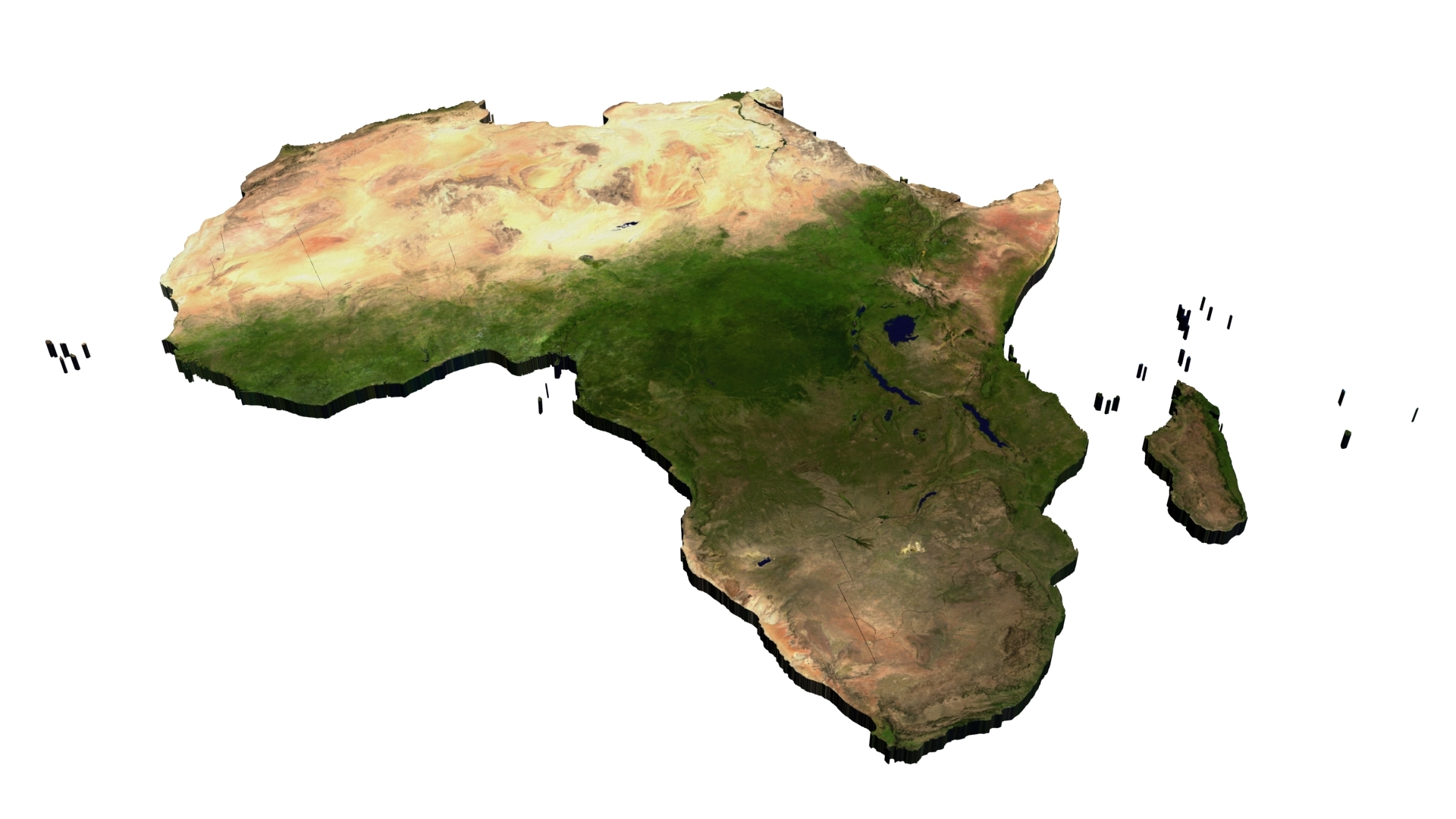 La Single African Air Transport Market (SAATM) es una nueva asociación de veintitrés estados africanos que han lanzado un mercado de aviación único para impulsar la conectividad, mejorar las tarifas y estimular el crecimiento económico.
SAATM es un proyecto emblemático de la Agenda 2063 de la Unión Africana (AU), una iniciativa de la Unión Africana para crear un mercado único de transporte aéreo unificado en África, la liberalización de la aviación civil en África y como un impulso para la agenda de integración económica del continente africano.
La Unión Africana de 55 miembros presentó la primera fase del Mercado Único Africano de Transporte Aéreo, después de tres décadas del primer proyecto inicial. Los ejecutivos de las aerolíneas y los analistas de la industria dieron la bienvenida a la nueva asociación aérea, remarcando el compromiso necesario para crear verdaderos cielos abiertos en África, considerado un continente con servicios más caros, infraestructura escasa y conexiones deficientes.
África representa alrededor del 15% de la población mundial, pero solo el 3% del tráfico aéreo mundial, según la Organización de Aviación Civil Internacionai (OACI), una agencia de la ONU.
«El continente está asediado por aerolíneas que son propiedad del gobierno, brazos del estado increíblemente ineficientes y que no son realmente aptos para fines comerciales y el público que viaja sufre como resultado», dijo Tim Coombs, director ejecutivo de Aviation Economics, una consultora con sede en Londres. La conectividad entre algunas naciones es tan pobre que la forma más fácil de viajar de un país a otro suele ser volar a través de Europa o Oriente Medio.
David Kajange, jefe de la división de transporte y turismo de la UA y uno de los arquitectos del mercado único, dijo: «El análisis de costo beneficio de proteger unos pocos puestos de trabajo en comparación con los beneficios económicos totales de la apertura simplemente no está allí. La aviación es un producto de lujo en África, pero en los Estados Unidos y Europa cualquiera puede ir a cualquier lugar durante un fin de semana. Eso es lo que queremos aquí».
Un estudio de 2015 encargado por la Comisión de Aviación Civil Africana y la Asociación Internacional de Transporte Aéreo, un organismo comercial de casi 300 aerolíneas, estimó que la liberalización total del sector entre 12 de las mayores economías del continente agregaría $ 1.3bn a su producción económica, y generar 155,000 nuevos empleos y reducciones de tarifas de hasta 35 por ciento.
Kajange dijo que esperaba que las tarifas cayeran hasta en un 30 por ciento con el tiempo, particularmente cuando las aerolíneas se volvieran libres para expandir las rutas entre las ciudades de segundo y tercer nivel. «Nos hemos dado cuenta de que si liberalizas creas las condiciones comerciales para que los inversionistas exploten esas oportunidades, los mercados secundarios», dijo.
El nuevo mercado se remonta a 1988, cuando algunos países africanos acordaron liberalizar el sector de la aviación. Esto se formalizó en la Decisión de Yamoussoukro de 1999, en la que 44 estados acordaron comenzar a liberalizar el transporte aéreo, pero nunca se ha implementado hasta ahora.
Nico Bezuidenhout, director ejecutivo de Fastjet , una aerolínea que cotiza en Londres que opera en el sur de África, dijo: «En un contexto regulatorio africano [el nuevo mercado] es un evento sísmico. Pero uno no debería pretender que la aviación africana existe en esta dimensión única. Hay un contexto más amplio».
Para que el mercado único tenga éxito, los miembros restantes de la UA deben unirse, se necesita una mayor inversión por parte de los aeropuertos y las aerolíneas, se debe mejorar la seguridad y armonizar e incrementar los estándares de supervisión de la aviación civil, agregó.
Raphael Kuuchi, vicepresidente de IATA para África, dio la bienvenida al nuevo mercado único como trascendental. Pero enfatizó que los «beneficios de un continente conectado solo se realizarán a través de una implementación efectiva».
Los funcionarios de la UA esperan que los viajeros comiencen a ver beneficios tangibles en aproximadamente seis meses. 
Single African Air Transport Market
Twenty-three African states launch a single aviation market
The Single African Air Transport Market (SAATM) is a new association of 23 African states that have launched a single aviation market to boost connectivity, improve rates and stimulate economic growth.
SAATM is an emblematic project of the 2063 Agenda of the African Union (AU), an initiative of the African Union to create a single unified air transport market in Africa, the liberalization of civil aviation in Africa and as a boost to the agenda of economic integration of the African continent.

The African Union of 55 members presented the first phase of the African Single Market for Air Transport, after three decades of the first initial project. Airline executives and industry analysts welcomed the new air partnership, highlighting the commitment needed to create true open skies in Africa, considered a continent with more expensive services, scarce infrastructure and poor connections.
Africa accounts for around 15% of the world’s population, but only 3% of global air traffic, according to the International Civil Aviation Organization (ICAO), a UN agency.
«The continent is besieged by government-owned airlines, incredibly inefficient state arms that are not really fit for commercial purposes and the traveling public suffers as a result», said Tim Coombs, executive director of Aviation Economics, a consultancy with headquarters in London. The connectivity between some nations is so poor that the easiest way to travel from one country to another is usually to fly across Europe or the Middle East.
David Kajange, head of the UA’s transport and tourism division and one of the architects of the single market, said: «The cost-benefit analysis of protecting a few jobs compared to the total economic benefits of opening simply does not It’s there, Aviation is a luxury product in Africa, but in the United States and Europe, anyone can go anywhere during a weekend, that’s what we want here».
A 2015 study commissioned by the African Civil Aviation Commission and the International Air Transport Association, a trade body of nearly 300 airlines, estimated that the total liberalization of the sector among 12 of the continent’s largest economies would add $ 1.3bn to its production. economic, and generate 155,000 new jobs and tariff reductions of up to 35 percent.
Kajange said he expected rates to fall by as much as 30 percent over time, particularly when airlines became free to expand routes between second and third tier cities. «We have realized that if you liberalize you create the commercial conditions for investors to exploit those opportunities, secondary markets,» he said.
The new market dates back to 1988, when some African countries agreed to liberalize the aviation sector. This was formalized in the 1999 Yamoussoukro Decision, in which 44 states agreed to begin liberalizing air transport, but it has never been implemented until now.
Nico Bezuidenhout, executive director of Fastjet, a London-based airline operating in southern Africa, said: «In an African regulatory context [the new market] is a seismic event, but one should not pretend that African aviation exists in this unique dimension, there is a broader context».
For the single market to succeed, the remaining members of the AU must join, more investment is needed from airports and airlines, security must be improved, and harmonized and increased standards for civil aviation supervision added.
Raphael Kuuchi, IATA vice president for Africa, welcomed the new single market as transcendental. But he emphasized that the «benefits of a connected continent will only be realized through effective implementation».
UA officials expect travelers to begin seeing tangible benefits in approximately six months. A \ W
Ξ A I R G W A Y S Ξ
SOURCE: Airgways.com
DBk: Au.int/en/commission / Africanleadership.co.uk
AW-POST: 201801281507AR
A\W A I R G W A Y S ®
 airgways.com